



 Download
 Video Center
 Technical Services
 FAQS
 Service Network
 Privacy Policy
 Contact Us




Accurate water quality monitoring requires the simultaneous tracking of multiple chemical parameters to ensure environmental compliance and process efficiency. For industrial operators, the transition toward integrated sensing solutions is driven by the need to reduce hardware footprint and installation complexity. This article examines the technical requirements and selection criteria for high-performance nutrient analysis systems, focusing on how integrated probes streamline data collection in demanding aqueous environments.
In sectors such as municipal wastewater treatment and pharmaceutical manufacturing, the ability to monitor Ammonia Nitrogen (NH₄-N) and Nitrate Nitrogen (NO₃-N) in real-time is critical for optimizing aeration and nitrogen removal. Implementing an OEM multi parameter water quality analyzer allows companies to consolidate their sensing infrastructure, reducing the labor associated with cabling and mounting multiple individual probes while maintaining high analytical precision.
Readers will explore the operational mechanics of dual-channel ion-selective sensors, the impact of material selection on long-term stability, and the commercial trade-offs between single-parameter and multi-parameter systems. By understanding these technical drivers, procurement managers and environmental engineers can better evaluate supplier capabilities and ensure that the chosen instrumentation aligns with their specific regulatory and operational goals.
Fundamentals of Multi-Parameter Water Sensing
Multi-parameter sensing is the process of integrating several independent analytical measurements into a single instrument or probe housing. Unlike traditional setups where each parameter requires a separate sensor, integrated systems utilize advanced sensor fusion to provide a holistic view of water chemistry. This approach is particularly vital for nutrient management, where the relationship between ammonia and nitrate indicates the efficiency of nitrification and denitrification processes. The core challenge in these systems is managing cross-interference between different ion-selective membranes, which requires sophisticated electrode design and high-stability reference systems to ensure that the measurement of one ion does not skew the results of another. From a manufacturing perspective, this necessitates rigorous quality control and precise material engineering to maintain sensor longevity in corrosive industrial environments.
Technical Evaluation and Integration Guide
Selecting the right instrumentation involves balancing analytical sensitivity with operational robustness. The following sections break down the critical dimensions of dual-parameter nitrogen sensing, from the underlying physics of ion selection to the financial implications of maintenance cycles.
Sensor Fusion Architecture
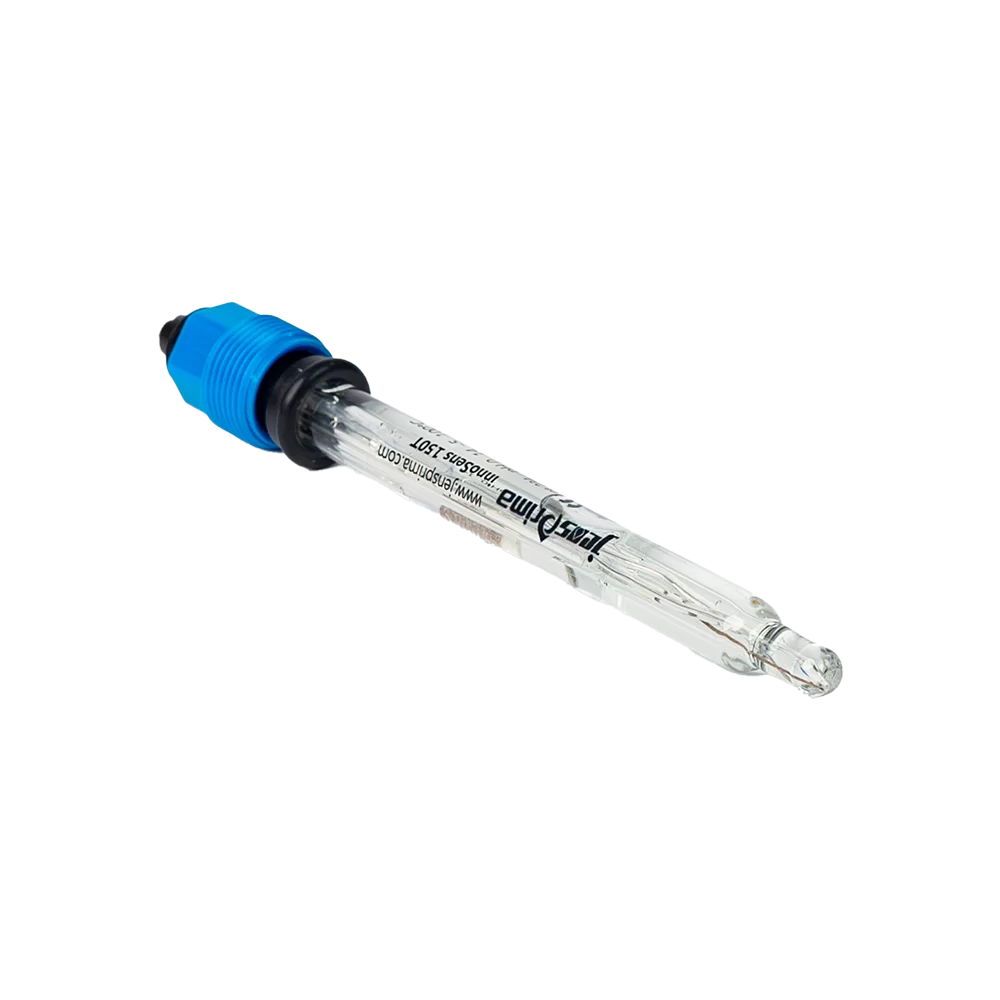
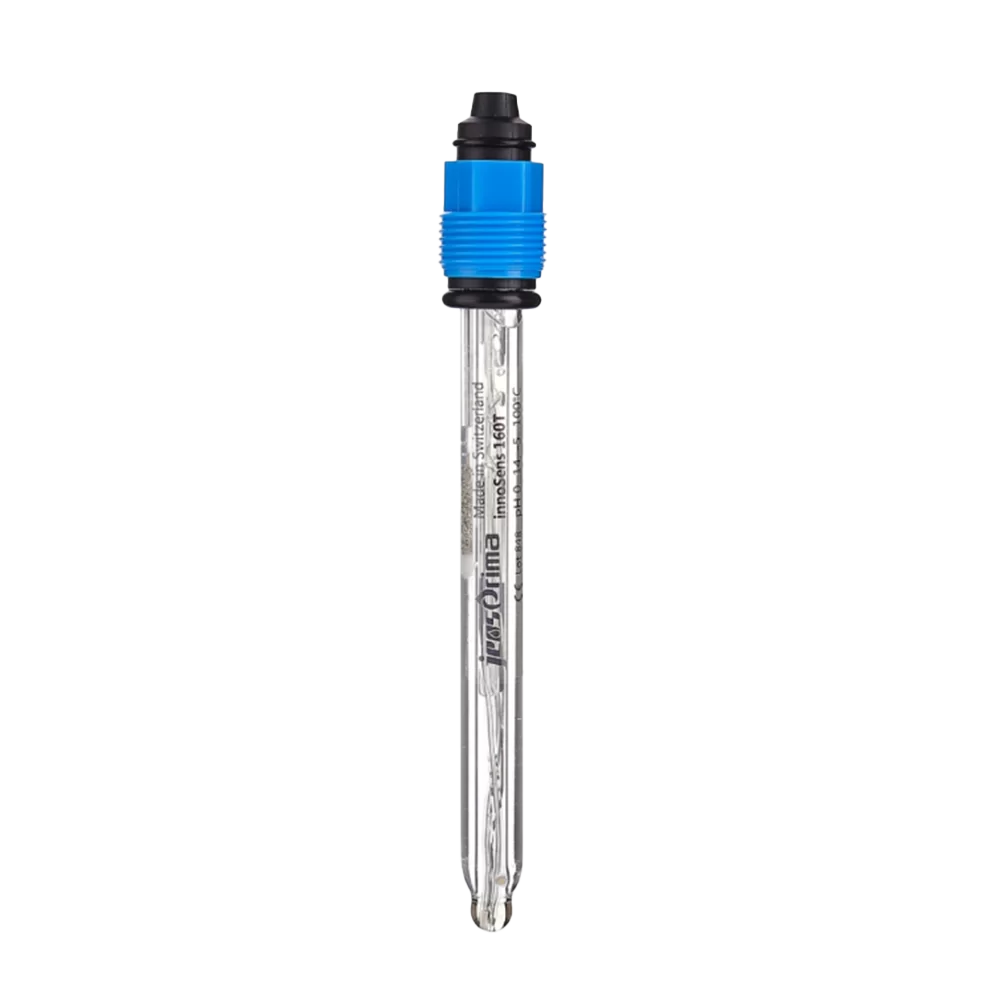
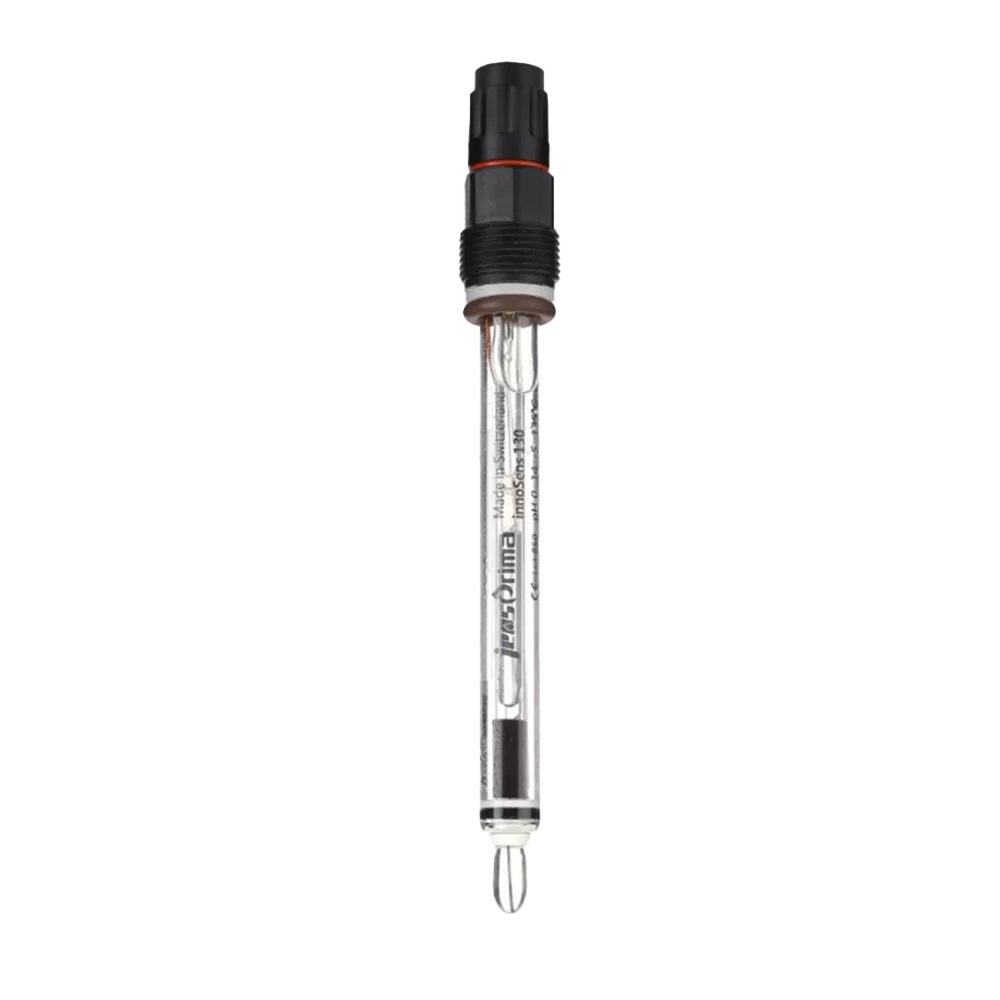
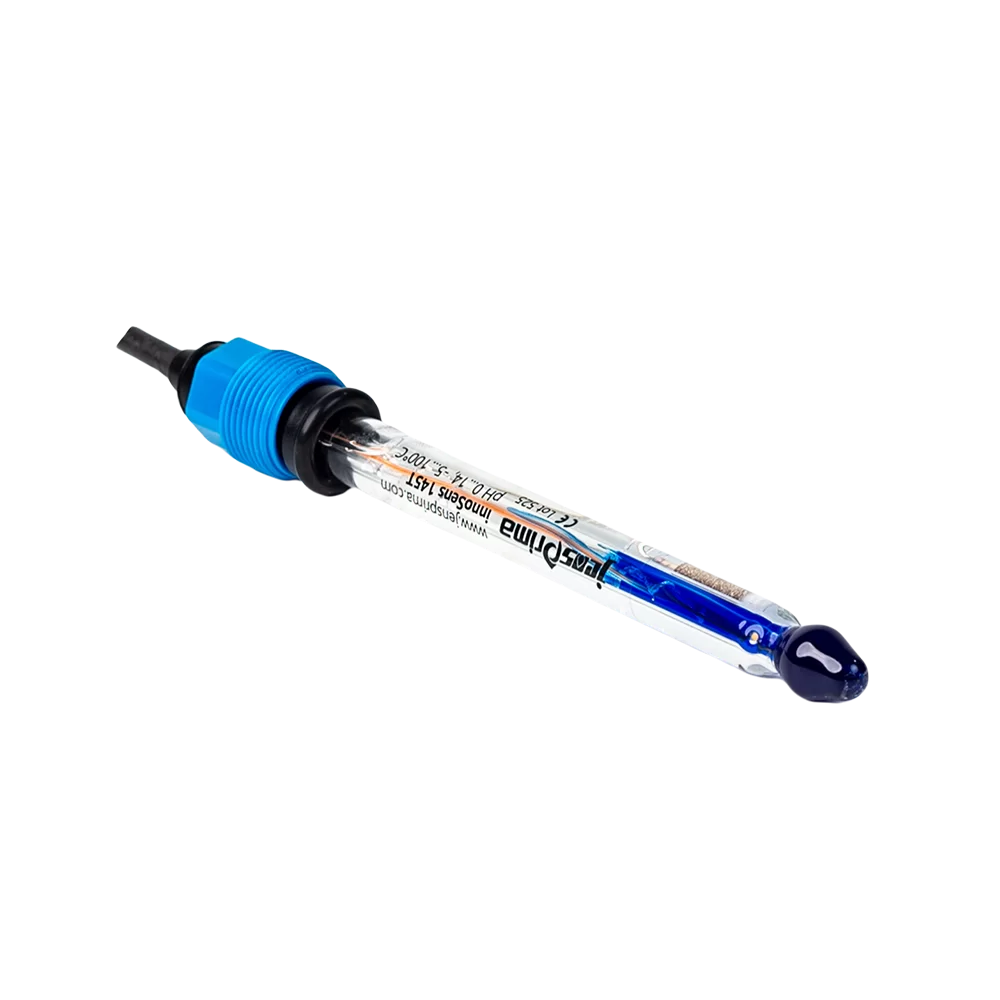
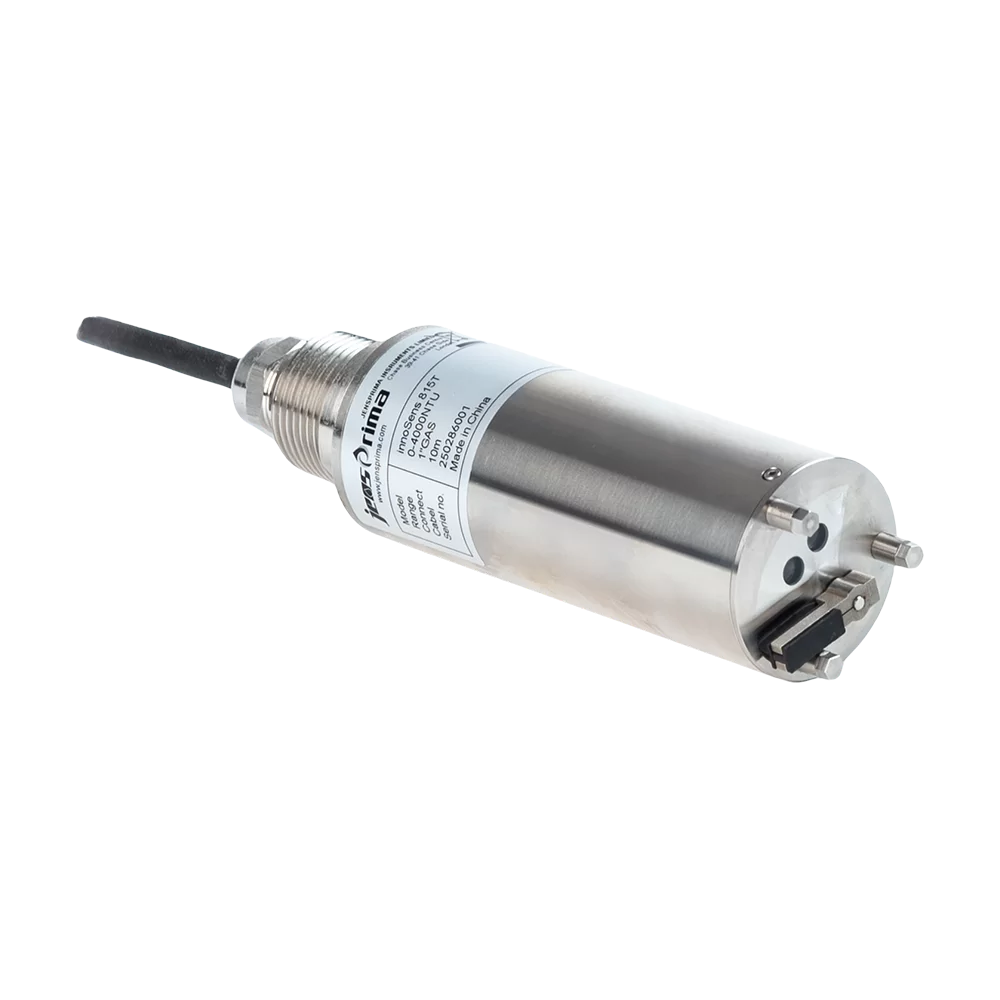
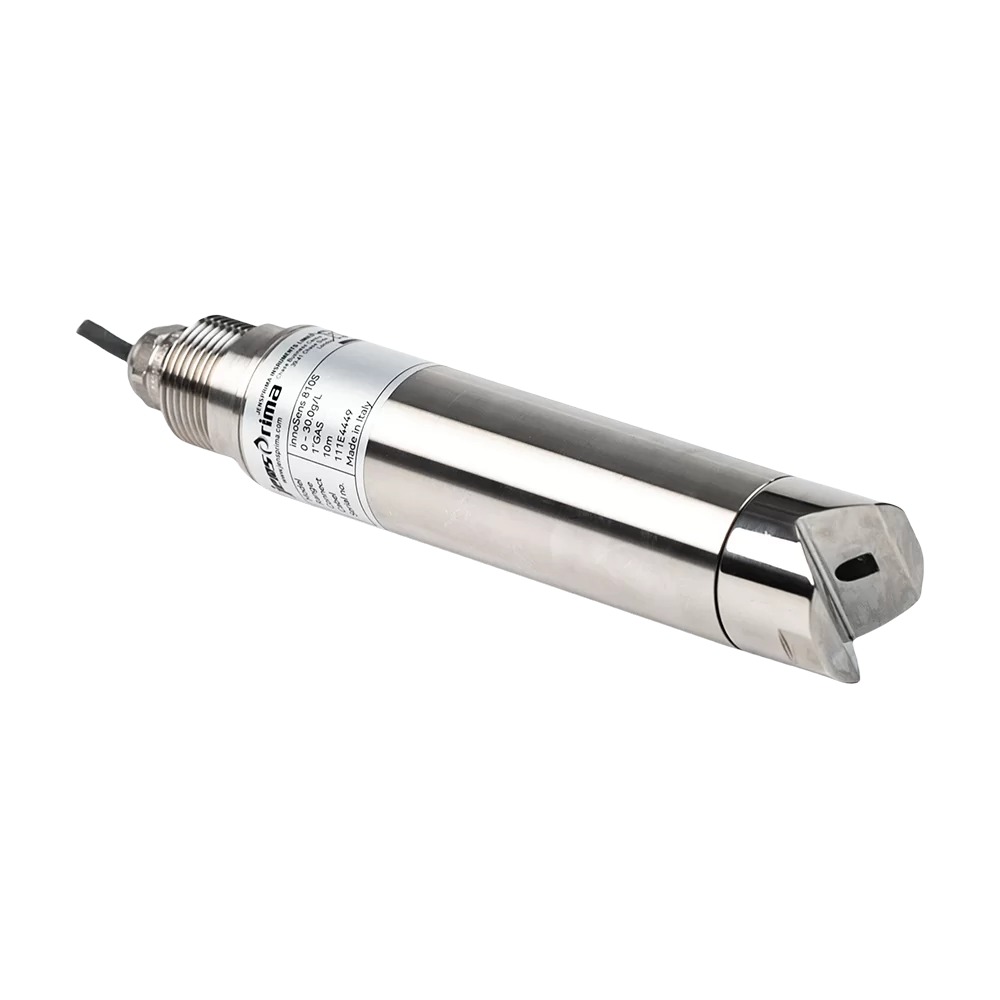
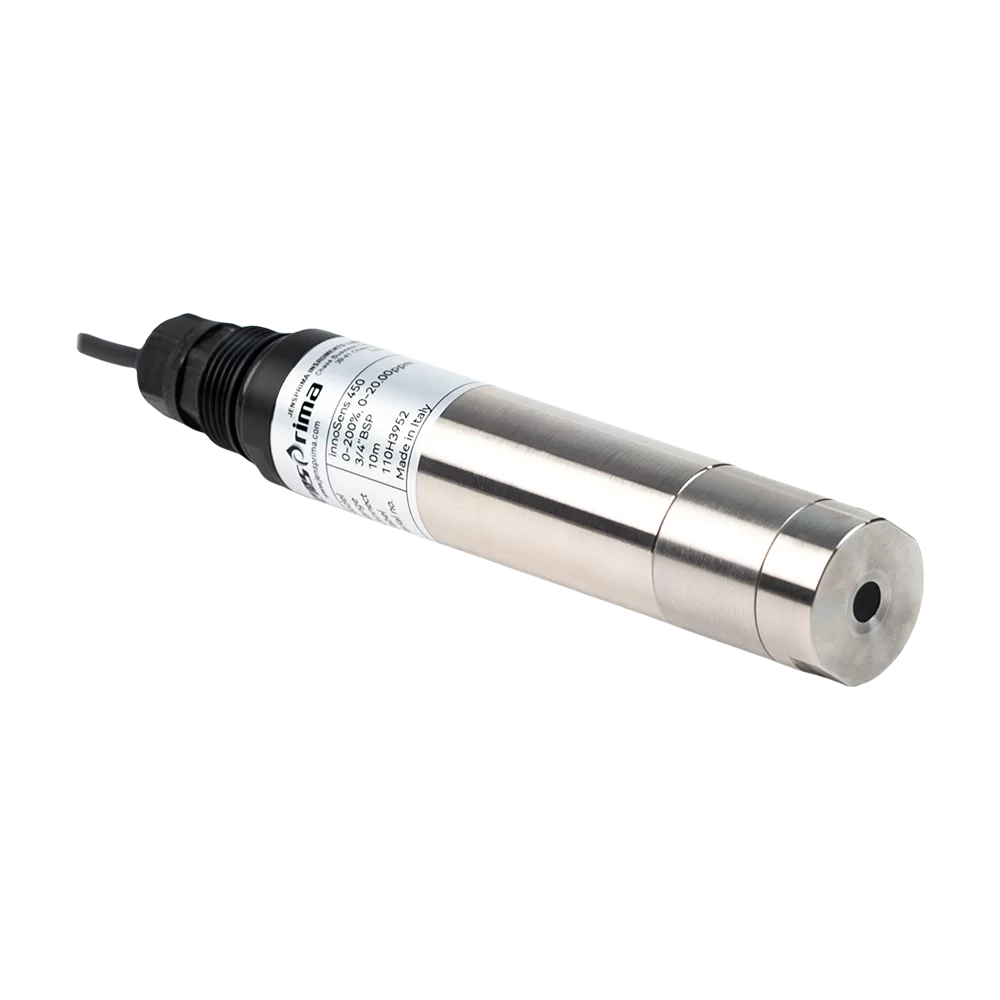
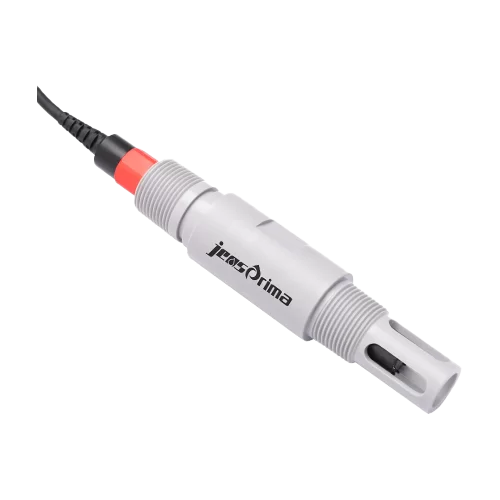
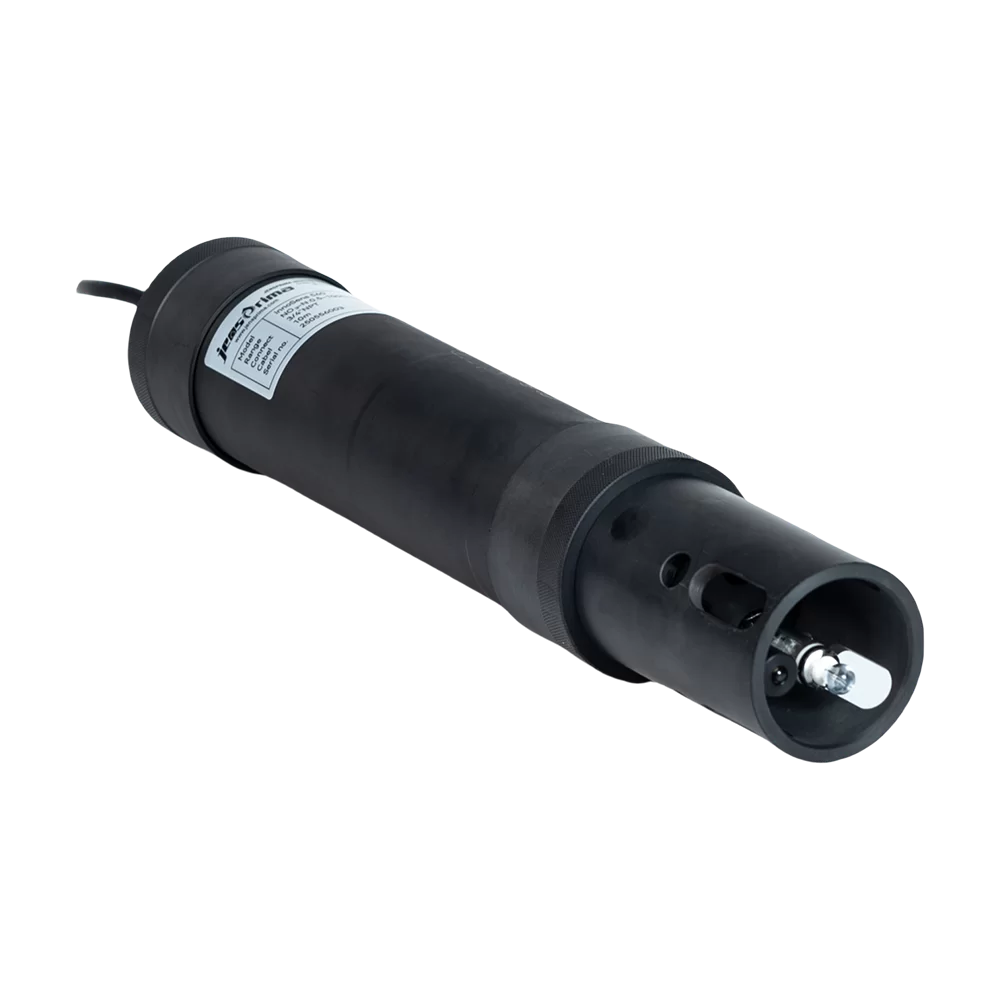
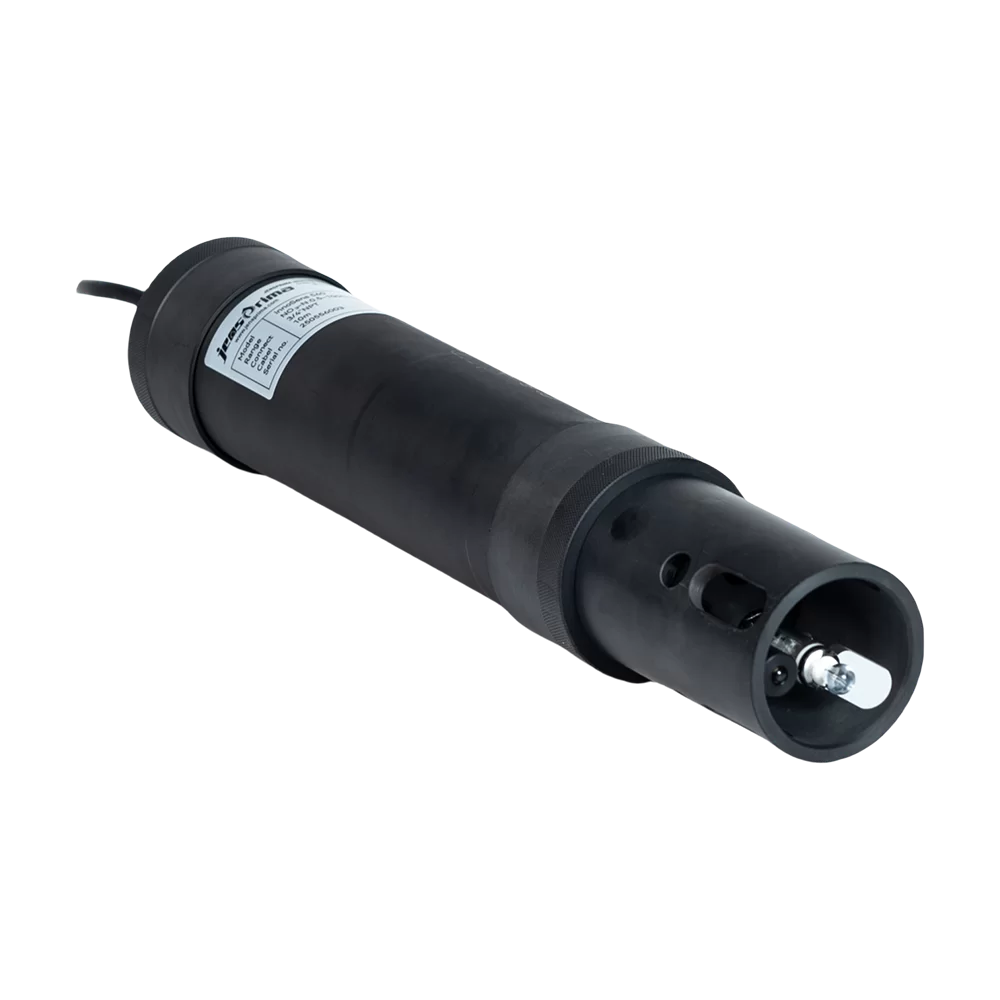
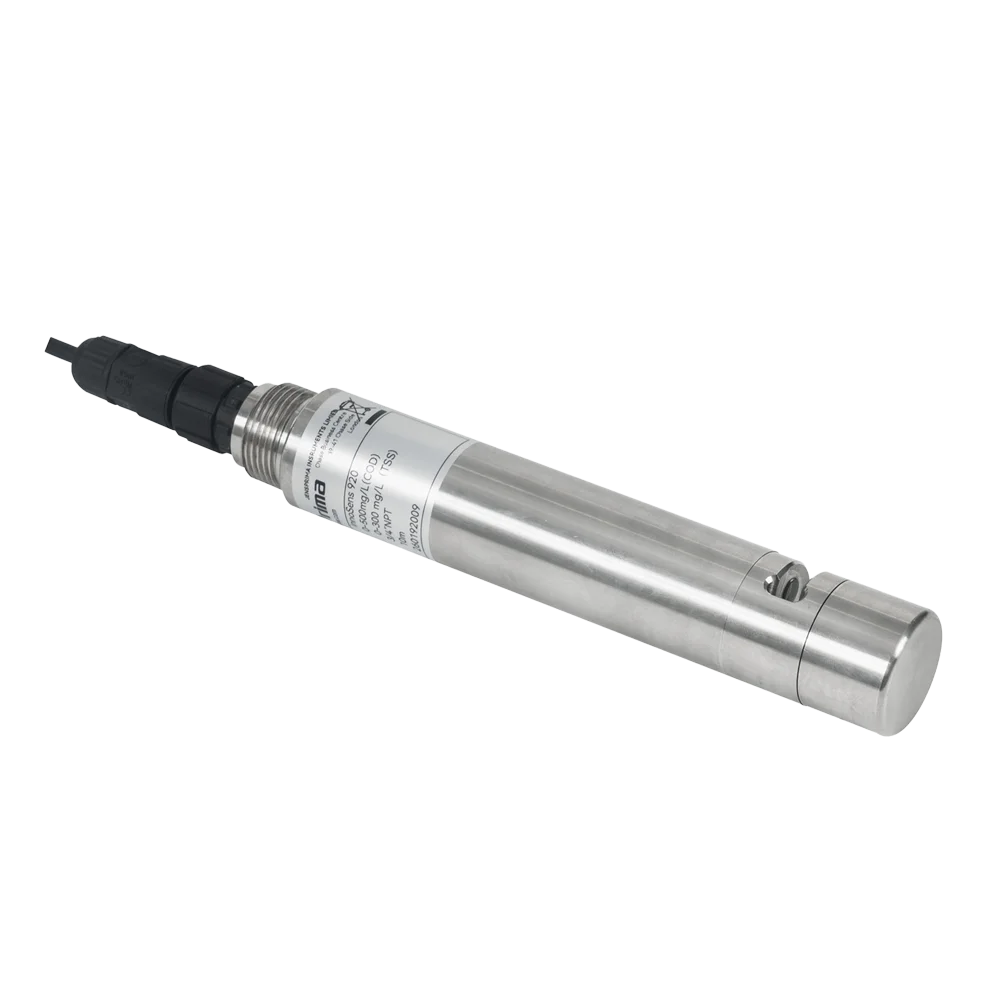
Modern integrated sensors, such as the innoSens 570, employ a two-in-one dual channel design. This architecture allows for the simultaneous measurement of Ammonia and Nitrate Nitrogen, which eliminates the need for separate probes and reduces the physical space required in flow-cells or submersible installations. By consolidating the sensing elements, the system reduces potential points of failure and simplifies the signal path to the controller.
| Feature | Integrated Dual-Sensor | Traditional Single Sensors | Operational Impact |
|---|---|---|---|
| Installation | Single Mount | Dual Setup | Lower labor cost |
| Hardware Footprint | Compact | Bulky | Reduced space req. |
| Cabling | Unified | Separate | Simplified wiring |
| Maintenance | Synchronized | Independent | 40% labor reduction |
| Data Stream | Coordinated | Fragmented | Easier correlation |
| Calibration | Fast/Synchronized | Time-consuming | Increased uptime |
Ion-Selective Electrode Precision
The accuracy of nitrogen monitoring depends on the selectivity of the ion-selective membranes. High-precision membranes are engineered to minimize cross-interference from other ions present in complex water matrices. For professional applications, ensuring high-precision long-term drift control is essential, as it minimizes the frequency of manual recalibration and prevents the reporting of false positives in environmental compliance logs.
Industrial Material Durability
Given that sensors are often submerged in industrial wastewater or remote river sites, material selection is paramount. The use of industrial-grade corrosion-resistant materials ensures that the probe housing can withstand harsh chemical environments without degrading. This durability is a prerequisite for maintaining structural integrity and protecting the sensitive internal electrodes from external contaminants.
Deployment in Wastewater Treatment
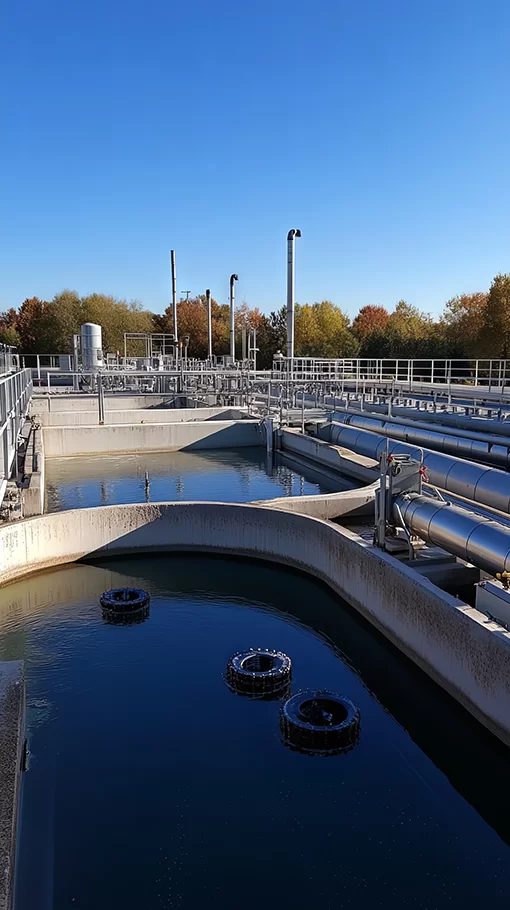
In wastewater treatment plants, integrated sensing is used to automate nutrient dosing and aeration. By providing real-time data on NH₄-N and NO₃-N, operators can adjust blowers and chemical feeds instantaneously. This not only ensures adherence to strict discharge permits but also optimizes energy consumption by preventing over-aeration of the biological tanks.
Calibration and Drift Management
All ion-selective sensors experience some level of drift over time. Effective systems utilize software-driven calibration routines to maintain peak accuracy. For OEM partners, the ability to provide low-frequency calibration requirements is a significant competitive advantage, as it reduces the operational burden on site technicians and decreases the risk of human error during manual checks.
SCADA and PLC Compatibility
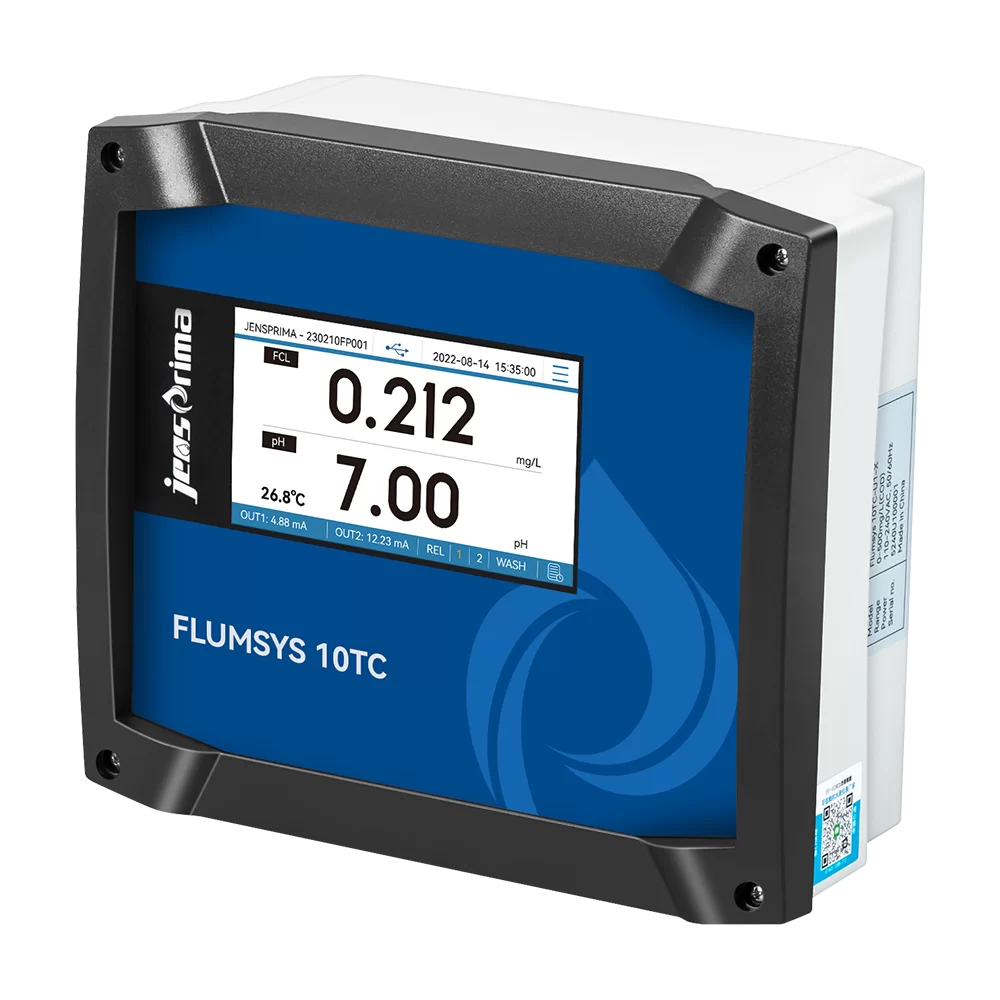
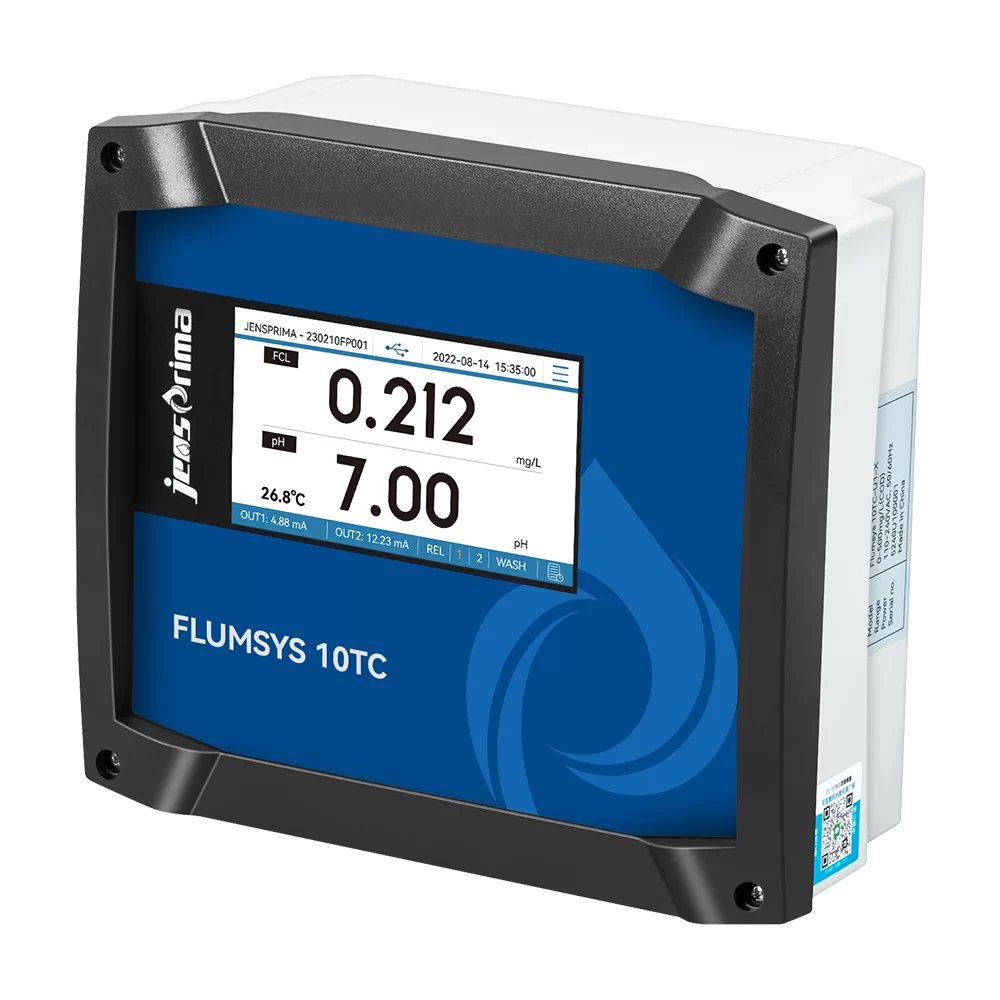
For a sensor to be useful in a commercial plant, it must integrate seamlessly with existing control systems. Utilizing standard industrial interfaces allows these probes to communicate directly with SCADA and PLC platforms. This connectivity enables the creation of automated alert systems that notify operators via SMS or email when nitrogen levels exceed regulatory thresholds.
Total Cost of Ownership Analysis
When evaluating the ROI of an integrated analyzer, buyers should look beyond the initial purchase price. The total cost of ownership (TCO) is significantly lower for dual-parameter sensors due to reduced installation costs, lower cabling expenses, and a roughly 40% reduction in maintenance labor. Rapid ROI is typically achieved through these OpEx savings and the avoidance of regulatory fines.
FAQ
What is the primary advantage of a two-in-one nitrogen sensor?
The primary advantage is the ability to monitor Ammonia (NH₄-N) and Nitrate (NO₃-N) simultaneously using a single probe. This streamlines data collection, reduces the hardware footprint, and significantly lowers installation and maintenance costs compared to using separate probes for each parameter.
How do these sensors handle interference from other ions in complex water?
They utilize highly selective membranes specifically designed to minimize cross-interference. These advanced ion-selective electrodes ensure that readings for NH₄-N and NO₃-N remain accurate even when other ions are present in industrial wastewater or complex river matrices.
Can these analyzers be integrated into existing SCADA systems?
Yes. When paired with compatible controllers, the system provides standard industrial outputs that are fully compatible with most SCADA and PLC platforms, allowing for automated process control and remote data monitoring.
What affects the lifespan of the sensor membranes?
Membrane lifespan depends primarily on water quality, the level of fouling, and the presence of aggressive chemicals. To manage this, industrial-grade probes are designed for durability, and spare parts kits are typically available for efficient membrane replacement.
How often does a dual-parameter nitrogen sensor require calibration?
While all ion-selective sensors require periodic calibration, high-stability models are engineered to minimize the frequency of these interventions. The use of stable reference electrodes and software-driven routines helps extend the intervals between manual calibrations.
What should a procurement manager prioritize when choosing a water quality analyzer supplier?
Priority should be given to suppliers with proven R&D experience, independent manufacturing capabilities to ensure lead times, and a global support network. Technical support availability (such as 24-hour online assistance) and the ability to provide customized technical solutions are also critical for long-term operational success.
References and further reading
- Industrial Ion-Selective Electrode (ISE) Standard Operating Procedures for Nitrogen Monitoring.
- Guidelines for Nutrient Management in Municipal Wastewater Treatment Plants.
- Technical Specifications for Corrosion-Resistant Materials in Submersible Water Analysis.


