

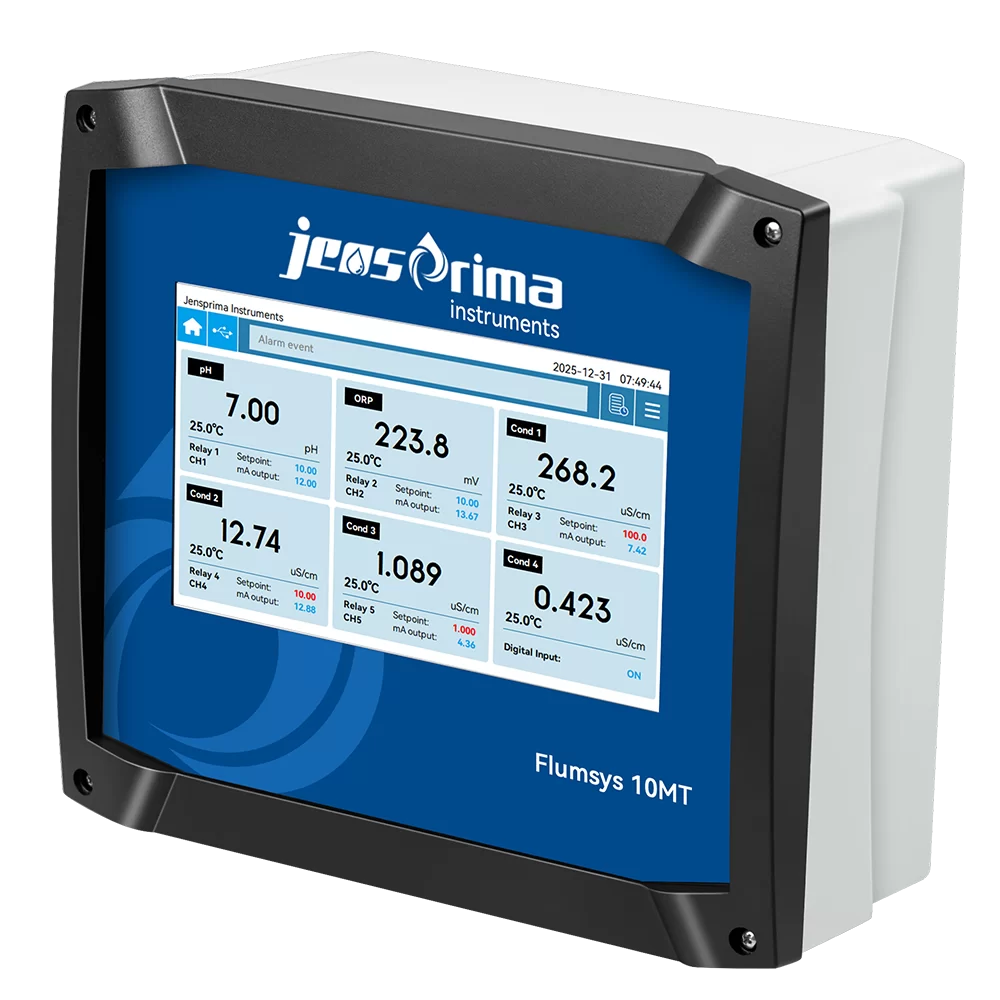
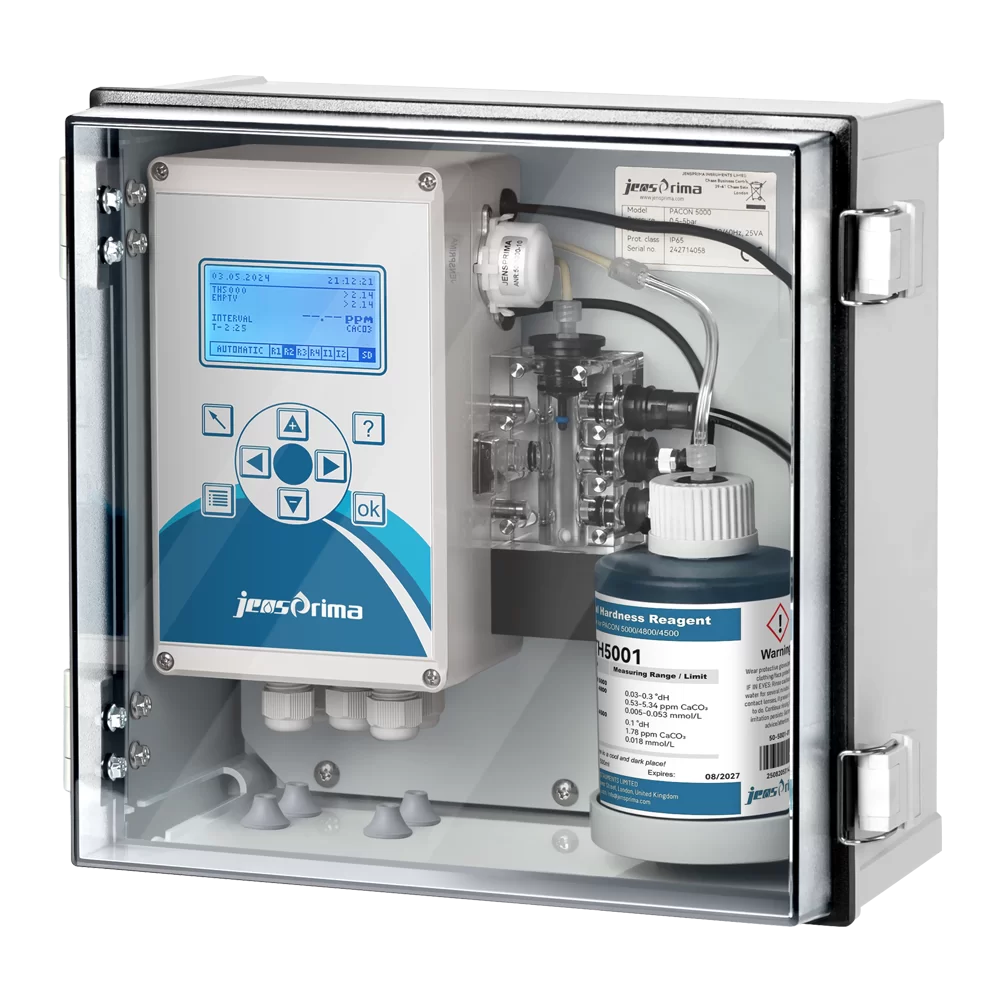
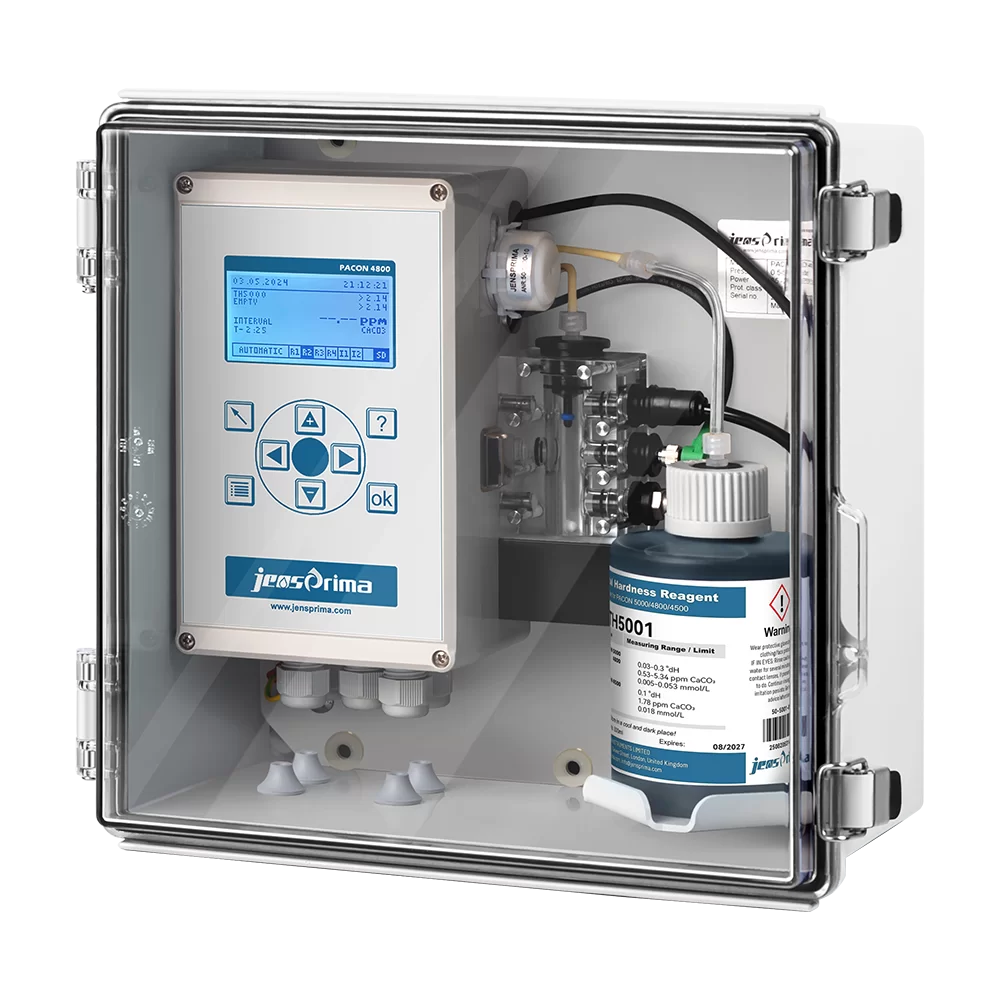
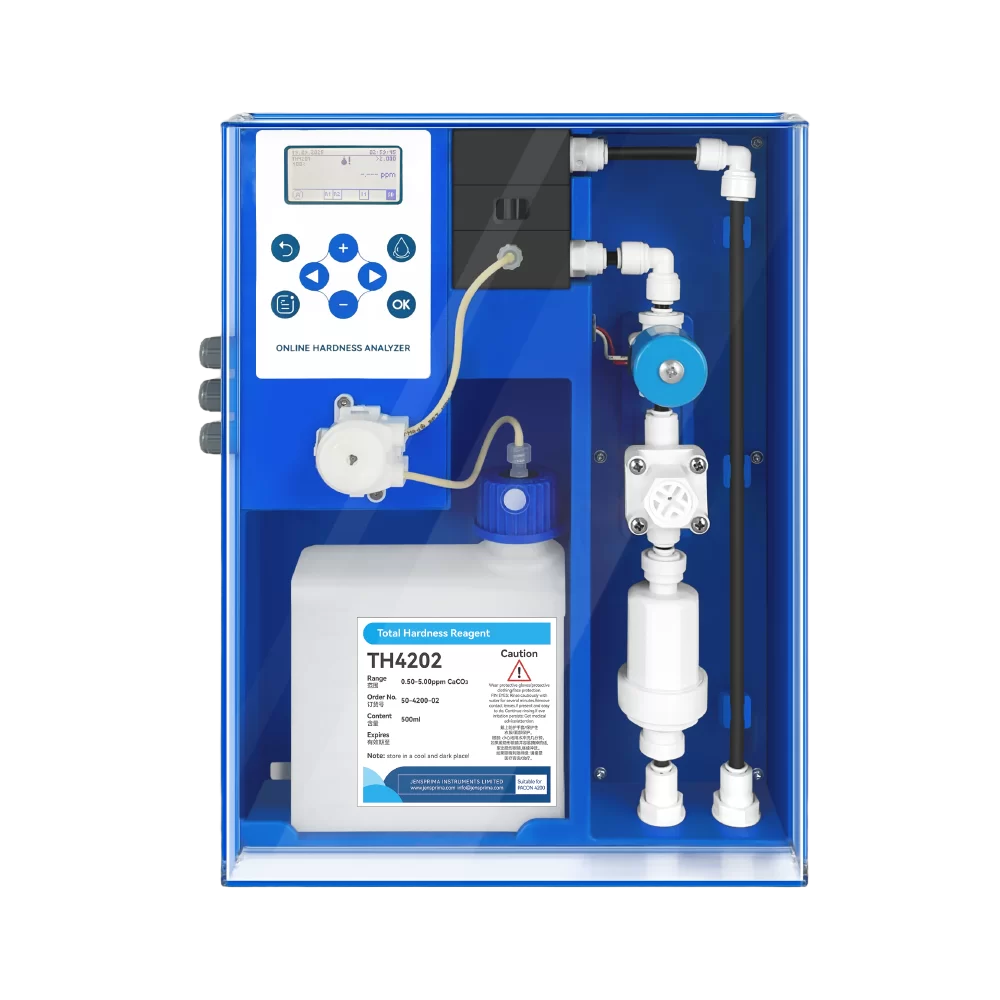
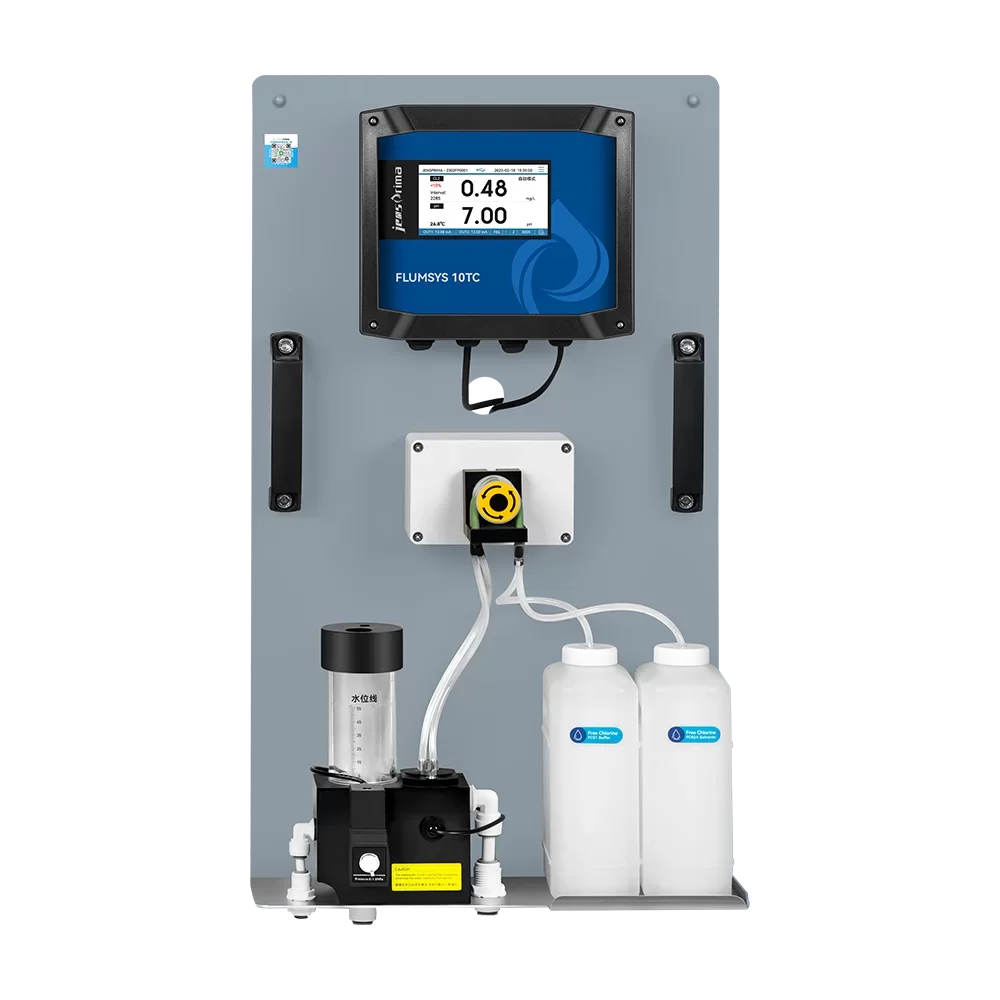
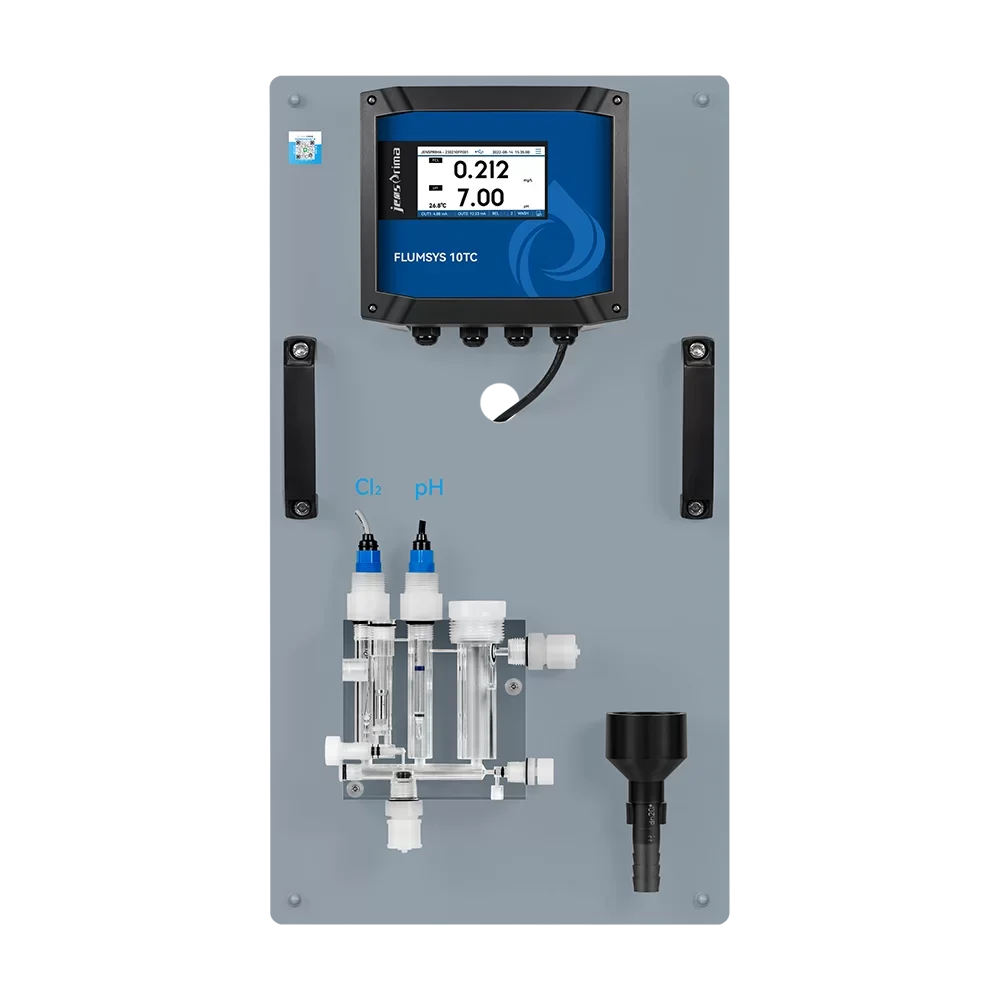
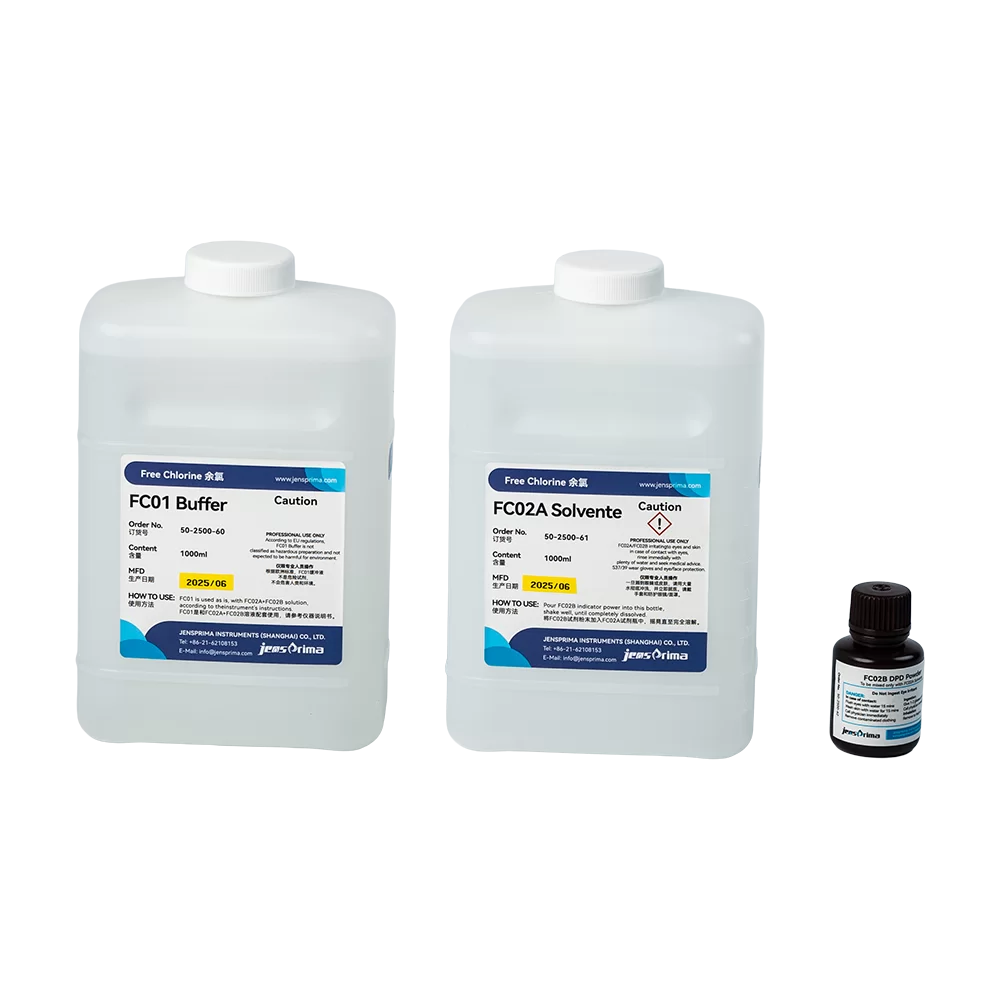
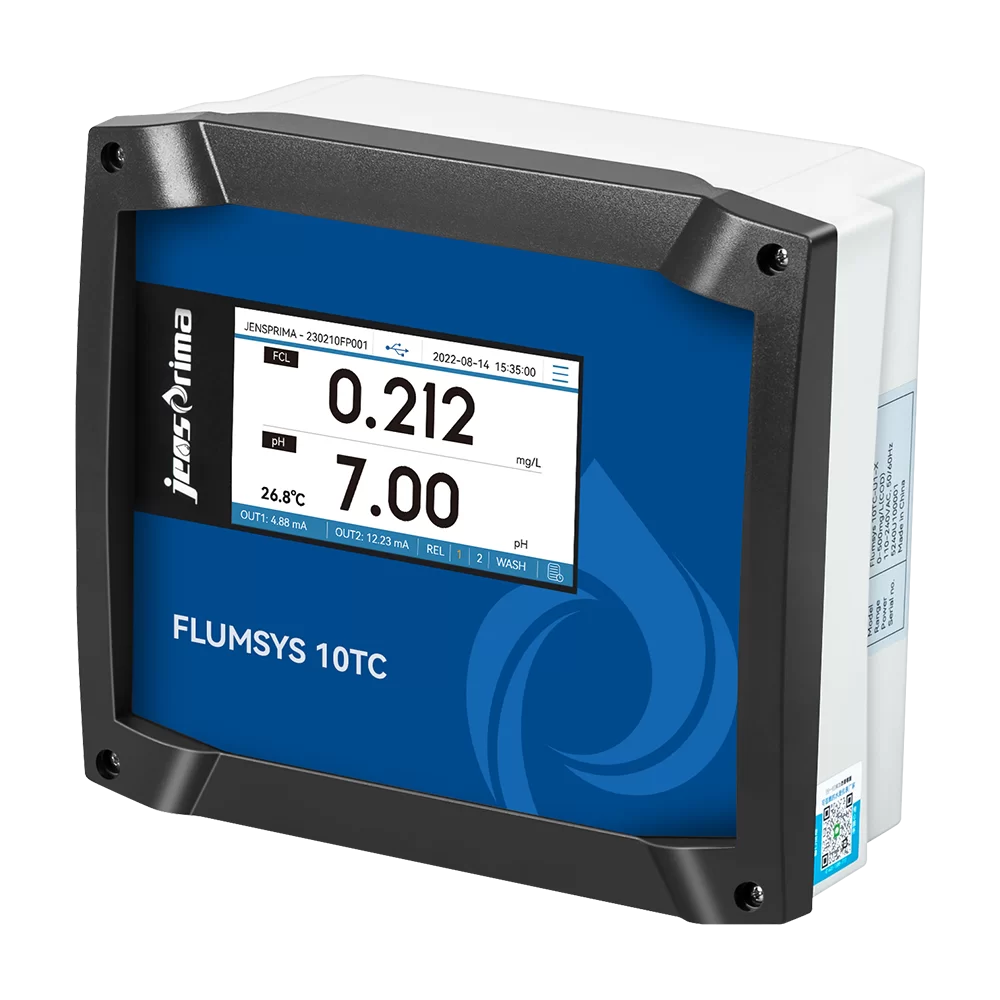
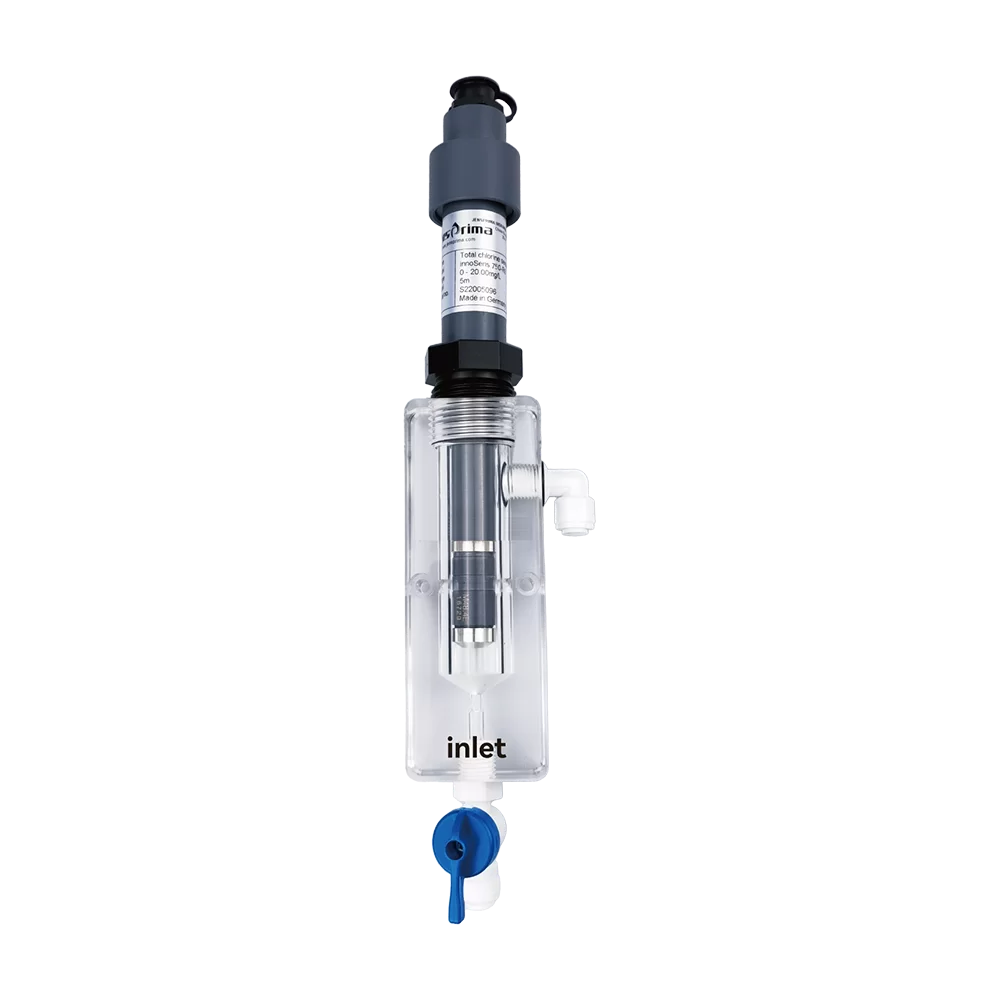
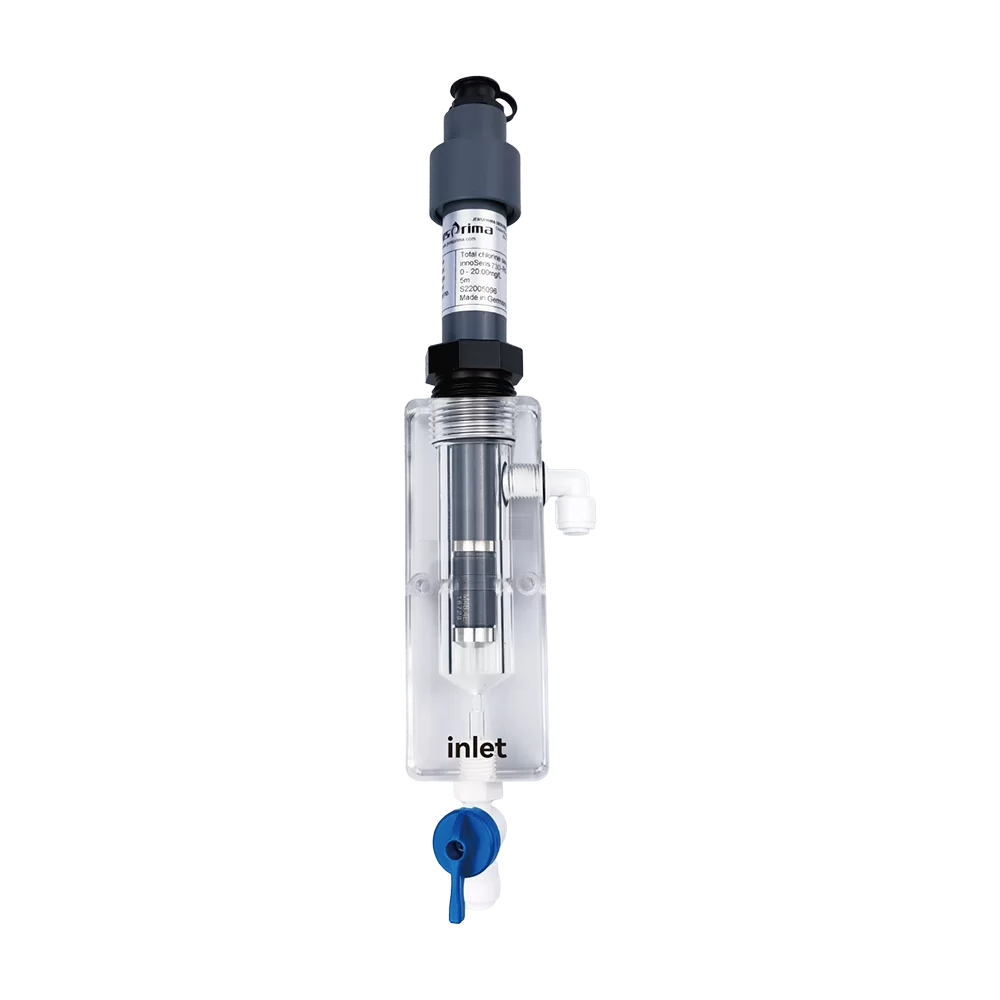
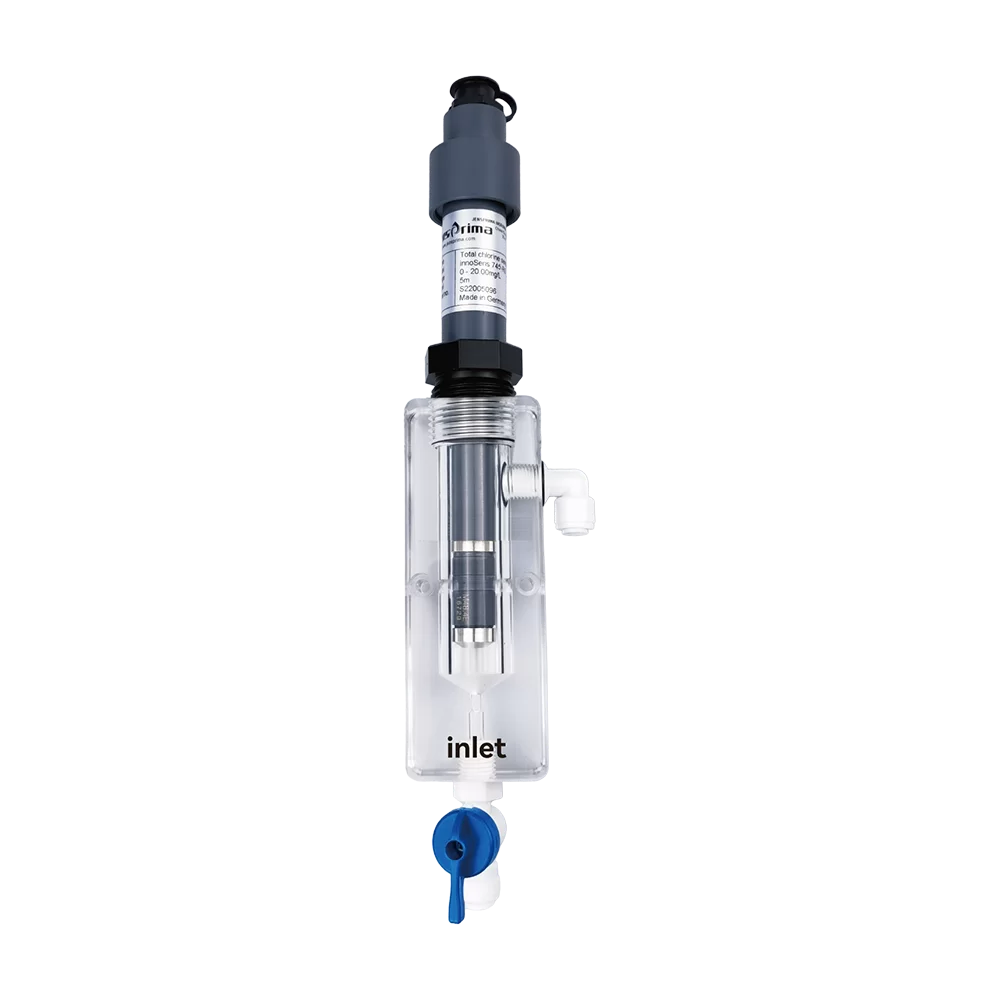
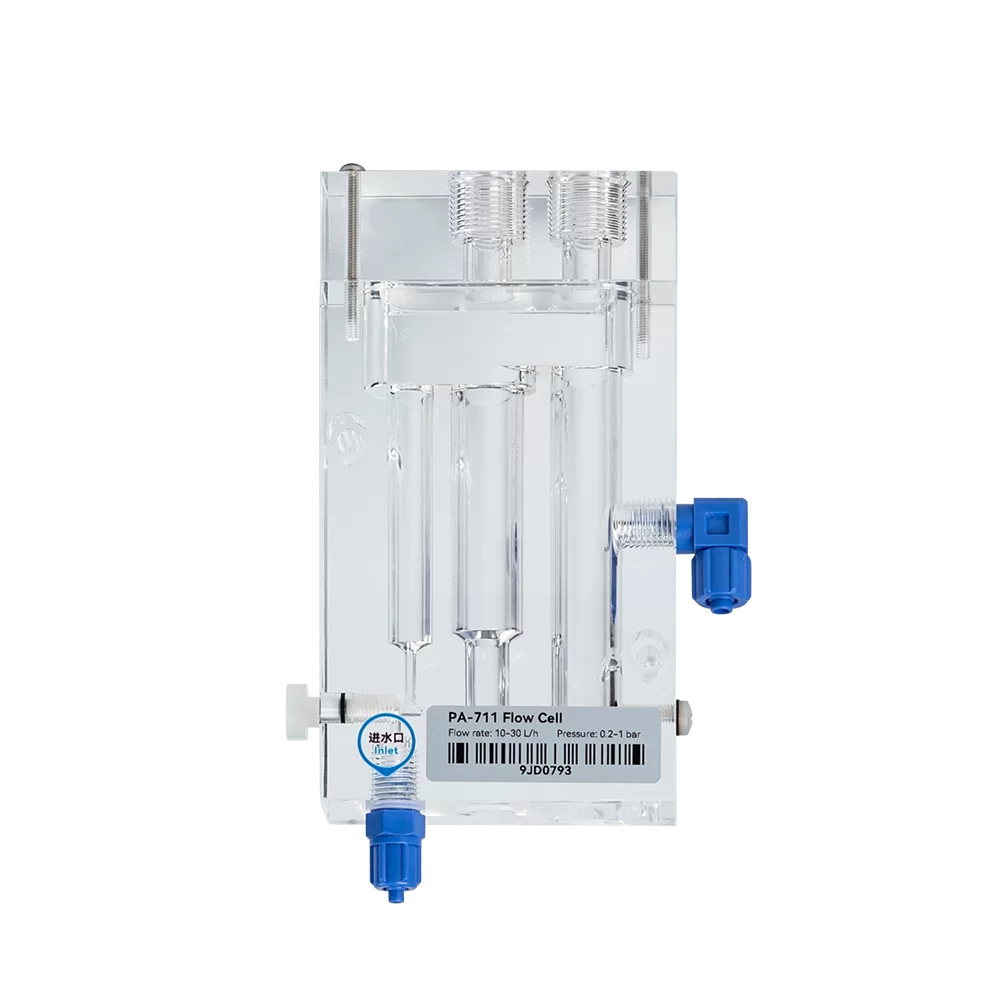
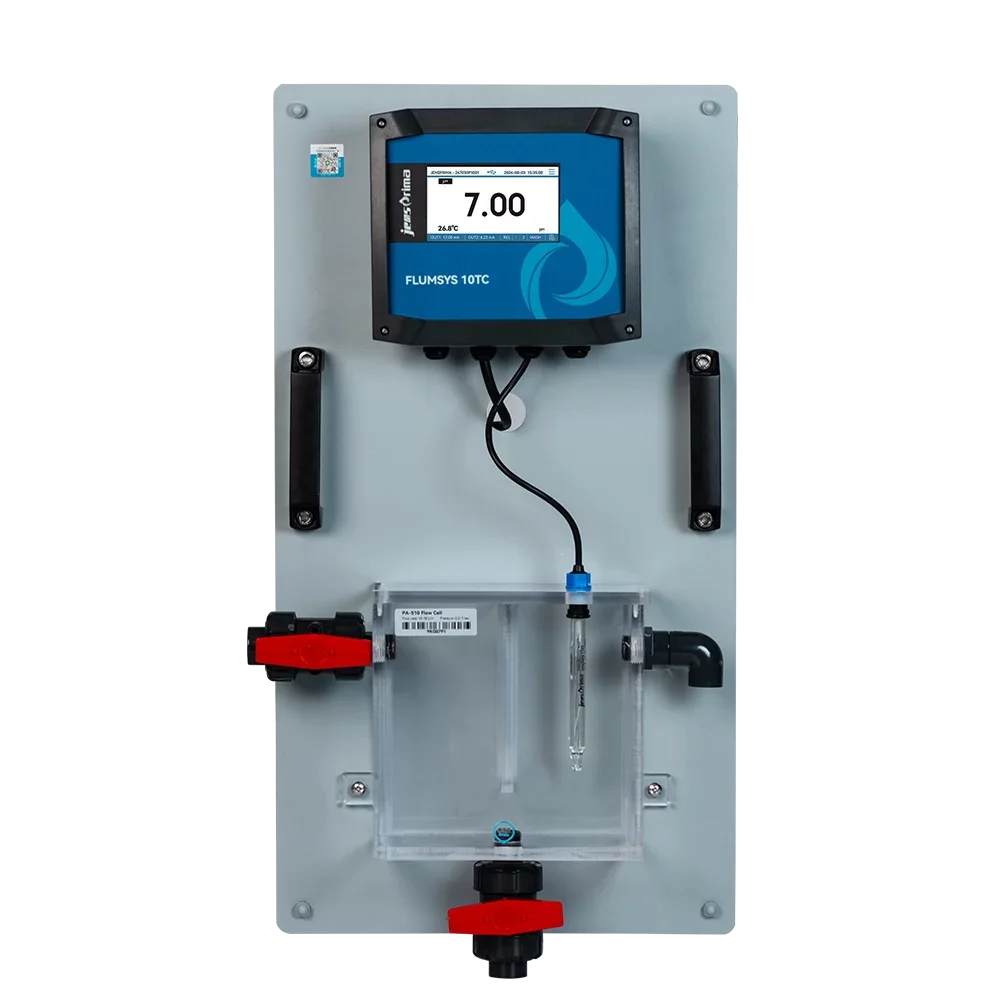
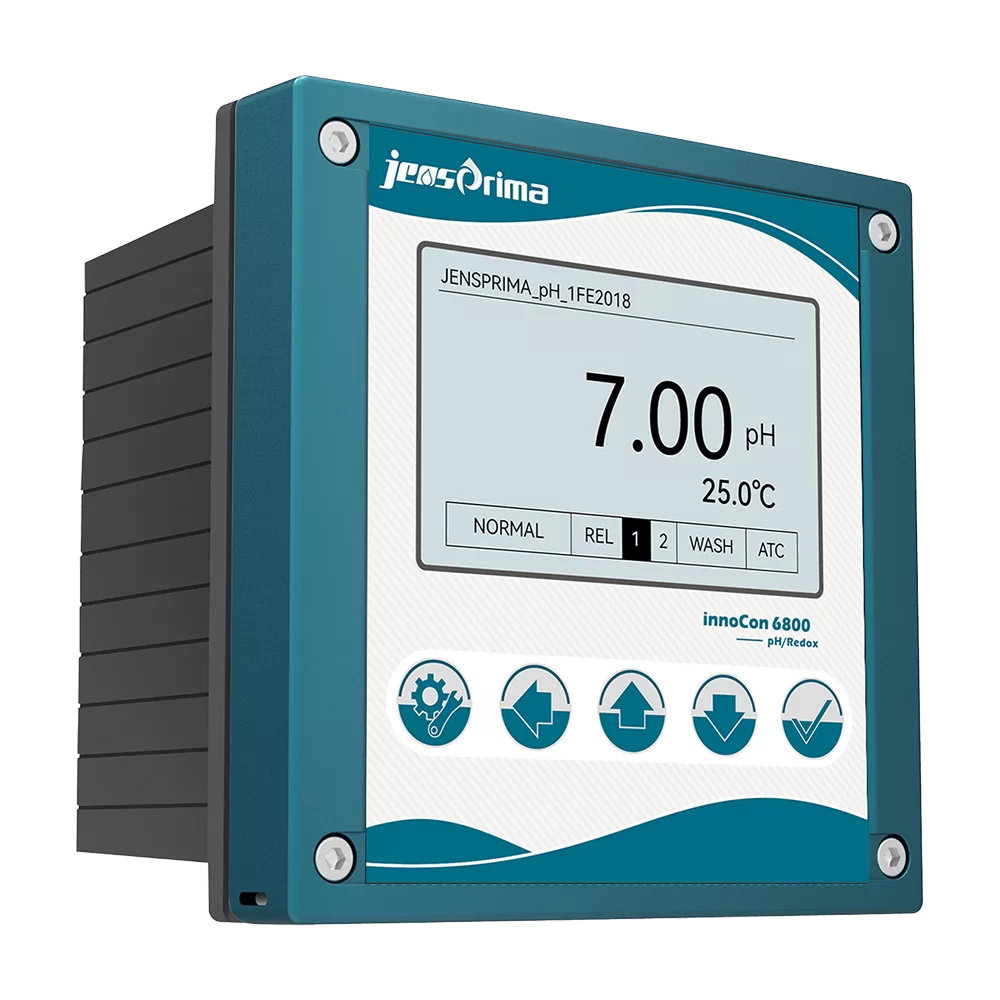
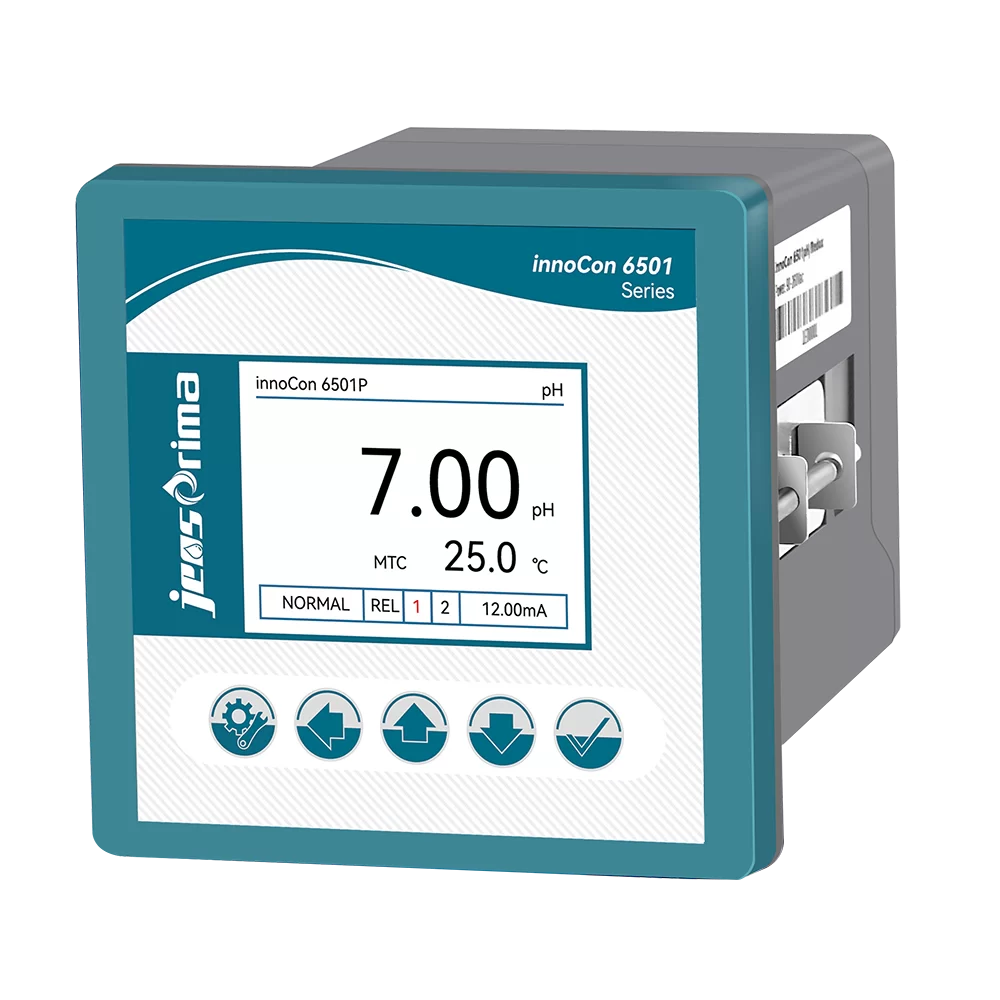
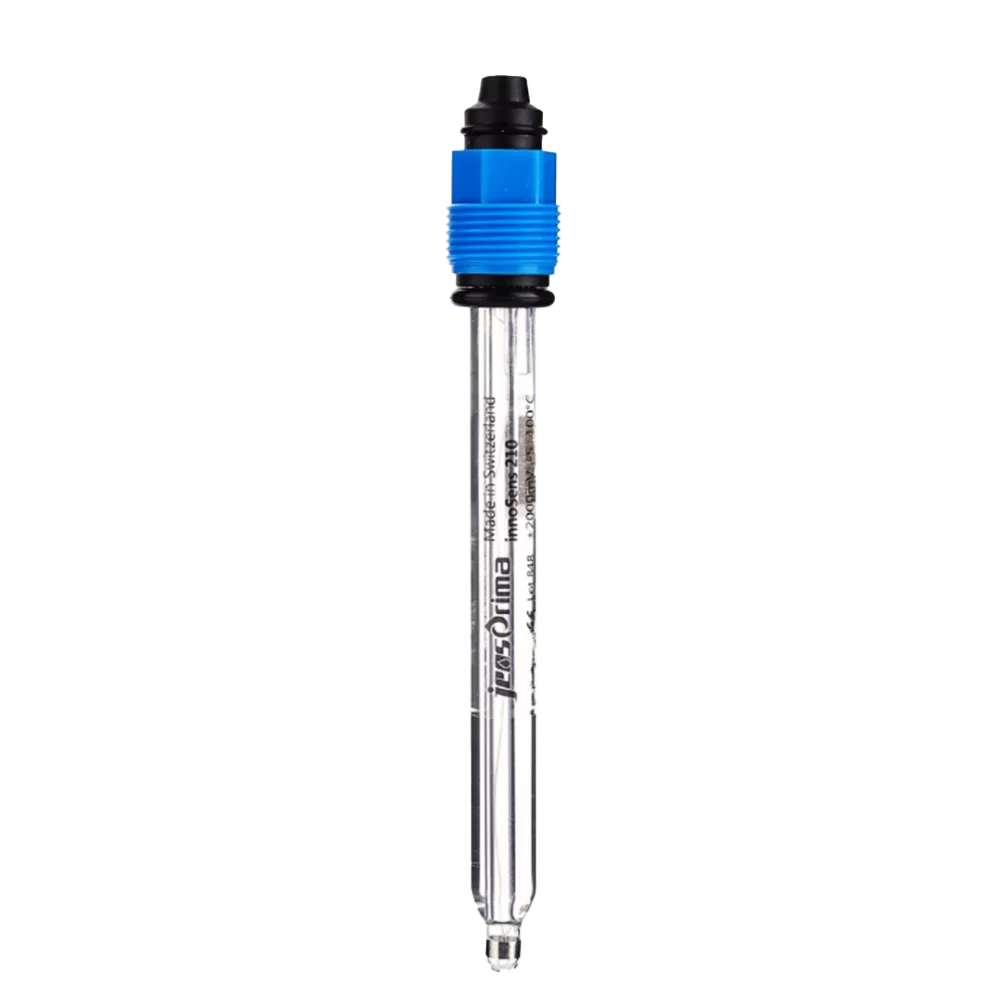
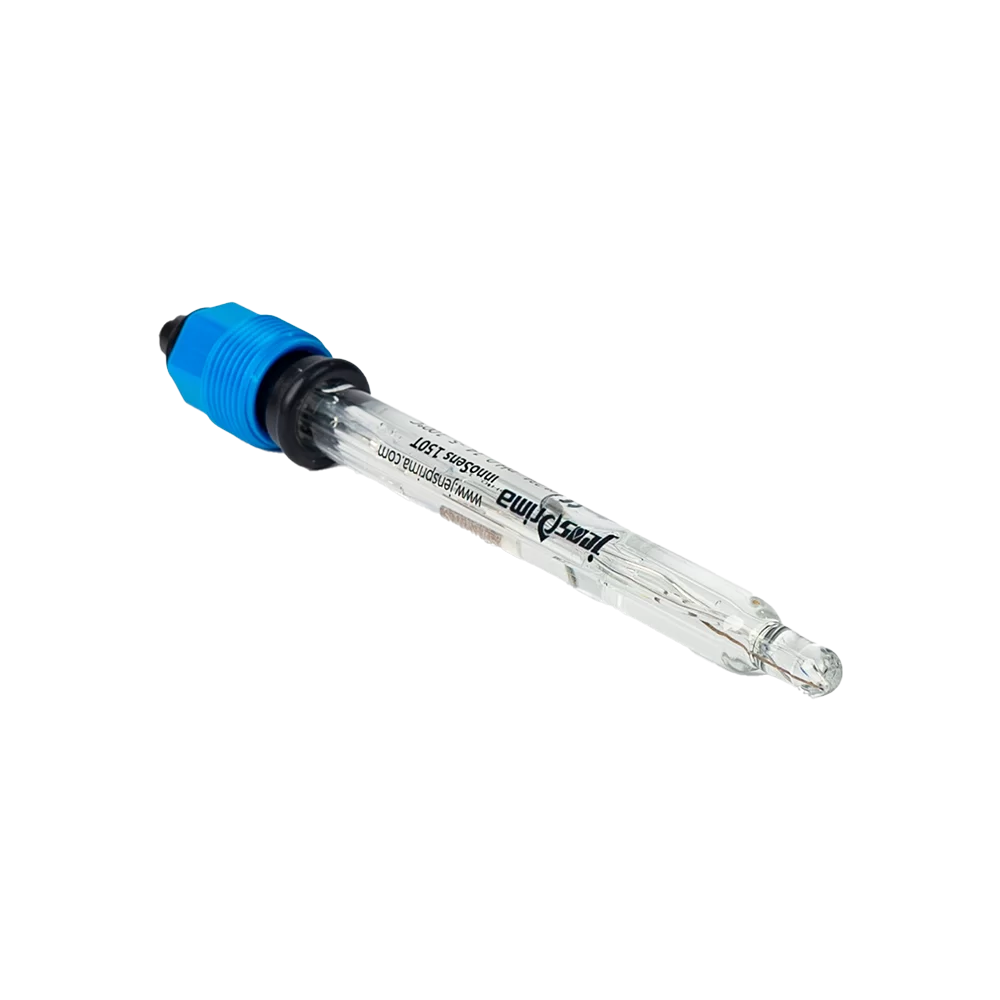
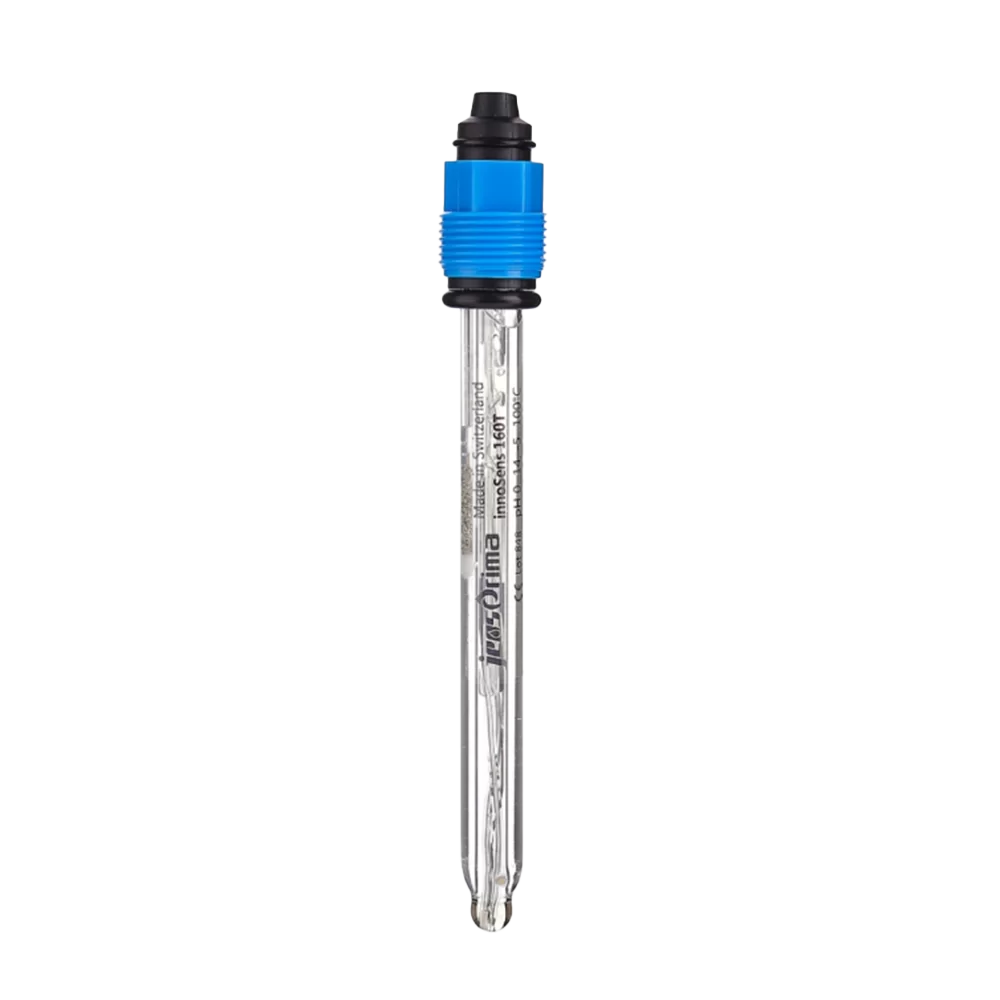
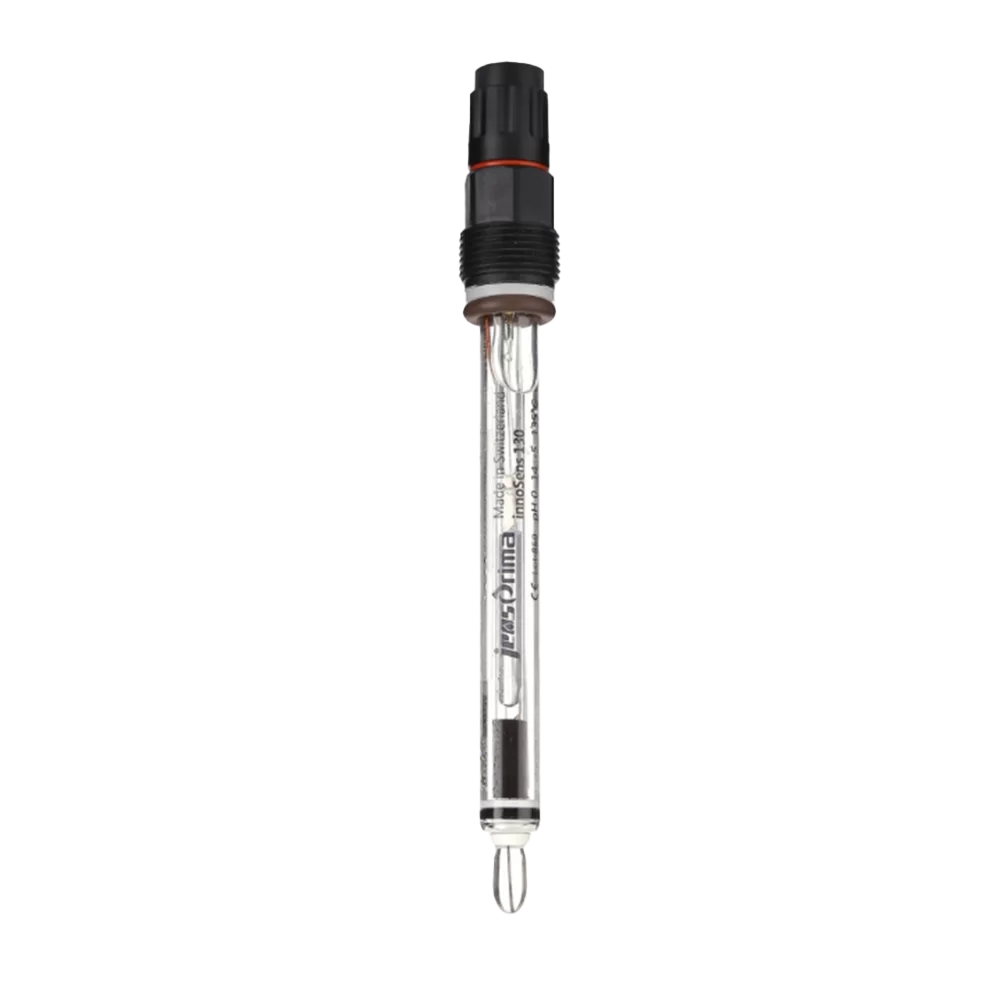
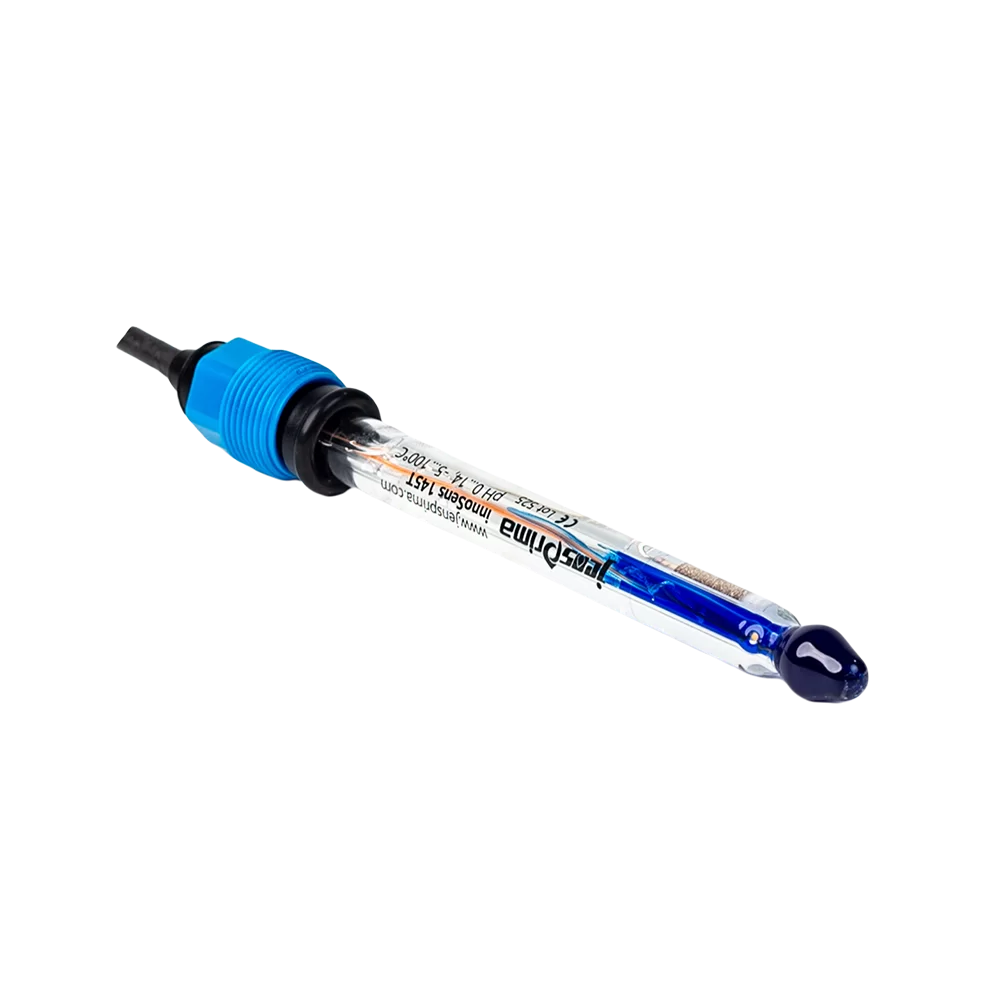
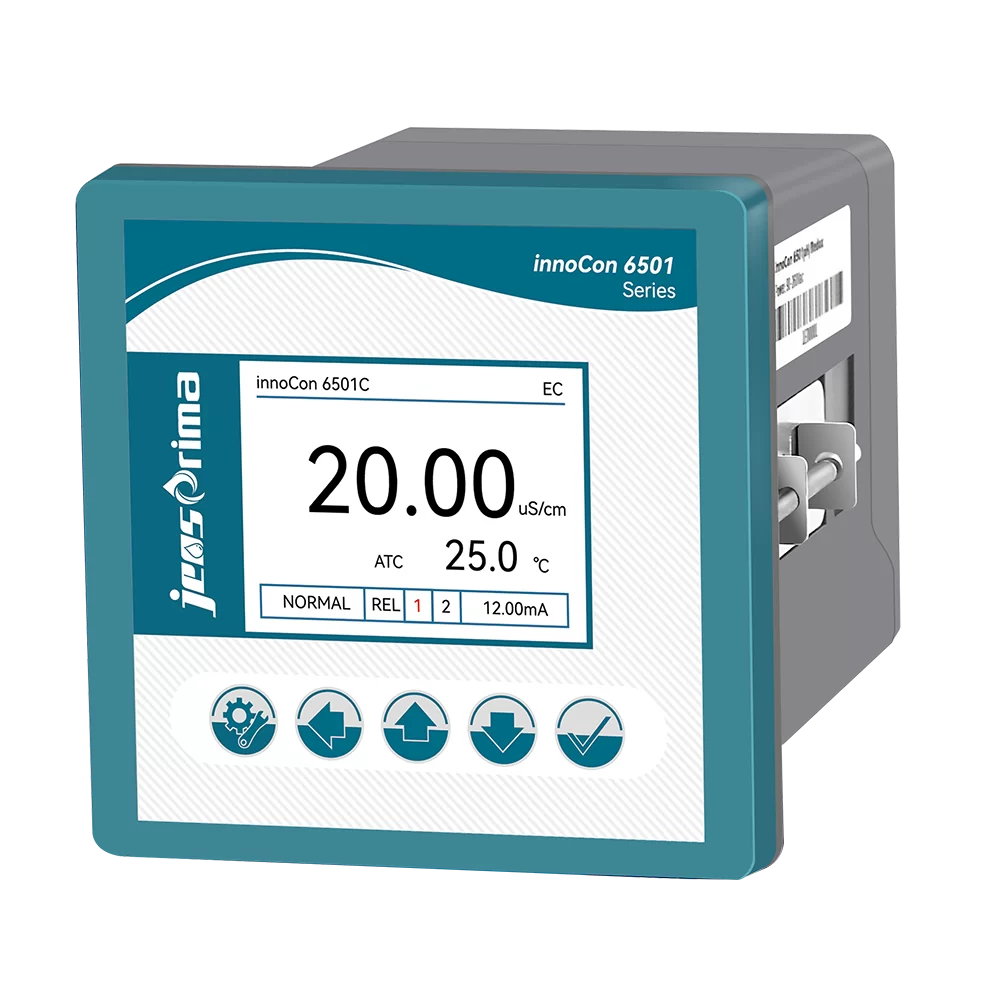
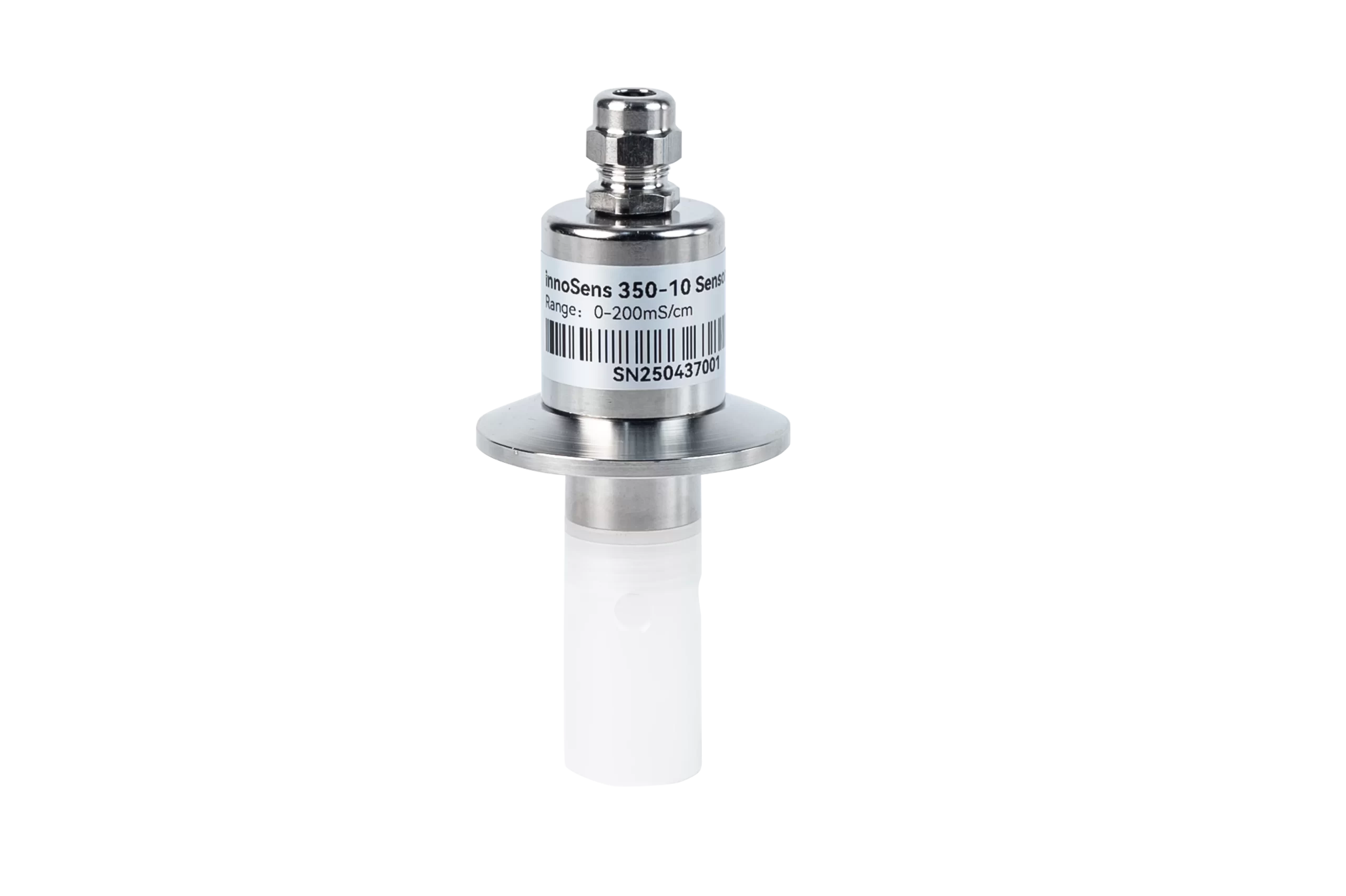
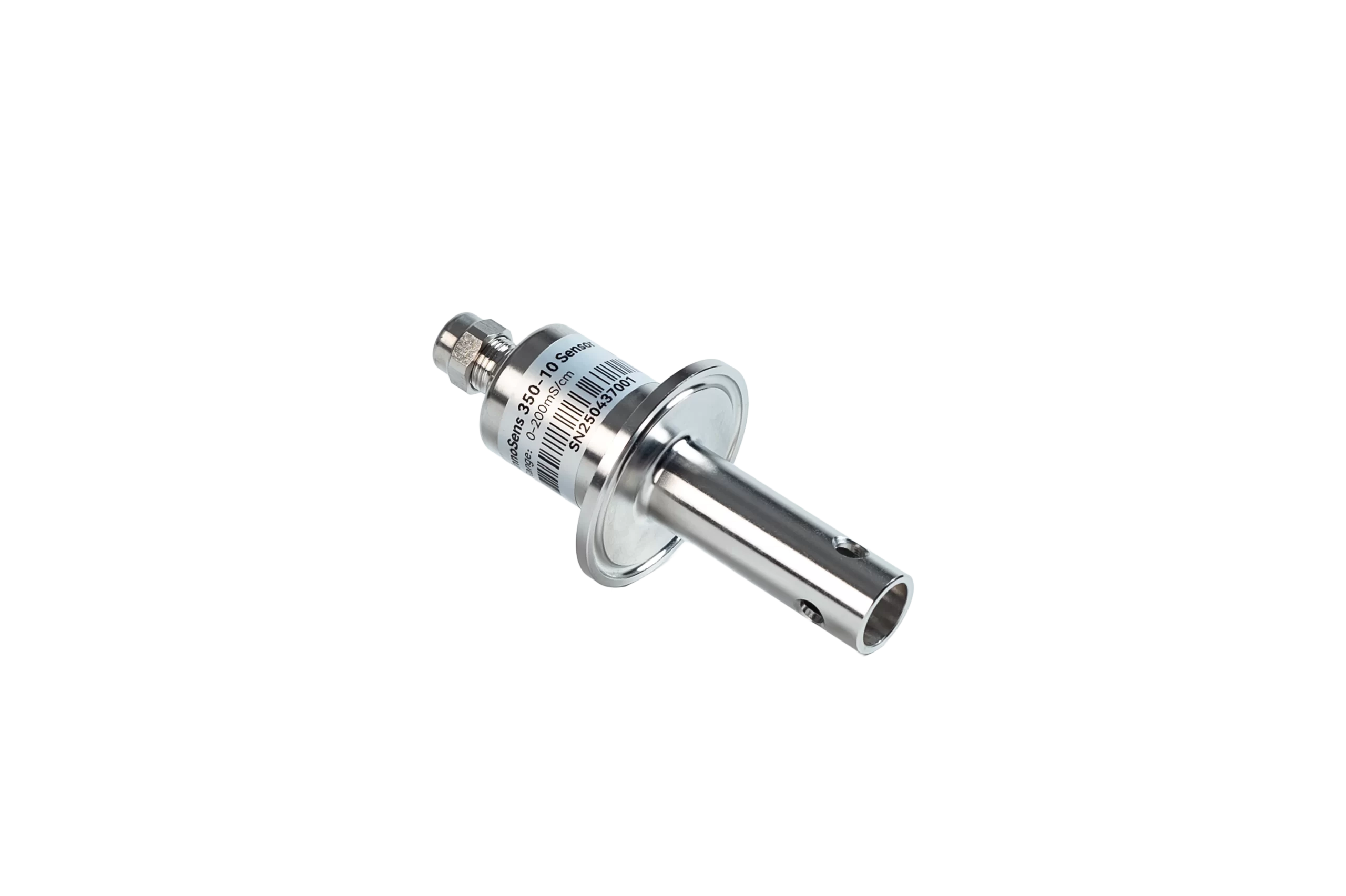
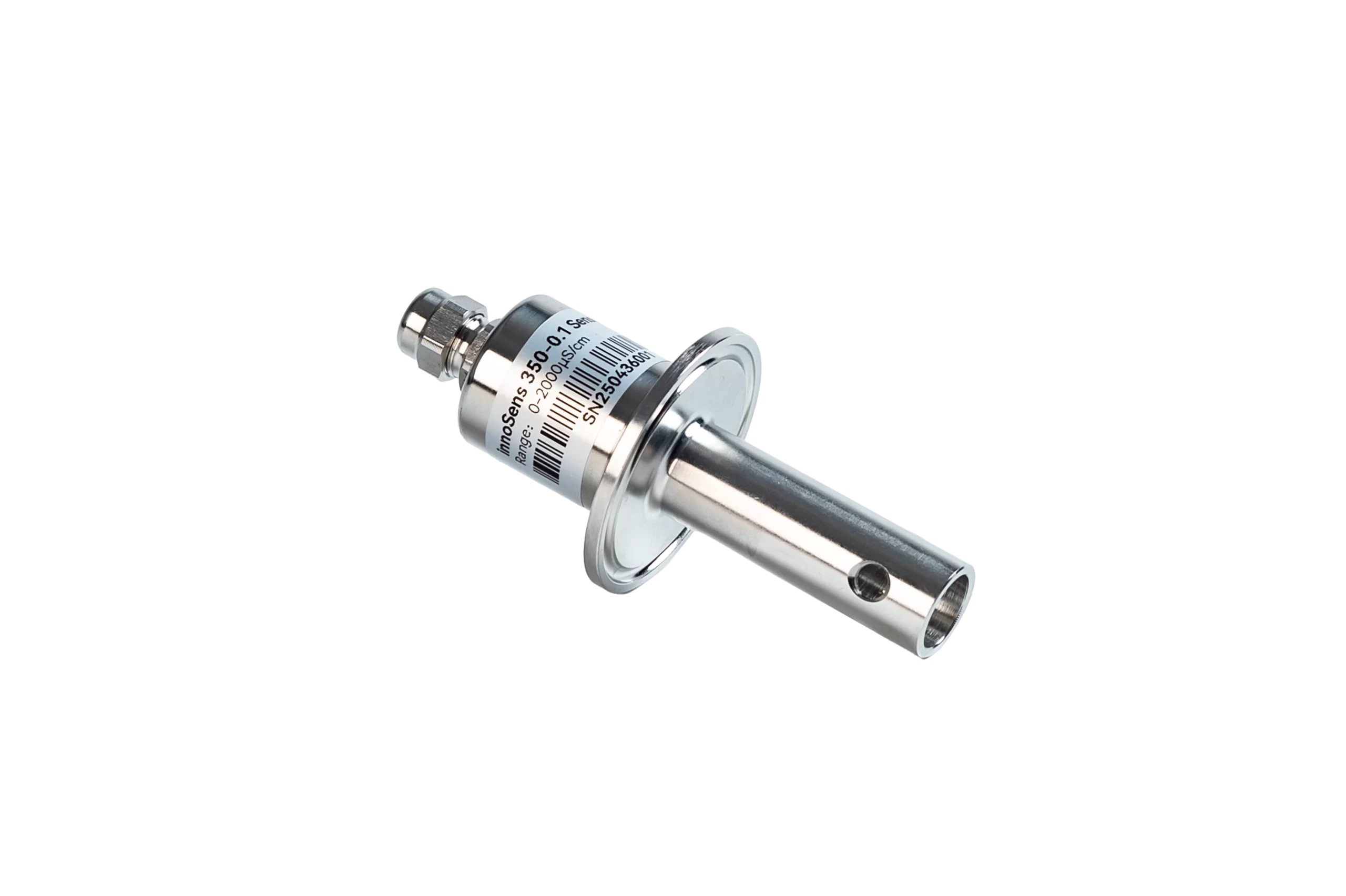
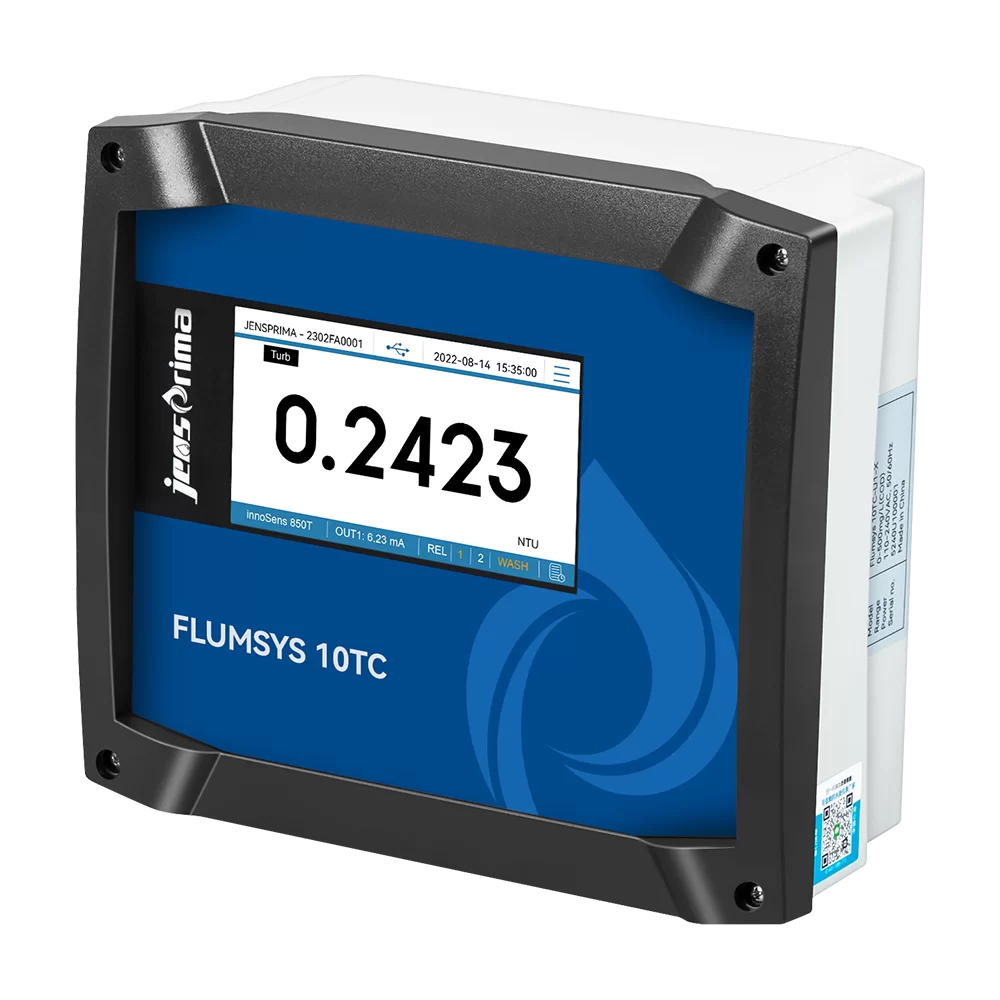
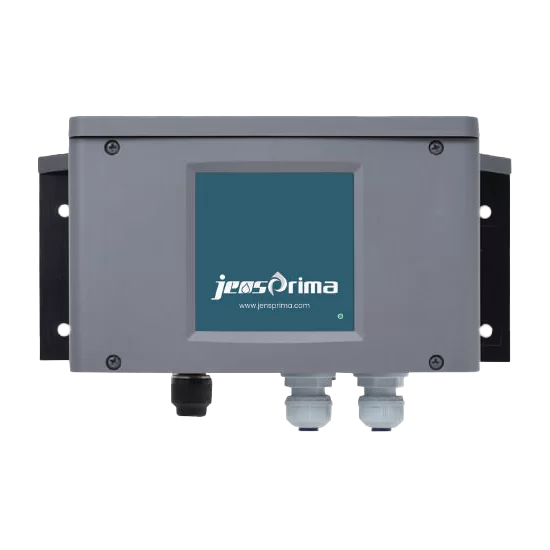
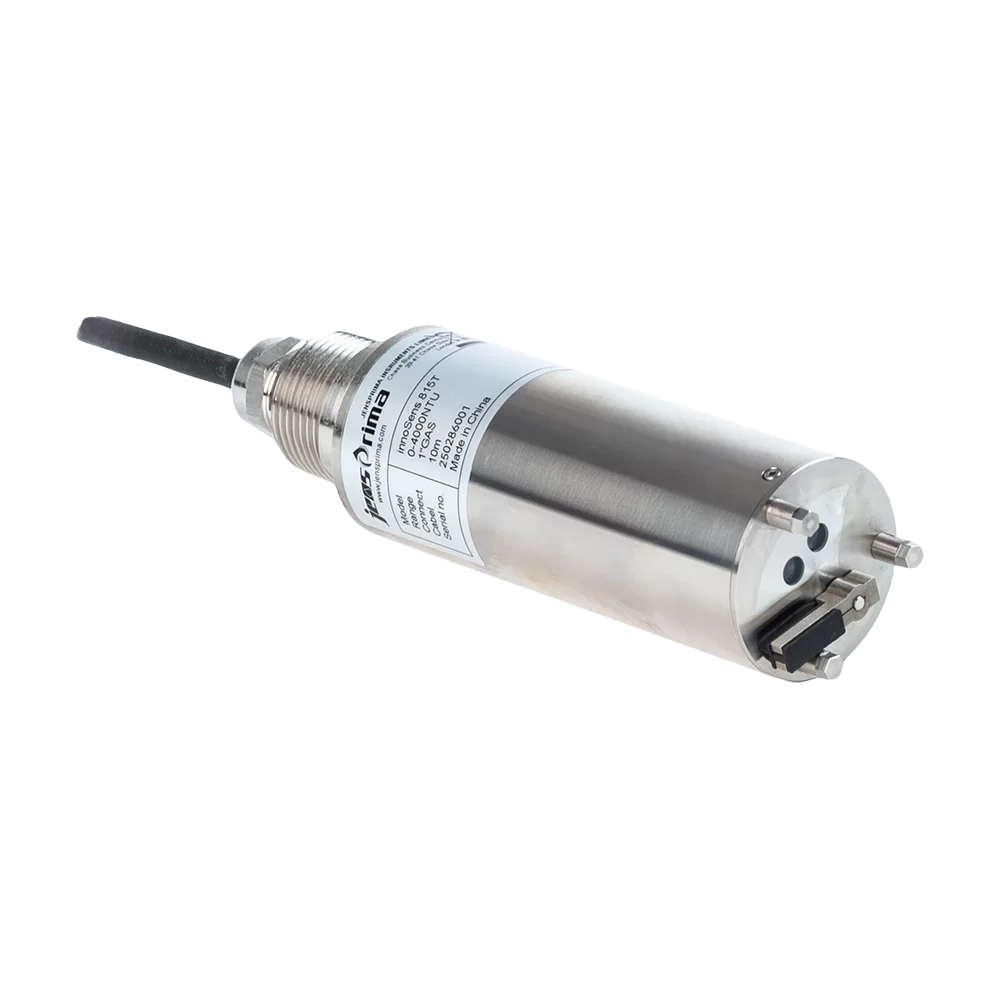
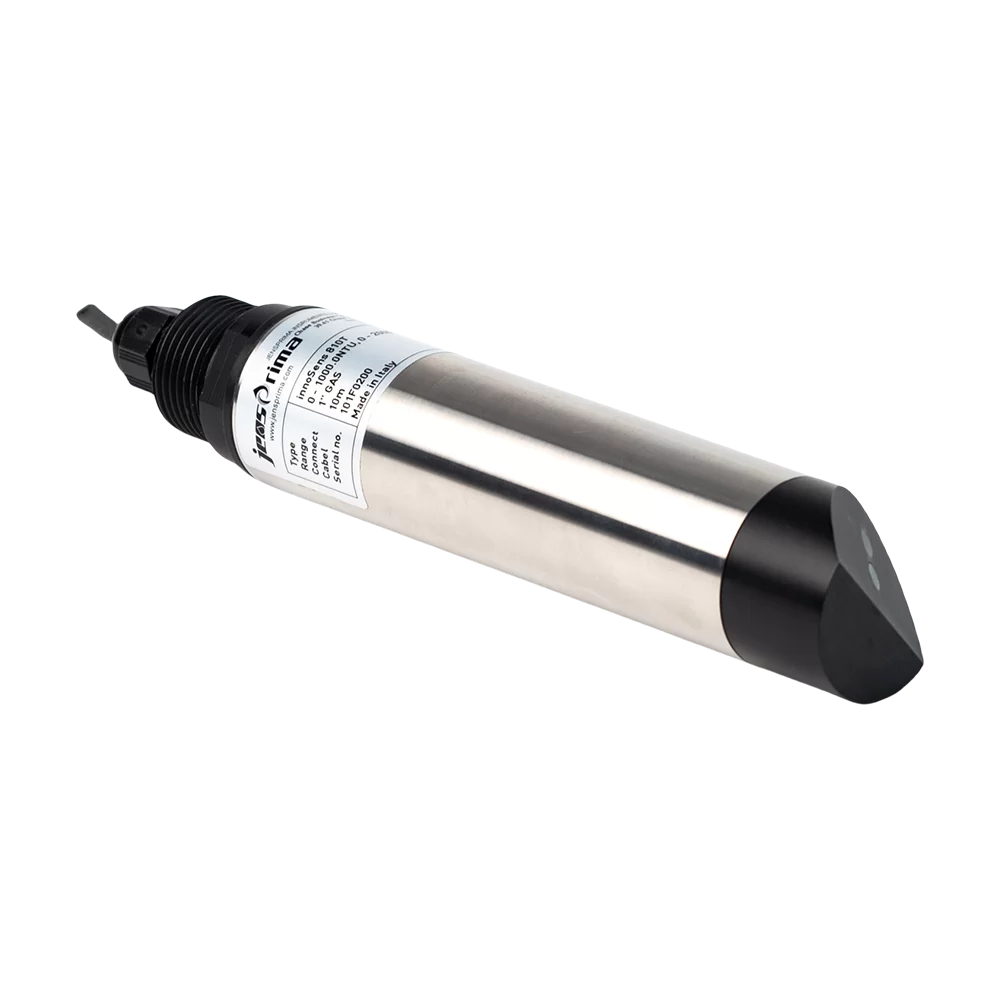
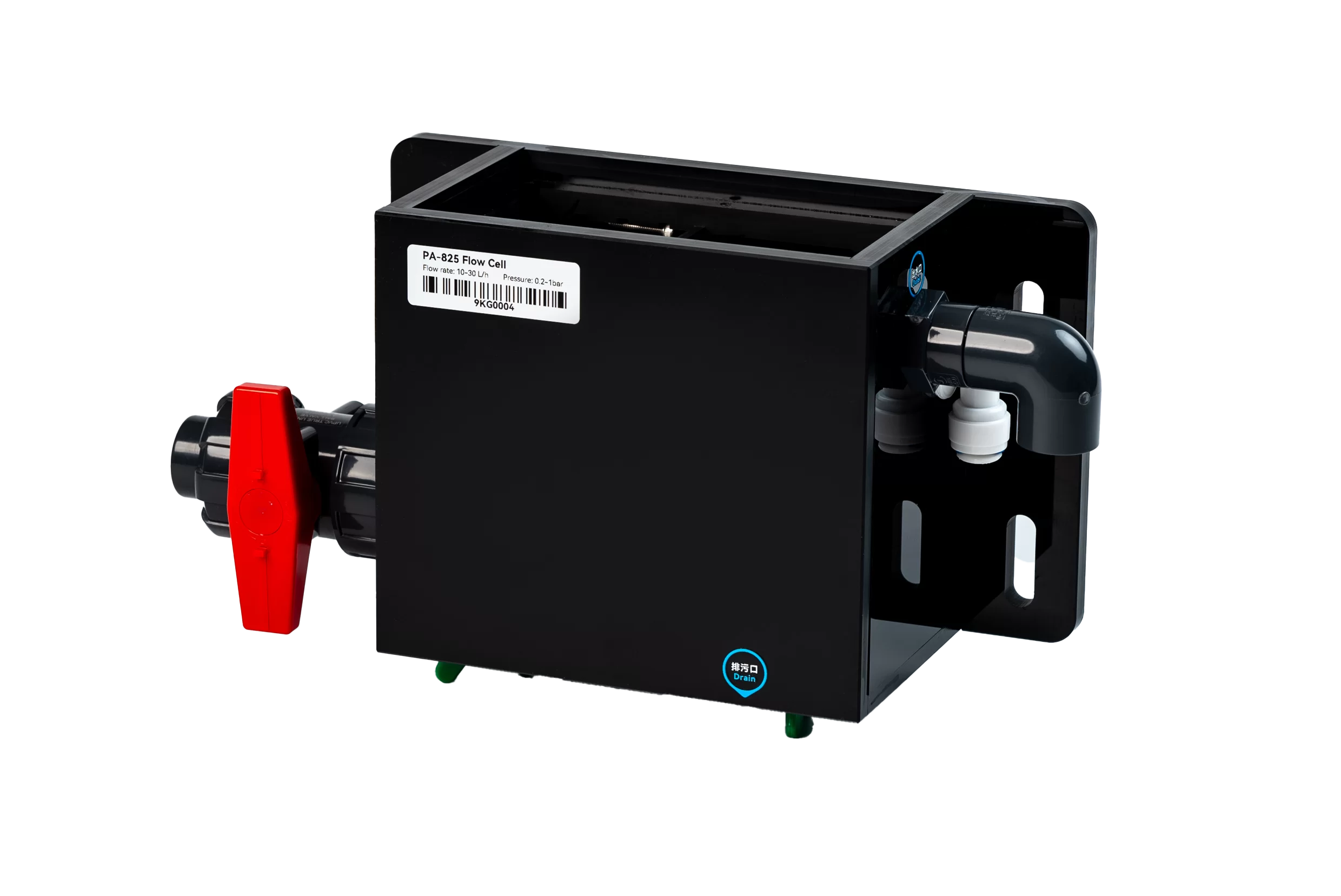
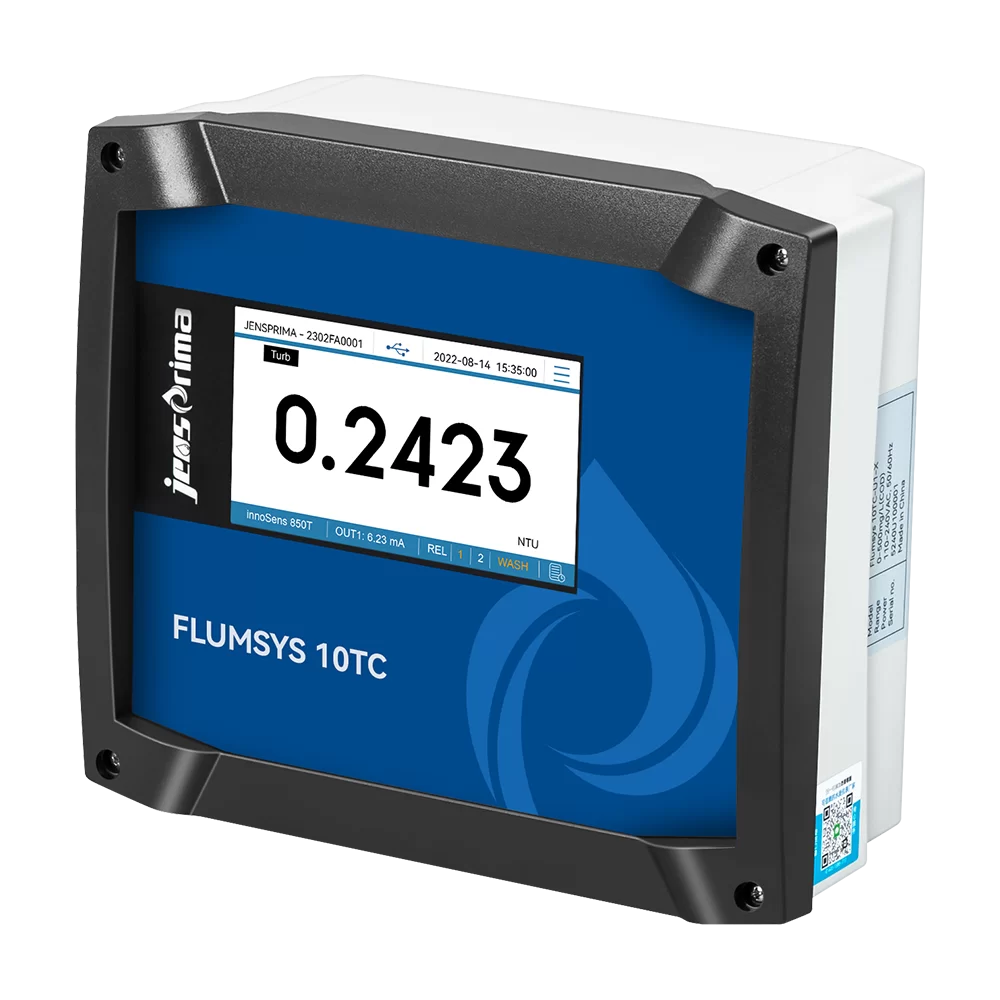
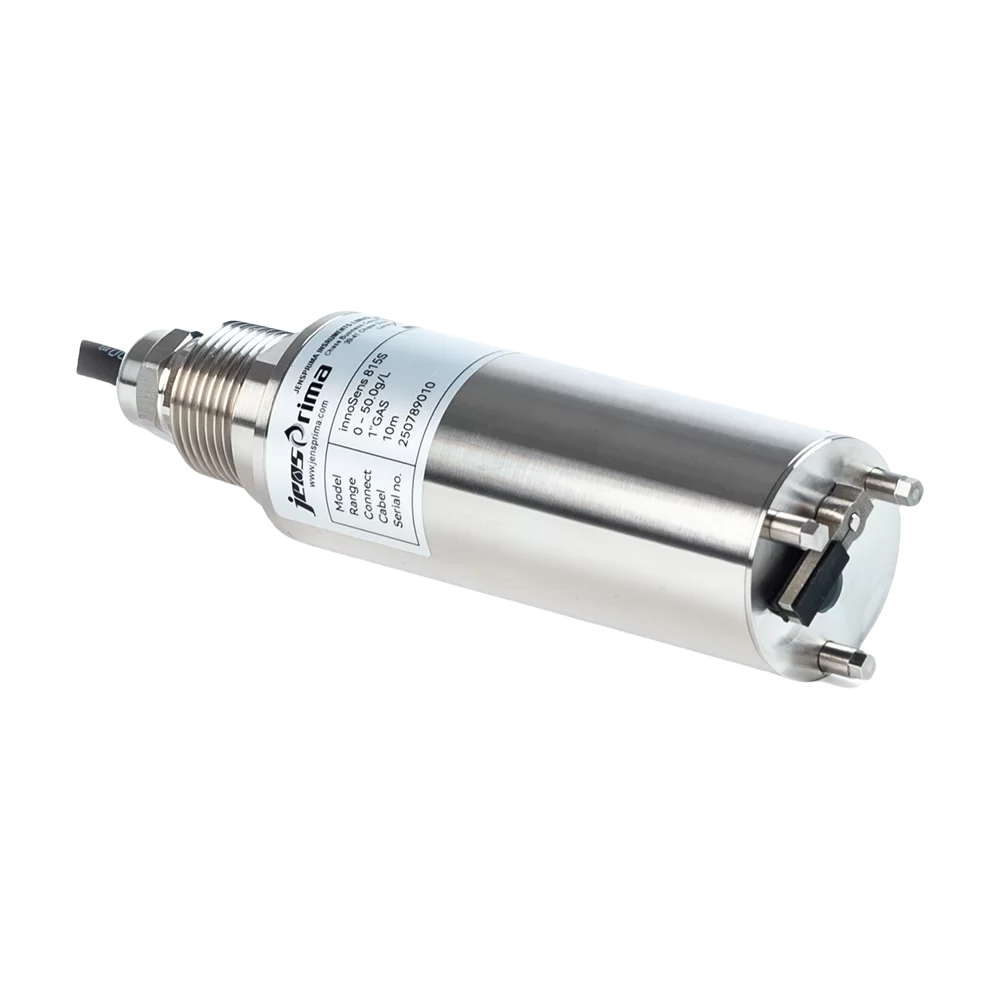
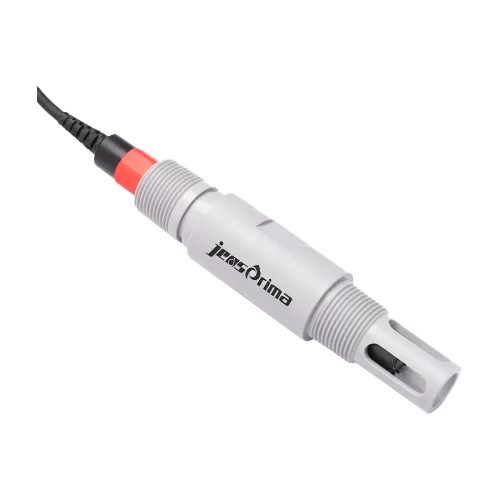
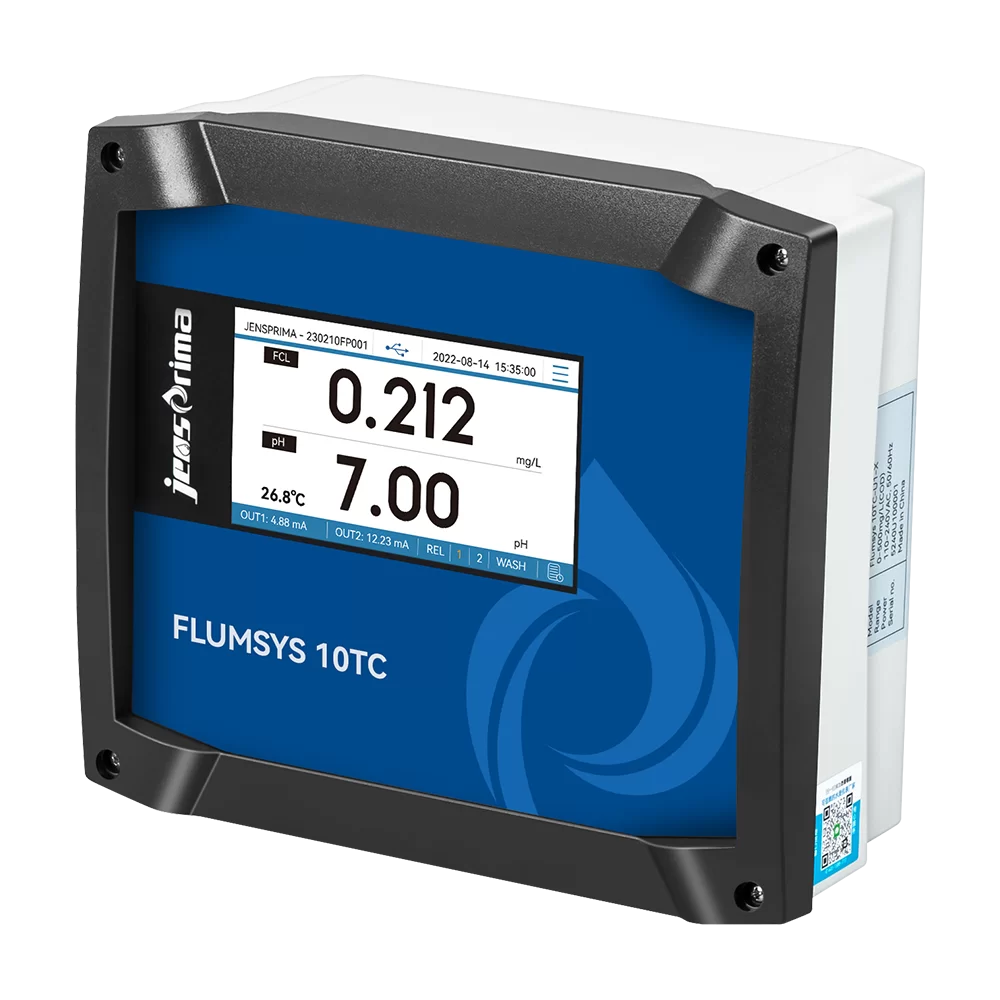
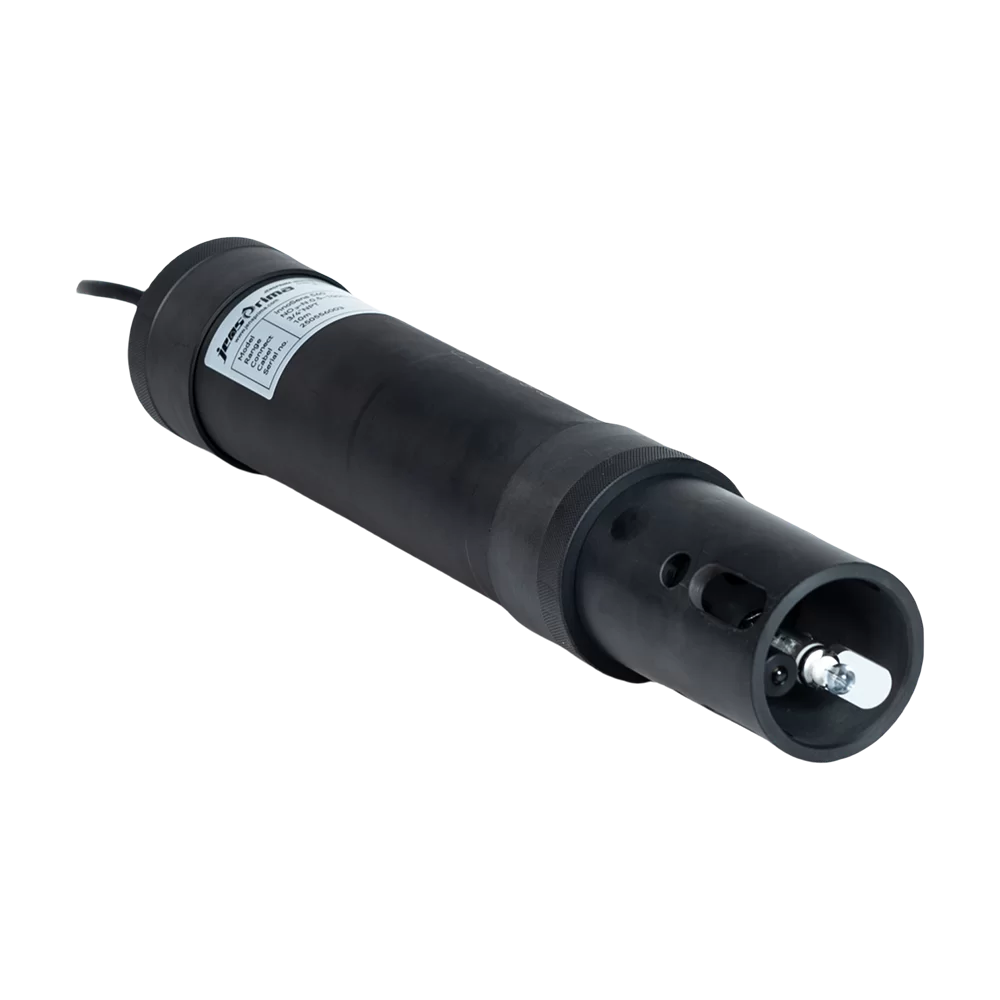


multi parameter analyzer

NEWS

UPDATES

Saudi Arabia Advanced alkalinity analyzer Integration Solutions

Precision water analysis and monitoring systems engineered for the extreme climatic conditions and industrial demands of the Kingdom of Saudi Arabia.

Saudi Arabia Advanced alkalinity analyzer Integration Solutions

Providing high-stability online water quality monitoring instruments tailored for desalination plants, oil refineries, and municipal water networks across Saudi Arabia to ensure strict compliance with environmental standards.

Water Quality Monitoring Landscape in Saudi Arabia

Analyzing the critical need for precision instrumentation in an arid region.

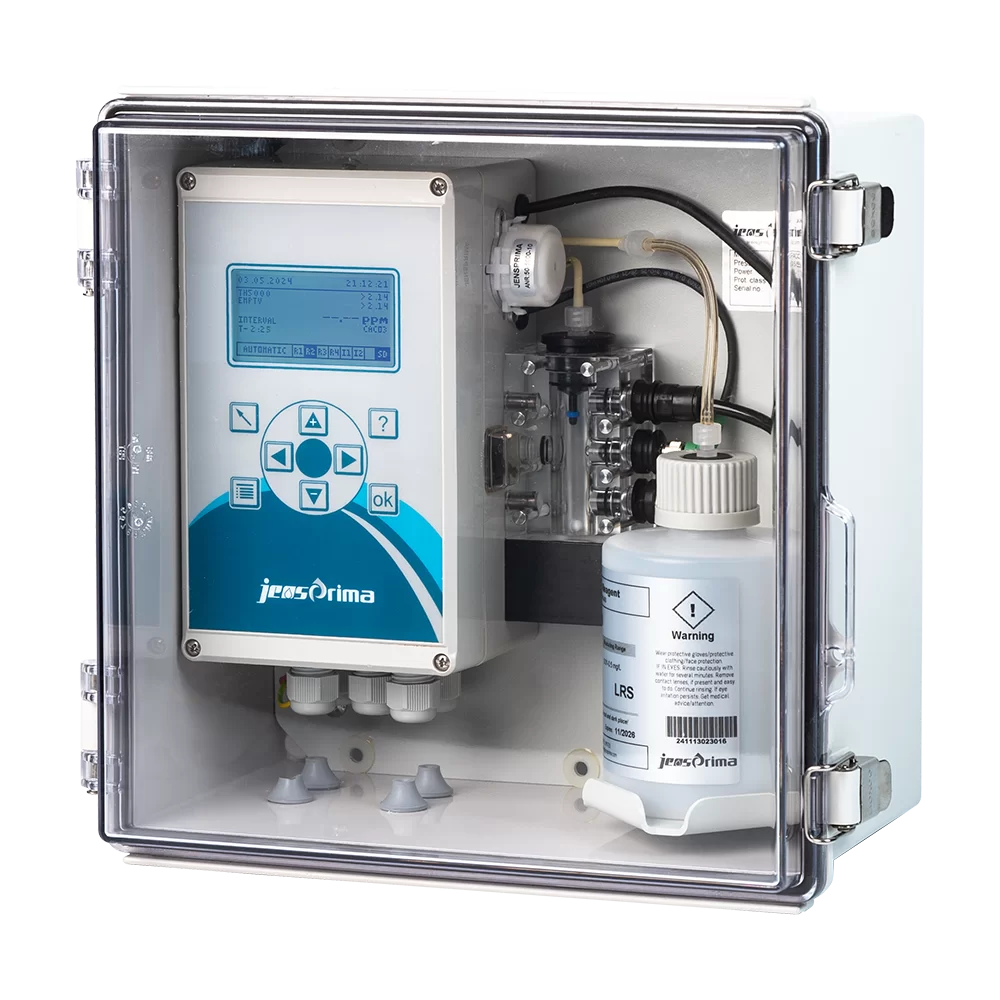
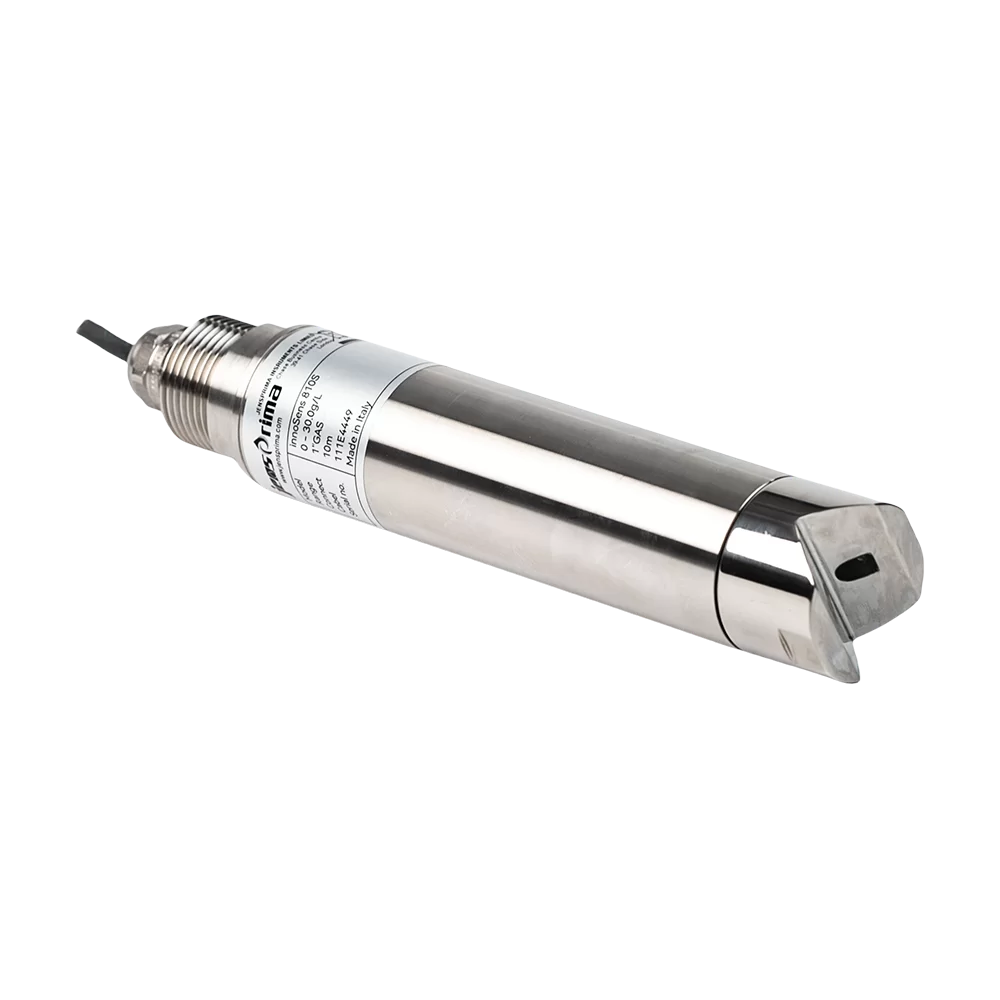
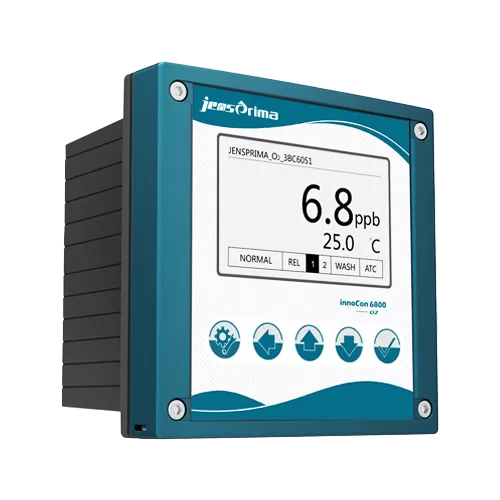
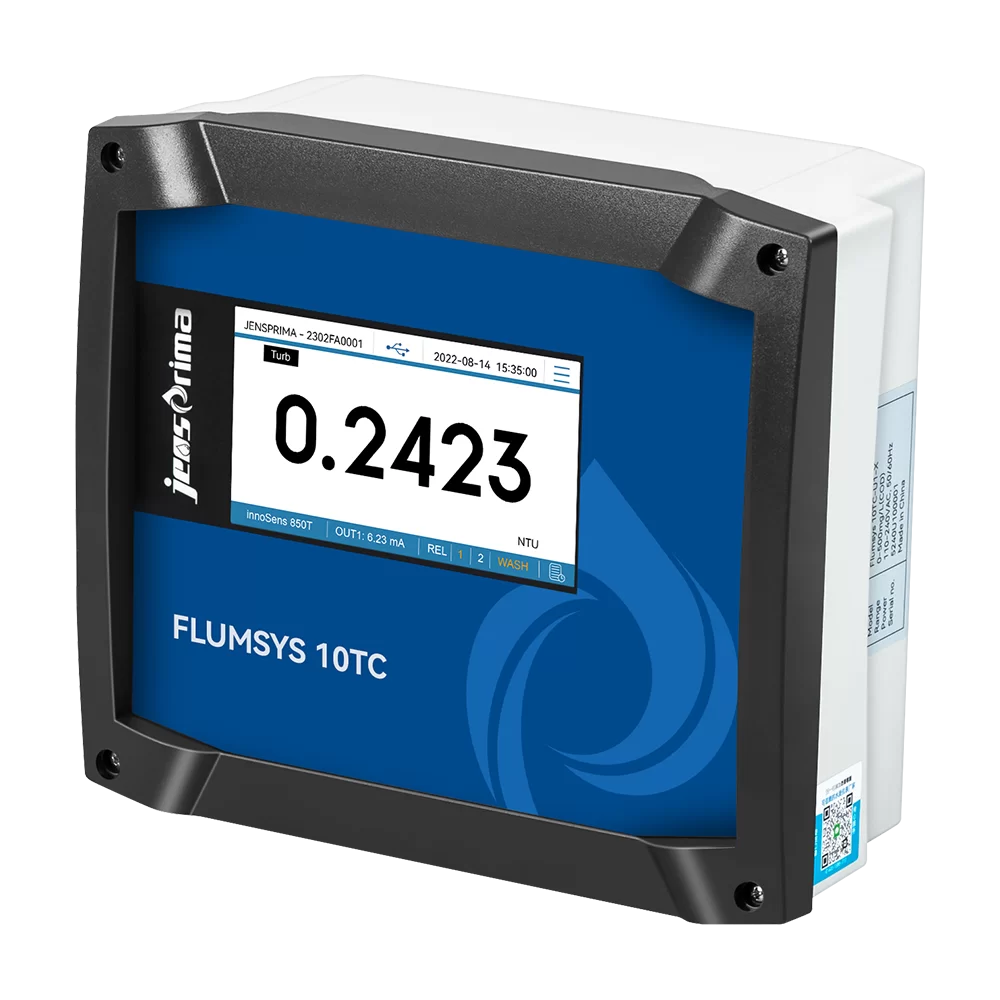
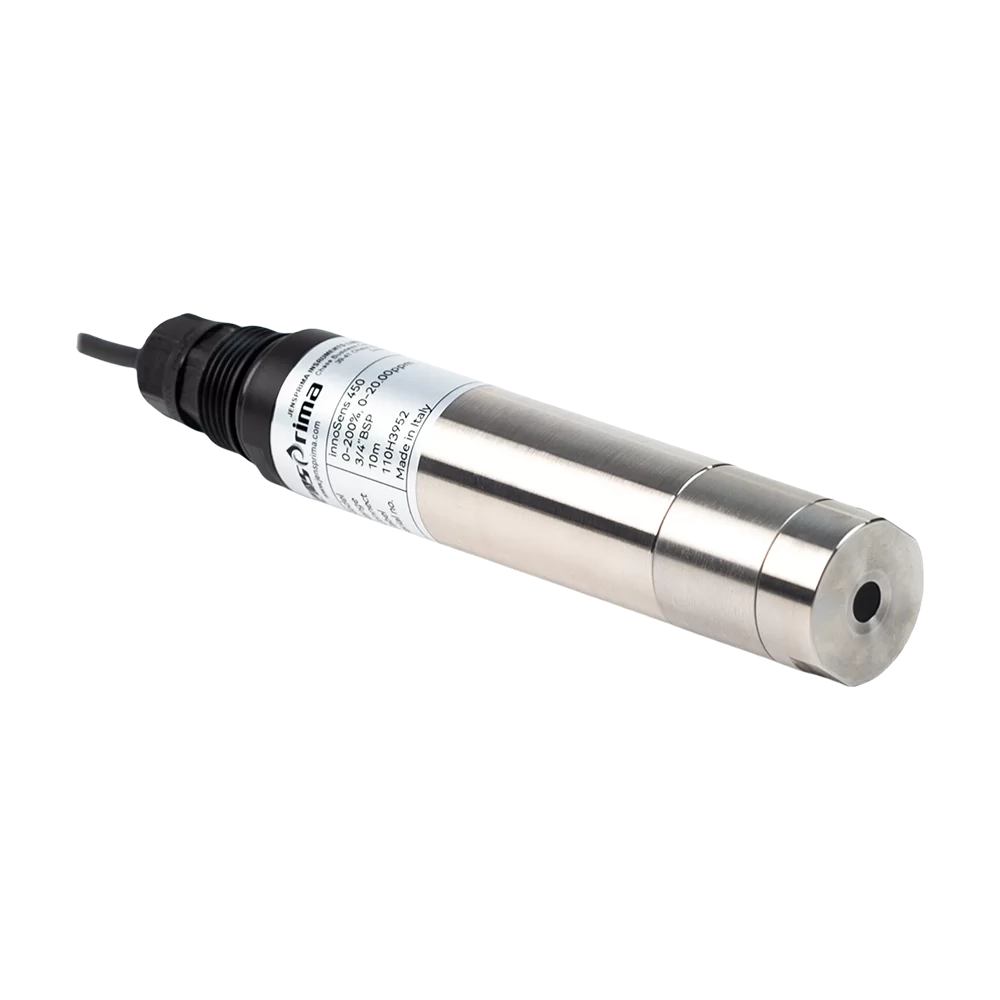
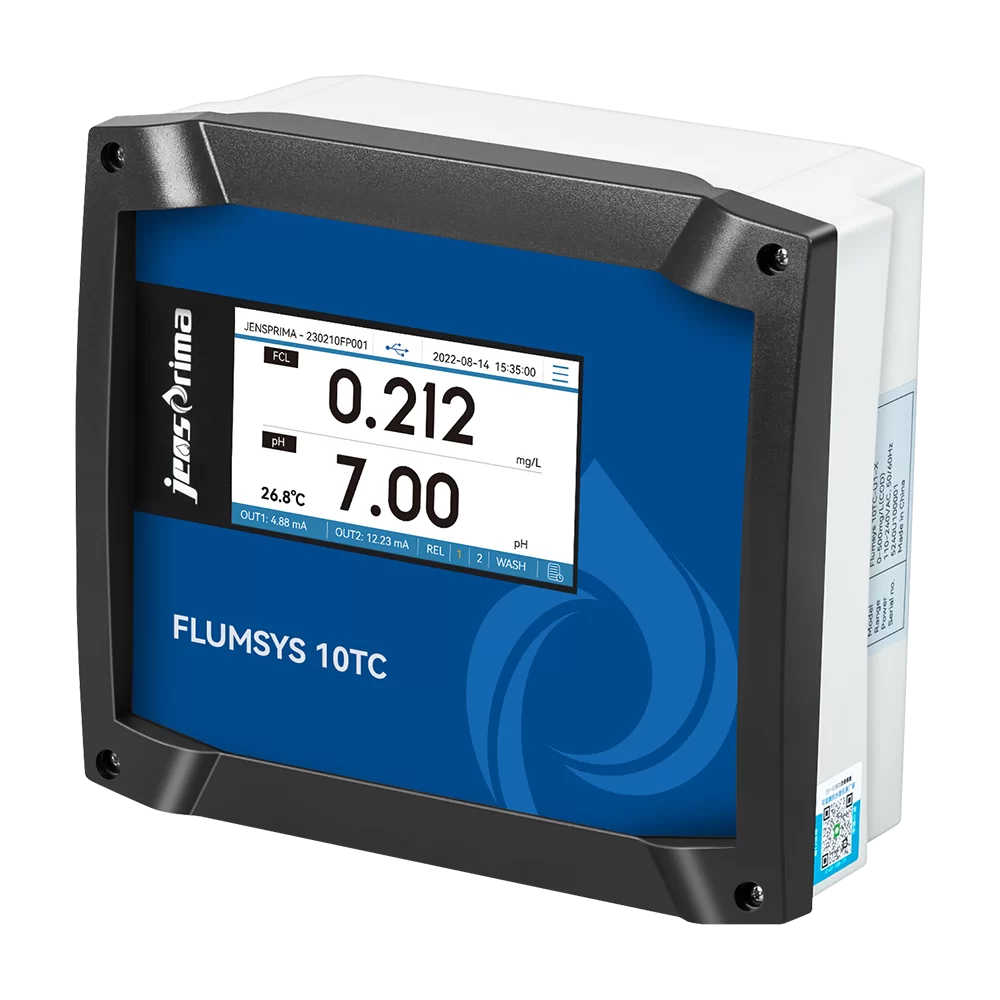
Saudi Arabia faces unique water scarcity challenges, relying heavily on massive desalination projects. The high salinity and extreme temperature fluctuations of the Arabian Gulf necessitate the deployment of a robust multi parameter water quality analyzer to monitor brine and permeate quality in real-time, preventing membrane scaling and corrosion.

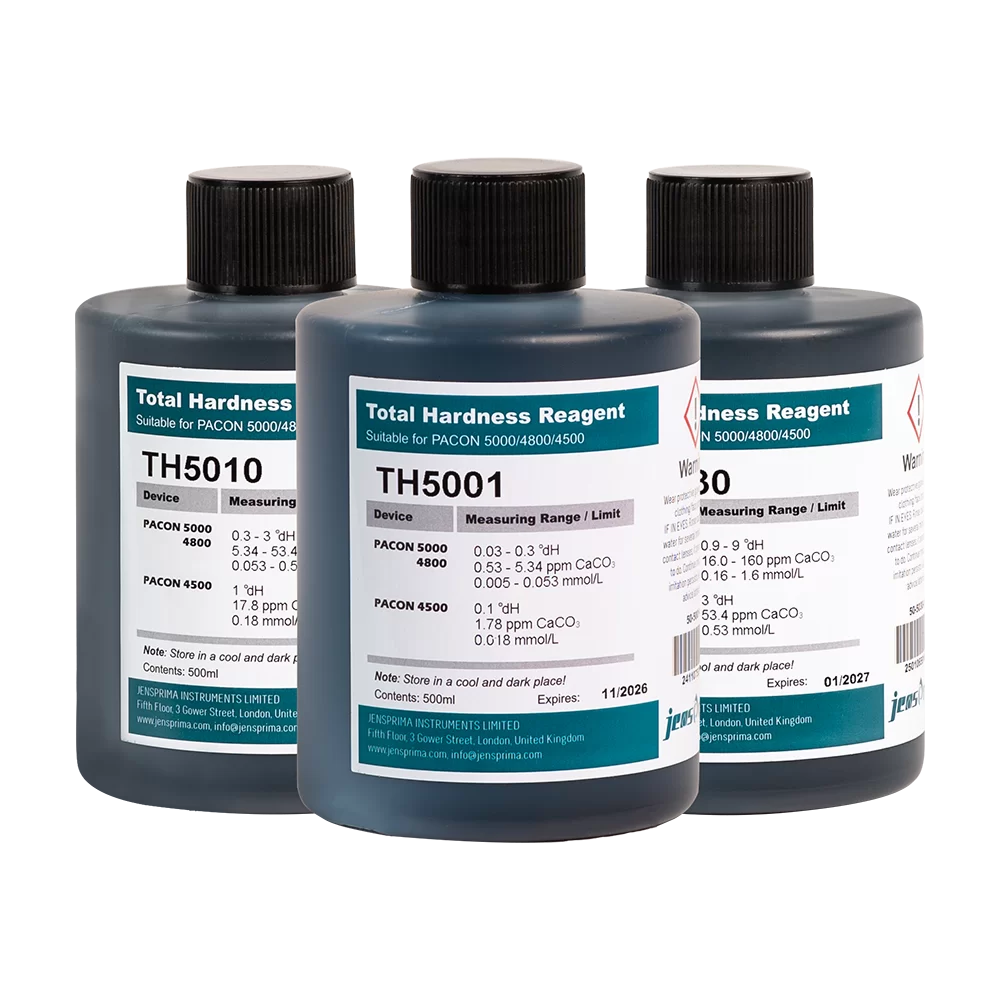
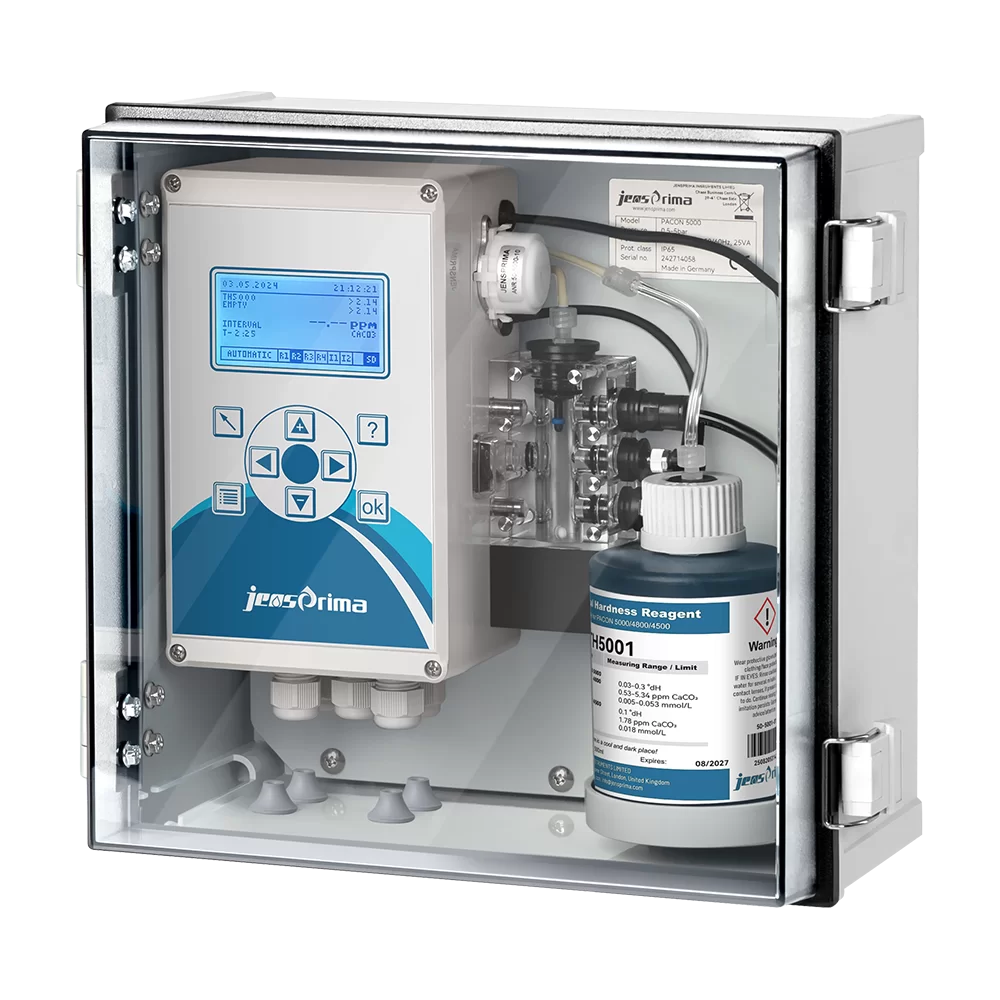
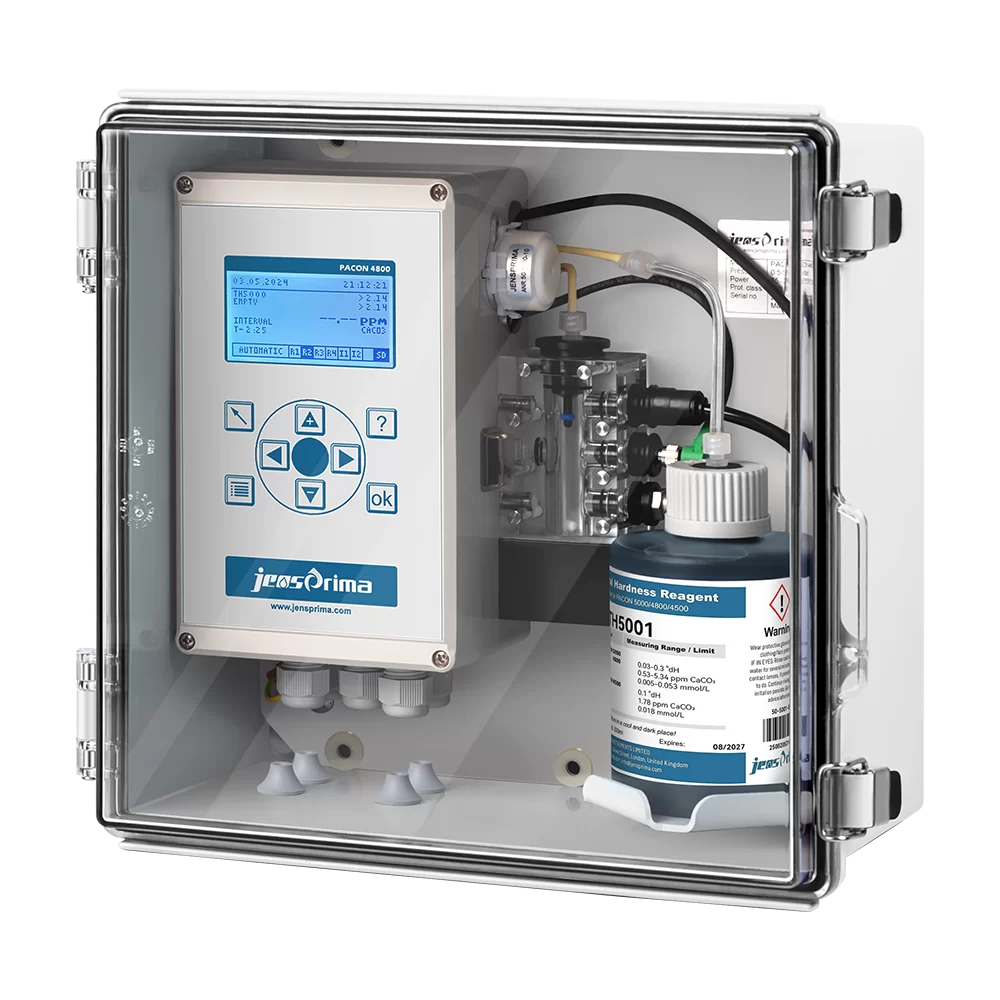
In the industrial heartlands of Jubail and Yanbu, the petrochemical sector requires stringent control over boiler feed water. The use of a high-precision total hardness analyzer is essential here to prevent calcium and magnesium deposits in high-pressure steam systems, which could otherwise lead to catastrophic equipment failure.

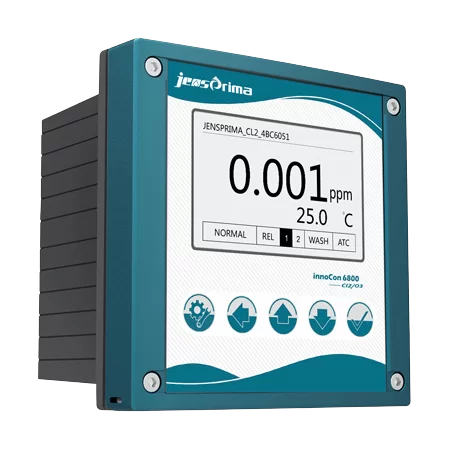
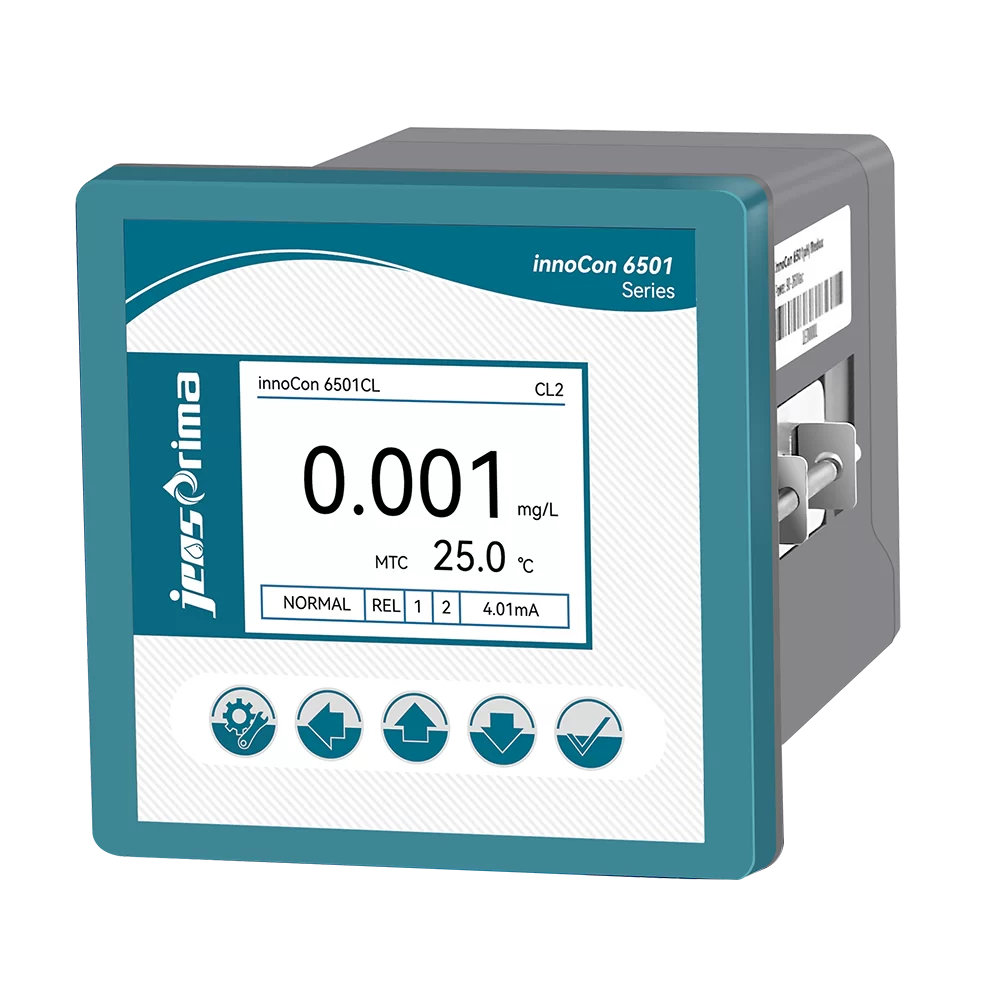
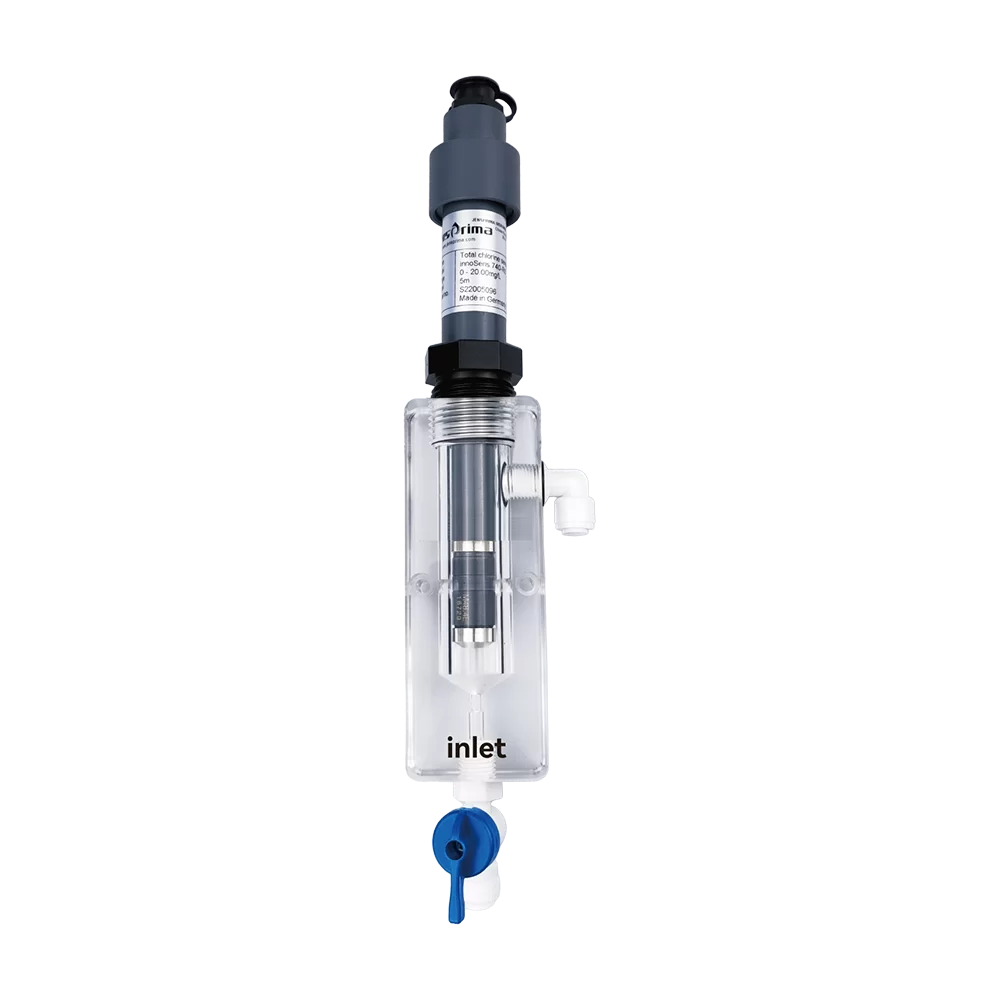
Furthermore, the expansion of urban water networks under Vision 2030 has increased the demand for a reliable residual chlorine controller. Maintaining precise disinfection levels is critical to ensure public health while avoiding the formation of harmful disinfection by-products in the heat of the desert climate.

Evolution of Water Analysis Technology in the Kingdom

From manual sampling to AI-driven autonomous monitoring.

Market Development History

From 1990 to 2010, water monitoring in Saudi Arabia primarily relied on manual grab sampling and laboratory analysis. This era was characterized by delayed response times and high labor costs, where parameters like alkalinity were measured using traditional titration methods in centralized labs.

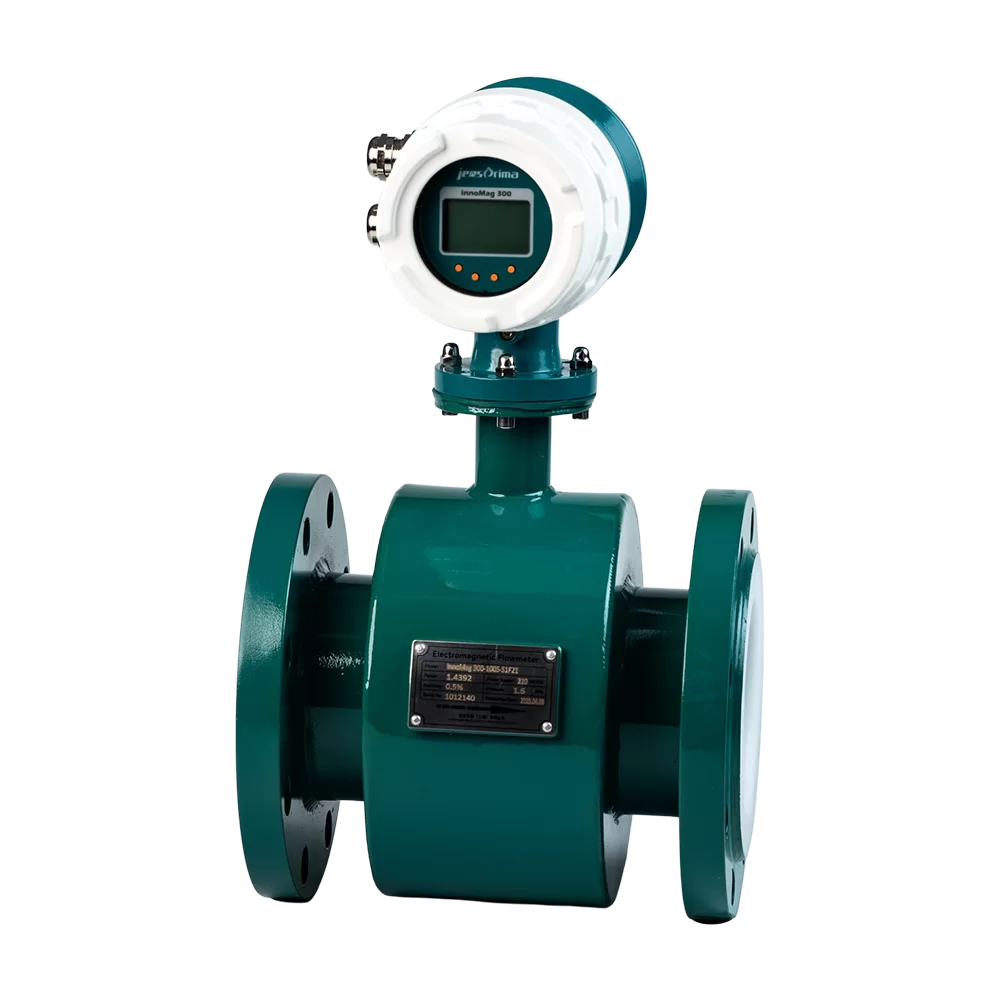
Between 2010 and 2020, the industry shifted toward basic online instrumentation. The introduction of the first generation of the electromagnetic flowmeter allowed plants to accurately quantify water volumes, while early digital sensors began replacing analog gauges for basic pH and conductivity monitoring.

Since 2020, we have entered the era of "Smart Water." The integration of IoT and cloud computing has enabled the deployment of complex multi parameter water quality analyzer systems that provide predictive analytics, reducing downtime and optimizing chemical dosage automatically.

Future Development Trends

Integration of Edge Computing

Future systems will process data locally at the sensor level, allowing residual chlorine controller units to make millisecond adjustments without waiting for a central PLC response.

Zero-Liquid Discharge (ZLD) Optimization

Driven by sustainability goals, there will be a surge in demand for specialized total hardness analyzer instruments capable of operating in hypersaline environments to maximize water recovery.

AI-Driven Predictive Maintenance

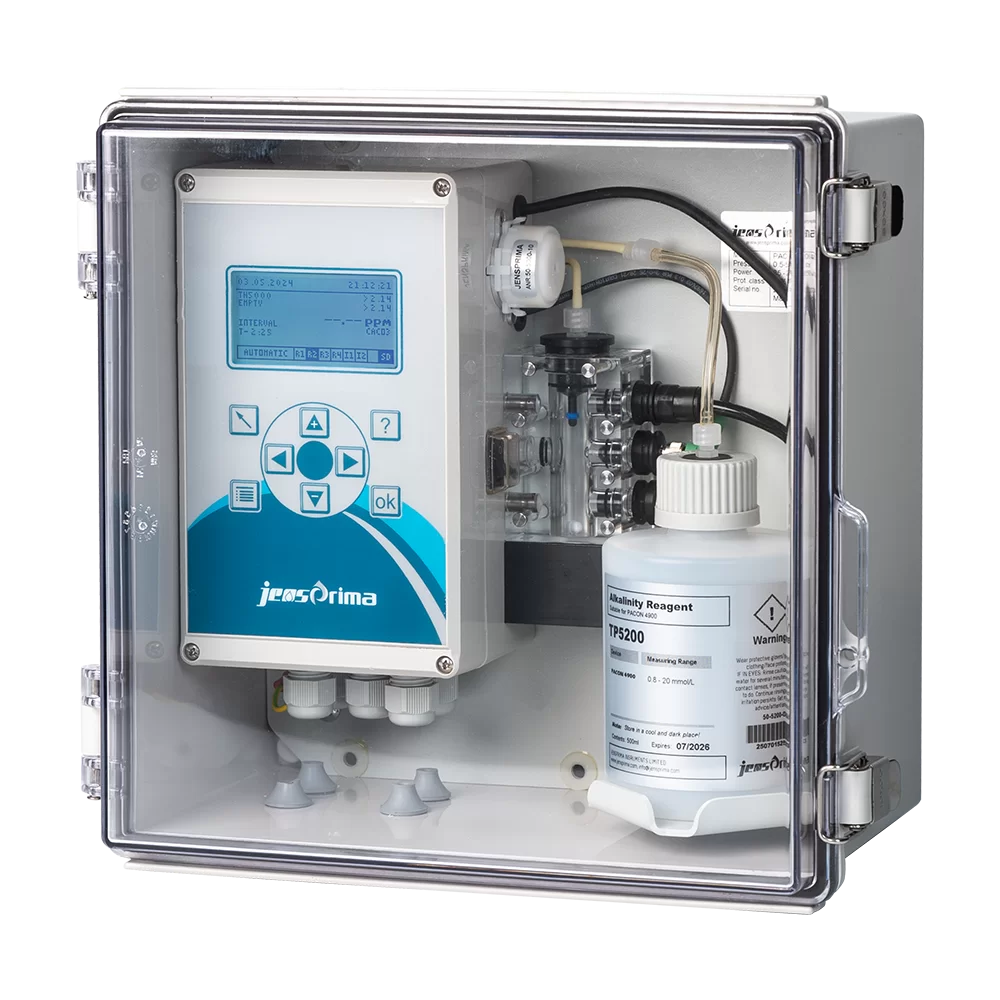
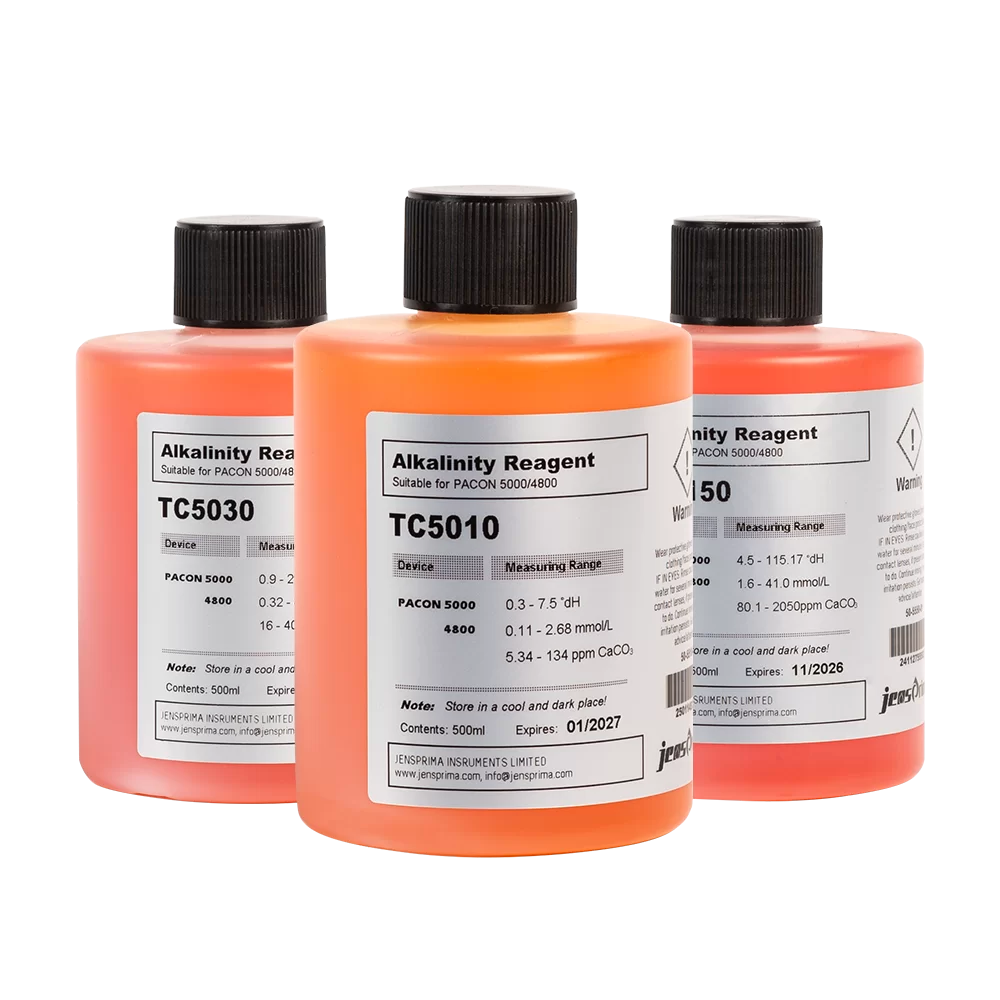
The transition from scheduled to condition-based maintenance will utilize machine learning to predict when an alkalinity analyzer requires calibration based on drift patterns.

Industry Outlook & Strategic Trends

Forecasting the trajectory of Saudi Arabia's environmental instrumentation market.

Digital Twin Integration
Creating virtual replicas of water networks using real-time data from electromagnetic flowmeter devices to optimize flow.
Extreme Environment Hardening
Developing sensor housings and reagents capable of stable operation at 50°C+ temperatures.
Autonomous Reagent Management
Smart delivery systems for chemicals used in total hardness analyzer units.
Compliance Automation
Automated reporting systems that sync directly with Saudi environmental regulatory portals.

Industry Outlook

Based on Google search trends for "smart water management" and "industrial water sensors" in the GCC region, there is a clear shift toward integrated platforms. The market is moving away from standalone sensors toward holistic ecosystems where a multi parameter water quality analyzer acts as a data hub for the entire facility.

We expect the demand for high-specification instrumentation to grow by 15% annually over the next 3-5 years, driven by the NEOM project and other Giga-projects that require world-class water sustainability and monitoring infrastructure.

Localized Application Scenarios in Saudi Arabia

Real-world implementation of advanced water analysis in the Kingdom's key sectors.

1. SWCC Desalination Plant Brine Monitoring

Implementing multi parameter water quality analyzer systems to monitor the salinity, temperature, and pH of brine discharge, ensuring minimal environmental impact on the Red Sea and Arabian Gulf.

2. Saudi Aramco Refinery Boiler Water Control

Deploying high-accuracy total hardness analyzer and alkalinity analyzer units to maintain optimal water chemistry in ultra-high-pressure boilers, preventing scale build-up.

3. Municipal Drinking Water Chlorination

Installing a network of residual chlorine controller devices across urban distribution pipes in Riyadh and Jeddah to ensure safe drinking water delivery.

4. Industrial Wastewater Treatment in Jubail

Using electromagnetic flowmeter instruments to precisely measure inflow and outflow of industrial effluents, facilitating accurate billing and compliance with environmental laws.

5. Agricultural Irrigation Water Management

Utilizing specialized water quality analyzers to monitor the SAR (Sodium Adsorption Ratio) and alkalinity in irrigation water for sustainable farming in the Al-Ahsa oasis.

Brand Story

Global Development History of Jensprima (Shanghai) Co., Ltd.

Foundation & Vision

Jensprima started with a mission to solve the most complex challenges in industrial water analysis, focusing on high-stability sensors for harsh environments.

Technological Breakthroughs

We pioneered the integration of self-cleaning mechanisms in online analyzers, significantly reducing the maintenance burden for operators in the field.

Global Expansion

Expanding beyond Asia, we established strategic partnerships in the Middle East, adapting our instruments to withstand extreme heat and salinity.

Innovation Center

Our R&D center now focuses on AI-driven water chemistry, creating the next generation of intelligent controllers and analyzers.

Sustainability Commitment

We are dedicated to supporting Global Water Security by providing tools that enable Zero-Liquid Discharge and efficient water recycling.

Complete Water Analysis Portfolio for Saudi Arabia

A comprehensive suite of instruments designed for the Kingdom's industrial and environmental needs.

Saudi Arabia Water Analysis FAQ

Expert answers to common technical questions regarding water monitoring in the region.

How does extreme heat affect the accuracy of a multi parameter water quality analyzer in Saudi Arabia?

Extreme heat can cause sensor drift. Our analyzers utilize advanced temperature compensation algorithms and reinforced housings to maintain precision even when ambient temperatures exceed 50°C.

What is the maintenance interval for a total hardness analyzer in desalination plants?

Depending on water turbidity, we recommend a calibration check every 2-4 weeks. Our automated cleaning systems extend this interval by reducing reagent contamination.

Can an alkalinity analyzer be integrated into existing SCADA systems in Jubail industrial city?

Yes, our instruments support standard Modbus TCP/IP and 4-20mA outputs, ensuring seamless integration with any industrial SCADA or PLC system used in Saudi refineries.

How do I choose the right electromagnetic flowmeter for hypersaline brine?

For hypersaline water, you must select liners and electrodes made of Hastelloy or Tantalum to prevent corrosion. Our flowmeters offer these specialized materials for Saudi's brine applications.

Why is a residual chlorine controller critical for water networks in Riyadh?

High temperatures accelerate chlorine decay. An automated controller ensures that the disinfection level remains constant across the entire network, preventing bacterial regrowth.

What are the energy requirements for online water analyzers in remote Saudi regions?

Our latest generation of analyzers is optimized for low power consumption and can be integrated with solar power systems for remote monitoring sites.

Get Expert Water Analysis Support

Ready to optimize your water quality monitoring? Our engineering team is available to provide tailored solutions for your projects in Saudi Arabia.

Contact Us Now
Service Repair Form
Tell us what issue you encountered, including any steps or symptoms.
  • Name
  • Email
  • Phone
  • Fault Description

If you are interested in our products, you can choose to leave your information here, and we will be in touch with you shortly.