

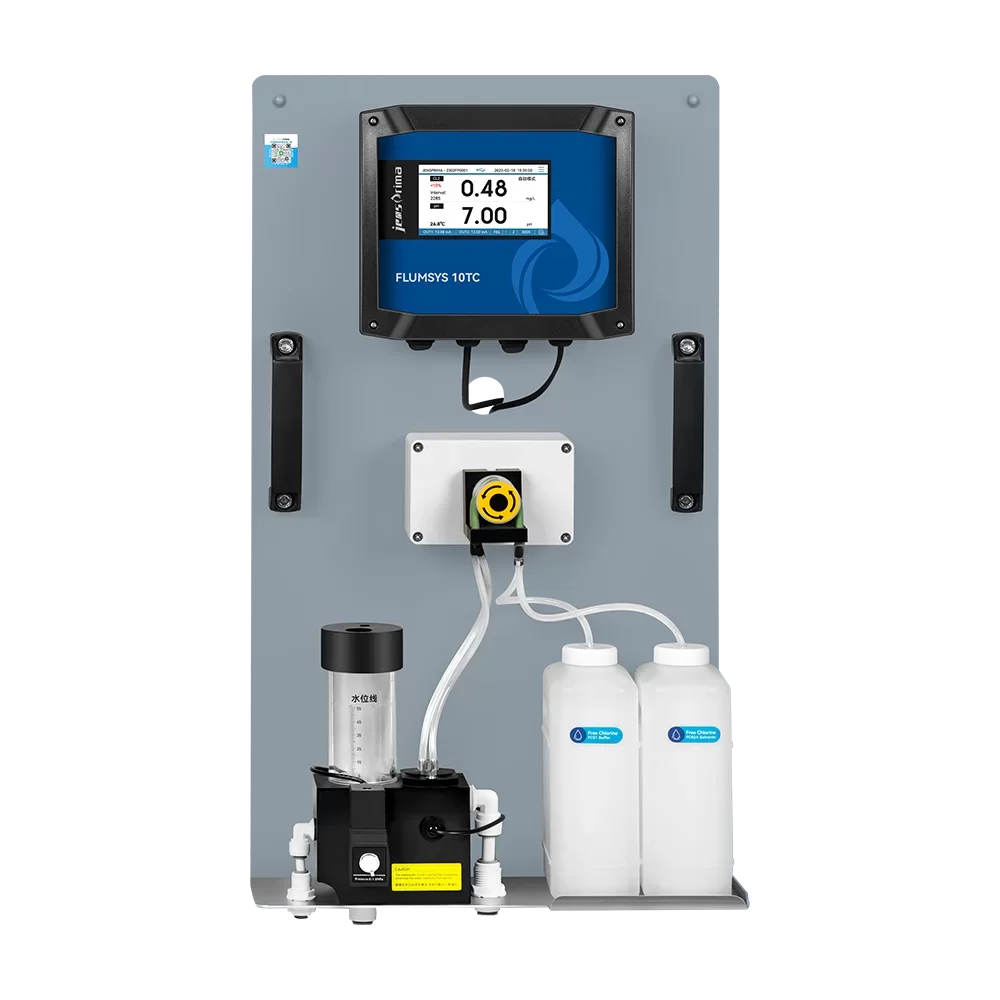
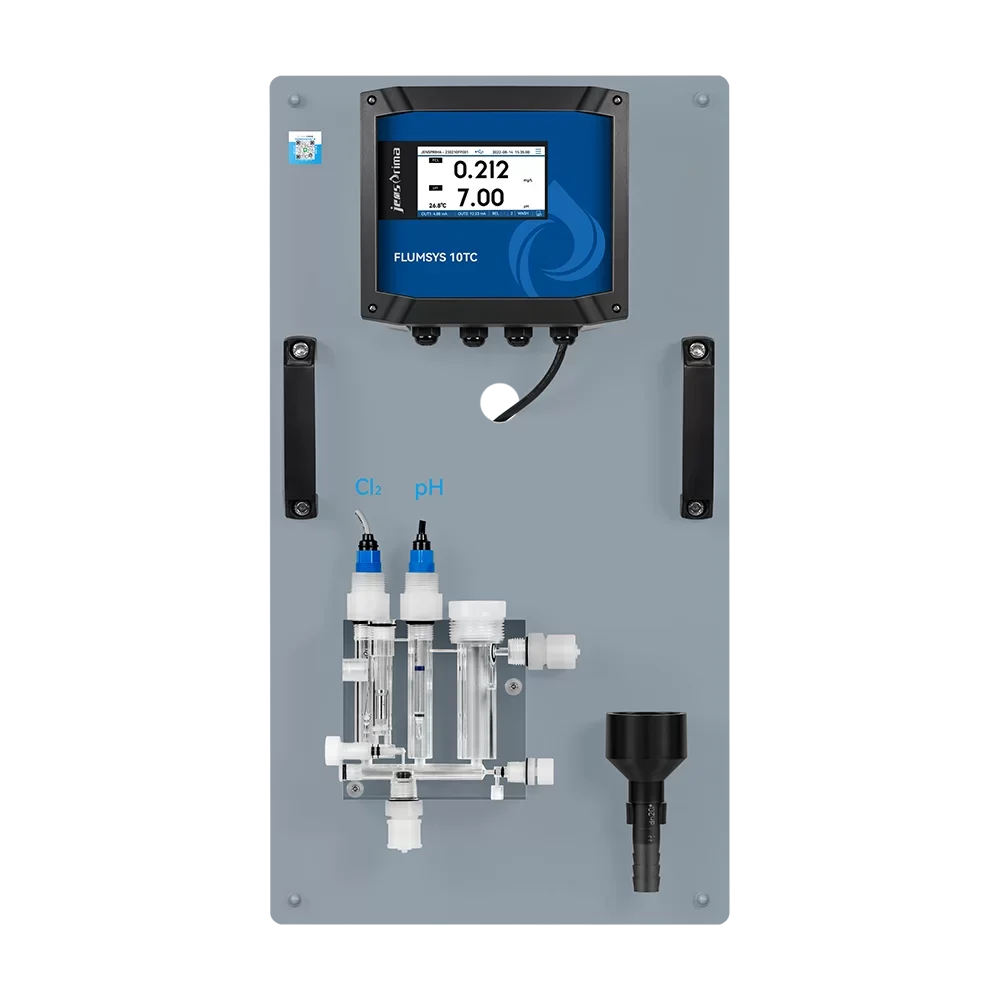
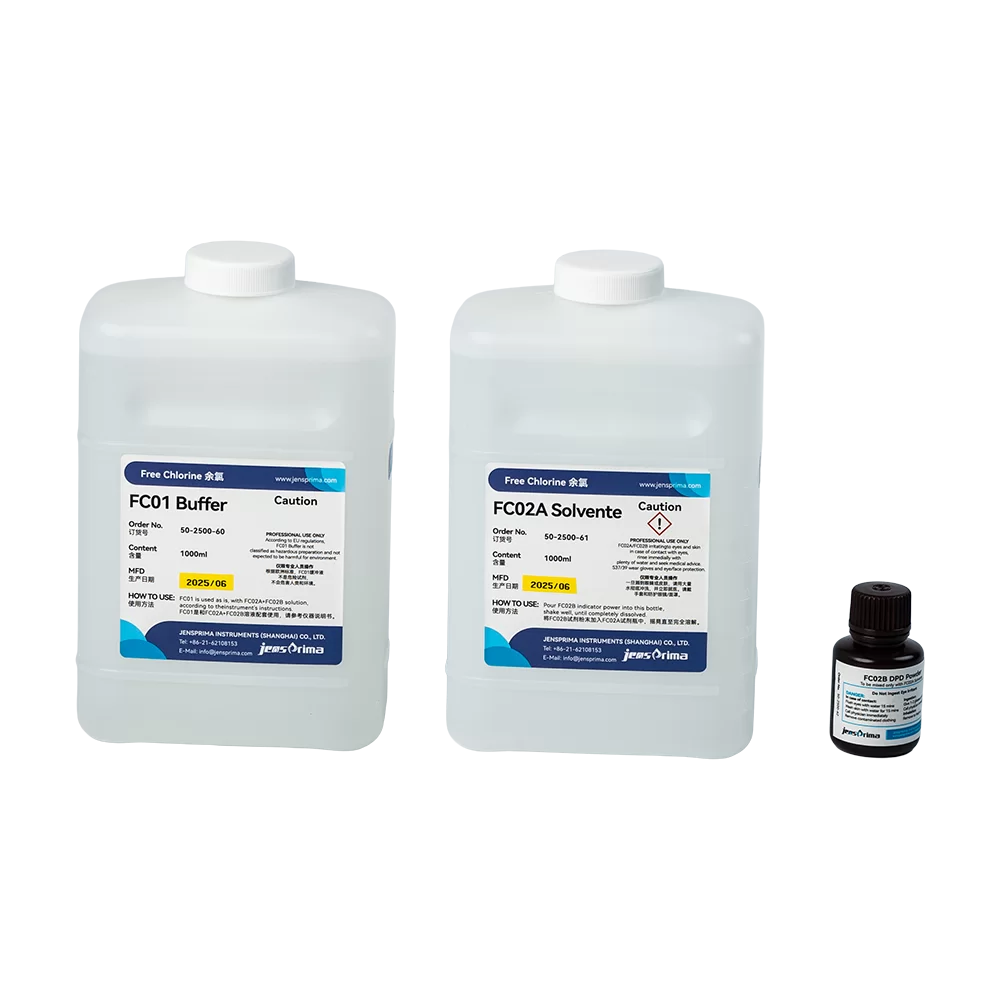
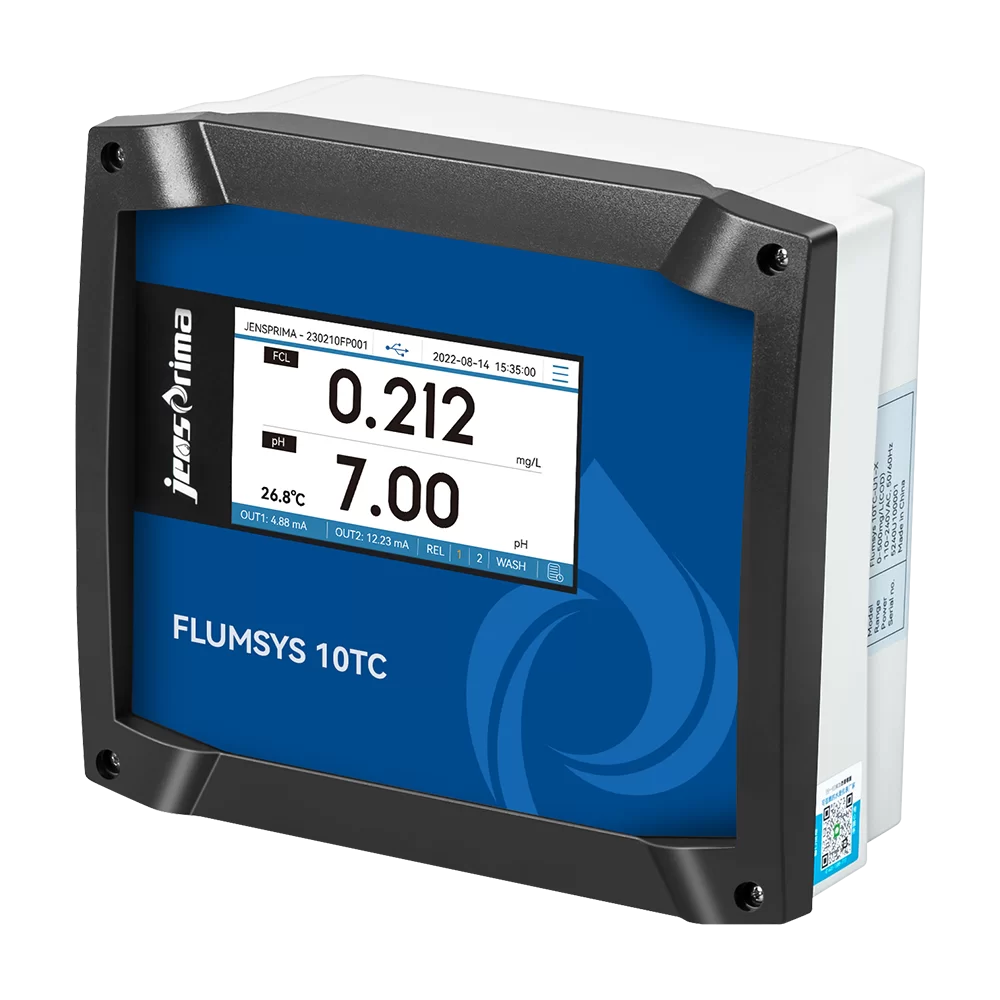
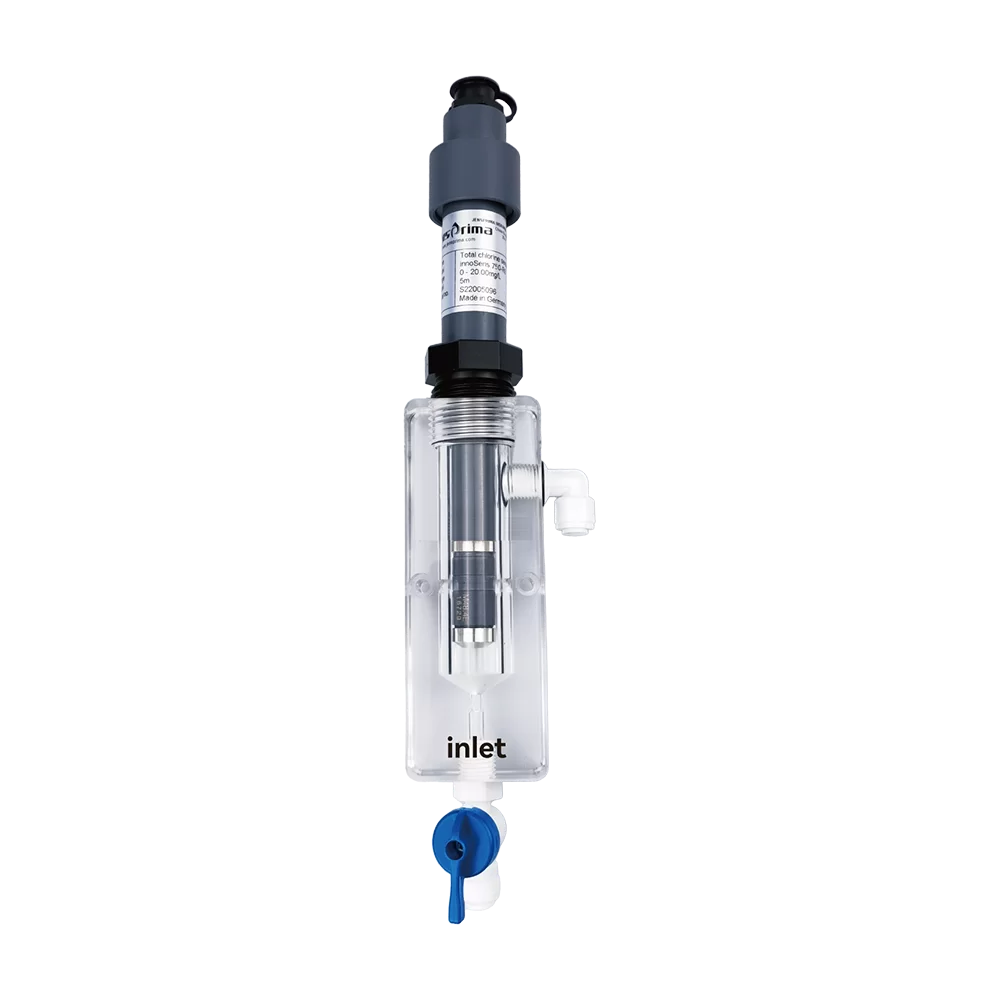
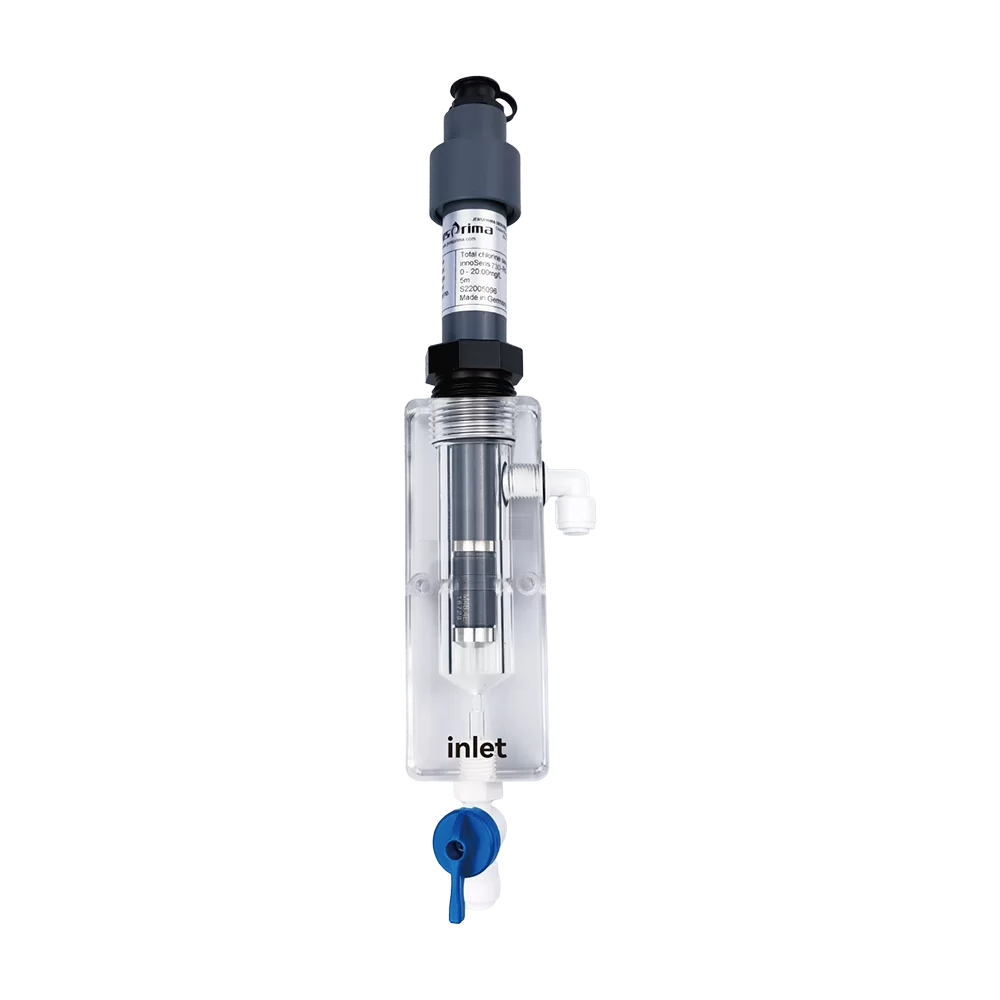
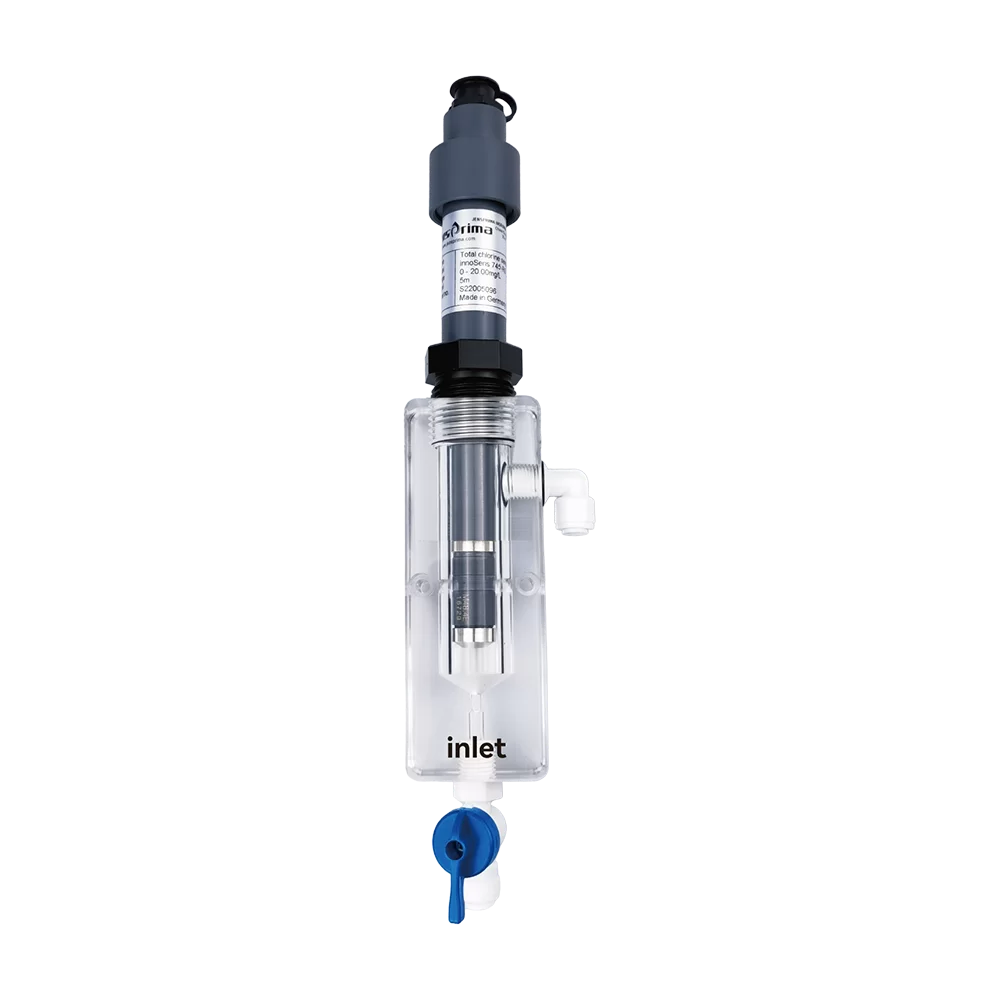
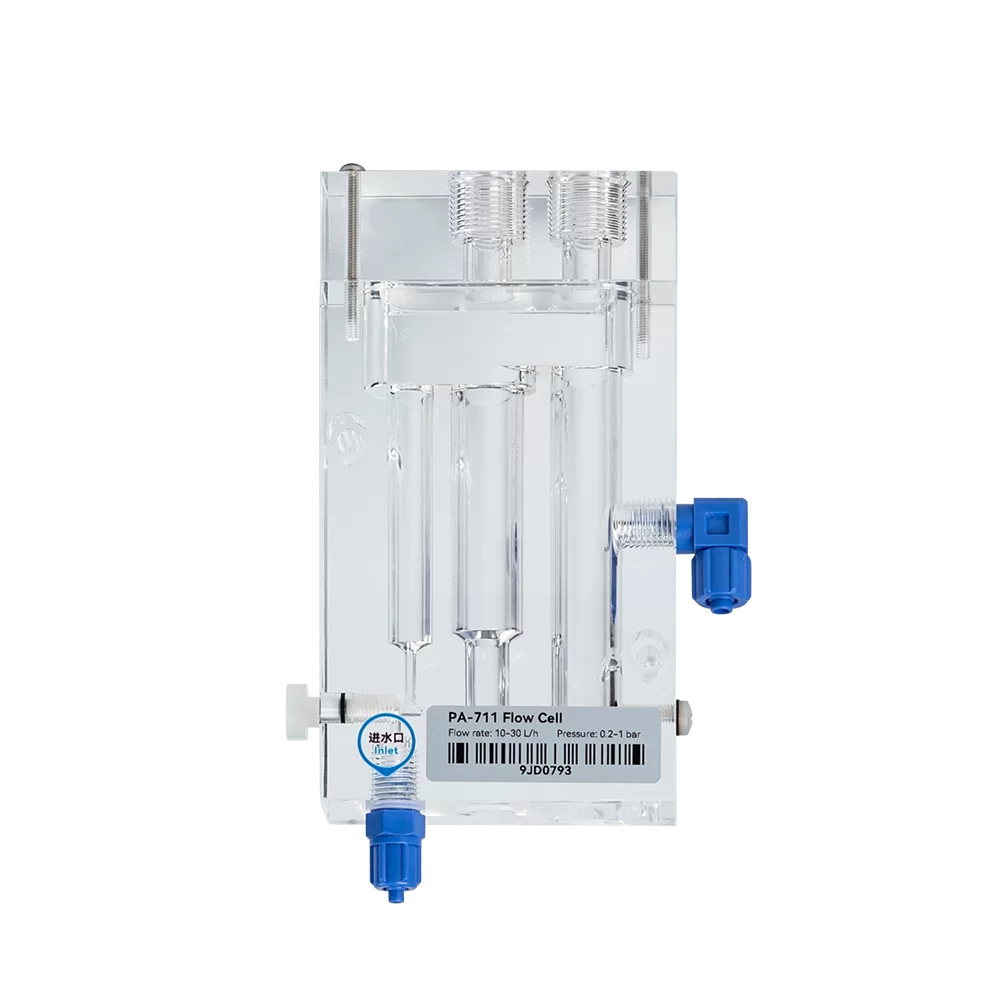
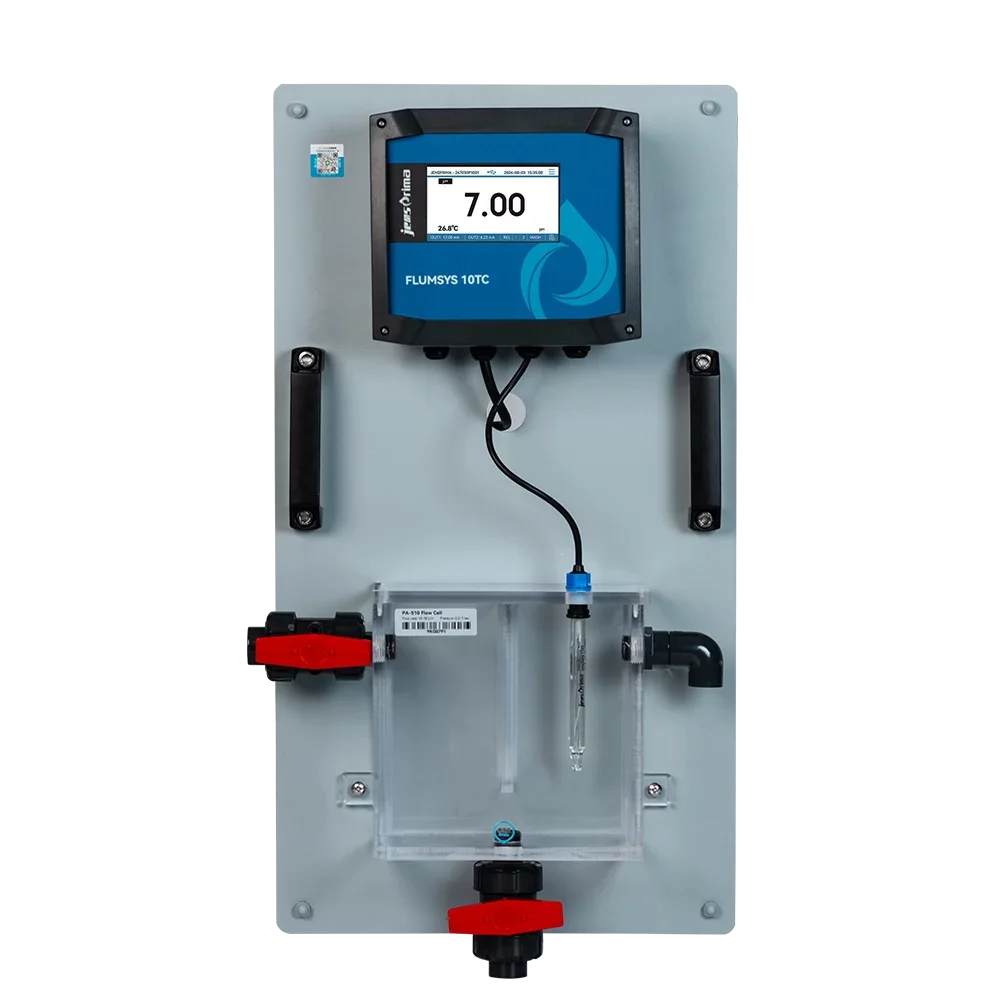
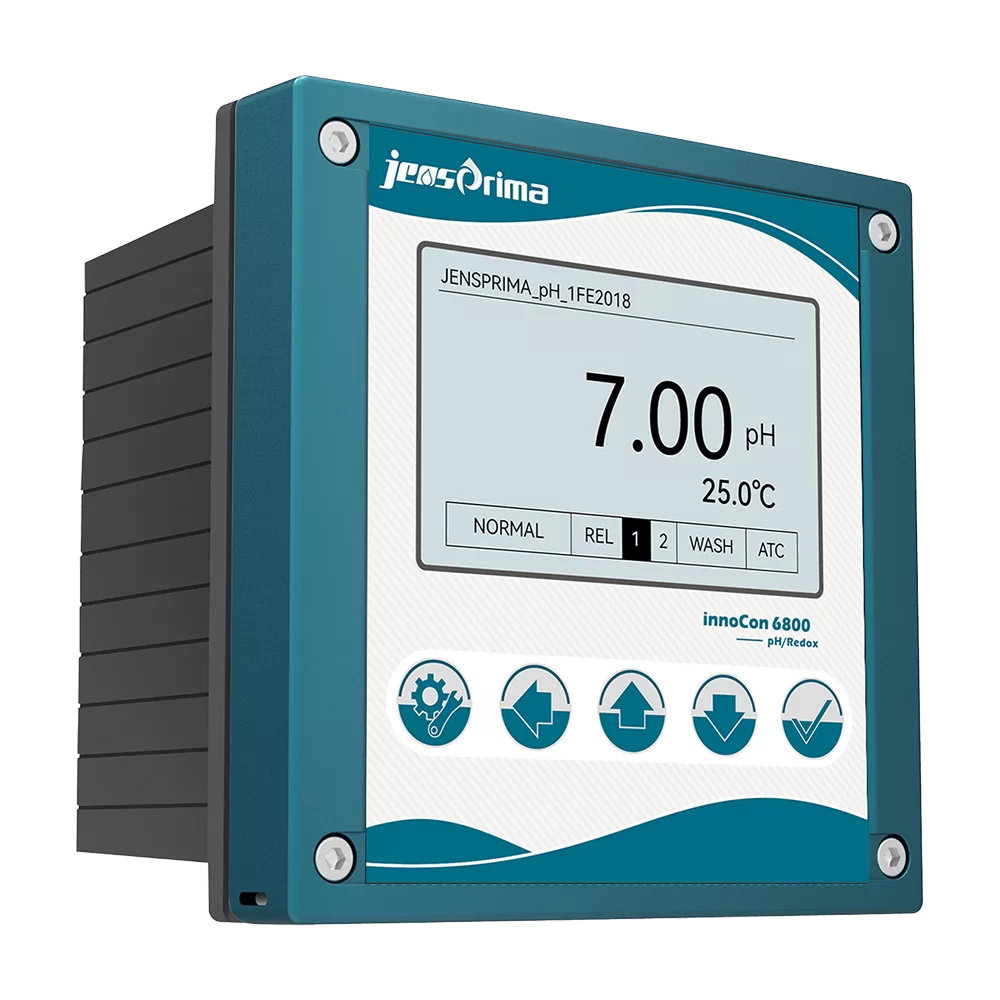
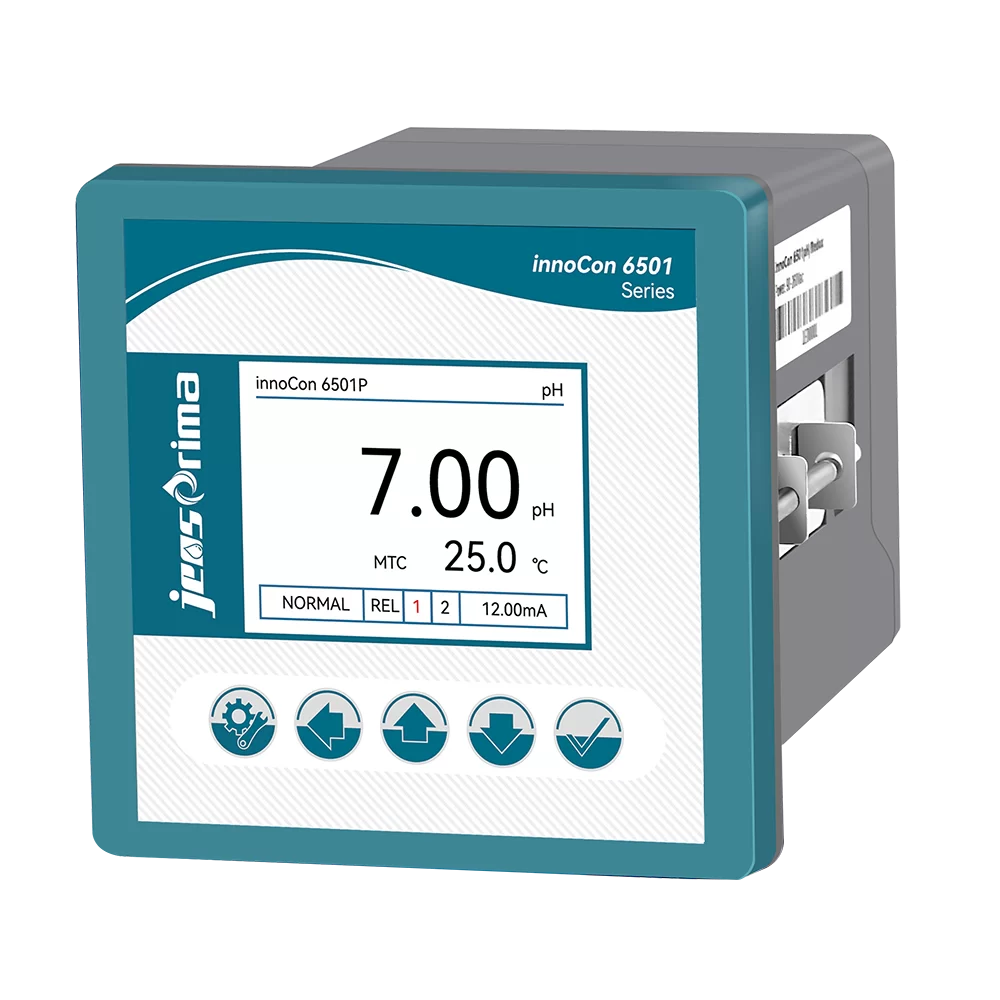
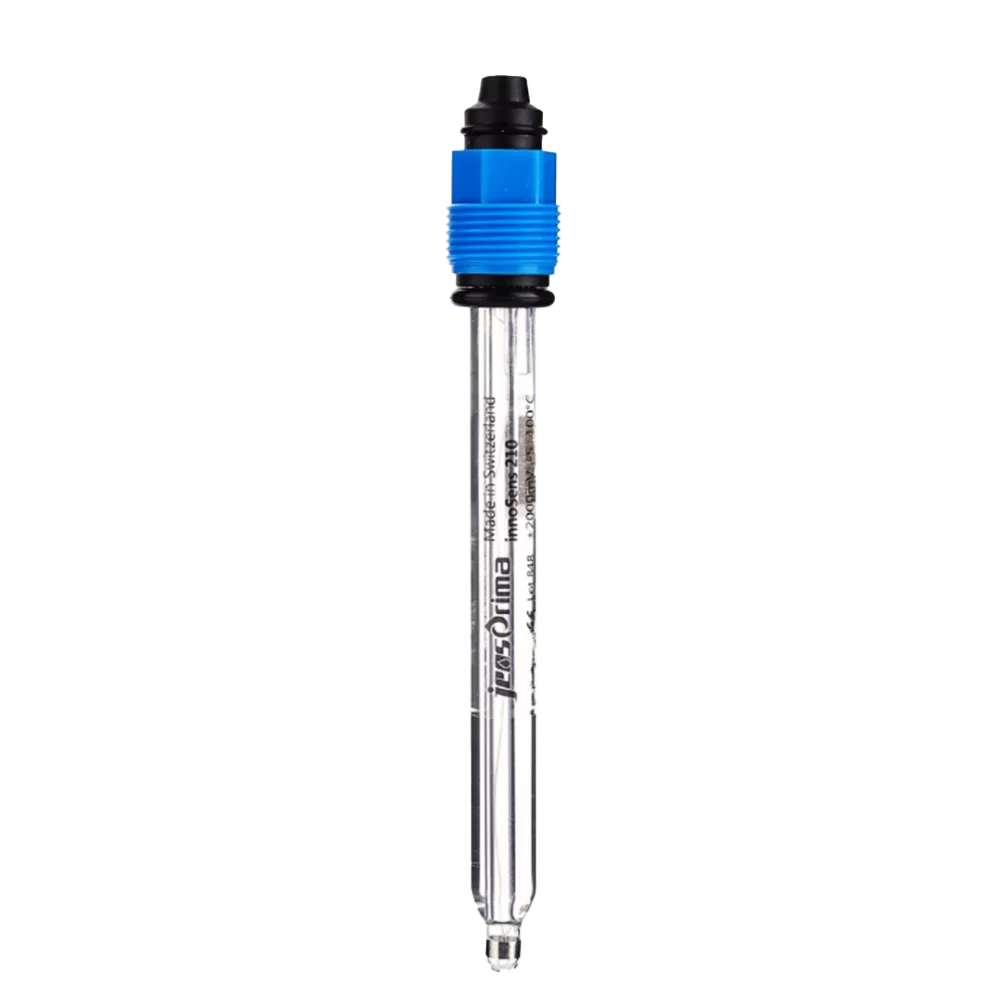
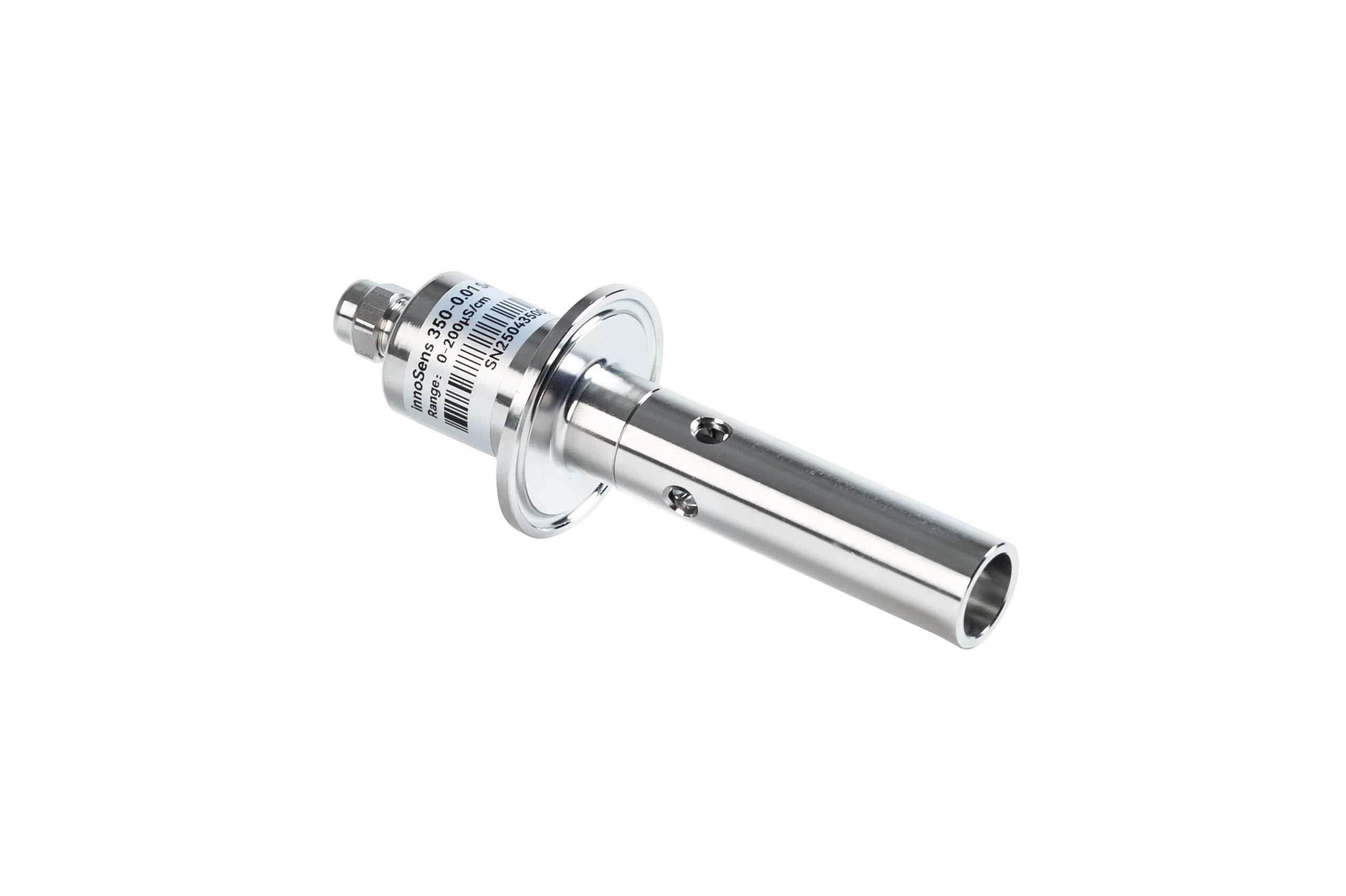
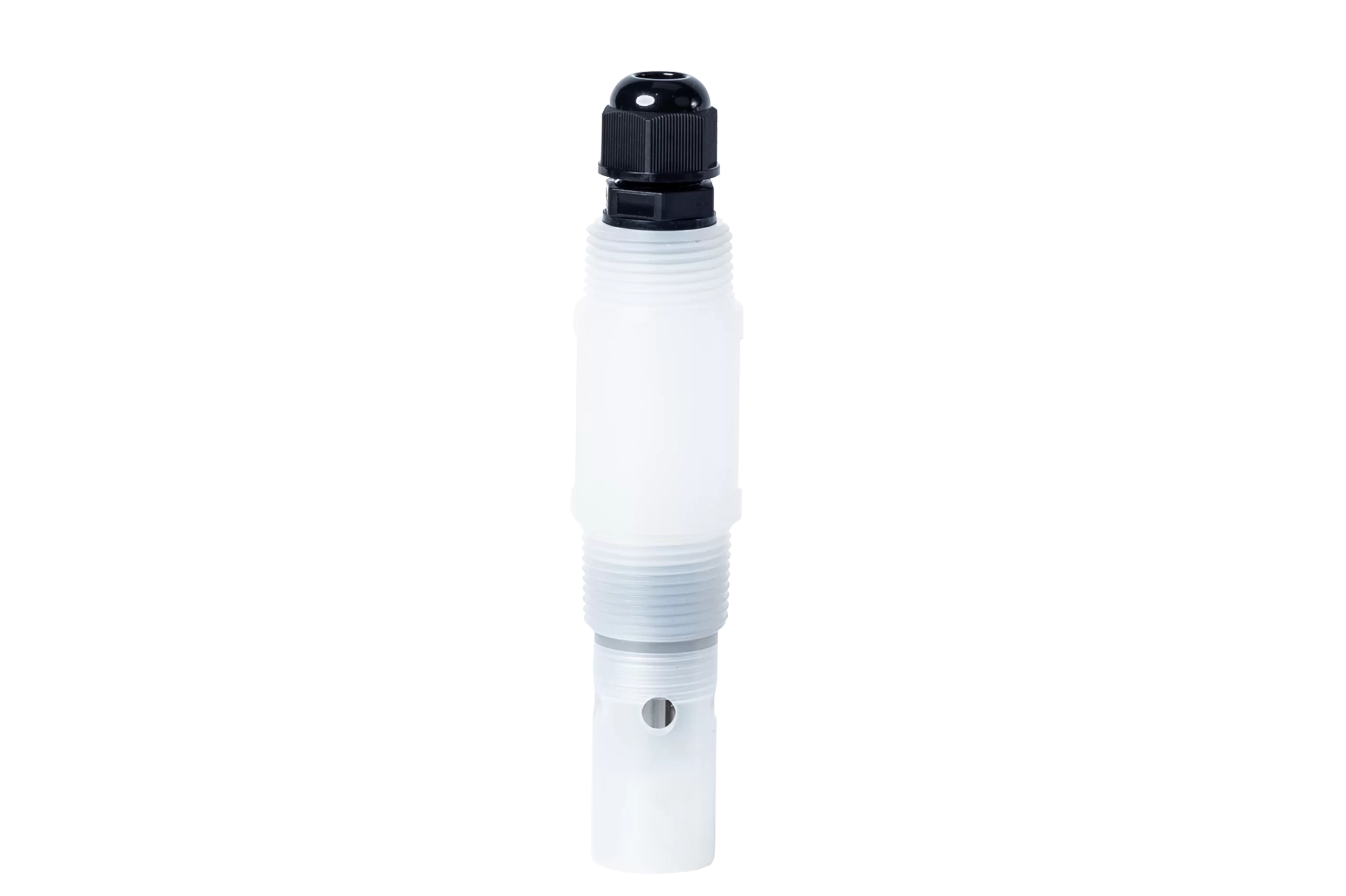
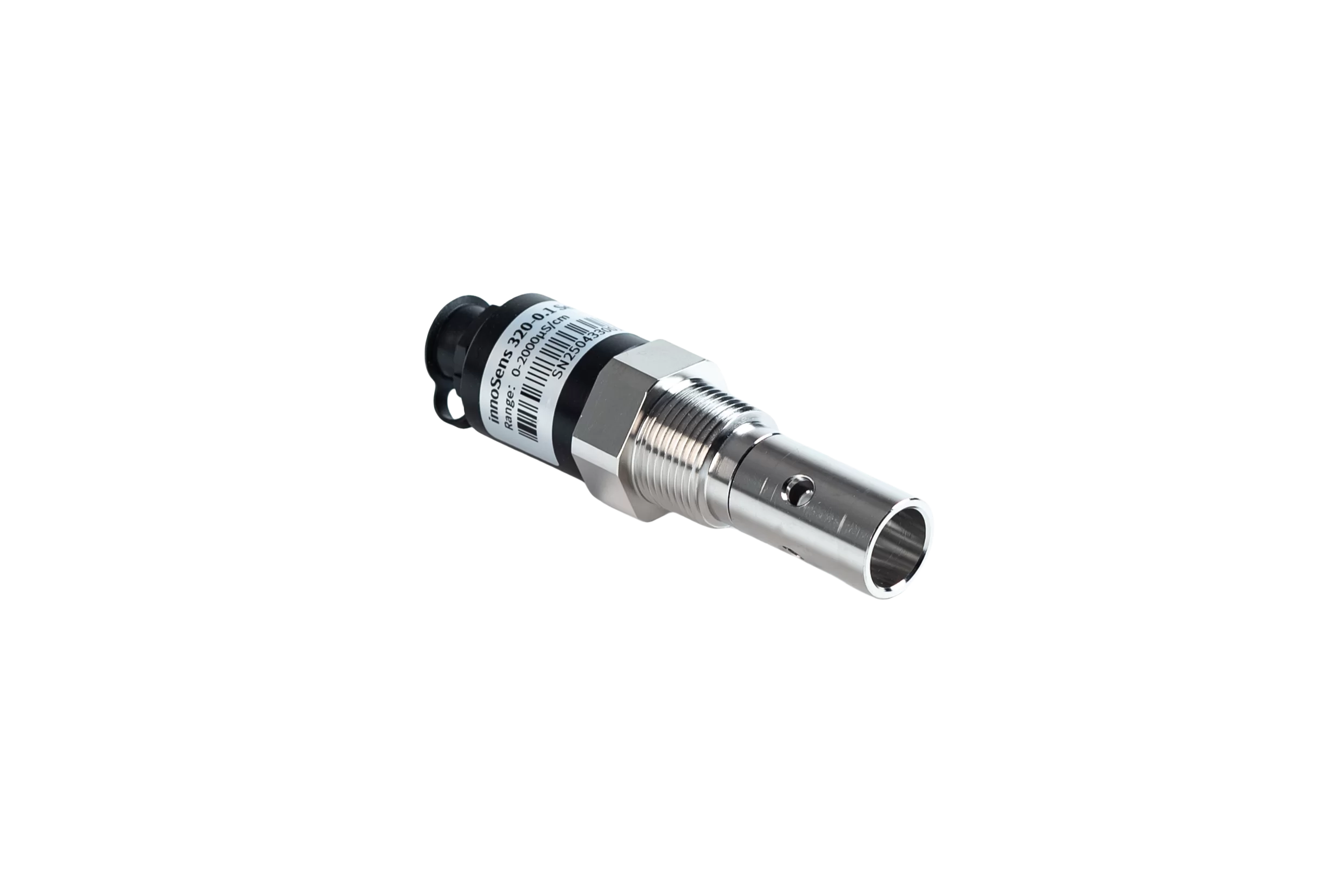
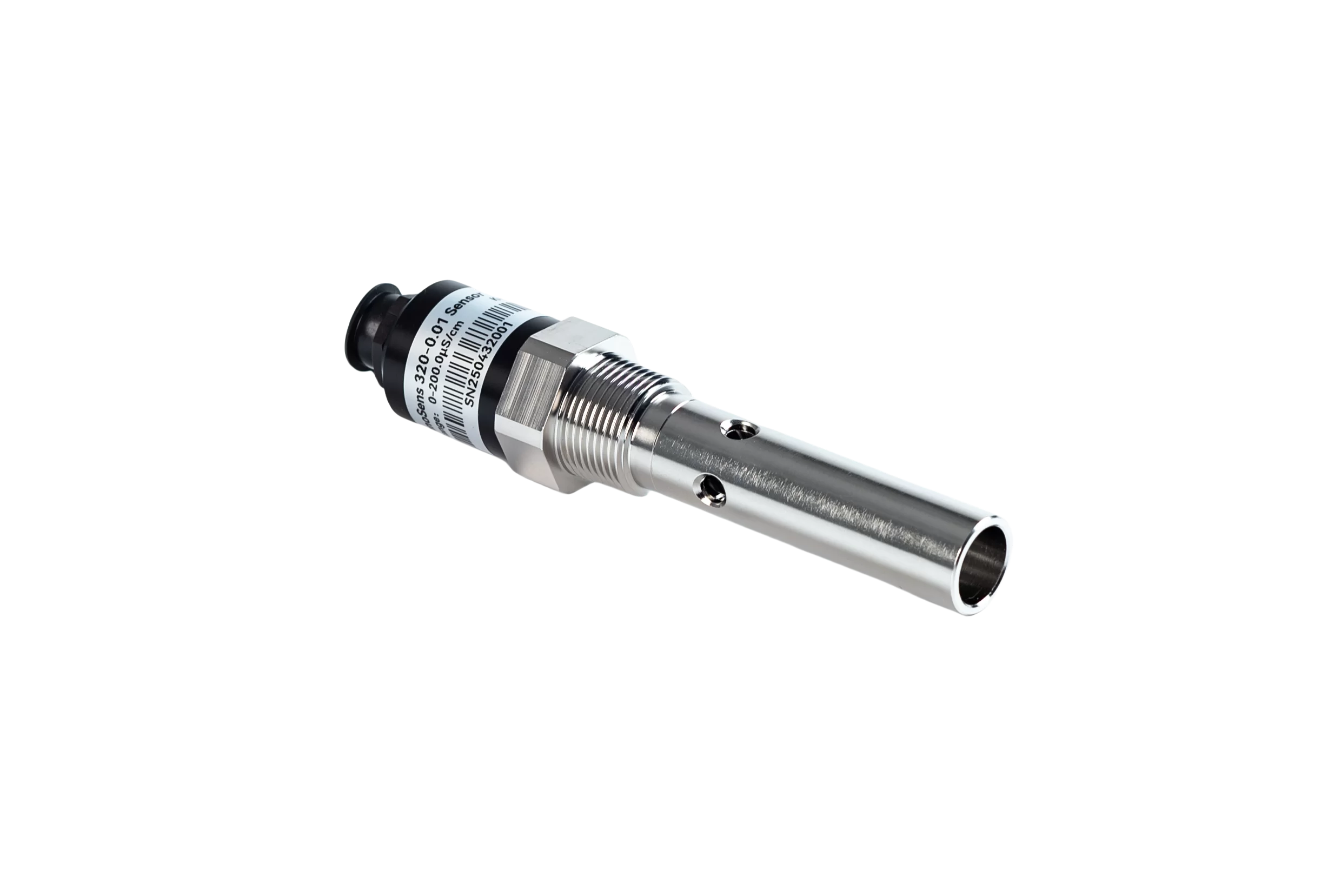
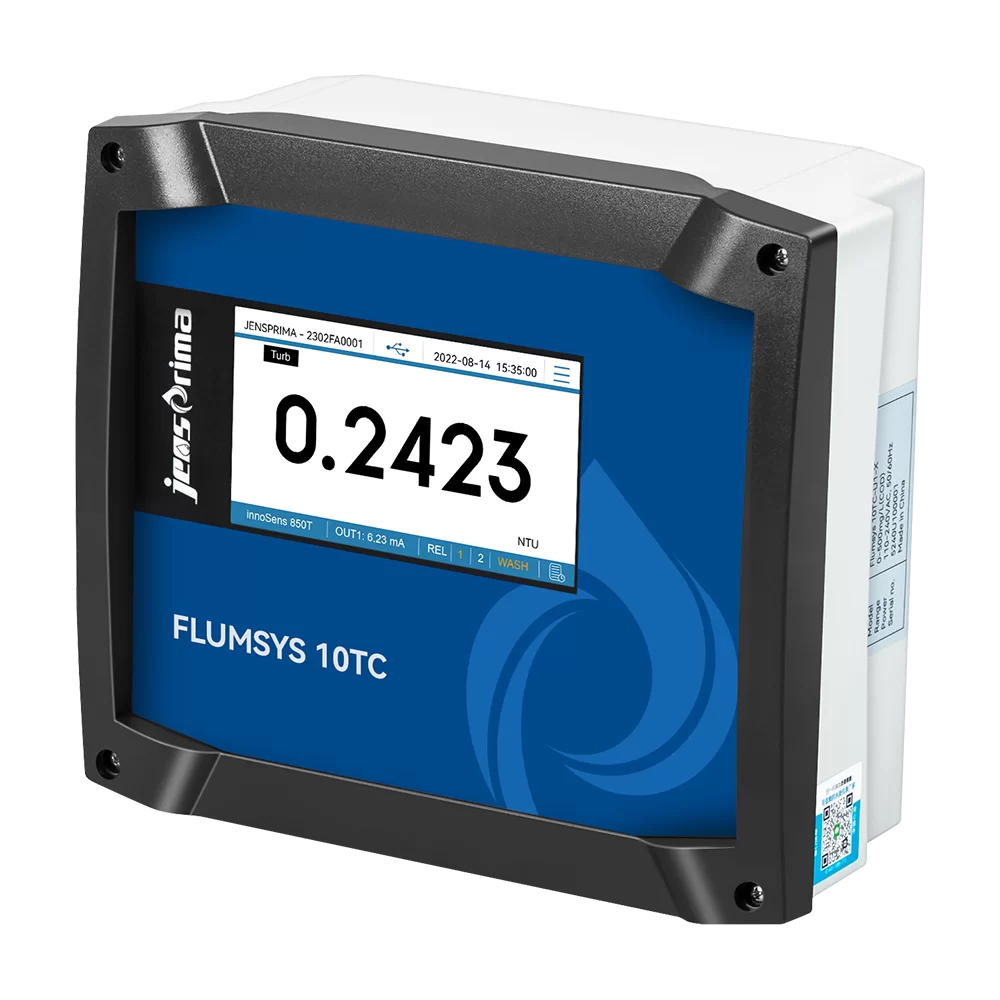
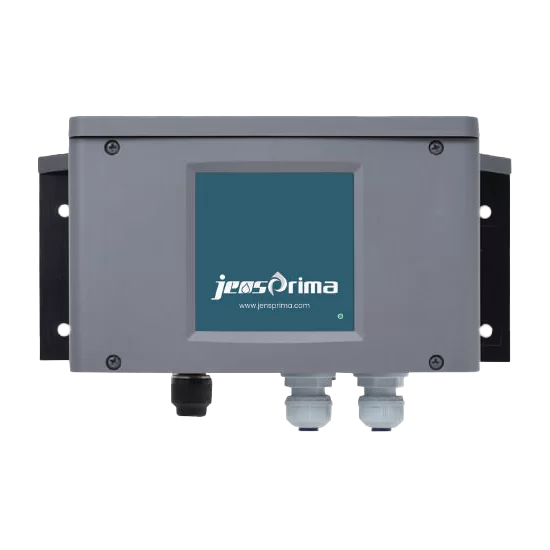
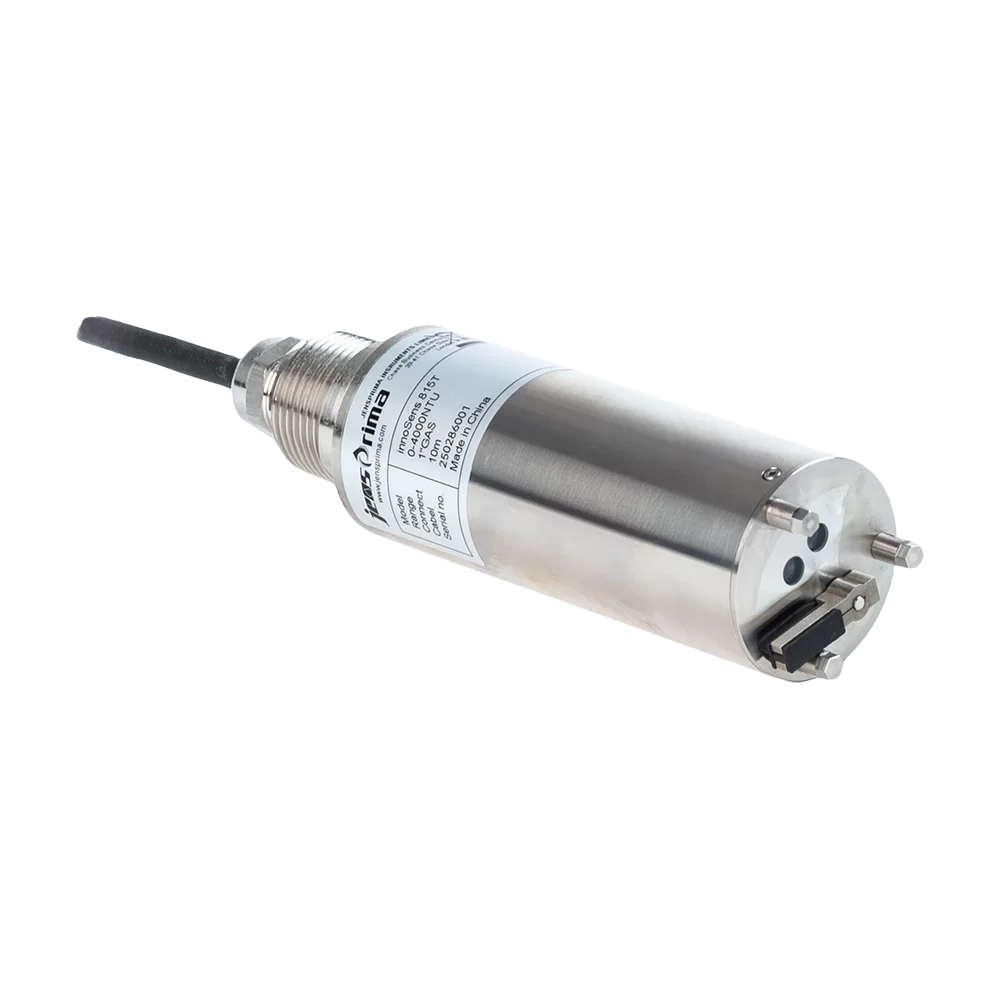


multi parameter analyzer

NEWS

UPDATES

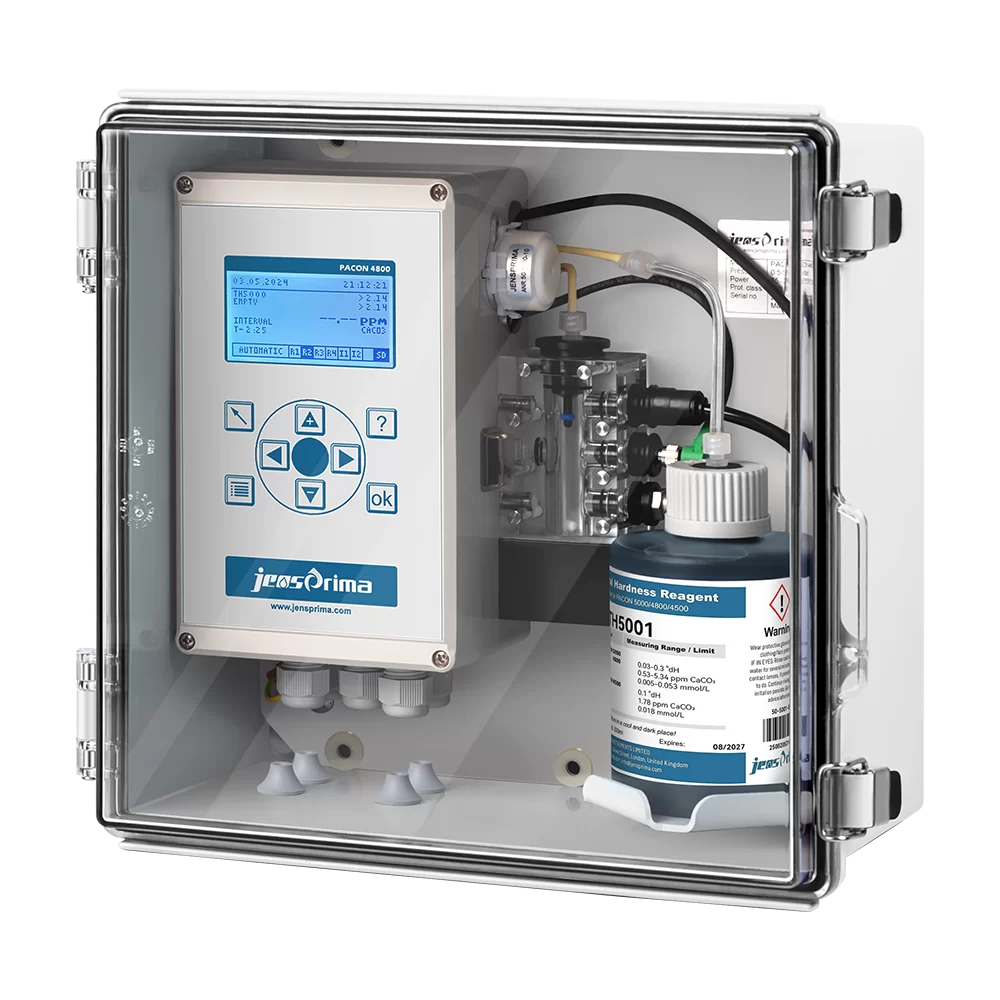
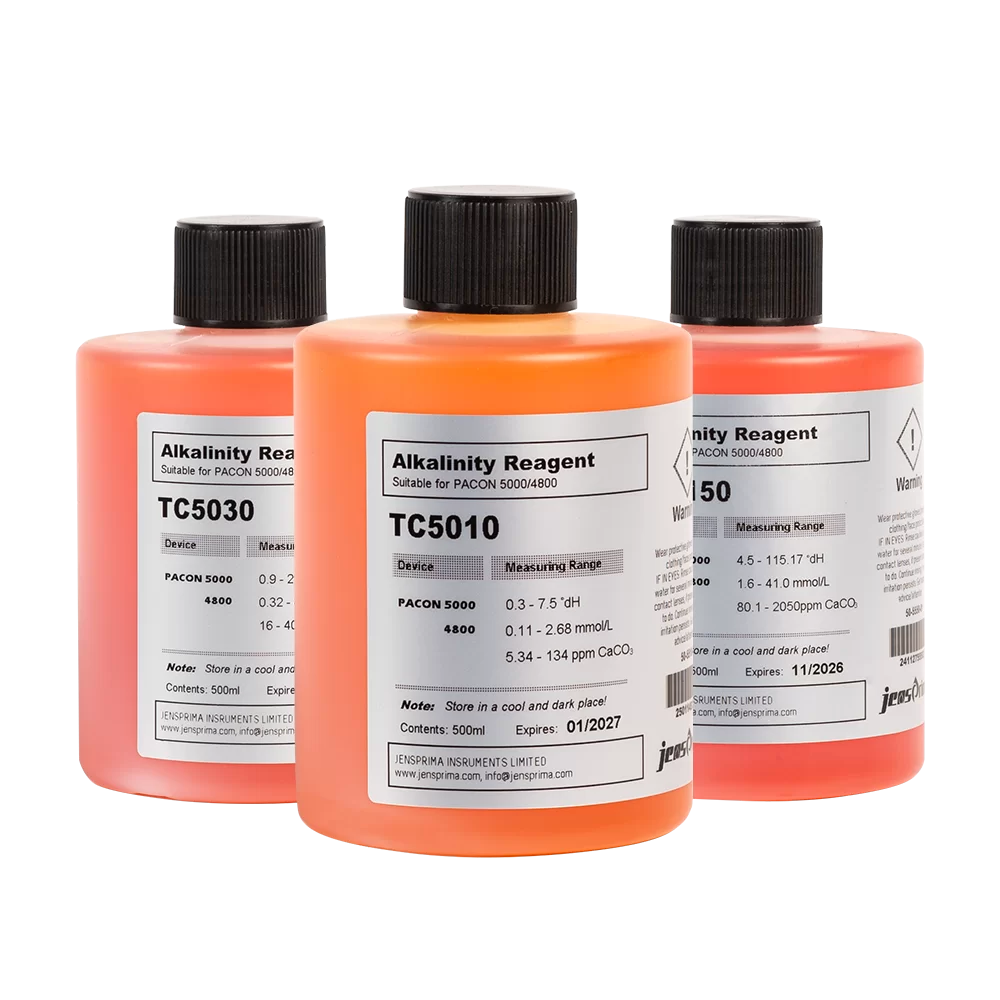
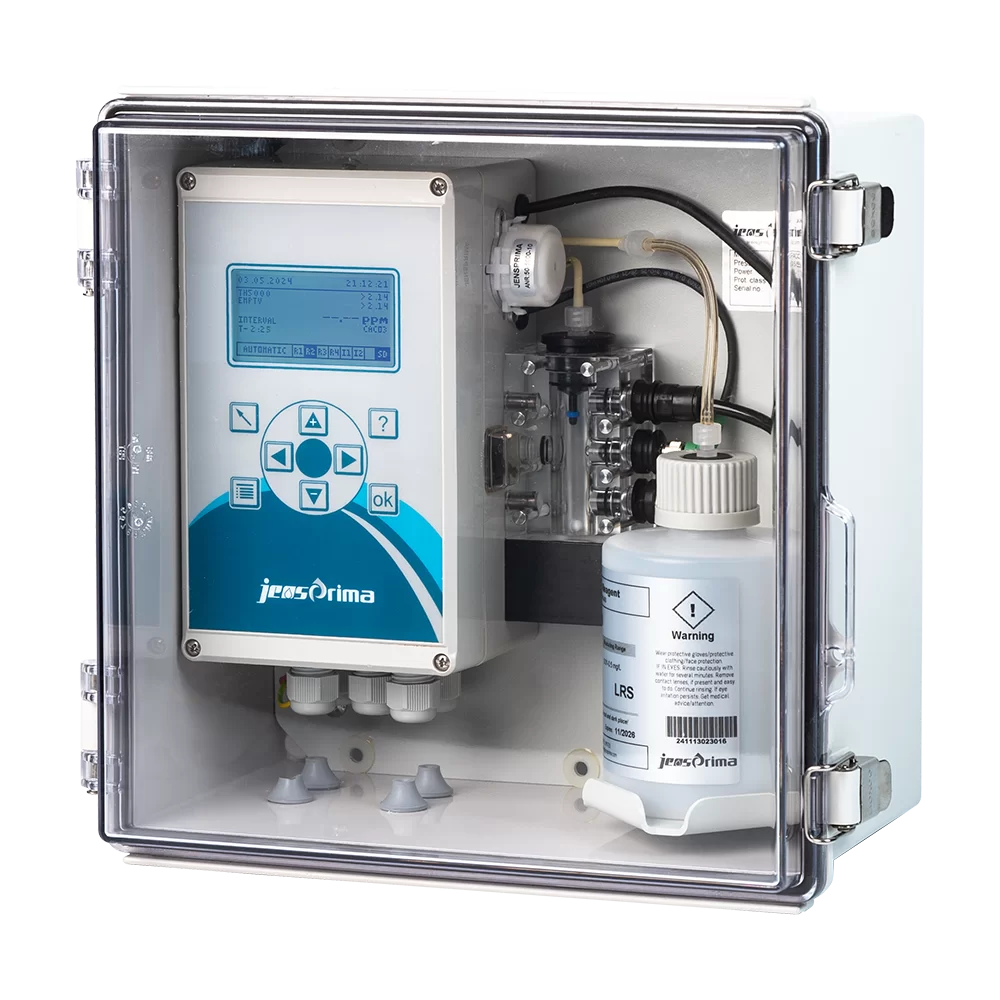
Industrial Water Analysis Solutions for Indonesia with alkalinity analyzer

Advanced online water monitoring systems tailored for the tropical industrial landscape of Indonesia, ensuring environmental compliance and process efficiency.

Industrial Water Analysis Solutions for Indonesia with alkalinity analyzer

Our comprehensive suite of online instruments provides real-time data for Indonesia's critical water infrastructure, integrating high-precision sensing with robust industrial design.

Water Quality Monitoring Landscape in Indonesia

Addressing the challenges of high humidity and diverse industrial runoff in the Southeast Asian archipelago.

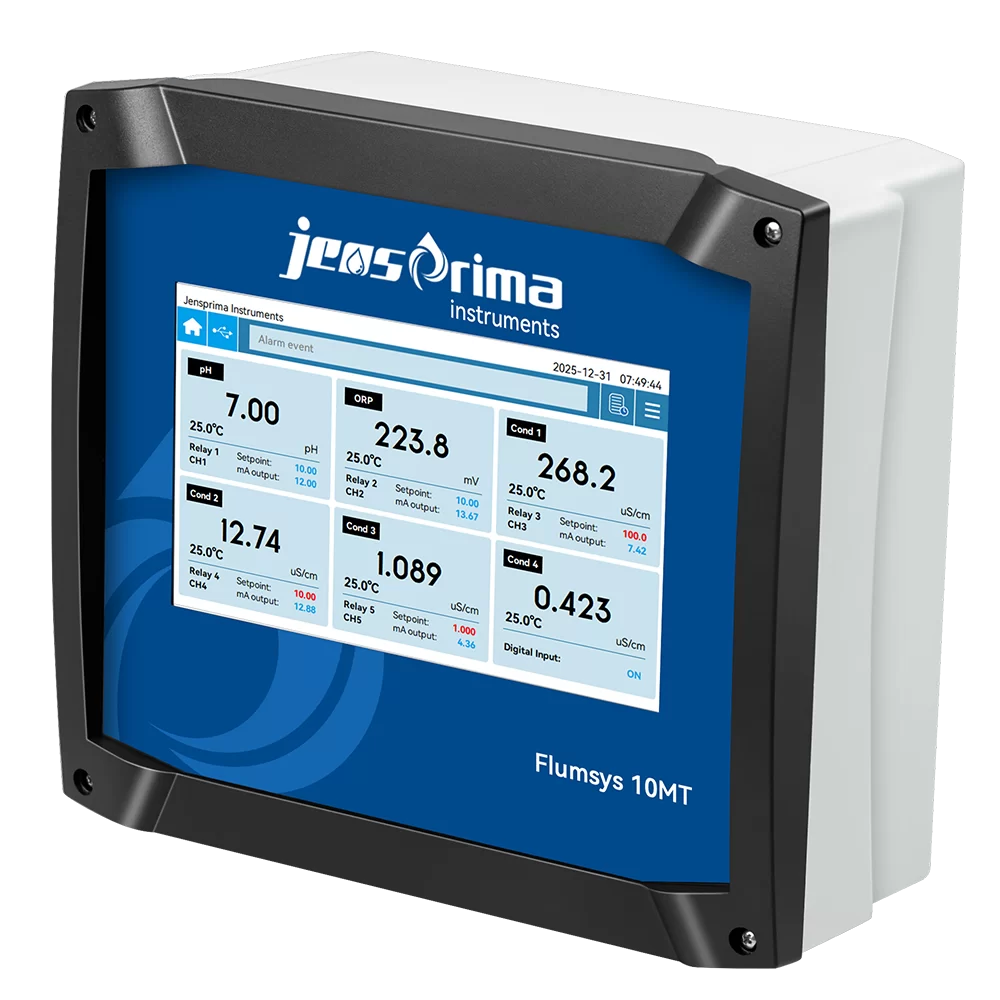
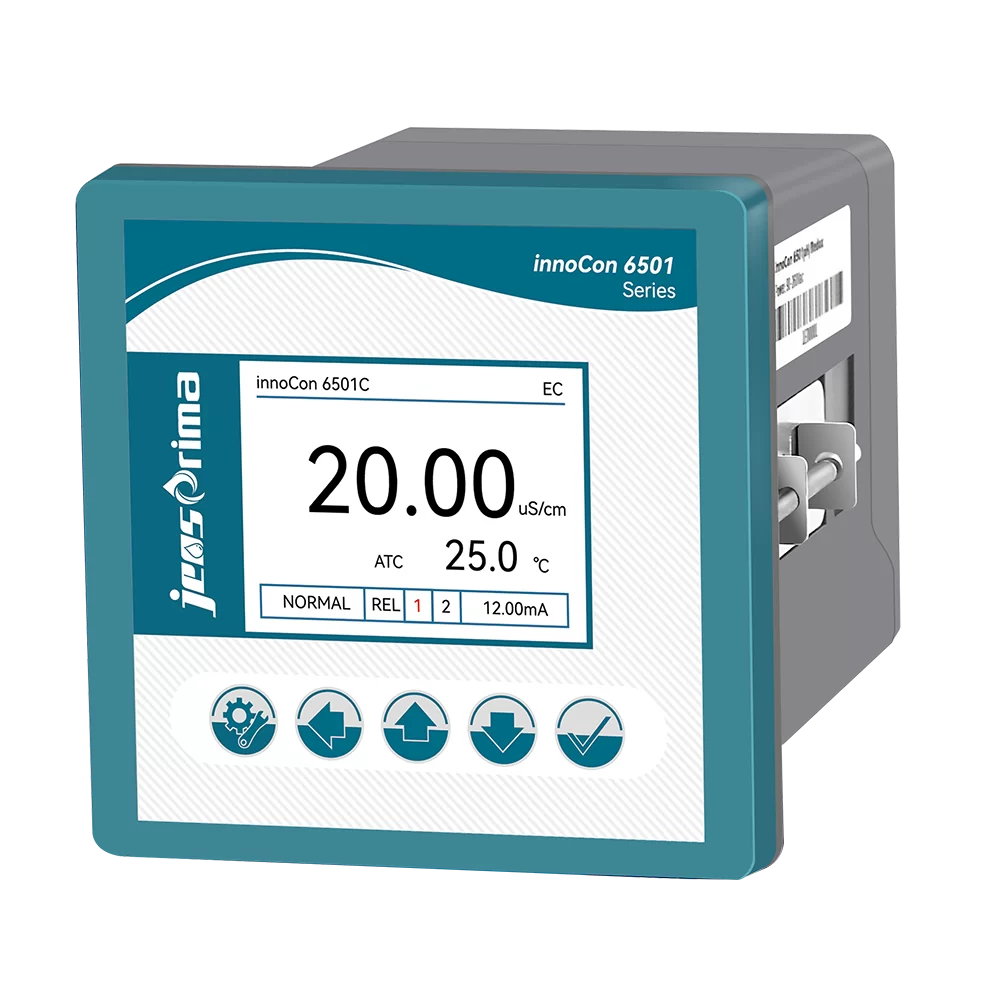
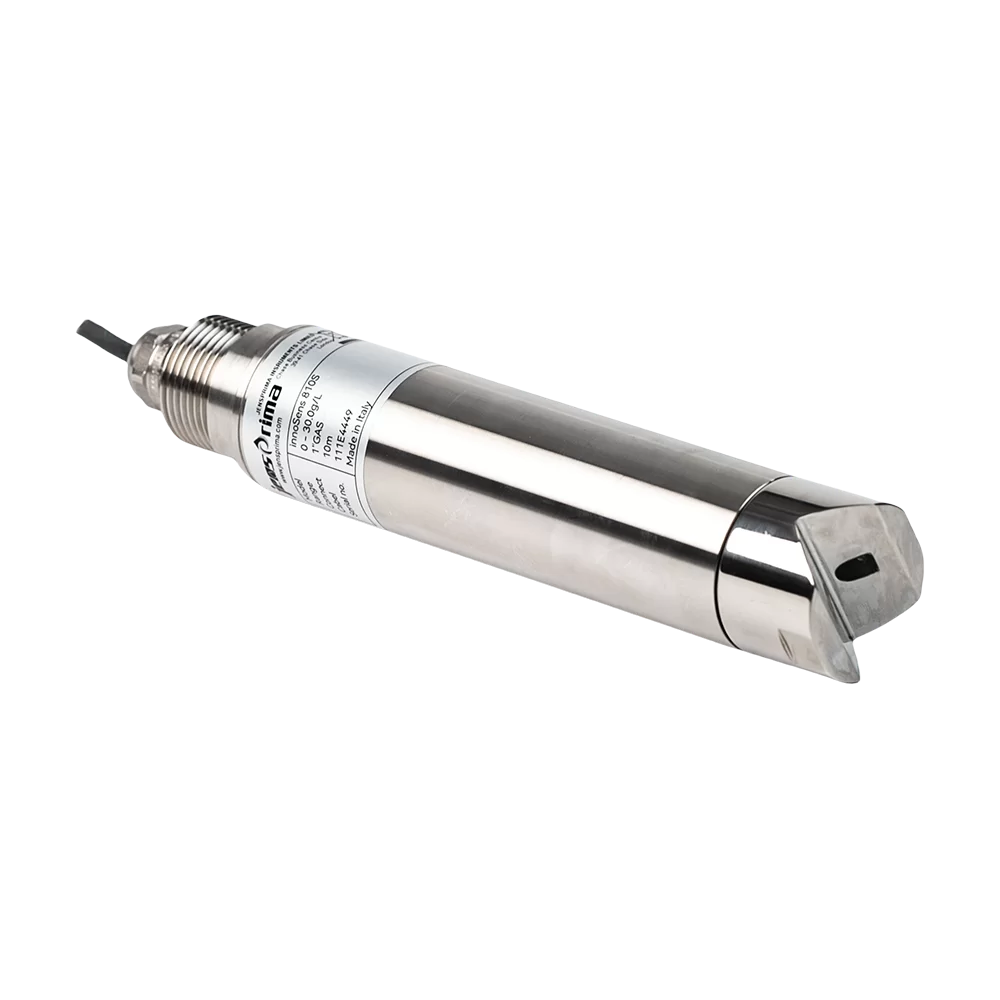
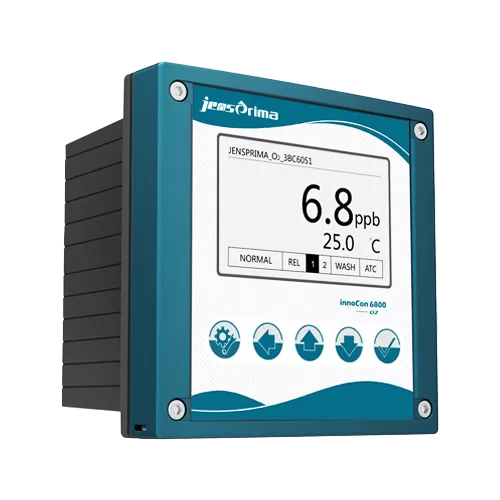
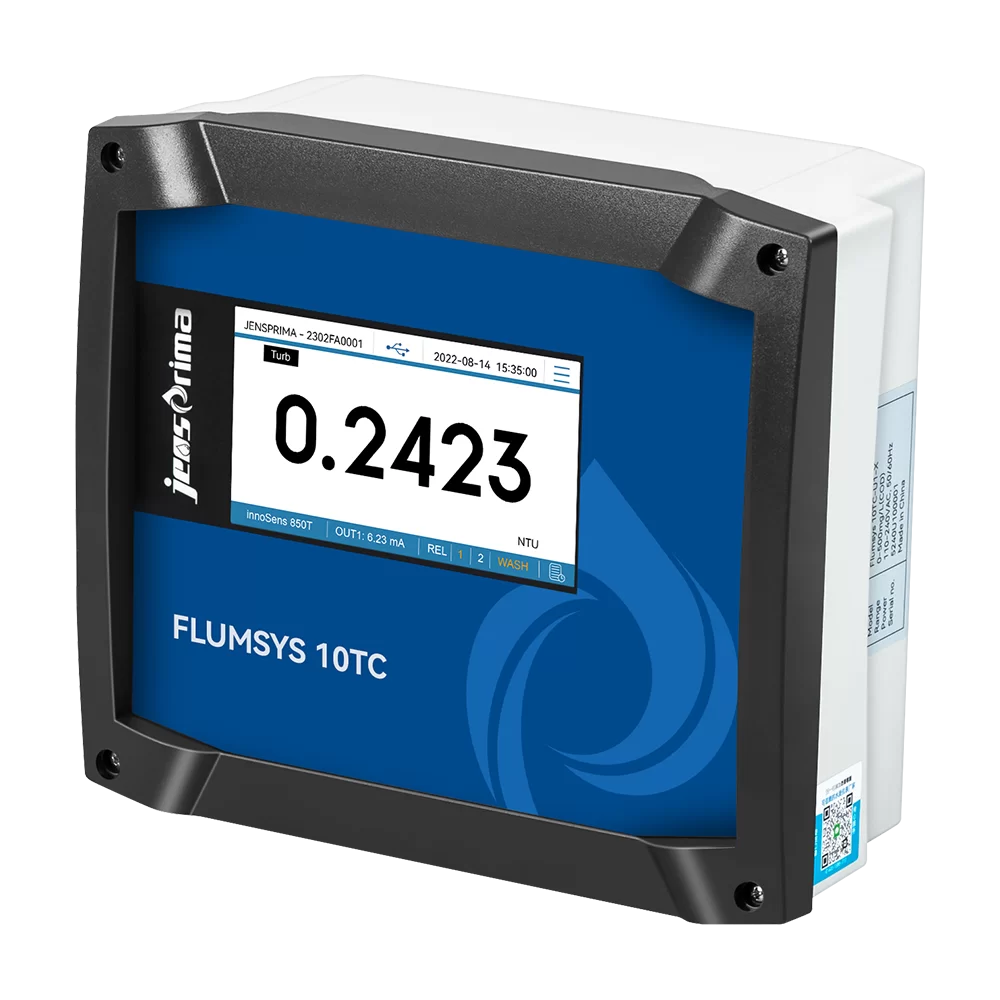
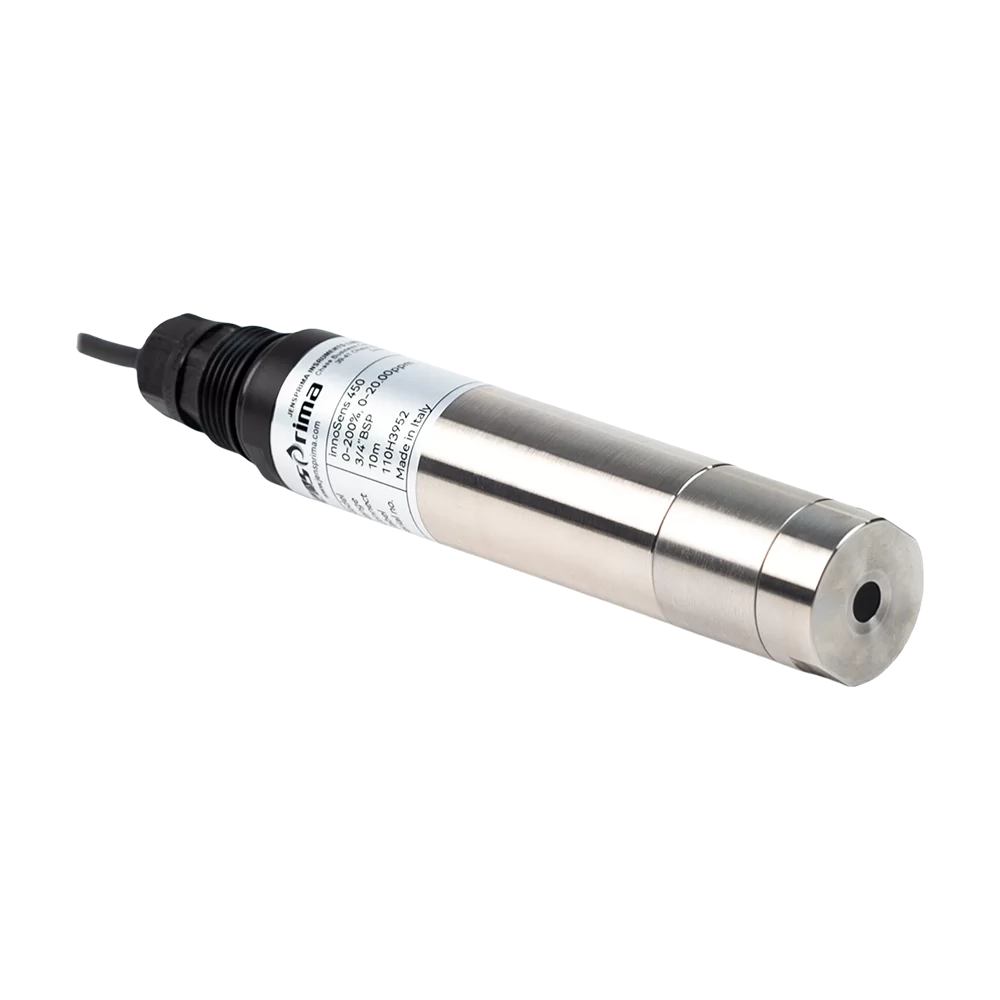
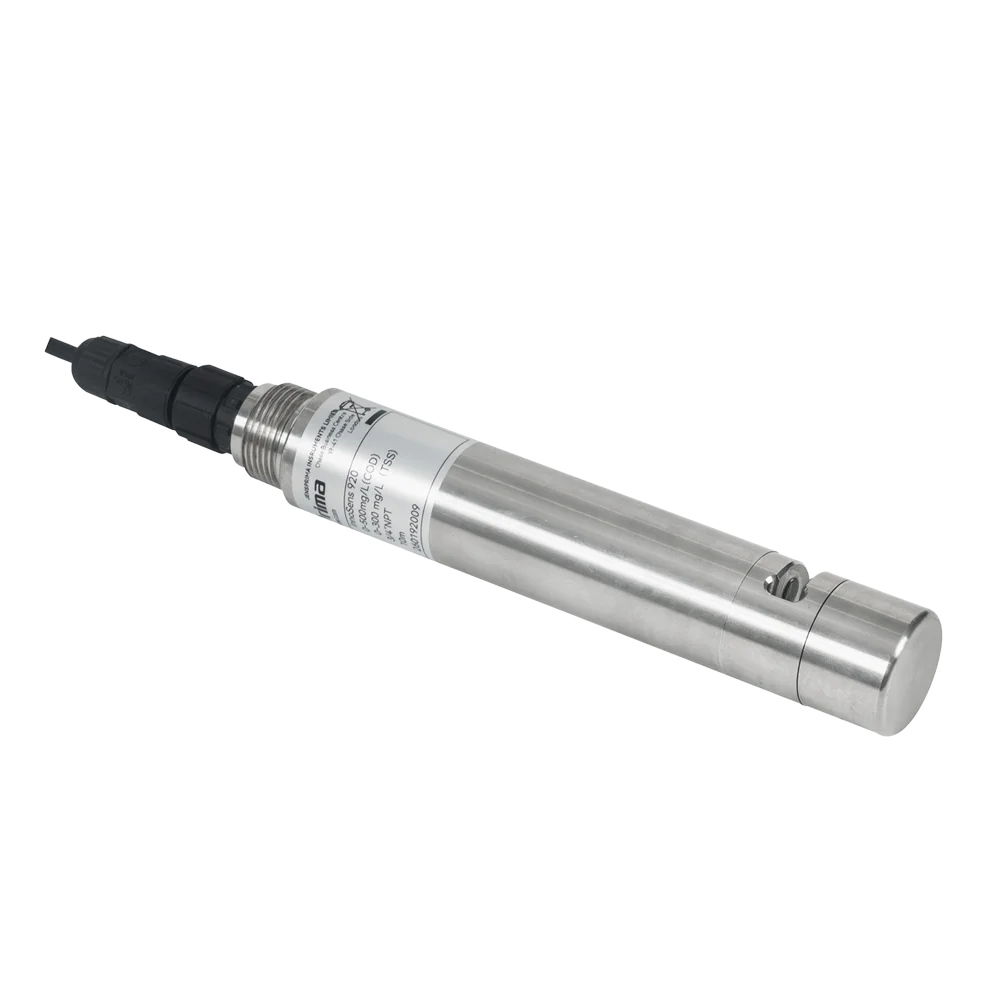
Indonesia's rapid industrialization, particularly in the palm oil, textile, and mining sectors, has placed immense pressure on local watersheds. The high tropical humidity and temperature fluctuations require instruments like the multi parameter water quality analyzer to be engineered with superior corrosion resistance and thermal stability.

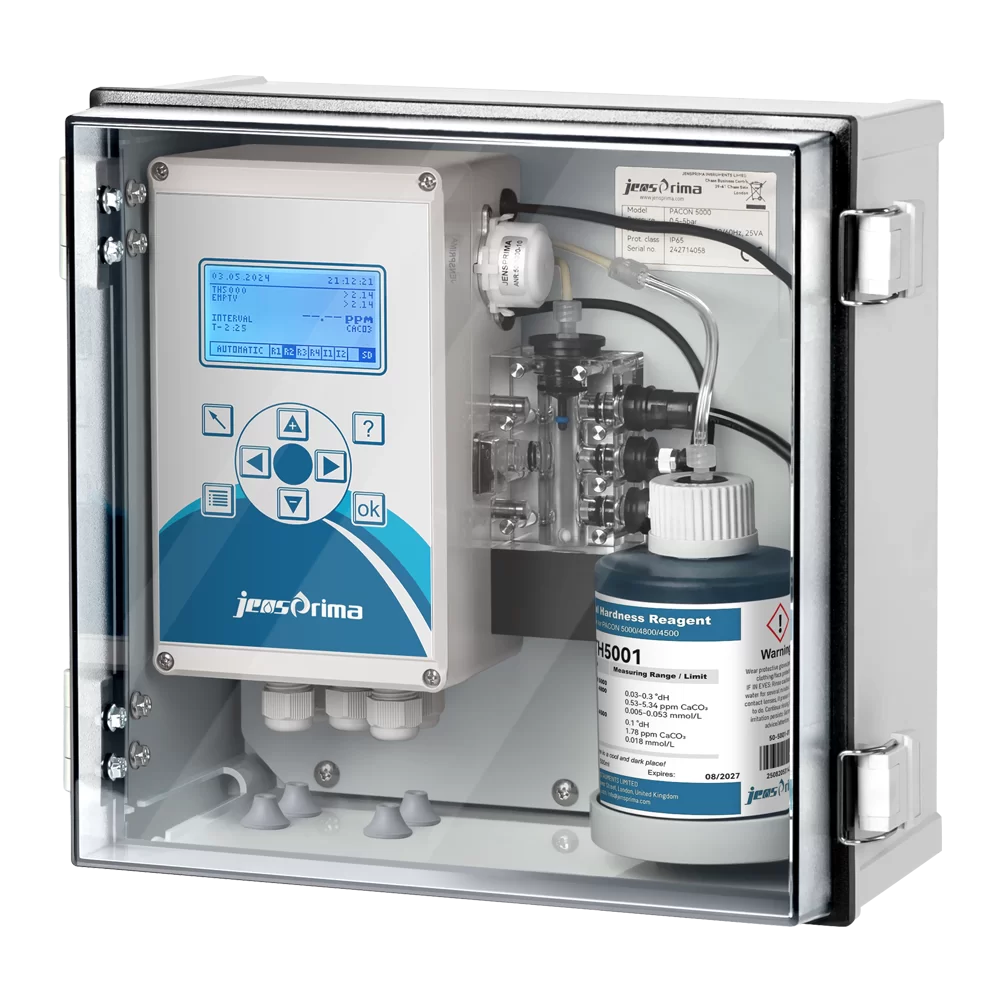
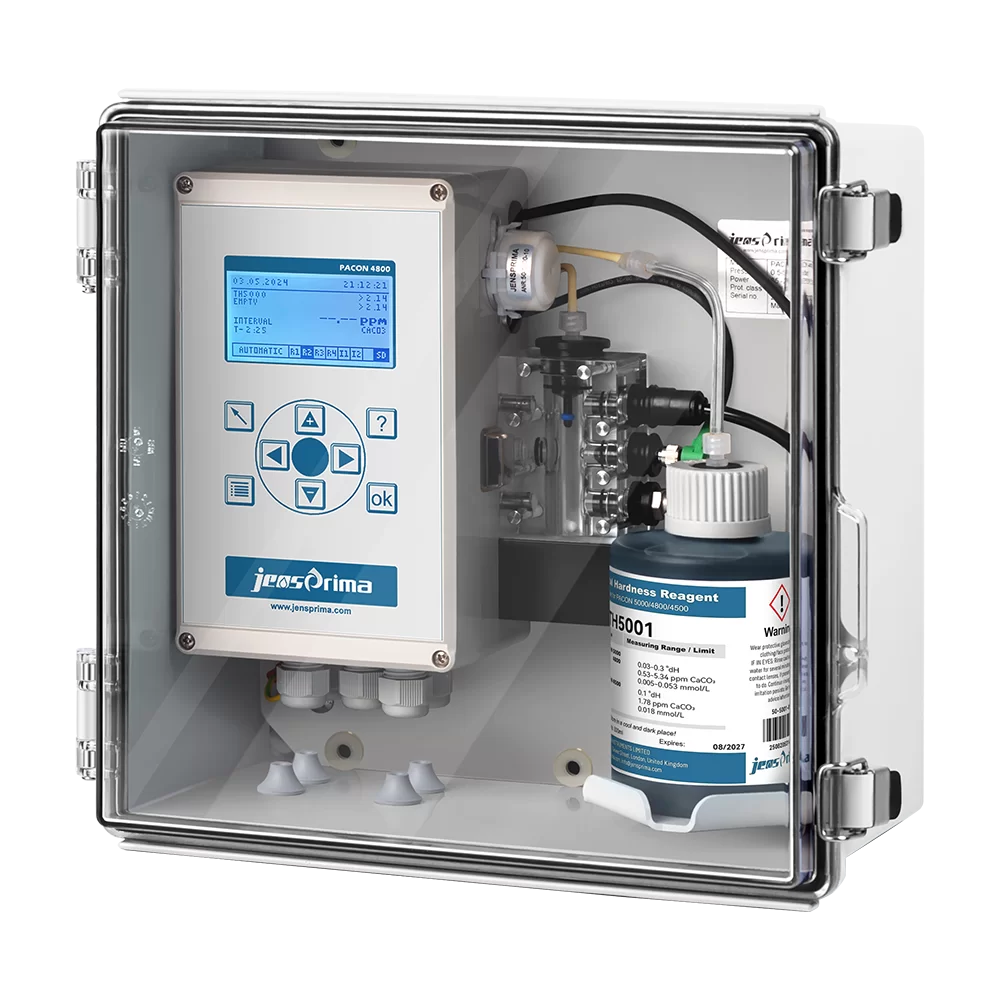
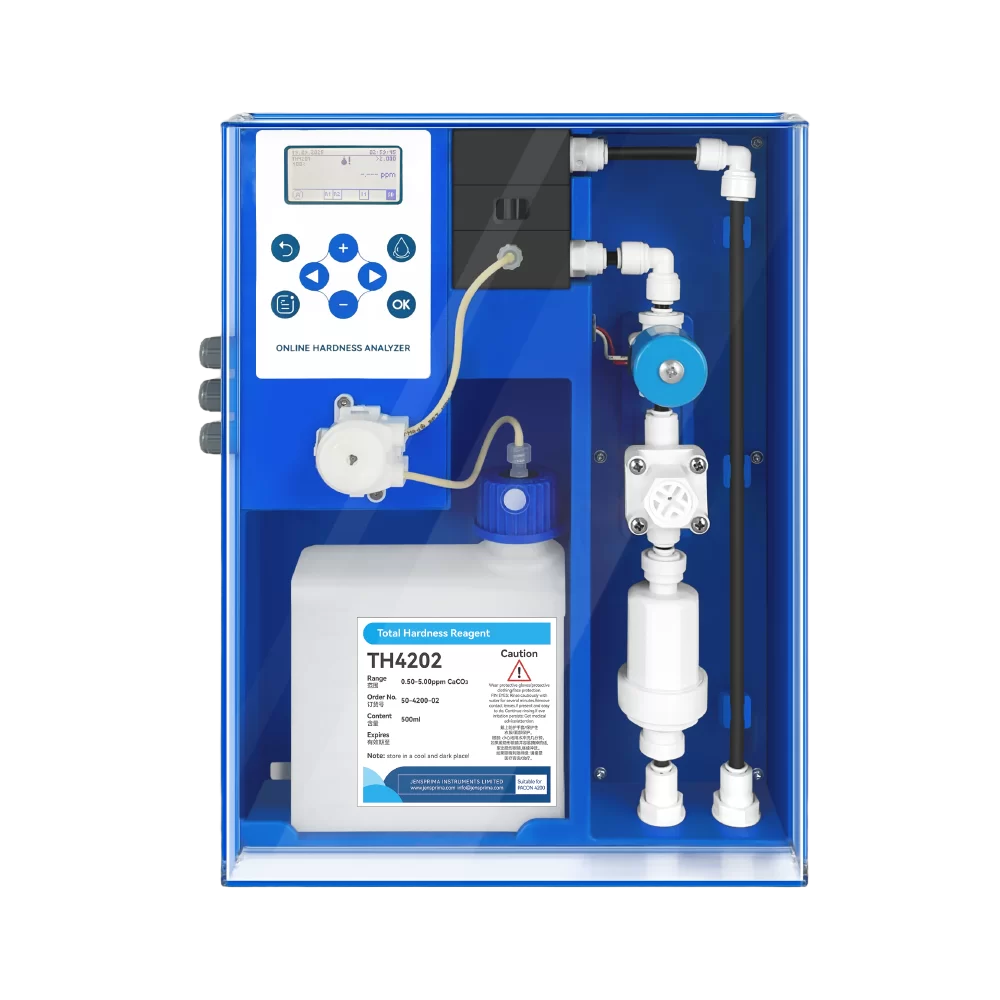
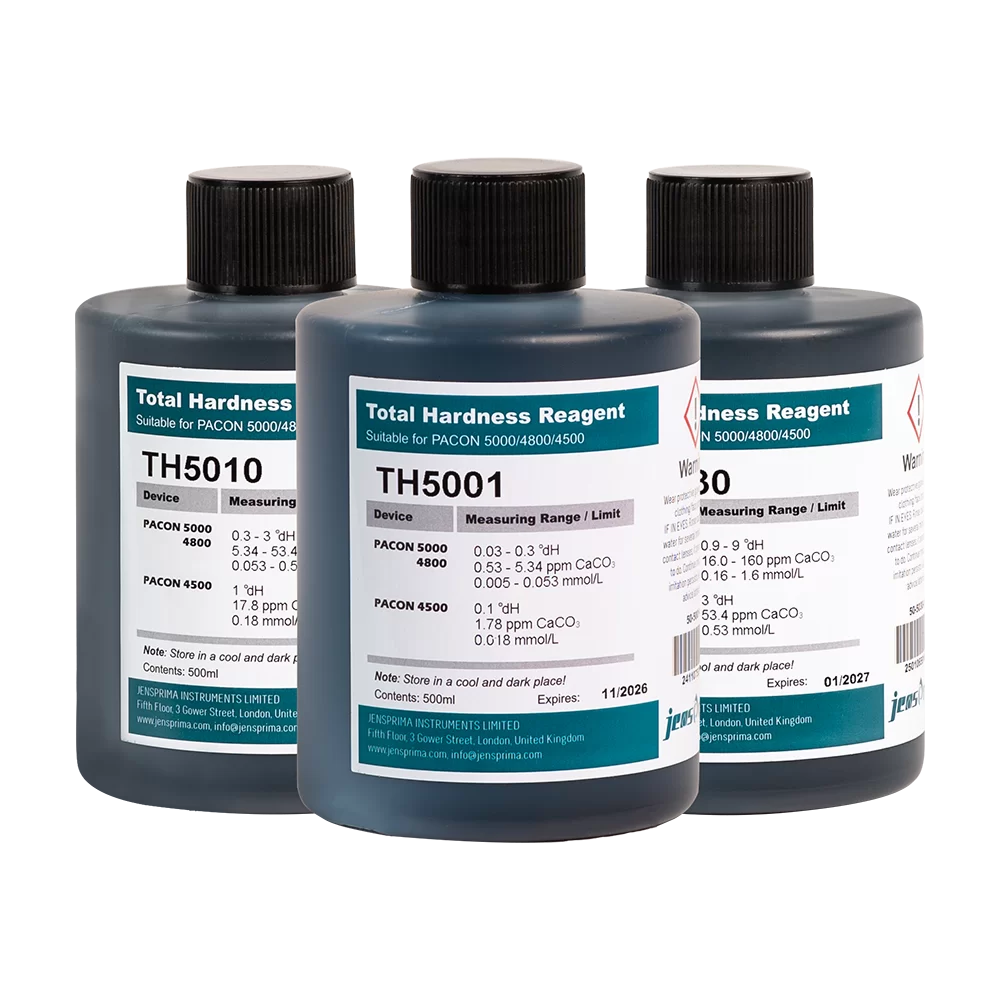
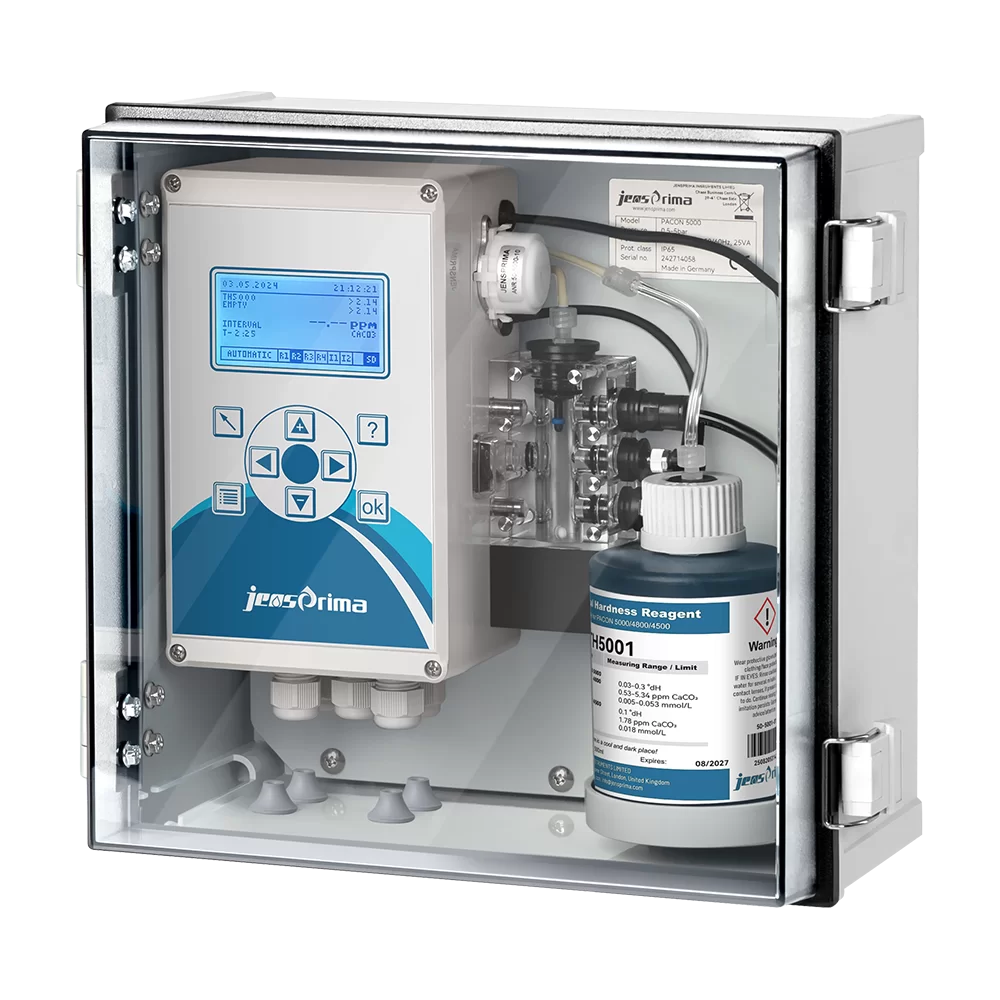
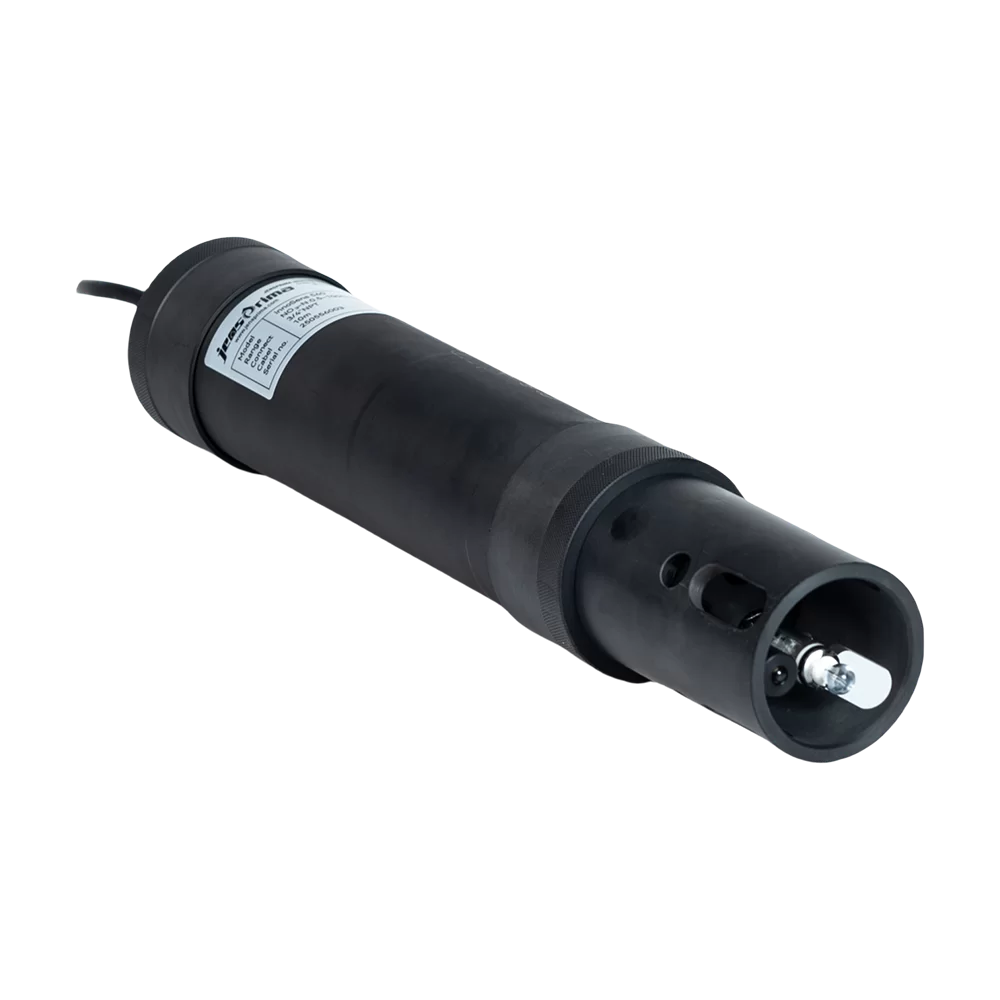
Many industrial zones in Java and Sumatra struggle with fluctuating mineral content in raw water sources. This necessitates the deployment of a total hardness analyzer to prevent scaling in boilers and cooling towers, which is a common cause of operational downtime in local manufacturing plants.

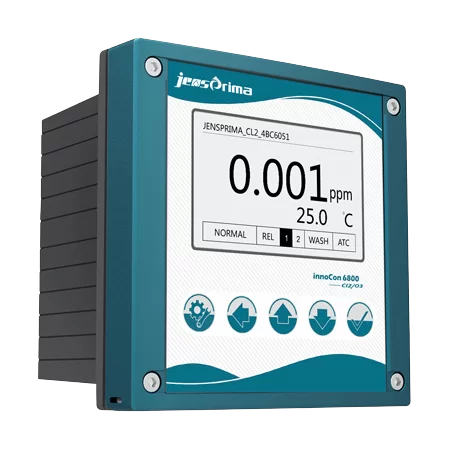
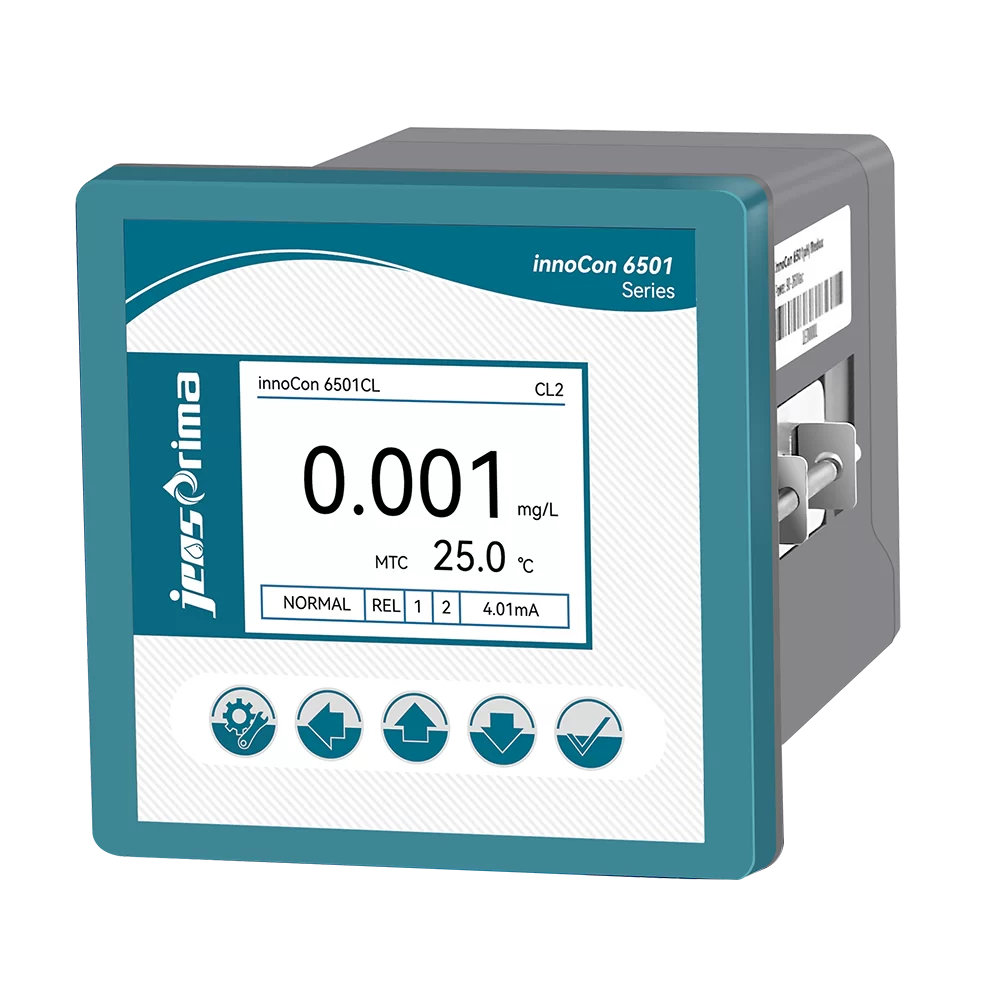
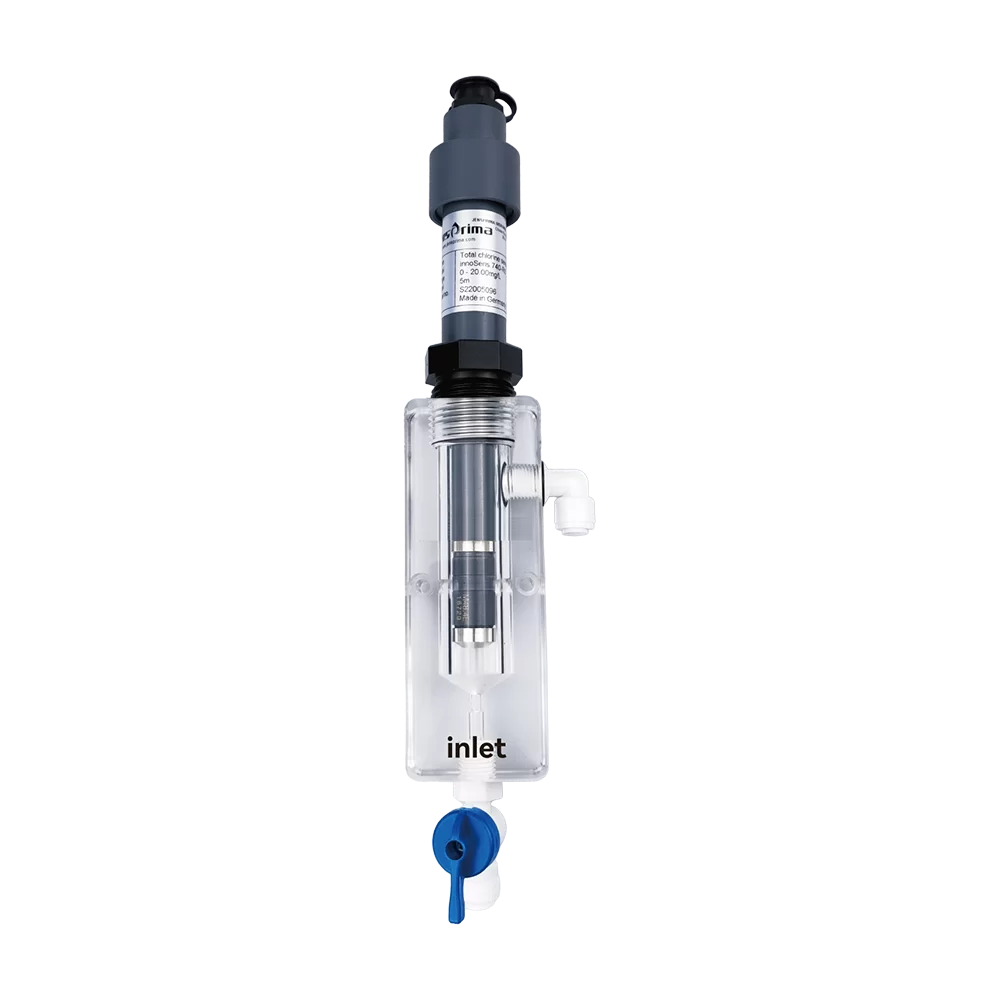
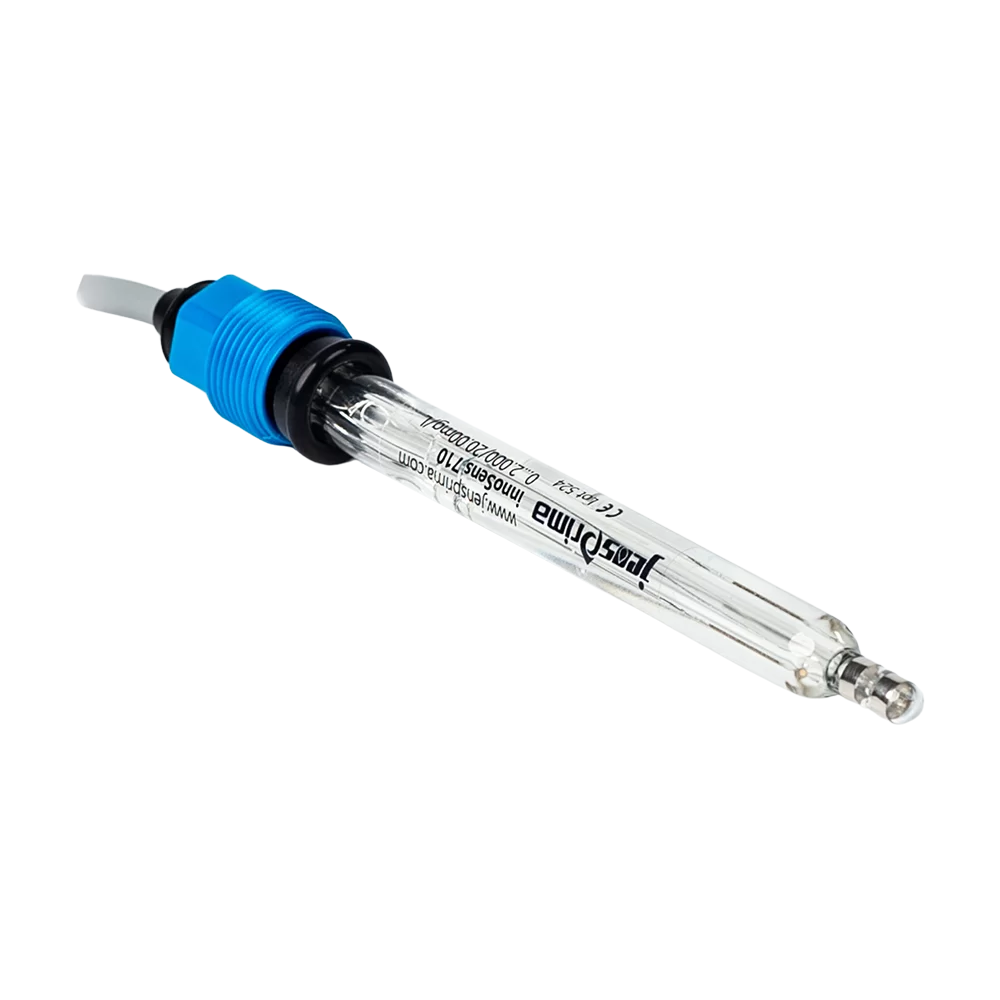
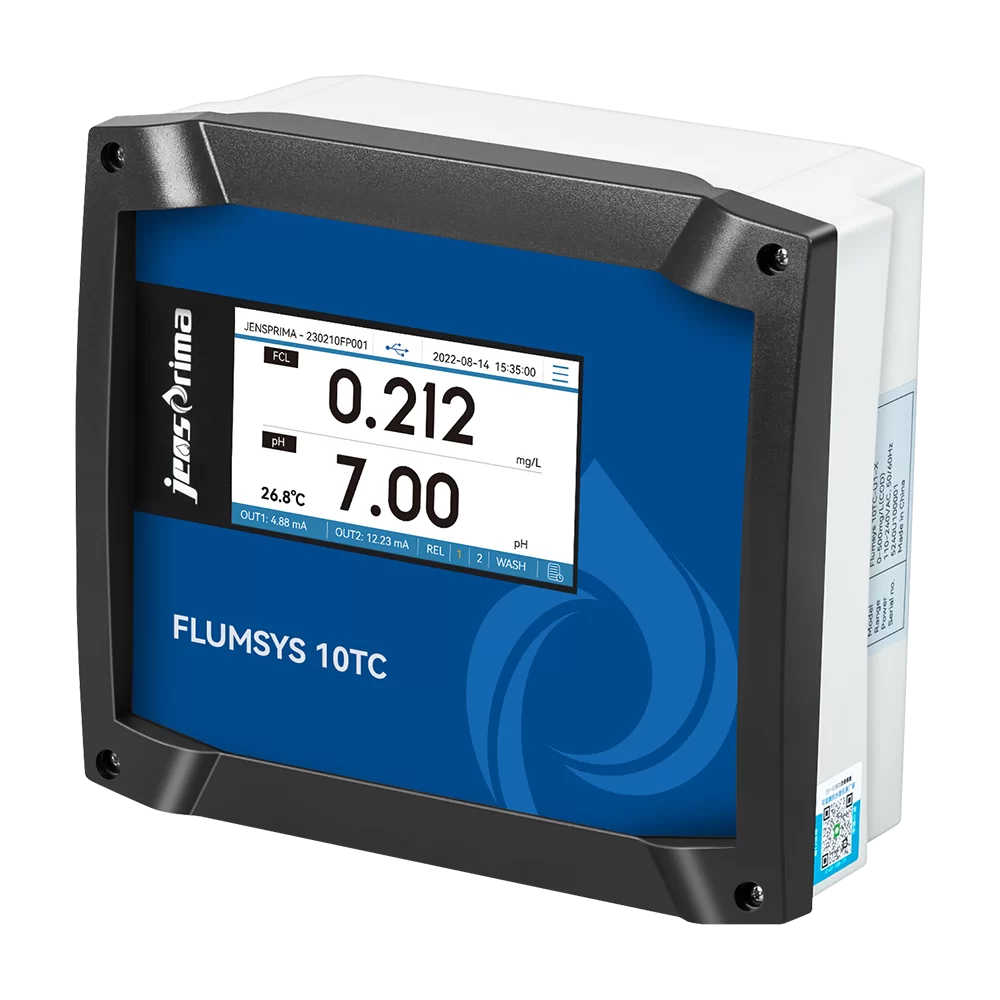
Furthermore, strict government regulations regarding wastewater discharge into the Citarum and other major rivers have driven the demand for continuous monitoring. The integration of a residual chlorine controller is now essential for municipal water treatment plants to ensure safe drinking water across the diverse Indonesian islands.

Evolution of Water Analysis Technology in Indonesia

From manual sampling to autonomous, cloud-integrated real-time monitoring.

Market Development History

Before 2010, most Indonesian facilities relied on manual grab sampling and laboratory titration for parameters like alkalinity and hardness, leading to significant delays in process adjustment and frequent compliance breaches.

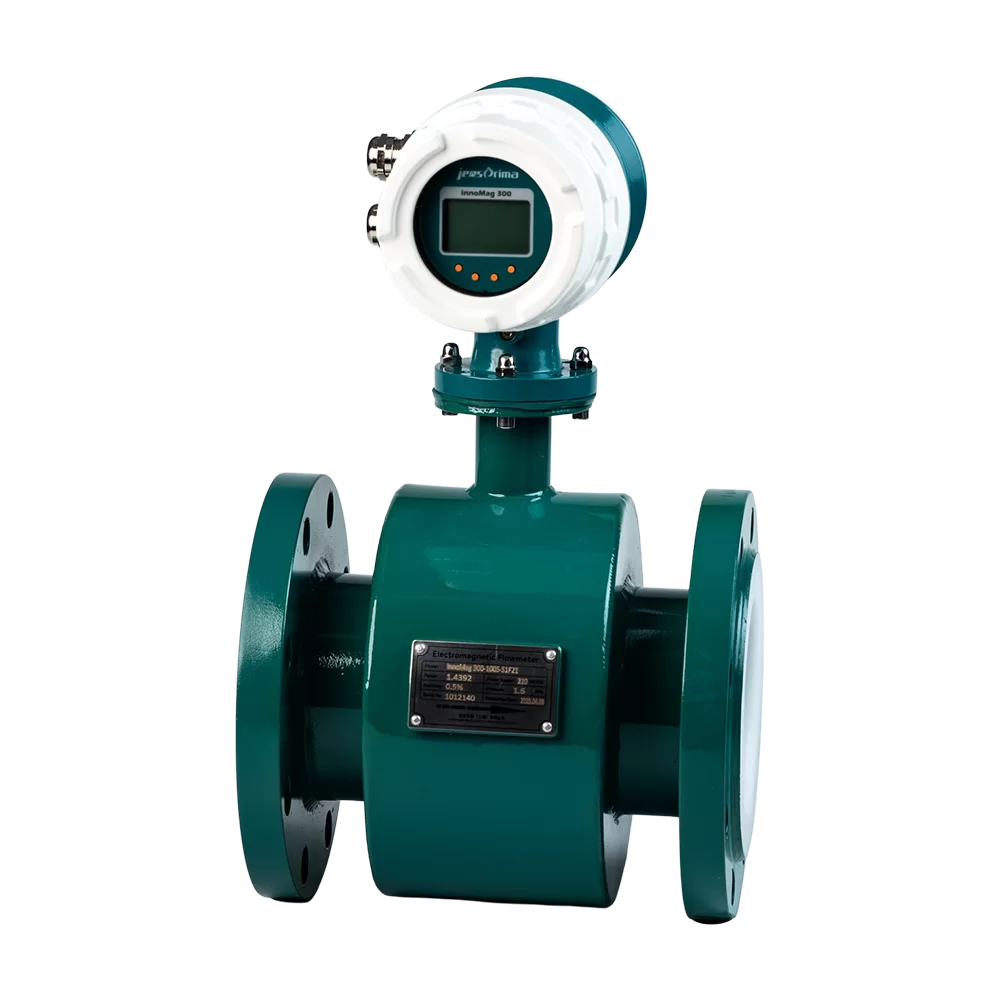
Between 2010 and 2020, the market transitioned toward basic online sensing. The introduction of the electromagnetic flowmeter revolutionized how industrial plants measured wastewater volume, allowing for more accurate chemical dosing and billing.

Since 2020, the shift has moved toward "Smart Water Management," where multi-sensor arrays and automated controllers provide closed-loop feedback, reducing human error and chemical waste in the water treatment cycle.

Future Development Trends

IoT and Cloud Synchronization

Future systems will move beyond local displays to cloud-based dashboards, allowing Indonesian plant managers to monitor water quality across multiple sites via mobile devices.

AI-Driven Predictive Maintenance

Integration of machine learning to predict sensor drift and reagent depletion, specifically for complex analyzers, reducing the cost of technician visits to remote sites.

Energy-Neutral Sensing

Development of low-power sensors powered by solar energy, ideal for the remote environmental monitoring stations located in Kalimantan and Papua.

Industry Trends and Future Outlook

Strategic directions for online water quality instrumentation in the Indonesian market.

Digital Twin Integration
Creating virtual replicas of water networks to simulate the impact of alkalinity shifts before they occur.
Reagent-Free Sensing
Moving toward optical and electrochemical sensors to eliminate the logistical challenge of reagent supply in remote islands.
Autonomous Calibration
Self-cleaning and auto-calibrating systems to minimize manual intervention in high-fouling wastewater environments.
Edge Computing
Processing data at the sensor level to enable millisecond response times for critical dosing controls.

Industry Outlook

Based on regional search trends, there is a significant increase in queries related to "automated wastewater compliance" in Indonesia. This indicates that companies are shifting from passive monitoring to active, automated control systems to avoid heavy regulatory fines.

The synergy between flow measurement and chemical analysis will define the next generation of efficiency. By combining the electromagnetic flowmeter with real-time analyzers, Indonesian industries can achieve a "Zero Waste" objective while optimizing operational costs.

Localized Application Scenarios in Indonesia

Practical deployments of online water quality analyzers across Indonesia's key industries.

1. Palm Oil Mill Effluent (POME) Treatment

In Riau and Kalimantan, POME treatment plants use the multi parameter water quality analyzer to monitor COD and pH levels in real-time, ensuring effluent meets strict environmental standards before discharge.

2. Jakarta Municipal Water Treatment

To combat urban pollution, city waterworks implement the residual chlorine controller to maintain precise disinfection levels, protecting millions of residents from waterborne diseases.

3. Textile Dyeing Plants in West Java

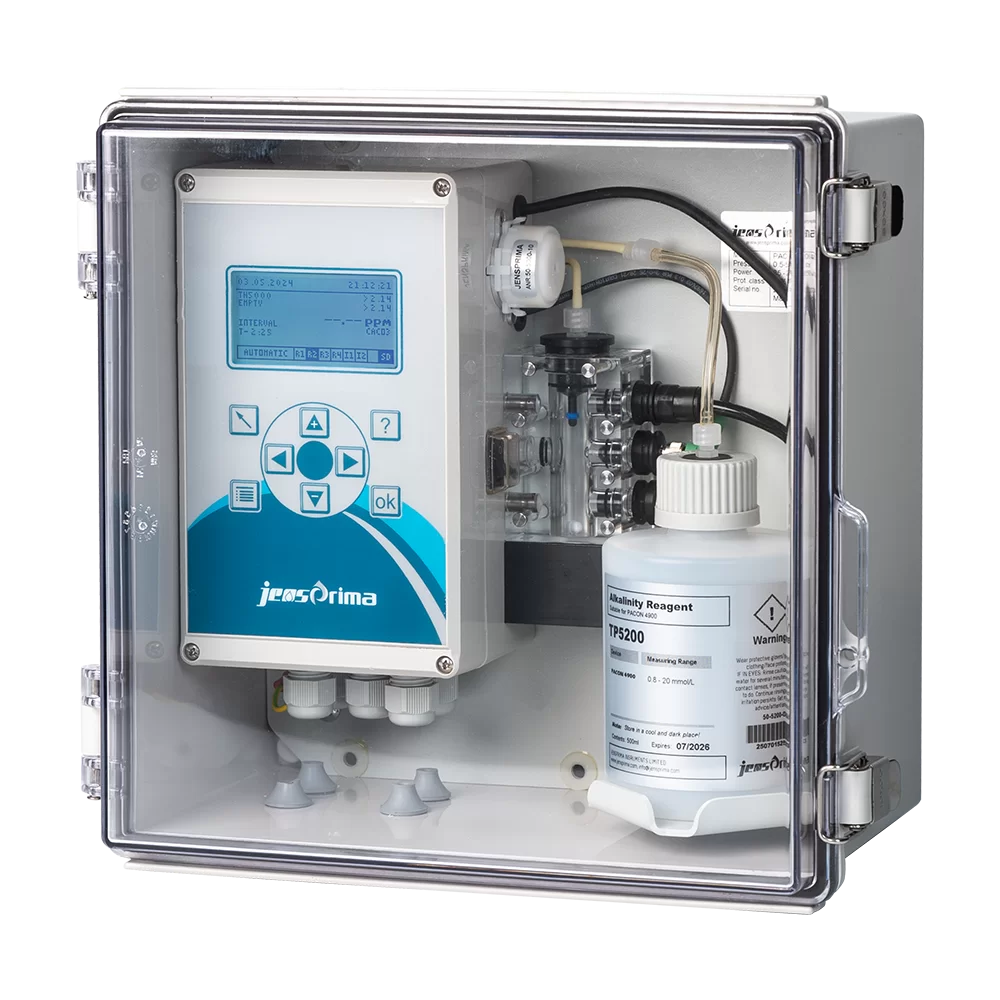
Textile factories utilize an alkalinity analyzer to optimize the pH of dye baths and wastewater neutralization processes, reducing chemical consumption and enhancing fabric quality.

4. Mining Water Management in Papua

Mining operations deploy a total hardness analyzer to monitor process water and prevent the precipitation of minerals in critical piping infrastructure in high-altitude environments.

5. Industrial Estate Flow Monitoring

Large-scale industrial parks in Cikarang integrate the electromagnetic flowmeter to precisely track water consumption and wastewater discharge for each tenant, ensuring fair billing and resource management.

Brand Story

Global Development Journey of Jensprima (Shanghai) Co., Ltd.

Foundation and Vision

Established with a commitment to precision, Jensprima began by solving the core pain point of sensor instability in harsh industrial environments.

Technological Breakthroughs

We developed proprietary electrode coatings that significantly extended the lifespan of analyzers in high-fouling water, reducing maintenance by 40%.

Global Market Expansion

Expanding into Southeast Asia, we adapted our hardware to withstand tropical climates, establishing a strong presence in the Indonesian industrial sector.

Commitment to Sustainability

Our mission evolved to support the "Green Industry" initiative, focusing on reducing chemical footprints through high-precision automated dosing.

Future-Proofing Water Tech

Today, Jensprima leads the integration of IoT and AI into water analysis, providing holistic solutions for a water-secure future globally.

Complete Product Portfolio for the Indonesian Market

High-performance instrumentation designed for durability and precision in tropical industrial applications.

Frequently Asked Questions for Indonesia

Technical guidance and common inquiries regarding online water quality monitoring.

How does high humidity in Indonesia affect multi parameter water quality analyzer accuracy?

High humidity can cause condensation within electronic housings. Our analyzers feature IP65/IP67 rated enclosures and internal conformal coating to protect circuits and ensure stable readings.

What is the maintenance cycle for a total hardness analyzer in industrial boilers?

Depending on water quality, we recommend a monthly calibration check and quarterly reagent replacement to maintain optimal accuracy and prevent scaling.

Can an alkalinity analyzer be integrated with existing PLC systems in Java's factories?

Yes, our devices support standard 4-20mA, Modbus RS485, and Profibus protocols, ensuring seamless integration with most industrial PLC and SCADA systems.

How to ensure a residual chlorine controller works effectively with variable water flow?

By coupling the controller with a flow meter, the system can implement "flow-proportional dosing," adjusting chlorine injection in real-time based on the volume of water passing through.

Why choose an electromagnetic flowmeter over mechanical meters for wastewater?

Electromagnetic meters have no moving parts, meaning they are not susceptible to wear from the abrasive particles and debris commonly found in Indonesian industrial wastewater.

What are the regulatory standards for online water monitoring in Indonesia?

Most industries must follow the Ministry of Environment and Forestry regulations. Our instruments are designed to provide the data resolution and reporting formats required for these audits.

Optimize Your Water Monitoring Today

Contact our technical experts to design a custom water analysis system for your facility in Indonesia.

Contact Us Now
Service Repair Form
Tell us what issue you encountered, including any steps or symptoms.
  • Name
  • Email
  • Phone
  • Fault Description

If you are interested in our products, you can choose to leave your information here, and we will be in touch with you shortly.