

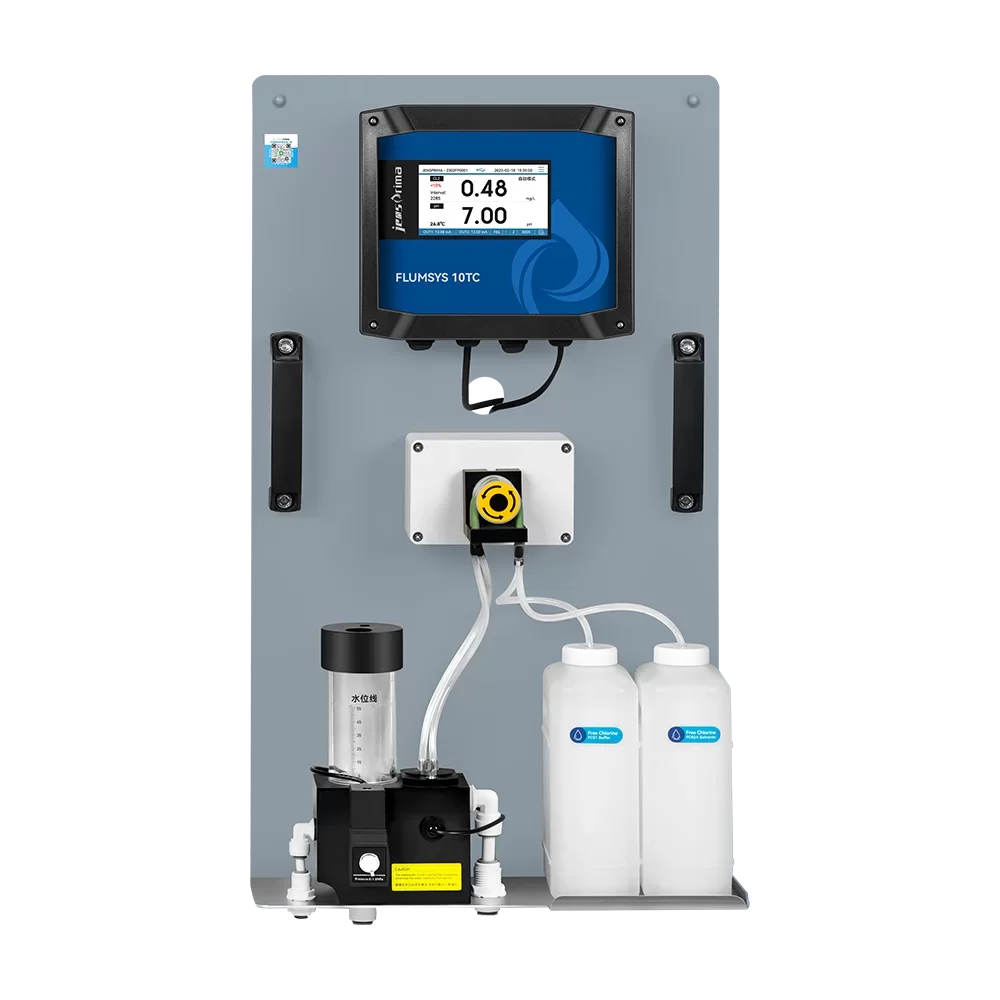
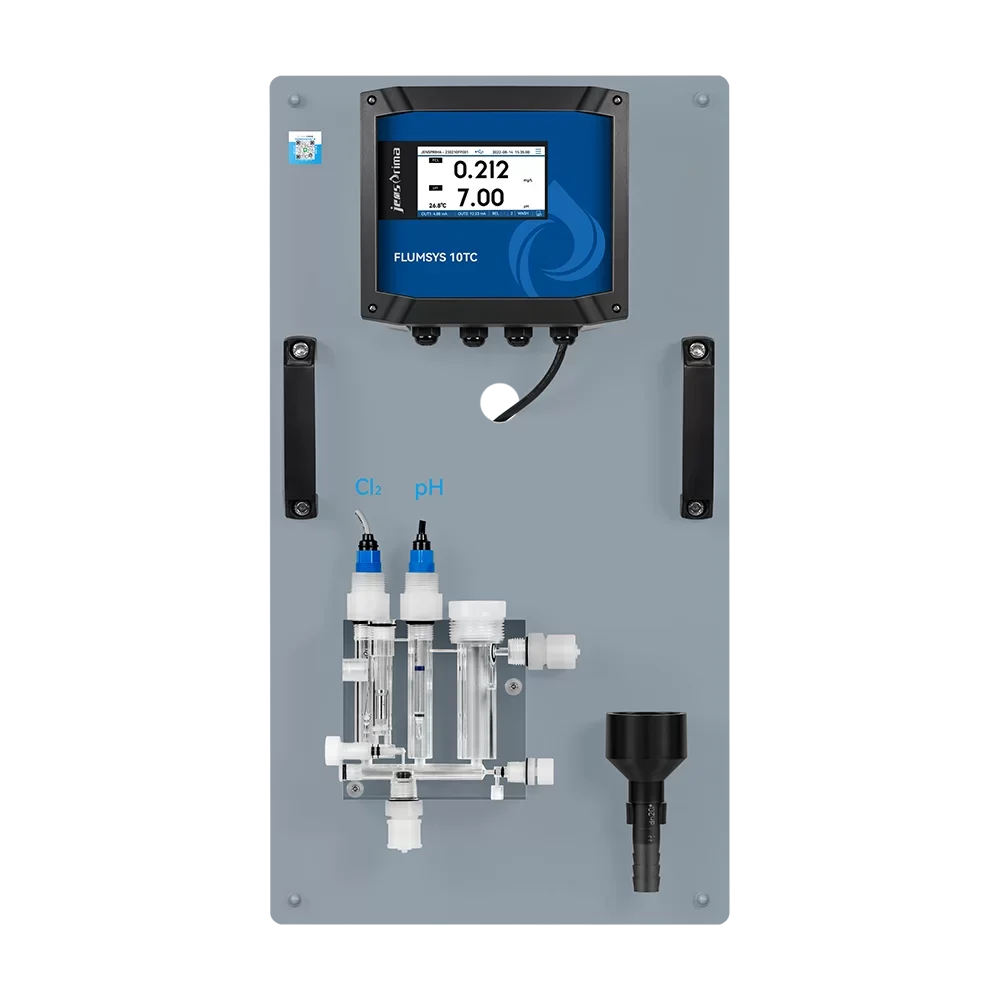
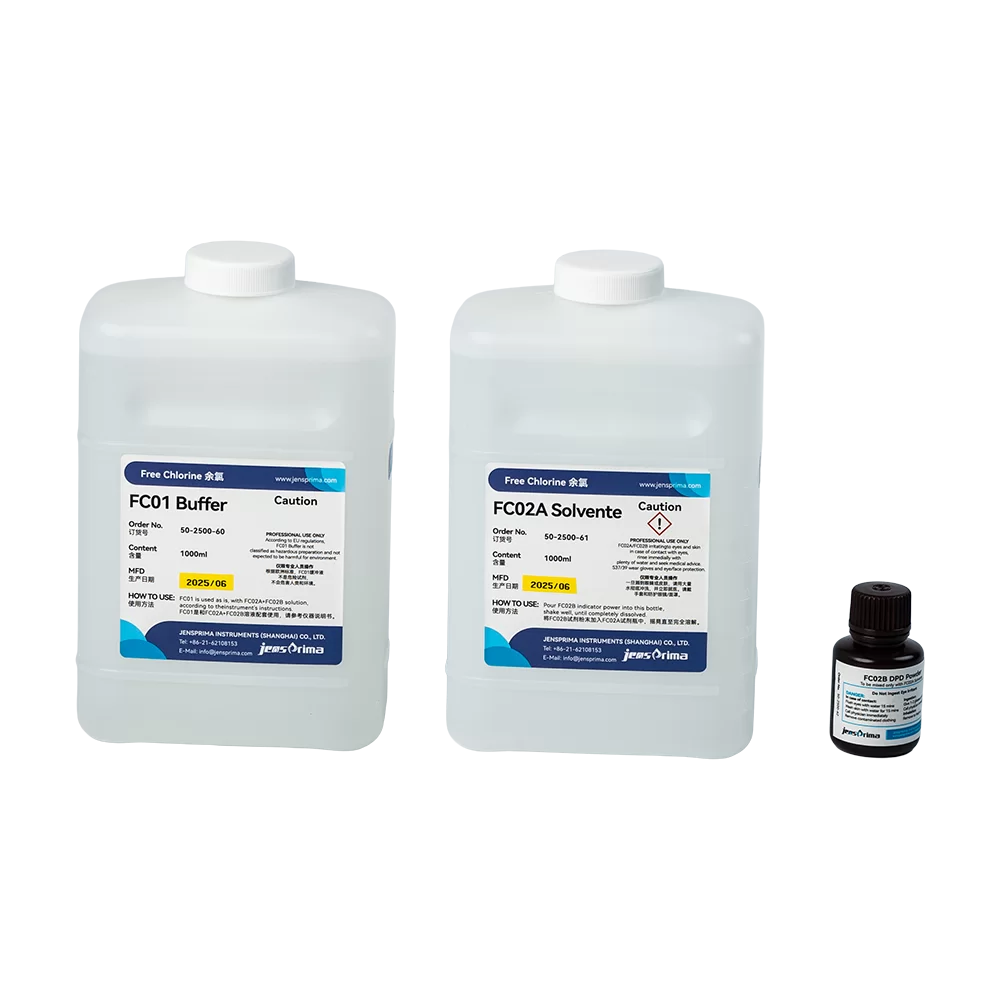
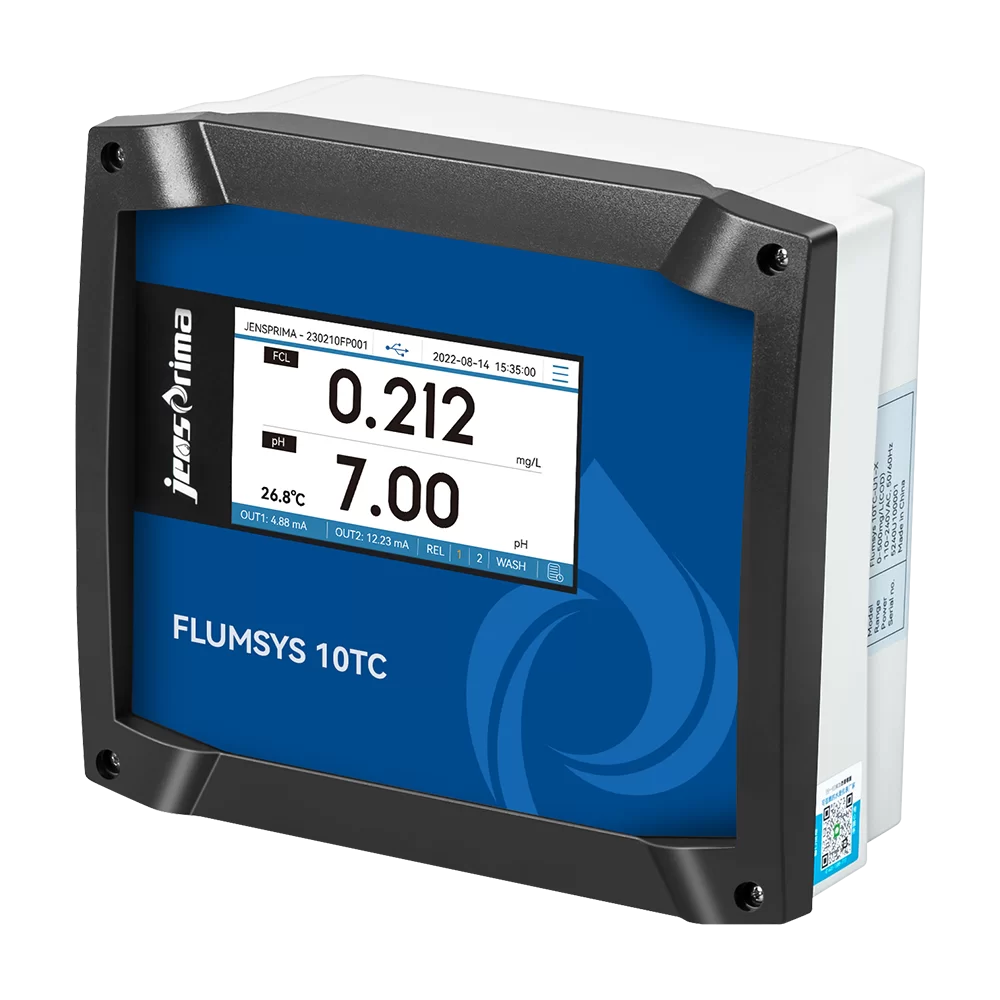
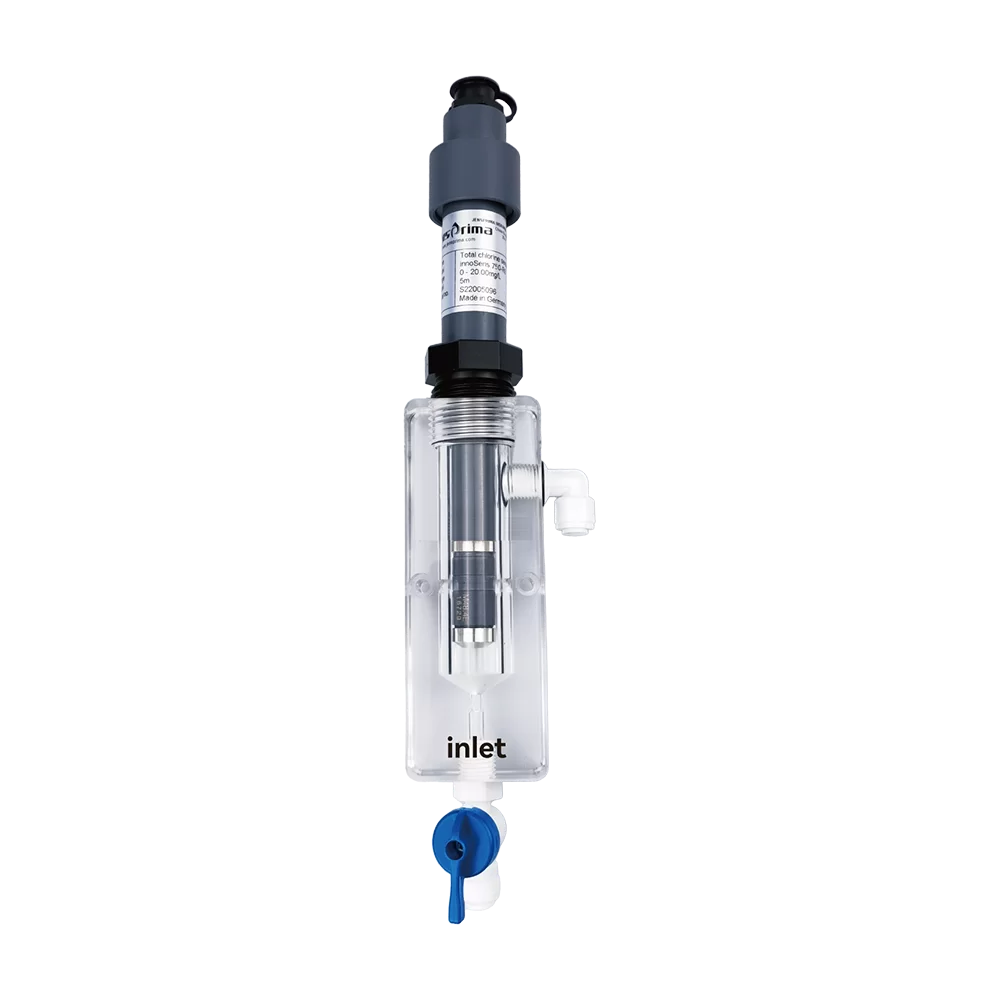
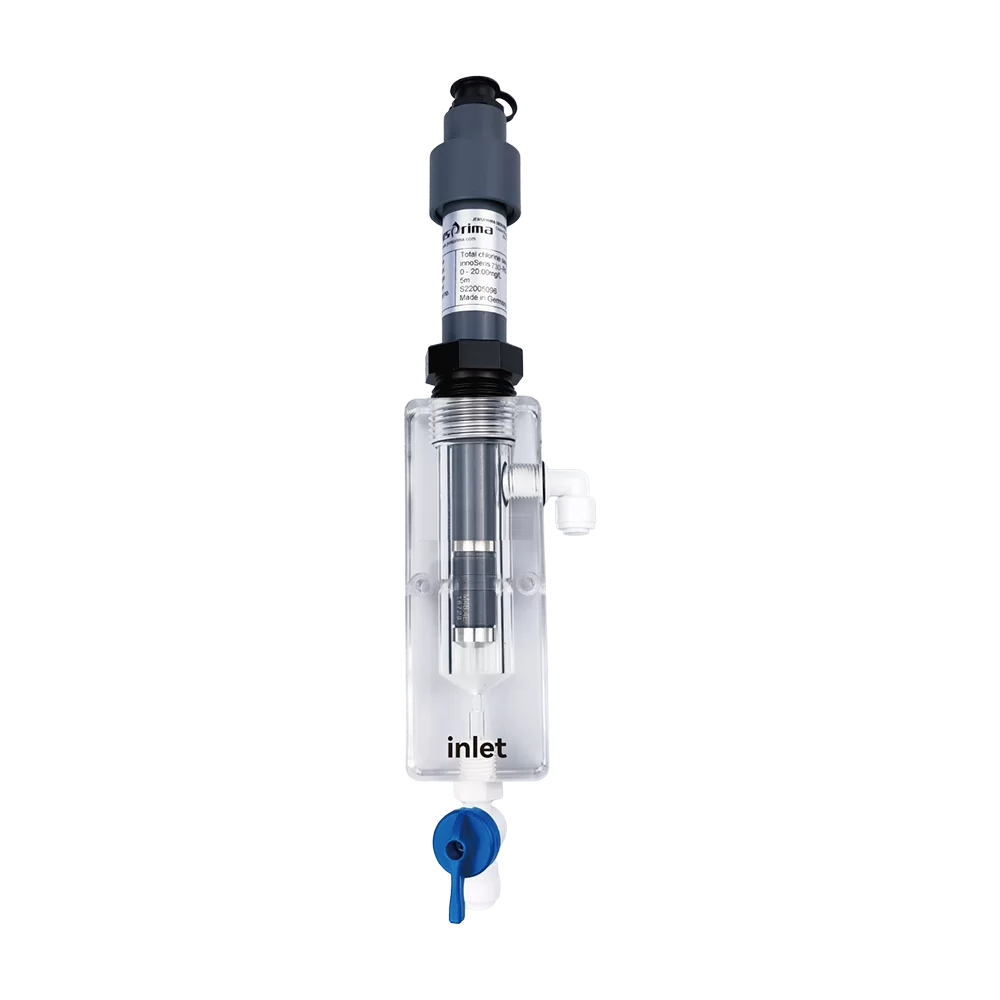
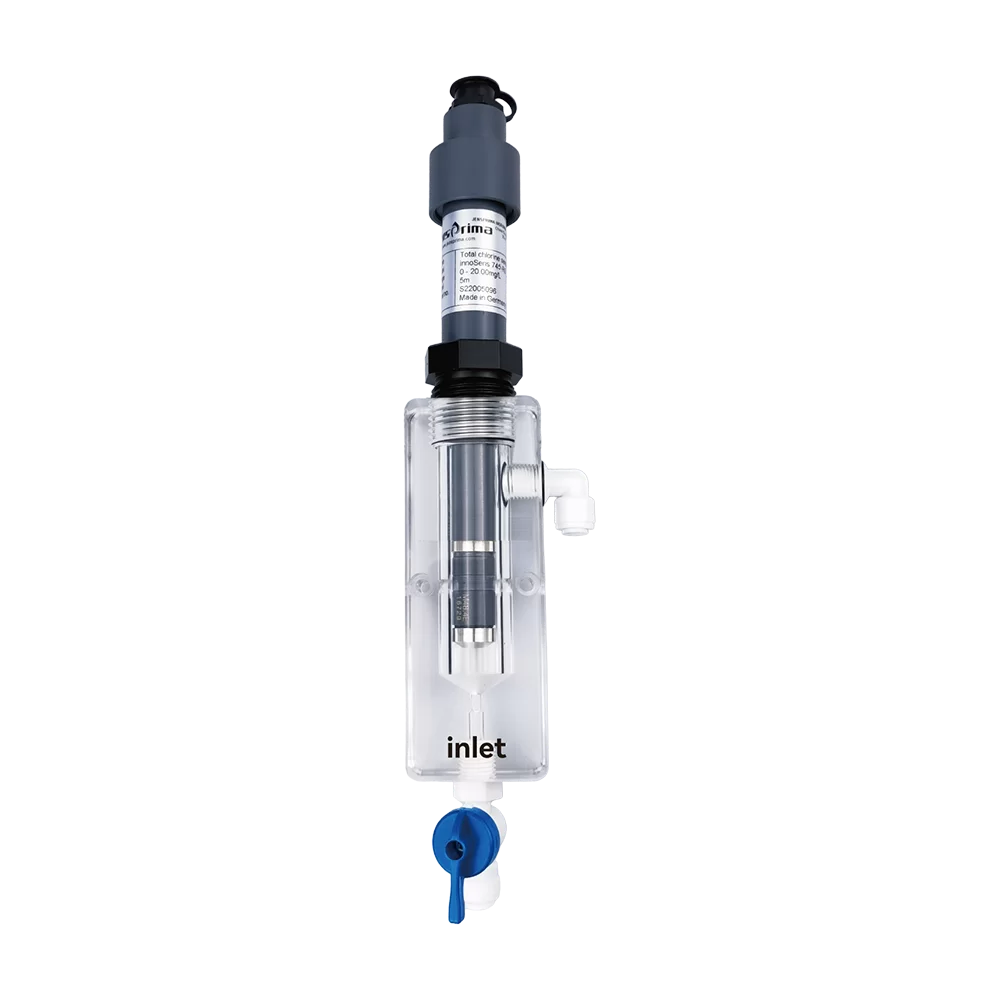
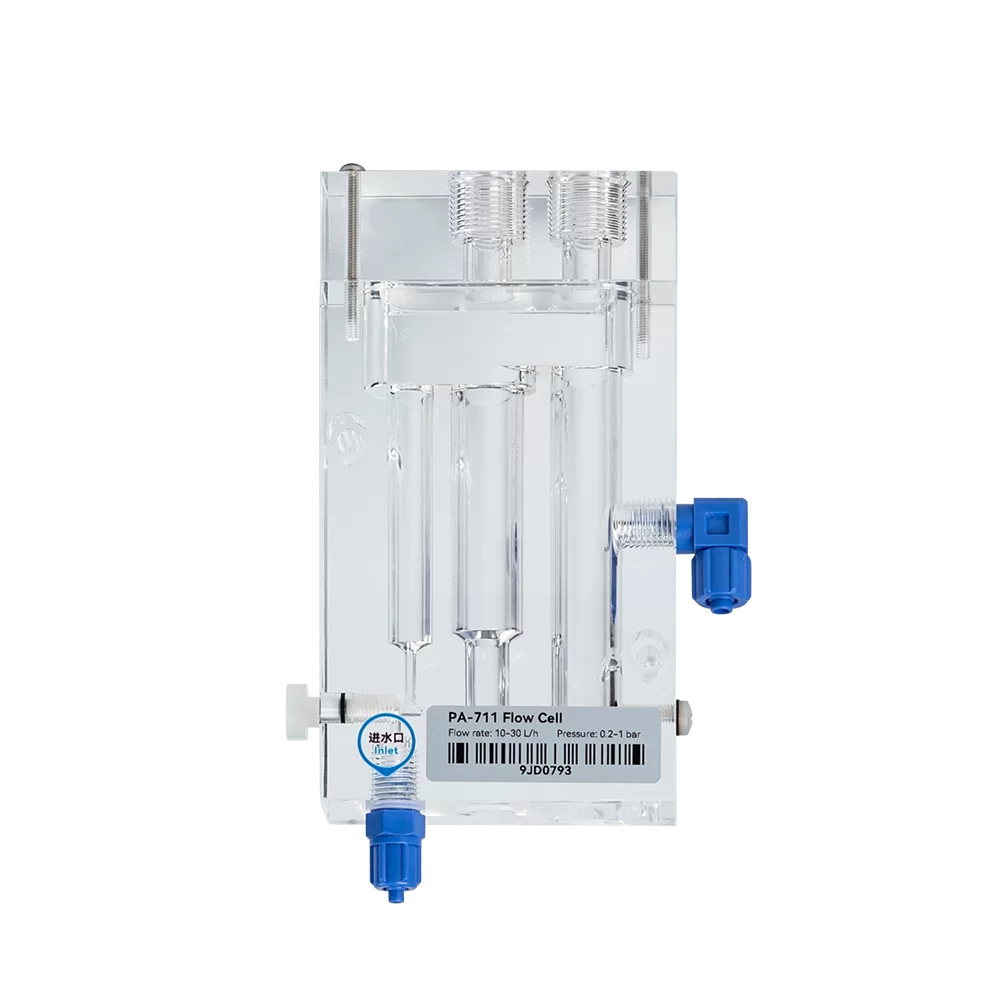
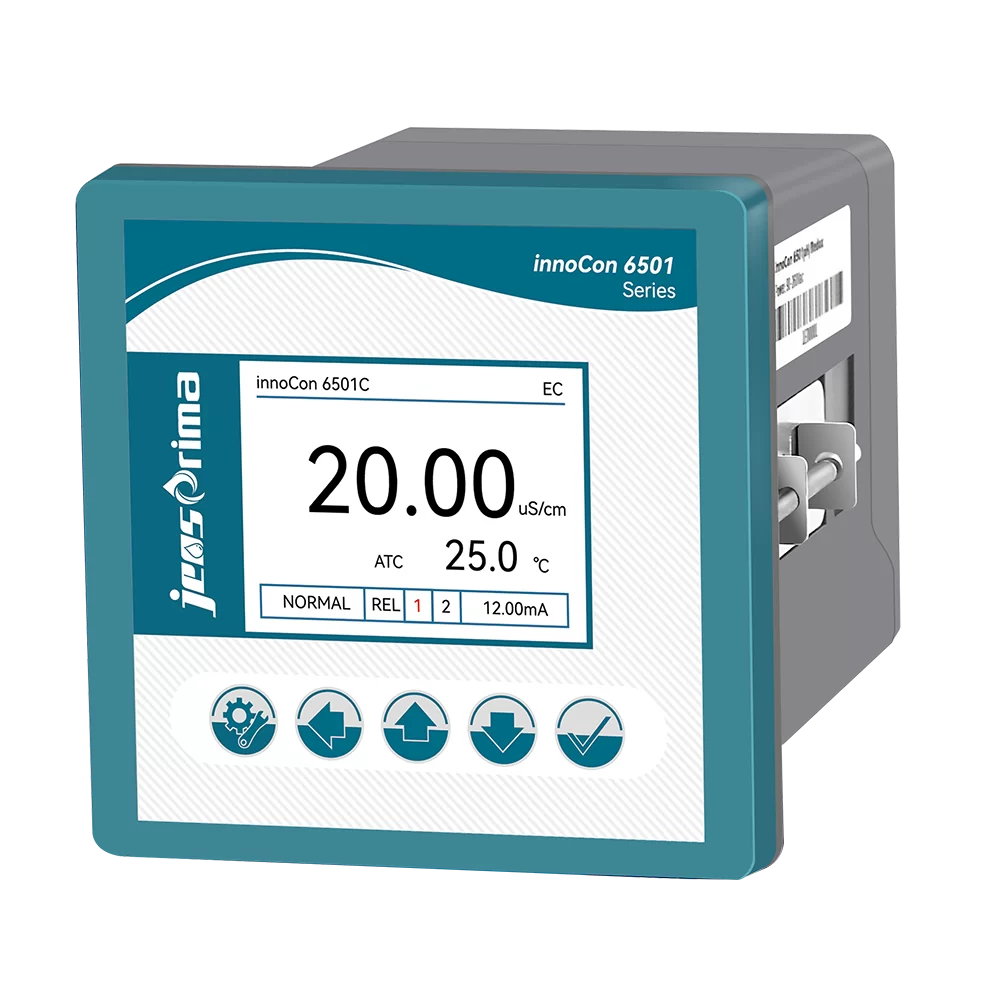
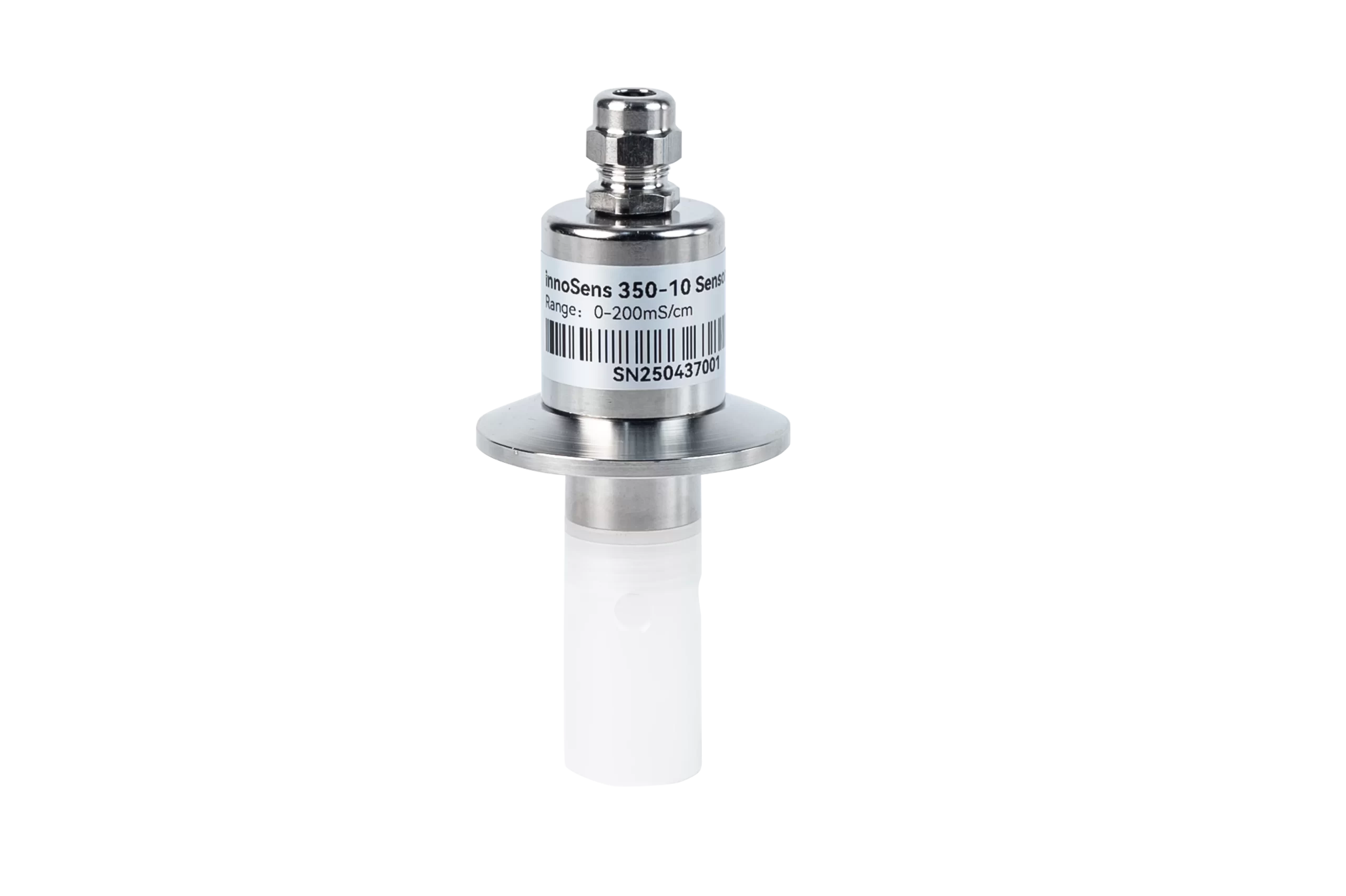
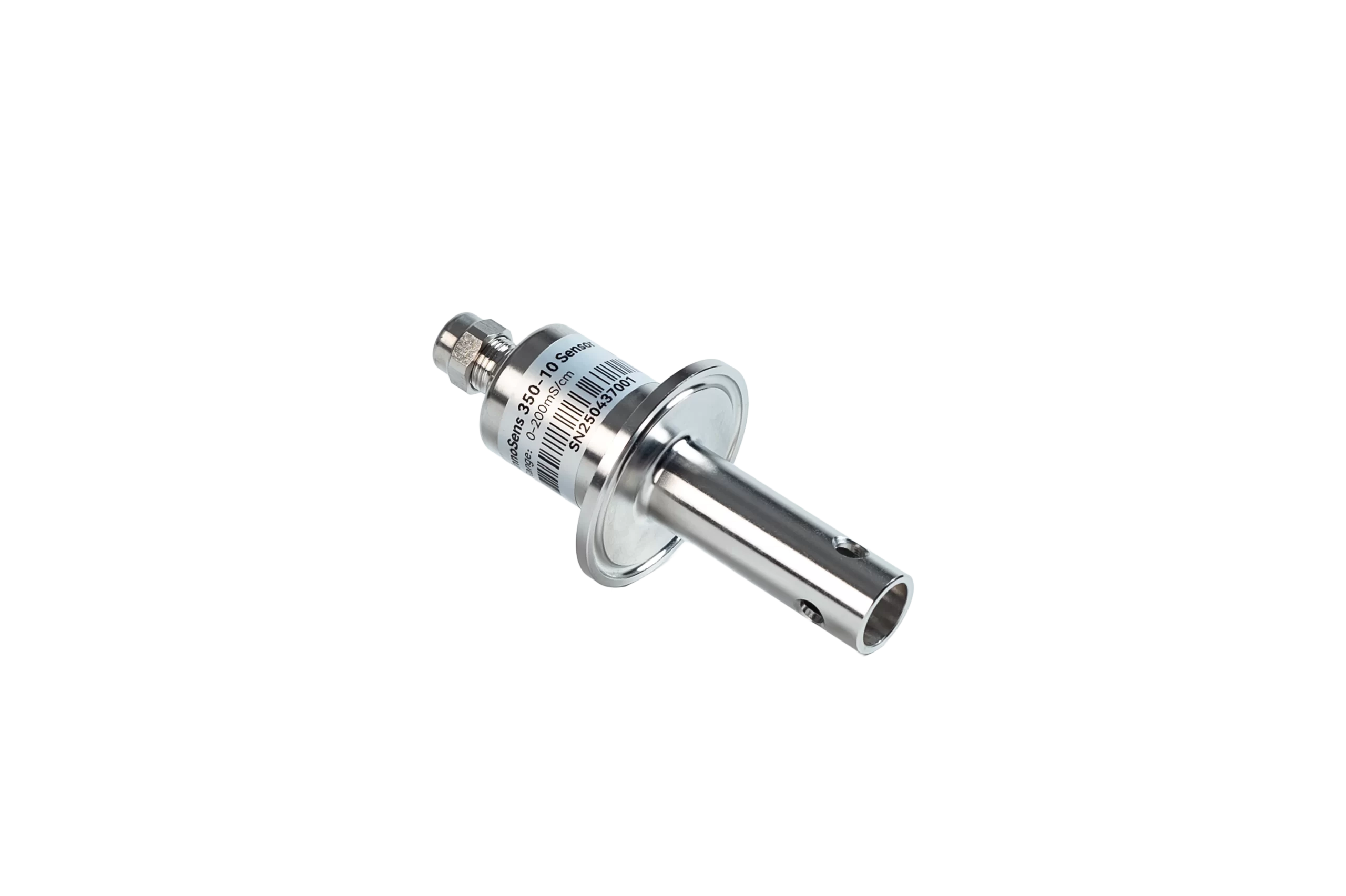
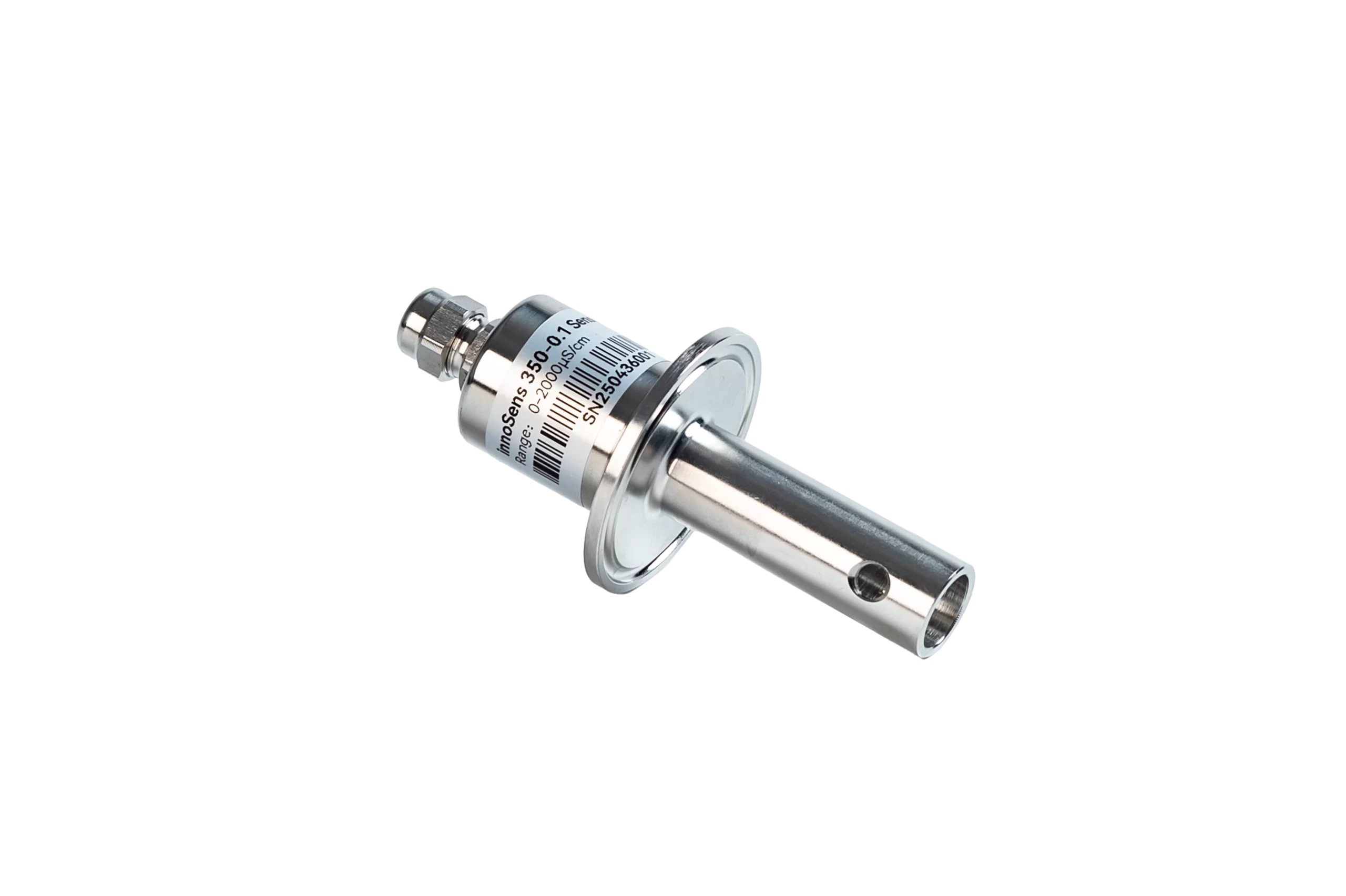
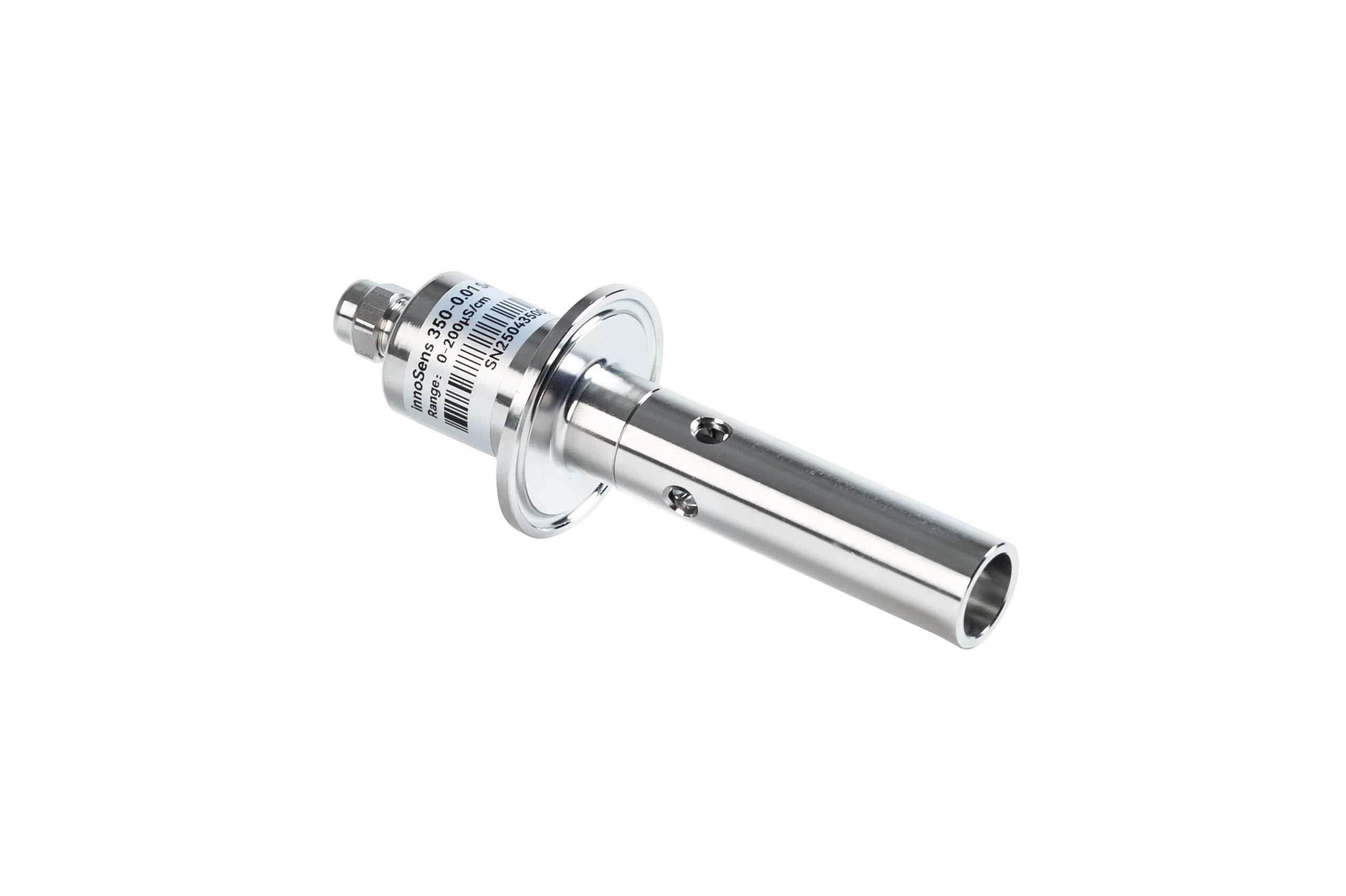
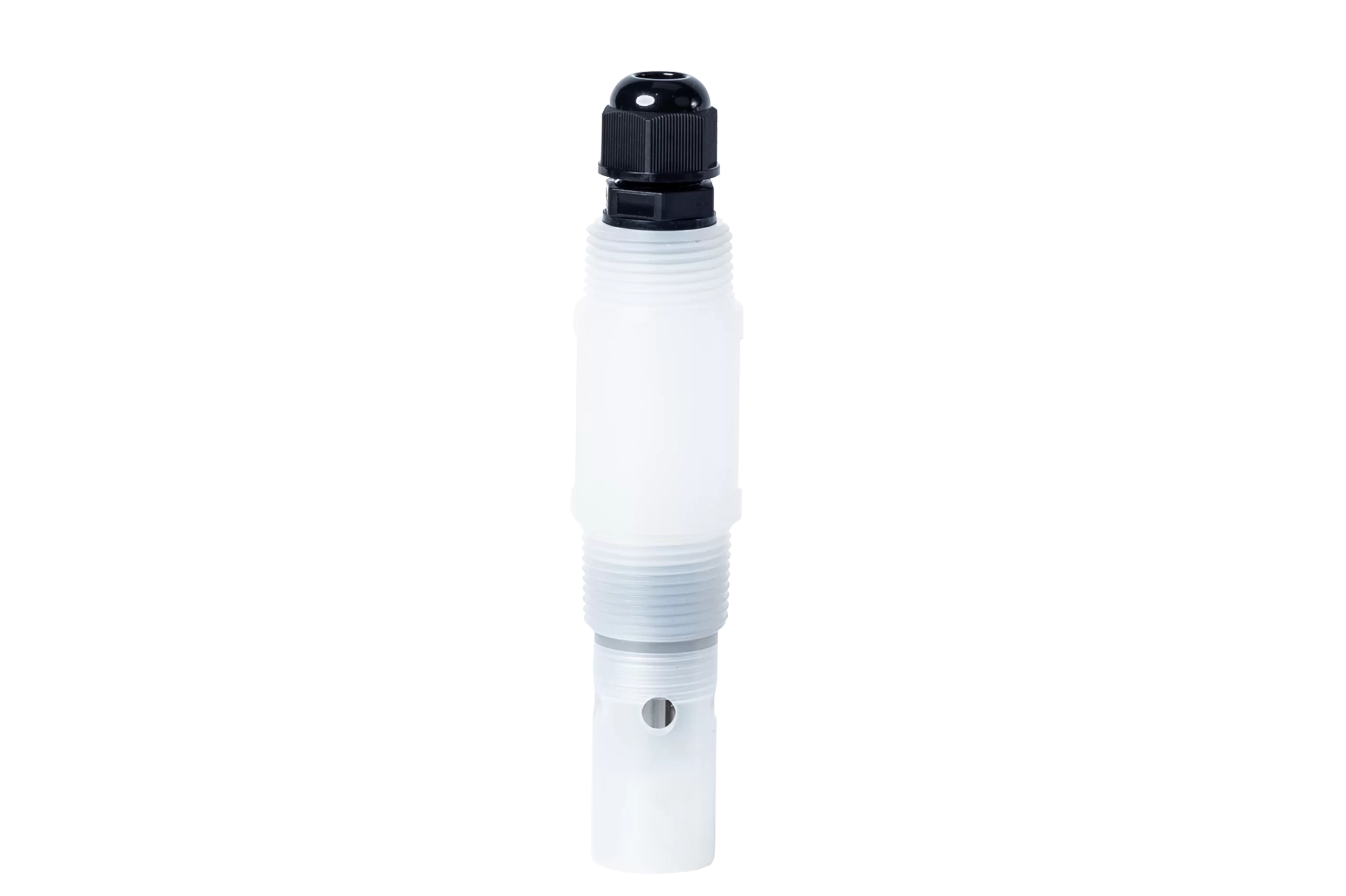
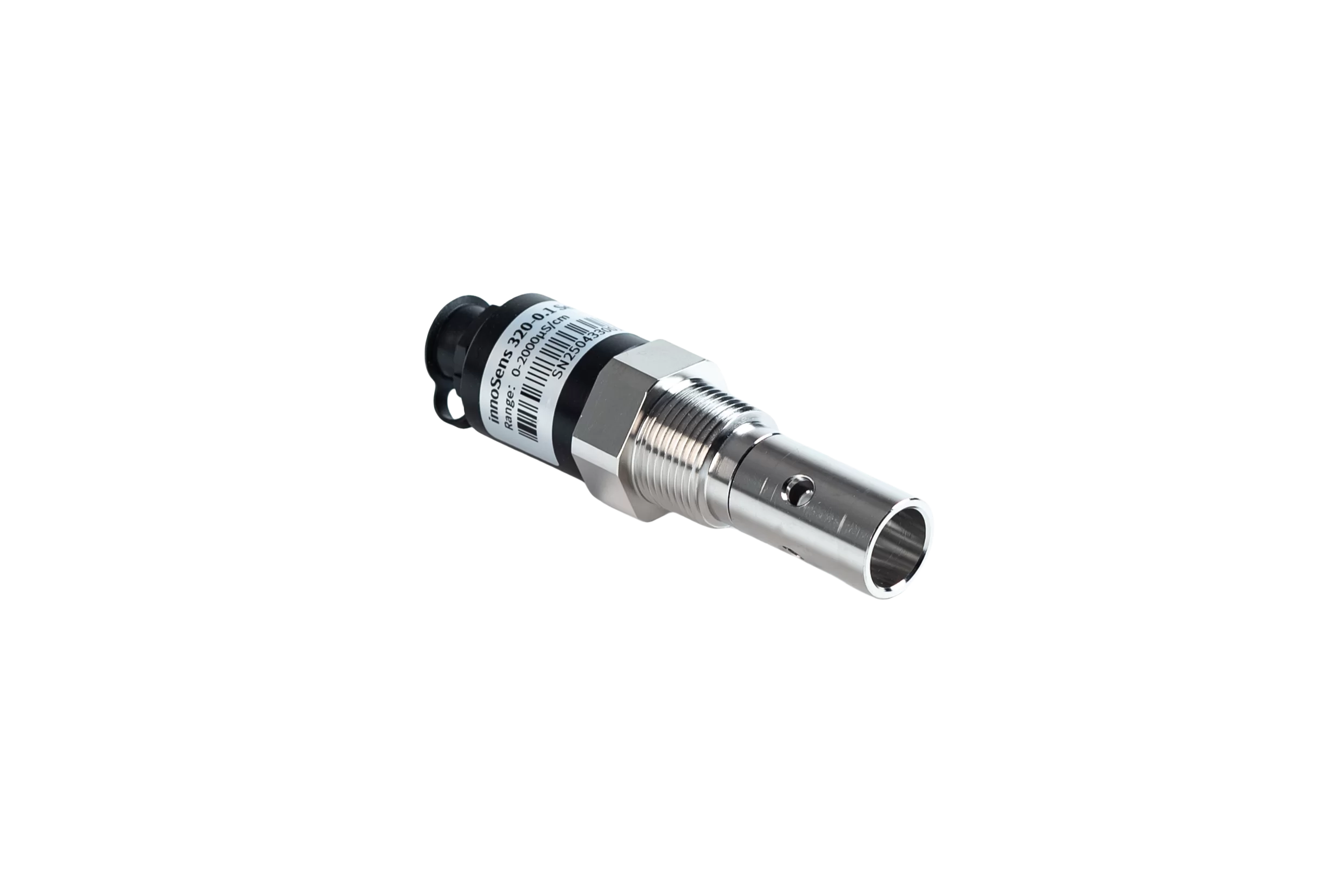
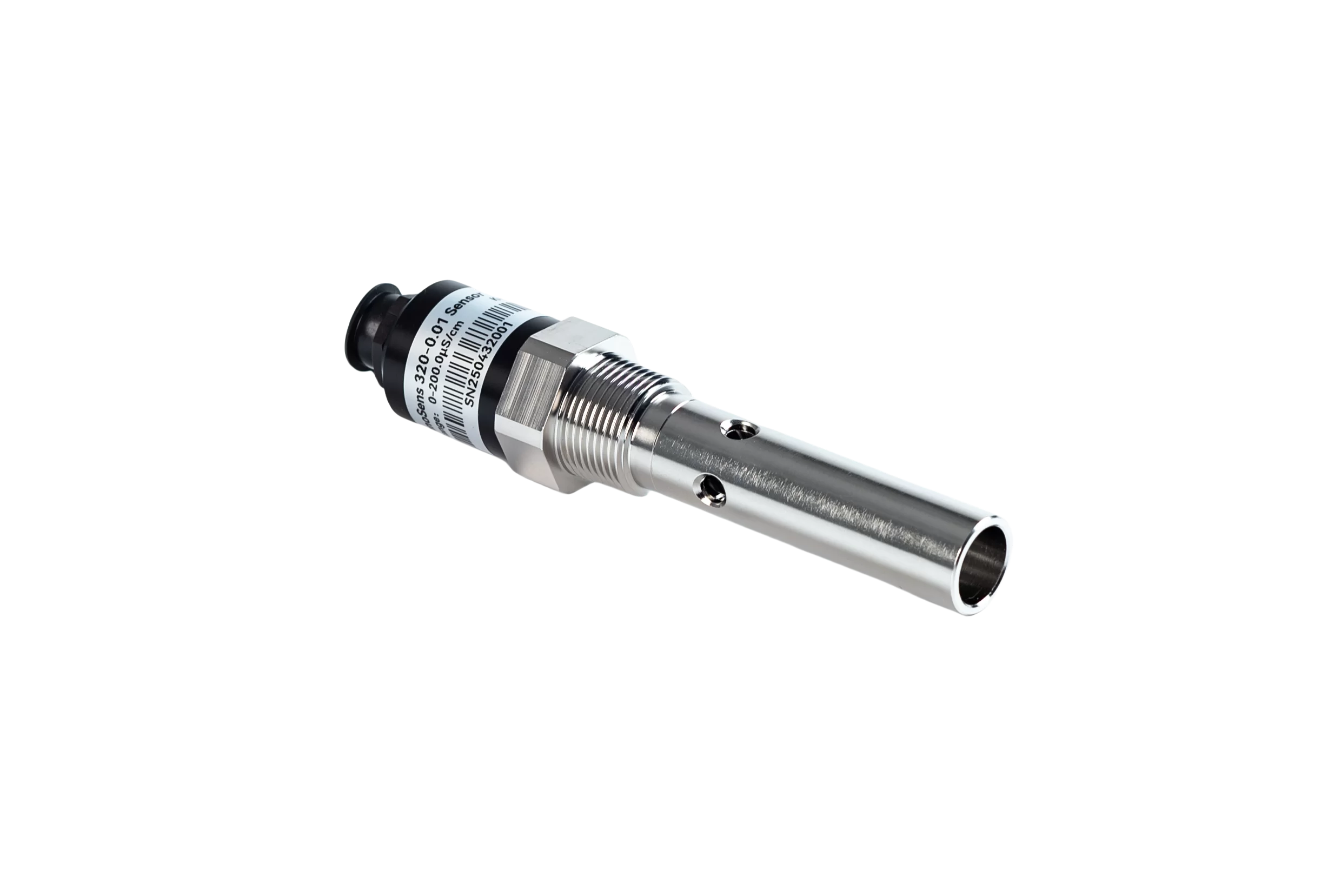
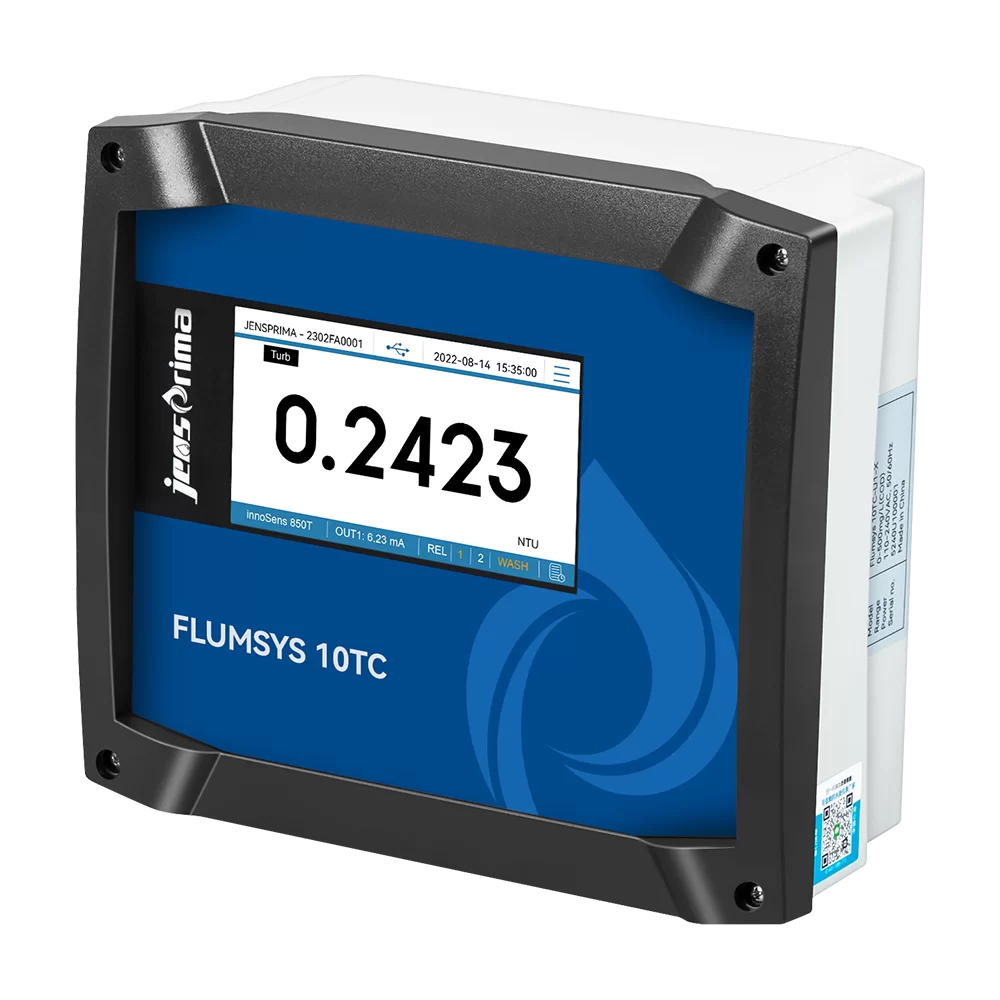
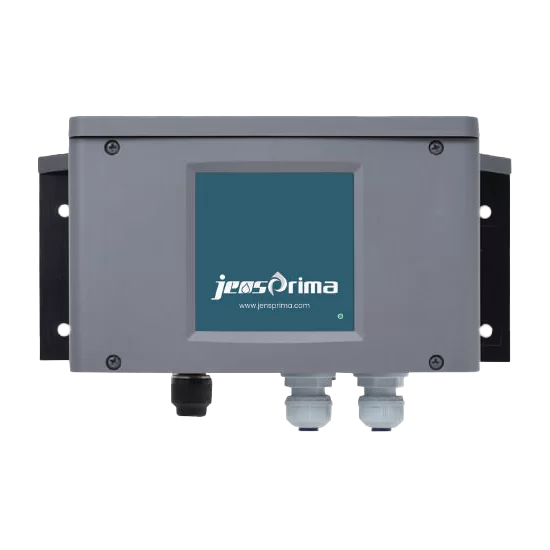
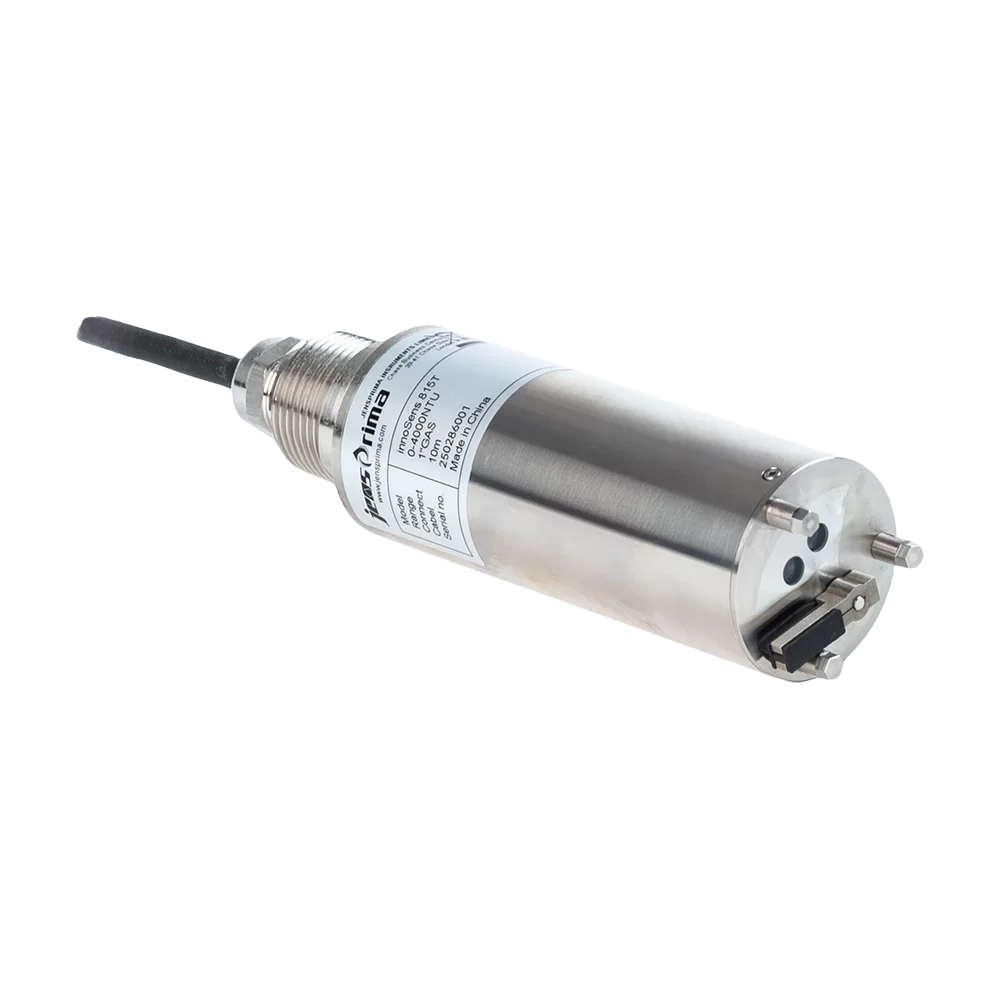
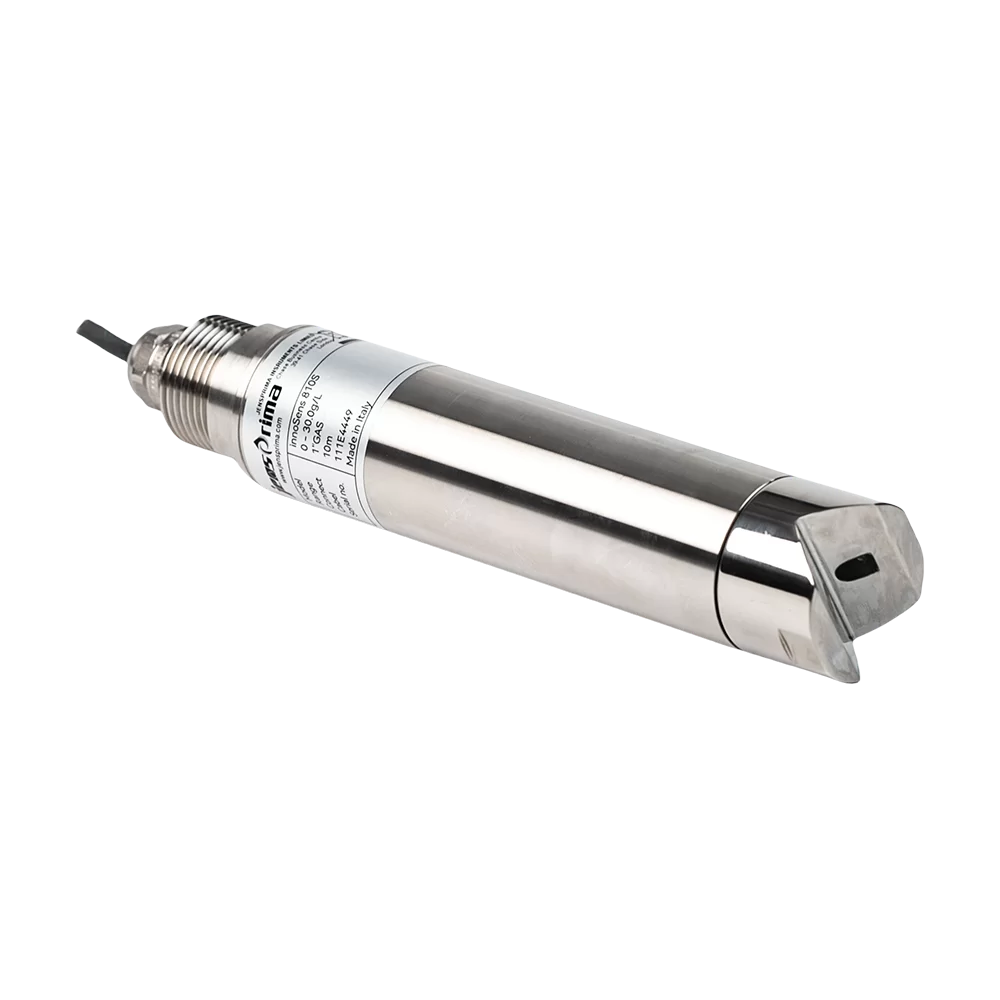
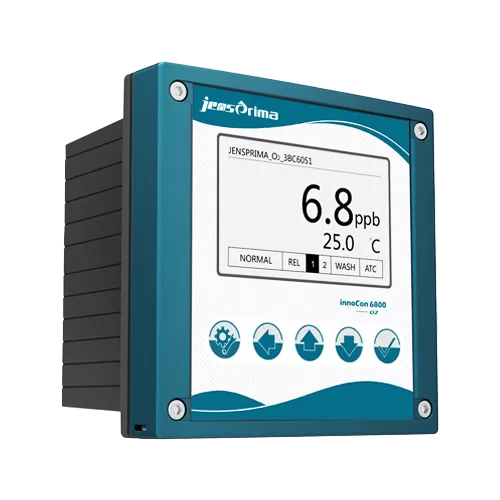
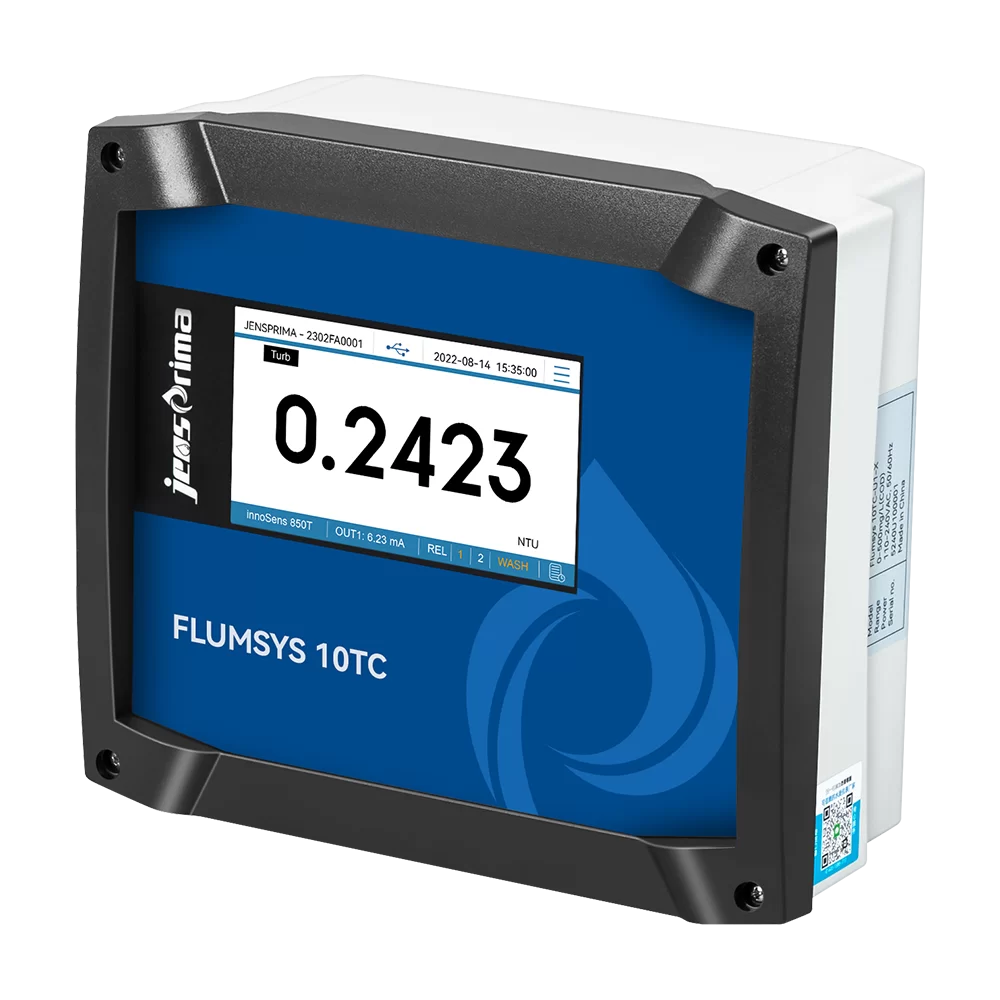
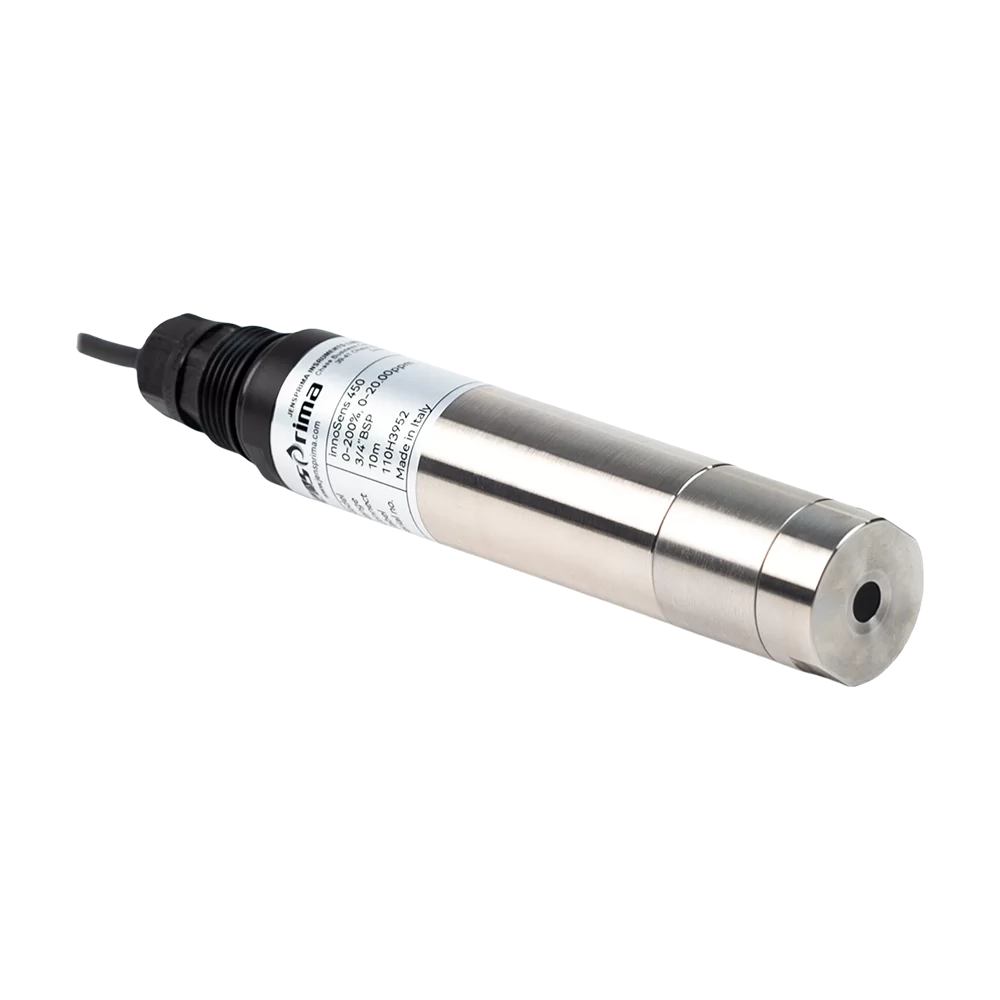


multi parameter analyzer

NEWS

UPDATES

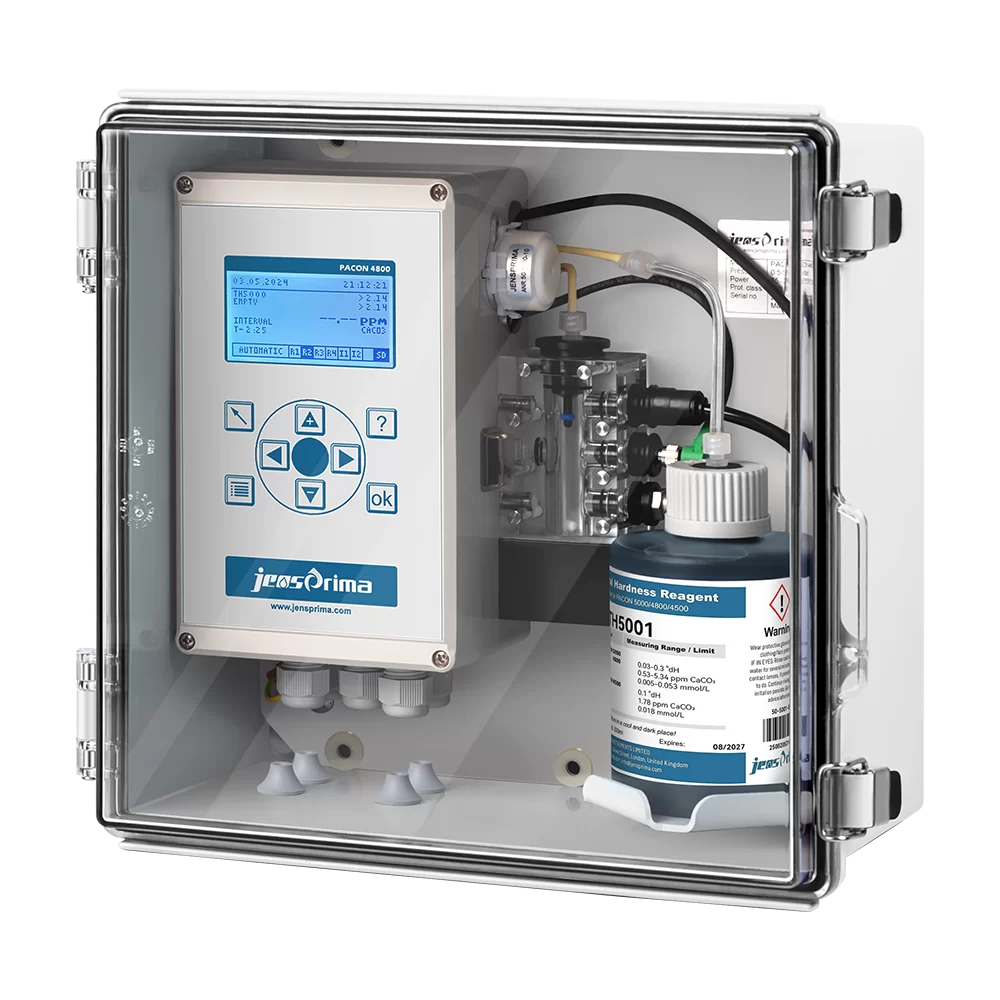
Advanced Water Quality Monitoring Solutions with total hardness analyzer for Paraguay

Precision environmental monitoring and real-time analytical instrumentation tailored for the industrial and municipal water infrastructure of Paraguay.

Advanced Water Quality Monitoring Solutions with total hardness analyzer for Paraguay

Integrating high-precision analytical instruments to ensure water safety and process efficiency across Paraguay's diverse industrial landscapes.

Current State of Water Analysis in Paraguay

Analyzing the intersection of geographic challenges and industrial requirements in the heart of South America.

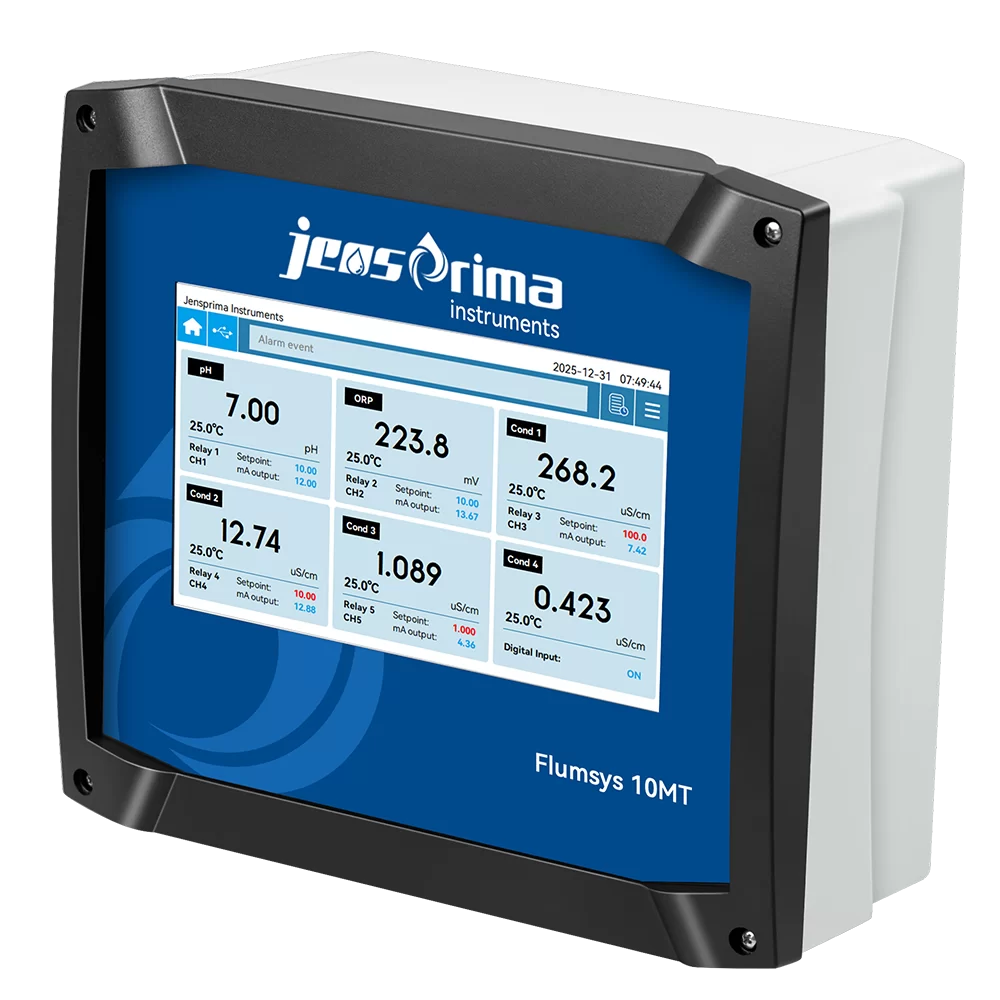
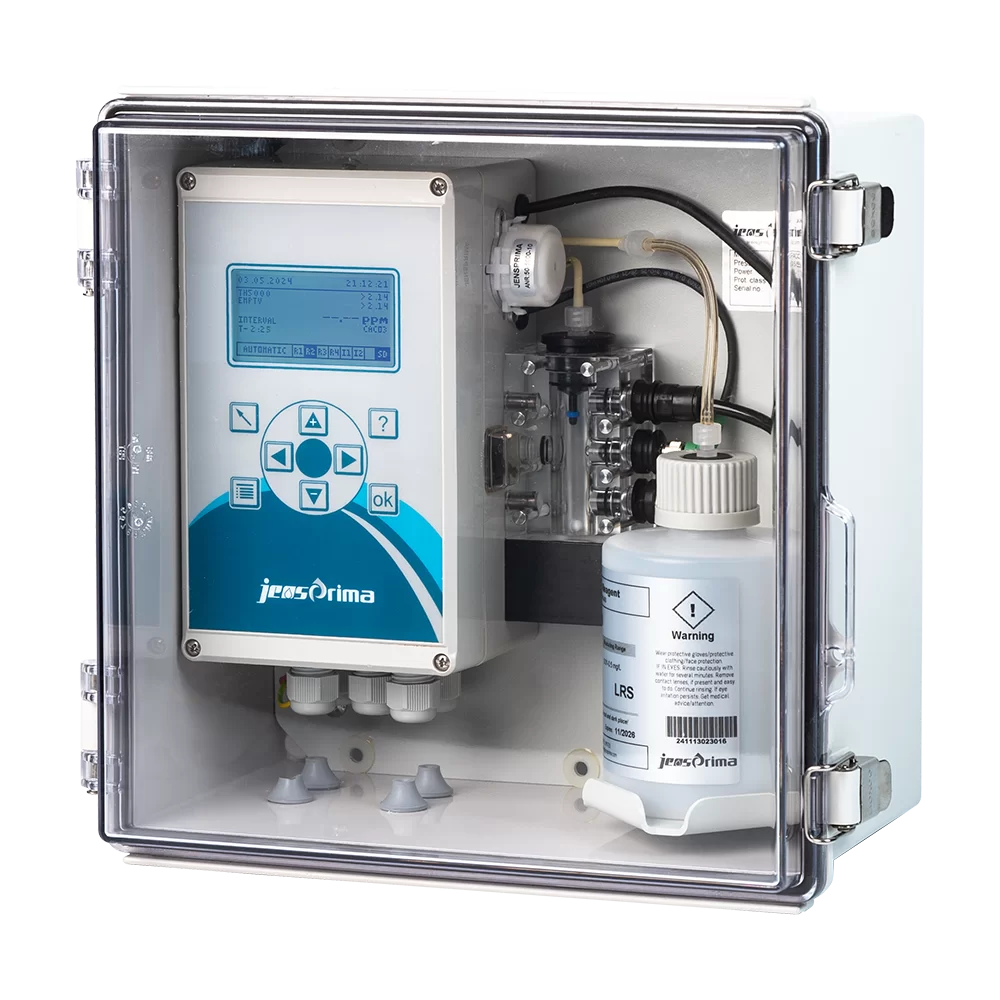
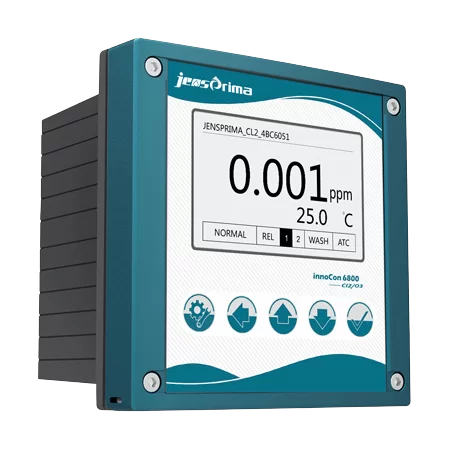
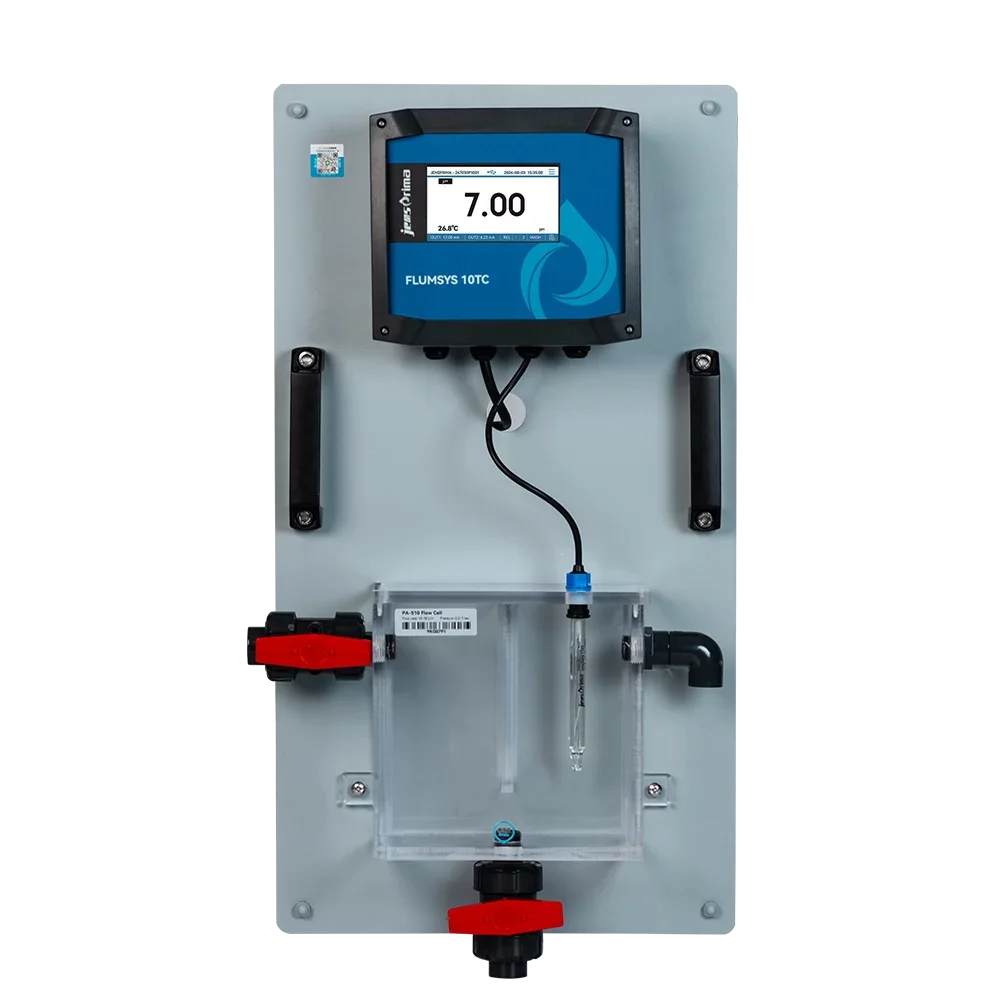
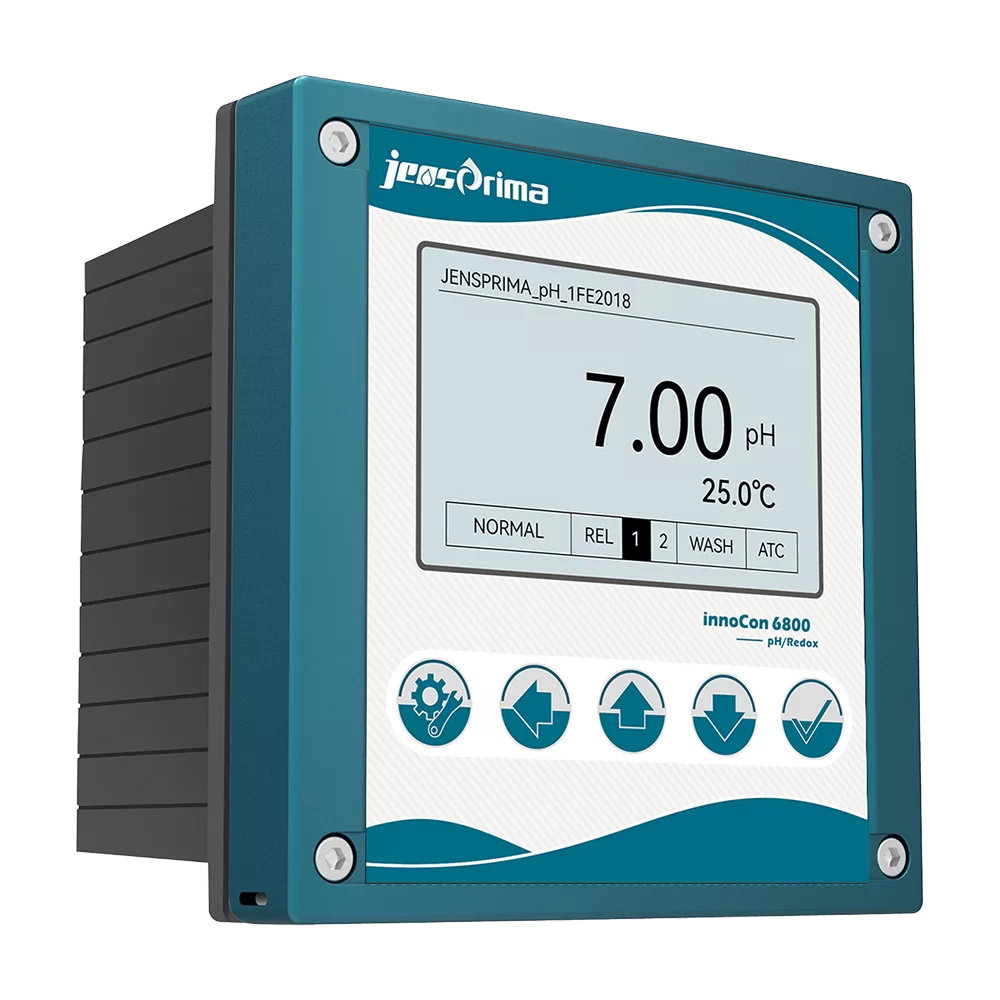
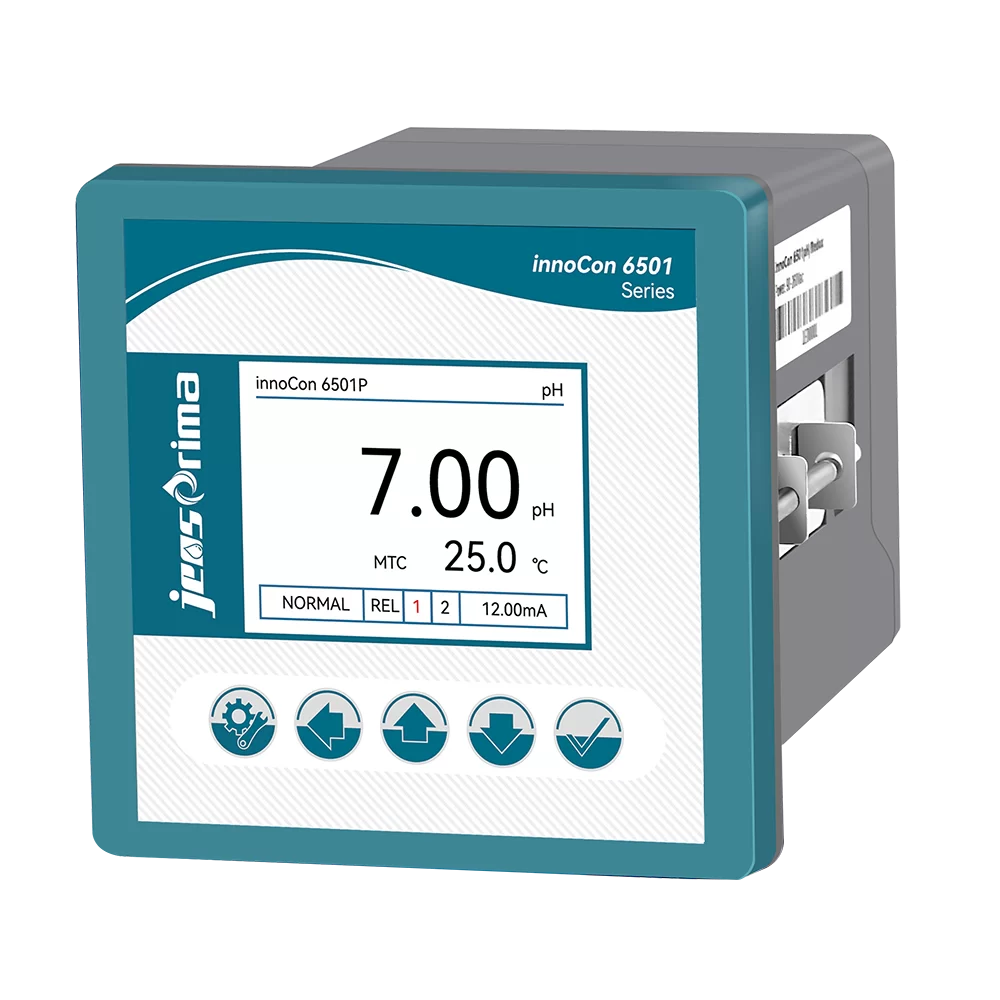
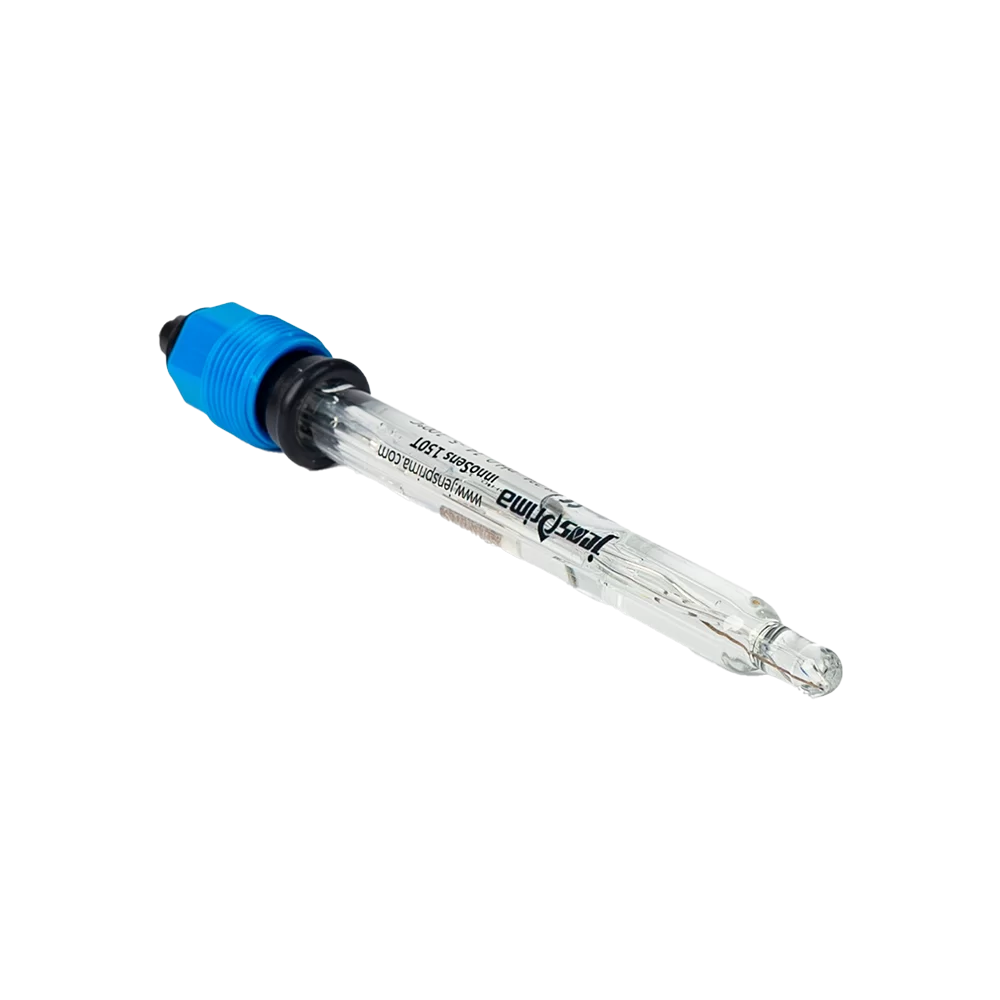
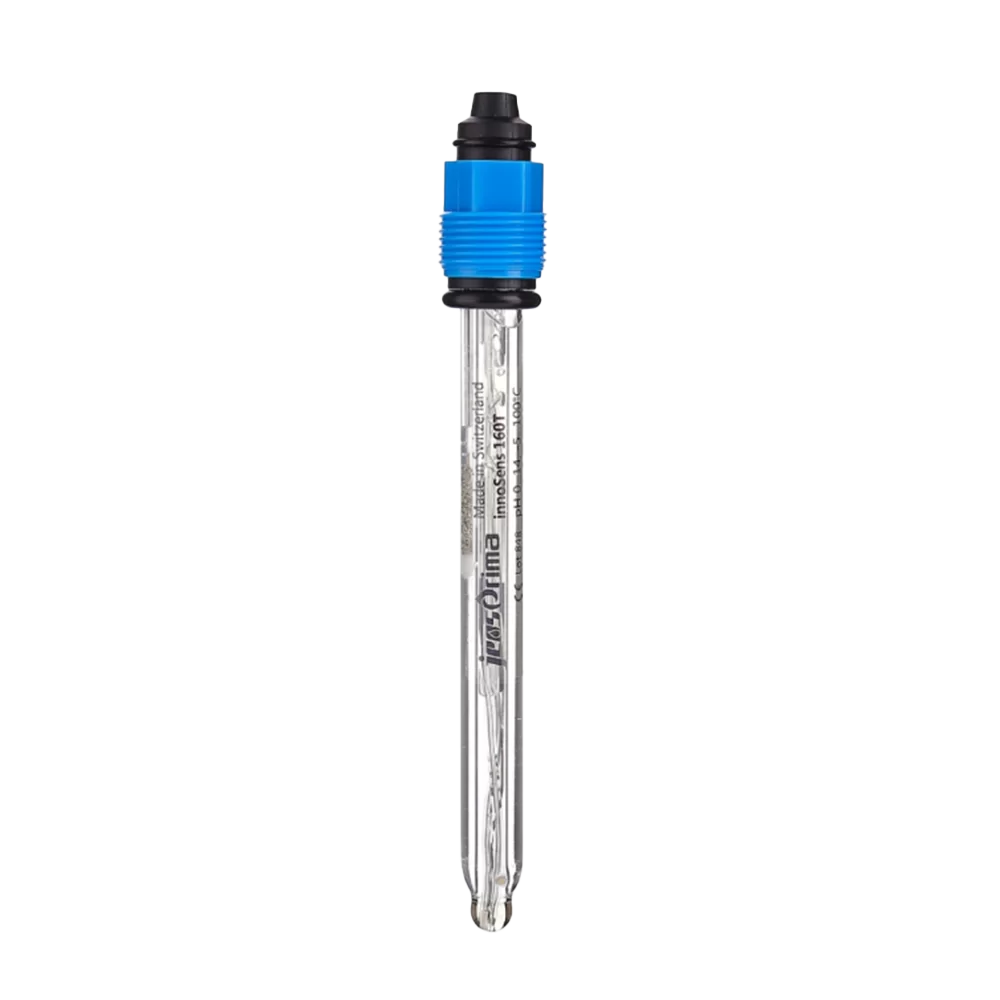
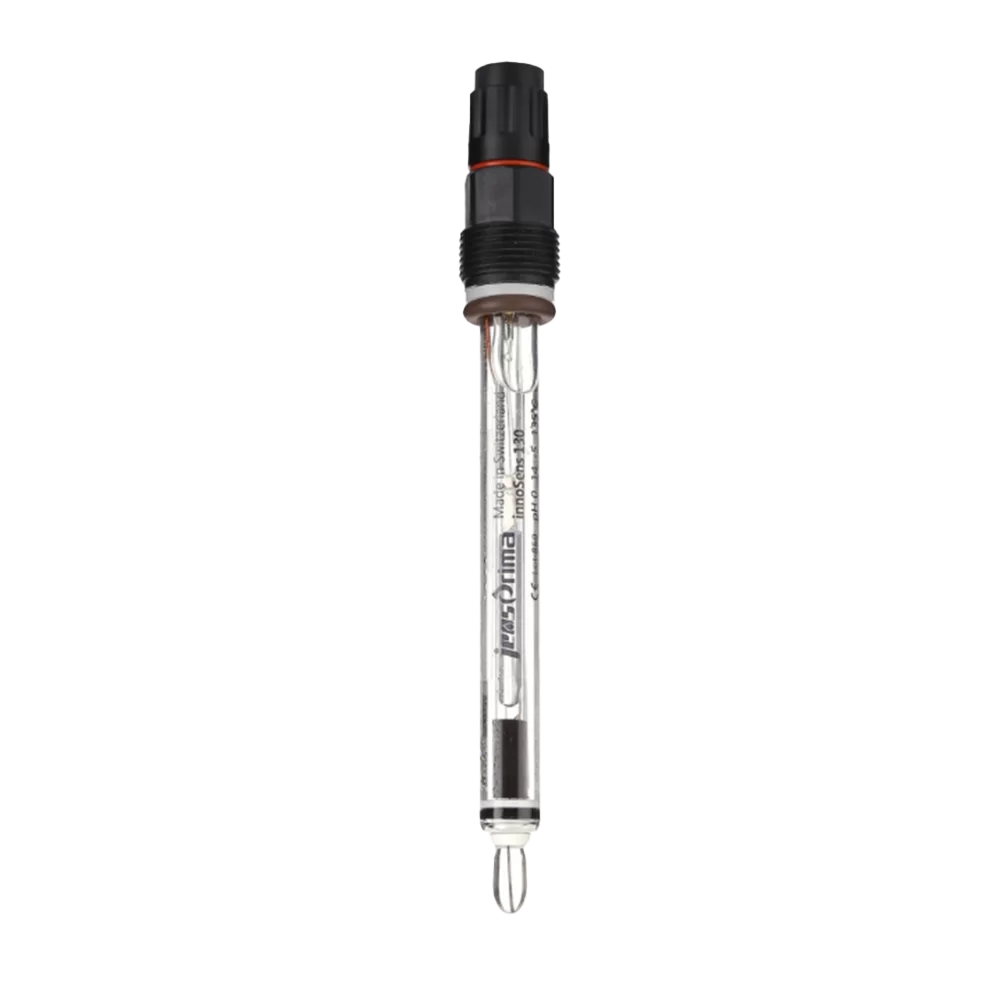
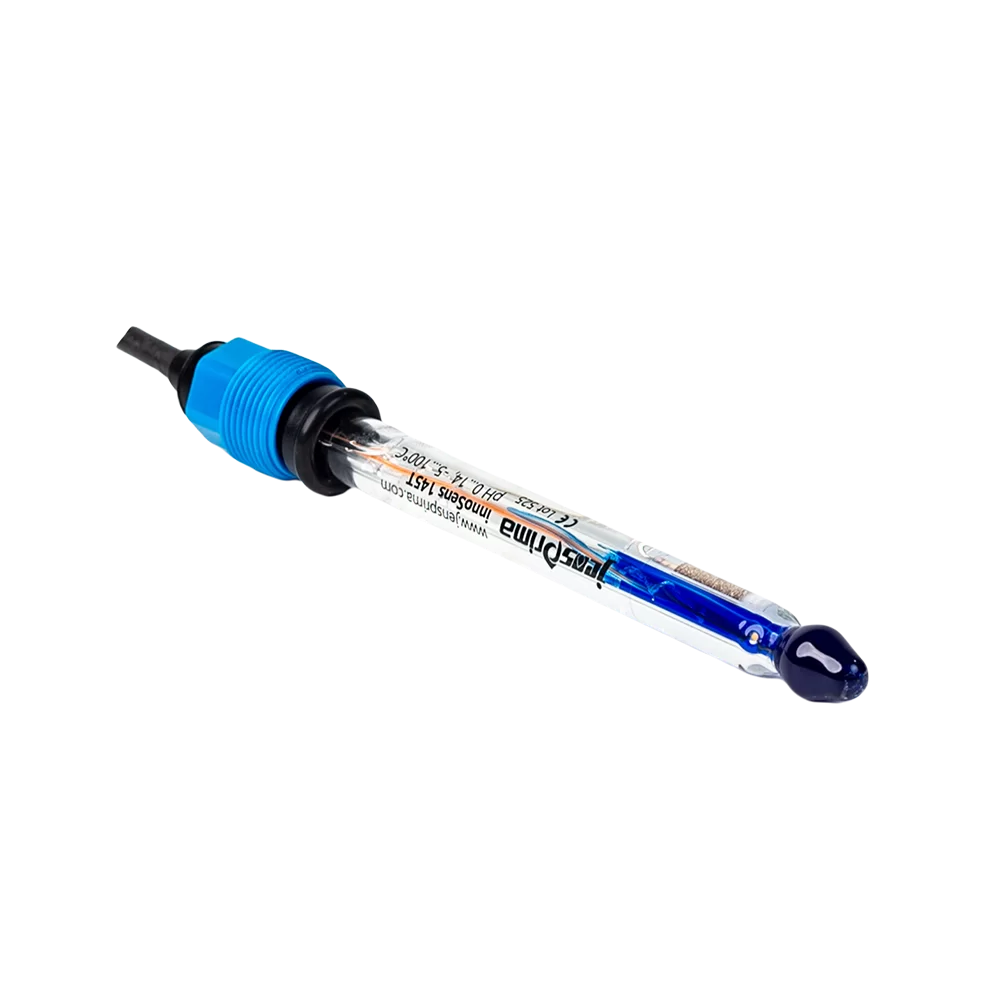
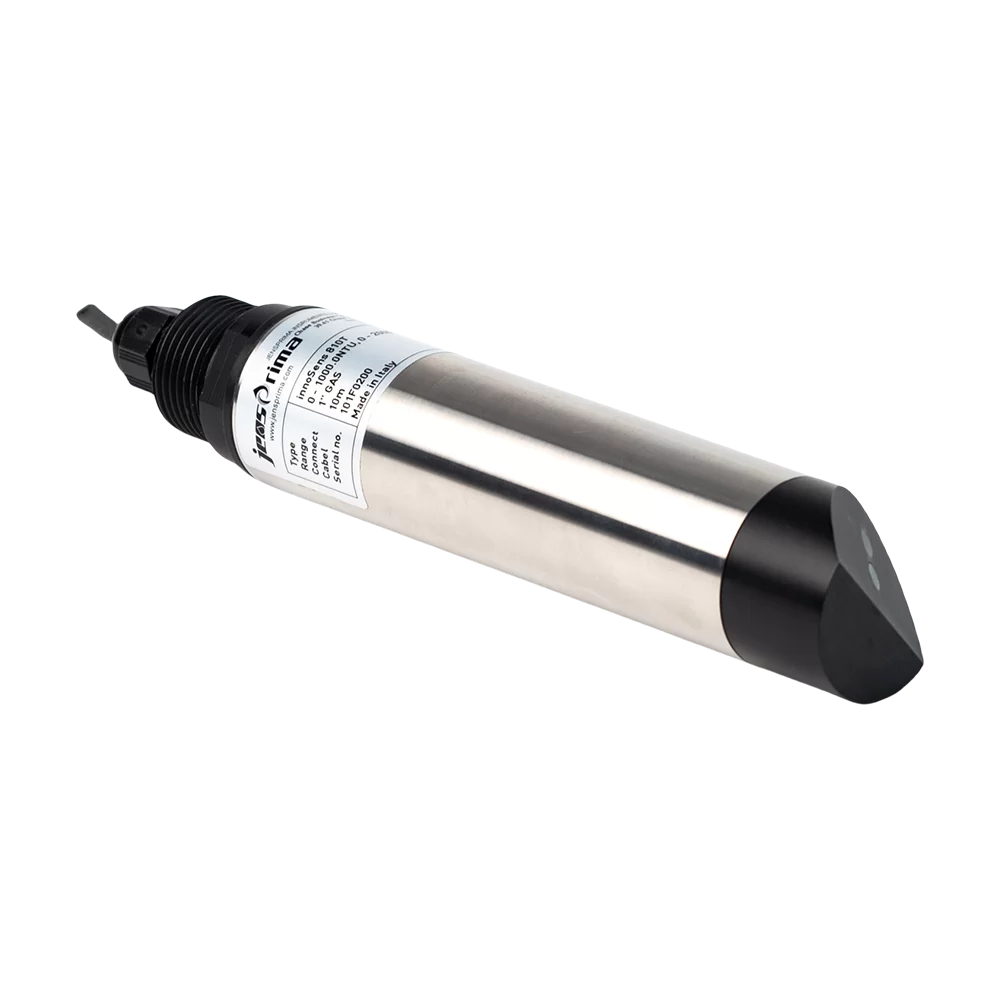
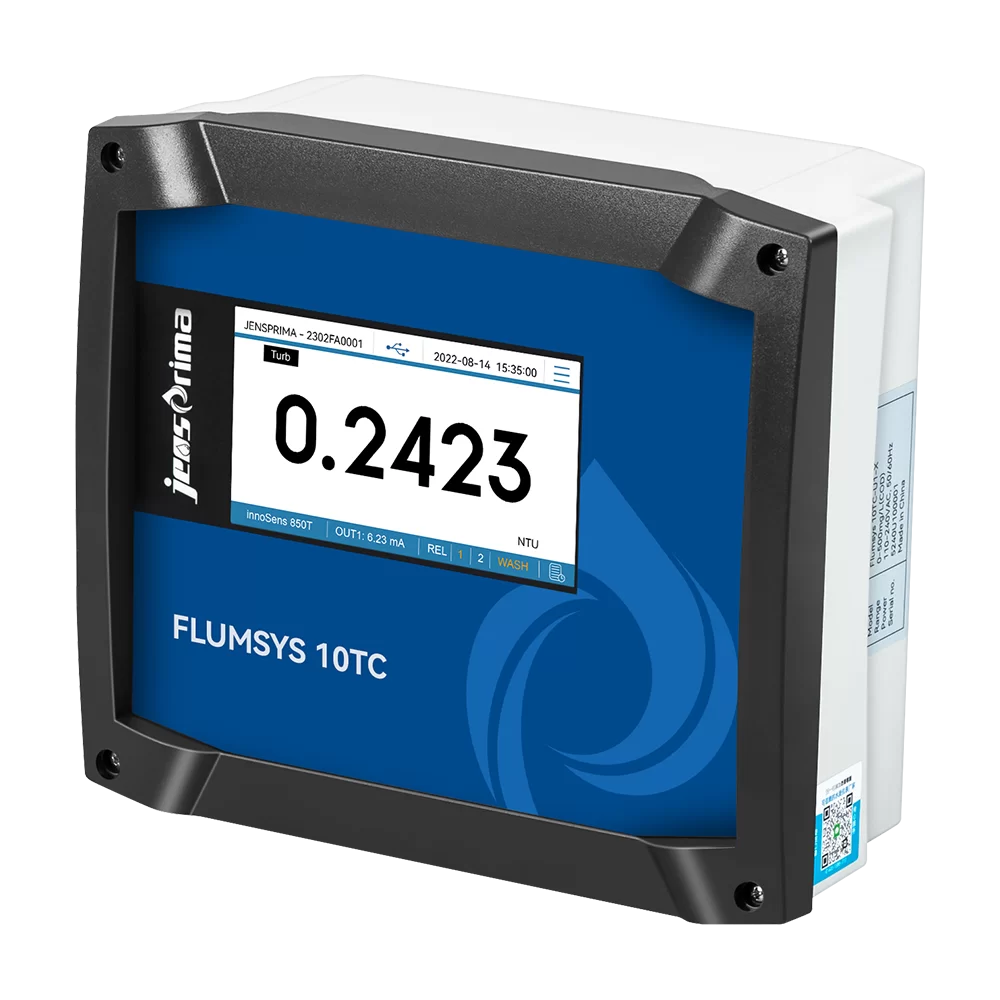
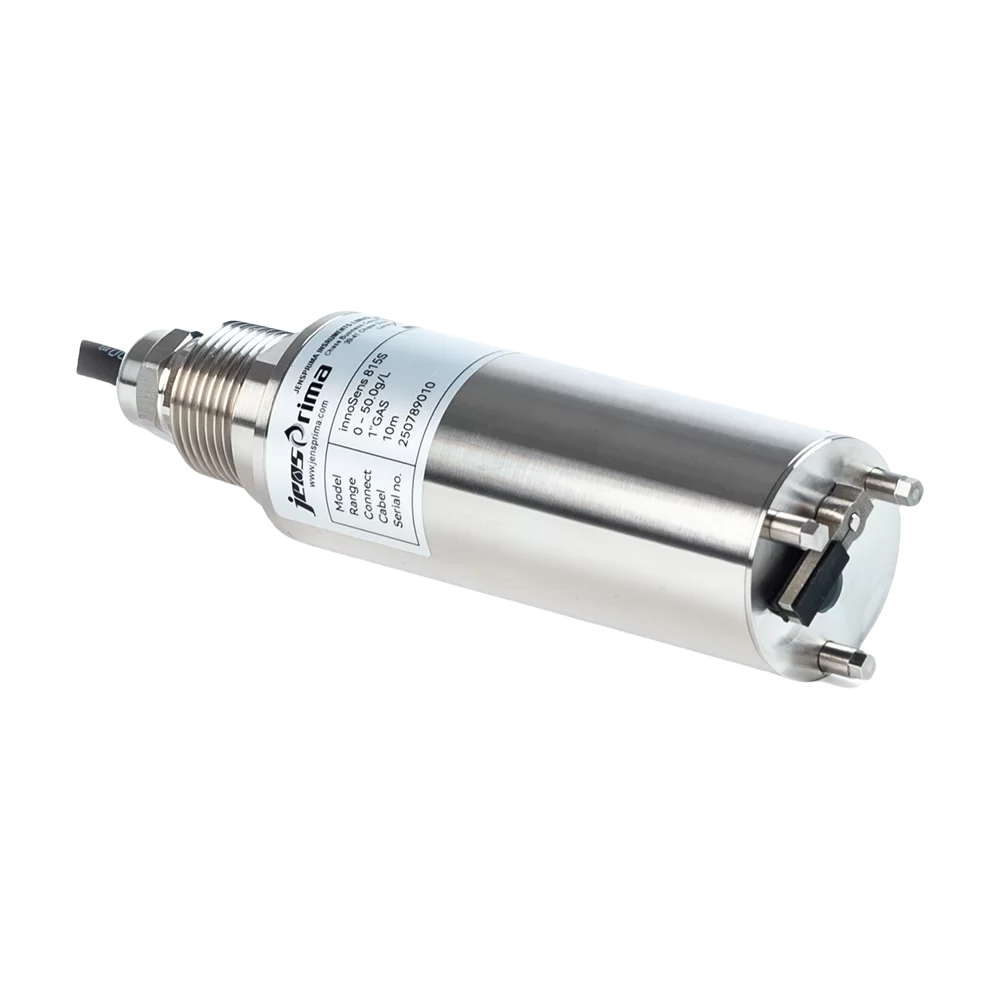
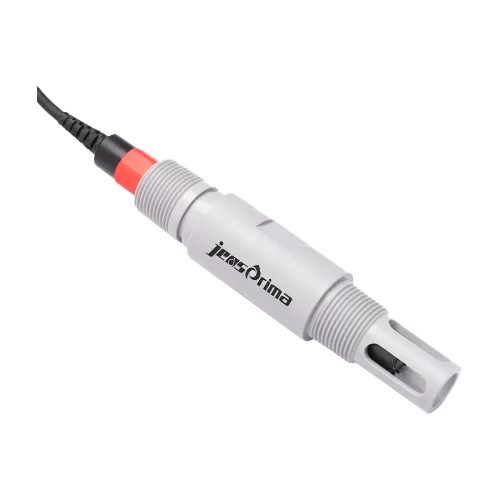
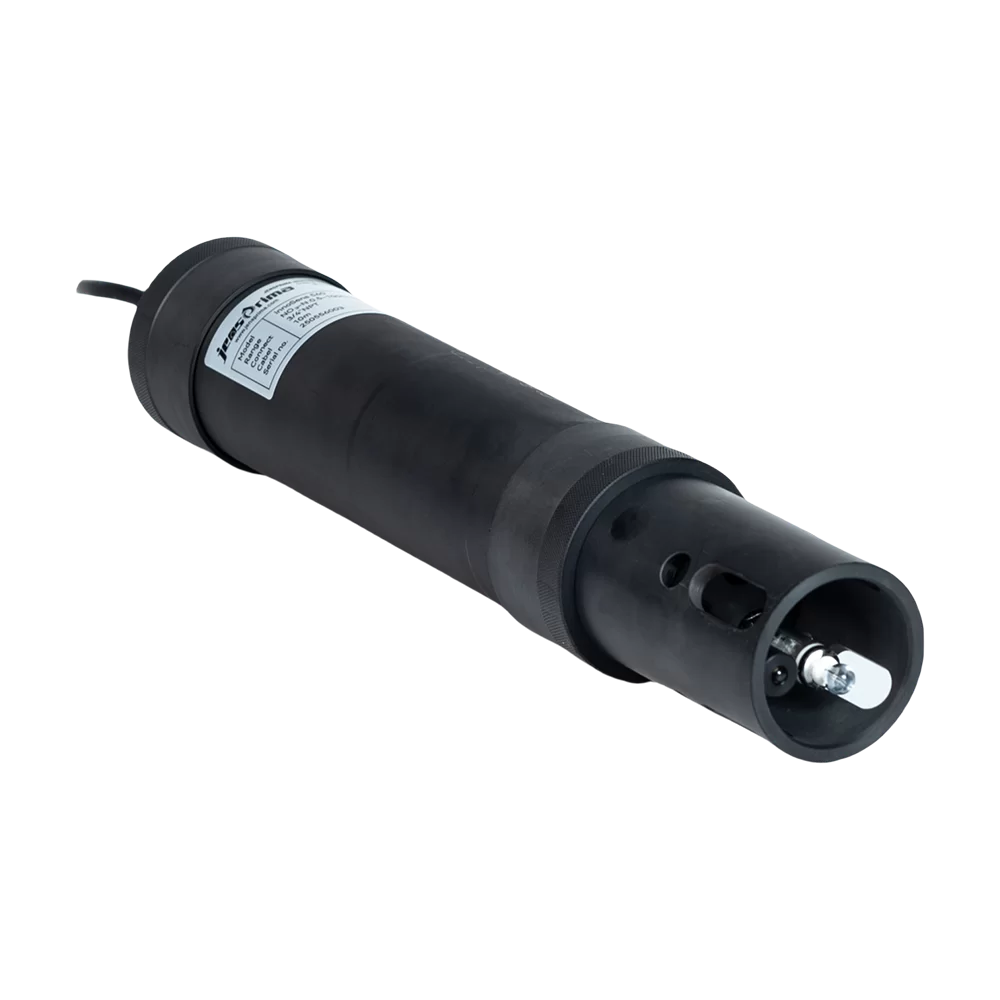
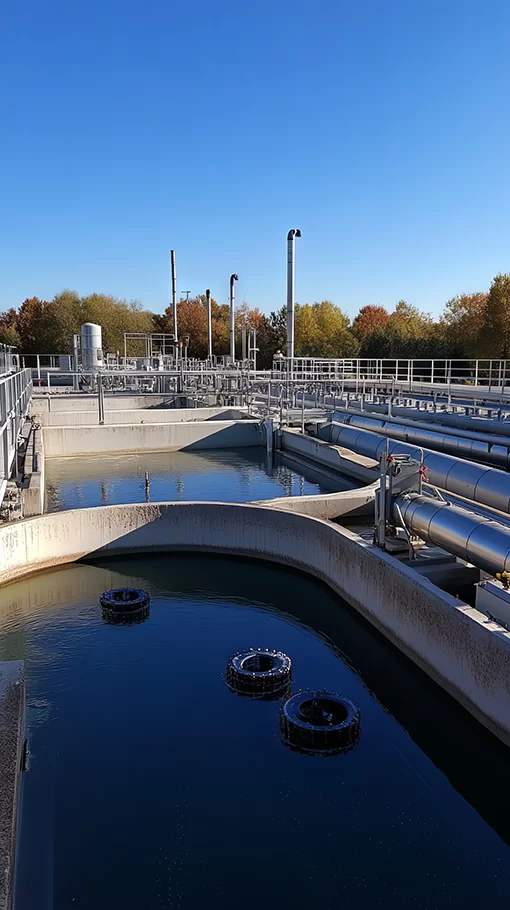
Paraguay's water quality management is heavily influenced by its vast river systems and subtropical climate, which often lead to high sediment loads and organic fluctuations. The reliance on the Paraguay and Paraná rivers for industrial intake necessitates the use of a robust multi parameter water quality analyzer to monitor complex changes in real-time.

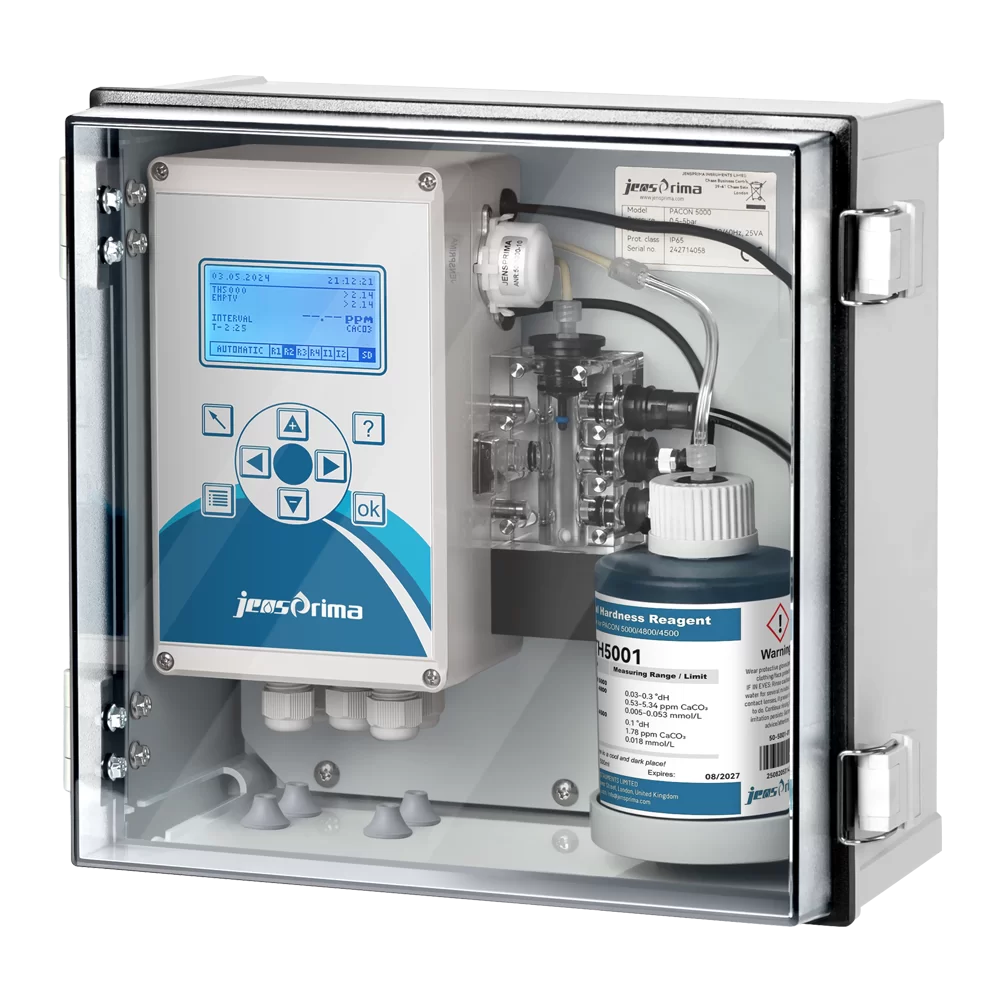
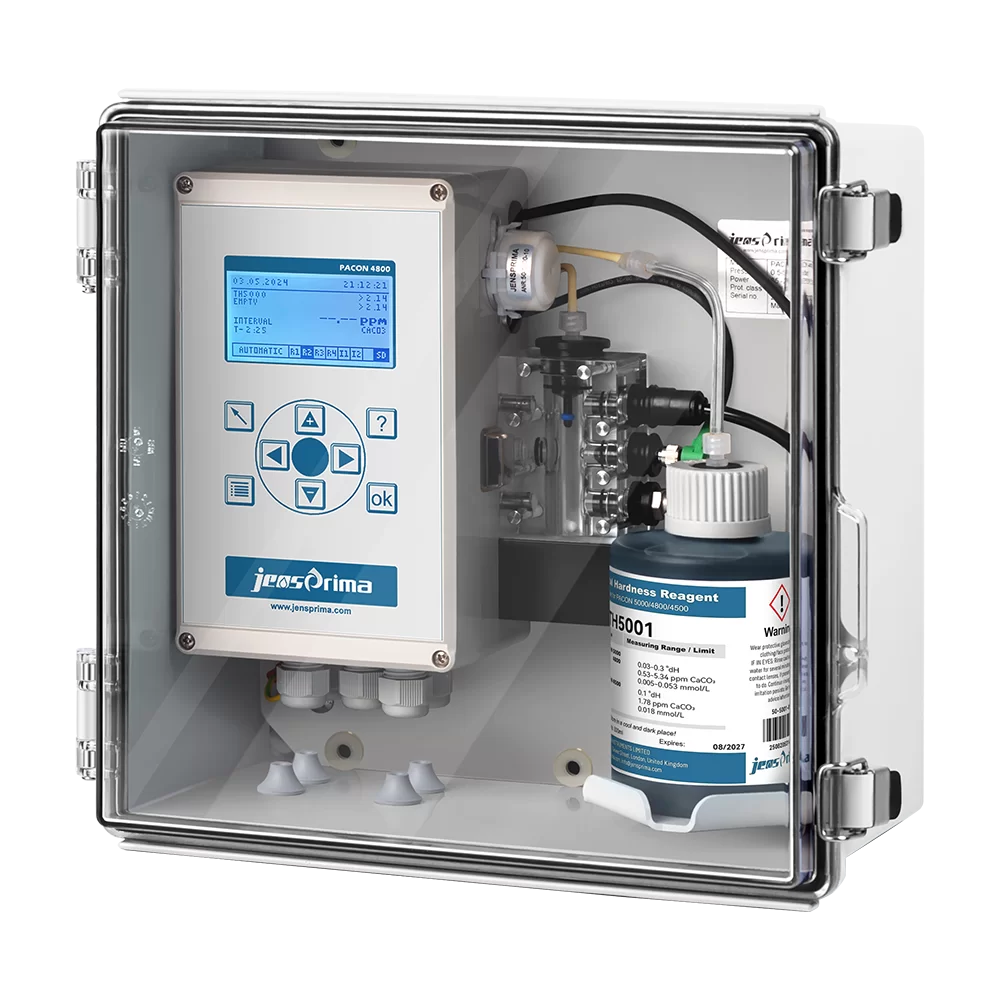
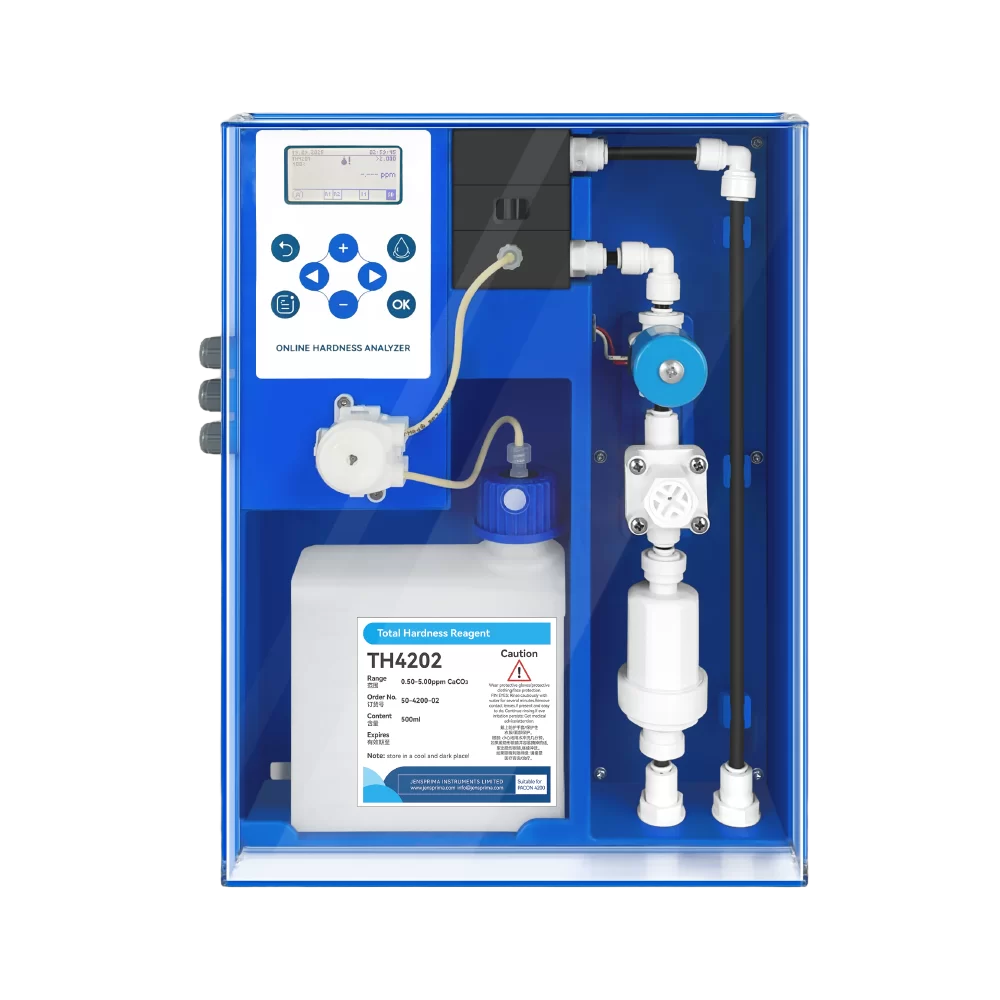
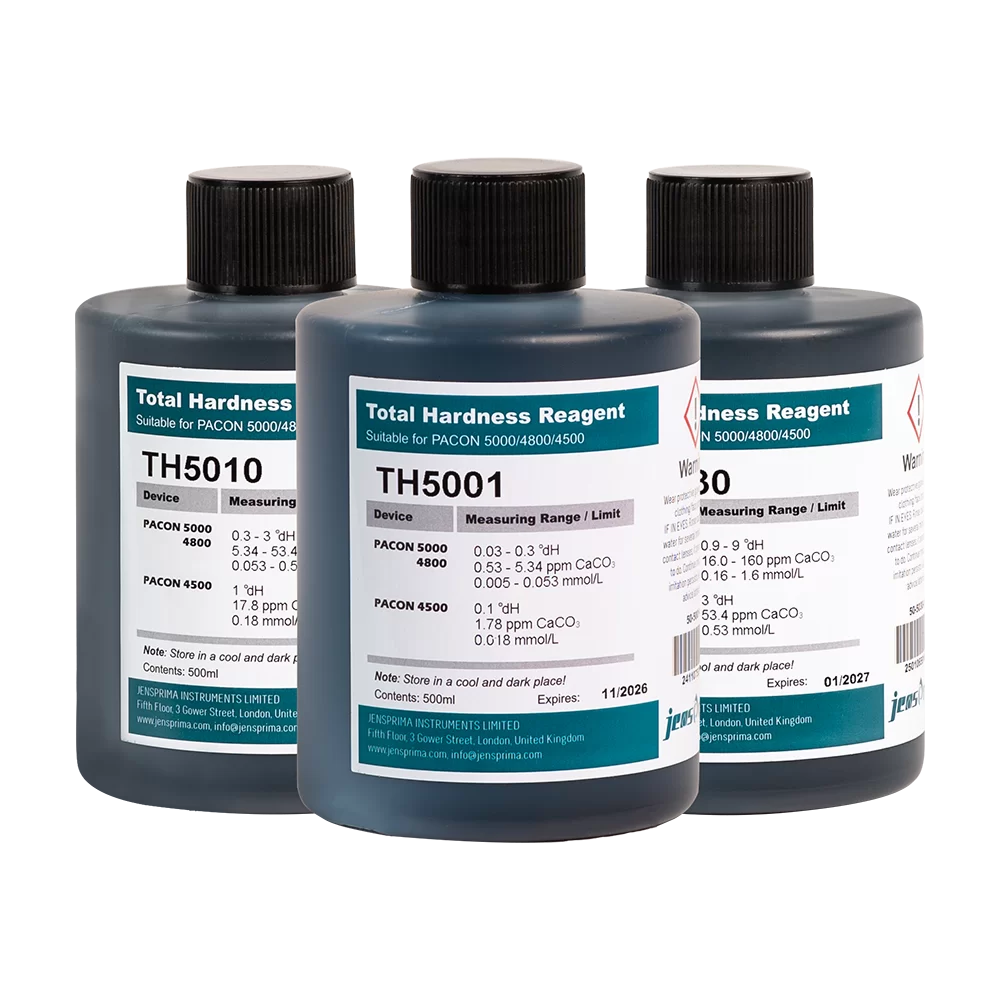
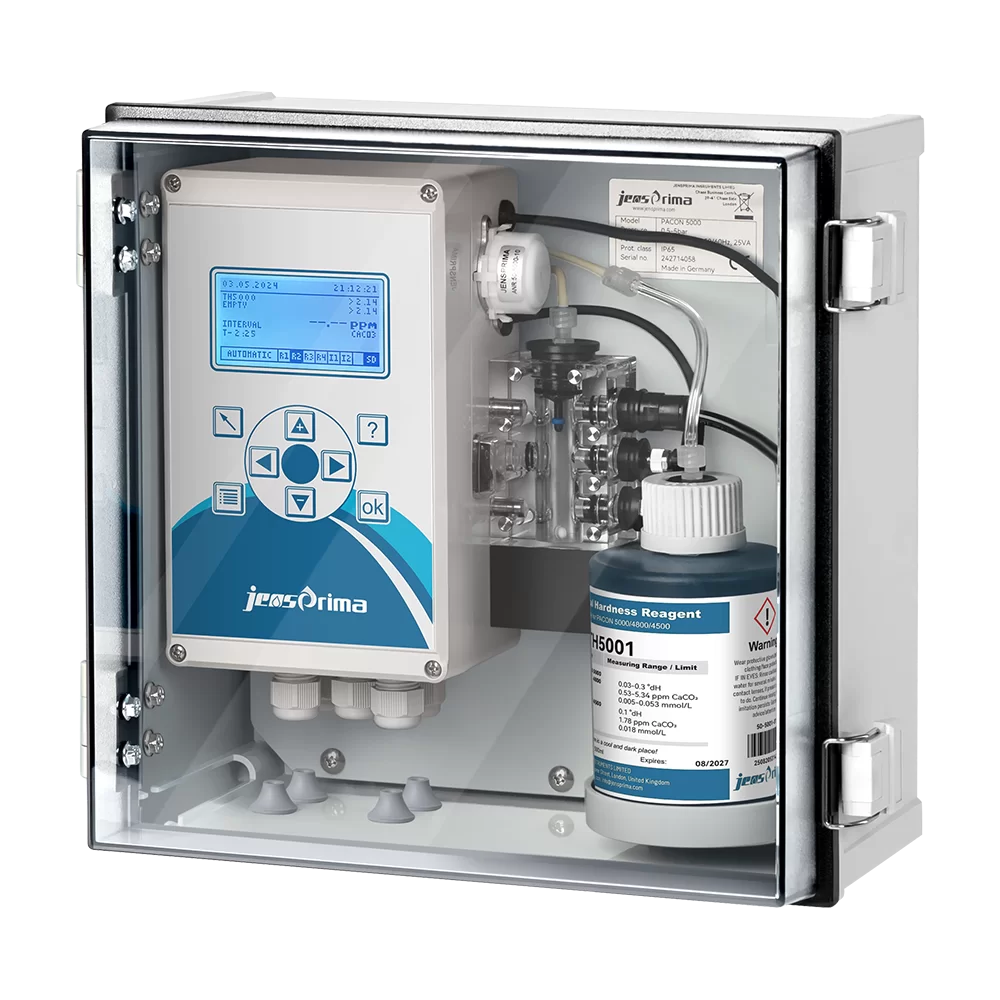
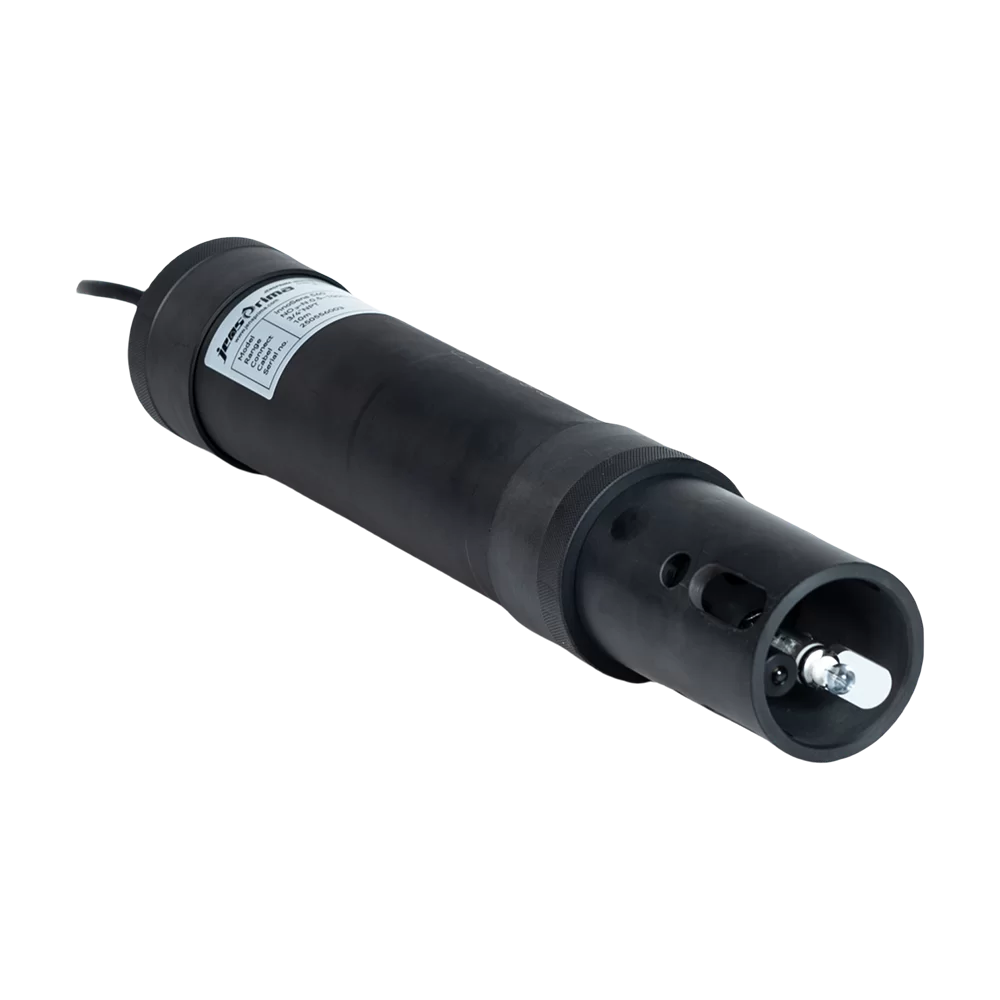
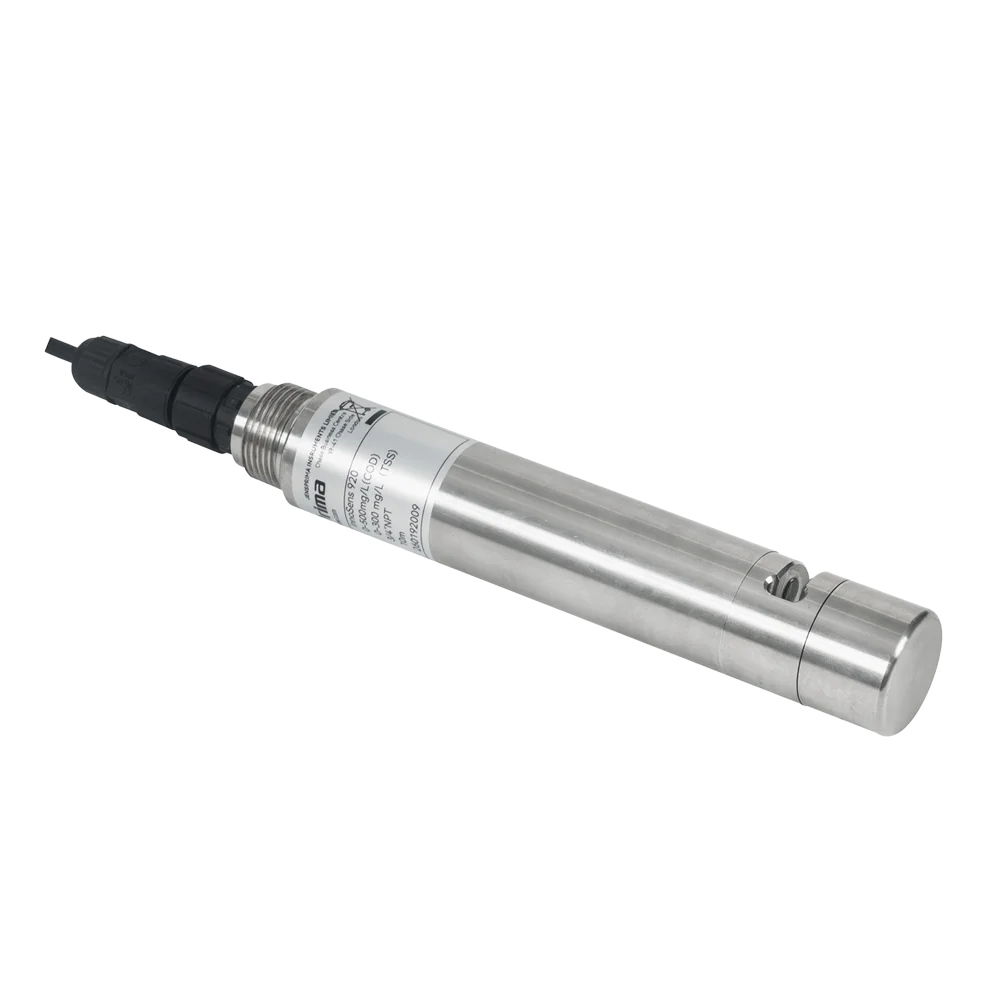
In the agricultural and livestock hubs, the prevalence of mineral-rich groundwater requires stringent monitoring. The deployment of a total hardness analyzer has become critical for preventing scale buildup in industrial boilers and irrigation systems, which otherwise suffer from the region's specific mineral compositions.

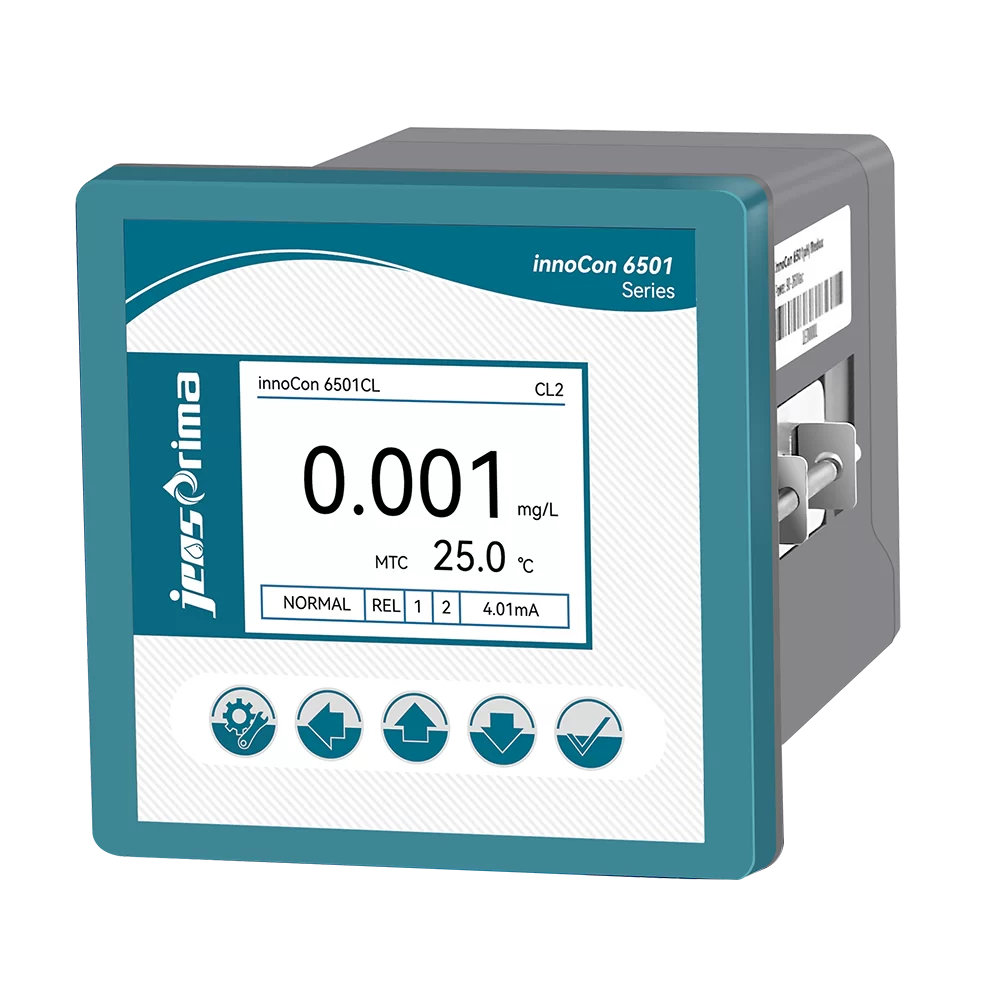
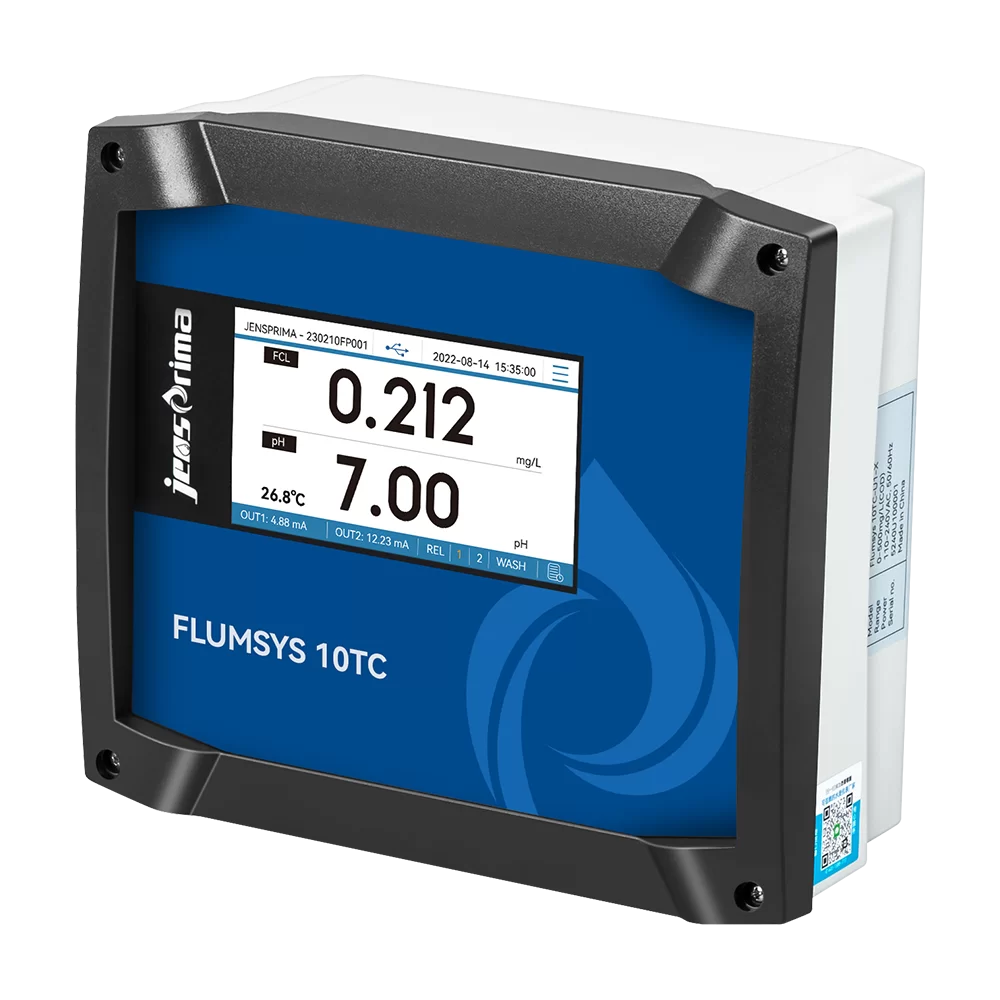
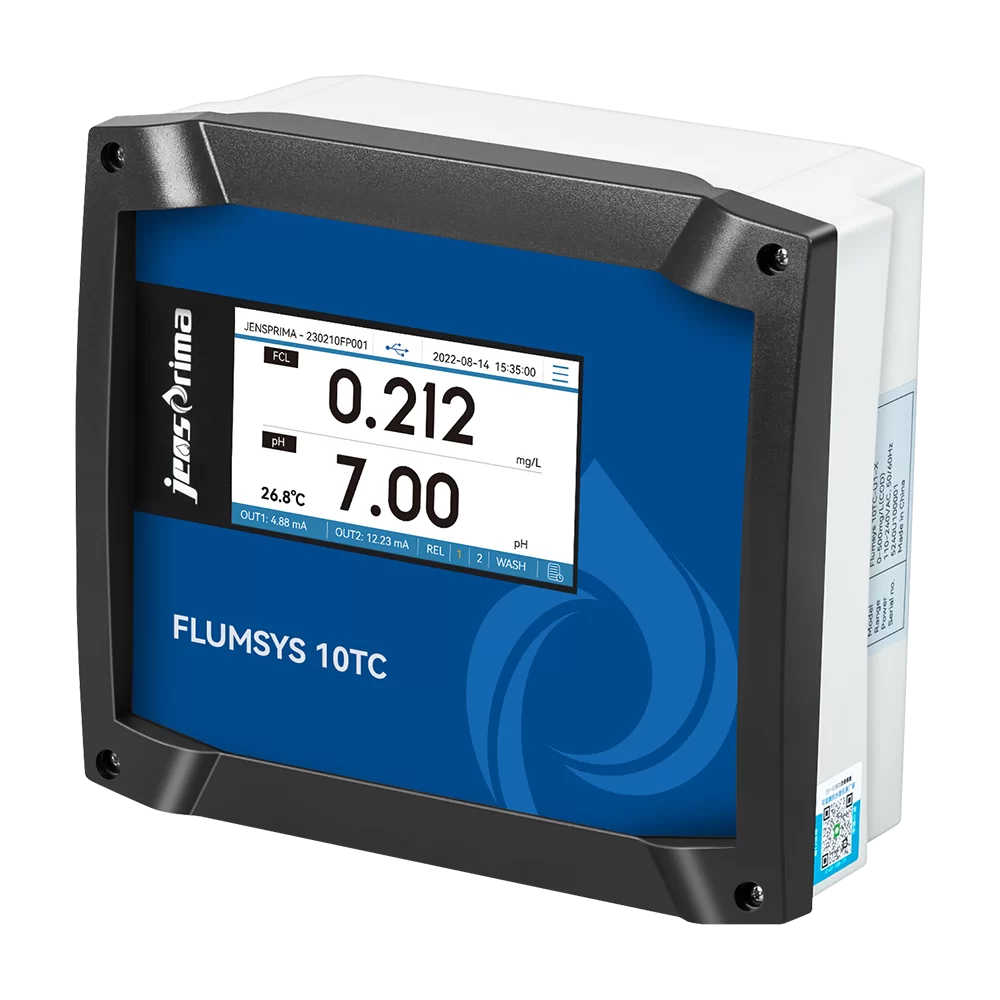
Furthermore, the expanding municipal water treatment plants in Asunción and beyond are shifting from manual sampling to automated systems. The integration of a residual chlorine controller is now a standard requirement to ensure safe potable water distribution while optimizing chemical usage in varying temperatures.

Technological Evolution of Water Analysis in Paraguay

From basic chemical titration to AI-driven online analytical platforms.

Market Development History

Prior to 2010, the Paraguayan market relied predominantly on laboratory-based batch testing. Manual titration was the primary method for measuring alkalinity, making the process slow and prone to human error during peak seasonal floods.

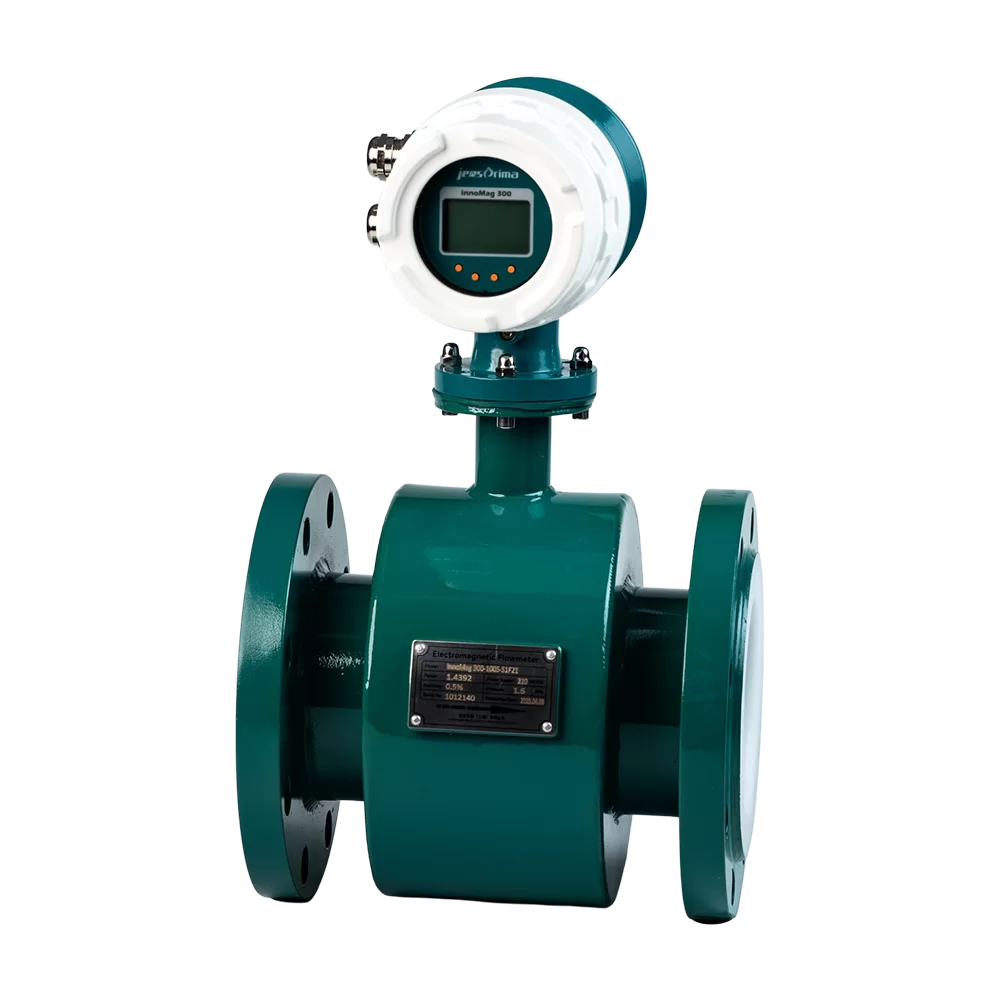
Between 2010 and 2020, the industry saw a transition toward basic online monitoring. The introduction of the electromagnetic flowmeter revolutionized how water utilities managed volume and throughput, enabling a more scientific approach to dosage and flow control.

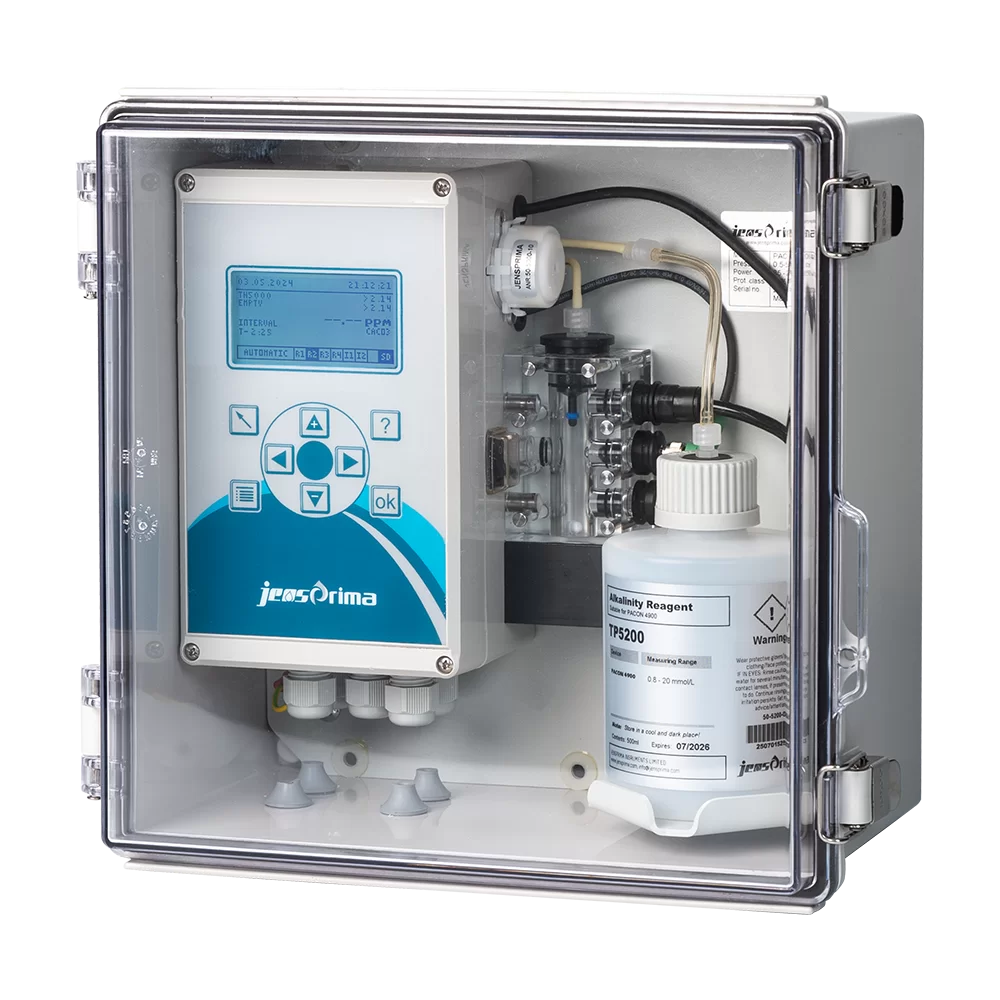
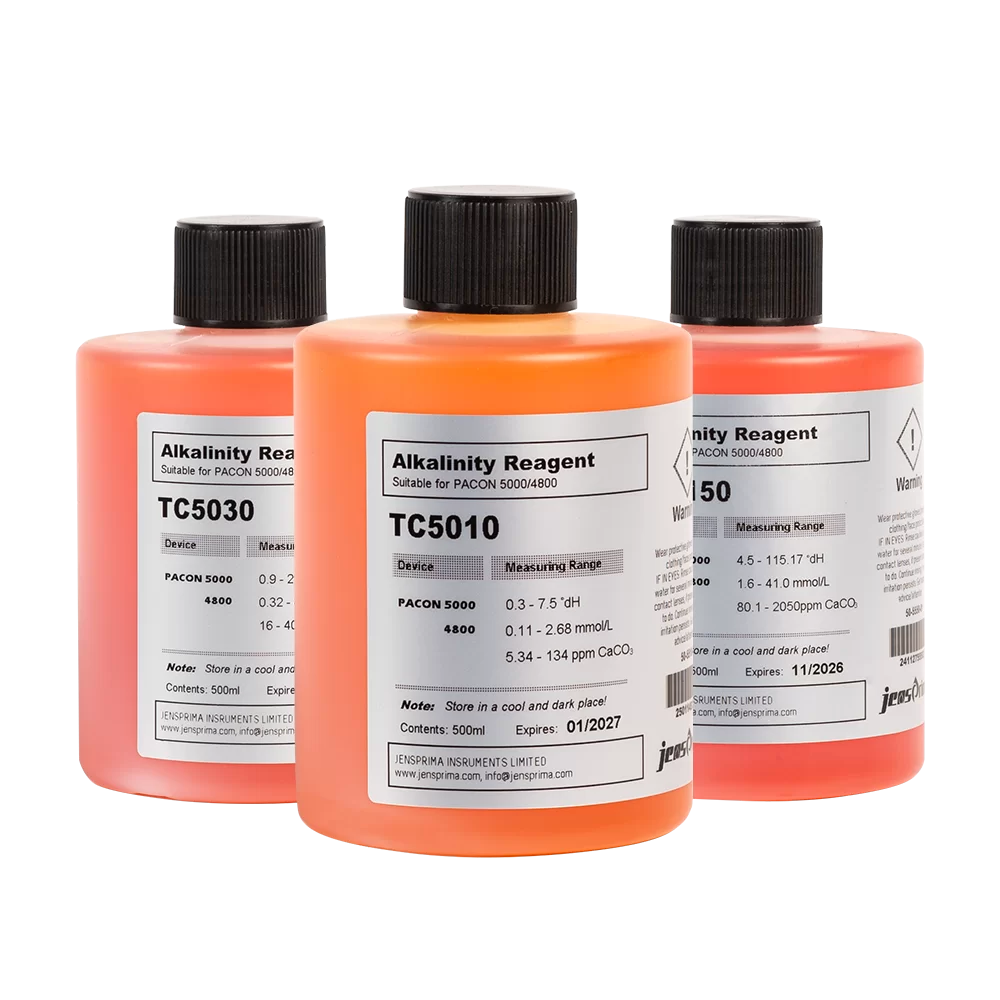
Since 2020, there has been a rapid adoption of integrated analytical suites. The shift toward a dedicated alkalinity analyzer has allowed industrial plants to maintain precise pH stability and neutralize corrosive waters automatically, reducing infrastructure degradation.

Future Development Trends

IoT-Enabled Remote Monitoring

The next 3-5 years will see a surge in cloud-integrated sensors allowing Paraguayan plant managers to monitor water parameters via mobile devices across remote sites.

Predictive Maintenance Algorithms

Integration of machine learning to predict sensor fouling and calibration drift, specifically for probes operating in high-turbidity river waters.

Sustainable Chemical Dosing

A move toward "Zero-Waste" water treatment where controllers optimize reagent consumption based on real-time demand rather than fixed schedules.

Industry Trends and Future Outlook

Strategic directions for environmental instrumentation in the Paraguayan market.

Digitalization of Water Grids
Transitioning from isolated sensors to networked ecosystems for city-wide water quality transparency.
Compliance Automation
Automatic reporting systems to meet MADES (Ministry of Environment) regulatory standards in Paraguay.
Energy-Efficient Sensing
Developing low-power analyzers for solar-powered remote monitoring stations in rural areas.
Modular Analyzer Architecture
Switching to modular systems where sensors can be swapped without replacing the entire controller.

Industry Outlook

The trajectory for water quality instrumentation in Paraguay is strongly linked to the country's industrial diversification. As the manufacturing sector grows, the demand for high-precision tools like the multi parameter water quality analyzer will shift from "luxury" to "essential" for operational continuity.

Furthermore, Google search trends in the region indicate a rising interest in "sustainable water treatment" and "automatic dosing," suggesting that the future market will favor solutions that reduce reagent waste and labor costs through intelligent automation.

Localized Application Scenarios in Paraguay

Real-world deployment of analytical instrumentation across key Paraguayan sectors.

1. Municipal Potable Water Treatment (Asunción)

Using a residual chlorine controller to ensure that water delivered to urban populations maintains safe disinfectant levels despite varying temperature impacts on chlorine decay.

2. Industrial Boiler Systems in Manufacturing

Implementing a total hardness analyzer to monitor feed water quality, preventing calcium and magnesium scale buildup in high-pressure steam boilers.

3. Agricultural Runoff Monitoring in the East

Deploying a multi parameter water quality analyzer at river discharge points to monitor nutrient loading and pH shifts caused by large-scale soy and corn farming.

4. Wastewater Neutralization in Textile Plants

Utilizing an alkalinity analyzer to precisely dose acid/base reagents, ensuring effluent meets national environmental discharge standards before entering local waterways.

5. Hydroelectric Power Plant Cooling Systems

Integrating an electromagnetic flowmeter to accurately manage the cooling water loop flow, optimizing thermal efficiency for turbine operations.

Brand Story

Global Development History of Jensprima (Shanghai) Co., Ltd.

Precision Foundations

Established with a vision to bridge the gap between complex laboratory analysis and rugged industrial applications, focusing on high-accuracy sensing technology.

Technological Breakthroughs

Developed proprietary electrode coatings and signal processing algorithms to reduce drift in challenging environmental conditions like high salinity and turbidity.

Global Market Expansion

Extended operational reach into South America, adapting instruments to meet the specific regulatory and climatic needs of the Paraguayan and Brazilian markets.

Sustainable Innovation

Pioneered the shift toward reagent-less sensing and energy-efficient analyzers to support the global transition toward green industrialization.

Industry Leadership

Currently recognized as a premier provider of online water quality solutions, solving the critical pain point of "reliability vs. precision" in harsh environments.

Comprehensive Water Analysis Portfolio for Paraguay

A curated selection of high-performance instruments designed for Paraguayan environmental and industrial standards.

Water Analysis FAQ for Paraguay

Answers to common technical and operational questions in the region.

How does a multi parameter water quality analyzer handle high turbidity in river water?

Our analyzers utilize advanced automatic cleaning systems and specialized membrane filters to prevent sensor fouling, ensuring accurate readings even in the sediment-heavy waters of the Paraguay River.

What is the maintenance interval for a total hardness analyzer in industrial boilers?

Depending on water hardness levels, we recommend a calibration check every 2-4 weeks and a full reagent replacement every 3-6 months to maintain precision.

Can a residual chlorine controller operate in remote rural areas of Paraguay?

Yes, our controllers are designed for low power consumption and can be integrated with solar power kits and 4G/GSM modules for remote data transmission.

How do I choose the right electromagnetic flowmeter for wastewater applications?

Selection depends on the lining material (e.g., PTFE or Hard Rubber) based on the chemical corrosivity of the waste and the required accuracy class for billing or process control.

Why is an alkalinity analyzer important for industrial wastewater neutralization?

Alkalinity acts as a buffer; without precise measurement, adding acid to neutralize pH can lead to "overshooting," causing the water to become too acidic and violating environmental laws.

Are these instruments compatible with existing SCADA systems in Paraguay?

Yes, all our devices support standard industrial protocols including Modbus RTU, Modbus TCP, and 4-20mA analog outputs for seamless integration.

Expert Consultation for Water Monitoring

Ready to optimize your water quality infrastructure in Paraguay? Our engineering team provides localized technical support and custom instrument configuration.

Contact Us Now
Service Repair Form
Tell us what issue you encountered, including any steps or symptoms.
  • Name
  • Email
  • Phone
  • Fault Description

If you are interested in our products, you can choose to leave your information here, and we will be in touch with you shortly.