
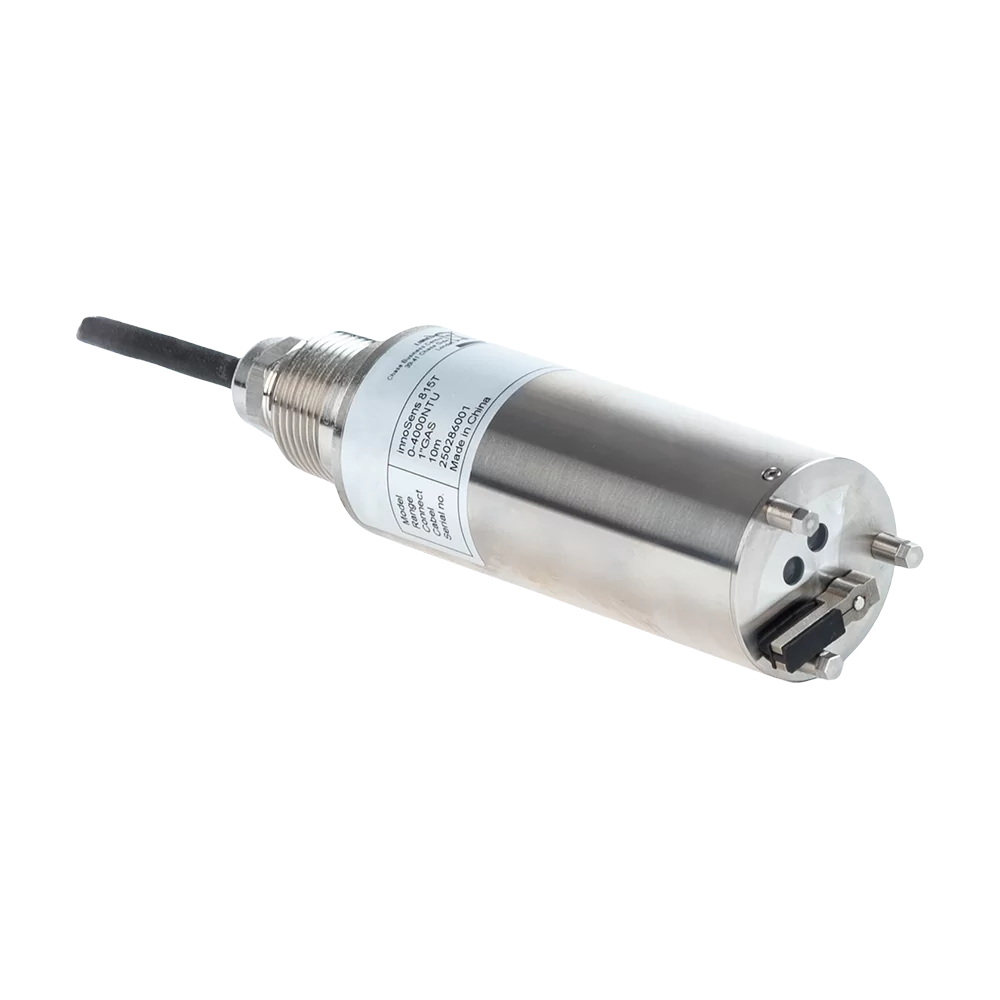
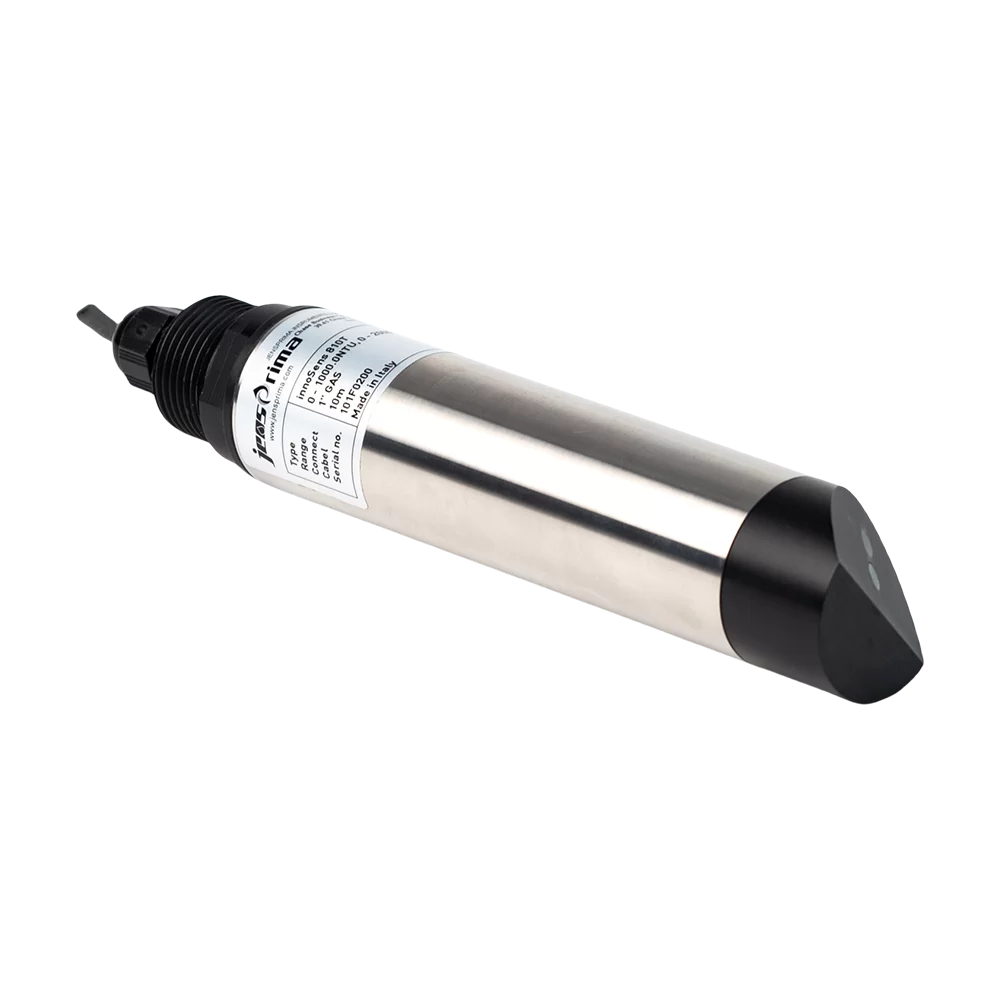
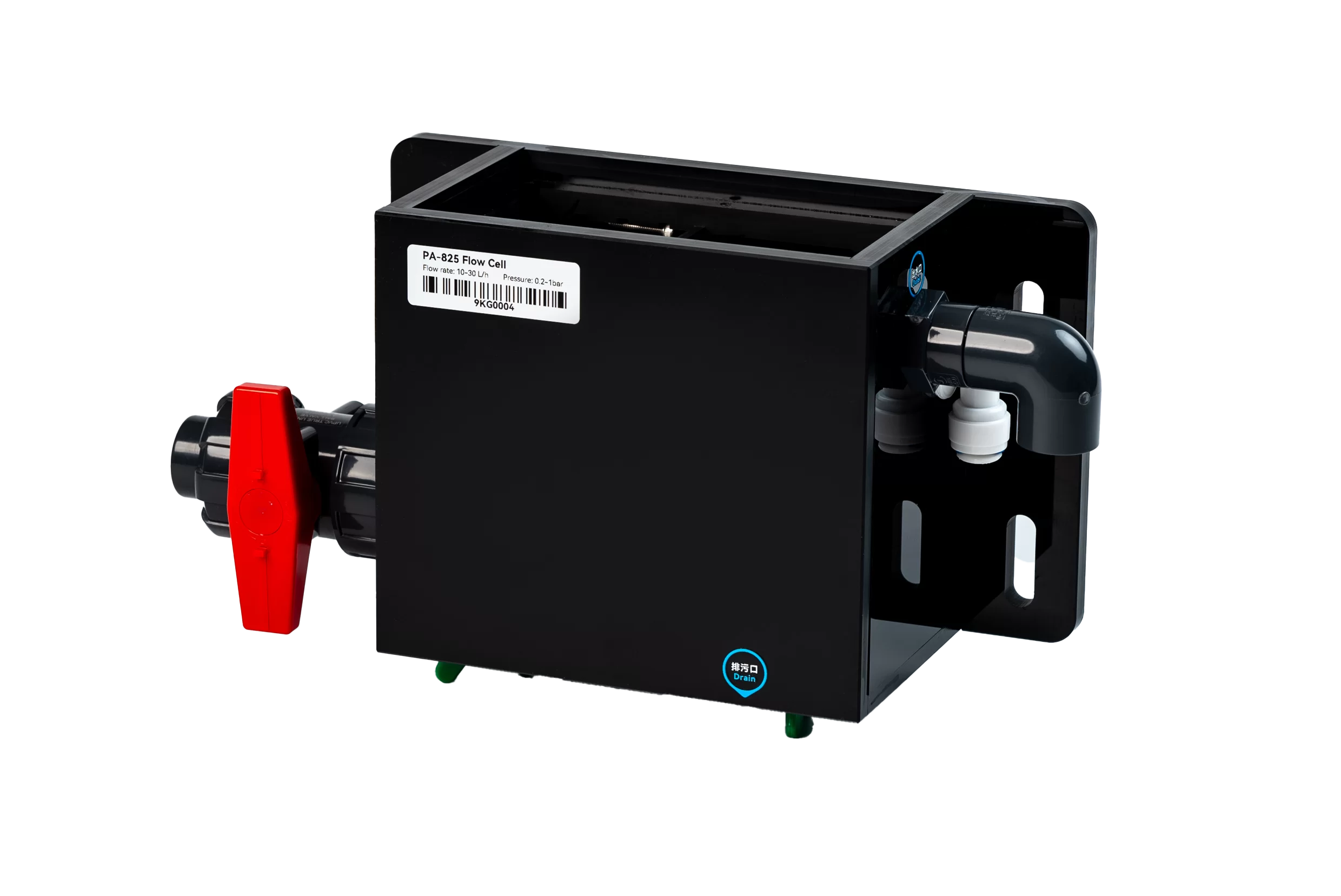
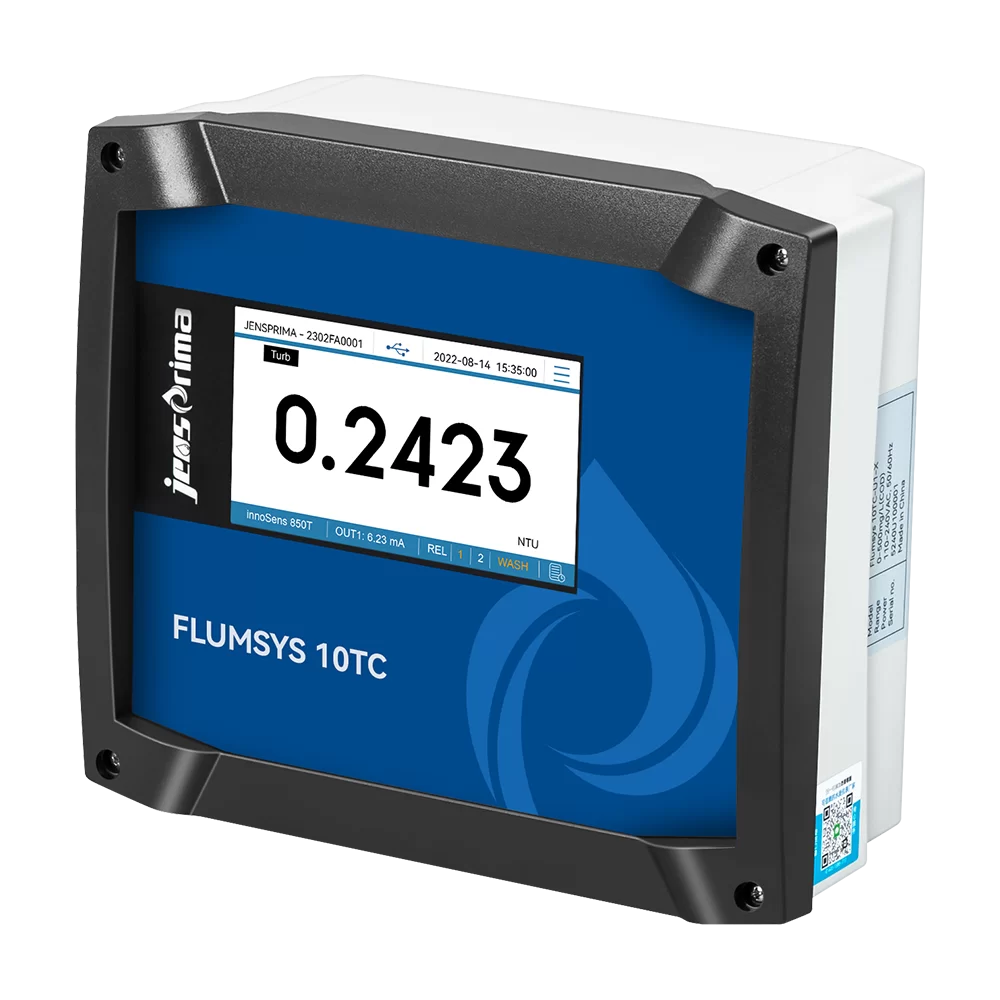
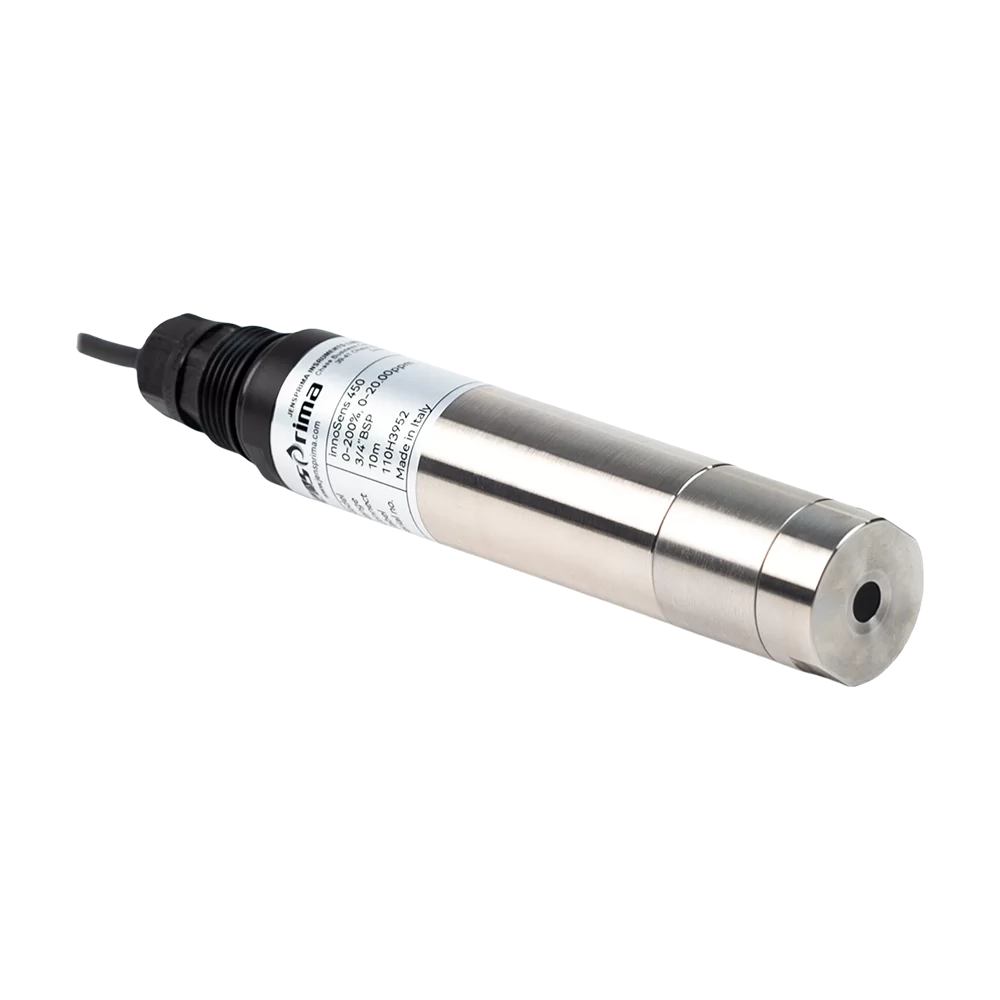
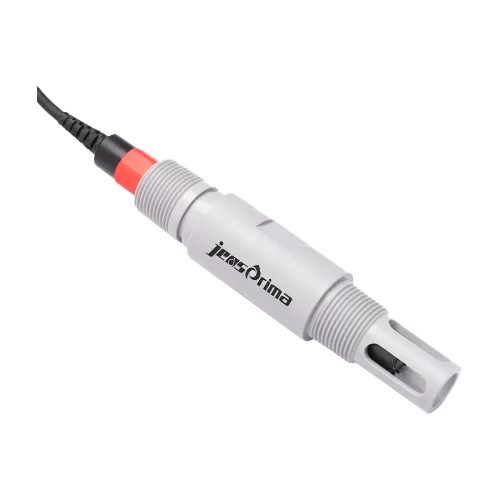
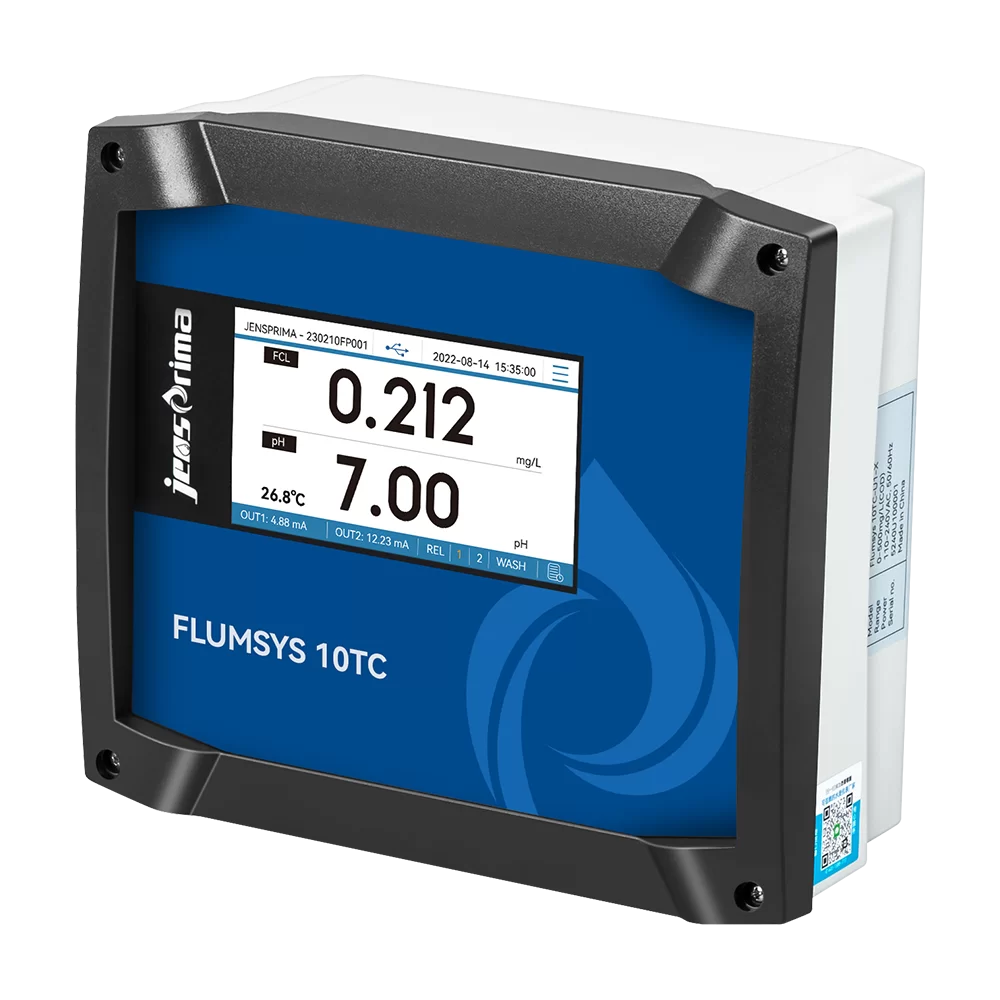
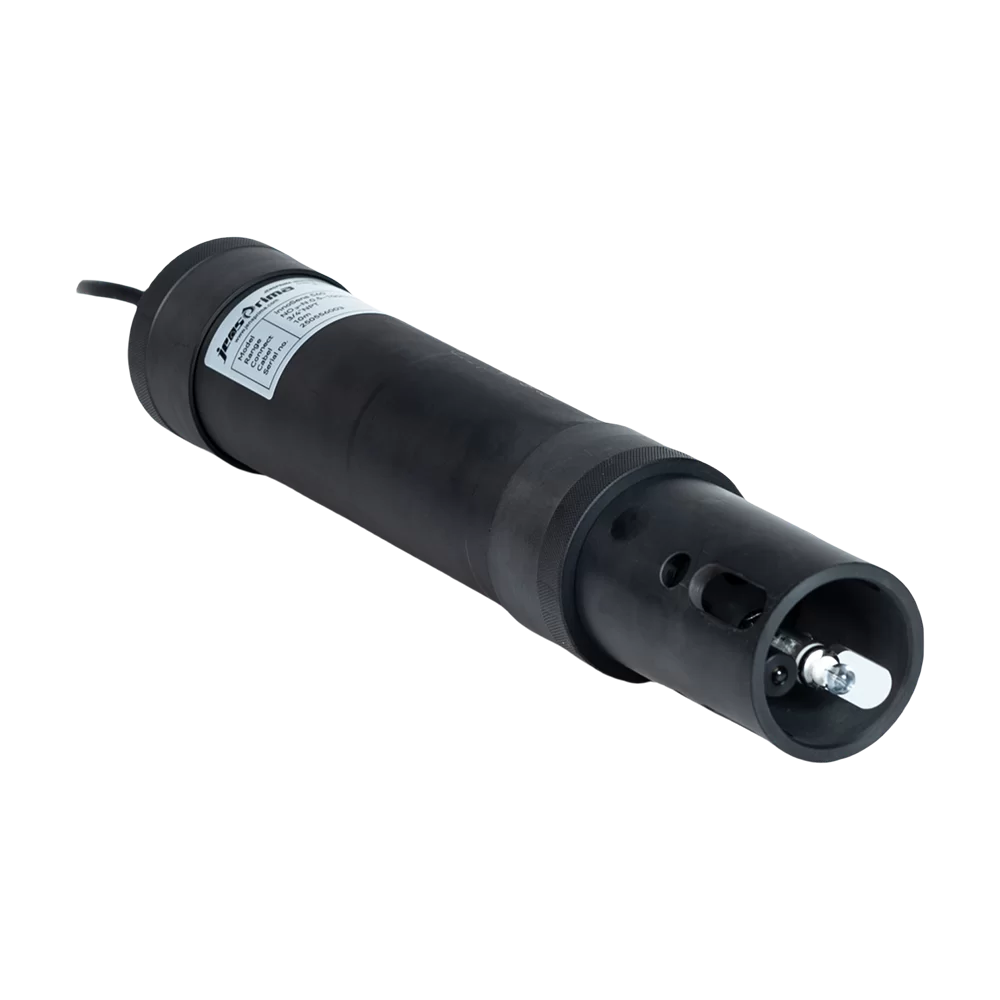



multi parameter analyzer

NEWS

UPDATES

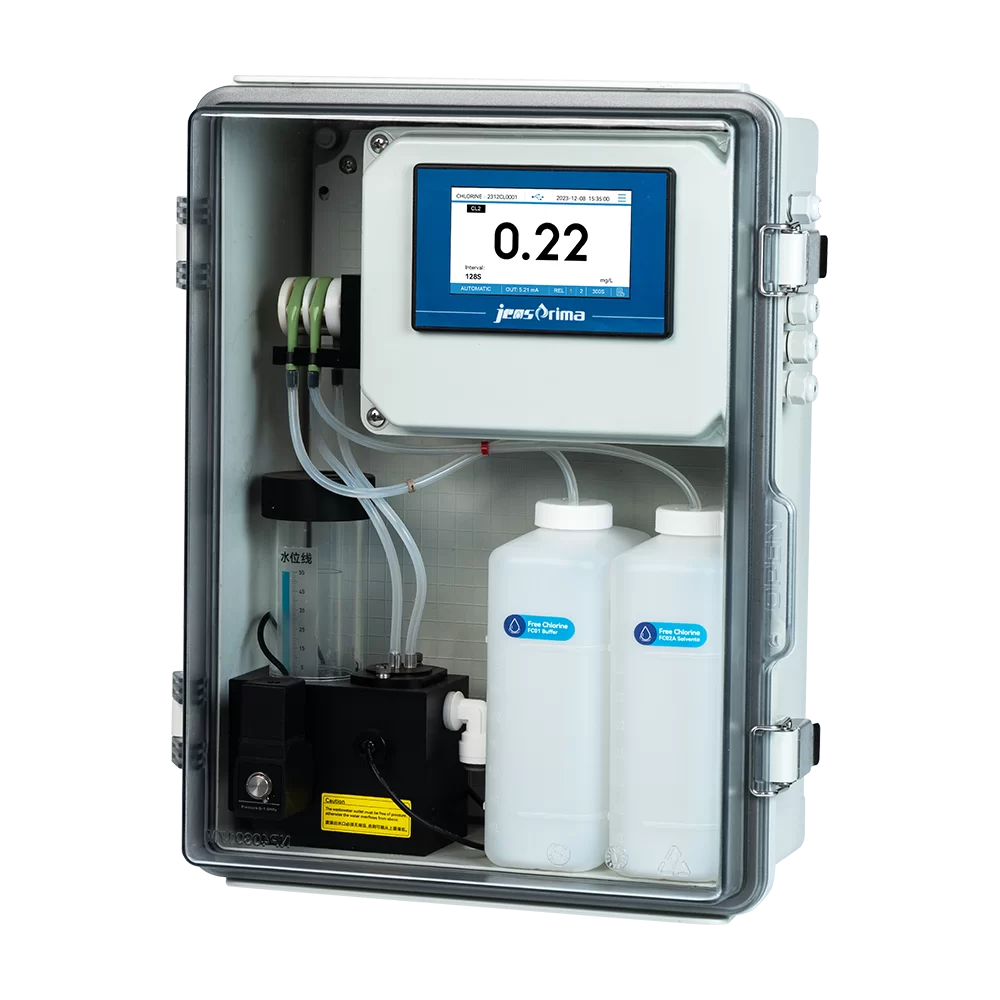
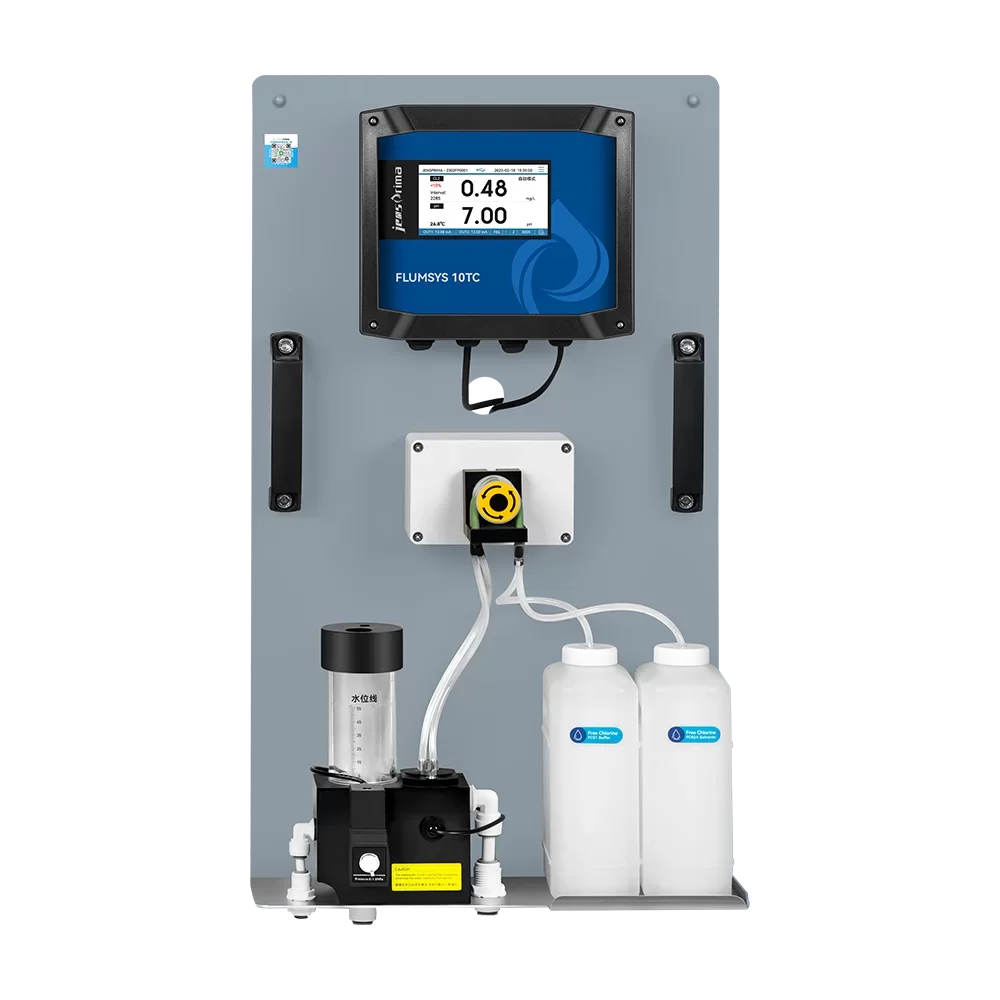
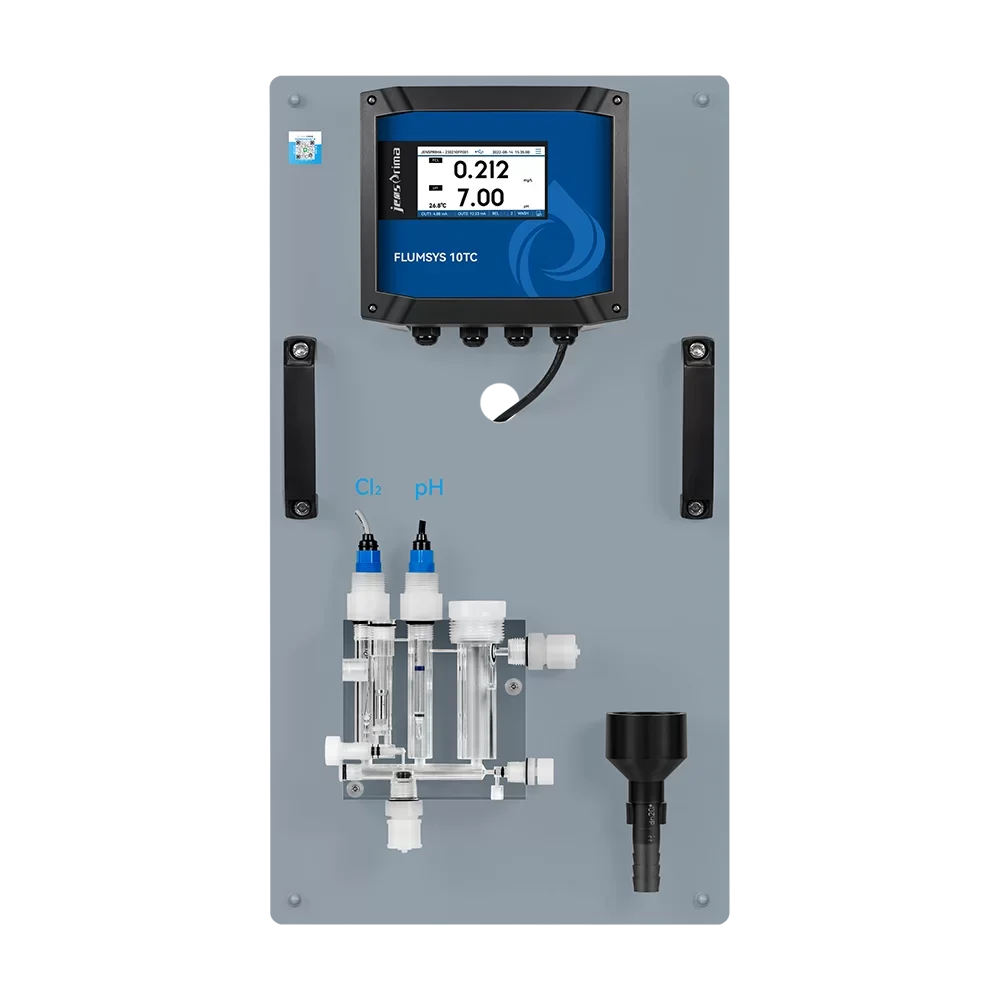
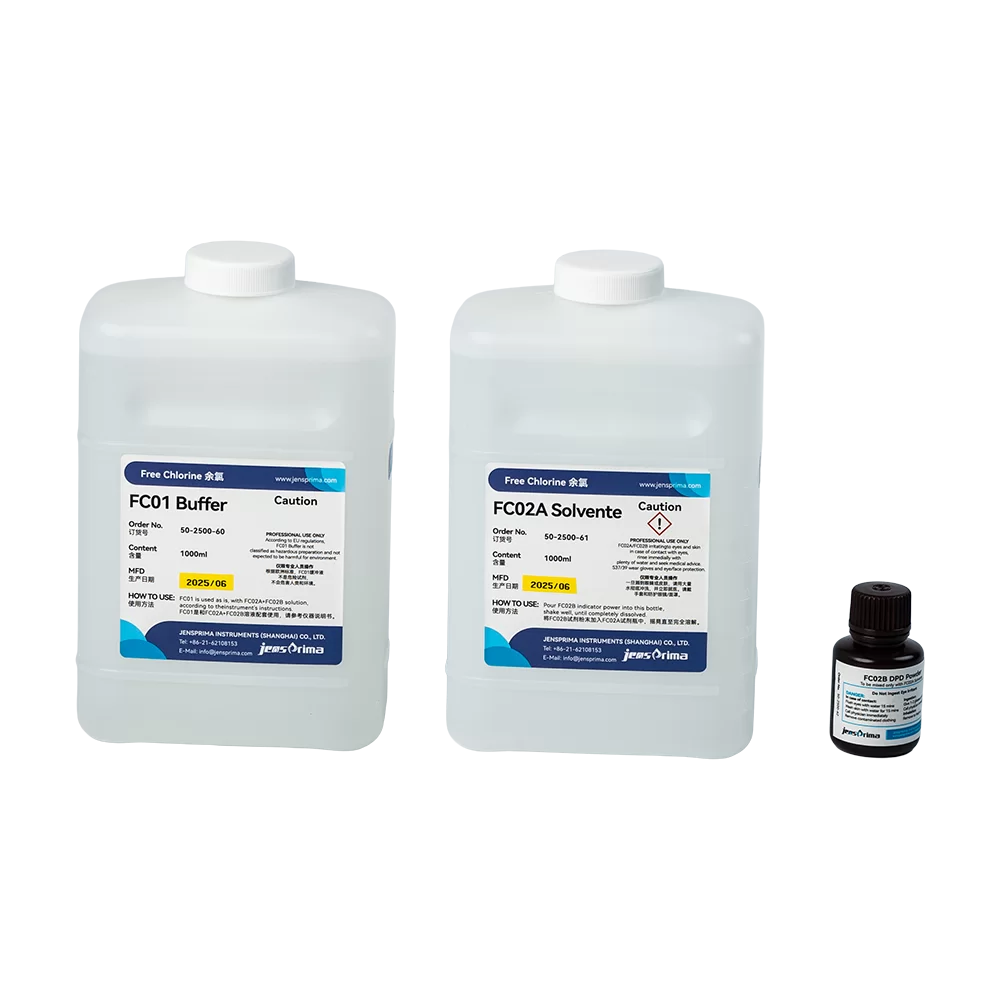
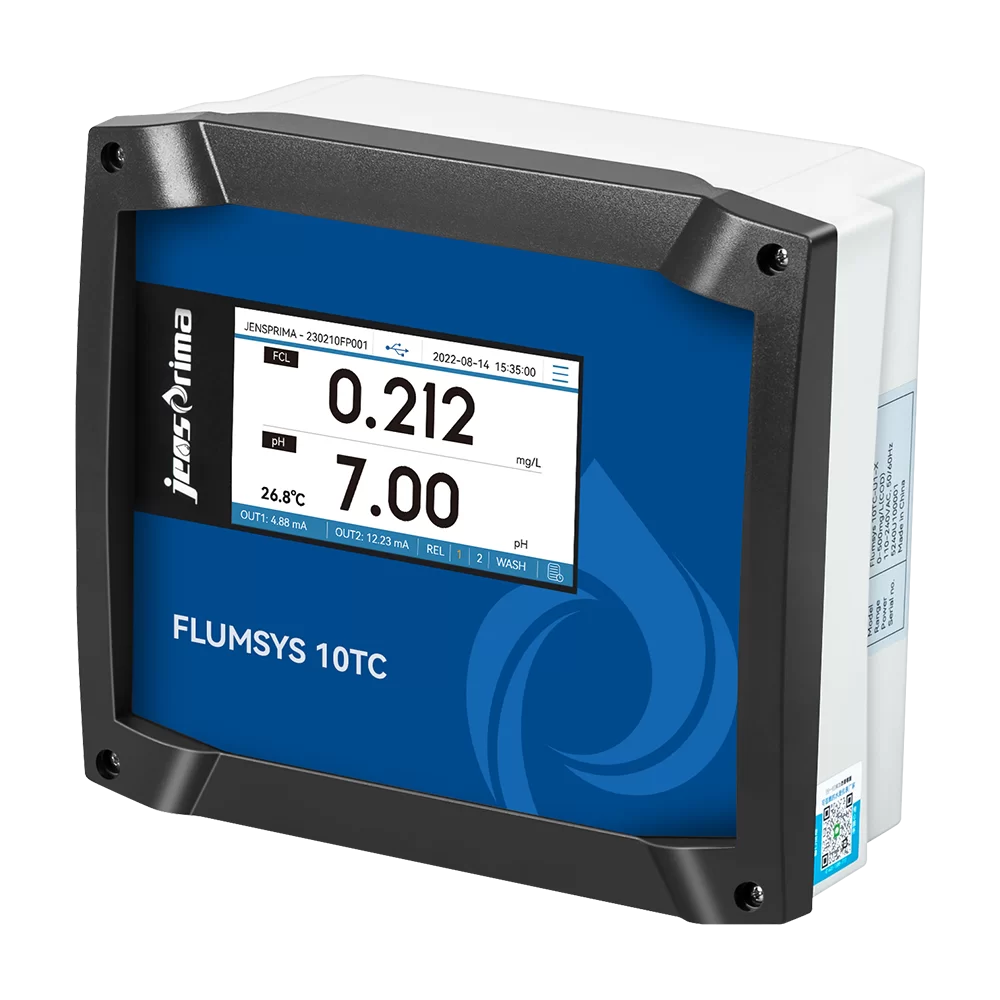
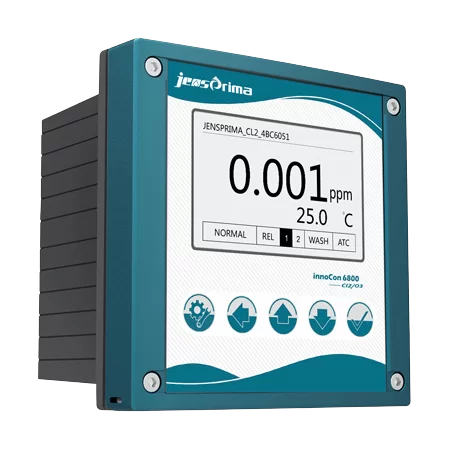
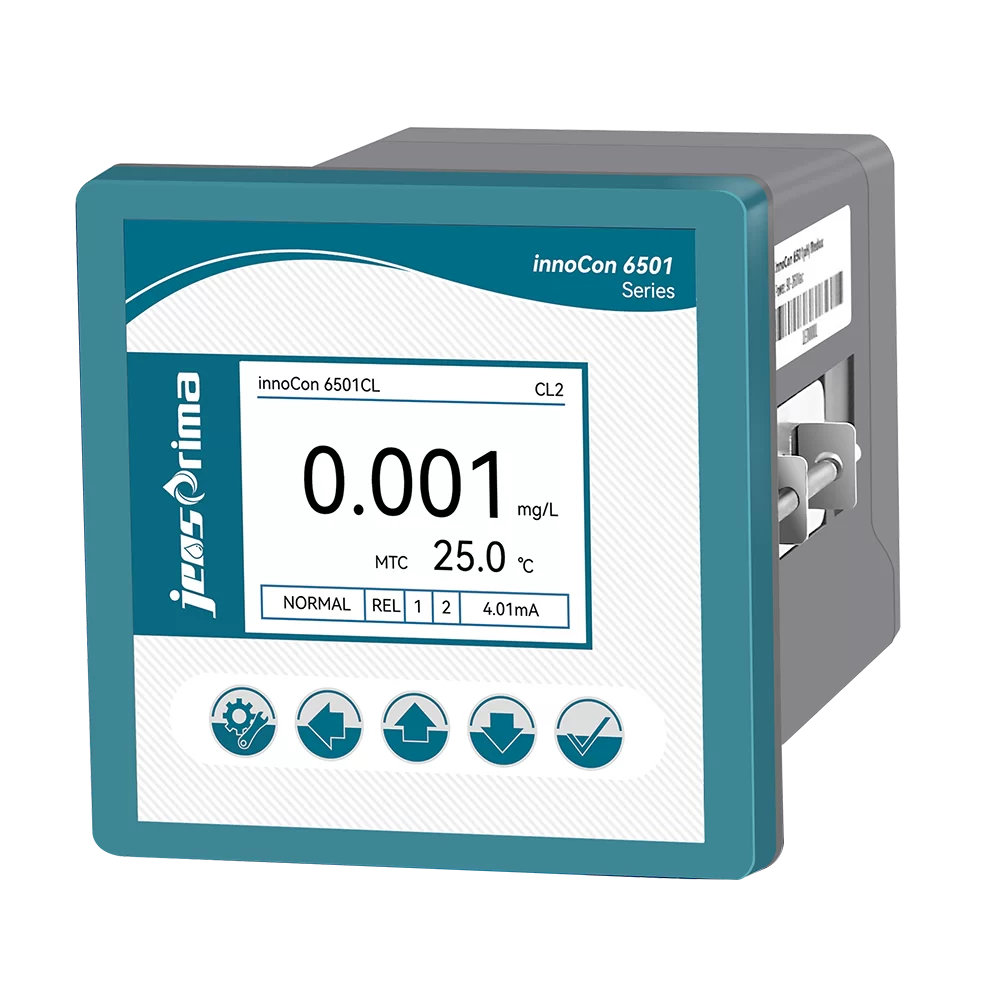
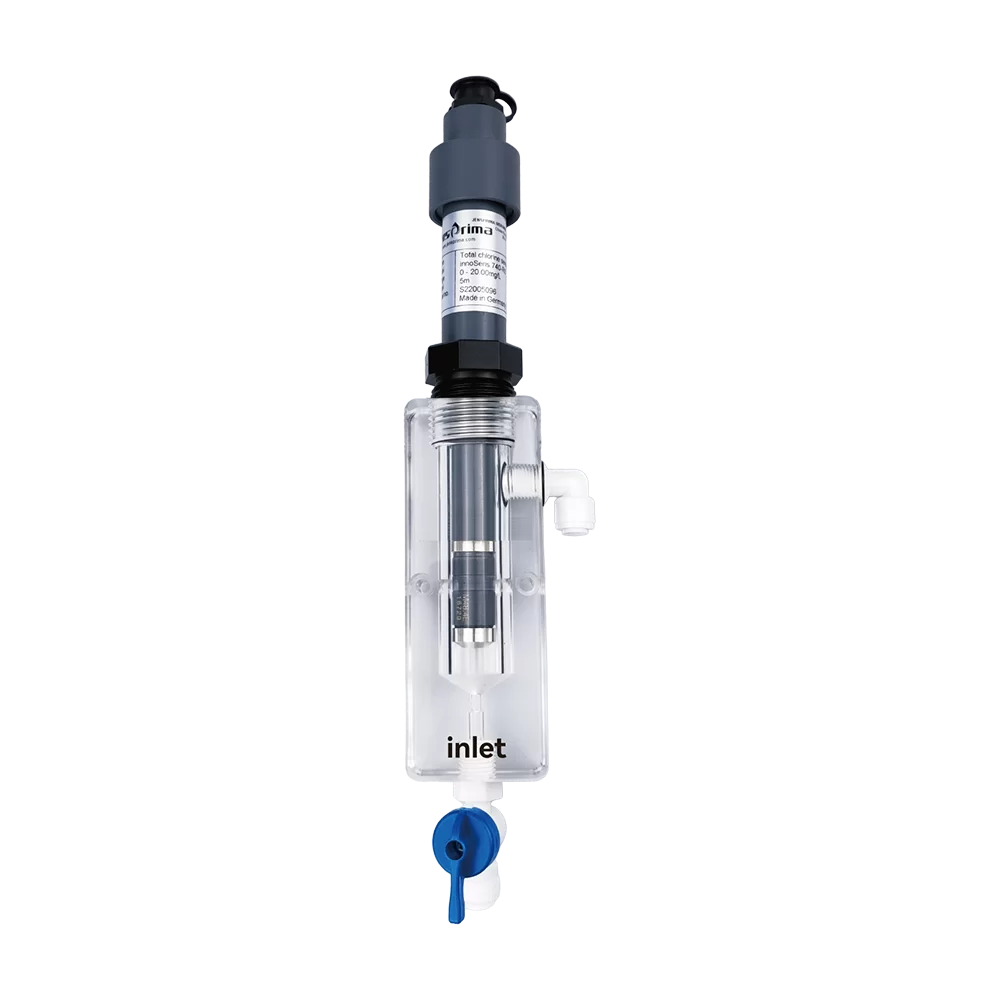
Advanced Water Quality Monitoring Solutions with residual chlorine controller for Cambodia

Integrating high-precision sensing technology to ensure sustainable water safety and industrial efficiency across the Mekong region.

Advanced Water Quality Monitoring Solutions with residual chlorine controller for Cambodia

Providing Cambodia's industrial and municipal sectors with robust, real-time analytical instruments to manage water chemistry and flow precision in challenging tropical environments.

Water Quality Analysis Status in Cambodia

Navigating the challenges of rapid urbanization and industrial growth in Southeast Asia.

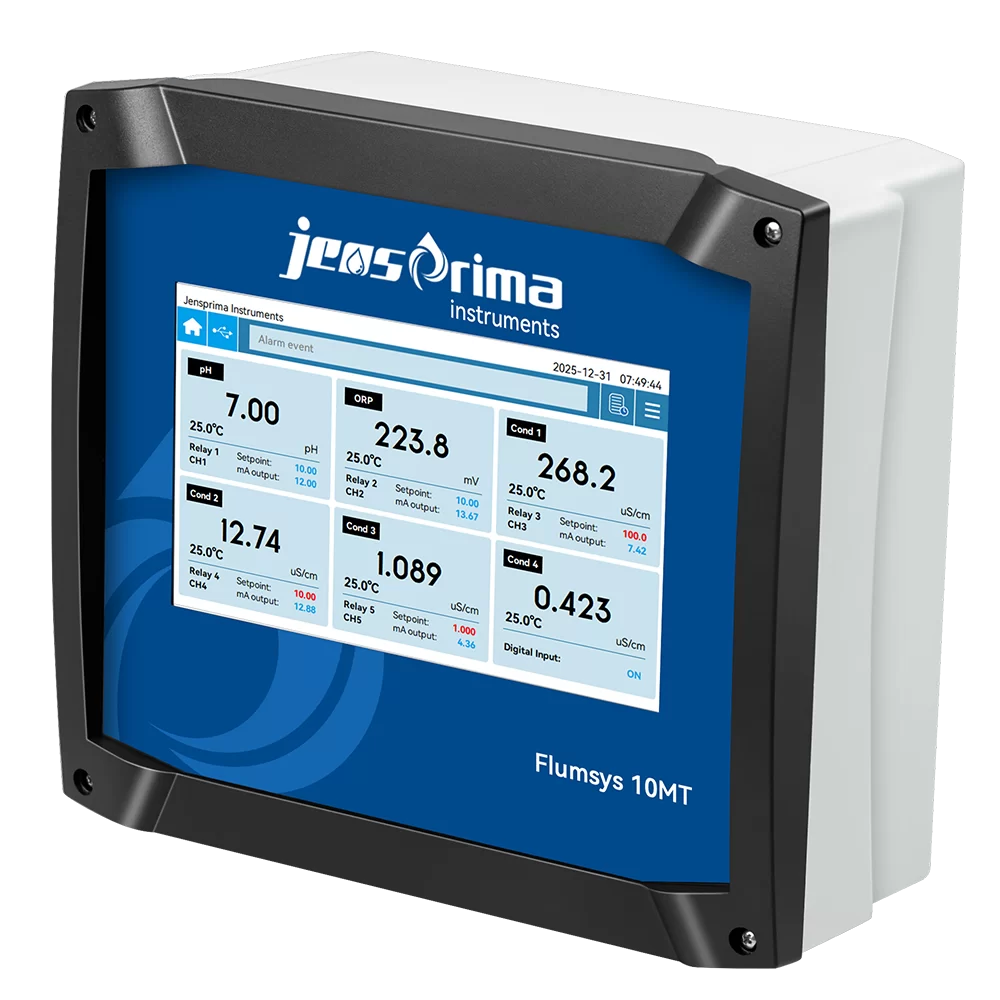
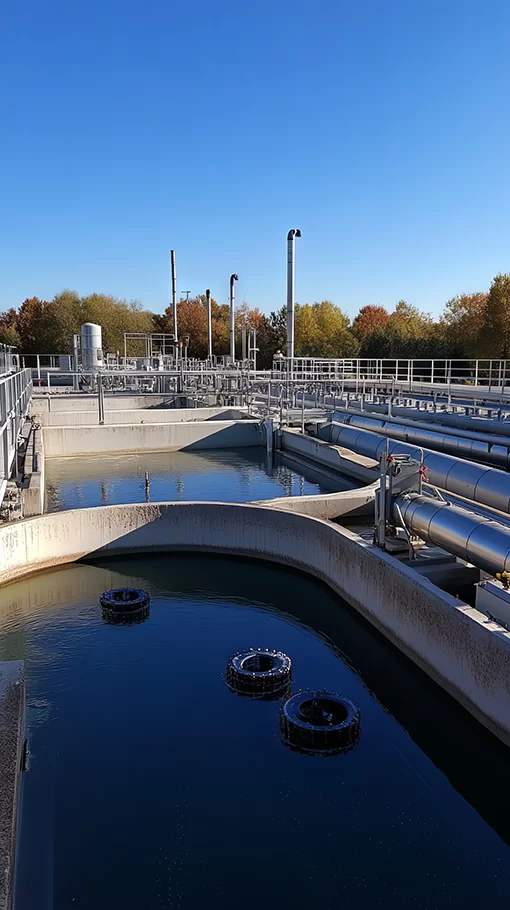
Cambodia is currently experiencing a significant transition in its water management infrastructure. With the growth of the garment and electronics industries, there is an urgent demand for a multi parameter water quality analyzer to monitor effluent discharge and ensure compliance with evolving environmental regulations.

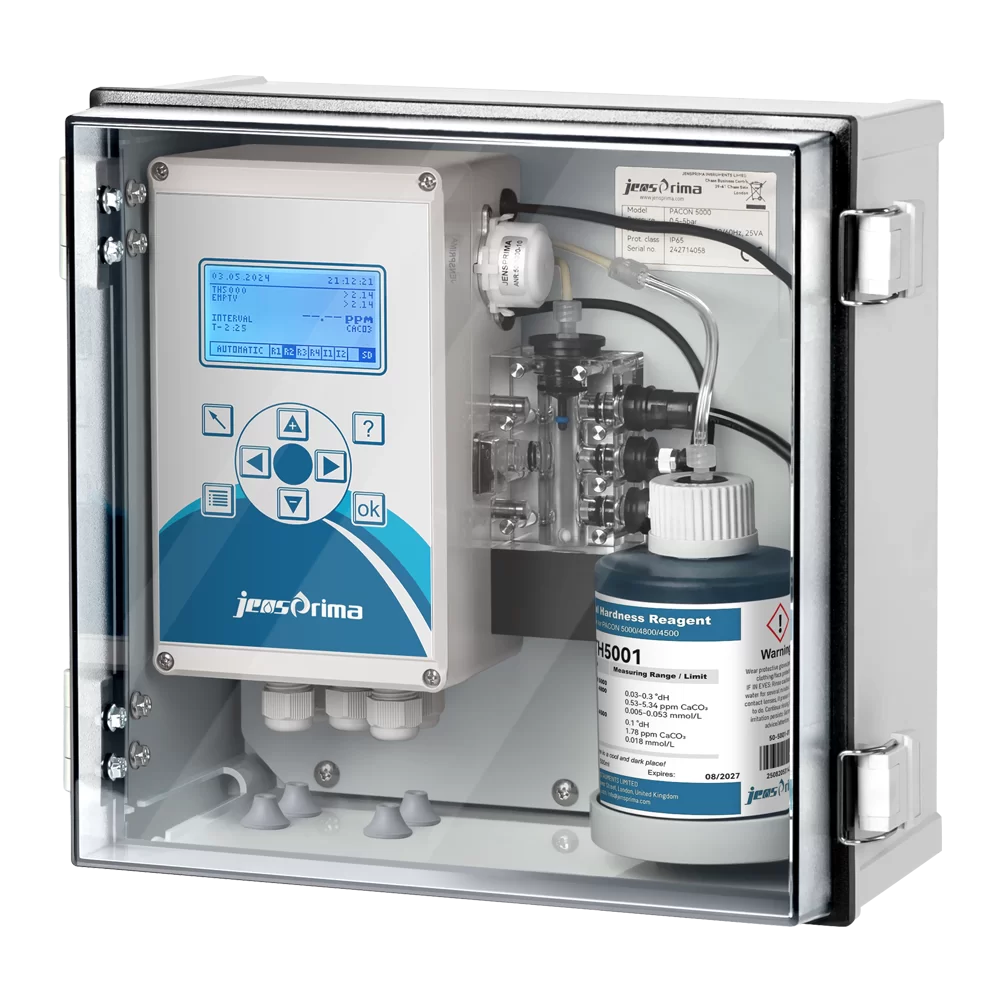
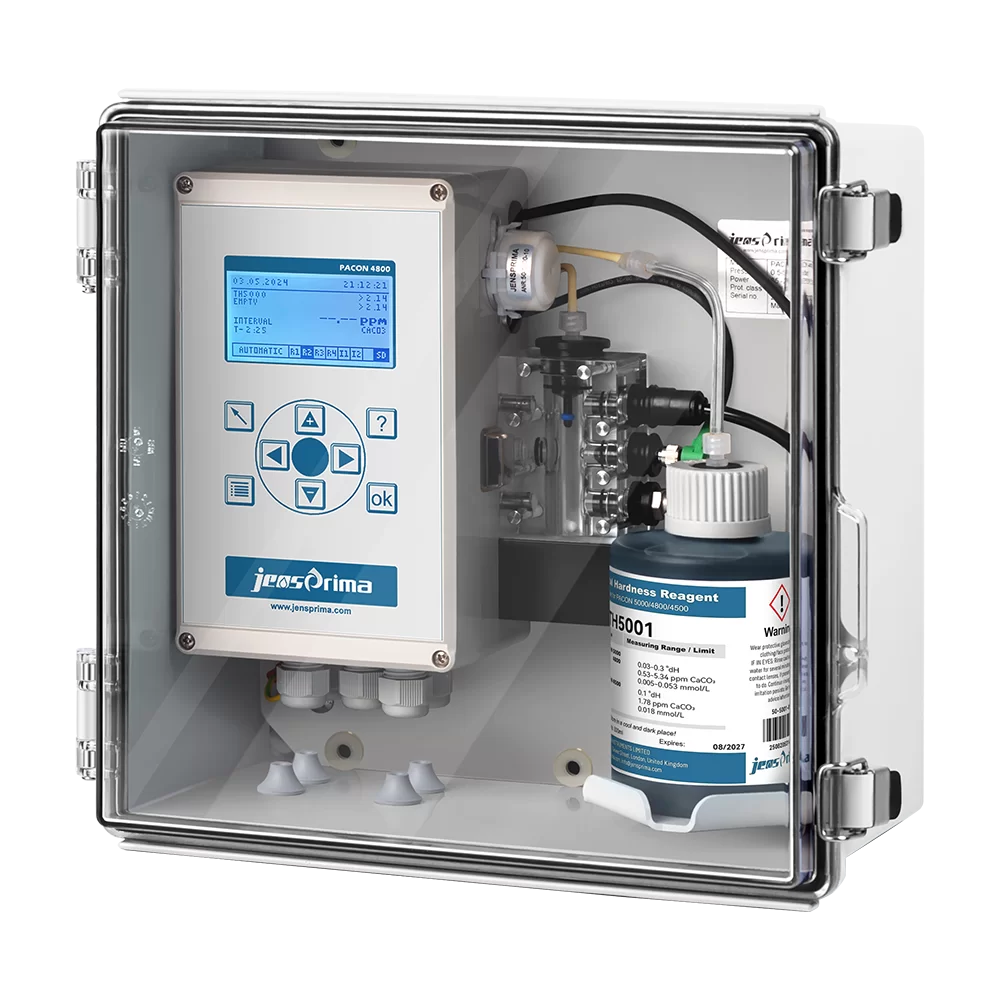
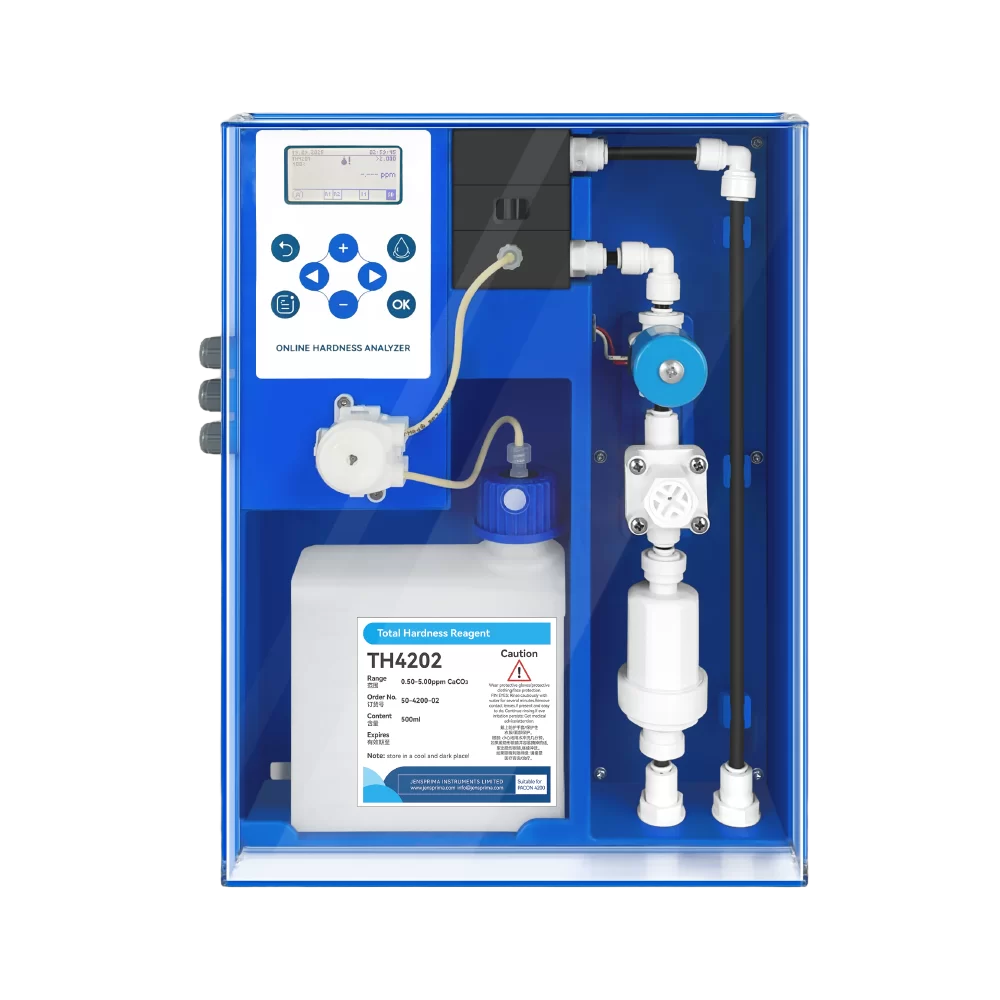
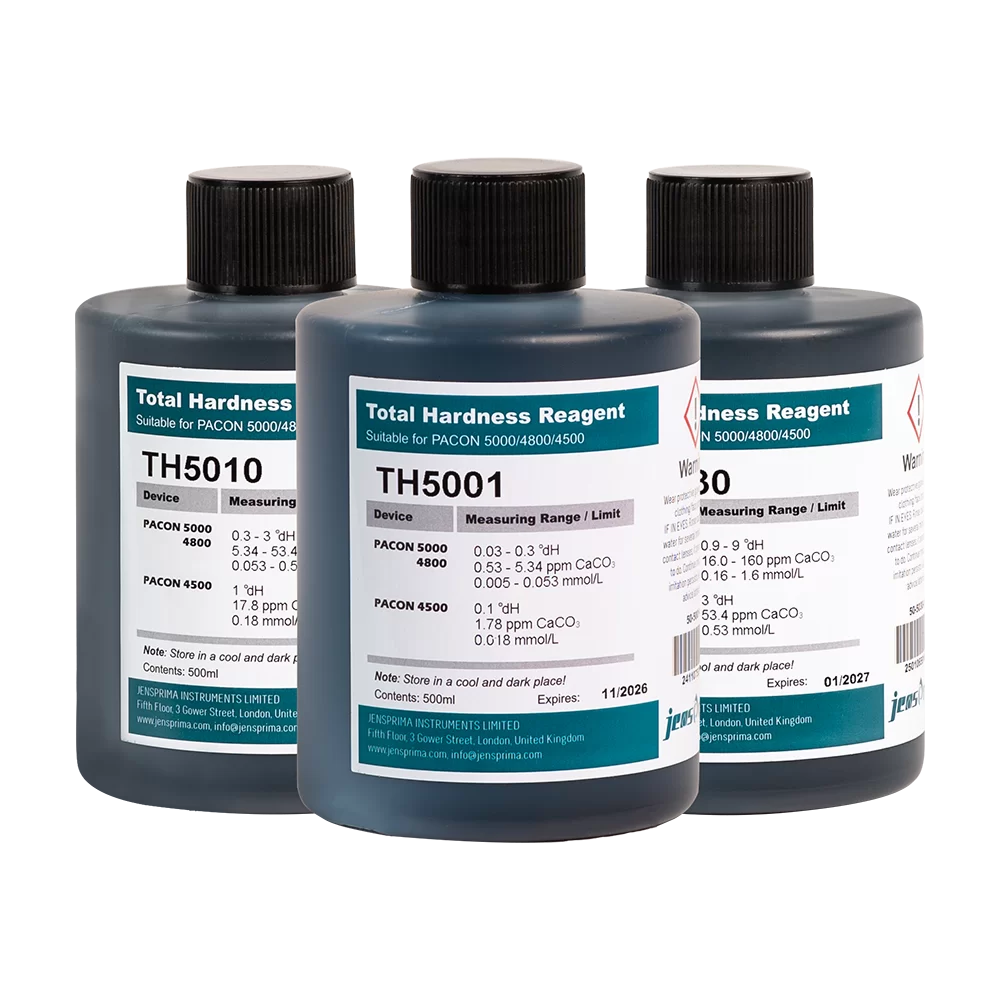
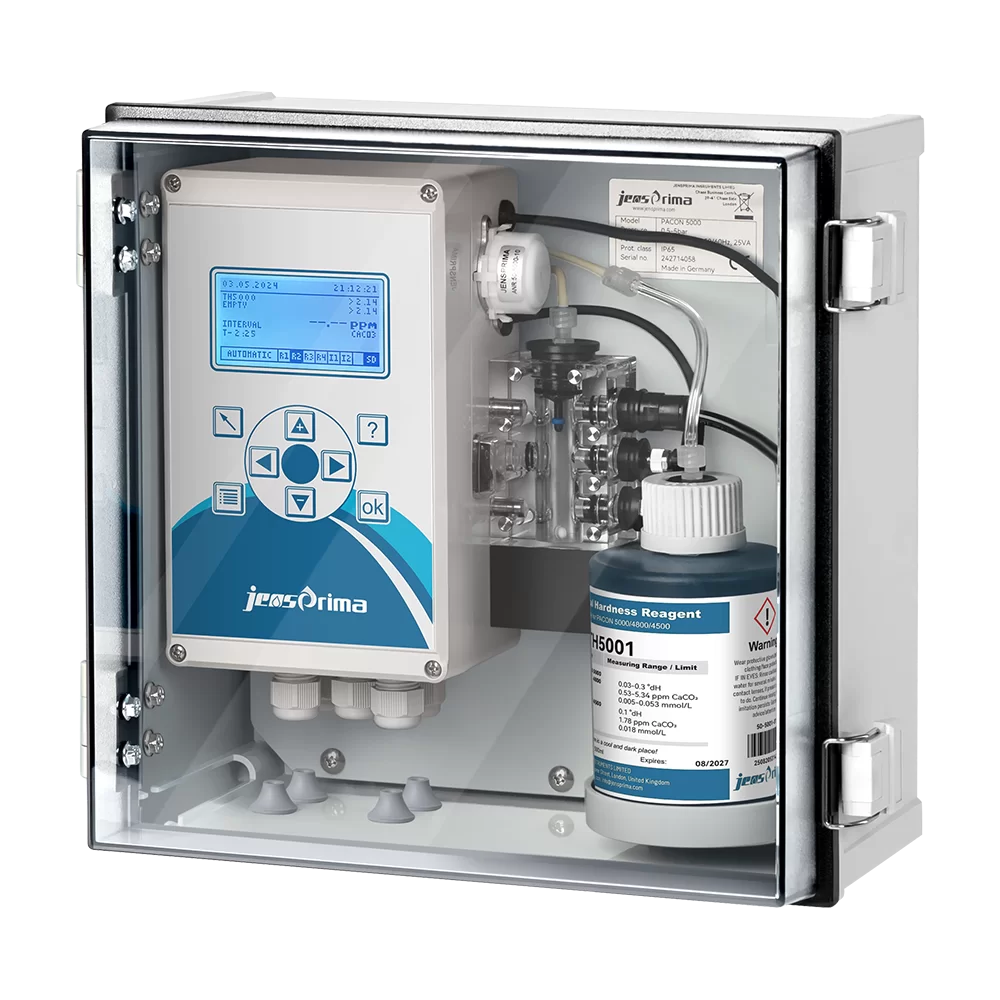
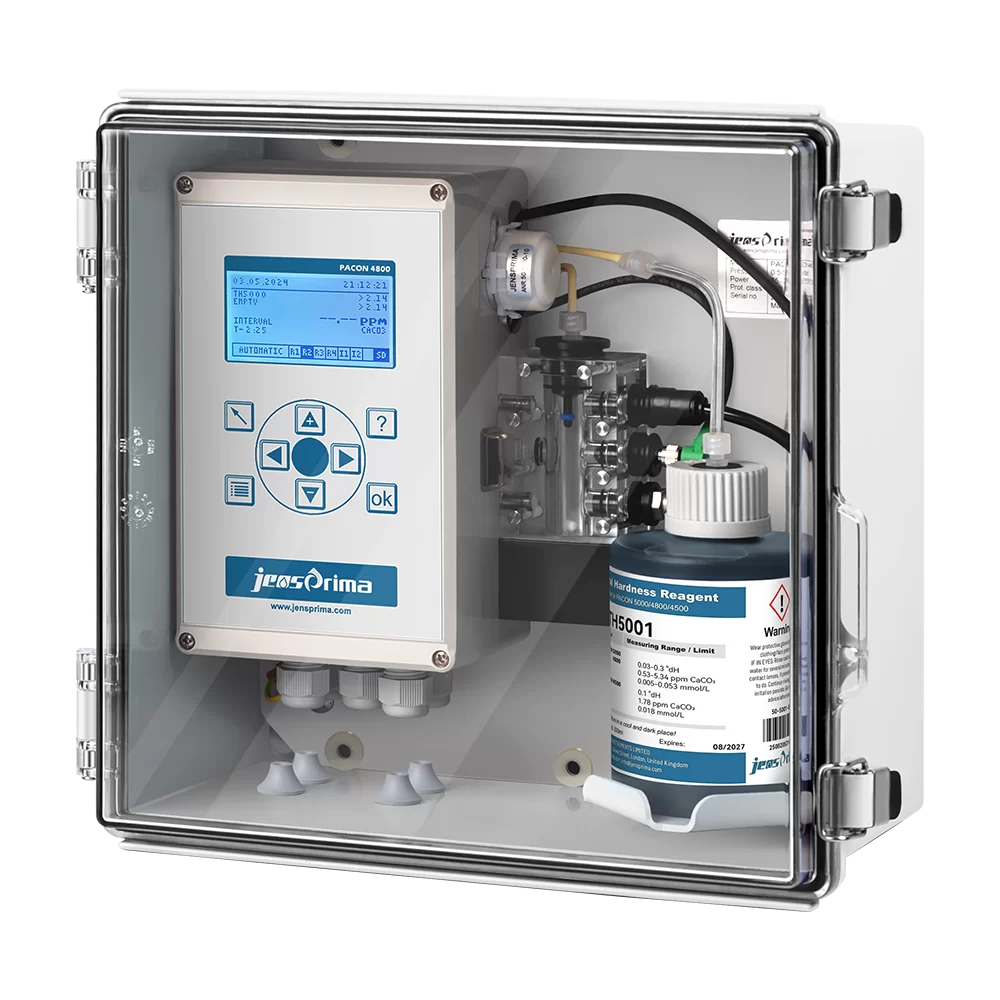
The geographical characteristics of Cambodia, particularly around the Tonle Sap and Mekong basins, introduce high sediment levels and variable mineral compositions. This makes the deployment of a total hardness analyzer essential for preventing scale build-up in industrial boilers and cooling systems common in Phnom Penh's industrial zones.

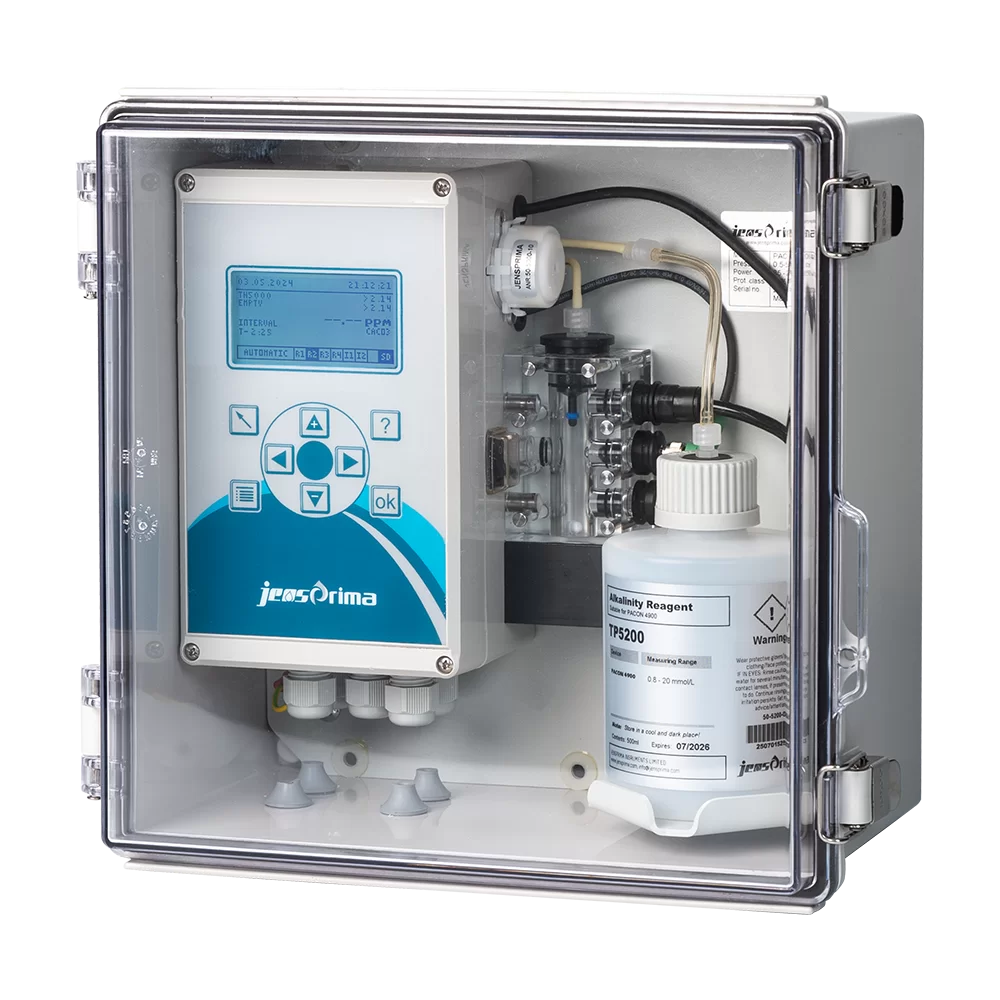
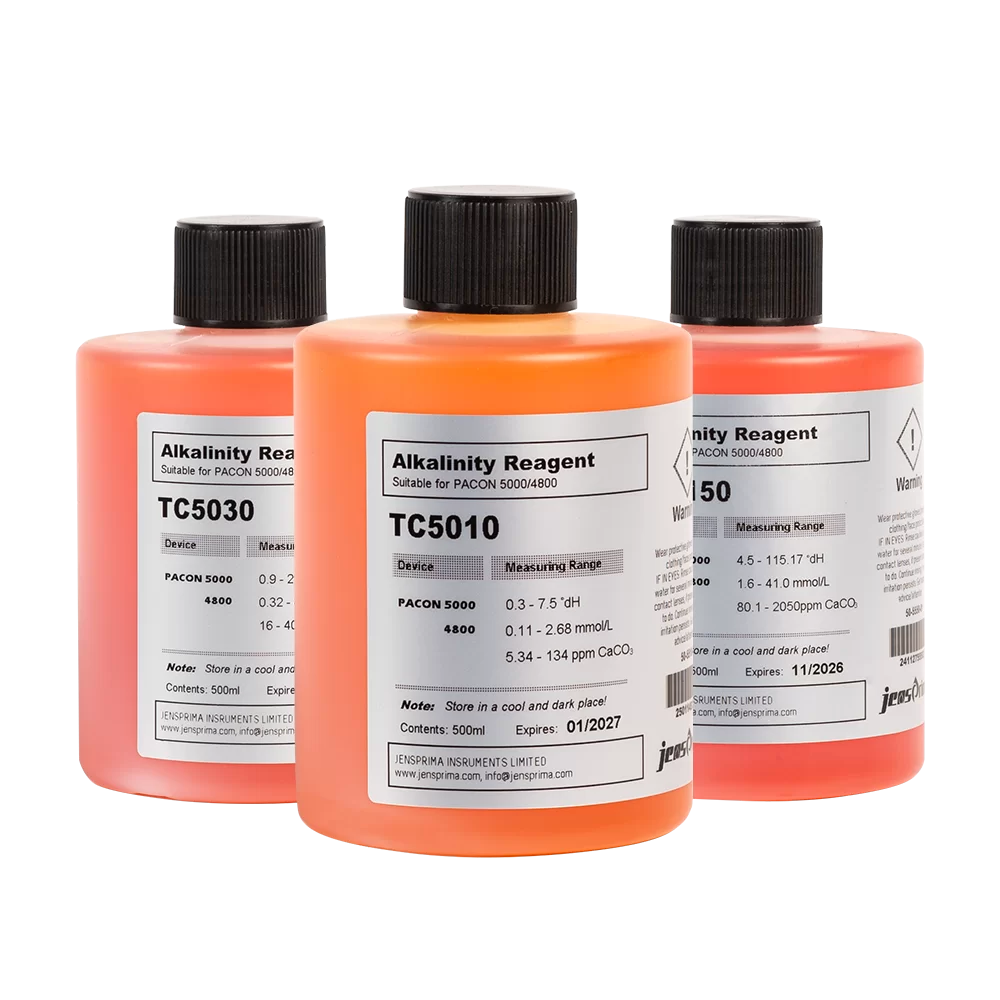
Furthermore, the humid tropical climate accelerates the degradation of water treatment chemicals. The reliance on manual sampling is being replaced by automated systems like the alkalinity analyzer to maintain stable pH levels and buffering capacities in municipal water supplies.

Evolution of Water Analysis in Cambodia

From manual titration to intelligent, real-time digital monitoring.

Market Development History

From 2000 to 2010, water quality monitoring in Cambodia relied heavily on basic laboratory titration and portable kits. Most industrial sites used simple mechanical meters, leading to delayed responses to contamination events.

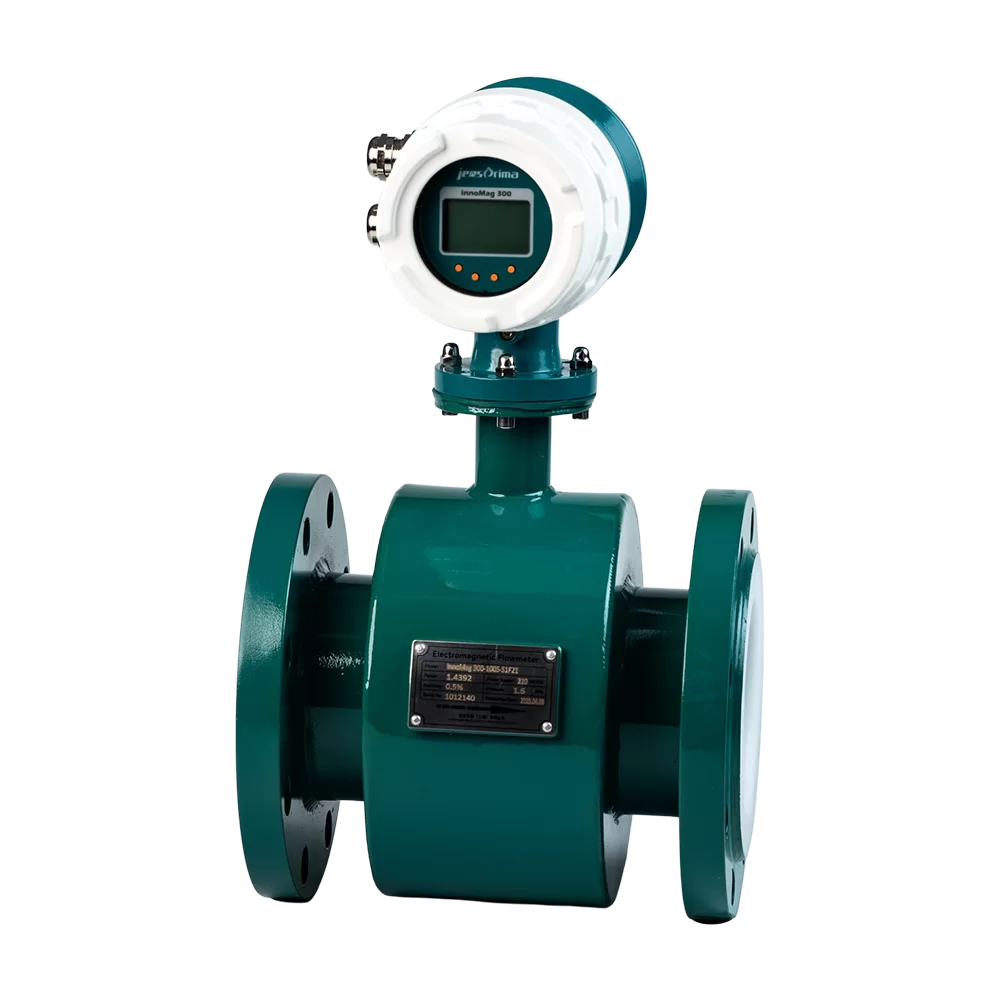
Between 2011 and 2020, there was a shift toward digitalization. The introduction of the electromagnetic flowmeter allowed factories to accurately quantify water usage and waste discharge, aligning with international ESG standards for export-oriented manufacturing.

Since 2021, the market has moved toward "Online and Integrated" systems. The integration of IoT-enabled sensors has allowed for remote monitoring, reducing the need for constant on-site personnel and increasing the reliability of data in rural provinces.

Future Development Trends

AI-Driven Predictive Maintenance

Expect a move toward sensors that can predict fouling or electrode depletion before they fail, reducing downtime in critical water treatment plants.

Energy-Efficient Sensing

Development of low-power, solar-compatible analyzers to support remote monitoring in Cambodia's agricultural and aquaculture sectors.

High-Frequency Data Synchronization

Integration of 5G connectivity for instantaneous data transmission between remote sampling points and centralized city management hubs.

Industry Trends and Future Outlook

Analyzing the trajectory of environmental instrumentation in the ASEAN region.

Digital Transformation
Transitioning from localized displays to cloud-based dashboards for real-time water quality oversight.
Stricter Compliance
Alignment with WHO and local Ministry of Environment standards for industrial wastewater.
Modular Hardware
Adoption of plug-and-play sensor modules to allow easy upgrades without replacing the entire system.
Eco-Sustainable Ops
Reducing chemical reagent consumption through high-precision automated dosing controllers.

Industry Outlook

The Cambodian water analysis market is expected to grow by 6-8% CAGR over the next five years. Google search trends indicate an increasing interest in "online water monitoring" and "wastewater treatment automation," signaling a shift toward proactive environmental management.

As the country integrates deeper into the ASEAN Economic Community, the demand for high-precision instruments that meet international ISO standards will become the primary driver for technological adoption in the manufacturing sector.

Localized Application Scenarios in Cambodia

Real-world deployment of analytical instruments in diverse Cambodian environments.

1. Phnom Penh Municipal Water Treatment

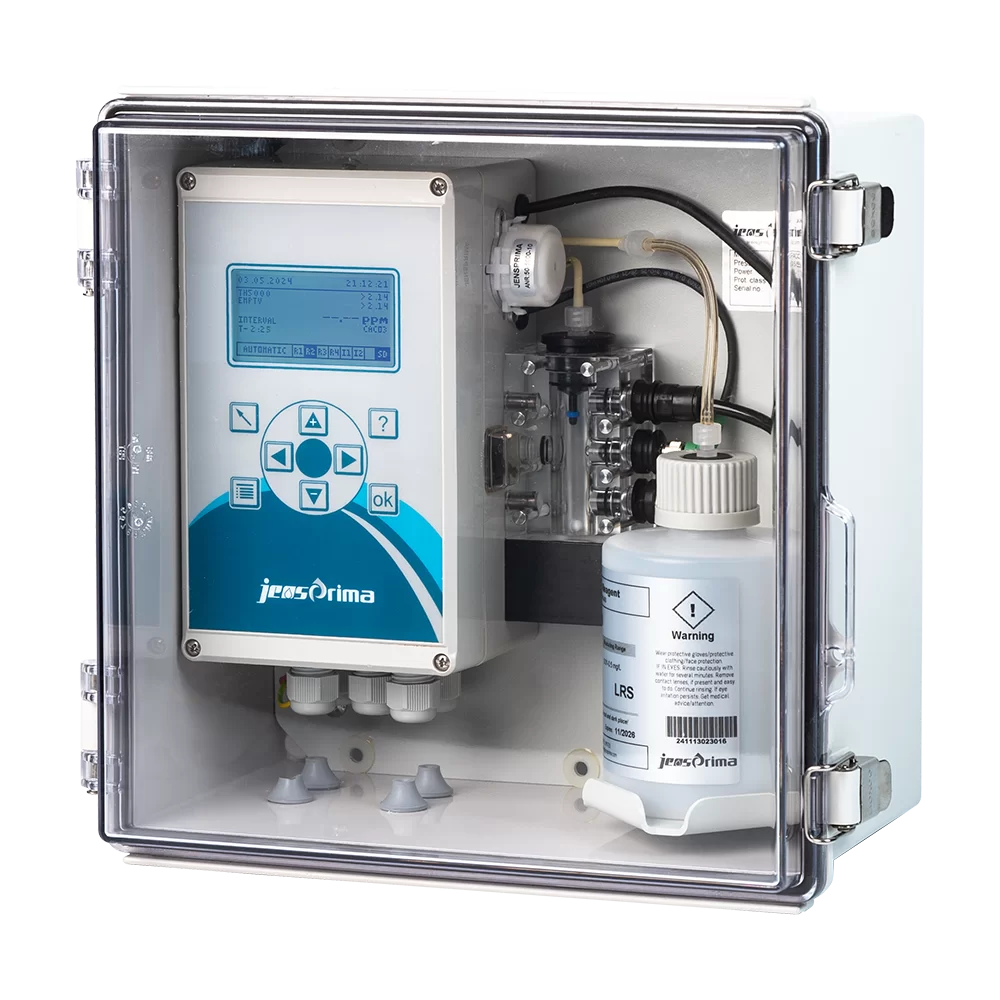
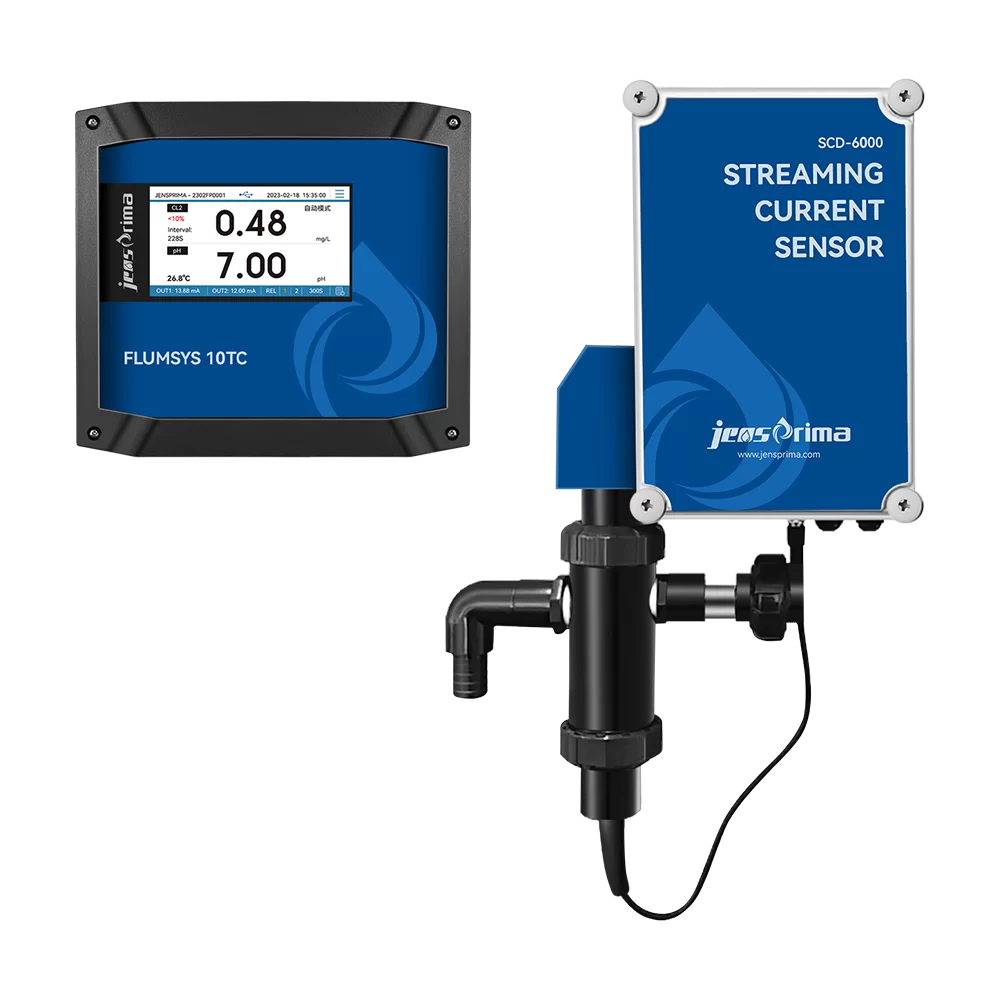
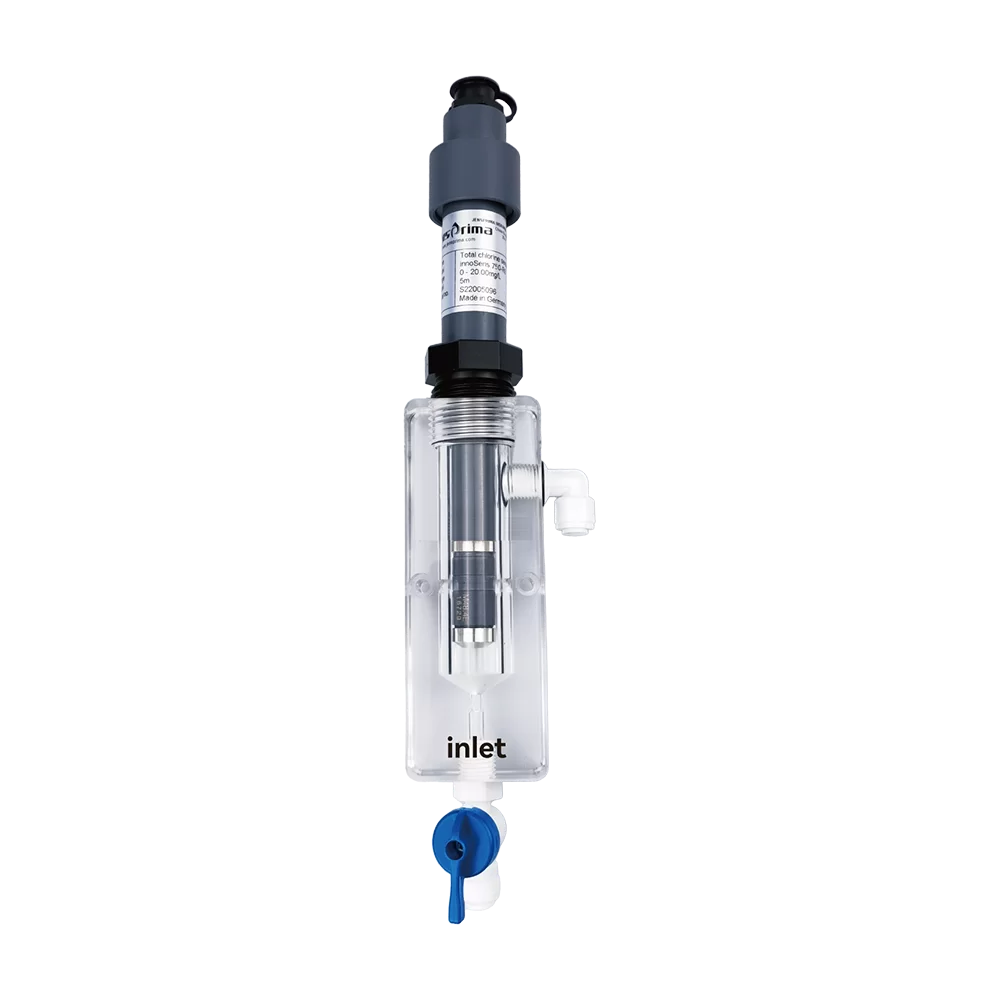
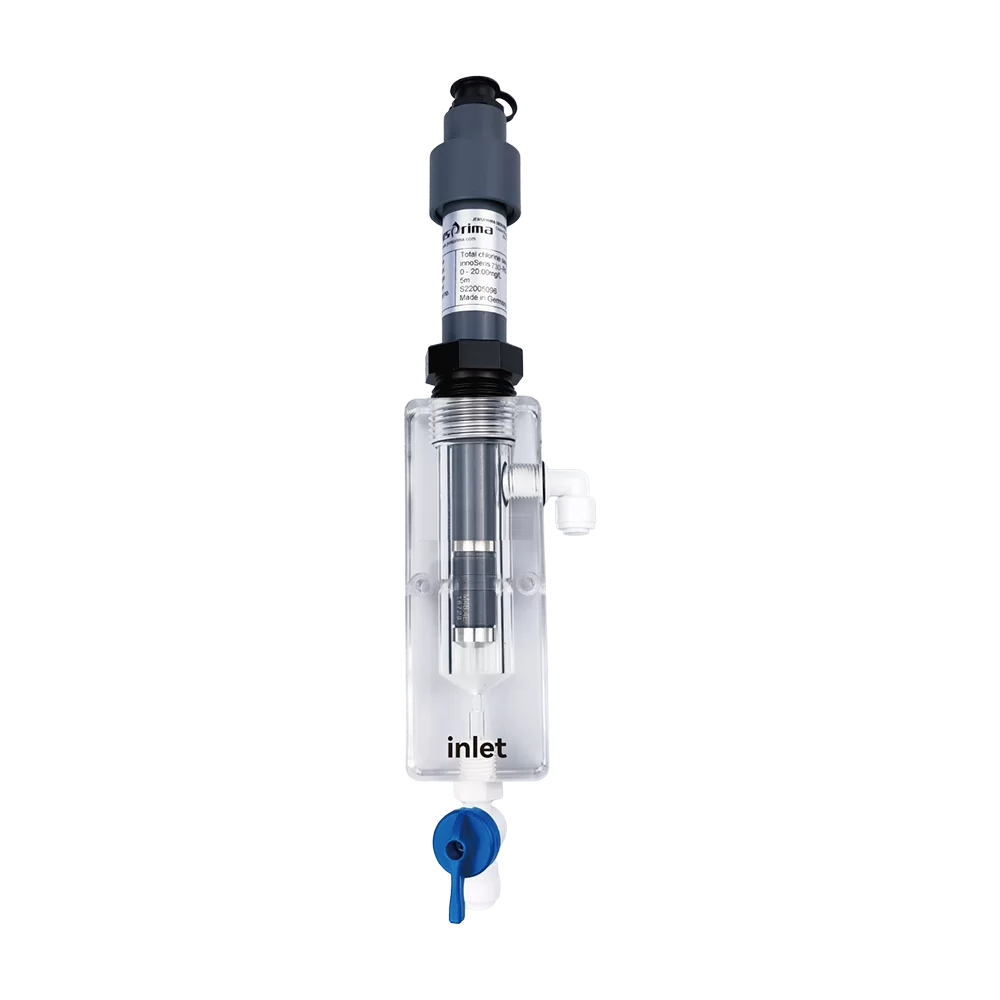
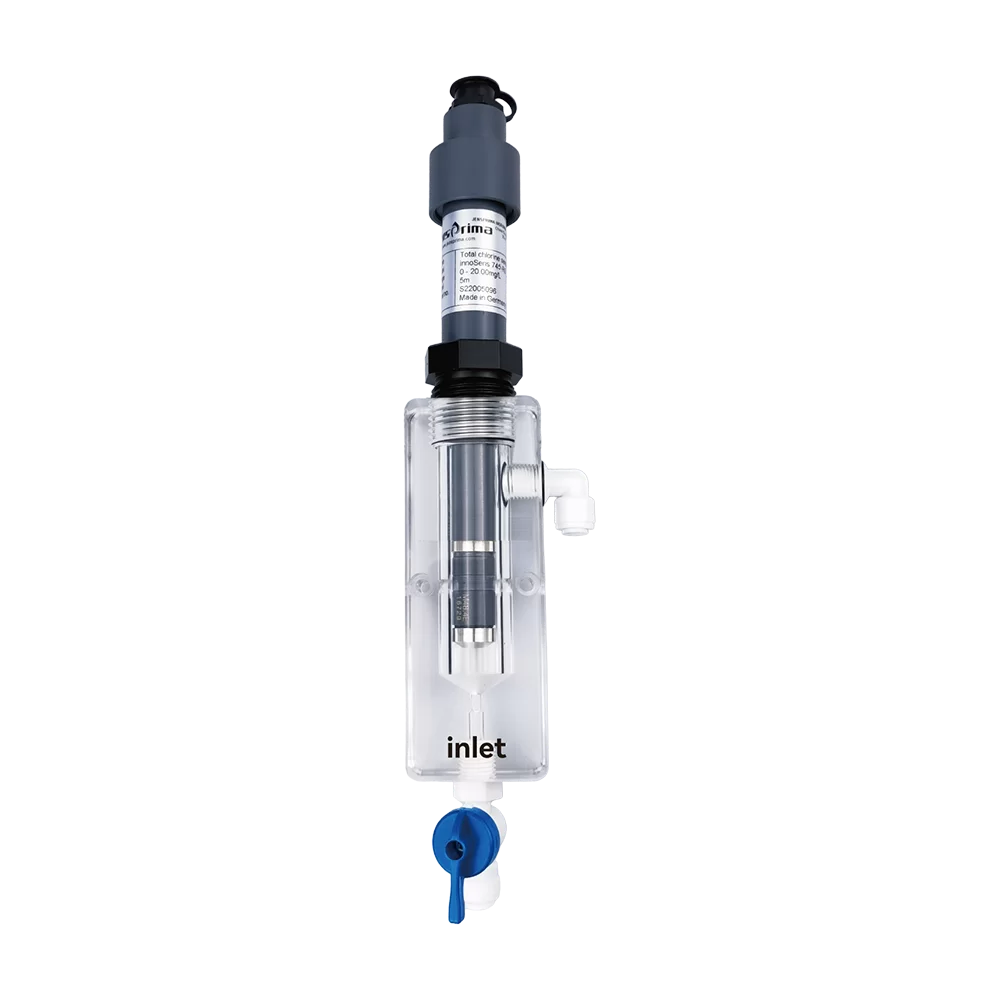
Deployment of residual chlorine controller systems to ensure safe drinking water distribution across the capital, adapting to high organic loads during the monsoon season.

2. Siem Reap Hospitality Water Softening

Using a total hardness analyzer in luxury hotel boiler systems to prevent lime-scale buildup, extending the lifespan of expensive heating equipment.

3. Sihanoukville Industrial Wastewater Parks

Implementing multi parameter water quality analyzer arrays at discharge points to monitor COD, pH, and conductivity in real-time for industrial compliance.

4. Battambang Agricultural Irrigation Control

Installation of electromagnetic flowmeter units to optimize water distribution in rice paddy irrigation, ensuring precise resource allocation.

5. Beverage Manufacturing in Special Economic Zones

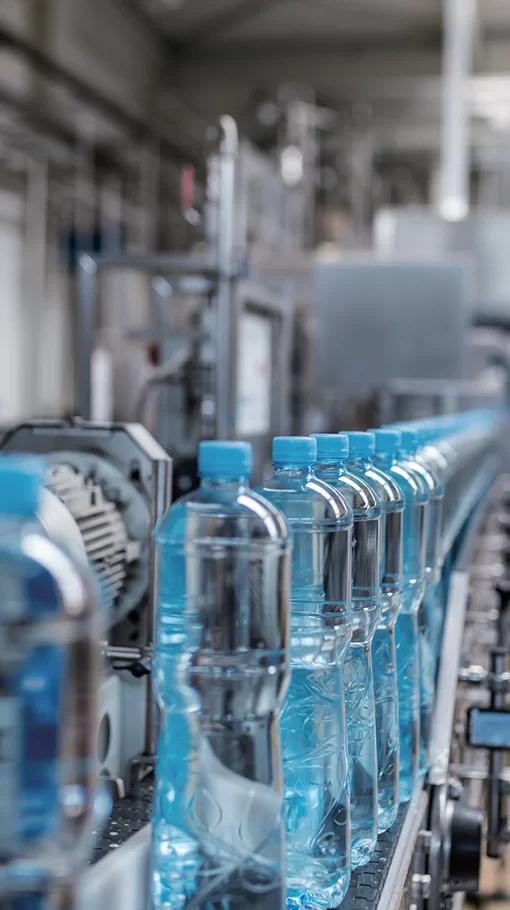
Integrating an alkalinity analyzer into the water pretreatment stage to ensure consistent taste and quality in bottled water production.

Brand Story

Global Development History of Jensprima (Shanghai) Co., Ltd.

Founding Vision

Established with the mission to bridge the gap between complex laboratory analysis and rugged industrial online monitoring.

Technical Breakthrough

Developed proprietary electrode stabilization technology, solving the common issue of sensor drift in high-humidity tropical regions.

Market Expansion

Expanded operations into Southeast Asia, providing localized support and customized calibration services for the ASEAN market.

Digital Integration

Launched the Smart-Water IoT platform, allowing users to manage multiple analyzers via a single cloud interface.

Commitment to Sustainability

Dedicated to helping developing nations achieve clean water goals through affordable, high-precision instrumentation.

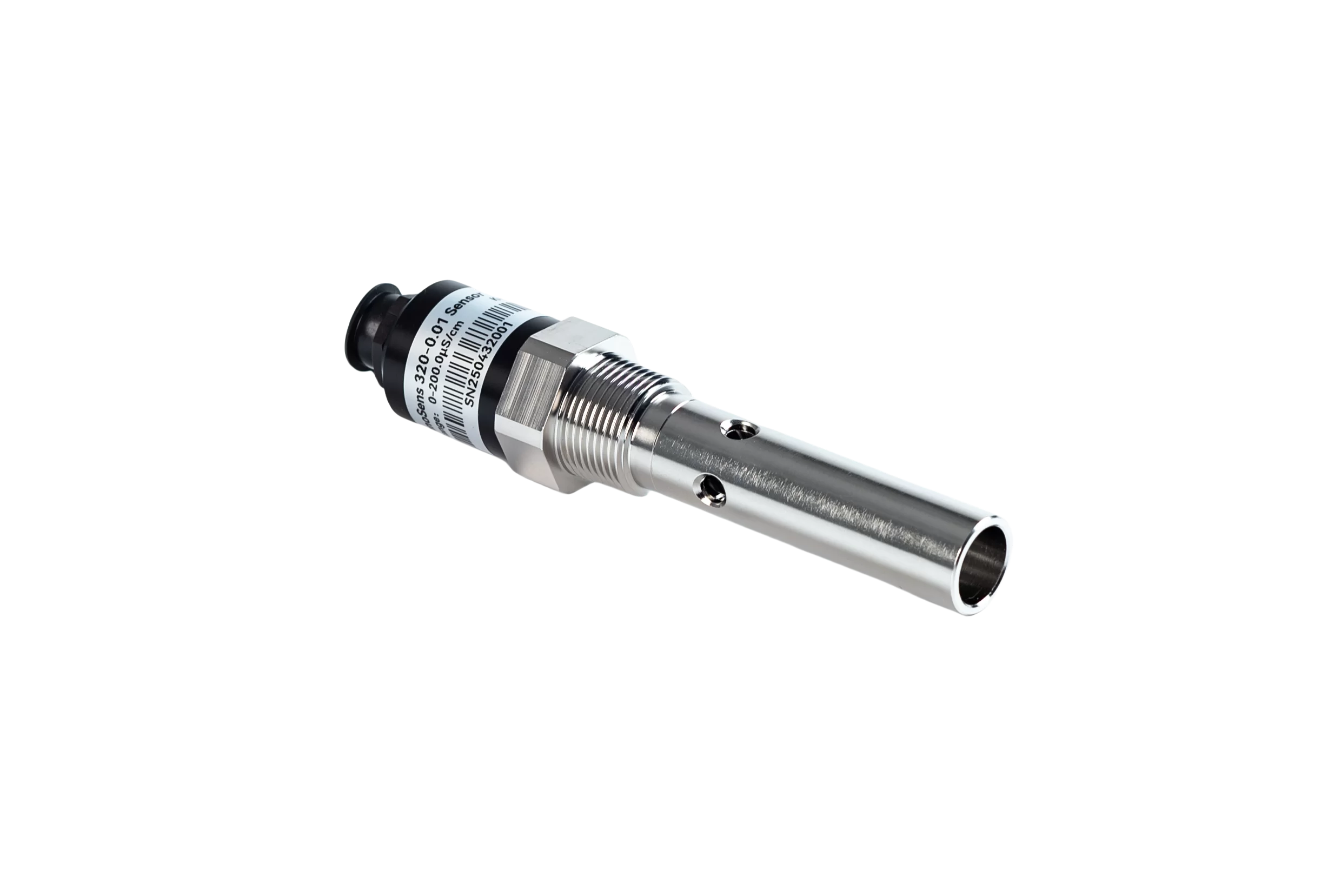
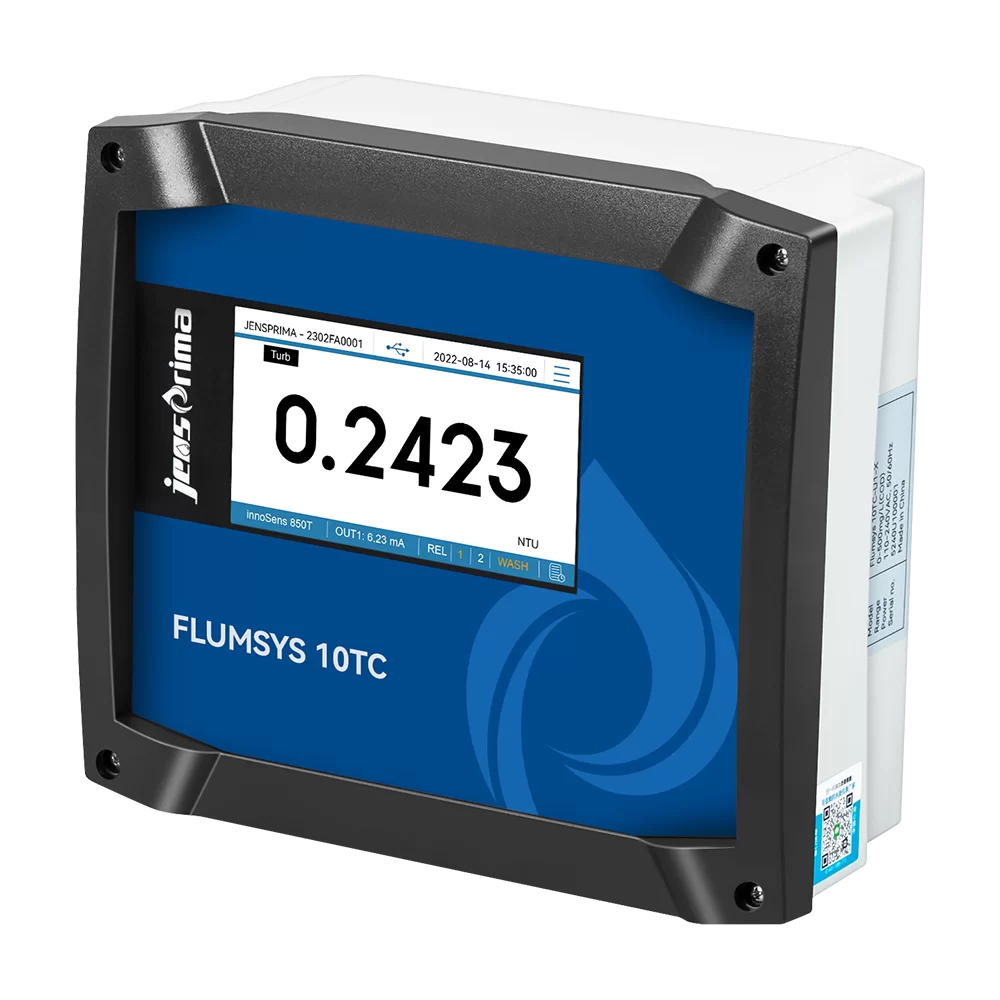
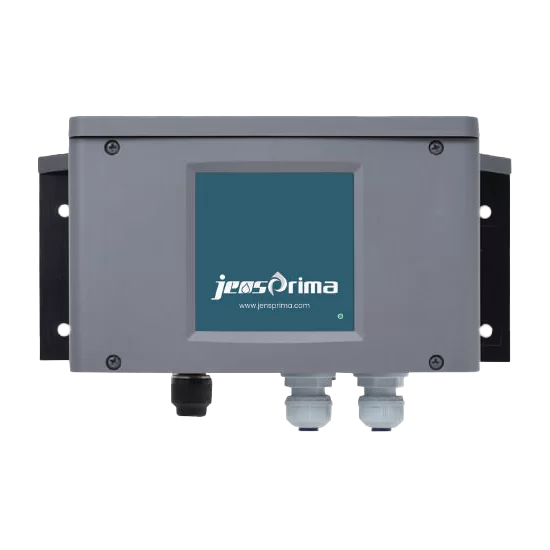
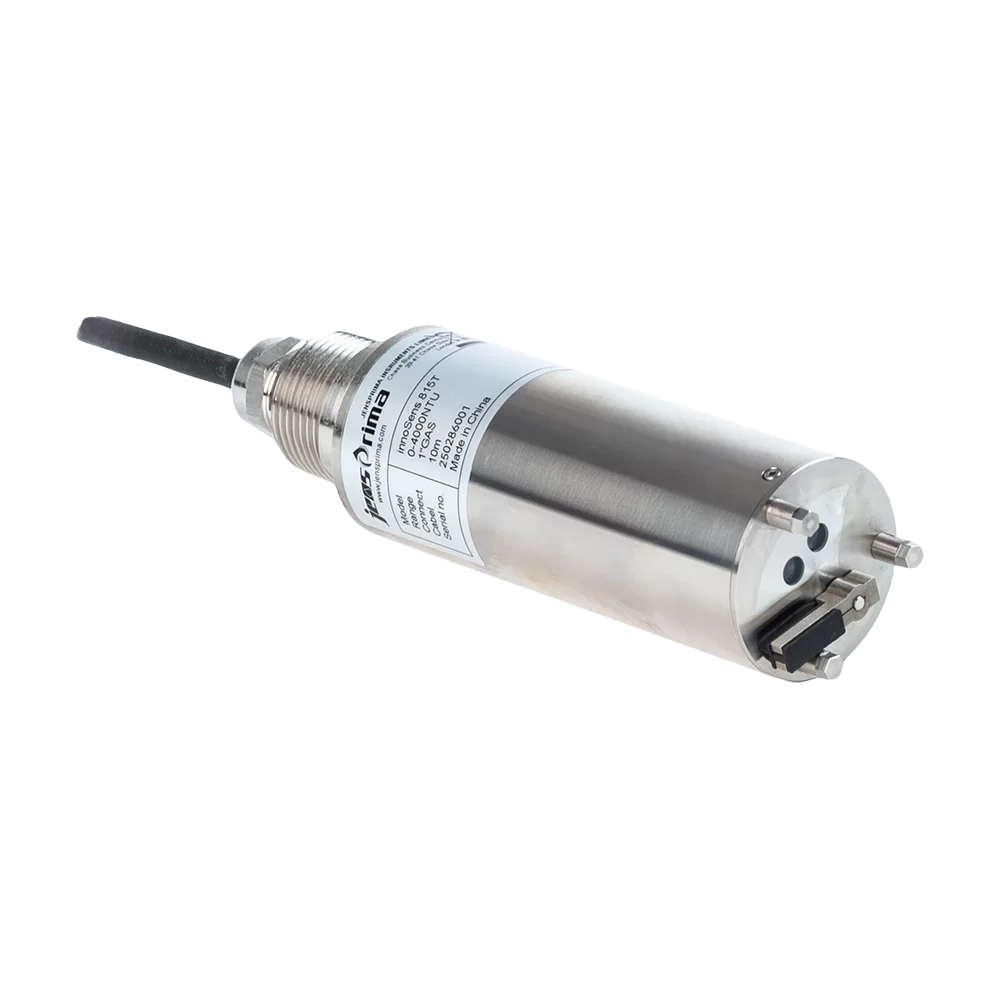
Complete Product Portfolio for Cambodia

A comprehensive range of sensors and controllers tailored for the Cambodian environmental landscape.

Common Questions for Cambodia Water Analysis

Expert answers to the most frequent technical queries from our local partners.

How to choose a multi parameter water quality analyzer for high-sediment river water?

For rivers like the Mekong, we recommend analyzers equipped with automatic cleaning systems (wiper or air-blast) to prevent biofouling and sediment accumulation on sensors.

Can a total hardness analyzer handle the variable water quality in rural Cambodia?

Yes, our analyzers use titration-based methods that are independent of water color or turbidity, ensuring accurate hardness readings regardless of the source.

What is the maintenance cycle for a residual chlorine controller in tropical climates?

Due to high temperatures, we suggest a monthly calibration check and a quarterly deep-cleaning of the sensing membrane to maintain precision.

Why use an electromagnetic flowmeter instead of mechanical meters for wastewater?

Electromagnetic meters have no moving parts, making them immune to the abrasive particles and debris commonly found in industrial wastewater in Cambodia.

How does an alkalinity analyzer help in beverage water treatment?

It monitors the bicarbonate levels, allowing the plant to adjust the demineralization process to ensure a consistent flavor profile for the end product.

Are these instruments compatible with existing PLC systems in Cambodia?

Yes, all our devices support standard 4-20mA, Modbus RTU, and Profibus protocols for seamless integration into most industrial control systems.

Consult Our Cambodia Water Experts

Get a customized technical proposal for your water monitoring project in Cambodia.

Contact Us Now
Service Repair Form
Tell us what issue you encountered, including any steps or symptoms.
  • Name
  • Email
  • Phone
  • Fault Description

If you are interested in our products, you can choose to leave your information here, and we will be in touch with you shortly.