
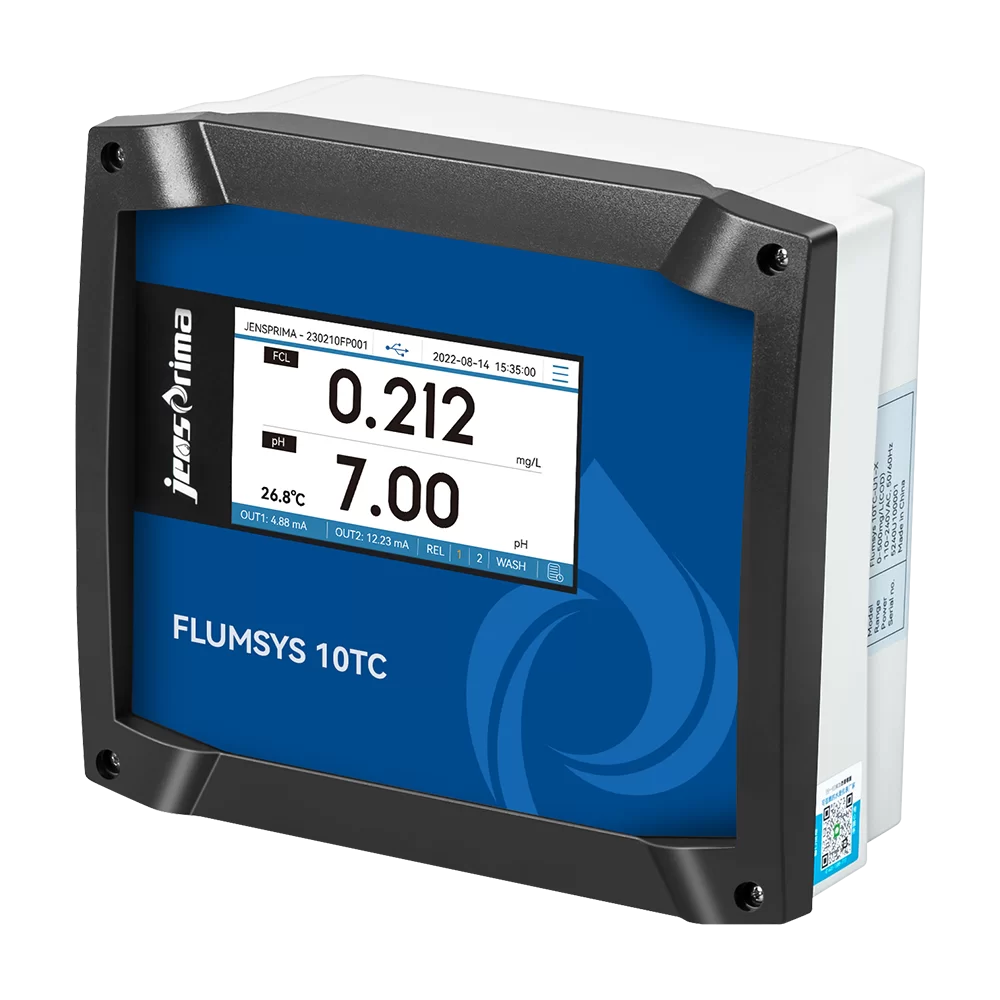
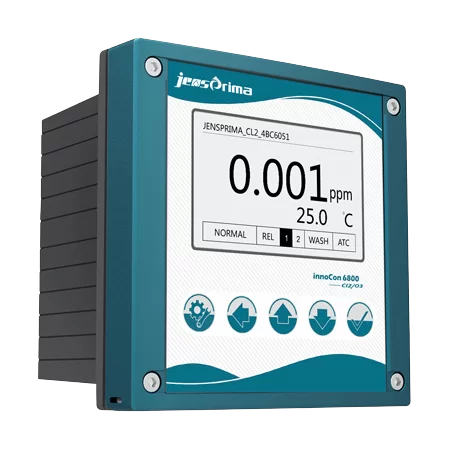
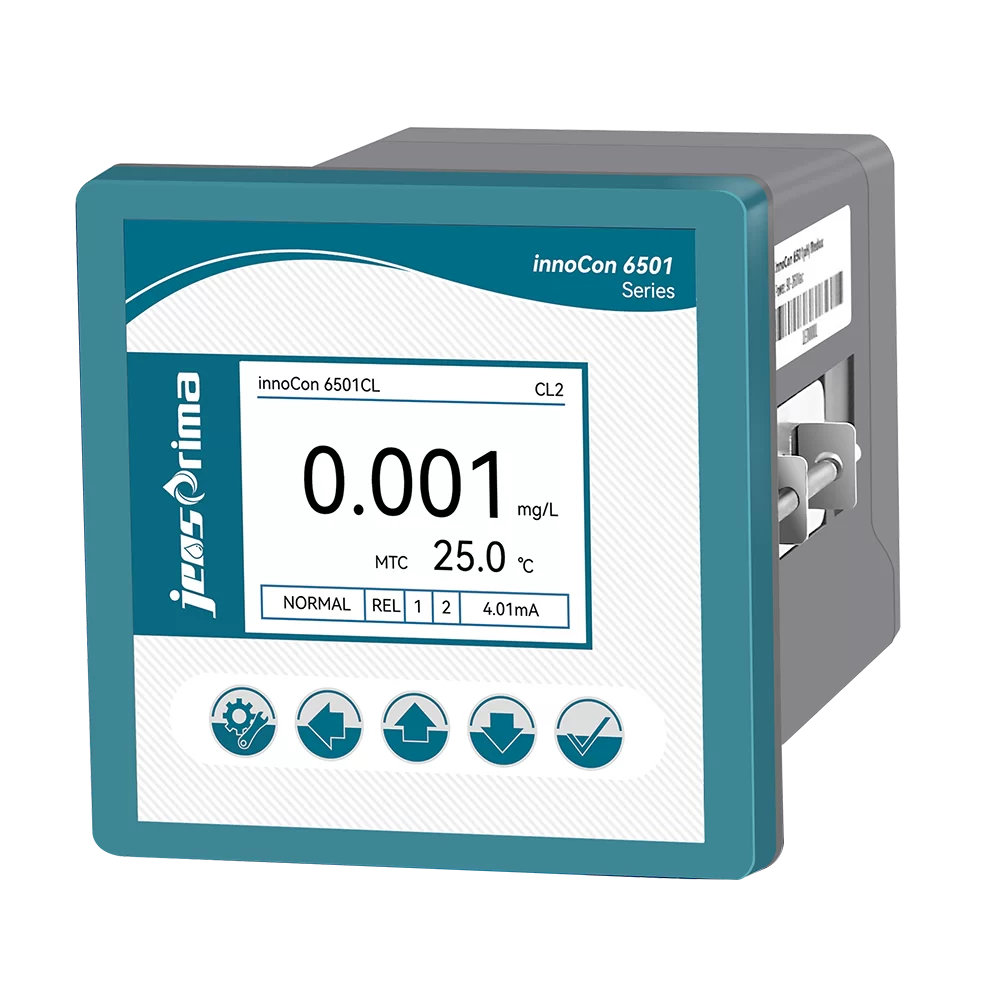
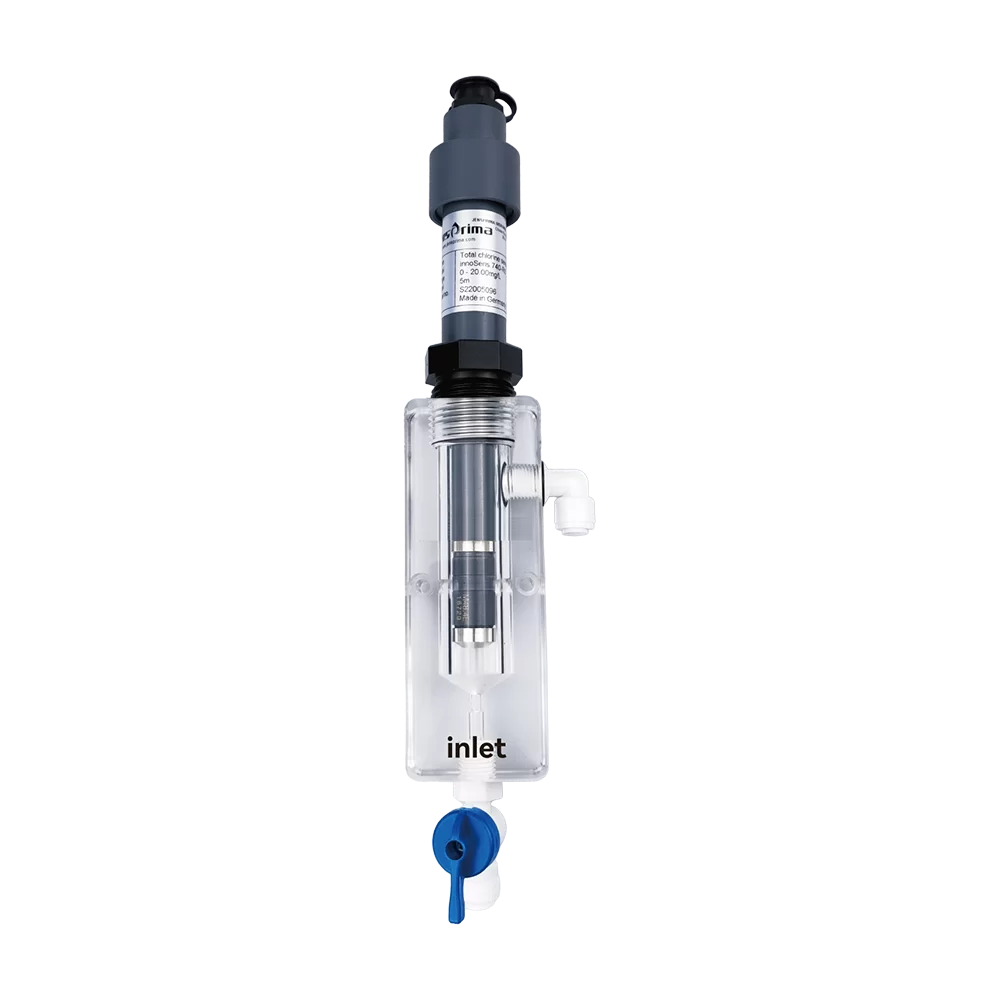
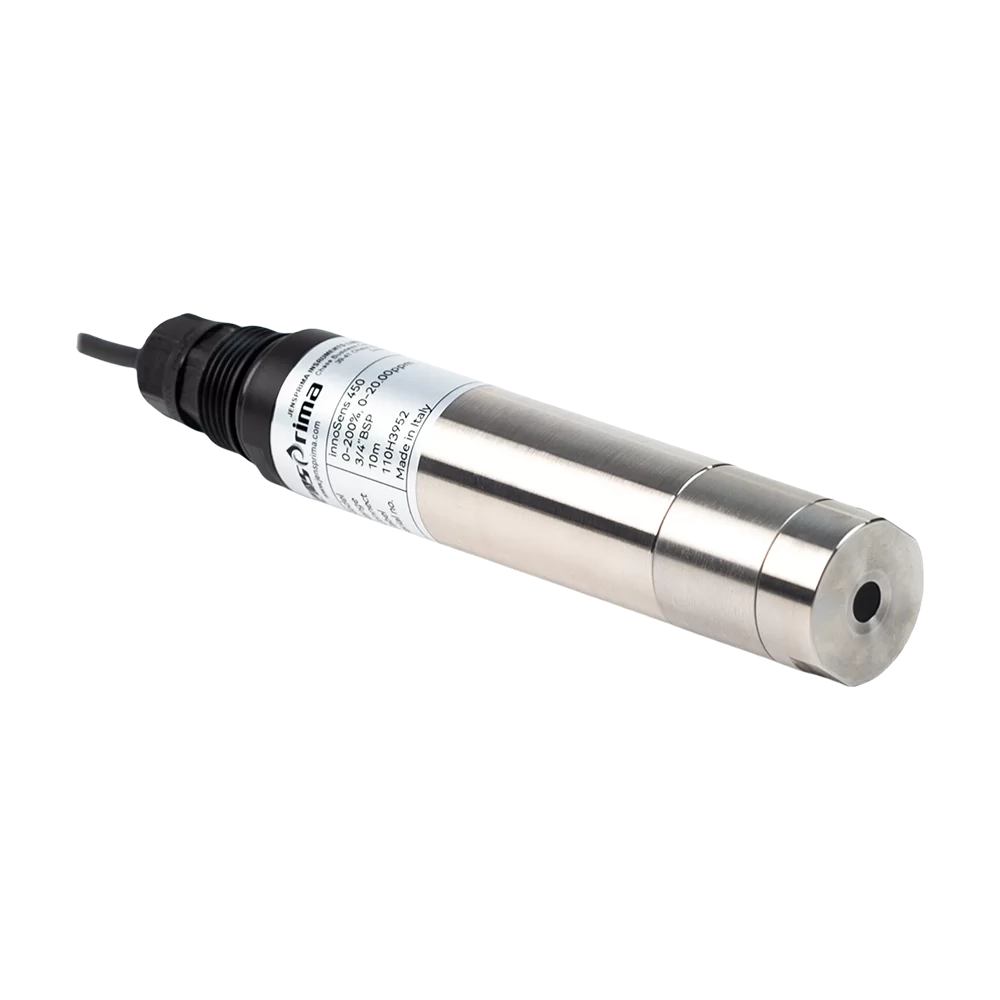
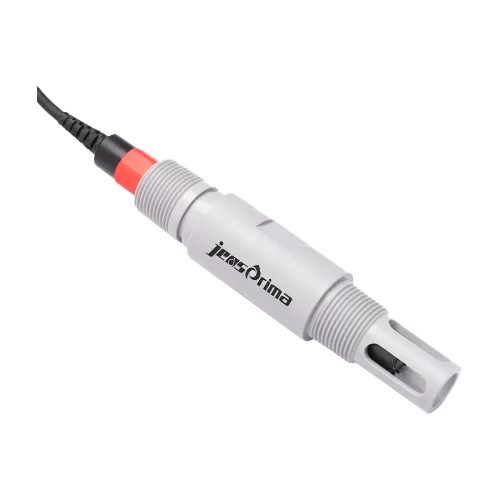
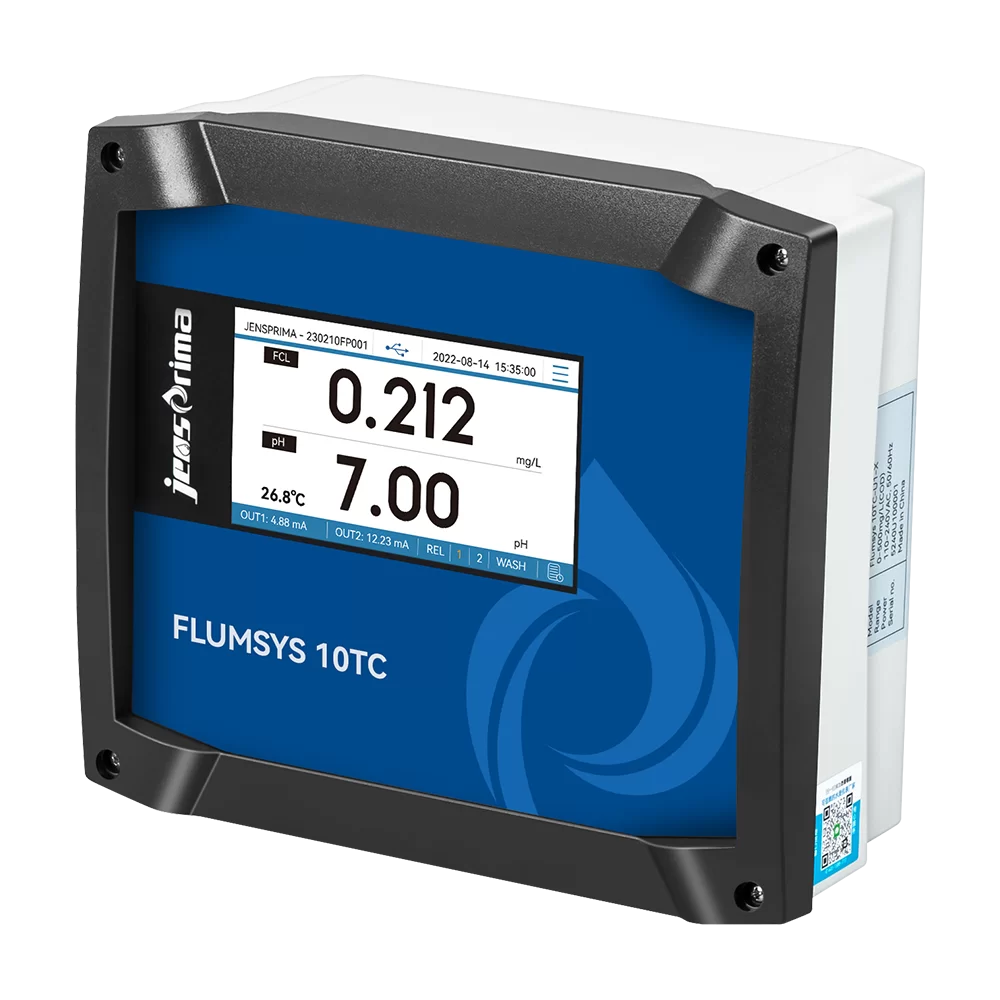
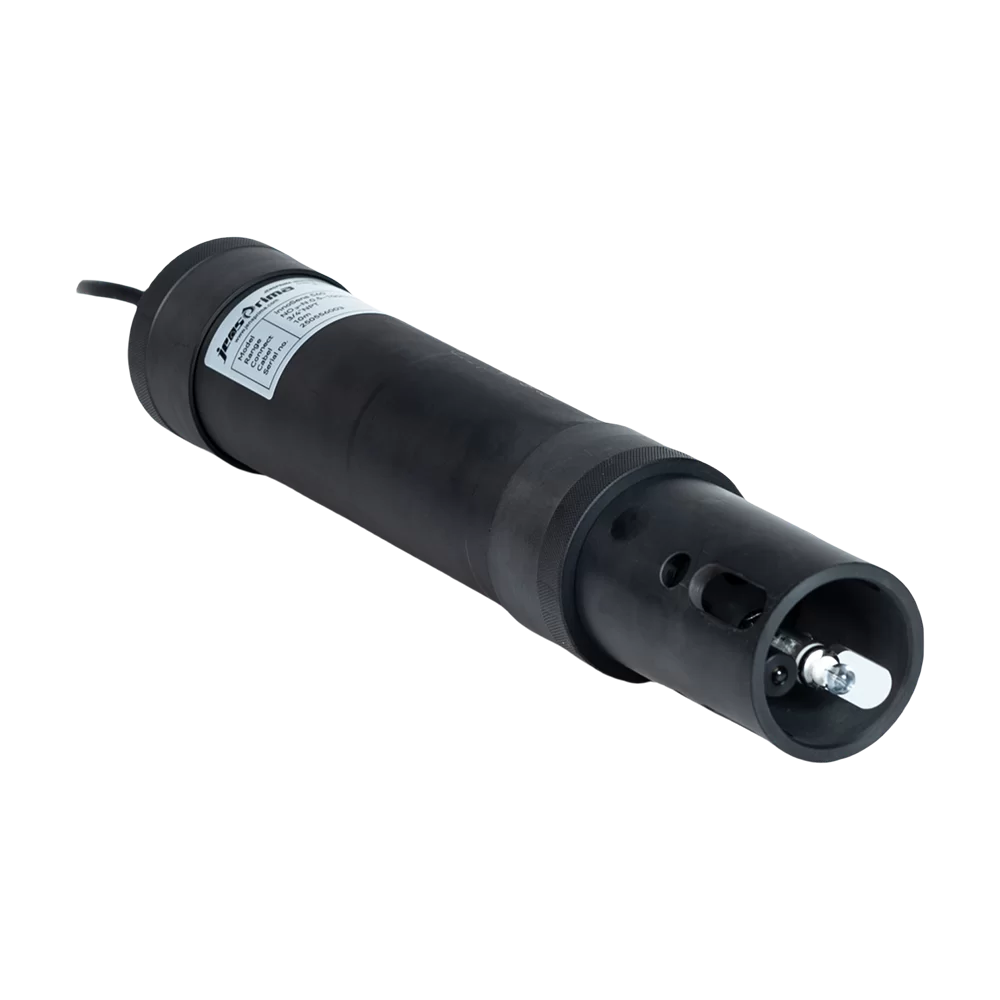
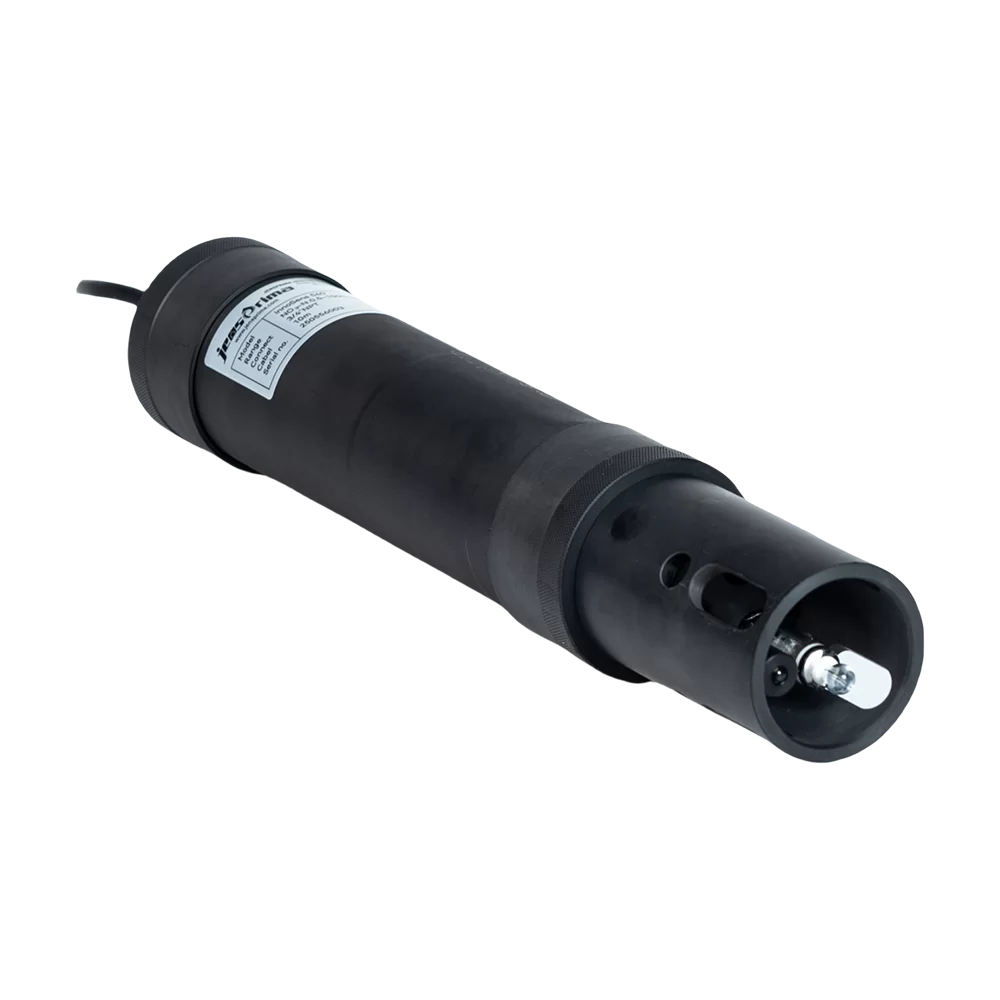
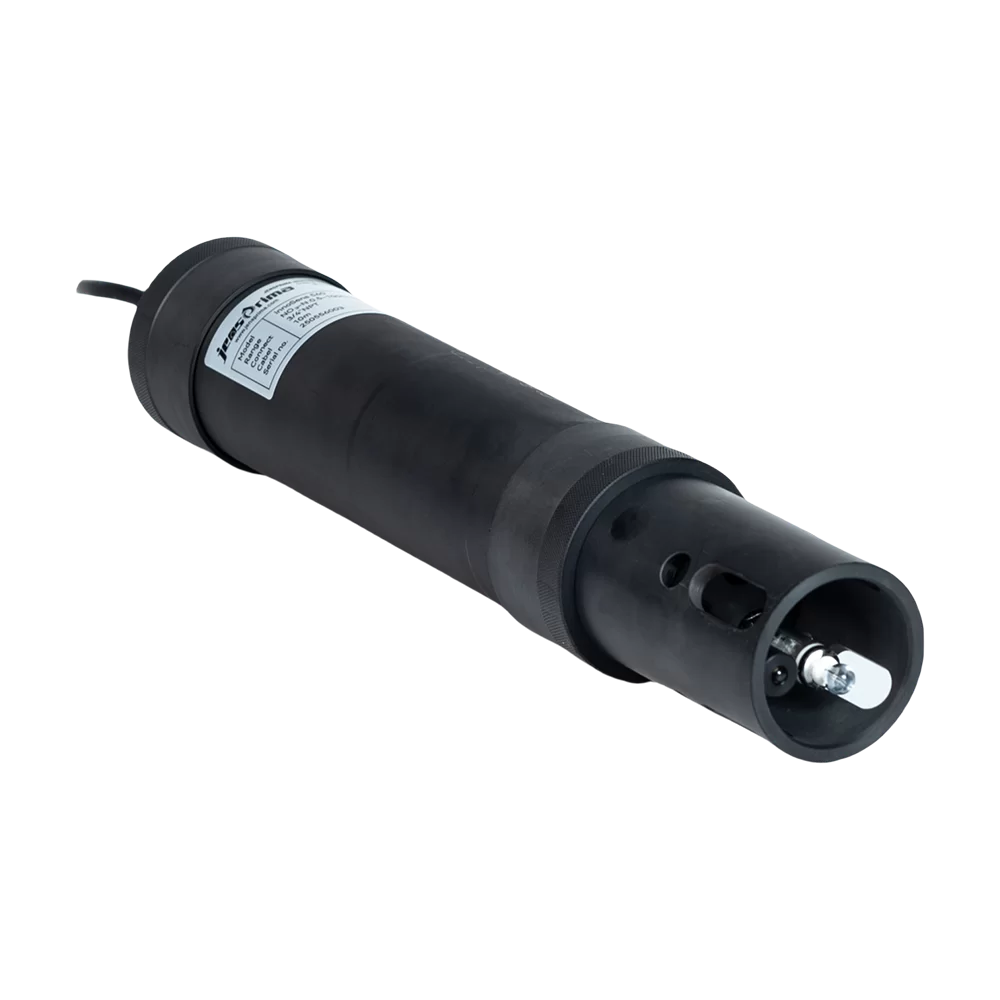
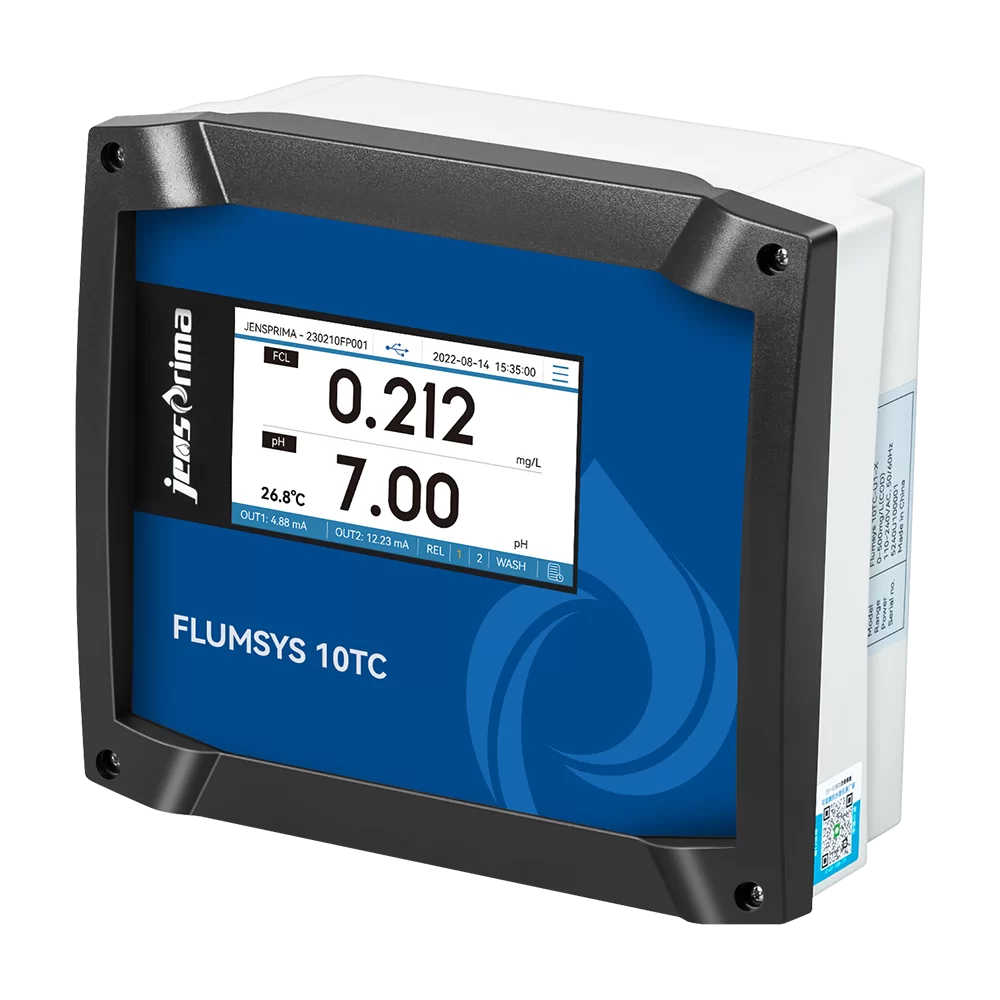
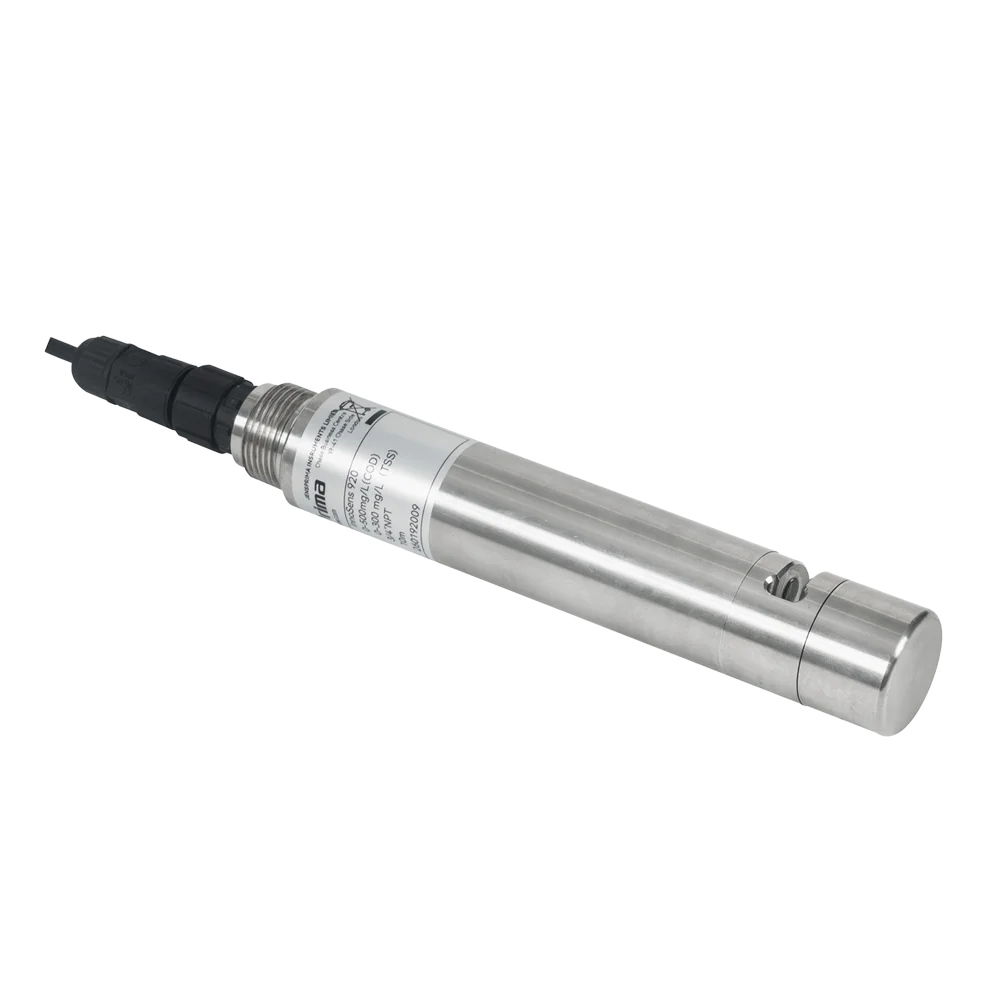


multi parameter analyzer

NEWS

UPDATES

Advanced Water Quality Monitoring Solutions for Rwanda: Leveraging the alkalinity analyzer

Providing high-precision online water analysis instruments to ensure environmental safety and industrial efficiency across Rwanda's growing infrastructure.

Advanced Water Quality Monitoring Solutions for Rwanda: Leveraging the alkalinity analyzer

Integrating cutting-edge sensor technology and automated analysis to manage Rwanda's water resources, from municipal supply to industrial wastewater treatment.

Water Quality Monitoring Landscape in Rwanda

Analyzing the intersection of Rwanda's geography and the demand for online water analysis.

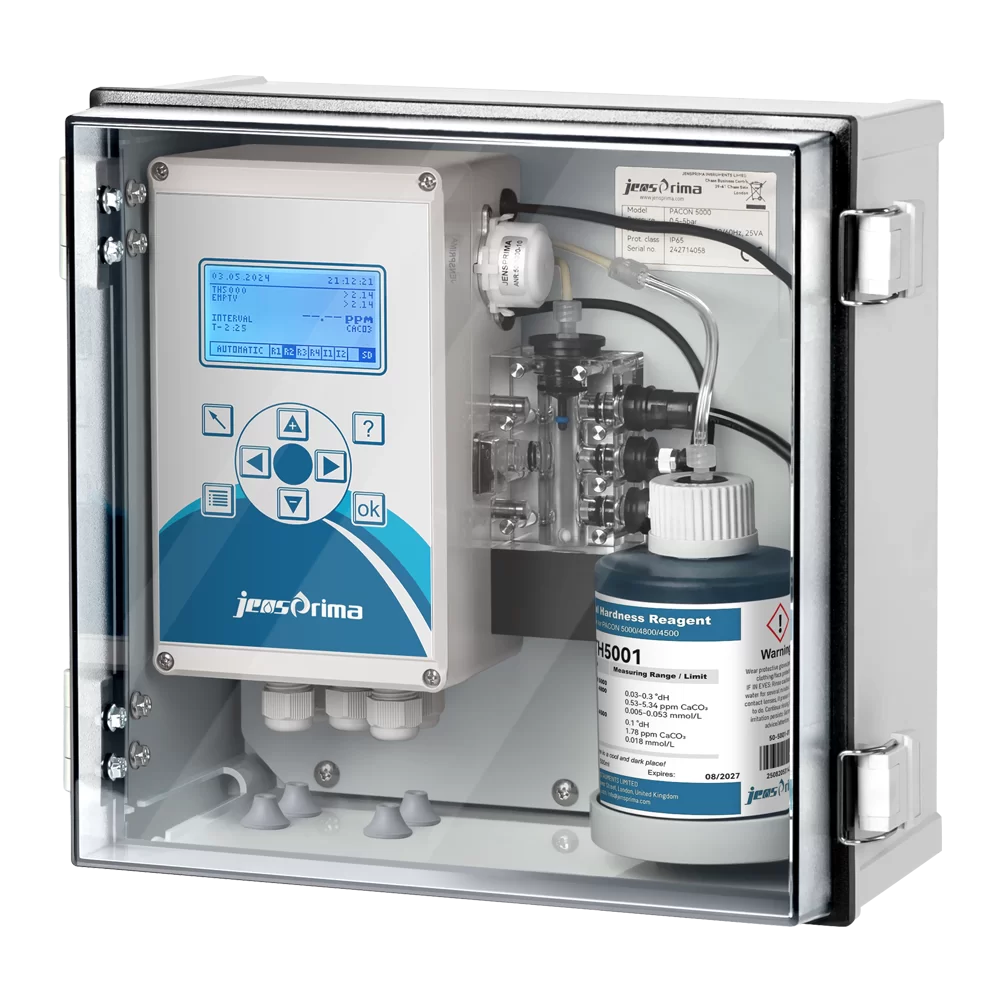
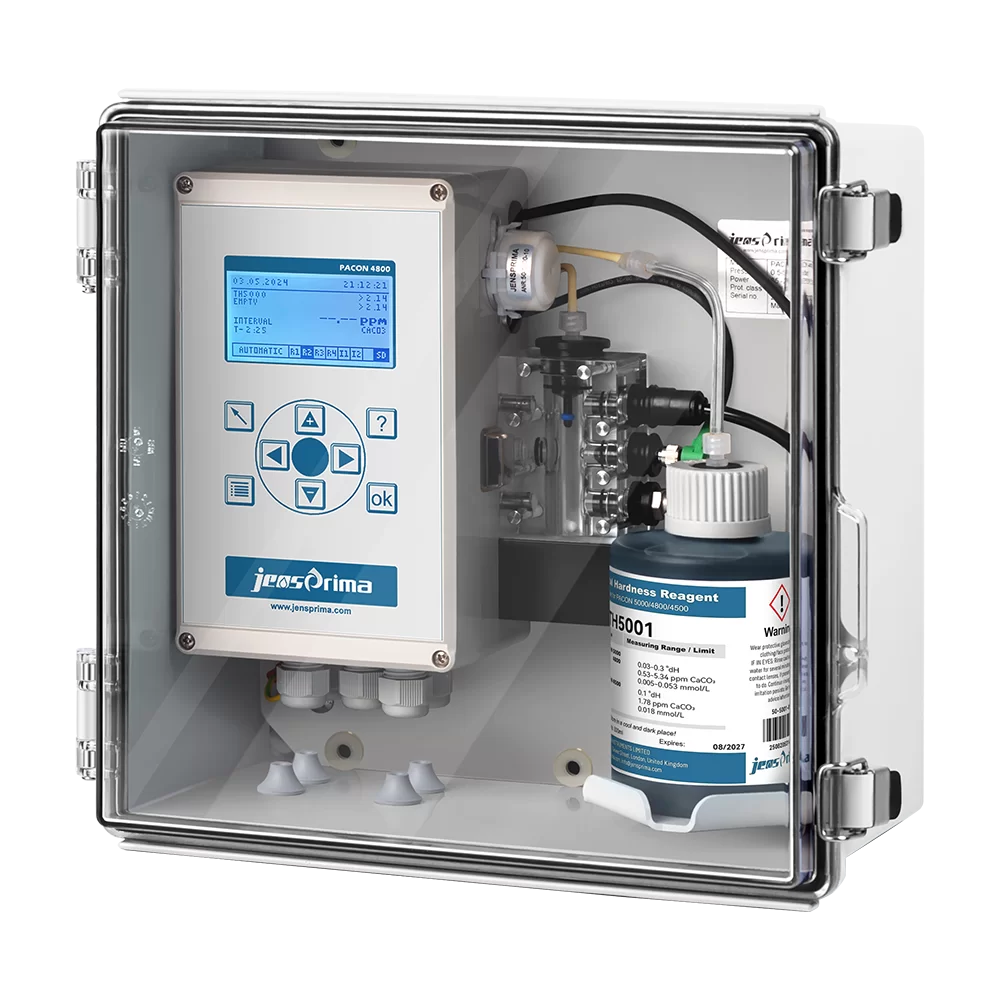
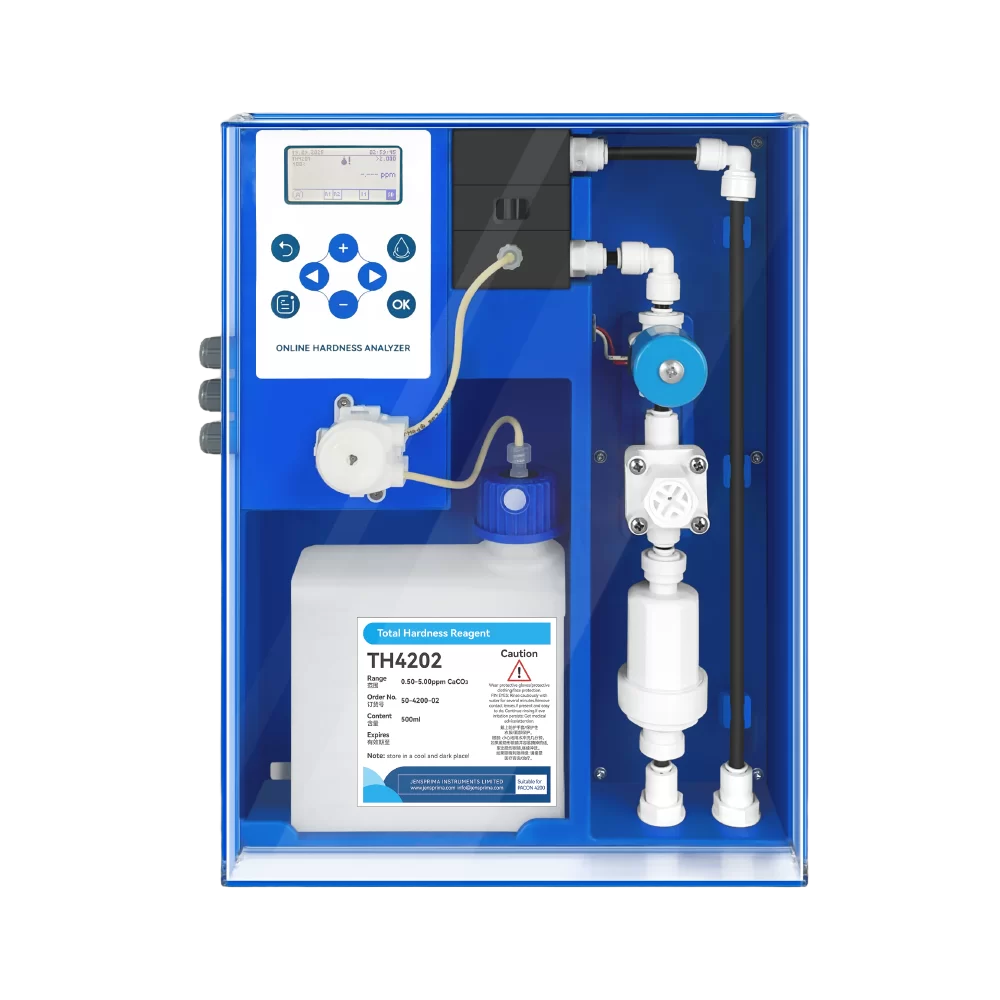
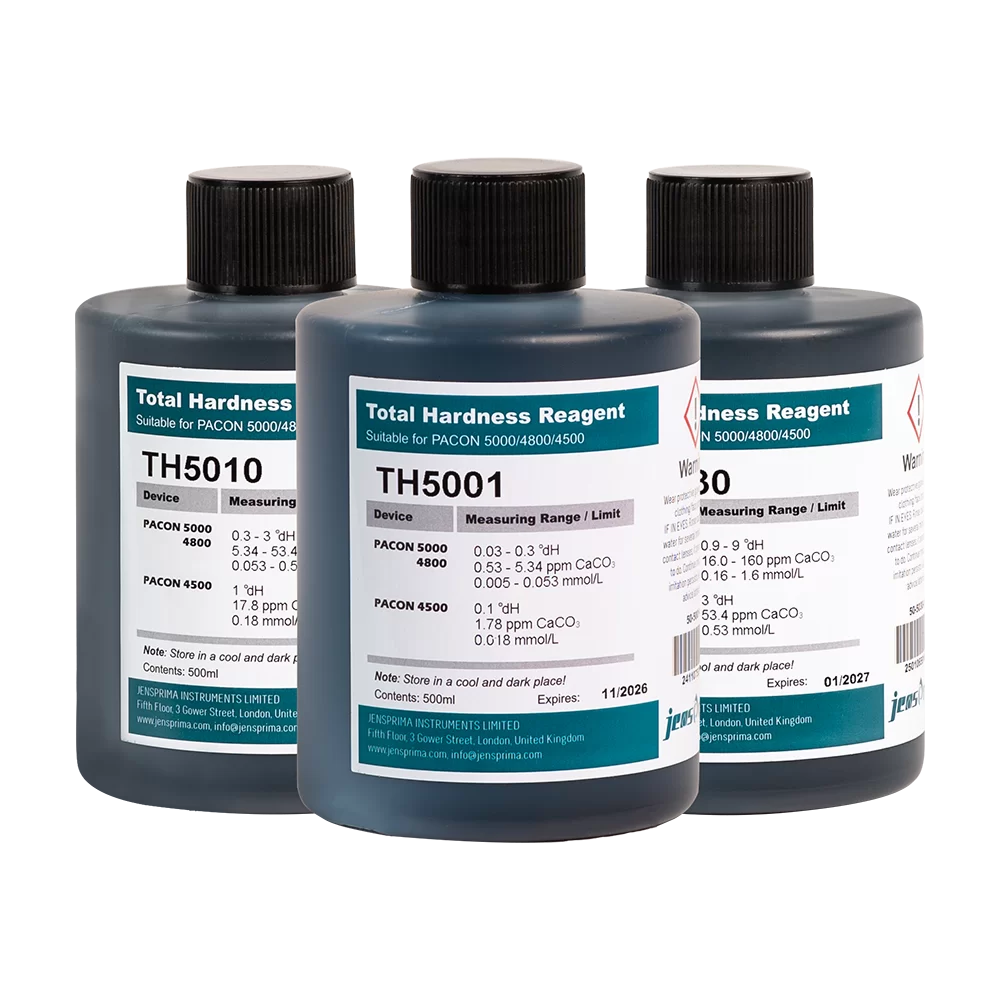
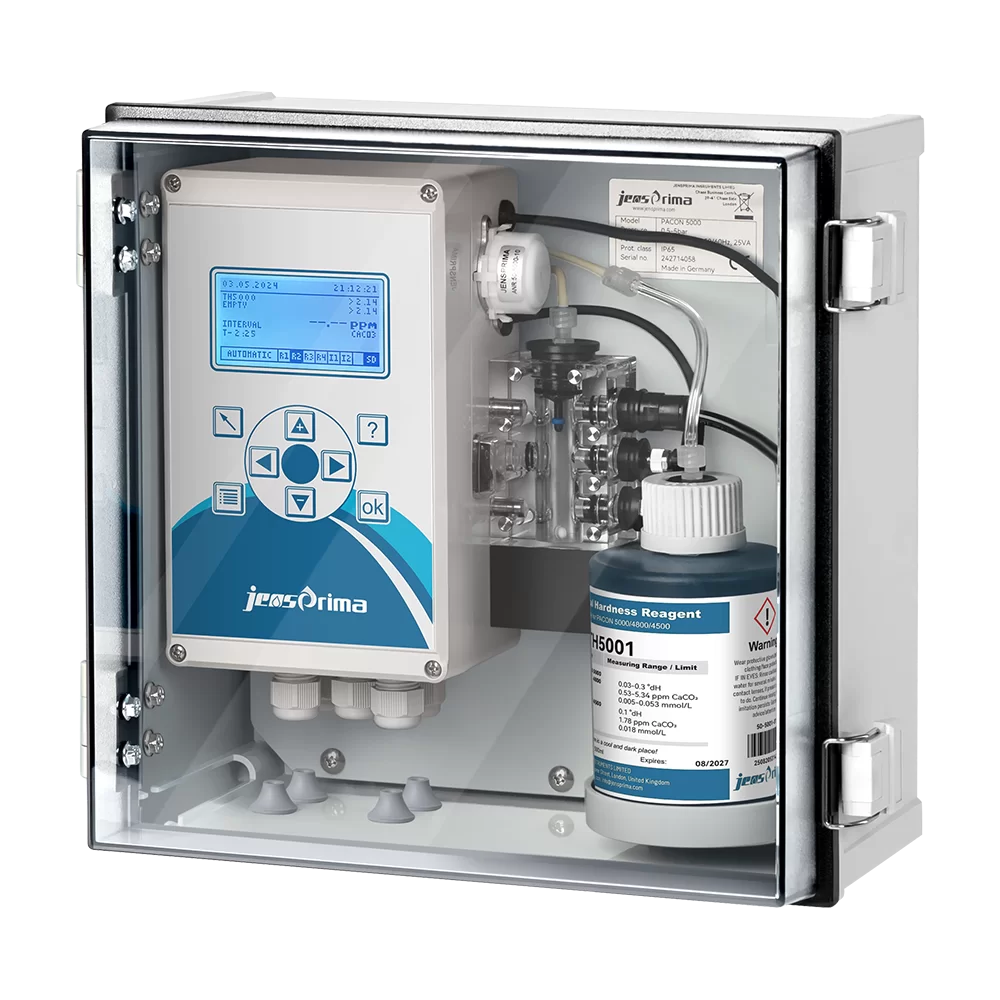
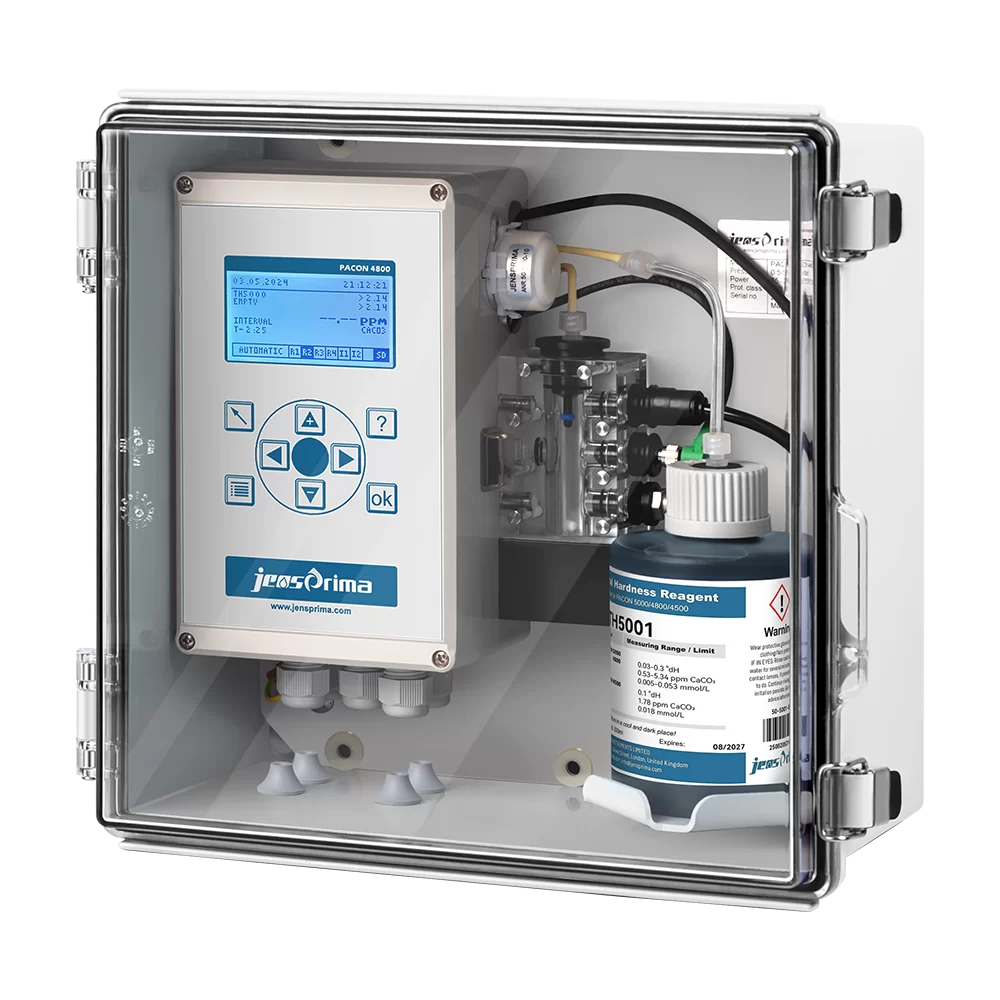
Rwanda, known as the "Land of a Thousand Hills," possesses a complex hydrological network. The varying topography and volcanic soil compositions in the northern regions significantly influence the mineral content of water, creating a critical need for a total hardness analyzer to prevent scaling in industrial boilers and municipal piping systems.

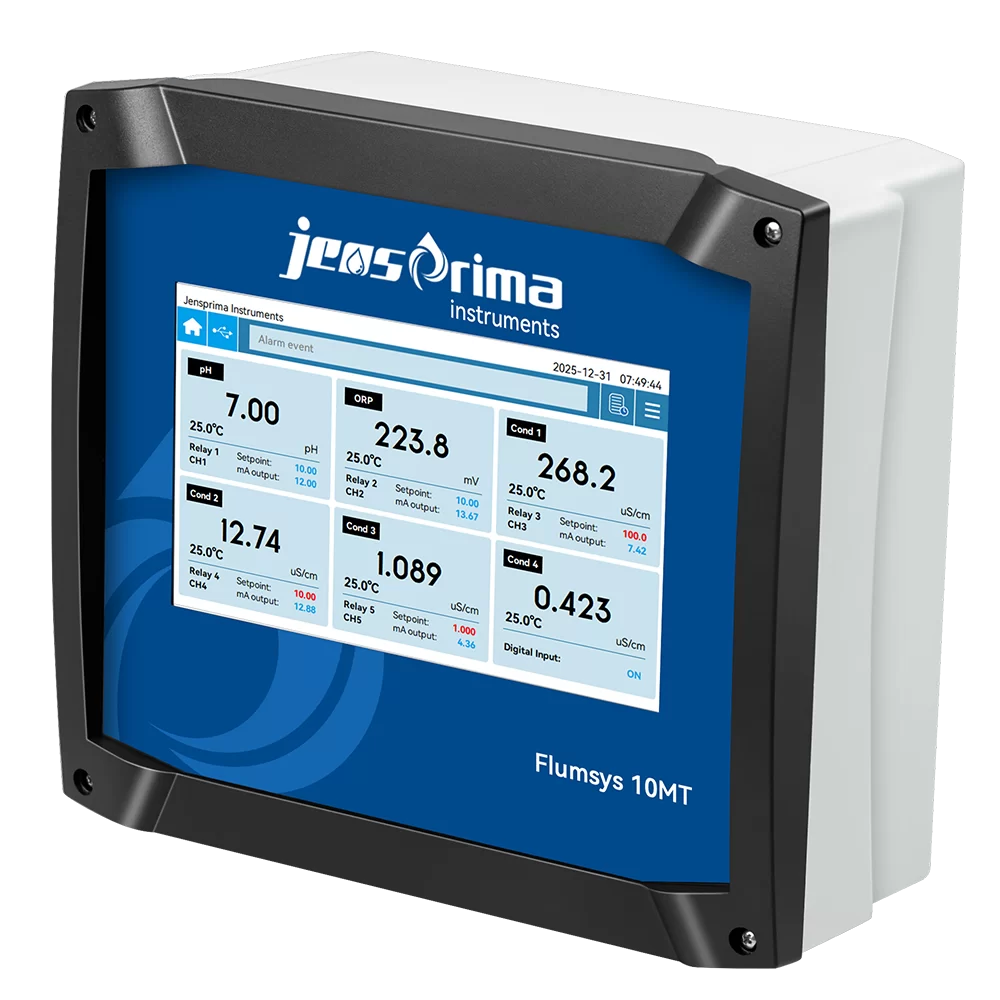
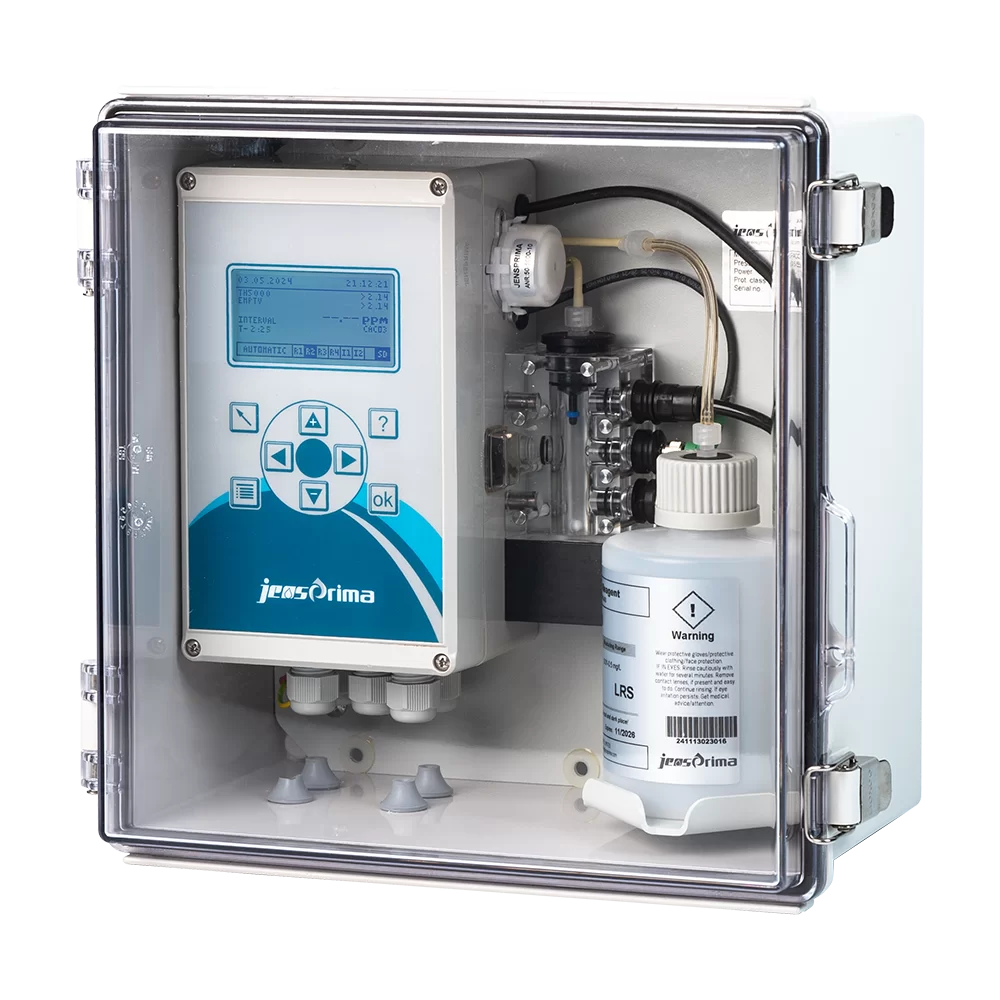
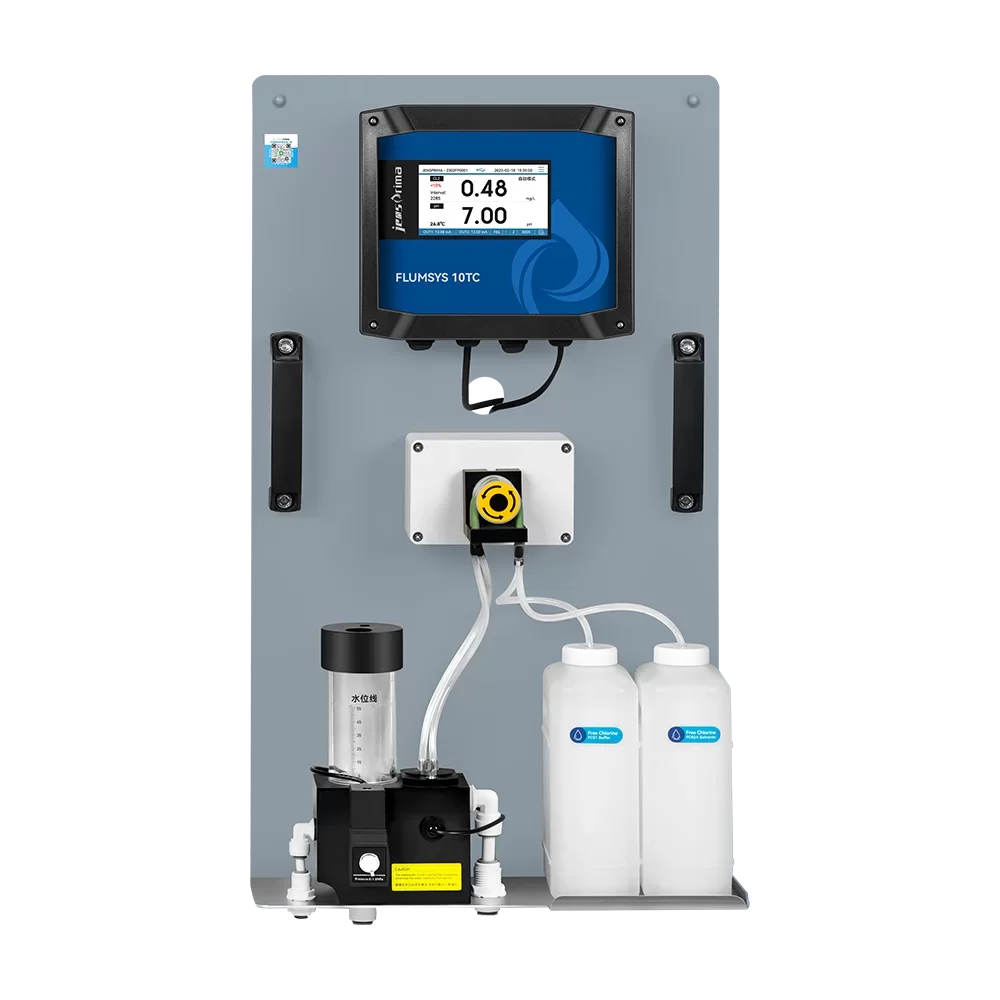
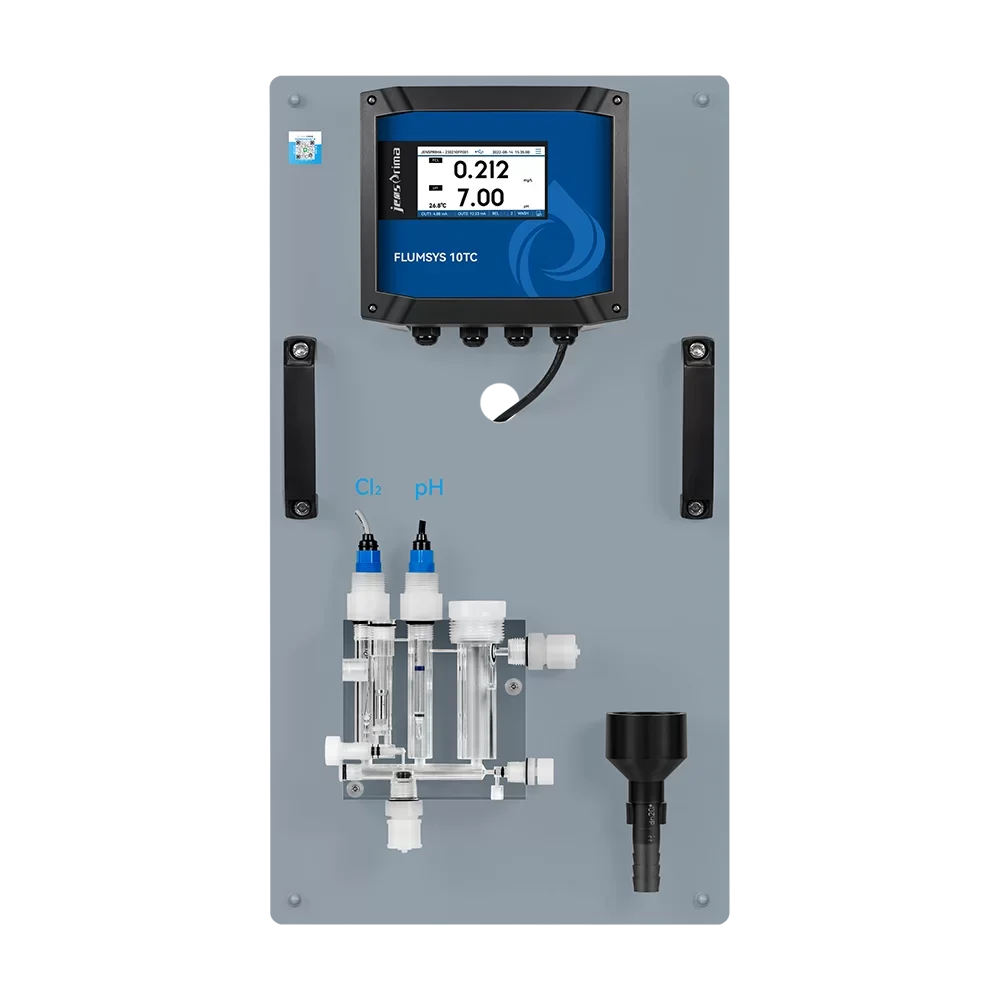
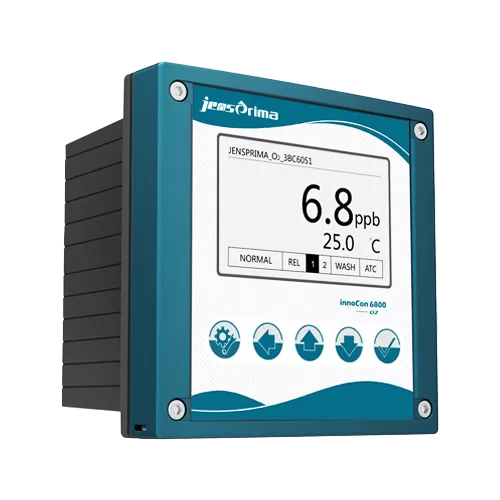
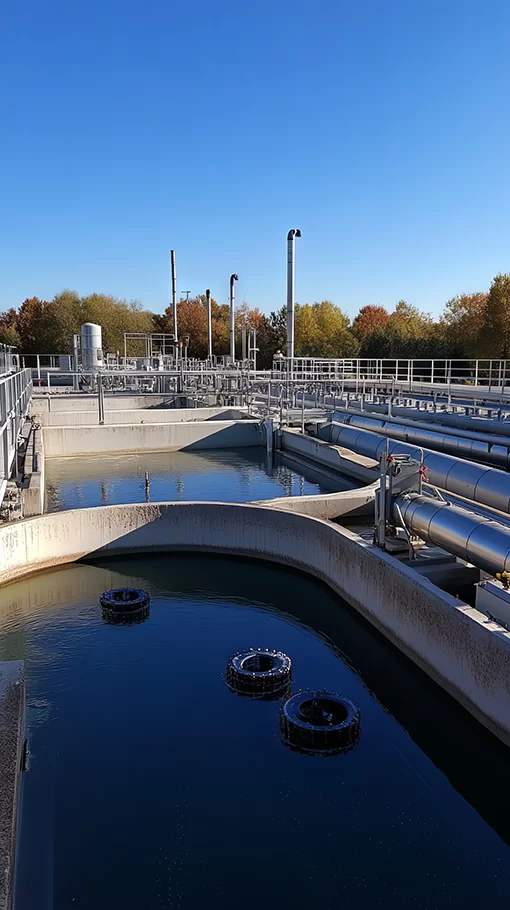
With the rapid expansion of urban centers like Kigali, the pressure on wastewater treatment plants has increased. The reliance on manual sampling is no longer sustainable, driving a shift toward the multi parameter water quality analyzer which allows for real-time monitoring of pH, conductivity, and dissolved oxygen to ensure compliance with environmental standards.

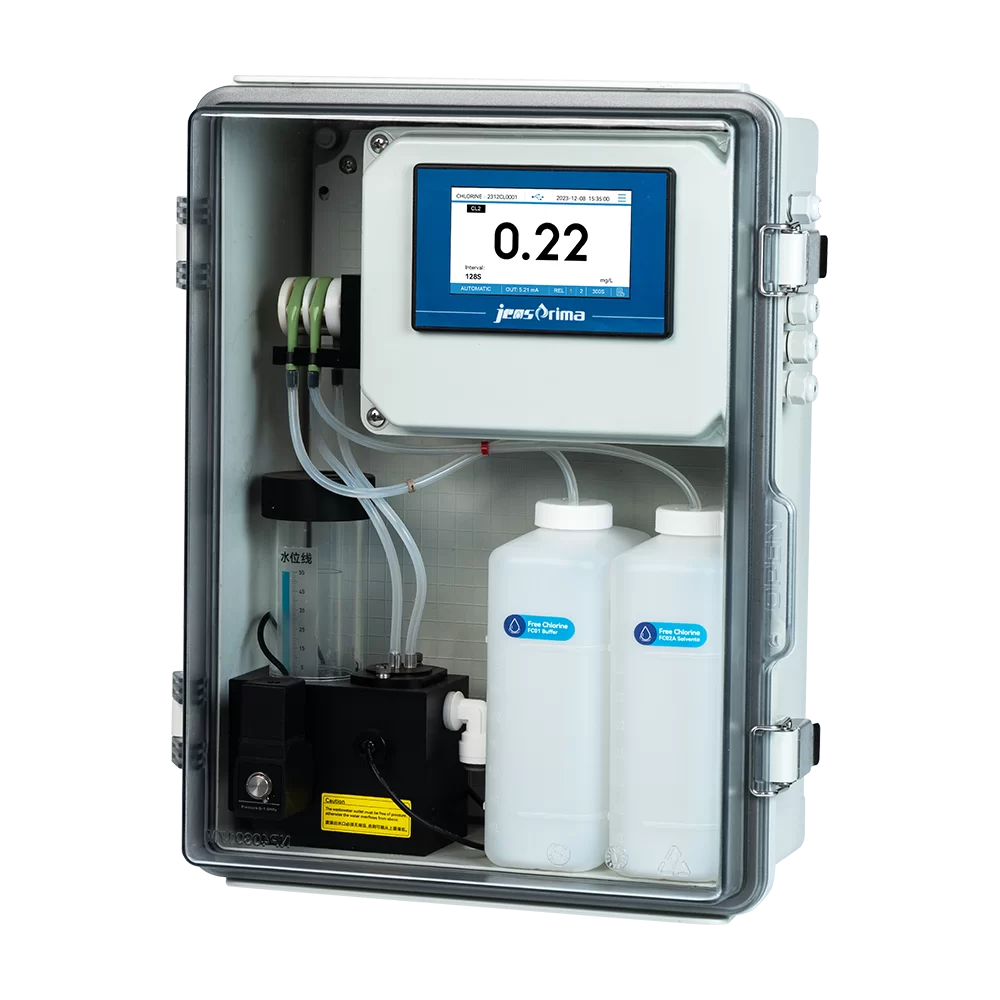
Furthermore, the Rwandan government's commitment to sustainable development and "Vision 2050" has prioritized clean drinking water. This has led to an increased adoption of the residual chlorine controller to maintain safe disinfection levels in rural and urban water distribution networks, preventing waterborne diseases.

Evolution of Water Analysis Technology in Rwanda

From manual titration to automated, cloud-integrated water quality sensing.

Market Development History

Prior to 2010, water quality monitoring in Rwanda relied heavily on laboratory-based manual titration and portable kits. This "delayed feedback" loop meant that contamination or mineral spikes were often detected only after the damage to infrastructure or health had occurred.

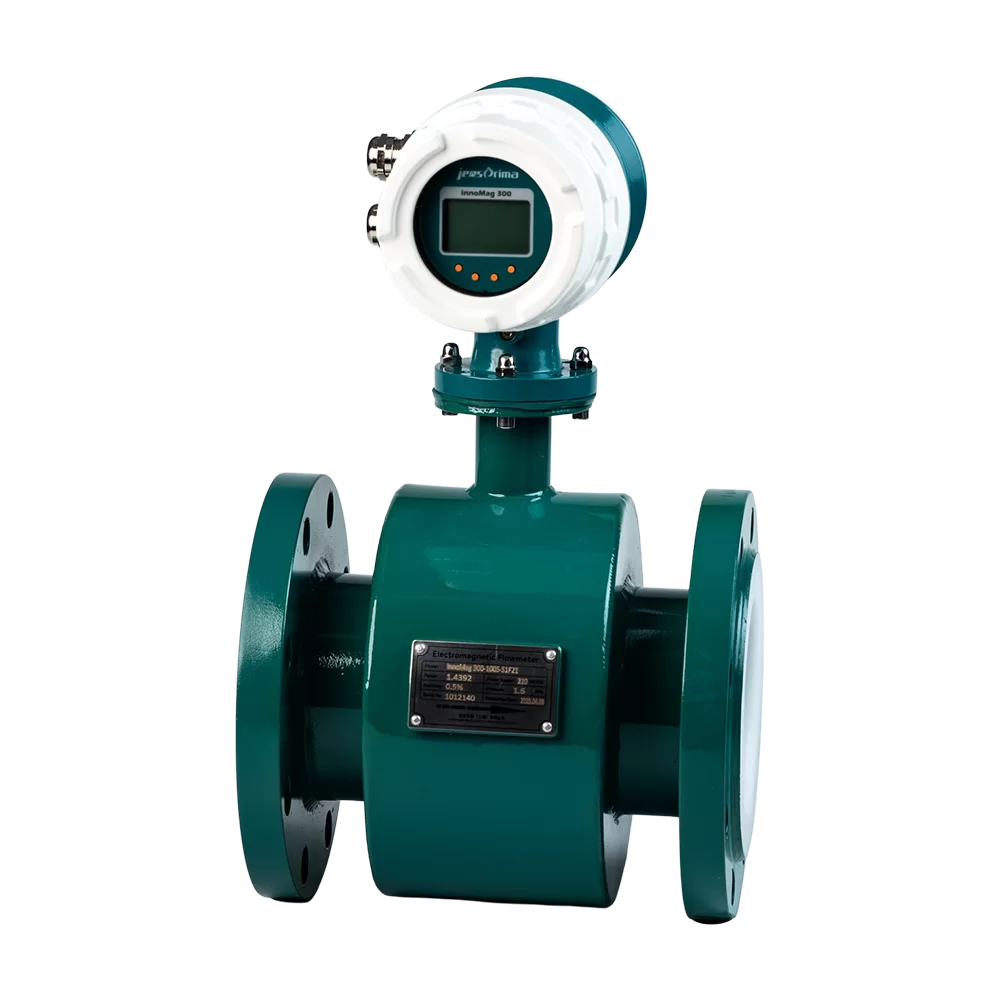
Between 2010 and 2020, the market transitioned toward basic online sensors. The introduction of the electromagnetic flowmeter became pivotal during this era, allowing plants to accurately measure throughput and chemical dosing rates, moving away from estimated flow calculations.

Since 2021, there has been a surge in "Smart Water" initiatives. The current phase focuses on integrating high-precision analyzers into SCADA systems, enabling remote monitoring and automated corrective actions to maintain precise water chemistry without human intervention.

Future Development Trends

IoT and Remote Telemetry

The trend is moving toward LoRaWAN and 5G integrated sensors that allow Rwanda's water authorities to monitor remote lake and river sites in real-time without needing on-site personnel.

AI-Driven Predictive Analysis

Future systems will use machine learning to predict alkalinity and hardness spikes based on seasonal rainfall patterns in the Rwandan highlands, allowing for preemptive chemical adjustment.

Low-Power Autonomous Sensing

Developing energy-harvesting sensors that can operate for years on solar power, specifically designed for the remote environmental monitoring stations across Rwanda's provinces.

Industry Outlook and Technological Trajectory

Strategic directions for online water quality instrumentation in the East African region.

Digital Twin Integration
Creating virtual replicas of Rwanda's water networks to simulate the impact of changing parameters on system health.
Modular Sensor Arrays
Transitioning to "plug-and-play" analyzer modules that can be swapped in the field without recalibrating the entire system.
reagent-free Analysis
Reducing the environmental footprint by shifting toward optical and electrochemical sensors that require fewer chemical consumables.
Edge Computing Integration
Processing data at the sensor level to reduce bandwidth costs and enable millisecond response times for critical valve closures.

Industry Outlook

Google search trends for "automated water monitoring" in East Africa indicate a growing demand for localized technical support and robust hardware that can withstand high humidity and temperature fluctuations common in Rwanda's tropical climate.

Over the next 3-5 years, the convergence of environmental regulations and industrialization will make the deployment of comprehensive online analyzer suites a mandatory standard for all new manufacturing projects in Rwanda.

Localized Application Scenarios in Rwanda

Practical deployments of water analysis instruments across various Rwandan sectors.

1. Municipal Water Treatment in Kigali

Using the residual chlorine controller to ensure that the city's water supply is safely disinfected while avoiding excessive chlorine levels that affect taste and health.

2. Volcanic Region Mining Operations

Deploying the total hardness analyzer to monitor process water in the northern mining districts, preventing mineral buildup in critical extraction machinery.

3. Beverage and Brewery Production

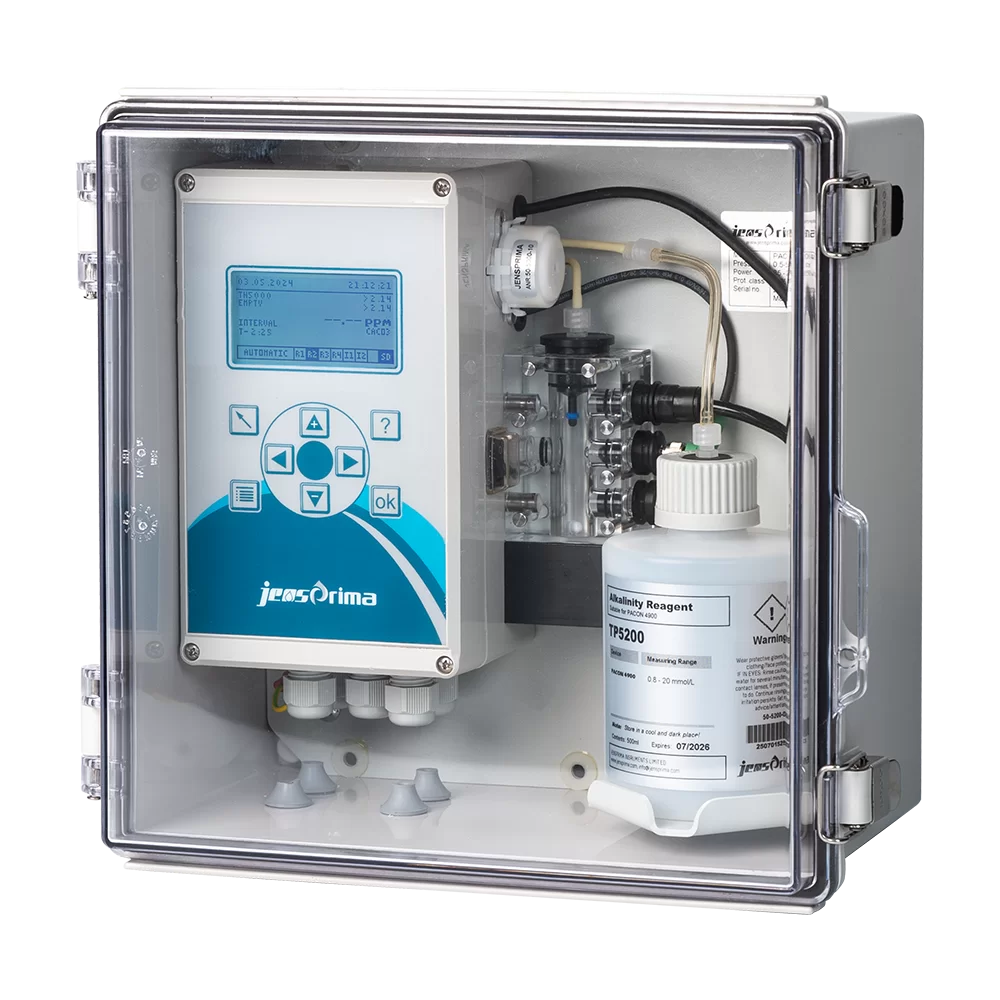
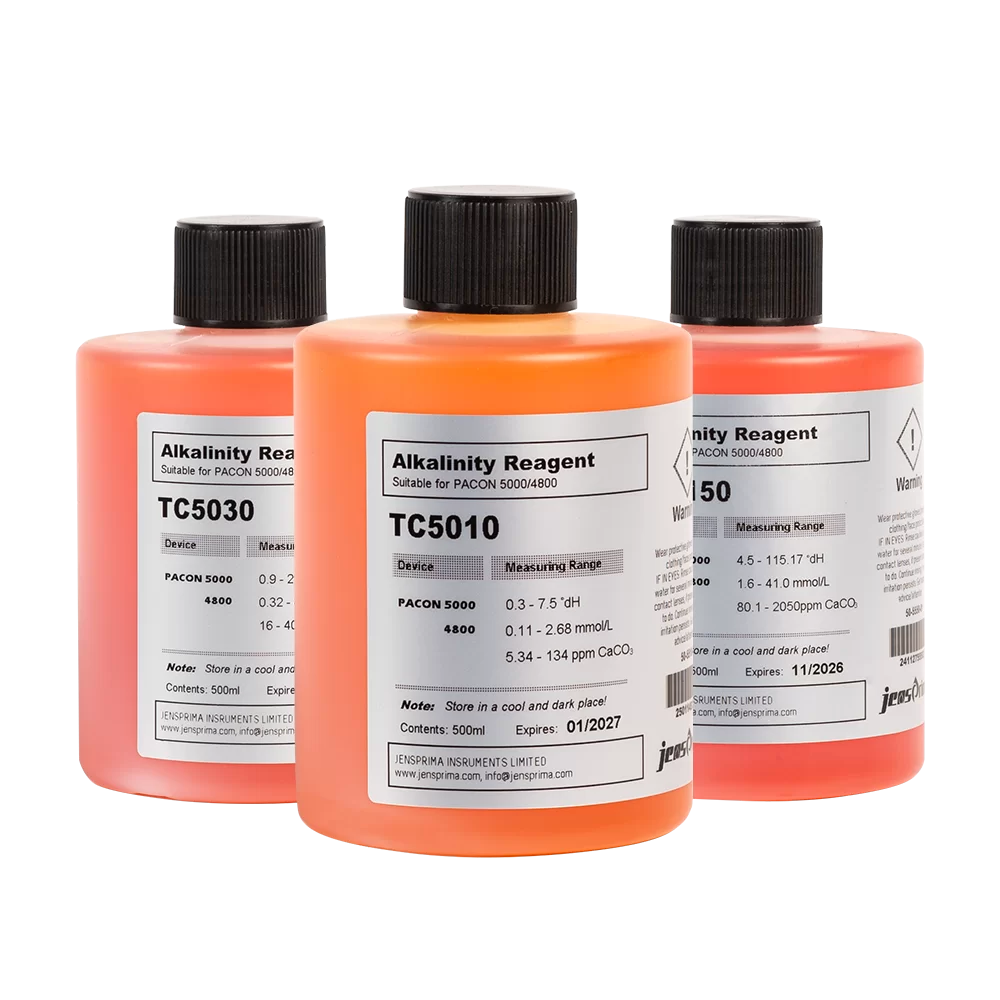
Implementation of the alkalinity analyzer to stabilize water chemistry, ensuring consistent taste profiles and protecting brewing equipment from corrosive environments.

4. Lake Kivu Environmental Protection

Utilization of the multi parameter water quality analyzer to monitor nutrient levels and dissolved gases, protecting the lake's unique ecosystem from industrial runoff.

5. Industrial Wastewater Flow Management

Integrating the electromagnetic flowmeter in textile factories to precisely calculate the volume of treated effluent before it is discharged back into the environment.

Brand Story

Global Development Journey of Jensprima (Shanghai) Co., Ltd.

Founding Vision

Established with a mission to bridge the gap between laboratory precision and industrial durability in water analysis.

Technological Breakthroughs

Developed proprietary sensor stabilization technology that reduced drift in high-mineral water environments.

Global Expansion

Expanded operations to East Africa, tailoring instrumentation to survive tropical climates and remote power conditions.

Sustainability Commitment

Pioneered low-reagent analysis systems to reduce the chemical footprint of water monitoring worldwide.

Future Leadership

Aiming to become the primary provider of AI-integrated water quality solutions for emerging economies.

Common Questions on Water Monitoring in Rwanda

Expert answers to technical and operational challenges in the local market.

How does high mineral content in Rwanda's water affect a total hardness analyzer?

High calcium and magnesium levels can cause electrode fouling. Our analyzers use specialized cleaning cycles and robust membranes to ensure long-term accuracy without frequent manual intervention.

What is the best multi parameter water quality analyzer for remote river monitoring?

For remote areas in Rwanda, we recommend solar-powered units with integrated GSM/LoRaWAN modules for wireless data transmission and low-power consumption modes.

Can a residual chlorine controller operate with unstable power grids?

Yes, our controllers are equipped with wide-voltage surge protection and support external UPS integration to prevent data loss or dosing errors during power fluctuations.

Why choose an electromagnetic flowmeter over mechanical meters for industrial waste?

Electromagnetic meters have no moving parts, meaning they aren't clogged by the suspended solids common in Rwandan industrial effluent, leading to lower maintenance and higher accuracy.

How often should an alkalinity analyzer be calibrated in a brewery setting?

Depending on the water source stability, we recommend a monthly calibration check, although our automated stabilization technology significantly extends the intervals between required calibrations.

Are these instruments compatible with standard Rwandan SCADA systems?

Absolutely. Our devices support Modbus RTU, 4-20mA, and Profibus protocols, ensuring seamless integration with most industrial automation frameworks used in the region.

Get Expert Technical Support Today

Ready to optimize your water quality monitoring in Rwanda? Our engineers are here to provide customized instrumentation strategies for your specific needs.

Contact Us Now
Service Repair Form
Tell us what issue you encountered, including any steps or symptoms.
  • Name
  • Email
  • Phone
  • Fault Description

If you are interested in our products, you can choose to leave your information here, and we will be in touch with you shortly.