
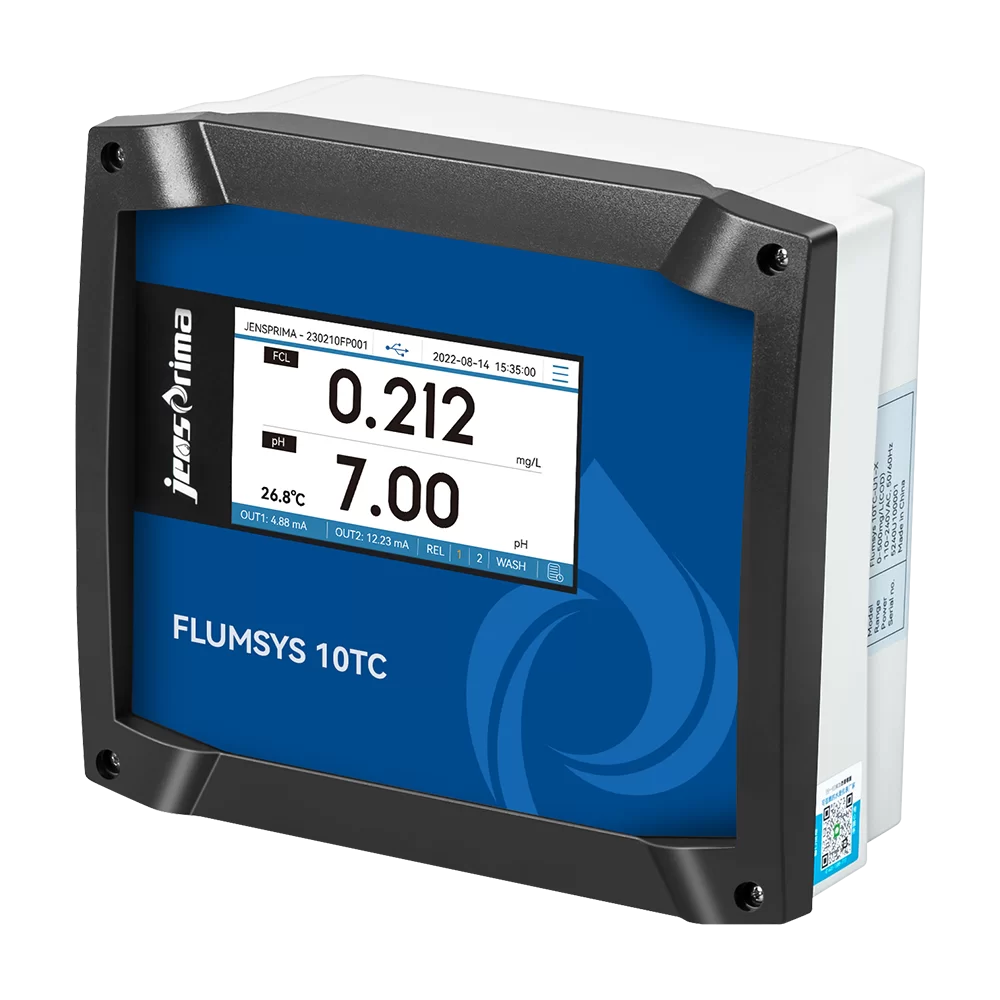
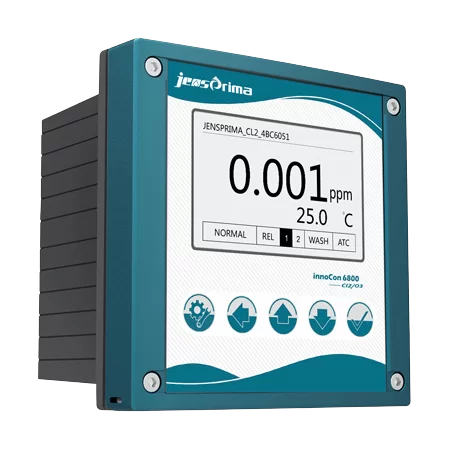
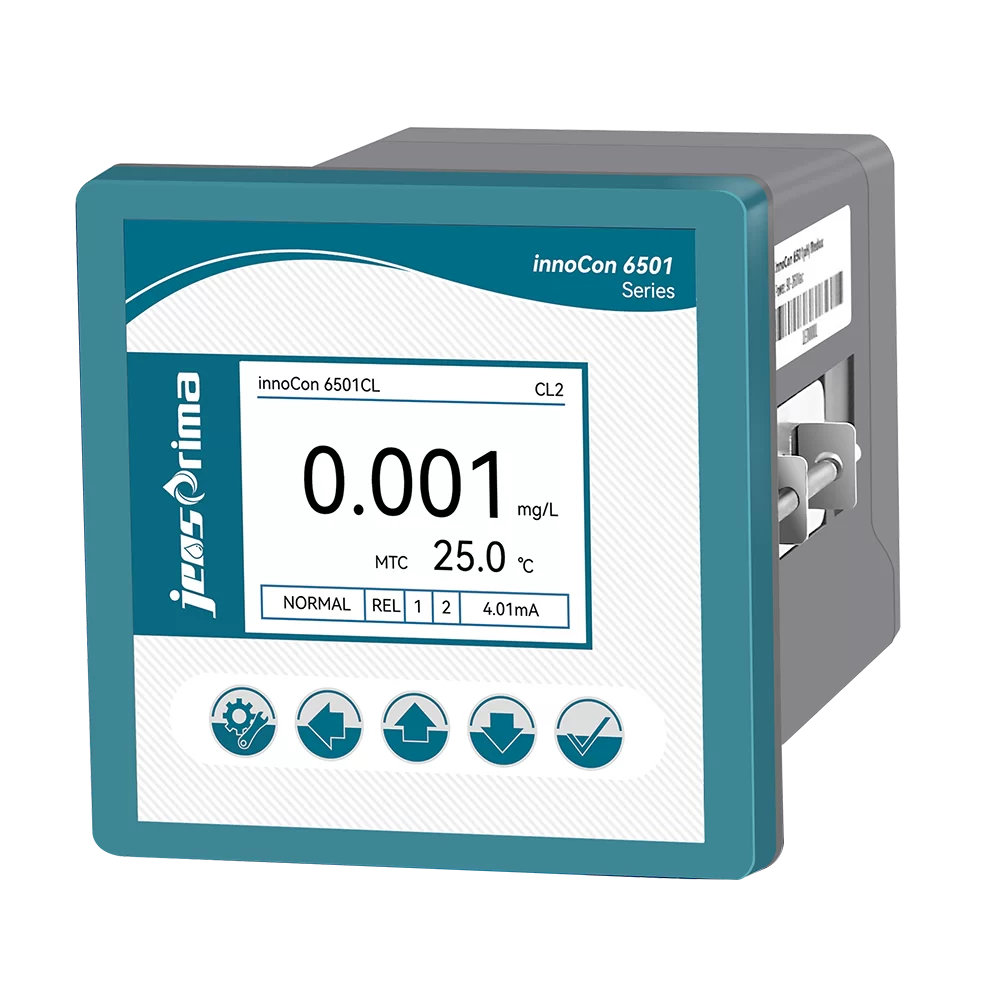
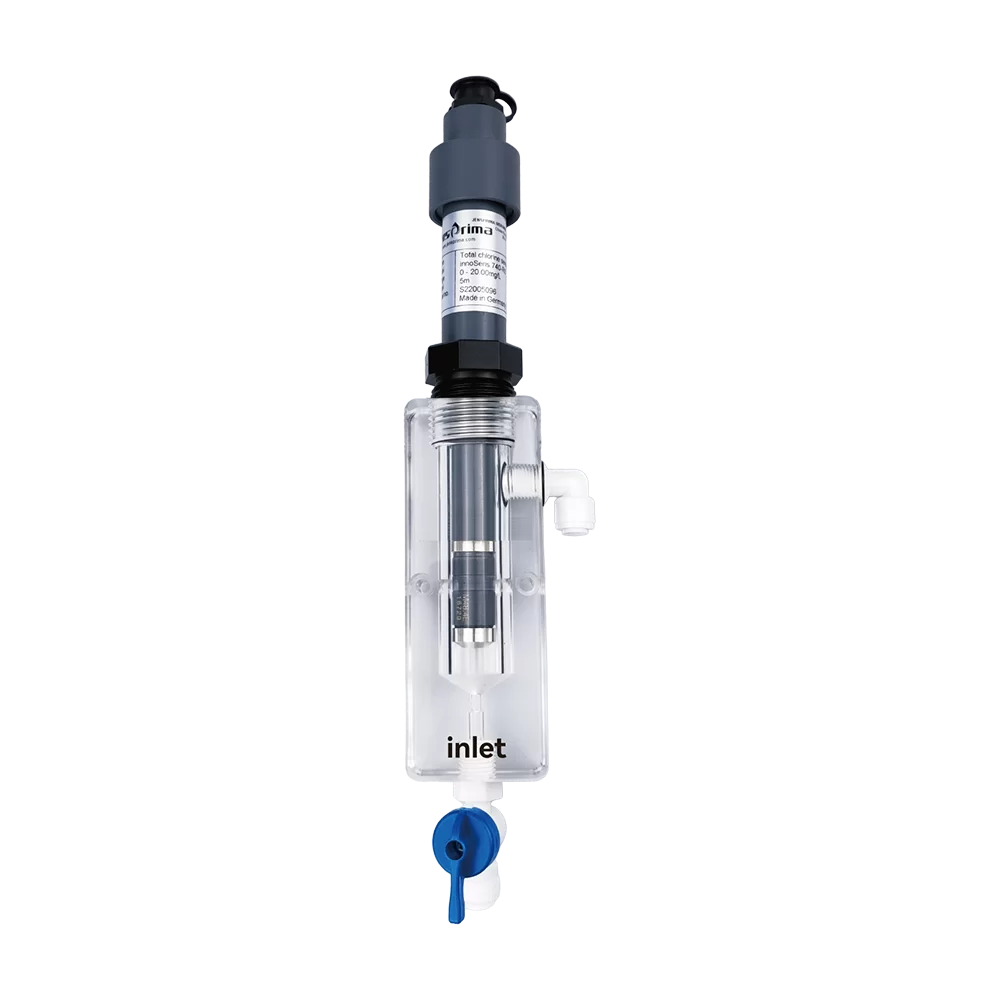
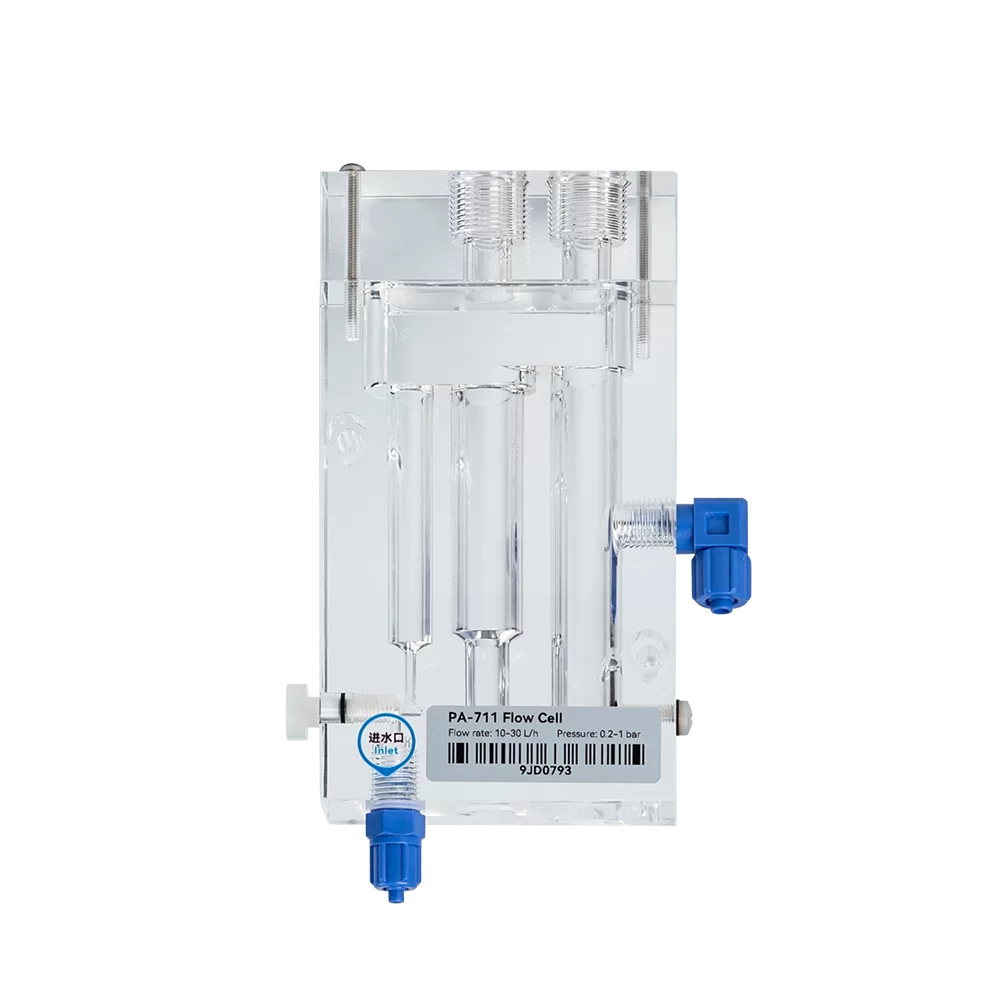
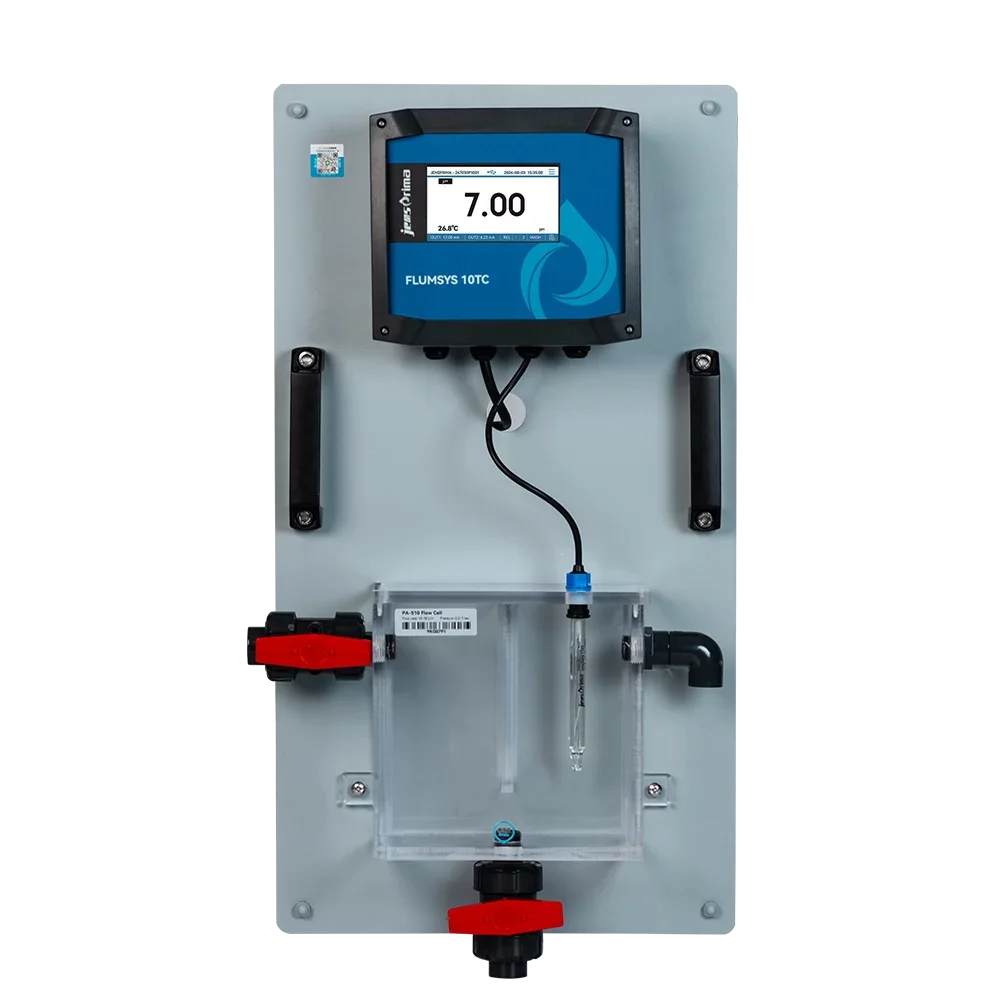
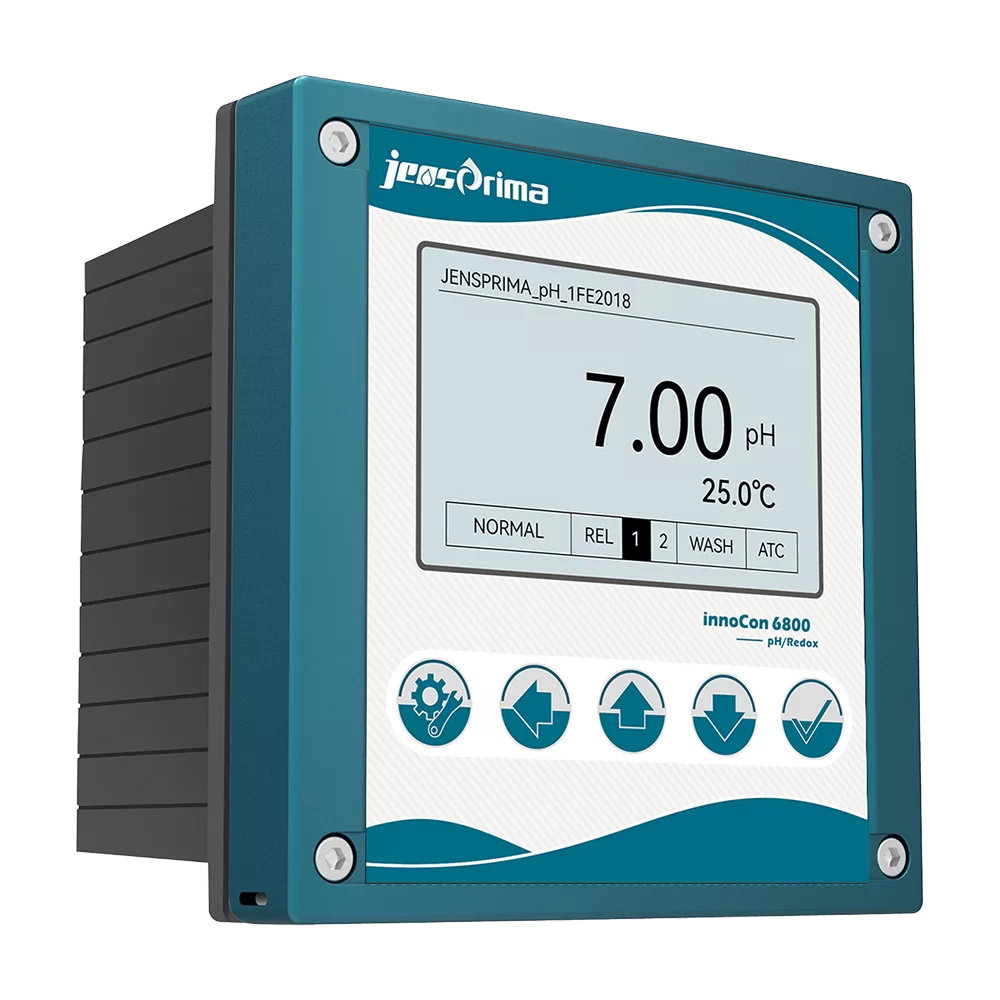
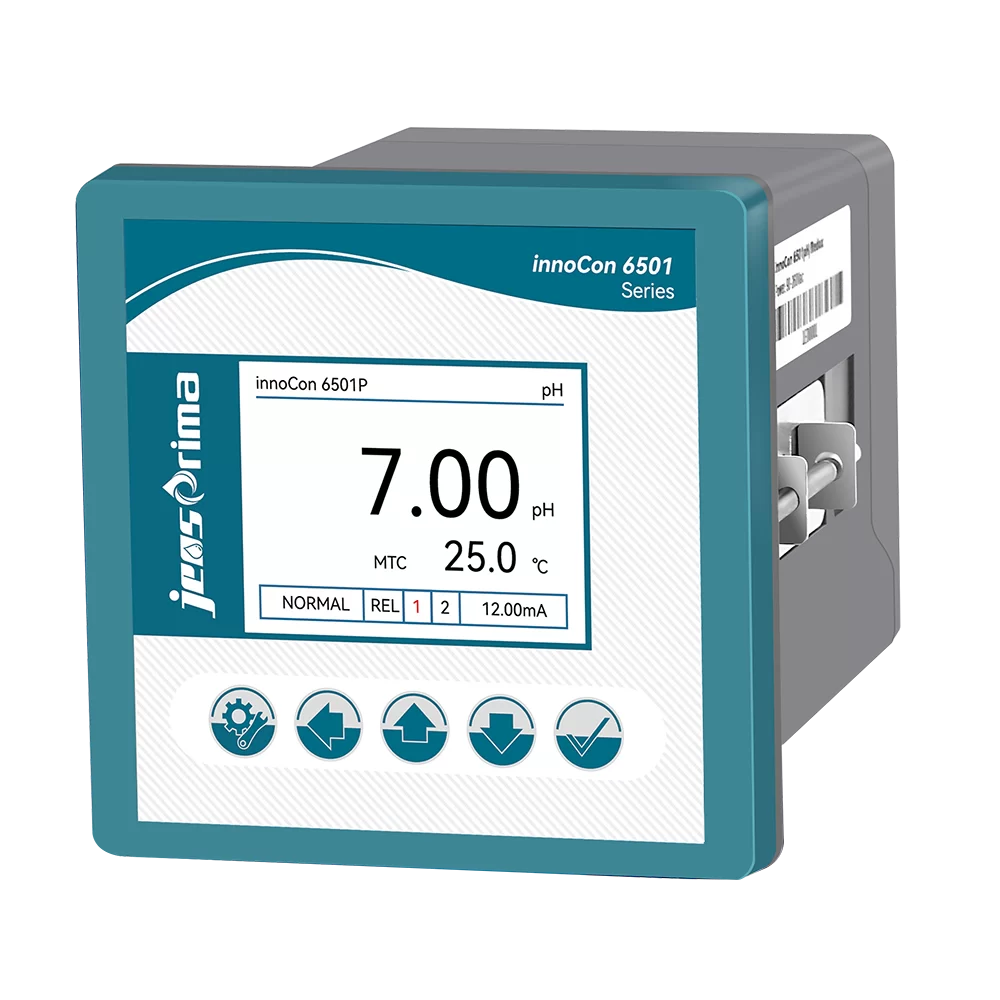
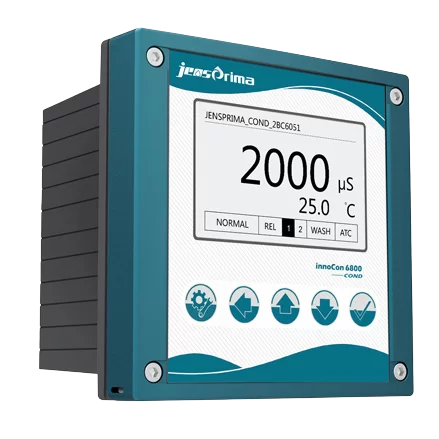
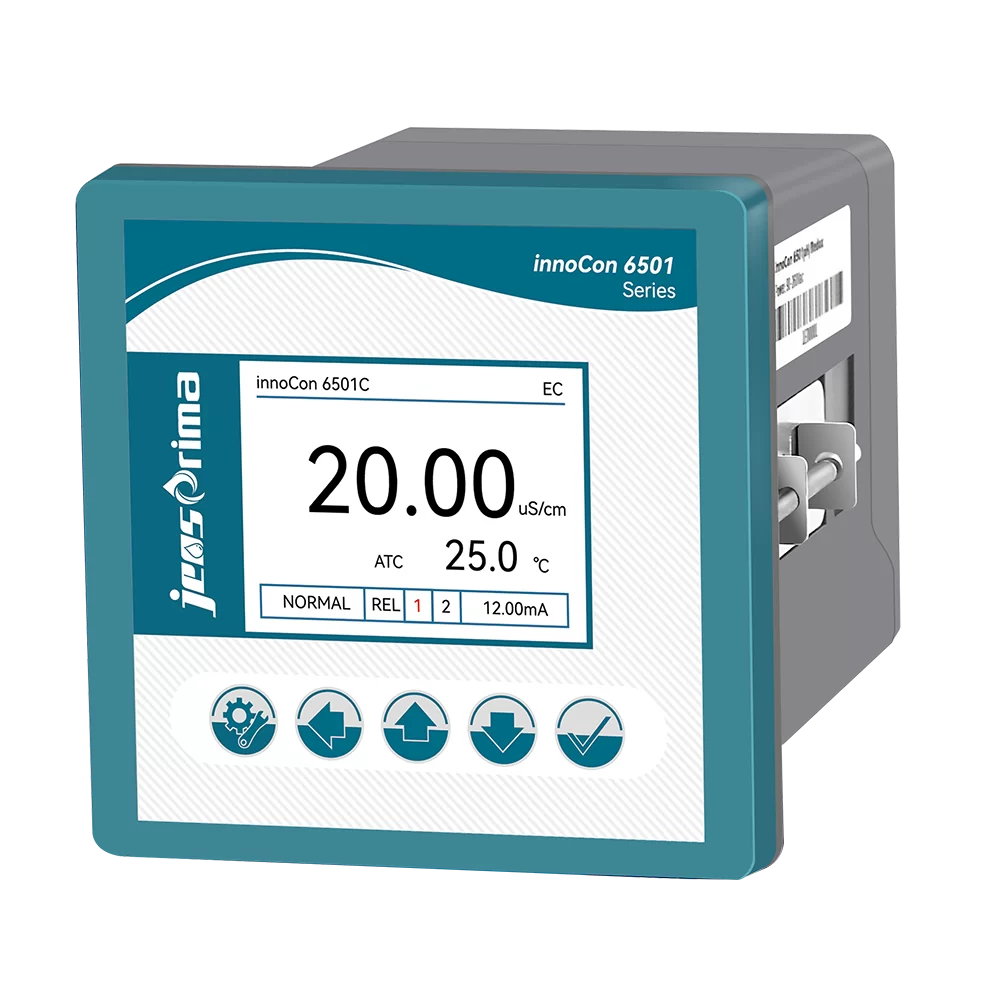
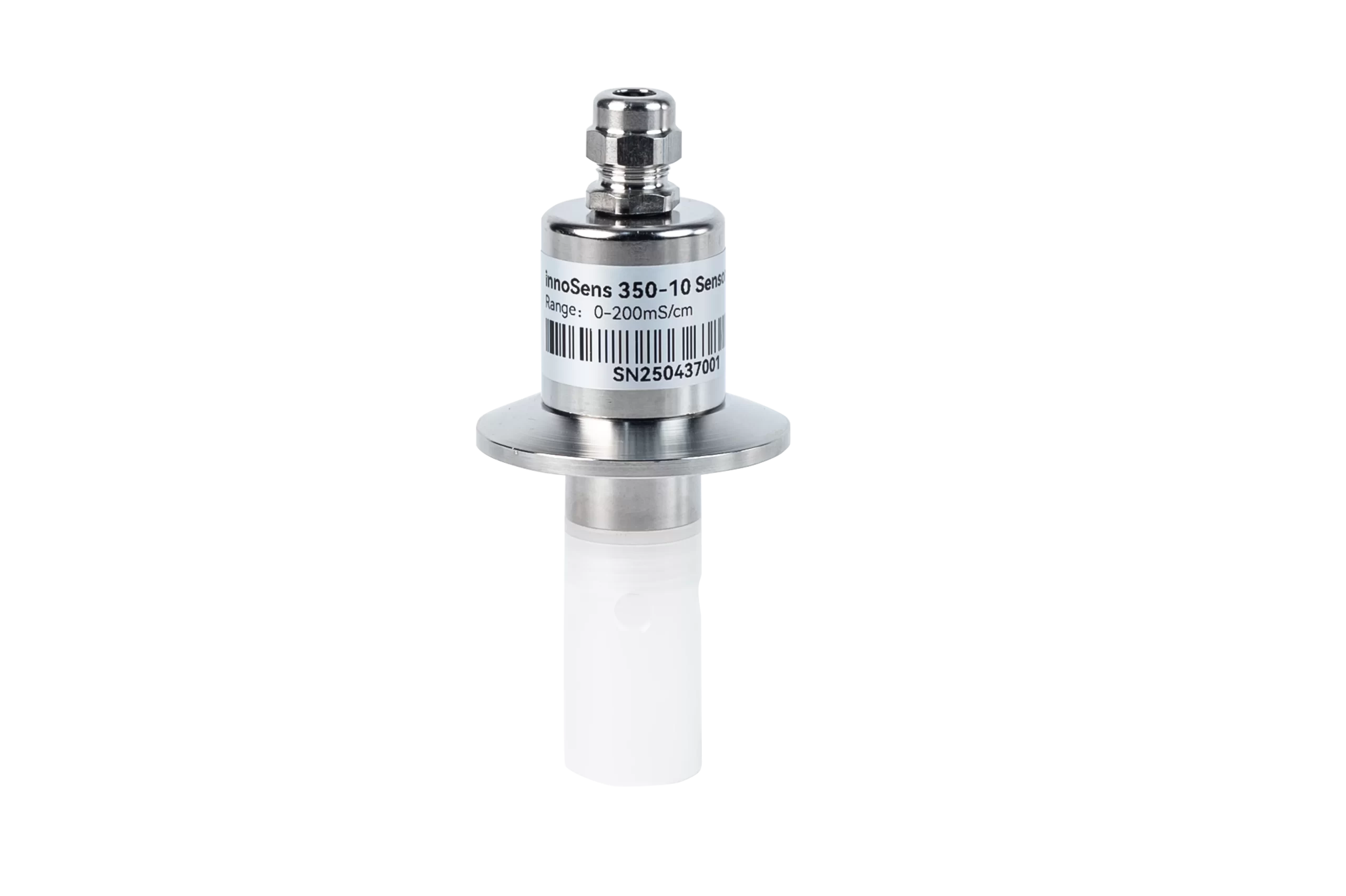
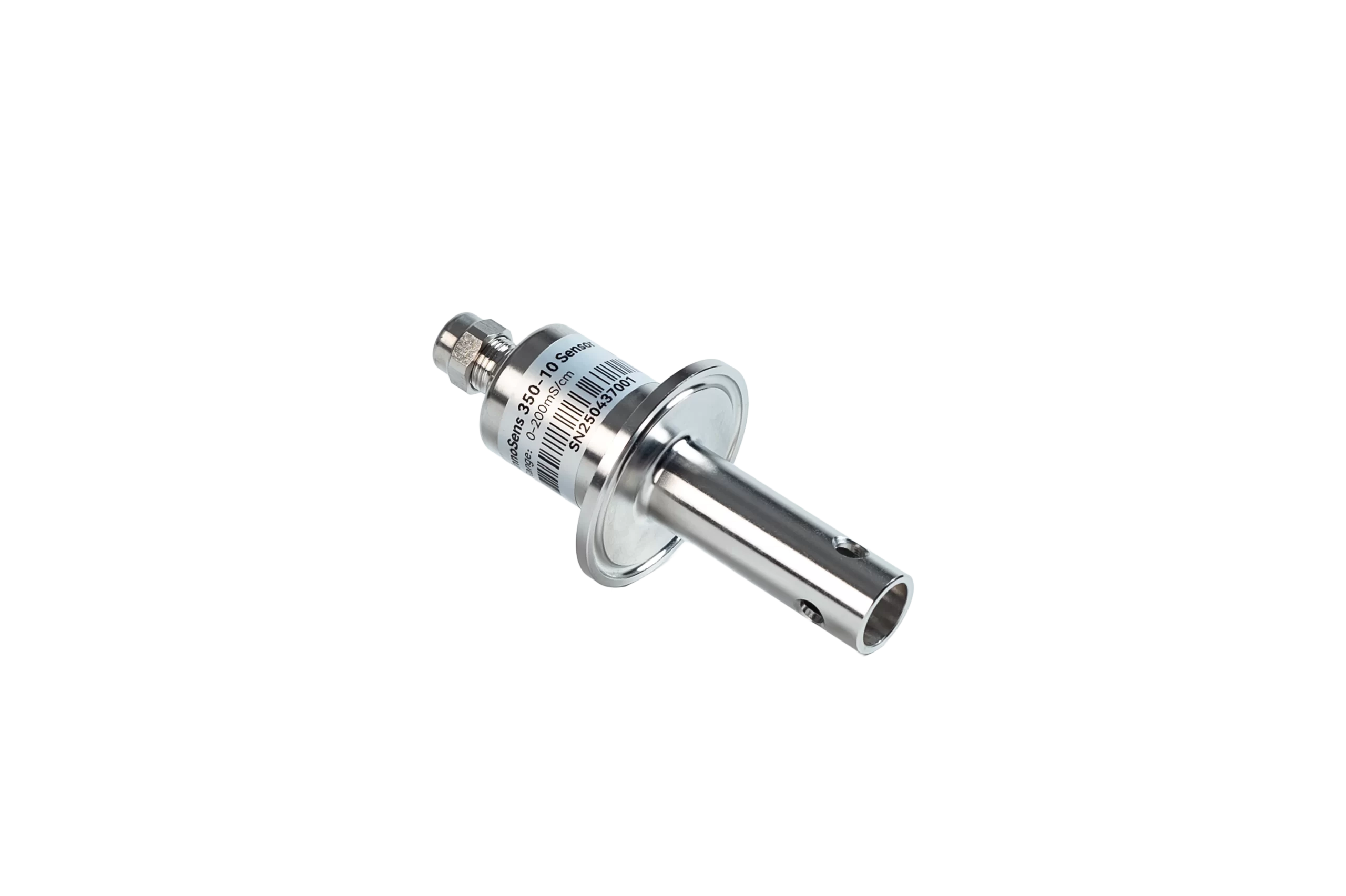
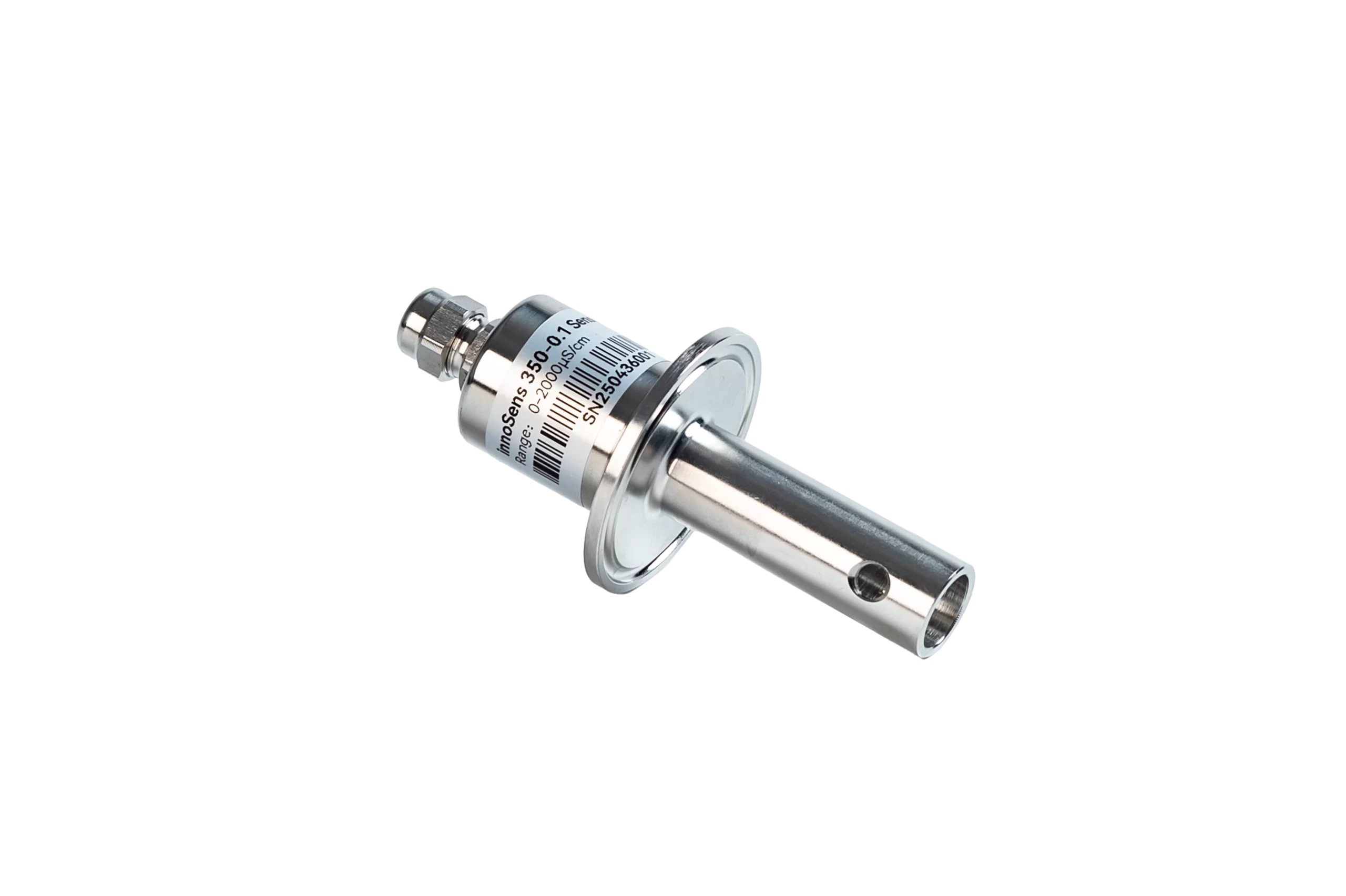
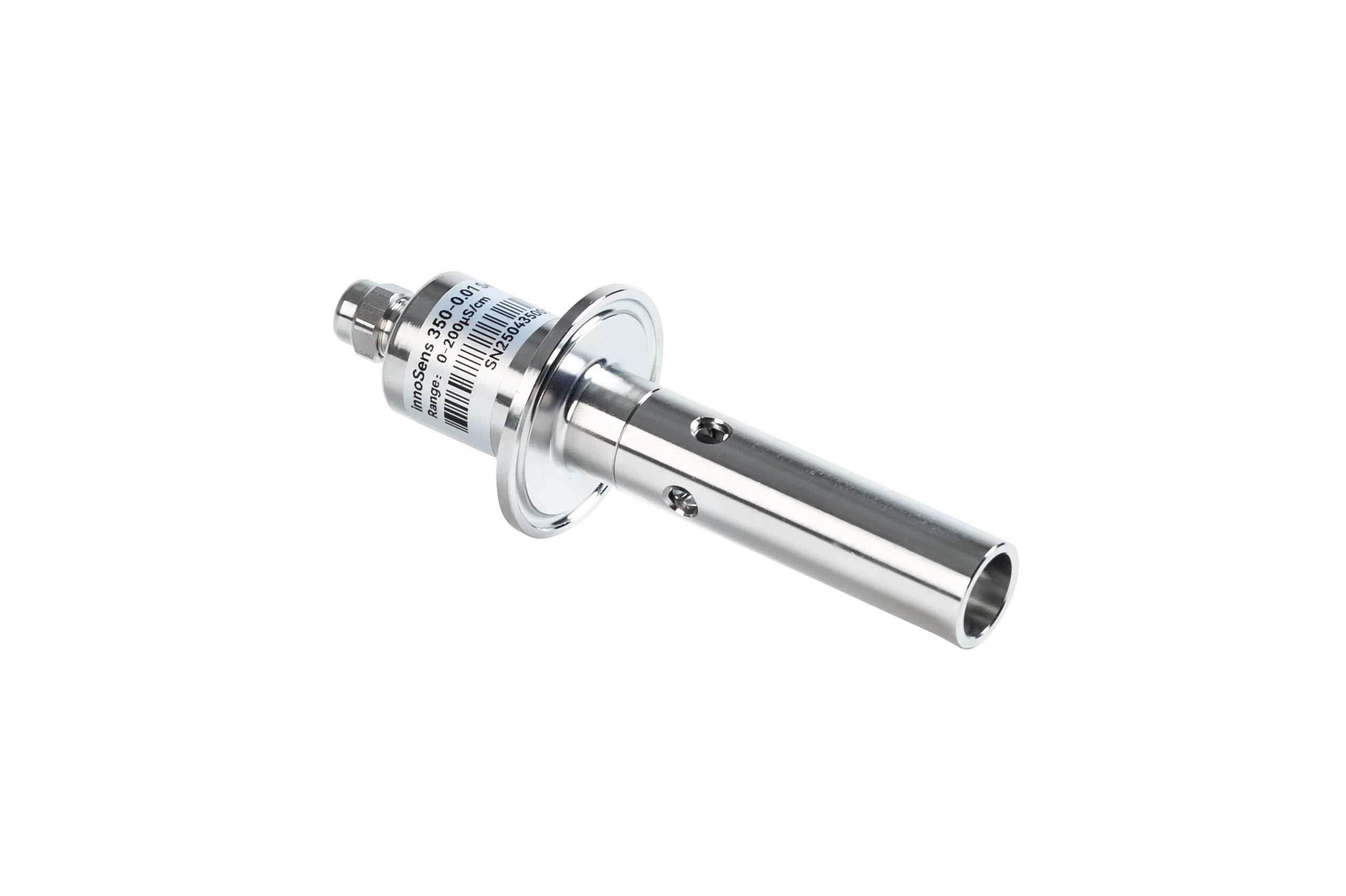
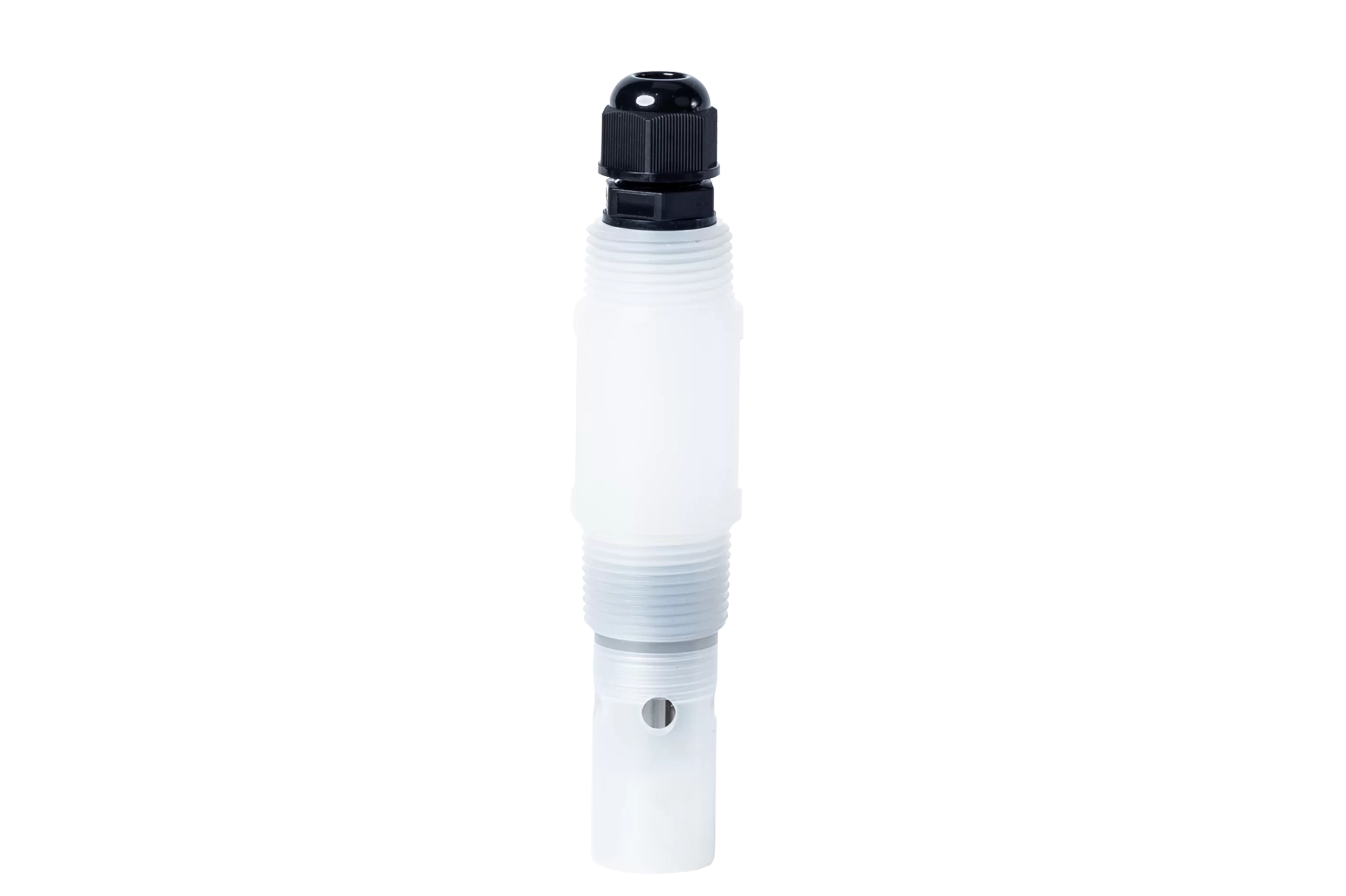
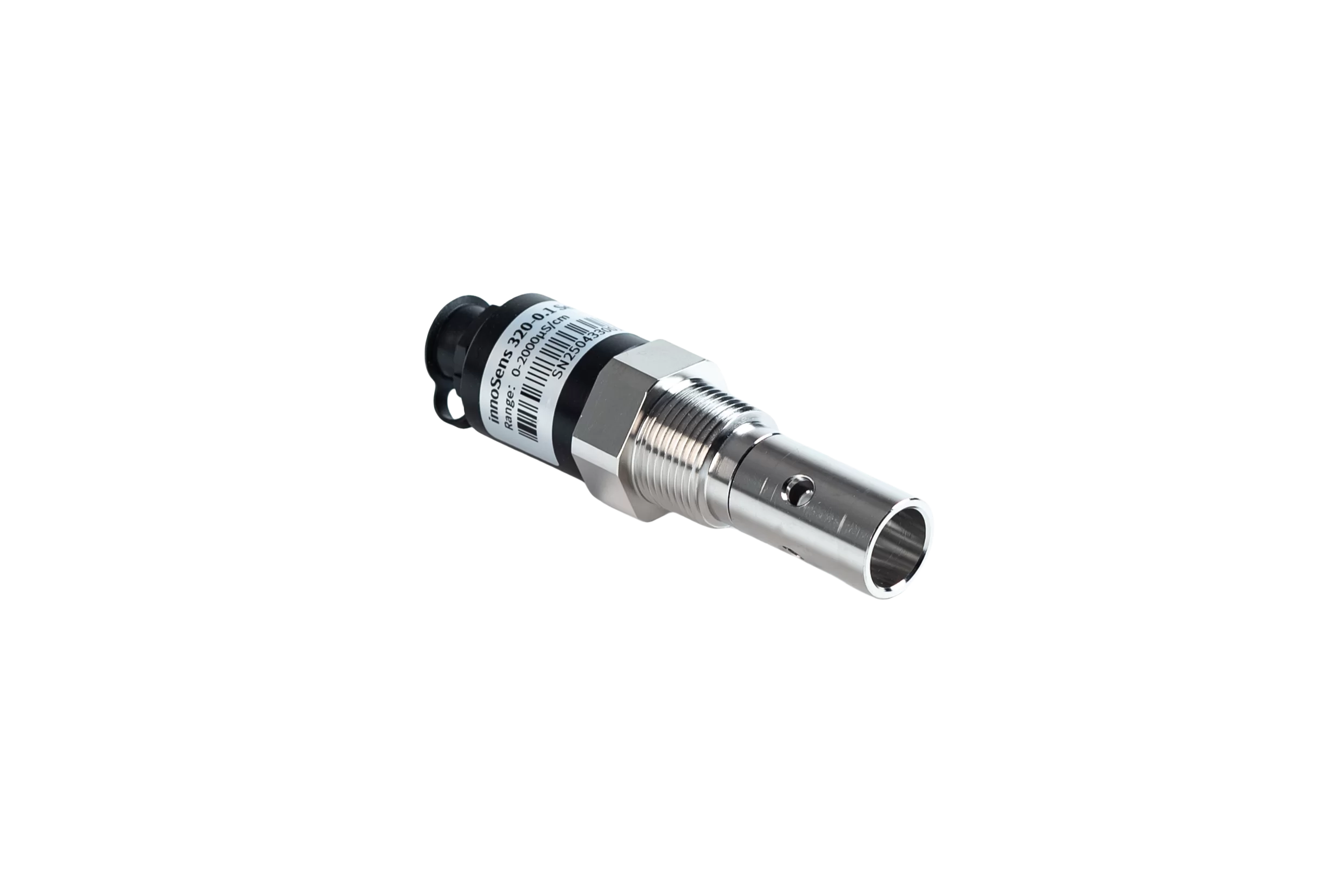
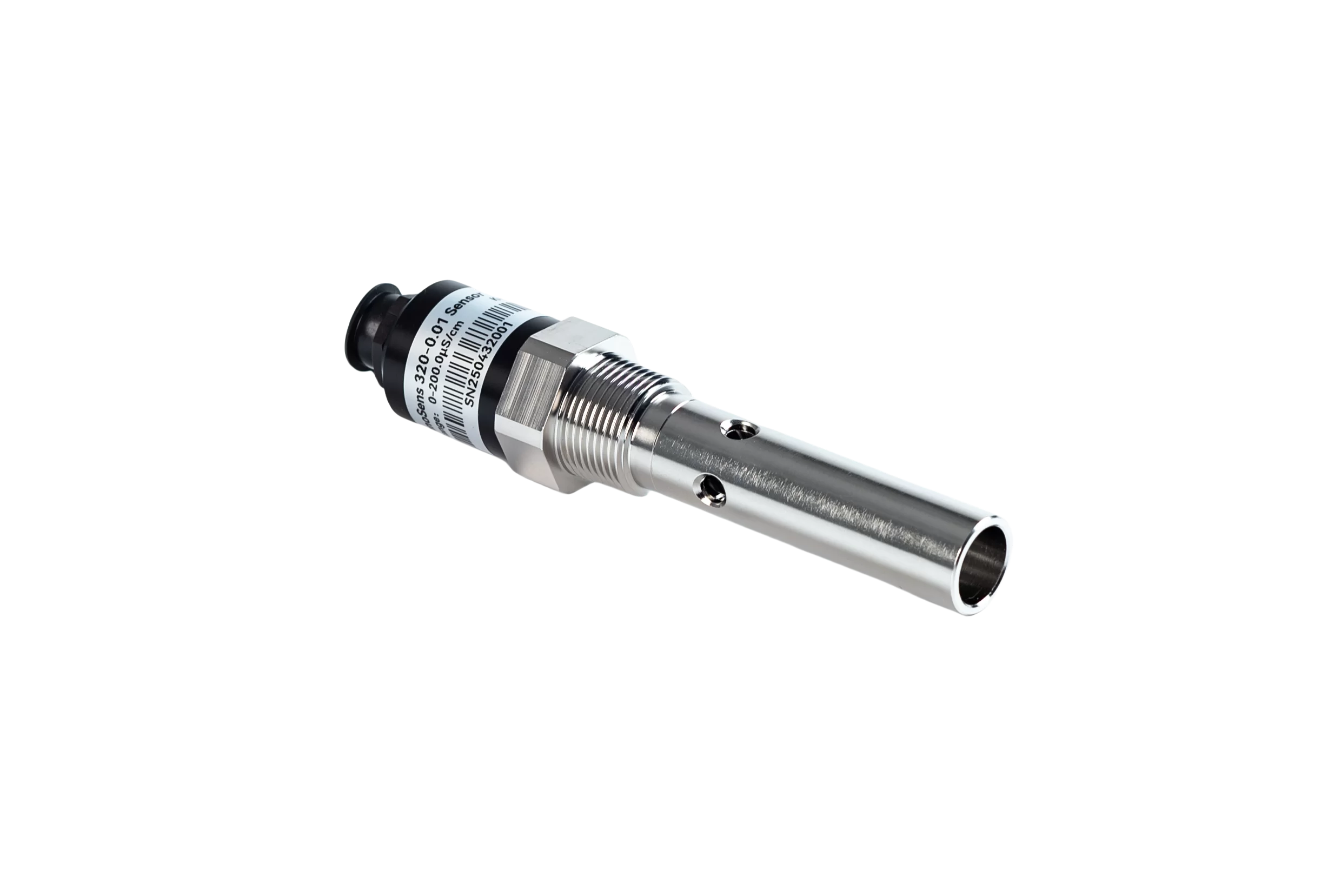
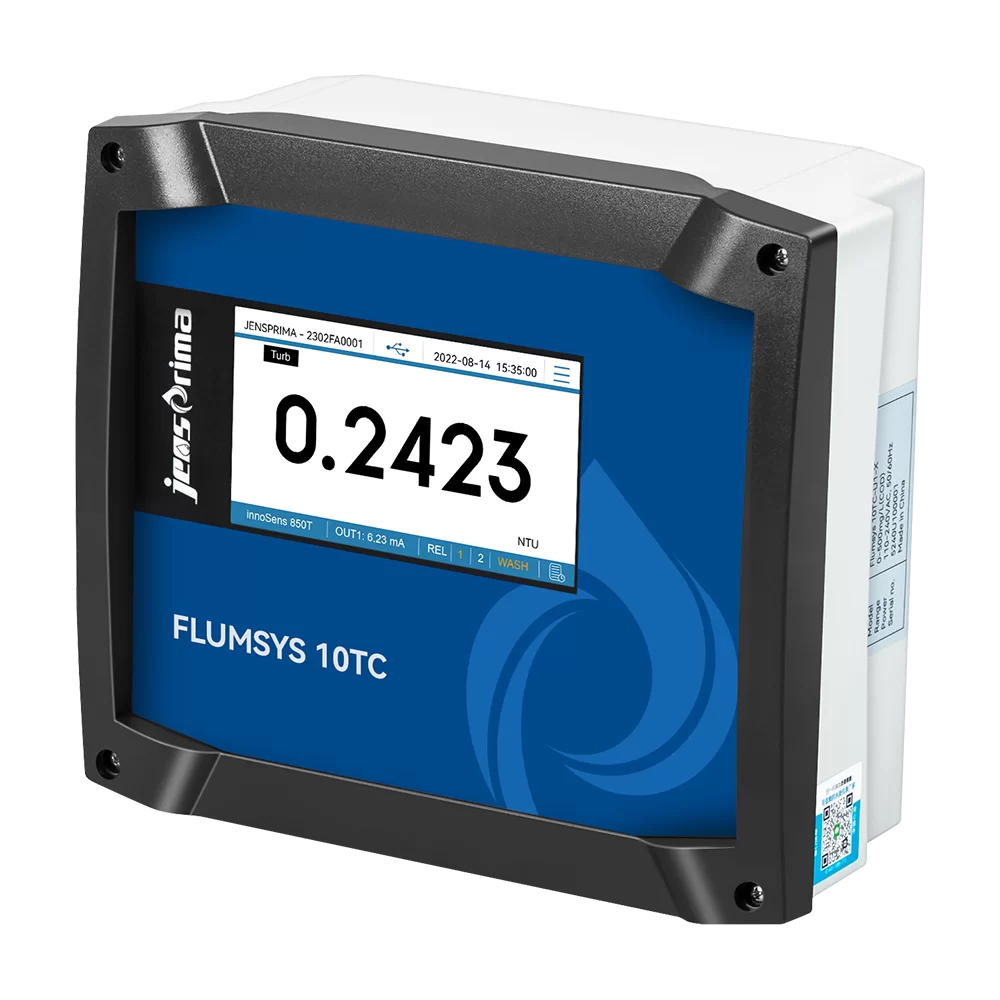
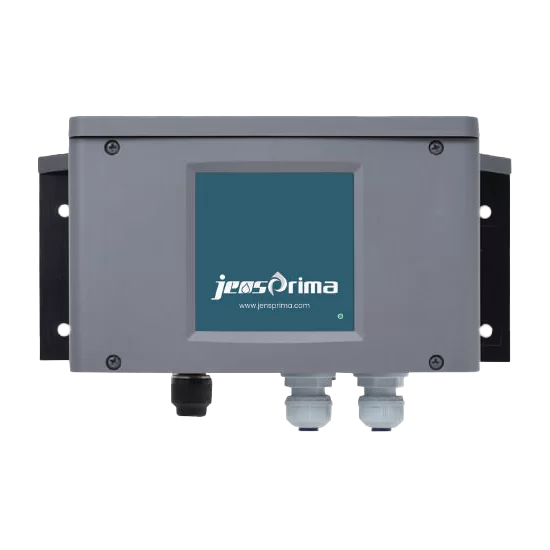
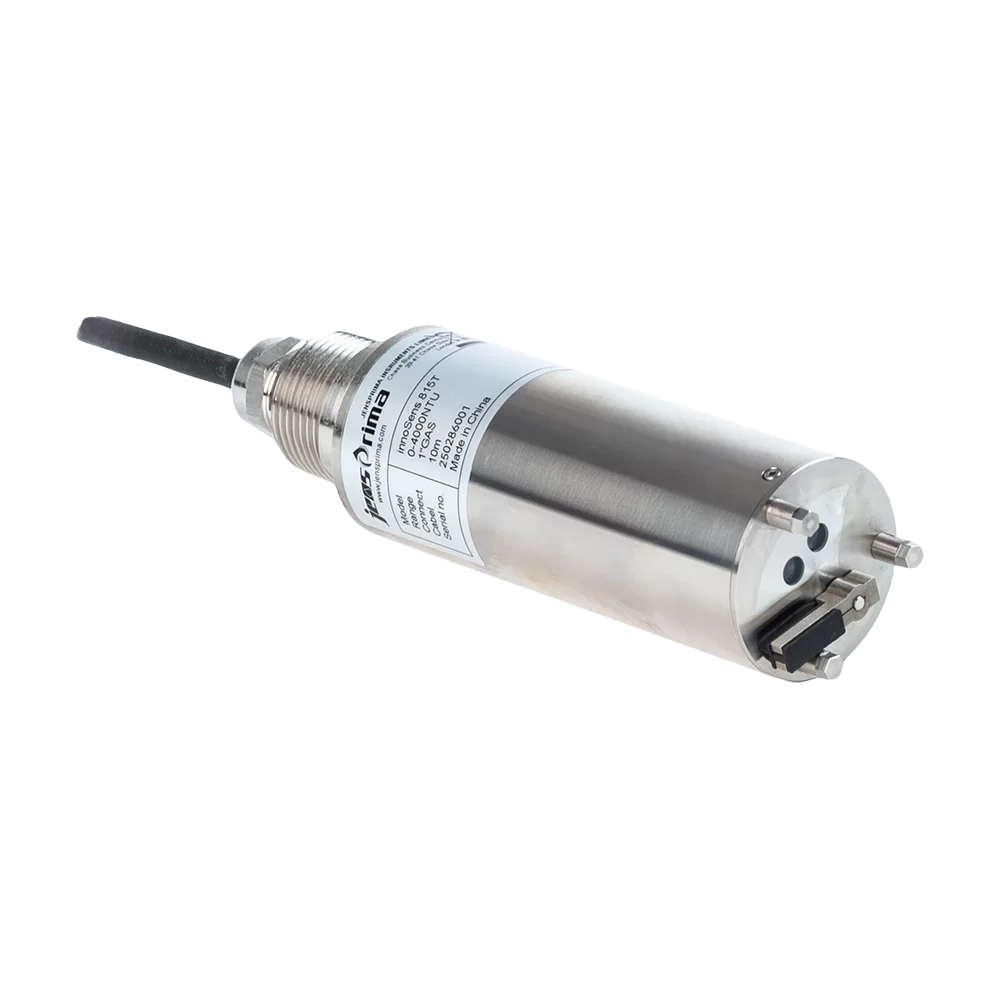
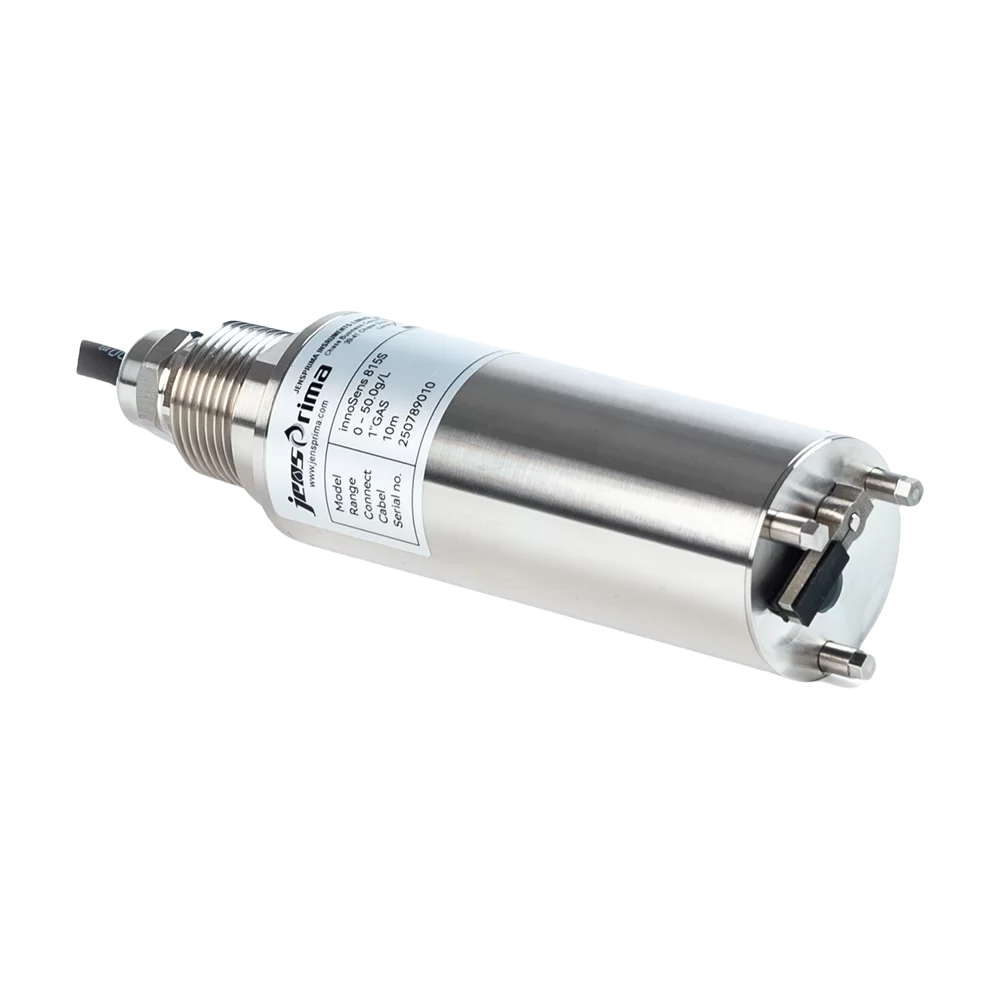
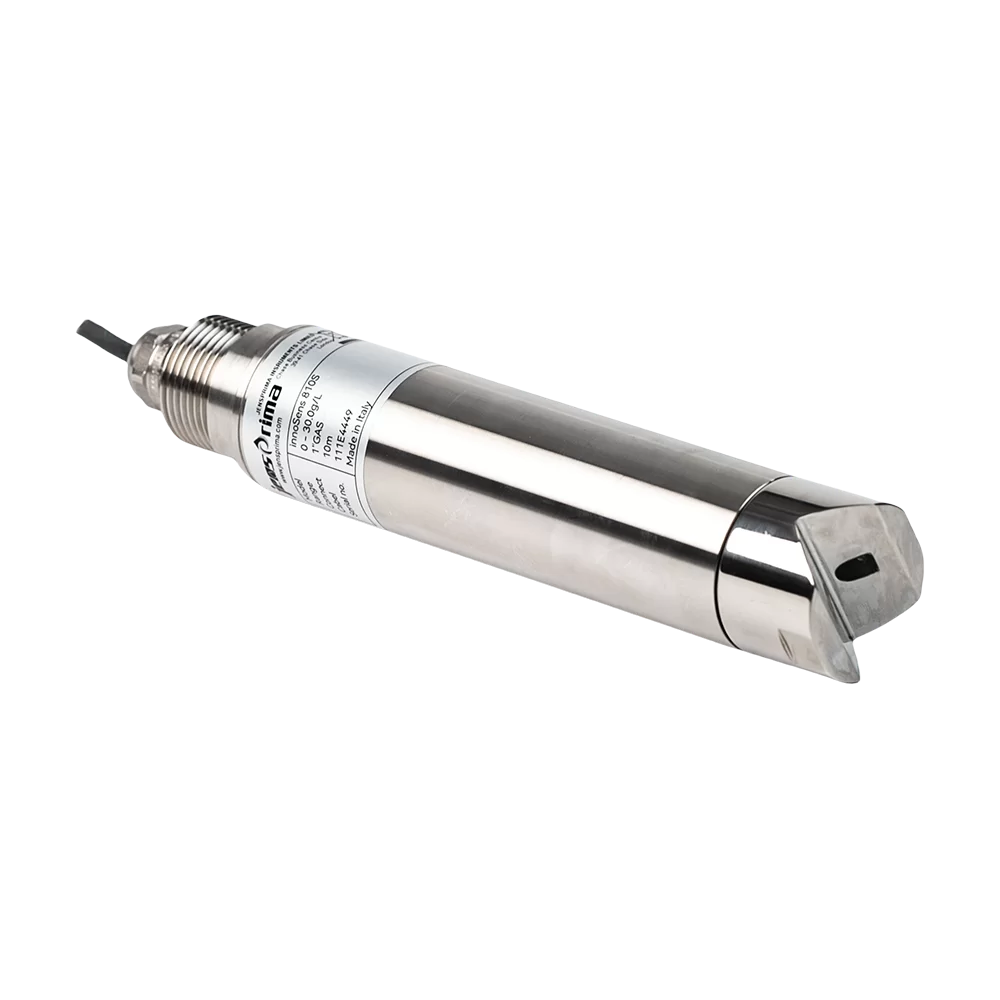
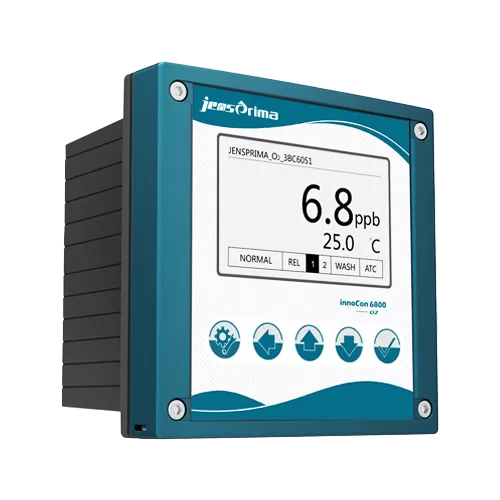
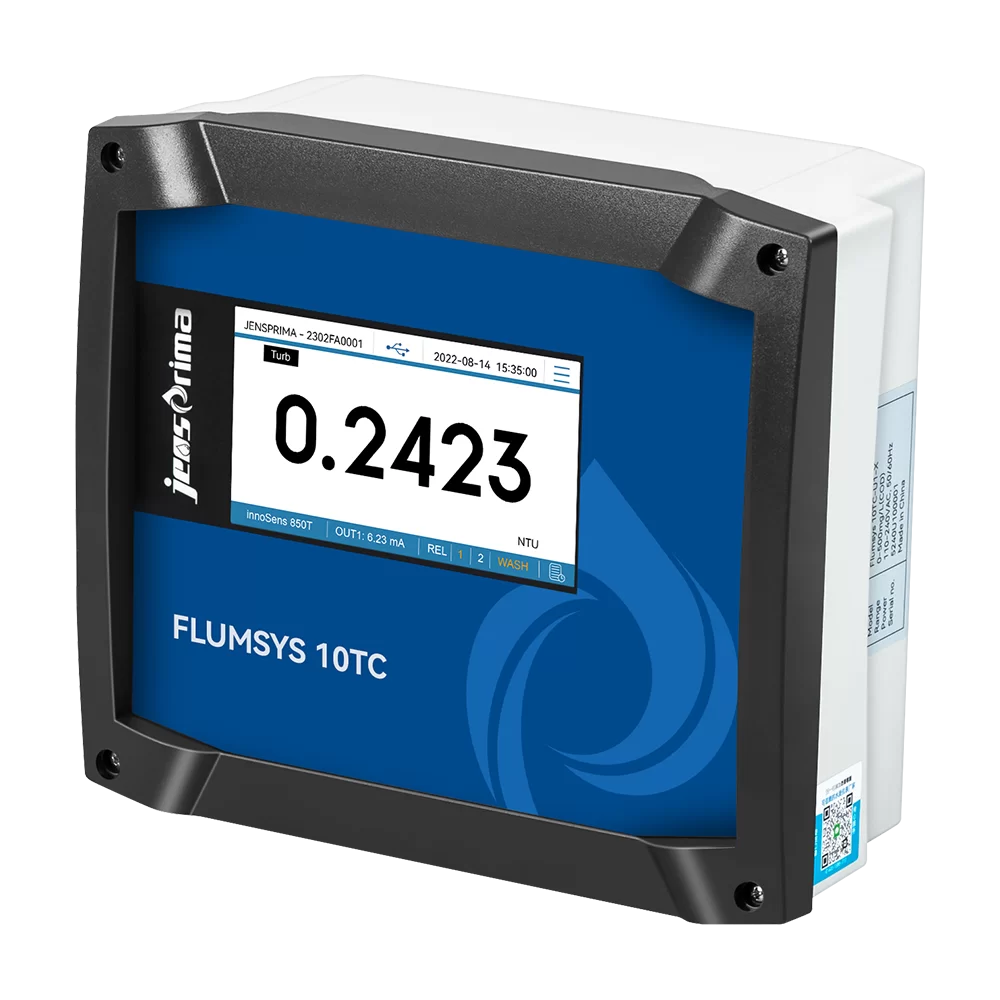
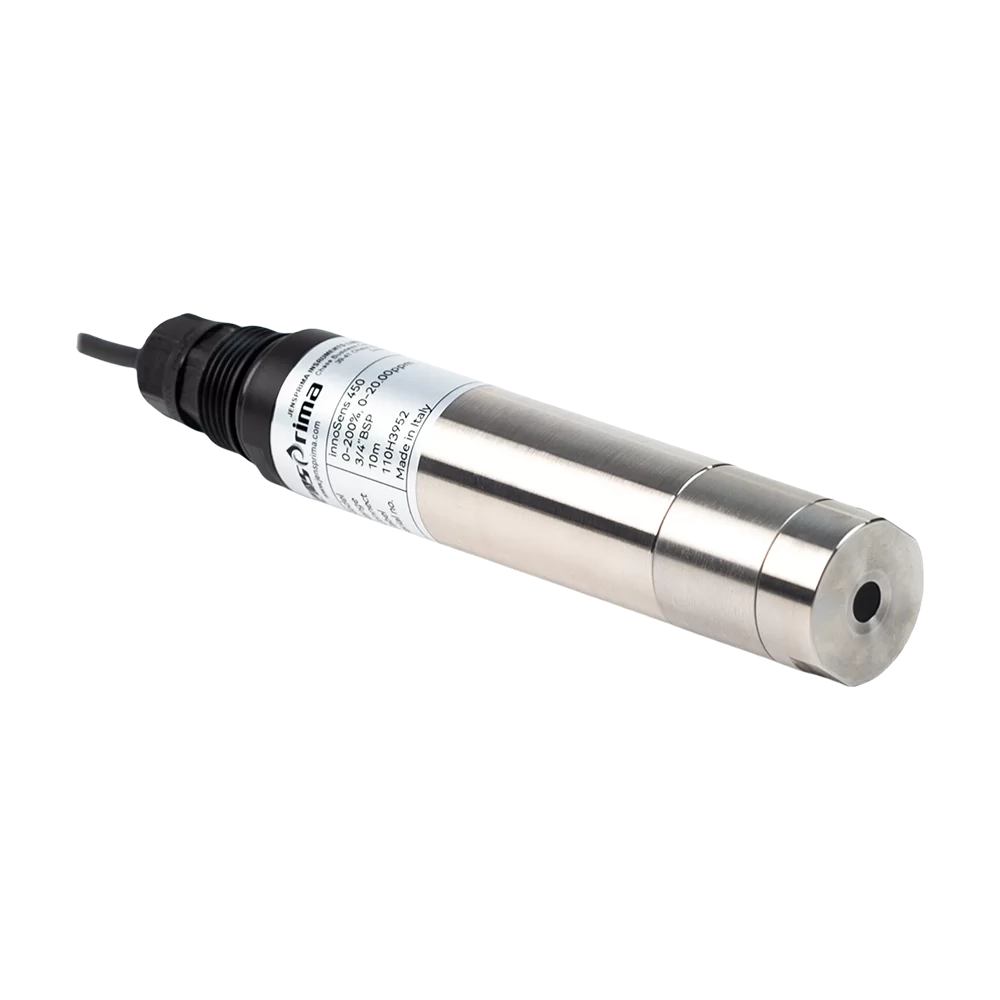
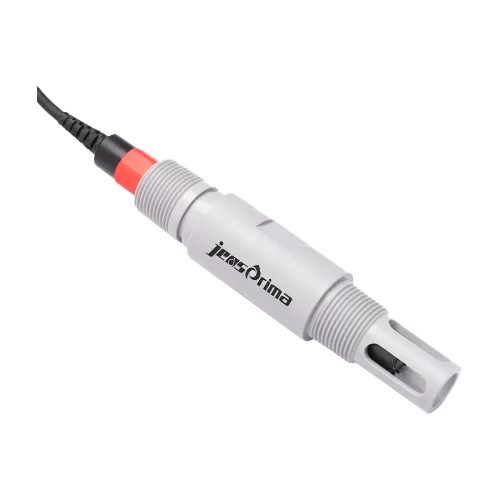
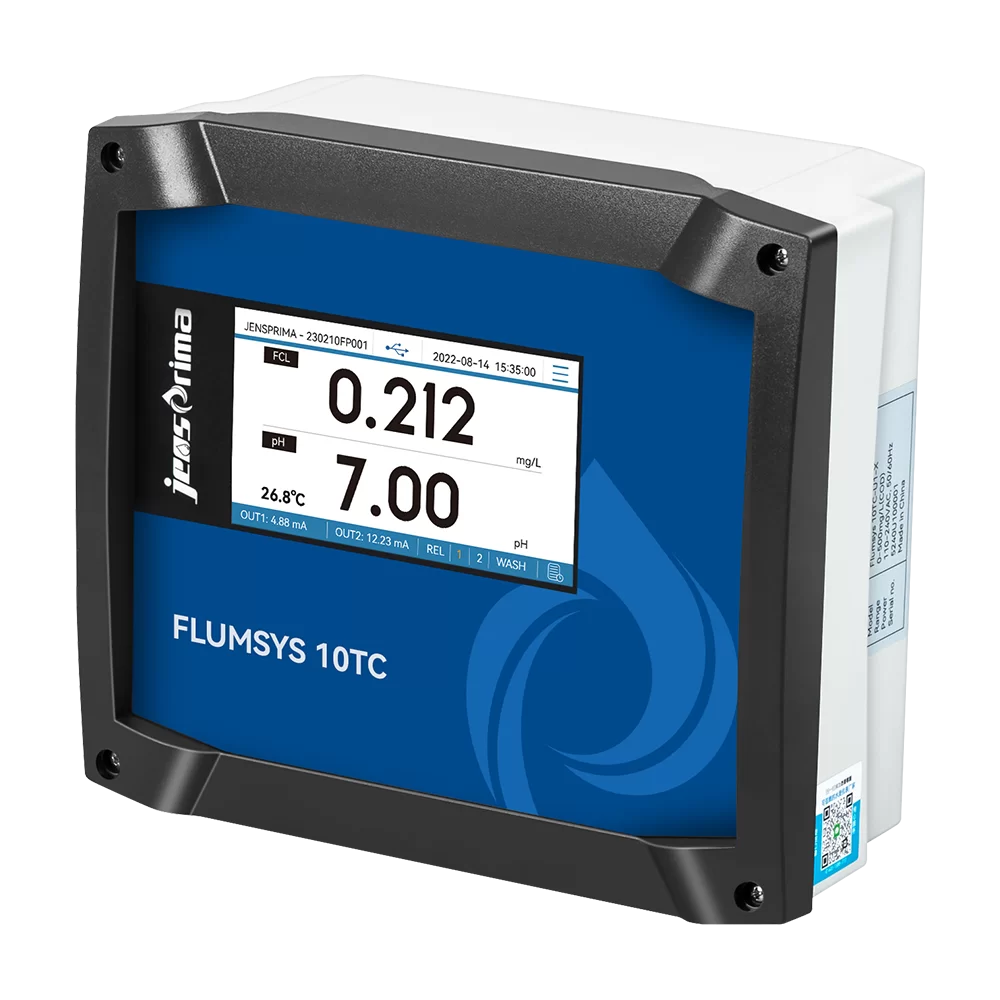
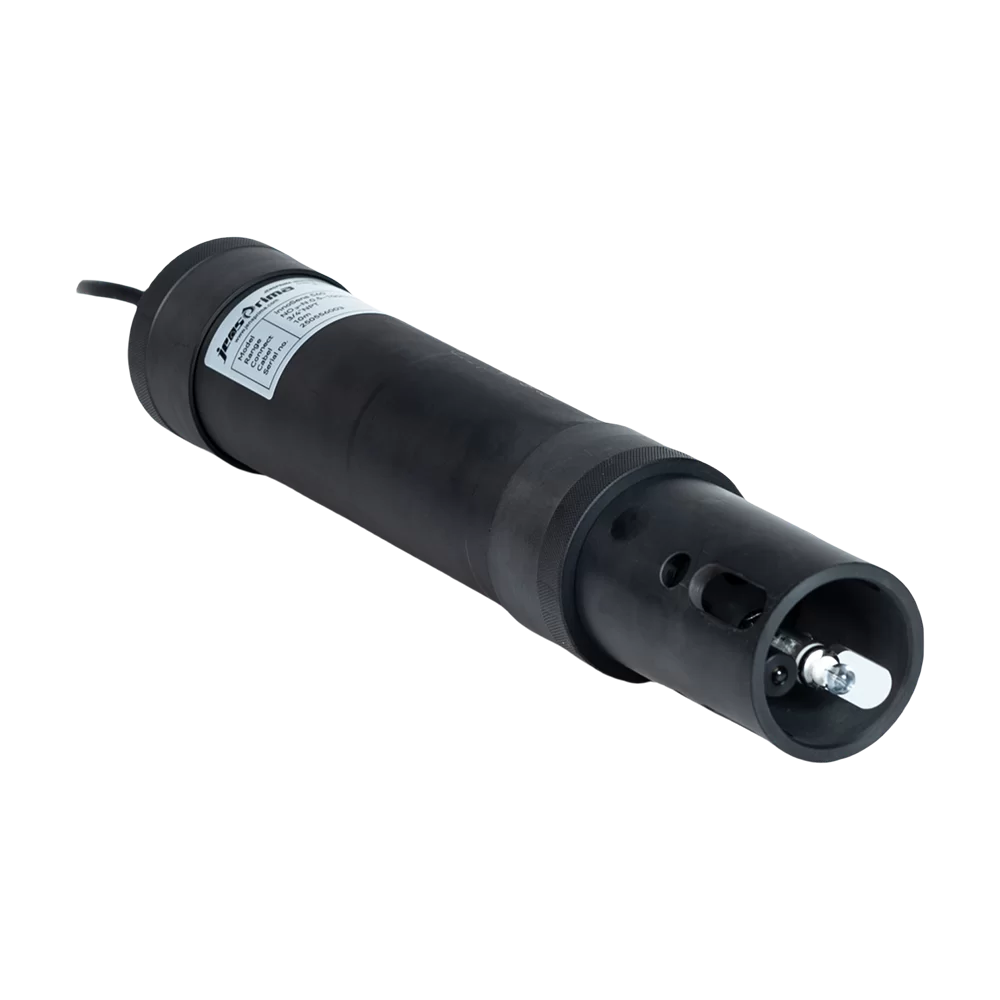
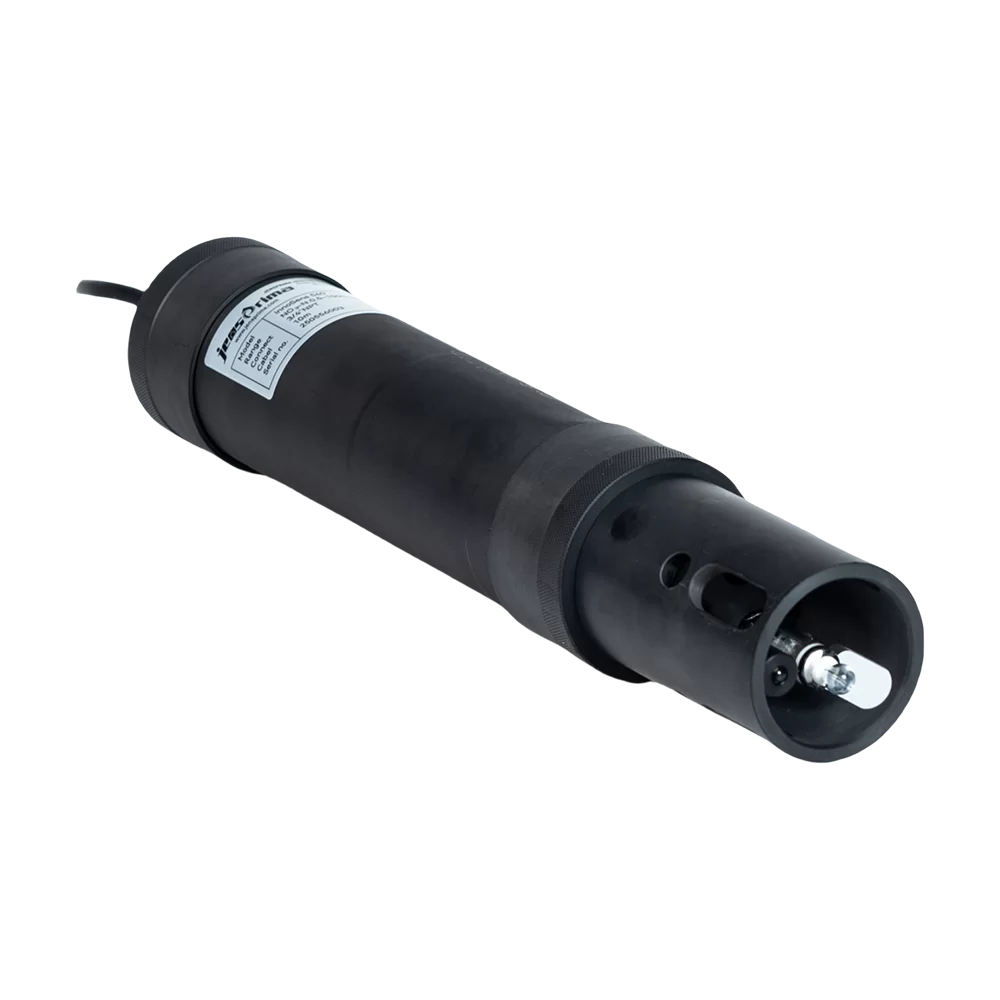
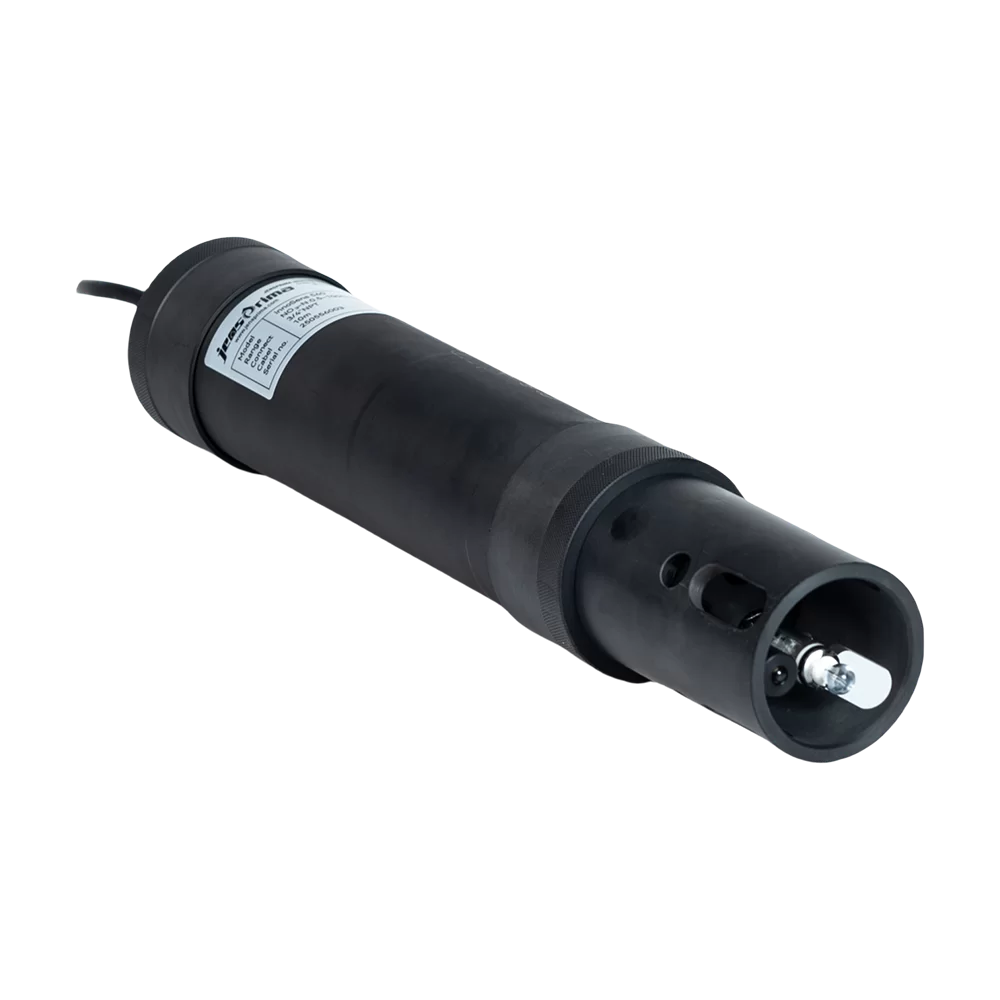
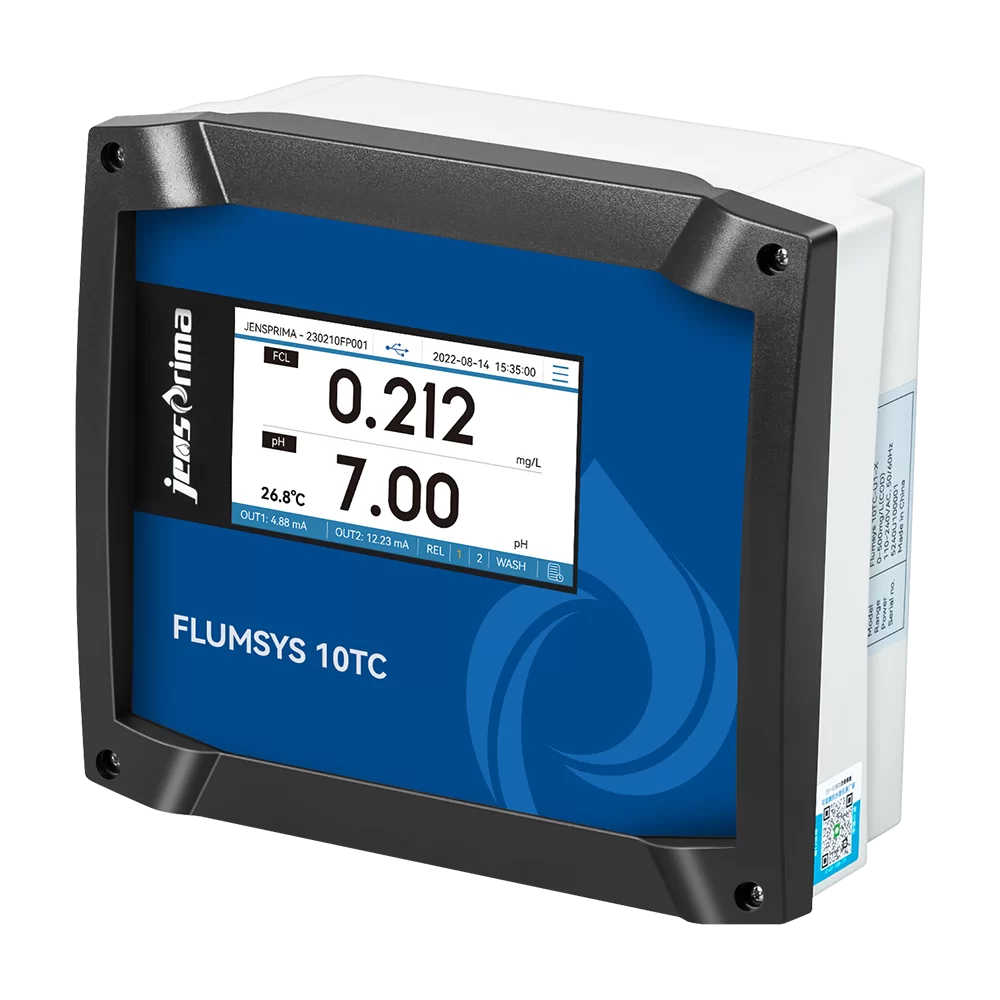
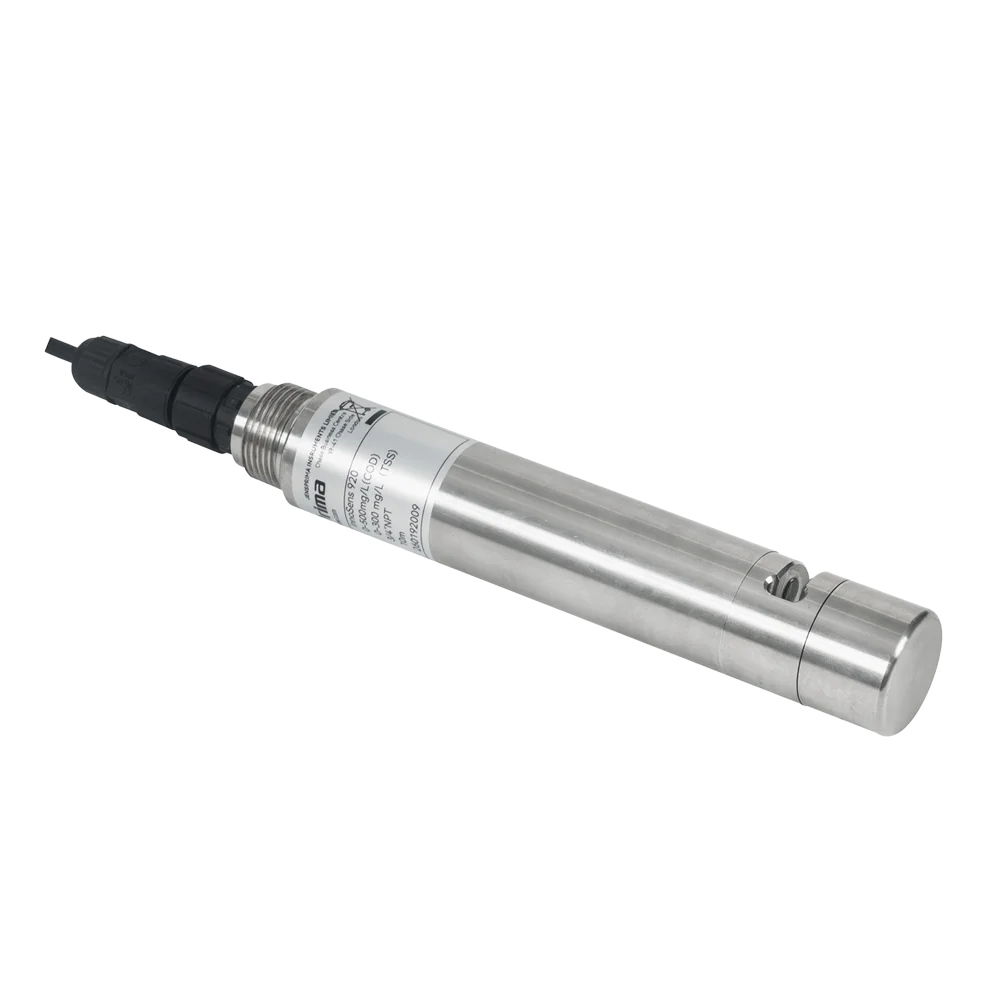


multi parameter analyzer

NEWS

UPDATES

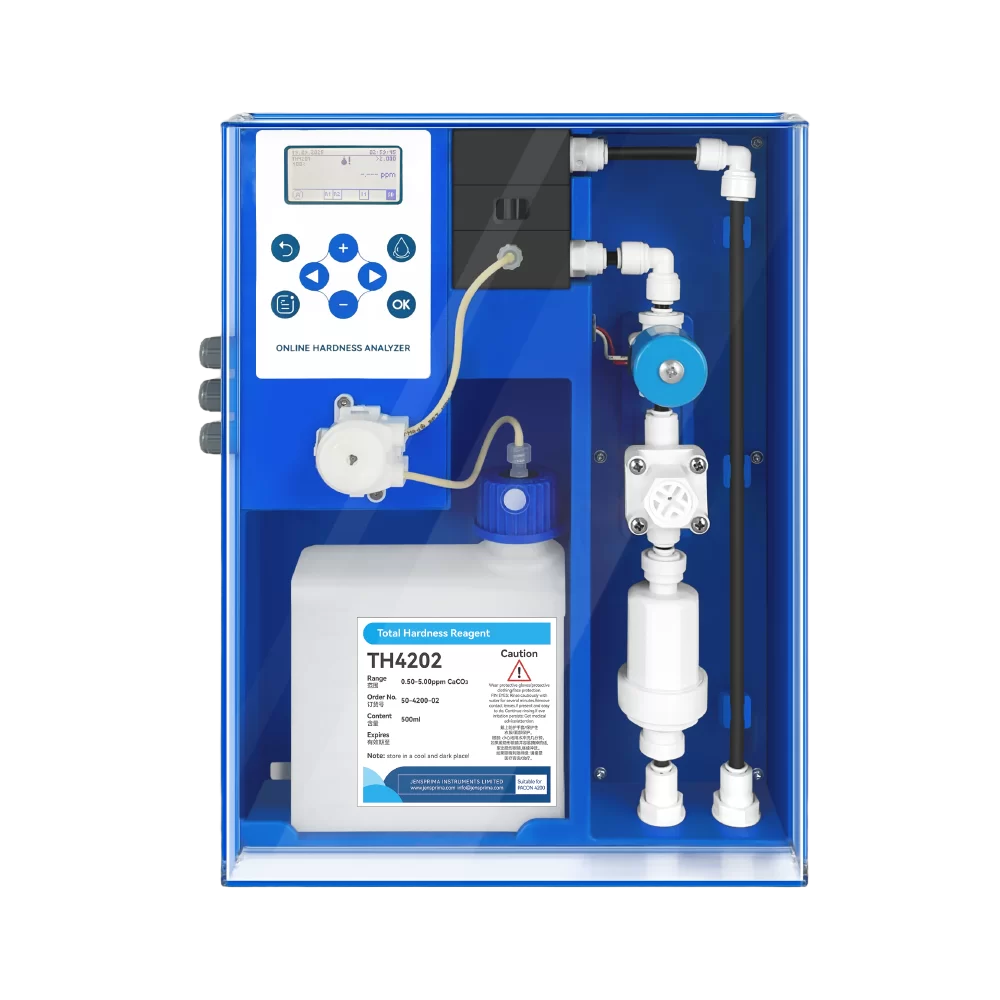
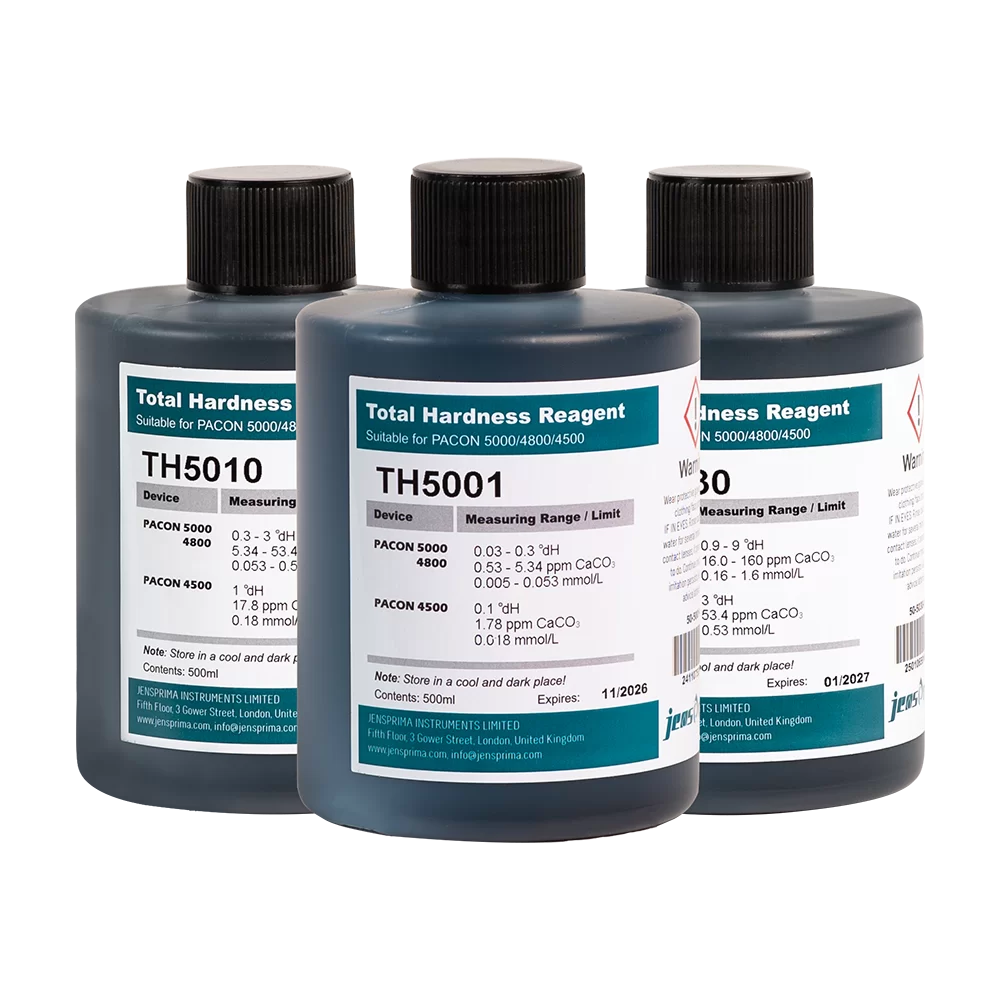
Advanced Water Quality Monitoring Solutions for Libya featuring total hardness analyzer

Precision online water analysis and flow measurement systems engineered for the challenging environmental conditions of North Africa.

Advanced Water Quality Monitoring Solutions for Libya featuring total hardness analyzer

Integrating high-precision sensing technology with rugged industrial design to ensure water security and process stability across Libyan industrial sectors.

Water Analysis Landscape in Libya

Addressing the challenges of arid climates and saline intrusion in water monitoring.

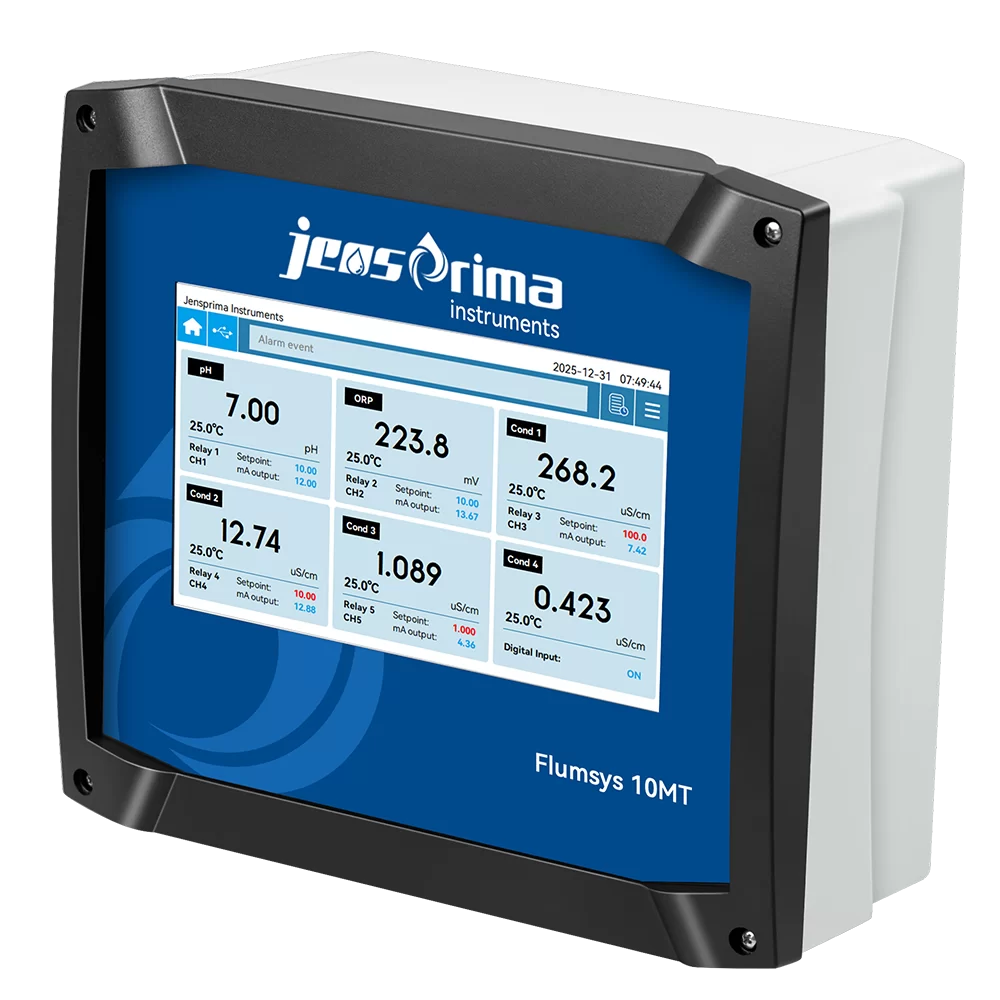
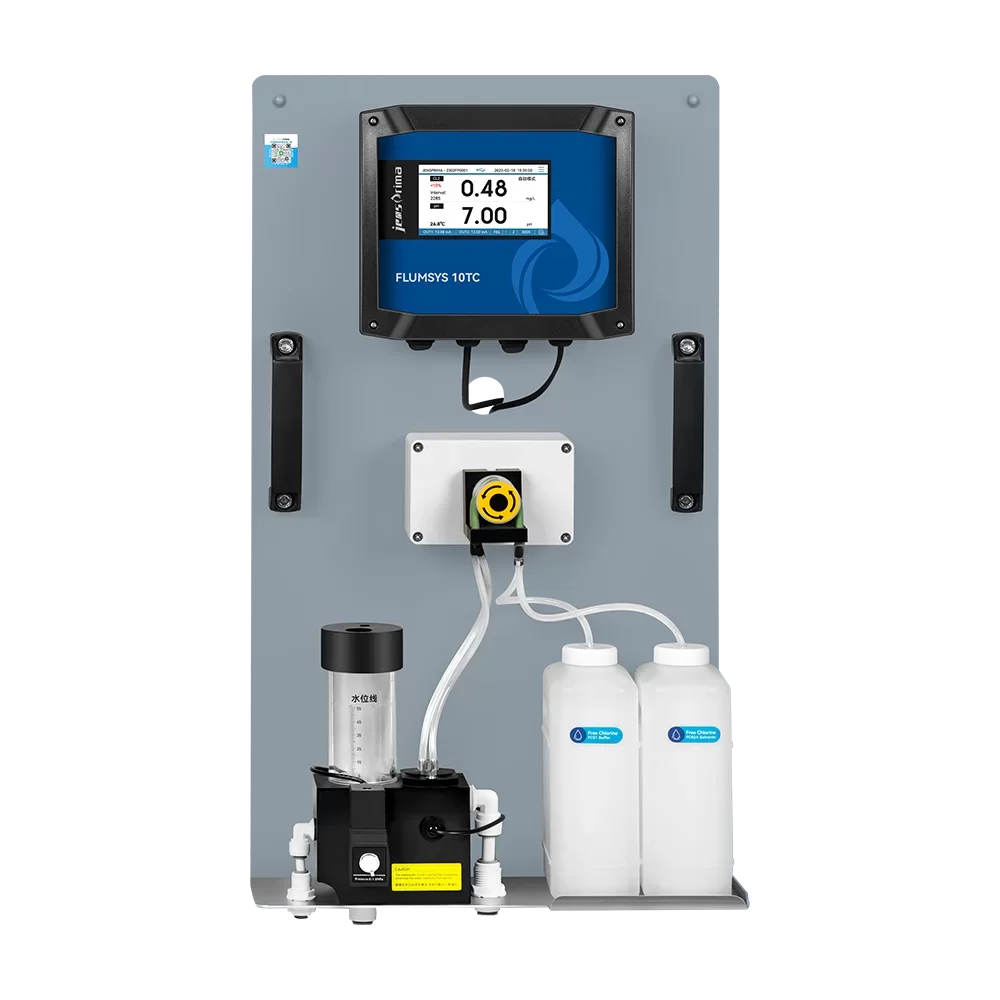
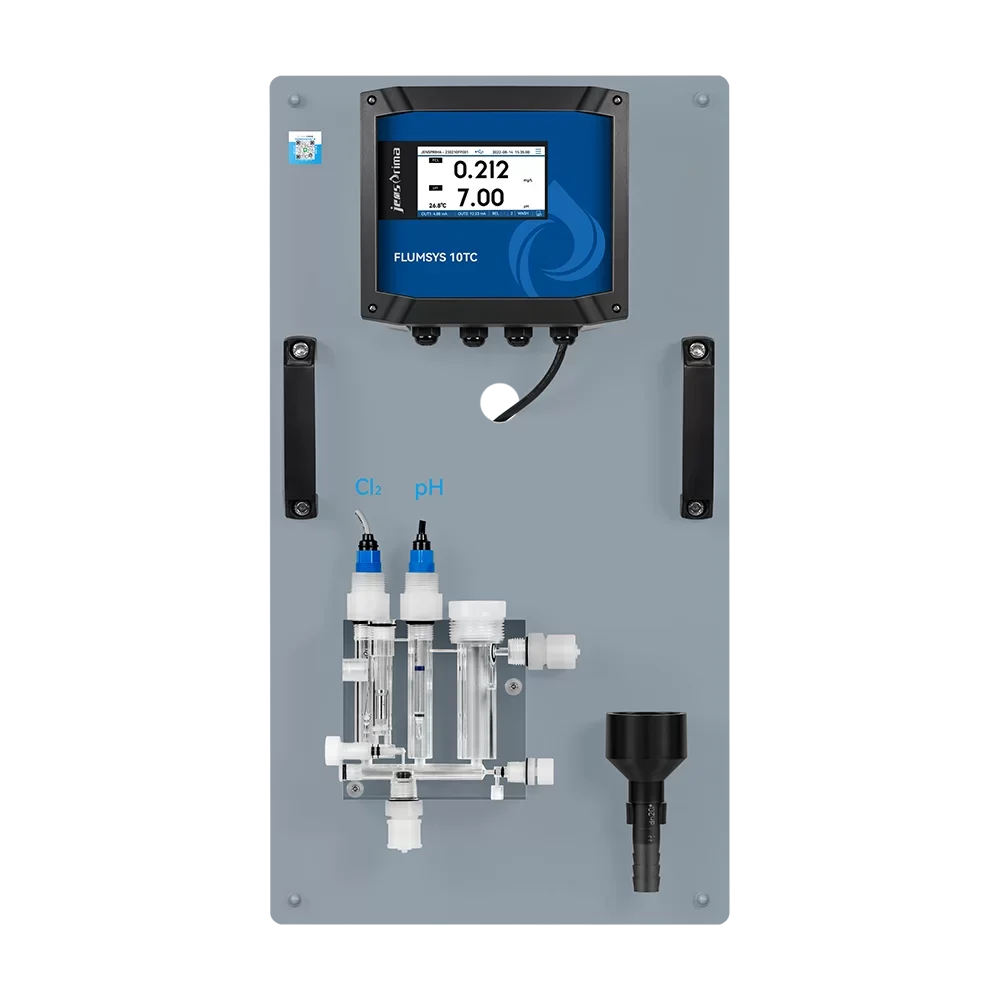
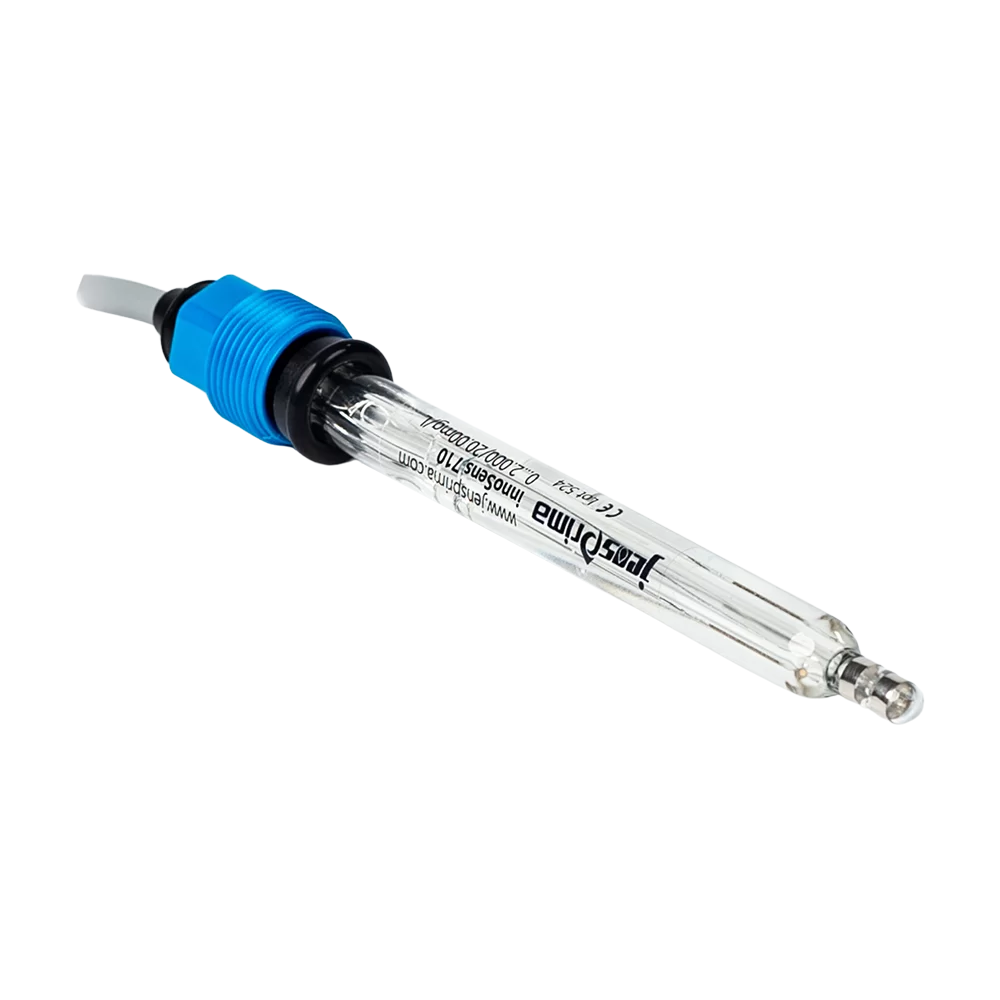
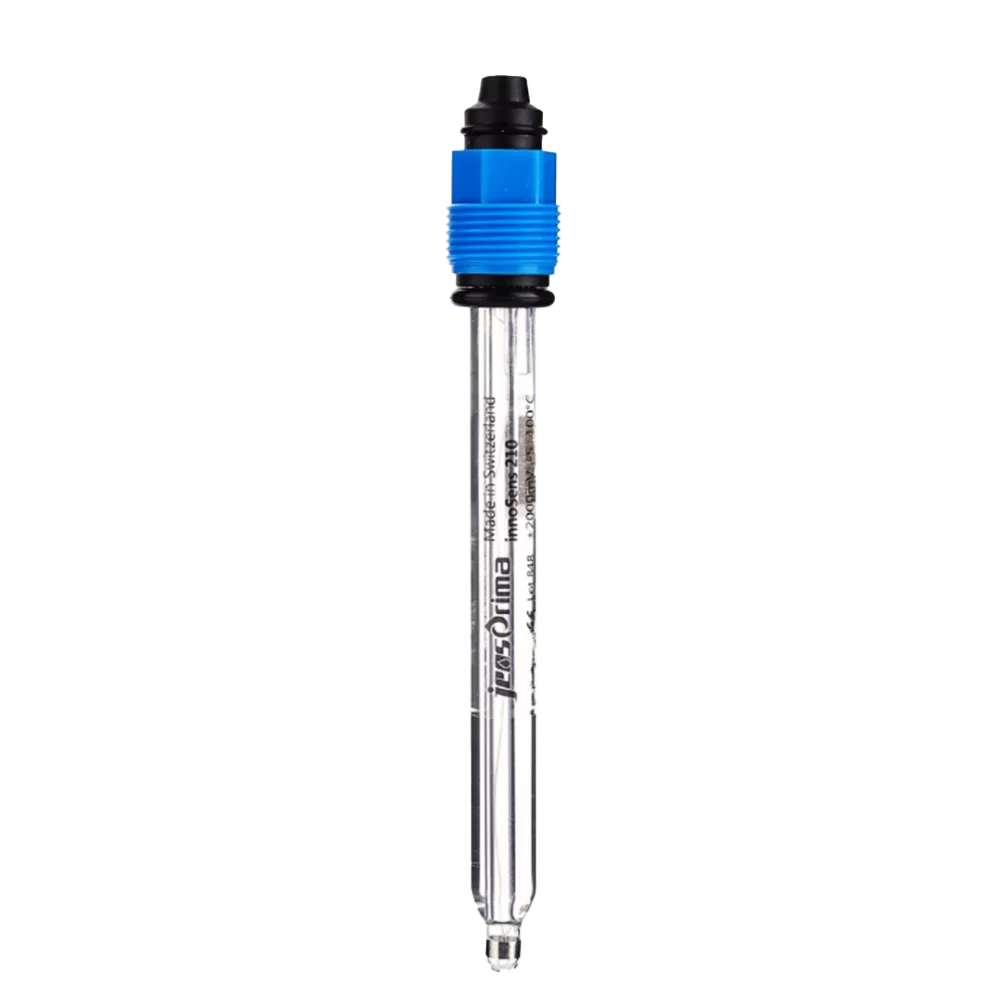
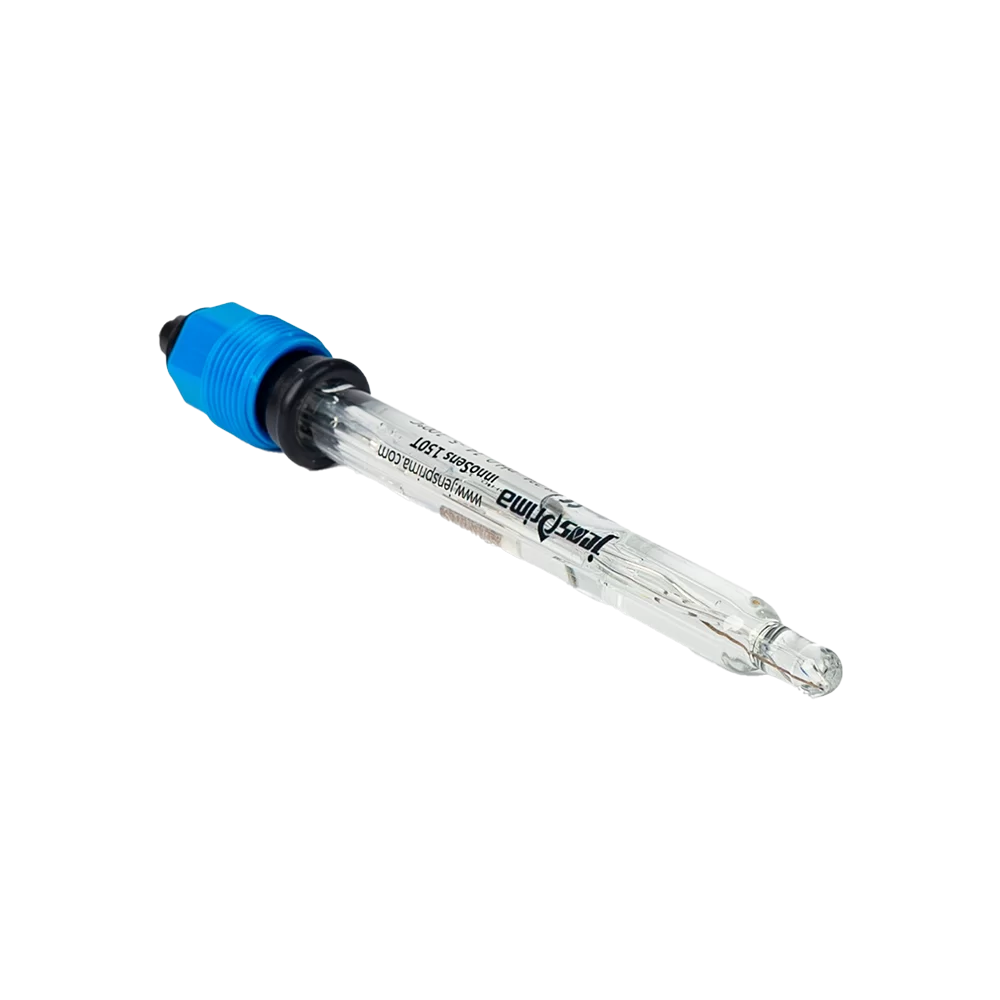
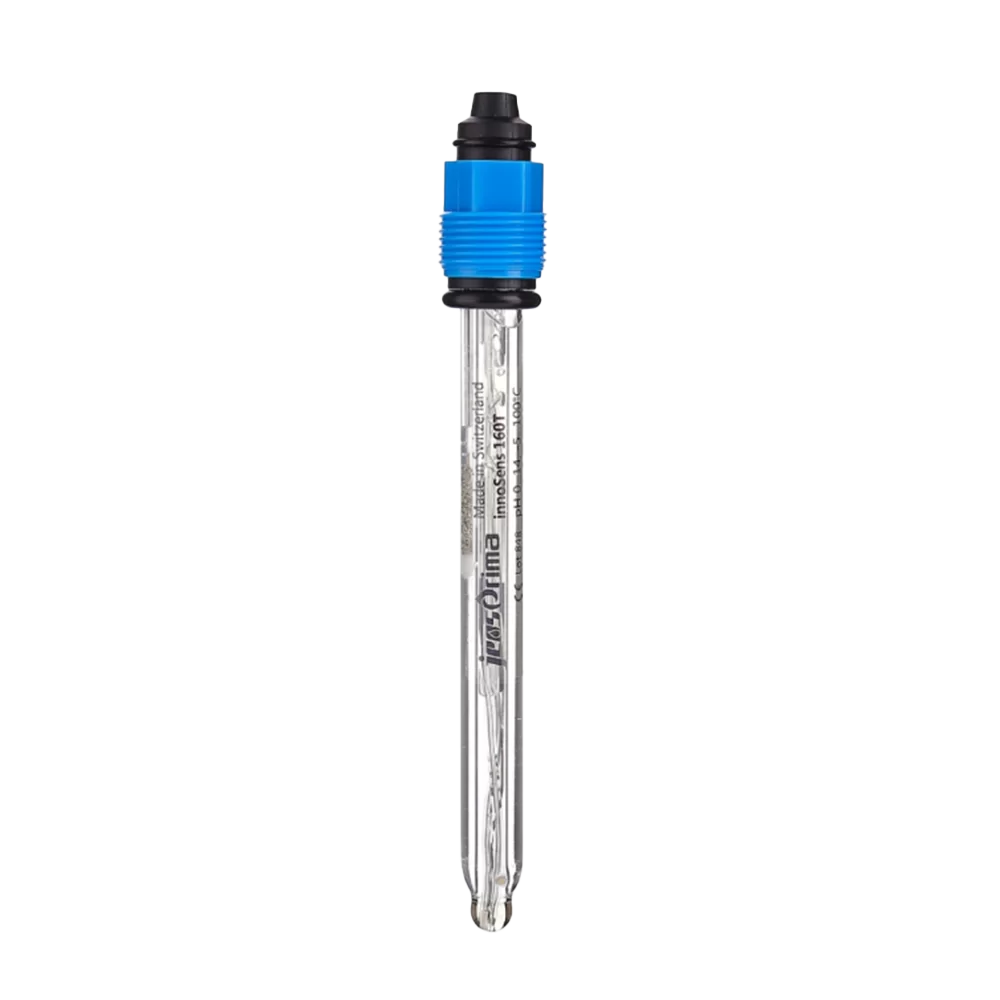
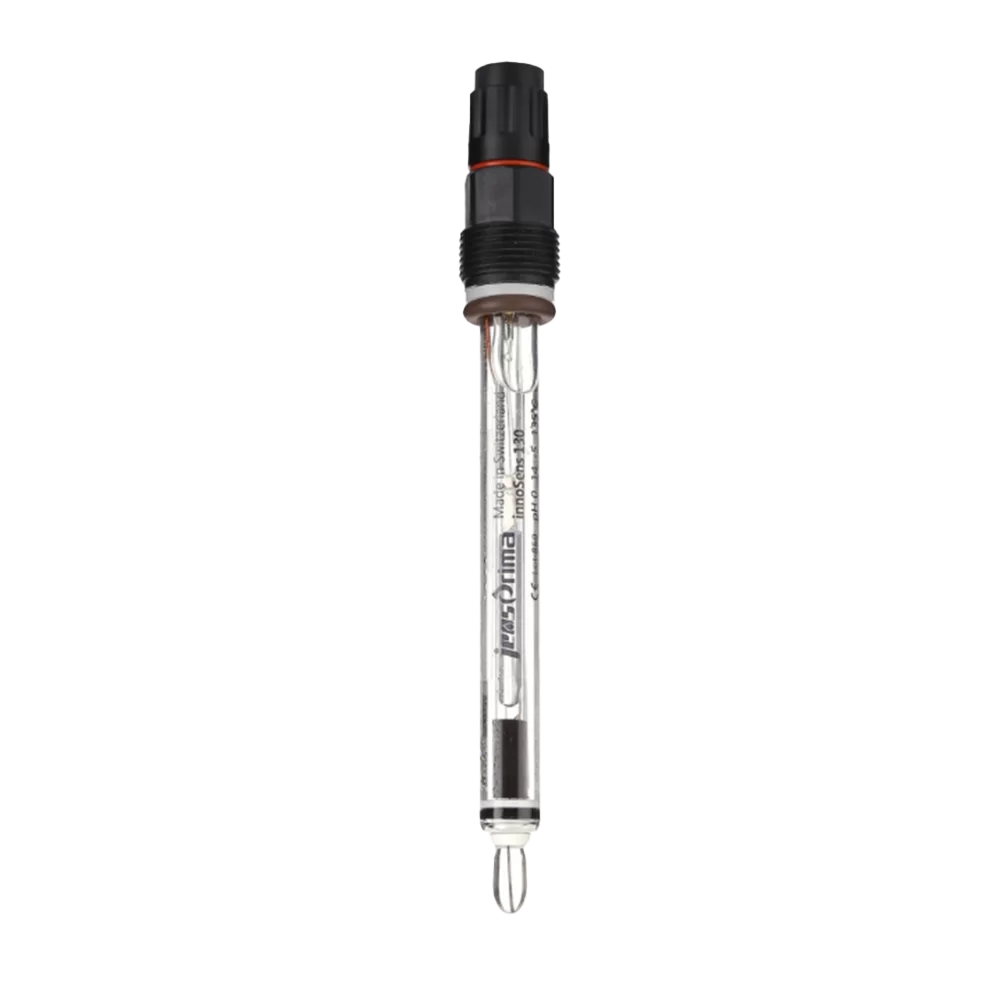
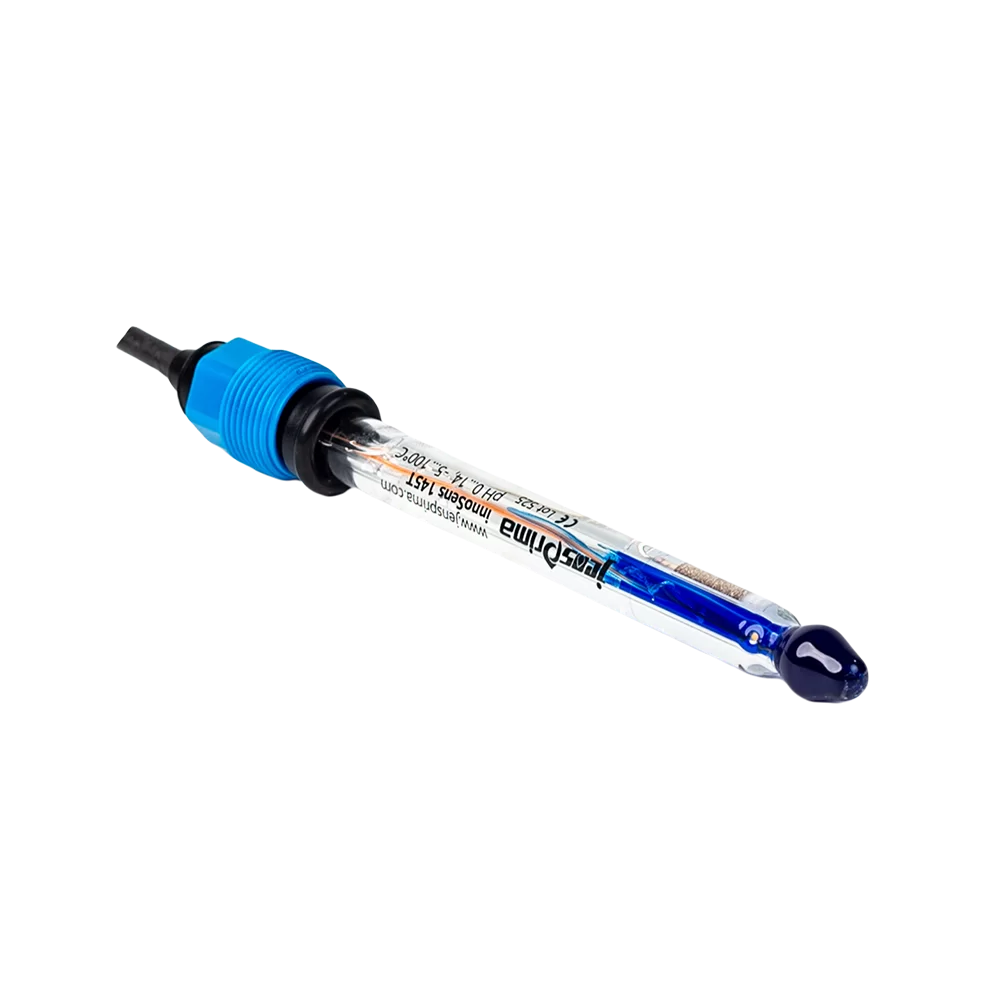
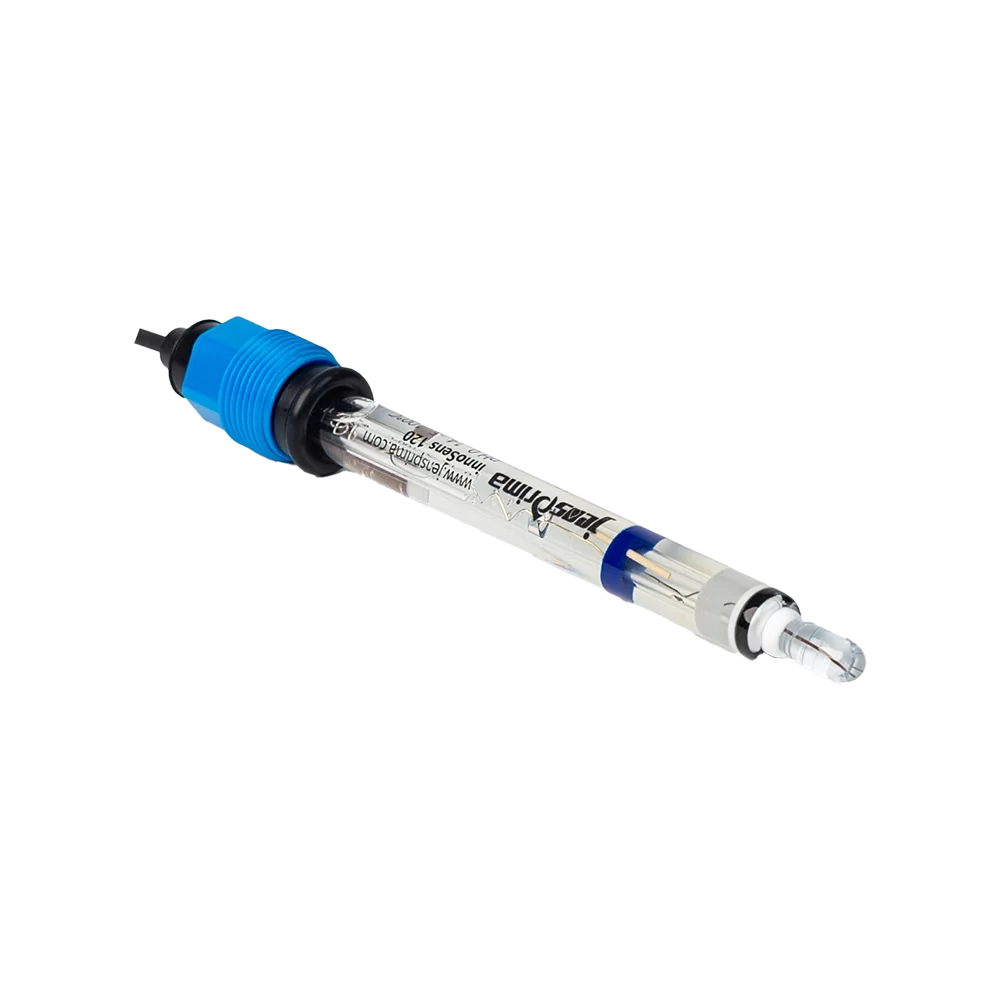
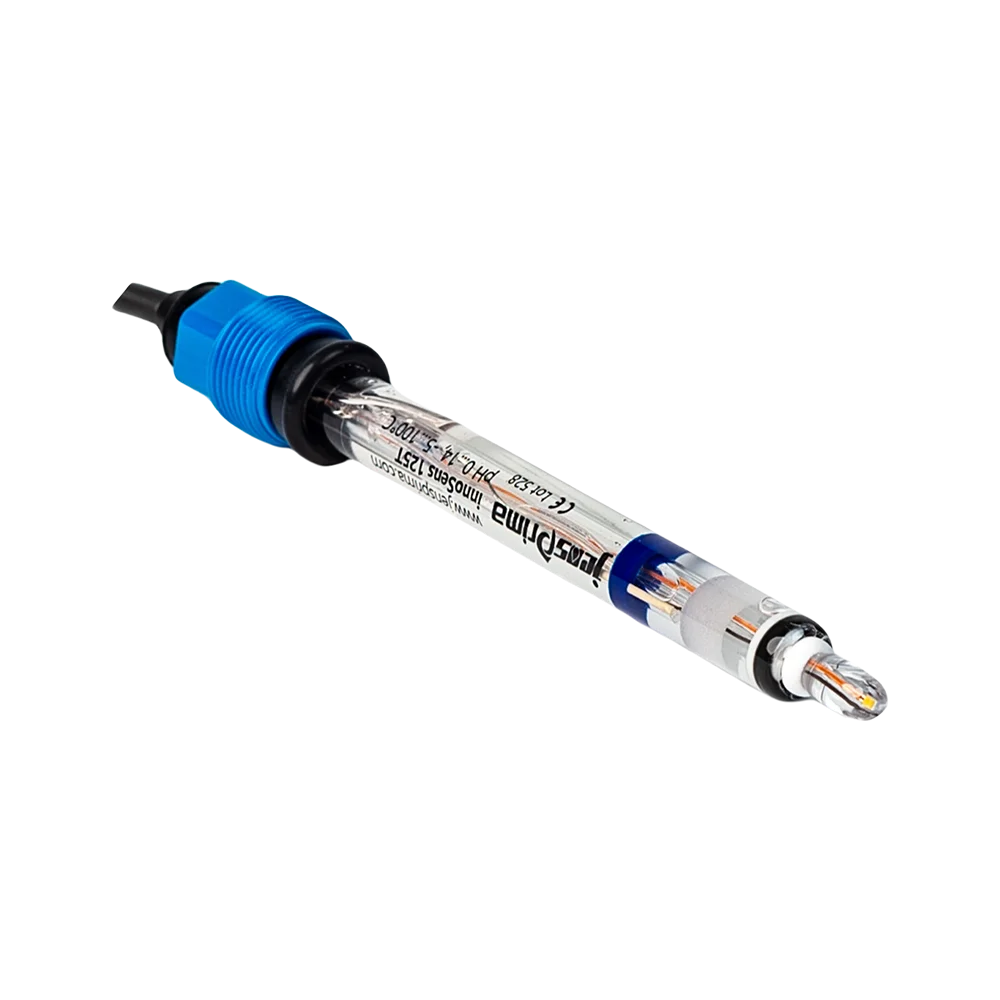
Libya's water infrastructure faces extreme challenges due to its hyper-arid climate and heavy reliance on the Great Man-Made River project. The presence of high salinity and mineral content in groundwater necessitates the deployment of a robust multi parameter water quality analyzer to monitor conductivity, pH, and dissolved oxygen in real-time.

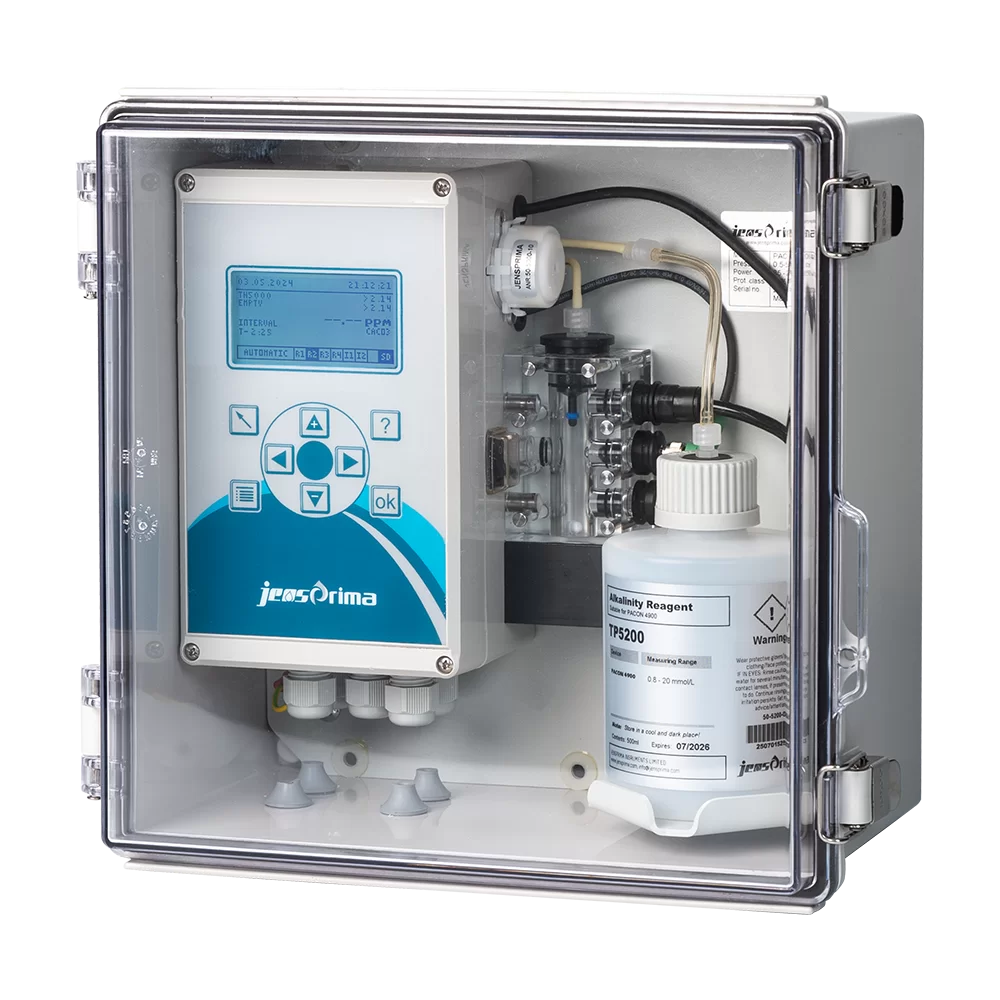
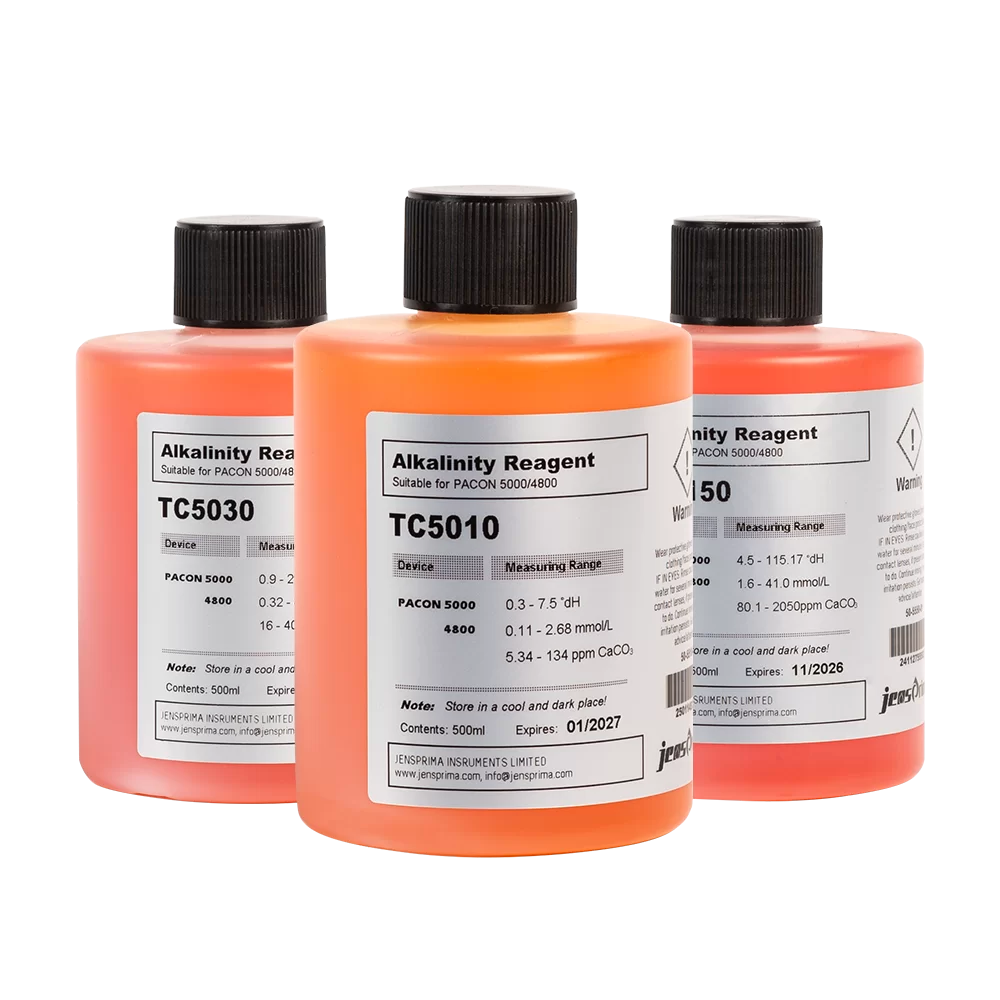
In coastal industrial zones, the intrusion of seawater into aquifers has increased the urgency for precise mineral tracking. This has led to a surge in demand for the alkalinity analyzer to prevent scaling in desalination plants and industrial boilers, ensuring that the chemical balance is maintained despite fluctuating raw water quality.

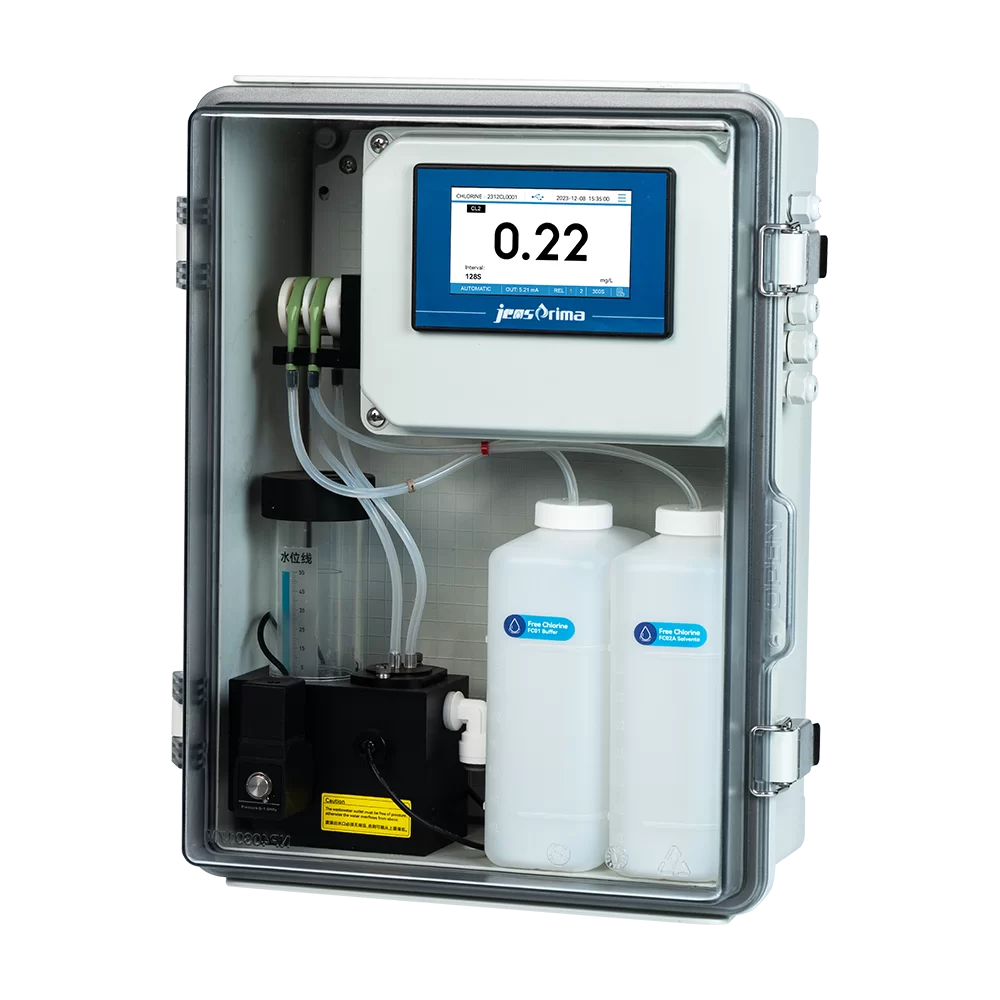
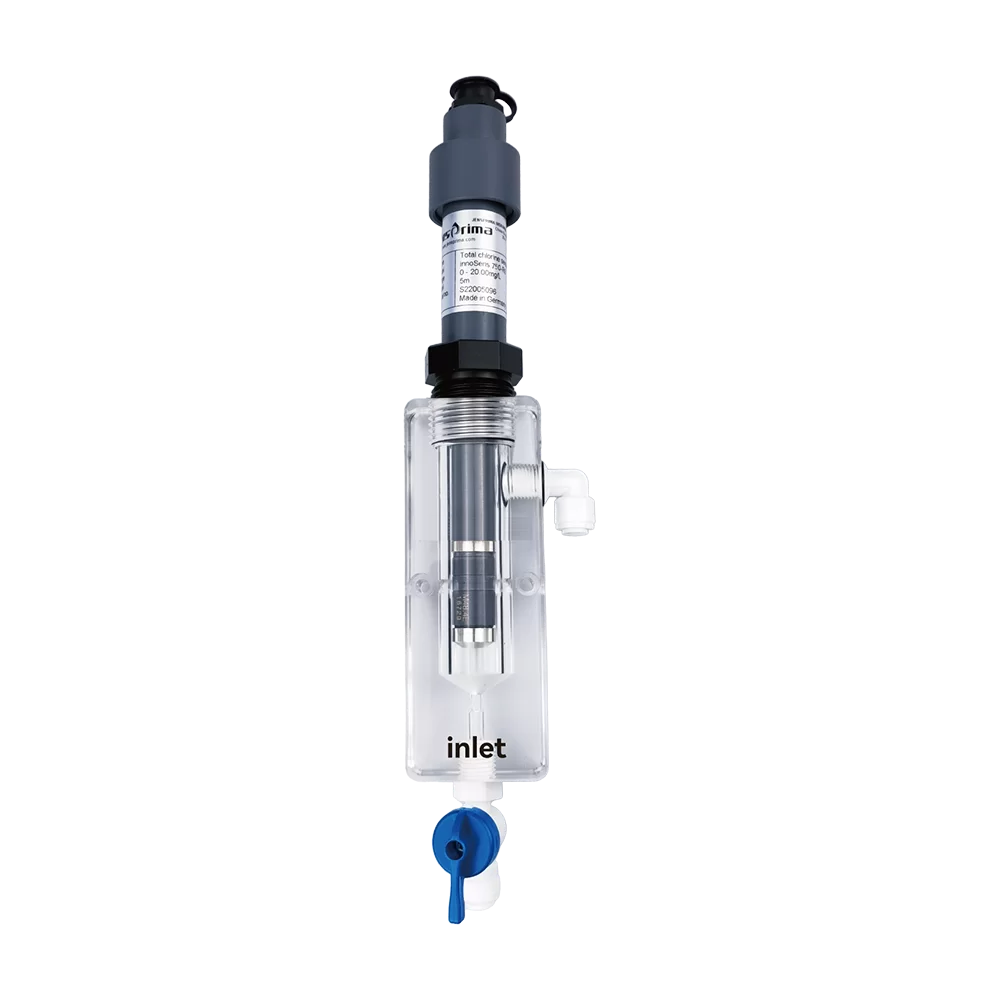
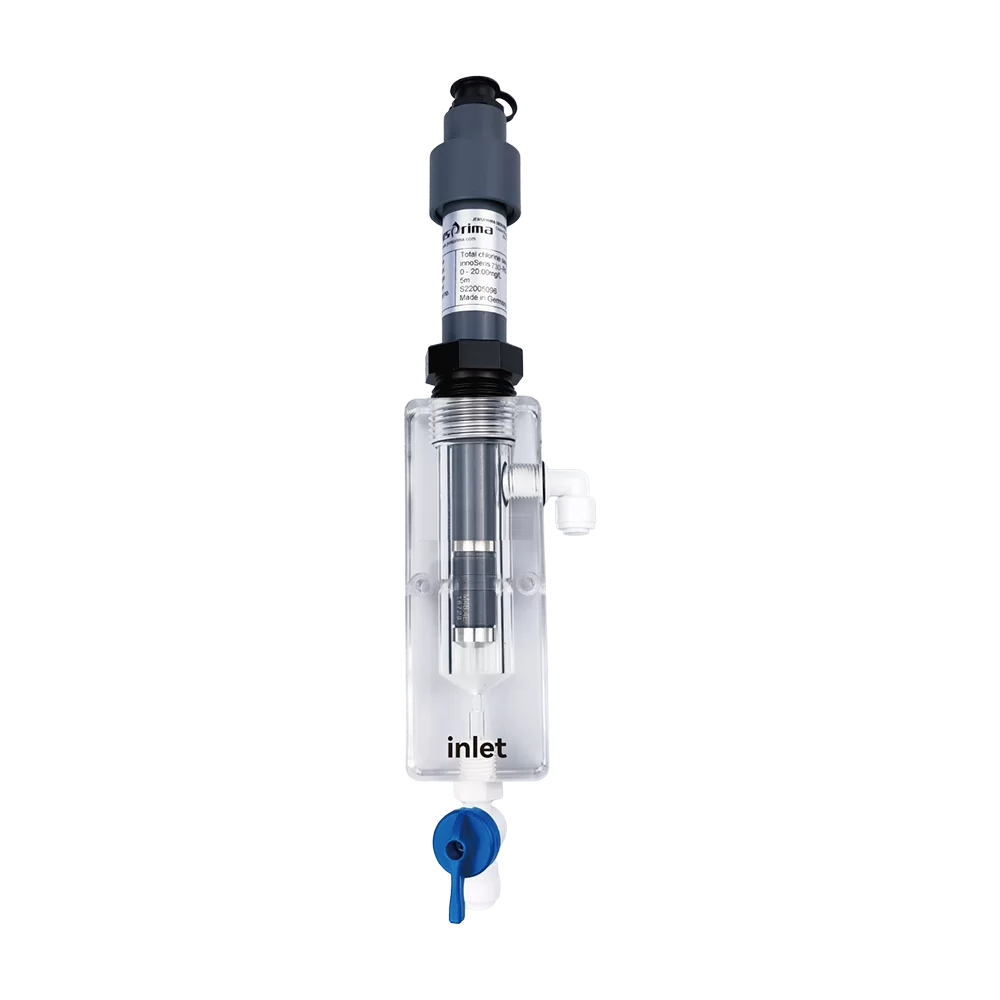
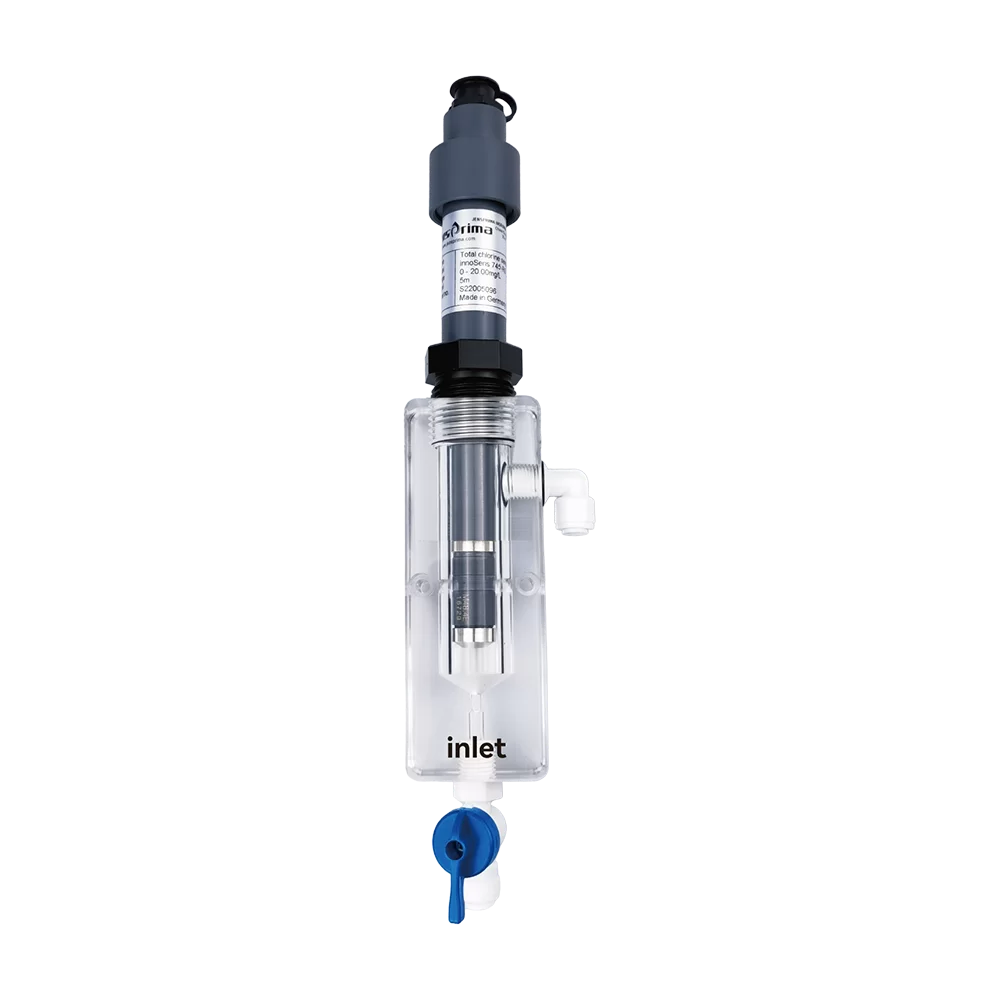
Furthermore, the maintenance of potable water networks in urban centers like Tripoli and Benghazi requires rigorous disinfection control. The integration of a residual chlorine controller is now critical to balance pathogen elimination with the prevention of harmful disinfection by-products in the distribution grid.

Evolution of Water Instrumentation in Libya

From manual sampling to autonomous online analytical systems.

Market Development History

Before 2010, water quality monitoring in Libya relied heavily on manual grab sampling and laboratory analysis. This traditional approach resulted in significant time lags and an inability to respond to sudden contamination events or mineral spikes in the water supply.

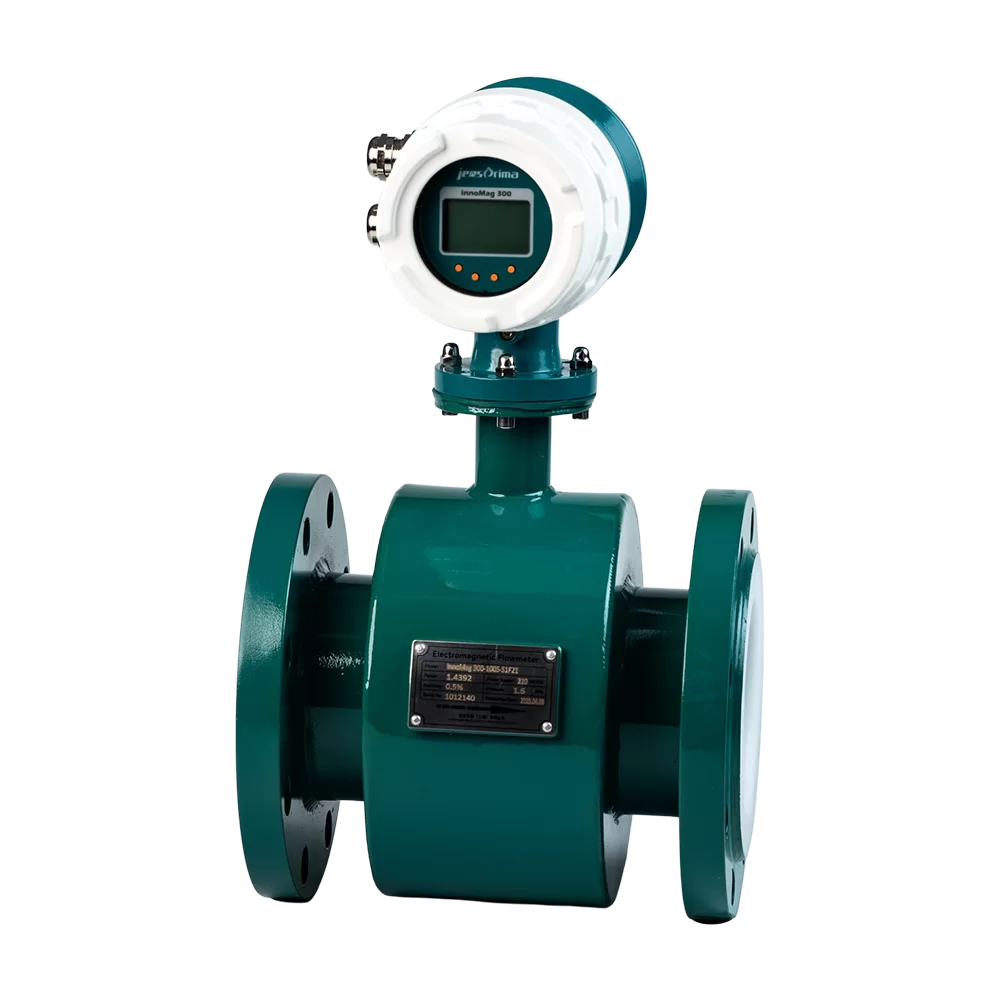
Between 2010 and 2020, the market transitioned toward semi-automated systems. Industrial plants began implementing standalone electromagnetic flowmeter units to quantify water usage and chemical dosing, marking the first step toward digital water management.

Since 2021, the focus has shifted toward fully integrated, online analytical suites. The adoption of IoT-enabled sensors allows for remote monitoring of critical parameters, reducing the need for on-site technicians in remote desert locations.

Future Development Trends

Autonomous Calibration Systems

Moving toward self-cleaning and self-calibrating sensors to reduce maintenance intervals in high-mineral Libyan waters.

Cloud-Based Water Governance

Integrating local sensor data into national water grids via cloud platforms for predictive analytics and leak detection.

Energy-Efficient Instrumentation

Development of low-power analytical instruments compatible with solar energy arrays for remote aquifer monitoring.

Industrial Trends & Future Outlook

Strategizing the next generation of water quality infrastructure.

AI-Driven Predictive Maintenance
Utilizing machine learning to predict sensor drift and electrode exhaustion before failure occurs.
Digital Twin Integration
Creating virtual replicas of water treatment plants for real-time simulation and optimization.
Edge Computing Analytics
Processing complex water chemistry data locally to ensure millisecond response times for dosing pumps.
Modular Sensor Arrays
Rapidly deployable monitoring pods for emergency water quality assessment in remote regions.

Industry Outlook

Google search trends indicate a growing interest in "smart water management" and "desalination efficiency" within North African markets. This suggests that the next 3-5 years will see a transition from simple monitoring to autonomous optimization, where instruments like the residual chlorine controller will automatically adjust chemical feed based on real-time flow and quality data.

Furthermore, as Libya invests in diversifying its industrial base, the demand for high-accuracy liquid measurement via the electromagnetic flowmeter will expand beyond water utilities into the petrochemical and food processing industries.

Localized Application Scenarios in Libya

Practical deployment of water analysis technology in Libyan infrastructure.

1. Desalination Plant Membrane Protection

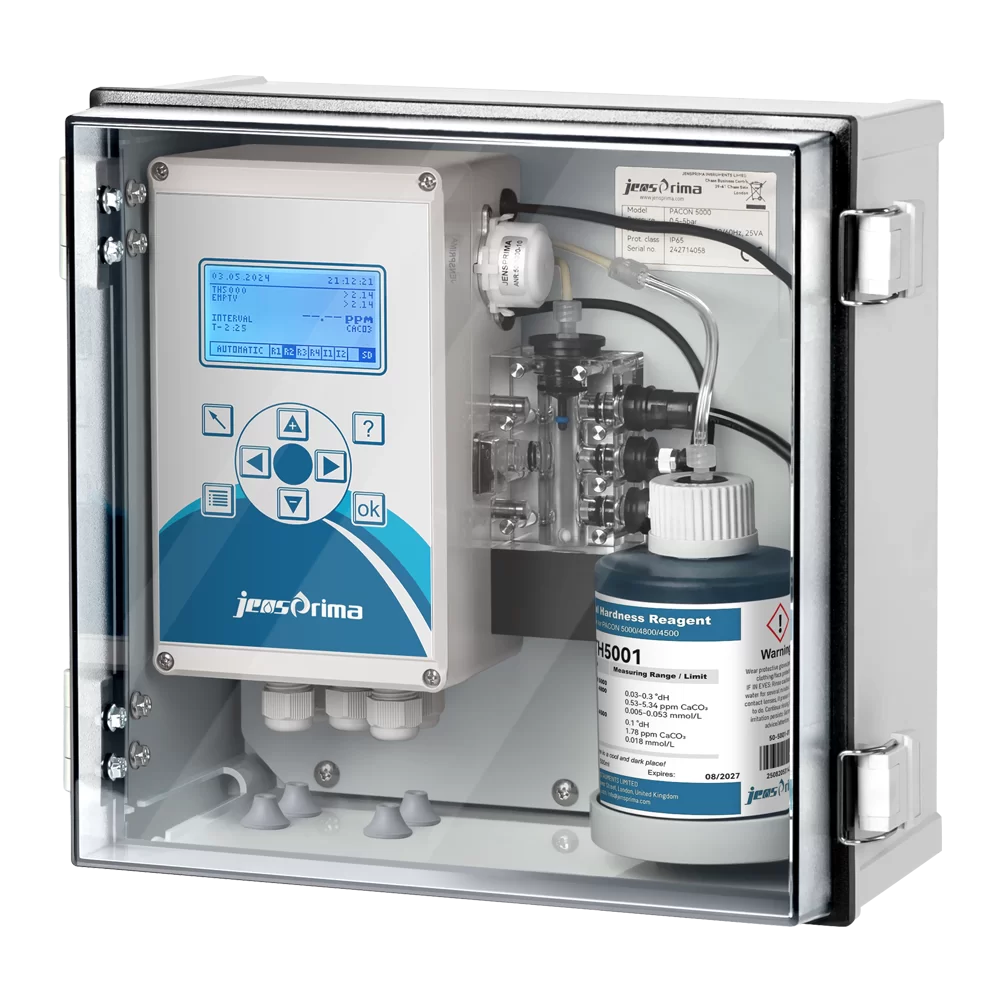
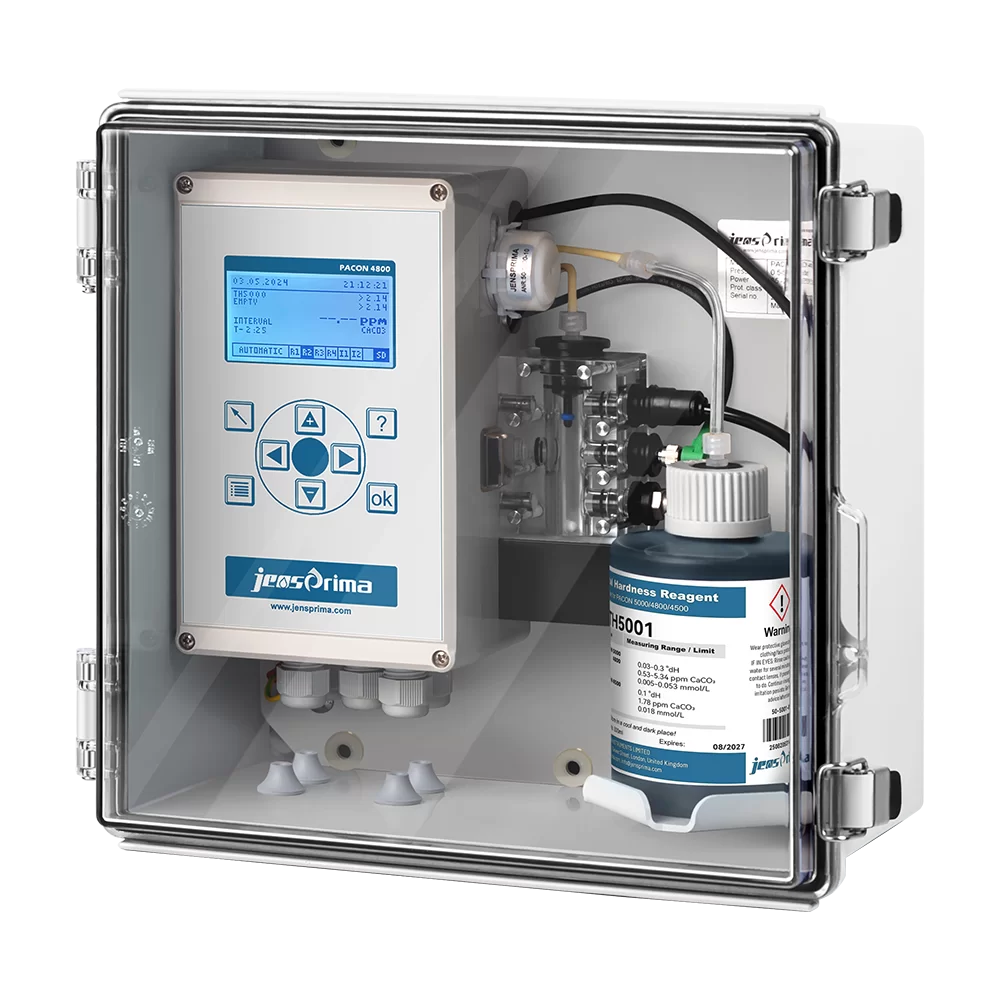
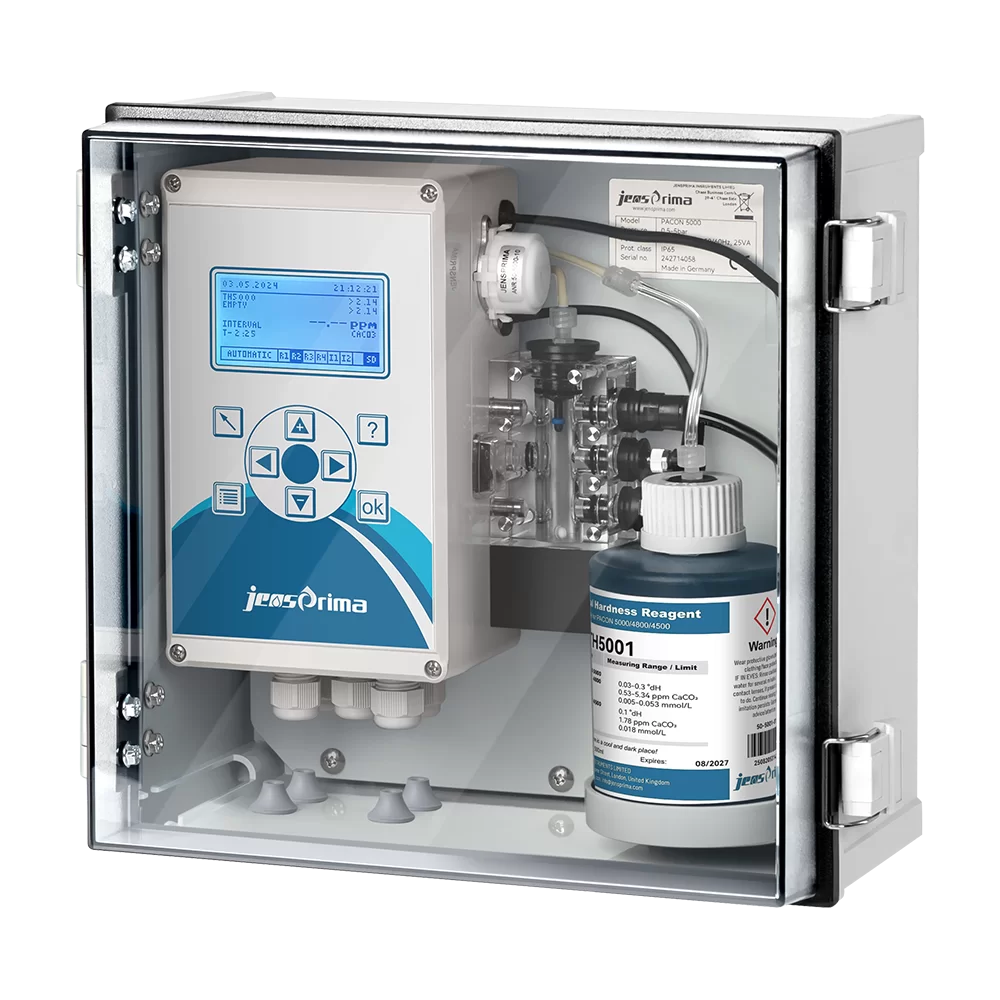
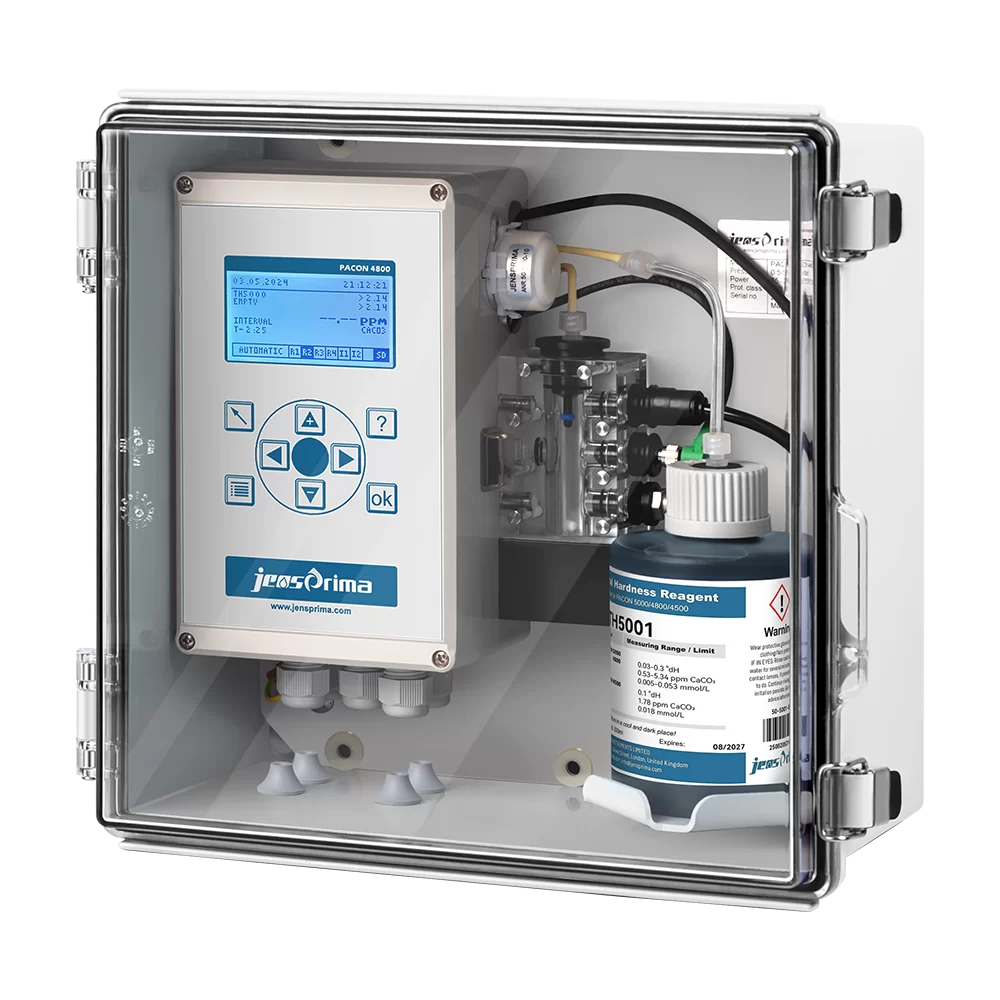
Deploying a total hardness analyzer at the intake of Reverse Osmosis (RO) plants to prevent calcium carbonate scaling on membranes, extending equipment life in saline coastal waters.

2. Municipal Drinking Water Sterilization

Integrating a residual chlorine controller into urban water distribution nodes to ensure safe drinking water delivery while avoiding excessive chemical taste.

3. Great Man-Made River Pipeline Monitoring

Using electromagnetic flowmeter arrays and multi parameter water quality analyzer stations to detect leakage and track water chemistry over thousands of kilometers of pipeline.

4. Industrial Boiler Feedwater Treatment

Installing an alkalinity analyzer in power plant boiler systems to optimize chemical softening processes and prevent corrosion of high-pressure steam pipes.

5. Oil & Gas Produced Water Management

Implementing high-durability water quality sensors to monitor the treatment of produced water in the Sirte Basin, ensuring compliance with environmental discharge regulations.

Brand Story

Global Development History of Jensprima (Shanghai) Co., Ltd.

Foundation & Engineering Excellence

Founded with a mission to bridge the gap between complex analytical chemistry and industrial application, focusing on high-precision sensor development.

Technological Breakthroughs

Developed proprietary electrode coatings that resist fouling in high-mineral environments, specifically targeting the needs of arid region water analysis.

Global Market Expansion

Expanded footprint across Africa and the Middle East, establishing a reputation for instruments that survive extreme temperature fluctuations.

Commitment to Water Security

Partnering with municipal governments to implement smart water grids that reduce waste and ensure public health through continuous monitoring.

The Future of Analysis

Leading the industry toward AI-integrated water quality platforms, ensuring every drop of water is accounted for and analyzed with precision.

Comprehensive Water Analysis Portfolio for Libya

A complete suite of instruments designed for the Libyan industrial and environmental landscape.

Frequently Asked Questions in Libya

Expert answers to common technical queries regarding water analysis in North Africa.

How does high salinity affect the accuracy of a multi parameter water quality analyzer?

High salinity can cause electrode polarization and interference. Our analyzers use advanced compensation algorithms and specialized membranes to maintain accuracy in high-TDS Libyan waters.

What is the best way to prevent scaling in a total hardness analyzer?

We recommend implementing an automatic cleaning cycle using a mild acidic solution to remove calcium deposits from the sensing cell regularly.

Can an alkalinity analyzer be used for seawater monitoring?

Yes, provided the instrument is calibrated for the specific ionic strength of seawater. Our industrial series includes specific modes for coastal water analysis.

How often should a residual chlorine controller be calibrated in arid climates?

Due to high evaporation rates and temperature shifts in Libya, we recommend a bi-weekly calibration check to ensure dosing precision.

Are electromagnetic flowmeter units suitable for sandy water?

Yes, our flowmeters feature reinforced electrode liners that resist abrasion from suspended solids and sand particles common in Libyan groundwater.

What is the integration process for online analyzers into an existing SCADA system?

Our instruments support standard 4-20mA analog outputs and Modbus RS485 digital protocols, allowing seamless integration into most industrial PLC/SCADA environments.

Get Expert Consultation for Your Water Project

Our engineering team is ready to help you optimize your water analysis infrastructure in Libya. Contact us for tailored technical specifications and site audits.

Contact Us Now
Service Repair Form
Tell us what issue you encountered, including any steps or symptoms.
  • Name
  • Email
  • Phone
  • Fault Description

If you are interested in our products, you can choose to leave your information here, and we will be in touch with you shortly.