

 Download
 Video Center
 Technical Services
 FAQS
FAQS Service Network
 Privacy Policy
 Contact Us


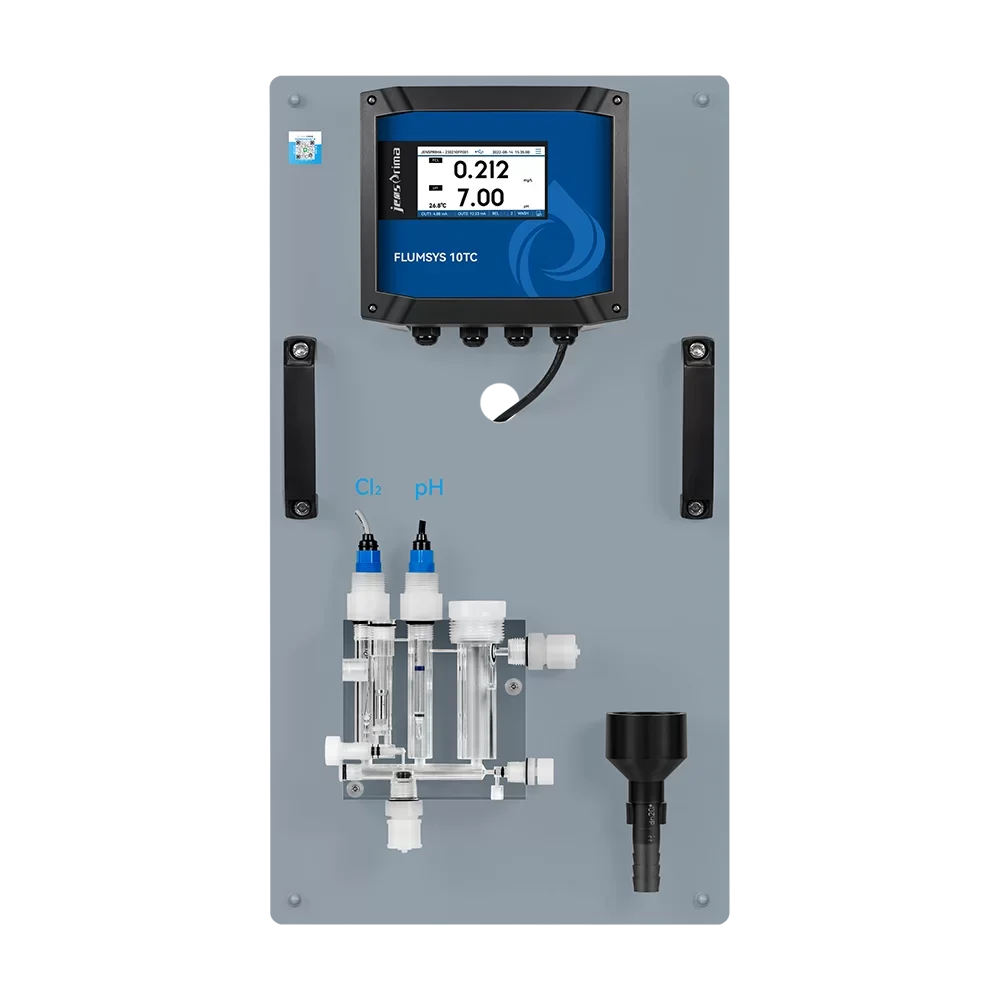
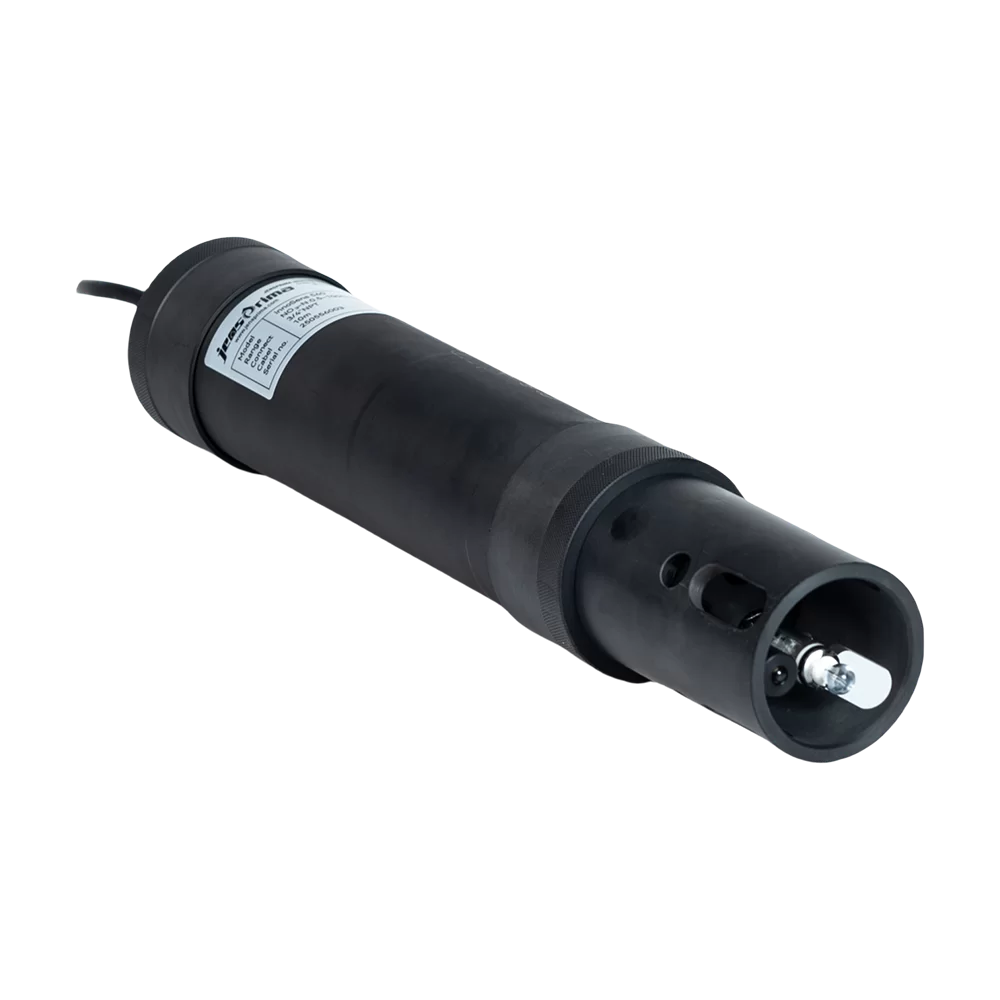
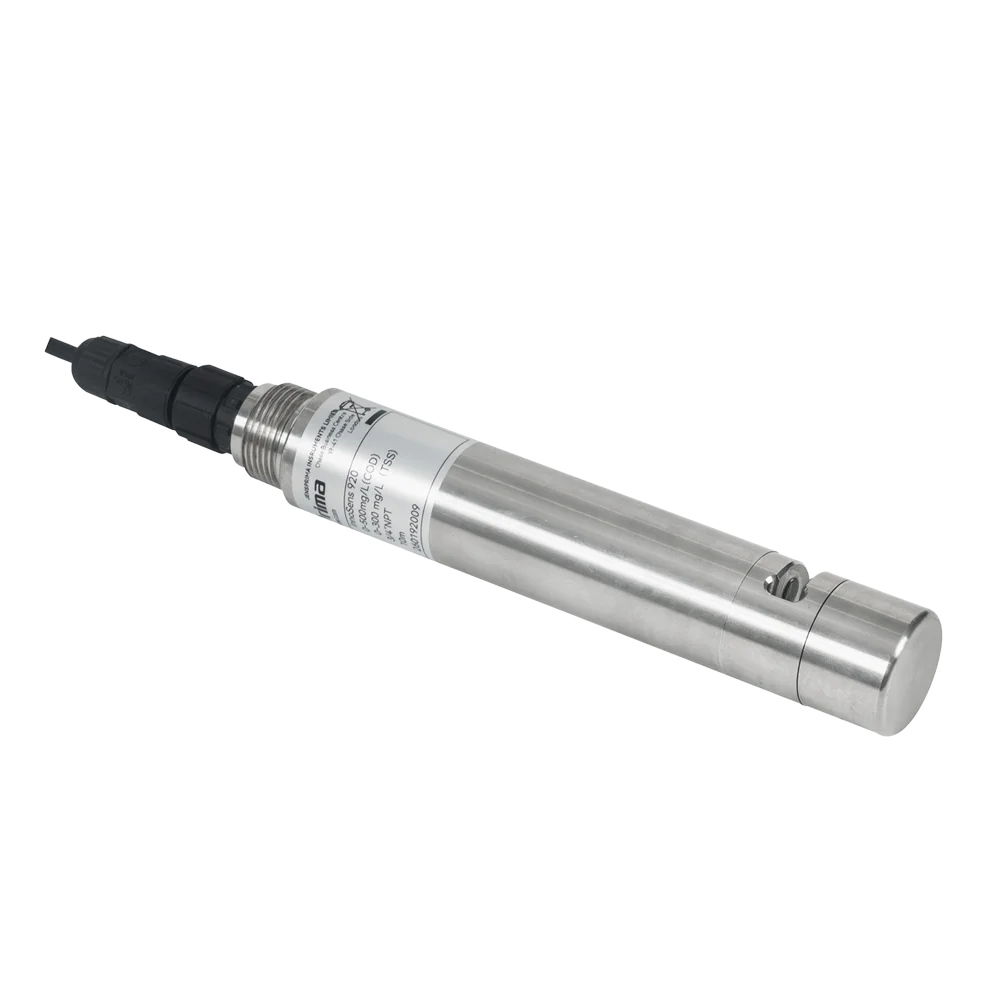
Japan's industrial sector is characterized by an extreme commitment to "Monozukuri" (craftsmanship), which translates to a demand for zero-defect water analysis. In regions like Kanto and Kansai, the high density of electronics manufacturing requires a multi parameter water quality analyzer capable of detecting trace contaminants in ultra-pure water systems to prevent wafer defects.
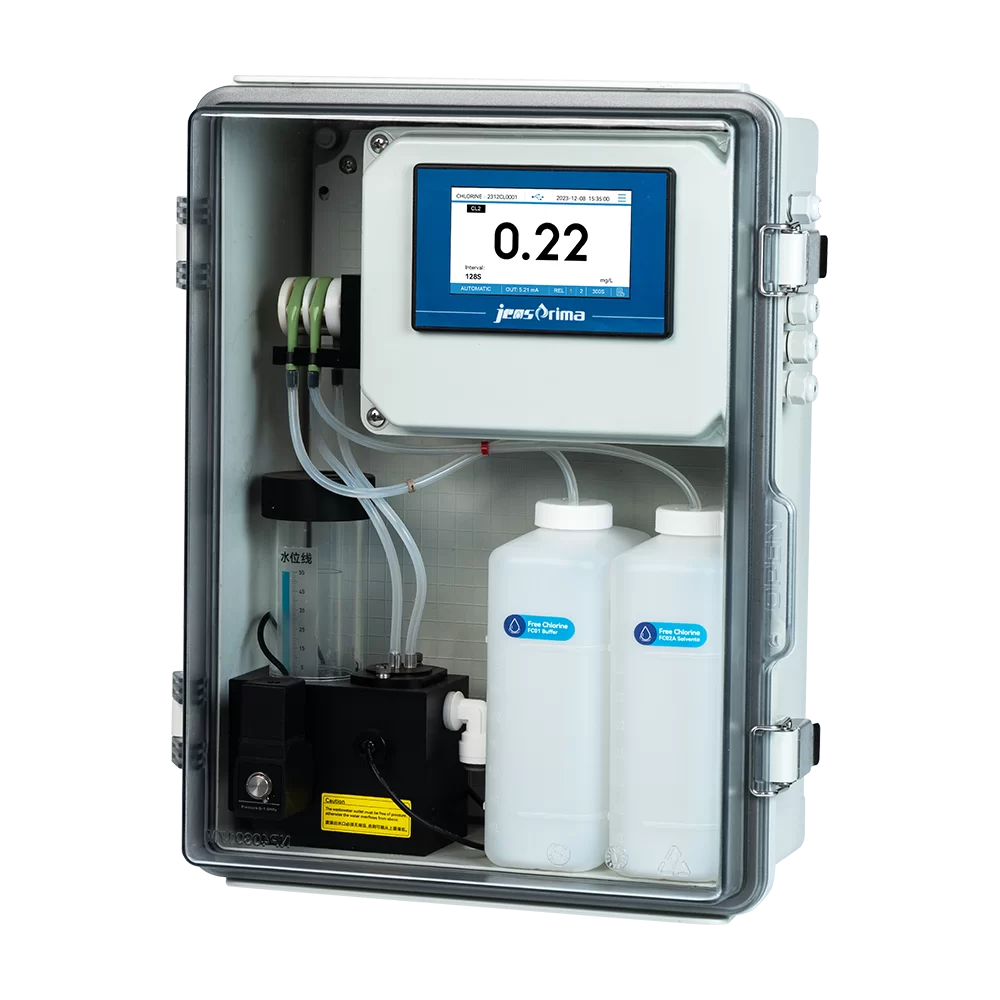
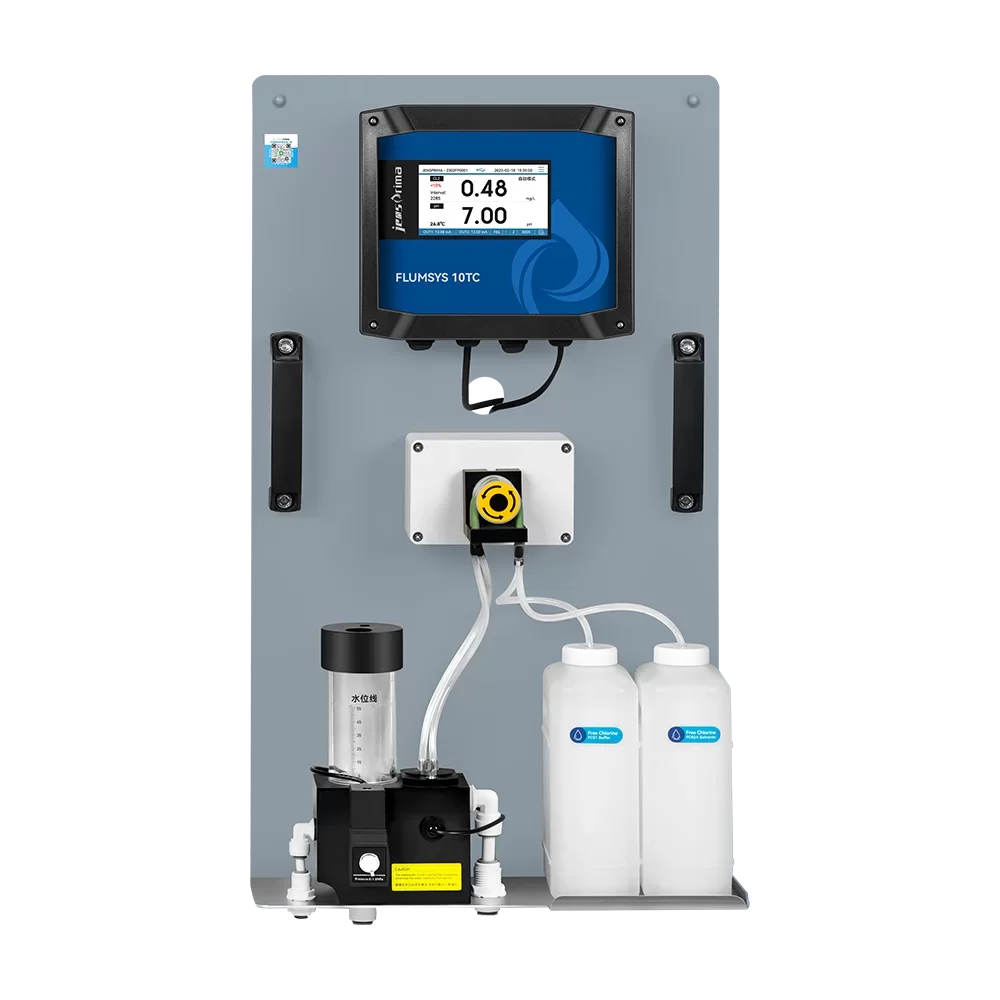
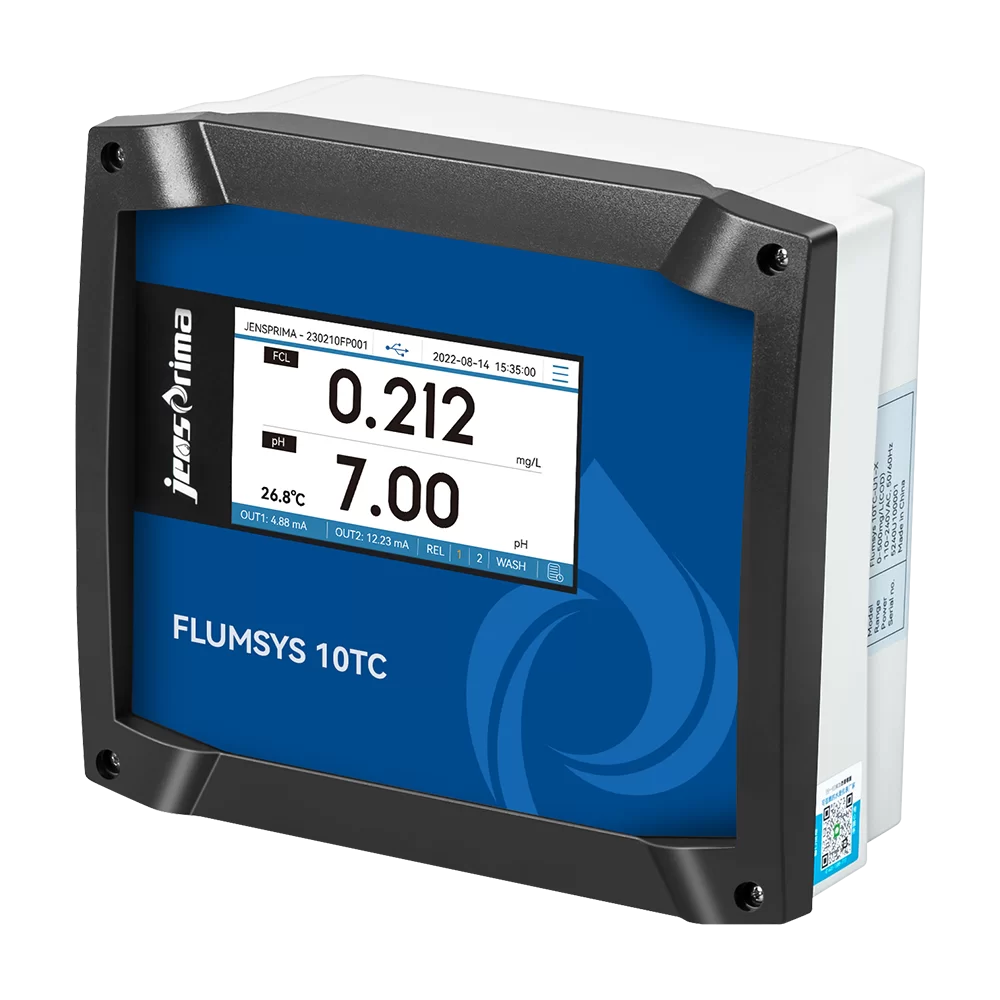
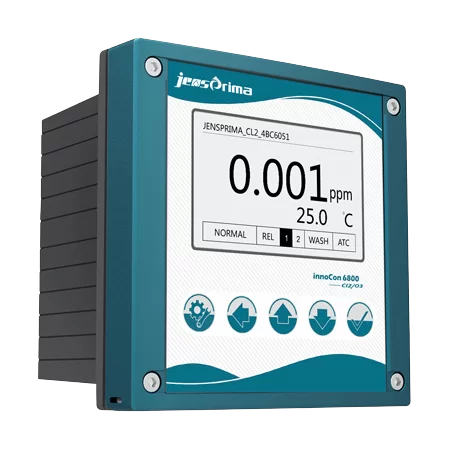
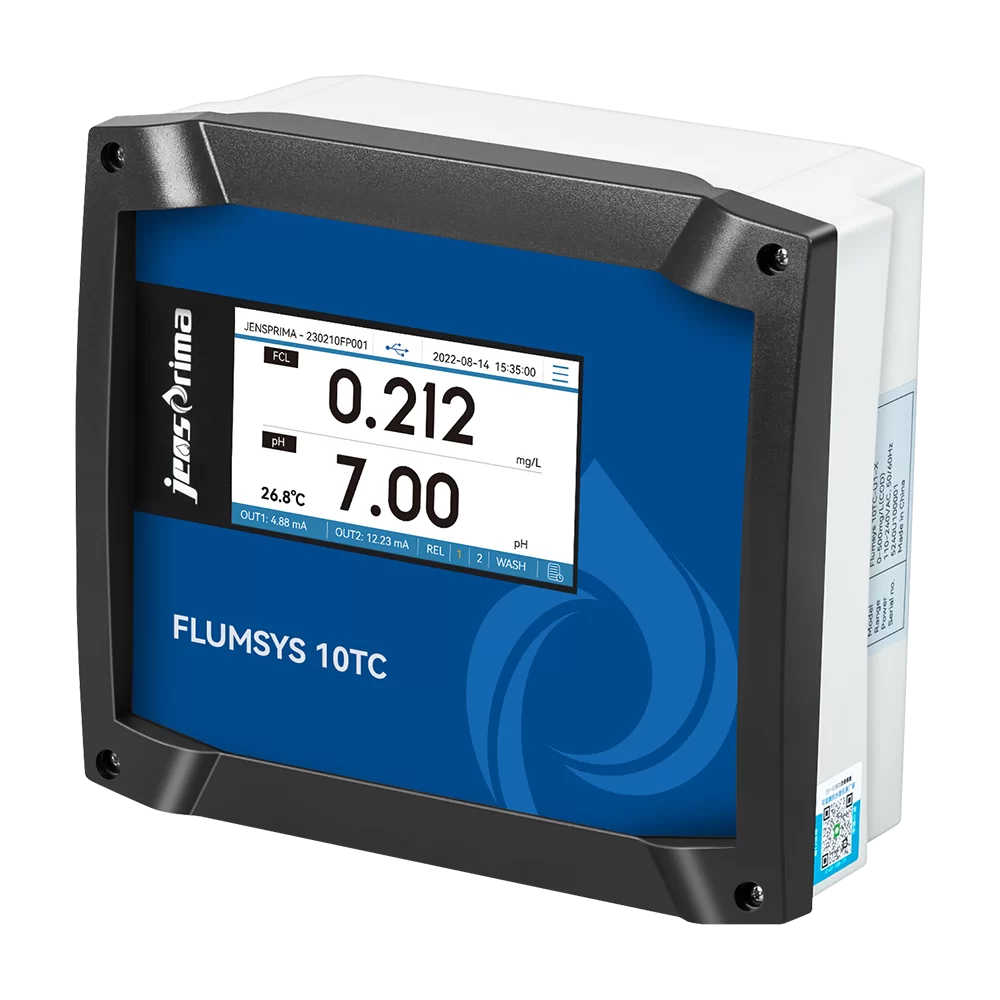
Geographically, Japan's mountainous terrain and vulnerability to seismic activity necessitate robust, decentralized water monitoring. Municipalities rely heavily on a residual chlorine controller to ensure safe drinking water distribution across complex urban grids, maintaining strict compliance with the Water Supply Act.
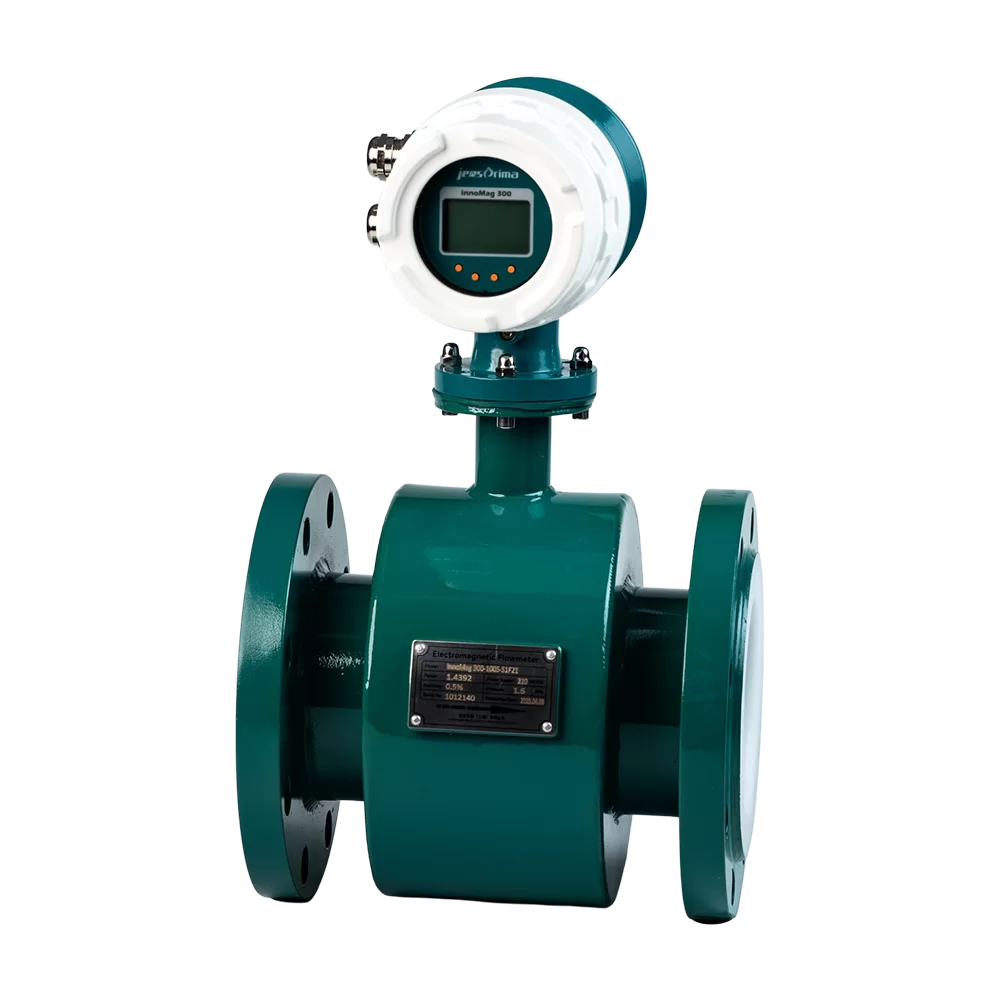
The shift toward "Society 5.0" is driving the integration of IoT into water management. The current market state is moving away from manual sampling toward real-time, automated systems where an electromagnetic flowmeter works in tandem with chemical analyzers to optimize reagent consumption and reduce waste.


