
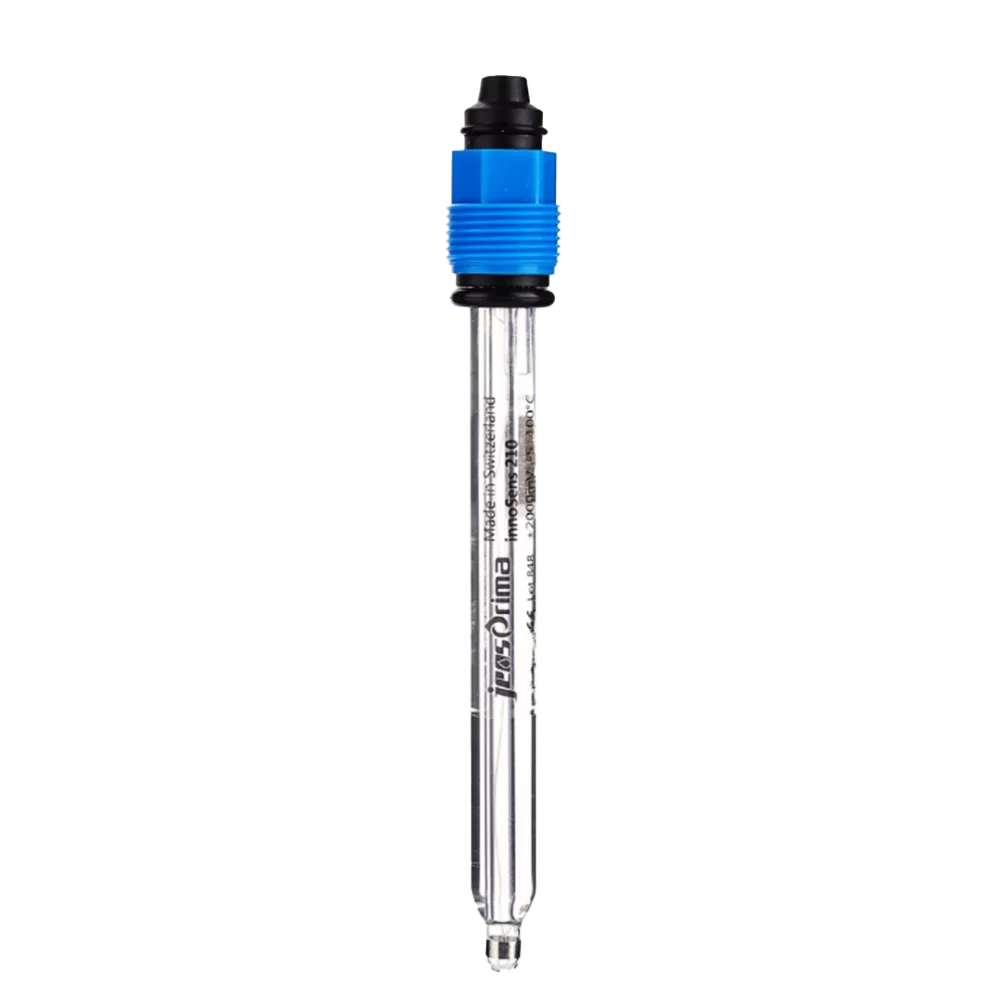
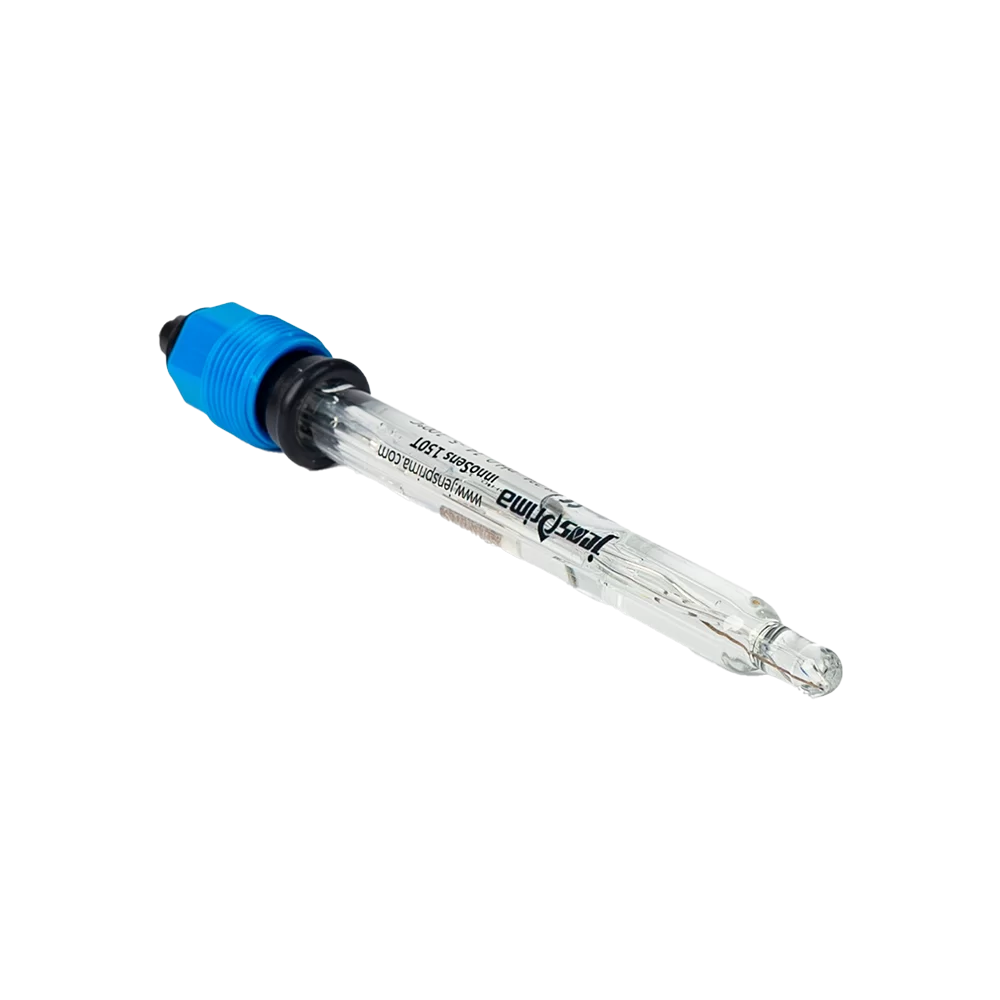
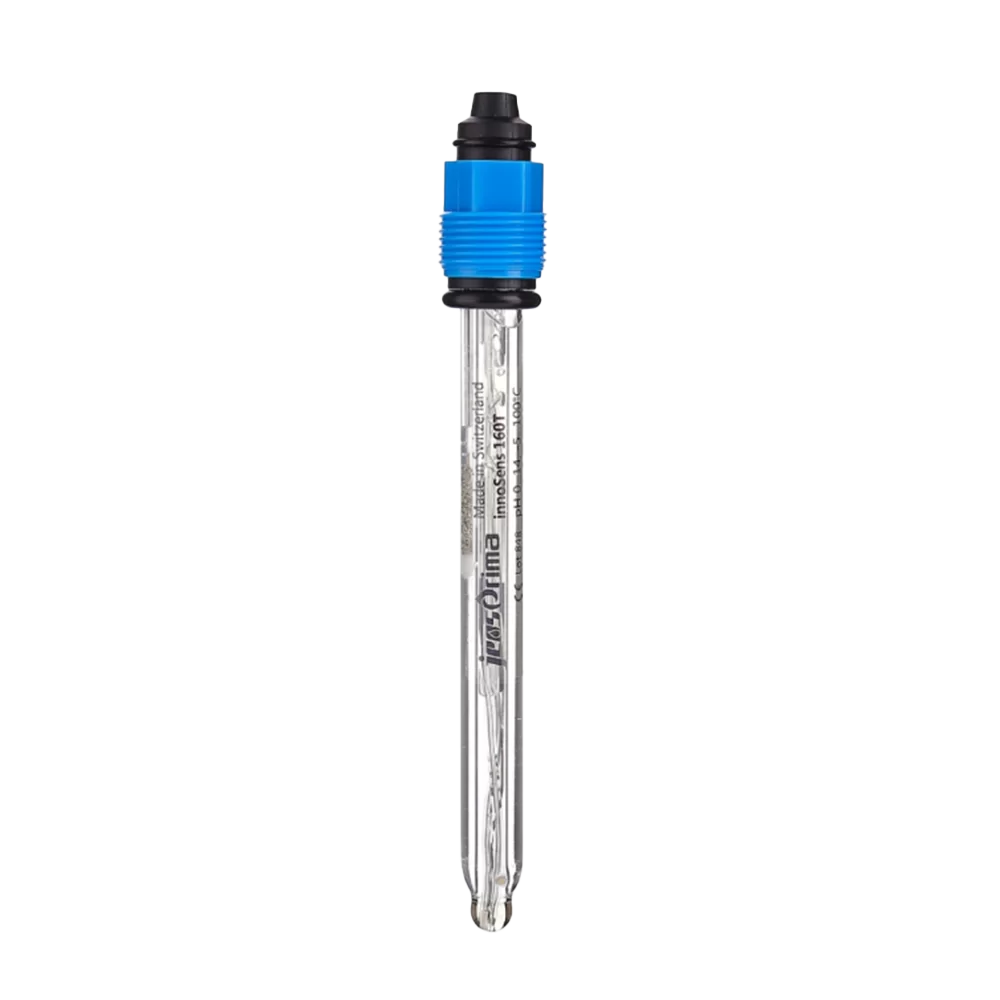
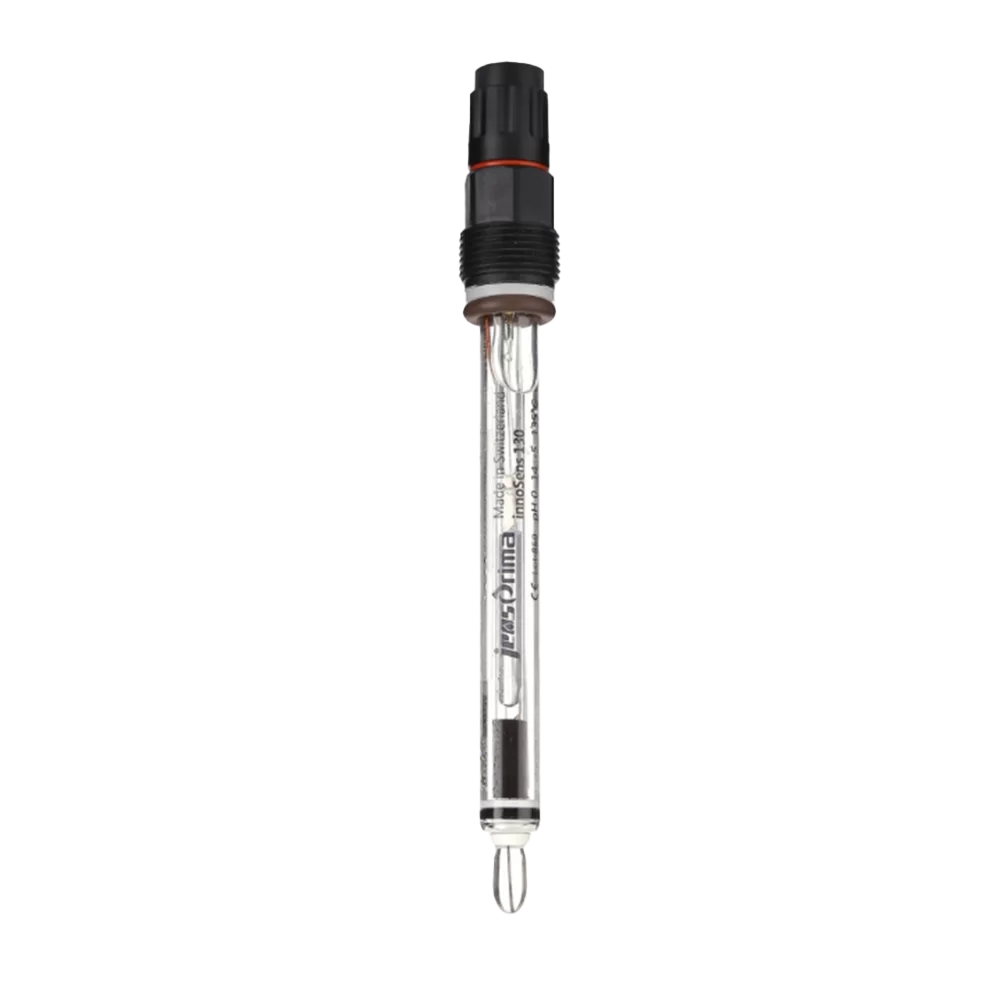


multi parameter analyzer

NEWS

UPDATES

Advanced Water Quality Management Solutions with residual chlorine controller in South Korea

Integrating high-precision instrumentation for South Korea's stringent industrial water standards and environmental compliance.

Advanced Water Quality Management Solutions with residual chlorine controller in South Korea

Comprehensive online monitoring systems designed to enhance water safety and operational efficiency across South Korea's diverse industrial landscape.

Water Analysis Landscape in South Korea

Analyzing the intersection of strict environmental regulations and high-tech industrialization.

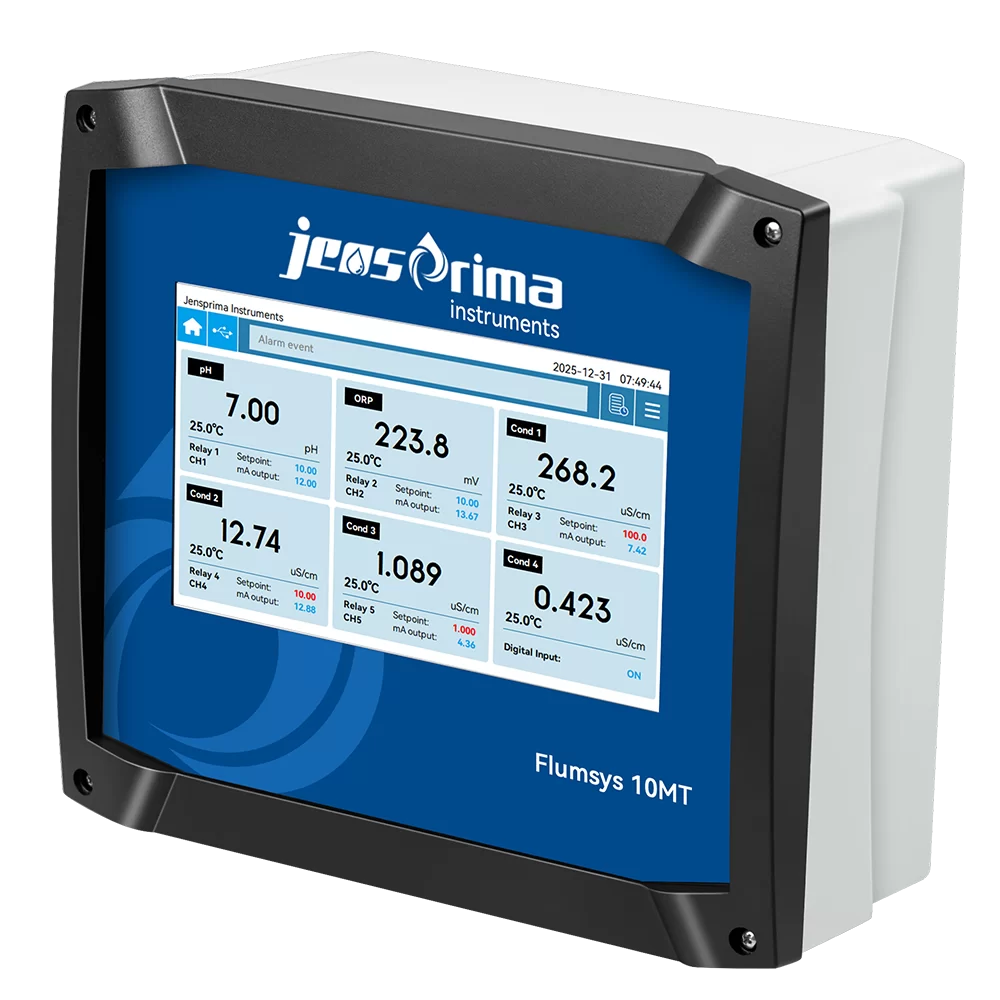
South Korea operates under some of the most stringent water quality regulations in Asia, driven by the Ministry of Environment's commitment to ecological preservation. The integration of a multi parameter water quality analyzer has become essential for semiconductor and electronics plants in Gyeonggi-do, where ultra-pure water is a critical production requirement.

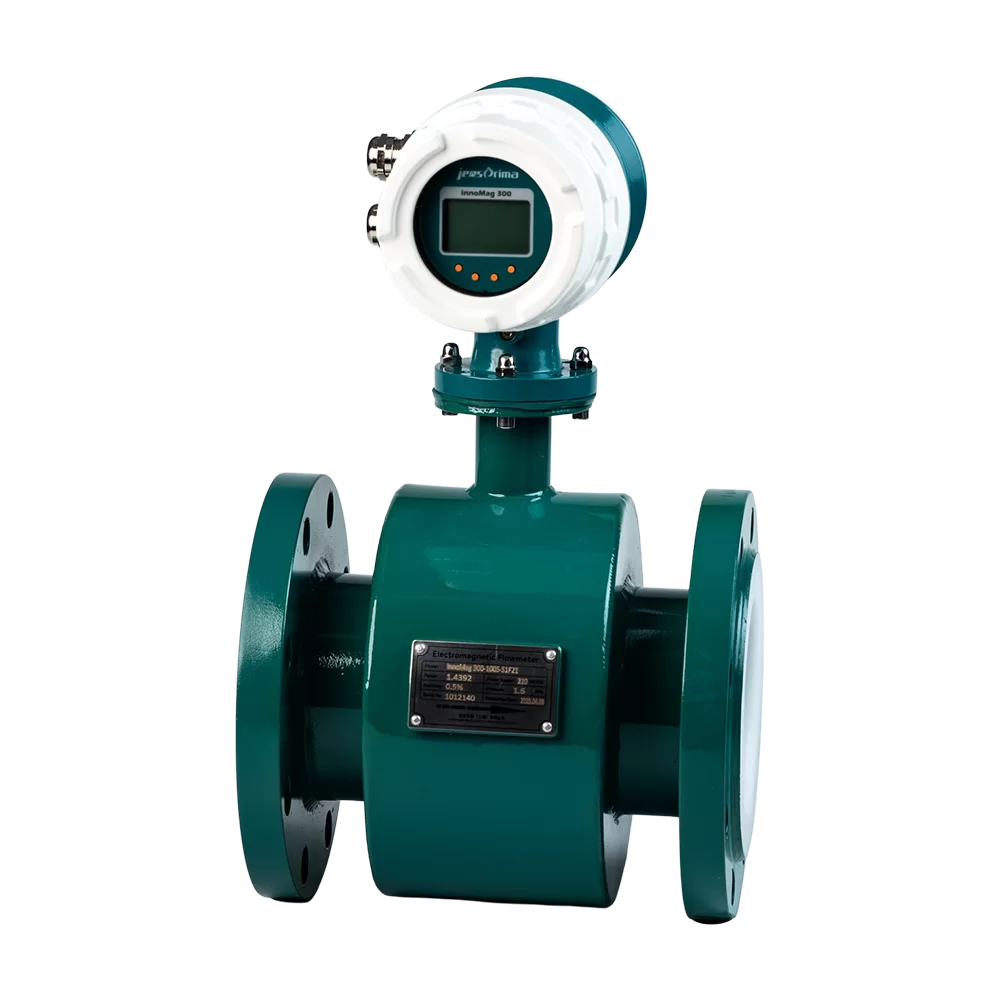
The regional geography, characterized by mountainous terrain and dense coastal industrial zones, necessitates robust monitoring. The demand for a precise electromagnetic flowmeter is high in the petrochemical hubs of Ulsan and Yeosu to ensure accurate chemical dosing and wastewater discharge tracking.

Furthermore, the urbanization of Seoul and Busan has pushed municipal water plants to upgrade their disinfection protocols. Implementing an advanced alkalinity analyzer allows these facilities to optimize coagulation processes, reducing chemical waste and improving overall water clarity for millions of citizens.

Technological Evolution and Trajectory

From manual sampling to AI-driven autonomous water quality monitoring.

Market Development History

In the 1990s, water analysis in South Korea relied heavily on manual laboratory titration and offline sampling. During this phase, basic flow monitoring was performed with mechanical meters, lacking the precision and reliability of the modern electromagnetic flowmeter.

Between 2005 and 2015, the industry shifted toward early-stage automation. The introduction of the first-generation total hardness analyzer allowed industrial boilers to move away from manual scaling checks to continuous monitoring, significantly reducing downtime in heavy manufacturing.

Since 2018, the "Smart Water Grid" initiative has pushed the market toward IoT integration. Modern systems now utilize a multi parameter water quality analyzer capable of transmitting real-time data via 5G networks to centralized control rooms, enabling instantaneous response to contamination.

Future Development Trends

AI-Driven Predictive Maintenance

The next 3 years will see the integration of machine learning to predict sensor drift and reagent exhaustion in analyzers, shifting from reactive to proactive maintenance.

Miniaturization of Analytical Sensors

Following Google search trends for "on-chip analysis," we expect a surge in micro-fluidic sensors that provide laboratory-grade precision in a compact, field-deployable format.

Zero-Liquid Discharge (ZLD) Integration

As South Korea strengthens its circular economy laws, instrumentation will evolve to support complex ZLD systems, focusing on extreme salinity and hardness monitoring.

Industry Trends and Future Outlook

Strategizing for the next era of environmental instrumentation.

IoT Ecosystem Integration
Transitioning from standalone devices to fully networked sensors that support South Korea's Industry 4.0 standards.
Reagent-Free Sensing
Developing optical and electrochemical sensors to reduce chemical consumption and environmental footprint.
Energy-Efficient Design
Optimizing power consumption for remote monitoring stations powered by solar or energy harvesting.
Compliance Automation
Automatic report generation aligned with South Korean environmental laws for seamless auditing.

Industry Outlook

The South Korean market is pivoting toward a "Total Water Management" approach. We anticipate that the demand for integrated platforms—where a multi parameter water quality analyzer and flow meters communicate in a single dashboard—will grow by 15% annually.

Furthermore, the drive toward "Green Hydrogen" production in Korea will create new niches for high-precision water analysis, requiring extreme purity and hardness control to protect expensive electrolyzer membranes.

Localized Application Scenarios in South Korea

Real-world deployment of high-precision water analyzers in key Korean sectors.

01. Semiconductor Fabrication Plants (Pyeongtaek)

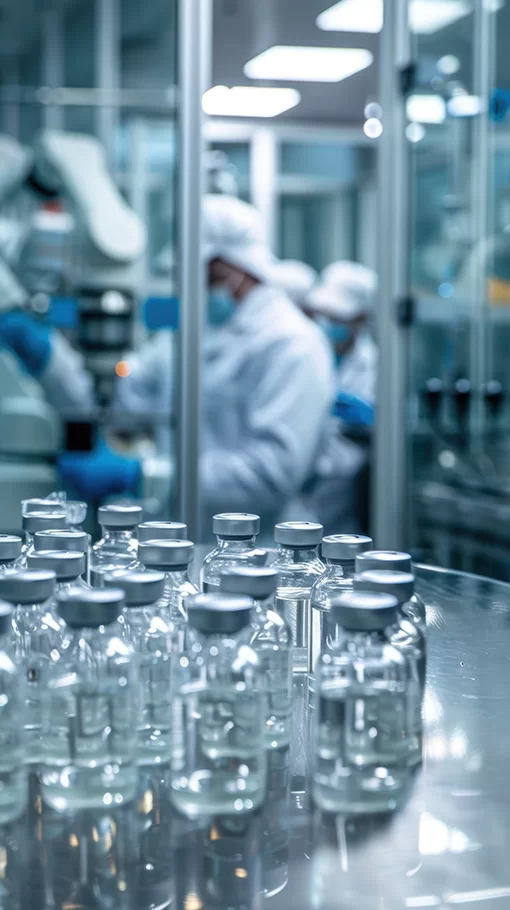
Deployment of multi parameter water quality analyzer systems to monitor ultra-pure water (UPW) loops, ensuring no ionic contaminants interfere with wafer production.

02. Municipal Wastewater Treatment (Seoul)

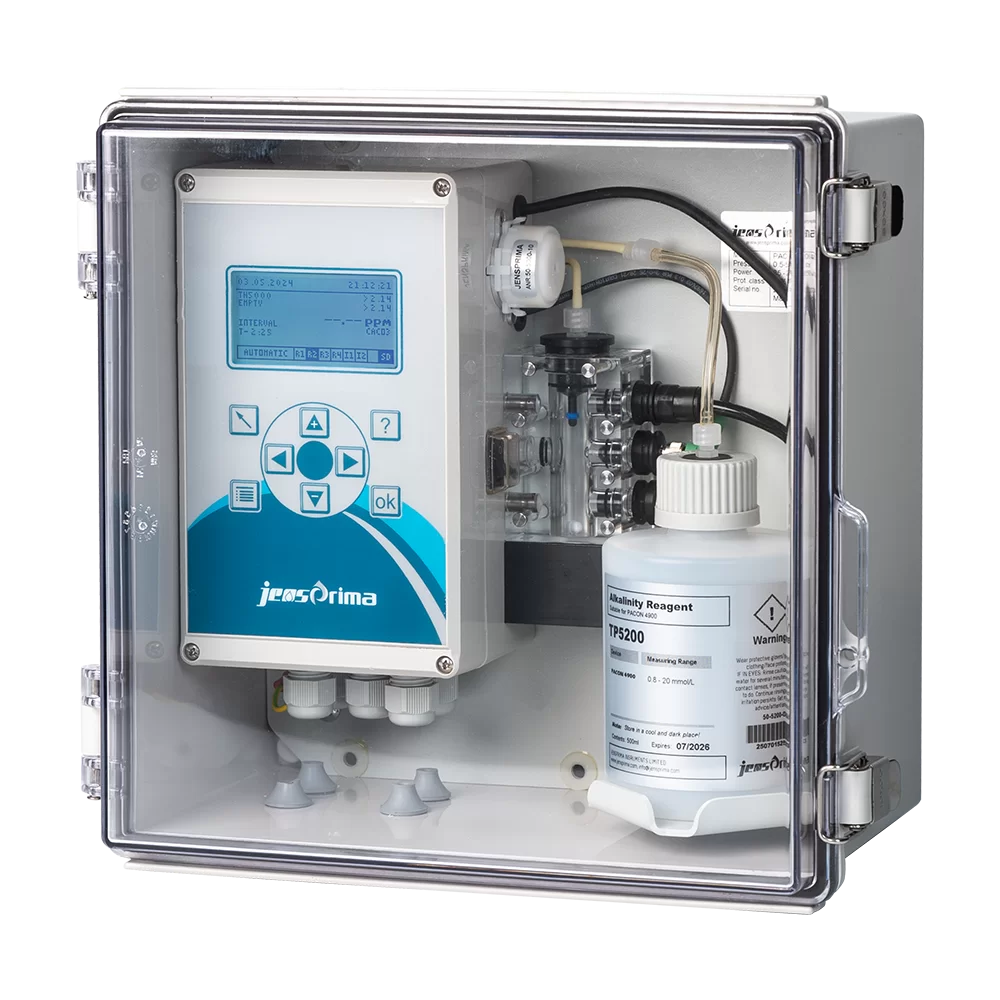
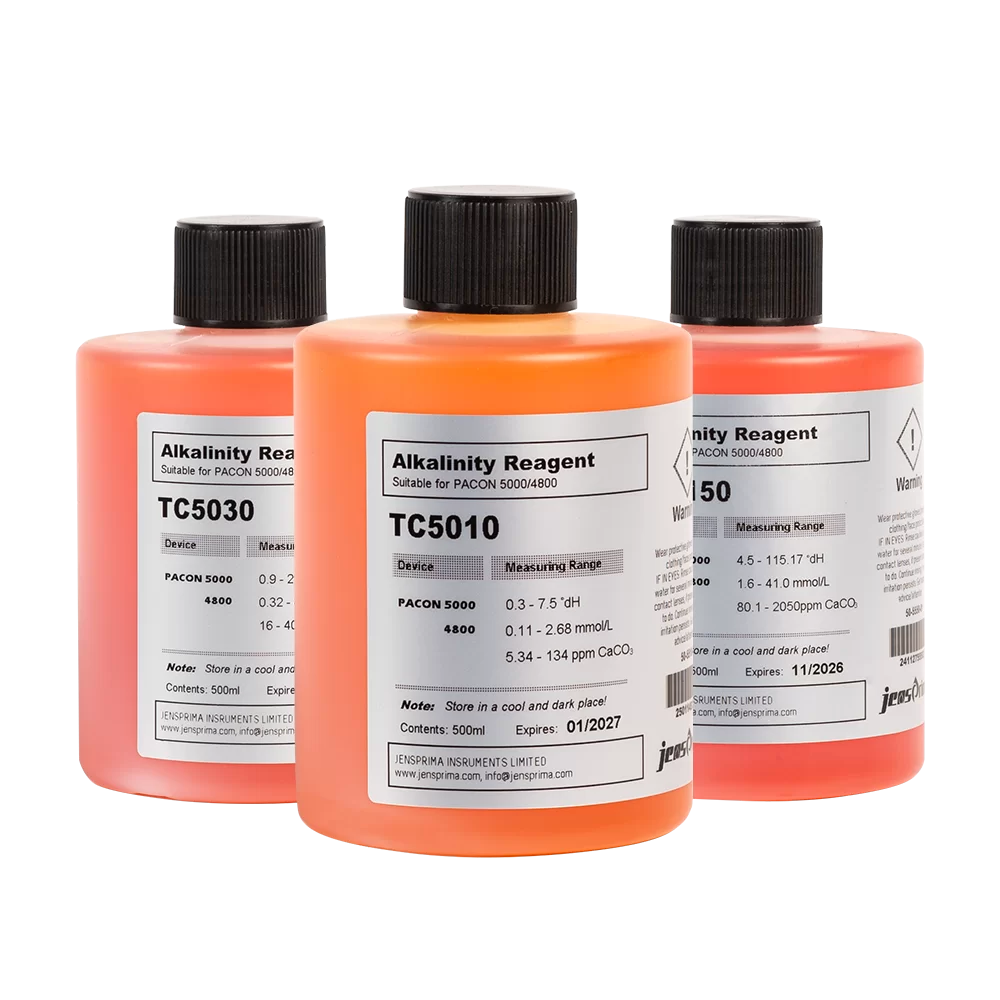
Utilization of alkalinity analyzer units to optimize the chemical dosing for phosphorus removal, meeting the strict effluent standards of the Han River basin.

03. Industrial Boiler Systems (Incheon)

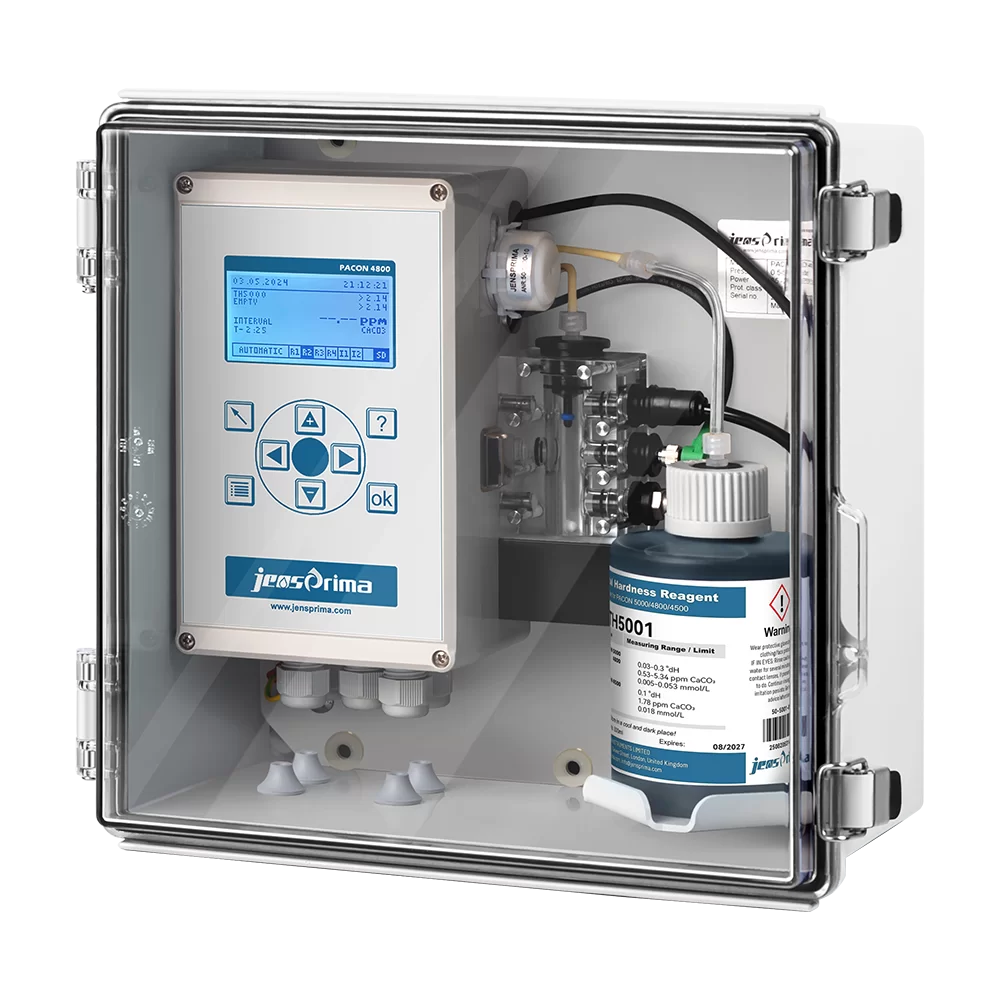
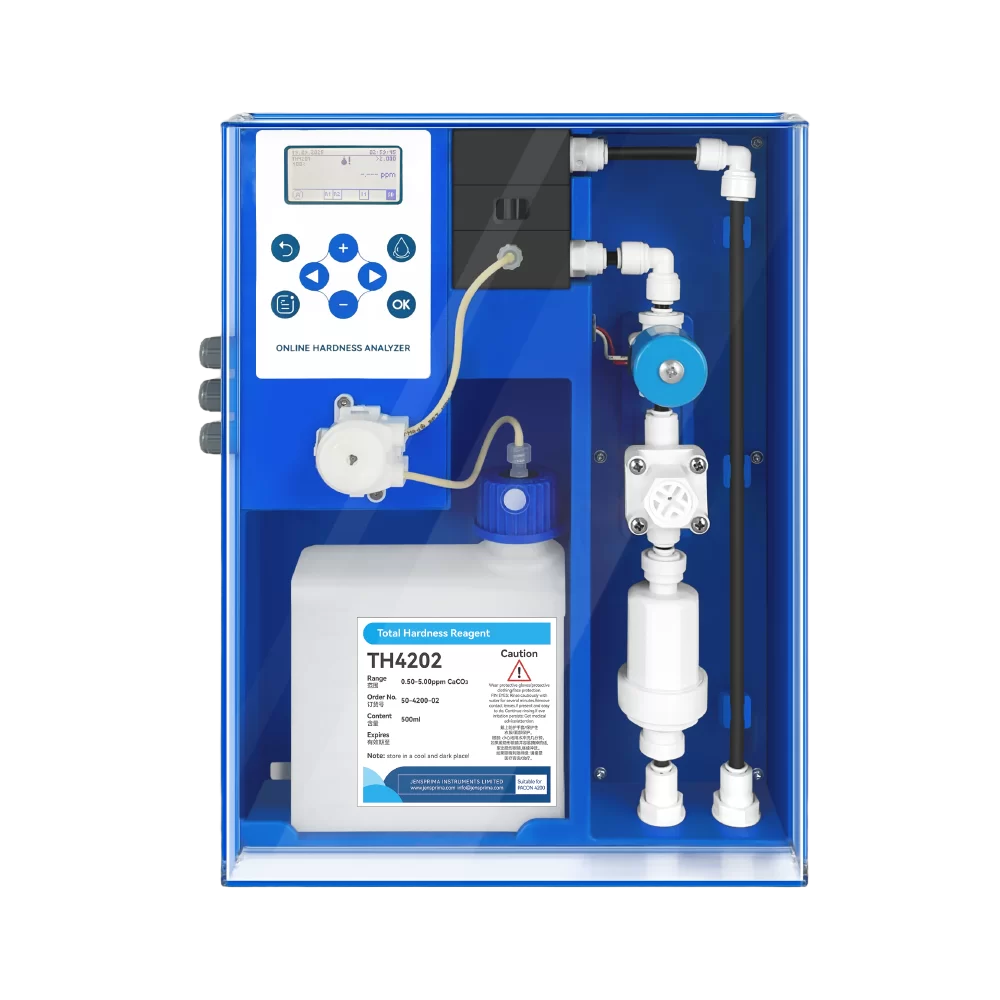
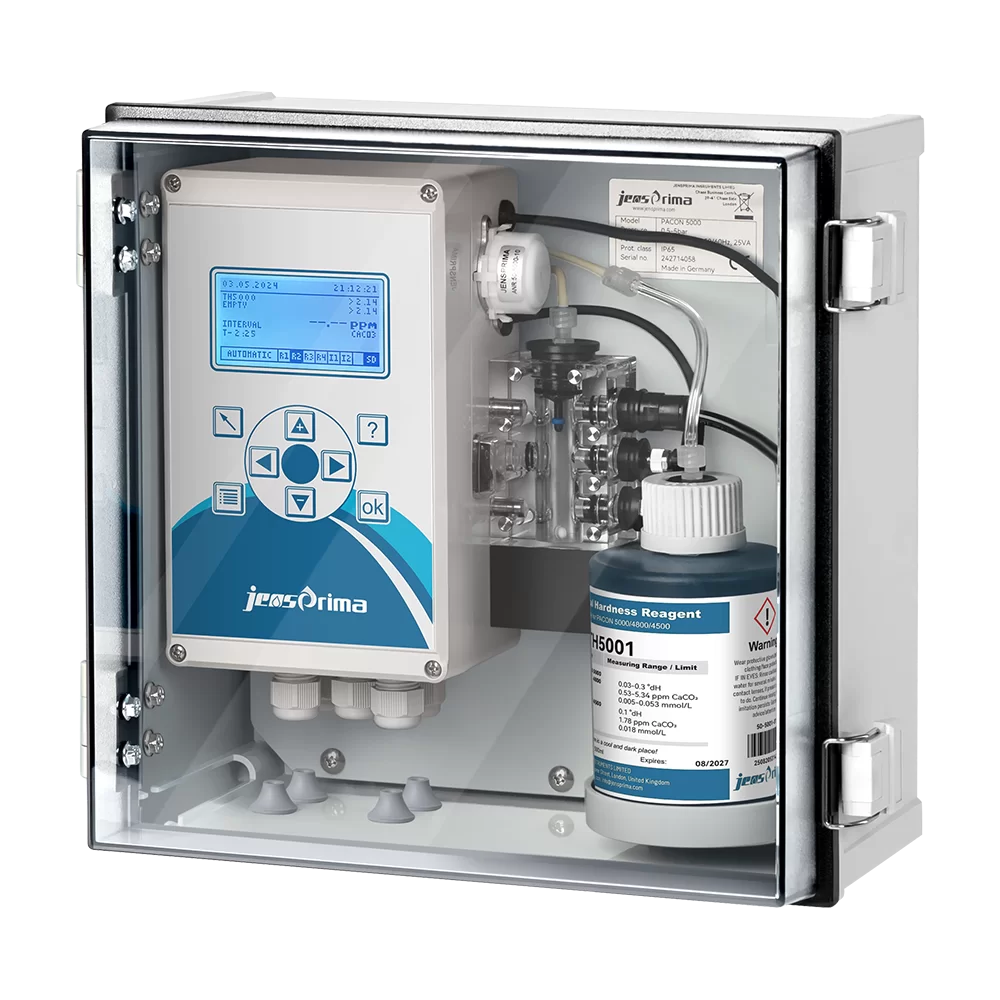
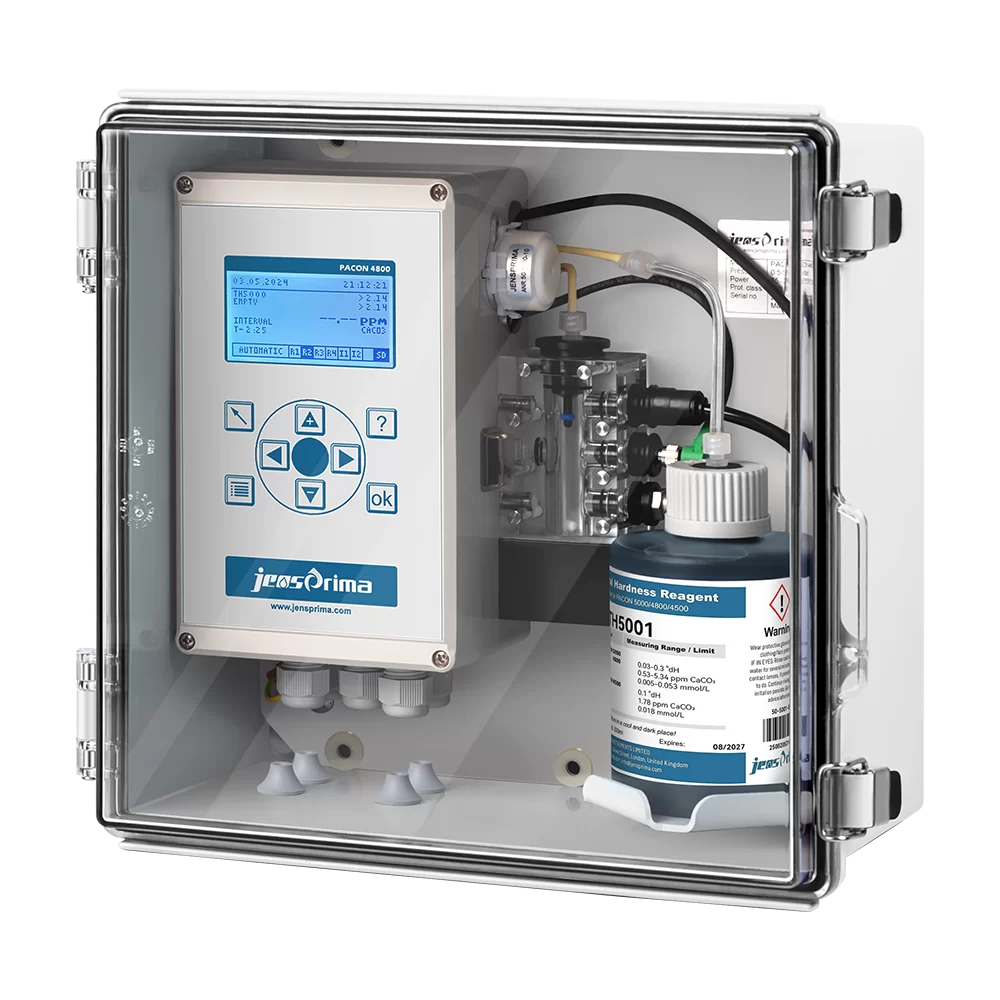
Installation of total hardness analyzer devices to prevent scale buildup in high-pressure steam boilers, significantly extending equipment lifespan.

04. City Water Distribution (Busan)

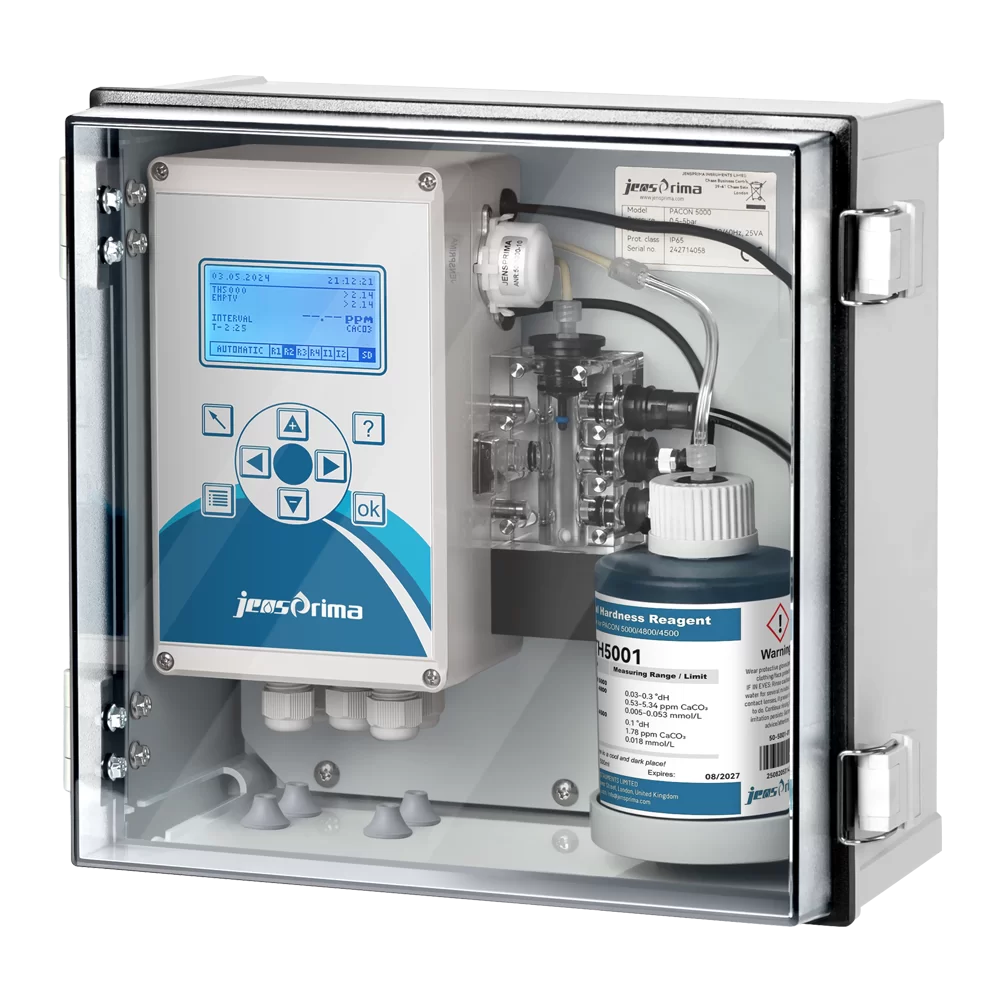
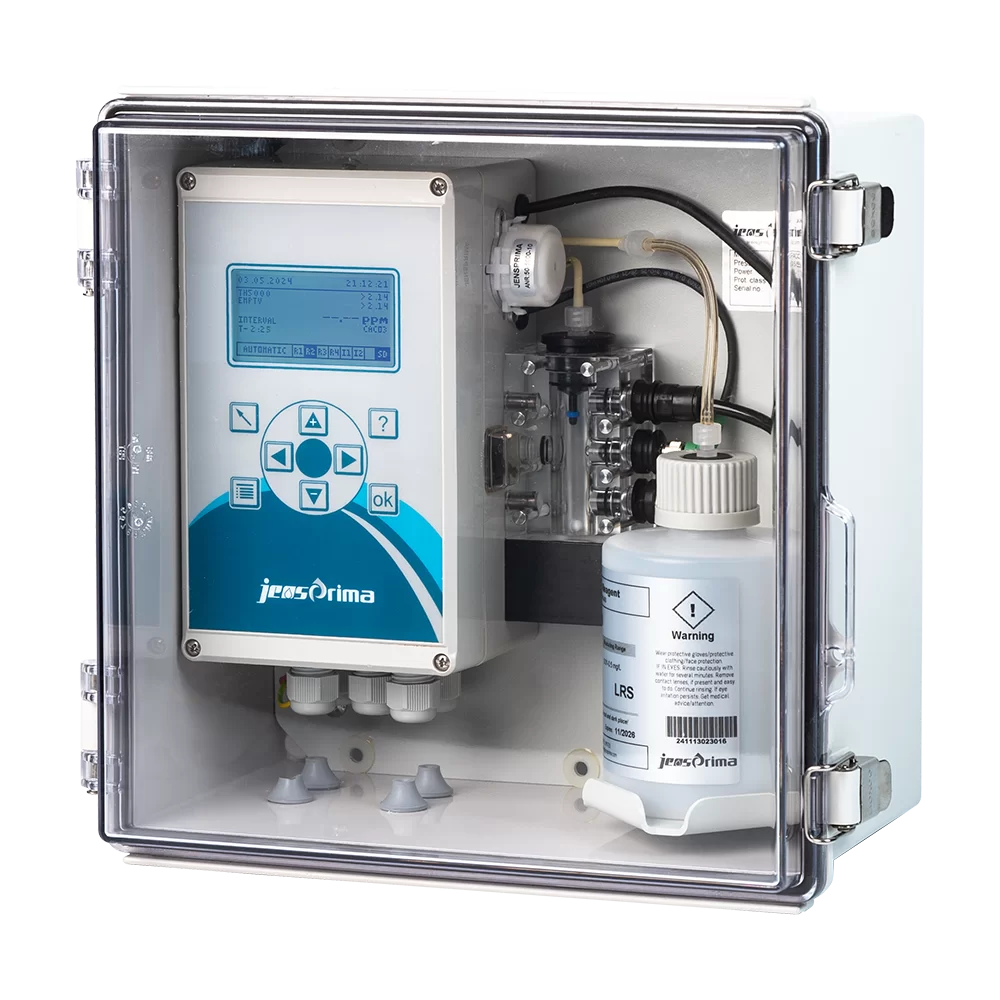
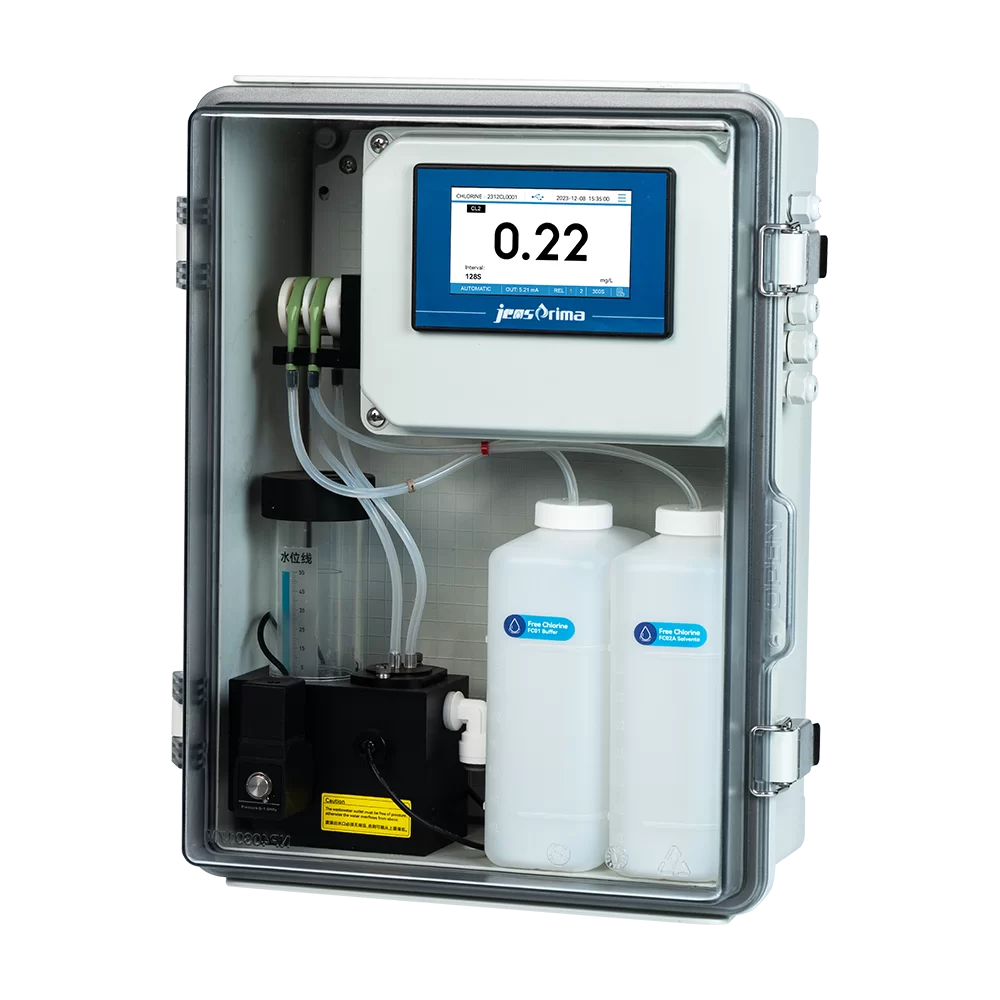
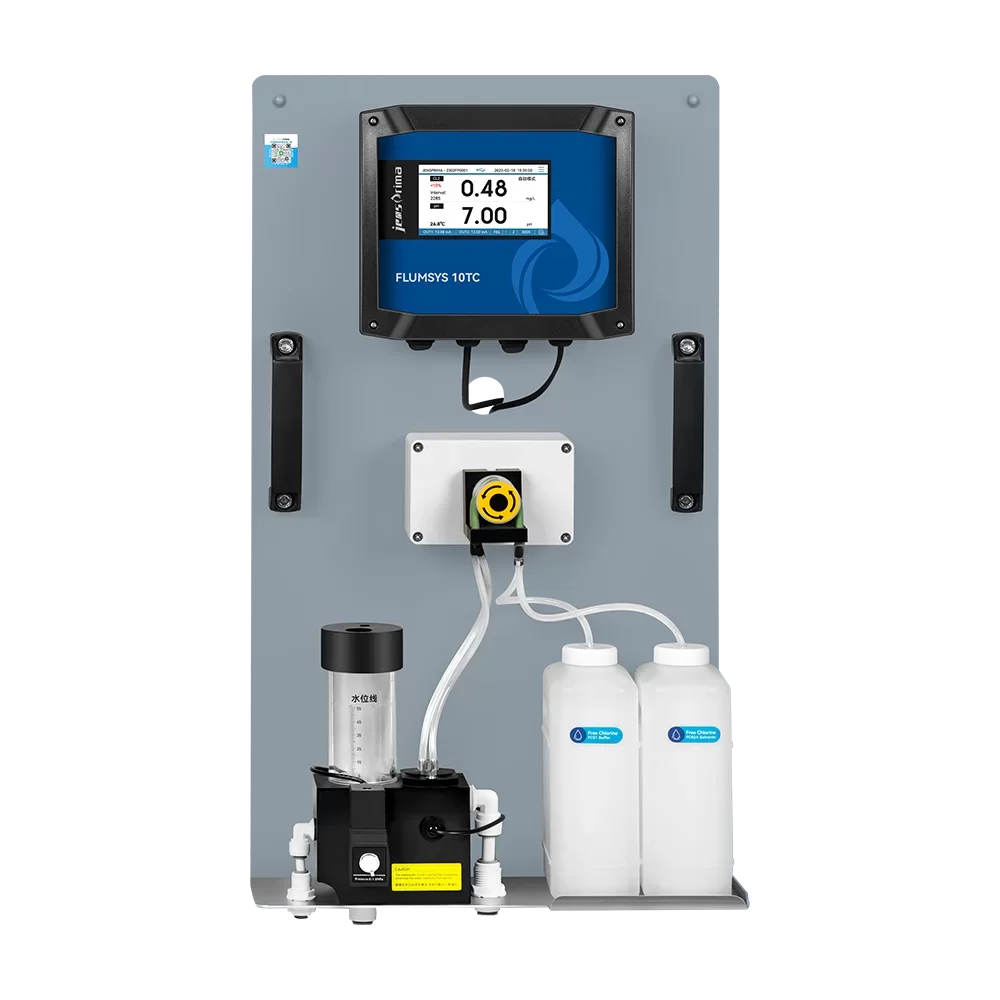
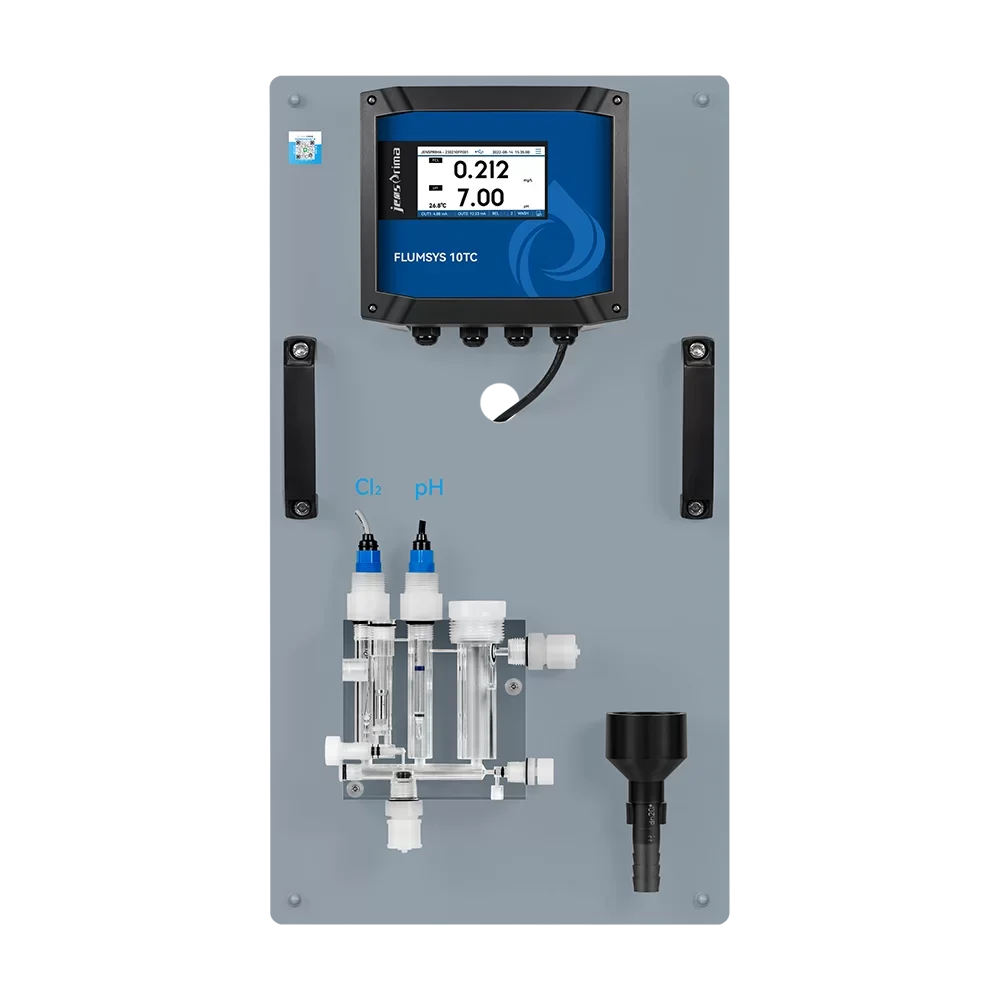
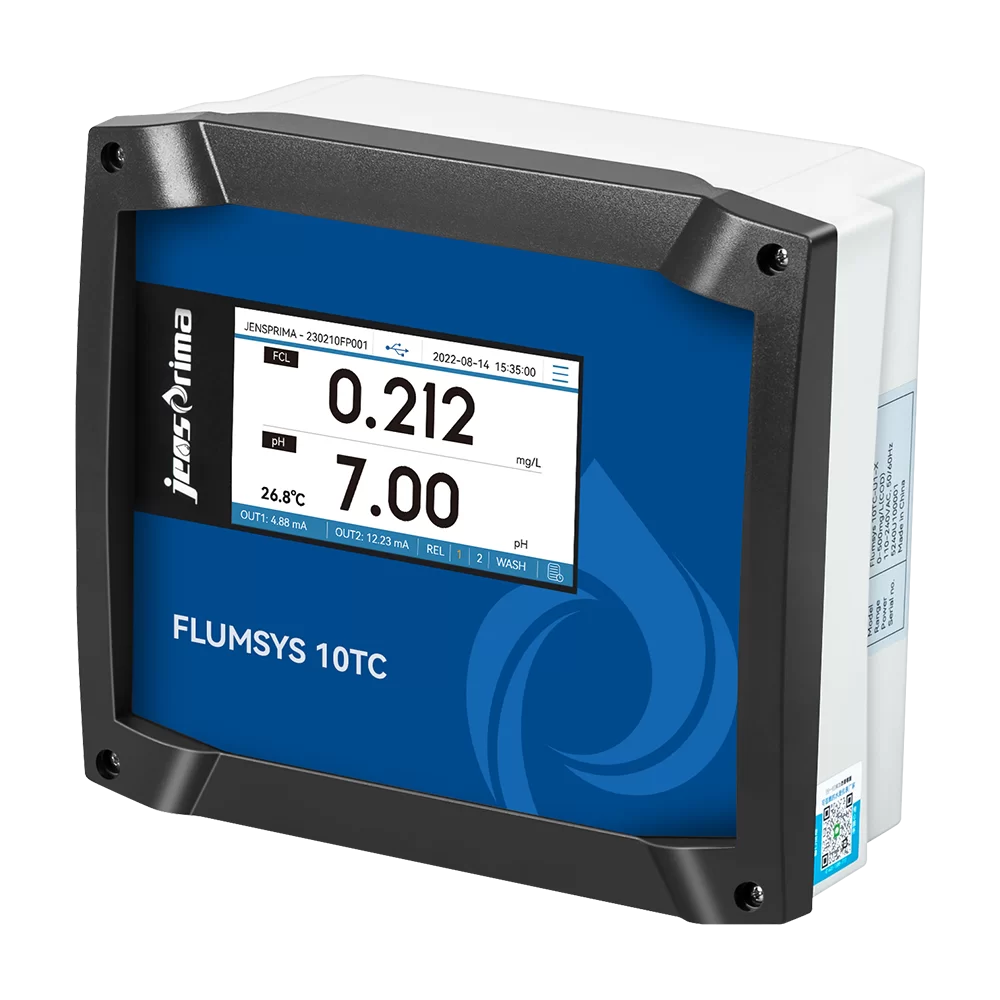
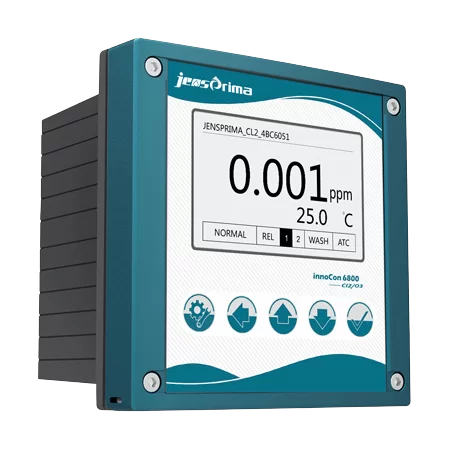
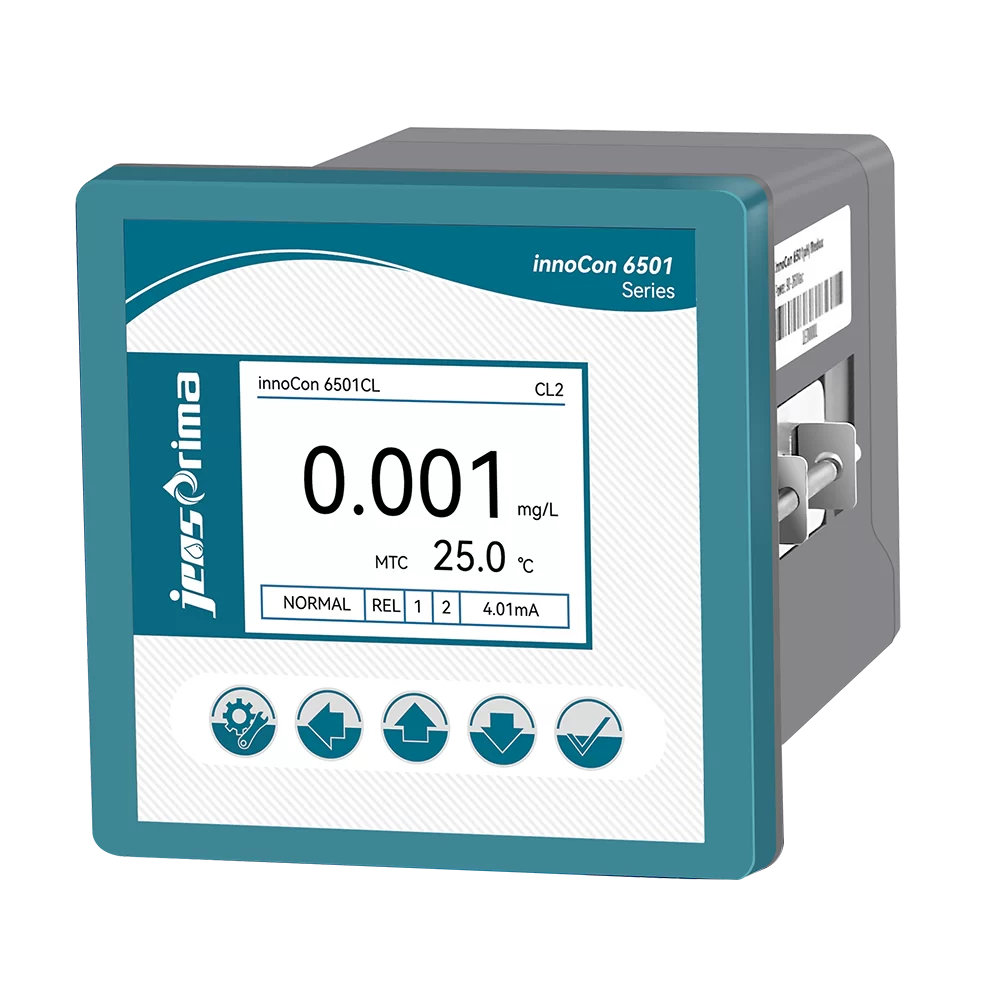
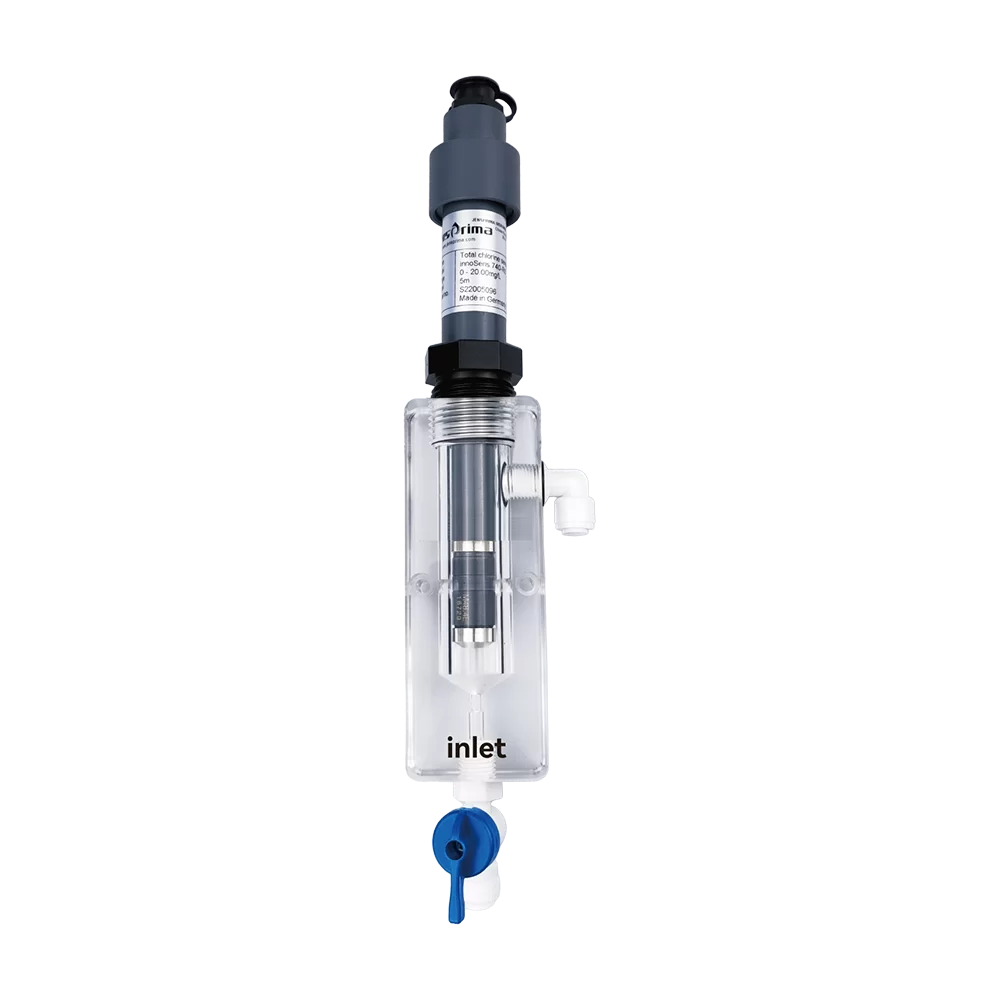
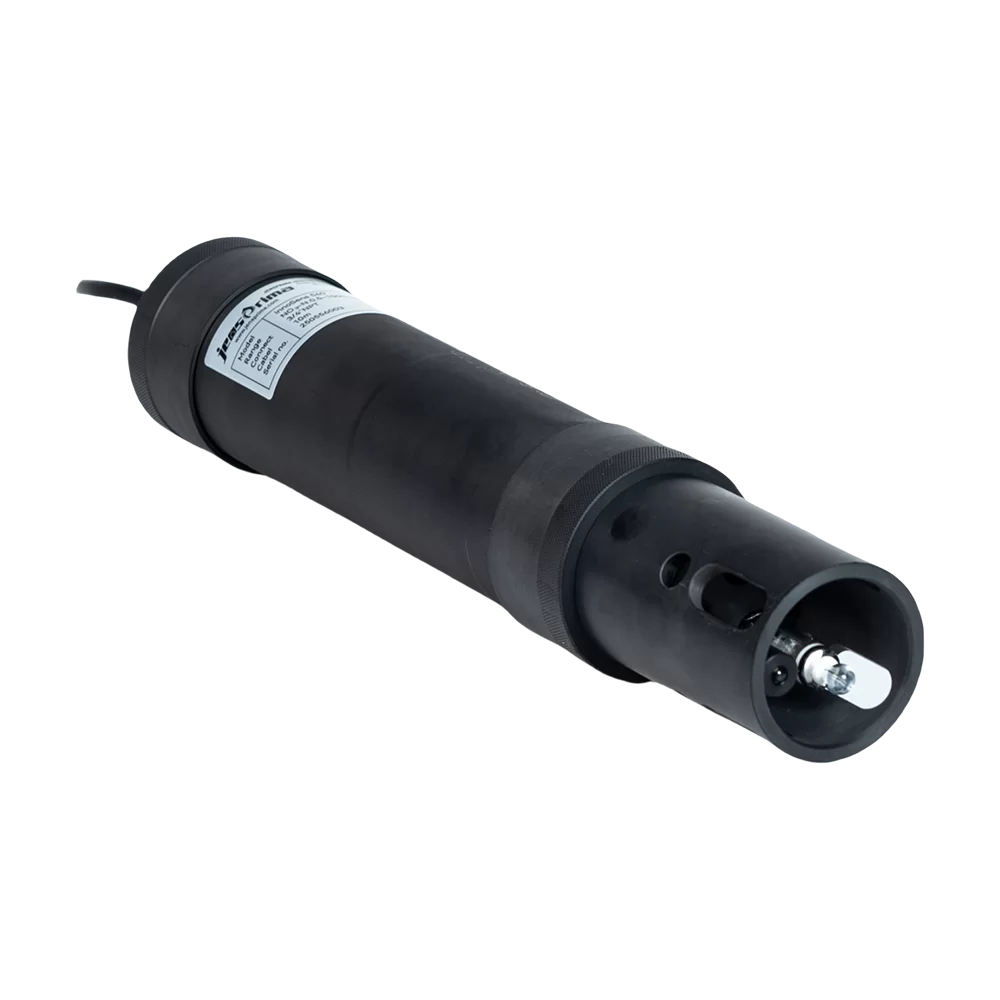
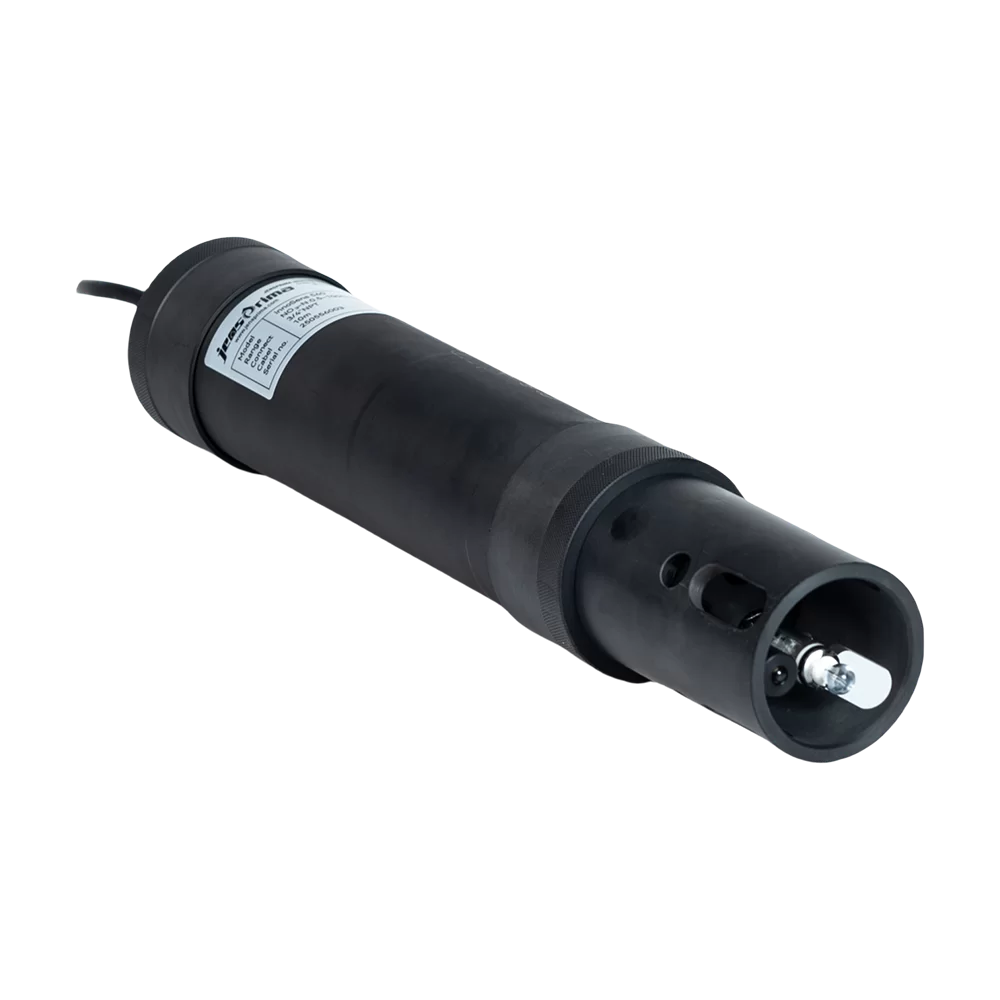
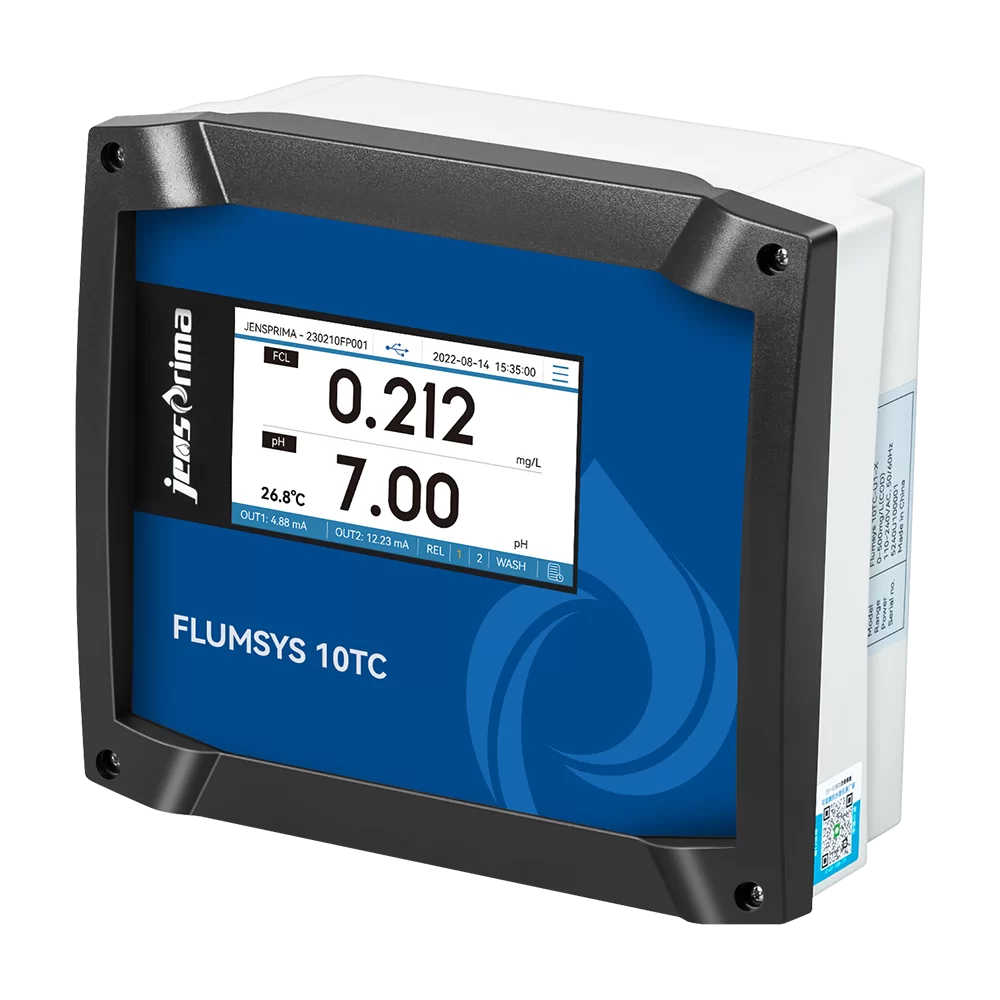
Integration of residual chlorine controller modules to maintain constant disinfection levels across the municipal pipeline, preventing secondary contamination.

05. Chemical Plant Effluent Monitoring (Ulsan)

Application of electromagnetic flowmeter technology to accurately measure the volume of hazardous wastewater before it enters the treatment facility.

Brand Story

Global Development Journey of Jensprima (Shanghai) Co., Ltd.

Foundation and Vision

Established with the mission to solve the most complex water analysis challenges, Jensprima focused on bridging the gap between laboratory precision and industrial durability.

Technical Breakthroughs

Developed proprietary sensor technology that reduced reagent consumption by 30% while increasing the stability of online hardness and alkalinity measurements.

Global Market Expansion

Expanded operations into Asia-Pacific markets, establishing a strong presence in South Korea by aligning products with local environmental standards.

Commitment to Sustainability

Launched a series of "Green Analyzers" designed for zero-discharge systems, helping clients achieve their ESG goals through precise water recovery.

The Future of Intelligence

Now integrating AI and cloud diagnostics to provide a seamless, self-optimizing water quality monitoring experience for the global industry.

Complete Product Portfolio for the South Korean Market

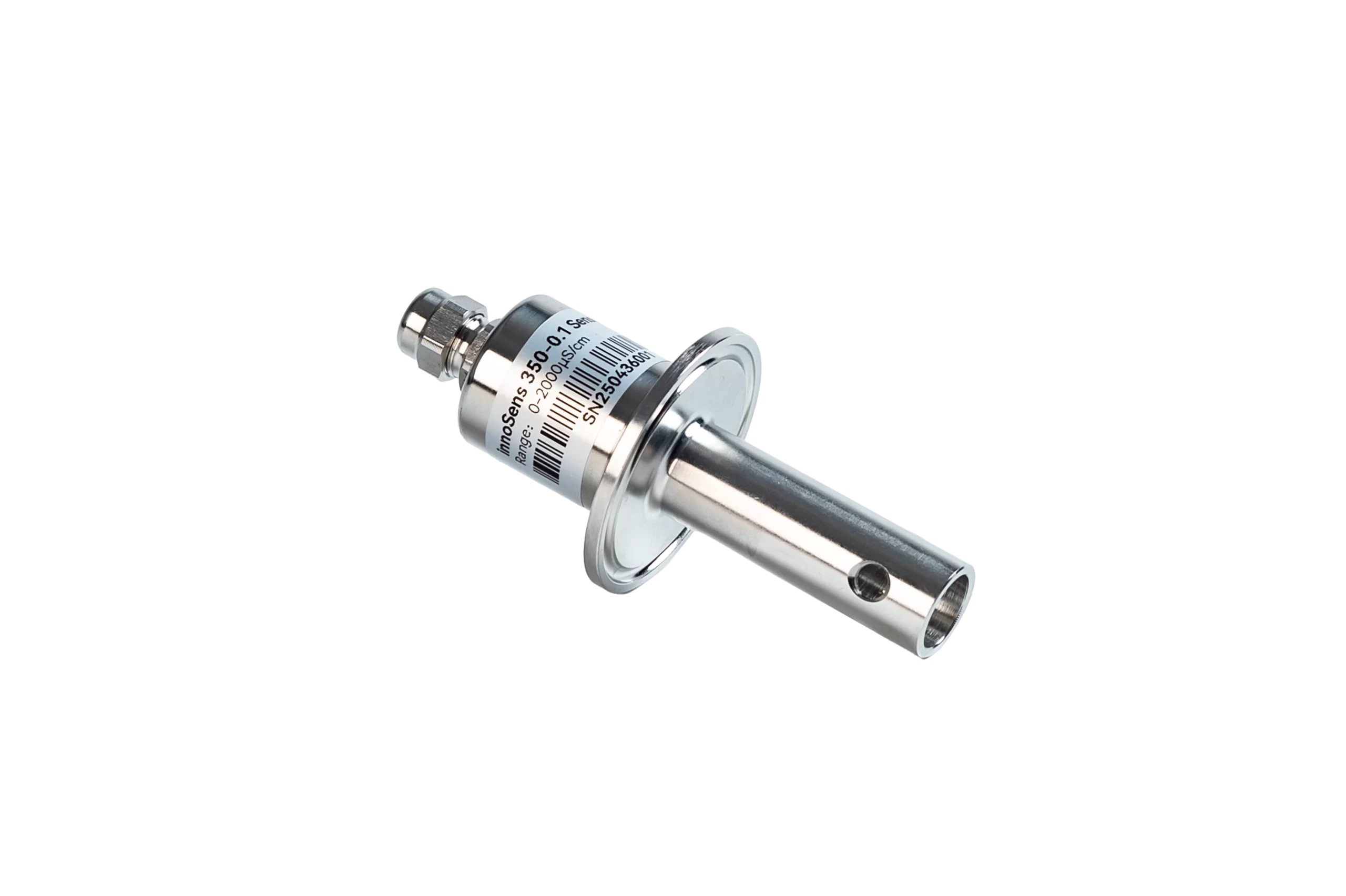
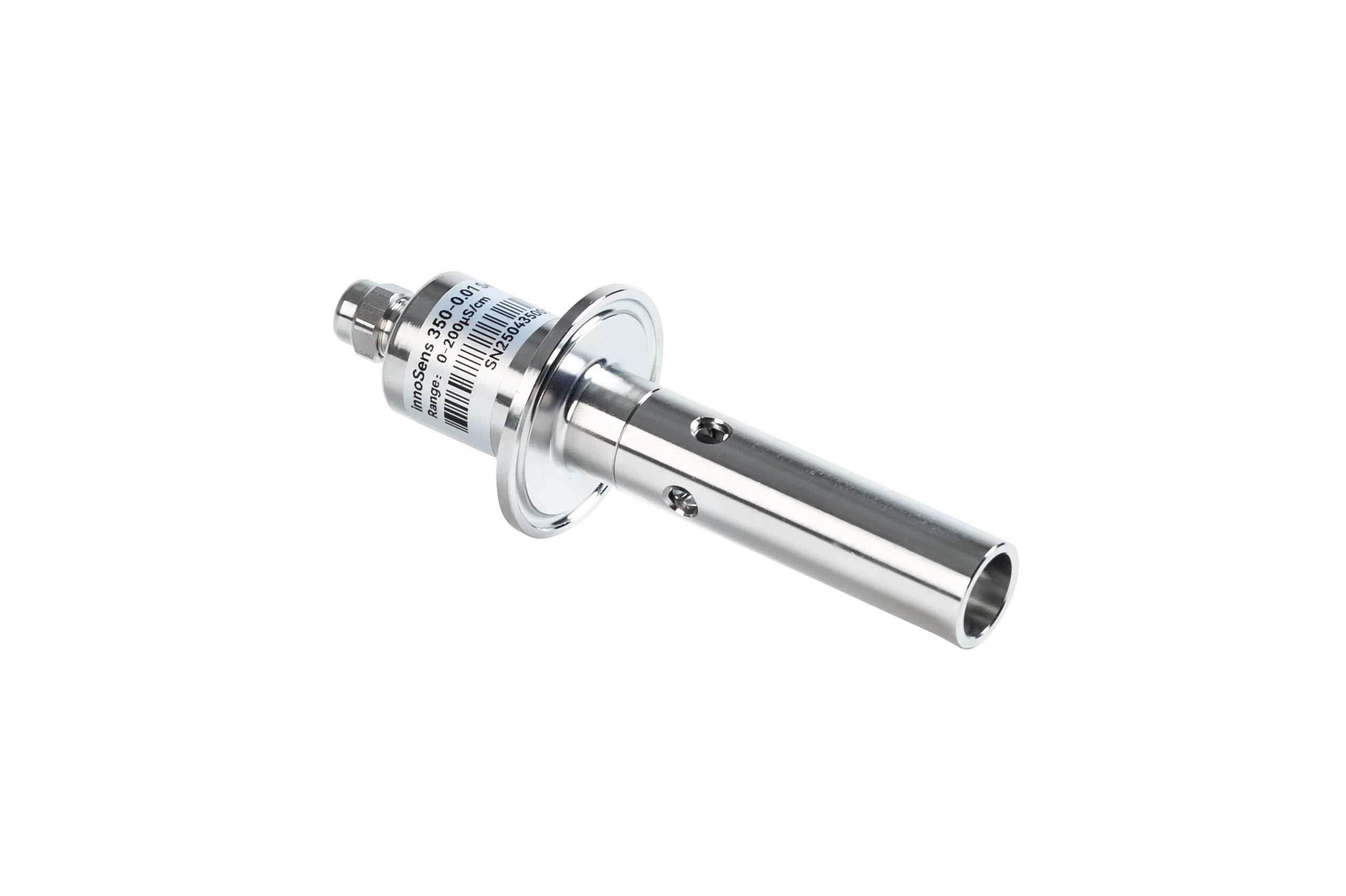
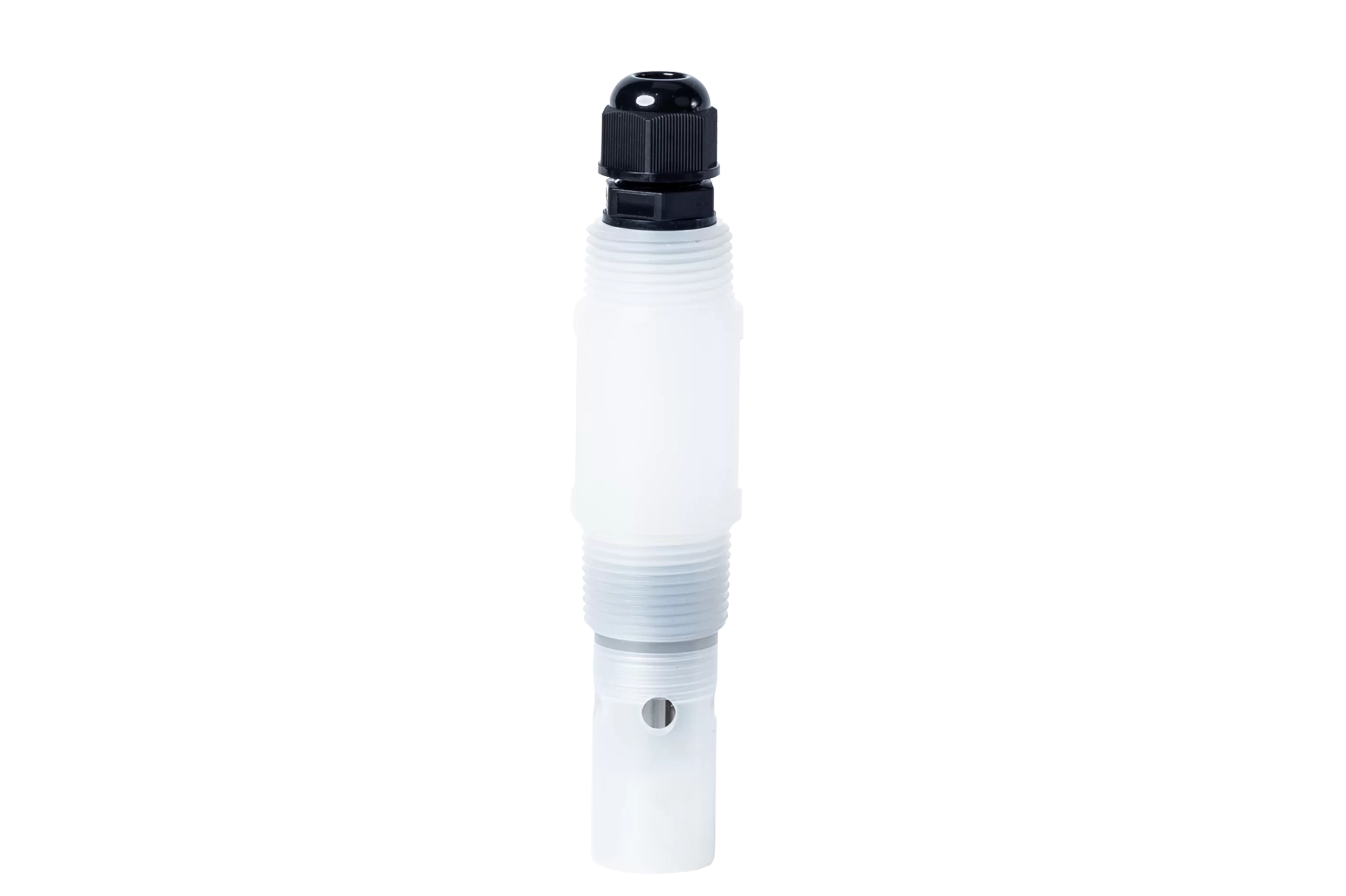
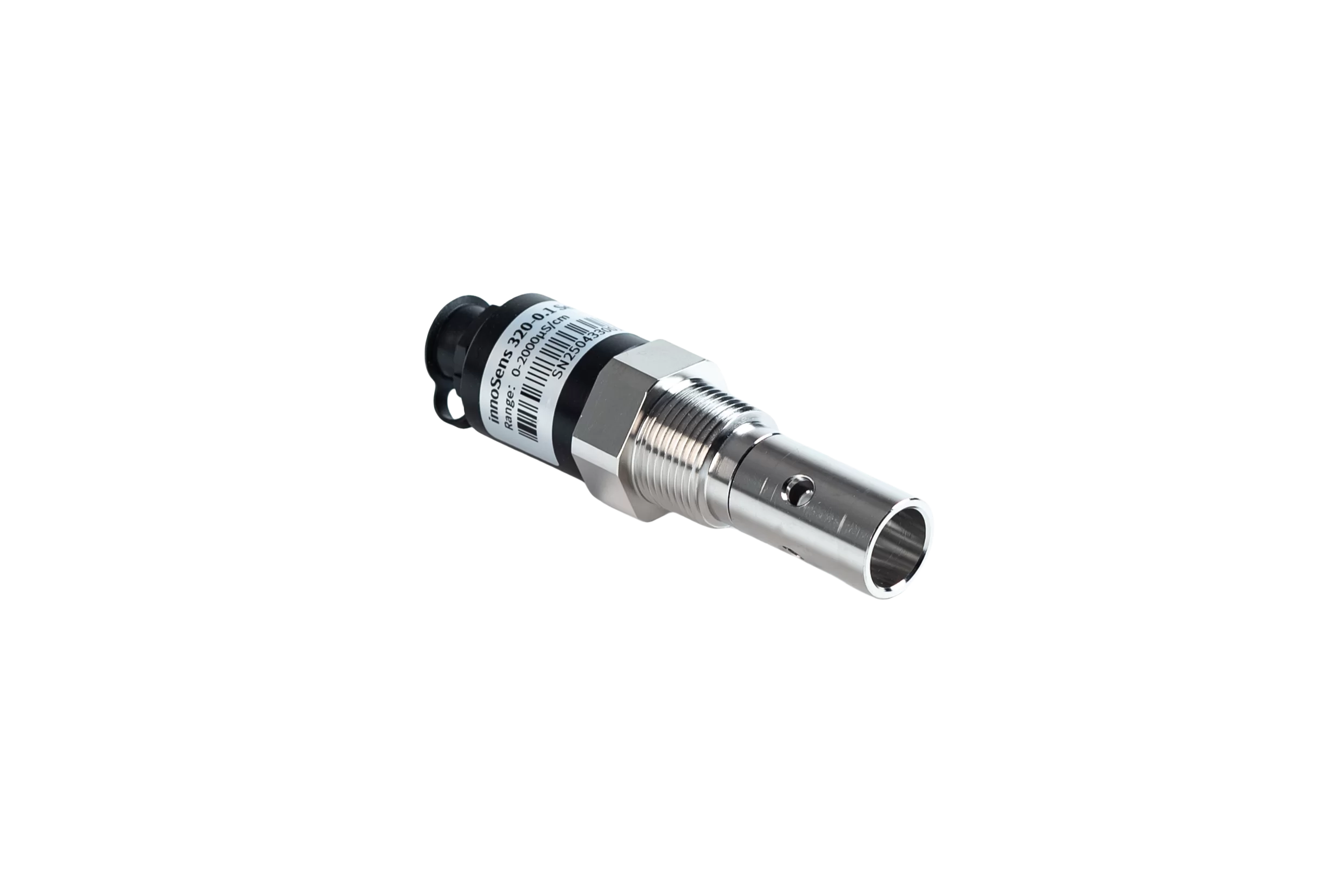
A curated selection of high-performance instruments designed for extreme reliability and precision.

Frequently Asked Questions in South Korea

Expert answers to common technical and regulatory queries regarding water analysis.

How does a multi parameter water quality analyzer handle the high salinity of coastal industrial water in Korea?

Our analyzers utilize specialized electrode coatings and advanced interference compensation algorithms to maintain accuracy even in high-conductivity environments typical of coastal areas like Ulsan.

Can the total hardness analyzer be integrated into existing PLC systems used in Korean factories?

Yes, our devices support standard Modbus TCP/RTU and 4-20mA outputs, ensuring seamless integration with the most common PLC brands used in South Korean manufacturing.

What is the typical maintenance cycle for an alkalinity analyzer in municipal water applications?

Depending on the water matrix, reagent replacement typically occurs every 30-60 days, while sensor calibration is recommended quarterly to ensure compliance with municipal standards.

How does the residual chlorine controller ensure safety in the Busan city water network?

The controller employs a closed-loop feedback system that adjusts chlorine dosing in real-time, preventing under-chlorination (risk of bacteria) and over-chlorination (taste and health issues).

Is the electromagnetic flowmeter suitable for the corrosive chemicals used in Korean petrochemical plants?

Our flowmeters are available with PTFE or PFA liners and Tantalum electrodes, specifically designed to withstand the highly corrosive environments found in petrochemical processing.

Do these water quality instruments comply with Korean environmental certifications?

Our products are designed to meet and exceed the technical specifications required by the Korean Ministry of Environment for online monitoring and reporting.

Ready to Optimize Your Water Analysis?

Our technical experts are available to provide customized instrumentation strategies for your facility in South Korea.

Contact Us Now
Service Repair Form
Tell us what issue you encountered, including any steps or symptoms.
  • Name
  • Email
  • Phone
  • Fault Description

If you are interested in our products, you can choose to leave your information here, and we will be in touch with you shortly.