
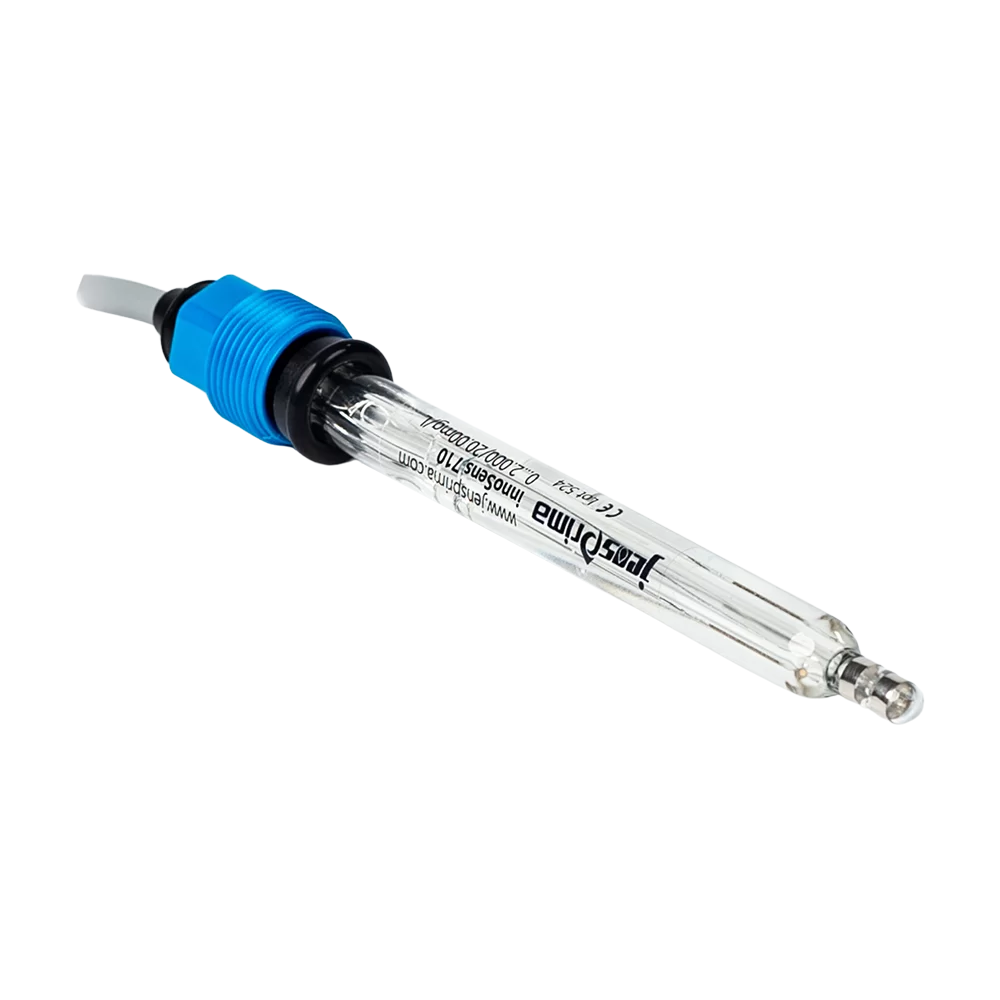
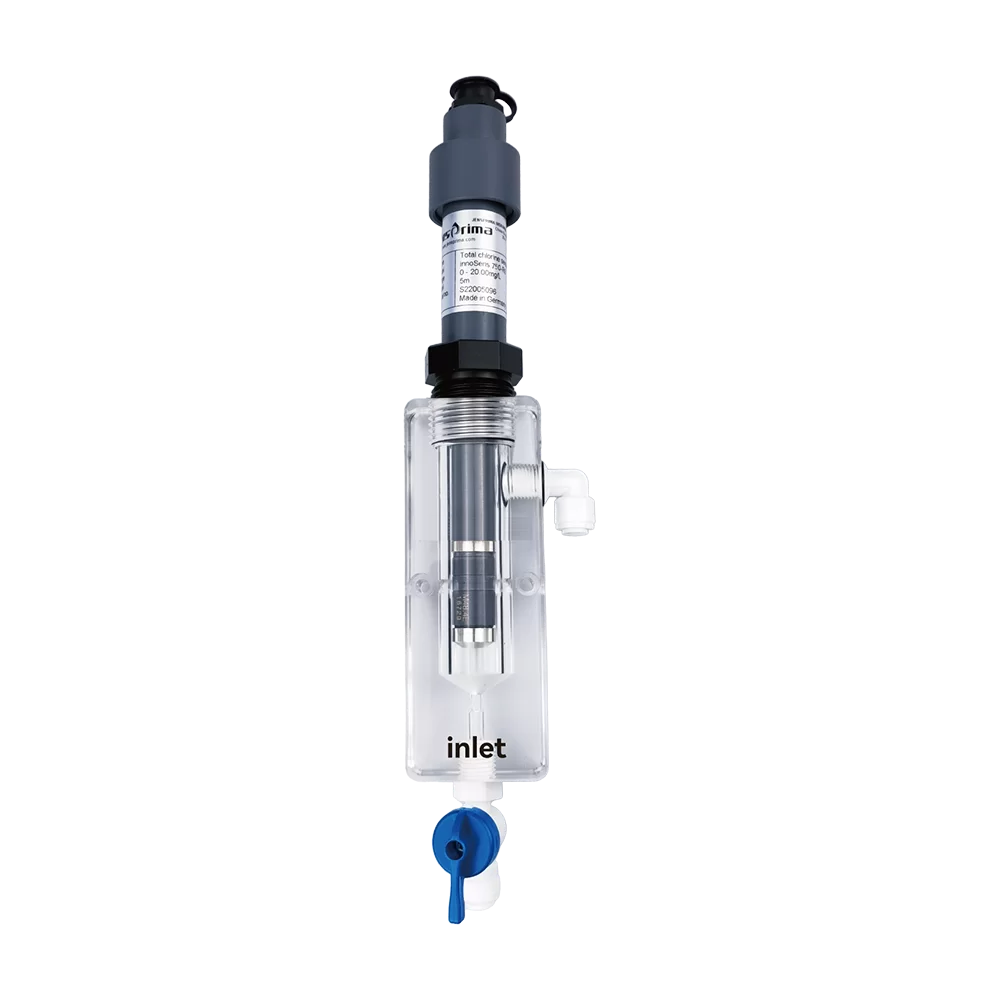
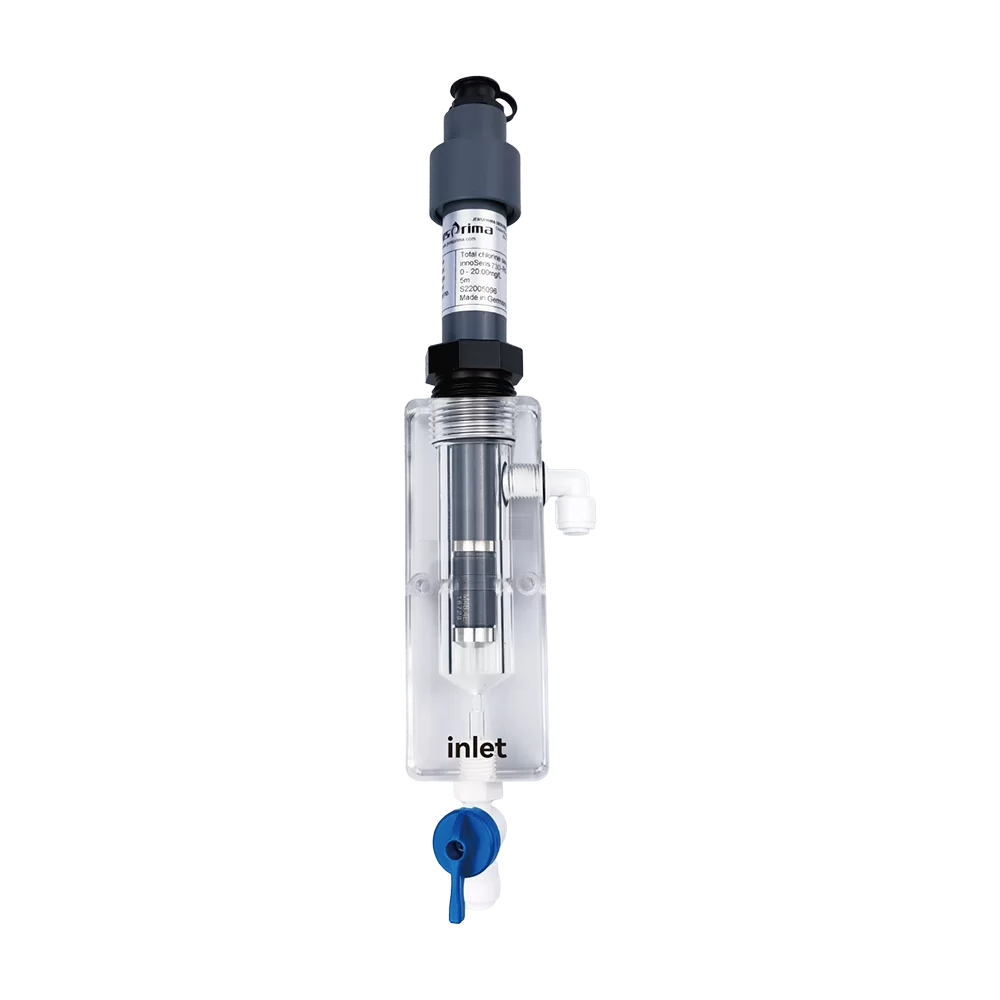
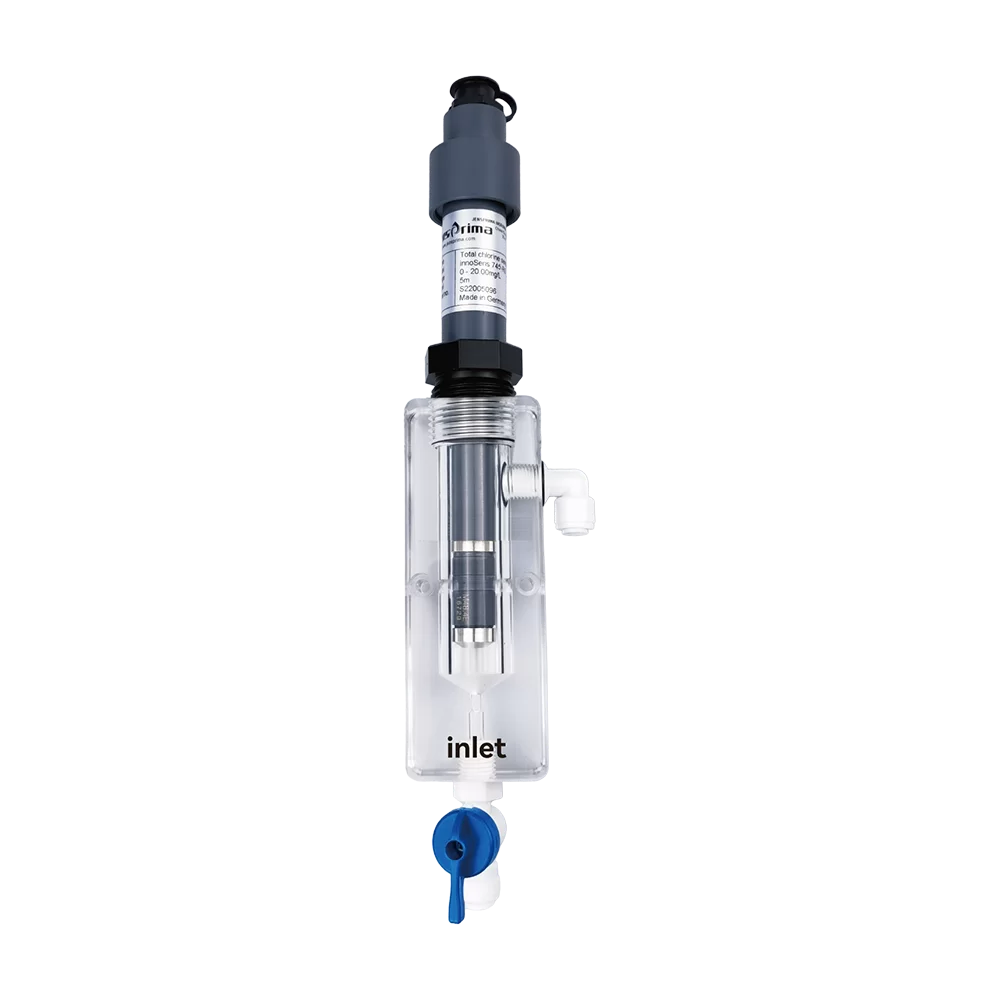
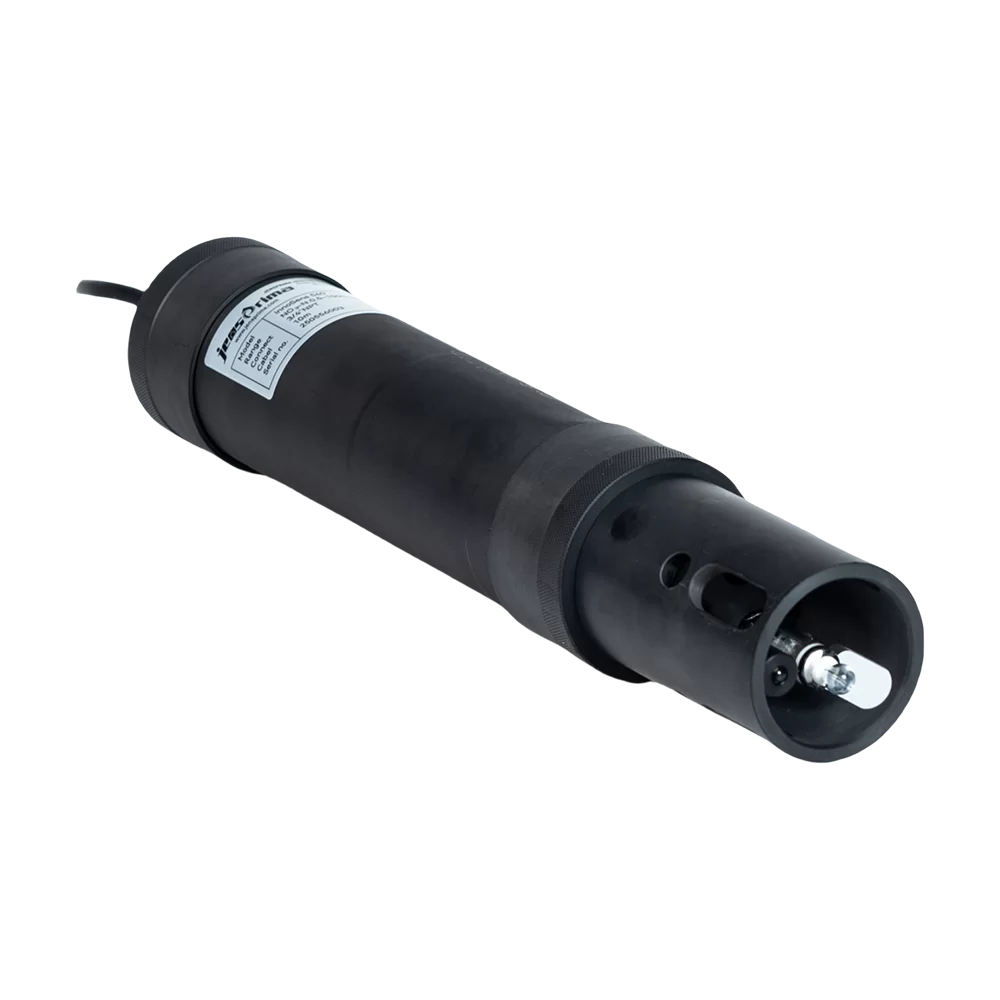
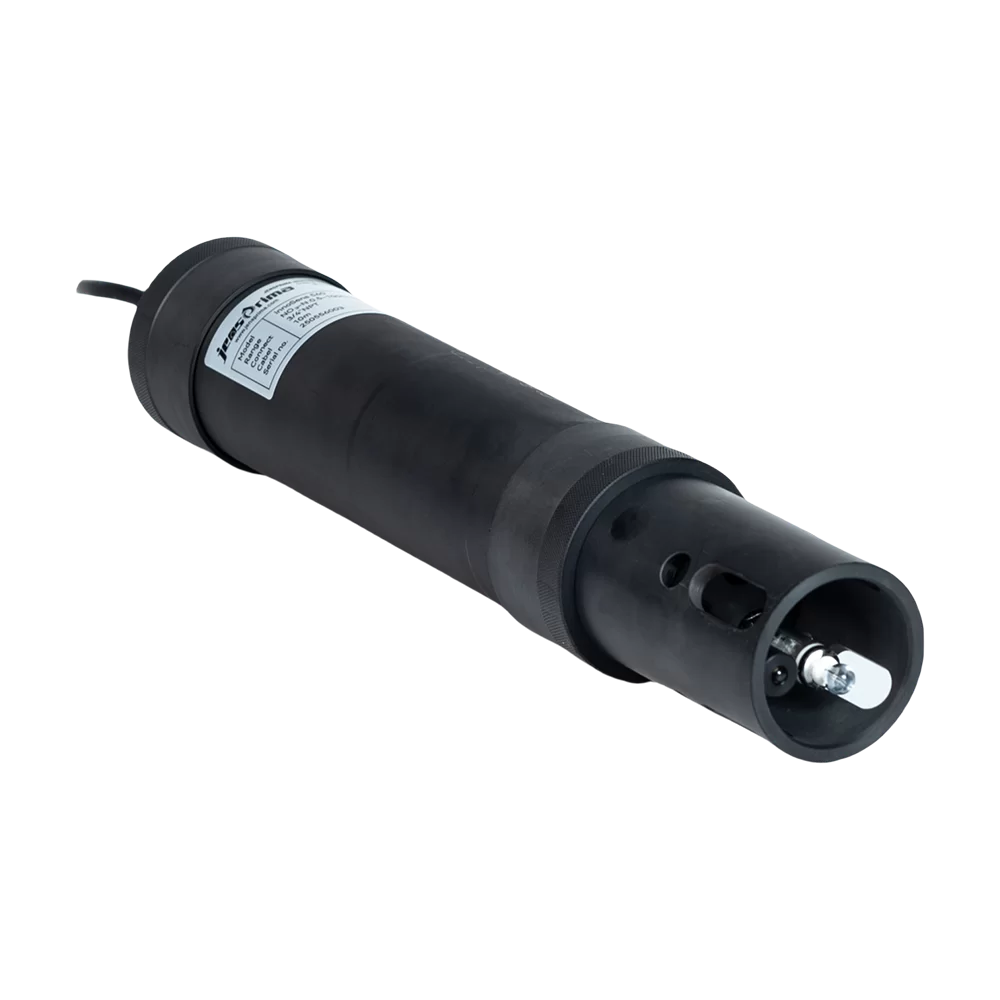
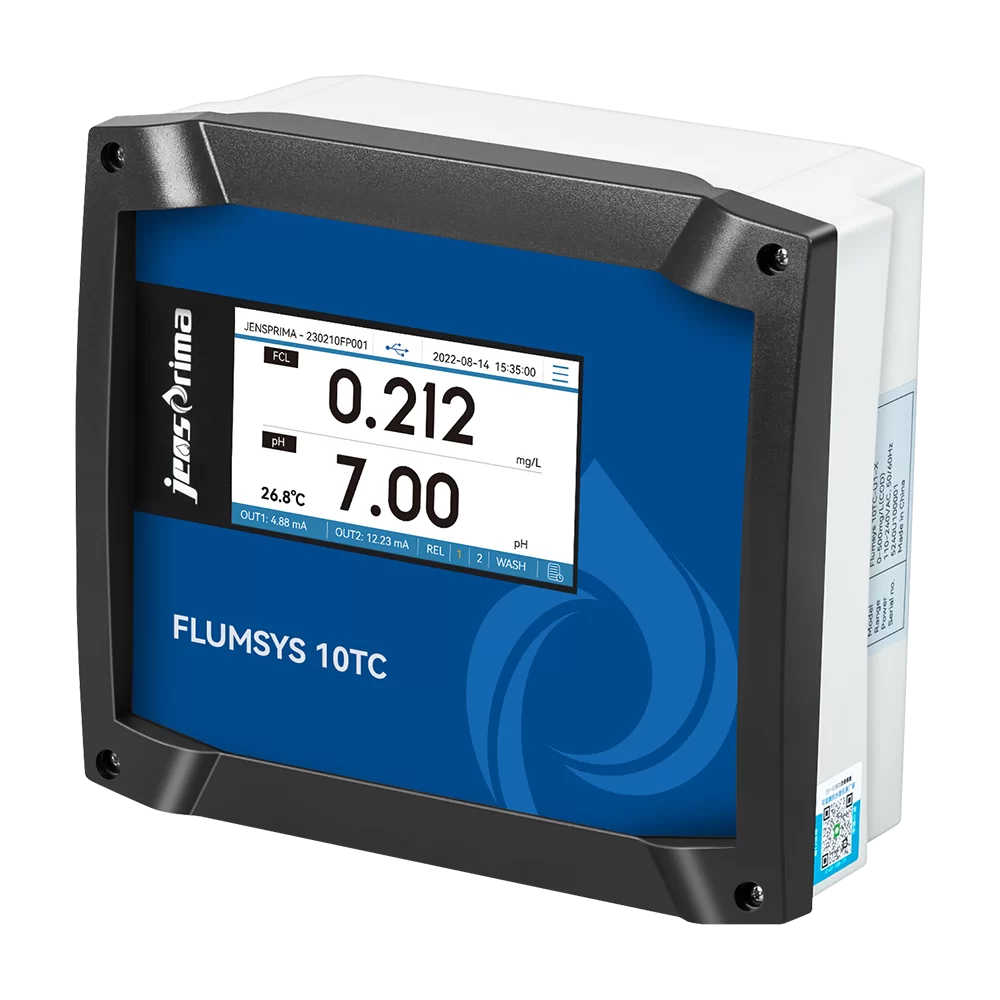
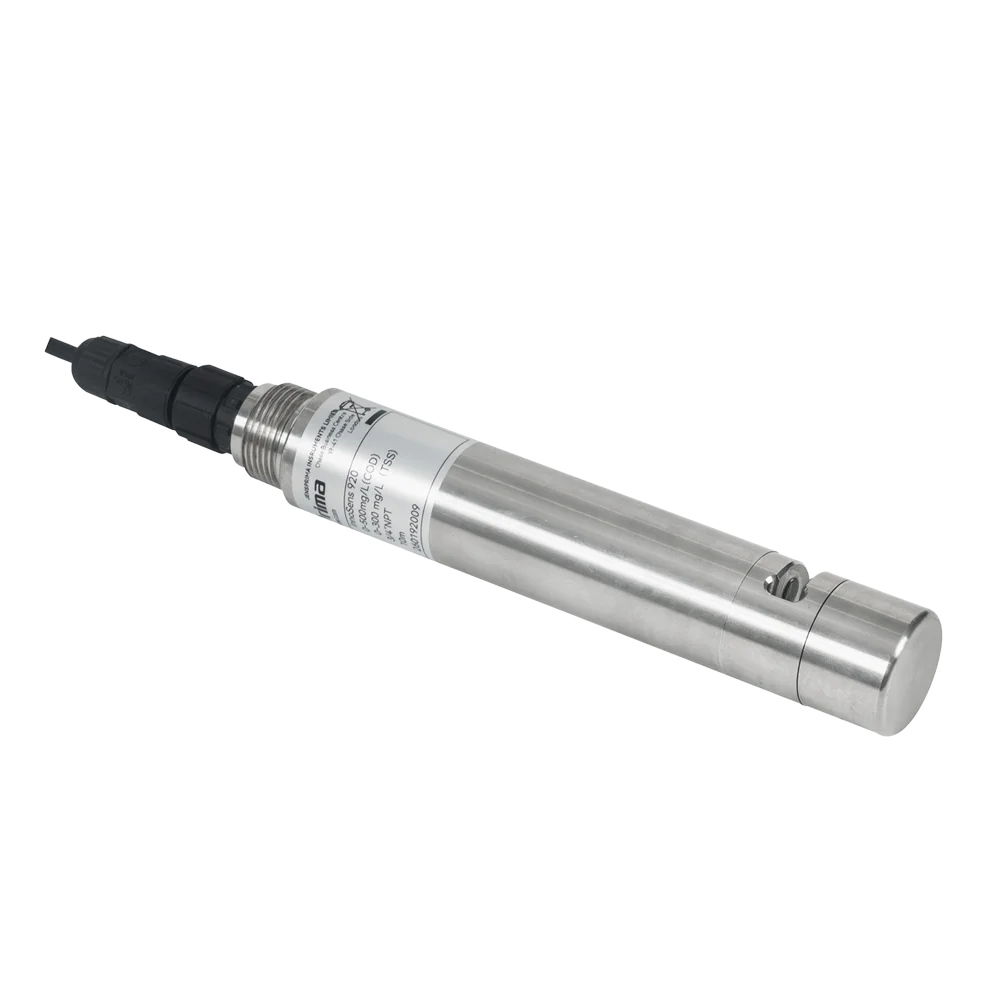


multi parameter analyzer

NEWS

UPDATES

Advanced Water Monitoring Solutions with Residual Chlorine Controller in Australia

Precision instrumentation engineered for the unique environmental demands of the Australian water infrastructure and industrial sectors.

Advanced Water Monitoring Solutions with Residual Chlorine Controller in Australia

Integrating high-precision analysis tools to ensure water safety, regulatory compliance, and operational efficiency across the Australian continent.

Water Quality Monitoring Landscape in Australia

Addressing the challenges of water scarcity and contamination in the Oceania region.

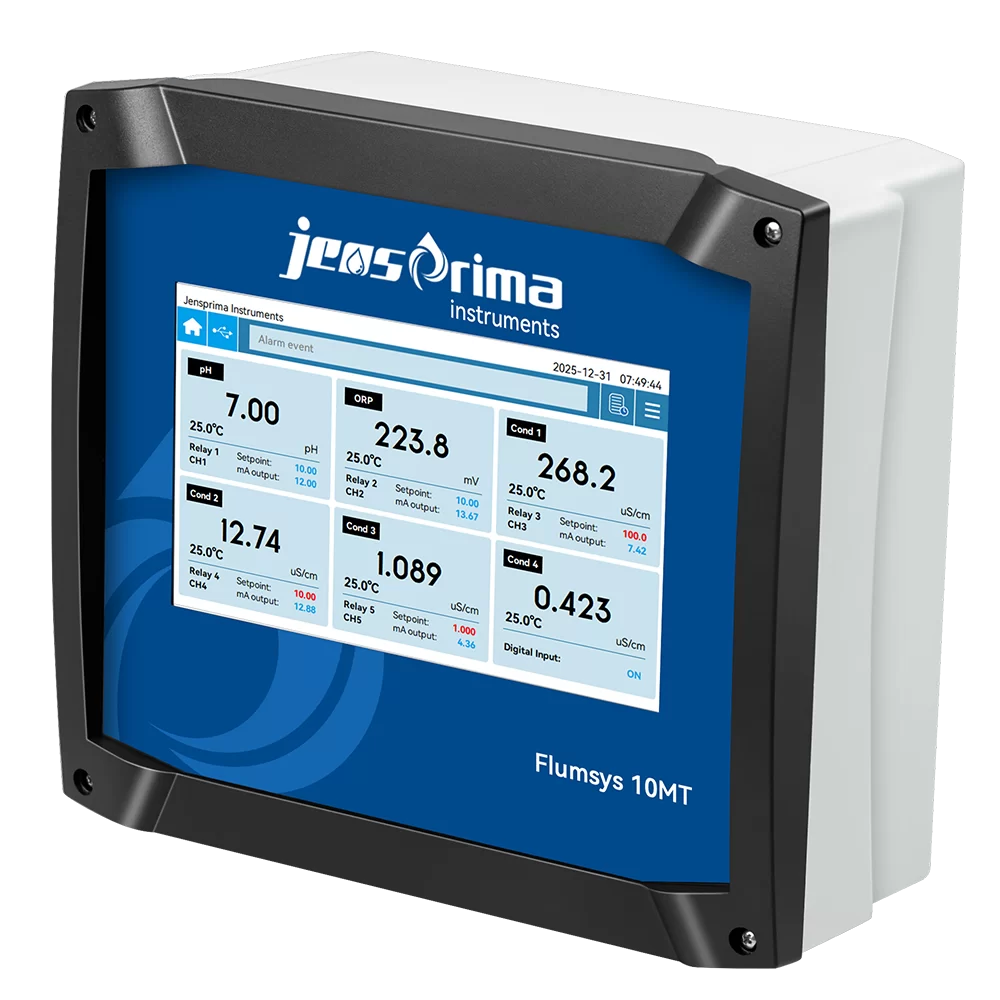
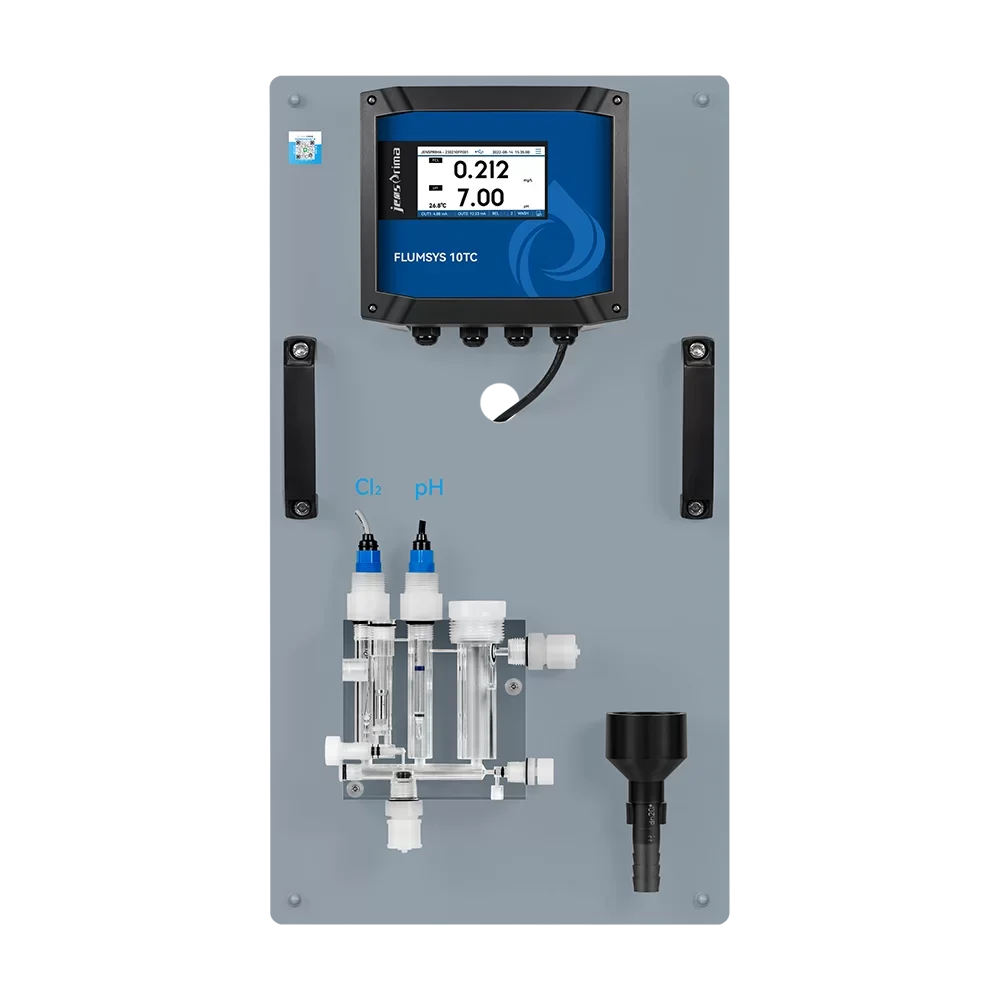
Australia faces extreme climatic variability, ranging from severe droughts to flash flooding, which puts immense pressure on water quality stability. In these conditions, the deployment of a multi parameter water quality analyzer is critical for real-time monitoring of river basins and urban reservoirs to prevent ecological collapse.

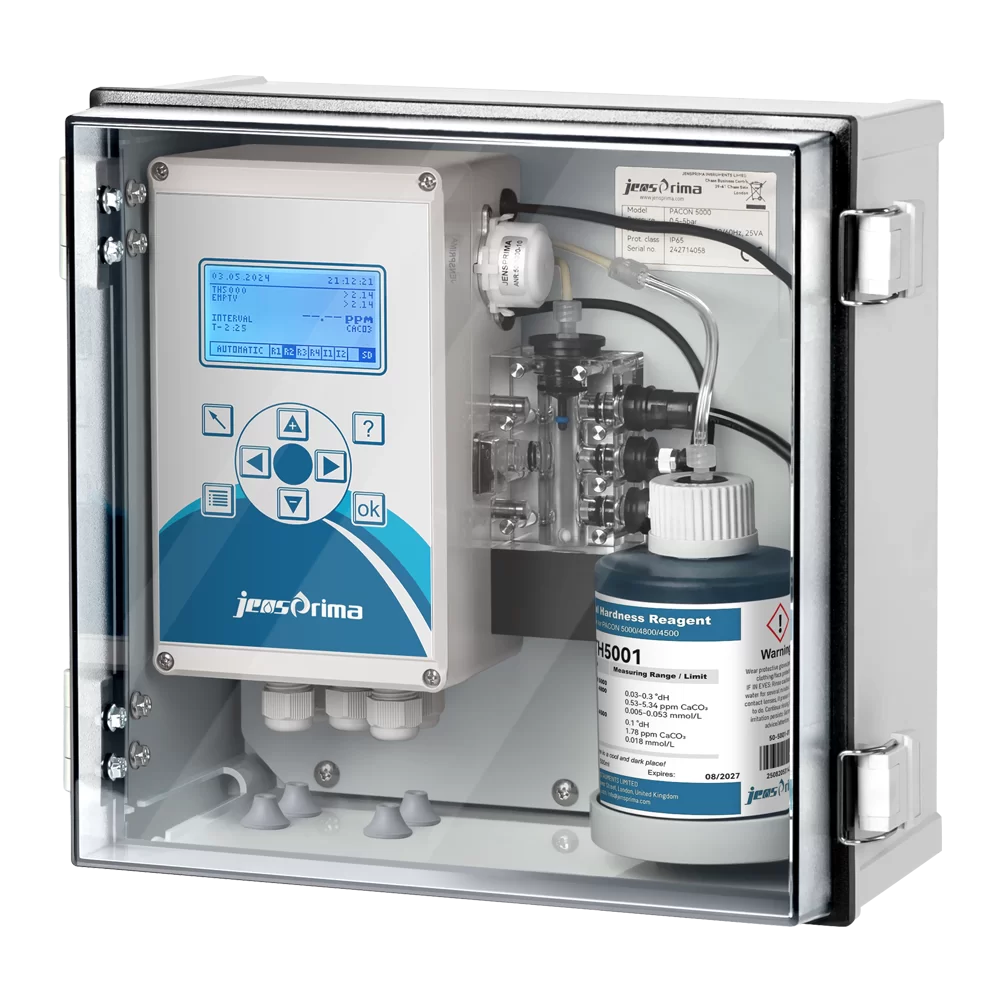
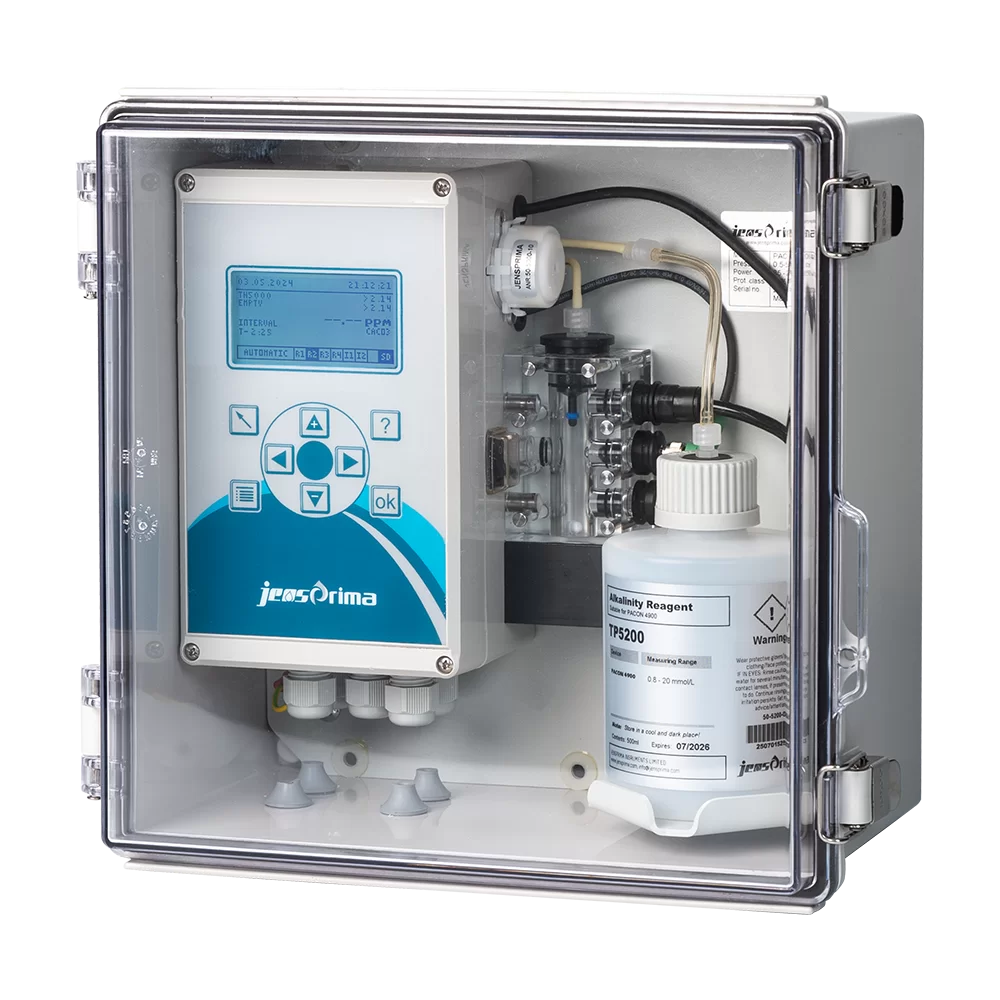
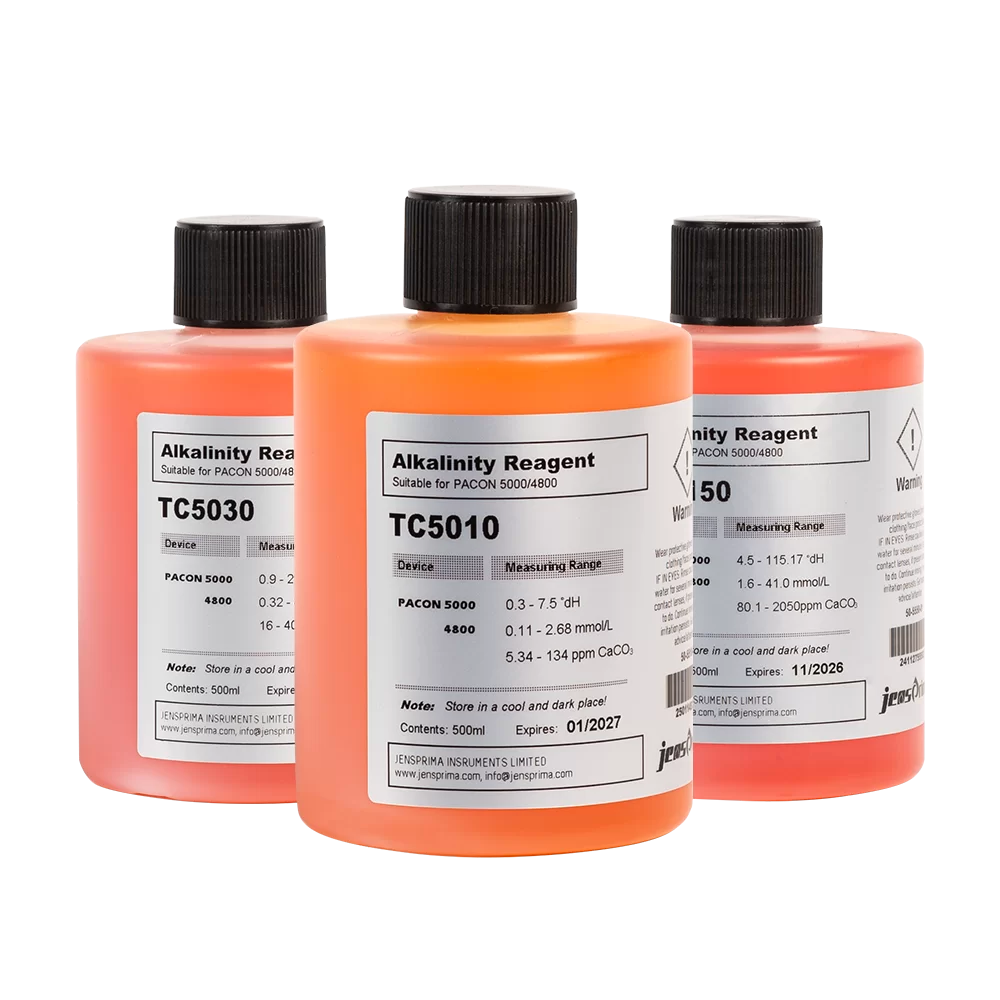
The industrialization of mining and agriculture in Western Australia and Queensland has increased the demand for precise chemical monitoring. Specifically, the need for an alkalinity analyzer has grown to manage the corrosive nature of groundwater used in large-scale processing plants.

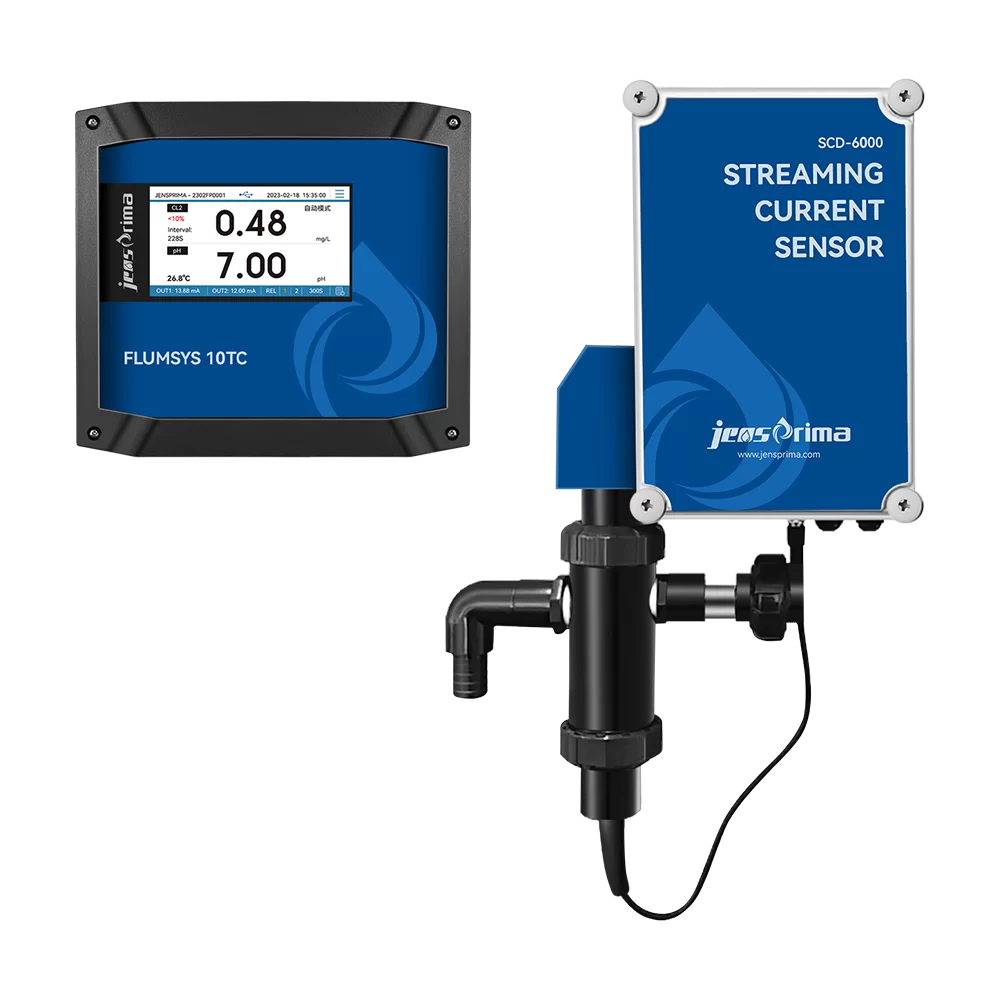
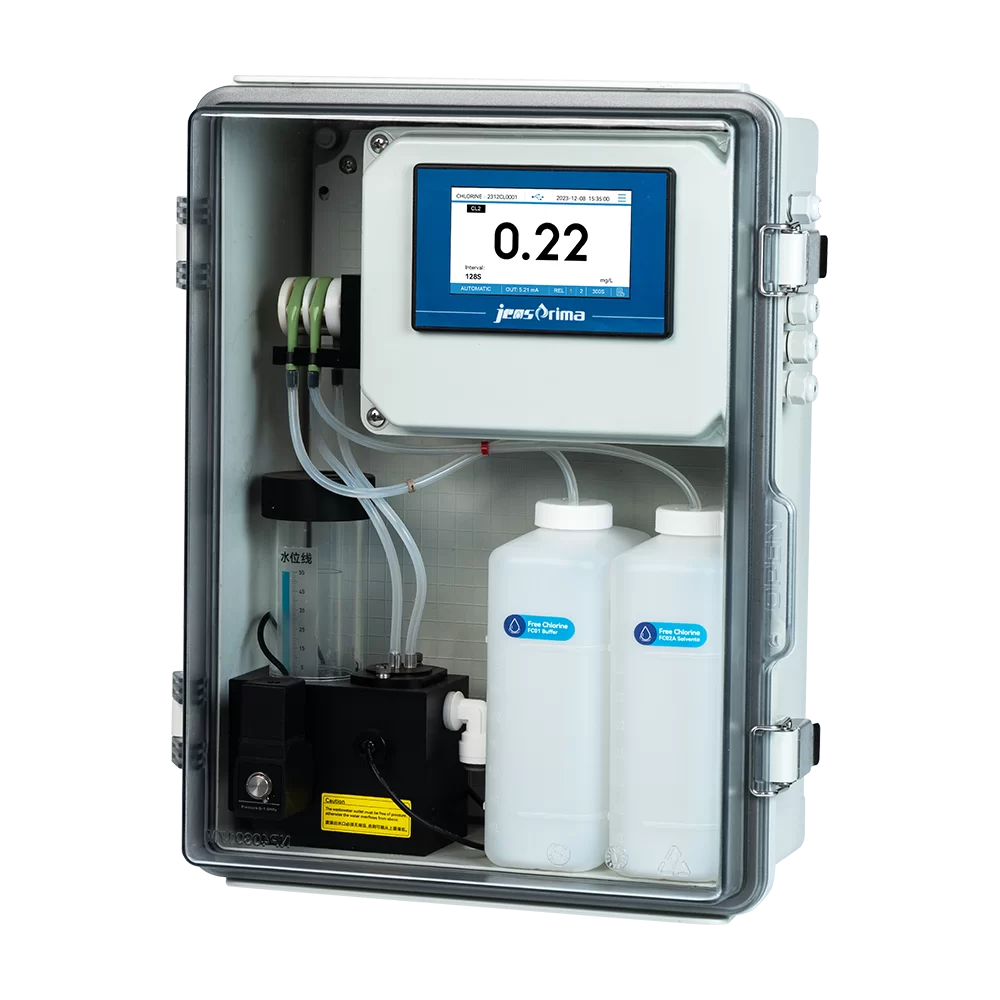
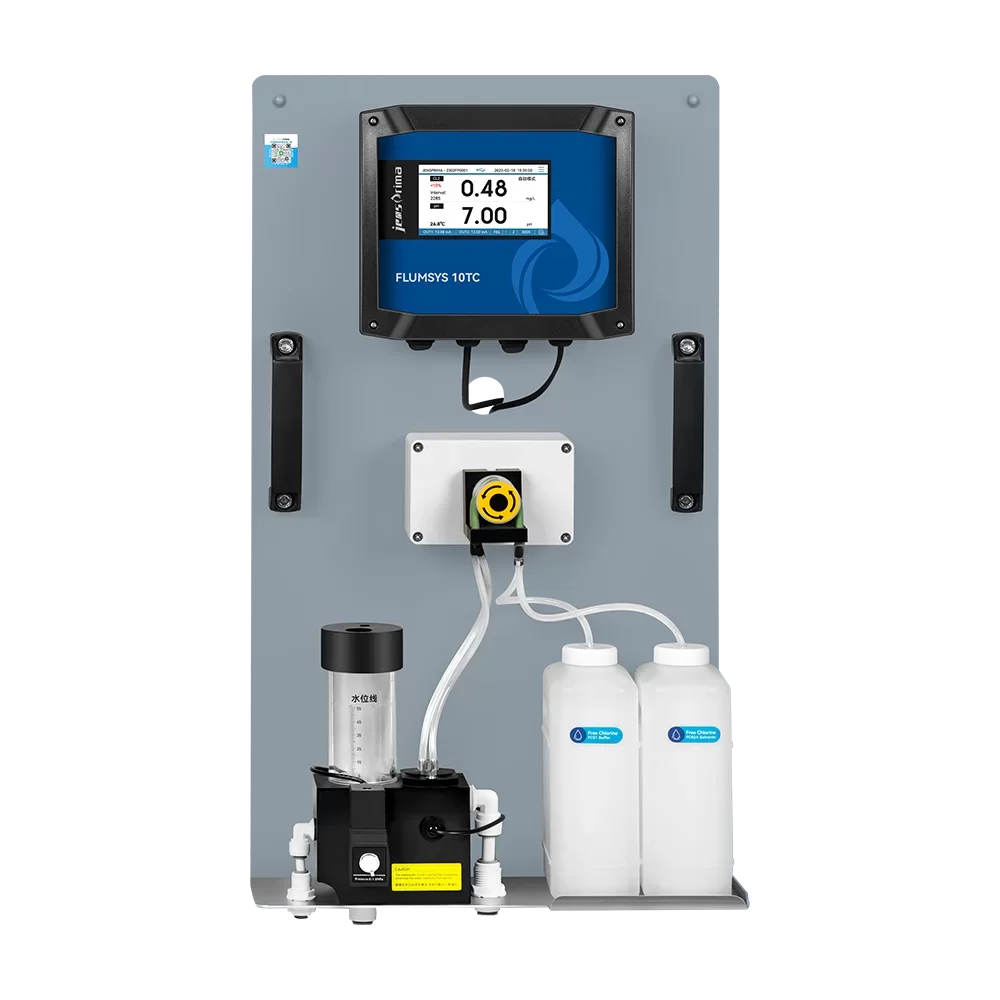
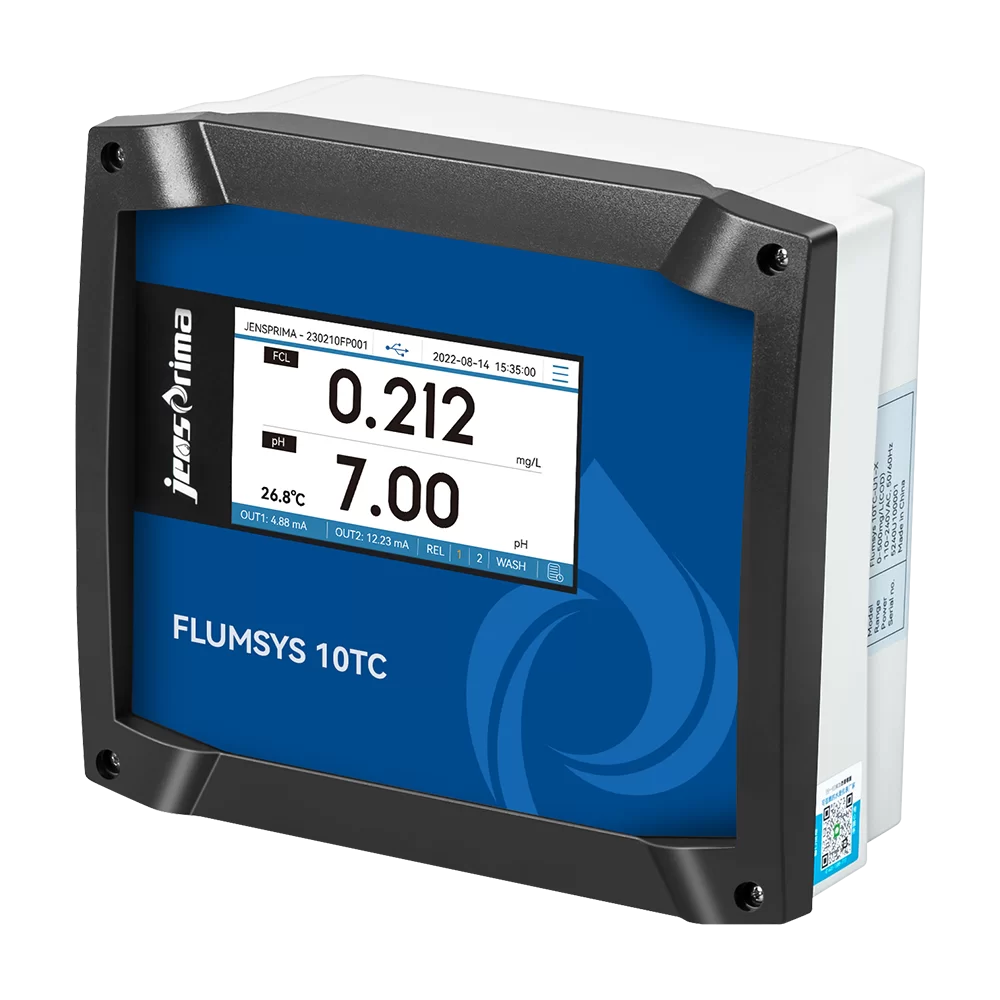
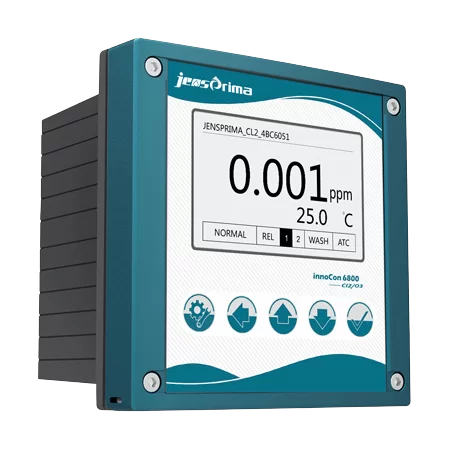
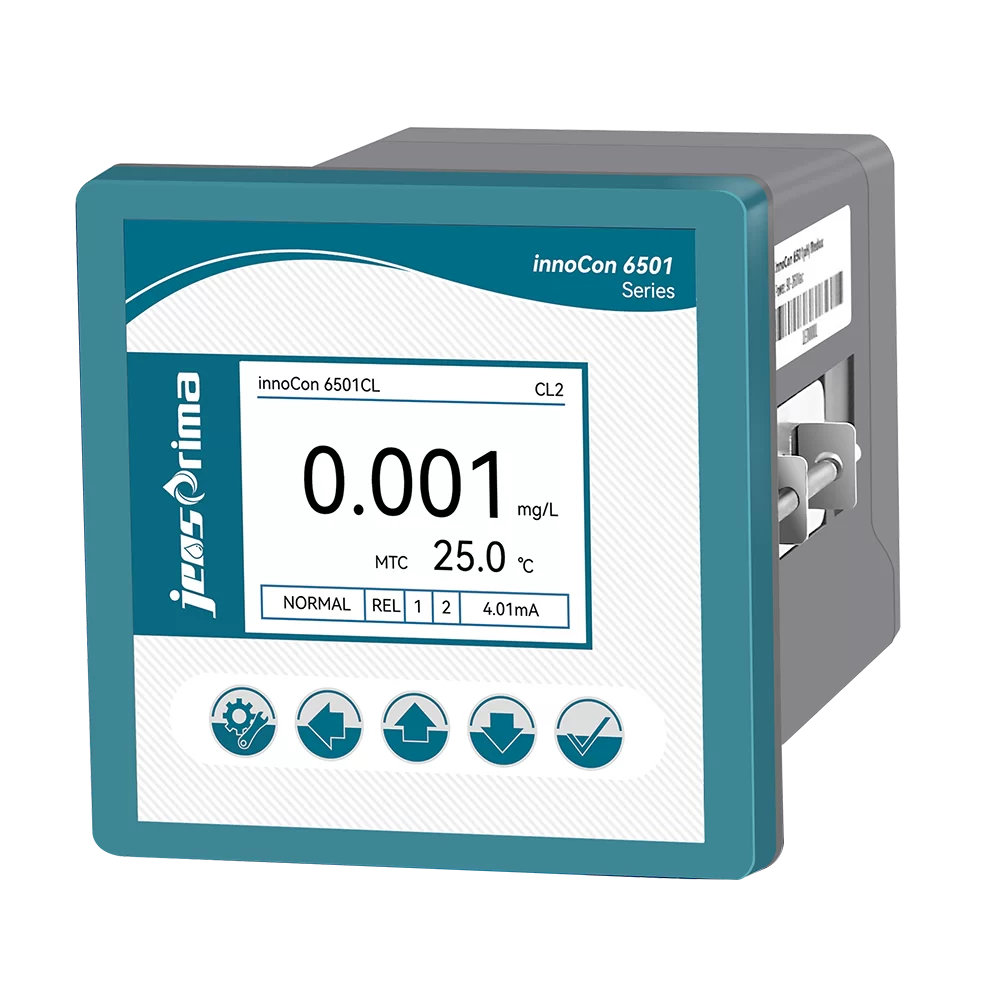
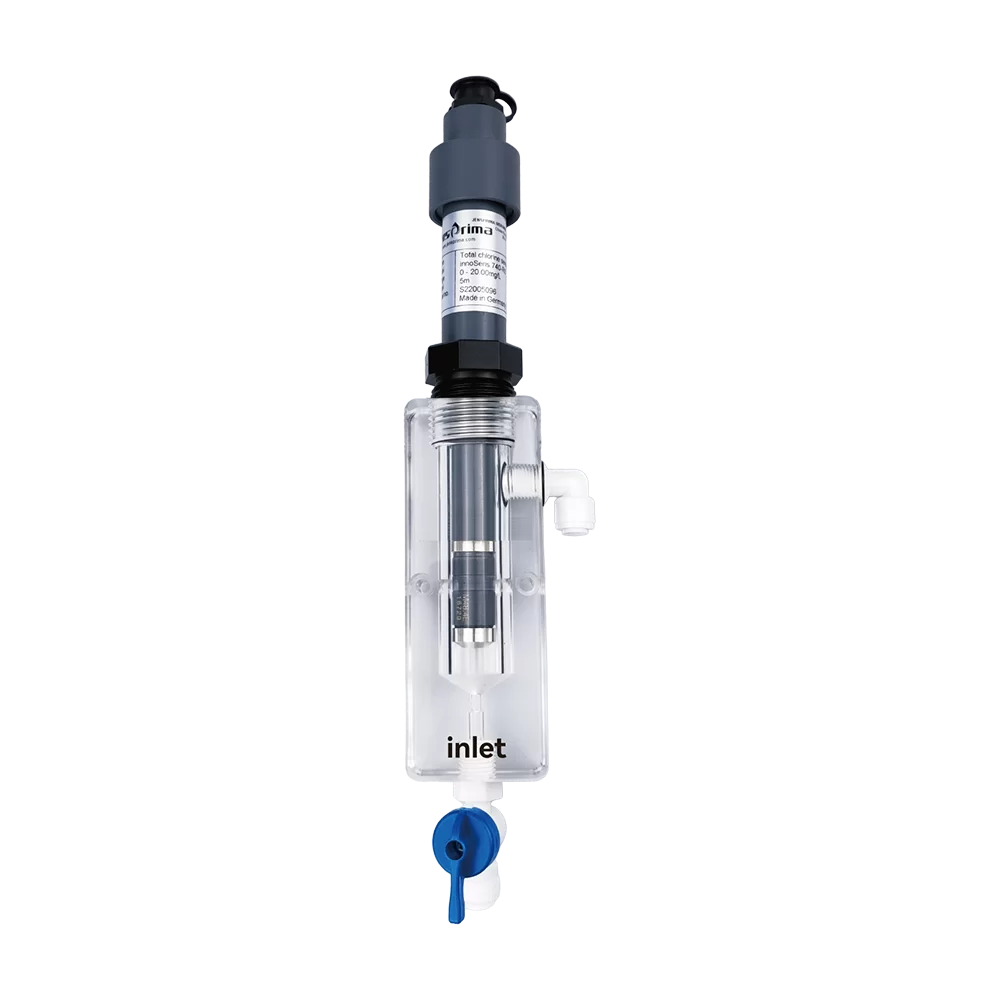
Furthermore, strict Australian Drinking Water Guidelines (ADWG) mandate rigorous disinfection controls. This has led to the widespread adoption of the residual chlorine controller to maintain safe potable water levels while minimizing the risk of disinfection by-products.

Evolution of Water Analysis Technology in Australia

From manual sampling to intelligent, automated online monitoring systems.

Market Development History

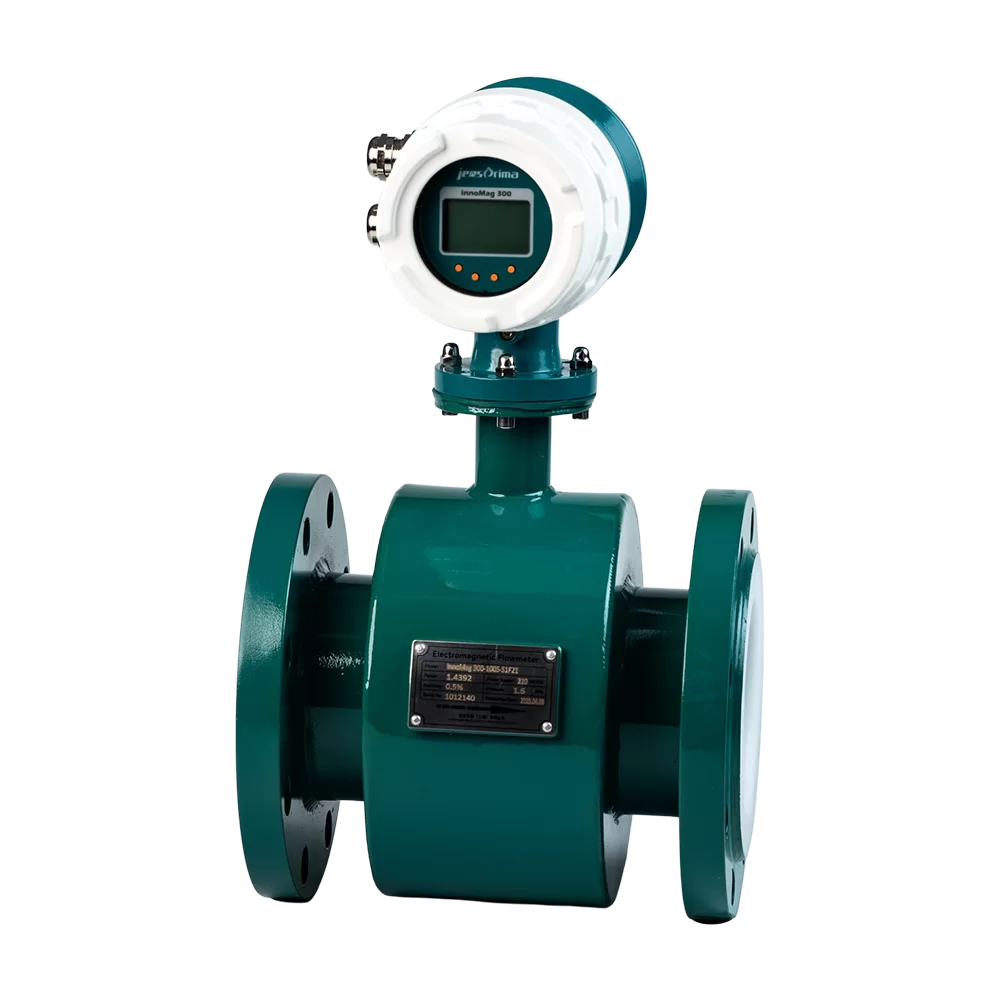
In the 1990s, Australian water management relied heavily on manual grab sampling and laboratory analysis, which caused significant delays in reacting to contamination events. Early adopters began integrating basic electromagnetic flowmeter technology to quantify water usage and flow rates in municipal grids.

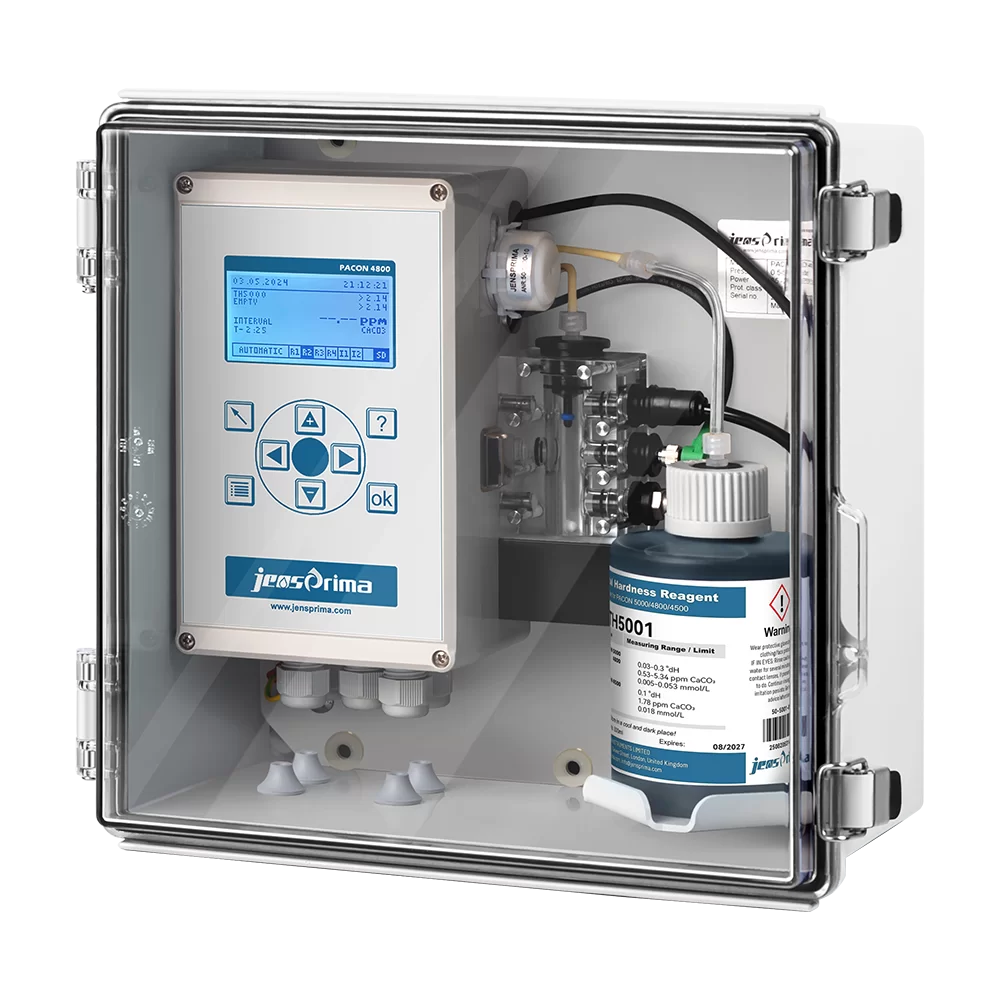
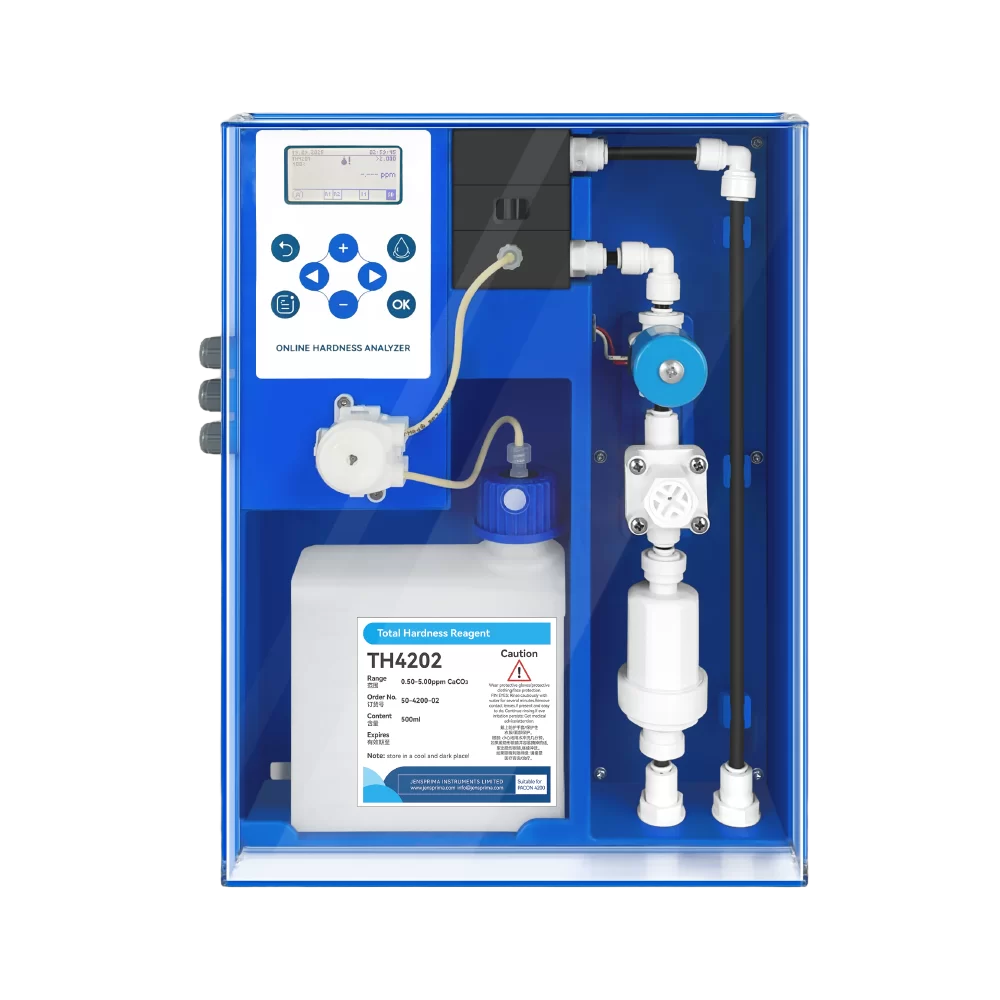
Between 2005 and 2015, the shift toward "Online Monitoring" accelerated. The industry moved from single-parameter probes to more integrated systems, such as the total hardness analyzer, allowing industrial boiler operators to automate softening processes and prevent scale buildup in real-time.

From 2016 to the present, the integration of IoT and cloud computing has transformed the landscape. Modern systems now employ smart sensors that communicate via 4G/5G networks, enabling remote management of water quality across vast, uninhabited stretches of the Australian Outback.

Future Development Trends

AI-Driven Predictive Maintenance

Integrating machine learning with sensor data to predict probe fouling and calibration drift, reducing the operational cost of site visits in remote regions.

Miniaturization of Chemical Analysis

The development of lab-on-a-chip technologies to allow complex parameters, typically requiring a large alkalinity analyzer, to be measured by handheld or compact online units.

Energy-Neutral Monitoring Stations

Leveraging Australia's high solar irradiance to power autonomous monitoring stations, eliminating the need for external power grids in environmental protection zones.

Industry Trends and Future Outlook

Strategic directions for the Australian environmental instrumentation market.

Digital Twin Integration
Creating virtual replicas of water networks using real-time data from flowmeters and analyzers for simulation.
Enhanced Sensor Sensitivity
Improving detection limits for trace contaminants in accordance with stricter environmental laws.
Sustainable Reagent Use
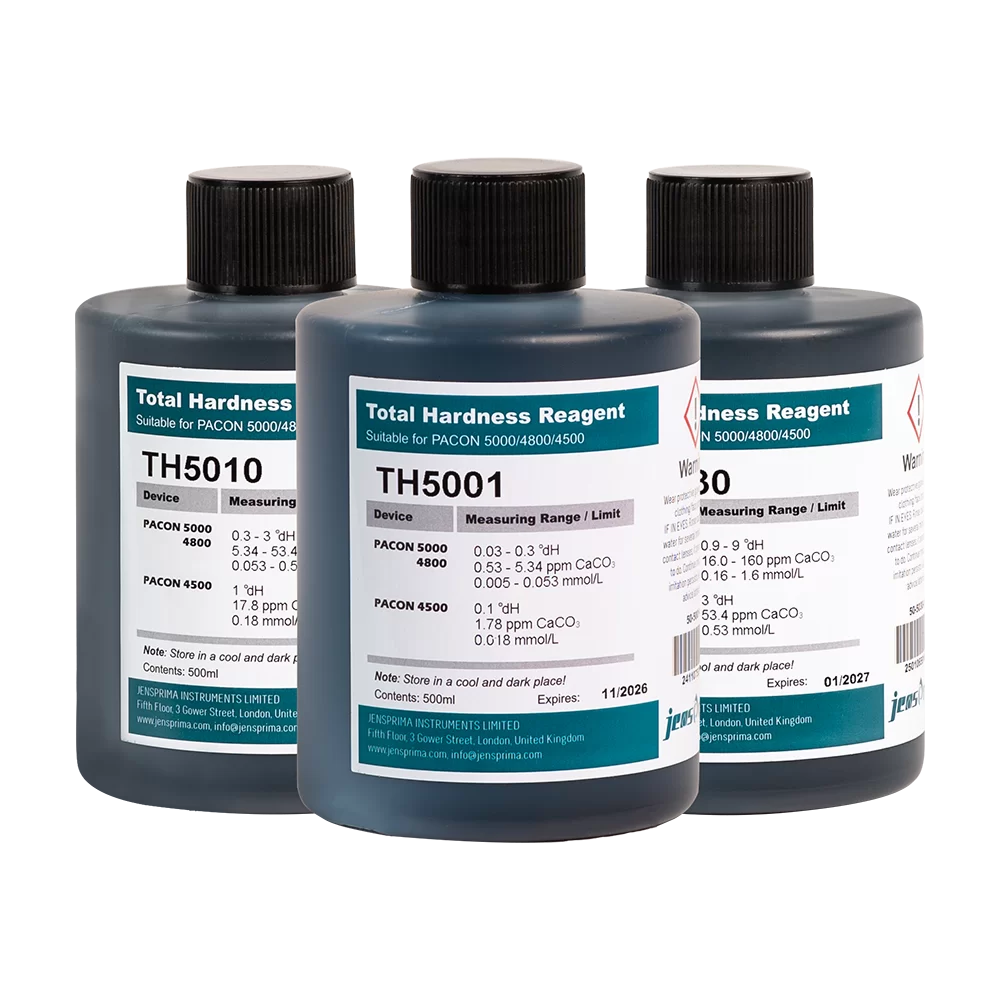
Developing "green" chemistry for analyzers to minimize the environmental impact of reagent waste.
Edge Computing Integration
Processing data locally at the sensor level to allow immediate automated response without cloud latency.

Industry Outlook

The Australian market is expected to see a significant increase in the adoption of comprehensive multi parameter water quality analyzer systems as the focus shifts from simple compliance to proactive resource management. The integration of these devices into smart city frameworks will be a primary driver.

Moreover, as water recycling becomes a necessity in arid zones, the demand for specialized analyzers—especially those measuring hardness and alkalinity—will scale. We anticipate a move toward modular instrumentation that can be easily upgraded as new regulatory parameters are introduced.

Localized Application Scenarios in Australia

Real-world implementation of water analysis technology in diverse Australian environments.

01. Municipal Drinking Water Treatment (Sydney & Melbourne)

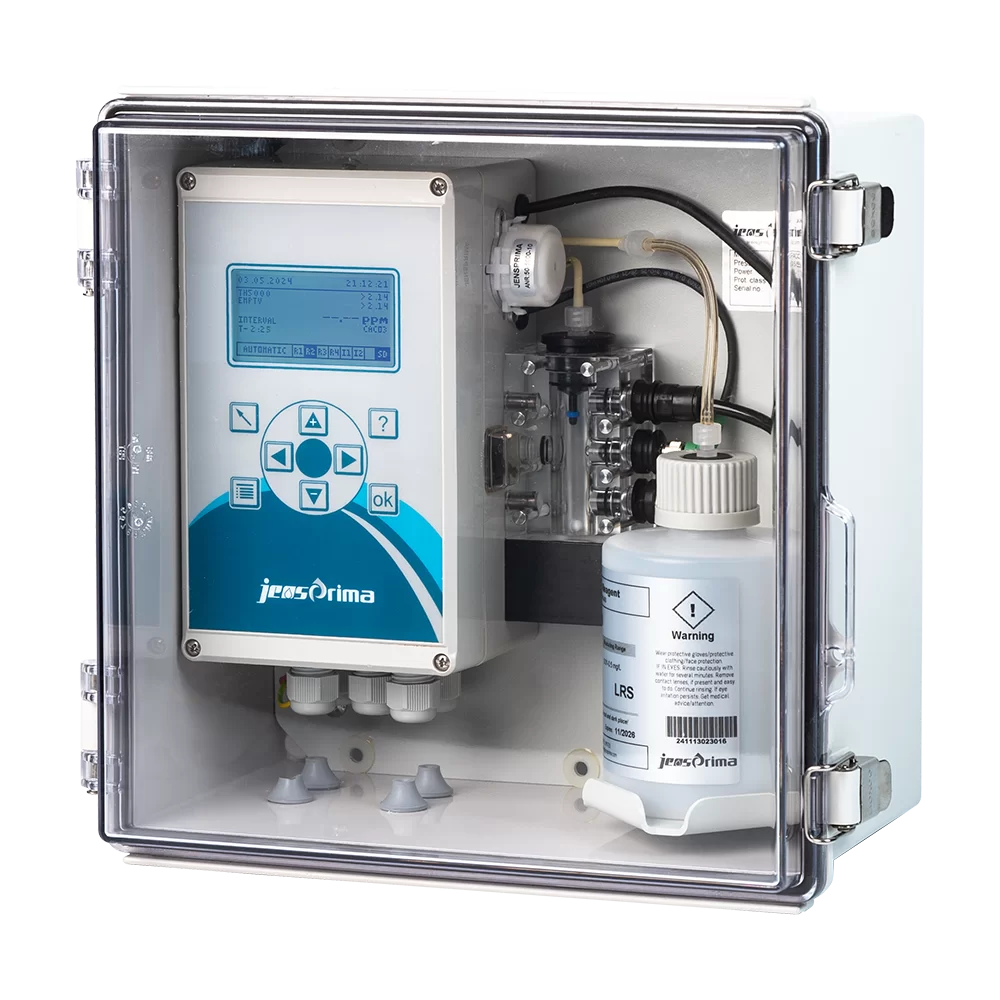
Implementation of the residual chlorine controller to ensure consistent disinfection across urban grids, preventing waterborne pathogens while protecting pipe infrastructure.

02. Mining Wastewater Management (Pilbara Region)

Utilizing the electromagnetic flowmeter combined with chemical sensors to monitor tailings dams and ensure zero-discharge compliance in sensitive desert ecosystems.

03. Industrial Boiler Feed Water (Manufacturing Hubs)

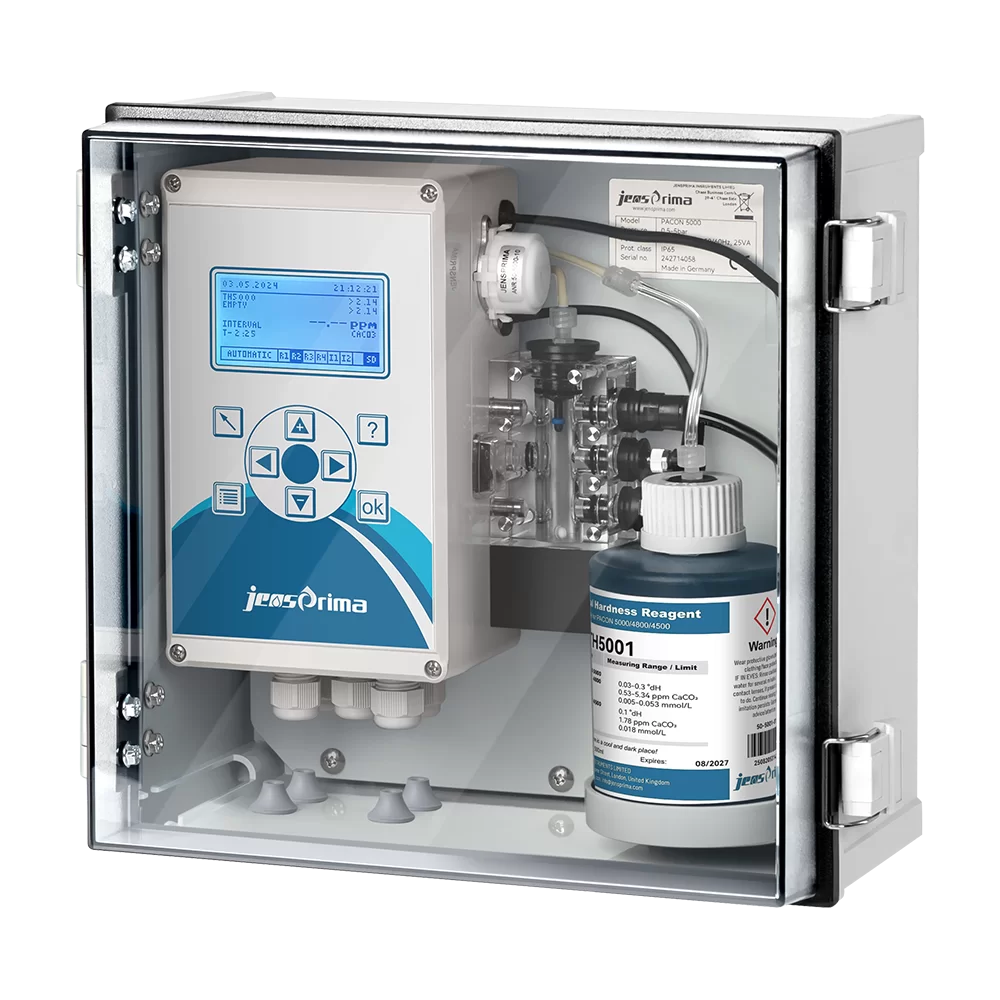
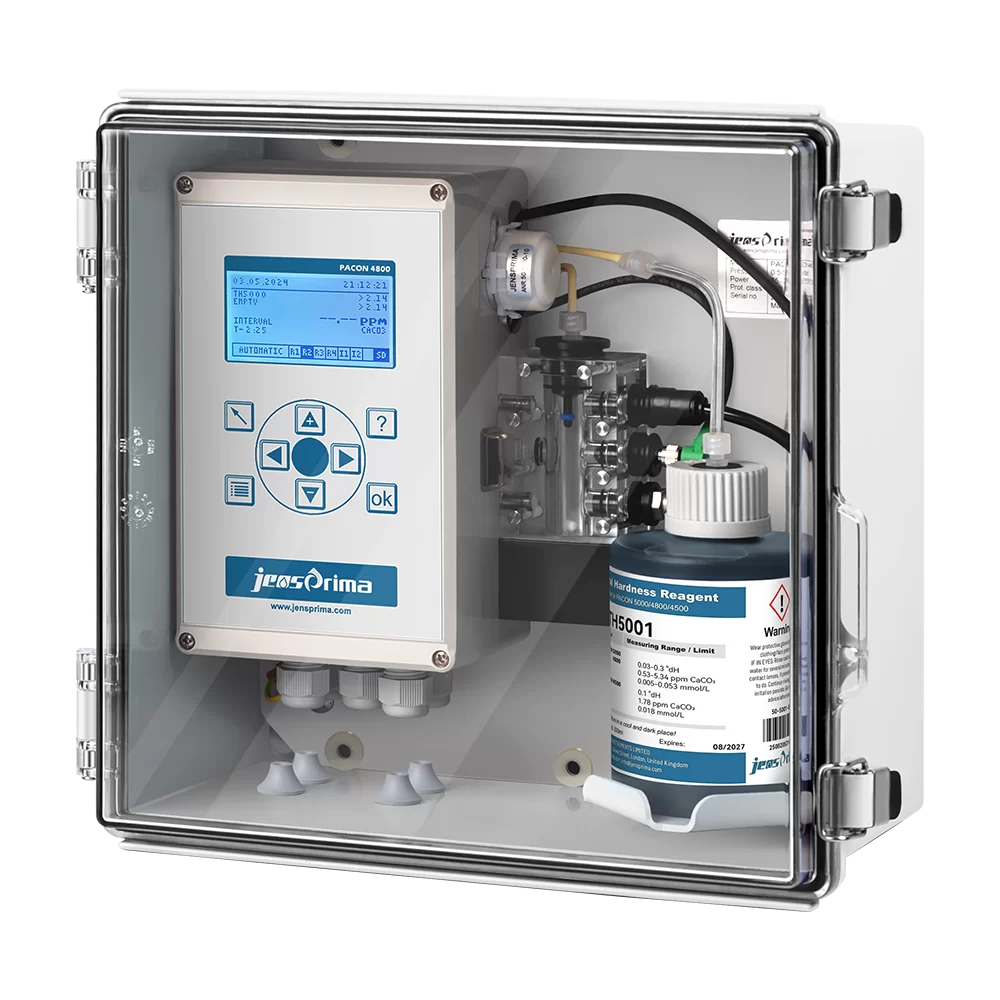
Deployment of the total hardness analyzer to prevent calcium and magnesium scale buildup in high-pressure steam systems, extending equipment lifespan.

04. Aquaculture & Reef Protection (Great Barrier Reef Area)

Using the multi parameter water quality analyzer to monitor salinity, pH, and dissolved oxygen to protect fragile marine biodiversity from runoff.

05. Agricultural Irrigation Control (Murray-Darling Basin)

Application of the alkalinity analyzer to optimize nutrient delivery and prevent soil alkalization in large-scale crop irrigation projects.

Brand Story

Global Development History of Jensprima (Shanghai) Co., Ltd.

Foundation and Vision

Established with a mission to bridge the gap between complex chemical analysis and industrial usability, focusing on high-stability online instruments.

Technical Breakthroughs

Developed proprietary electrode technology that significantly reduced the drift in online water quality measurements, solving the "maintenance nightmare" for engineers.

Global Market Expansion

Expanded operations into Oceania, adapting products to withstand extreme temperatures and remote deployment challenges characteristic of the Australian market.

Smart Water Integration

Pioneered the integration of IoT protocols into traditional analyzers, enabling cloud-based monitoring and automated alerts for global clients.

Commitment to Sustainability

Currently focusing on reducing reagent consumption and developing energy-efficient monitoring hardware to support the global move toward Net Zero.

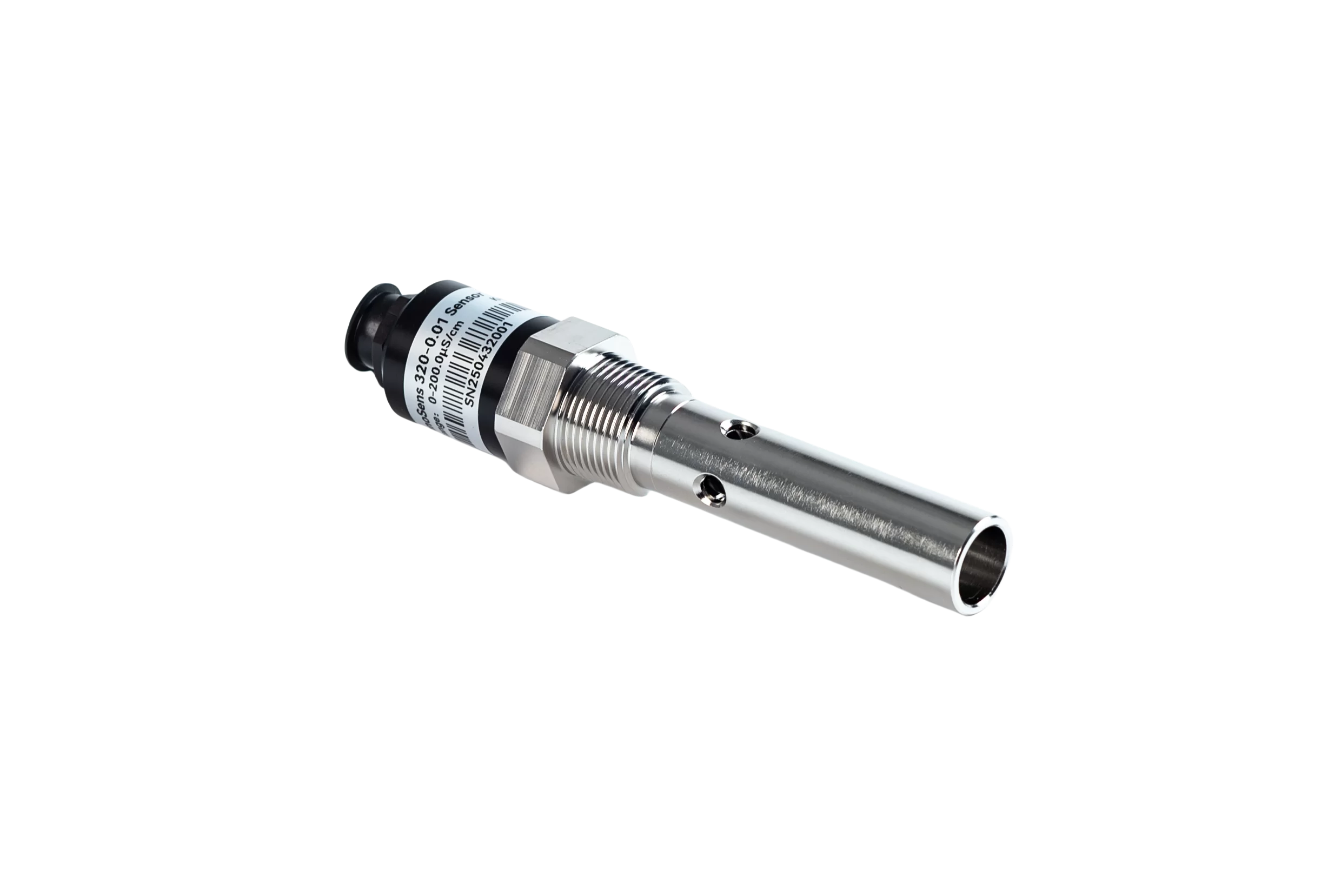
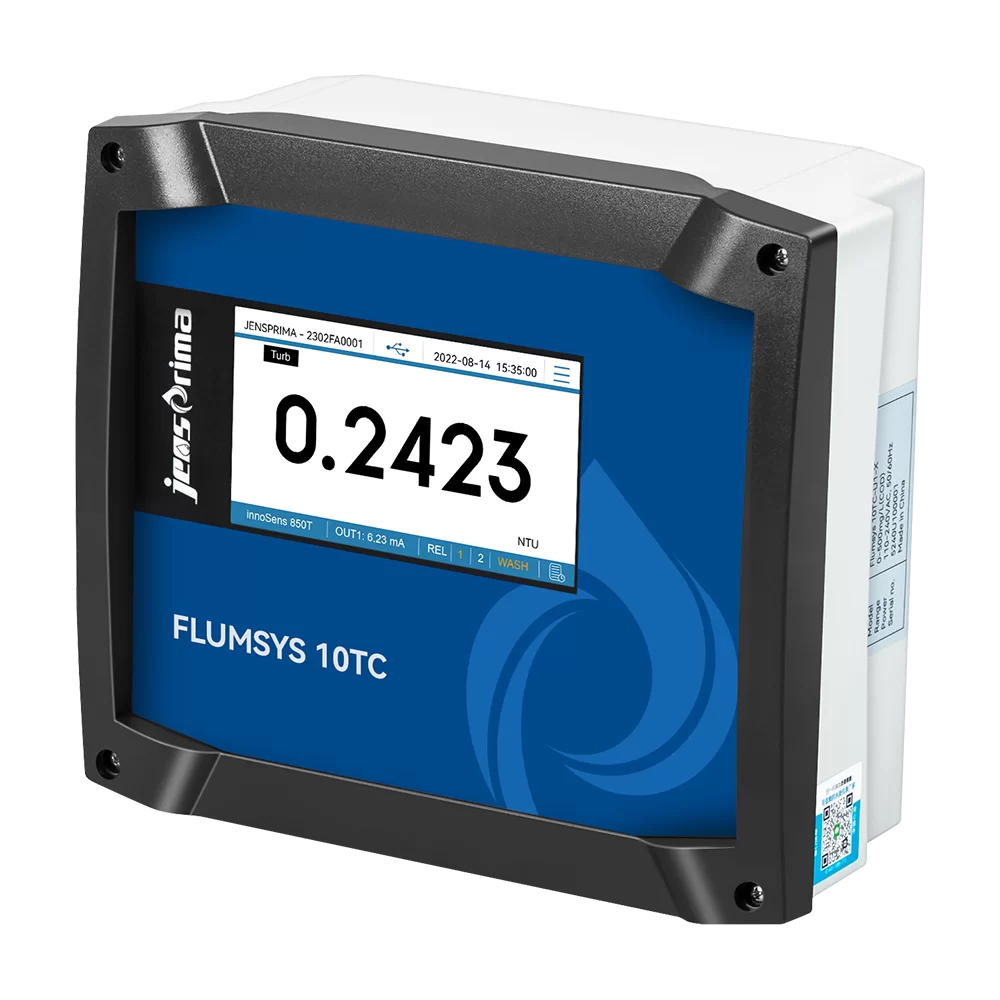
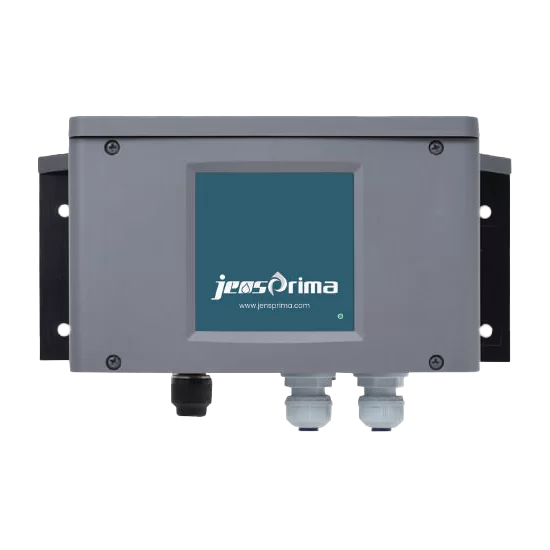
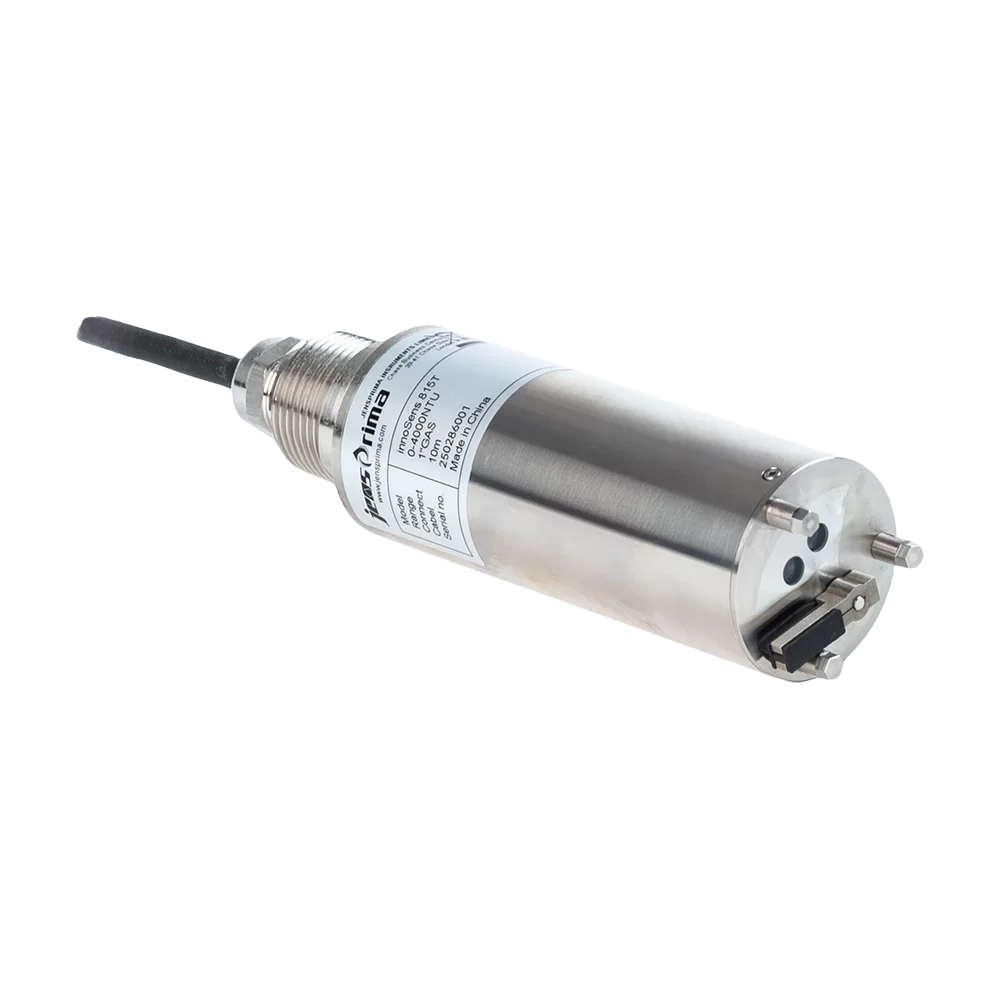
Complete Water Quality Product Portfolio for Australia

A comprehensive suite of instruments designed for Australian environmental and industrial standards.

Frequently Asked Questions - Australia Region

Expert answers to common technical queries regarding online water analysis.

How to maintain a multi parameter water quality analyzer in remote Australian sites?

We recommend using automatic cleaning systems (air blast or wiper) and scheduled remote calibration checks to minimize site visits in remote areas.

What is the ideal calibration interval for an alkalinity analyzer in industrial use?

Typically, a bi-weekly calibration is recommended, although this varies based on the variance of the source water and the sensitivity of the process.

Can a residual chlorine controller handle high-salinity water?

Yes, our controllers are designed with advanced compensation algorithms to ensure accuracy even in brackish or high-salinity environments common in coastal Australia.

Which electromagnetic flowmeter is best for mining wastewater?

For mining wastewater, we recommend models with PTFE liners and Hastelloy electrodes to withstand abrasive particles and corrosive chemicals.

How does a total hardness analyzer prevent boiler scale?

It provides real-time data on calcium and magnesium levels, allowing the dosing system to inject softening agents precisely when levels rise.

Are these instruments compliant with Australian environmental standards?

Yes, all our instrumentation is designed to meet or exceed the measurement accuracy required by ADWG and local state environmental protection agencies.

Request a Technical Consultation

Our engineering team is ready to provide tailored water monitoring solutions across Australia.

Contact Us Now
Service Repair Form
Tell us what issue you encountered, including any steps or symptoms.
  • Name
  • Email
  • Phone
  • Fault Description

If you are interested in our products, you can choose to leave your information here, and we will be in touch with you shortly.