

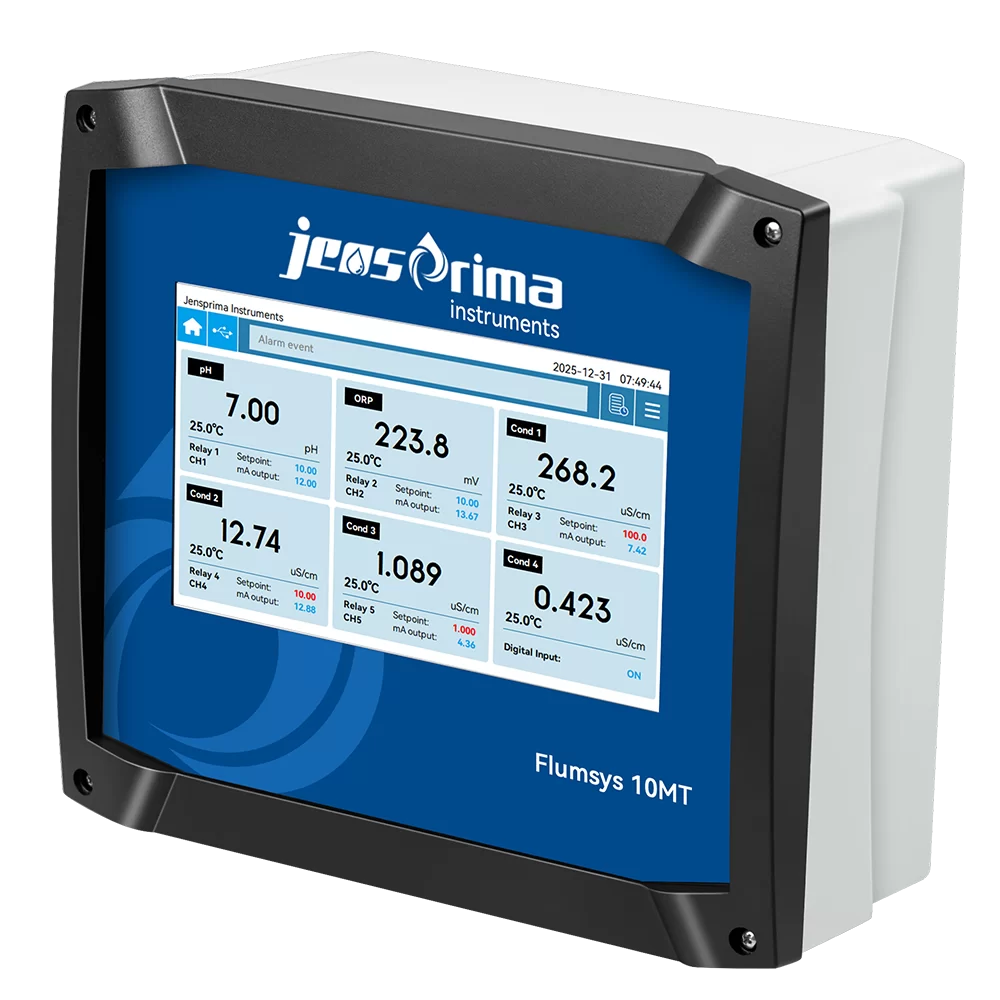
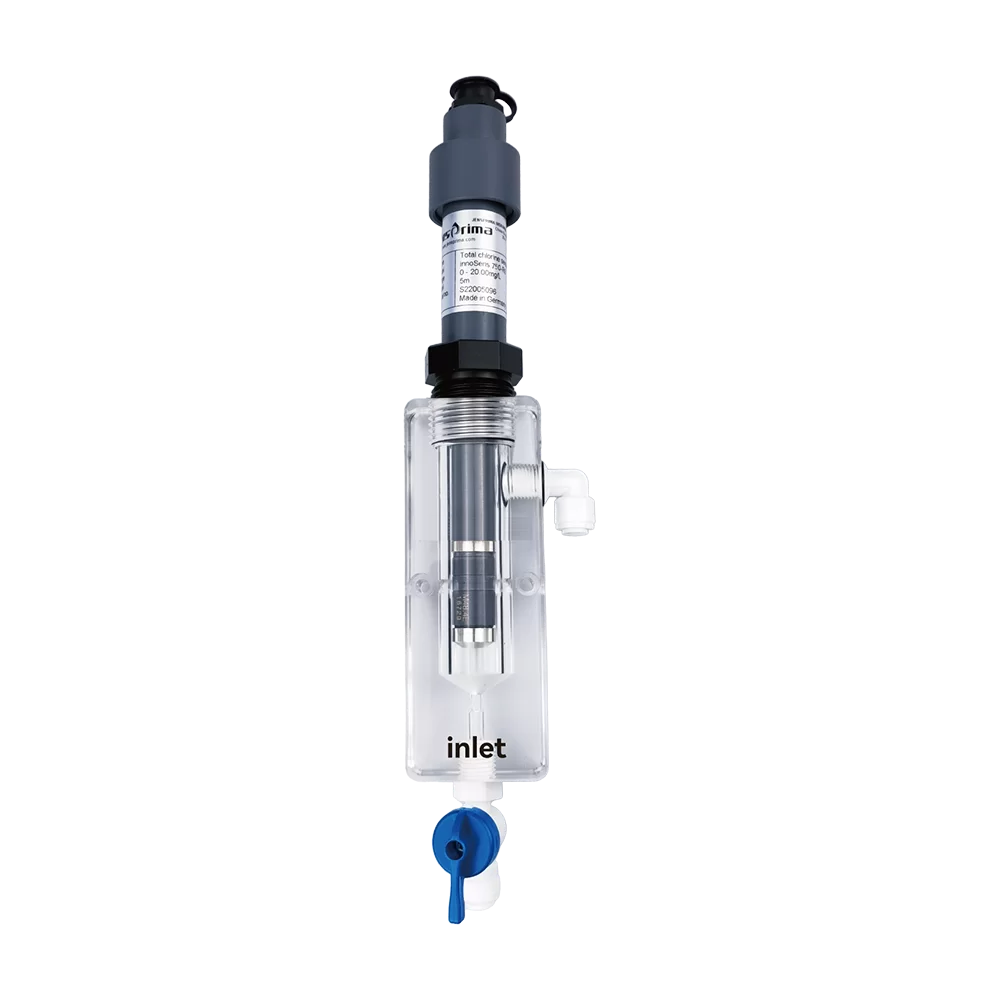
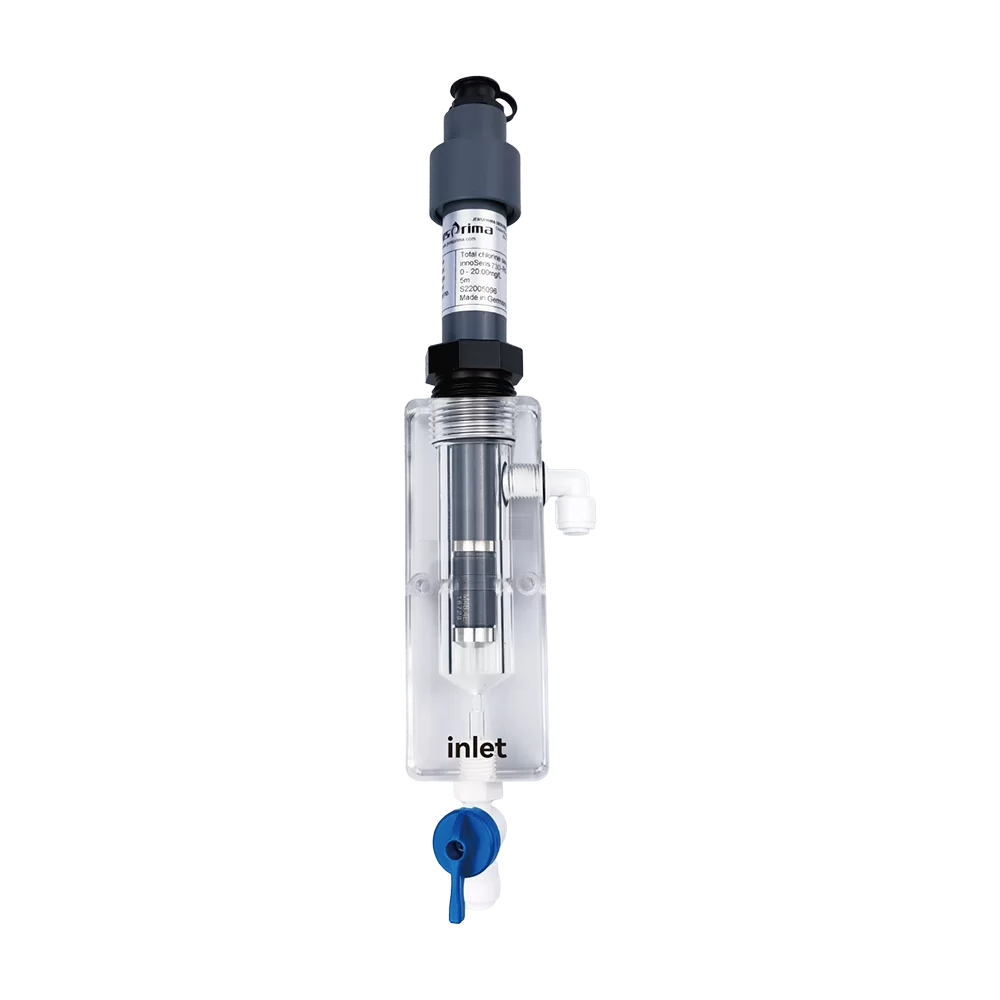
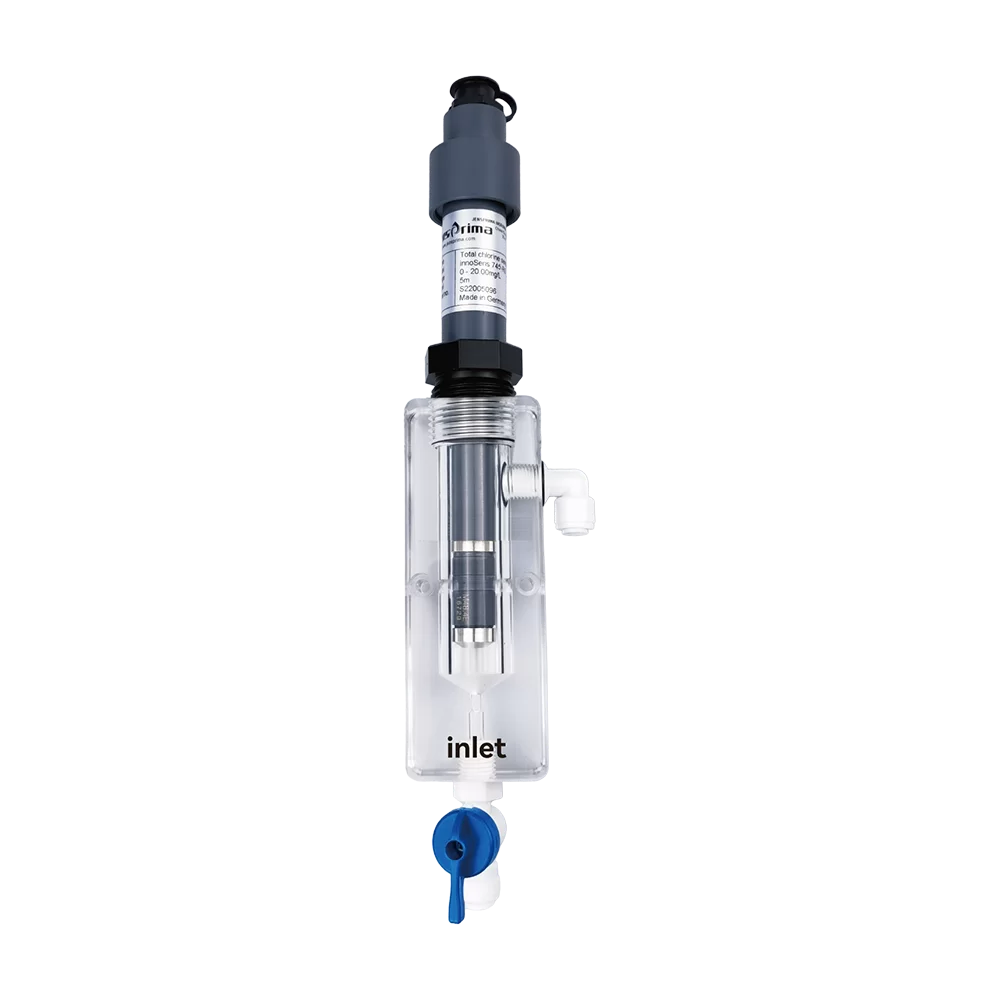
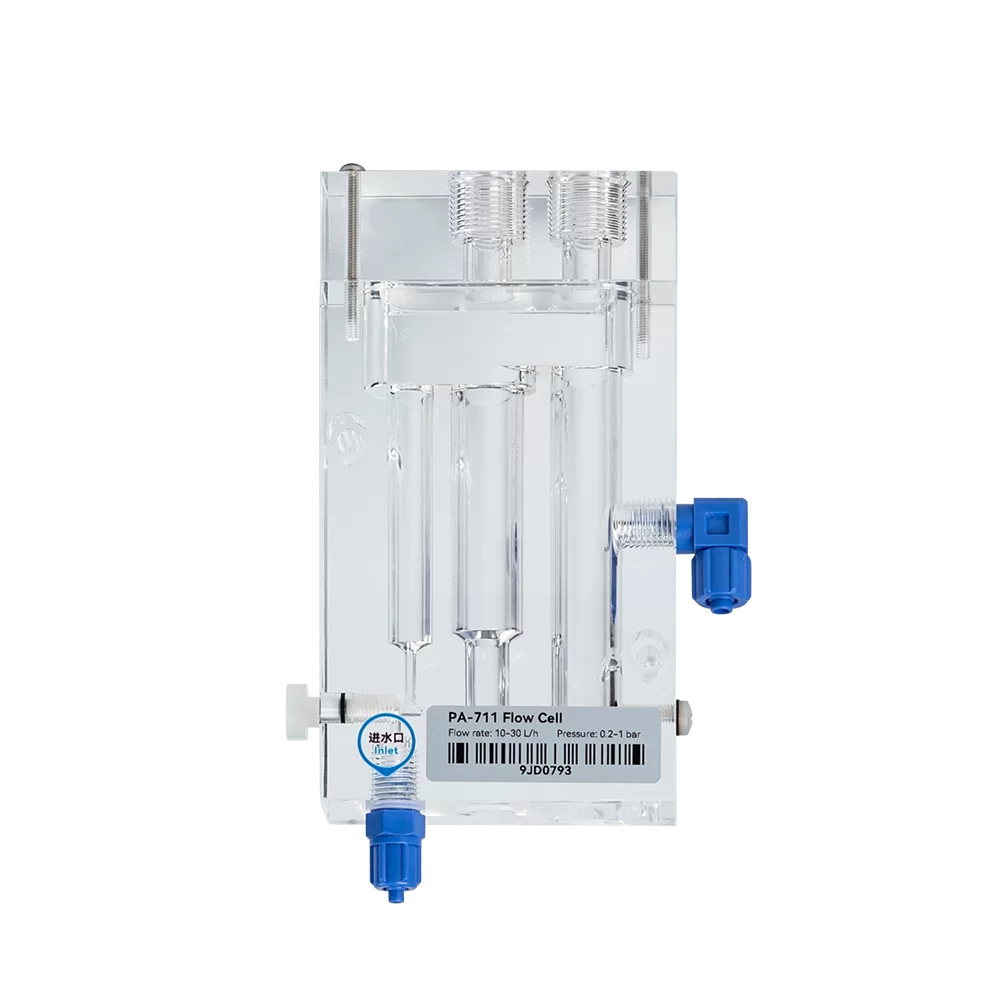
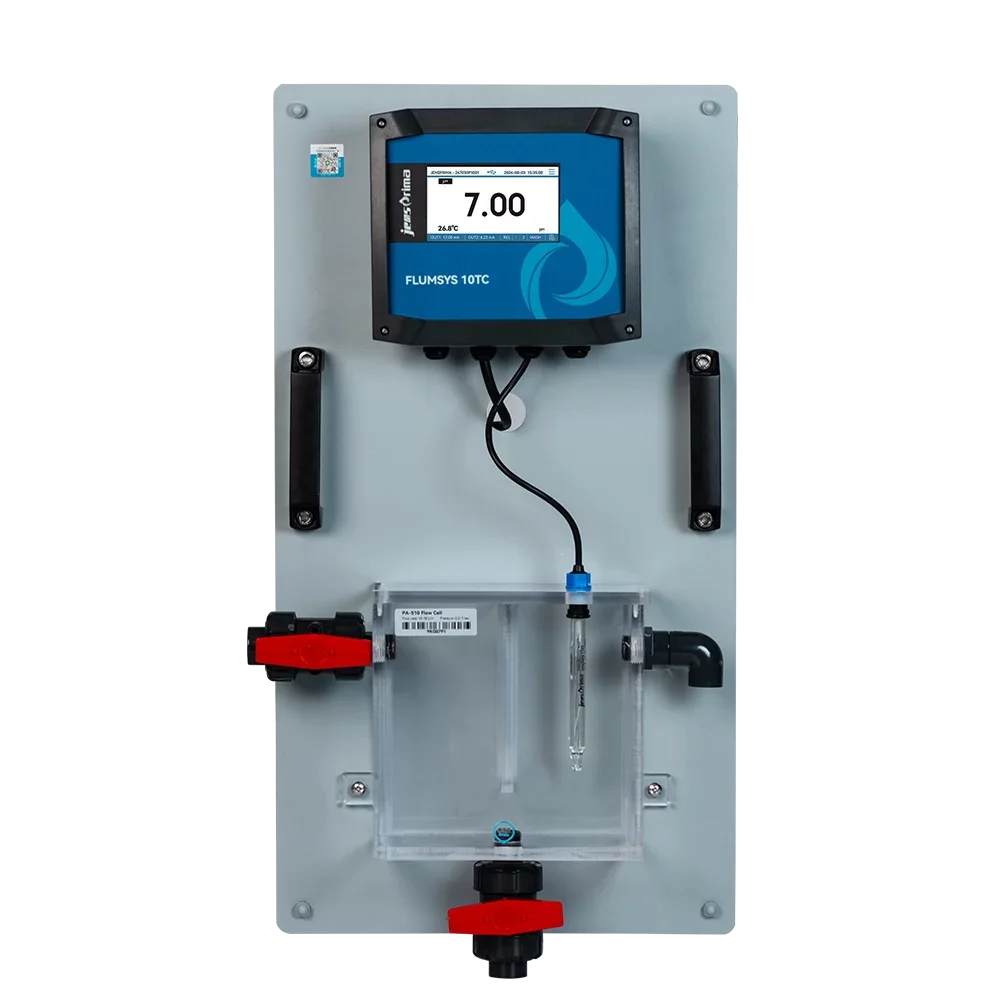
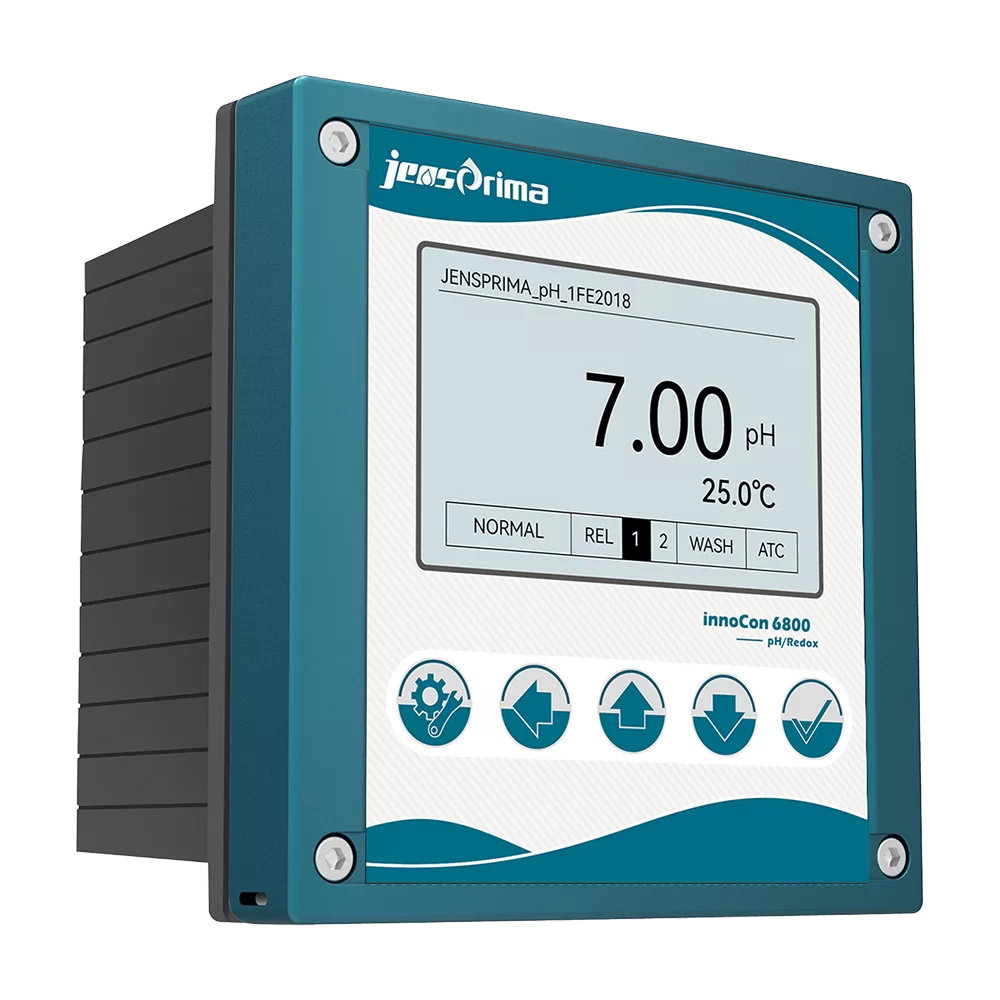
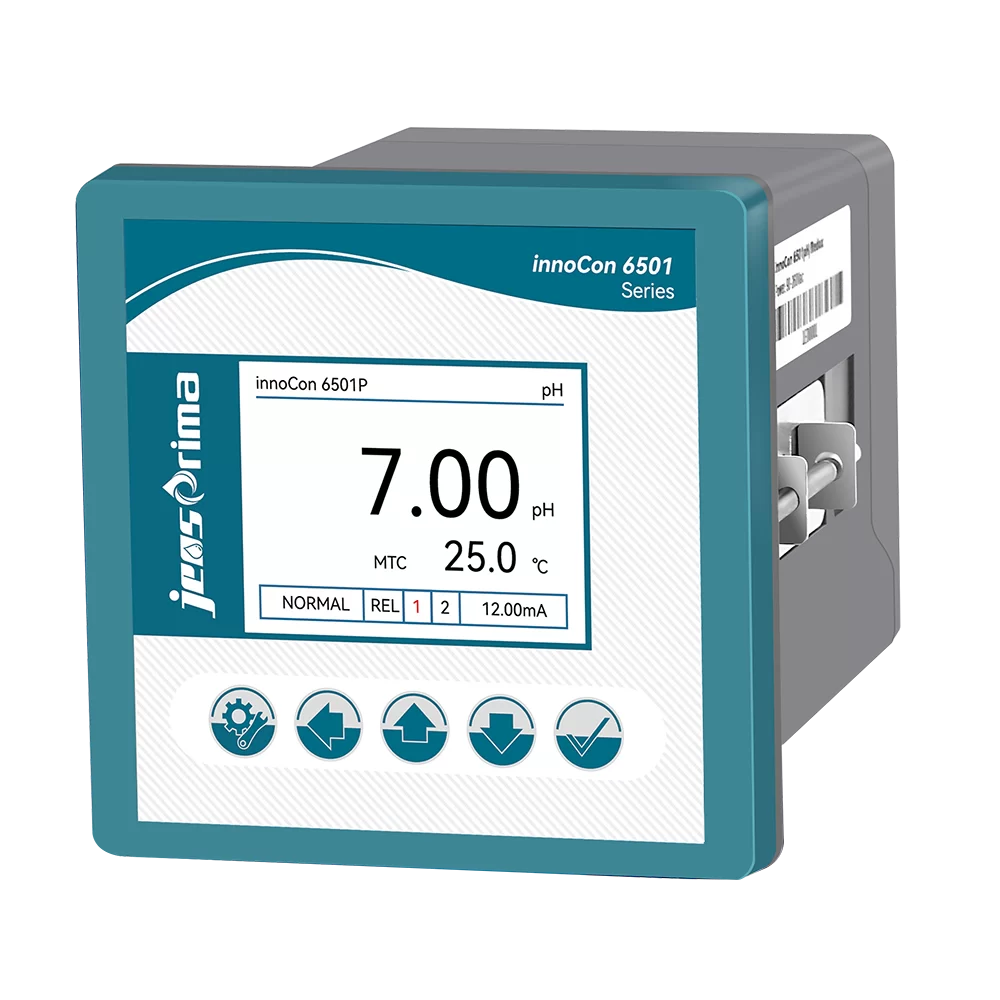
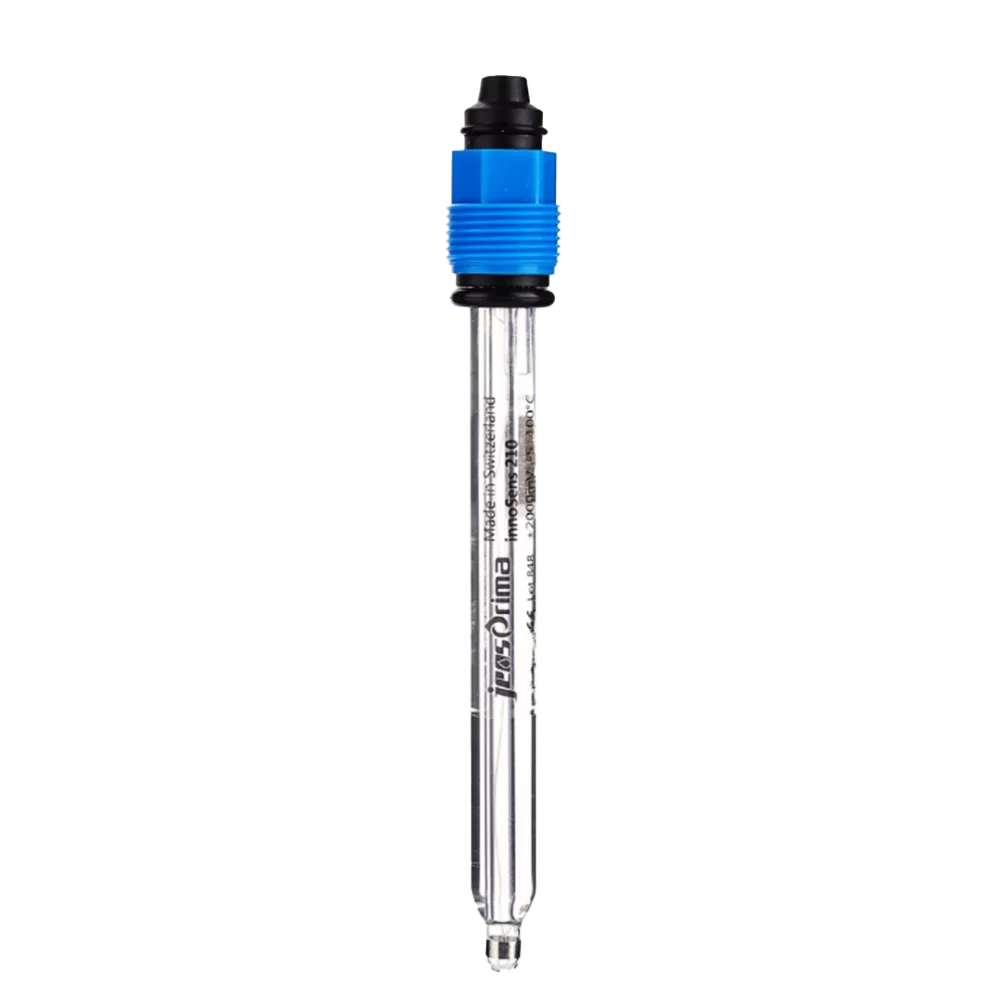
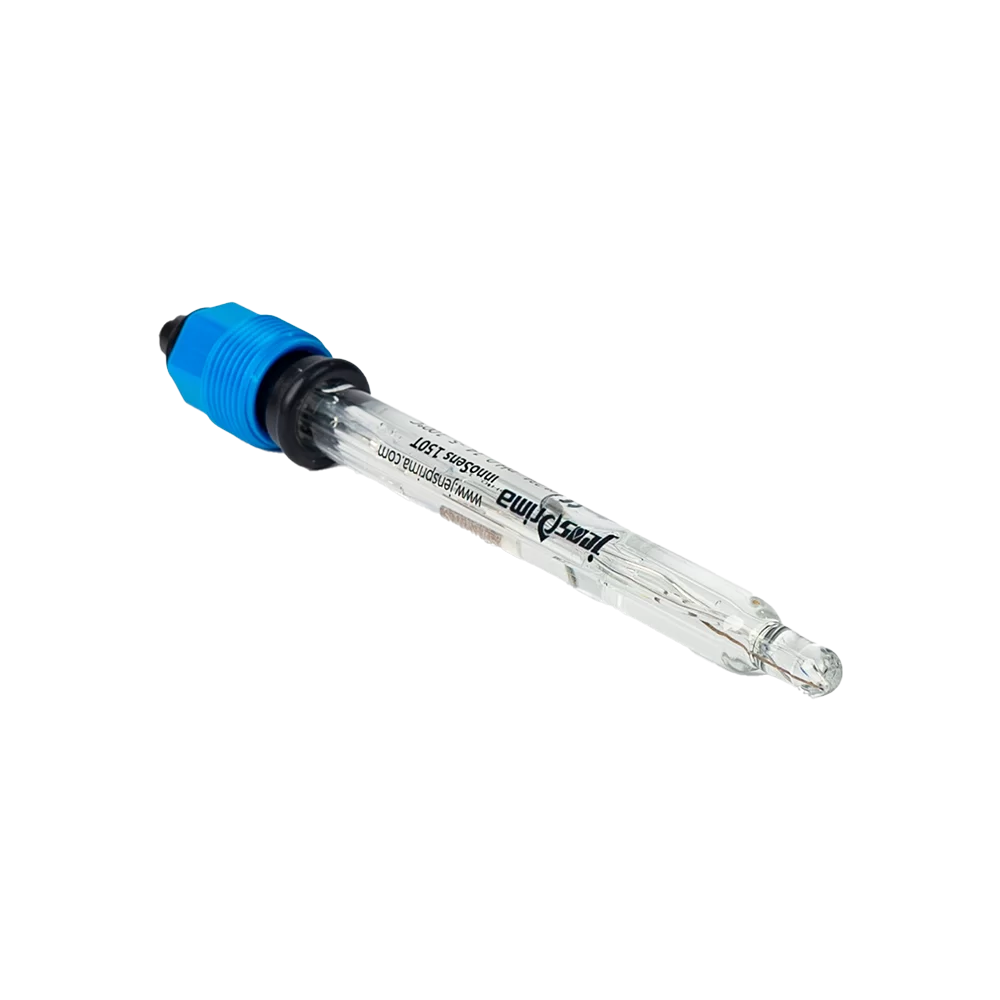
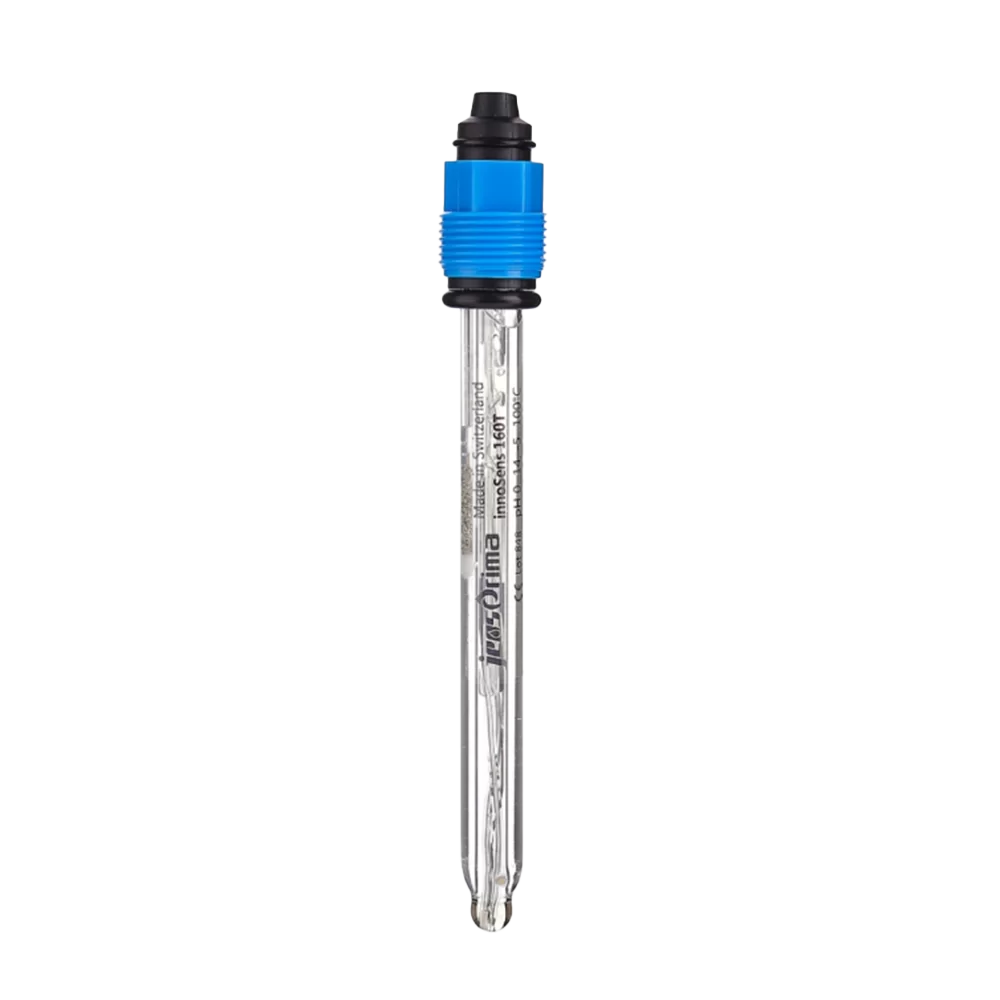
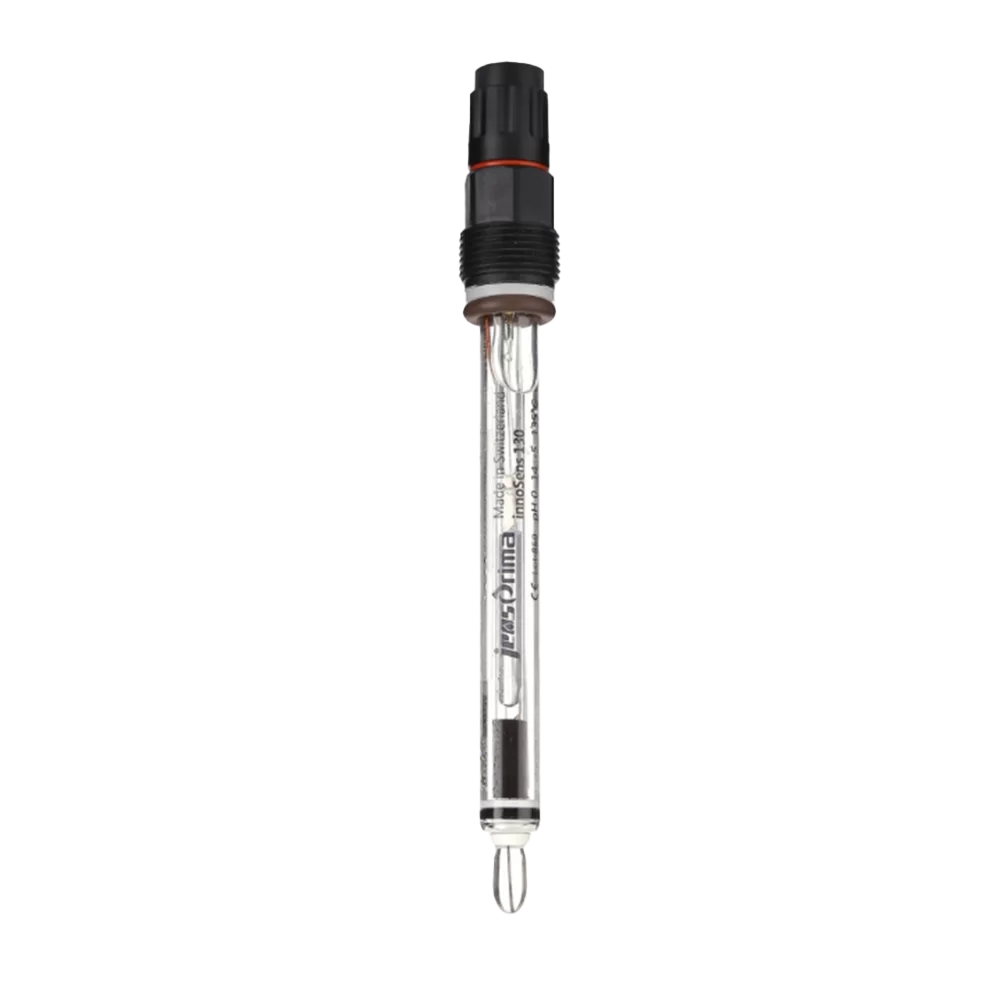
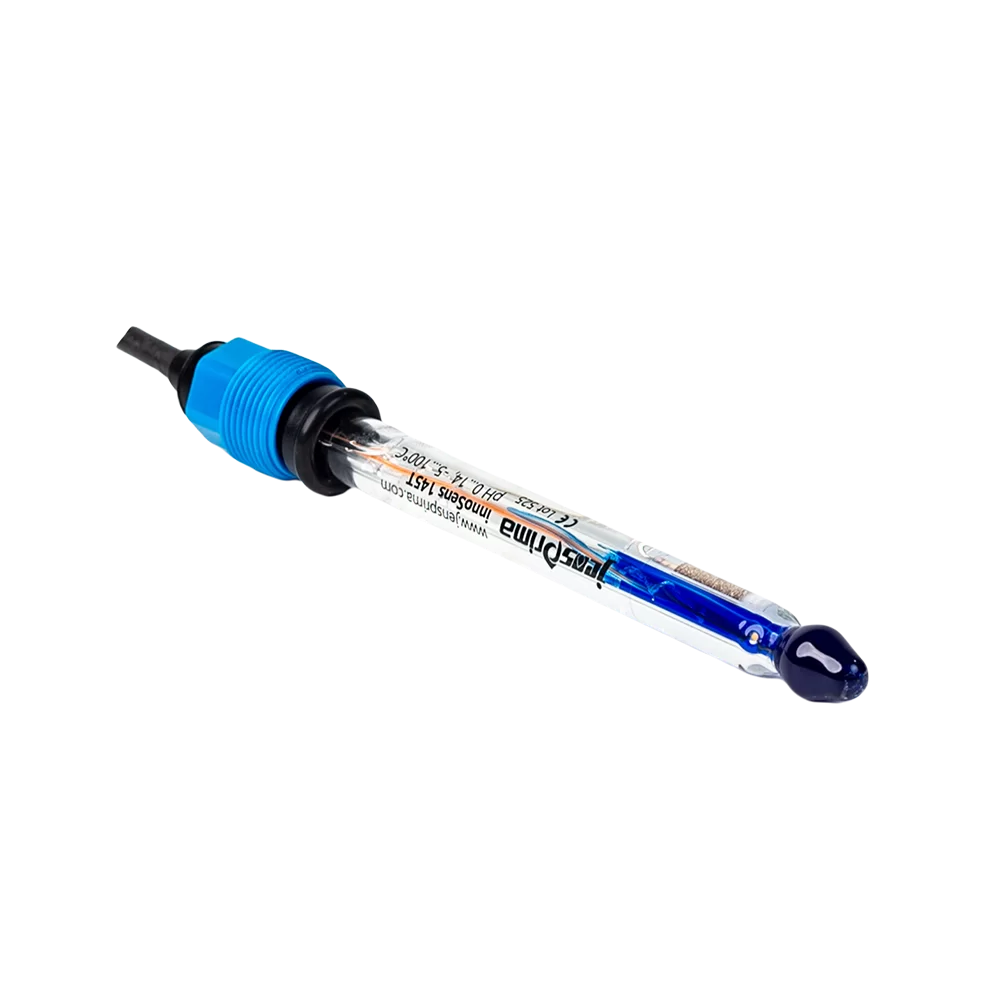
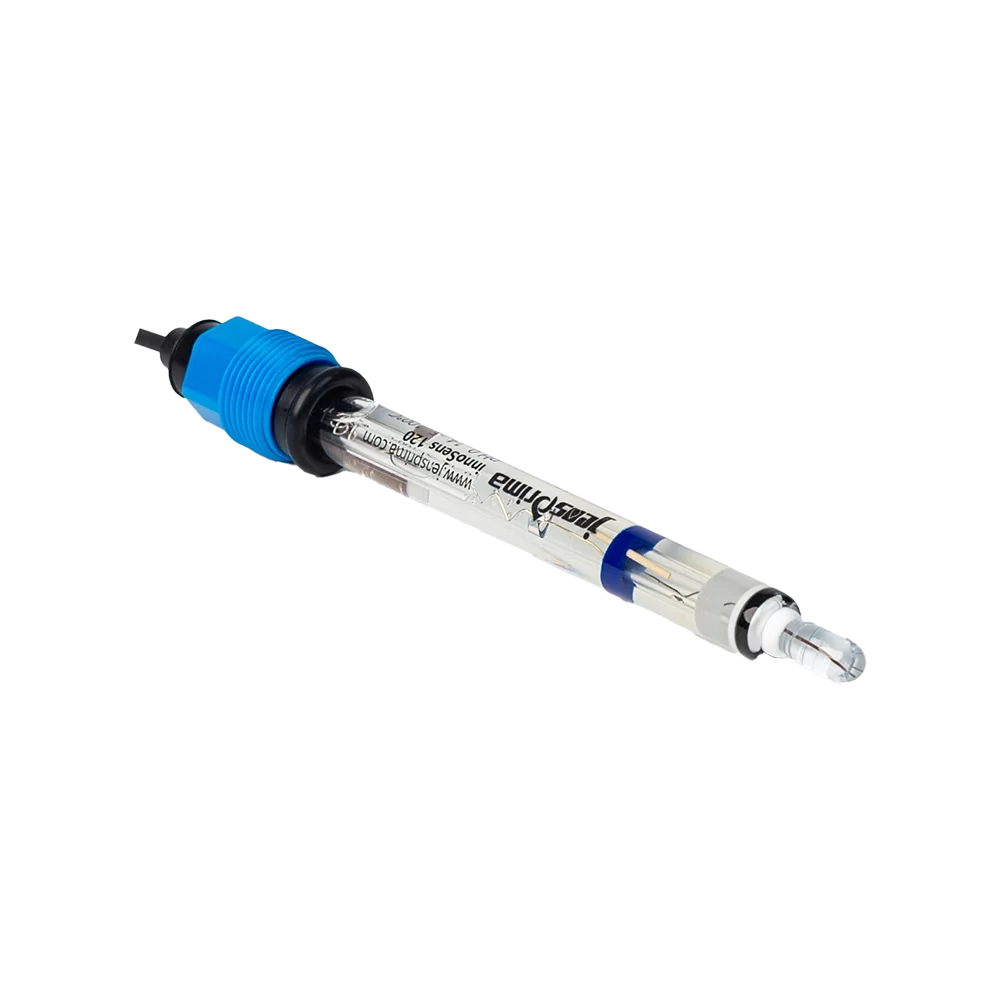
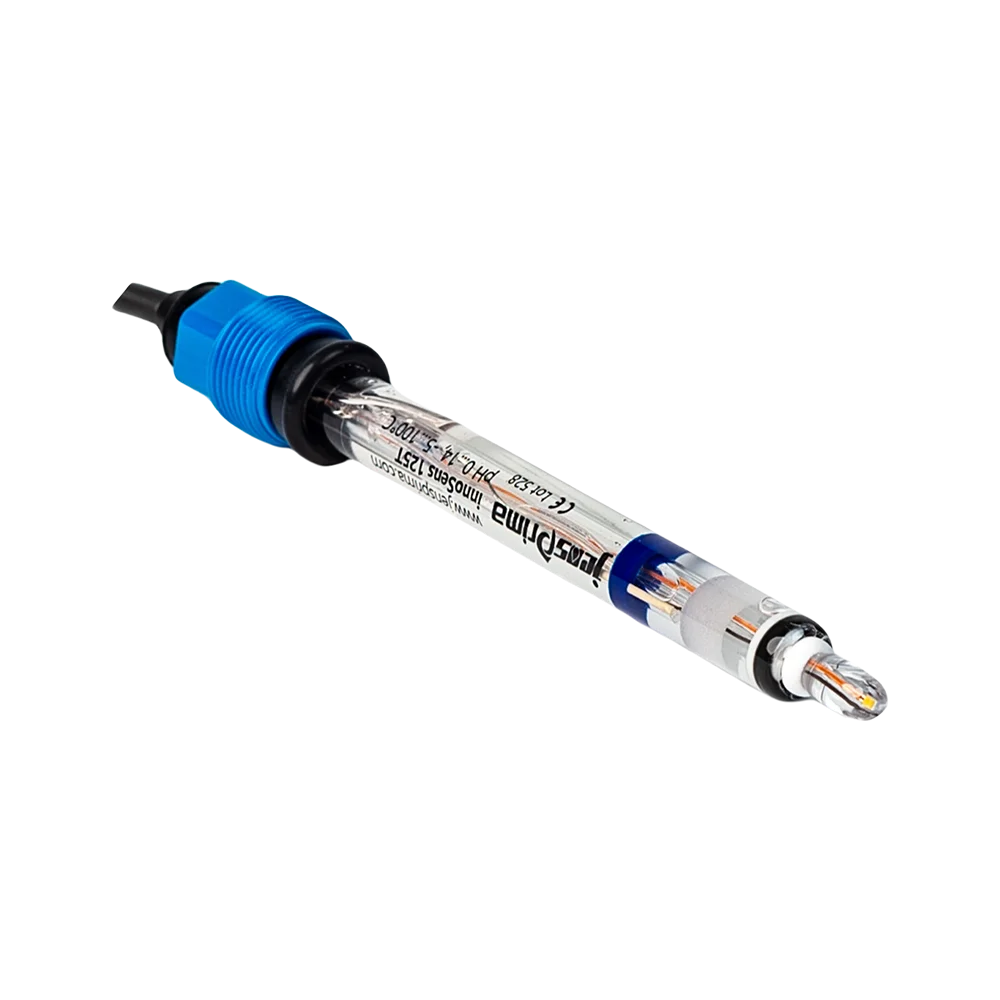
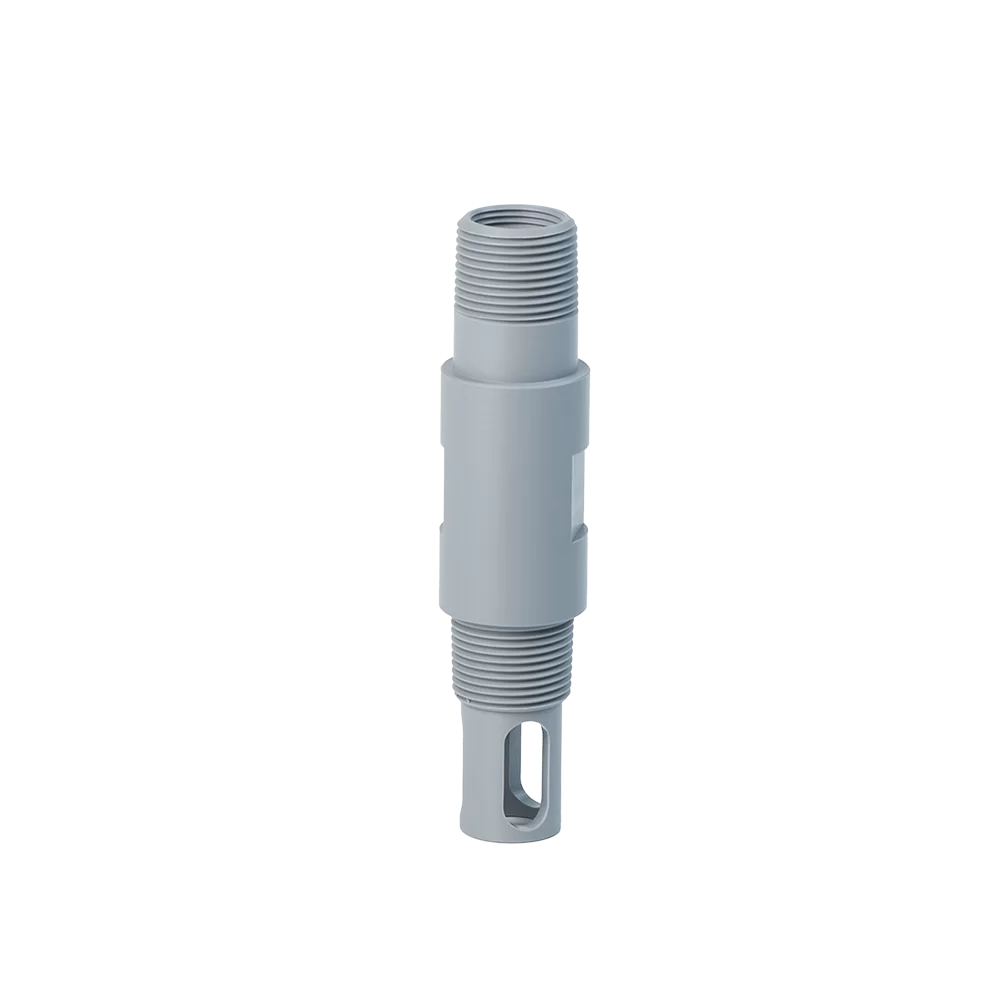
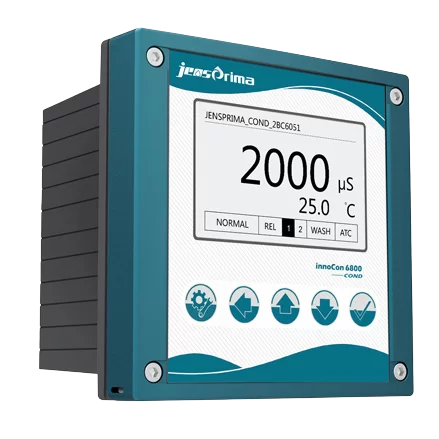
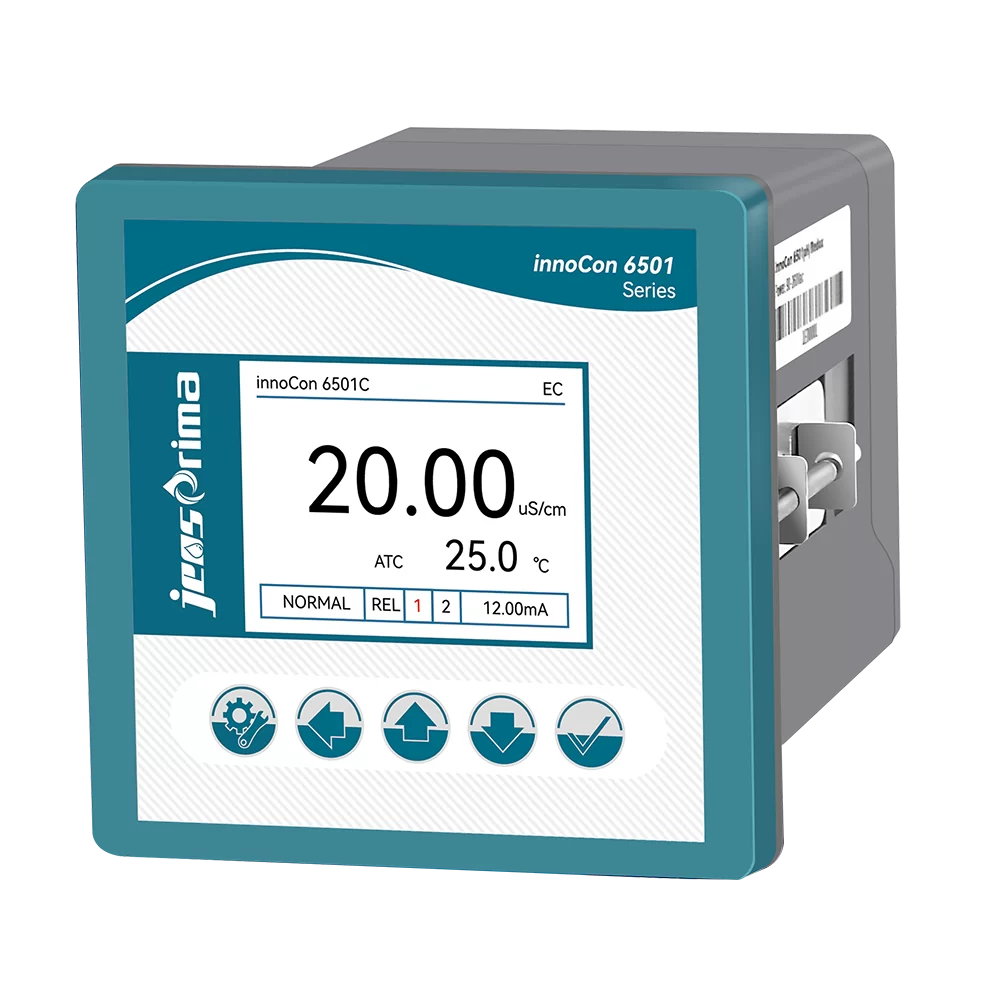
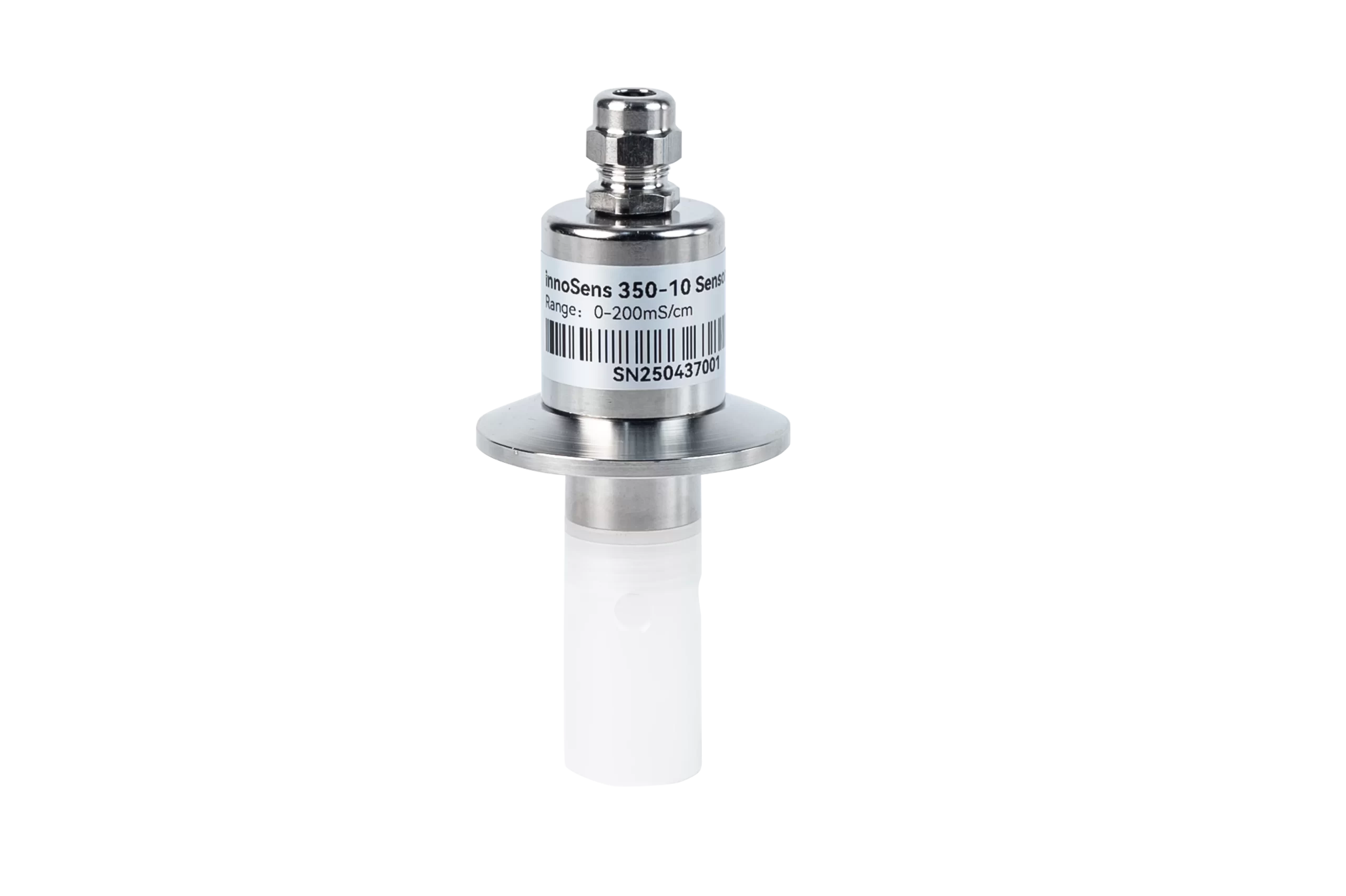
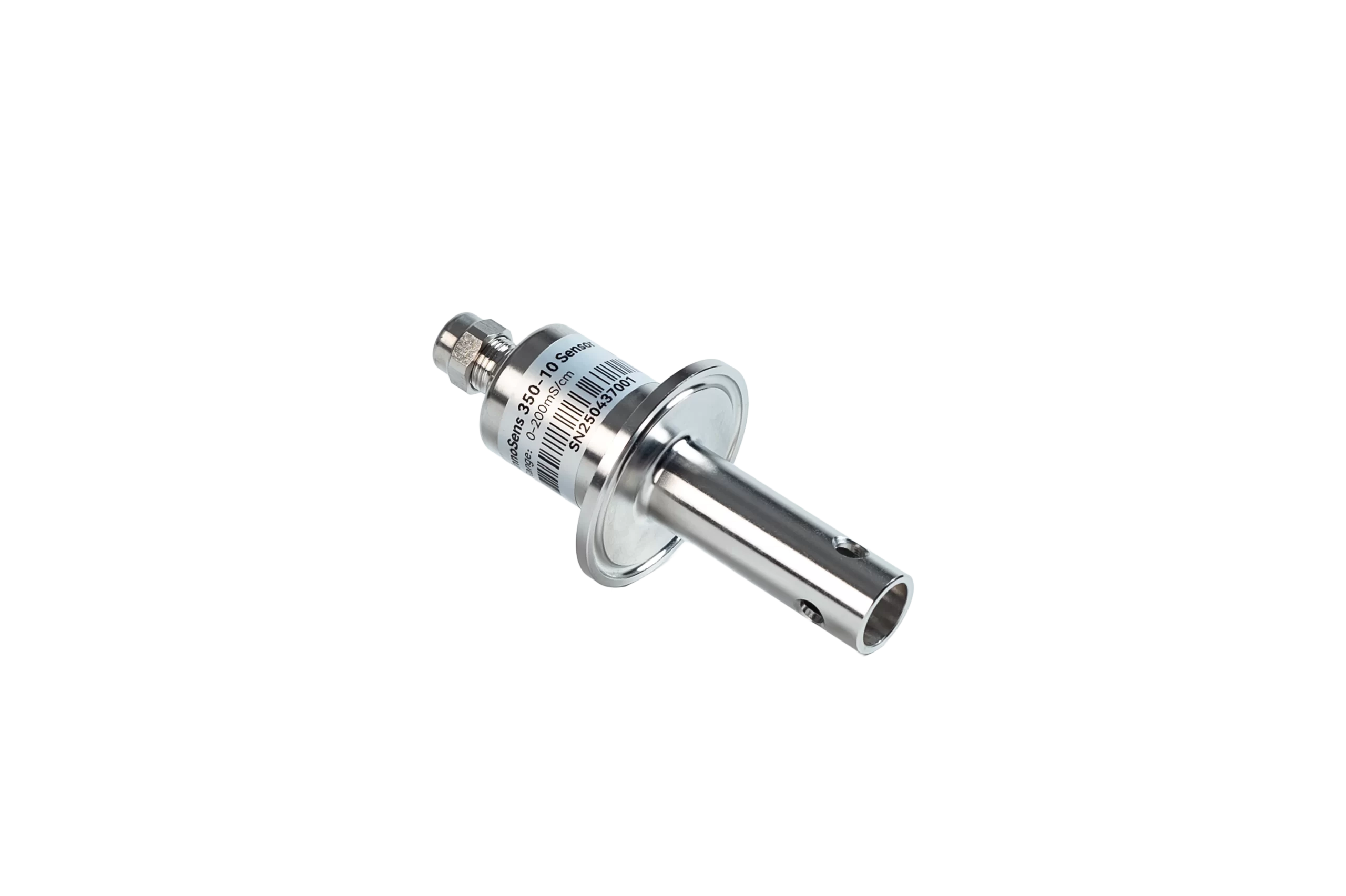
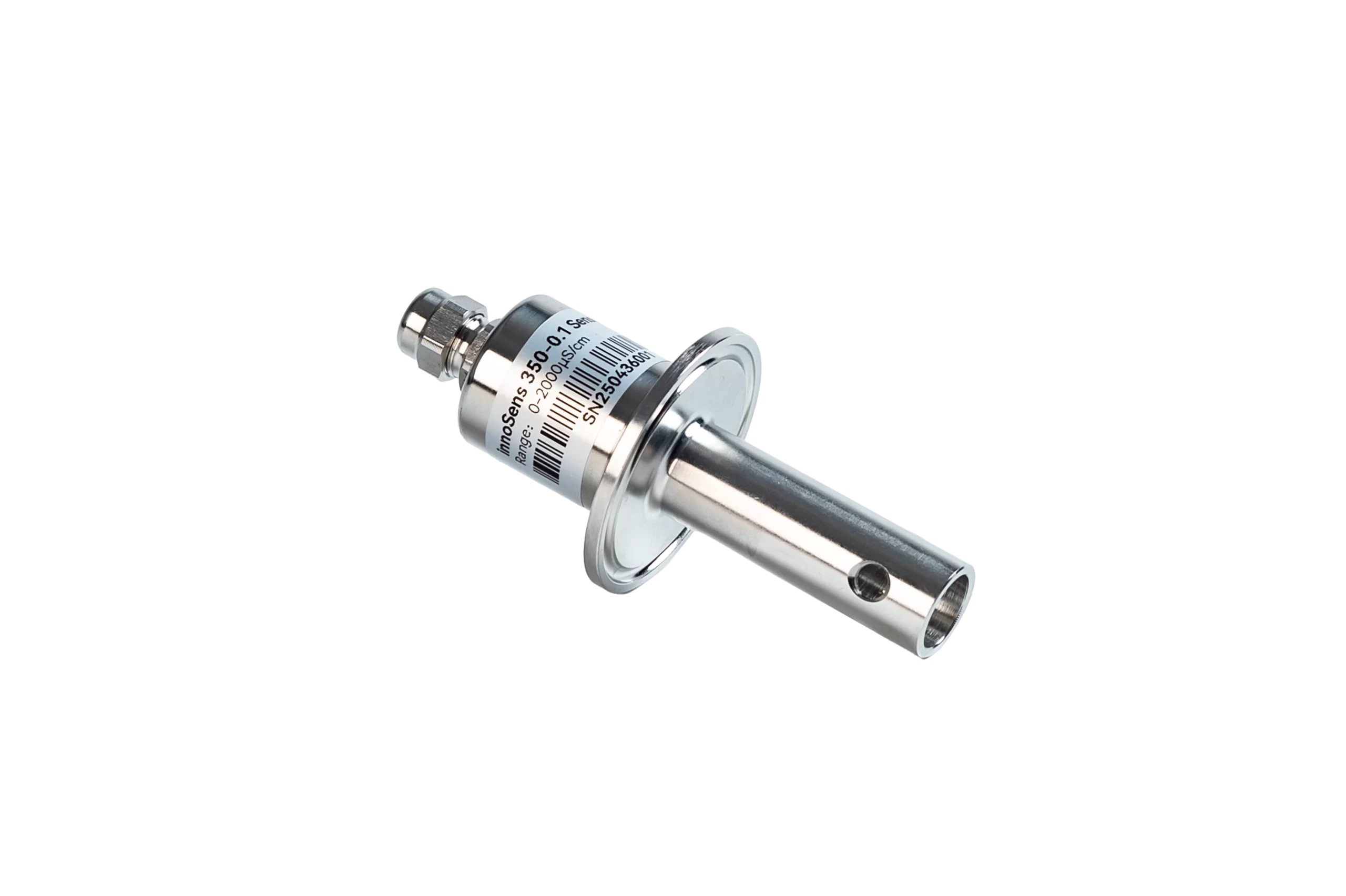
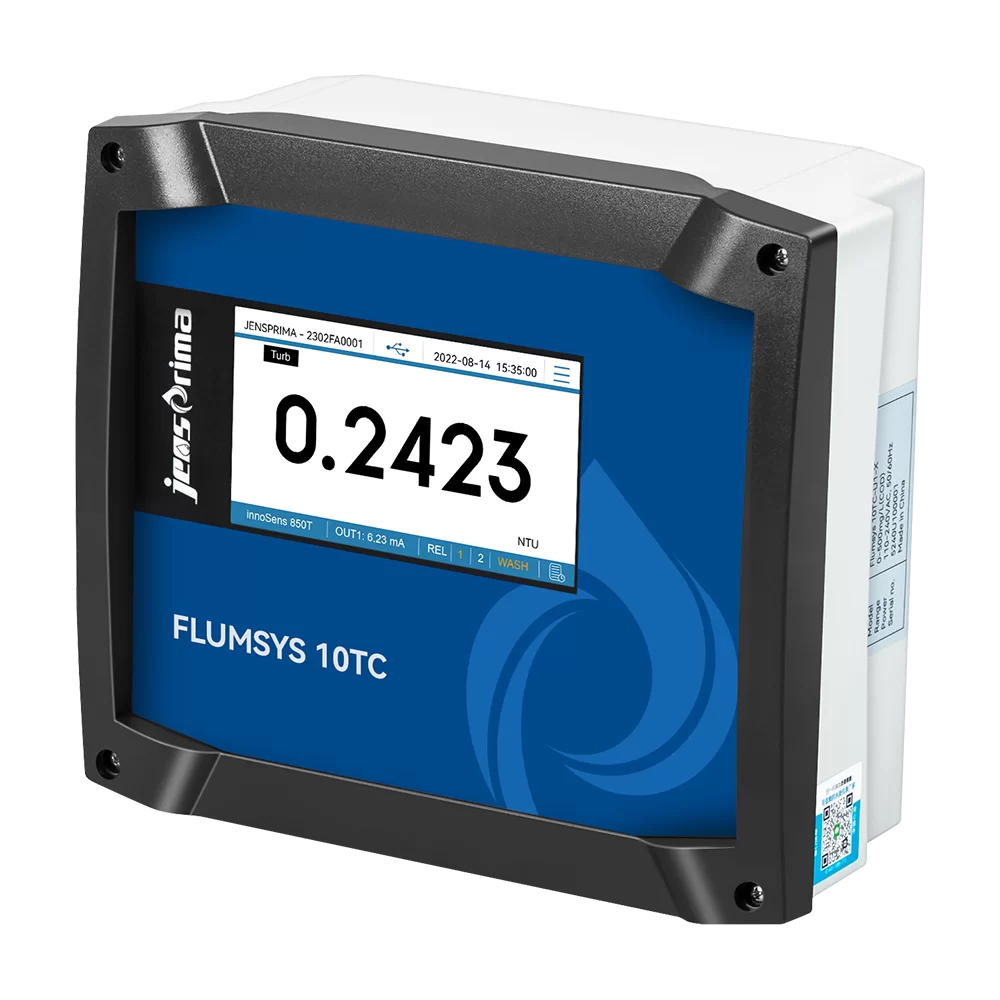
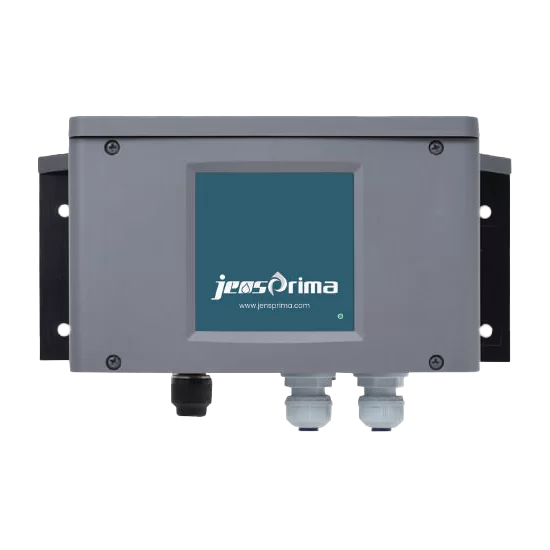
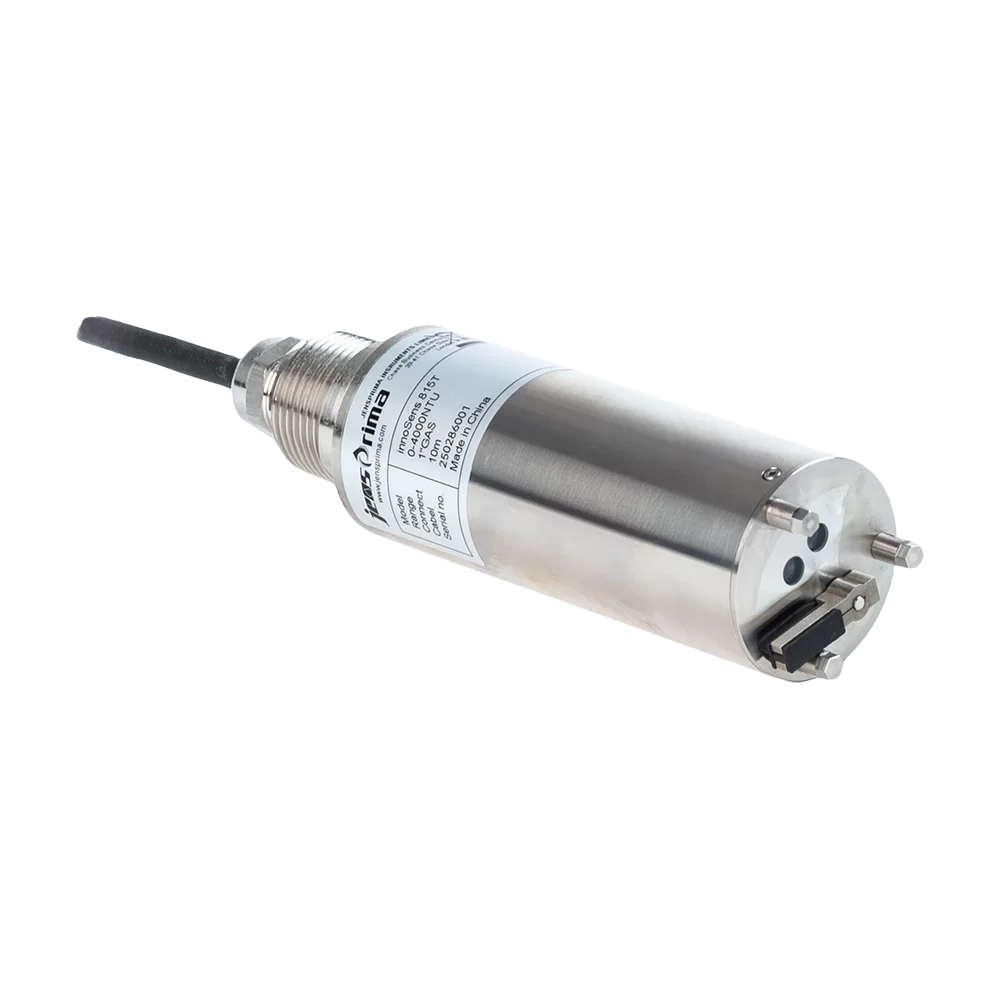
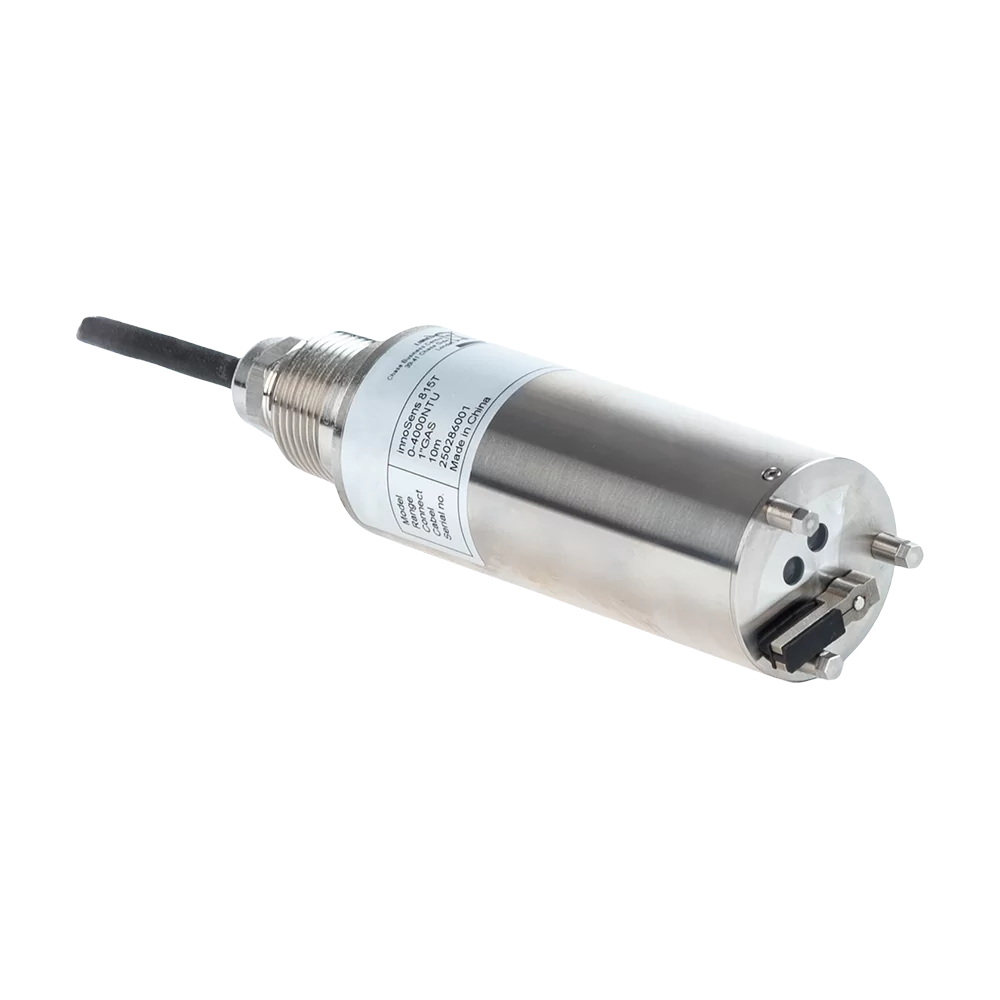
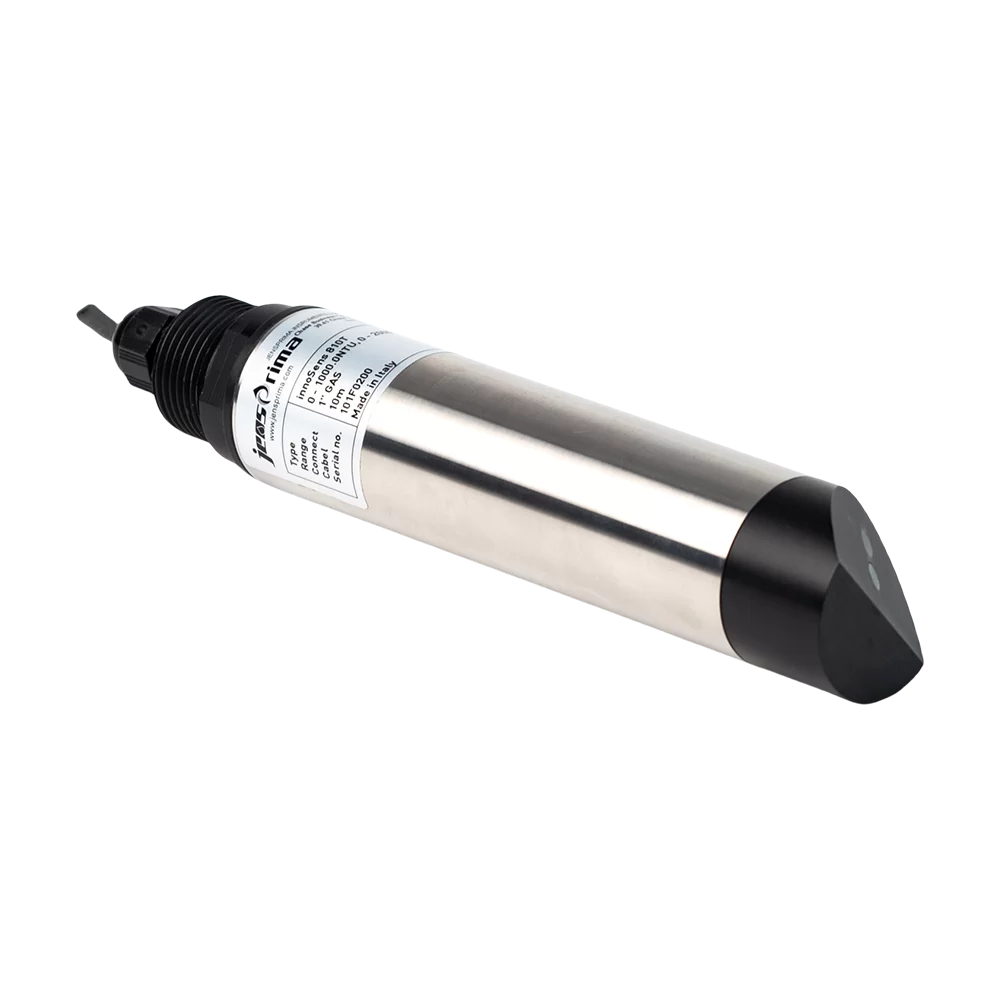
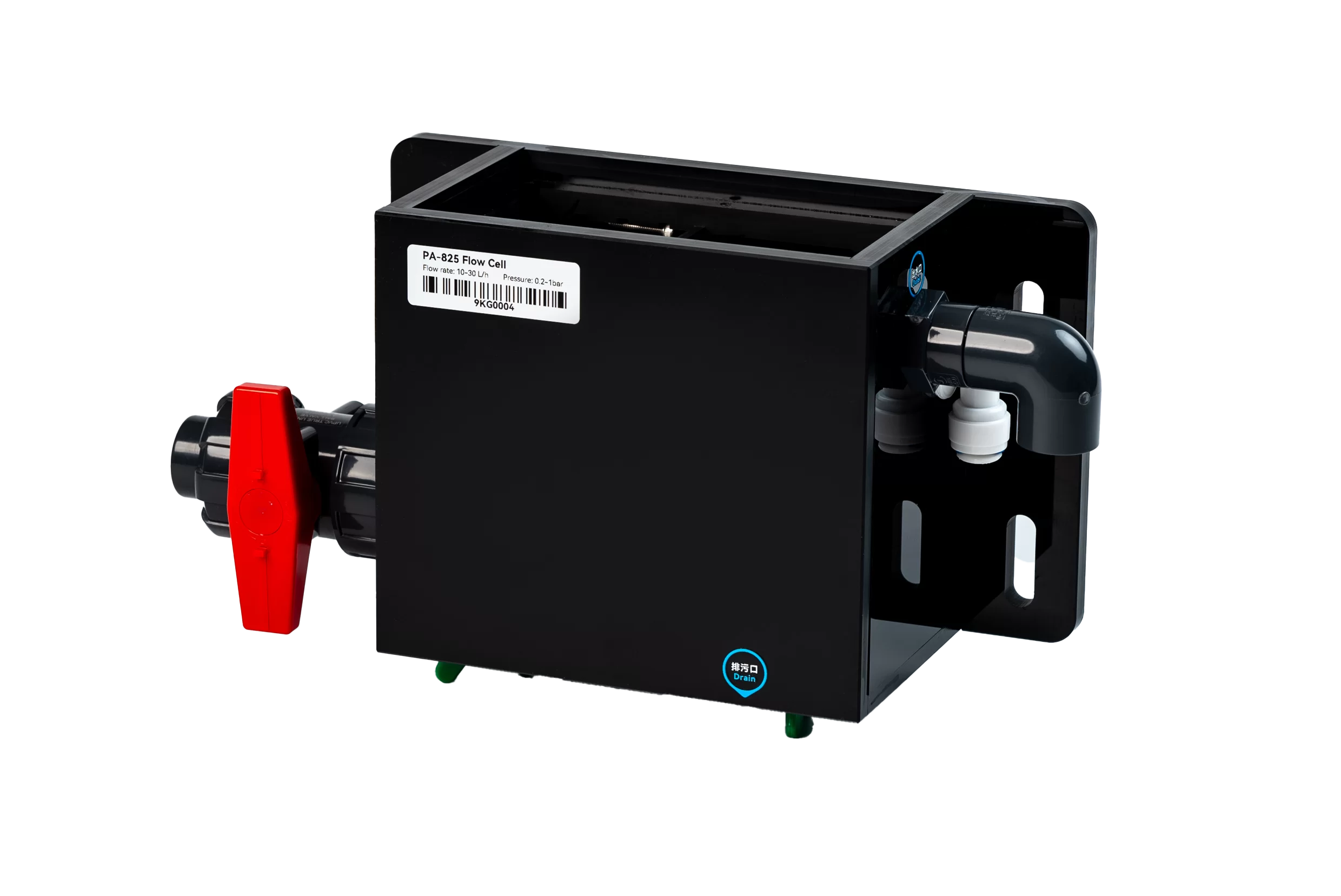
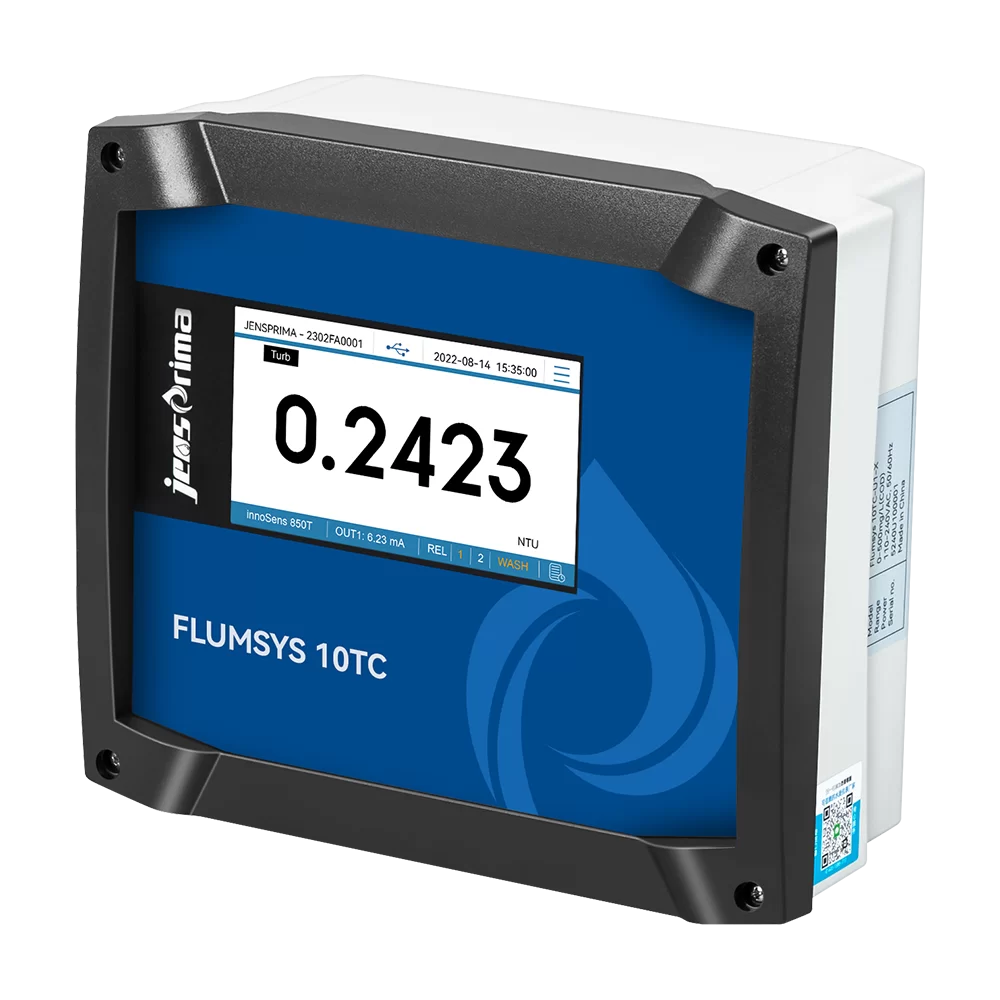
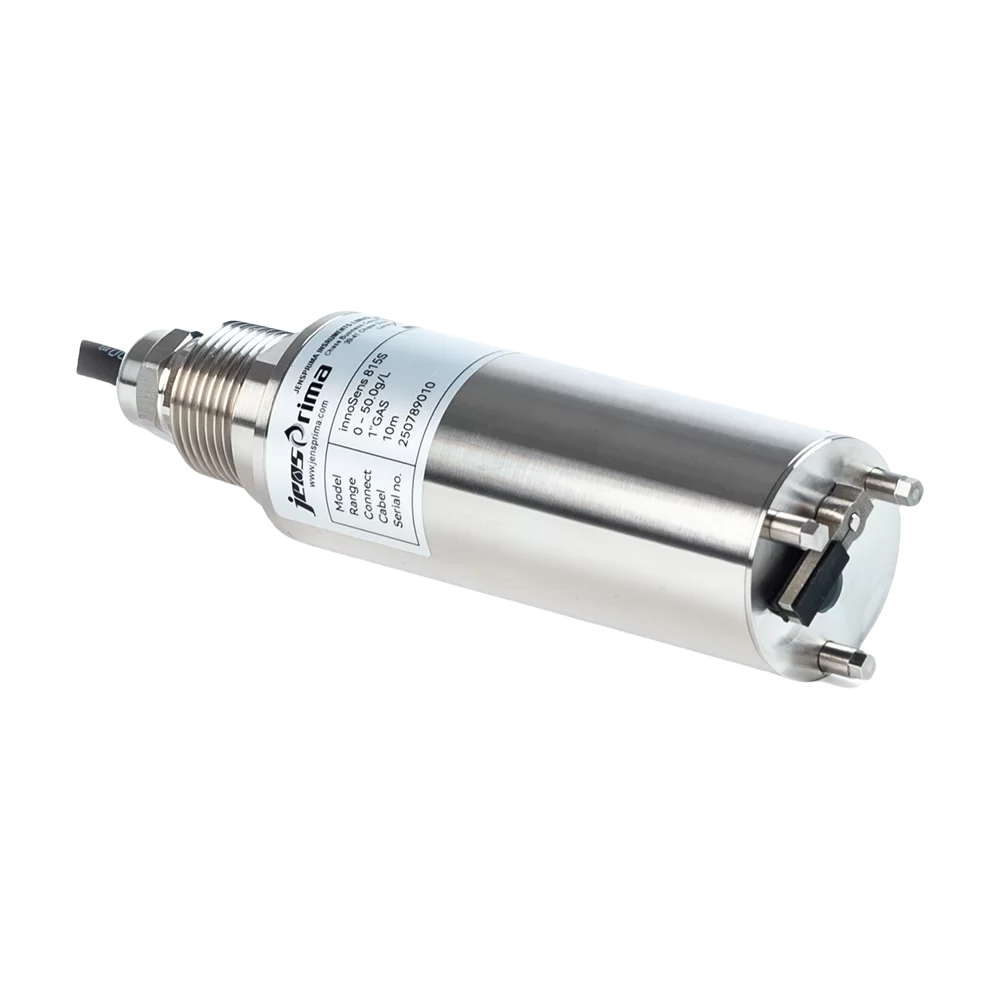
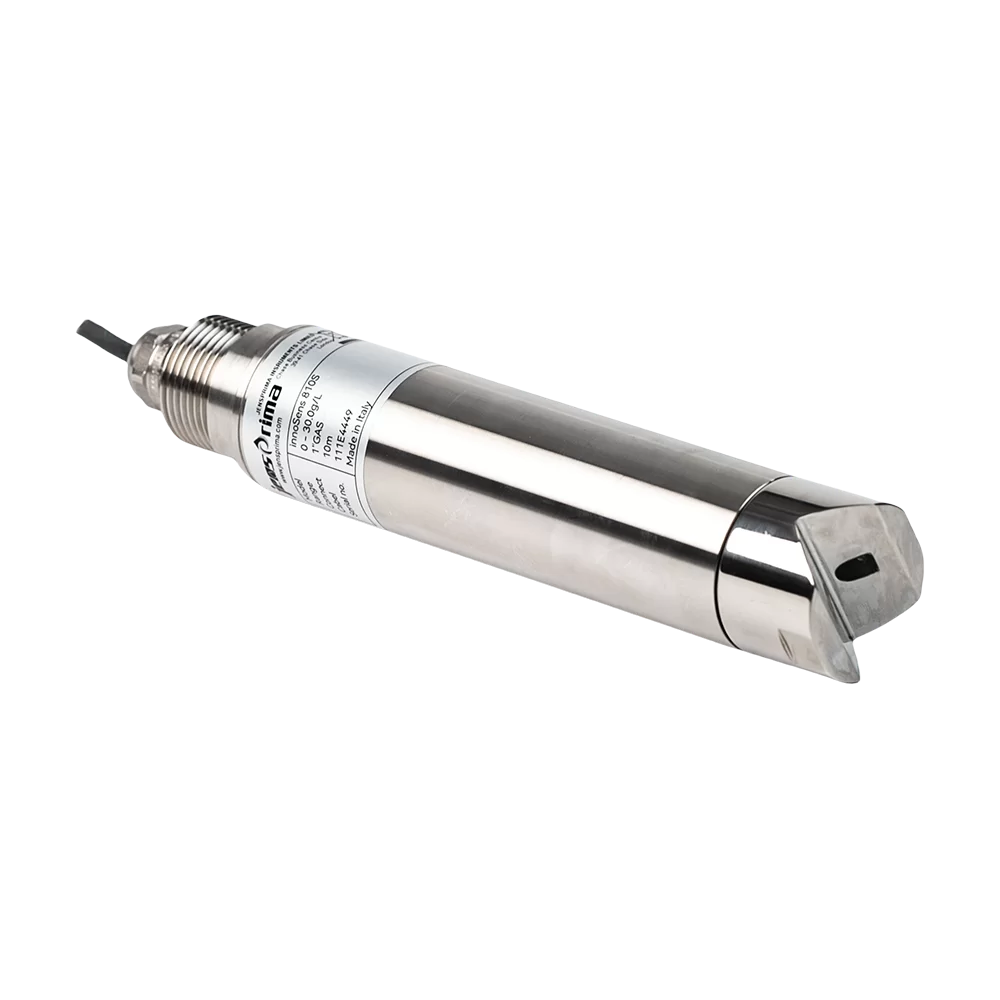
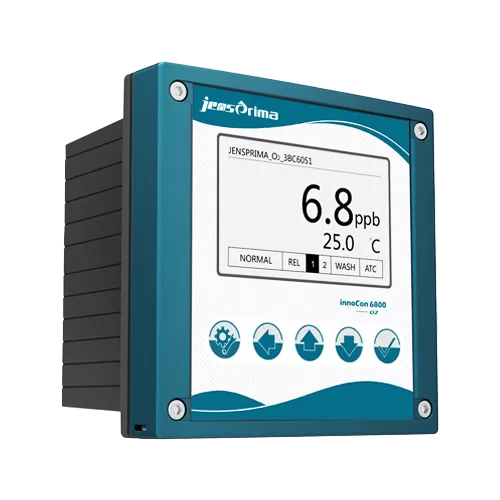
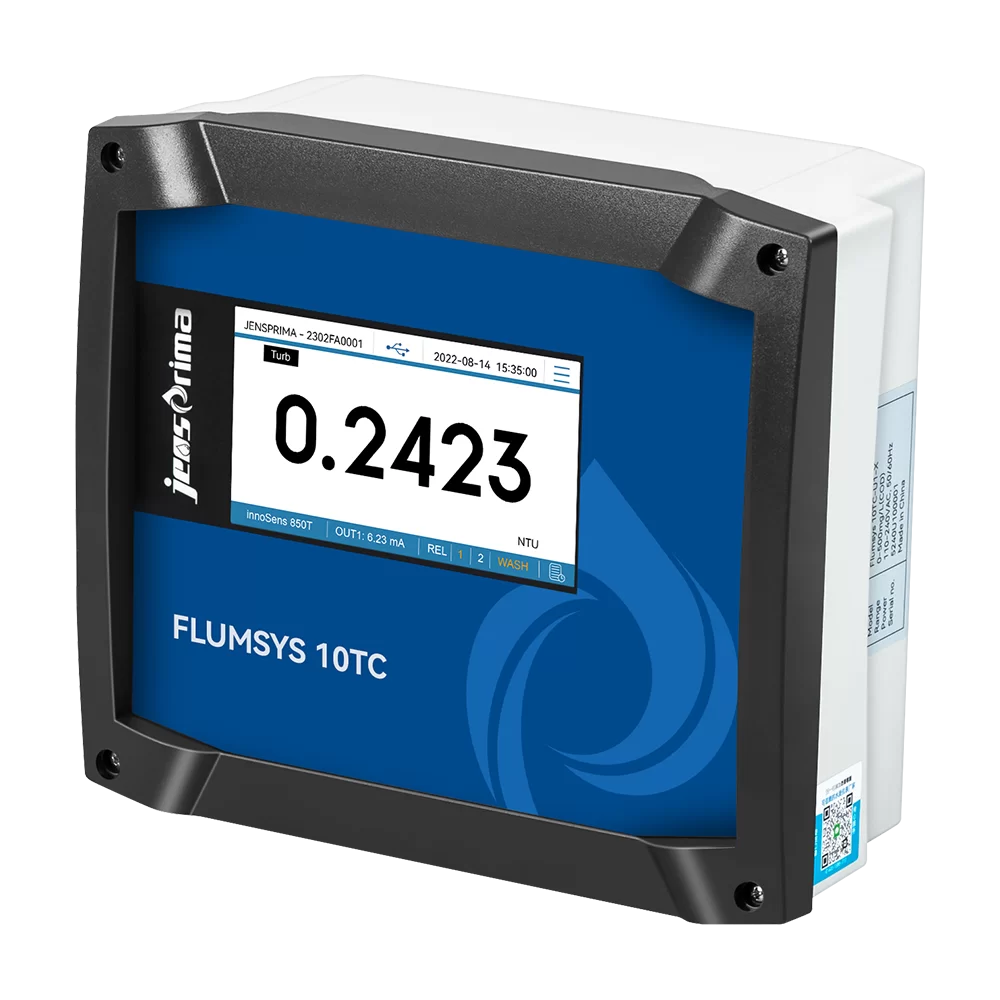
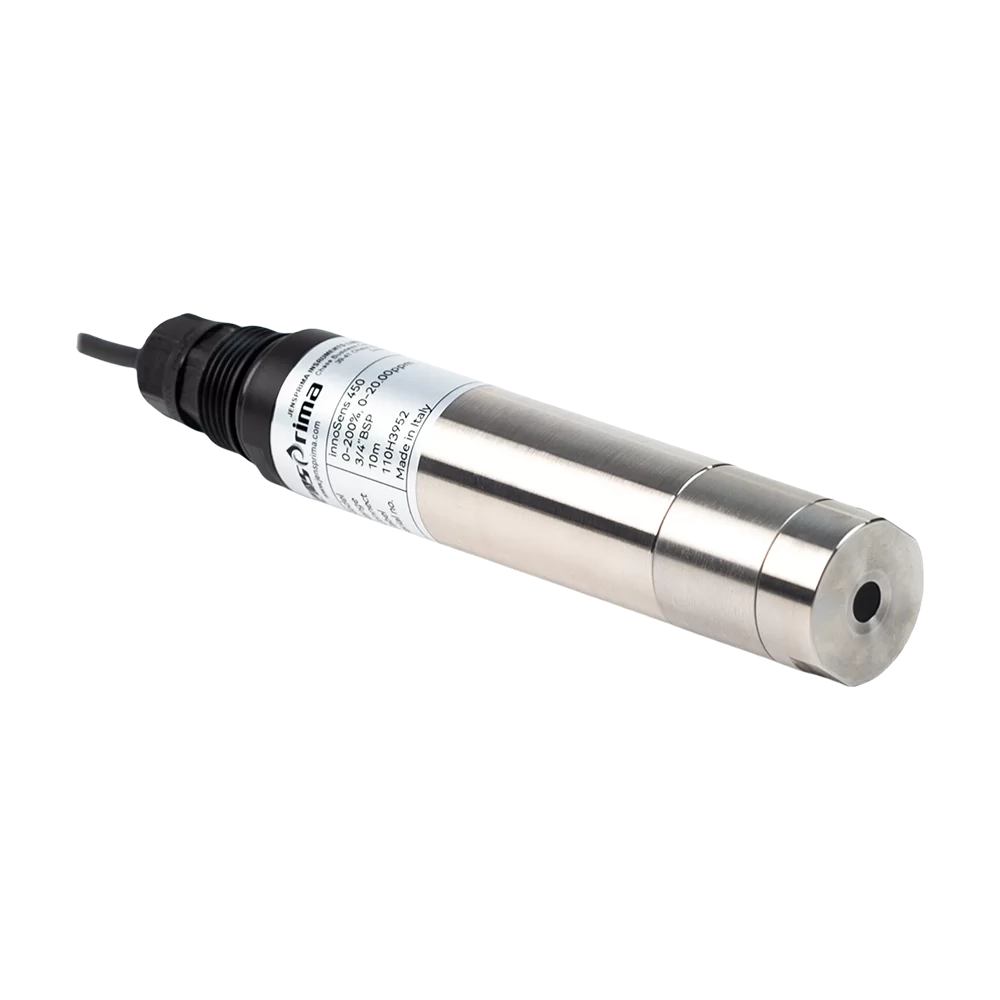


multi parameter analyzer

NEWS

UPDATES

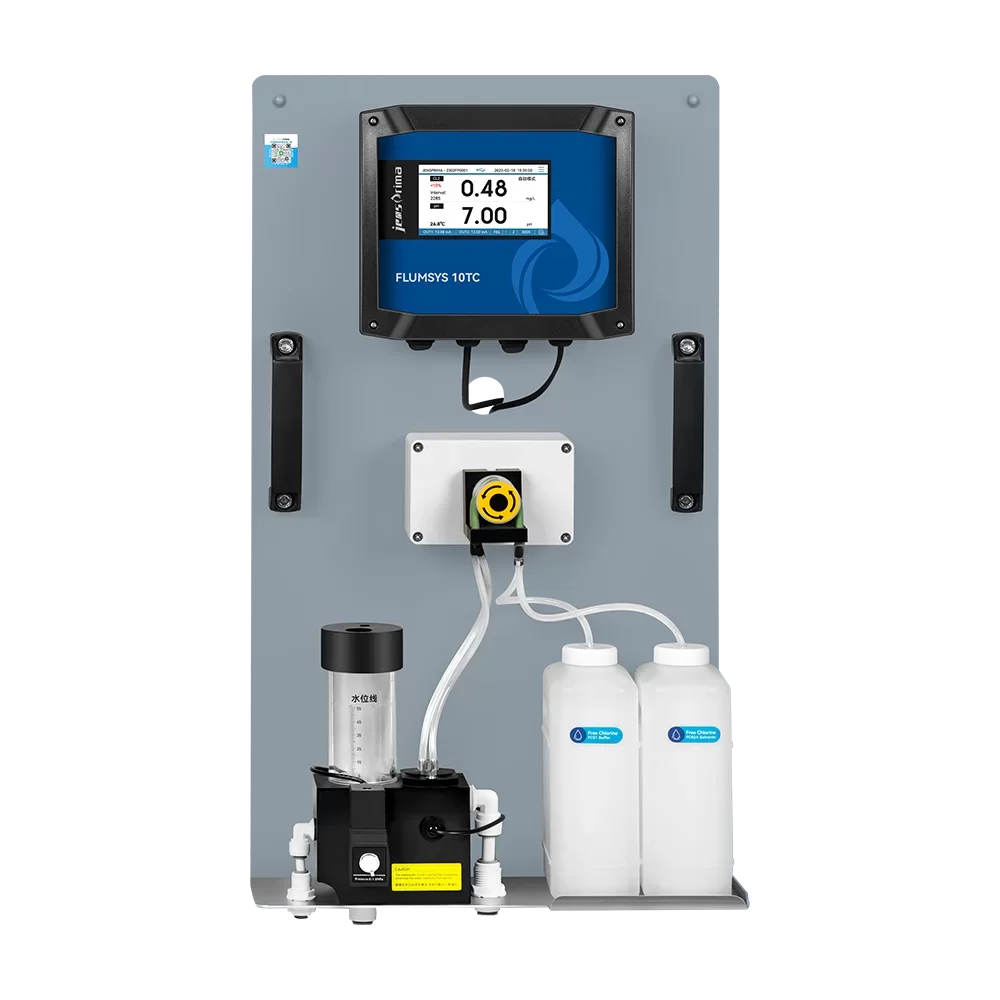
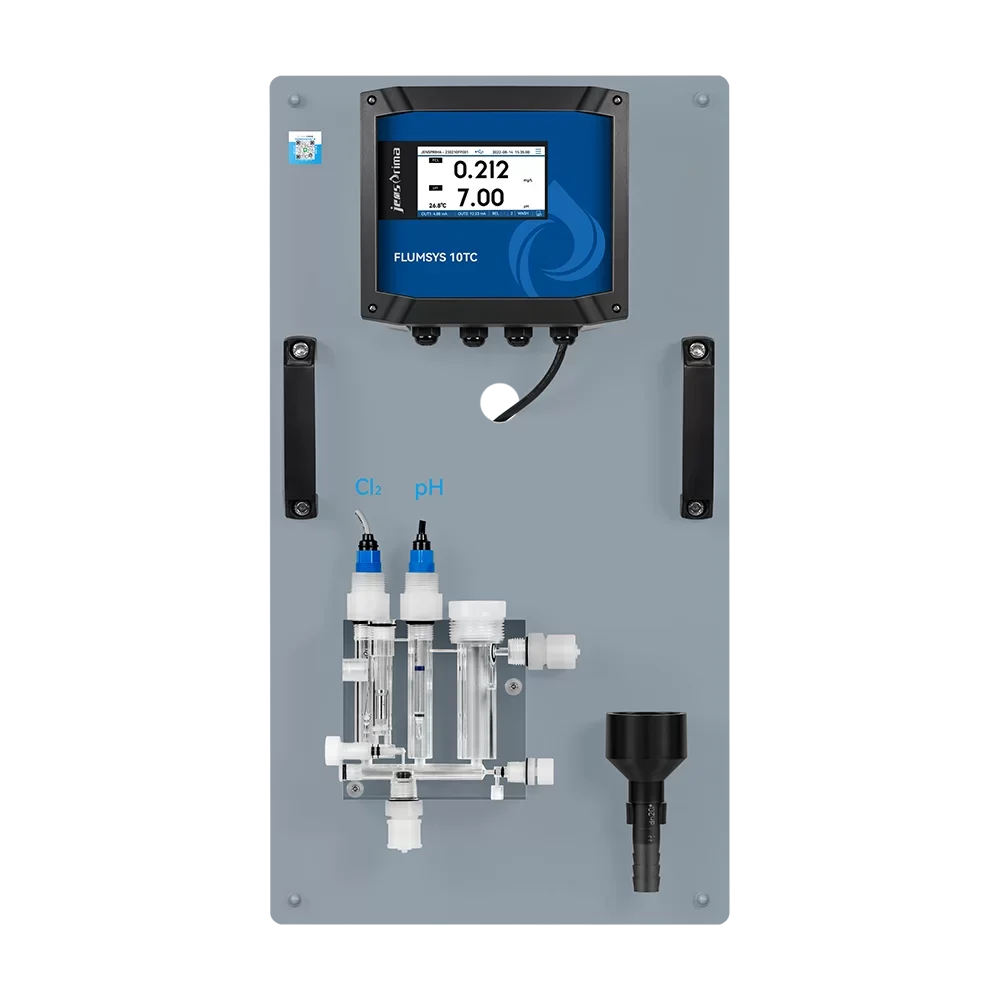
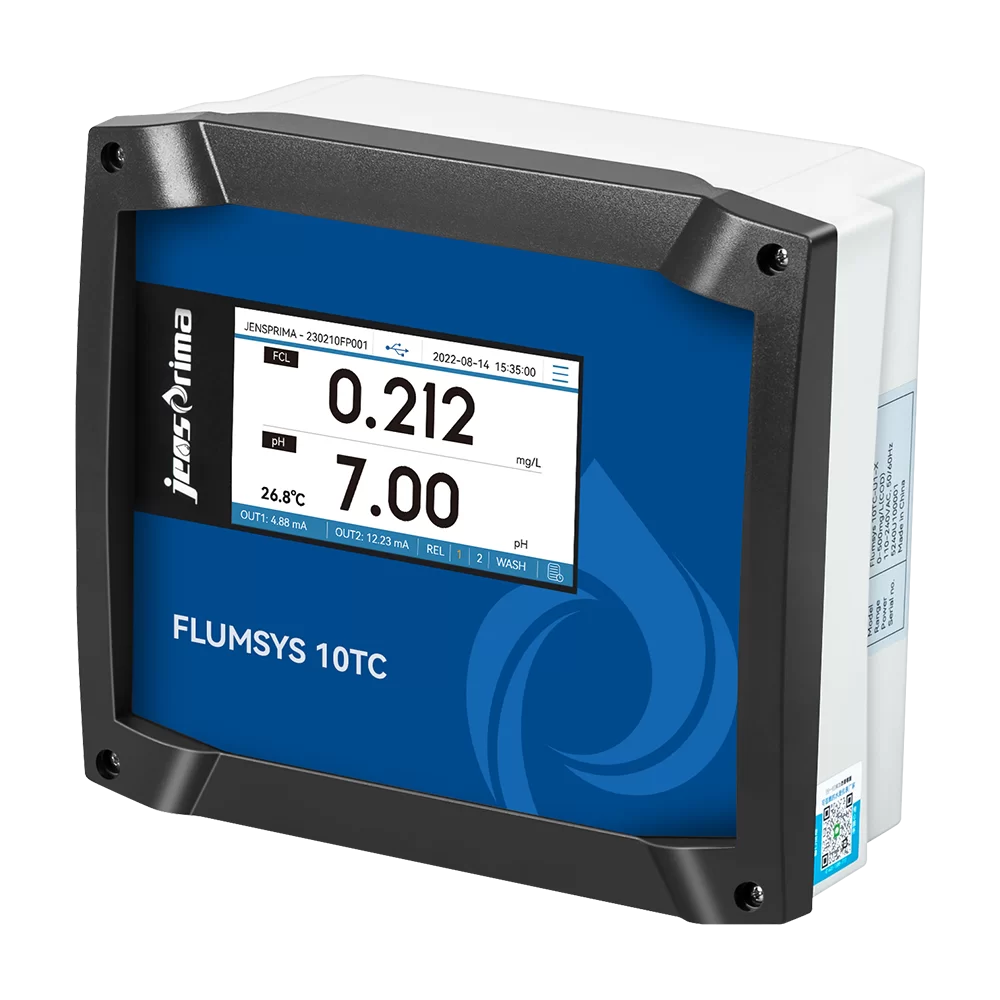
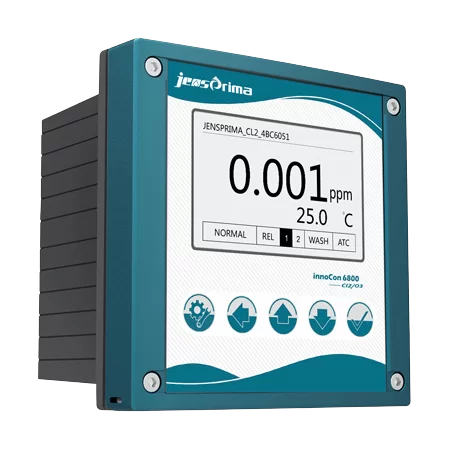
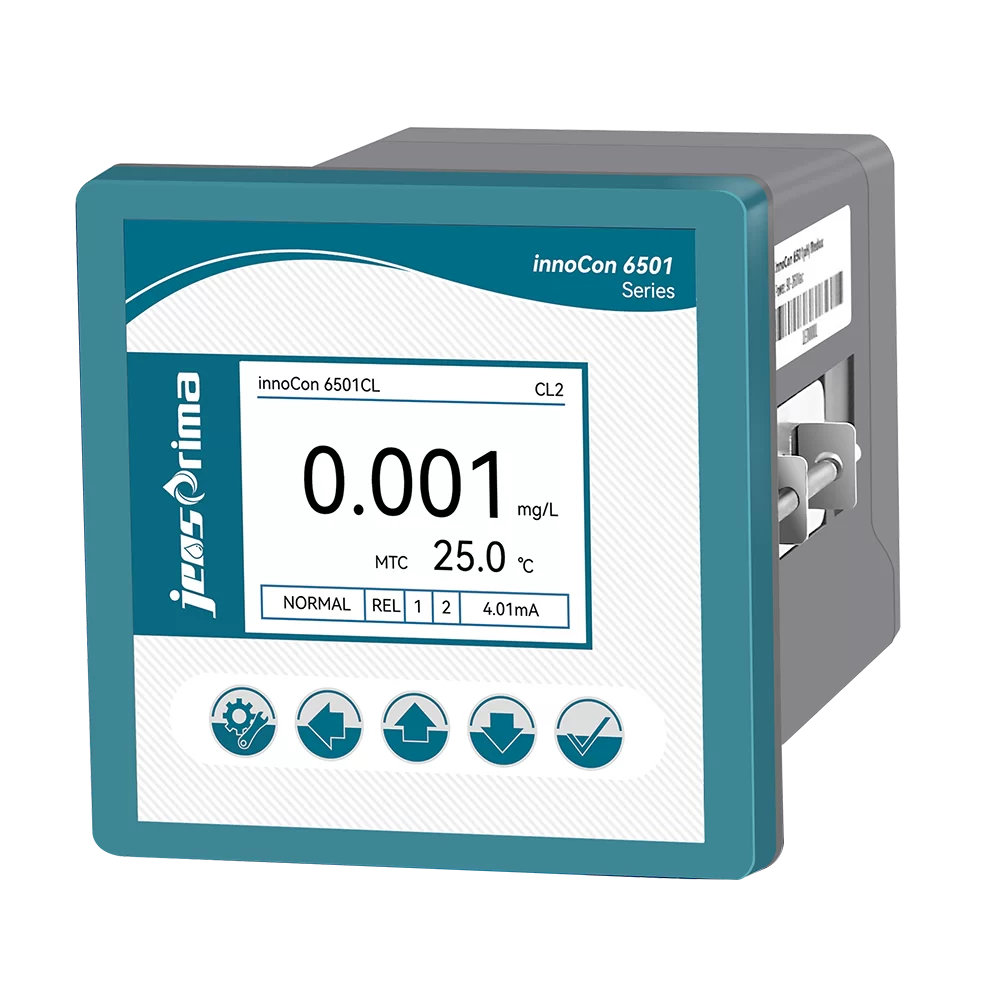
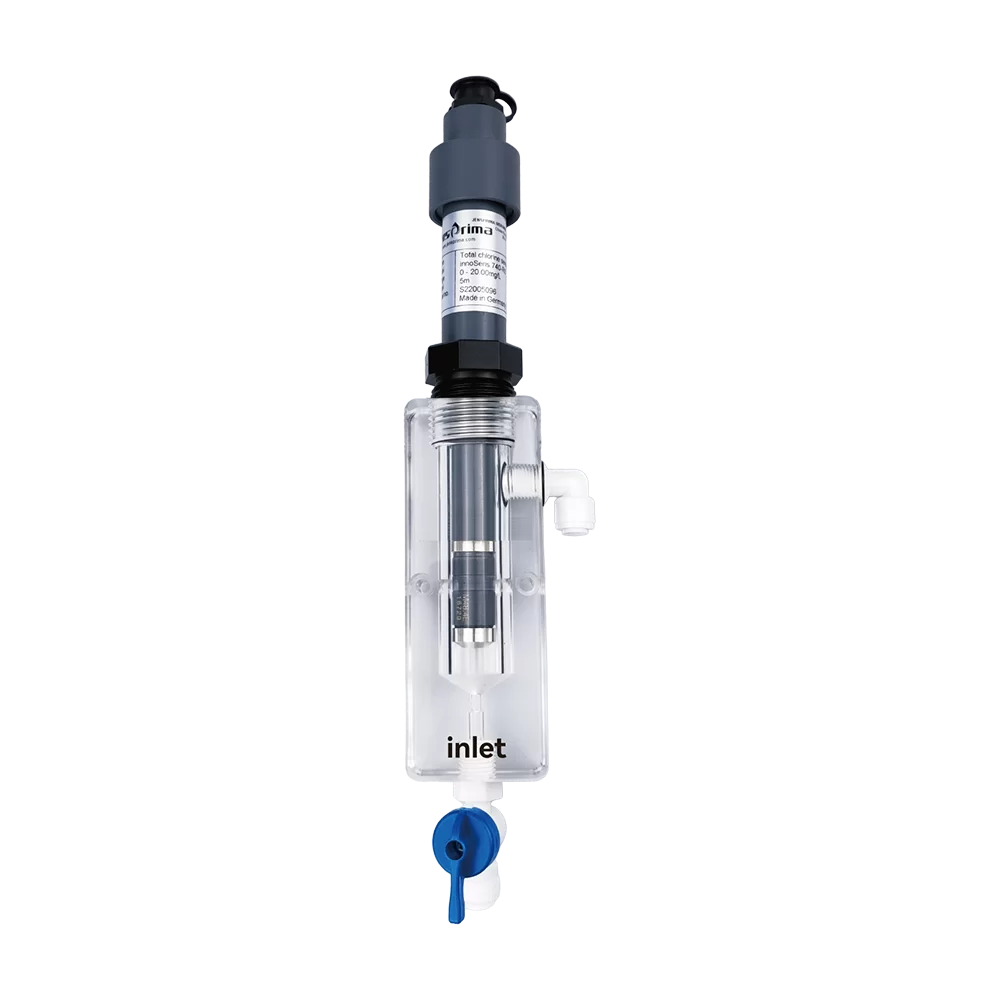
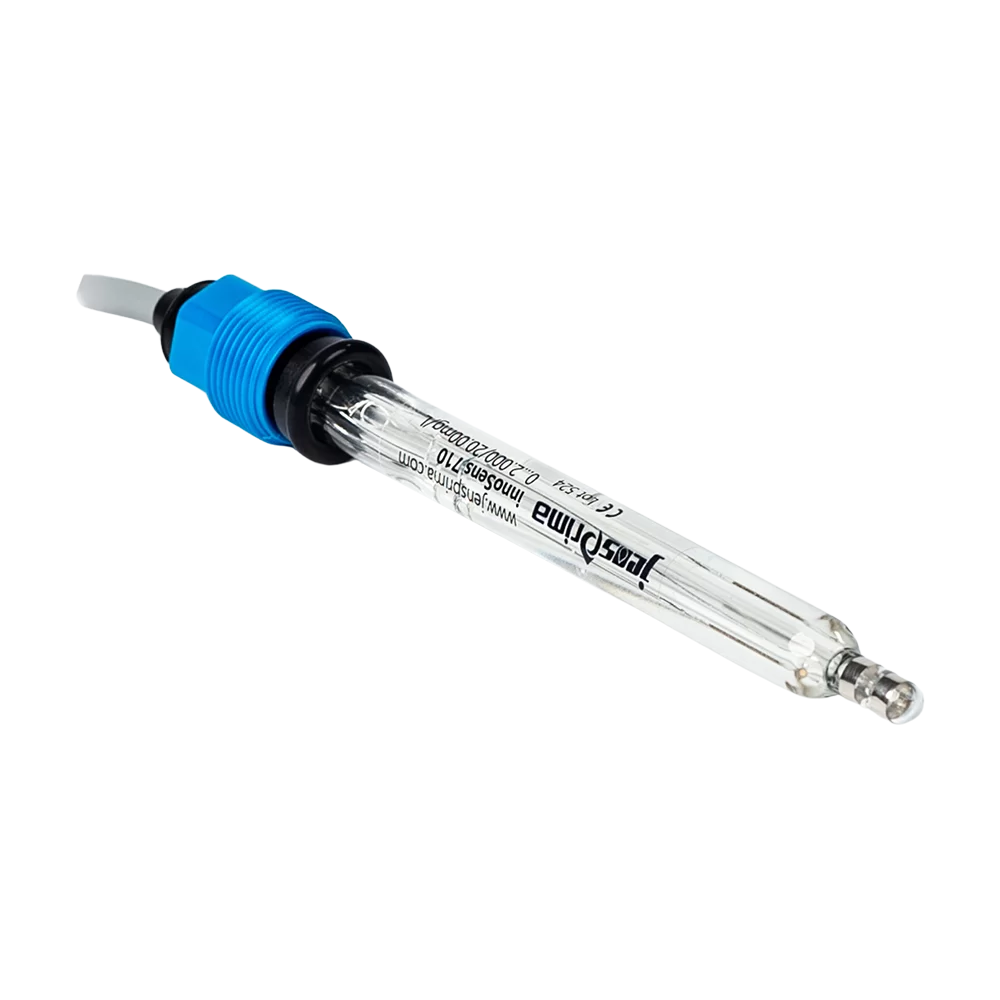
Advanced Water Monitoring Solutions for Brazil with residual chlorine controller

Precision industrial water analysis instrumentation engineered to meet the rigorous environmental standards of the Brazilian manufacturing and municipal sectors.

Advanced Water Monitoring Solutions for Brazil with residual chlorine controller

Our comprehensive suite of online water quality analyzers provides real-time data and precise control for Brazil's diverse industrial landscape, ensuring compliance with CONAMA regulations and optimizing process efficiency.

Water Quality Monitoring Landscape in Brazil

Analyzing the challenges of water management across South America's largest economy.

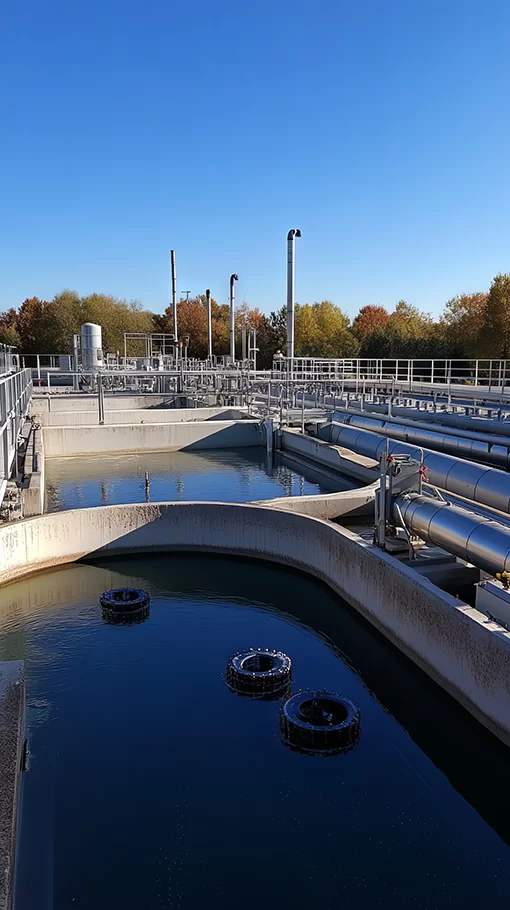
Brazil faces unique hydrological challenges, from the vast Amazon basin to the industrial hubs of São Paulo. The demand for a high-performance multi parameter water quality analyzer is driven by the need to monitor complex pollutants in river systems and industrial effluents that vary significantly across different climatic regions.

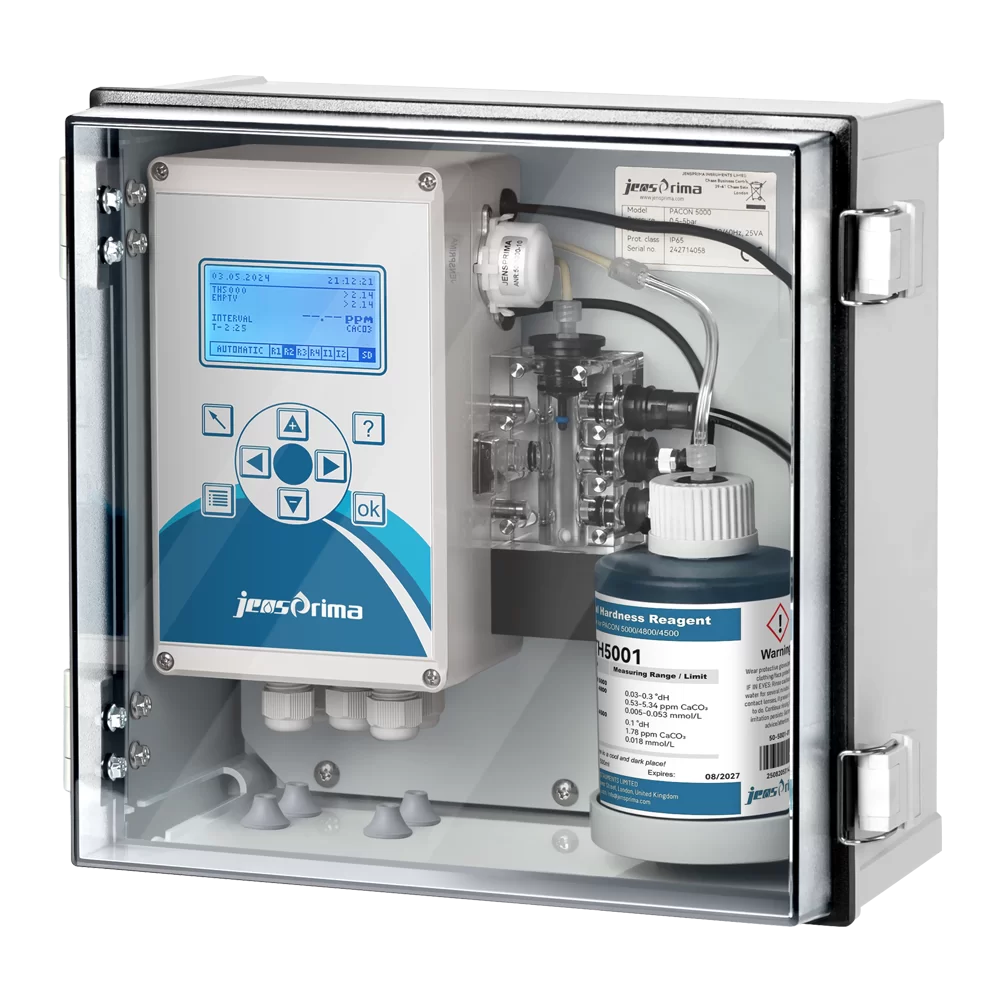
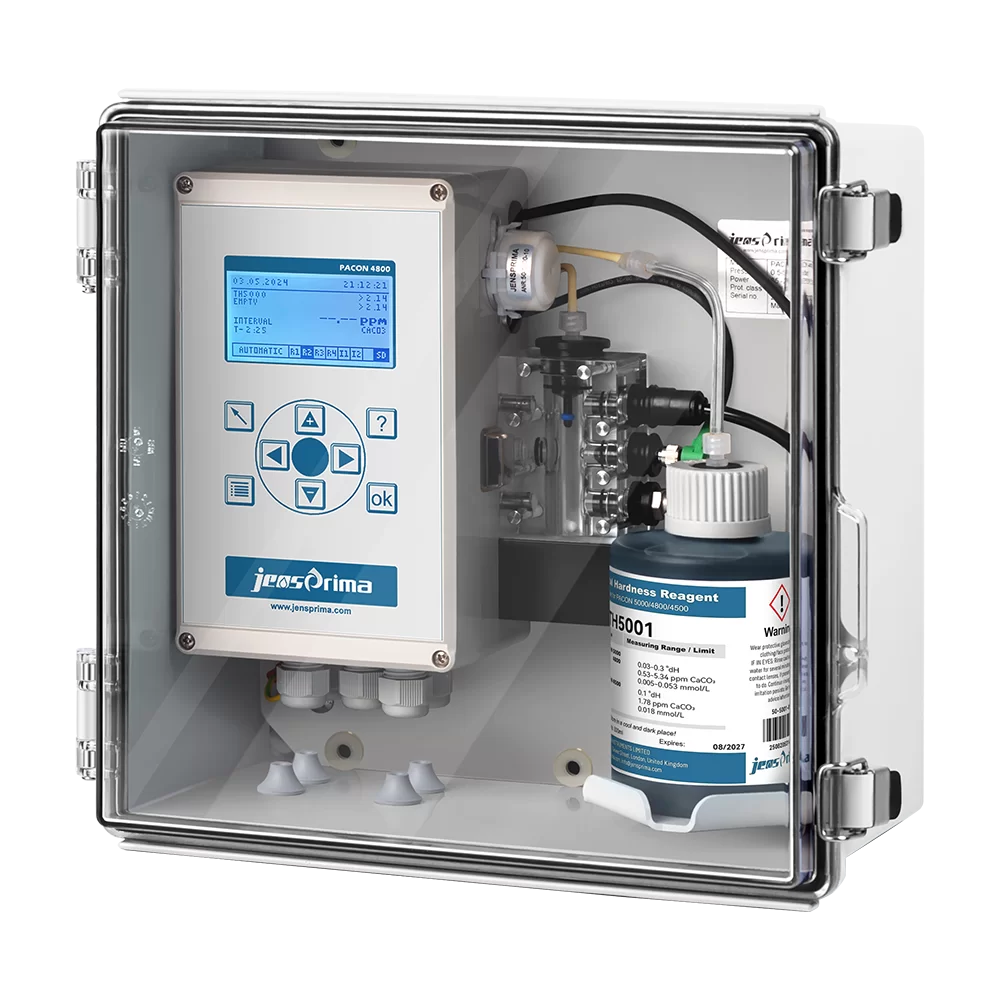
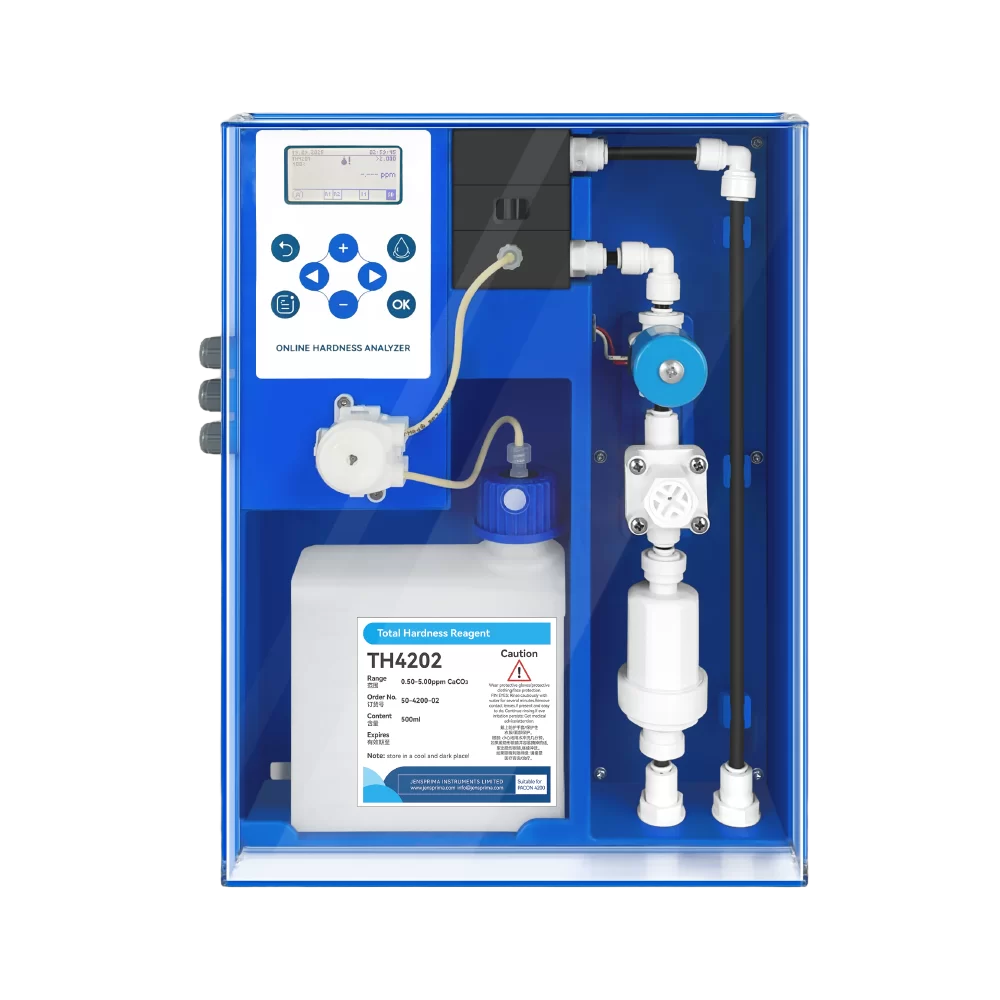
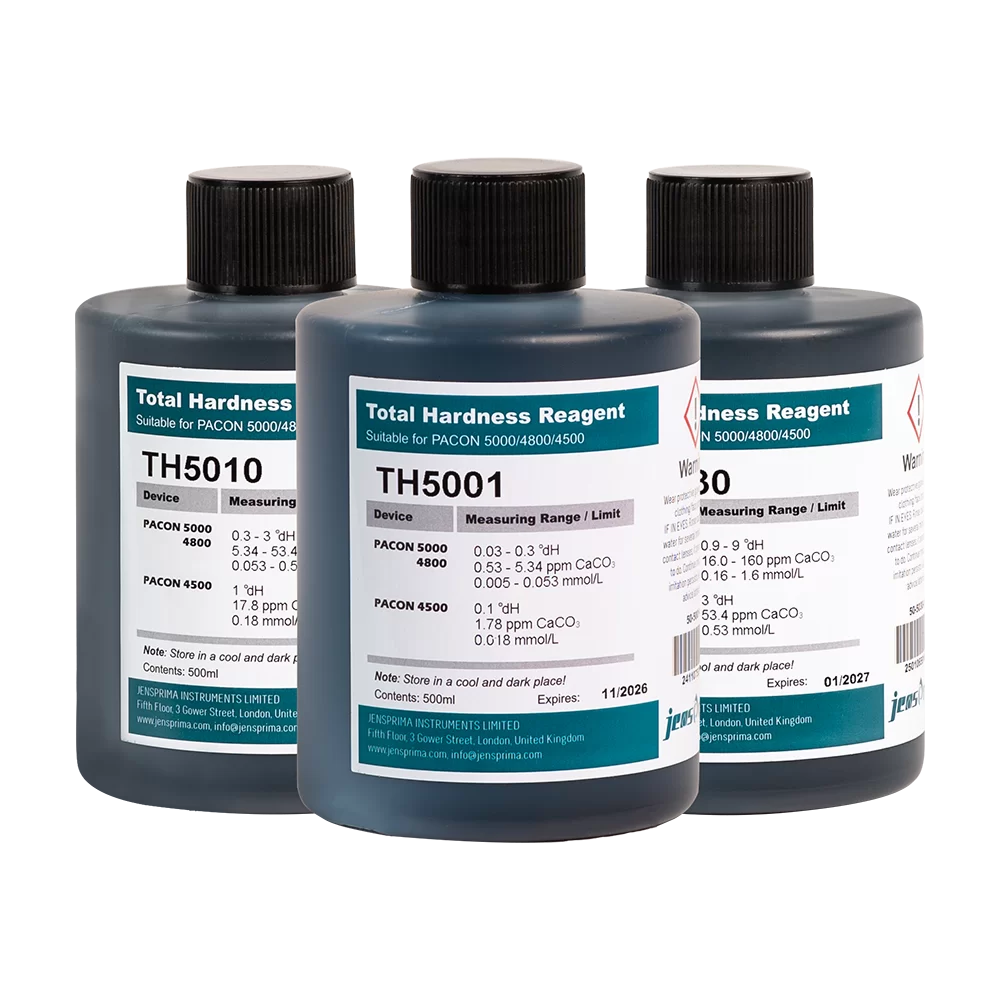
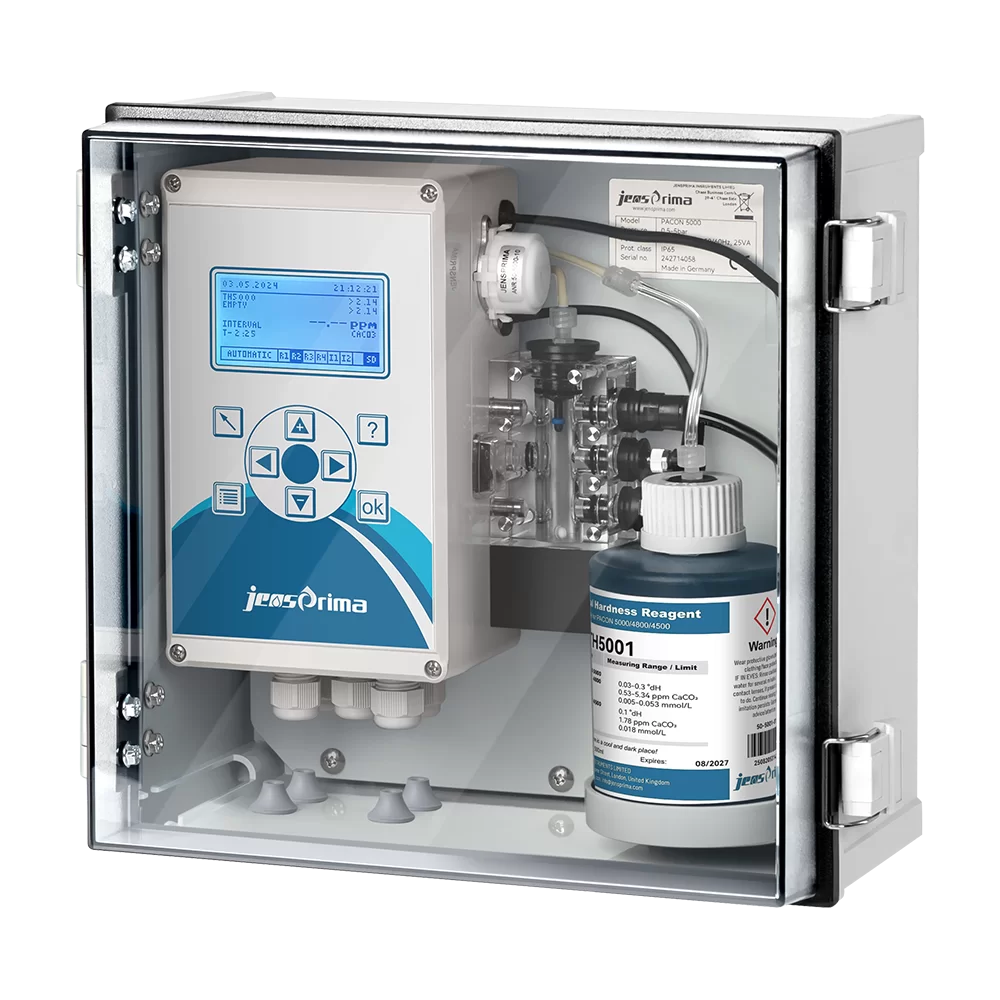
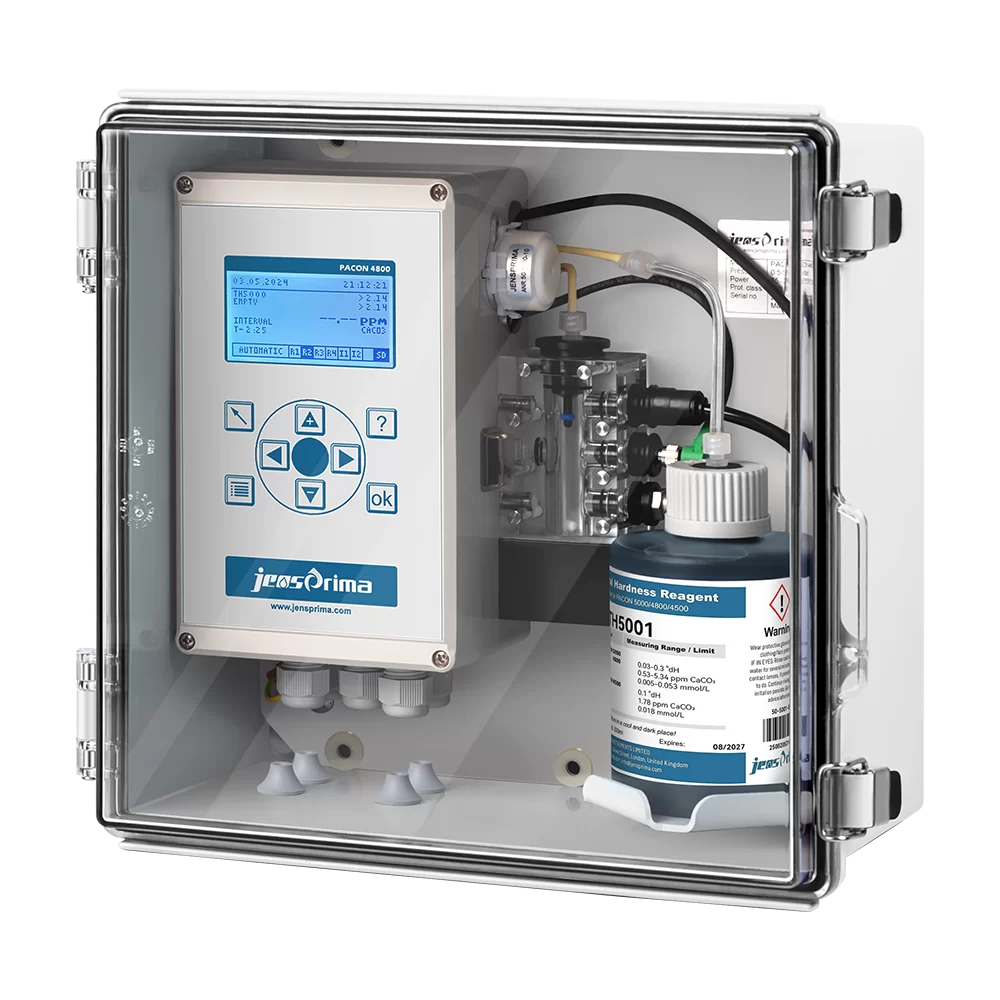
In the Brazilian manufacturing sector, particularly in mining and pulp & paper, the management of mineral scaling is critical. This has led to an increased reliance on the total hardness analyzer to prevent equipment degradation and ensure that cooling water circuits operate at peak efficiency despite local water chemistry variations.

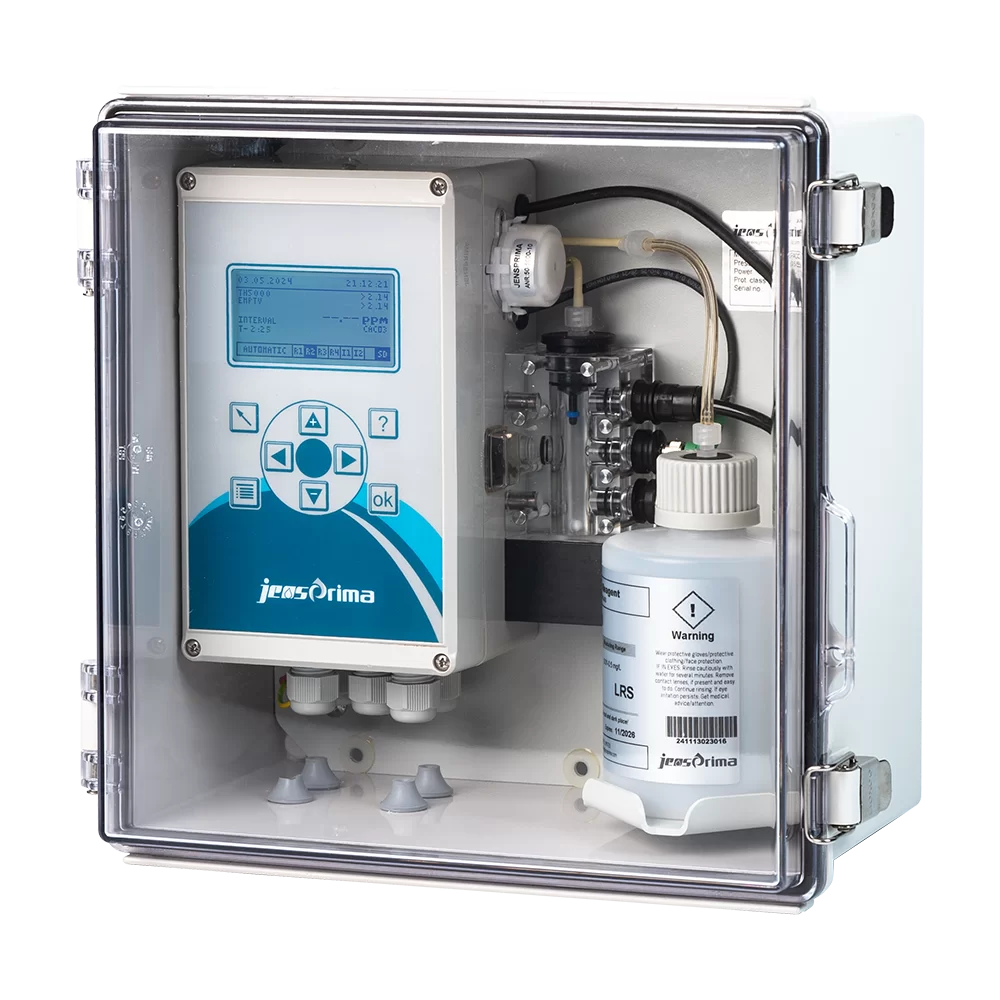
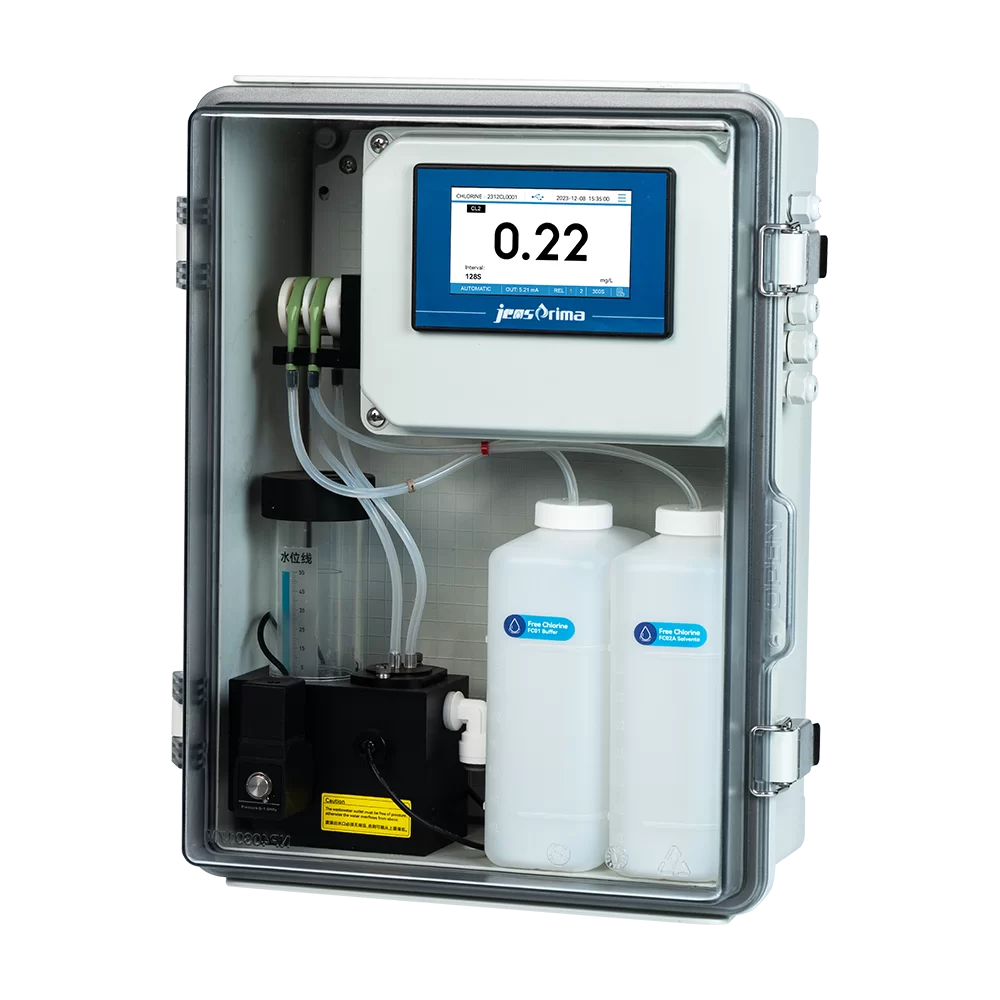
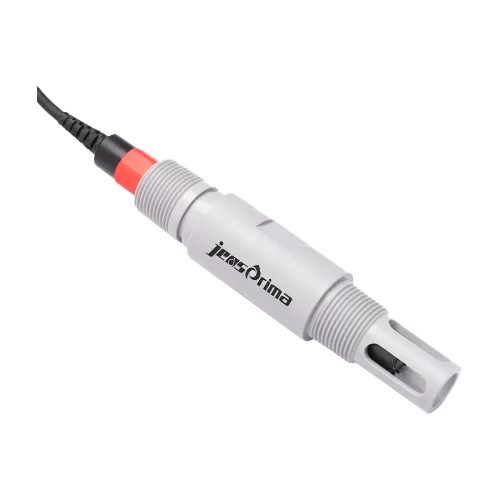
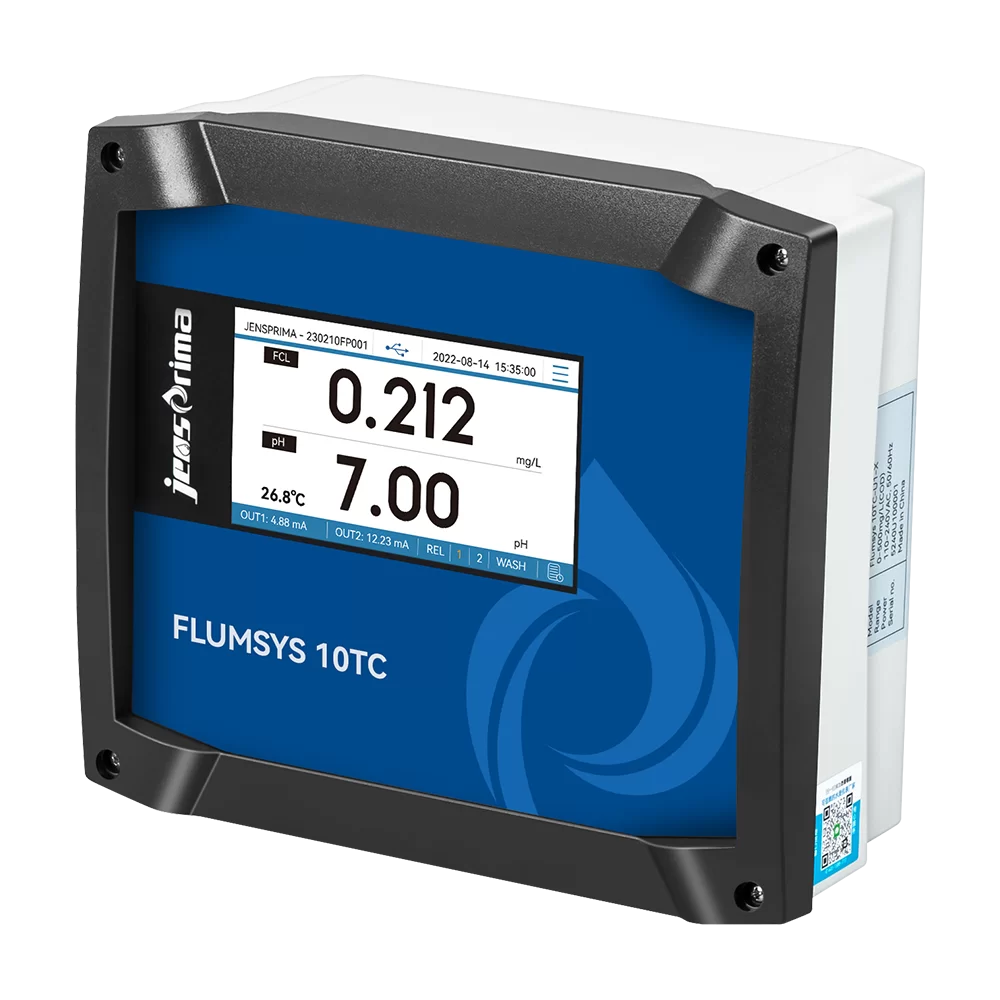
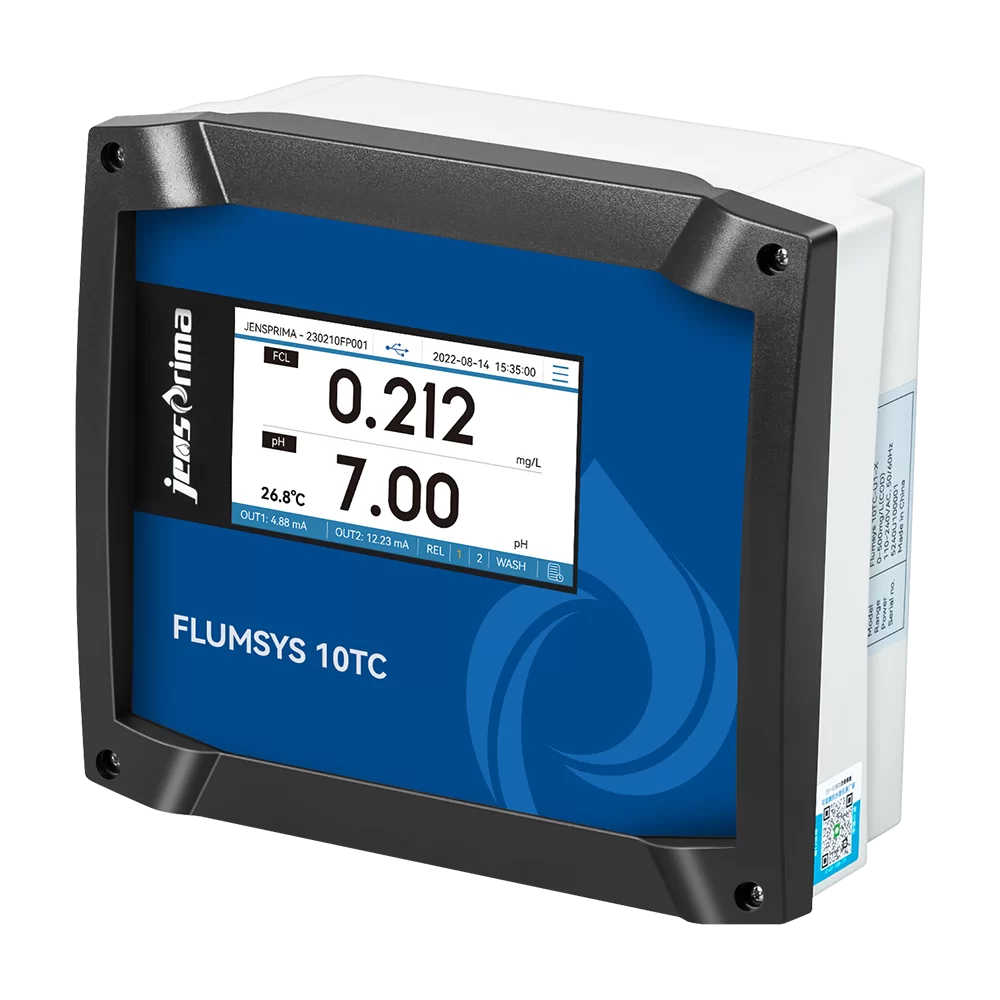
Furthermore, urban water treatment plants in Brazil are under pressure to maintain strict disinfection levels. The integration of an automated residual chlorine controller has become essential to balance pathogen elimination with the avoidance of harmful disinfection by-products in the municipal supply.

Evolution of Water Analysis Technology in Brazil

From manual sampling to intelligent, real-time digital monitoring.

Market Development History

Until the early 2000s, water quality monitoring in Brazil relied heavily on manual grab sampling and laboratory analysis, which suffered from long lag times and high human error, making it difficult to respond to sudden contamination events.

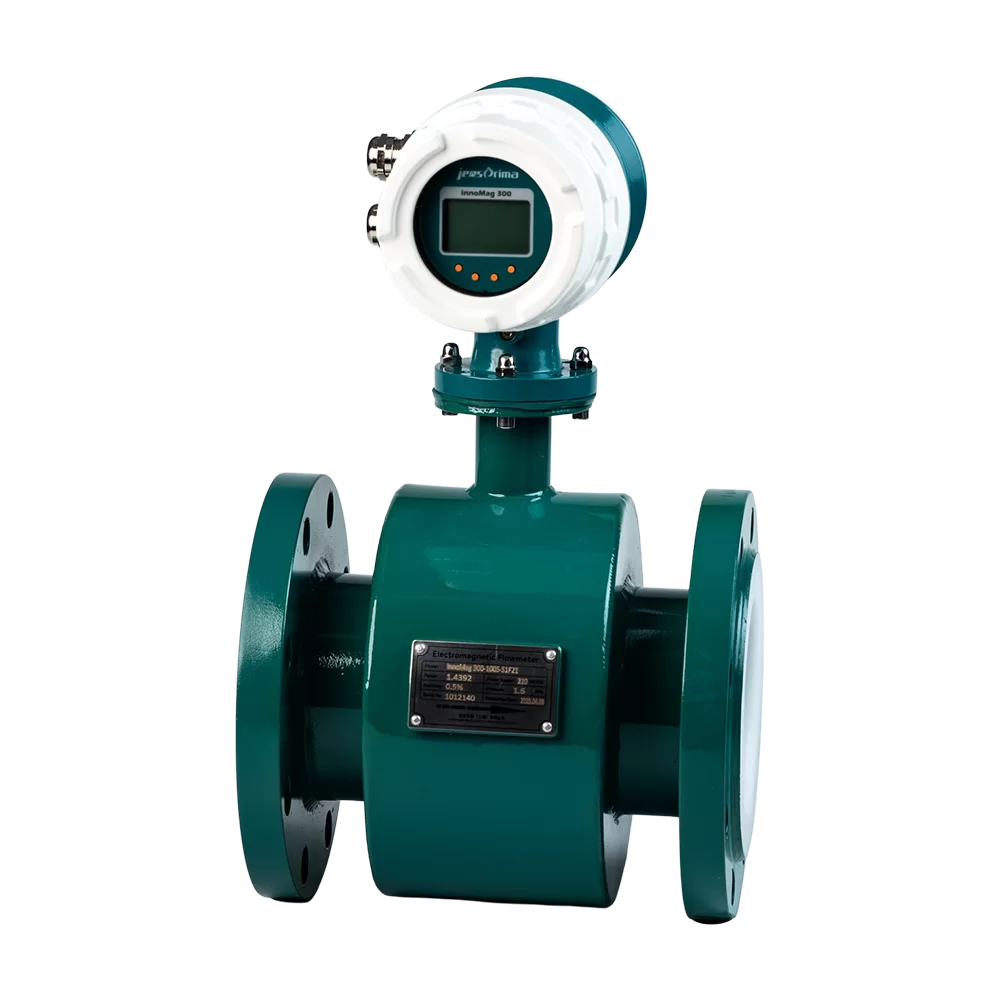
Between 2010 and 2020, the market shifted toward basic online sensors. The introduction of the electromagnetic flowmeter allowed plants to accurately quantify effluent discharge, enabling a more scientific approach to pollutant loading and regulatory reporting.

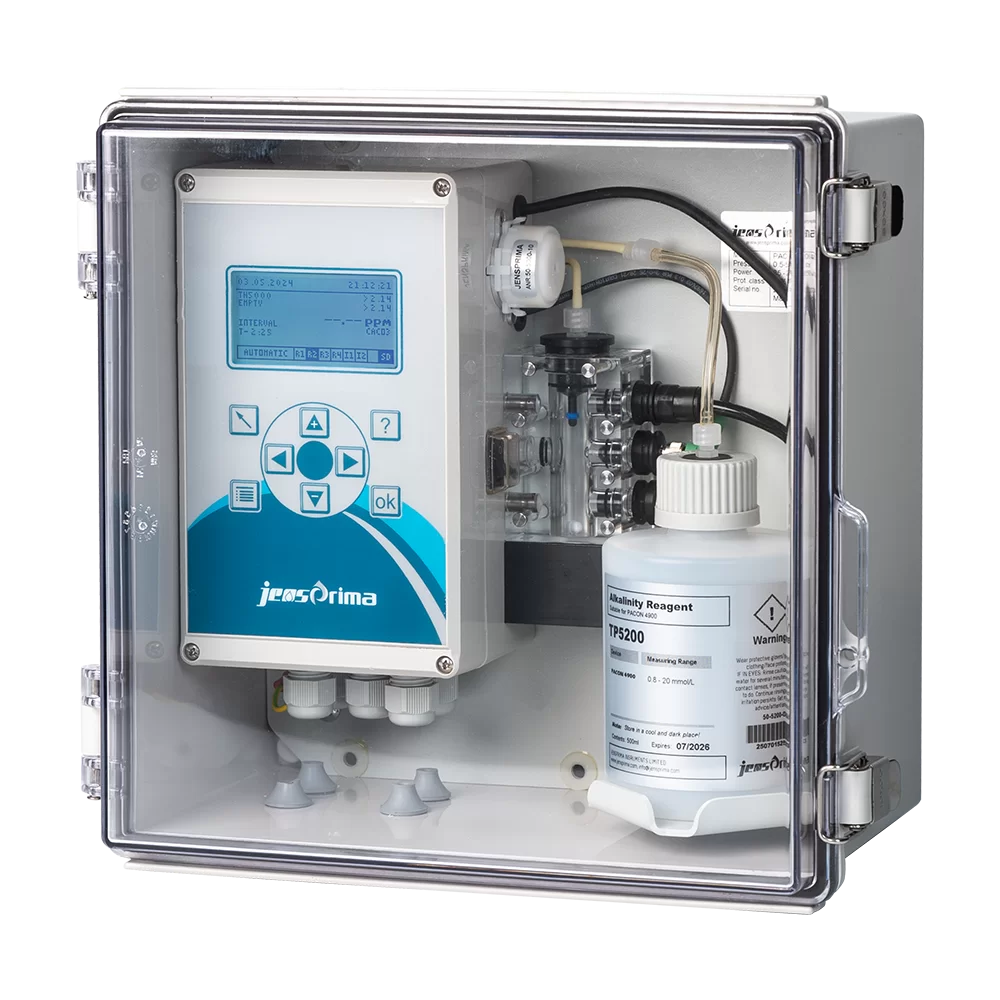
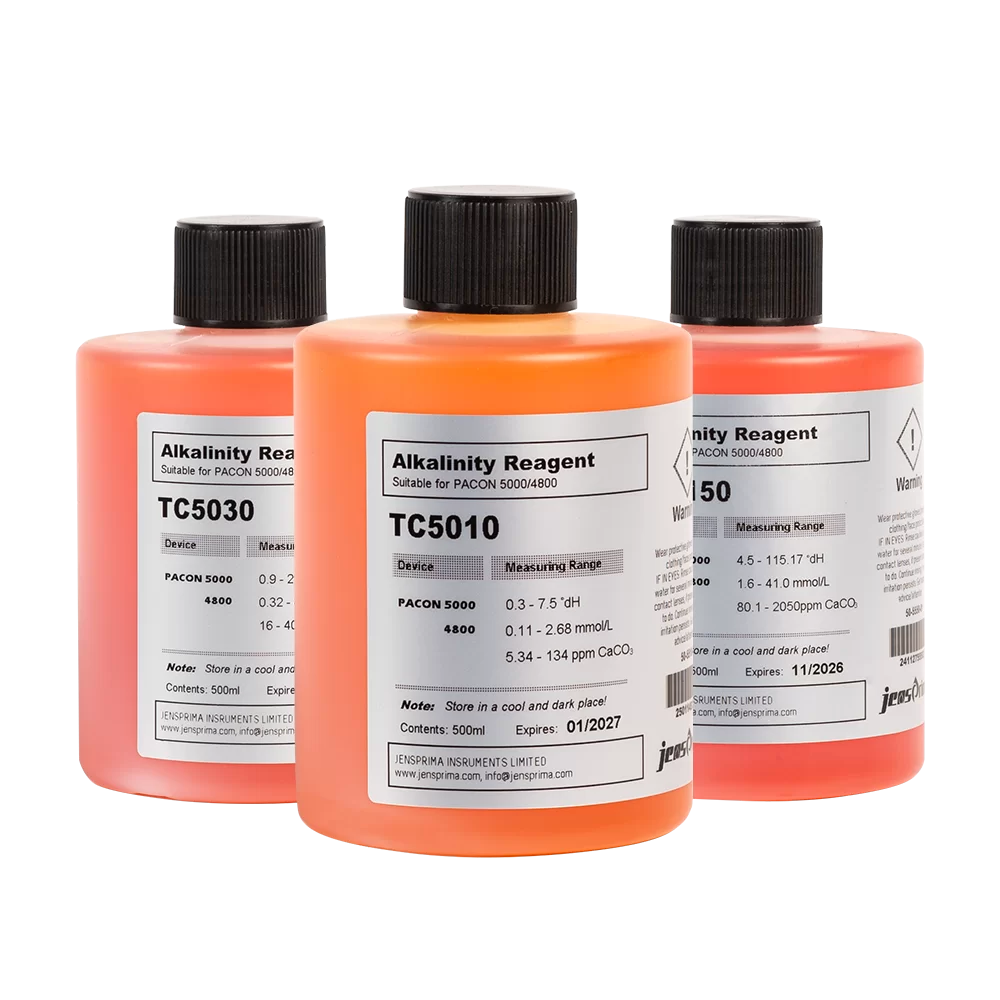
Currently, the industry is entering the era of integrated chemistry. The deployment of an alkalinity analyzer alongside other online sensors allows for the automated titration and precise dosing of chemicals, reducing waste and operational costs in Brazilian wastewater plants.

Future Development Trends

IoT Integration & Remote Telemetry

The transition toward "Water 4.0" will see instruments connected via 5G, allowing Brazilian operators to monitor remote basins from centralized control rooms.

AI-Driven Predictive Maintenance

Future analyzers will utilize machine learning to predict sensor drift and fouling, reducing the frequency of manual calibrations in harsh industrial environments.

High-Sensitivity Trace Analysis

There is a growing trend toward detecting micro-pollutants and pharmaceuticals in Brazilian urban waters, requiring sensors with parts-per-billion (ppb) sensitivity.

Future Outlook for Brazilian Water Instrumentation

Strategic directions for the next 3-5 years based on regional search and growth trends.

Digital Twin Implementation
Creating virtual replicas of water networks in Brazil to simulate the impact of pollutant spikes in real-time.
Sustainable Reagent Usage
Developing low-reagent and reagent-free sensing technologies to minimize chemical waste in Brazilian ecosystems.
Energy-Efficient Sensing
Solar-powered monitoring stations for remote Amazonian water quality tracking to reduce grid dependency.
Circular Economy Integration
Integrating water analysis with waste recovery systems in Brazilian industrial parks to enable zero-liquid discharge.

Industry Outlook

The Brazilian market is expected to see a surge in demand for integrated water quality platforms. As regulatory bodies tighten their grip on effluent discharge, companies will move away from standalone sensors toward unified systems that combine flow, chemical composition, and biological indicators.

Moreover, the convergence of cloud computing and precision instrumentation will allow for a "preventative" rather than "reactive" water management strategy, significantly reducing the environmental impact of industrial operations in Brazil.

Local Application Scenarios in Brazil

Tailored deployments for Brazil's specific industrial and environmental needs.

1. Amazon Basin River Monitoring

Deploying a multi parameter water quality analyzer to track pH, dissolved oxygen, and turbidity in remote river sections to monitor the impact of illegal mining runoff.

2. São Paulo Industrial Effluent Control

Utilizing the electromagnetic flowmeter in textile and chemical plants to ensure that discharge volumes and concentrations remain within city limits.

3. Minas Gerais Mining Water Treatment

Installing a total hardness analyzer in tailings dam water treatment plants to optimize the precipitation of heavy metals and minerals.

4. Rio de Janeiro Municipal Water Supply

Implementing a residual chlorine controller at distribution nodes to maintain safe drinking water standards across high-density urban areas.

5. Paraná Agricultural Runoff Analysis

Using an alkalinity analyzer to monitor the effects of fertilizer leaching into local groundwater, helping farmers optimize nutrient application.

Brand Story

Global Development History of Jensprima (Shanghai) Co., Ltd.

Foundational Excellence

Started with a mission to bridge the gap between high-end analytical chemistry and rugged industrial application in water treatment.

Technological Breakthroughs

Developed proprietary sensor technology that resists fouling in high-sediment waters, a critical pain point for global industrial clients.

Global Expansion

Expanded operations to South America, establishing a strong footprint in Brazil by providing localized technical support and customized instrument calibration.

Innovation Leadership

Pioneered the integration of AI diagnostics into online analyzers, reducing maintenance costs for our partners in the manufacturing sector.

Commitment to Sustainability

Focused on creating "Green-Analysis" tools that reduce chemical consumption, helping the global industry move toward a circular water economy.

Complete Water Analysis Portfolio for the Brazilian Market

Integrated instrumentation solutions designed for high-humidity and high-mineral environments.

Frequently Asked Questions - Brazil Region

Technical guidance and regulatory support for online water analyzers in Brazil.

How do I select the right multi parameter water quality analyzer for tropical climates in Brazil?

For tropical climates, ensure the analyzer has a high IP rating (IP65 or higher) and an integrated temperature compensation system to handle high ambient heat and humidity common in Northern Brazil.

Can a residual chlorine controller help meet CONAMA discharge limits?

Yes, by providing real-time feedback and automated dosing, it ensures that chlorine levels are sufficient for disinfection but remain below the legal toxicity thresholds set by CONAMA.

What is the maintenance interval for a total hardness analyzer in mining applications?

Depending on the mineral load, we recommend a bi-weekly calibration and monthly reagent check to ensure accuracy in high-scaling environments typical of Minas Gerais mines.

Is an electromagnetic flowmeter suitable for corrosive chemical effluents in Brazil?

Yes, provided you select the correct liner (such as PTFE) and electrode material (such as Tantalum or Hastelloy) based on the specific chemical composition of your effluent.

How does an alkalinity analyzer improve wastewater treatment efficiency?

It allows for precise control of the pH buffering capacity, which is essential for the nitrification process in biological treatment plants common in Brazilian urban centers.

Do these analyzers support remote integration with SCADA systems?

Our instruments are equipped with standard 4-20mA, Modbus RS485, and Profibus interfaces, ensuring seamless integration into any industrial SCADA or PLC architecture used in Brazil.

Get Expert Technical Support in Brazil

Contact our engineering team today for a customized water quality monitoring strategy tailored for the specific industrial requirements of Brazil.

Contact Us Now
Service Repair Form
Tell us what issue you encountered, including any steps or symptoms.
  • Name
  • Email
  • Phone
  • Fault Description

If you are interested in our products, you can choose to leave your information here, and we will be in touch with you shortly.