

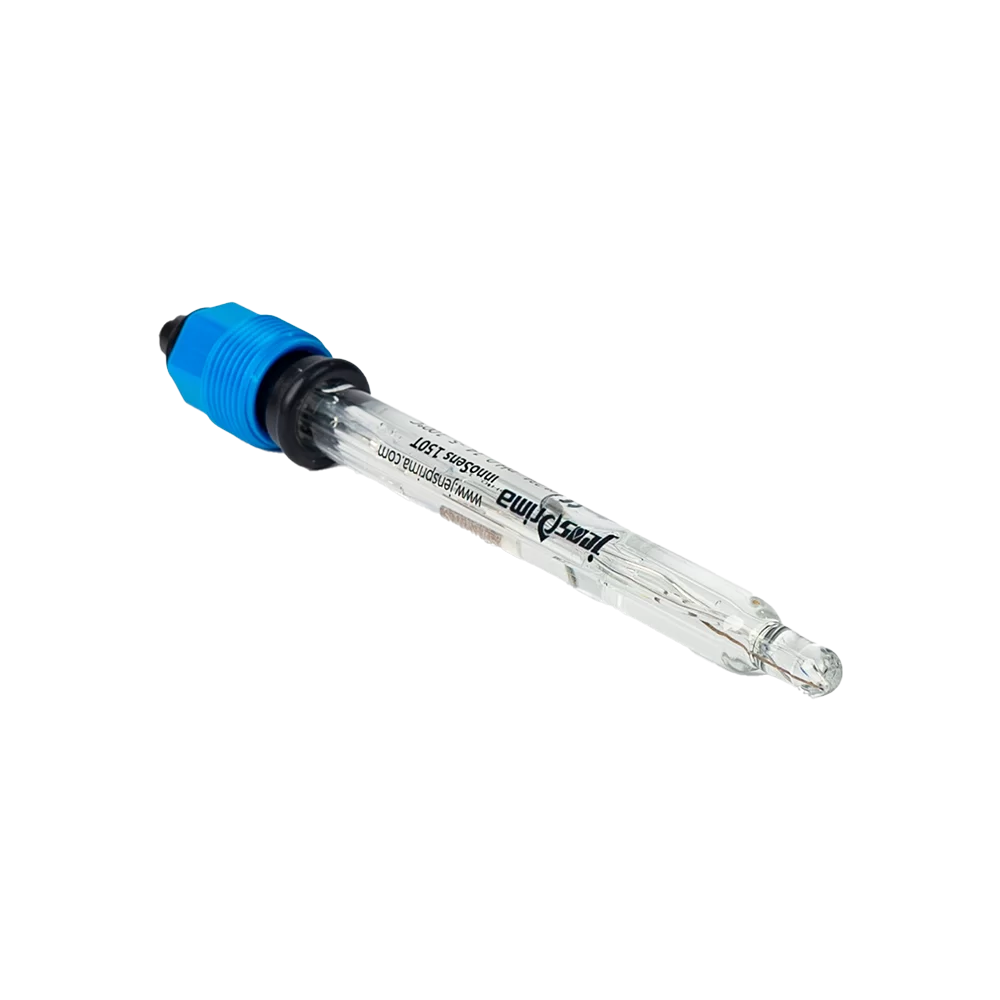
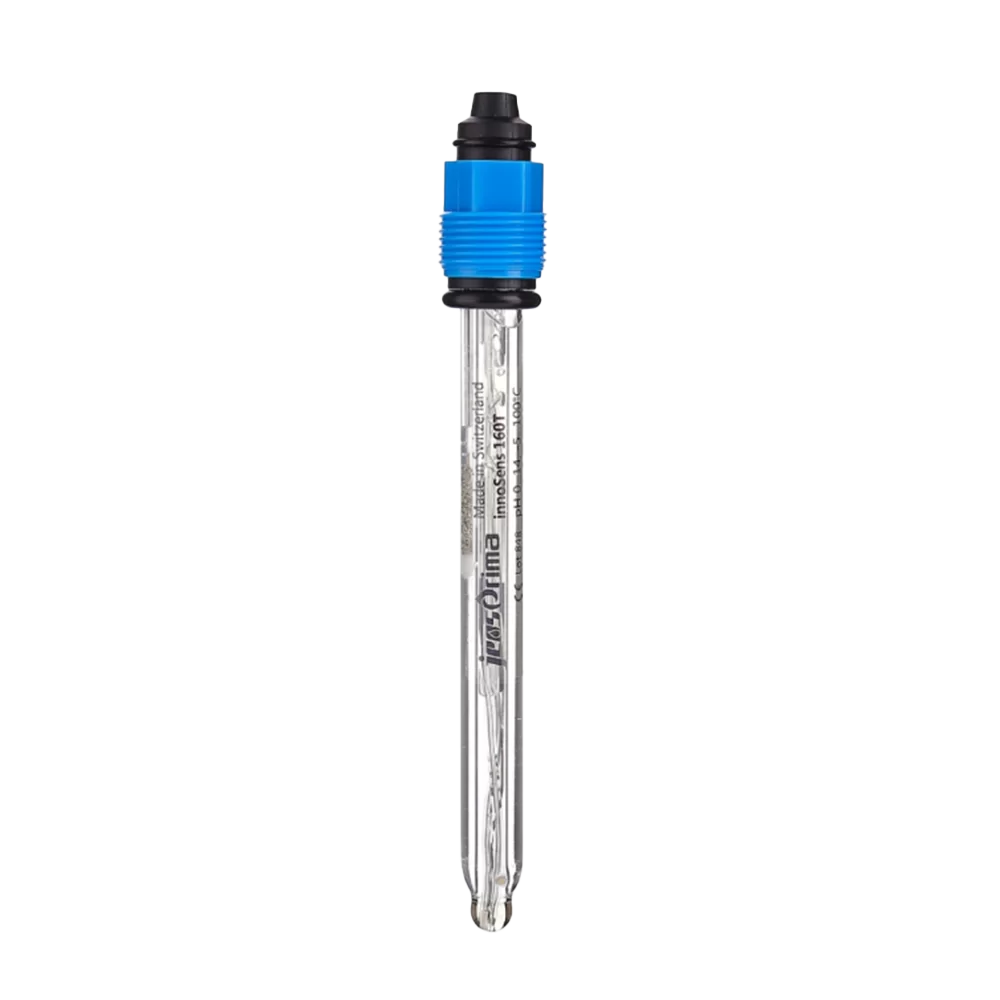
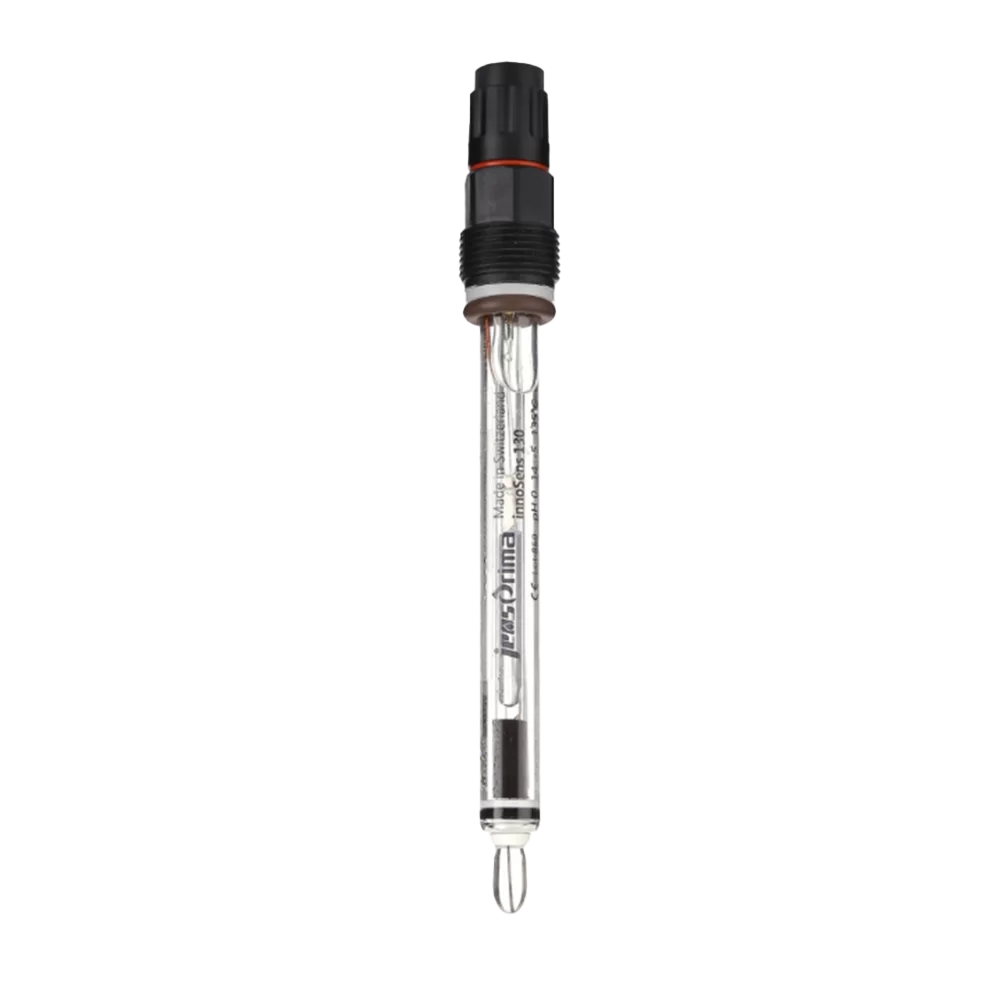
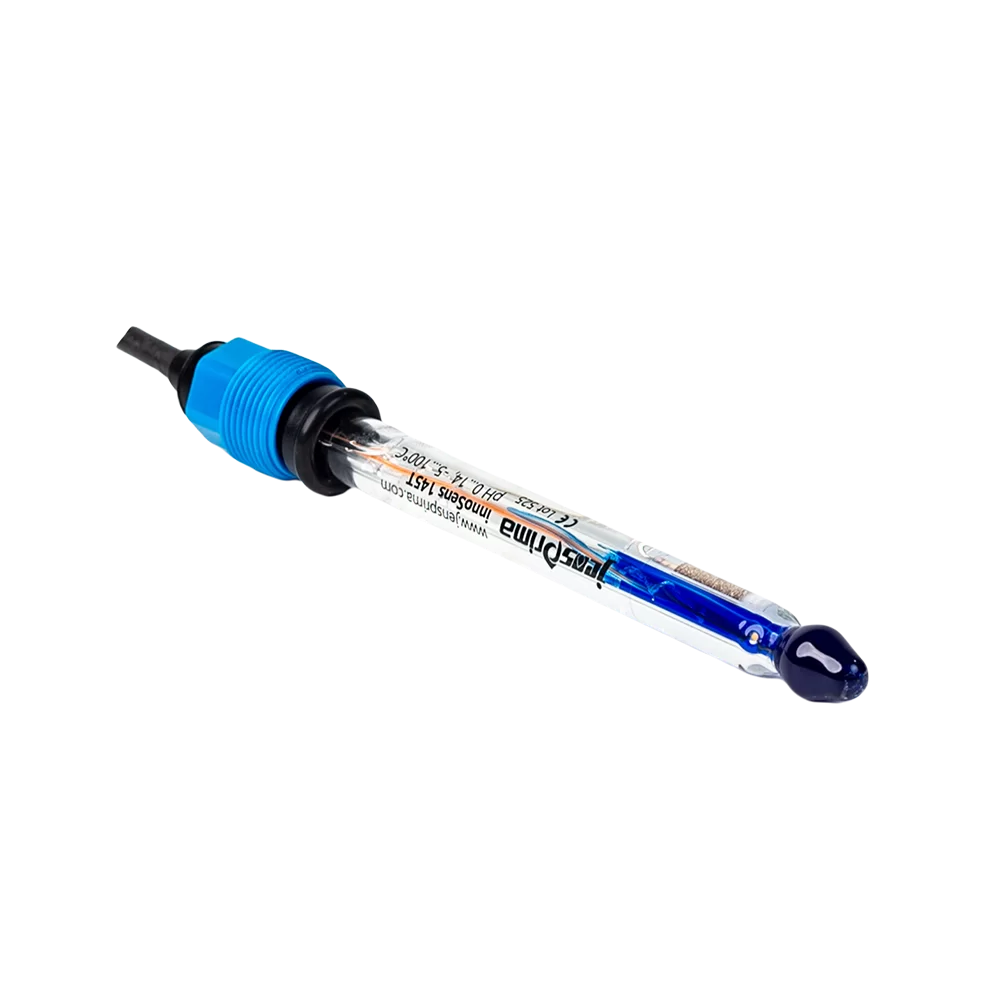
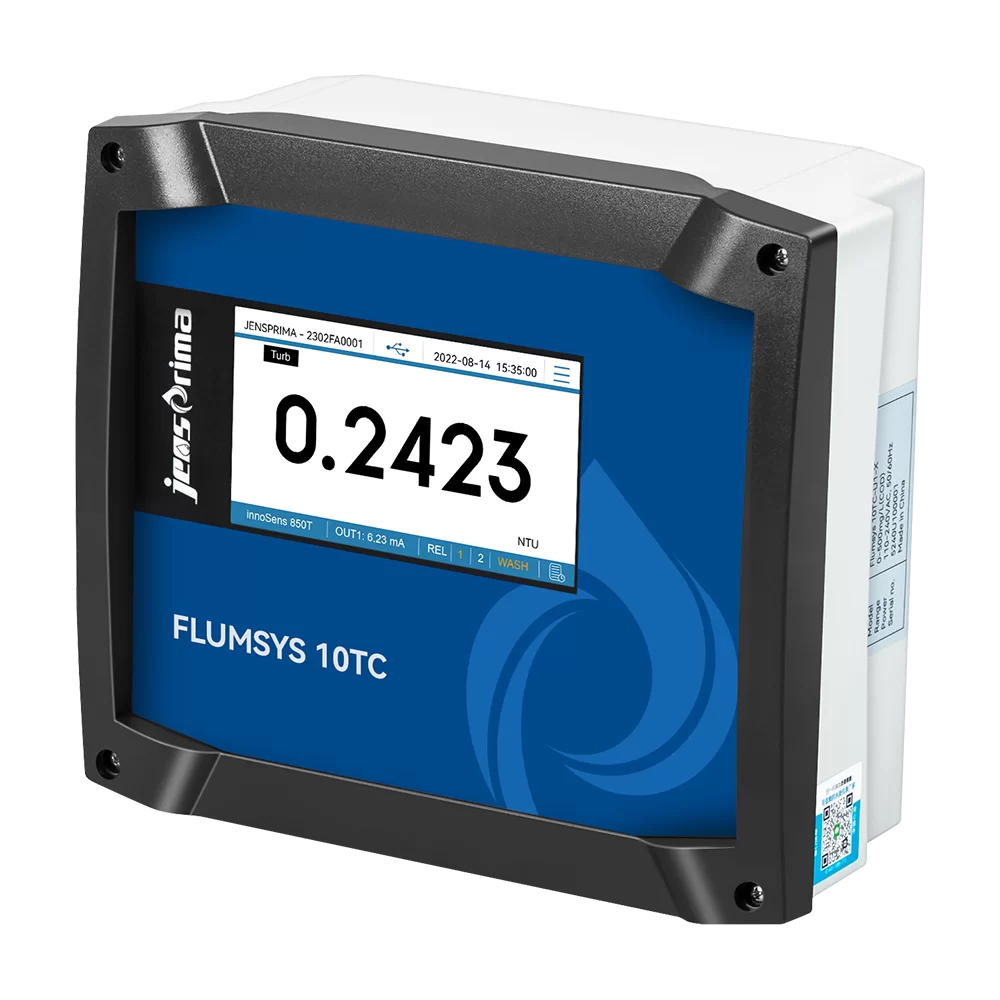
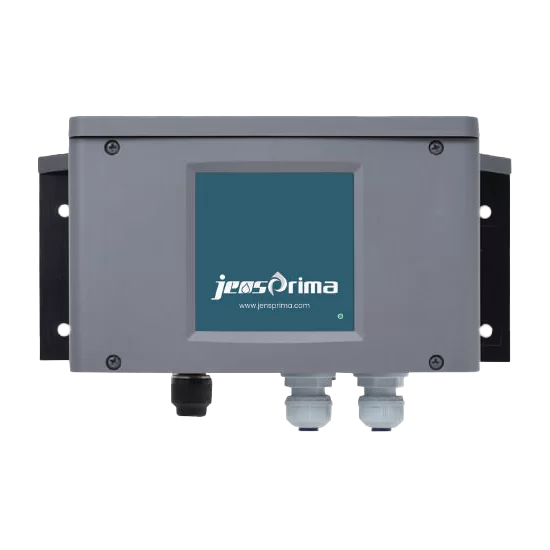
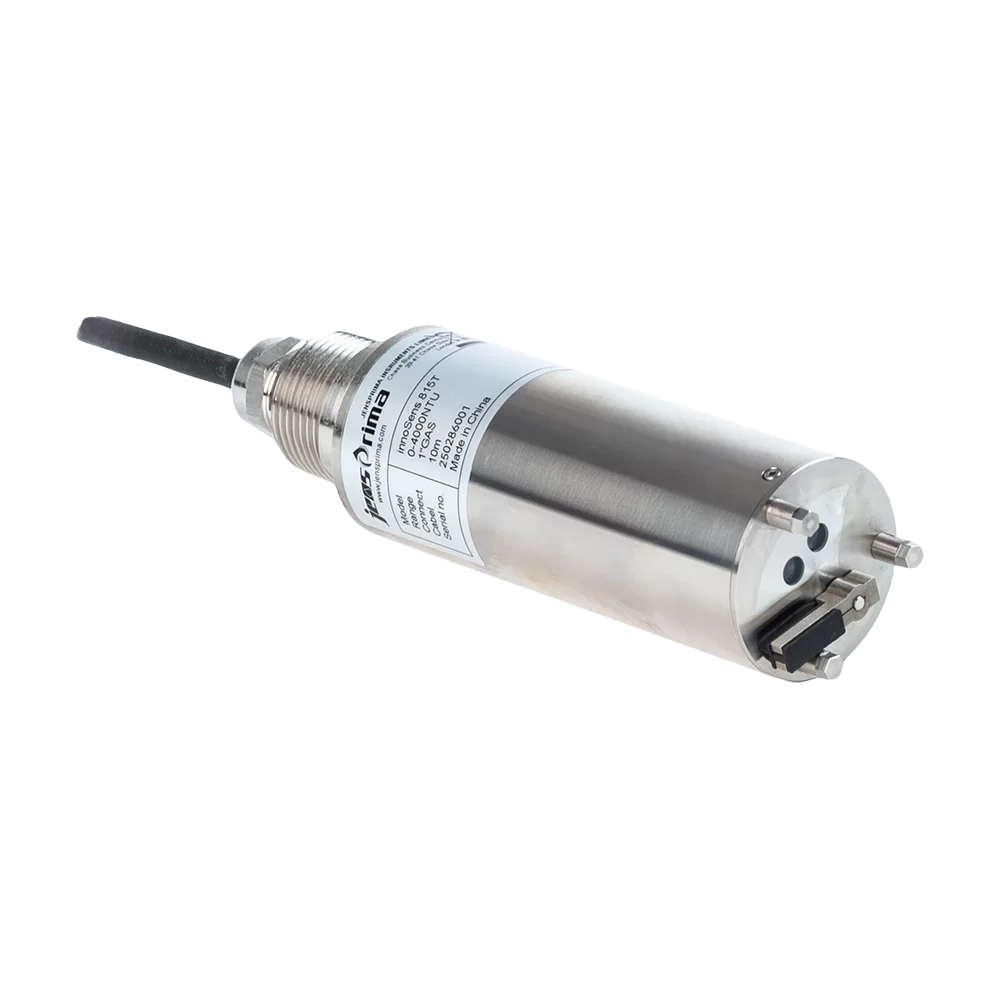
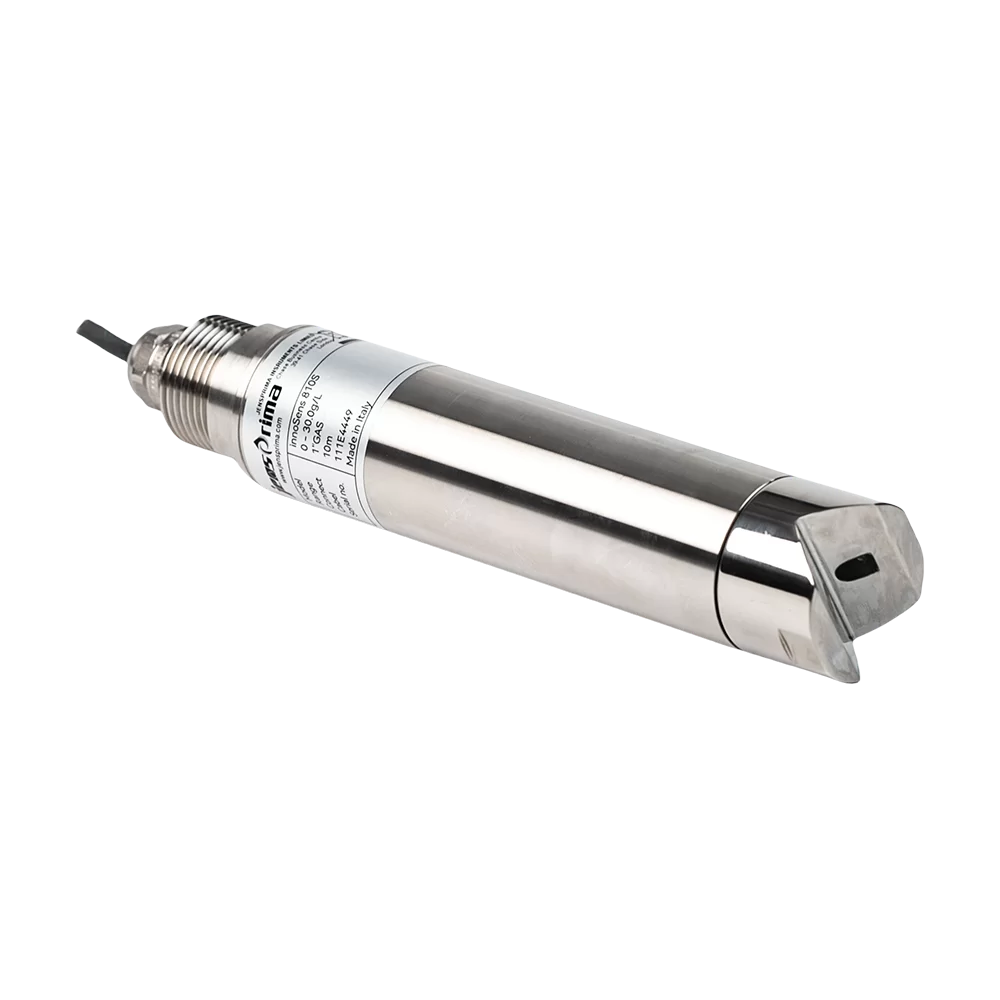
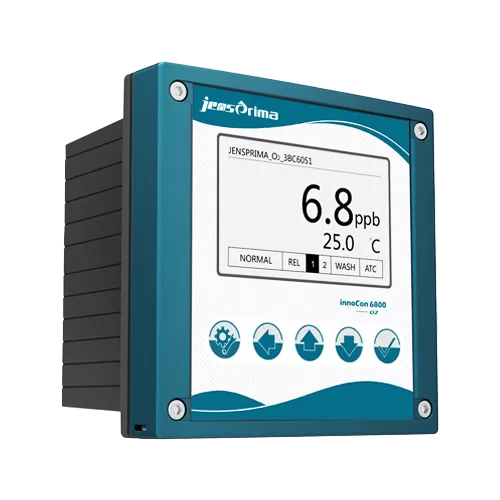
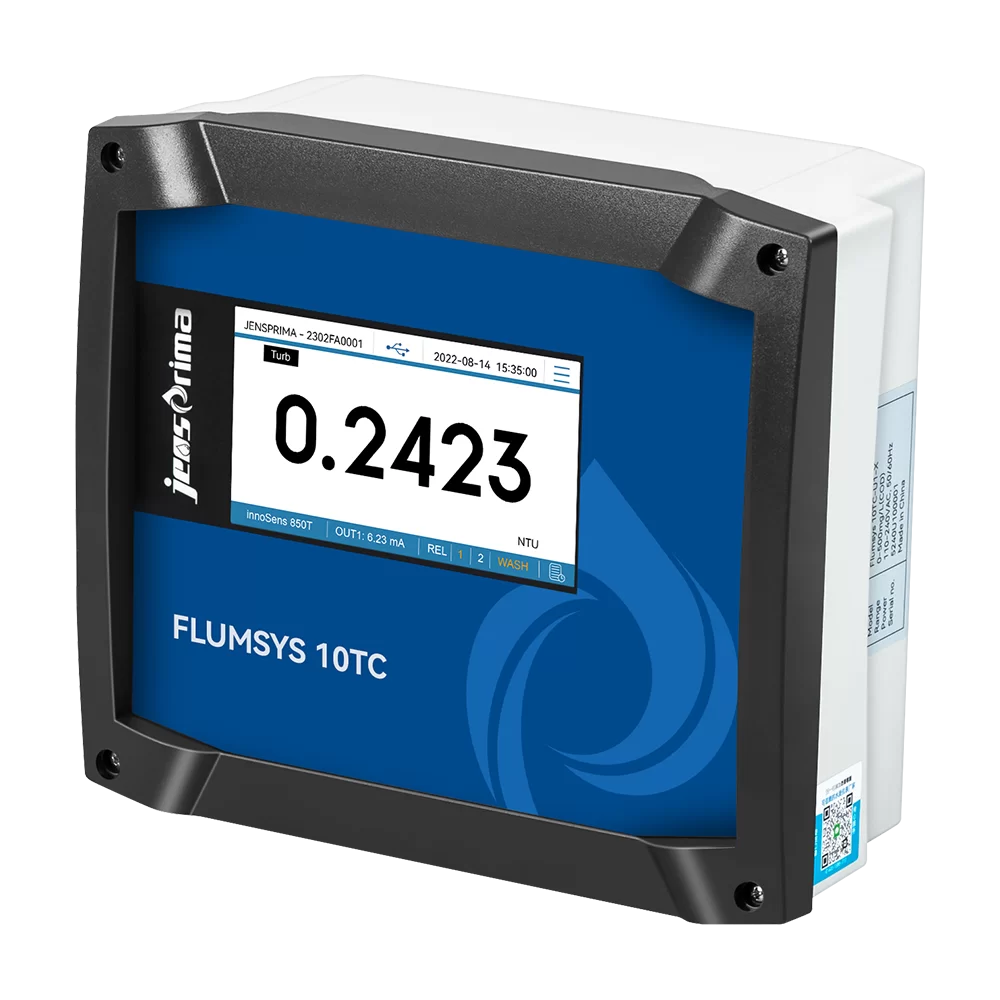
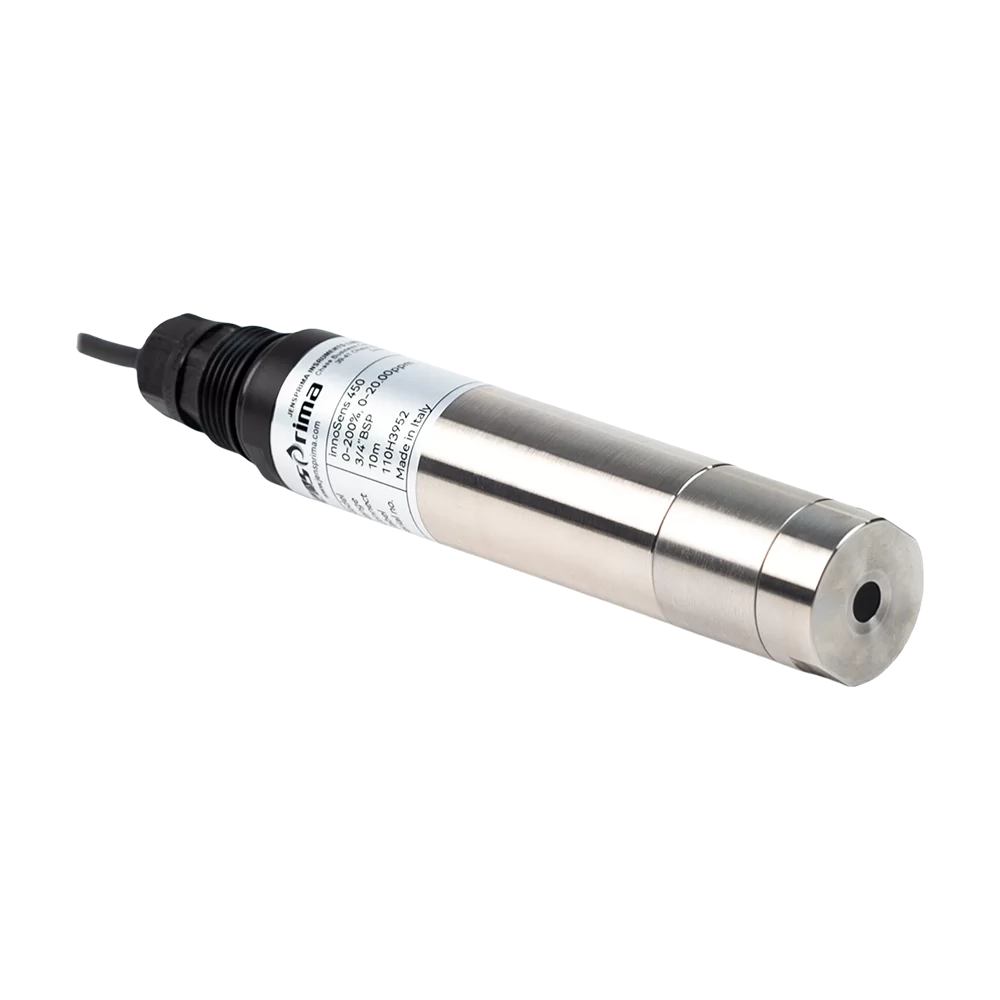
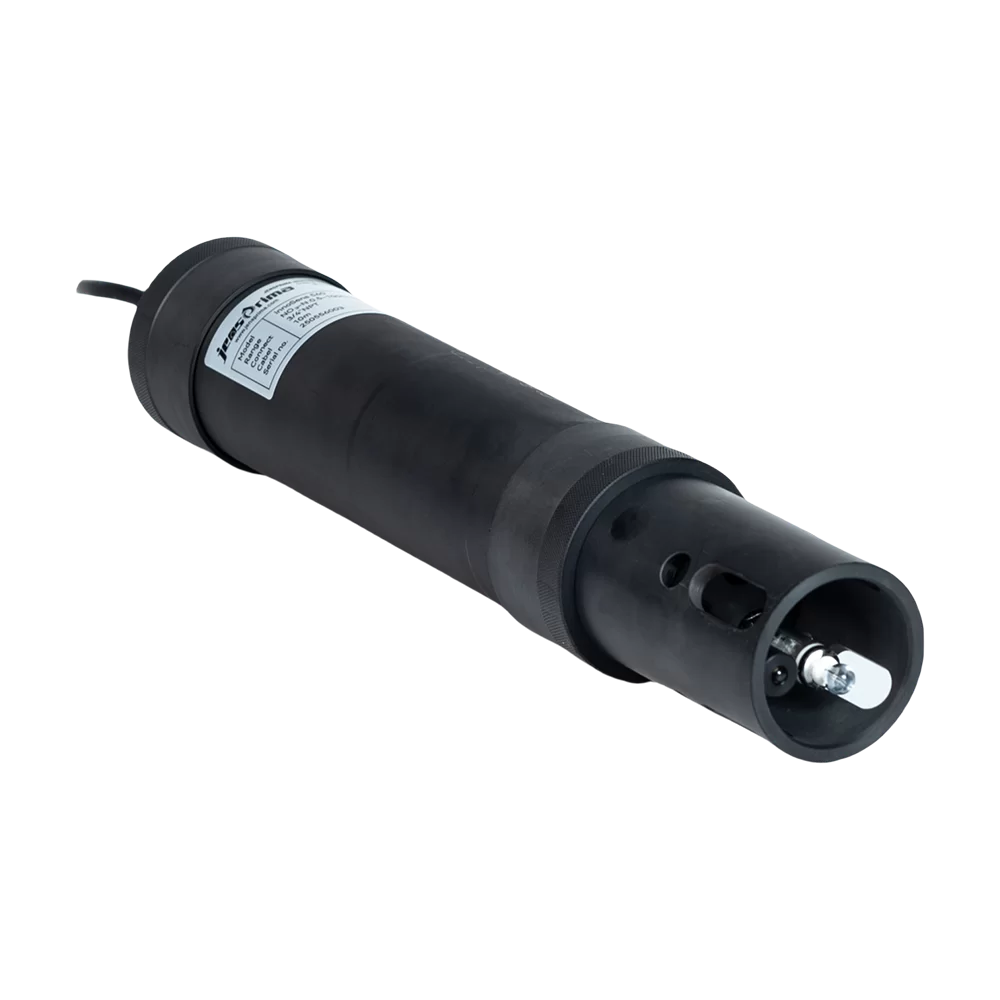
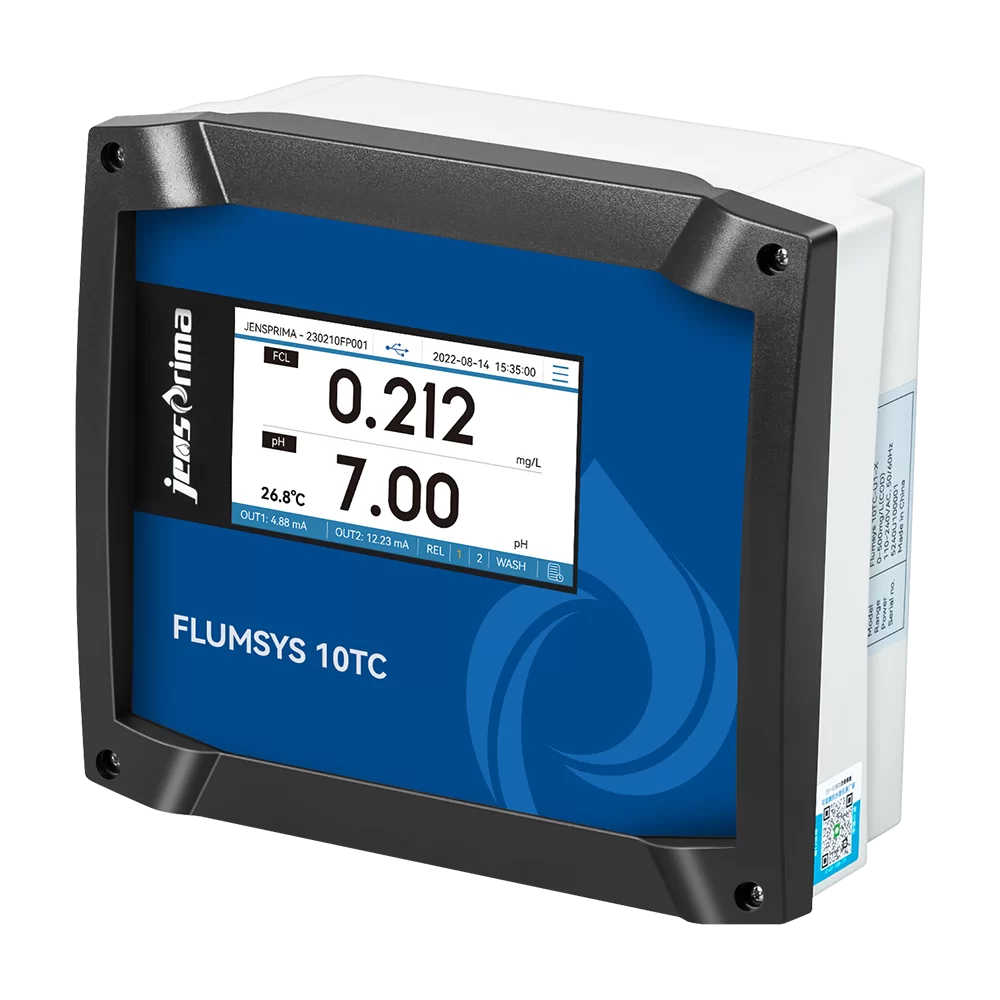
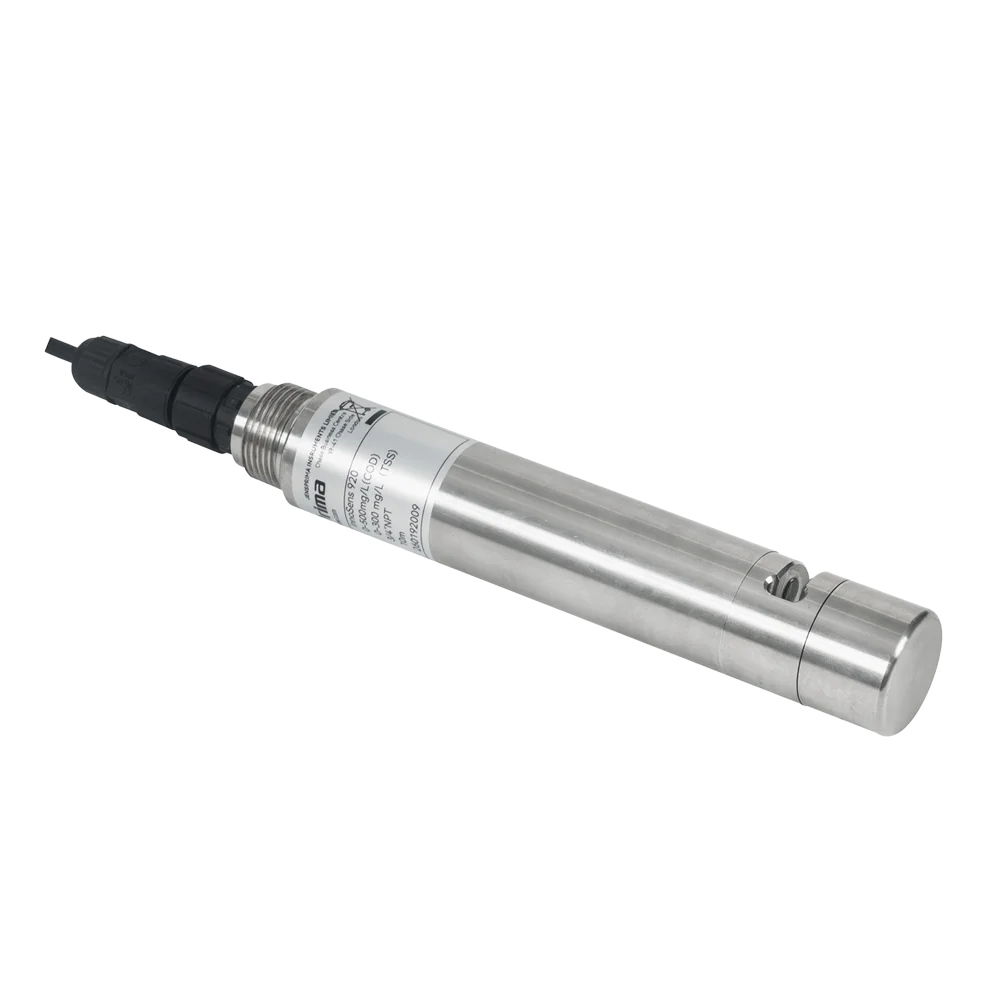
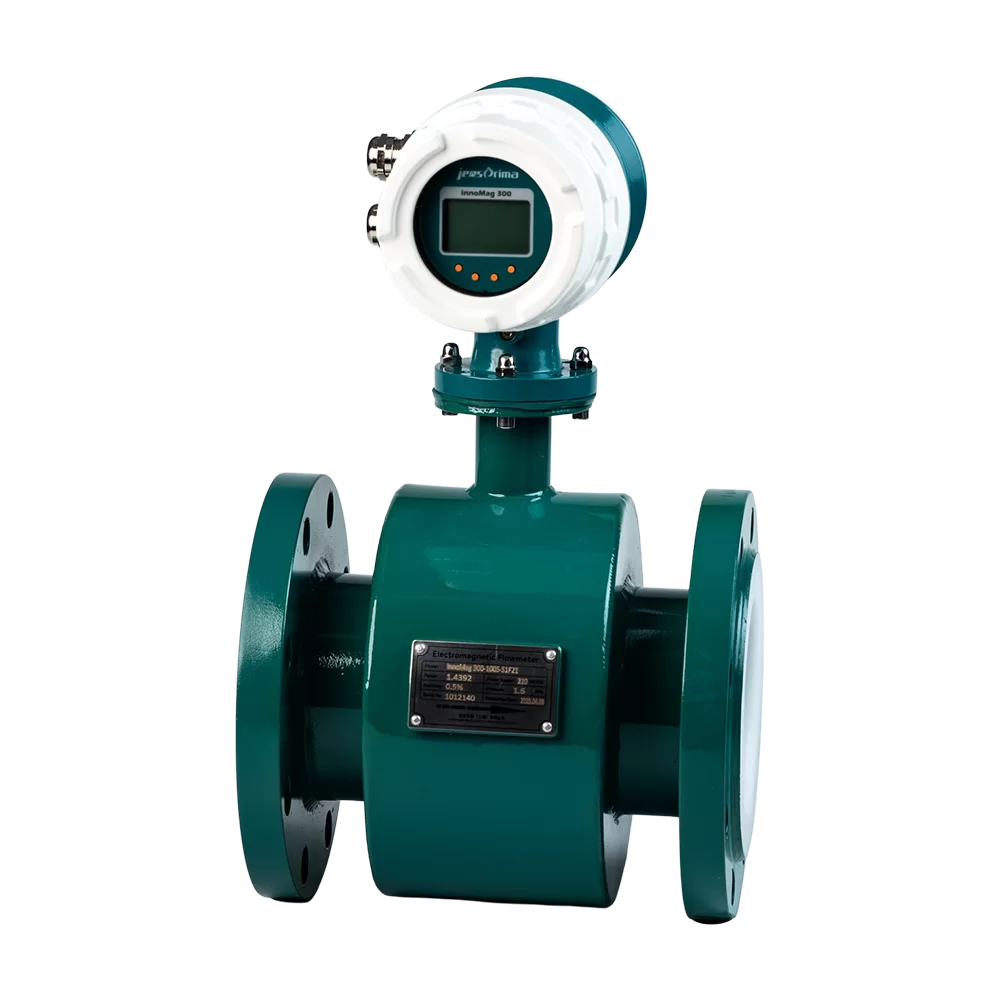



multi parameter analyzer

NEWS

UPDATES

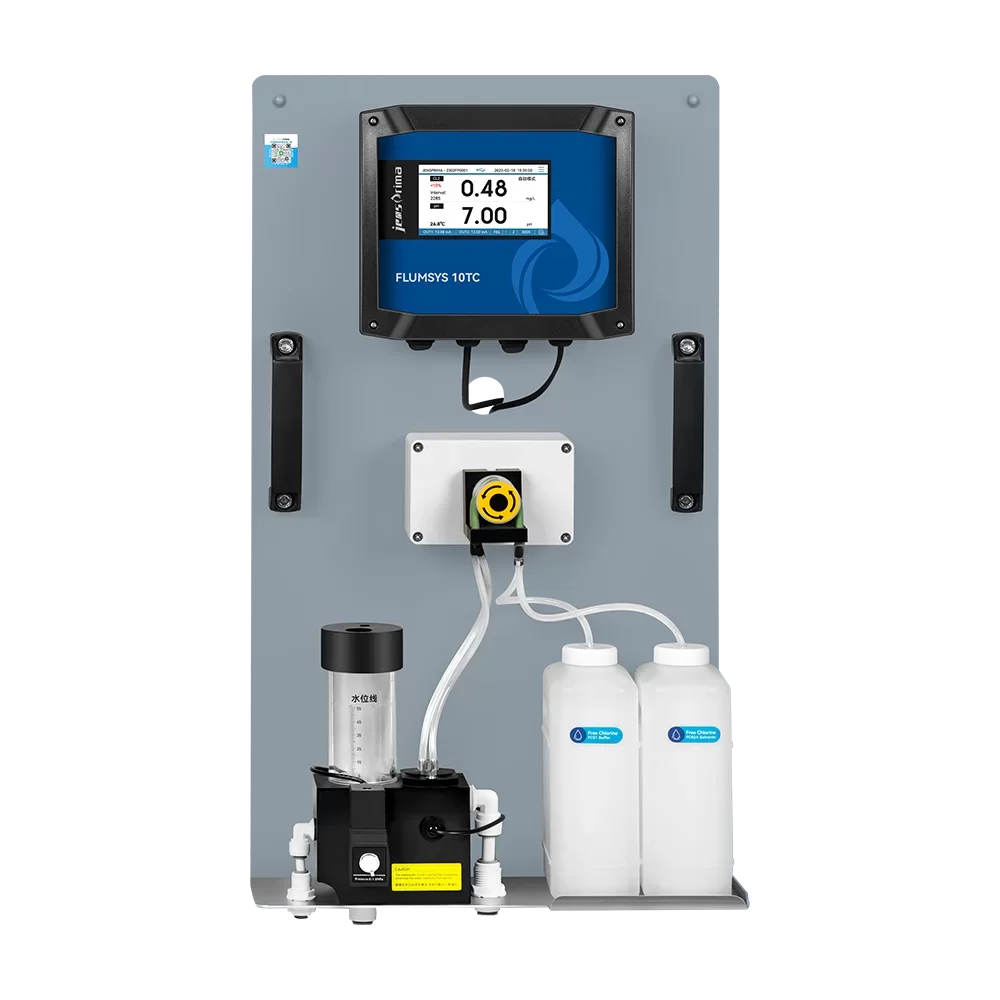
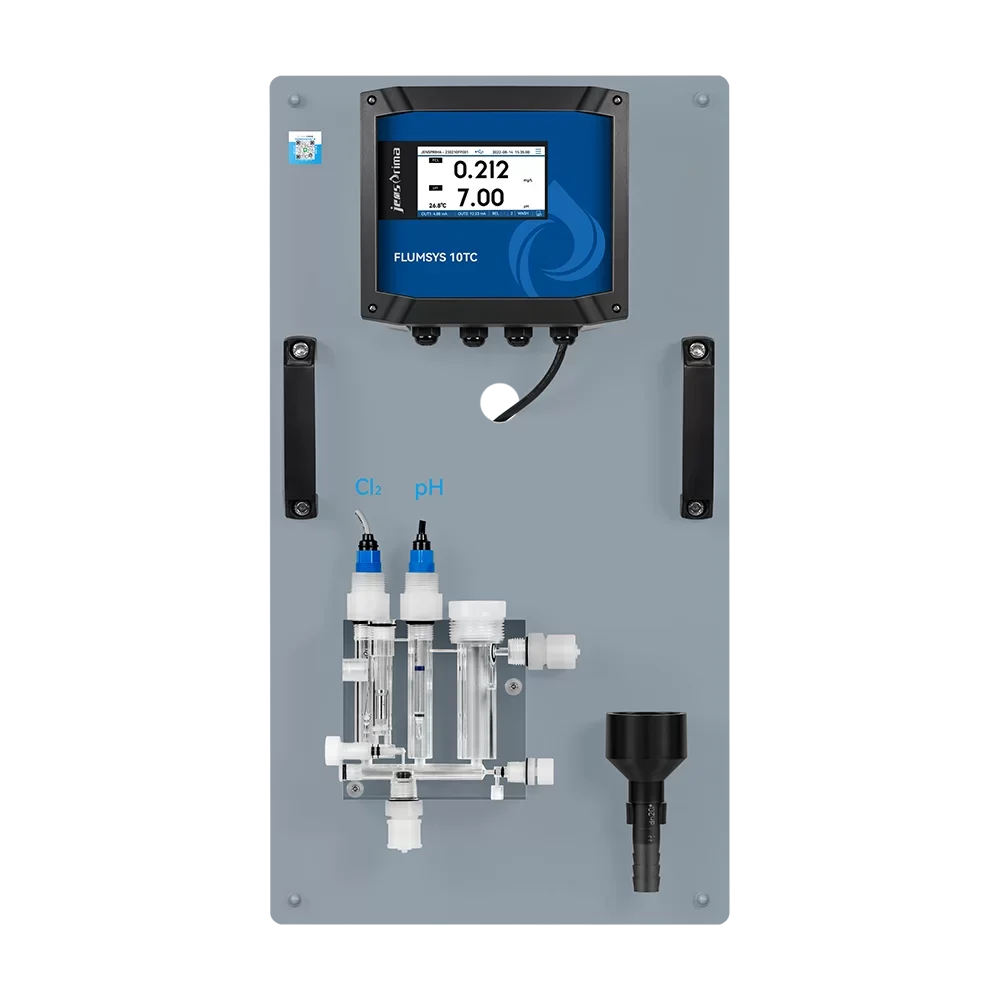
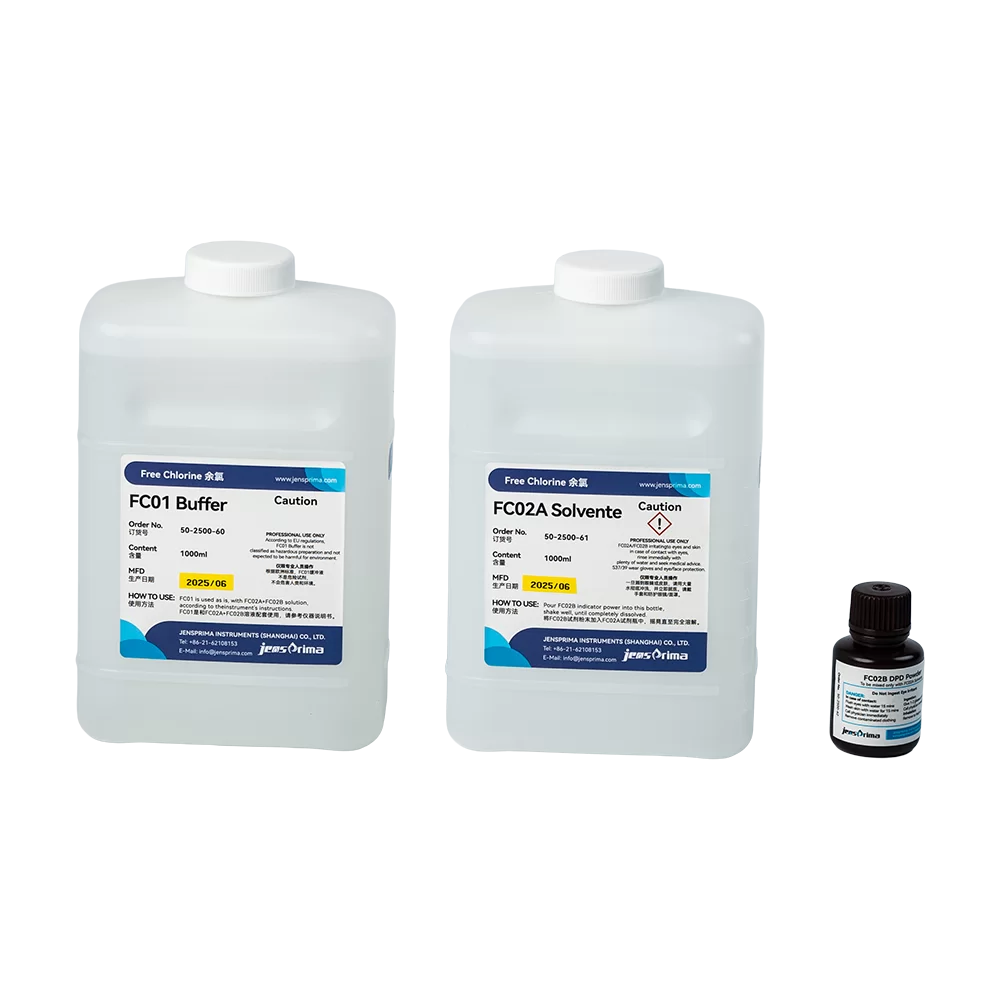
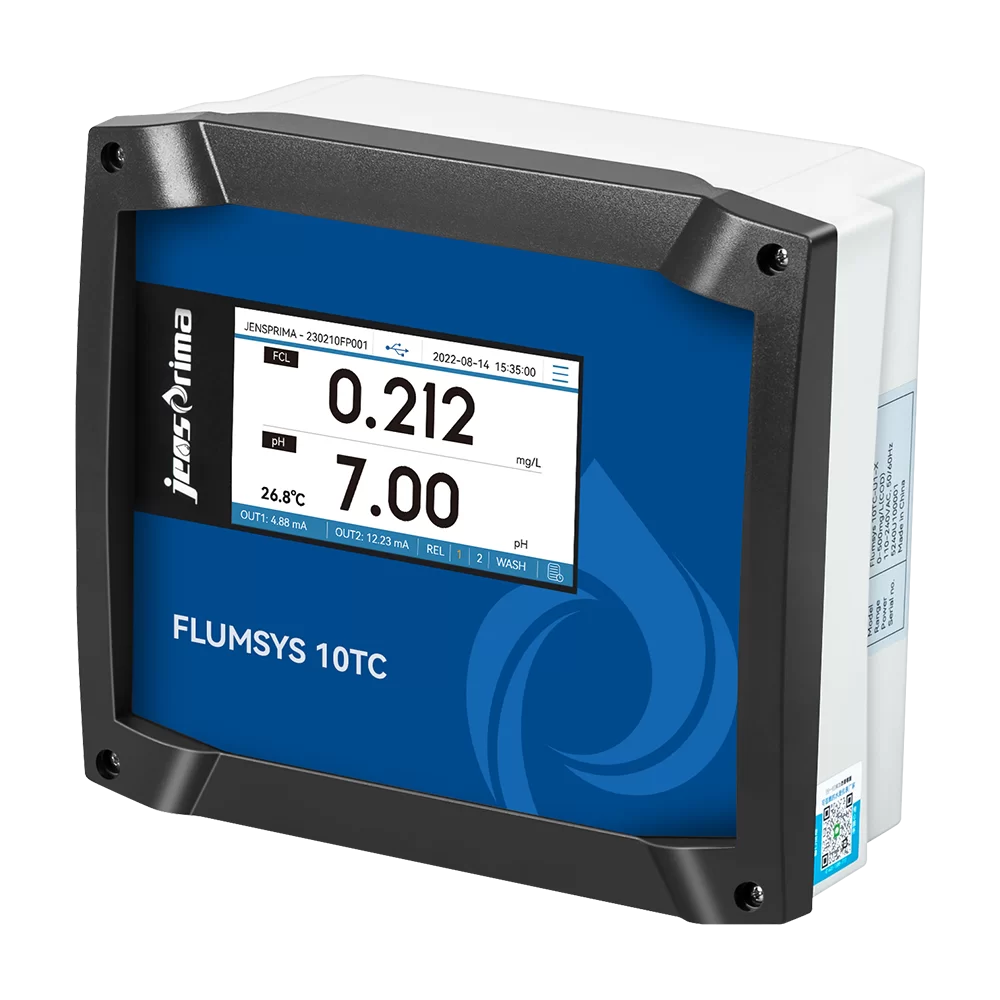
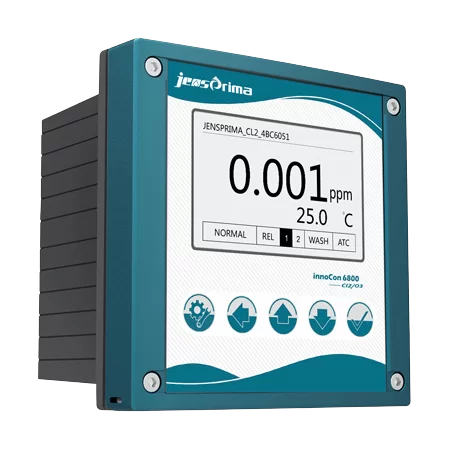
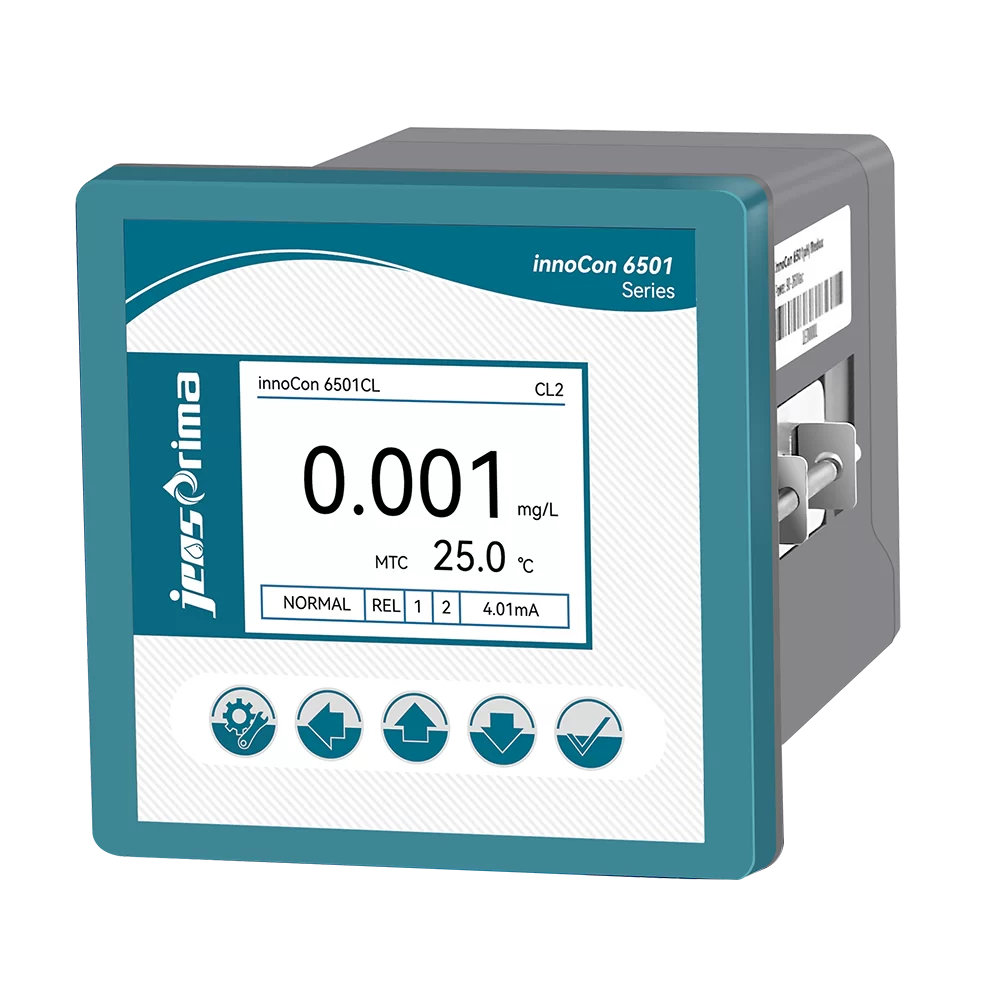
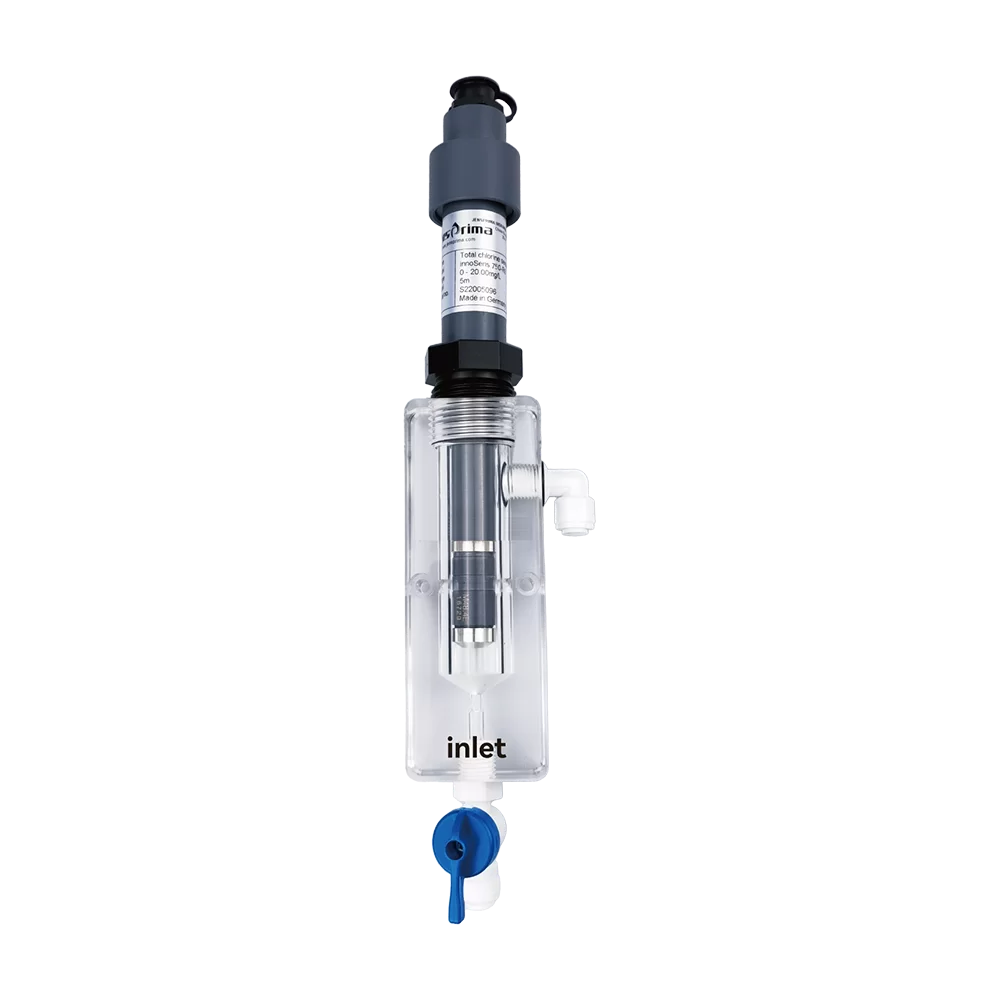
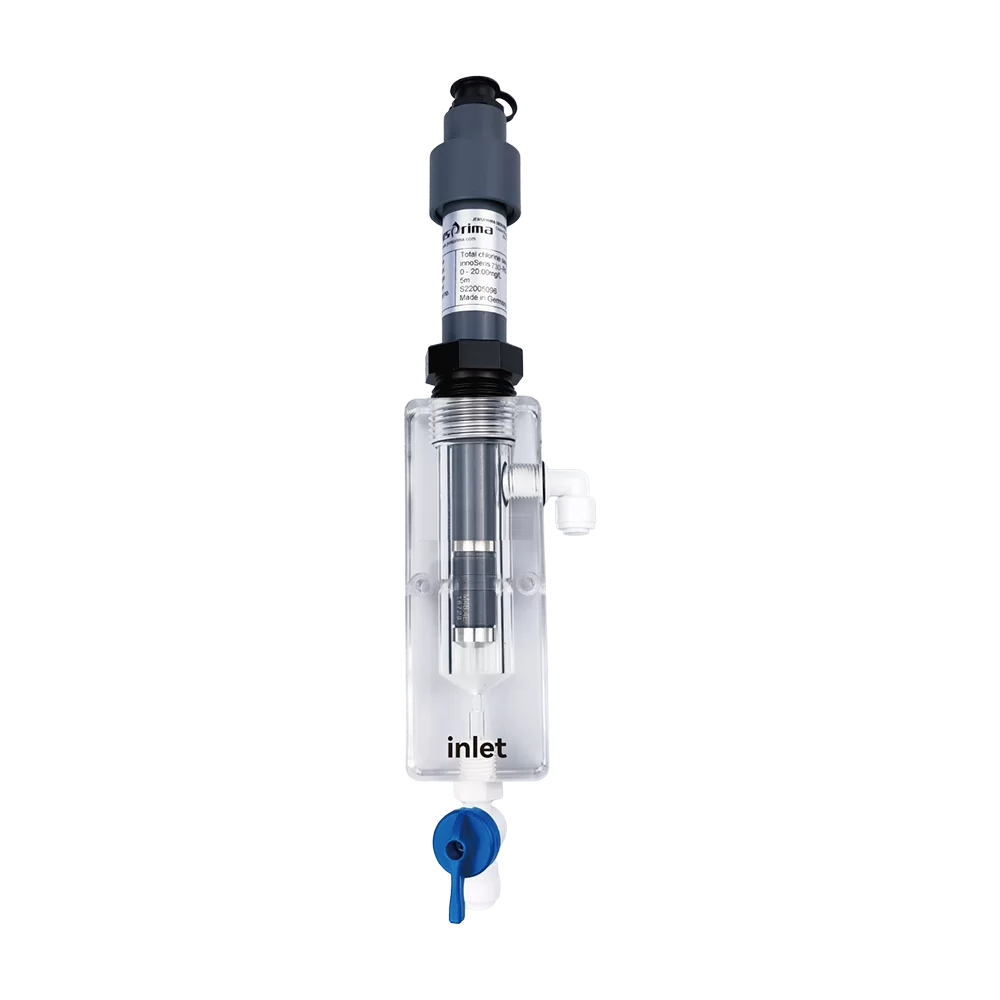
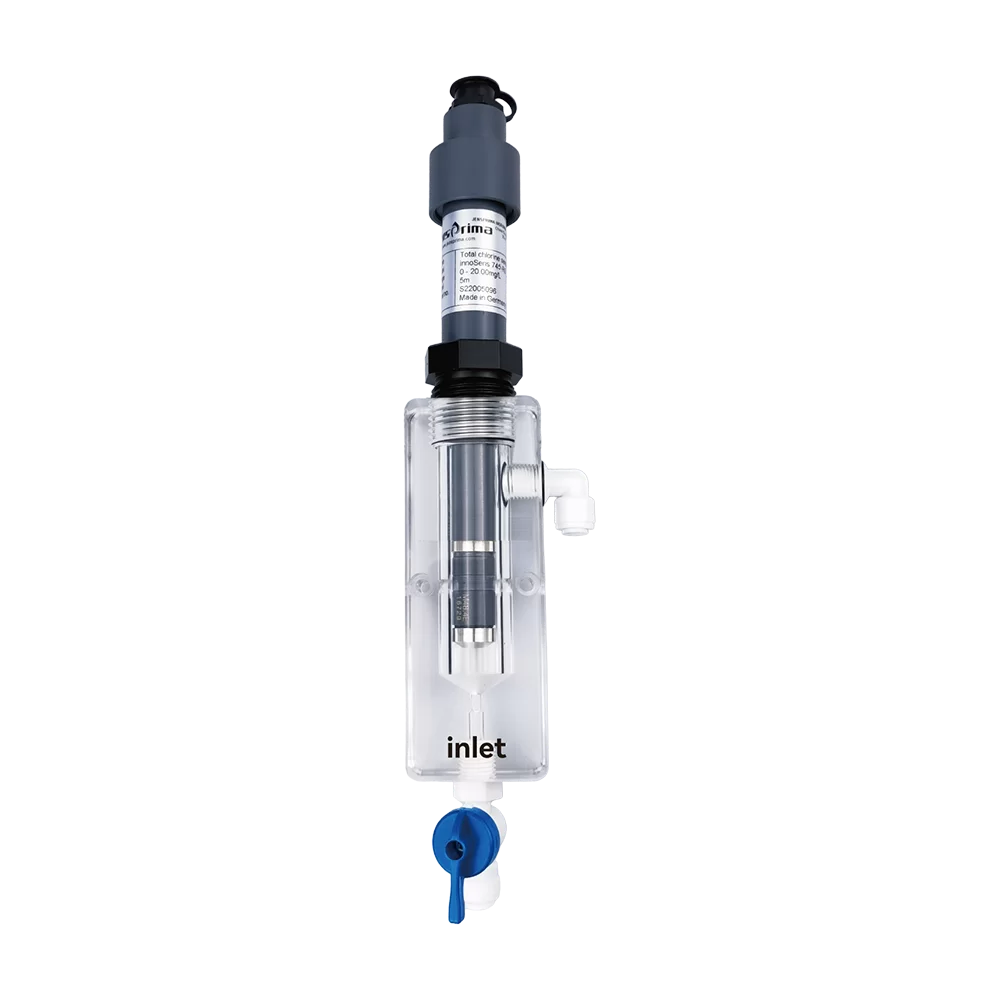
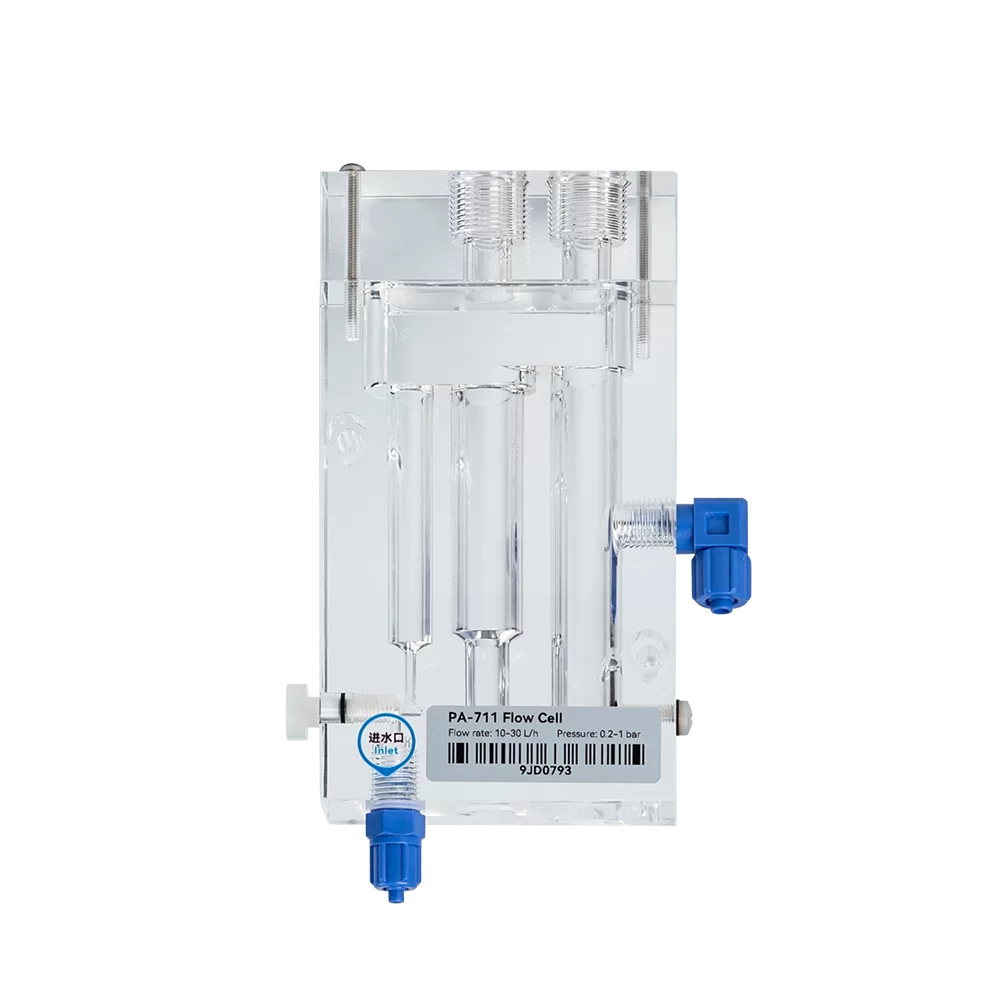
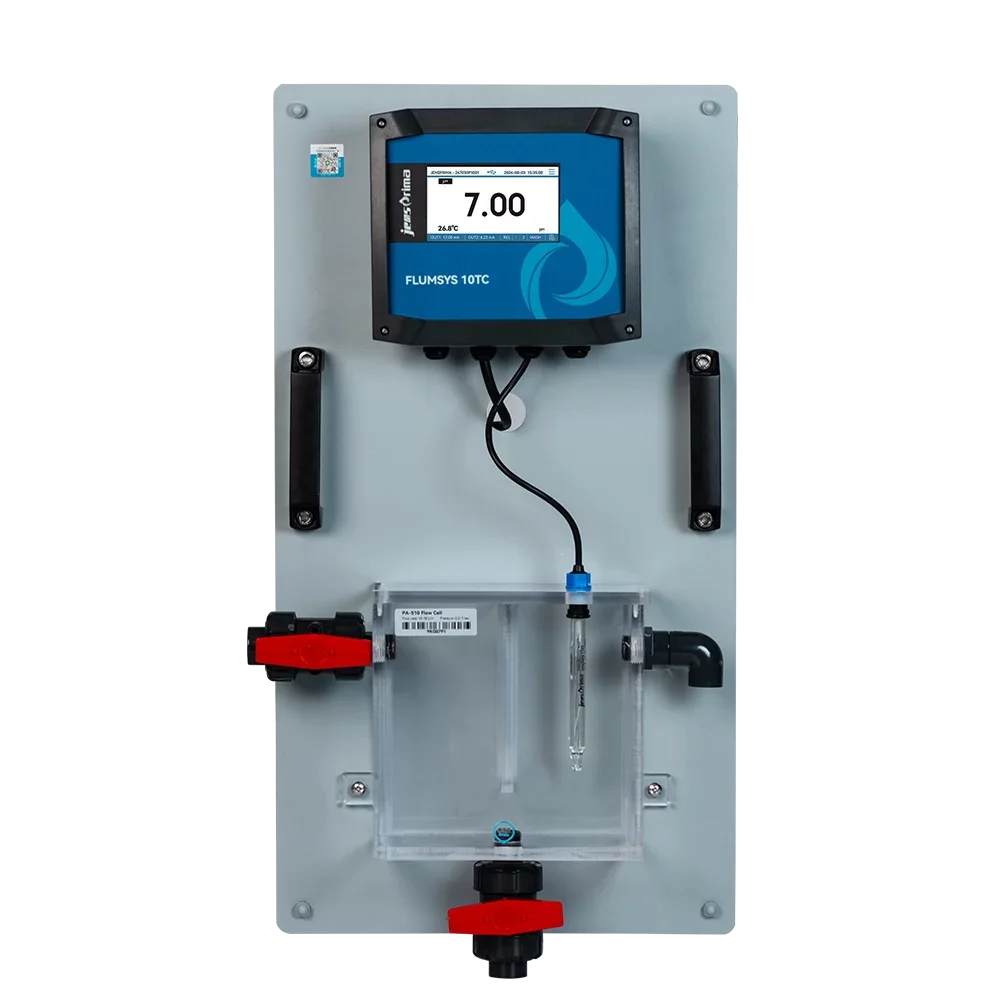
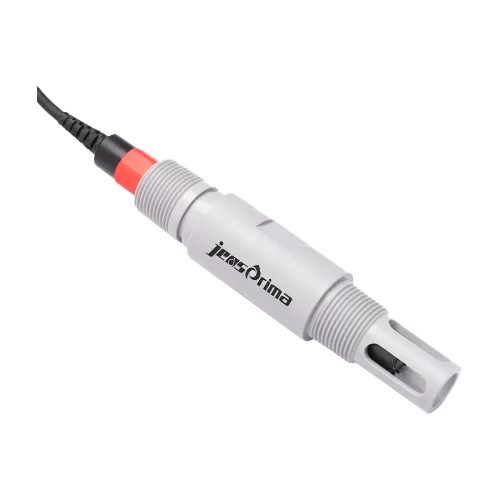
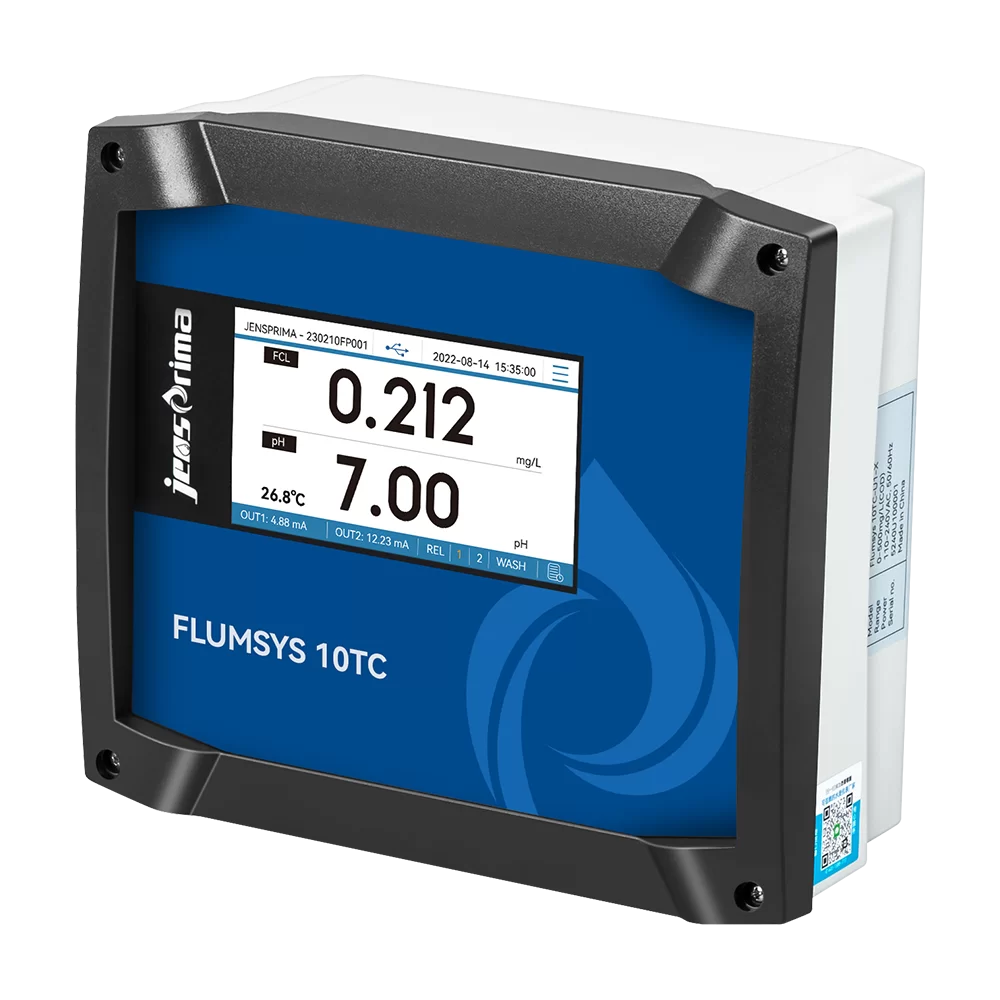
Advanced Water Analytics Solutions for Portugal: Featuring the residual chlorine controller

High-precision online monitoring systems engineered to meet European environmental standards for Portugal's industrial and municipal water infrastructure.

Advanced Water Analytics Solutions for Portugal: Featuring the residual chlorine controller

Integrating state-of-the-art sensing technology to ensure water safety and regulatory compliance across Portugal's diverse industrial landscapes.

Water Quality Monitoring Landscape in Portugal

Analyzing the intersection of Atlantic coastal ecology and industrial water demands.

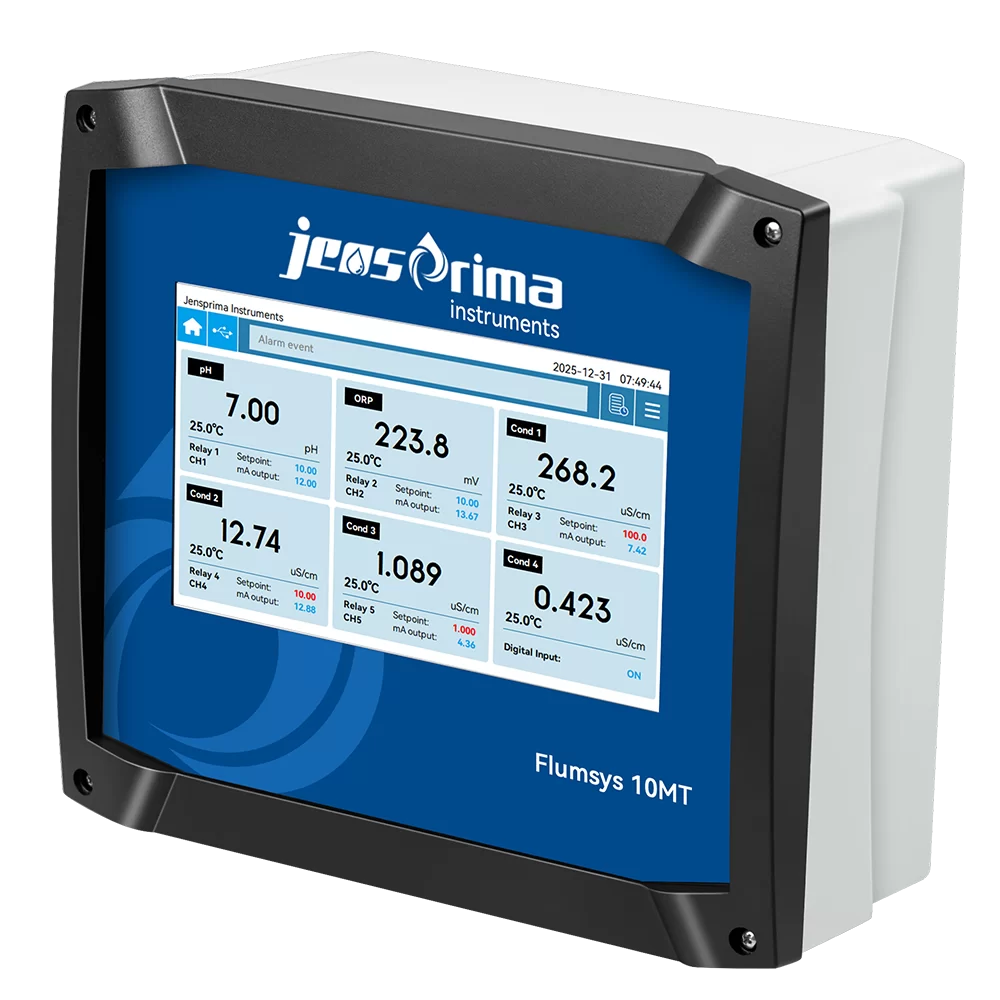
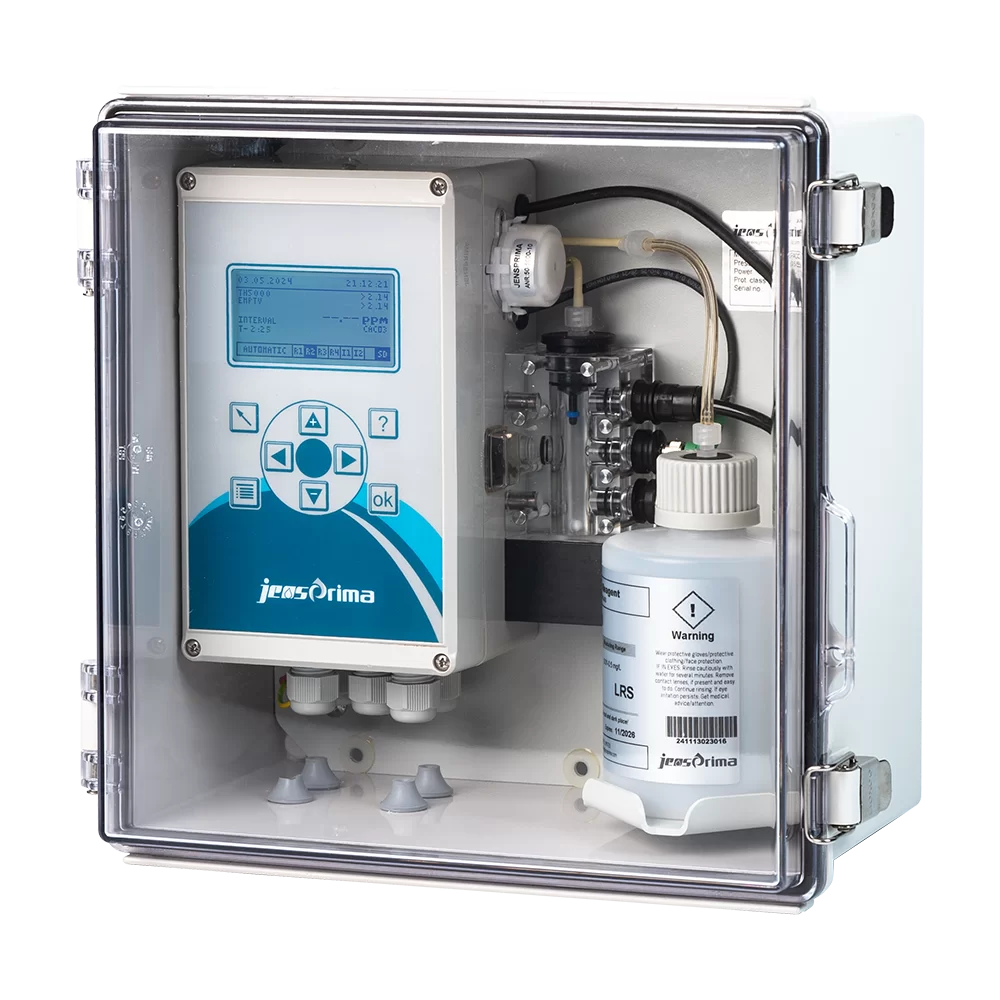
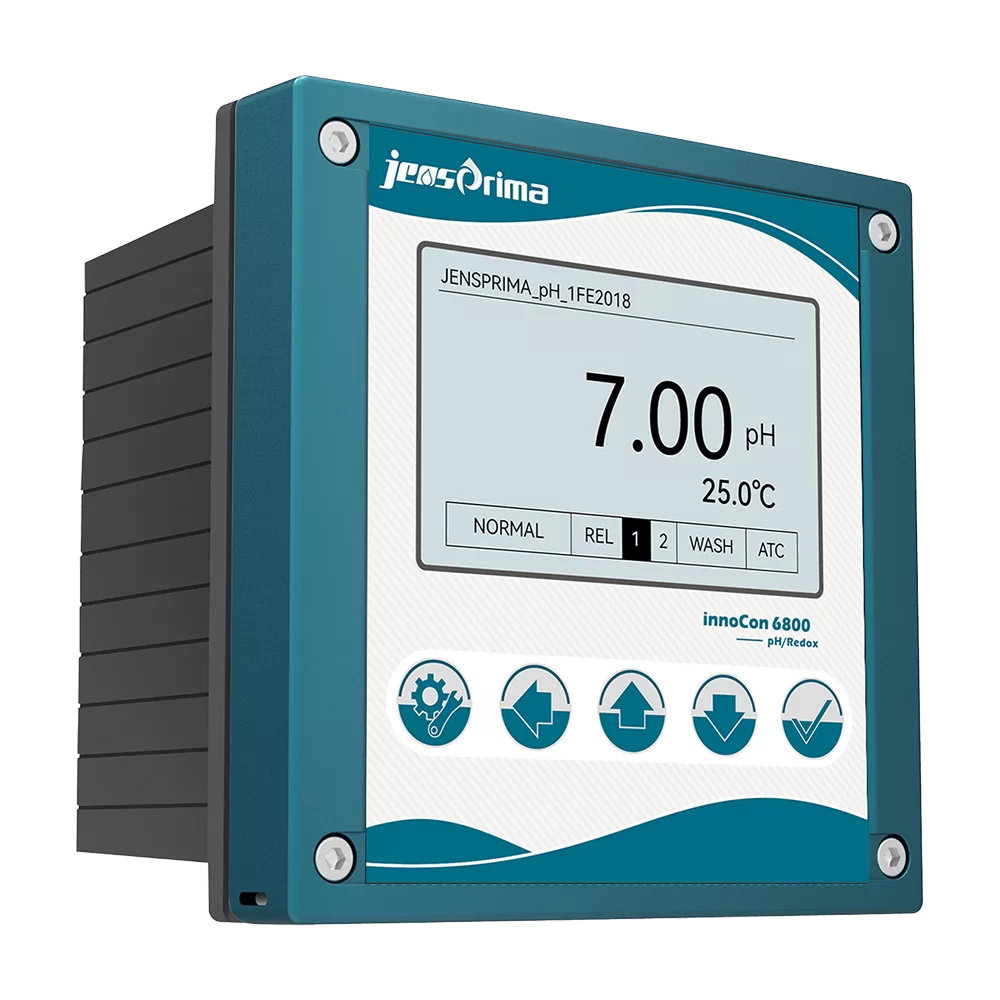
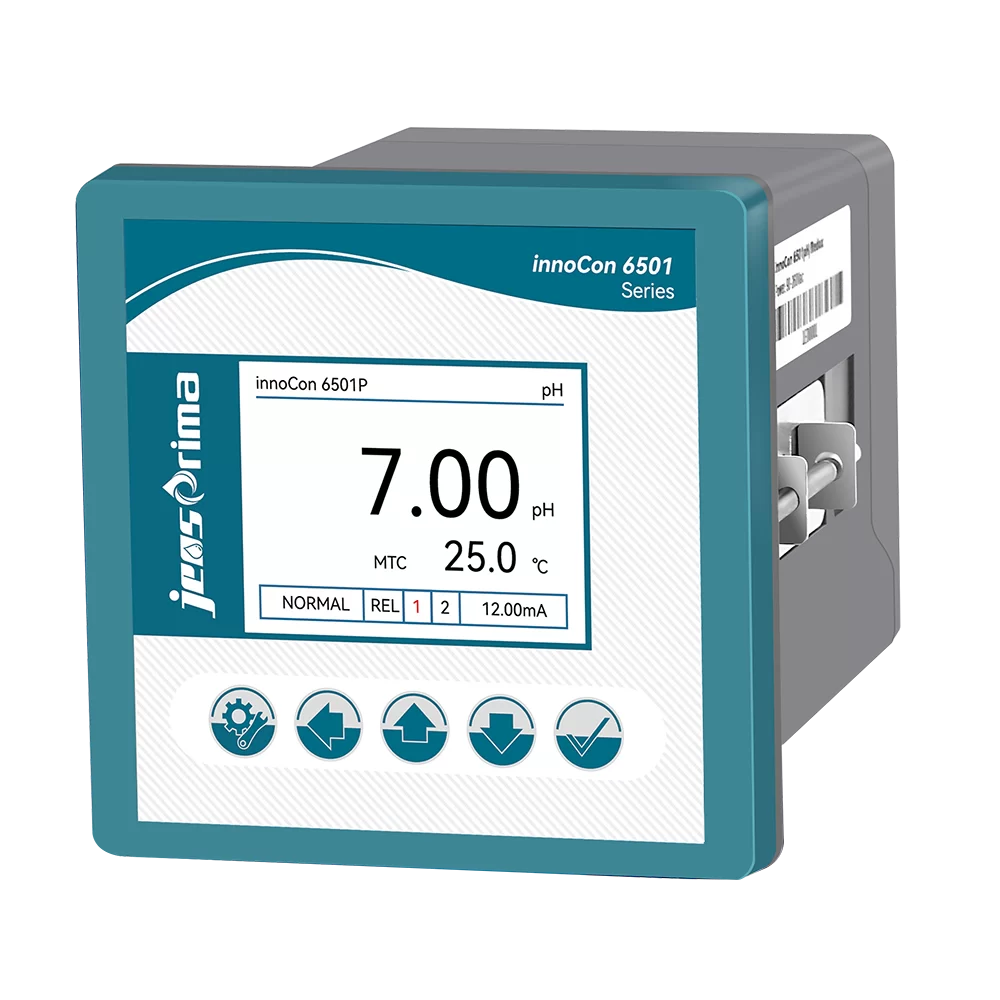
Portugal faces unique water management challenges due to its diverse geography, from the humid north to the arid Alentejo region. The necessity for a robust multi parameter water quality analyzer has grown as the country balances tourism-driven water consumption with stringent EU Water Framework Directives.

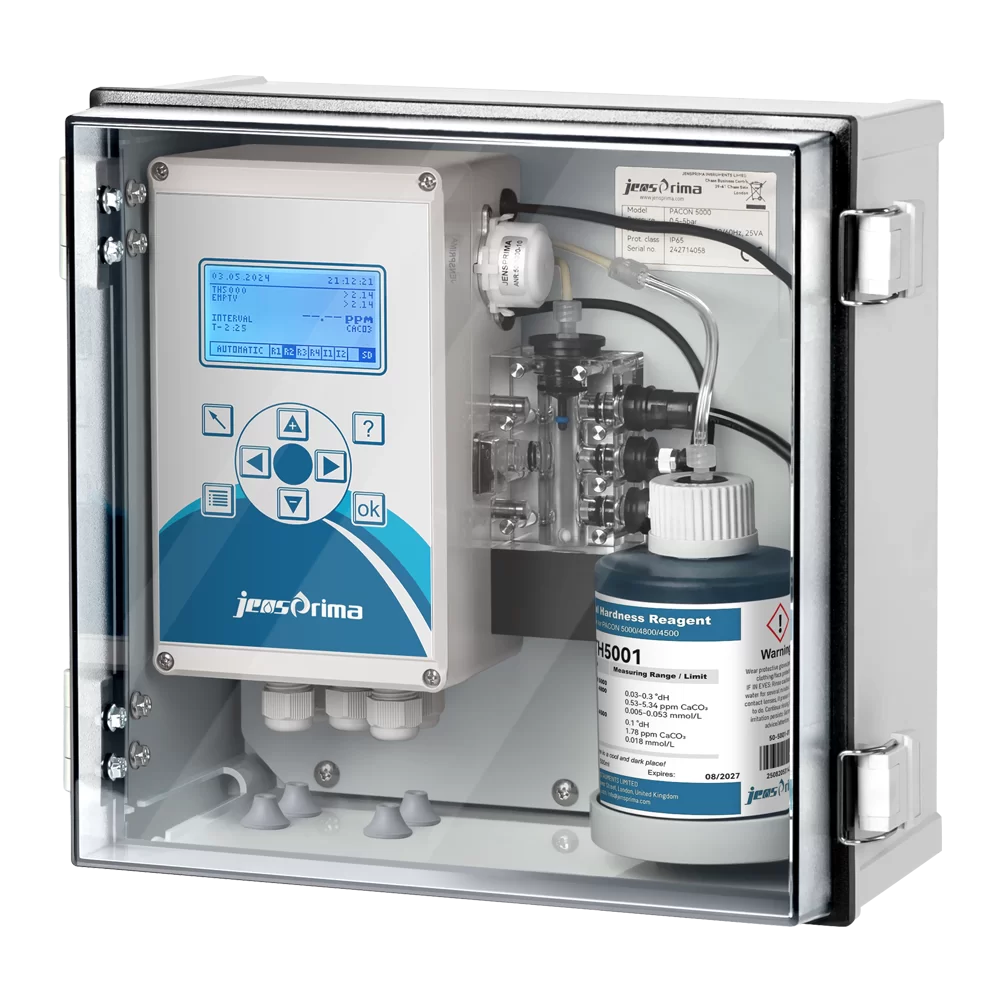
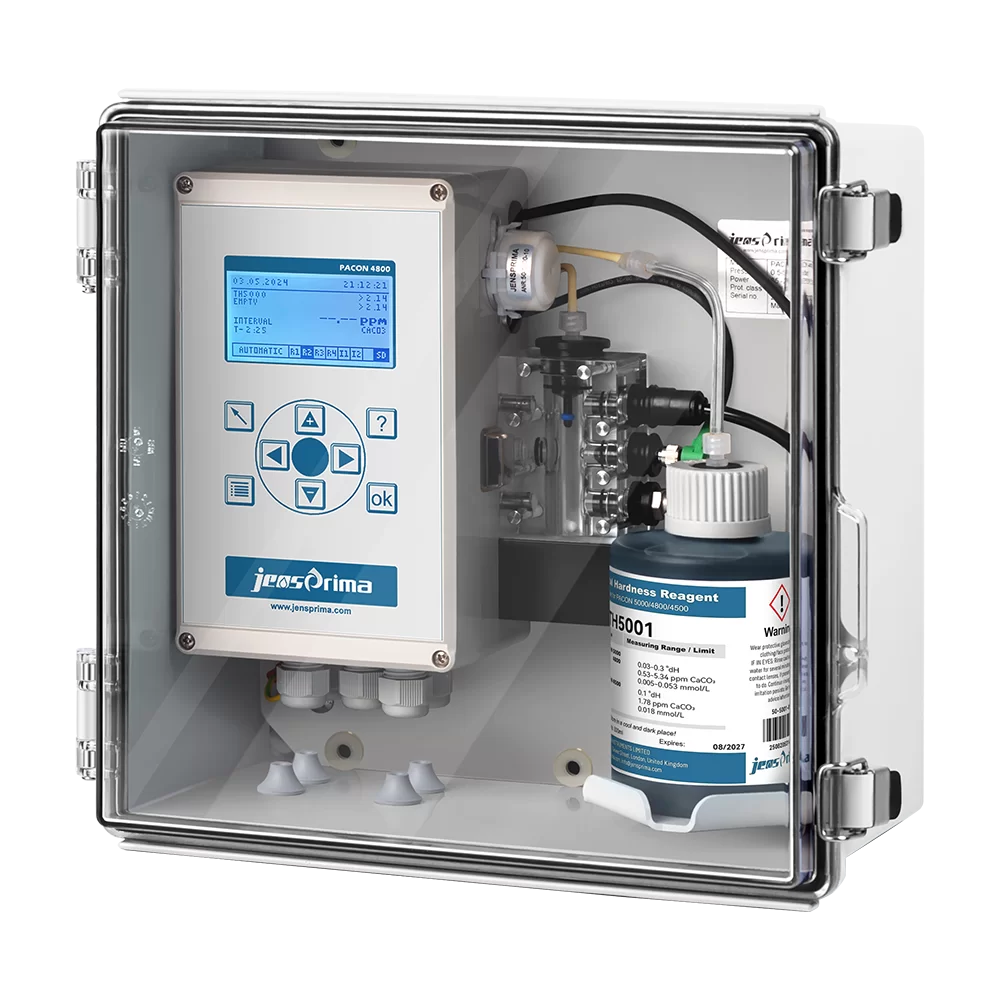
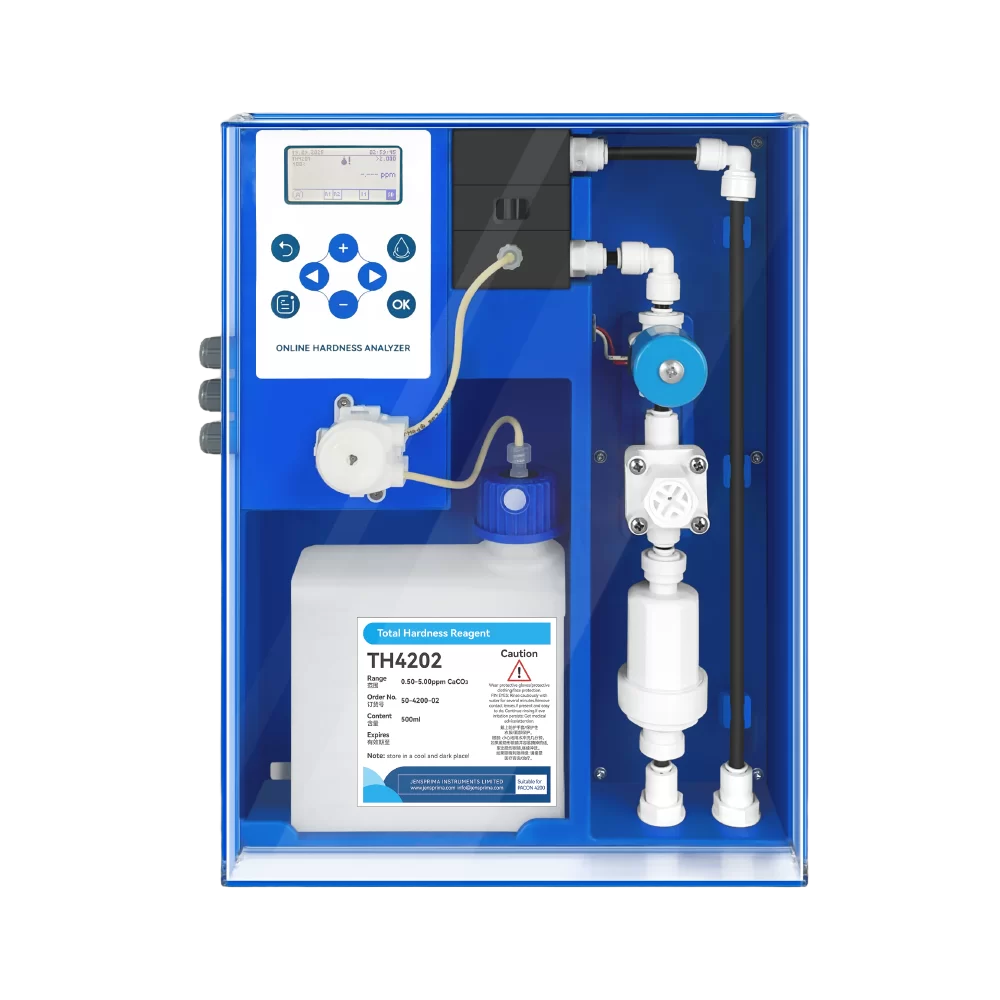
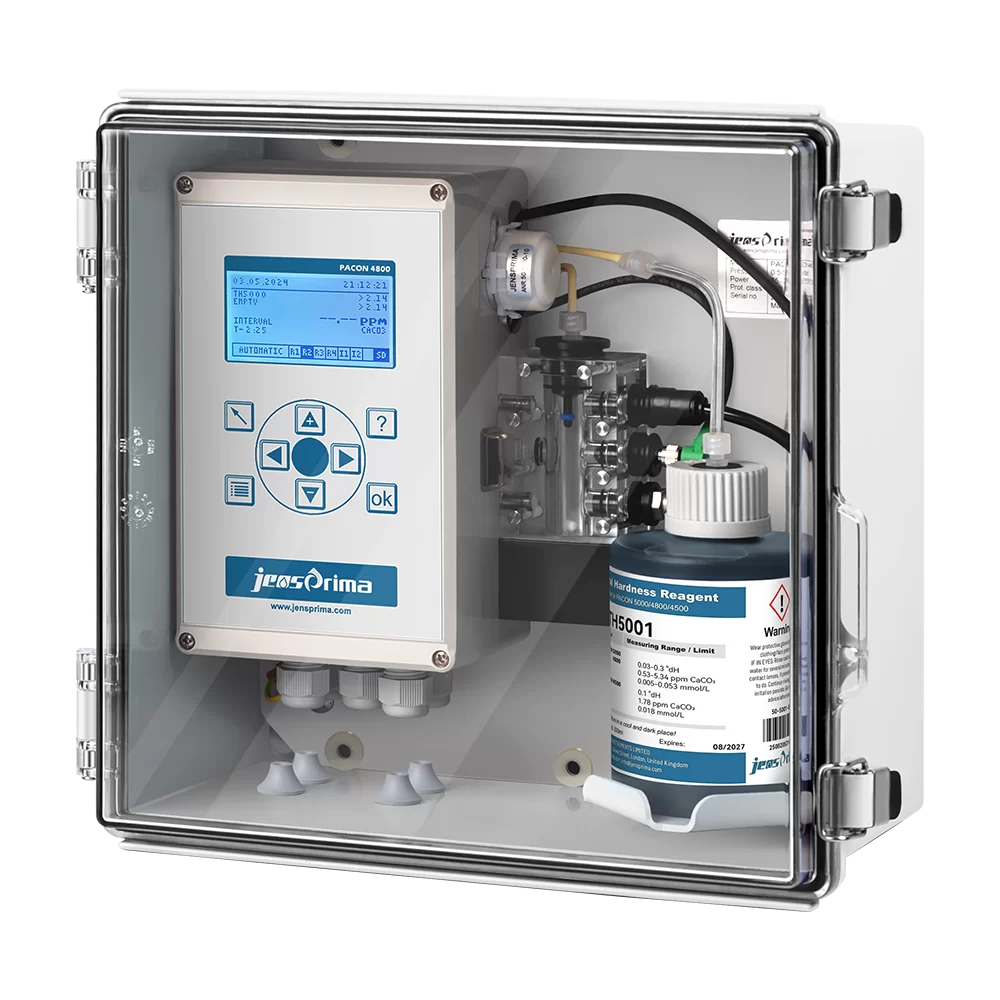
In coastal industrial zones like Sines, the prevalence of saline intrusion requires precise measurement of mineral content. The deployment of a total hardness analyzer is critical here to prevent scaling in desalination plants and cooling systems, ensuring operational efficiency in high-salinity environments.

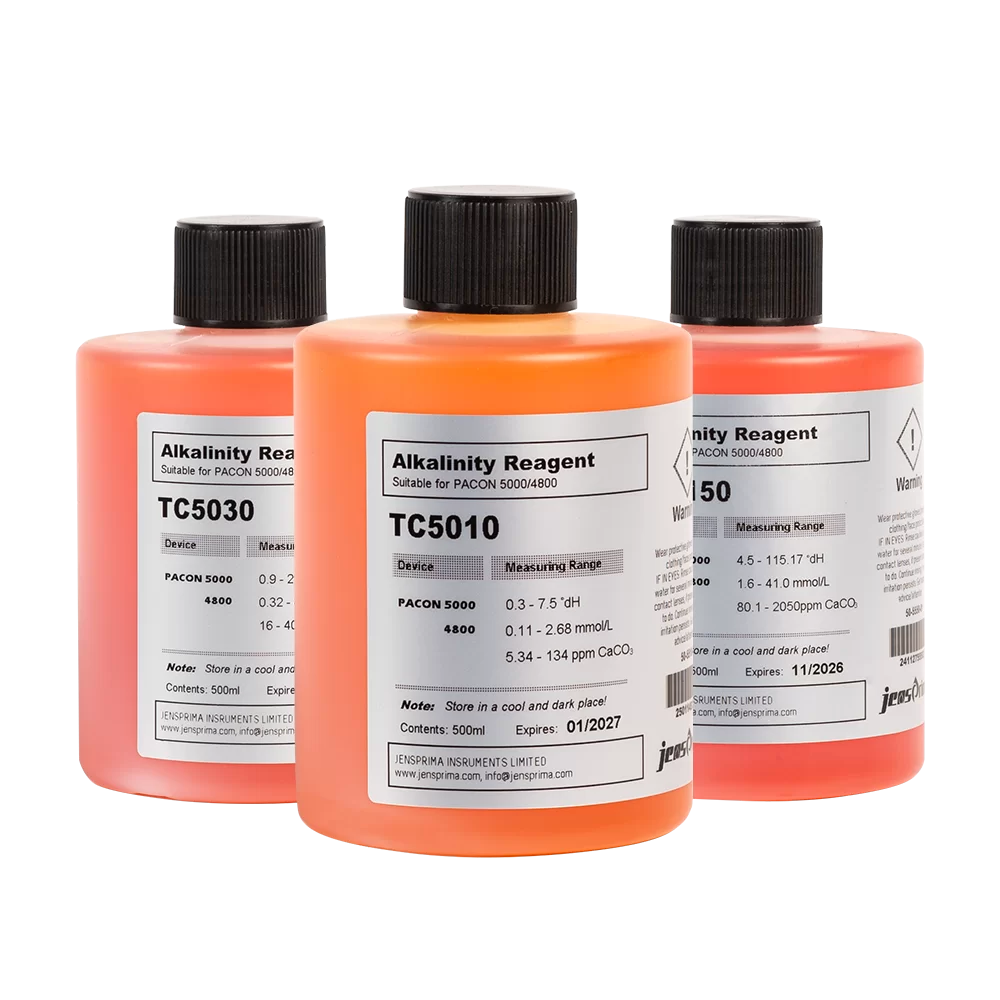
Furthermore, the Portuguese wine and cork industries rely heavily on sustainable wastewater treatment. Implementing an alkalinity analyzer allows these facilities to optimize neutralization processes, reducing their environmental footprint while adhering to local ecological mandates.

Evolution of Water Analysis in the Iberian Market

From manual sampling to autonomous, real-time digital monitoring.

Market Development History

Prior to 2010, water monitoring in Portugal was dominated by manual grab sampling and laboratory analysis, which led to significant time lags in detecting contamination events in the Tagus and Douro river basins.

Between 2011 and 2018, the industry transitioned toward basic online sensors. The introduction of the electromagnetic flowmeter revolutionized how water distribution companies measured volume and velocity, enabling better leak detection and resource management.

From 2019 to the present, there has been a shift toward "Smart Water" integration. Modern facilities now utilize integrated controllers that combine sensing and dosing, moving away from isolated instruments toward holistic ecosystem management.

Future Development Trends

AI-Driven Predictive Maintenance

Integration of machine learning to predict sensor drift and reagent depletion, reducing downtime in remote Portuguese monitoring stations.

IoT-Based Cloud Synchronization

Transitioning from local SCADA systems to cloud-native platforms for real-time environmental reporting across different municipalities.

Low-Reagent Green Chemistry

Development of sensors that minimize chemical waste, aligning with Portugal's national strategy for a circular economy by 2030.

Industry Outlook and Technological Trajectory

Strategic forecasting for water quality instrumentation in Southern Europe.

Edge Computing Integration
Processing water quality data at the source to enable instant valve closure during contamination spikes.
Autonomous Calibration
Self-diagnosing sensors that reduce the need for manual technician visits in remote rural Portugal.
Modular Sensor Arrays
Swap-and-play modules that allow facilities to add parameters as regulations evolve.
Energy-Neutral Monitoring
Integrating solar-powered monitoring stations for Portugal's vast agricultural irrigation networks.

Industry Outlook

Google search trends indicate a sharp rise in "real-time water quality monitoring" and "automated chemical dosing" within the EU. For Portugal, this translates to a demand for systems that can seamlessly bridge the gap between field data and regulatory reporting.

We anticipate that within 5 years, the integration of an electromagnetic flowmeter with digital twin technology will become the standard for Portuguese municipal water utilities to optimize hydraulic pressure and water loss.

Localized Application Scenarios in Portugal

Practical implementations of high-precision instrumentation across key Portuguese sectors.

01. Algarve Tourism Water Safety

Implementing a residual chlorine controller in hotel pool complexes and municipal swimming facilities to ensure guest safety and compliance with health regulations during peak summer seasons.

02. Douro Valley Vineyard Irrigation

Using a multi parameter water quality analyzer to monitor nutrient levels and pH in irrigation water, ensuring the optimal growth of grapes for Port wine production.

03. Sines Industrial Wastewater Treatment

Deployment of alkalinity analyzer units in petrochemical effluent streams to automate acid/base dosing and protect downstream biological treatment stages.

04. Lisbon Municipal Water Distribution

Installation of high-accuracy electromagnetic flowmeter systems to monitor urban water consumption and detect leaks in the aging pipeline infrastructure of the capital.

05. Central Portugal Mining Water Management

Utilizing a total hardness analyzer to monitor the impact of mine drainage on local groundwater and manage precipitation processes for heavy metal removal.

Brand Story

Global Development Journey of Jensprima (Shanghai) Co., Ltd.

Foundation and Precision Focus

Founded with a vision to bridge the gap between laboratory precision and industrial durability in online water analysis.

Technological Breakthroughs

Developed proprietary electrode coatings that significantly reduced sensor fouling in harsh industrial environments.

European Market Expansion

Established a strategic presence in Europe, adapting products to meet the strict CE and environmental standards of the EU.

Digital Transformation Era

Launched the SmartLink series, integrating IoT capabilities into all water quality analyzers for remote management.

Commitment to Sustainability

Now focusing on reagent-free sensing technologies to help global industries achieve net-zero water pollution goals.

Complete Product Portfolio for the Portuguese Market

A comprehensive suite of instruments designed for Portuguese environmental and industrial requirements.

Portugal Water Analysis FAQ

Expert answers to common technical queries regarding water quality monitoring.

How to select the right multi parameter water quality analyzer for coastal regions in Portugal?

For coastal regions, you must choose an analyzer with corrosion-resistant housings and sensors capable of handling fluctuating salinity and high humidity typical of the Atlantic coast.

Does the total hardness analyzer comply with EU Drinking Water Directives?

Yes, our analyzers are designed to meet and exceed EU standards, providing the precision required for official regulatory reporting in Portugal.

What is the maintenance interval for a residual chlorine controller in municipal pools?

Depending on the water chemistry, we recommend a calibration check every 2-4 weeks to ensure dosing accuracy and safety.

How does an alkalinity analyzer improve wastewater treatment efficiency?

By providing real-time data, it allows for the precise dosing of chemicals to maintain optimal pH levels for biological nitrification processes.

Can an electromagnetic flowmeter handle abrasive industrial slurries?

Yes, by selecting appropriate liner materials such as PTFE or Hard Rubber, the flowmeter can accurately measure abrasive fluids without wear.

What are the integration options for these analyzers into existing SCADA systems?

Our instruments support 4-20mA, Modbus RS485, and Profibus protocols, ensuring seamless integration with most Portuguese industrial automation platforms.

Ready to Optimize Your Water Quality?

Our technical experts are available to provide customized instrumentation layouts for your projects in Portugal.

Contact Us Now
Service Repair Form
Tell us what issue you encountered, including any steps or symptoms.
  • Name
  • Email
  • Phone
  • Fault Description

If you are interested in our products, you can choose to leave your information here, and we will be in touch with you shortly.