

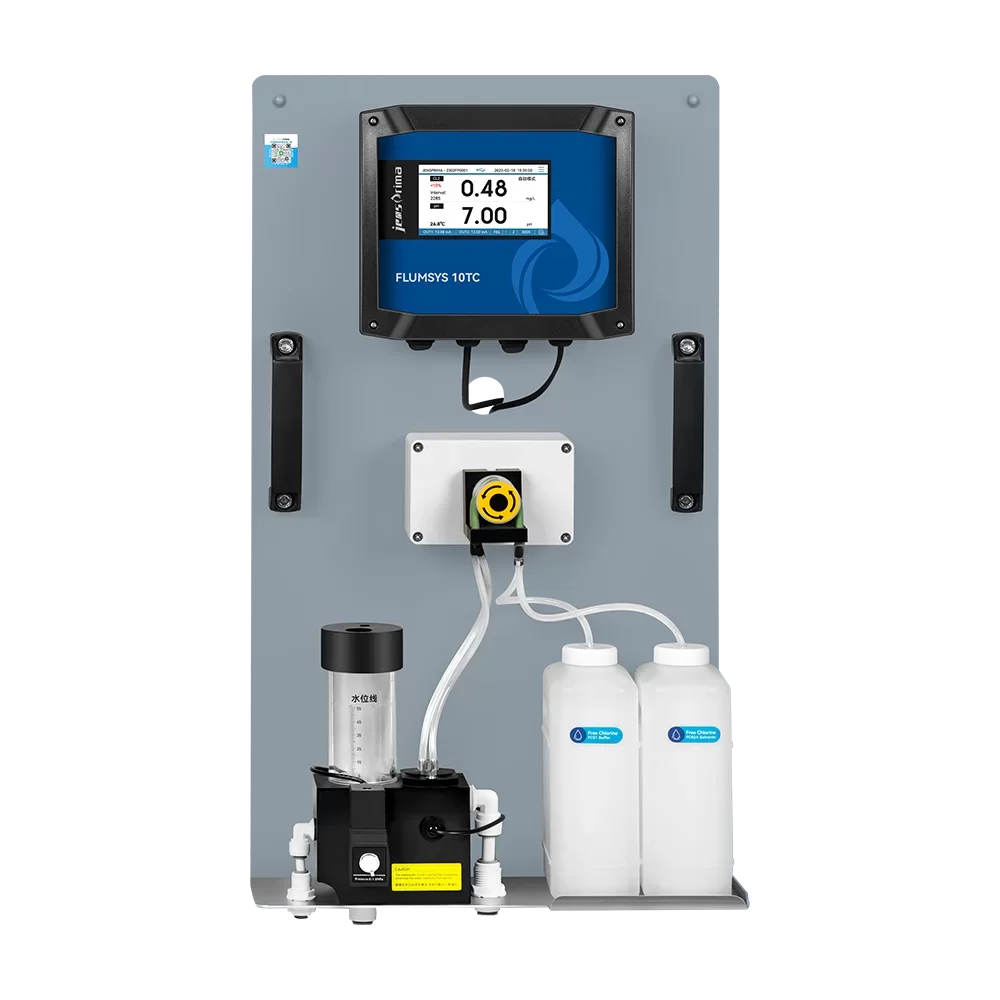
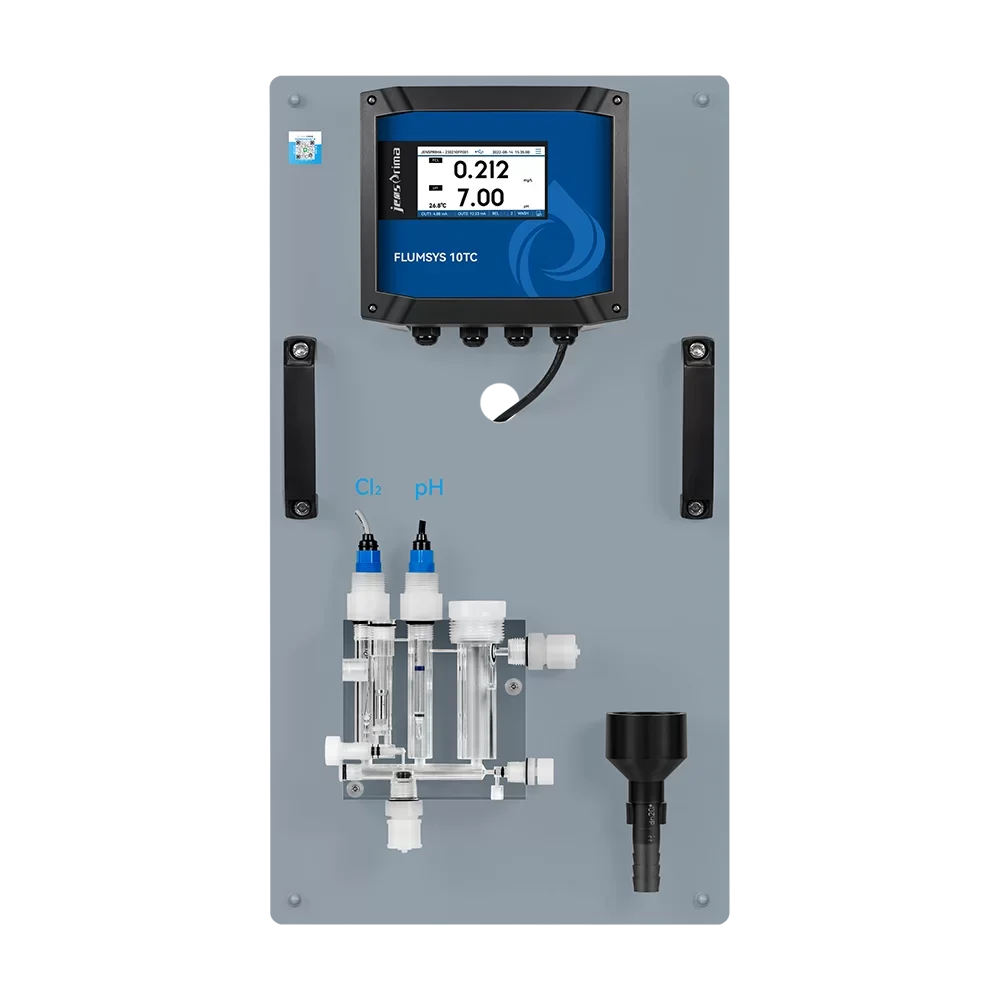
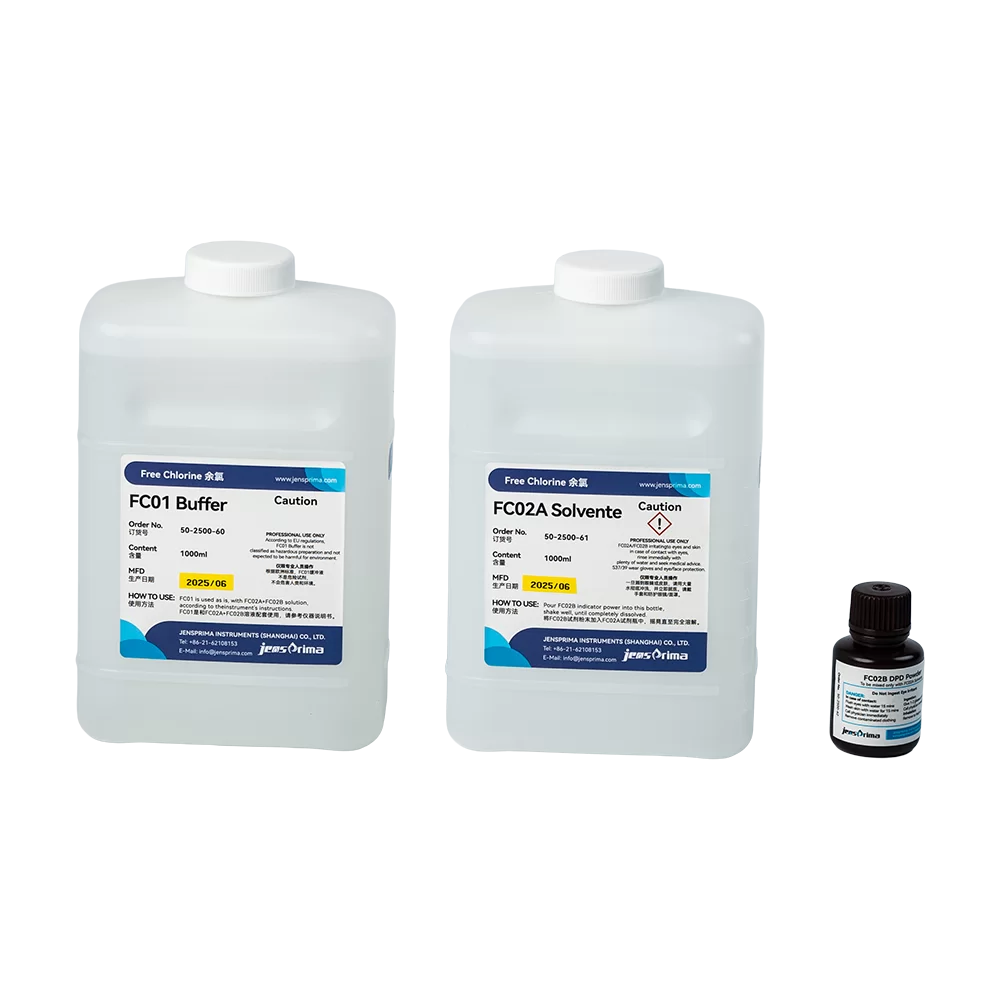
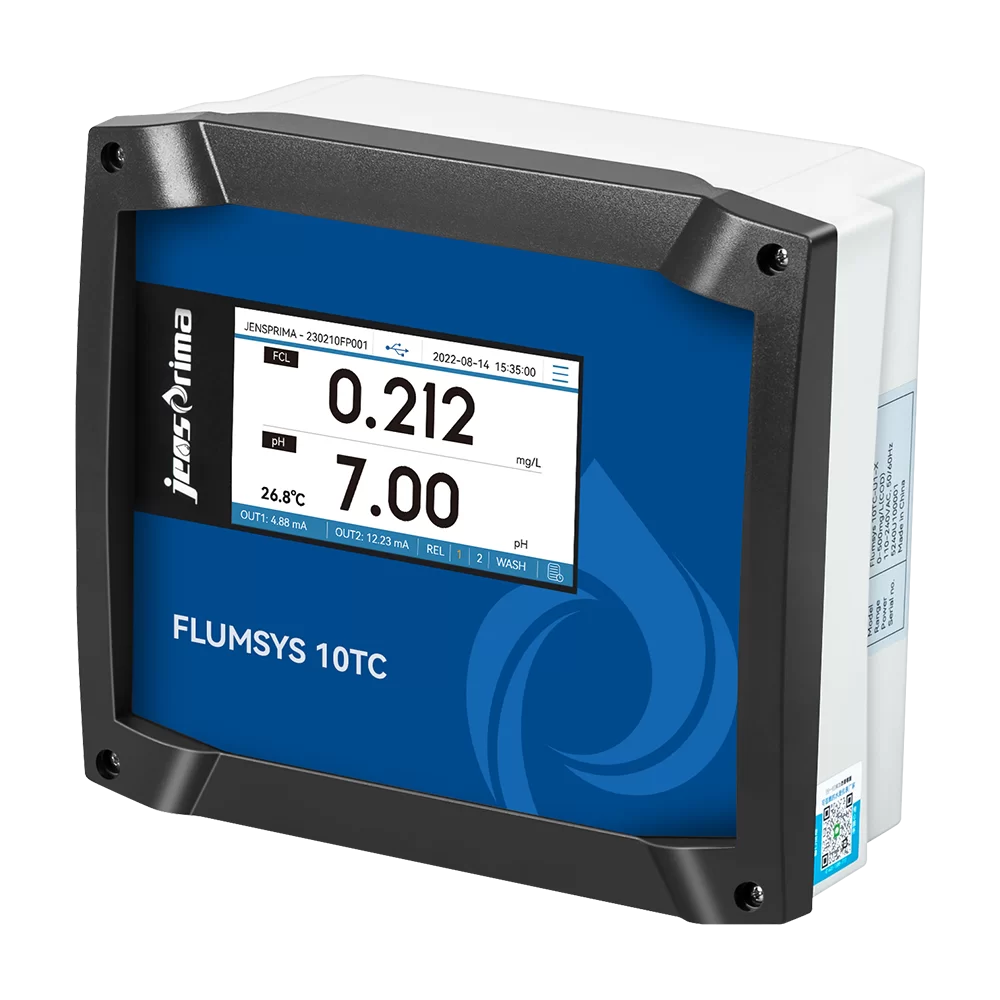
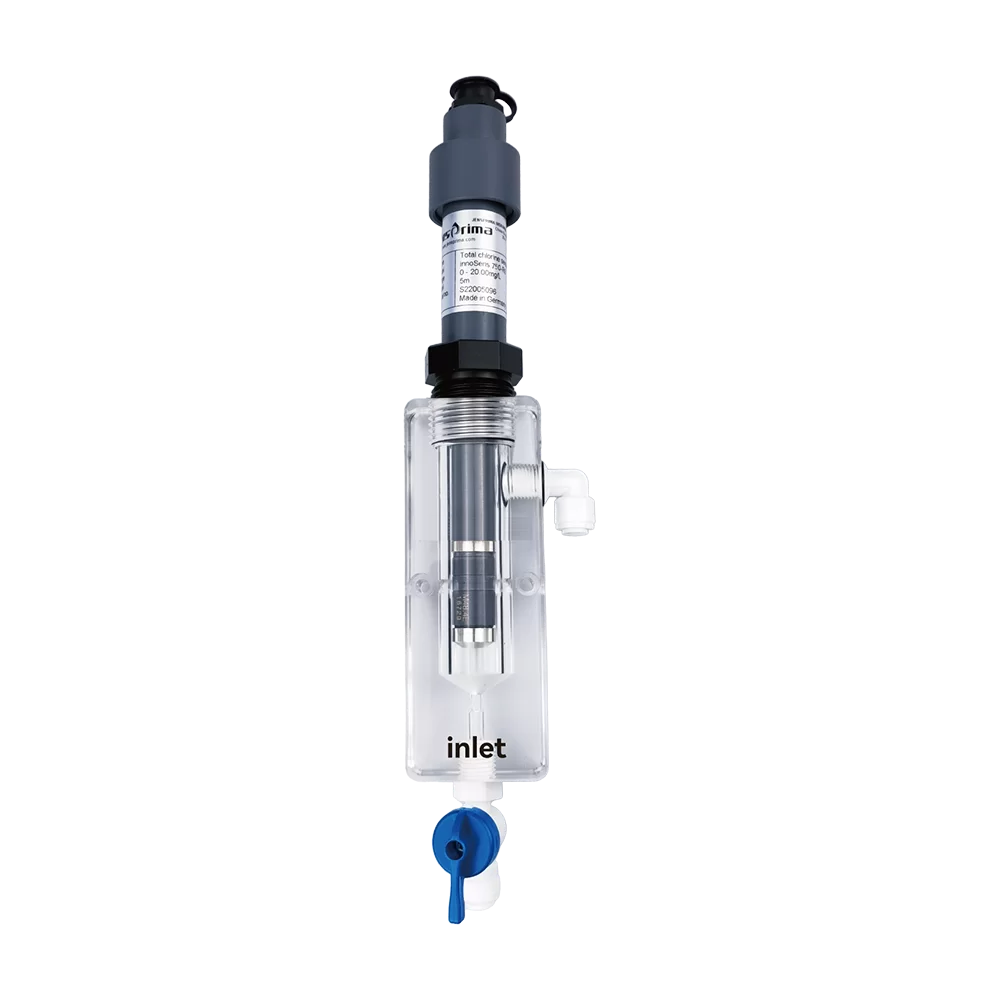
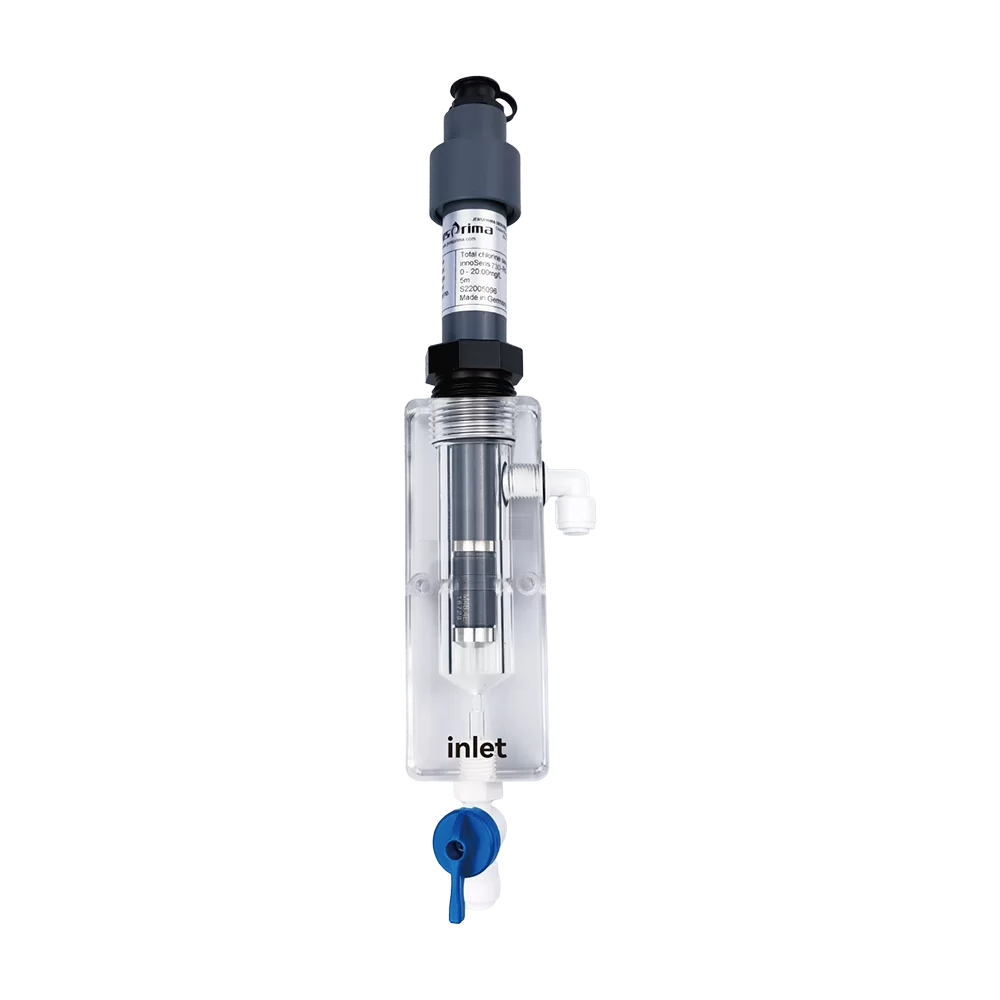
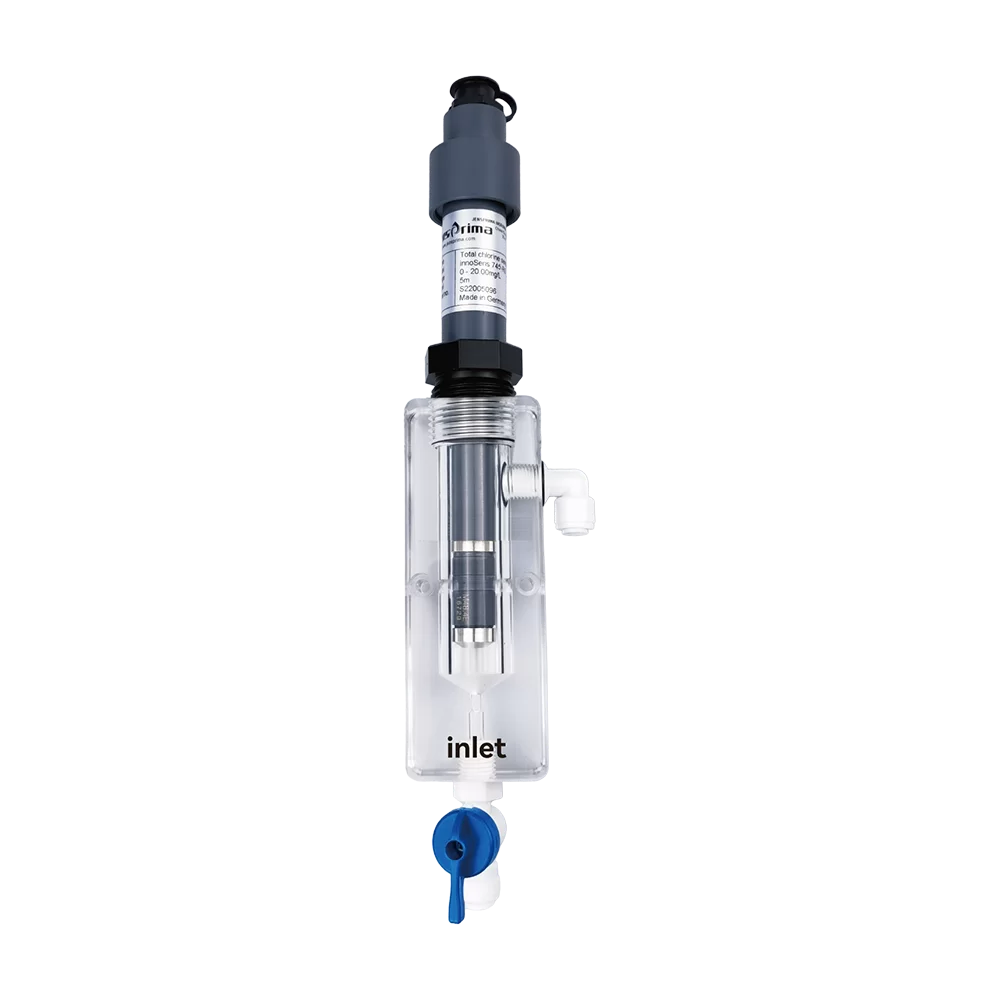
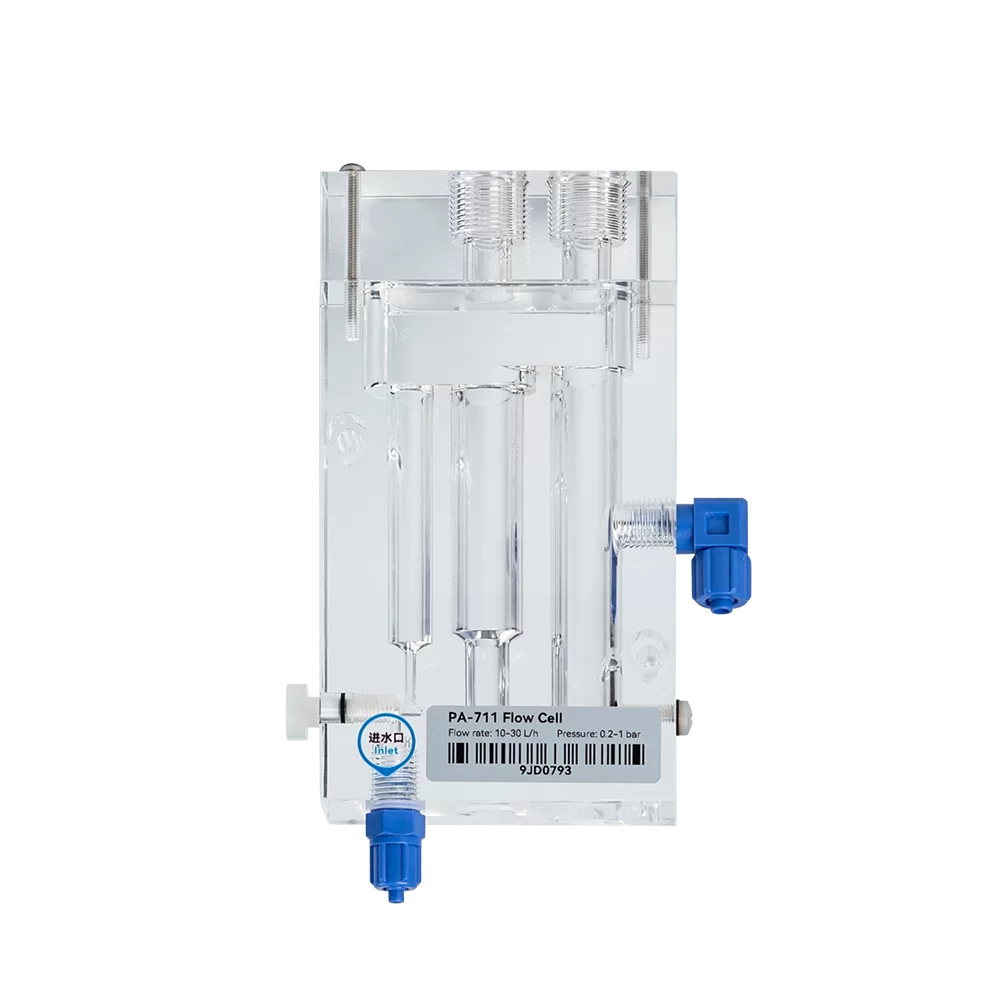
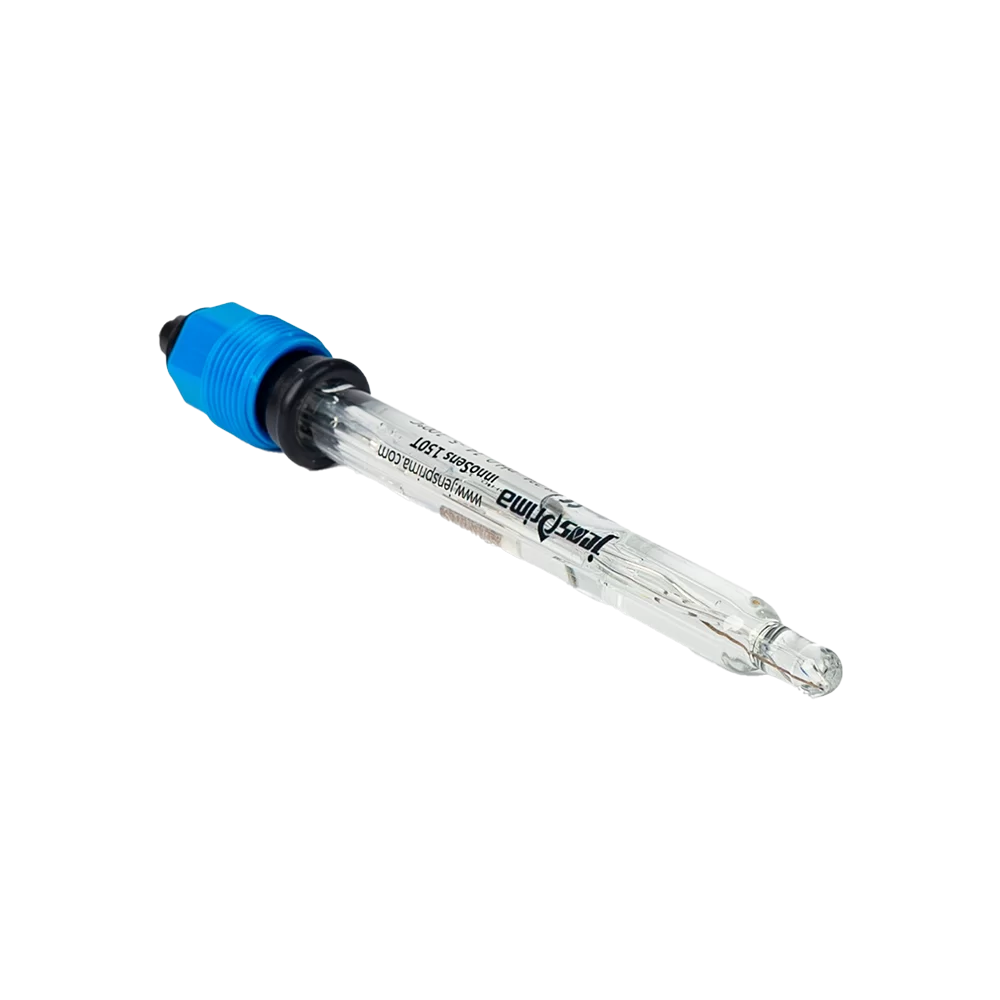
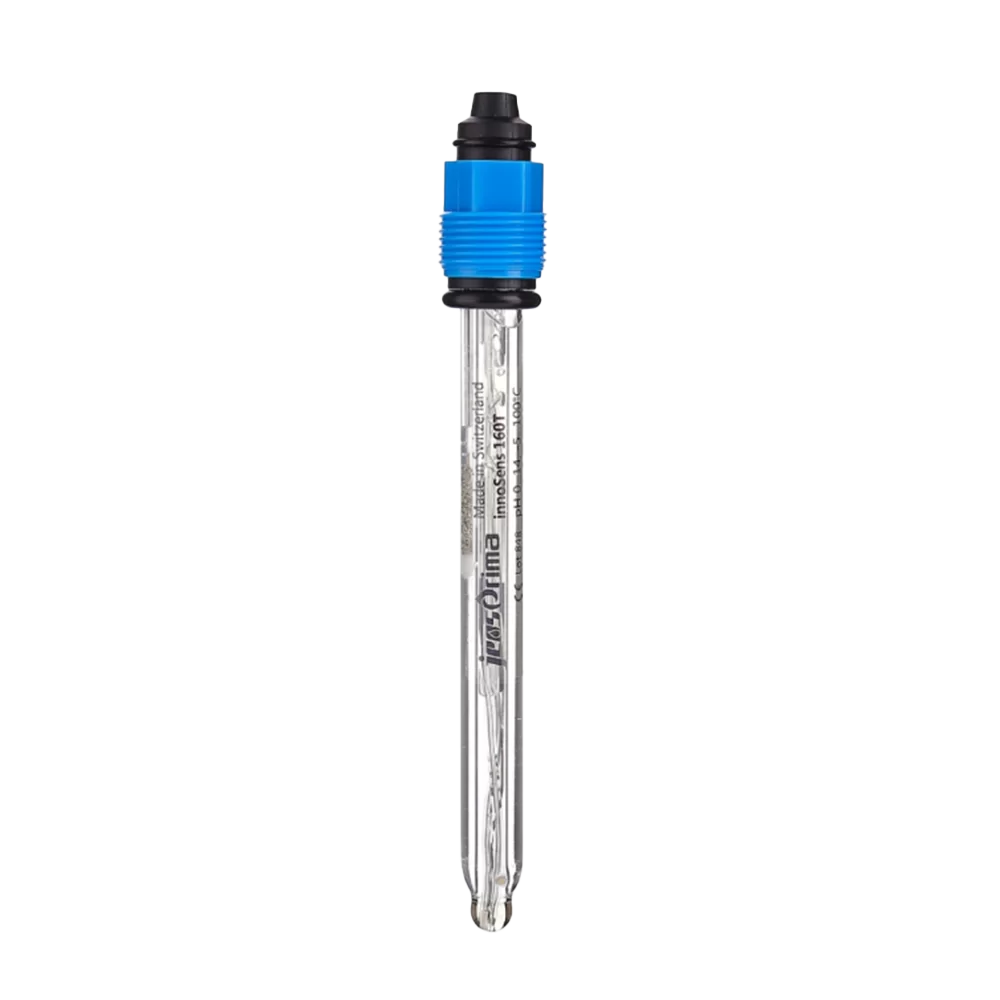
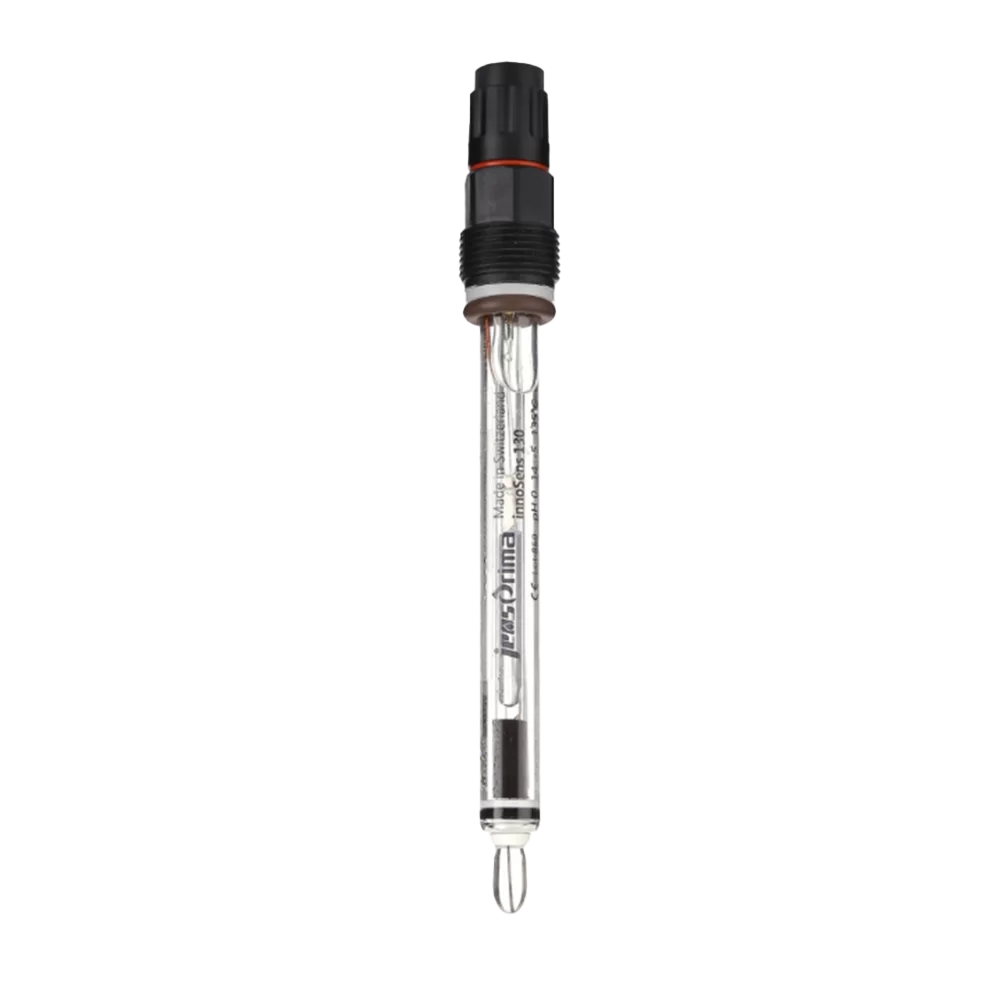
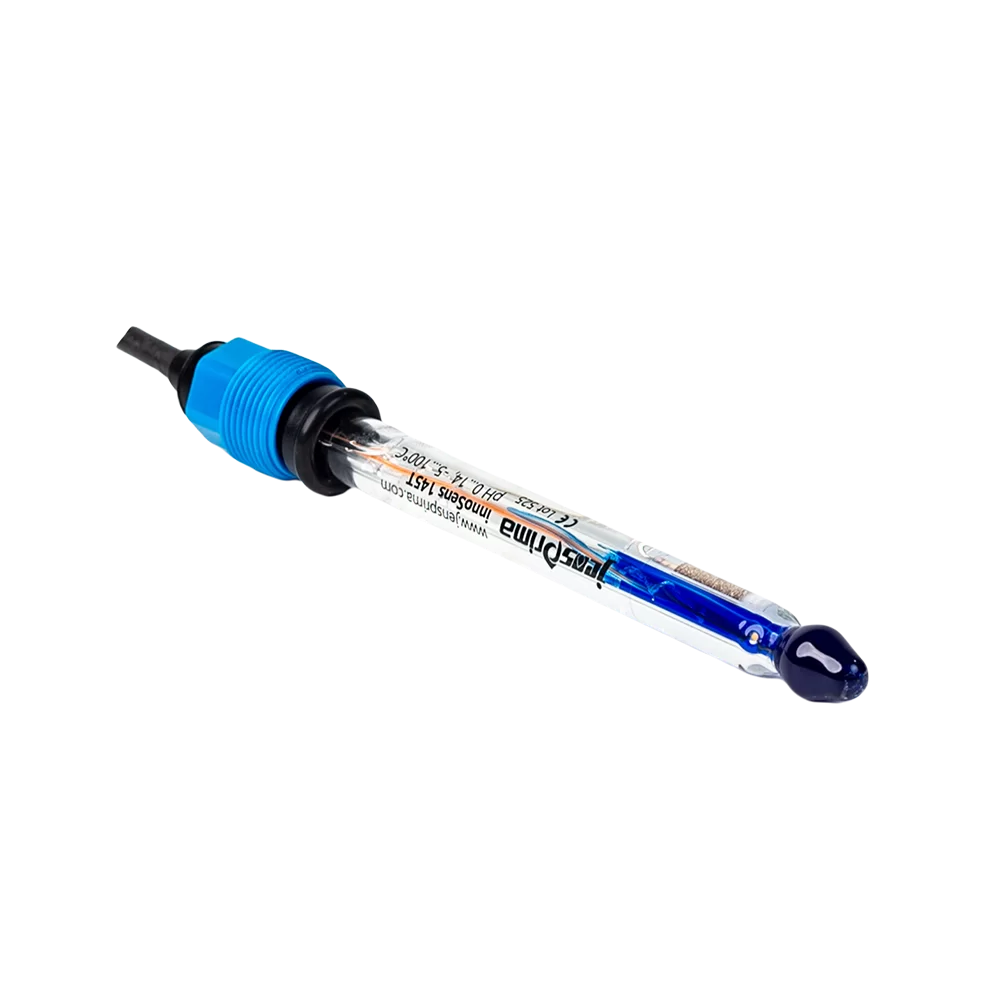
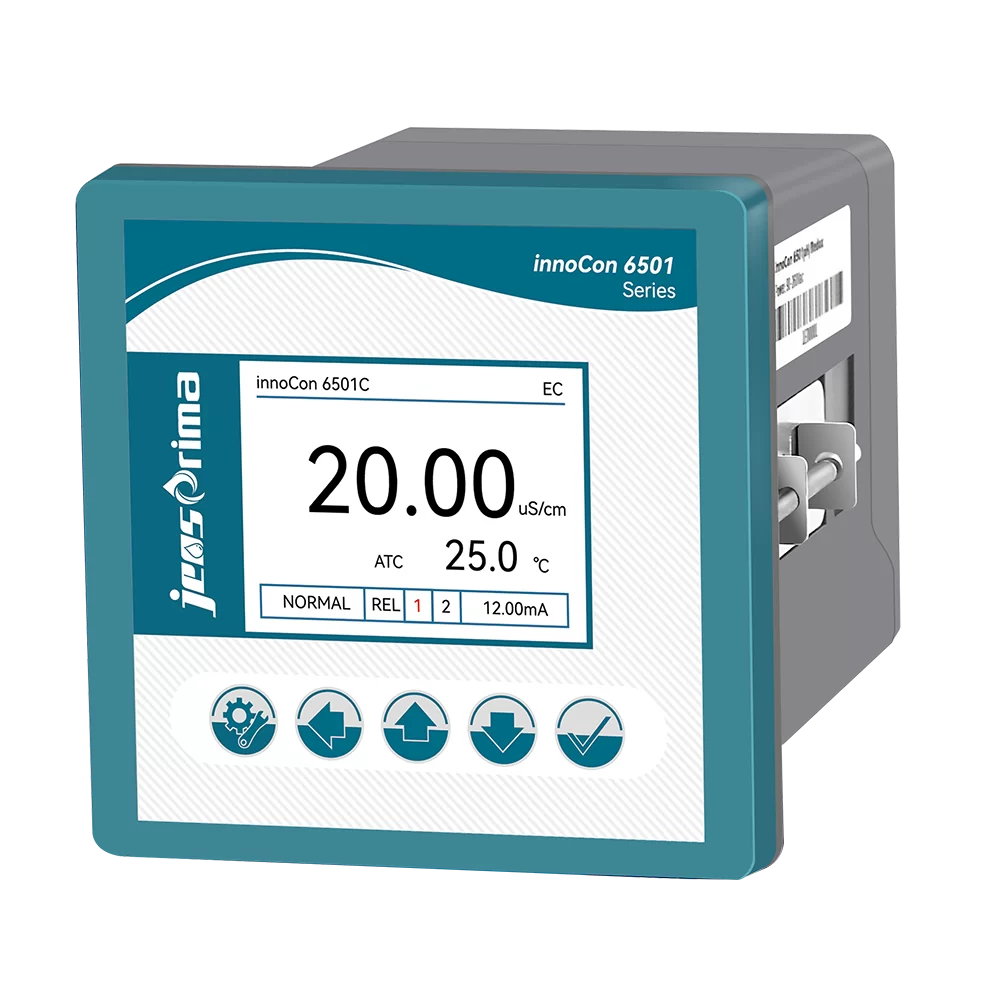
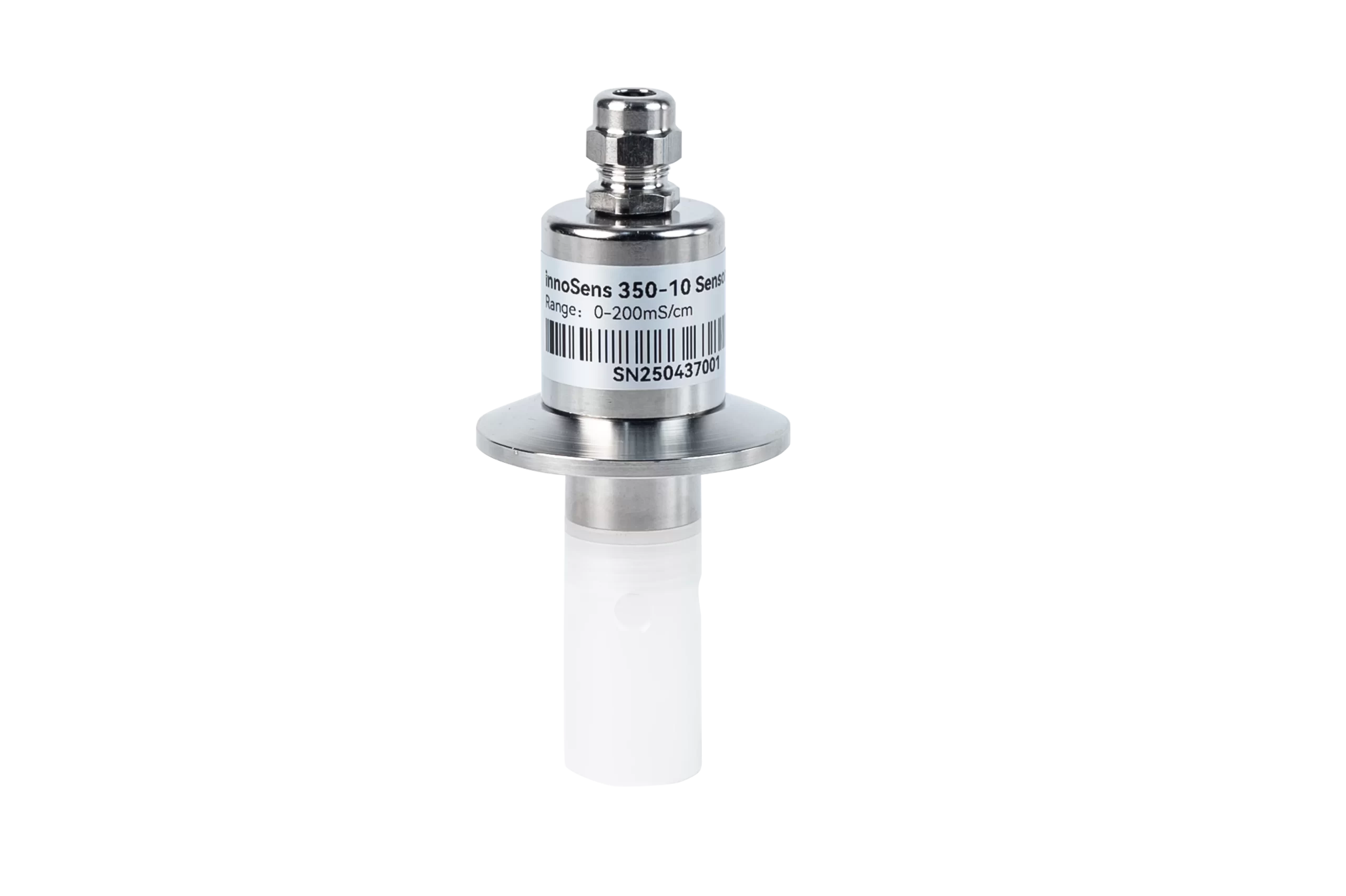
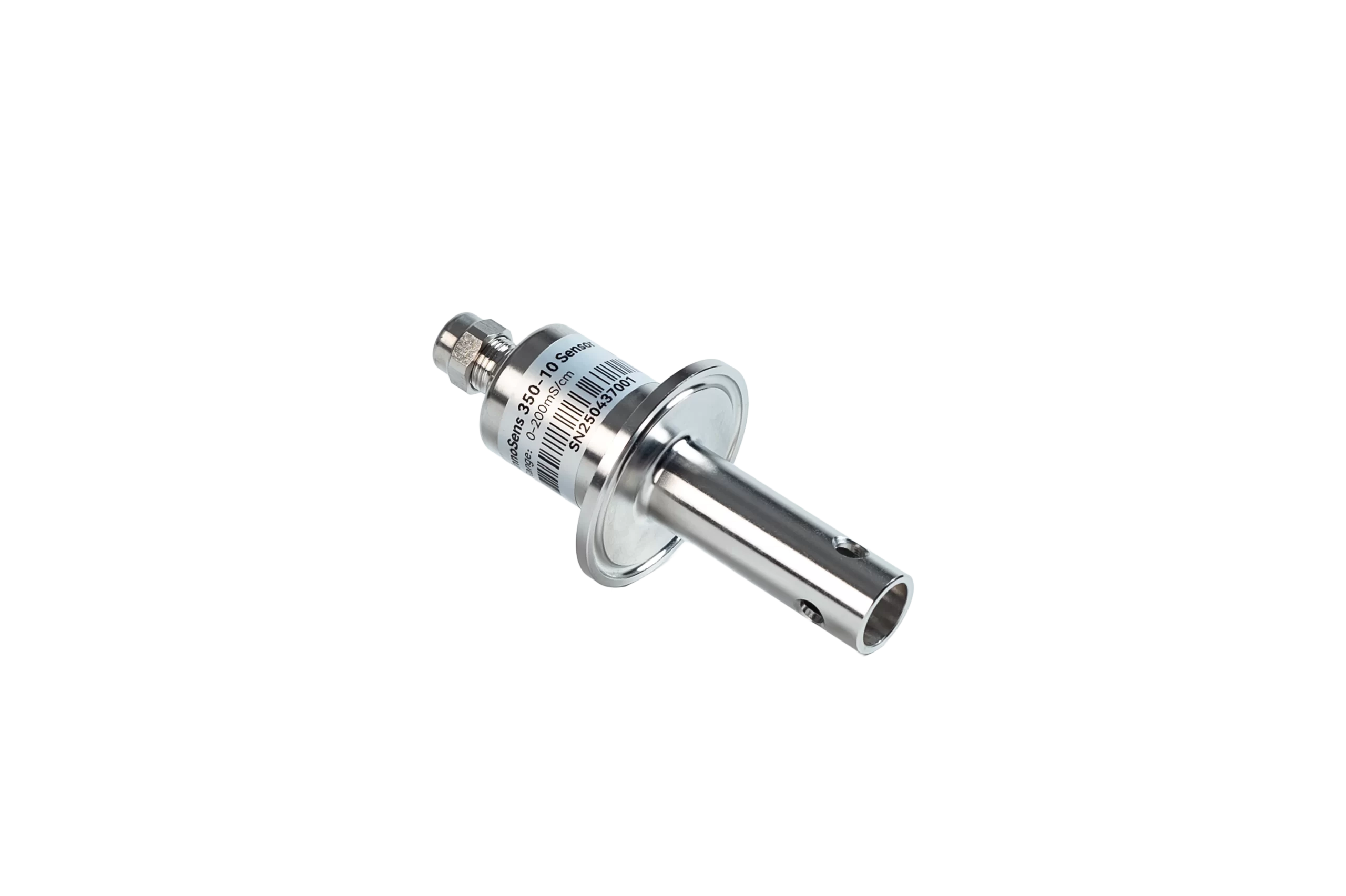
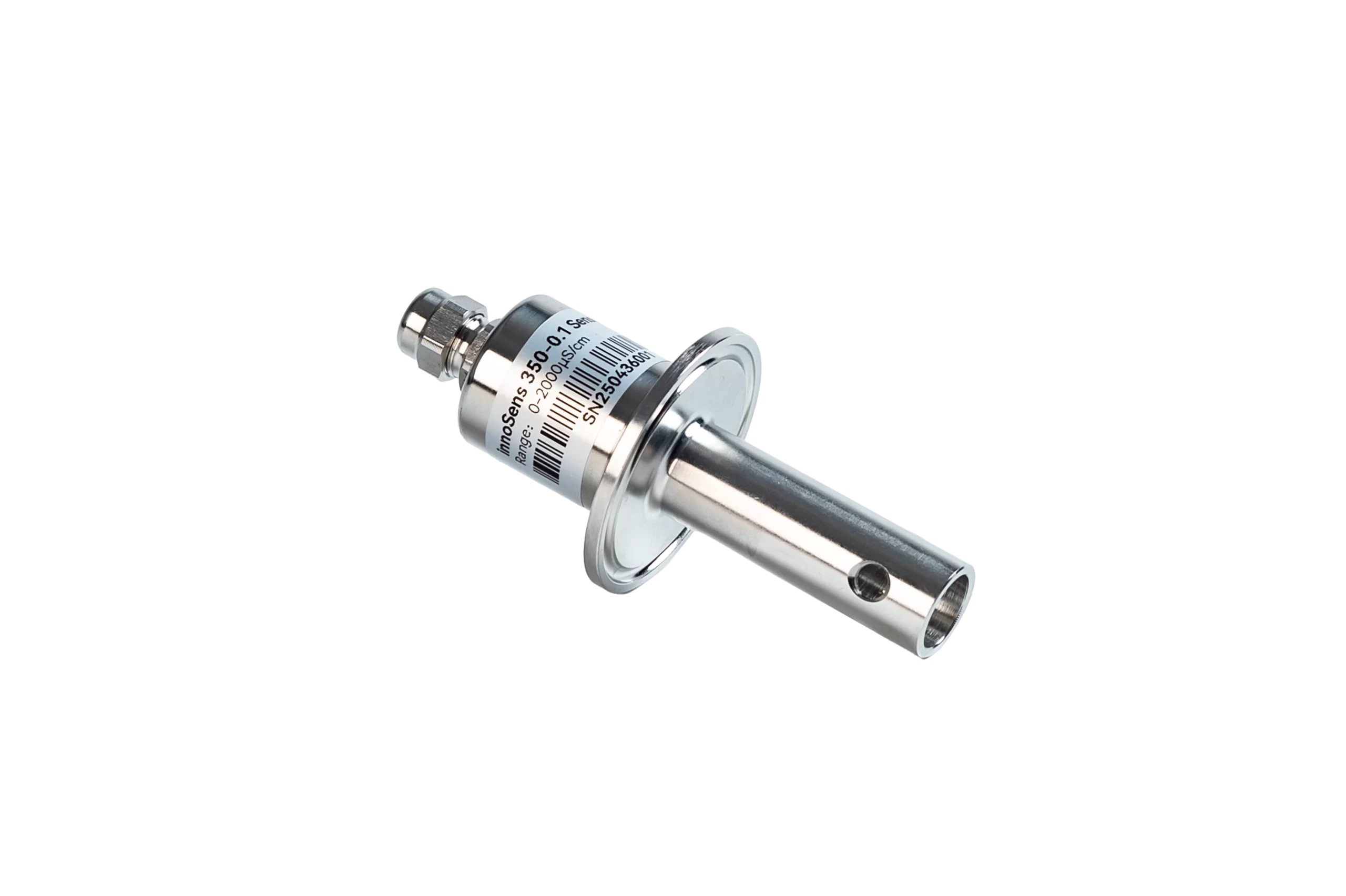
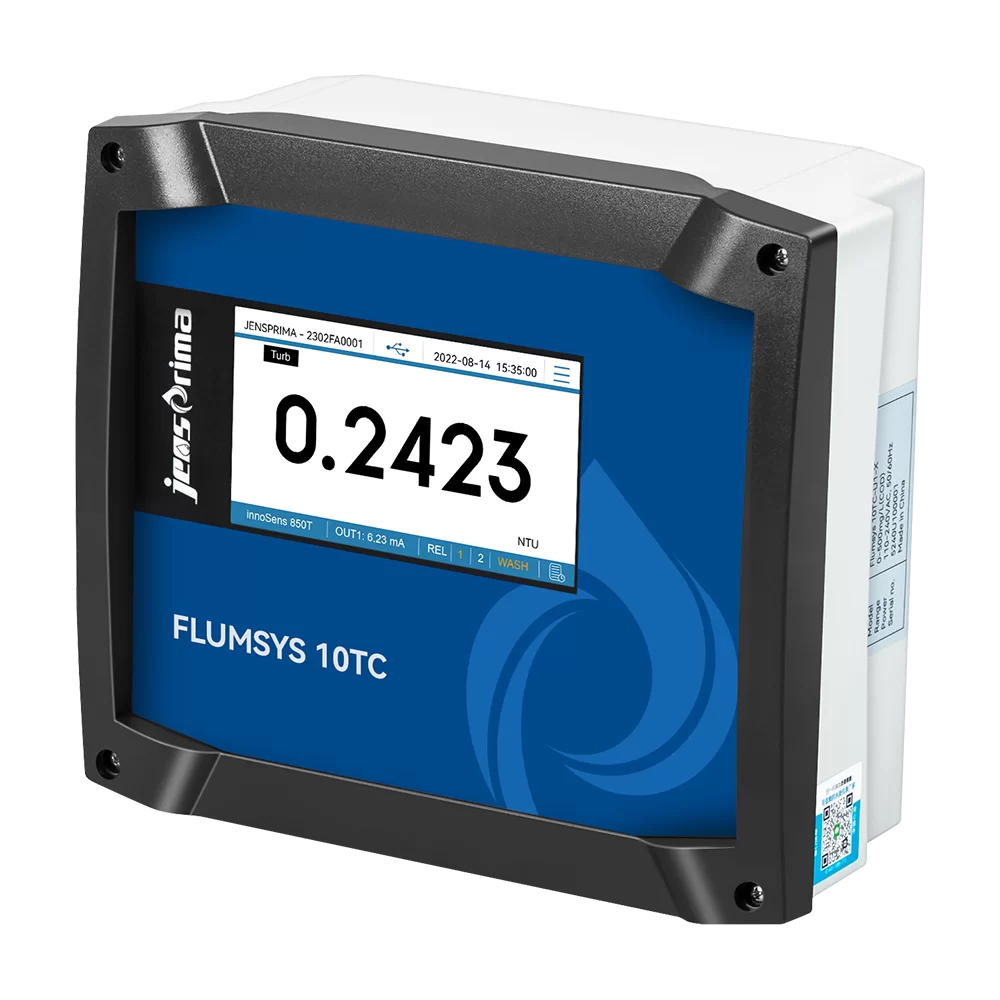
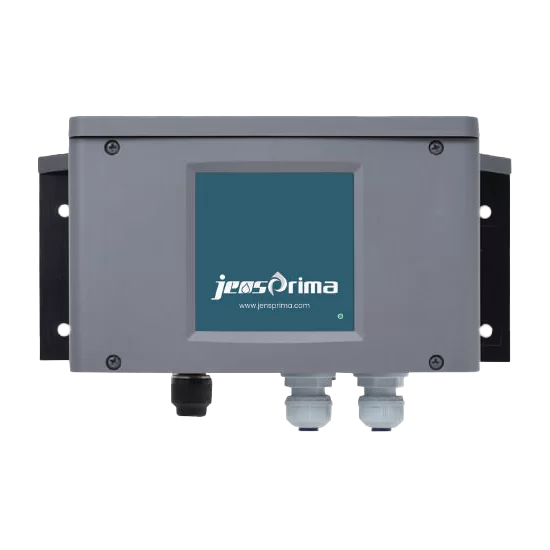
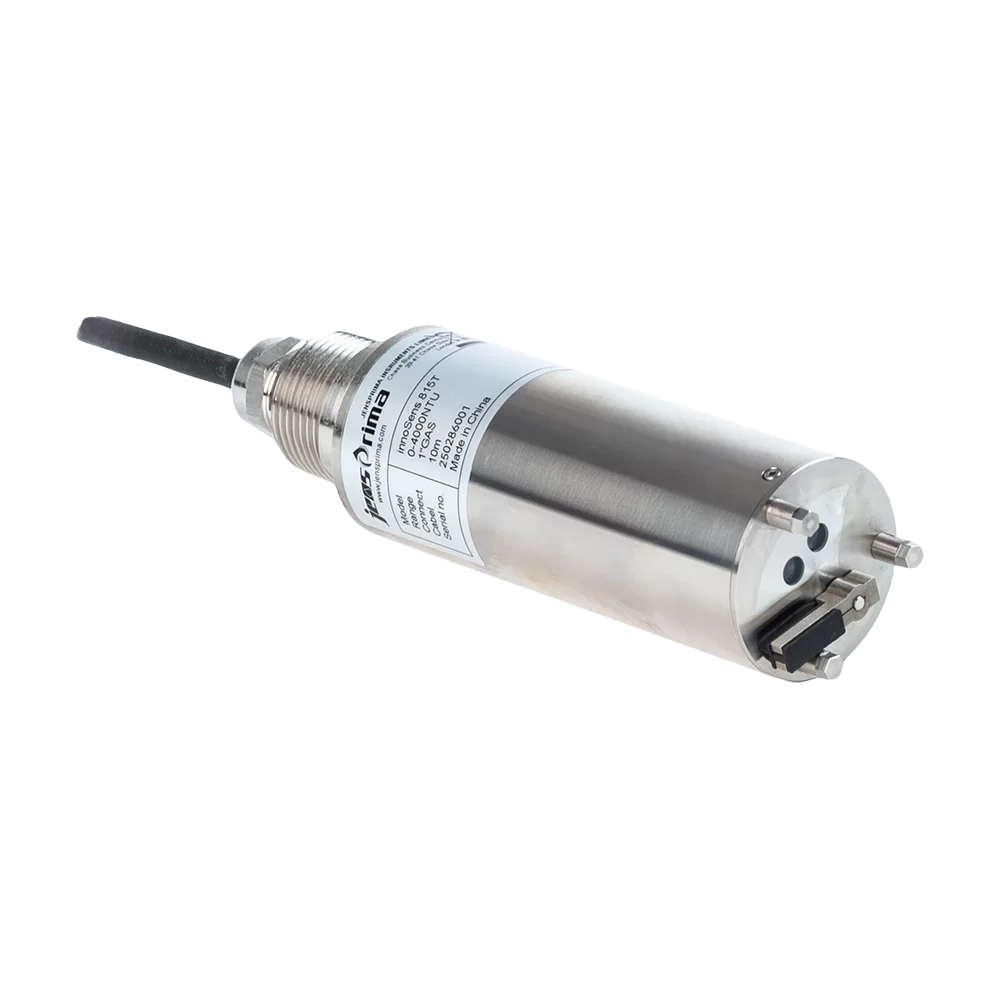
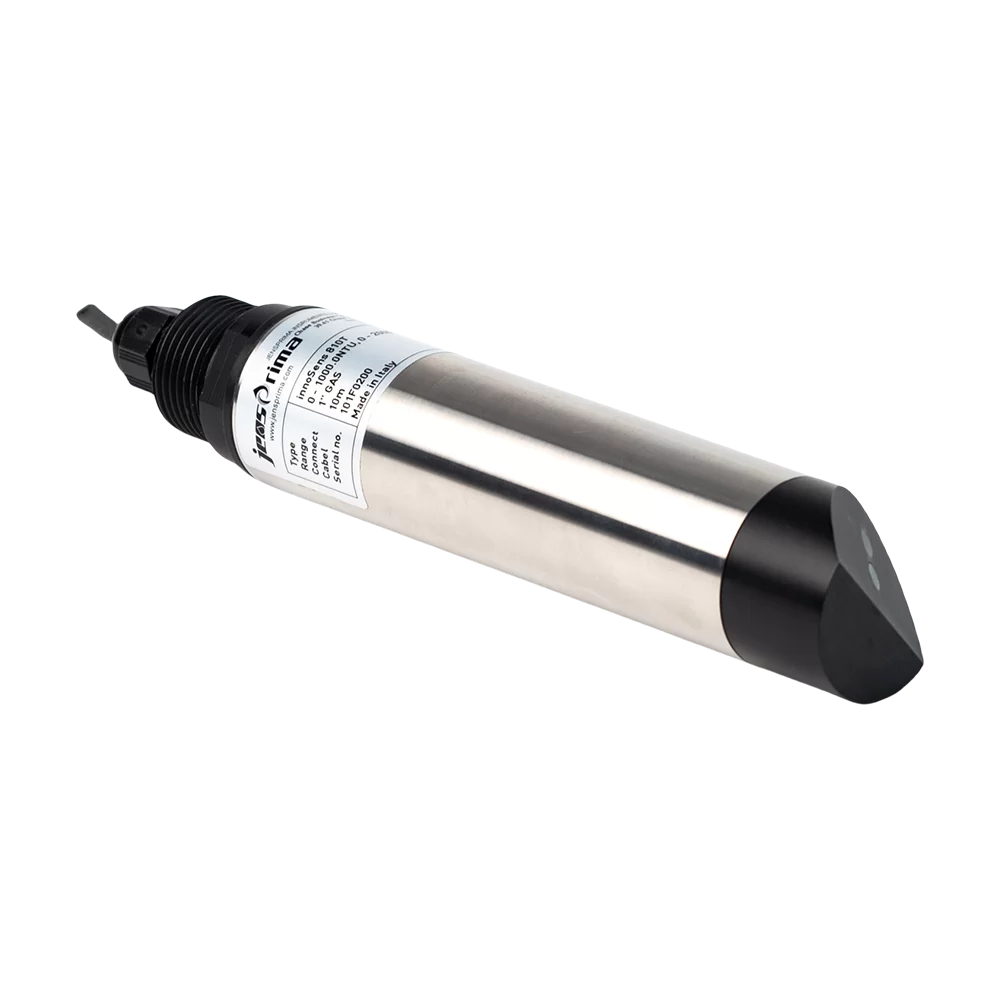
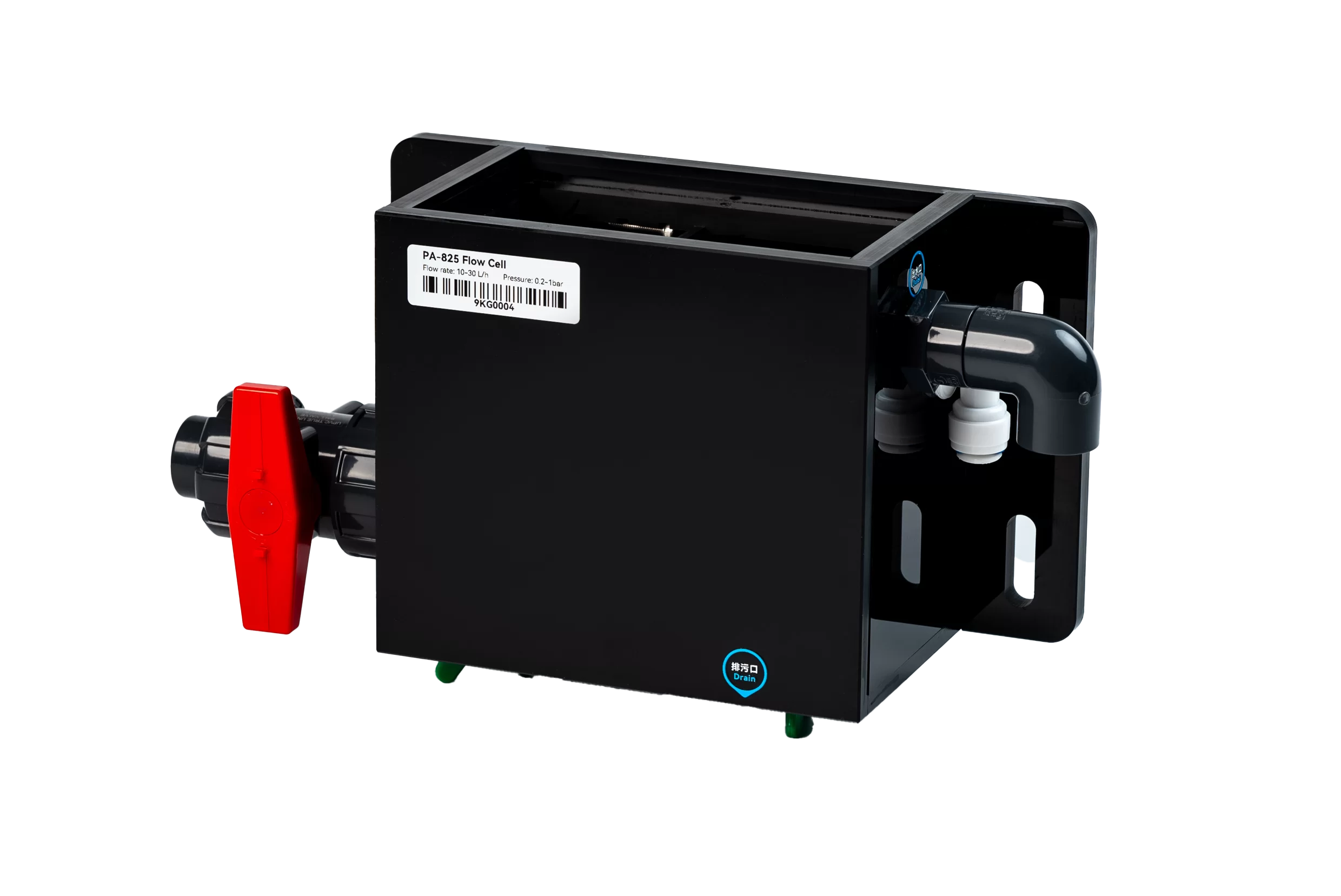
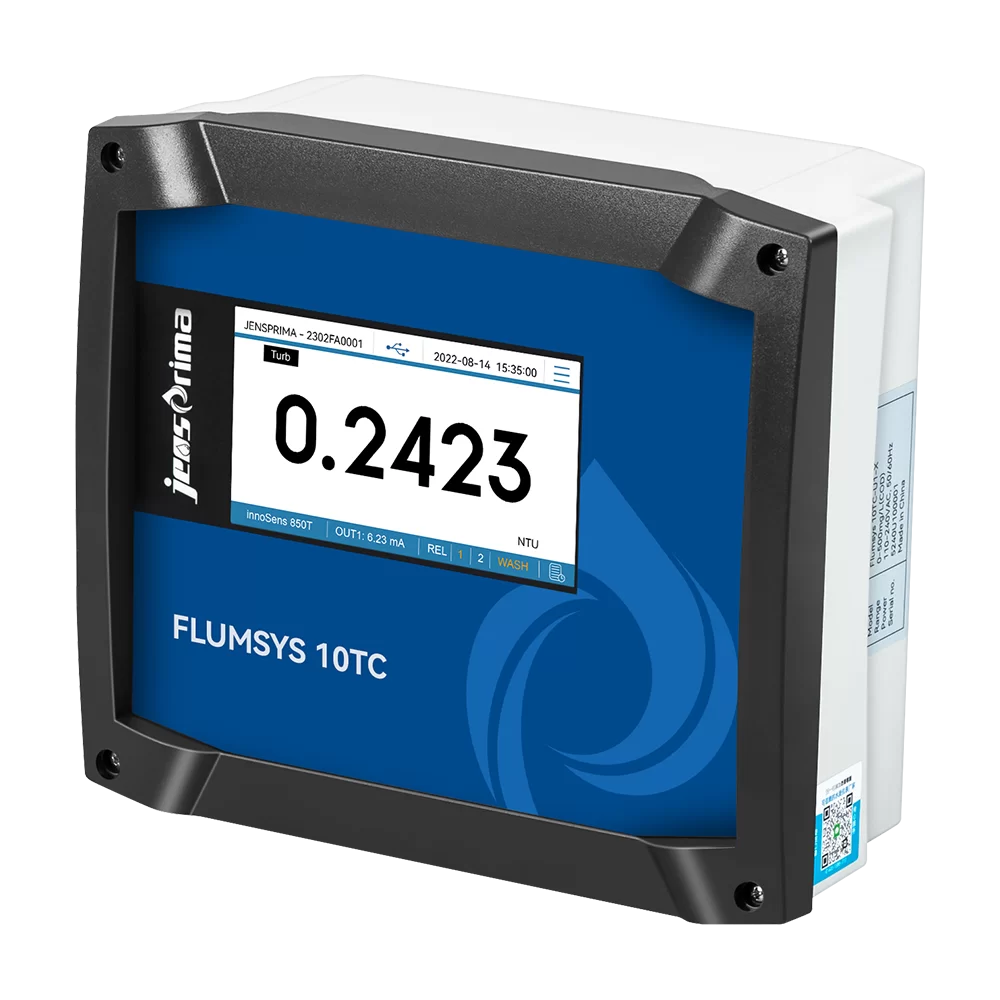
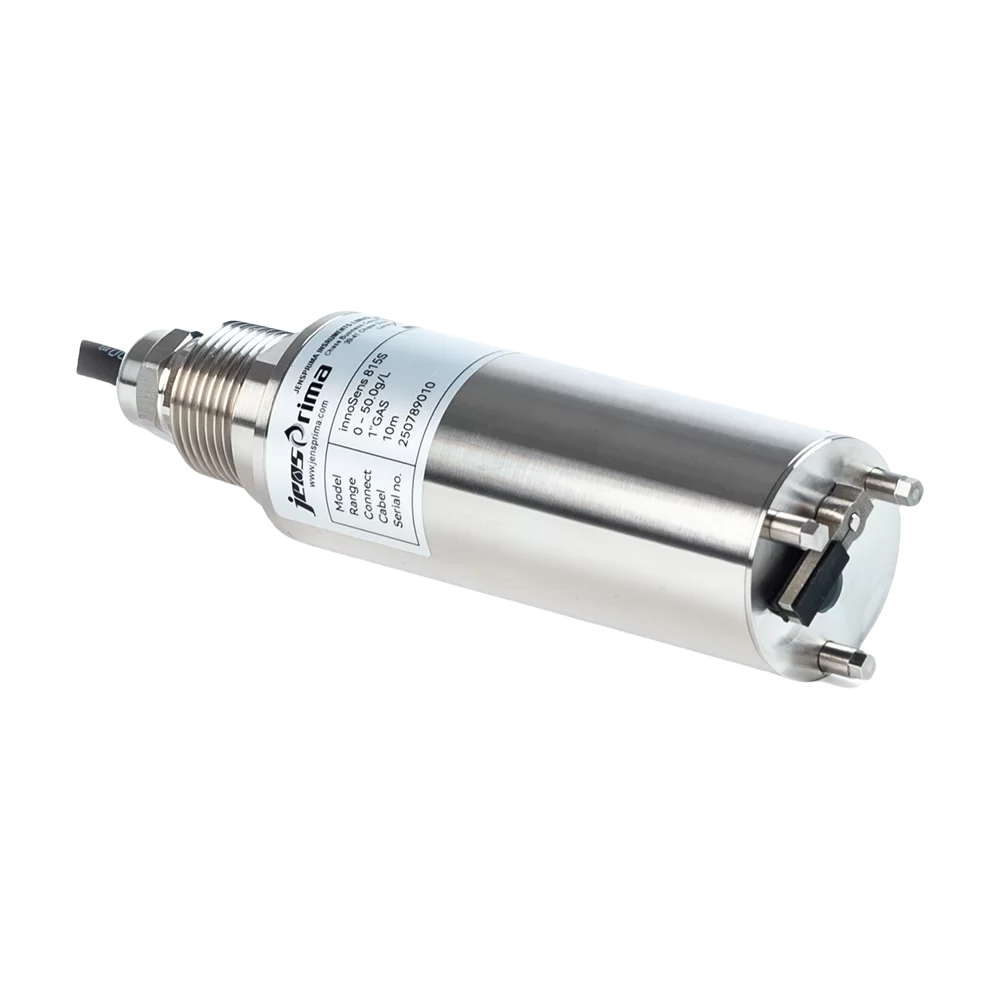
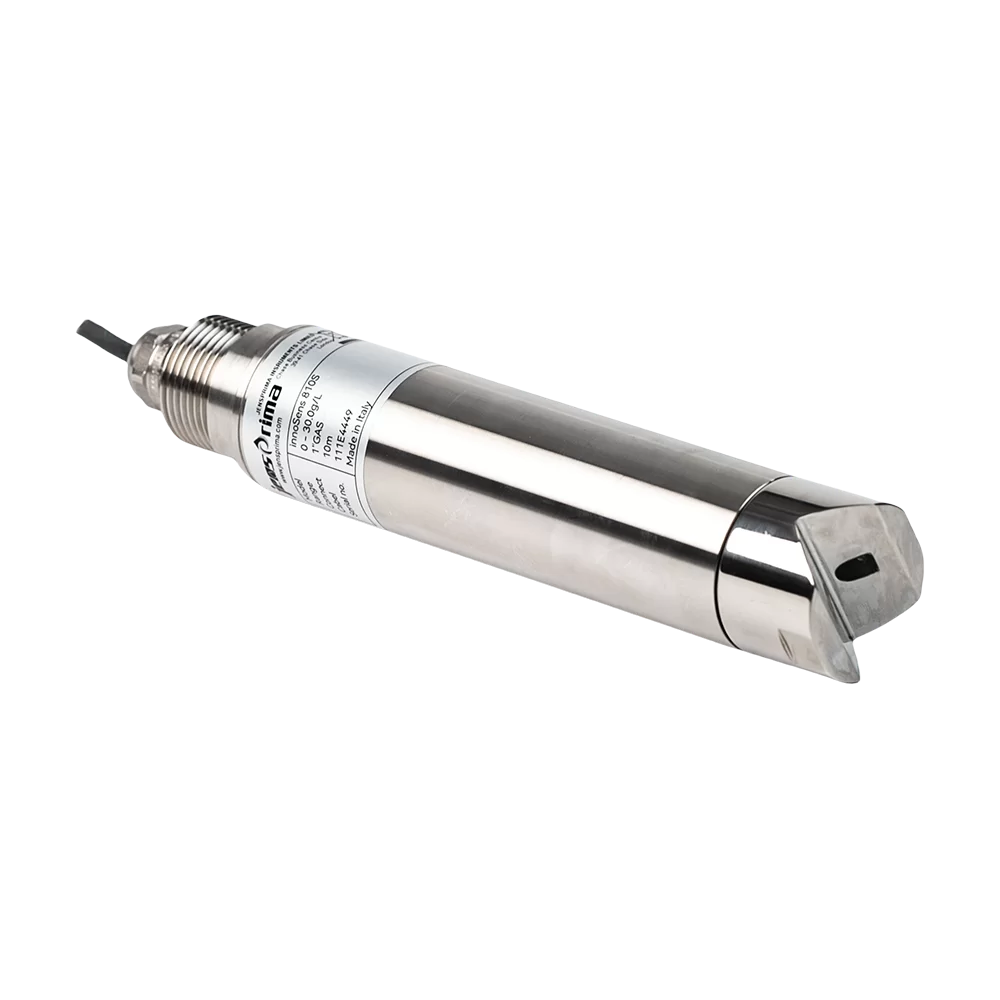
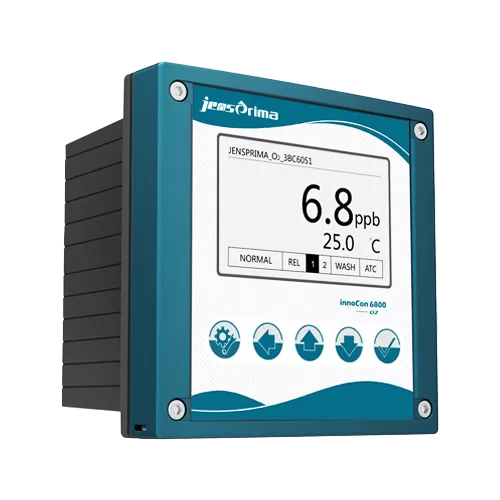
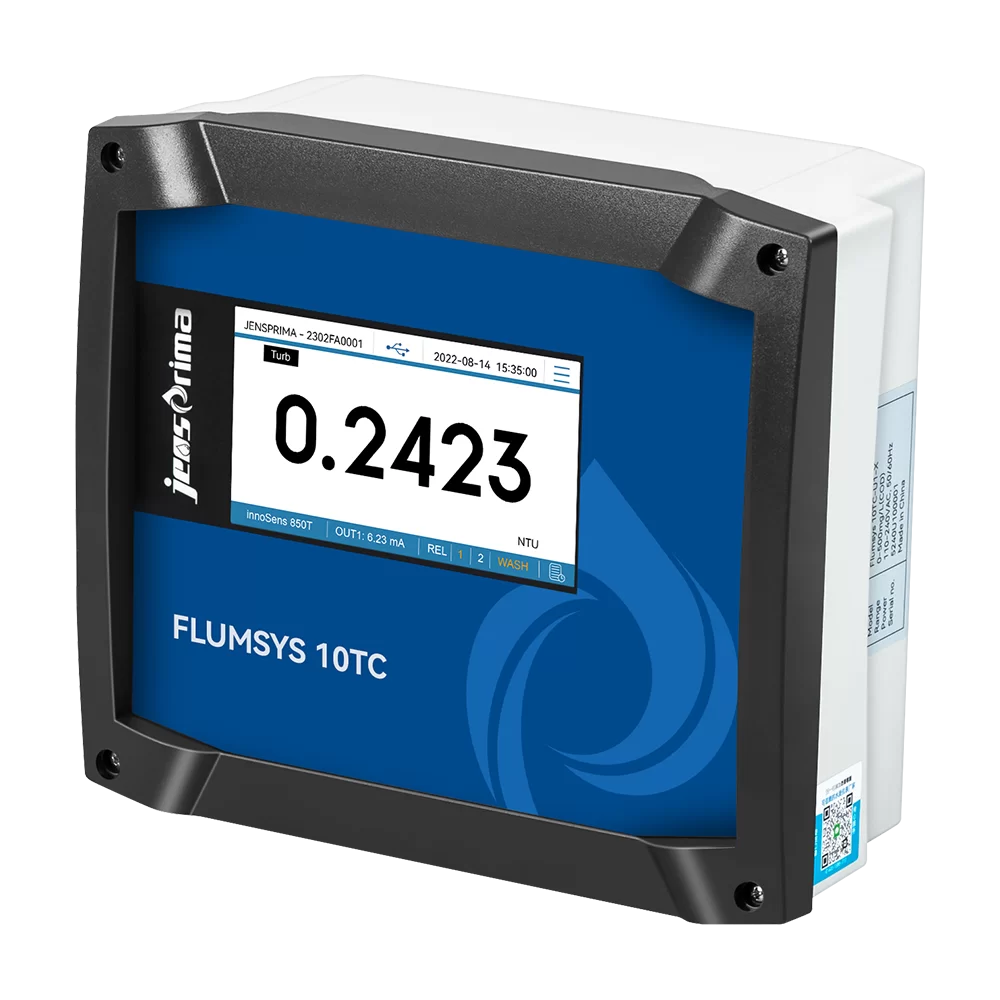
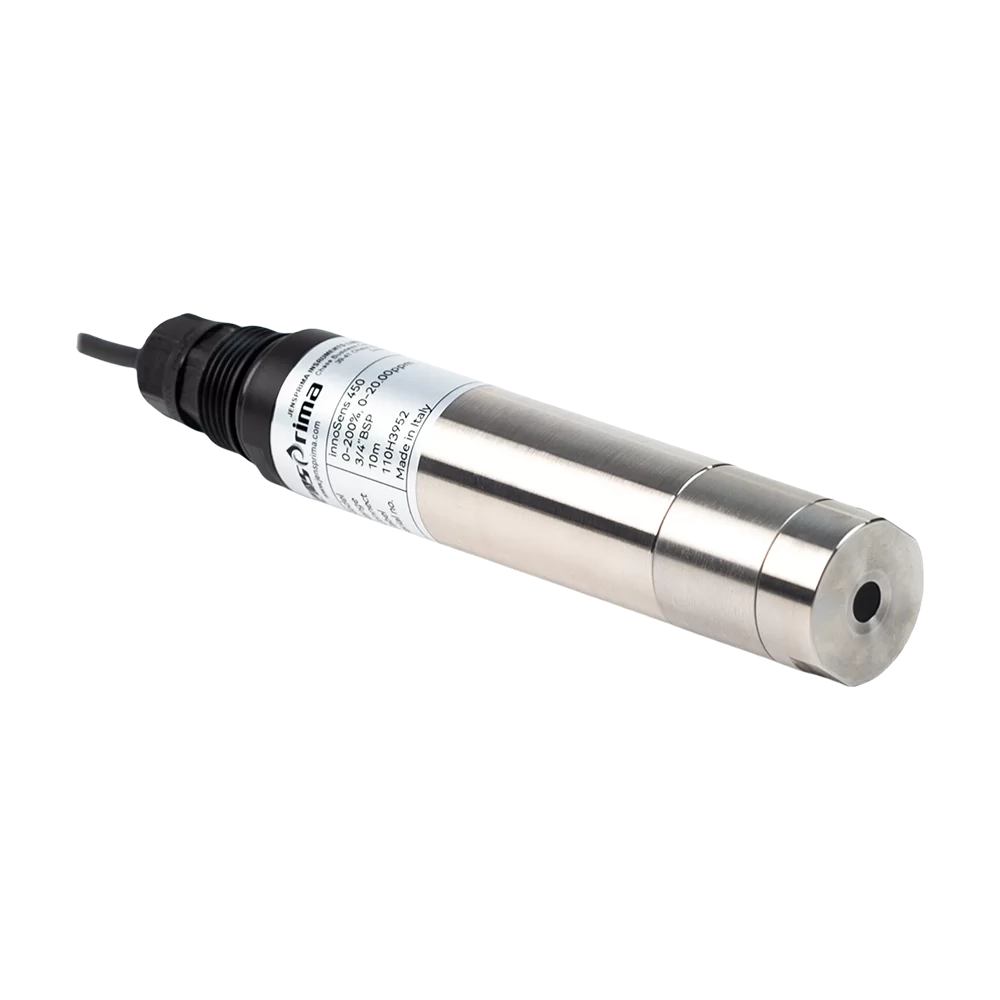
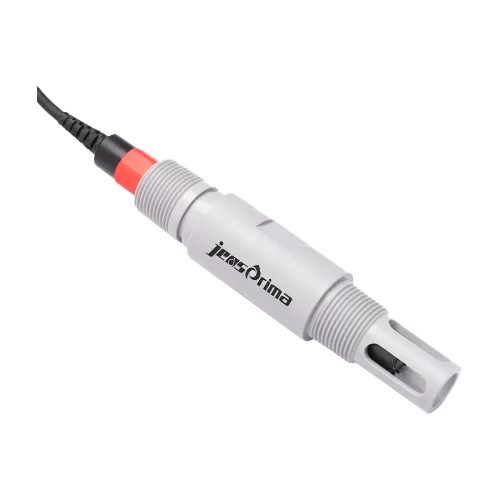
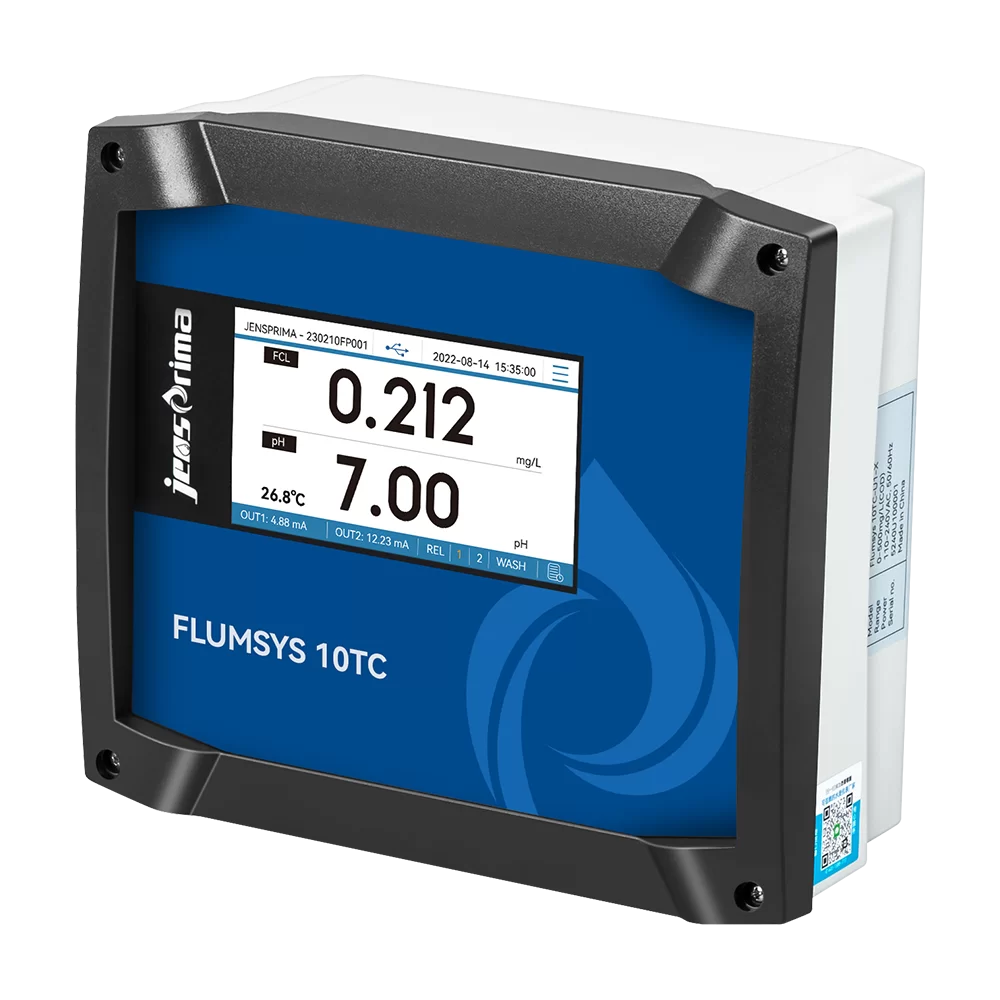
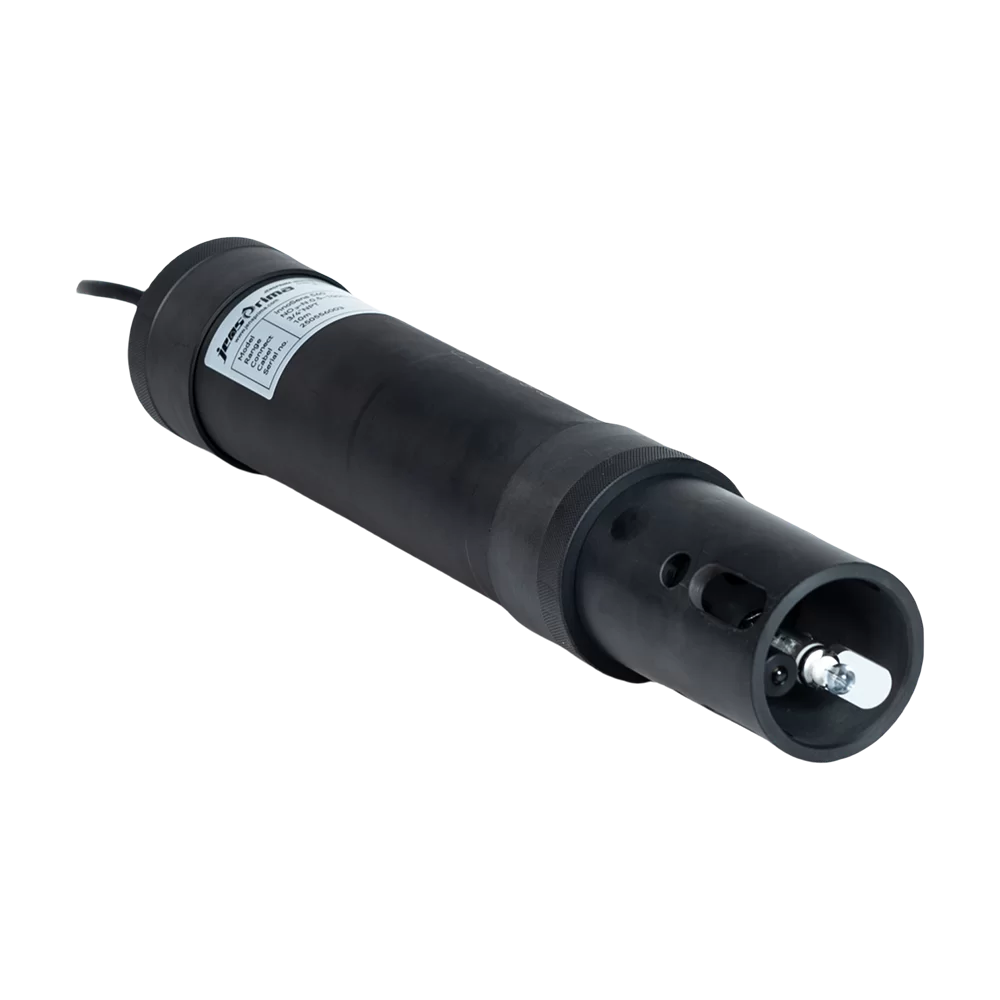

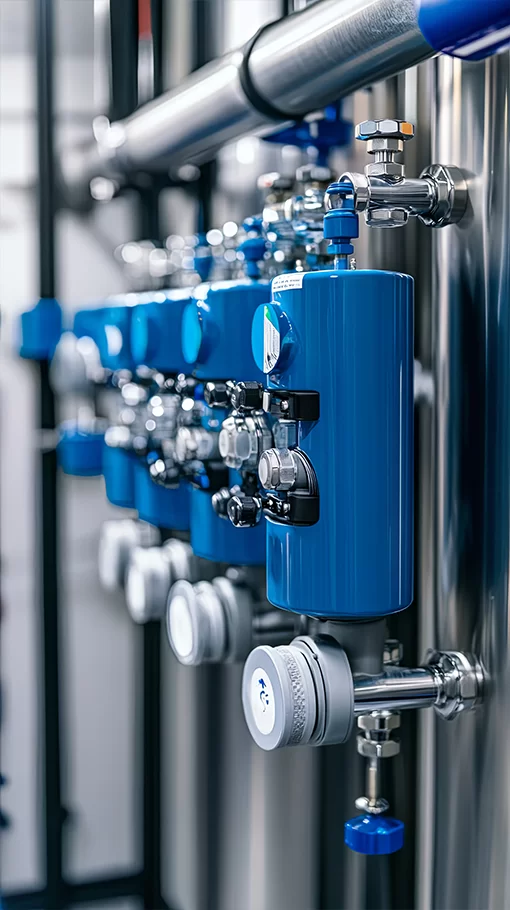


multi parameter analyzer

NEWS

UPDATES

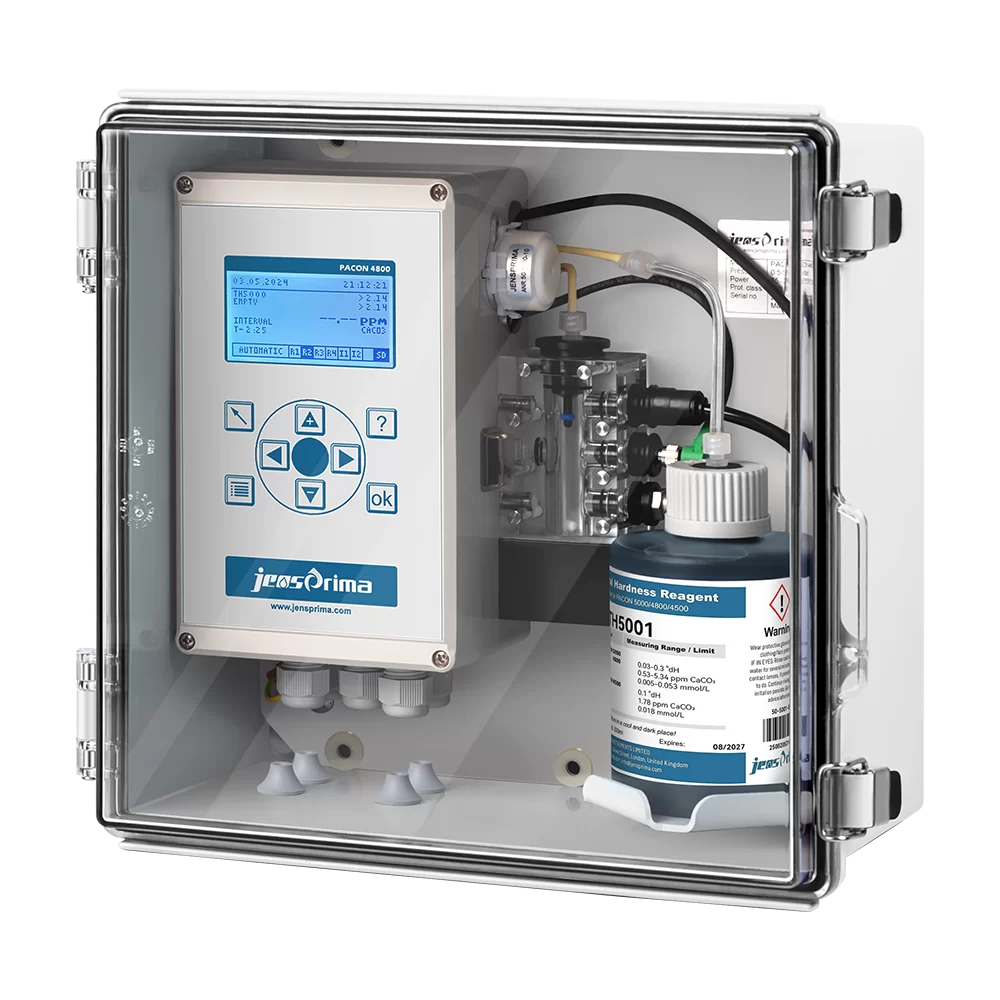
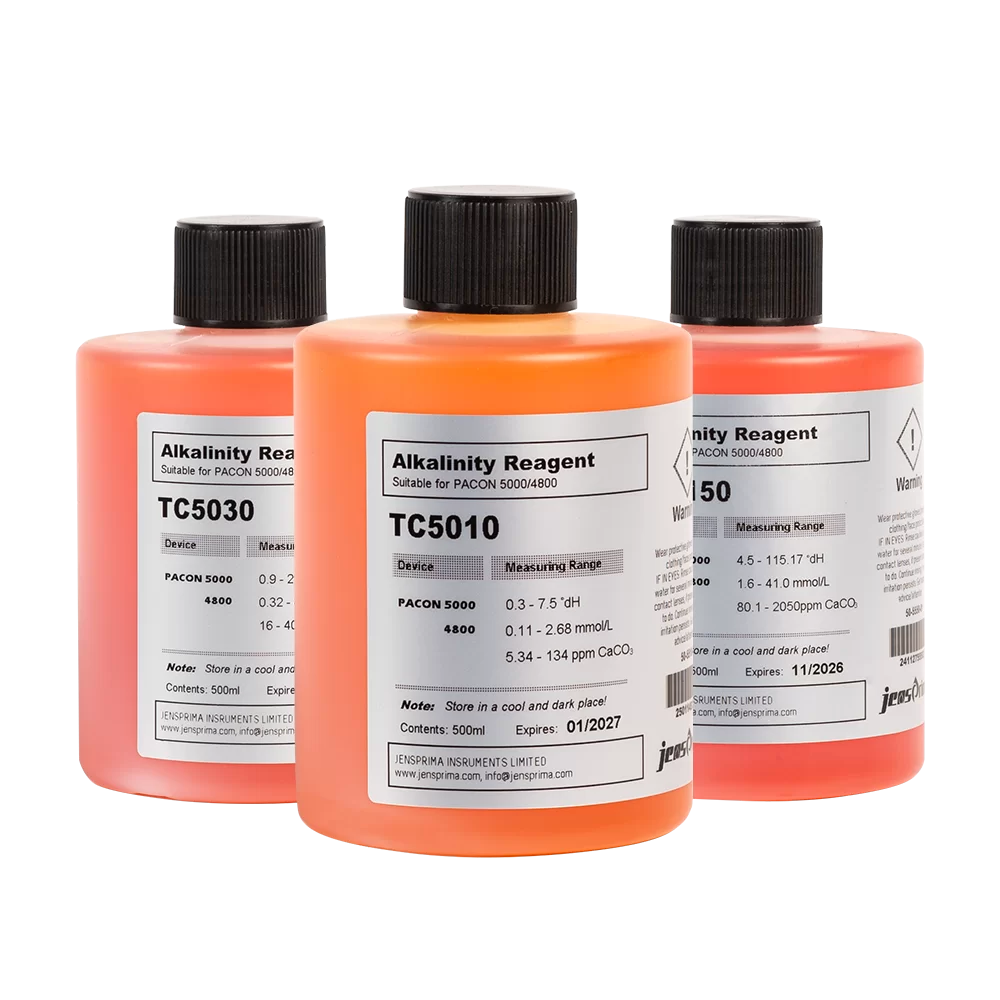
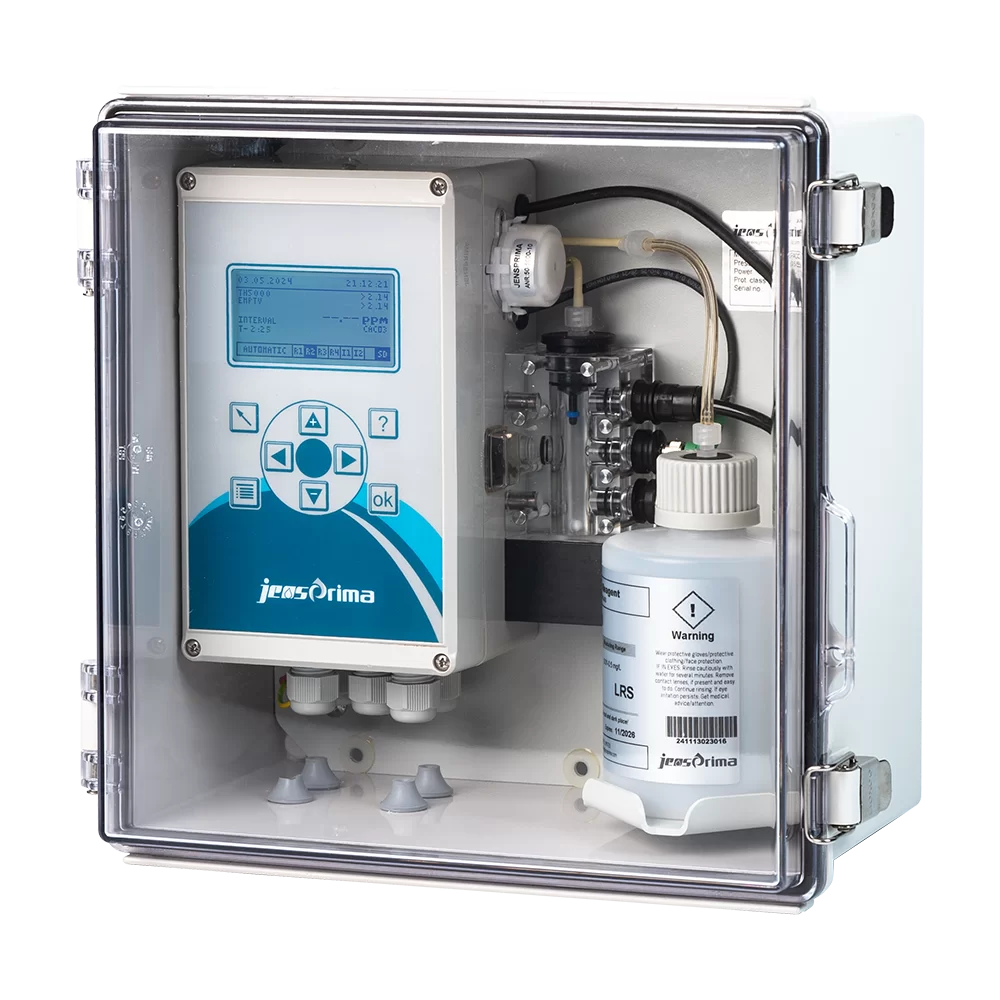
Advanced Water Analysis Solutions: High-Precision alkalinity analyzer for Pakistan

Empowering Pakistan's industrial and municipal water sectors with state-of-the-art online monitoring and precision control instruments.

Advanced Water Analysis Solutions: High-Precision alkalinity analyzer for Pakistan

Our comprehensive suite of online water quality instruments ensures regulatory compliance and operational efficiency across the Indus Basin and urban industrial hubs.

Water Monitoring Landscape in Pakistan

Addressing the challenges of water scarcity and salinity in South Asia

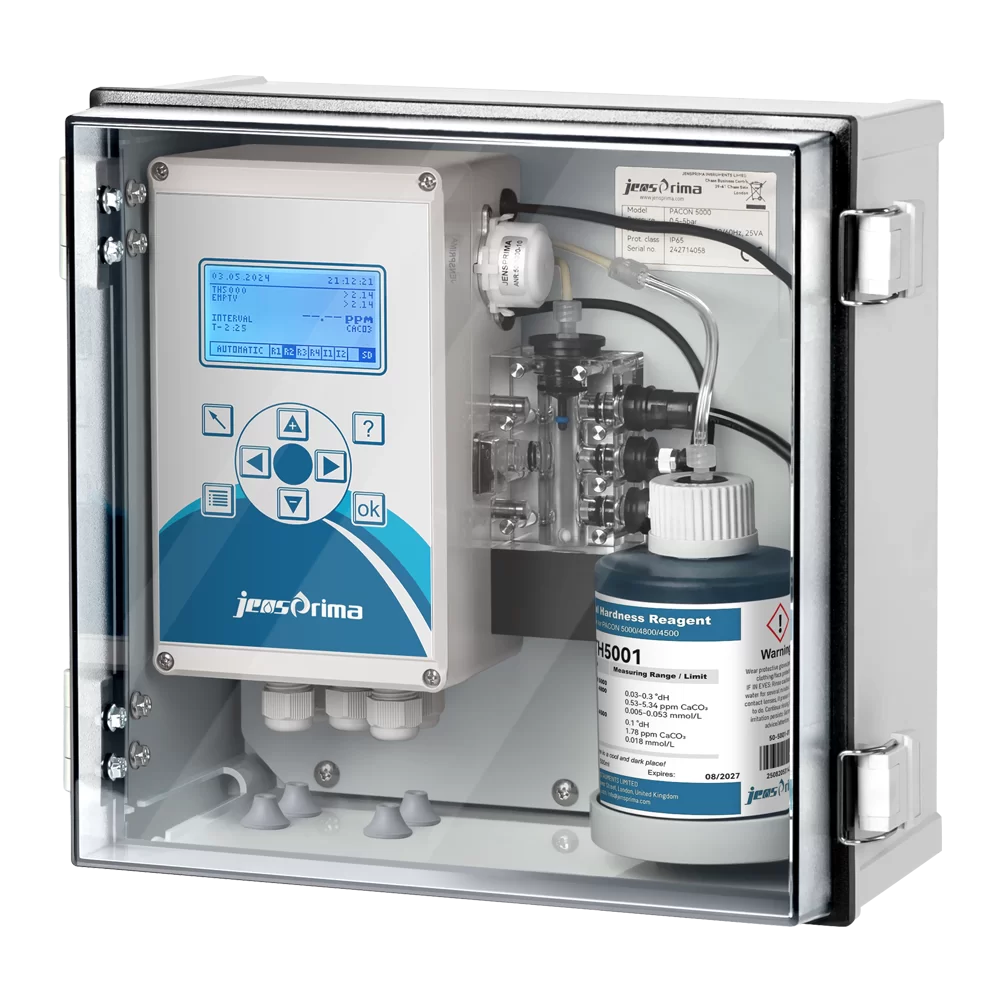
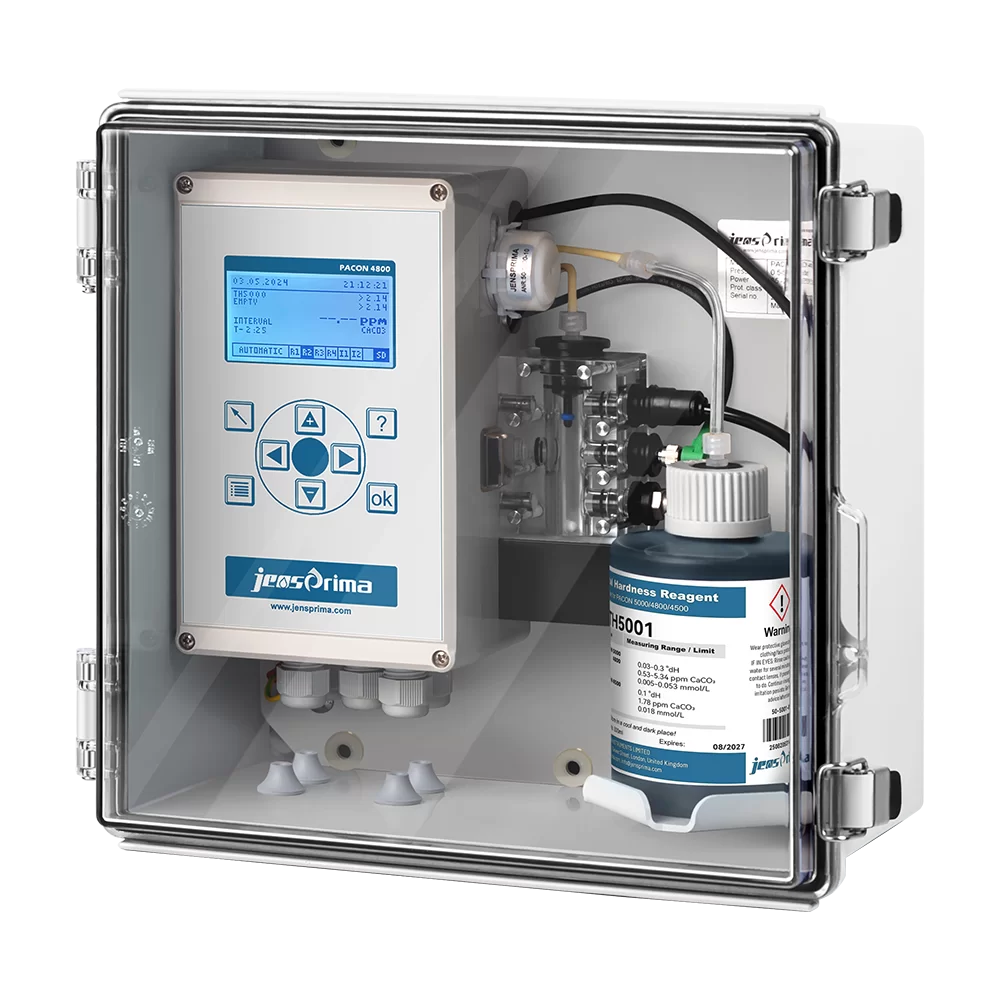
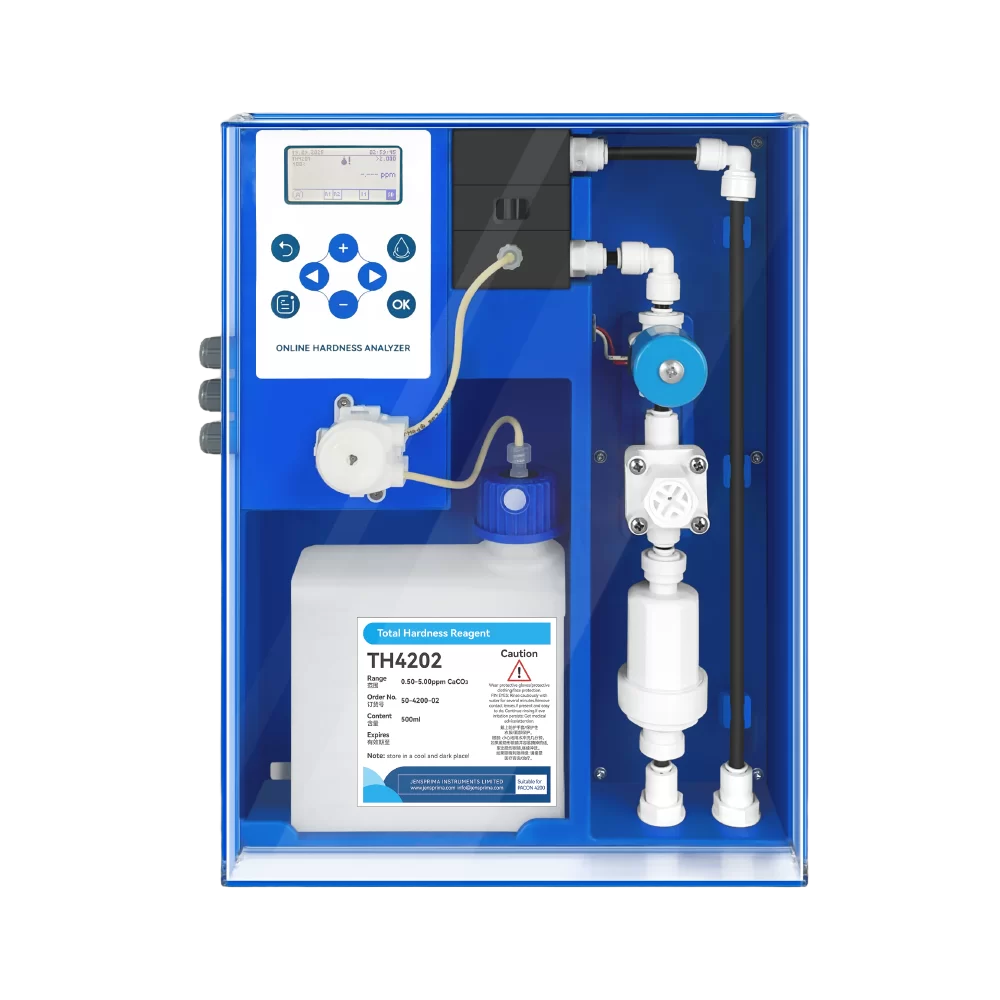
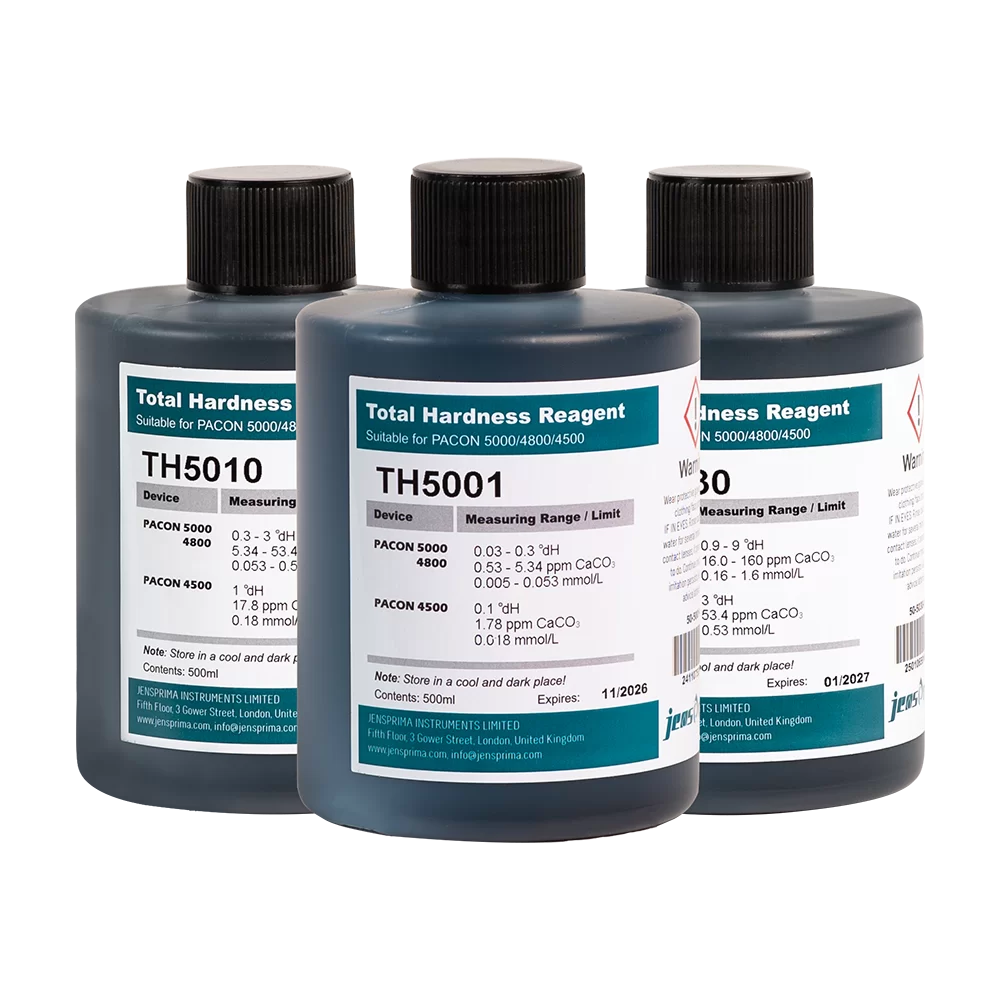
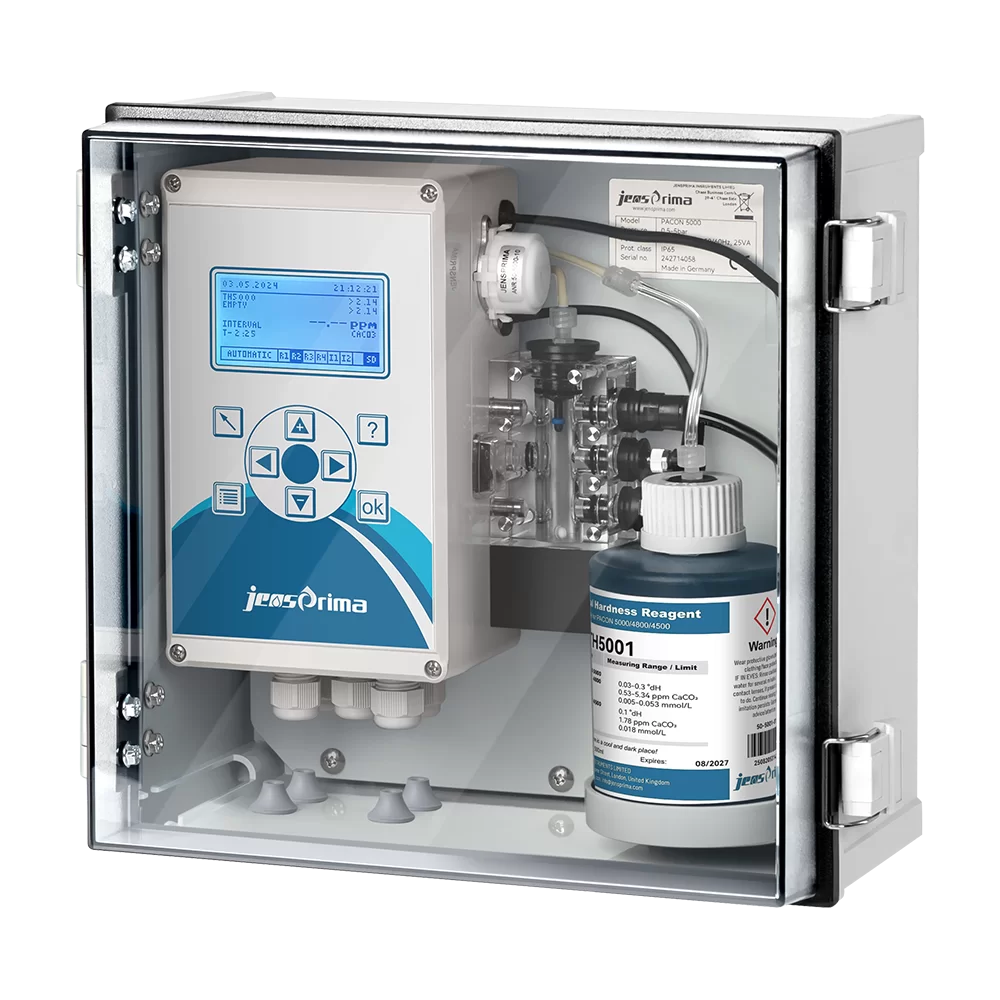
Pakistan faces significant challenges regarding water salinity and industrial pollution, particularly in the Punjab and Sindh provinces. The heavy reliance on groundwater for both agriculture and textile manufacturing has led to increased mineral buildup, necessitating the use of a total hardness analyzer to prevent scale formation in critical infrastructure.

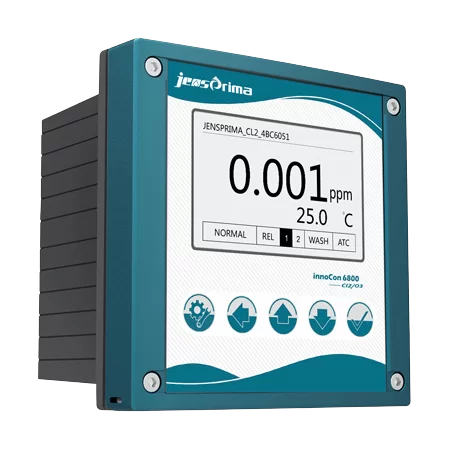
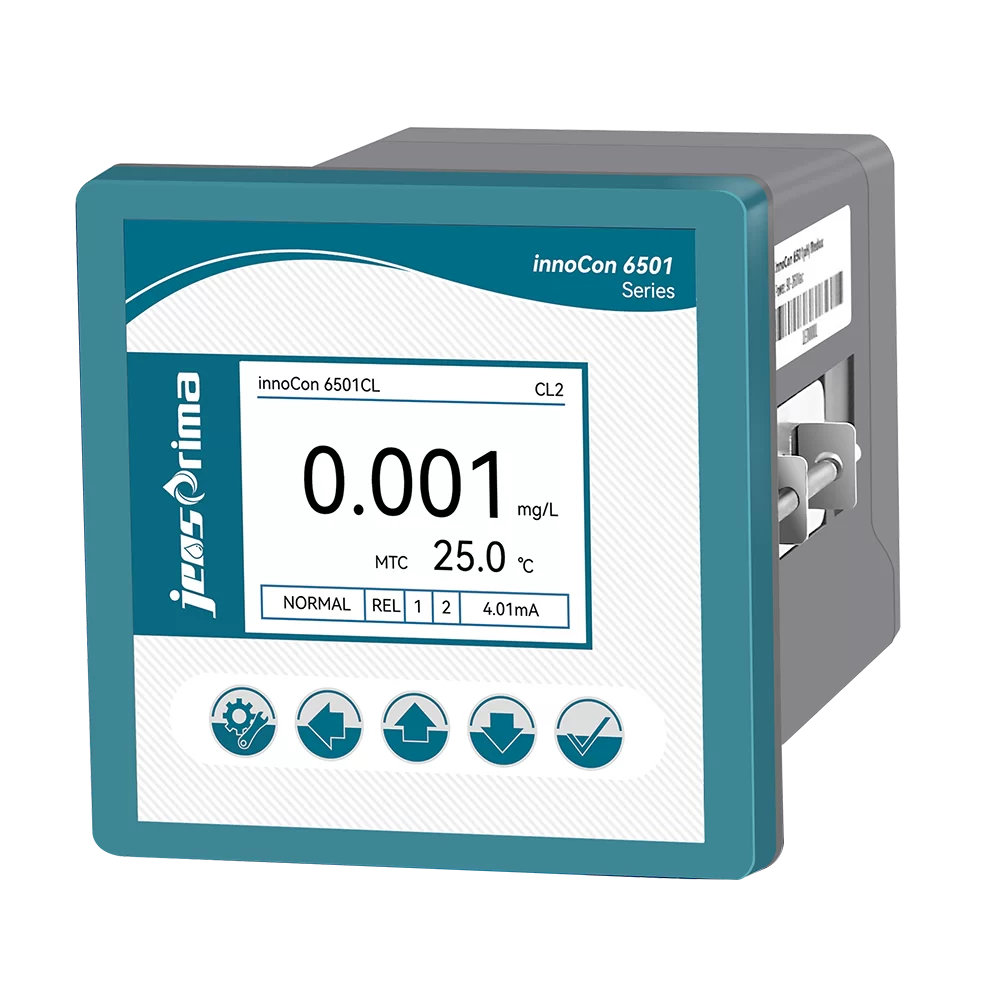
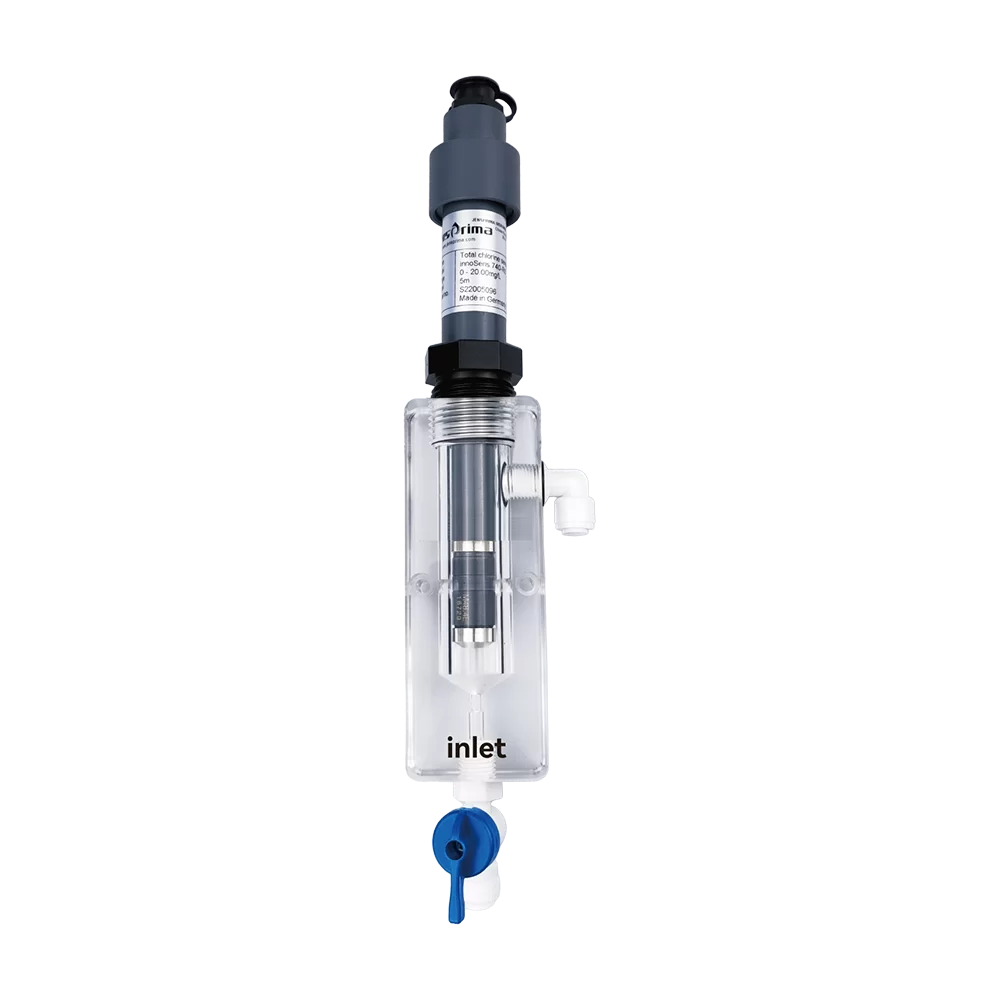
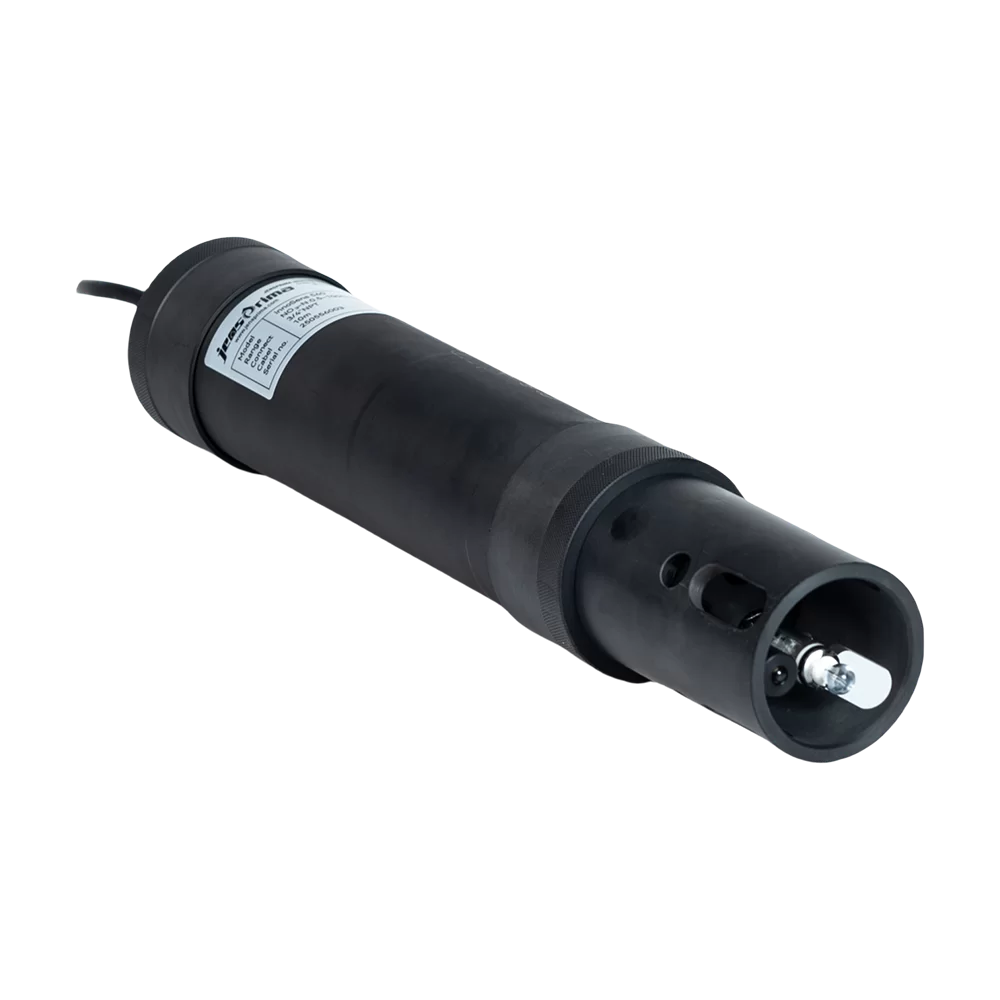
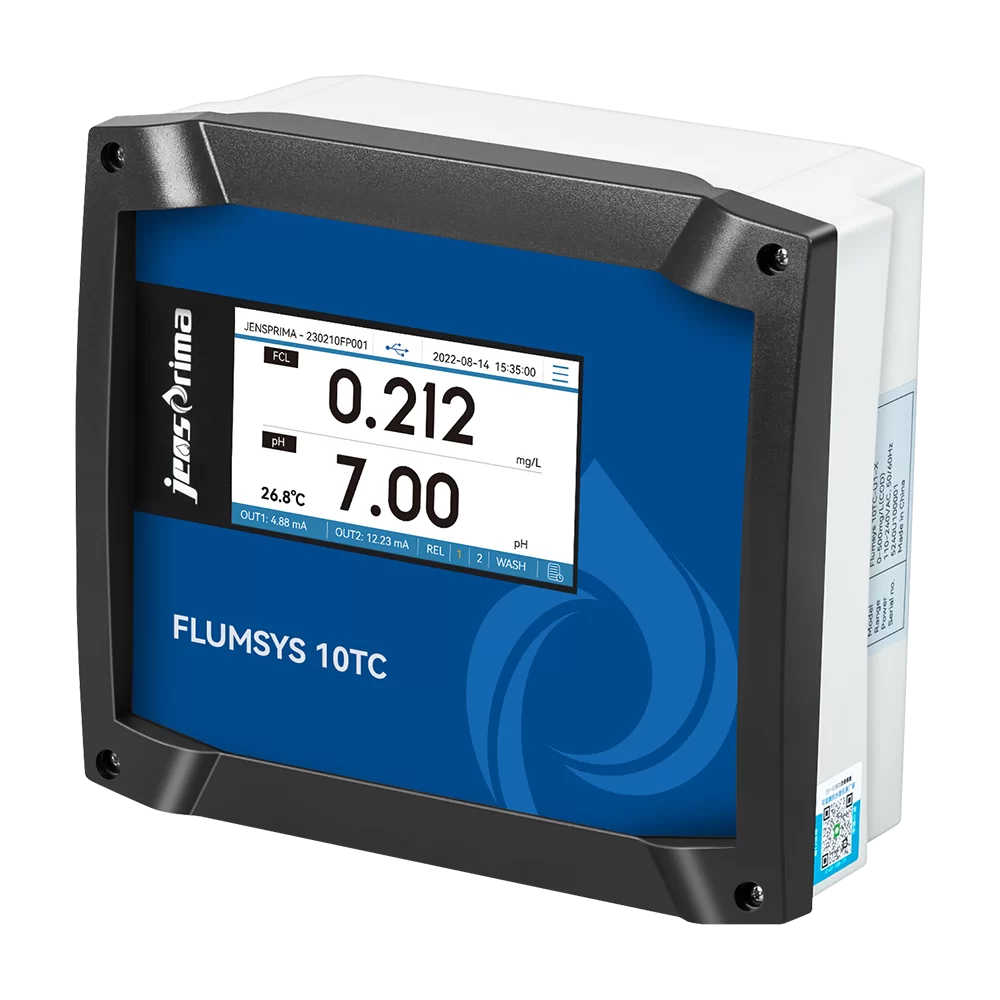
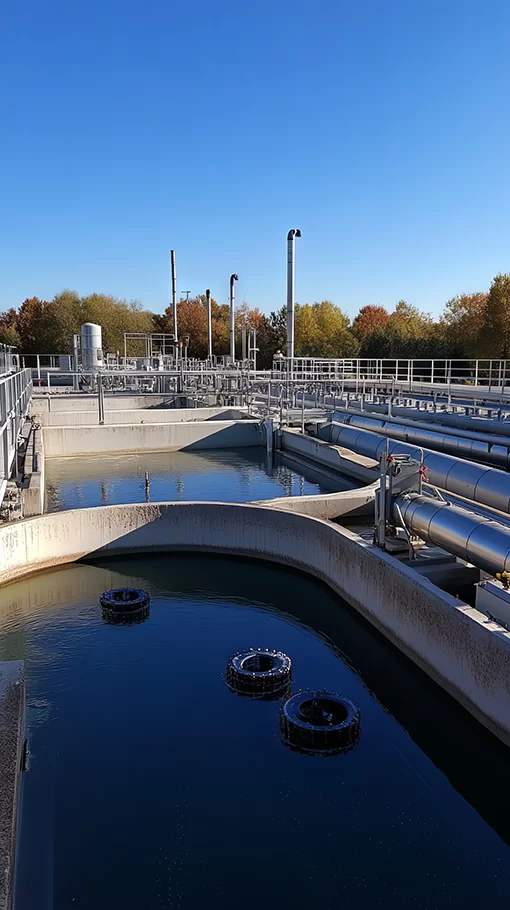
In urban centers like Karachi and Lahore, the demand for potable water has surged, putting pressure on municipal treatment plants. The integration of a residual chlorine controller has become essential to ensure that disinfection processes are maintained without creating harmful by-products, protecting public health against waterborne diseases.

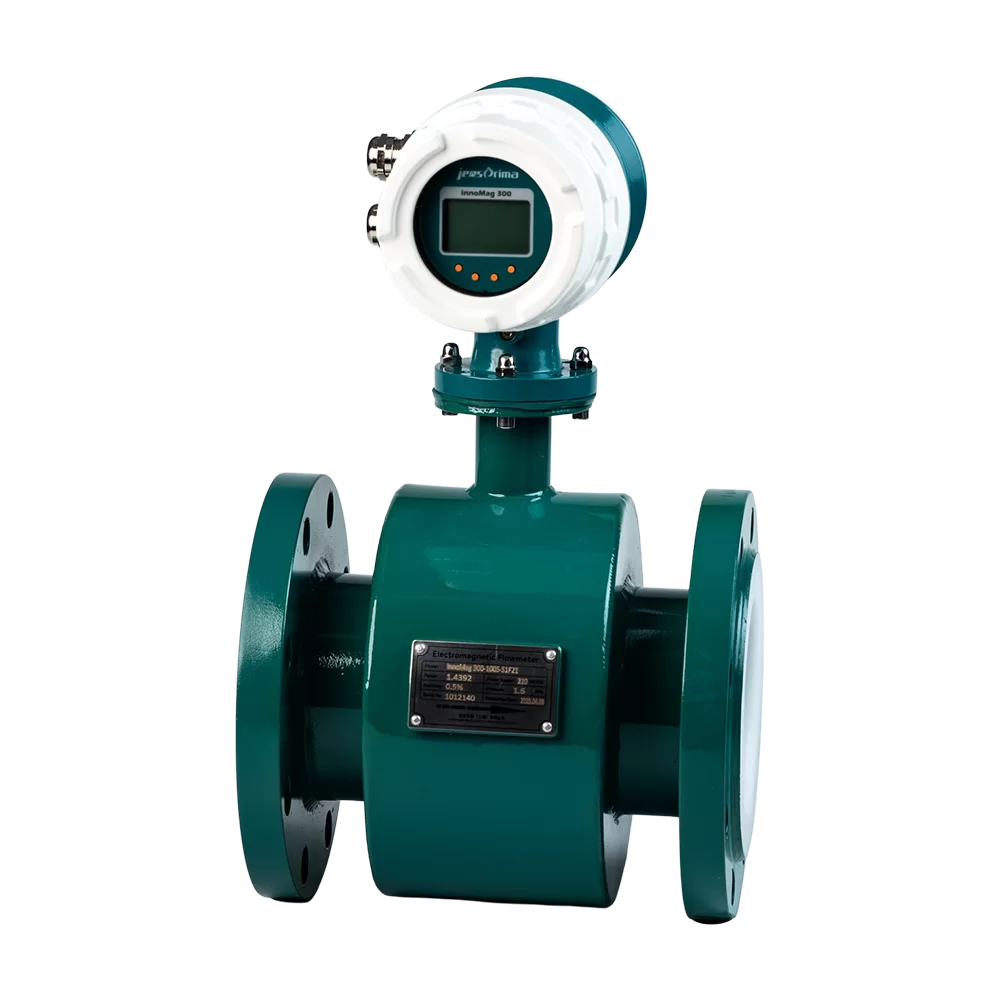
Furthermore, the industrial sector is shifting towards stringent environmental compliance. The adoption of an electromagnetic flowmeter allows factories to accurately measure effluent discharge, ensuring that wastewater treatment plants operate within the legal limits set by local environmental protection agencies.

Evolution of Water Quality Instrumentation in Pakistan

From manual sampling to real-time digital intelligence

Market Development History

Between 1990 and 2010, water quality monitoring in Pakistan relied heavily on manual grab-sampling and laboratory analysis. This caused significant delays in response times, often resulting in equipment damage due to undetected chemical spikes in industrial boilers.

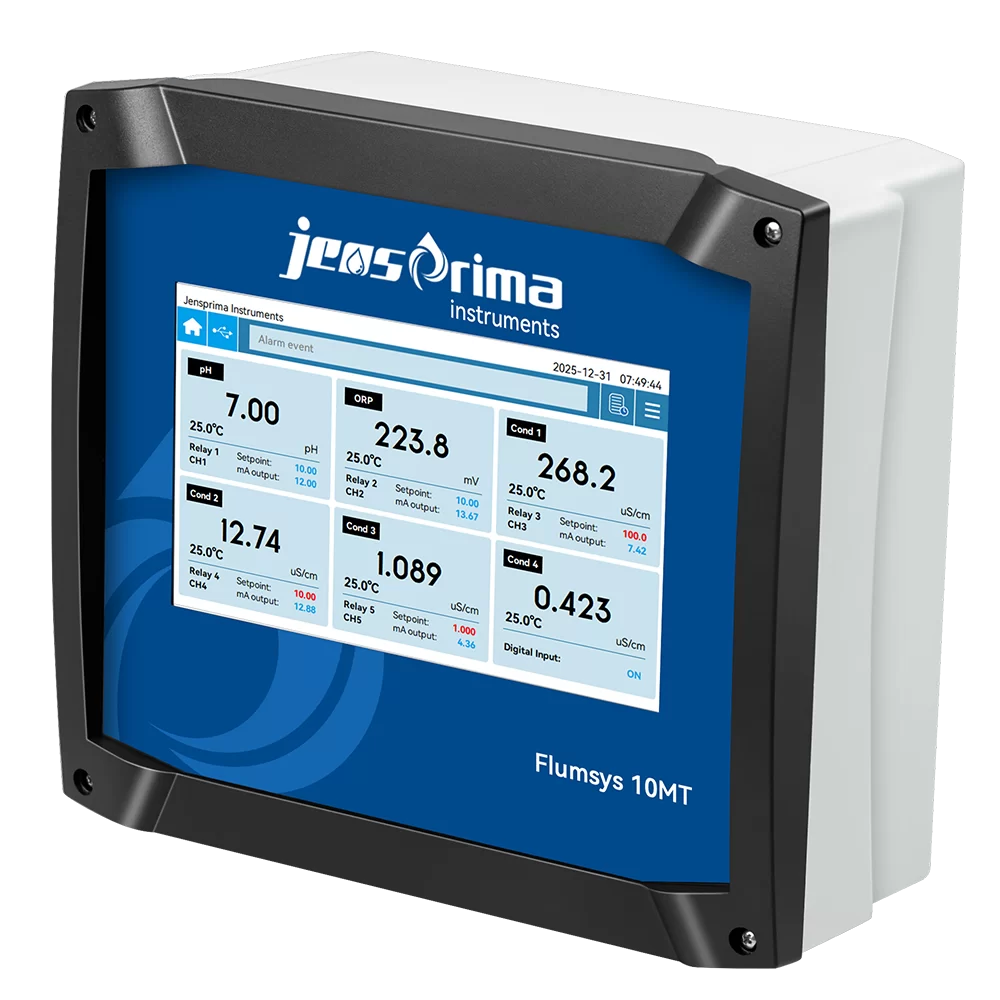
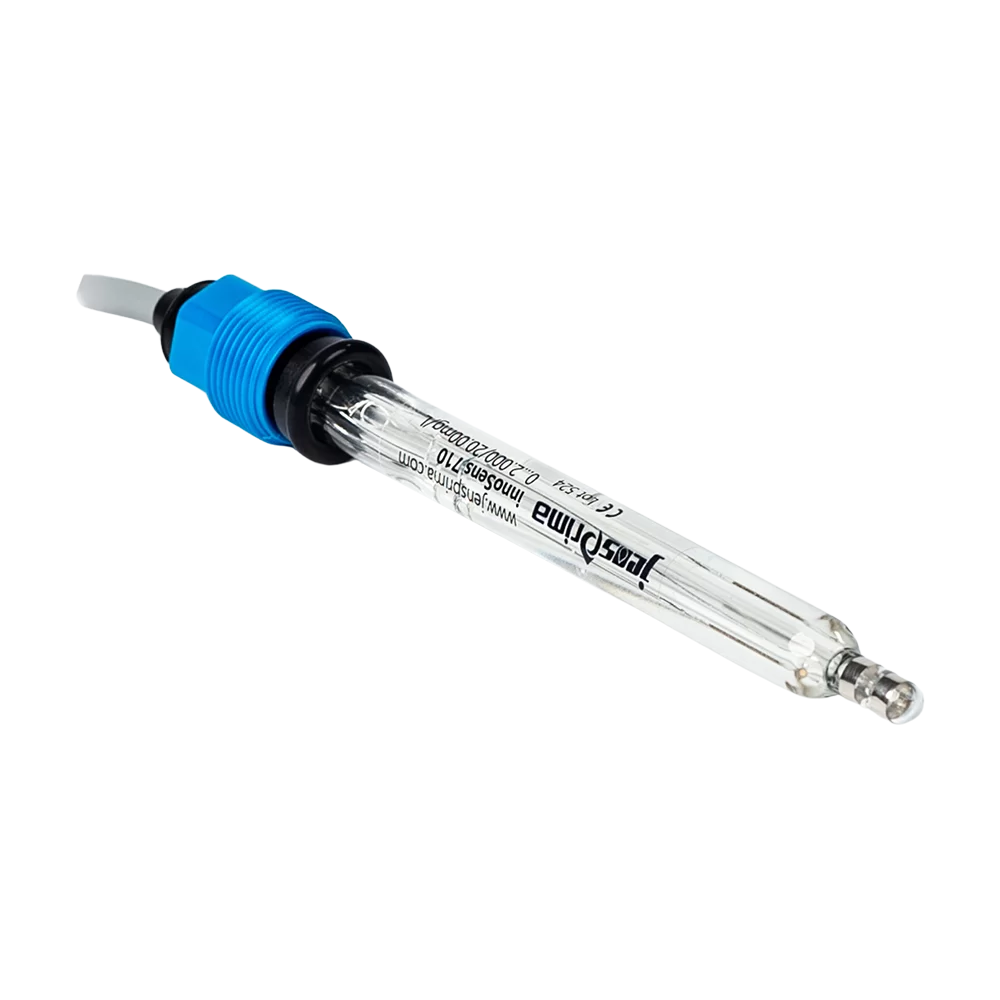
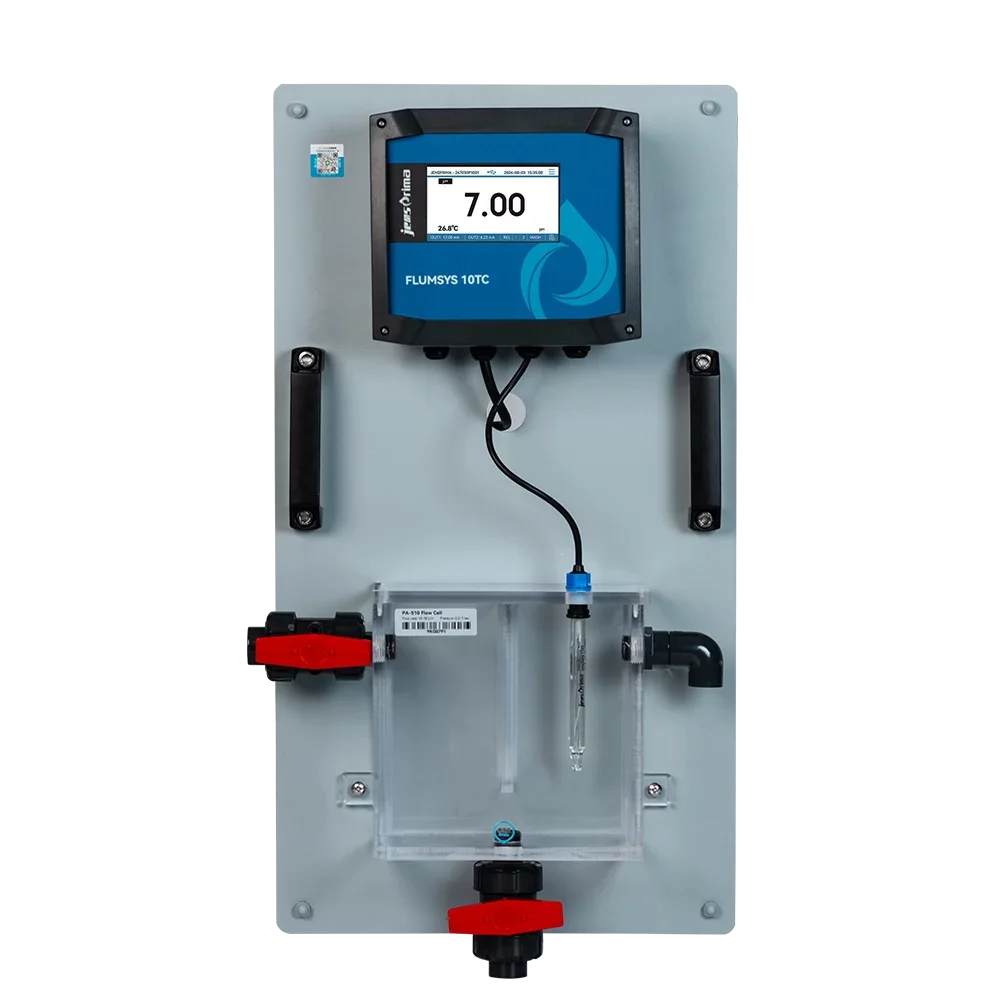
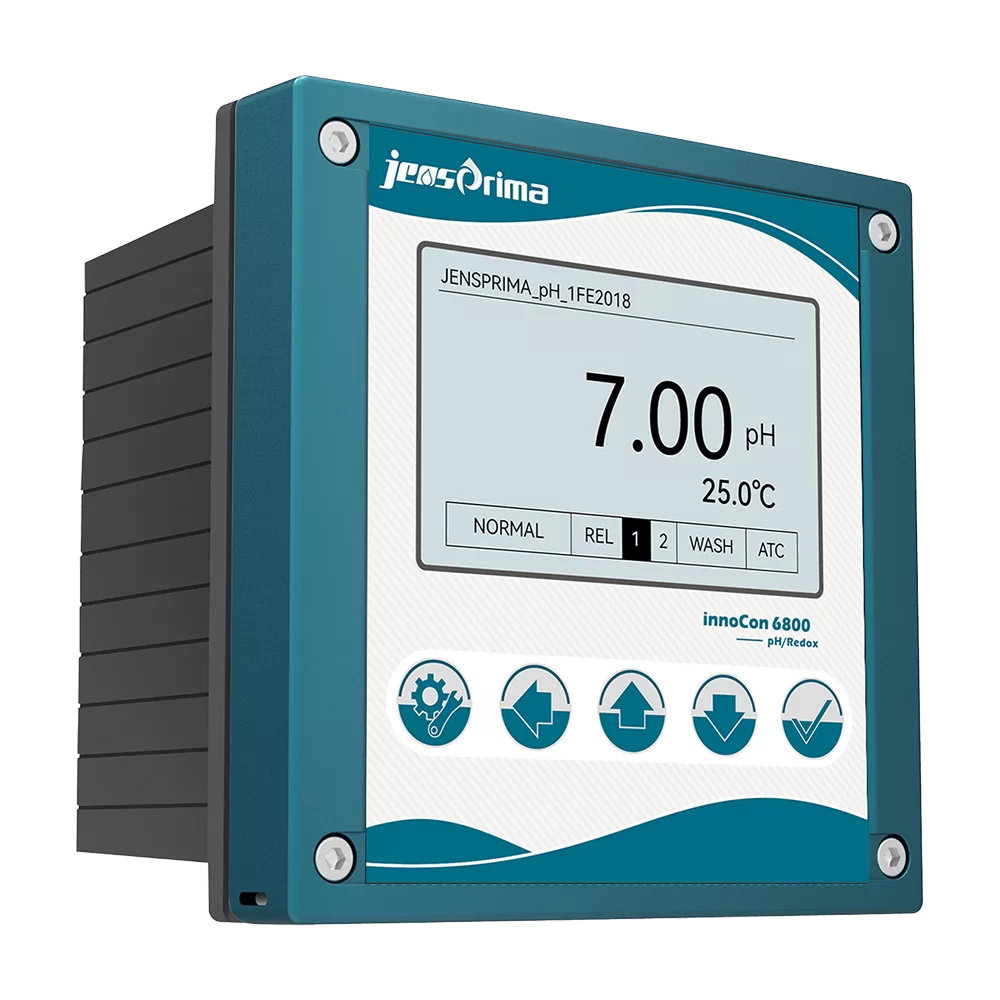
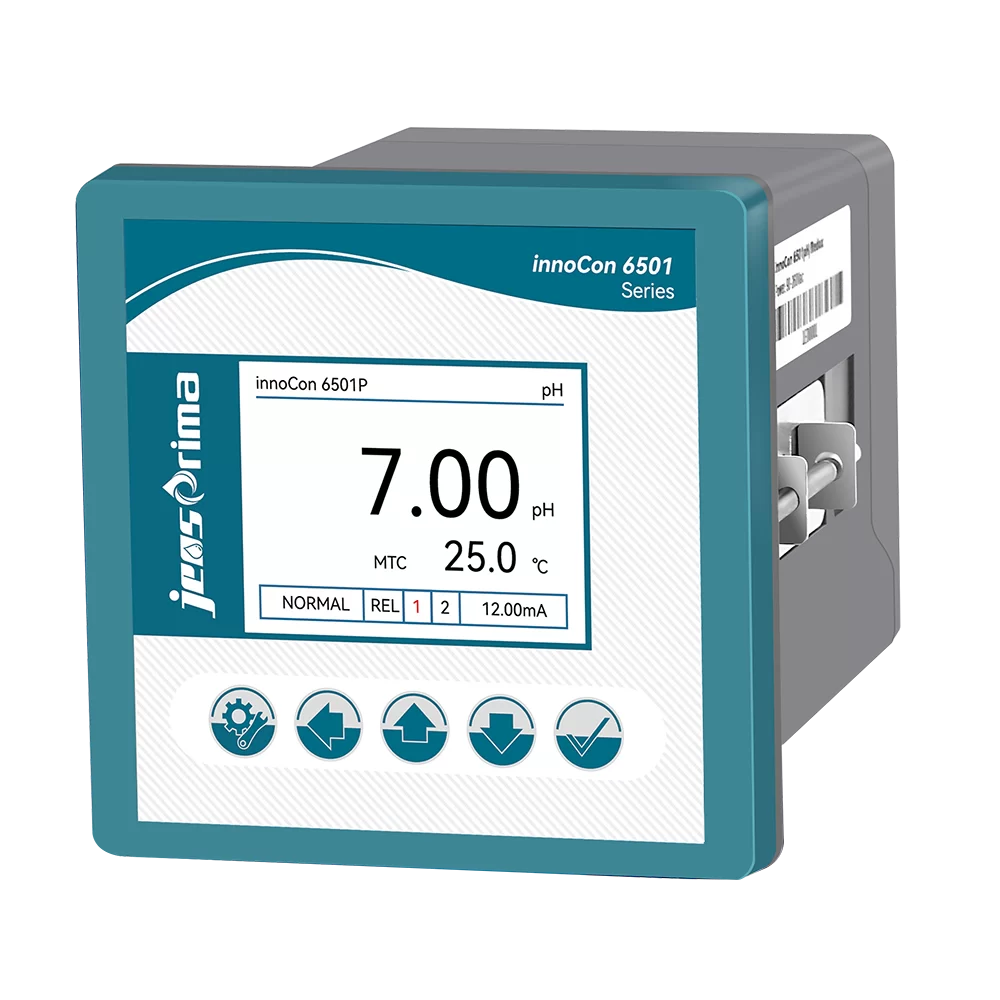
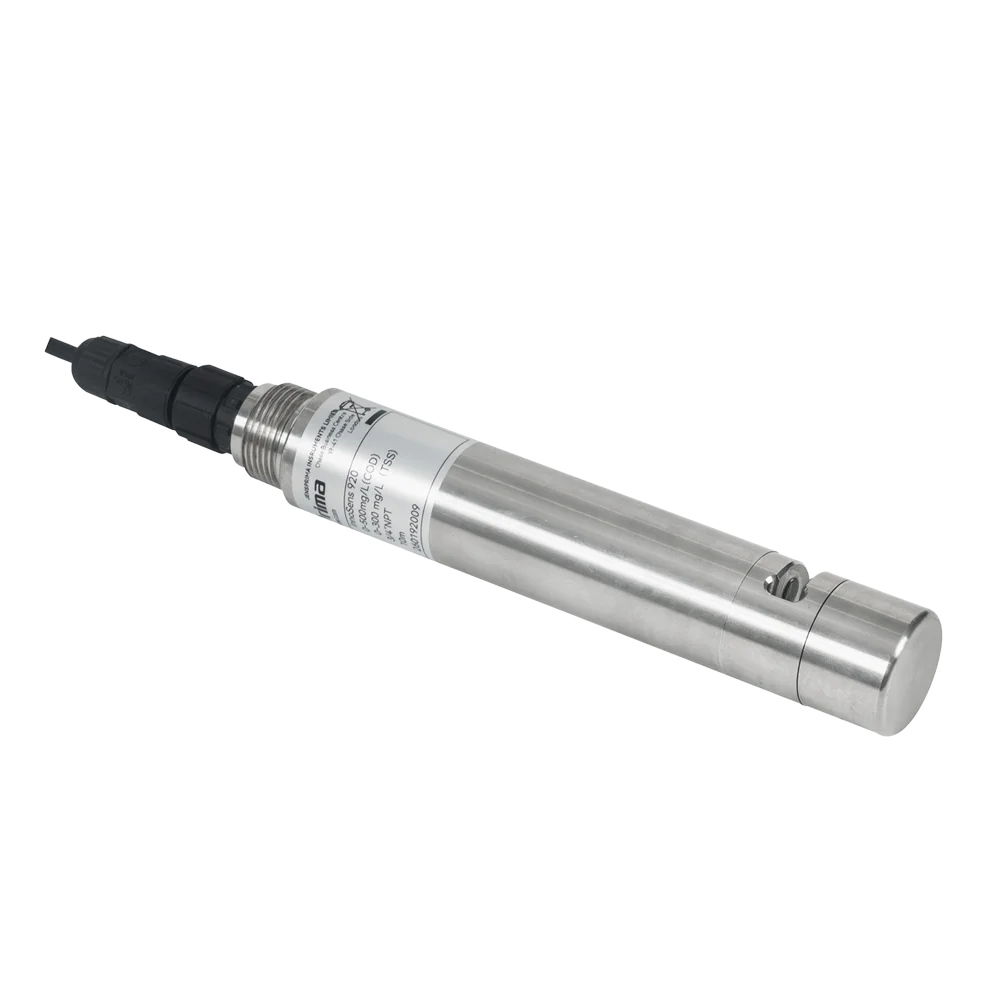
From 2011 to 2020, the market saw a transition toward basic online sensors. The introduction of the multi parameter water quality analyzer allowed operators to monitor pH, conductivity, and dissolved oxygen simultaneously, reducing labor costs and improving data reliability.

Since 2021, there has been a rapid acceleration towards IoT-integrated systems. Modern facilities now employ automated calibration and remote telemetry, enabling centralized monitoring of distributed water networks across vast geographic areas.

Future Development Trends

AI-Driven Predictive Maintenance

Integration of machine learning to predict sensor drift and fouling, reducing the need for manual cleaning in high-sediment Pakistani waters.

Energy-Autonomous Monitoring

Development of solar-powered analysis stations to maintain continuous monitoring in rural areas with unstable power grids.

Hyper-Local Regulatory Integration

Software interfaces designed specifically to generate reports compatible with Pakistan's Environmental Protection Agency (EPA) standards.

Industry Trends and Future Outlook

Driving sustainability through precision measurement

Smart Integration
Transitioning from isolated sensors to unified SCADA systems for total plant visibility.
Zero Liquid Discharge
Increasing demand for ZLD technologies in the textile sector to eliminate wastewater.
Precision Dosing
Linking real-time analyzers to dosing pumps for optimal chemical consumption.
Green Compliance
Focusing on reducing the carbon footprint of water treatment processes.

Industry Outlook

The search trends for water quality instrumentation in Pakistan indicate a strong pivot toward "automation" and "low maintenance." As the government introduces stricter laws on effluent discharge, the market for high-end online analyzers is expected to grow by 12% annually.

We anticipate that the next five years will see a shift toward decentralized water treatment, where small-scale, modular analysis systems provide the same precision as large-scale municipal plants.

Local Application Scenarios in Pakistan

Proven deployment strategies for regional challenges

1. Textile Effluent Treatment in Faisalabad

Using a multi parameter water quality analyzer to monitor COD and pH levels in real-time, ensuring that dye-house wastewater is neutralized before discharge into local canals.

2. Municipal Drinking Water in Karachi

Implementing a residual chlorine controller to manage the chlorination of the city's water supply, balancing disinfection needs with taste and safety.

3. Industrial Boiler Feed Water in Lahore

Utilizing a total hardness analyzer to monitor soften water quality, preventing catastrophic tube failure in high-pressure boilers used in pharmaceutical plants.

4. Agricultural Irrigation Monitoring in Punjab

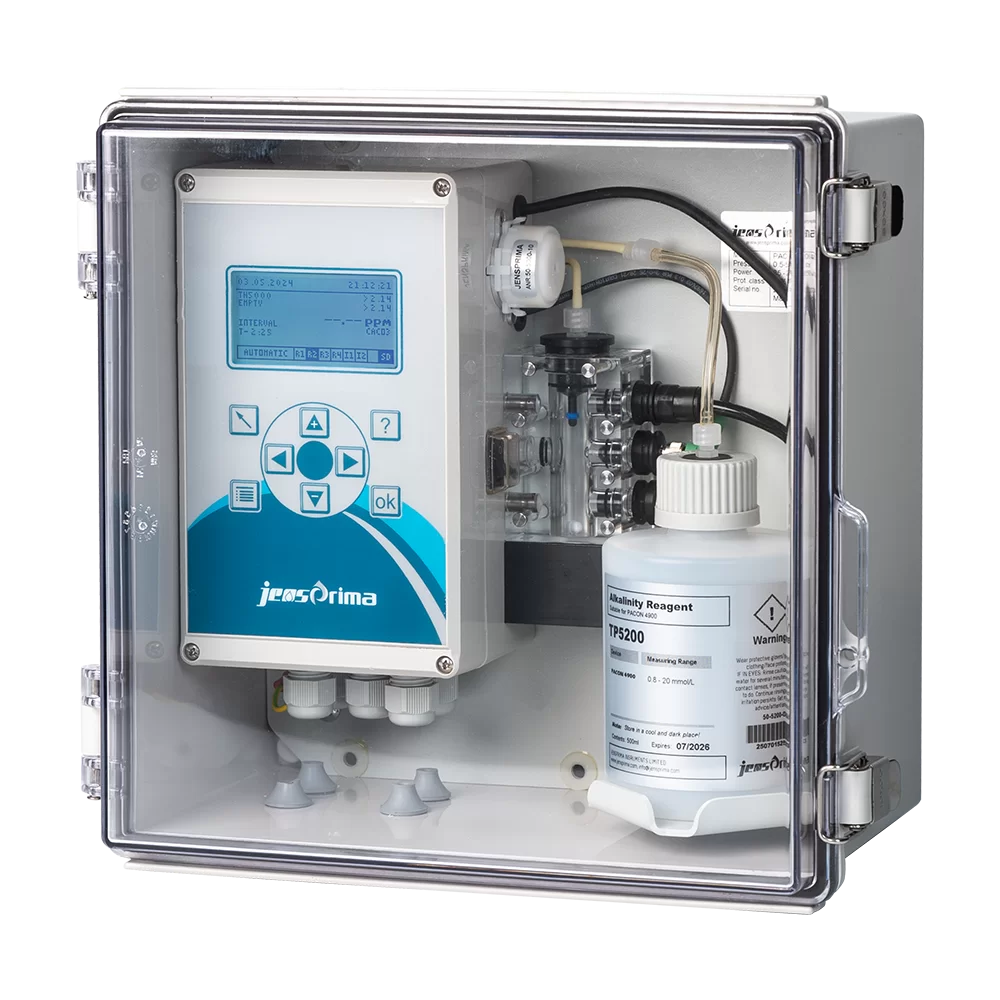
Deploying an alkalinity analyzer to assess soil-water interactions, helping farmers optimize fertilizer use and manage soil salinity.

5. Wastewater Flow Management in Rawalpindi

Installing an electromagnetic flowmeter in sewage mainlines to accurately quantify water loss and optimize pumping station energy consumption.

Brand Story

Global Development Process of Jensprima (Shanghai) Co., Ltd.

Foundation & Vision

Established with a mission to bridge the gap between laboratory precision and industrial durability in water analysis.

Technical Breakthrough

Developed proprietary sensor technology that reduces drift in harsh chemical environments, solving a core pain point for industrial users.

Global Expansion

Expanded our footprint to Asia, bringing specialized engineering support to the Pakistani market to tackle regional water issues.

Quality Certification

Achieved international ISO and CE certifications, ensuring our instruments meet the highest global standards for accuracy.

Sustainable Future

Now focusing on the "Internet of Water," creating a world where water quality data is transparent, real-time, and actionable.

Complete Product Portfolio for Pakistan Market

End-to-end instrumentation for total water cycle management

Frequently Asked Questions in Pakistan

Expert answers to local technical challenges

How does a multi parameter water quality analyzer handle high turbidity in Indus River water?

Our analyzers feature advanced self-cleaning mechanisms and robust pre-filtration systems designed specifically to prevent sensor fouling in high-sediment environments.

Can a total hardness analyzer be integrated into existing PLC systems?

Yes, our instruments support standard 4-20mA, Modbus RS485, and Profibus protocols for seamless integration with any industrial PLC or SCADA system.

What is the maintenance cycle for a residual chlorine controller in municipal plants?

Typically, a monthly calibration check is recommended, though our high-stability probes can extend the interval to quarterly depending on the water quality.

Does the alkalinity analyzer require frequent reagent replacement?

We utilize high-concentration reagents and optimized dosing pumps to minimize consumption, ensuring months of operation between refills.

Is the electromagnetic flowmeter suitable for corrosive wastewater in textile mills?

Absolutely. We offer PTFE and PFA liners that are chemically inert, making them ideal for the aggressive pH levels found in textile effluent.

How to prevent sensor drift in extreme Pakistan summer temperatures?

Our instruments include automatic temperature compensation (ATC) and optional cooling jackets to maintain measurement accuracy during heatwaves.

Ready to Optimize Your Water Quality?

Contact our regional experts today for a customized technical audit and solution design for your facility in Pakistan.

Contact Us Now
Service Repair Form
Tell us what issue you encountered, including any steps or symptoms.
  • Name
  • Email
  • Phone
  • Fault Description

If you are interested in our products, you can choose to leave your information here, and we will be in touch with you shortly.