
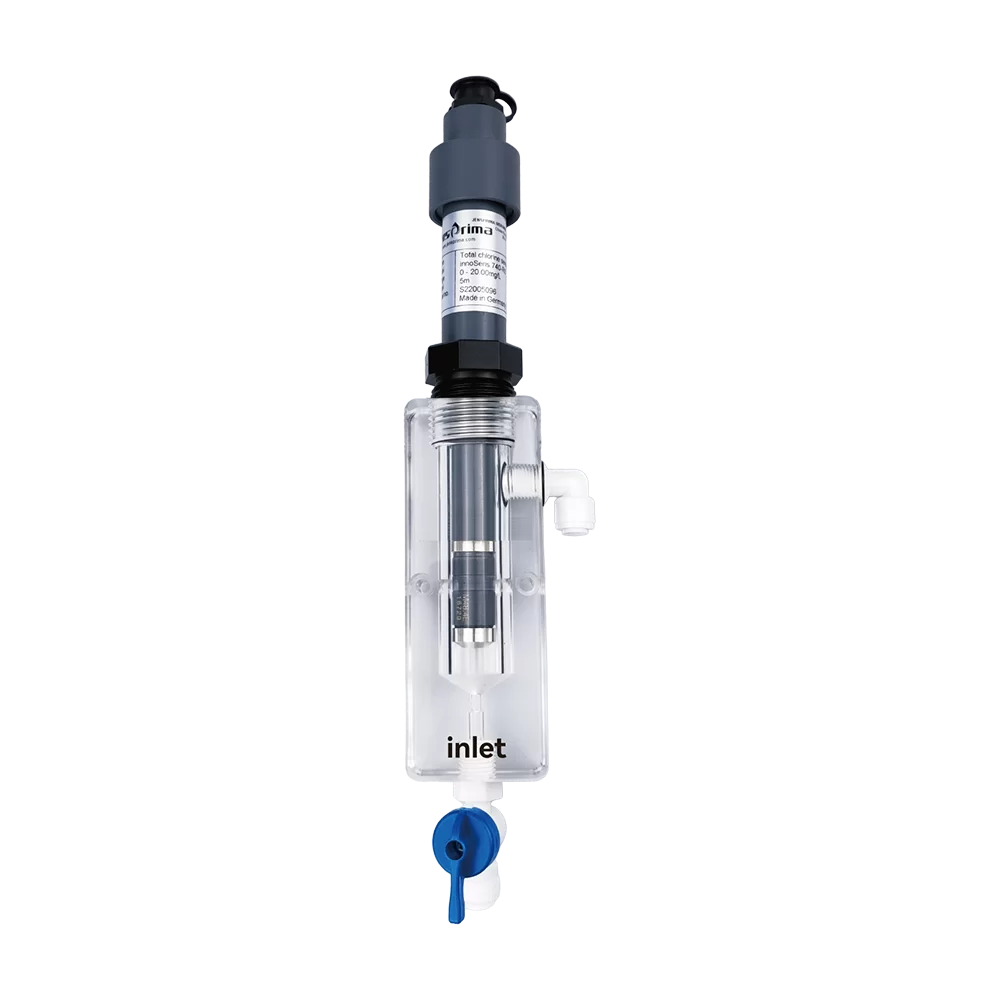
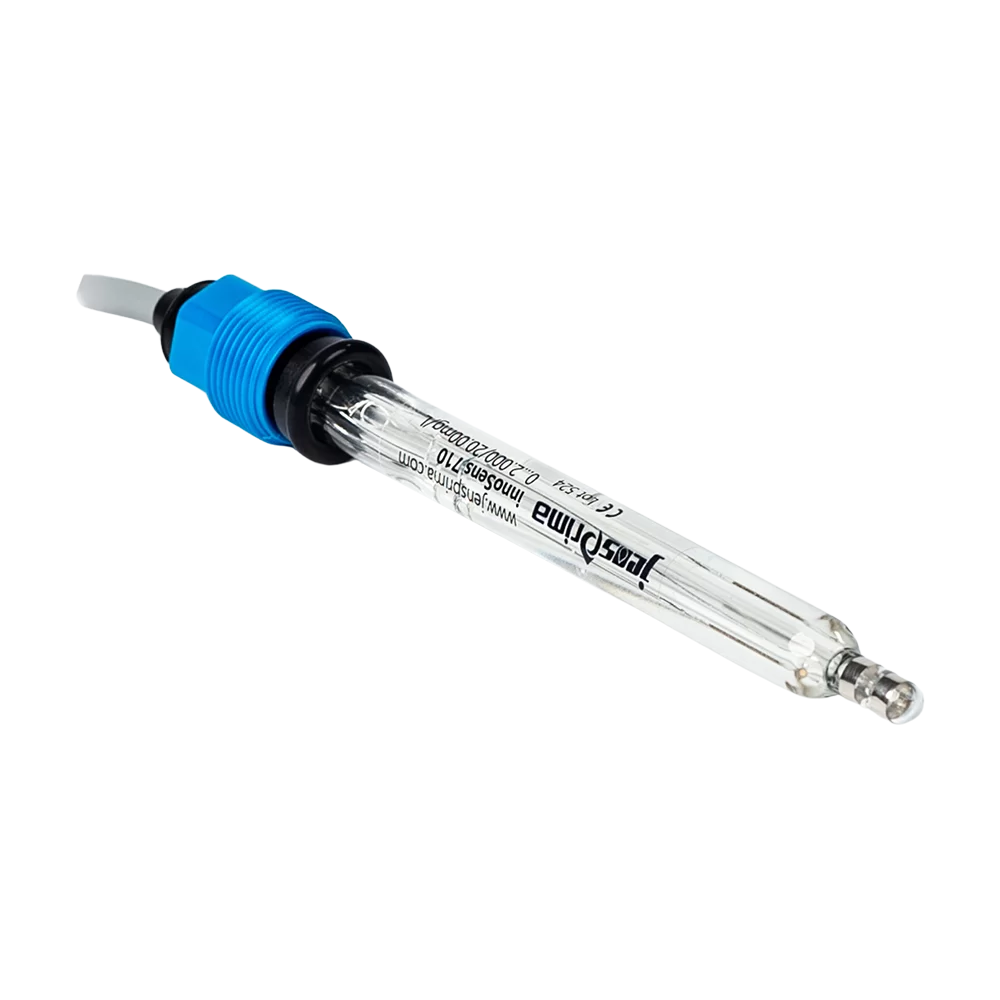
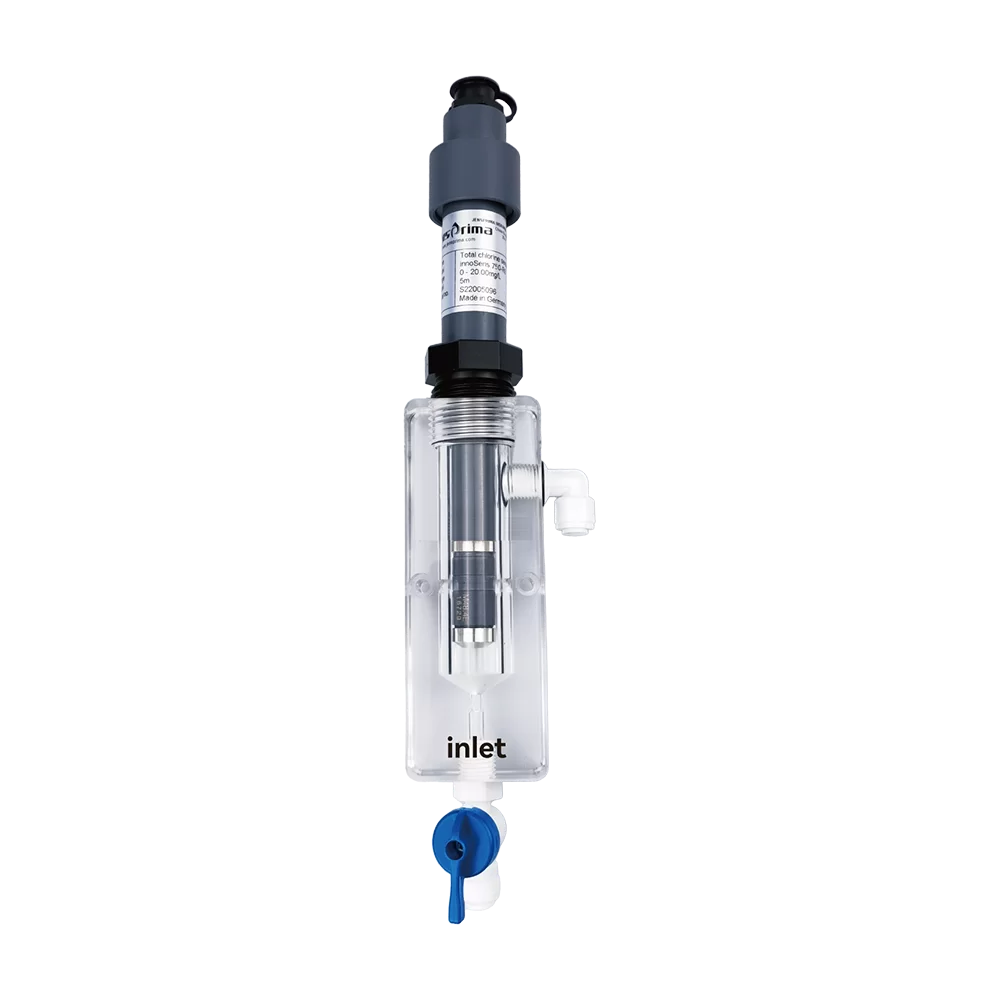
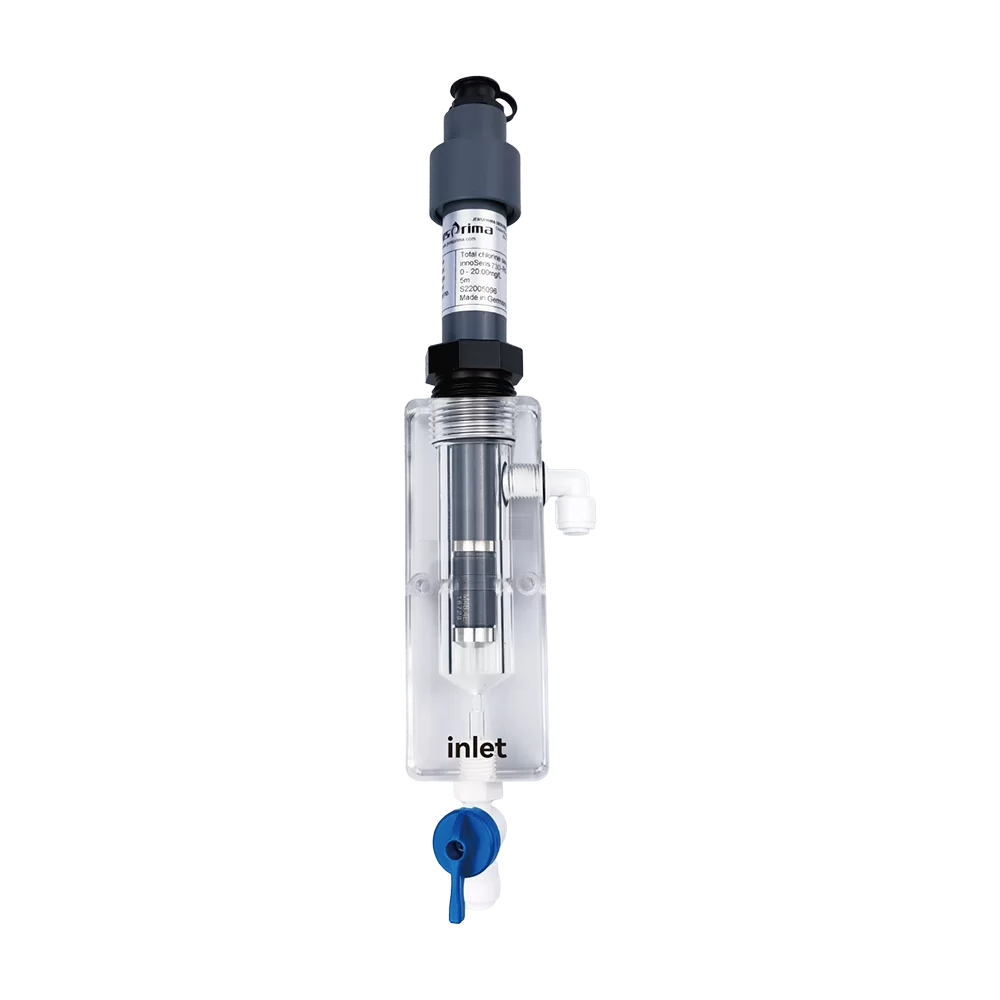
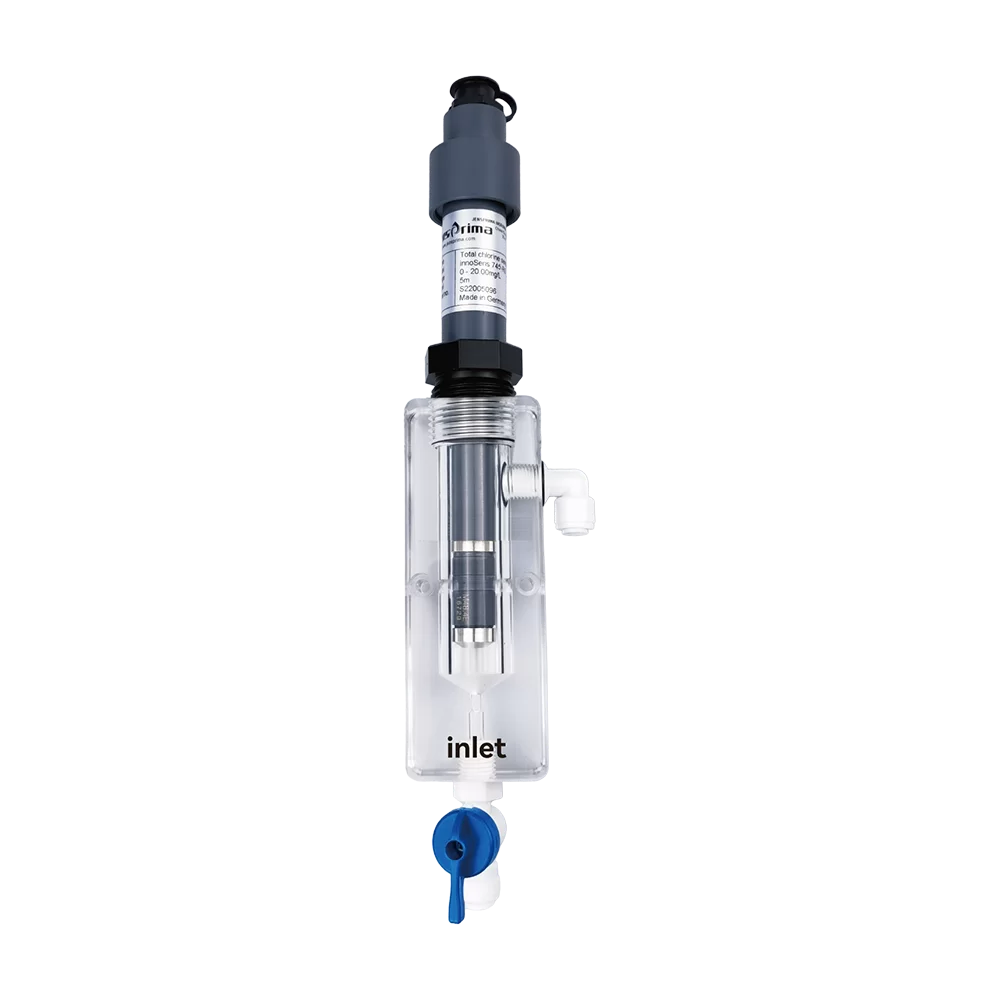
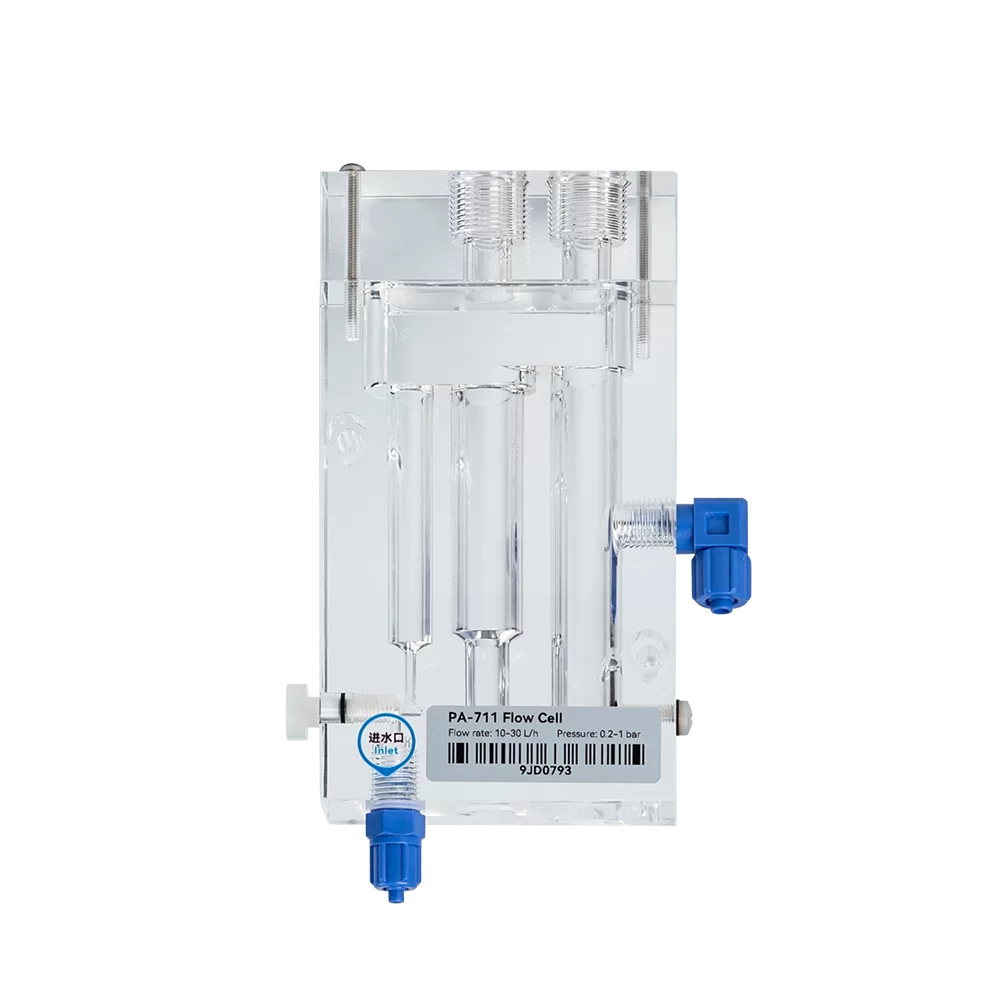
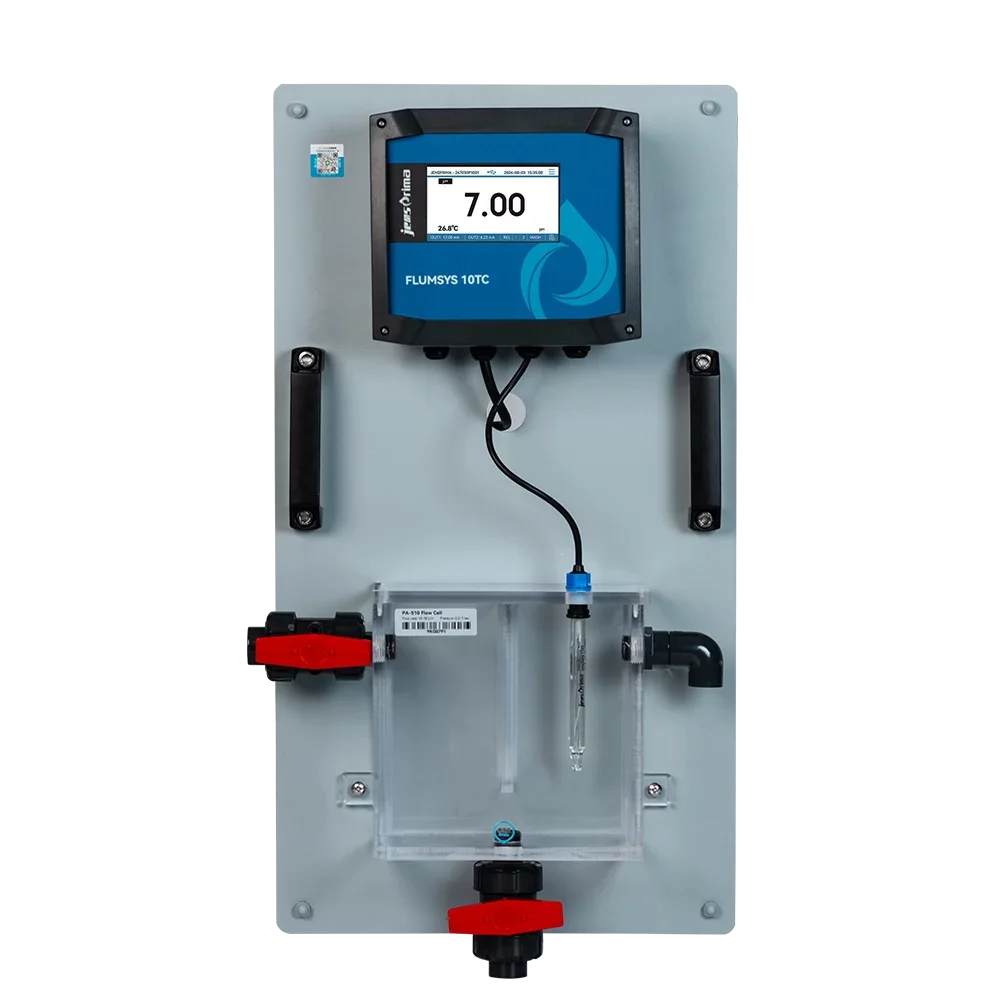
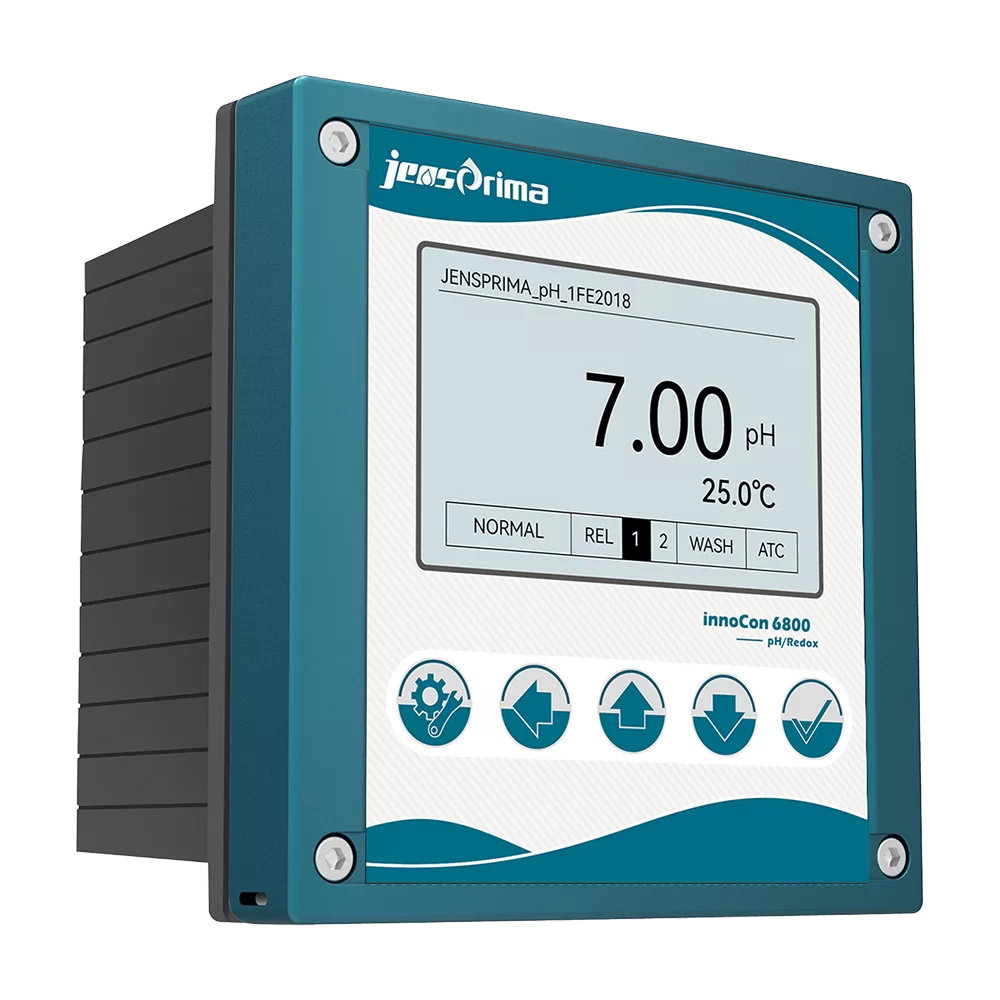
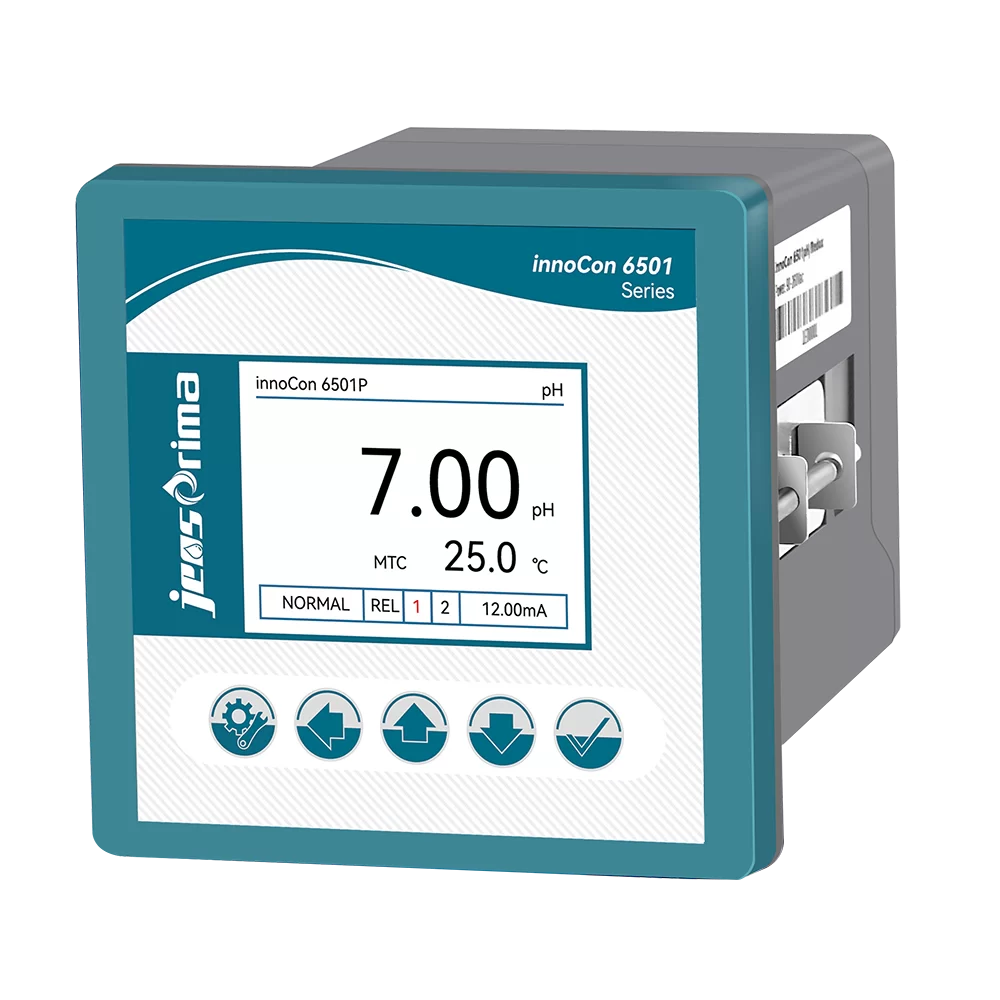
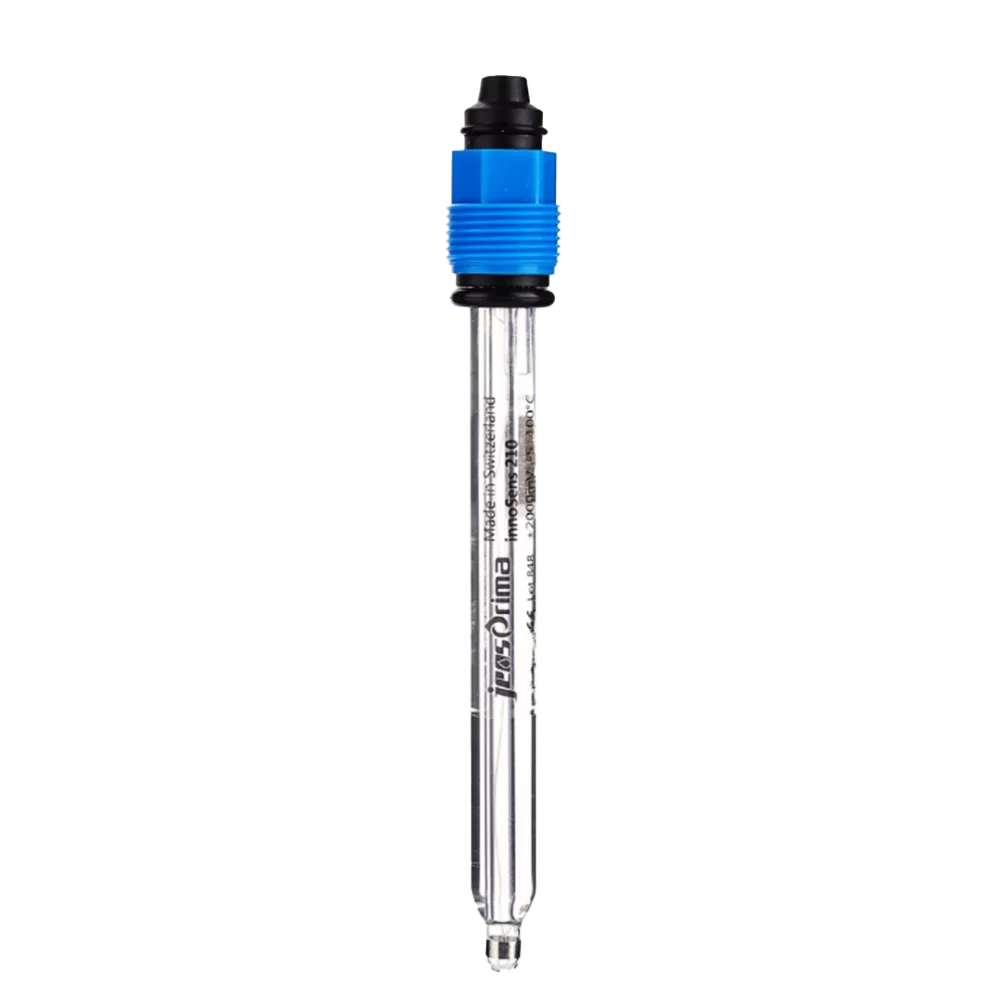
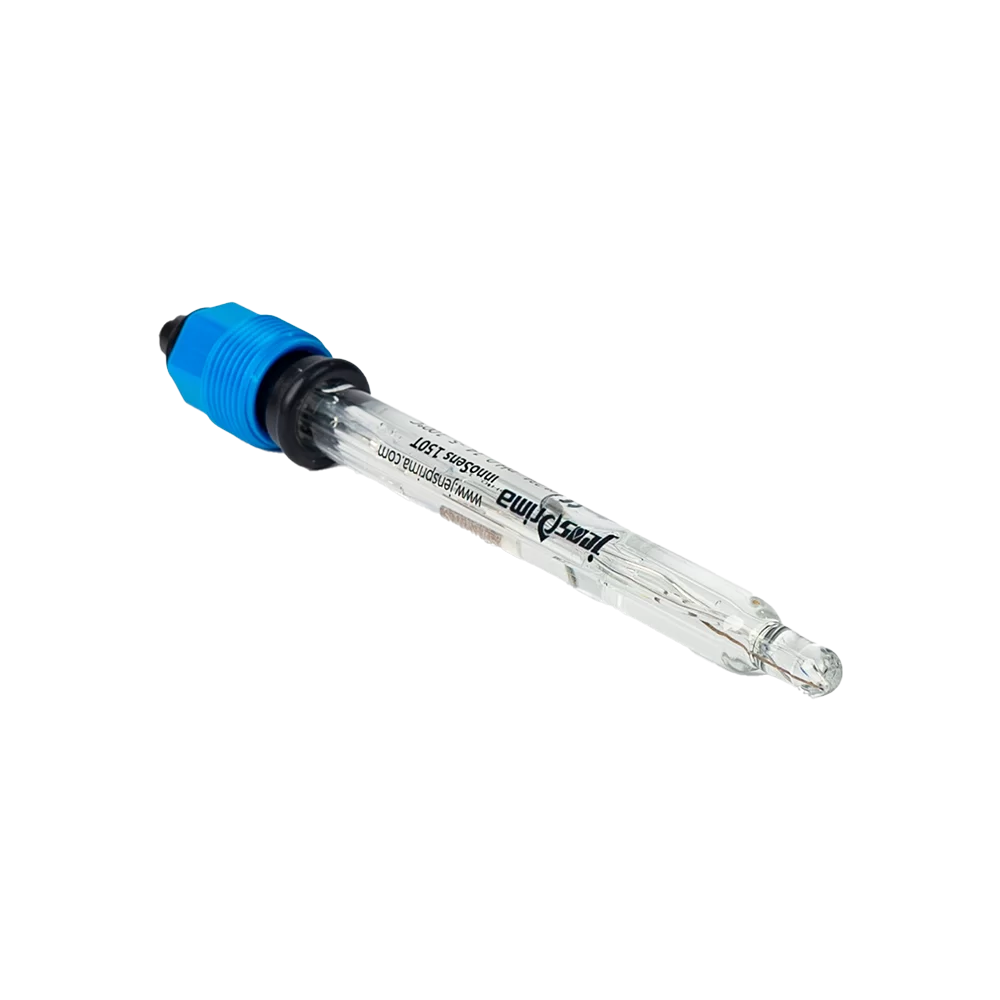
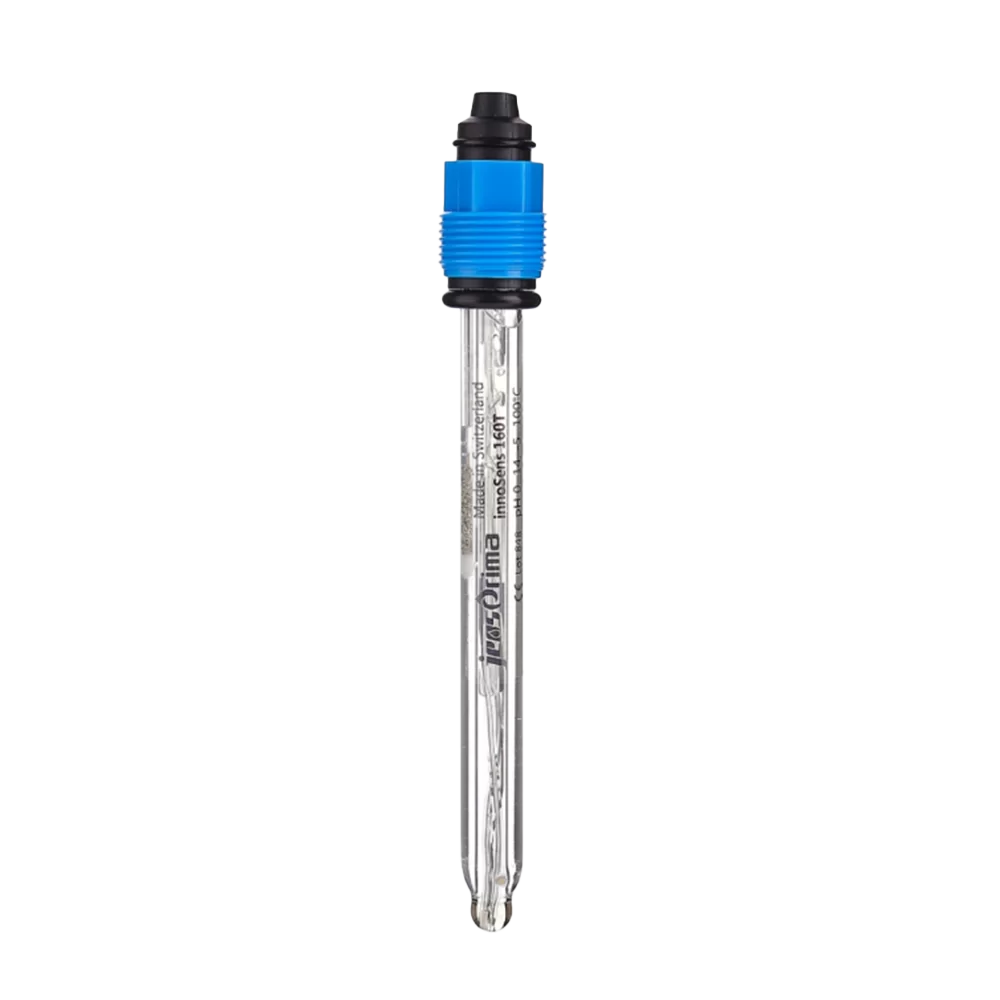
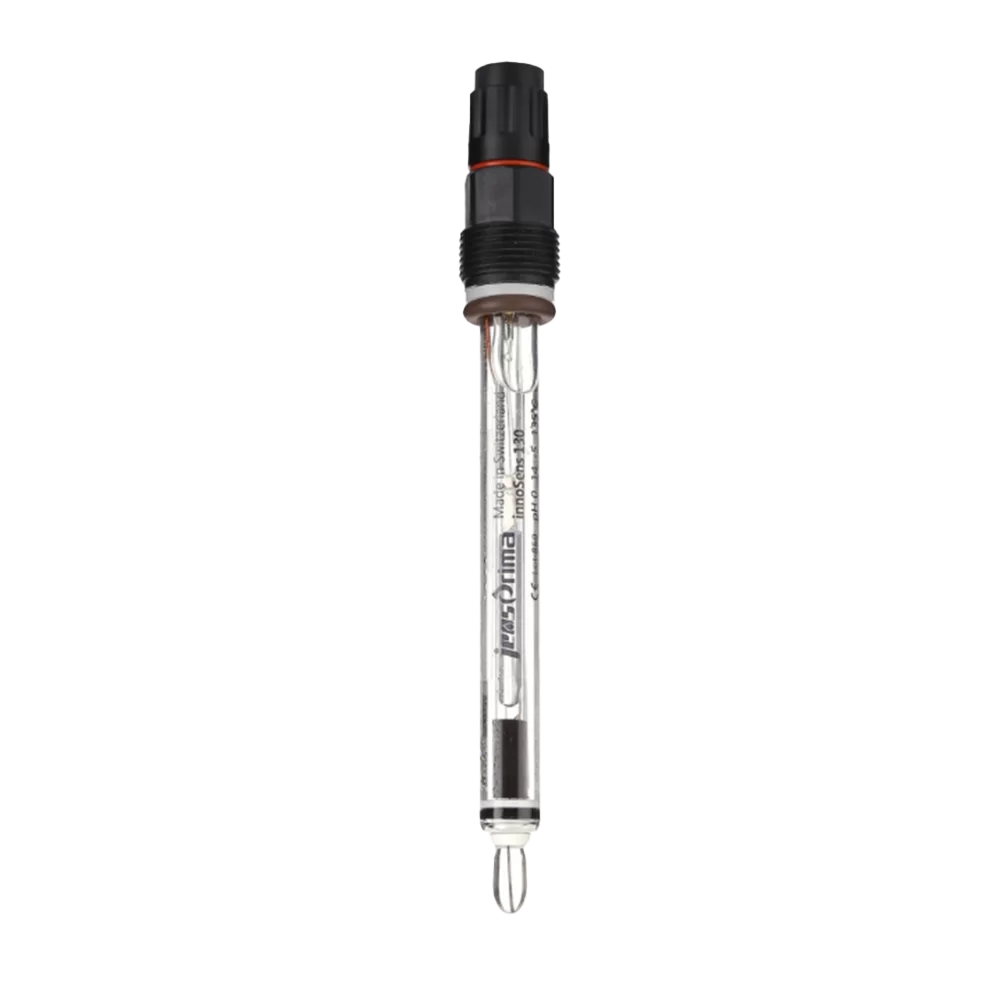
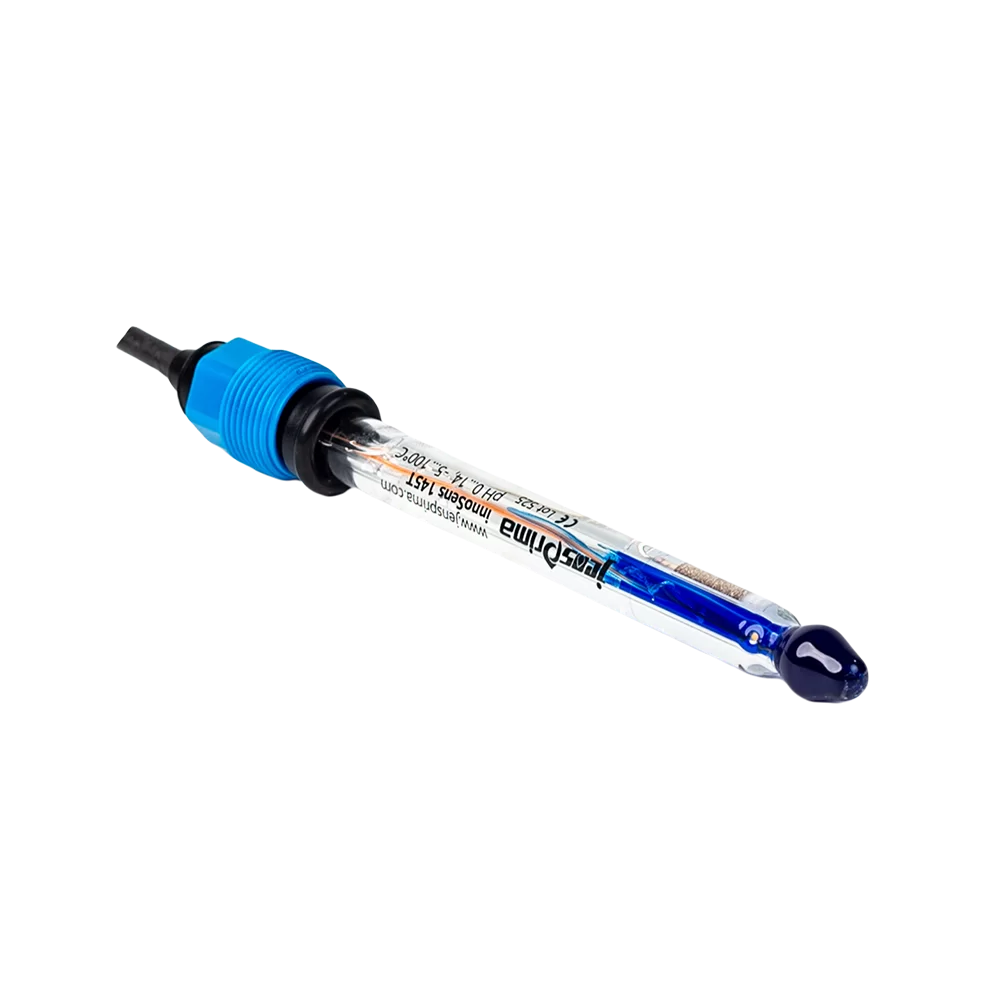
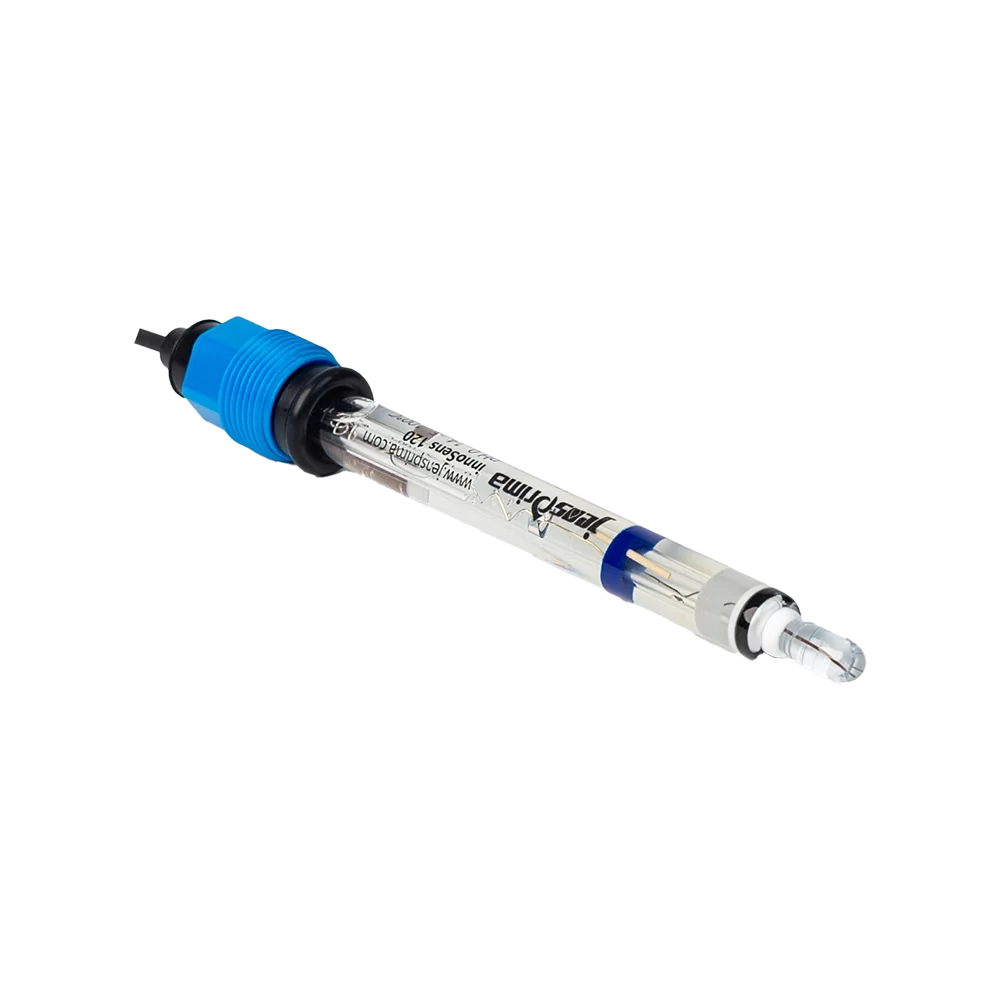
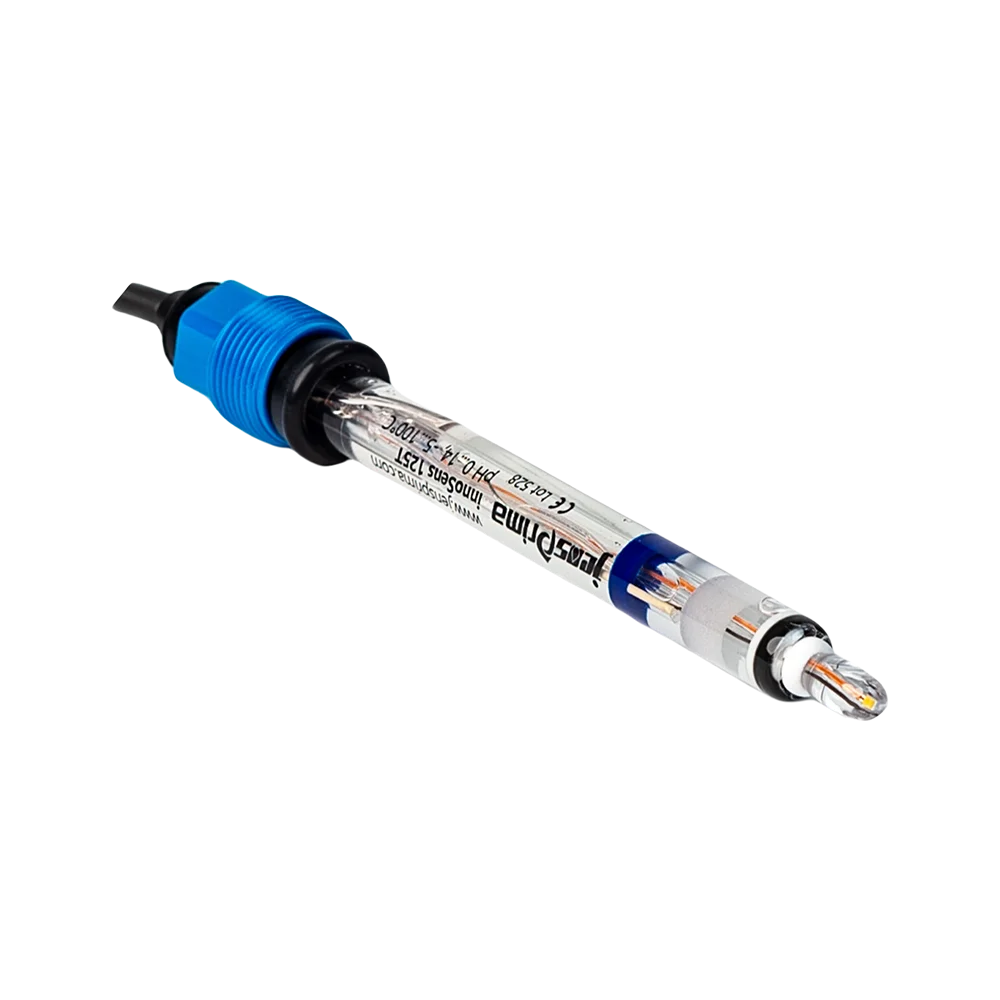
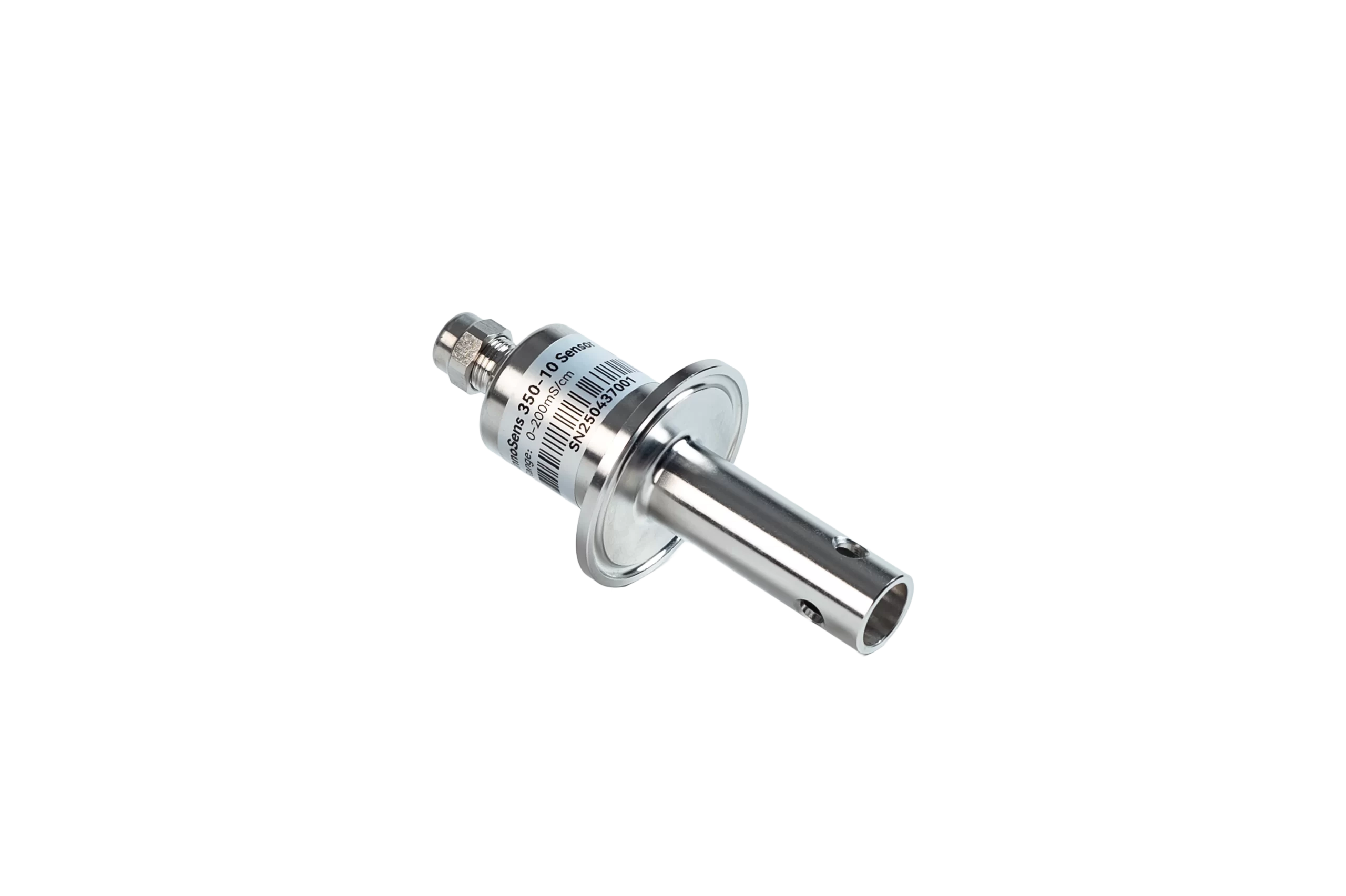
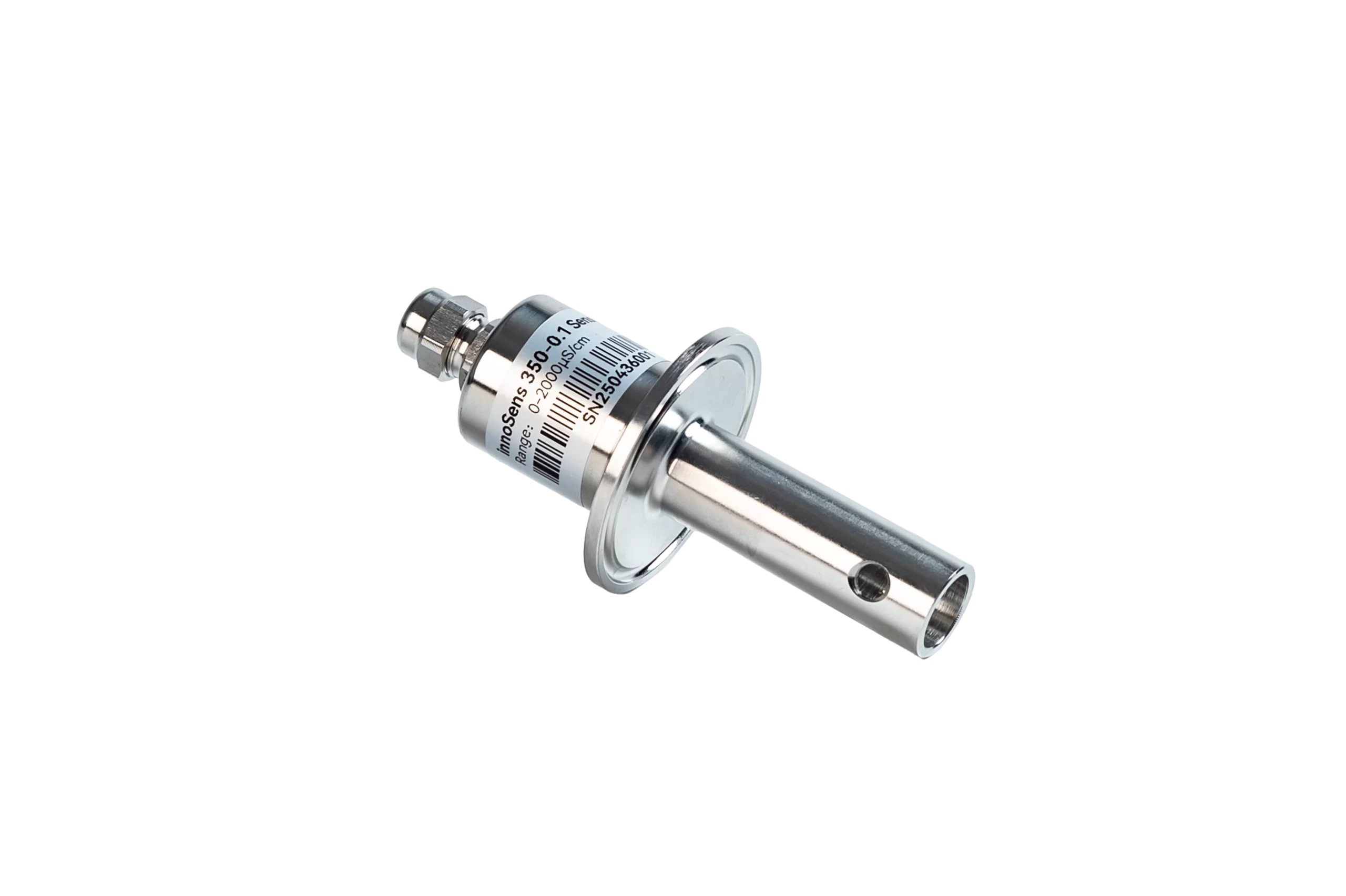
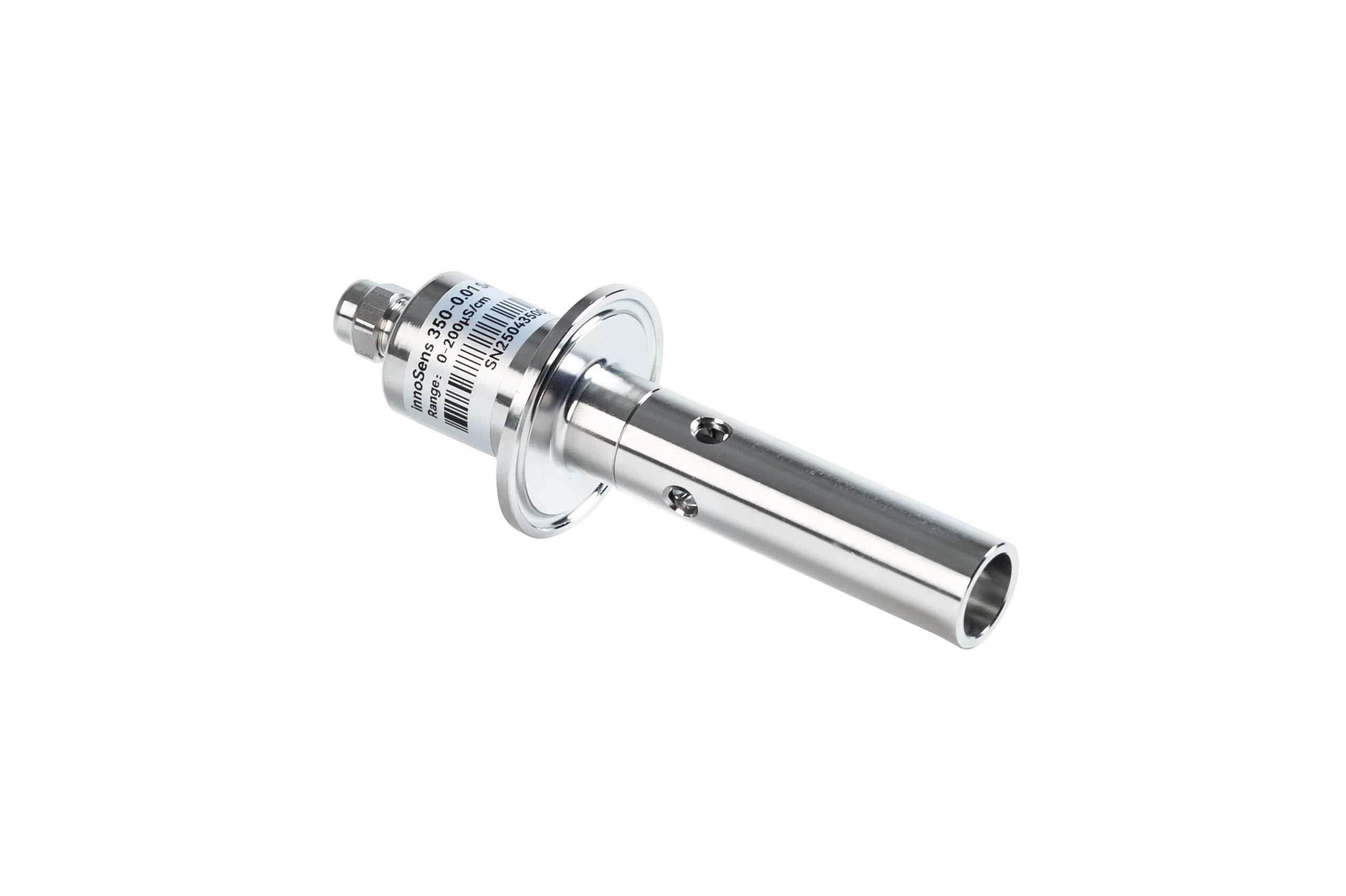
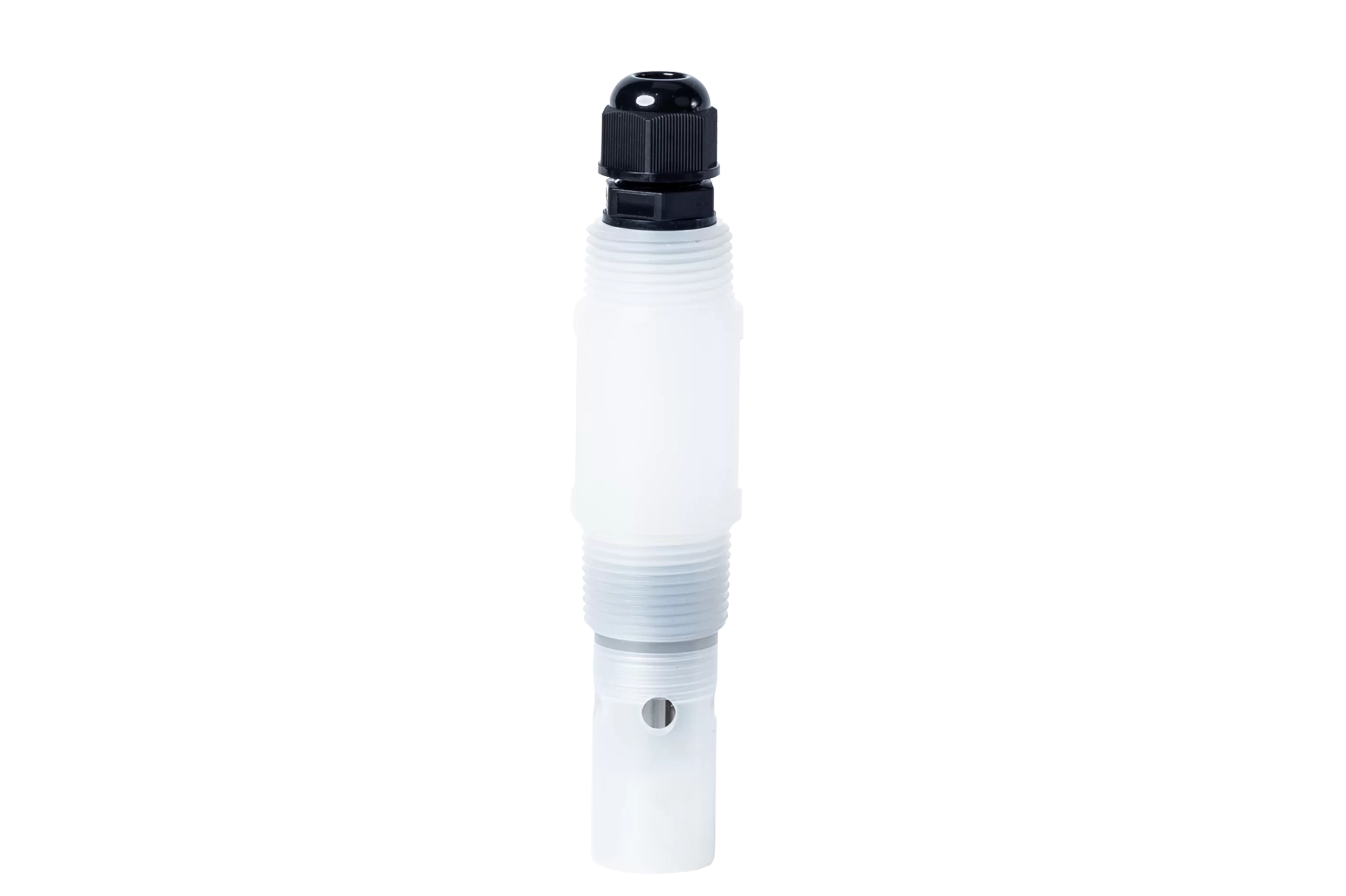
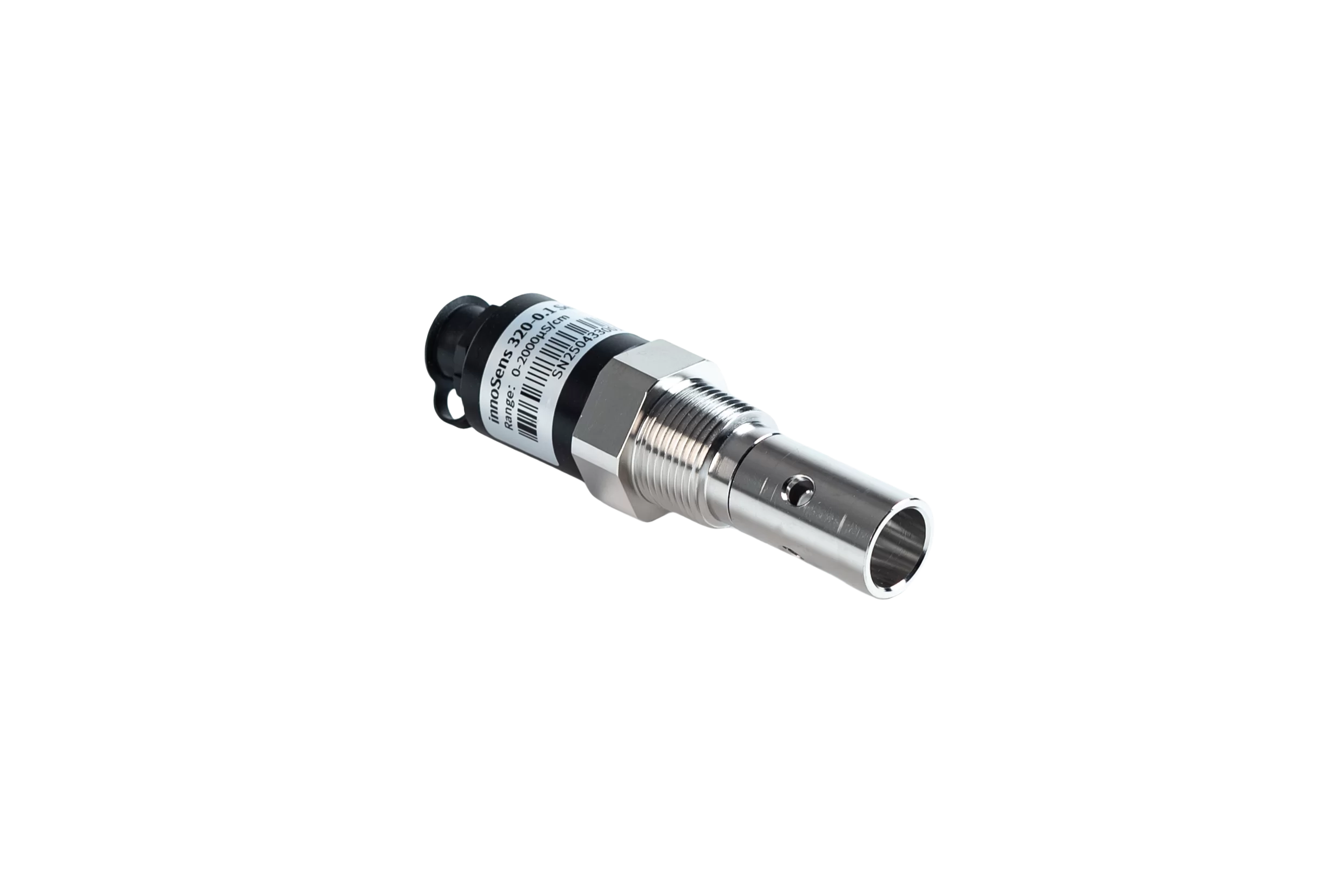
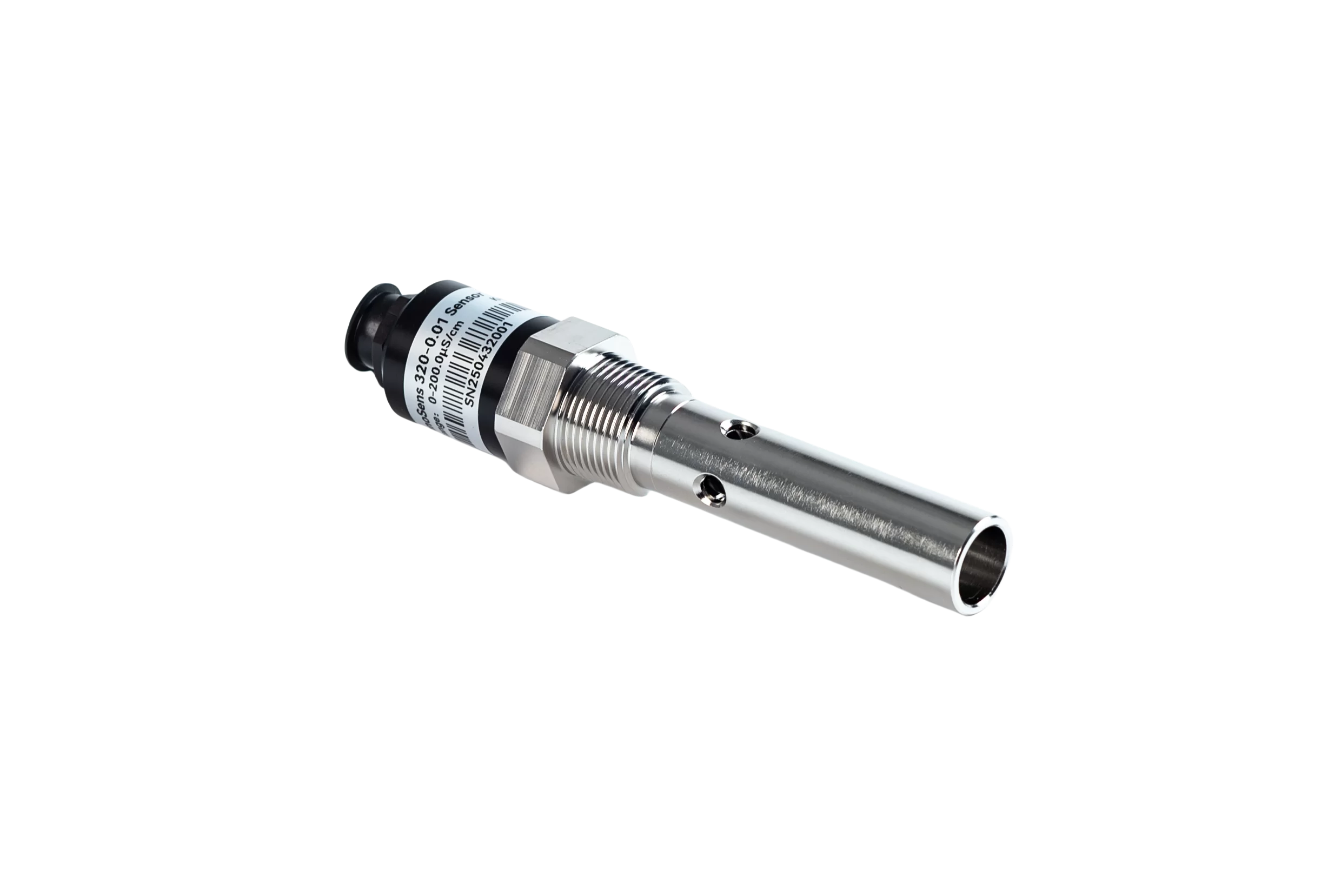
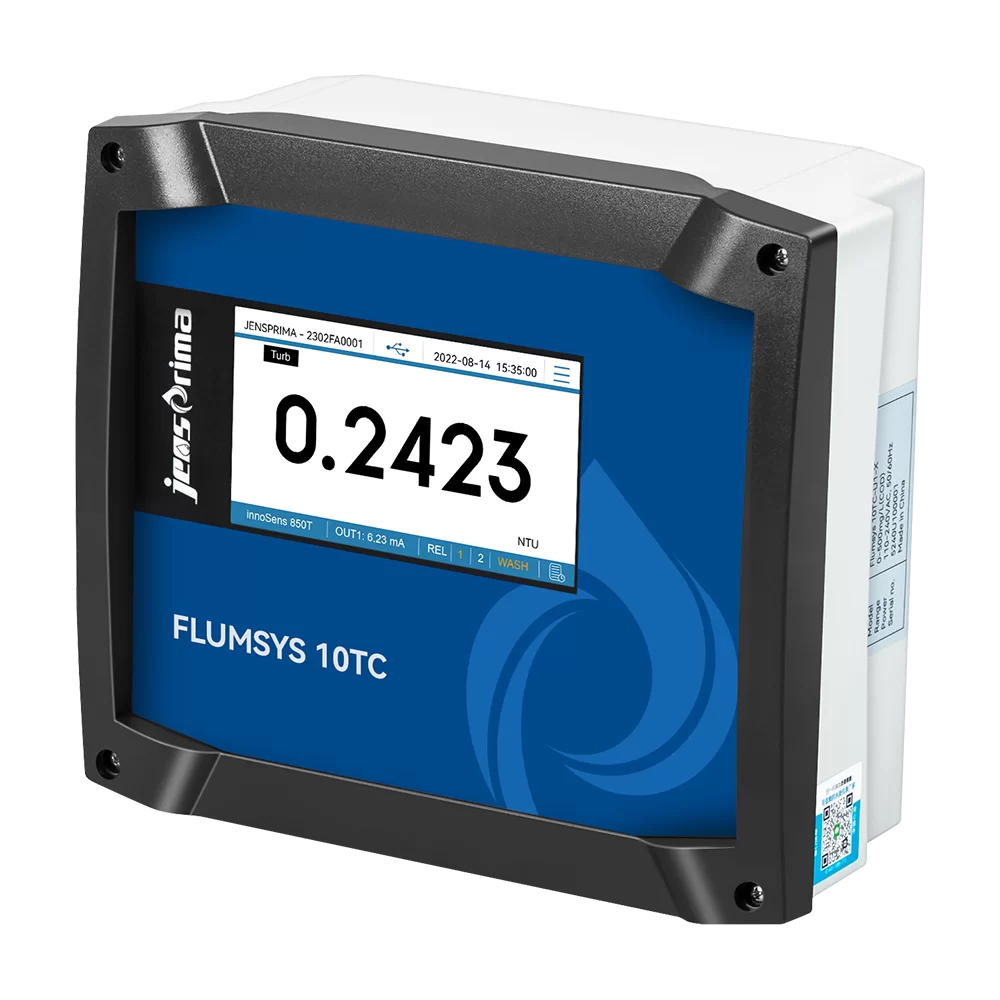
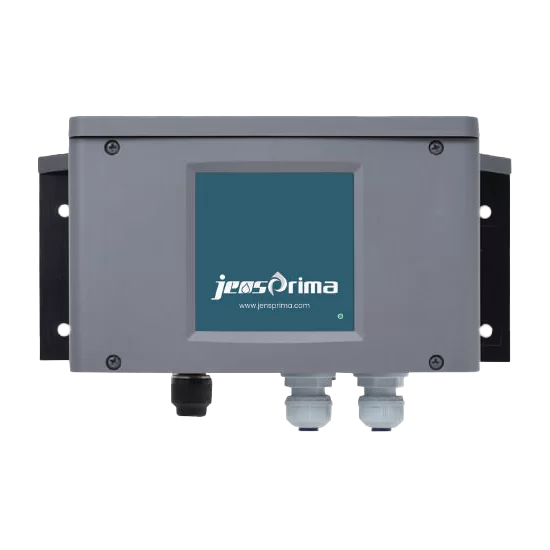
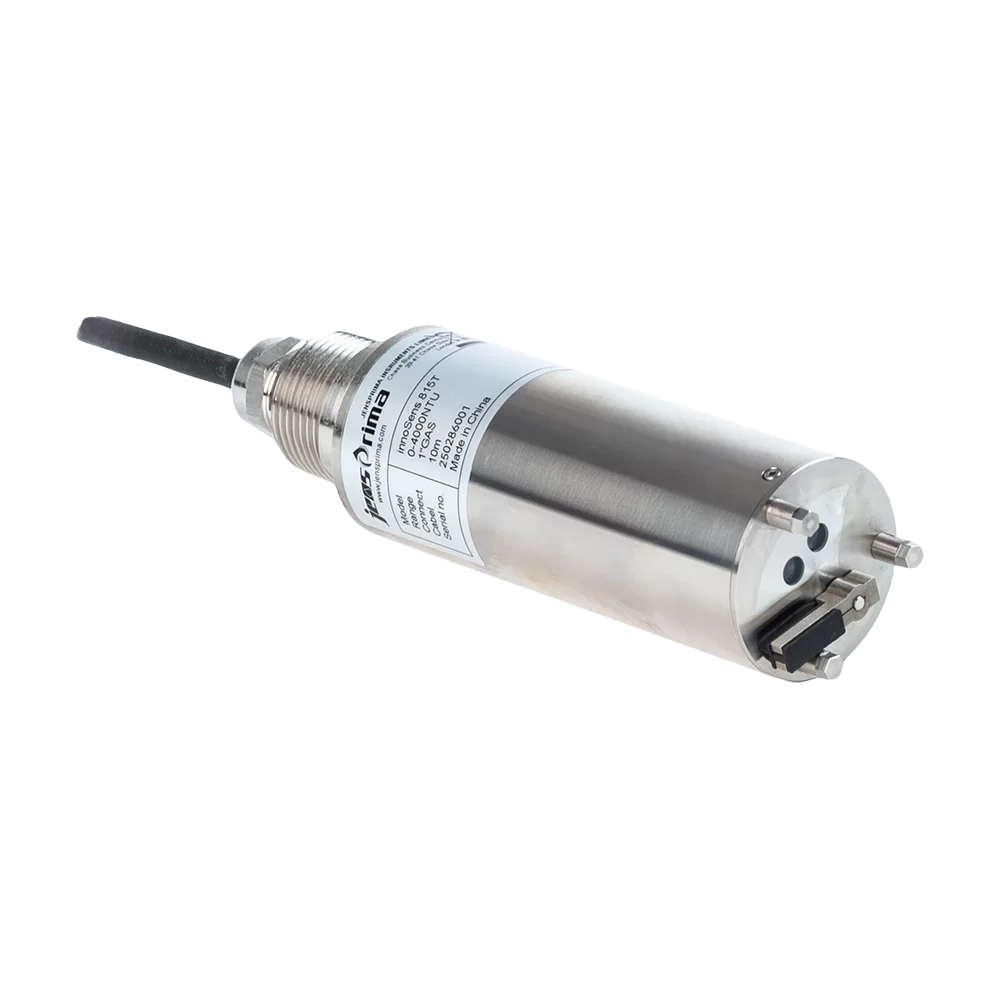
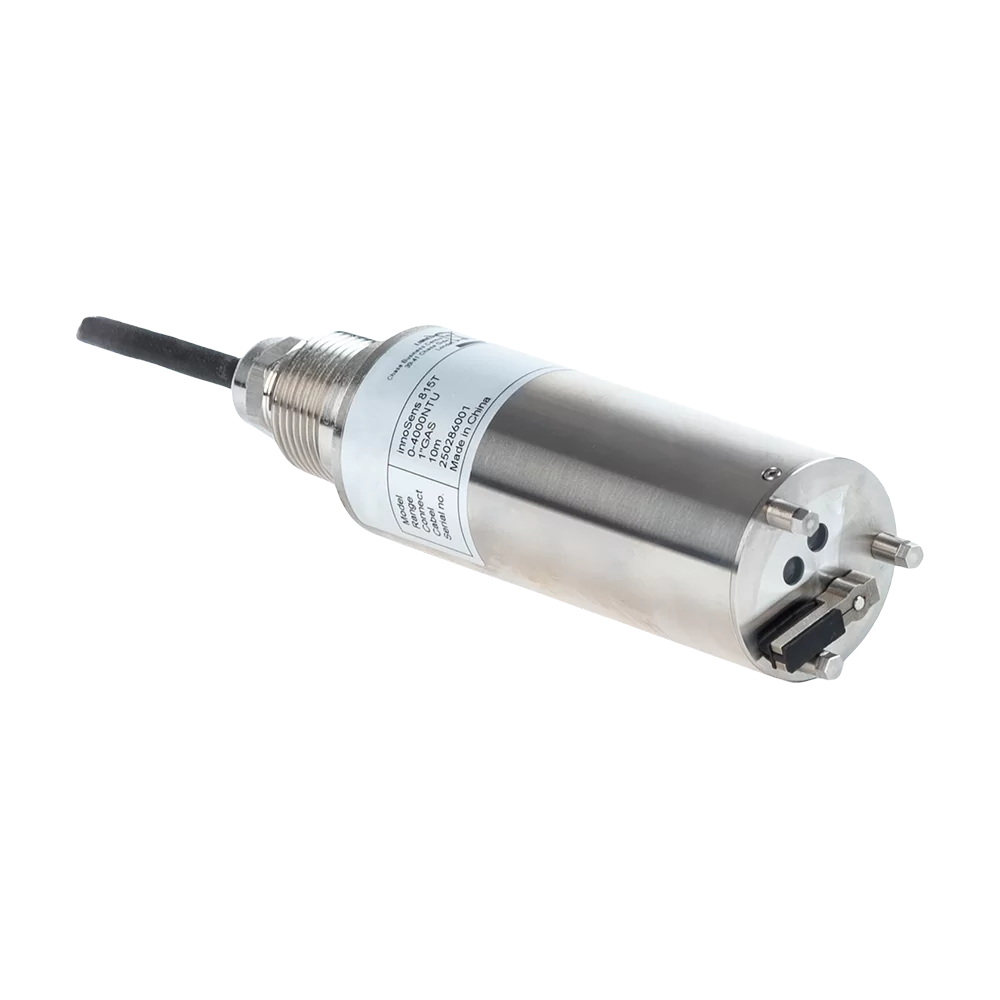
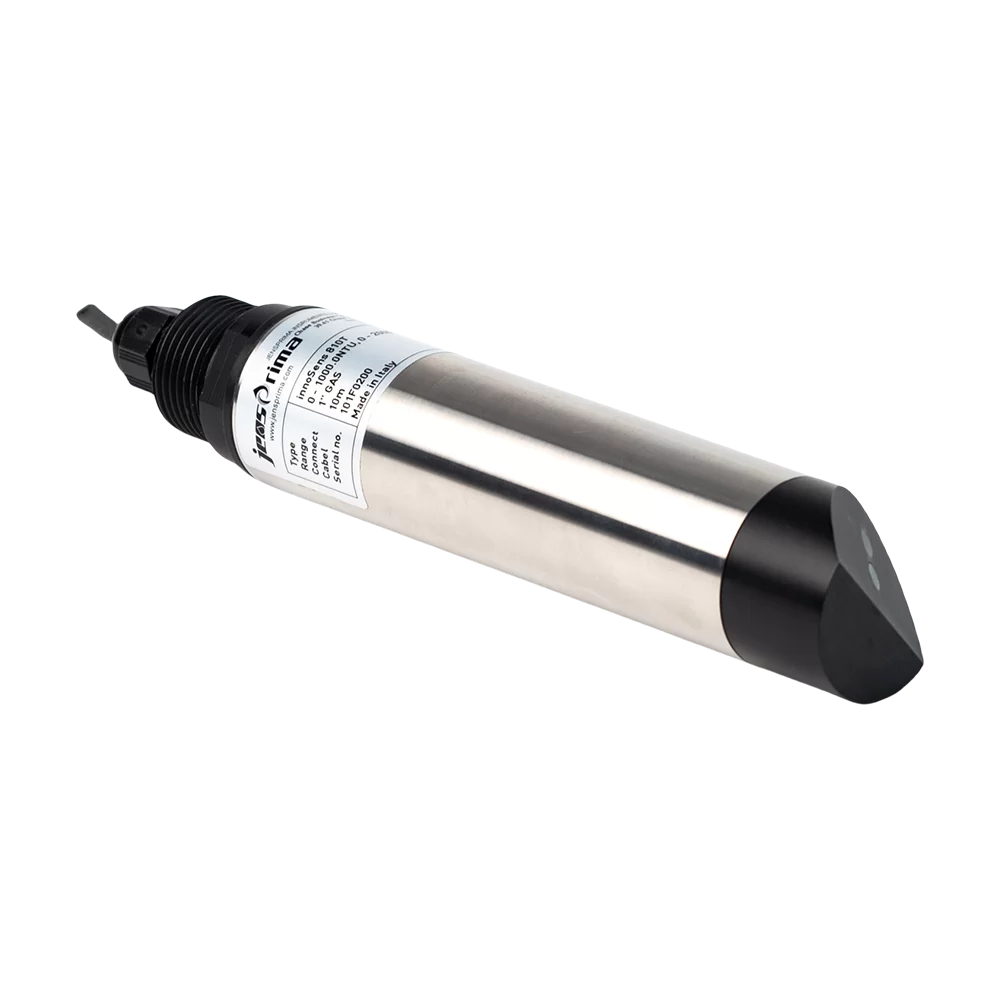
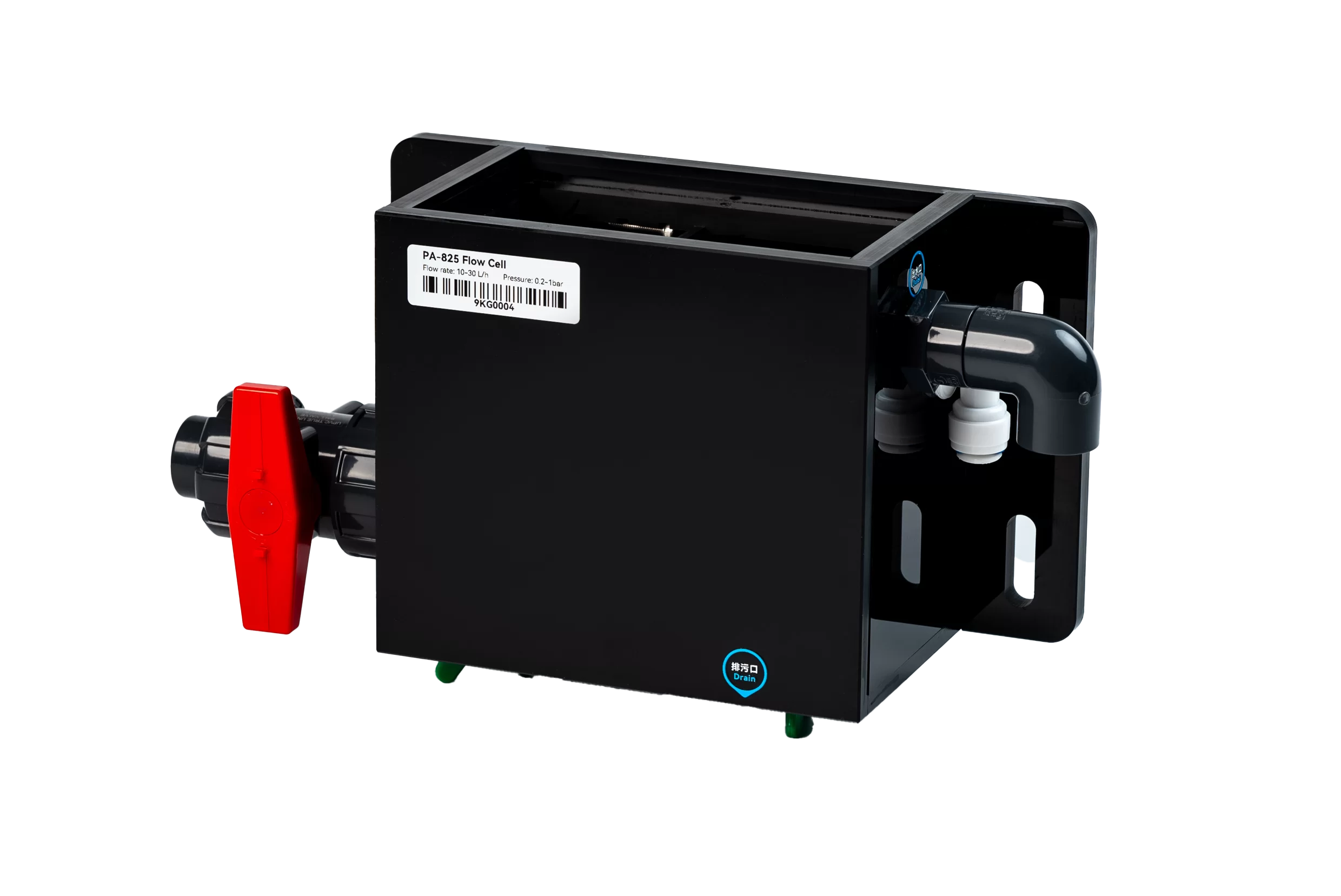
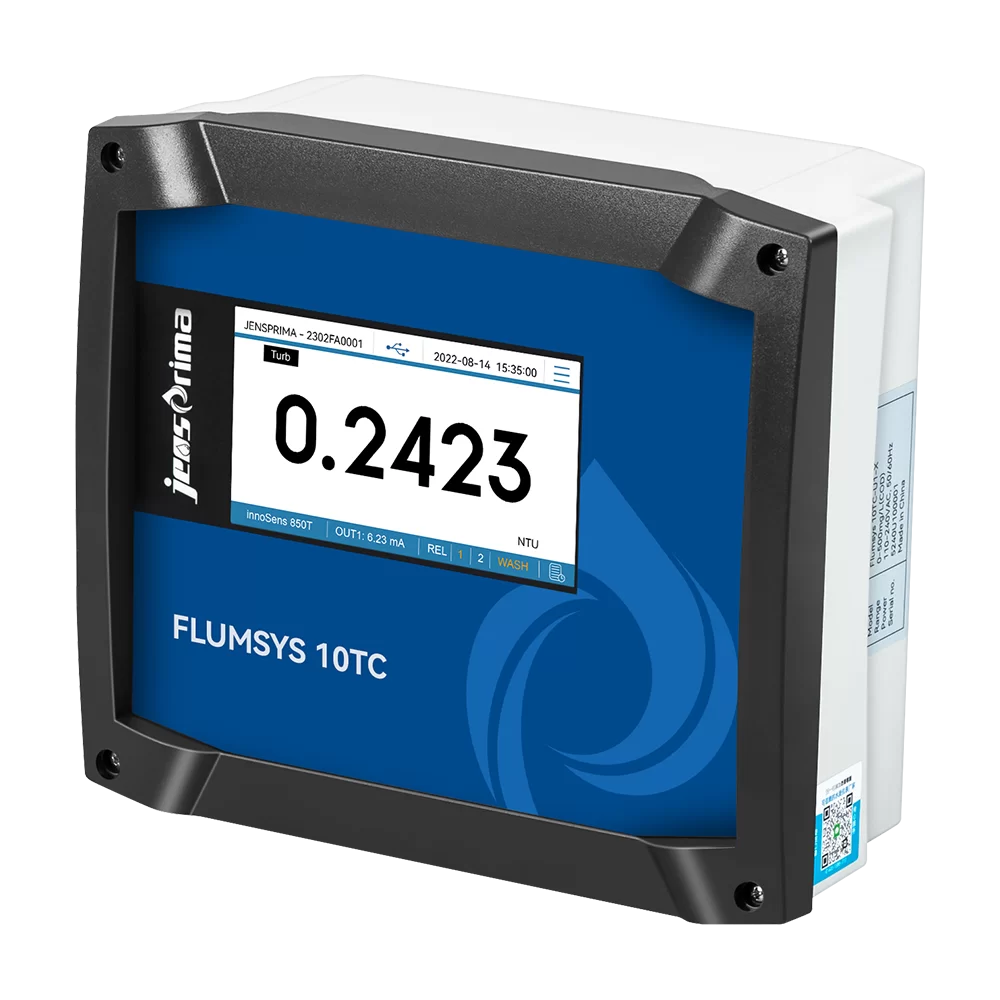
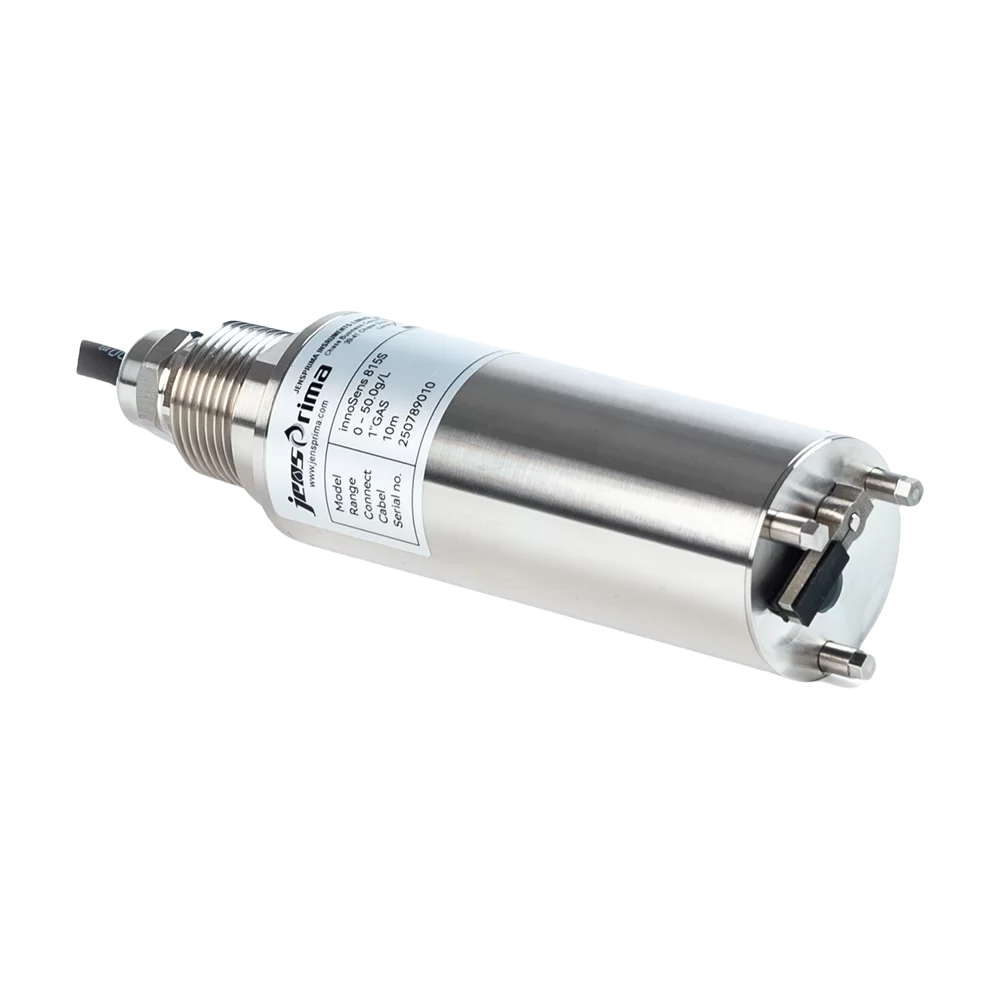
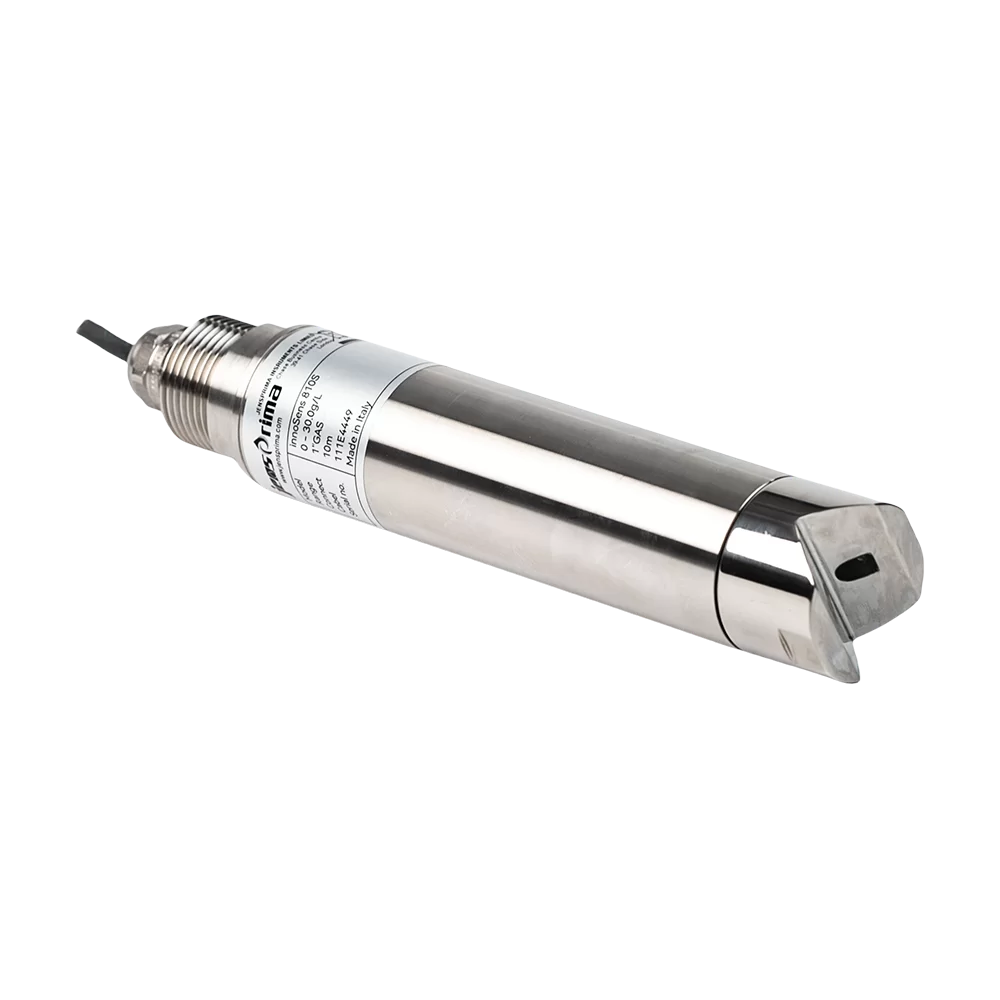
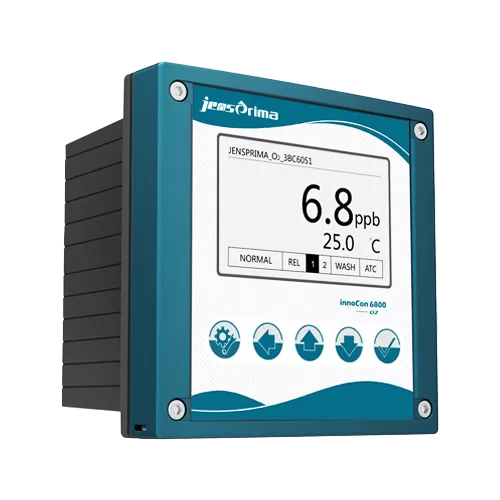
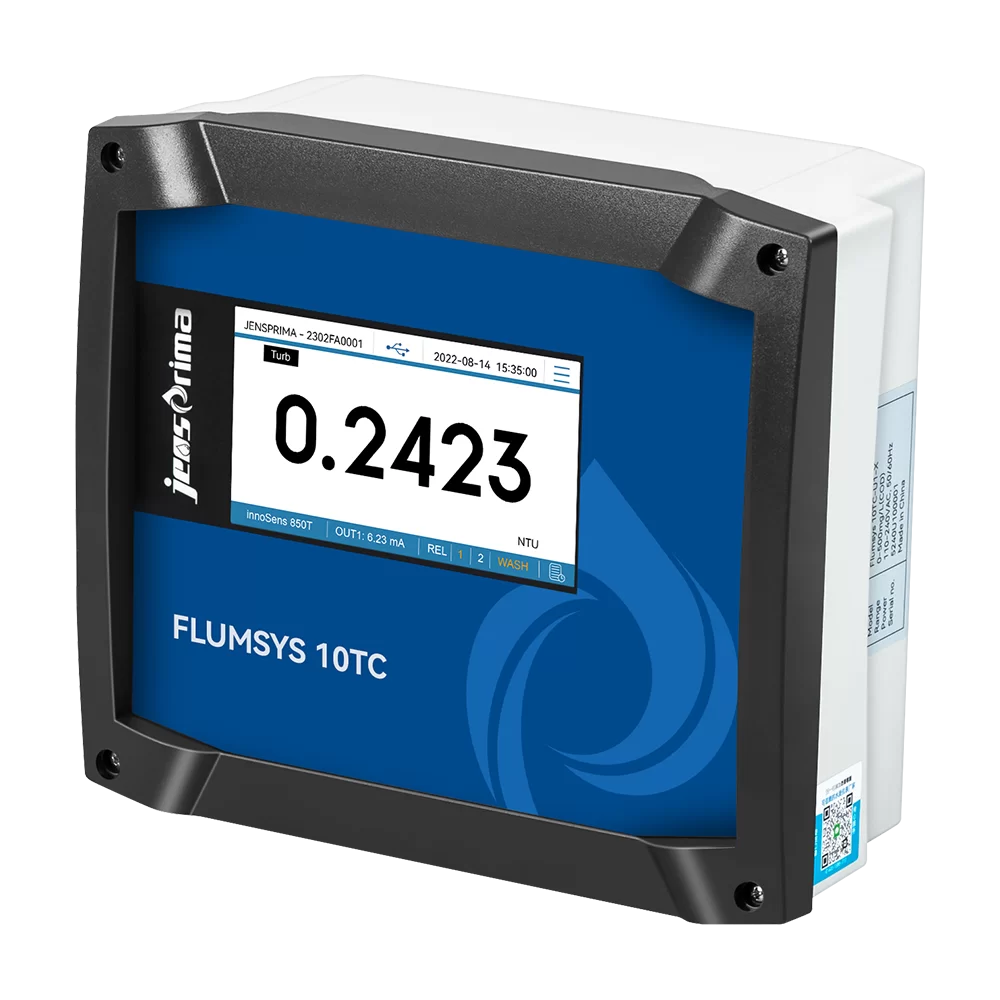
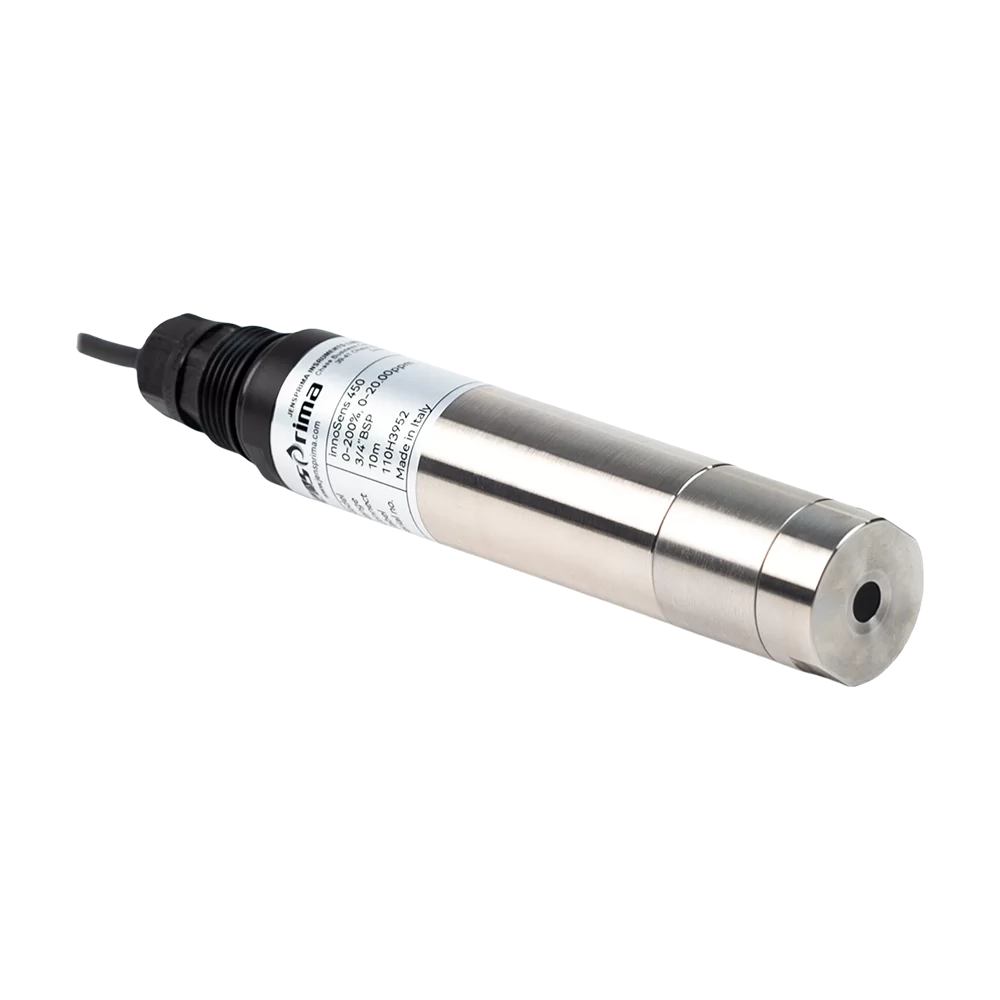
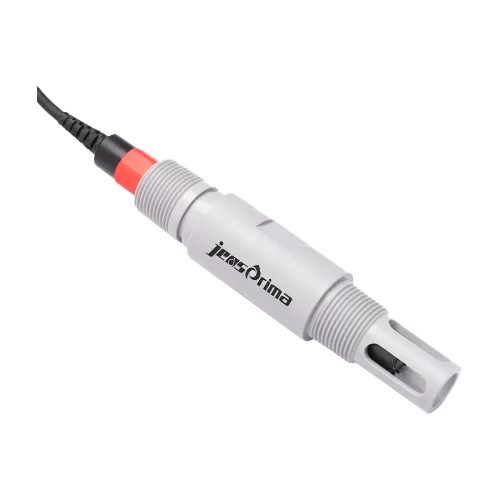
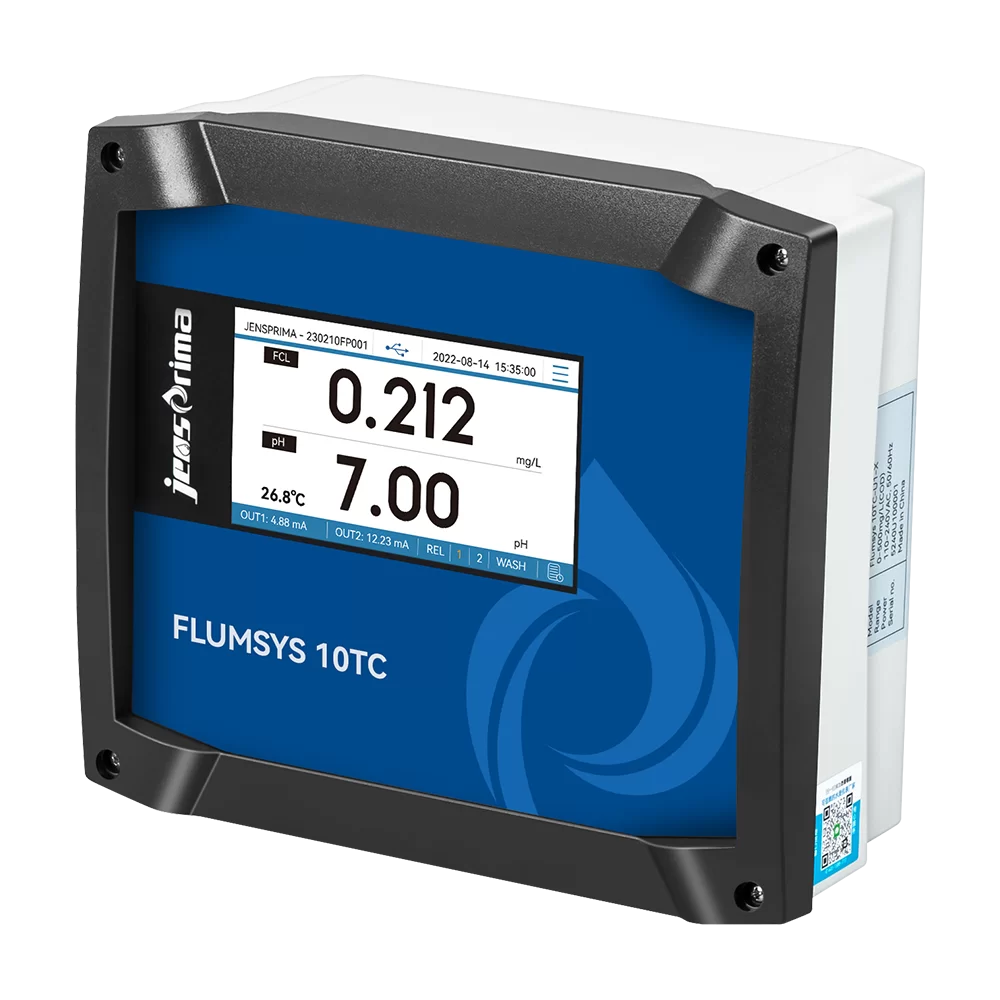
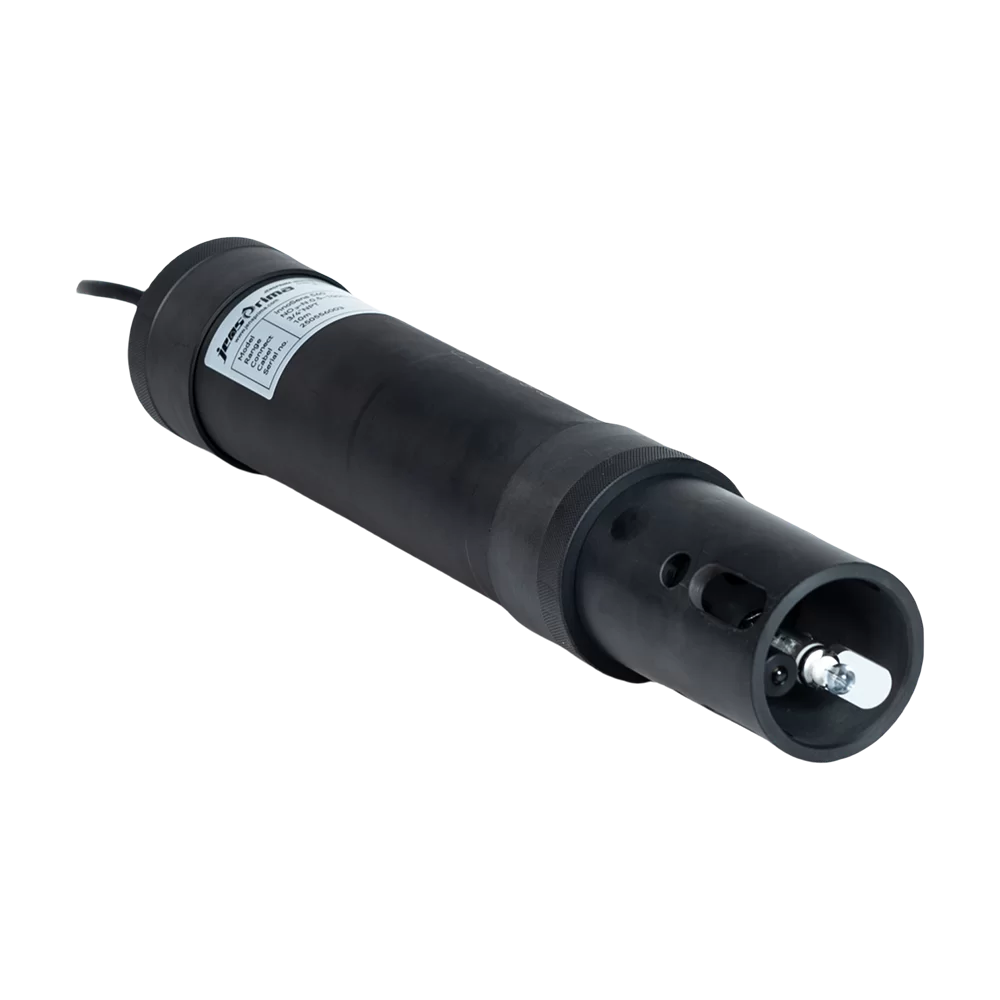
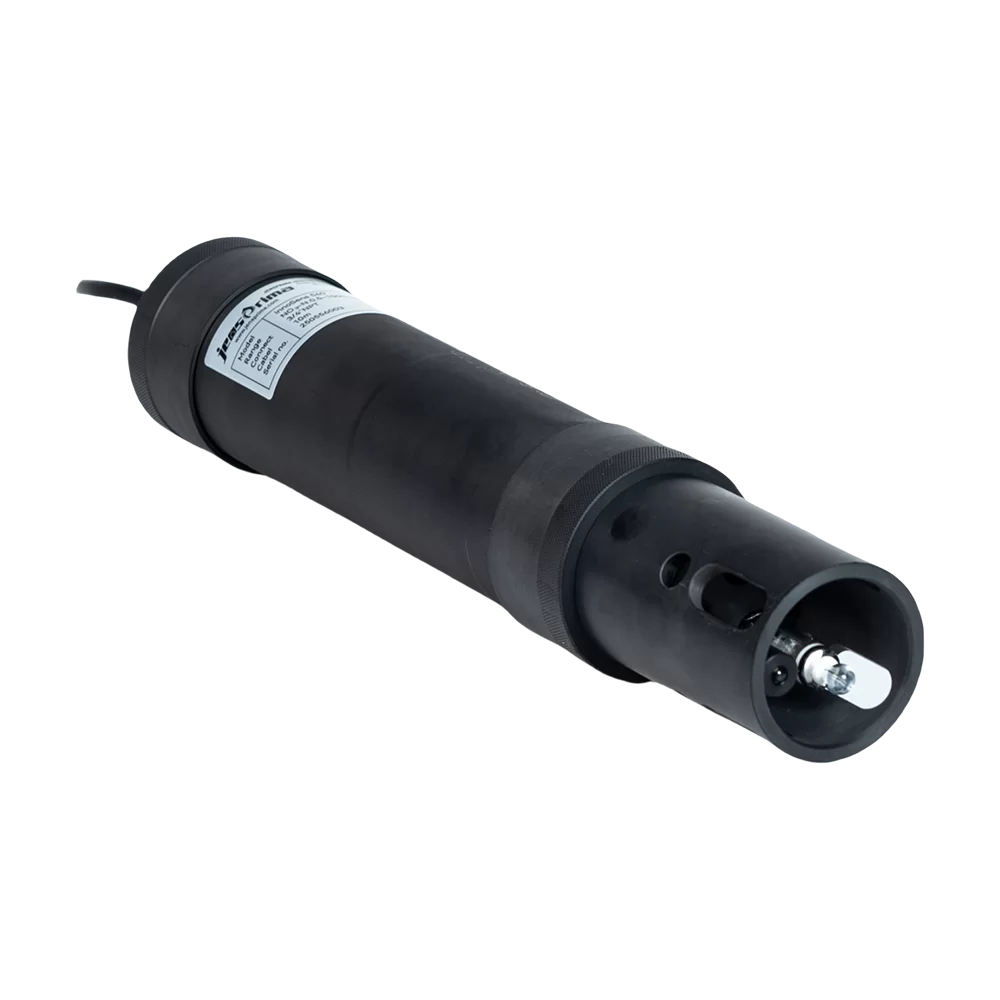
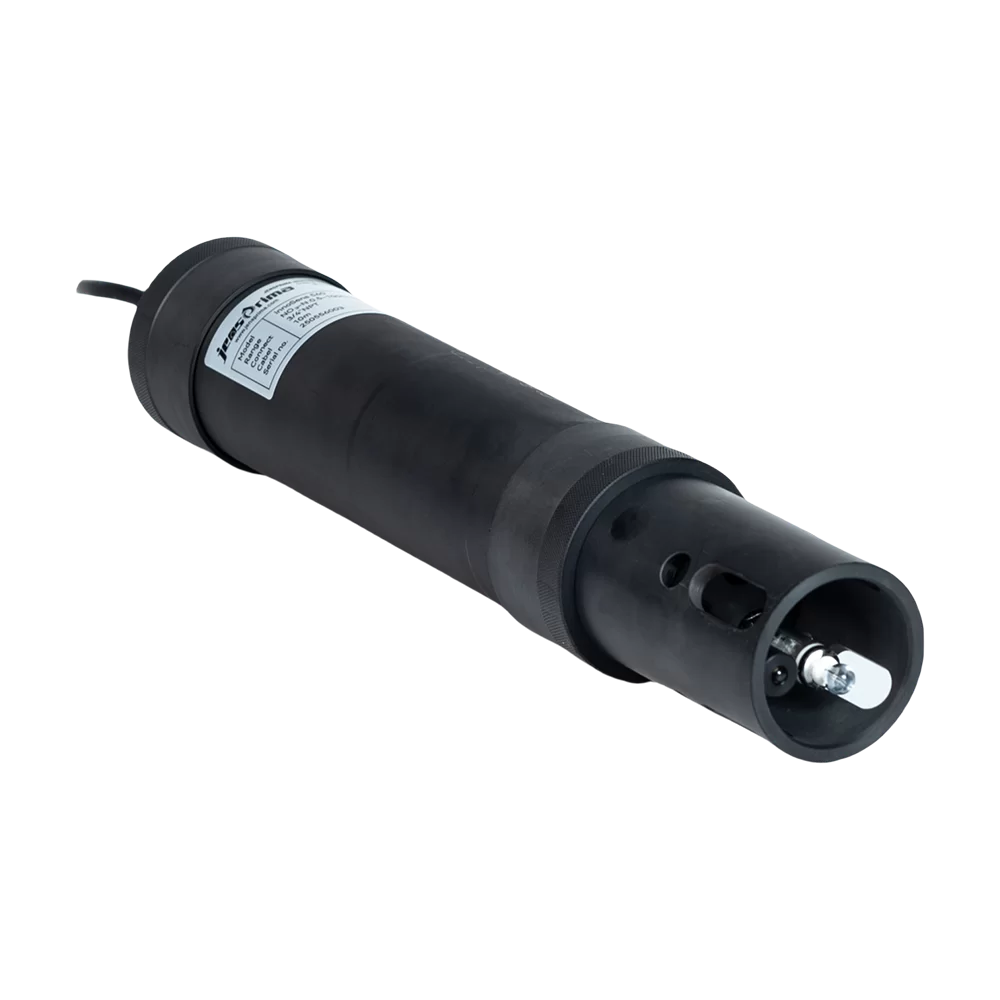
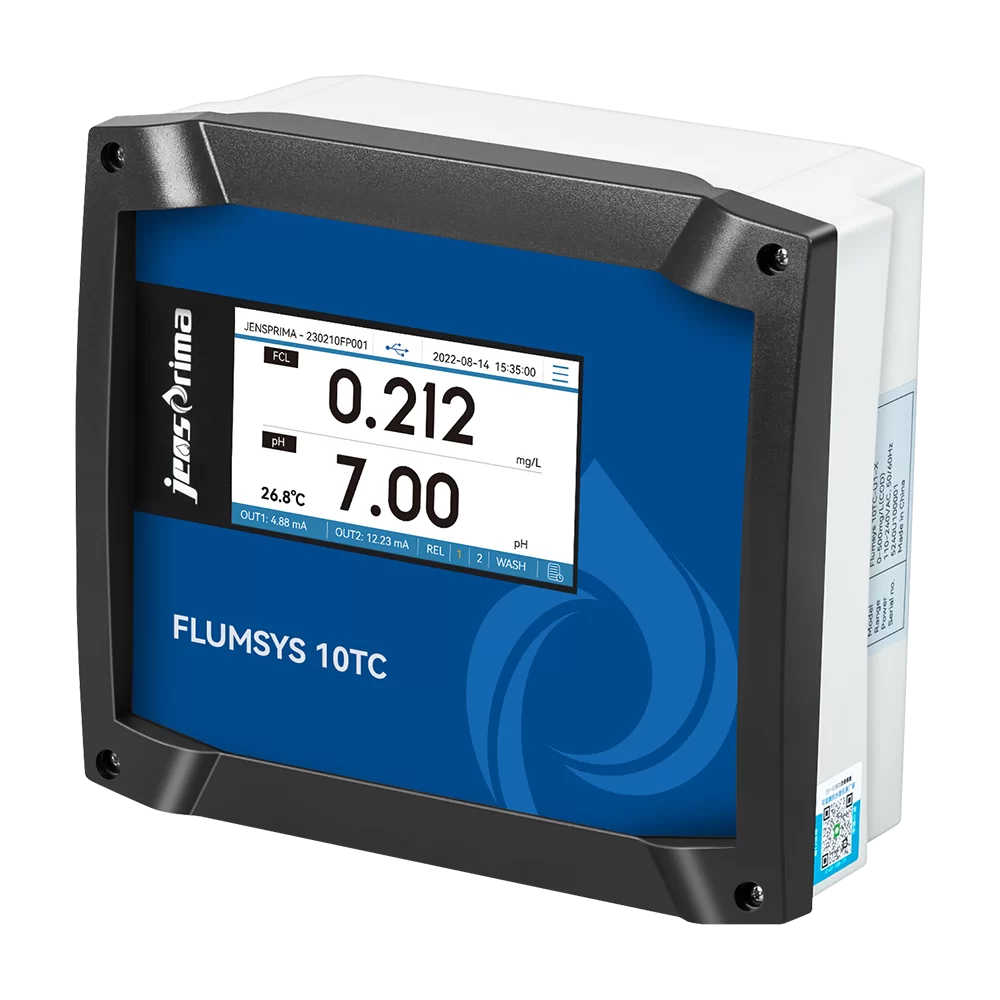


multi parameter analyzer

NEWS

UPDATES

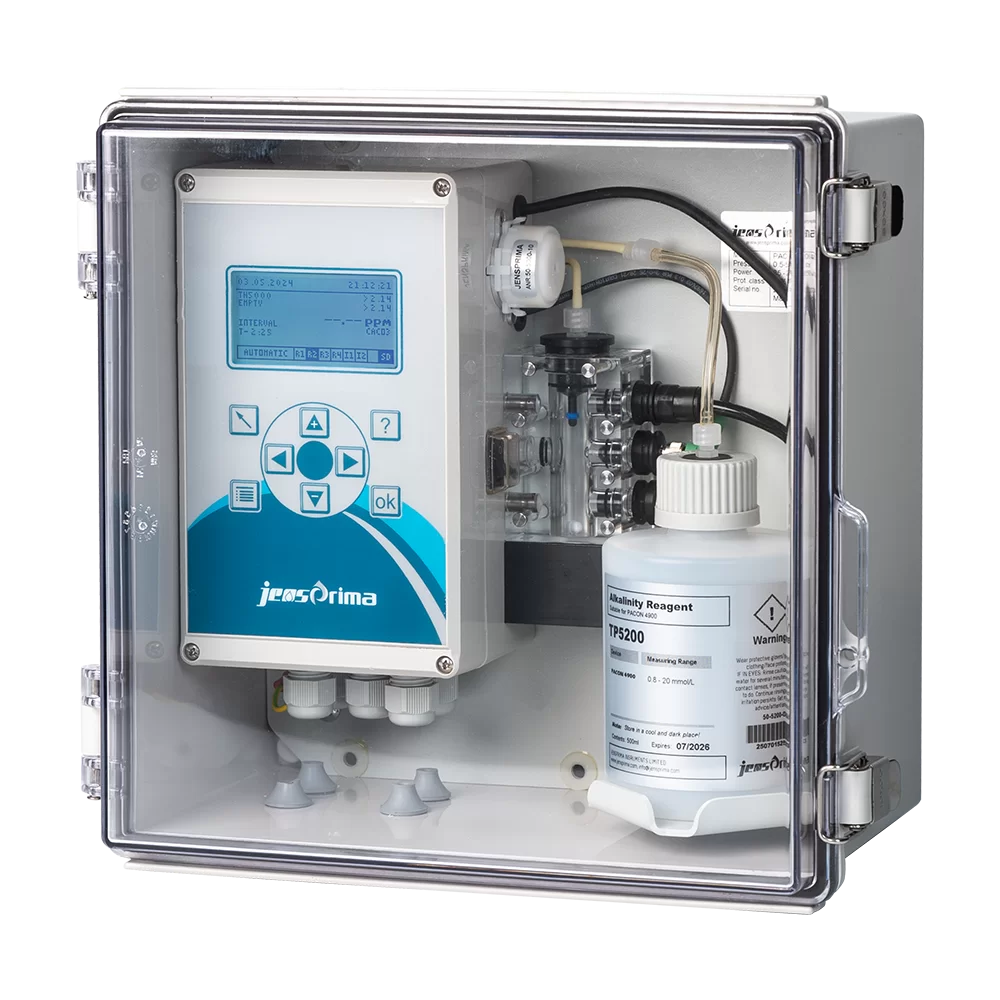
Advanced Alkalinity Analyzer Solutions for Denmark's Water Infrastructure

Precision environmental monitoring and automated water analysis tailored for the stringent regulatory requirements of the Danish industrial and municipal sectors.

Advanced Alkalinity Analyzer Solutions for Denmark's Water Infrastructure

Integrating high-precision sensing technology with automated control to ensure the chemical stability of Denmark's diverse water resources, from groundwater to industrial effluent.

Current State of Water Monitoring in Denmark

Analyzing the intersection of strict EU directives and Danish environmental stewardship.

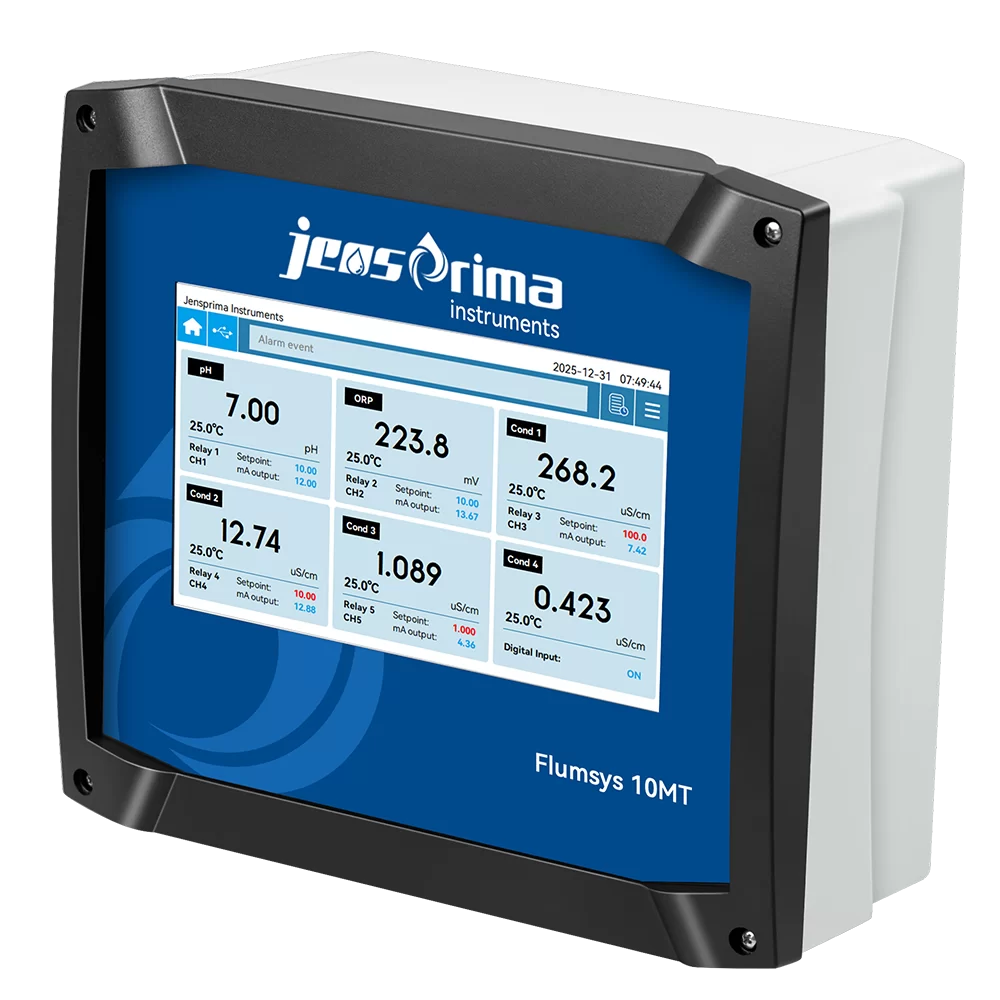
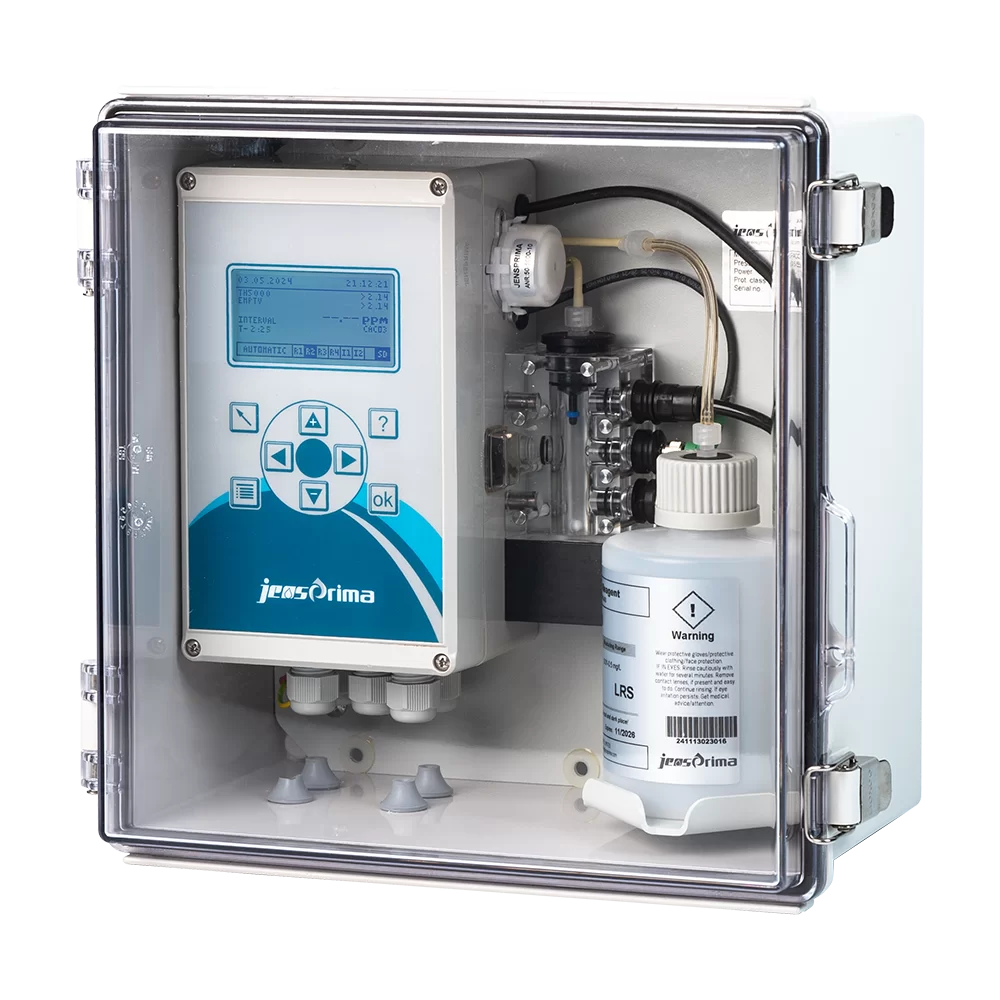
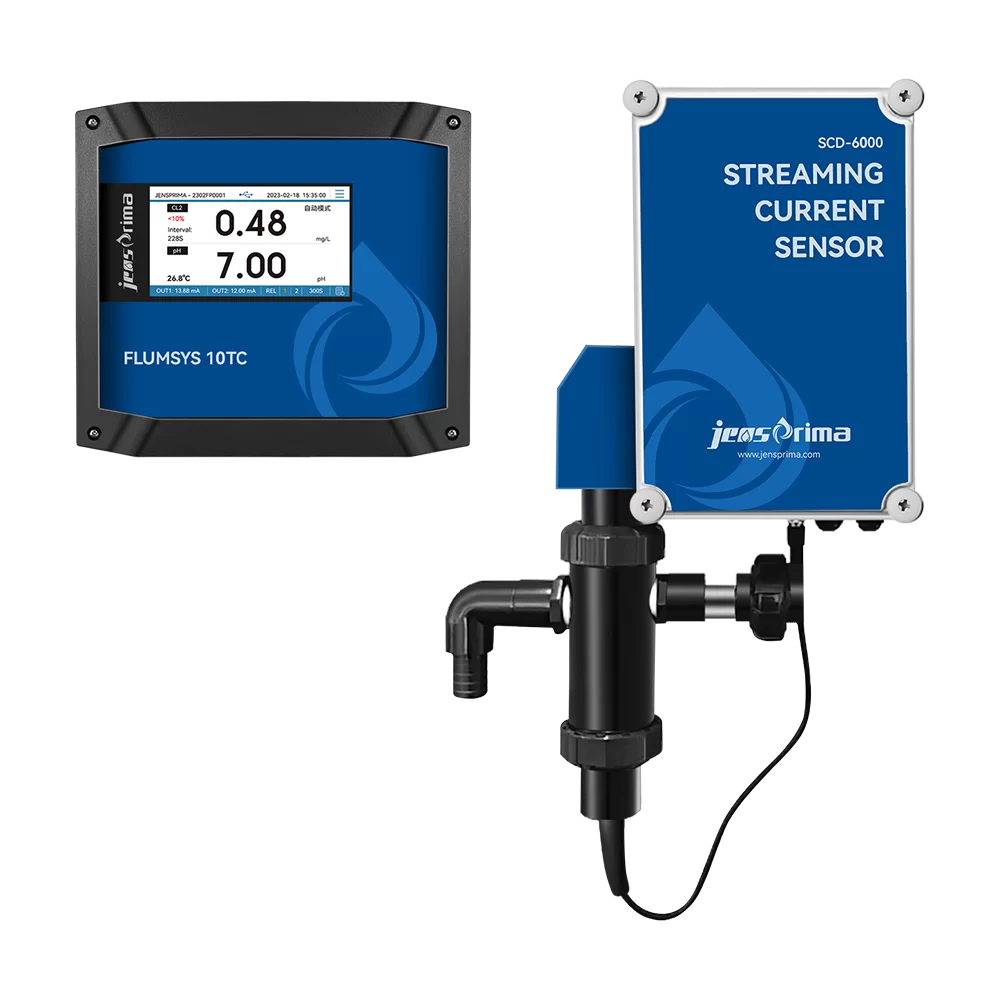
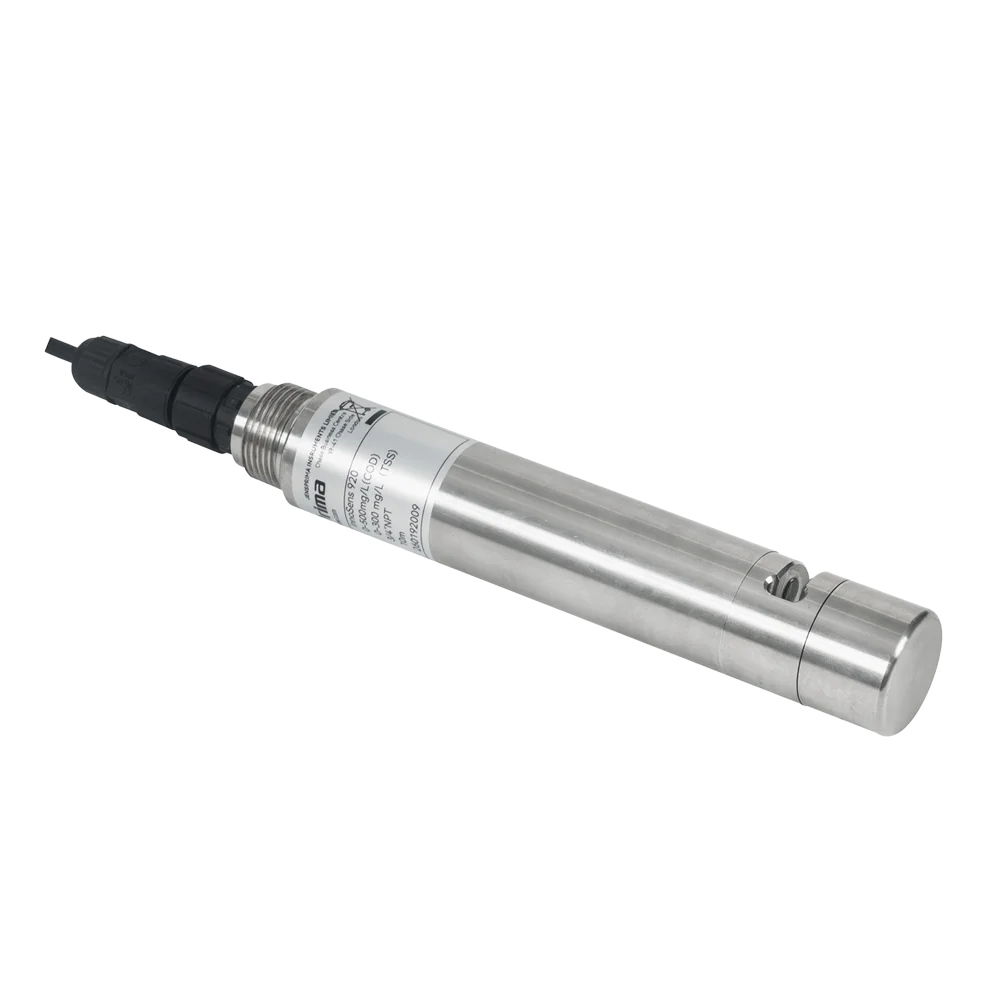
Denmark faces unique challenges due to its high reliance on groundwater for drinking water, necessitating the deployment of a high-performance multi parameter water quality analyzer to detect nitrate contamination and mineral fluctuations in real-time across the Jutland and Zealand regions.

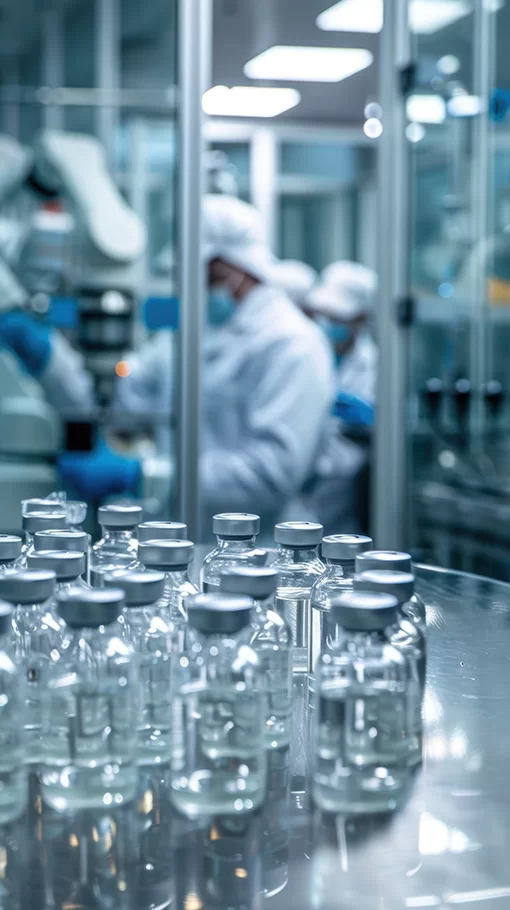
The Danish pharmaceutical and food processing industries, centered in hubs like Copenhagen and Aarhus, require extreme precision in chemical dosing. The integration of a residual chlorine controller has become standard to ensure disinfection efficiency while minimizing harmful by-products in line with the Danish Environmental Protection Agency (EPA) guidelines.

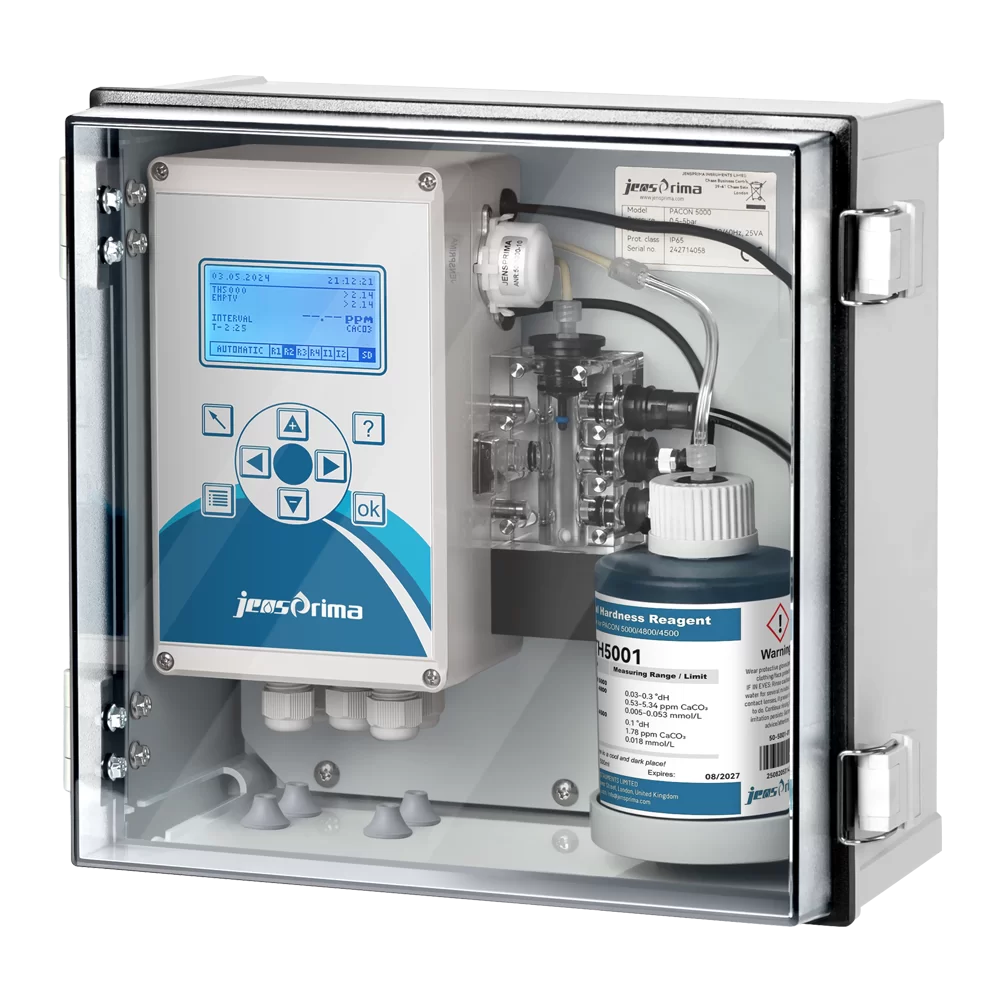
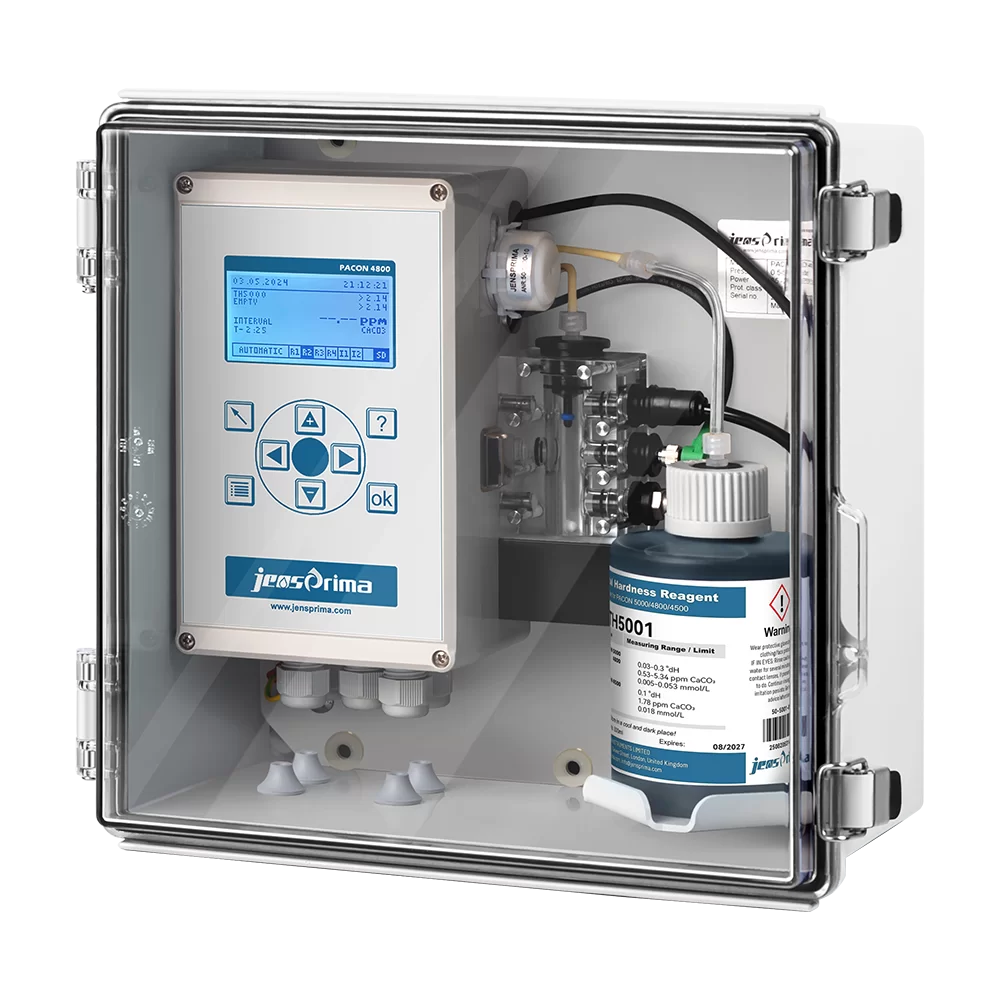
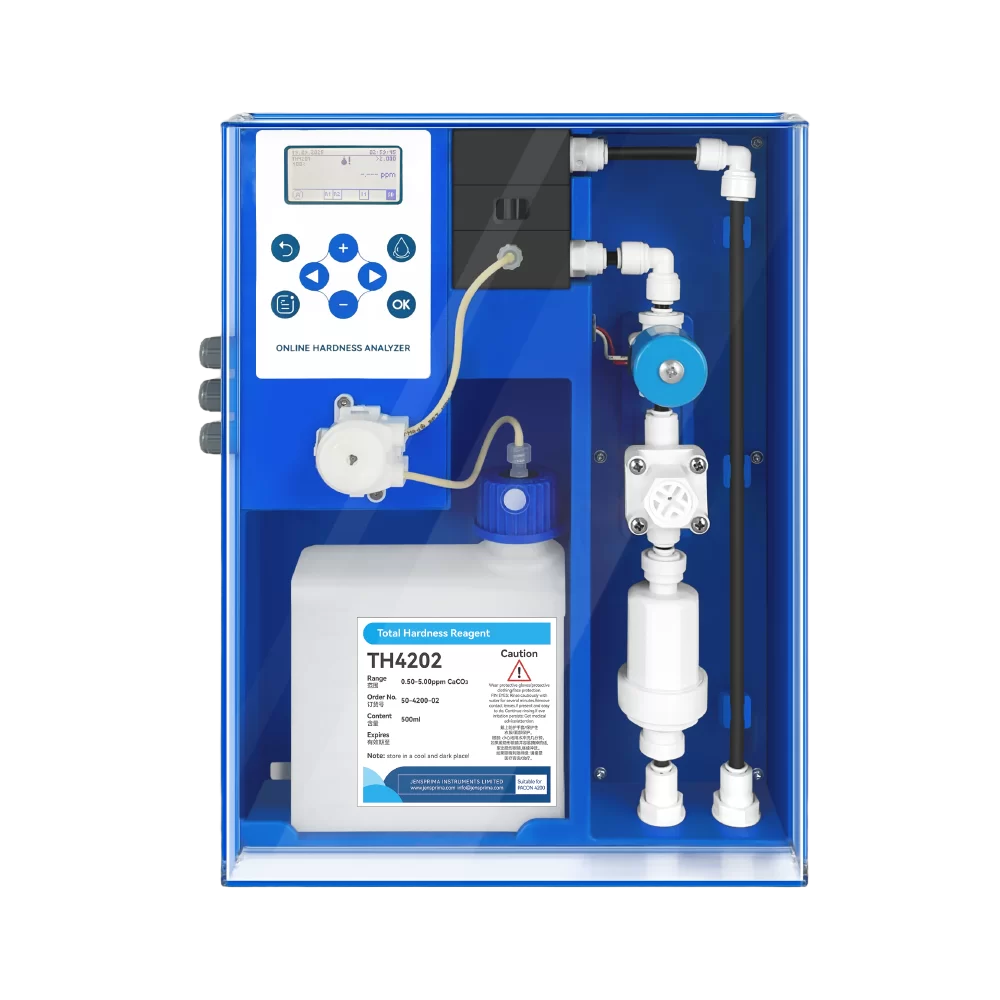
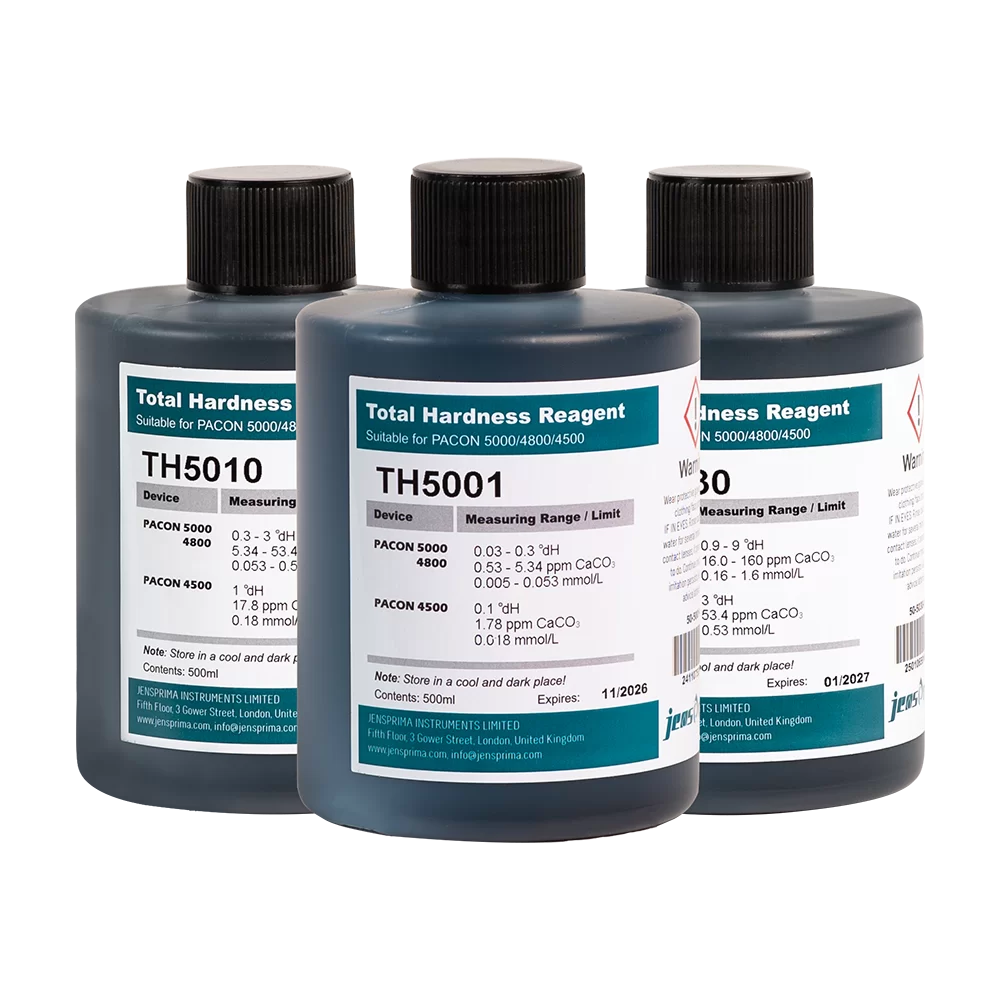
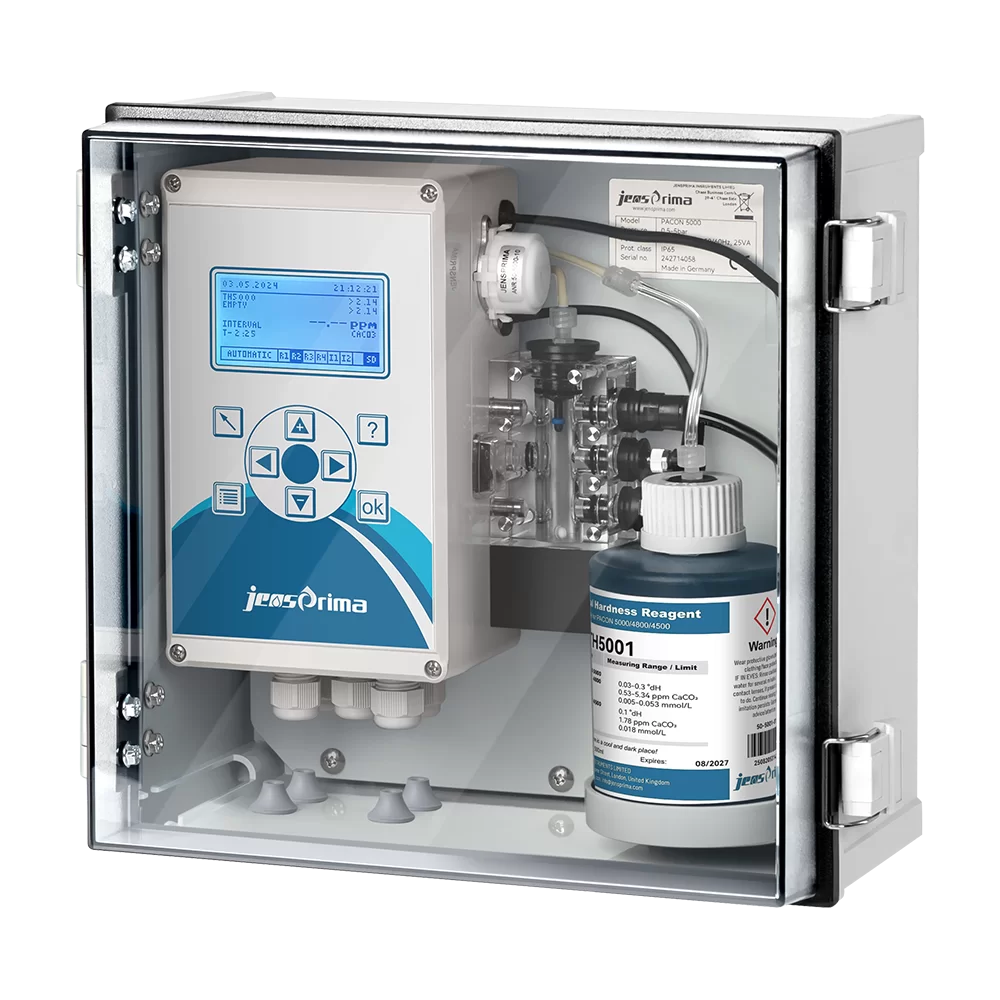
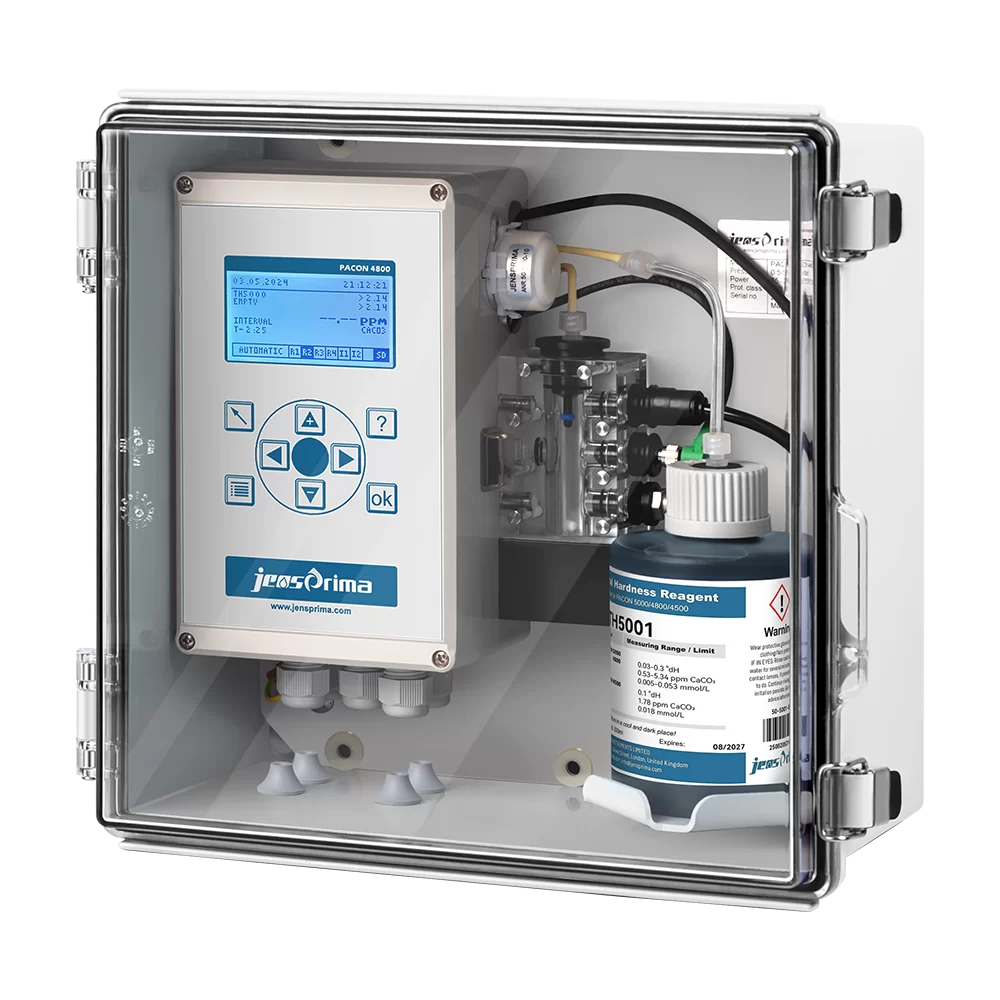
Furthermore, the management of hard water common in several Danish limestone-rich areas has driven the demand for a dedicated total hardness analyzer to prevent scaling in industrial boilers and urban heating networks, ensuring operational longevity and energy efficiency.

Evolution and Trajectory of Water Analysis Technology

From manual titration to the era of Industrial IoT (IIoT) and autonomous monitoring.

Market Development History

Prior to 2010, water quality monitoring in Denmark relied heavily on manual sampling and laboratory analysis, where an alkalinity analyzer was primarily a benchtop instrument used for periodic verification rather than continuous control.

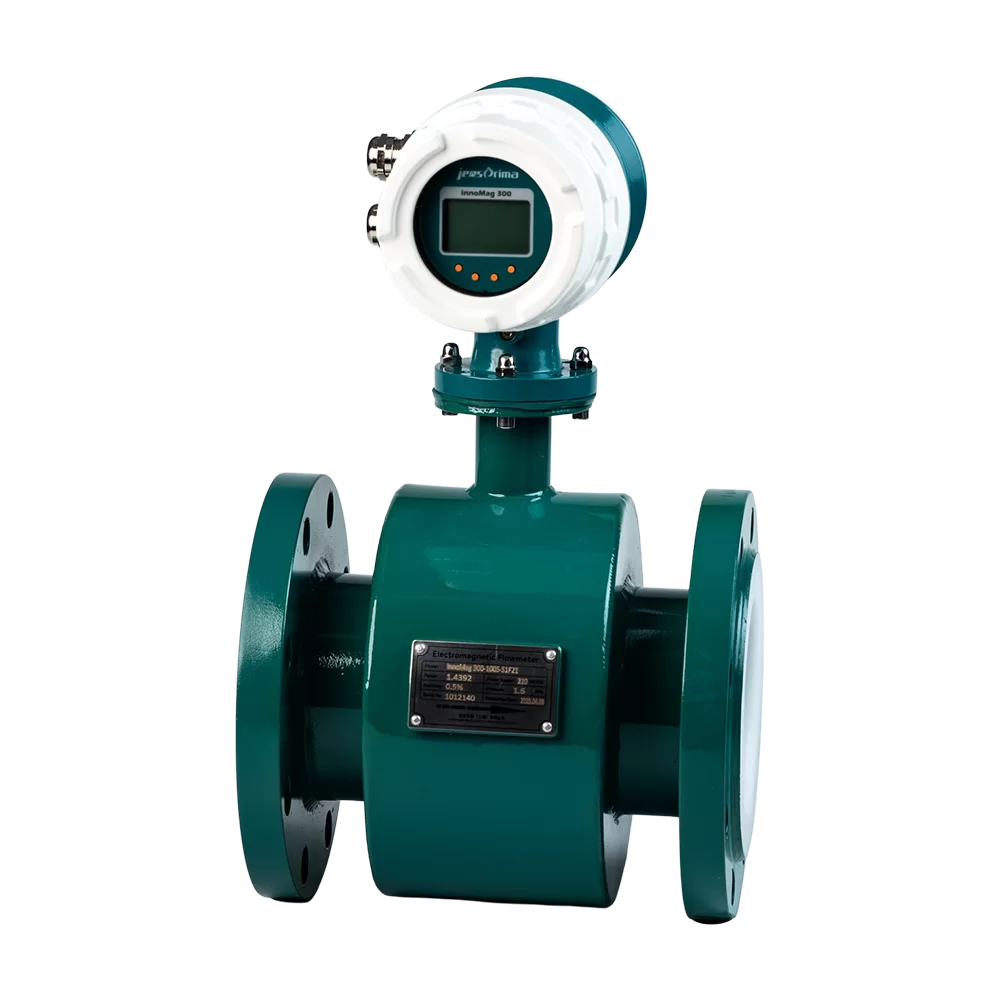
Between 2010 and 2020, the transition toward "Online Monitoring" occurred. The introduction of the electromagnetic flowmeter allowed for precise volumetric flow measurement, enabling the shift from concentration-based dosing to mass-flow proportional dosing in wastewater treatment plants.

From 2020 to the present, the Danish market has entered the "Digital Twin" phase, where sensors are no longer standalone units but nodes in a cloud-based ecosystem, utilizing AI to predict water quality shifts before they exceed regulatory limits.

Future Development Trends

Autonomous Calibration Systems

The next 3 years will see a shift toward zero-maintenance sensors that utilize internal standard solutions for automatic calibration, reducing the need for onsite technicians in remote Danish moorlands.

Hyper-Spectral Sensing Integration

Integration of optical sensors with traditional electrochemical probes to create a hybrid analysis approach, increasing the lifespan of electrodes in aggressive industrial environments.

Edge Computing for Instant Response

Moving data processing from the cloud to the edge, allowing controllers to react in milliseconds to hazardous spikes in water chemistry without latency.

Industry Trends and Future Outlook

Strategizing for the next generation of sustainable water management in Denmark.

Circular Economy Integration
Focusing on wastewater reclamation where high-precision analyzers enable the safe reuse of industrial water in Danish agriculture.
AI-Driven Predictive Maintenance
Utilizing machine learning to analyze sensor drift, allowing Danish operators to replace probes before failure.
Regulatory Digitalization
Direct API integration from analyzers to government reporting portals for transparent environmental compliance.
Energy-Neutral Sensing
Development of low-power instruments capable of running on energy harvesting in remote Danish waterway sites.

Industry Outlook

The Danish market is trending toward a holistic "Water-Energy-Food Nexus" approach. We anticipate that the demand for integrated systems—combining flow measurement and chemical analysis—will grow as the country pursues its ambitious carbon neutrality goals.

Google search trends indicate a rising interest in "real-time water analytics" and "smart water grids" within Northern Europe, suggesting that the market is moving away from individual instrument procurement toward comprehensive system-level solutions.

Localized Application Scenarios in Denmark

Solving real-world water quality challenges across Danish industry and nature.

1. Municipal Groundwater Protection (Zealand)

Deploying a multi parameter water quality analyzer at extraction wells to monitor pH, conductivity, and dissolved oxygen, ensuring the purity of drinking water for Copenhagen's residents.

2. Pharmaceutical Effluent Control (Kalundborg)

Implementing an alkalinity analyzer within industrial symbiosis parks to stabilize wastewater pH before it enters the communal treatment system.

3. District Heating Boiler Protection (Aarhus)

Using a total hardness analyzer in makeup water lines to prevent calcium carbonate precipitation in high-efficiency urban heating exchangers.

4. Aquaculture Monitoring (North Sea Coast)

Integration of a residual chlorine controller in hatcheries to maintain sterile environments without stressing the fish population through over-chlorination.

5. Industrial Process Flow Management (Odense)

Installing a high-precision electromagnetic flowmeter in chemical dosing lines to ensure exact stoichiometry for wastewater neutralization processes.

Brand Story

Global Development Journey of Jensprima (Shanghai) Co., Ltd.

Foundation and Specialization

Established with a vision to bridge the gap between laboratory precision and industrial ruggedness, specializing in online water analysis instruments.

Technological Breakthroughs

Developing proprietary sensor coatings that drastically reduce fouling, solving the pain point of frequent manual cleaning in high-sediment waters.

European Market Expansion

Aligning product standards with EU directives and establishing a presence in Northern Europe to support Denmark's green transition.

Digital Transformation

Launching the Smart-Link ecosystem, allowing for remote monitoring and cloud-based diagnostic tools for global clients.

Commitment to Sustainability

Focusing on reducing chemical reagent consumption in analyzers to minimize the environmental footprint of water monitoring itself.

Comprehensive Water Analysis Portfolio for Denmark

High-reliability instruments engineered for Danish environmental standards.

Common Questions for Danish Water Quality Management

Expert answers to the most frequent technical inquiries from our Danish partners.

How does a multi parameter water quality analyzer handle Denmark's low-temperature groundwater?

Our analyzers feature integrated temperature compensation algorithms and optional heating jackets to ensure that conductivity and pH readings remain accurate even in groundwater temperatures as low as 4°C.

Can a total hardness analyzer be integrated into existing SCADA systems?

Yes, our units support Modbus TCP, Profinet, and 4-20mA analog outputs, making them fully compatible with the industrial automation standards used across Denmark's water utilities.

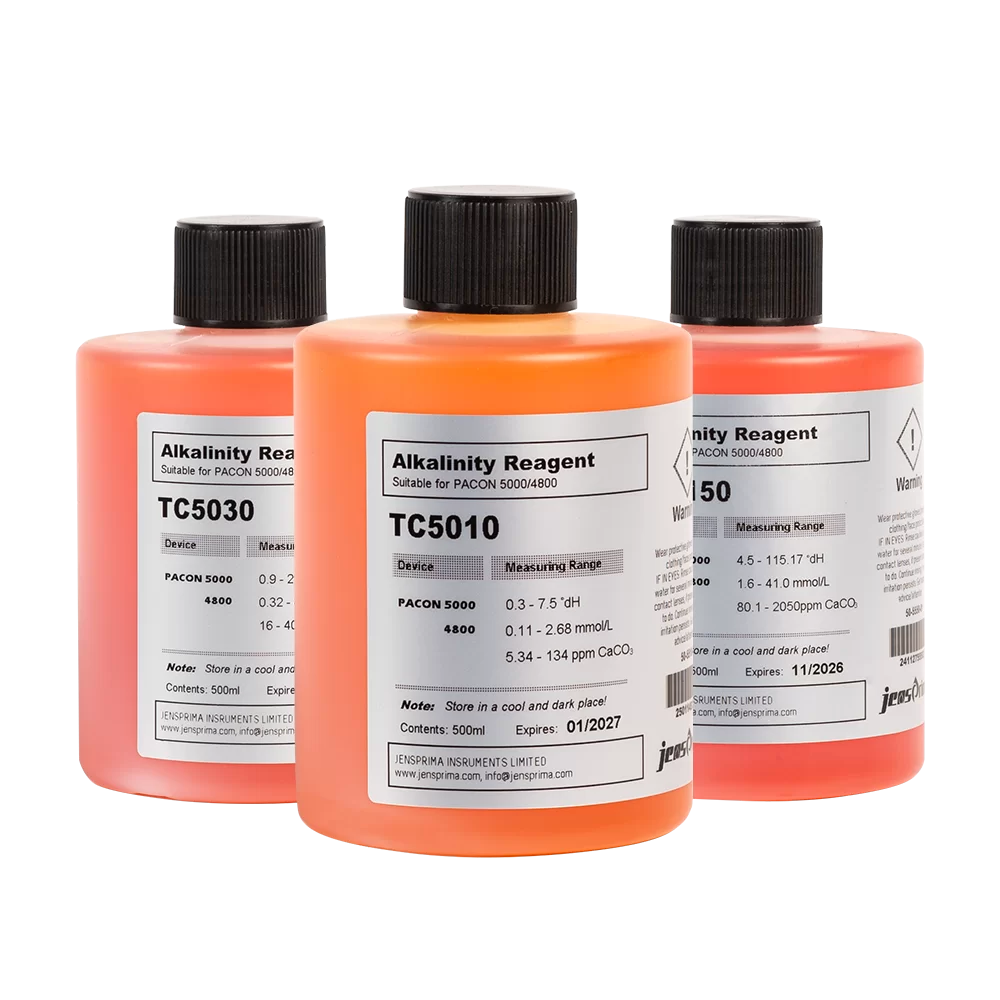
What is the maintenance interval for an alkalinity analyzer in industrial use?

Depending on the water matrix, our automated systems typically require reagent replenishment and calibration verification every 30 to 90 days, significantly reducing manual labor.

How does the residual chlorine controller prevent over-chlorination in potable water?

By utilizing a PID feedback loop, the controller adjusts the dosing pump in real-time based on the residual chlorine sensor reading, maintaining a precise setpoint within ±0.02 mg/L.

Is the electromagnetic flowmeter suitable for corrosive chemical dosing lines?

Absolutely. We offer PFA and PTFE liners combined with Tantalum or Platinum electrodes to ensure complete chemical resistance against aggressive acids and bases.

Which analyzer is best for monitoring nitrate levels in Danish agricultural runoff?

A multi parameter water quality analyzer equipped with a specific nitrate ion-selective electrode (ISE) is the most efficient choice for real-time monitoring of runoff in farming areas.

Ready to Optimize Your Water Analysis?

Our engineering team is ready to provide customized water monitoring solutions across Denmark. Contact us for a technical consultation today.

Contact Us Now
Service Repair Form
Tell us what issue you encountered, including any steps or symptoms.
  • Name
  • Email
  • Phone
  • Fault Description

If you are interested in our products, you can choose to leave your information here, and we will be in touch with you shortly.