



 Download
 Video Center
 Technical Services
 FAQS
 Service Network
 Privacy Policy
 Contact Us




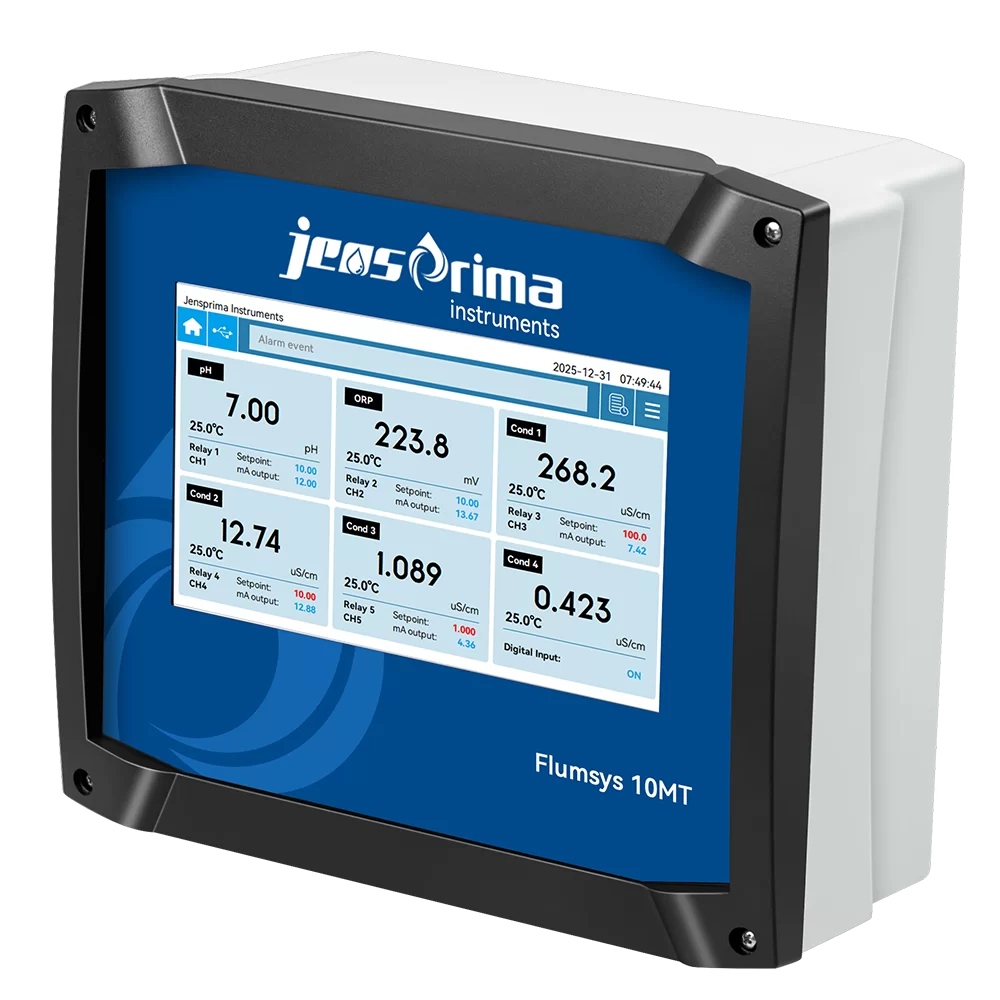
Maintaining precise control over fluid characteristics is essential for industrial safety and environmental sustainability. For organizations seeking a reliable multi parameter water quality analyzer supplier, the focus often shifts from simple data collection to the implementation of a comprehensive monitoring ecosystem. This involves integrating various sensors and meters that can handle conductive liquids, chemical waste, and pure water simultaneously.
In sectors such as pharmaceutical manufacturing and wastewater treatment, the margin for error in fluid management is negligible. The challenge lies in selecting instrumentation that balances high-precision measurement with the durability required for long-term deployment. When the chemistry of the water changes—varying in viscosity, density, or conductivity—the instrumentation must remain stable to prevent operational downtime and ensure strict adherence to discharge regulations.
This guide provides a technical and commercial framework for evaluating water analysis solutions. Readers will discover the mechanics of electromagnetic induction, the importance of liner material selection, and the specific metrics that define a high-performance monitoring system. By aligning technical specifications with operational needs, procurement officers and engineers can optimize their ROI while enhancing environmental stewardship.
The Critical Role of Multi-Parameter Monitoring
Modern industrial processes no longer rely on a single metric to define multi parameter water quality analyzer supplier capabilities. Instead, a holistic approach combining flow rate, conductivity, and chemical composition is required. For instance, in a wastewater treatment plant, knowing the volumetric flow is useless without understanding the concentration of pollutants. The synergy between different measurement parameters allows operators to automate chemical dosing, optimize pump performance, and detect leakages in real-time. This technical convergence reduces the risk of environmental contamination and lowers energy consumption by eliminating redundant pumping cycles. Furthermore, the transition toward "Smart Water" infrastructure demands that instruments provide digital outputs compatible with cloud-based diagnostics, allowing for predictive maintenance rather than reactive repairs.
Strategic Guide to Selecting Water Analysis Instrumentation
Selecting the right instrumentation requires an analysis of the medium's physical properties and the installation environment. The following subsections break down the primary engineering considerations for deploying high-precision meters in demanding industrial settings.
Measurement Principles and Induction
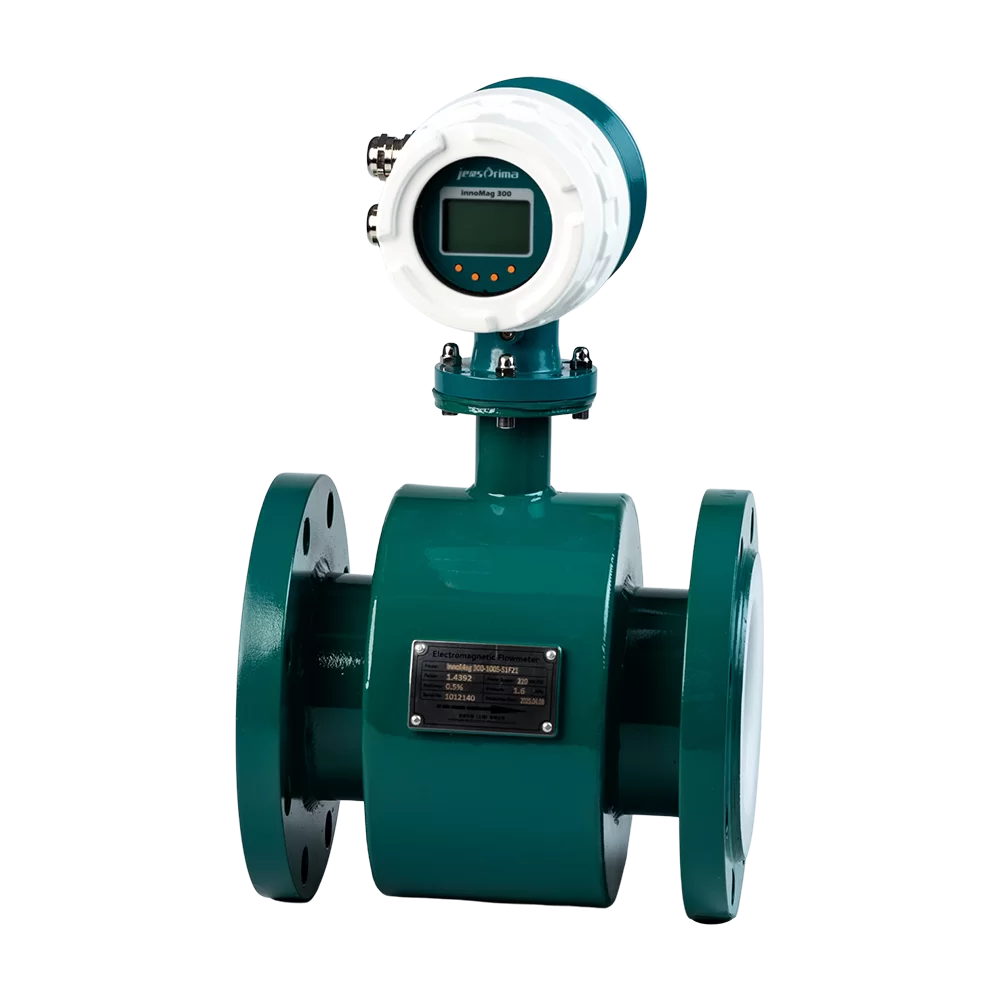
Electromagnetic induction is the gold standard for measuring conductive liquids. By creating a magnetic field and measuring the induced voltage as fluid passes through, devices like the innoMag 300 provide accurate volumetric flow rates. This method is superior because it involves no moving parts, meaning there is zero pressure drop and no mechanical wear, which is critical for maintaining the integrity of the fluid stream.
| Metric | Requirement | Impact on Accuracy | Buyer Check |
|---|---|---|---|
| Conductivity | > 5 μS/cm | Essential for signal induction | Verify medium conductivity |
| Liner Material | PTFE/PFA/Rubber | Prevents sensor corrosion | Match to chemical profile |
| Output Signal | 4-20mA/Modbus | Enables remote monitoring | Check PLC compatibility |
| Protection | IP65 to IP68 | Ensures outdoor durability | Assess submergence risk |
| Pressure Loss | Negligible | Reduces pumping energy | Evaluate energy overhead |
| Accuracy Class | High Precision | Ensures billing/audit truth | Compare to ISO standards |
Material Compatibility for Corrosive Media
The longevity of a sensor is determined by its wetted parts. In aggressive chemical processing, standard stainless steel may fail. Utilizing premium liners like PTFE or PFA, combined with electrodes made of Hastelloy or Platinum, ensures that the instrument can withstand acidic or alkaline fluids without degrading. This material selection directly impacts the replacement cycle and the total cost of ownership.
Integration with SCADA and PLC Systems
Data is only valuable if it is actionable. High-performance analyzers must offer seamless integration into existing control architectures. Support for Modbus digital communication and 4-20mA analog signals allows for real-time data logging and automated alerts. This connectivity enables the implementation of totalization logic for precise billing and usage analysis across a facility.
Operational Stability in Harsh Environments
Industrial sites often present extreme temperature fluctuations and humidity. Instruments with protection ratings up to IP68 are designed for submersible applications and harsh outdoor installation. Ensuring that the electronics are isolated from the environment prevents signal drift and unplanned sensor failure, which is vital for 24/7 monitoring organizations.
Maintenance Reduction and Lifecycle Value
Mechanical meters suffer from wear and tear, leading to high OpEx. In contrast, inductive systems with a full-bore design prevent clogging and sediment build-up, even in slurry-laden fluids. By eliminating moving parts, companies can reduce maintenance overhead by up to 60%, extending the operational lifecycle and ensuring consistent accuracy over years of service.
Regulatory Compliance and Data Export
Environmental audits require verifiable and tamper-proof data. Automated data export features allow companies to generate compliance reports for water discharge without manual intervention. This ensures that discharge levels remain within legal limits, avoiding heavy fines and protecting the organization's reputation for environmental responsibility.
Evaluation Criteria for Global Suppliers
When vetting a partner, buyers should look beyond the product specs. Critical factors include the supplier's R&D experience, production capacity, and after-sales support. A company with its own manufacturing facility—such as JENSPRIMA's 5,000-square-meter factory—can guarantee shorter lead times (often 3-5 business days) and provide one-on-one technical solutions and OEM services tailored to specific site requirements.
FAQ
What is the minimum conductivity required for electromagnetic flow measurement?
For an electromagnetic meter like the innoMag 300 to operate accurately, the medium typically requires a minimum conductivity of 5 μS/cm. This ensures that the fluid can conduct the electrical current necessary for the induction process to generate a readable signal. If the liquid is non-conductive (such as pure oil or distilled water), a different measurement technology would be required.
Can these analyzers handle abrasive slurries or dirty water?
Yes, provided the correct liner material is selected. A full-bore design is critical here as it creates an unobstructed flow path, preventing sediment build-up. Using high-durability liners such as Hard Rubber or PTFE allows the sensor to resist abrasion from particulates, making it ideal for wastewater and industrial slurry applications.
How does an inductive flowmeter reduce energy costs compared to mechanical ones?
Mechanical meters create physical obstructions in the pipe, which leads to a pressure drop. This forces pumps to work harder to maintain flow, increasing electricity consumption. Electromagnetic meters have zero pressure drop, meaning they do not obstruct the fluid, thereby reducing the energy required for pumping throughout the system's lifecycle.
What should I look for in a supplier's technical support?
A professional supplier should provide more than just a product. Look for comprehensive installation and operation video guidance, as well as 24-hour online engineering support. The ability to offer one-on-one technical solutions and OEM customization indicates a supplier with deep R&D capabilities and a commitment to the long-term success of the installation.
Is the equipment compatible with standard PLC and SCADA systems?
Most modern industrial analyzers support standard industry outputs. Compatibility is typically ensured via 4-20mA analog signals for simple monitoring and Modbus digital communication for advanced data integration. This allows for seamless remote monitoring, real-time data logging, and automated control within a SCADA environment.
How often do these instruments require recalibration?
Because electromagnetic induction relies on a physical constant and the devices have no moving parts to wear out, they are significantly more stable than mechanical meters. While periodic verification is recommended, they require far less frequent recalibration, which minimizes operational downtime and reduces long-term maintenance costs.
References and further reading
- World Health Organization (WHO) - Guidelines for Drinking-water Quality.
- ISO 9001:2015 - Quality Management Systems Requirements.
- EPA - National Primary Drinking Water Regulations.
Related Articles


