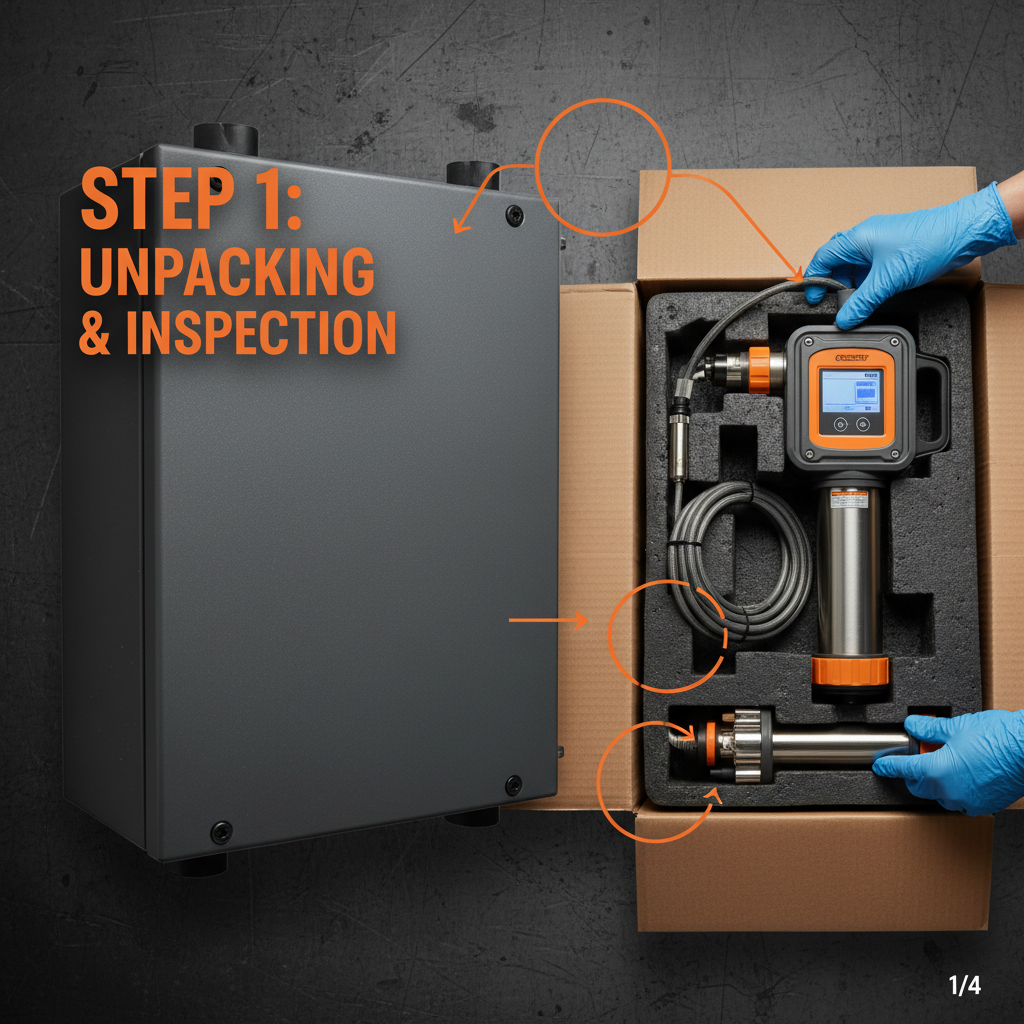
Top multi parameter water quality analyzer manufacturer innoSens
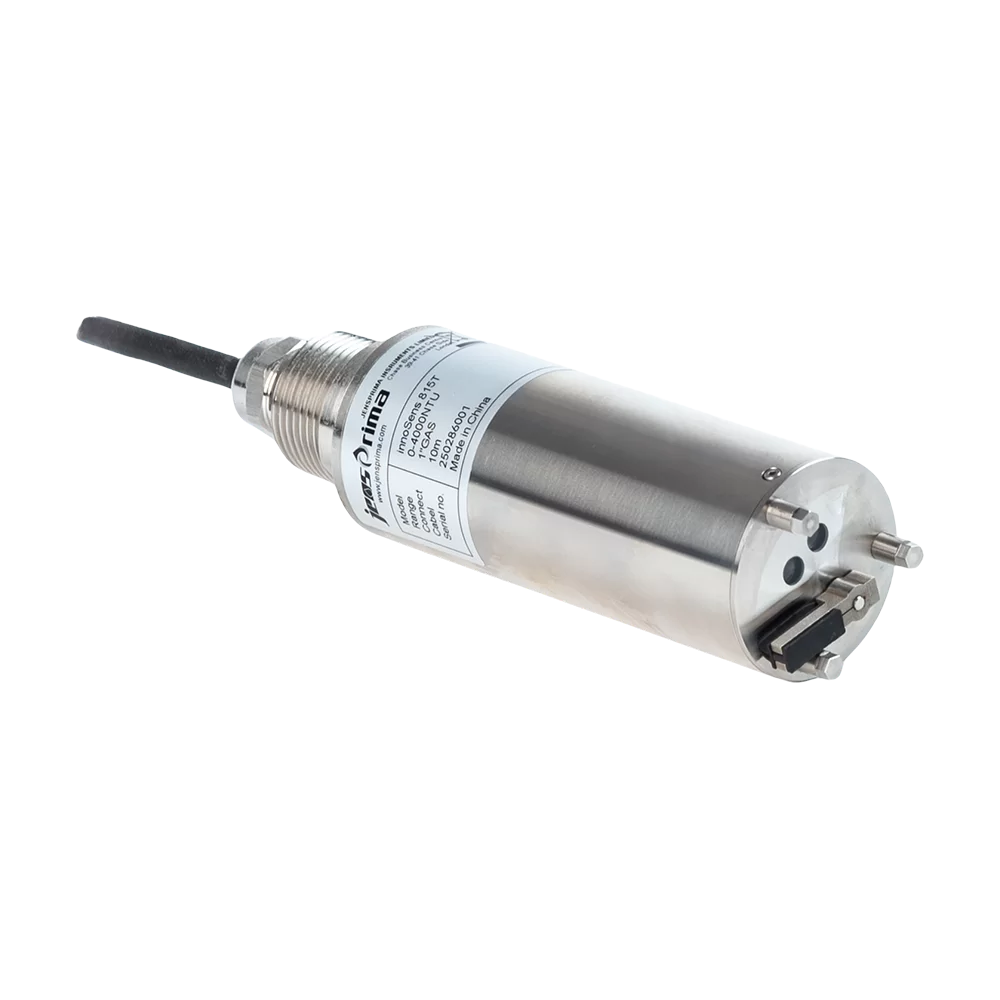
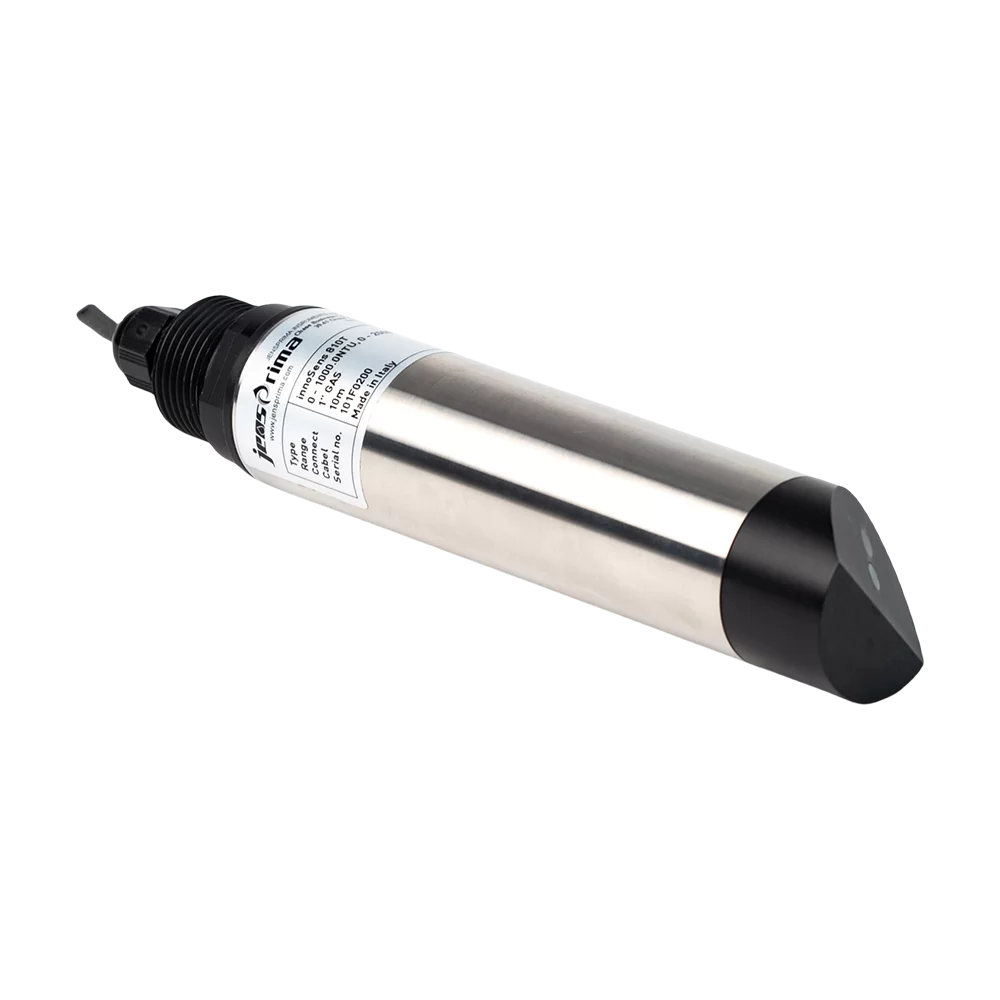
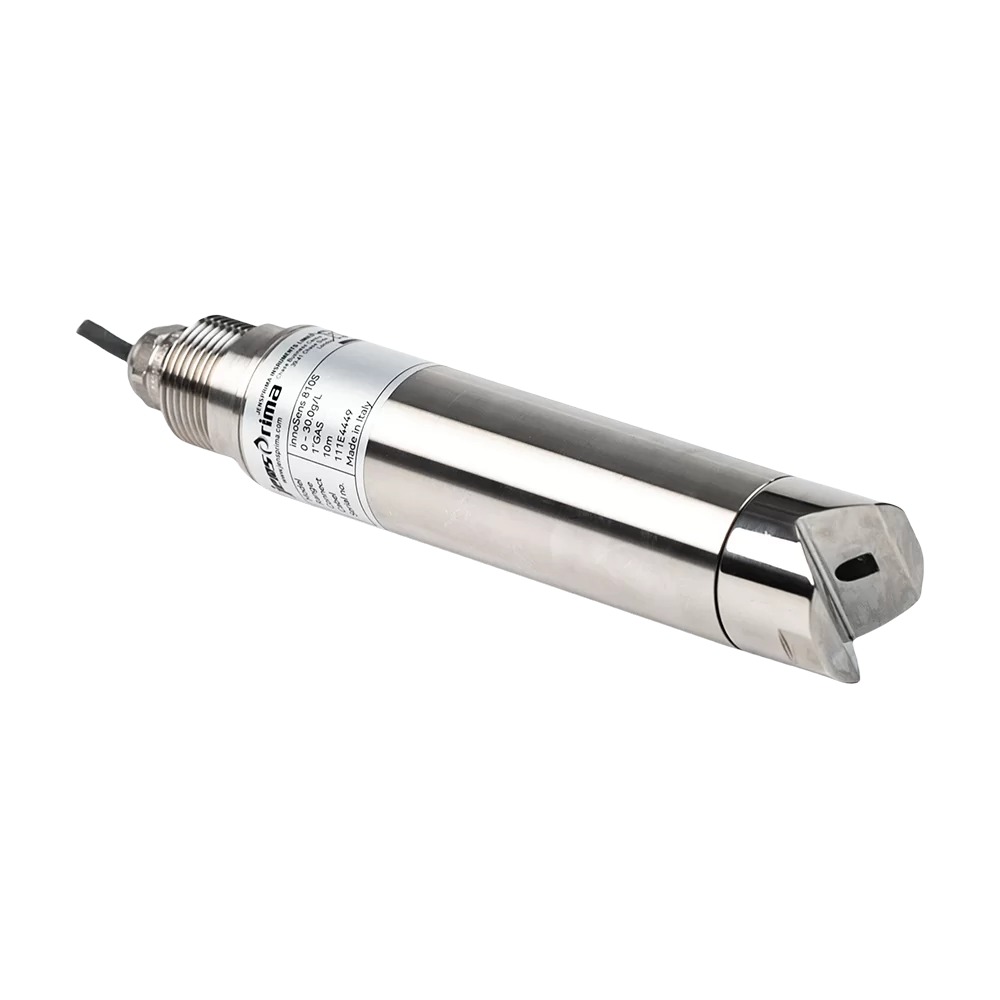
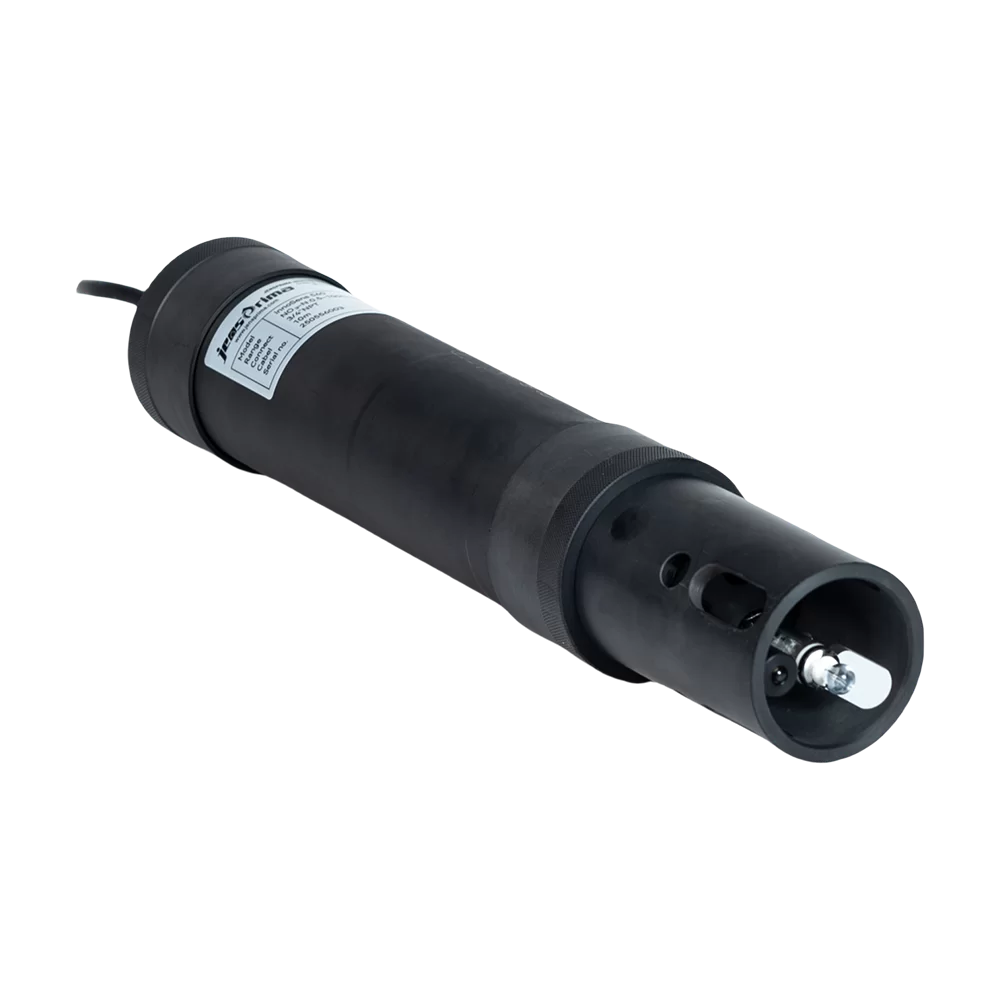
Precise turbidity measurement is a critical requirement for ensuring the efficacy of wastewater treatment and industrial process control. The Turbidity Sensor innoSens 810T represents a high-performance solution designed for real-time monitoring of suspended solids and water clarity. For engineers and plant operators, selecting a reliable tool from an experienced multi parameter water quality analyzer manufacturer ensures that data integrity is maintained even in the most challenging environments. By leveraging advanced optical analysis, this sensor minimizes the drift typically associated with traditional turbidity probes, allowing for tighter control over effluent quality.
Integrating the innoSens 810T into an existing monitoring network allows facilities to move from reactive sampling to proactive management. Whether applied in pharmaceutical water purification or municipal wastewater plants, the ability to detect rapid changes in water clarity prevents equipment fouling and ensures regulatory compliance. This technical deep dive explores how the sensor's construction and optical mechanism provide the stability required for continuous industrial deployment.

Optical Precision and the Engineering Logic of the innoSens 810T
The Turbidity Sensor innoSens 810T operates on the principle of nephelometry, measuring the intensity of light scattered at a specific angle by particles suspended in the liquid. Unlike basic sensors, the 810T is engineered to differentiate between actual turbidity and interference caused by color or bubbles, which is a common failure point in low-cost instrumentation. The optical path is optimized to provide a linear response across a wide range of NTU values, making it suitable for both high-purity water and heavily loaded industrial waste.
From a construction standpoint, the sensor focuses on durability and signal stability. The housing is designed to withstand the chemical stresses typical of industrial environments, ensuring that the optical windows remain clear and the internal electronics are shielded from moisture. This engineering focus reduces the frequency of manual cleaning and recalibration, which is essential for remote installations where accessibility is limited.
- High Sensitivity: Capable of detecting minute changes in water clarity for precision process control.
- Interference Rejection: Advanced optical filtering reduces the impact of ambient light and water color.
- Stable Output: Consistent signal delivery compatible with most industrial PLC systems.

Strategic Application Scenarios for Continuous Turbidity Monitoring
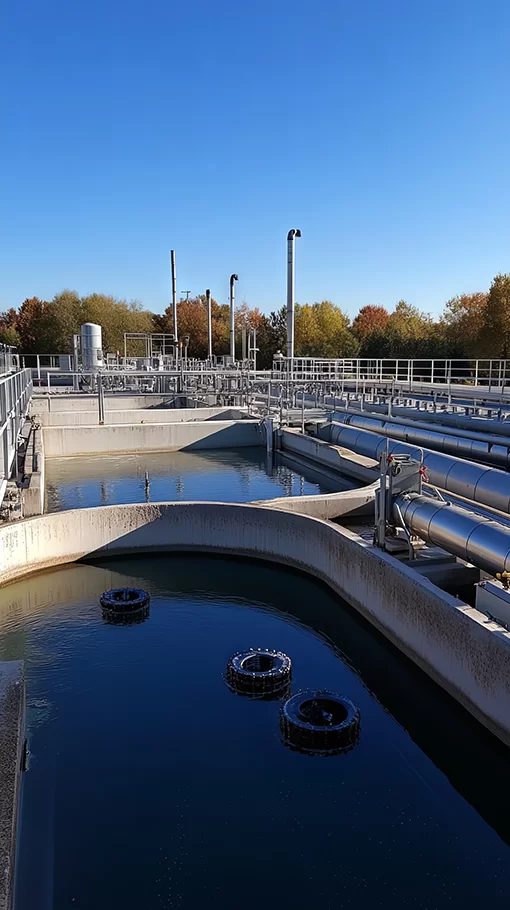
In the realm of multi parameter water quality analyzer manufacturer solutions, the innoSens 810T is most effective when deployed in critical control loops. In wastewater treatment plants, for example, it is often placed after the final filtration stage to ensure that the effluent meets strict environmental discharge permits. Any spike in turbidity can trigger an immediate alarm, preventing the release of contaminated water into local ecosystems.
Pharmaceutical manufacturers utilize this sensor to monitor the purity of purified water (PW) and water for injection (WFI). In these sectors, even slight turbidity increases can indicate a breach in the filtration membrane or a failure in the sterilization process, potentially compromising an entire batch of medicine. The sensor's ability to provide a continuous, digital reading allows for the creation of an electronic audit trail, which is a mandatory requirement for GMP compliance.
Beyond these, the sensor is highly effective in industrial process water circuits, where it monitors the efficiency of coagulation and flocculation processes. By optimizing chemical dosing based on real-time turbidity data, plants can reduce reagent waste and lower operational costs while maintaining consistent output quality.
Evaluating Supplier Capability for Water Instrumentation Procurement
When procuring turbidity sensors, the technical specification of the device is only one part of the equation. Buyers must evaluate the manufacturer's ability to provide long-term technical support and consistent production quality. JENSPRIMA brings 20 years of R&D experience to the table, operating a 5,000-square-meter modern facility that ensures rigorous quality control for every unit produced. This scale of operation allows for guaranteed lead times and the capability to handle OEM requests for specialized integrations.
A critical consideration for procurement managers is the "total cost of ownership." A cheaper sensor that requires weekly cleaning or drifts every month is more expensive than a precision instrument with high stability. The innoSens 810T is designed for longevity, supported by a global network that has seen over 25,000 instruments installed across 40 countries. This track record provides the evidence of reliability that industrial buyers require when scaling their monitoring infrastructure.
Furthermore, the availability of 24-hour online support from sales and after-sales engineers ensures that installation hurdles are cleared quickly. For global deployments, the ability to receive operation video guidance and rapid delivery (3-5 business days) minimizes project downtime and accelerates the return on investment for the monitoring system.
Technical Evaluation and Application Suitability Matrix
| Application Sector |
Critical Requirement |
innoSens 810T Performance |
Suitability Rating |
| Municipal Wastewater |
High Fouling Resistance |
Robust Optical Housing |
High |
| Pharmaceutical PW/WFI |
Extreme Low-End Precision |
Linear Low-NTU Response |
High |
| Industrial Process Water |
Rapid Response Time |
Real-time Optical Sensing |
High |
| Drinking Water Plants |
Long-term Stability |
Low Signal Drift |
Recommended |
| Environmental Monitoring |
Field Reliability |
Standardized Output |
Suitable |
Overcoming Common Challenges in Turbidity Measurement
One of the primary challenges in online turbidity measurement is the accumulation of bio-film or mineral scaling on the sensor window. This "fouling" leads to artificially high readings and frequent false alarms. The innoSens 810T addresses this through a design that optimizes the optical interface, reducing the surface area prone to adhesion and allowing for easier integration with automated cleaning systems, such as air-blast or water-flush mechanisms.
Another frequent issue is the impact of suspended air bubbles, which the sensor may misinterpret as solid particles. By utilizing specific light-scattering angles and advanced internal processing, the 810T minimizes the "bubble effect," providing a more accurate representation of the actual suspended solids concentration. This is particularly vital in aeration tanks or high-pressure piping where air entrainment is common.
Finally, the challenge of calibration drift is managed through high-quality components and precise factory calibration. By providing a stable baseline, the sensor reduces the need for frequent field calibrations using expensive turbidity standards, thereby reducing the operational burden on the technical staff and increasing the overall reliability of the data stream.
Future Trends in Online Water Quality Analysis
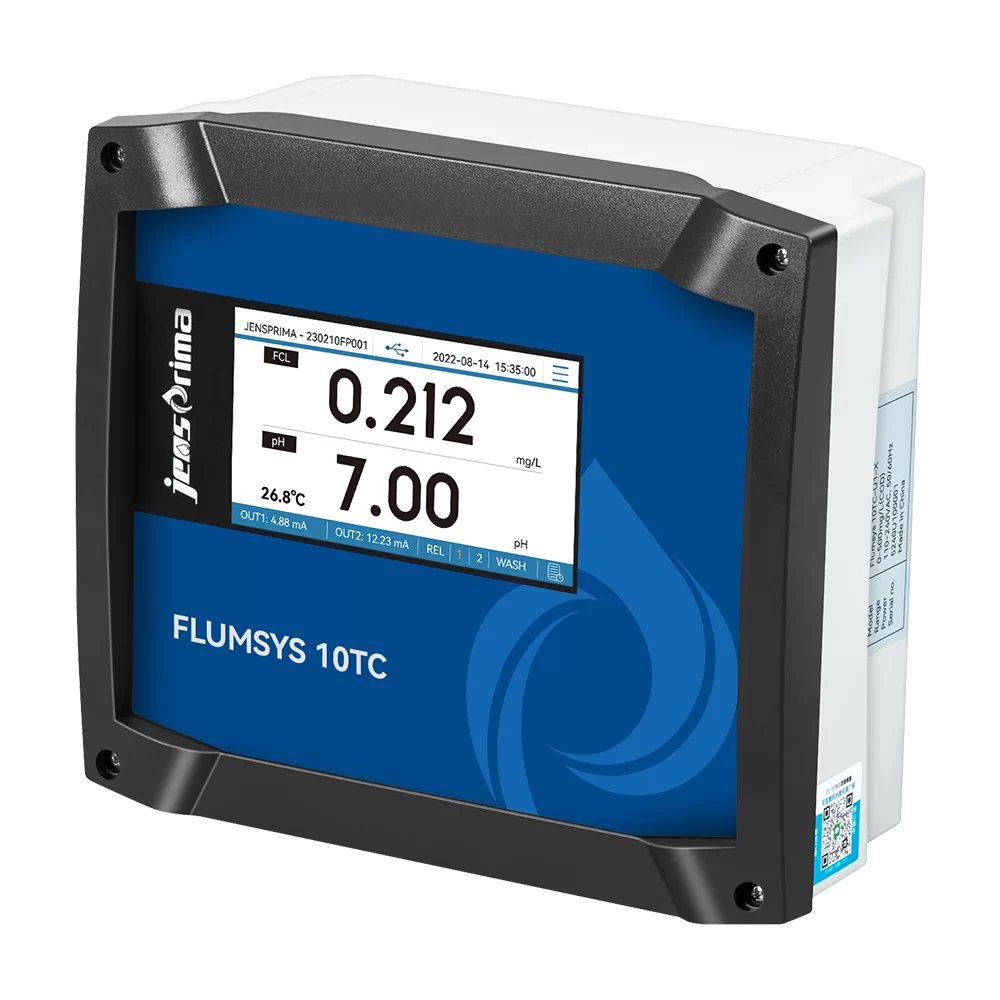
The industry is moving toward "intelligent monitoring," where sensors do more than just provide a raw value; they provide diagnostic data. We are seeing a shift toward the integration of turbidity data with other parameters like pH and conductivity to create a holistic view of water health. This multi-dimensional approach allows for the identification of the root cause of water quality degradation rather than just detecting the symptom.
Sustainability is also driving the demand for sensors that require fewer chemical reagents for calibration and have lower energy footprints. The optical nature of the innoSens 810T aligns with this trend, as it provides a non-destructive measurement method that does not introduce contaminants into the water stream. As regulatory limits for effluent discharge become more stringent worldwide, the demand for precision optical instrumentation will only continue to grow.
For companies looking to modernize, the focus should be on scalability and interoperability. Investing in hardware that supports standard industrial protocols ensures that as a facility grows, its monitoring system can be integrated into a centralized SCADA or cloud-based management platform, enabling remote oversight and predictive maintenance across multiple sites.
Frequently Asked Questions about Turbidity Monitoring
What is the difference between NTU and other turbidity units?
NTU (Nephelometric Turbidity Units) is the standard measure of turbidity based on the intensity of light scattered at 90 degrees. It is the most widely accepted unit in industrial and environmental monitoring due to its consistency across different optical instruments.
How often does the innoSens 810T require calibration?
Calibration frequency depends on the water matrix and fouling levels. However, due to its stable optical design, the 810T is engineered for infrequent calibration compared to budget sensors, typically requiring check-ups only during scheduled maintenance intervals.
Can this sensor be used in highly corrosive industrial wastewater?
Yes, the sensor is designed with materials suitable for industrial environments. For extremely aggressive chemicals, we recommend consulting our technical engineers to ensure the housing material matches your specific chemical profile.
How does the sensor handle air bubbles in the pipeline?
The innoSens 810T uses an optimized optical path and scattering angle to minimize the interference caused by micro-bubbles, ensuring that the reading reflects the suspended solids rather than air entrainment.
What are the delivery times for global orders?
Jensprima operates its own independent manufacturing facility, allowing for rapid fulfillment. Standard delivery times to global customers are typically between 3 to 5 business days.
Does the sensor support OEM customization?
Yes, with 20 years of production experience, Jensprima provides comprehensive OEM services and one-on-one technical solutions to meet specific project requirements or integration needs.
Technical References and Industry Standards
Ensuring precise turbidity measurement is not just about compliance, but about operational efficiency and environmental stewardship. By combining the technical precision of the innoSens 810T with the manufacturing reliability of a trusted partner, industrial facilities can achieve a higher standard of water quality management.
David Miller
David Miller is a Senior Application Specialist at JENSPRIMA, focusing on wastewater treatment solutions. With a background in chemical engineering and 8 years of experience, David works closely with municipal and industrial clients to optimize their water quality monitoring processes. He specializes in implementing optical analysis technologies for nutrient and pollutant detection, contributing to improved plant efficiency and regulatory compliance. David holds a Master's degree from the University of California, Berkeley, and frequently presents at industry conferences, sharing insights on the latest advancements in water quality instrumentation. He is passionate about sustainable water management and the role JENSPRIMA plays in achieving it.






 Download
 Video Center
 Technical Services
 FAQS
 Service Network
 Privacy Policy
 Contact Us