In the complex landscape of industrial water management, the ability to accurately monitor chemical composition is paramount for operational efficiency and regulatory compliance. While many operators rely on a basic tds meter and ph meter to gauge overall water quality, the demand for specialized nutrient monitoring—specifically nitrogen compounds—has surged in wastewater and environmental sectors. Understanding the interplay between dissolved solids, acidity, and specific ion concentrations allows facilities to maintain a delicate biological balance.
The evolution of sensing technology has shifted from manual sampling toward continuous, online monitoring. The integration of high-precision sensors into existing SCADA systems has transformed how plants handle nutrient removal and discharge permits. By moving beyond the general scope of a standard tds meter and ph meter, industries can now target specific pollutants like Ammonia Nitrogen (NH₄-N) and Nitrate Nitrogen (NO₃-N) with unprecedented accuracy.
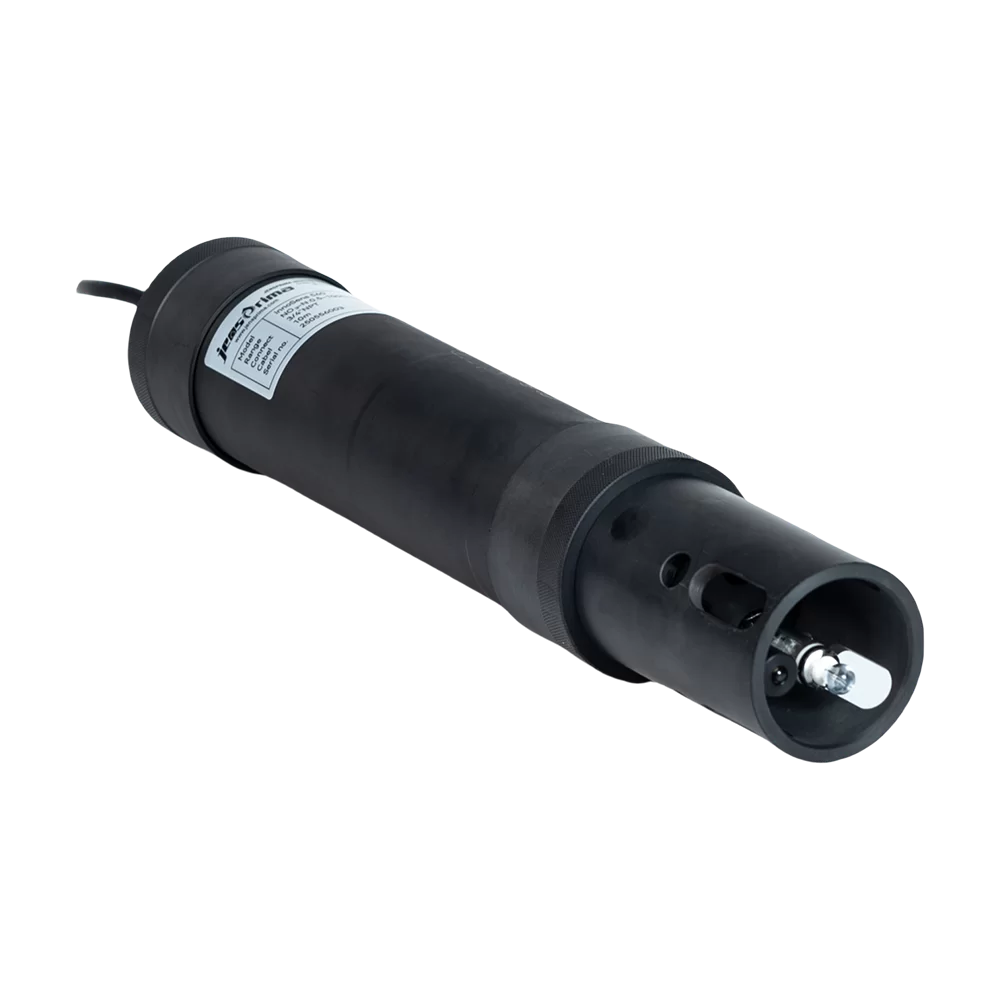
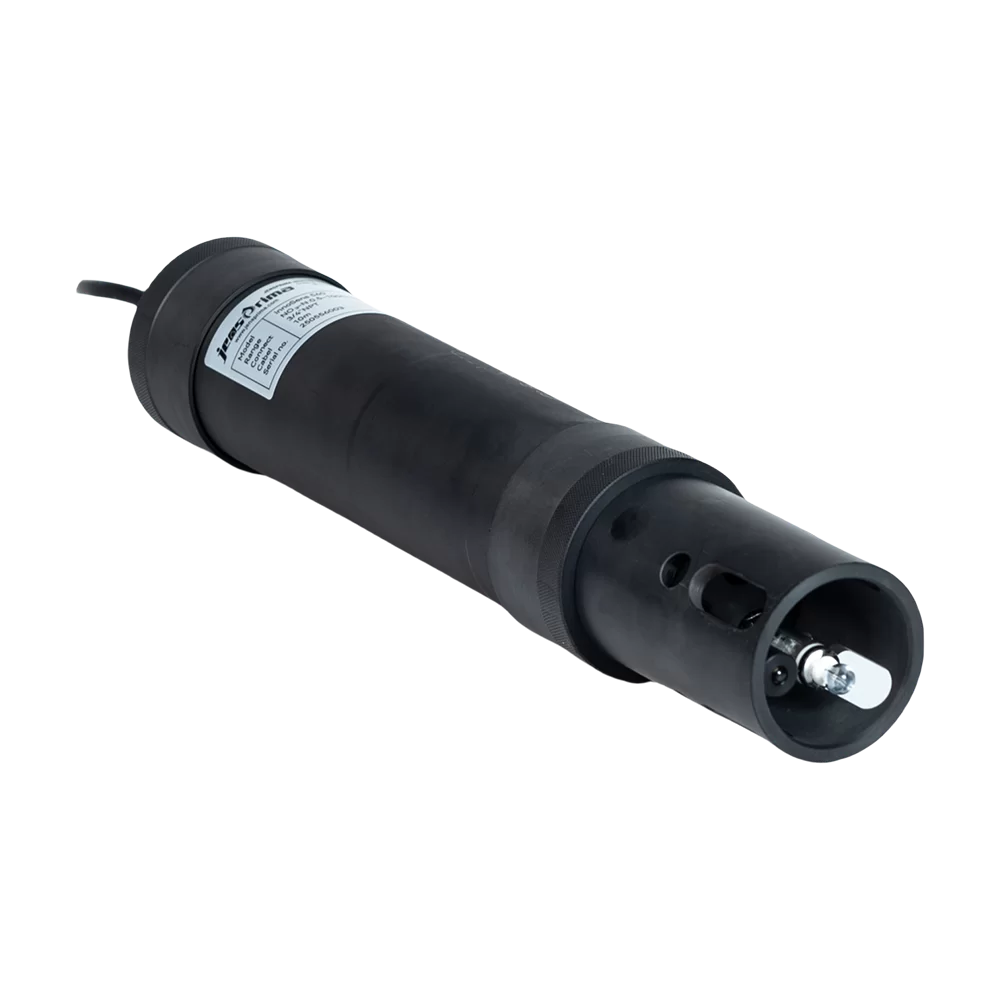
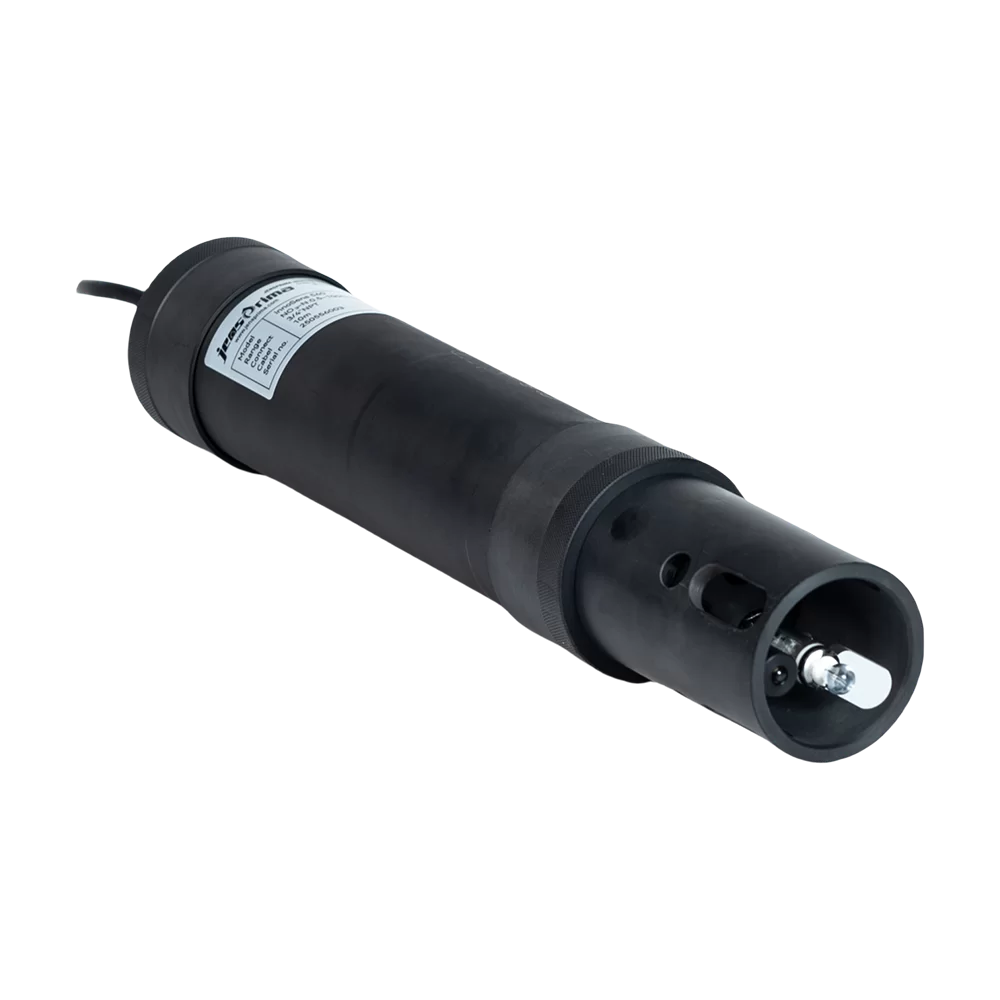
This transition toward specialized sensing is best exemplified by the innoSens 570, a cutting-edge two-in-one sensor that streamlines the measurement of nitrogen species. While a tds meter and ph meter provides a broad overview of water chemistry, the innoSens 570 offers the surgical precision required for nutrient management, significantly reducing installation complexity and long-term maintenance overhead in demanding industrial environments.

The Role of Advanced Sensing in Water Quality
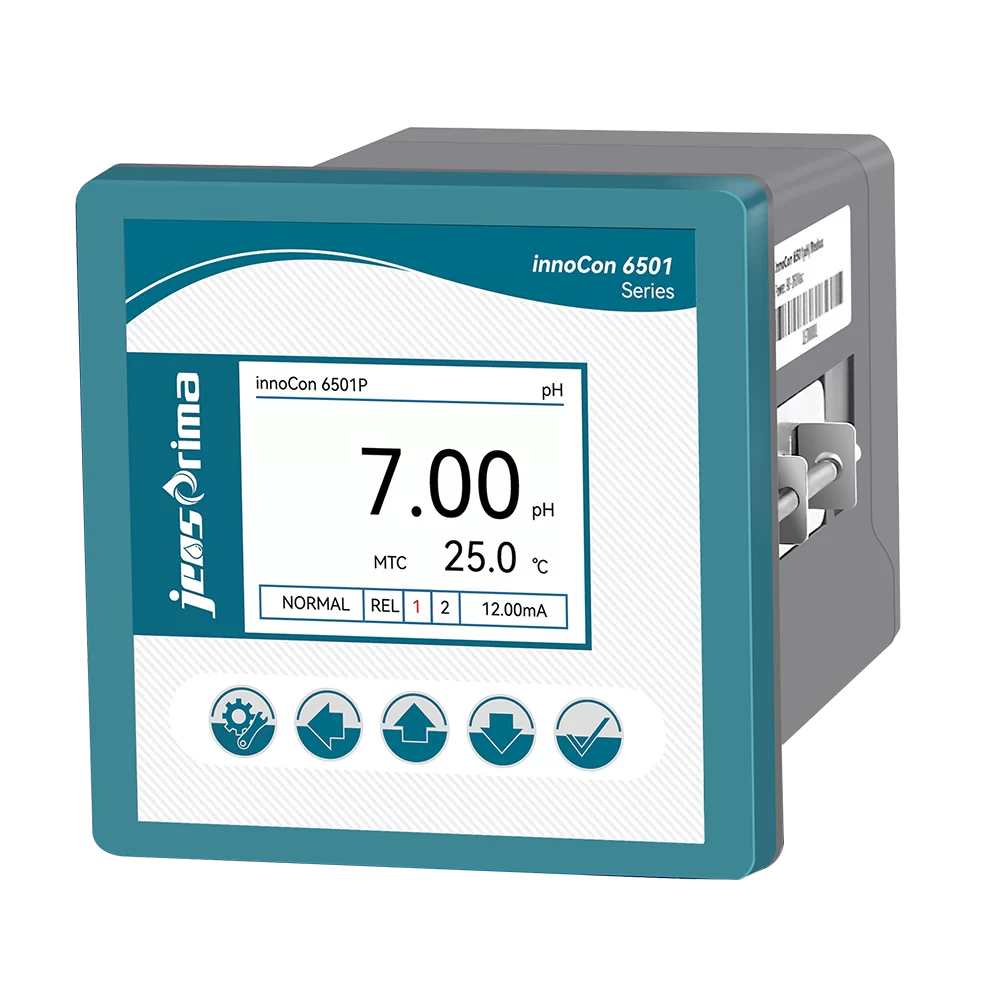
Modern water analysis requires a tiered approach to measurement. At the entry level, a tds meter and ph meter serves as the first line of defense, identifying gross changes in salinity and acidity. These tools are essential for rapid screening and basic process control, providing a general snapshot of the water matrix that helps operators decide when more intensive testing is required.
However, for specialized processes like nitrification and denitrification, general indicators are insufficient. The innoSens 570 fills this gap by targeting Ammonia and Nitrate ions specifically. By integrating these capabilities into a single probe, the industry moves from "general monitoring" to "precise nutrient control," ensuring that discharge limits are met without the waste of over-treating water.
Technical Core of the innoSens 570 Dual Sensor
The innoSens 570 is engineered using advanced ion-selective electrode (ISE) technology, which allows it to distinguish between specific nitrogen species in complex water matrices. Unlike a basic tds meter and ph meter that measures total conductivity or hydrogen ion activity, the innoSens 570 employs highly selective membranes. These membranes are designed to minimize cross-interference, ensuring that the readings for NH₄-N and NO₃-N remain accurate even when other ions are present.
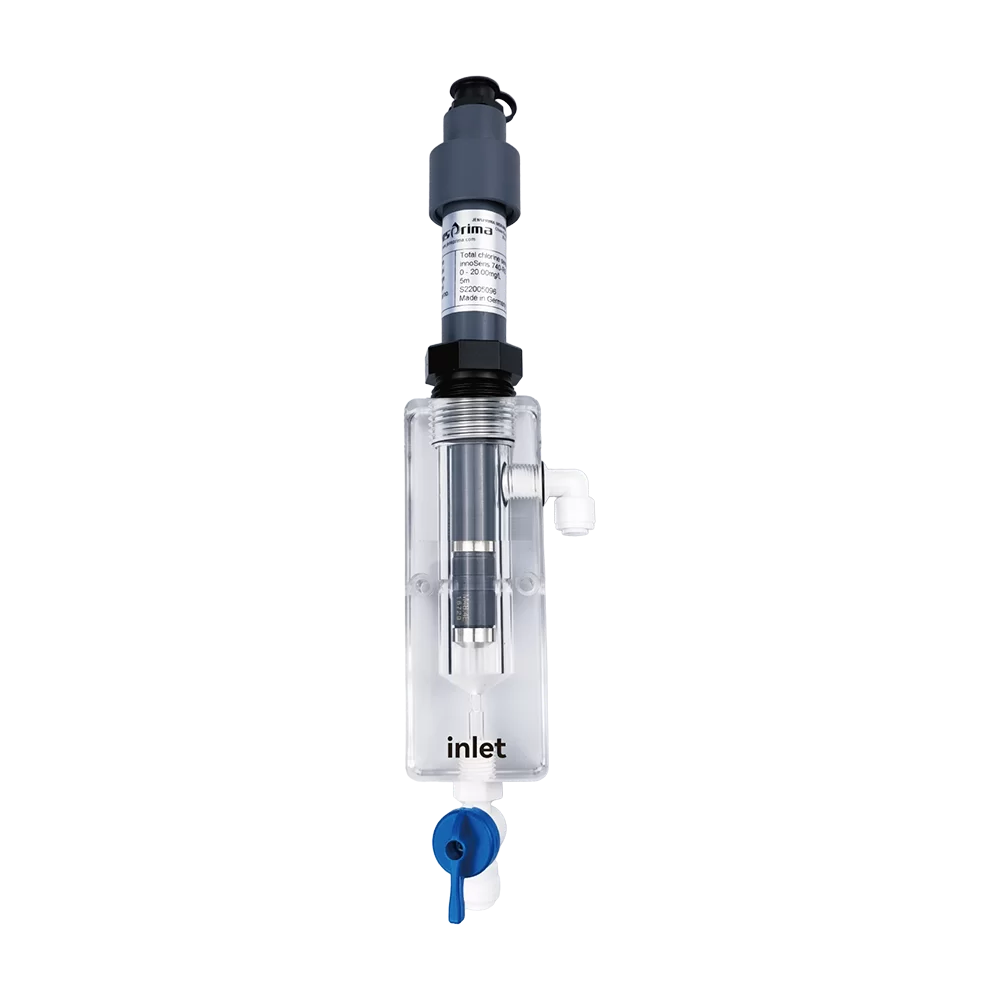
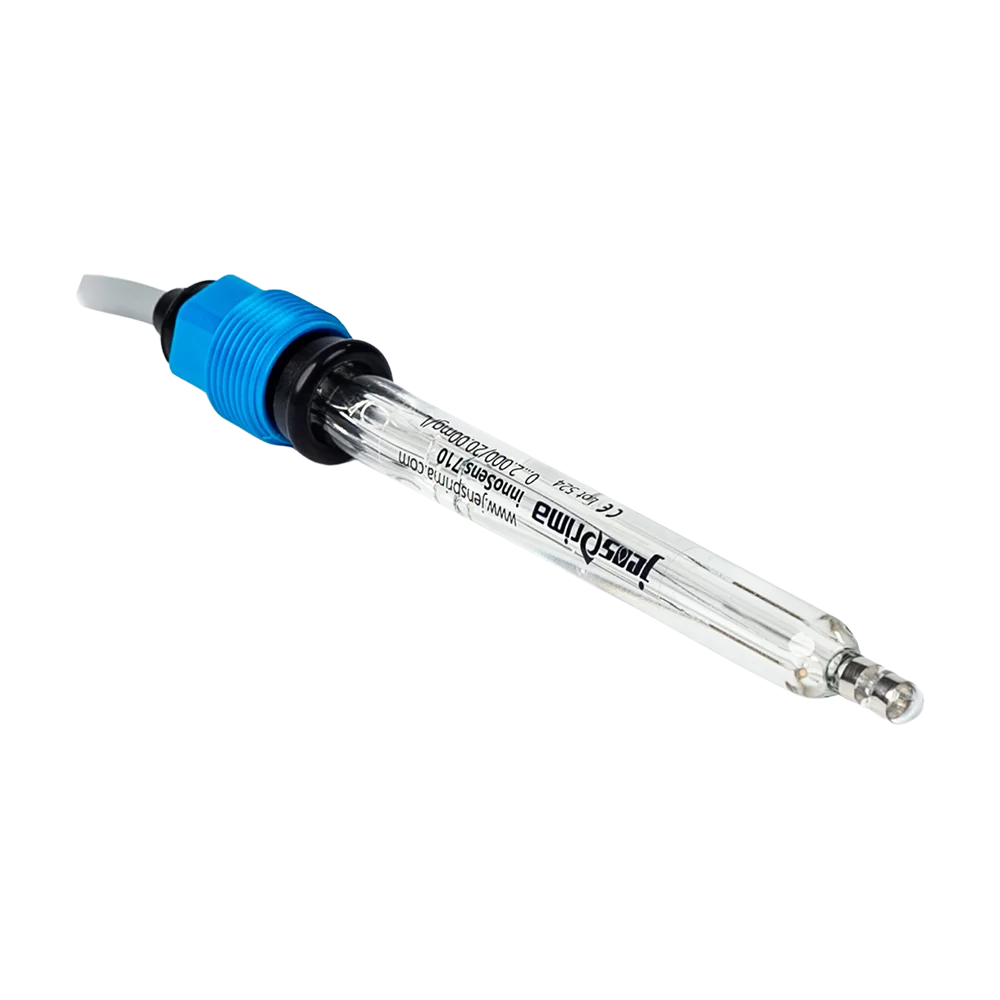
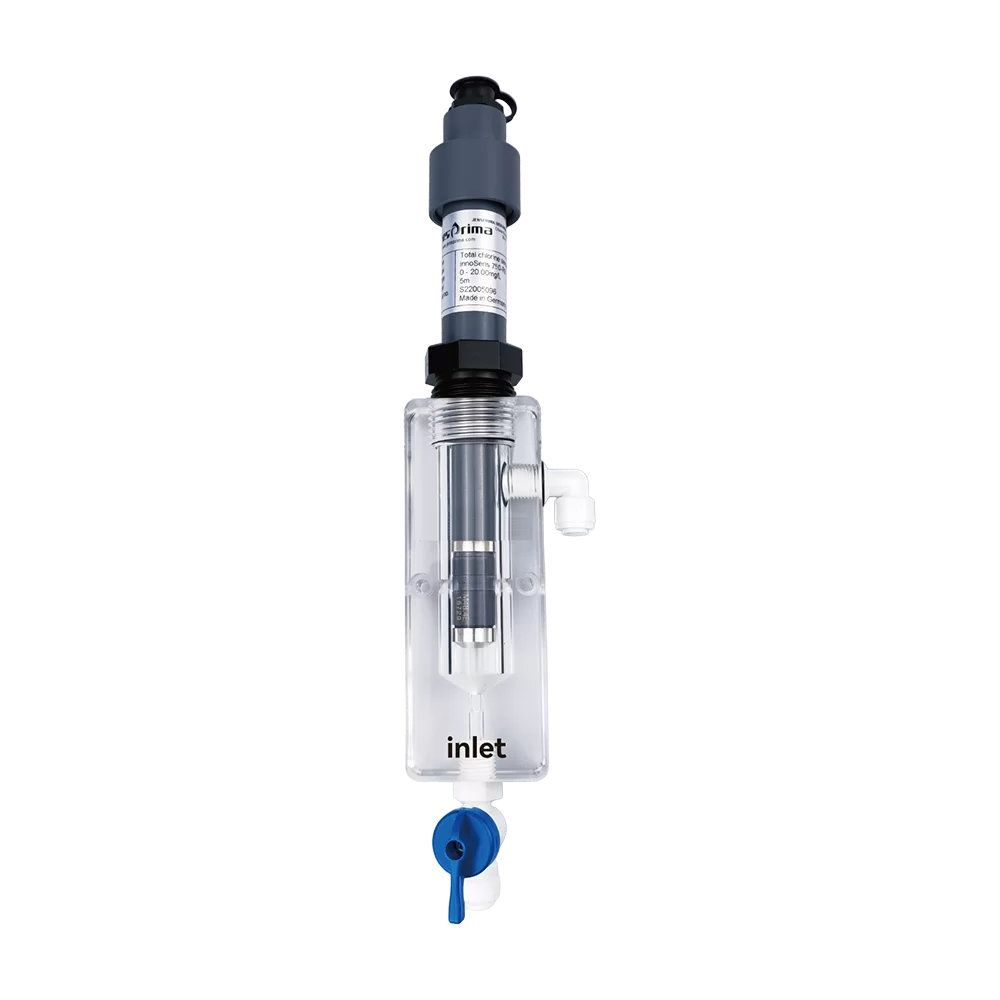
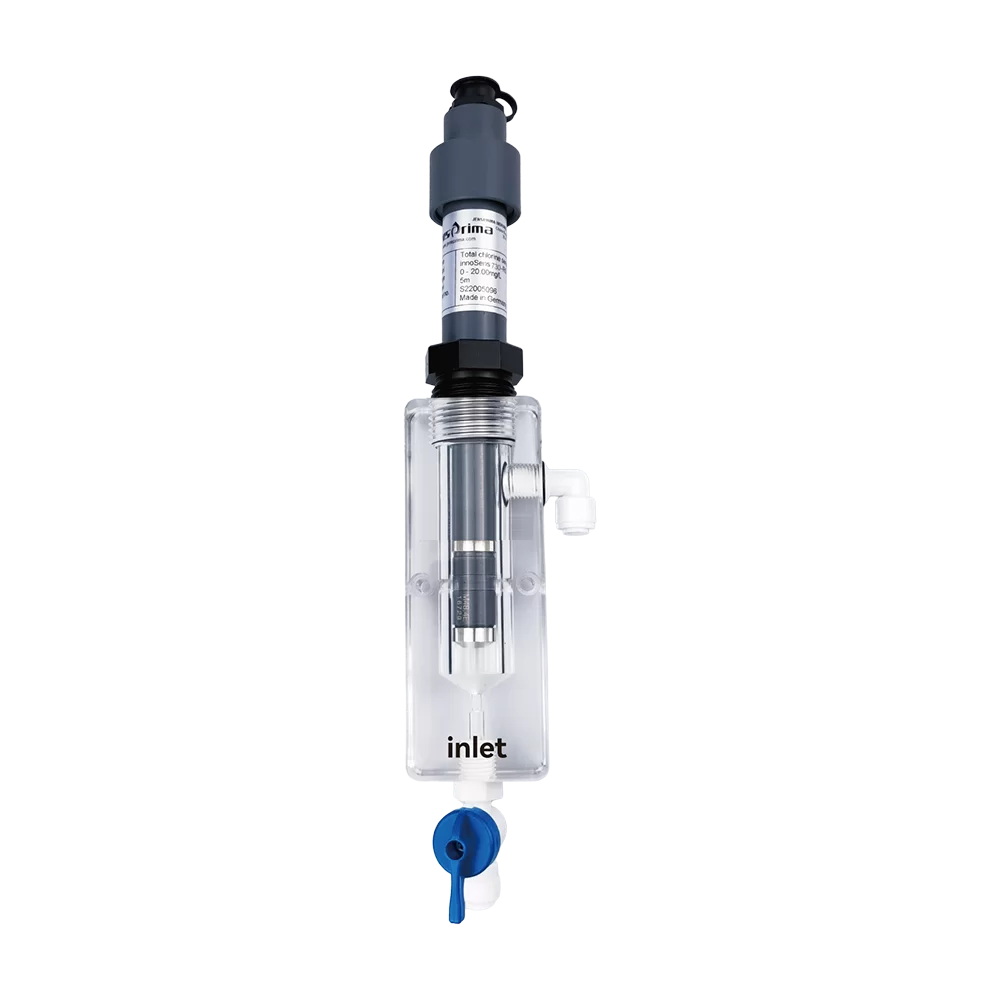
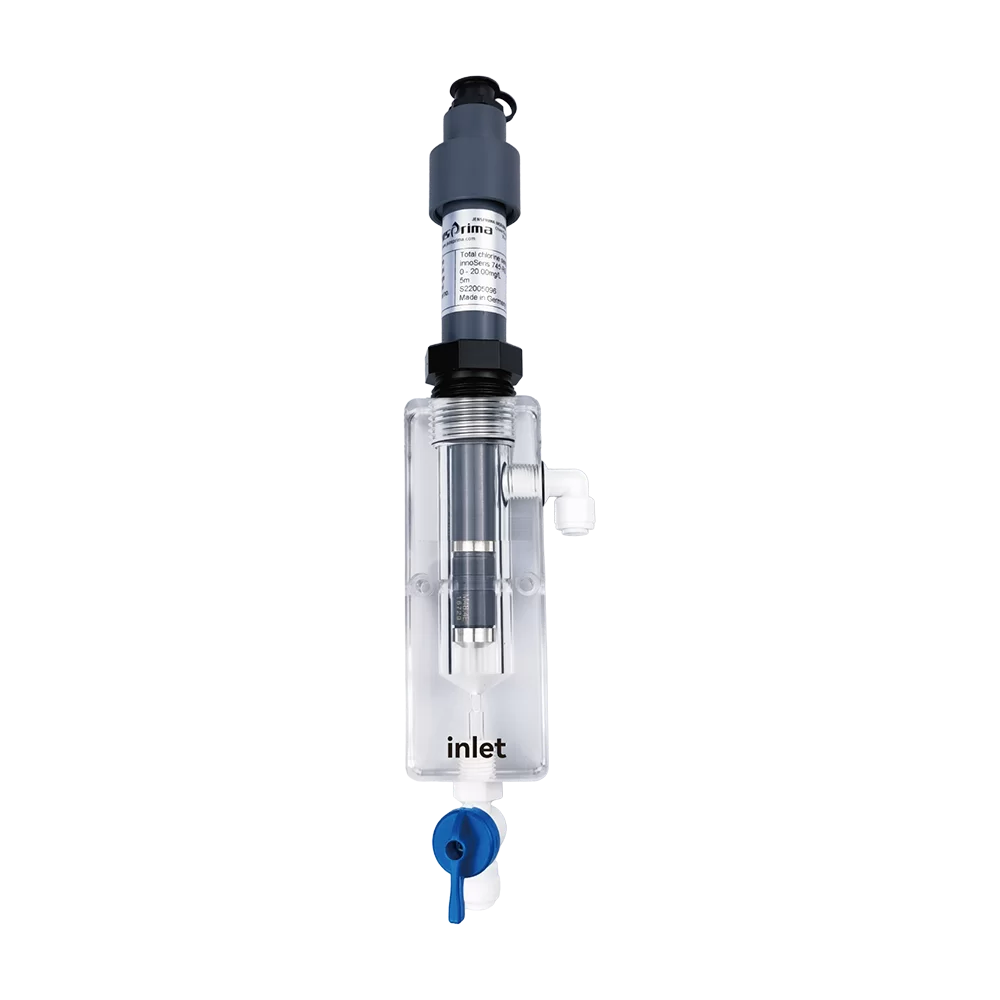
The physical construction of the sensor is optimized for industrial durability. Built with corrosion-resistant materials, it is designed for both submersible installations and flow-cell configurations. This versatility ensures that the sensor can operate in the harshest environments, from the sludge-heavy tanks of a wastewater treatment plant to the fluctuating conditions of remote river monitoring stations.
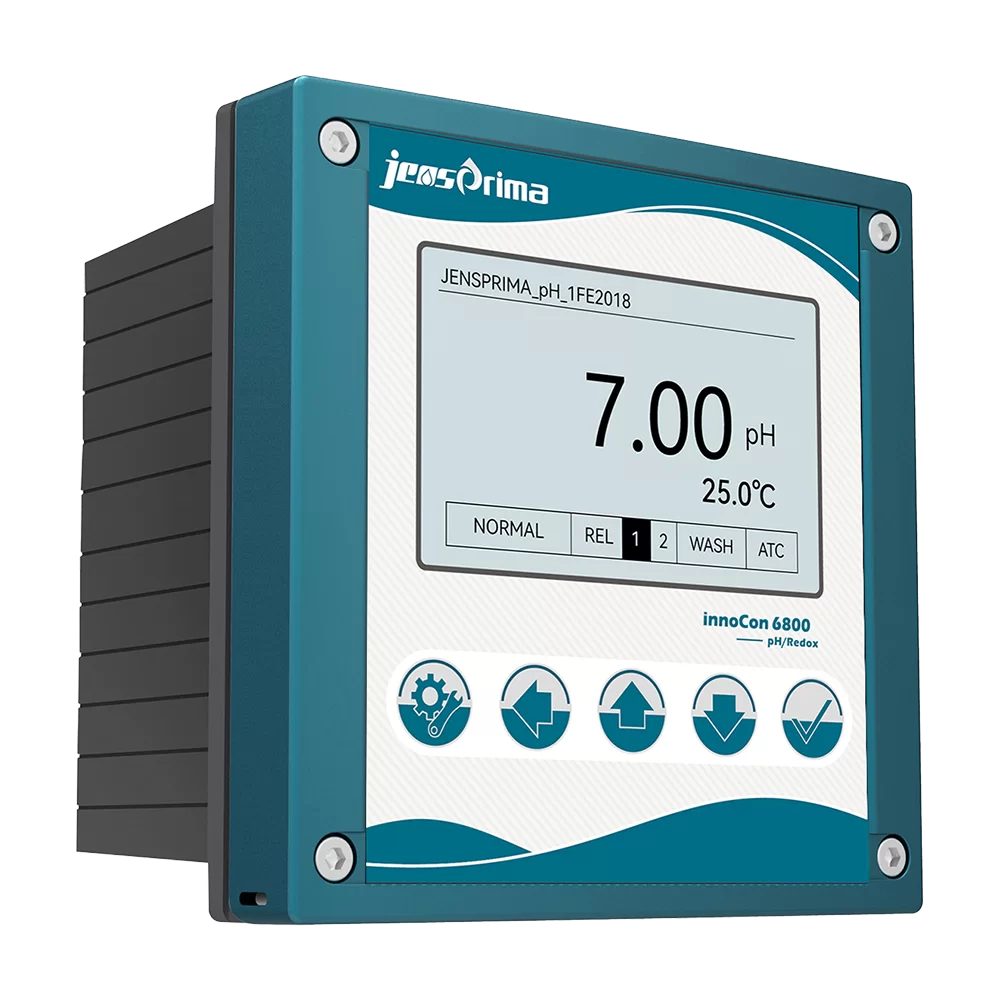
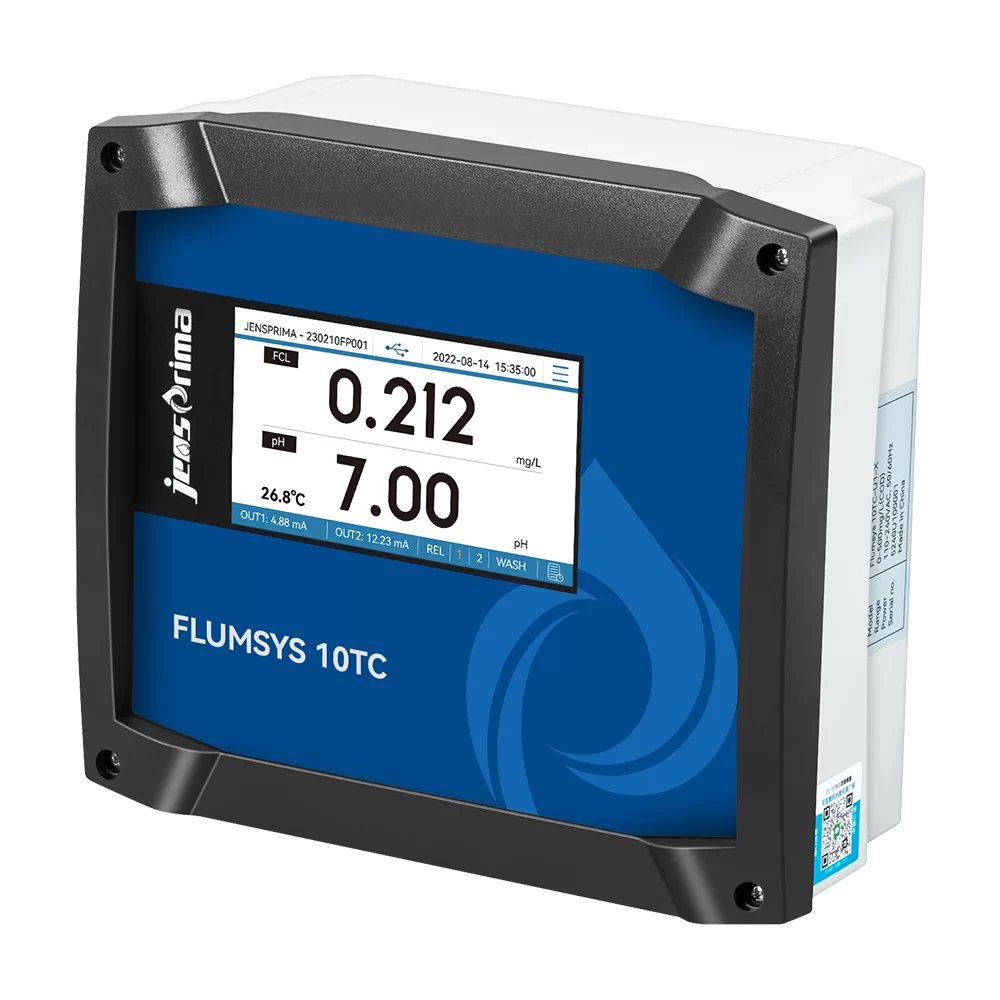
Integration is a key technical highlight. The sensor provides a standard industrial interface, making it fully compatible with a wide array of multi-parameter controllers. This seamless communication allows the raw ionic data to be converted into actionable intelligence, triggering automated responses in aeration or dosing systems to maintain nitrogen levels within strict regulatory thresholds.
Operational Advantages of Integrated Nitrogen Monitoring
One of the most significant hurdles in water quality monitoring is the "hardware footprint." Traditional setups often require a separate probe for every single parameter, similar to how a technician might carry a separate tds meter and ph meter for different tasks. The innoSens 570 eliminates this clutter by combining Ammonia and Nitrate sensing into a single, dual-channel unit.
This integration leads to a drastic reduction in installation complexity. With only one mounting point and a streamlined cabling requirement, the initial setup cost is significantly lowered. Furthermore, the synchronized nature of the measurements means that the relationship between Ammonia and Nitrate—critical for understanding the nitrification process—is captured simultaneously and accurately.
Maintenance is another area where the innoSens 570 outperforms traditional arrays. By optimizing the electrode design, the frequency of manual recalibration is reduced. While a standard tds meter and ph meter might require frequent checks, the innoSens 570 is built for long-term stability, utilizing high-precision drift control to ensure data reliability over extended intervals.
Performance Comparison: Dual-Channel vs Traditional Setup
When comparing the efficiency of a dual-sensor approach against the traditional method of using multiple single-parameter probes, the differences in operational expenditure (OpEx) become clear. Traditional setups not only occupy more physical space but also require separate calibration cycles for each probe, leading to significant labor overhead.
In contrast, the integrated approach offered by the innoSens 570 streamlines the entire workflow. By synchronizing the sensing of NH₄-N and NO₃-N, operators can achieve a faster response time and a more holistic view of the water's nitrogen cycle, moving far beyond the limited data provided by a simple tds meter and ph meter.
Operational Efficiency Comparison: innoSens 570 vs Standard Tools
Global Applications in Nutrient Management
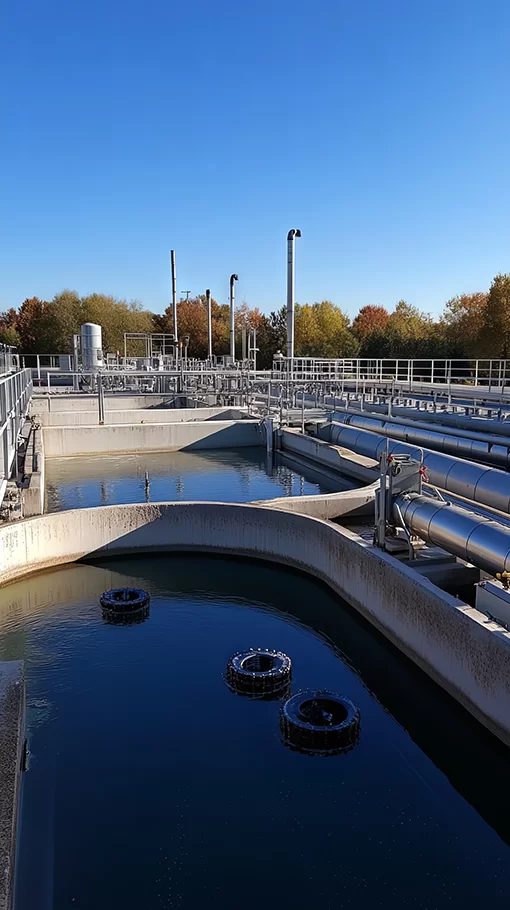
The application of dual nitrogen sensing is critical across various global industries. In municipal wastewater treatment plants, the innoSens 570 allows for the optimization of aeration tanks by providing real-time feedback on the conversion of ammonia to nitrate. This prevents the waste of energy and ensures that effluent meets strict environmental standards, a task that cannot be achieved with a basic tds meter and ph meter.
Beyond urban infrastructure, the sensor is invaluable in aquaculture and remote river monitoring. In these environments, nutrient spikes can lead to eutrophication and fish kills. The ability to remotely monitor NO₃-N and NH₄-N levels allows environmental agencies to respond to pollution events instantly, ensuring the protection of biodiversity in fragile aquatic ecosystems worldwide.
Digital Transformation and Automated Calibration
The modern industrial shift toward Industry 4.0 is evident in how the innoSens 570 handles data. By centralizing ammonia and nitrate streams into a unified data hub, operators can visualize historical fluctuations and predict seasonal trends. This move toward trend analytics allows for proactive rather than reactive plant management, transforming raw data into a strategic asset.
Automation also extends to the most tedious part of sensing: calibration. Software-driven calibration routines can be scheduled to maintain peak accuracy automatically. This reduces the risk of human error associated with manual checks and ensures that the sensor remains accurate without requiring daily technician intervention, a significant upgrade over the manual processes used with a standard tds meter and ph meter.
Furthermore, the smart alert system integrates seamlessly with modern communication protocols. When nitrogen levels exceed predefined regulatory thresholds, the system can send instantaneous notifications via SMS or email. This ensures that operators are alerted to potential compliance failures in real-time, allowing for immediate adjustments in nutrient dosing or aeration to prevent costly fines.
Investment Return and Long-Term Stability
Investing in the innoSens 570 is a strategic move to lower the Total Cost of Ownership (TCO). By combining two essential sensors into one, the costs associated with cabling, mounting hardware, and labor are slashed. For large-scale facilities, the reduction in maintenance labor by up to 40% represents a substantial annual saving, far outweighing the cost of a simple tds meter and ph meter.
Long-term stability is guaranteed through industrial-grade, corrosion-resistant build materials. The use of high-precision membranes ensures that the sensor does not suffer from rapid drift, which is a common failure point in cheaper sensing equipment. This reliability ensures that the investment continues to pay off over years of service, providing a rapid ROI through lower OpEx.
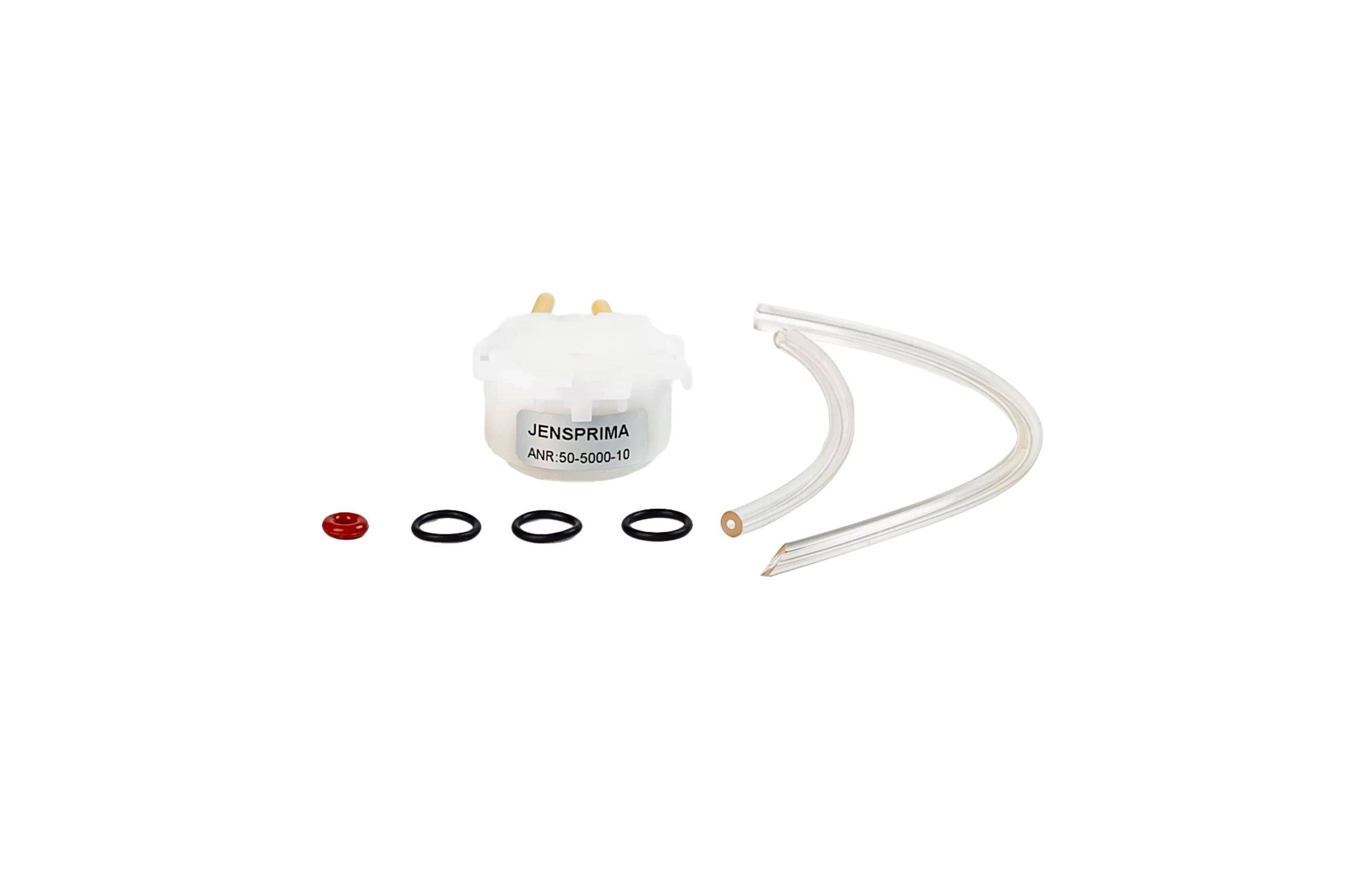
Finally, the availability of spare parts kits for membrane replacement extends the lifespan of the sensor hardware. Instead of replacing the entire unit, operators can simply refresh the membranes, ensuring that the system remains at peak performance while minimizing waste. This sustainability-focused approach aligns with global green energy and environmental policies.
Comparative Analysis of innoSens 570 vs Traditional Monitoring Metrics
| Metric Dimension |
Dual-Sensor (innoSens 570) |
Traditional Single Sensors |
Basic tds meter and ph meter |
| Installation Cost |
Low (Single Mount) |
High (Dual Setup) |
Very Low |
| Maintenance Labor |
Reduced by 40% |
Standard/High |
Low |
| Hardware Footprint |
Compact / Single Probe |
Bulky / Multiple Probes |
Portable |
| Calibration Time |
Synchronized & Fast |
Separate & Time-consuming |
Quick/Simple |
| Specificity |
High (NH₄-N / NO₃-N) |
High (Individual) |
General (TDS/pH) |
| Overall ROI |
Rapid (Lower OpEx) |
Slow (Higher OpEx) |
N/A (Basic Tool) |
FAQS
While a tds meter and ph meter are used for general water quality screening, the innoSens 570 is a specialized tool for wastewater treatment plants, aquaculture, and river monitoring. It specifically measures Ammonia Nitrogen (NH₄-N) and Nitrate Nitrogen (NO₃-N), which are critical for nutrient control and environmental compliance, providing much deeper insight than general conductivity or acidity measurements.
By combining two sensors into one, you significantly reduce the costs of cabling, mounting hardware, and labor for both installation and routine maintenance. This streamlined approach reduces maintenance labor by up to 40% compared to traditional dual-probe setups, leading to a lower total cost of ownership and a faster return on investment.
All ion-selective sensors require periodic calibration to maintain accuracy. However, the innoSens 570 is engineered for high stability and incorporates high-precision long-term drift control. When paired with automated, software-driven calibration routines, it minimizes the frequency of manual interventions compared to standard nitrogen sensors or manual ph meters.
Yes. When paired with compatible Nitrogen Controllers, the innoSens 570 provides standard industrial outputs. These interfaces are designed to integrate seamlessly with most modern SCADA and PLC platforms, allowing for real-time data visualization and automated process control of nutrient dosing and aeration.
The innoSens 570 utilizes highly selective membranes specifically designed to minimize cross-interference. This ensures that the readings for NH₄-N and NO₃-N remain accurate even in complex industrial water matrices where other dissolved solids (which a tds meter would detect) might otherwise interfere with the signal.
The lifespan depends heavily on the water quality and fouling levels of the environment. However, the innoSens 570 is built for industrial durability. To ensure continuous operation, we provide specialized spare parts kits that allow for easy membrane replacement without the need to replace the entire sensor housing.
Conclusion
The transition from general water quality tools, such as the tds meter and ph meter, to specialized integrated solutions like the innoSens 570 represents a critical leap in industrial efficiency. By combining the measurement of Ammonia and Nitrate Nitrogen into a single, durable, and automated probe, facilities can achieve superior nutrient management, reduce operational overhead by 40%, and ensure absolute compliance with environmental discharge permits.
Looking forward, the integration of such high-precision sensors into digital hubs and SCADA systems will be the cornerstone of sustainable water treatment. We recommend that operators audit their current nitrogen monitoring workflows to identify where integrated sensing can replace bulky, high-maintenance traditional setups. For more information on optimizing your water quality monitoring, visit our website: www.jensprima.com.



 Download
 Video Center
 Technical Services
 FAQS
 Service Network
 Privacy Policy
 Contact Us