The precision of fluid management in industrial environments has become a cornerstone of operational efficiency and environmental stewardship. As industries shift toward smarter, automated monitoring, the integration of a high-performance digital water tester—specifically in the form of advanced electromagnetic flowmeters—allows facilities to track liquid movement with unprecedented accuracy.
Globally, the demand for real-time data in water quality and quantity monitoring is surging, driven by stricter environmental regulations and the need to reduce resource waste. Whether managing chemical dosing or wastewater discharge, the transition from mechanical systems to digital induction technology eliminates traditional failure points and ensures a sustainable approach to fluid handling.
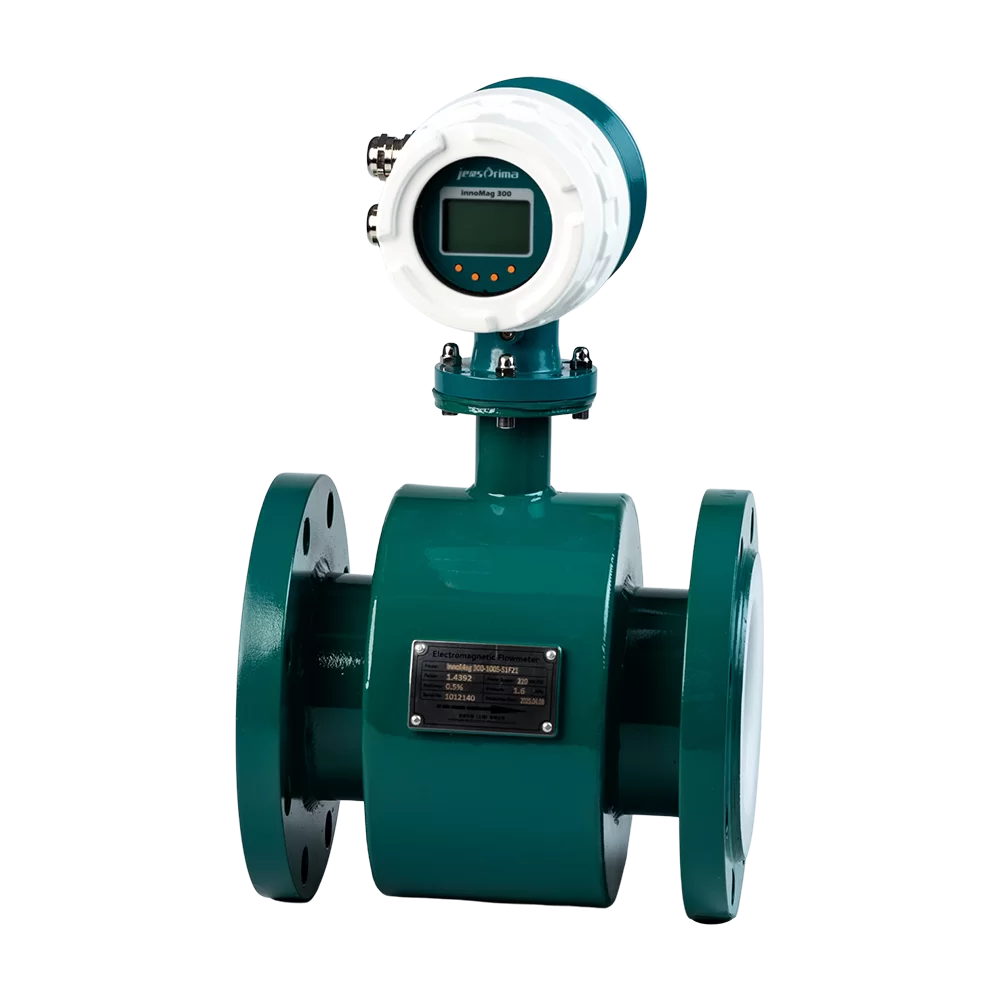
By deploying the innoMag 300, an industry-leading solution, operators can achieve seamless integration into SCADA systems, transforming raw flow data into actionable business intelligence. This shift toward a sophisticated digital water tester framework ensures that compliance is not just a goal, but a continuous, automated reality.

The Role of Induction Technology in Digital Water Testing
Electromagnetic induction represents the gold standard for a digital water tester focusing on flow volume. Unlike mechanical meters that rely on turbines or paddles, the innoMag 300 uses Faraday's Law of Induction to measure the velocity of conductive liquids. This means the device can determine the flow rate without any physical obstruction, ensuring that the liquid's natural characteristics remain unchanged during the measurement process.
This technology is particularly vital for industries handling aggressive chemicals or slurries. Because there are no moving parts to wear down or clog, the induction method provides a level of stability and precision that traditional meters cannot match, making it an essential tool for modern environmental monitoring and process control.
Core Components of the innoMag 300 Flowmeter
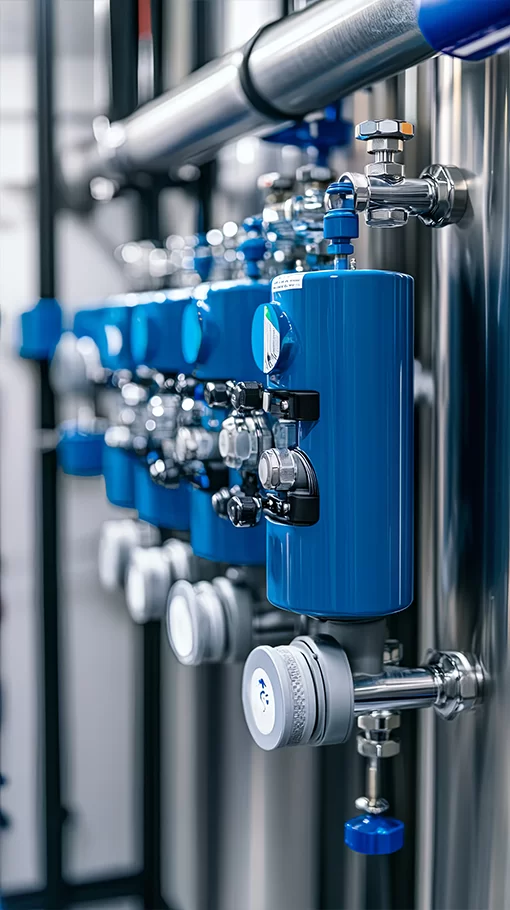
The architecture of the innoMag 300 is engineered for extreme durability. At its core, the sensor utilizes premium liner materials such as PTFE, PFA, or Hard Rubber, which provide a robust barrier against corrosion. This ensures that the digital water tester can be deployed in the most aggressive chemical environments without degrading over time.
Electrodes are crafted from high-grade materials like Stainless Steel, Hastelloy, or Platinum, depending on the specific chemistry of the fluid being monitored. These electrodes work in tandem with the electromagnetic coils to capture precise signals from conductive liquids with a conductivity greater than 5 μS/cm, translating physical movement into a high-precision digital value.
Finally, the output system ensures that this data is accessible. Supporting 4-20mA analog signals, Pulse, and Modbus protocols, the device integrates effortlessly with PLC and SCADA systems. This allows for real-time remote monitoring, ensuring that operators have an instant view of their fluid dynamics from a centralized control room.
Key Factors Driving Operational Reliability
Reliability in a digital water tester is defined by its ability to maintain accuracy despite fluctuating environmental conditions. The innoMag 300 achieves this through a full-bore design, which prevents the build-up of sediment or the clogging of the sensor path, a common failure point in mechanical alternatives.
Another critical factor is the protection class. With IP65, IP67, and IP68 ratings, these devices are built to withstand harsh outdoor installations and even fully submersible applications. This resilience ensures that the digital water tester continues to provide accurate data even in the presence of extreme moisture or dust.
Finally, the reduction of pressure loss is a significant operational advantage. Because the electromagnetic induction process creates zero obstruction in the piping network, there is no pressure drop across the meter. This leads to lower energy consumption for pumping systems, directly impacting the overall efficiency of the water management facility.
Global Applications and Industrial Use Cases
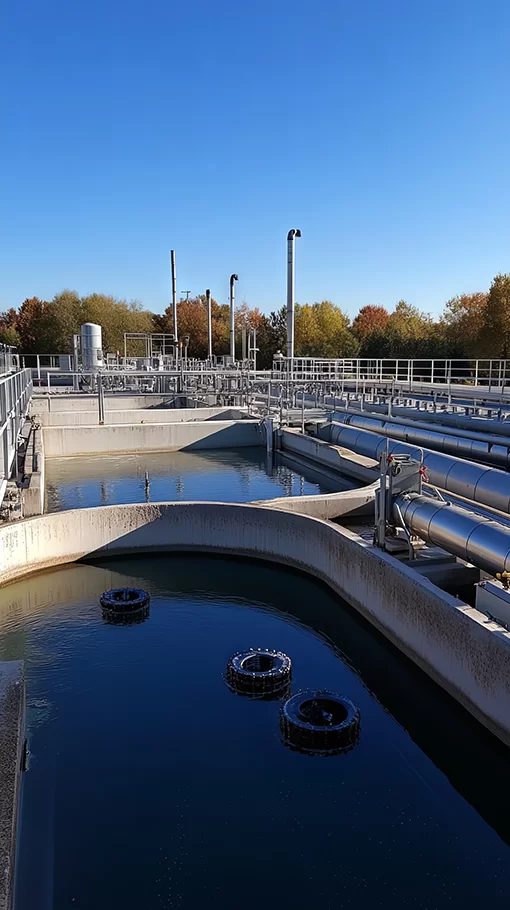
Across the globe, the innoMag 300 is utilized in diverse sectors where fluid precision is non-negotiable. In wastewater treatment plants, it serves as a primary digital water tester to monitor discharge volumes, ensuring that facilities adhere to strict environmental discharge limits and avoid heavy regulatory fines.
In the chemical processing industry, the device is deployed to manage the precise dosing of reagents. By tracking flow rates in real-time, plants can optimize chemical usage, reducing waste and improving the safety of the reaction processes. Similarly, in water distribution networks, it is used to detect leakage patterns through totalization logic, identifying abnormal flow deviations instantly.
Performance Comparison of Digital Water Tester Technologies
Long-Term Value and ROI of Digital Monitoring
Investing in a high-precision digital water tester like the innoMag 300 provides a rapid return on investment by slashing operational expenditures. Traditional mechanical meters require frequent replacement of wear parts and constant recalibration due to mechanical drift. In contrast, the inductive design drastically reduces maintenance costs, often by as much as 60%.
Beyond direct costs, the long-term value manifests in risk mitigation. The ability to perform remote diagnostics and receive instant leakage alerts prevents catastrophic system failures. When combined with automated compliance reporting, the system reduces the man-hours required for environmental audits, allowing personnel to focus on optimization rather than manual data collection.
Future Trends in Fluid Management Automation
The future of the digital water tester is inextricably linked to the Industrial Internet of Things (IIoT). We are seeing a transition toward cloud-based health monitoring, where sensors can predict their own drift and alert maintenance teams before a failure occurs. This shift from reactive to predictive maintenance is the next frontier in fluid management.
Sustainability is also driving innovation. New materials for liners and electrodes are being developed to handle even more extreme pH levels while remaining eco-friendly. The goal is to create a completely closed-loop monitoring system where flow data automatically adjusts pumping speeds to the minimum required energy level, further reducing the carbon footprint of industrial water plants.
Furthermore, the integration of AI-driven analytics will allow these devices to distinguish between normal flow fluctuations and actual system anomalies. This means that a digital water tester will not just report a number, but provide a diagnostic interpretation of the fluid's behavior, streamlining the decision-making process for engineers.
Challenges and Technical Solutions for Implementation
One of the primary challenges in deploying a digital water tester is ensuring the medium meets the minimum conductivity requirement. For the innoMag 300, this is 5 μS/cm. In cases where liquids are too pure, the signal induction process fails. The solution lies in a thorough pre-installation fluid analysis to ensure the electromagnetic principle is the correct choice for the specific application.
Another common hurdle is the complexity of integrating new hardware into legacy PLC systems. To solve this, the innoMag 300 offers multiple output signals (4-20mA, Modbus) and simplified installation options (flanged, wafer, threaded). This versatility ensures that the upgrade process does not require a total overhaul of the existing piping or control infrastructure.
Lastly, ensuring long-term accuracy requires a disciplined approach to calibration. While inductive meters are far more stable than mechanical ones, digital calibration tools are now being integrated to align sensors with international standards remotely. This removes the need for physical removal of the device, maintaining system uptime while ensuring regulatory precision.
Technical Analysis of innoMag 300 Implementation Factors
|
Implementation Dimension
|
Technical Requirement
|
Potential Challenge
|
Optimized Solution
|
| Fluid Conductivity |
> 5 μS/cm |
Low conductivity liquids |
Pre-installation analysis |
| Material Compatibility |
PTFE/PFA Liners |
Highly corrosive acids |
Platinum electrode selection |
| System Integration |
Modbus/4-20mA |
Legacy PLC mismatch |
Signal converters/Gateways |
| Installation Environment |
IP68 Rating |
Submersible conditions |
Hermetic sealing kits |
| Maintenance Cycle |
No moving parts |
Sensor drift over years |
Remote digital calibration |
| Energy Efficiency |
Zero pressure drop |
High pumping costs |
Full-bore induction design |
FAQS
The innoMag 300 typically requires a minimum medium conductivity of 5 μS/cm to ensure an accurate signal induction process. If the liquid is less conductive than this, the electromagnetic field cannot generate a measurable voltage, making it unsuitable as a digital water tester for ultra-pure water.
Yes, thanks to its full-bore design and available high-durability liners like PTFE or Hard Rubber, it is ideal for abrasive industrial fluids. Because it has no moving parts to be worn down by particulates, it maintains high accuracy even in slurry-laden environments.
Unlike mechanical meters that obstruct the pipe, the innoMag 300 creates zero pressure drop. This means the pumps do not have to work harder to push liquid through the meter, directly reducing the electricity required for fluid transport.
Absolutely. It supports standard industry outputs including 4-20mA analog signals and Modbus digital communication, allowing it to function as a seamless digital water tester integrated into any modern SCADA or PLC framework.
The device is designed with IP65 to IP68 protection ratings. This makes it suitable for harsh outdoor environments, exposure to heavy rain, and even fully submersible applications, ensuring data continuity regardless of the weather.
No. Due to the lack of moving parts and the inherent stability of electromagnetic induction, the innoMag 300 requires significantly less frequent calibration than mechanical meters, which suffer from physical wear and tear.
Conclusion
The adoption of the innoMag 300 as a primary digital water tester represents a strategic shift toward precision, durability, and operational efficiency. By leveraging electromagnetic induction, industrial facilities can eliminate the pitfalls of mechanical wear, reduce energy costs through zero pressure drop, and ensure absolute compliance with environmental regulations via seamless digital integration.
As we move toward a future of autonomous industrial management, the ability to capture high-fidelity flow data will be the differentiator between stagnant operations and optimized, sustainable growth. We recommend that facility managers audit their current fluid monitoring systems to identify opportunities for upgrading to induction technology, ensuring long-term reliability and a significant reduction in OpEx. Visit our website: www.jensprima.com






 Download
 Video Center
 Technical Services
 FAQS
 Service Network
 Privacy Policy
 Contact Us