Maintaining precise water chemistry is a cornerstone of modern industrial processes and environmental stewardship. In the realm of water quality monitoring, the ability to track acidity and alkalinity levels in real-time allows operators to prevent equipment corrosion, ensure chemical reaction efficiency, and comply with stringent environmental regulations. This level of precision is essential for safeguarding both infrastructure and the surrounding ecosystem.
The integration of advanced sensing technology has transformed how industries approach water management. By utilizing a high-performance ph sensor for water quality monitoring, facilities can transition from reactive sampling to proactive, continuous oversight. This shift not only reduces the risk of catastrophic system failures but also optimizes the consumption of neutralizing agents, leading to significant operational cost savings.
While many focus solely on pH, comprehensive water analysis often requires integrating various parameters, such as those provided by the Online Water Hardness Analyzer PACON 4200, to get a complete picture of water health. Understanding the synergy between a ph sensor for water quality monitoring and hardness analysis is key to achieving total control over water quality, ensuring that industrial outputs meet the highest global standards for safety and purity.

Global Relevance of pH Sensing in Water Quality
On a global scale, water quality is inextricably linked to public health and industrial sustainability. According to guidelines from the World Health Organization (WHO) and ISO standards, the pH value of water is one of the most critical indicators of its chemical state. Whether it is treating municipal drinking water or managing industrial wastewater, the ability to monitor these levels prevents the leaching of heavy metals and ensures that disinfection processes, such as chlorination, remain effective.
The challenge arises in the volatility of water sources. Environmental shifts, industrial runoff, and aging infrastructure can cause rapid fluctuations in acidity. Without a reliable ph sensor for water quality monitoring, these changes often go undetected until they cause permanent damage to piping or result in regulatory fines. This makes continuous, automated sensing a non-negotiable requirement for modern environmental management.
Defining the Modern pH Sensor for Water Quality Monitoring
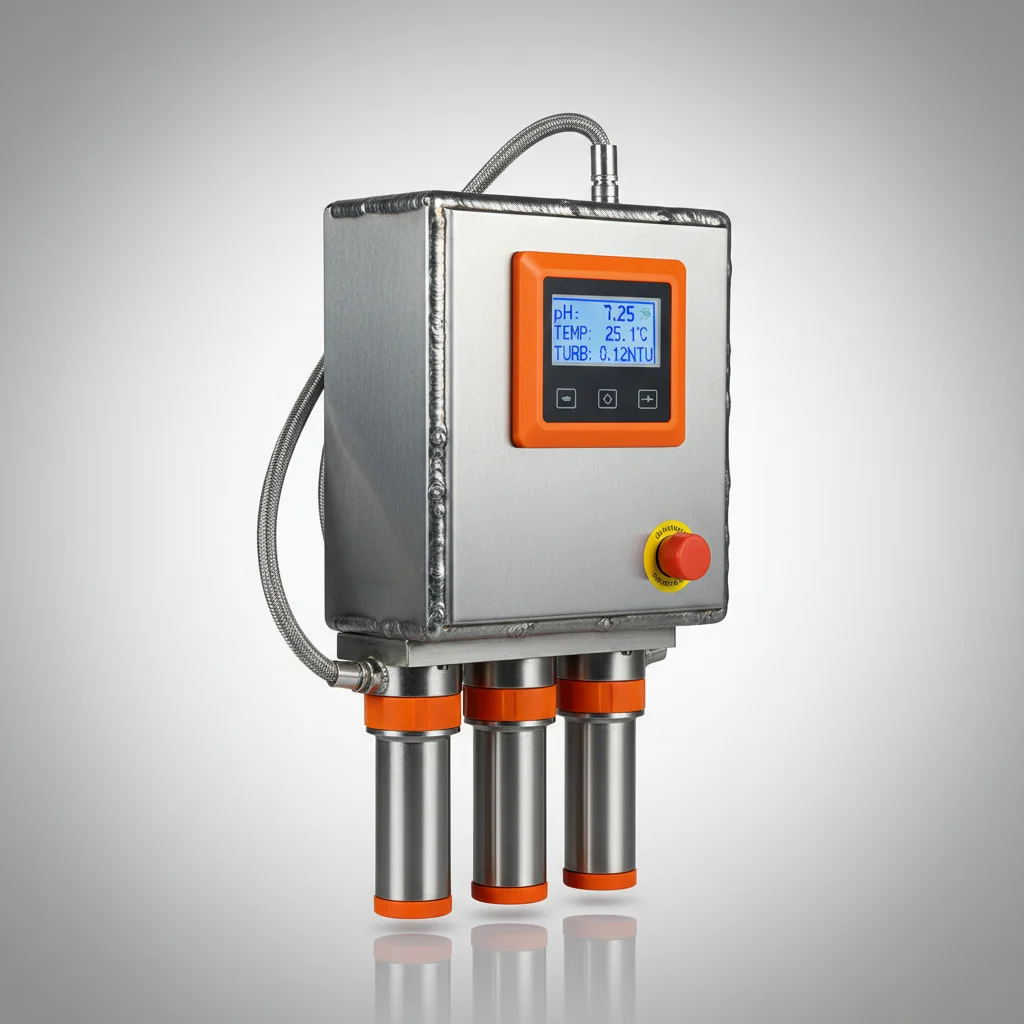
In simple terms, a ph sensor for water quality monitoring is an analytical device designed to measure the hydrogen-ion activity in an aqueous solution. By converting the chemical potential difference between a glass electrode and a reference electrode into an electrical signal, the sensor provides a precise numerical value on the pH scale. This allows operators to know instantly if water is acidic, neutral, or alkaline.
Beyond mere measurement, modern sensors are designed for rugged industrial environments. They are no longer just laboratory tools but are integrated into "online" systems that provide a constant stream of data. This connectivity allows for the immediate triggering of dosing pumps to neutralize water, creating a closed-loop system that maintains stability without human intervention.
The connection to humanitarian and industrial needs is profound. In regions struggling with water scarcity, maintaining the correct pH is vital for the success of desalination and filtration plants. In industrial zones, it is the first line of defense against the discharge of toxic effluents, ensuring that the water returned to the environment does not disrupt local biodiversity.
Core Components of High-Precision Sensing Systems
The durability of a ph sensor for water quality monitoring is primarily determined by its electrode material and junction design. High-grade glass membranes are used to ensure sensitivity to hydrogen ions while resisting chemical attack. Furthermore, the selection of a stable reference electrolyte prevents drift, which is the most common cause of inaccurate readings in long-term deployments.
Scalability is another critical factor. In large-scale water treatment plants, a single point of measurement is rarely sufficient. Advanced systems utilize a network of ph sensor for water quality monitoring units connected to a central controller, allowing for a comprehensive "map" of water quality across different stages of the treatment process, from intake to discharge.
Finally, cost efficiency is achieved through the reduction of maintenance intervals. Modern sensors often feature automatic cleaning mechanisms or "self-calibrating" software. By reducing the frequency of manual interventions, companies can lower their operational expenditures while increasing the reliability of their water quality data, ensuring constant compliance with environmental laws.
Practical Applications Across Global Industries
The application of these sensors varies widely depending on the region and industry. In the pharmaceutical and food and beverage industries, maintaining a precise pH is essential for product consistency and safety. For example, in brewery operations or dairy processing, a slight deviation in pH can ruin an entire batch of product or allow the growth of harmful bacteria.
In remote industrial zones, such as mining operations in South America or oil refineries in the Middle East, the ph sensor for water quality monitoring is used to monitor tailings ponds and cooling water. In these harsh environments, sensors must withstand extreme temperature swings and high mineral content to provide accurate data for environmental protection.
Performance Comparison of Water Monitoring Methods
Long-Term Value of Automated Water Monitoring
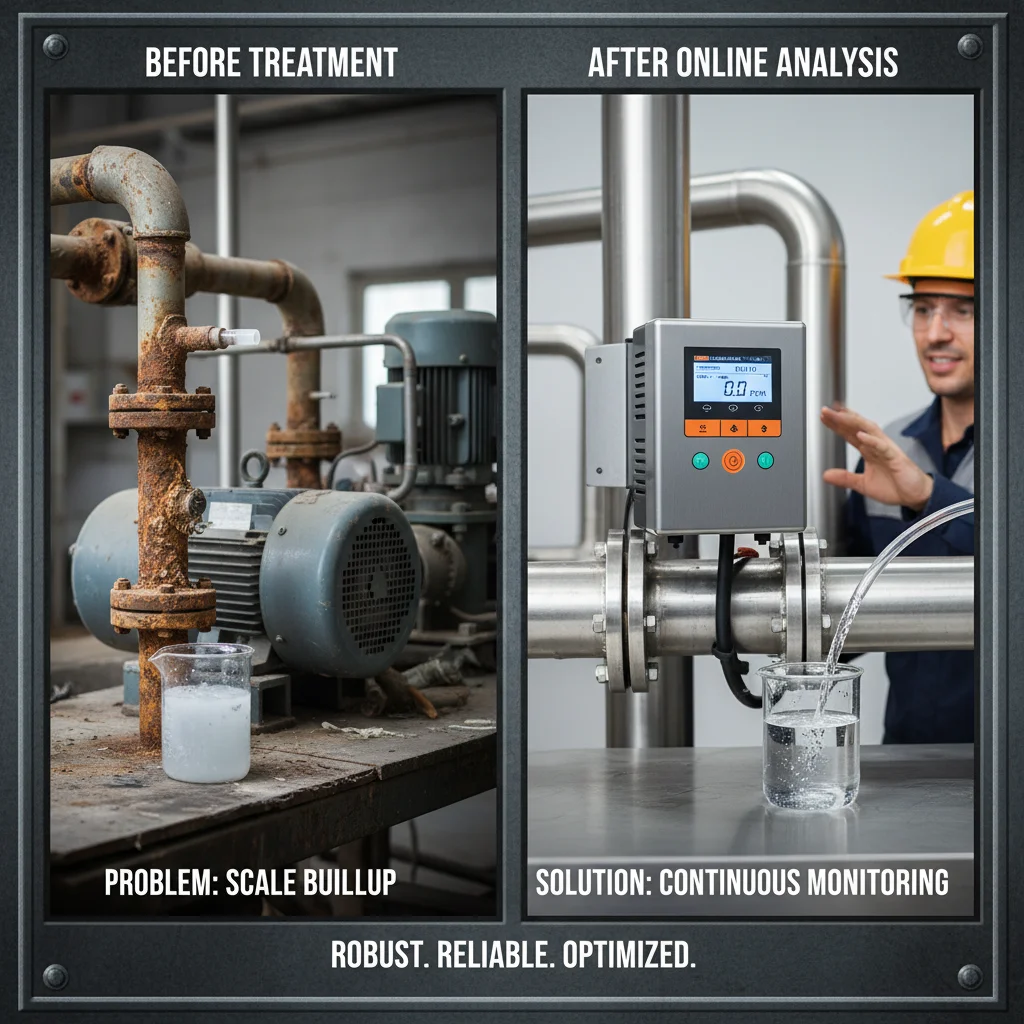
The transition to automated monitoring provides tangible economic benefits. By integrating a ph sensor for water quality monitoring into a smart control system, companies can precisely dose chemicals like sulfuric acid or caustic soda. This eliminates the waste associated with over-dosing and prevents the costly downtime caused by under-dosing, which can lead to scale buildup or corrosion in boilers and heat exchangers.
Beyond the financial aspect, there is a significant social and emotional value. Providing safe, clean water is a matter of human dignity and safety. For municipalities, the reliability of their water quality monitoring systems builds trust with the public. Knowing that a system is continuously watched by high-precision sensors gives stakeholders peace of mind, knowing that the water flowing into homes and businesses is safe and compliant.
Future Trends in Digital Water Analytics
The future of water monitoring lies in the convergence of IoT (Internet of Things) and materials science. We are seeing a move toward "solid-state" pH sensors that eliminate the need for liquid electrolytes, drastically reducing the need for maintenance and removing the risk of electrolyte leakage into the environment. These innovations make the ph sensor for water quality monitoring more sustainable and easier to deploy in remote areas.
Digital transformation is also introducing AI-driven predictive maintenance. Instead of calibrating a sensor on a fixed schedule, machine learning algorithms can analyze the signal noise and drift patterns to predict exactly when a sensor will fail. This transition from preventive to predictive maintenance ensures that water quality is never compromised by a malfunctioning probe.
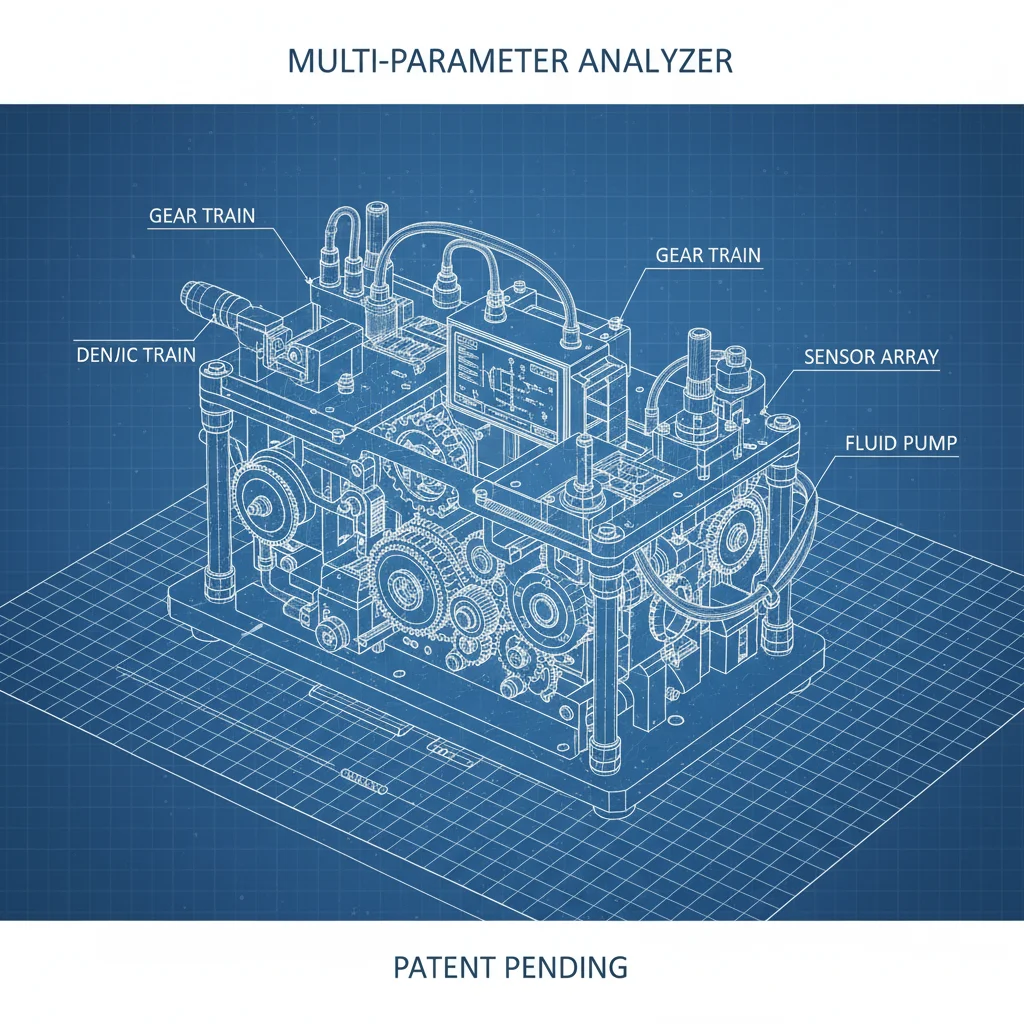
Furthermore, the integration of multi-parameter analyzers—which combine pH, dissolved oxygen, and conductivity into a single platform—is becoming the industry standard. This holistic approach allows for a deeper understanding of water chemistry, enabling operators to detect complex contamination events that a single-parameter sensor might miss.
Overcoming Common Challenges in Sensor Deployment
One of the primary challenges in using a ph sensor for water quality monitoring is "sensor fouling," where organic matter or mineral deposits coat the electrode. This creates a barrier that slows response times and leads to inaccurate readings. To overcome this, engineers are implementing automatic spray-cleaning systems and utilizing specialized coatings that repel oils and proteins.
Another common limitation is the effect of temperature on pH readings. Because pH is temperature-dependent, a sensor without compensation can provide misleading data. The solution is the integration of automatic temperature compensation (ATC) probes, which adjust the pH calculation in real-time based on the water's current temperature, ensuring accuracy across seasonal changes.
Lastly, the complexity of installation in existing legacy systems can be a hurdle. The shift toward modular, "plug-and-play" sensor housings allows facilities to upgrade their monitoring capabilities without shutting down their entire process. By adopting standardized fittings and digital protocols (like Modbus or HART), industries can seamlessly integrate new sensing technology into old infrastructure.
Comparative Analysis of Sensor Deployment Strategies
| Deployment Model |
Maintenance Frequency |
Data Reliability |
Initial Cost |
| Manual Dip Probe |
Daily/Weekly |
Medium (Human Error) |
Low |
| Standard Inline Sensor |
Monthly |
High |
Medium |
| Auto-Cleaning Online |
Quarterly |
Very High |
High |
| Smart IoT Network |
Predictive |
Extreme |
Very High |
| Multi-Parameter Array |
Bi-Monthly |
High (Holistic) |
High |
| Solid-State Probes |
Semi-Annual |
High |
Medium-High |
FAQS
Calibration frequency depends on the water chemistry and the sensor's stability. In clean water, monthly calibration may suffice. However, in industrial wastewater or high-fouling environments, weekly or even daily calibration is recommended to prevent drift and ensure data accuracy. Many modern systems now offer auto-calibration to simplify this process.
A pH sensor measures the acidity or alkalinity (hydrogen ion concentration), whereas a hardness analyzer (like the PACON 4200) measures the concentration of multivalent cations, primarily calcium and magnesium. Both are essential for water quality; pH affects the solubility of minerals, while hardness affects the scaling potential of the water.
Standard sensors have a specific operating range, but industrial-grade sensors are designed for high-temperature environments. When using sensors in extreme heat, it is critical to use temperature-compensated probes and specialized glass membranes to prevent electrode failure and ensure the reading remains accurate.
Drift is typically caused by the depletion of the reference electrolyte, contamination of the junction, or aging of the glass membrane. It can be fixed by cleaning the sensor with appropriate solutions, replacing the reference electrolyte, or performing a full two-point calibration using standard buffer solutions.
Yes, most professional-grade pH sensors and their accompanying controllers output standard signals such as 4-20mA, RS485, or Modbus. This ensures they can be easily integrated into existing Programmable Logic Controllers (PLCs) and SCADA systems for centralized monitoring and control.
For high-salinity or seawater applications, you should look for sensors with a "double junction" design. This prevents the salt from contaminating the reference electrode and reduces the likelihood of junction clogging, which is common in high-ionic-strength solutions.
Conclusion
In summary, the deployment of a high-precision ph sensor for water quality monitoring is not merely a technical upgrade but a strategic investment in operational stability and environmental compliance. From the foundational components of electrode durability to the advanced integration of IoT and AI, the ability to monitor water chemistry in real-time prevents infrastructure decay and ensures the safety of our most precious resource. When combined with other critical analysis tools like the Online Water Hardness Analyzer PACON 4200, facilities can achieve a comprehensive and fail-safe water management strategy.
Looking forward, the industry is moving toward a more sustainable, autonomous future where "set-and-forget" sensing becomes the norm. We encourage plant managers and environmental engineers to move beyond manual sampling and embrace integrated, online monitoring solutions to reduce risk and maximize efficiency. For those seeking to upgrade their water quality infrastructure, we invite you to explore our professional range of sensing solutions. Visit our website: www.jensprima.com













































































 Download
 Video Center
 Technical Services
 FAQS
 Service Network
 Privacy Policy
 Contact Us