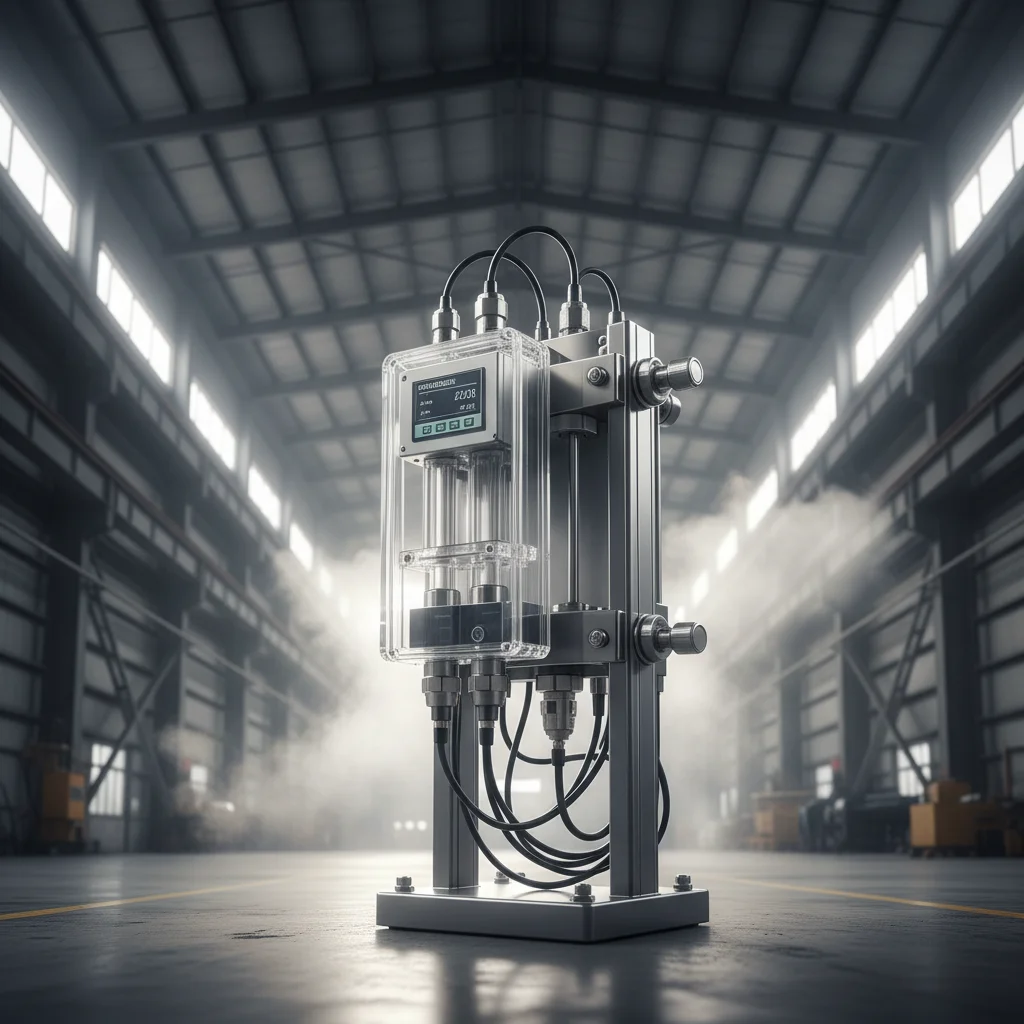
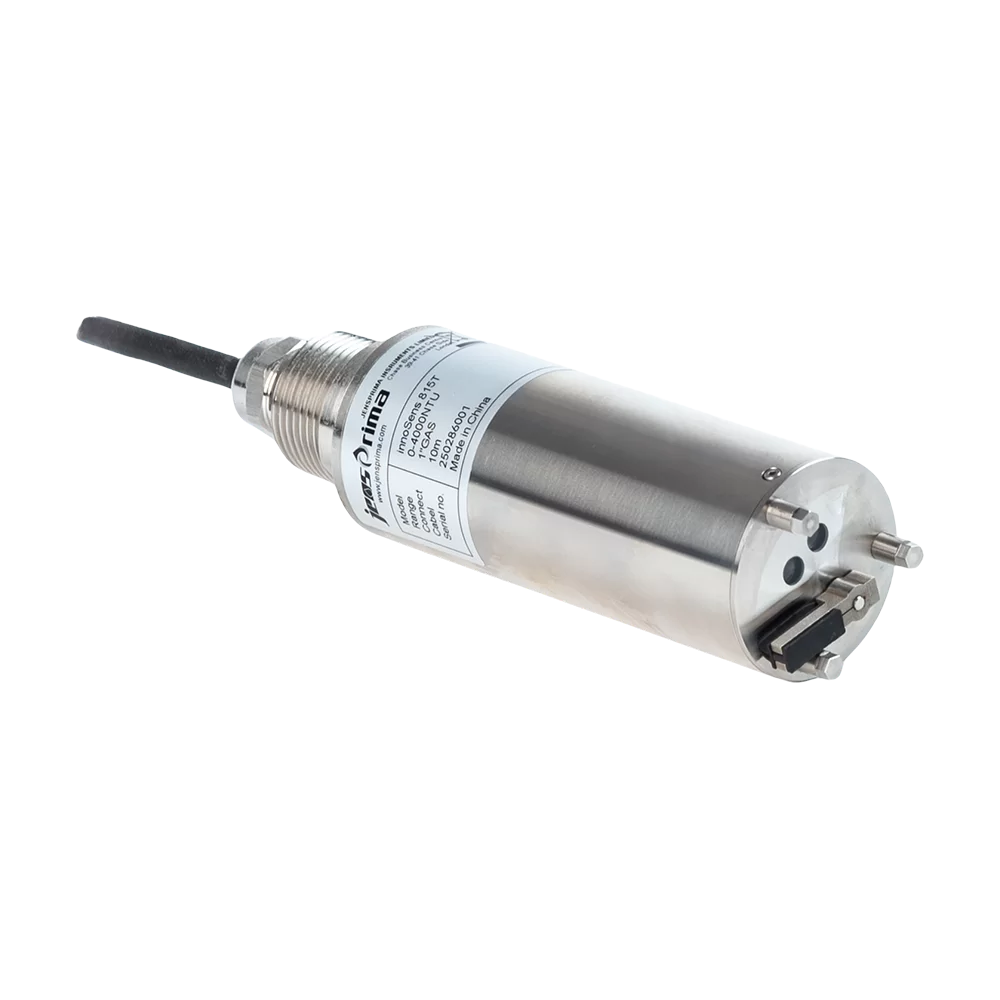
Maintaining precise water quality standards is a cornerstone of modern industrial efficiency and environmental protection. In the complex landscape of fluid analysis, the ability to monitor clarity and particle concentration is as critical as measuring chemical balance. While many operators search for a ph meter digital water quality tester to manage acidity, turbidity measurement via advanced sensors like the innoSens 815T provides the essential data needed to ensure water purity and process stability.
Globally, the demand for high-precision digital monitoring has surged as regulatory bodies tighten limits on suspended solids and effluent discharge. Whether in municipal wastewater treatment or high-purity pharmaceutical production, the integration of digital sensing technology reduces human error and allows for real-time adjustments. This shift toward automation is not merely a convenience but a necessity for sustaining ecological health and industrial compliance.
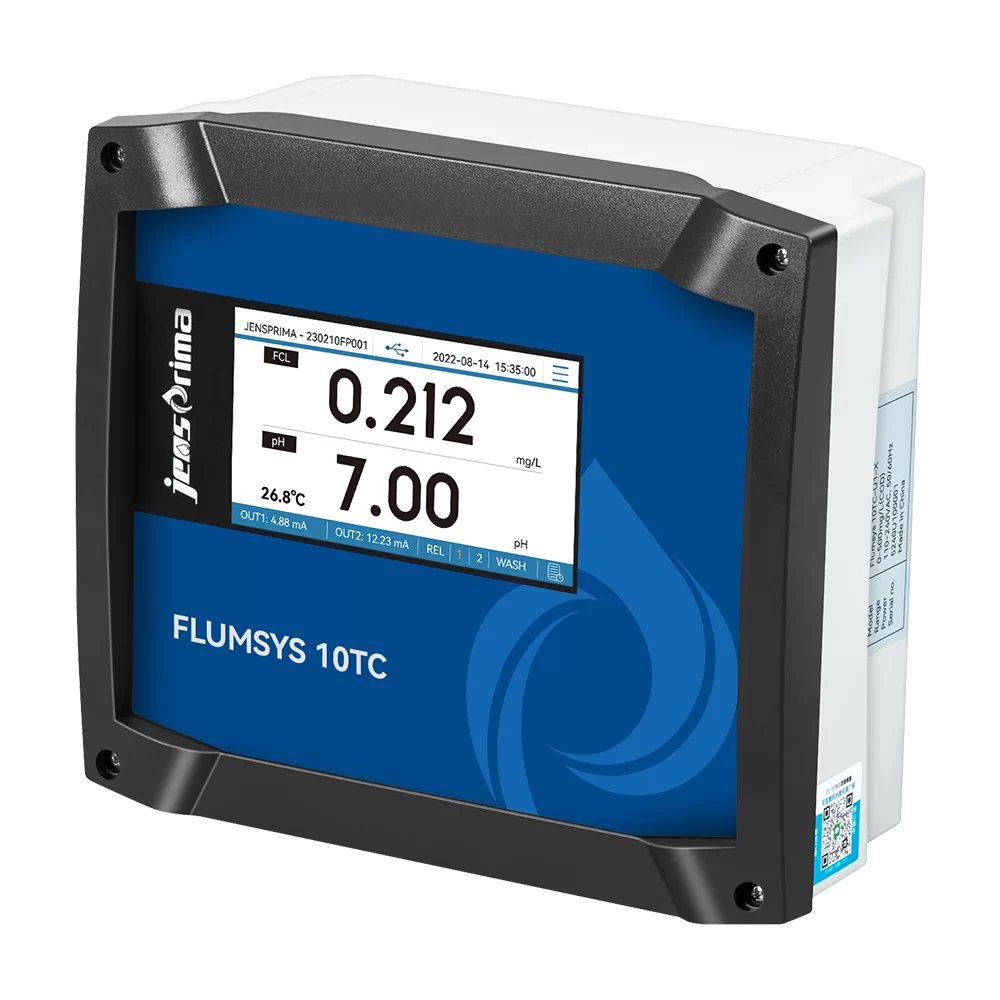
Understanding the nuances of digital water analysis allows engineers to implement more robust control loops. By combining the functions of a ph meter digital water quality tester with dedicated turbidity sensors, facilities can achieve a holistic view of their water chemistry and physical properties, ensuring that every drop meets the required safety and quality specifications.

Global Relevance of Digital Water Monitoring
The global imperative for clean water has transformed water quality monitoring from a periodic check to a continuous digital requirement. According to guidelines from the World Health Organization (WHO) and ISO standards, the precision of measurement instruments directly impacts the safety of drinking water and the viability of aquatic ecosystems. In this context, tools that function as a ph meter digital water quality tester or turbidity sensors are essential for identifying contamination in real-time.
Industrial sectors, particularly in rapidly developing regions, face the challenge of balancing production output with strict environmental discharge limits. Digital monitoring systems provide the transparency needed to avoid heavy fines and environmental degradation, turning water quality data into a strategic asset for corporate sustainability and public health.
Defining High-Precision Water Analysis Systems
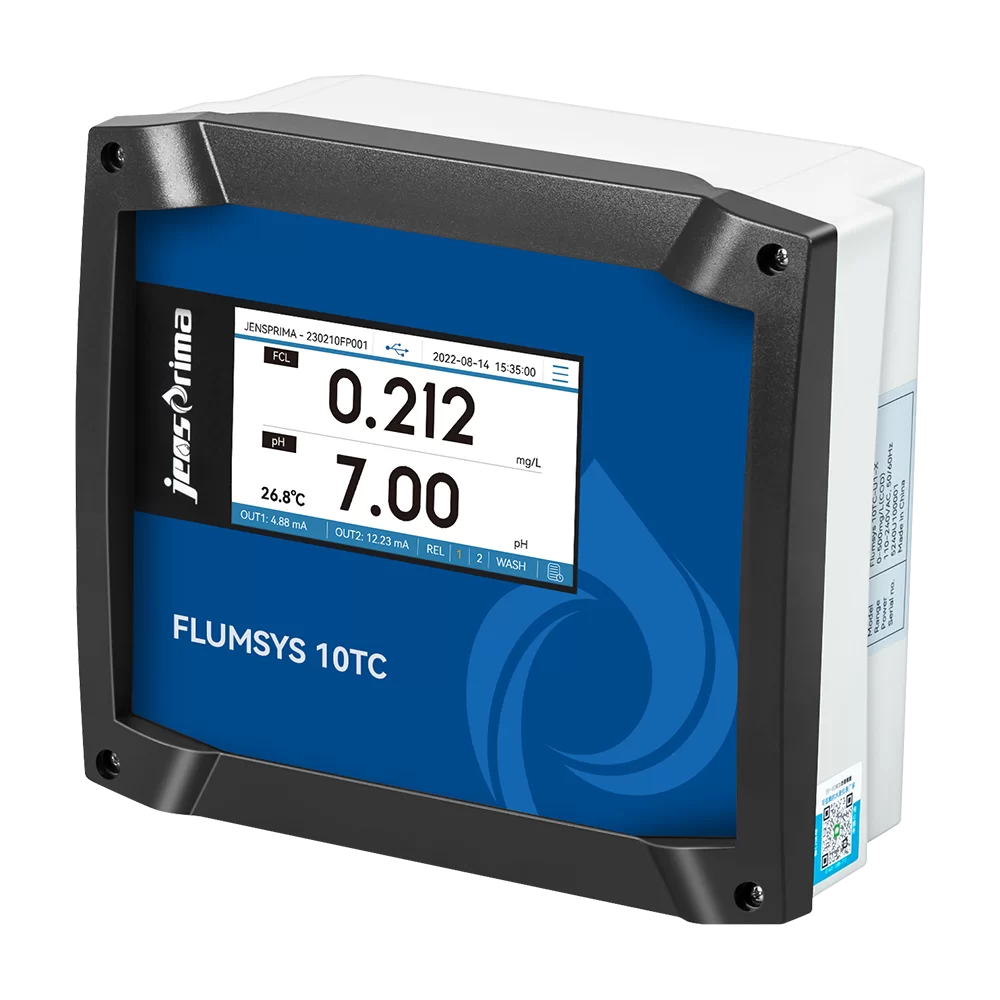
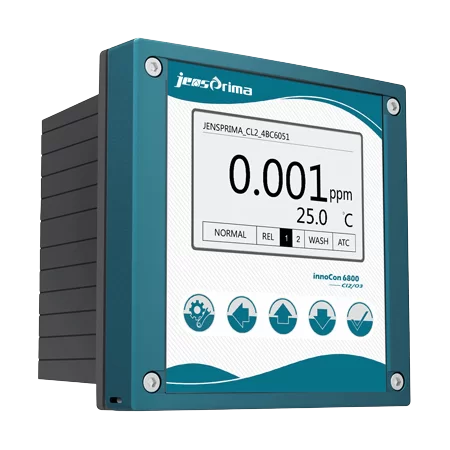
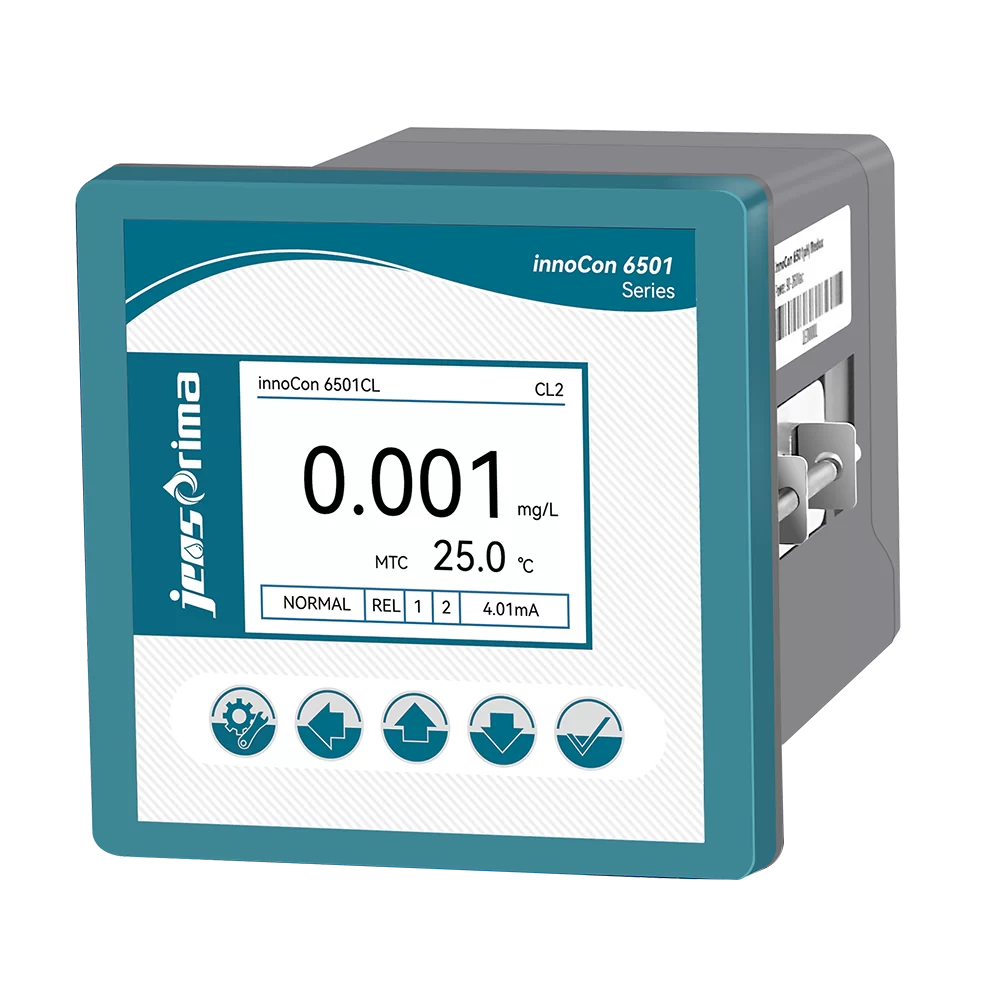
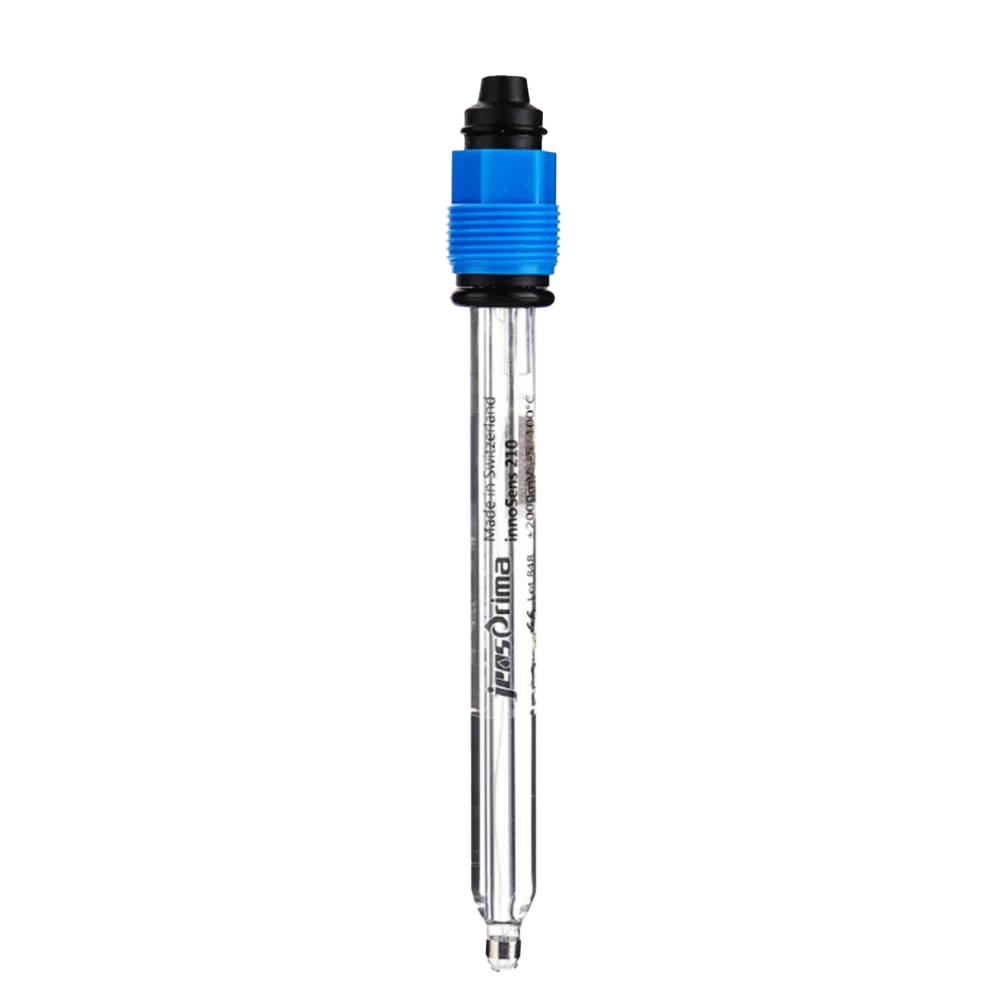
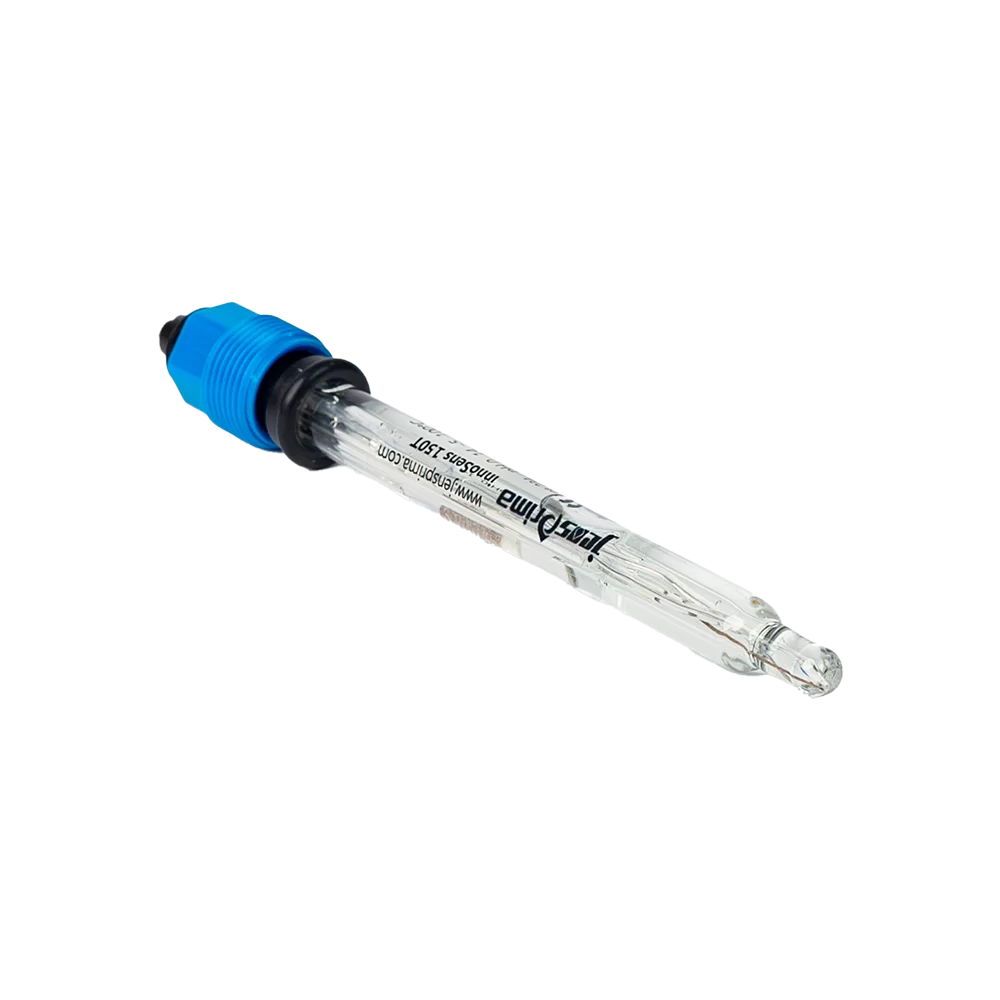
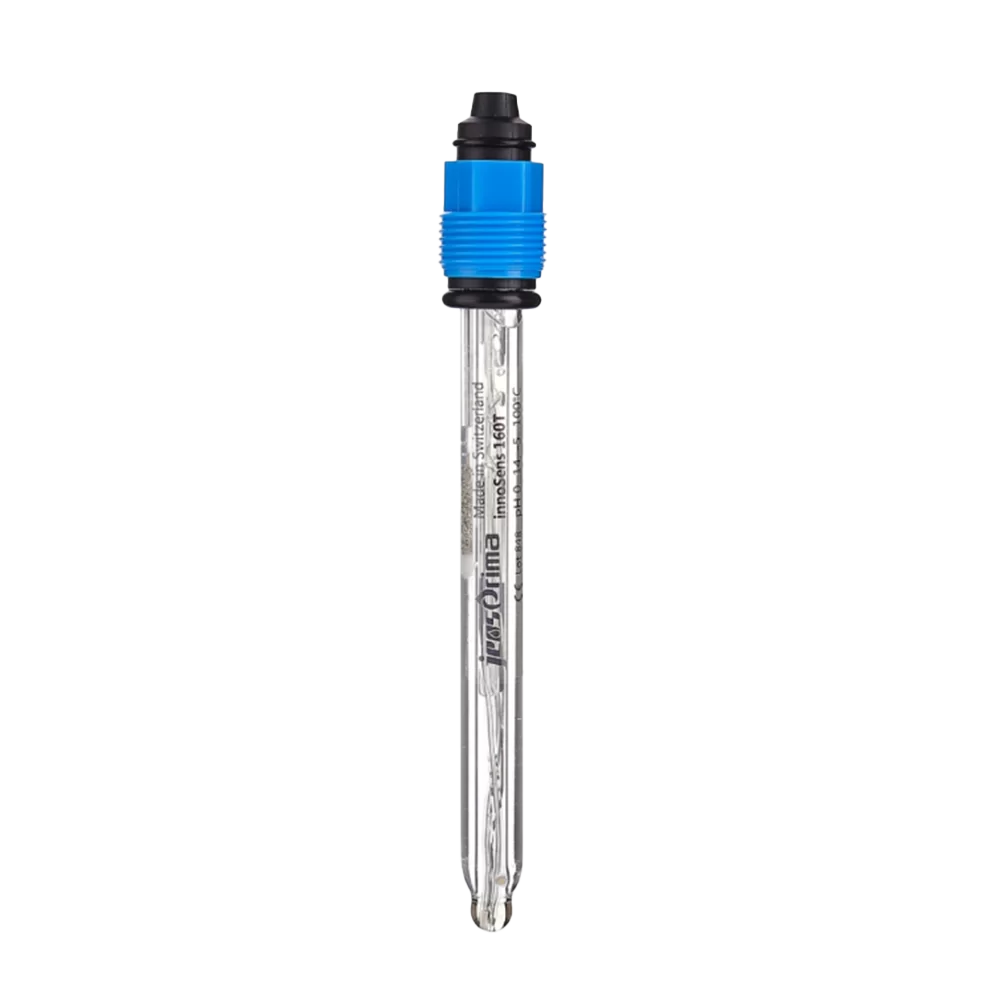
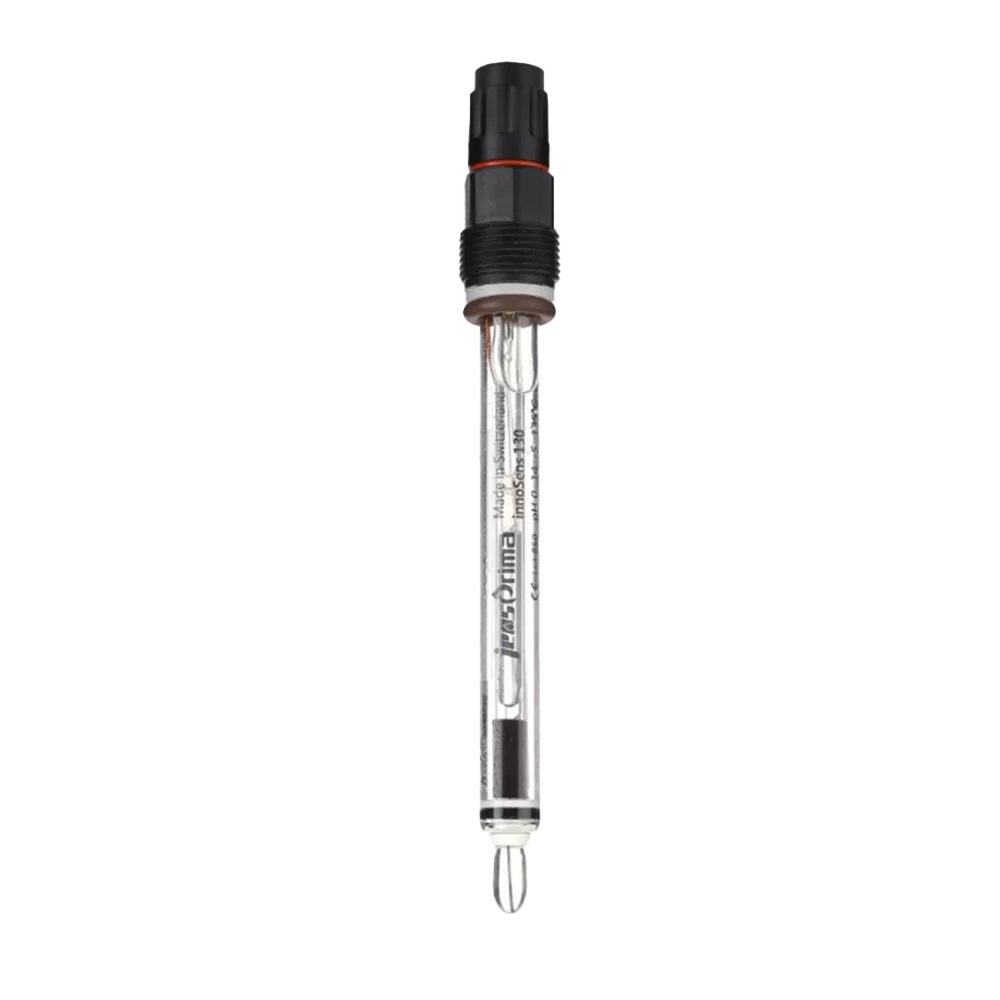
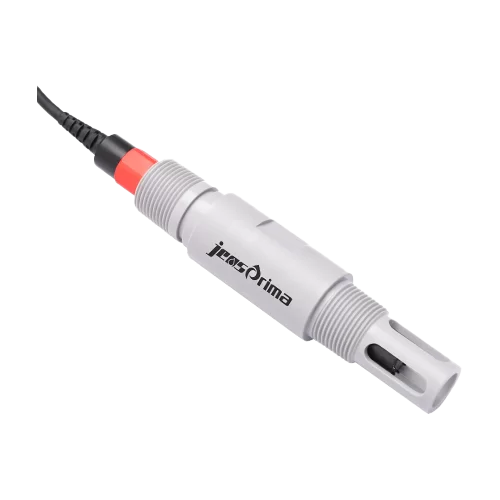
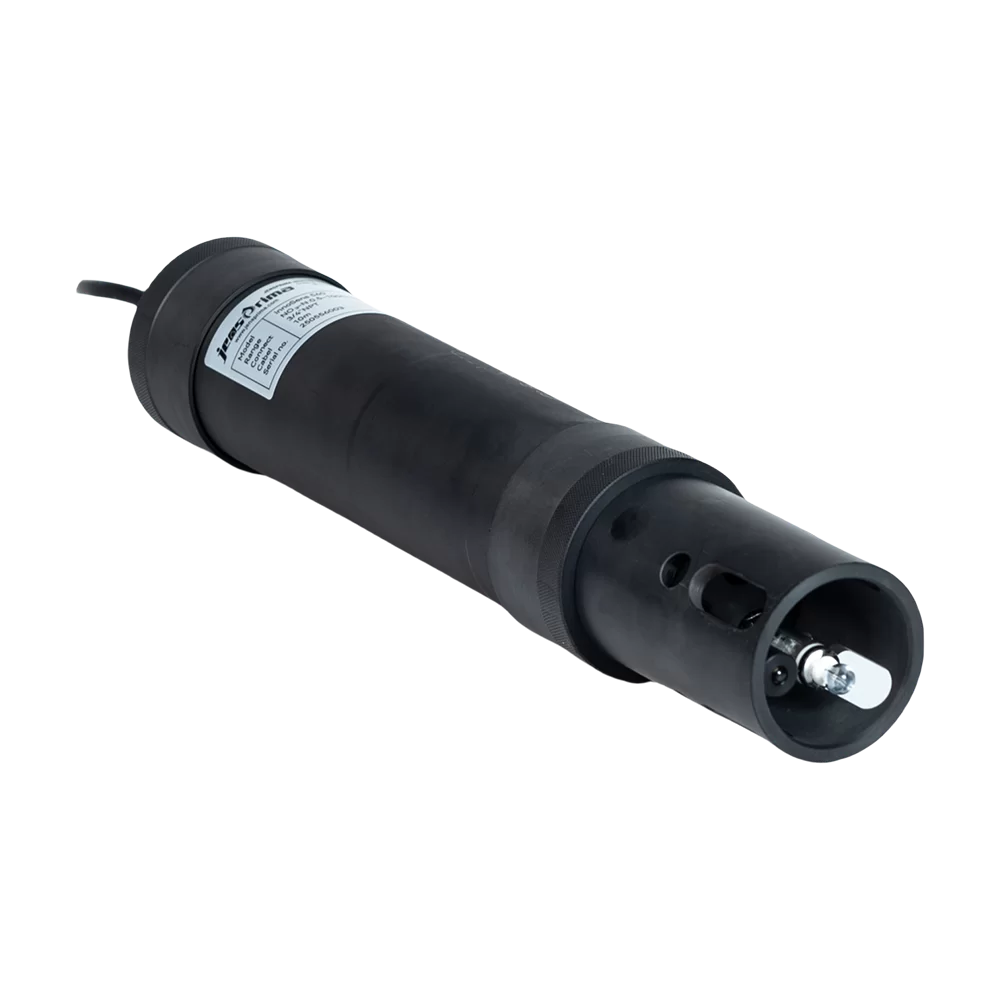
At its core, a high-precision water analysis system is an integrated assembly of sensors and controllers designed to quantify specific physical or chemical properties of a liquid. While a ph meter digital water quality tester focuses on the hydrogen ion concentration to determine acidity or alkalinity, the innoSens 815T turbidity sensor measures the scattering of light to determine the concentration of suspended particles.
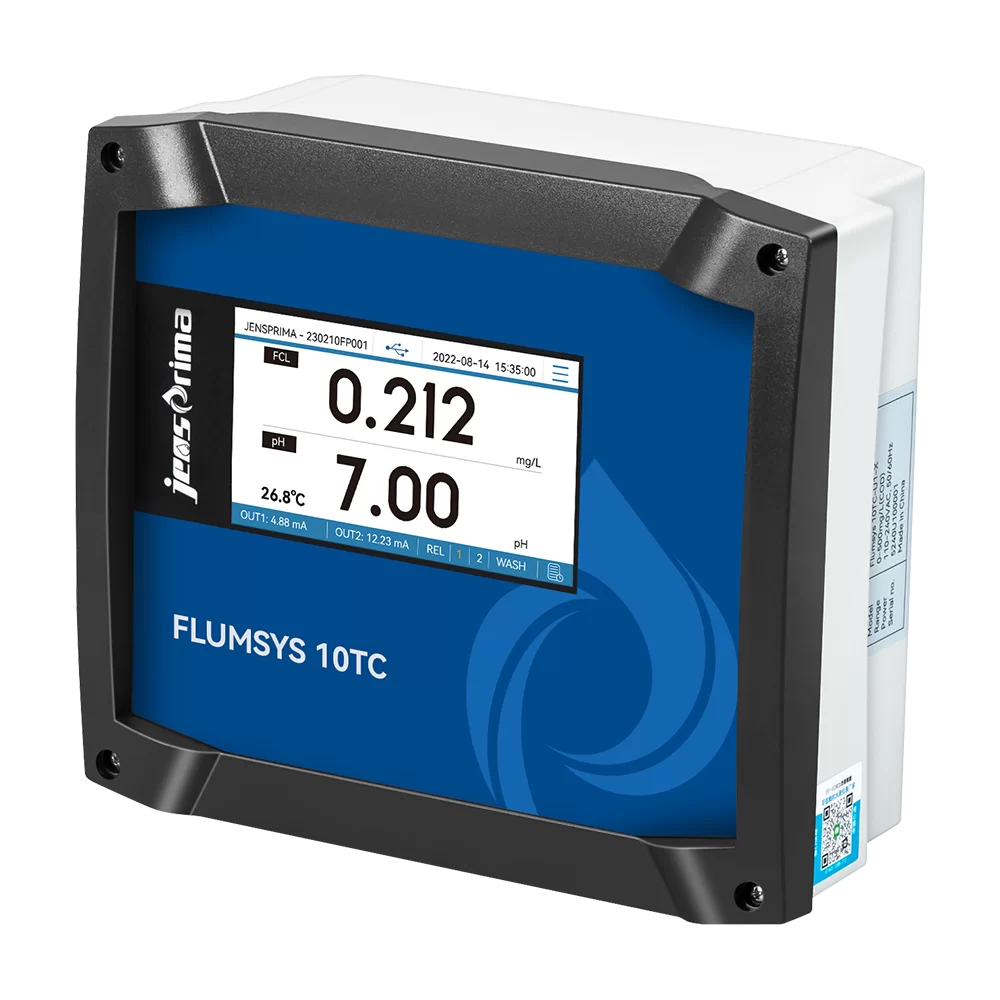
These systems bridge the gap between raw environmental data and actionable industrial intelligence. By converting analog signals from the water medium into digital values, they allow for seamless integration into PLC (Programmable Logic Controller) systems, enabling automatic dosing of chemicals or the triggering of filtration cycles without human intervention.
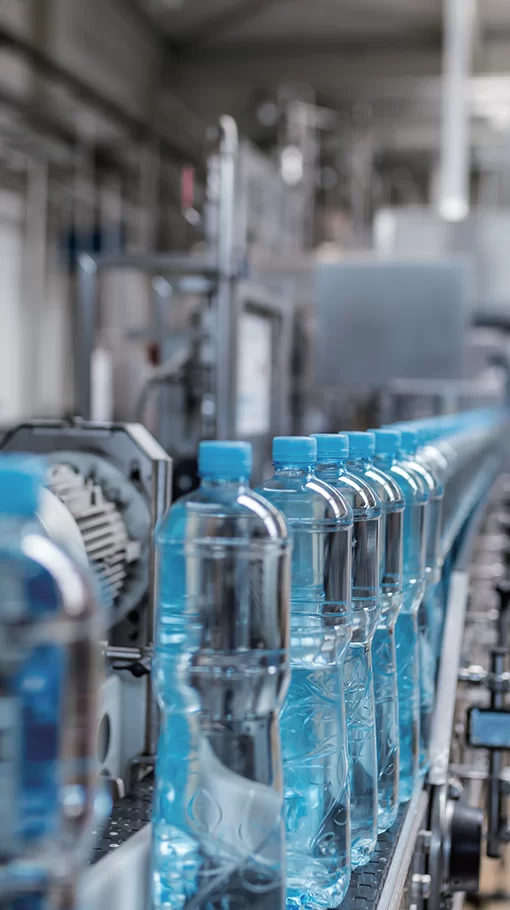
In modern humanitarian and industrial needs, these digital testers ensure that water used in food processing, medicine, and drinking remains untainted. The shift toward "digital" means higher repeatability, lower drift, and the ability to store historical data for audit trails, which is a mandatory requirement for most certified manufacturing plants.
Core Components of the innoSens 815T Sensor
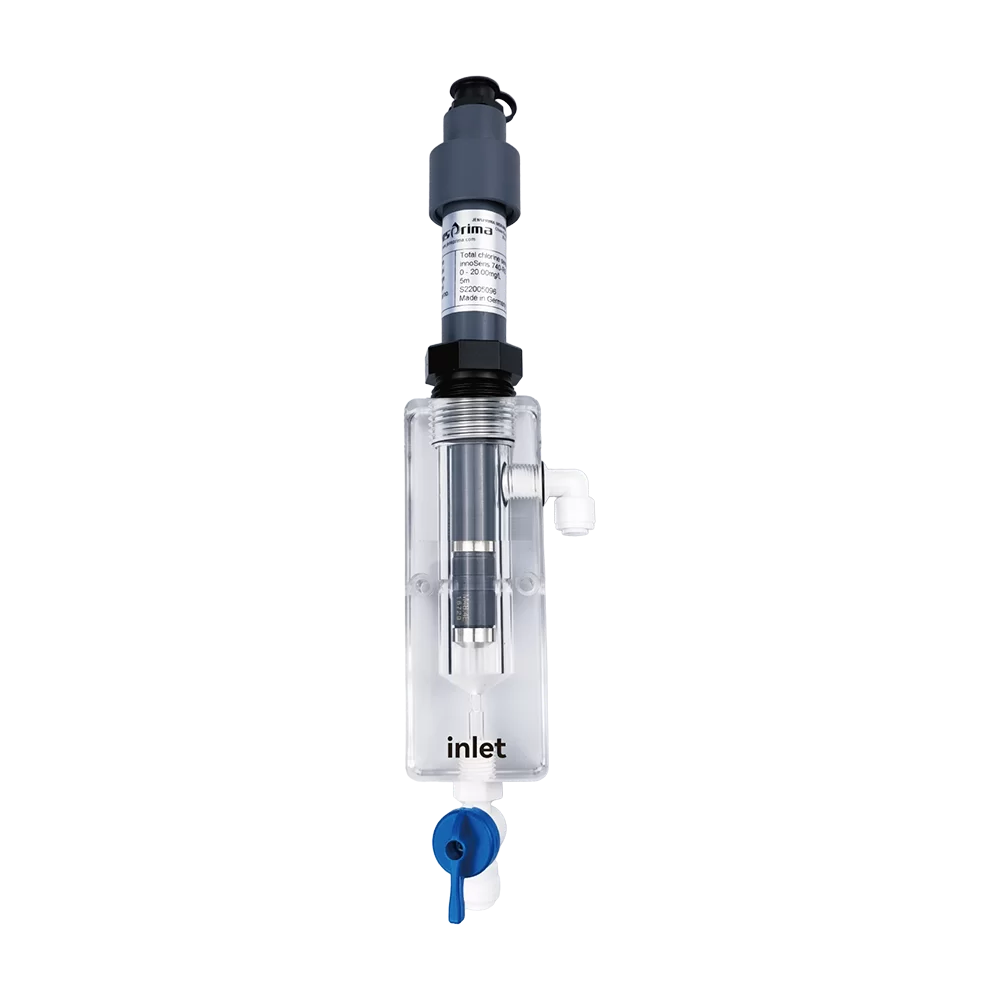
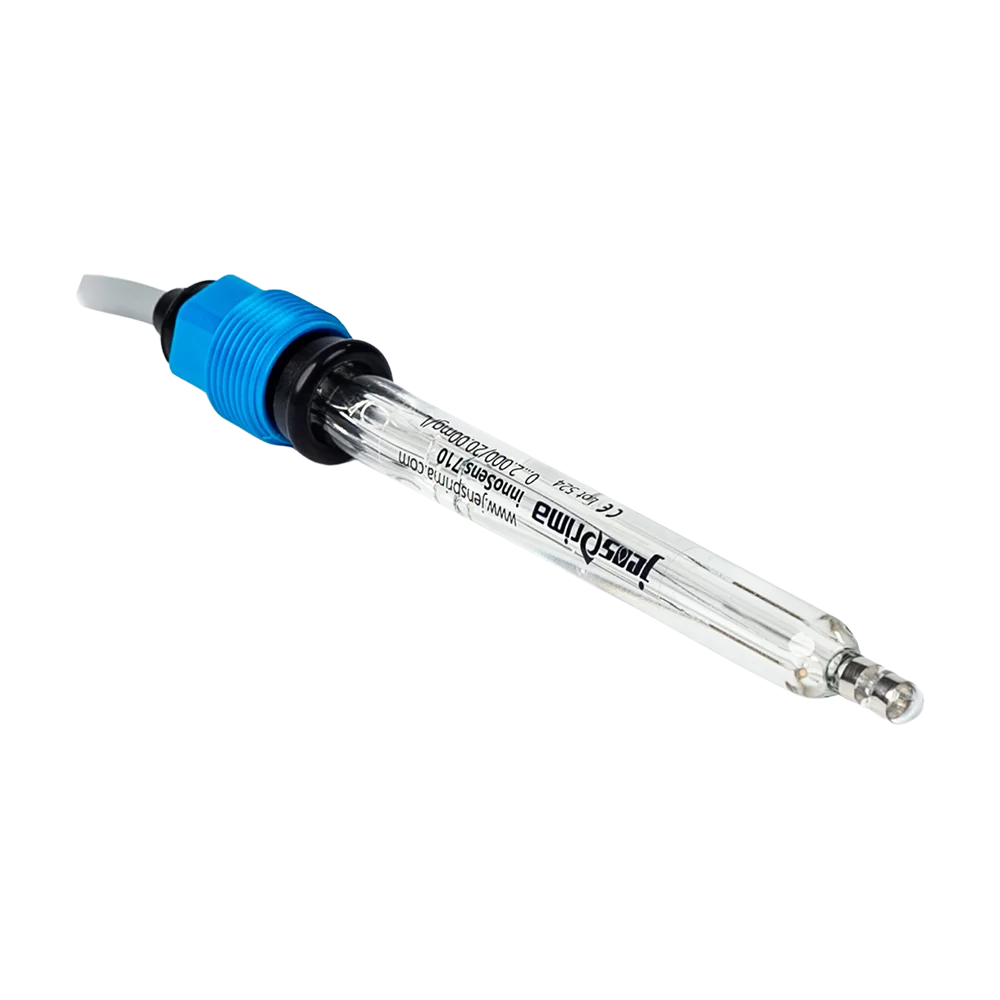
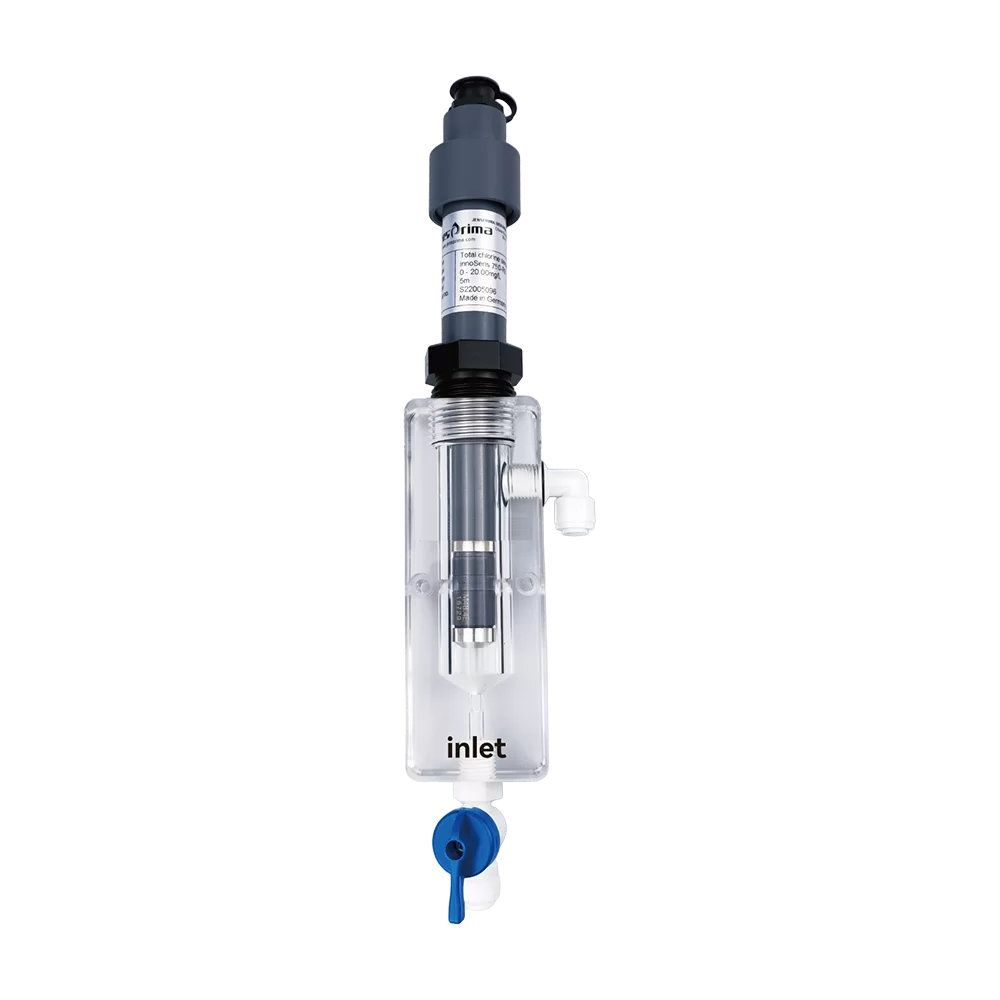
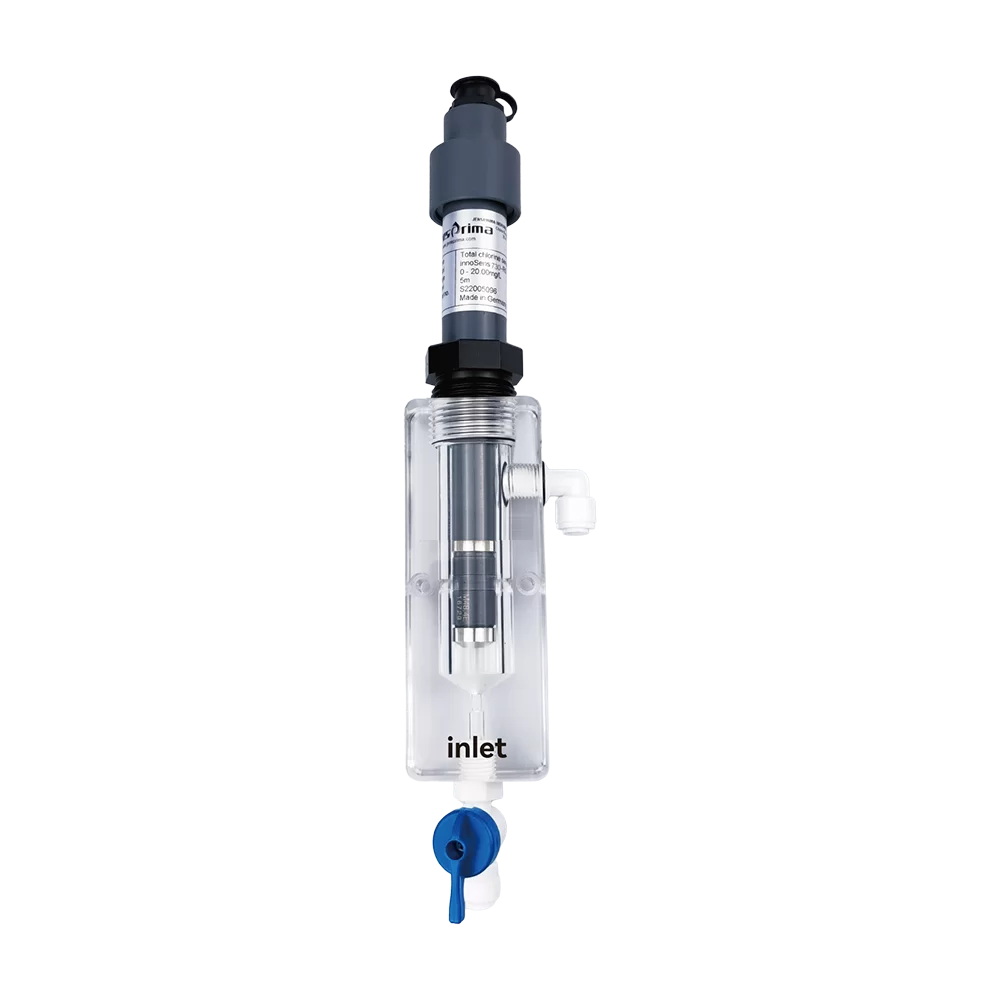
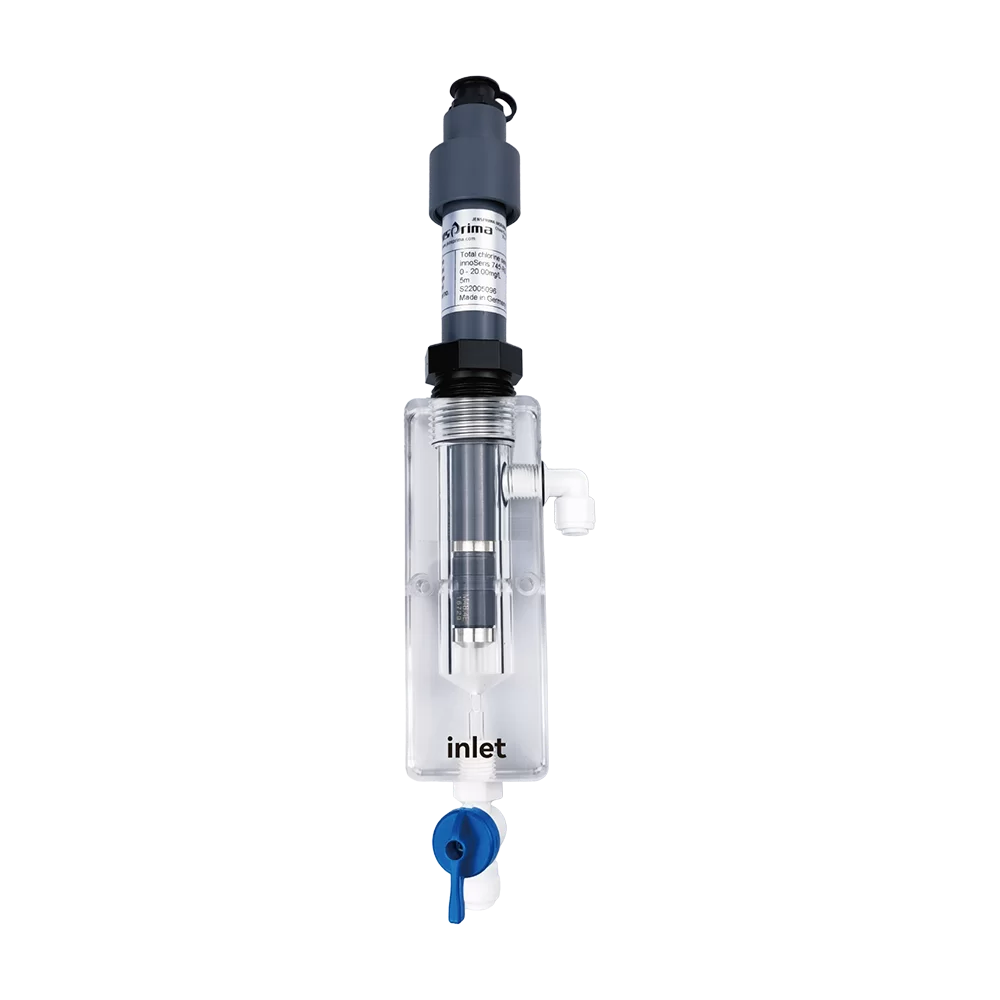
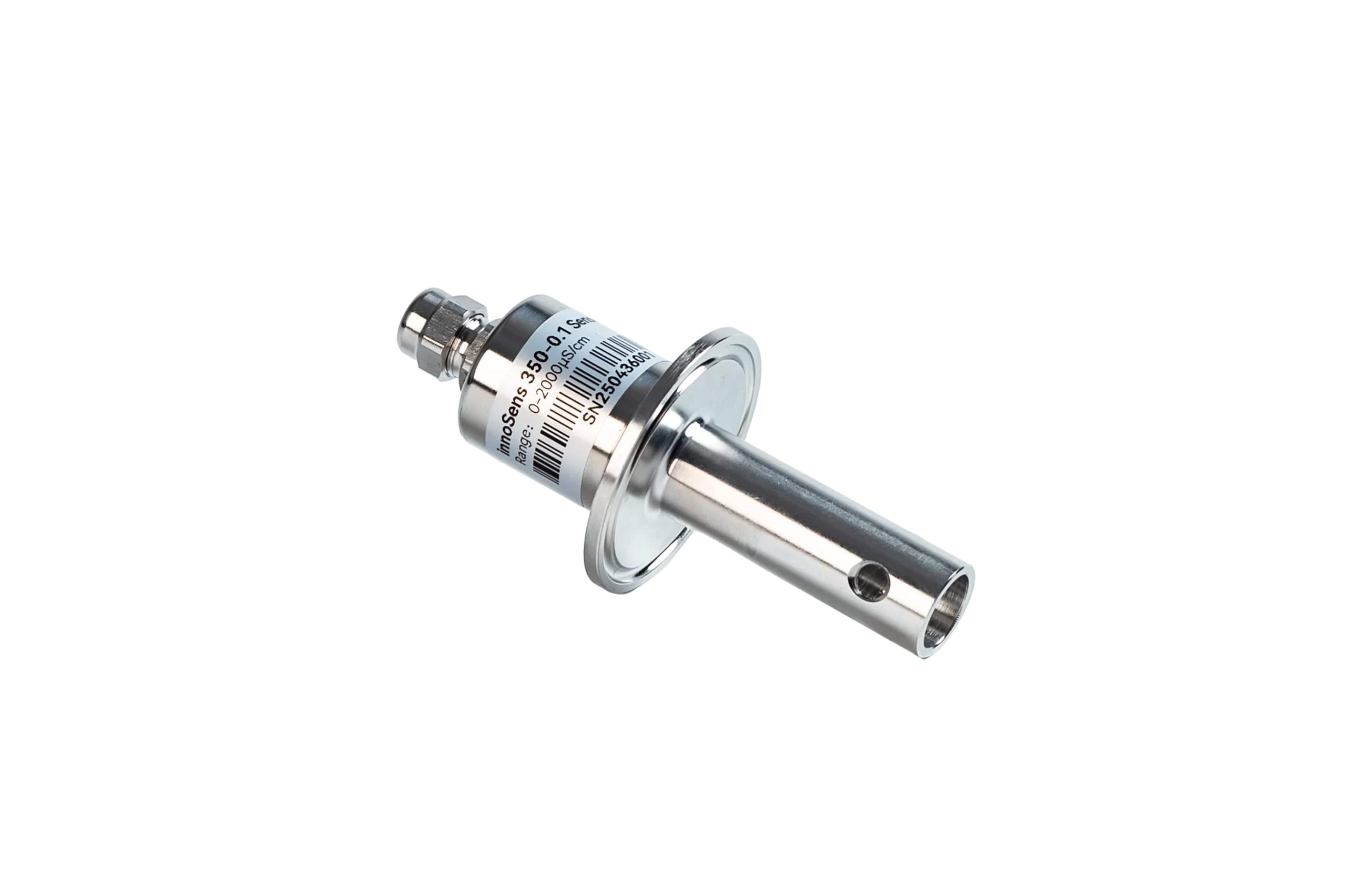
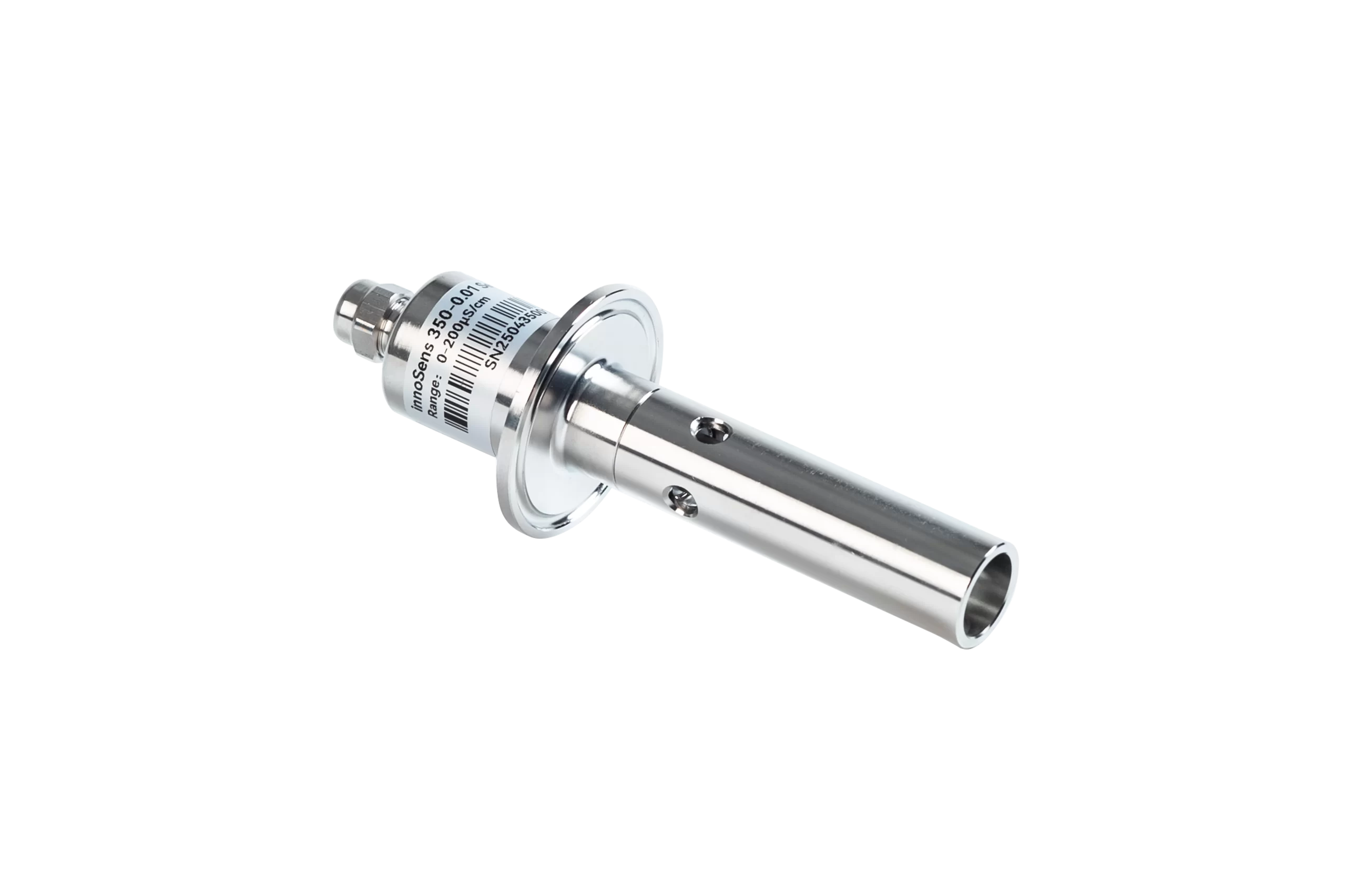
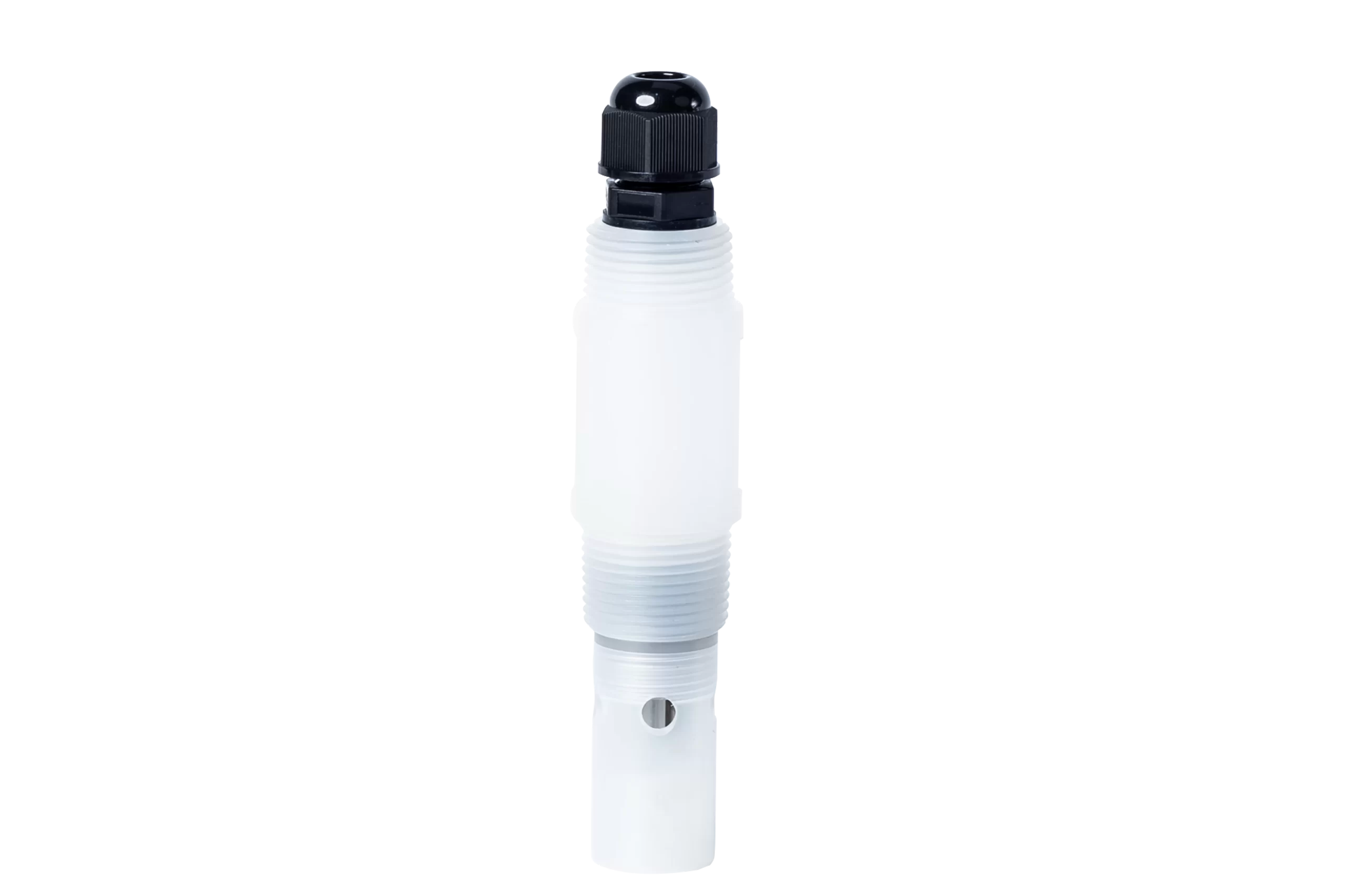
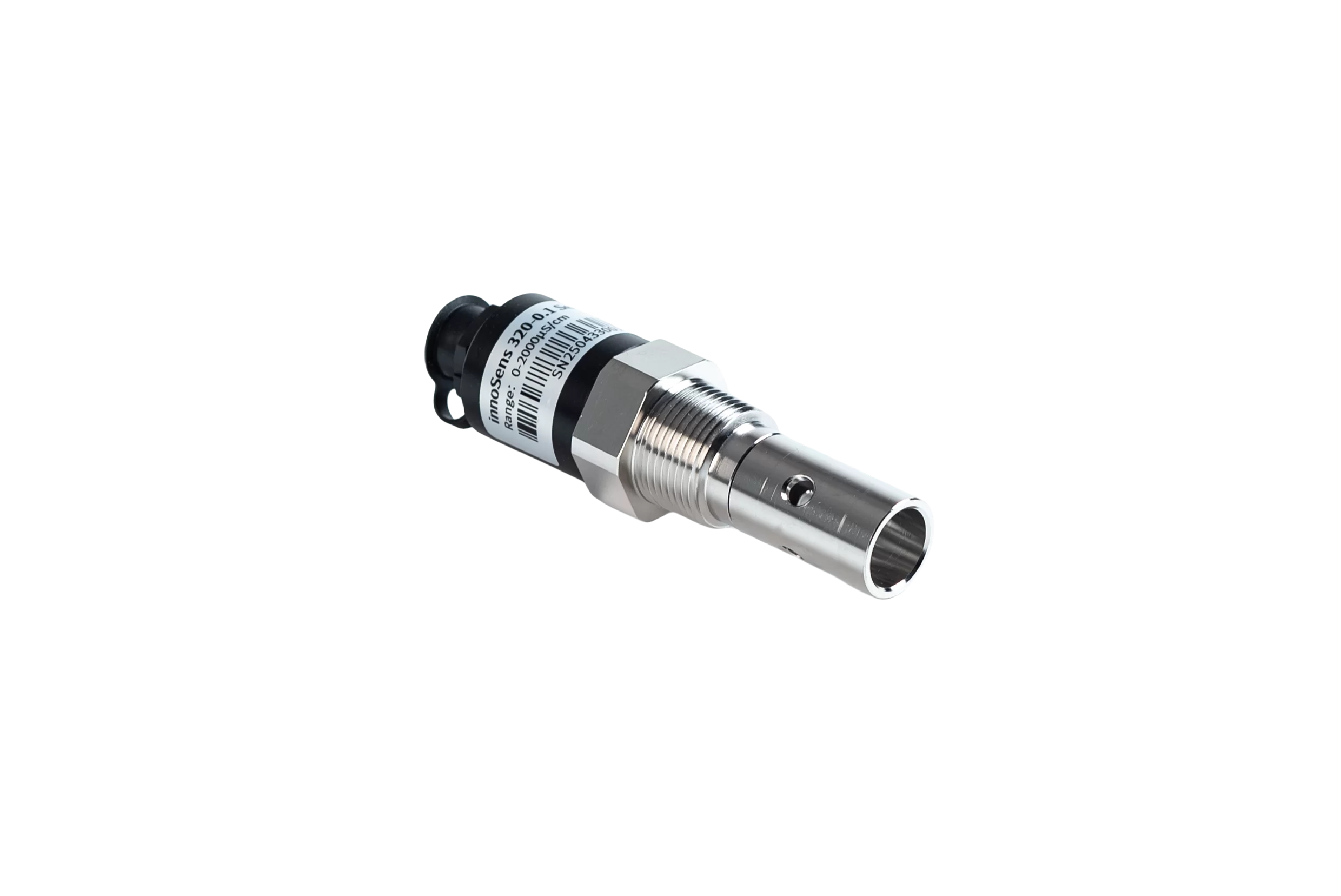
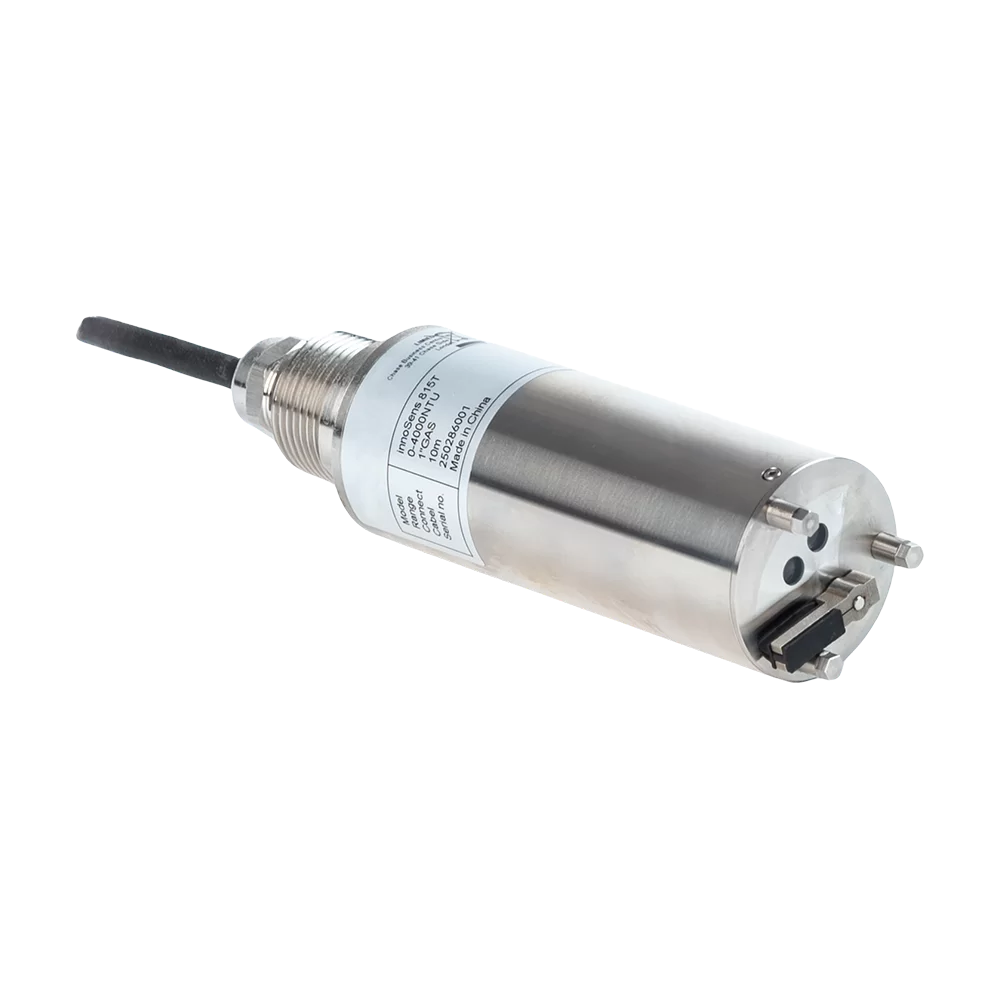
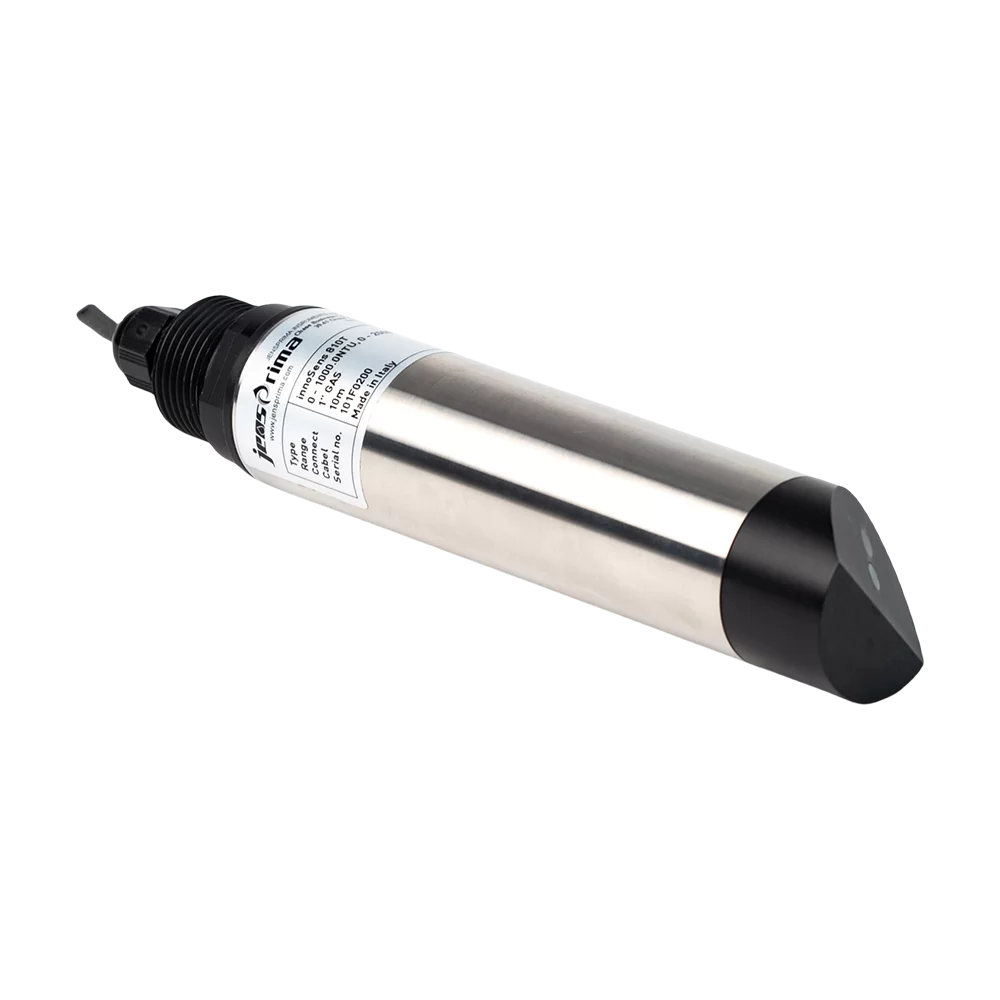
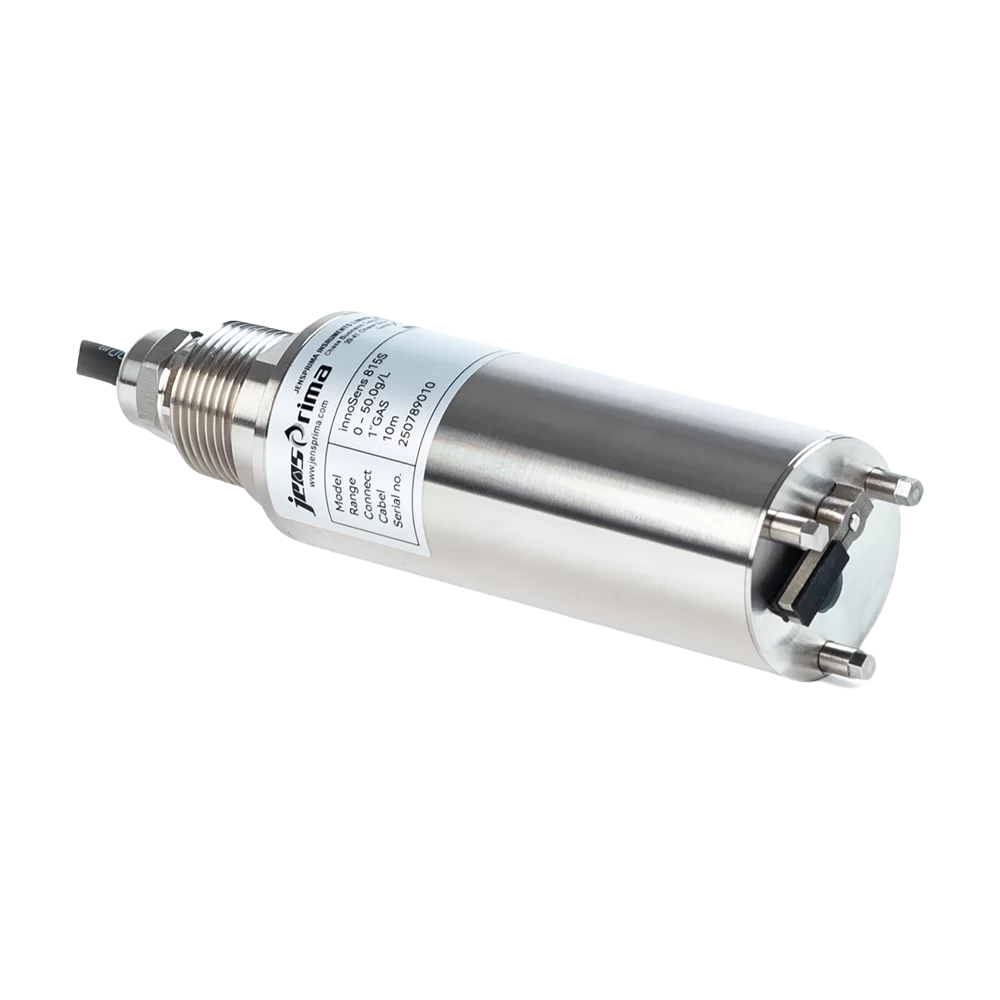
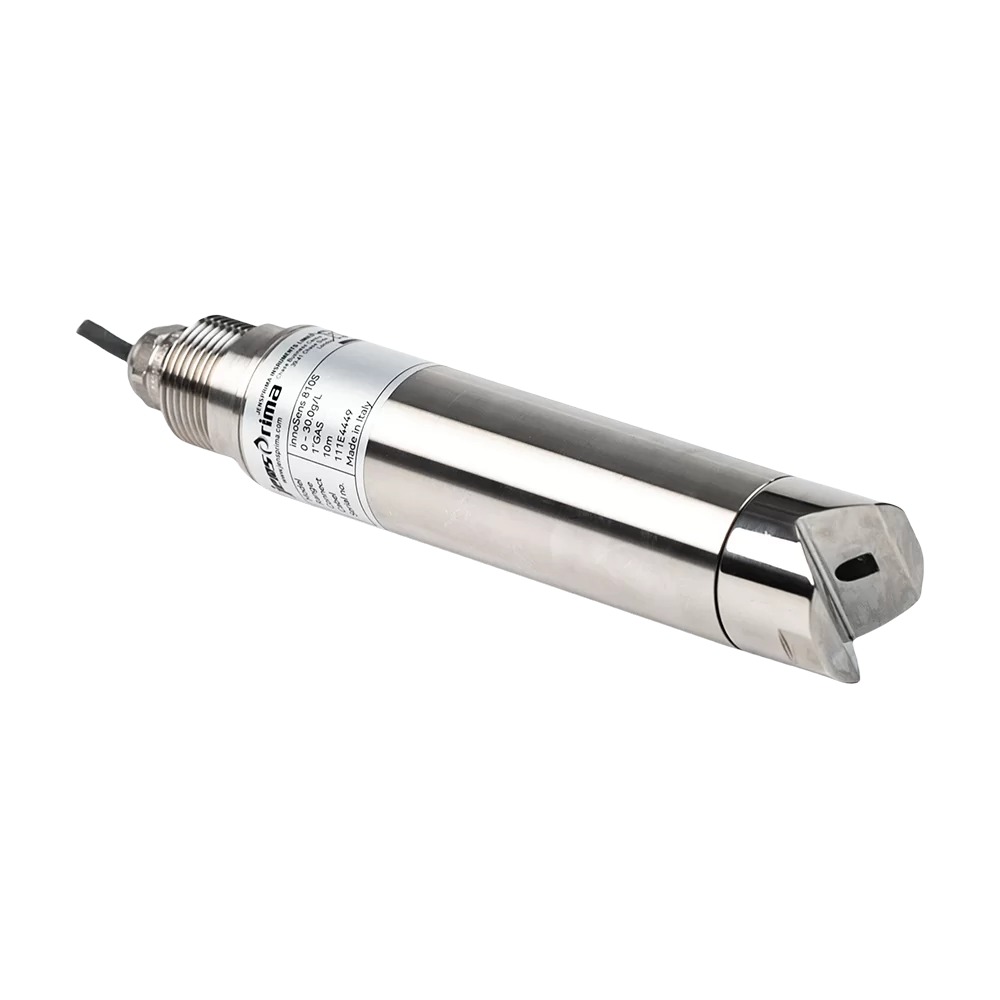
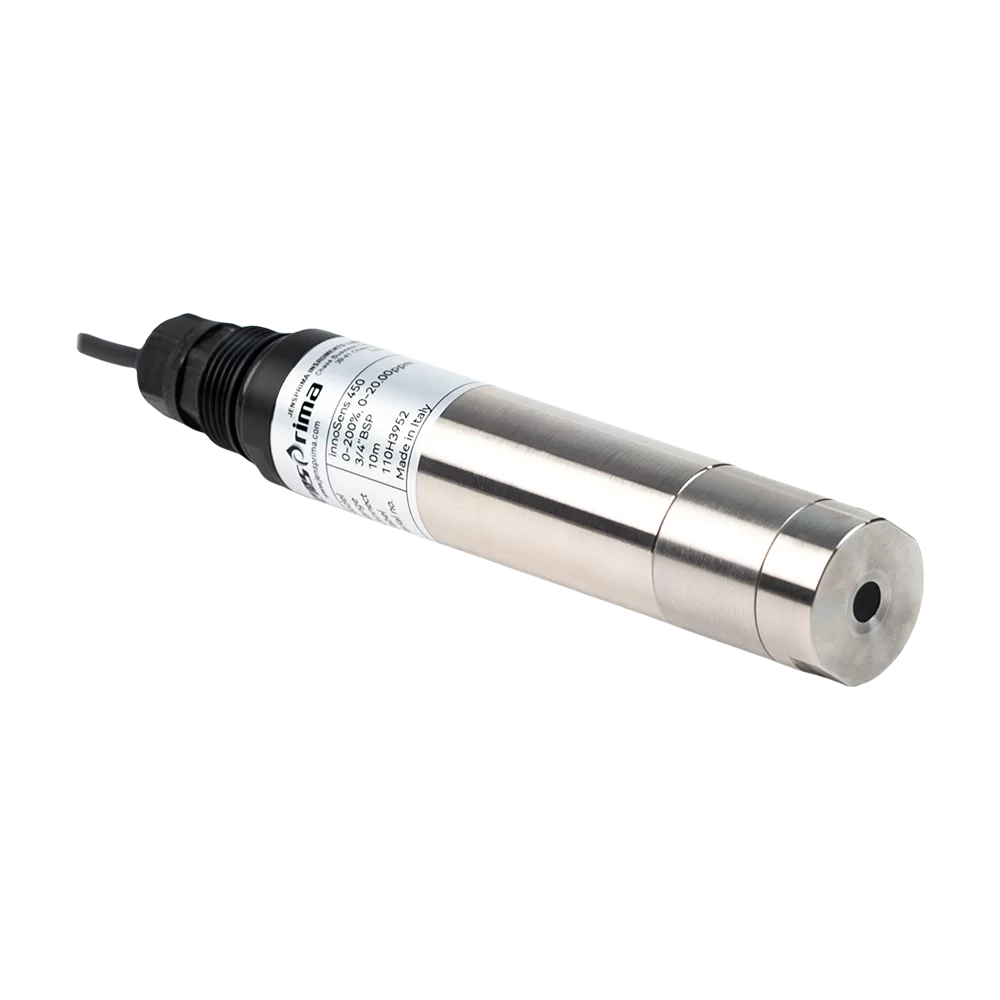
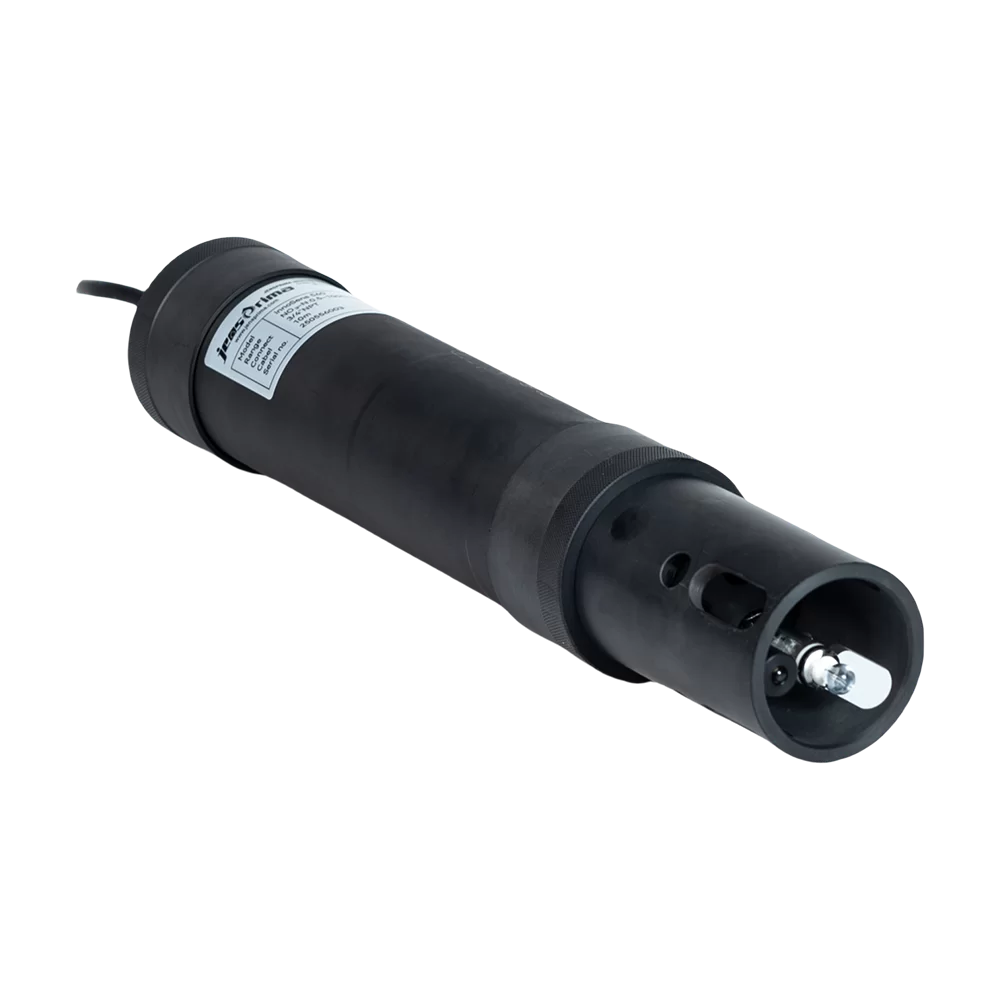
The innoSens 815T is engineered for durability and precision, utilizing an optical measurement principle that is far more robust than traditional mechanical testers. Much like how a ph meter digital water quality tester relies on a sensitive electrode, the 815T utilizes a high-stability light source and receiver to detect the finest particles in a fluid stream.
One of the most critical factors in its design is the resistance to fouling. In industrial environments, sensors often suffer from biofilm buildup; however, the innoSens 815T is built to maintain accuracy over long periods, reducing the maintenance burden typically associated with a standard ph meter digital water quality tester or similar digital probes.
Scalability is another key component, as these sensors can be deployed in single-point monitoring or as part of a multi-parameter array. This allows operators to correlate turbidity spikes with changes in pH or conductivity, providing a comprehensive chemical and physical profile of the water quality in real-time.
Performance Metrics in Industrial Applications
When evaluating the effectiveness of water monitoring tools, engineers look at response time, drift stability, and the range of measurement. A high-quality ph meter digital water quality tester must provide instantaneous readings to prevent process deviations, and the innoSens 815T follows this same logic by providing continuous, high-frequency data output for turbidity monitoring.
The reliability of these digital systems is often measured by their ability to maintain calibration in harsh conditions. Whether dealing with corrosive chemicals or extreme temperatures, the choice of materials in the sensor housing ensures that the data remains accurate, minimizing the need for frequent manual recalibration.
Comparative Efficiency of Water Monitoring Tools
Real-World Use Cases and Global Deployment
In the pharmaceutical industry, where water purity is non-negotiable, the innoSens 815T is deployed to monitor the final rinse stages of equipment cleaning. By integrating this with a ph meter digital water quality tester, manufacturers can ensure that no chemical residues (pH) or particulate matter (turbidity) remain, thereby preventing batch contamination.
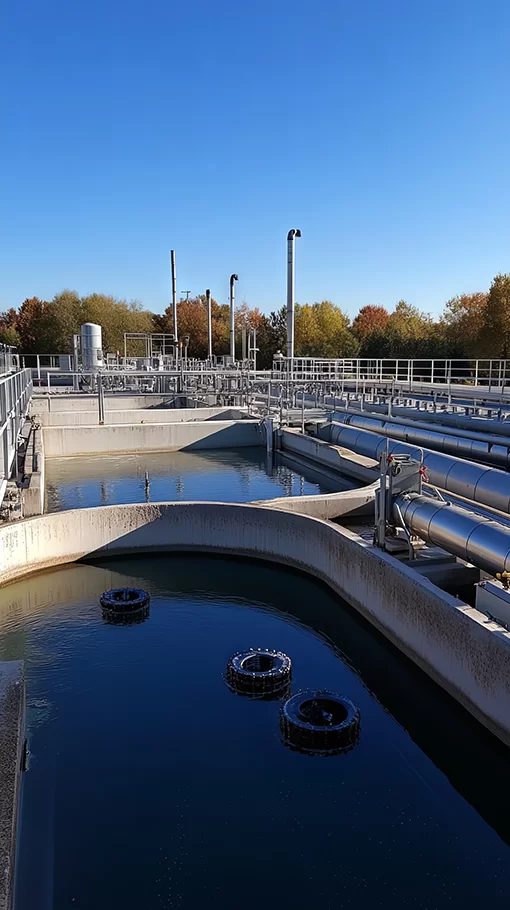
Similarly, in municipal wastewater plants across Europe and Asia, these sensors are used in the tertiary treatment stage. They provide a critical safeguard: if a filter fails, the resulting turbidity spike is detected immediately, and the system can automatically divert the effluent back to the treatment tank, preventing environmental pollution in local rivers.
Long-Term Value of Digital Sensing Integration
The transition to digital water monitoring provides a tangible return on investment through reduced labor costs and minimized downtime. Instead of sending technicians for manual sampling—a process that is slow and prone to contamination—an automated ph meter digital water quality tester and turbidity sensor array provide a 24/7 stream of data, allowing for predictive maintenance.
Beyond the financial gains, there is a significant social and emotional value in the reliability of these systems. For communities relying on treated water, the knowledge that a sophisticated digital system is constantly guarding the water quality builds trust in public infrastructure and ensures the dignity of access to safe, clean water.
Furthermore, the sustainability impact is profound. By optimizing the use of coagulants and flocculants based on real-time turbidity and pH data, plants can reduce chemical waste, lowering their carbon footprint and reducing the toxicity of the resulting sludge.
Future Trends in Water Quality Automation
The future of water analysis lies in the convergence of IoT (Internet of Things) and AI-driven diagnostics. We are moving toward a world where a ph meter digital water quality tester will not just report a value, but will predict a trend, alerting operators to a potential failure hours before it occurs.
Advancements in material science are also leading to "self-cleaning" sensor surfaces, which will virtually eliminate the need for manual scrubbing of optical windows. This will expand the deployment of sensors like the innoSens 815T into even more remote and hostile environments, such as deep-sea monitoring or hazardous industrial waste streams.
Digital transformation is also enabling "Smart Water Grids," where thousands of sensors communicate wirelessly to create a real-time map of water quality across an entire city. This holistic approach ensures that any contamination event is isolated instantly, protecting millions of users.
Analysis of Digital Water Monitoring Technology Implementations
| Application Sector |
Primary Parameter |
Criticality Score |
Digital Impact |
| Pharmaceuticals |
Turbidity/pH |
10/10 |
Zero-Contamination |
| Municipal Water |
Suspended Solids |
9/10 |
Public Safety |
| Chemical Plants |
Acidity/Alkalinity |
8/10 |
Asset Protection |
| Aquaculture |
Dissolved Oxygen/pH |
7/10 |
Yield Optimization |
| Food & Beverage |
Clarity (Turbidity) |
8/10 |
Brand Consistency |
| Mining Effluent |
Heavy Metals/pH |
9/10 |
Regulatory Compliance |
FAQS
A ph meter digital water quality tester measures the chemical activity of hydrogen ions to determine if water is acidic or basic. In contrast, a turbidity sensor like the innoSens 815T measures the physical clarity of the water by detecting light scattering caused by suspended particles. Both are essential for a complete water quality profile.
Calibration frequency depends on the environment. In stable conditions, high-end digital sensors may only need quarterly checks. However, in high-fouling industrial streams, monthly or bi-weekly calibration is recommended to ensure the accuracy of the ph meter digital water quality tester and turbidity probes.
Yes, the innoSens 815T is designed for industrial integration. It typically uses standard analog (4-20mA) or digital communication protocols, making it compatible with most modern PLC and SCADA systems, allowing it to work alongside your existing ph meter digital water quality tester.
While the initial investment is higher, digital monitoring significantly reduces long-term costs by eliminating manual labor, reducing chemical waste through precise dosing, and preventing costly regulatory fines. It provides a level of risk mitigation that manual testing simply cannot match.
Drift is typically caused by sensor fouling (buildup of organic matter), electrode aging in a ph meter digital water quality tester, or temperature fluctuations. High-quality sensors utilize temperature compensation and robust materials to minimize this effect.
For discharge, both pH and turbidity are usually mandatory. However, turbidity is often the first indicator of a filtration failure, while pH indicates a chemical imbalance. A comprehensive approach using both the innoSens 815T and a ph meter digital water quality tester is the industry gold standard.
Conclusion
The evolution of water quality monitoring from manual samples to integrated digital systems marks a pivotal shift in industrial and environmental management. By combining the precision of the innoSens 815T turbidity sensor with the chemical insights of a ph meter digital water quality tester, organizations can ensure unprecedented levels of purity, safety, and regulatory compliance. The synergy of these tools allows for a proactive rather than reactive approach to water treatment, safeguarding both the environment and the bottom line.
Looking forward, the integration of AI and IoT will further refine these processes, making water analysis an invisible yet omnipresent layer of industrial infrastructure. We encourage facility managers and environmental engineers to invest in high-stability digital sensing technology today to future-proof their operations. For more information on professional water analysis solutions, visit our website: www.jensprima.com




 Download
 Video Center
 Technical Services
 FAQS
 Service Network
 Privacy Policy
 Contact Us