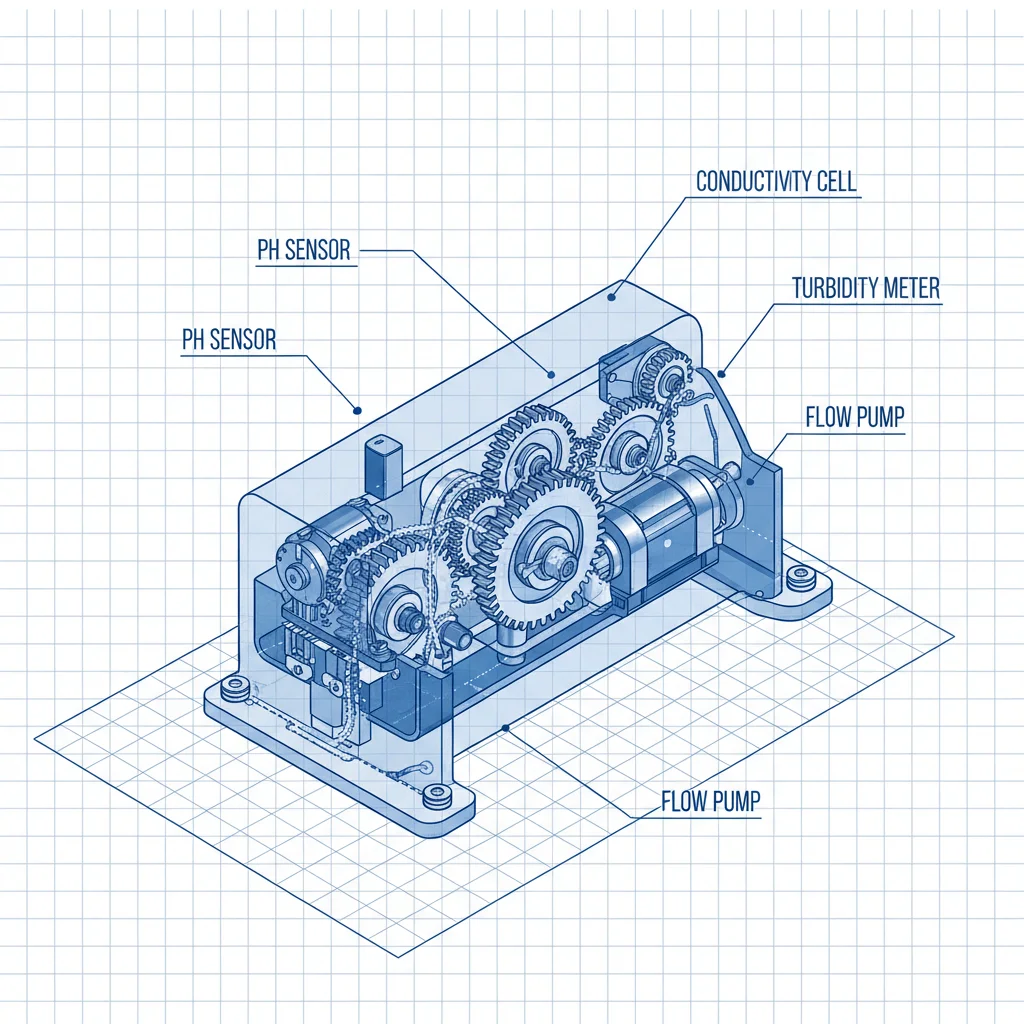
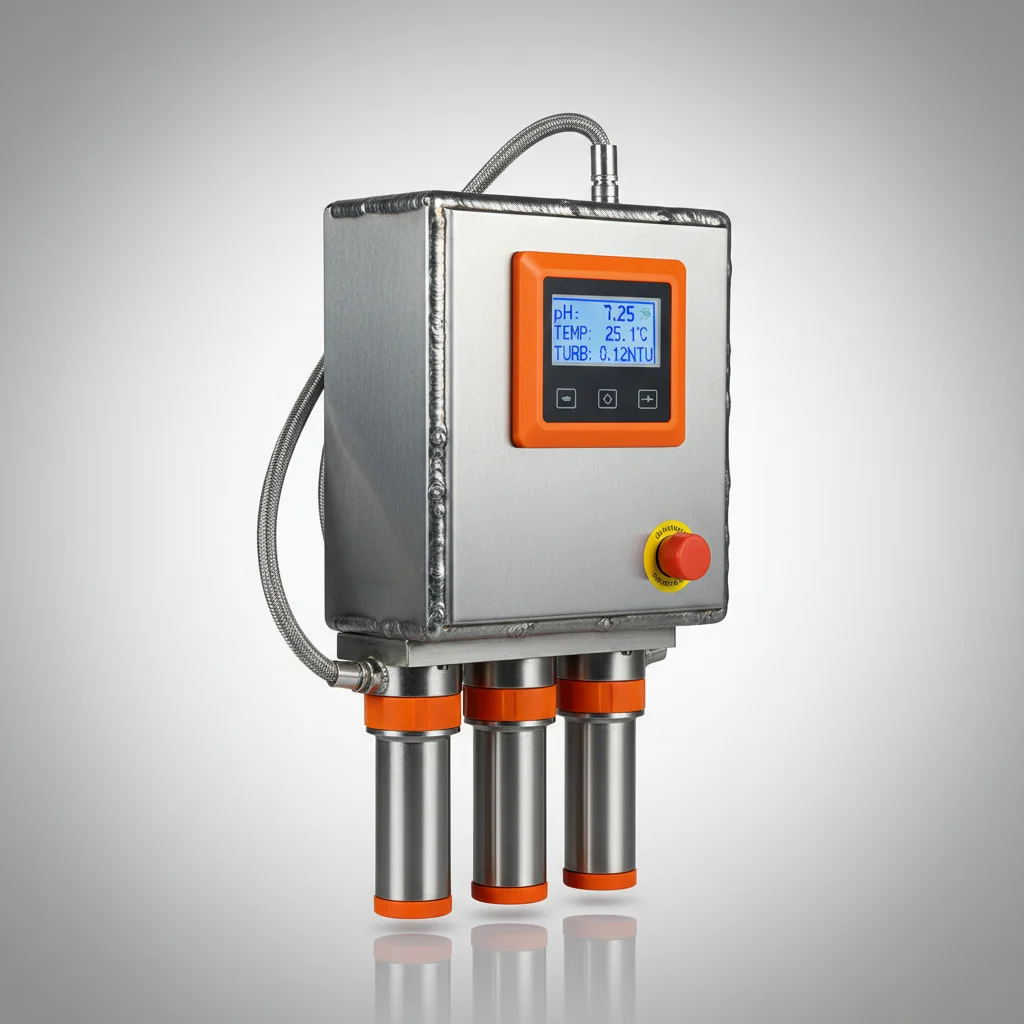
Maintaining precise water chemistry is a cornerstone of modern industrial processing and environmental stewardship. Among the various tools used to monitor these parameters, the ph electrode serves as the primary sensory organ for determining the acidity or alkalinity of a liquid, providing the critical data necessary to prevent equipment corrosion and ensure product quality.
From pharmaceutical synthesis to wastewater treatment, the reliability of a ph electrode directly impacts operational safety and regulatory compliance. Inaccurate readings can lead to catastrophic failures in chemical reactions or the discharge of non-compliant effluent into natural water bodies, highlighting the need for high-precision sensing technology.
Understanding the nuances of electrode selection, maintenance, and integration into larger systems—such as the Turbidity Flow Cell PA-825—allows engineers to optimize their monitoring loops. By leveraging advanced materials and stable reference systems, the modern ph electrode transforms a simple electrochemical potential into actionable intelligence for industrial automation.

The Fundamental Role of the ph electrode in Water Analysis
The ph electrode functions as a transducer that converts the activity of hydrogen ions in a solution into a measurable electrical voltage. This process is essential for any facility managing liquid streams, as pH shifts often signal the first signs of process deviation or contamination.
By integrating these sensors into a controlled environment, such as within a turbidity flow cell or a specialized analyzer, industries can achieve real-time feedback. This allows for the automatic dosing of neutralizing agents, ensuring that the water remains within a safe and stable range for both the equipment and the environment.
Industrial Standards and Global Regulatory Context
Globally, the monitoring of water quality is governed by strict standards such as ISO 14001 and various EPA guidelines. These frameworks mandate that the ph electrode used in industrial discharge must be calibrated frequently and possess a documented level of accuracy to prevent the acidification of natural waterways.
In the European Union and North America, the trend toward "Industry 4.0" has pushed the requirement for digital sensors. The shift from analog signals to smart ph electrode systems allows for remote diagnostics and predictive maintenance, reducing the risk of human error during manual sampling.
Despite these advancements, many developing regions still struggle with sensor drift and fouling. The challenge lies in deploying a ph electrode that can withstand harsh, unfiltered water conditions while maintaining the precision required by international health and safety organizations.
Core Components and Electrochemical Principles
At its heart, a professional ph electrode consists of a glass membrane sensitive to hydrogen ions and a reference electrode that provides a stable baseline. The potential difference between these two elements is what allows the controller to calculate the exact pH value.
The quality of the glass bulb in a ph electrode determines its response time and durability. High-grade borosilicate glass is typically used to ensure that the sensor can withstand temperature fluctuations without losing its ion-selective properties.
Furthermore, the junction—the point where the reference electrolyte meets the sample—is critical. A clogged junction in a ph electrode leads to slow response times and erratic readings, which is why modern designs often employ open-hole or Teflon junctions for problematic liquids.
Comparative Performance Metrics of Sensor Types
Choosing the right ph electrode requires an analysis of the specific trade-offs between response speed, lifespan, and maintenance needs. While general-purpose electrodes are cost-effective, specialized industrial probes offer superior resistance to chemical poisoning.
When comparing different electrode architectures, it becomes clear that the environment—whether it be pure water or heavy industrial sludge—dictates the necessary specifications for the ph electrode.
Efficiency Rating of Various ph electrode Configurations
Global Applications in Environmental Monitoring
In large-scale wastewater treatment plants across Asia and Europe, the ph electrode is utilized in the nitrification and denitrification stages. Precise pH control is mandatory here to maintain the health of the biological colonies that break down nitrogenous waste.
Beyond municipal use, the ph electrode is indispensable in mining operations, particularly in acid mine drainage (AMD) mitigation. By monitoring the pH of runoff, engineers can deploy limestone treatment systems to neutralize water before it enters the local ecosystem.
Long-Term Value and Operational Reliability
The long-term value of investing in a high-quality ph electrode is found in the reduction of downtime. Cheap sensors may offer low initial costs, but their high drift rates necessitate frequent calibration and premature replacement, increasing the total cost of ownership.
Reliability in sensing creates a psychological sense of trust for plant operators. When a ph electrode provides stable, repeatable data, the risk of "false alarms" is minimized, allowing the team to focus on genuine process improvements rather than troubleshooting faulty hardware.
Moreover, sustainable operations depend on the precision of these instruments. An optimized ph electrode ensures that chemicals are used only when necessary, reducing the environmental footprint of the treatment process and lowering reagent expenditure.
Future Innovations in Sensing Technology
The future of the ph electrode is leaning toward the elimination of liquid junctions. Solid-state electrolytes and ISFET (Ion-Sensitive Field Effect Transistor) technology are promising alternatives that offer greater robustness and a smaller footprint for embedded systems.
Digital transformation is also introducing "self-calibrating" ph electrode systems. By using integrated micro-fluidics, these sensors can automatically verify their accuracy against a known buffer solution, removing the need for manual technician intervention in hazardous areas.
As we move toward a circular economy, the integration of the ph electrode into multi-parameter arrays—combining pH, turbidity, and conductivity—will provide a holistic view of water health, enabling smarter, automated resource management.
Technical Comparison of ph electrode Integration Standards
| Electrode Type |
Maintenance Level |
Response Time |
Lifespan Score |
| Standard Glass |
High |
Moderate |
6/10 |
| Double Junction |
Medium |
Fast |
8/10 |
| ISFET Sensor |
Low |
Very Fast |
9/10 |
| Differential |
Medium |
Fast |
8/10 |
| Plastic-Tip |
Medium |
Moderate |
7/10 |
| Heavy-Duty Industrial |
Low |
Fast |
10/10 |
FAQS
Calibration frequency depends on the stability of your process. For high-precision industrial applications, weekly calibration is recommended. However, in highly aggressive environments where fouling is common, daily checks may be necessary to account for sensor drift and ensure accuracy.
The most common cause of slow response is a clogged reference junction or a dehydrated glass membrane. Additionally, the buildup of proteins or oils on the bulb can insulate the sensor, requiring a specialized cleaning solution to restore the ion-exchange capacity.
Standard glass electrodes are designed for aqueous solutions. In non-aqueous or low-conductivity liquids, the junction potential becomes unstable. For these cases, a specialized ph electrode with a non-aqueous reference system or an ISFET sensor is required.
Never store a ph electrode in distilled or deionized water, as this leaches ions from the glass bulb. Use a dedicated storage solution, typically 3M KCl, to keep the membrane hydrated and the reference junction primed.
A composite electrode houses both the sensing and reference elements in one body, making it compact and easy to deploy. Separate electrodes allow for more flexibility and the use of specialized reference junctions, which is often preferred in laboratory settings or extreme temperatures.
Yes, integration into systems like the Turbidity Flow Cell PA-825 is common. By placing the ph electrode within the flow path, you can monitor pH and turbidity simultaneously, providing a more comprehensive analysis of the water quality.
Conclusion
In summary, the ph electrode remains an irreplaceable tool in the realm of water analysis, bridging the gap between complex chemical reactions and digital monitoring. From the selection of the glass membrane to the implementation of digital diagnostics, every detail contributes to the overall reliability of the industrial process and the safety of the environment.
As we look toward the future, the integration of smarter materials and automated calibration will further reduce the operational burden on technicians while increasing data precision. We encourage plant managers to prioritize high-grade sensing hardware to ensure long-term sustainability and regulatory compliance. Visit our website for more professional solutions: www.jensprima.com













































































 Download
 Video Center
 Technical Services
 FAQS
 Service Network
 Privacy Policy
 Contact Us