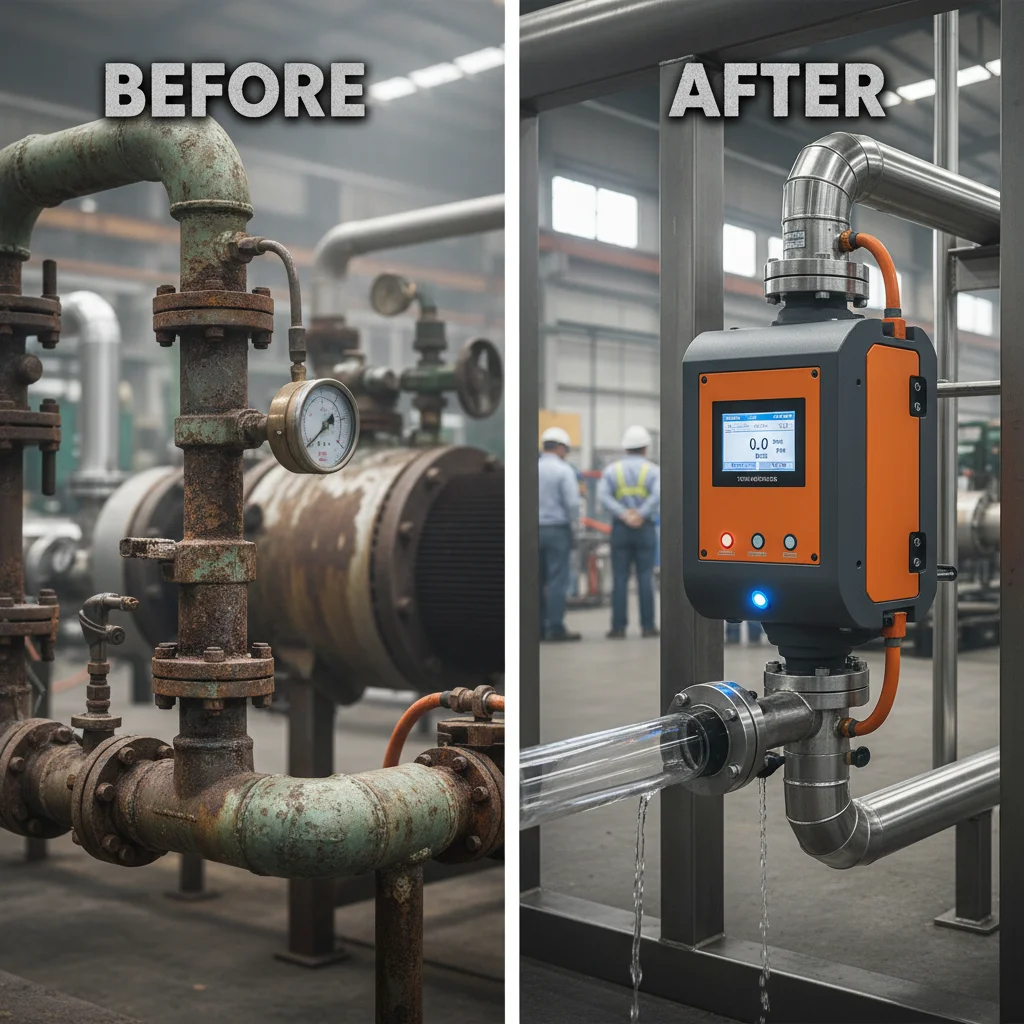
In the complex landscape of water quality monitoring, the redox electrode serves as a critical diagnostic tool for measuring the oxidation-reduction potential (ORP) of a liquid. By determining the tendency of a solution to gain or lose electrons, these sensors provide real-time insights into the chemical equilibrium of water, which is essential for maintaining safety and efficiency in industrial processes.
The global demand for precise ORP measurement is rising as environmental regulations become more stringent. Whether it is managing the disinfection of municipal drinking water or monitoring the health of an aquaculture pond, the integration of a high-quality redox electrode ensures that chemical dosing is optimized, preventing both under-treatment and the wasteful over-use of expensive reagents.
Understanding the nuances of ORP sensing allows operators to move beyond simple pH monitoring to a more holistic view of water chemistry. By focusing on the electron transfer capabilities of the medium, the redox electrode becomes the cornerstone of automated control systems, safeguarding infrastructure against corrosion and ensuring the biological stability of treated water.
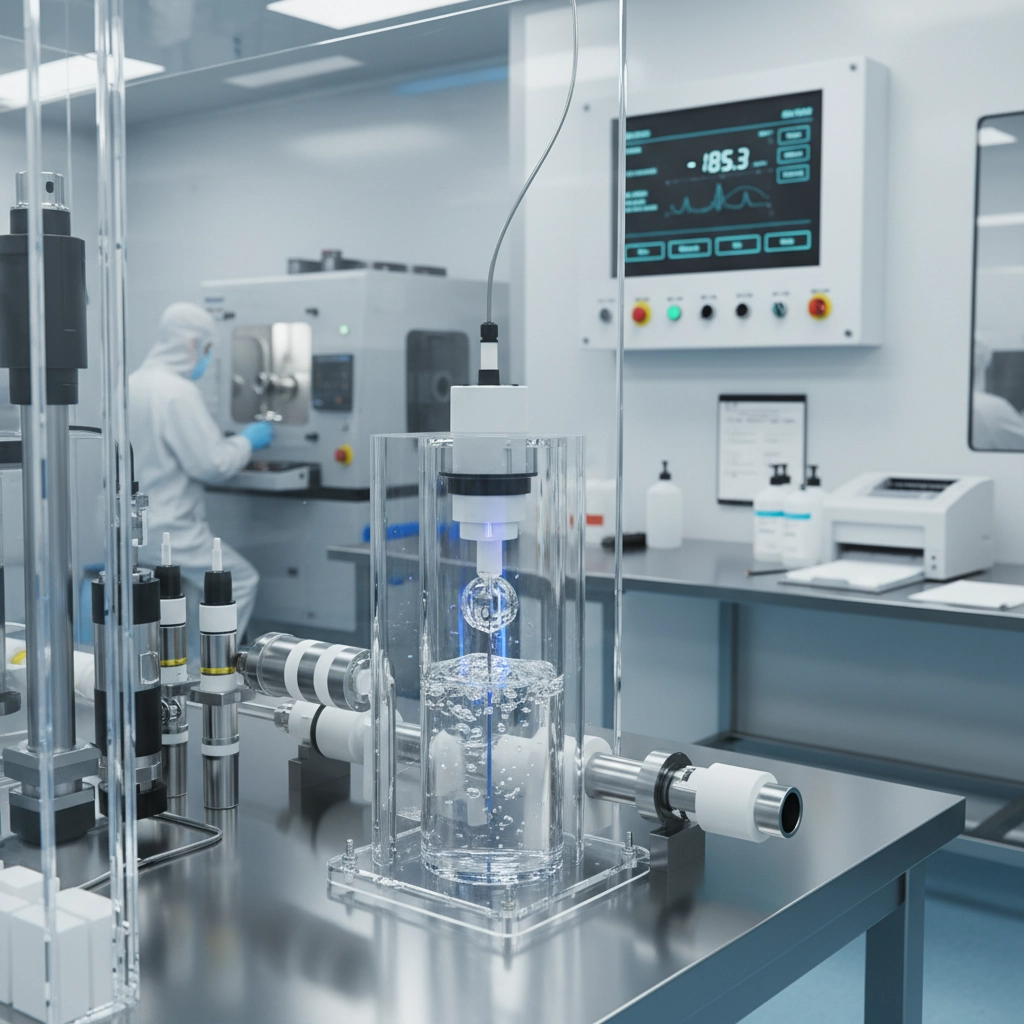
Global Relevance of Redox Electrode Technology
From a global perspective, the stability of water resources is a primary concern for the UN's Sustainable Development Goals. The redox electrode plays a pivotal role in achieving these goals by allowing for the precise control of wastewater treatment plants and the prevention of environmental contamination. In regions where water scarcity is acute, maximizing the reuse of gray water requires the stringent monitoring of oxidative capacity to ensure that pathogens are fully eradicated.
Furthermore, the industrial sector faces the ongoing challenge of equipment degradation due to oxidative stress. By deploying a redox electrode in cooling towers and boiler systems, companies can maintain the optimal redox potential to inhibit the growth of aerobic bacteria and prevent the pitting corrosion of expensive metallic alloys, thereby extending the lifecycle of critical infrastructure.
Technical Definition and Working Principles
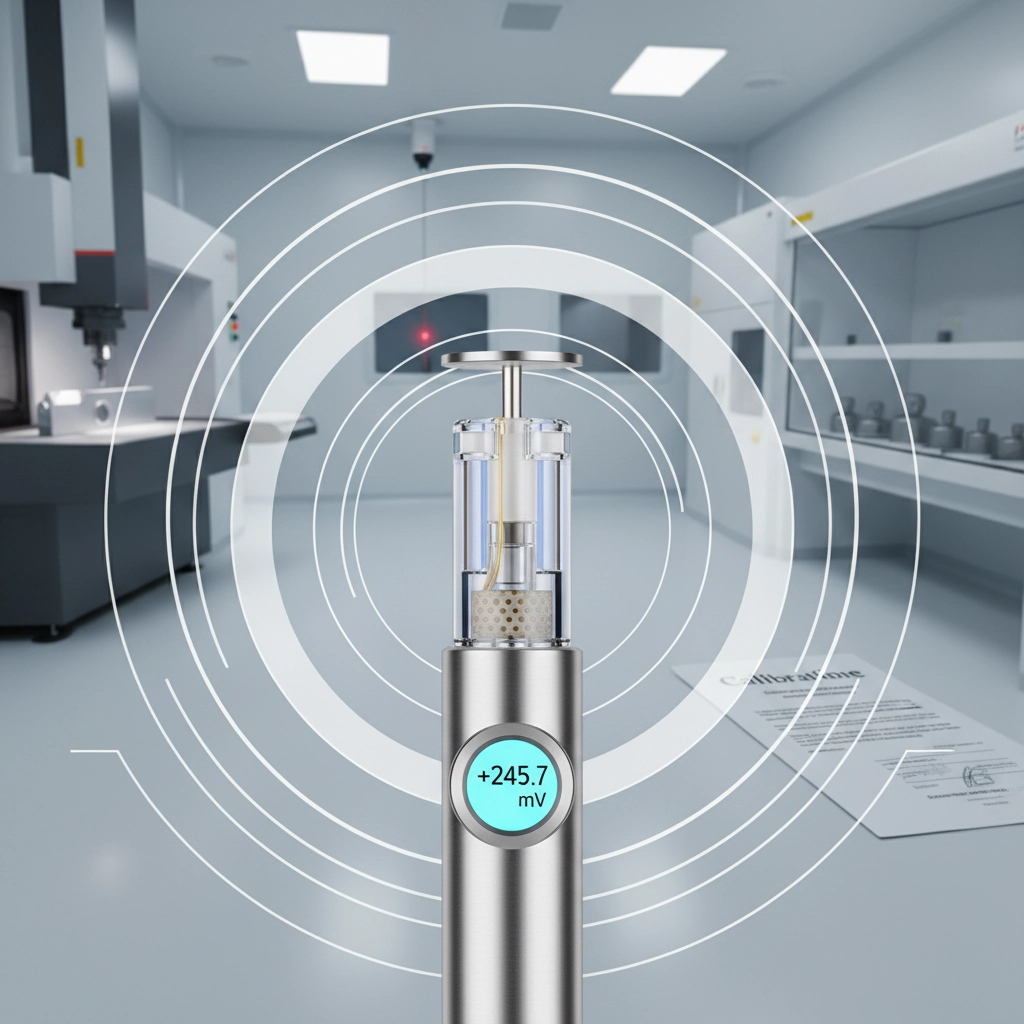
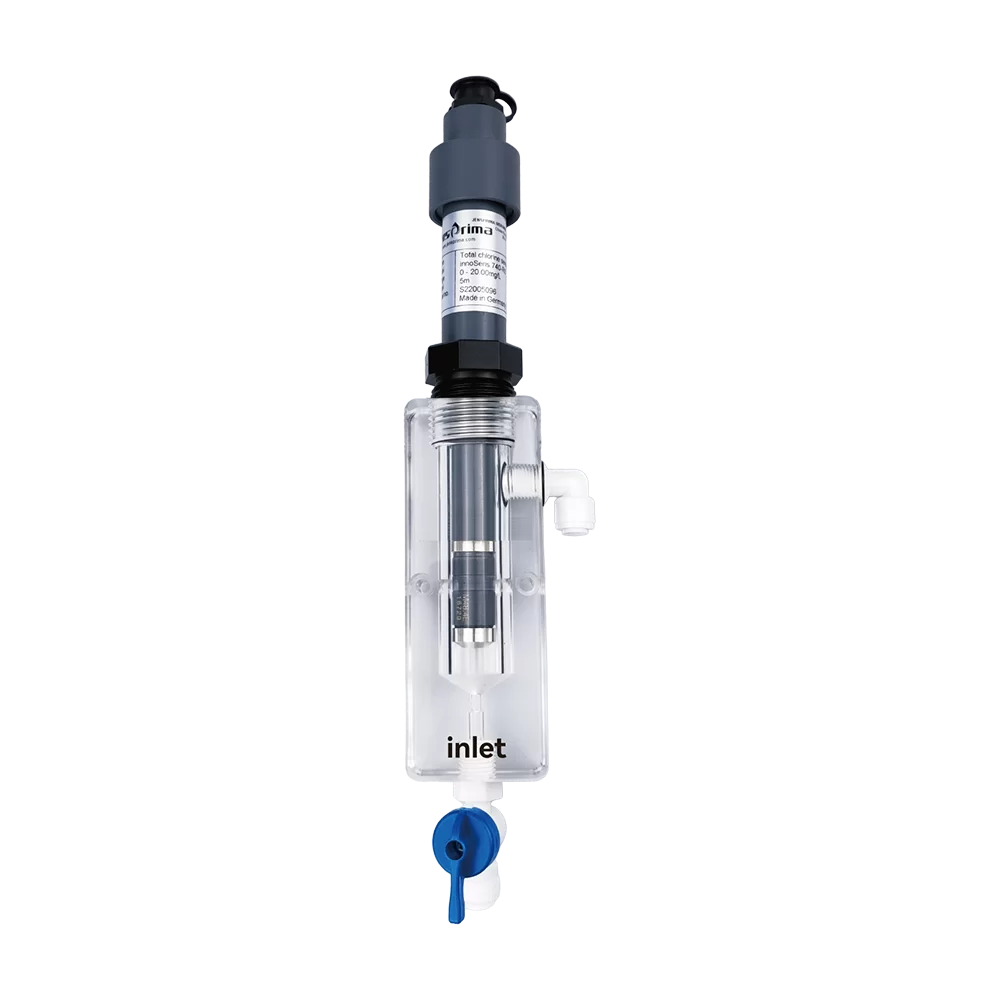
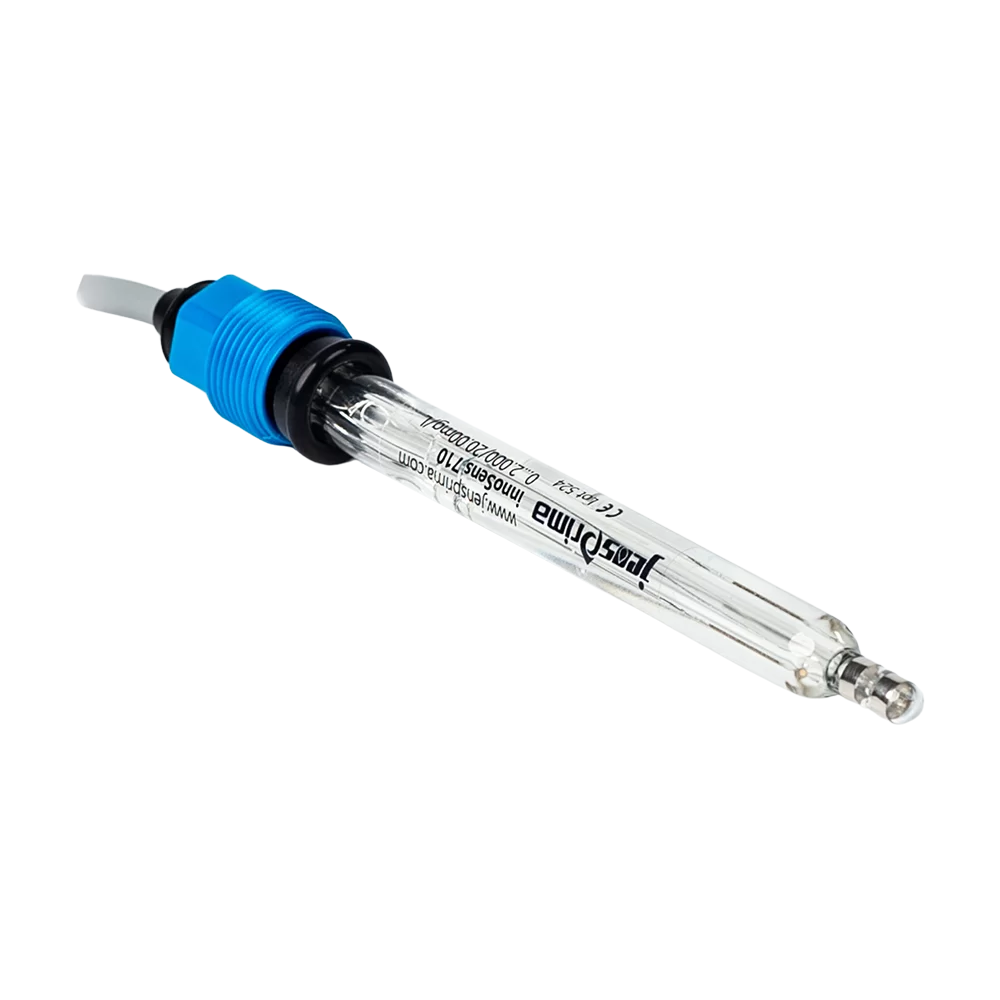
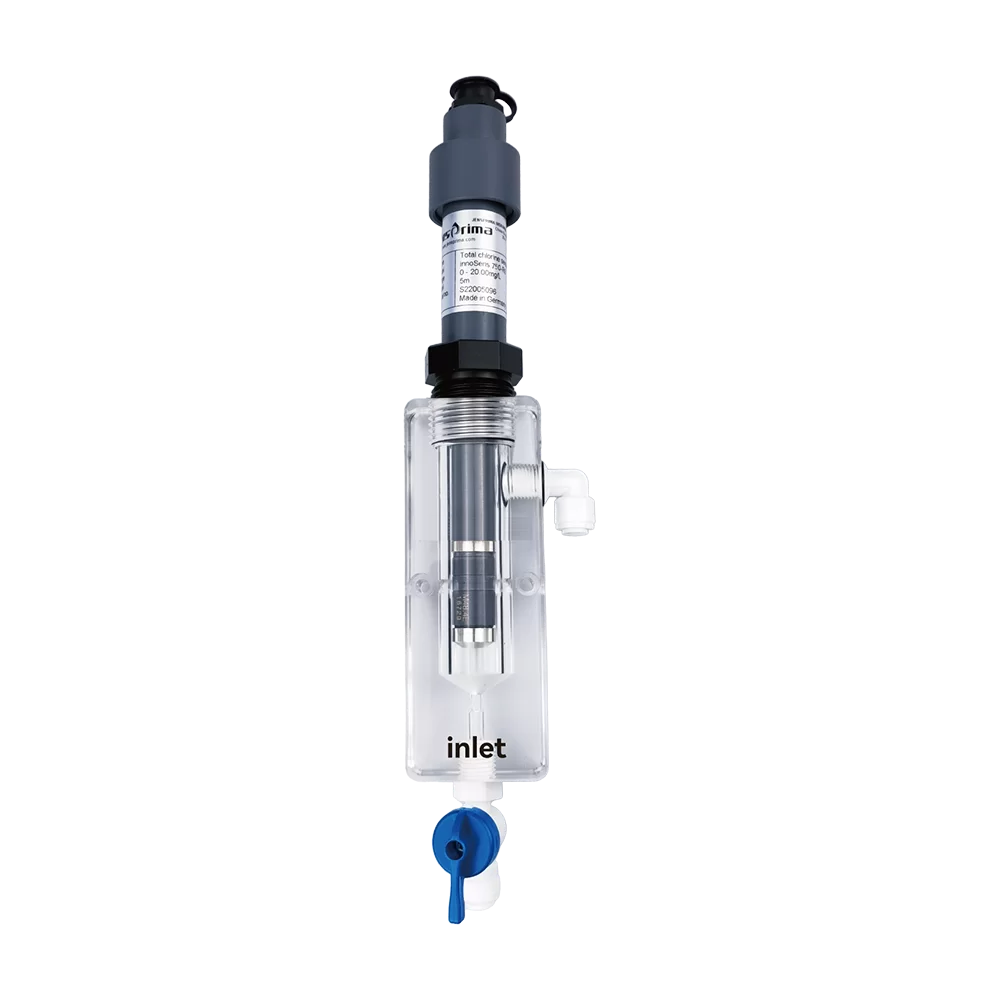
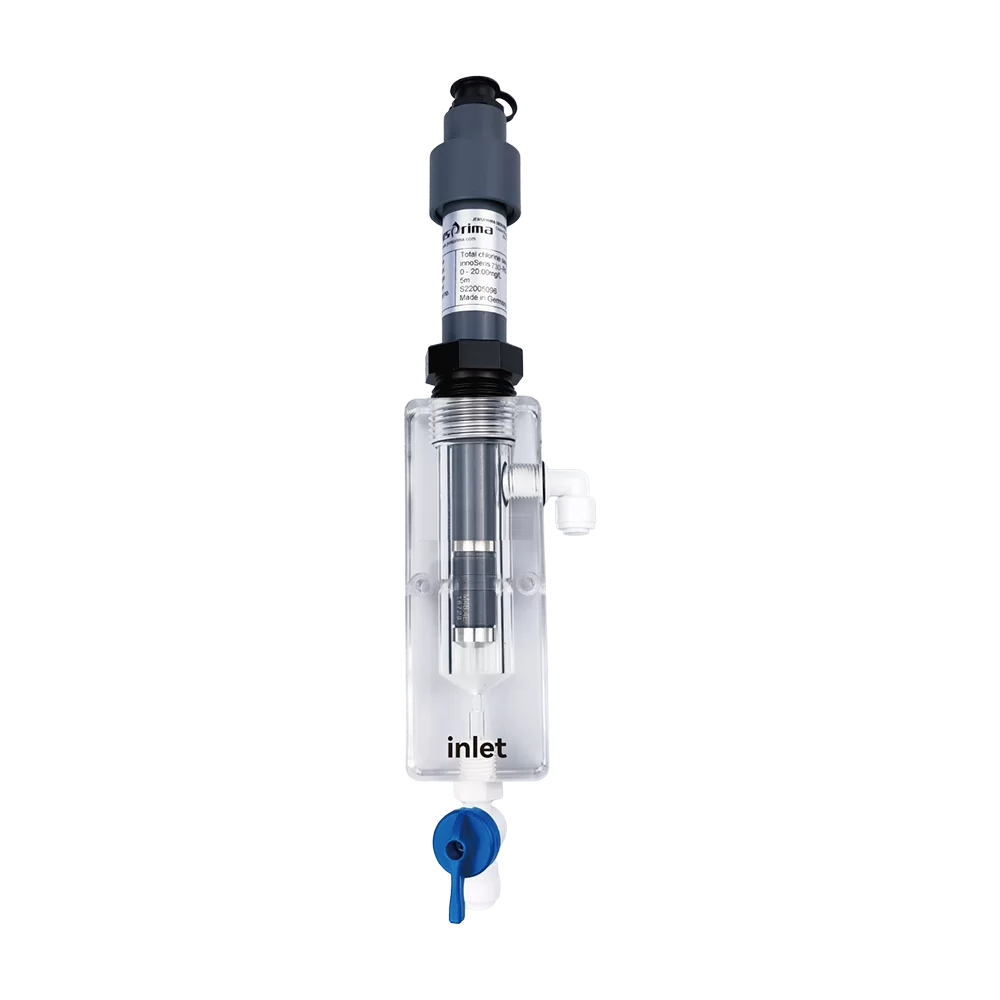
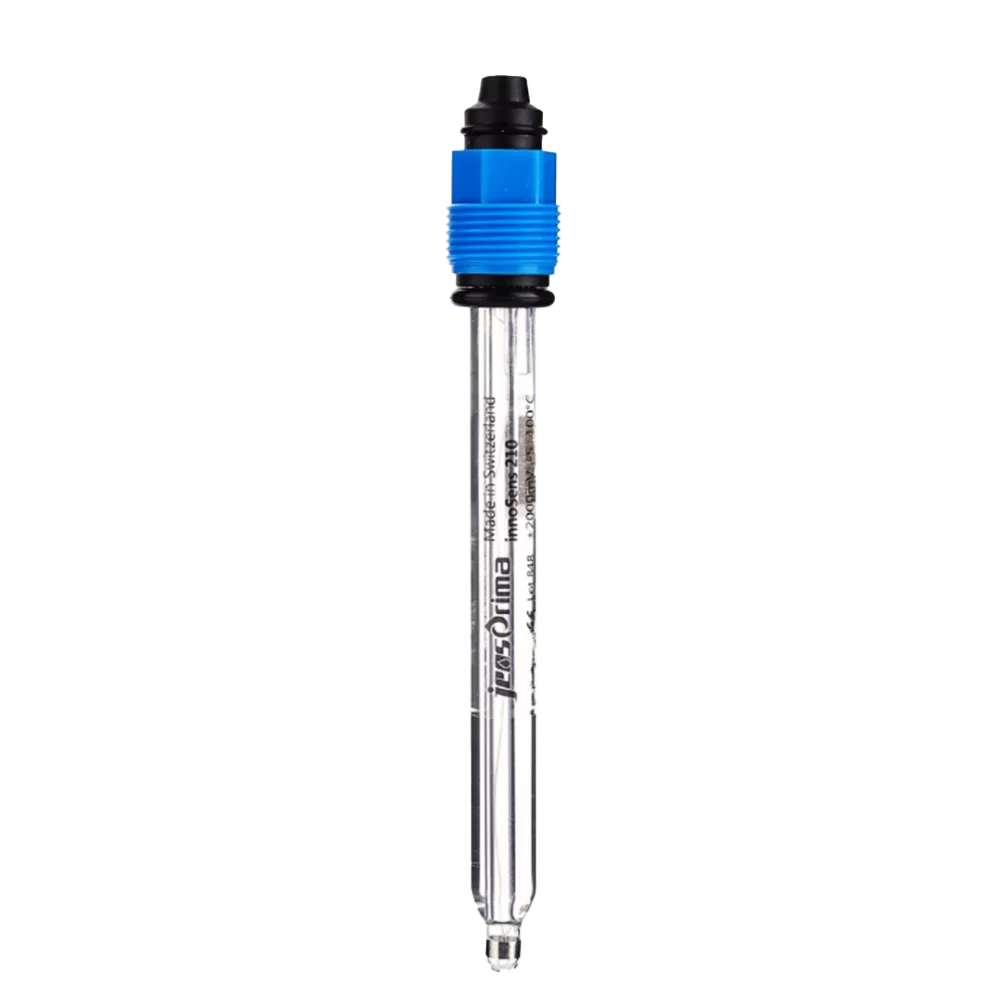
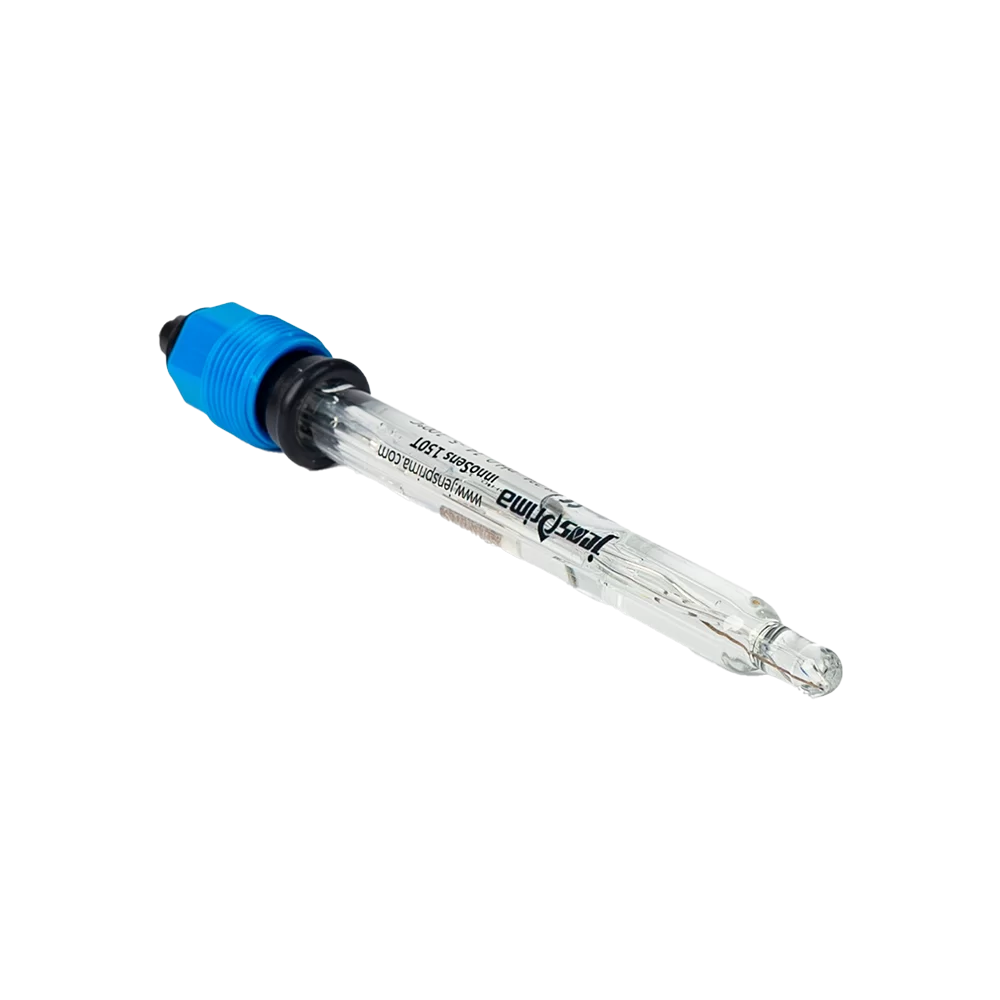
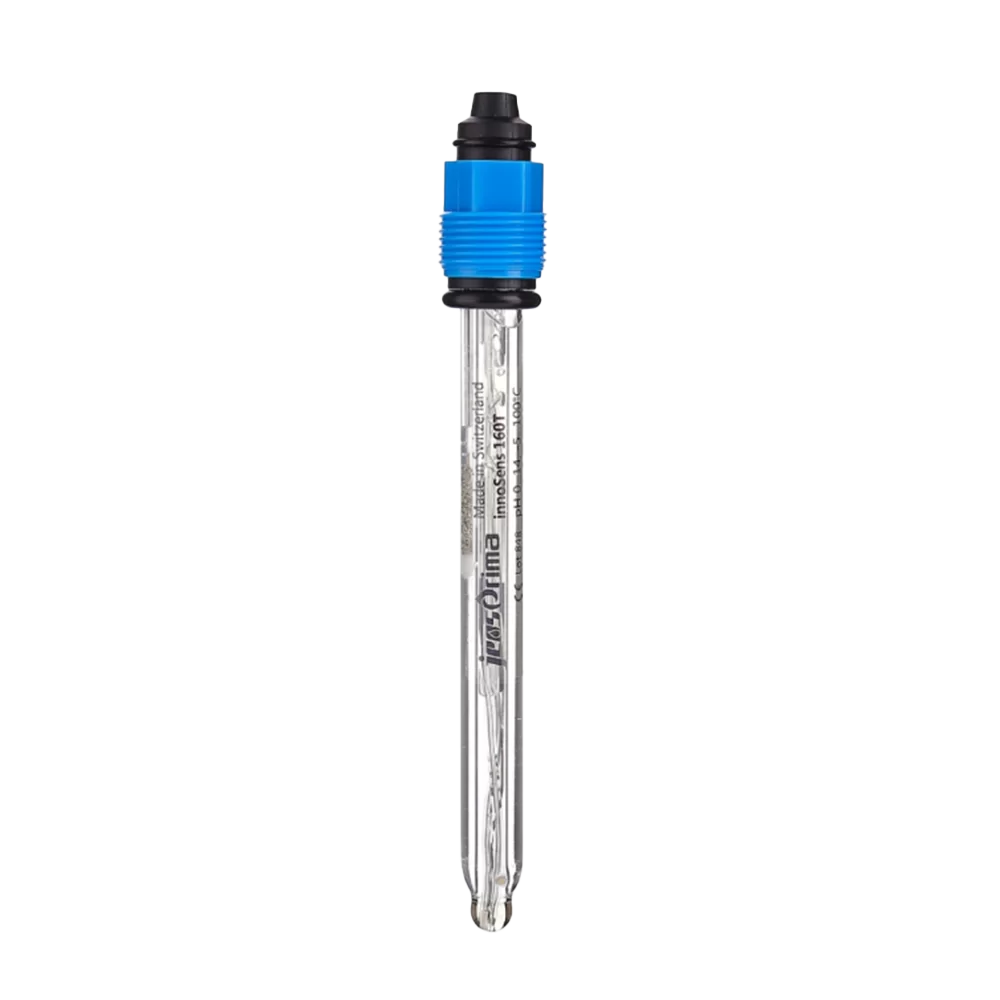
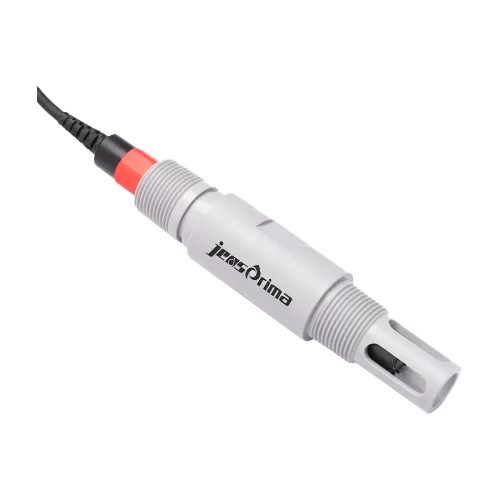
At its core, a redox electrode is an electrochemical sensor designed to measure the potential difference between a noble metal (typically platinum) and a stable reference electrode. This potential difference, measured in millivolts (mV), represents the relative activity of oxidizing and reducing agents within the sample, providing a direct window into the "electron pressure" of the solution.
Unlike pH sensors that specifically track hydrogen ion activity, a redox electrode captures the overall oxidative state. For example, in a chlorinated pool or industrial bleach tank, the ORP reading tells the operator not just how much chlorine is present, but how effective that chlorine is at actually killing bacteria, which is the only metric that truly matters for safety.
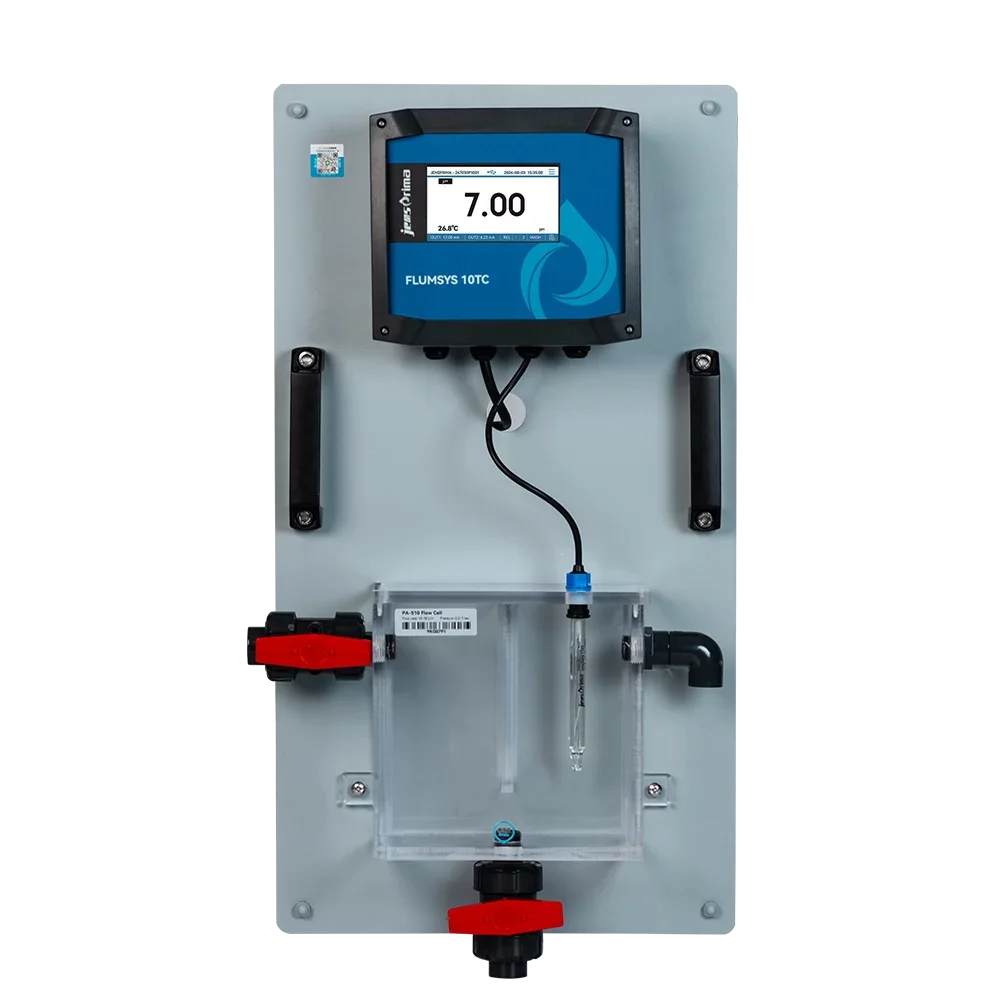
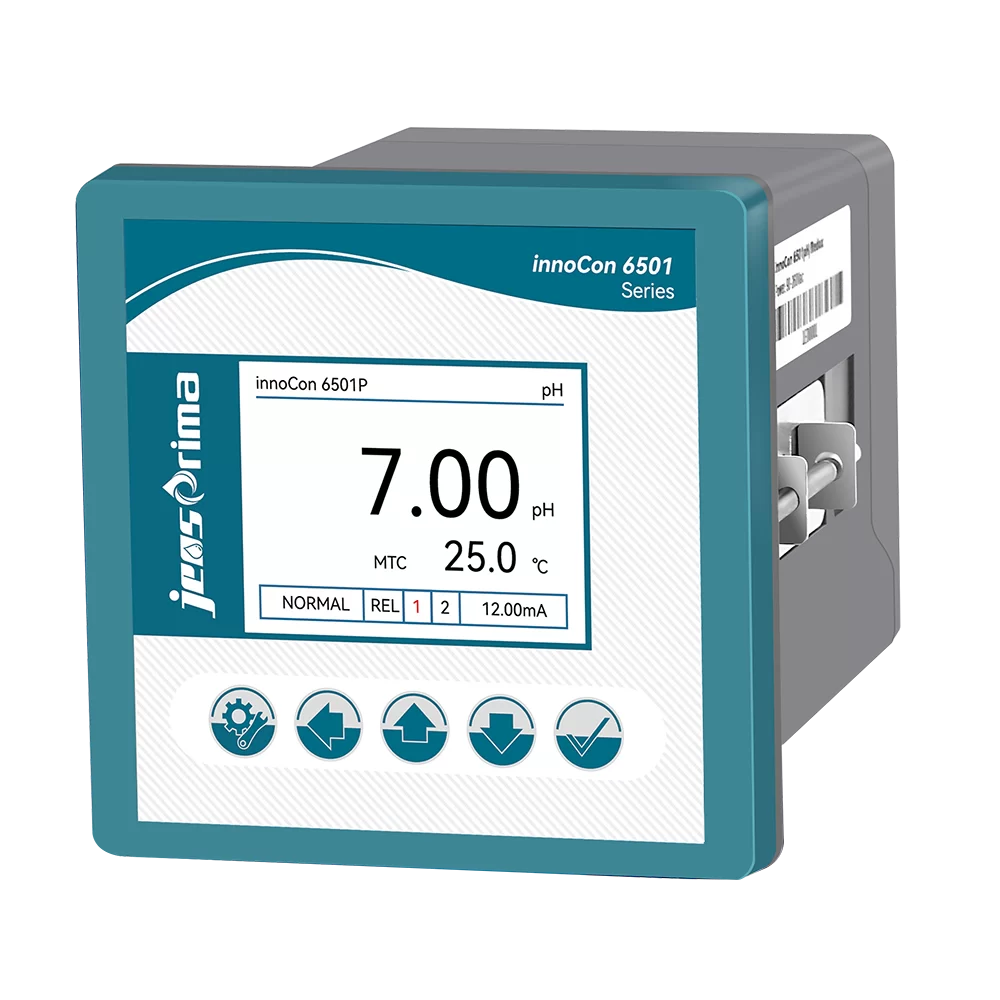
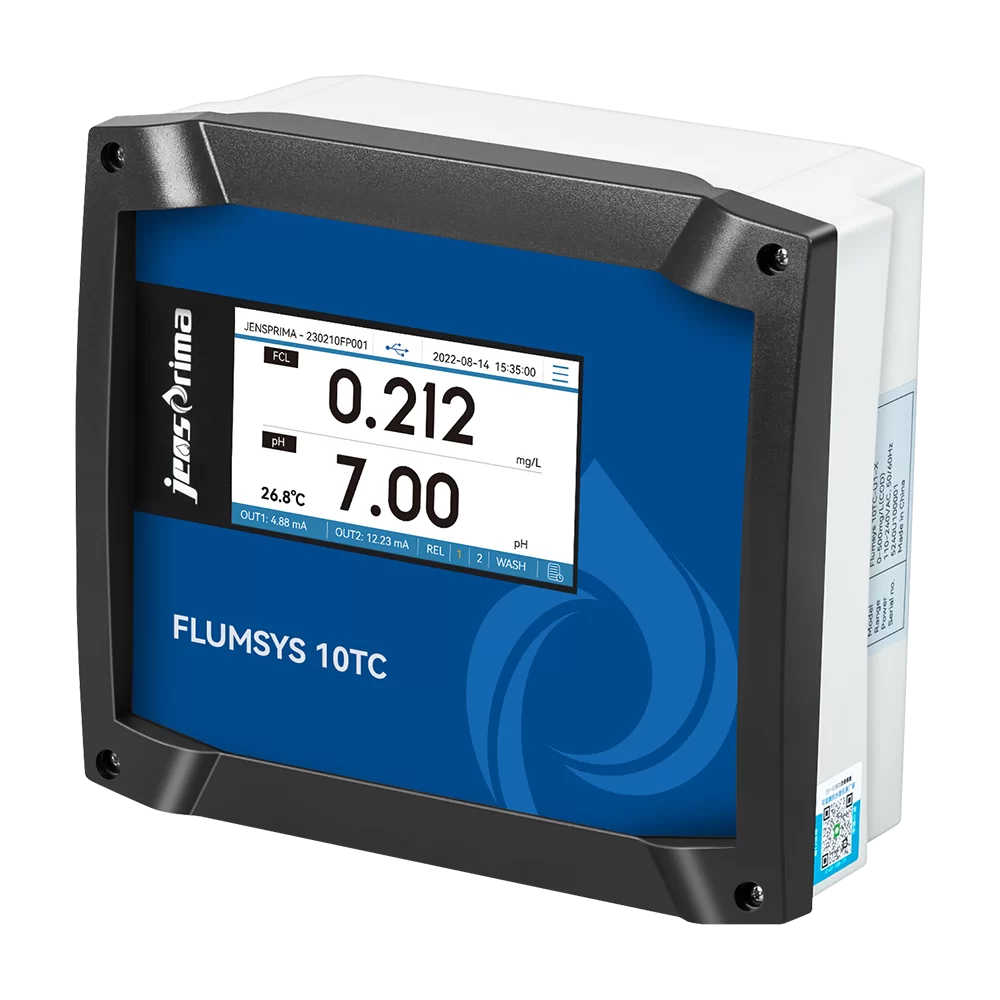
Modern industrial versions of these sensors are engineered to withstand harsh environments, utilizing specialized junction materials and robust bodies. By integrating the redox electrode into a feedback loop with a dosing pump, facilities can achieve "set-and-forget" automation, where chemicals are injected only when the redox potential drops below a specific threshold.
Core Components and Durability Factors
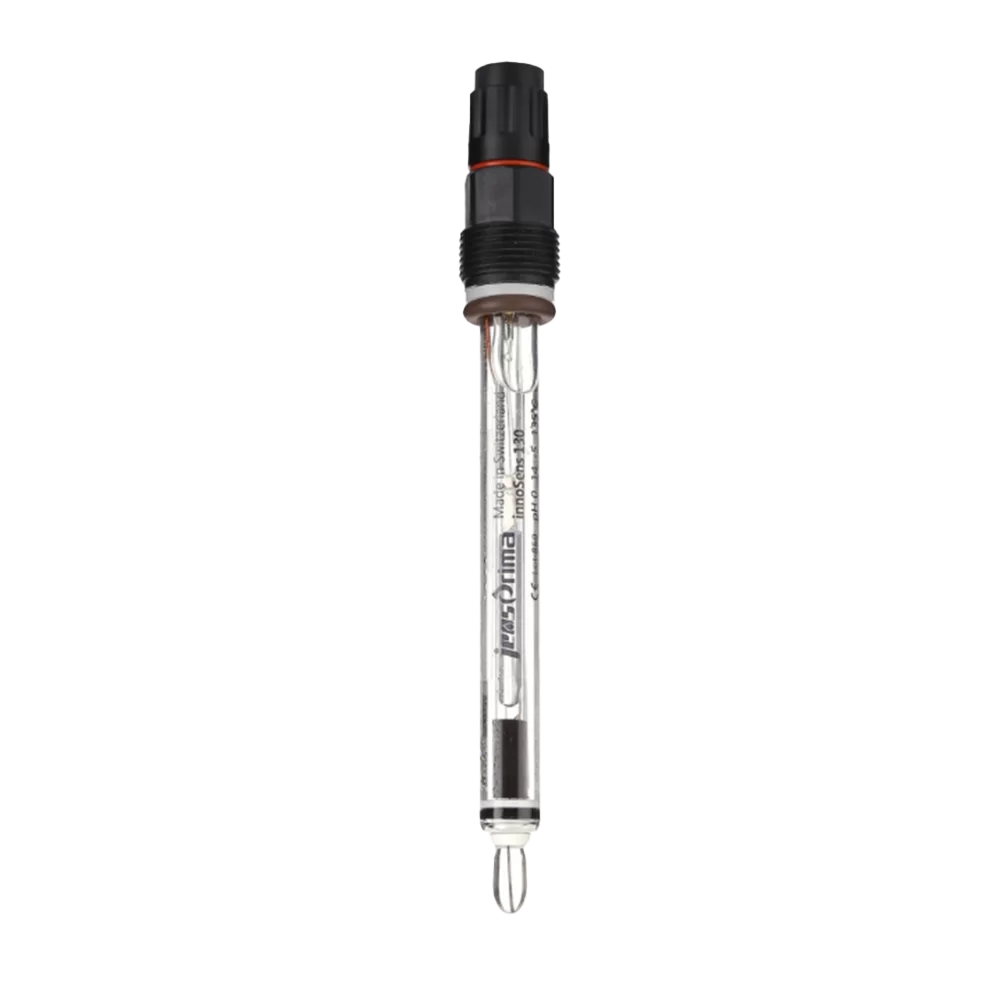
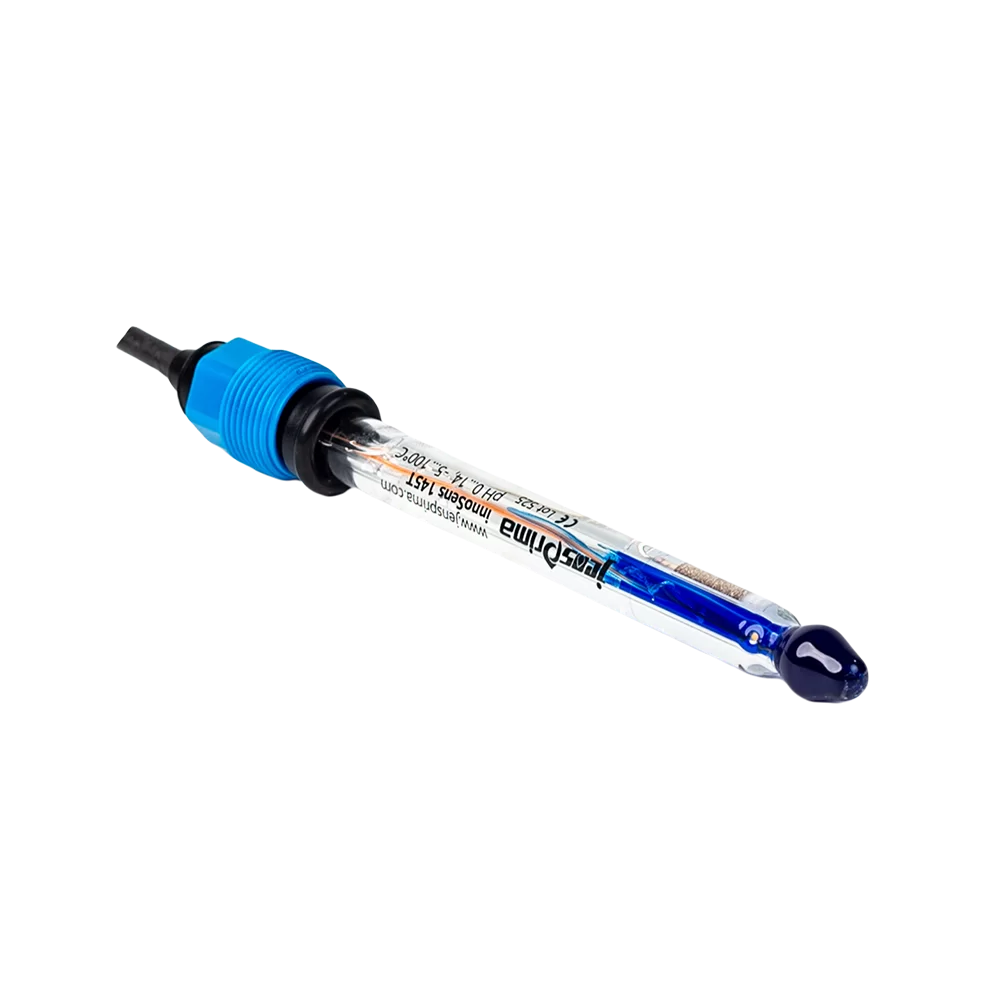
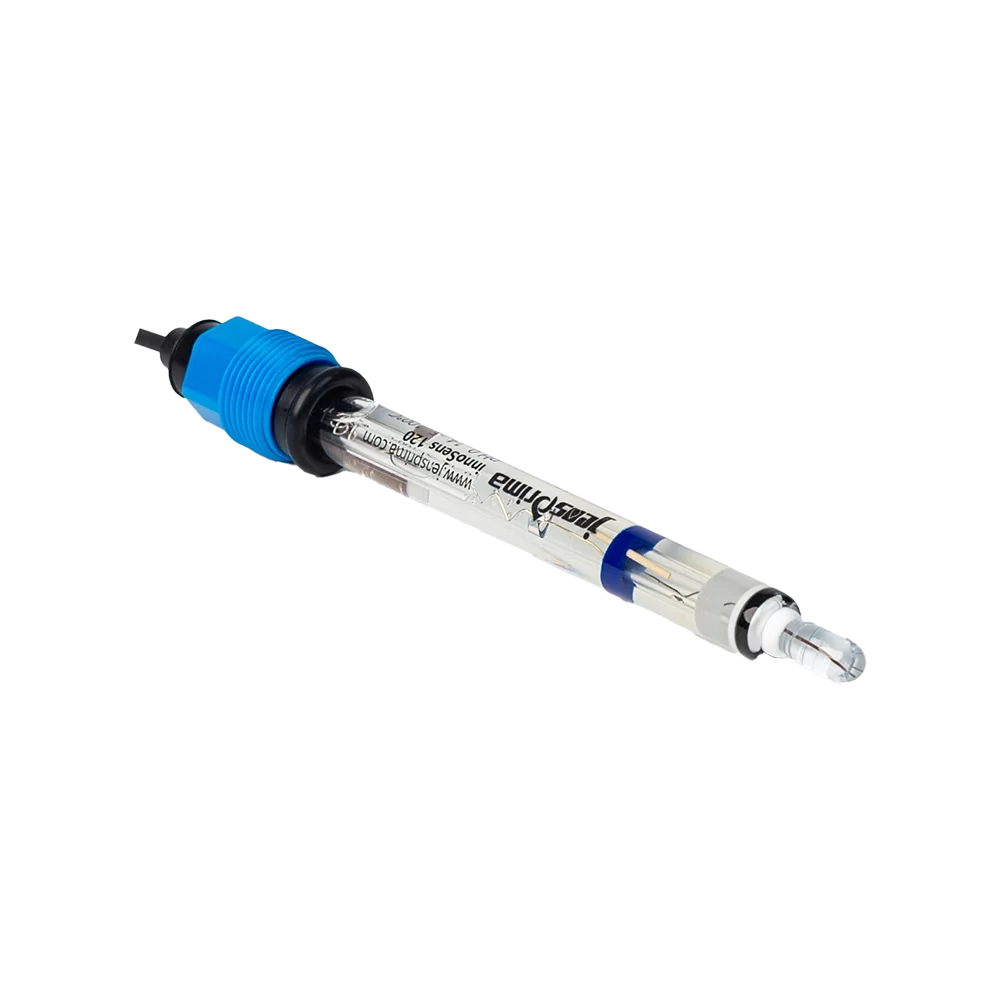
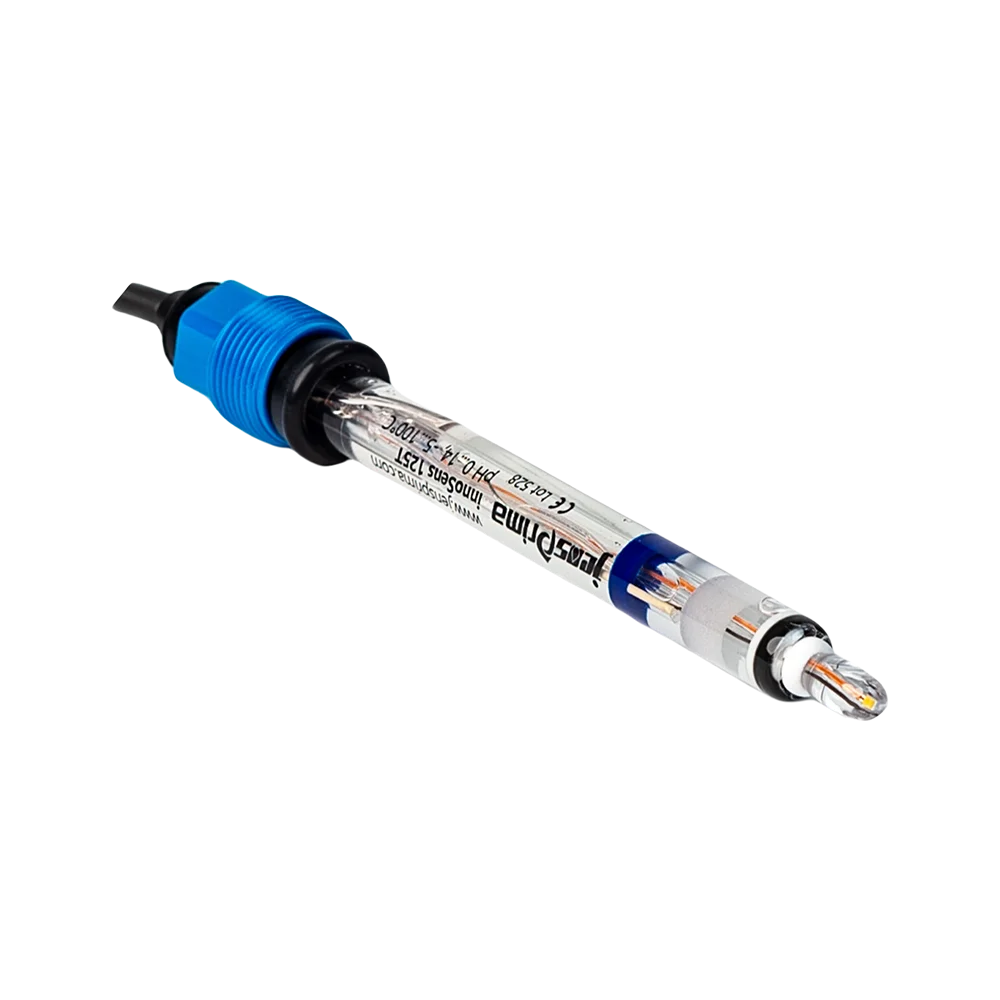
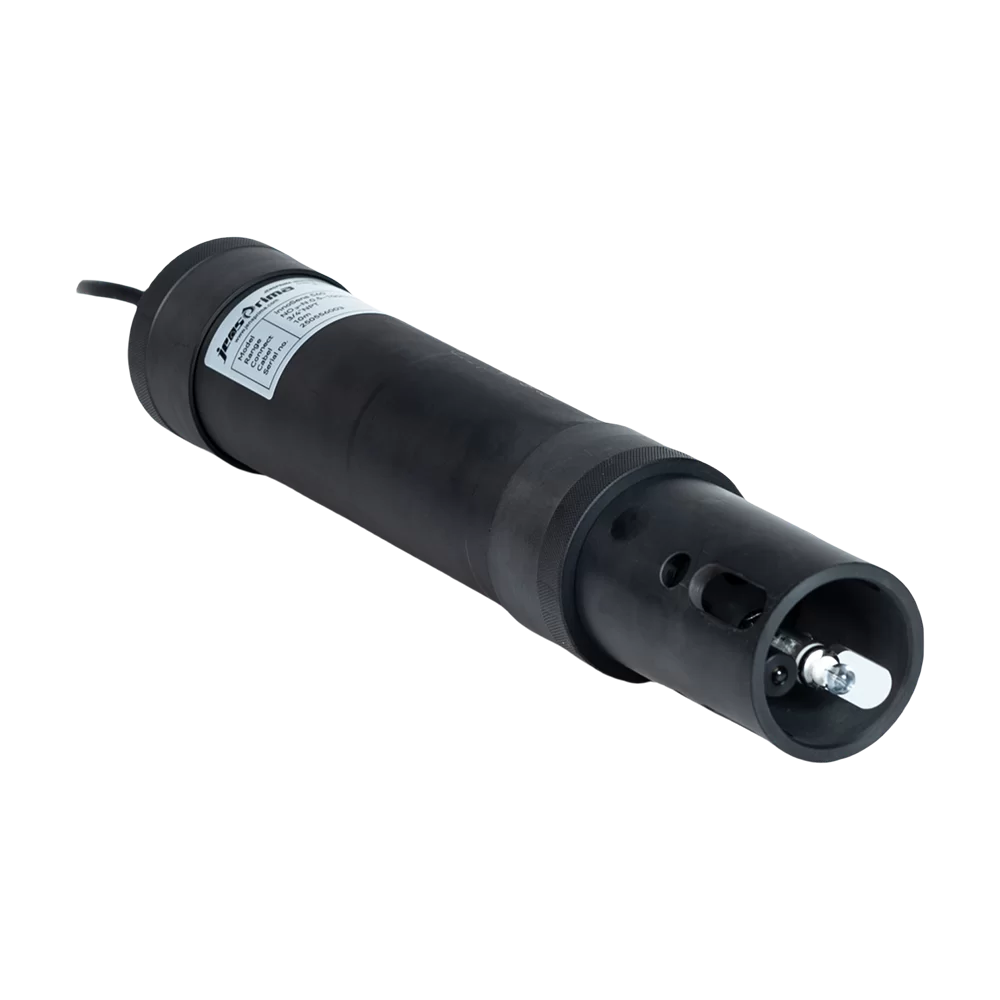
The longevity of a redox electrode depends heavily on the quality of its sensing tip. Platinum is the industry standard due to its chemical inertness and high conductivity, ensuring that the electrode facilitates electron transfer without reacting with the medium itself.
A critical factor often overlooked is the reference system. A high-performance redox electrode must feature a stable reference junction, usually employing Ag/AgCl, to prevent drift and ensure that the millivolt readings remain consistent over months of continuous immersion in aggressive chemicals.
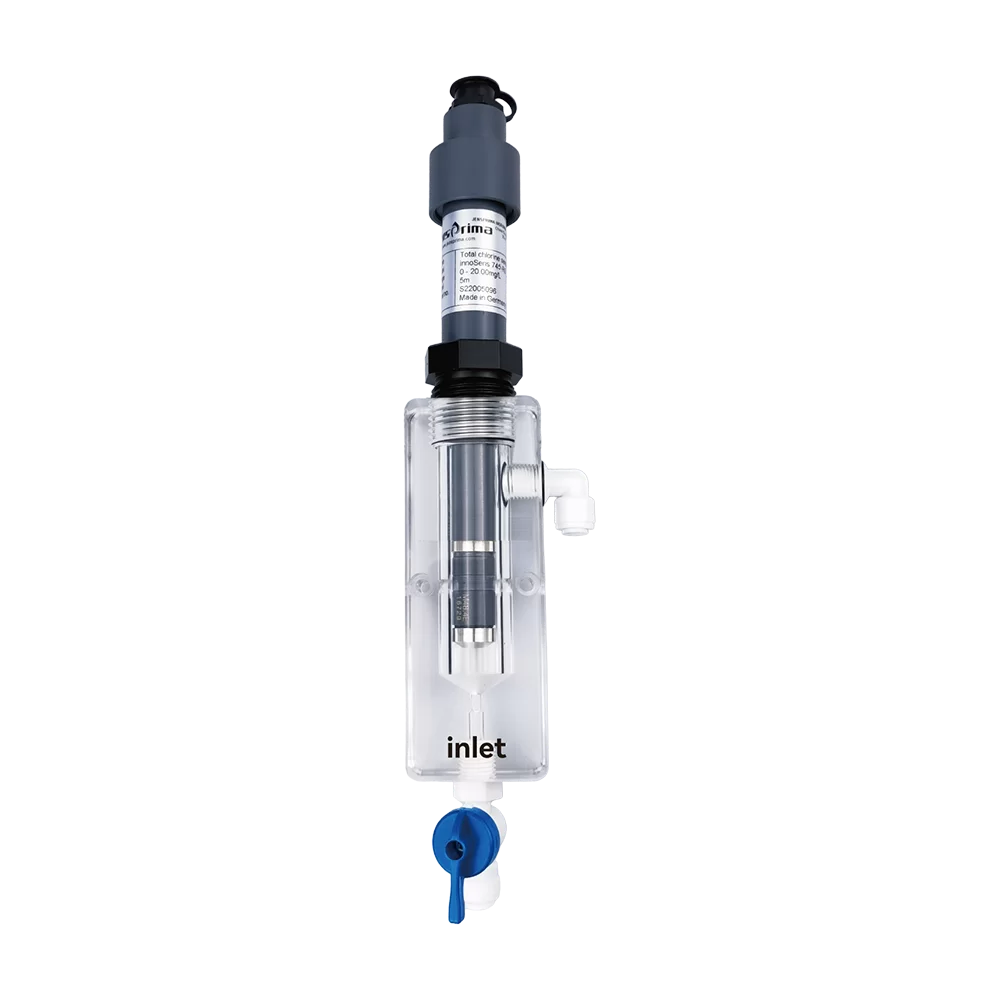
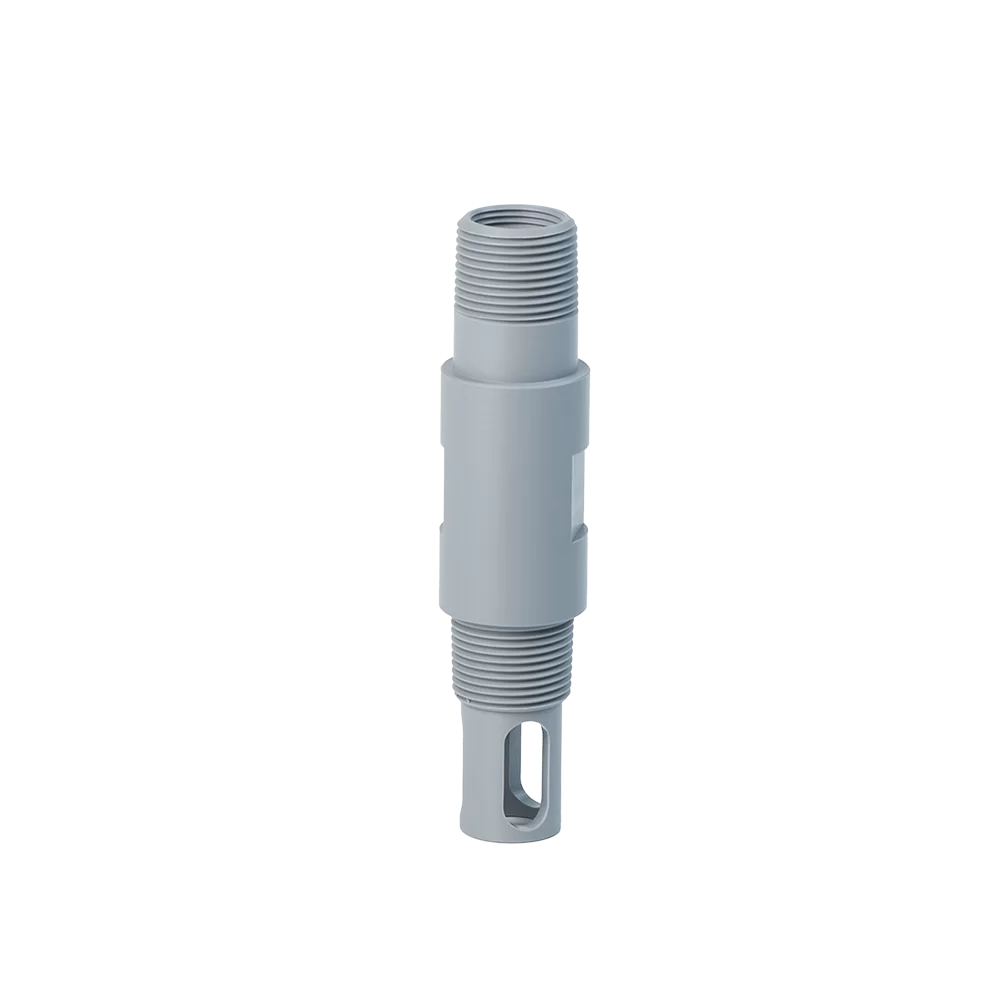
Beyond the chemistry, mechanical durability is paramount. Industrial-grade housings made of PVDF or epoxy resin protect the internal components of the redox electrode from thermal shock and mechanical impact, making them suitable for installation in high-flow piping or large open-air reservoirs.
Performance Benchmarks for ORP Sensing
Selecting the right redox electrode requires a comparison of response times and stability across various temperature ranges. In high-precision pharmaceutical applications, the speed at which the sensor reaches a stable equilibrium is critical, whereas in municipal sewage, long-term drift resistance is the priority.
The following data illustrates how different sensor configurations perform across key operational metrics, highlighting the trade-offs between cost, sensitivity, and maintenance intervals.
Efficiency Analysis of Various Redox Electrode Models
Global Industrial Applications and Use Cases
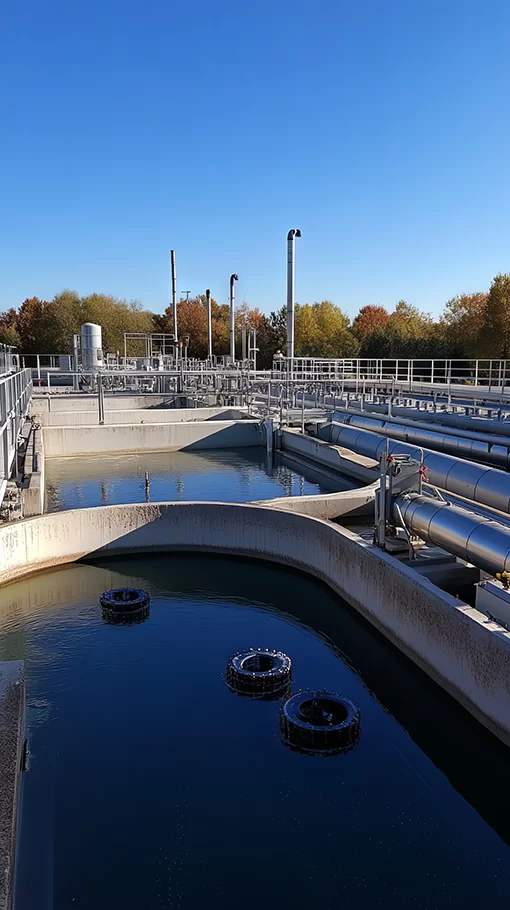
In the realm of wastewater treatment, the redox electrode is indispensable for managing the nitrification and denitrification cycles. By monitoring the ORP, operators can precisely determine when to switch from aeration to anoxic conditions, optimizing the removal of nitrogen compounds and reducing the overall energy consumption of the plant.
Beyond municipal sites, these sensors are vital in the food and beverage industry, particularly in CIP (Clean-in-Place) systems. A redox electrode ensures that oxidizing agents like peracetic acid or ozone have reached the required concentration to sterilize equipment, guaranteeing consumer safety while minimizing the chemical residue left on production lines.
Long-term Value and Sustainability Impacts
The adoption of a high-quality redox electrode transcends simple measurement; it is an investment in sustainability. By eliminating the "guessing game" of chemical dosing, companies significantly reduce the volume of chlorine and other oxidants released into the environment, protecting local aquatic ecosystems from toxic chemical runoff.
From a financial perspective, the reliability of a professional-grade redox electrode reduces operational downtime. Low-cost sensors often fail prematurely or drift wildly, leading to costly system shutdowns or, worse, the failure of disinfection protocols that could result in regulatory fines or public health crises.
Moreover, the trust established through consistent, verifiable data allows organizations to move toward "Industry 4.0" standards. When a redox electrode is paired with cloud-based monitoring, stakeholders can audit water quality in real-time from anywhere in the world, enhancing transparency and corporate responsibility.
Future Trends in Digital Redox Monitoring
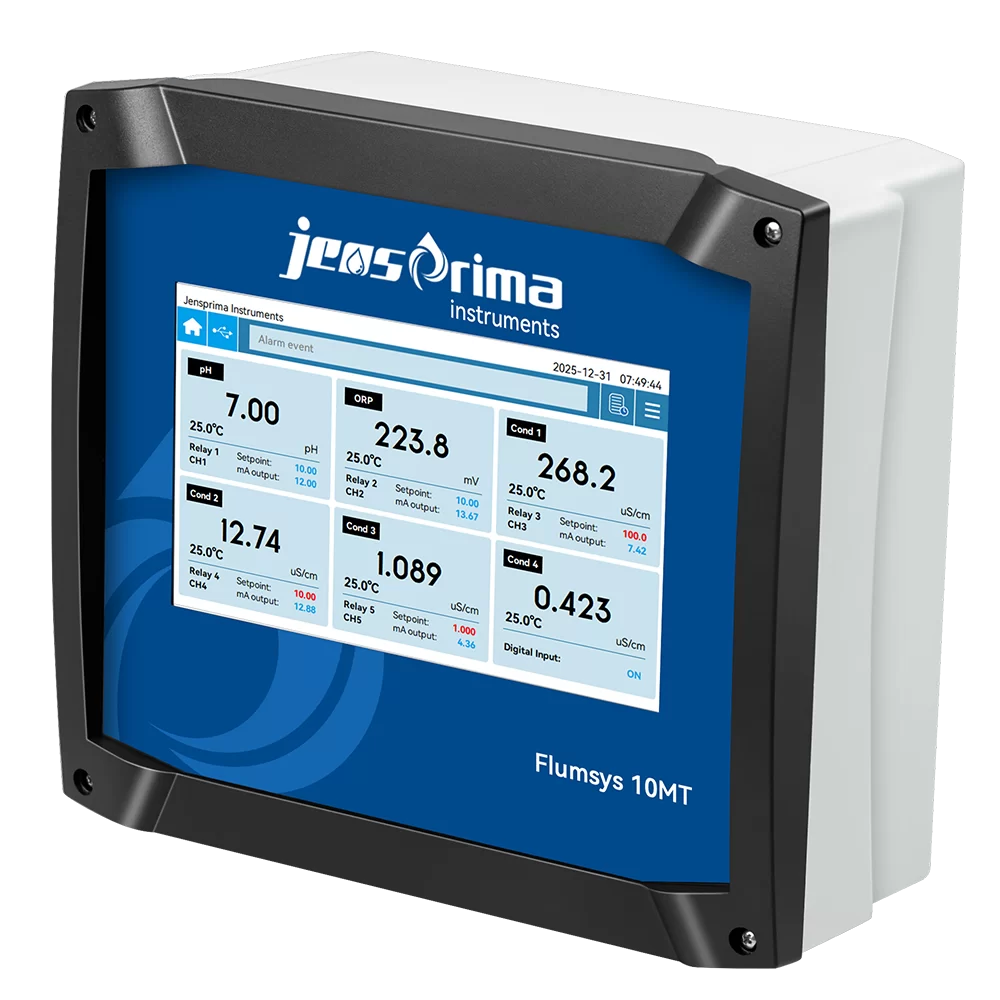
The future of the redox electrode is leaning heavily toward "smart" sensing. We are seeing a transition from analog 4-20mA signals to digital protocols like Modbus and IO-Link, which allow the sensor to communicate not only the ORP value but also its own health status, such as electrode fouling or the need for recalibration.
Material science is also evolving, with the introduction of nano-coatings that prevent bio-fouling on the platinum surface of the redox electrode. These innovations are particularly critical in remote industrial zones or wastewater plants where manual cleaning is labor-intensive and infrequent.
As AI-driven process control becomes the norm, the redox electrode will provide the high-fidelity data required for predictive maintenance algorithms. Instead of reacting to a chemical drop, the system will predict potential imbalances based on historical trends and preemptively adjust dosing.
Comparison of Redox Electrode Specifications by Application
| Application Type |
Electrode Material |
Expected Lifespan |
Maintenance Level |
| Municipal Water |
Platinum / PVDF |
12-24 Months |
Low |
| Industrial Waste |
Platinum / Epoxy |
6-12 Months |
High |
| Aquaculture |
Gold / Plastic |
18-30 Months |
Medium |
| Pharmaceutical |
Platinum / PEEK |
12 Months |
Very High |
| Cooling Towers |
Platinum / PVDF |
12-18 Months |
Medium |
| Lab Research |
Platinum / Glass |
24-36 Months |
Low |
FAQS
While both are electrochemical sensors, a pH electrode specifically measures the activity of hydrogen ions to determine acidity or alkalinity. In contrast, a redox electrode measures the oxidation-reduction potential (ORP), which reflects the overall ability of the water to oxidize or reduce other substances. ORP is often used to determine the effectiveness of disinfectants, whereas pH is used to maintain the chemical stability of the water.
Calibration frequency depends on the water quality. In clean water, once every 3-6 months may suffice. However, in wastewater or high-chemical environments, monthly checks using standard ORP solution are recommended. If you notice a drift in readings or a sluggish response time, immediate calibration or cleaning of the platinum tip is necessary to ensure data accuracy.
Most redox electrodes can be cleaned. Platinum tips often accumulate a biofilm or mineral scale. Using a soft brush or a mild acidic cleaning solution can restore performance. However, if the reference junction is contaminated or the internal electrolyte has leaked, the sensor will experience permanent drift and must be replaced to maintain system reliability.
Rapid fluctuations are usually caused by electrical interference (ground loops) or air bubbles trapped on the sensor surface. Ensure the redox electrode is properly shielded and installed in a position where air cannot accumulate. If the problem persists, check for "stray currents" in the water, which can confuse the millivolt readings of the sensor.
For aggressive environments, a platinum sensing tip combined with a PVDF or PEEK body is ideal. PVDF offers excellent resistance to most acids and bases, while PEEK provides superior mechanical strength and thermal stability. Avoid using glass-bodied electrodes in industrial settings where mechanical impact is possible.
Signs of failure include an "unresponsive" reading (the value doesn't change when chemicals are added), extreme drift where the value moves constantly in one direction, or readings that are physically impossible for the known chemistry of the water. A simple test is to place the sensor in a known ORP standard solution; if it fails to read within ±20mV, it is likely end-of-life.
Conclusion
The redox electrode is far more than a simple measurement tool; it is the primary safeguard for water quality and industrial efficiency. By providing precise, real-time data on the oxidative state of a solution, these sensors enable the transition from manual, reactive chemical dosing to automated, proactive management. From ensuring the safety of drinking water to optimizing the nitrogen cycle in wastewater treatment, the impact of reliable ORP sensing is felt across global health and environmental sectors.
As we move toward a future defined by digital transformation and sustainable industry, the role of the redox electrode will only grow in importance. Investing in high-quality, durable sensing technology not only reduces long-term operational costs but also aligns industrial practices with global ecological standards. To explore our full range of professional water analysis solutions, visit our website: www.jensprima.com.


 Download
 Video Center
 Technical Services
 FAQS
FAQS Service Network
 Privacy Policy
 Contact Us