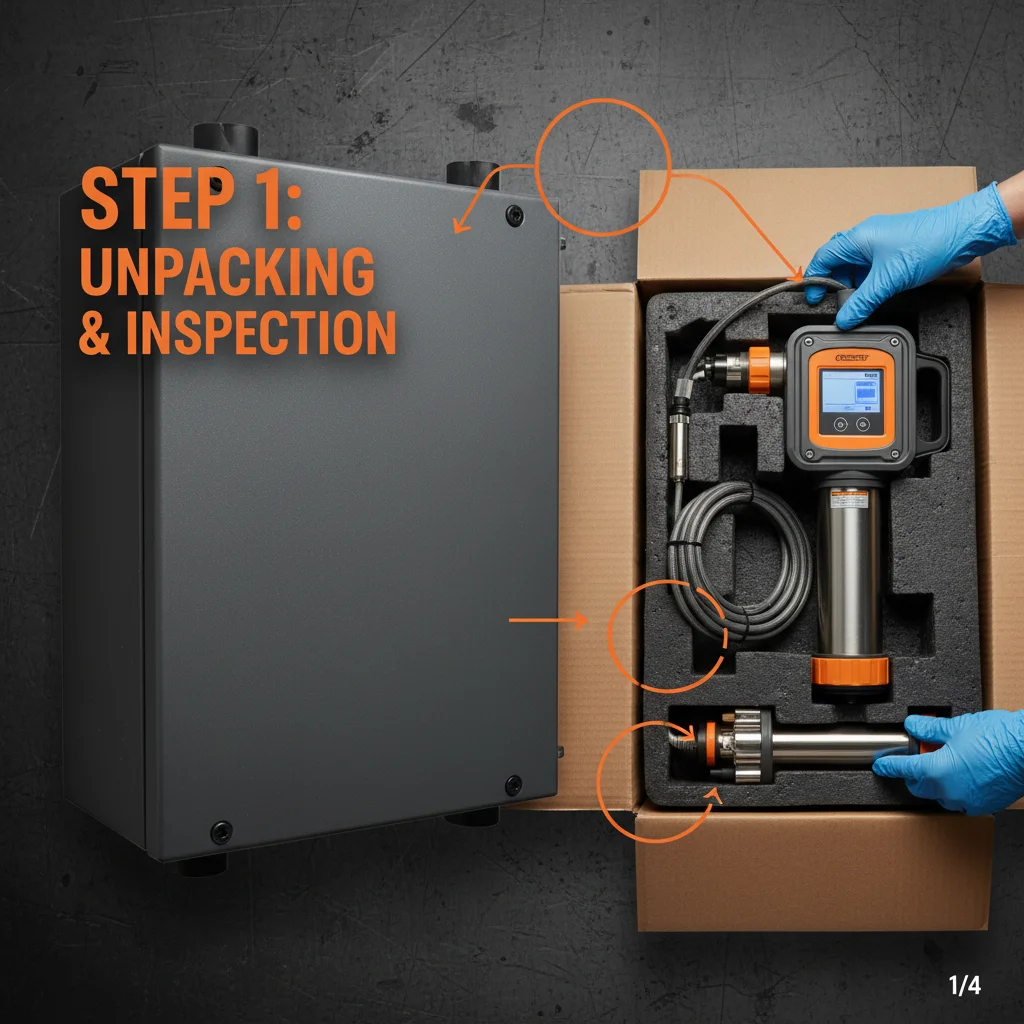
Maintaining precise acidity and alkalinity levels is a cornerstone of modern industrial water treatment and environmental monitoring. A high-performance ph controller serves as the central intelligence of this process, ensuring that chemical reactions remain stable and sensitive biological organisms in wastewater treatment plants are protected from lethal pH swings.
Globally, the demand for automated pH regulation has surged as environmental regulations become more stringent. Whether it is managing the discharge of industrial effluents or optimizing the growth medium in biotechnology, the ability to monitor and adjust pH in real-time is no longer a luxury but a regulatory necessity to prevent ecological degradation and infrastructure corrosion.
By integrating advanced sensors with precise dosing pumps, a modern ph controller minimizes human error, reduces chemical waste, and ensures that water quality meets ISO and local environmental standards. Understanding the nuances of these systems allows operators to maximize efficiency while safeguarding the surrounding environment.
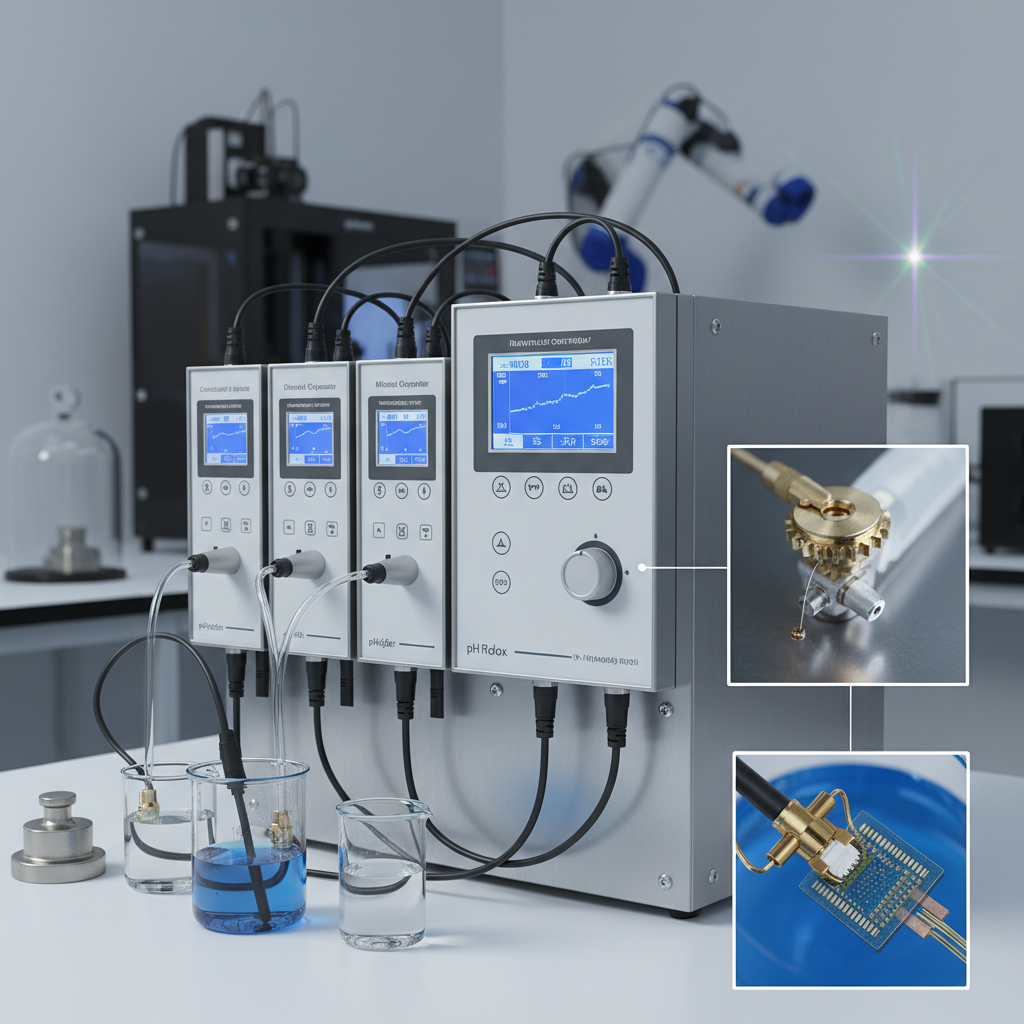
Global Relevance of pH Control Systems
On a global scale, the management of water chemistry is critical for public health and industrial viability. According to reports aligned with UN Sustainable Development Goals, contaminated water sources often suffer from extreme pH imbalances caused by mining runoff or untreated factory waste. A robust ph controller provides the first line of defense, neutralizing harmful acids or bases before they enter local watersheds.
In the context of the global manufacturing industry, pH instability can lead to catastrophic equipment failure. Acidic water corrodes stainless steel piping and concrete tanks, while overly alkaline water causes scaling and blockage. By deploying automated controllers, companies can extend the lifespan of their assets and ensure compliance with strict international discharge permits.
Defining the Modern pH Controller
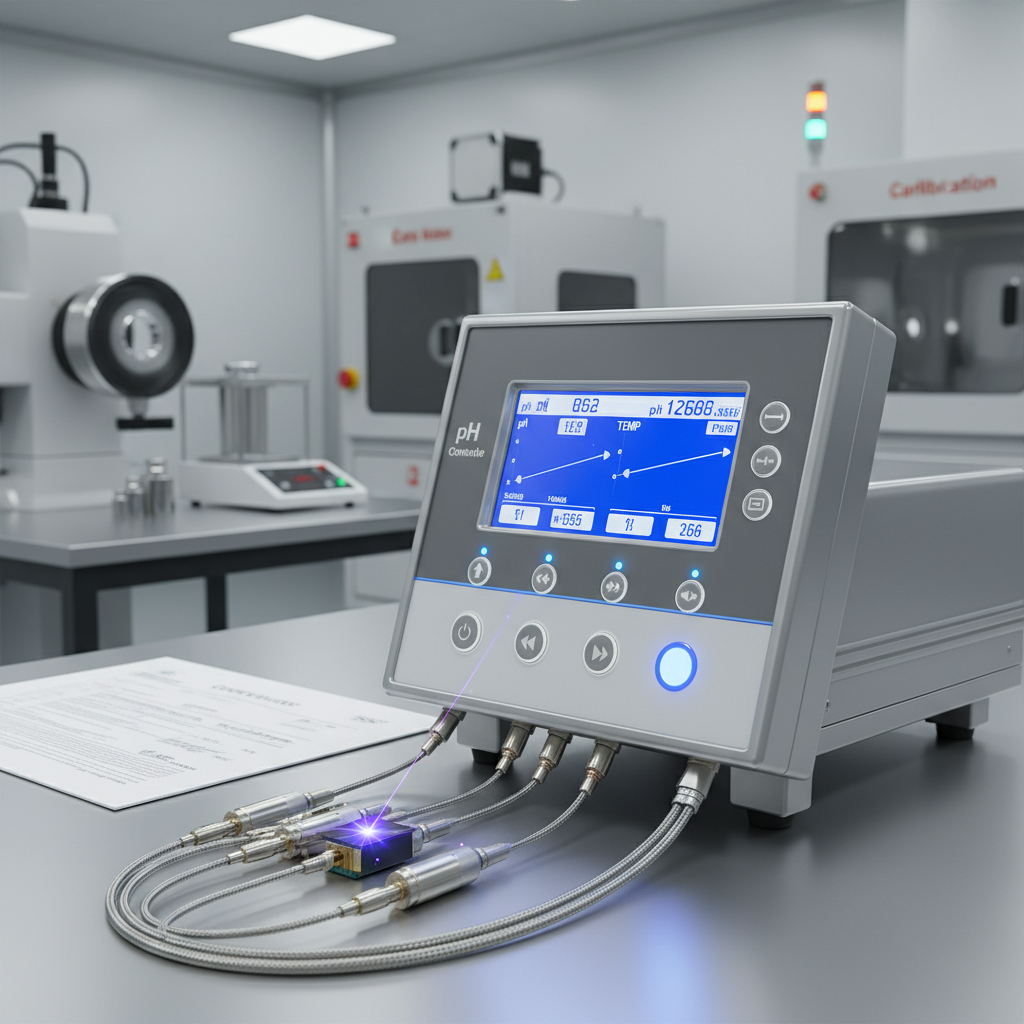
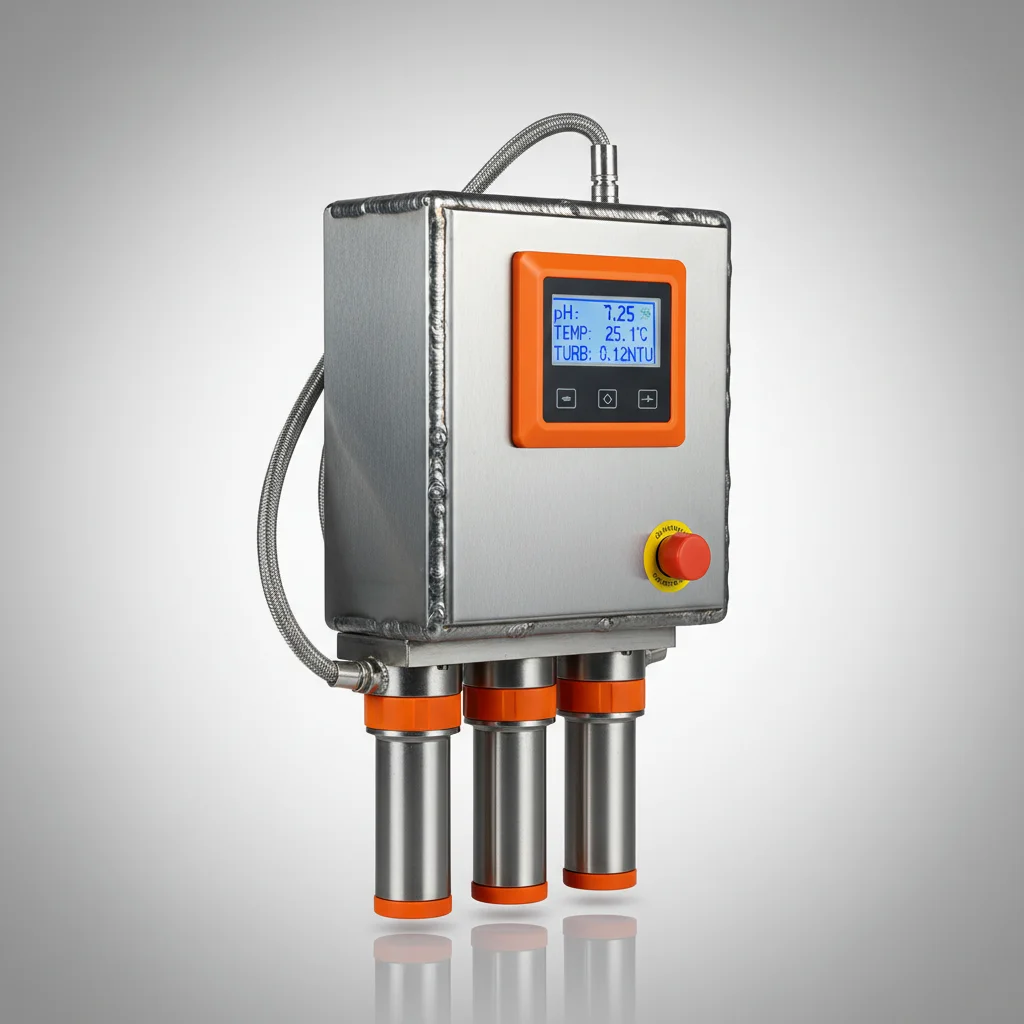
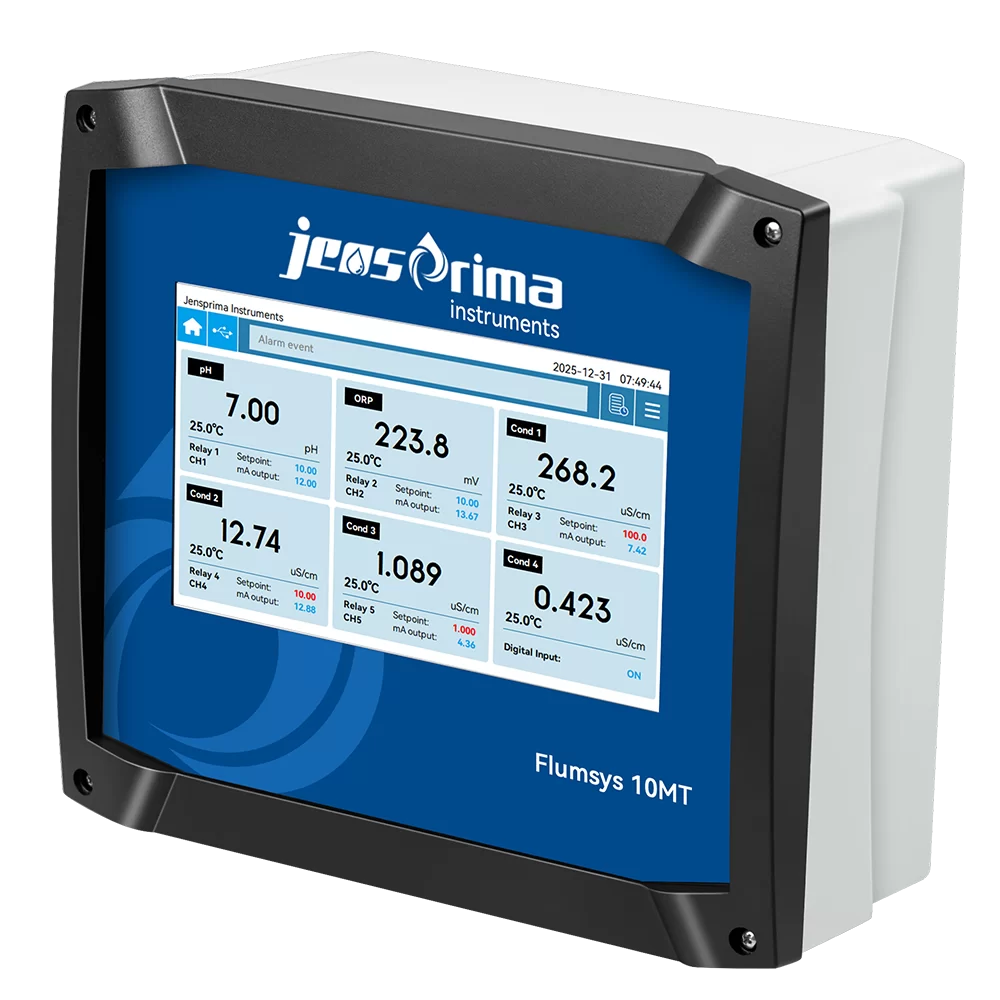
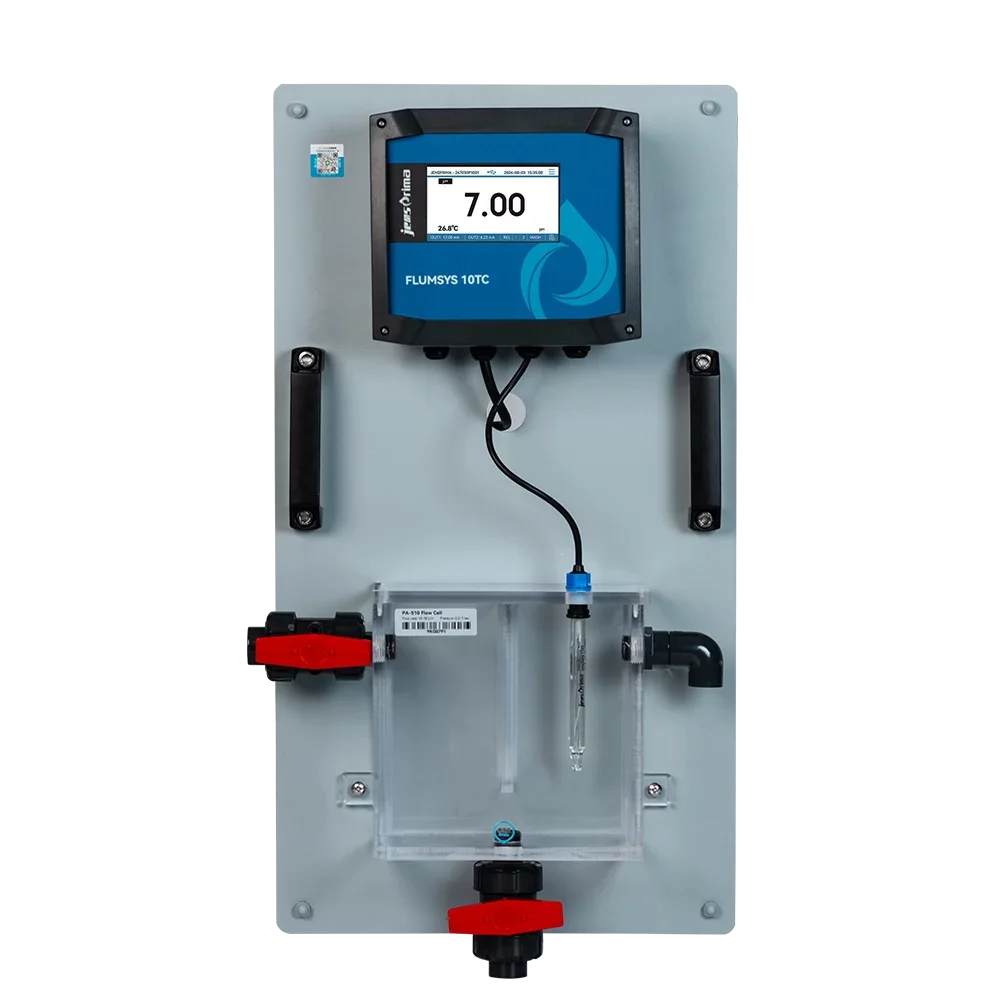
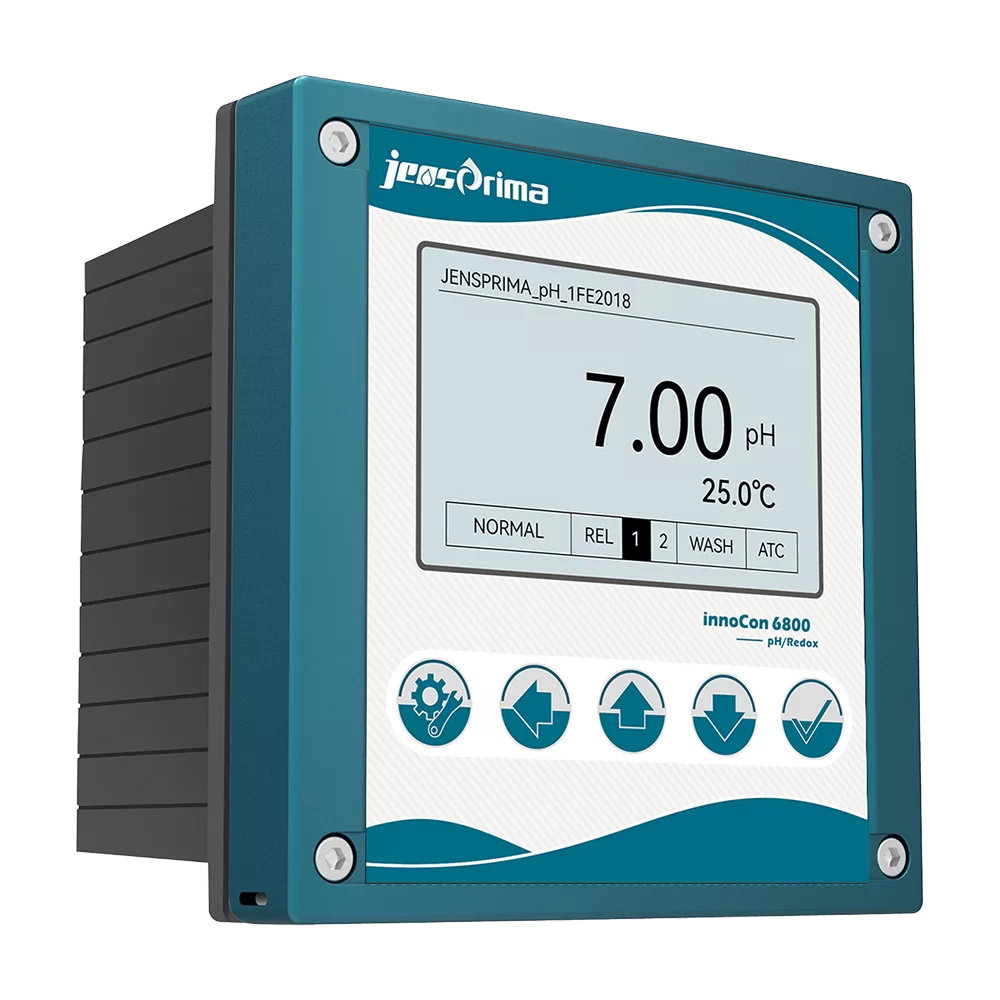
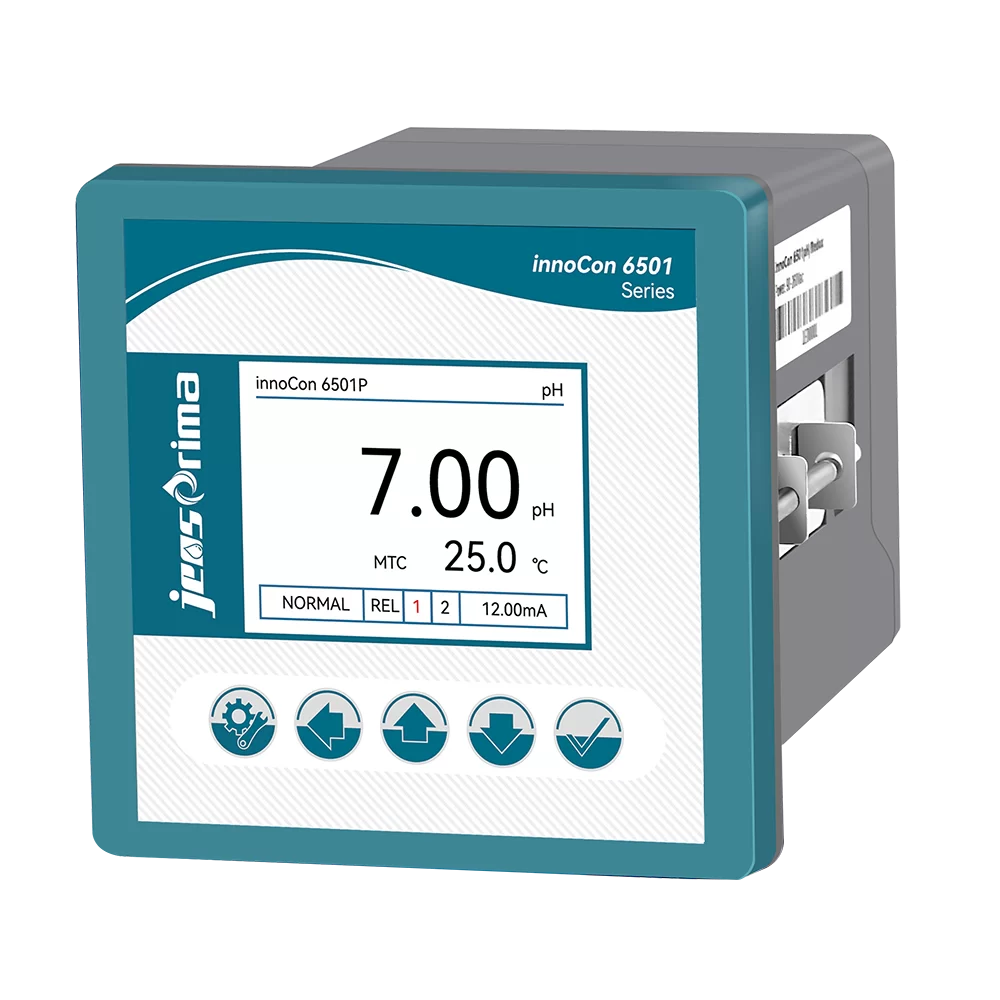
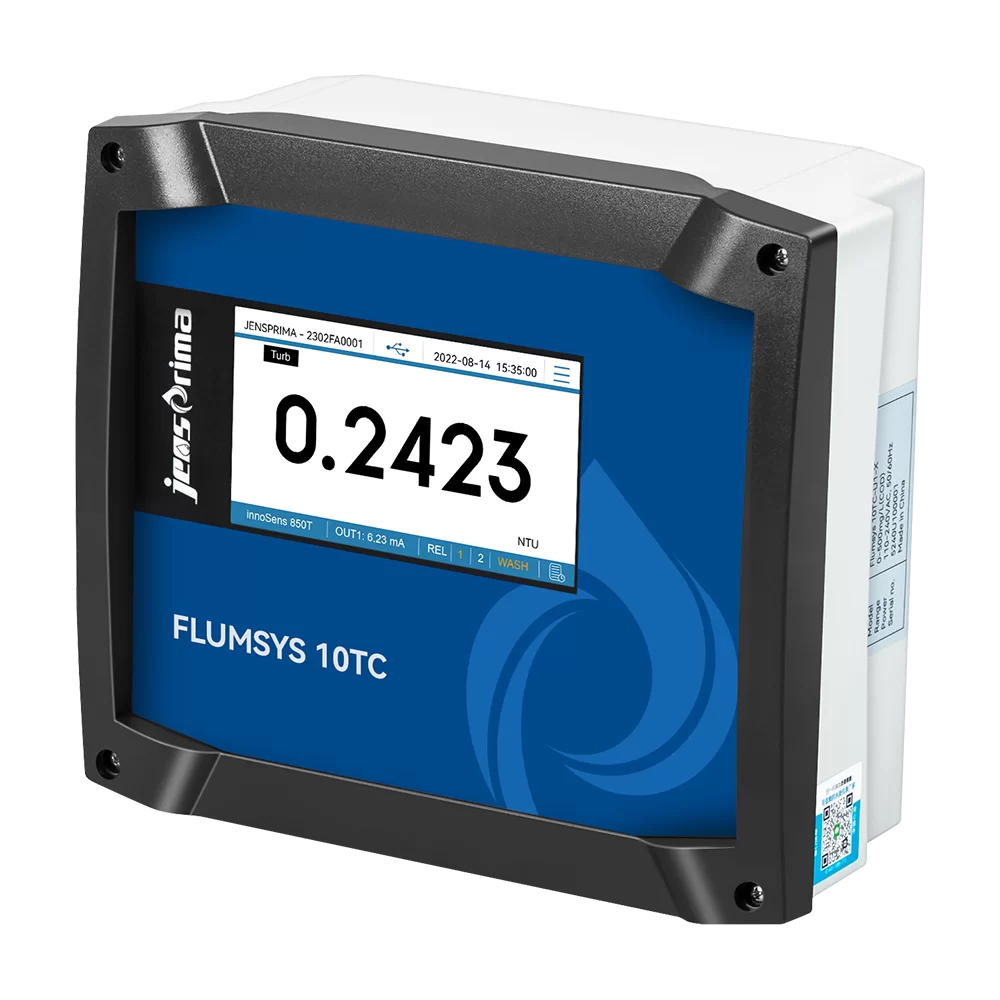
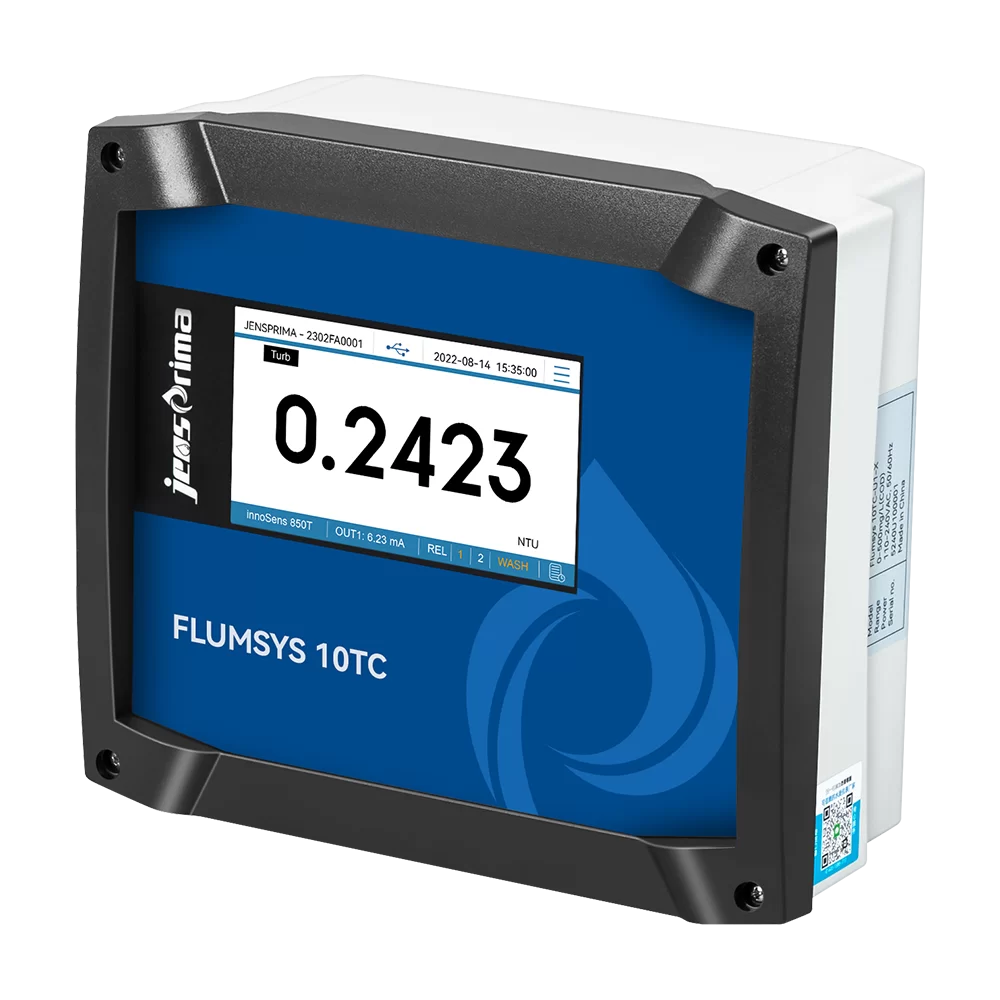
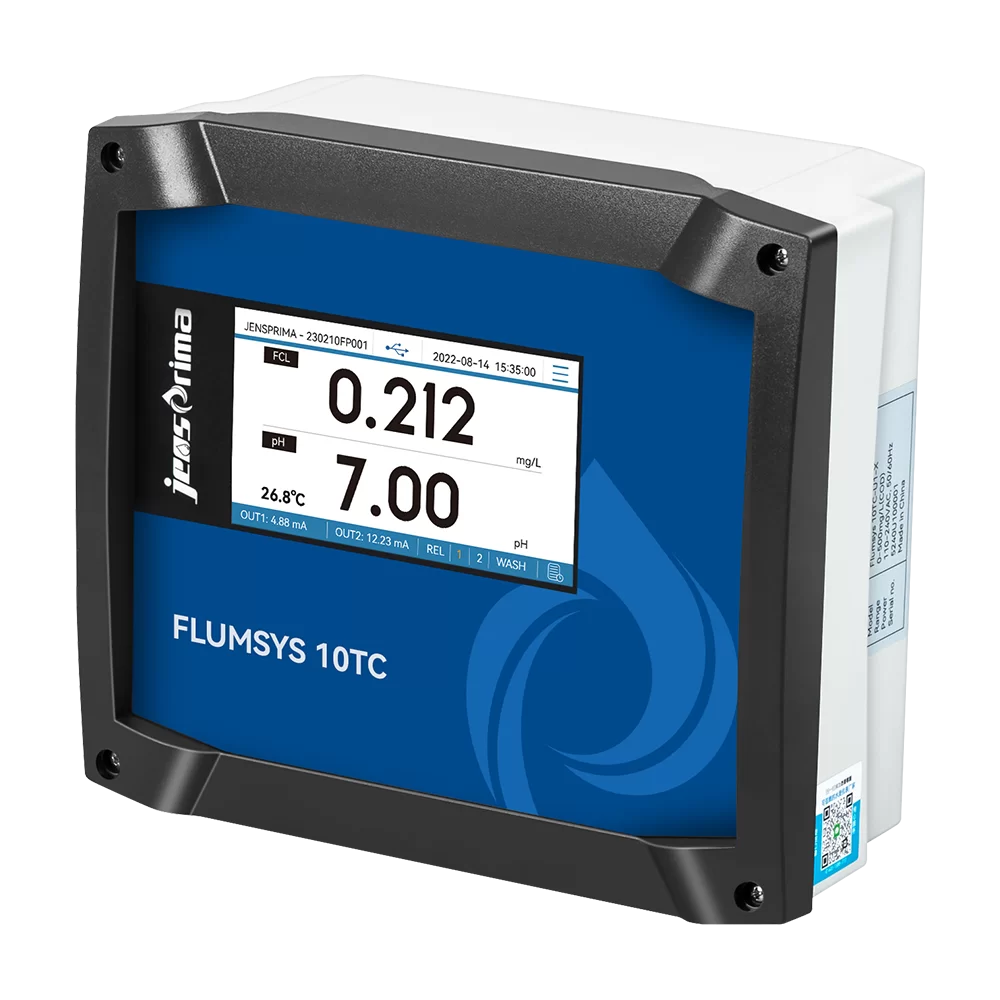
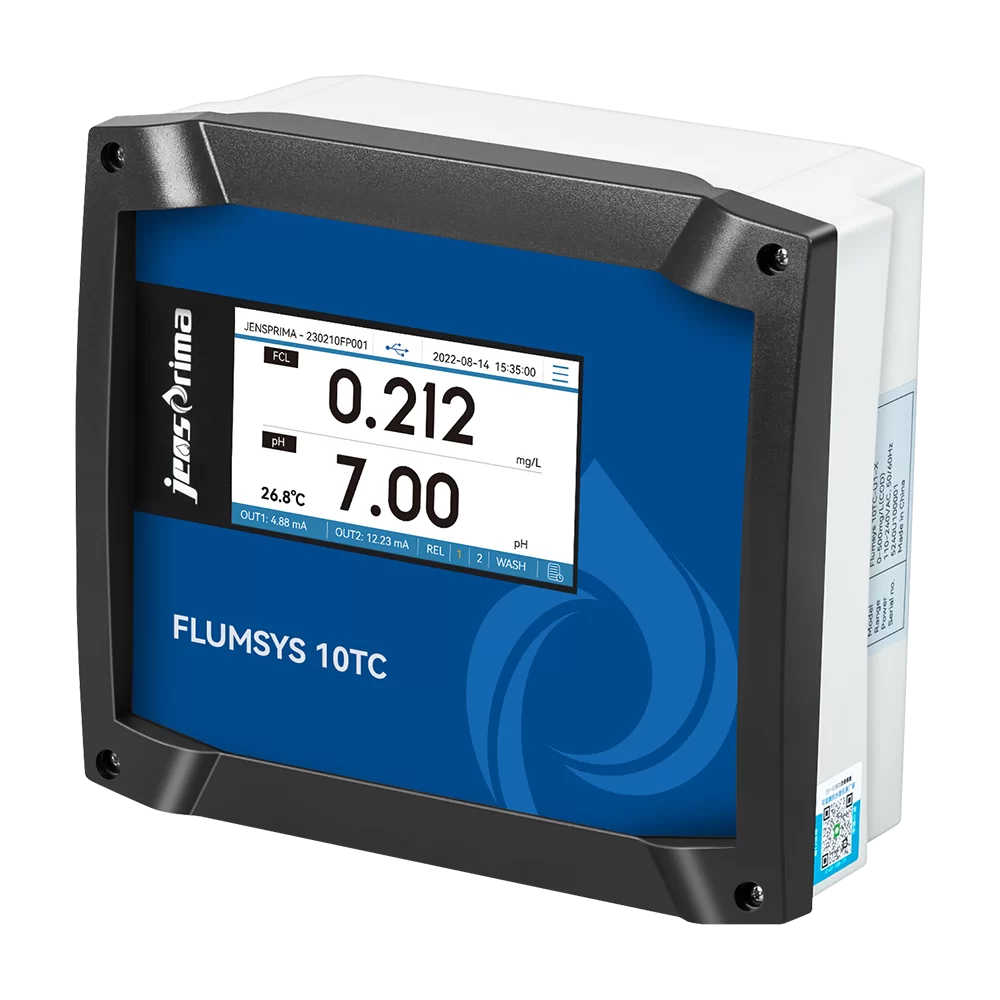
At its simplest, a ph controller is an electronic device that monitors the hydrogen-ion activity in a liquid and takes corrective action to maintain a specific set-point. It acts as the "brain" of the water treatment loop, receiving signals from a pH probe and sending commands to dosing pumps to add acid or alkali as needed.
Beyond simple measurement, modern controllers incorporate PID (Proportional-Integral-Derivative) algorithms. This means they don't just turn on and off; they calculate the exact amount of reagent required to reach the target pH without "overshooting," which is critical in processes where extreme pH shifts could ruin a product batch or kill biological filters.
In the humanitarian and environmental sector, these devices are essential for treating drinking water in remote areas. By ensuring the pH is balanced, these systems prevent lead and copper from leaching out of old pipes into the water supply, directly impacting the safety and dignity of the populations served.
Core Components for Maximum Precision
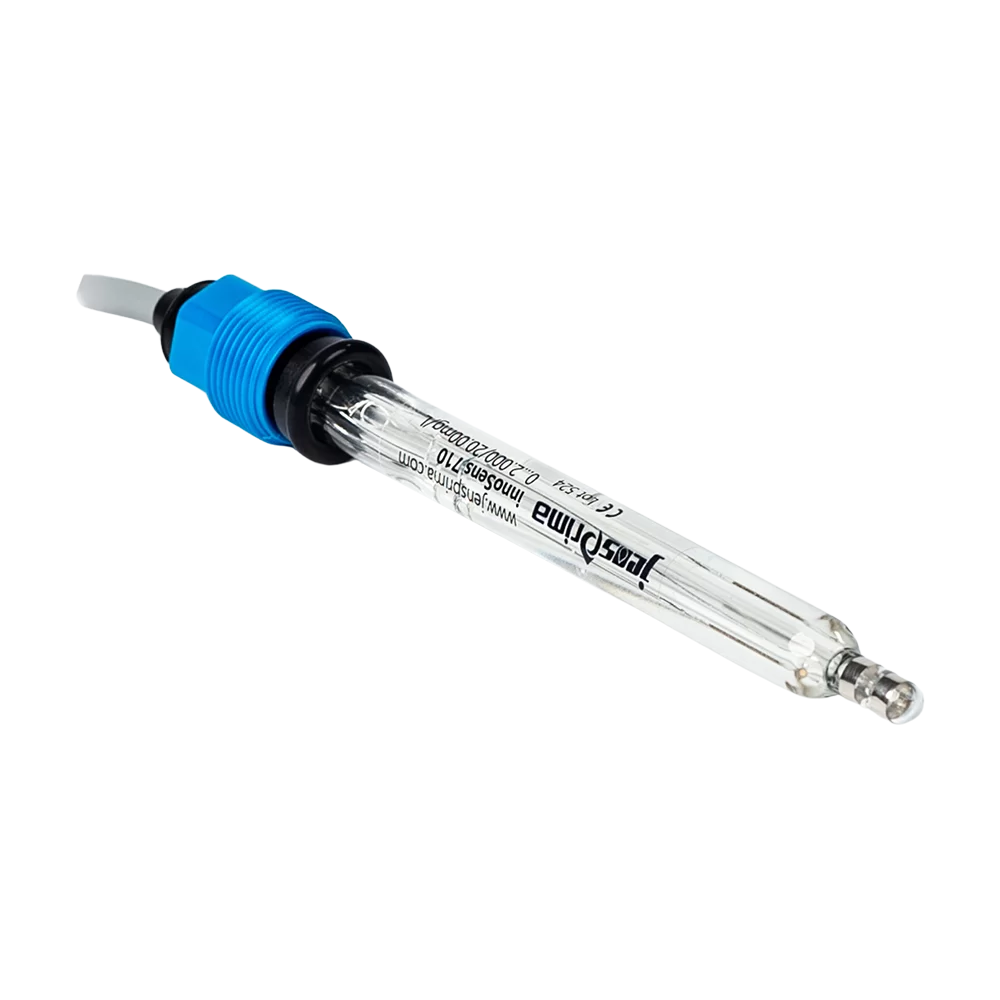
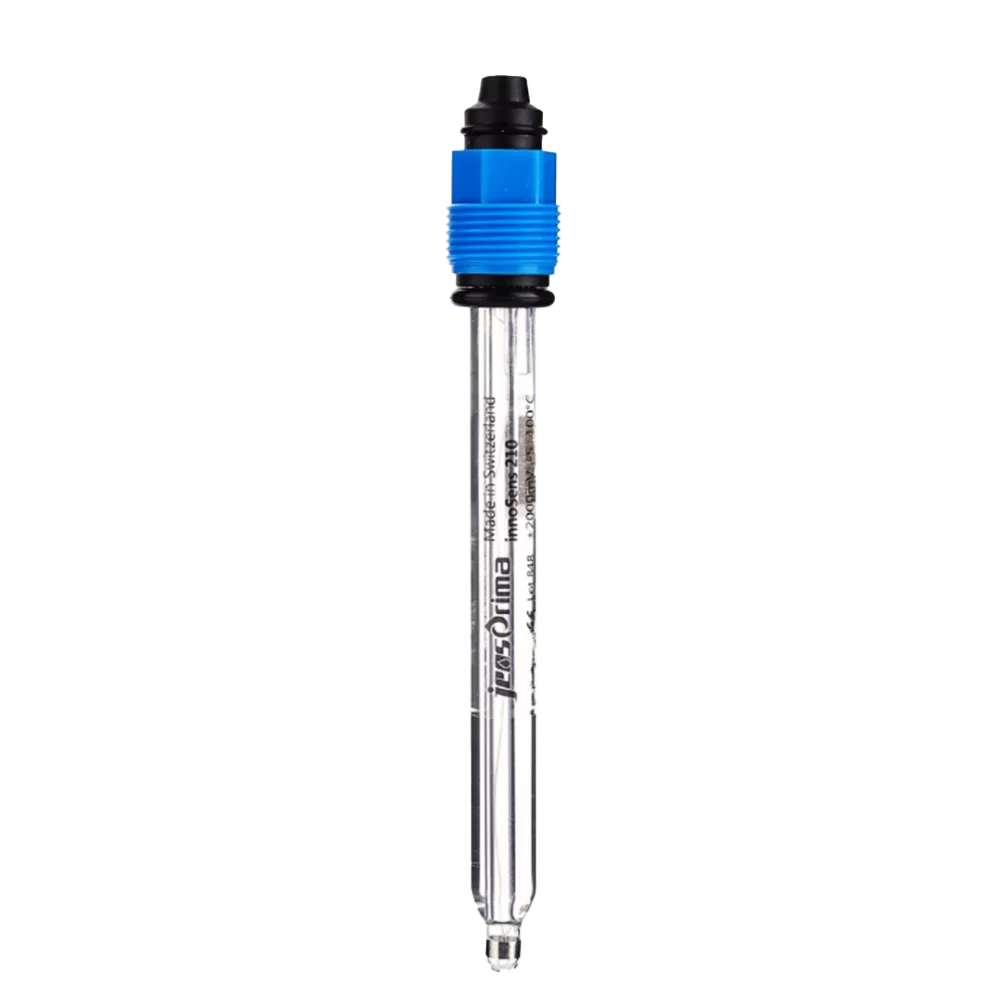
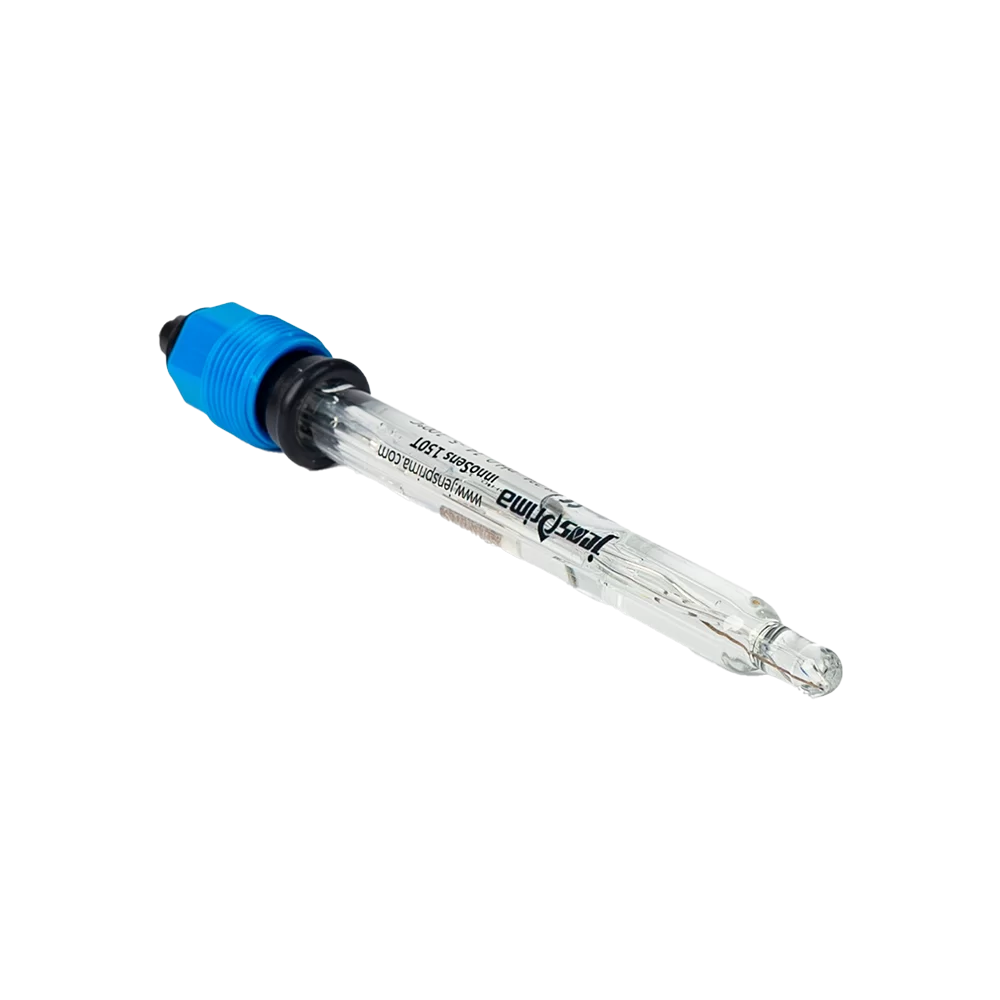
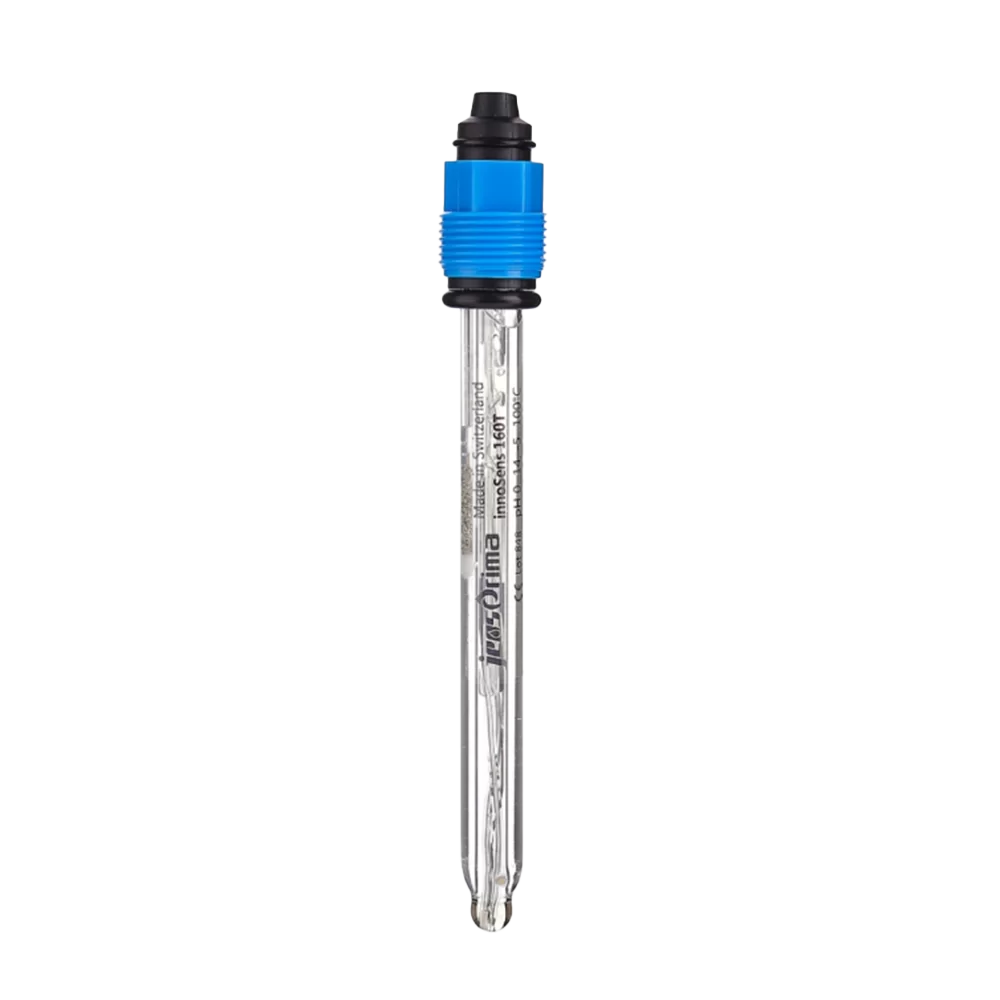
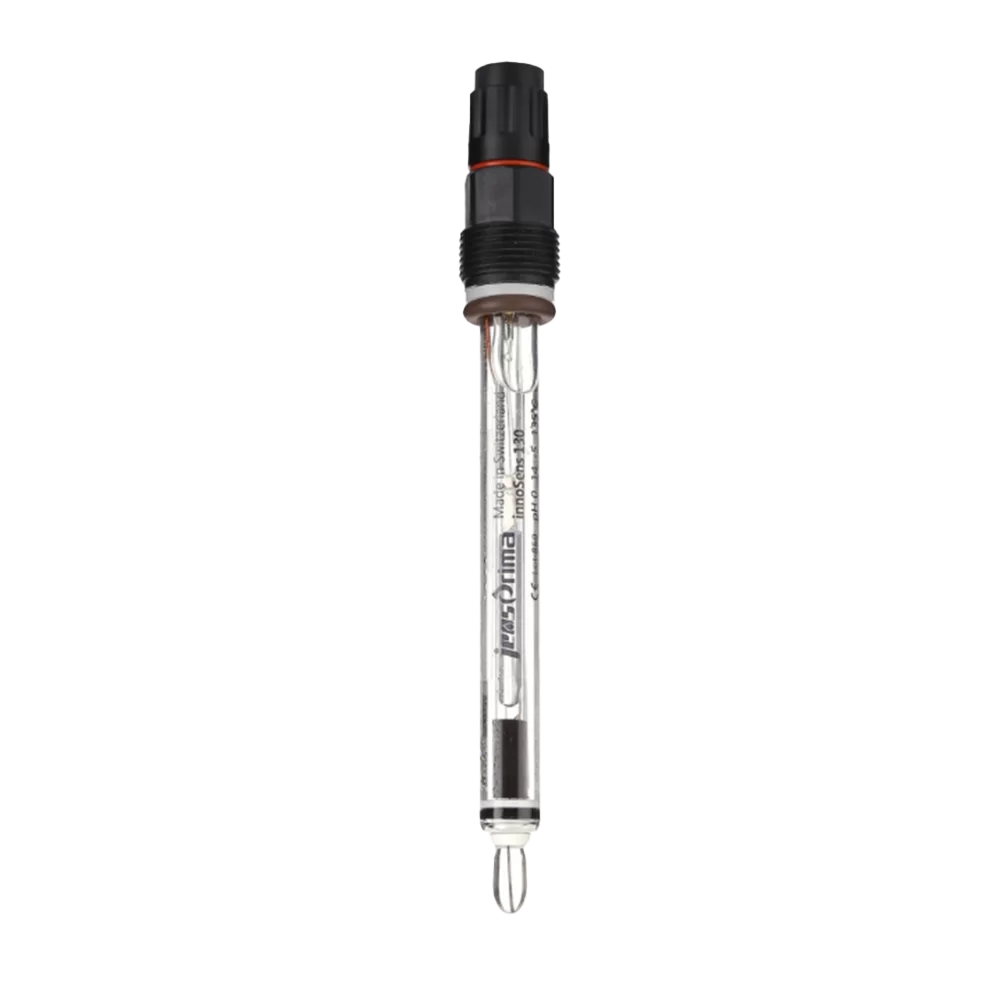
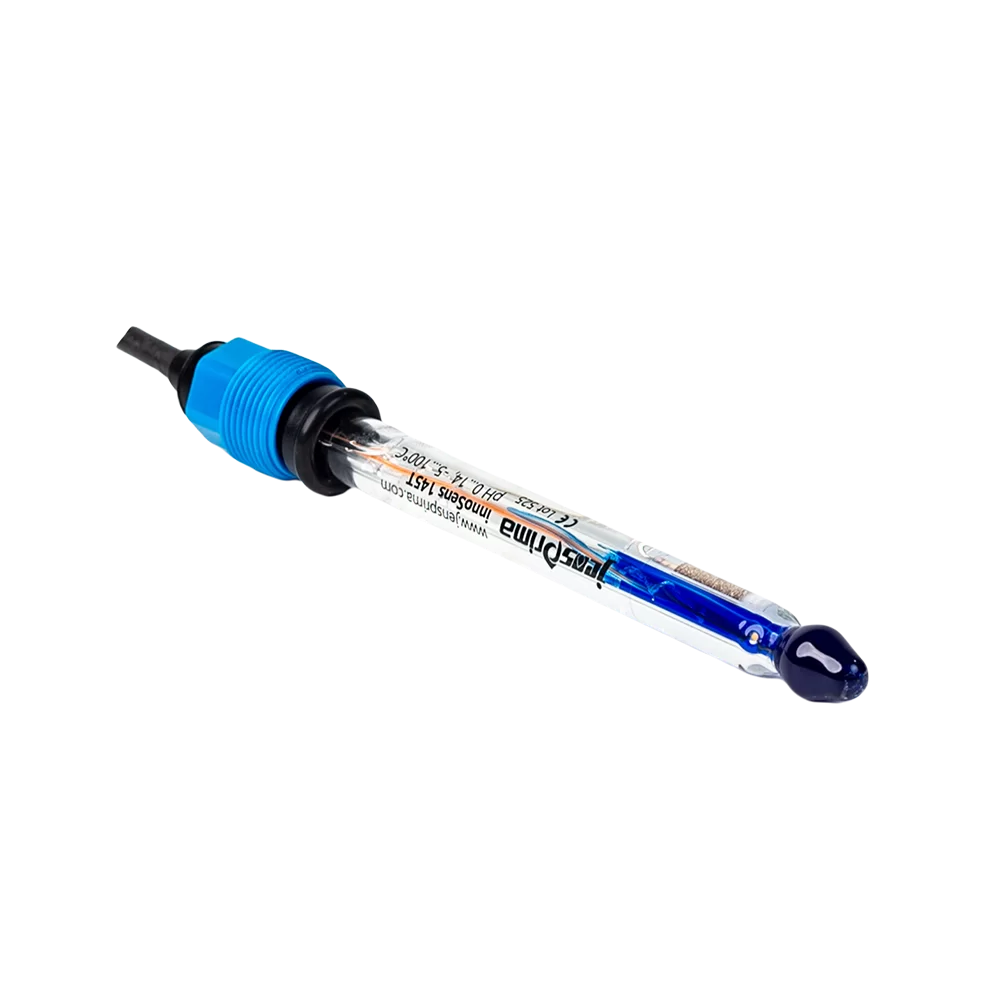
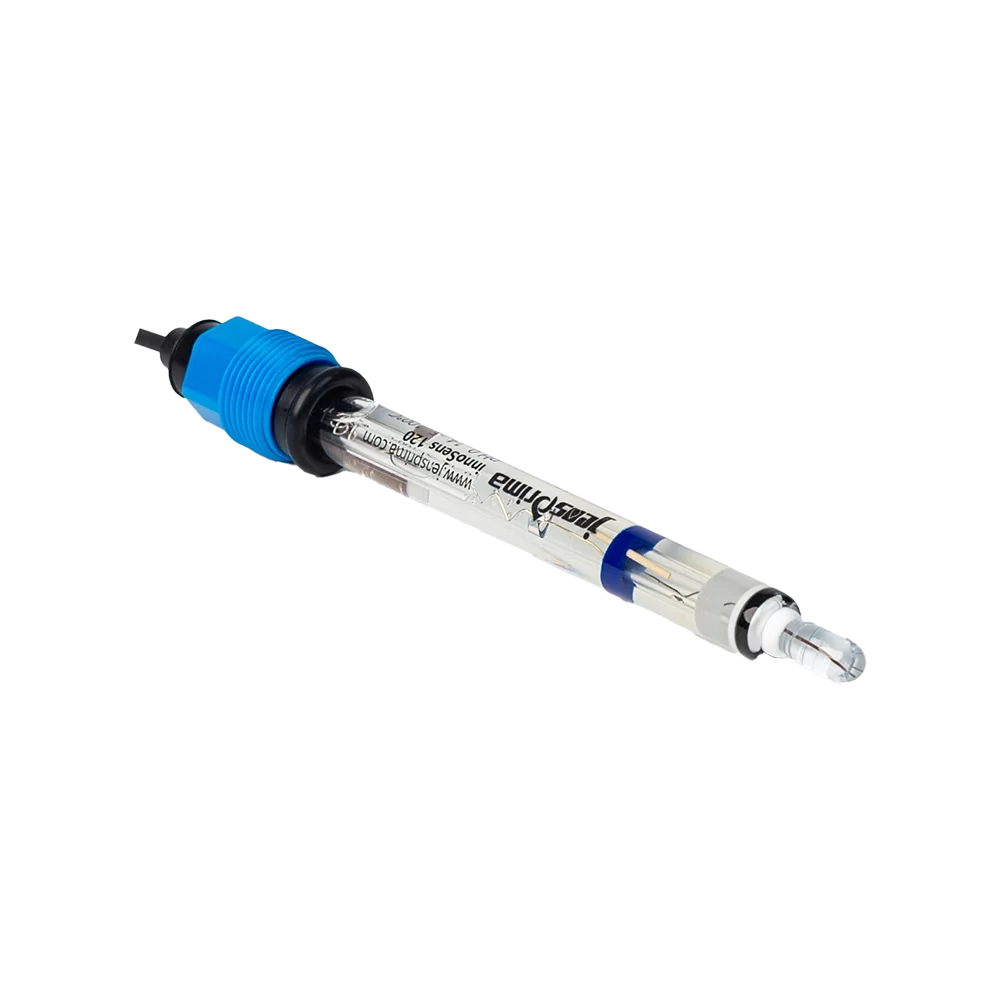
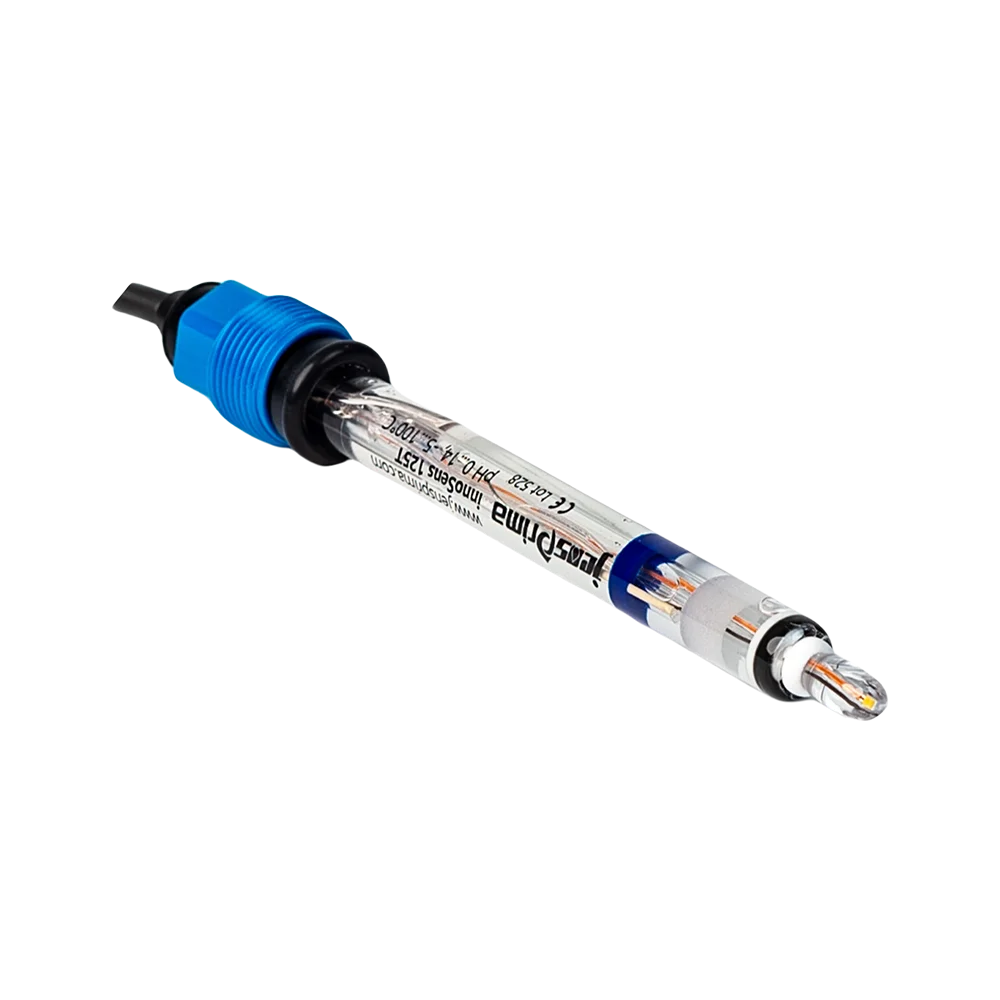
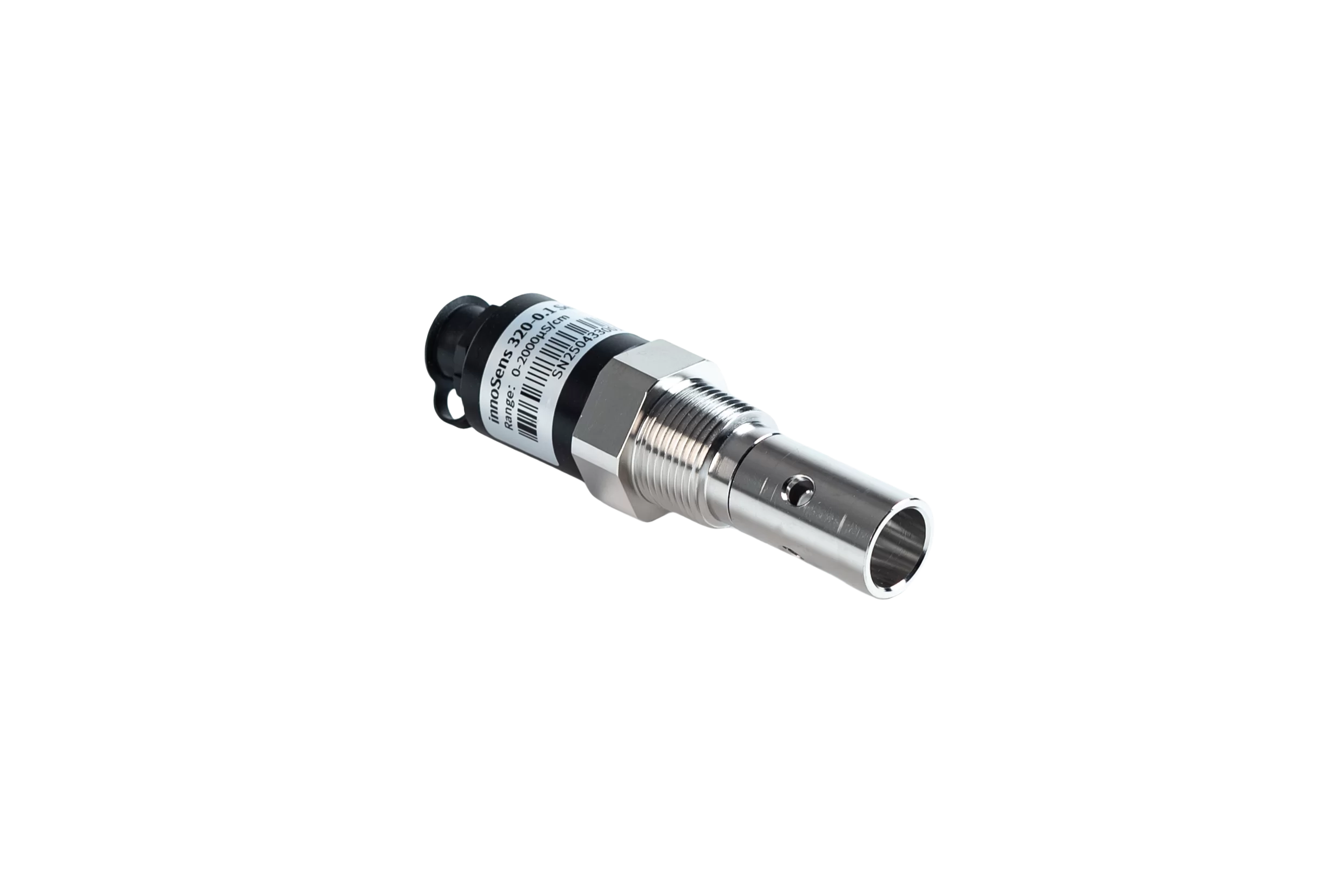
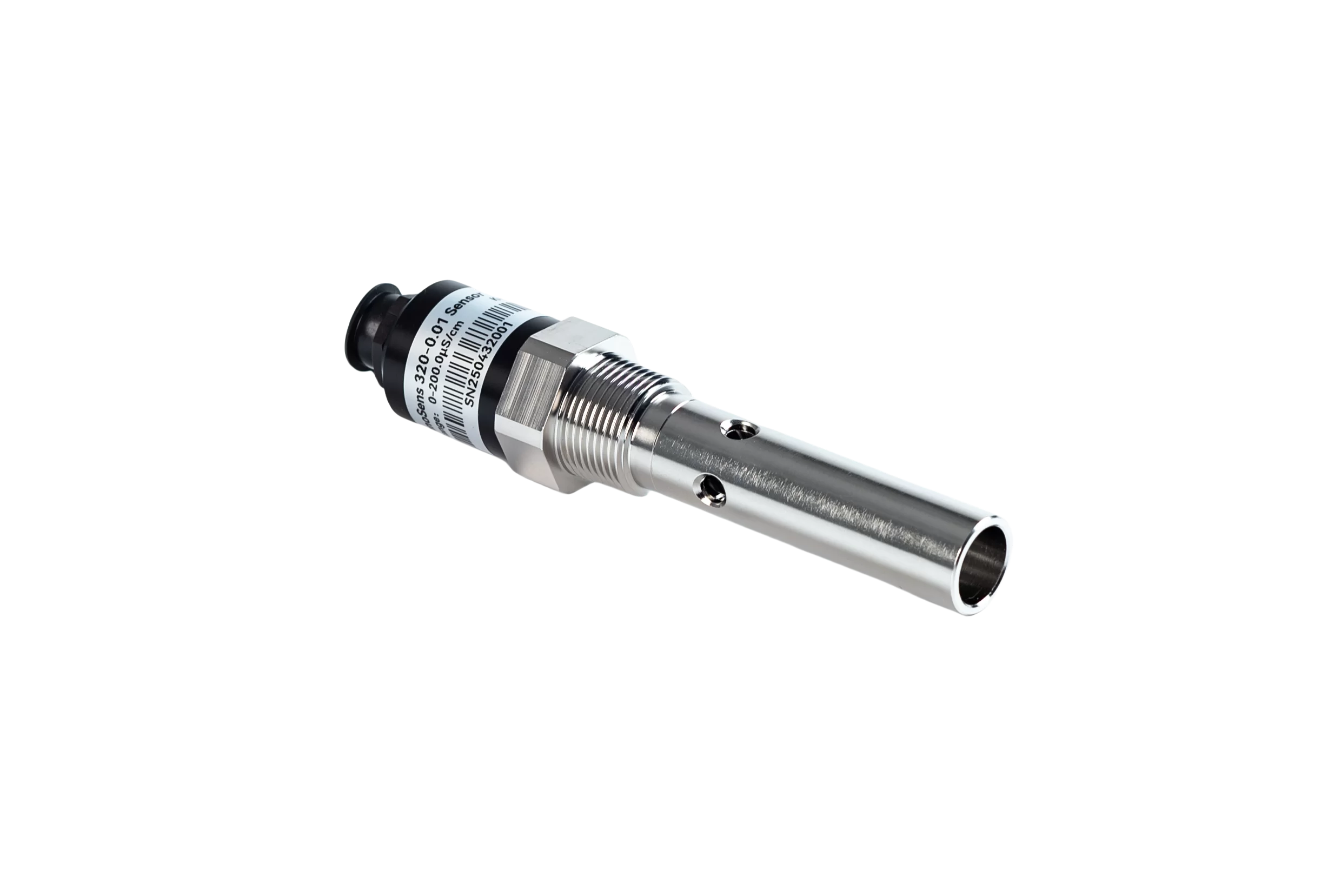
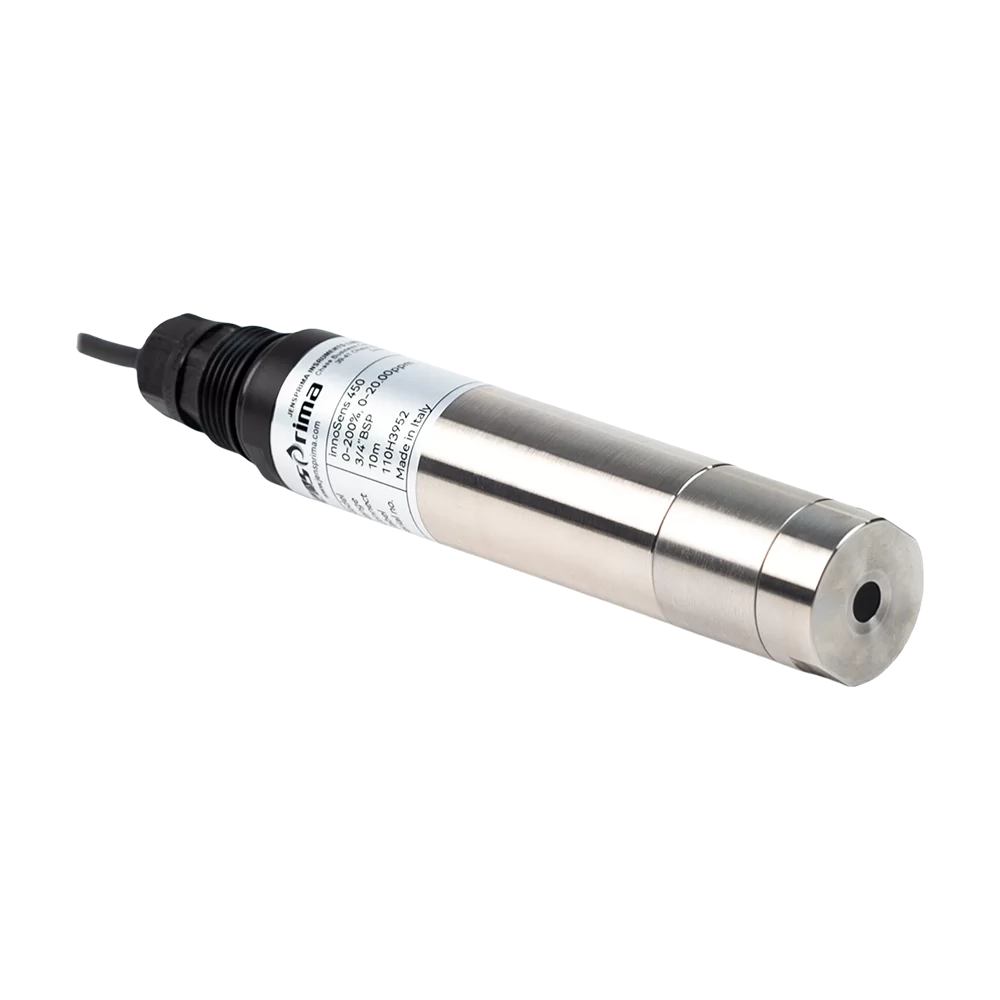
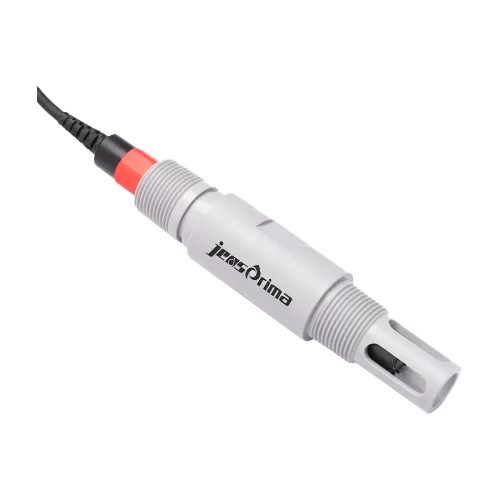
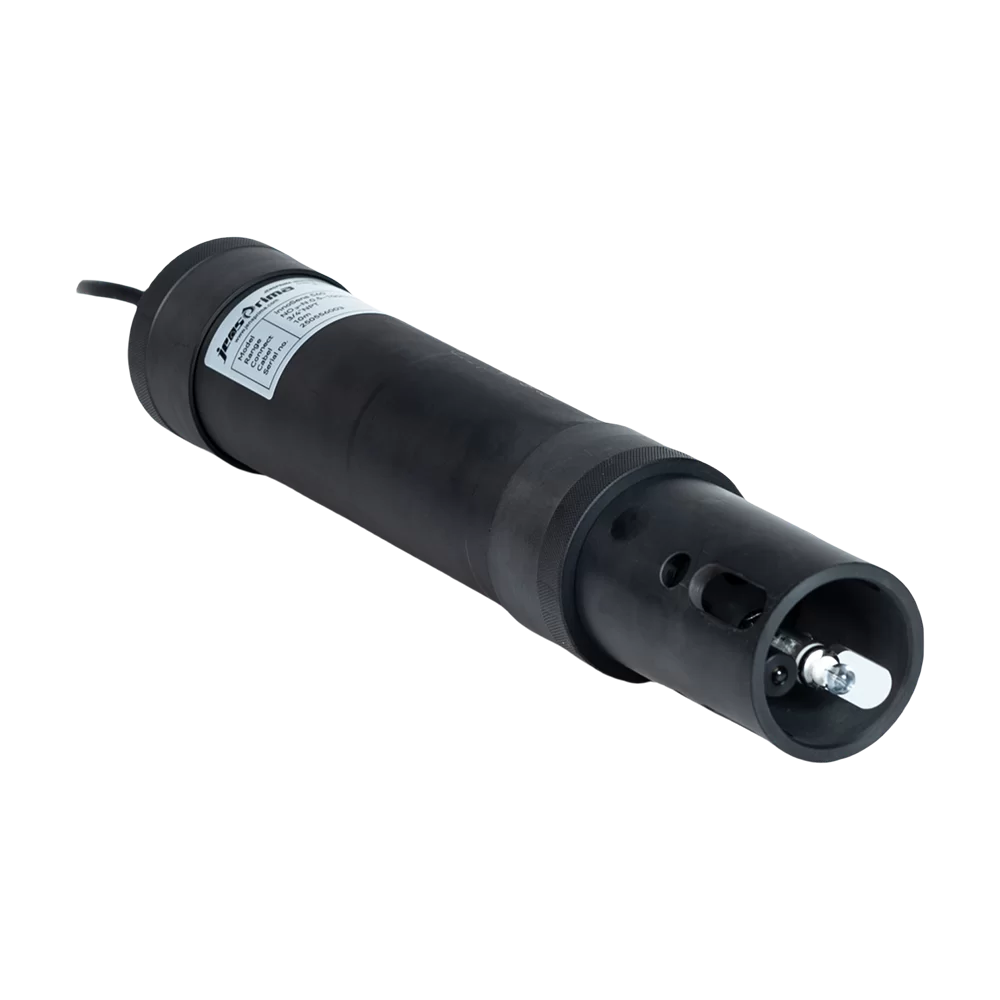
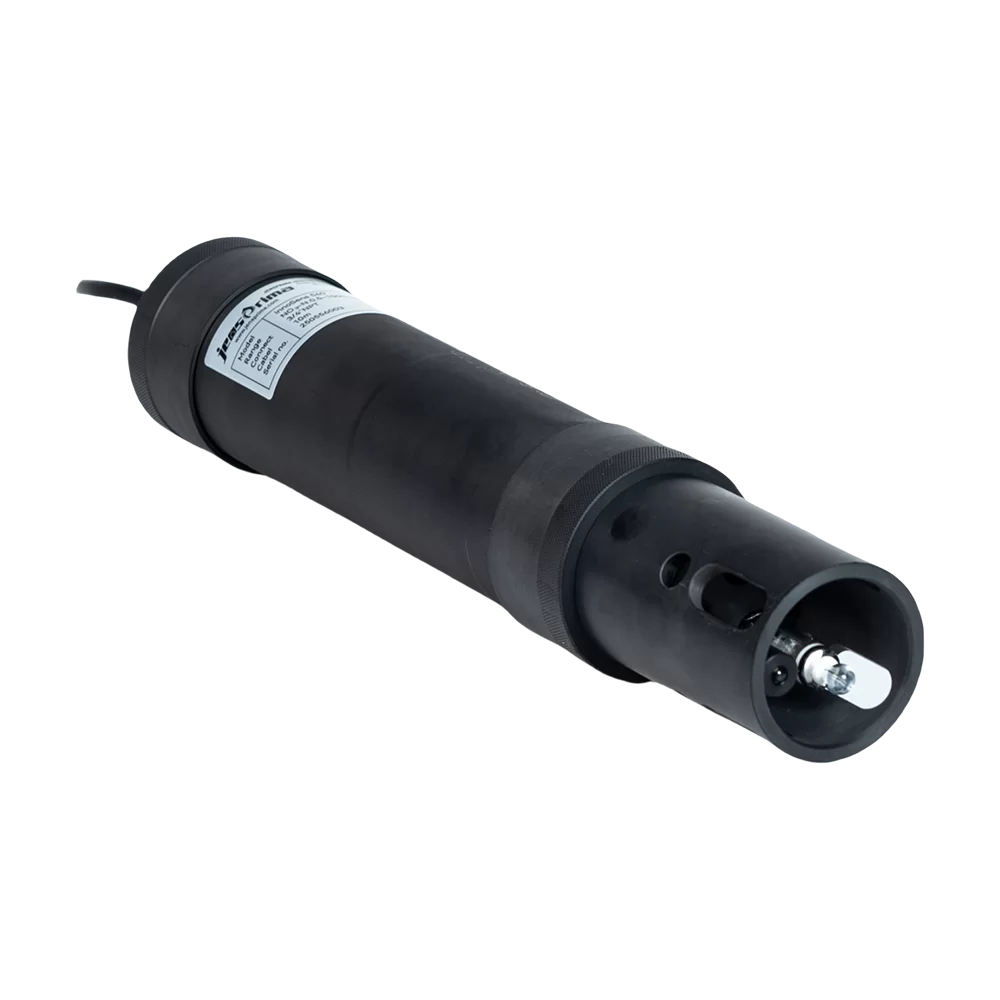
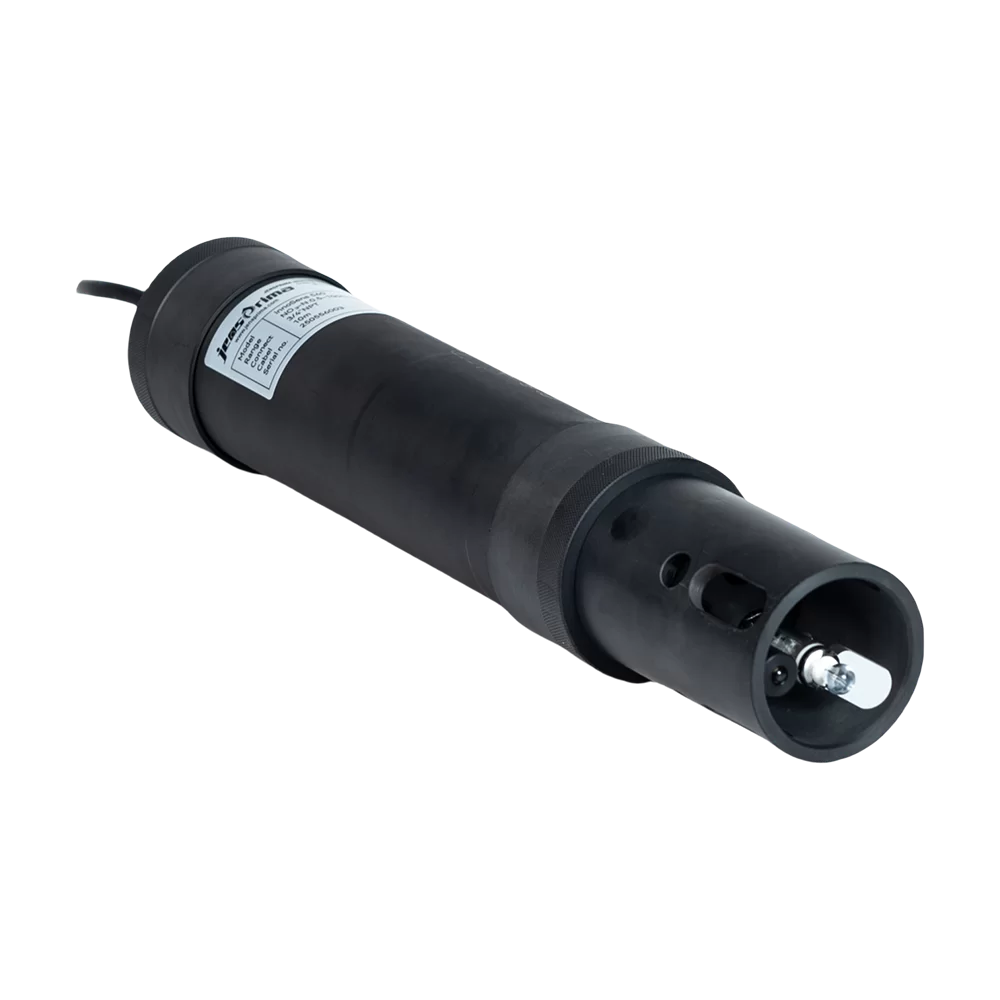
The heart of any ph controller setup is the electrode. High-quality sensors use specialized glass membranes that can withstand harsh industrial environments, ensuring that the voltage signal sent to the controller is accurate and stable even in the presence of contaminants.
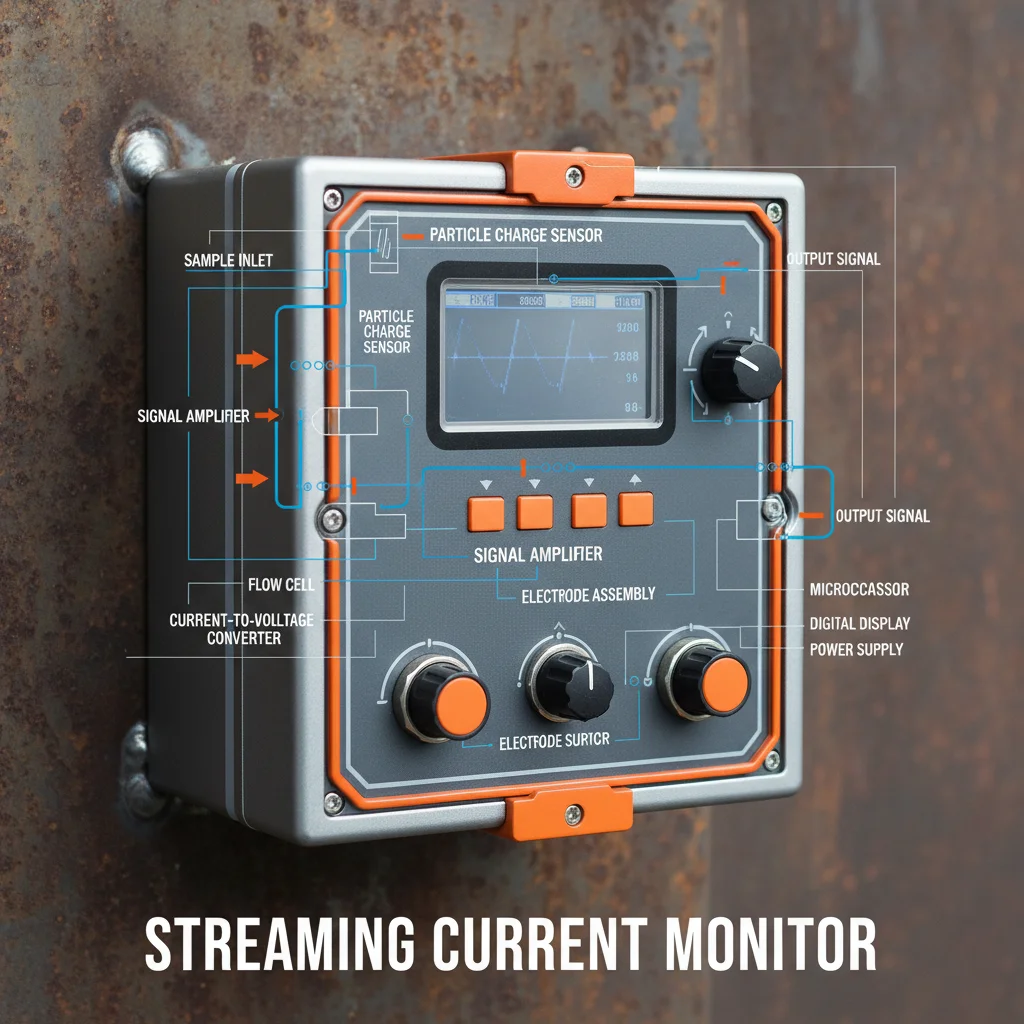
Signal conditioning is the second critical pillar. Because the millivolt signals produced by pH probes are incredibly weak, the ph controller must employ high-impedance amplifiers and noise-filtering circuits to prevent electrical interference from nearby pumps and motors from skewing the readings.
Finally, the output interface allows for seamless scalability. Whether it is a simple 4-20mA analog signal or a digital Modbus TCP/IP connection, the controller must communicate effectively with the broader SCADA system to allow for centralized monitoring and remote adjustments.
Industrial Applications and Use Cases
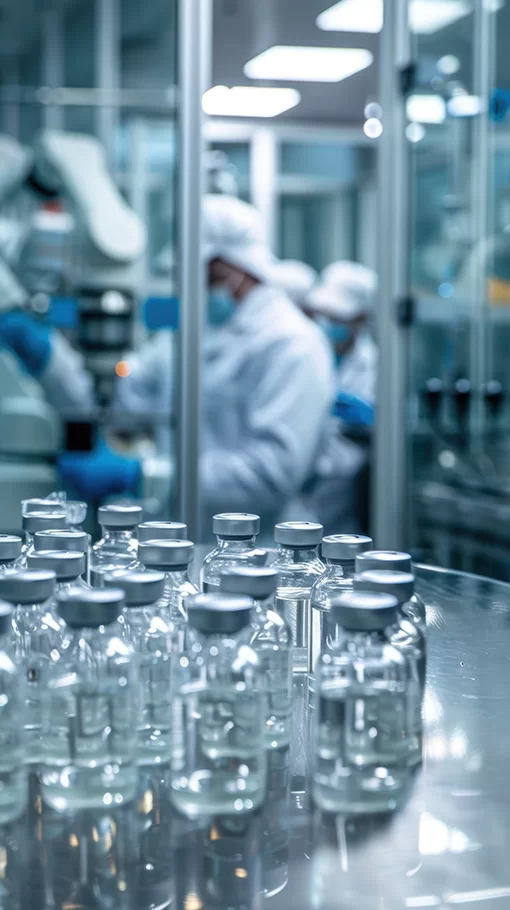
The versatility of the ph controller is evident across diverse sectors. In the pharmaceutical industry, pH control is vital for the stability of drugs; a slight deviation can change the molecular structure of a protein or the efficacy of a vaccine. Here, controllers are often integrated into sterile, closed-loop bioreactors.
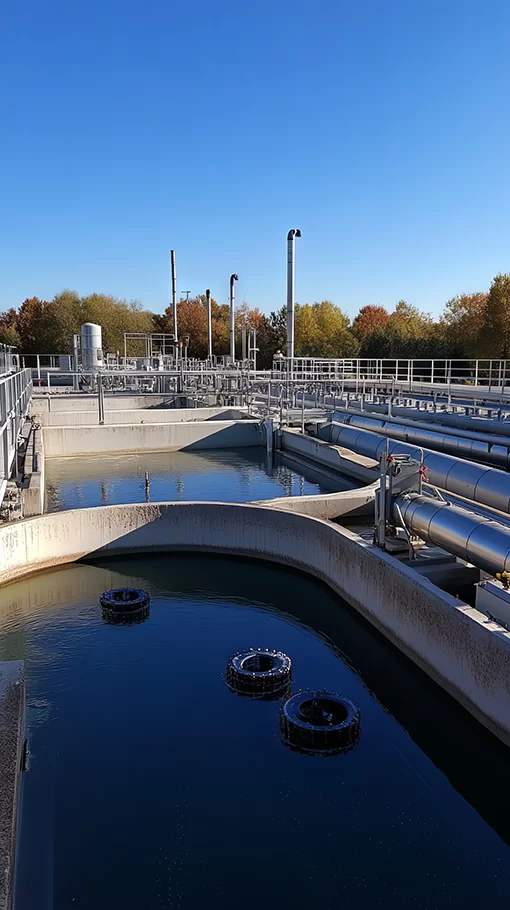
In municipal wastewater treatment, these controllers manage the nitrification and denitrification processes. By keeping the pH within a narrow window (usually 7.0 to 8.5), they ensure that the bacteria responsible for removing ammonia nitrogen from the water remain active and healthy, preventing toxic discharge into rivers.
Performance Comparison of pH Control Methods
Long-term Value and Sustainability
Investing in a high-grade ph controller delivers tangible economic benefits through the reduction of chemical consumption. Precise dosing prevents the "see-saw" effect, where an operator adds too much acid, then over-corrects with too much base, wasting reagents and increasing the salt load of the treated water.
From a sustainability perspective, these systems are essential for the "Green Industry" transition. By optimizing pH, factories can reuse process water more effectively, reducing their overall freshwater footprint. This reliability builds trust with regulatory bodies and improves the corporate social responsibility (CSR) profile of the organization.
Future Trends in pH Automation
The next generation of ph controller technology is moving toward "smart" sensing. We are seeing the rise of solid-state sensors that do not require the fragile glass bulbs of traditional electrodes, drastically reducing maintenance needs and the frequency of calibrations in remote industrial zones.
Digital transformation is also playing a huge role. Integration with IoT (Internet of Things) allows for cloud-based monitoring, where an engineer can track the pH levels of ten different plants across a continent from a single dashboard. Predictive analytics can now alert operators when a sensor is beginning to drift before it actually fails.
Furthermore, there is a shift toward energy-efficient, low-power controllers that can be powered by solar arrays. This is particularly transformative for environmental monitoring in post-disaster relief operations or remote ecological preserves where grid power is unavailable.
Overcoming Common Technical Challenges
One of the most persistent challenges in pH control is "sensor fouling," where oils, proteins, or minerals coat the electrode. To solve this, advanced ph controller systems now incorporate automatic cleaning cycles, using compressed air or chemical washes to keep the sensor surface pristine without manual intervention.
Another common issue is the "ground loop" interference, which causes erratic readings. Expert solutions involve using isolated amplifiers or differential probes that decouple the measurement circuit from the electrical noise of the liquid medium, ensuring a rock-solid signal.
Finally, the lag time between dosing a reagent and the sensor detecting the change can lead to instability. The solution lies in optimizing the placement of the ph controller probe relative to the injection point and utilizing "feed-forward" control logic to anticipate changes in flow rate.
Comparative Analysis of pH Controller Operational Factors
| Challenge Type |
Impact on ph controller |
Recommended Solution |
Reliability Gain (1-10) |
| Electrode Fouling |
Drift and Slow Response |
Auto-cleaning Systems |
9 |
| Electrical Noise |
Erratic Reading Spikes |
Galvanic Isolation |
8 |
| Calibration Drift |
Accuracy Loss over Time |
Scheduled Auto-Cal |
7 |
| Temperature Shift |
Incorrect pH Values |
ATC Compensation |
10 |
| Hysteresis |
Overshooting Set-point |
PID Tuning |
8 |
| High Flow Turbulence |
Physical Probe Wear |
Flow-cell Installation |
7 |
FAQS
Depending on the application, calibration typically occurs weekly or monthly. In high-fouling environments, such as wastewater, we recommend weekly checks. Using a two-point calibration with standard buffer solutions (e.g., pH 4.0 and 7.0) ensures the controller accurately interprets the slope and offset of the electrode, preventing costly dosing errors.
Yes, most professional-grade controllers feature dual-channel outputs. This allows the system to manage two separate dosing pumps: one for an acid reagent (to lower pH) and one for an alkaline reagent (to raise pH), maintaining the water within a very tight range automatically.
A pH meter is a measurement tool that tells you the current value. A ph controller is an active management tool; it not only measures the pH but also controls other equipment (like pumps or valves) to change the pH to a desired set-point without human intervention.
Absolutely. Most industrial controllers offer 4-20mA analog outputs or digital protocols like Modbus RS485. This allows the pH data to be fed directly into a PLC (Programmable Logic Controller) for plant-wide automation and historical data logging.
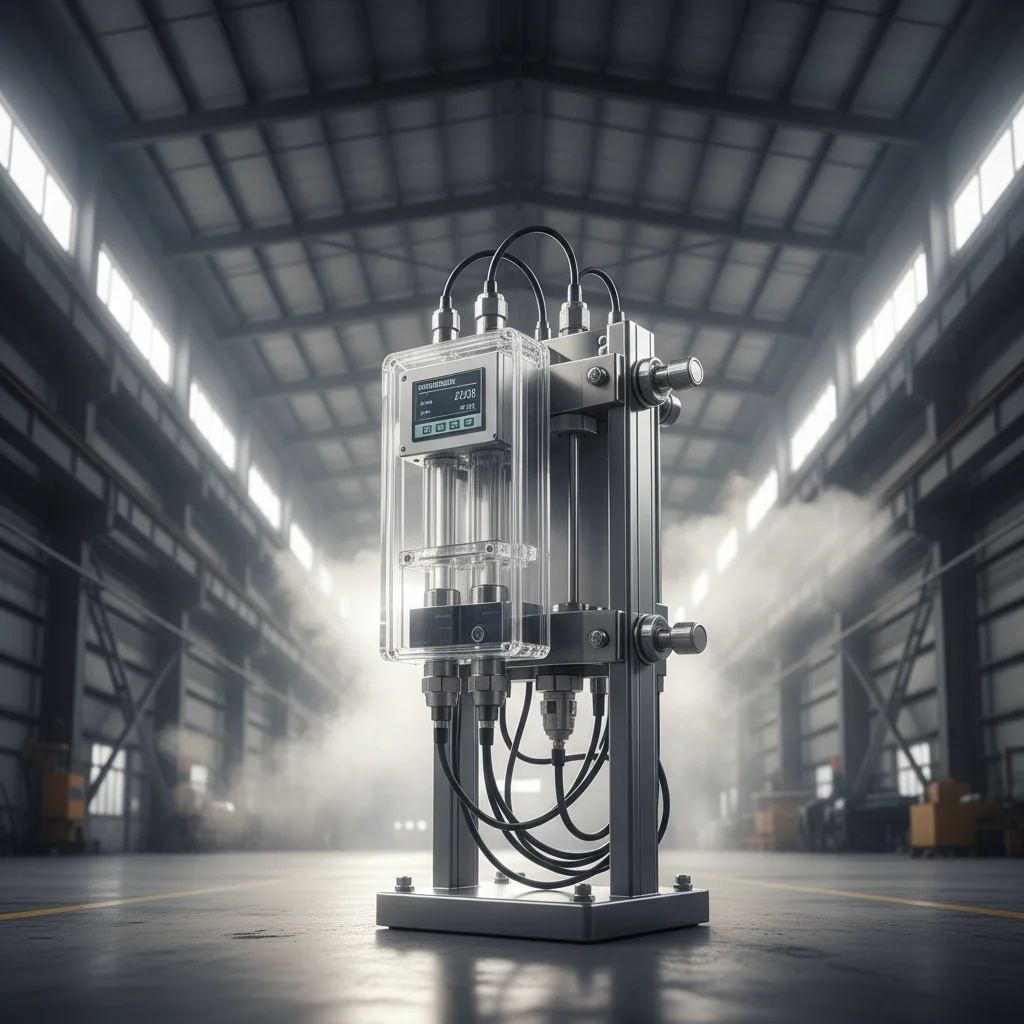
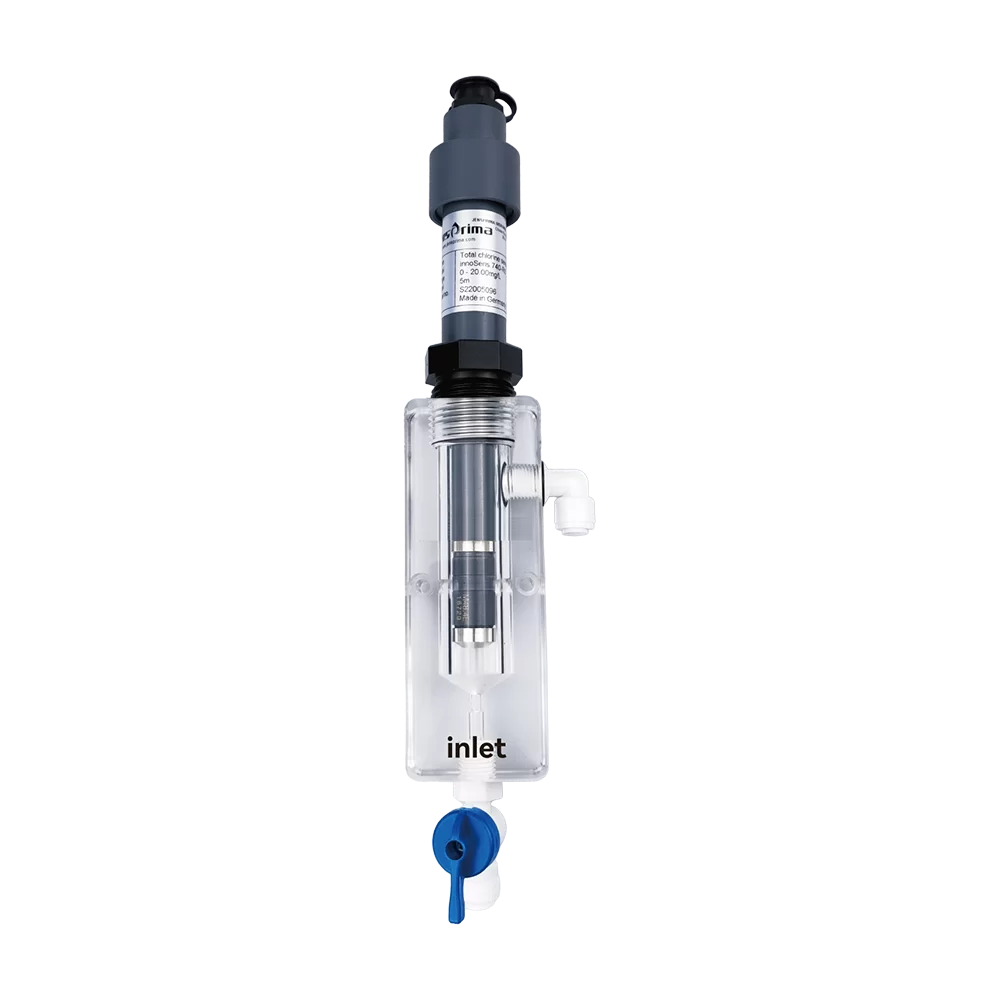
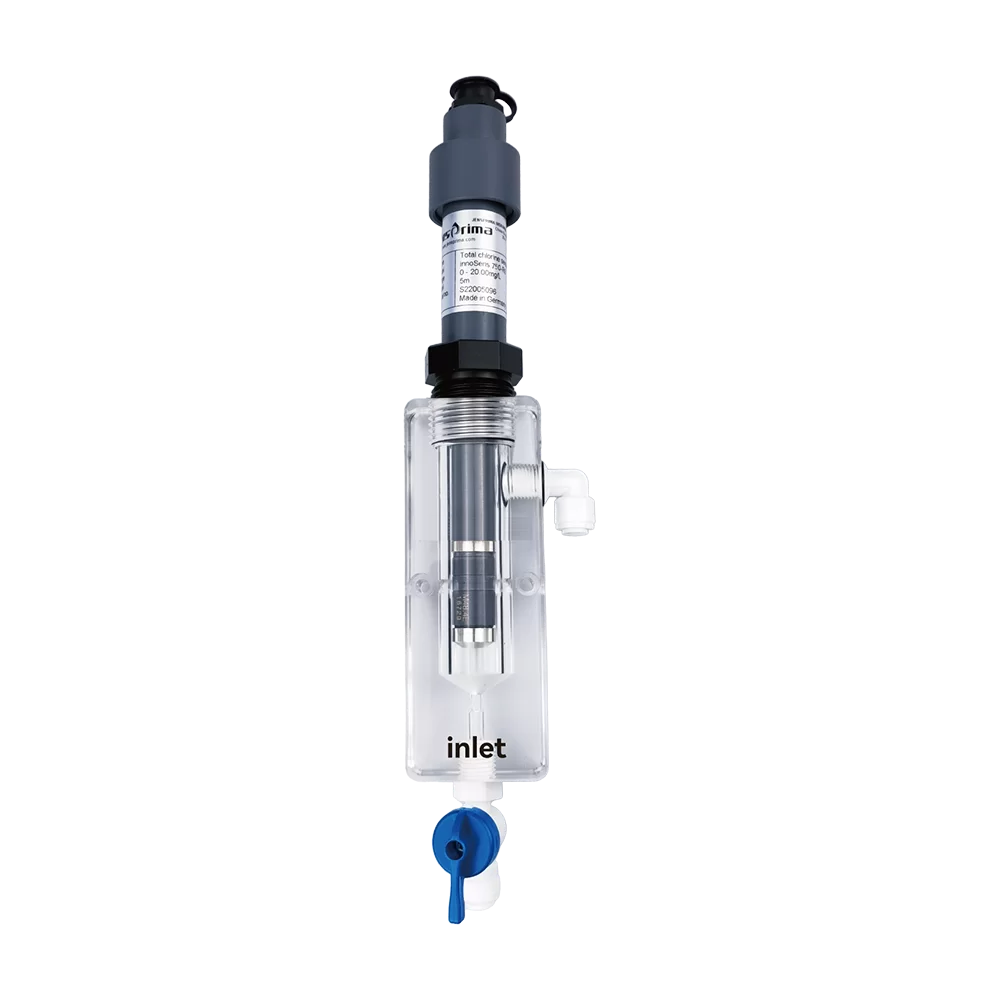
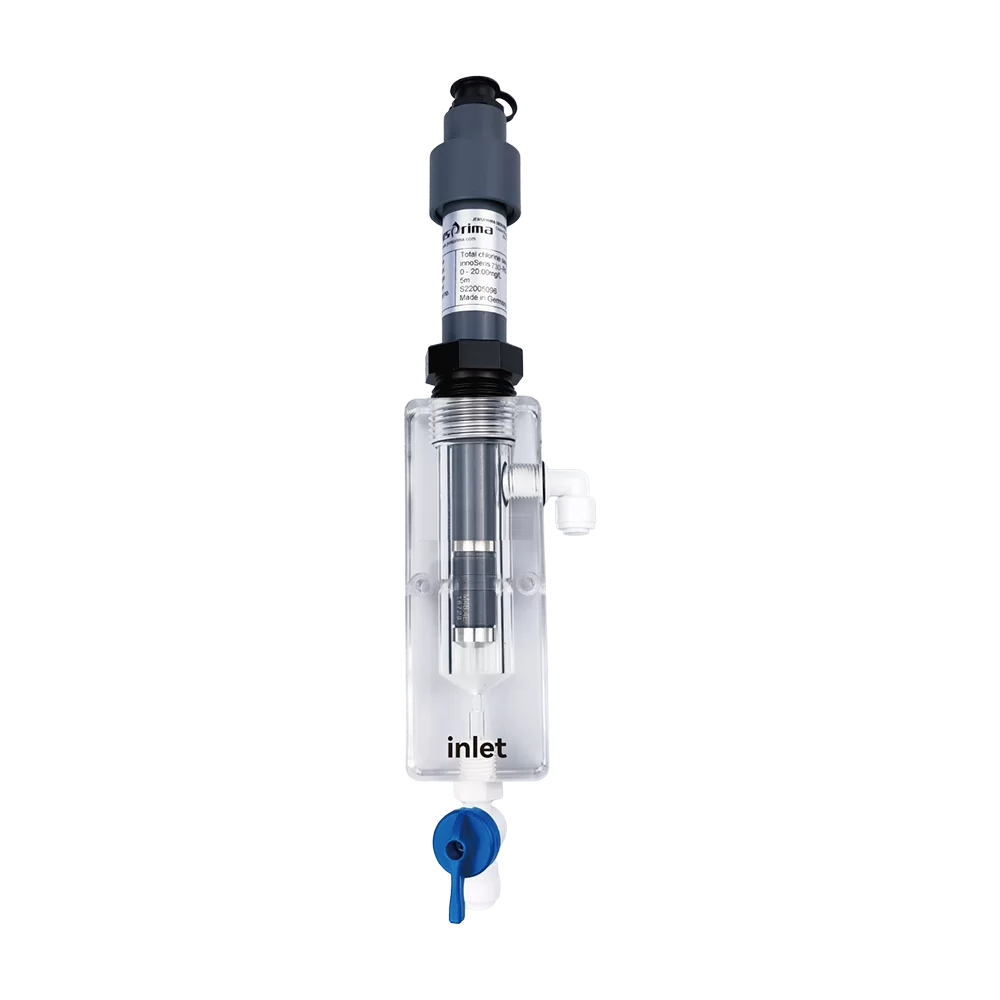
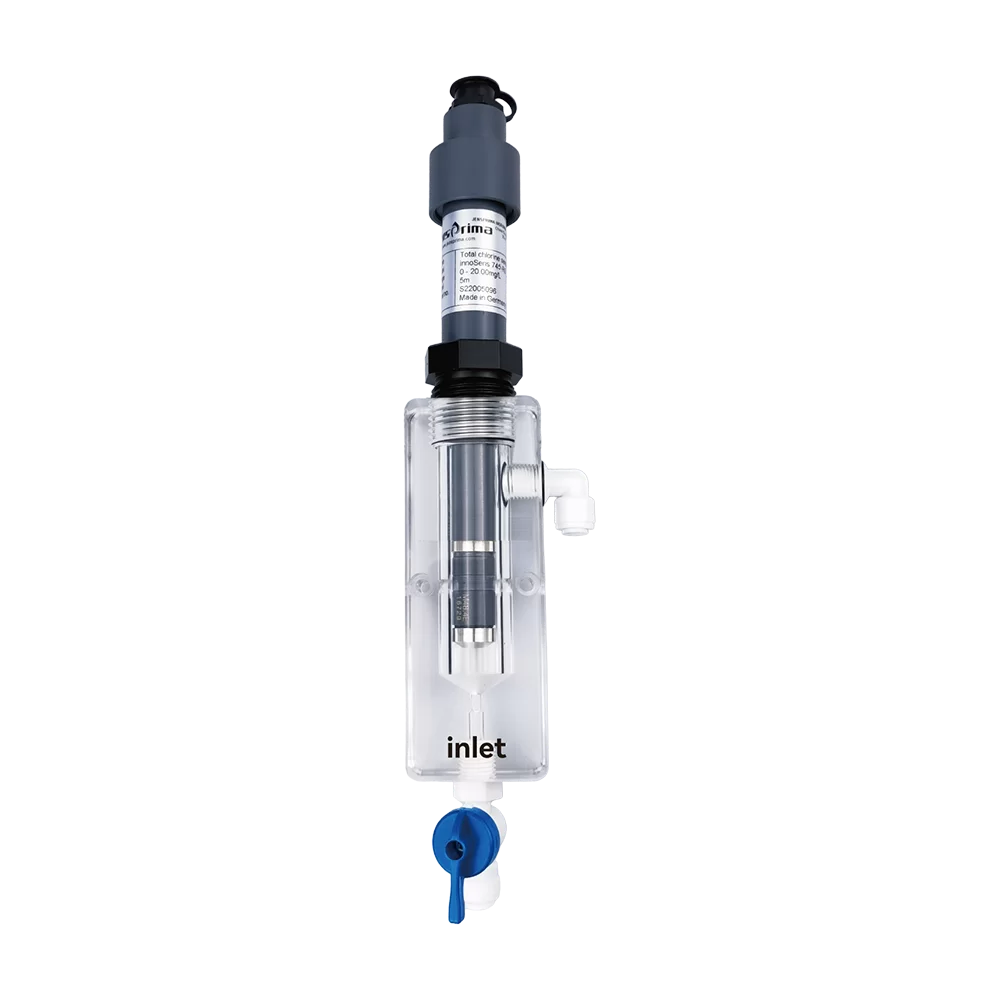
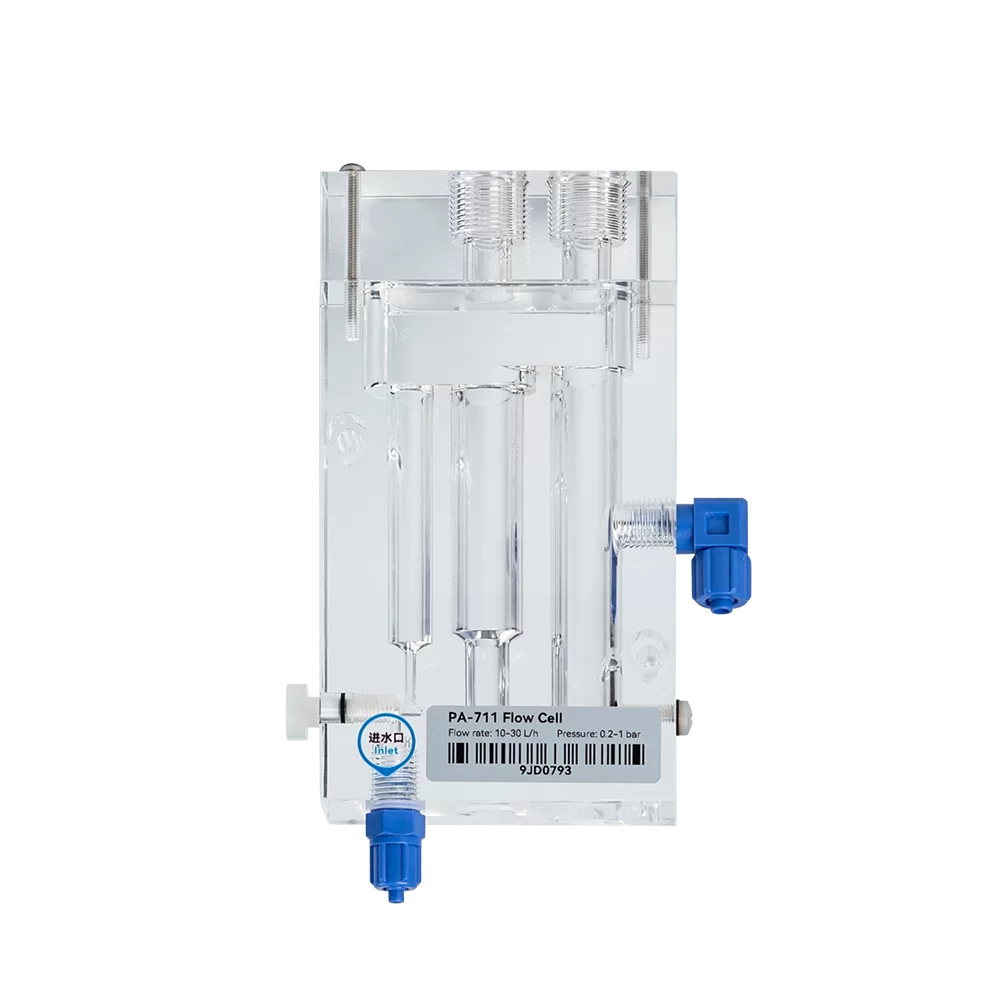
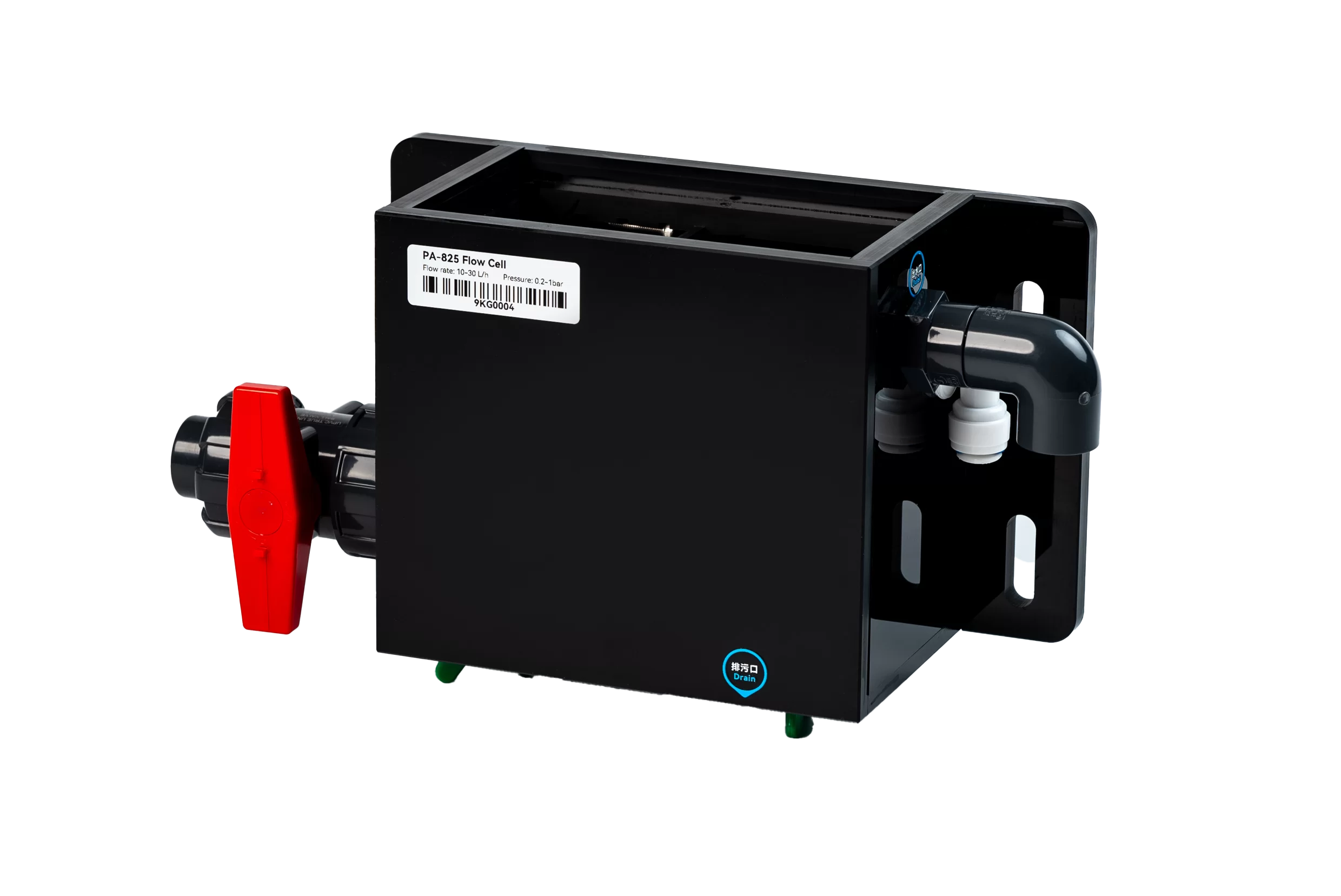
The best approach is to install a bypass loop with a flow cell. Instead of placing the probe directly in the main high-pressure line, a small amount of water is diverted into a controlled chamber where the ph controller probe can operate safely and be easily replaced.
High-quality controllers include "probe failure" alarms. If the sensor detects an open circuit or an impossible value, the controller enters a fail-safe mode, shutting down the dosing pumps to prevent the accidental over-acidification or over-alkalinization of the system.
Conclusion
In summary, the ph controller is far more than a simple measuring device; it is a critical component for operational safety, environmental compliance, and economic efficiency. By automating the delicate balance of acidity and alkalinity, these systems protect infrastructure from corrosion, ensure biological viability in treatment plants, and minimize the chemical footprint of industrial processes.
As we look toward an era of Industry 4.0, the integration of IoT and AI into pH management will further reduce manual labor and increase precision. For any facility dealing with water quality, investing in a robust, scalable control system is the most effective way to guarantee long-term reliability and sustainability. Visit our website: www.jensprima.com


 Download
 Video Center
 Technical Services
 FAQS
FAQS Service Network
 Privacy Policy
 Contact Us