









 Download
 Video Center
 Technical Services
 FAQS
 Service Network
 Privacy Policy
 Contact Us




Online monitoring of aquatic environments requires high-precision instrumentation capable of measuring multiple chemical variables simultaneously. A professional multi parameter water quality analyzer factory focuses on developing sensors that balance sensitivity with long-term stability. This article explores the technical shift toward potentiostatic sensing and how these advancements enable more accurate environmental compliance in industrial settings.
For operators in wastewater treatment and pharmaceutical manufacturing, the challenge lies in "cross-sensitivity," where overlapping chemical species cause false readings. Modern multi parameter water quality analyzer factory solutions address this by implementing constant potential control, which isolates target ions like nitrates or ammonia nitrogen from interfering background noise, ensuring that real-time data reflects the true chemical state of the water.
Readers will gain insights into the selection criteria for electrochemical sensors, the operational advantages of potentiostatic control over passive electrodes, and the practical implementation of automated monitoring. By understanding the relationship between sensor materials, signal stability, and maintenance cycles, procurement officers can better evaluate the total cost of ownership for their water analysis infrastructure.
Technical Foundations of Multi-Parameter Analysis
Multi-parameter water analysis is the process of concurrently measuring various indicators—such as dissolved oxygen, pH, conductivity, and specific ion concentrations—to determine the overall health or contamination level of a water source. Historically, this was achieved through a collection of independent sensors, but modern engineering integrates these into a single platform to reduce footprint and synchronization errors. The core technical challenge is maintaining electrode stability in harsh industrial environments, where temperature fluctuations and chemical fouling can lead to significant signal drift. Advanced manufacturing now employs chemical-resistant polymers and sophisticated circuitry to maintain laboratory-grade accuracy in the field. By utilizing constant potential amperometry, instruments can now detect target analytes with higher selectivity, which is critical for sectors like pharmaceutical production where strict environmental regulatory standards are mandatory.
Evaluating Water Quality Analysis Solutions
Selecting the right sensing technology requires a deep analysis of the water matrix and the specific parameters being monitored. The transition from standard electrochemical sensors to potentiostatic systems represents a significant leap in precision and reliability, particularly for long-term online deployments.
Potentiostatic Control Mechanisms
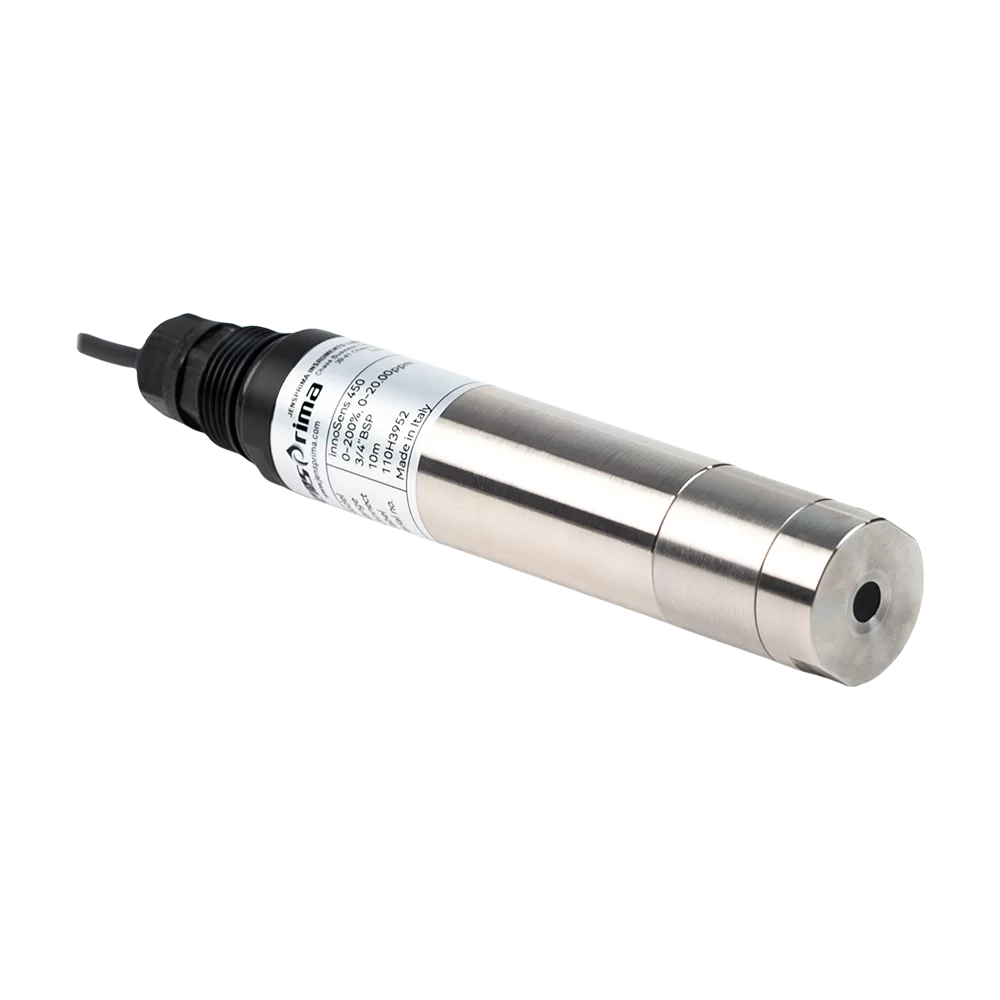
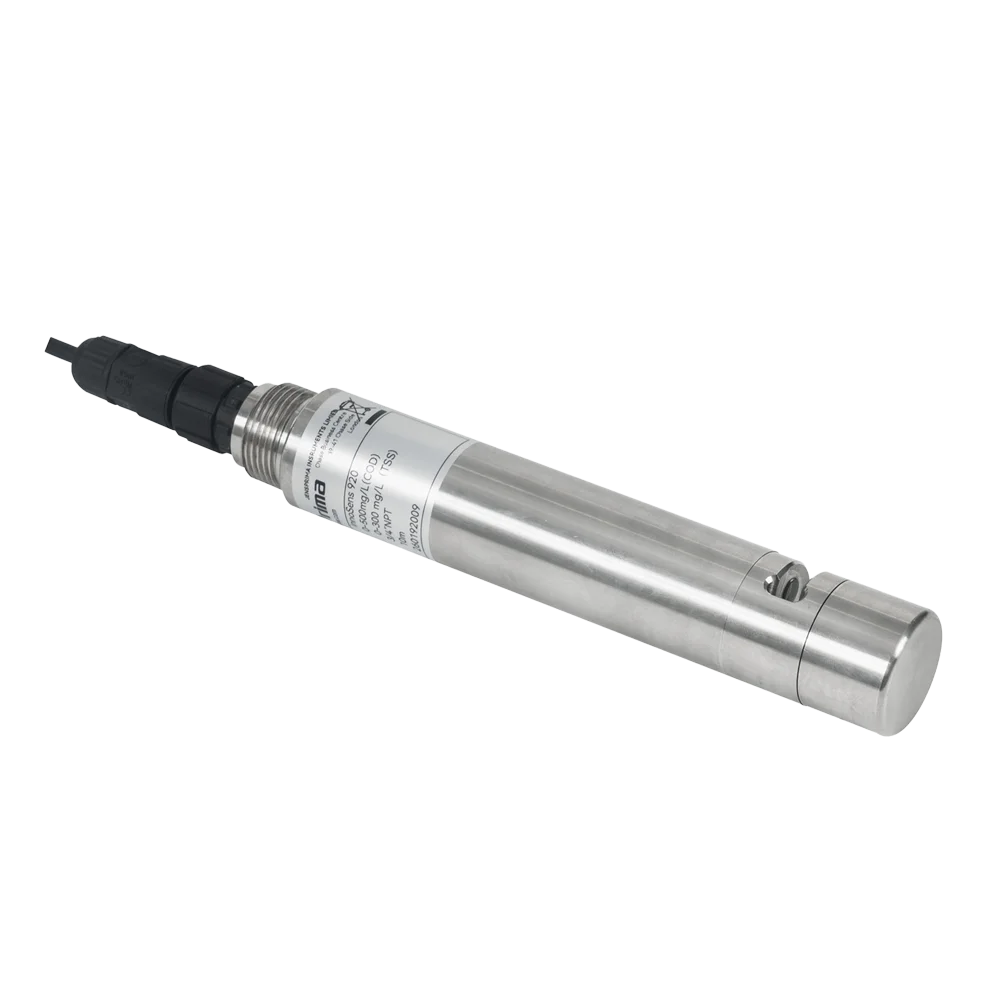
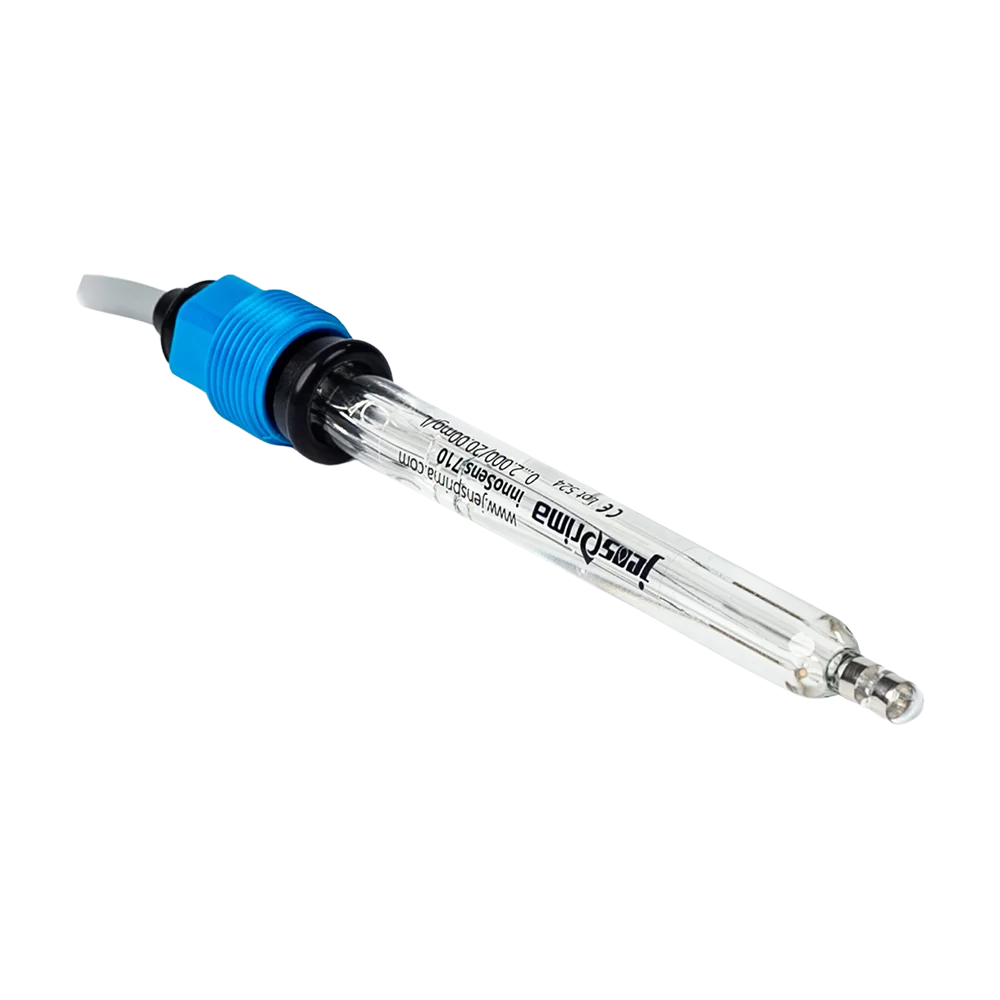
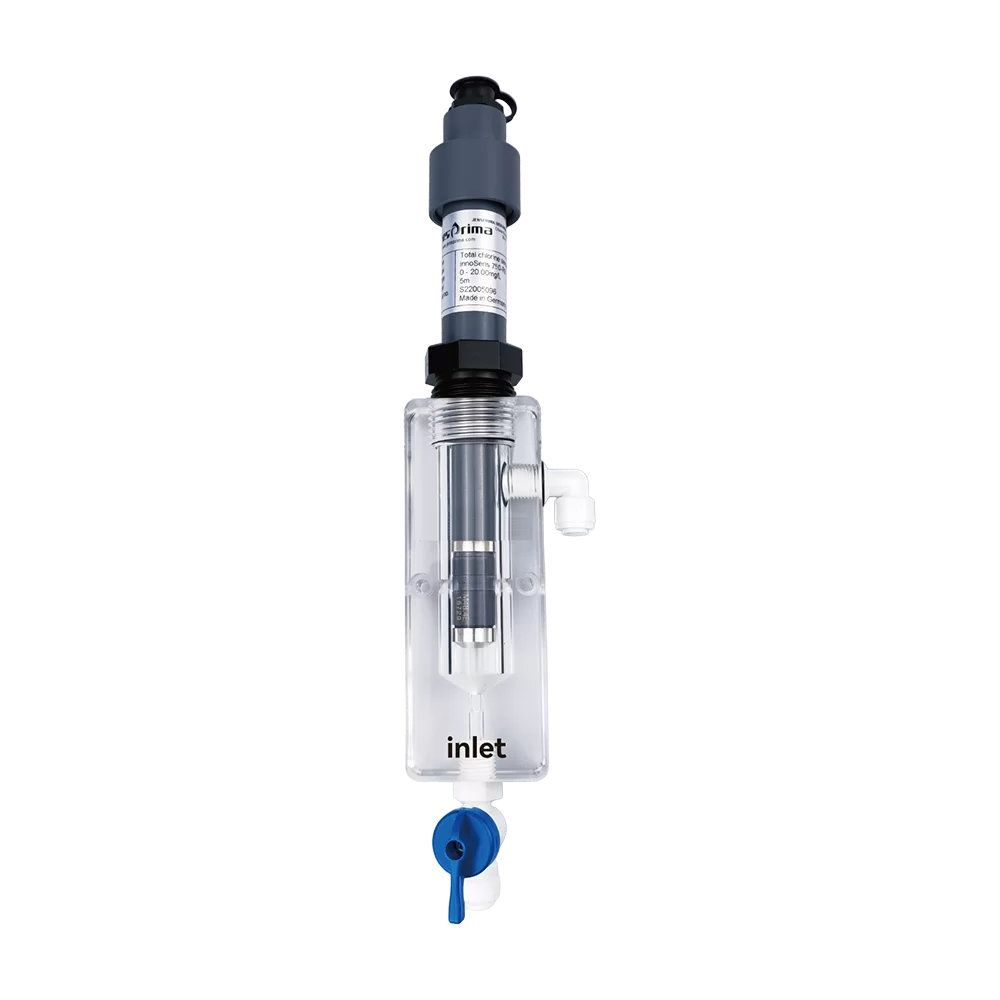
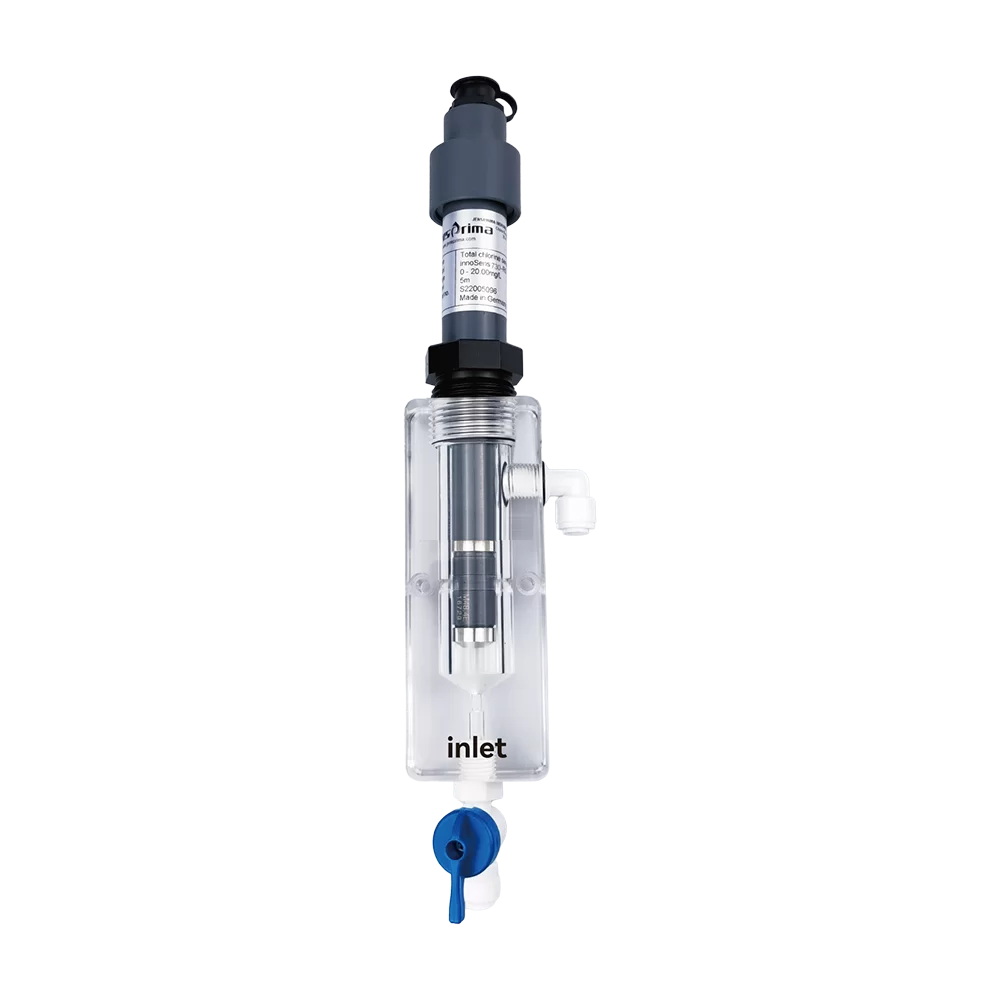
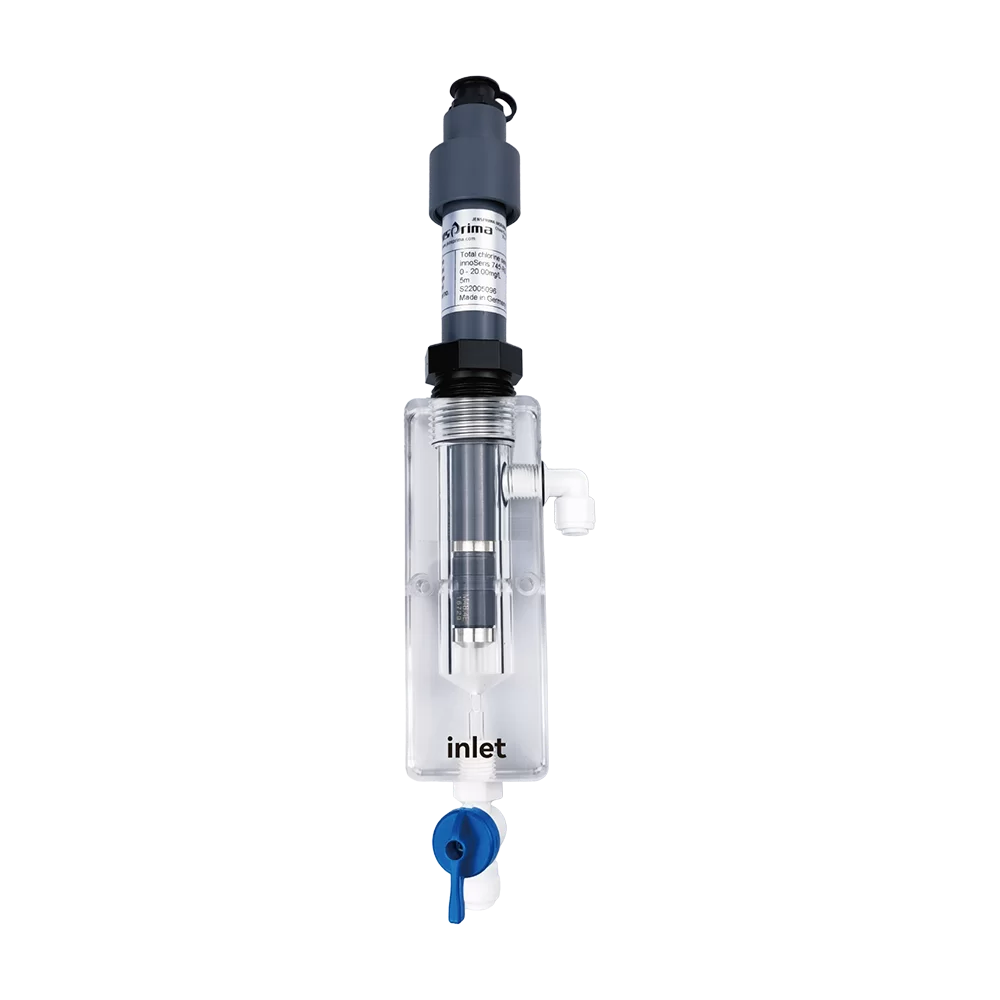
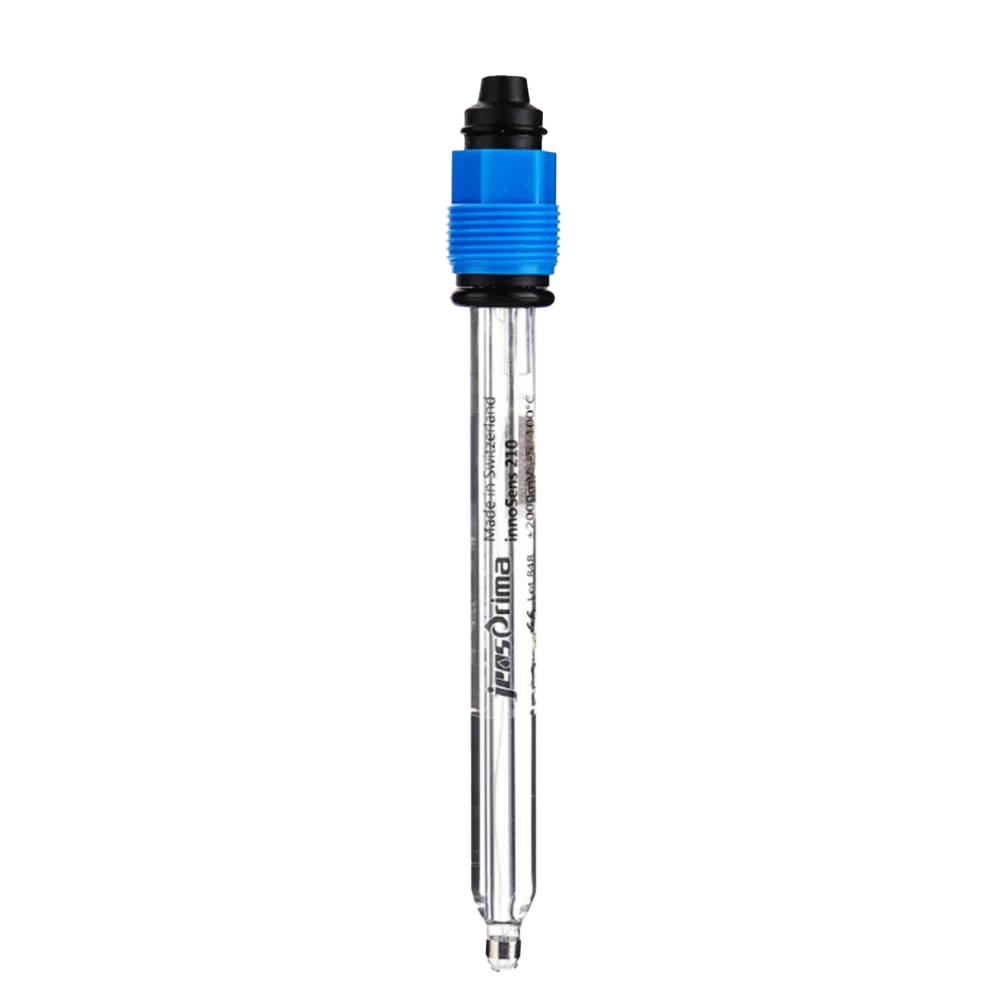
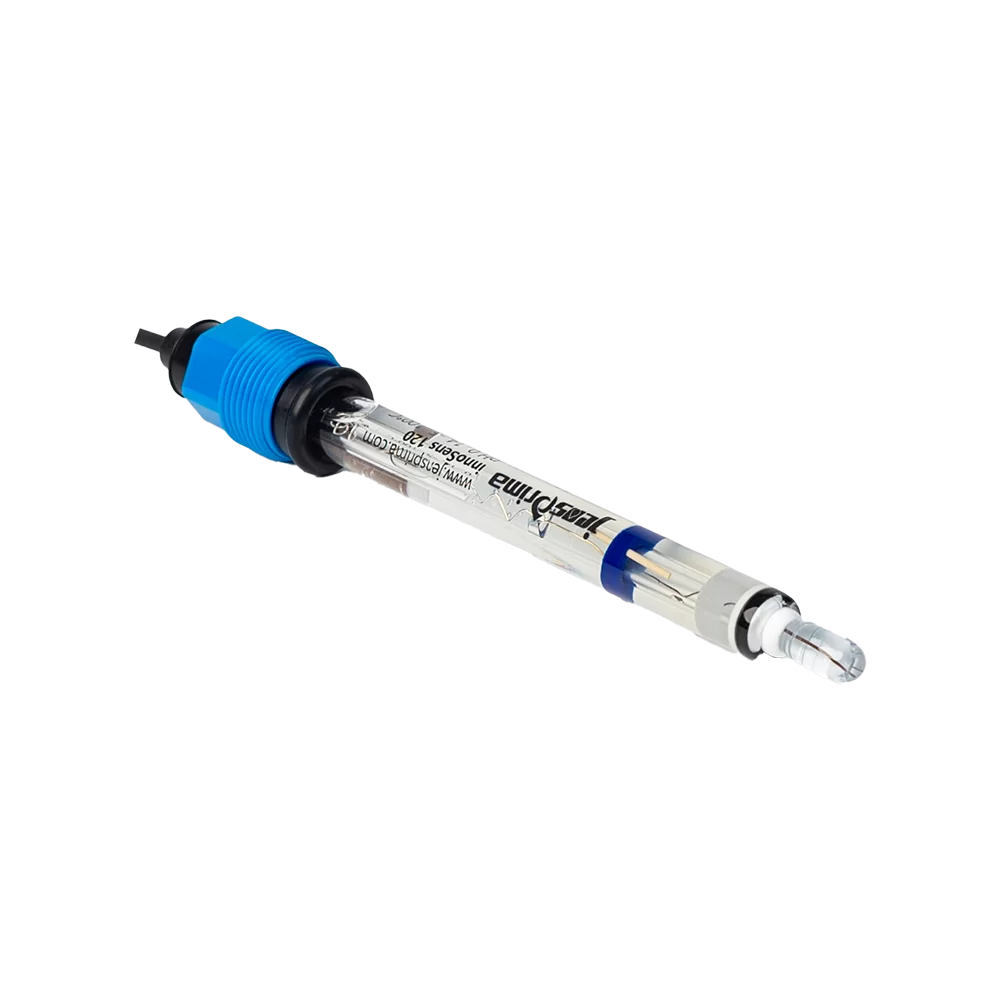
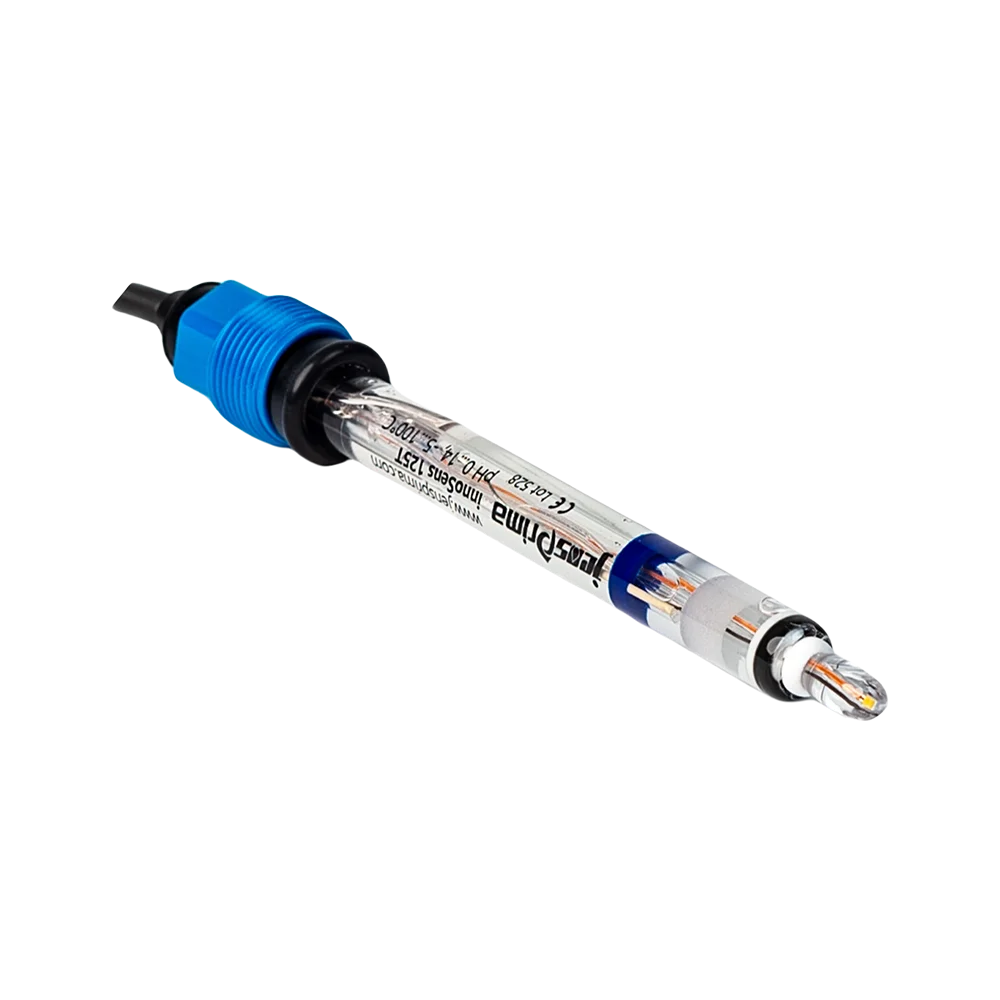
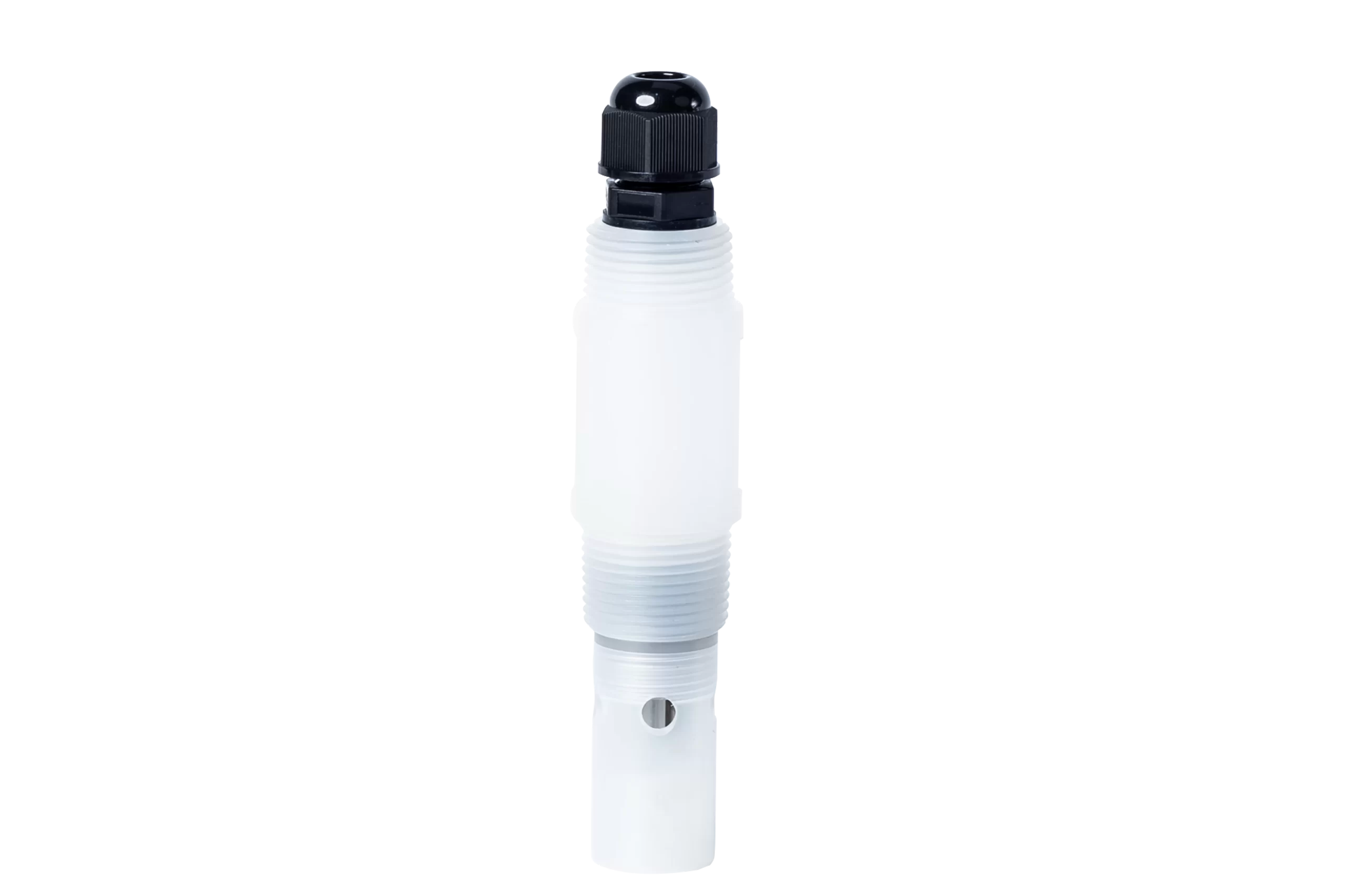
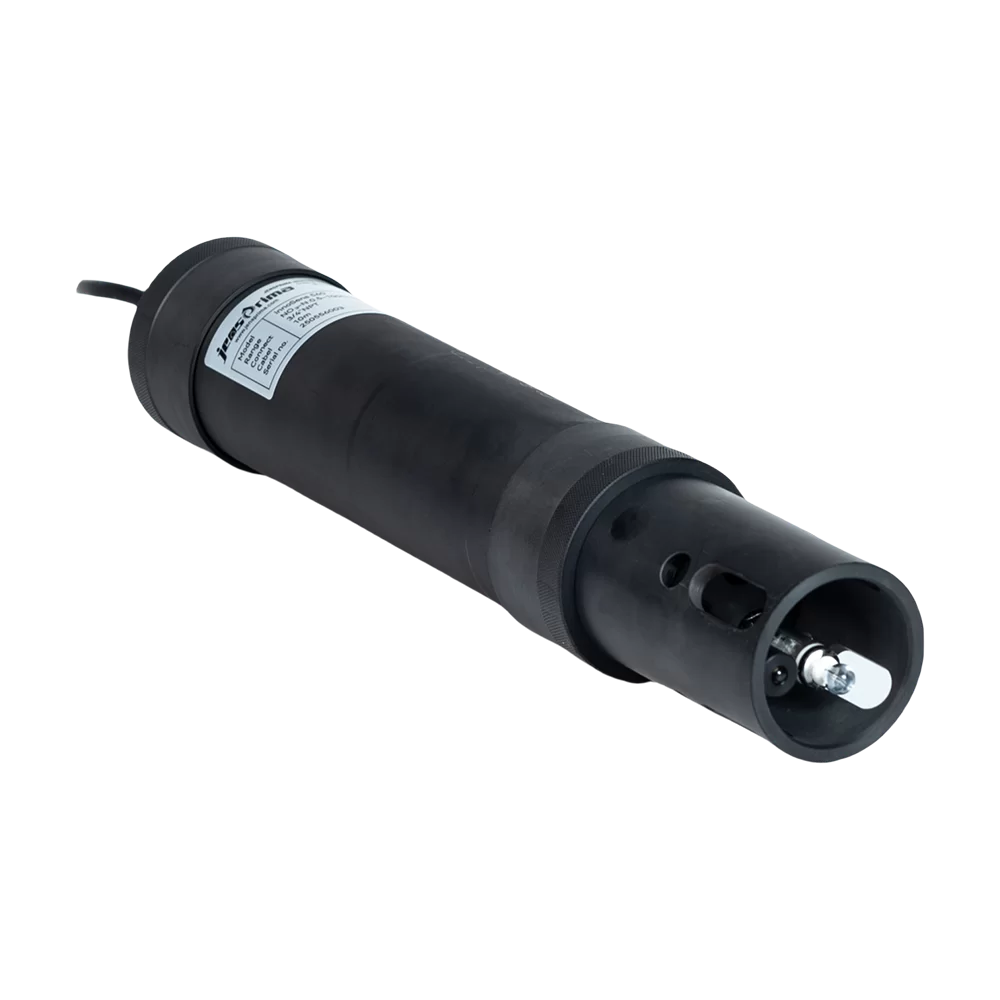
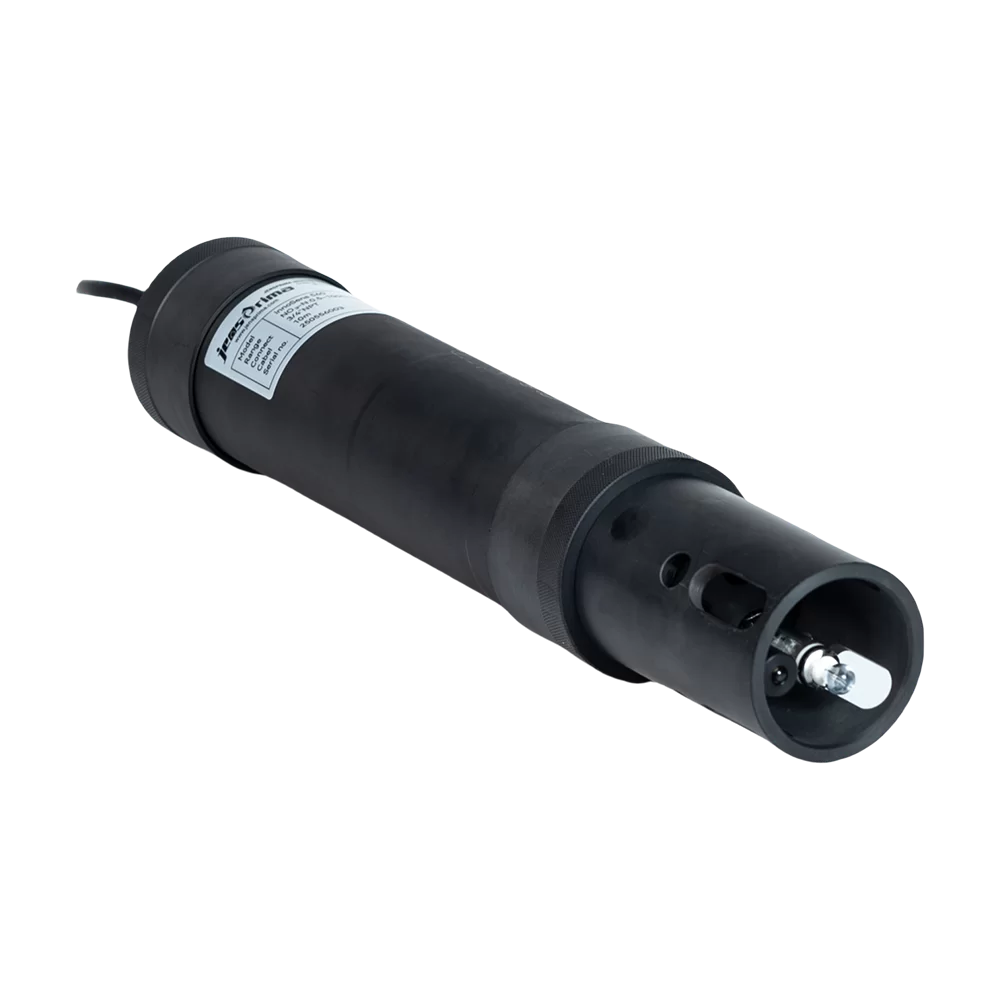
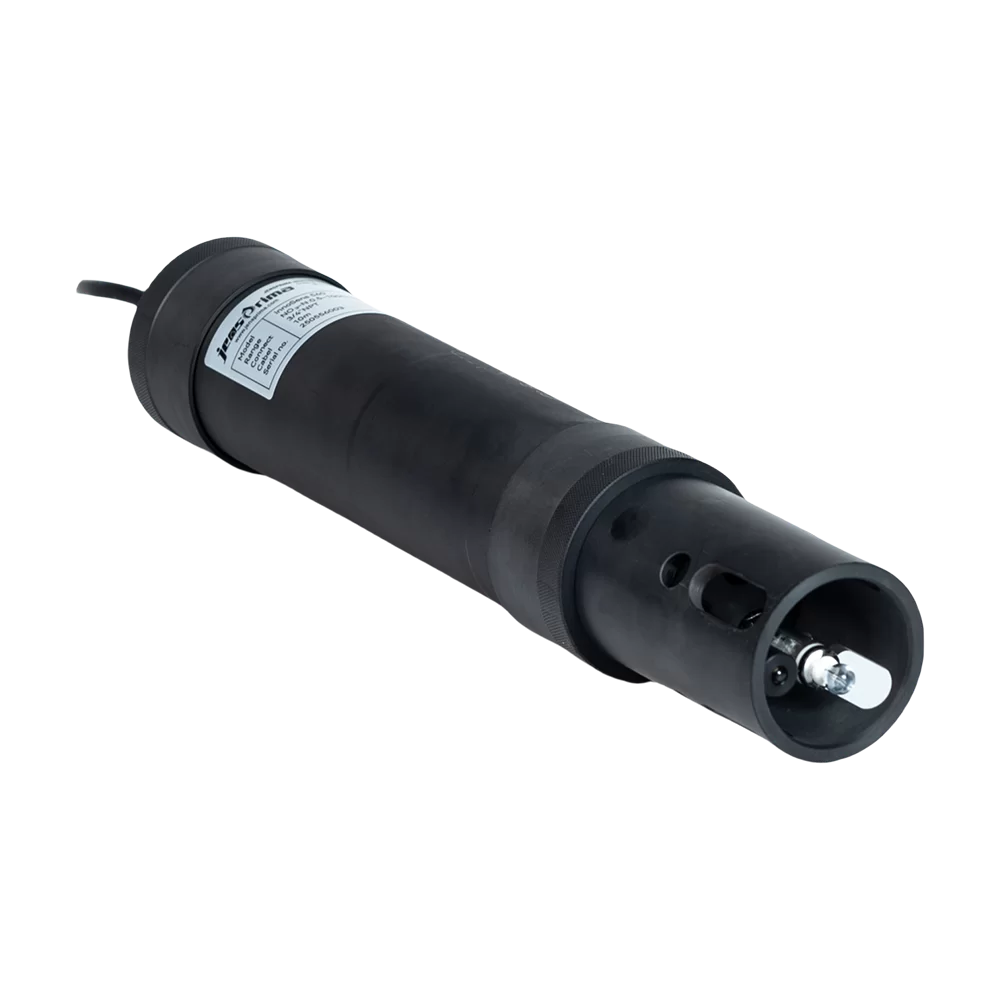
Unlike passive sensors, potentiostatic control maintains a constant electrical potential between the working and reference electrodes. This active circuitry compensates for electrode polarization, which drastically reduces the signal drift typically seen over time. In the InnoSens 710 series, this mechanism ensures that the sensor only responds to the specific target ion, effectively rejecting interfering species in contaminated water.
| Performance Metric | Standard Sensors | InnoSens 710 (Potentiostatic) | Impact on Operation |
|---|---|---|---|
| Calibration Interval | Weekly / Bi-weekly | Monthly / Quarterly | Reduced Labor Costs |
| Detection Accuracy | Moderate Drift | Ultra-Low Drift | Higher Regulatory Compliance |
| Interference Resistance | Low to Medium | High Rejection | Fewer False Alarms |
| Operational Lifespan | Short-term Wear | Extended Durability | Lower Replacement Frequency |
| Response Time | Standard | Rapid Real-time | Faster Process Correction |
| Maintenance Cost | High Labor | Low Automated Cost | Improved ROI |
Selectivity in Complex Matrices
In industrial wastewater, the presence of multiple overlapping ions often leads to "false positives." Potentiostatic technology solves this by isolating the specific energy level required to react with the target analyte. This high selectivity is essential for detecting ammonia nitrogen or heavy metals in environments where other ions would otherwise confuse a standard electrode, providing a more reliable data stream for process control.
Industrial Durability and Housing
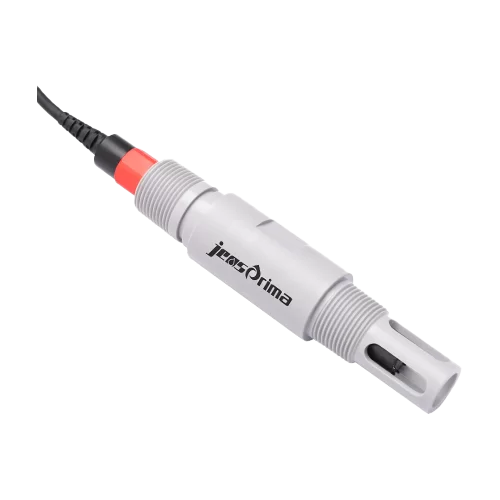
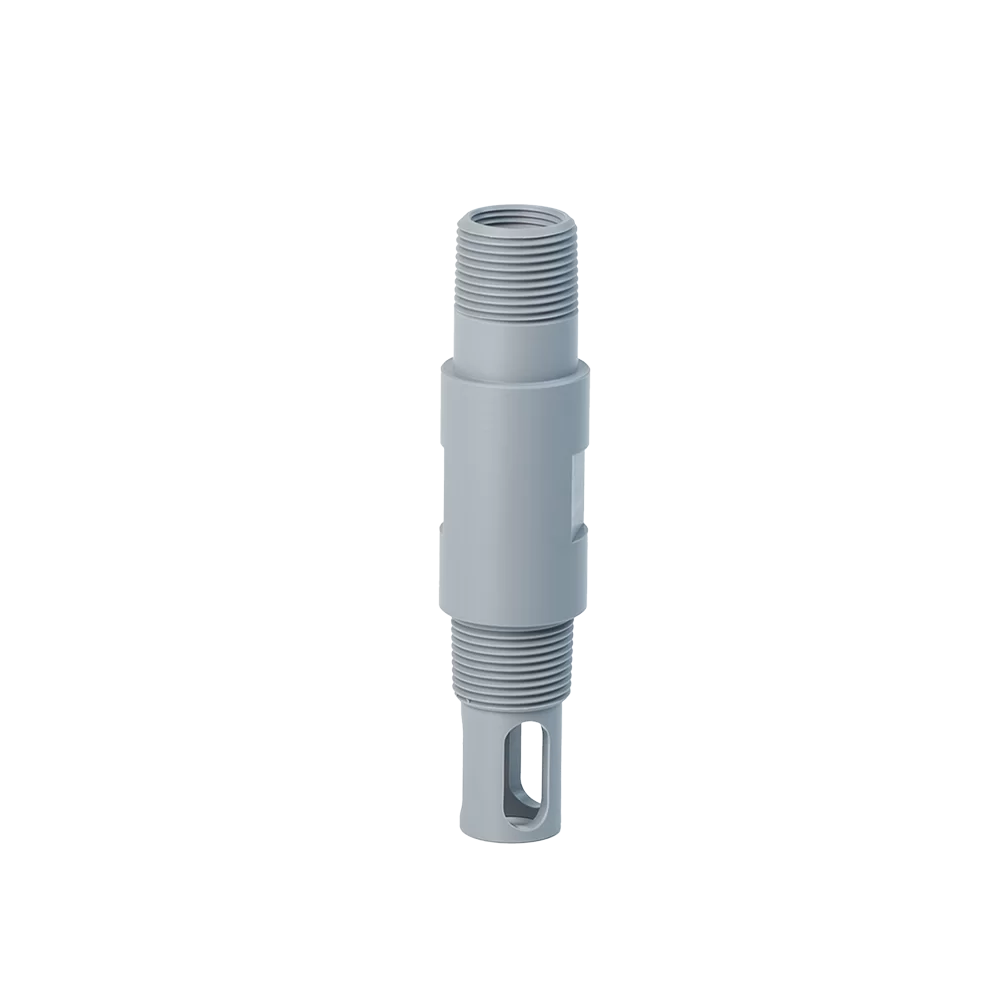
Field sensors must withstand pressure changes and corrosive chemicals. The use of high-grade, chemical-resistant polymers in sensor housing prevents degradation of the internal circuitry. This robust construction ensures that the internal potentiostat remains isolated from the external environment, maintaining the integrity of the measurement even in highly corrosive industrial water matrices.
Integration with Automated Systems
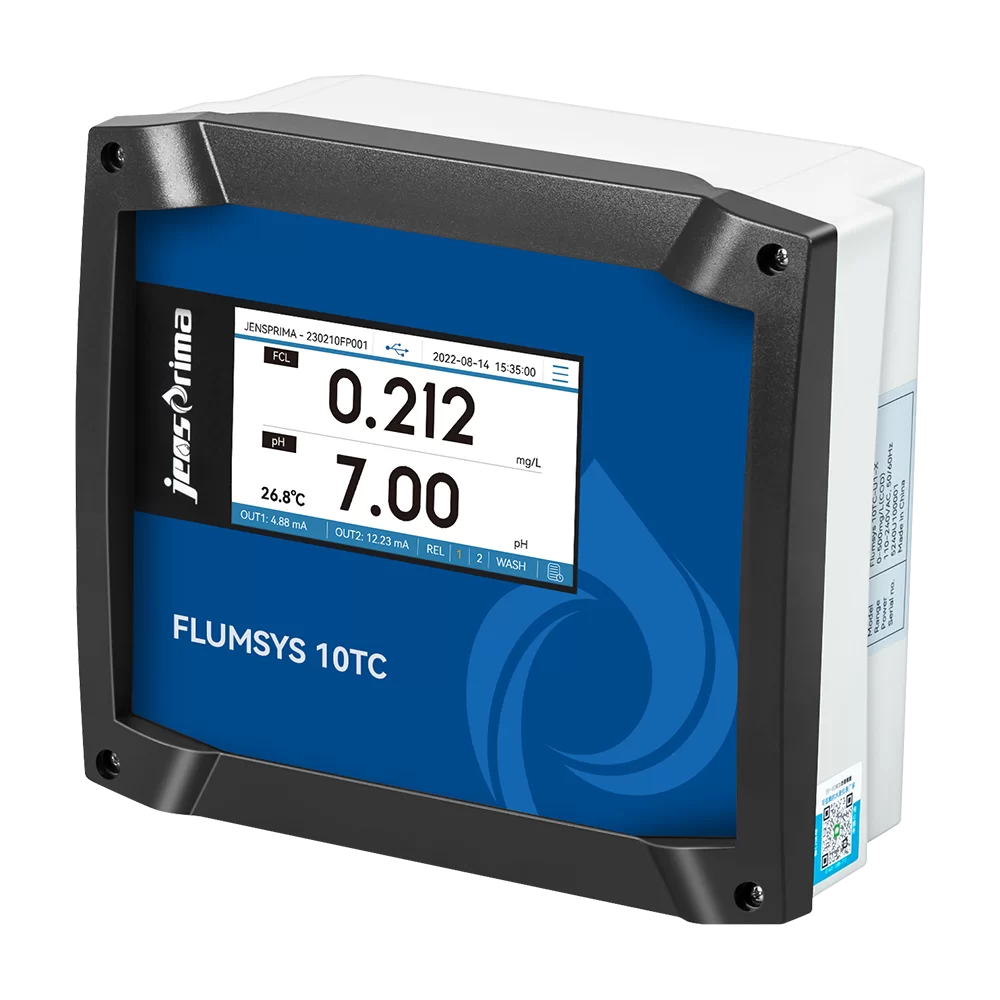
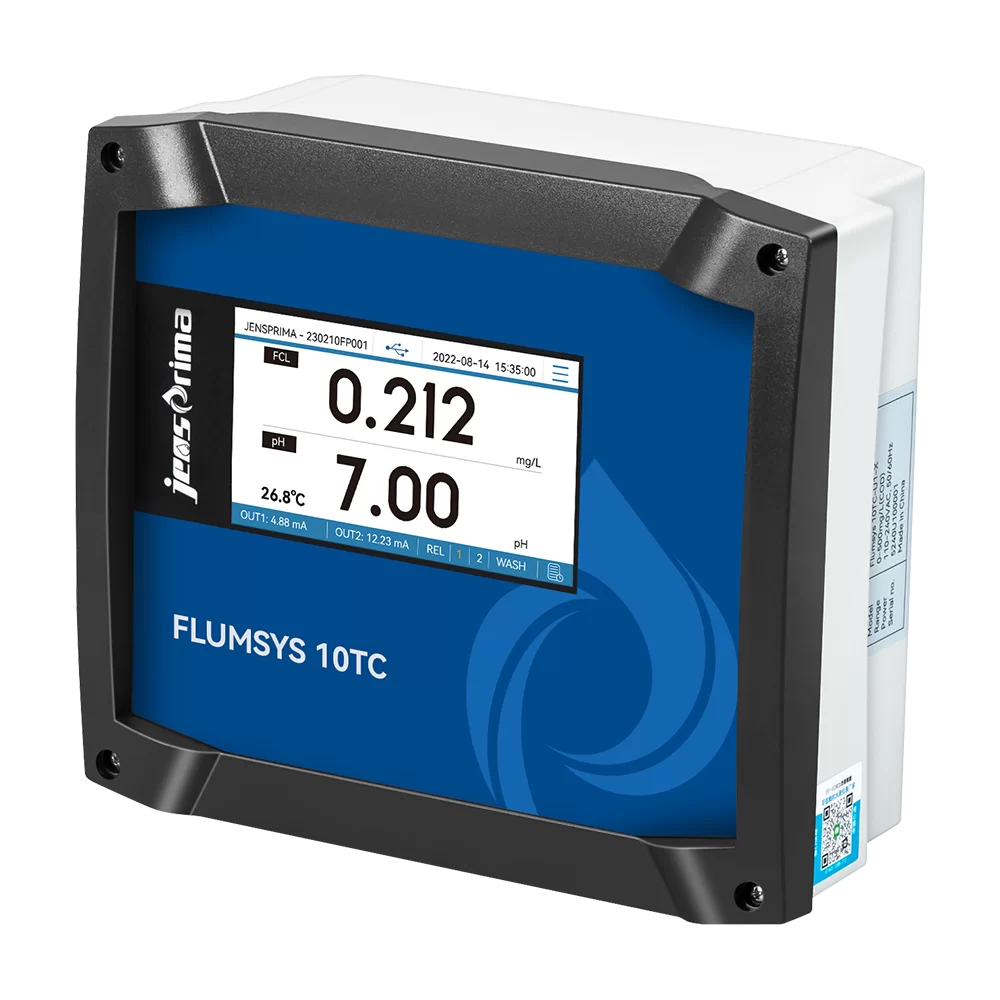
Modern monitoring requires seamless data flow. Professional systems utilize standardized interfaces that allow sensors to connect directly to centralized cloud platforms. This enables remote configuration of thresholds and smart alert systems (SMS/Email), allowing operators to identify sensor degradation via drift detection diagnostics before a failure occurs, rather than relying on manual checks.
Calibration and Signal Stability
One of the highest operational costs in water monitoring is calibration. Potentiostatic sensors reduce this burden by minimizing electrode polarization. Through scheduled calibration cycles and stable signal output, these instruments maintain accuracy over longer intervals. This stability is critical for remote installations where frequent manual calibration is logistically impossible.
Operational Lifecycle Management
The lifecycle of a water quality sensor is defined by its resistance to fouling and signal decay. By employing active electronic compensation, the operational lifespan is extended. Monitoring the historical data logs for trend analysis allows engineers to predict the end-of-life for a sensor, enabling a proactive replacement strategy that prevents unplanned downtime in critical production lines.
Procurement Criteria for Sensors
When sourcing from an equipment provider, buyers should prioritize the stability of the potentiostat and the quality of the housing materials. Key questions should include the expected drift rate per month and the compatibility of the sensor with existing multi-parameter controllers. Evaluating the provider's R&D experience—such as JENSPRIMA's 20-year history—ensures the solution is backed by proven industrial application data.
FAQ
What makes potentiostatic sensors superior to standard sensors for water analysis?
Potentiostatic sensors maintain a constant electrical potential, which significantly increases selectivity by reducing the impact of interfering ions. This leads to far more accurate readings in complex industrial water samples where standard passive electrodes would suffer from signal drift and cross-sensitivity.
How often does the InnoSens 710 require calibration?
Depending on the specific water matrix and target ion concentration, the InnoSens 710 typically requires calibration on a monthly or quarterly basis. This is significantly less frequent than conventional sensors due to its stable electrochemical control and resistance to polarization.
Can these sensors be deployed in highly corrosive industrial environments?
Yes, the InnoSens 710 is constructed using high-grade, chemical-resistant polymers specifically engineered for the industrial water analysis sector. These materials protect the sensing elements from corrosive agents, ensuring long-term durability in harsh environments.
Is the sensor compatible with existing multi-parameter monitoring systems?
Absolutely. It is designed with standardized interfaces to integrate seamlessly with most professional-grade multi-parameter controllers and automated online monitoring systems, allowing for easy installation into existing infrastructures.
Which target ions are most effectively measured with this technology?
Potentiostatic technology is particularly effective for the precise detection of nitrates, ammonia nitrogen, dissolved oxygen, and various heavy metal ions, as it can isolate these specific analytes from other interfering chemical species.
How does the active circuit handle signal drift over time?
The active potentiostatic circuit continuously compensates for electrode polarization and surface changes on the working electrode. By maintaining the potential constant, it drastically reduces the baseline drift compared to passive electrodes, ensuring long-term reliability.
References and further reading
- Water Quality Standards and Measurement Principles - Wikipedia (https://en.wikipedia.org/wiki/Water_quality)
- Electrochemical Sensor Design for Industrial Wastewater - Technical Review
- EPA Guidelines for Online Environmental Monitoring Systems
Related Articles


