


 Download
 Video Center
 Technical Services
 FAQS
 Service Network
 Privacy Policy
 Contact Us




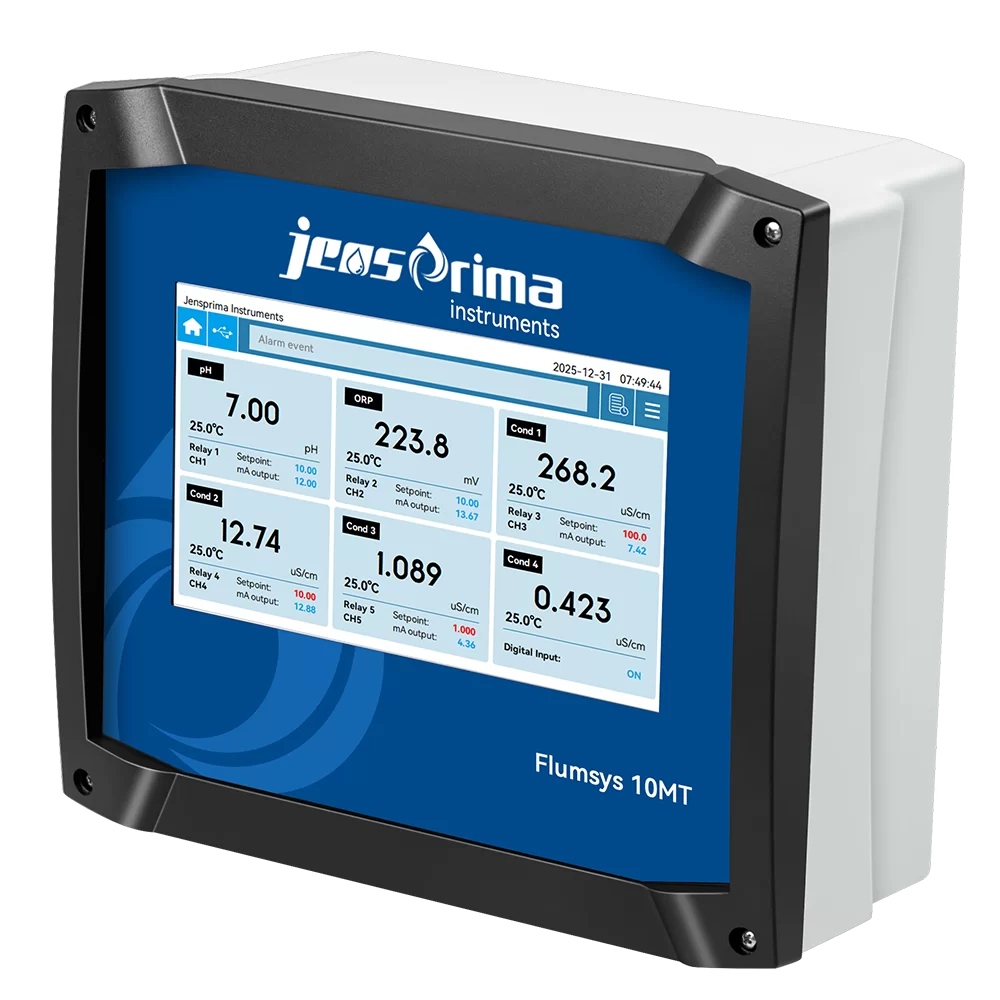
Industrial water monitoring requires precise synchronization of multiple electrochemical parameters to ensure environmental compliance and process efficiency. A custom multi parameter water quality analyzer allows operators to consolidate several measurement streams into a single interface, reducing the footprint of monitoring stations while increasing data correlation. This guide examines the technical architecture and selection criteria necessary for deploying these systems in demanding B2B environments.
The complexity of industrial water matrices—often containing varying levels of salinity, temperature fluctuations, and chemical contaminants—demands more than standard "off-the-shelf" sensors. For pharmaceutical manufacturers and wastewater treatment plants, the ability to isolate specific target ions like nitrates or ammonia nitrogen without cross-interference is critical. Understanding the interplay between sensor stability and the water chemistry is the first step toward an effective monitoring strategy.
Readers will explore the transition from passive electrochemical sensing to active potentiostatic control, evaluate the impact of material selection on sensor lifespan, and learn how to define specifications for bespoke monitoring hardware. By focusing on signal integrity and maintenance cycles, technical managers can optimize the total cost of ownership for their water analysis infrastructure.
Engineering Requirements for Water Analysis
Modern online water quality monitoring has shifted from periodic sampling to continuous, real-time data streams. The primary engineering challenge is maintaining laboratory-grade accuracy in field conditions where biofouling, chemical corrosion, and electronic noise are prevalent. To achieve this, systems must employ advanced circuitry that can compensate for temperature-induced drift and electrode polarization. For instance, in wastewater applications, the presence of overlapping chemical species often creates "false positives" in standard sensors, necessitating the use of selective membranes and stabilized reference electrodes. The objective is to create a measurement environment where the signal is proportional only to the analyte concentration, regardless of the fluctuating background matrix. This requires a deep integration of materials science and electronic engineering, ensuring that the sensor housing resists chemical degradation while the internal circuitry maintains a constant electrical potential.
Technical Selection and Implementation Guide
When specifying hardware for multi-parameter analysis, the focus must shift from simple "feature lists" to operational reliability. The following dimensions analyze the critical components that determine whether a system will survive the industrial environment and provide actionable data.
Electrochemical Sensing Principles
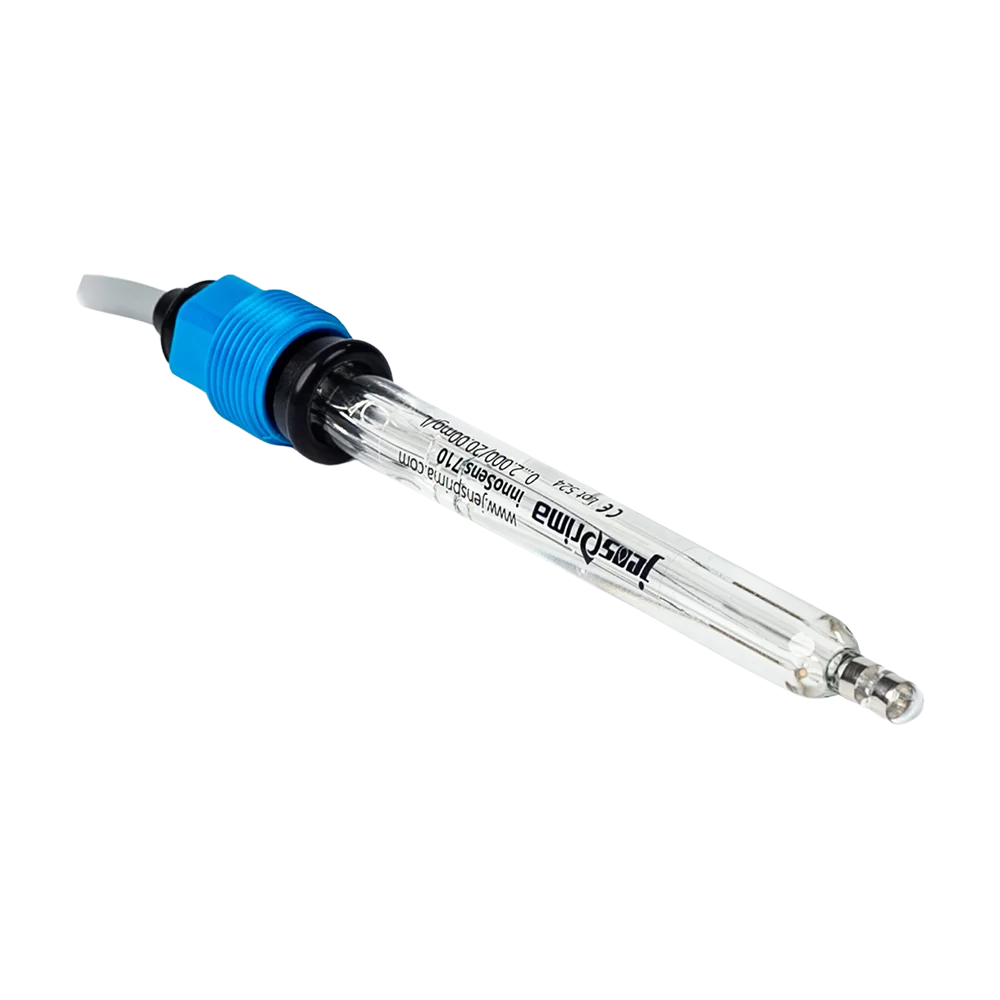
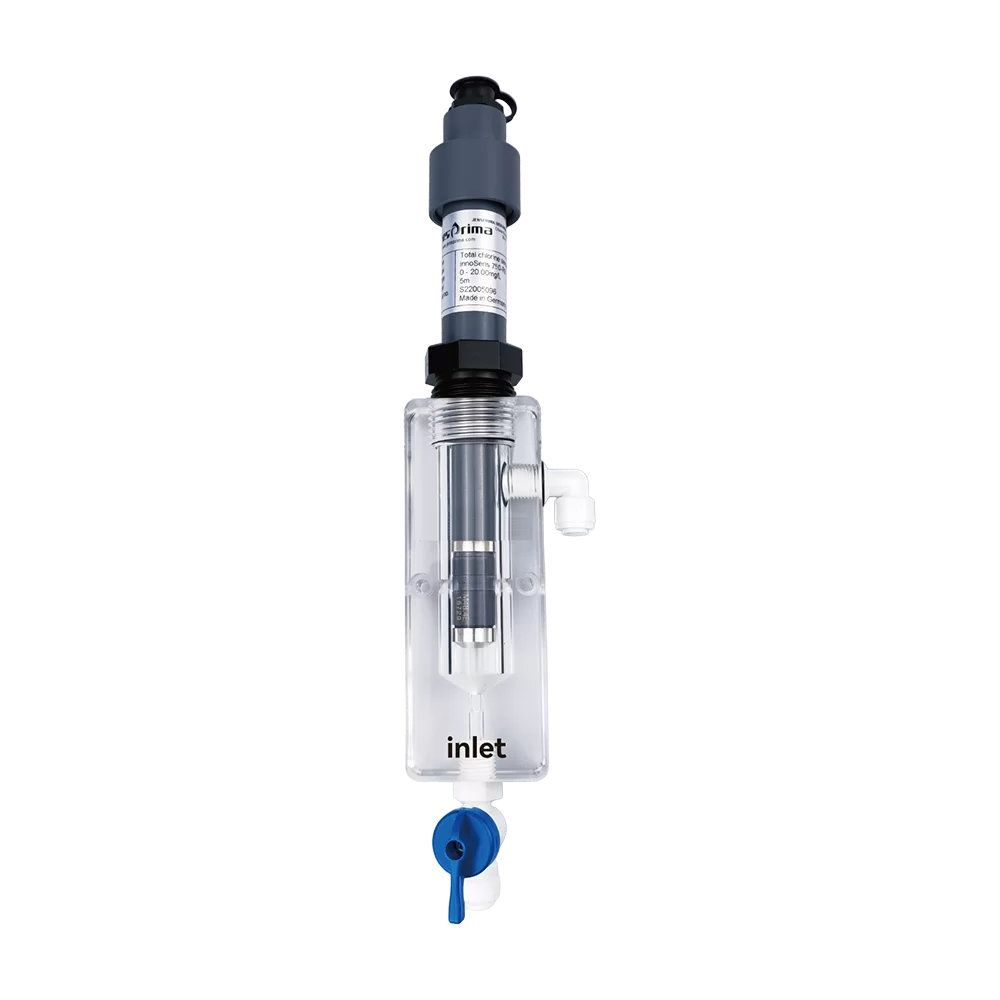
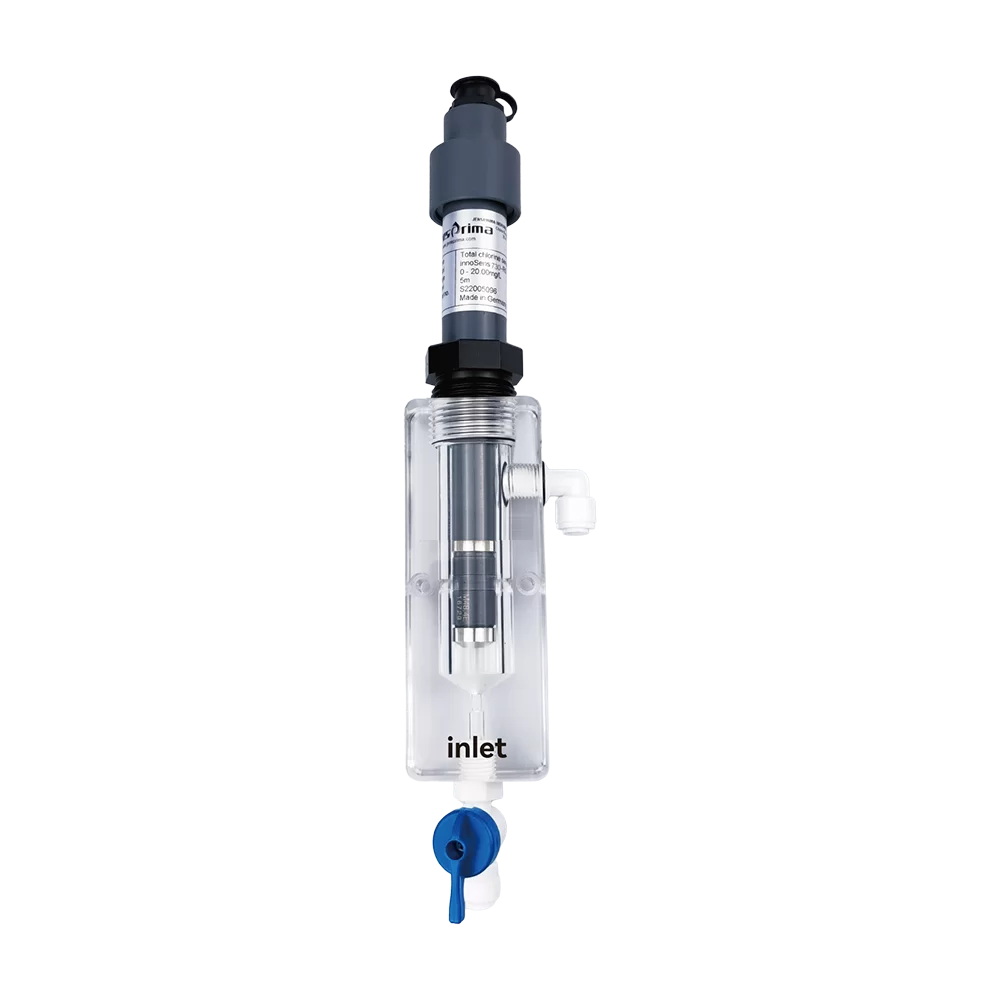
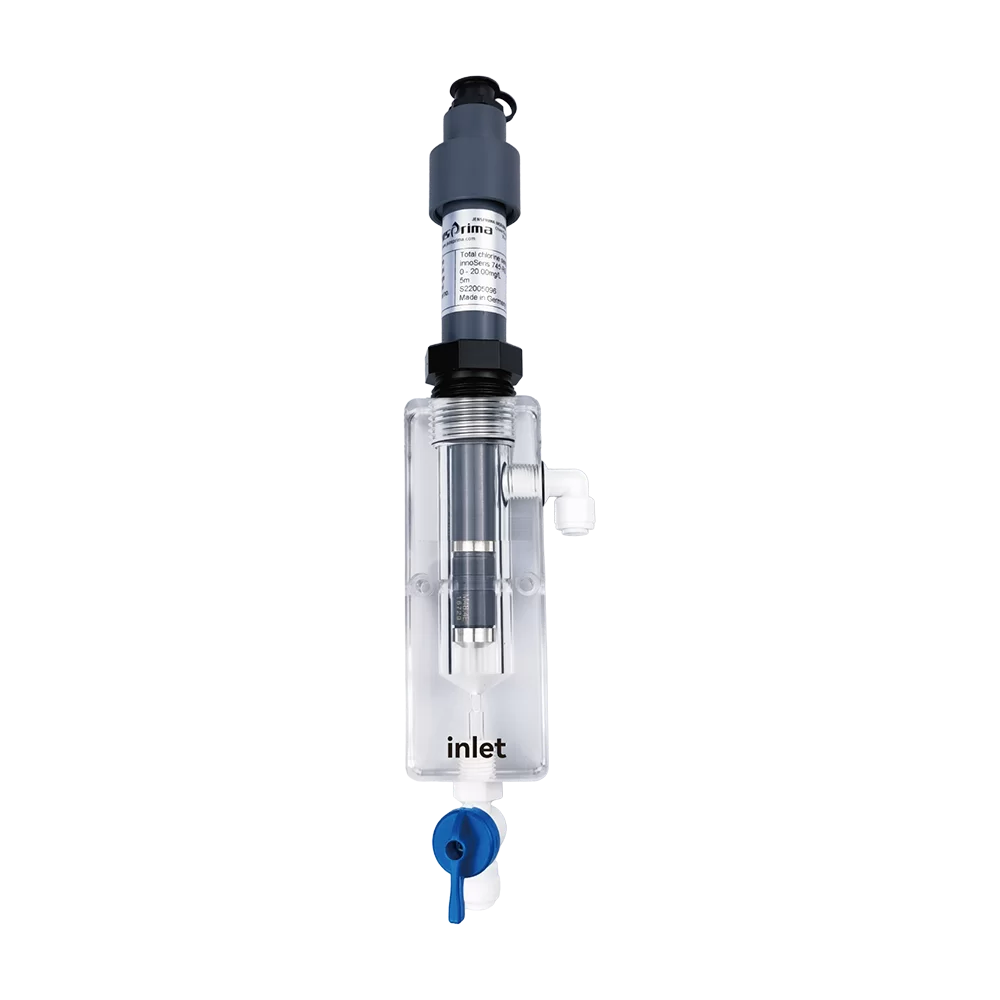
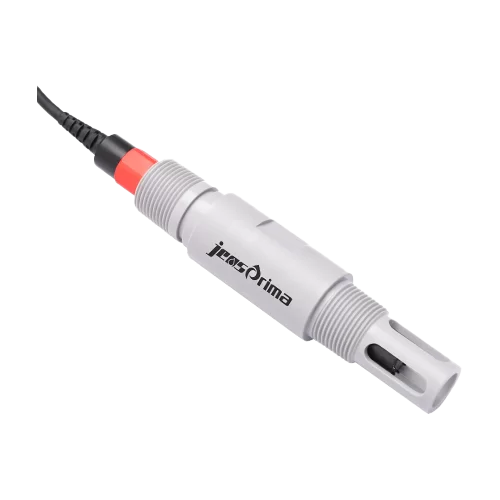
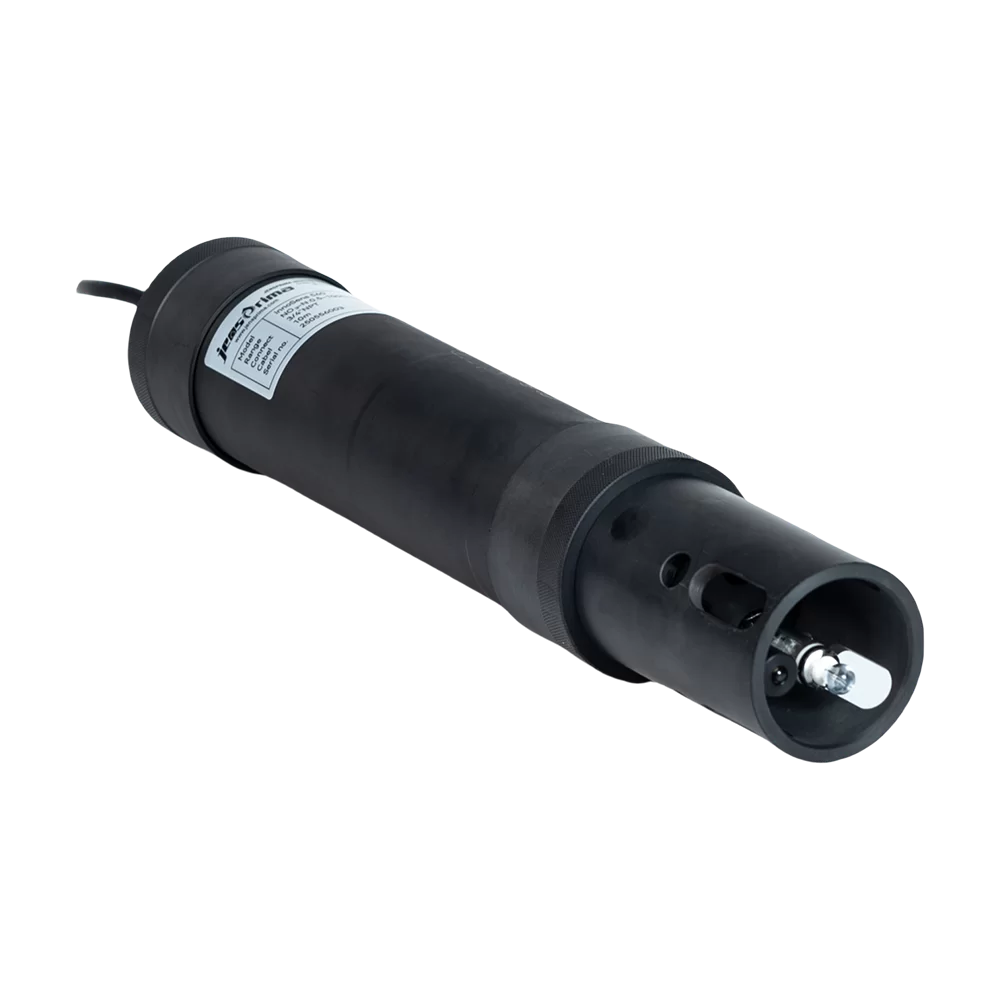
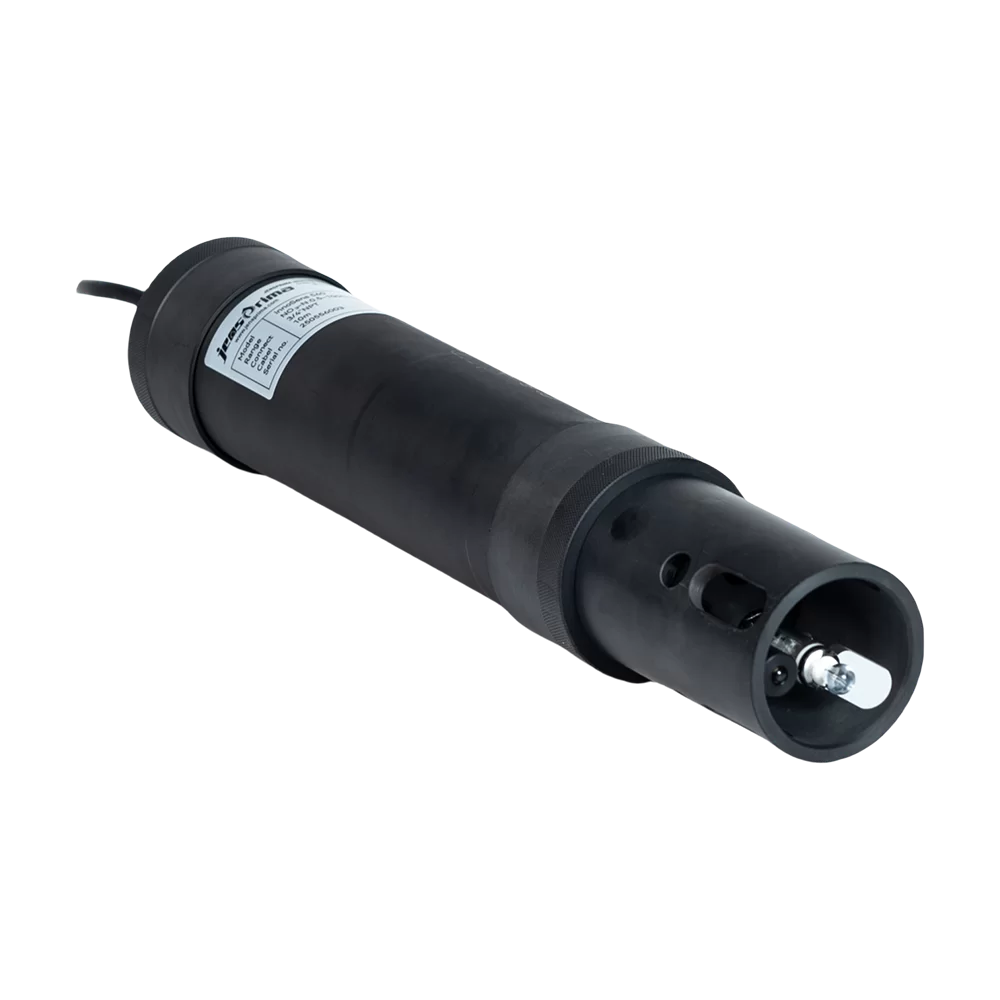
The core of high-precision analysis lies in the control of electrical potential. Potentiostatic sensors, such as the InnoSens 710, maintain a constant potential between the working and reference electrodes. This active control effectively isolates target analytes, which is a significant upgrade over passive sensors that are prone to signal fluctuation. This mechanism is particularly vital for detecting heavy metal ions or ammonia nitrogen in complex industrial streams.
| Sensor Type | Control Mechanism | Selectivity Level | Primary Application |
|---|---|---|---|
| Passive Electrode | Open Circuit | Moderate | Pure Water/Lab |
| Potentiostatic | Constant Potential | High | Industrial Wastewater |
| Amperometric | Current Measurement | High | Dissolved Oxygen |
| Ion-Selective (ISE) | Membrane Potential | Variable | Specific Ion Tracking |
| Optical/UV-Vis | Light Absorption | Very High | COD/TOC Analysis |
| Conductivity | AC Impedance | General | Total Dissolved Solids |
Mitigating Signal Drift in Industrial Water
Signal drift is the gradual deviation of a sensor's output over time, often caused by electrode polarization or surface contamination. High-performance systems utilize active potentiostatic circuits to compensate for these changes, extending the interval between calibrations. While standard sensors might require weekly adjustments, advanced electrochemical solutions can extend this to monthly or quarterly cycles, drastically reducing labor costs in large-scale deployments.
Material Compatibility for Harsh Matrices
The physical interface between the sensor and the water is a common point of failure. Using chemical-resistant polymers for housing prevents degradation in highly acidic or alkaline environments. For operators in pharmaceutical or chemical manufacturing, ensuring that the sensor body does not leach contaminants into the process stream is as important as the measurement itself. Robust construction ensures that the sensor can withstand pressure fluctuations without compromising the internal seal.
Integration with Automated Control Systems
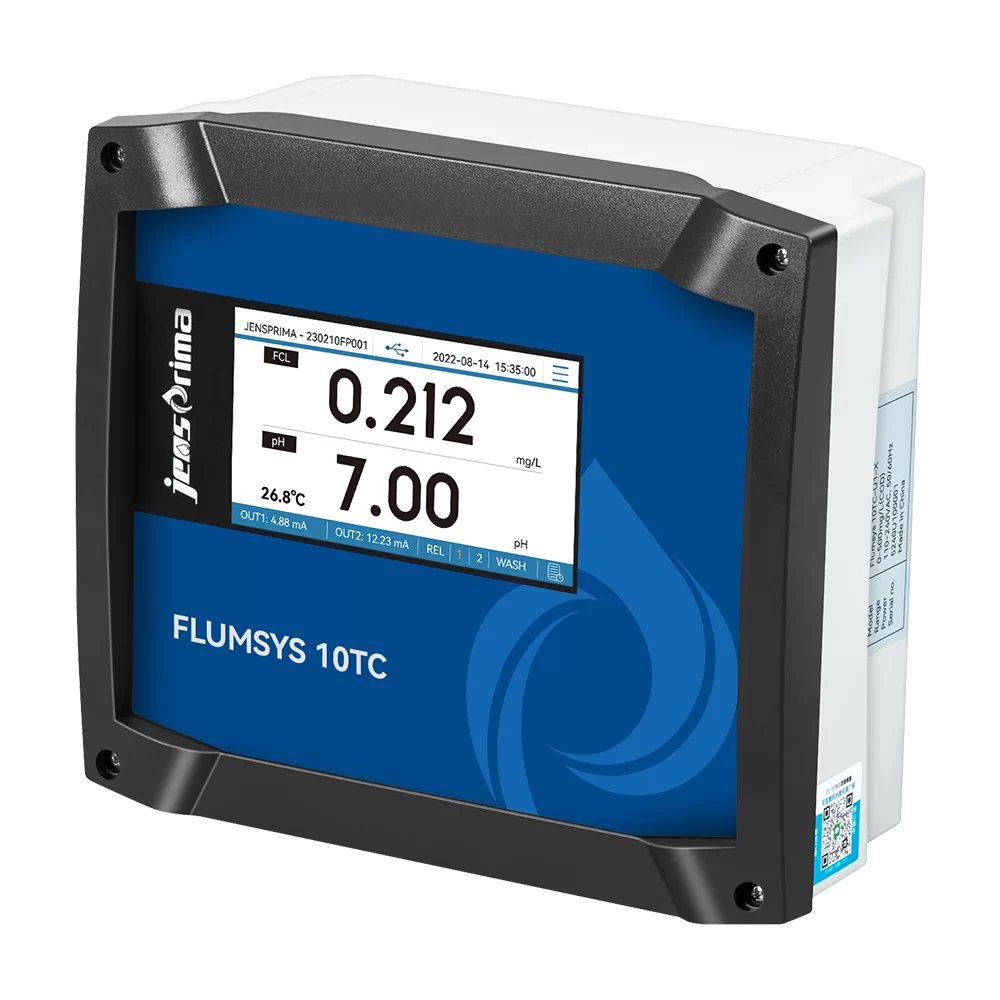
A monitoring tool is only useful if its data can trigger a response. Standardized interfaces allow sensors to integrate into SCADA or PLC systems. The ability to stream continuous data allows for "smart alerts," where an SMS or email is triggered the moment a parameter exceeds a predefined threshold. This enables immediate corrective action, preventing environmental non-compliance and protecting downstream equipment from contamination.
Calibration Lifecycle Management
Calibration is the most labor-intensive part of water analysis. Implementing scheduled calibration cycles through automated software helps maintain accuracy without constant manual intervention. The use of standard solution calibration ensures that the sensor's slope and offset are corrected. Systems that incorporate drift detection diagnostics can notify technicians only when calibration is actually required, rather than following a rigid, inefficient calendar.
Interference Rejection Strategies
Cross-sensitivity occurs when a sensor reacts to an ion other than the target analyte. This is solved by utilizing specific electrode coatings and potentiostatic rejection. By isolating the electrical potential, the system can ignore interfering species that would otherwise cause false readings. This is essential for compliance with stringent environmental regulatory standards where a 1% error can lead to significant fines.
Customization for Specific Target Ions
Different industries require different parameter sets. A wastewater plant may prioritize ammonia and nitrates, while a pharmaceutical plant focuses on purity and conductivity. Jensprima leverages 20 years of R&D to provide OEM services and one-on-one technical solutions, ensuring the sensing array is tailored to the specific ions present in the client's water matrix, rather than providing a generic sensor package.
FAQ
How does potentiostatic control improve measurement accuracy?
Potentiostatic control maintains a constant electrical potential at the working electrode. This prevents the electrode from drifting due to polarization and significantly reduces the impact of interfering ions. By keeping the potential stable, the sensor only responds to the specific chemical reaction of the target analyte, resulting in much higher selectivity and lower noise compared to passive electrodes.
What are the typical maintenance requirements for online sensors?
Maintenance typically includes periodic cleaning of the sensor tip to remove biofouling and regular calibration using standard solutions. However, sensors with active drift compensation and chemical-resistant polymers, like the InnoSens 710, require less frequent intervention. Depending on the water matrix, calibration intervals can be extended from weekly to quarterly, reducing operational overhead.
Can these analyzers be used in highly corrosive environments?
Yes, provided they are constructed with industrial-grade materials. Professional systems use chemical-resistant polymers and specialized electrode materials designed to withstand aggressive pH levels and corrosive ions. It is important to verify the housing material and seal ratings against the specific chemicals present in your process water to ensure long-term durability.
How do I choose between a single-parameter and a multi-parameter system?
Choose a multi-parameter system when you need to correlate different data points (e.g., how temperature affects dissolved oxygen) or when installation space is limited. Multi-parameter analyzers reduce the number of controllers and cabling required. Single-parameter sensors are better suited for very simple, isolated monitoring points where only one critical threshold must be tracked.
What is the impact of temperature on water quality readings?
Temperature significantly affects the activity of ions and the reaction rate at the electrode surface, which can lead to inaccurate readings. High-quality analyzers incorporate automatic temperature compensation (ATC) using an integrated thermistor. This allows the system to mathematically adjust the result back to a standard reference temperature (usually 25°C), ensuring consistency across seasonal changes.
How does the lead time affect B2B procurement for these systems?
In industrial settings, downtime for monitoring equipment can lead to regulatory fines. Selecting a supplier with independent manufacturing capabilities is key. For example, Jensprima operates its own factory, enabling delivery times of 3-5 business days. This reduces the risk of project delays compared to suppliers who outsource production or rely on long third-party supply chains.
References and further reading
- Industrial Electrochemical Analysis: Principles of Potentiostatic Control and Signal Stability.
- Standard Methods for the Examination of Water and Wastewater, latest edition.
- Guide to Sensor Integration in SCADA-based Environmental Monitoring Systems.


