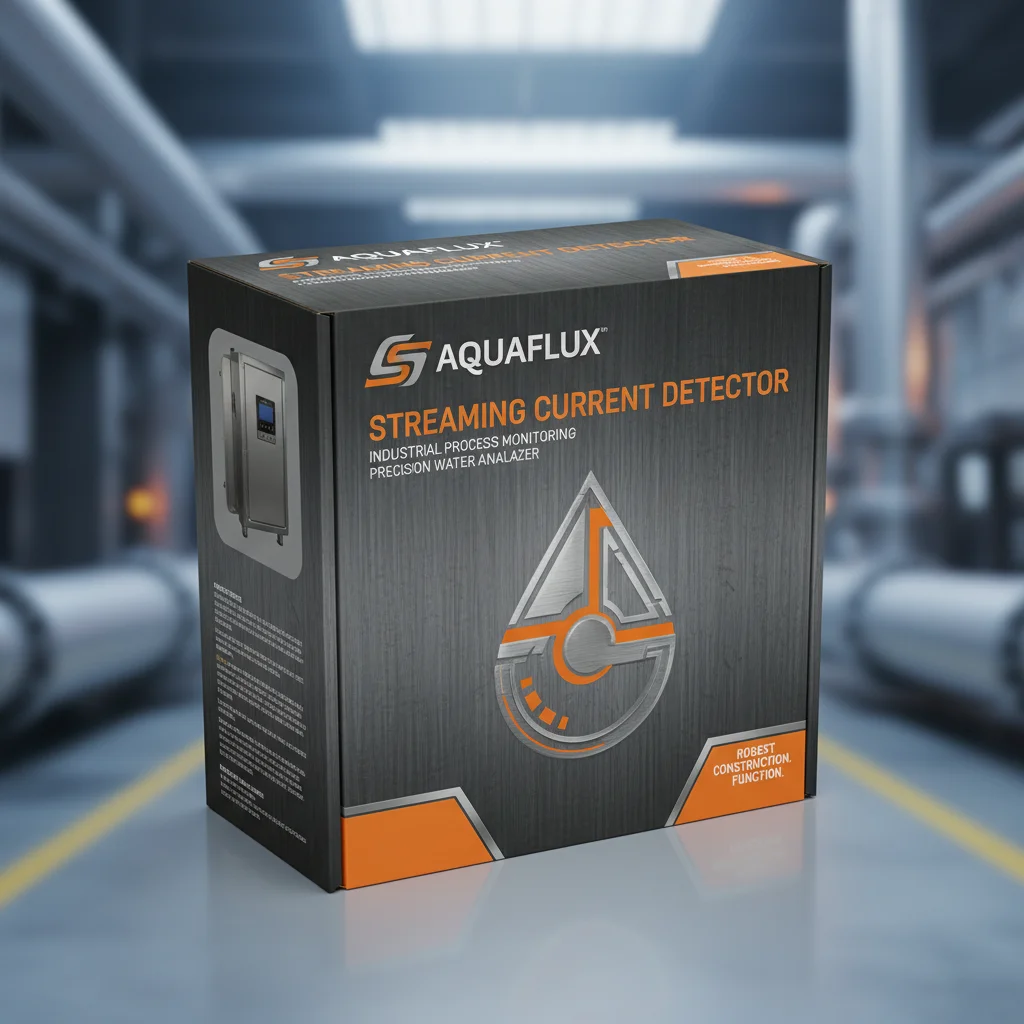
Maintaining precise water quality standards is a cornerstone of modern industrial safety and environmental stewardship. The ability to monitor specific chemical concentrations and acidity levels allows operators to prevent equipment corrosion and ensure regulatory compliance. Understanding the role of a water tds and ph meter is essential for anyone managing complex fluid systems where purity and balance are non-negotiable.
Globally, the demand for high-precision analytical instrumentation has surged as industries move toward automated, real-time monitoring. From wastewater treatment plants to pharmaceutical labs, the integration of sensors that can detect Total Dissolved Solids (TDS) and pH levels helps in mitigating risks associated with chemical imbalances. This shift toward digital precision reduces human error and optimizes the use of chemical reagents in water treatment.
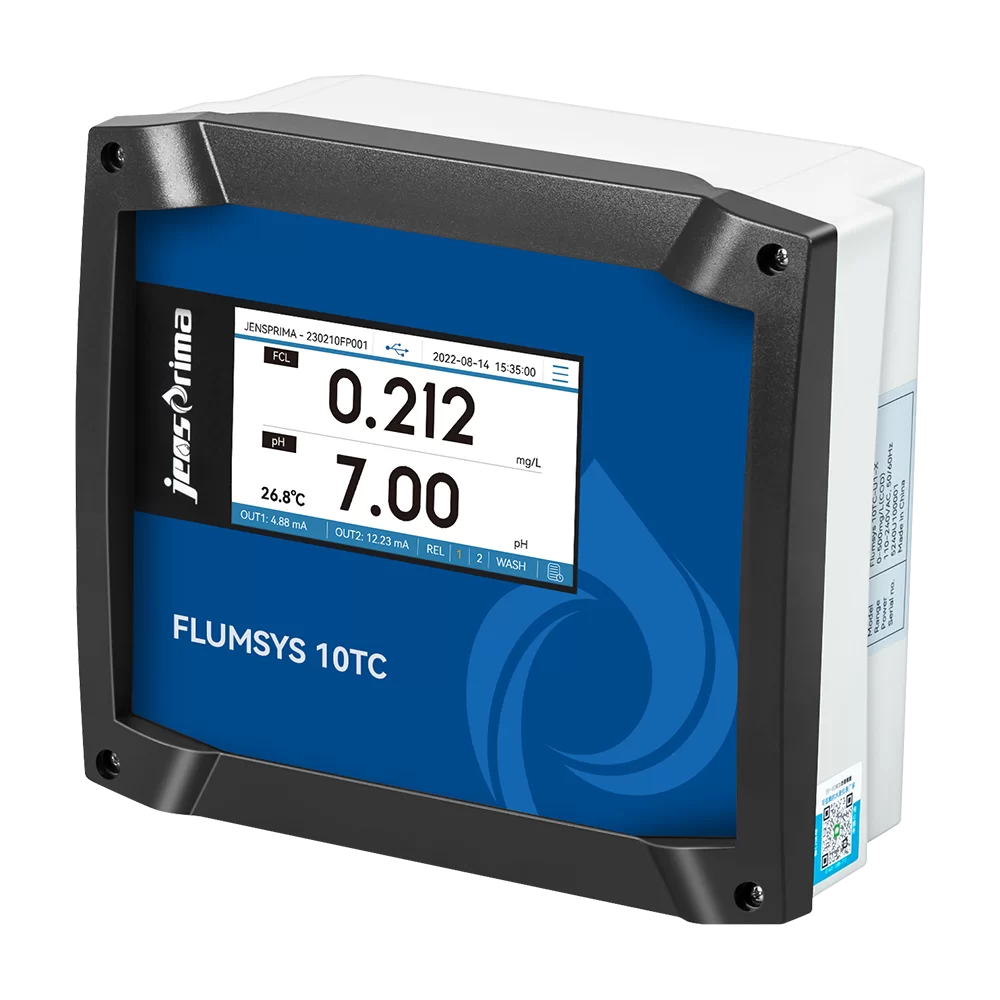
While the market offers various tools, professionals often seek a comprehensive water tds and ph meter solution to streamline their workflow. By combining the measurement of ionic concentration and hydrogen-ion activity, these tools provide a holistic view of water chemistry. This synergy is critical for optimizing processes such as reverse osmosis, cooling tower maintenance, and effluent discharge management.

The Global Relevance of Water Quality Monitoring
On a global scale, water scarcity and pollution have forced industries to adopt more rigorous monitoring protocols. Organizations like the World Health Organization (WHO) and ISO emphasize the importance of maintaining strict water quality parameters to protect public health and the environment. The deployment of specialized sensors allows for the immediate detection of contaminants, ensuring that water used in production or released into nature meets stringent safety benchmarks.
The challenge lies in the volatility of water chemistry; a slight shift in pH or a spike in dissolved solids can lead to catastrophic equipment failure or environmental fines. By utilizing advanced monitoring technology, companies can shift from reactive maintenance to proactive management, effectively reducing downtime and increasing the lifespan of their infrastructure.
Defining the Water TDS and pH Meter Concept
A water TDS and pH meter is an analytical instrument designed to quantify two distinct but related properties of water: Total Dissolved Solids (TDS) and the potential of Hydrogen (pH). TDS refers to the combined content of all inorganic and organic substances dissolved in a liquid, typically measured in parts per million (ppm). This measurement provides a general indication of water purity and the concentration of dissolved salts.
The pH component of the device measures the acidity or alkalinity of the water on a logarithmic scale from 0 to 14. While TDS tells us "how much" is dissolved in the water, pH tells us "what nature" those dissolved substances have. Together, these parameters provide a fundamental profile of the water's chemical behavior, which is vital for processes like chemical dosing and water softening.
In modern industry, this combined approach is more than just a convenience; it is a necessity for humanitarian and industrial needs. For instance, in drinking water purification projects in remote regions, these meters ensure that the water is not only free of excess solids but also chemically balanced to prevent the leaching of heavy metals from pipes.
Core Components of Precision Water Analysis
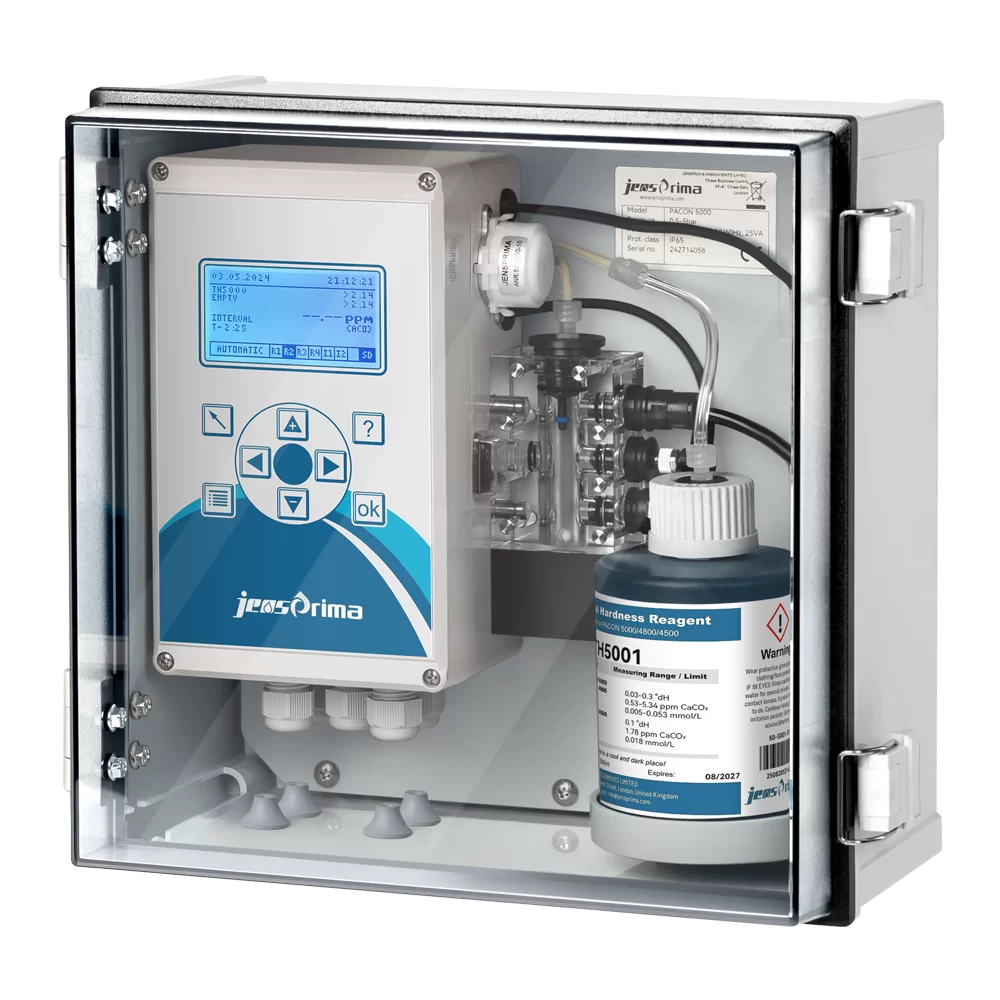
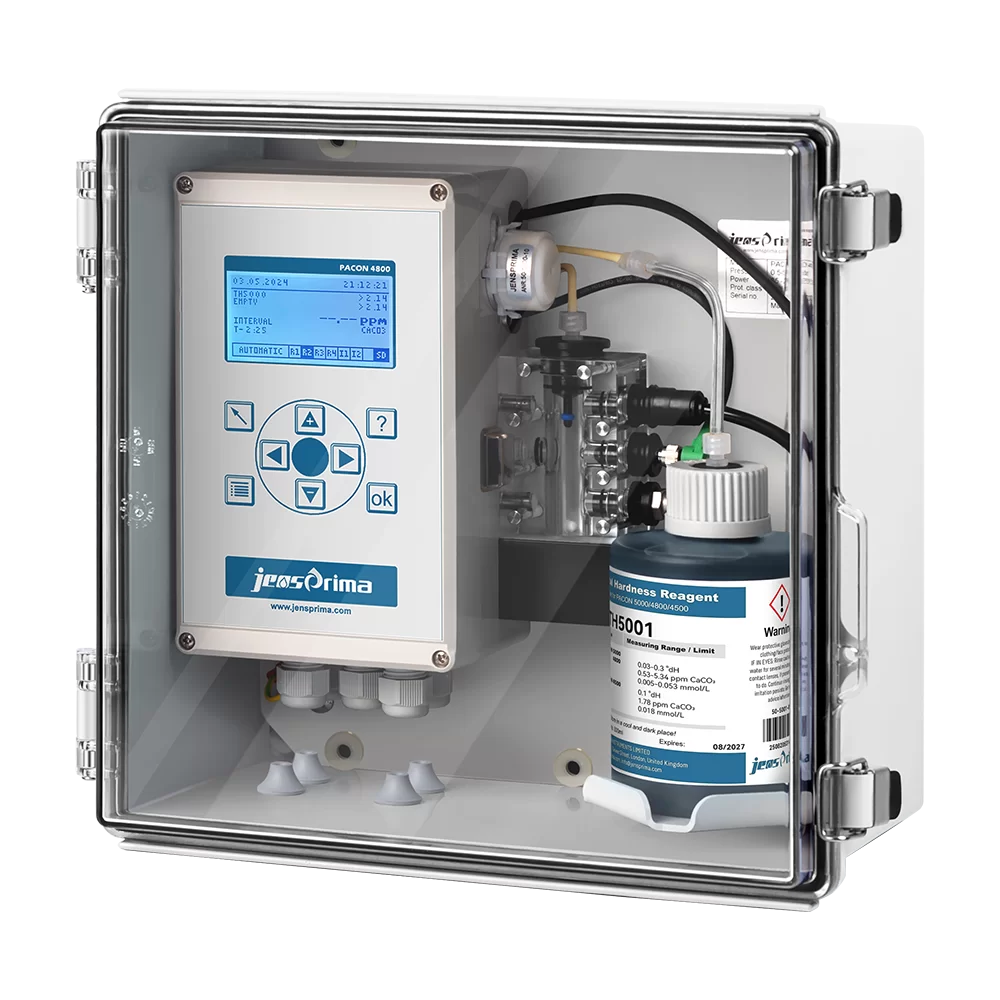
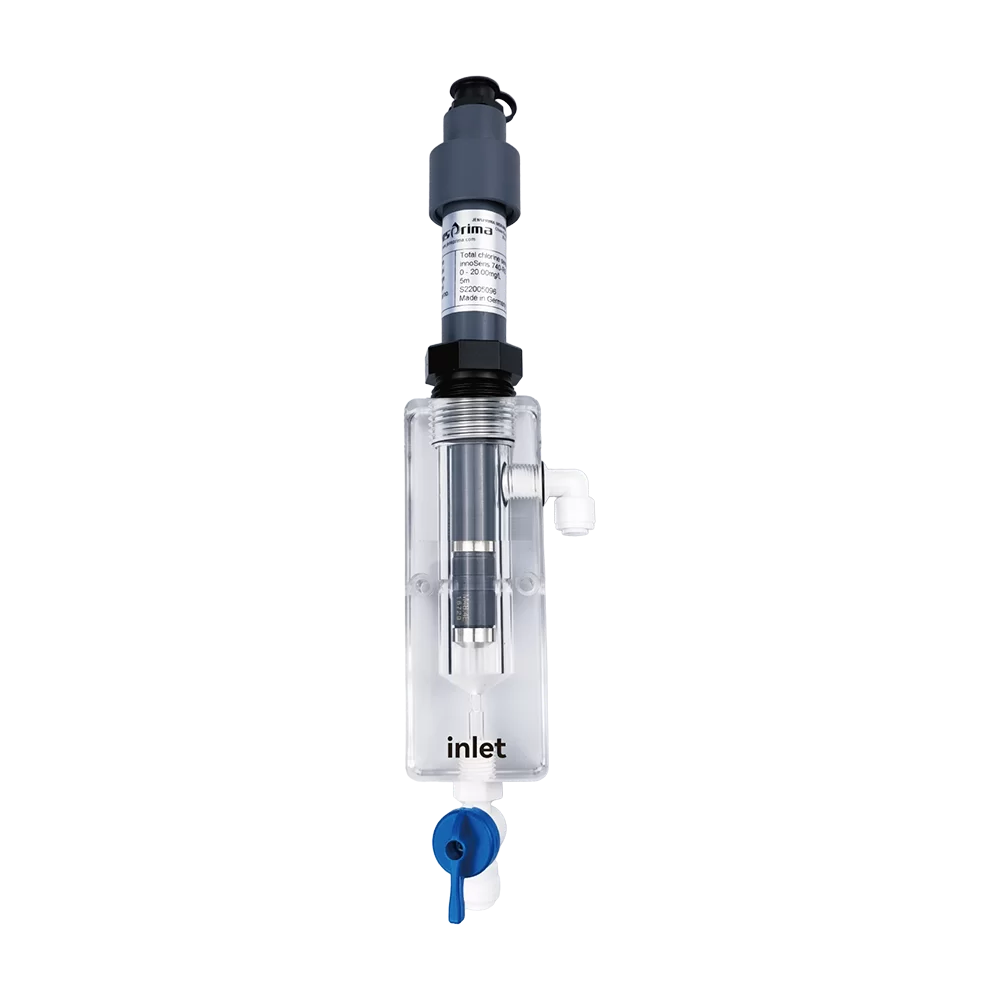
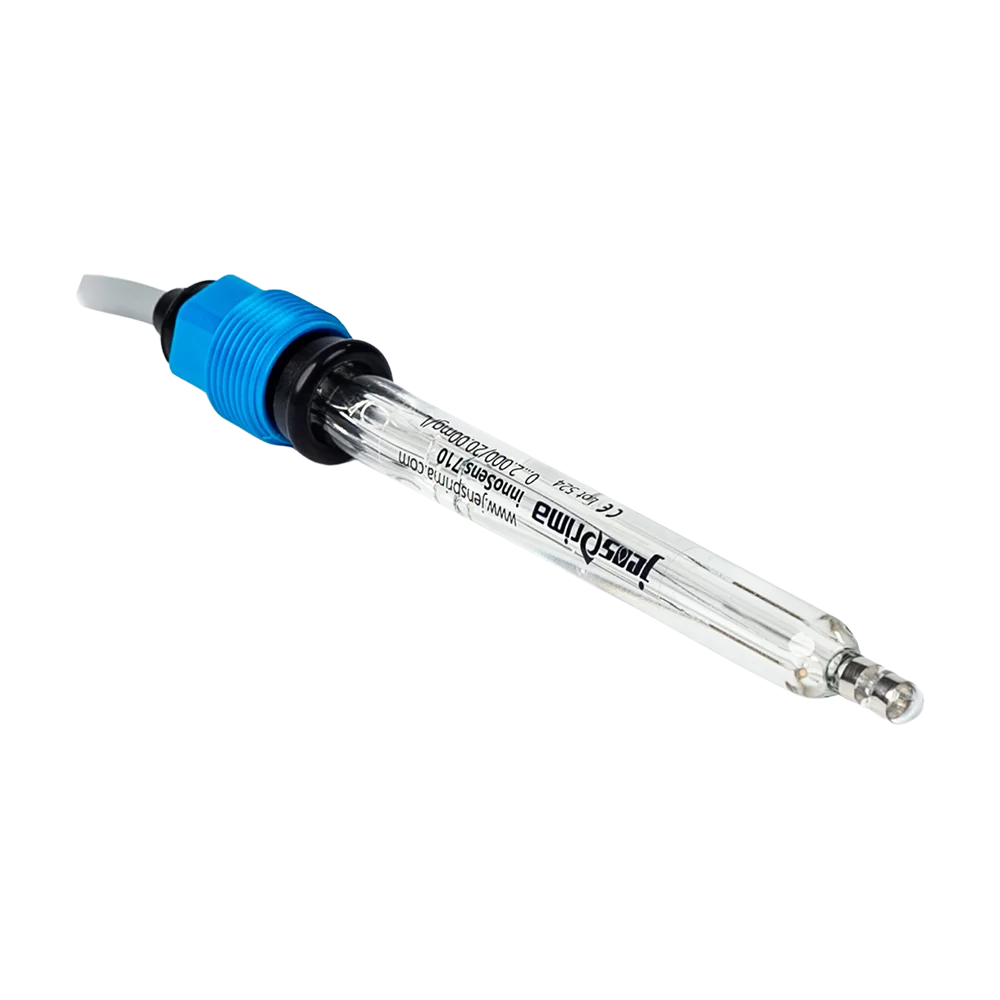
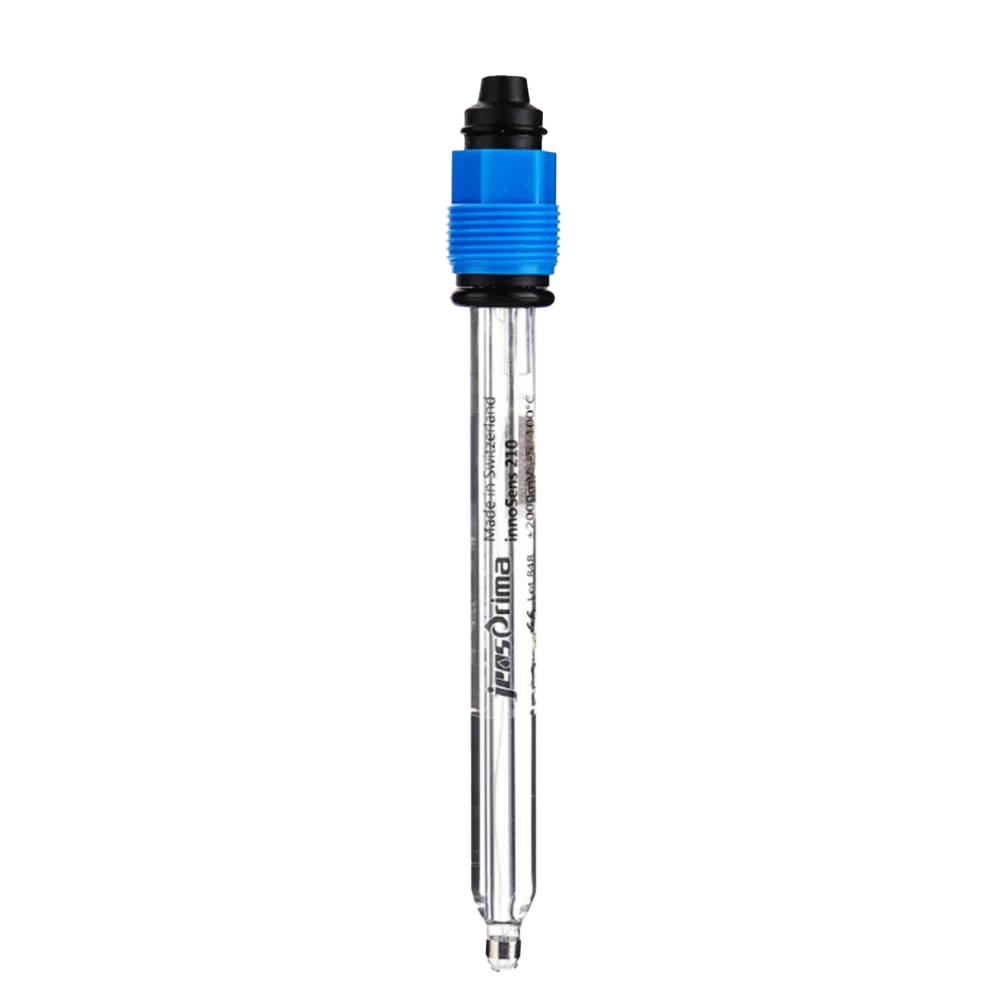
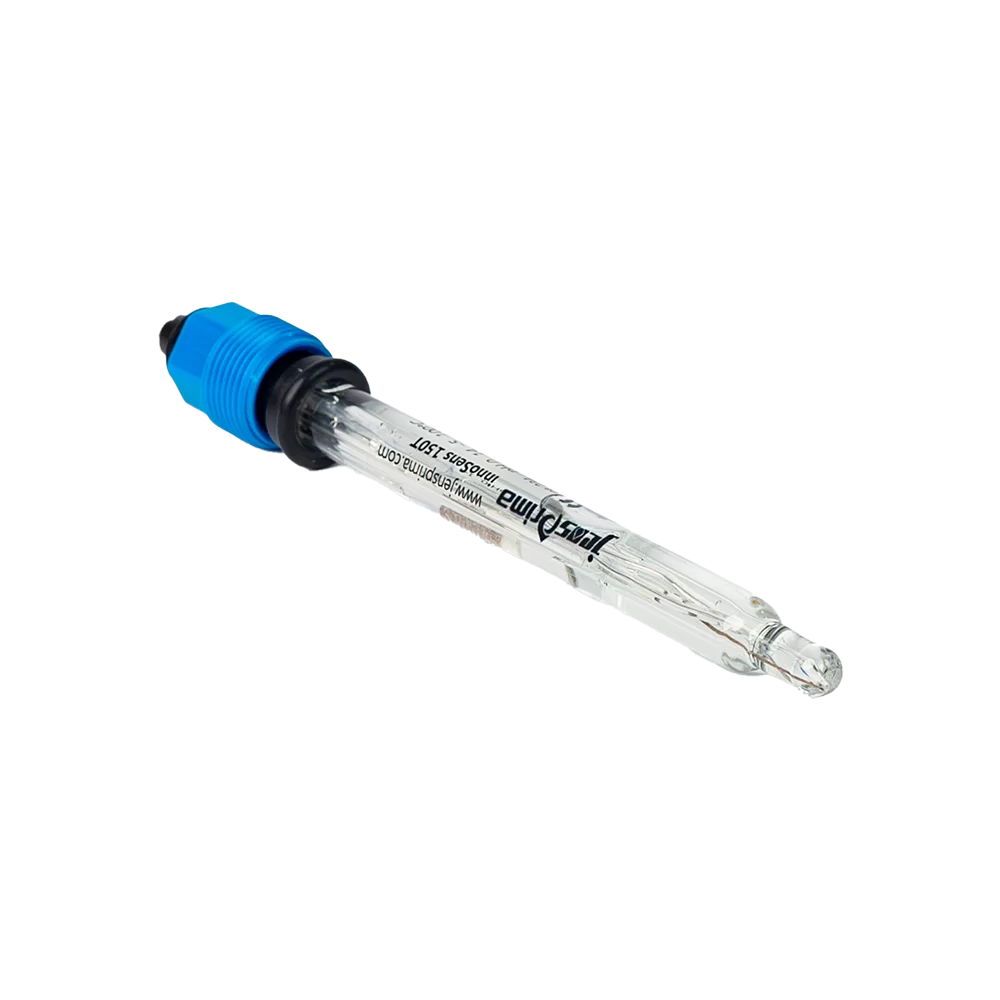
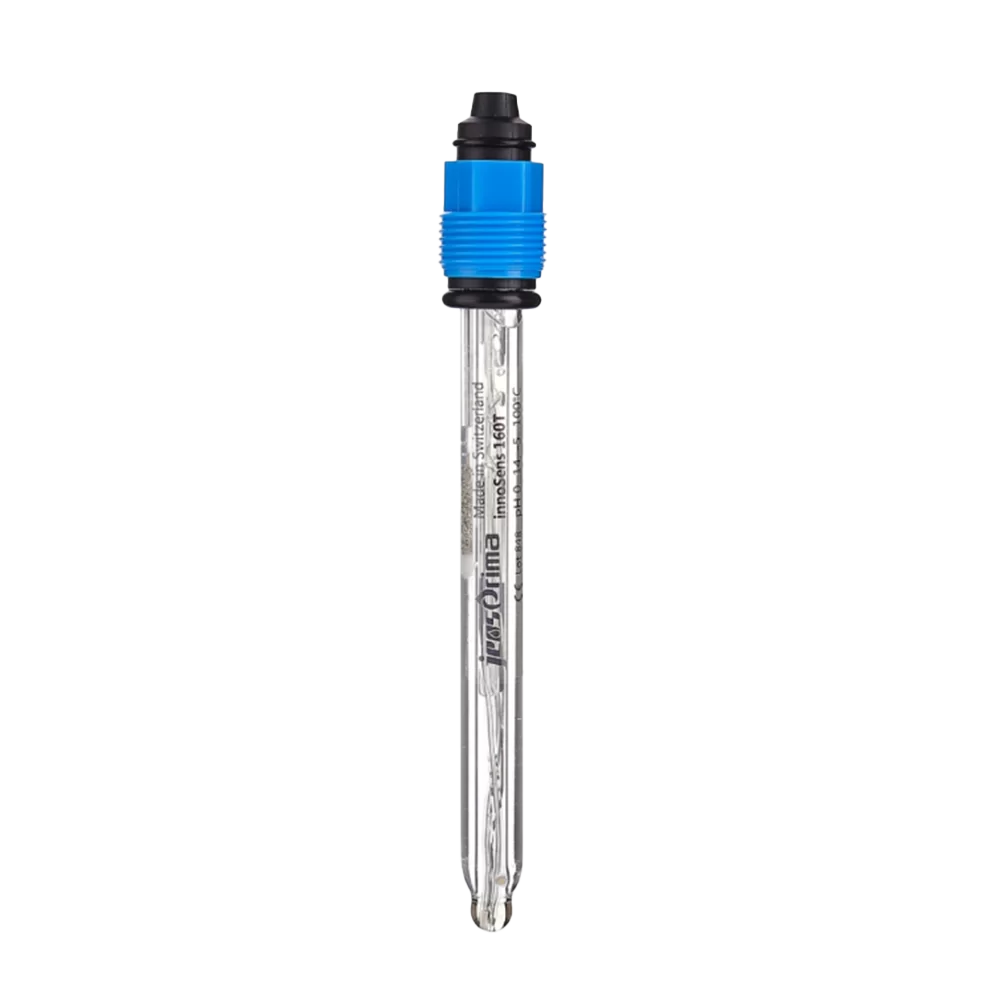
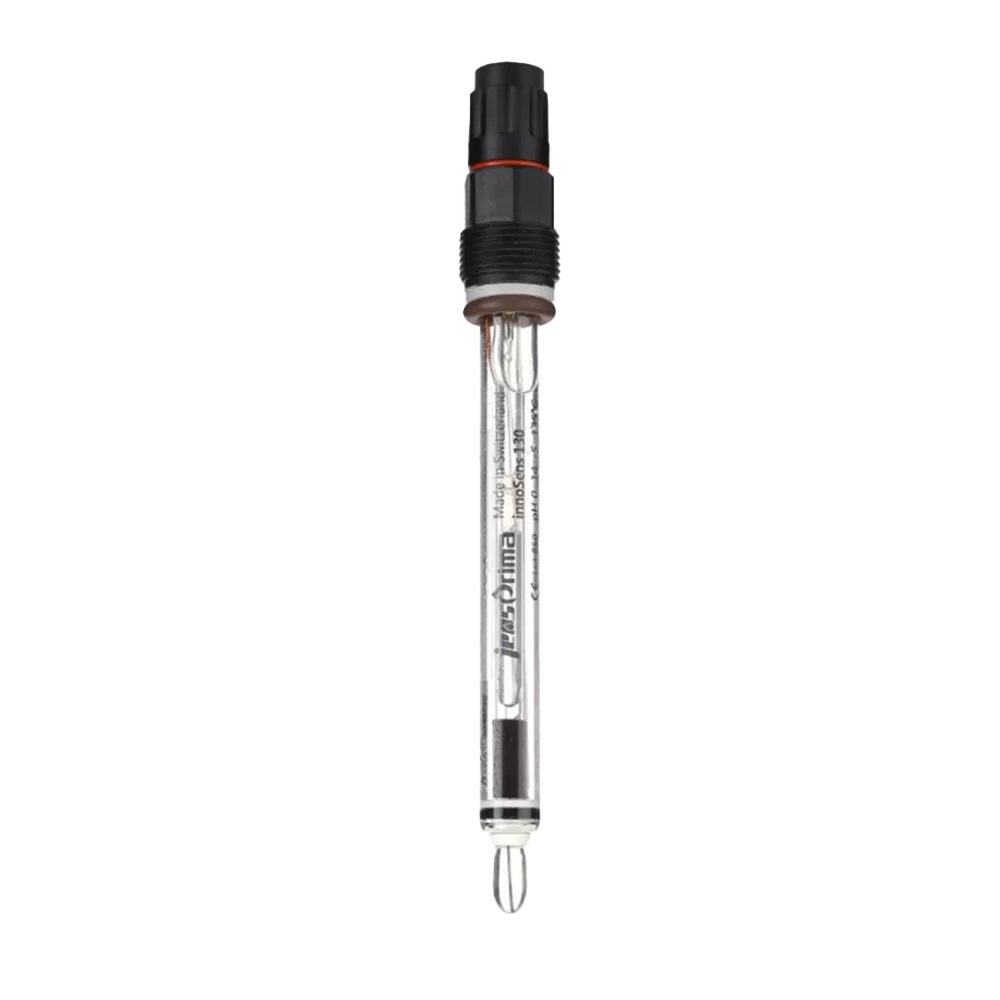
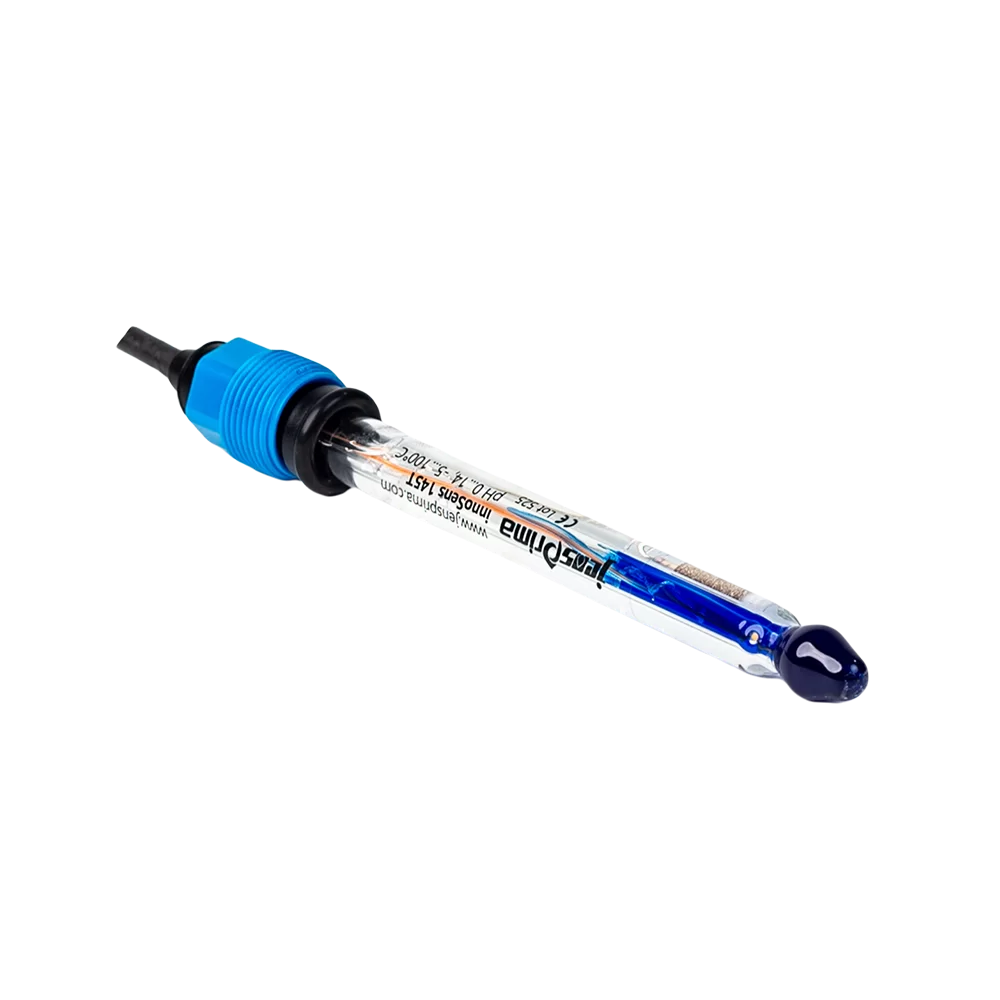
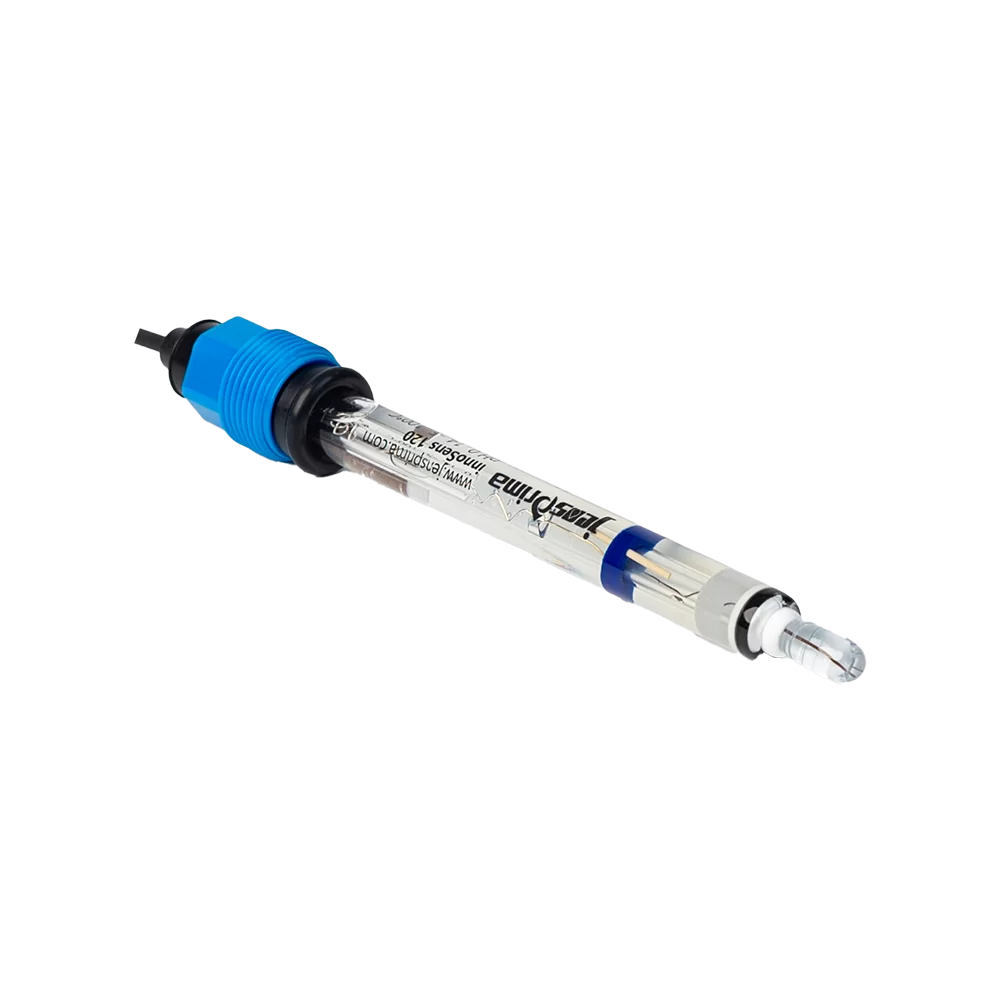
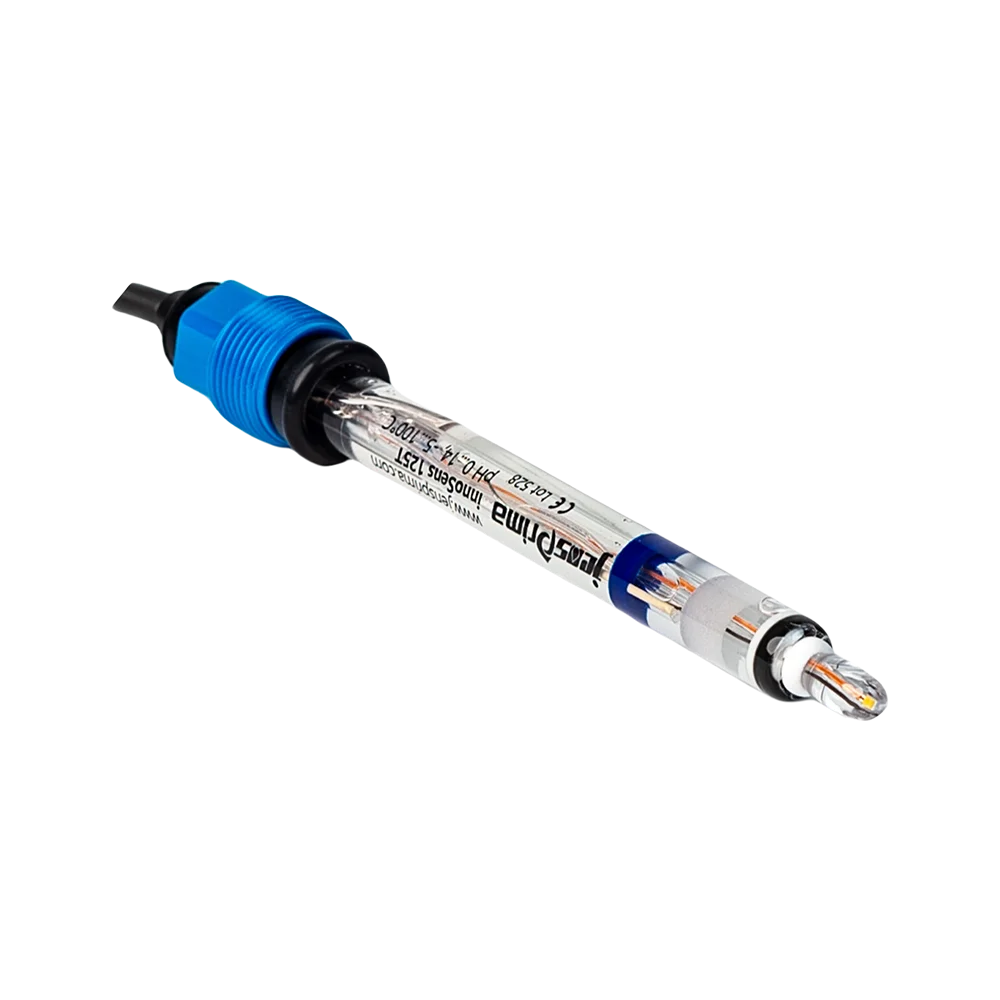
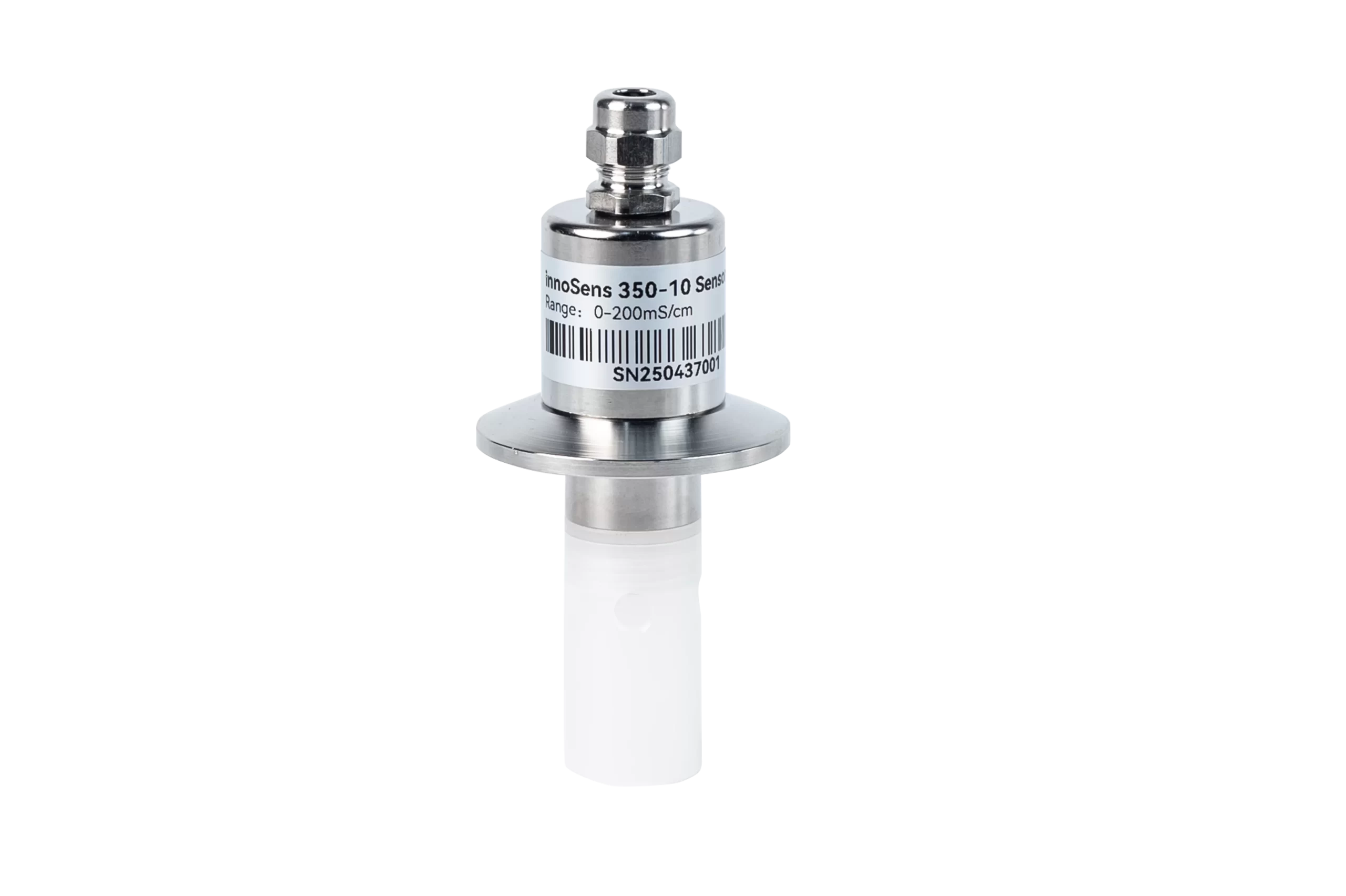
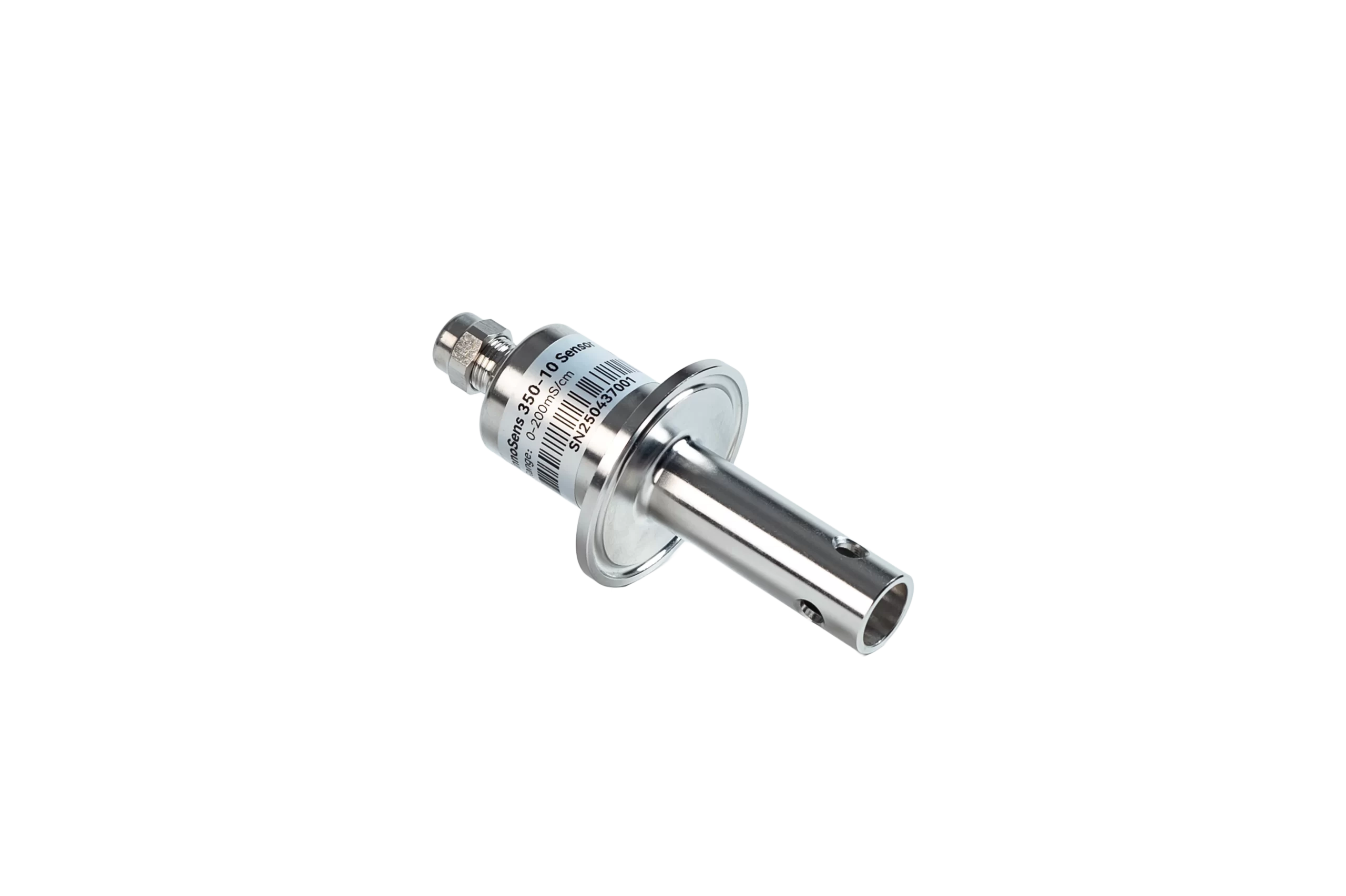
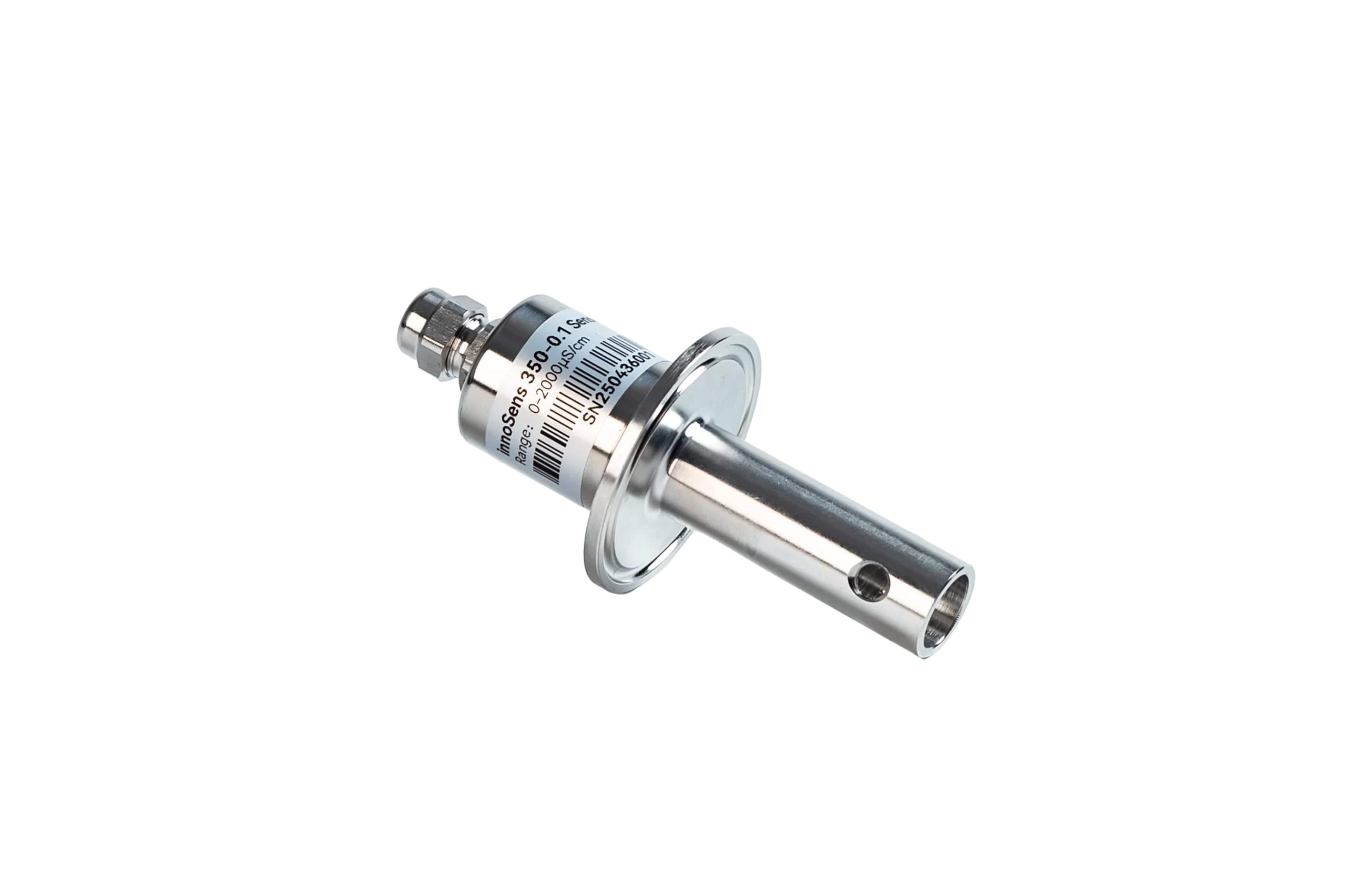
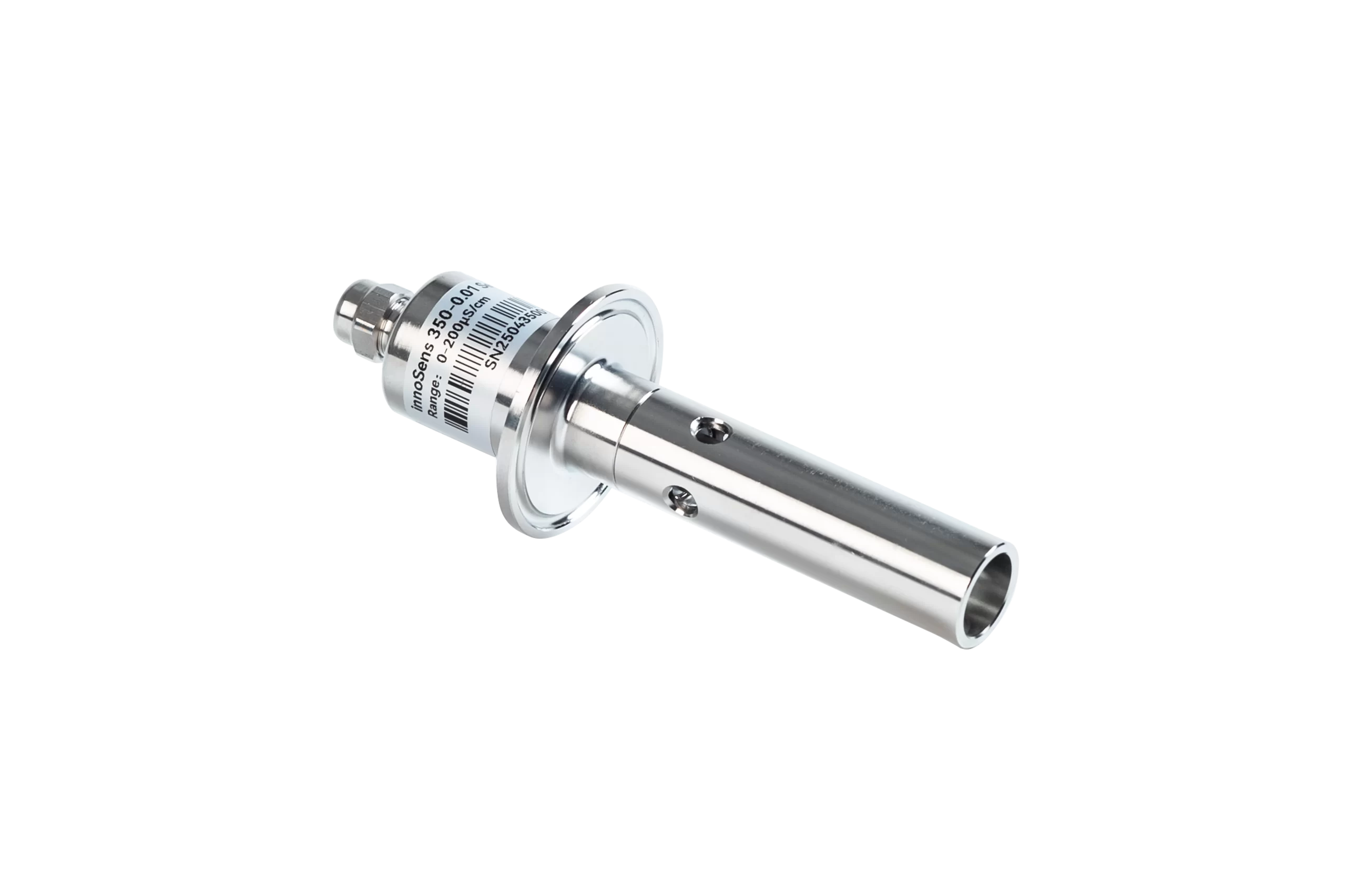
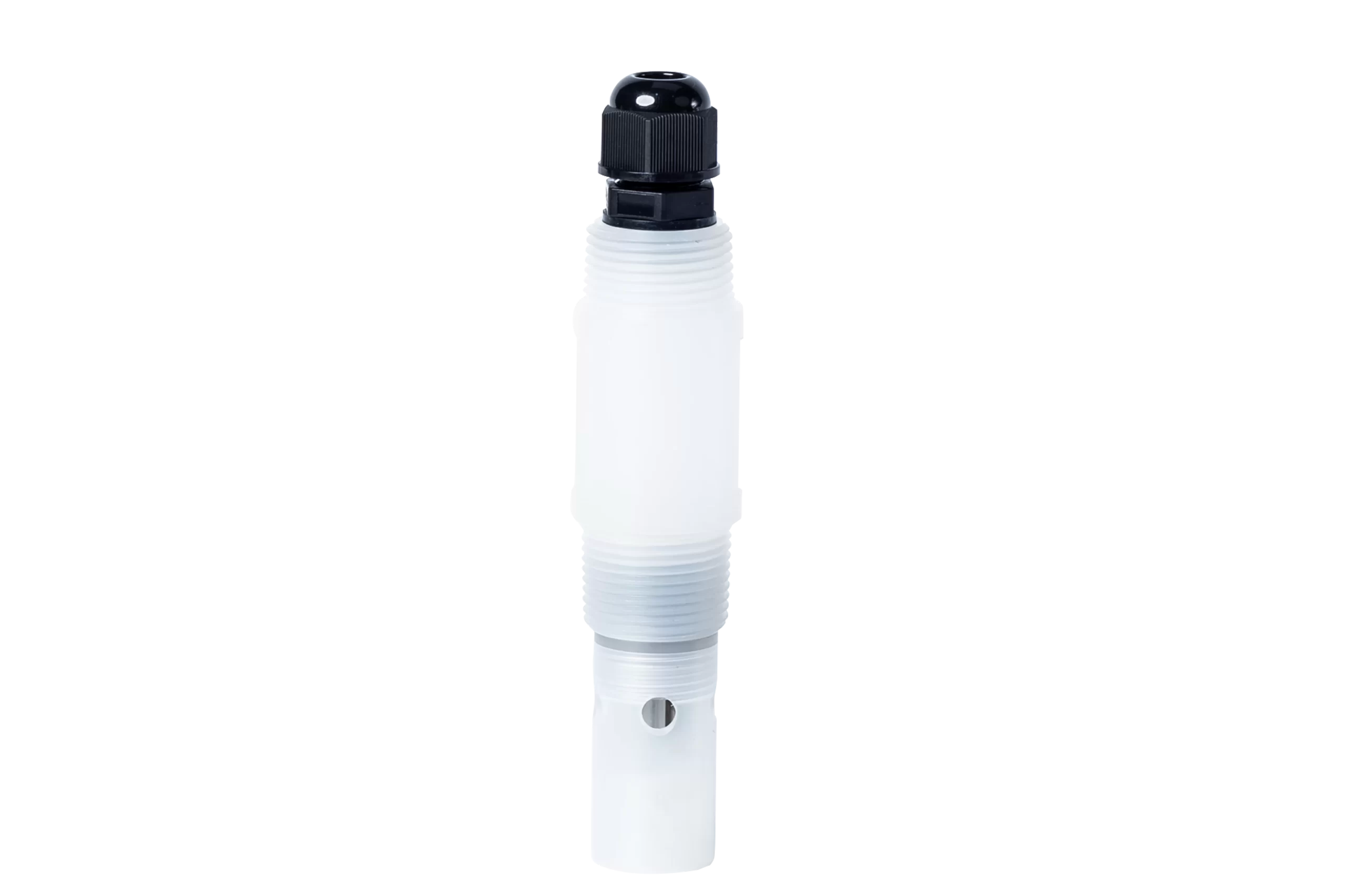
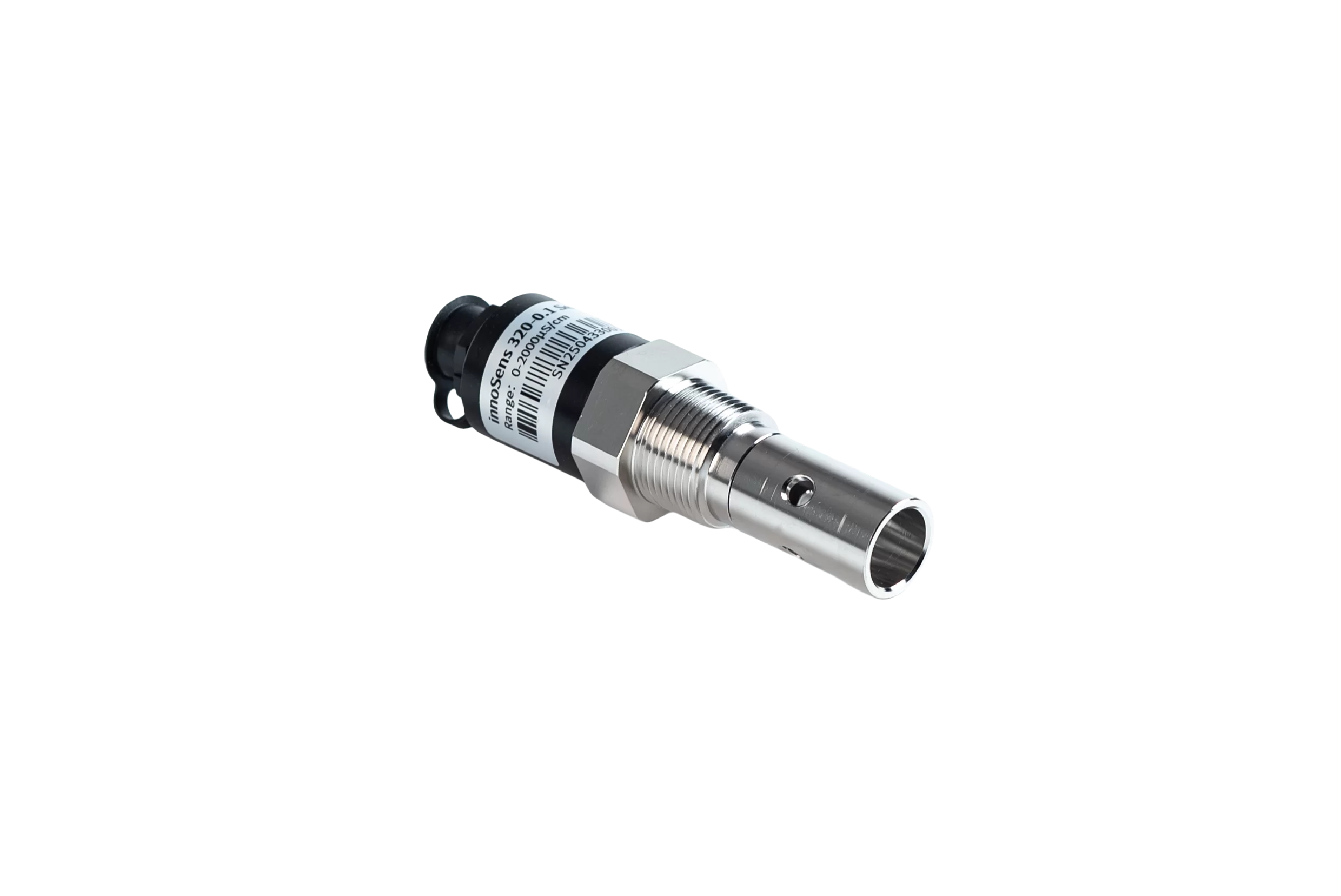
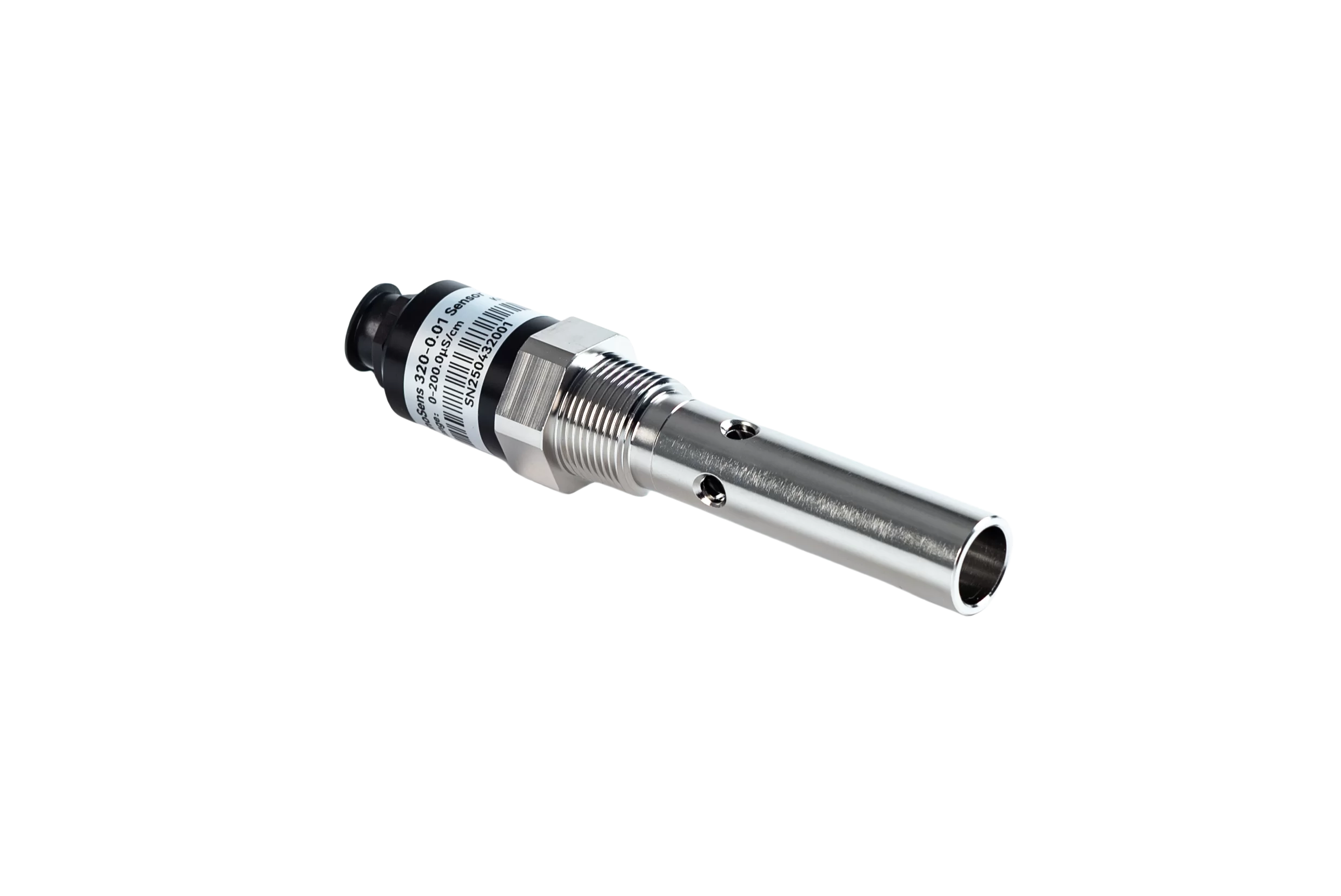
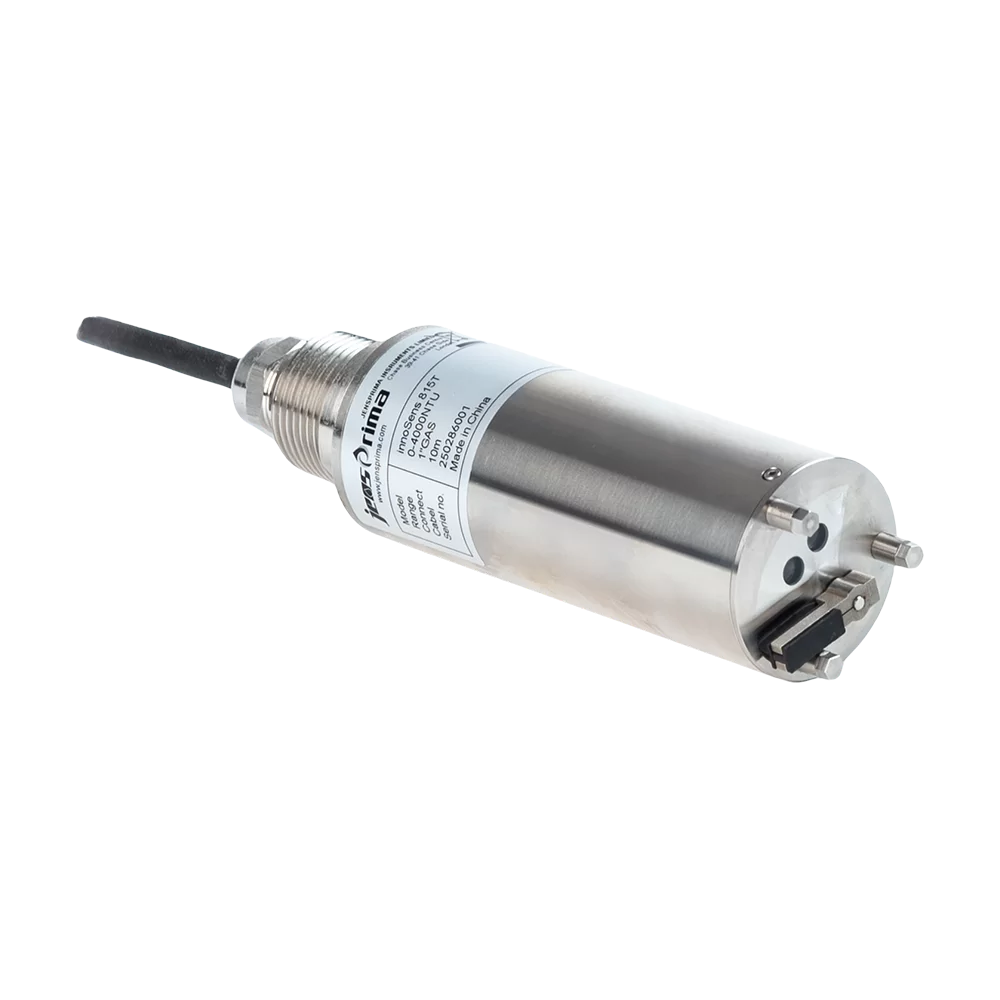
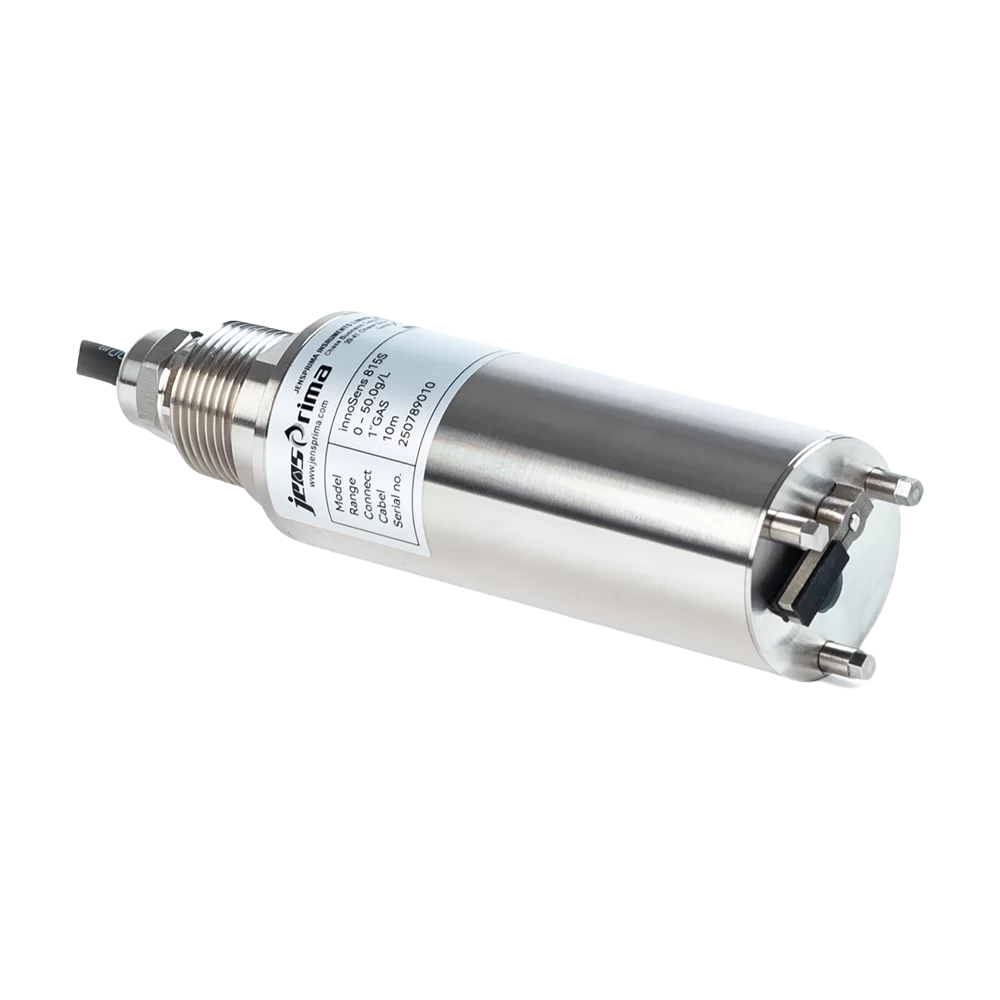
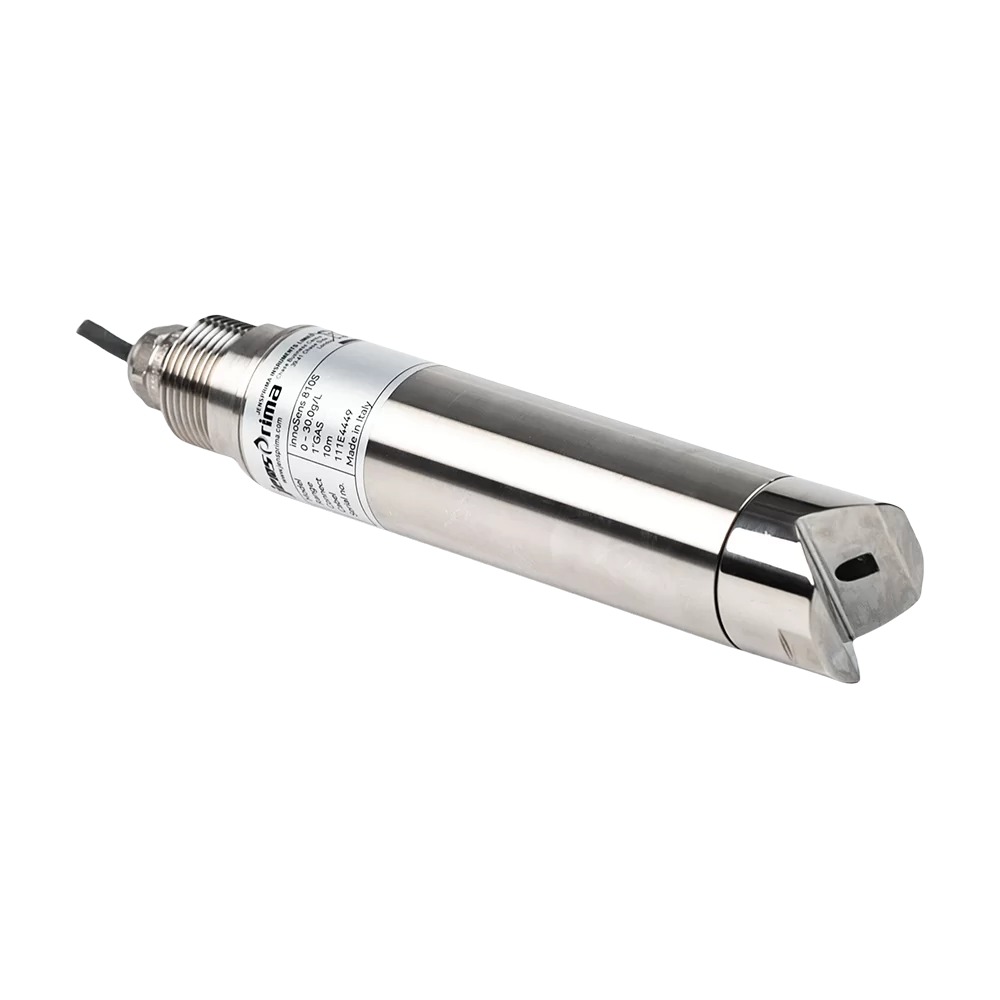
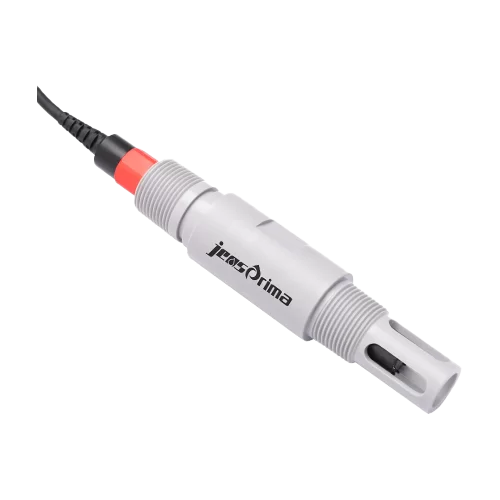
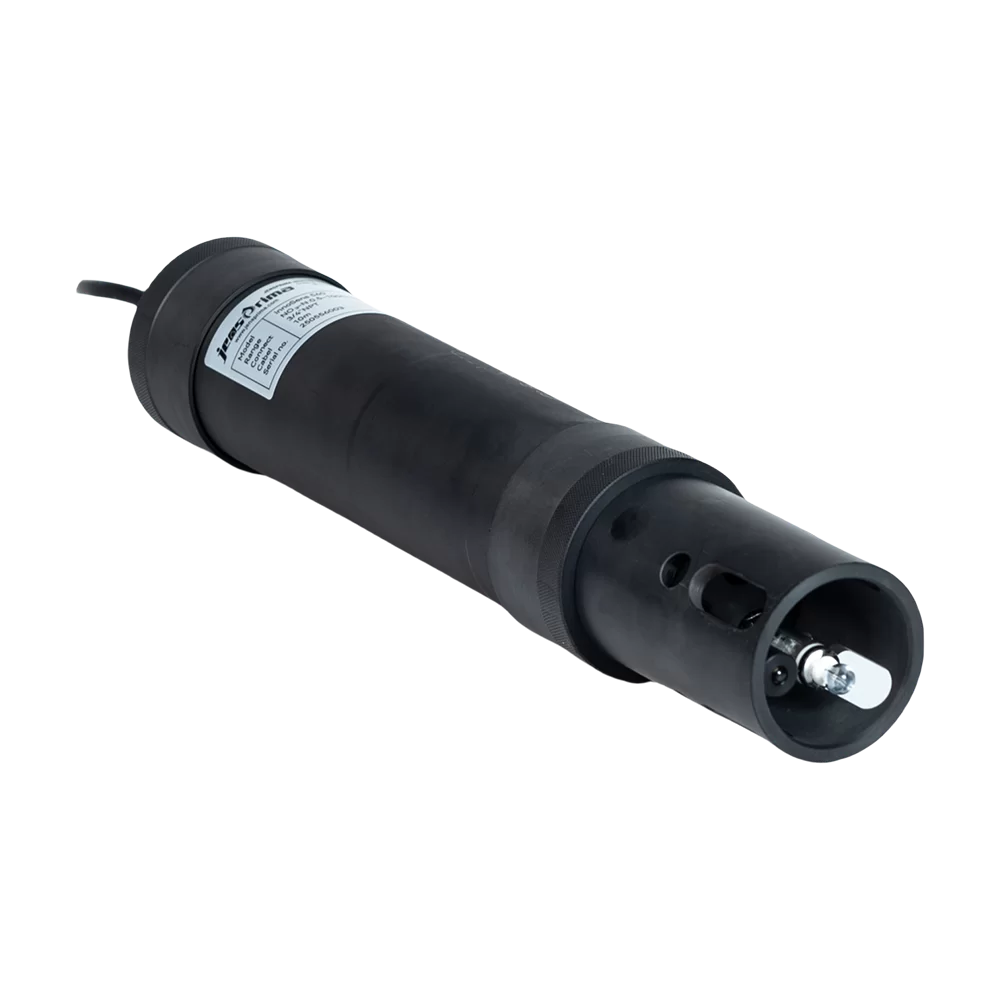
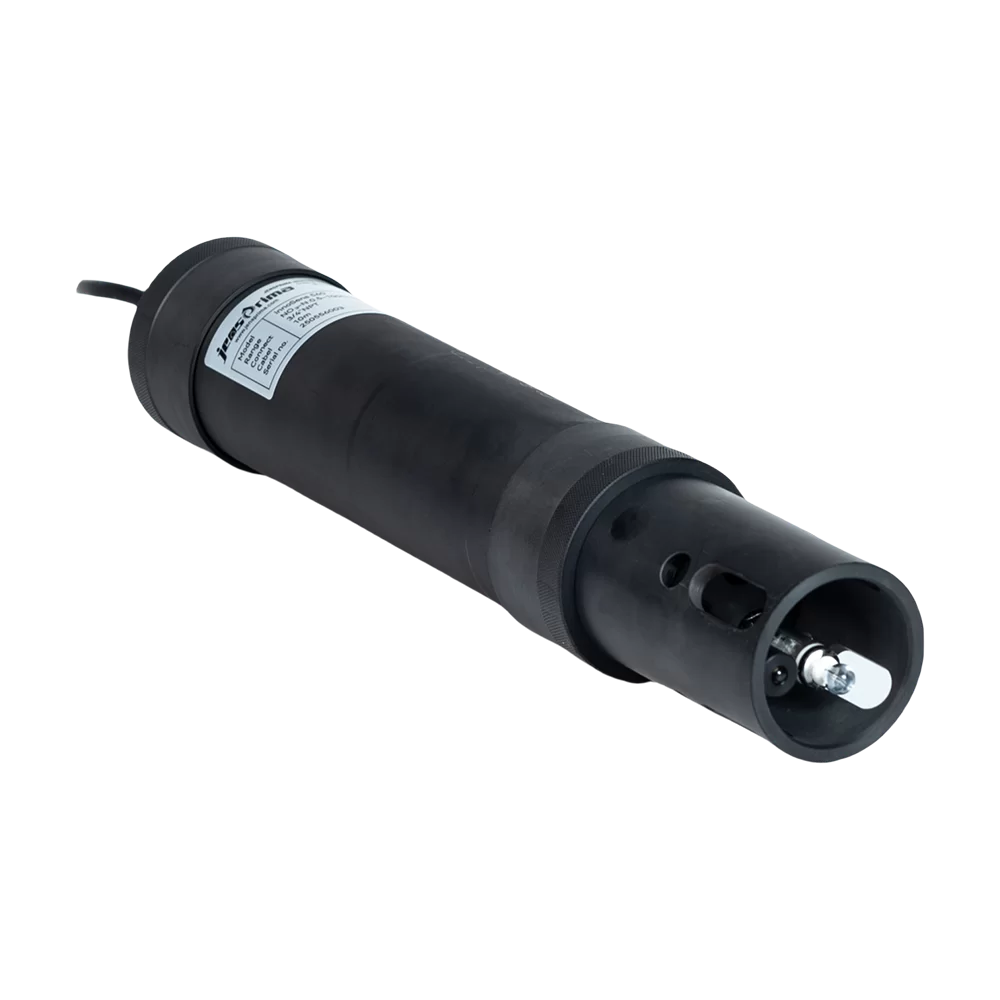
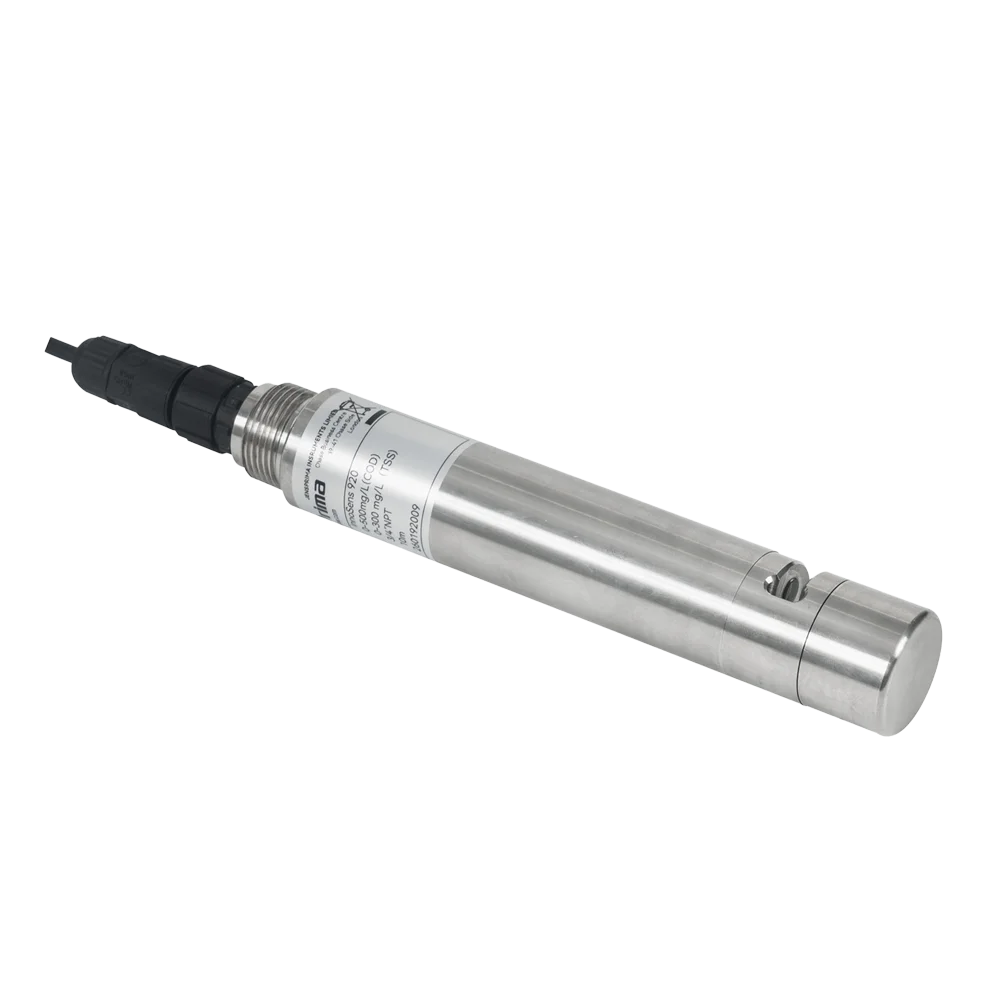
The reliability of a water tds and ph meter depends heavily on the quality of its electrodes and sensors. High-grade glass electrodes for pH measurement must be resistant to fouling and capable of rapid response times, while conductivity cells used for TDS must be manufactured from materials that do not react with the water being tested.
Durability and stability are critical factors, especially in harsh industrial environments. A professional-grade water tds and ph meter often features temperature compensation, as both pH and conductivity are highly temperature-dependent. Without automatic temperature compensation (ATC), measurements would fluctuate wildly, leading to incorrect chemical adjustments.
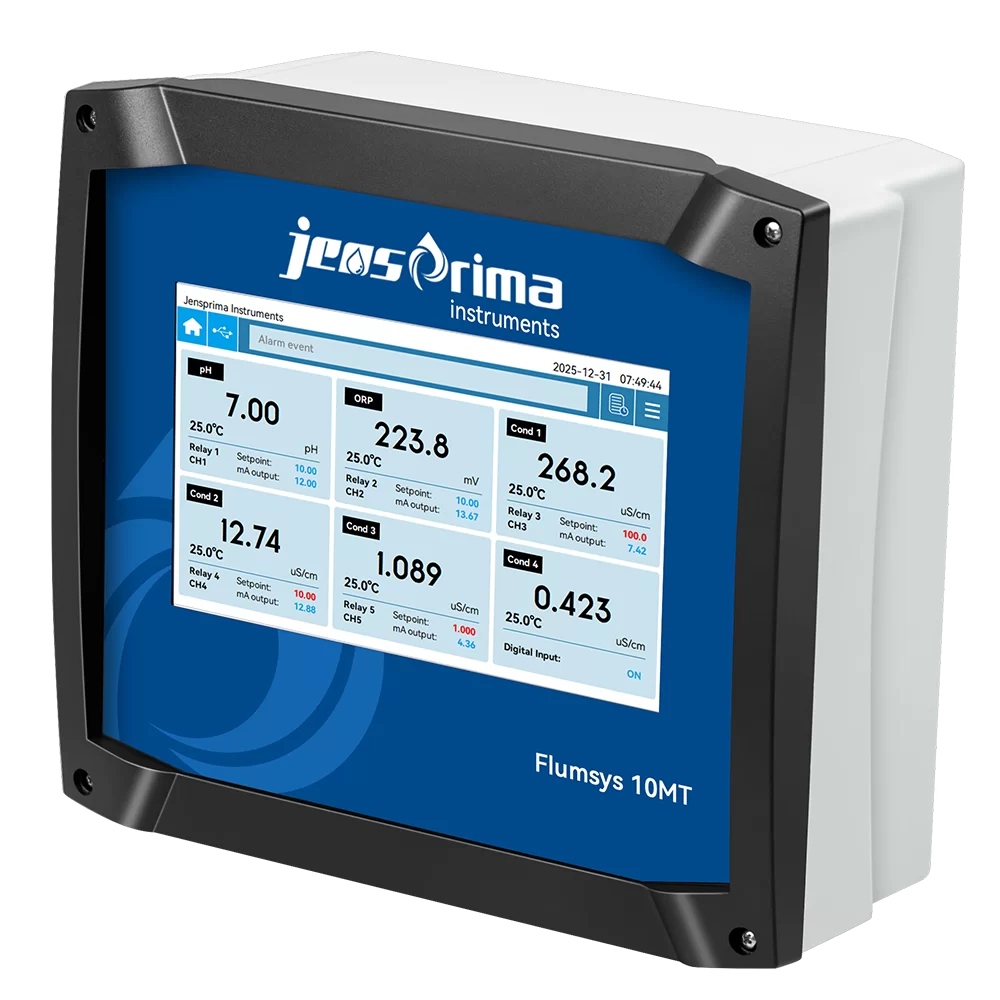
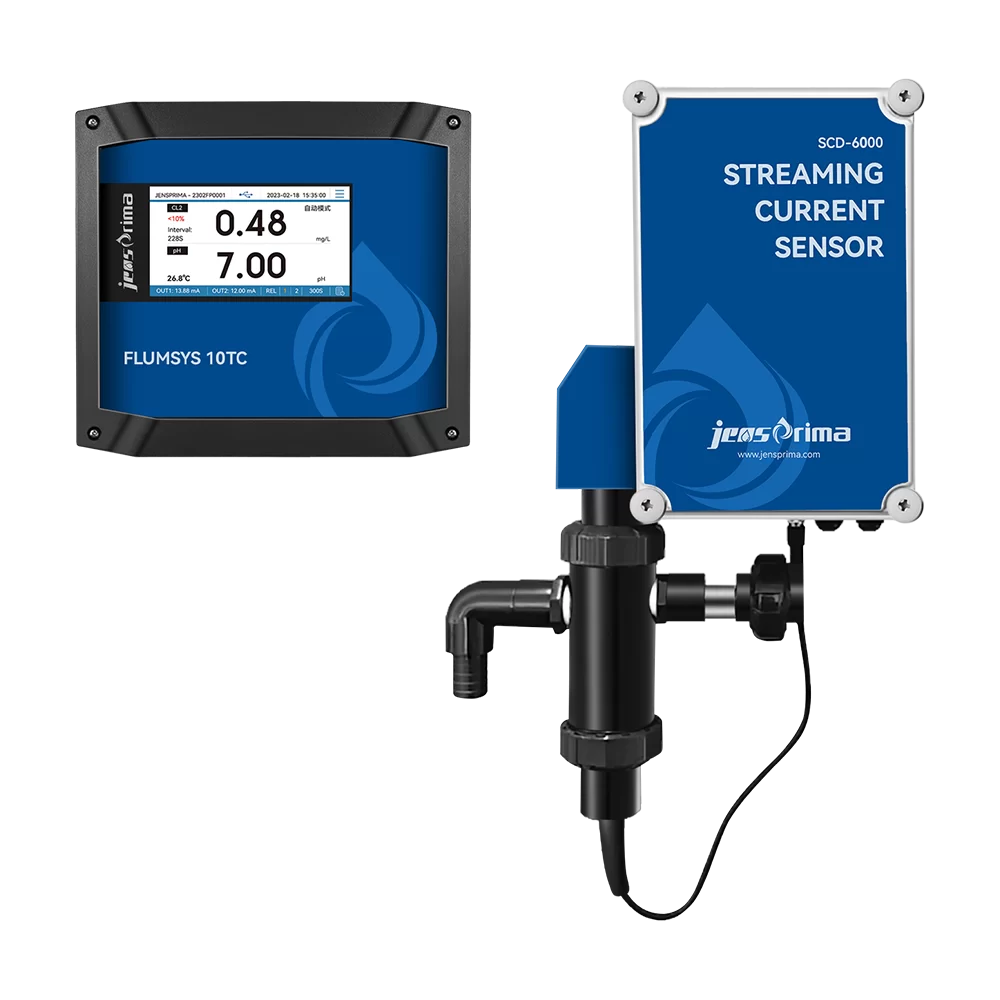
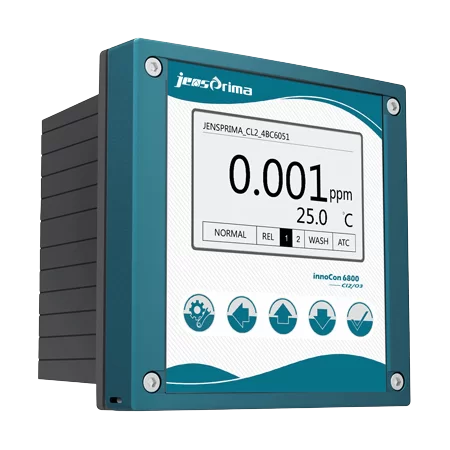
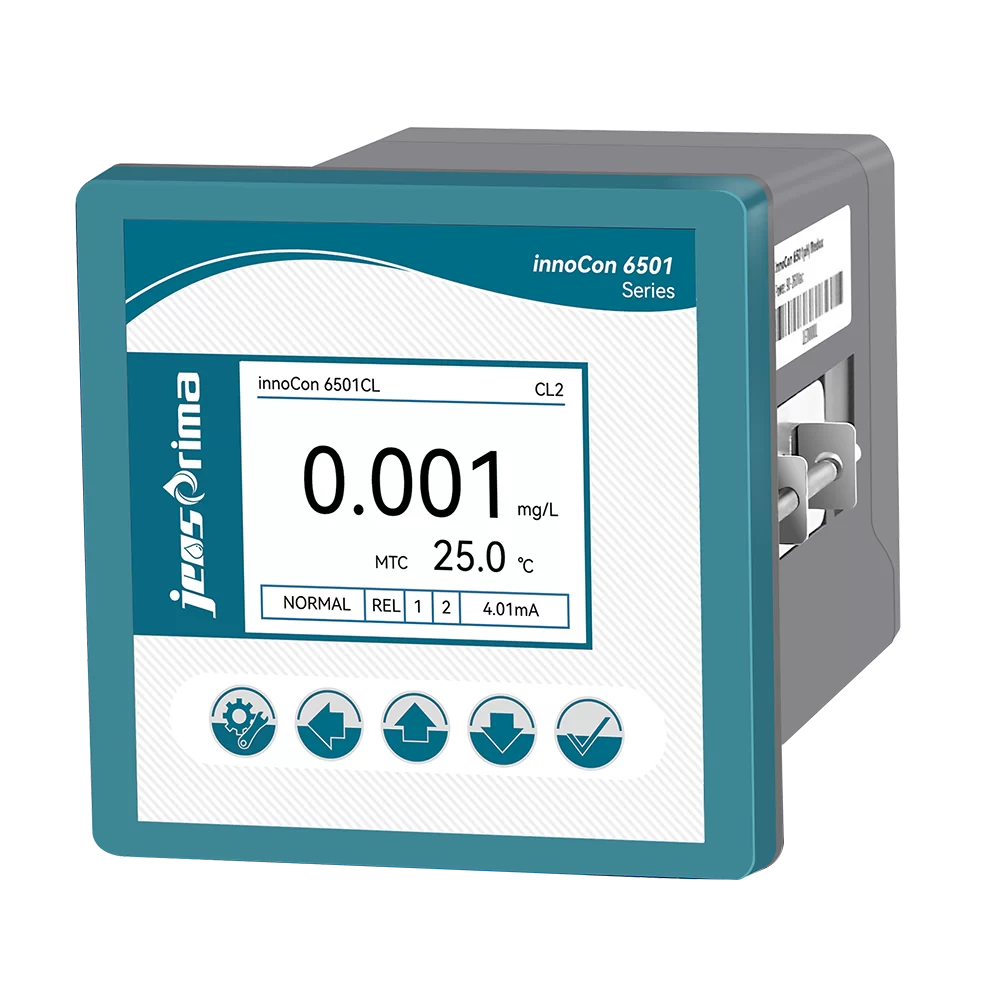
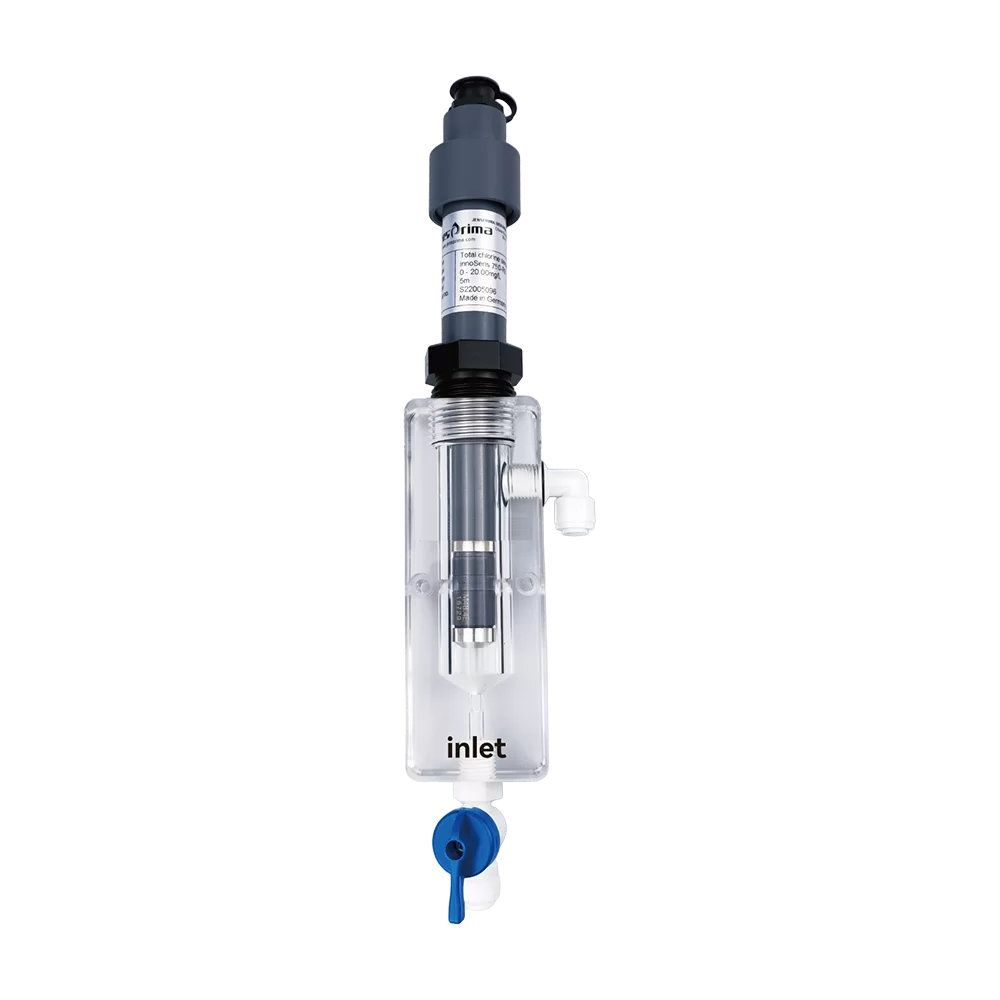
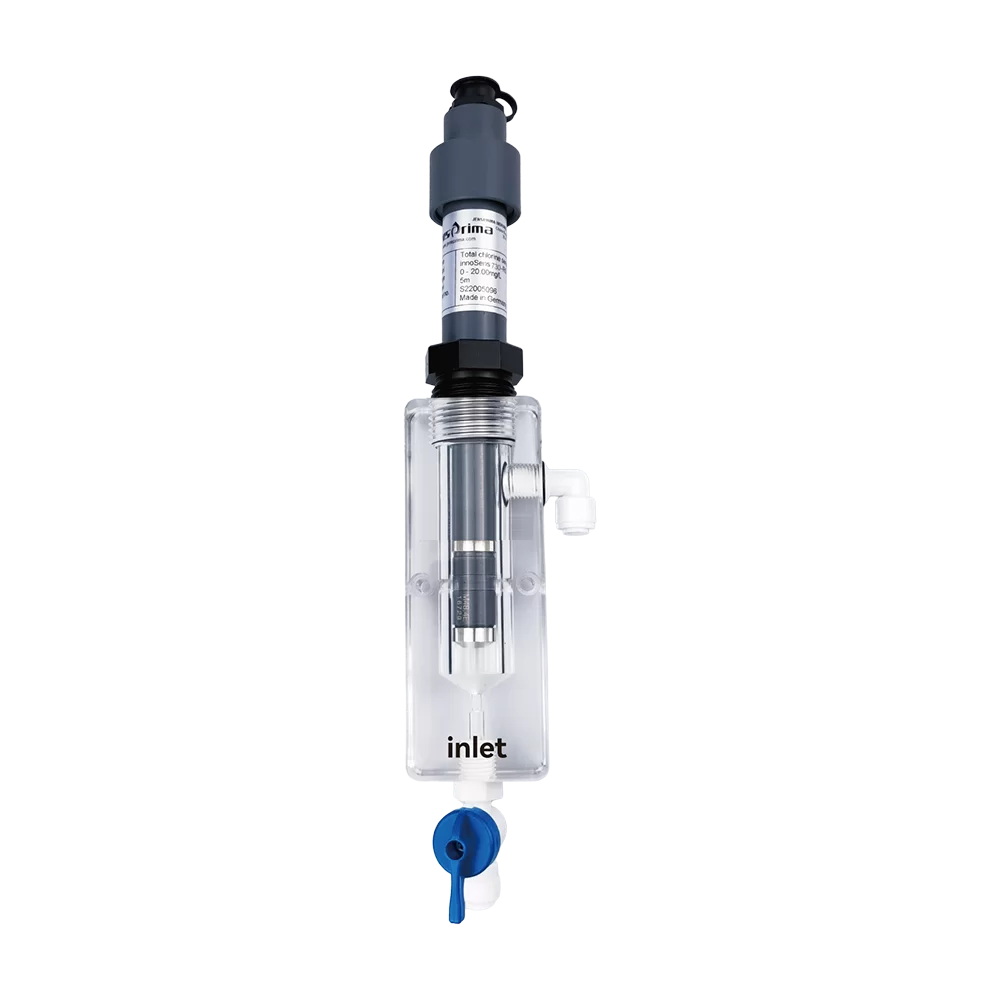
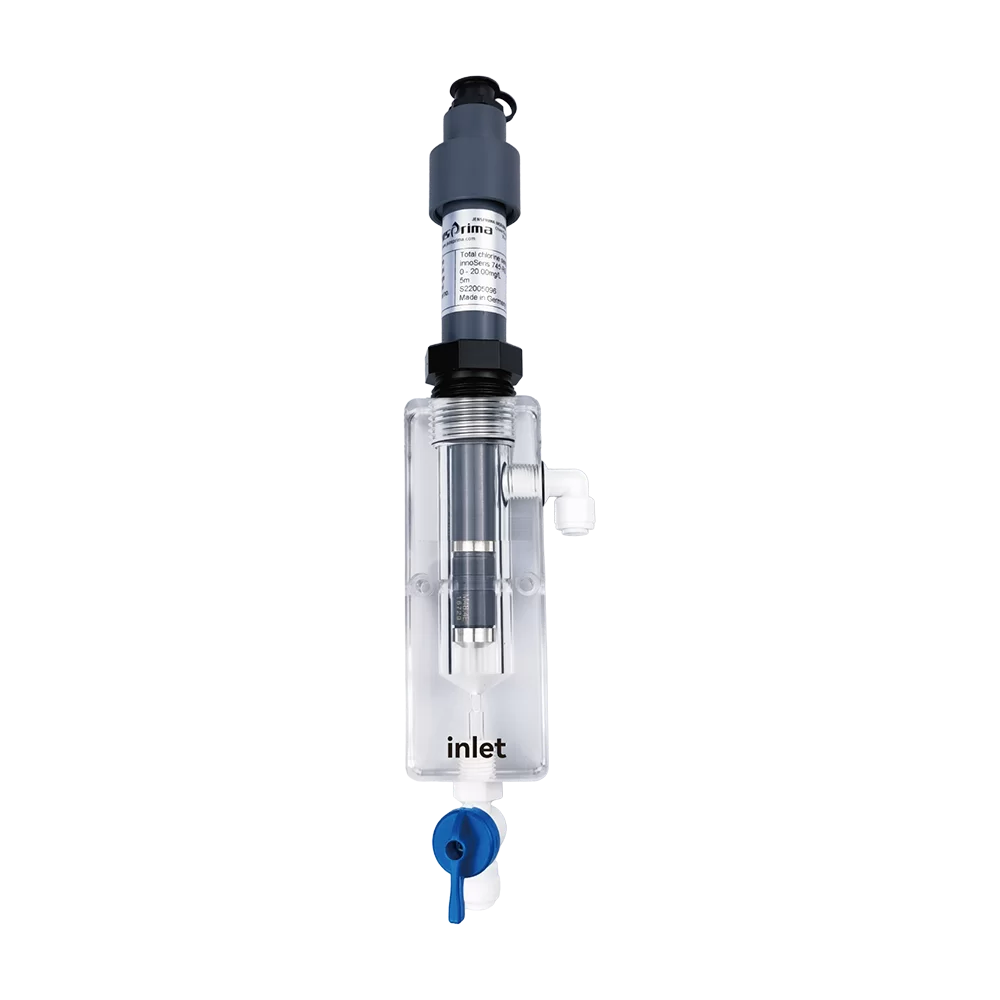
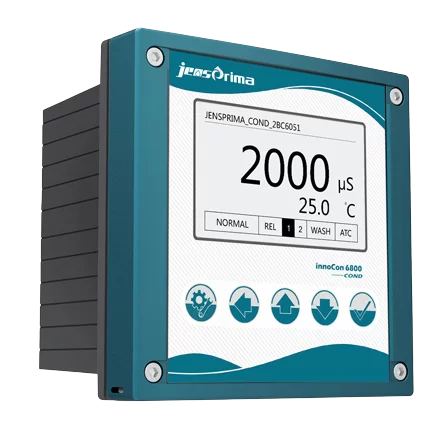
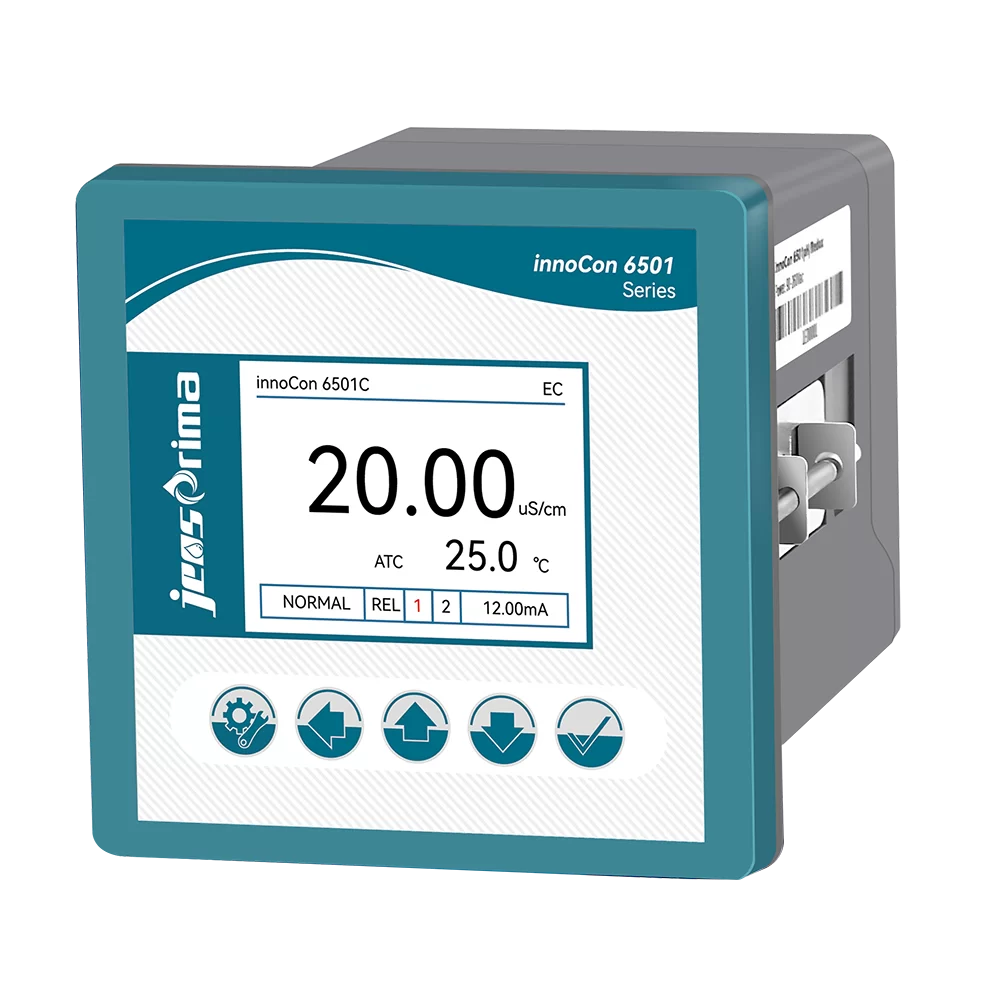
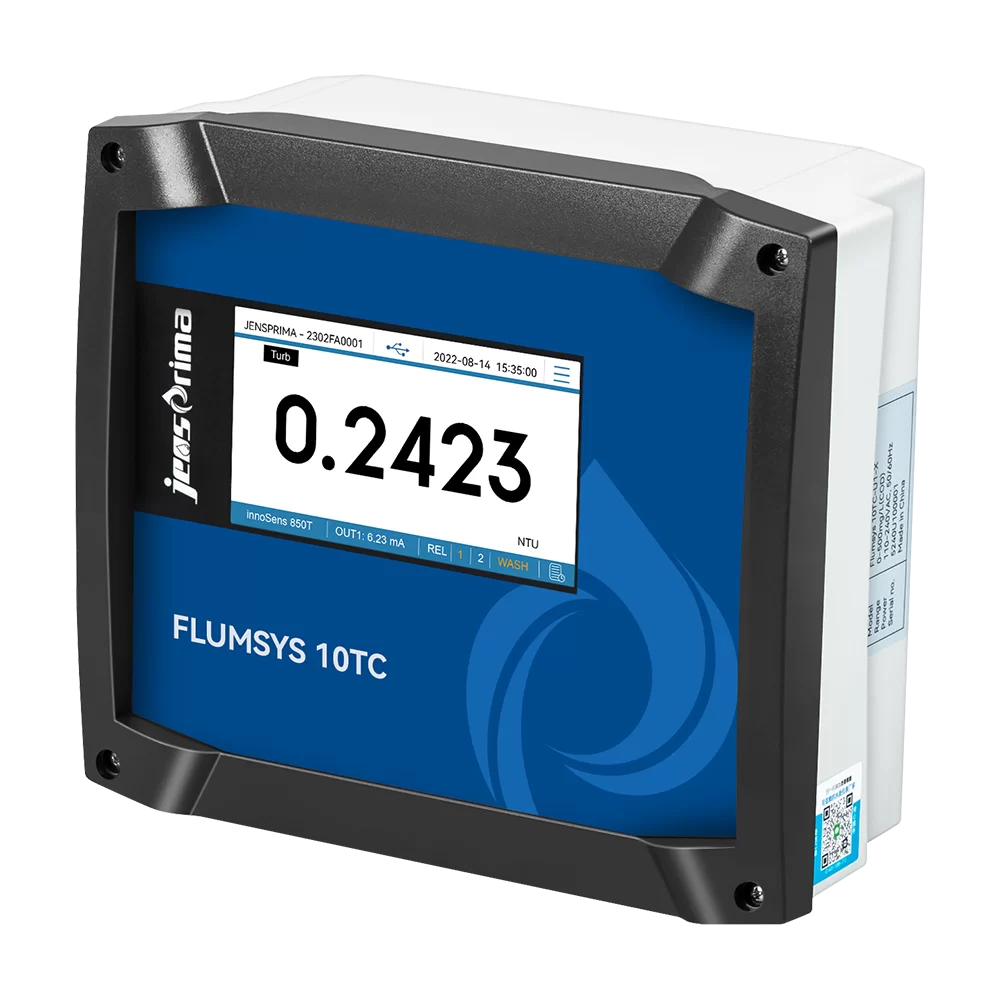
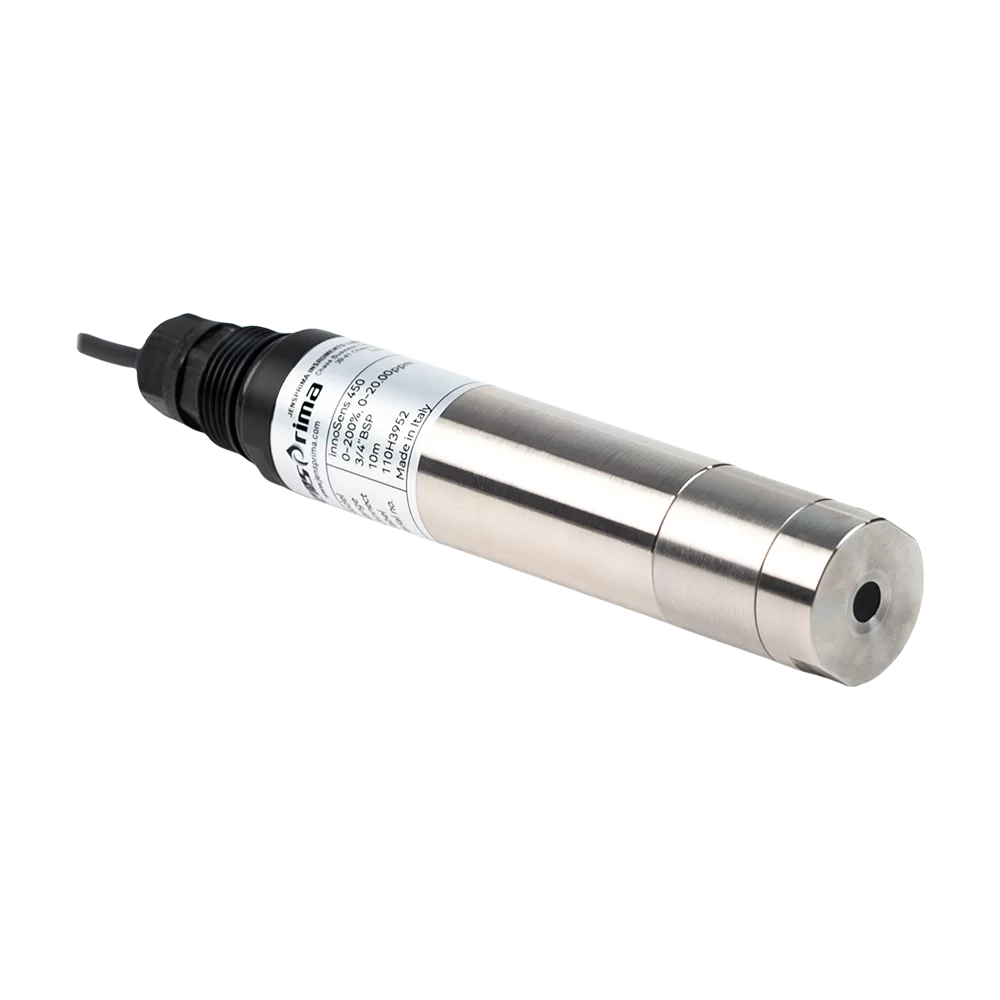
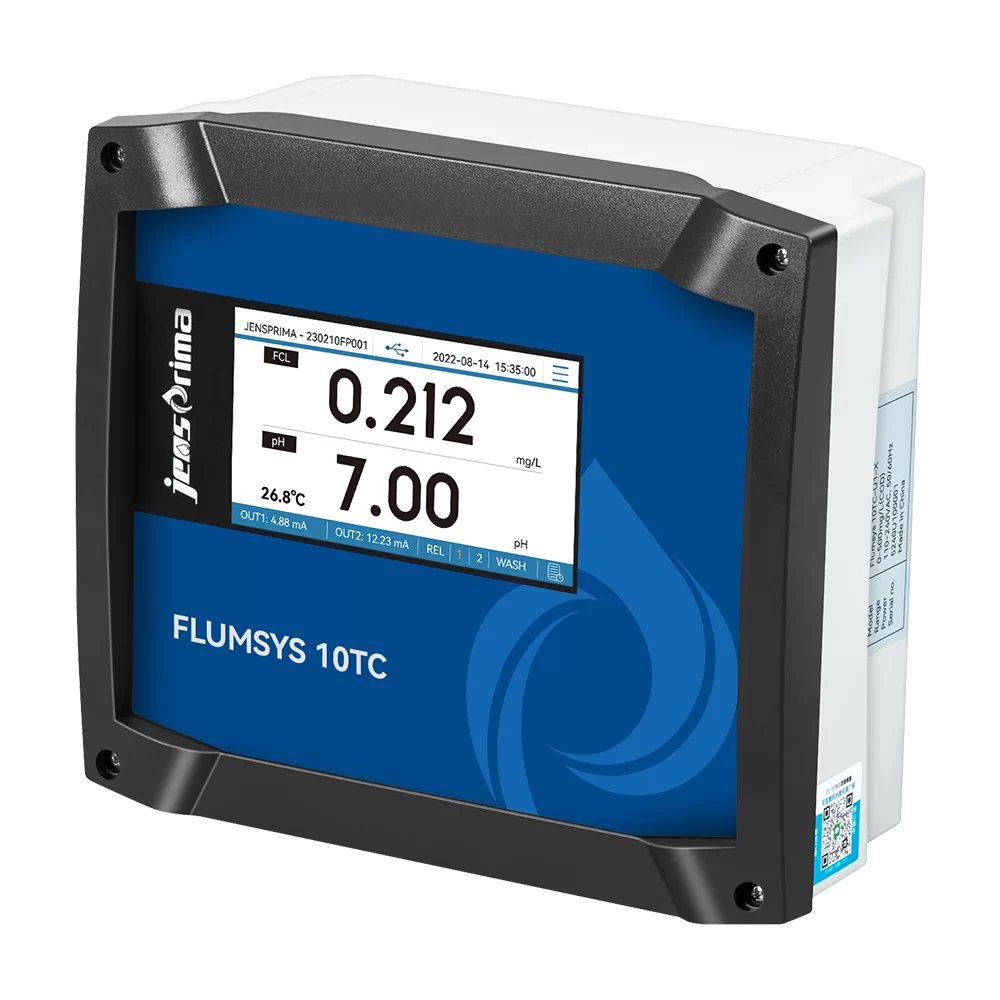
Furthermore, scalability in data output allows these devices to integrate into larger PLC or SCADA systems. Whether it is a handheld unit for field checks or an inline sensor for continuous monitoring, the ability to provide consistent, calibrate-able data ensures that the operator maintains full control over the water quality throughout the production cycle.
Industrial Applications and Use Cases
The practical application of these measurements spans across numerous sectors. In the power generation industry, monitoring the condensate return water using a water tds and ph meter prevents boiler scale and corrosion, which could otherwise lead to costly outages. By keeping TDS levels low, operators ensure that heat transfer remains efficient and the metal integrity of the boiler is preserved.
In the aquaculture and hydroponics sectors, the balance of nutrients is managed through these same parameters. Specifically, in large-scale fish farming, a shift in pH can be lethal to the livestock, while excessive TDS can indicate an accumulation of metabolic waste. Regular monitoring allows for precise water exchanges and nutrient dosing to maximize growth rates and health.
Comparative Efficiency of Water Analysis Methods
Tangible Advantages of Integrated Monitoring
The most immediate advantage of using an integrated water TDS and pH meter is the drastic reduction in operational costs. By identifying the exact moment water quality deviates from the set point, operators can apply the minimum required amount of neutralizing chemicals. This not only saves on reagent costs but also reduces the environmental footprint of the facility by lowering the chemical load in the effluent.
Beyond the logical financial gains, there is a significant element of trust and safety. In municipal water treatment, providing a consistent pH level ensures that the water is neither corrosive to city infrastructure nor harmful to the population. The reliability of these sensors provides peace of mind to engineers and regulatory bodies alike, fostering a culture of transparency and accountability in public utility management.
Future Trends in Water Analytical Instrumentation
The future of water analysis is leaning heavily toward the Internet of Things (IoT) and cloud-based diagnostics. We are seeing a transition where the traditional water TDS and pH meter is no longer a standalone tool but a node in a wider network. These "smart sensors" can now upload real-time data to the cloud, allowing experts to monitor water quality across multiple geographical sites from a single dashboard.
Digital transformation is also bringing about the rise of "self-calibrating" sensors. One of the biggest pain points for technicians is the manual calibration of pH probes. New innovations in solid-state sensors and automated cleaning cycles are reducing the need for manual intervention, thereby increasing the uptime of monitoring systems and reducing the risk of drift-related errors.
Sustainability is the final pillar of future innovation. There is a growing trend toward using bio-compatible materials in sensor construction and developing low-power wireless transmission protocols. This ensures that monitoring can be expanded into remote environmental zones without the need for extensive cabling or frequent battery replacements, supporting global conservation efforts.
Overcoming Challenges in Water Analysis
Despite the technological leaps, challenges such as electrode poisoning and membrane fouling remain common. In waters with high oil content or heavy organic loads, the sensing surface of a water TDS and pH meter can become coated, leading to sluggish response times or inaccurate readings. The solution lies in the implementation of pre-filtration systems or the use of specialized "ruggedized" probes designed for dirty water applications.
Another frequent issue is the "drift" in pH measurements over time, which can lead to false alarms. Expert insights suggest a rigorous calibration schedule and the use of high-quality buffer solutions. By establishing a strict maintenance protocol, facilities can ensure that their analytical data remains a reliable basis for critical decision-making.
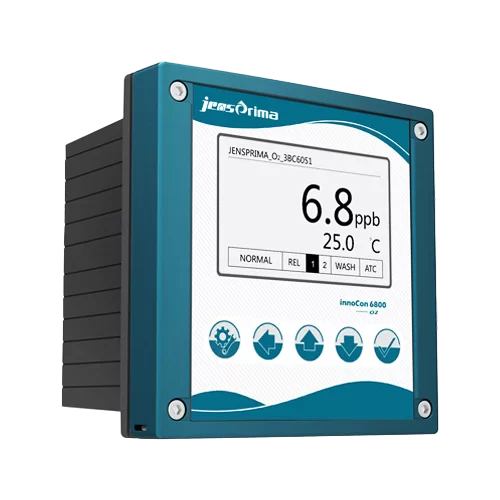
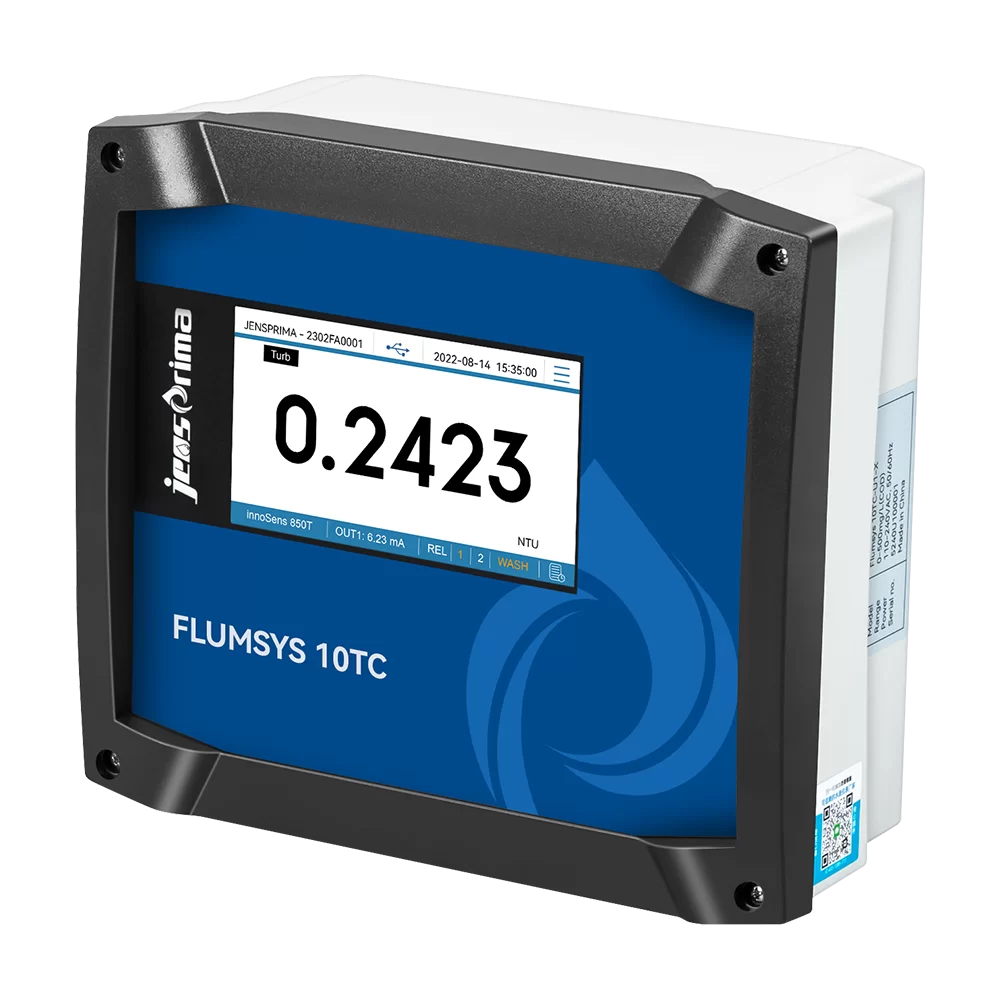
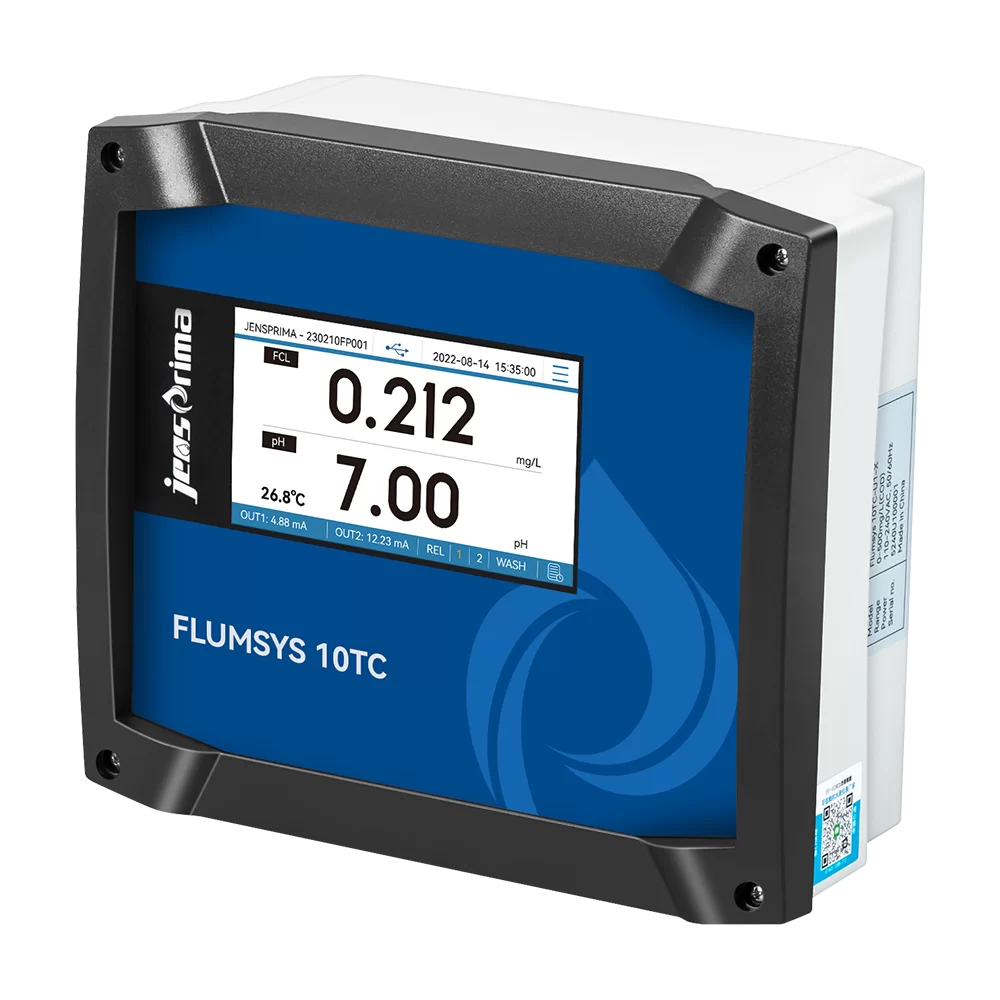
Finally, the integration of disparate data streams can be overwhelming for some operators. The solution is the adoption of intelligent controllers that not only measure parameters but also provide diagnostic alerts. Instead of just reporting a pH value, these systems can signal "Calibration Required" or "Probe Failure," allowing for targeted maintenance rather than guesswork.
Technical Analysis of Water Quality Monitoring Solutions
| Measurement Dimension |
TDS Analysis |
pH Analysis |
Overall Reliability |
| Industrial Wastewater |
High Sensitivity |
Moderate Drift |
8/10 |
| Pure Water (UPW) |
Ultra-Low Limit |
High Stability |
10/10 |
| Hydroponic Systems |
Nutrient Tracking |
Critical Range |
9/10 |
| Boiler Feed Water |
Scale Prevention |
Corrosion Control |
9/10 |
| Aquaculture Tanks |
Waste Monitoring |
Rapid Response |
7/10 |
| Cooling Towers |
Blowdown Control |
Algae Prevention |
8/10 |
FAQS
TDS (Total Dissolved Solids) measures the total concentration of dissolved substances, such as minerals and salts, usually expressed in ppm. pH measures the acidity or alkalinity of the water on a scale of 0-14. While TDS tells you how "thick" the dissolved content is, pH tells you the chemical nature of that content. Both are necessary for a full water quality profile.
Calibration frequency depends on the application. In high-precision industrial settings, weekly calibration is recommended. For general monitoring, monthly calibration may suffice. However, if you notice a drift in readings or have been measuring highly contaminated water, you should calibrate immediately to ensure accuracy.
Not necessarily. TDS and pH are different metrics. You can have water with very high TDS (like seawater) that is nearly neutral in pH, or water with low TDS that is highly acidic. However, the substances contributing to the TDS often influence the pH, so monitoring both allows you to identify the specific cause of water instability.
Drift is typically caused by the aging of the reference electrode, temperature fluctuations, or the accumulation of a biofilm or chemical coating on the sensor's glass membrane. Regular cleaning and the use of a high-quality water TDS and pH meter with automatic temperature compensation can significantly minimize this effect.
Handheld meters are excellent for spot-checking and field audits, providing high accuracy for a moment in time. Inline systems are superior for process control because they provide continuous data, allowing you to see trends and react to spikes in real-time. For a complete strategy, using both is the best approach.
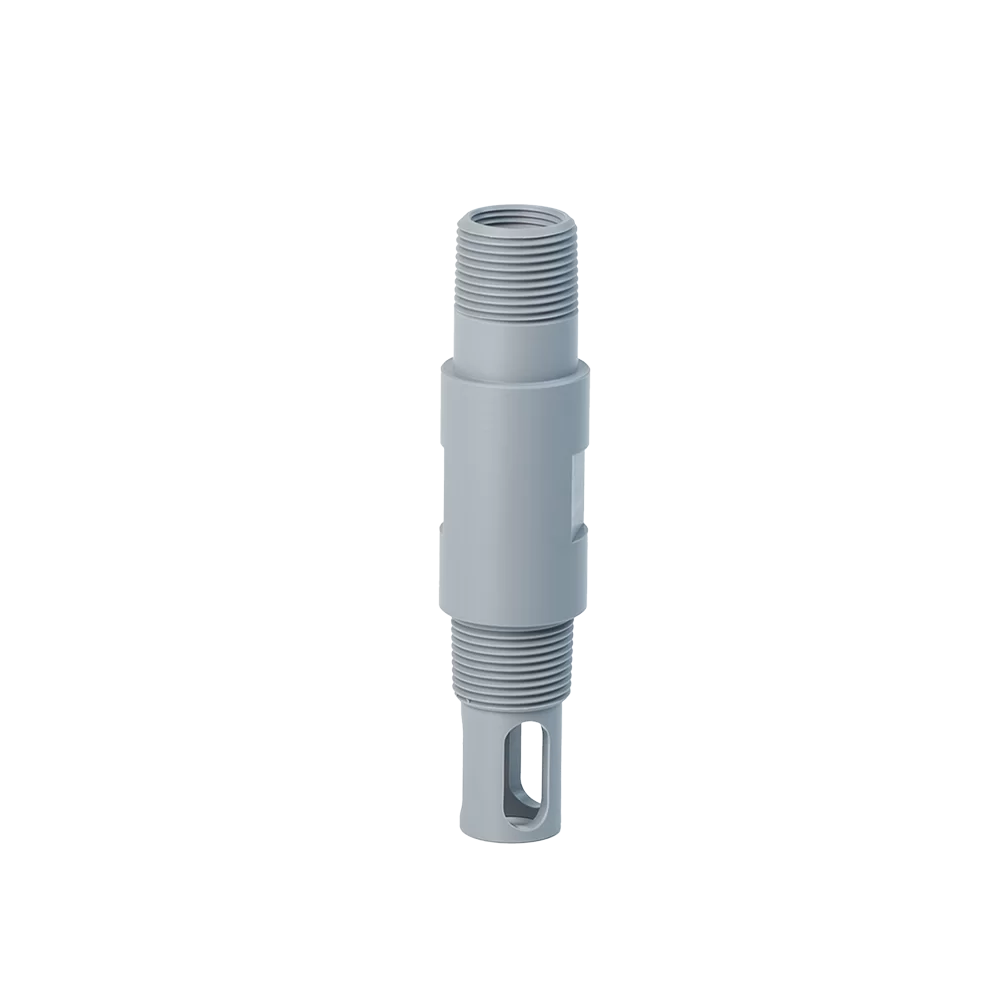
For wastewater, look for sensors with "ruggedized" designs, such as flat-surface pH electrodes that are harder to clog and TDS sensors made from corrosion-resistant materials like titanium. Ensure the device has a high IP rating for water and dust resistance to withstand the harsh environment.
Conclusion
In summary, the integration of TDS and pH monitoring is fundamental to maintaining industrial efficiency, environmental safety, and product quality. By utilizing a high-precision water tds and ph meter, operators can gain a comprehensive understanding of their water chemistry, leading to reduced chemical waste, extended equipment life, and guaranteed regulatory compliance.
Looking forward, the transition toward IoT-enabled sensors and automated calibration will further simplify water management, making high-precision analysis accessible even in the most remote locations. Investing in robust analytical instrumentation today is not just a technical upgrade, but a strategic move toward a more sustainable and reliable industrial future. Visit our website: www.jensprima.com



 Download
 Video Center
 Technical Services
 FAQS
 Service Network
 Privacy Policy
 Contact Us