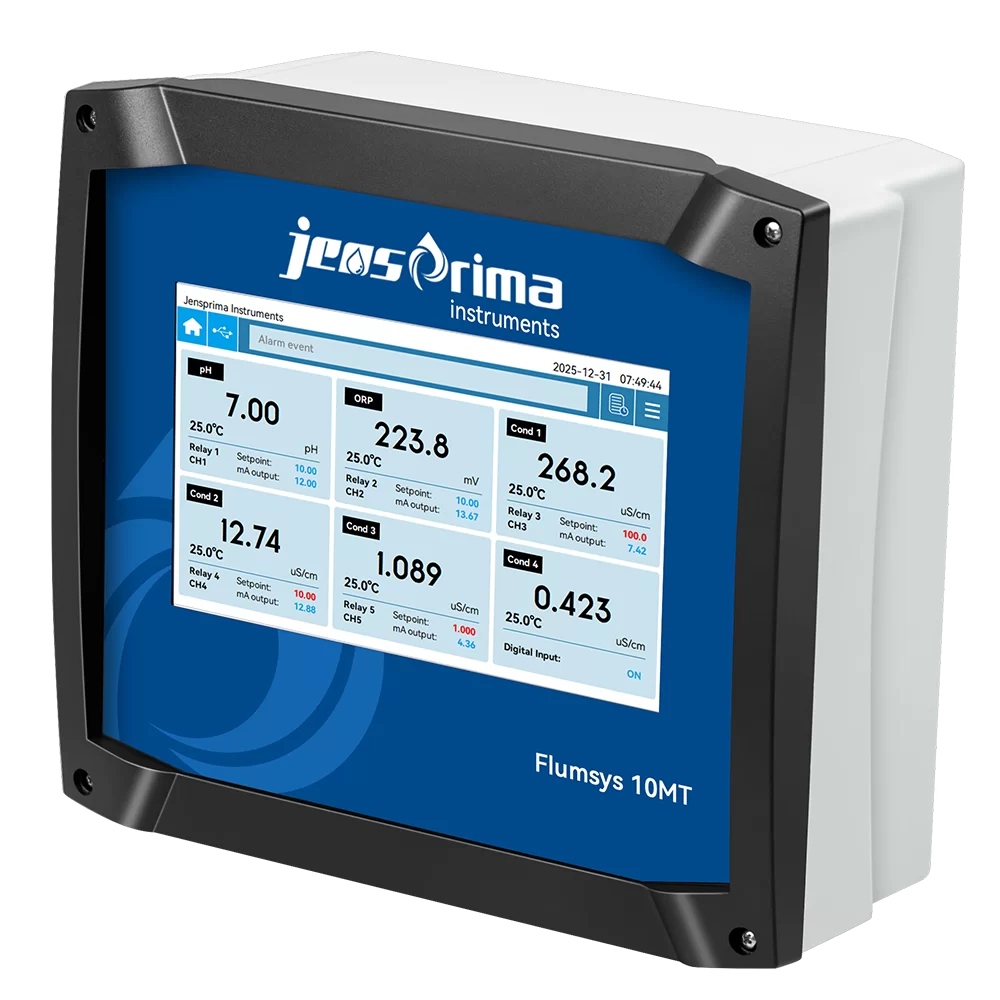
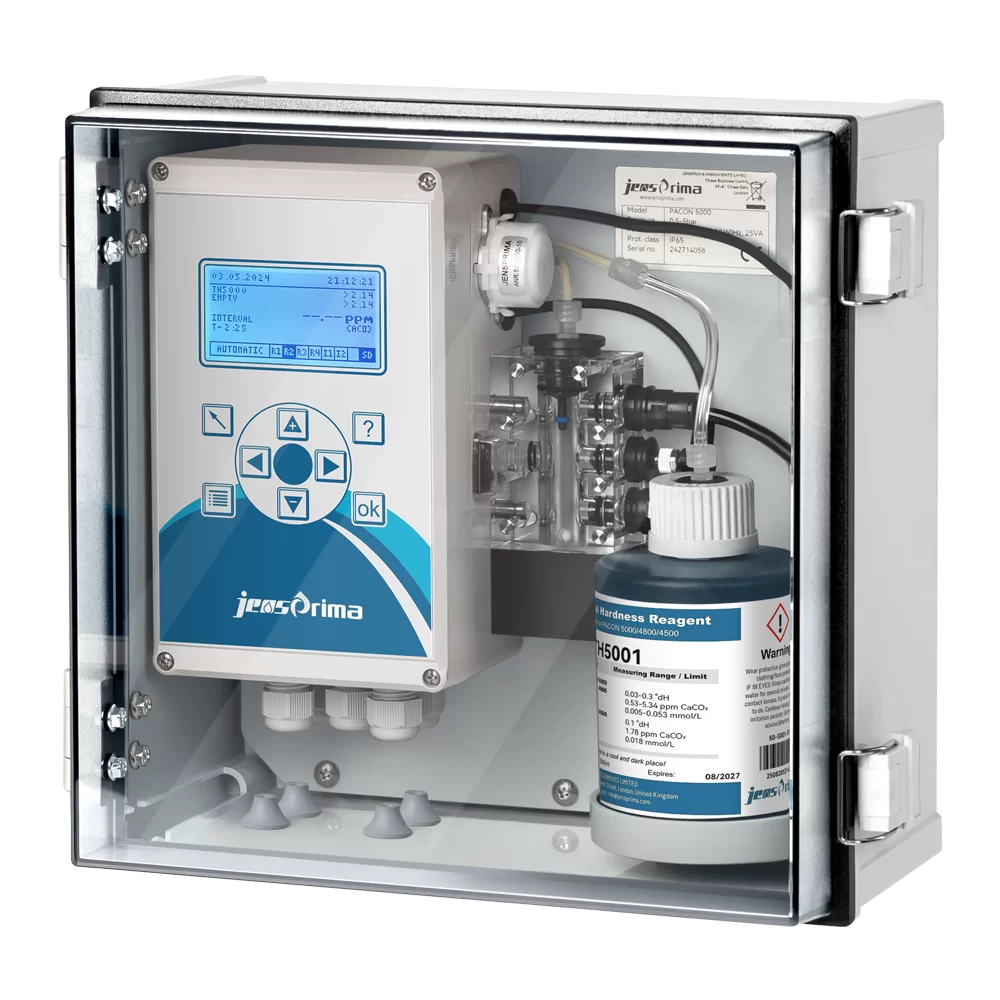
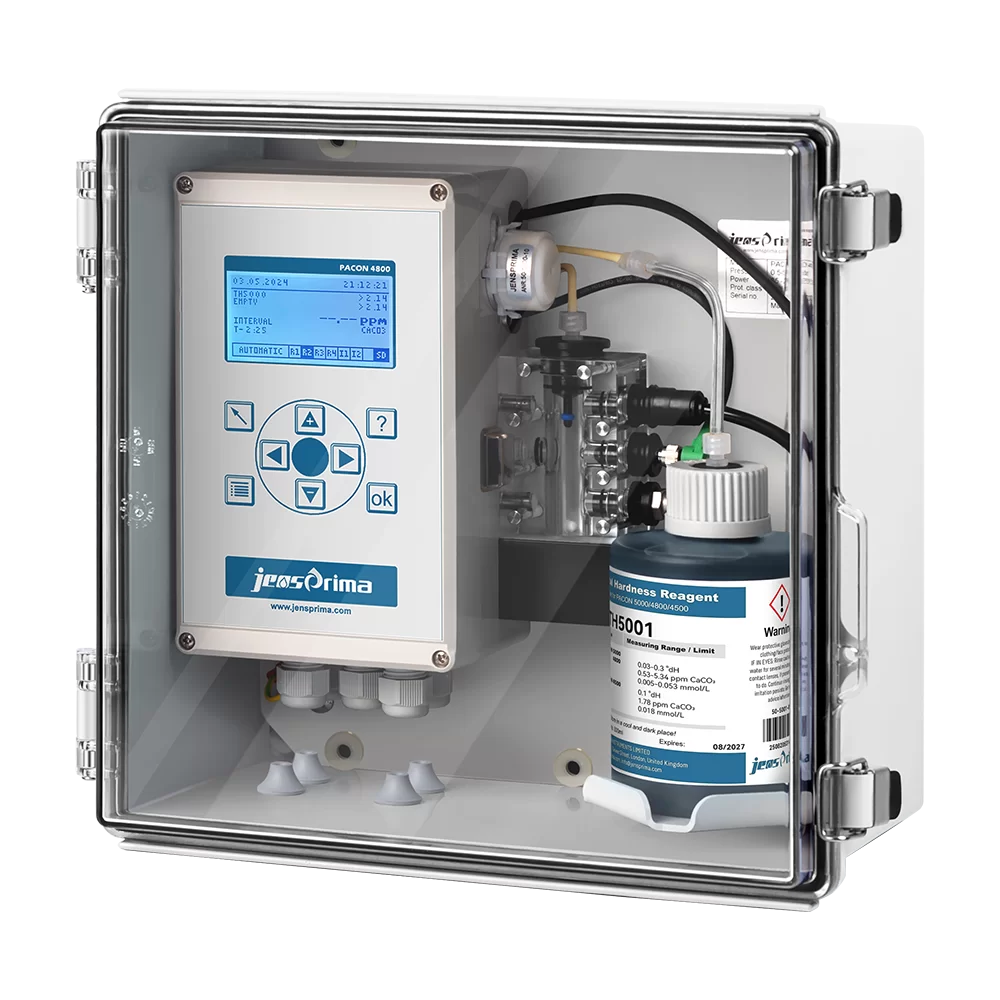
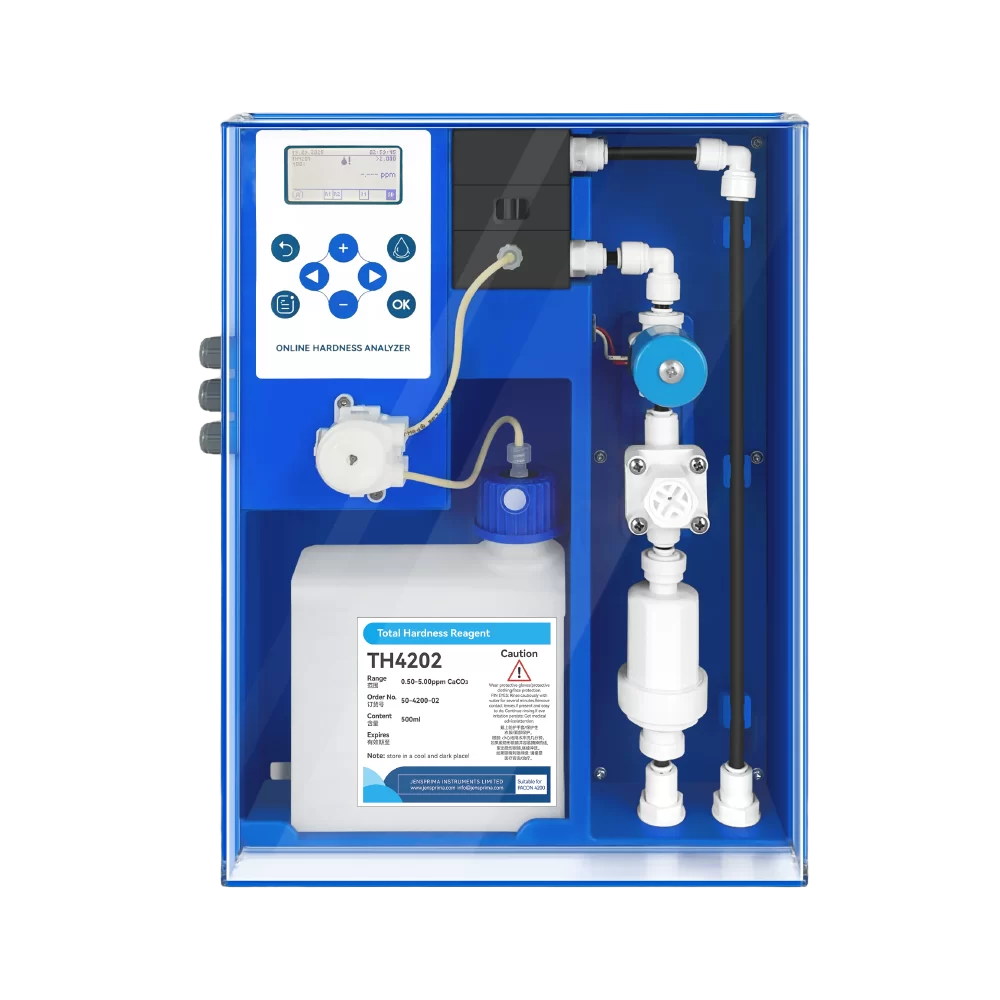
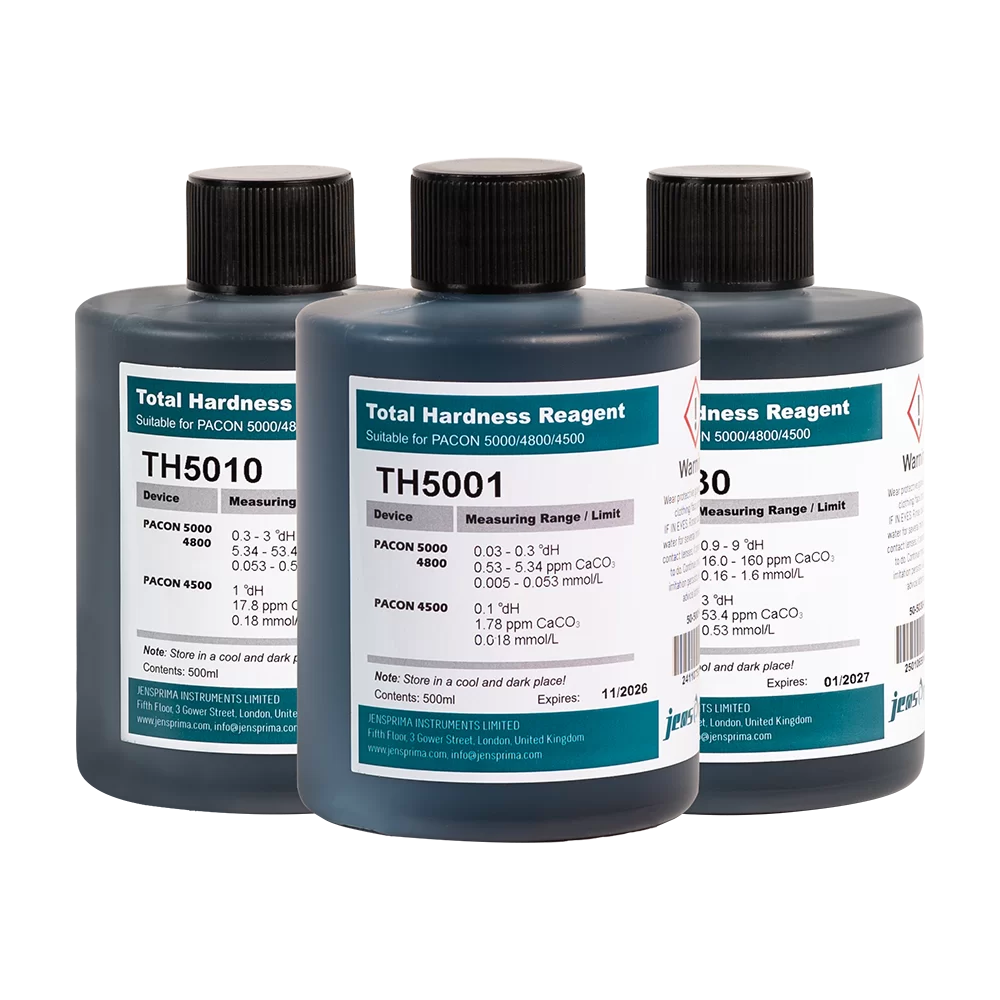
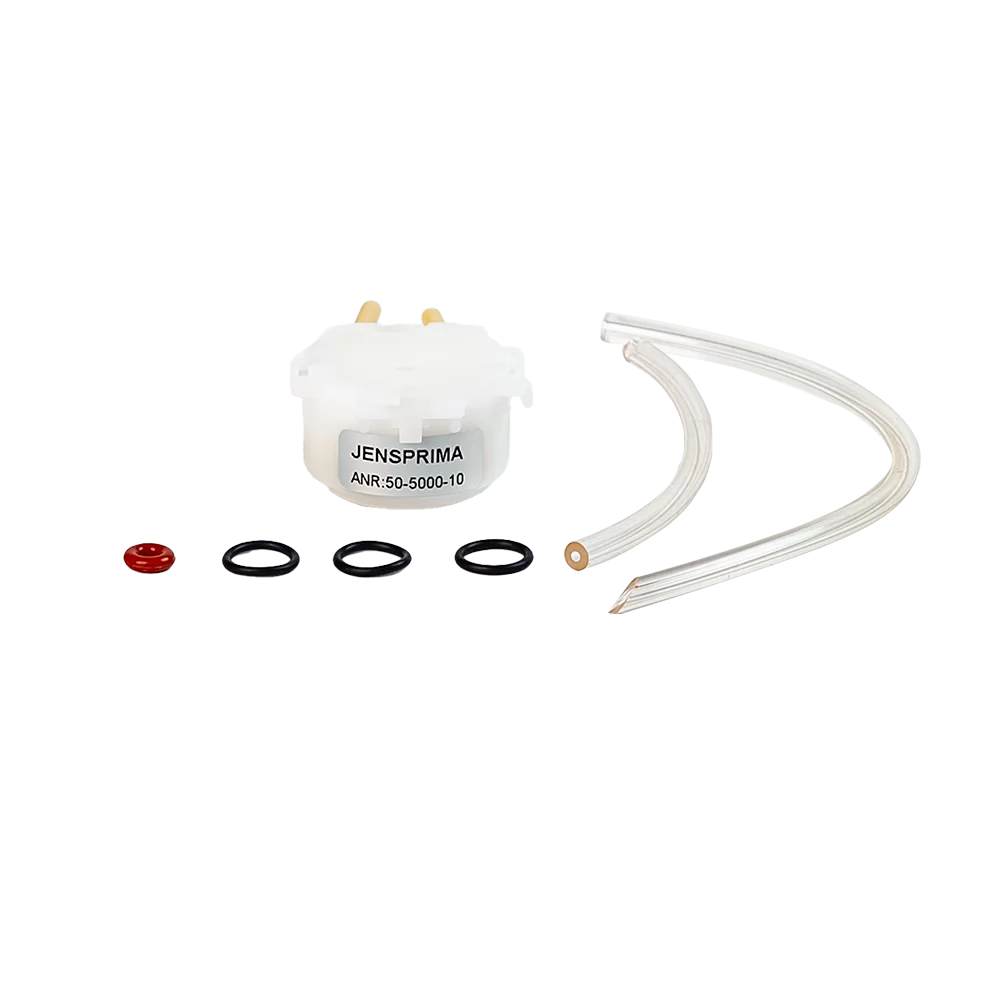
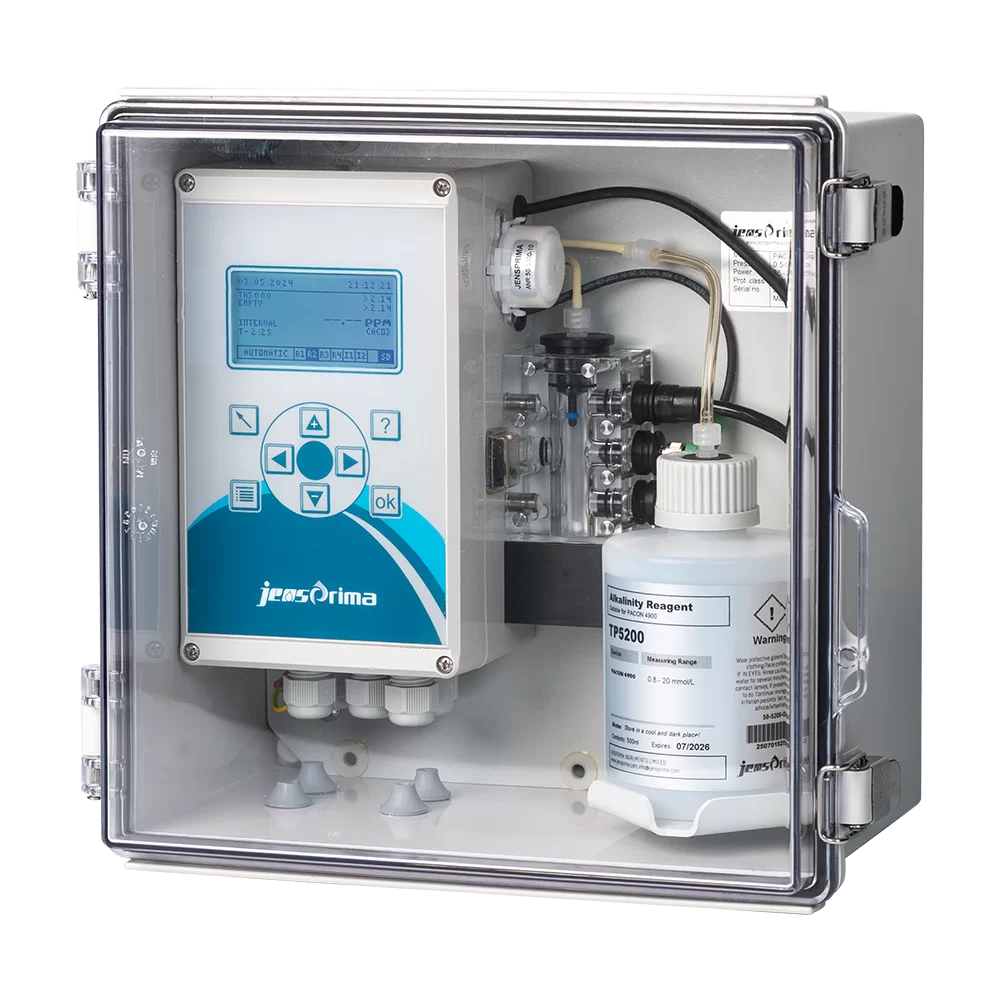
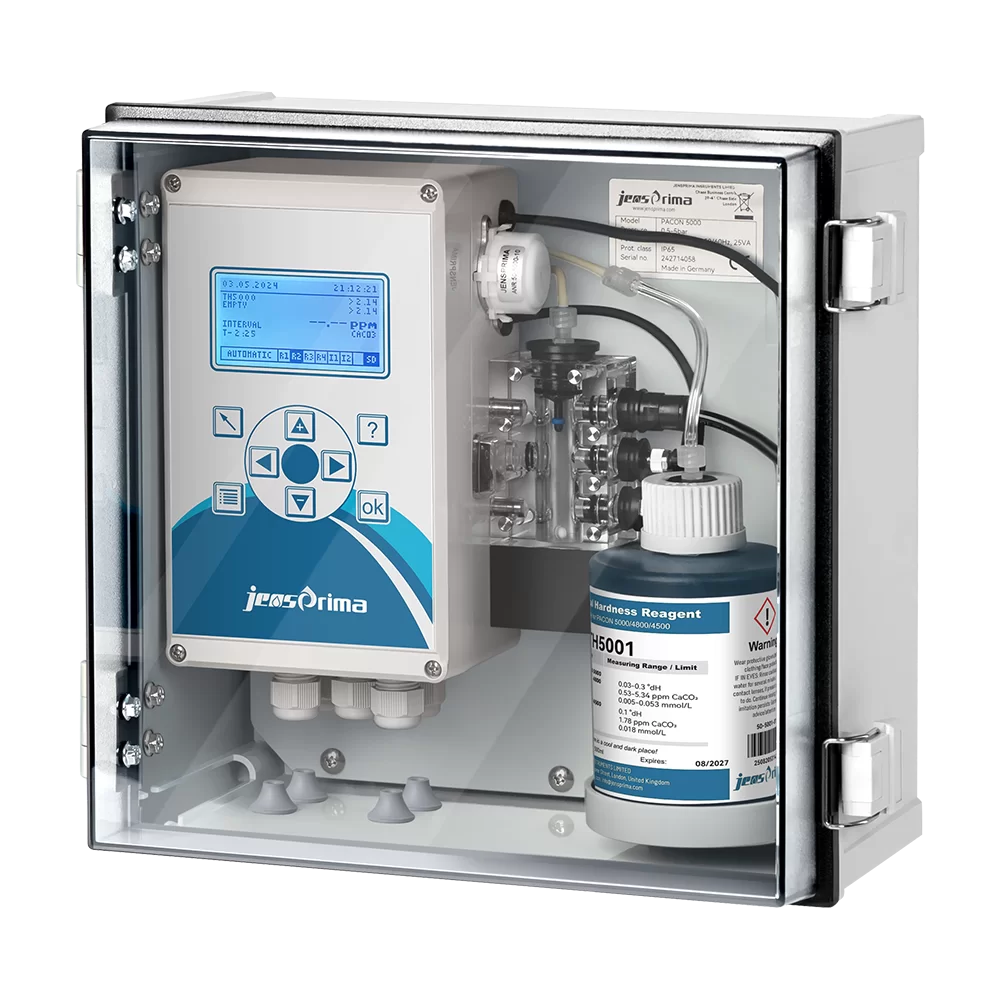
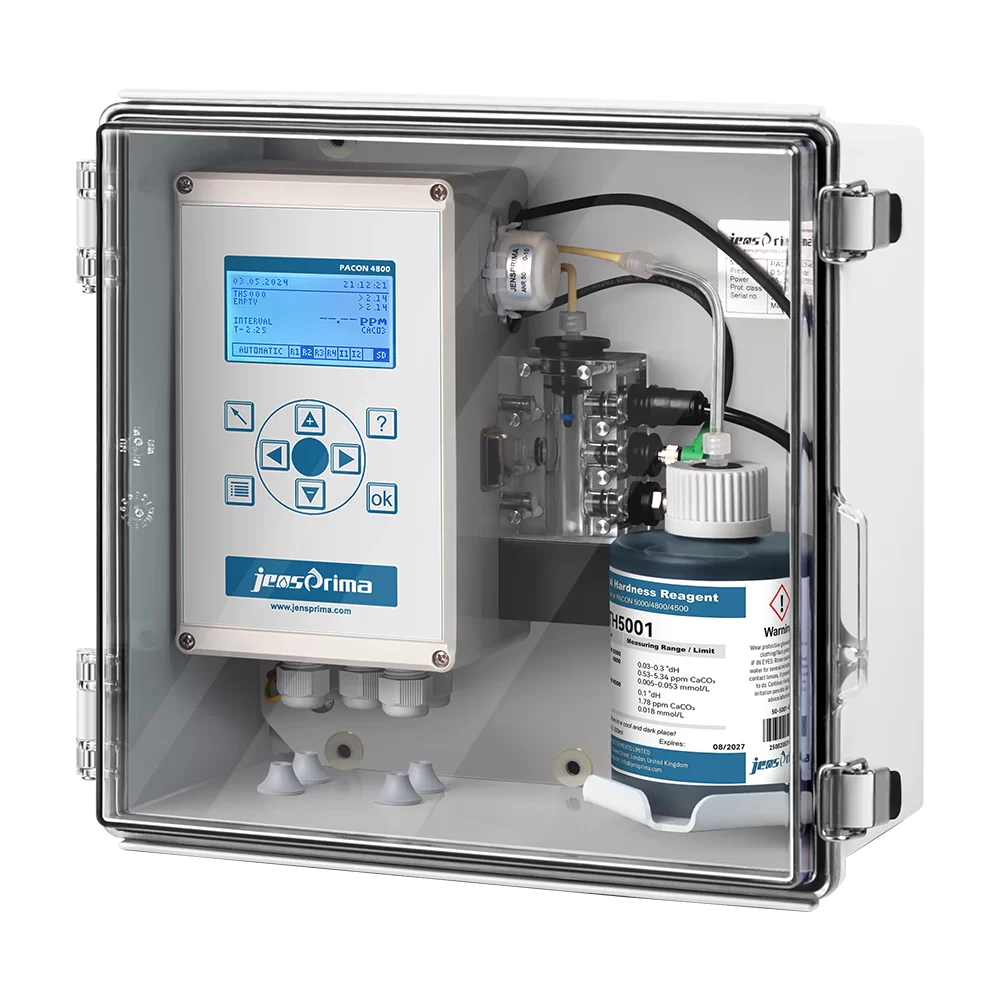
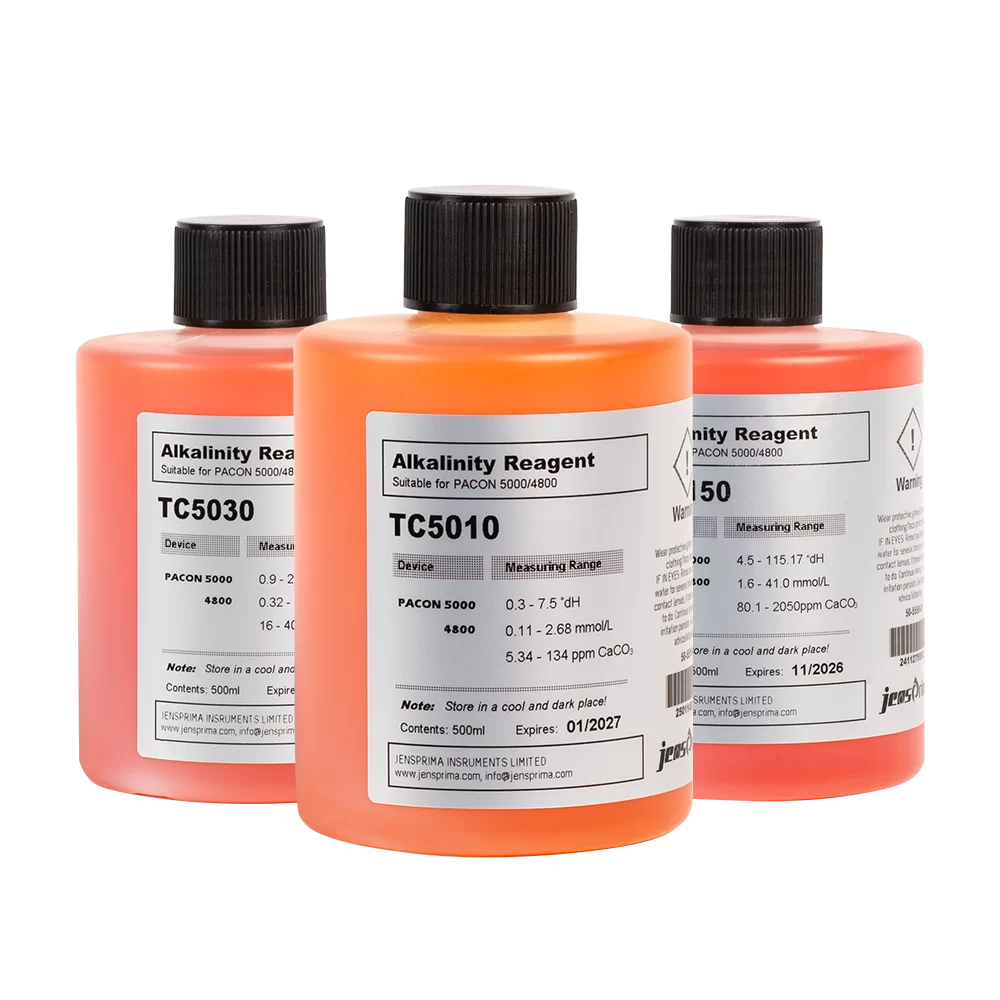
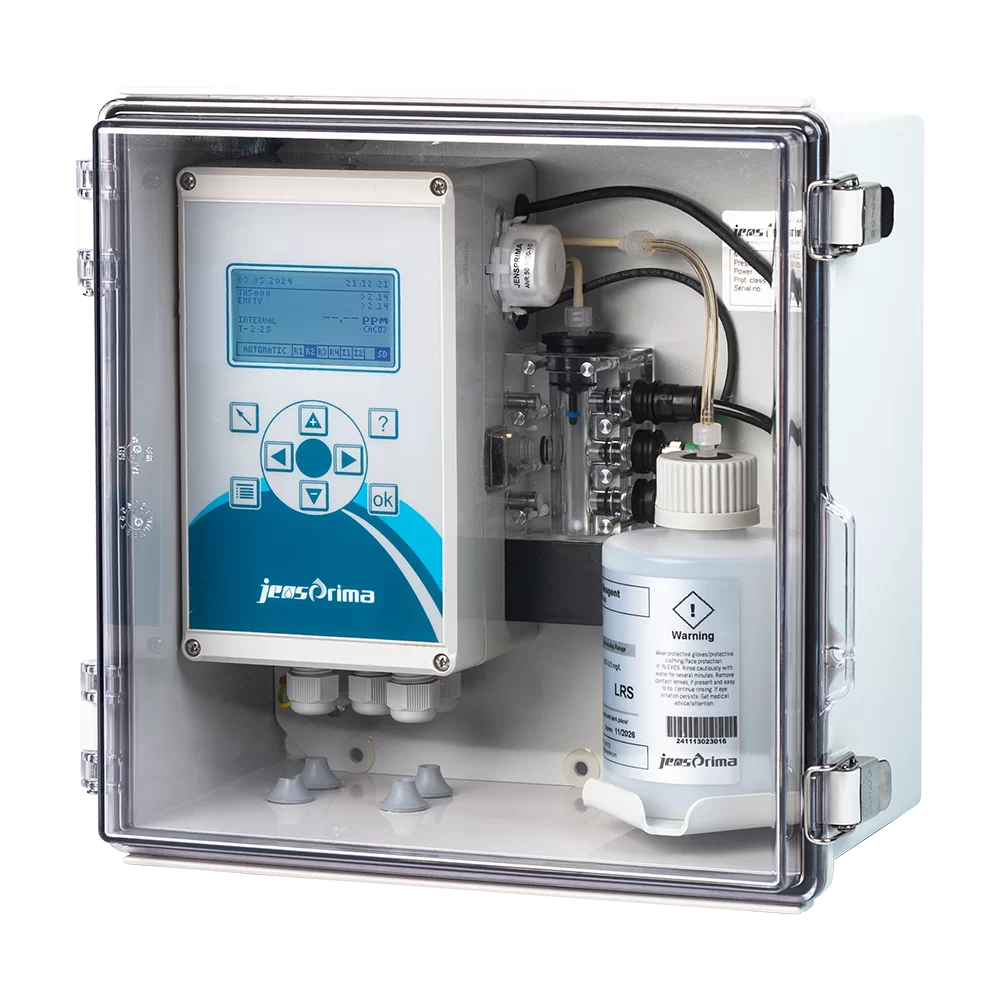
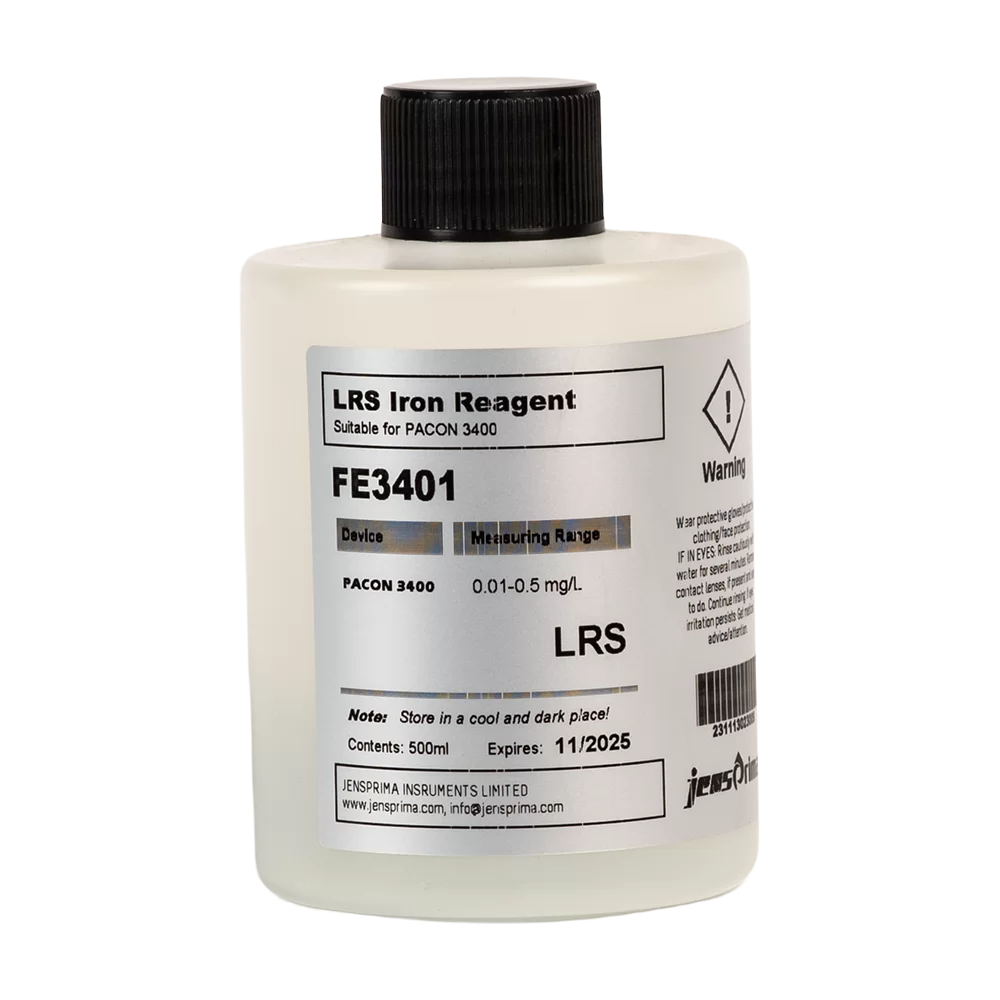
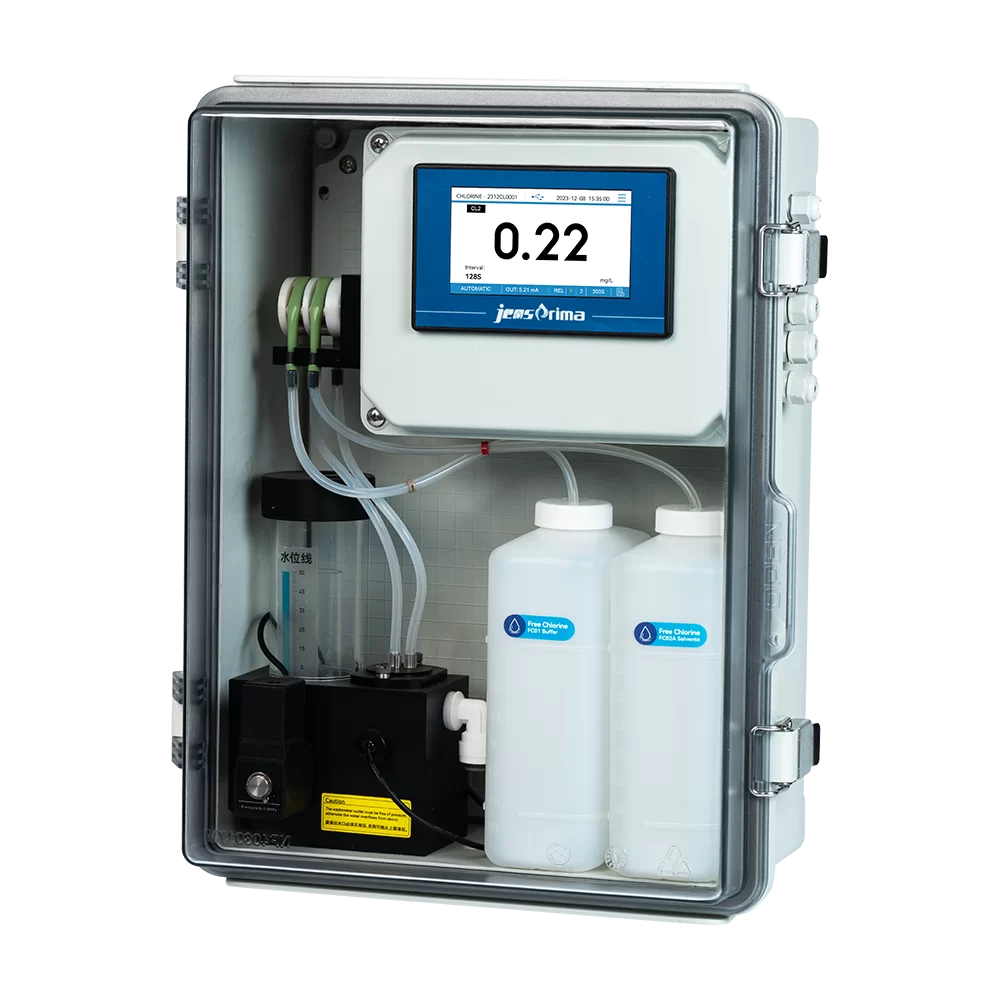
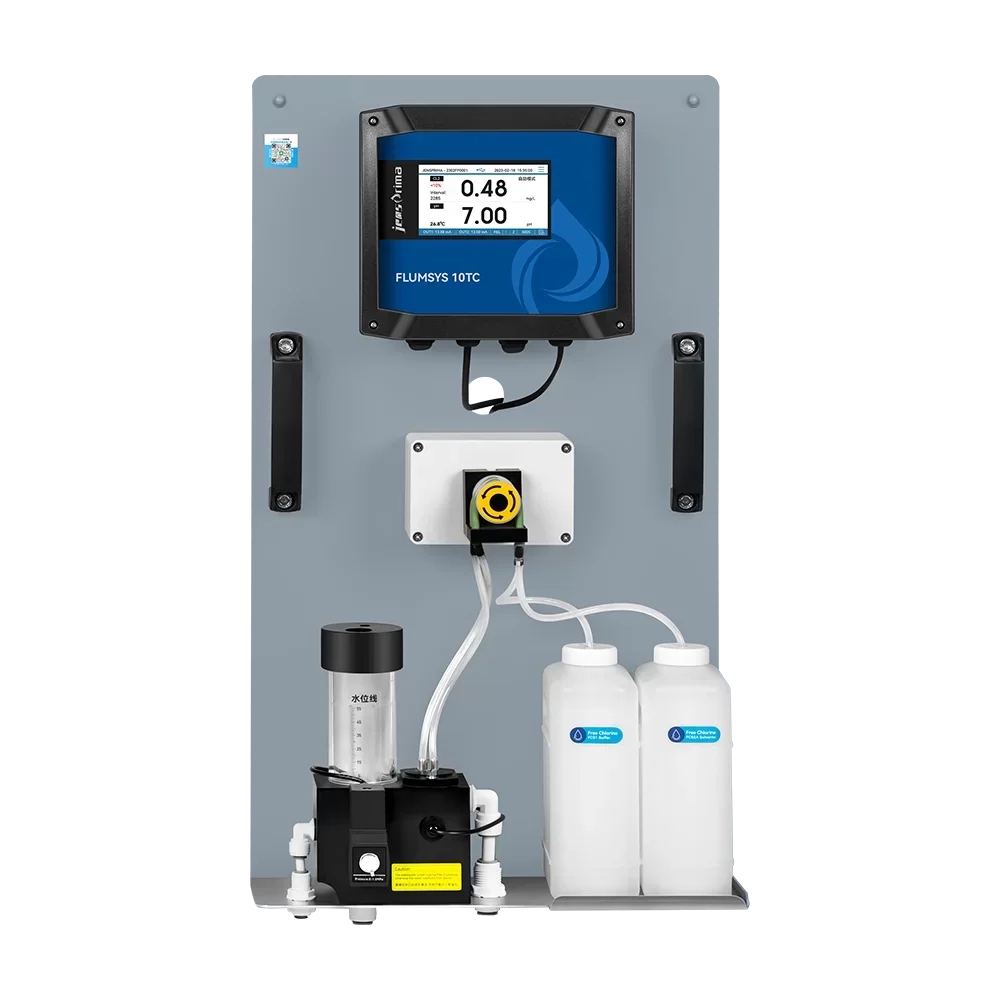
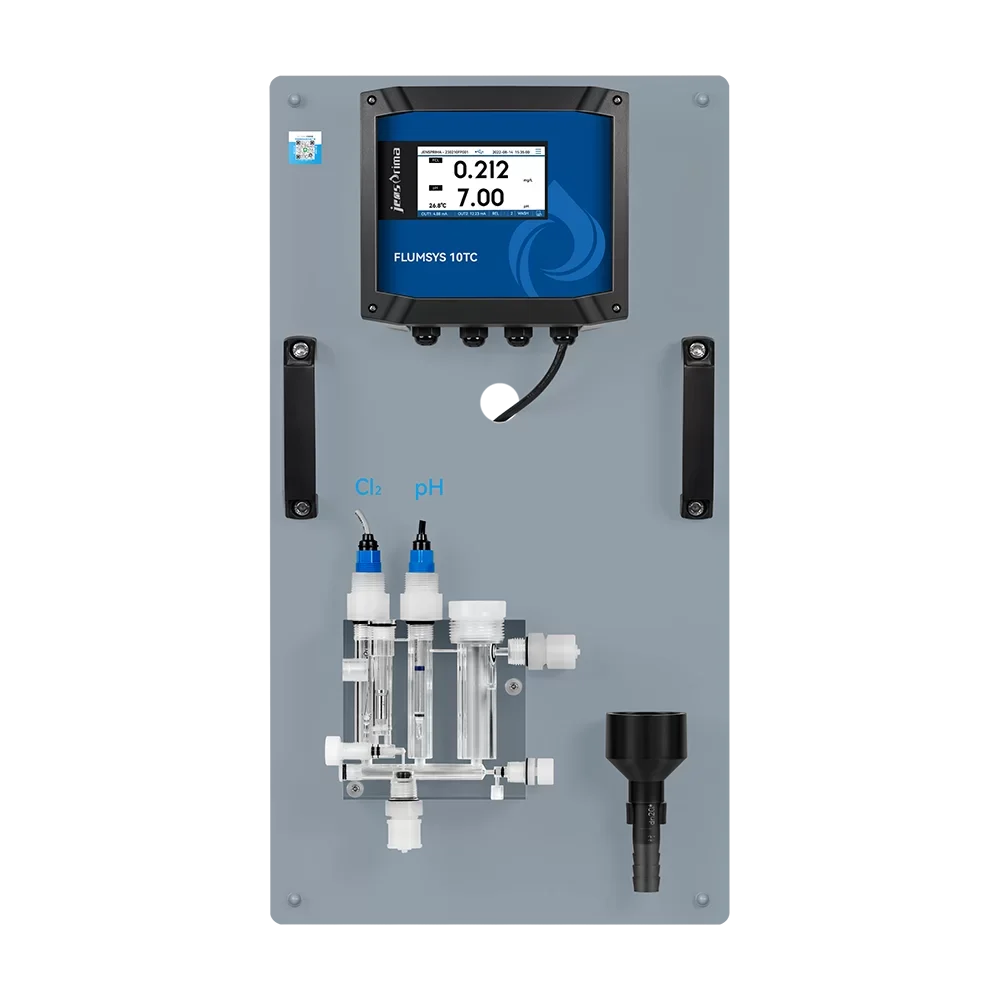
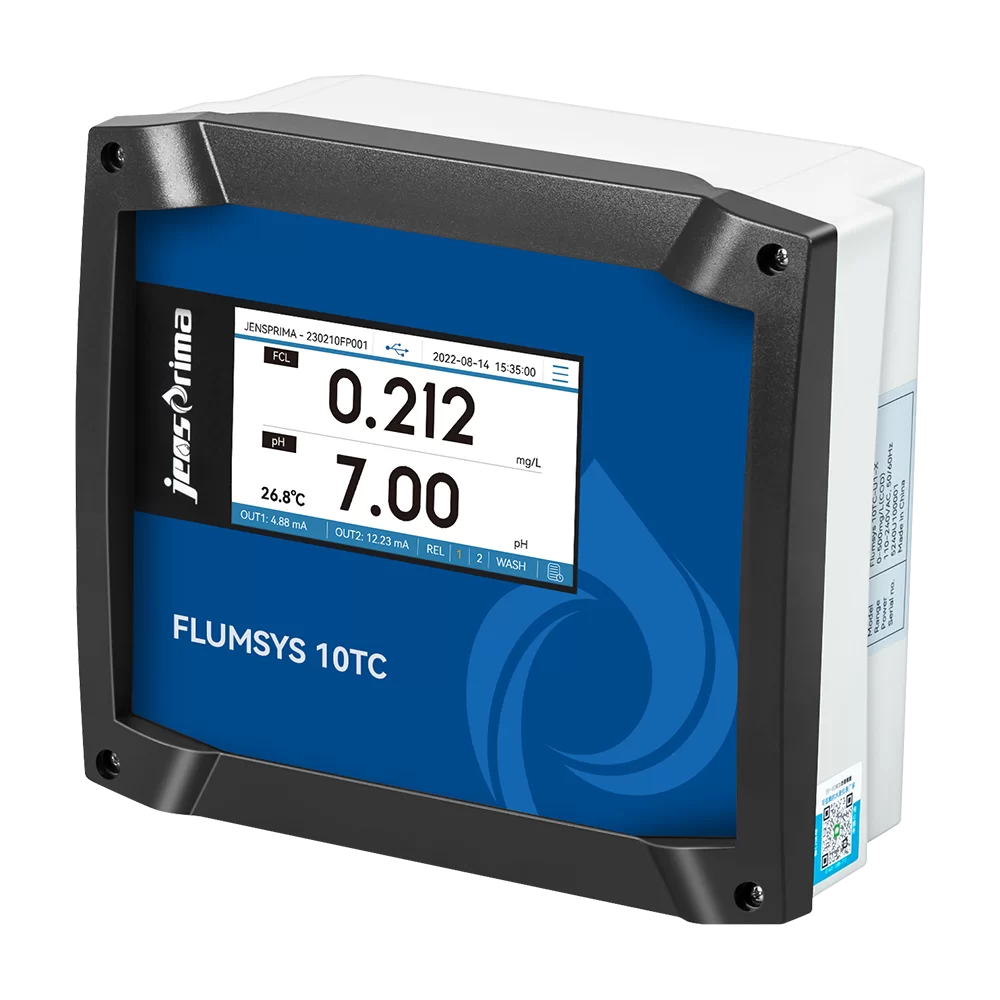
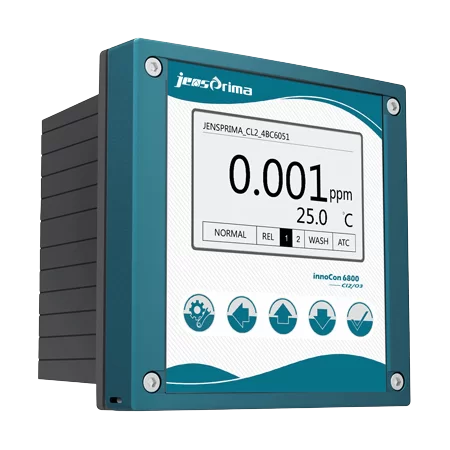
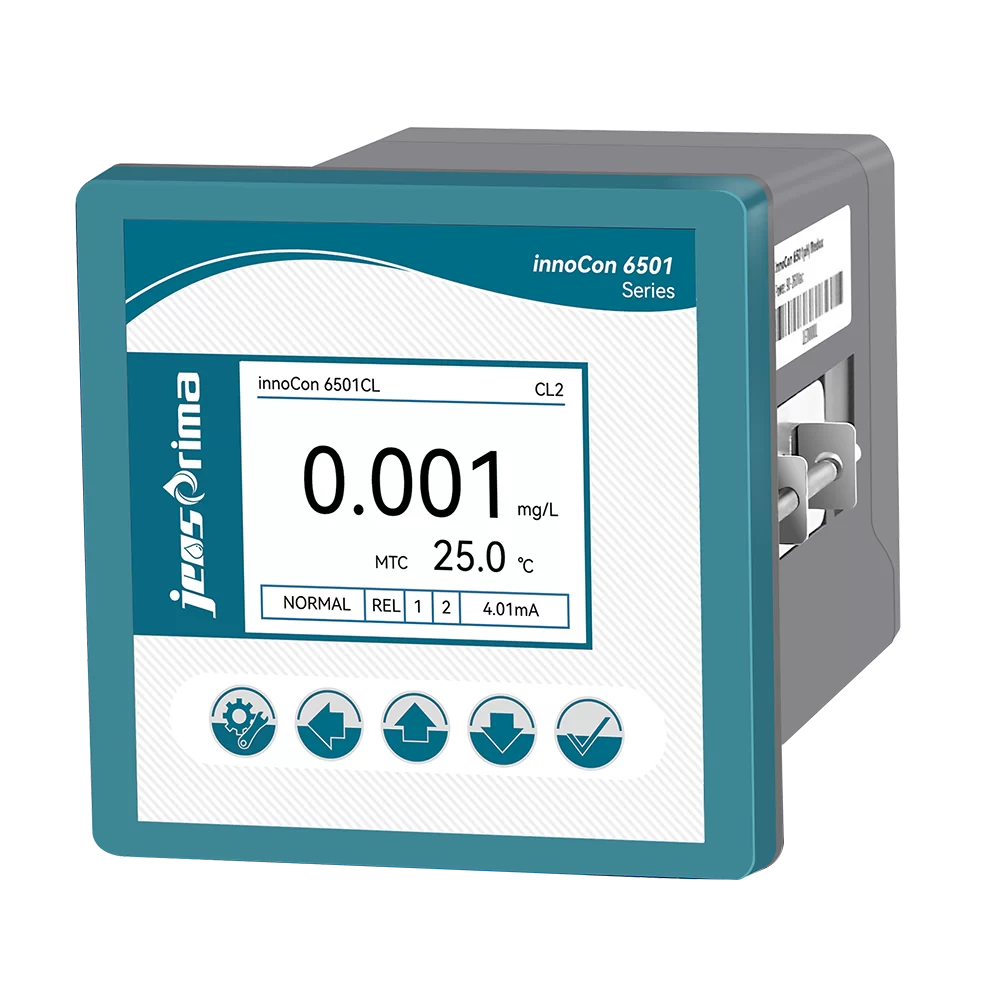
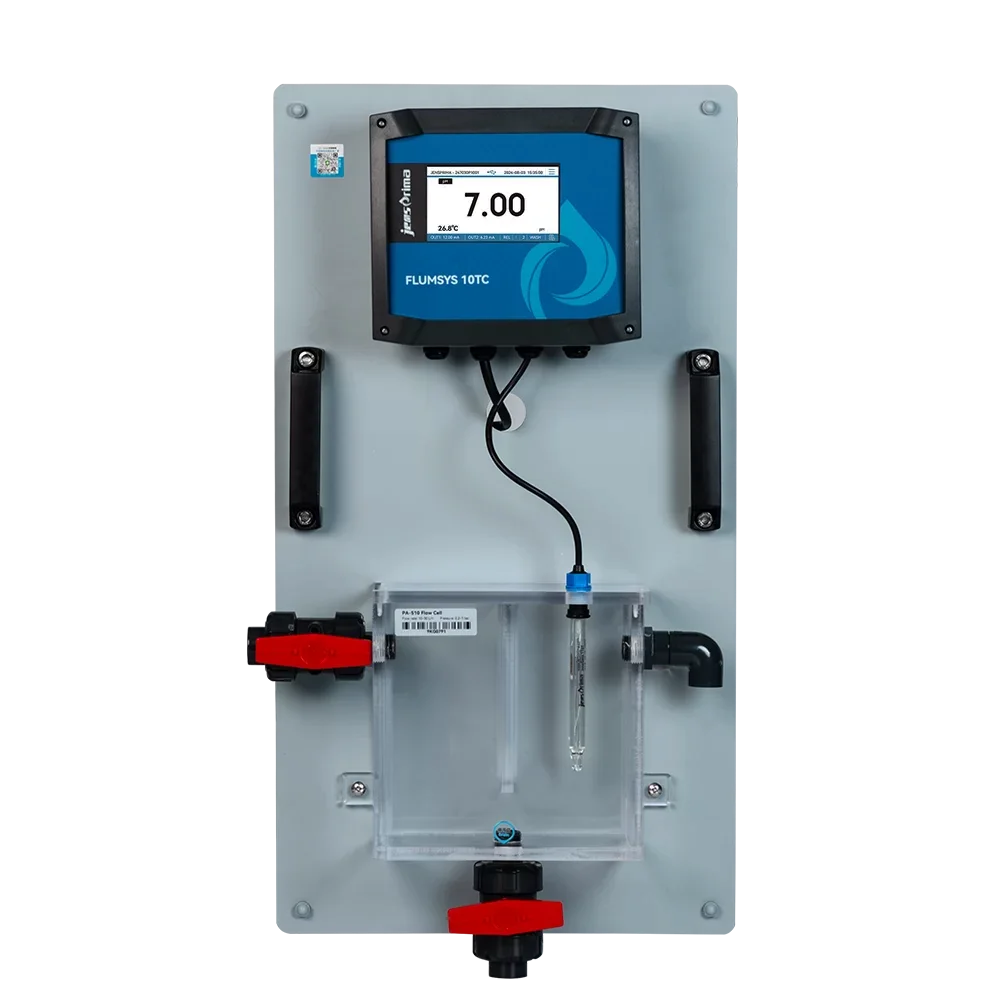
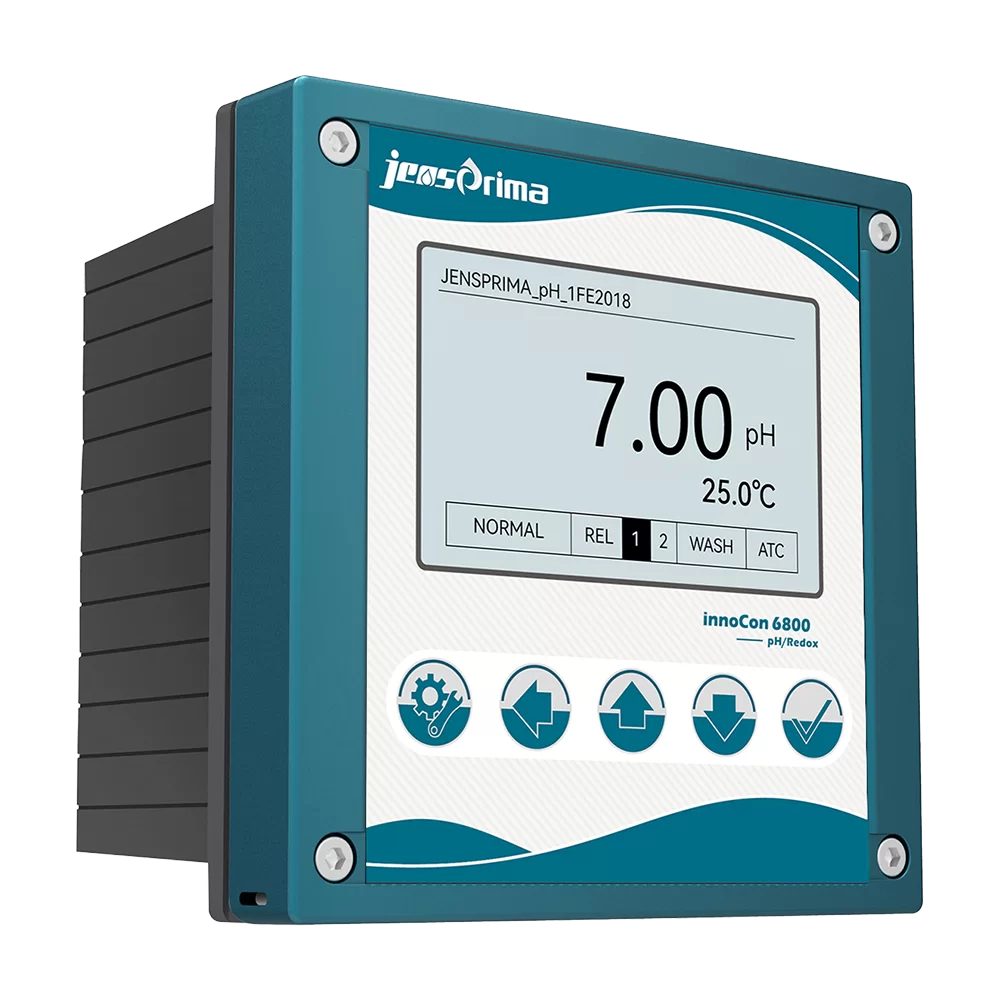
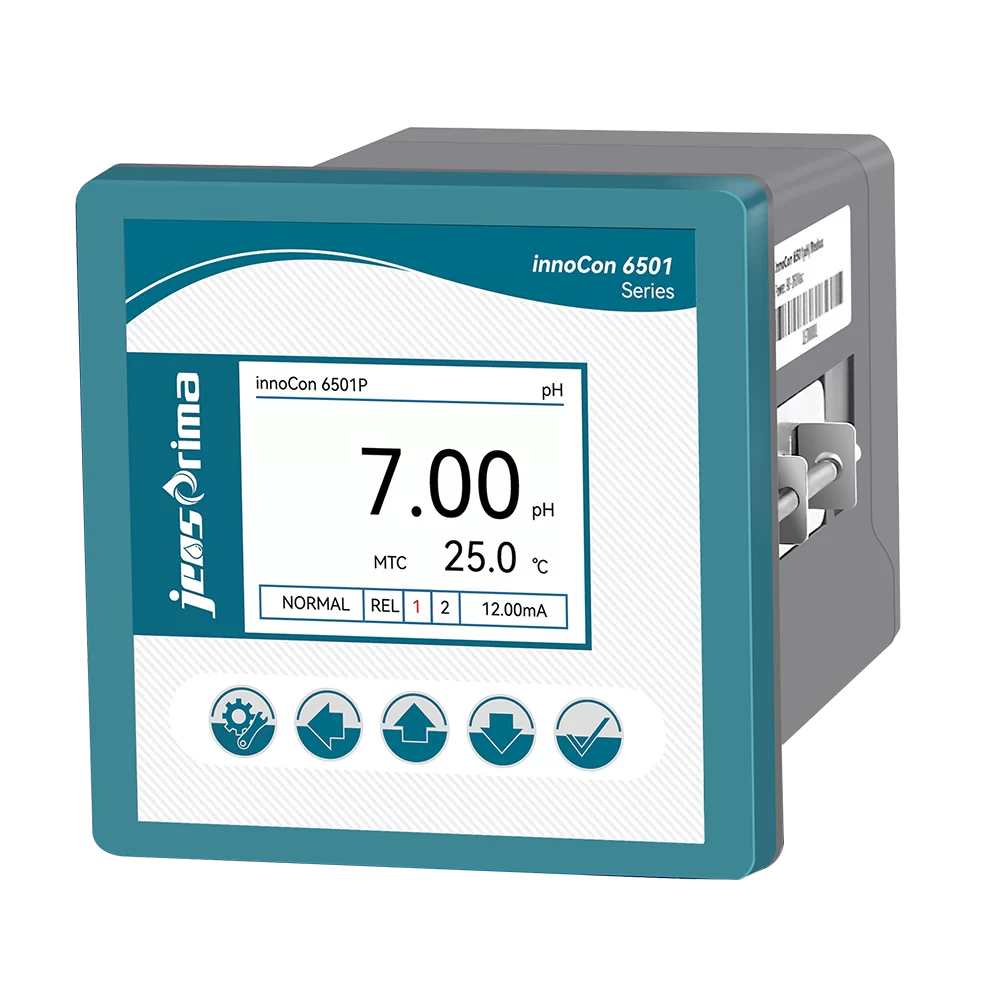
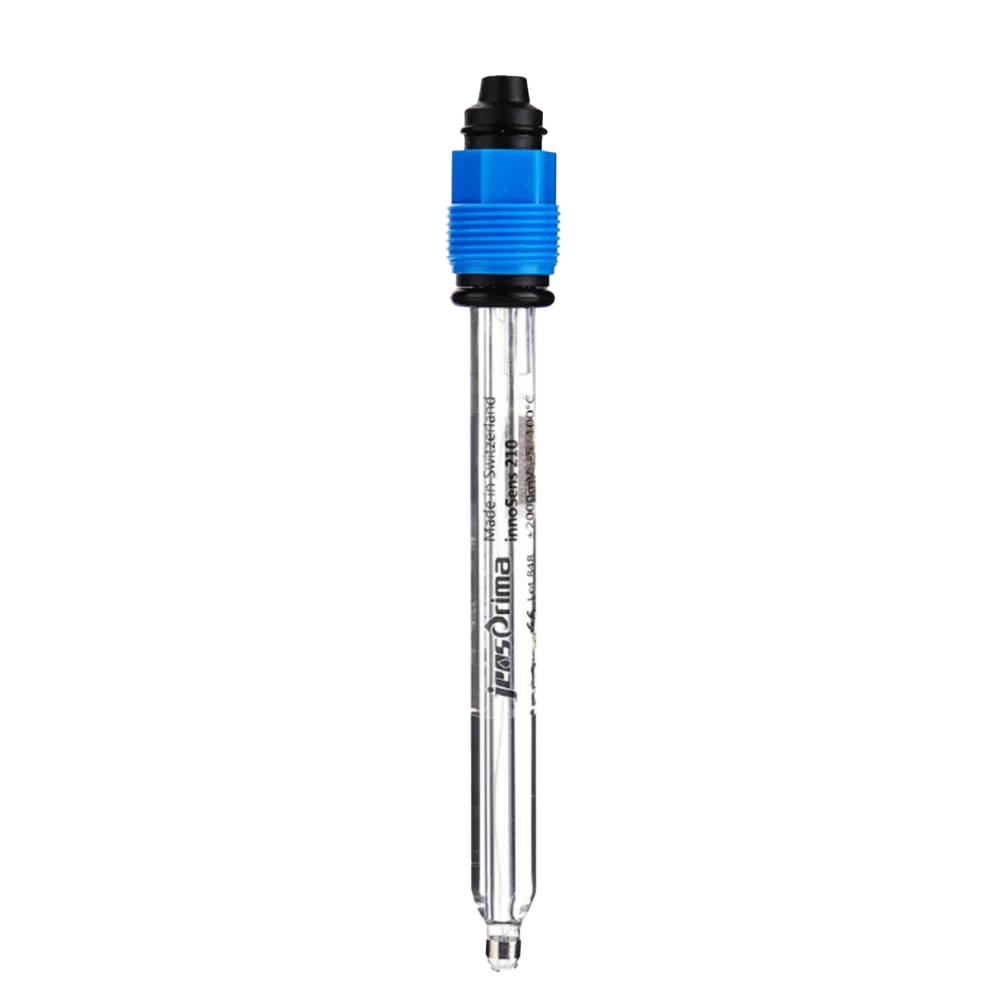
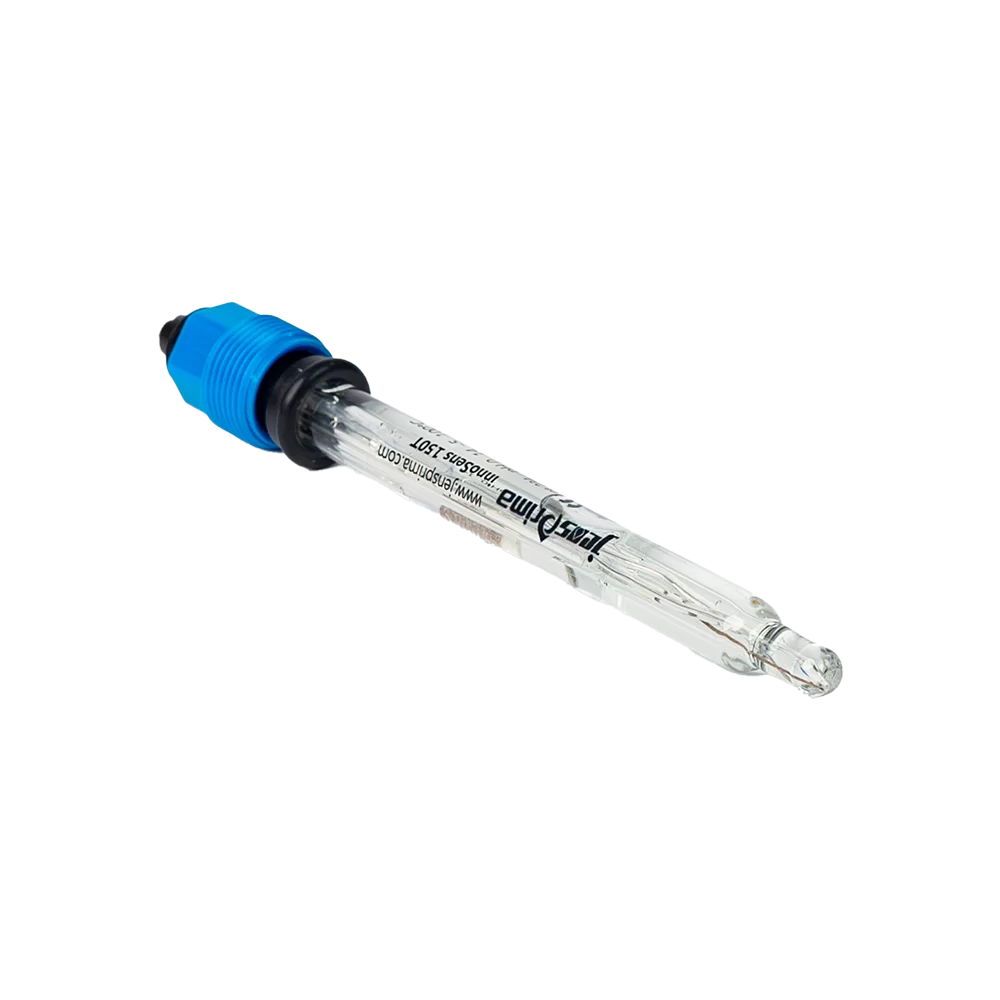
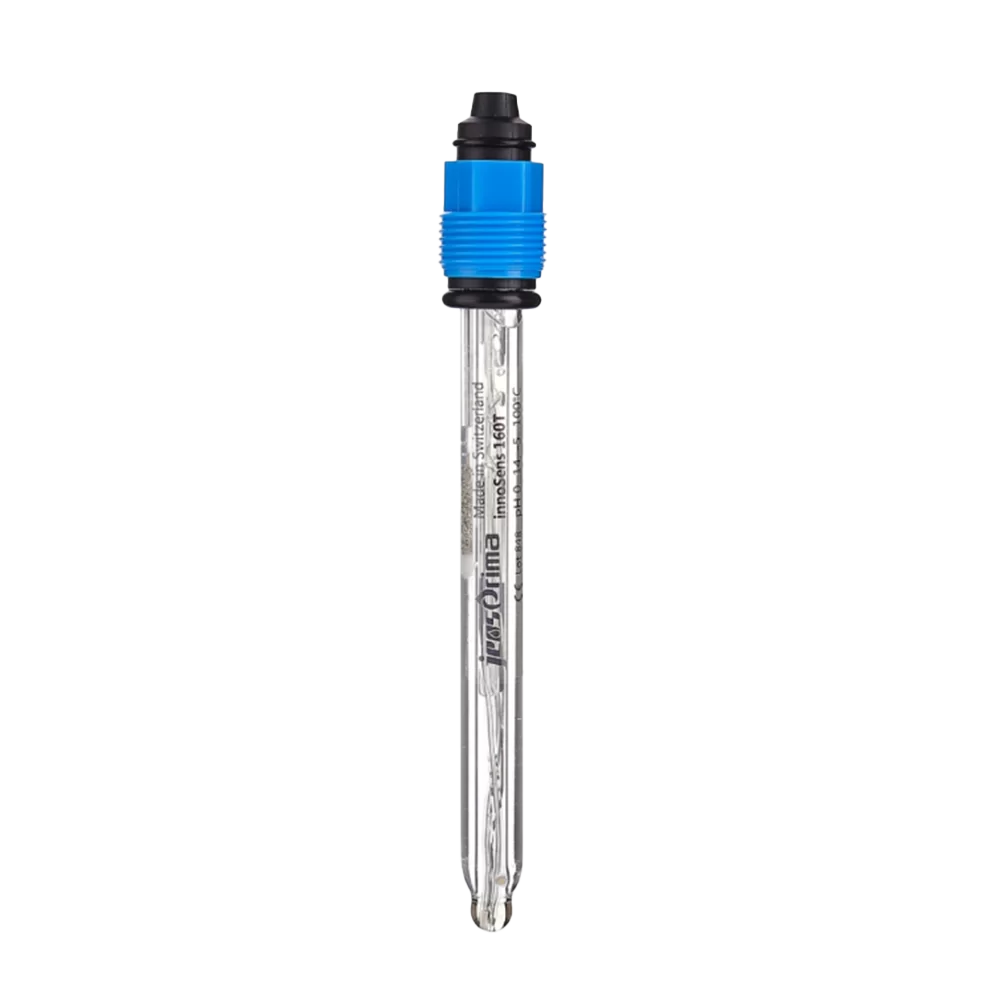
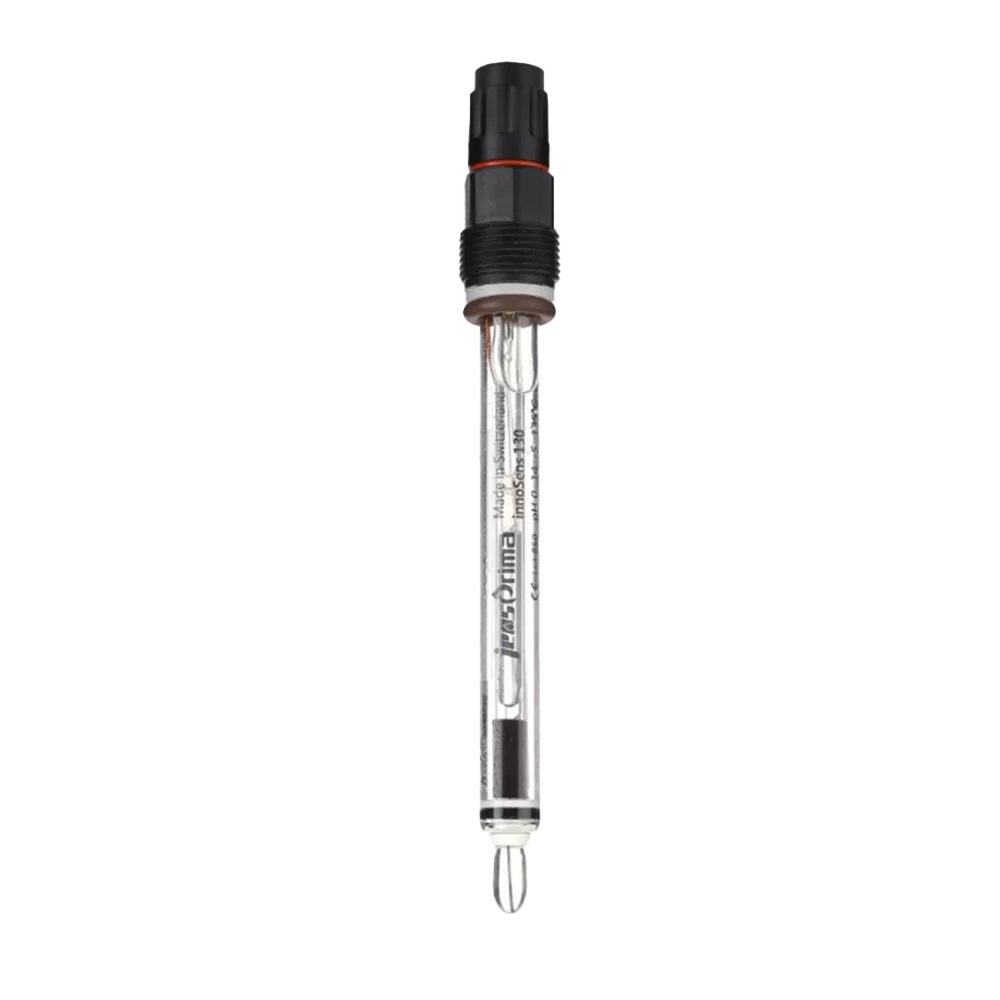
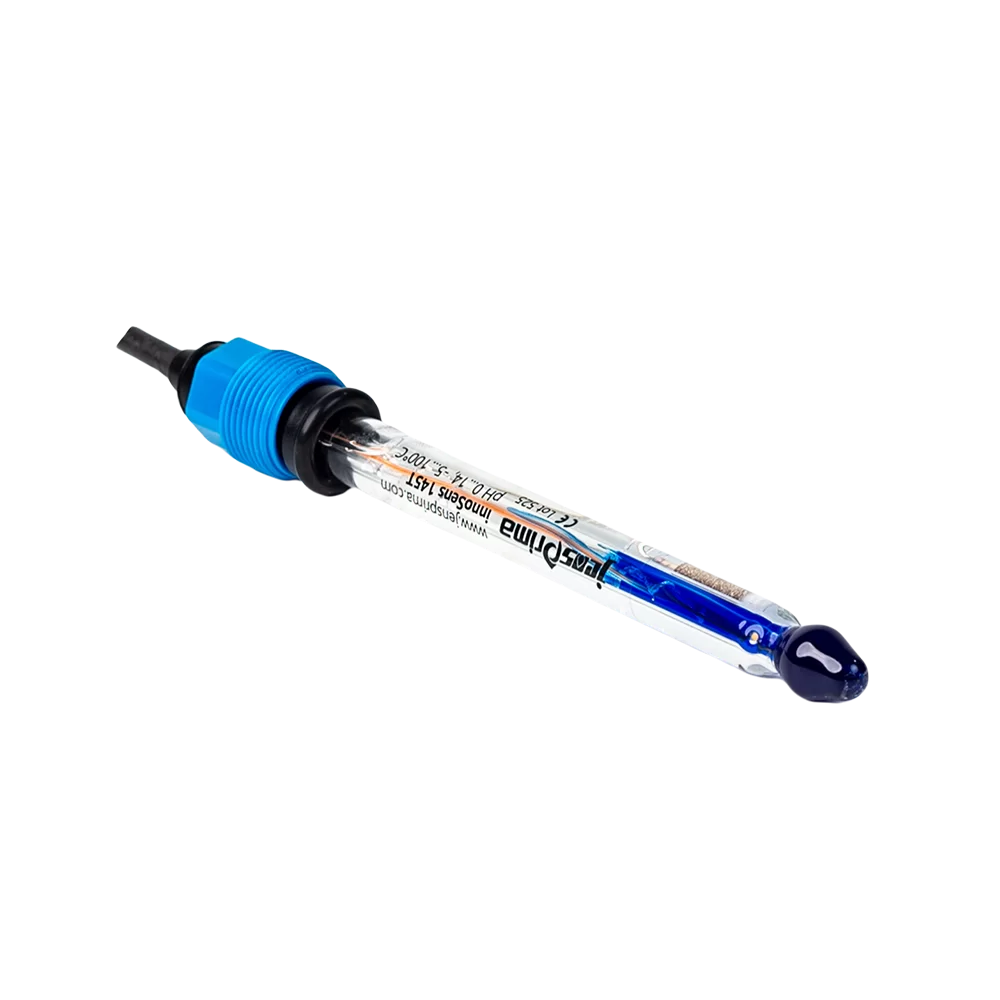
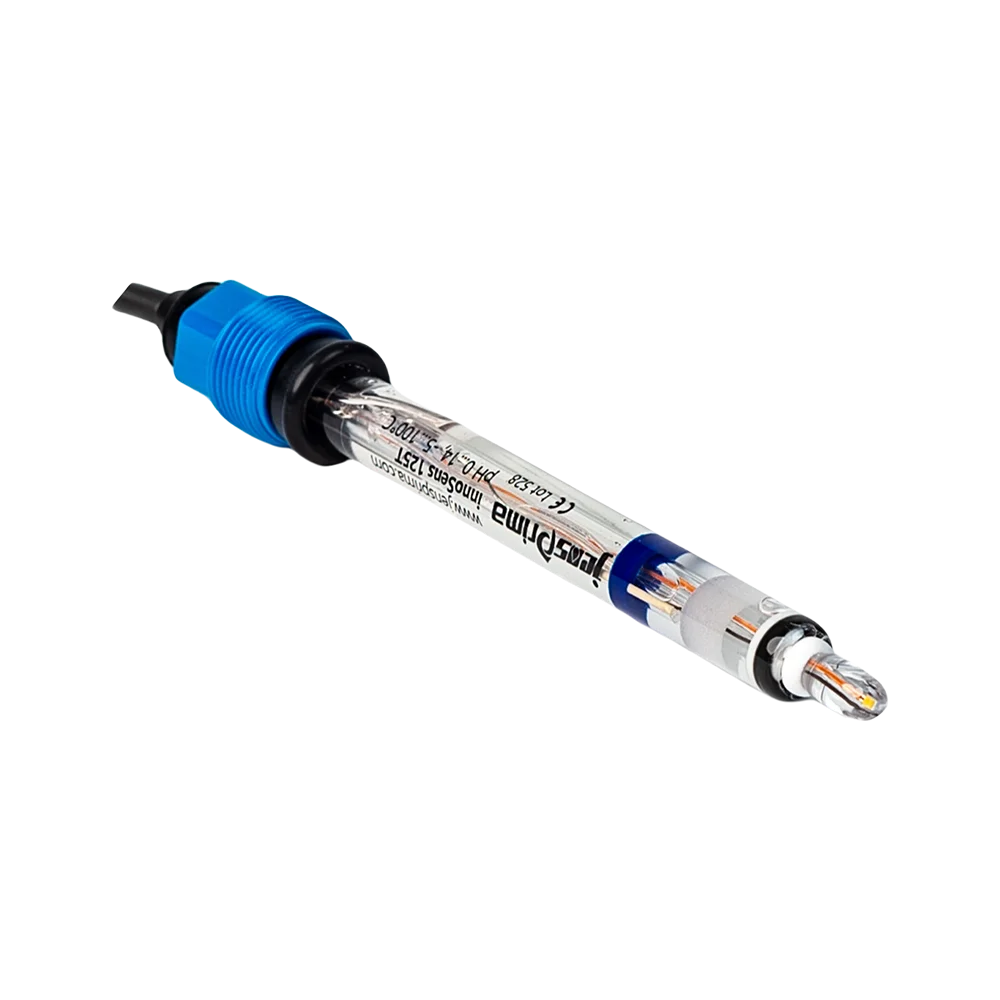
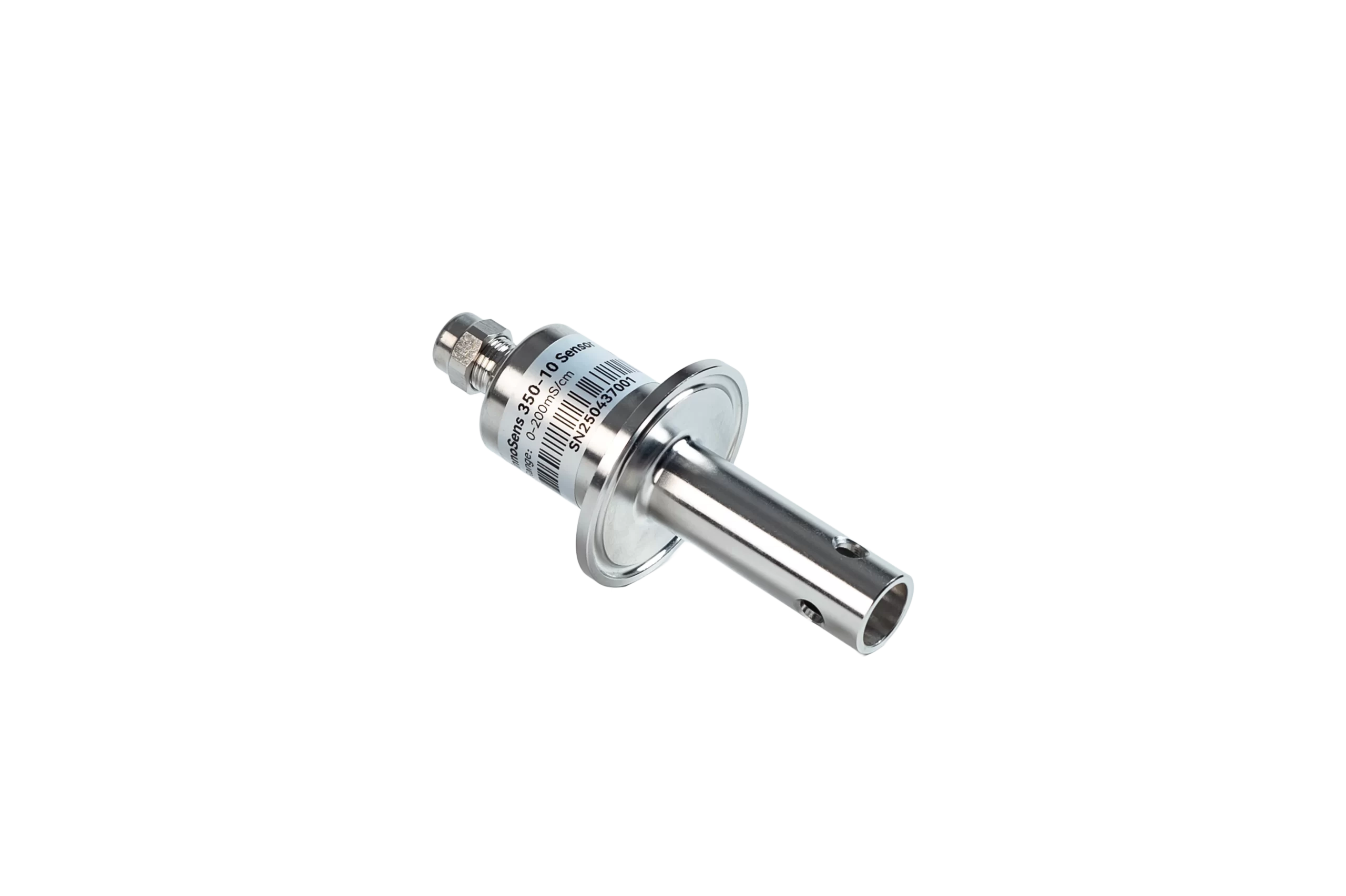
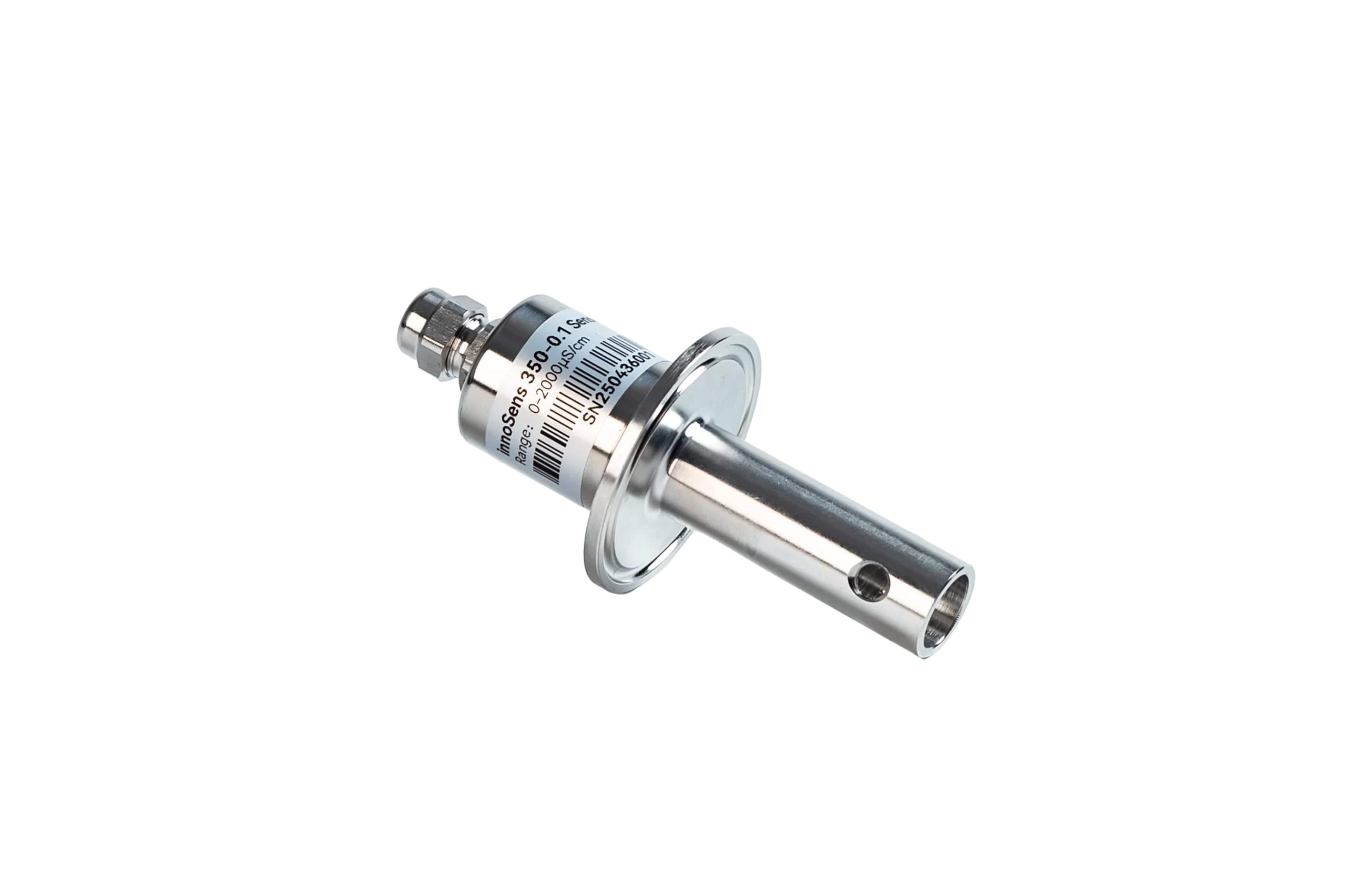
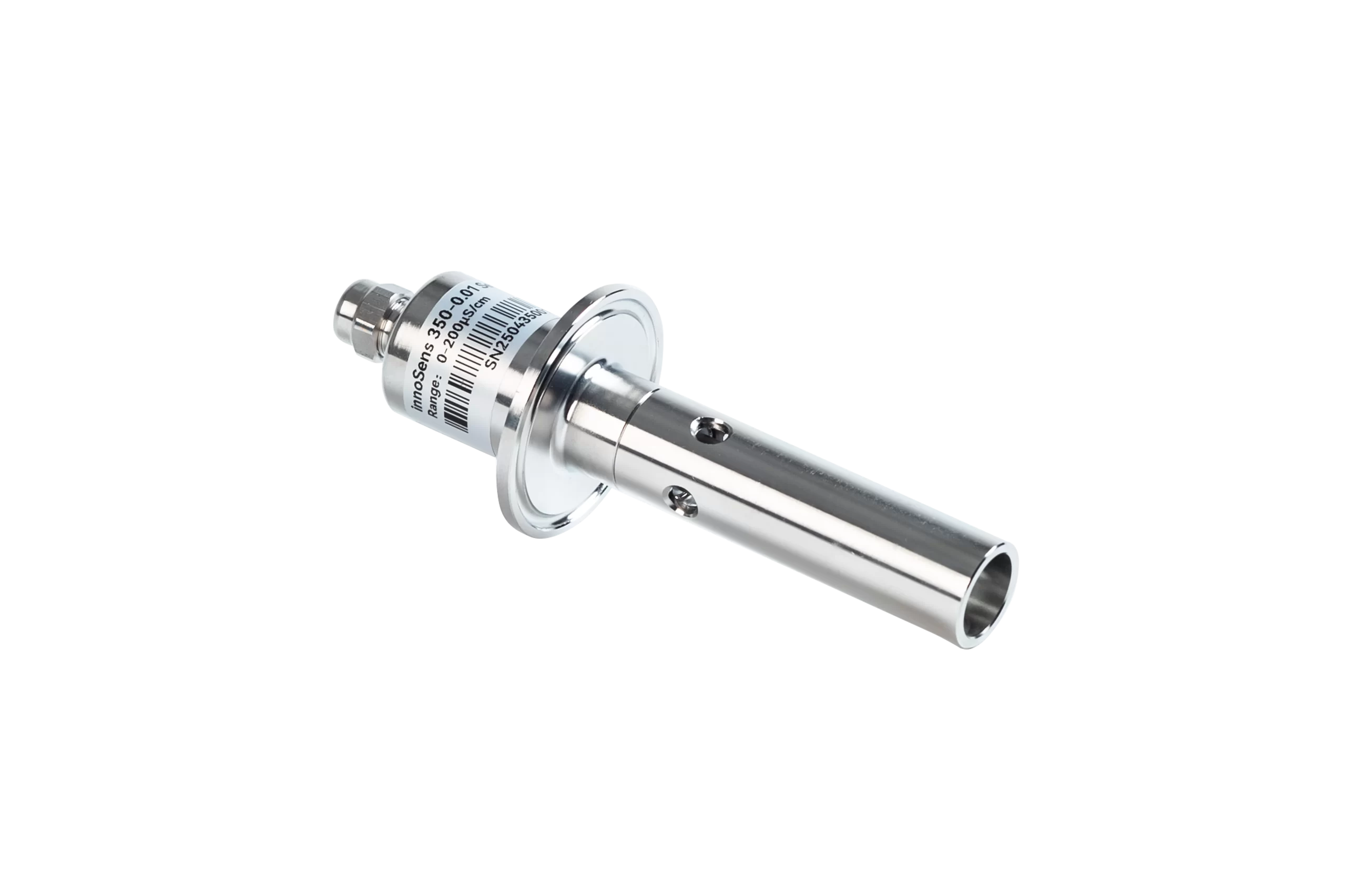
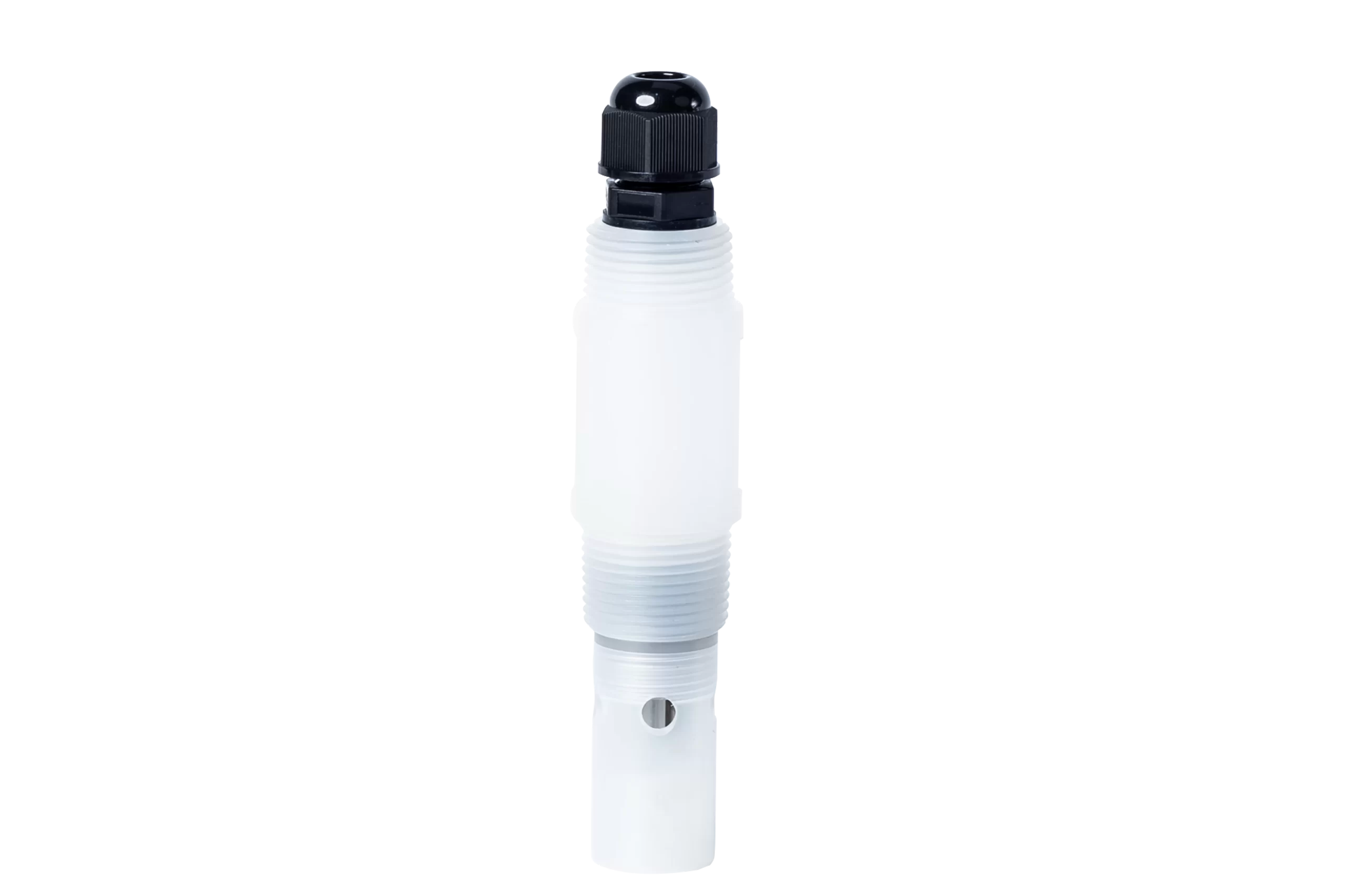
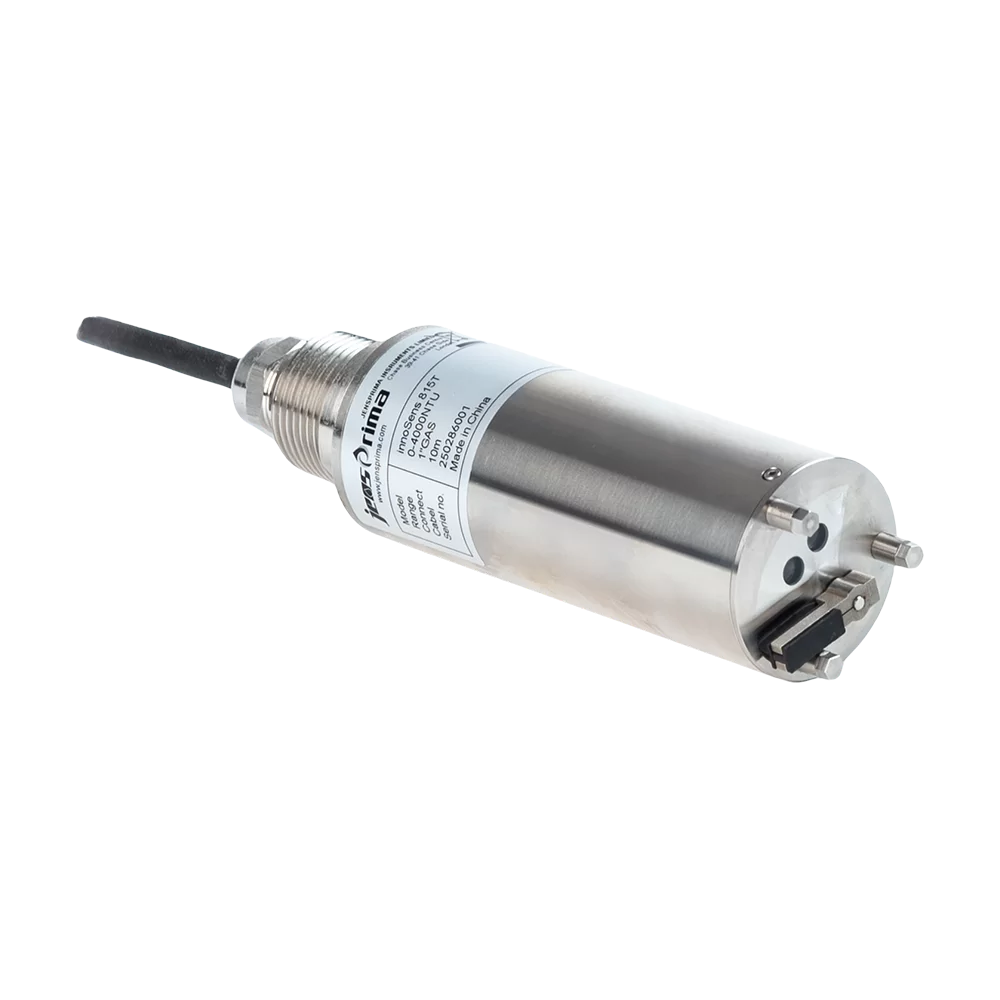
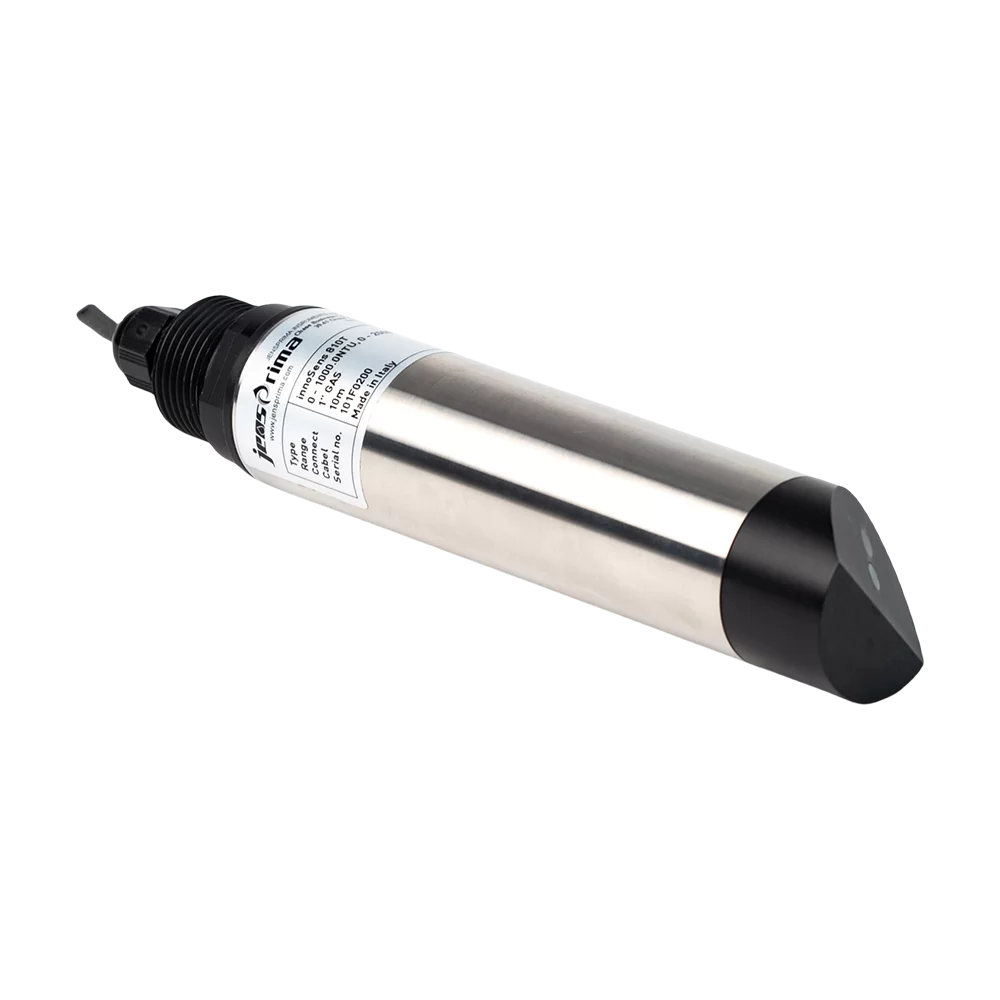
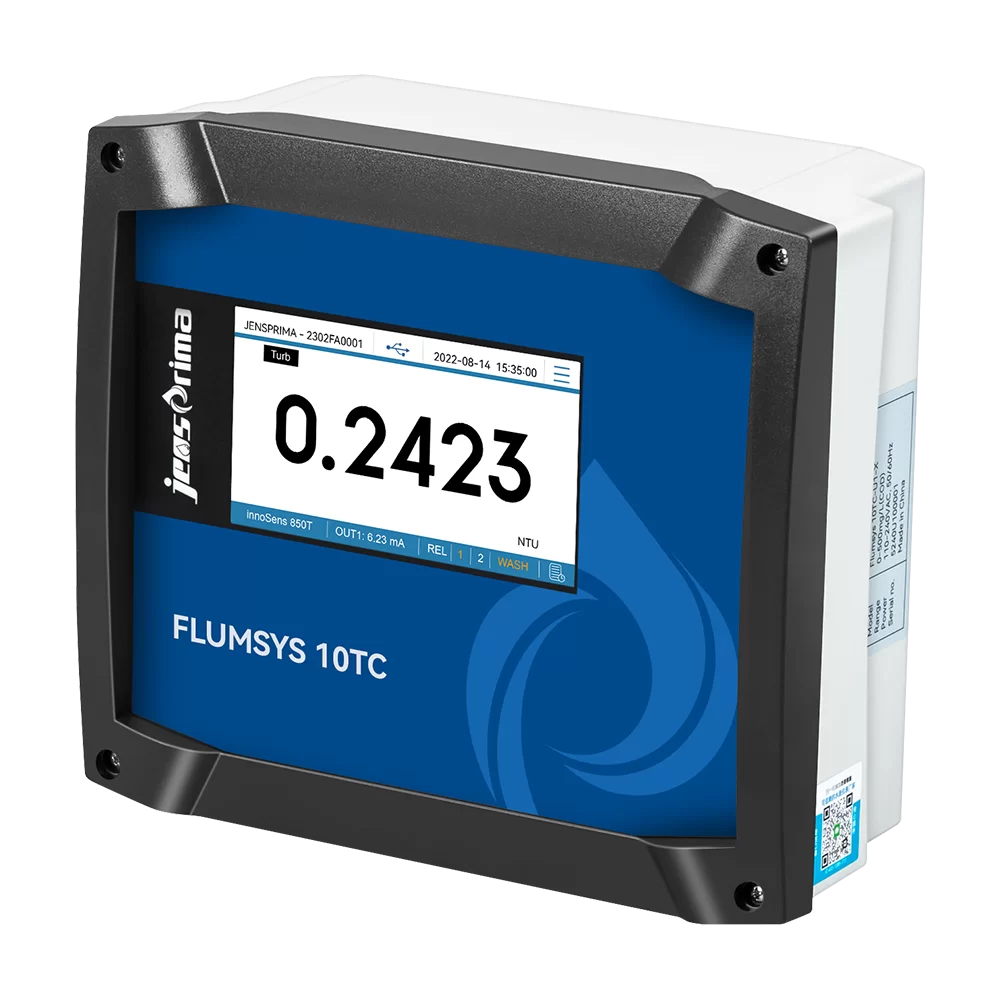
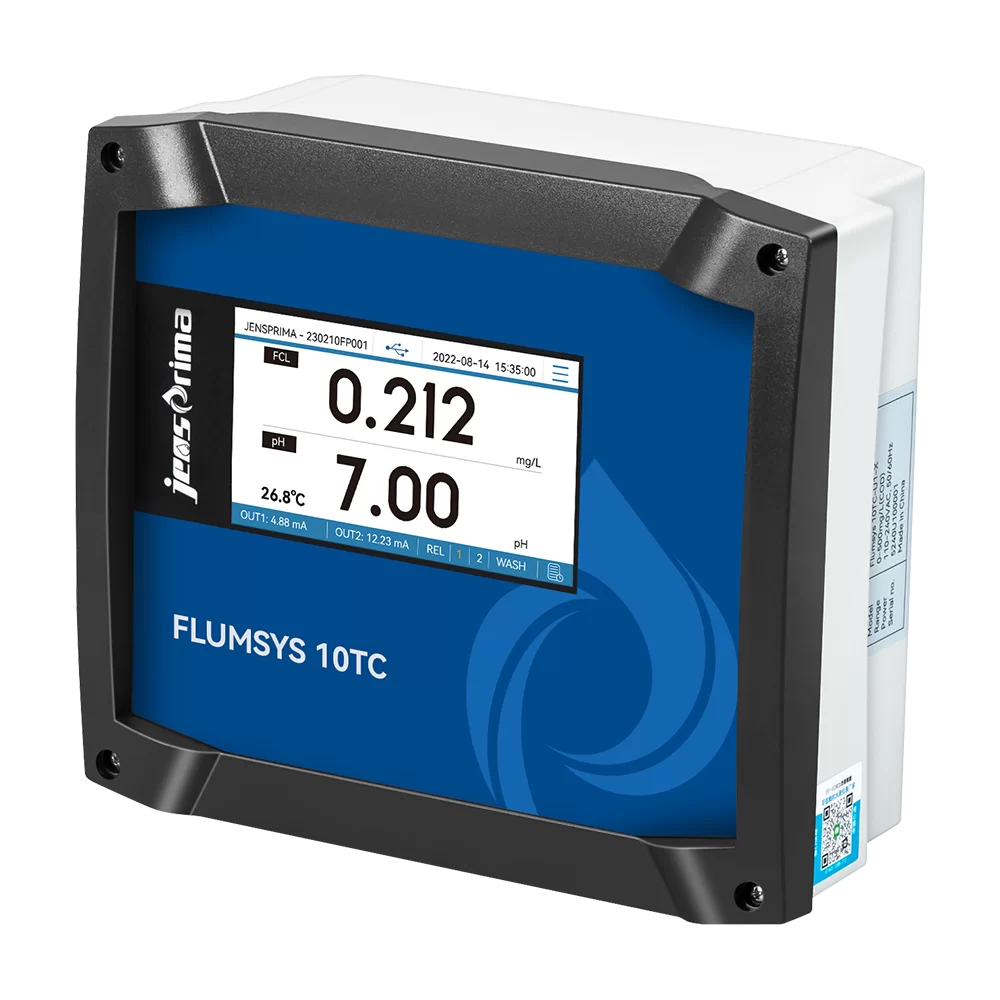
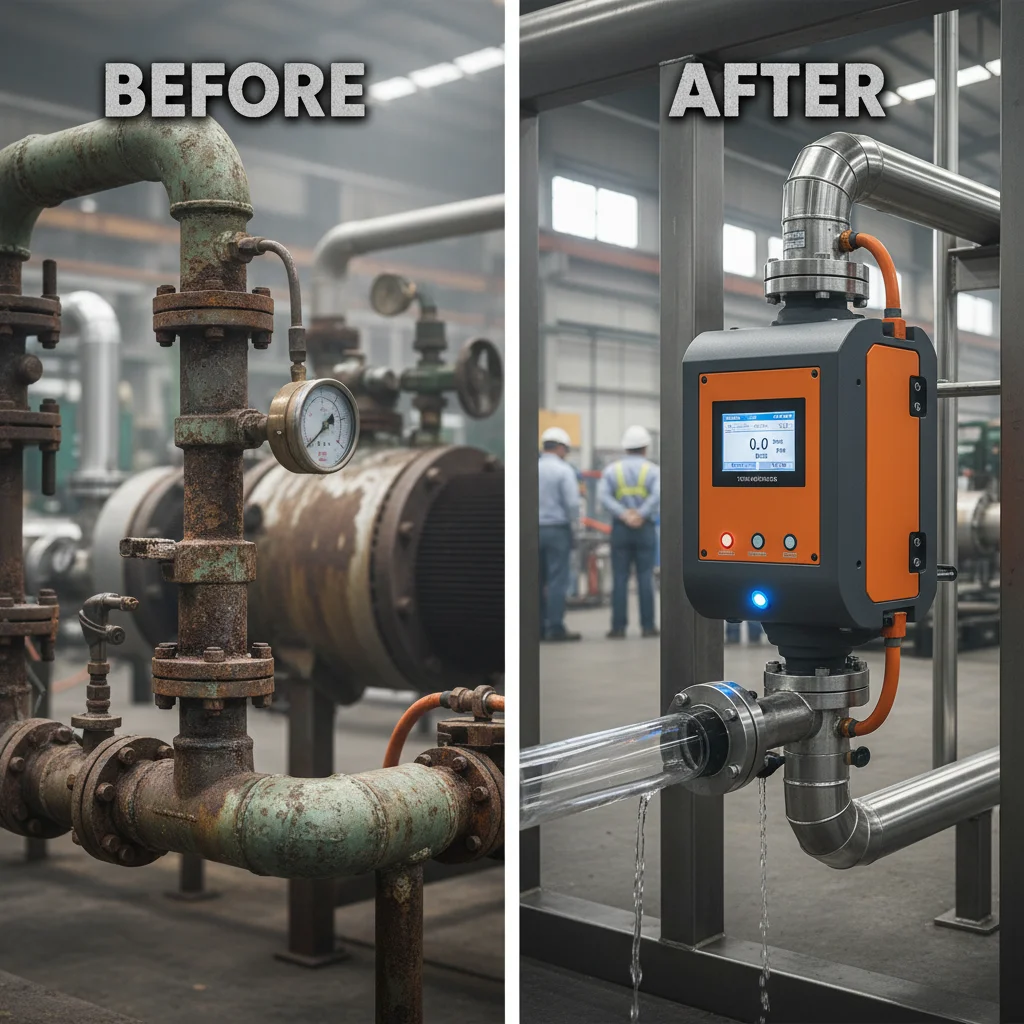
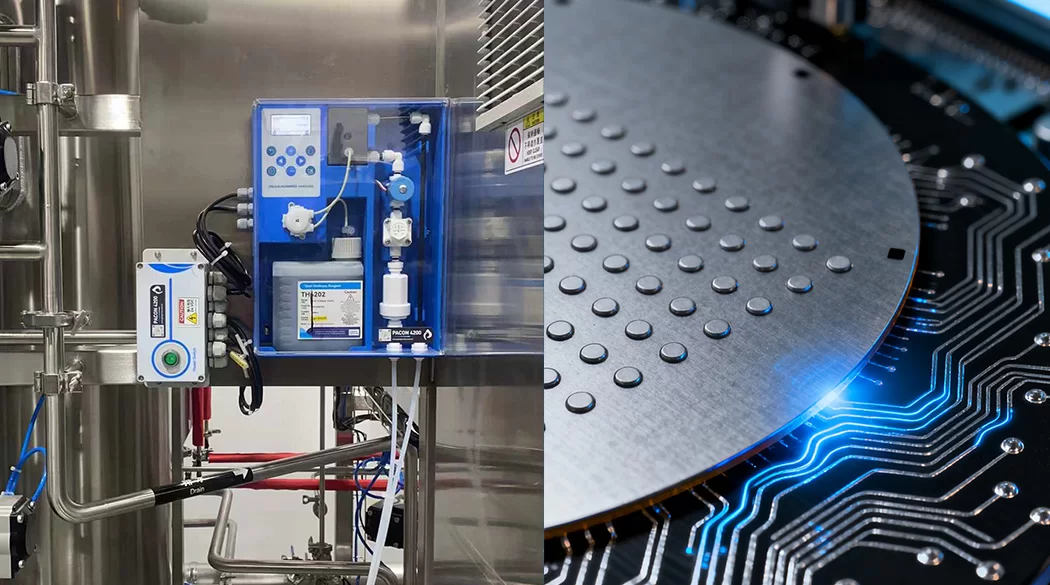
Jensprima online hardness and residual chlorine analyzers play a vital role in the service life of reverse osmosis membranes and the water recovery rate within pharmaceutical RO systems.
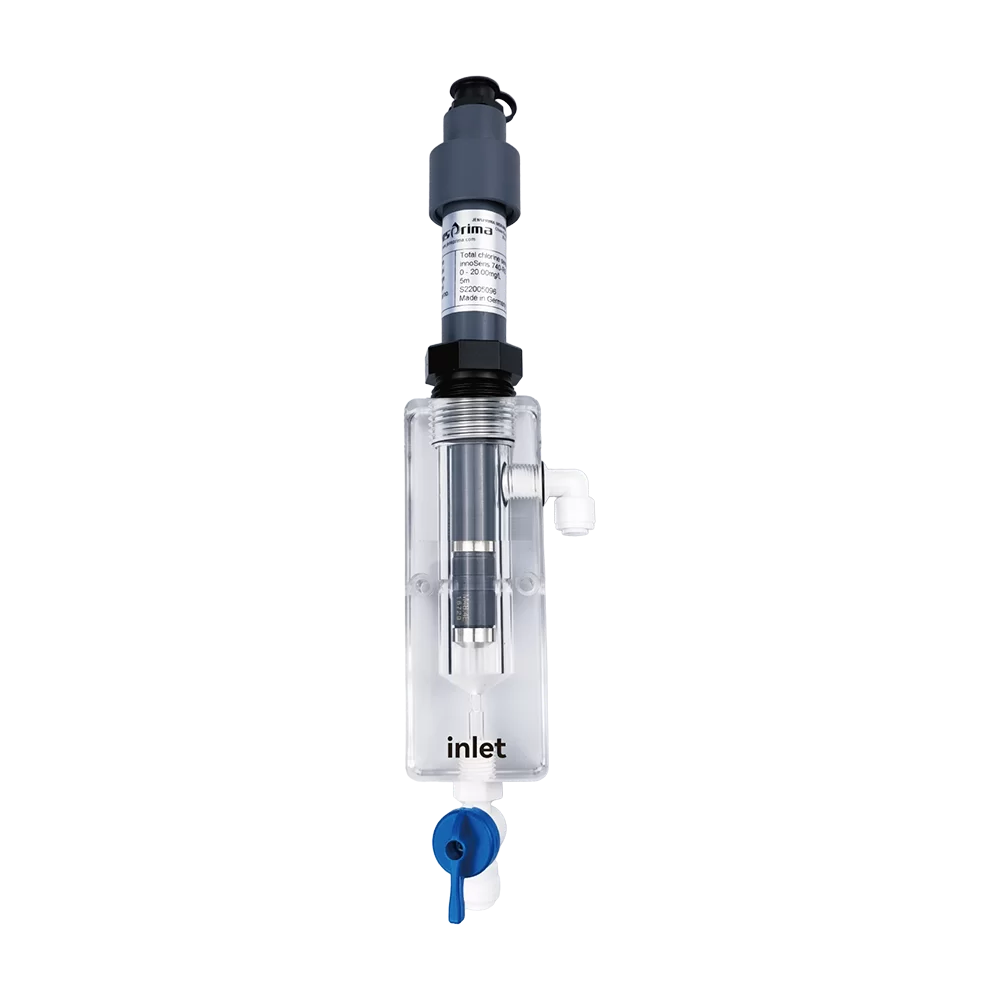
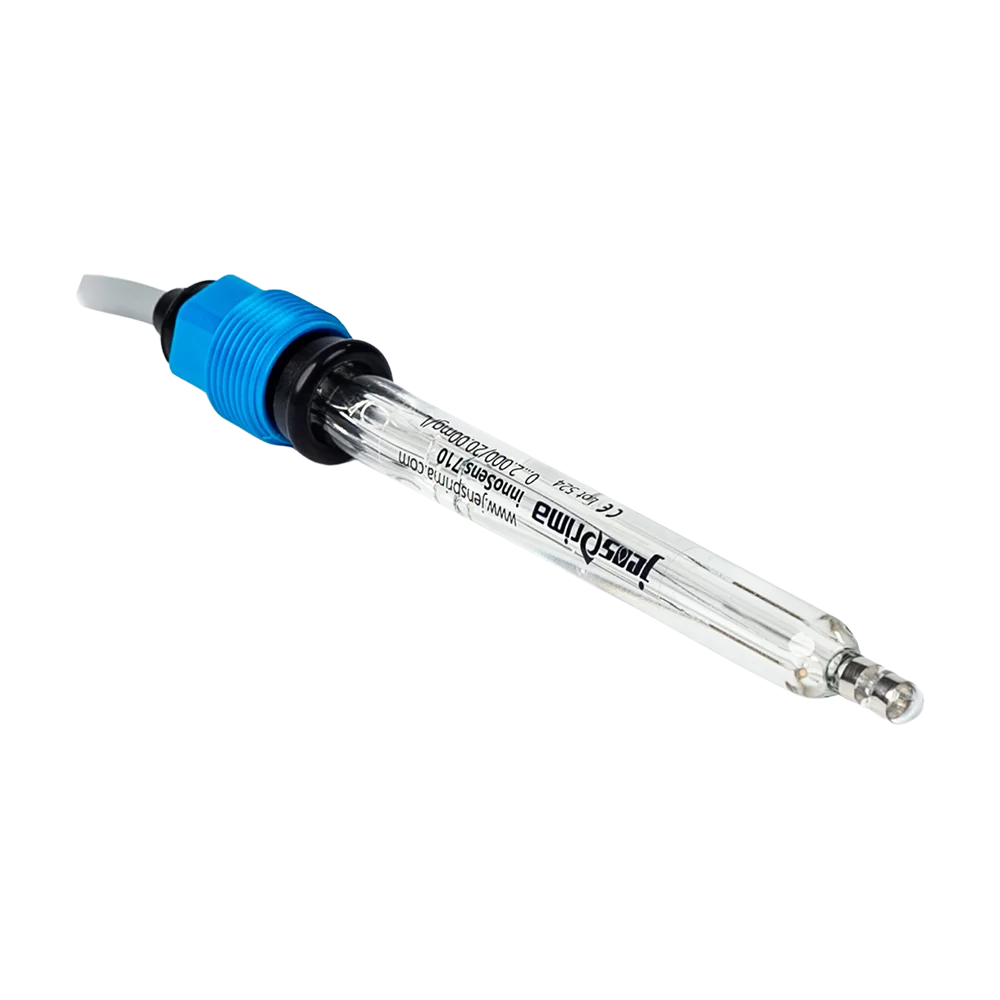
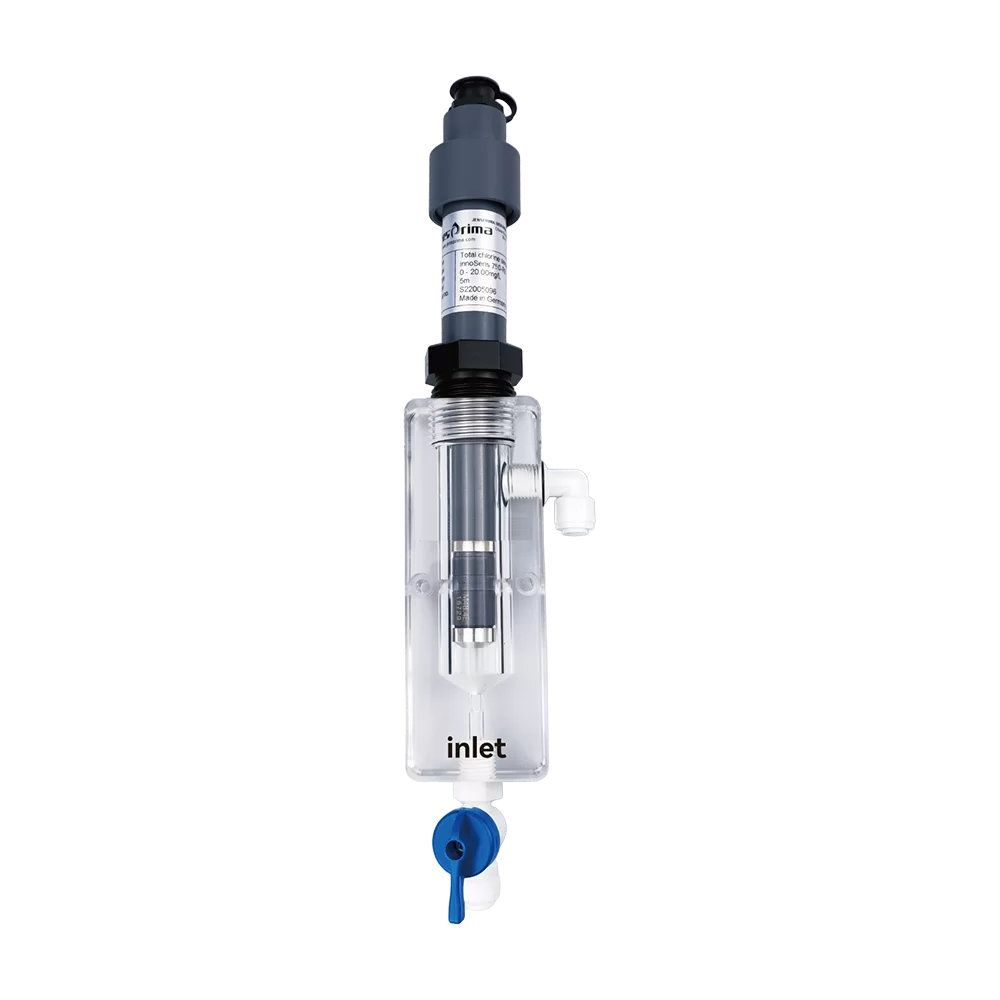
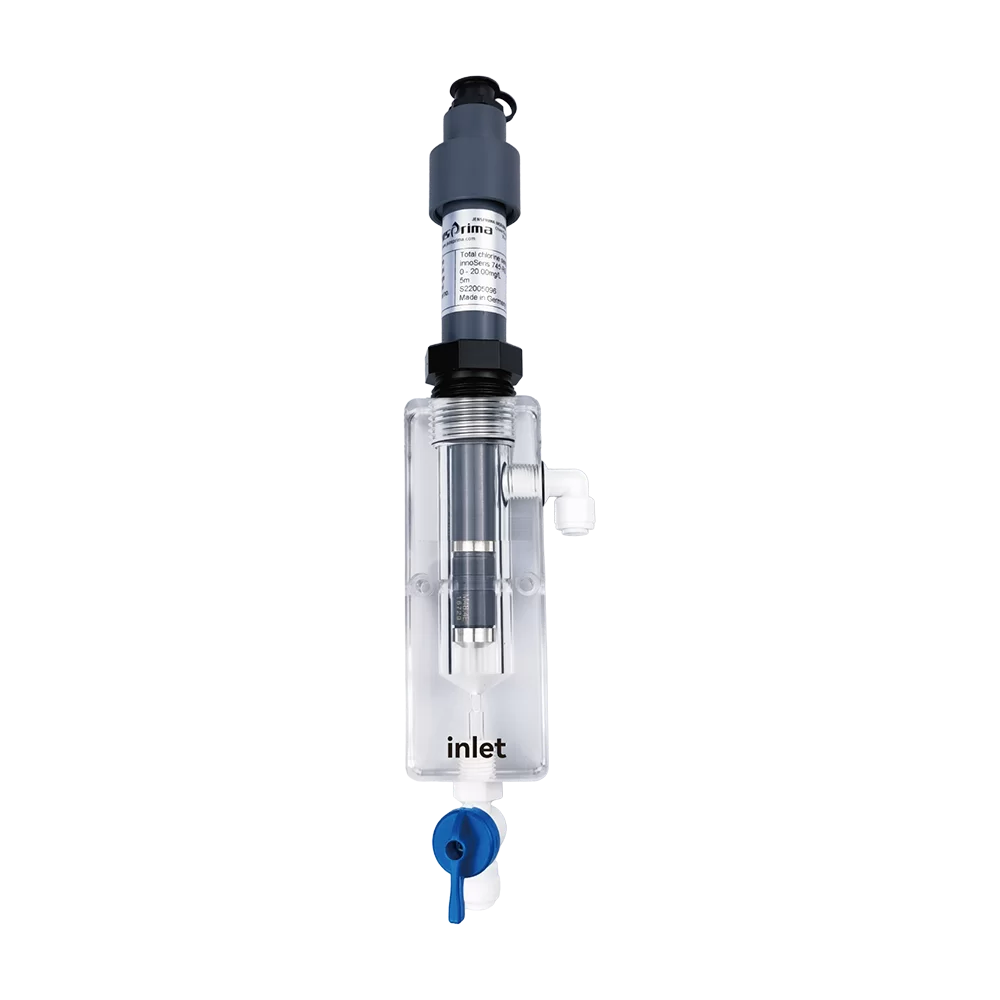
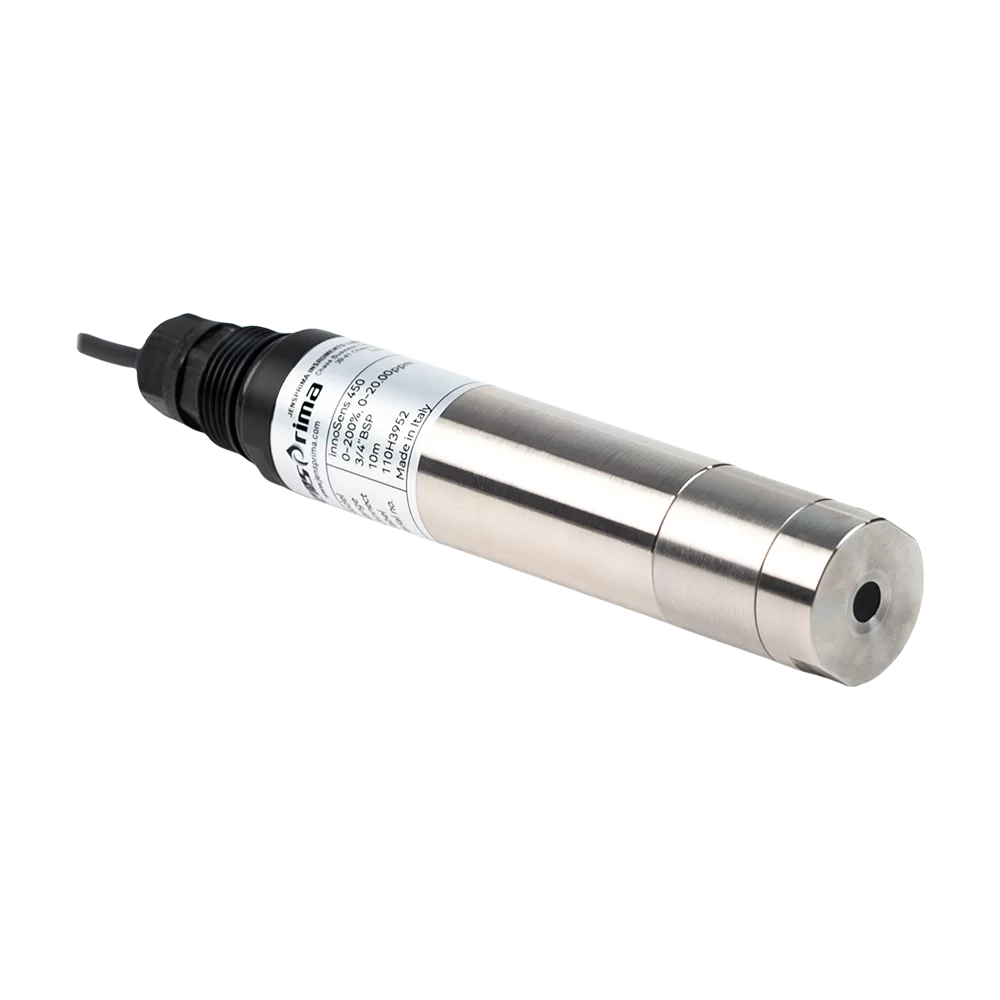
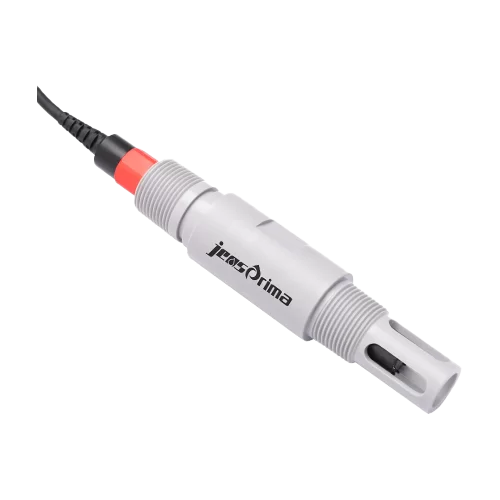
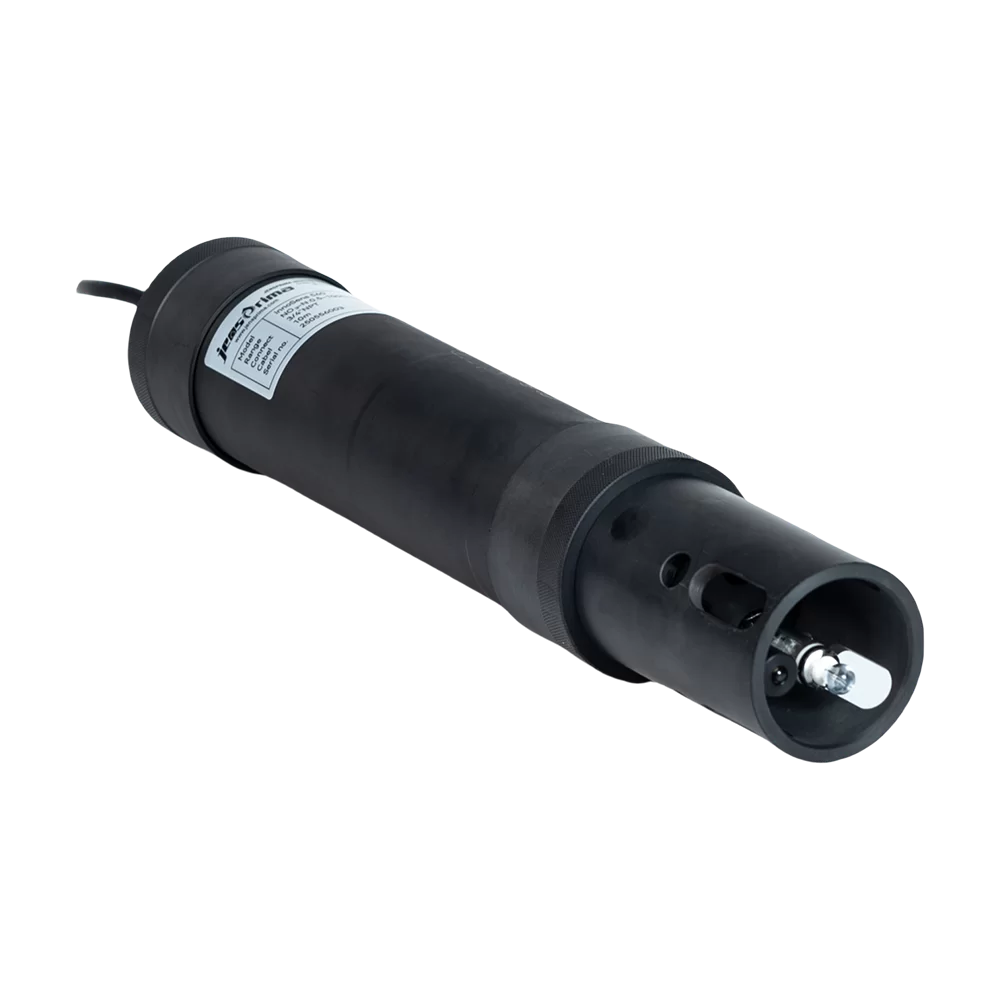
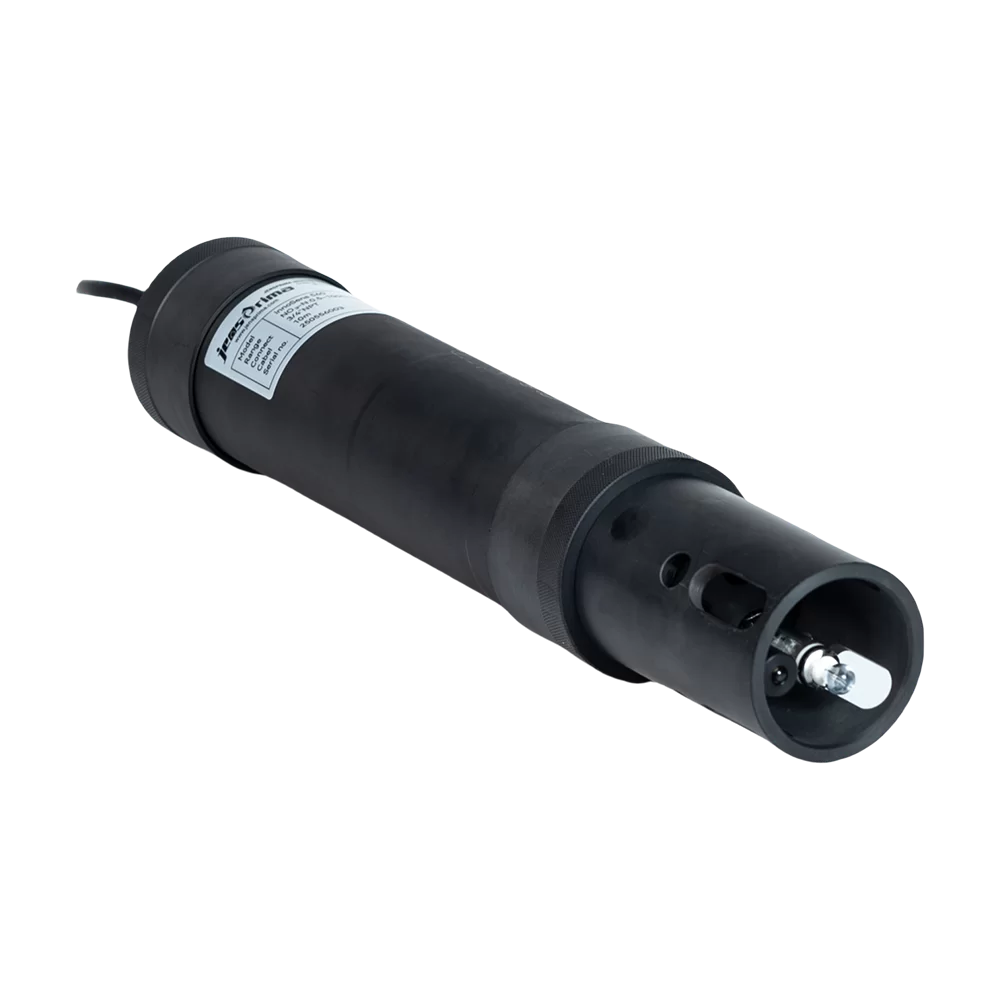
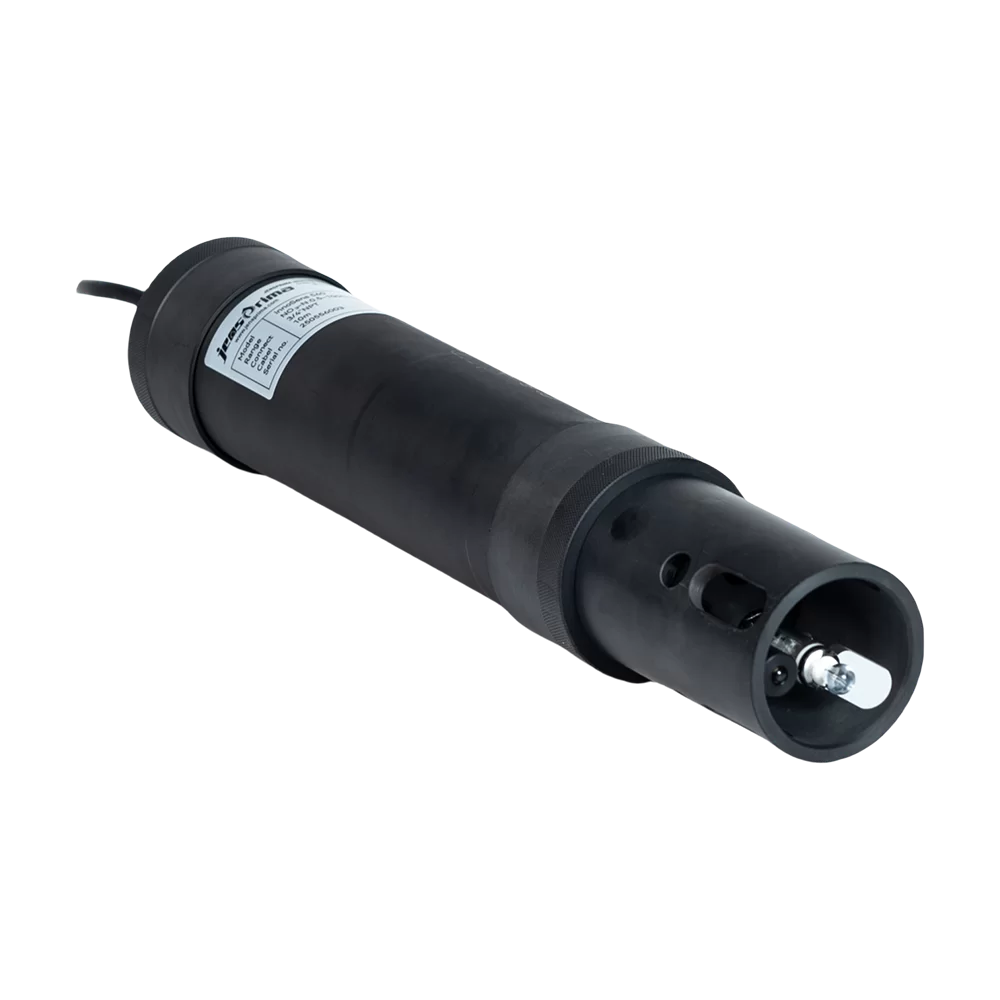
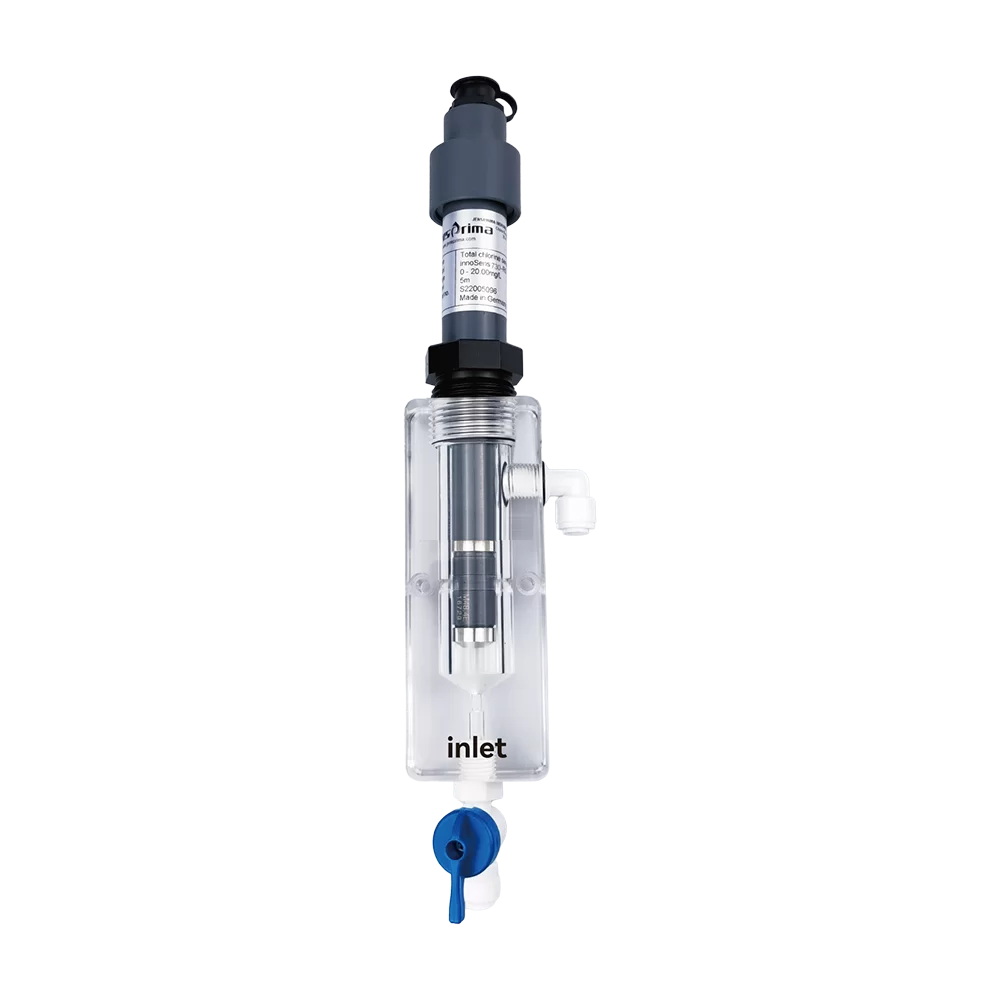
Looking for reliable Total Chlorine sensors? JENSPRIM is a leading China factory and suppliers of InnoSens 740 electrodes. Based on the Amperometric Overlay Principle, our sensors provide precise disinfectant detection for drinking water and hospital wastewater.
The InnoSens 740 Total Chlorine Sensor is a high-performance analytical instrument designed for the precise measurement of total chlorine in demanding water quality monitoring environments. Engineered for industrial reliability, this sensor ensures optimal disinfection control and regulatory compliance by providing real-time, accurate data for water treatment plants, swimming pools, and industrial process water systems.
Featuring advanced sensing technology, the InnoSens 740 is optimized for stability and long-term durability. It seamlessly integrates into existing online water quality analysis frameworks, reducing maintenance overhead while maximizing the efficiency of chemical dosing. Whether used in wastewater treatment or high-purity water applications, the InnoSens 740 delivers the consistency required for critical environmental monitoring.

| Product Model | InnoSens 740 | Measurement Target | Total Chlorine |
|---|---|---|---|
| Sensor Type | Amperometric | Application | Online Water Analysis |
| Measurement Range | Customizable based on controller | Response Time | Fast Response/Real-time |
| Installation | In-line / Flow Cell | Material Quality | Industrial Grade Corrosion-Resistant |
| Compatibility | Standard Chlorine Controllers | Maintenance | Low-frequency Calibration |
High-precision sensing elements ensure stable readings even in fluctuating chemical environments.
Designed with wear-resistant materials to minimize sensor replacement frequency and downtime.
Provides near-instantaneous detection of chlorine levels for immediate system adjustment.
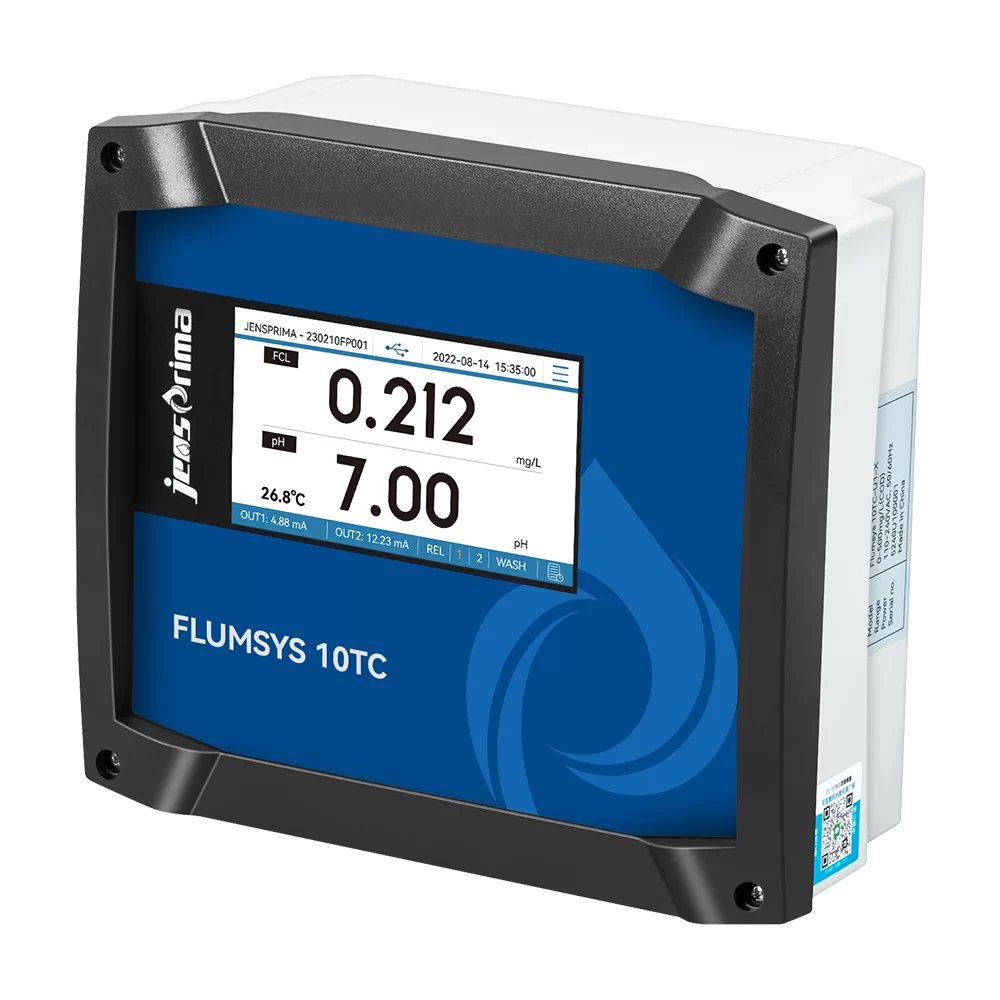
Fully compatible with a wide range of Residual Chlorine and Total Chlorine controllers.
Maintains calibration stability across various temperatures and flow rates.
Optimizes chemical usage by preventing over-chlorination through precise monitoring.
Continuous data streaming for instant visibility of water quality parameters.
Integrated tools to ensure sensor accuracy with minimal manual intervention.
Instant notifications when chlorine levels deviate from the set safety thresholds.
Comprehensive historical archives for compliance reporting and trend analysis.
Cloud-based management allowing operators to monitor sites from any location.
Closed-loop control integration to automate chemical feeding based on sensor input.
| Feature | Conventional Sensors | InnoSens 740 |
|---|---|---|
| Calibration Cycle | Frequent/Weekly | Extended/Monthly |
| Maintenance Cost | High (Frequent replacements) | Low (Durable design) |
| Chemical Waste | High due to over-dosing | Minimized via precision |
| Data Reliability | Prone to drift | High Stability/Low Drift |
| ROI Period | Medium Term | Short Term (High Efficiency) |
Free chlorine sensors measure only the active disinfecting agents, while the Total Chlorine sensor, like the InnoSens 740, measures both free and combined chlorine (chloramines), providing a complete picture of the chlorine content in the water.
Depending on the water chemistry and flow conditions, the InnoSens 740 is designed for extended stability, typically requiring calibration on a monthly basis, which is significantly less than standard amperometric sensors.
The InnoSens 740 is built with corrosion-resistant materials suitable for various water types, but we recommend checking the specific conductivity of your medium to ensure the optimal sensor membrane is selected.
Yes, the sensor is designed to be compatible with most industrial water quality controllers that support standard 4-20mA or similar analog signals, though using it with a matched InnoSens controller optimizes performance.
Lifespan is primarily influenced by the concentration of the measured substance, water temperature, and the presence of oil or fouling agents. Regular cleaning and proper installation in a flow cell can maximize longevity.
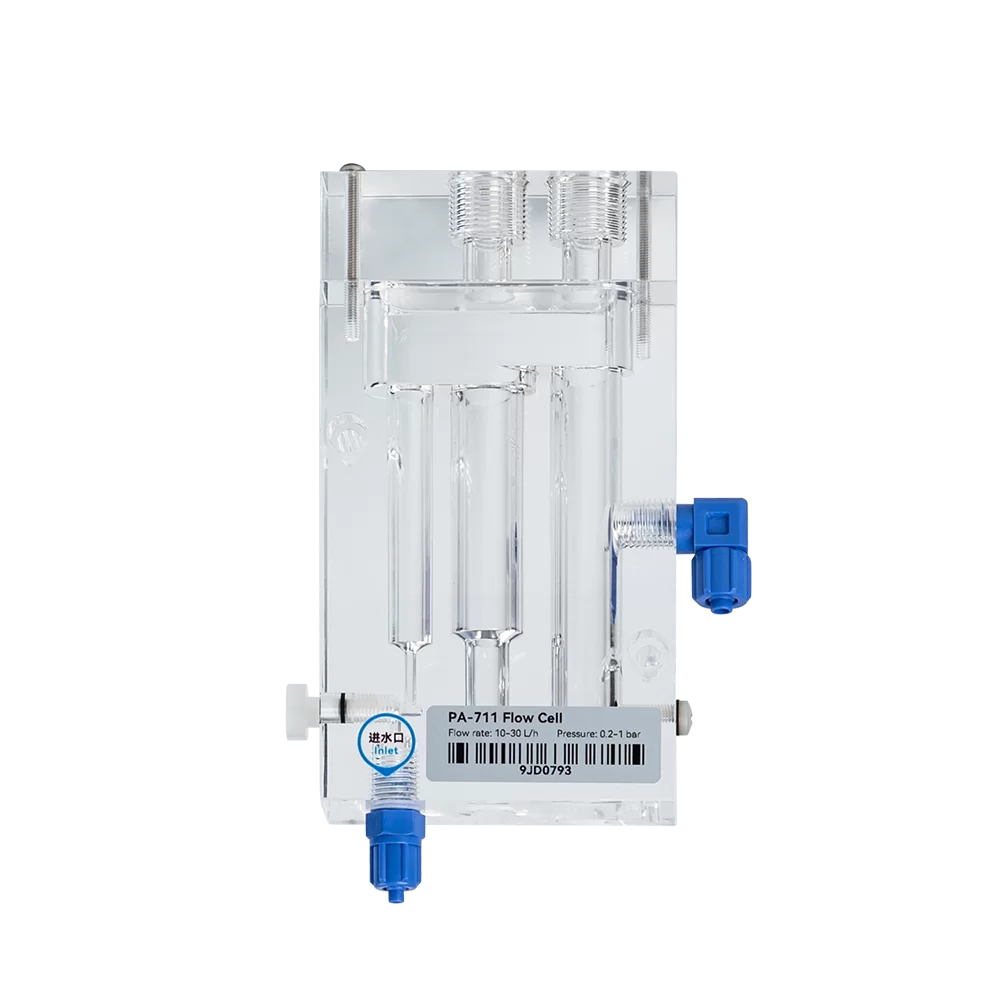
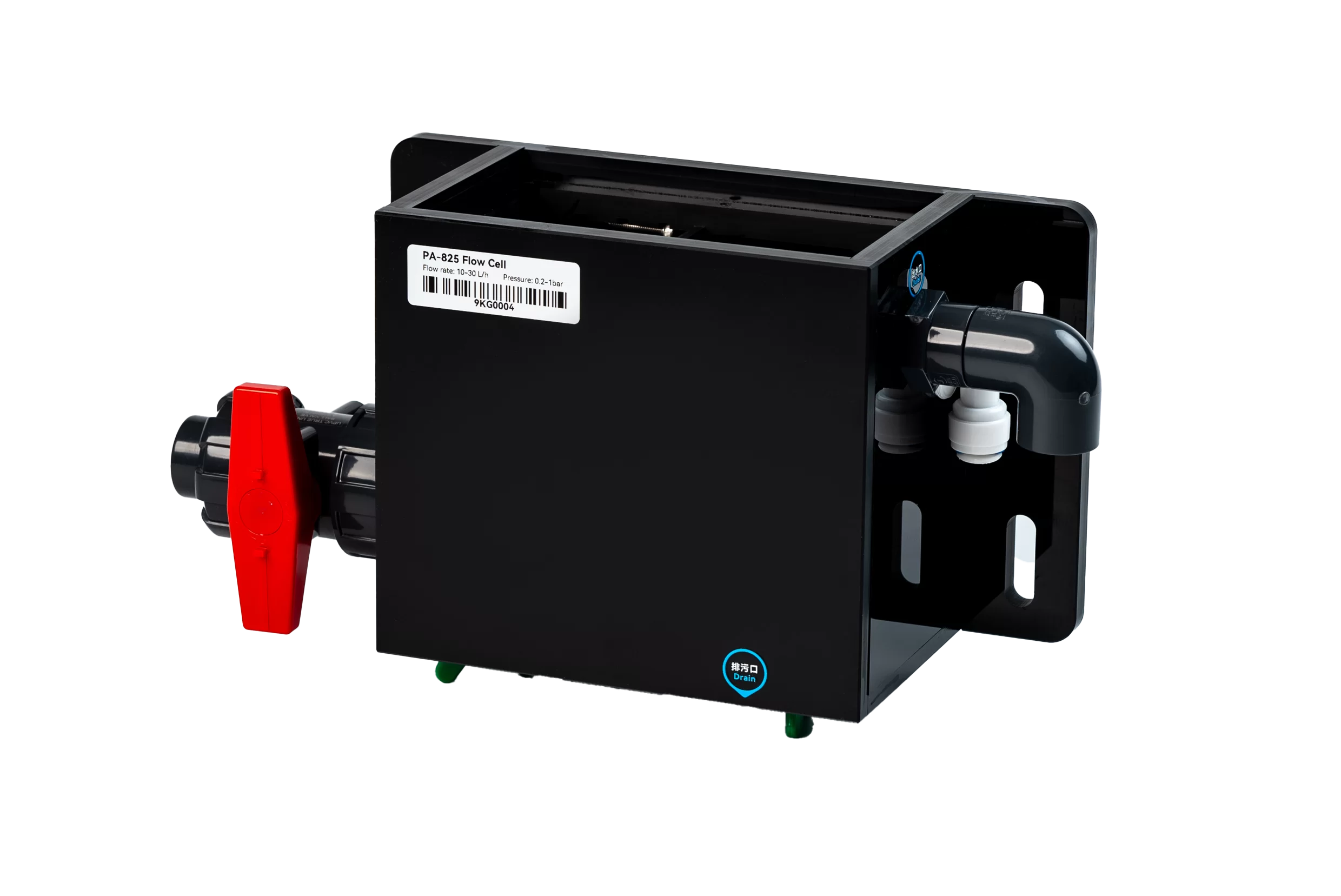
Amperometric sensors require a consistent flow of water across the membrane to maintain a stable diffusion layer. We recommend using the sensor within a dedicated flow cell to ensure a constant, optimal flow rate.