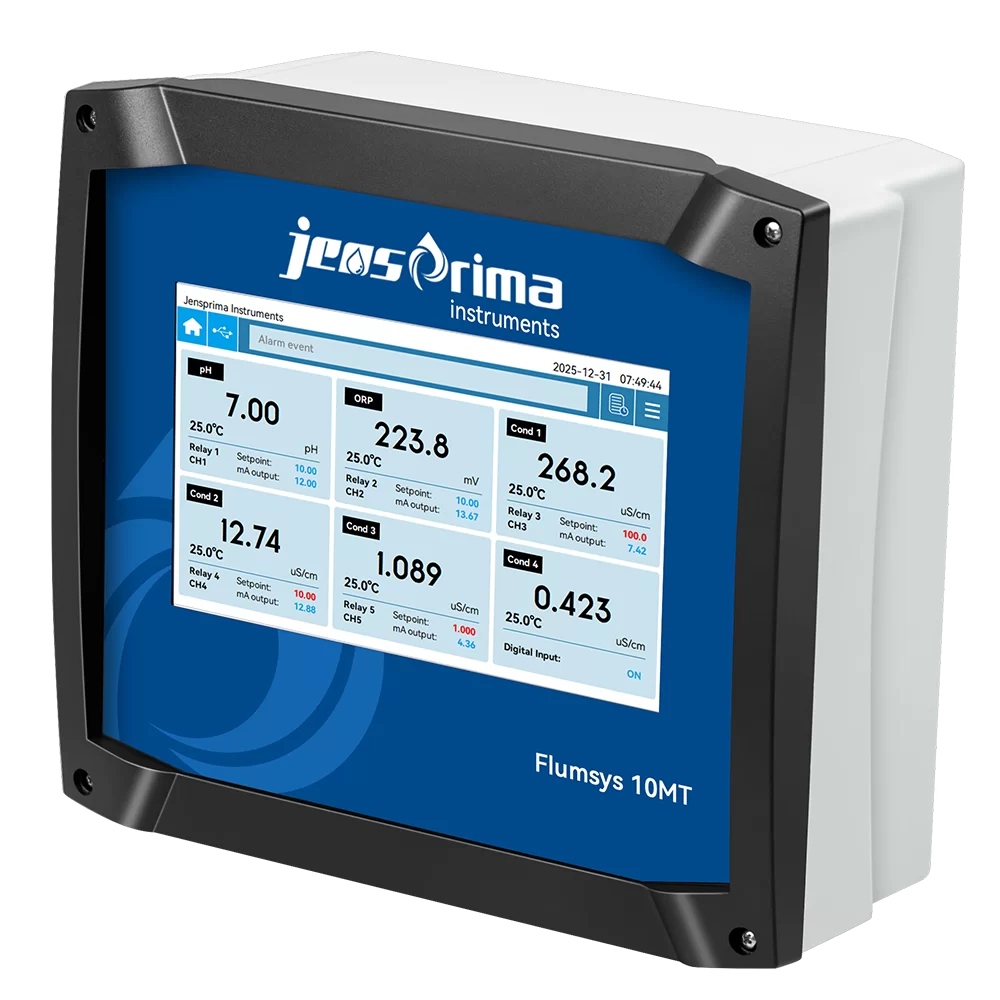
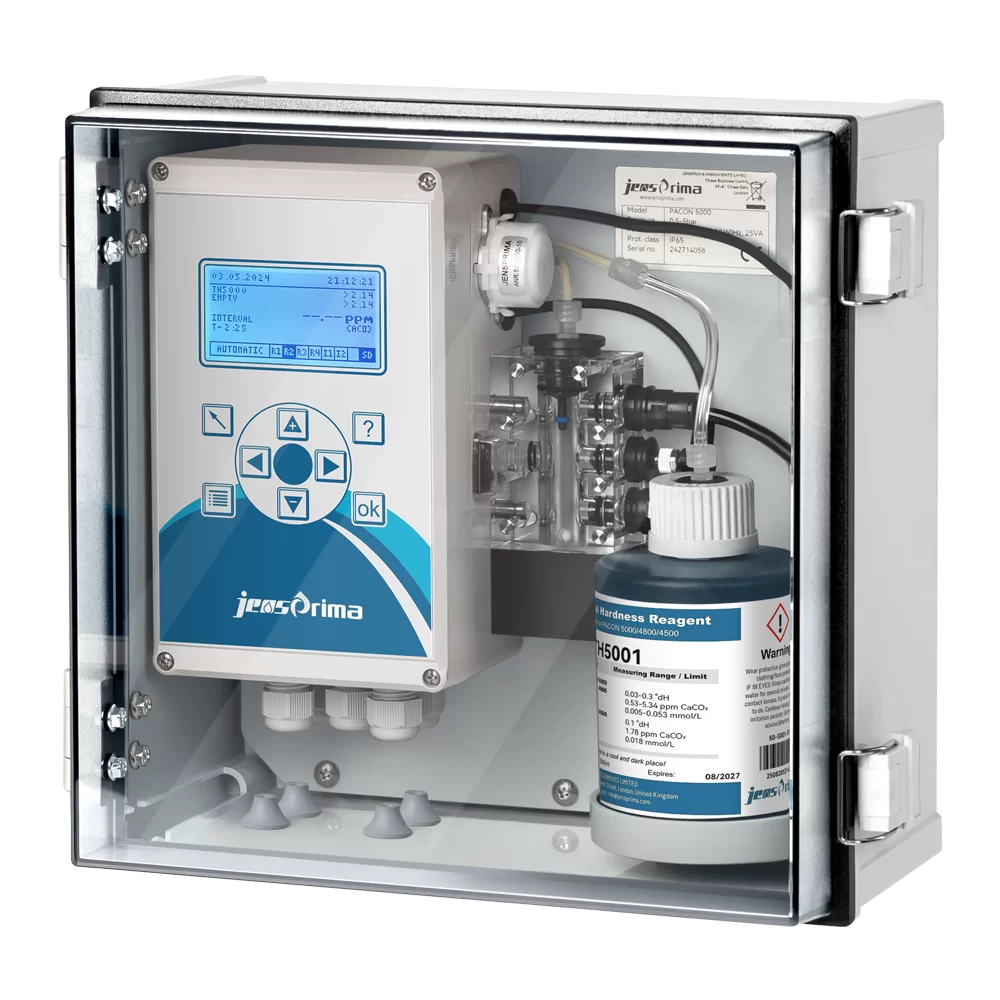
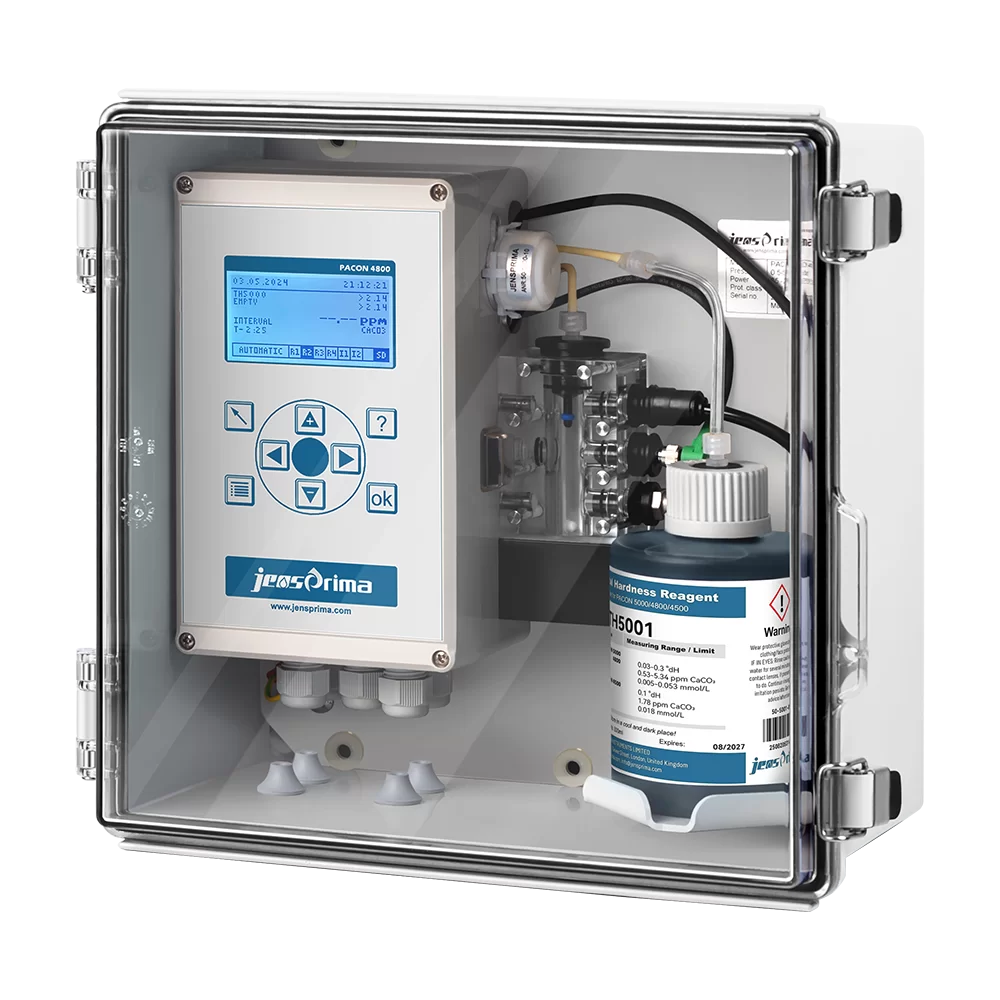
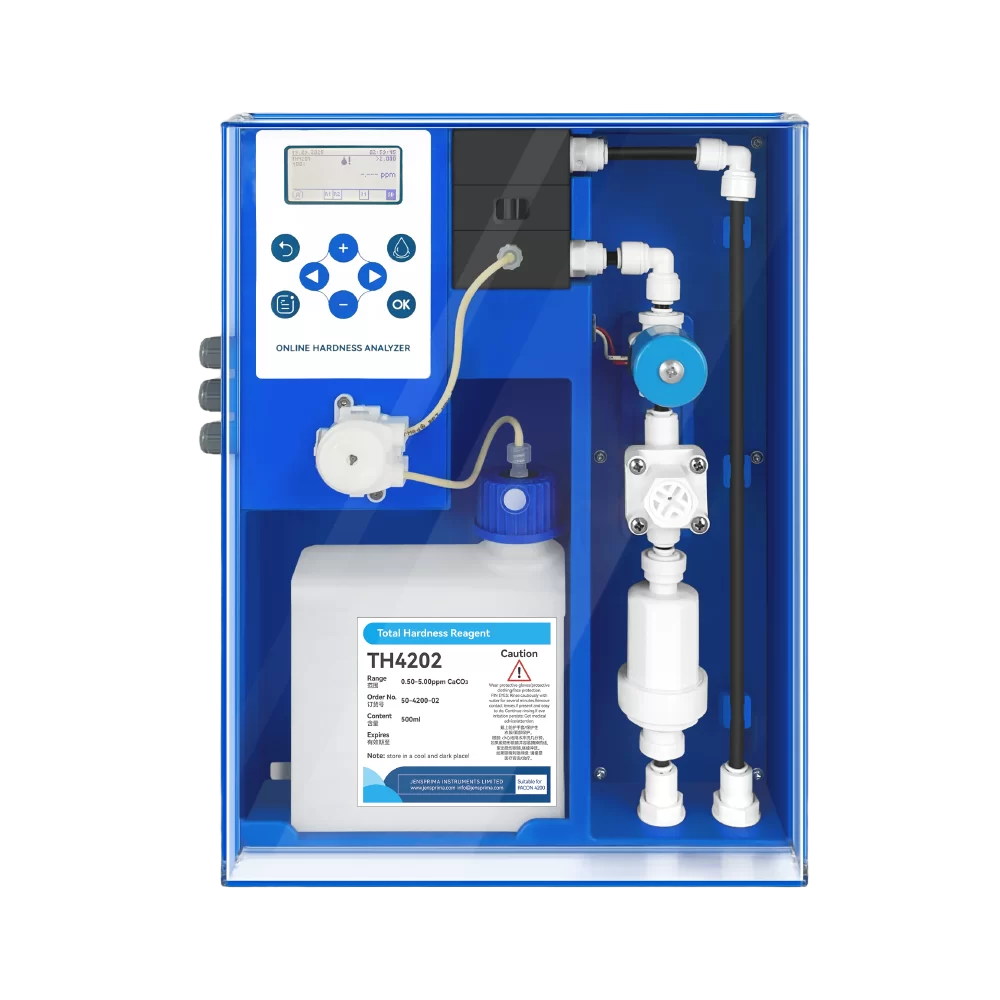
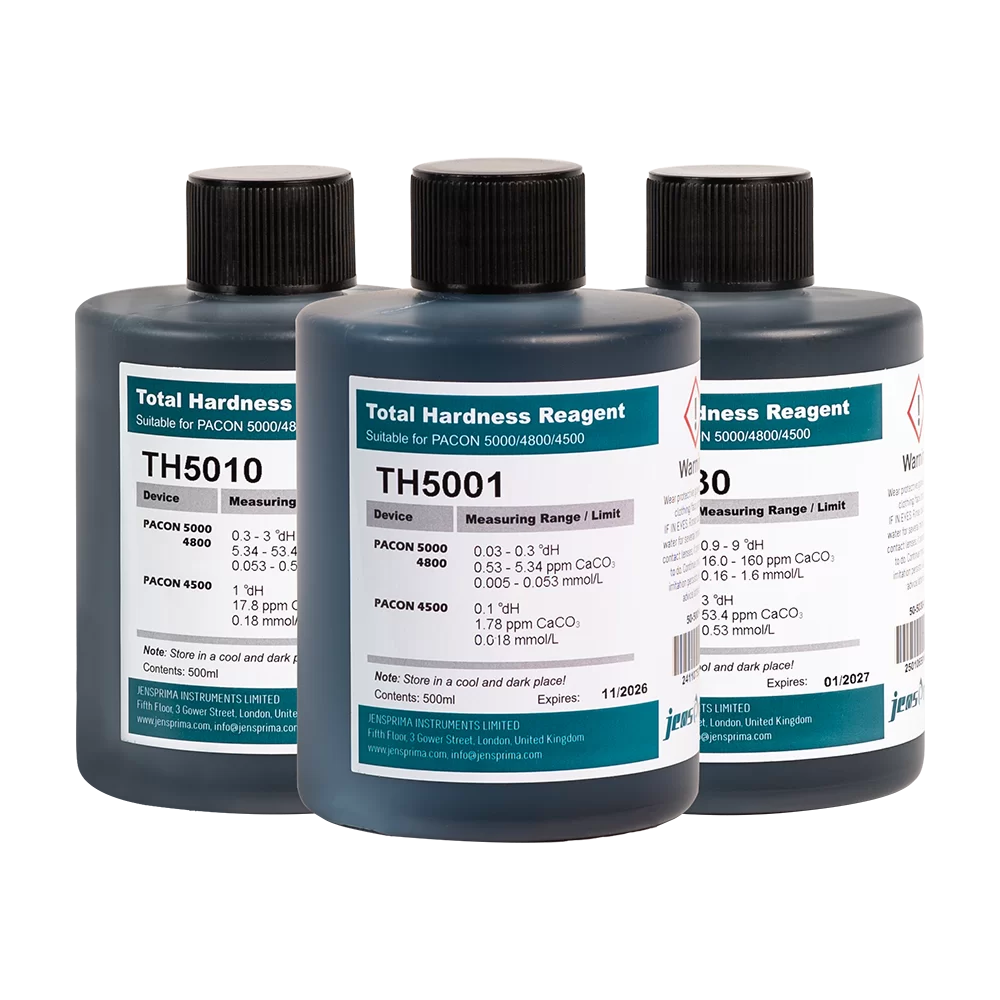
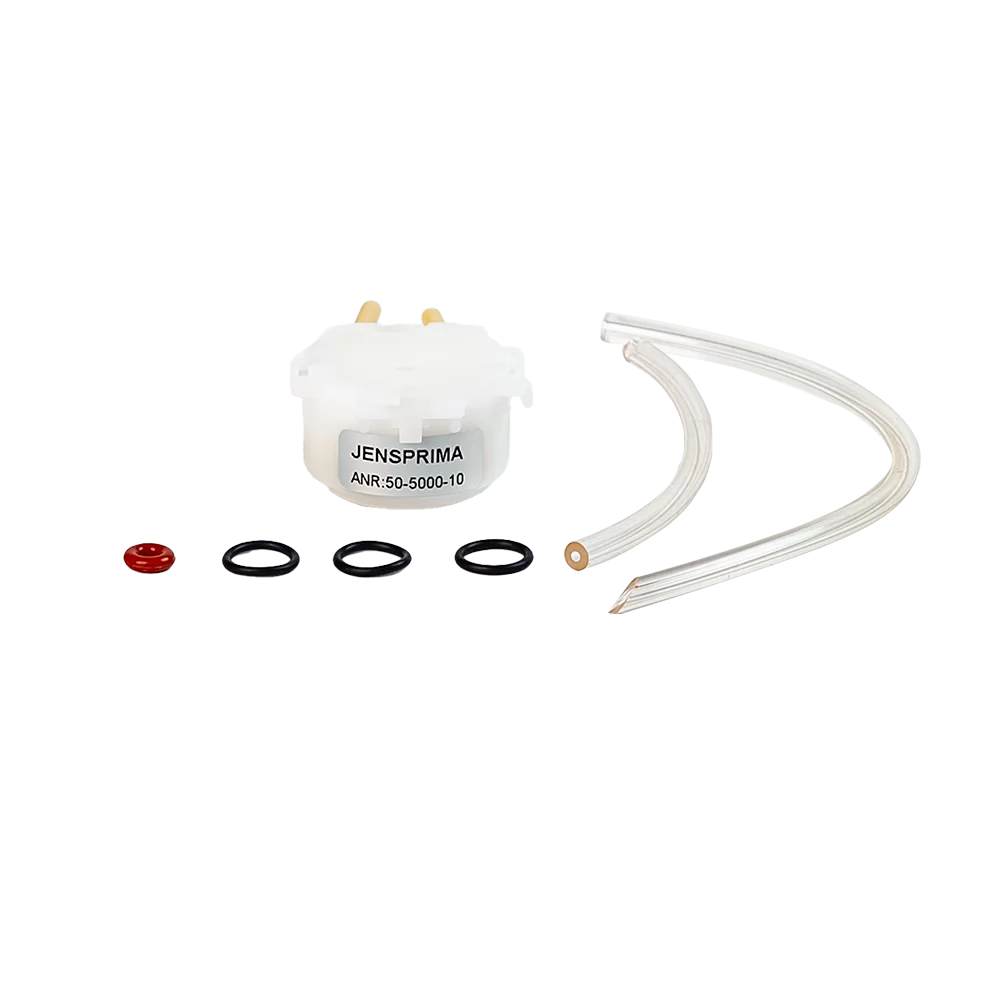
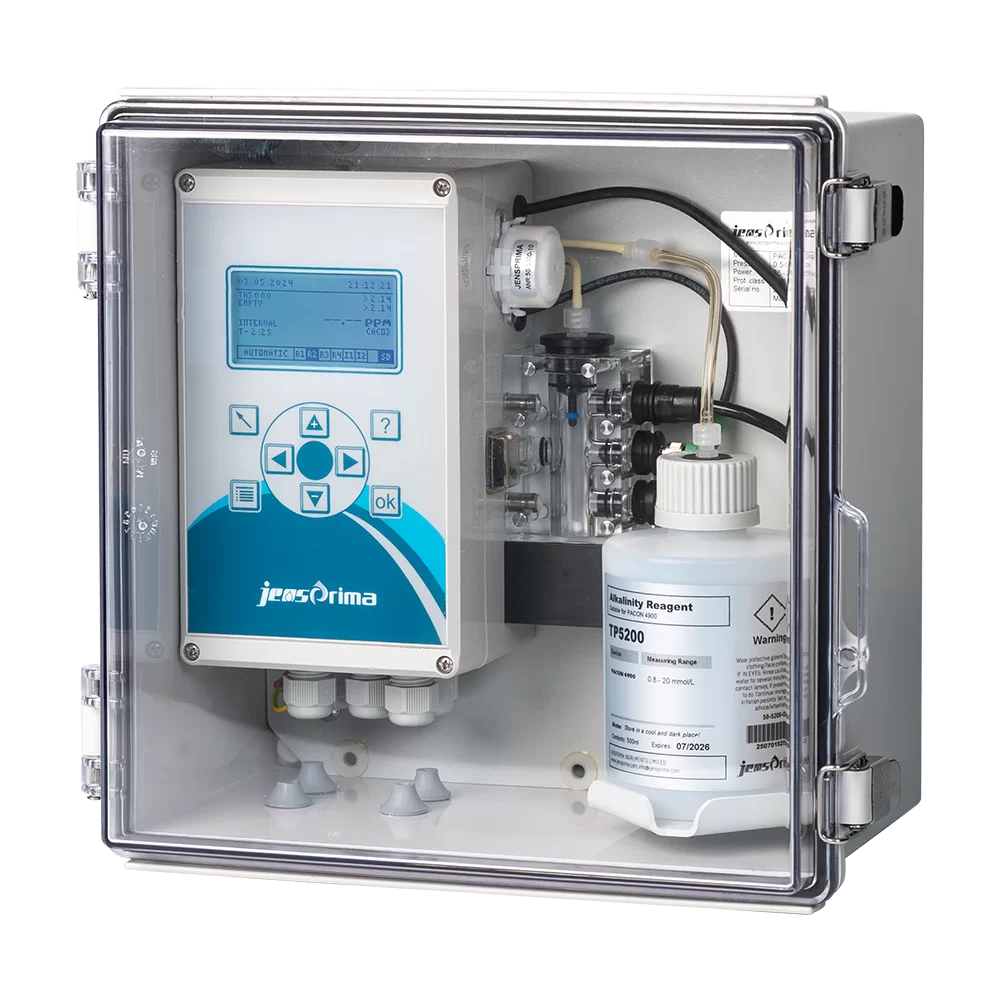
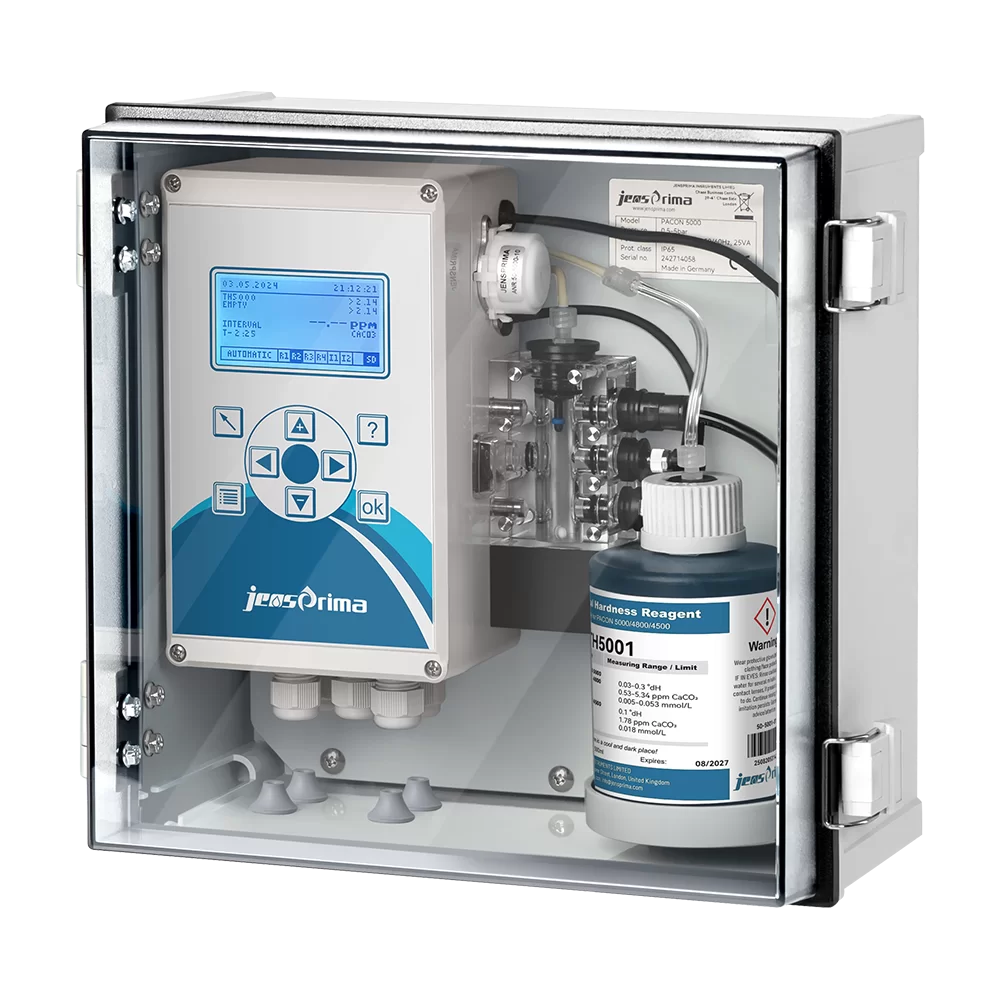
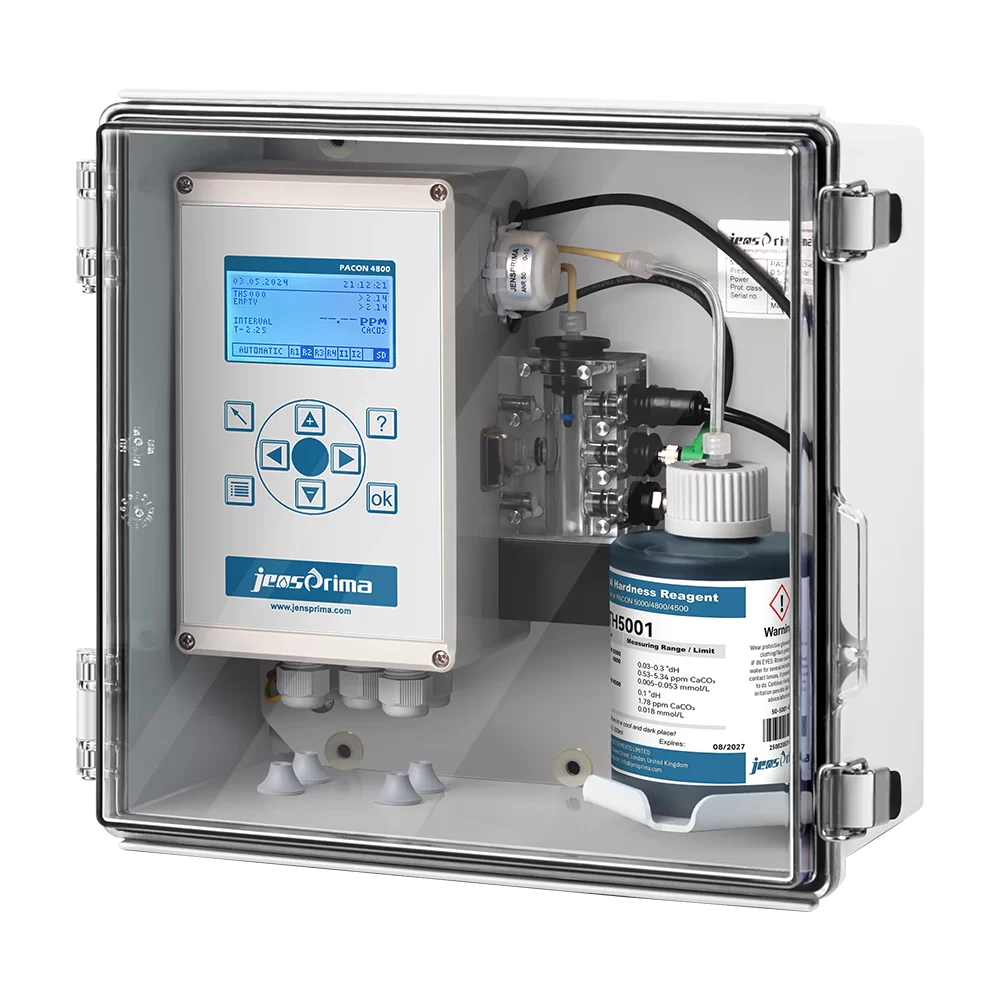
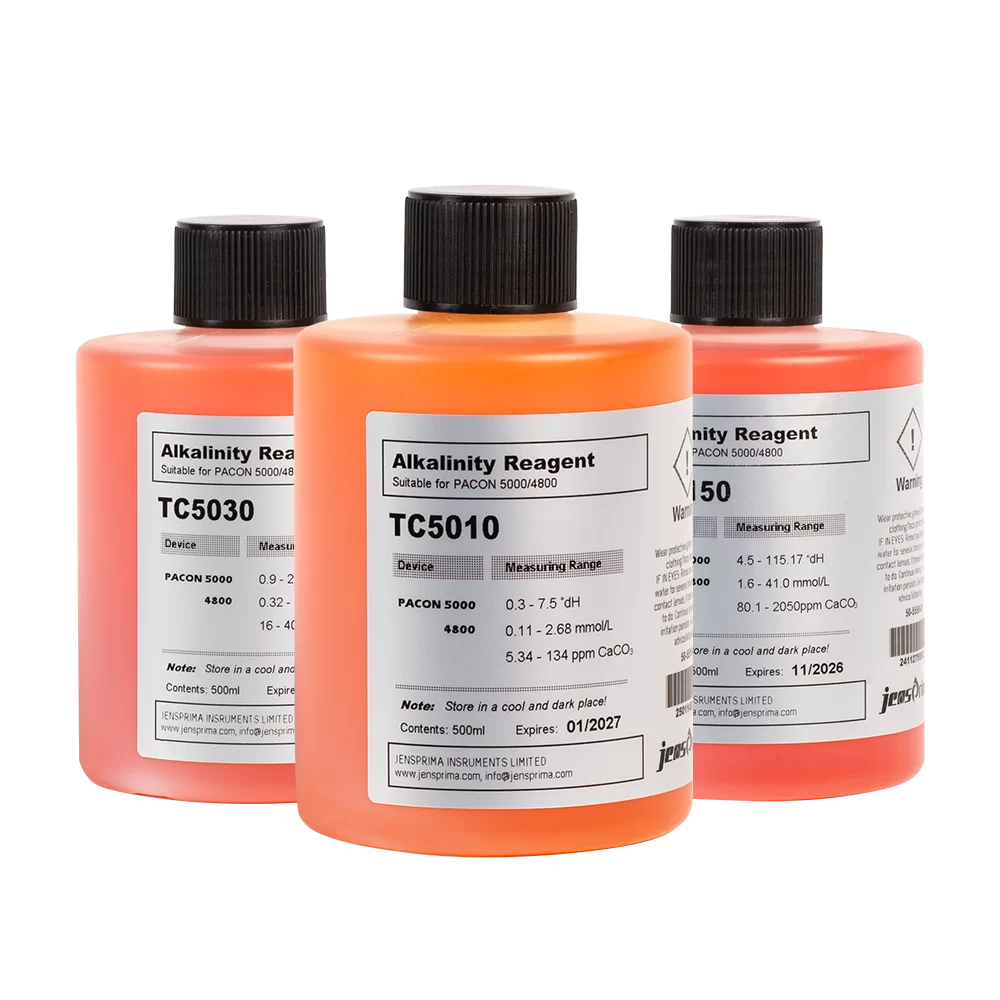
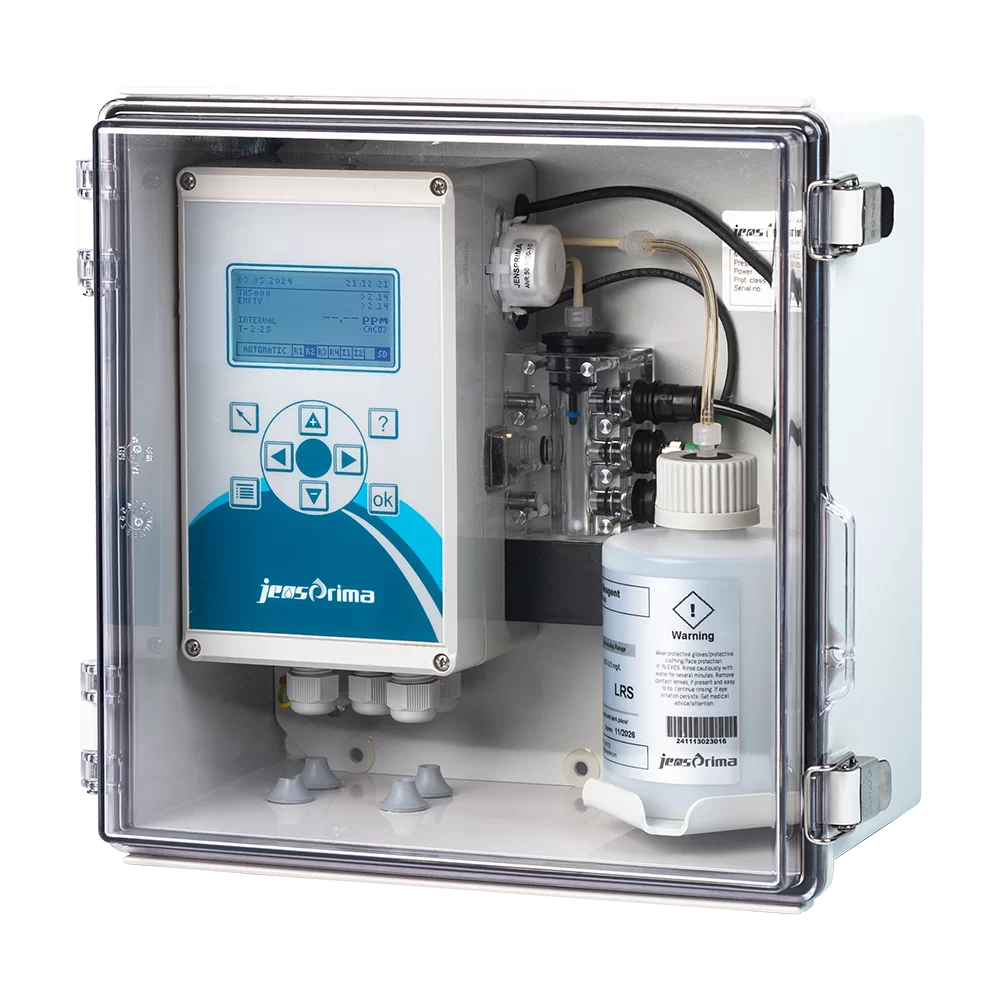
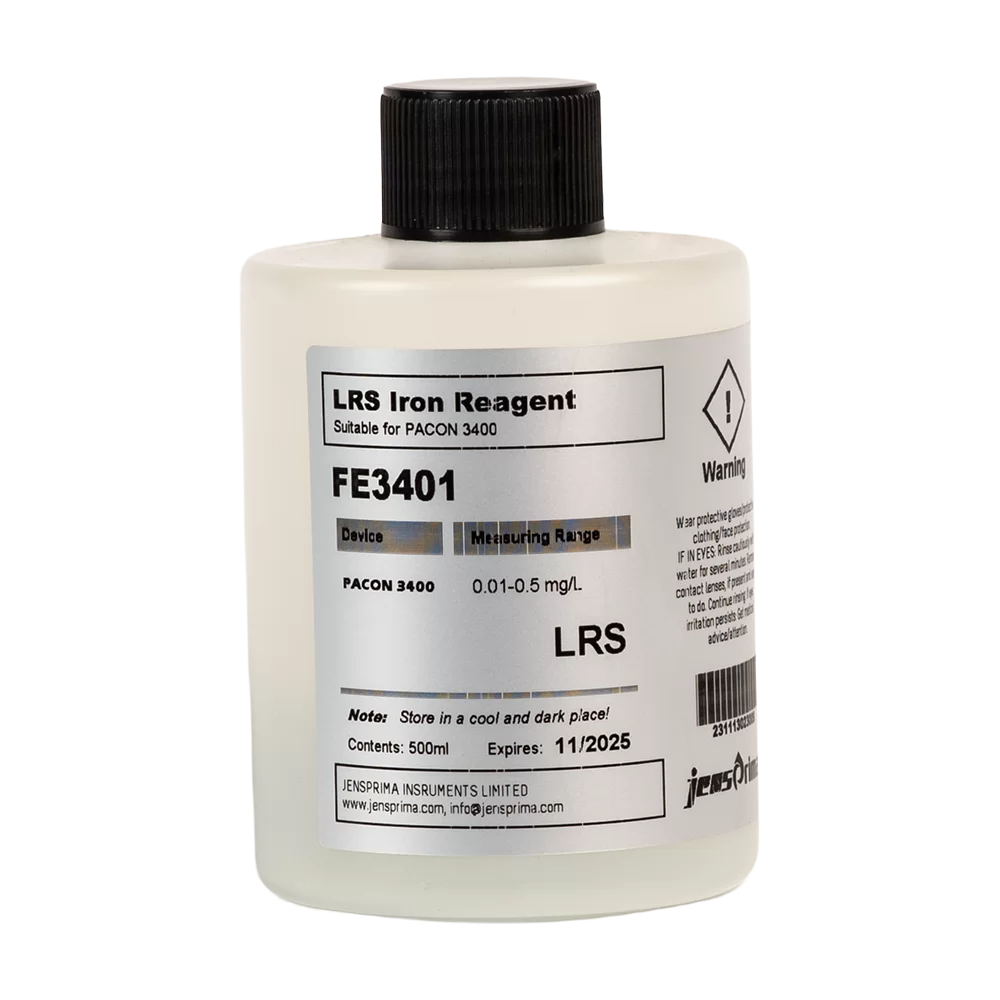
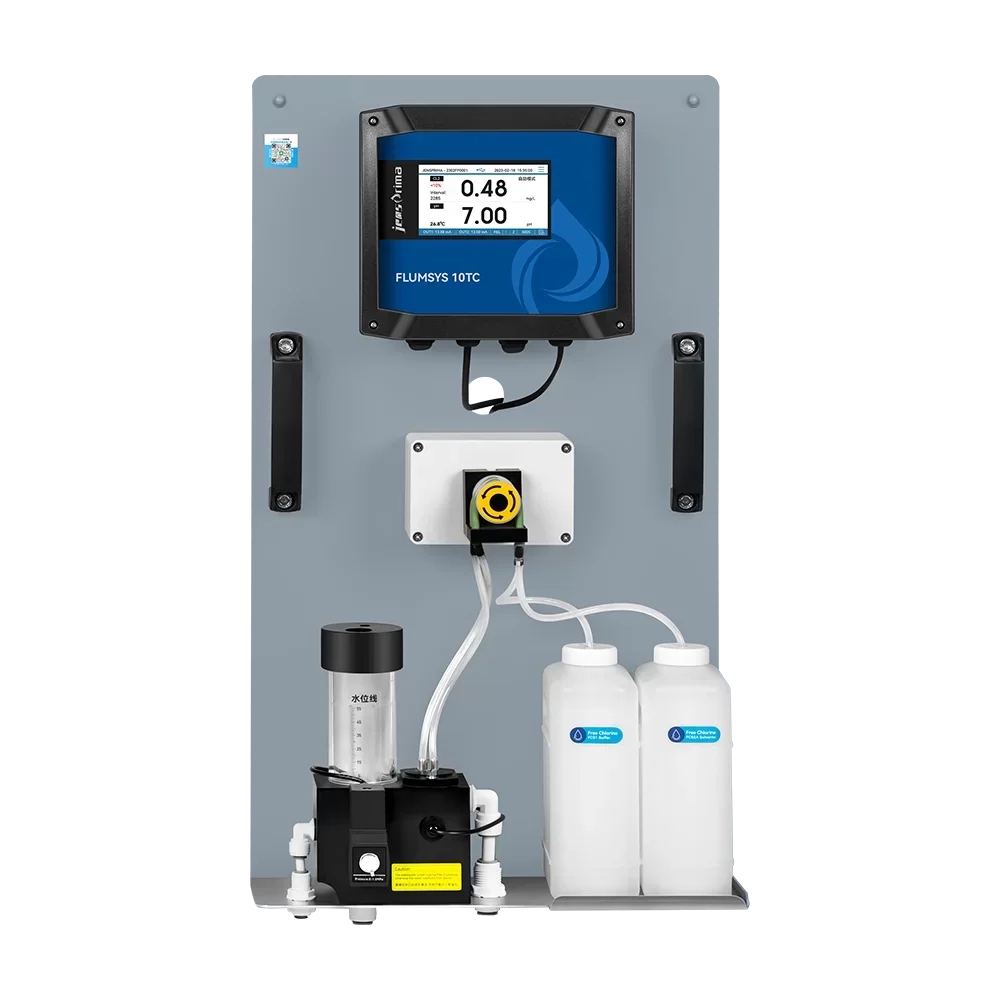
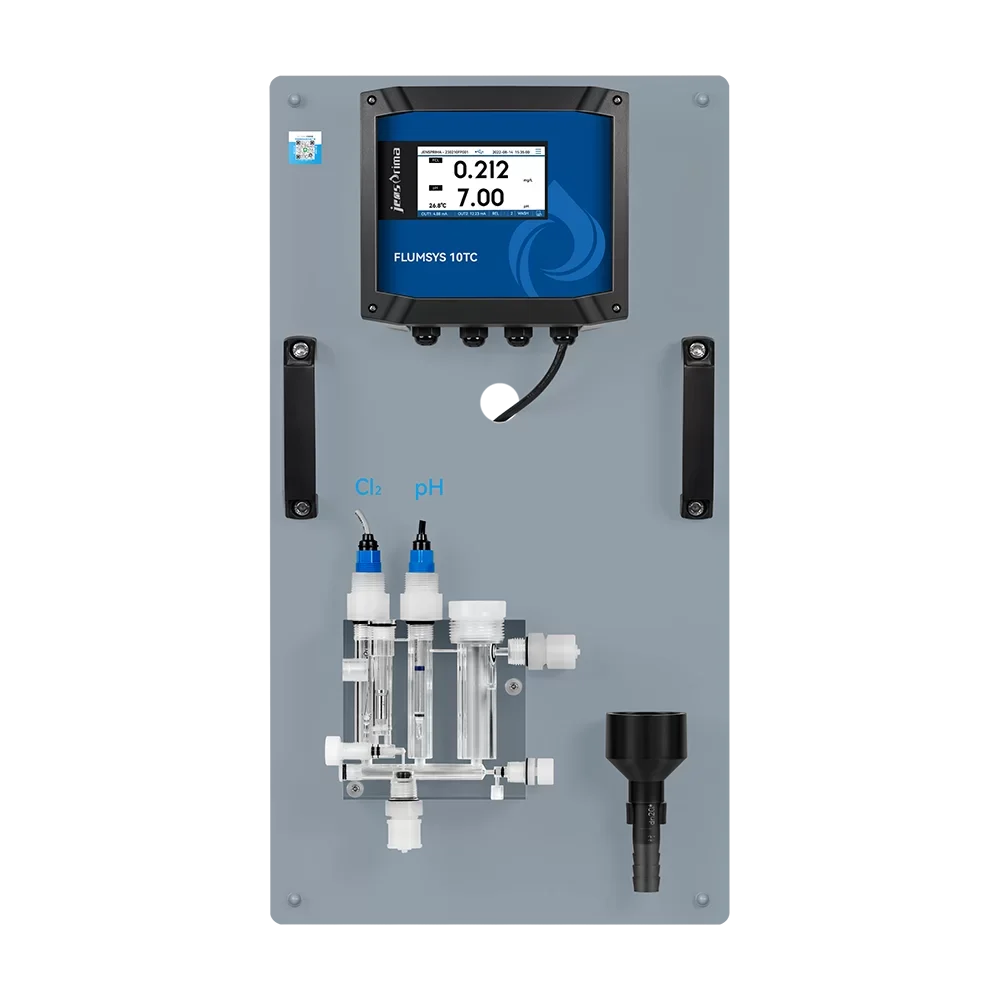
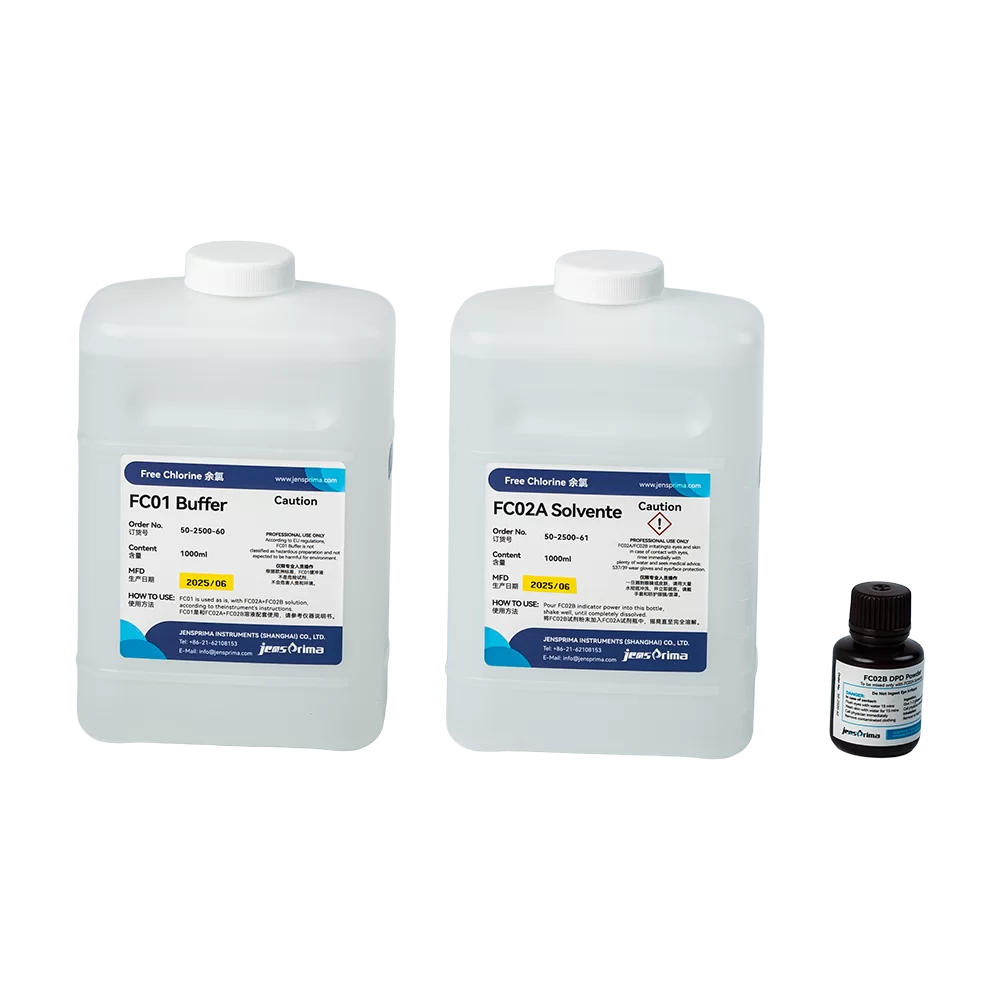
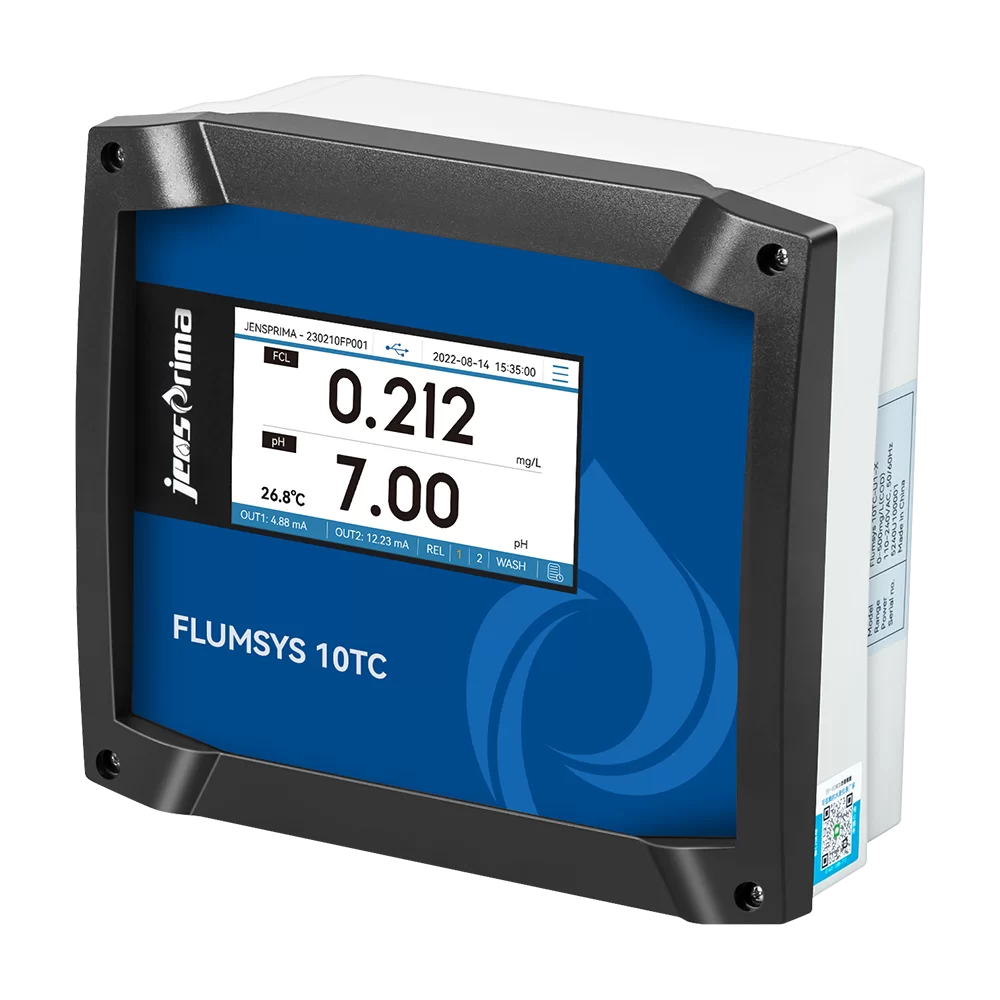
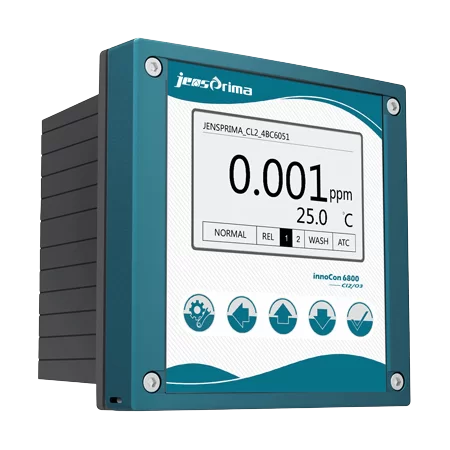
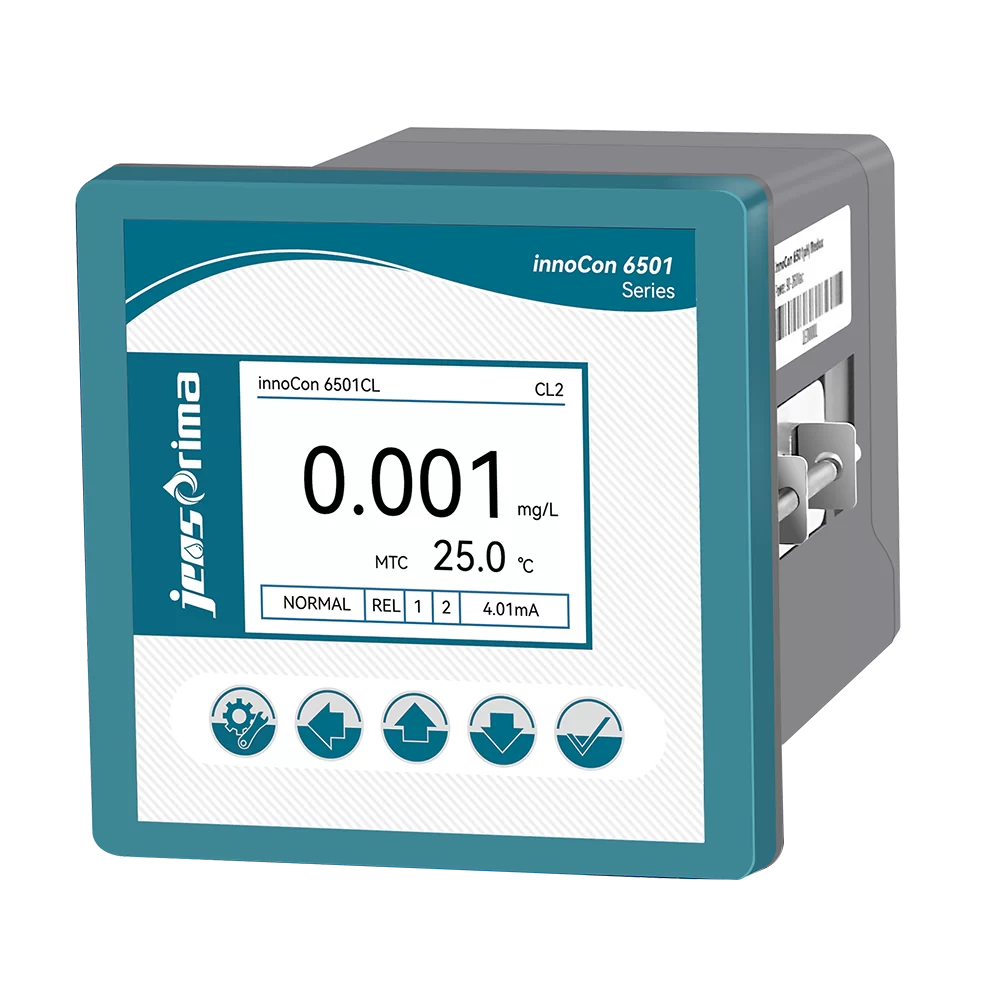
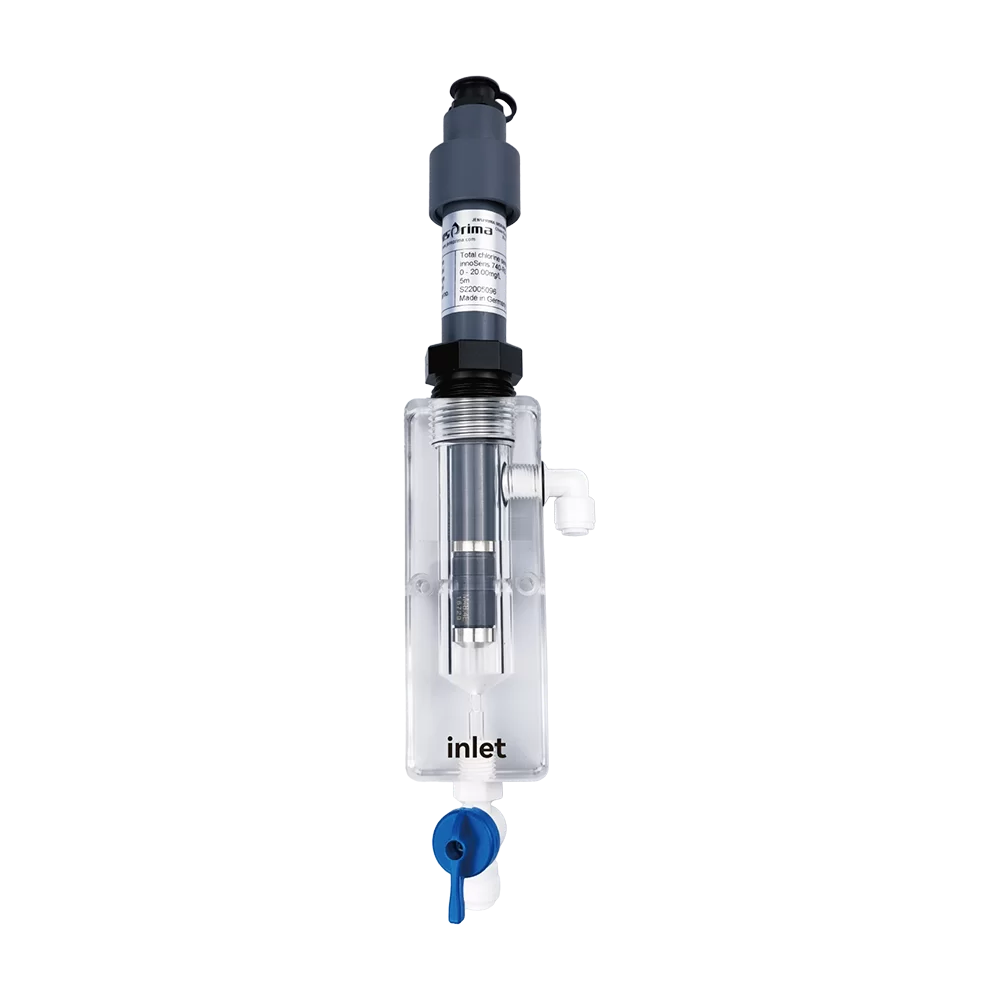
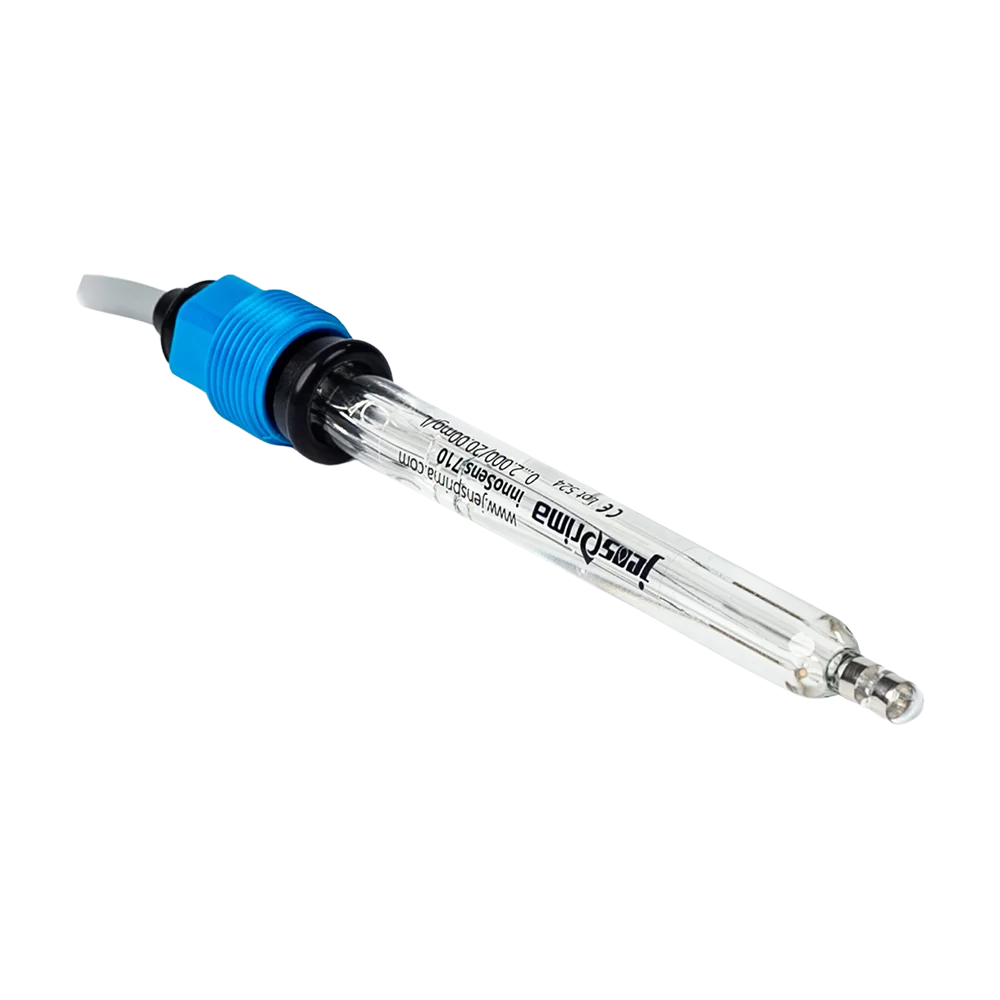
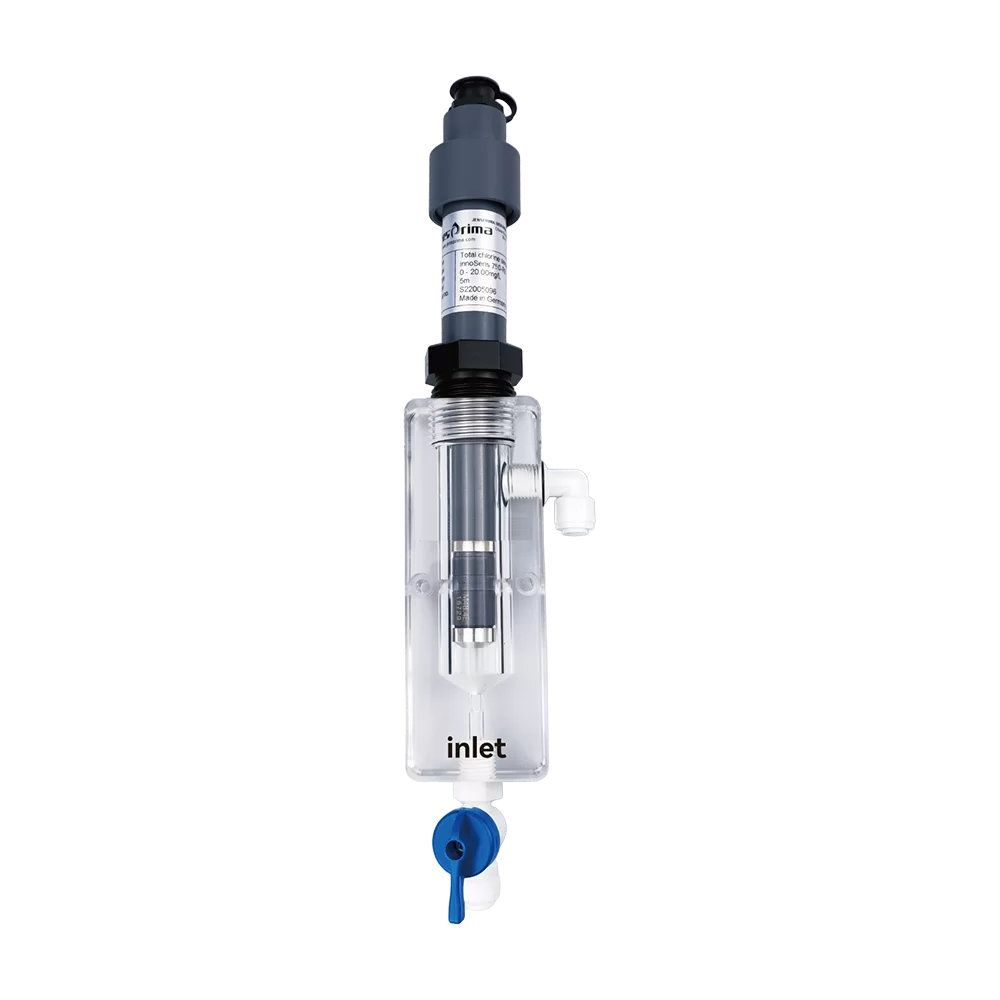
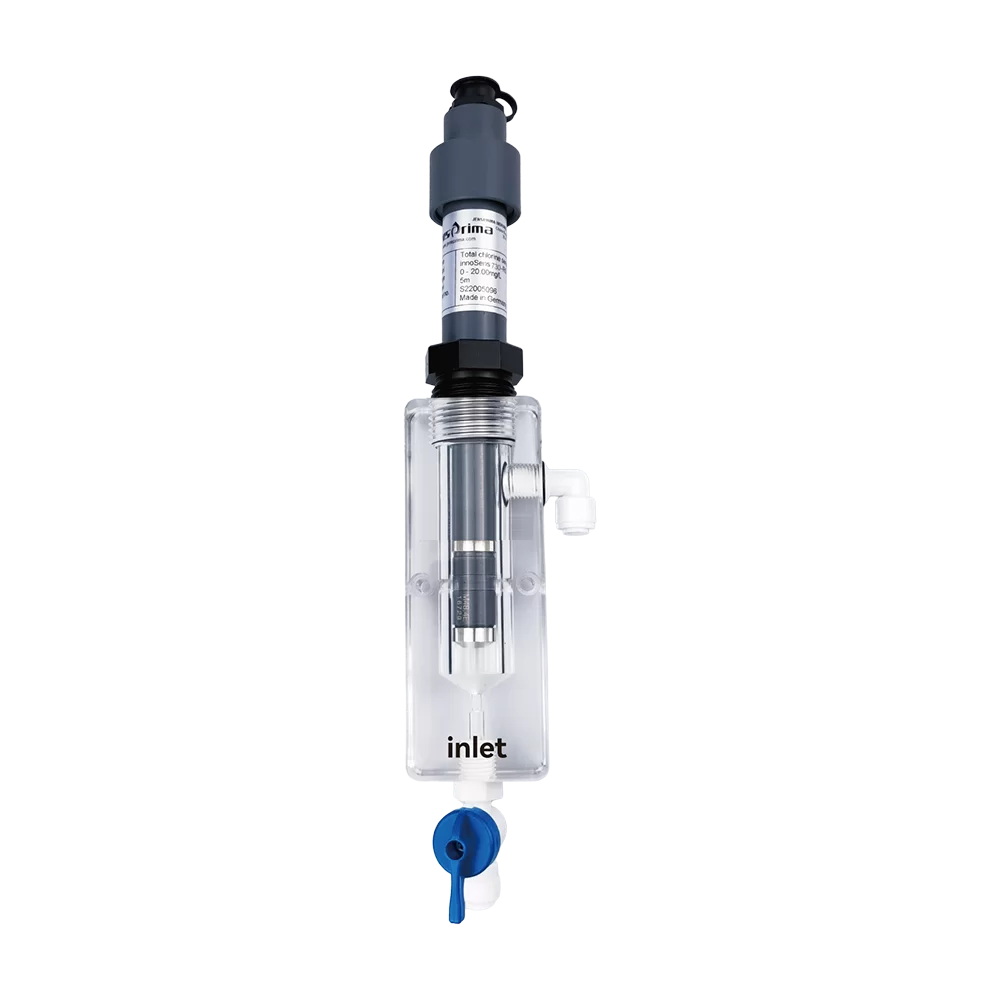
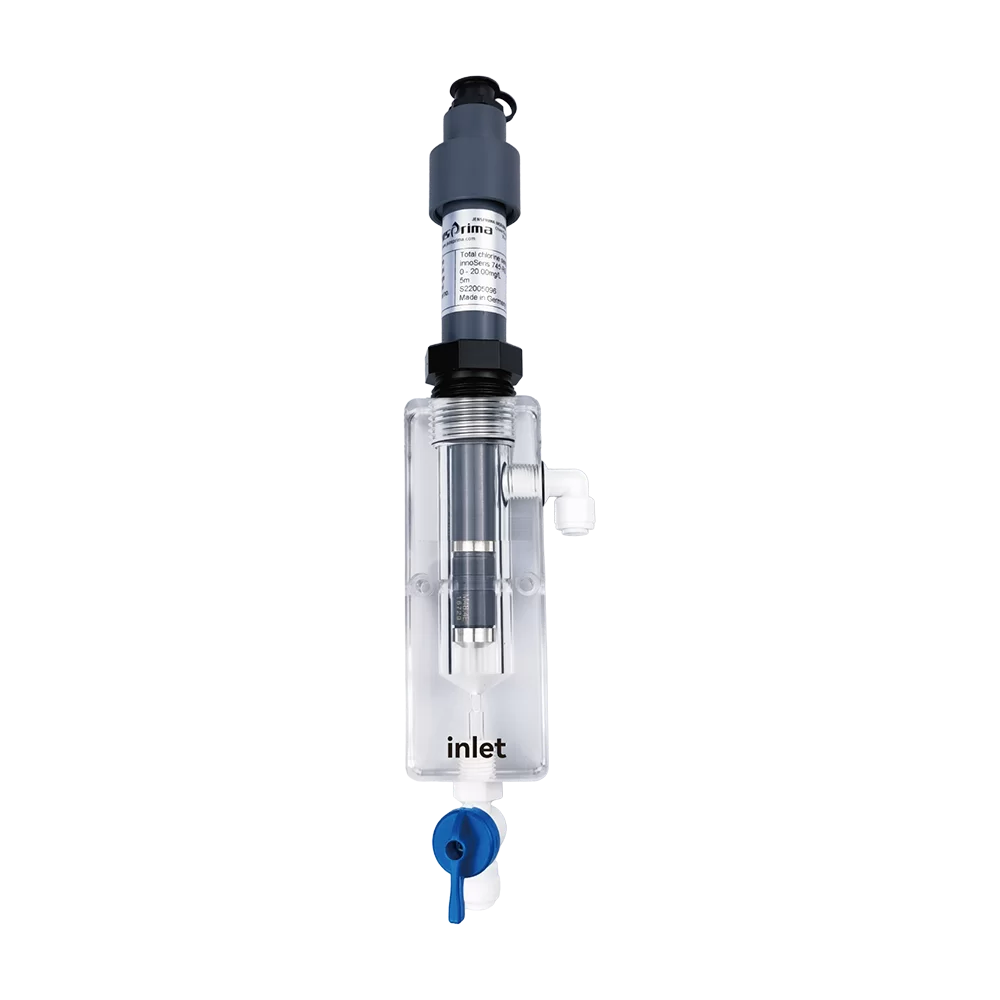
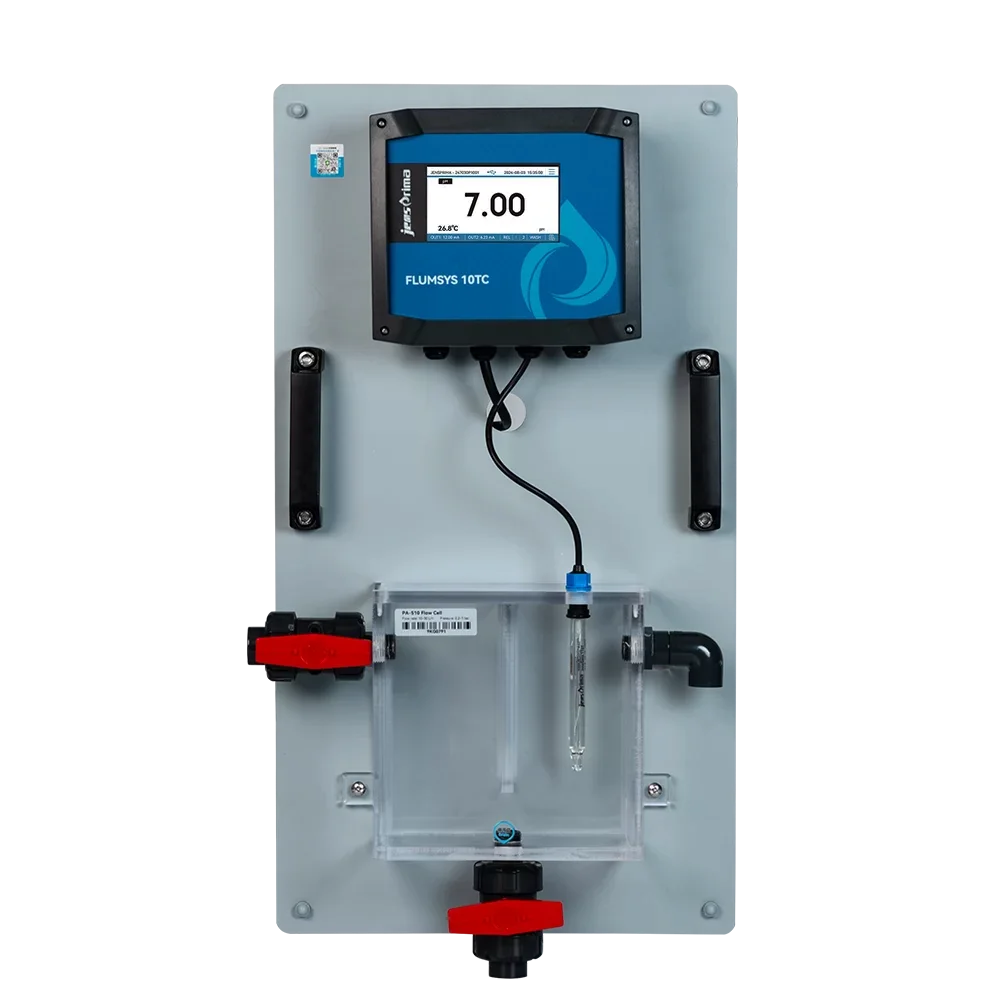
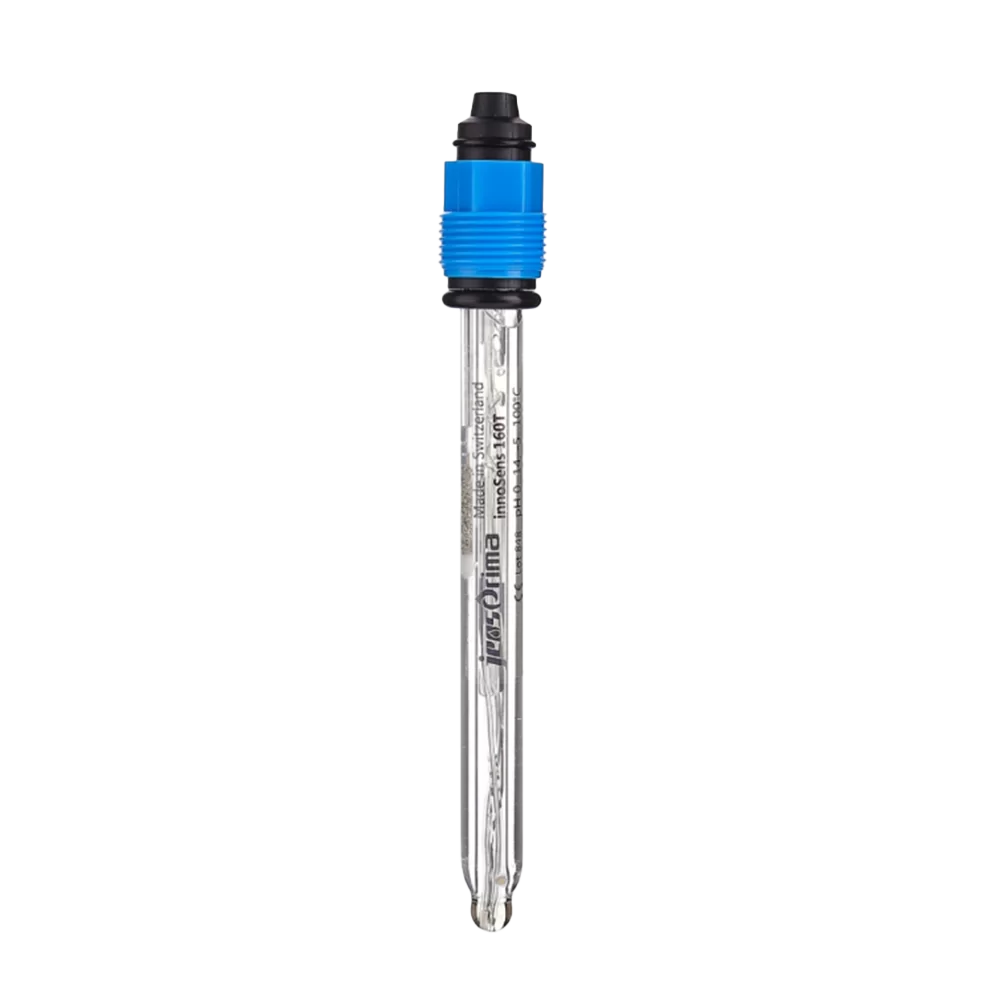
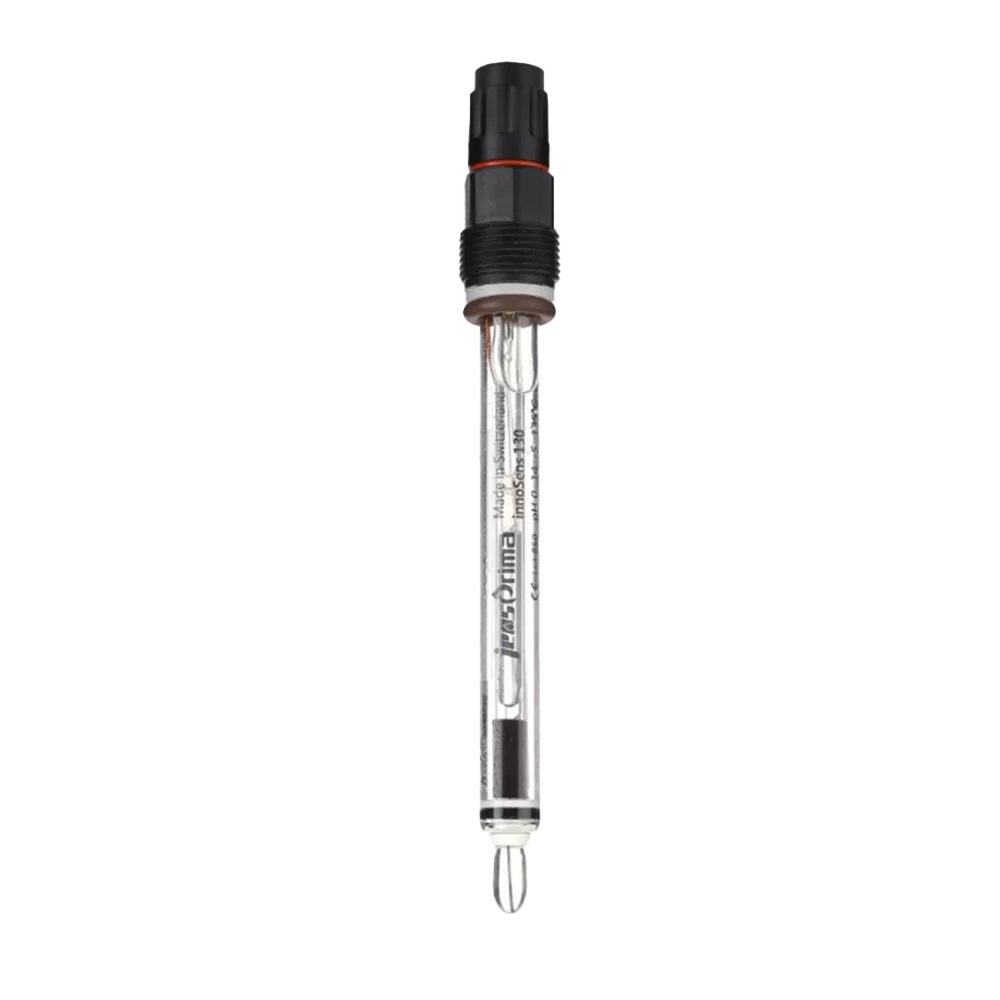
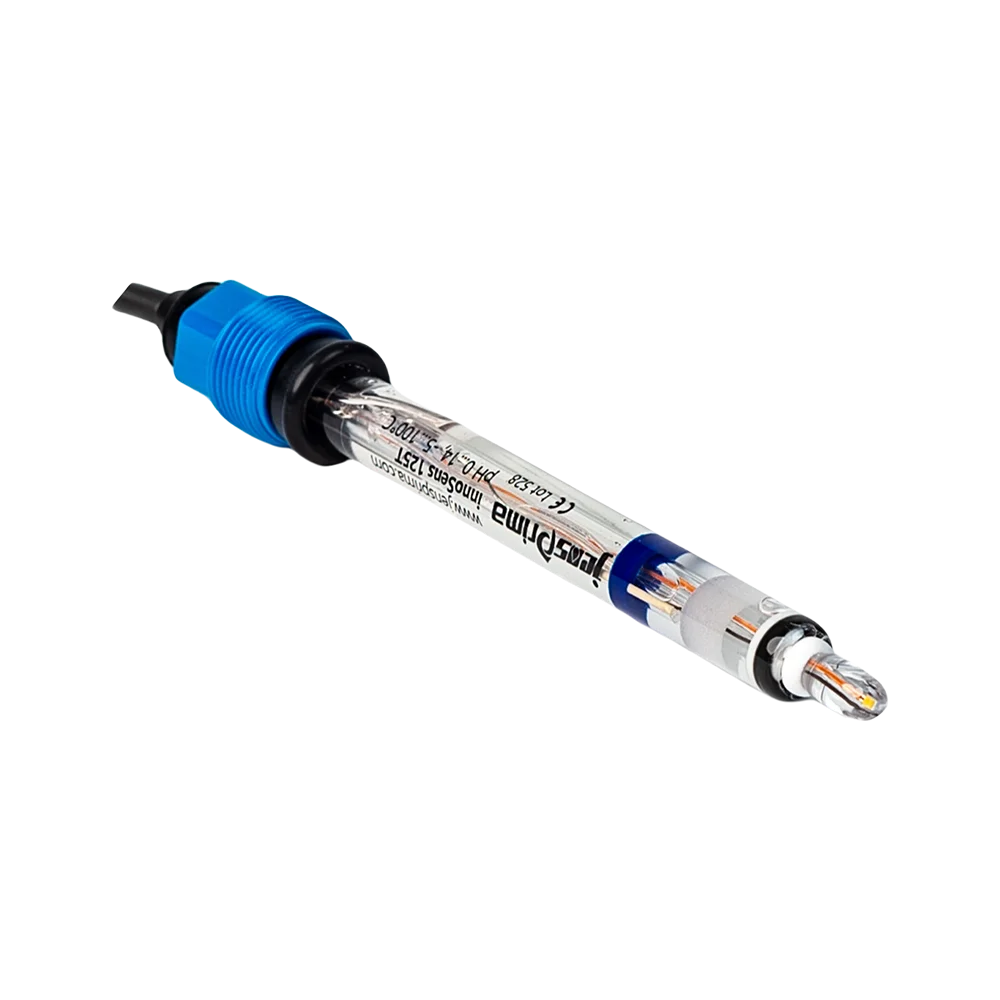
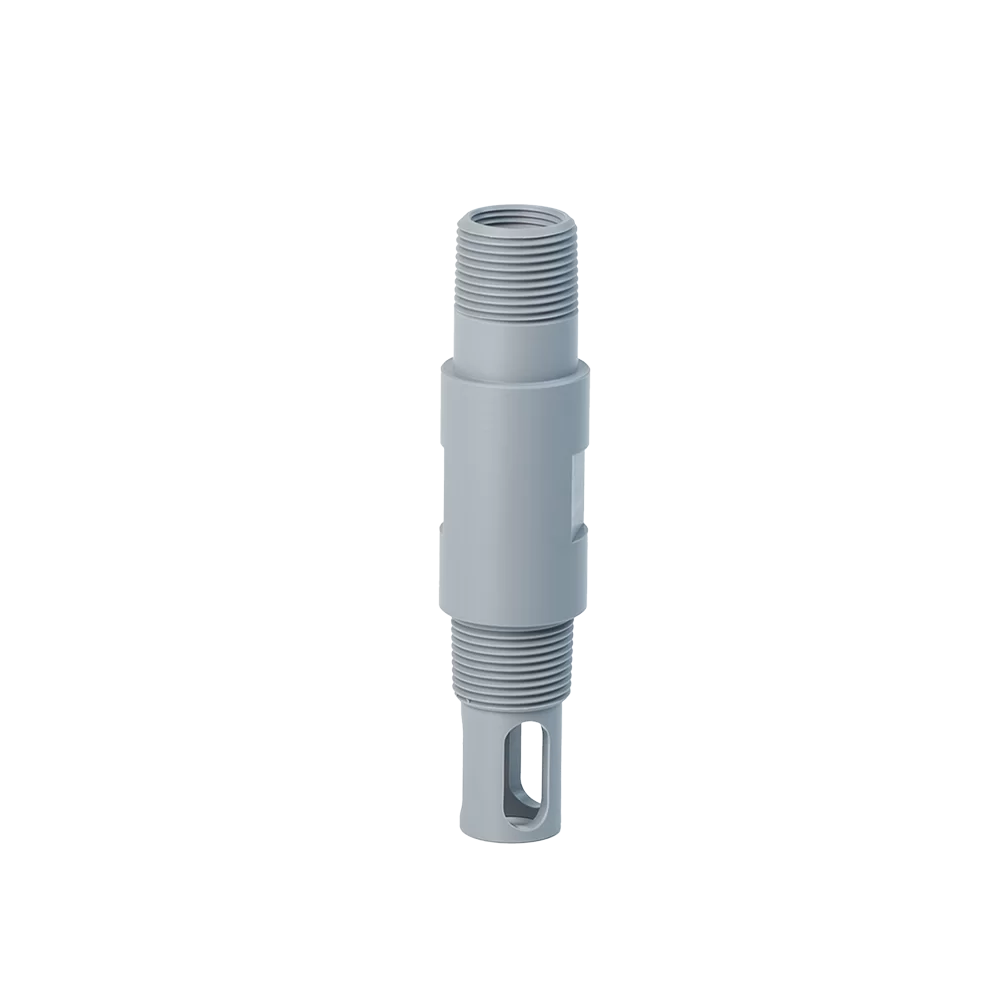
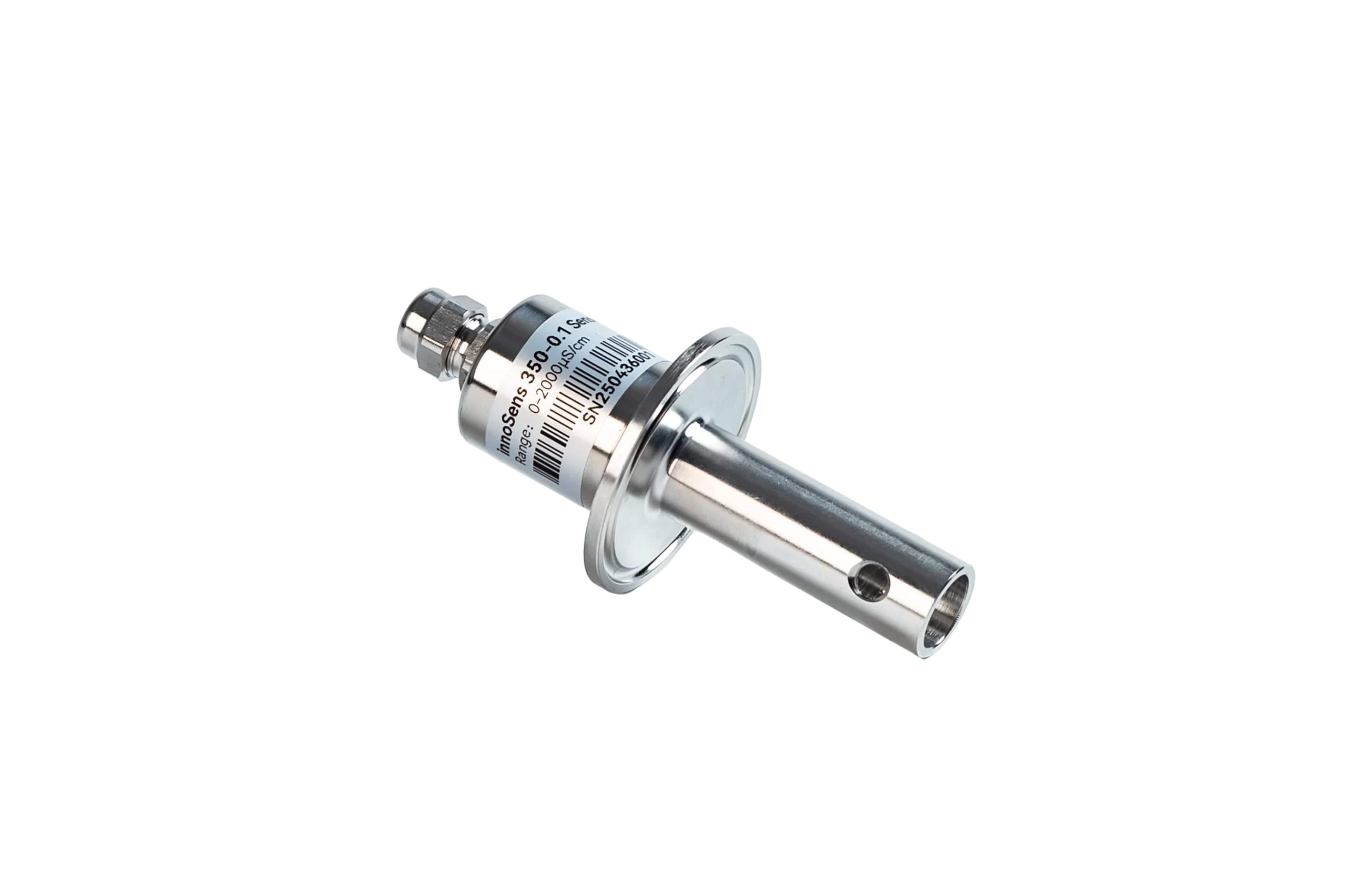
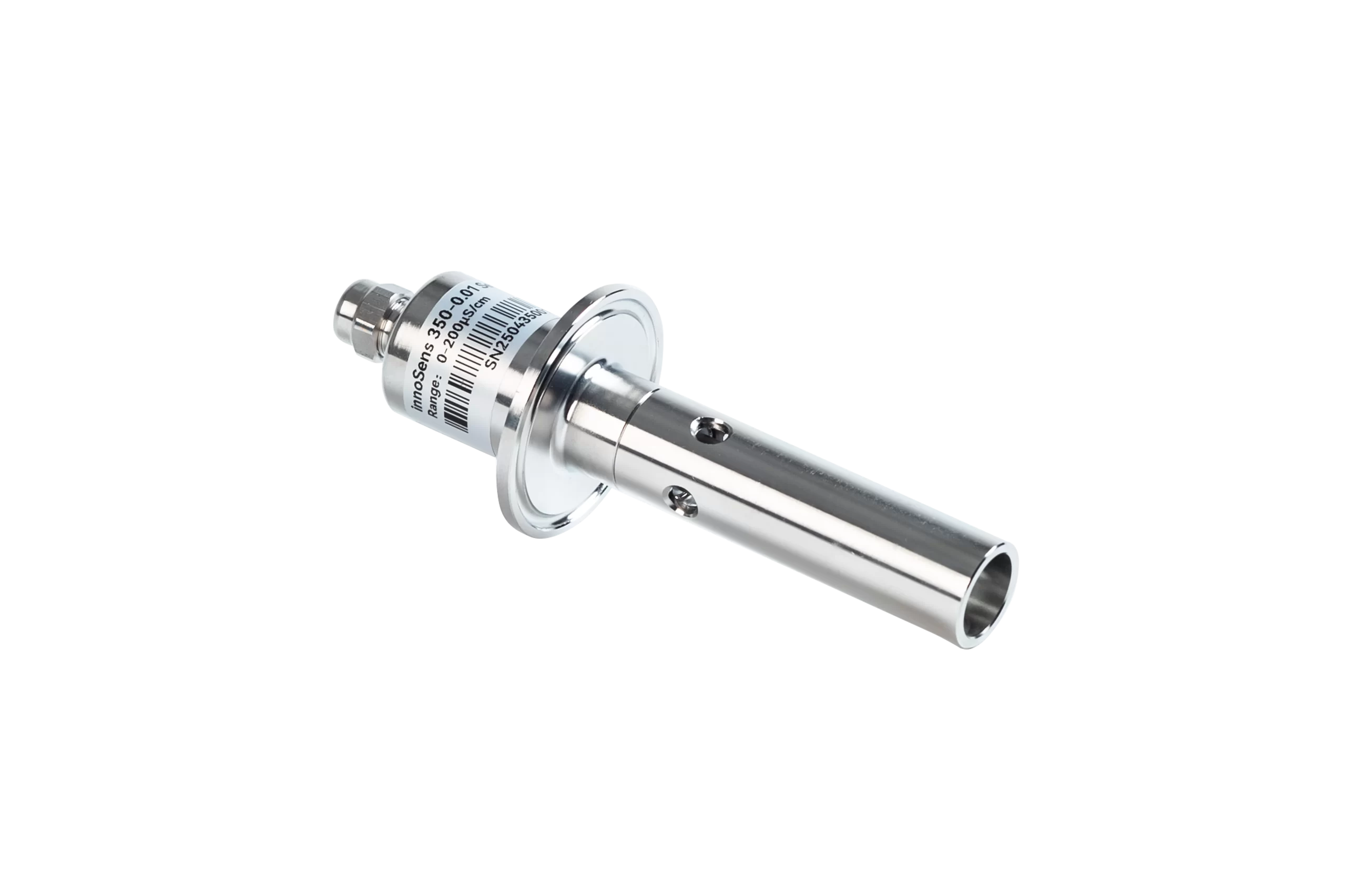
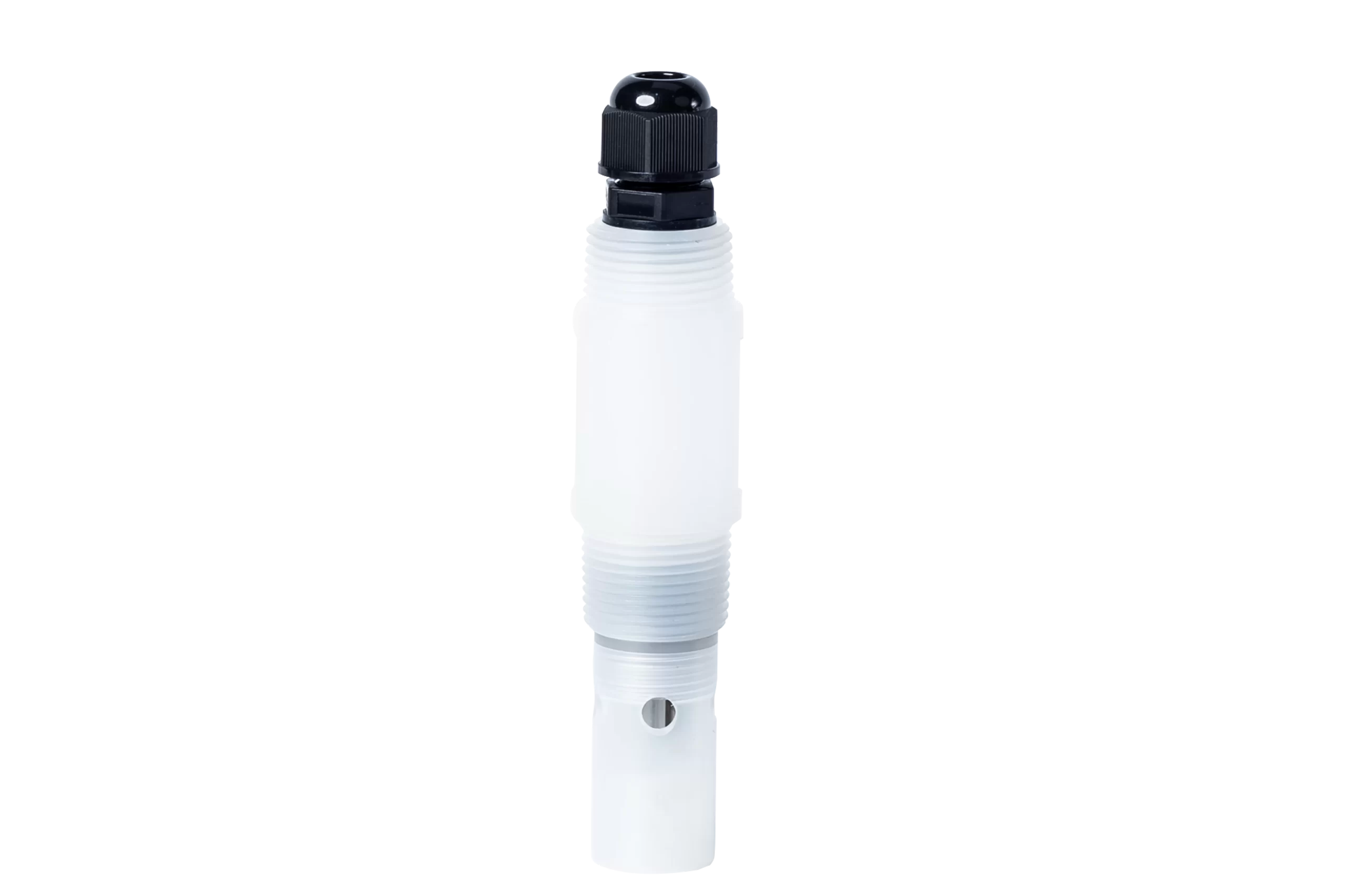
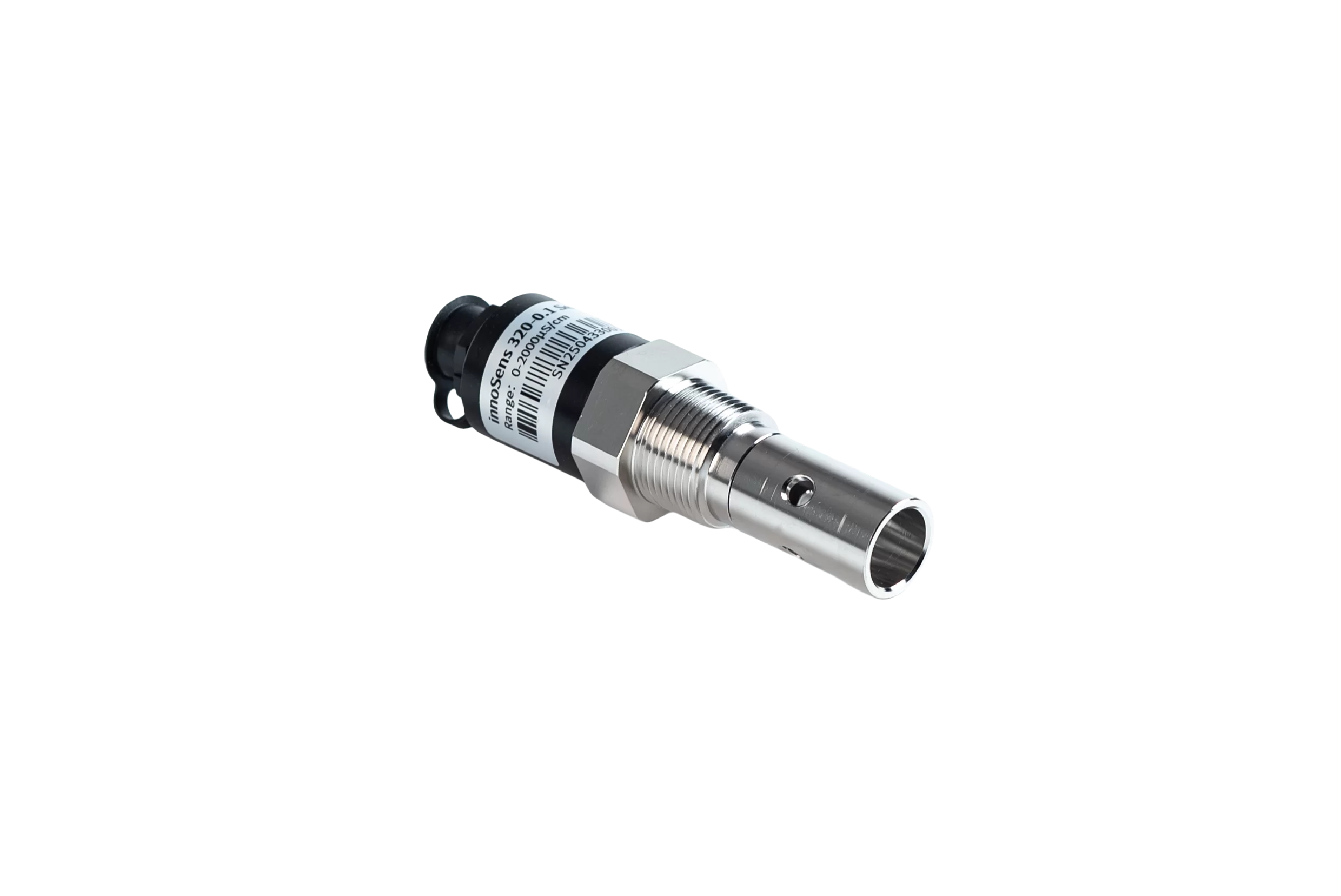
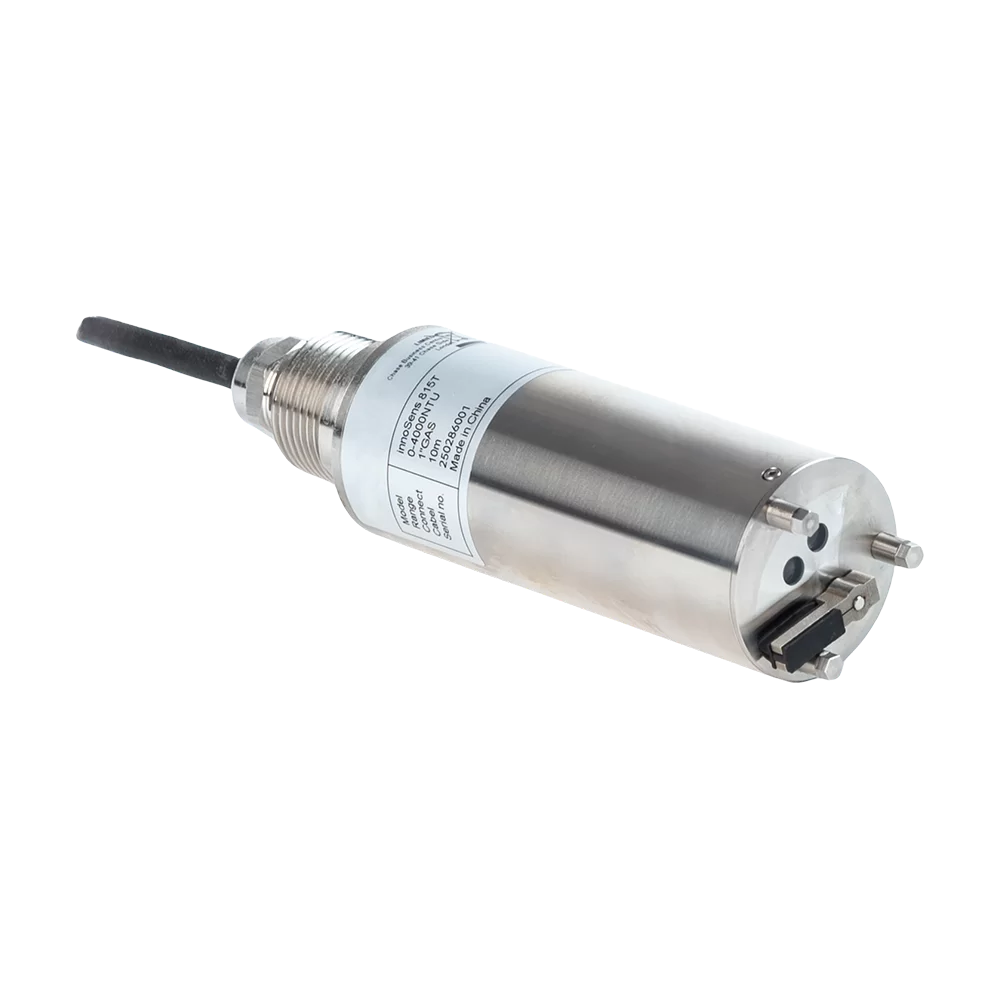
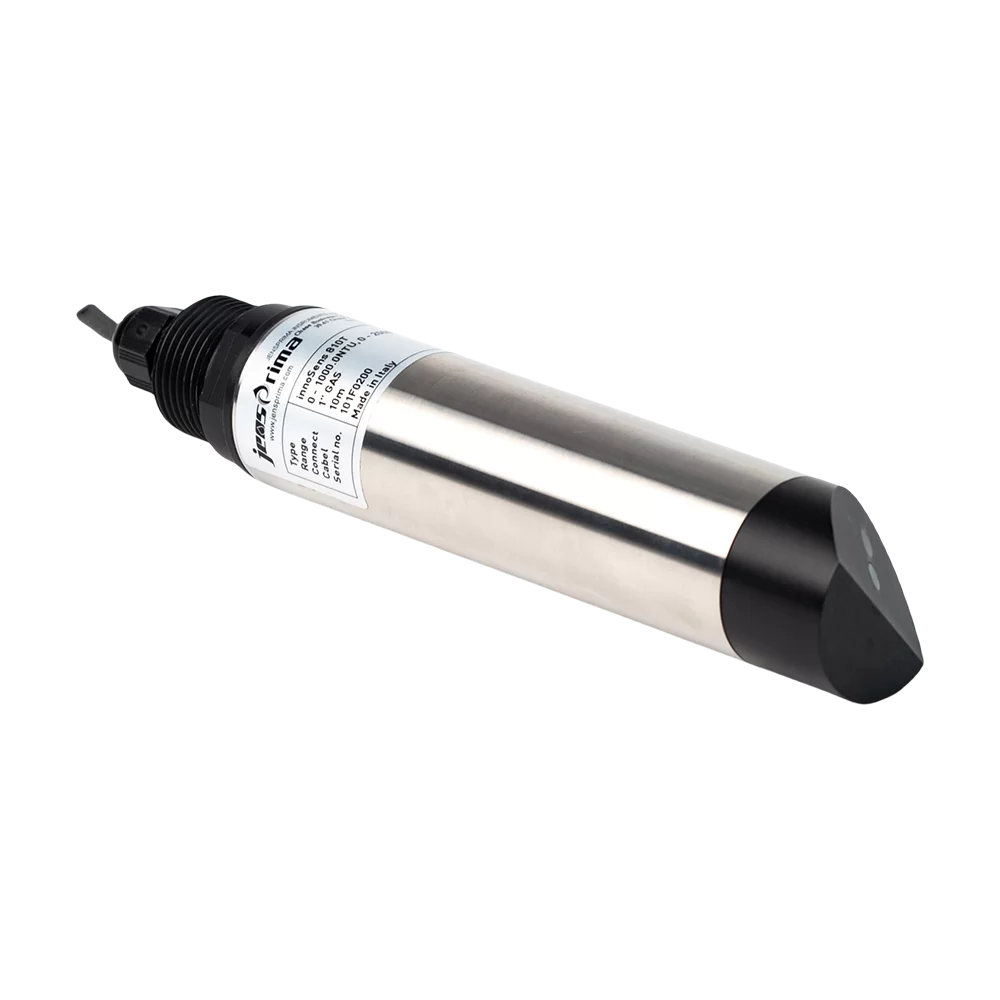
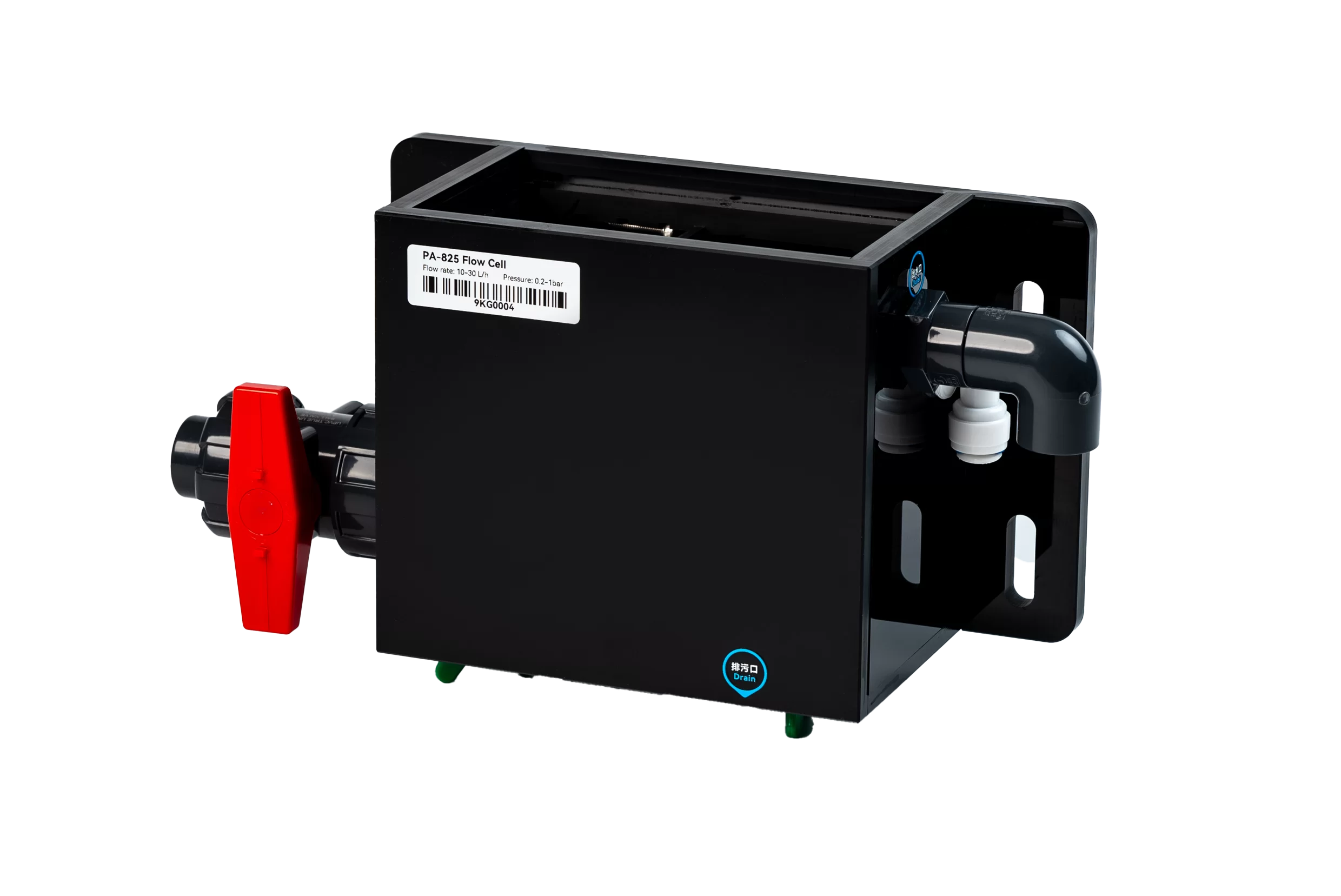
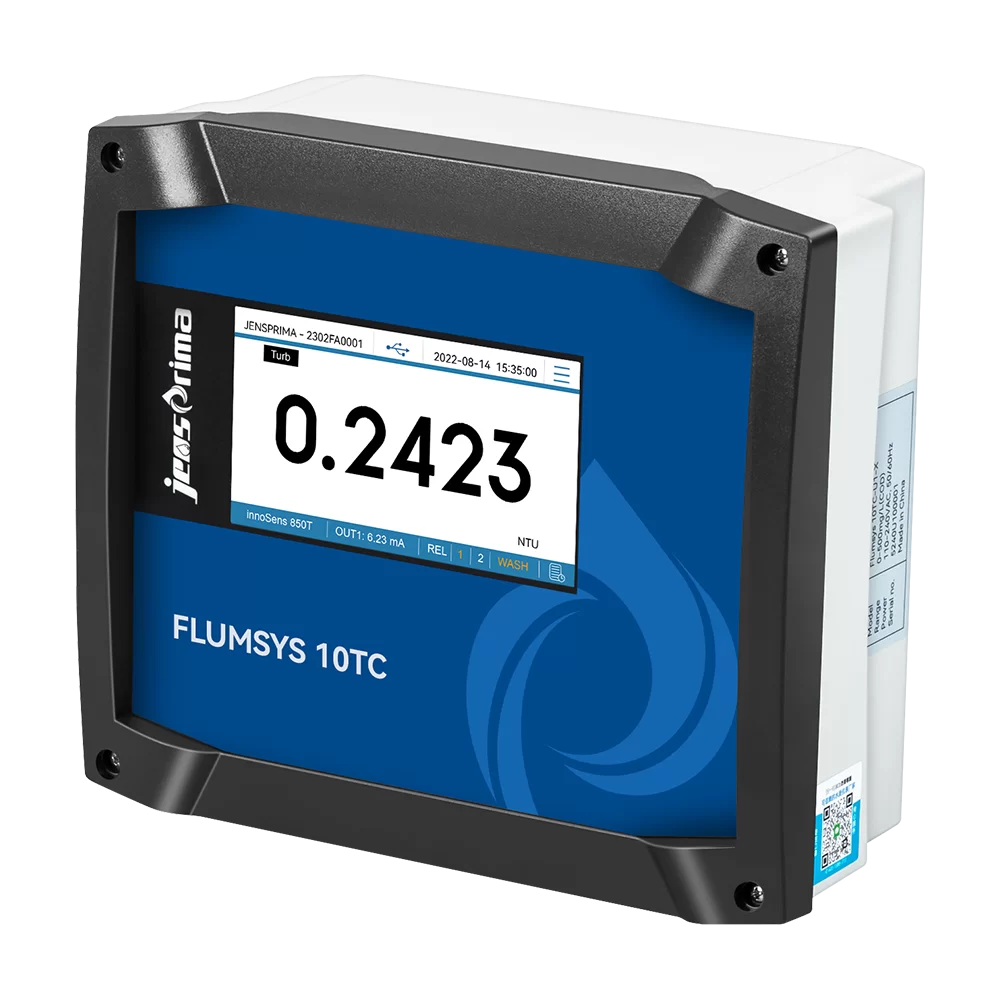
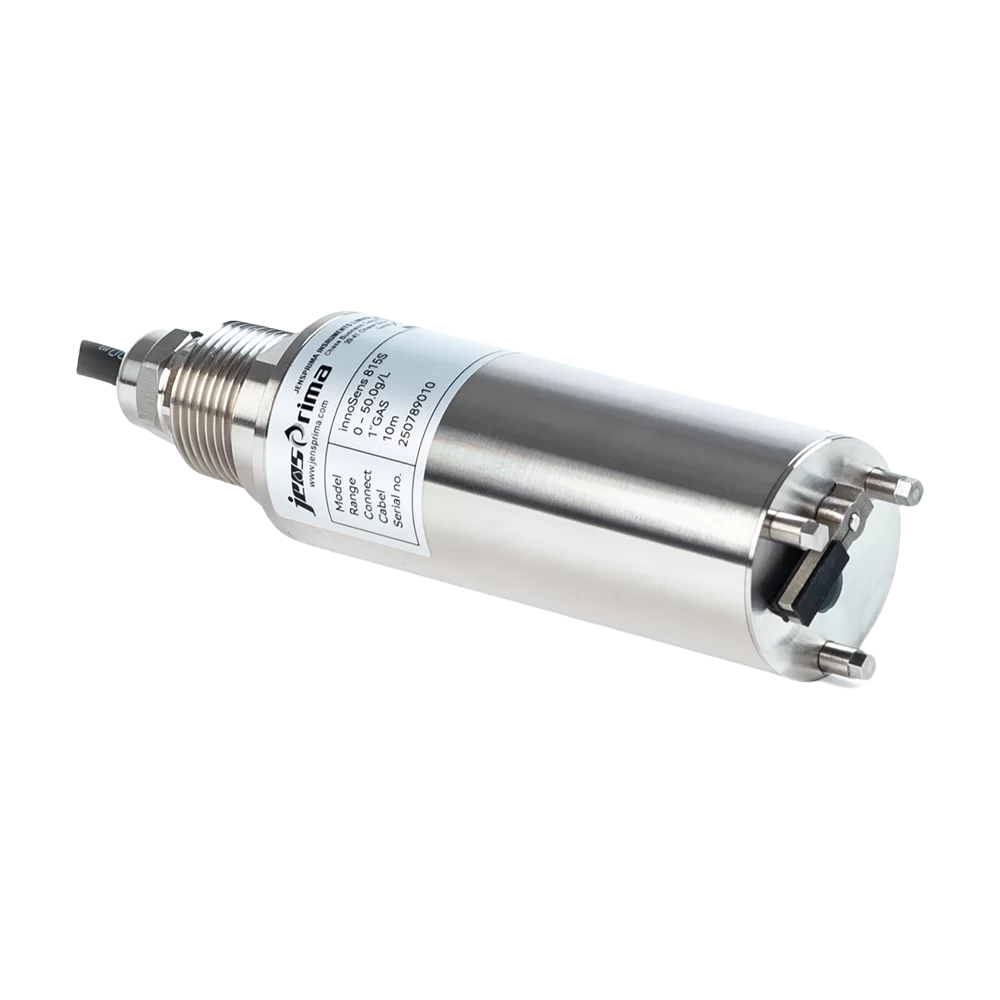
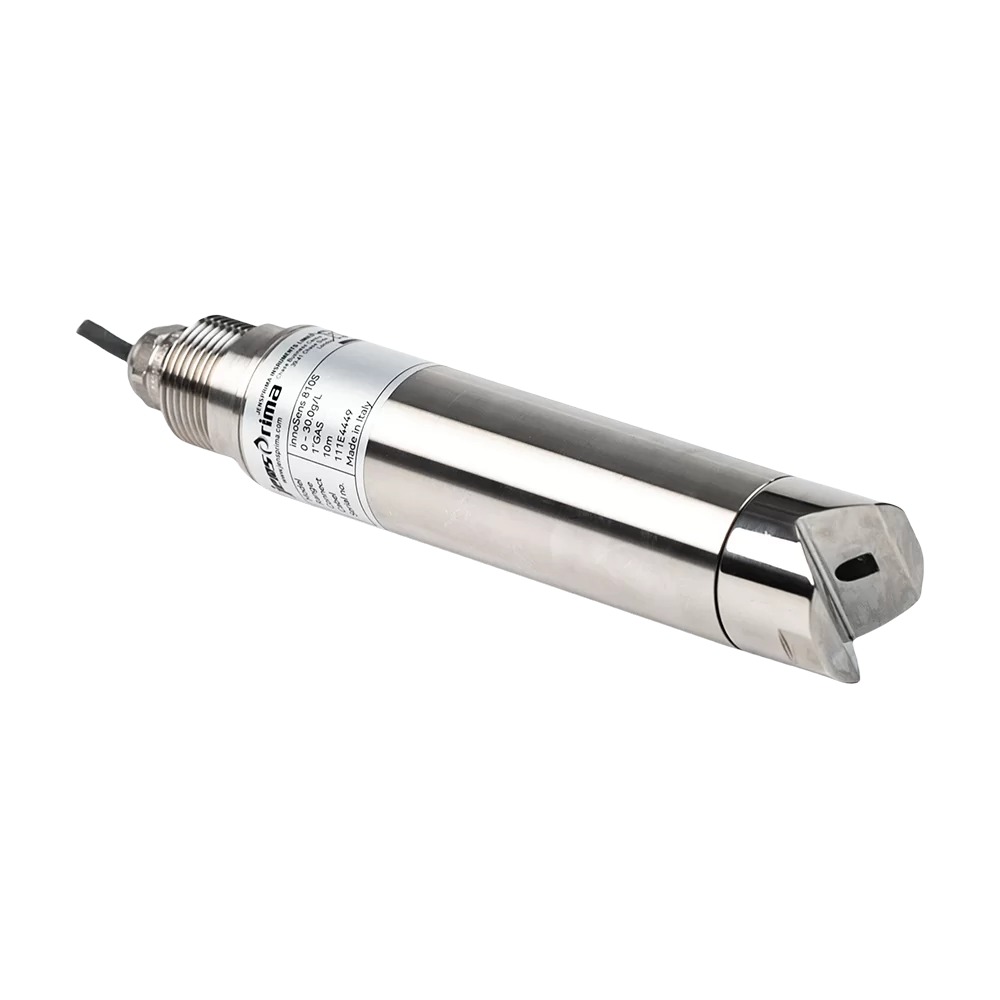
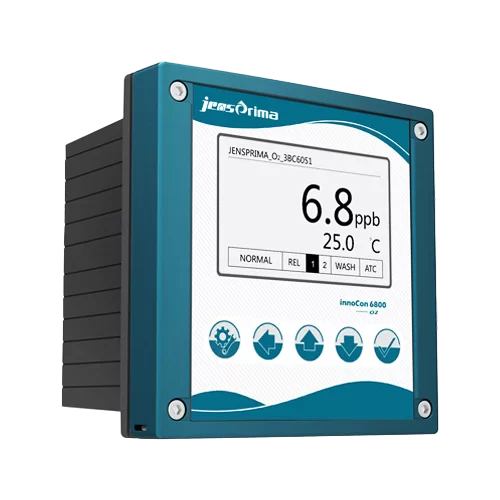
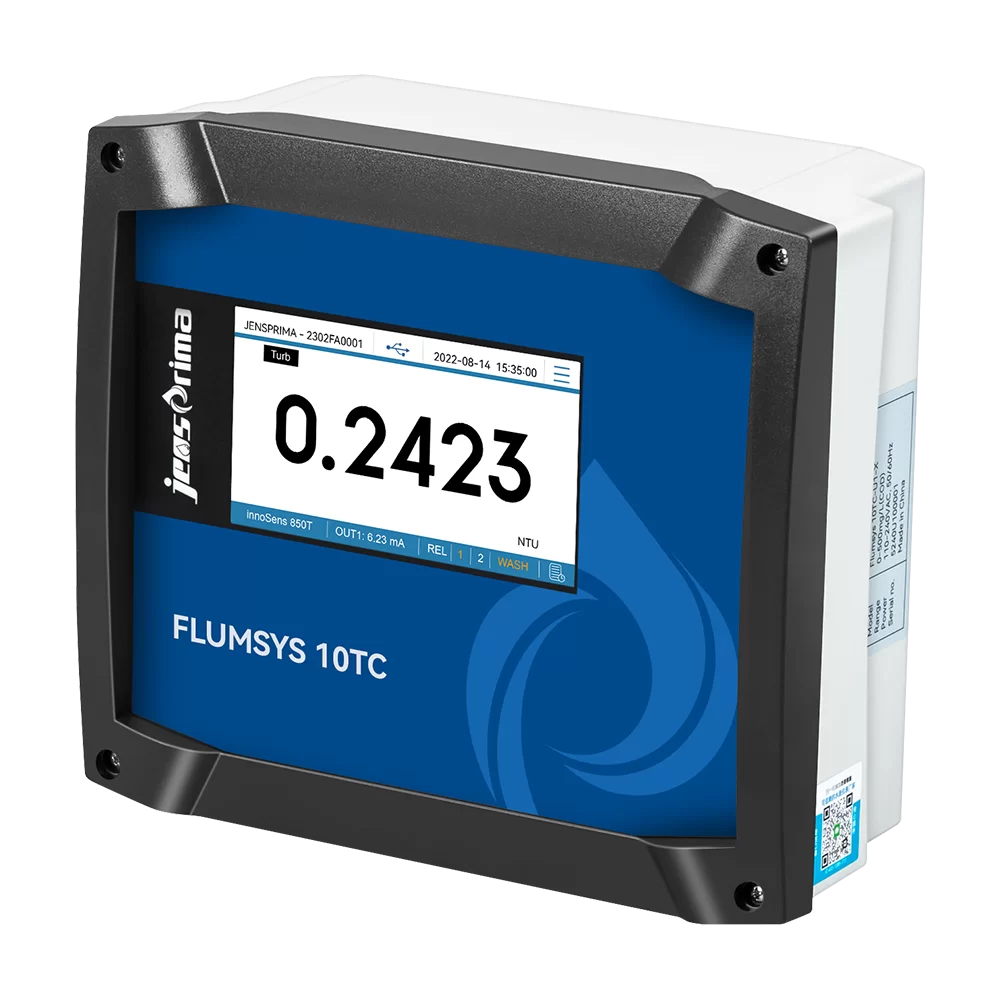
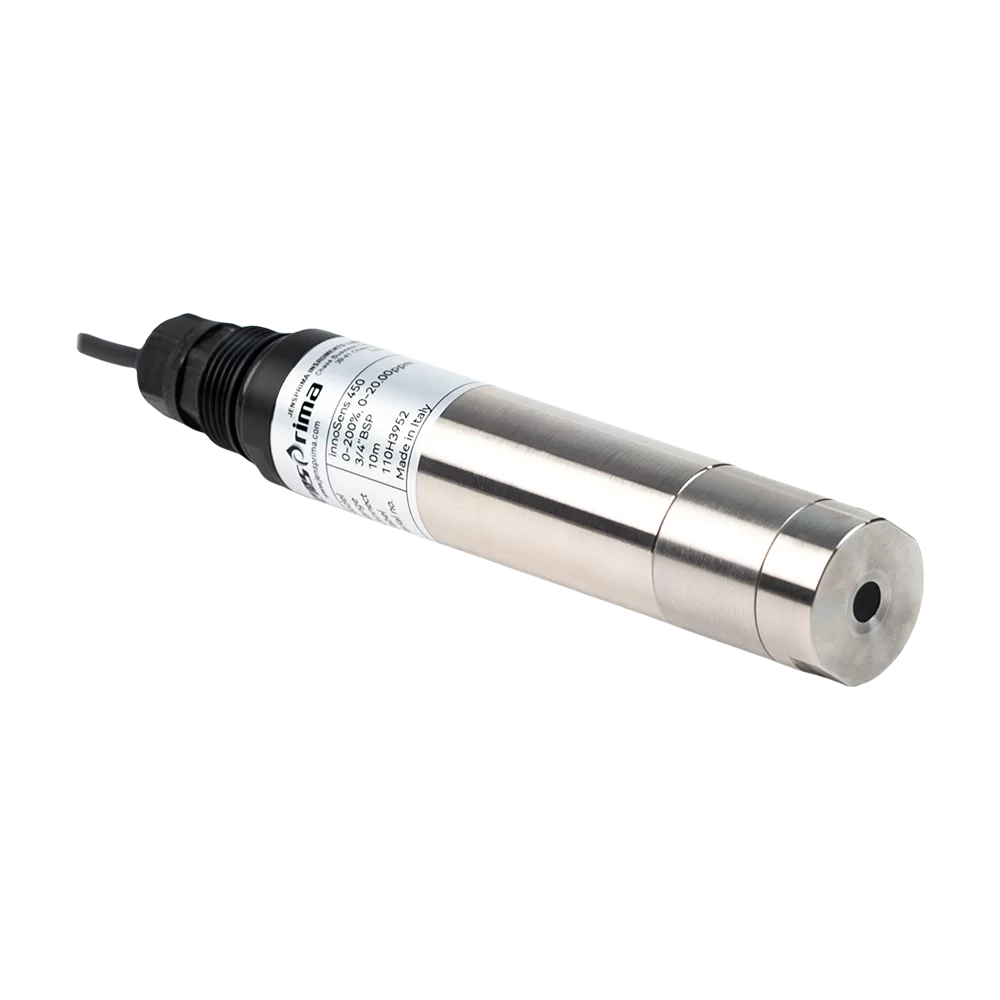
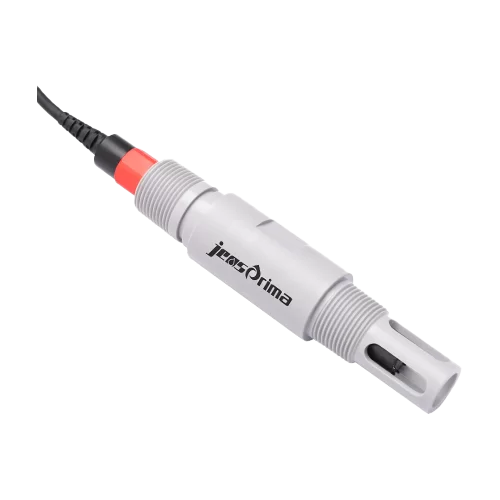
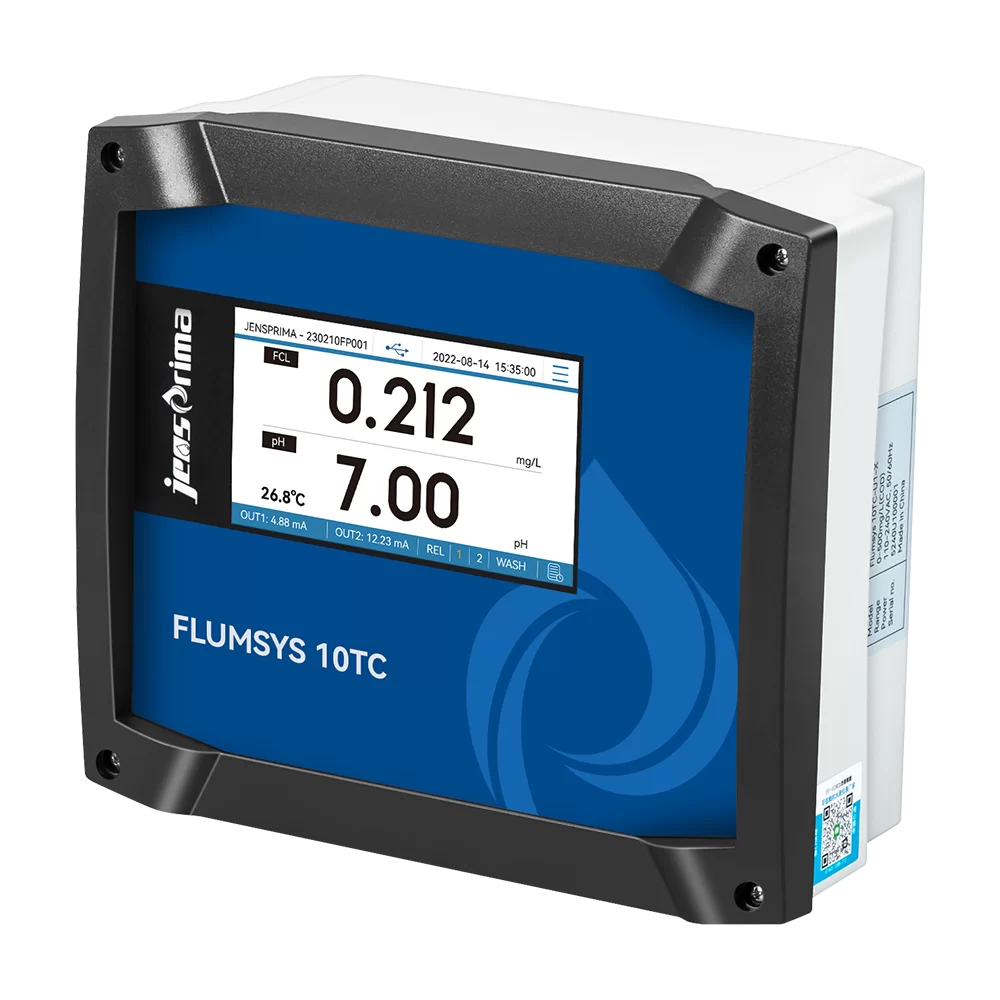
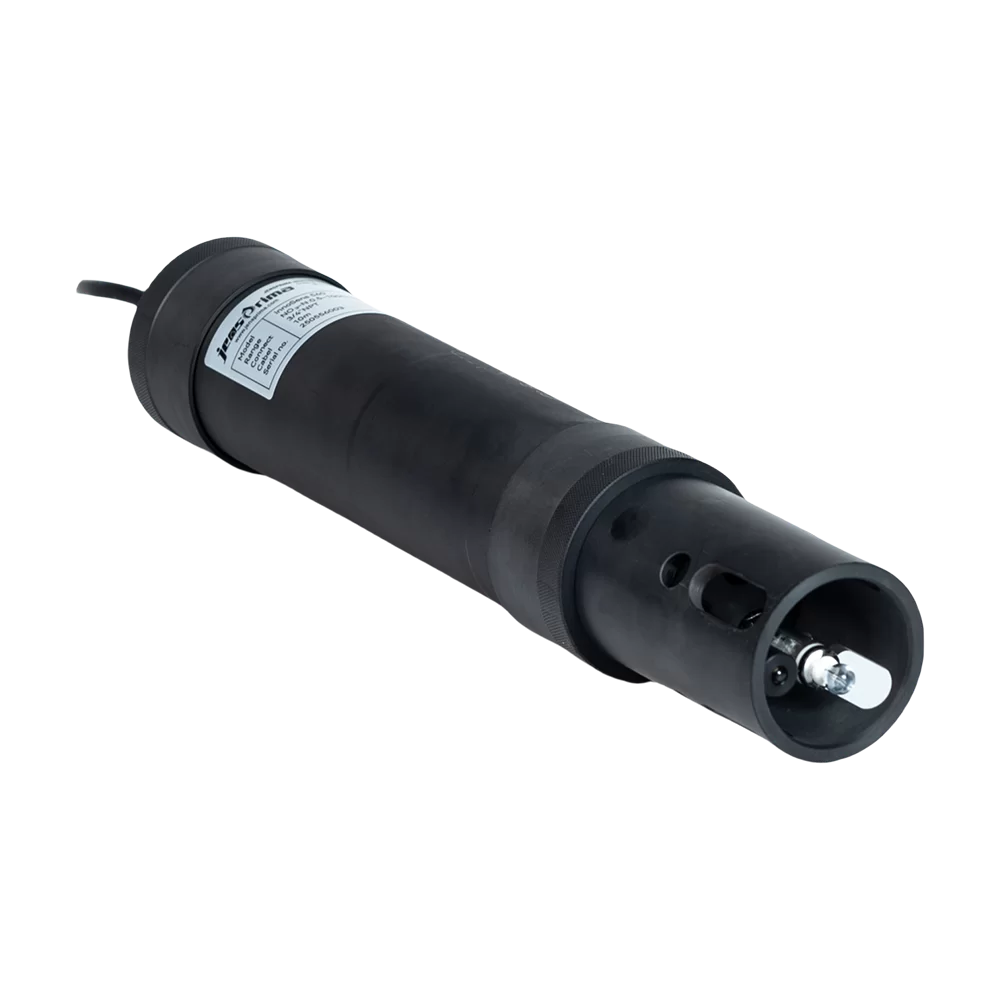
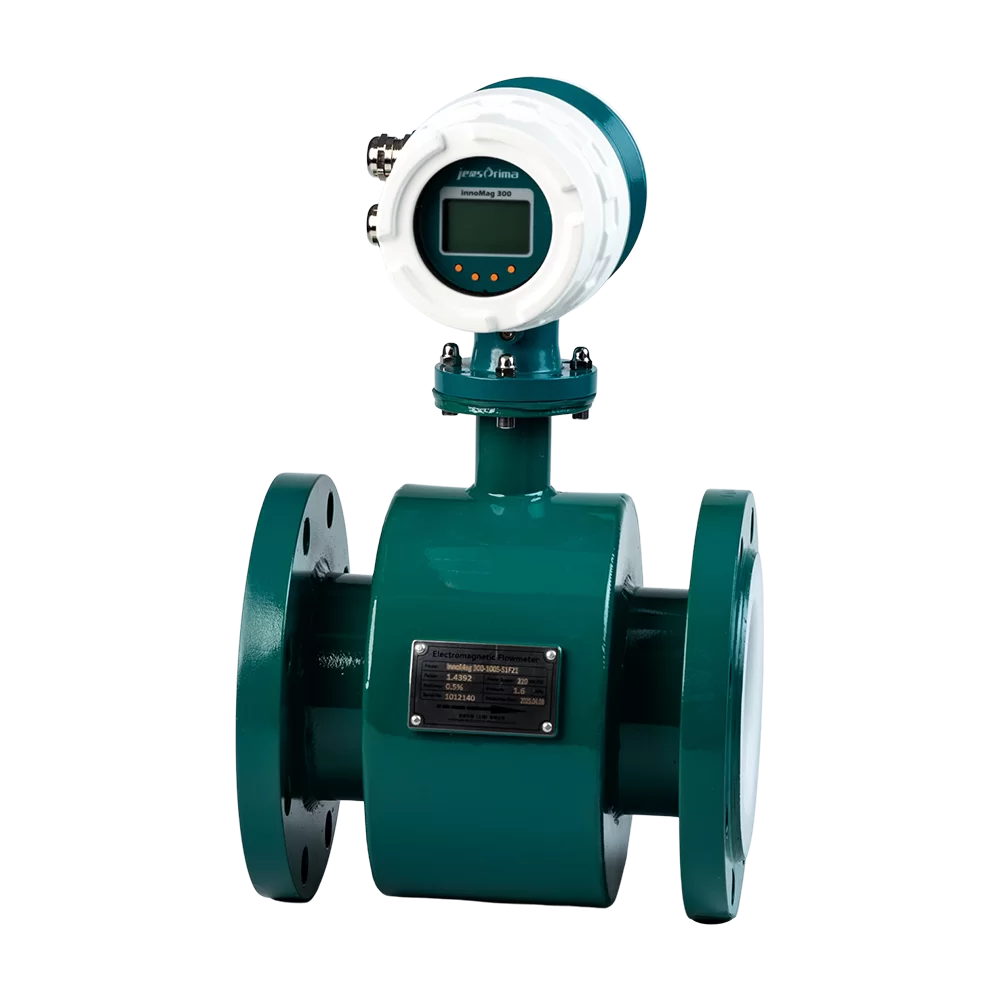
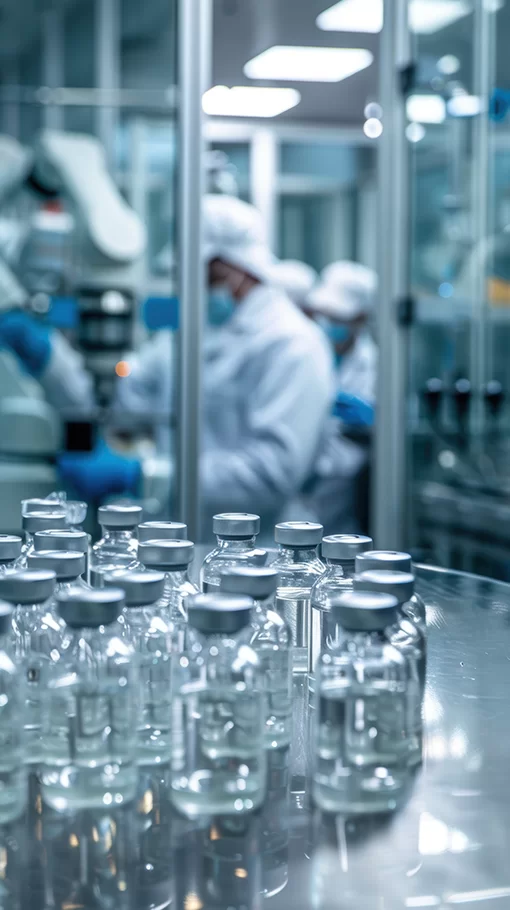
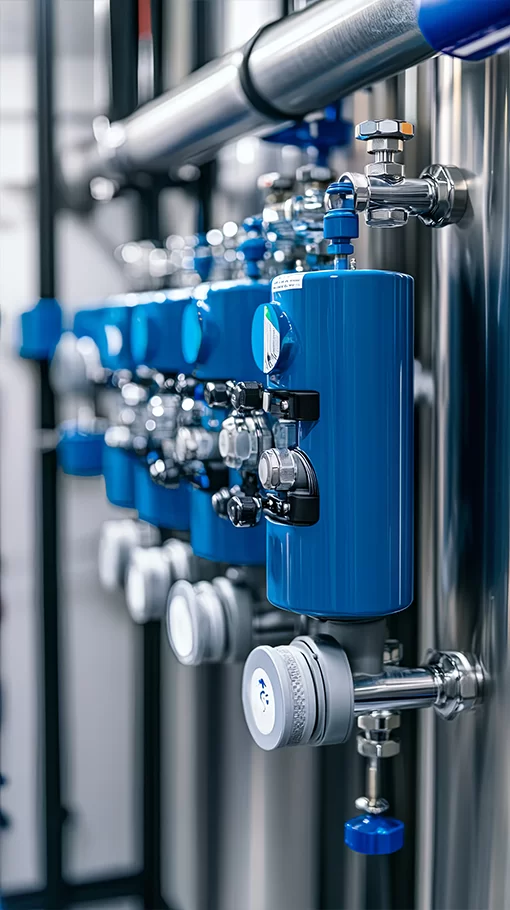
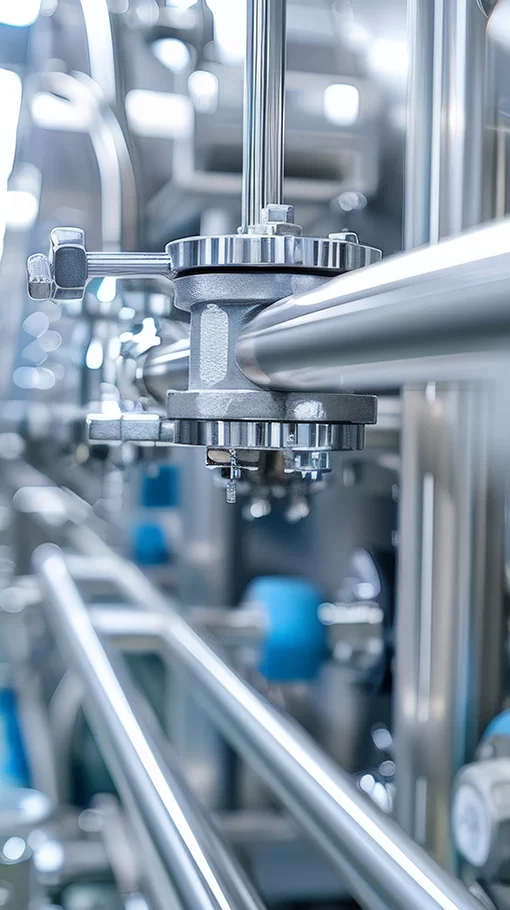
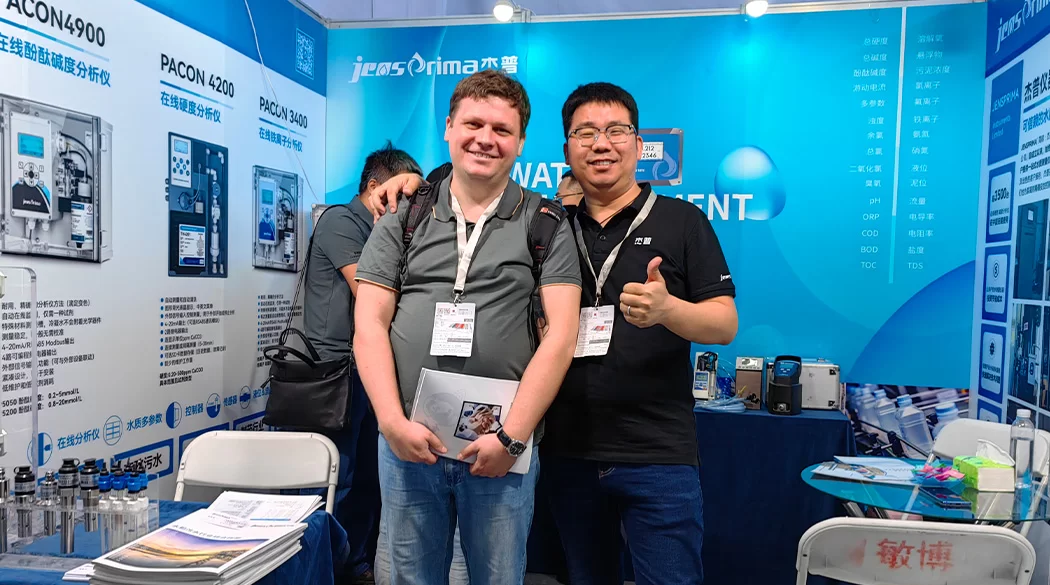
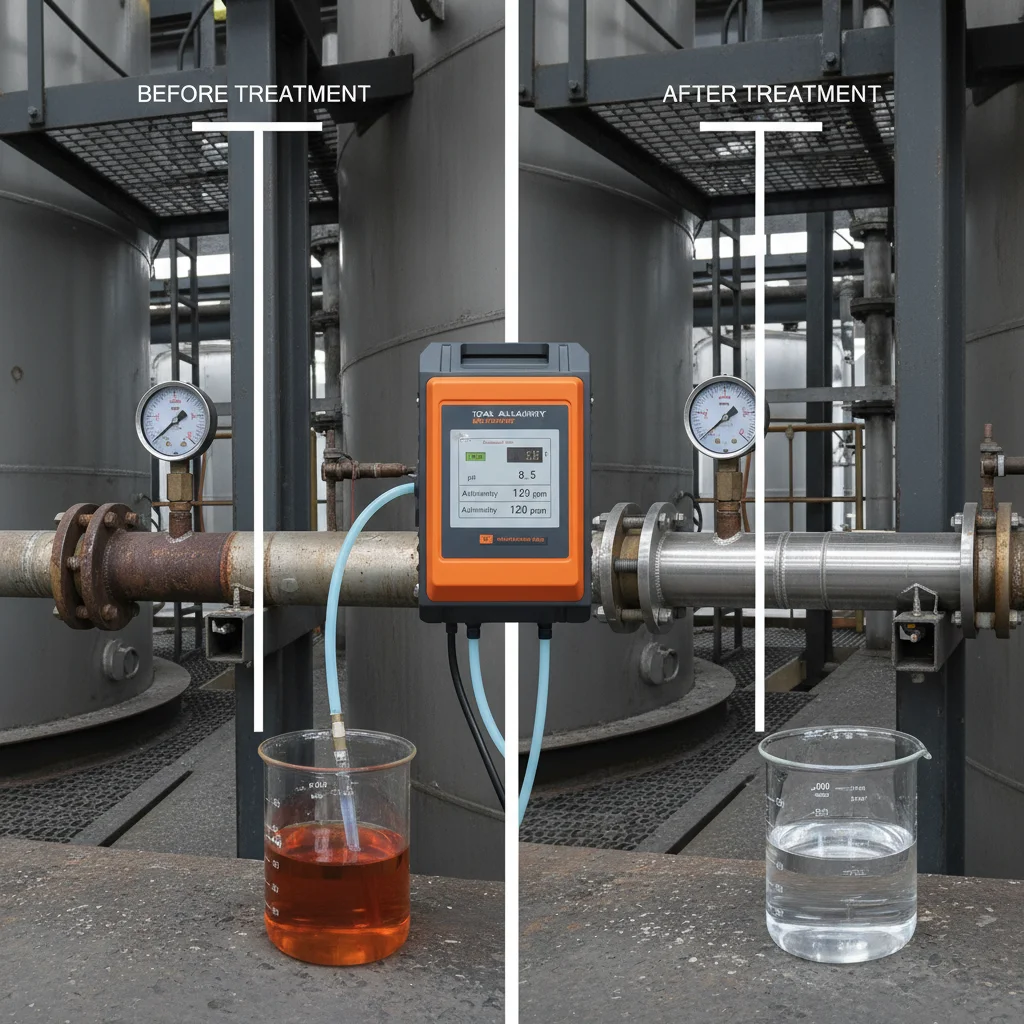
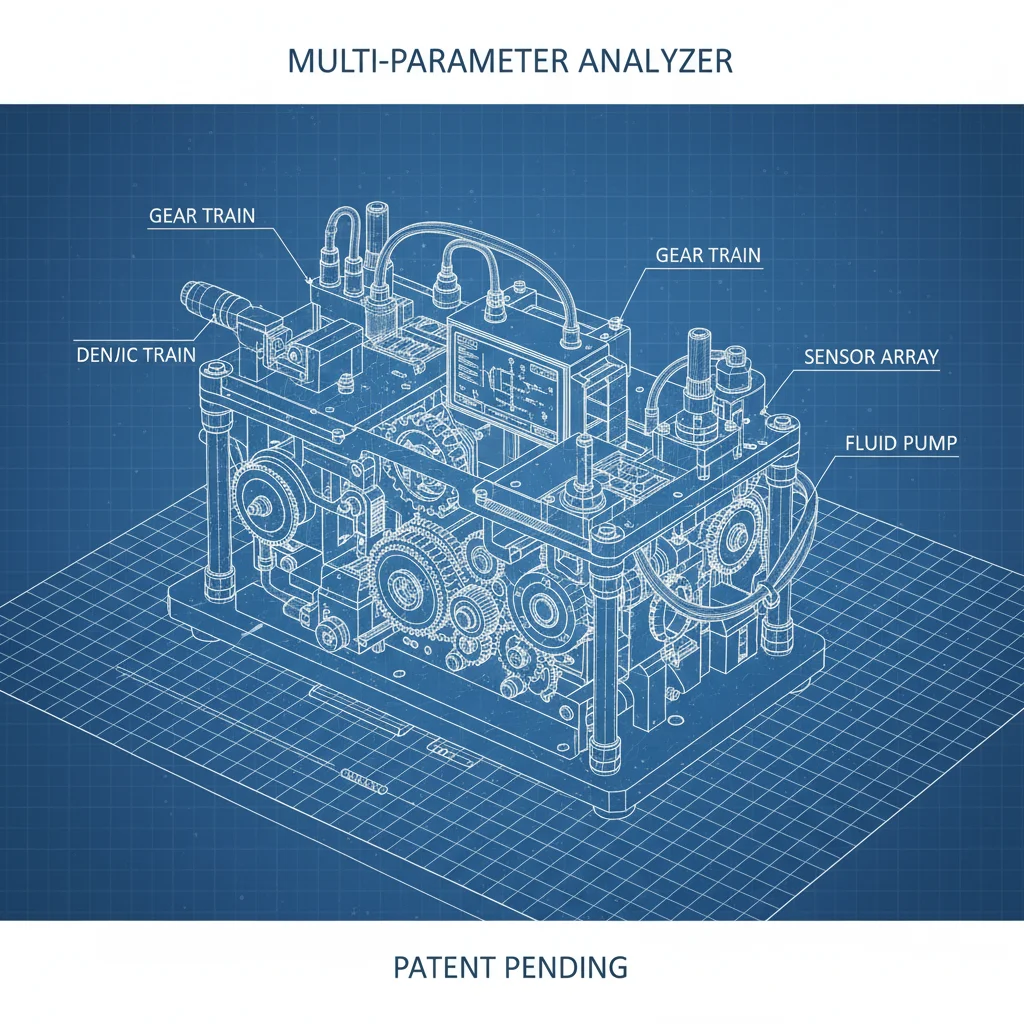
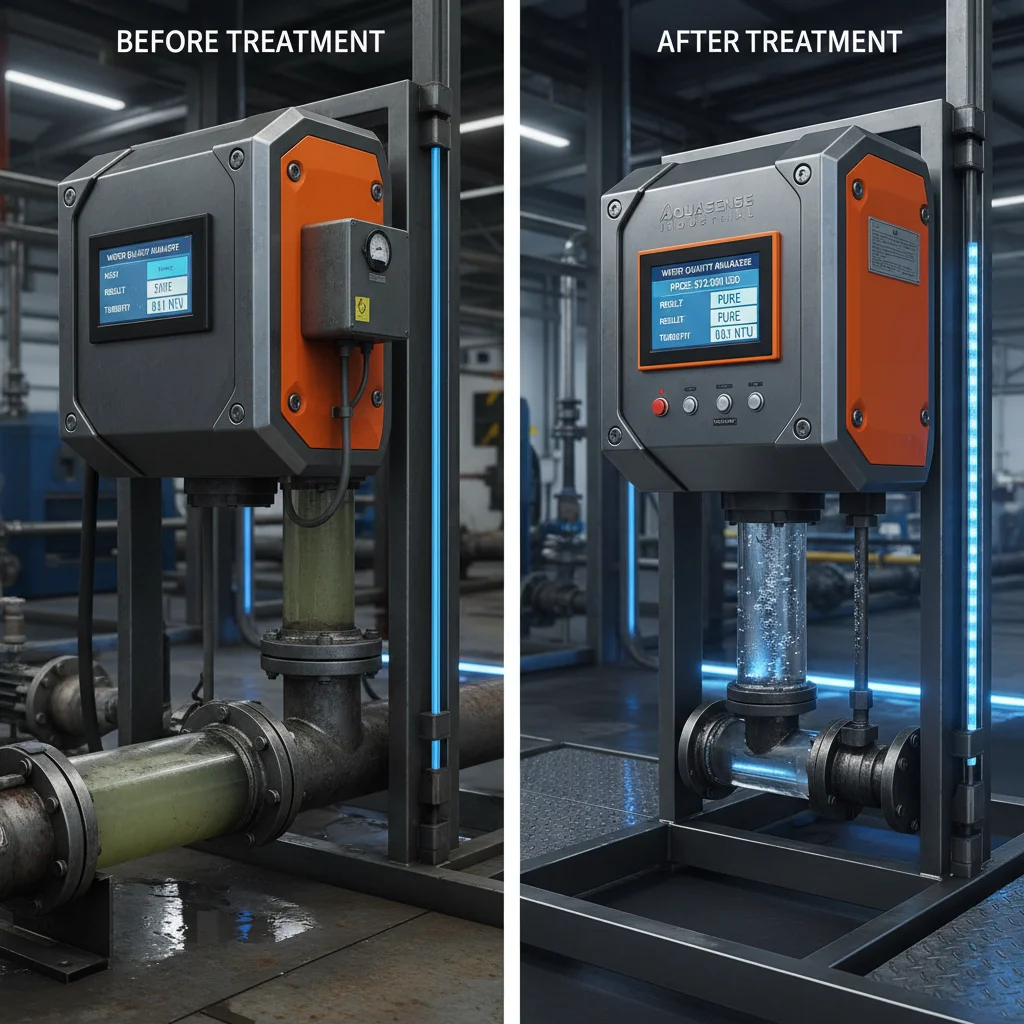
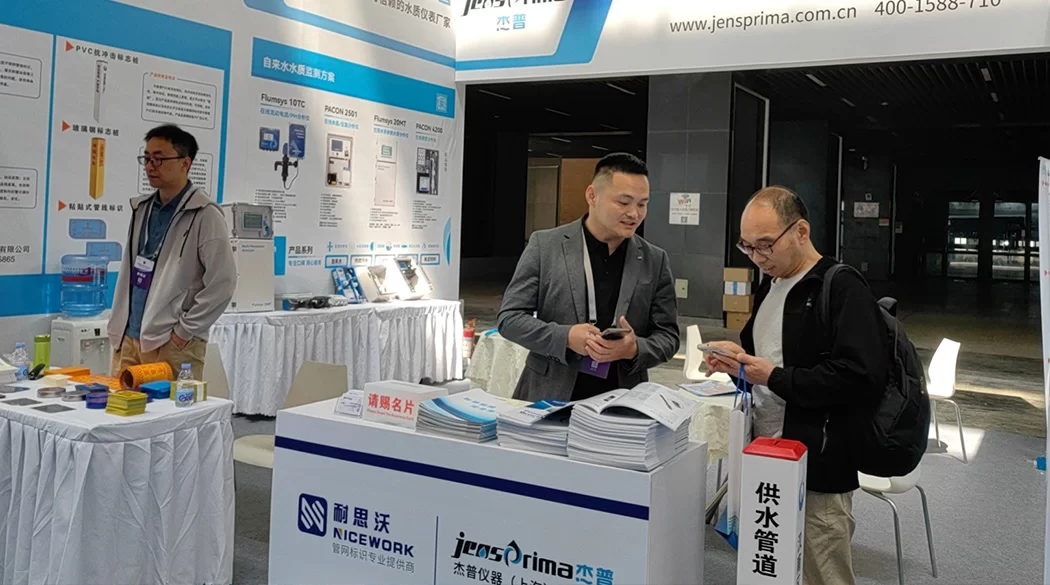
Jensprima online hardness and residual chlorine analyzers play a vital role in the service life of reverse osmosis membranes and the water recovery rate within pharmaceutical RO systems.
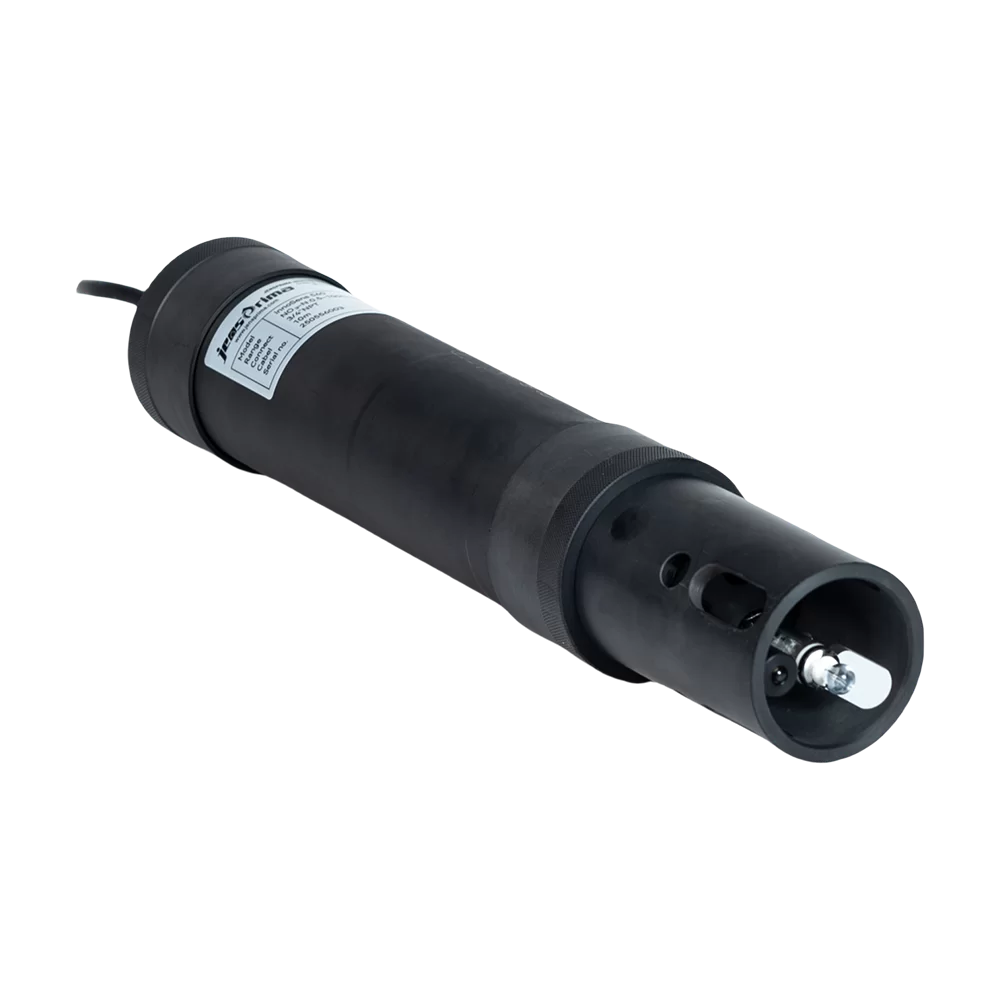
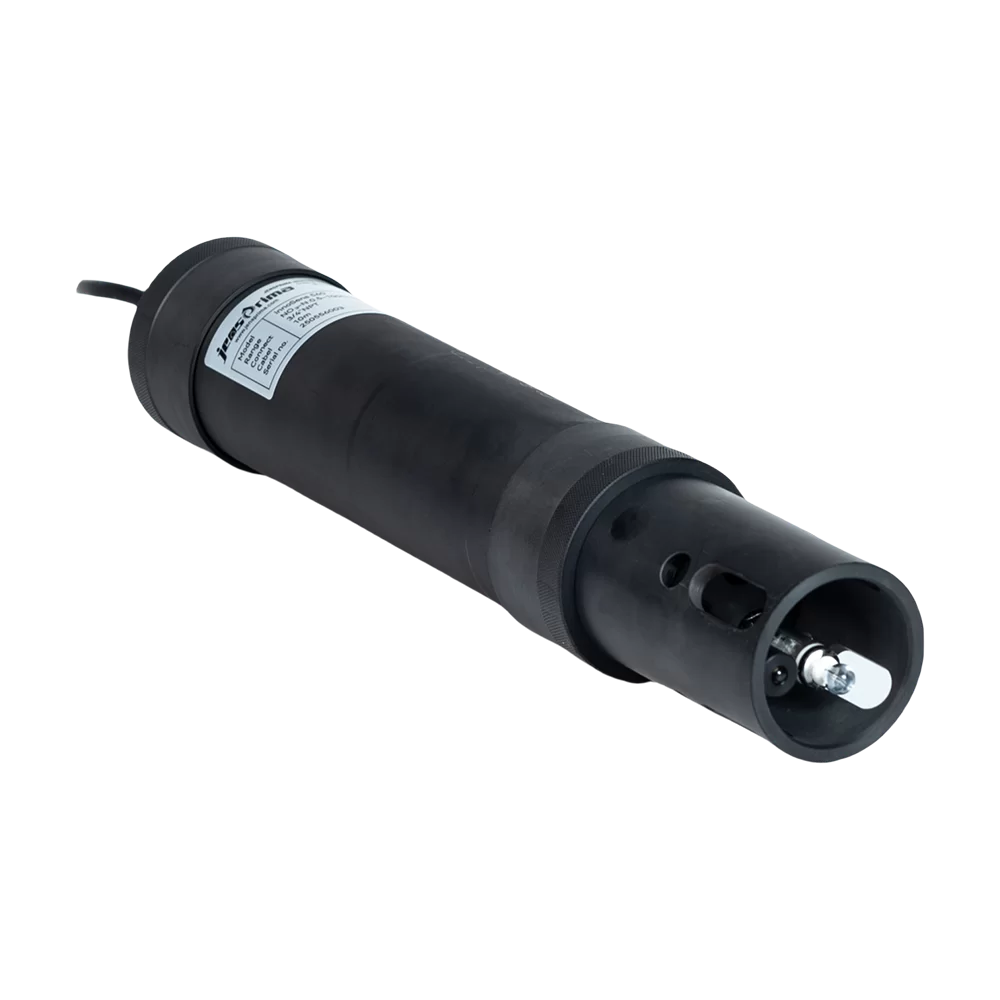
The innoSens 420 is a ppm-grade industrial online dissolved oxygen electrode designed for precision monitoring. Sourced from a professional China factory and trusted suppliers, it ensures high stability and low maintenance for water quality control.
The innoSens 420 is a high-precision Dissolved Oxygen (DO) Sensor engineered for demanding industrial water quality monitoring. Designed to provide real-time, accurate measurements of oxygen concentrations, this sensor is essential for ensuring optimal water chemistry in wastewater treatment, aquaculture, and industrial process control, preventing hypoxia and optimizing aeration efficiency.
Leveraging advanced sensing technology, the innoSens 420 minimizes drift and reduces the need for frequent calibration. Its robust construction ensures long-term stability even in harsh aquatic environments, making it a reliable choice for operators who require consistent data to maintain regulatory compliance and operational excellence in online water analysis.

| Product Model | innoSens 420 | Sensor Type | Dissolved Oxygen Sensor |
|---|---|---|---|
| Measurement Range | 0 - 20 mg/L (O2) | Accuracy | ± 1% of full scale |
| Response Time | Fast Response (T90 < 60s) | Operating Temp | 0 to 50°C |
| Material | Industrial Grade Polymer/Steel | Signal Output | 4-20mA / Modbus RTU |
| Calibration | Automatic/Manual Support | Maintenance Cycle | Low-Frequency Required |
Engineered to resist fouling and chemical interference, ensuring consistent readings over extended periods.
Advanced membrane technology reduces the frequency of sensor replacement and calibration efforts.
Provides laboratory-grade accuracy in real-time for critical dissolved oxygen control processes.
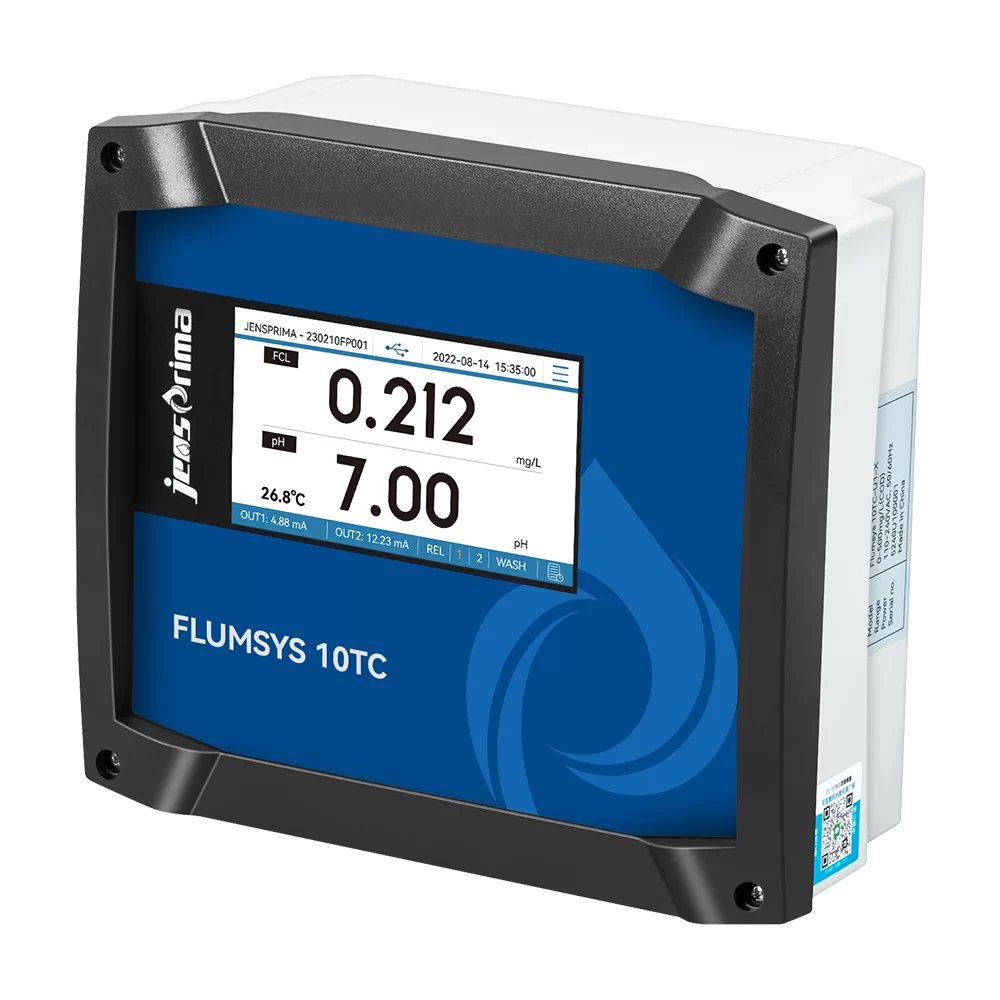
Compatible with a wide range of DO controllers and SCADA systems for centralized water management.
Instantaneous data transmission allows for immediate response to fluctuations in oxygen levels.
Optimizes aeration energy usage by providing precise data to prevent over-oxygenation.
Track DO levels across multiple sites from a single centralized dashboard.
Digital tools to schedule and verify sensor calibration intervals remotely.
Instant SMS or Email alerts when oxygen levels drop below critical thresholds.
Historical data archiving for regulatory reporting and trend analysis.
Integrated logic to synchronize blower operations with actual DO demand.
AI-driven insights to predict sensor wear and schedule replacement proactively.
| Metric | Standard DO Sensors | innoSens 420 |
|---|---|---|
| Calibration Frequency | Weekly/Bi-Weekly | Monthly/Quarterly |
| Energy Consumption | High (Constant Aeration) | Low (Demand-Based) |
| Maintenance Cost | Frequent Part Replacement | Extended Service Life |
| Data Reliability | Moderate Drift | Ultra-Stable Output |
| ROI Period | 24-36 Months | 12-18 Months |
The innoSens 420 utilizes advanced sensing materials that offer superior stability and faster response times, significantly reducing the drift common in traditional galvanic sensors.
Yes, the innoSens 420 is designed for various water types. However, salinity compensation should be configured in the controller for maximum accuracy in saltwater environments.
Depending on water quality and fouling levels, the membrane typically lasts 12 to 24 months, though this can be extended through proper maintenance and cleaning.
Absolutely. It supports standard industrial outputs such as 4-20mA and Modbus RTU, making it compatible with almost all modern PLC and SCADA architectures.
Calibration can be performed using air-saturated water or a zero-oxygen solution. The process is streamlined via the associated controller's digital interface.
Regular cleaning of the sensor tip and checking the electrolyte level (if applicable) are recommended. Using a protective shroud can also reduce debris accumulation.