
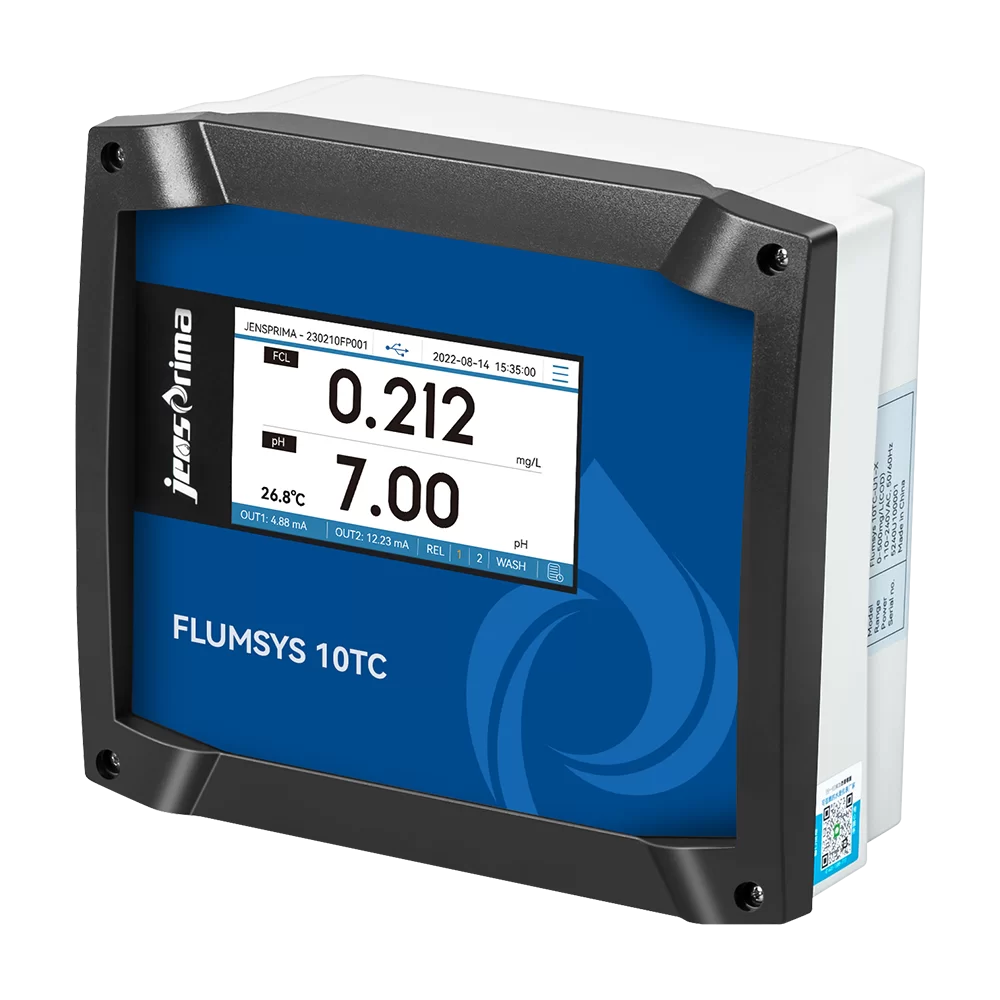
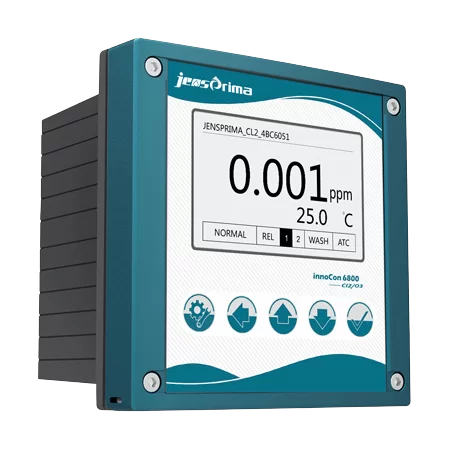
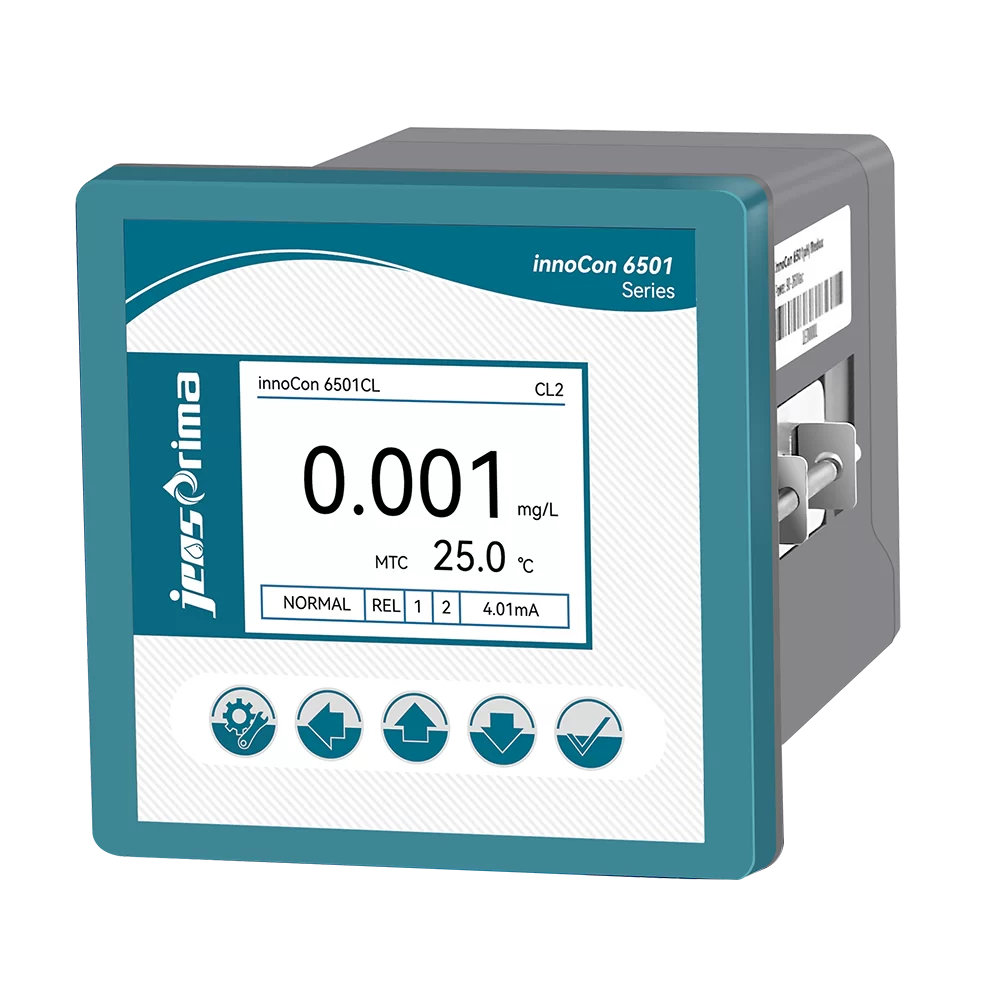
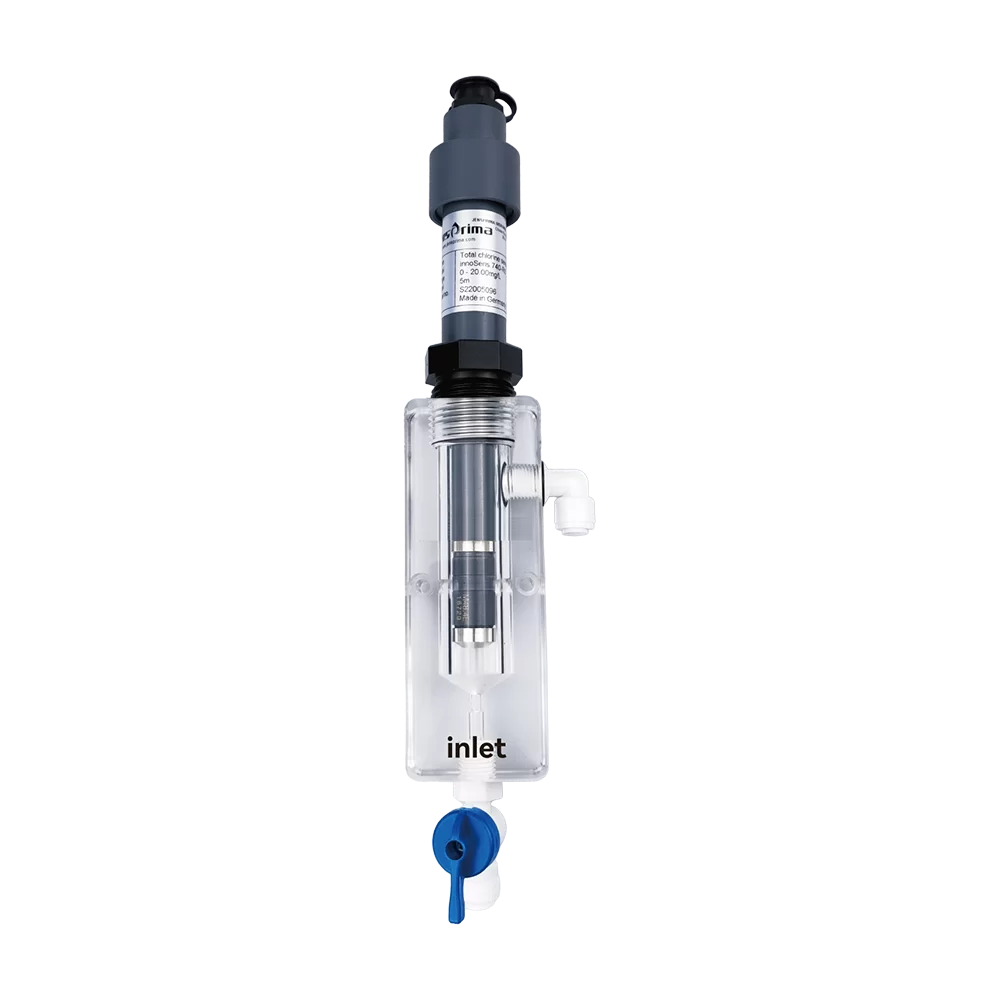
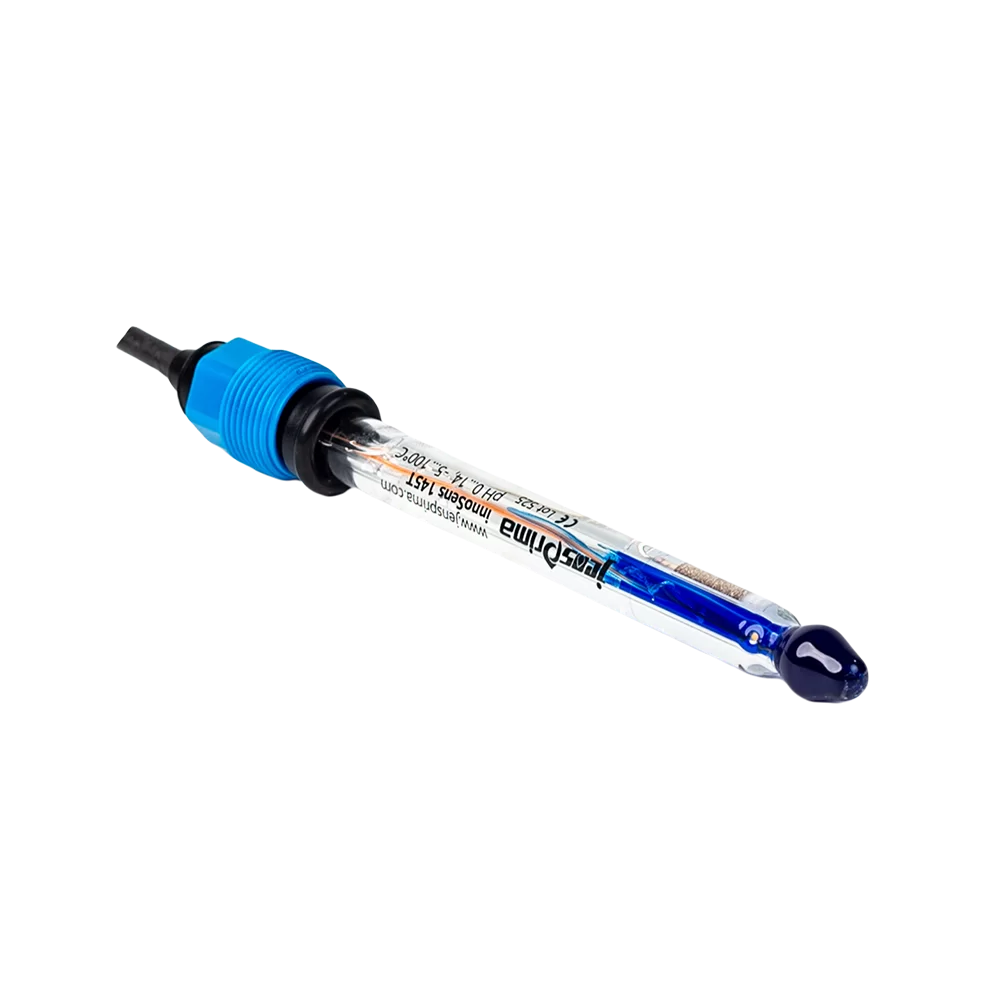
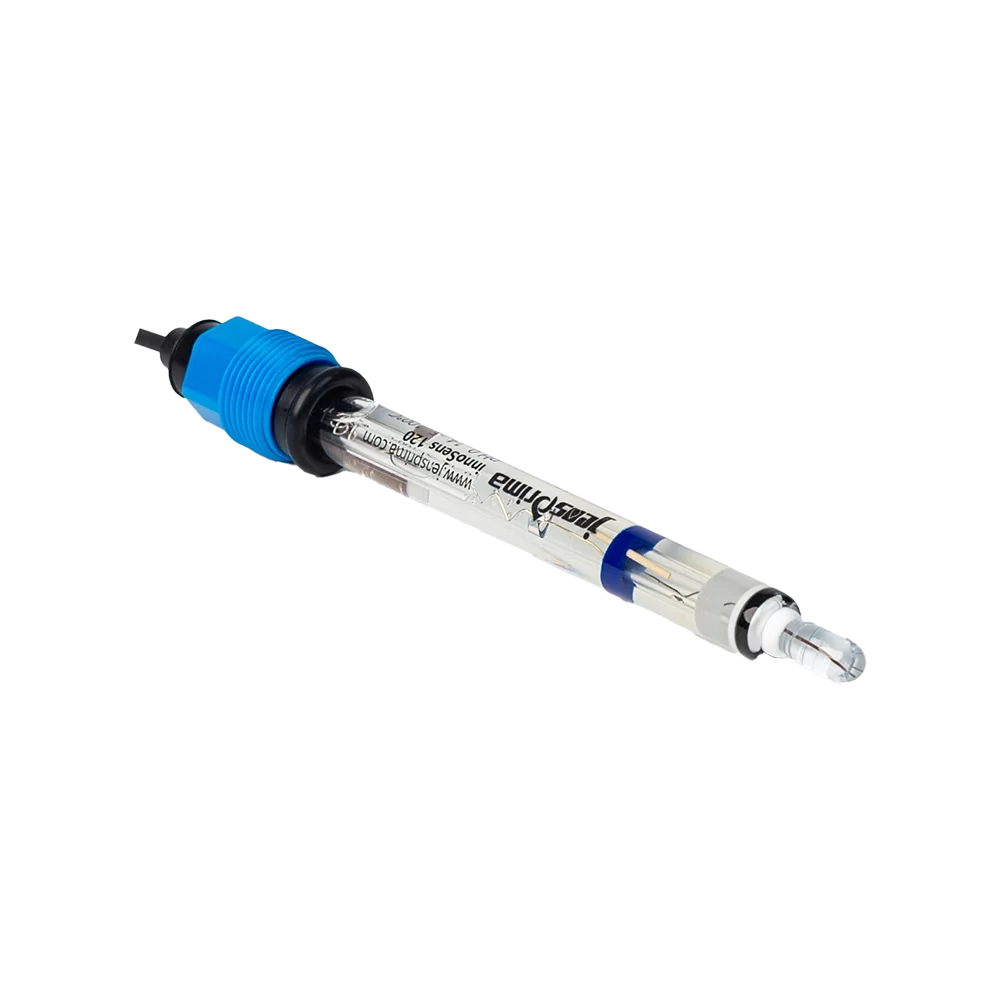
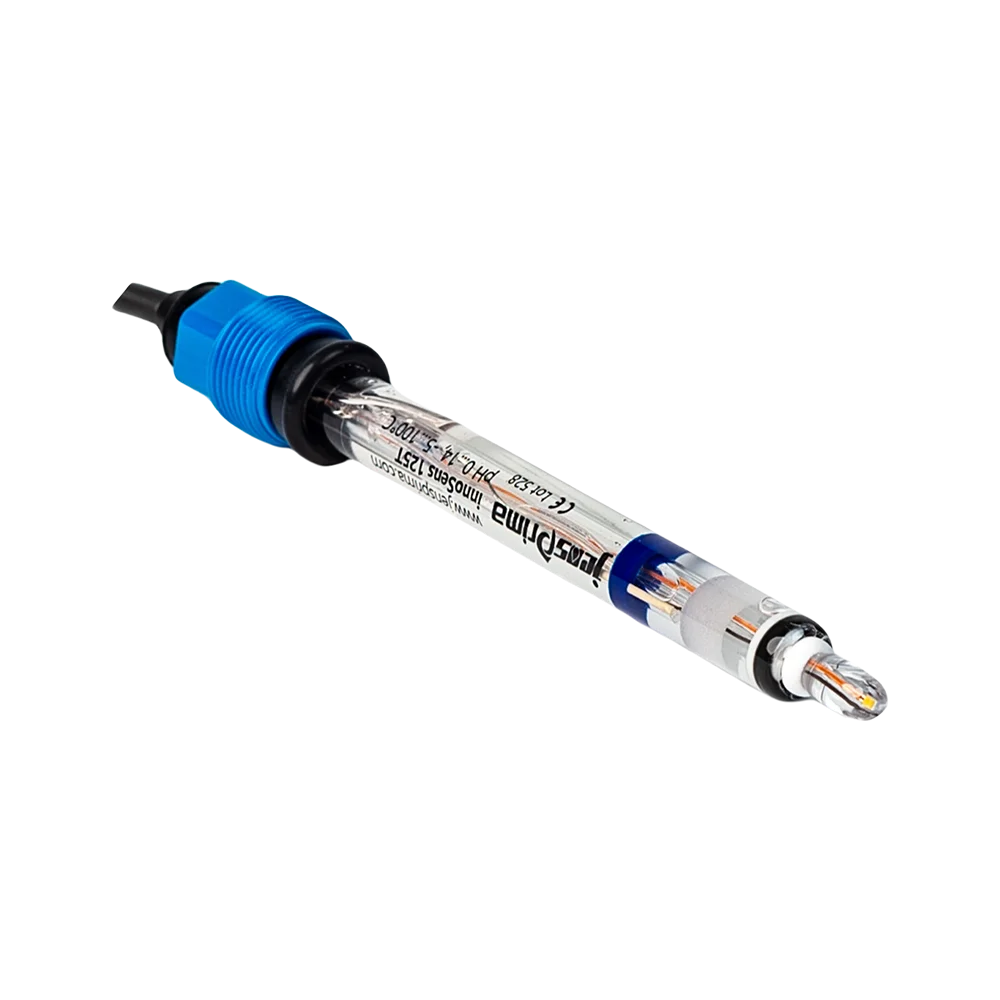
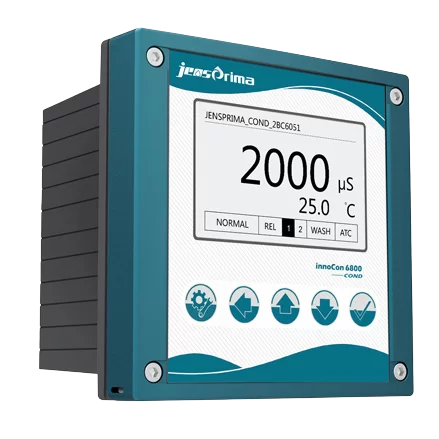
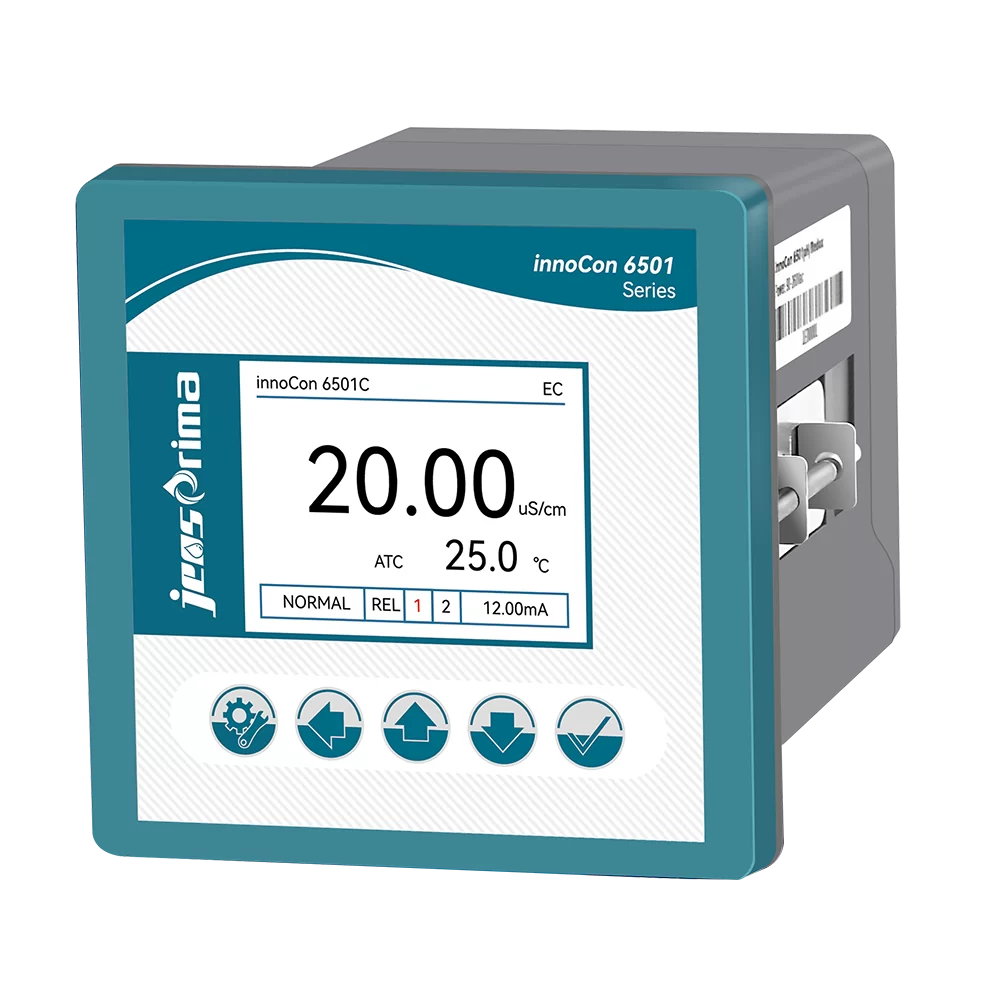
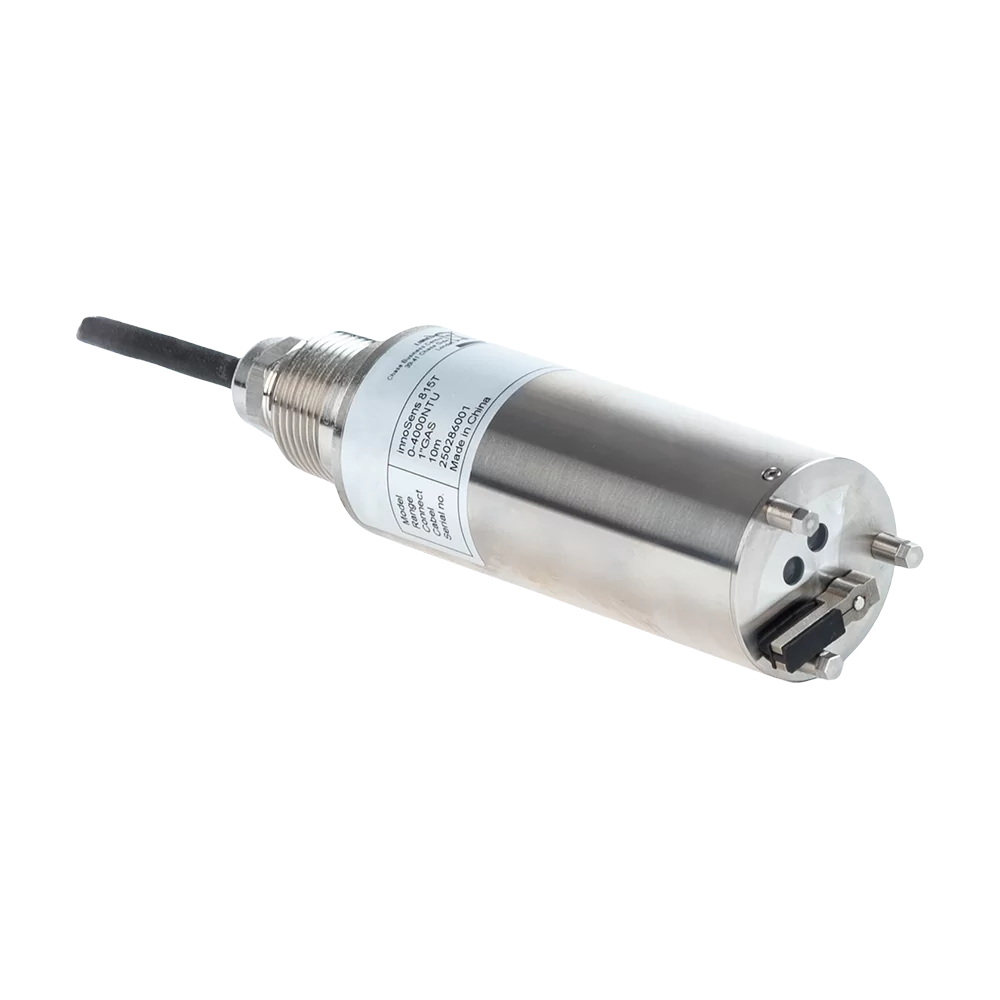
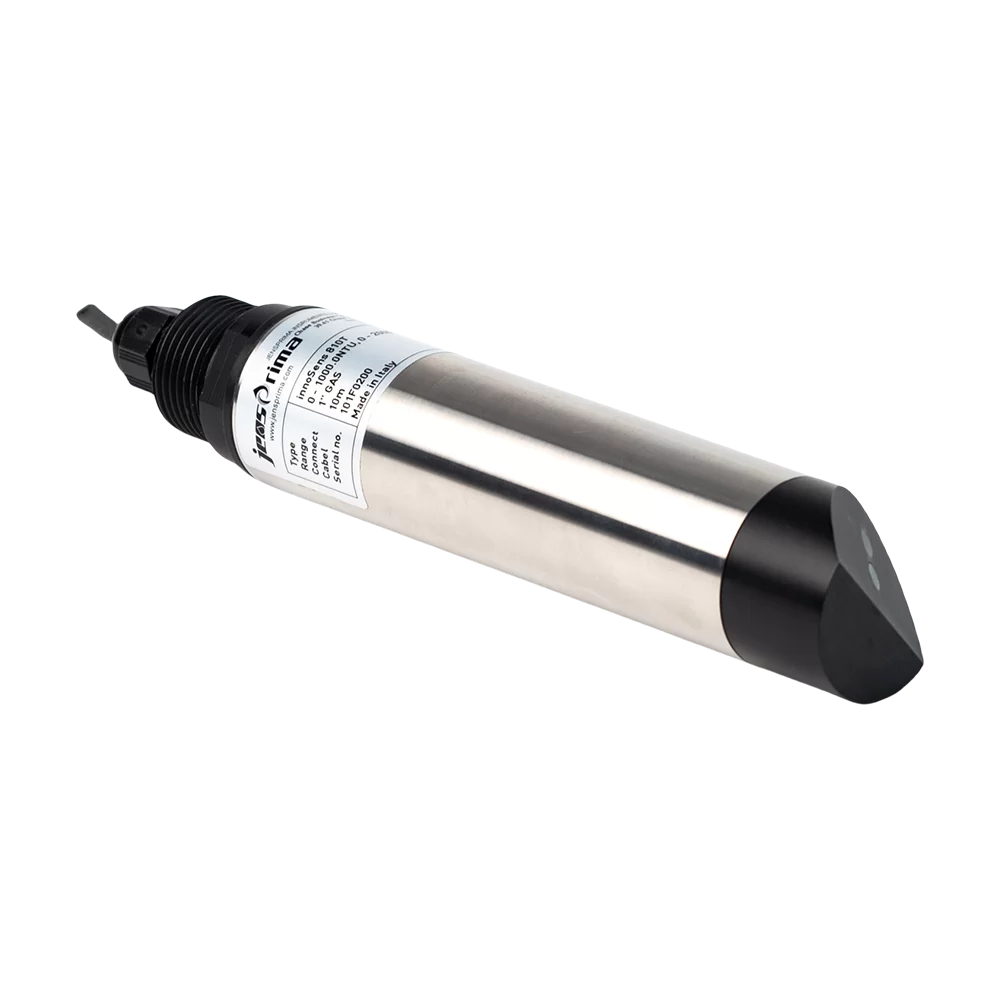
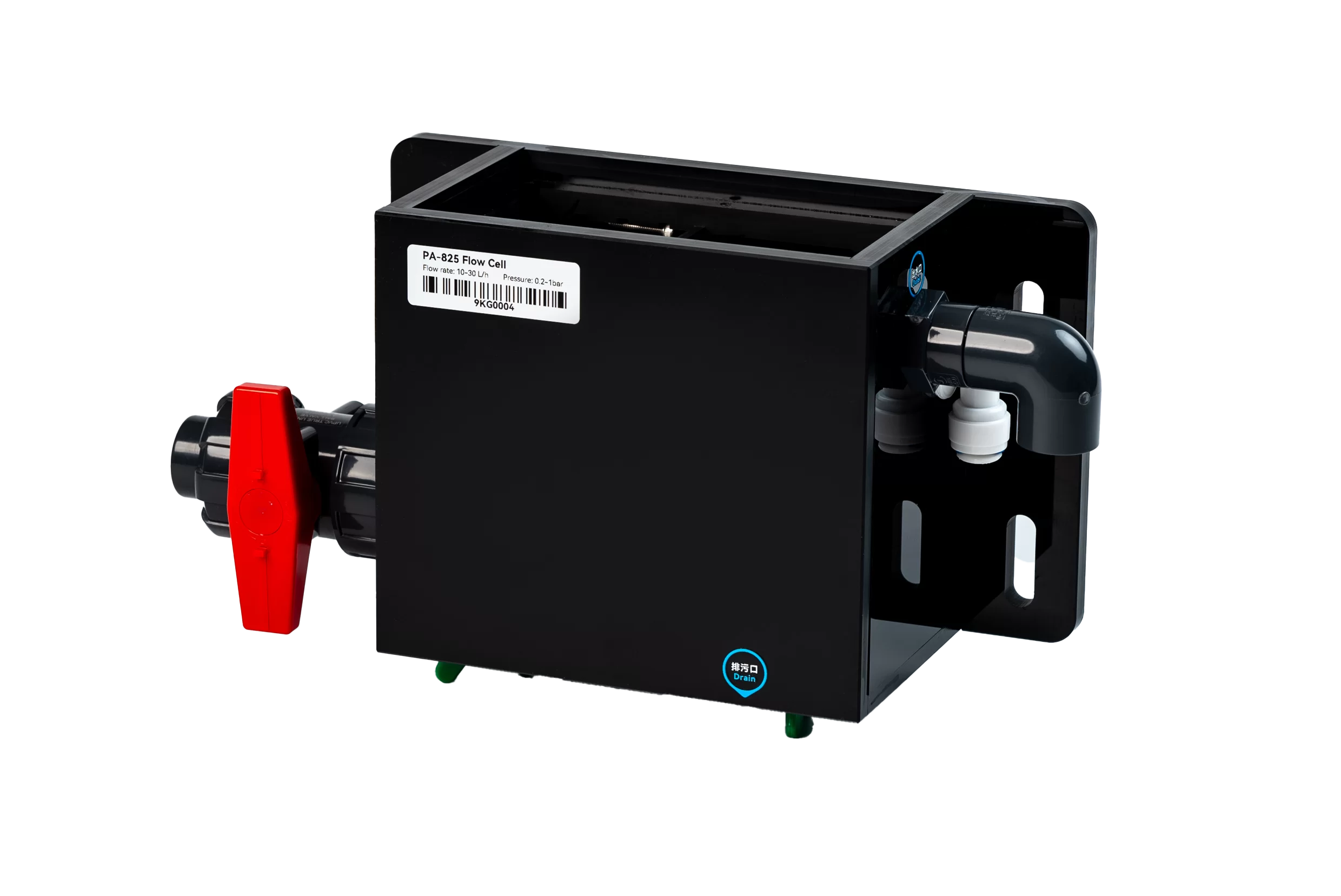
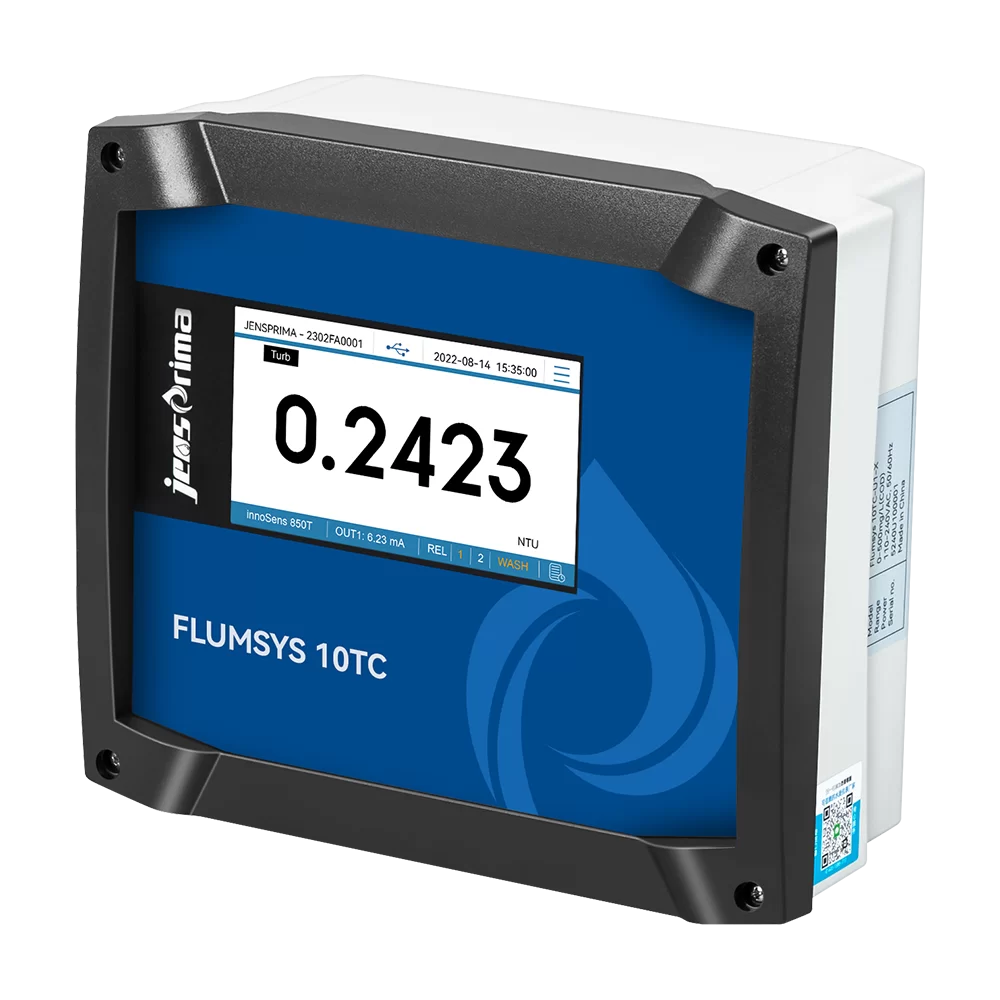
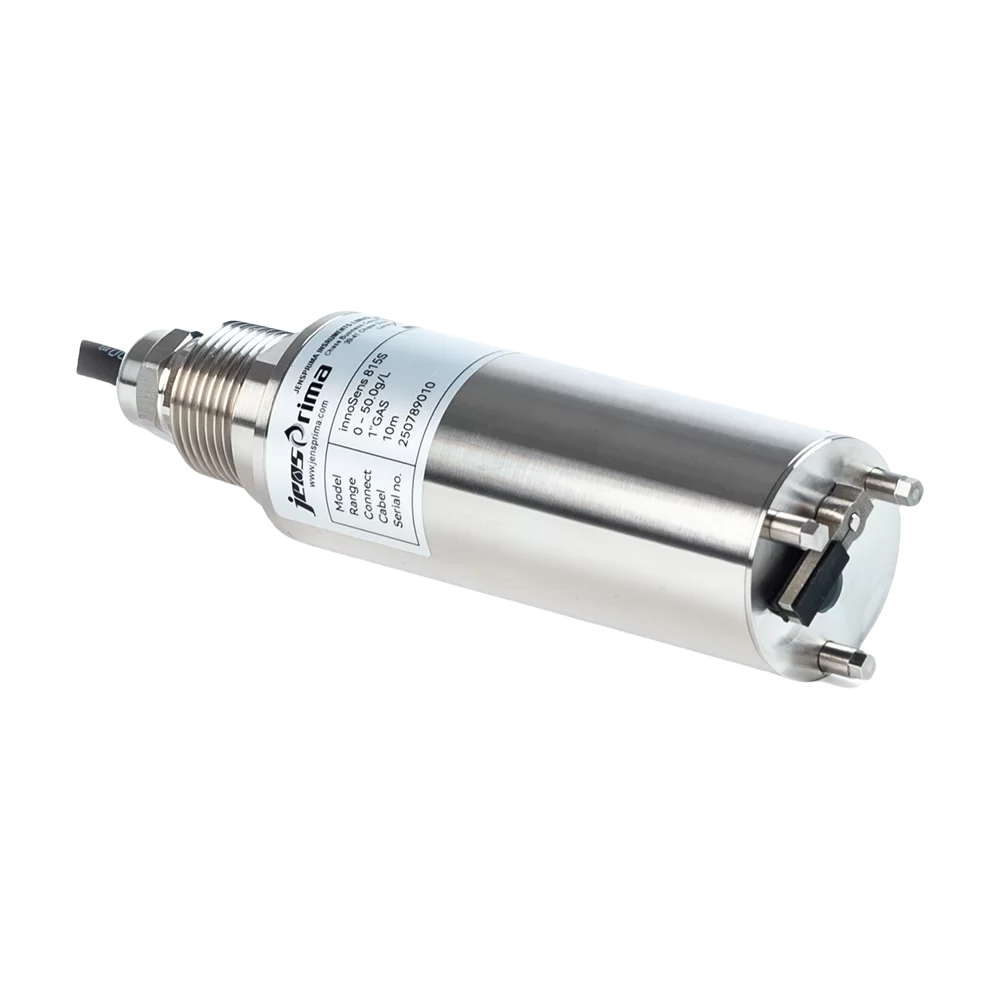
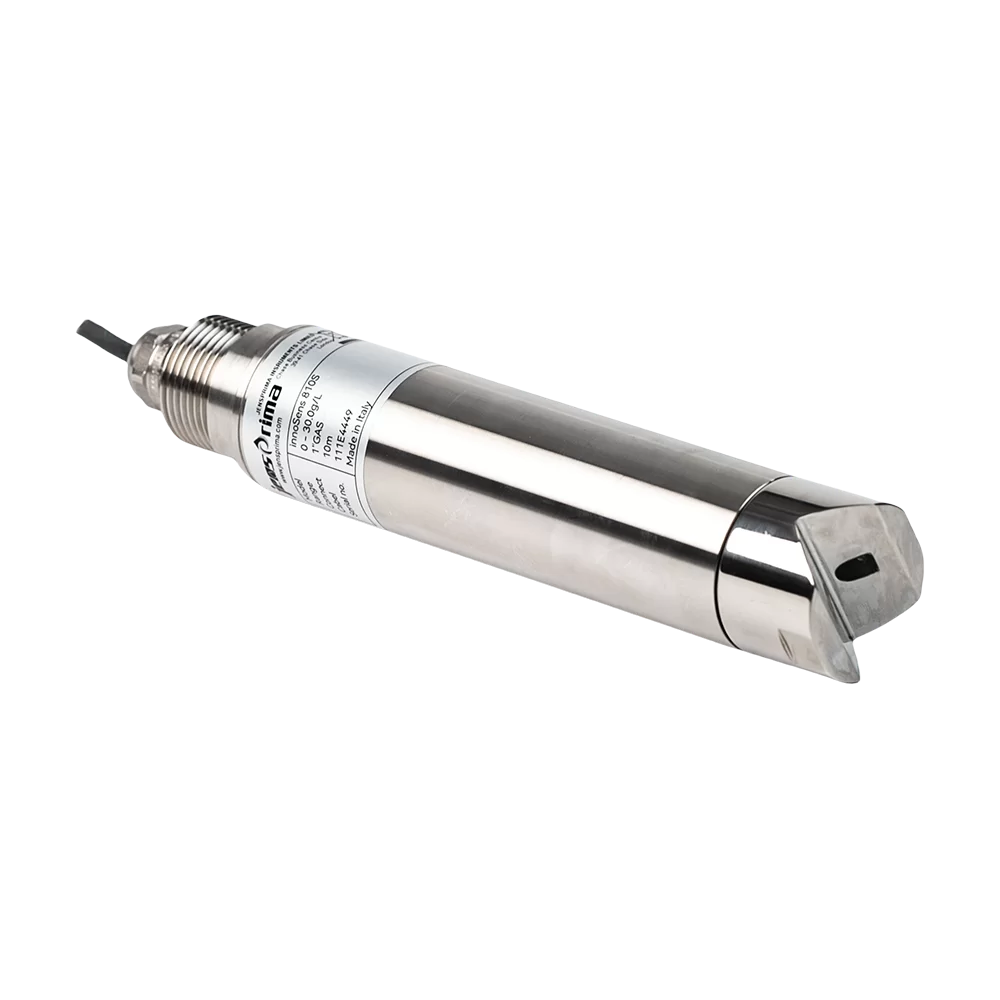
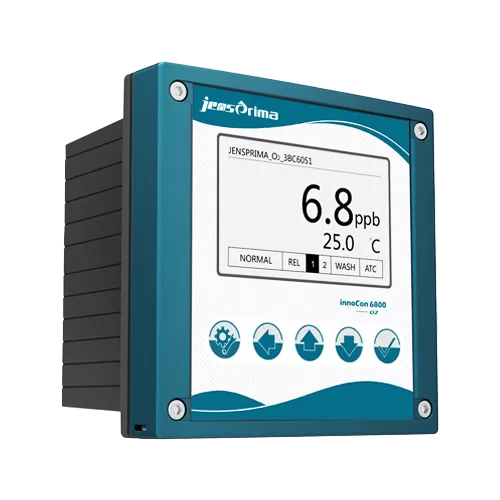
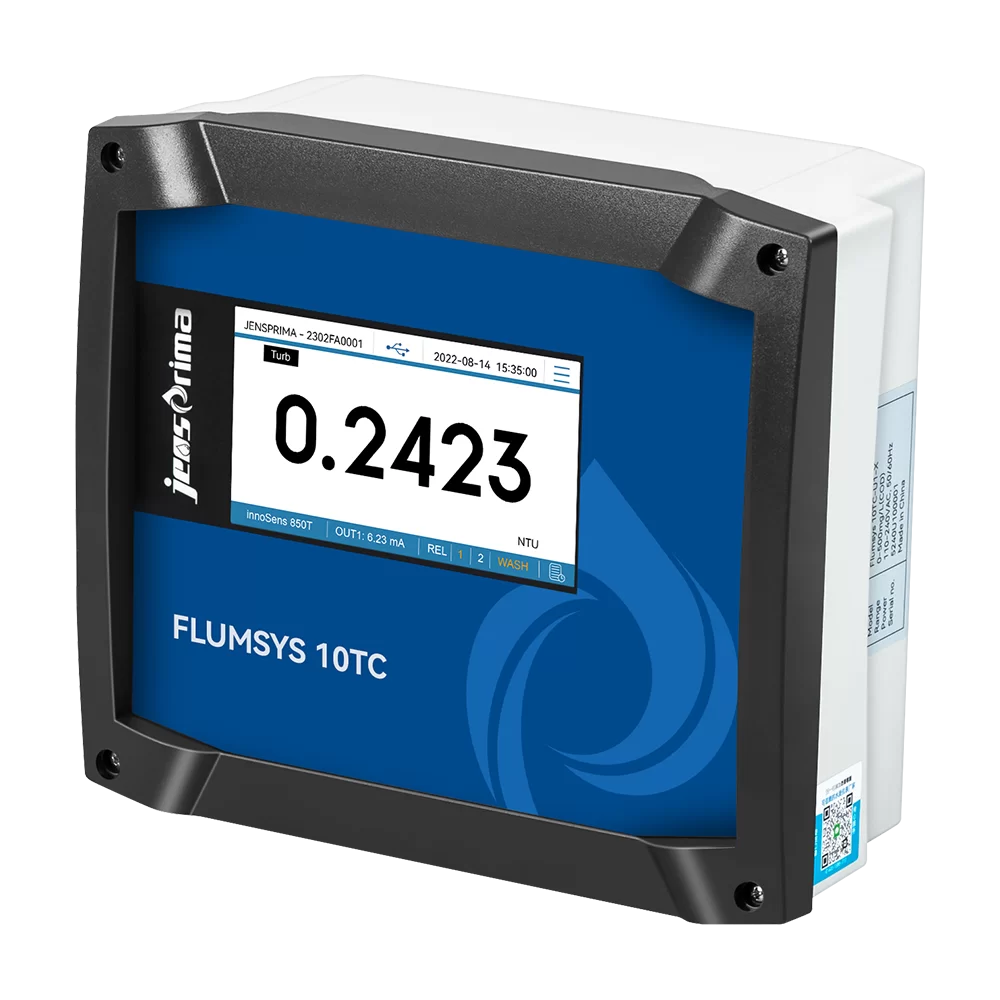
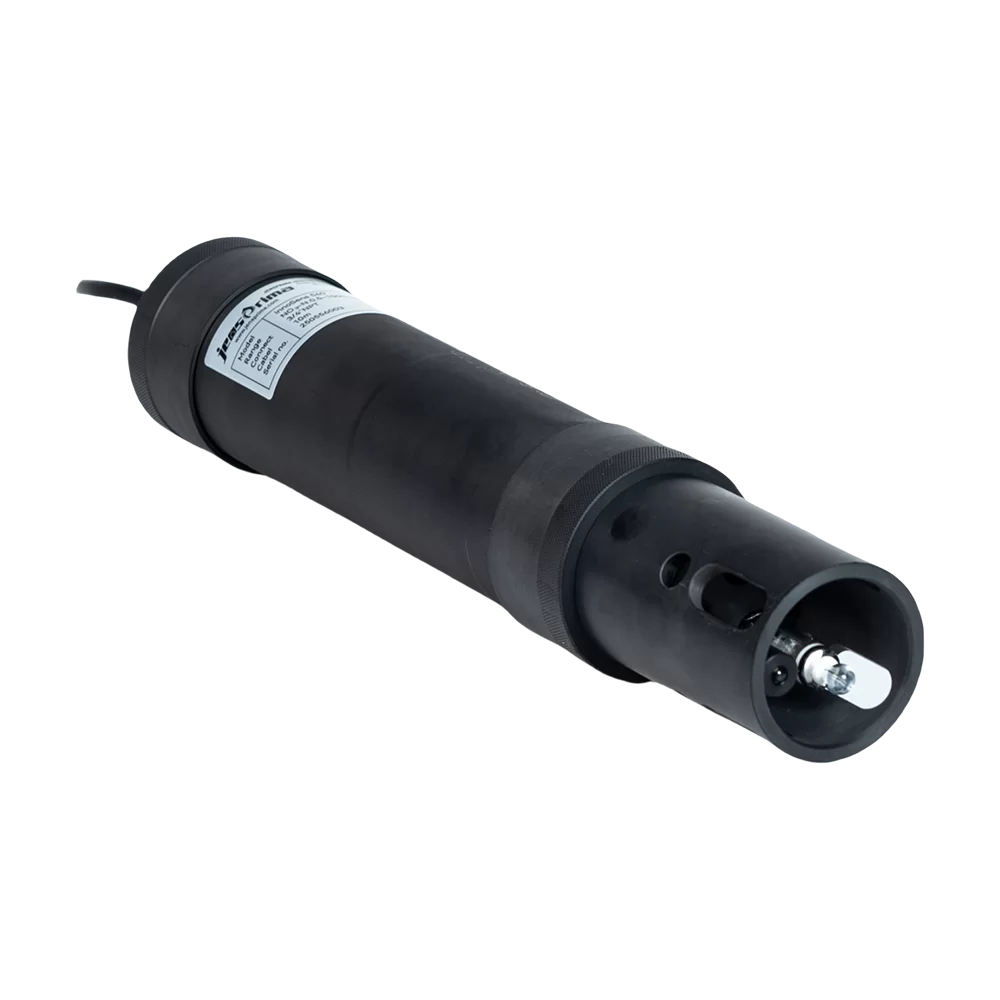
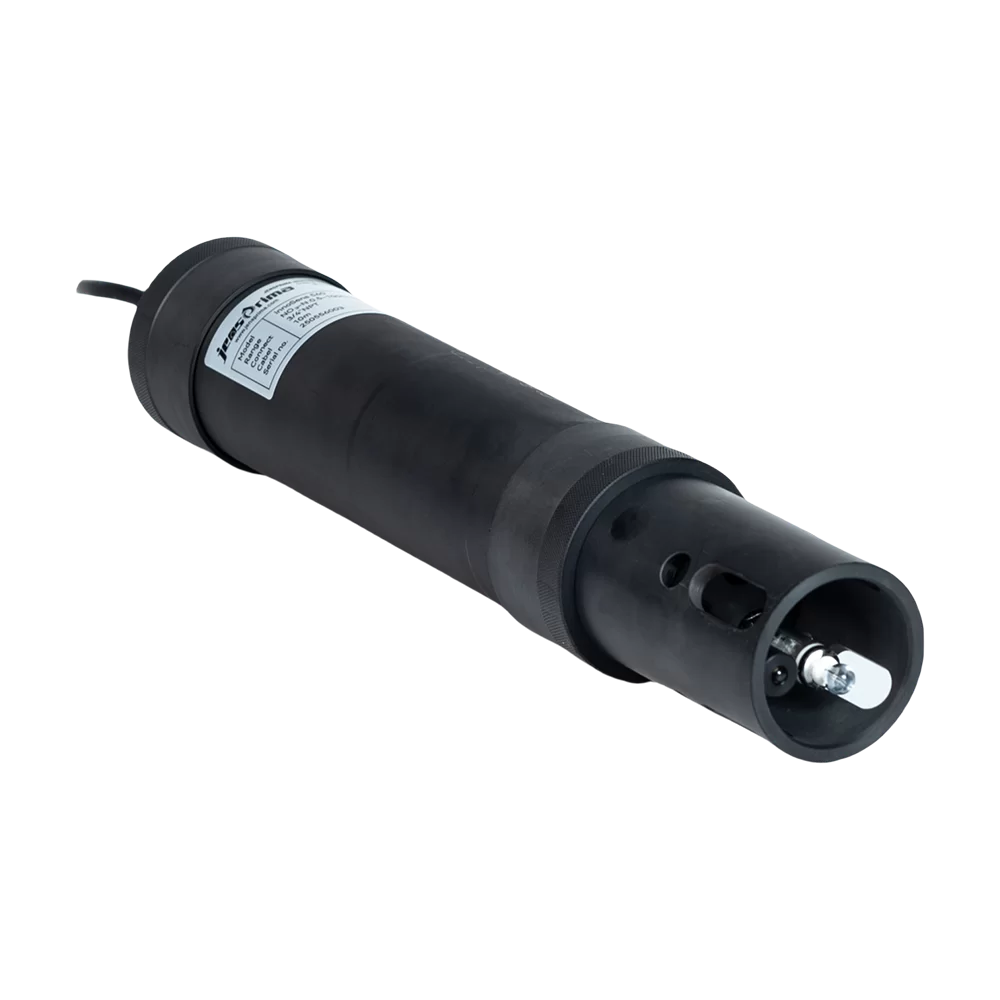
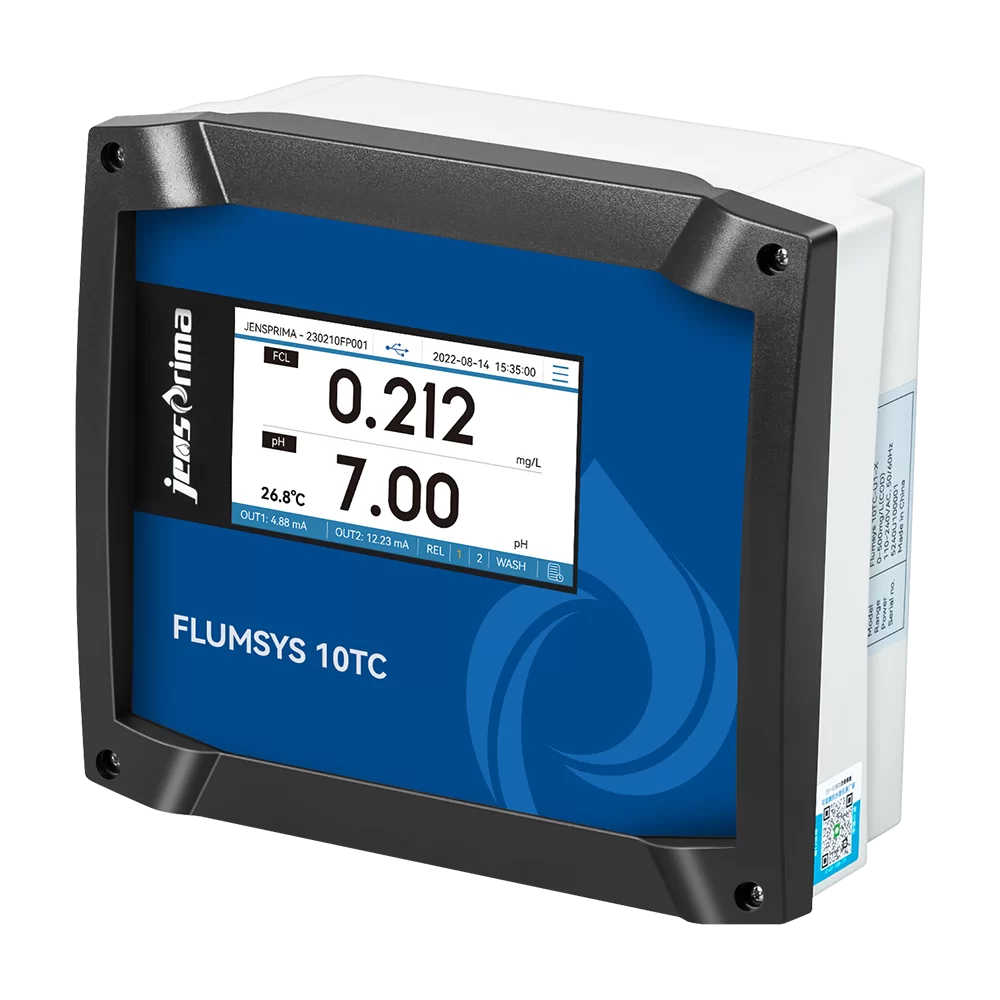
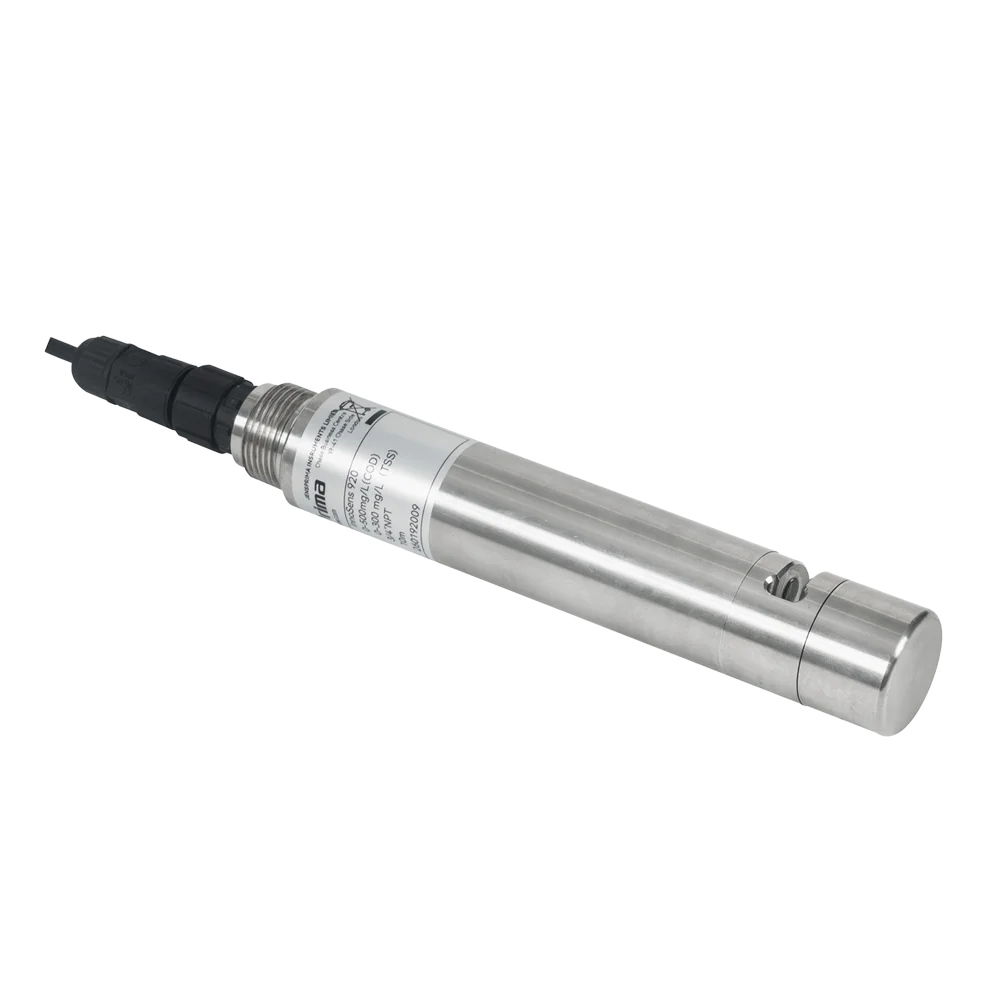


multi parameter analyzer

NEWS

UPDATES

Industrial Water Quality Solutions for Papua New Guinea Featuring alkalinity analyzer

High-precision online monitoring systems designed to withstand the tropical humidity and diverse water chemistry of Papua New Guinea's industrial and municipal sectors.

Industrial Water Quality Solutions for Papua New Guinea Featuring alkalinity analyzer

Optimizing water treatment and environmental monitoring across Papua New Guinea with advanced analytical instrumentation, ensuring compliance with local environmental standards and operational efficiency.

Water Analysis Landscape in Papua New Guinea

Navigating the challenges of tropical water monitoring and industrial scaling.

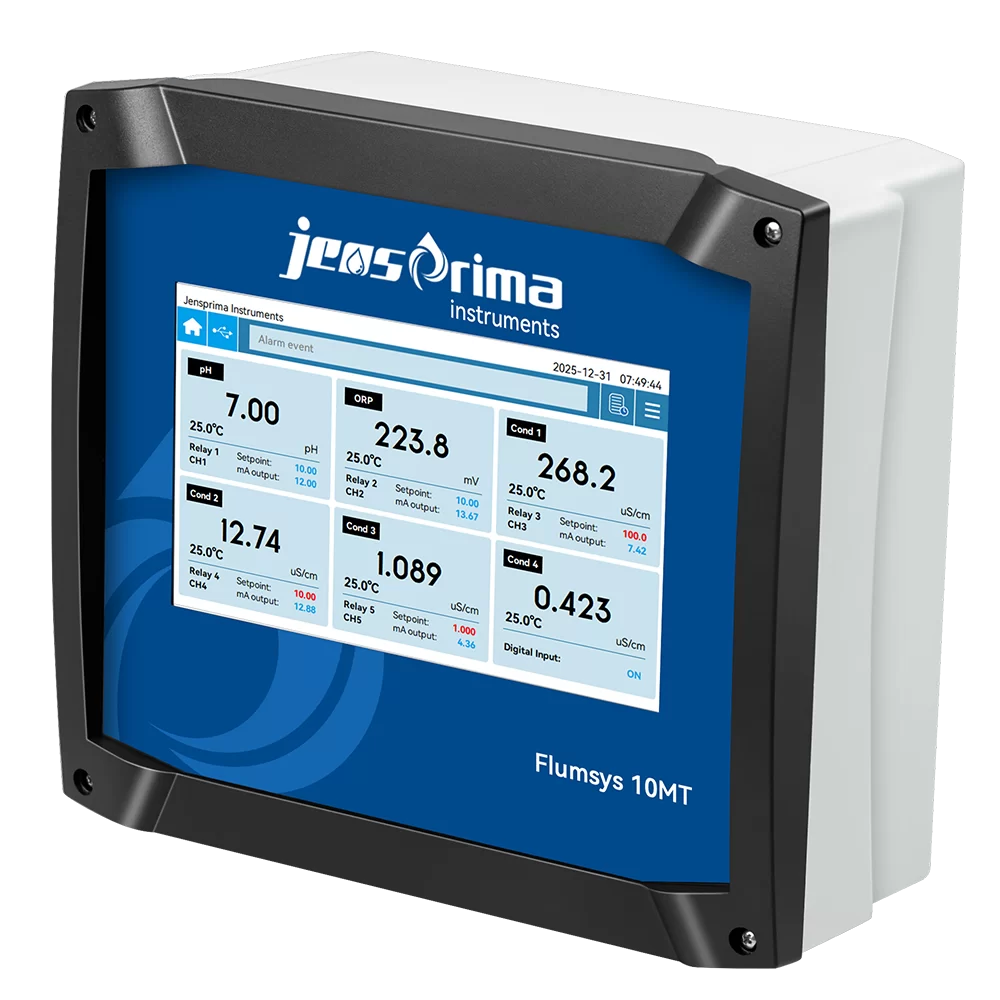
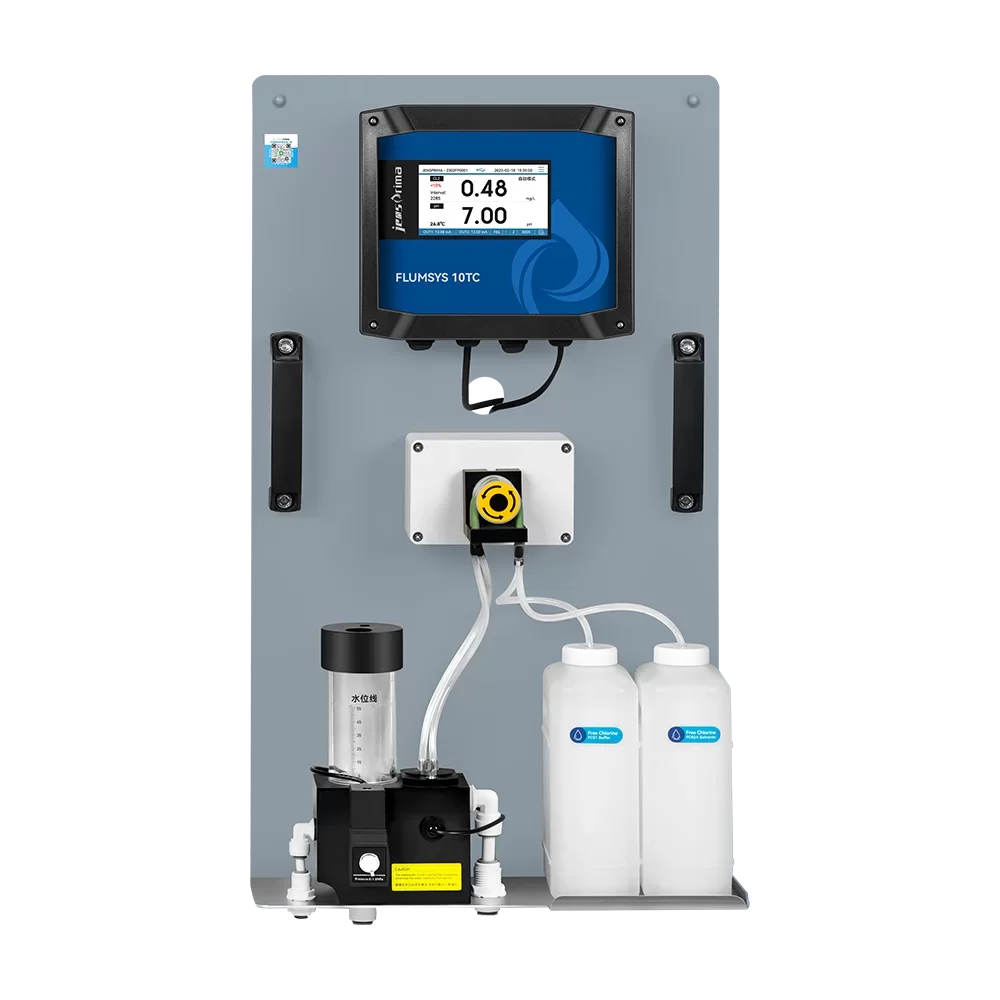
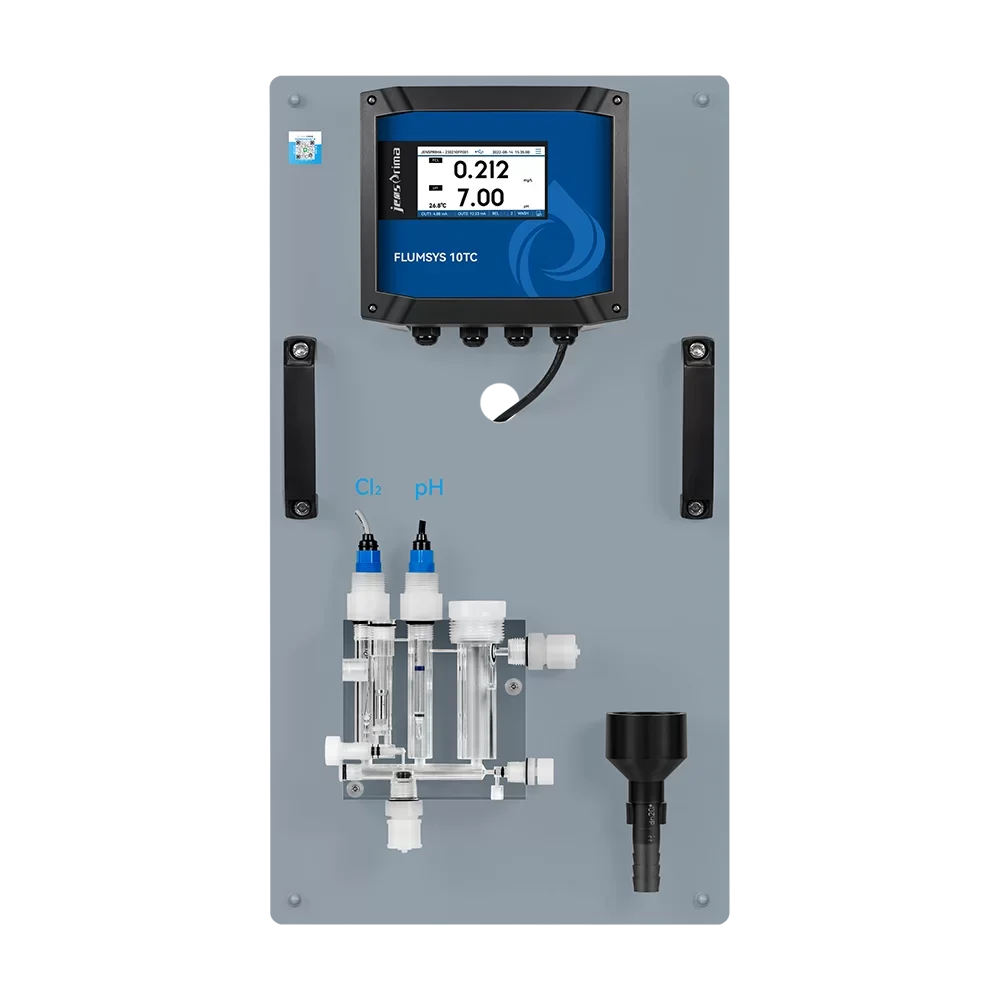
Papua New Guinea's unique geography, characterized by dense rainforests and volatile volcanic soil, creates a complex water chemistry environment. Many industrial sites face high mineral variability, making the deployment of a multi parameter water quality analyzer essential for real-time tracking of pH, conductivity, and dissolved oxygen in remote river basins.

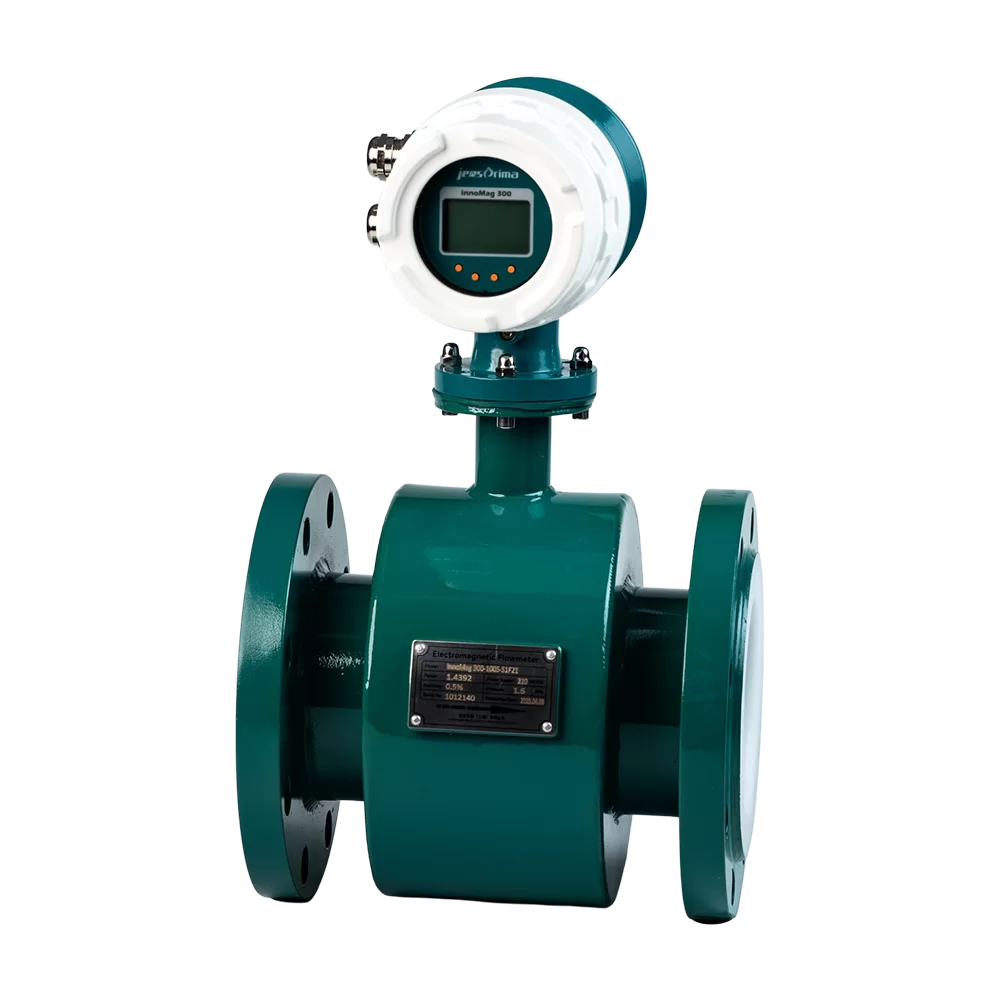
The region's burgeoning mining and oil sectors demand rigorous effluent monitoring to prevent environmental degradation. The high precipitation levels often lead to rapid runoff and turbidity spikes, necessitating robust tools like the electromagnetic flowmeter to accurately quantify wastewater discharge volumes under harsh field conditions.

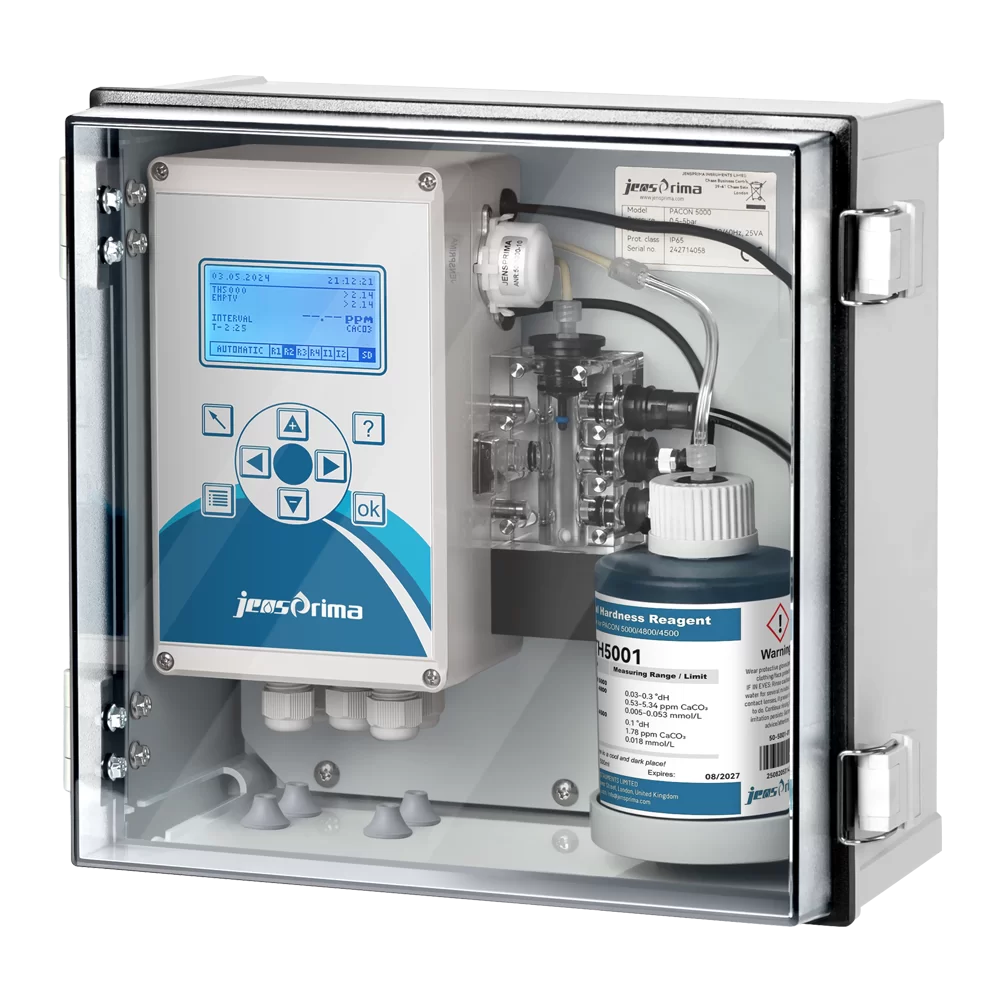
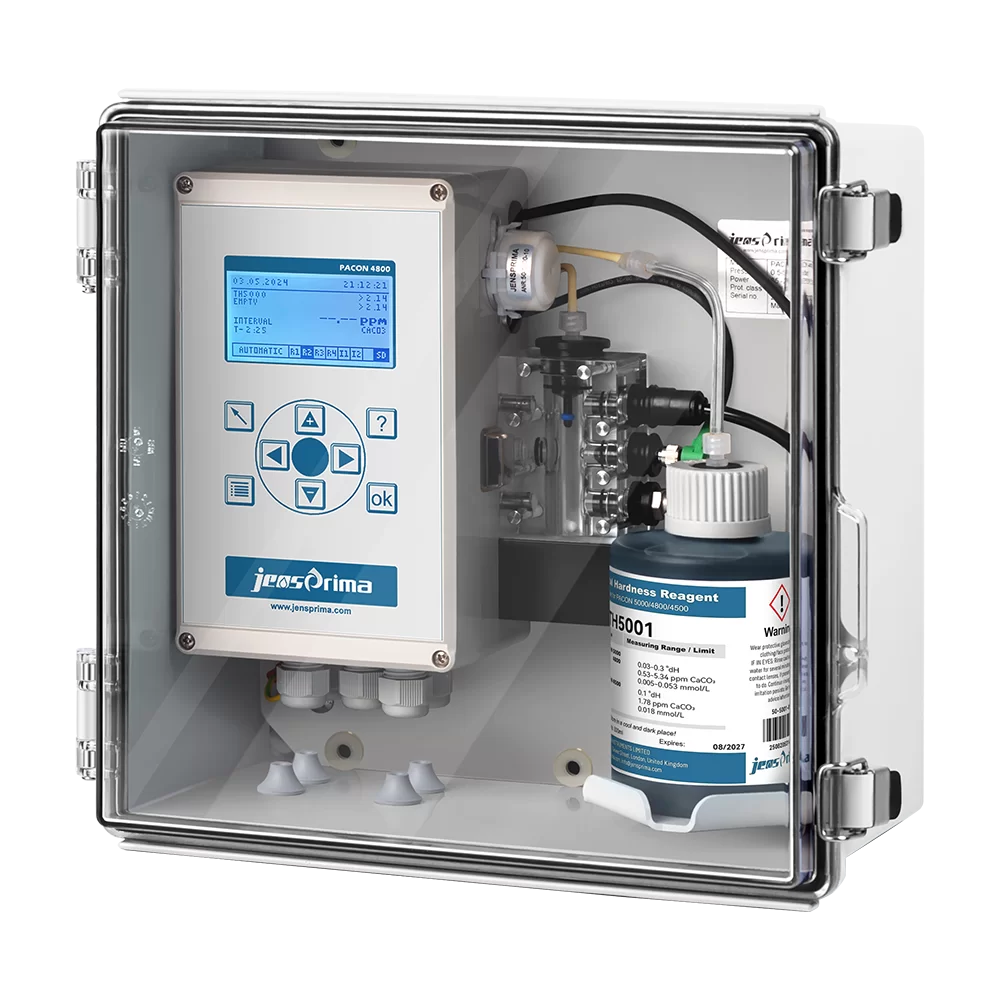
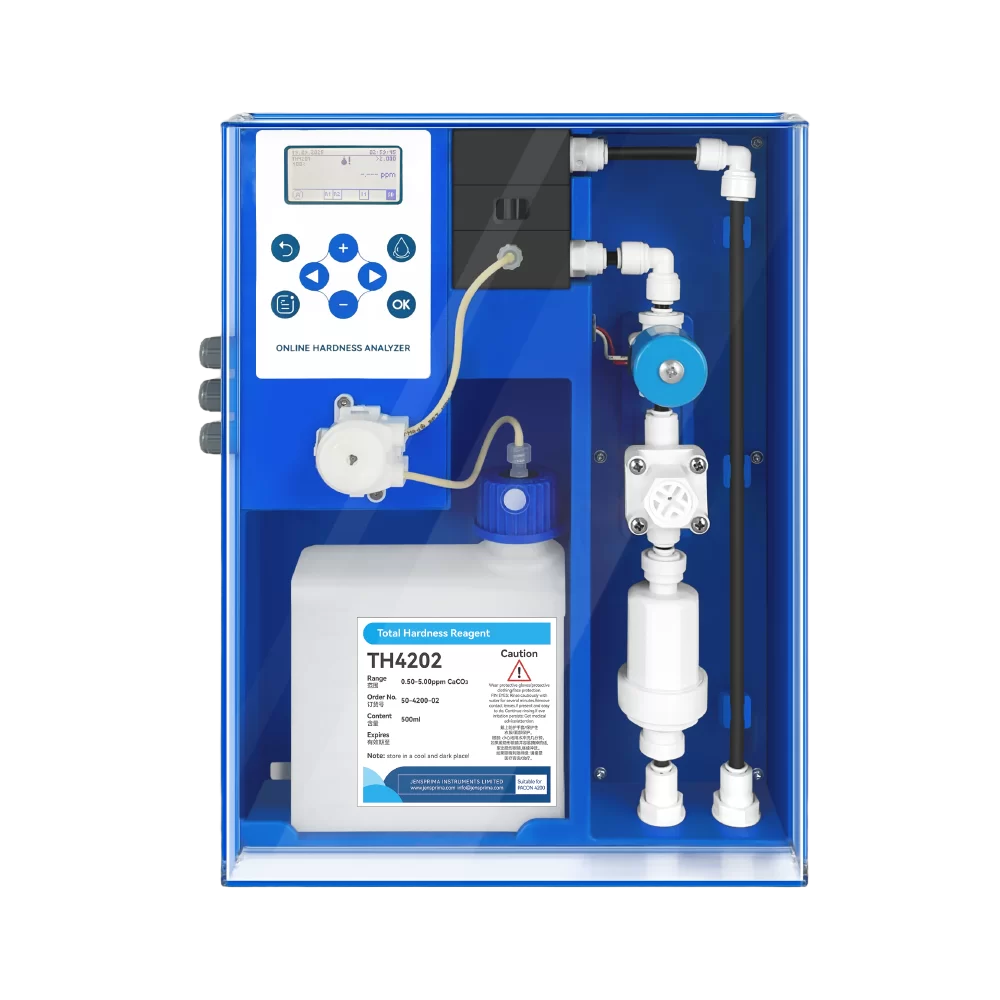
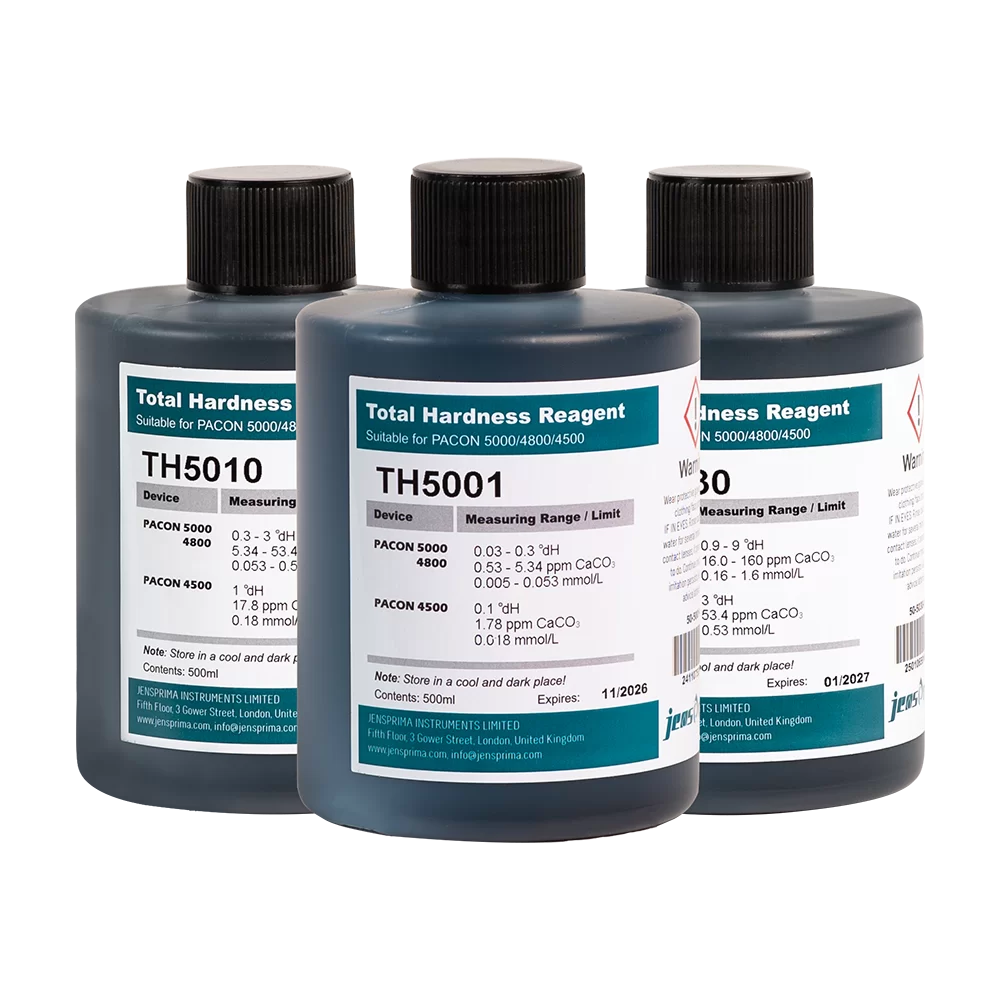
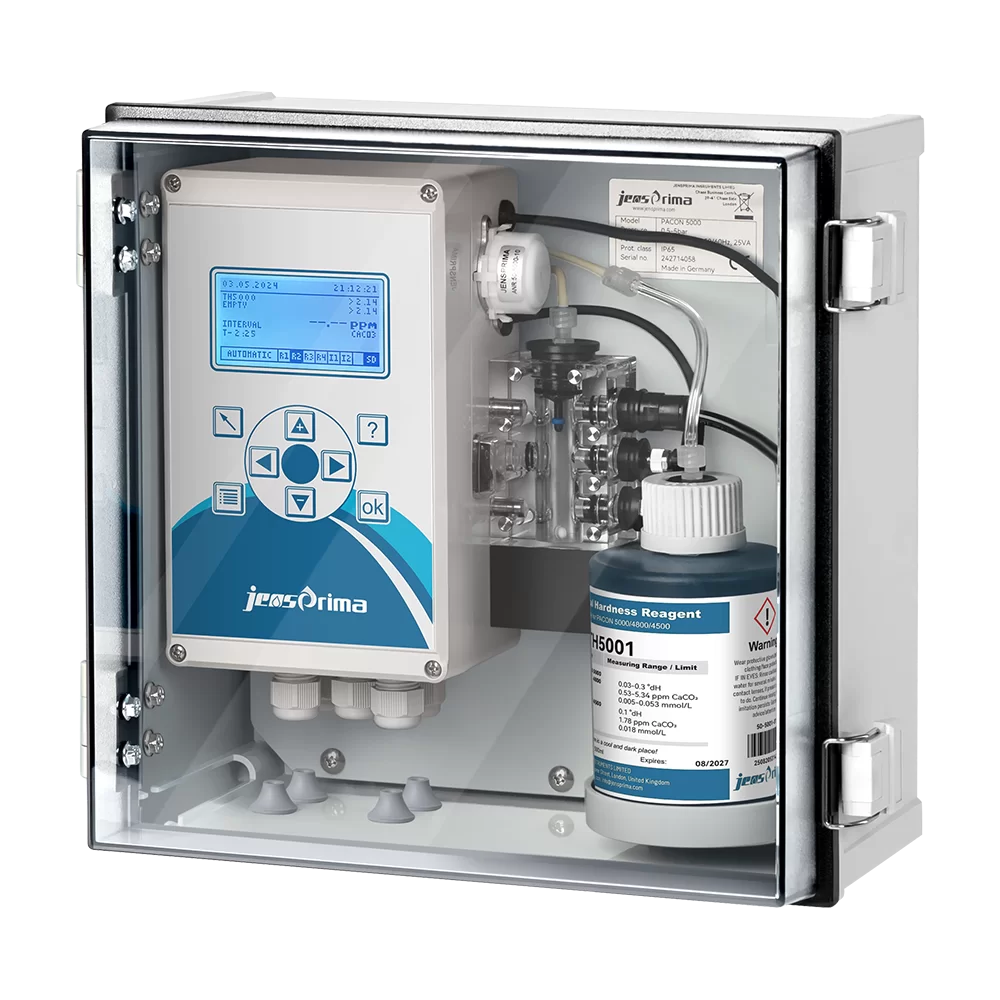
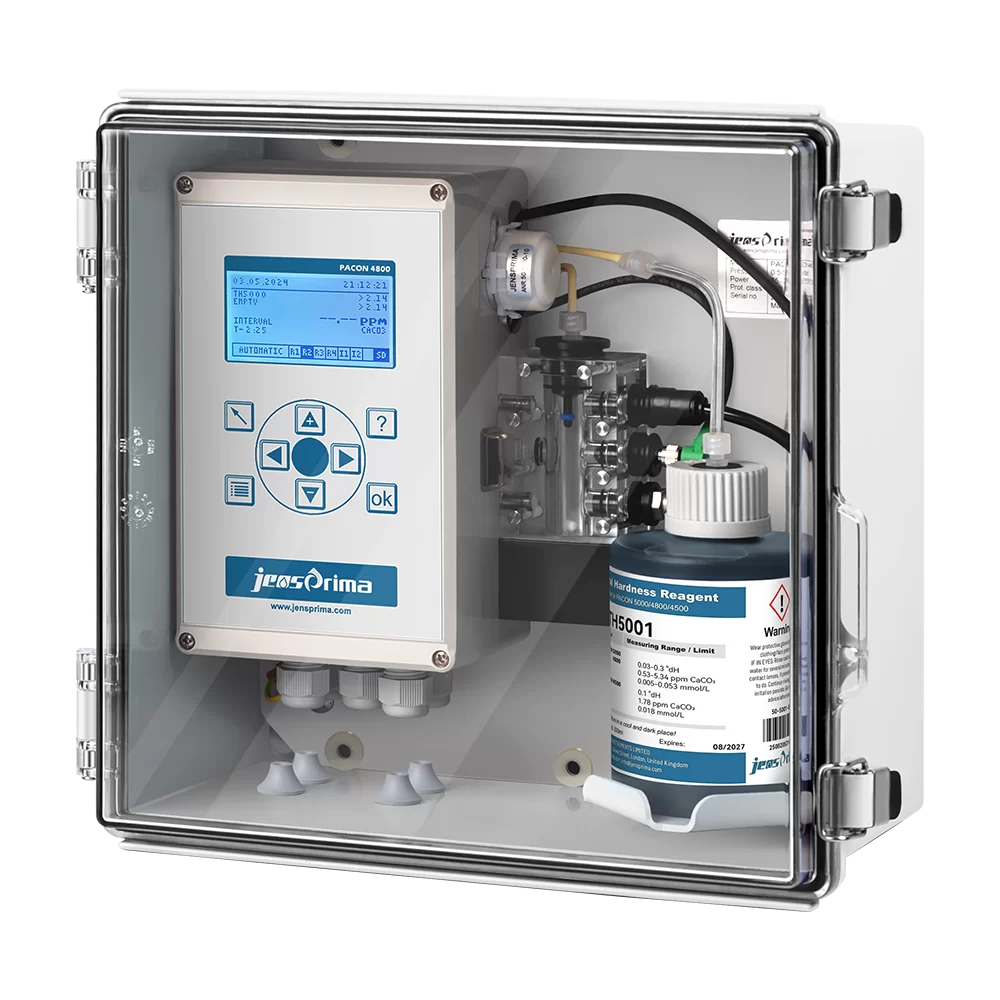
Furthermore, municipal water supplies in urban centers like Port Moresby struggle with seasonal hardness fluctuations. The lack of automated monitoring has historically led to inefficient chemical dosing, underscoring the urgent need for a dedicated total hardness analyzer to optimize softening processes and protect infrastructure from scaling.

Evolution of Water Instrumentation in PNG

From manual sampling to intelligent online automation.

Market Development History

Prior to 2010, water monitoring in Papua New Guinea relied heavily on manual grab-sampling and laboratory titration. This "delayed-feedback" loop often meant that contamination events were only detected days after occurrence, limiting the effectiveness of environmental protection agencies.

Between 2010 and 2020, the industry shifted toward basic digital sensors. The introduction of early-stage residual chlorine controller units allowed for the first wave of automated disinfection in municipal plants, reducing the risk of waterborne diseases in coastal communities.

Since 2020, the trend has pivoted toward integrated, smart-sensor networks. Modern facilities now utilize high-frequency data logging and remote telemetry, integrating multi-sensor arrays to provide a holistic view of water health across vast, inaccessible terrains.

Future Development Trends

AI-Driven Predictive Analytics

Integration of machine learning to predict turbidity and pollutant spikes based on PNG's rainfall patterns, allowing for proactive rather than reactive water treatment.

Low-Power Remote Sensing

Development of solar-powered, satellite-linked monitoring stations to cover the remote Highlands, eliminating the need for extensive cabling in jungle environments.

Enhanced Sensor Longevity

Advanced anti-fouling coatings to combat the high organic load and bio-growth typical of the humid Oceania climate, reducing the maintenance cycle of sensors.

Industry Outlook and Strategic Forecast

Analyzing the trajectory of environmental monitoring technology in the South Pacific.

Regulatory Convergence
Alignment of PNG's water quality standards with international WHO guidelines, driving demand for certified precision analyzers.
Digital Transformation
Shift toward IoT-enabled platforms where water quality data is streamed directly to cloud dashboards for remote management.
Mining Sustainability
Increased focus on "Zero Liquid Discharge" (ZLD) in tailings management, requiring high-accuracy chemical analyzers.
Resource Recovery
Integration of analyzers to monitor the recovery of precious metals from industrial wastewater streams.

Industry Outlook

Based on search trends in the Oceania region, there is a growing demand for "integrated water management." This indicates a shift from purchasing standalone devices to requesting complete ecosystem solutions that combine sensing, control, and reporting.

We anticipate that within 5 years, the Papua New Guinea market will prioritize "ruggedized" intelligence—devices that offer laboratory-grade precision but can survive the extreme humidity and unstable power grids of the tropical environment.

Local Application Scenarios in Papua New Guinea

Real-world implementations across diverse sectors in PNG.

01. Mining Tailings Monitoring in the Highlands

Utilizing a multi parameter water quality analyzer to monitor the pH and heavy metal indicators in tailings ponds, preventing acidic runoff into local river systems.

02. Port Moresby Municipal Water Treatment

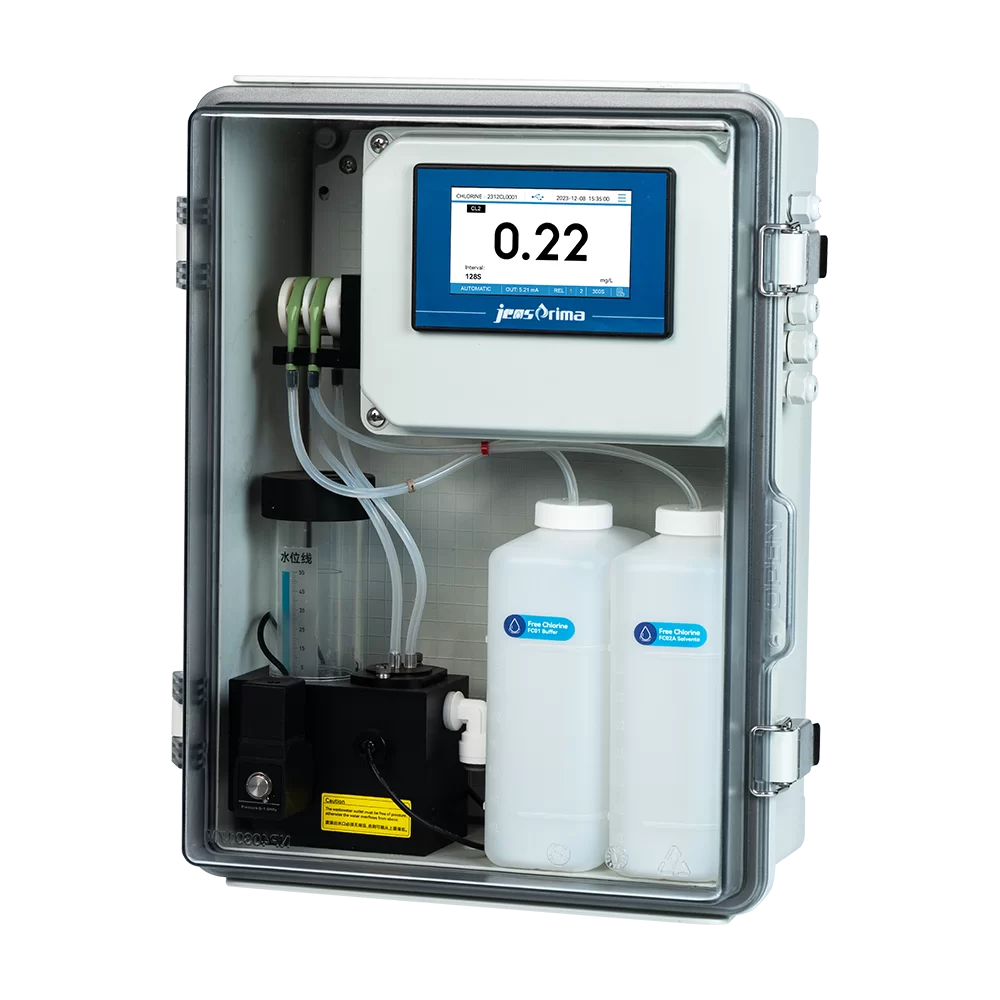
Implementation of a residual chlorine controller to ensure consistent disinfection levels throughout the city's aging distribution network.

03. Industrial Boiler Feedwater in Lae

Applying a total hardness analyzer to prevent calcium carbonate buildup in industrial boilers, reducing downtime and energy costs.

04. Food and Beverage Production Monitoring

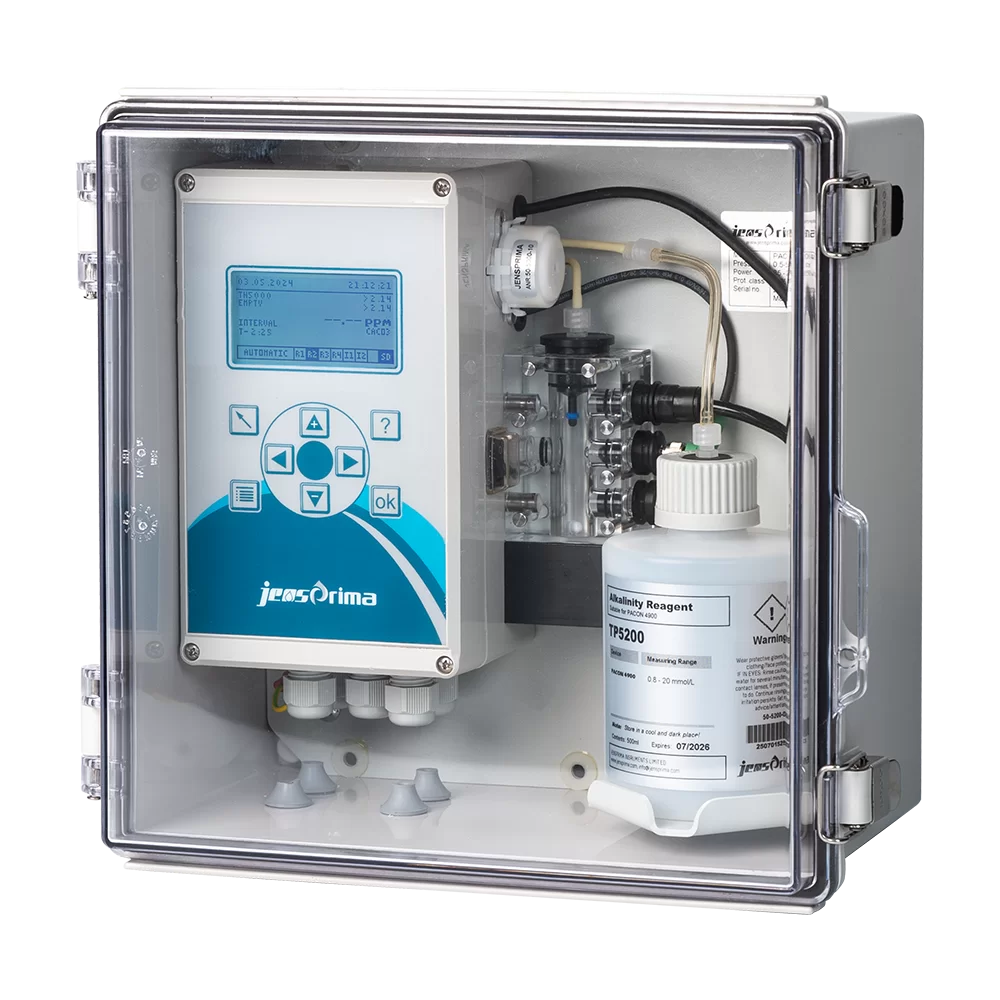
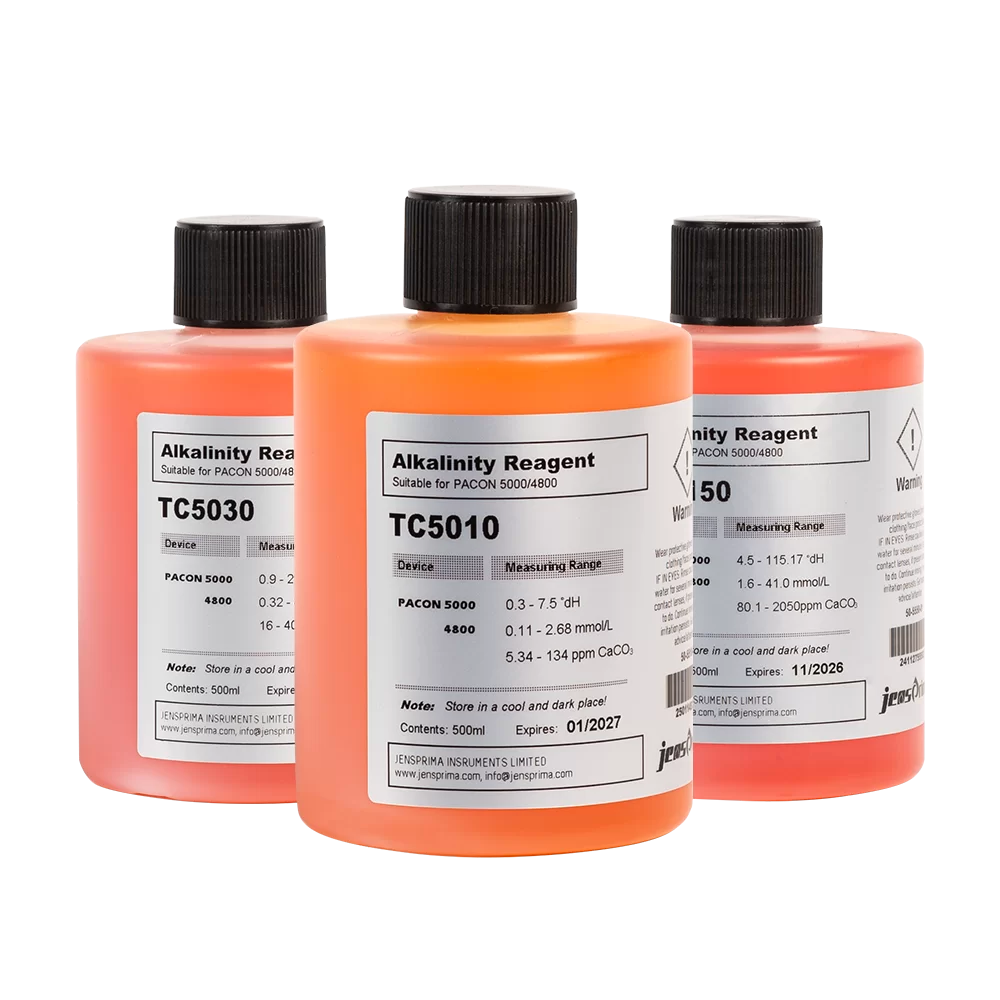
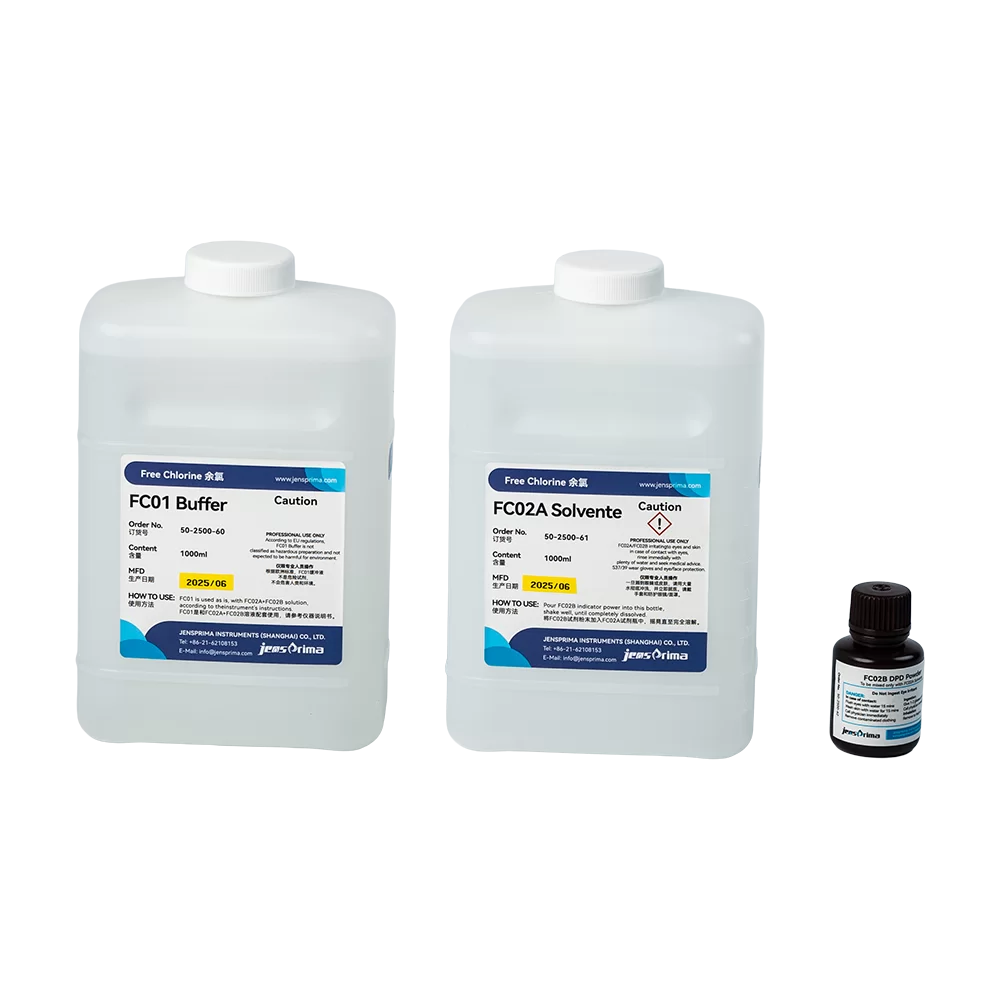
Using an alkalinity analyzer to maintain precise water chemistry for beverage consistency and equipment longevity.

05. Hydroelectric Plant Water Intake

Installing a high-capacity electromagnetic flowmeter to monitor water throughput and sediment loads in hydroelectric power generation.

Brand Story

Global Development History of Jensprima (Shanghai) Co., Ltd.

Foundation and Precision Focus

Established with a mission to bridge the gap between complex laboratory analysis and rugged industrial application, focusing on high-stability sensor technology.

Technological Breakthroughs

Developed proprietary electrode membranes that significantly reduced drift in high-humidity environments, a key requirement for the Oceania market.

Global Market Expansion

Expanded operations to serve the South Pacific, tailoring instrumentation to withstand the extreme climatic conditions of regions like Papua New Guinea.

Smart Integration Era

Launched a series of IoT-compatible analyzers, enabling cloud-based monitoring for remote industrial sites across the globe.

Commitment to Sustainability

Dedicated to solving the "blind spot" in water monitoring, ensuring that every drop of industrial effluent is analyzed for a cleaner planetary future.

Comprehensive Water Analysis Portfolio for Papua New Guinea

Complete hardware and software suites for total water cycle management.

Common Questions in Papua New Guinea

Technical guidance for local operators and engineers.

How to maintain a multi parameter water quality analyzer in high humidity?

We recommend using NEMA 4X or IP66 rated enclosures and implementing a regular sensor cleaning schedule to prevent tropical bio-fouling on the membranes.

What is the best way to calibrate a total hardness analyzer in remote sites?

Use stabilized standard solutions and ensure the temperature is compensated, as PNG's ambient temperature variations can affect ionic activity.

Can a residual chlorine controller handle fluctuating water flow?

Yes, by integrating the controller with a flow-proportional dosing pump, the system adjusts chlorine injection based on real-time flow data.

Why choose an electromagnetic flowmeter over mechanical meters for mining?

Electromagnetic meters have no moving parts, making them immune to the abrasive slurries and high sediment loads common in PNG mining operations.

How often should an alkalinity analyzer be serviced in industrial settings?

Depending on the water matrix, we suggest a quarterly check of reagents and a semi-annual calibration to ensure long-term measurement stability.

Are these instruments compatible with solar power systems?

Our analyzers are designed for low power consumption and can be integrated with 24V DC solar power arrays for off-grid monitoring.

Expert Consultation for Water Monitoring

Get professional technical support and customized instrument configurations for your projects in Papua New Guinea.

Contact Us Now
Service Repair Form
Tell us what issue you encountered, including any steps or symptoms.
  • Name
  • Email
  • Phone
  • Fault Description

If you are interested in our products, you can choose to leave your information here, and we will be in touch with you shortly.