

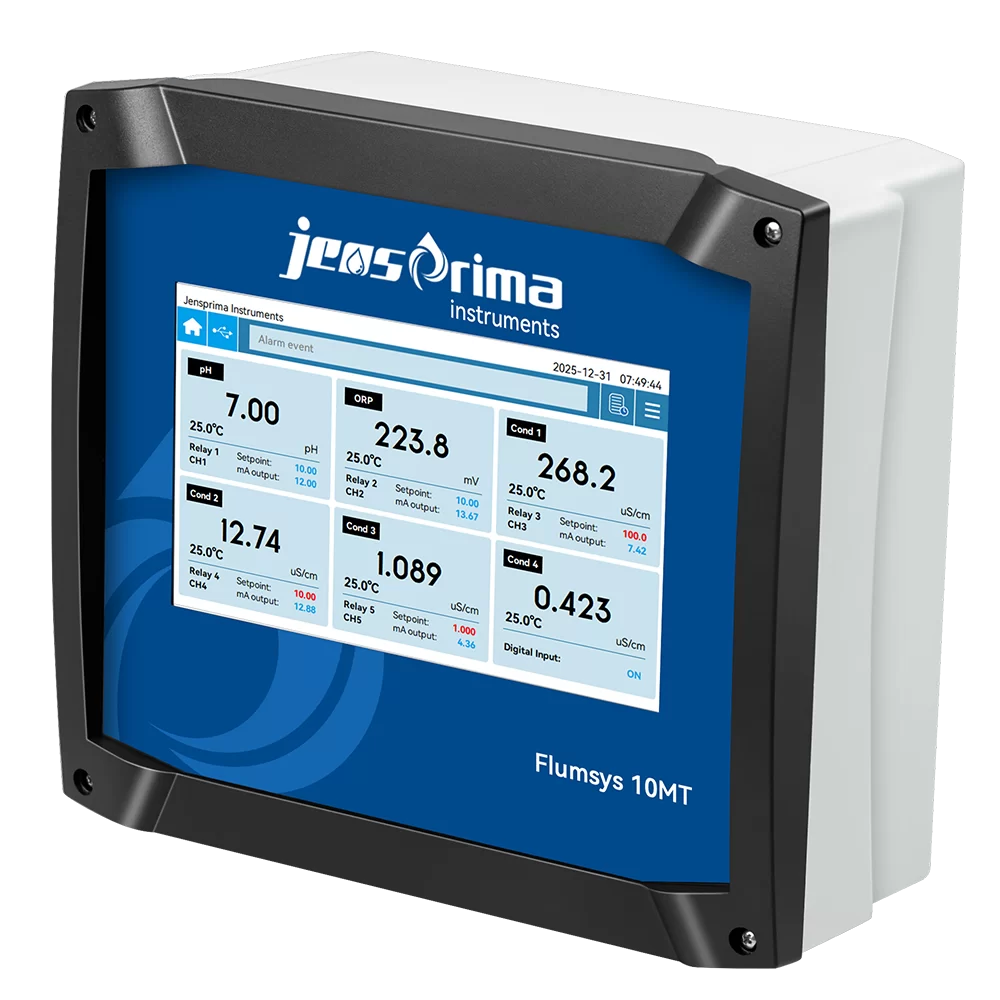
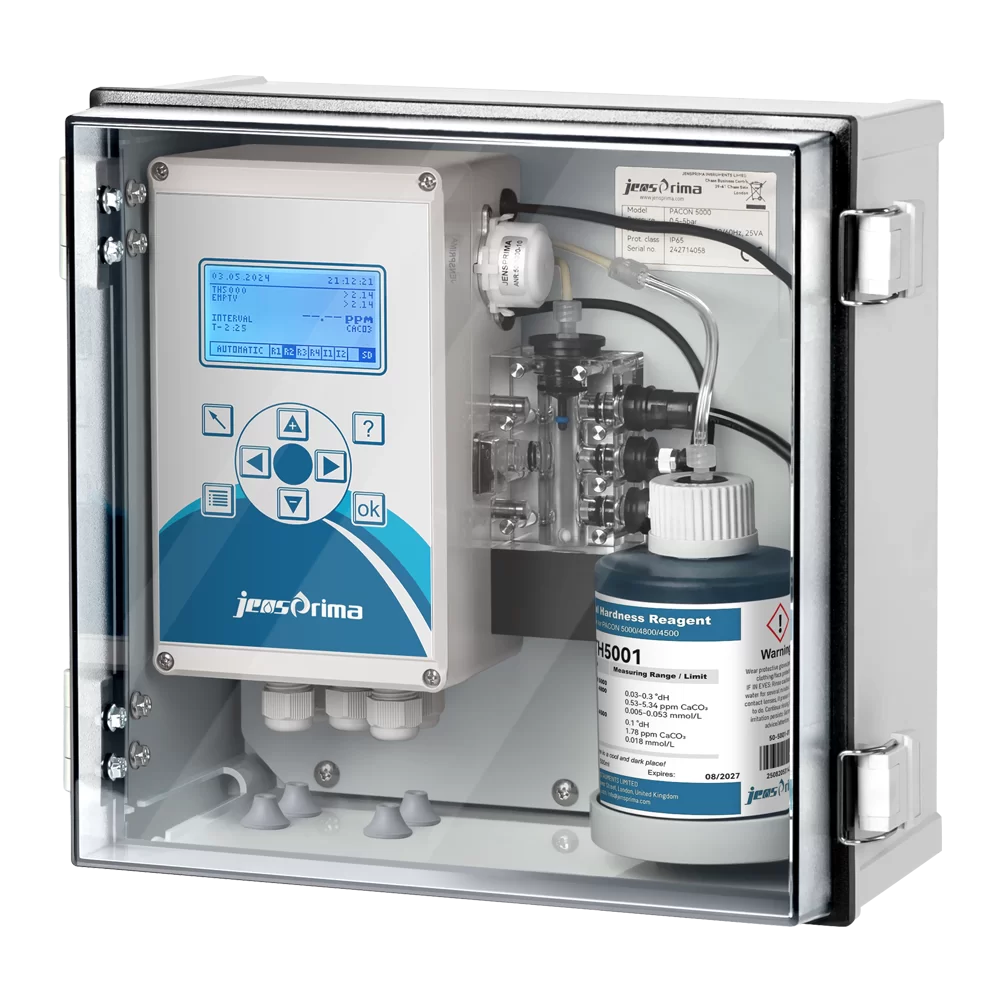
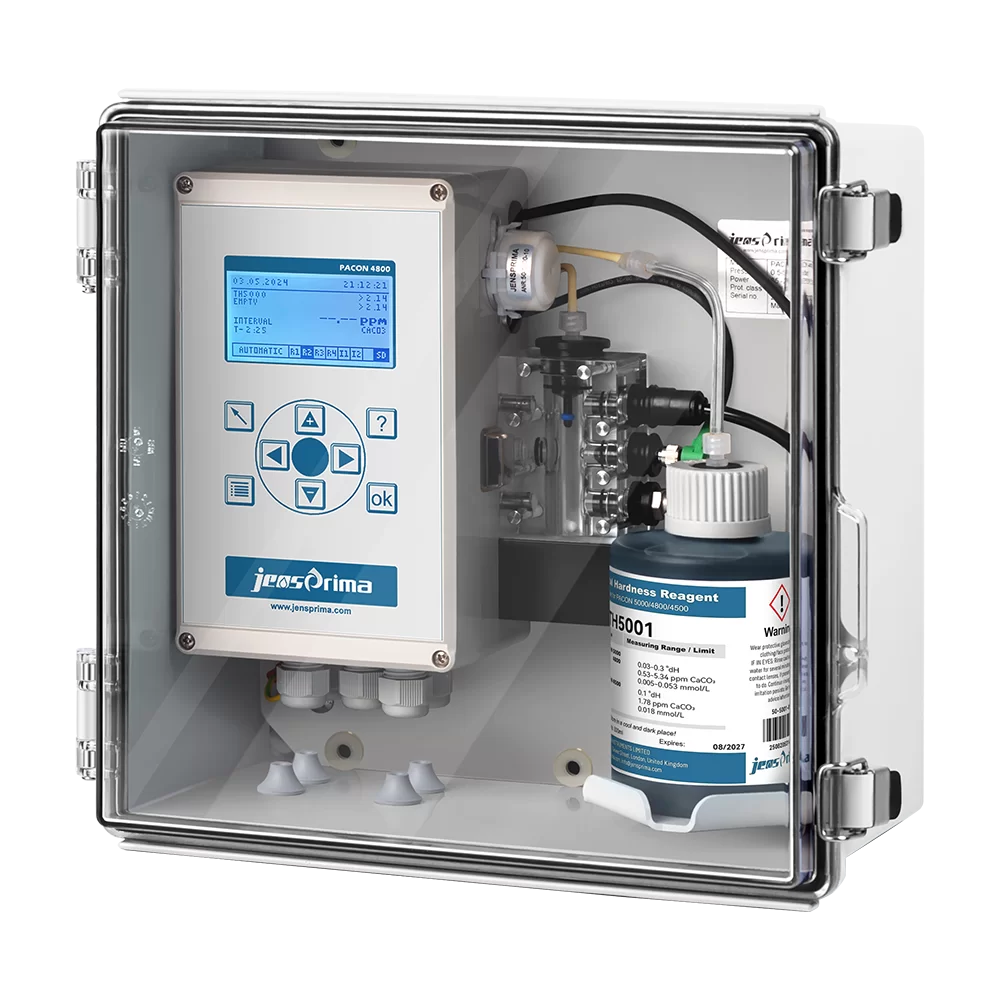
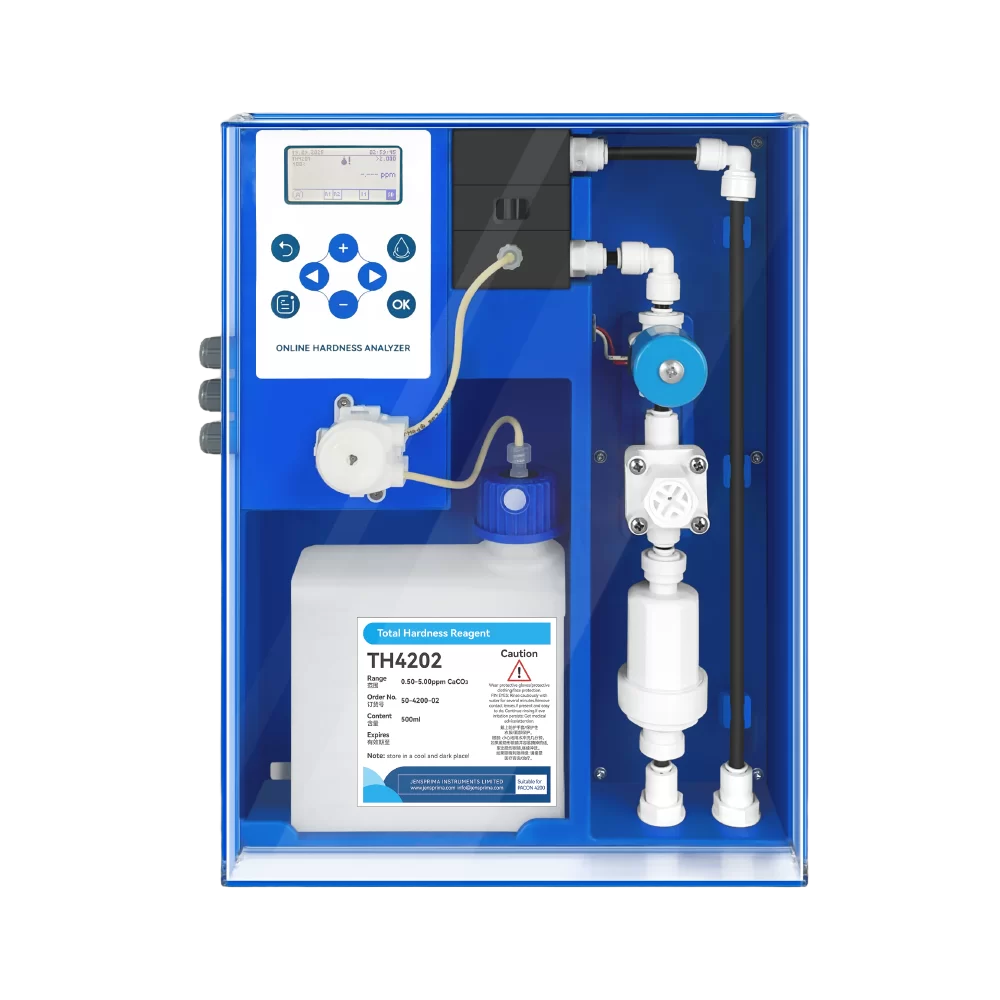
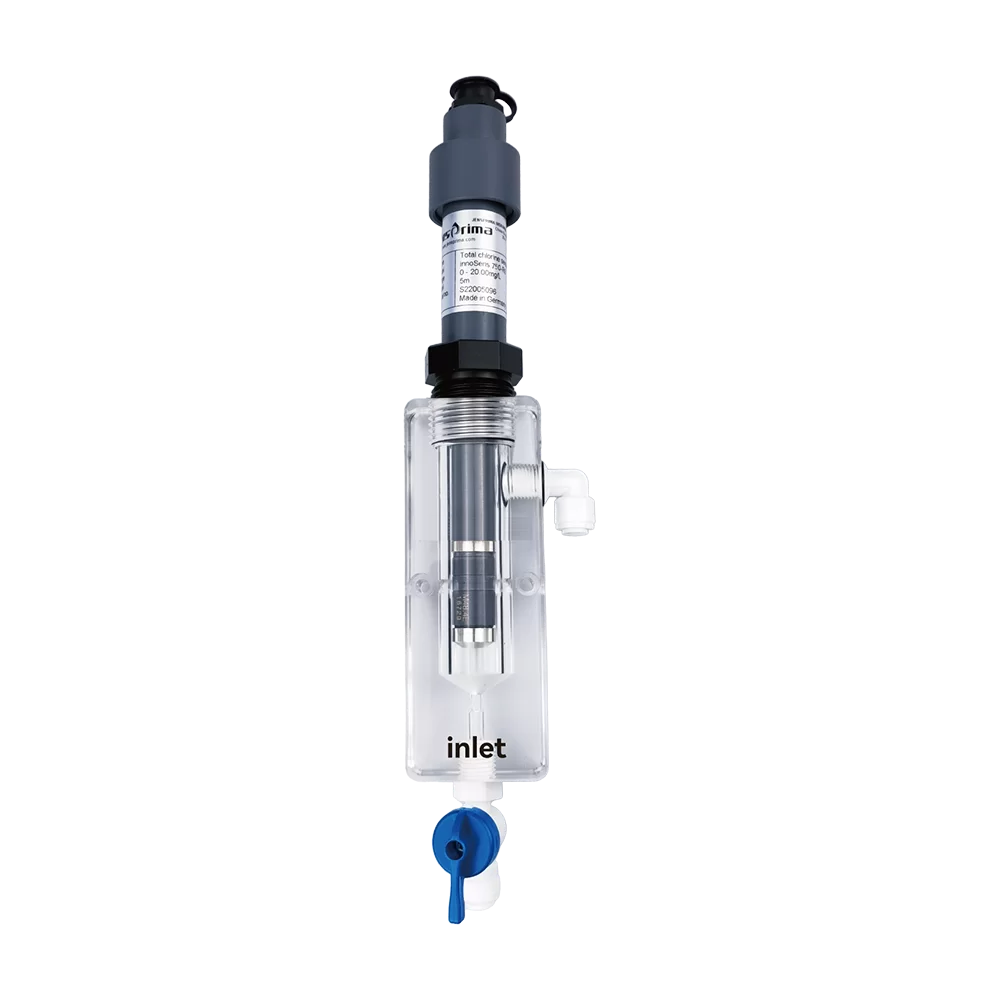
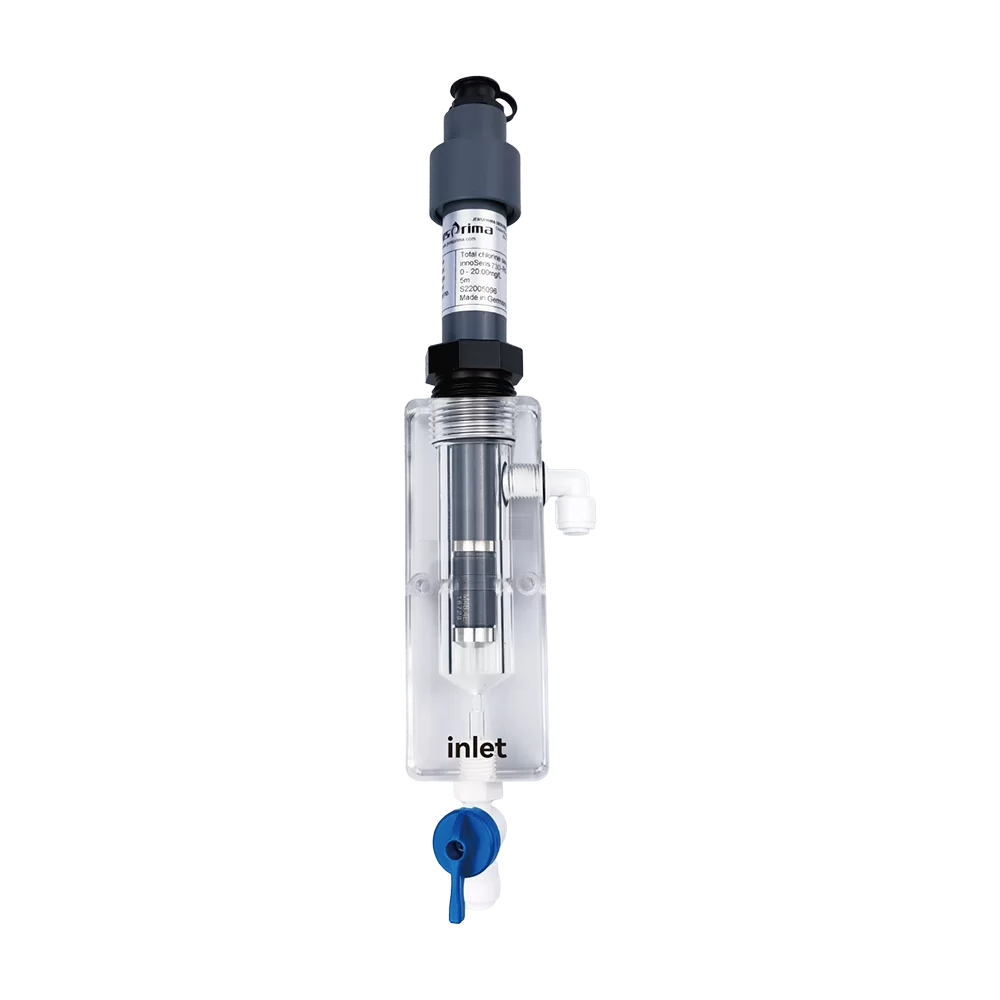
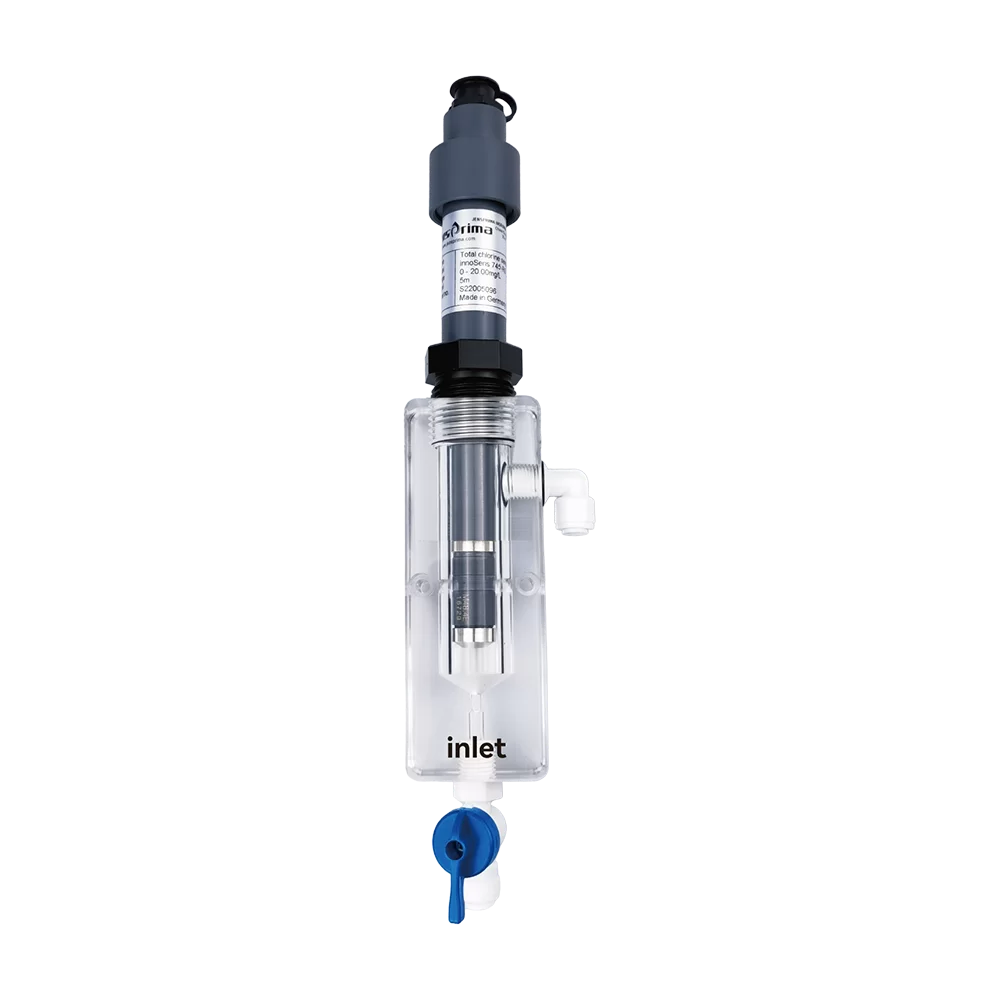
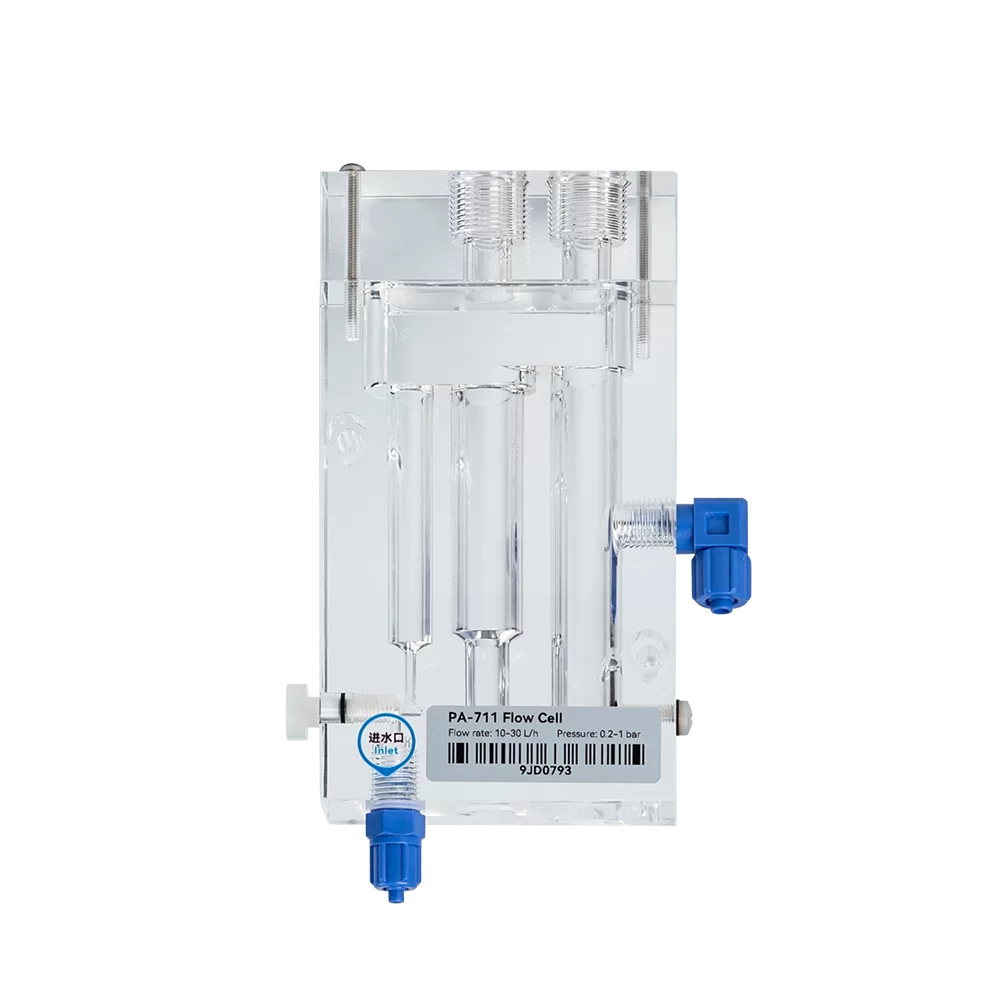
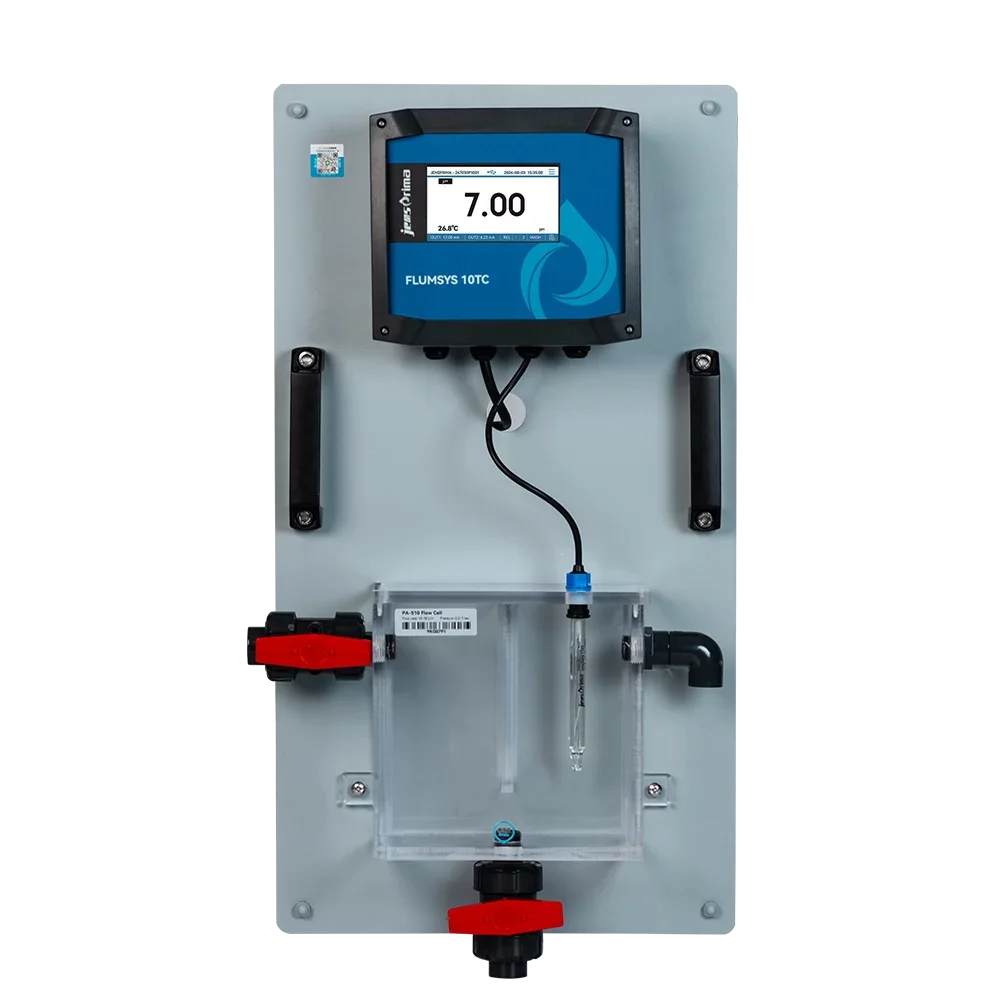
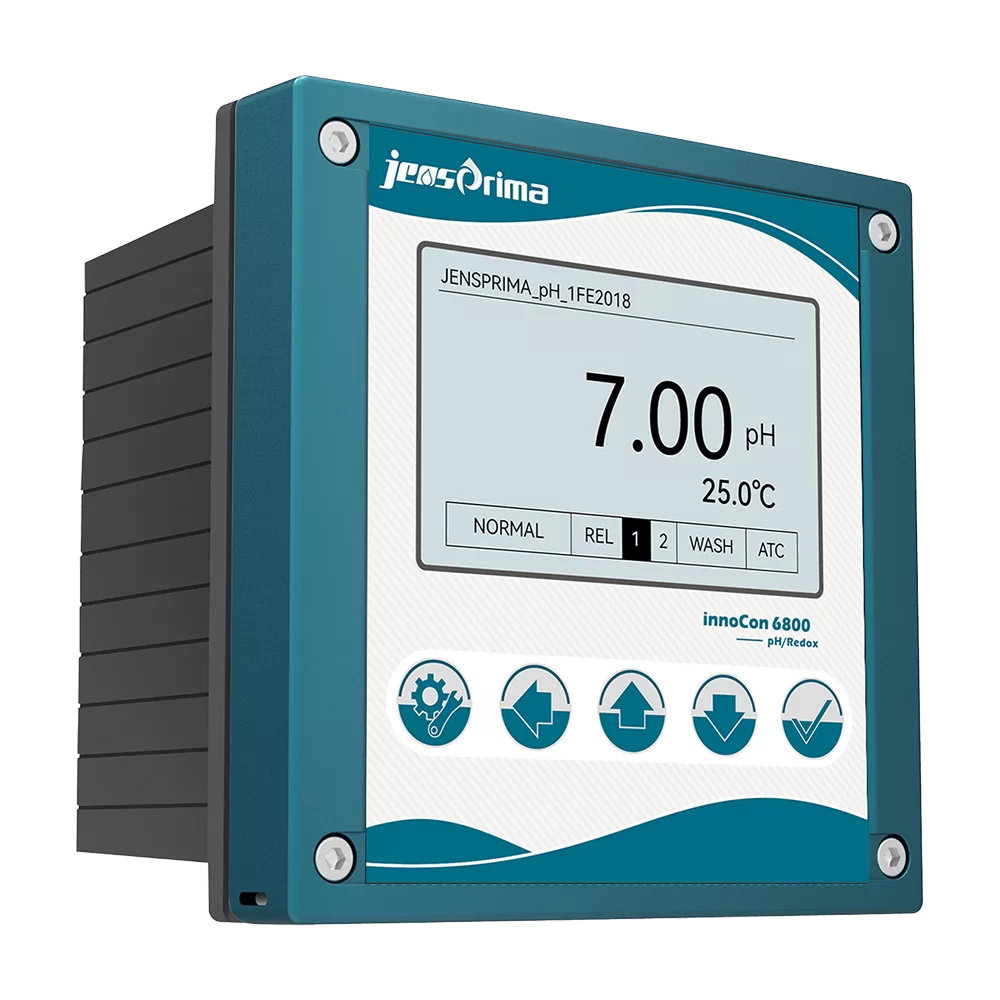
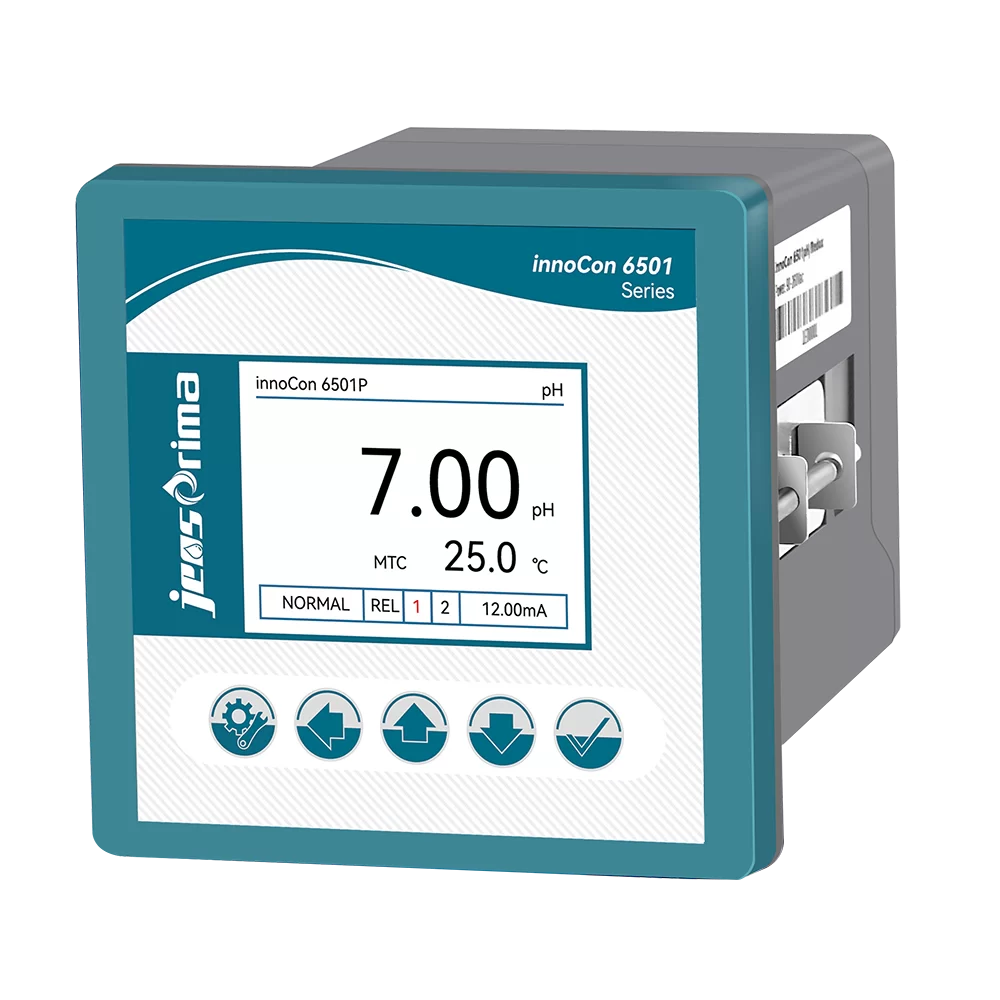
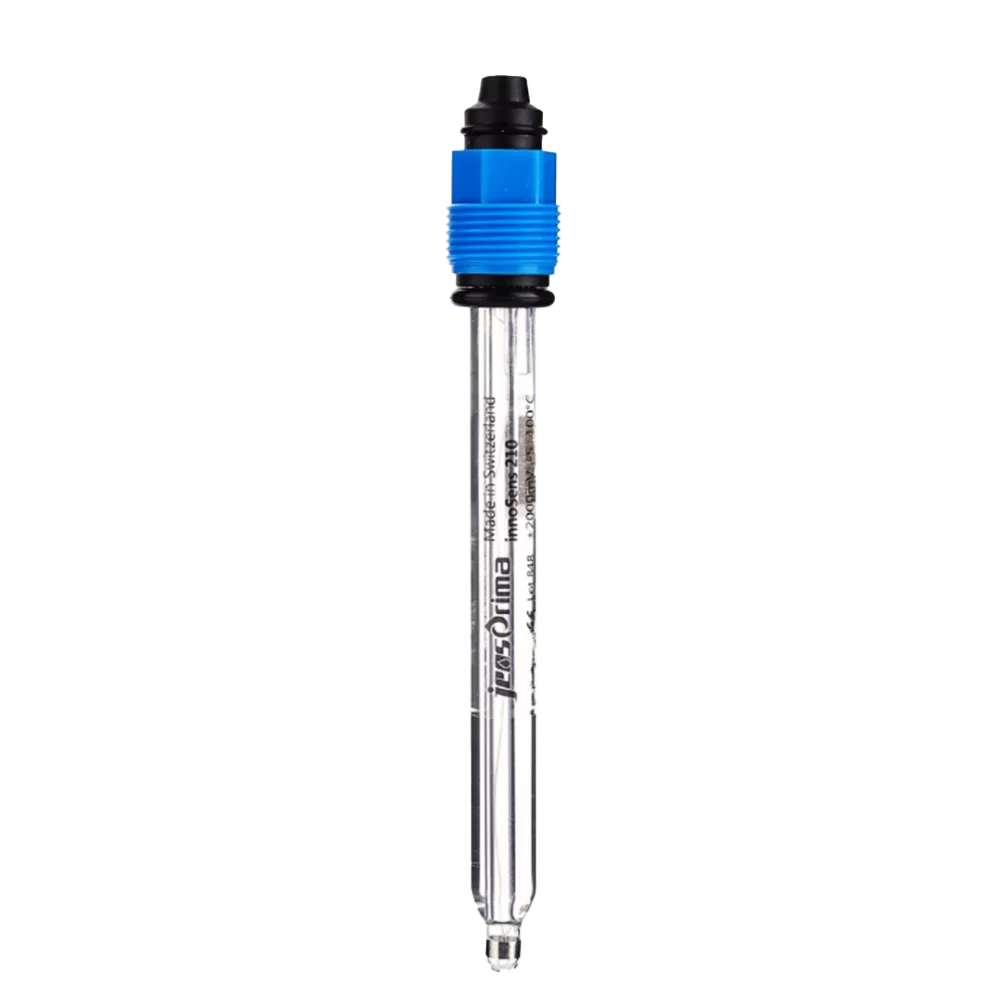
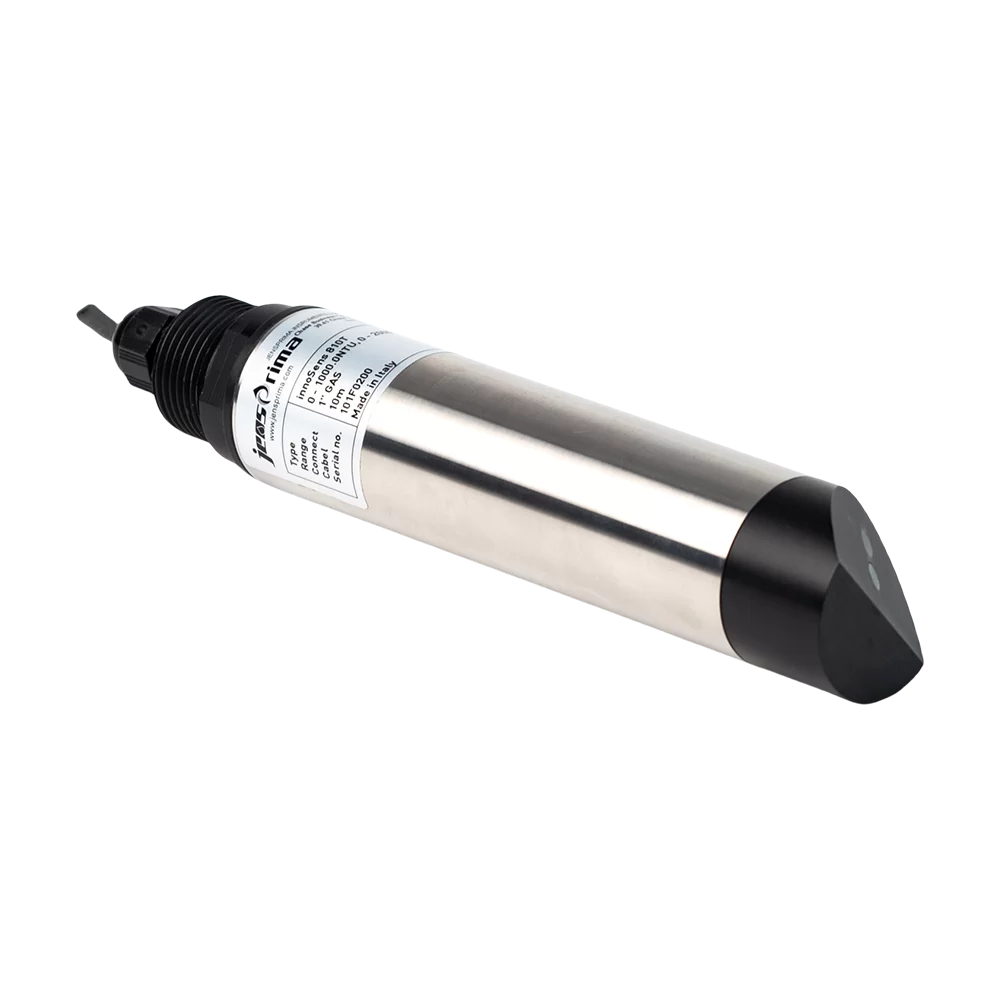
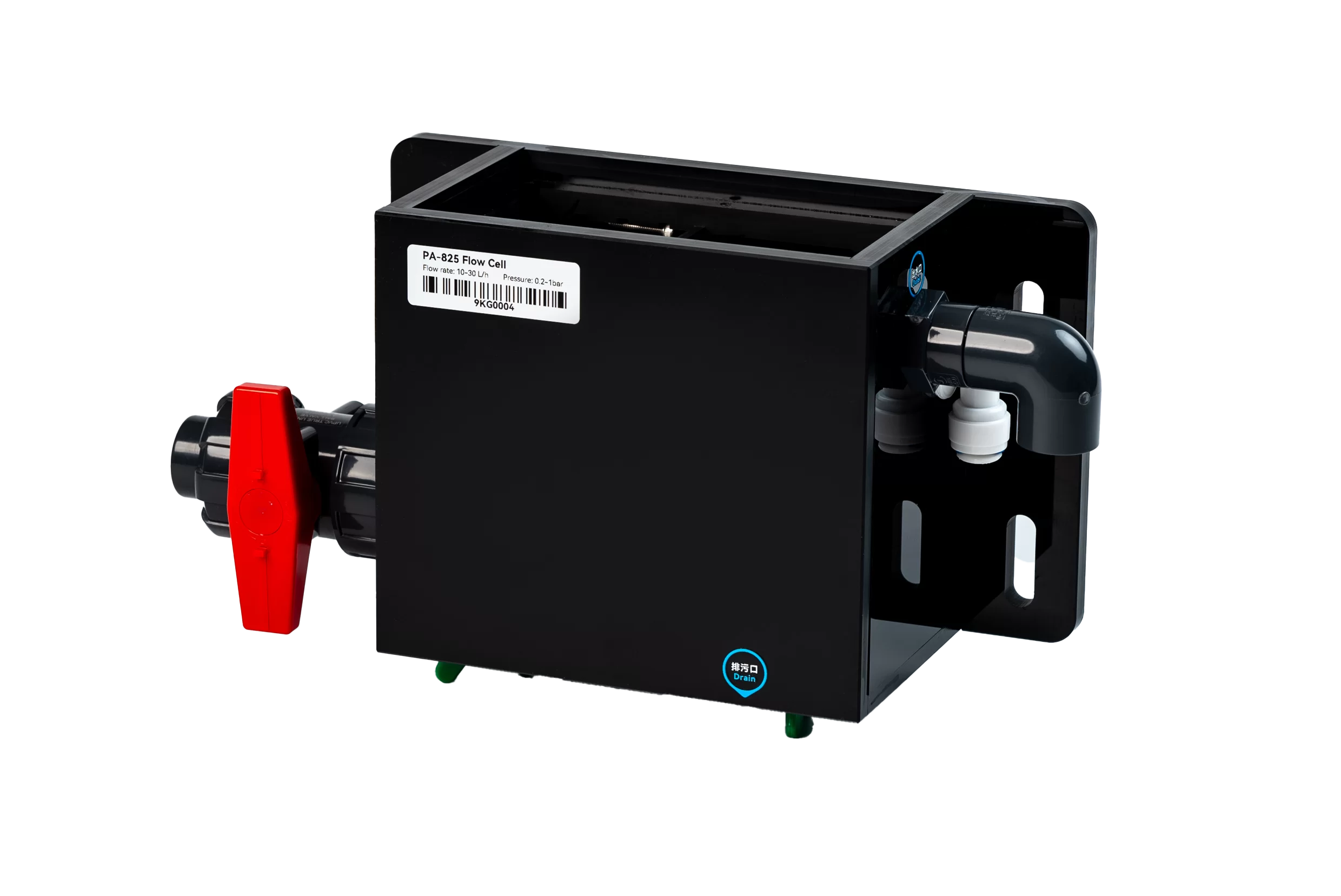
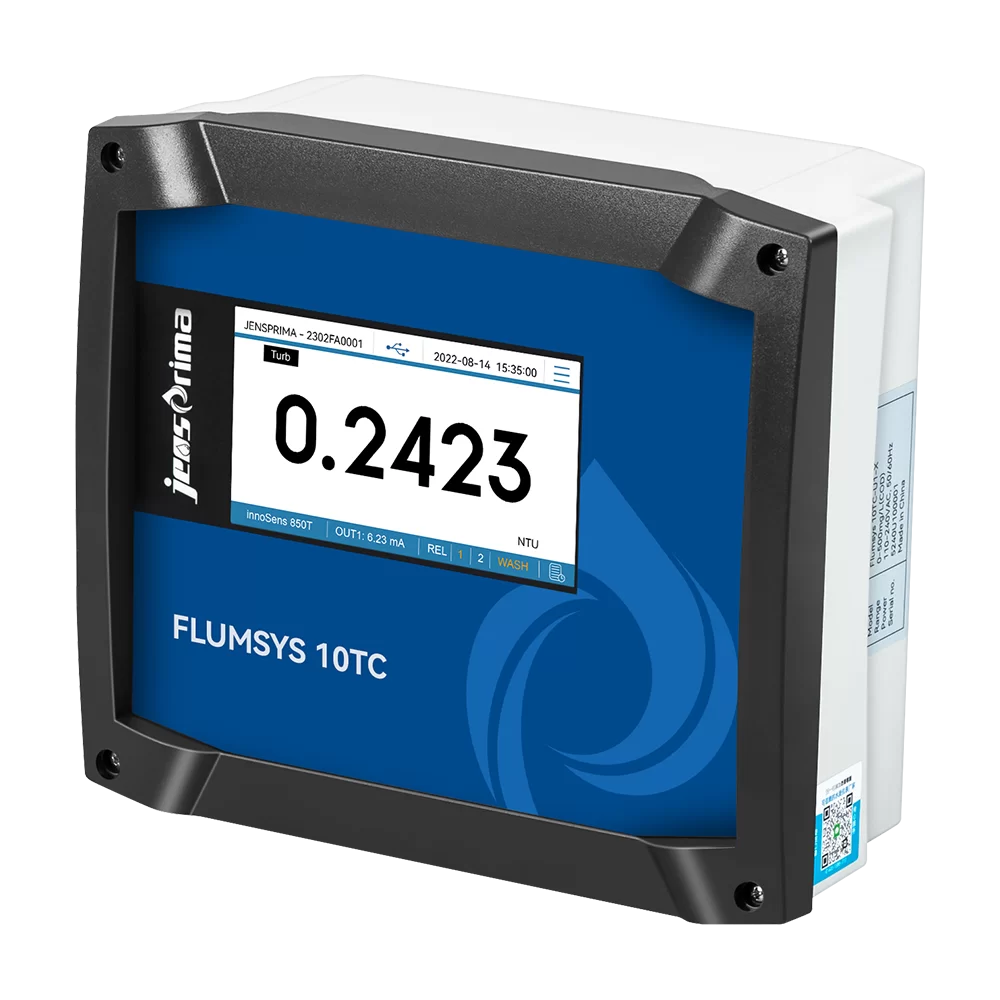
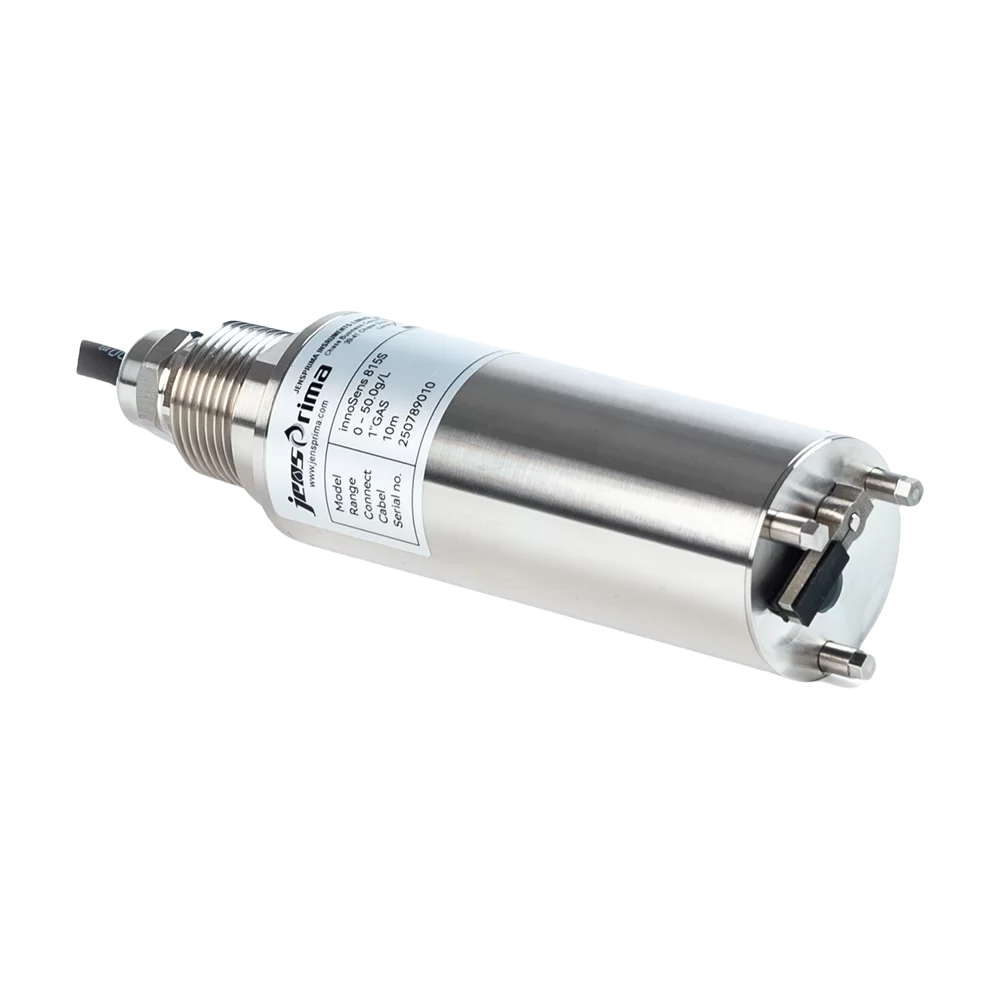
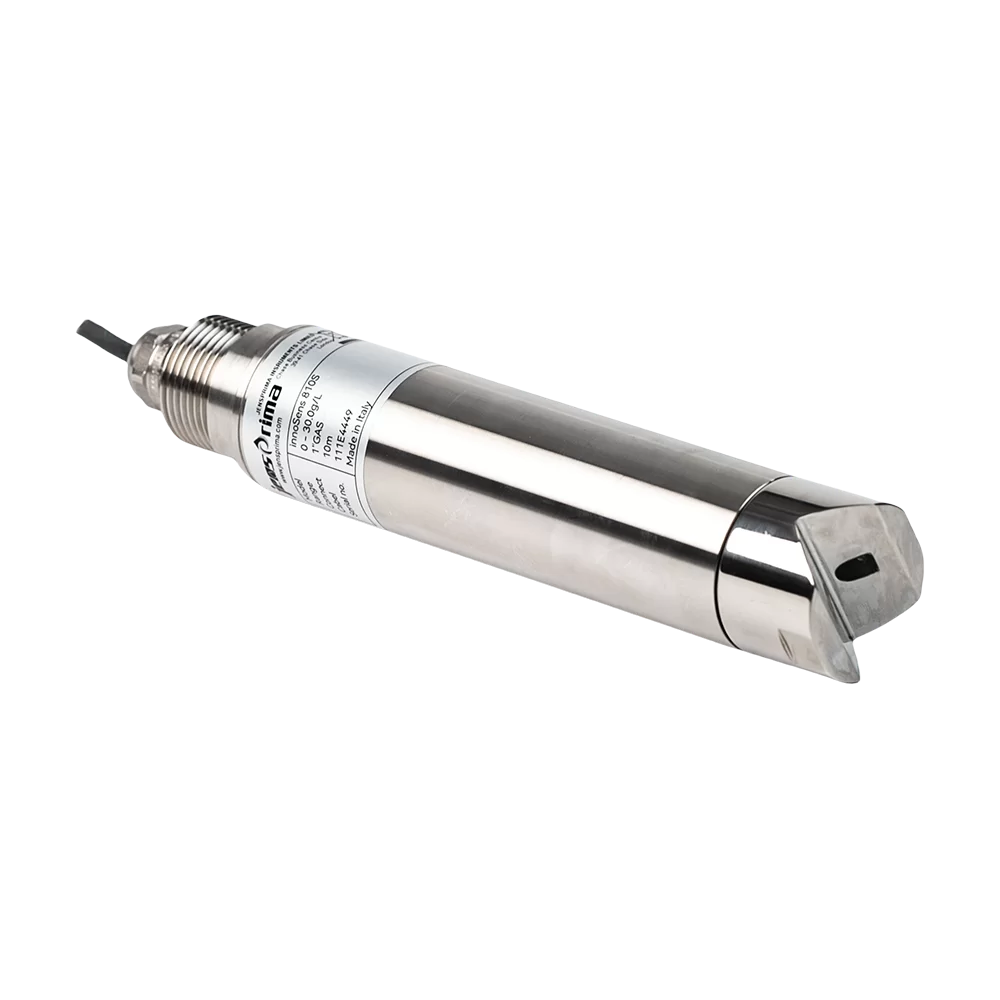
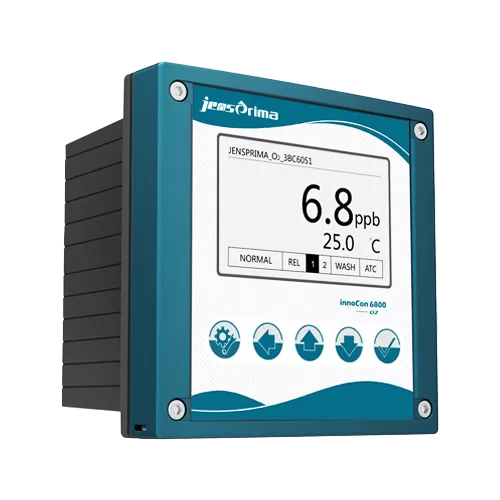
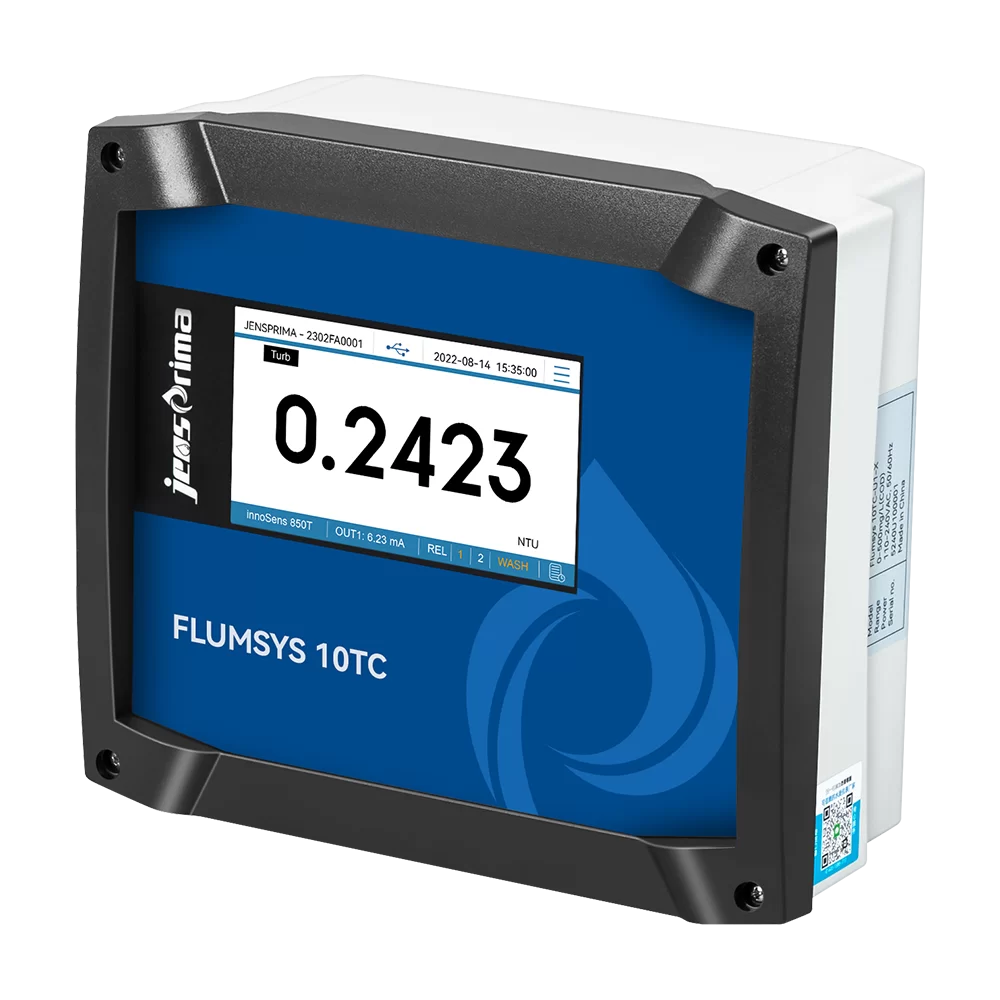
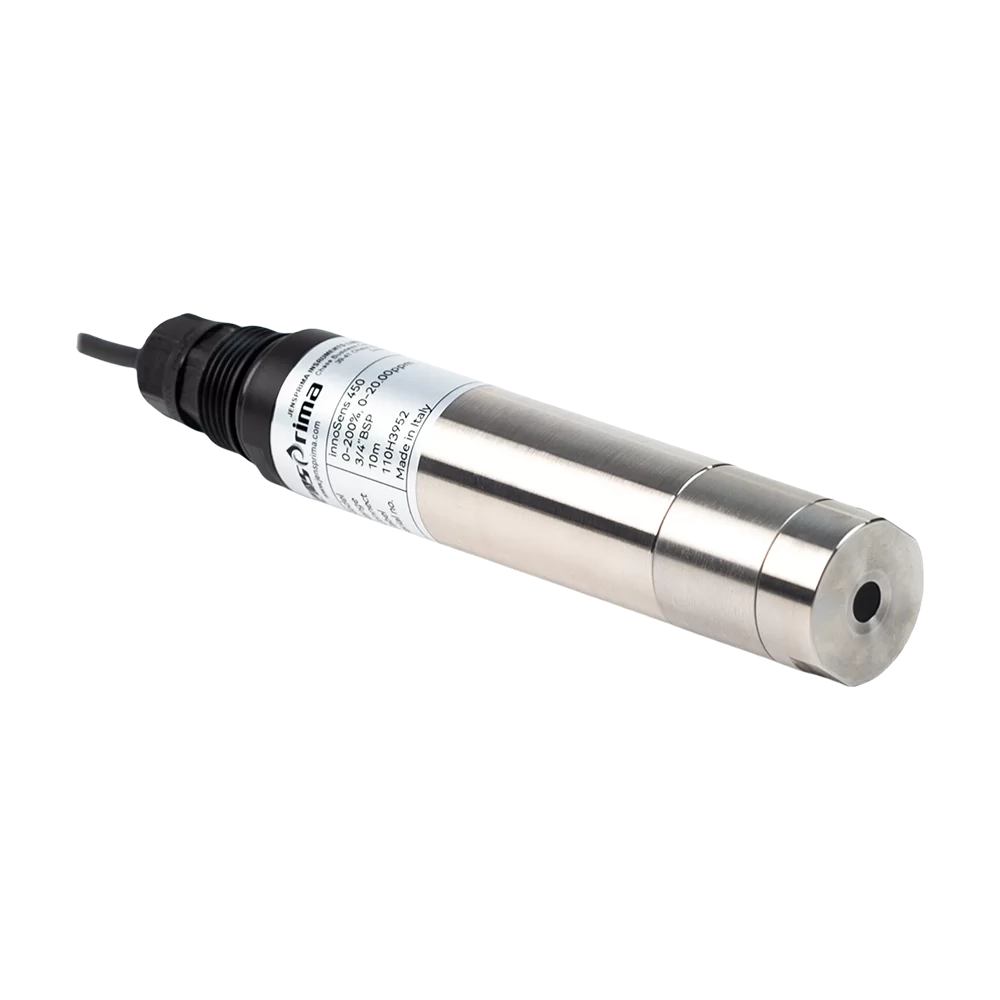
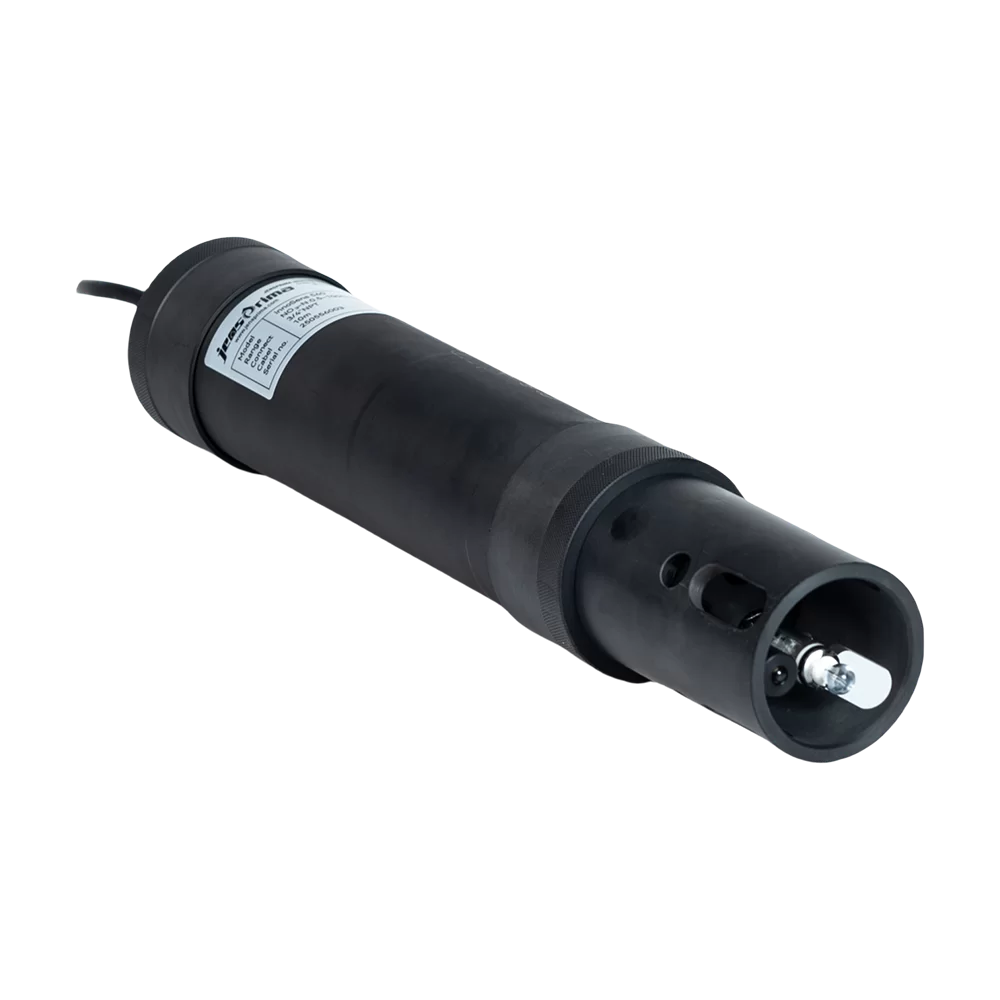
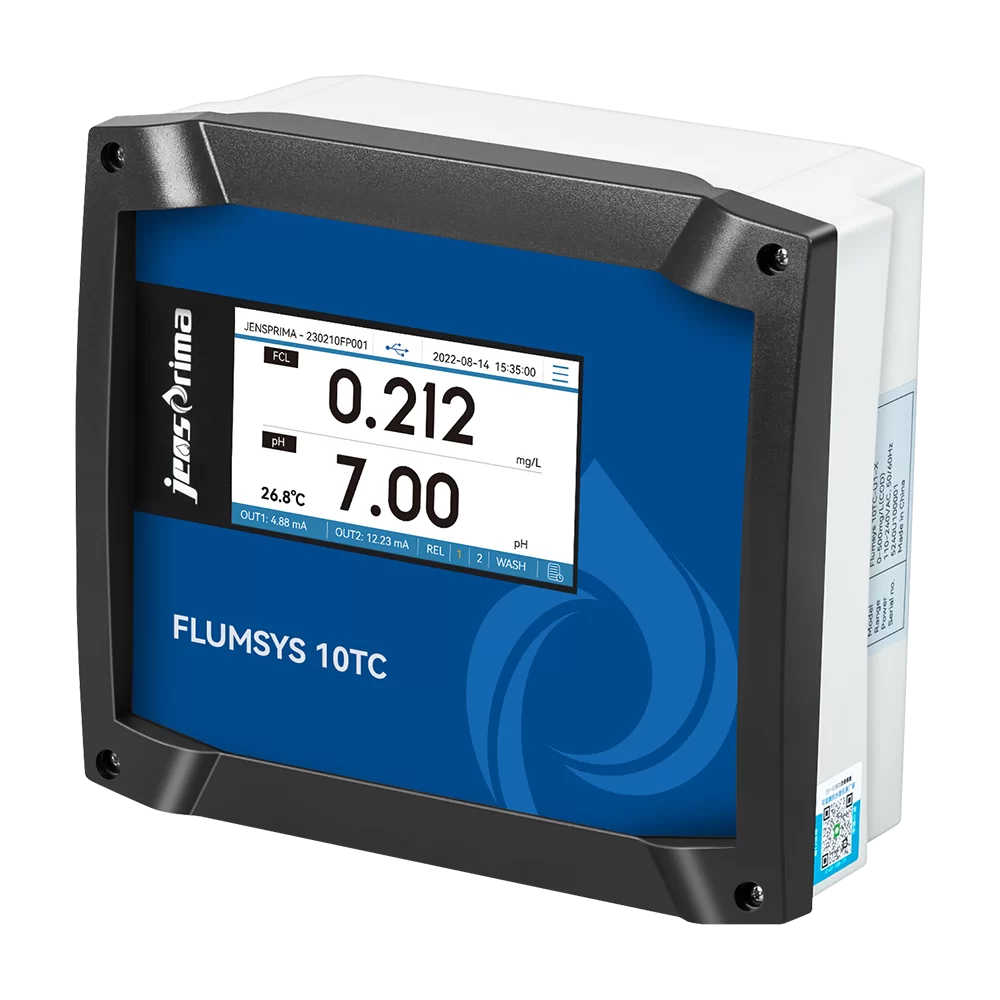
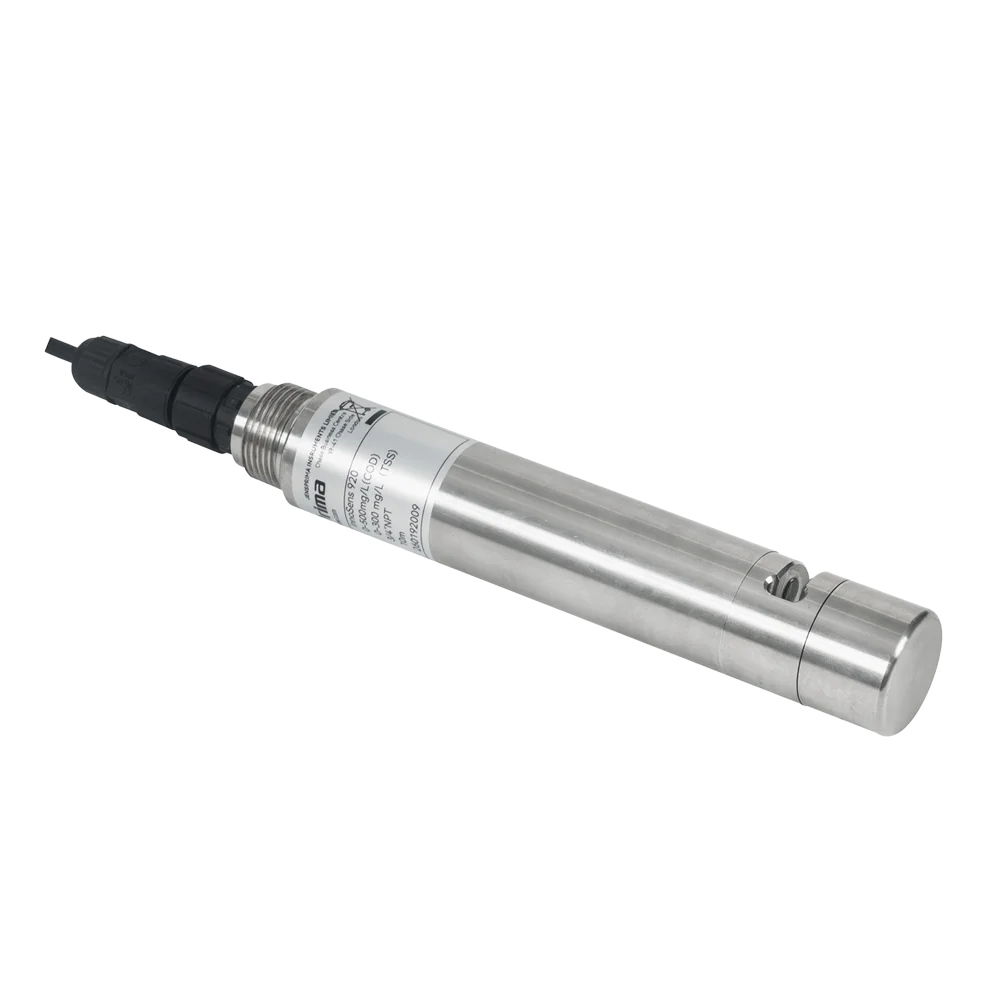
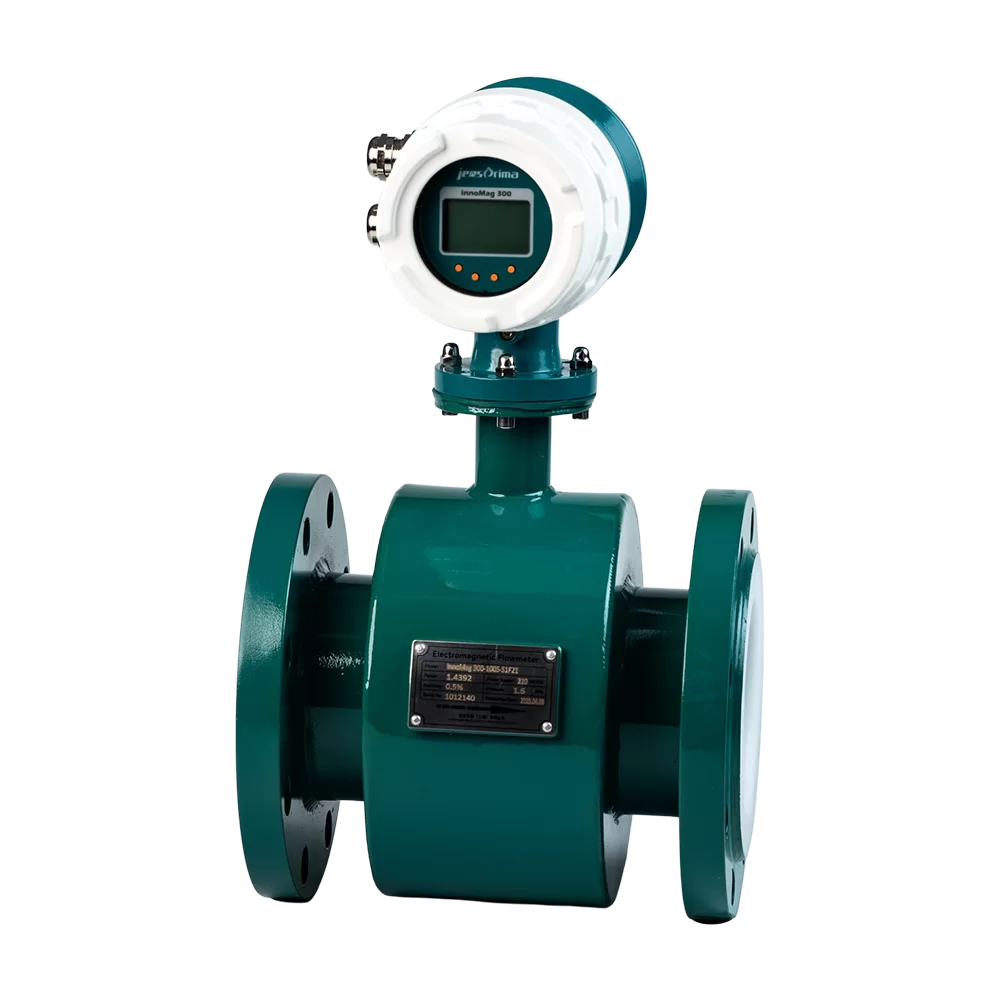


multi parameter analyzer

NEWS

UPDATES

Advanced Total Hardness Analyzer Solutions for Ecuador Water Monitoring

Precision-engineered online water quality instruments designed to withstand the diverse climatic conditions of the Ecuadorian highlands and coastal regions.

Advanced Total Hardness Analyzer Solutions for Ecuador Water Monitoring

Integrating high-precision sensing and automated calibration to ensure seamless water quality management across Ecuador's industrial and municipal sectors.

The Current State of Water Quality Monitoring in Ecuador

Addressing the challenges of volcanic mineral influence and tropical humidity.

In Ecuador, the water quality landscape is heavily influenced by the Andean volcanic belt, which naturally increases mineral content. This creates a critical need for a reliable alkalinity analyzer to monitor buffering capacity in municipal water supplies, preventing corrosion in aging infrastructure across cities like Quito and Guayaquil.

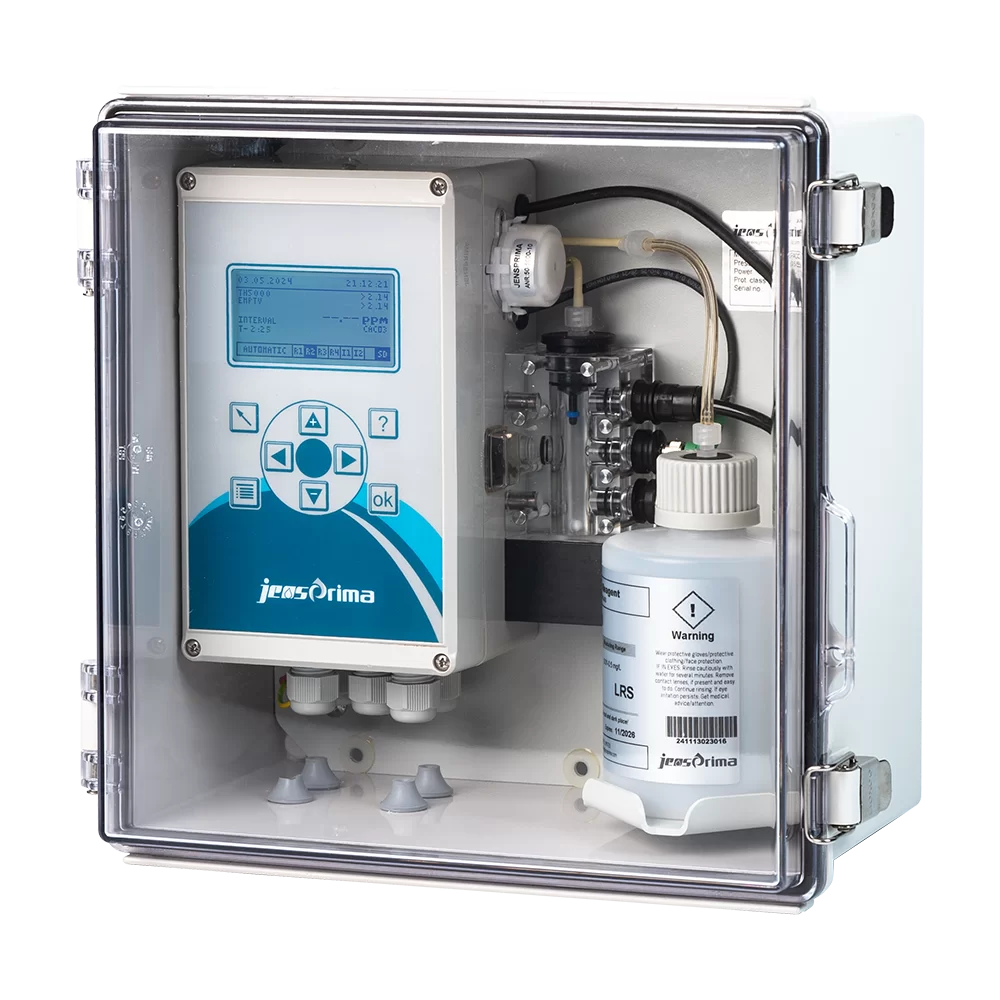
The industrial sector, particularly in aquaculture and flower exports, faces strict environmental regulations. The adoption of a multi parameter water quality analyzer has become essential for these businesses to maintain optimal growth conditions and comply with national ecological standards while managing complex organic loads.

Furthermore, the high humidity of the coastal region often degrades sensitive electronics. There is a growing shift toward ruggedized electromagnetic flowmeter installations that provide accurate volume measurements without the risk of clogging or mechanical failure in high-sediment environments.

Technological Evolution of Water Analysis in Ecuador

From manual titration to real-time autonomous monitoring.

Market Development History

Prior to 2010, most Ecuadorian water plants relied on manual sampling and laboratory titration. This lag in data meant that chemical dosing was often reactive rather than proactive, leading to inconsistencies in water safety and hardness levels.

Between 2010 and 2020, the industry transitioned to basic digital sensors. The introduction of the first residual chlorine controller systems allowed for automated disinfection, significantly reducing the risk of waterborne diseases in rural communities.

From 2020 onwards, the market has entered the era of "Smart Monitoring." The integration of IoT and high-stability sensors has enabled the deployment of remote monitoring stations that synchronize data in real-time across diverse geographical terrains.

Future Development Trends

Cloud-Based Predictive Analysis

Integration of AI to predict mineral spikes in Andean water sources, allowing for pre-emptive adjustments in treatment processes.

Low-Reagent Sensing Technology

A shift toward non-chemical sensing to reduce the environmental footprint of monitoring stations in protected rainforest areas.

Modular Sensor Fusion

The rise of hybrid units where a single chassis hosts multiple parameters, combining the functions of a flowmeter and a chemical analyzer.

Industry Trends and Future Outlook

Strategizing for the next generation of environmental instrumentation.

Digital Twin Integration
Creating virtual replicas of water networks to simulate the impact of chemical changes in real-time.
Energy-Autonomous Nodes
Deployment of solar-powered analysis units for remote Amazon basin water monitoring.
High-Resilience Materials
Developing sensors using advanced alloys to resist corrosive mineral deposits found in volcanic soil.
Real-time Regulatory Sync
Direct API linking between sensors and government environmental agencies for transparency.

Industry Outlook

The trajectory for water analysis in Ecuador points toward total digitalization. With the increasing pressure on water scarcity in urban centers, the demand for high-accuracy electromagnetic flowmeter devices will surge to optimize distribution and detect leakage.

Moreover, as the "Green Economy" grows, the integration of automated analyzers will be the benchmark for industrial sustainability. We expect a 40% increase in the adoption of integrated online systems over the next 5 years.

Localized Application Scenarios in Ecuador

Practical deployments across diverse Ecuadorian ecosystems.

01. Shrimp Farming in Guayas Province

Utilizing a multi parameter water quality analyzer to monitor salinity, dissolved oxygen, and pH levels to maximize shrimp yield and prevent mass mortality.

02. Municipal Water Treatment in Quito

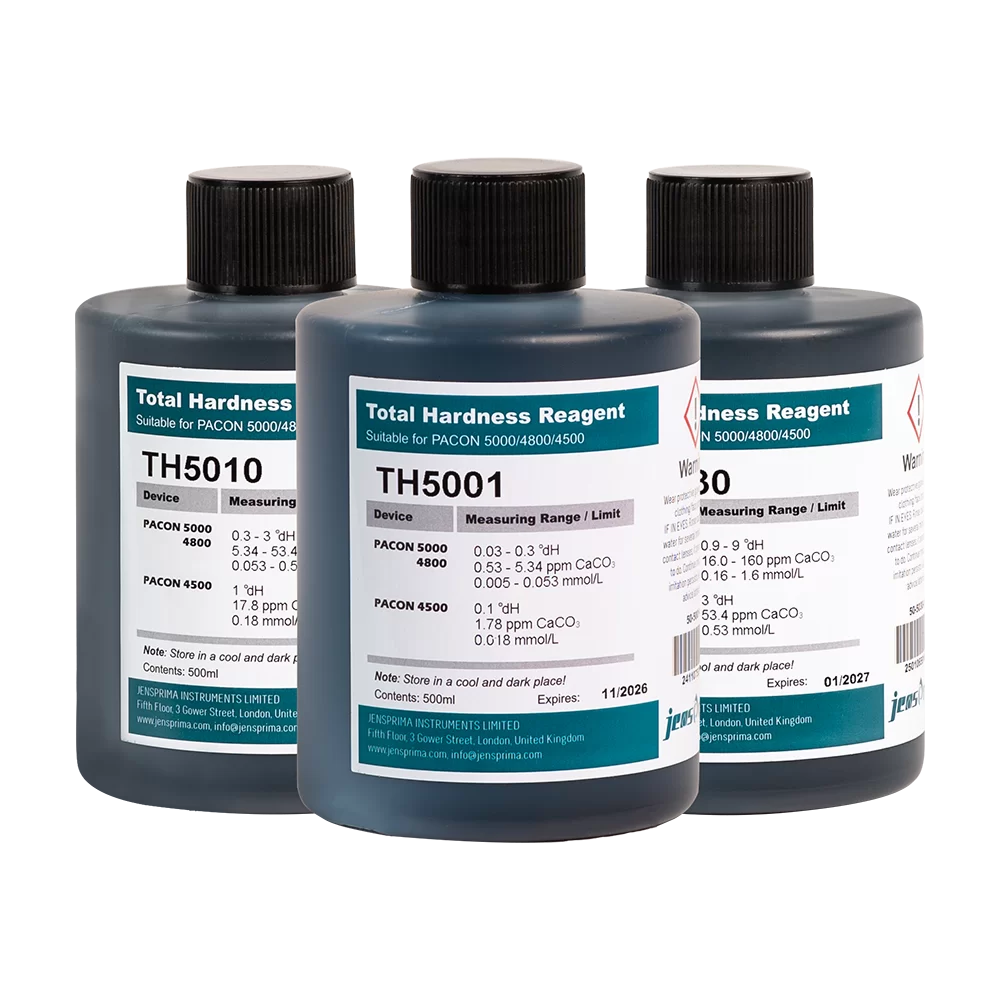
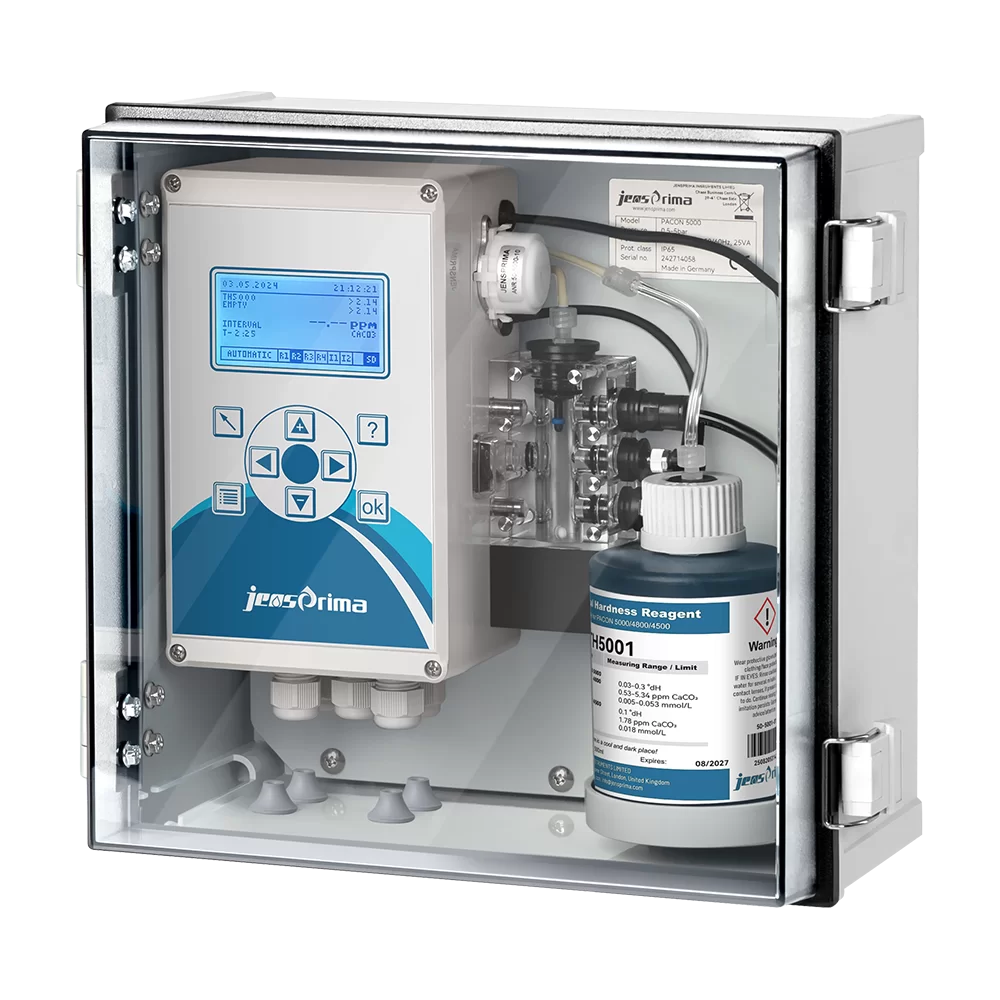
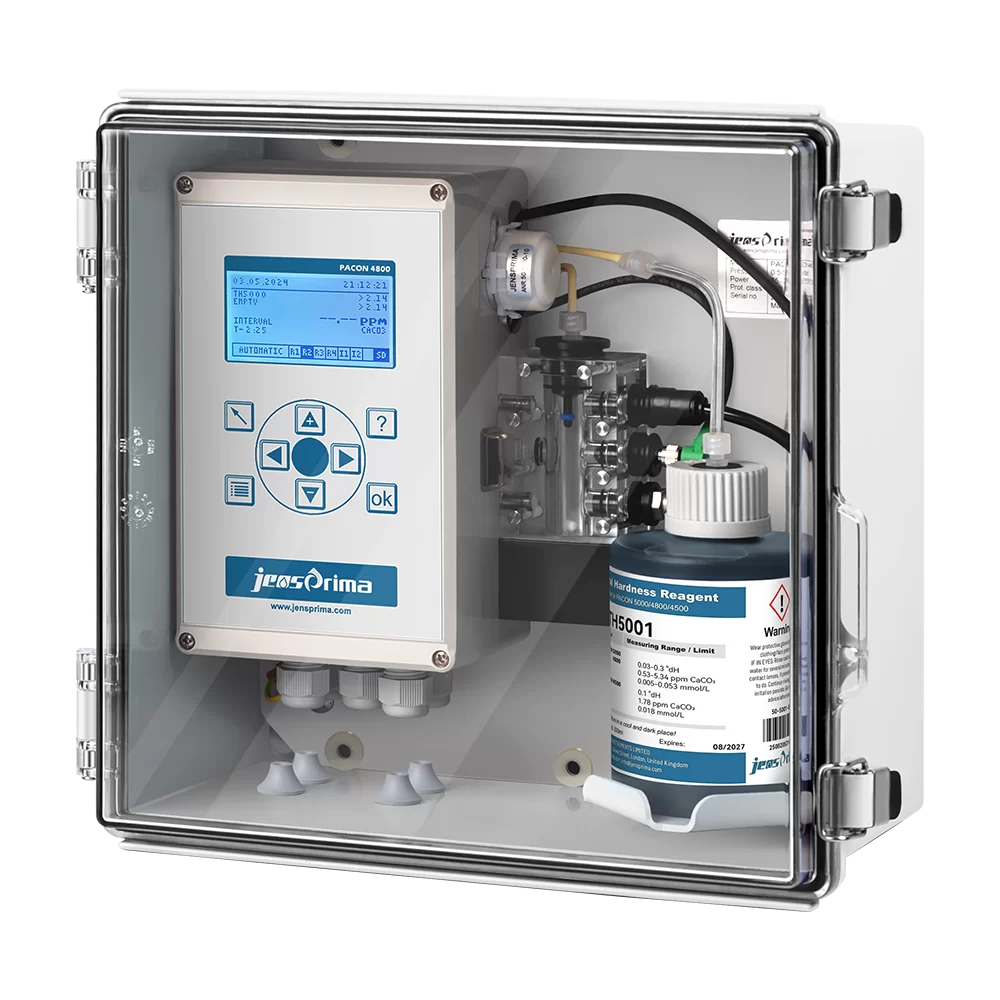
Deploying a total hardness analyzer to manage the high calcium content from Andean runoff, ensuring safe drinking water for the capital.

03. Flower Export Greenhouse Irrigation

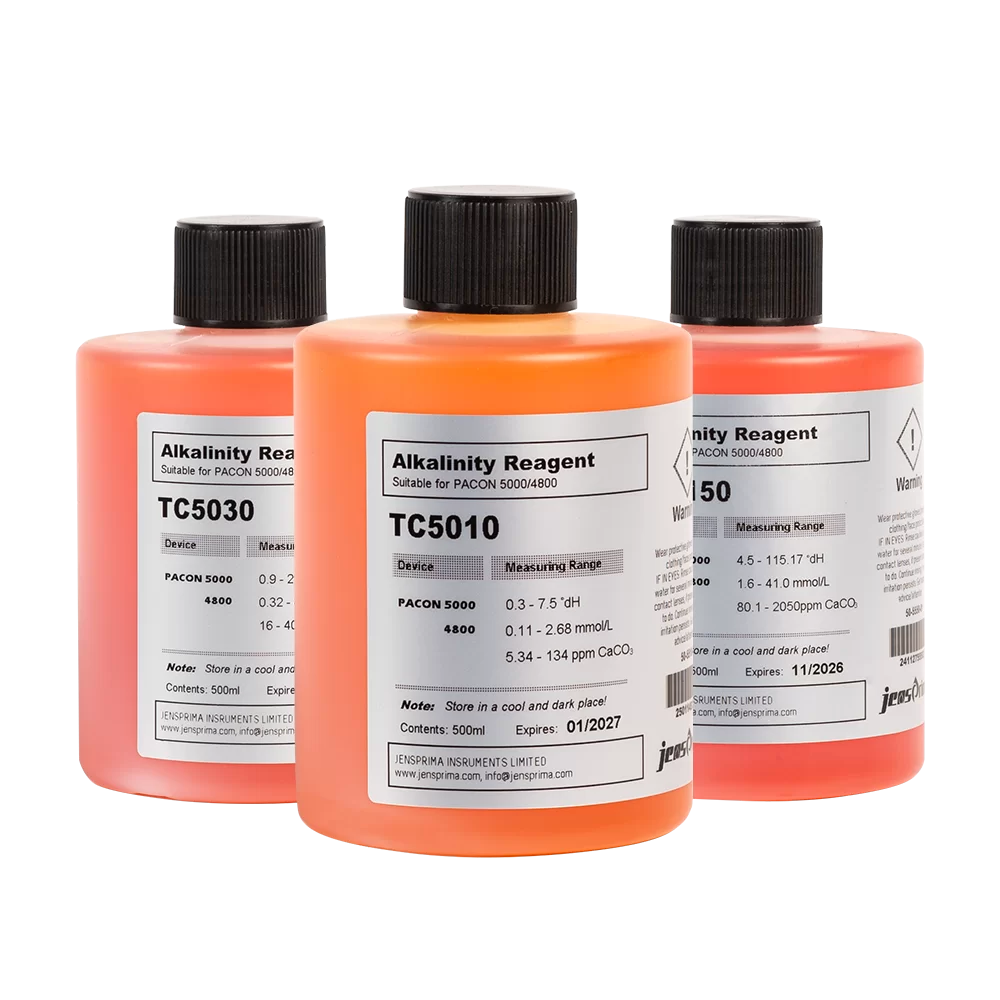
Implementing an alkalinity analyzer to optimize nutrient absorption for roses and orchids, ensuring the high quality required for international export.

04. Industrial Wastewater in Manta

Installing a residual chlorine controller in fish processing plants to ensure that discharge water meets environmental safety levels before entering the ocean.

05. Hydroelectric Power Plant Cooling Systems

Using an electromagnetic flowmeter to precisely monitor cooling water throughput, preventing turbine overheating and optimizing energy efficiency.

Brand Story

Global Development History of Jensprima (Shanghai) Co., Ltd.

Foundation & Precision Focus

Established with a mission to solve the gap between laboratory accuracy and field durability in water analysis.

Technological Breakthroughs

Developed patented sensor coatings that prevent biofouling in tropical and high-mineral water environments.

Global Expansion

Expanded operations to South America, tailoring instruments for the unique geological challenges of the Andean region.

Industry Recognition

Certified by international standards for precision and reliability in critical municipal water infrastructure.

Sustainable Future

Committing to zero-waste monitoring technologies to protect the biodiversity of the global water cycle.

Comprehensive Water Analysis Portfolio for Ecuador

A full suite of instruments tailored for the Ecuadorian market, from coastal salinity to Andean hardness.

Frequently Asked Questions in Ecuador

Technical guidance for local operators and engineers.

How to handle sensor drift in a multi parameter water quality analyzer in tropical climates?

We recommend implementing a weekly automated calibration cycle and using temperature-compensated probes to counteract the high humidity and temperature swings of the Ecuadorian coast.

Can a total hardness analyzer operate with high volcanic sediment?

Yes, our analyzers feature an integrated pre-filtration system that removes coarse particulates before the sample reaches the sensing cell, ensuring accuracy even in Andean runoff.

What is the maintenance interval for an alkalinity analyzer in industrial use?

How does a residual chlorine controller prevent over-chlorination?

The controller uses a PID feedback loop to adjust chlorine dosing pumps in real-time based on the measured residual levels, maintaining a strict setpoint.

Why choose an electromagnetic flowmeter over mechanical meters for Ecuador?

Electromagnetic meters have no moving parts, making them immune to wear from abrasive volcanic sands and providing much higher accuracy for viscous liquids.

Do these instruments support remote data transmission via 4G/5G?

Yes, all our modern analyzers are equipped with Modbus/RS485 and optional IoT gateways for remote monitoring across distant Ecuadorian provinces.

Expert Water Quality Consultation

Providing world-class instrumentation and technical support tailored for the industrial and environmental needs of Ecuador.

Contact Us Now
Service Repair Form
Tell us what issue you encountered, including any steps or symptoms.
  • Name
  • Email
  • Phone
  • Fault Description

If you are interested in our products, you can choose to leave your information here, and we will be in touch with you shortly.