

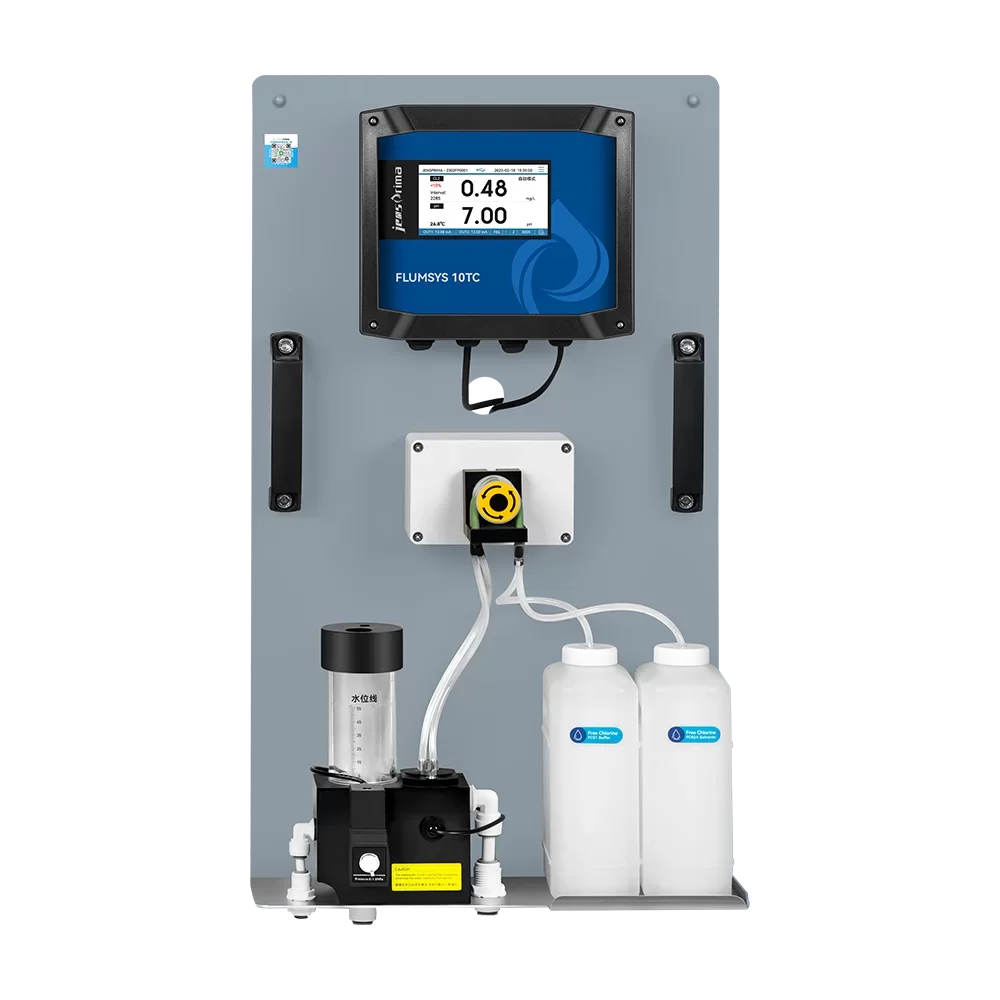
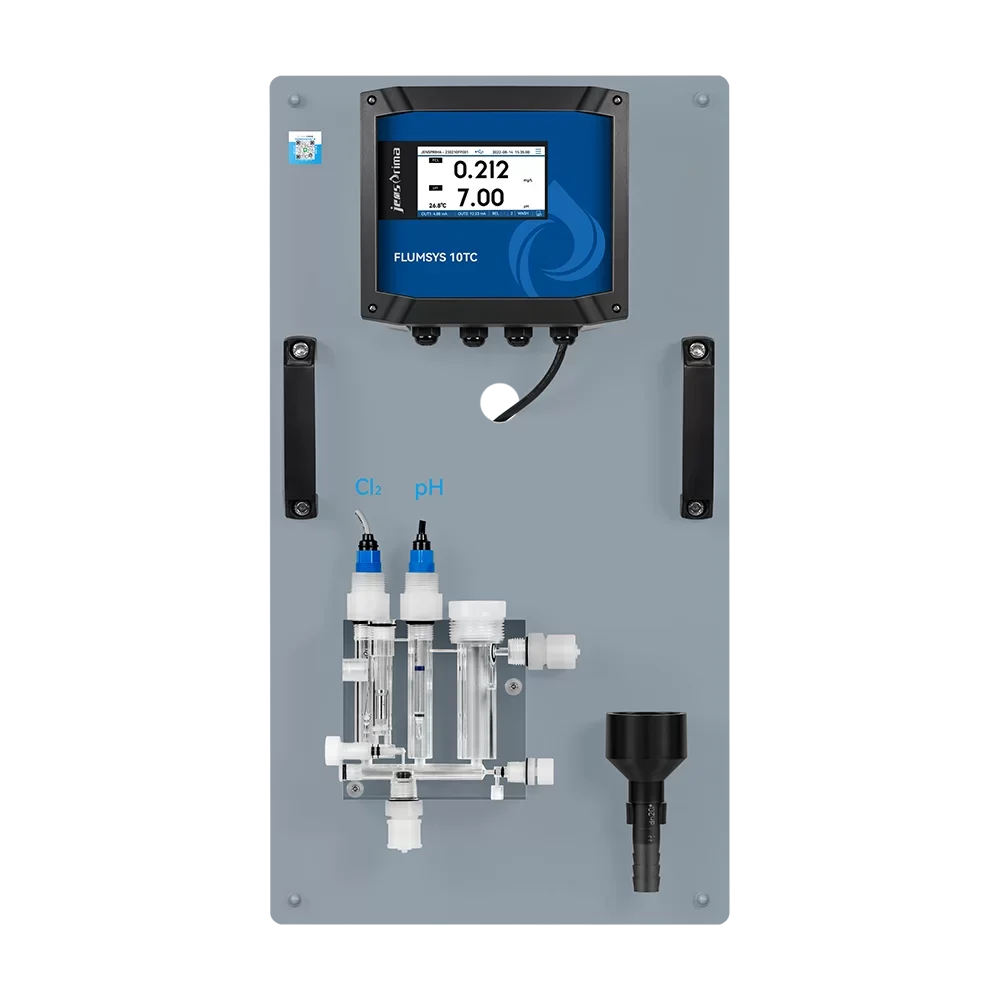
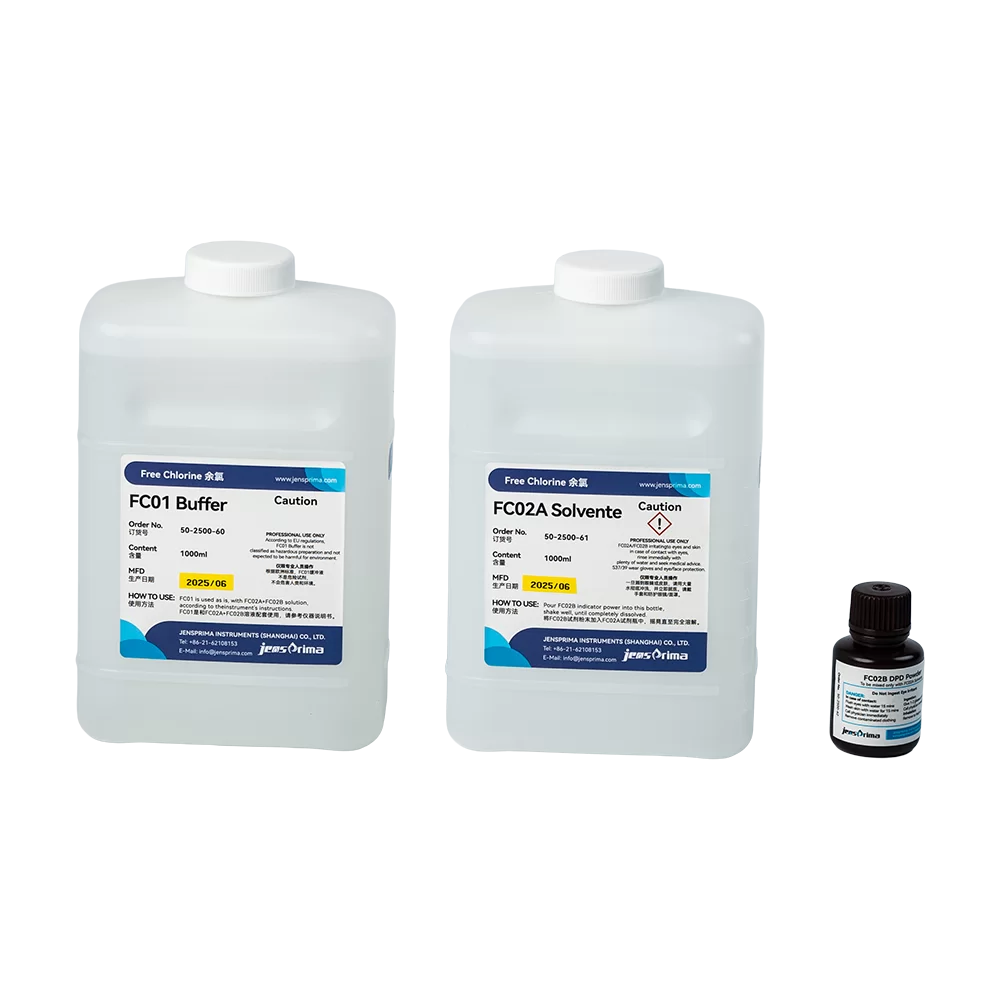
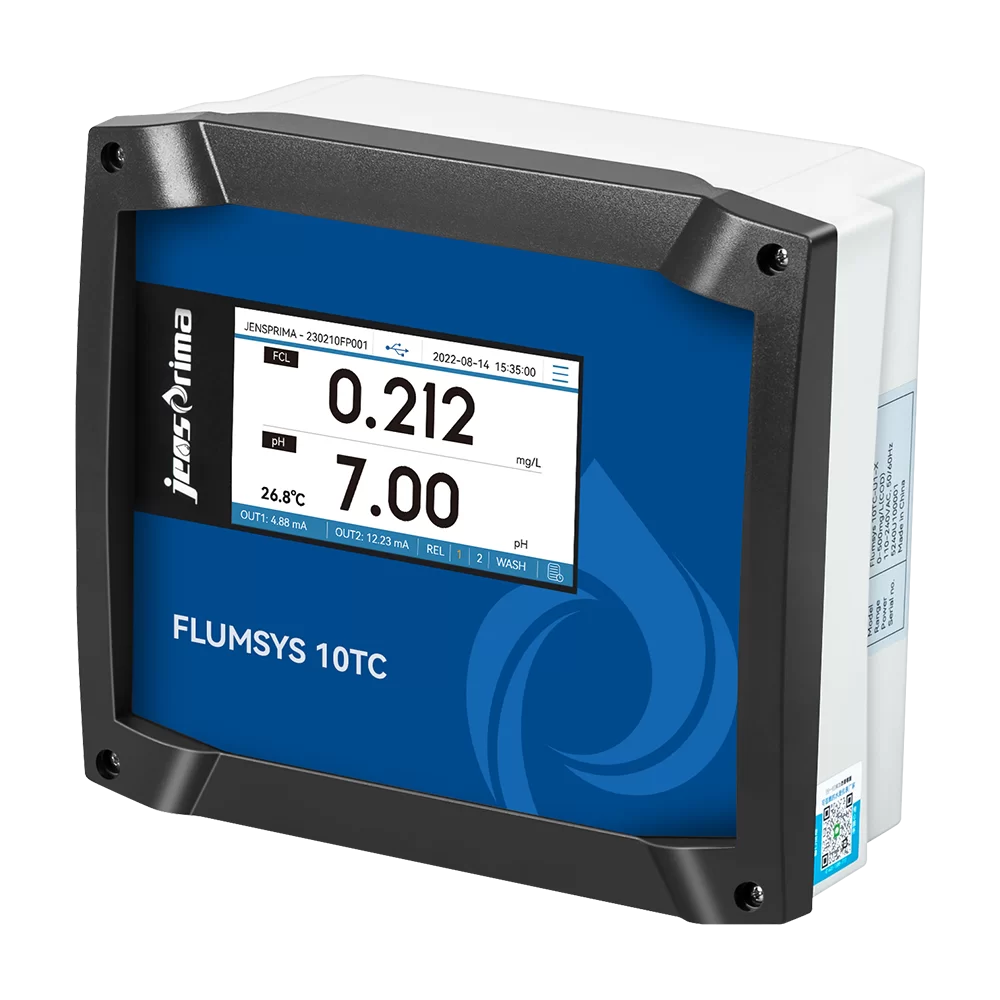
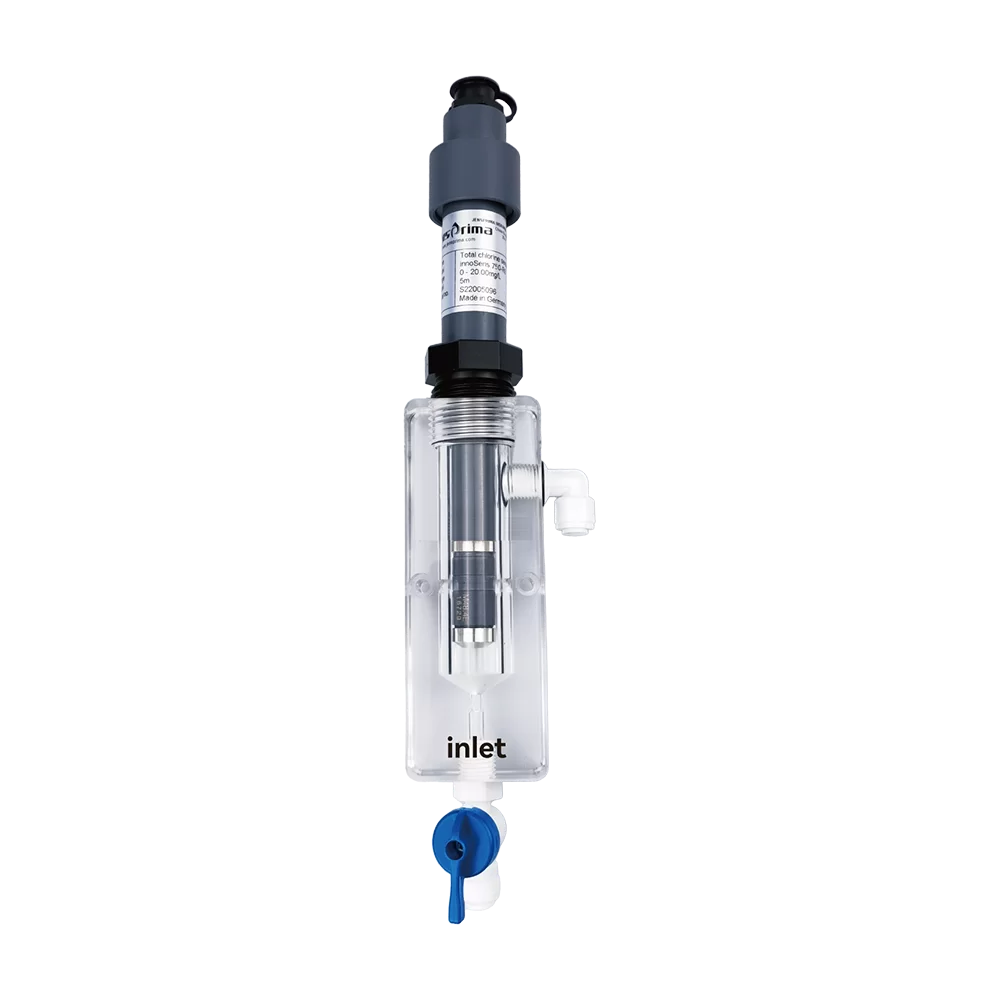
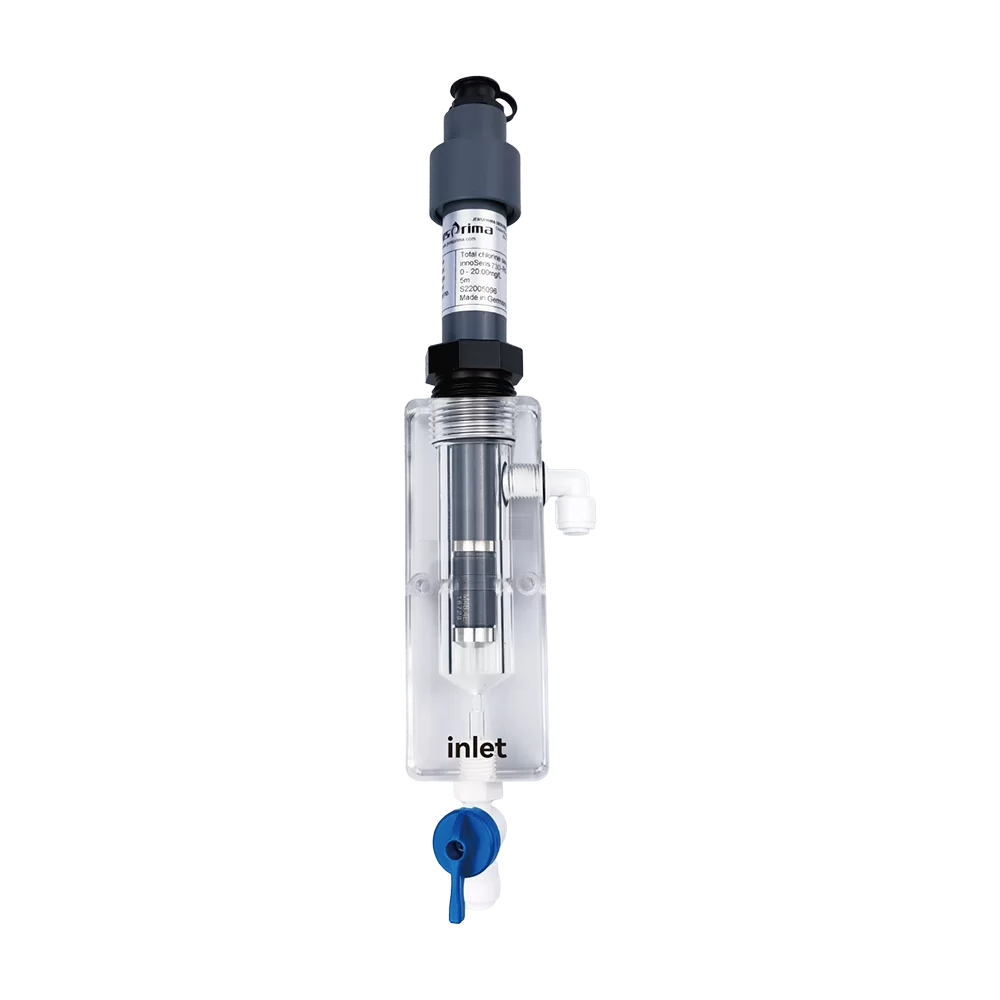
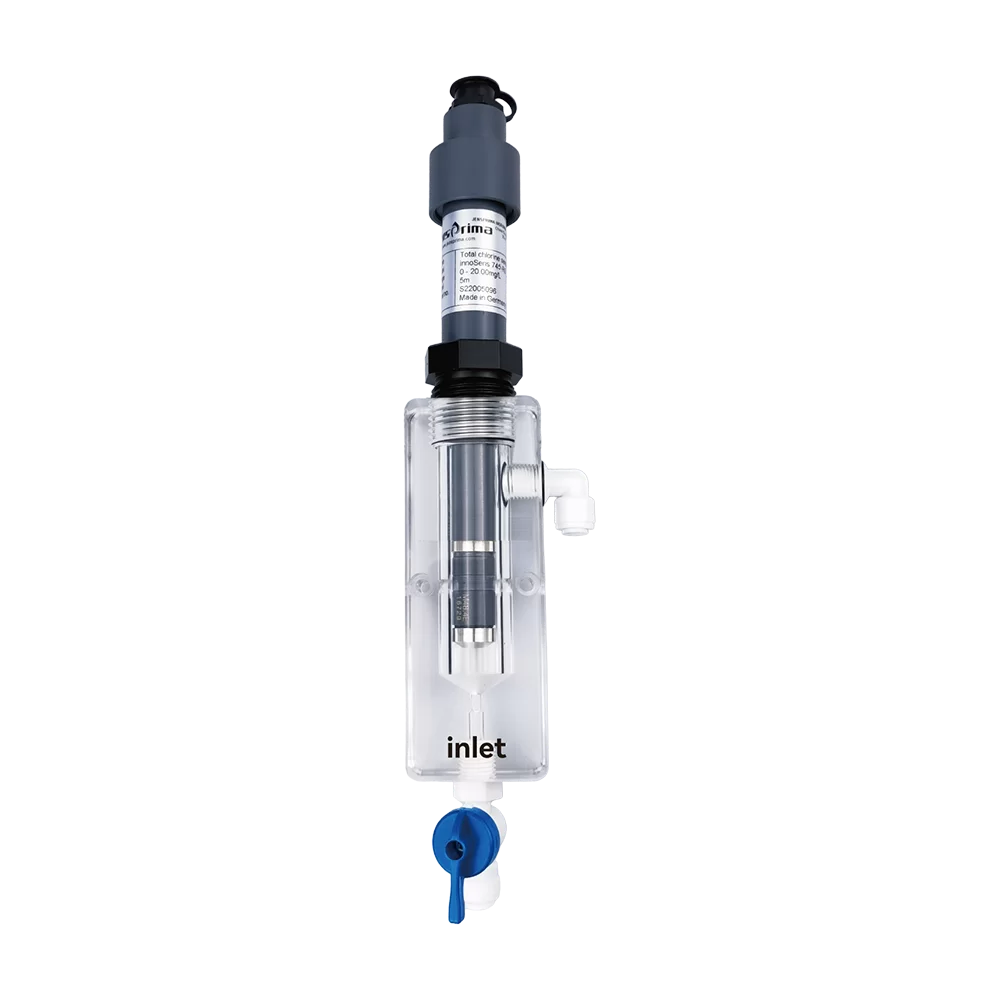
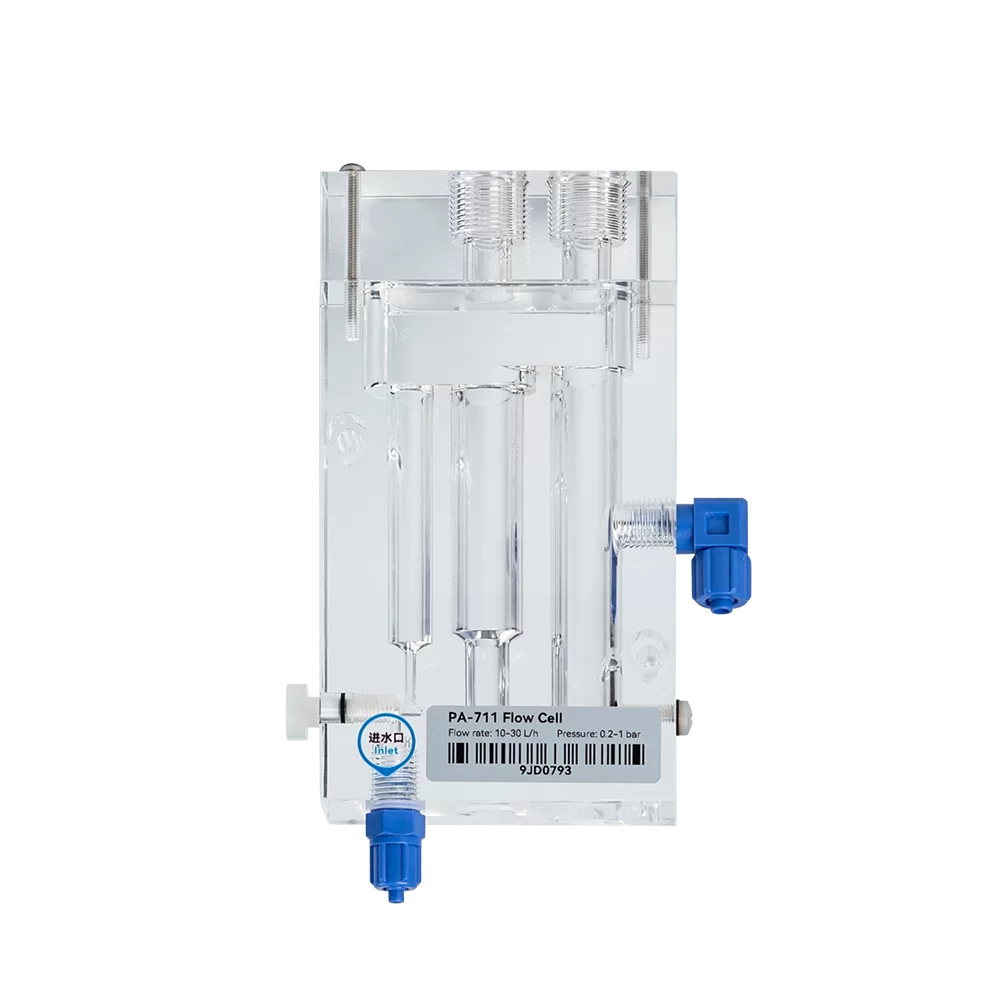
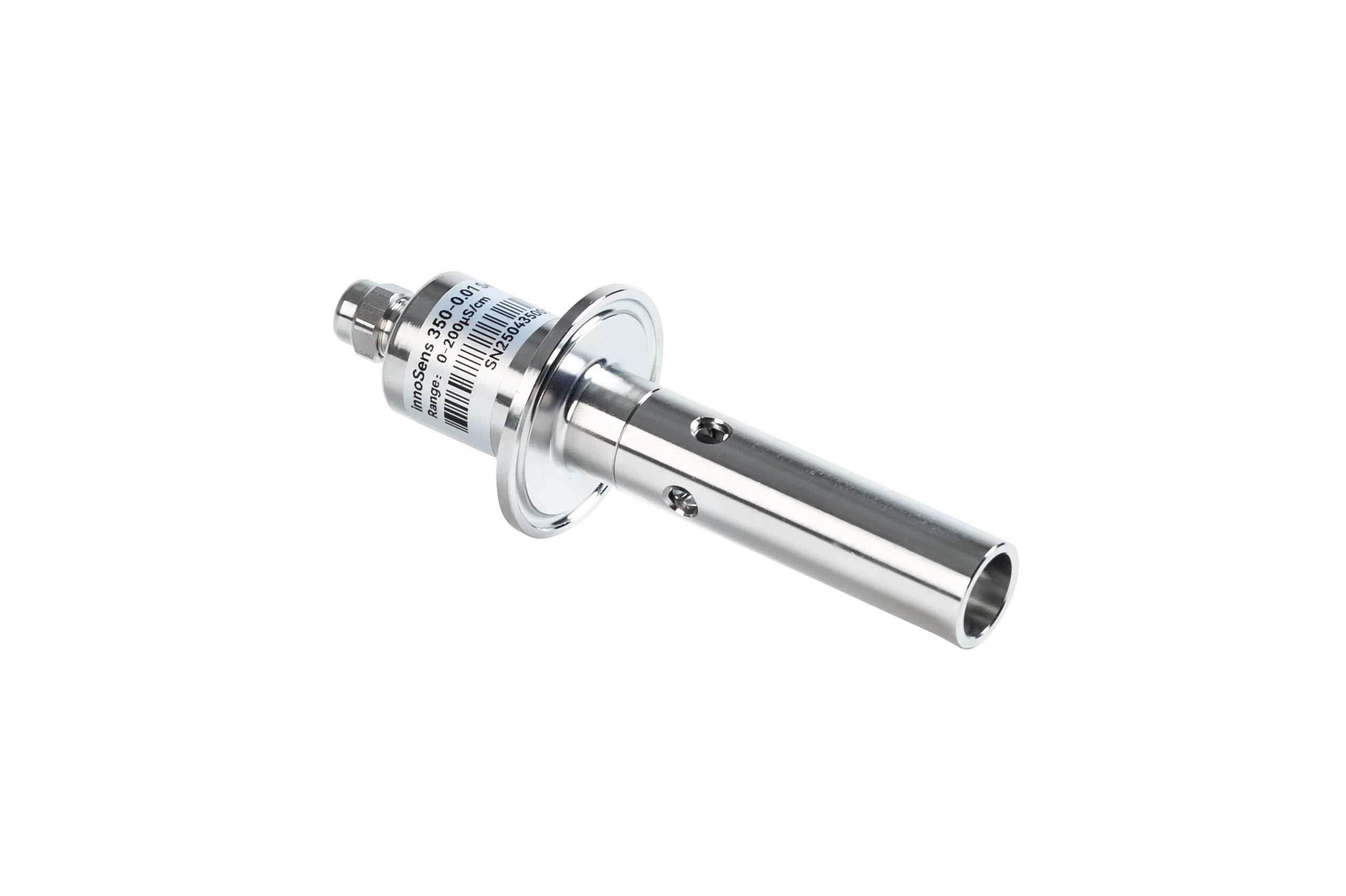
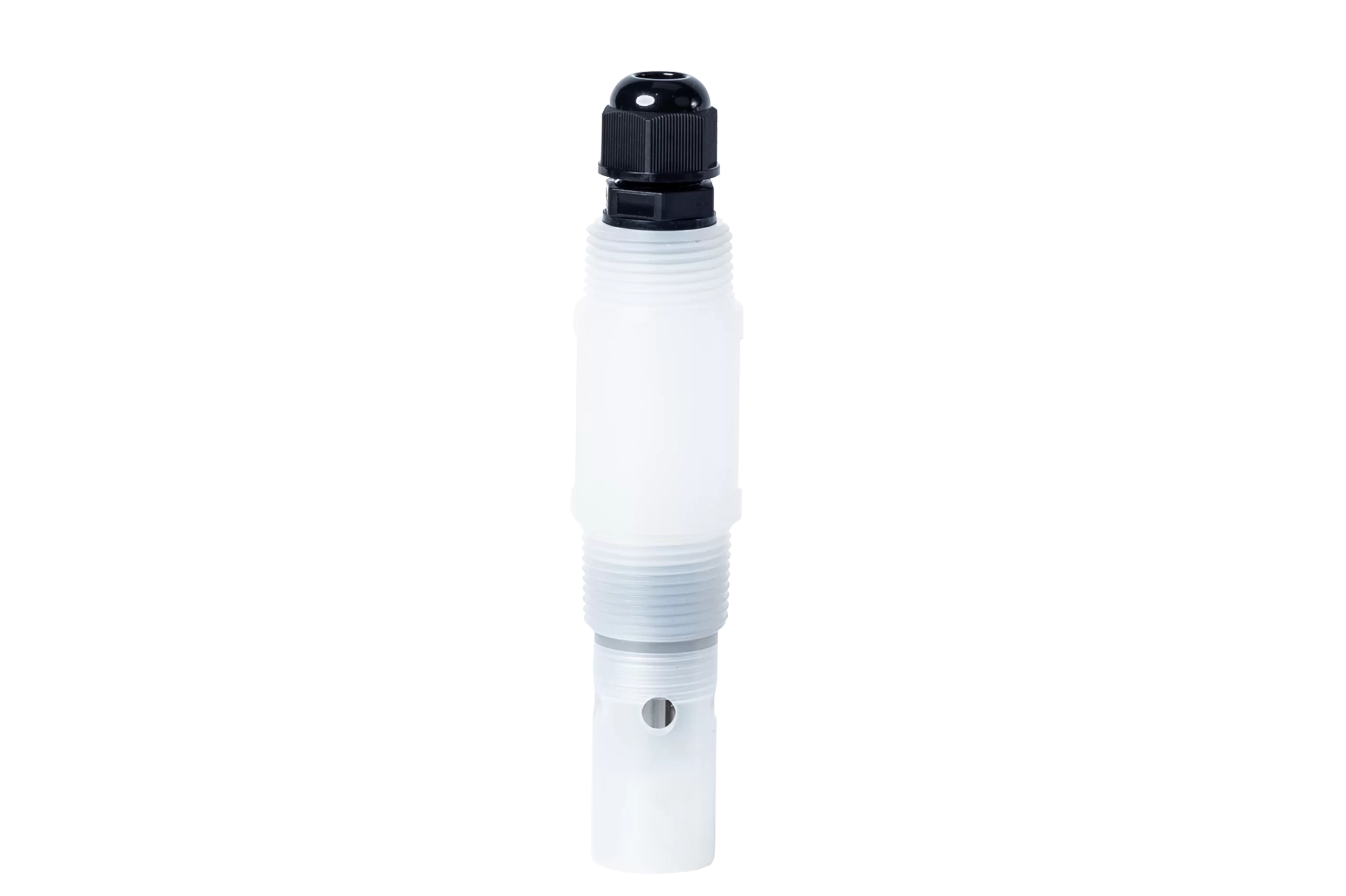
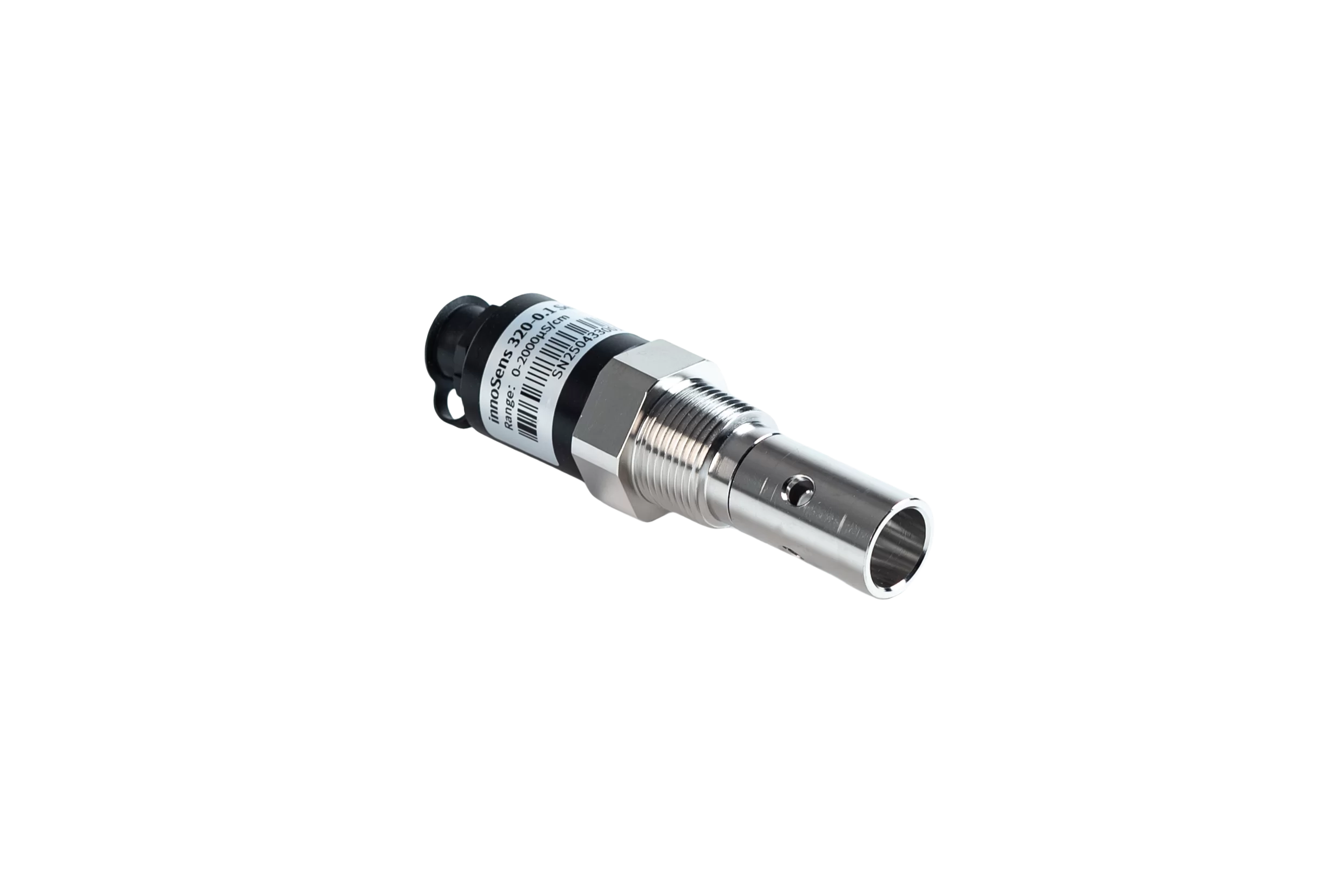
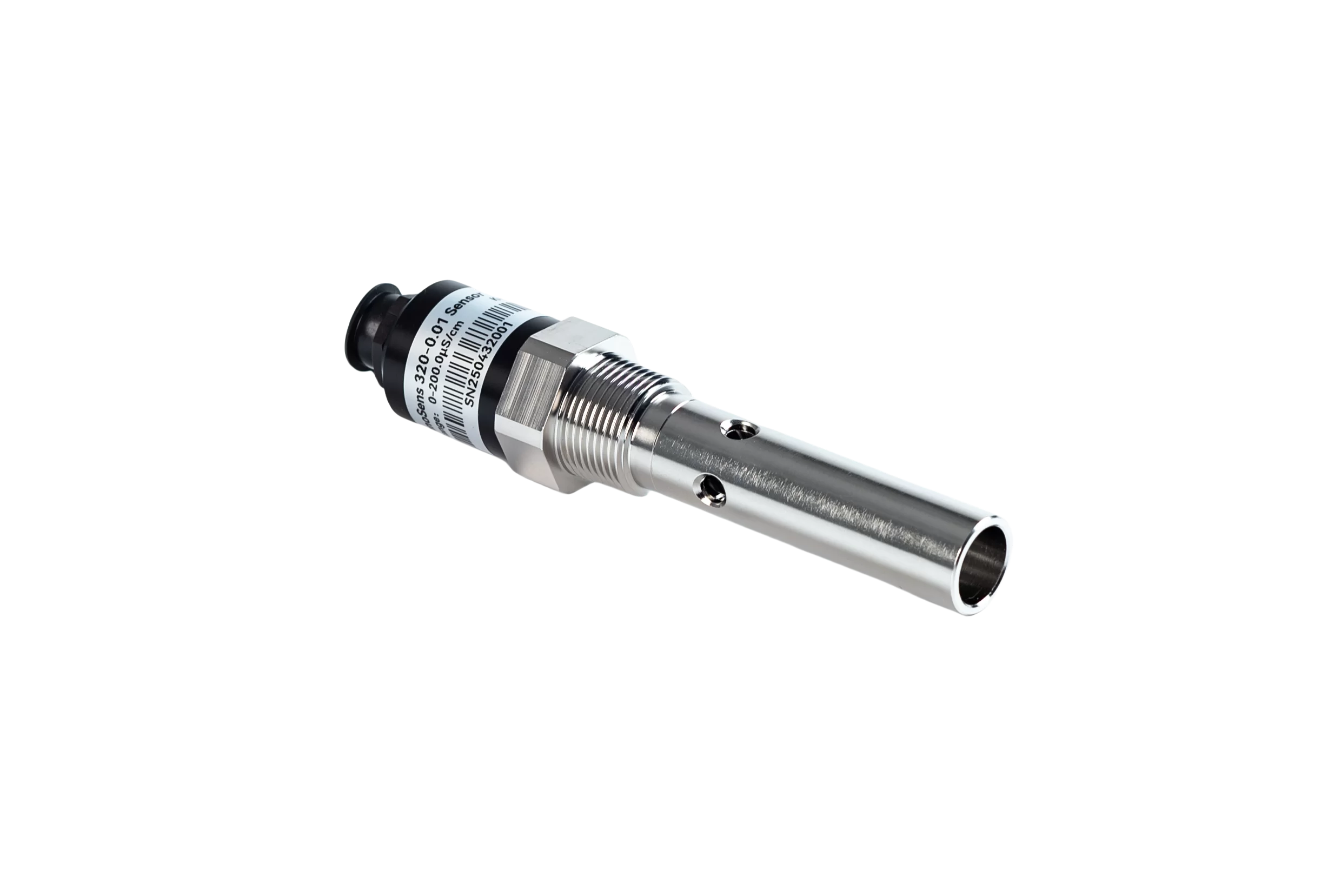
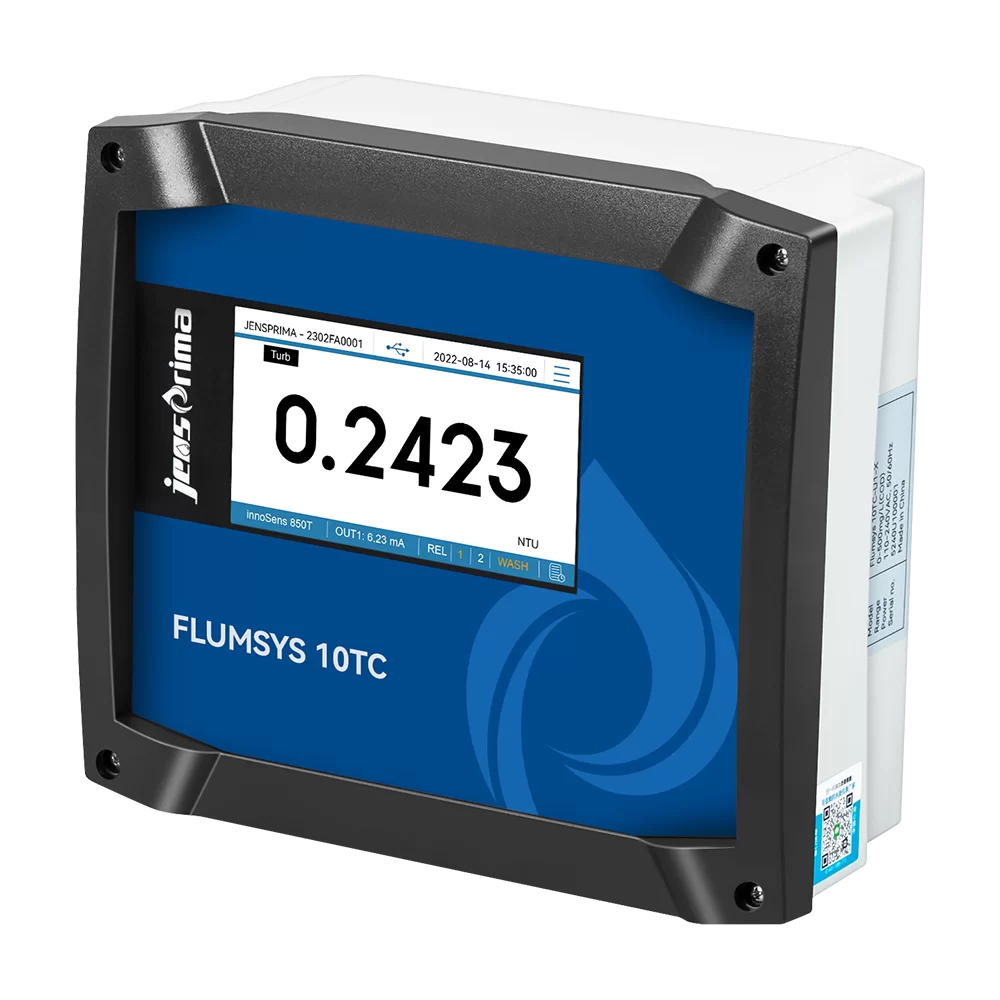
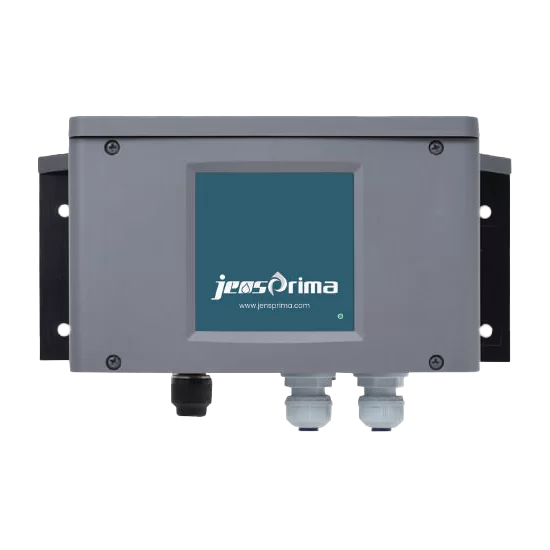
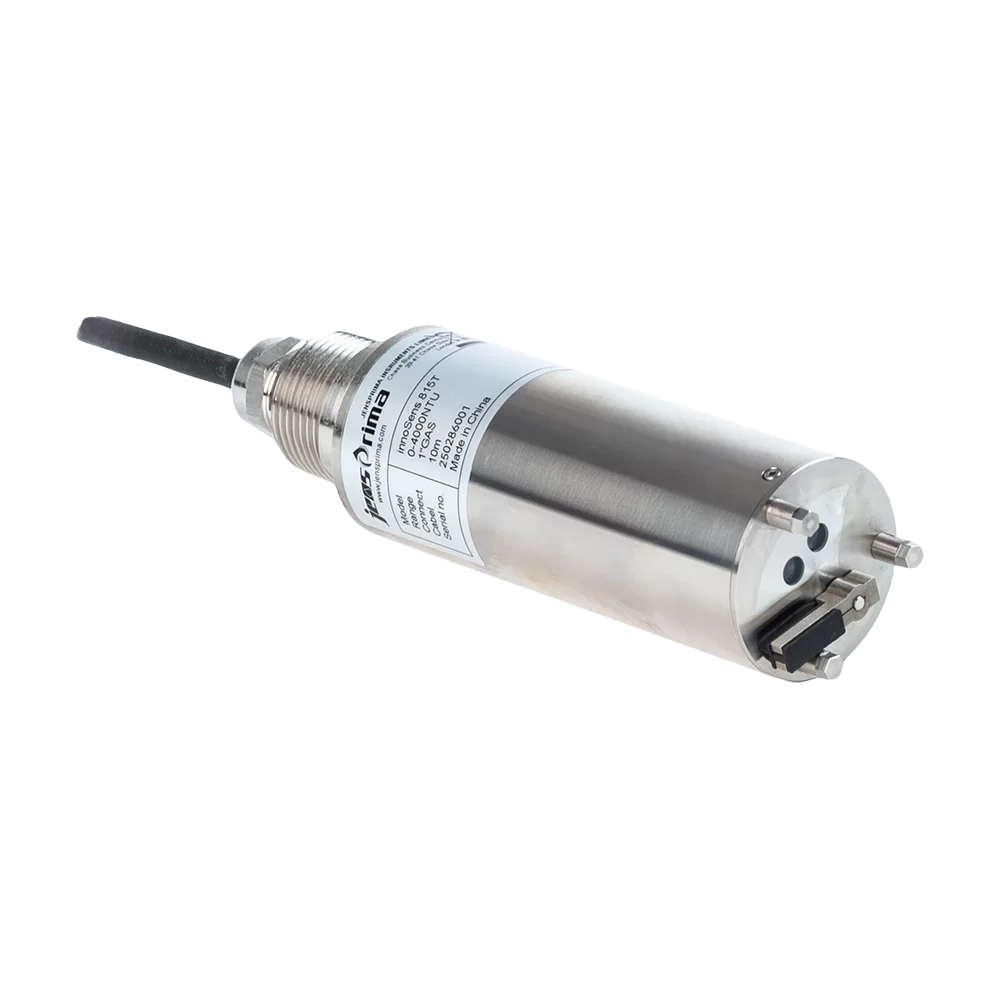


multi parameter analyzer

NEWS

UPDATES

Slovakia Industrial Water Monitoring Solutions with alkalinity analyzer

Advanced analytical instrumentation for Slovakia's stringent environmental standards, ensuring precision in water quality management across the Danube basin.

Slovakia Industrial Water Monitoring Solutions with alkalinity analyzer

Integrating high-precision sensing technology to monitor critical water parameters in Slovakian manufacturing and municipal infrastructures.

Current State of Water Analysis in Slovakia

Navigating the regulatory landscape of Central European water monitoring.

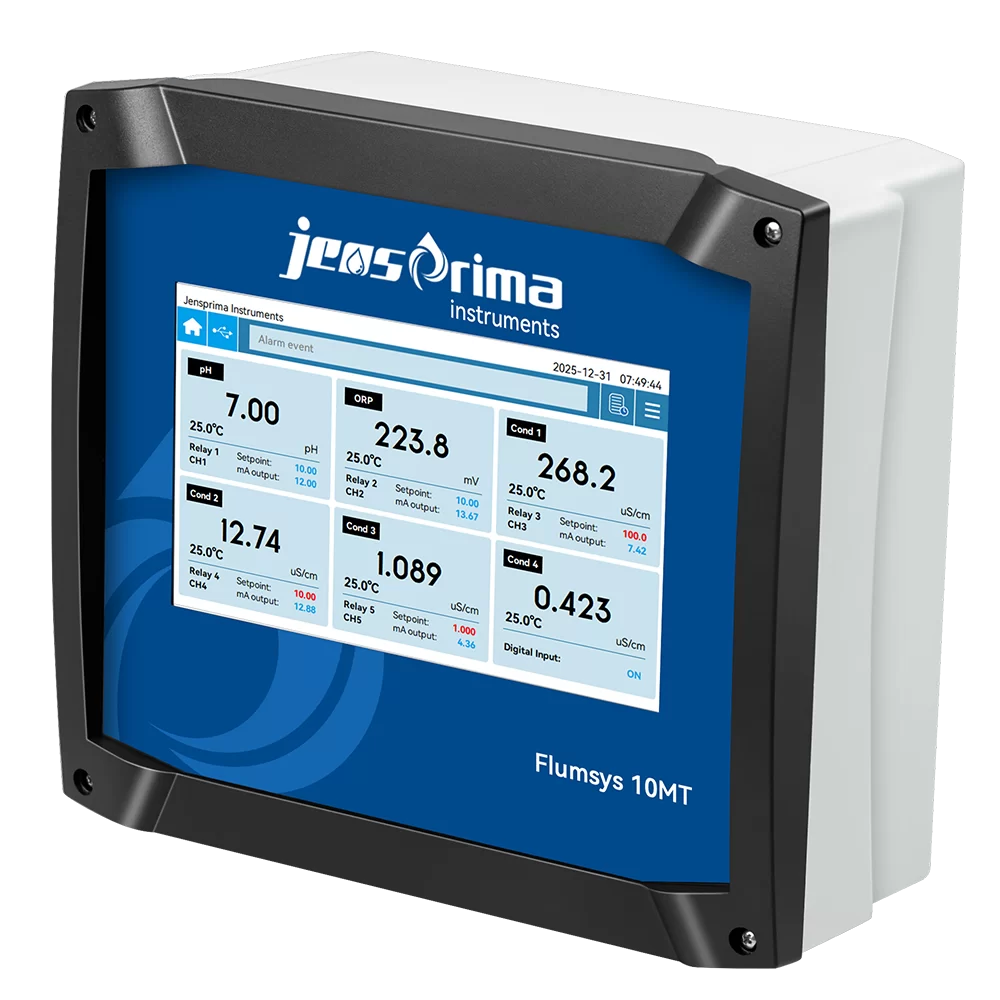
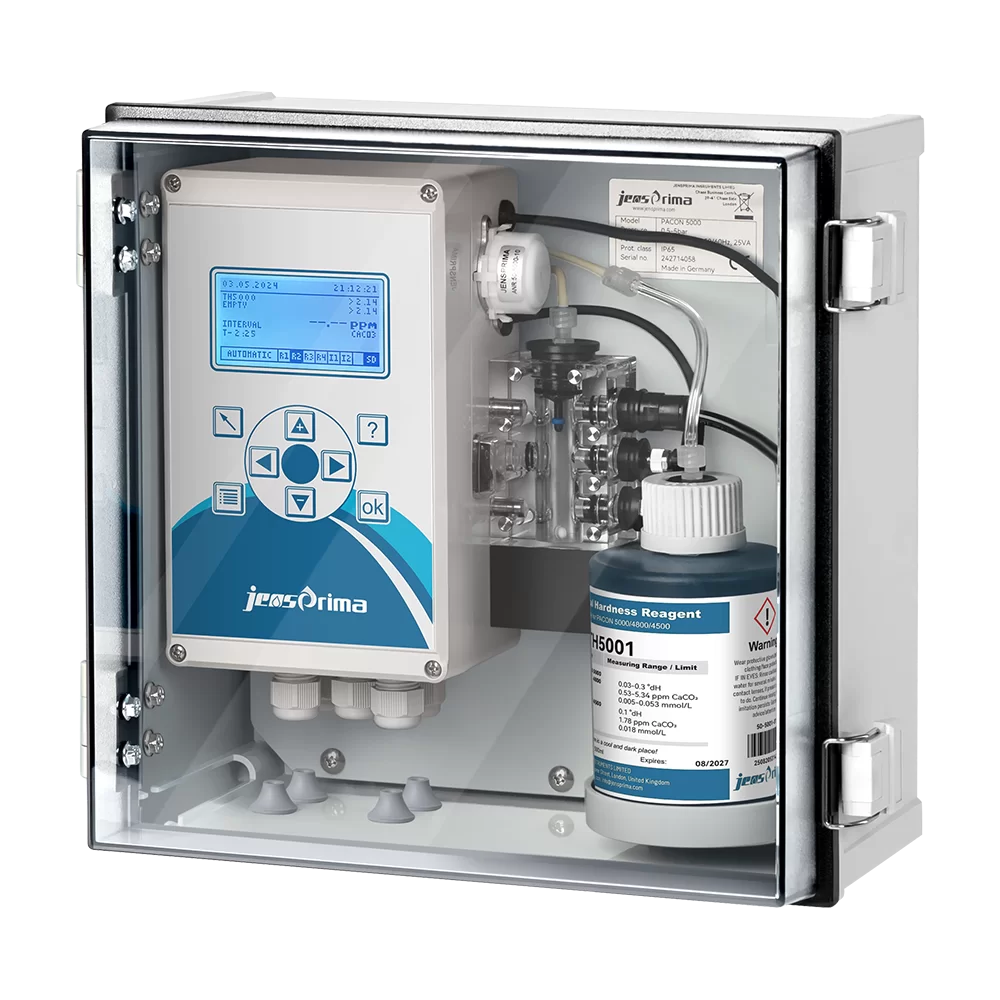
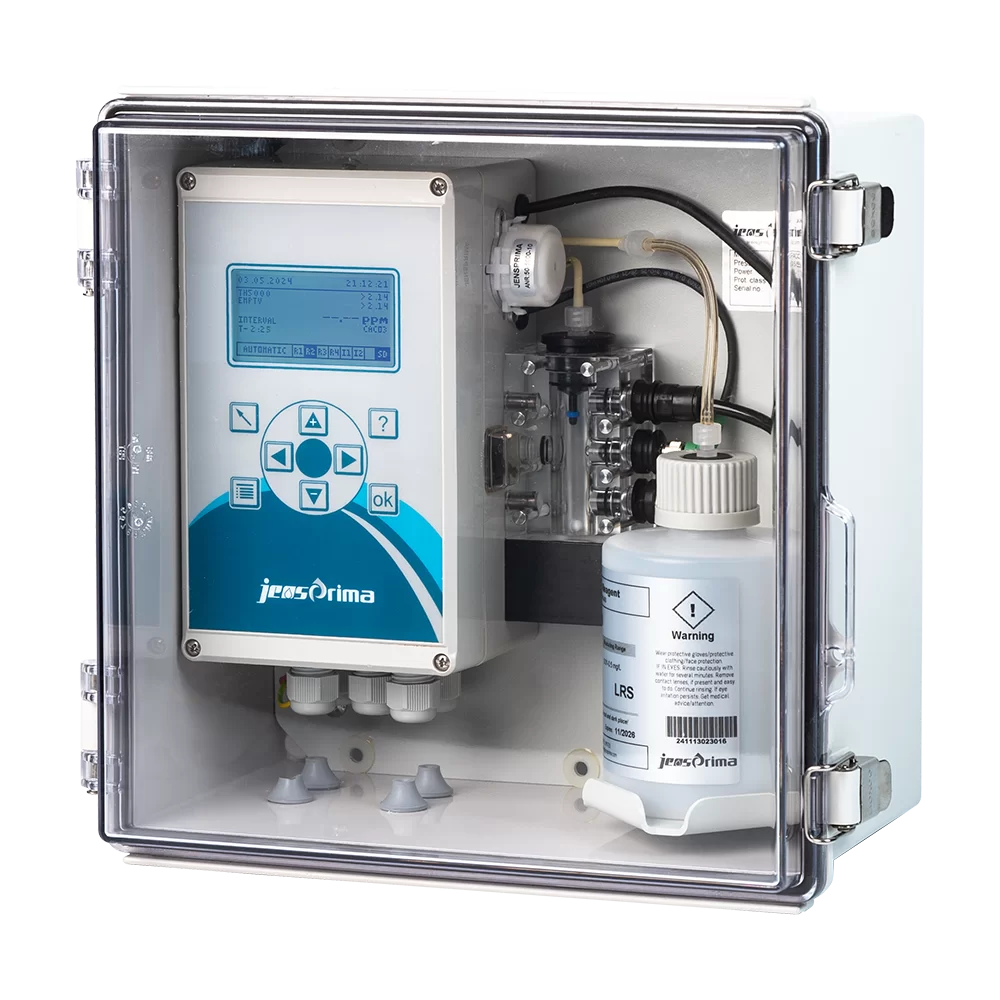
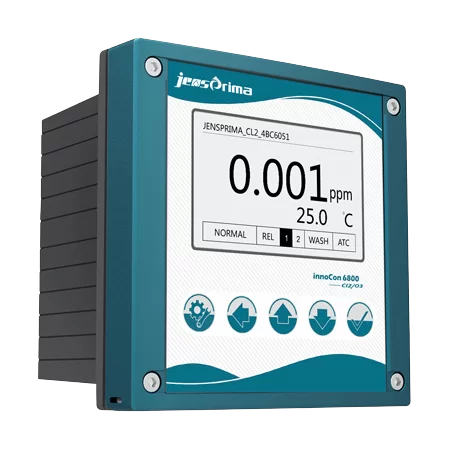
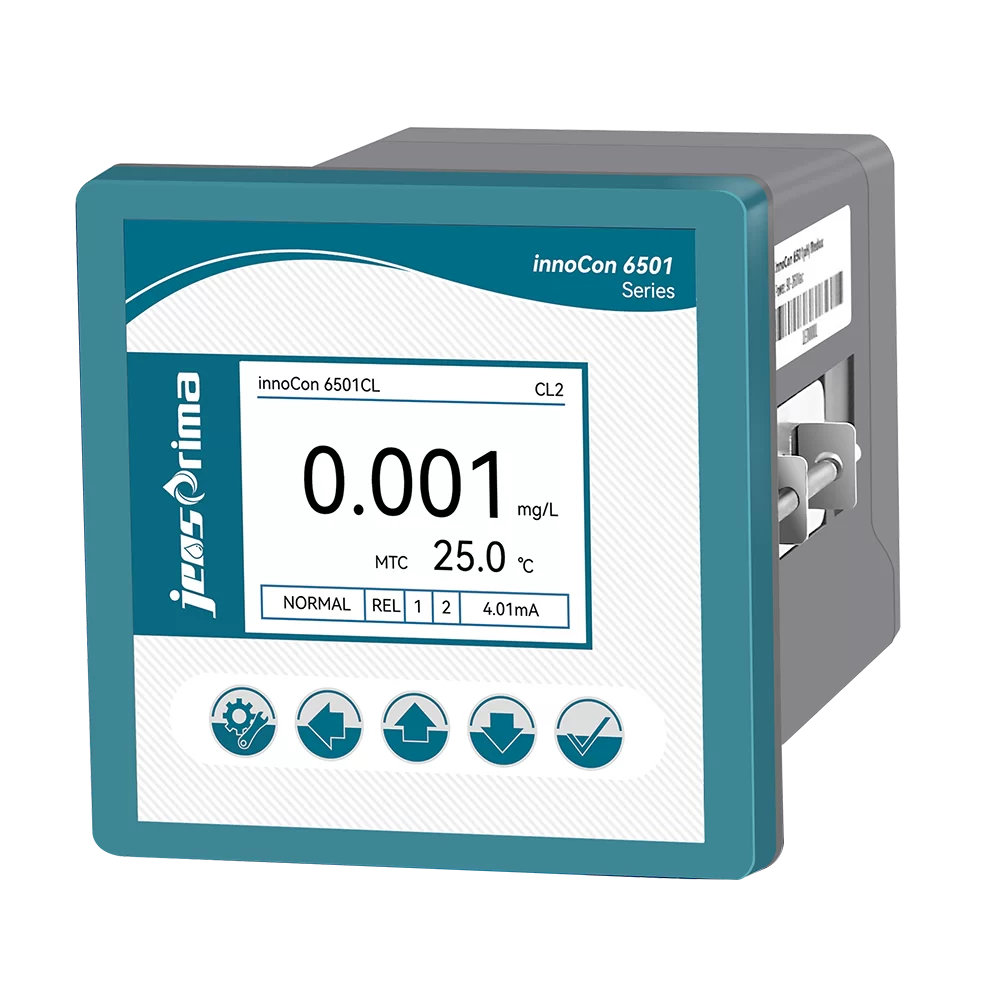
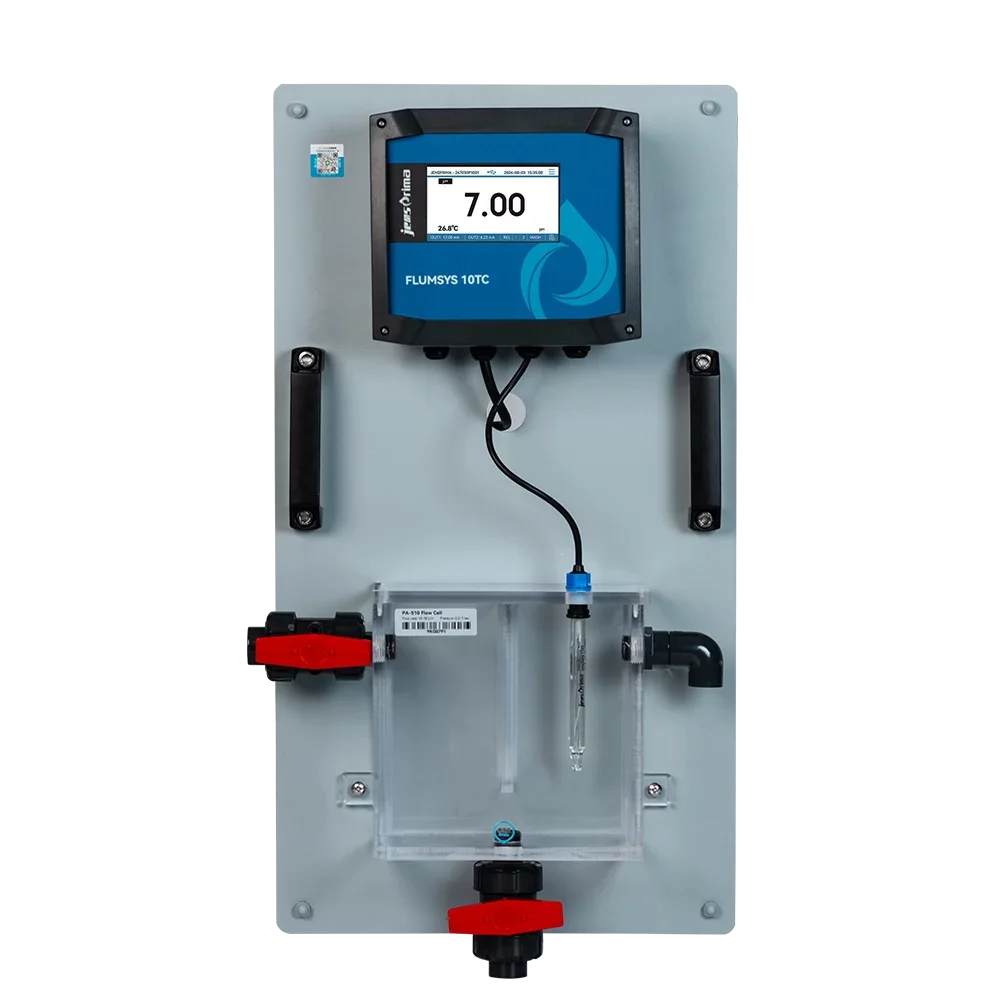
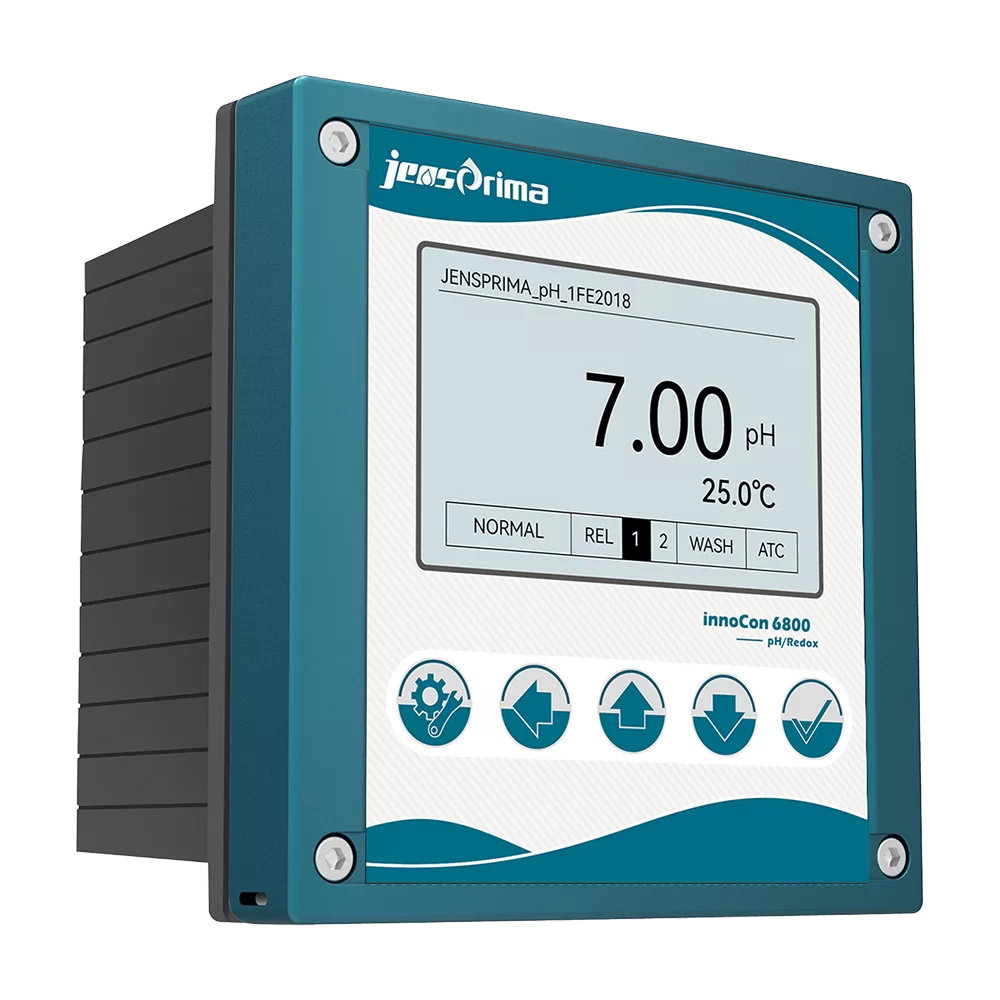
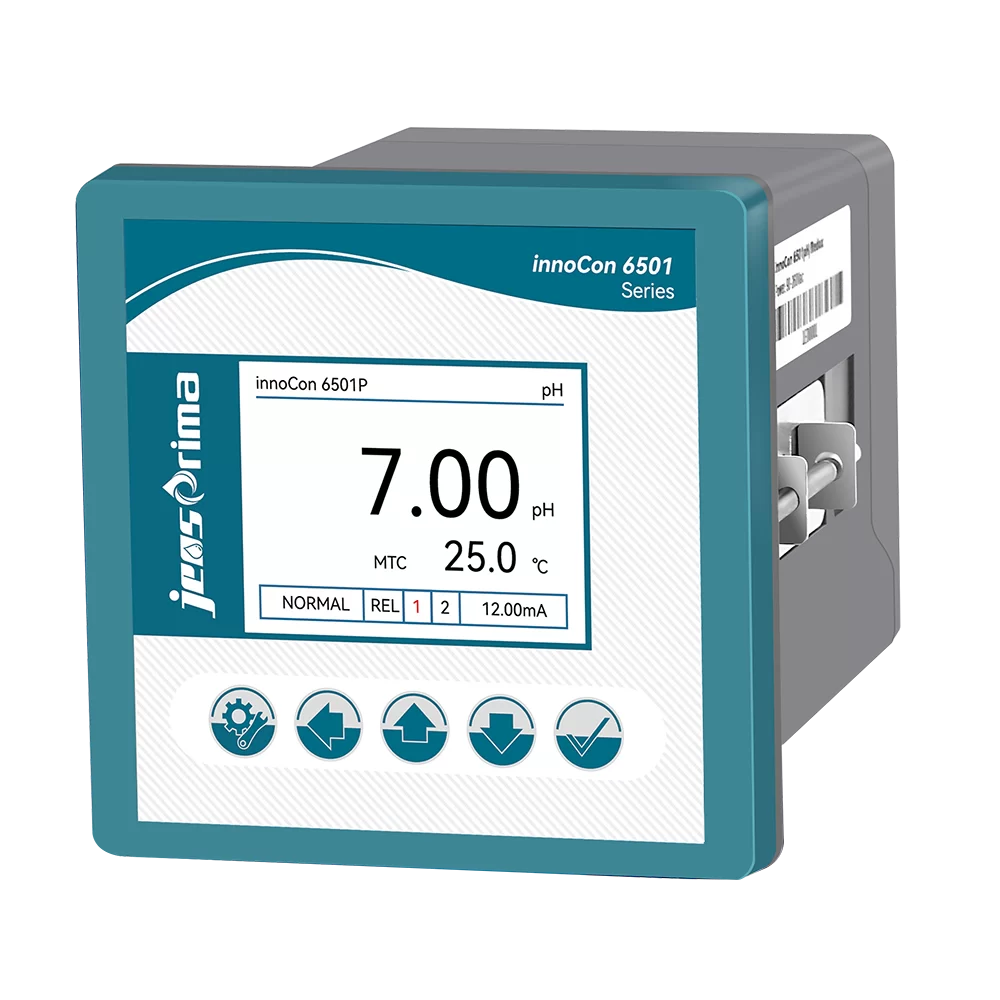
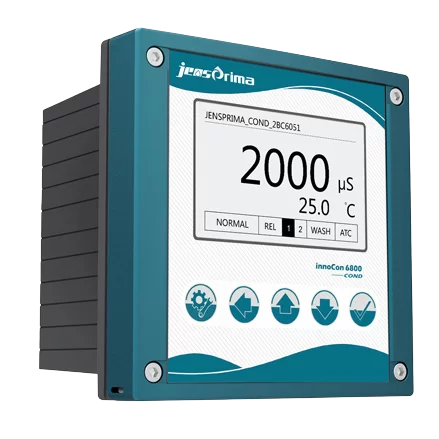
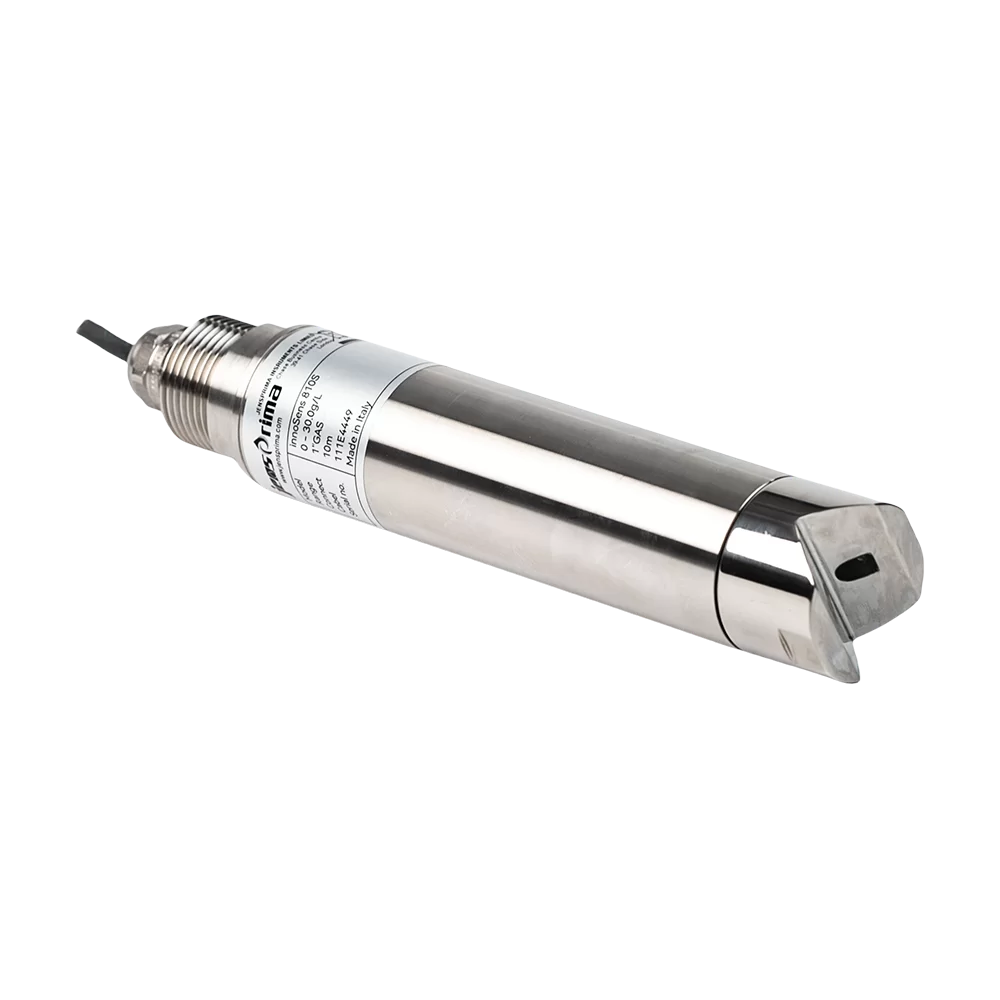
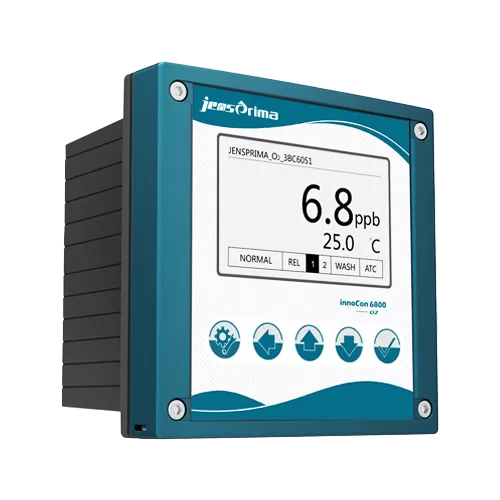
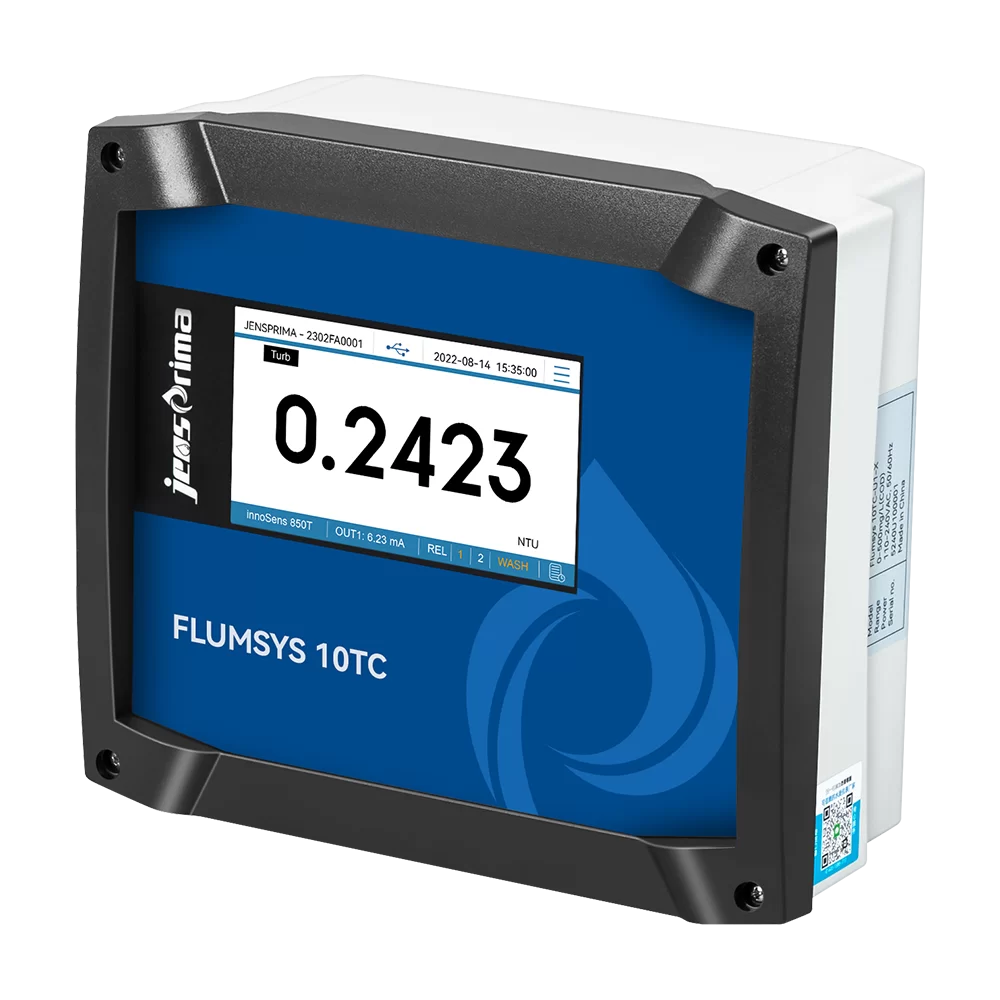
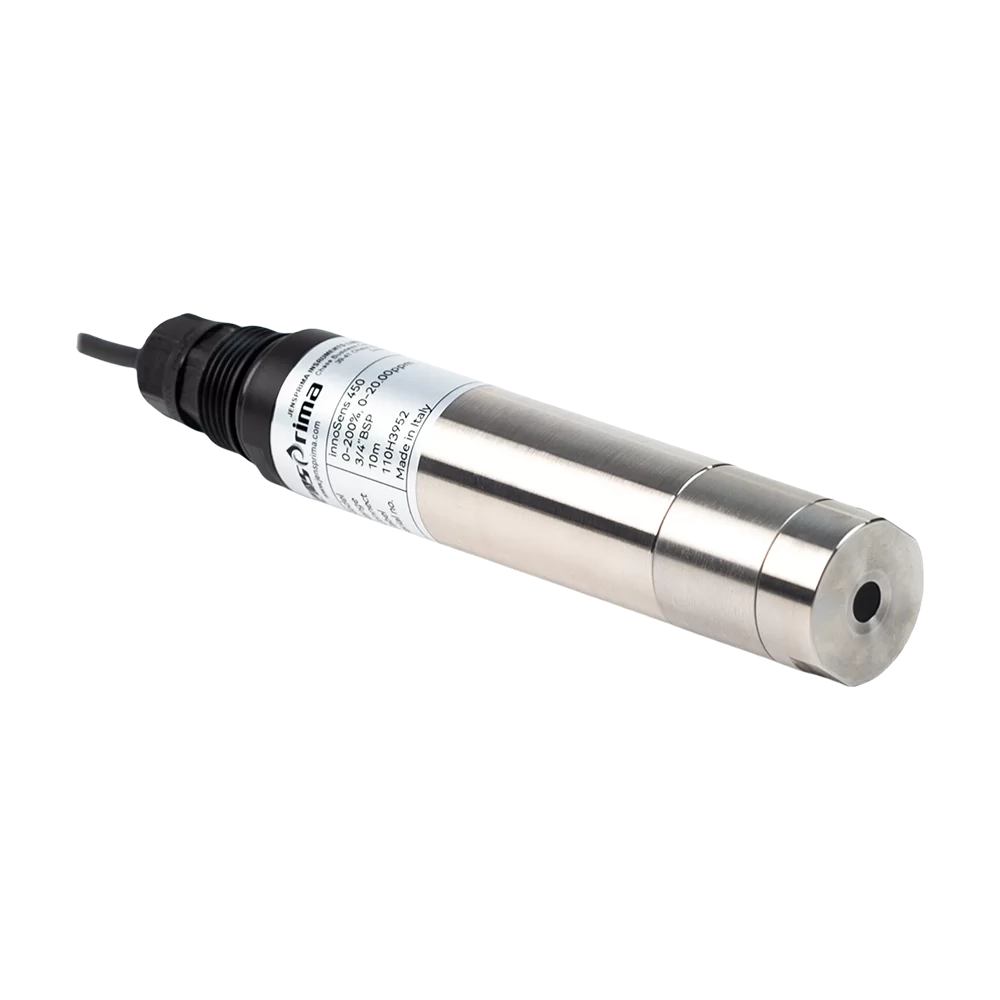
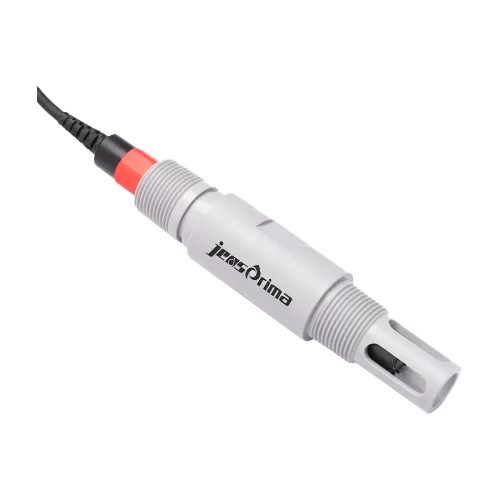
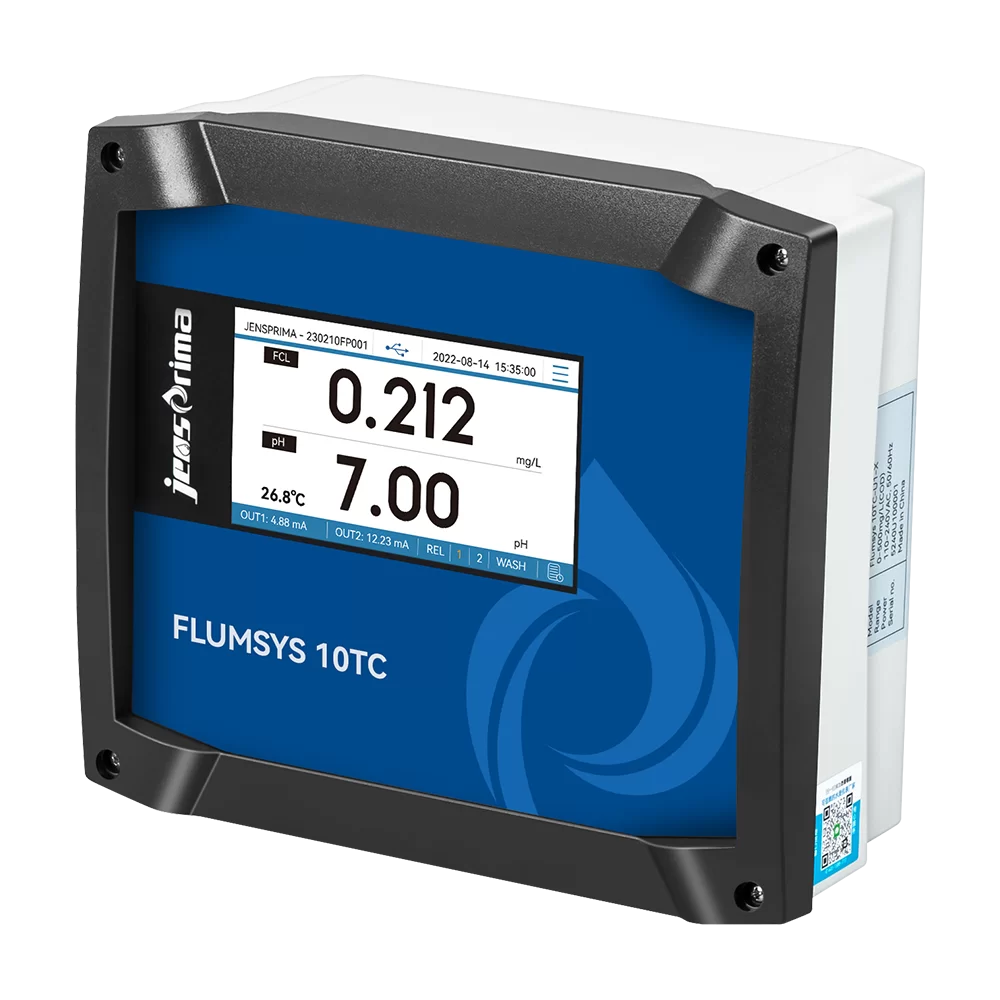
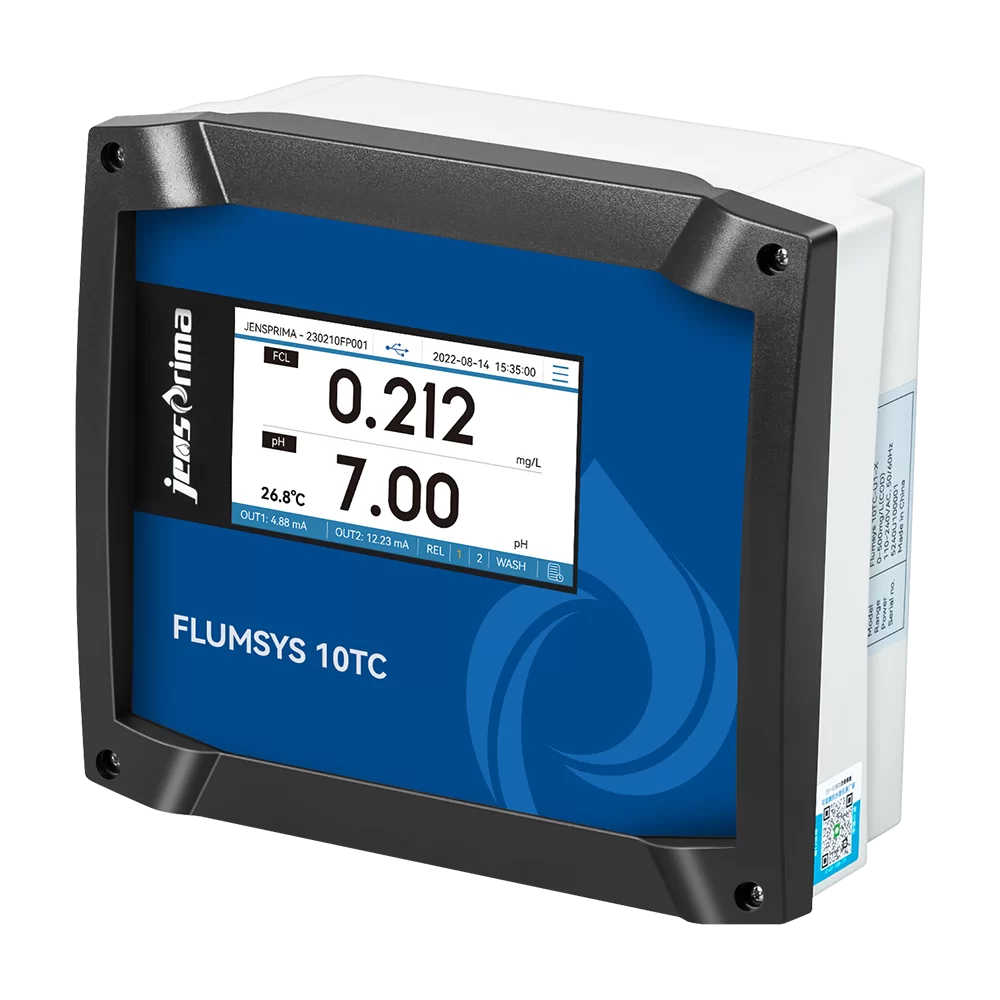
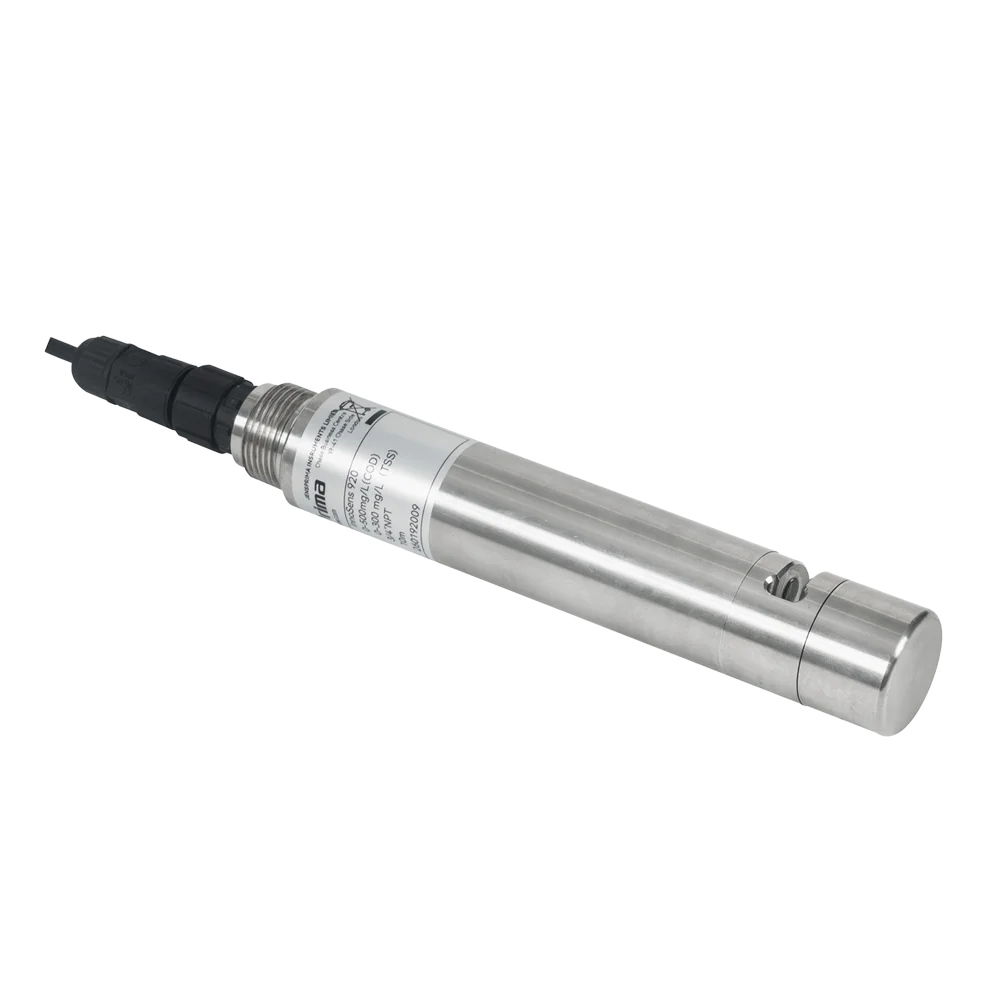
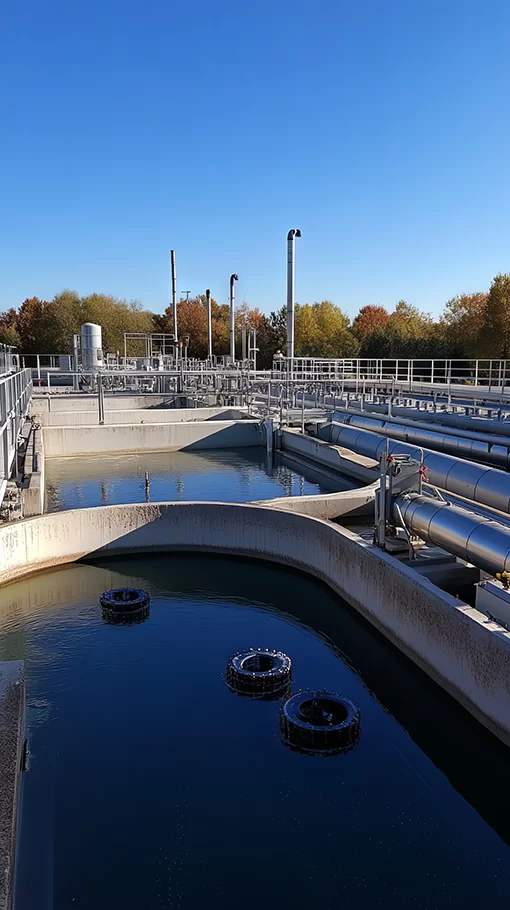
Slovakia's industrial sector, heavily influenced by automotive and chemical manufacturing, faces strict EU Water Framework Directives. The reliance on a multi parameter water quality analyzer has become essential for plants operating near the Danube and Vah rivers to prevent contamination.

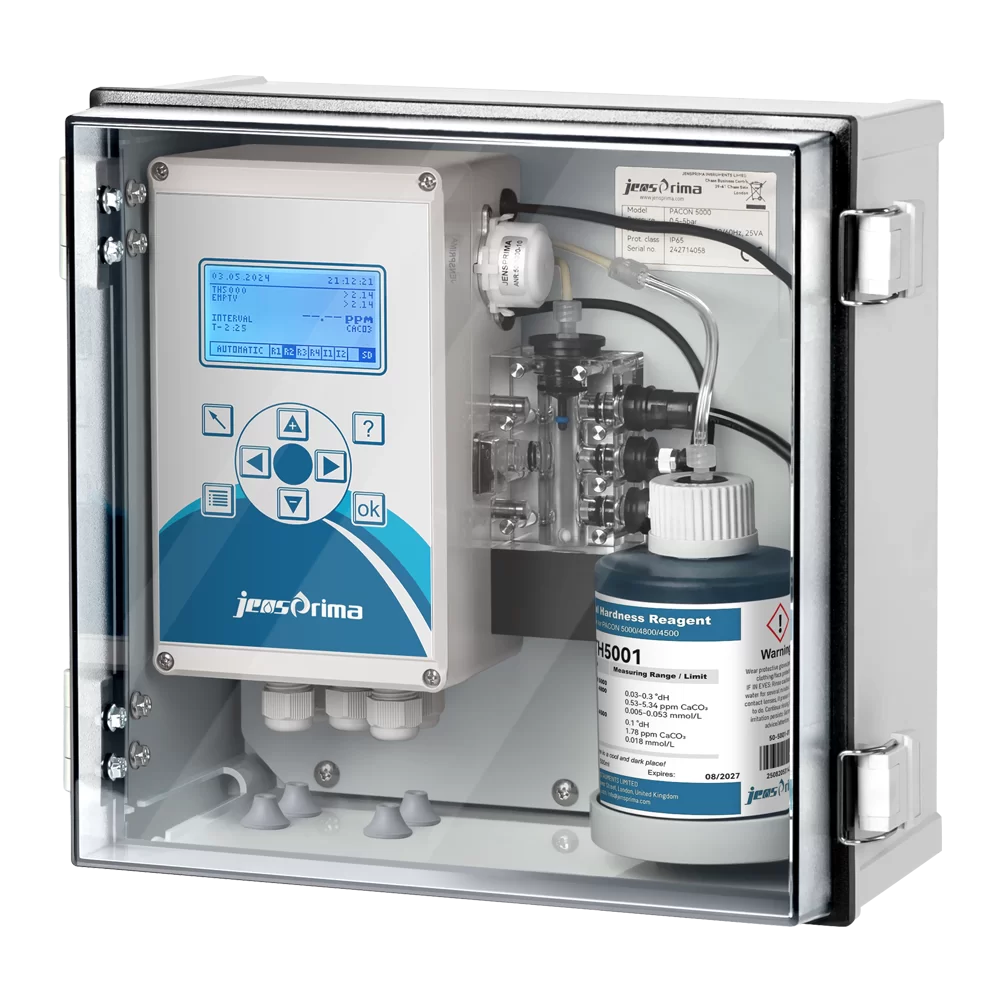
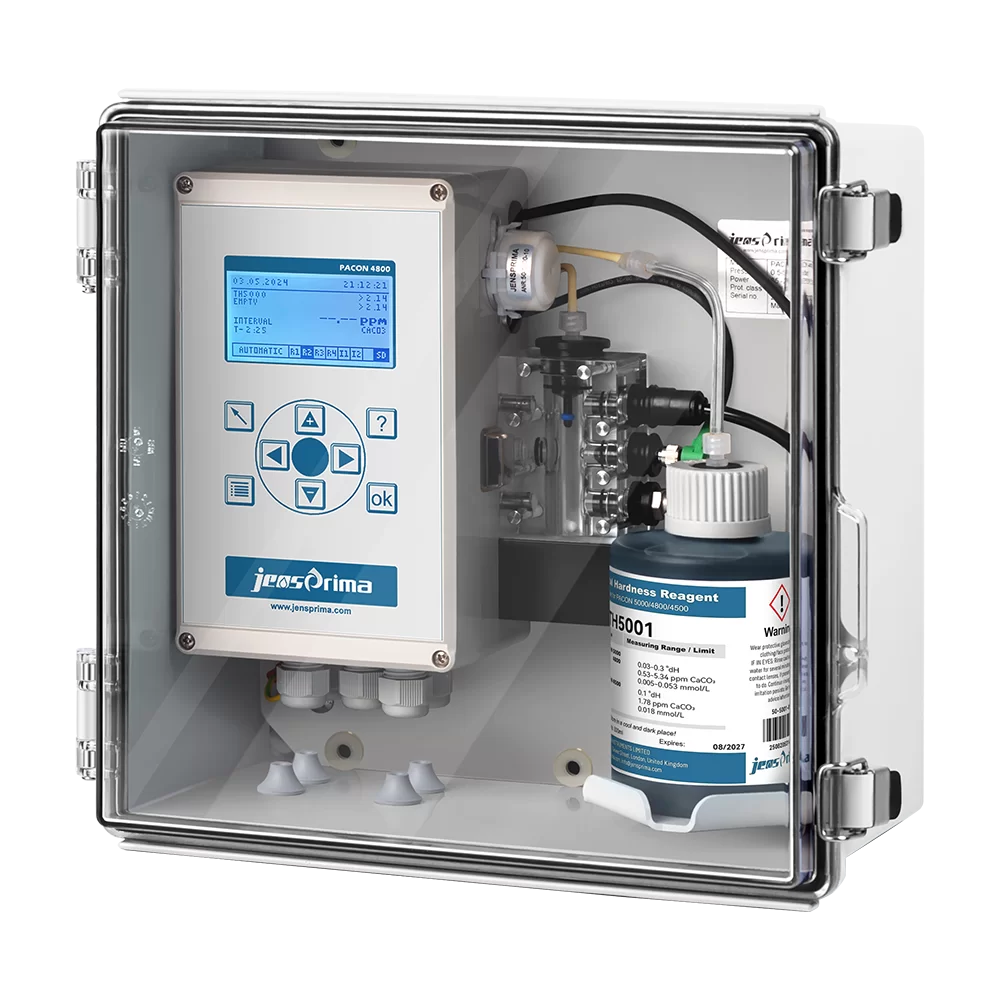
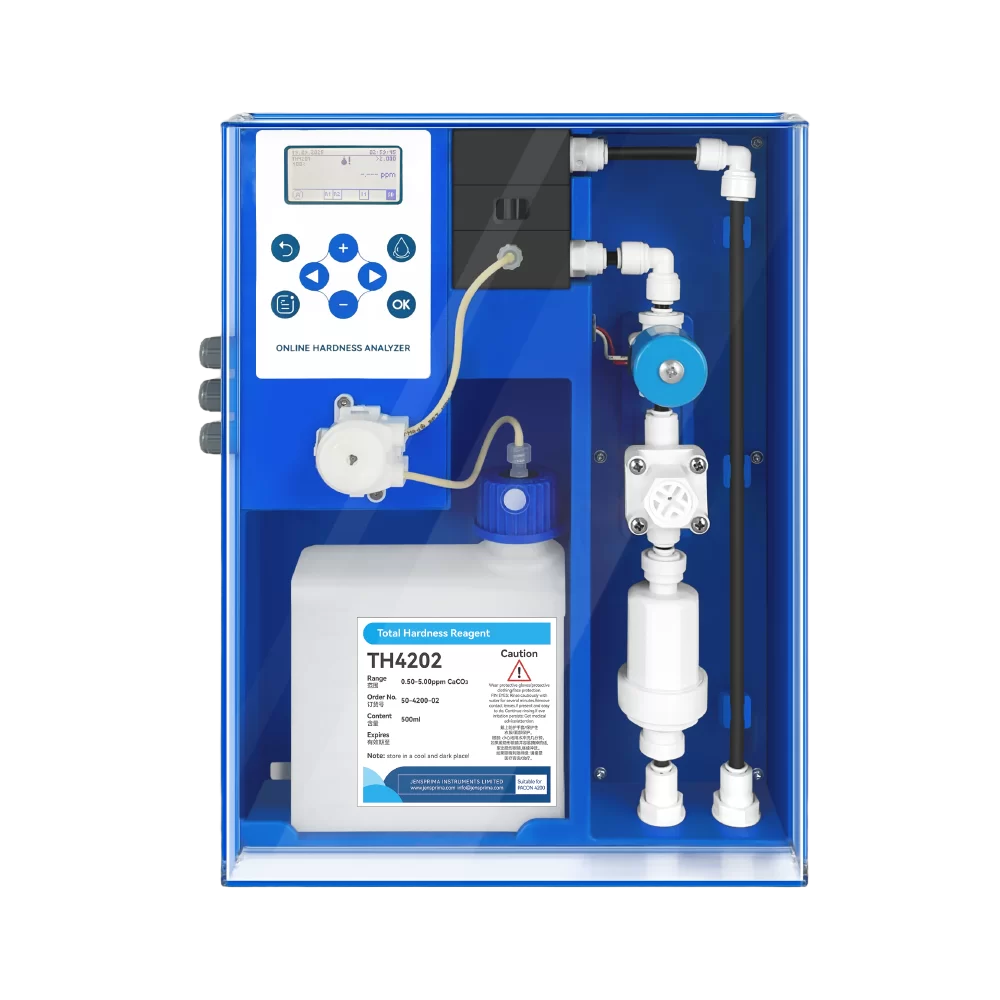
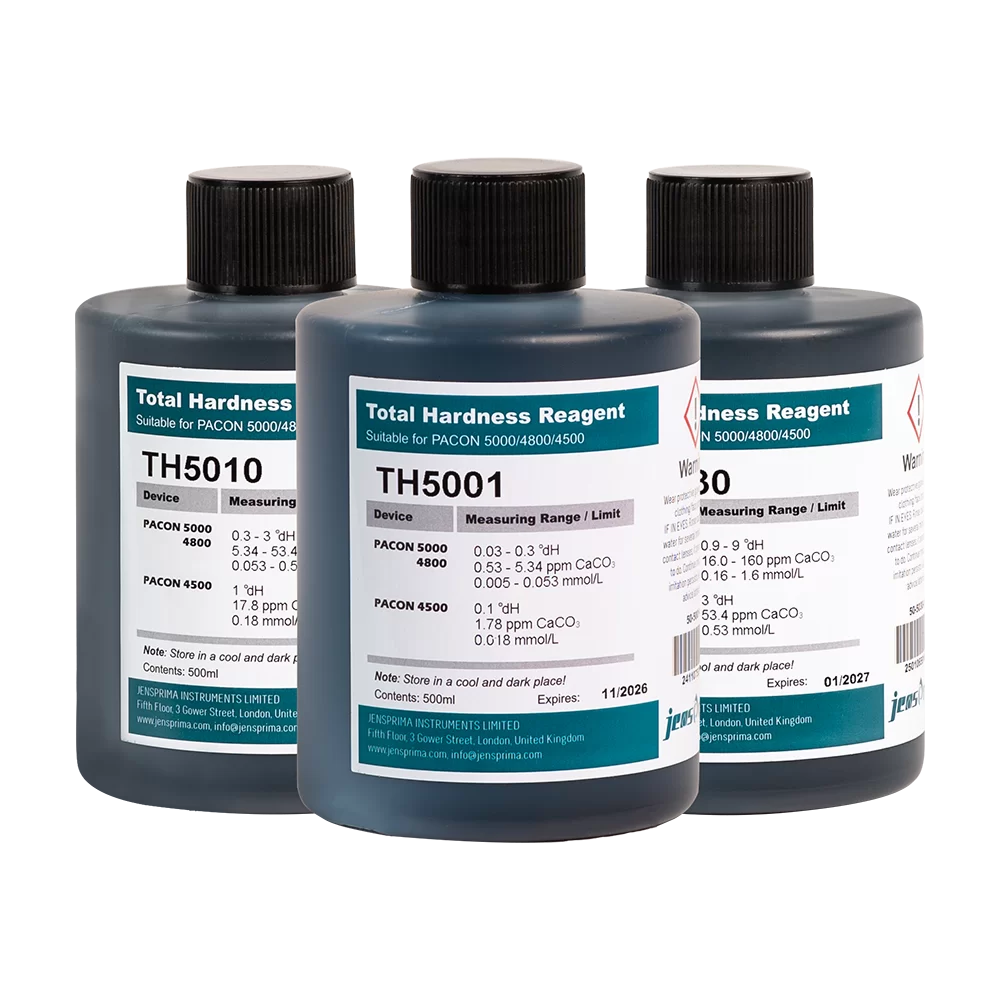
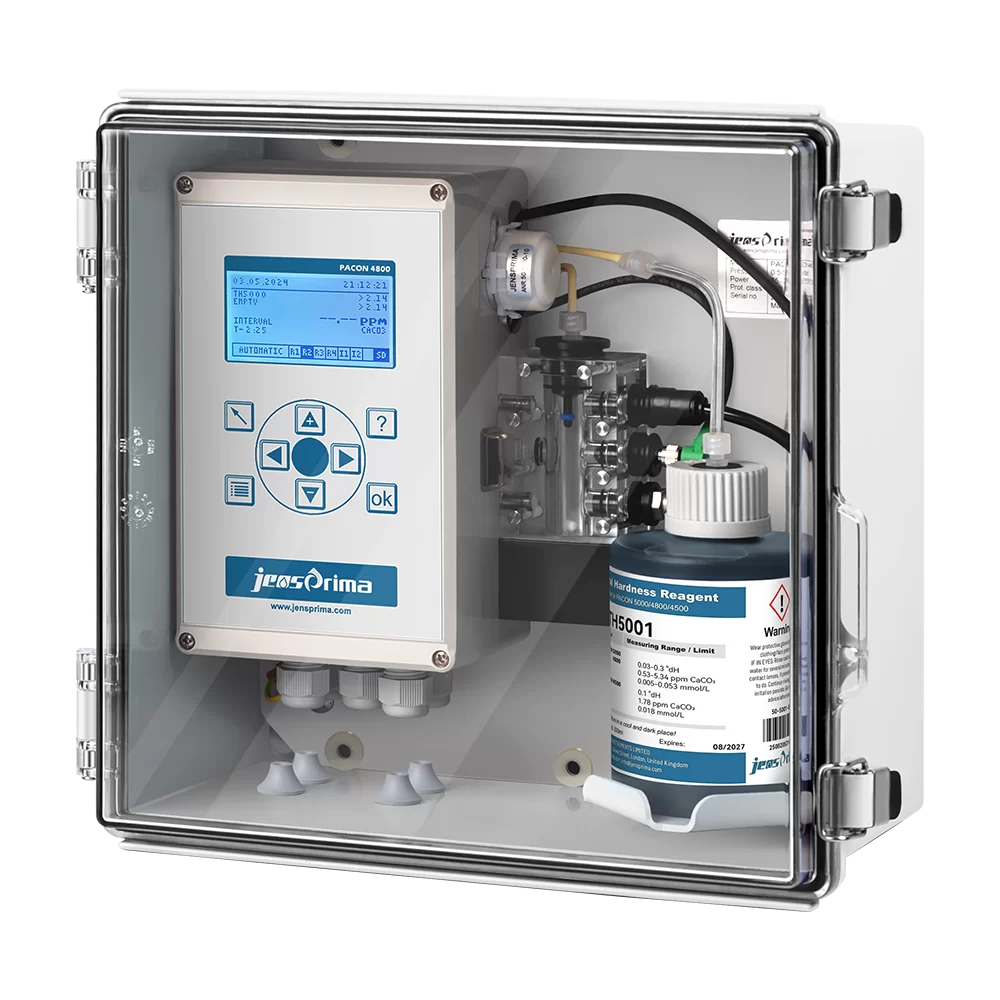
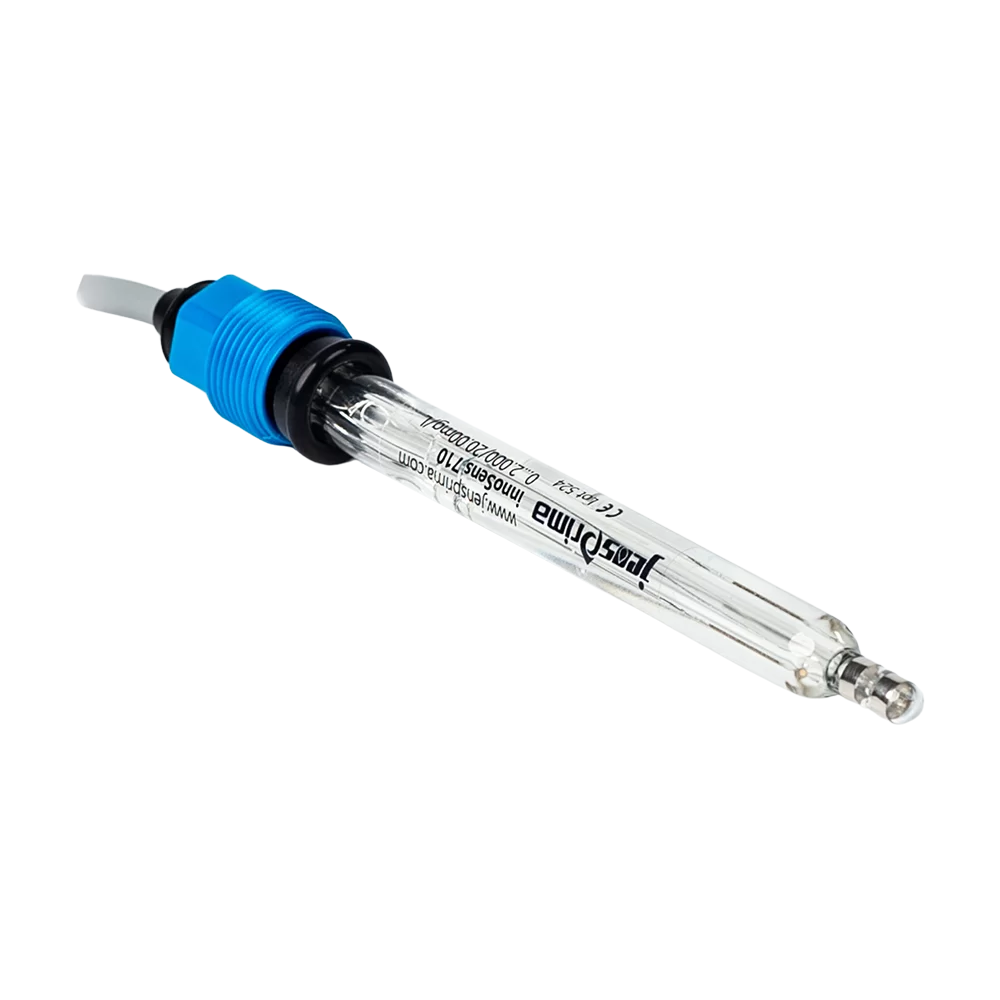
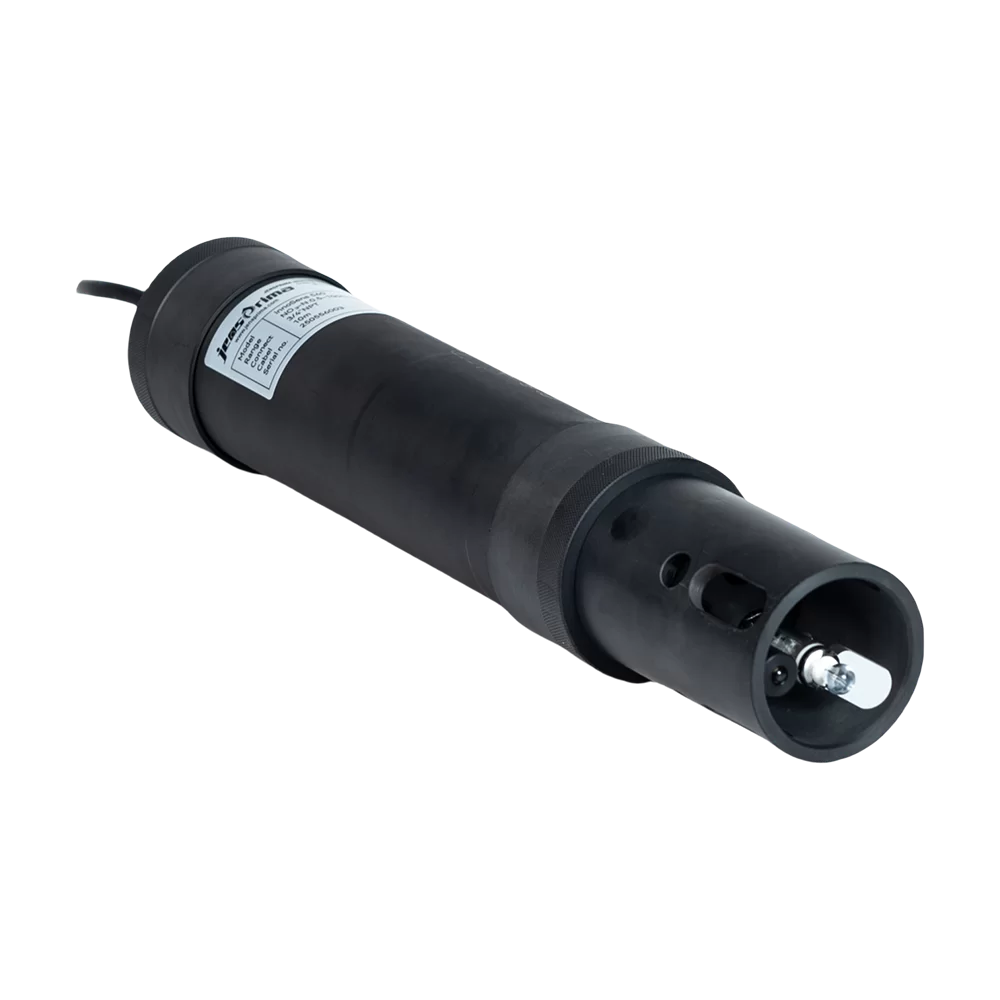
With the region's varied geological composition, particularly in the mountainous northern areas, water hardness fluctuates significantly. This necessitates the deployment of a dedicated total hardness analyzer to protect industrial boilers and cooling systems from scale buildup.

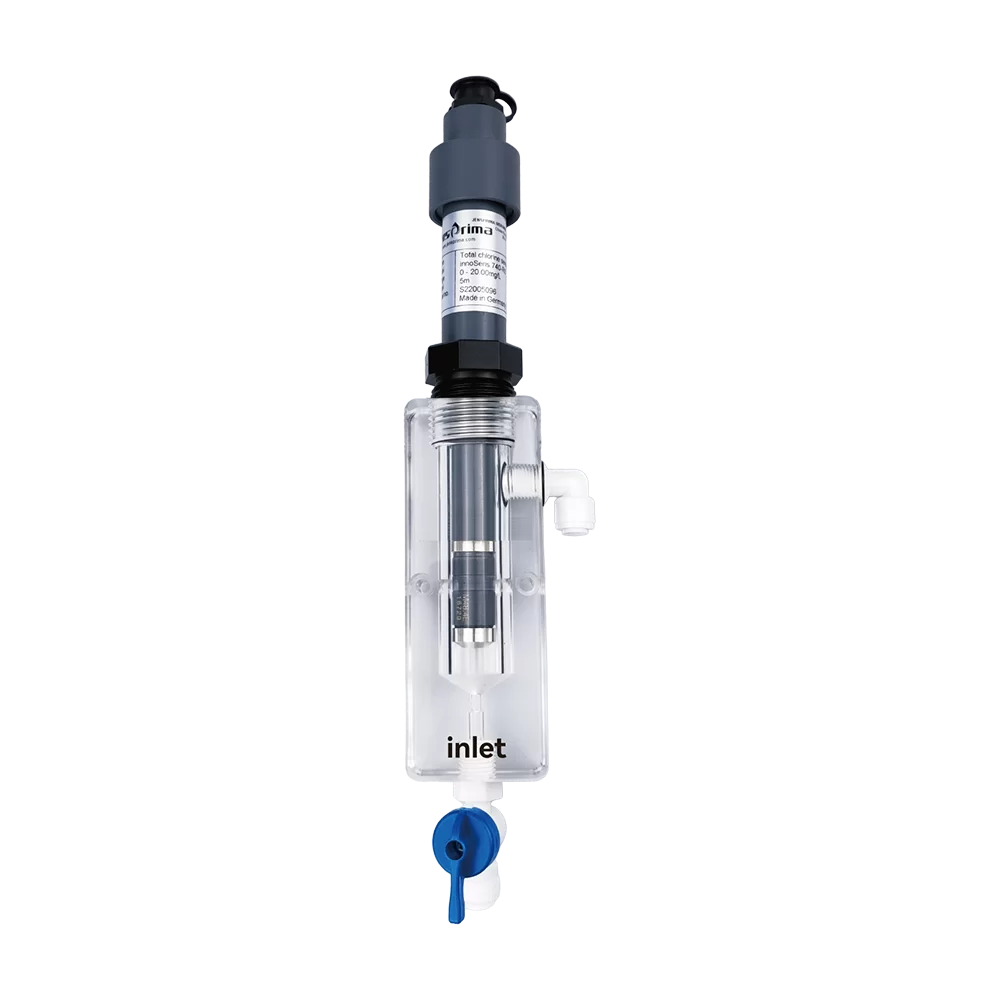
Furthermore, the modernization of Slovakian municipal water works is driving a shift toward automated chemical dosing. The integration of a residual chlorine controller is now a standard requirement for ensuring safe potable water delivery in cities like Bratislava and Košice.

Evolution of Water Quality Instrumentation in Slovakia

From manual sampling to real-time digital telemetry.

Market Development History

In the late 1990s and early 2000s, Slovakian water monitoring relied heavily on manual laboratory titration and periodic sampling, which led to significant delays in reacting to pollution spikes.

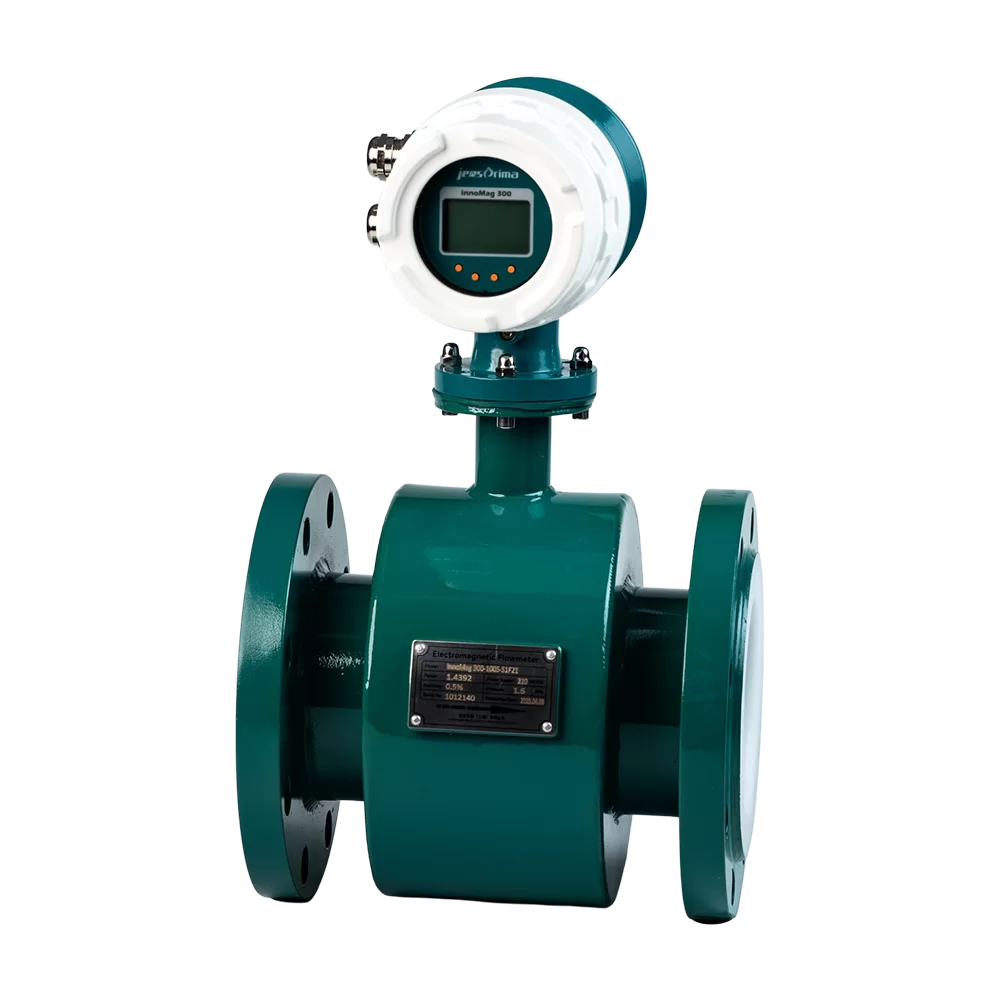
Between 2010 and 2020, the industry transitioned toward online sensing. The adoption of the electromagnetic flowmeter revolutionized how wastewater volume was measured, allowing for more accurate mass-balance calculations of pollutants.

Currently, the market is entering the era of IoT and AI, where analyzers are no longer standalone units but nodes in a cloud-based network providing predictive maintenance and remote calibration across multiple sites.

Future Development Trends

Edge Computing Integration

Shifting data processing from central servers to the analyzer level to provide instantaneous feedback loops for chemical dosing.

Reagent-Free Sensing

Development of optical sensors to replace chemical reagents in alkalinity and hardness measurement, reducing waste in accordance with Green Deal goals.

Hyper-Local Monitoring

Deployment of dense sensor networks for real-time mapping of groundwater quality in Slovakia's agricultural zones.

Future Trends & Strategic Outlook

Anticipating the next wave of analytical technology in the EU market.

Digital Twin Synchronization
Creating virtual replicas of water networks to simulate the impact of contaminant spills.
Autonomous Calibration
AI-driven self-cleaning and calibration cycles to reduce manual technician site visits.
Energy-Neutral Sensing
Implementing energy harvesting from flow streams to power remote water quality sensors.
Multi-Spectral Analysis
Using UV-Vis spectroscopy to monitor multiple organic pollutants simultaneously.

Industry Outlook

The trajectory for Slovakia's water monitoring industry is shifting toward "Zero-Pollution" goals. We expect a 25% increase in demand for integrated multi parameter water quality analyzer systems that can interface directly with municipal SCADA systems.

As Slovakian industries align with the Circular Economy Action Plan, the focus will move from simple effluent monitoring to high-precision resource recovery, where alkalinity and hardness control become drivers of efficiency rather than just compliance.

Localized Applications in Slovakia

Tailored deployments for regional challenges in Central Europe.

1. Automotive Cooling Water Loop Monitoring

Implementing total hardness analyzer systems in car manufacturing plants to prevent mineral scaling in heat exchangers, reducing downtime and energy loss.

2. Municipal Potable Water Disinfection

Deploying a residual chlorine controller in city water networks to ensure safe drinking water while optimizing chlorine usage to avoid harmful byproducts.

3. Chemical Plant Effluent Tracking

Utilizing a multi parameter water quality analyzer at discharge points to monitor pH, conductivity, and dissolved oxygen in real-time before water enters the Vah river.

4. Industrial Wastewater Flow Management

Installing high-precision electromagnetic flowmeter units in textile and pulp mills to accurately report wastewater volumes to Slovak environmental agencies.

5. Power Plant Boiler Feed Water Control

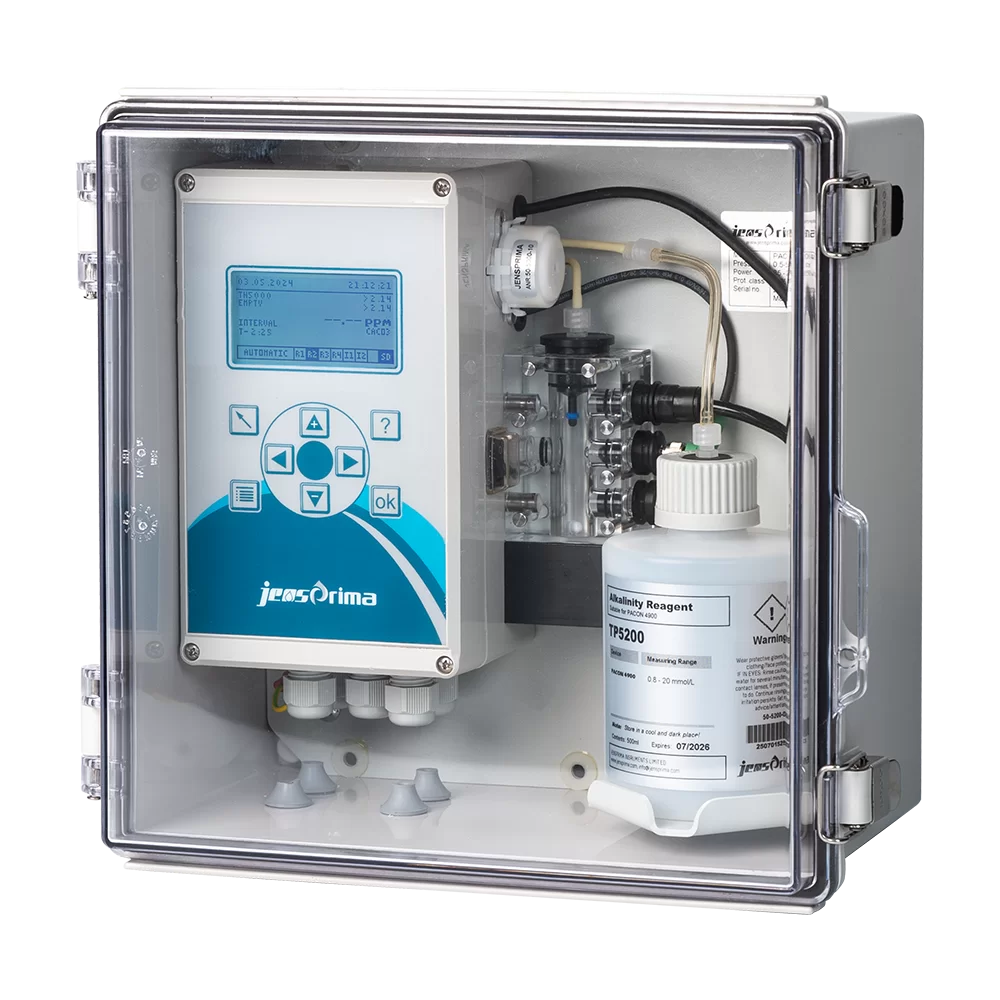
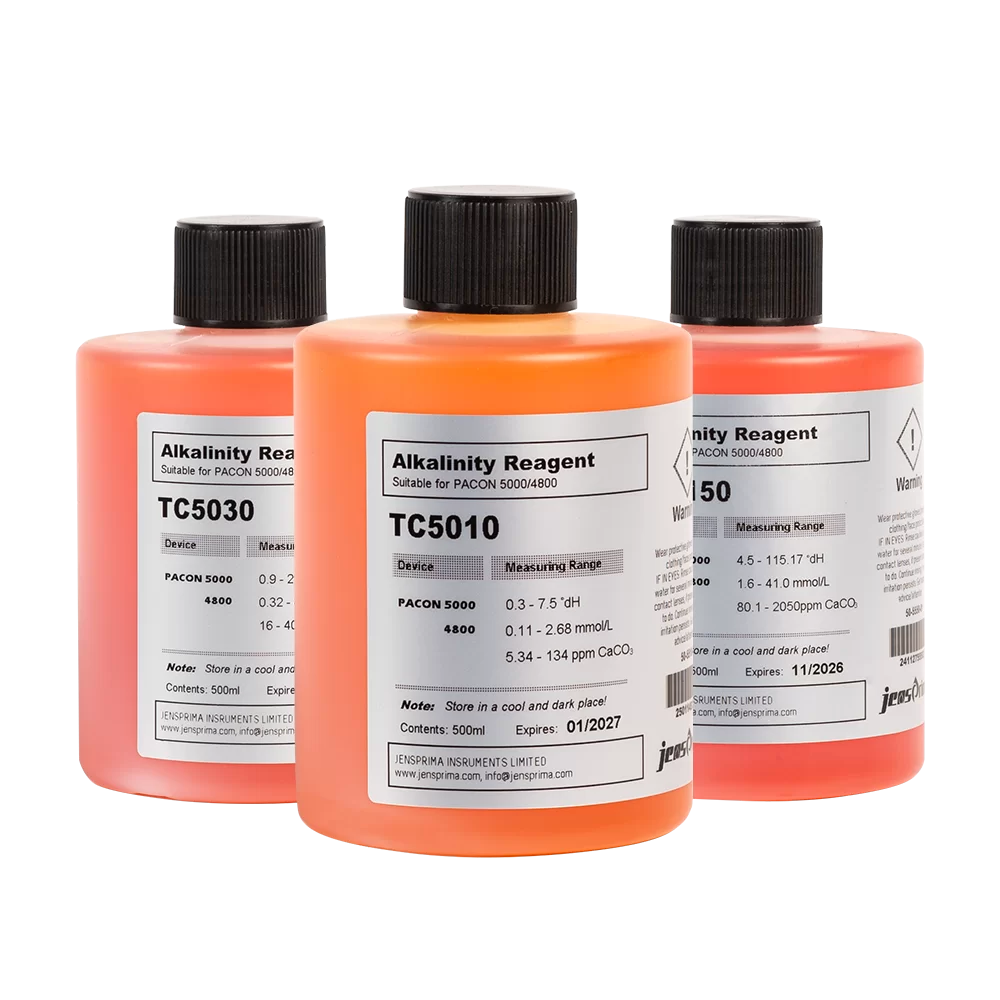
Integrating an alkalinity analyzer to maintain strict pH balance in high-pressure steam generators, preventing caustic embrittlement of piping.

Brand Story

Global Development History of Jensprima (Shanghai) Co., Ltd.

Foundational Innovation

Established with a mission to bridge the gap between laboratory precision and industrial durability in water analysis.

Technological Breakthroughs

Developing patented electrode designs that resist fouling in harsh industrial wastewater environments.

European Market Expansion

Aligning product certifications with EU CE and RoHS standards to enter the Central European water management market.

Strategic Partnerships

Collaborating with global engineering firms to integrate our sensors into large-scale municipal infrastructure projects.

Sustainable Future Vision

Commitment to creating carbon-neutral sensing solutions that protect global water resources for the next generation.

Slovakian Water Analysis FAQ

Expert answers to technical queries from the field.

How does a multi parameter water quality analyzer handle Slovakian river sediment?

Our analyzers feature automatic cleaning mechanisms and robust membrane filters specifically designed to prevent electrode fouling in sediment-rich waters typical of the Danube basin.

Is the total hardness analyzer compliant with EU drinking water standards?

Yes, our hardness analyzers are calibrated to meet the precision requirements of EU directives, ensuring accurate CaCO3 measurement for municipal compliance.

Can the alkalinity analyzer be integrated into existing PLC systems?

Absolutely. All our units support standard 4-20mA, Modbus RTU, and Profibus protocols for seamless integration into Slovakian industrial automation networks.

What is the response time of the residual chlorine controller?

The controller provides real-time monitoring with a response time of under 30 seconds, allowing for immediate dosing adjustments to maintain safe chlorine levels.

Which electromagnetic flowmeter is best for corrosive chemical wastewater?

We recommend our PTFE-lined electromagnetic flowmeters, which offer superior resistance to acids and alkalis common in Slovakian chemical manufacturing.

How often should the sensors be calibrated in Slovakian industrial environments?

Depending on the water turbidity, we recommend a calibration check every 30 to 90 days to ensure peak accuracy and compliance with environmental regulations.

Expert Water Analysis Support

Get technical consultation and customized equipment configurations for your projects in Slovakia.

Contact Us Now
Service Repair Form
Tell us what issue you encountered, including any steps or symptoms.
  • Name
  • Email
  • Phone
  • Fault Description

If you are interested in our products, you can choose to leave your information here, and we will be in touch with you shortly.