
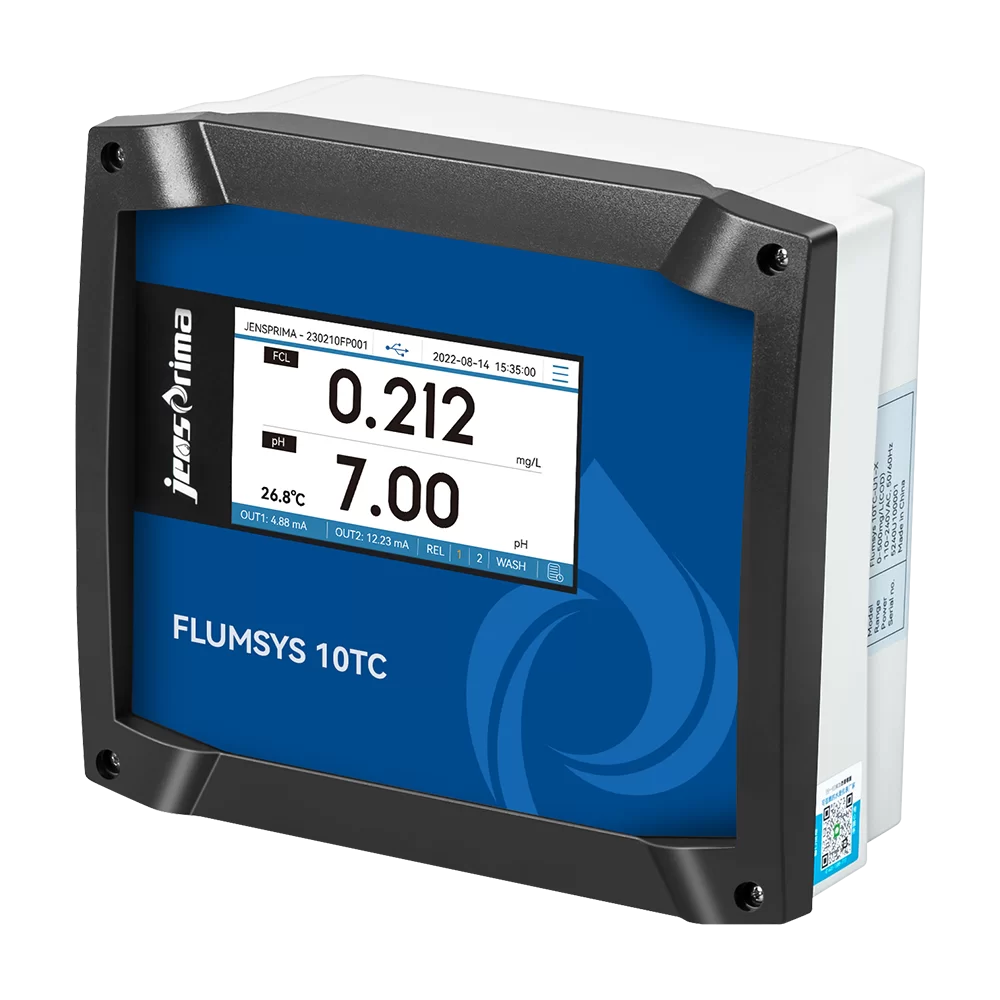
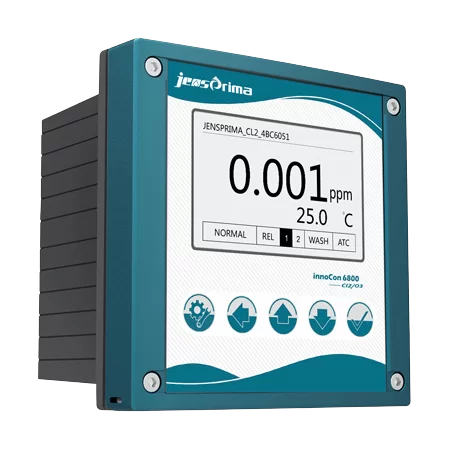
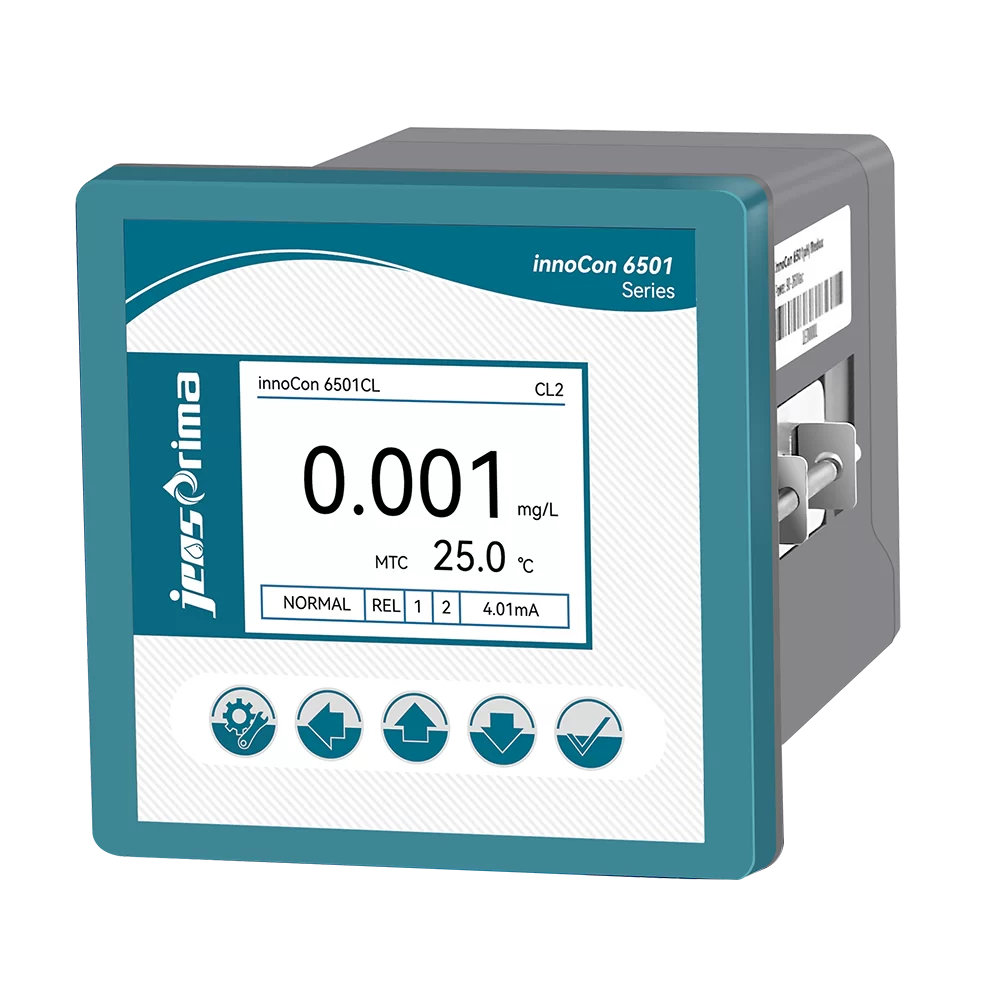
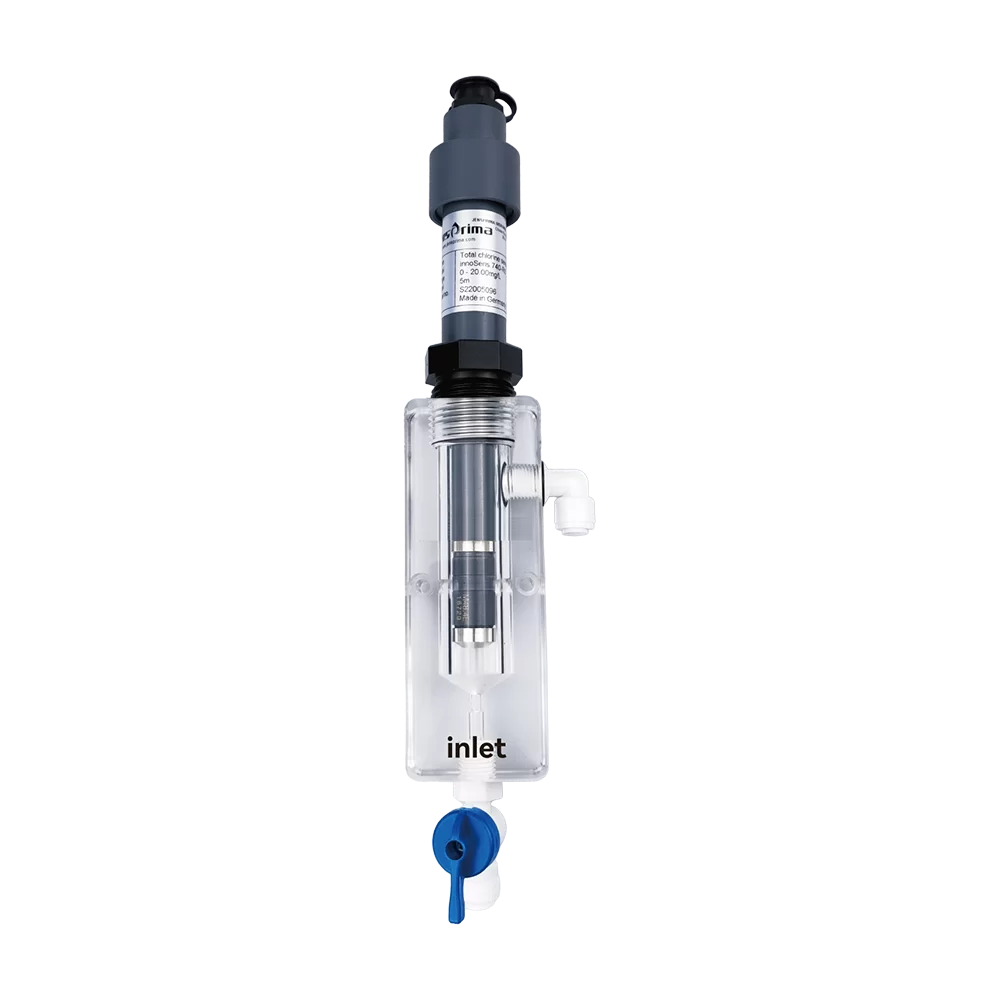
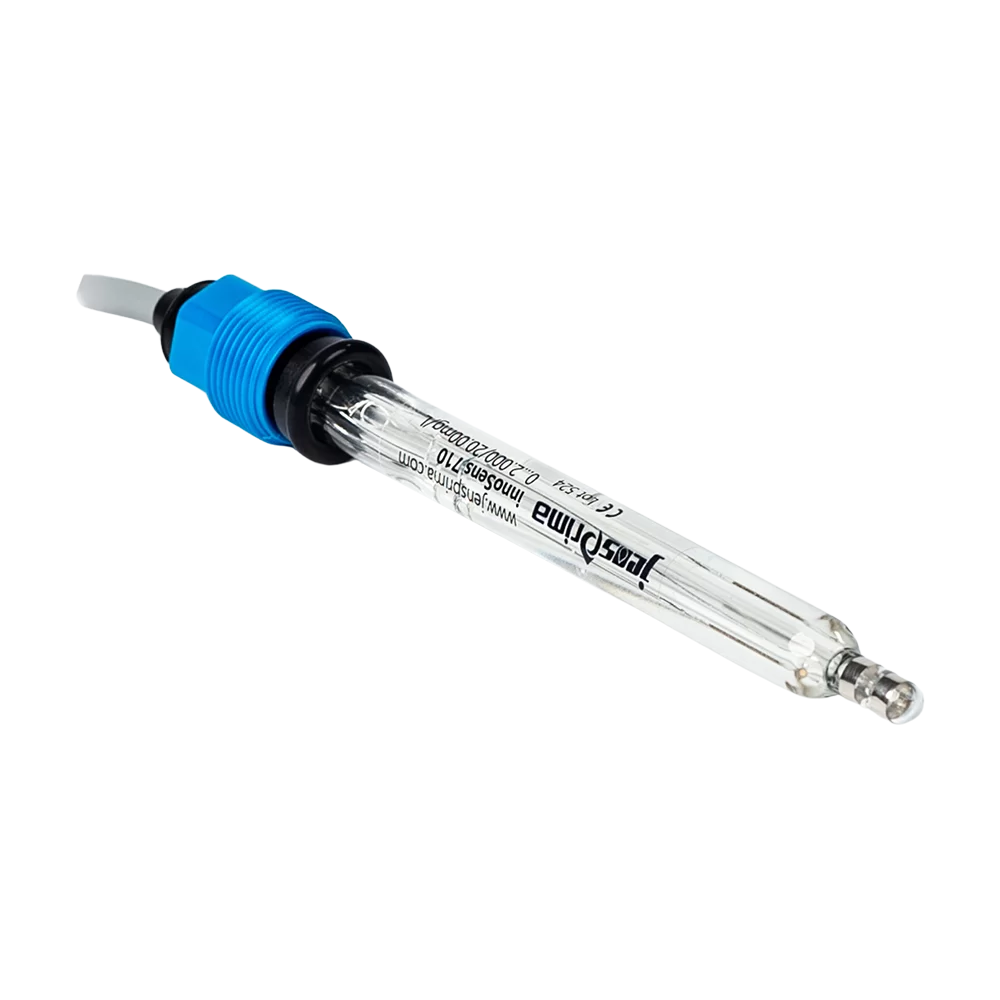
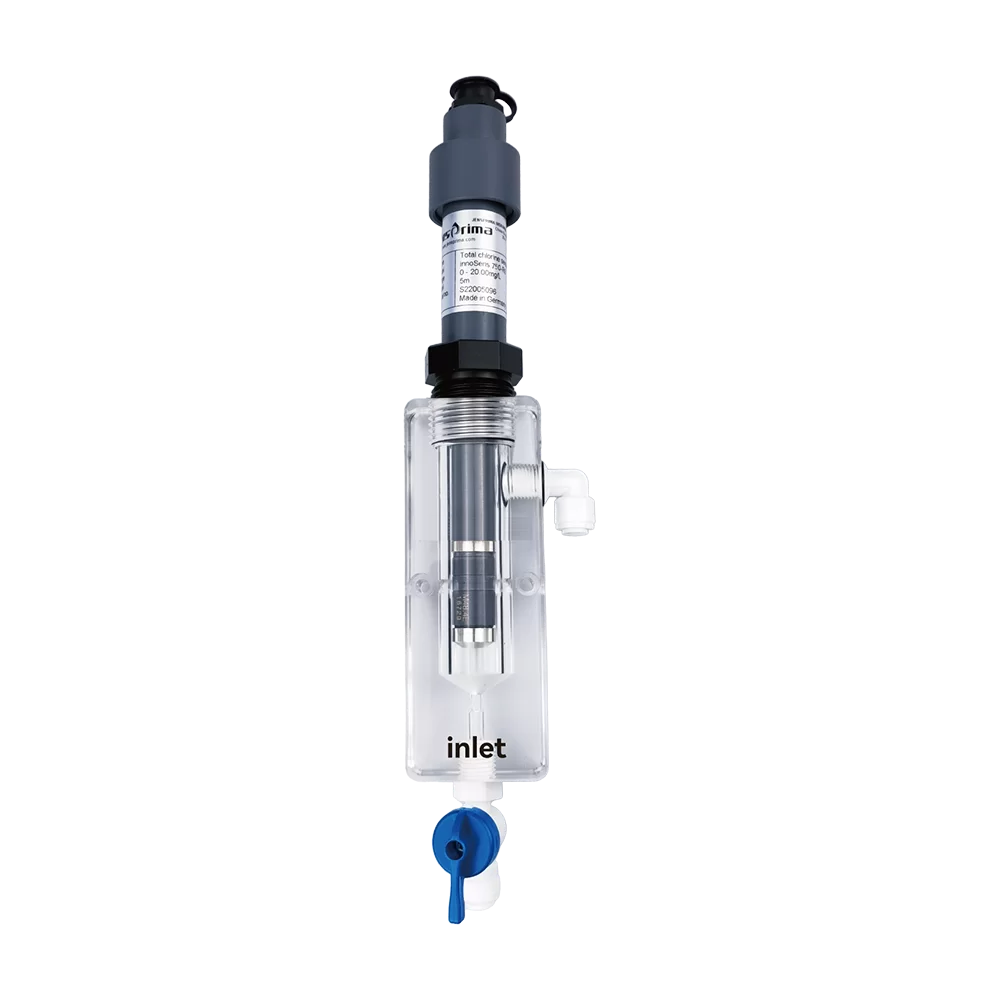
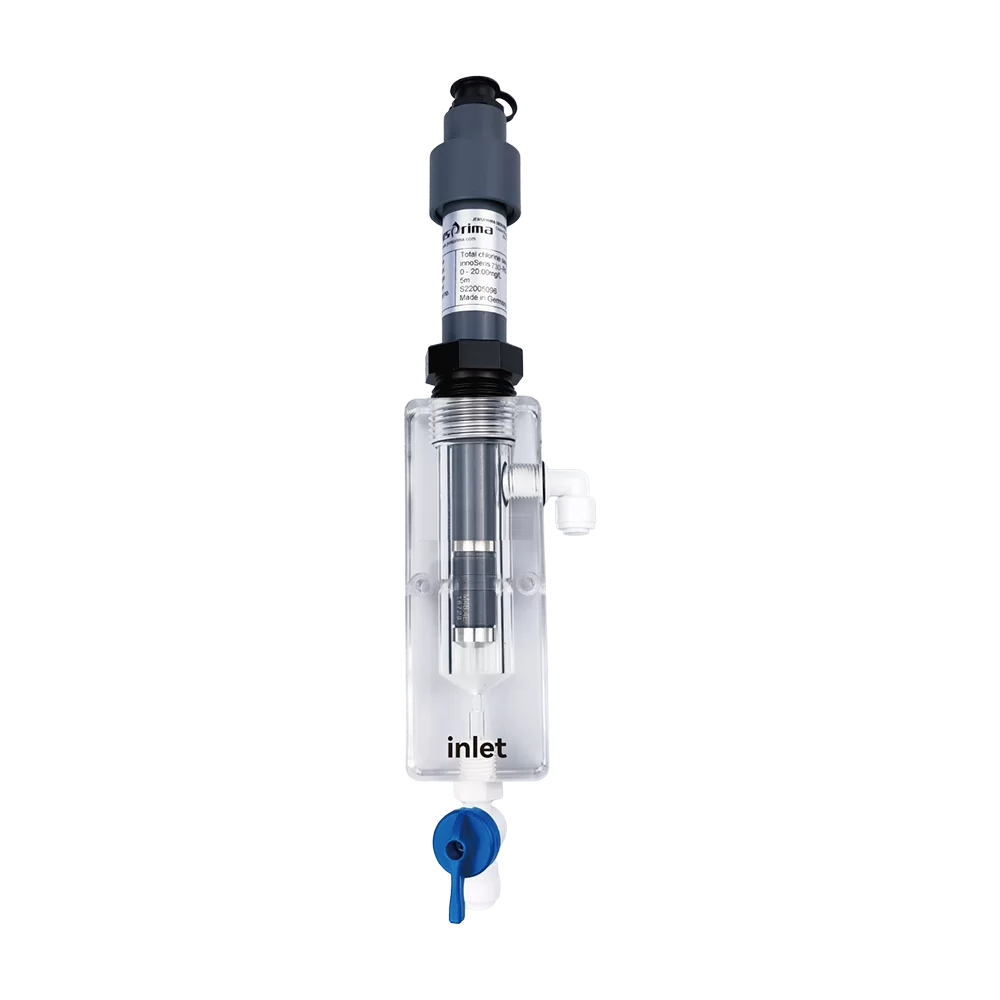
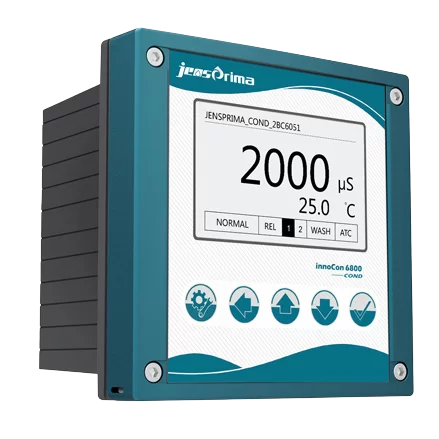
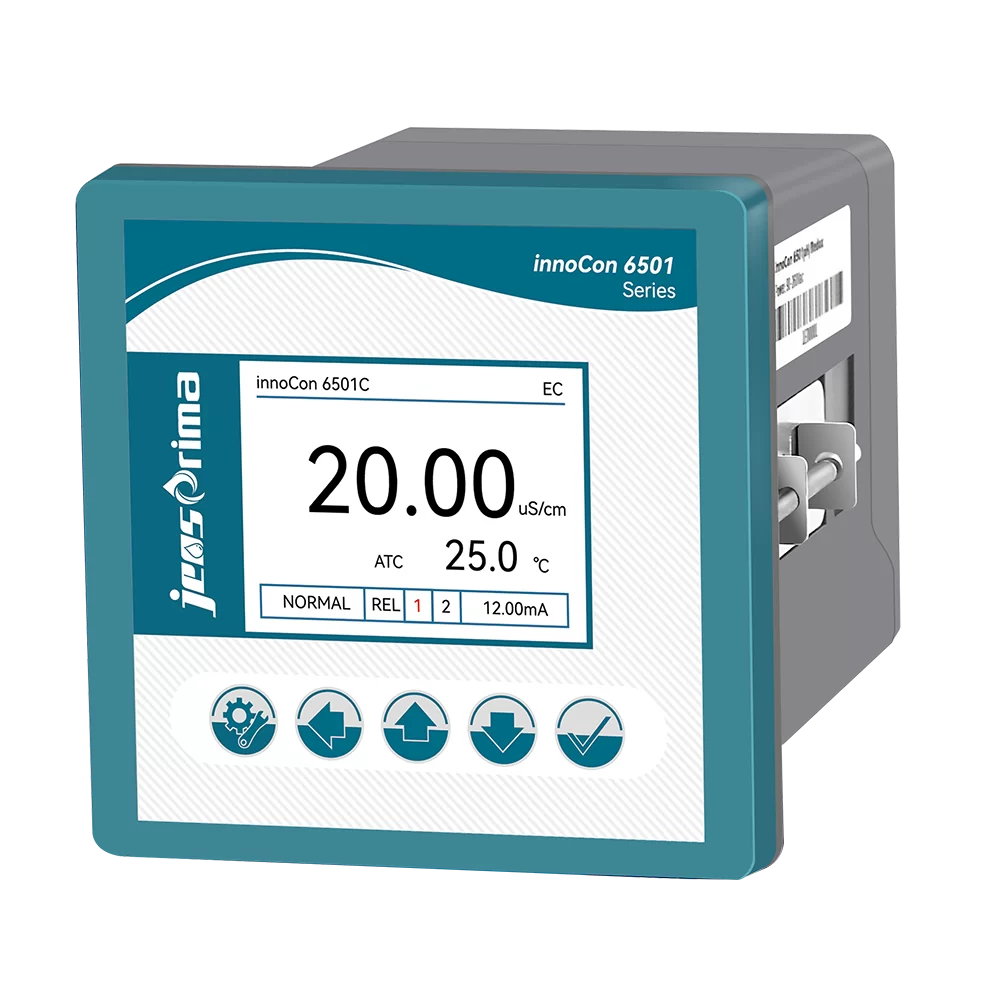
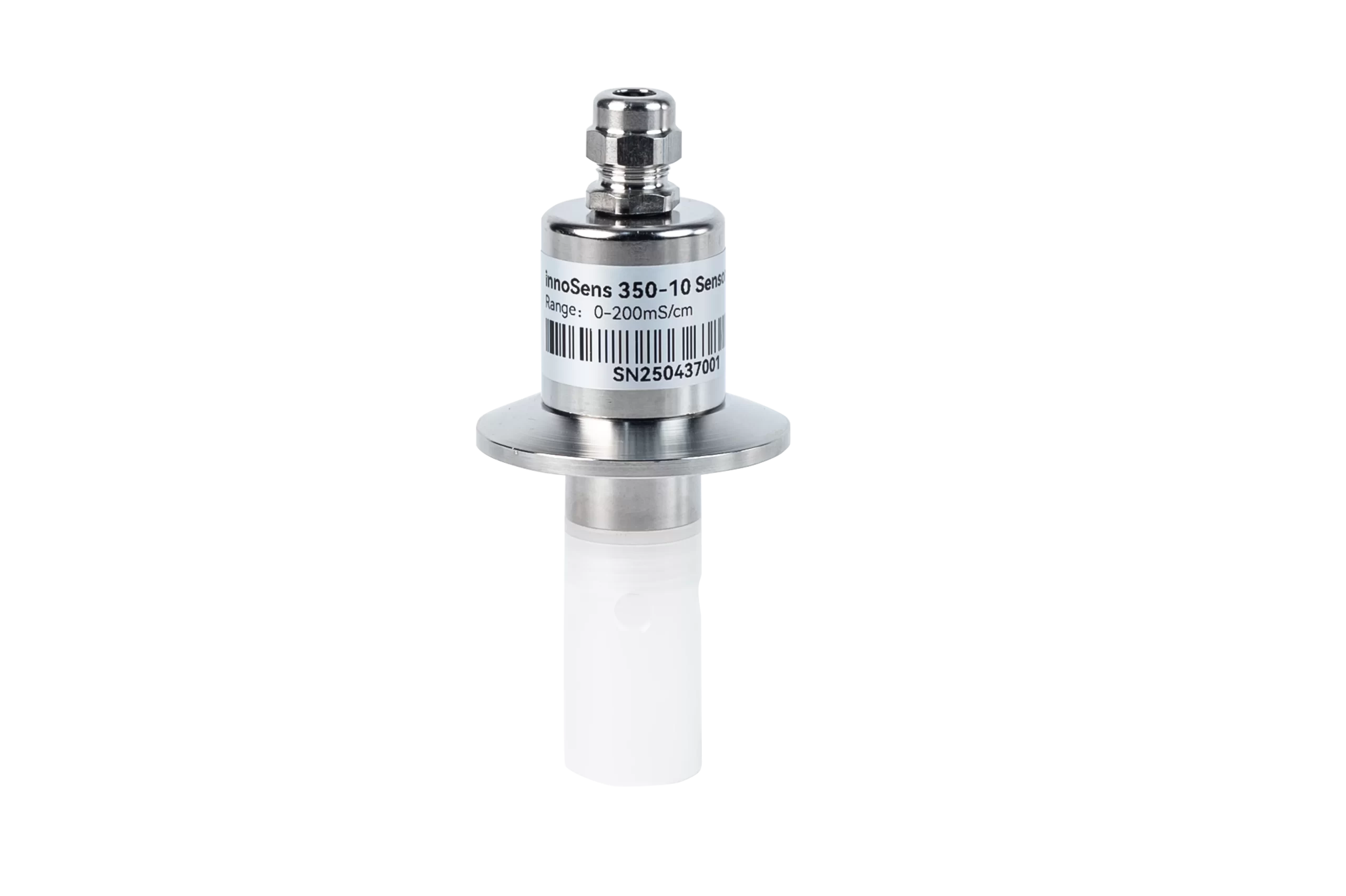
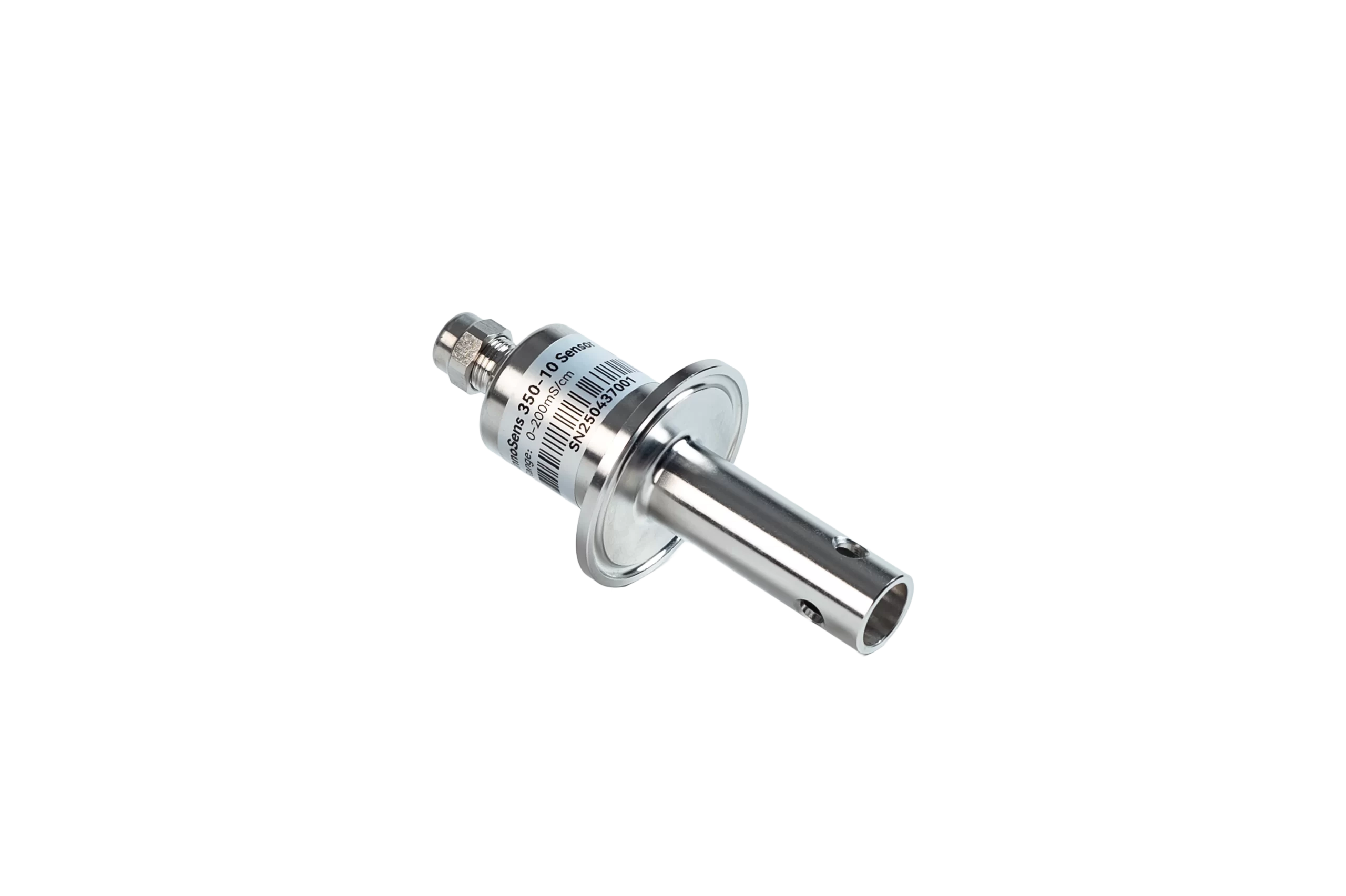
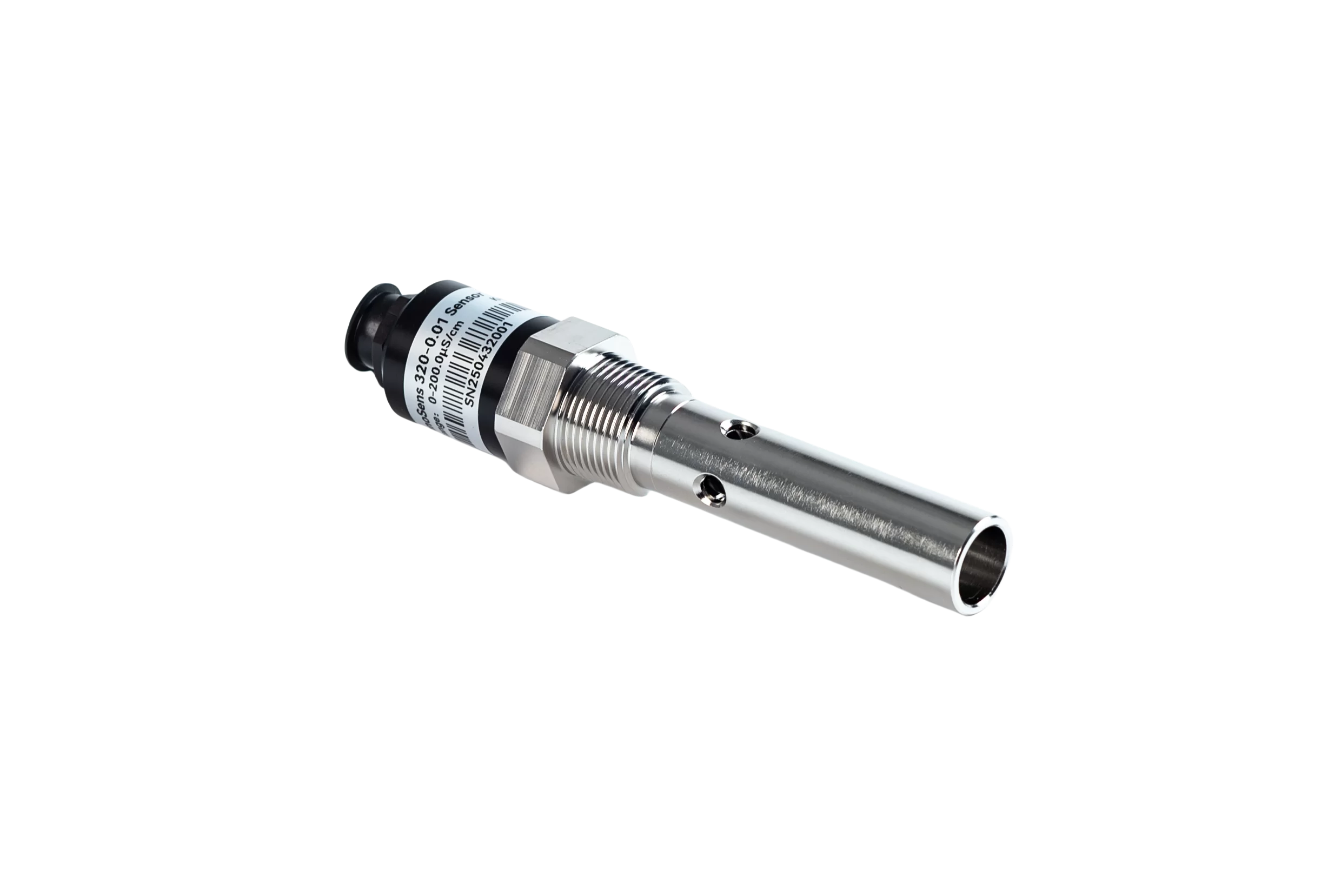
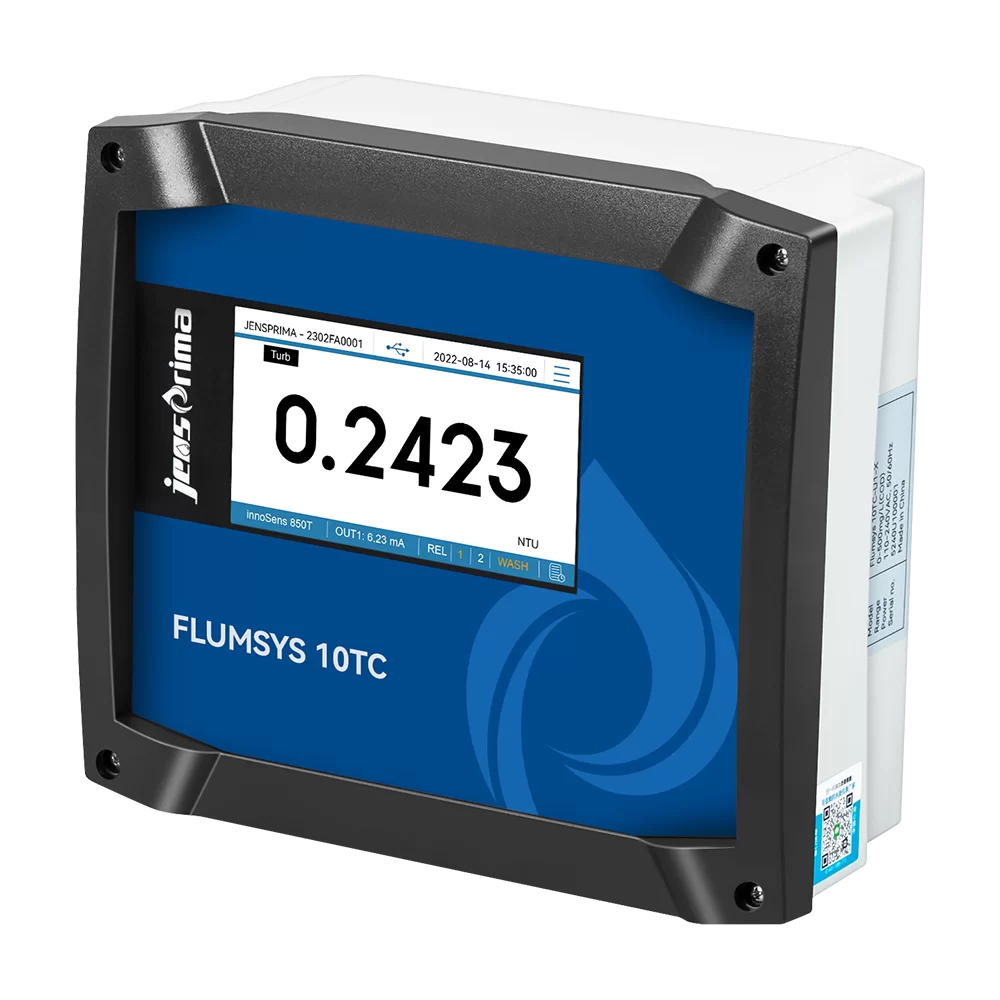
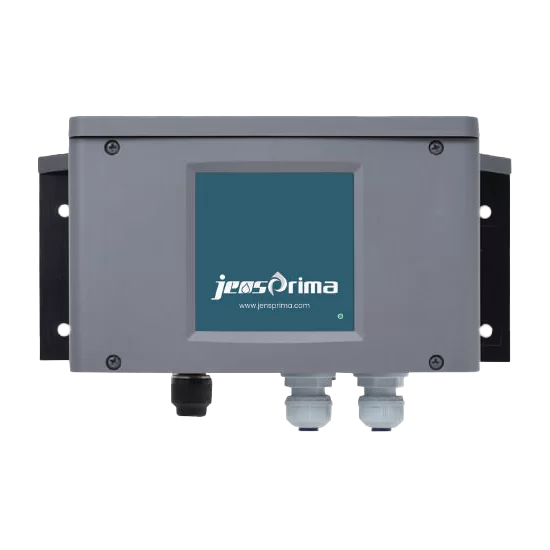
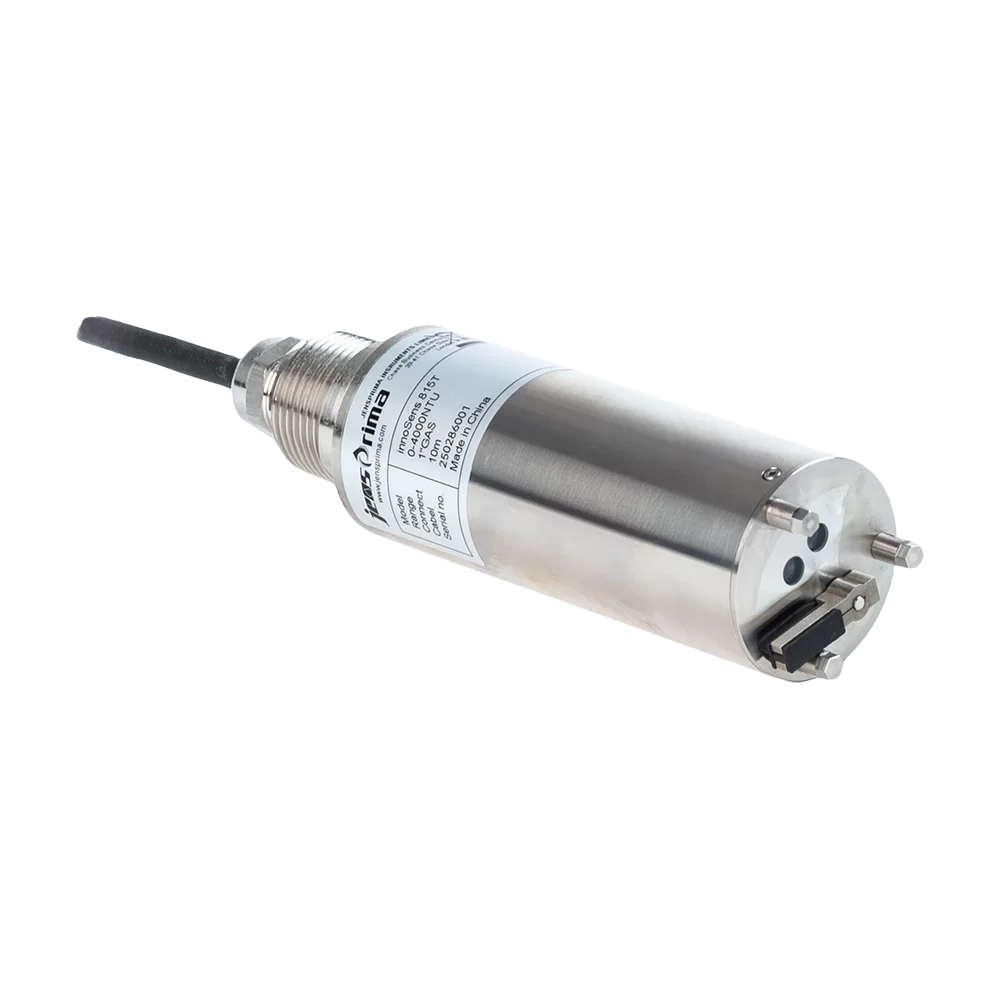
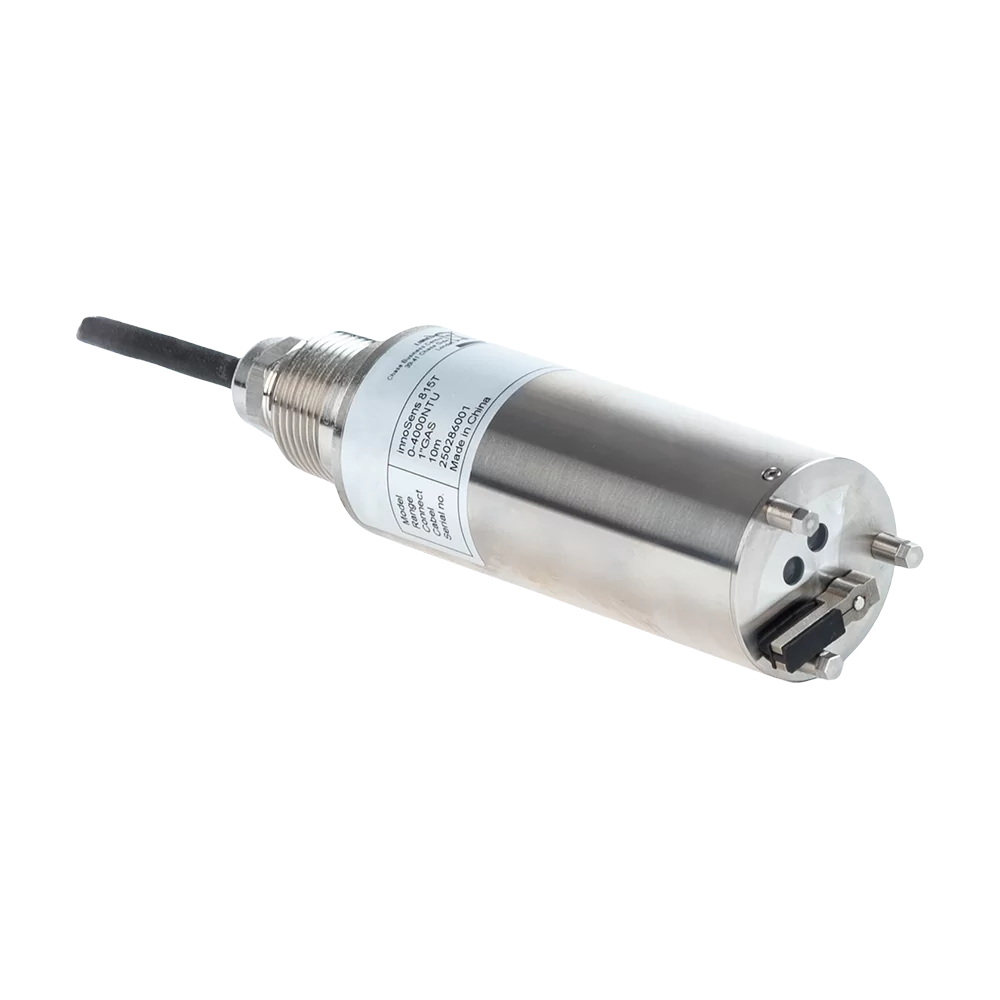
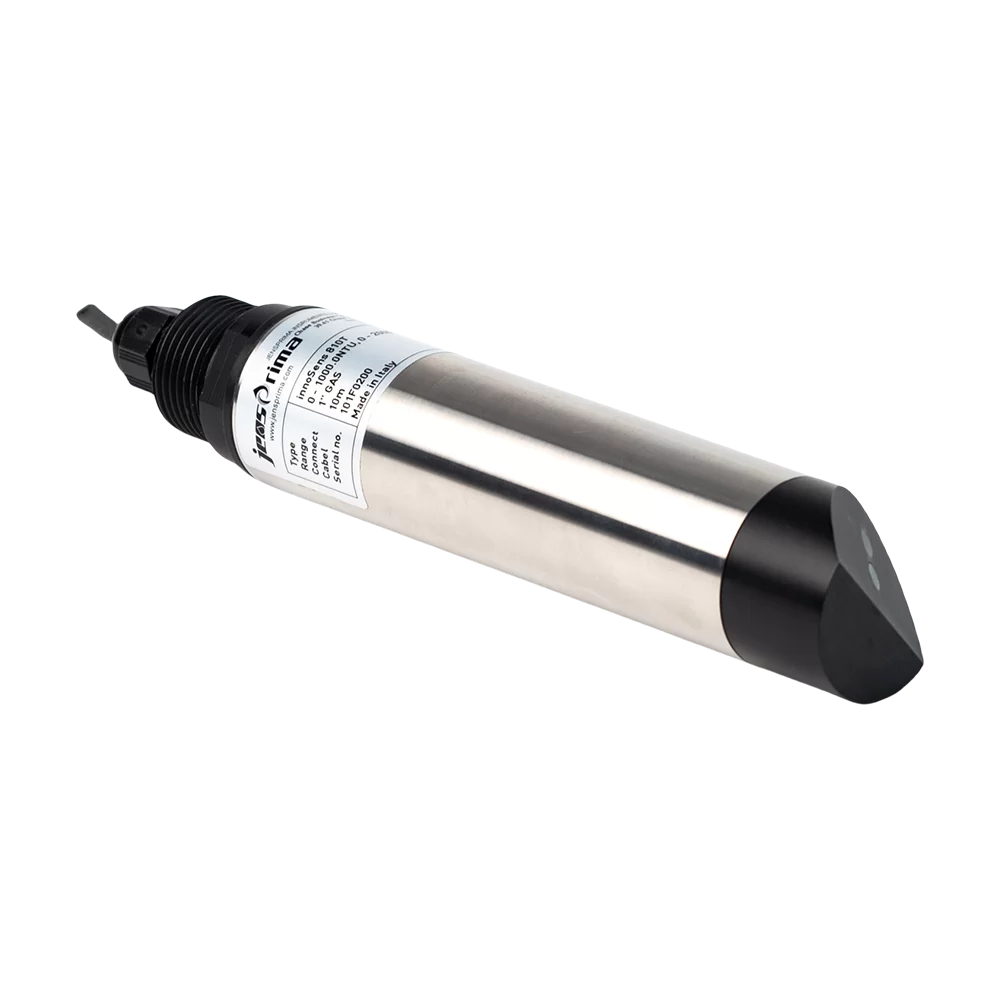
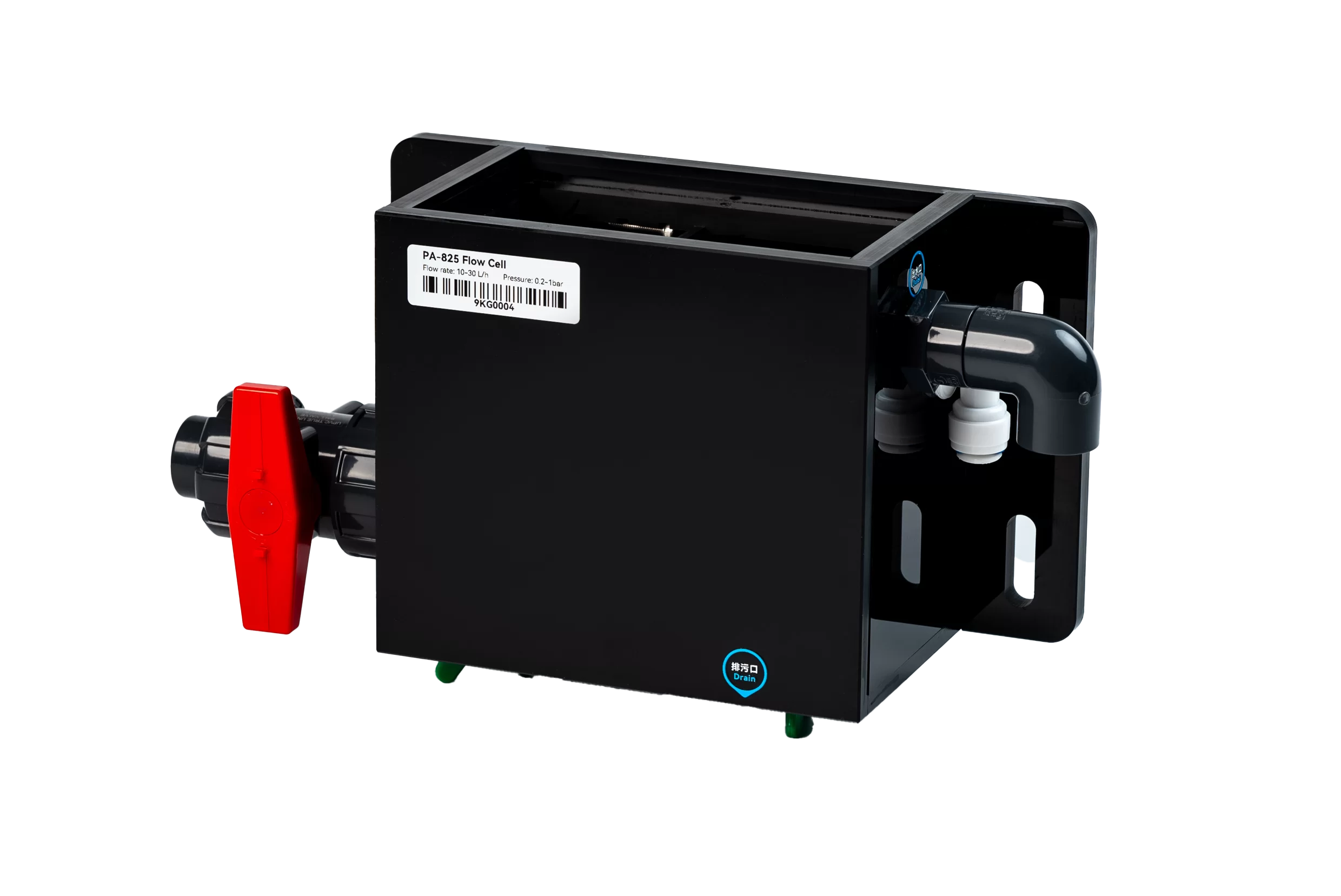
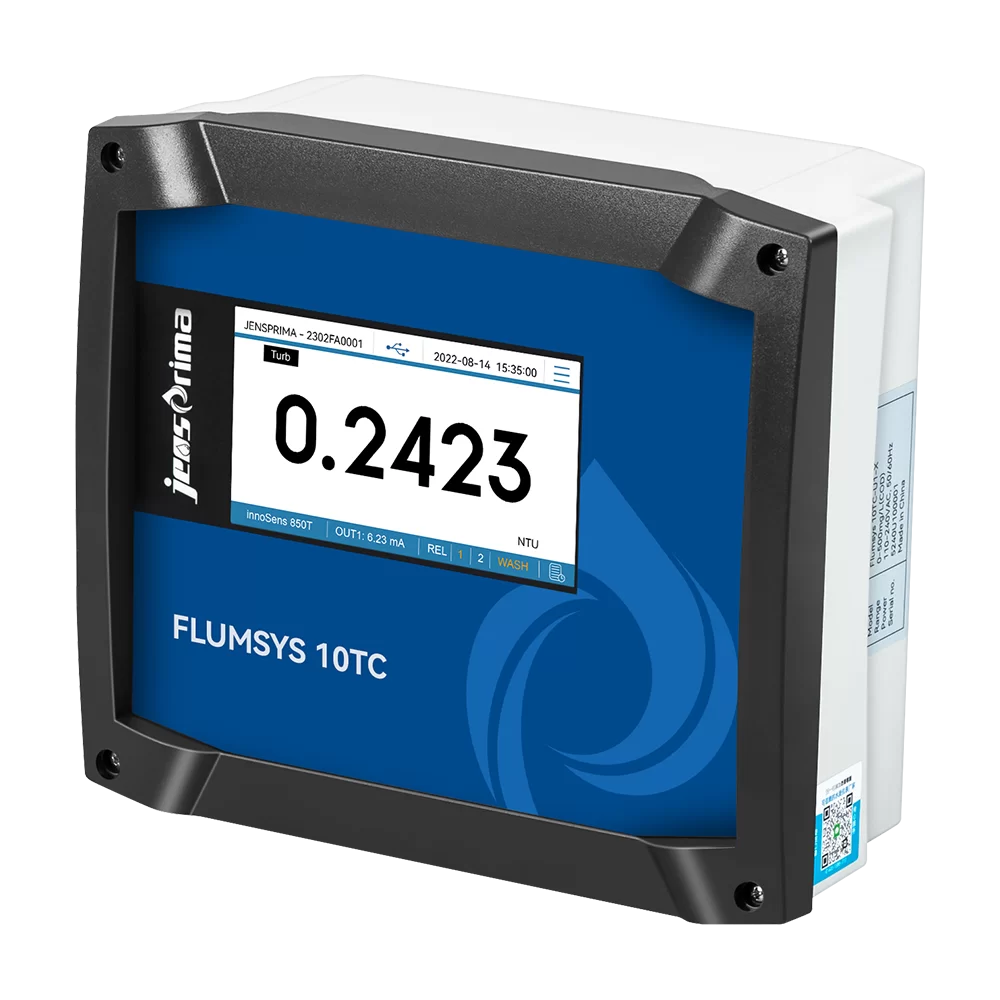
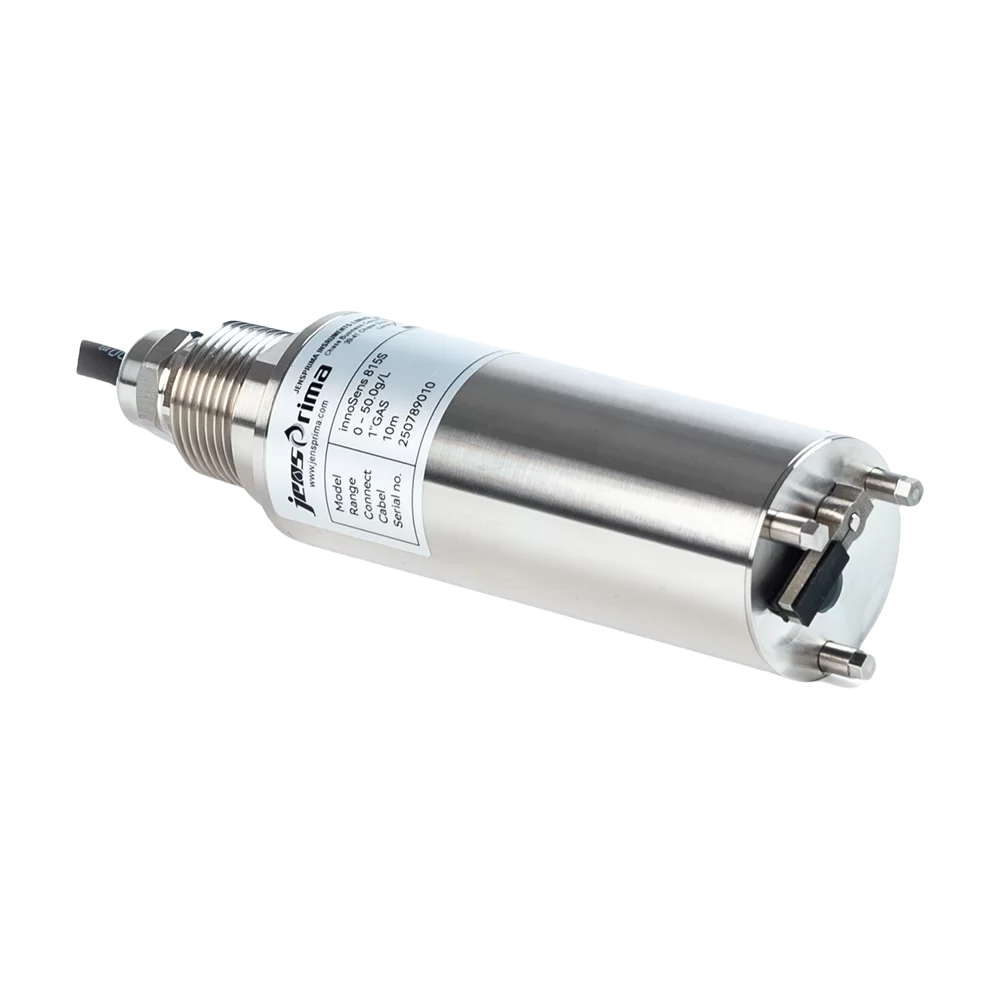
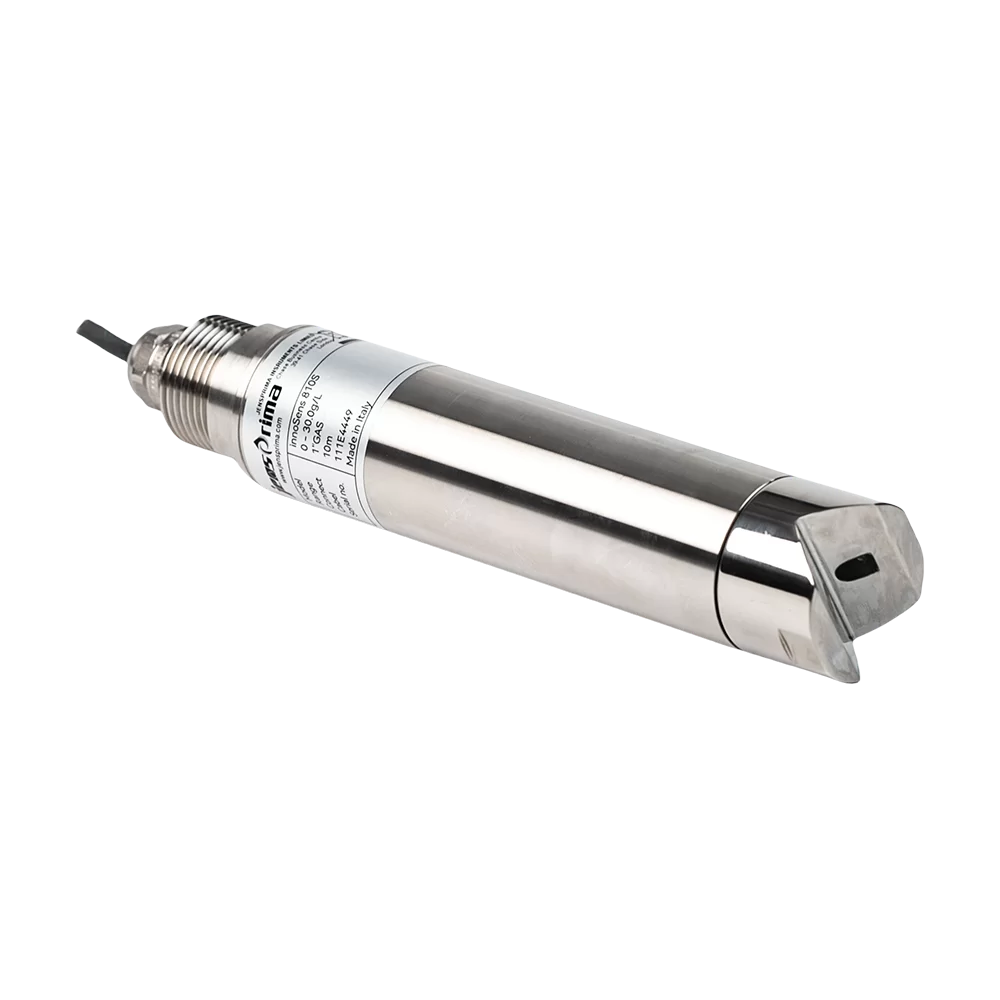
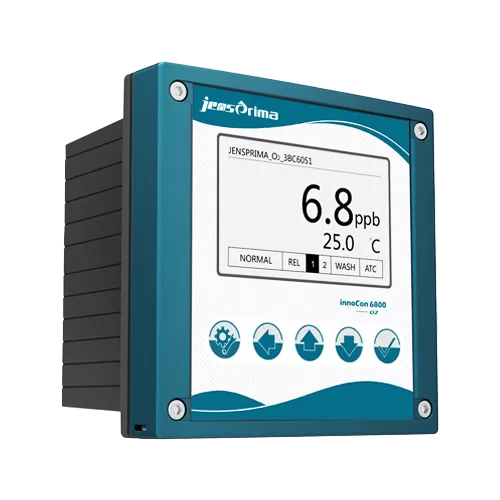
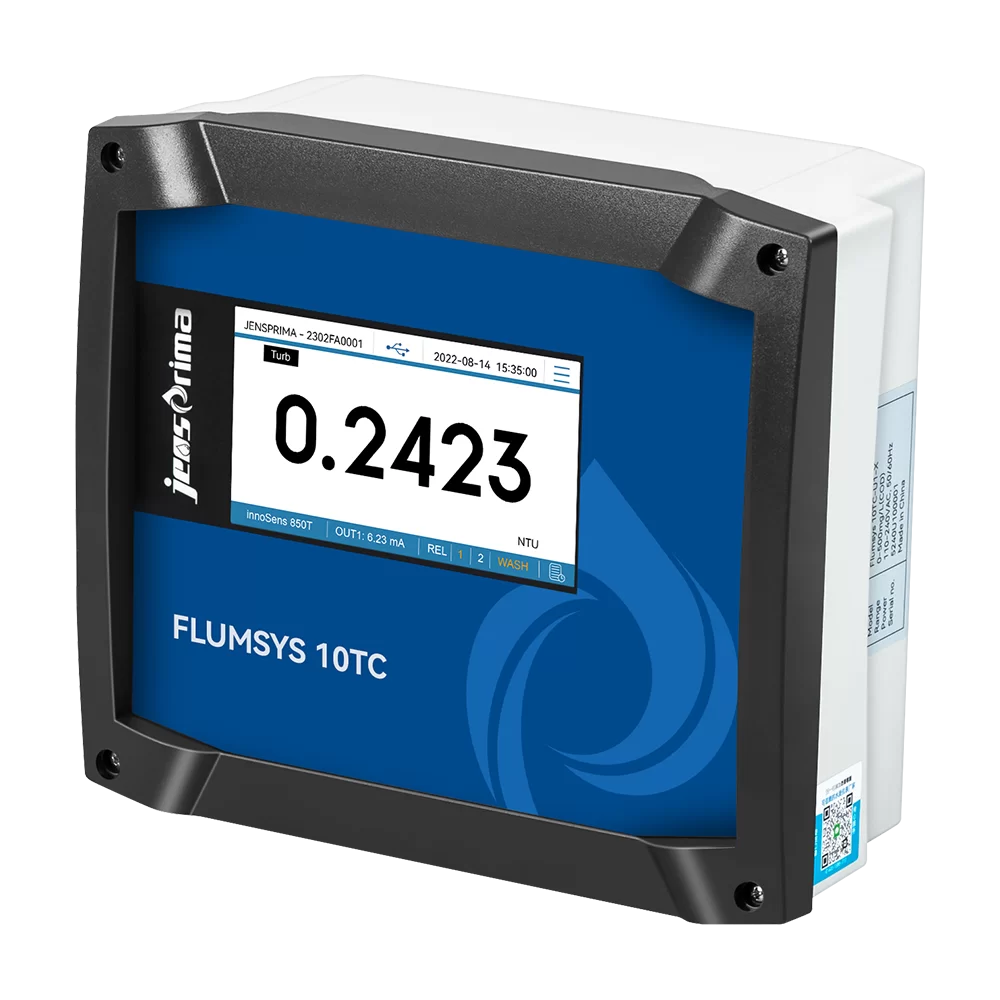
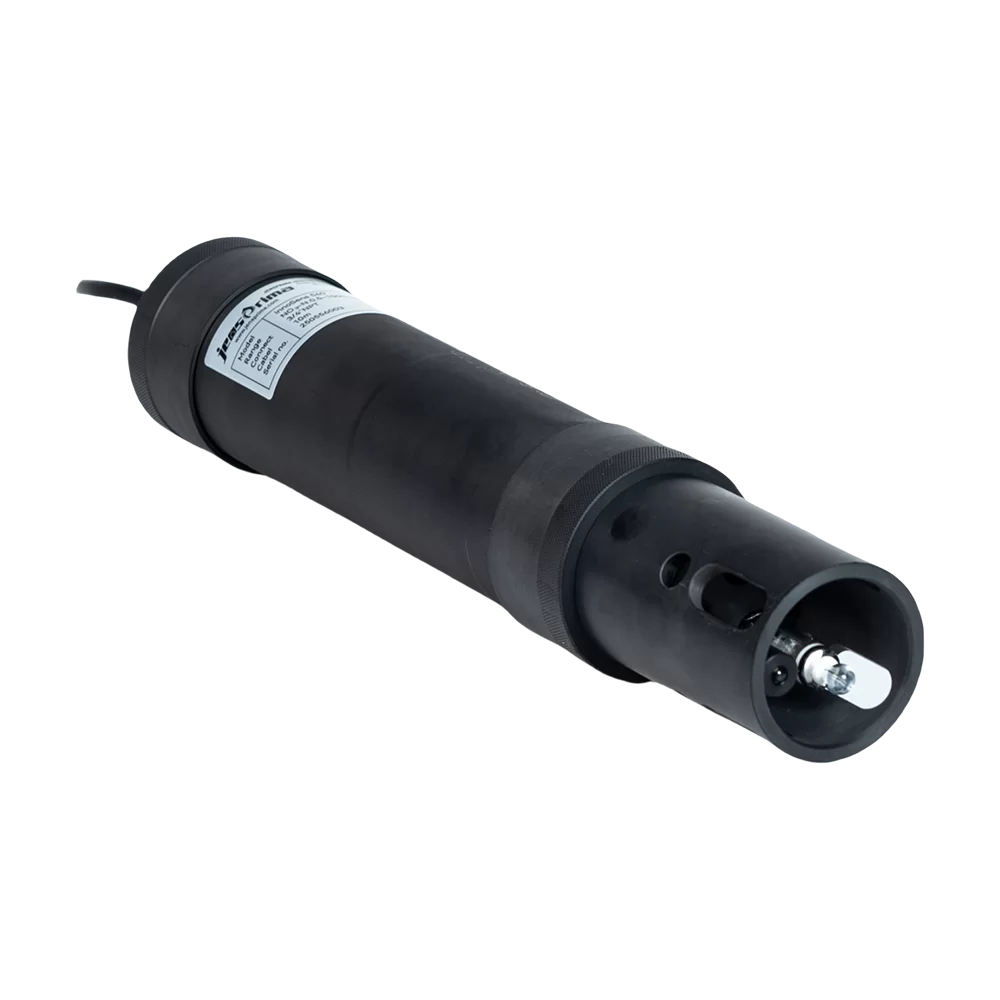
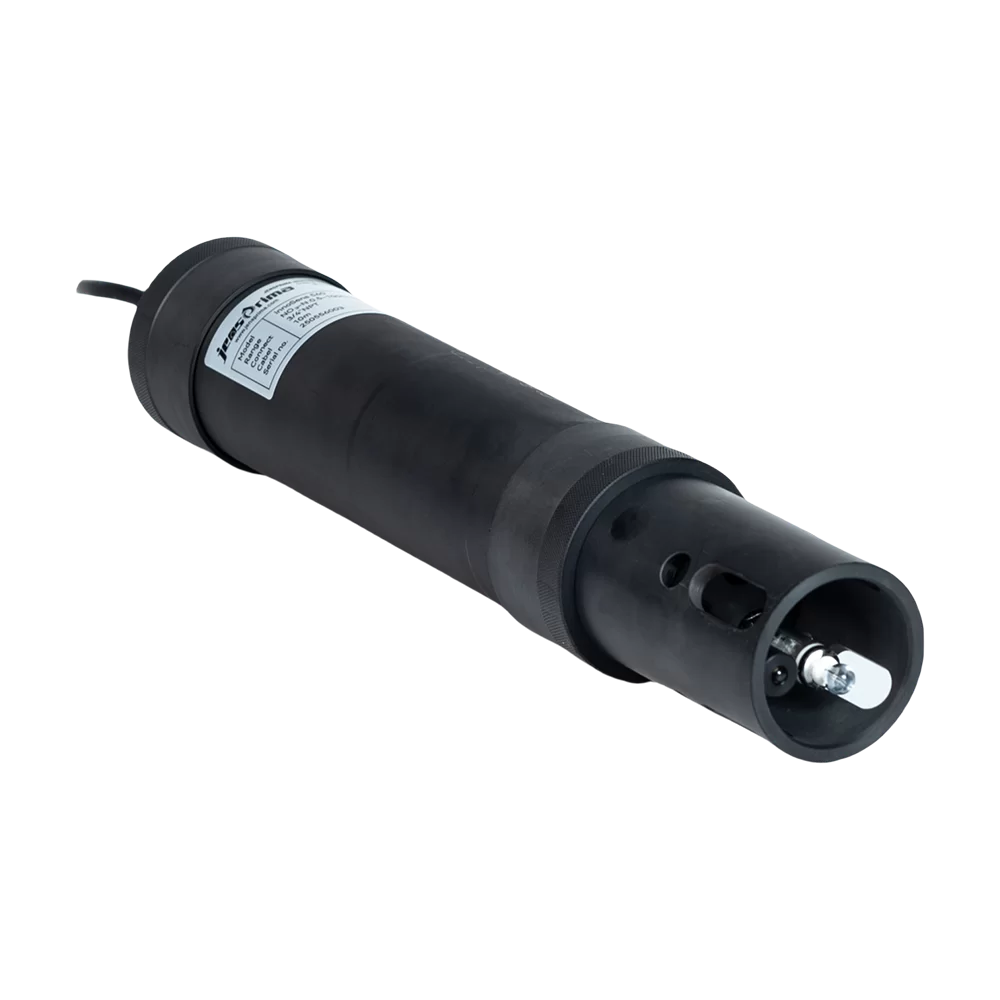
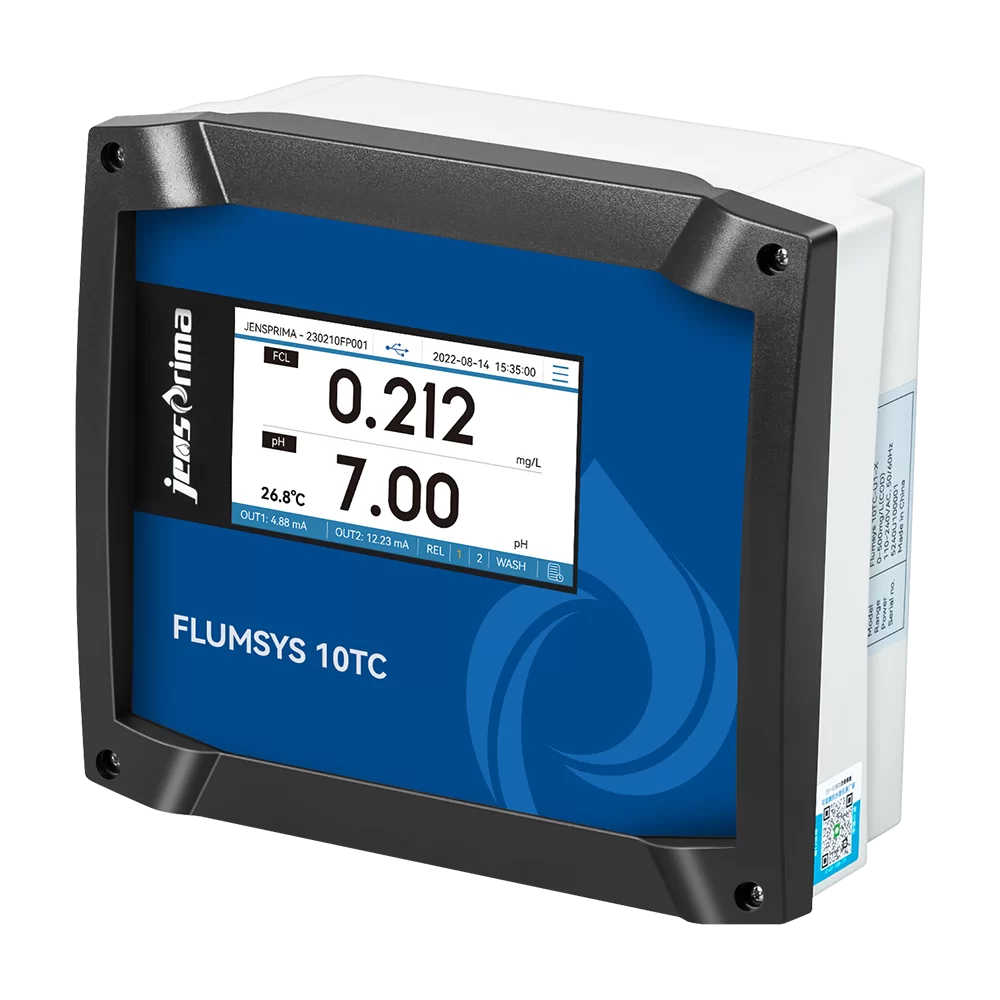
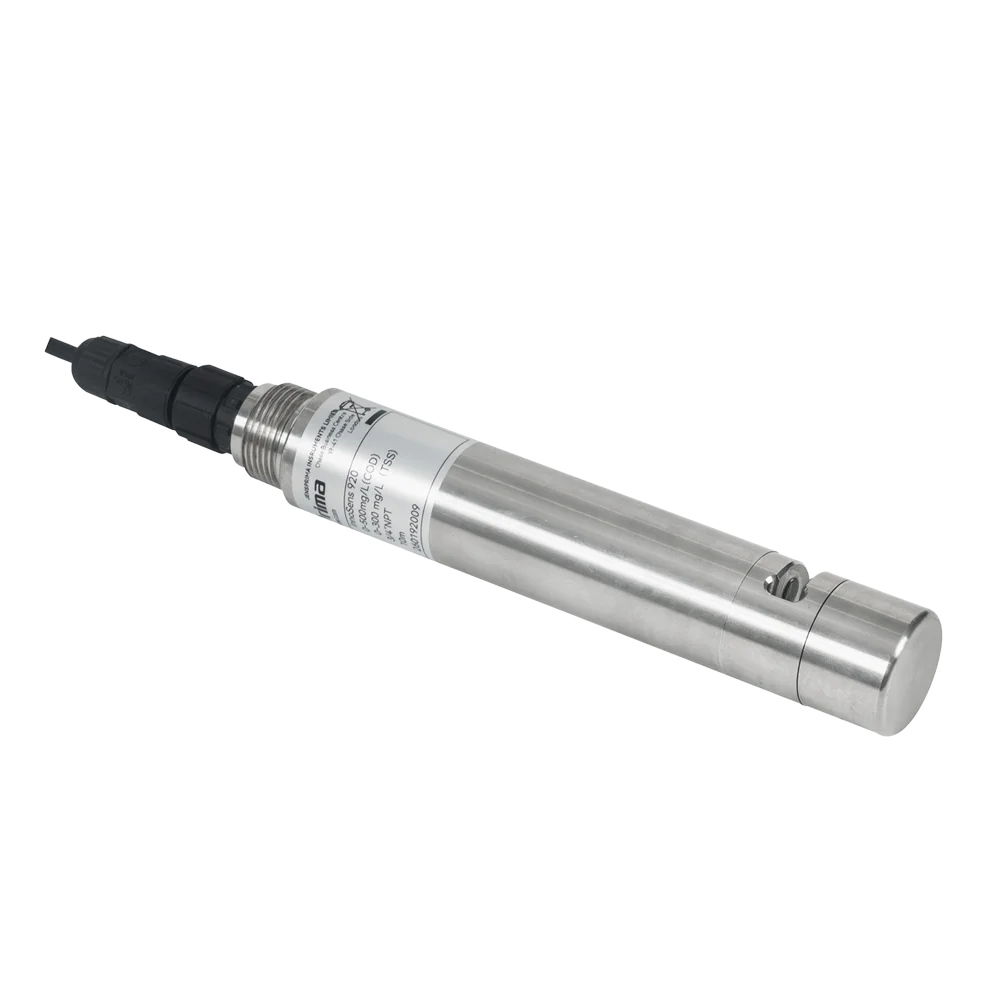


multi parameter analyzer

NEWS

UPDATES

Advanced Water Monitoring Solutions for Austria with alkalinity analyzer Integration

Precision engineering for Austrian environmental standards, ensuring sustainable water management through high-accuracy online analysis.

Advanced Water Monitoring Solutions for Austria with alkalinity analyzer Integration

Providing Austria's industrial and municipal sectors with state-of-the-art online water quality monitoring systems to meet stringent EU environmental directives.

Water Quality Monitoring Landscape in Austria

Analyzing the intersection of Alpine hydrology and industrial precision.

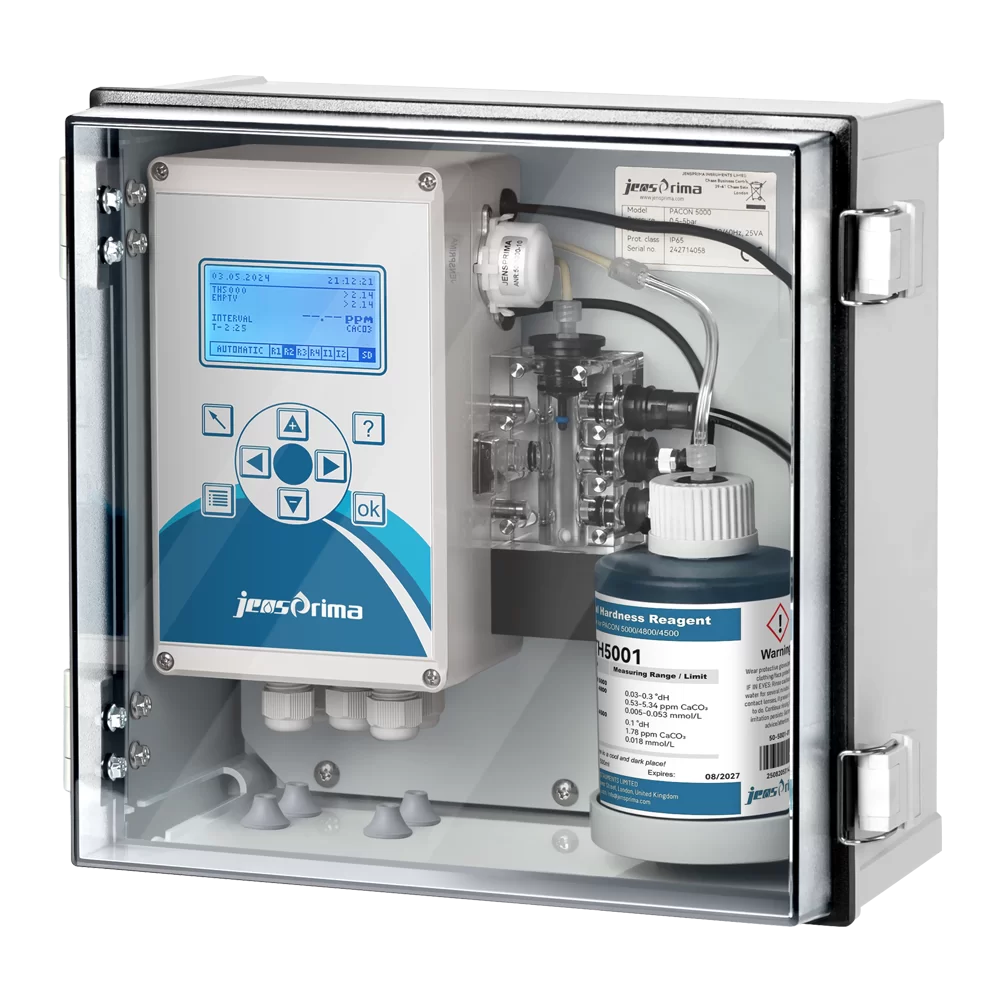
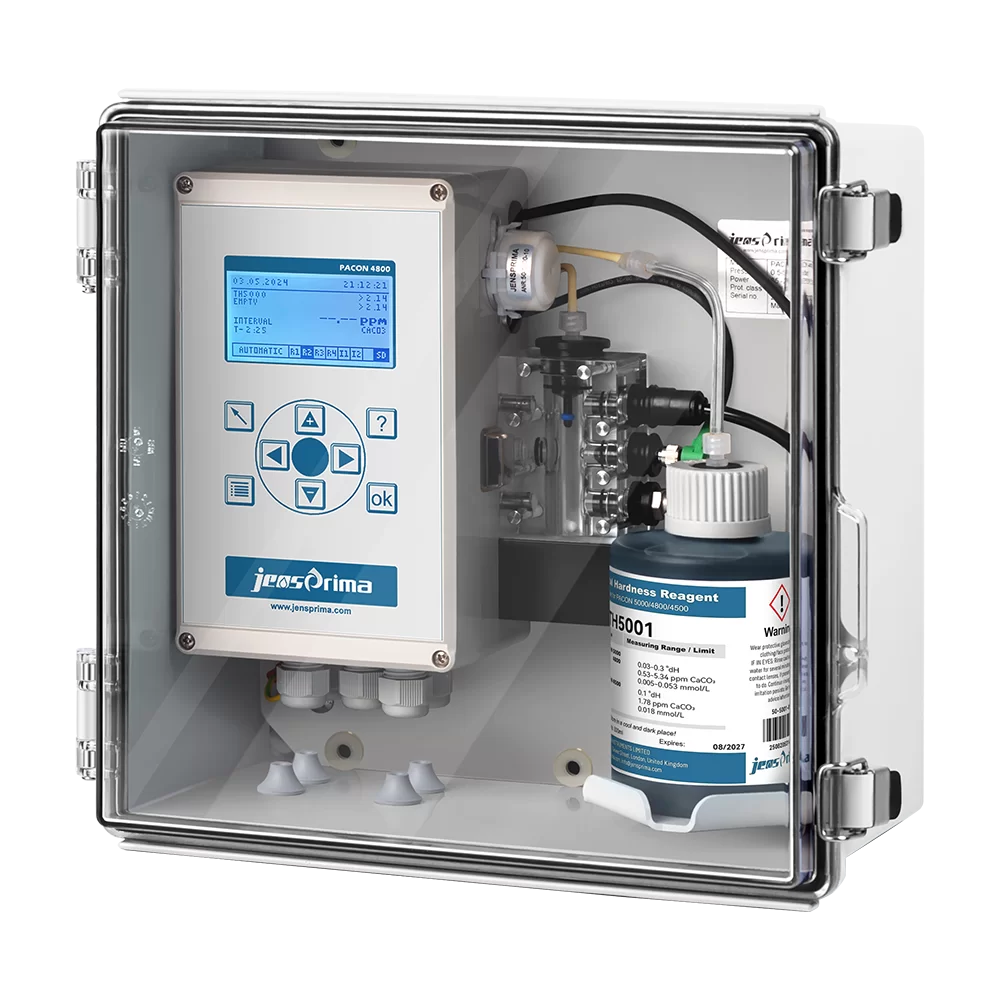
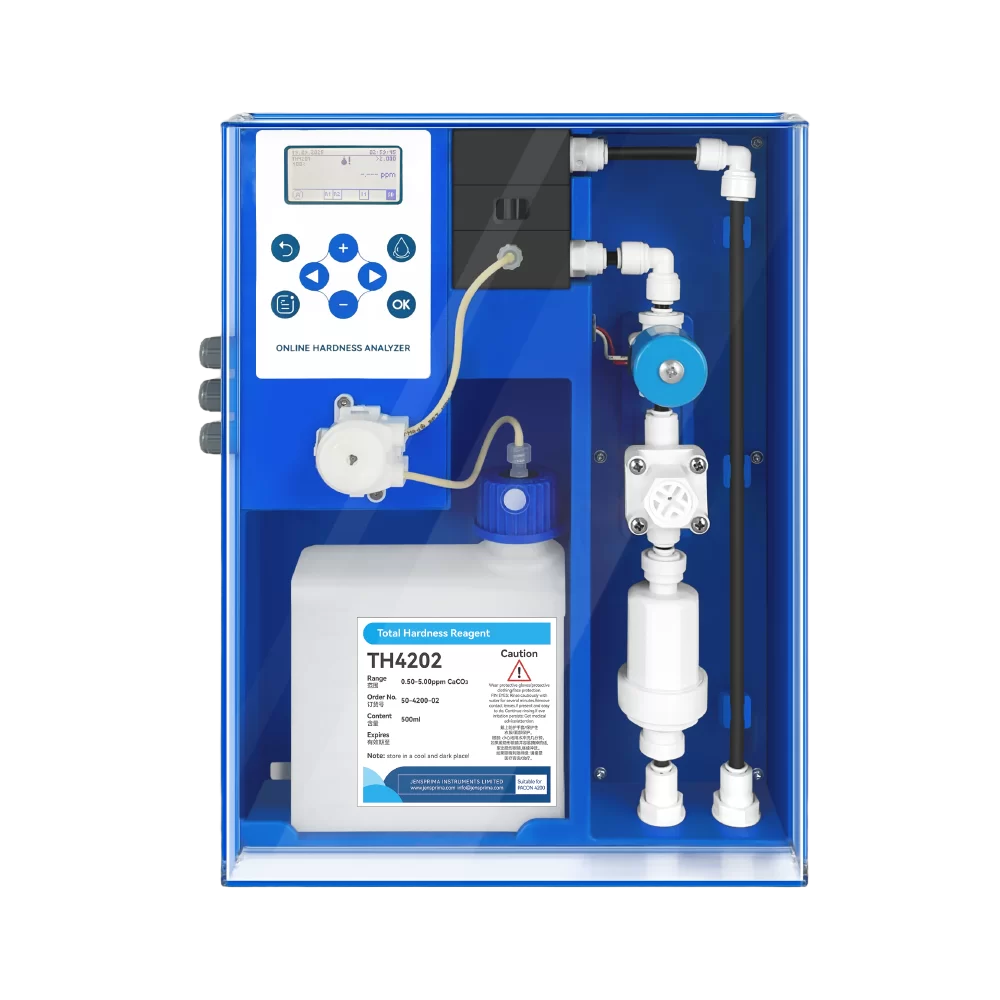
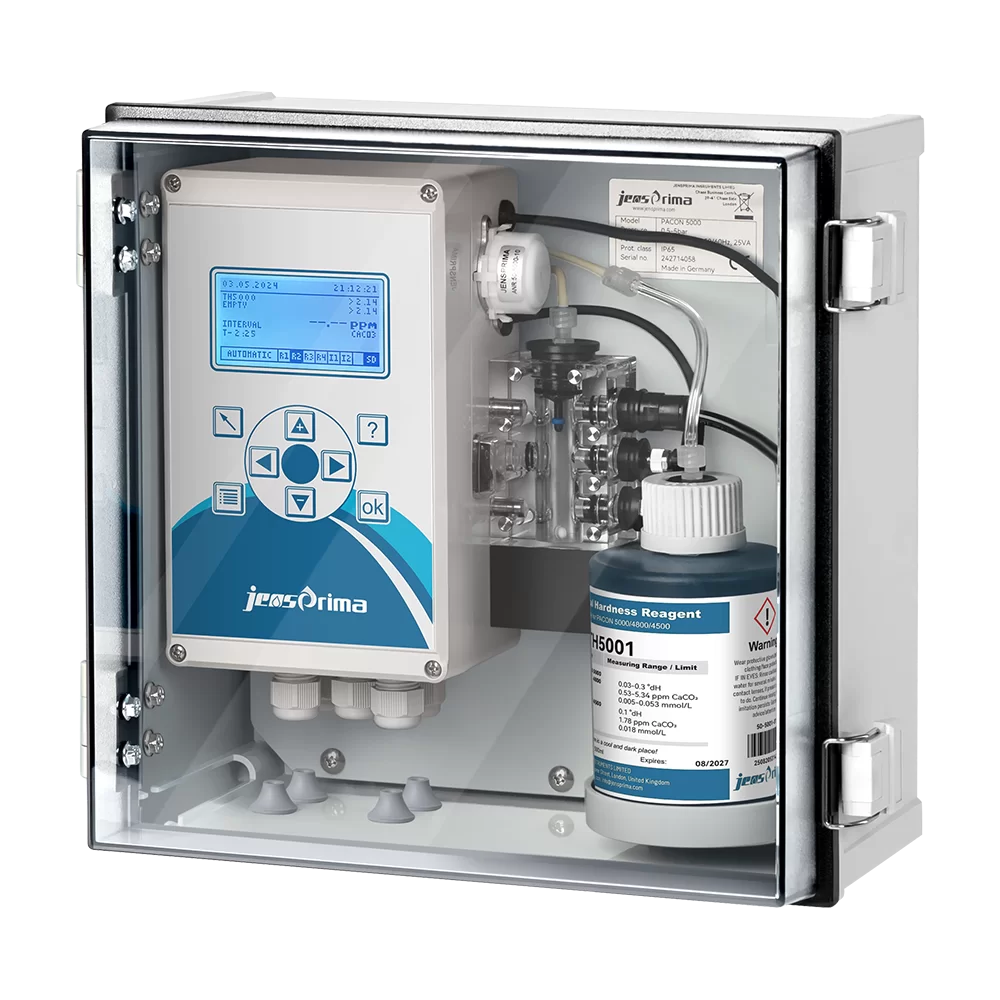
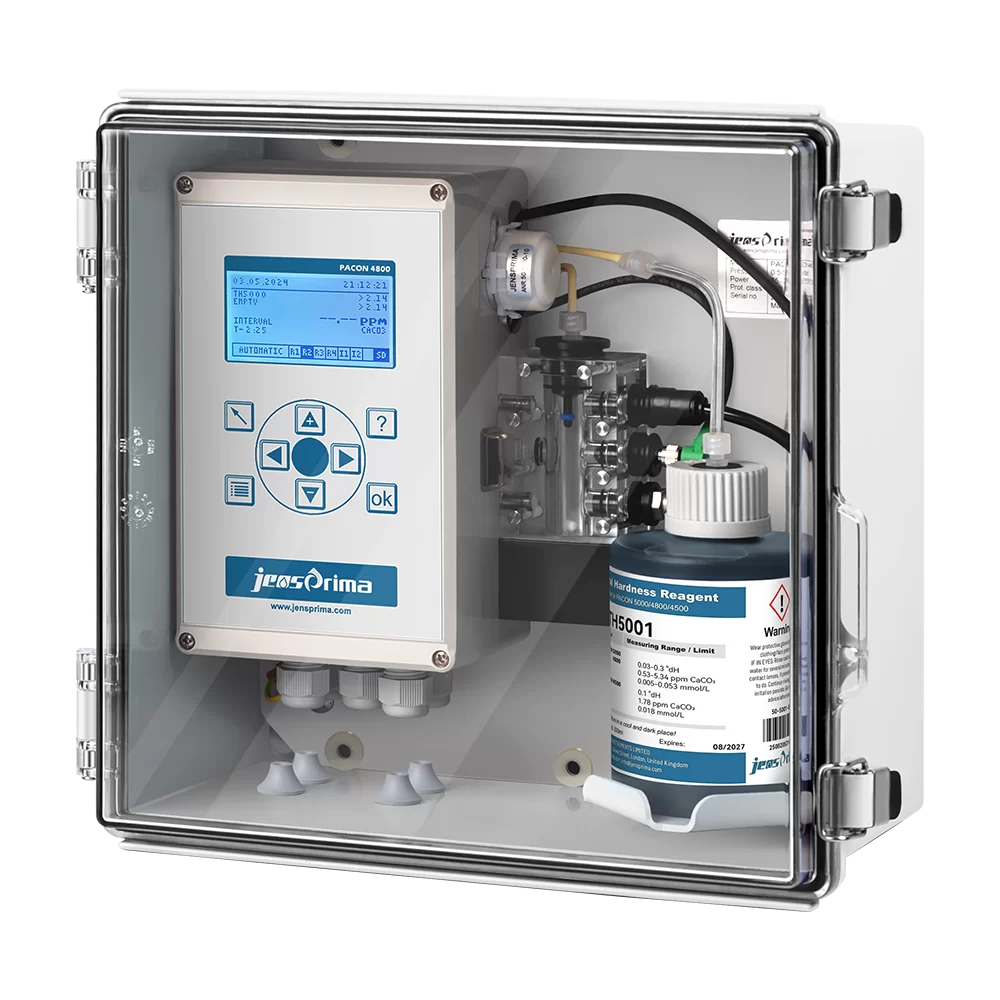
Austria's unique geography, dominated by the Alps, results in high-mineral content in many water sources. This makes the deployment of a total hardness analyzer essential for preventing scale build-up in the country's extensive hydroelectric power plants and municipal heating networks.

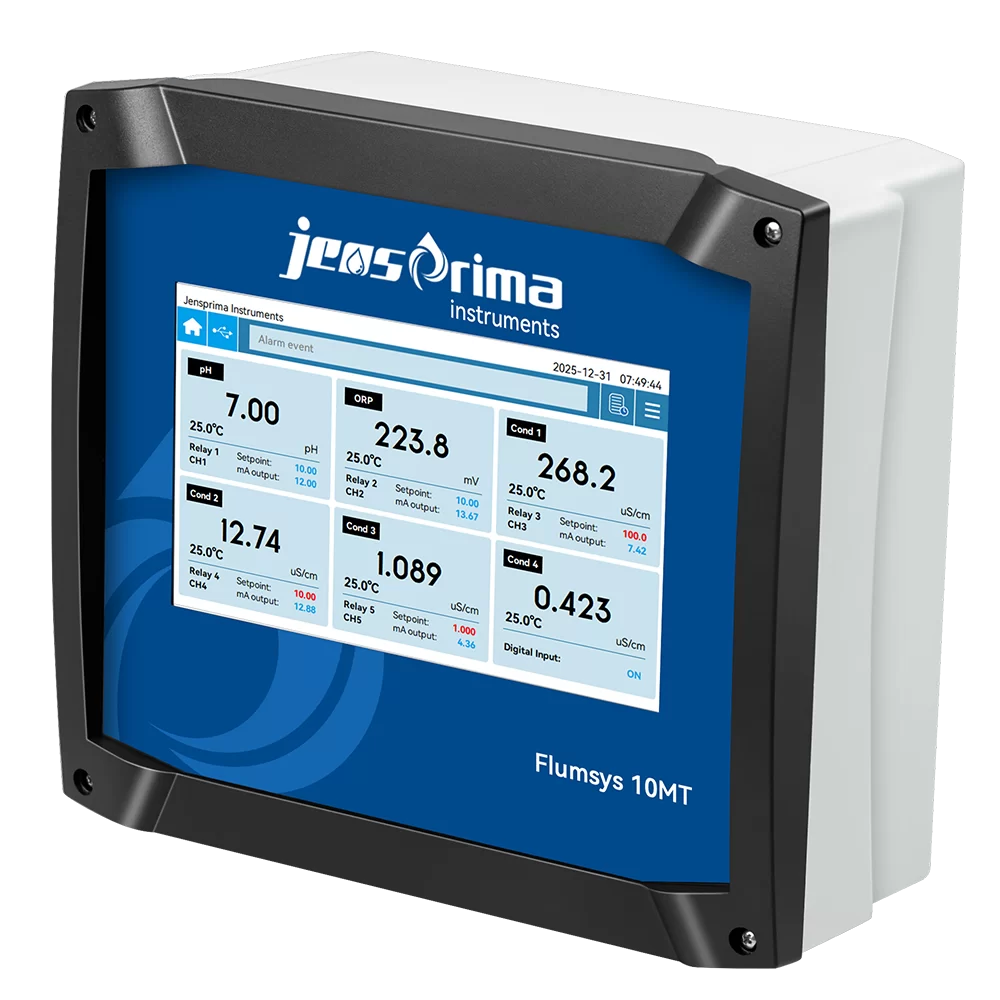
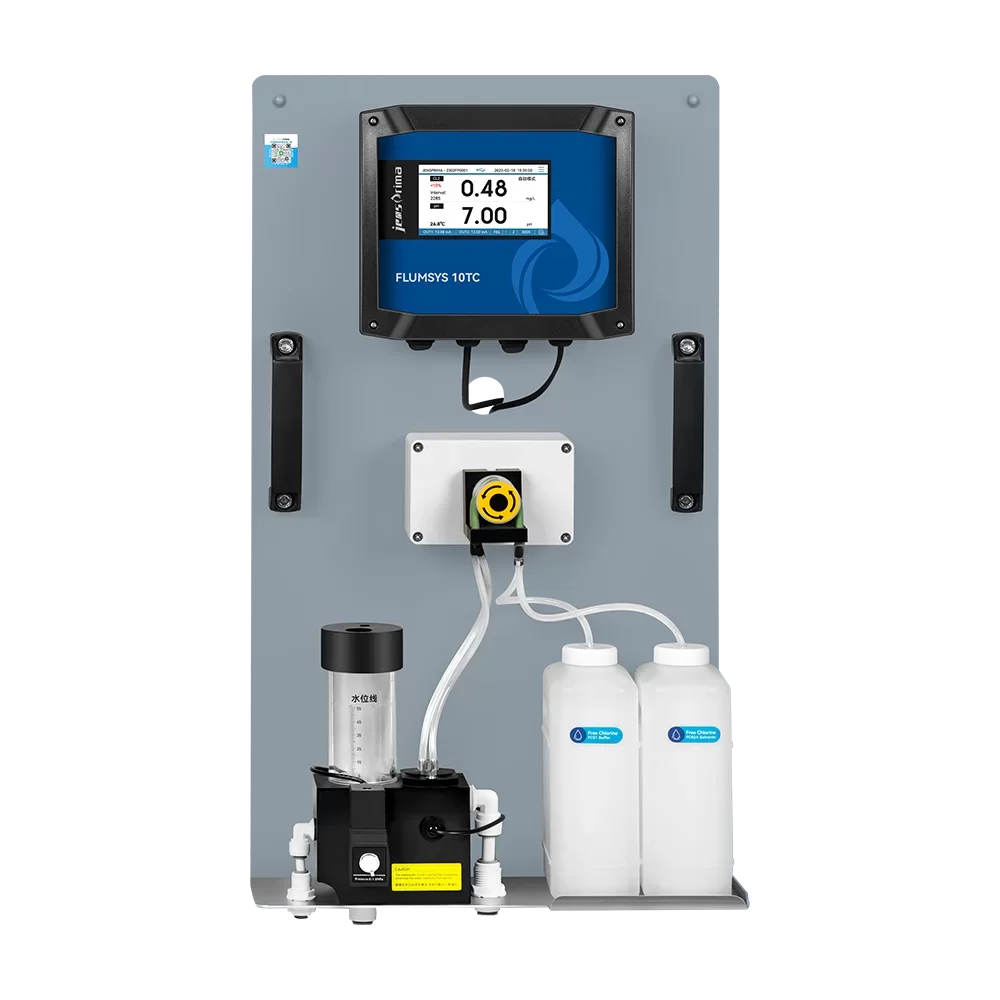
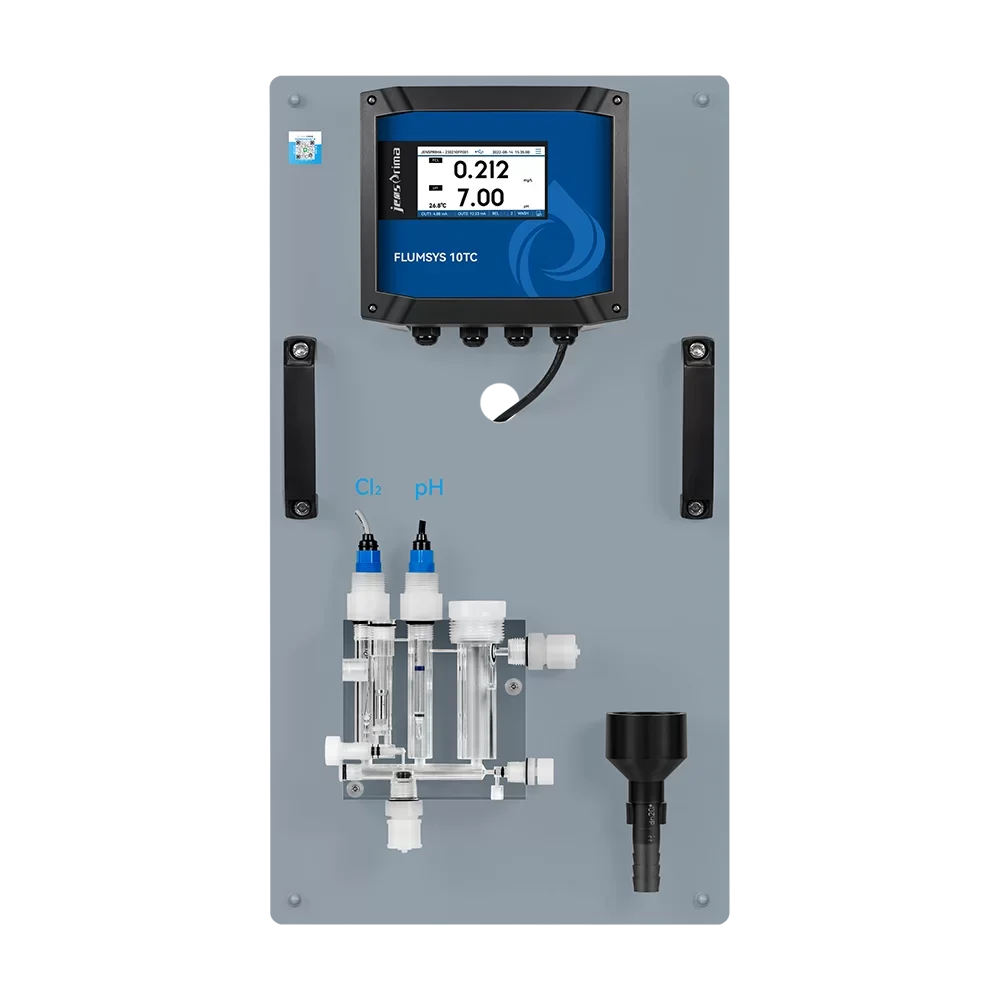
The Austrian market is characterized by a rigorous commitment to the EU Water Framework Directive. Consequently, there is a surging demand for the multi parameter water quality analyzer to monitor diverse indicators simultaneously, ensuring that discharge from the manufacturing sectors in Upper Austria and Styria remains compliant.

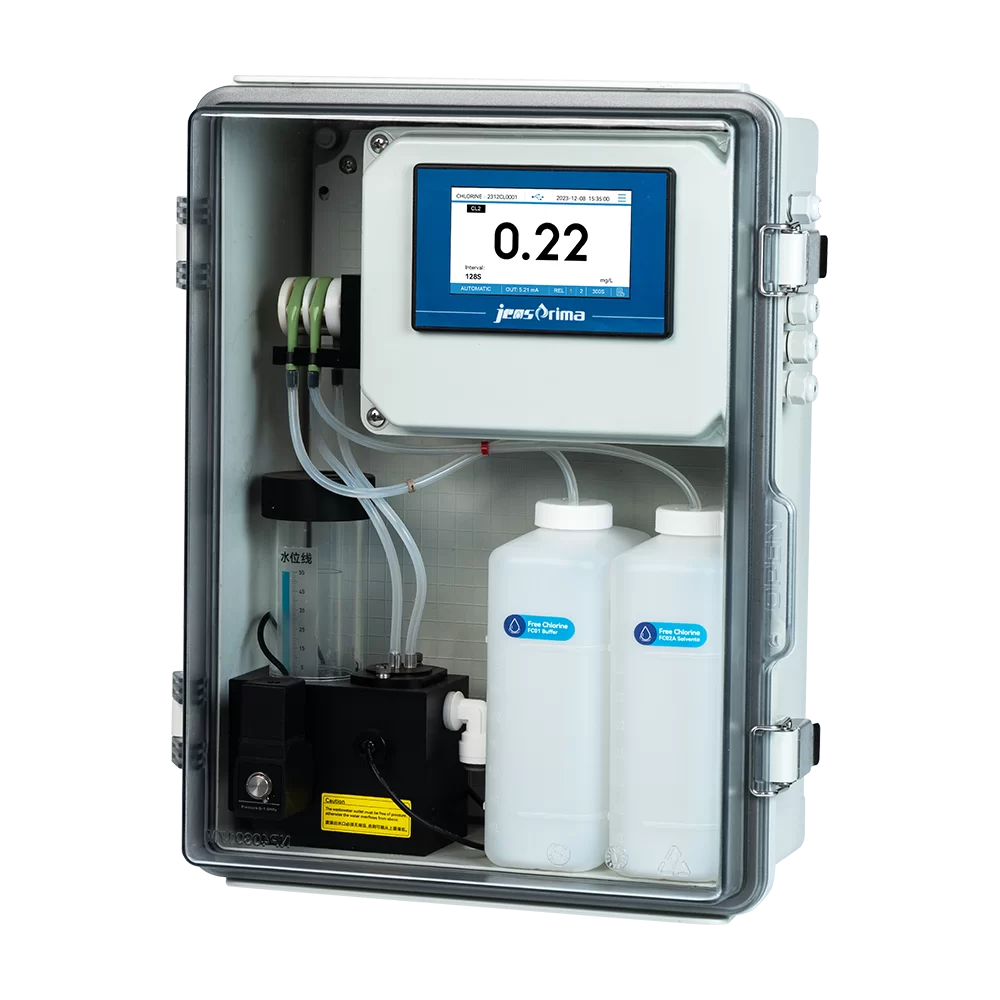
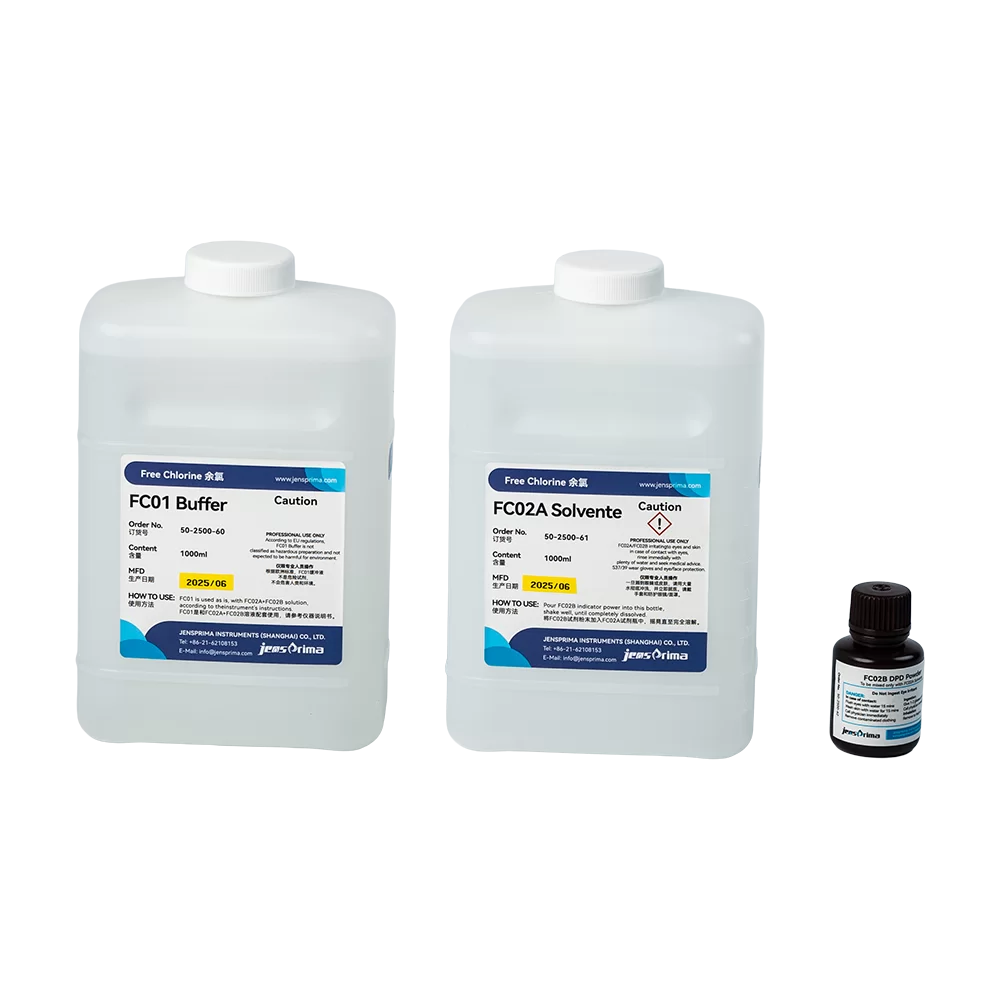
Moreover, the strict regulation of drinking water in cities like Vienna necessitates high-precision control. The use of a residual chlorine controller is critical for ensuring disinfection efficiency without compromising the taste or safety of the water supply.

Technical Evolution of Water Analysis in Austria

From manual sampling to intelligent real-time automation.

Market Development History

In the 1990s, Austrian water monitoring relied heavily on manual titration and laboratory-based analysis, which provided delayed data and lacked the ability to respond to sudden contamination events in Alpine streams.

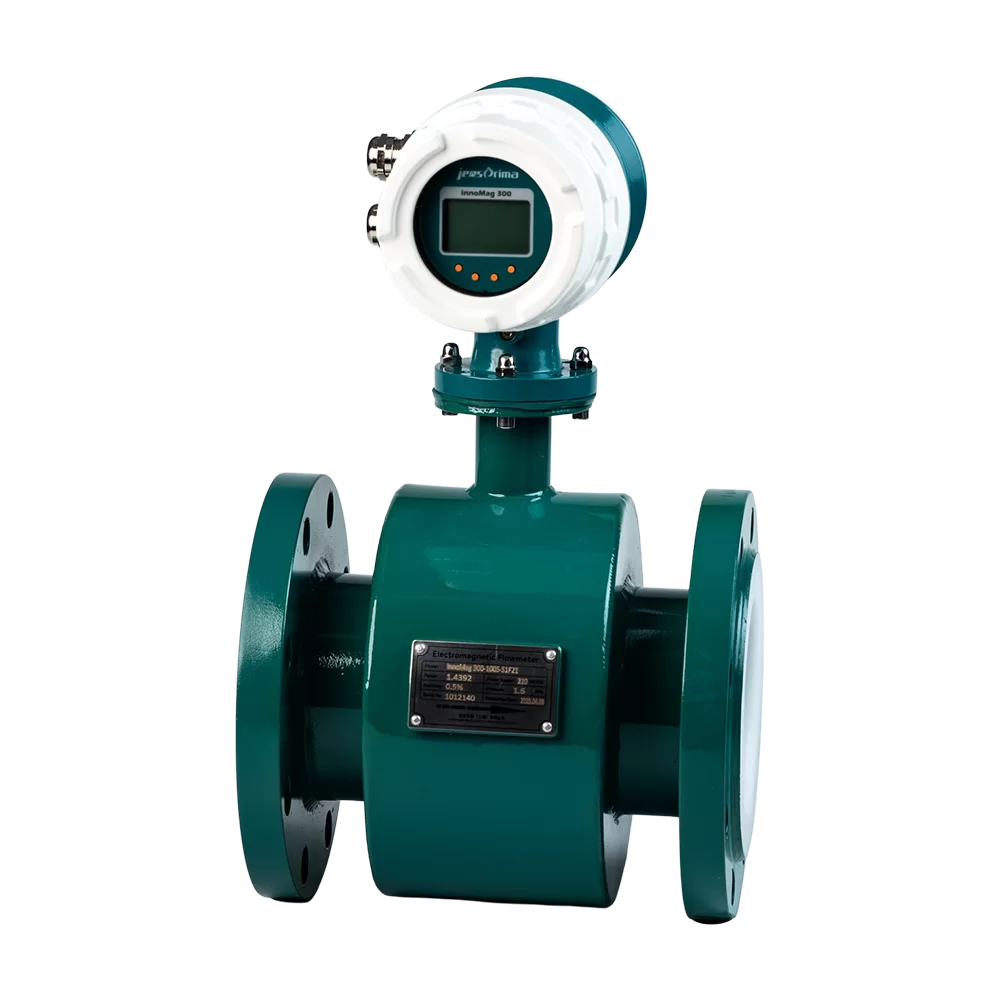
By the mid-2000s, a transition toward early online sensors occurred. The introduction of the electromagnetic flowmeter allowed for precise volume tracking of industrial effluents, shifting the focus from simple quality checks to mass-balance monitoring.

From 2015 to the present, the industry has entered the era of "Smart Water." Integration of IoT and cloud computing has transformed standalone instruments into networked ecosystems, enabling remote diagnostics and predictive maintenance across Austrian watersheds.

Future Development Trends

AI-Driven Predictive Analytics

Integration of machine learning to predict pollutant spikes based on weather patterns and upstream flow data.

Miniaturization of Reagent-Based Systems

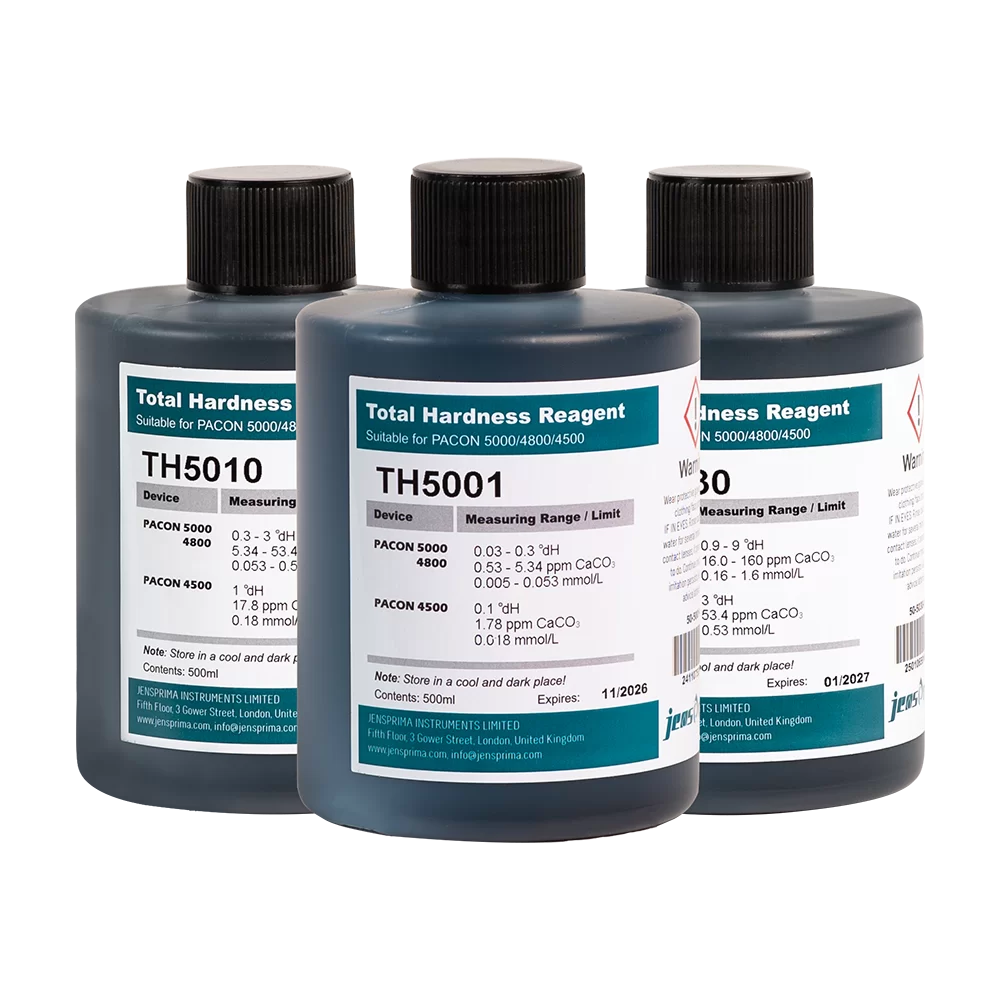
Developing compact, low-waste versions of the total hardness analyzer to reduce chemical footprints.

Zero-Maintenance Sensor Technology

Moving toward optical and non-contact sensing to eliminate the need for frequent manual calibration in remote mountain areas.

Industrial Trends and Future Outlook

Navigating the shift toward Industry 4.0 in environmental monitoring.

Digital Twin Integration
Creating virtual replicas of Austrian water networks to simulate "what-if" scenarios for contaminant spread.
Circular Water Economy
Focusing on high-precision wastewater recovery using advanced alkalinity and hardness sensors.
Edge Computing Implementation
Processing critical data locally on the analyzer to reduce latency in emergency shut-off systems.
Energy-Neutral Sensing
Developing solar-powered monitoring stations for the remote Danube river basin.

Industry Outlook

Based on Google Search trends in Central Europe, there is a marked increase in queries regarding "automated water compliance" and "real-time alkalinity monitoring," suggesting that Austrian companies are moving away from intermittent sampling toward continuous monitoring.

The future will likely see a merger between water quality sensing and energy management, where instruments like the electromagnetic flowmeter are used not just for volume, but for calculating the exact energy cost of water transport in real-time.

Localized Application Scenarios in Austria

Tailored solutions for Austria's diverse water environments.

01. Alpine Spring Water Protection

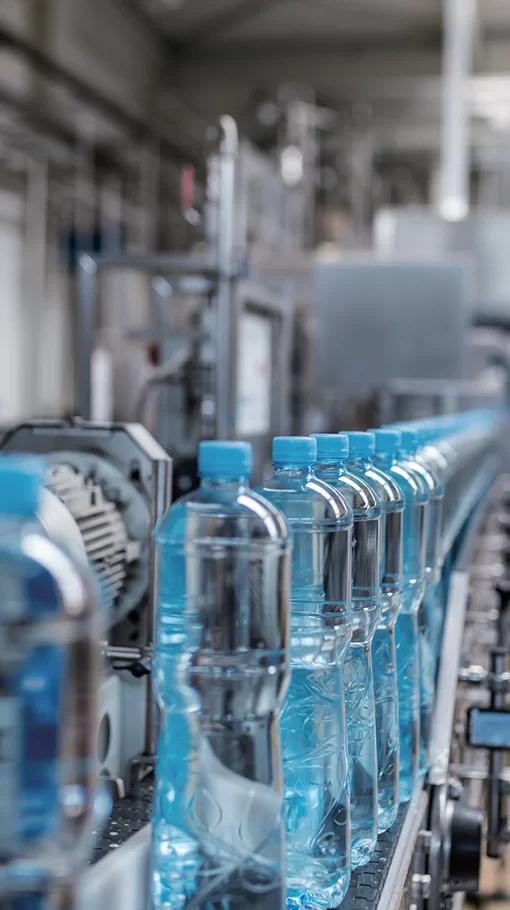
Using a multi parameter water quality analyzer to monitor pH, conductivity, and turbidity in remote mountain springs to ensure the purity of Austria's world-famous bottled water.

02. Hydroelectric Power Plant Scaling Control

Deployment of the total hardness analyzer to manage mineral precipitation in turbine cooling systems, extending equipment lifespan in the Tyrol region.

03. Vienna Municipal Drinking Water Disinfection

Implementing a residual chlorine controller in city reservoirs to maintain precise disinfection levels according to strict health standards.

04. Industrial Effluent Tracking in Linz

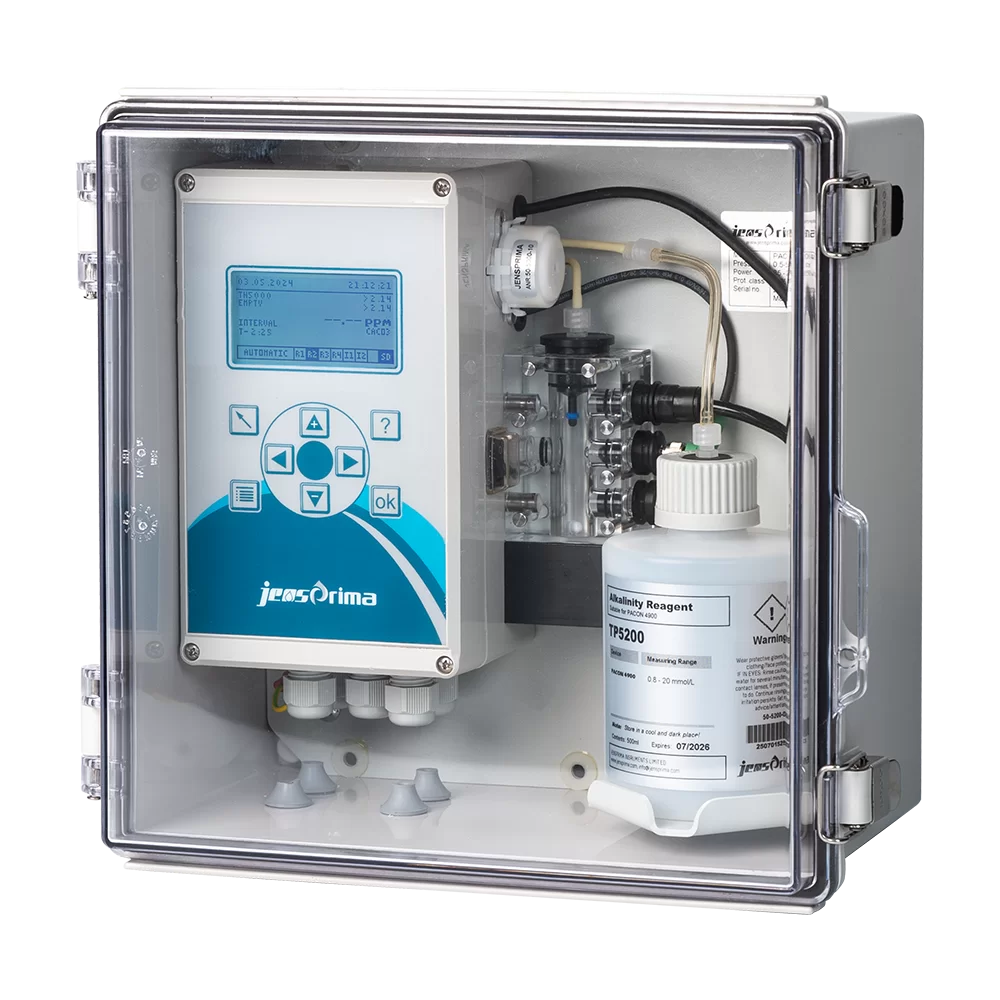
Utilizing the electromagnetic flowmeter combined with an alkalinity analyzer to monitor chemical discharge from steel manufacturing plants into the Danube.

05. Wastewater Treatment Plant (WWTP) Optimization

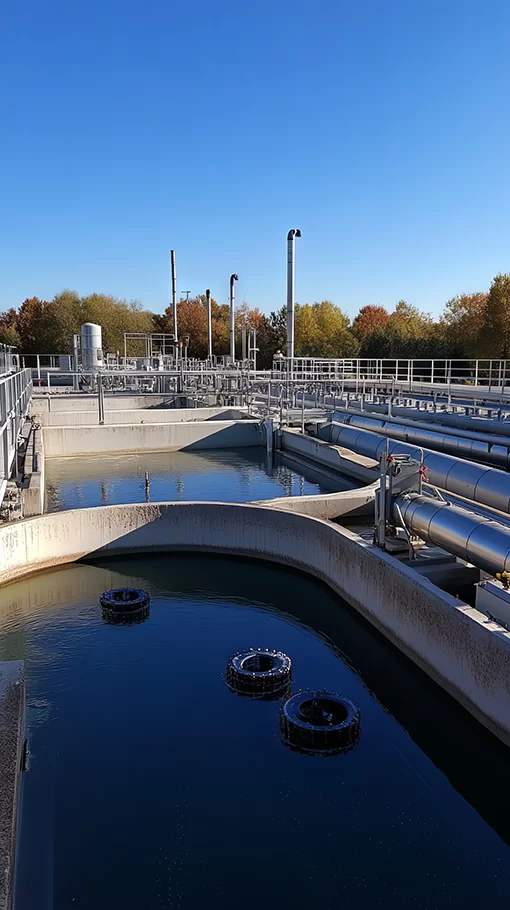
Integrating multi-parameter sensors to optimize the aeration process and nutrient removal in municipal wastewater plants across Salzburg.

Brand Story

Global Development History of Jensprima (Shanghai) Co., Ltd.

Founding Vision

Established with the mission to bridge the gap between high-end laboratory accuracy and the rugged demands of online industrial water monitoring.

Technical Breakthroughs

Developed proprietary electrode stability technology that reduced calibration frequency for alkalinity and hardness analyzers by 40%.

European Expansion

Launched dedicated support centers in Europe to provide localized calibration services and compliance consulting for EU directives.

Sustainability Milestone

Introduced reagent-free sensing options to minimize the environmental impact of continuous water quality monitoring.

Industry Leadership

Recognized as a global provider of integrated water analysis systems, serving thousands of sites from Asia to the heart of Austria.

Complete Water Analysis Portfolio for Austria

From flow measurement to complex chemical analysis, our instruments cover every aspect of the water cycle.

Common Questions in the Austrian Market

Expert answers to technical queries regarding water quality instrumentation.

How does a multi parameter water quality analyzer handle Alpine water turbidity?

Our analyzers feature integrated auto-cleaning mechanisms and advanced filtration to ensure that high sediment levels in glacial runoff do not interfere with sensor accuracy.

What is the maintenance interval for an online total hardness analyzer in high-mineral areas?

Depending on the water hardness, we recommend a calibration check every 2-4 weeks, though our automated systems can extend this through self-standardization.

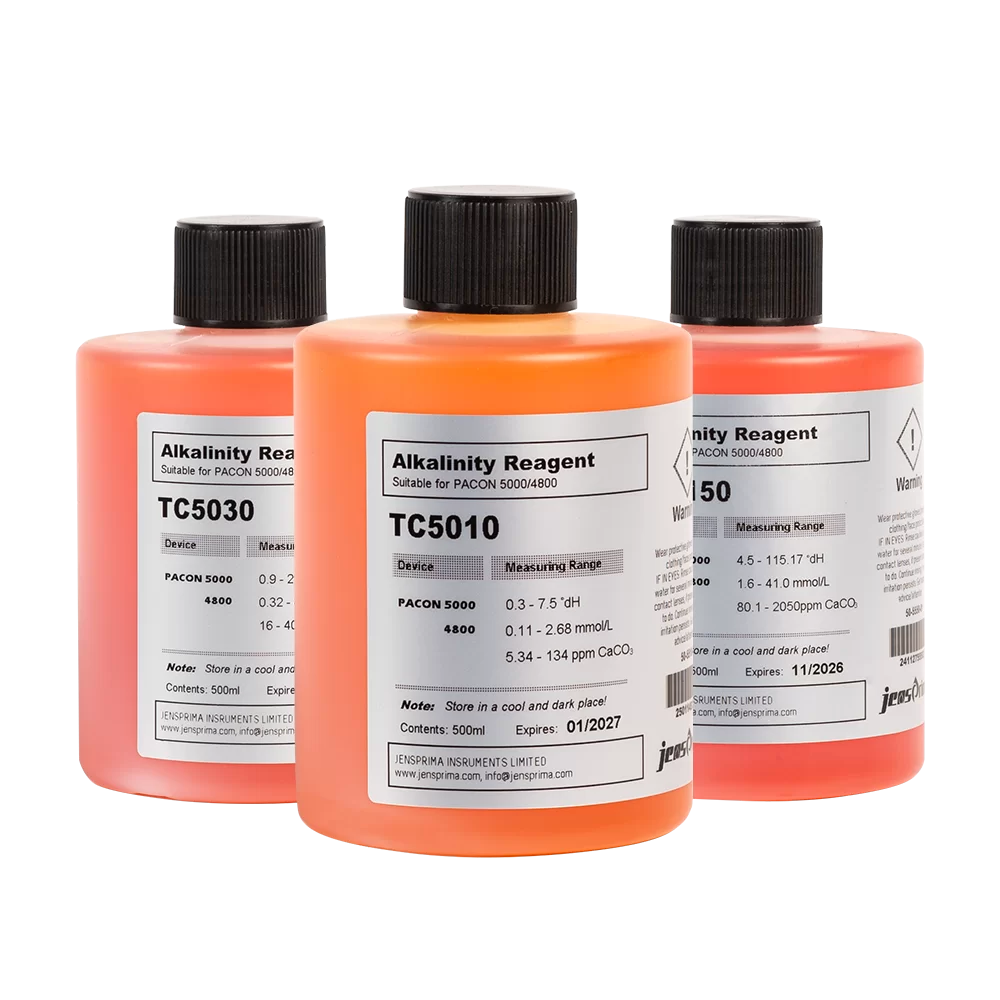
Can the alkalinity analyzer be integrated with existing SCADA systems in Austria?

Yes, our instruments support Modbus TCP/IP, Profibus, and 4-20mA outputs, ensuring seamless integration with most European industrial control systems.

How accurate is the residual chlorine controller for low-level disinfection monitoring?

Our controllers utilize high-sensitivity amperometric sensors capable of detecting residual chlorine levels down to 0.01 mg/L with extreme precision.

Is the electromagnetic flowmeter suitable for corrosive industrial wastewater?

Absolutely. We offer PTFE and PFA liners that provide excellent chemical resistance against the aggressive effluents typically found in chemical manufacturing.

Which analyzer is best for meeting EU Water Framework Directive compliance?

A combination of our multi-parameter analyzer and flowmeters is recommended to provide the comprehensive data logging required by EU regulatory bodies.

Get Expert Consultation for Your Water Project

Our engineers are ready to help you optimize your water monitoring infrastructure across Austria.

Contact Us Now
Service Repair Form
Tell us what issue you encountered, including any steps or symptoms.
  • Name
  • Email
  • Phone
  • Fault Description

If you are interested in our products, you can choose to leave your information here, and we will be in touch with you shortly.