

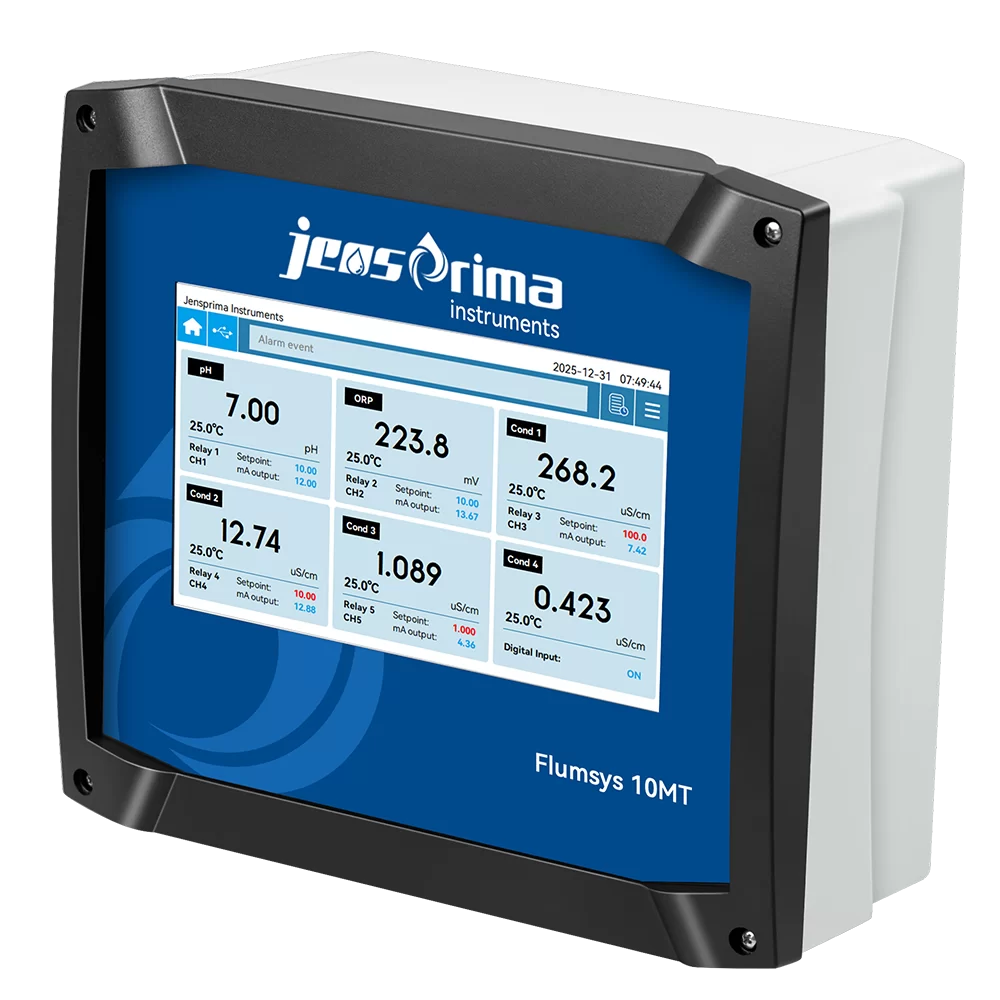
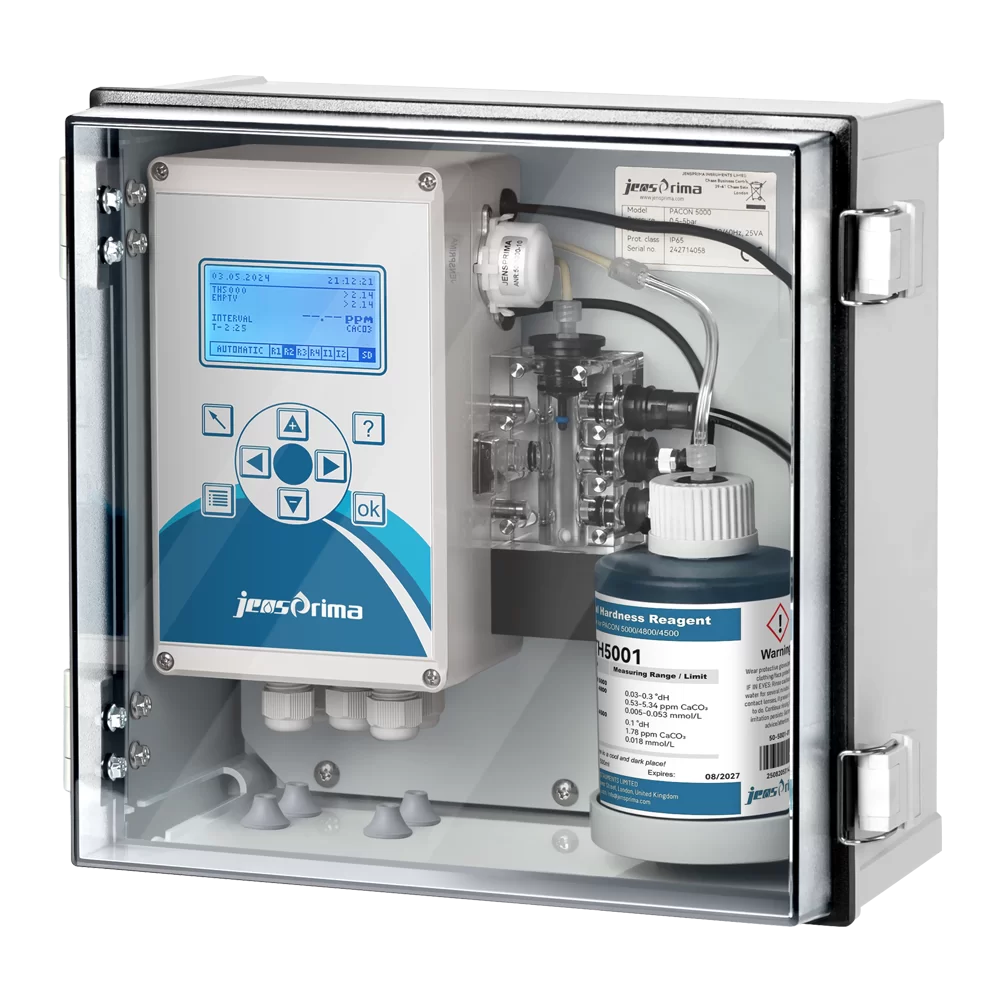
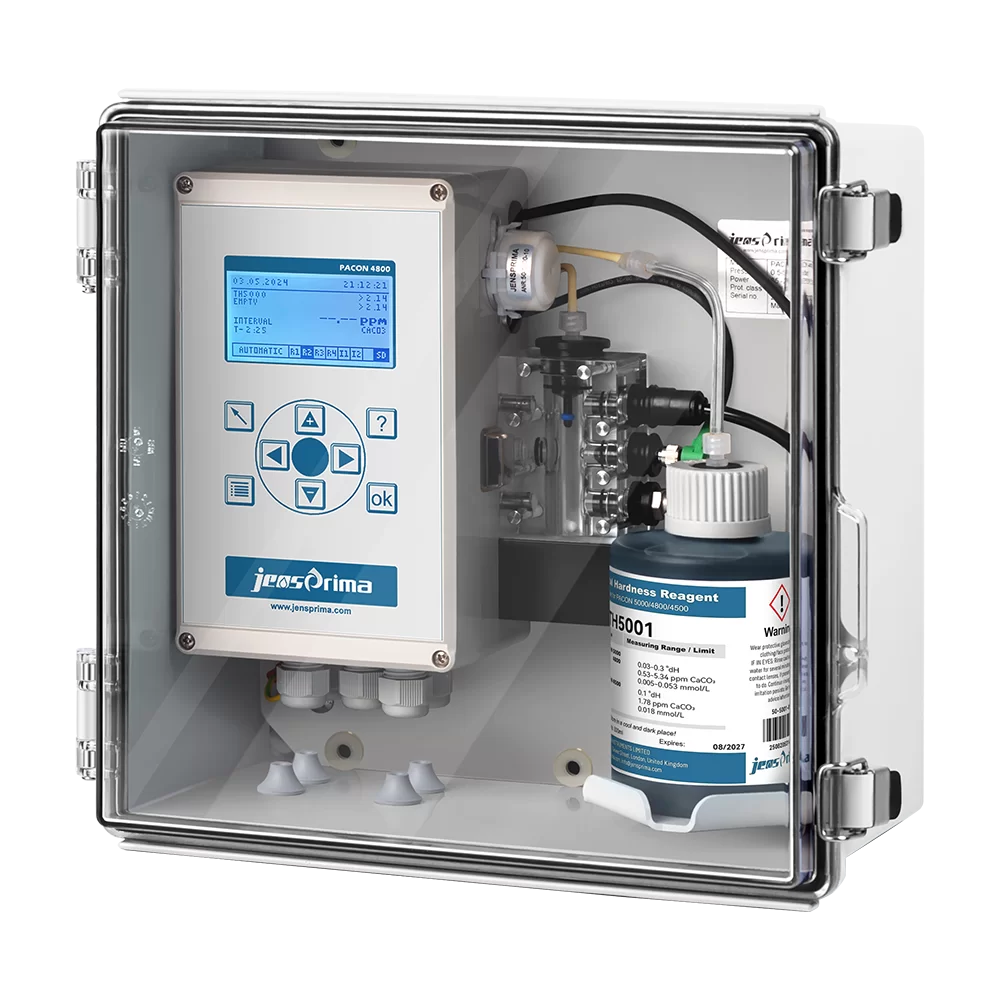
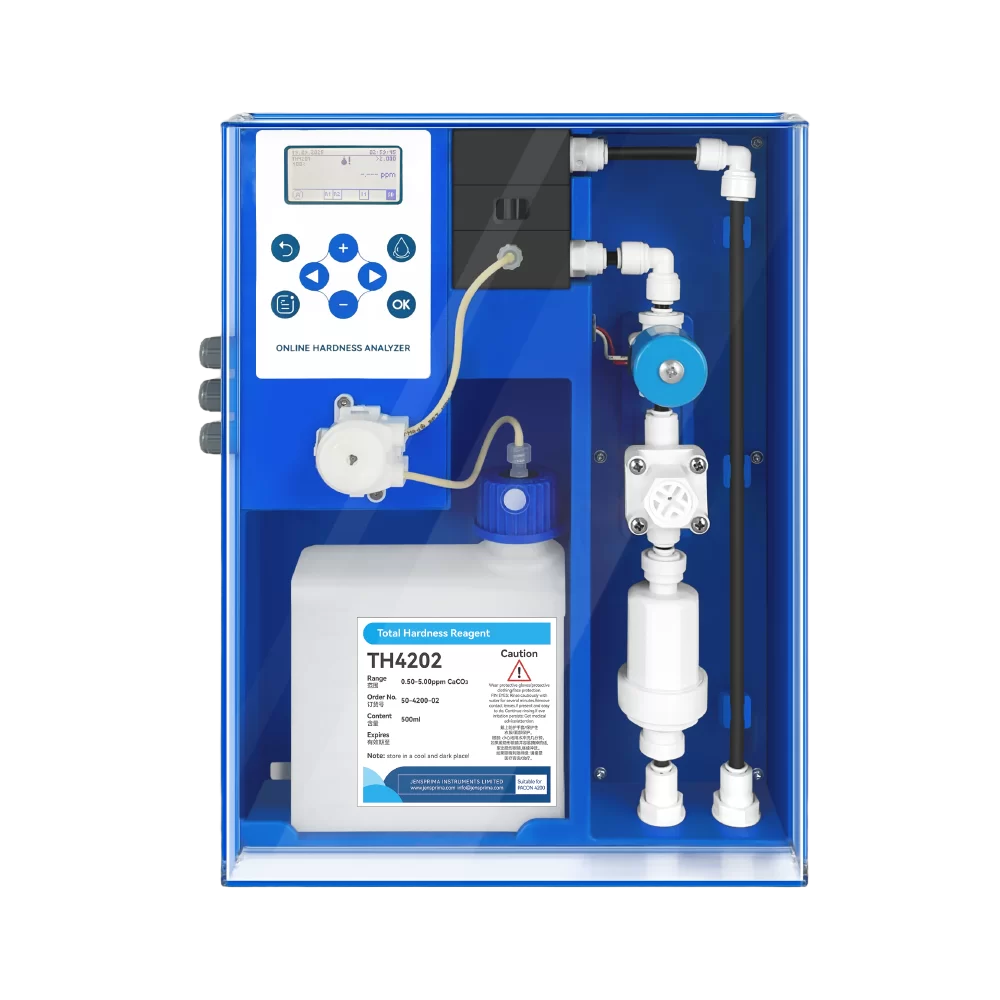
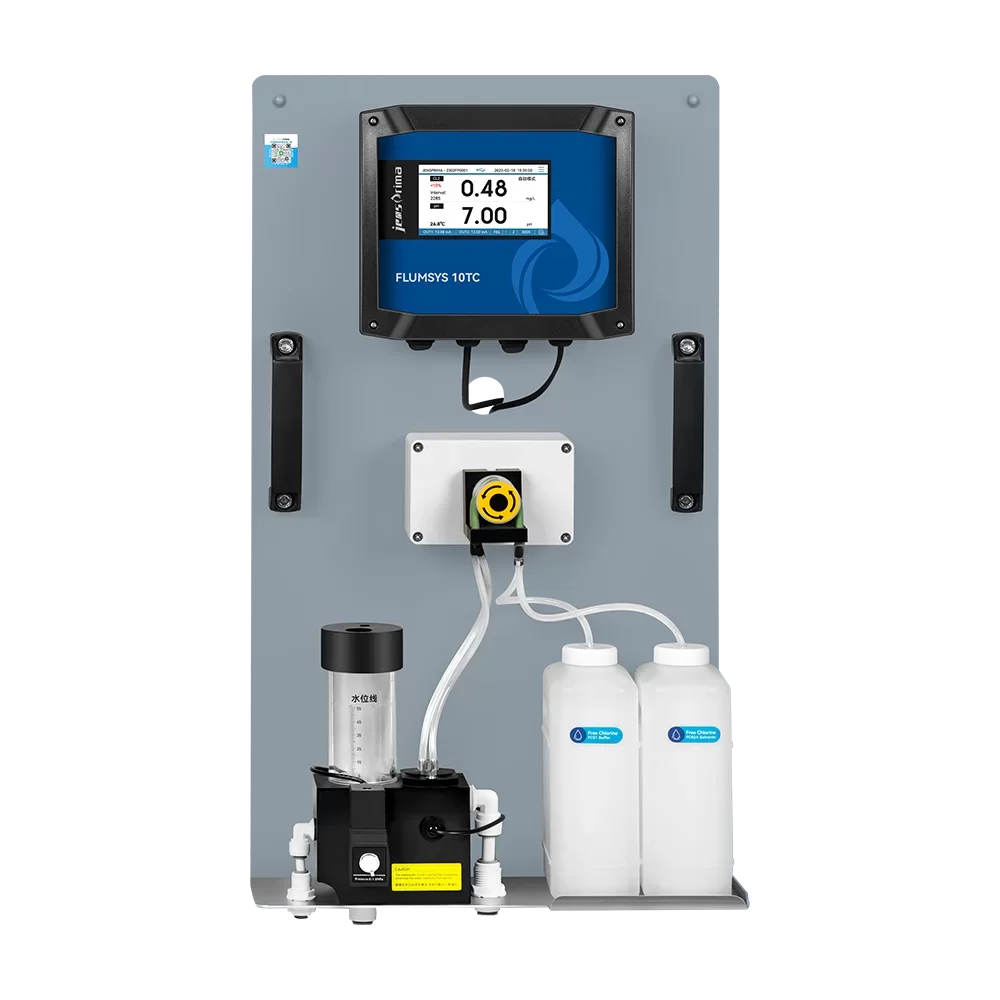
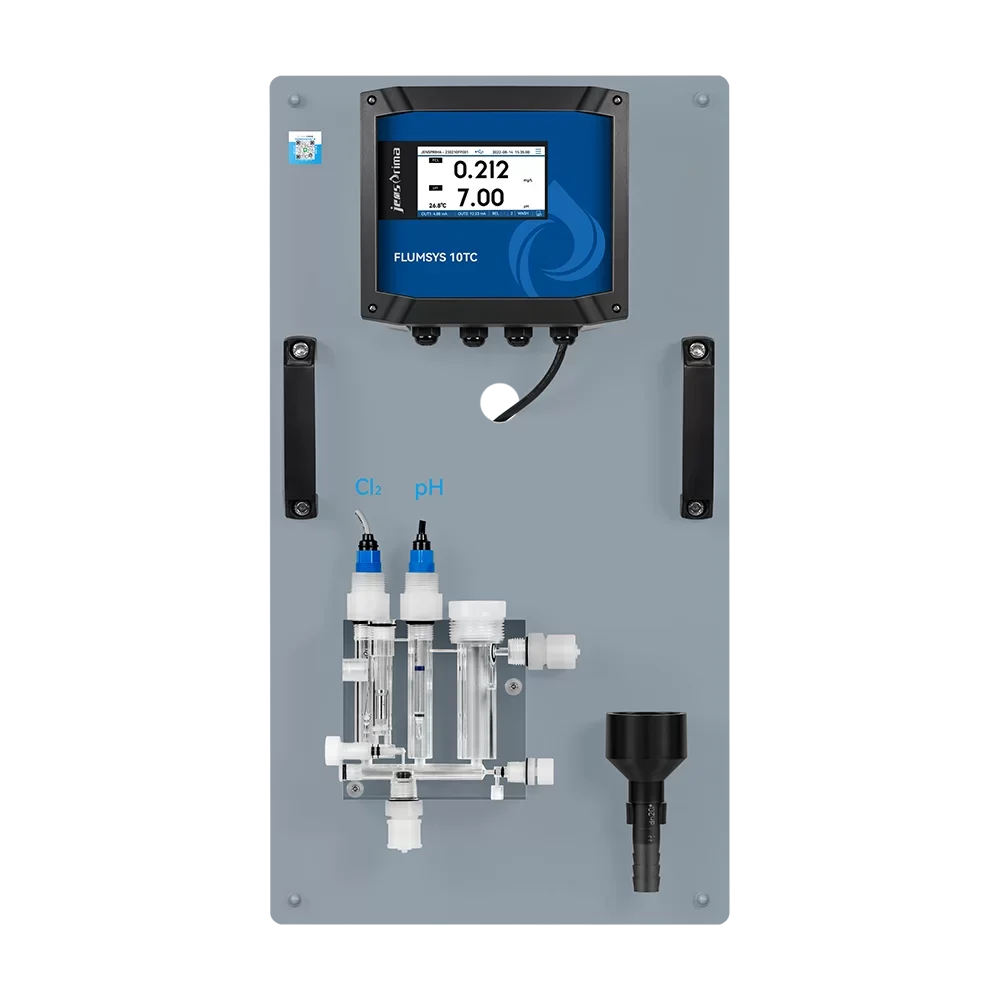
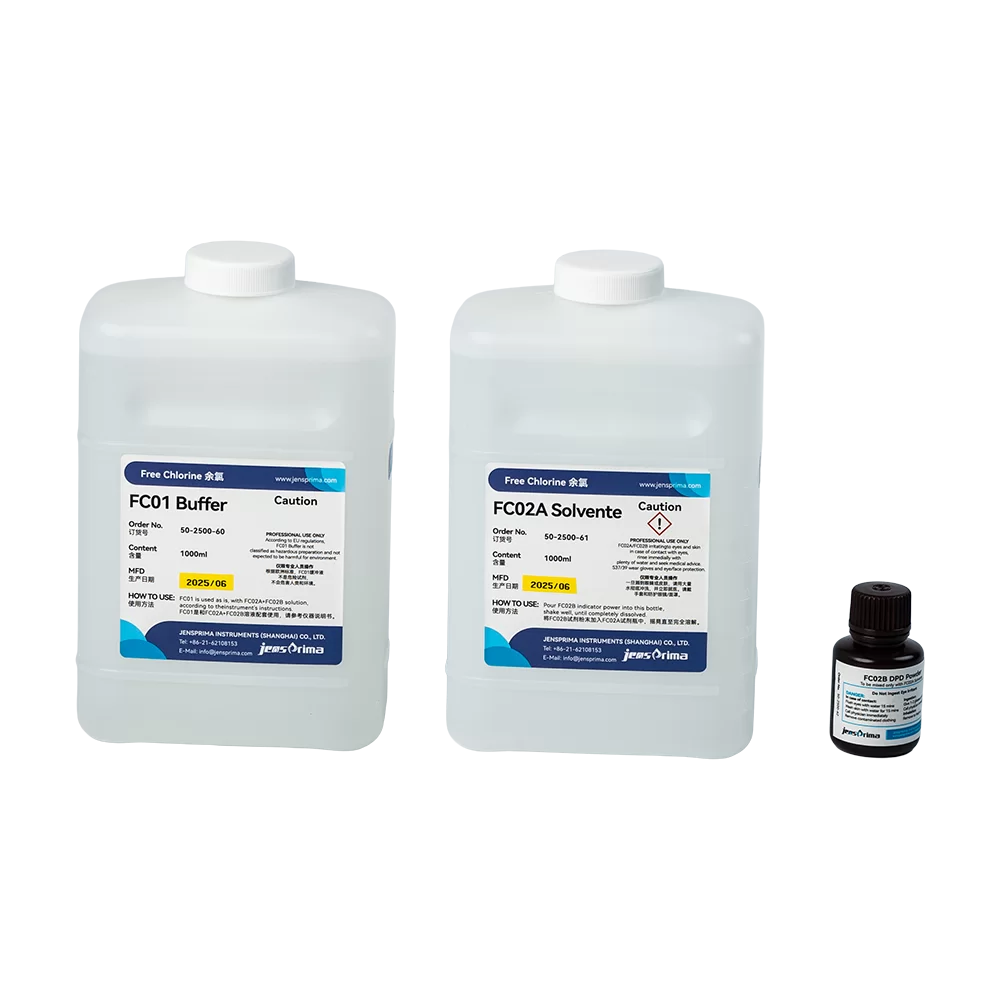
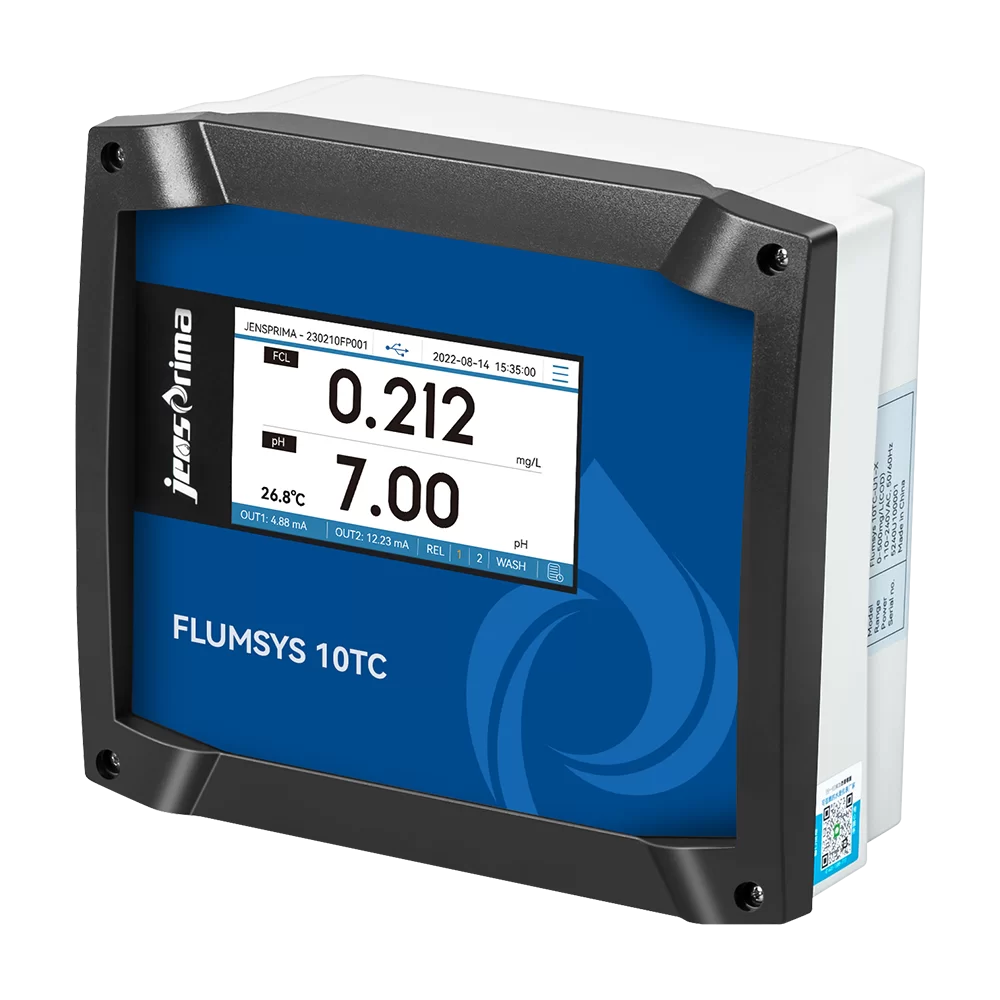
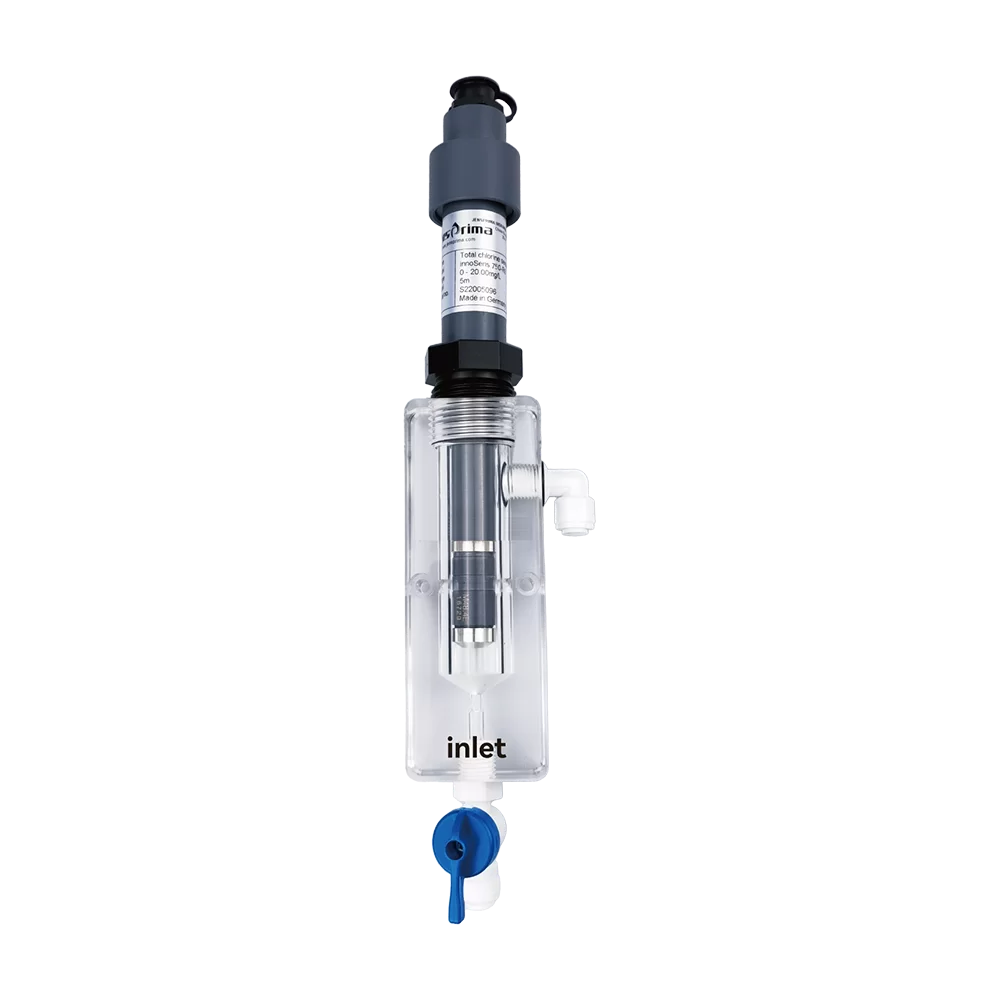
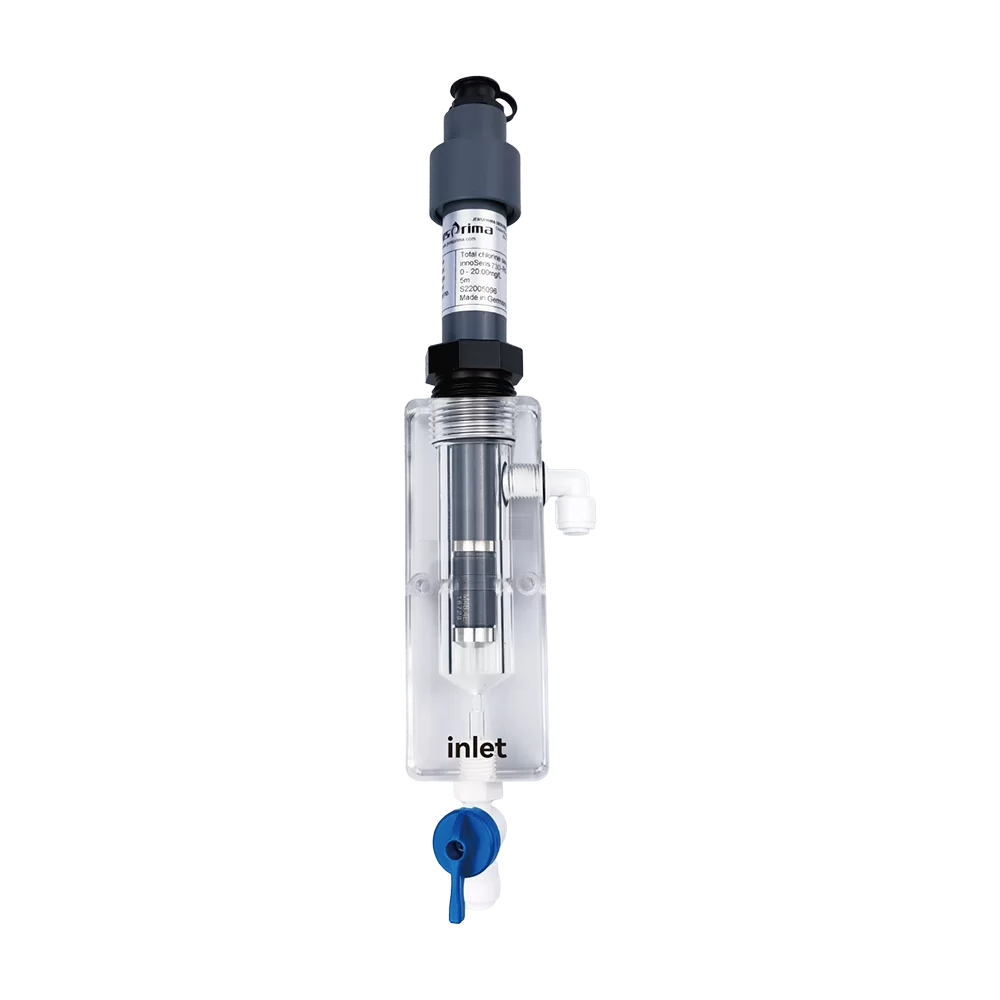
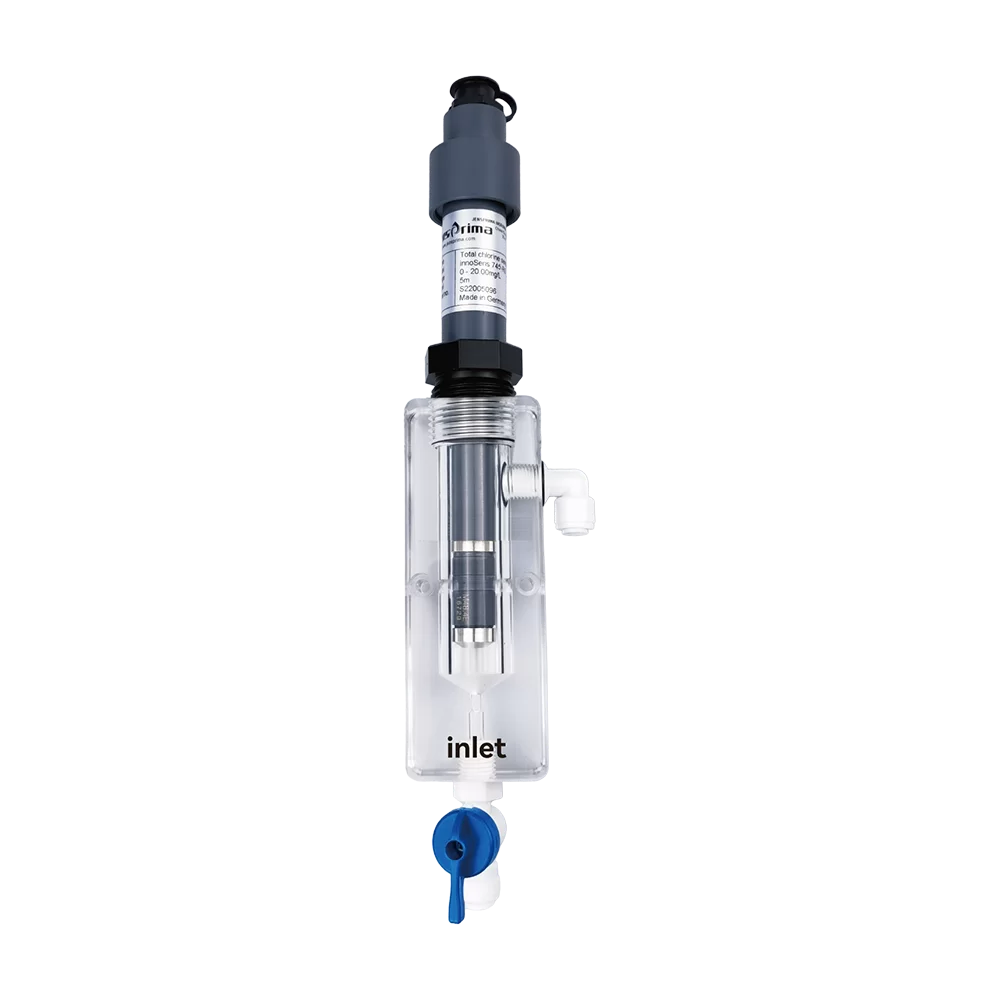
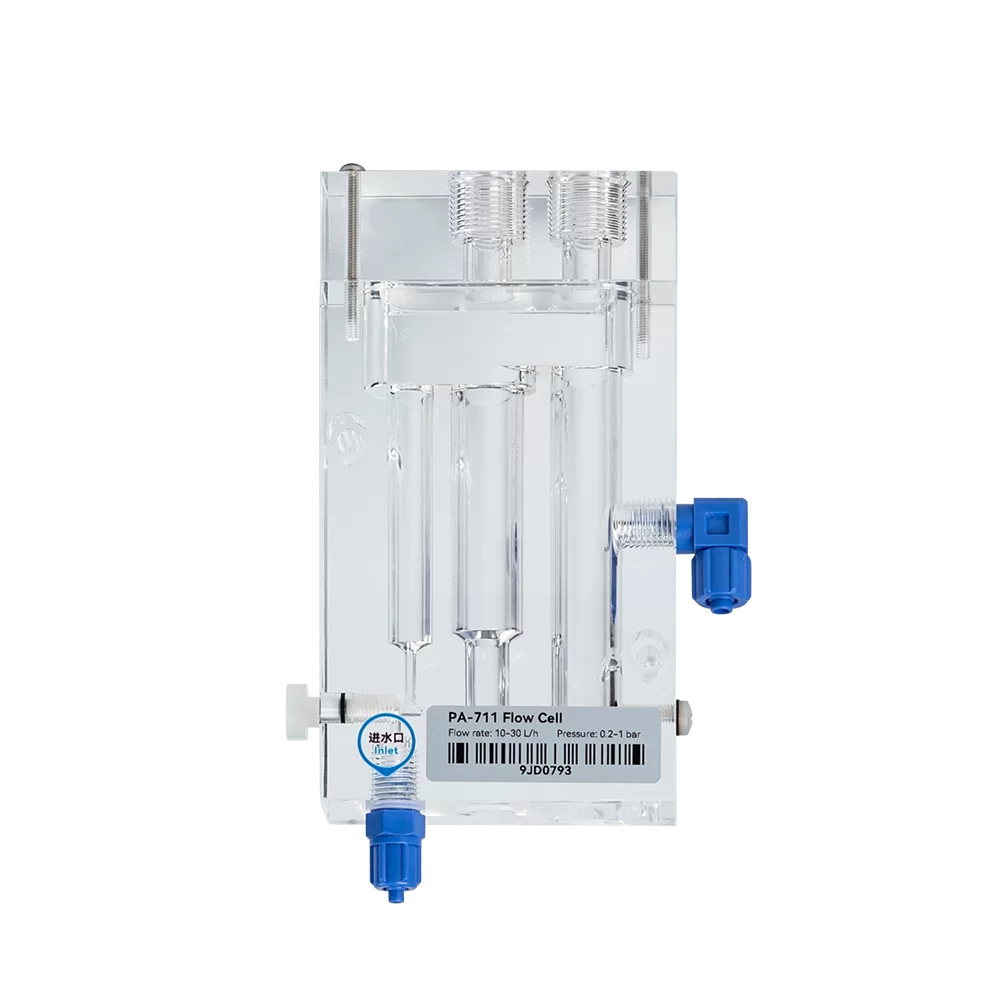
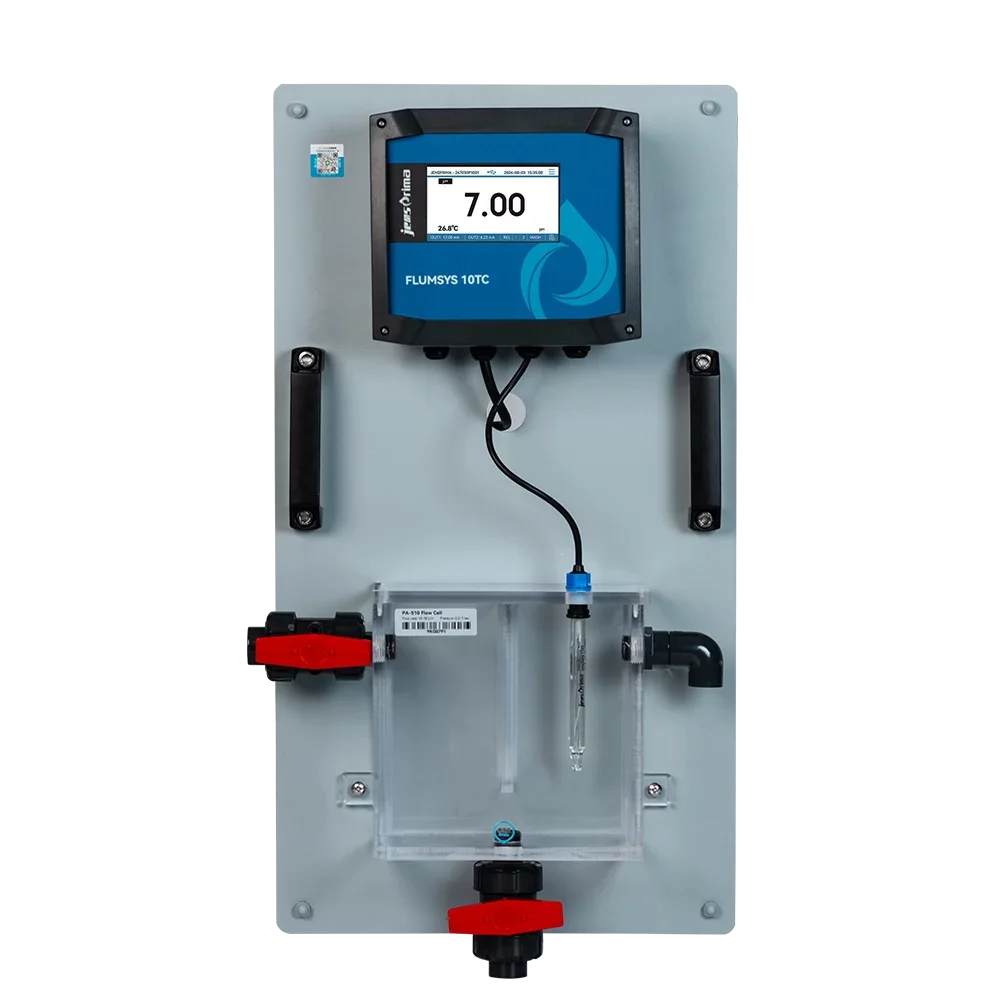
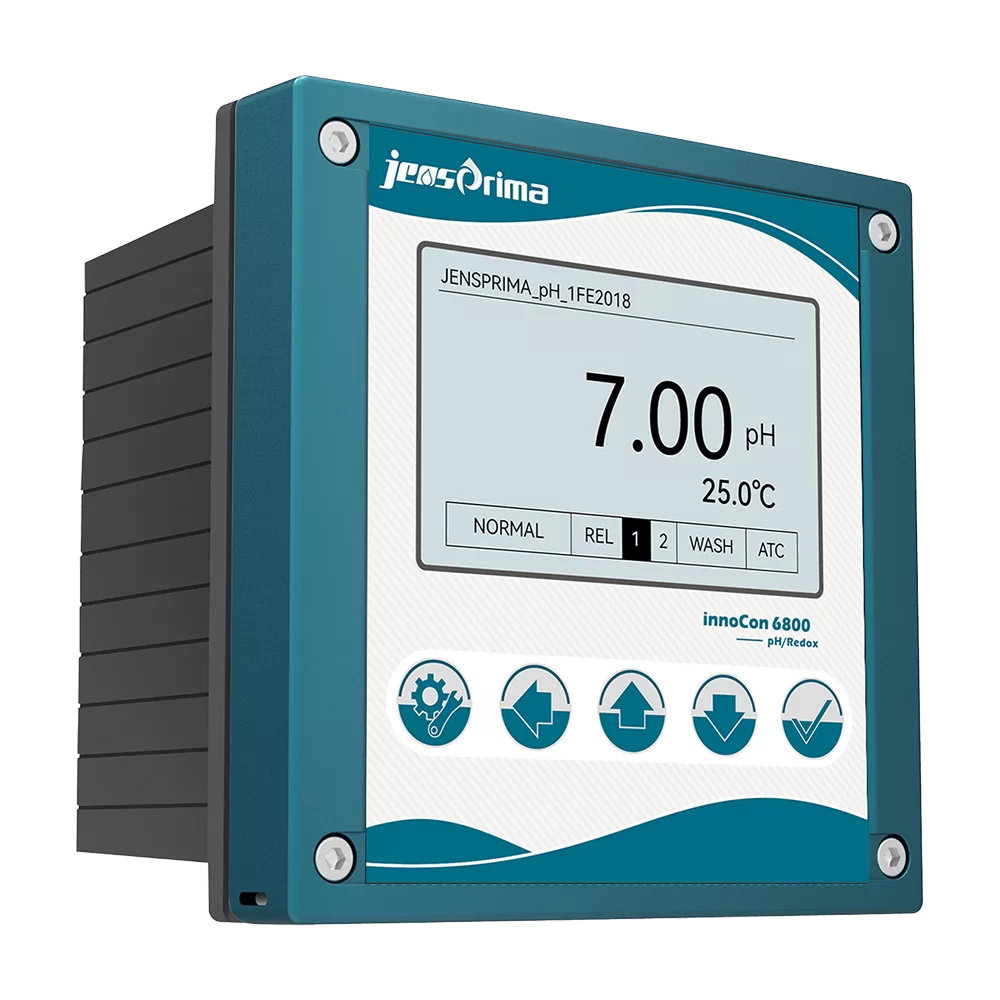
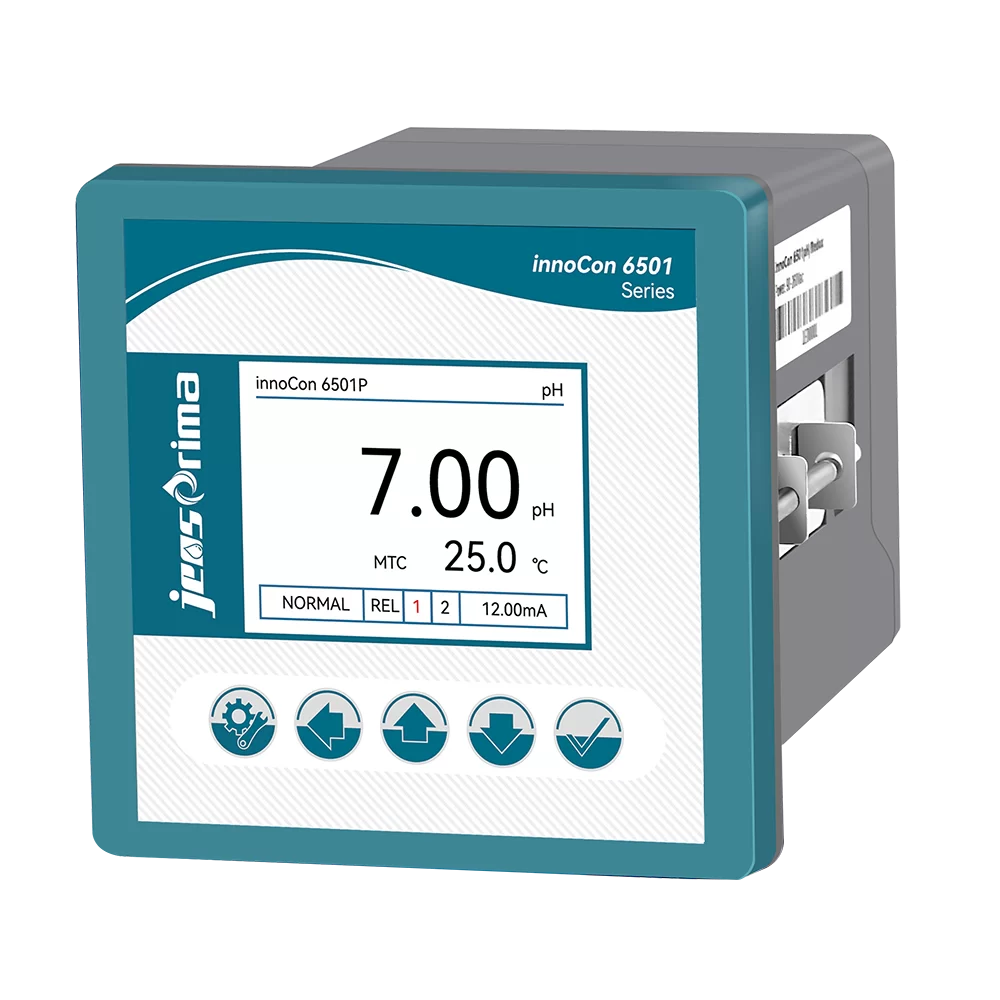
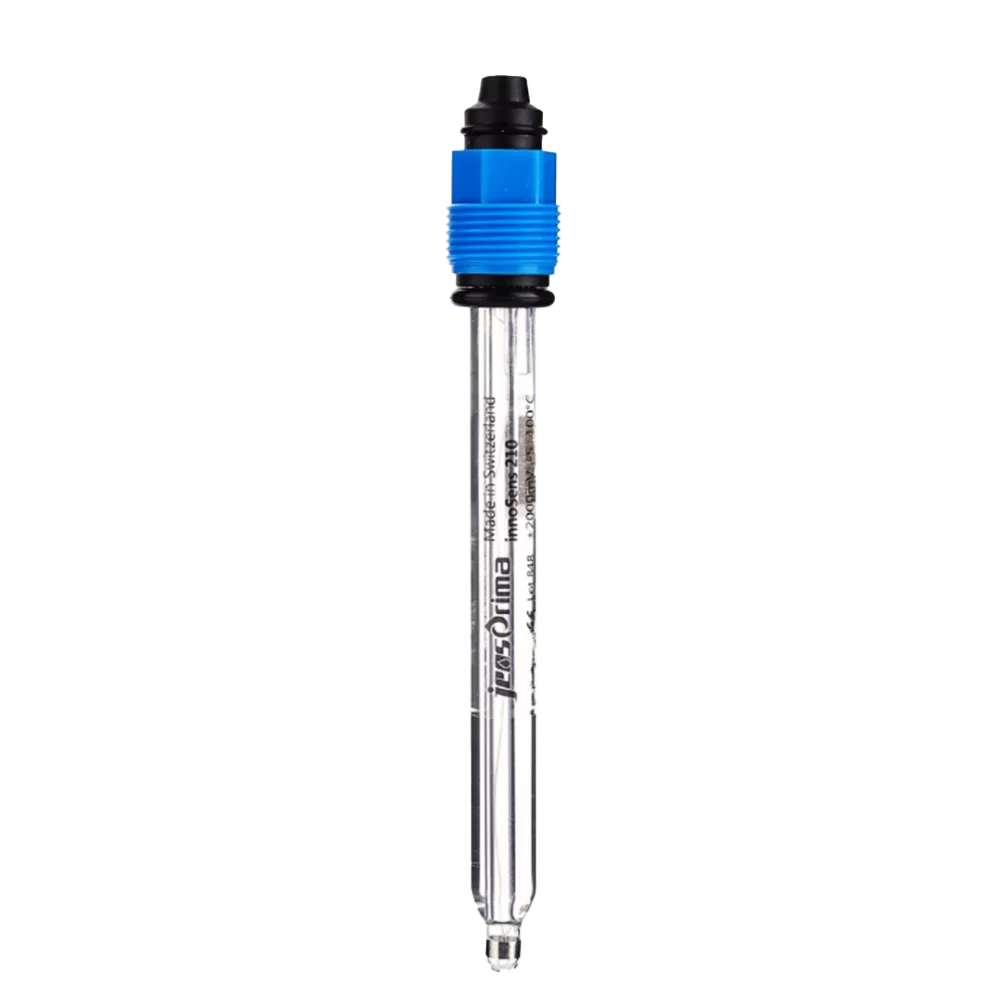
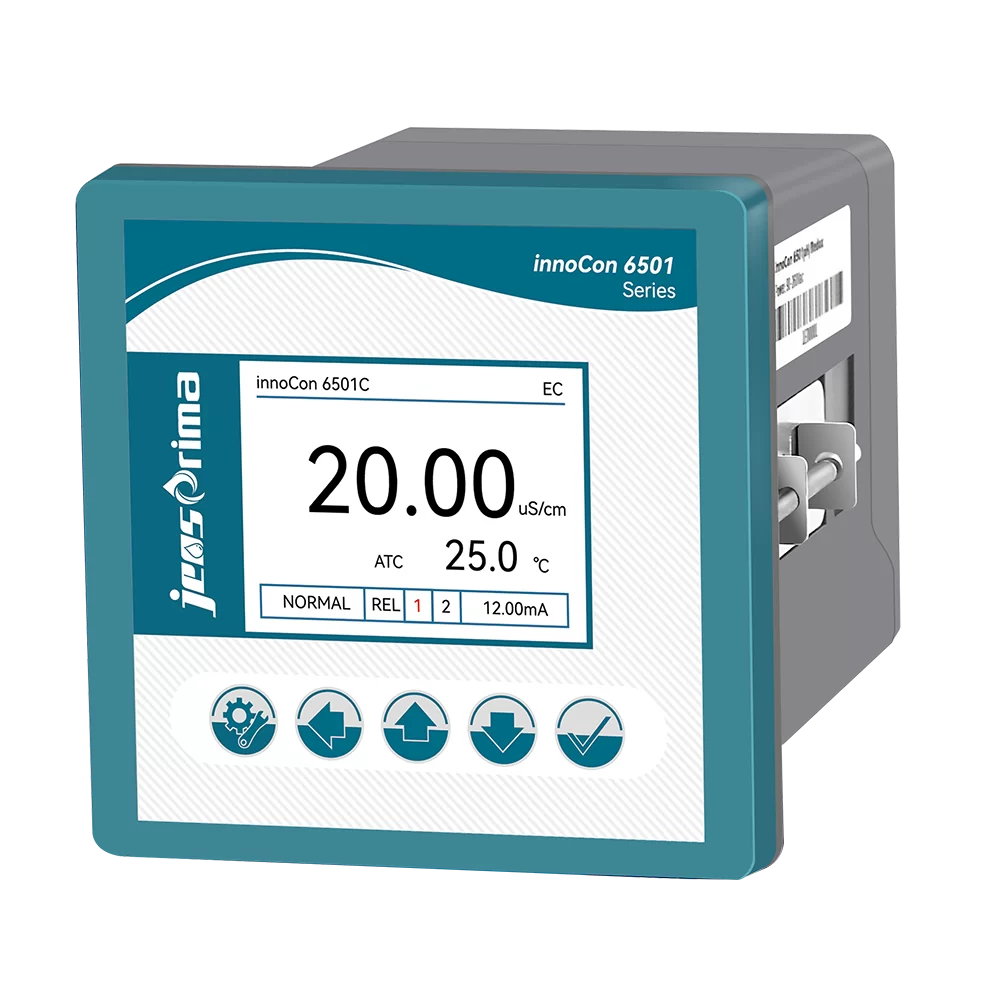
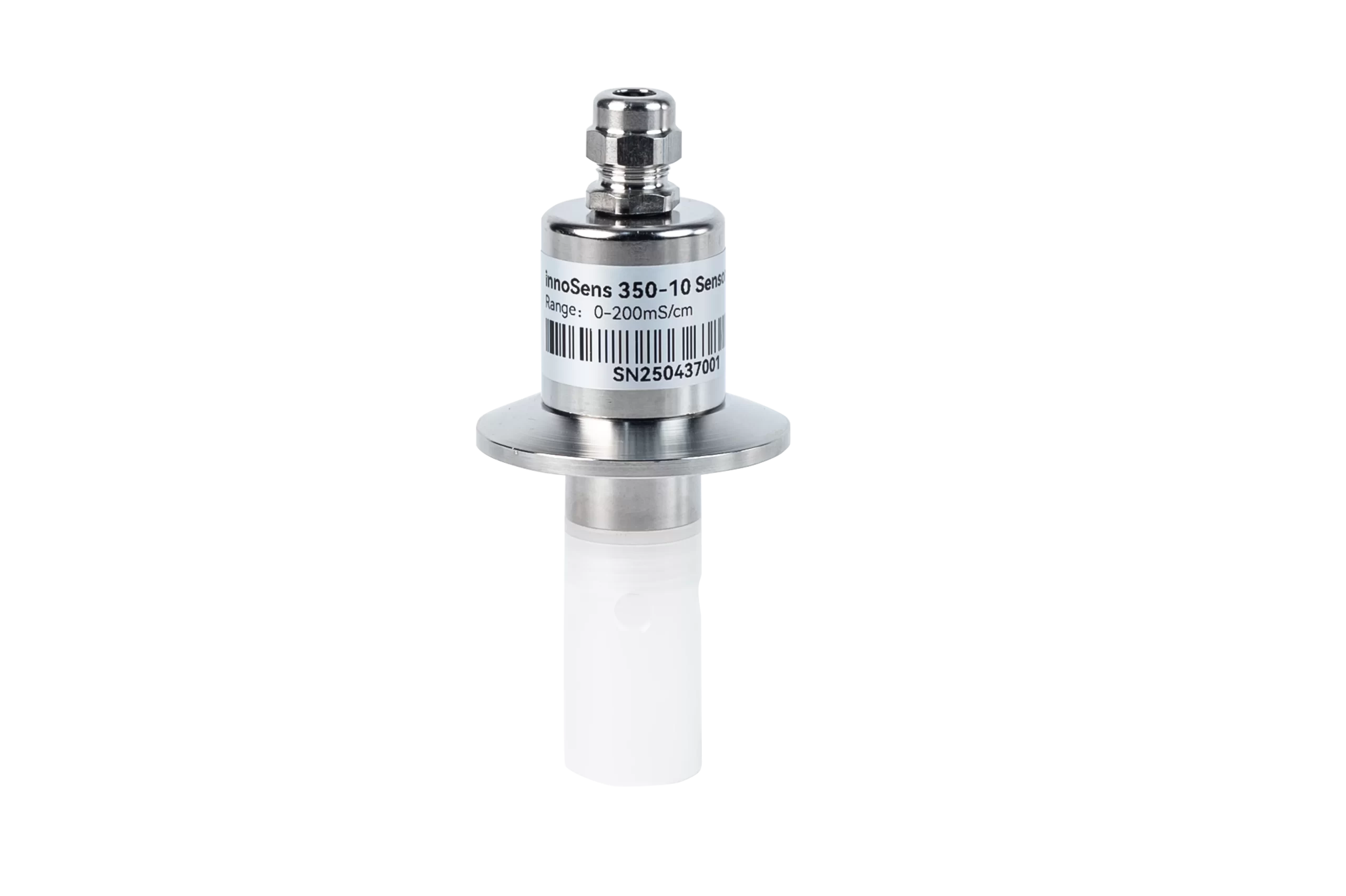
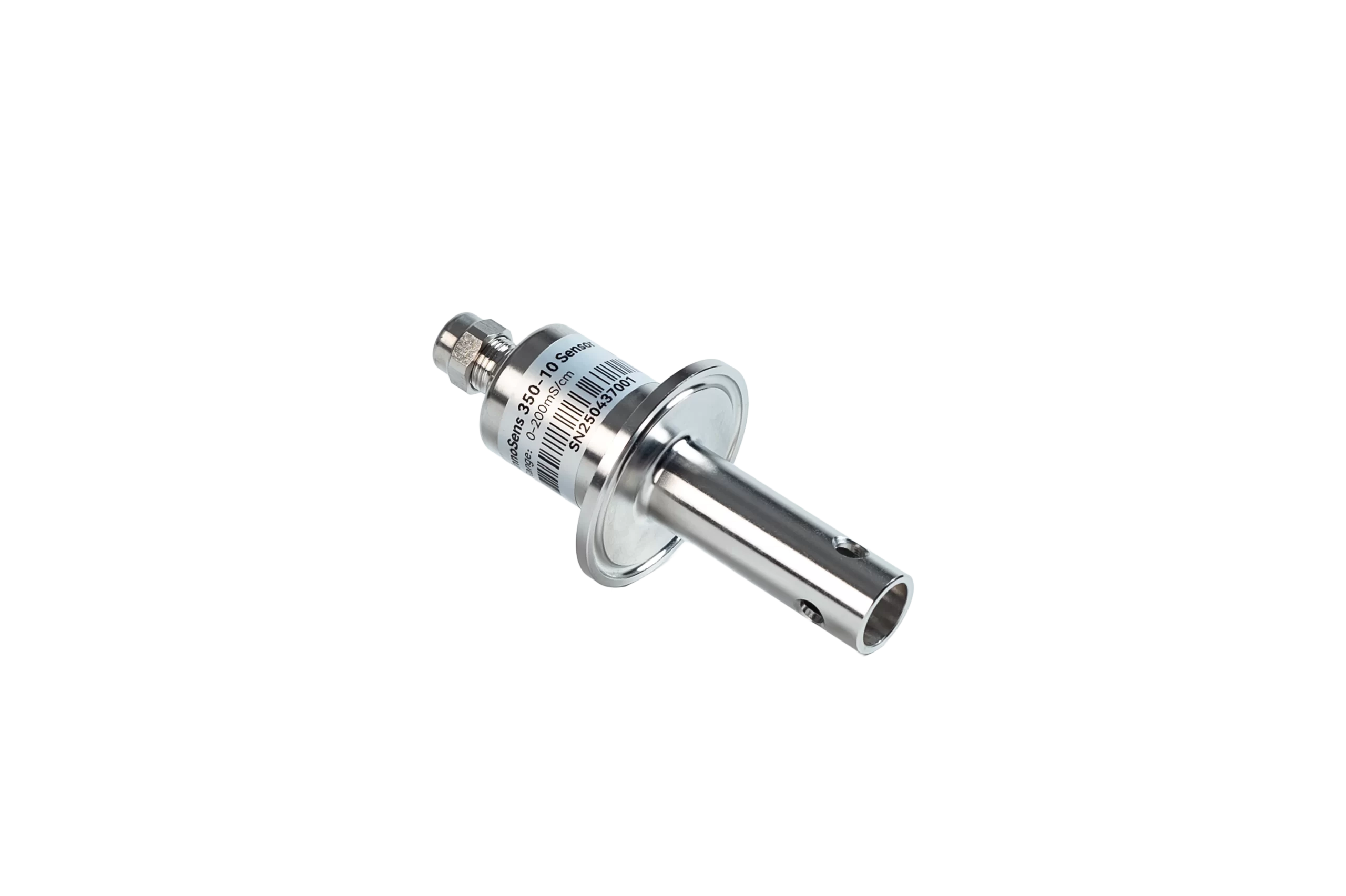
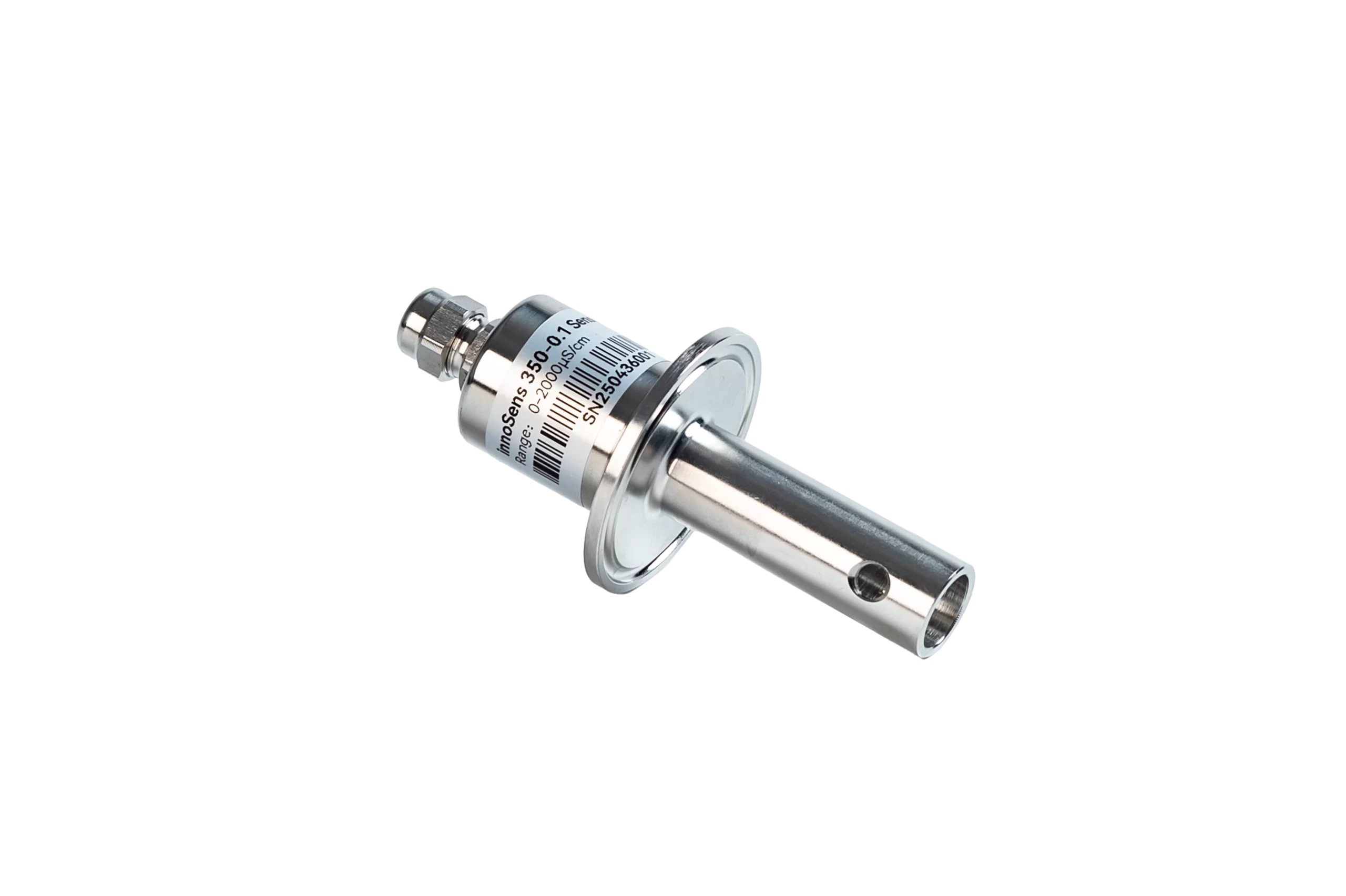
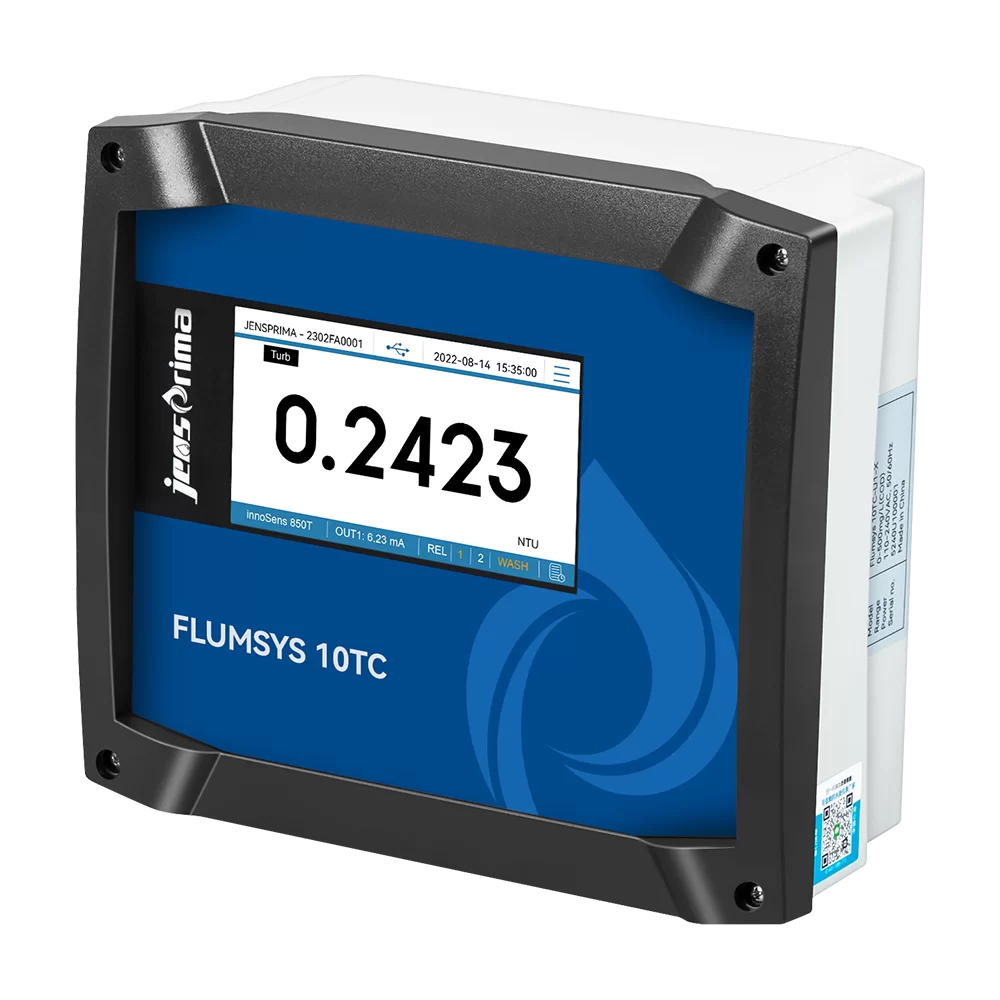
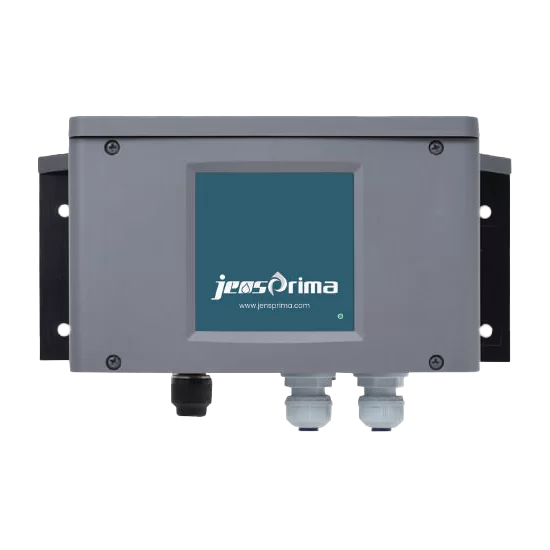
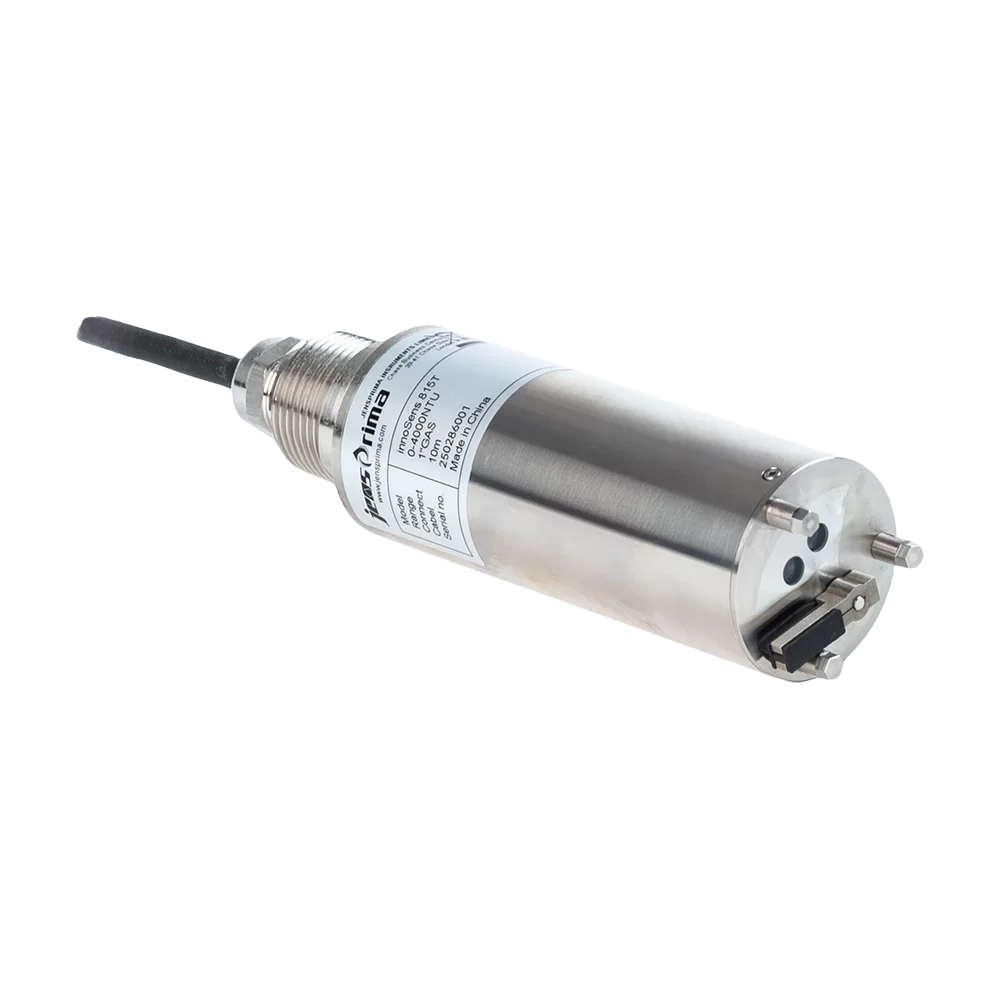
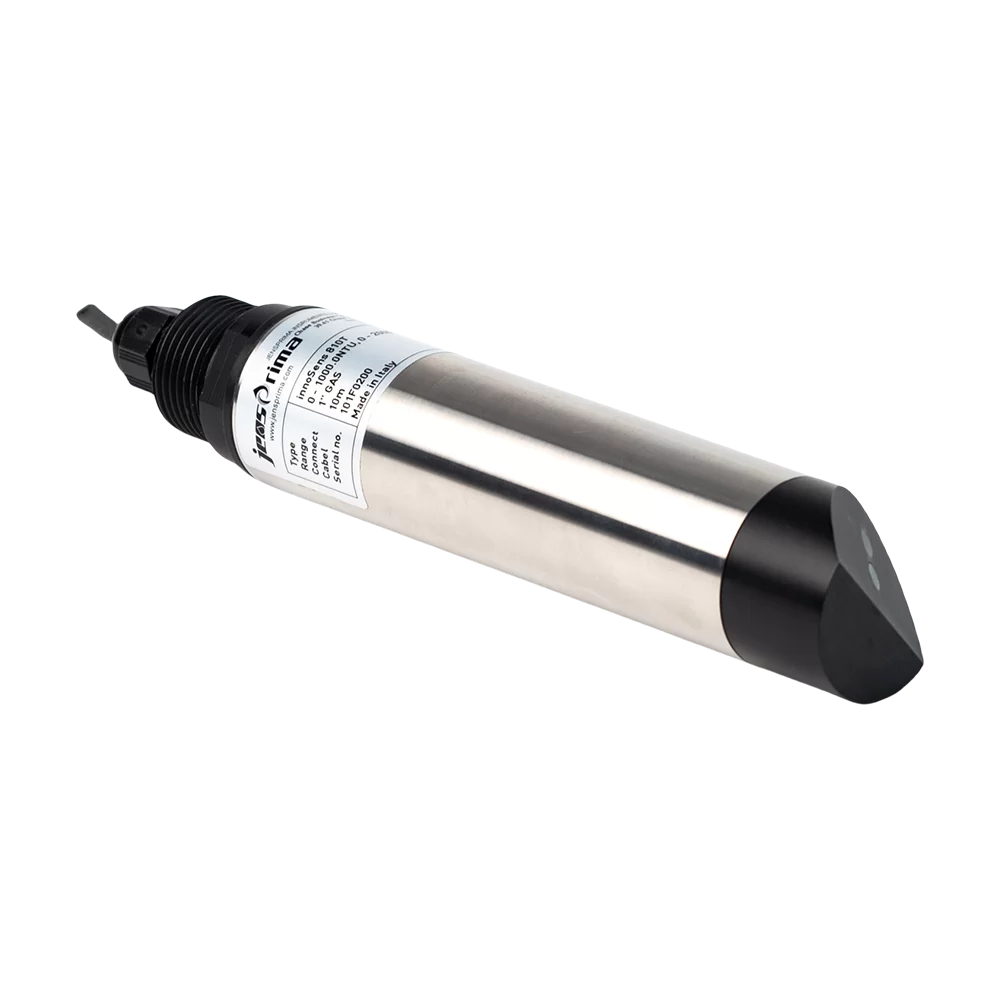
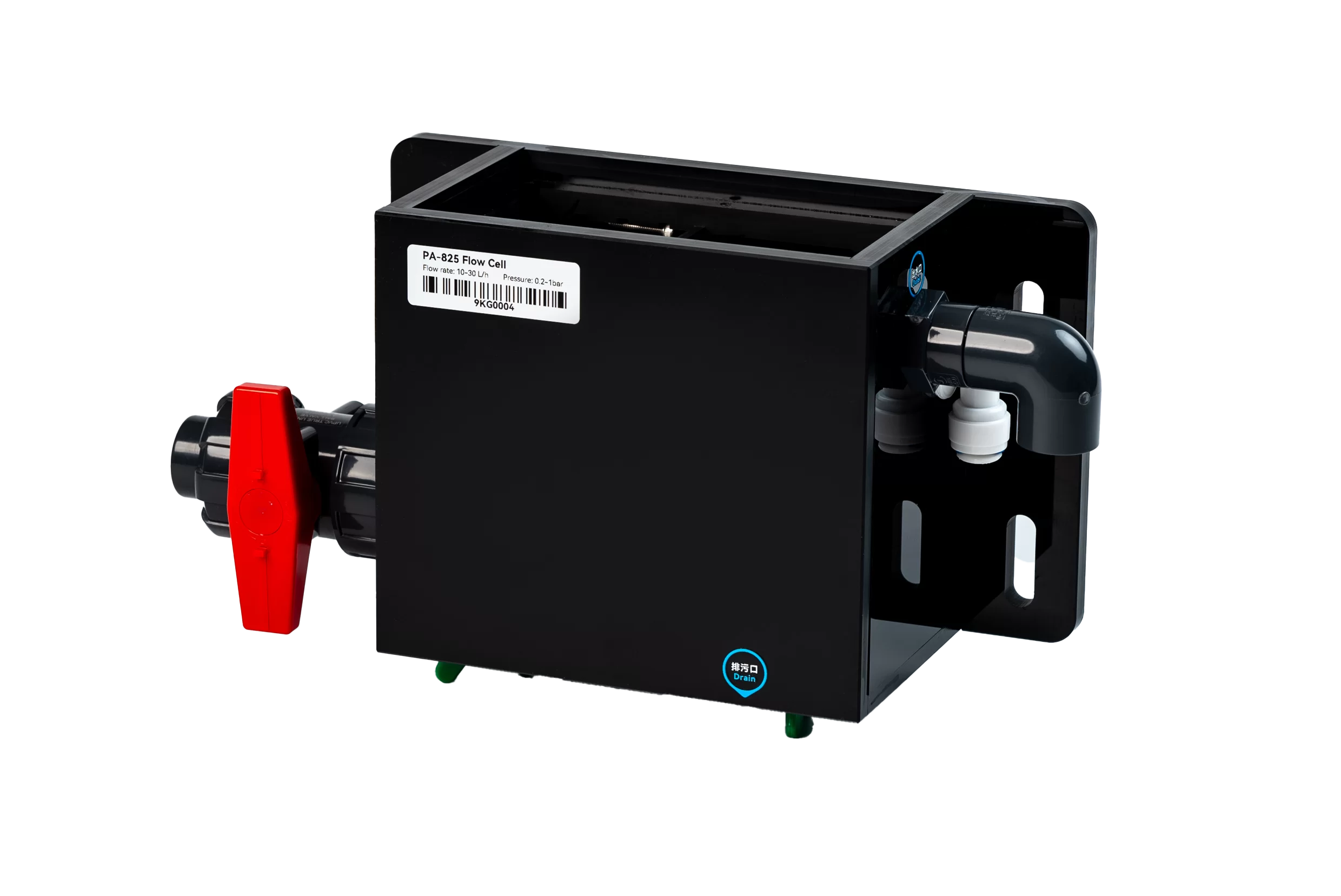
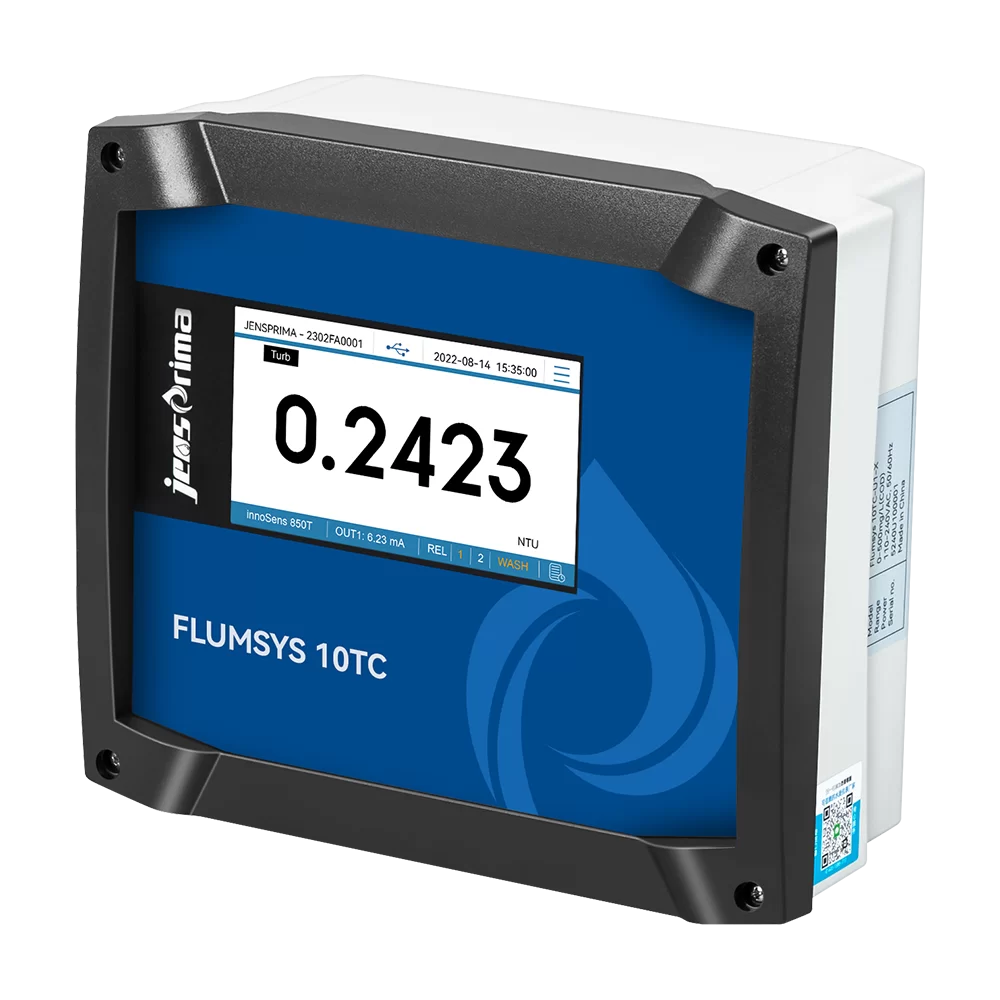
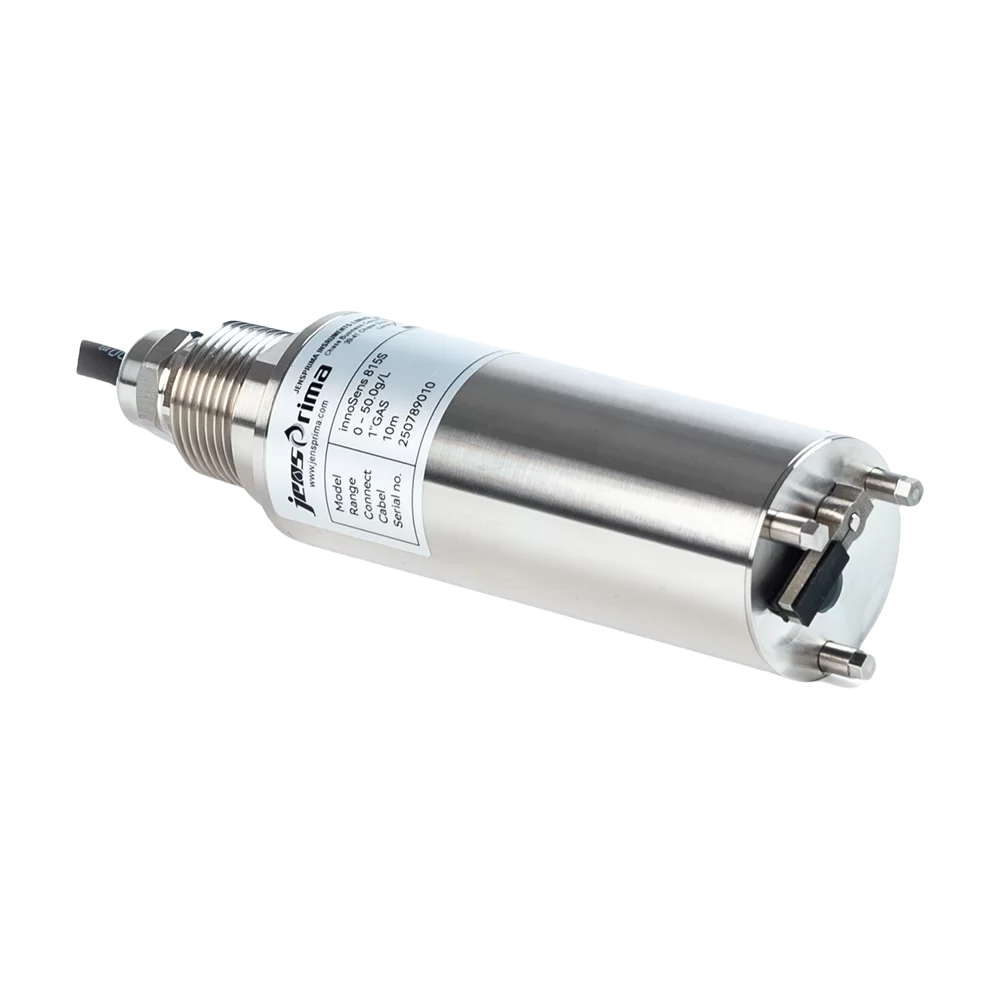
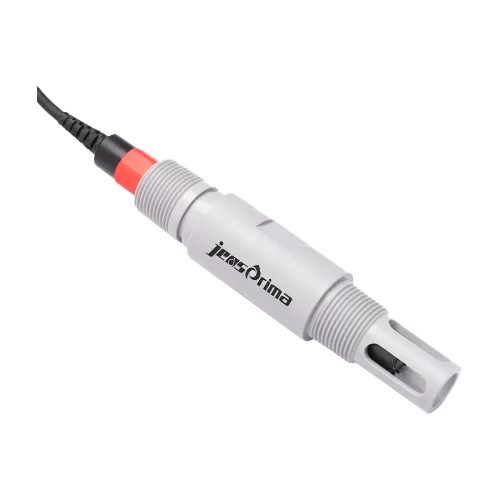
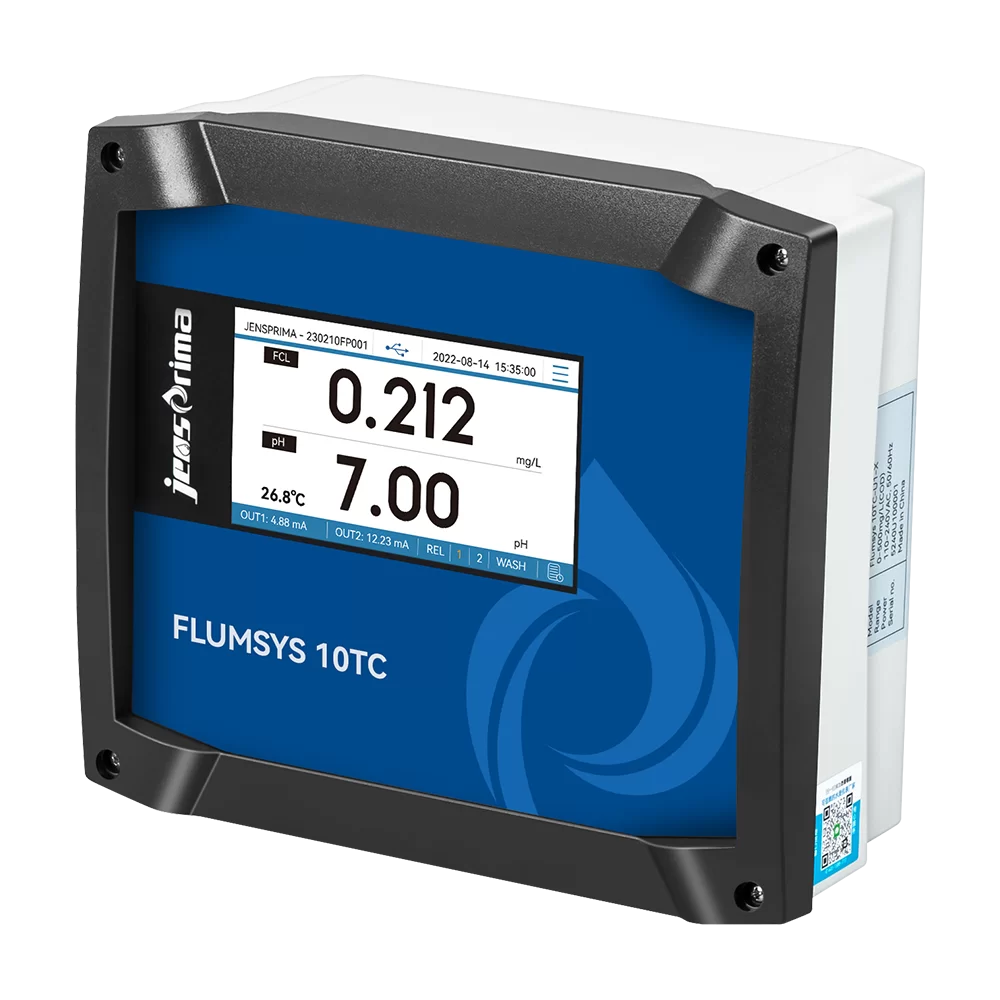
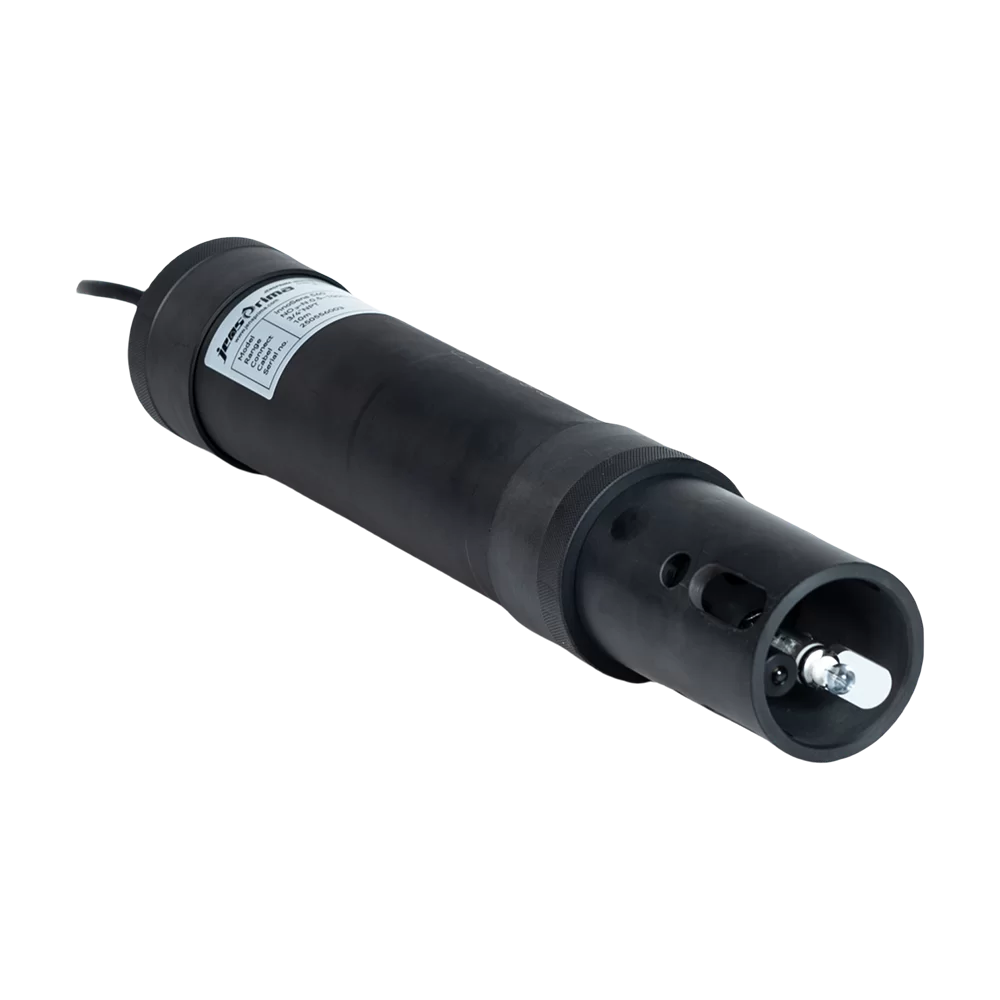


multi parameter analyzer

NEWS

UPDATES

Belgium Advanced Water Monitoring with alkalinity analyzer

Precision-engineered water quality solutions for the Belgian industrial sector, ensuring compliance with stringent EU environmental regulations.

Belgium Advanced Water Monitoring with alkalinity analyzer

Integrating high-precision sensing technology to maintain water purity and industrial efficiency across Belgium's diverse chemical and pharmaceutical landscapes.

The State of Water Analysis in Belgium

Navigating the intersection of industrialization and ecological preservation in the Heart of Europe.

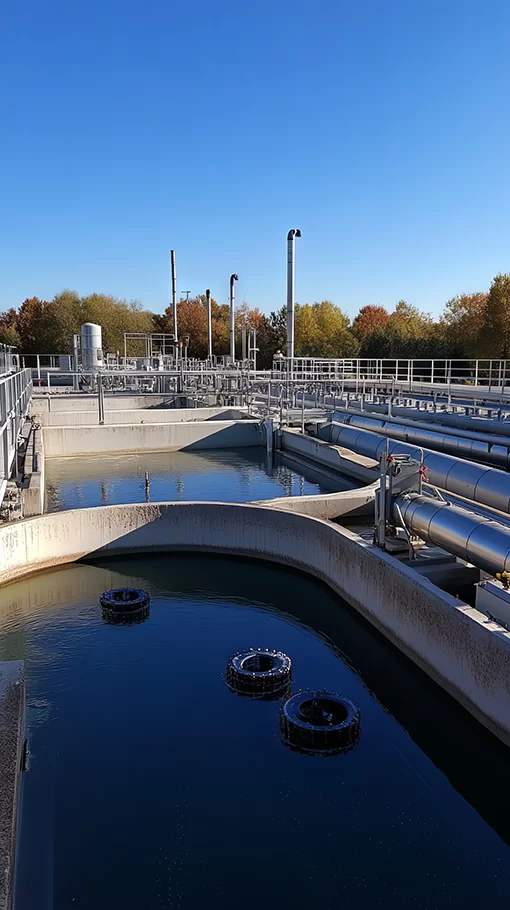
Belgium's strategic position as a chemical hub in Antwerp and its dense industrial corridors necessitate an advanced approach to water monitoring. The prevalence of river-dependent industries makes the deployment of a multi parameter water quality analyzer critical for real-time detection of pollutants before they enter the Scheldt or Meuse basins.

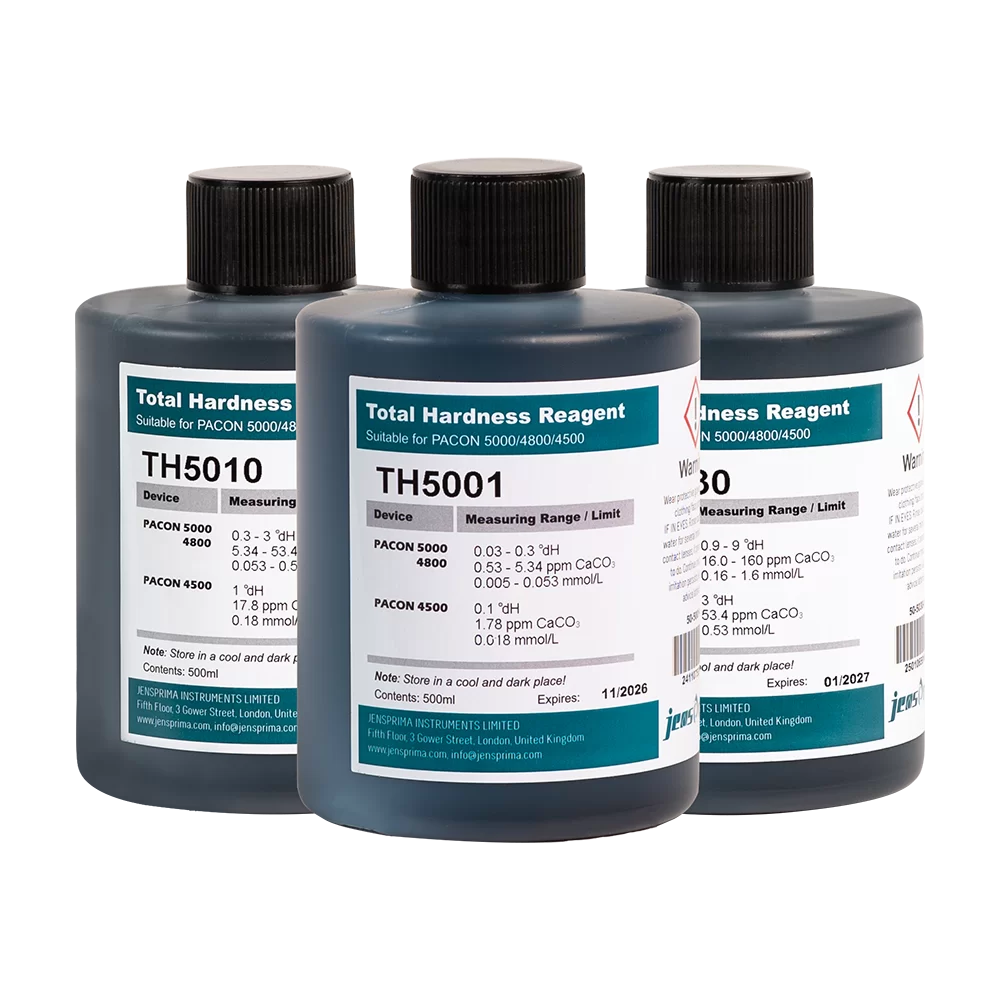
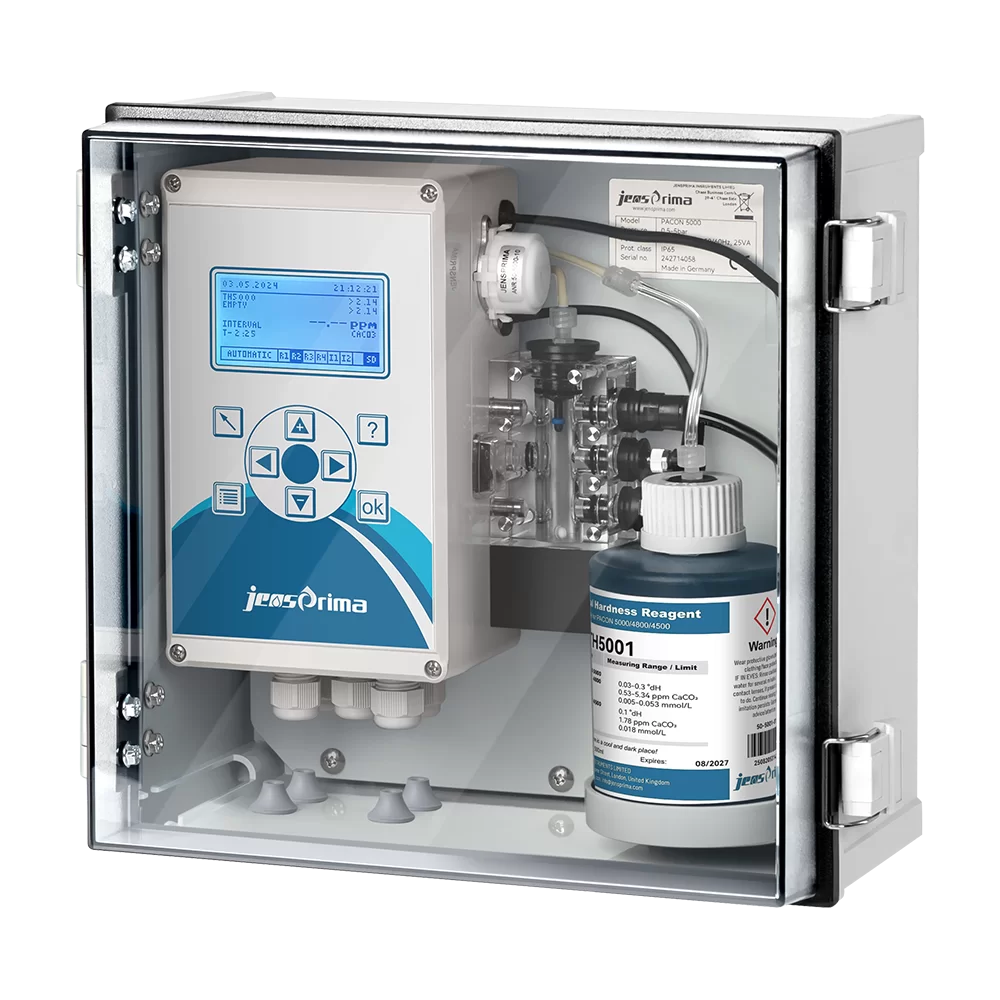
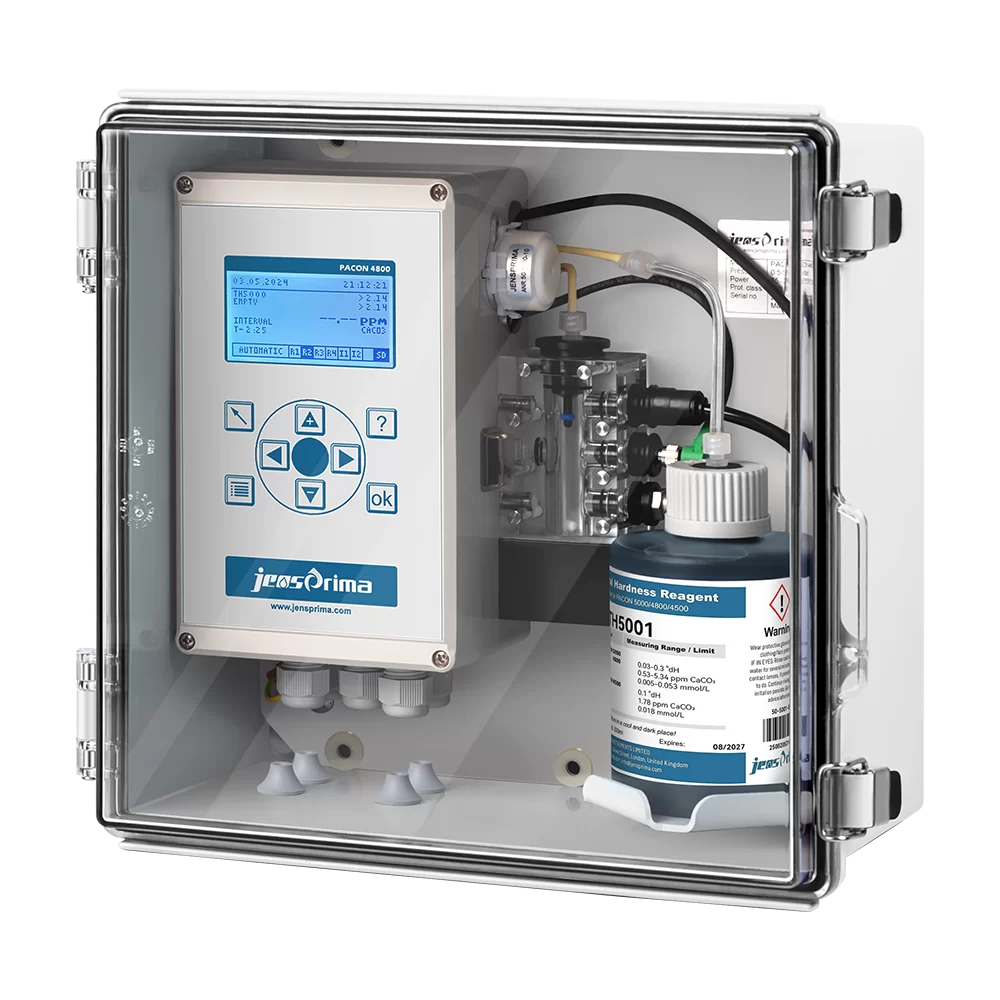
Environmental standards set by the Flemish and Walloon regions are among the strictest in the world. Local plants are increasingly transitioning from manual sampling to automated systems, where a total hardness analyzer is used to prevent scaling in high-pressure boilers and heat exchangers common in the Belgian brewing and textile industries.

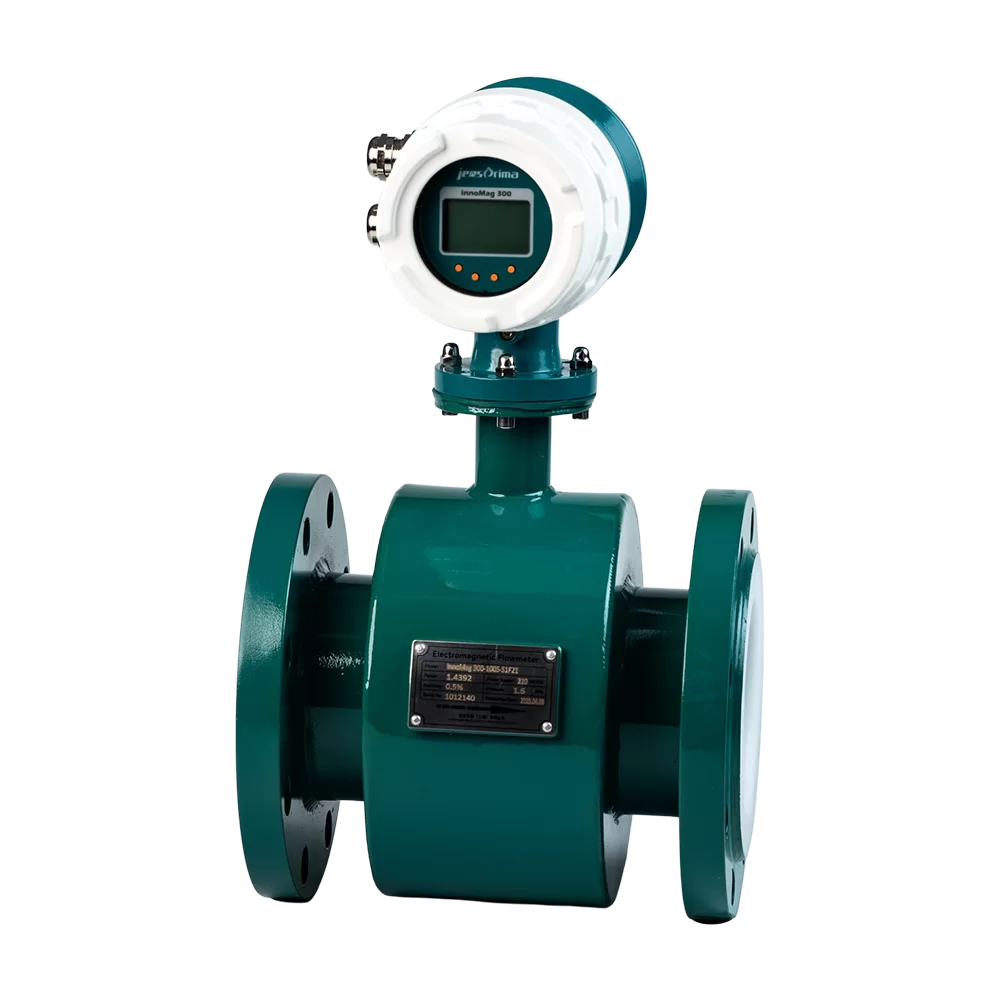
Furthermore, the shift towards "Circular Economy" initiatives in Belgium has increased the demand for precise water recycling. This requires the integration of an electromagnetic flowmeter to monitor wastewater volumes accurately, ensuring that treatment plants operate at peak efficiency without overloading local infrastructure.

Evolution of Water Quality Instrumentation in Belgium

From chemical titration to the era of IoT-enabled autonomous sensing.

Market Development History

In the late 20th century, Belgian water management relied heavily on laboratory-based titration and manual colorimetric tests. These methods provided snapshots of water quality but failed to capture the rapid fluctuations typical of the region's heavy industrial discharge.

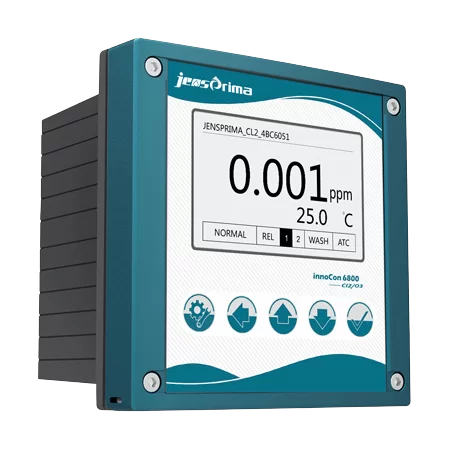
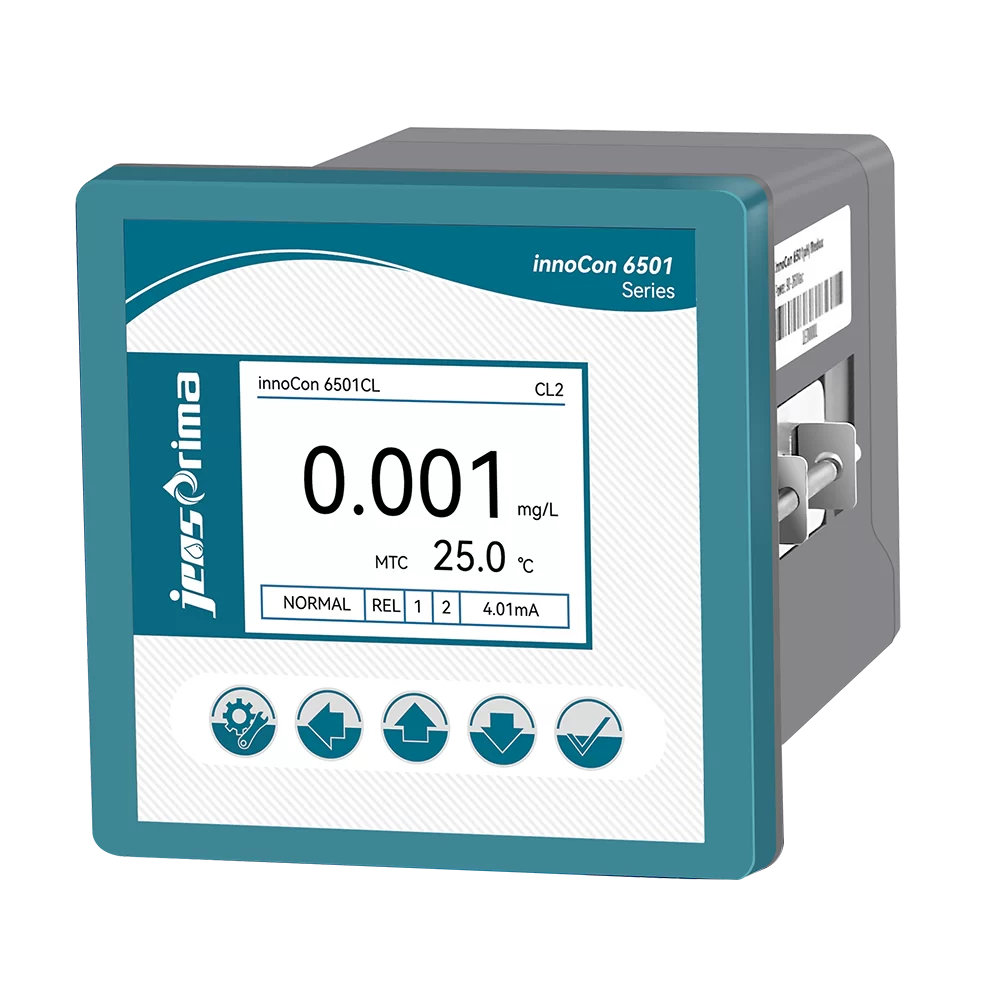
By the early 2010s, the market saw a shift toward "Online Monitoring." The introduction of the first generation of digital controllers allowed for continuous tracking. During this phase, the residual chlorine controller became a staple in Belgian municipal water plants to ensure disinfection safety without over-chlorinating the supply.

Today, the Belgian market has entered the "Intelligent Sensing" era. Modern instrumentation now integrates cloud connectivity and AI-driven predictive maintenance, transforming the multi parameter water quality analyzer from a simple measurement tool into a strategic asset for environmental risk management.

Future Development Trends

Integration of Edge Computing

Future Belgian installations will move data processing from the cloud to the edge, allowing analyzers to make millisecond decisions to shut down valves if toxins are detected.

Reagent-Free Sensing Technologies

To align with the EU Green Deal, there is a strong trend toward optical and electrochemical sensors that reduce the chemical waste associated with traditional analyzers.

Hyper-Localized Monitoring Networks

We expect to see the deployment of massive, low-power sensor grids across Belgian industrial parks, providing a high-resolution heat map of water quality in real-time.

Industry Trends and Future Outlook

Predicting the trajectory of online water analysis based on EU digital transformation goals.

Digital Twin Synchronization
Creating virtual replicas of Belgian water networks to simulate pollutant flow and optimize sensor placement.
Autonomous Calibration
Reducing human intervention through self-cleaning and self-calibrating sensors to lower OPEX in remote sites.
Compliance Automation
Automatic reporting tools that sync directly with Belgian environmental agency databases for transparent audits.
Energy-Efficient Monitoring
Development of solar-powered monitoring stations for the Belgian countryside and agricultural drainage canals.

Industry Outlook

Google search trends in the EU indicate a sharp rise in queries regarding "real-time water quality monitoring" and "IoT water sensors." In Belgium, this is driven by the need to mitigate risks from industrial runoff in the densely populated Flanders region.

The future will see a convergence of water chemistry and data science. The ability to predict a contamination event 30 minutes before it happens, using machine learning integrated into the multi parameter water quality analyzer, will become the new industry standard for Belgian enterprises.

Localized Application Scenarios in Belgium

Practical deployments of our instrumentation in Belgium's most demanding environments.

01. Antwerp Chemical Cluster Wastewater Control

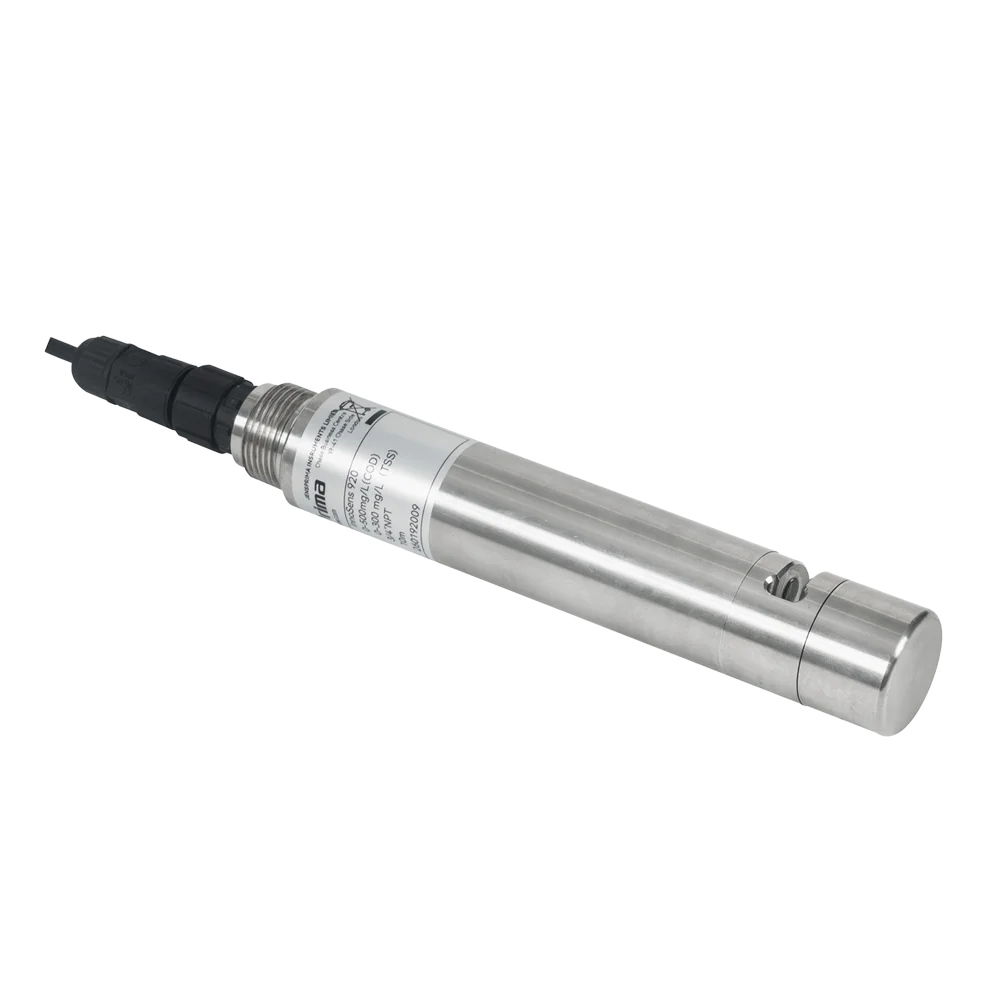
Deployment of a multi parameter water quality analyzer to monitor complex effluent streams, ensuring that pH, conductivity, and dissolved oxygen levels meet strict port authority standards.

02. Walloon Pharmaceutical Pure Water Systems

Using a total hardness analyzer to maintain the integrity of ultrapure water loops, preventing mineral deposits in critical sterilization equipment.

03. Ghent Municipal Drinking Water Disinfection

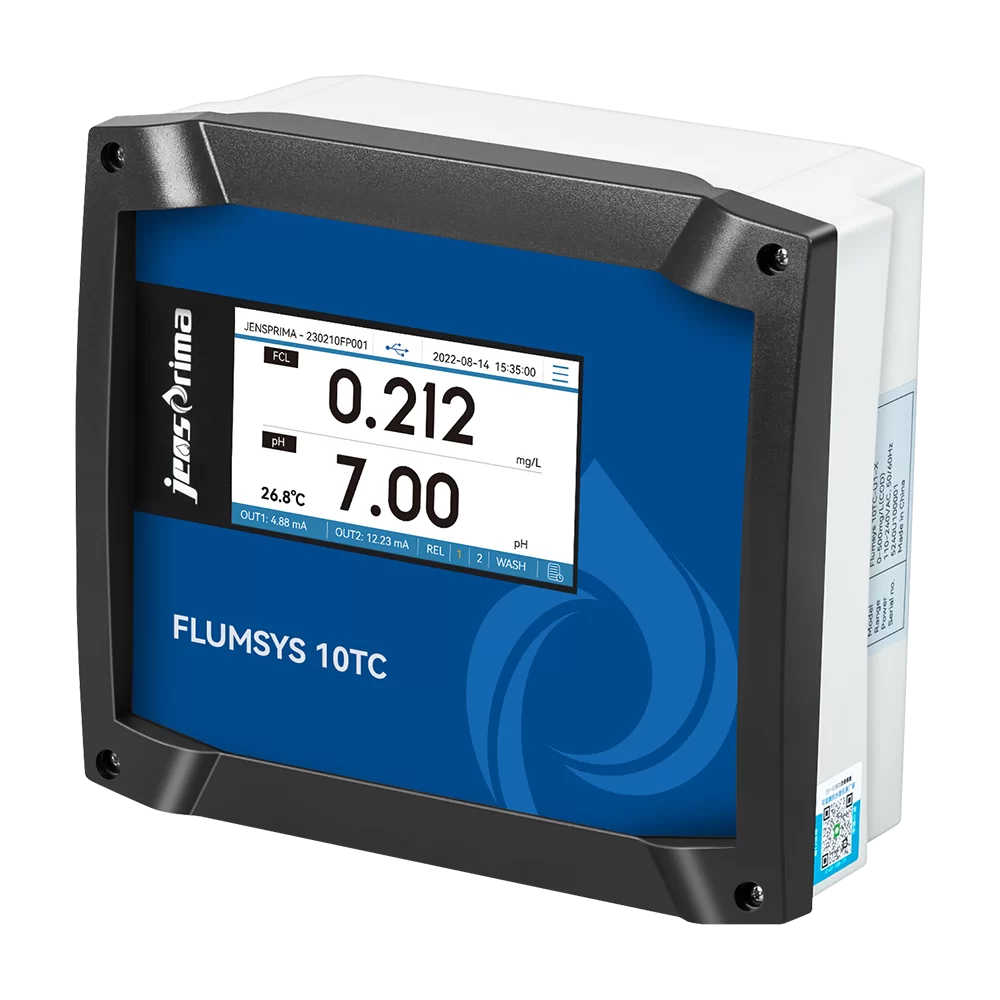
Installation of a residual chlorine controller to automate the dosing process, guaranteeing safe drinking water while minimizing chemical usage for the city's residents.

04. Belgian Industrial Brewery Boiler Feed

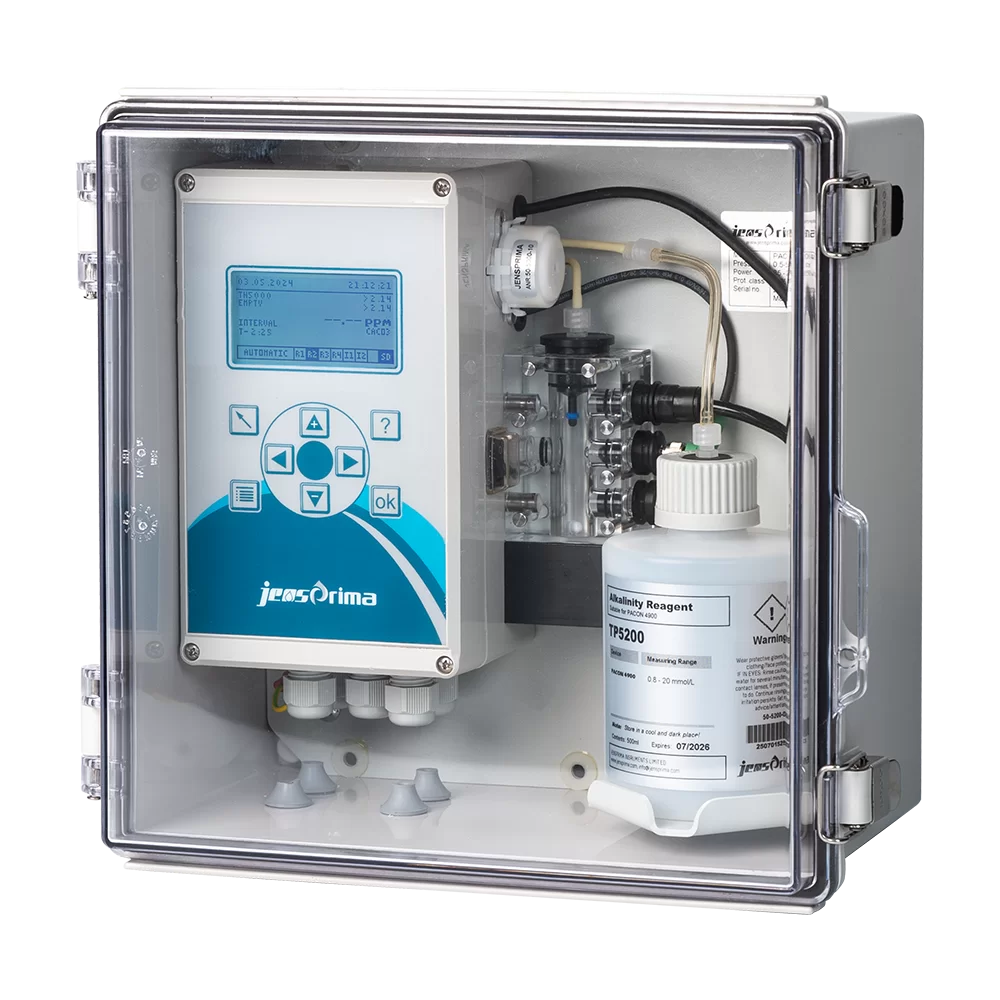
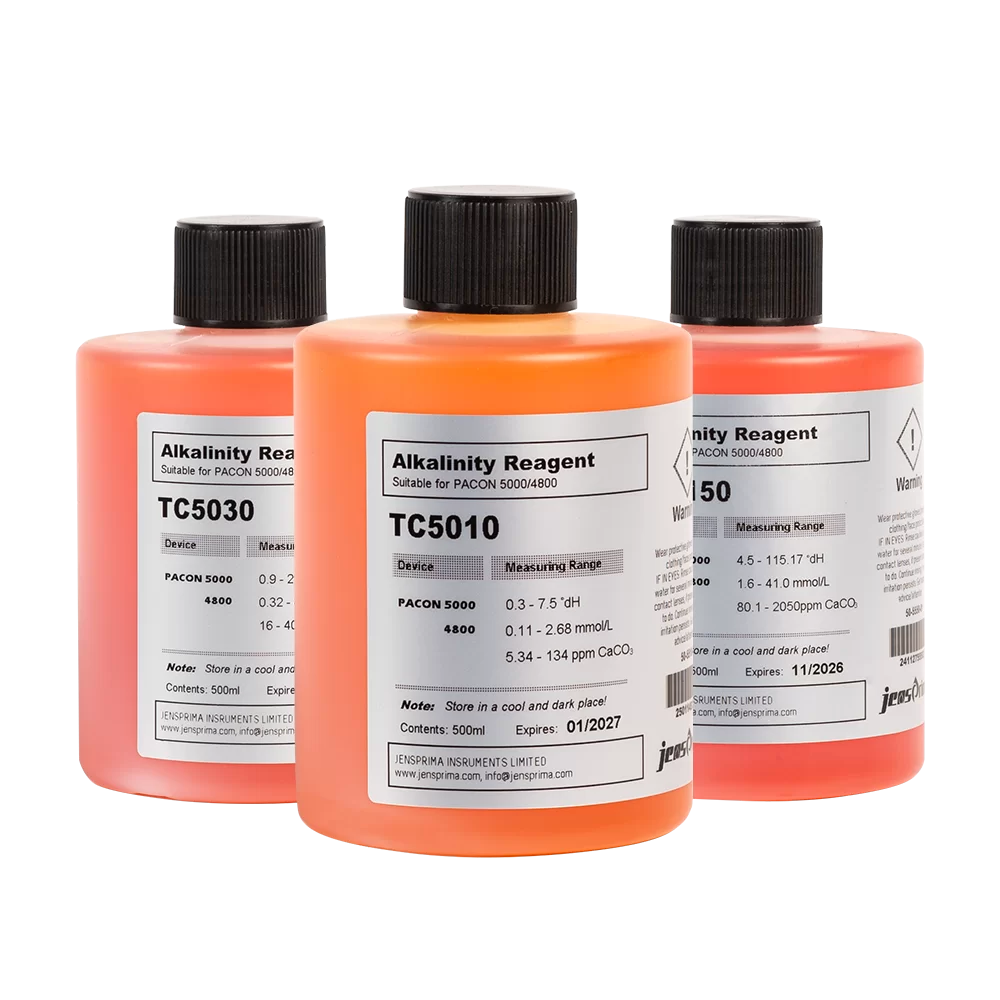
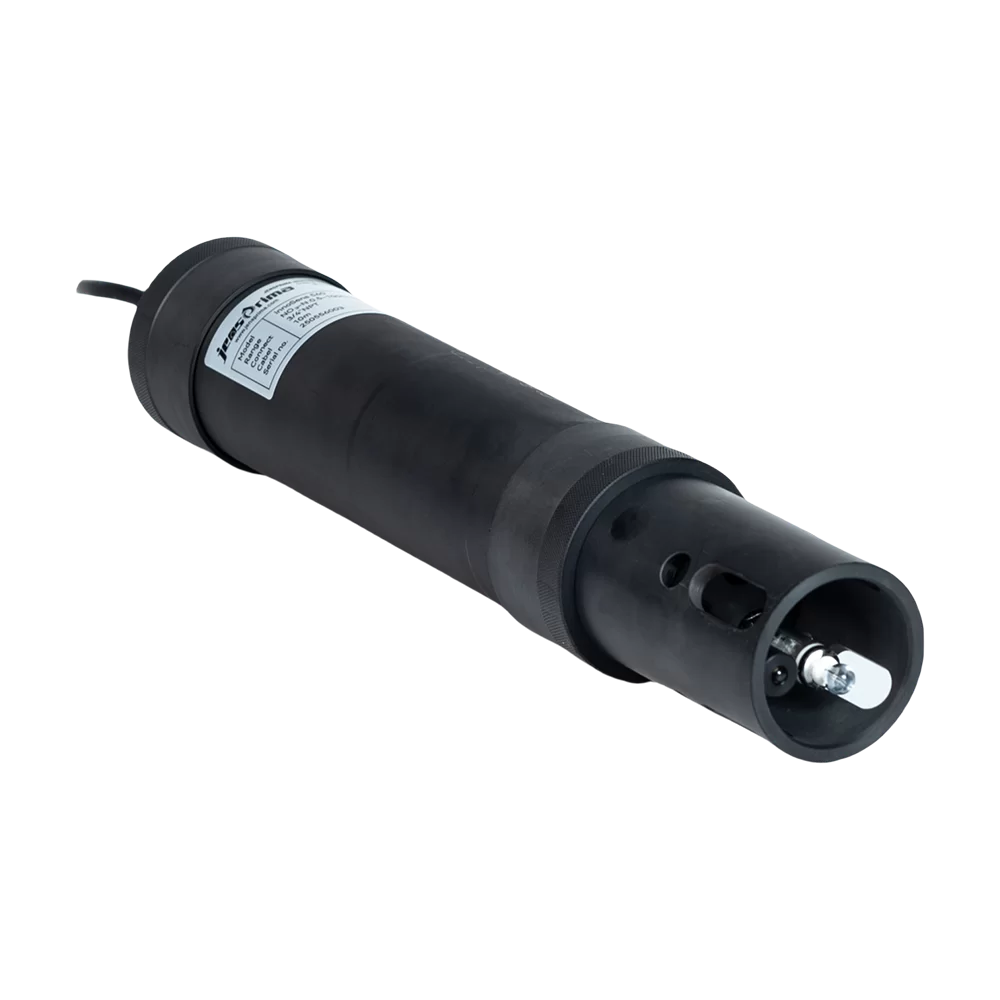
Application of an alkalinity analyzer to optimize water softening processes, reducing energy consumption and extending the lifespan of industrial boilers.

05. Flanders Agricultural Drainage Monitoring

Utilizing an electromagnetic flowmeter to track runoff volumes and nutrient leaching, helping farmers comply with nitrate directives in the Belgian countryside.

Brand Story

Global Development History of Jensprima (Shanghai) Co., Ltd.

Precision Foundations

Founded with a vision to democratize high-precision water analysis, we began by solving the pain point of sensor drift in harsh industrial environments.

Technological Breakthrough

We developed proprietary electrode coatings that significantly reduced fouling, allowing our analyzers to operate longer without manual cleaning.

Global Expansion

Entering the European market, we adapted our technology to meet CE standards and the specific water chemistry requirements of the EU region.

Industry Leadership

By integrating IoT and AI, we transitioned from being a hardware manufacturer to a full-spectrum water intelligence solution provider.

Sustainable Future

Our current mission is to enable "Zero-Pollution" water cycles globally through ultra-precise, low-energy monitoring instrumentation.

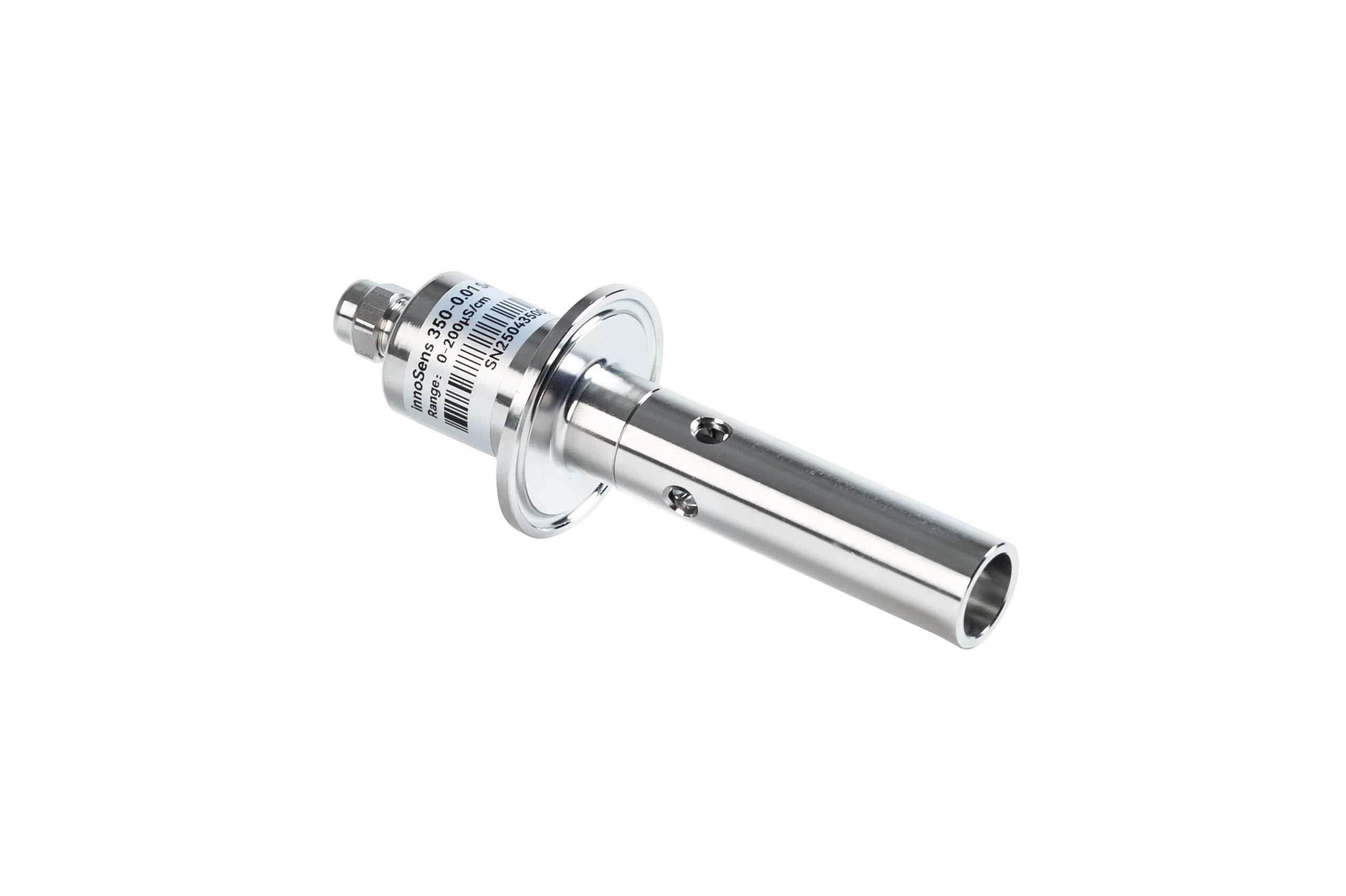
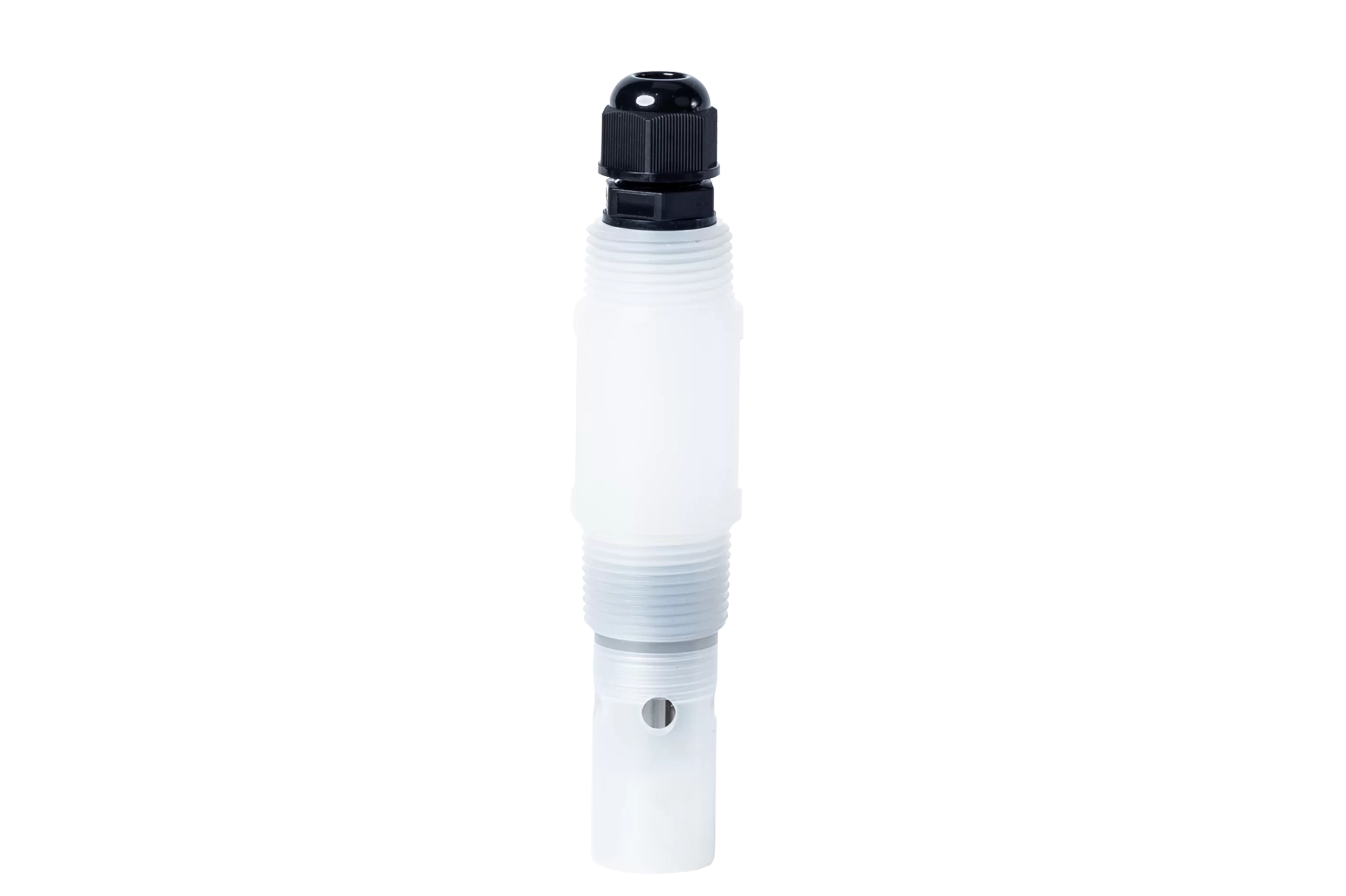
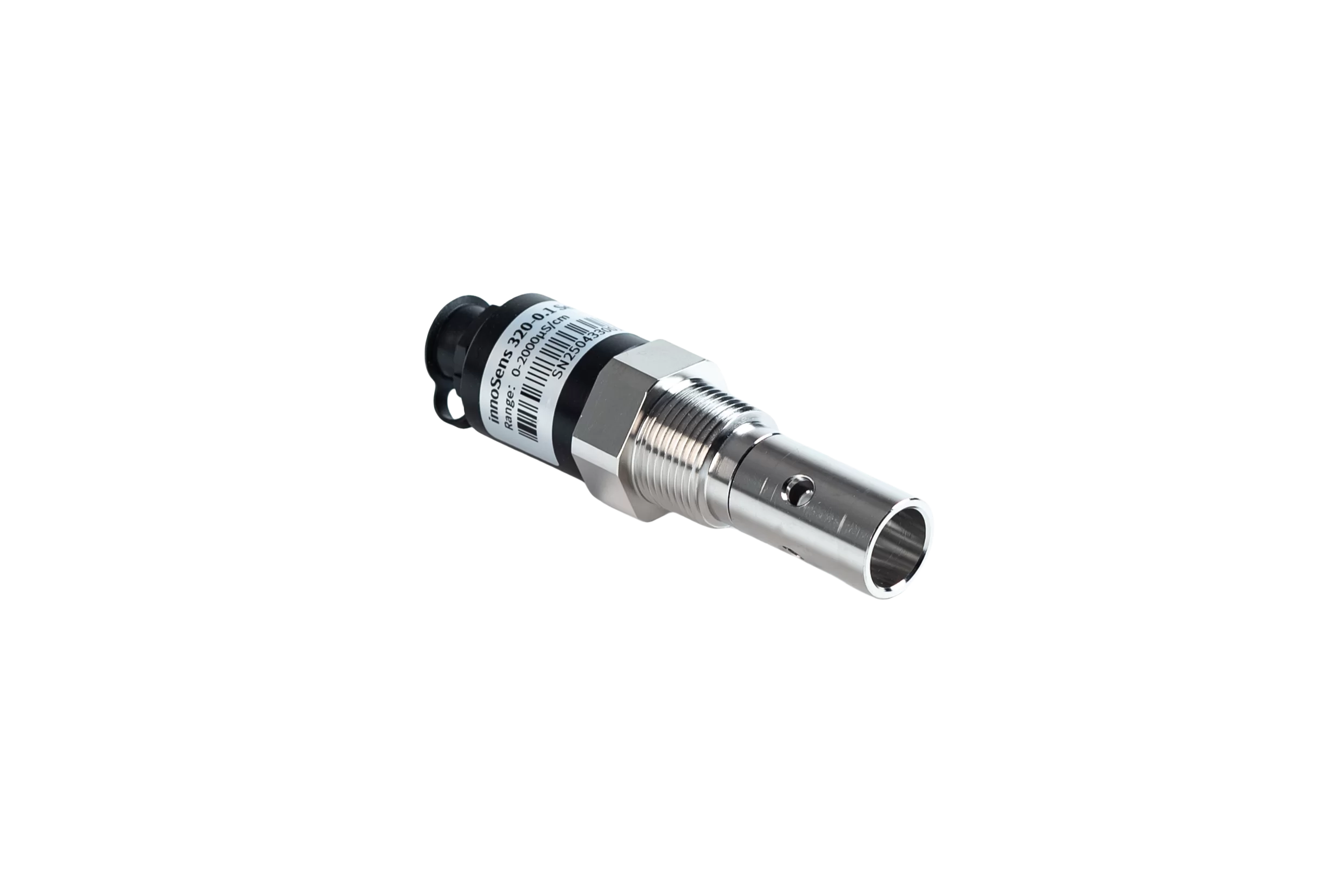
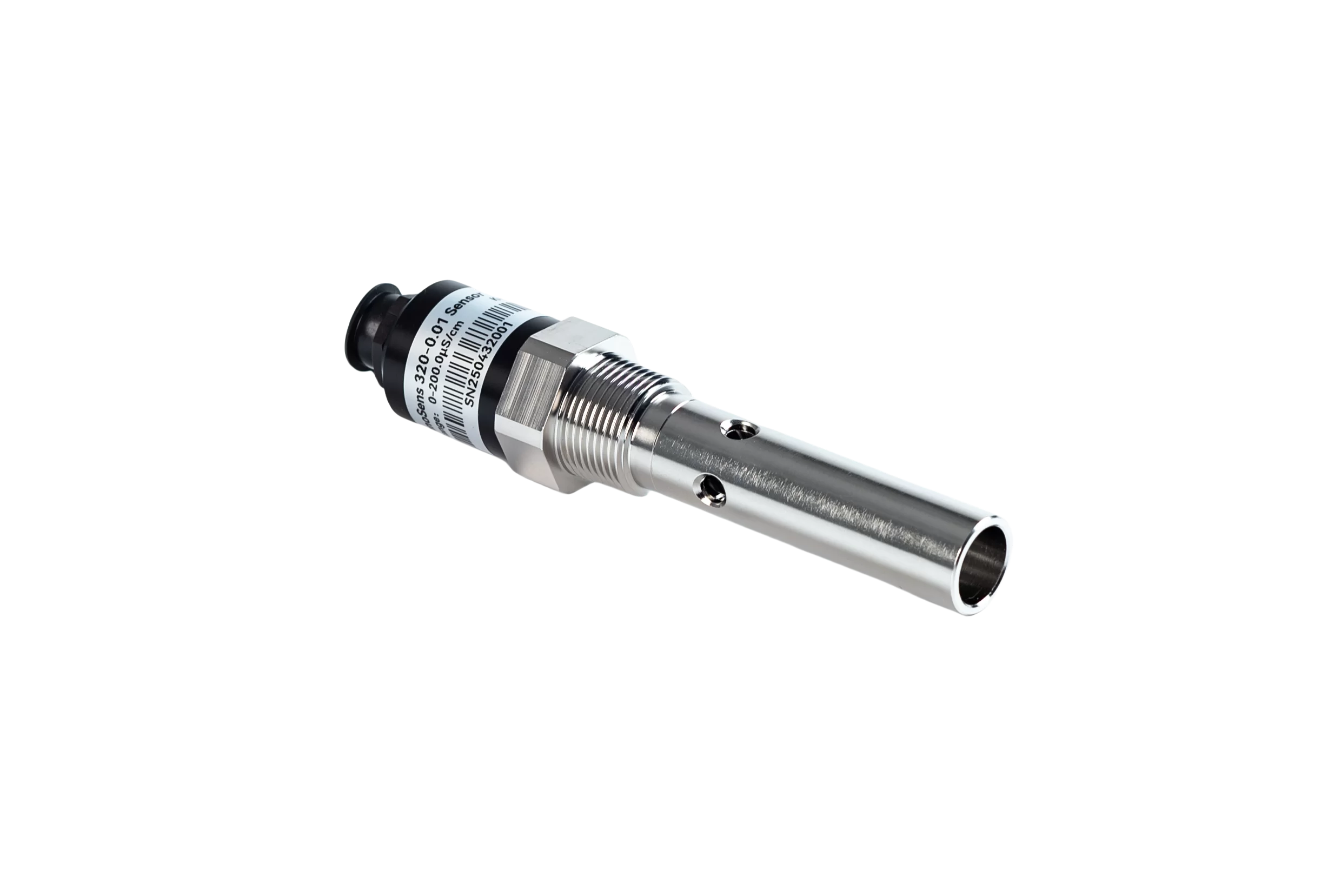
Comprehensive Water Analysis Portfolio for Belgium

A curated selection of instruments designed for the Belgian regulatory environment.

Belgium Water Analysis FAQ

Expert answers to common technical challenges in the Belgian industrial sector.

How does a multi parameter water quality analyzer ensure compliance with Flemish environmental laws?

Our analyzers provide simultaneous, real-time monitoring of key parameters like pH, conductivity, and turbidity, allowing plants to trigger automatic diversions if limits are exceeded, thus avoiding heavy fines from regional authorities.

What is the maintenance cycle for a total hardness analyzer in high-mineral Belgian water?

Depending on the water hardness levels, we recommend a calibration check every 2-4 weeks. Our automated cleaning systems help extend the interval between deep maintenance cycles.

Can an alkalinity analyzer be integrated into existing SCADA systems used in Belgian plants?

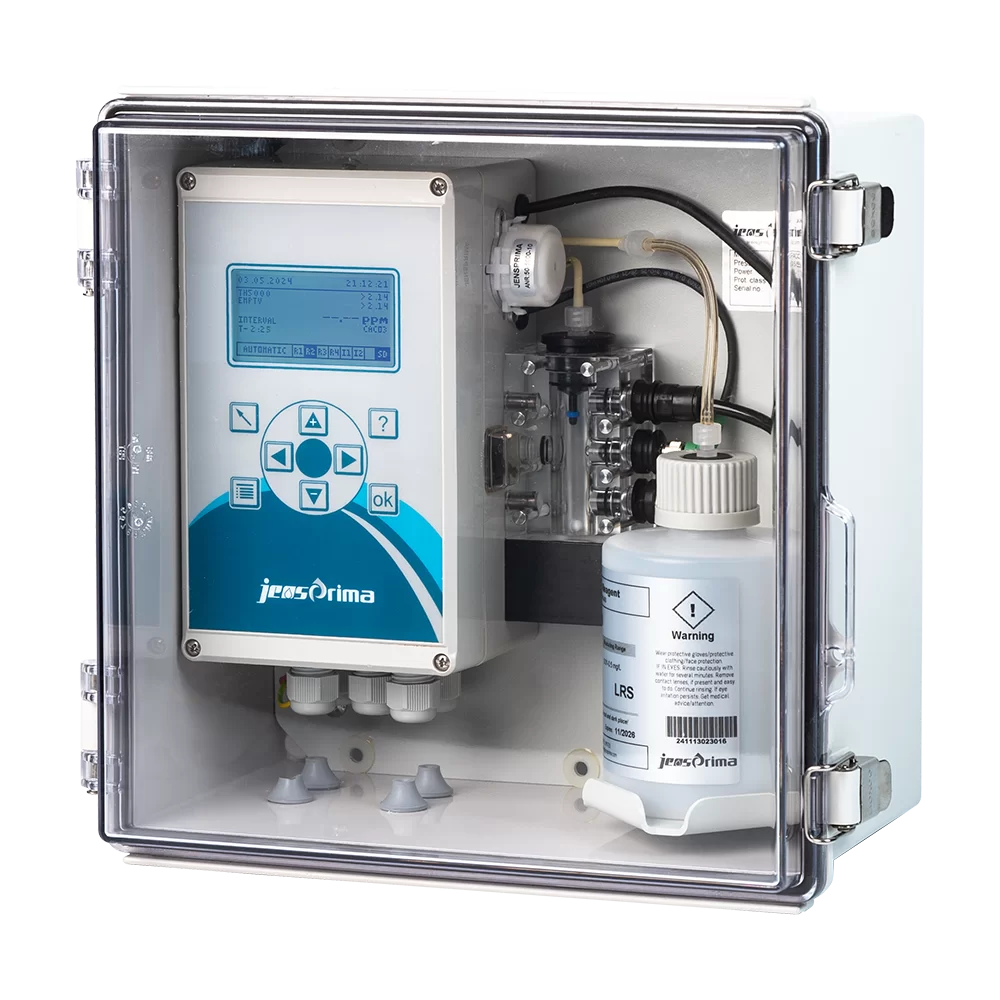
Yes, our devices support standard industrial protocols including Modbus TCP/IP and 4-20mA analog outputs, ensuring seamless integration with most PLC and SCADA platforms.

Why is a residual chlorine controller essential for municipal water safety in Belgium?

It prevents under-chlorination (risking bacterial contamination) and over-chlorination (creating harmful disinfection by-products), ensuring a perfect balance of safety and water quality.

How accurate is an electromagnetic flowmeter for measuring wastewater in industrial zones?

Our electromagnetic flowmeters offer precision up to ±0.5%, which is critical for accurate billing and environmental reporting of wastewater discharge in Belgian industrial parks.

Which instrument is best for preventing scale in Belgian industrial heat exchangers?

A combination of a total hardness analyzer and an alkalinity analyzer is recommended to precisely control the softening process and prevent calcium carbonate buildup.

Ready to Optimize Your Water Quality?

Our technical experts are available to provide customized instrumentation audits and installation support across Belgium.

Contact Us Now
Service Repair Form
Tell us what issue you encountered, including any steps or symptoms.
  • Name
  • Email
  • Phone
  • Fault Description

If you are interested in our products, you can choose to leave your information here, and we will be in touch with you shortly.