


multi parameter analyzer

NEWS

UPDATES

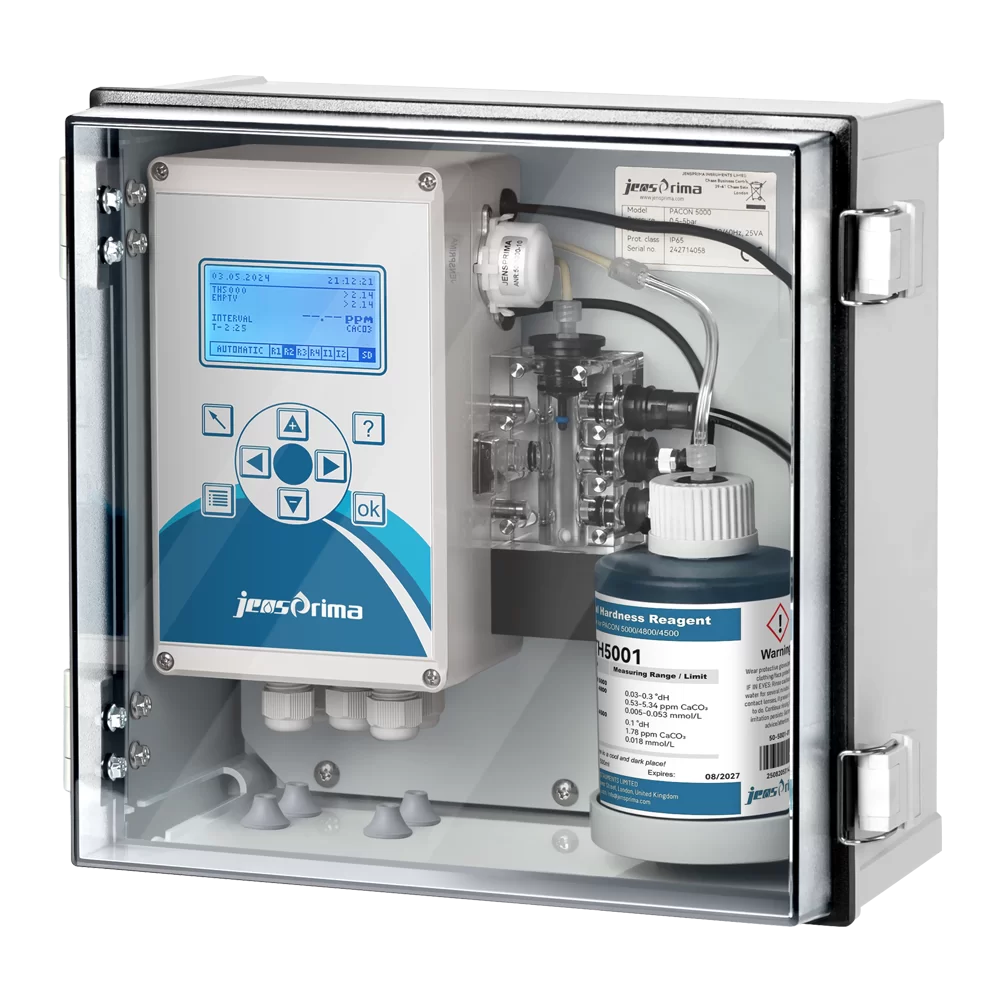
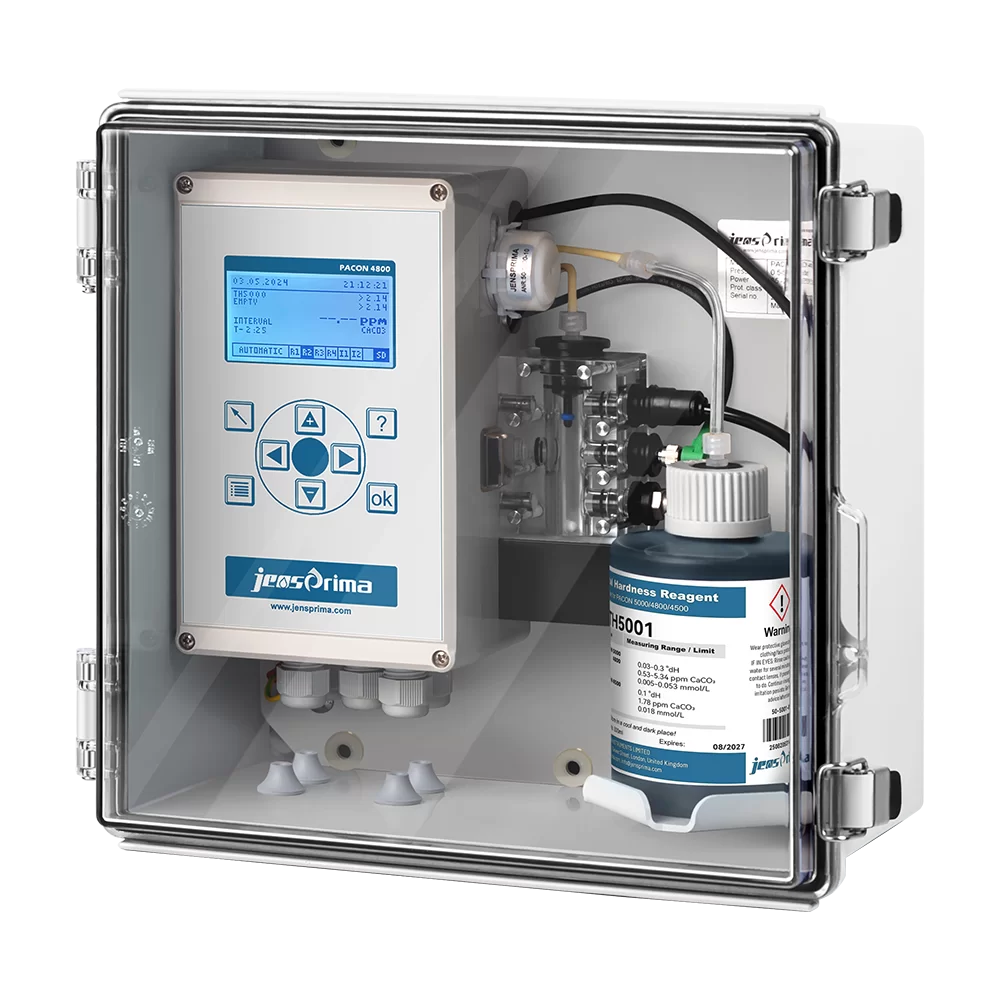
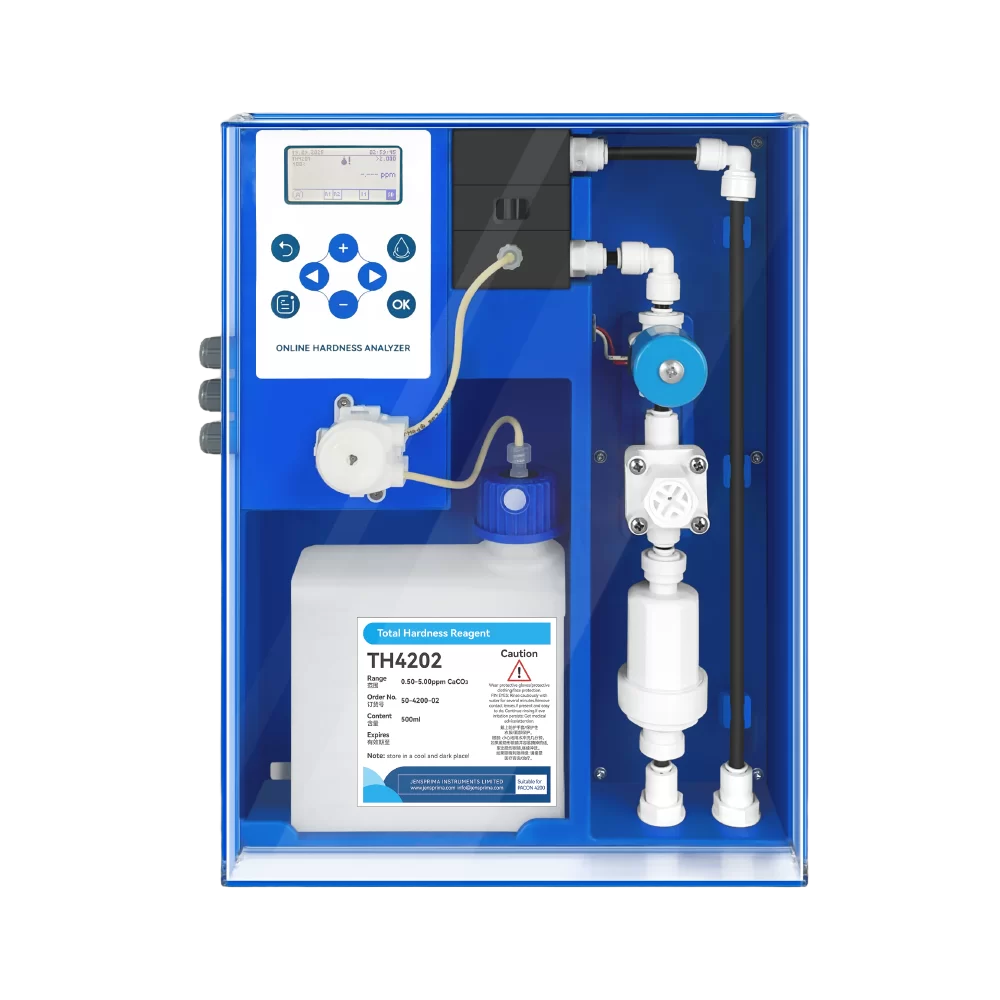
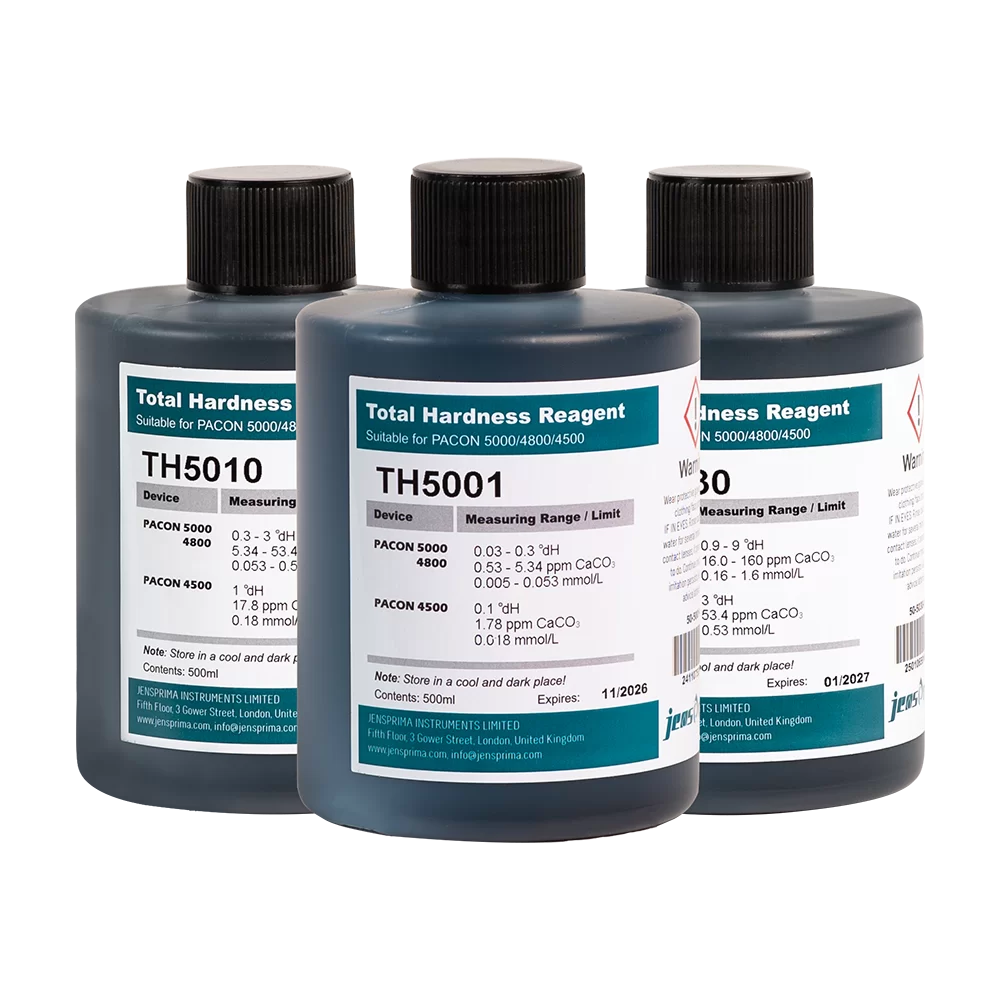
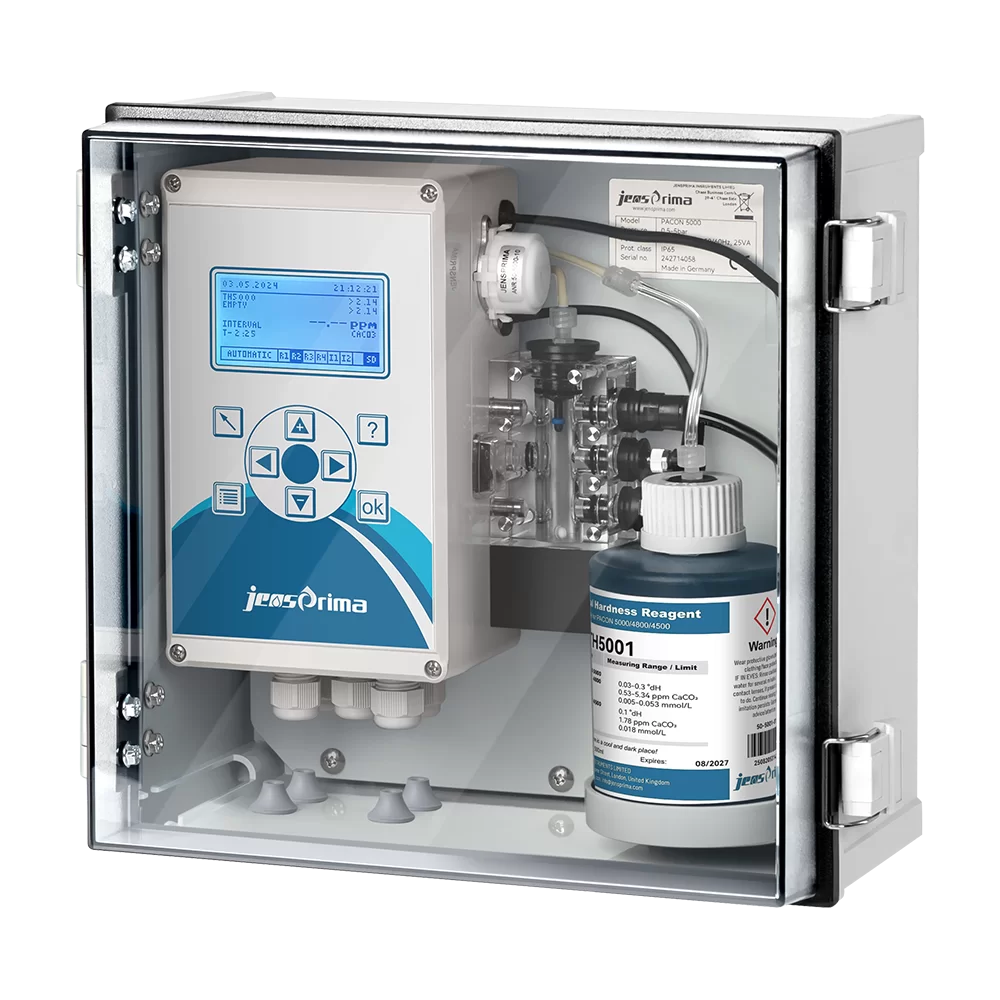
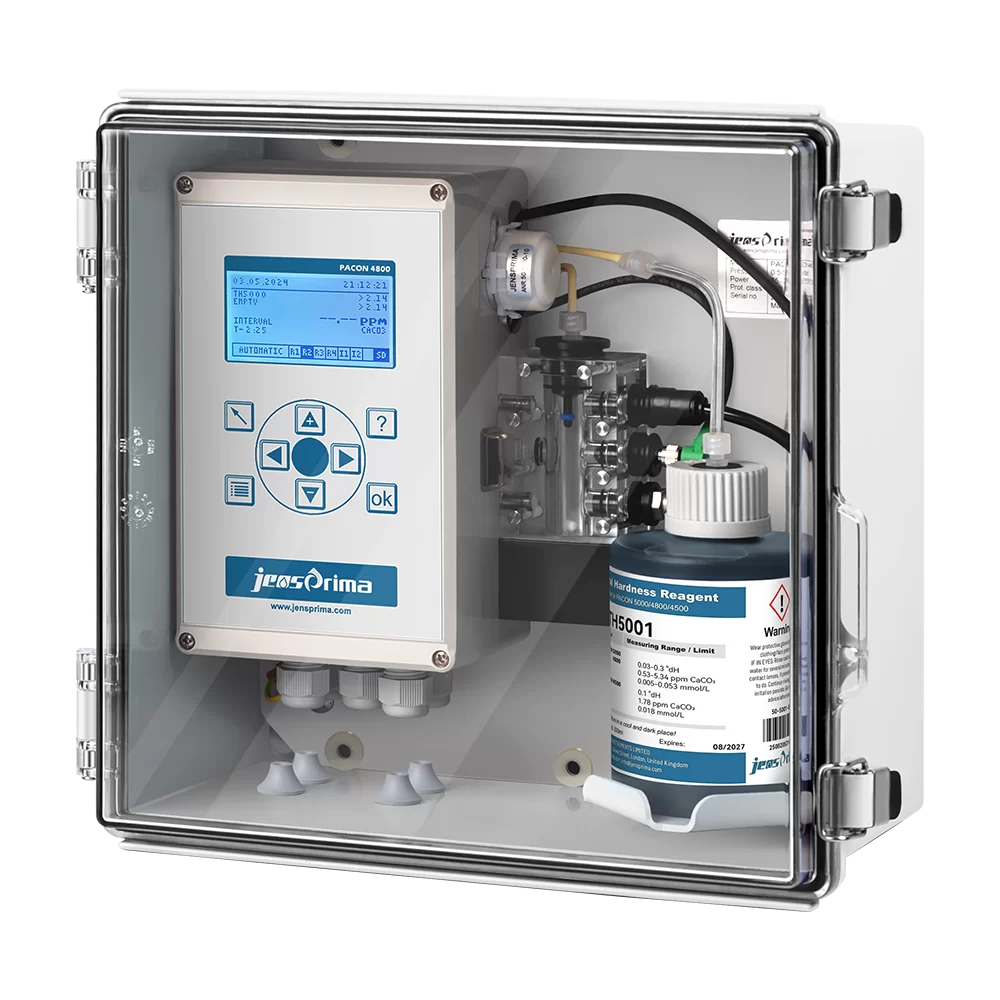
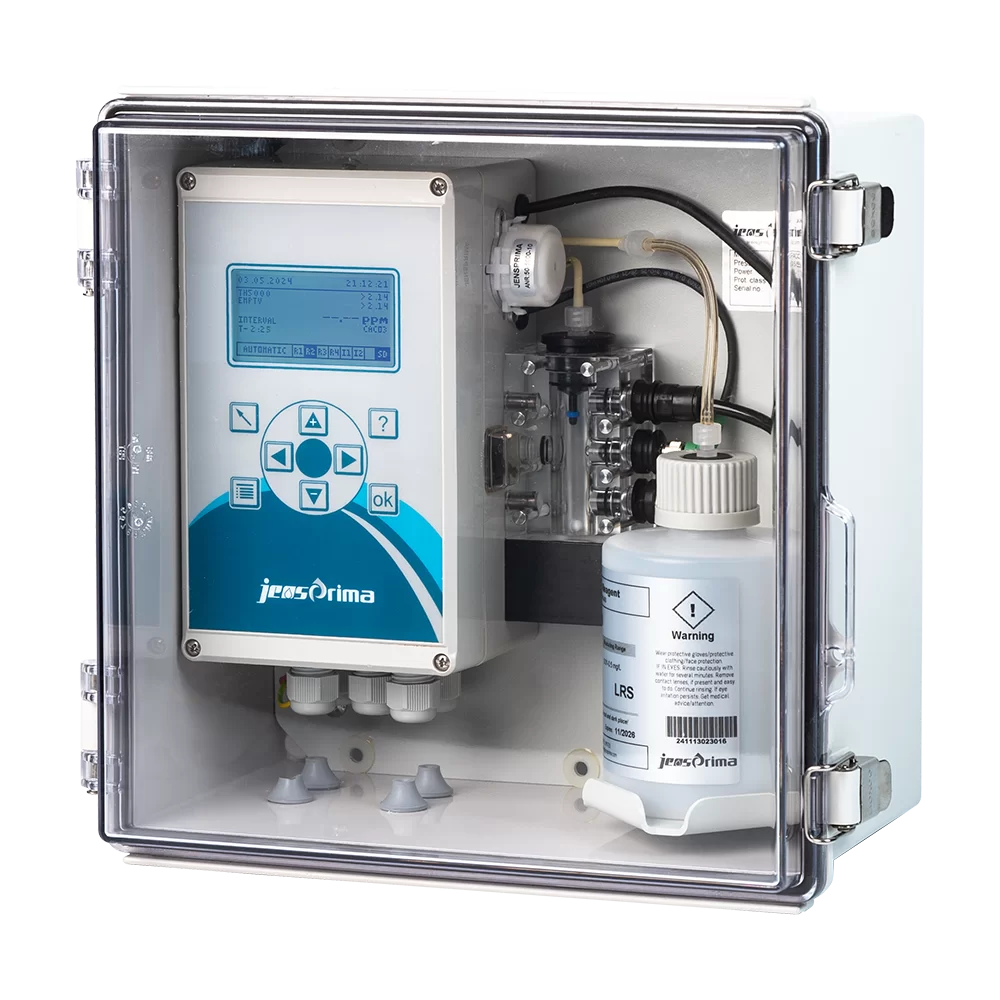
Industrial Water Monitoring Solutions: Advanced total hardness analyzer for Poland

Precision online water quality analysis systems engineered for the Polish industrial landscape, ensuring compliance with EU environmental directives and operational efficiency.

Industrial Water Monitoring Solutions: Advanced total hardness analyzer for Poland

Deploying high-accuracy instrumentation to monitor critical water parameters in real-time, reducing downtime and optimizing chemical dosage across Polish manufacturing sectors.

Water Quality Monitoring Landscape in Poland

Navigating the challenges of industrial wastewater and process water management in Central Europe.

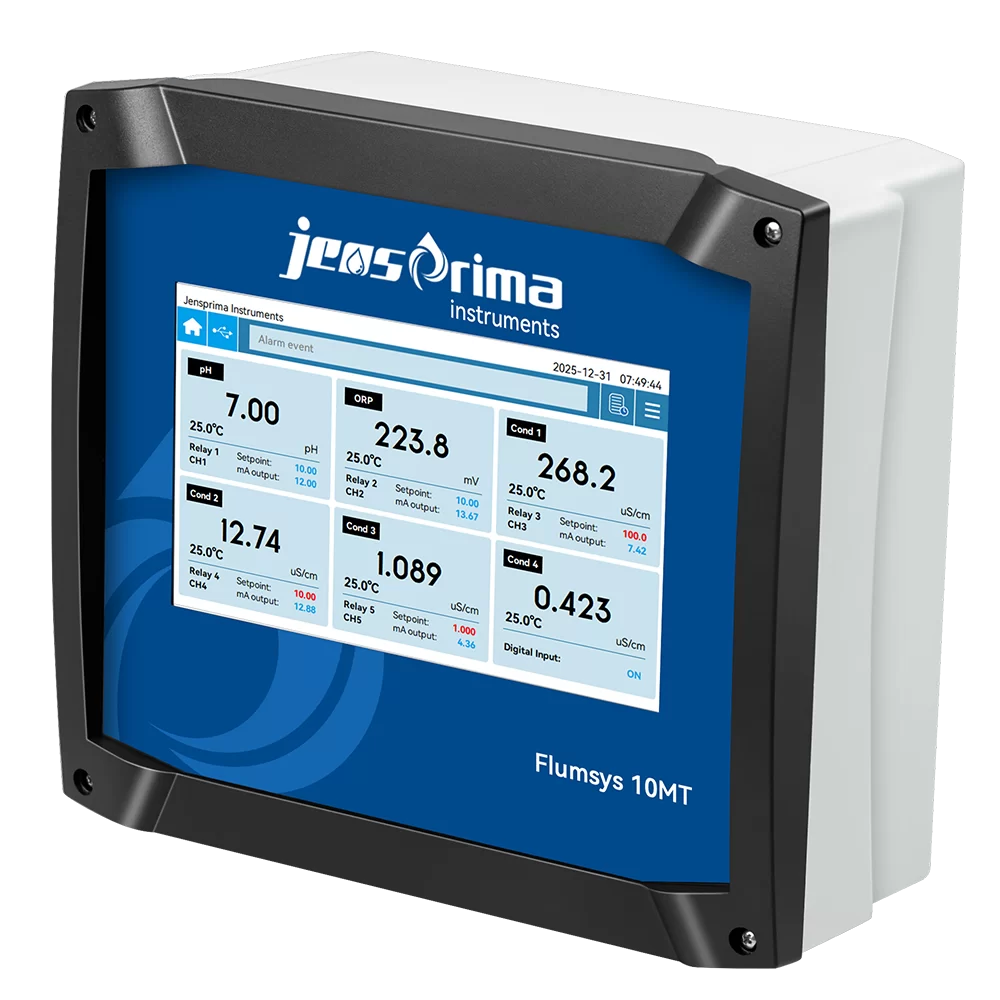
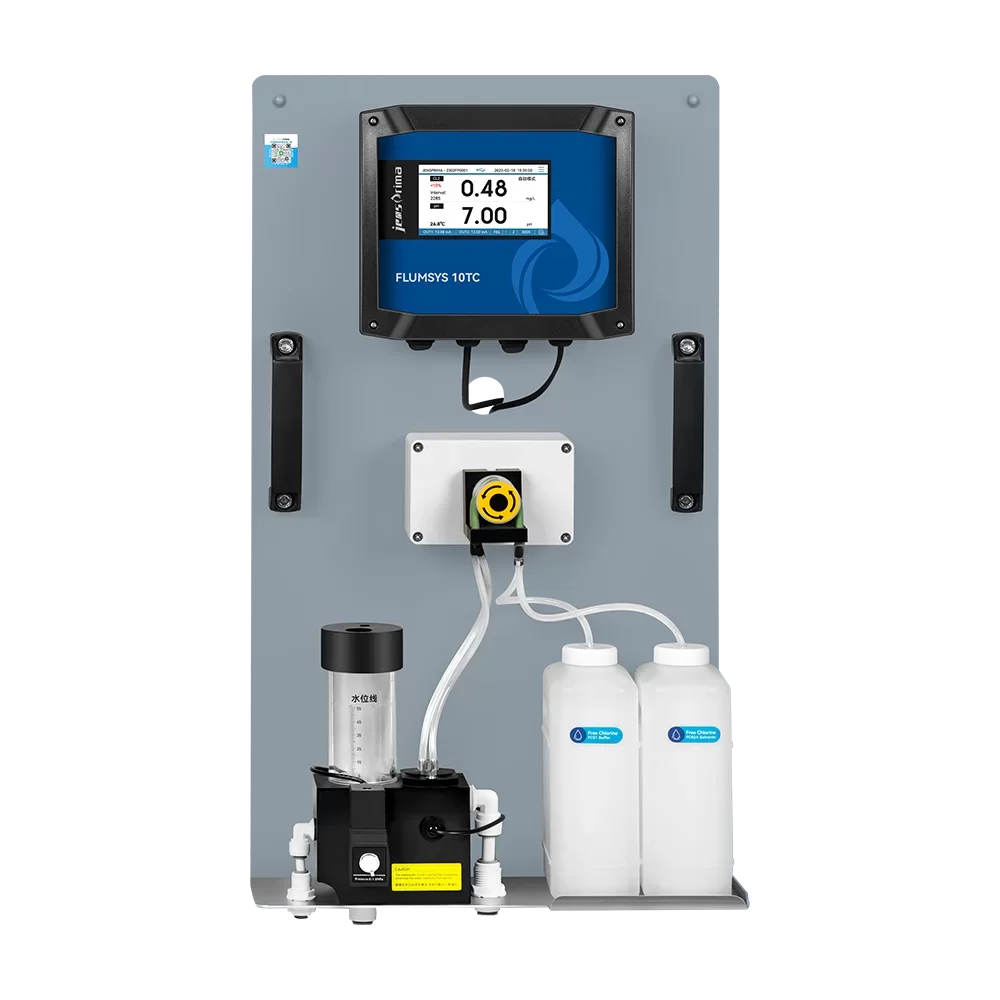
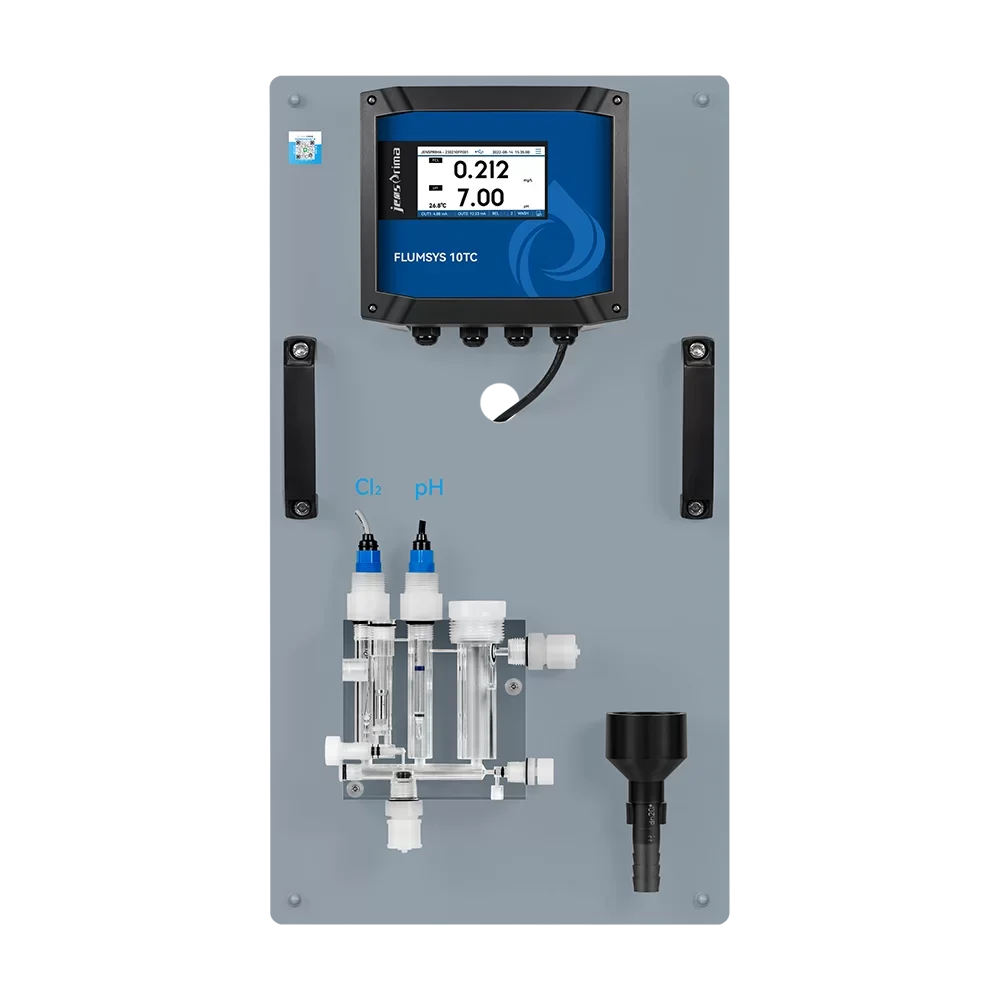
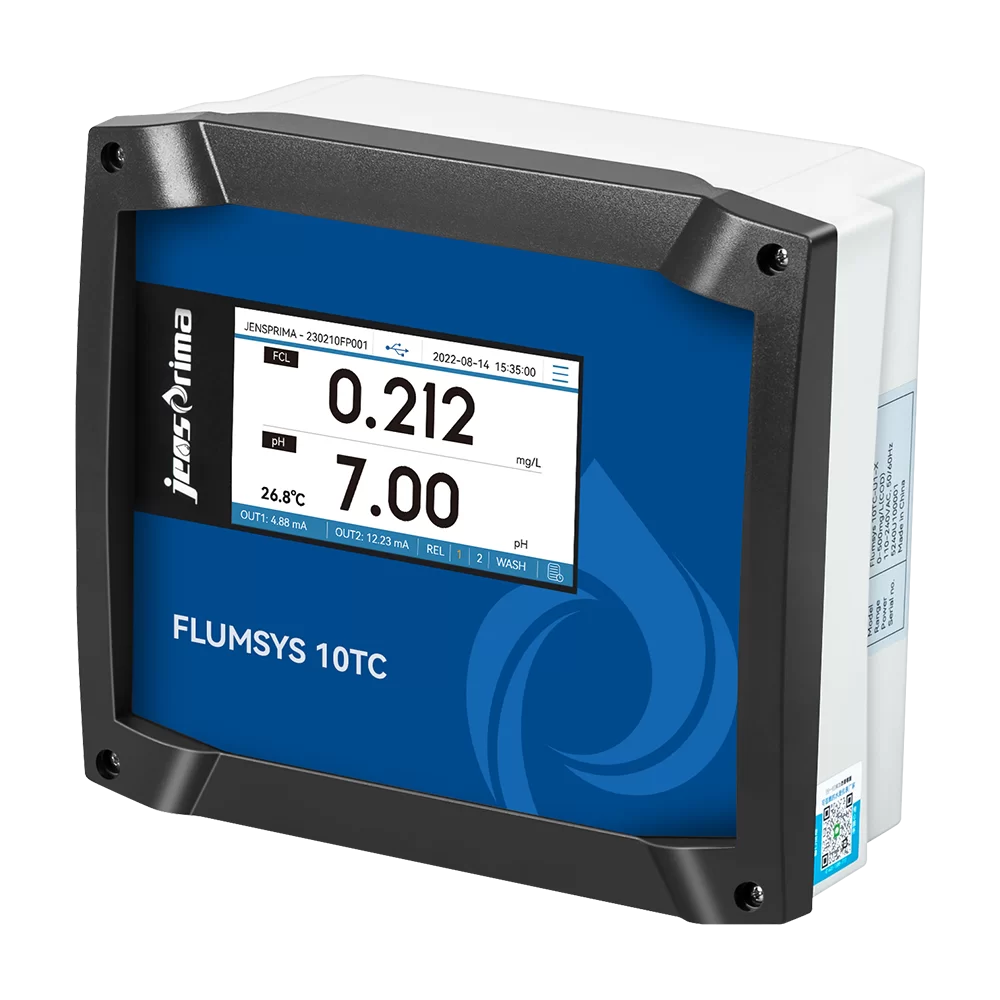
Poland's industrial sector, particularly in the Silesian region, faces significant challenges due to the high mineral content of local groundwater. This necessitates the widespread use of a multi parameter water quality analyzer to simultaneously track pH, conductivity, and dissolved oxygen to prevent scaling in heavy machinery.

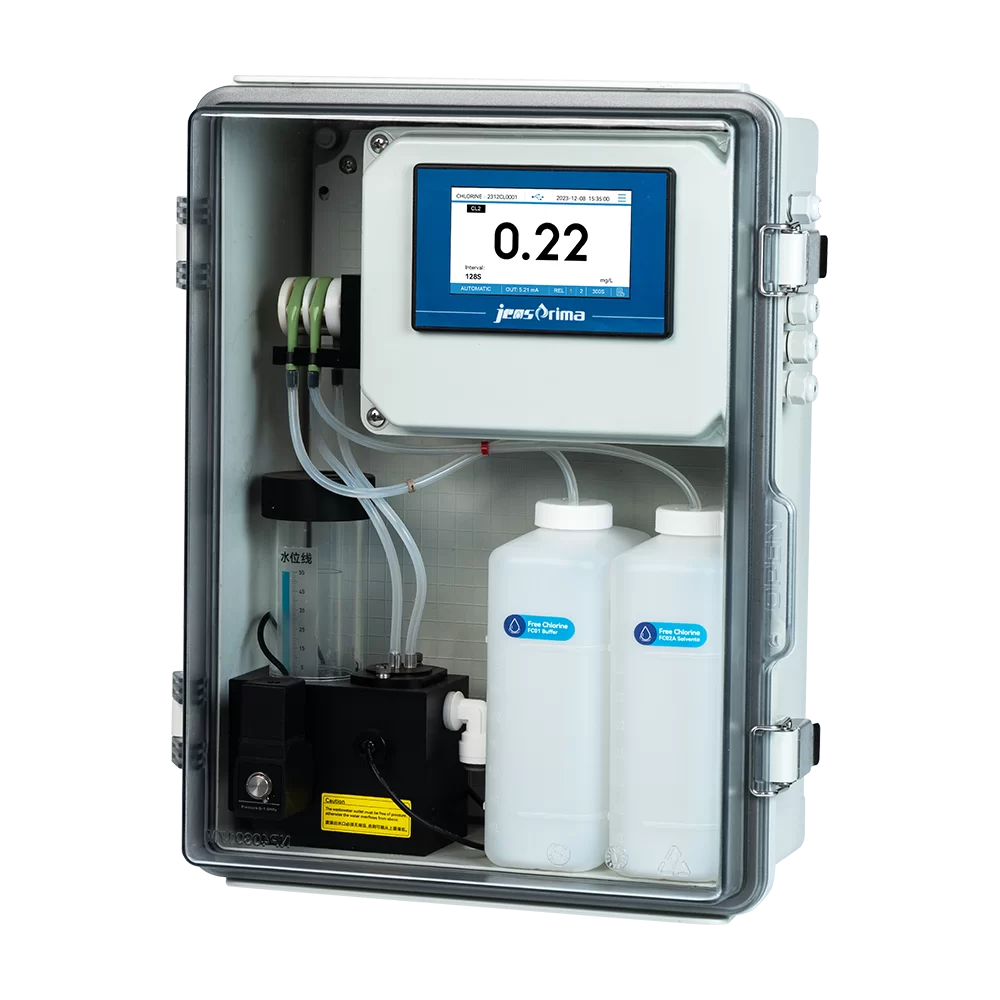
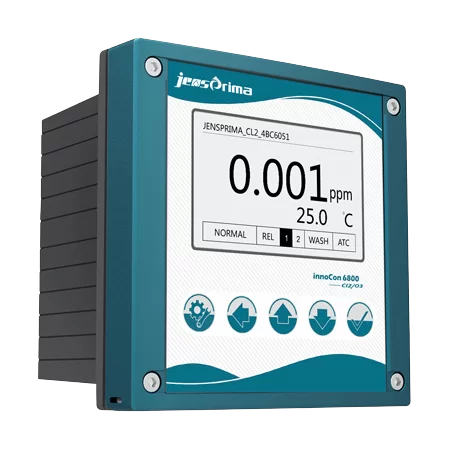
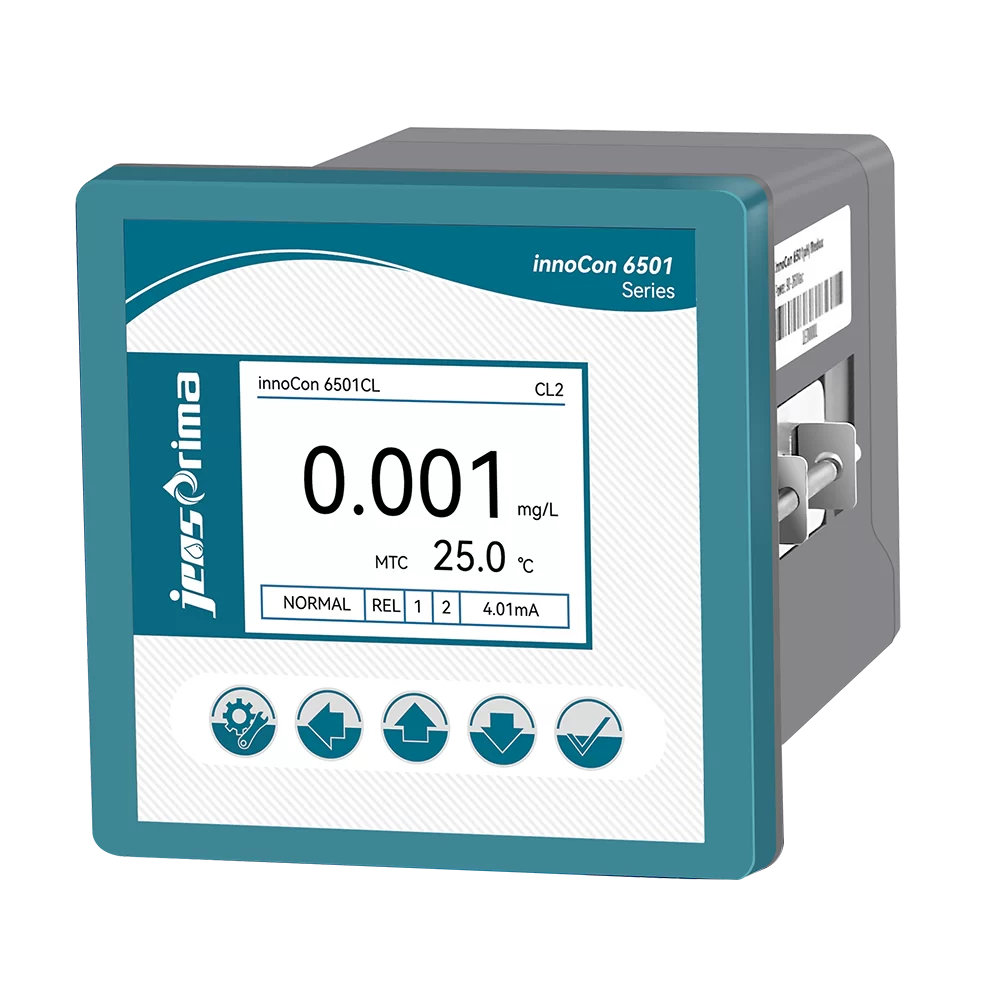
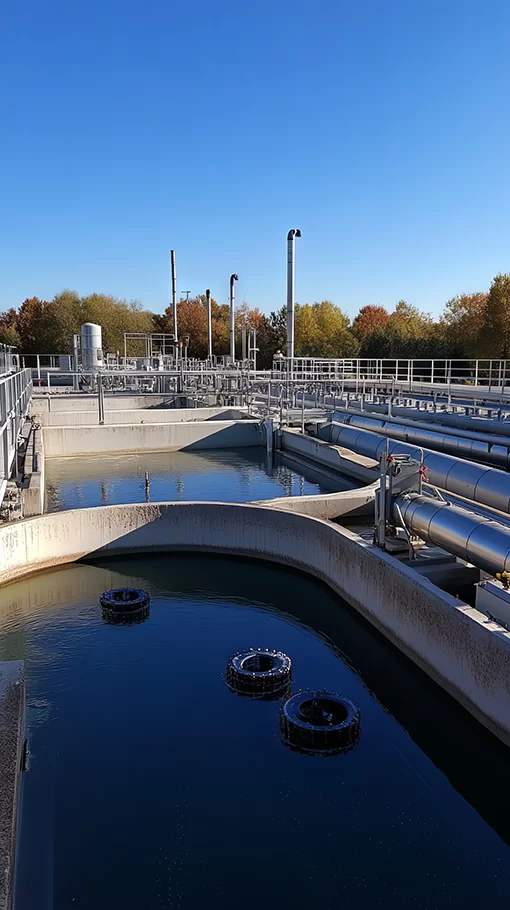
With strict adherence to the EU Water Framework Directive, Polish enterprises are transitioning from manual sampling to automated systems. The integration of a residual chlorine controller has become vital for municipal water plants in cities like Warsaw and Kraków to ensure safe disinfection levels without compromising environmental safety.

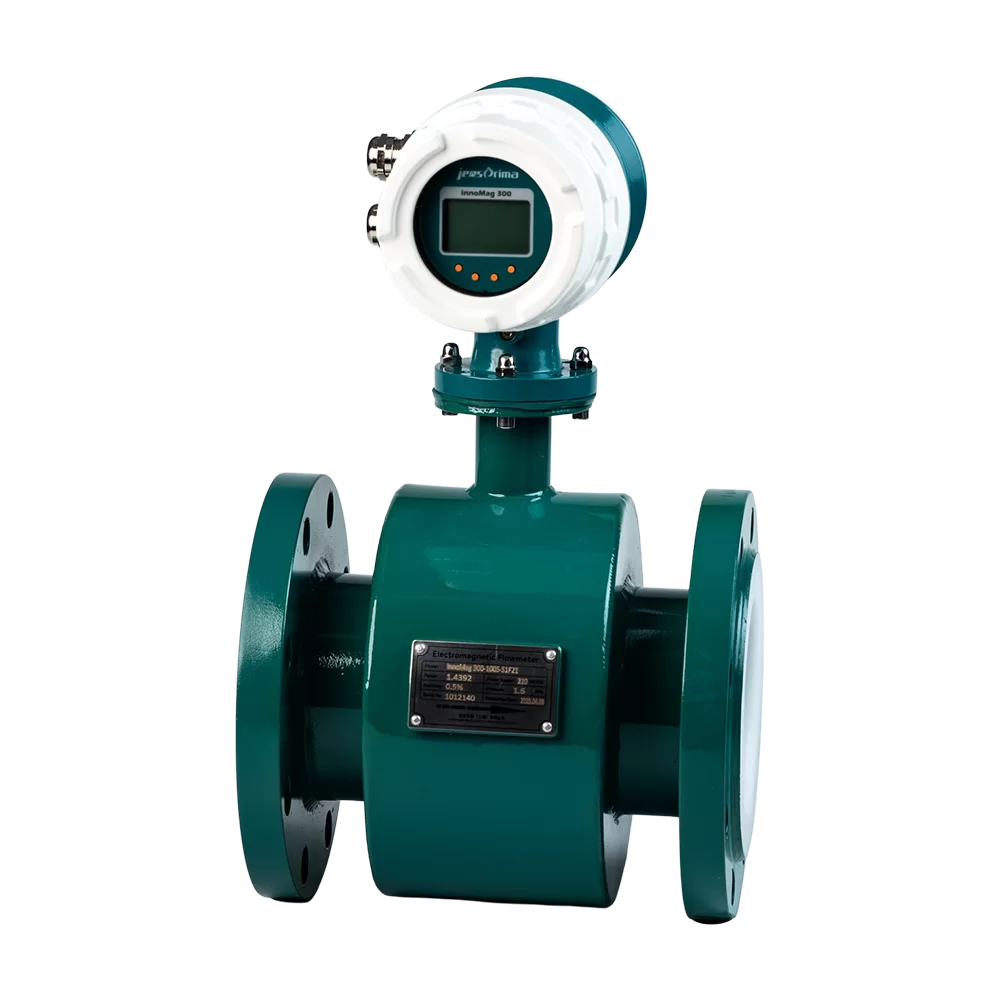
Furthermore, the Polish chemical and pharmaceutical industries require precise volumetric control. The deployment of a high-precision electromagnetic flowmeter ensures that liquid transfer is monitored with minimal pressure drop, meeting both safety and production efficiency standards.

Evolution of Water Analysis Technology in Poland

From traditional chemical titration to intelligent digital monitoring systems.

Market Development History

Prior to 2010, the Polish market relied heavily on offline laboratory analysis. Water hardness and alkalinity were measured via manual titration, which provided delayed data and led to inefficient chemical dosing in boilers and cooling towers.

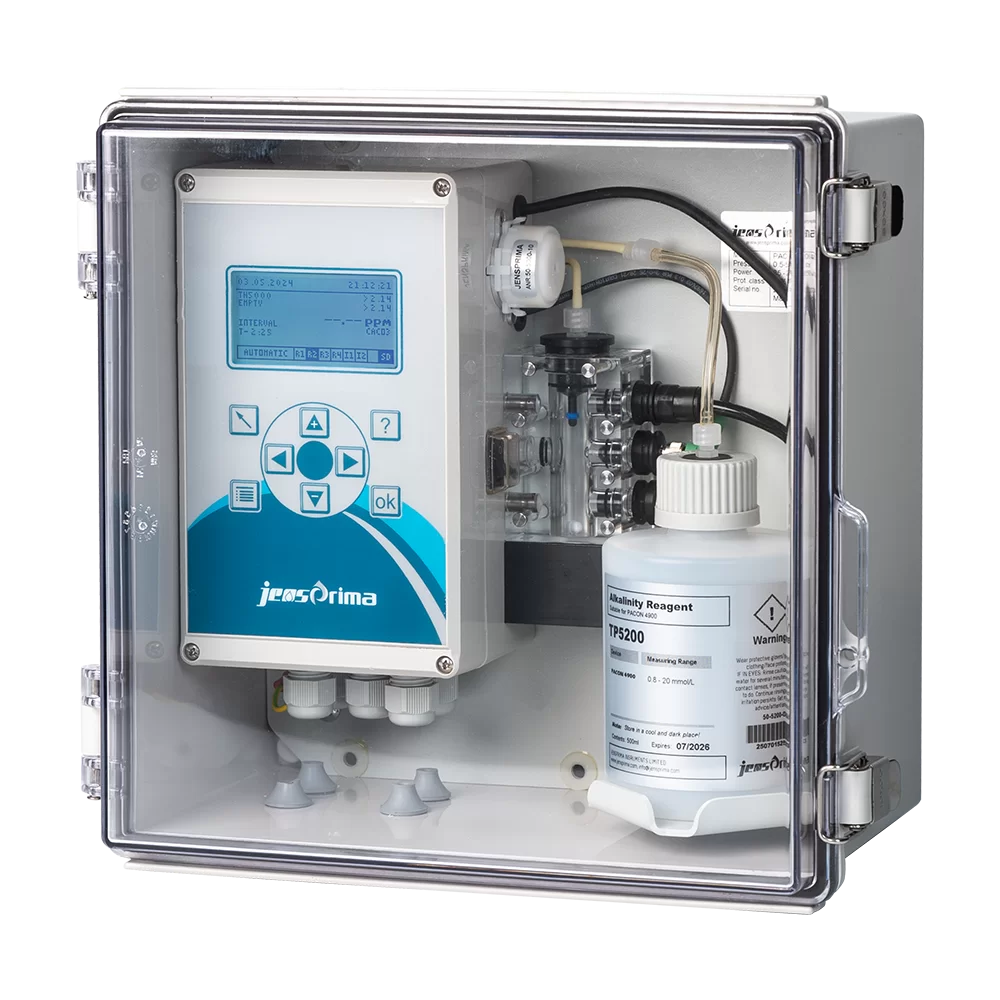
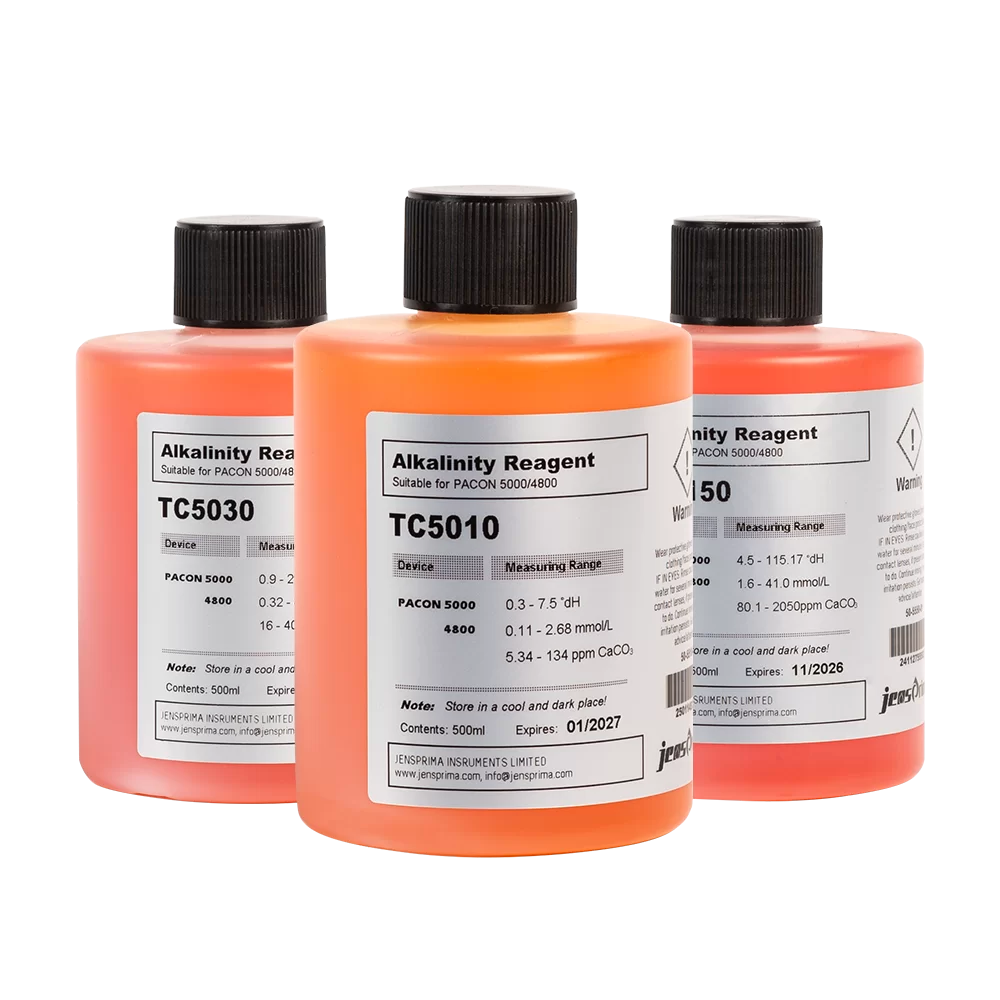
Between 2011 and 2018, there was a shift toward basic online sensing. The introduction of the alkalinity analyzer allowed plants to monitor carbonate levels in real-time, significantly reducing the incidence of scale formation in heat exchangers.

From 2019 to the present, the focus has shifted toward "Smart Water" integration. Modern facilities now employ IoT-enabled sensors that synchronize data across the entire production line, allowing for predictive maintenance and autonomous adjustments.

Future Development Trends

AI-Driven Predictive Analysis

Integration of machine learning to predict spikes in water contamination based on historical Polish seasonal weather patterns and industrial discharge cycles.

Miniaturization of Sensing Modules

Development of compact, low-power sensor arrays that can be deployed in remote areas of the Vistula river basin for distributed environmental monitoring.

Zero-Reagent Sensing Technology

A shift toward optical and electrode-based sensing to eliminate the cost and environmental impact of chemical reagents used in traditional analyzers.

Industry Outlook and Future Strategic Directions

Analyzing the trajectory of water quality instrumentation in the Polish market.

Digital Twin Integration
Creating virtual replicas of Polish water networks to simulate the impact of pollutants before they reach critical stages.
Edge Computing Analysis
Processing water quality data at the sensor level to reduce latency in emergency shut-off valves for chemical plants.
Circular Economy Adoption
Implementing advanced reuse systems in Polish factories where treated wastewater is recirculated using precision analyzers.
Compliance Automation
Automated reporting tools that sync directly with Polish environmental inspection agencies to ensure 24/7 transparency.

Industry Outlook

Google search trends for "automated water monitoring" in Poland have shown a steady 15% year-on-year increase, reflecting a systemic shift toward digitalization. This suggests that Polish manufacturers are no longer viewing water quality instruments as luxury additions but as critical infrastructure.

Over the next 3-5 years, we expect the convergence of water quality sensors with broader Industrial IoT (IIoT) platforms. This will allow plant managers in Poland to optimize energy use by correlating water chemistry with pump efficiency and thermal output.

Localized Application Scenarios in Poland

Tailored solutions for the diverse industrial landscape of Poland.

01. Upper Silesian Heavy Industry Cooling

Implementing a total hardness analyzer in steel mills to prevent calcium carbonate buildup in cooling loops, which is critical given the hard water profiles of the region.

02. Masovian Pharmaceutical Production

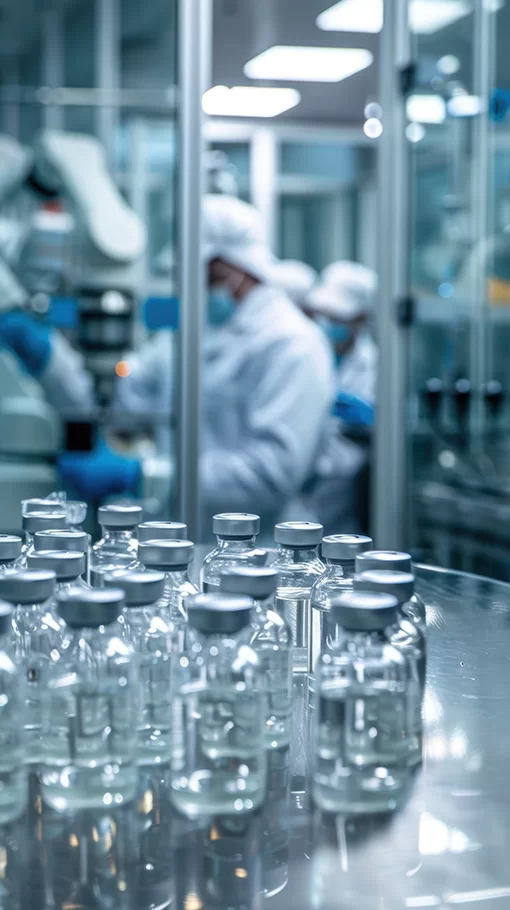
Using an alkalinity analyzer to maintain precise pH stability in high-purity water systems for drug formulation in Warsaw's bio-tech hubs.

03. Pomeranian Municipal Water Treatment

Deploying a residual chlorine controller to ensure that drinking water supplied to coastal cities meets safety standards while preventing over-chlorination.

04. Lodz Textile Dyeing Processes

Integration of a multi parameter water quality analyzer to monitor dye-bath conductivity and temperature, ensuring color consistency across fabric batches.

05. Wielkopolska Food & Beverage Processing

Installing an electromagnetic flowmeter to precisely measure CIP (Clean-in-Place) fluid volumes, reducing water waste in large-scale dairy plants.

Brand Story

Global Development Journey of Jensprima (Shanghai) Co., Ltd.

Founding Vision

Established with the goal of bridging the gap between high-end laboratory precision and rugged industrial application for water quality sensing.

Technical Breakthroughs

Developed proprietary electrode stabilization technology, solving the common pain point of sensor drift in harsh industrial effluents.

European Expansion

Strategically entered the European market, focusing on the rigorous standards of Poland and Germany to refine our E-E-A-T standing.

IoT Integration

Launched the Smart-Link series, allowing remote monitoring and cloud-based diagnostics for global clients.

Sustainable Future

Committing to the "Green Water" initiative, helping global industries reduce water footprint through precision analytics.

Comprehensive Water Analysis Portfolio for the Polish Market

A complete suite of instruments designed for durability, precision, and EU compliance.

Frequently Asked Questions - Poland Edition

Expert answers to common technical queries regarding water quality instrumentation.

How does a multi parameter water quality analyzer handle the high mineral content in Polish groundwater?

Our analyzers use anti-fouling electrode coatings and automatic cleaning cycles to prevent mineral scaling, ensuring stable readings even in high-hardness environments.

What is the maintenance interval for an online total hardness analyzer in industrial settings?

Typically, a calibration check is recommended every 2-4 weeks, depending on the water turbidity and flow rate, though our smart diagnostic tools notify you when maintenance is actually required.

Can the alkalinity analyzer be integrated with existing SCADA systems in Poland?

Yes, our instruments support Modbus TCP/IP and 4-20mA analog outputs, making them fully compatible with all major industrial control systems used in Poland.

How does a residual chlorine controller improve safety in municipal water plants?

By providing real-time feedback to the dosing pump, it prevents both under-chlorination (risk of bacteria) and over-chlorination (harmful by-products), maintaining a precise safety window.

What makes an electromagnetic flowmeter better for wastewater than mechanical meters?

Electromagnetic meters have no moving parts and a clear bore, meaning they aren't clogged by the debris often found in industrial wastewater, resulting in higher accuracy and lower wear.

Do your water quality instruments comply with EU environmental directives?

Absolutely. All our products are CE certified and designed to meet the stringent data accuracy and reporting requirements of the EU Water Framework Directive.

Consult Our Water Quality Experts

Ready to optimize your water monitoring infrastructure in Poland? Contact our engineering team for a customized technical proposal.

Contact Us Now
Service Repair Form
Tell us what issue you encountered, including any steps or symptoms.
  • Name
  • Email
  • Phone
  • Fault Description

If you are interested in our products, you can choose to leave your information here, and we will be in touch with you shortly.