
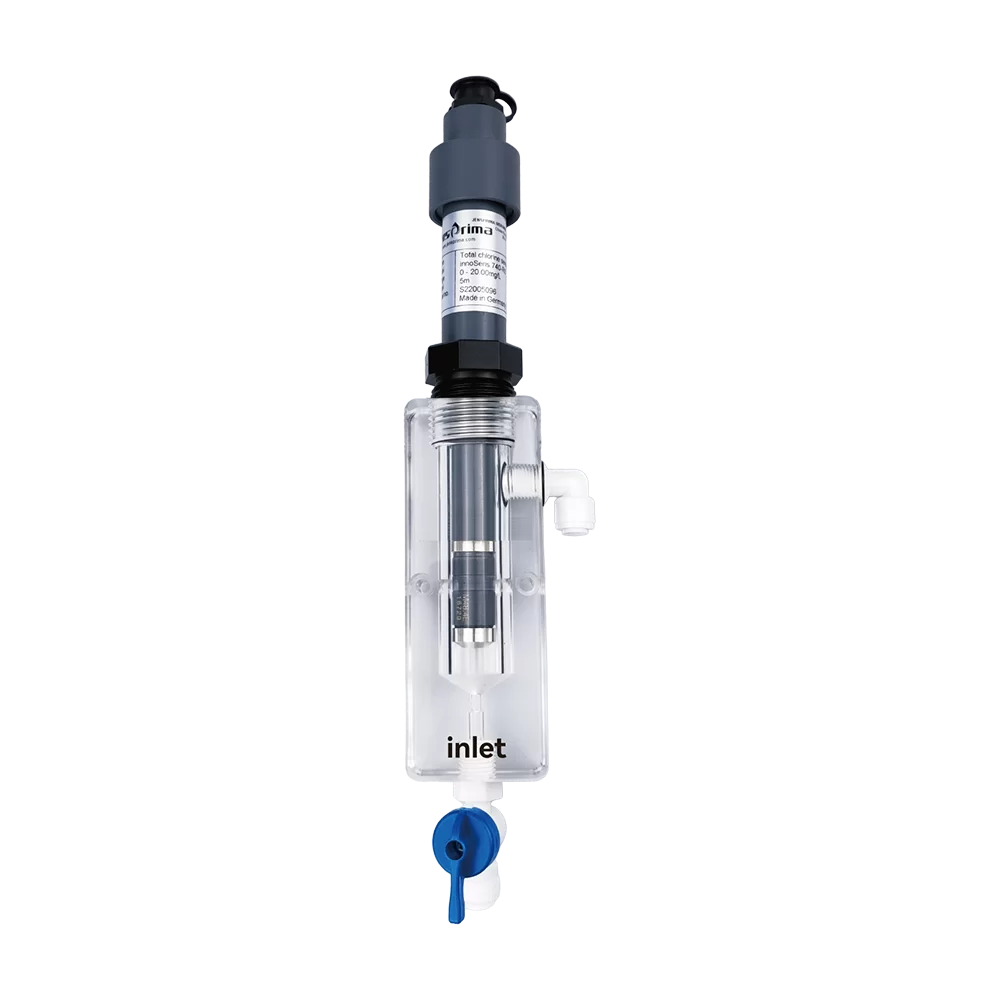
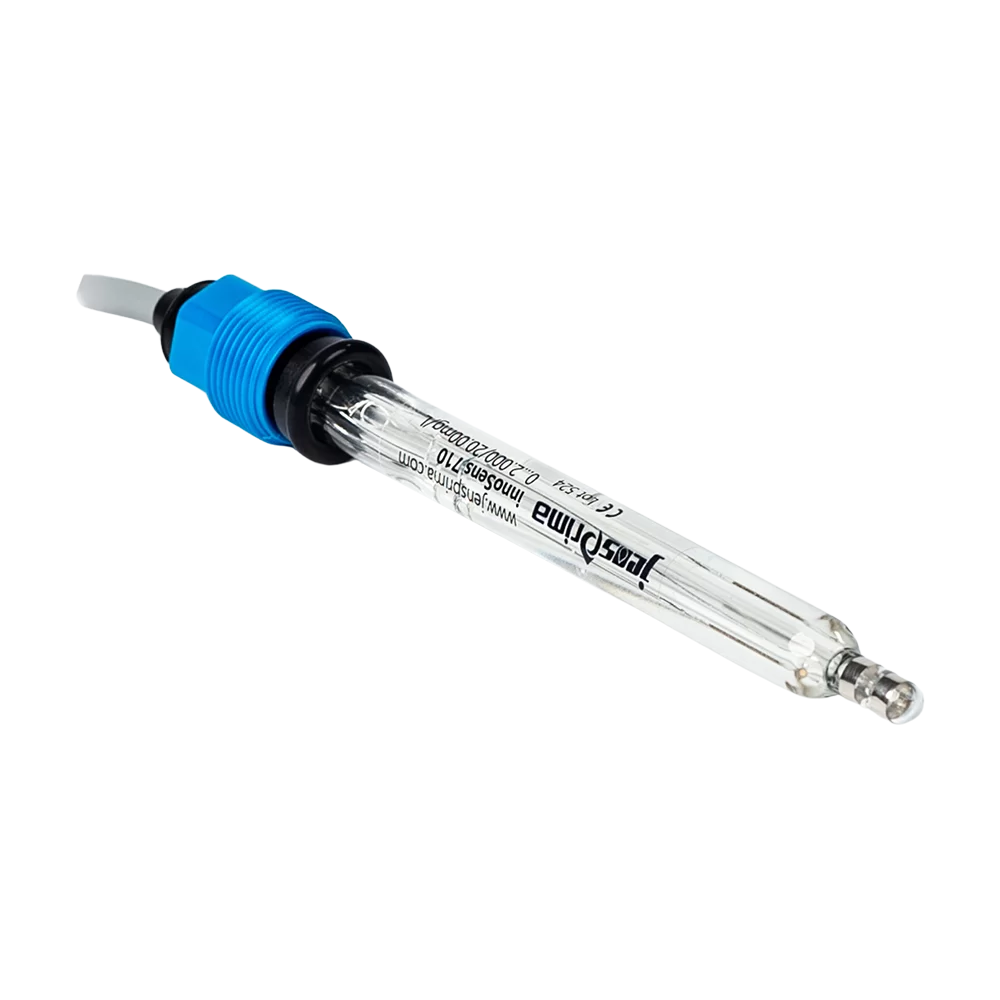
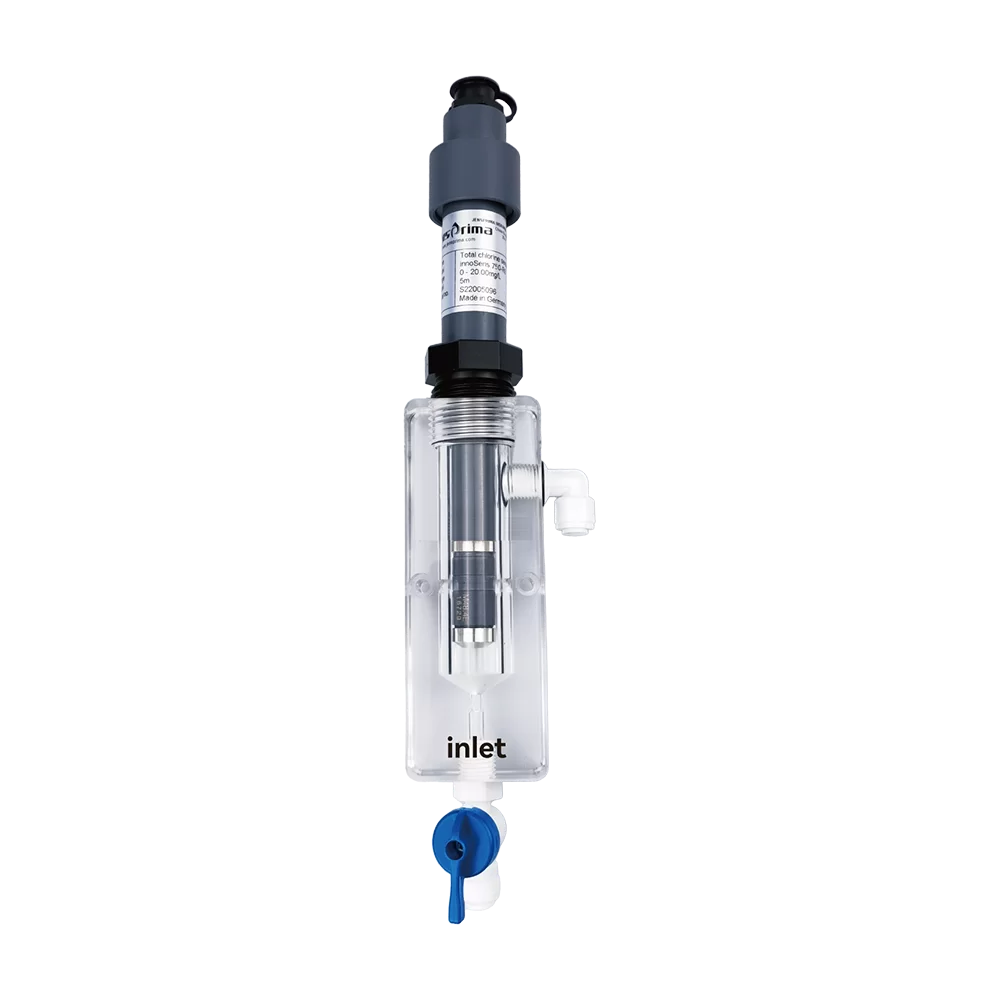
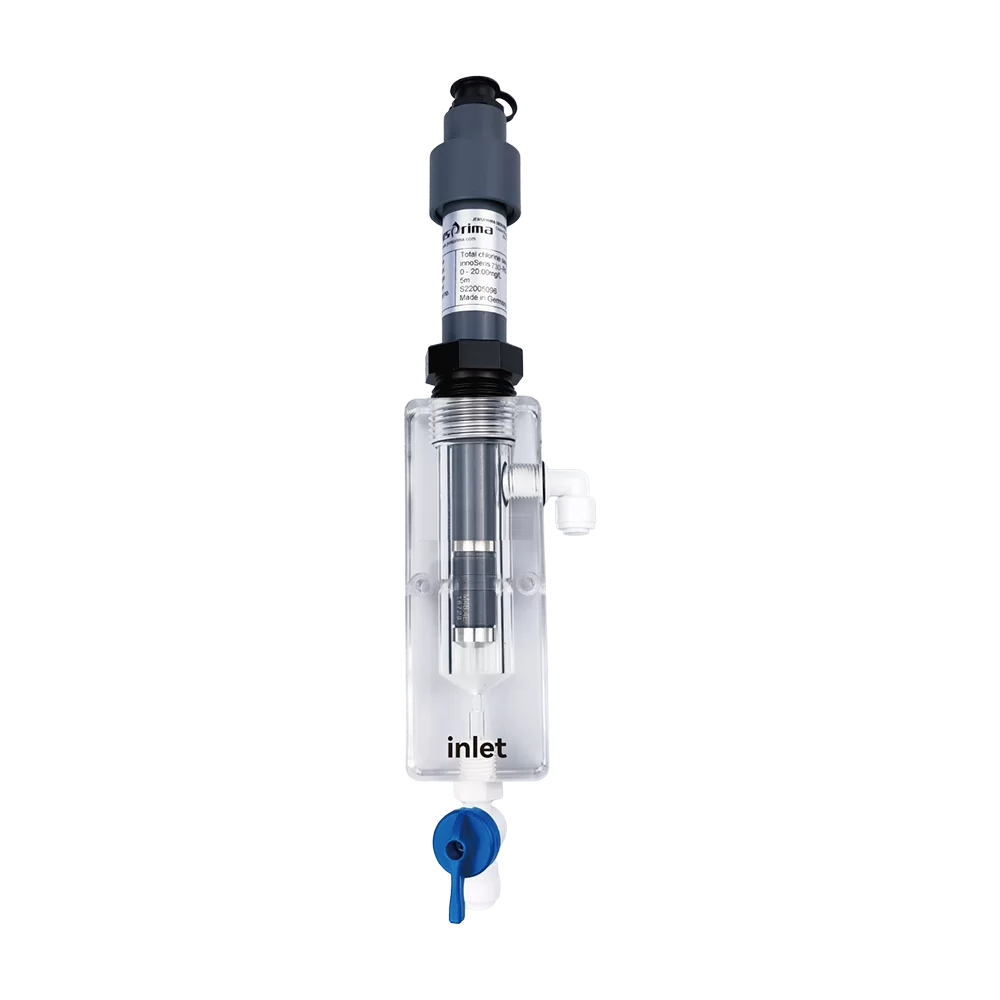
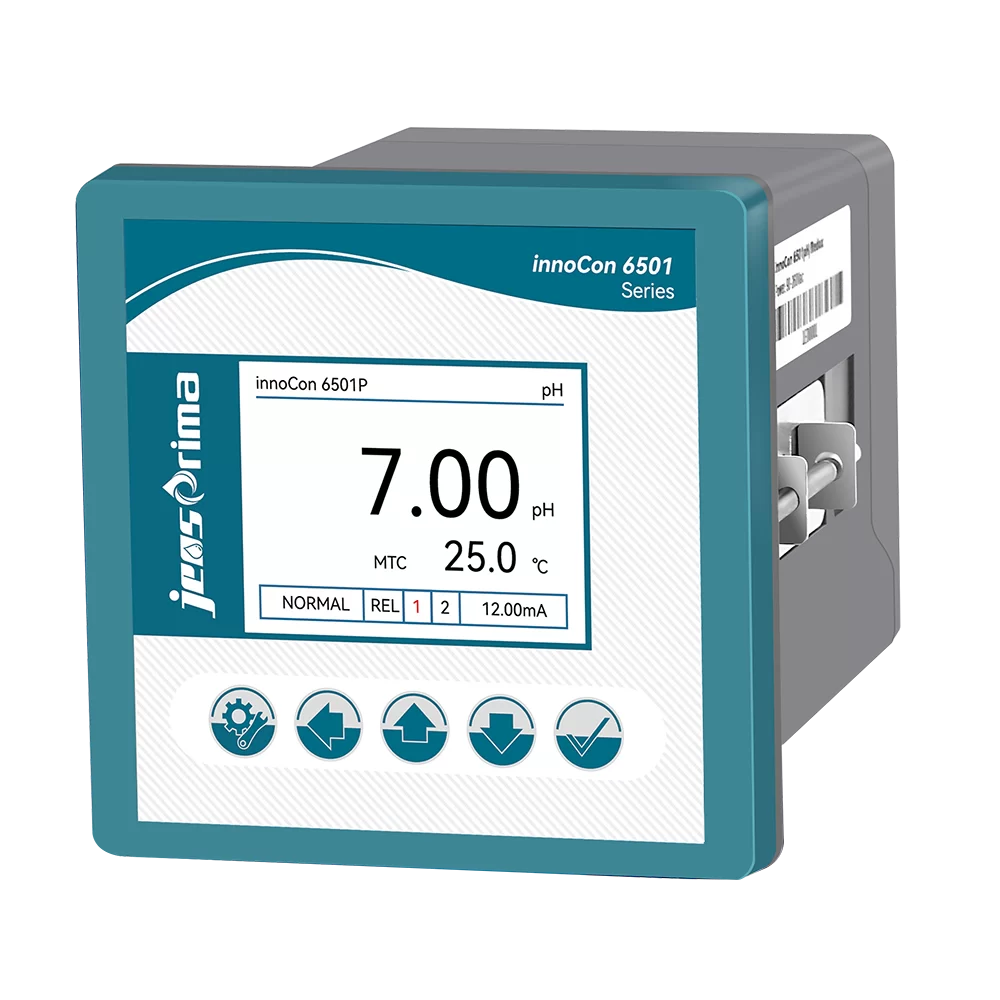
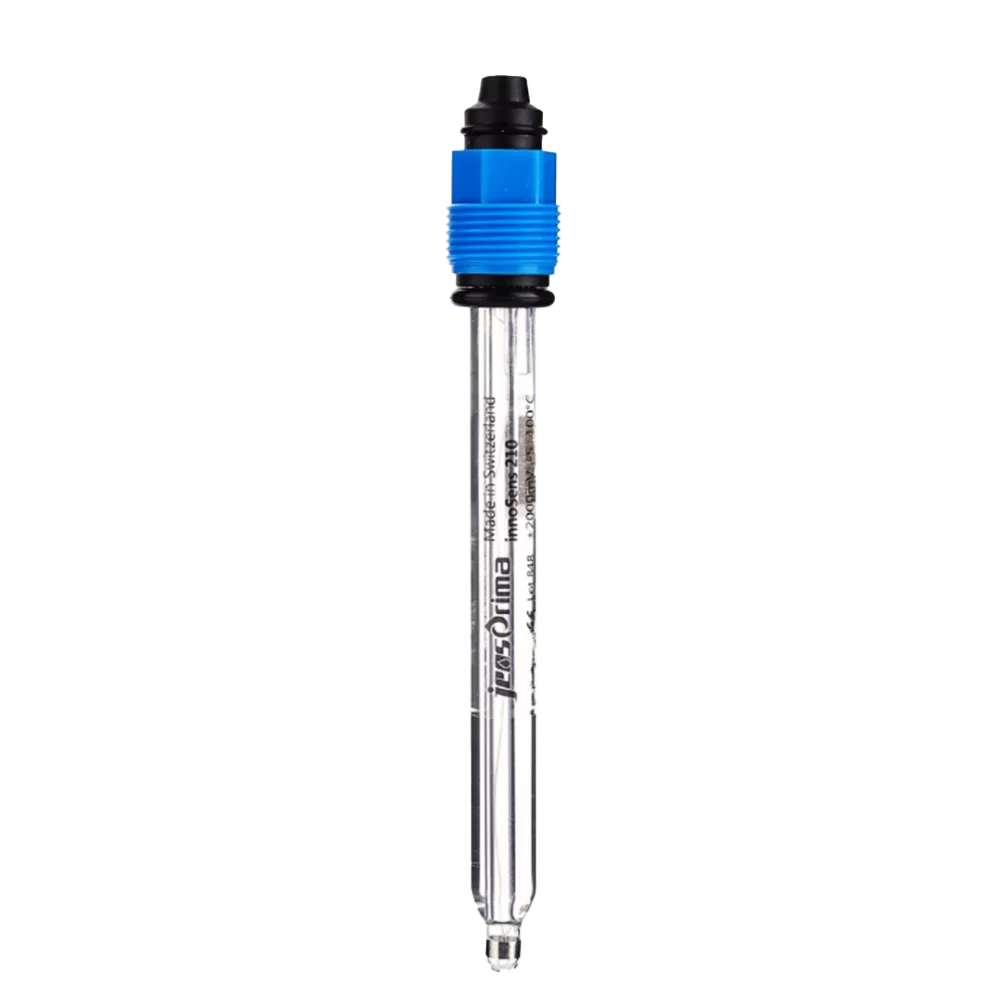
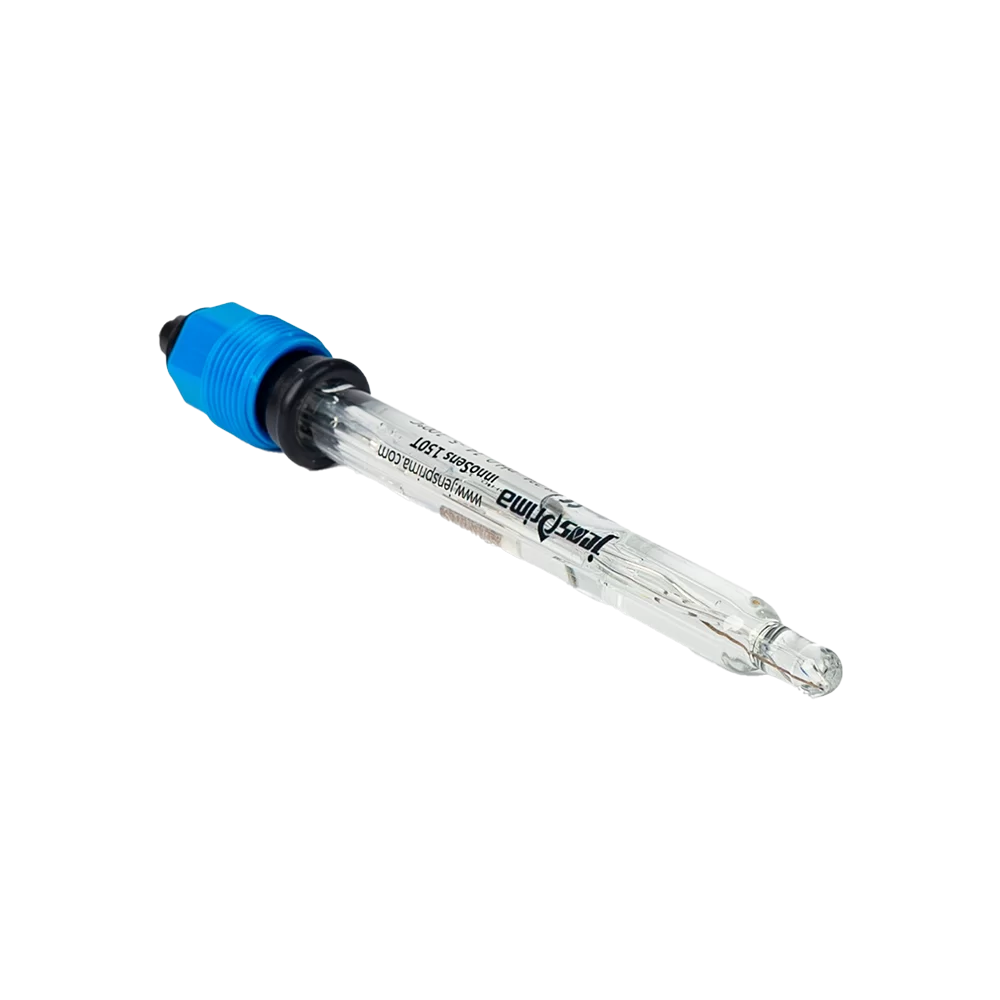
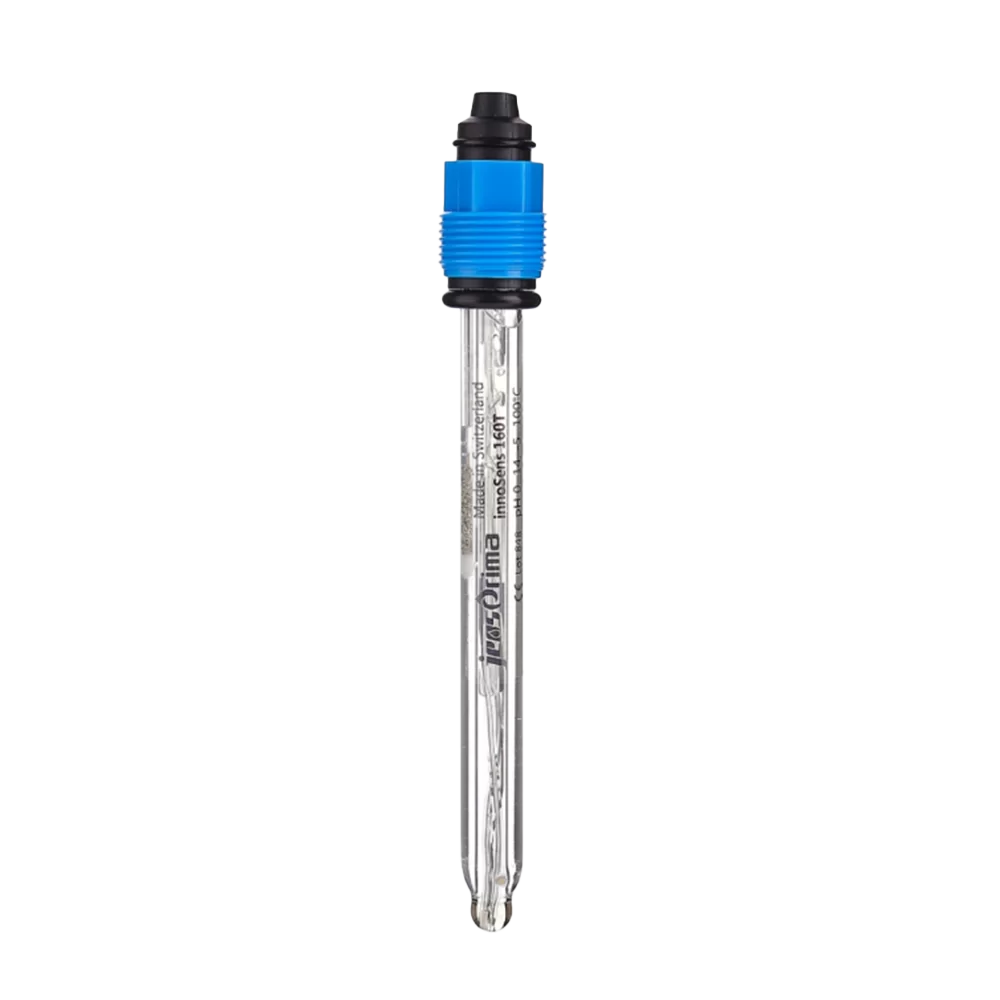
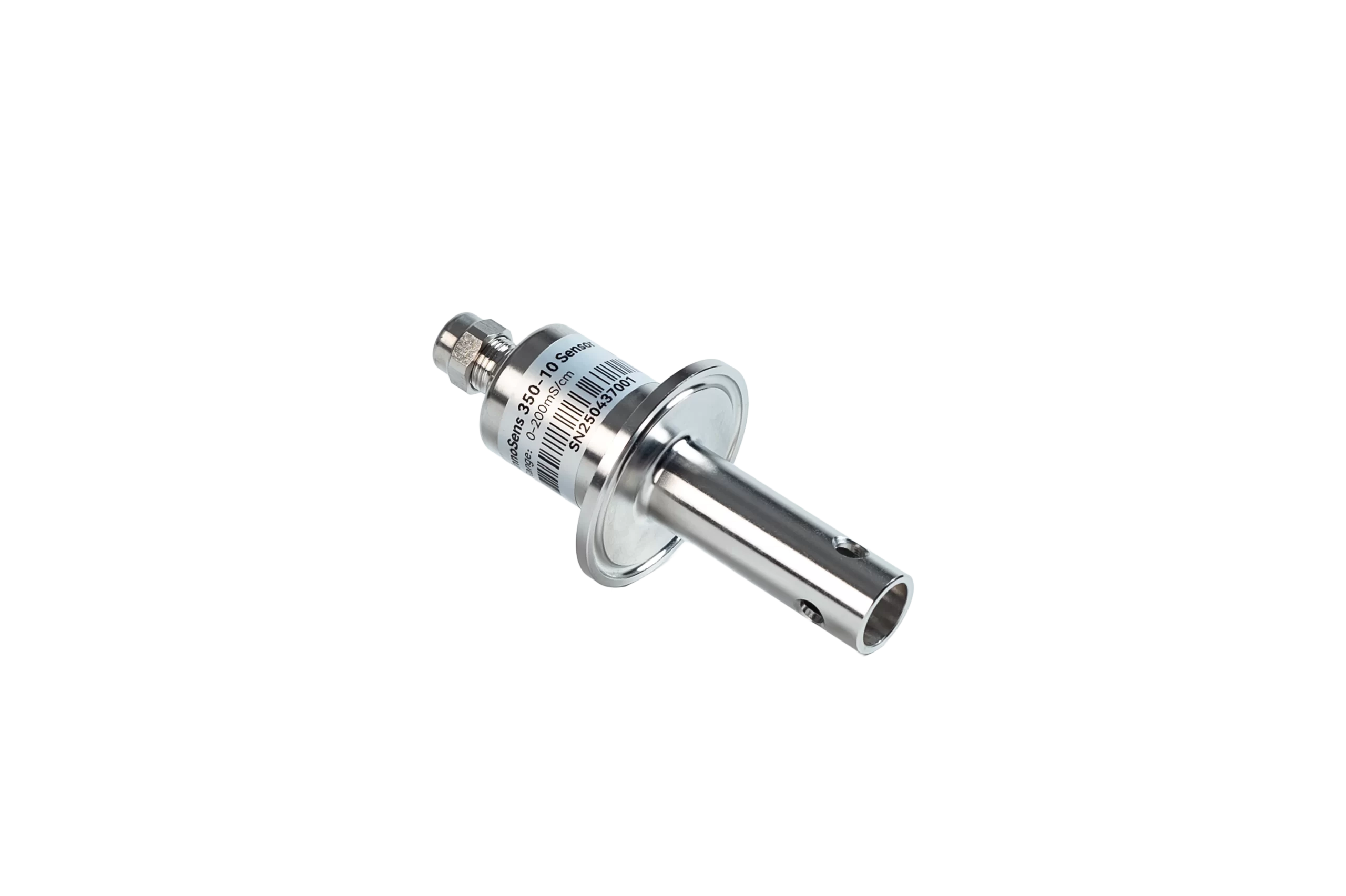
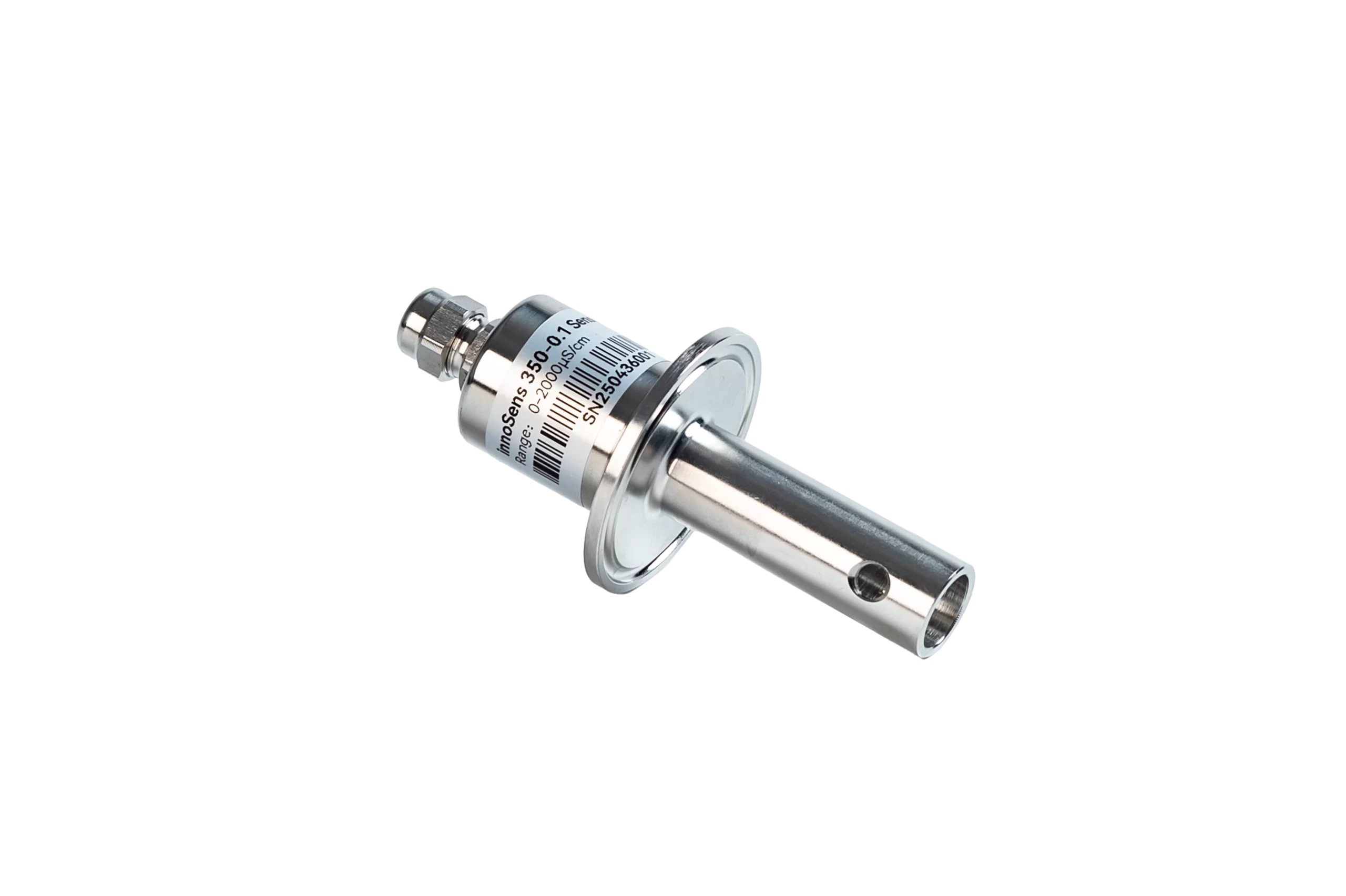
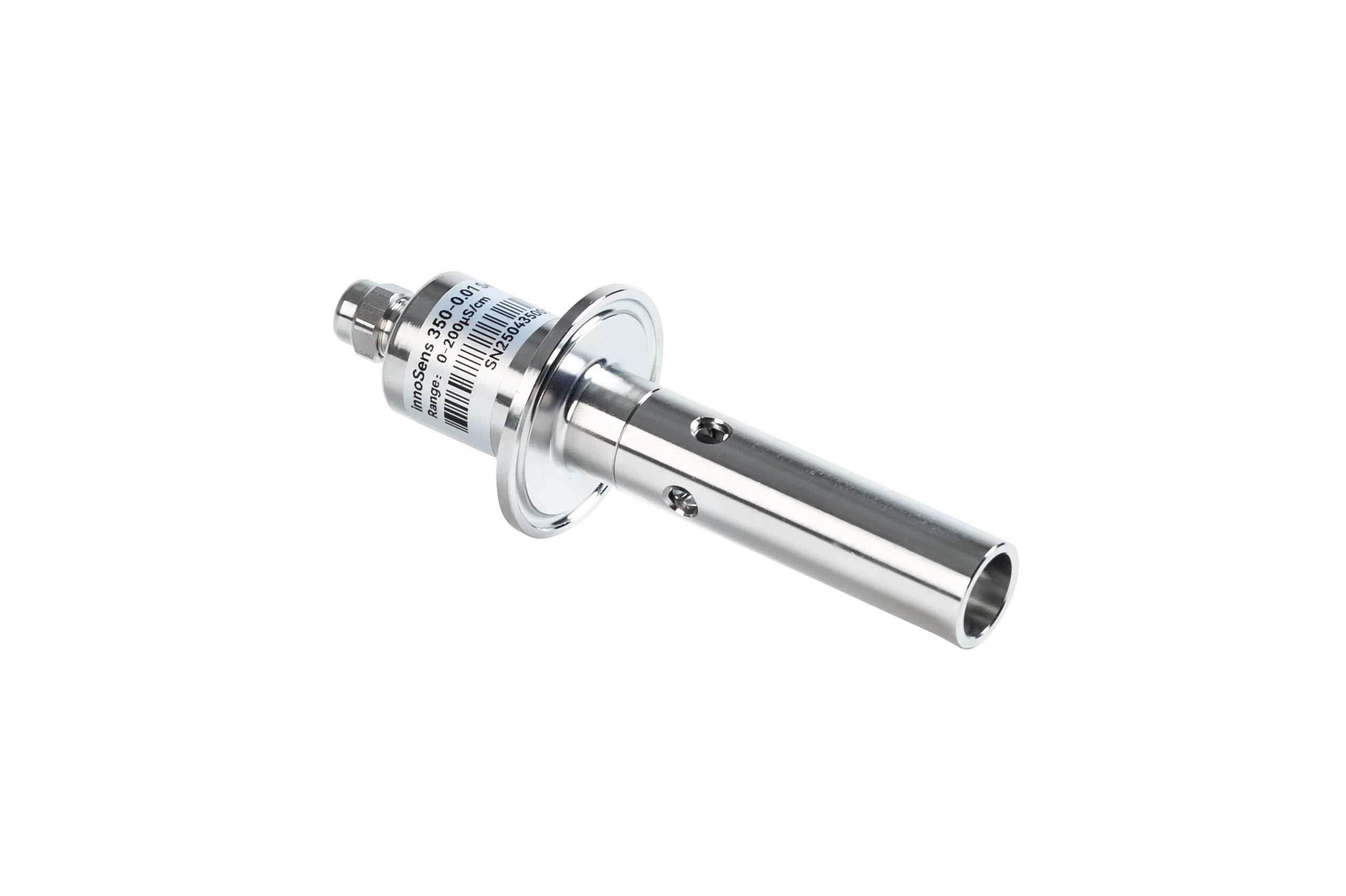
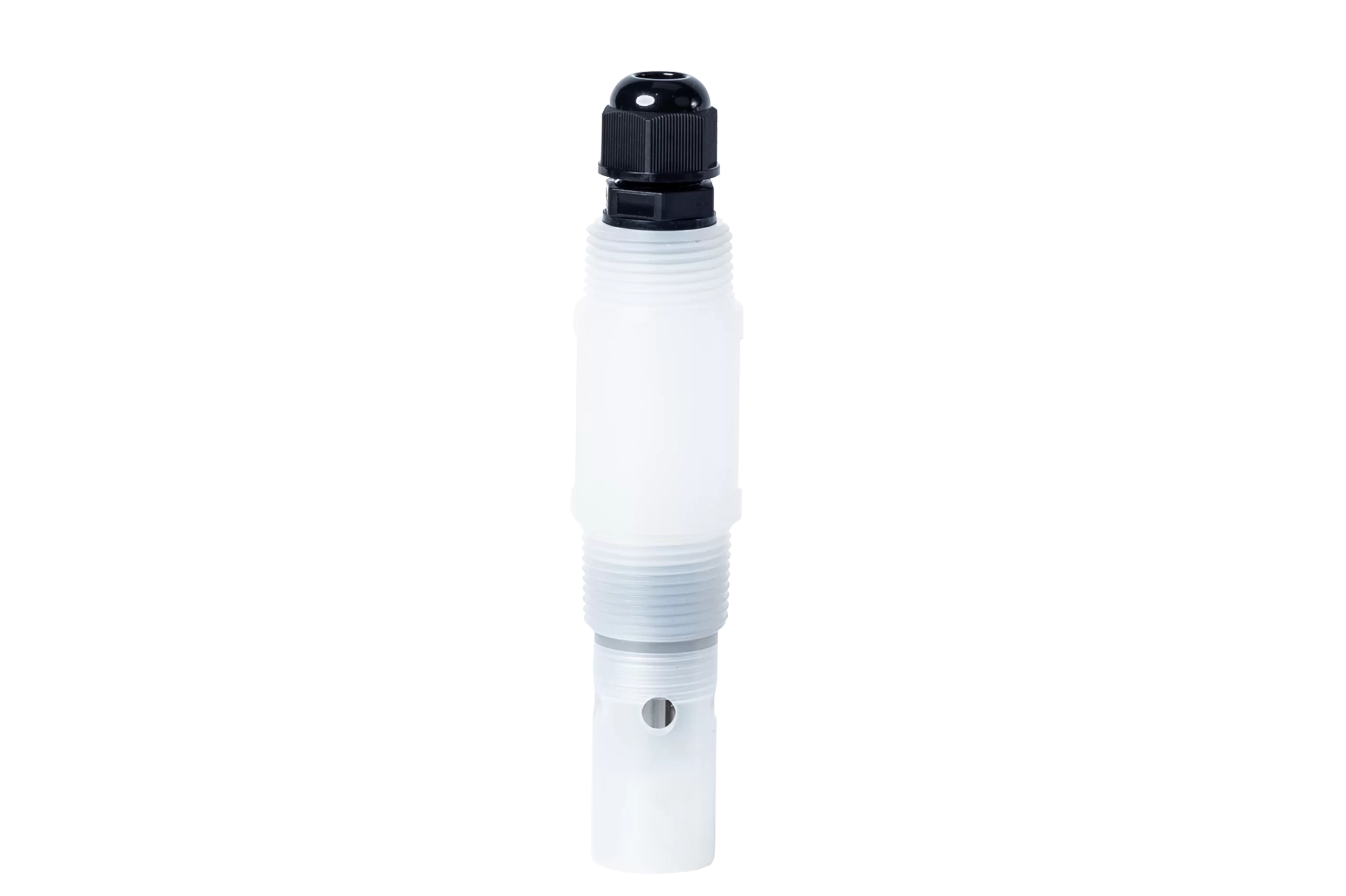
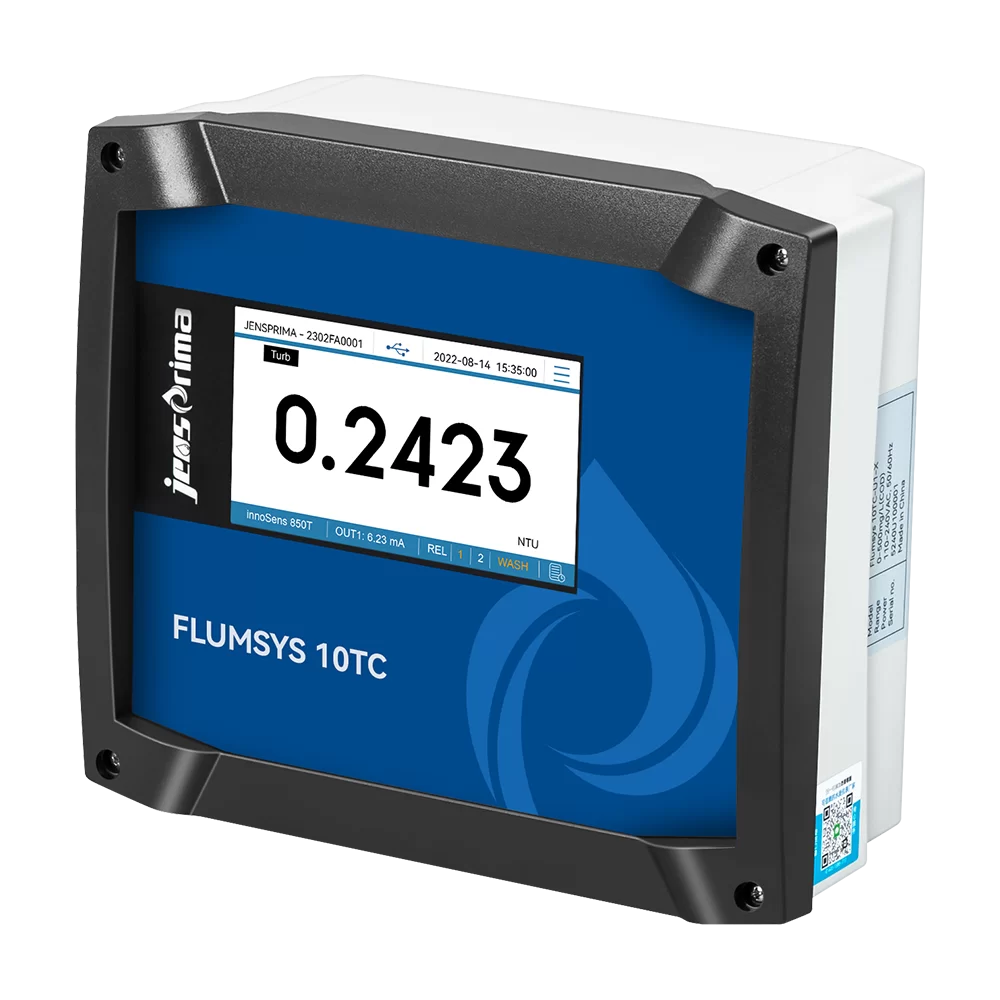
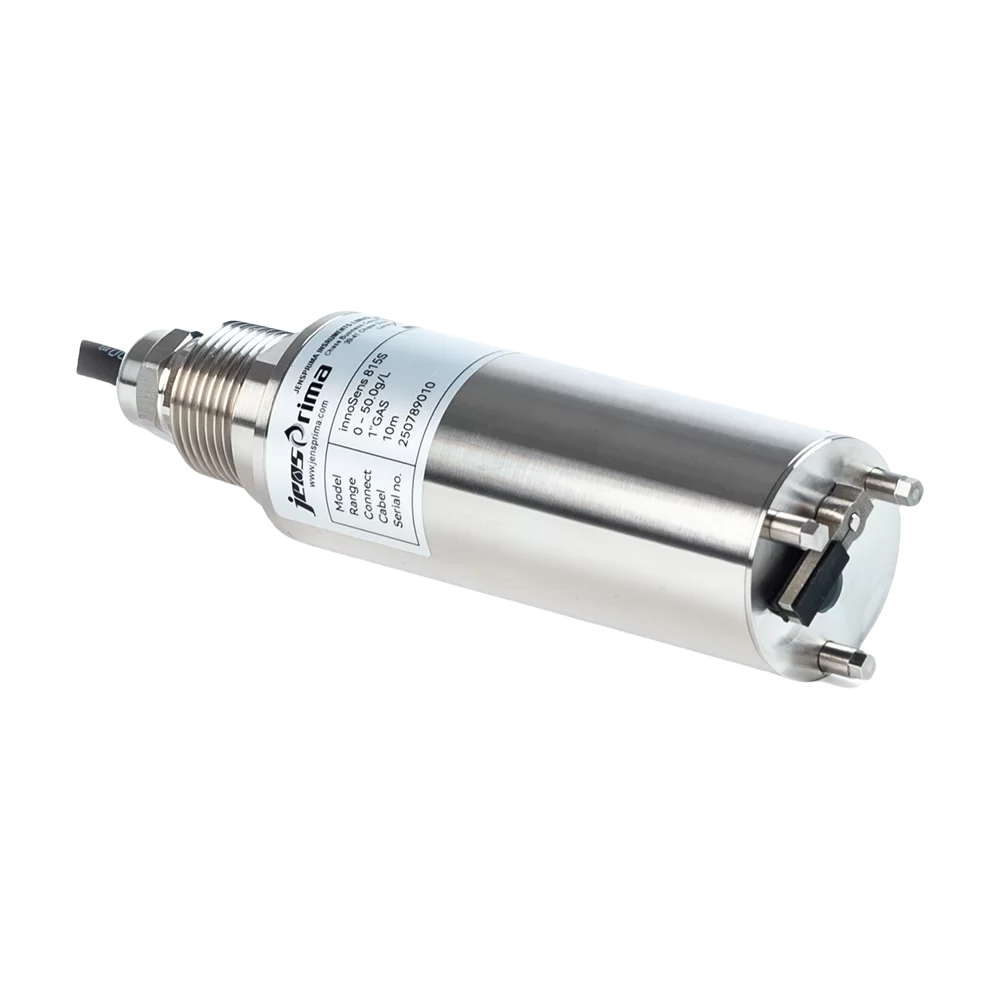
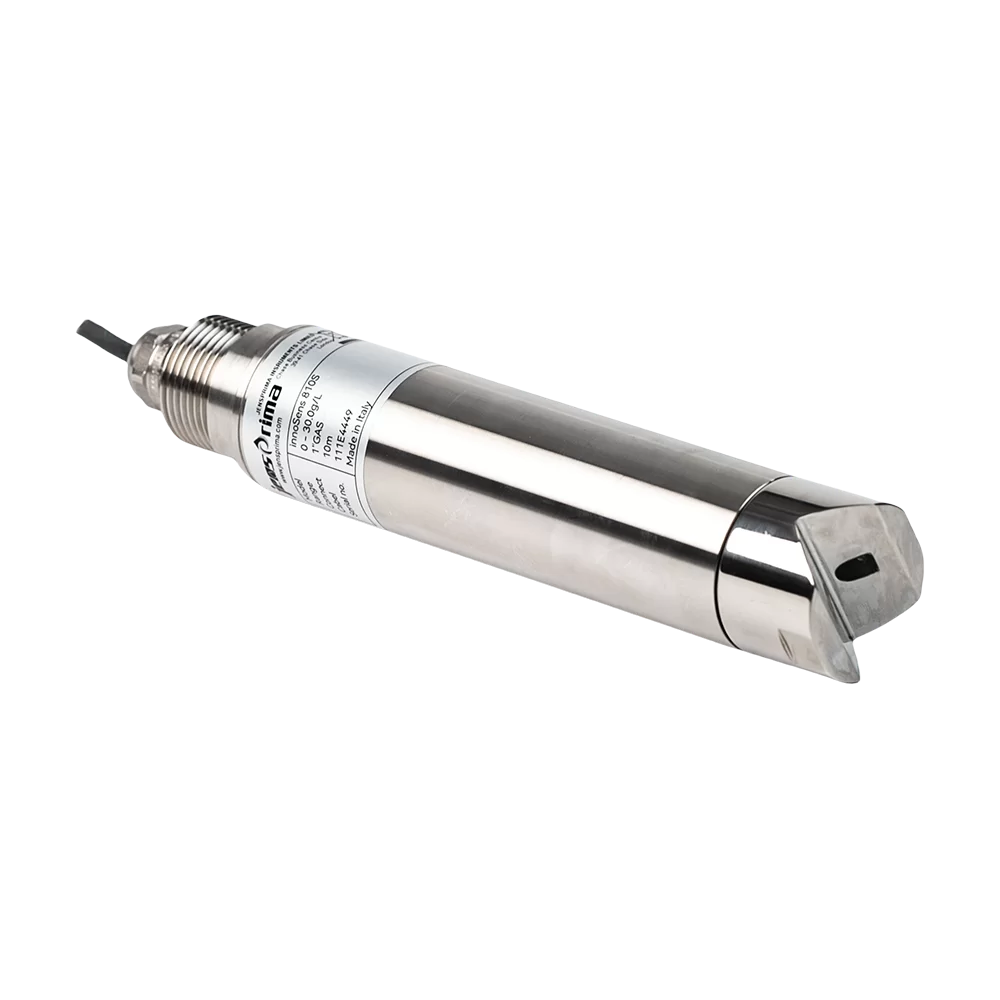
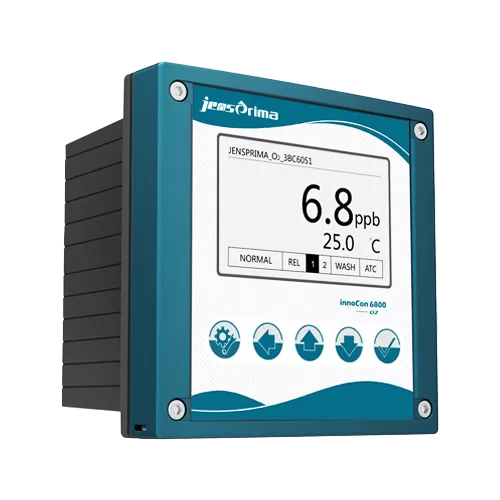
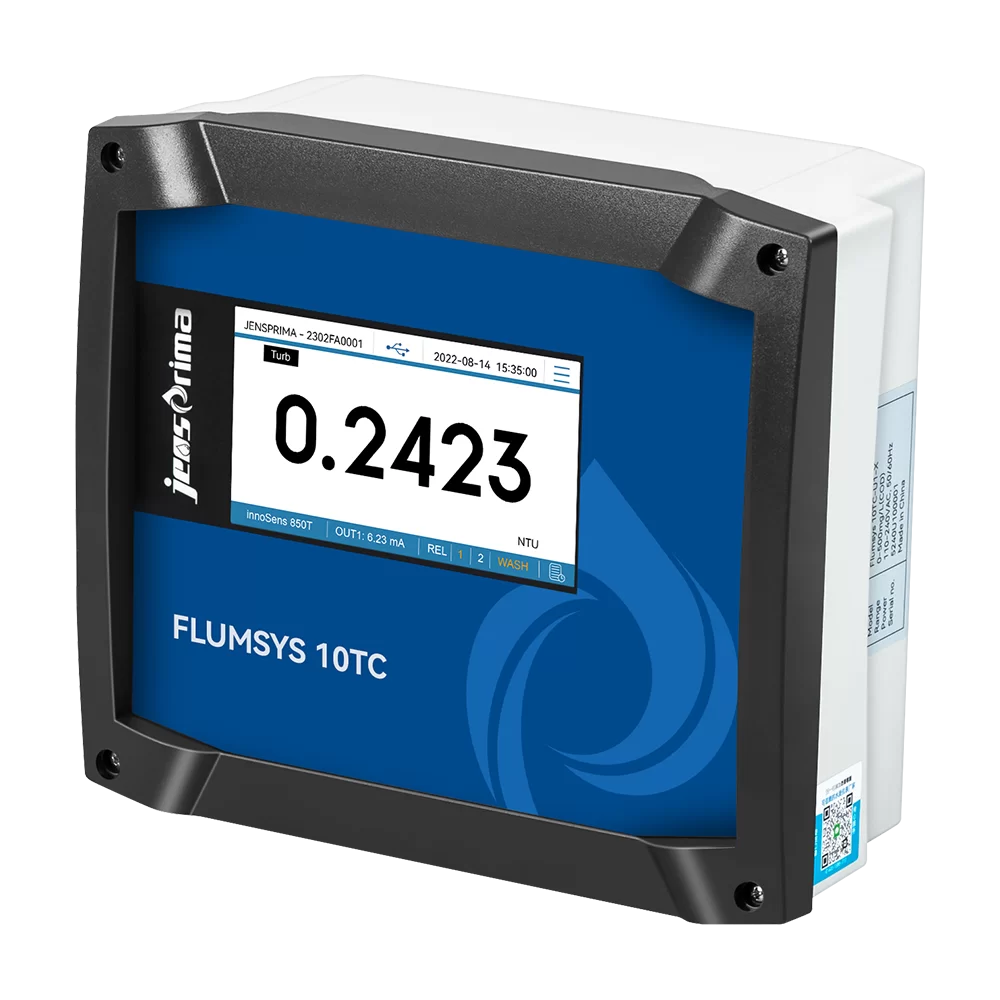
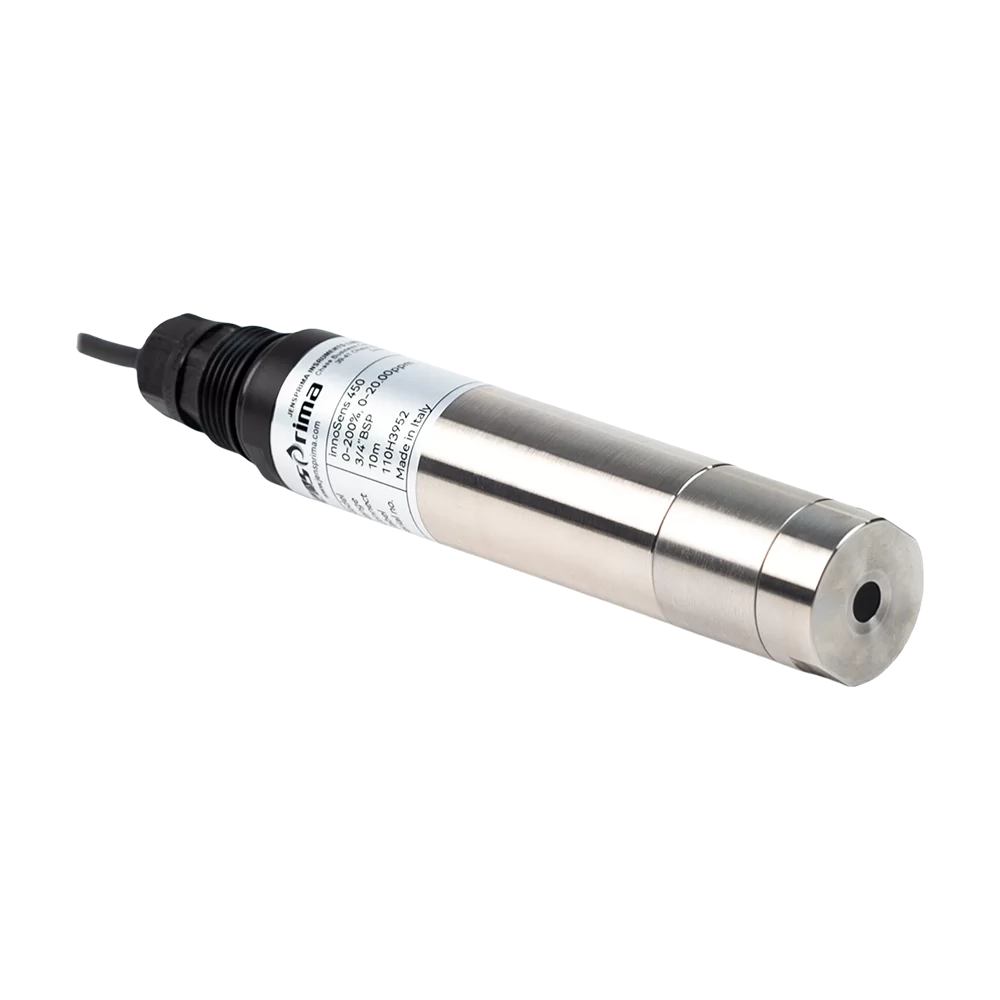
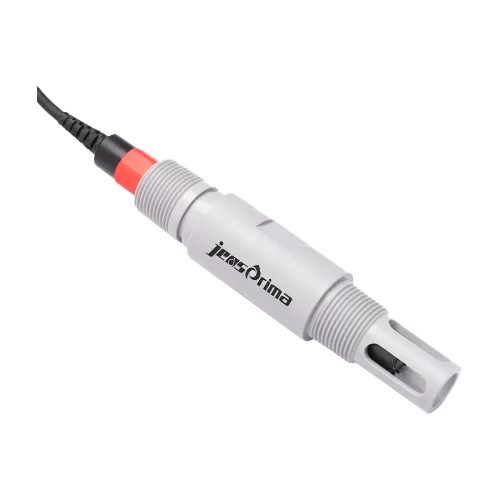
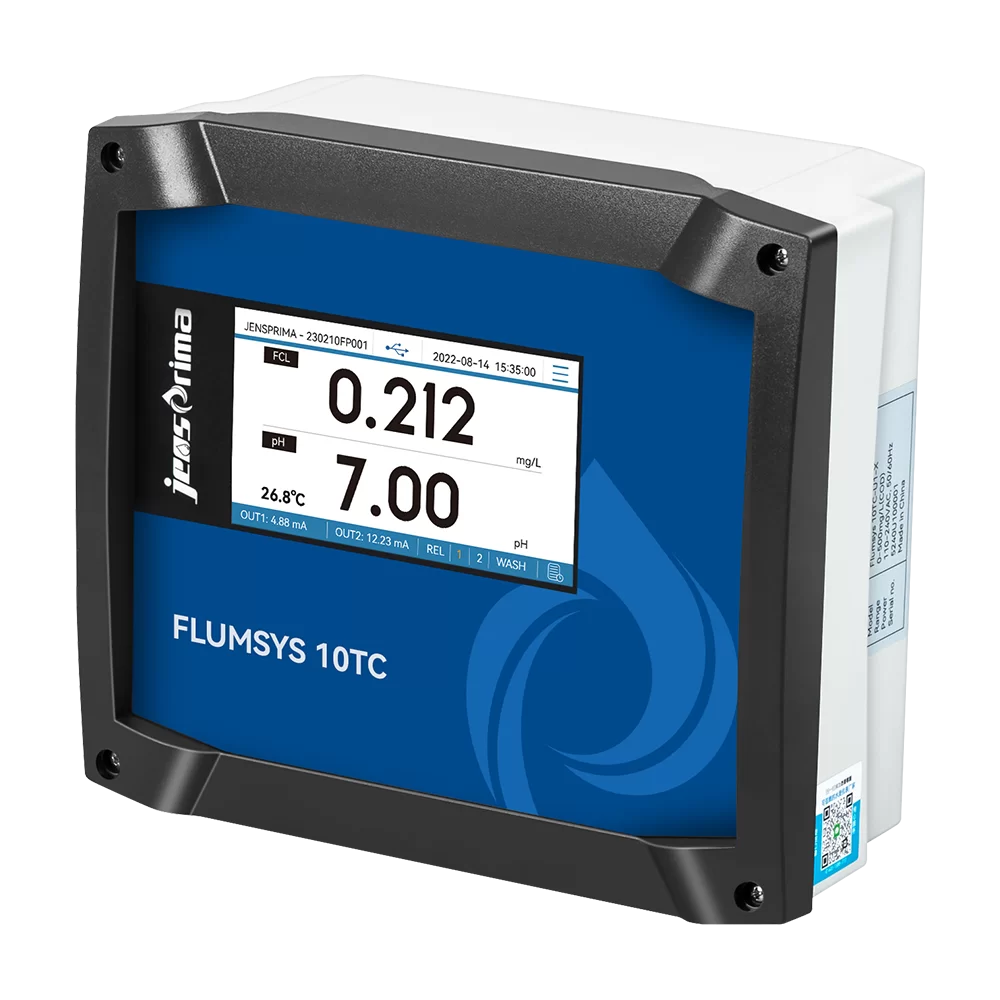
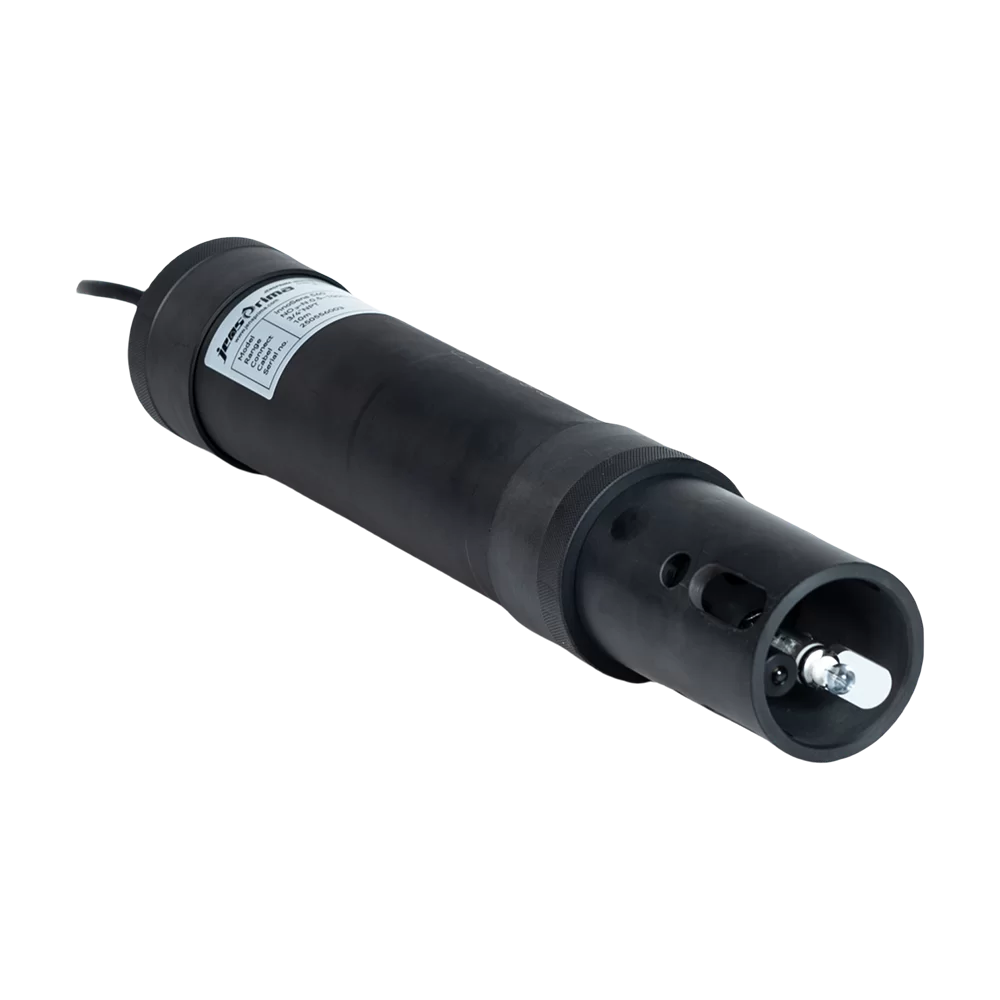
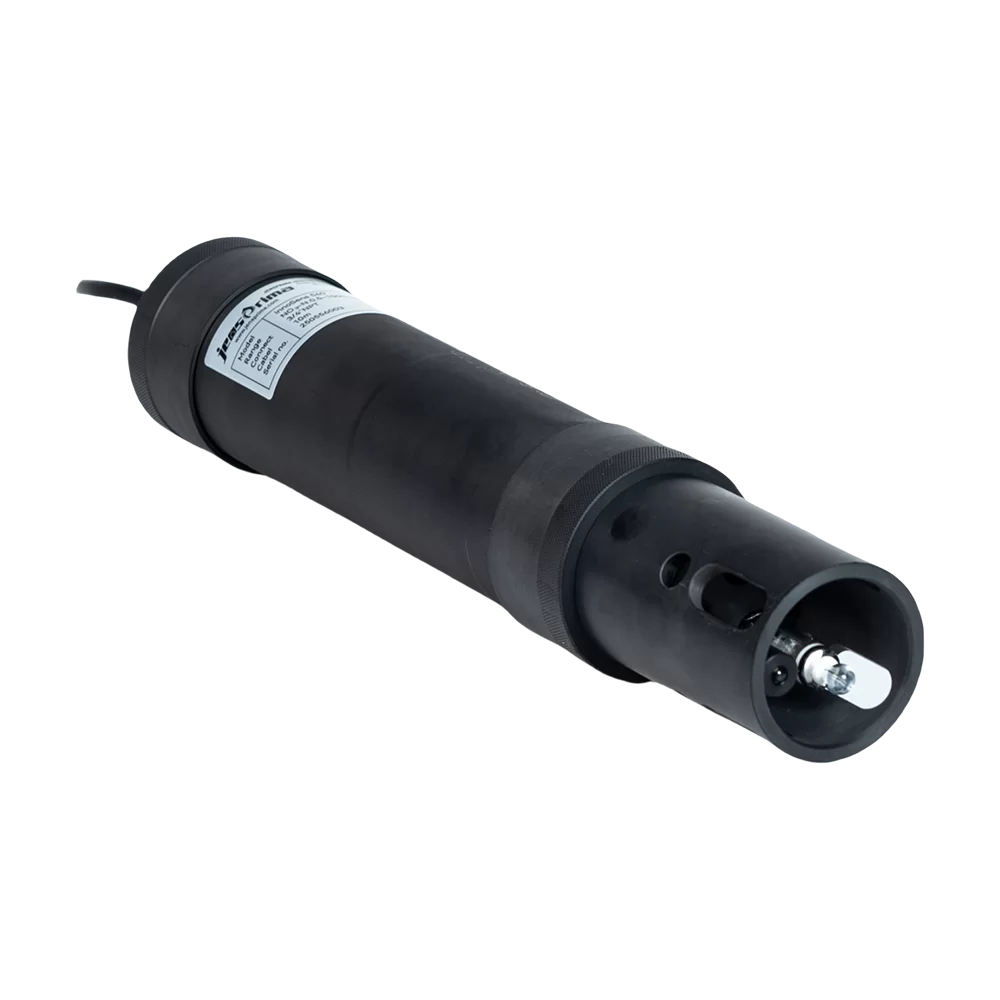
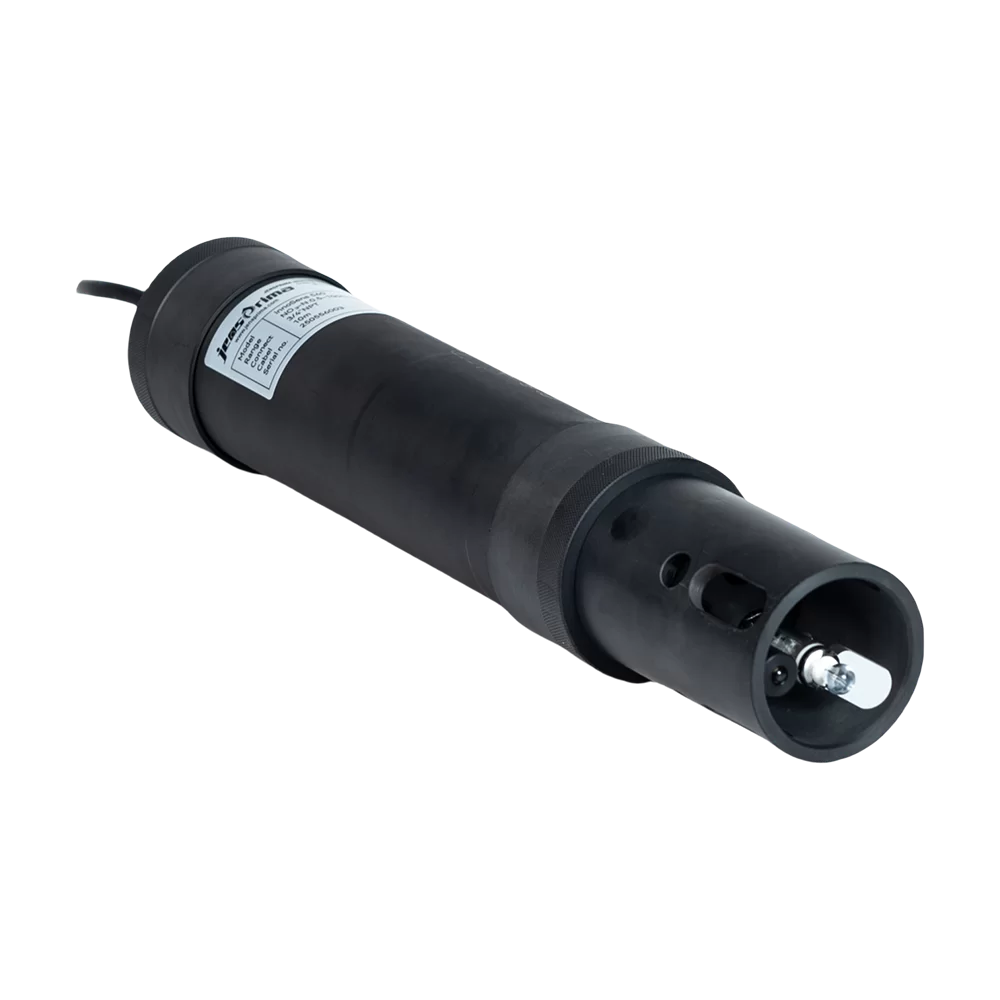
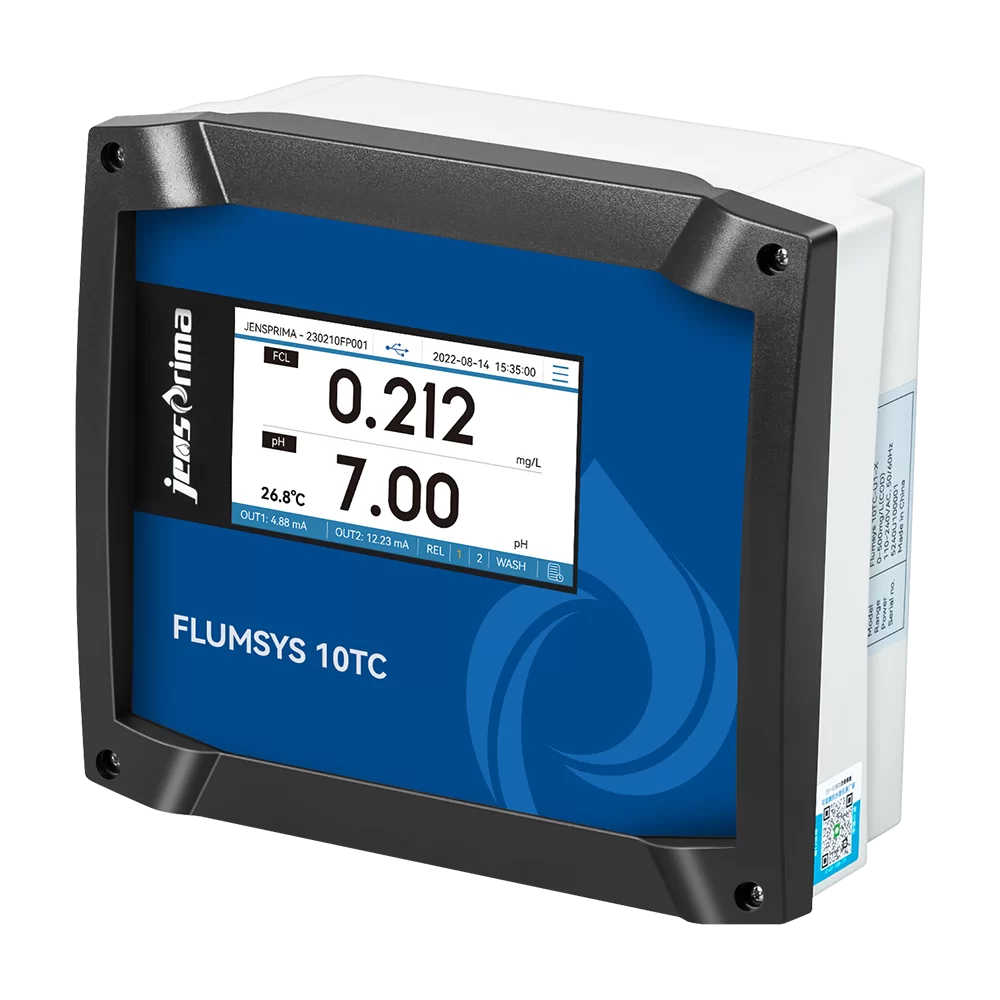
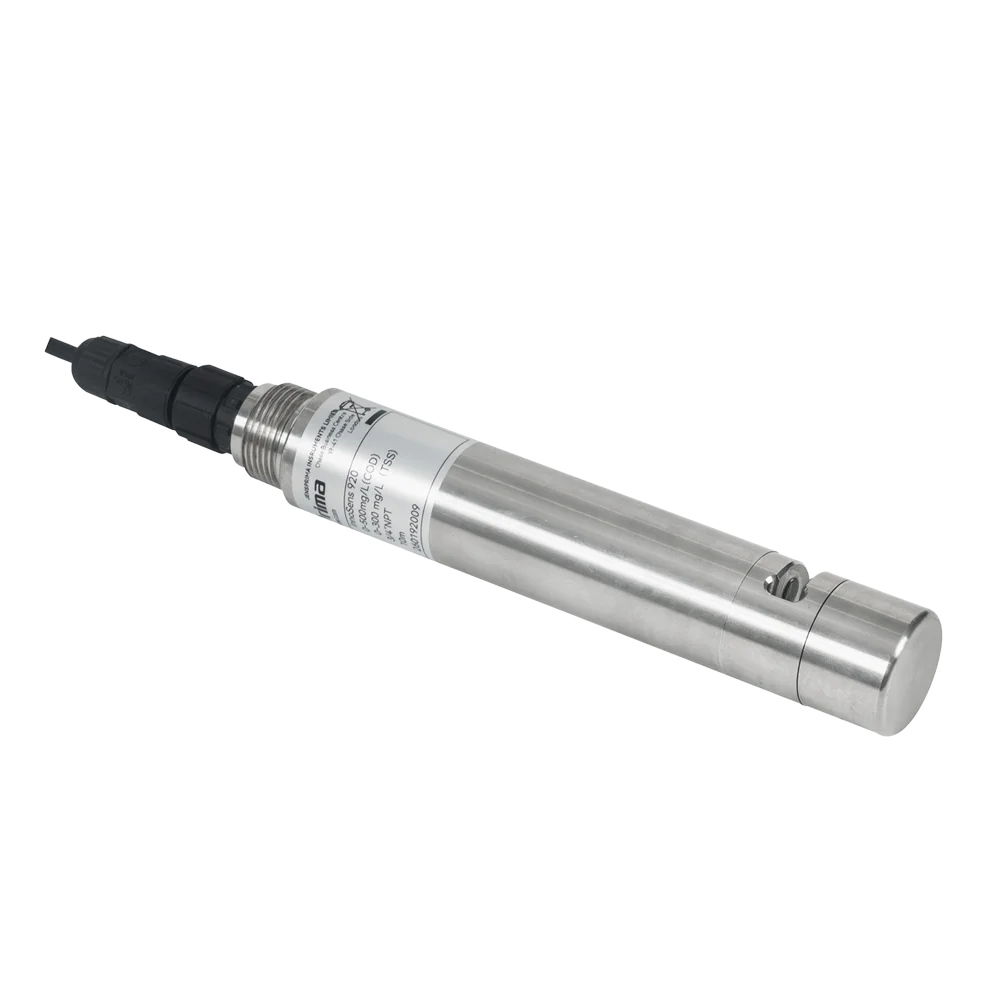


multi parameter analyzer

NEWS

UPDATES

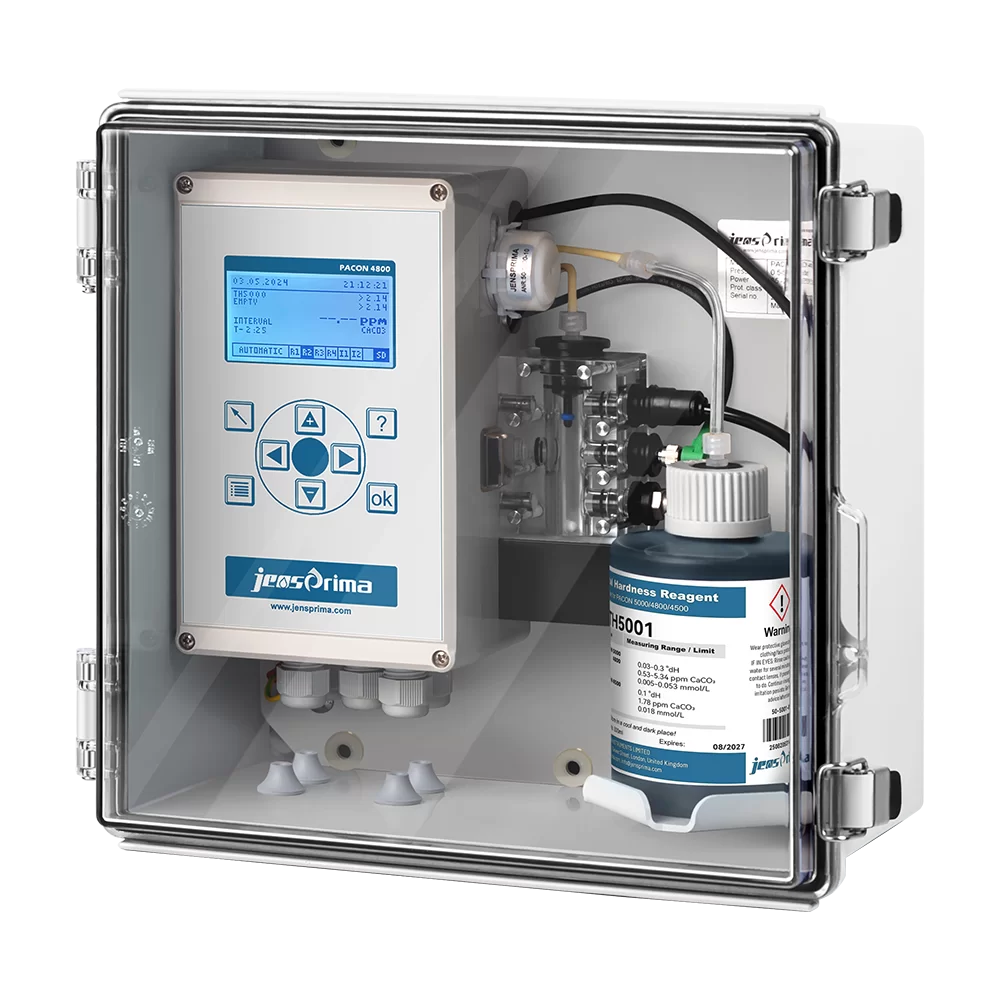
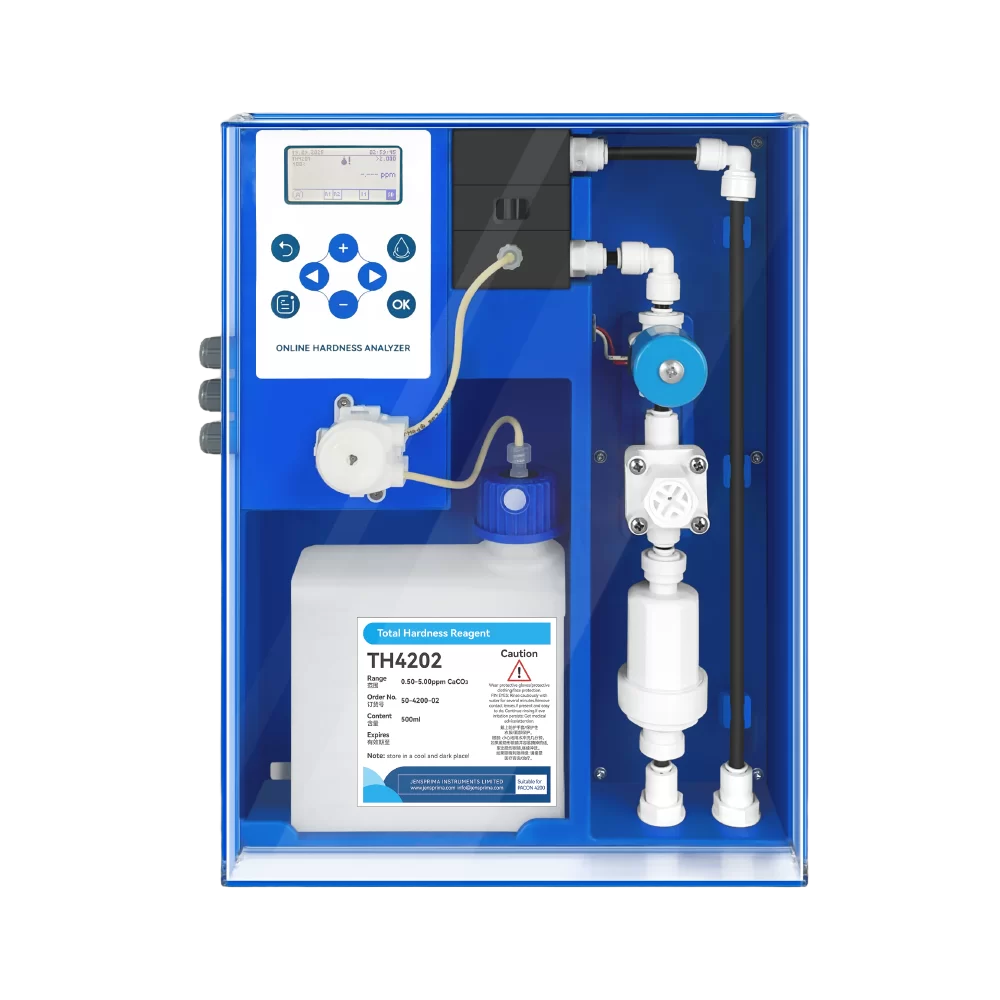
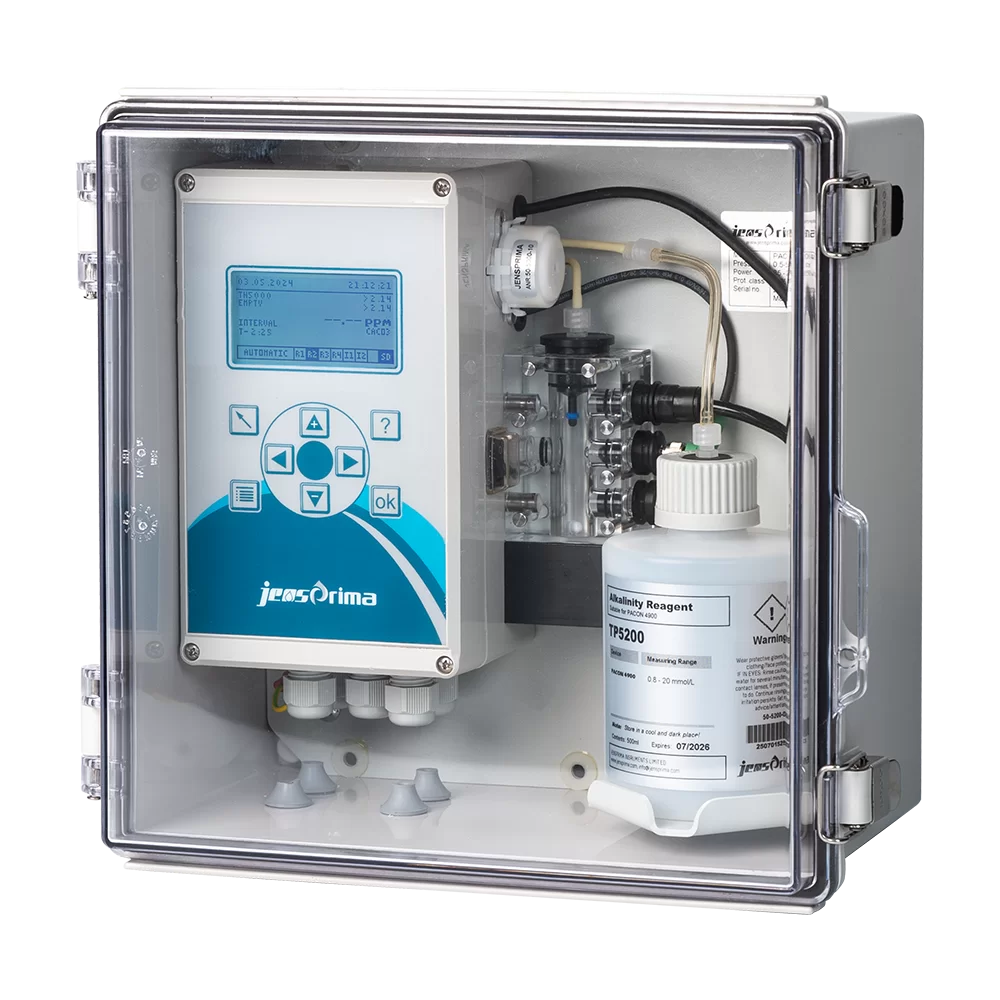
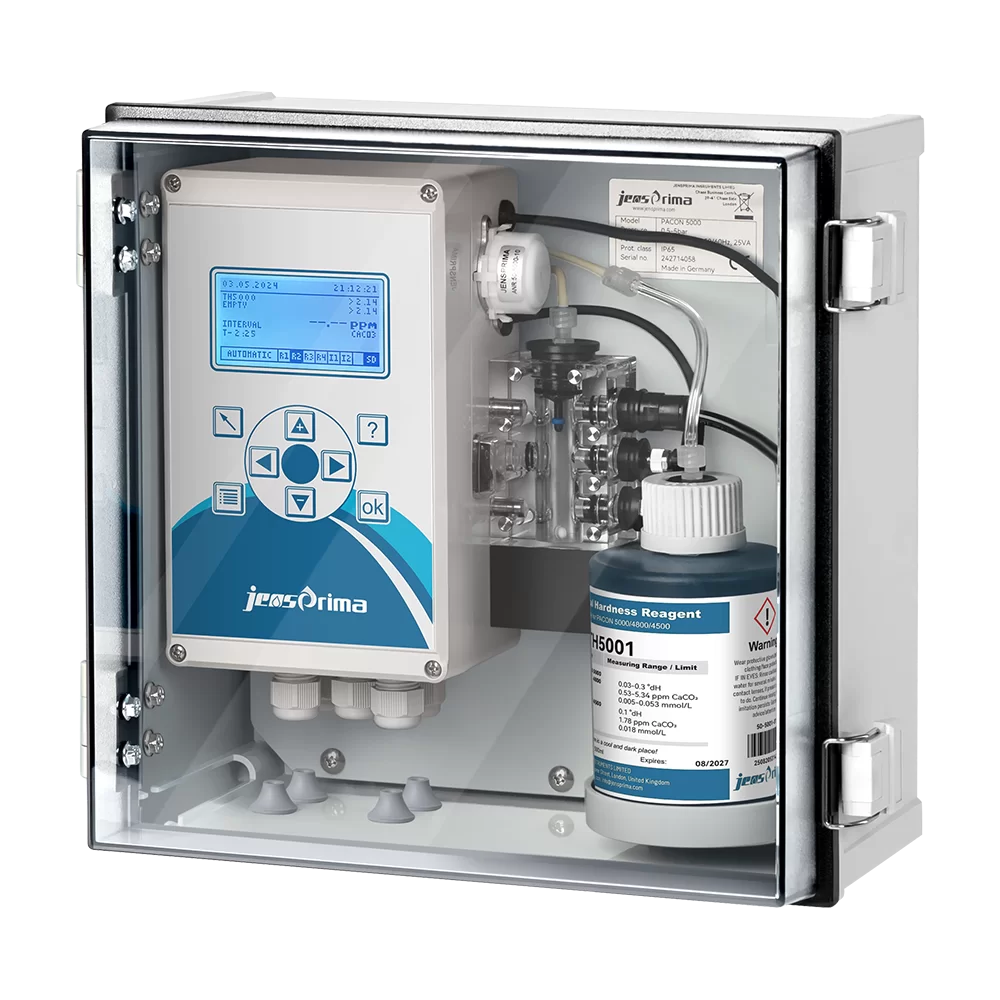
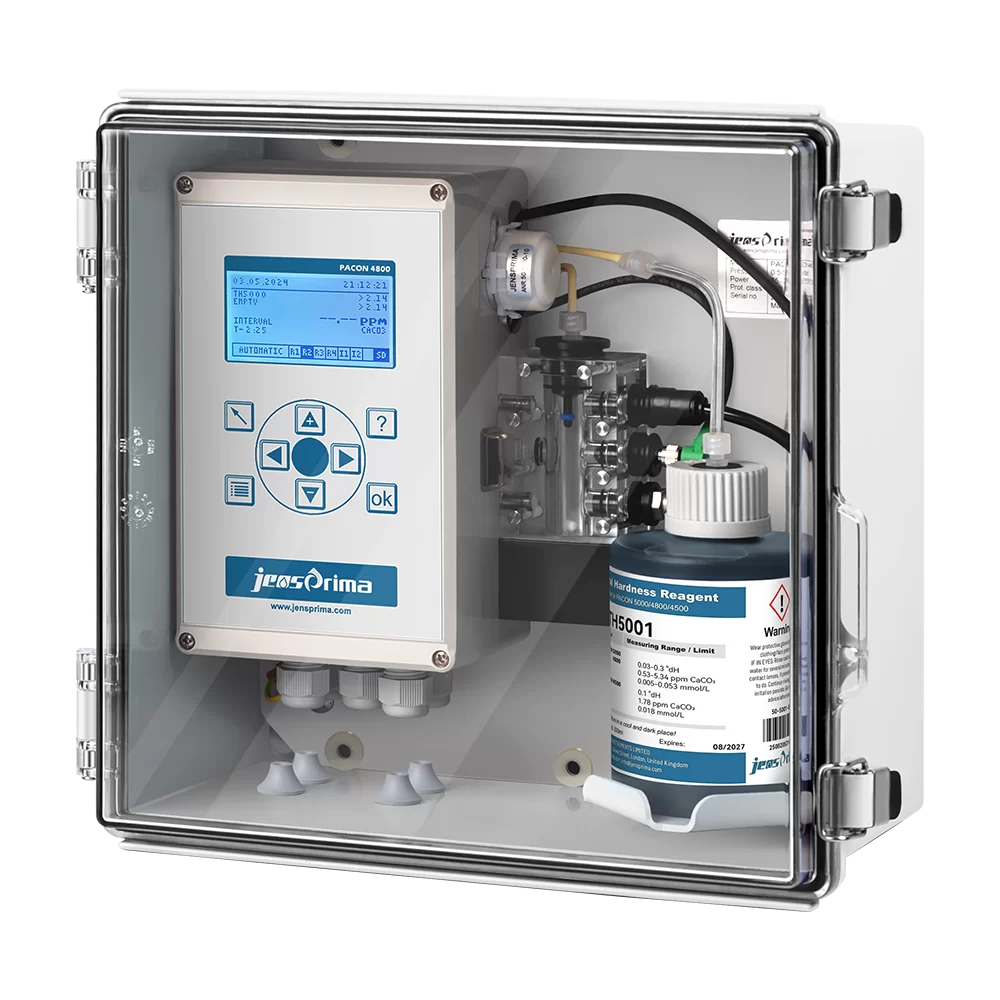
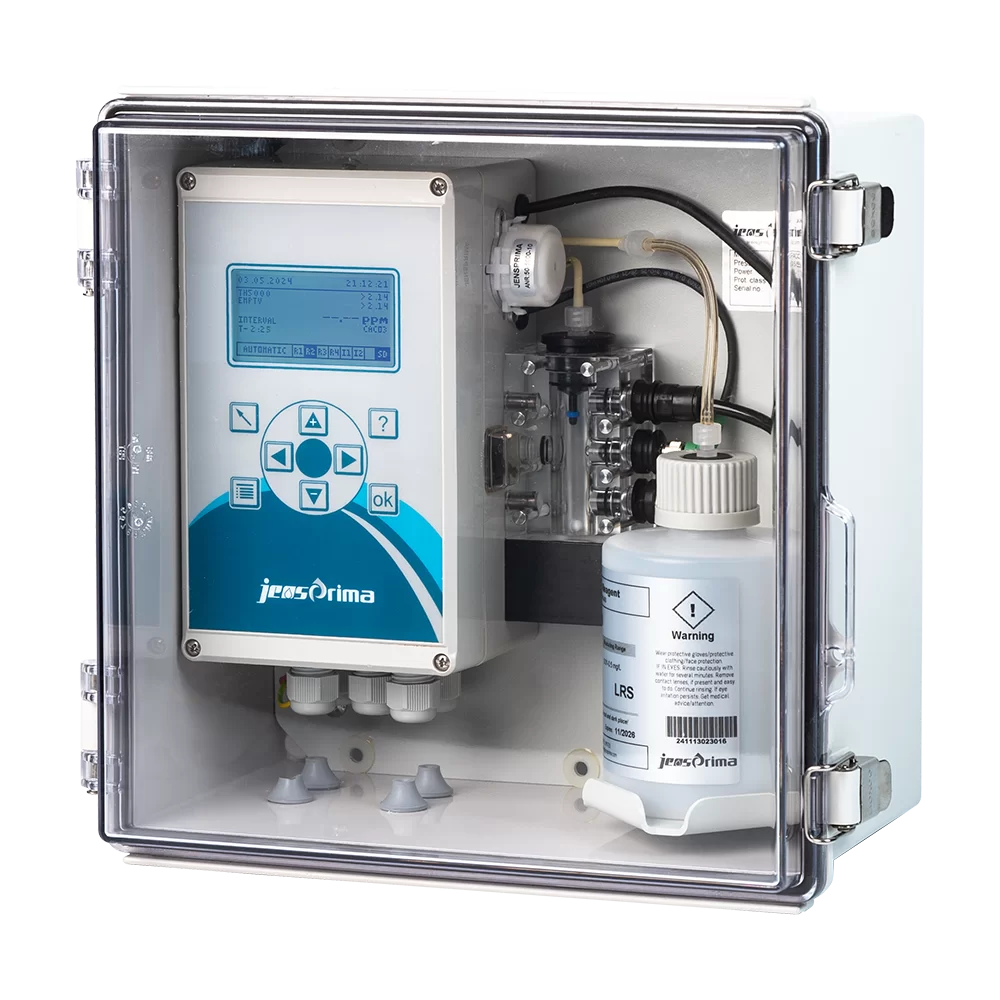
Advanced Water Analysis Solutions with total hardness analyzer for Germany

Precision monitoring for industrial wastewater and municipal drinking water networks in compliance with German DIN and EU standards.

Advanced Water Analysis Solutions with total hardness analyzer for Germany

Providing German industries with high-precision, automated water quality monitoring systems to ensure environmental compliance and operational efficiency.

Water Quality Monitoring Landscape in Germany

The intersection of strict environmental regulations and industrial excellence.

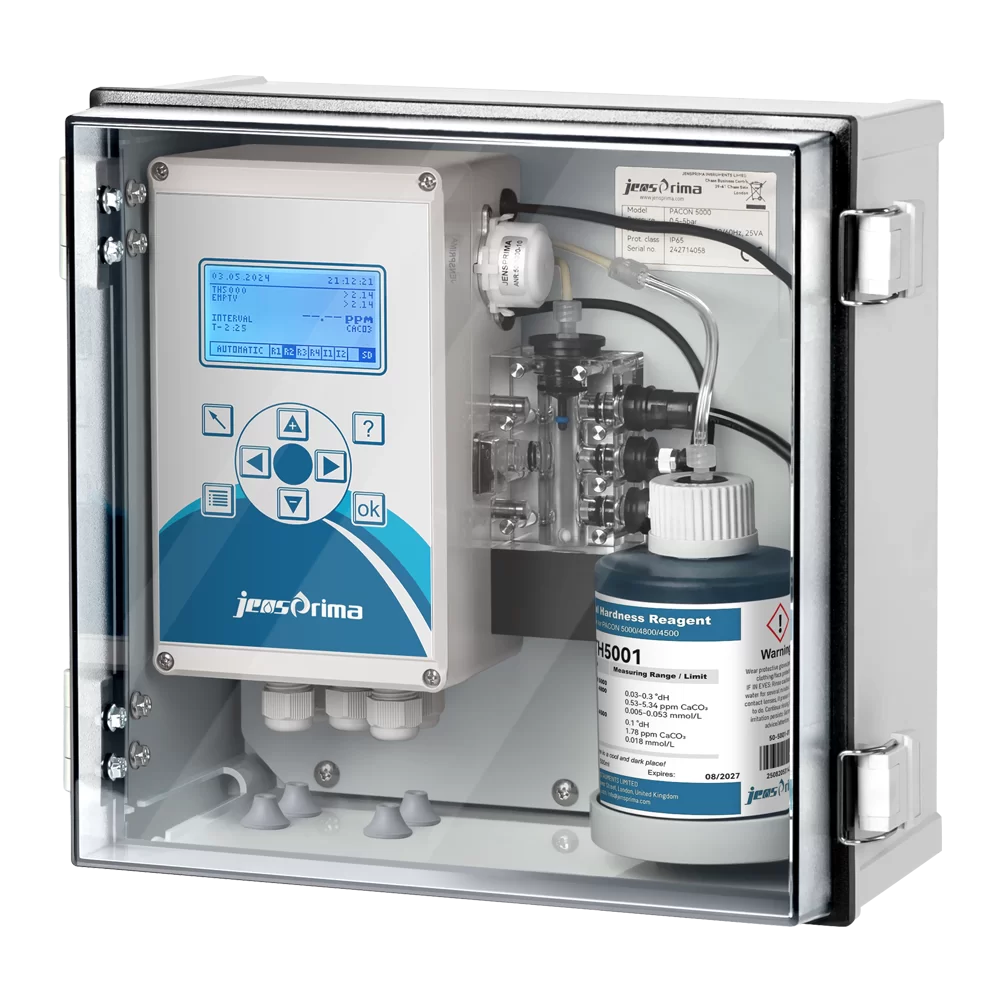
Germany maintains some of the world's most stringent water protection laws (Wasserhaushaltsgesetz), requiring industrial plants to implement real-time monitoring. The prevalence of hard water in regions like Bavaria increases the demand for a reliable total hardness analyzer to prevent scaling in high-pressure boilers and cooling systems.

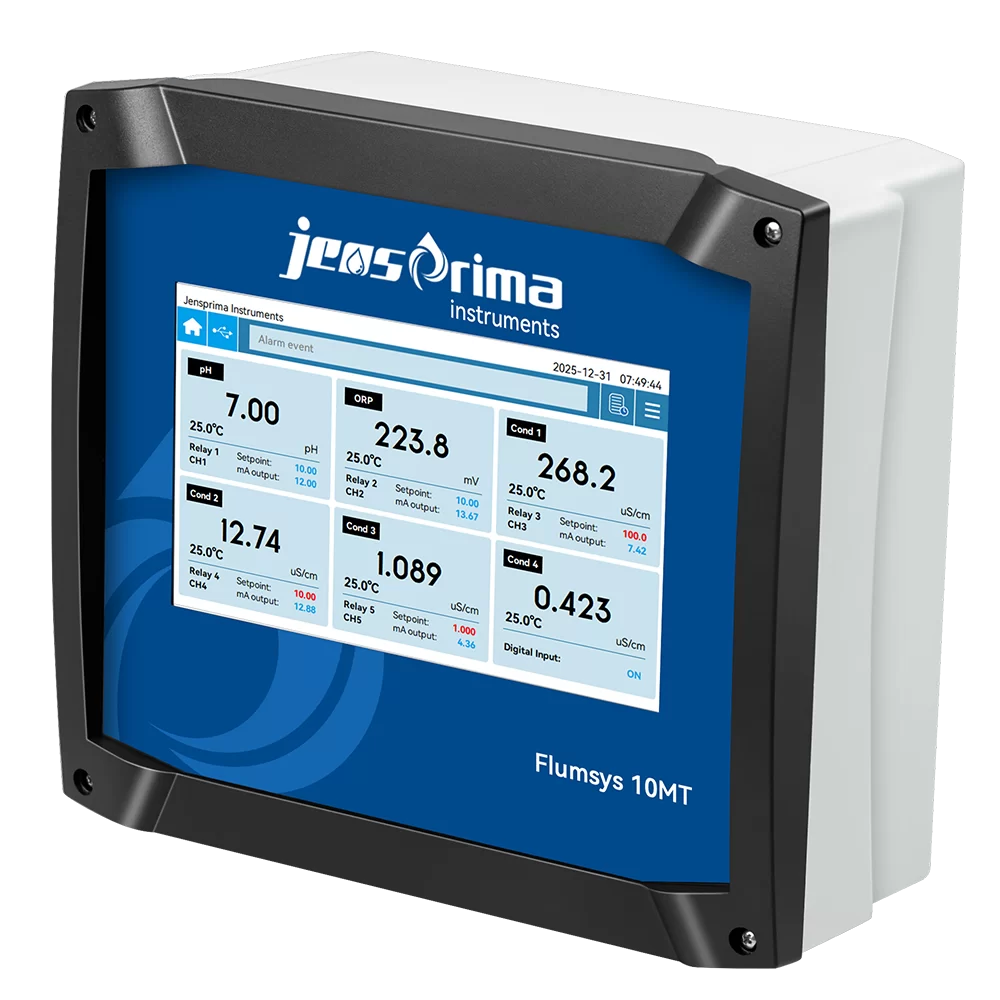
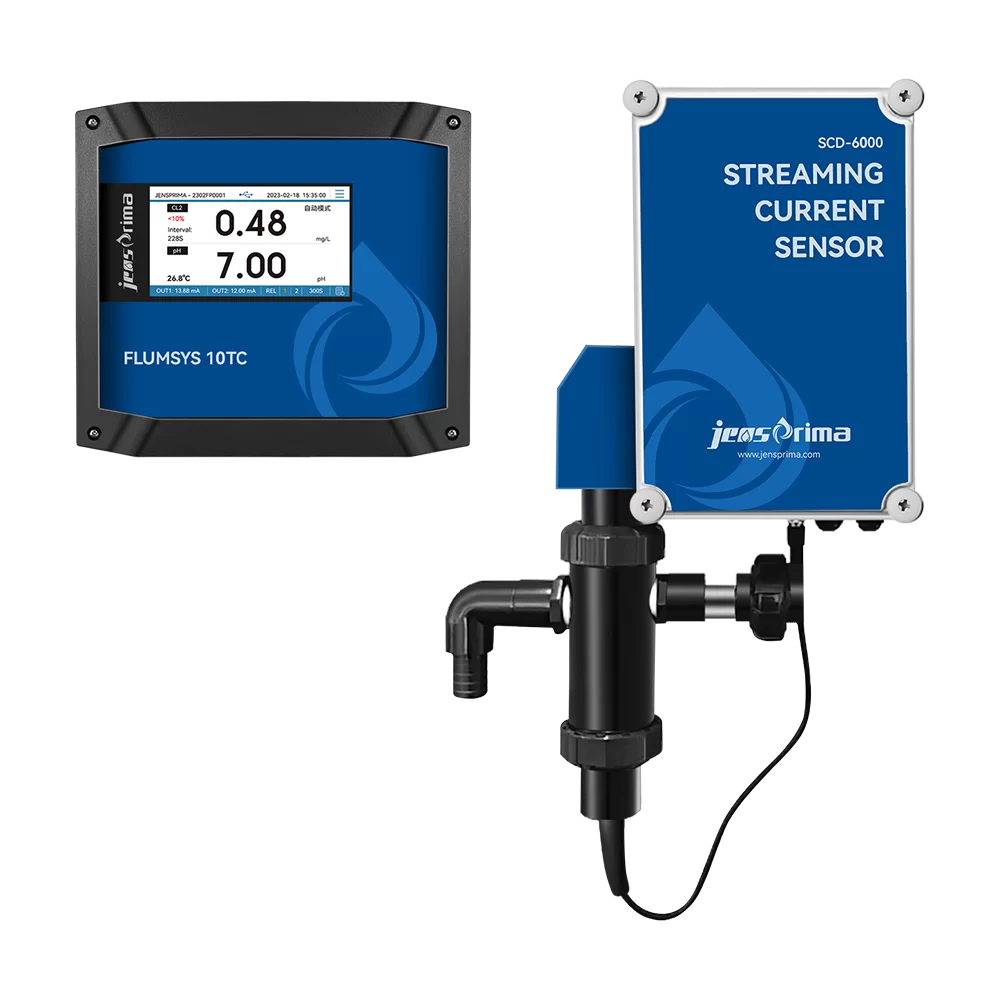
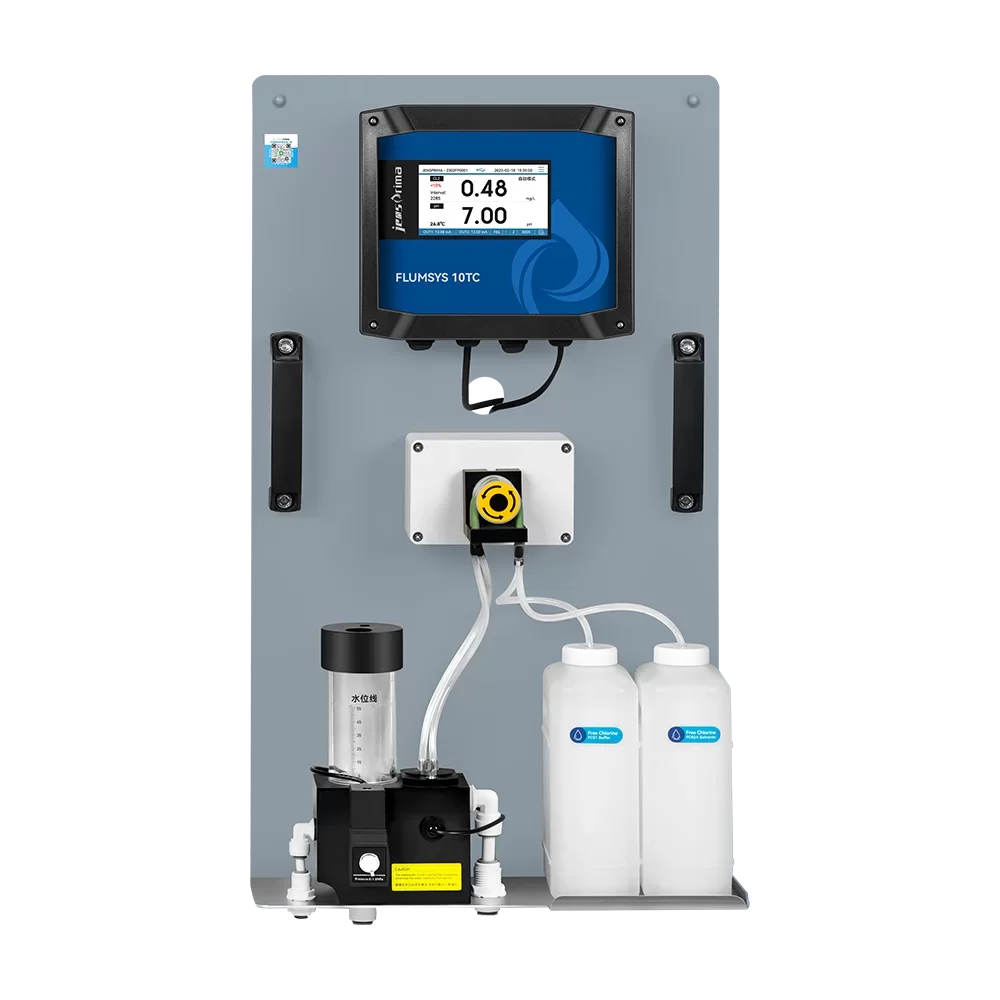
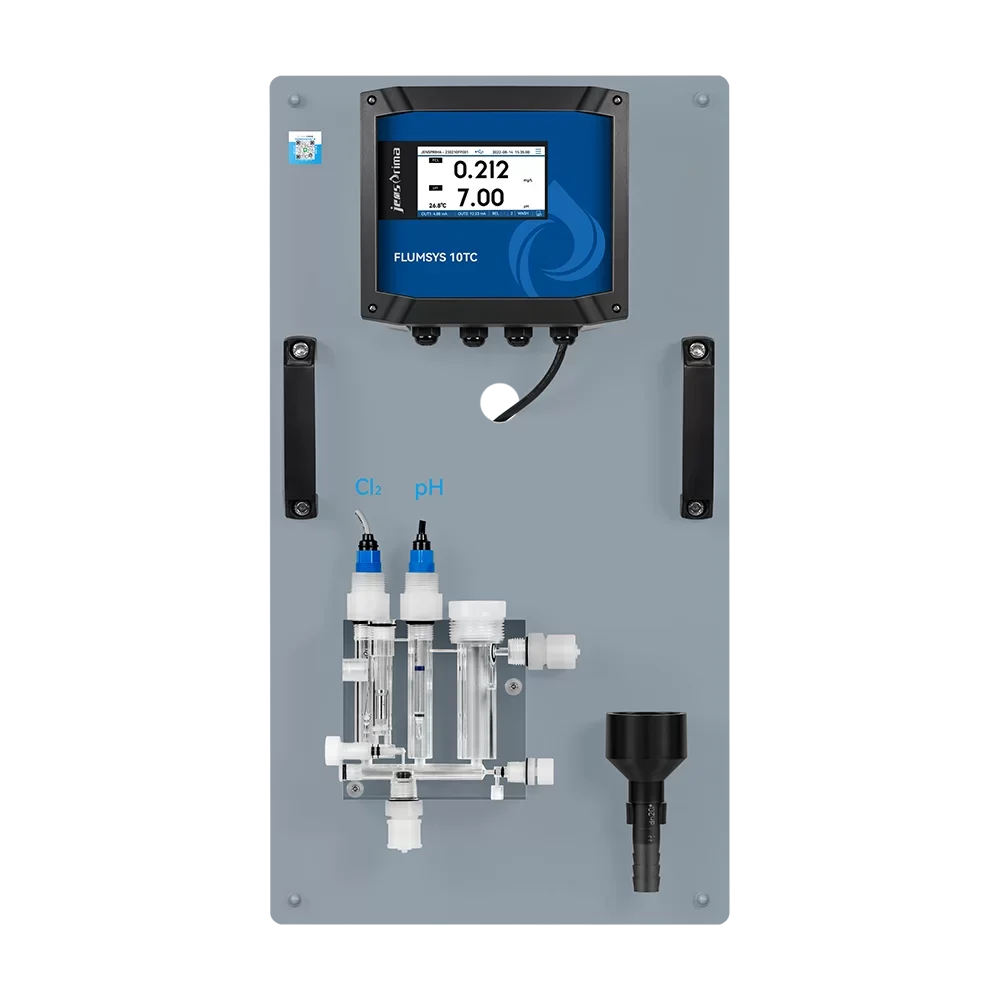
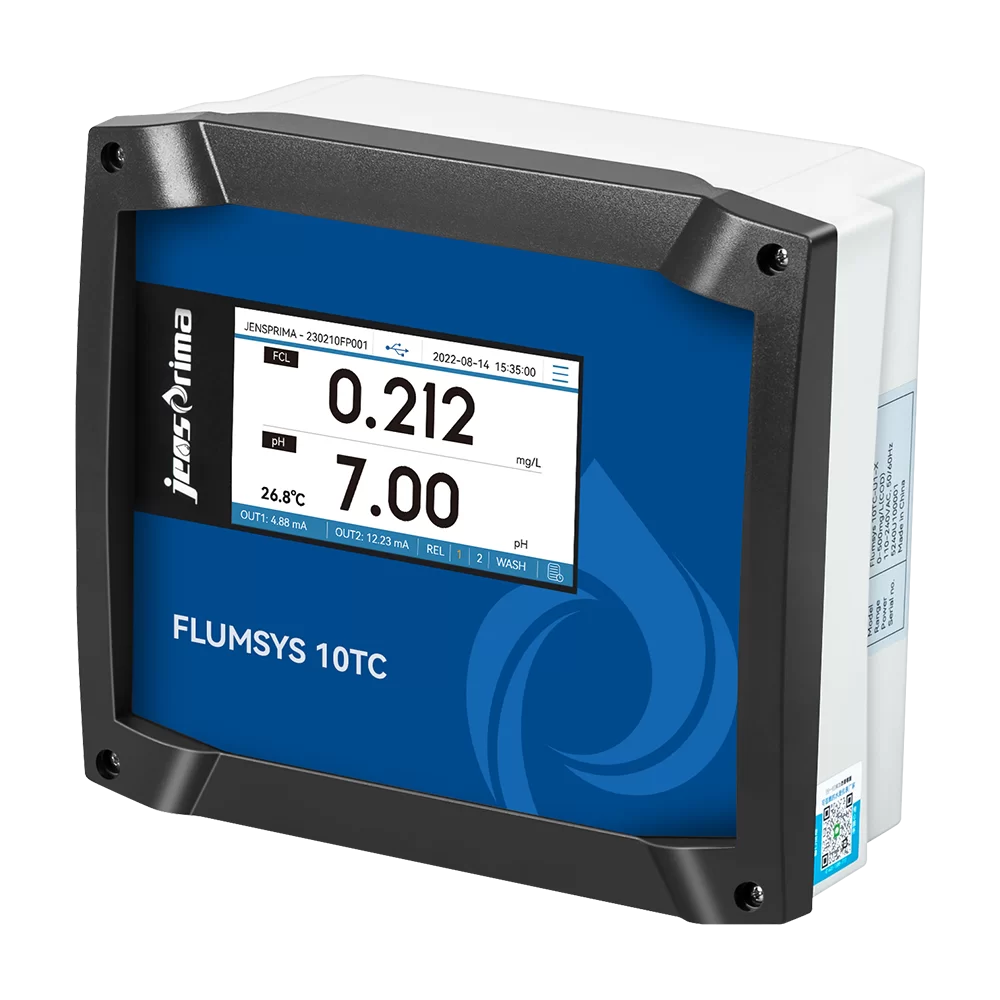
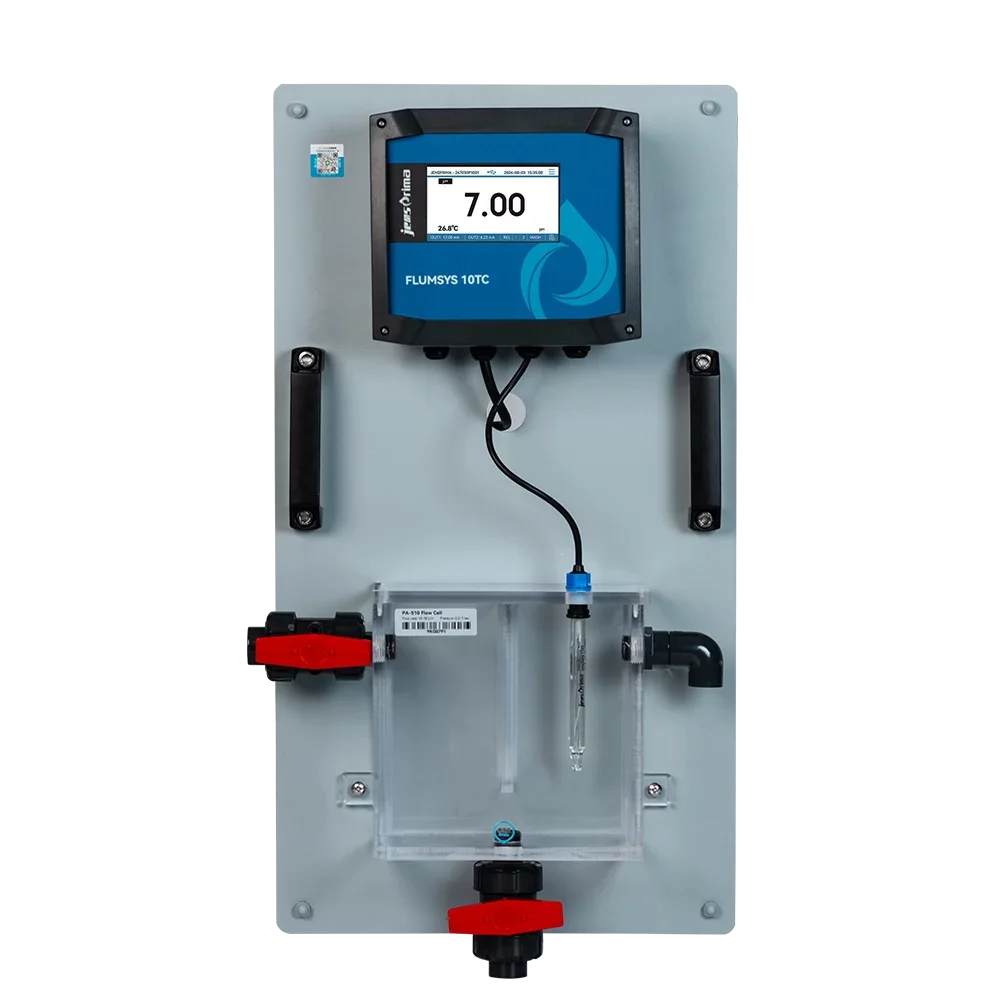
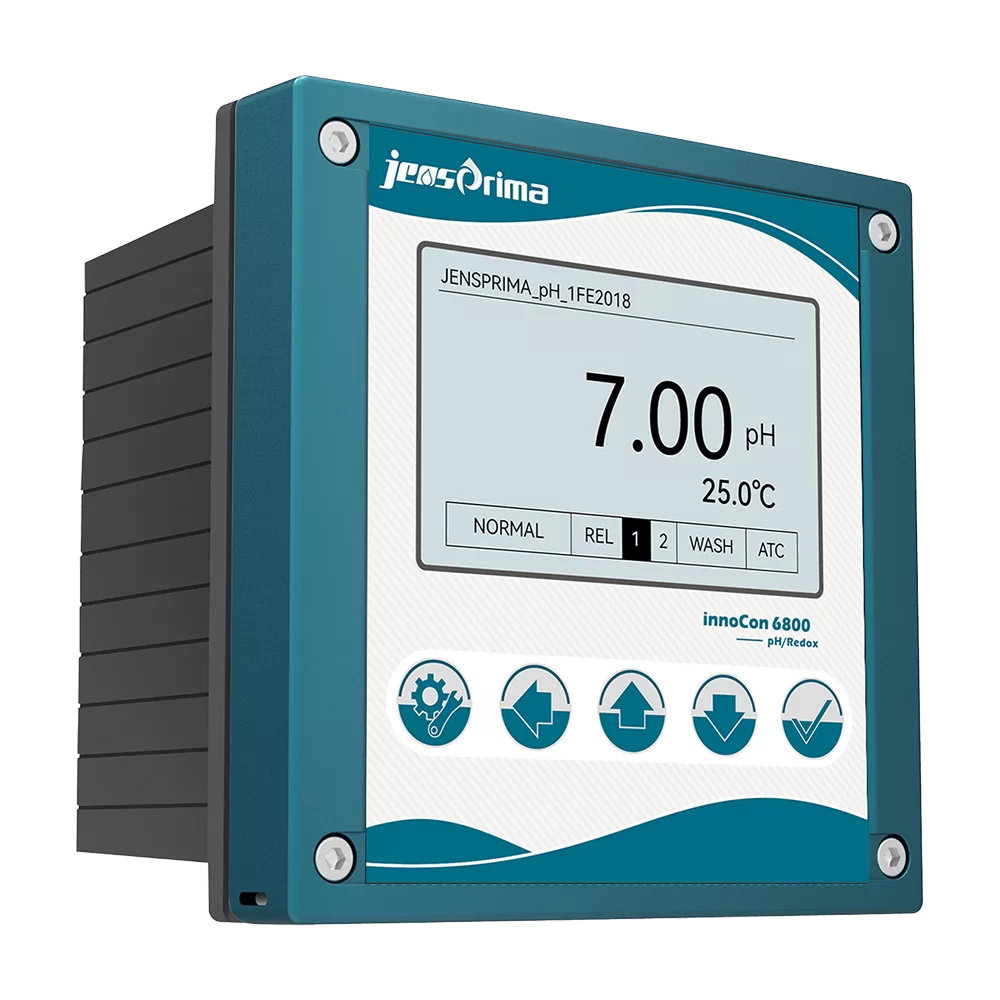
With a heavy focus on the "Industrie 4.0" framework, German manufacturers are transitioning from manual sampling to integrated multi parameter water quality analyzer systems. This shift reduces human error and provides the millisecond-level data required for automated process control in chemical and pharmaceutical sectors.

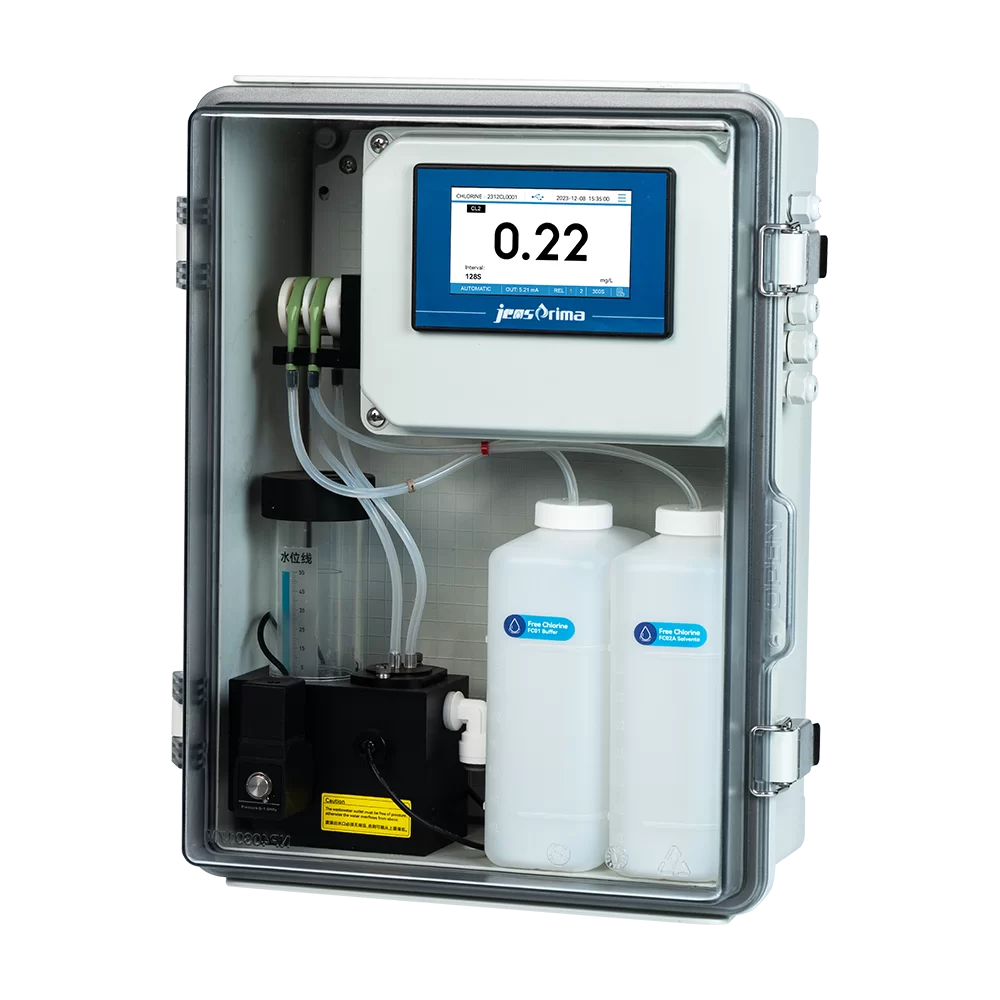
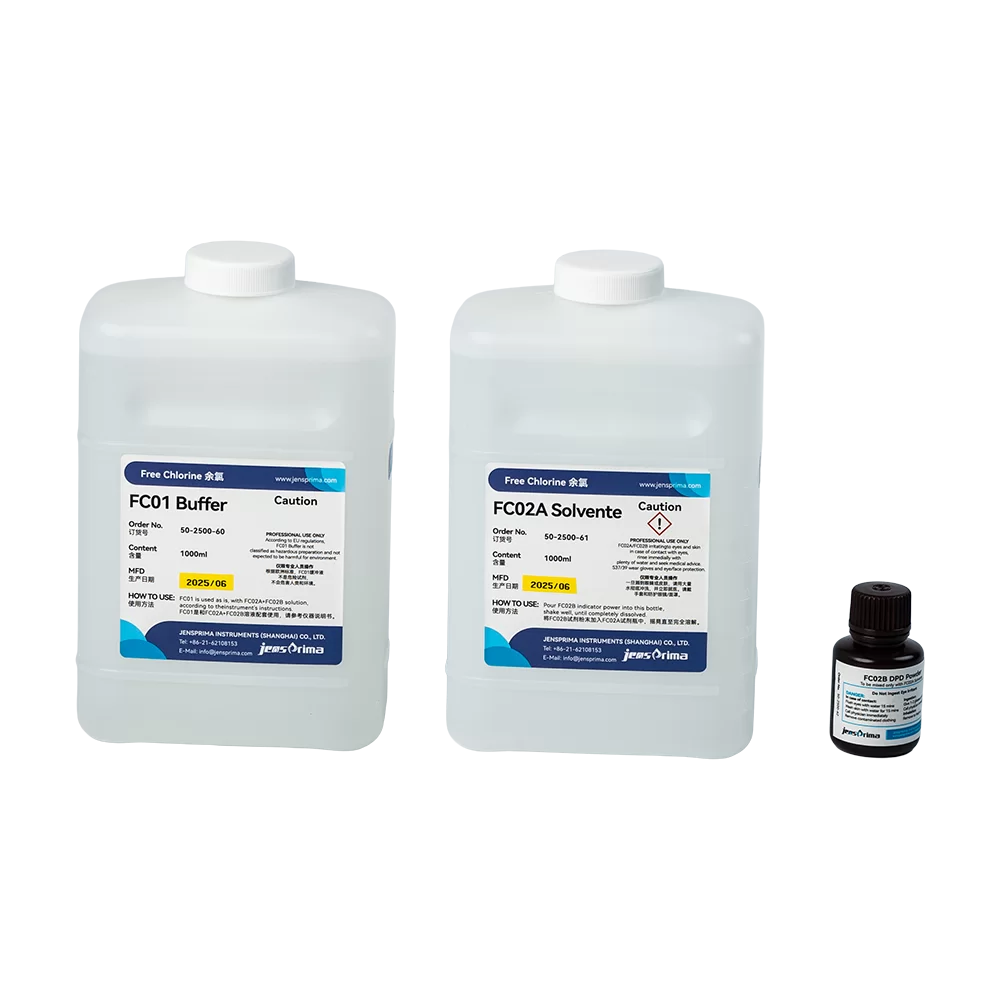
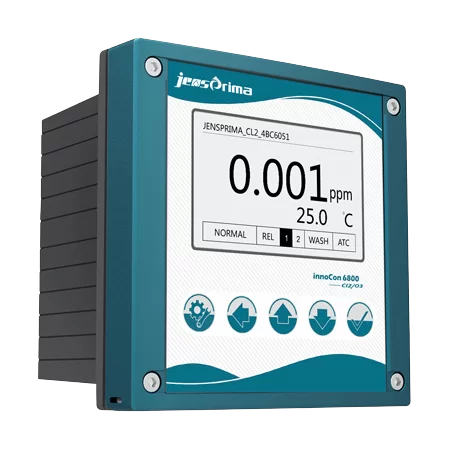
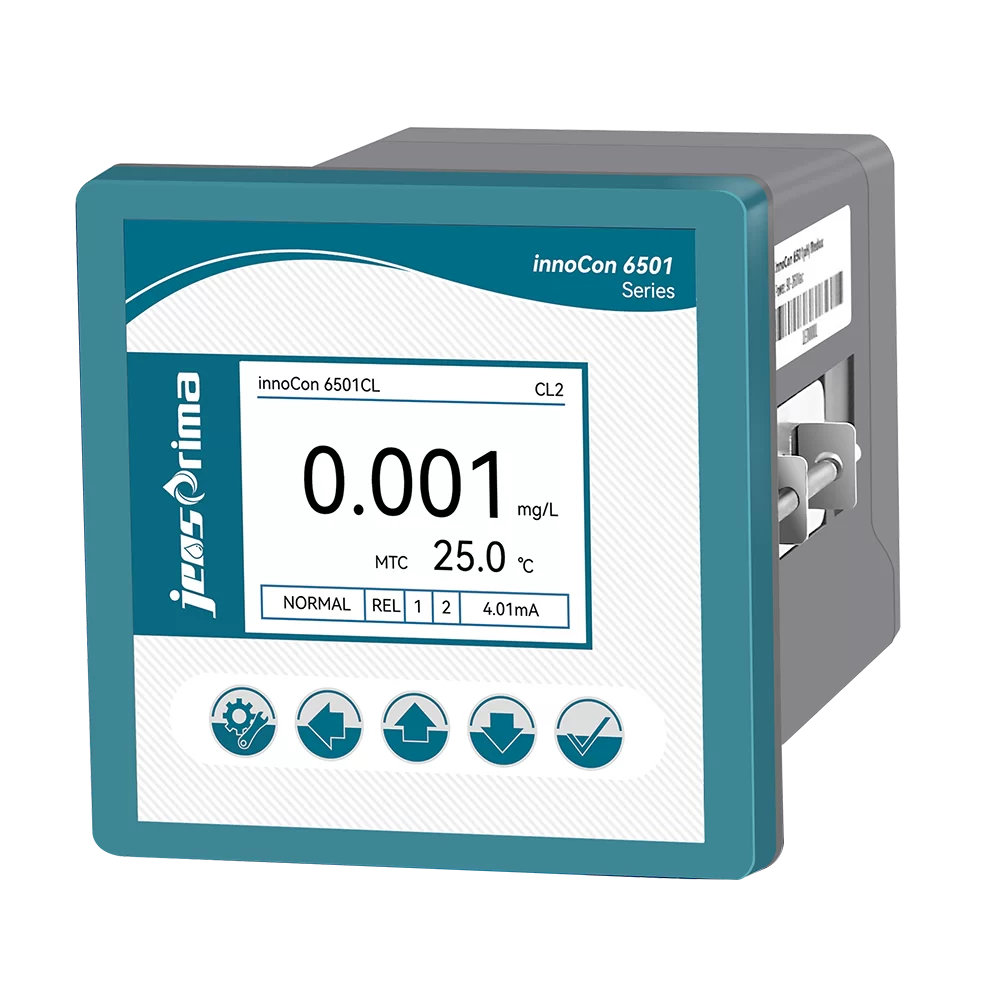
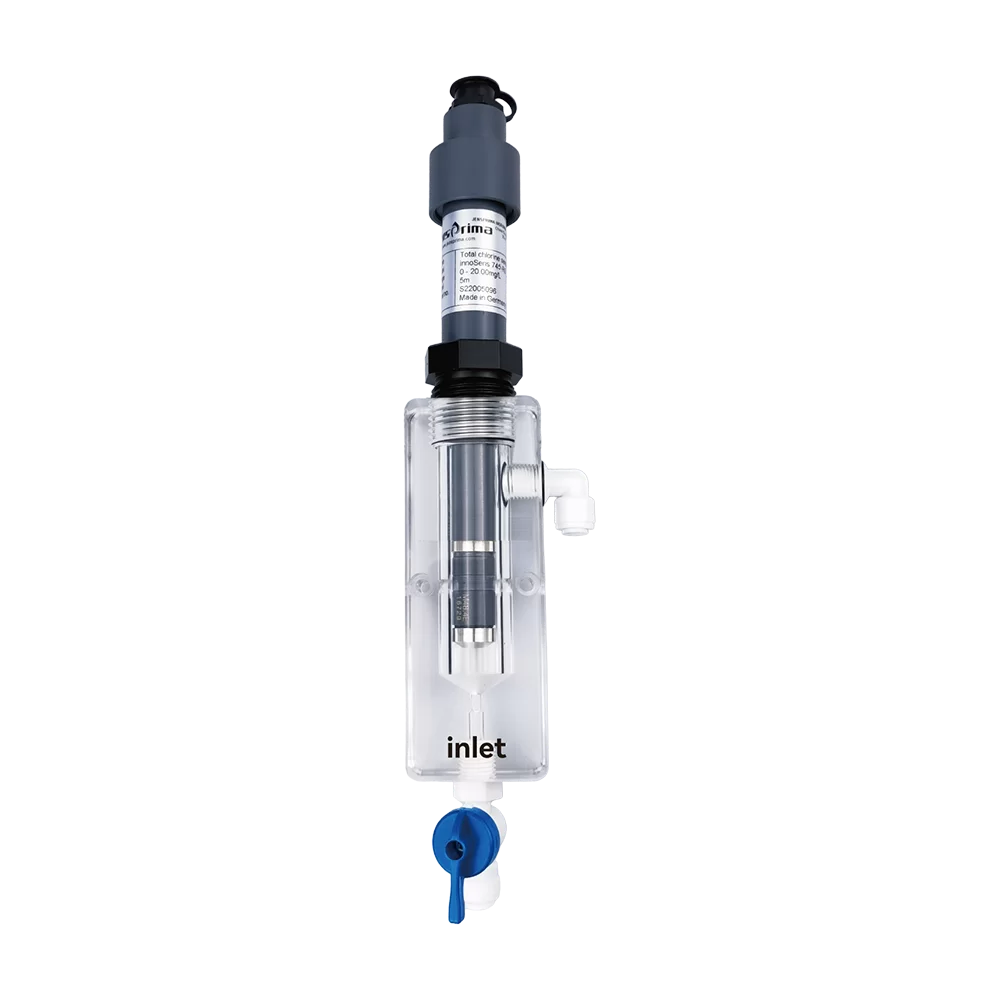
Furthermore, the management of municipal water supplies in urban centers like Berlin and Munich necessitates the precise use of a residual chlorine controller to ensure hygiene while minimizing disinfection by-products, balancing public health with ecological sustainability.

Evolution of Water Analysis Technology

From basic chemical titration to intelligent online sensing.

Market Development History

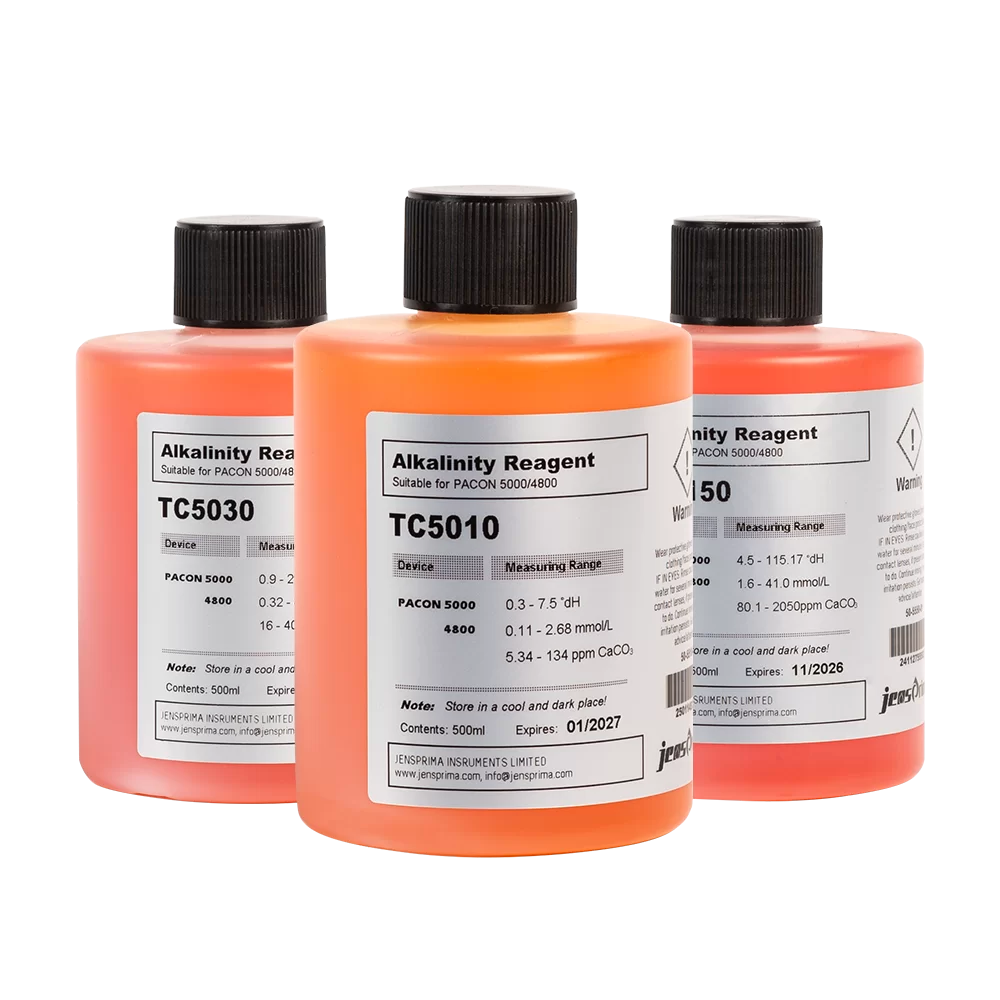
In the 1980s and 90s, water monitoring in Germany relied heavily on laboratory-based titration and offline analysis. Monitoring an alkalinity analyzer meant manual reagents and hours of waiting for results, which often led to delayed reactions to water quality spikes.

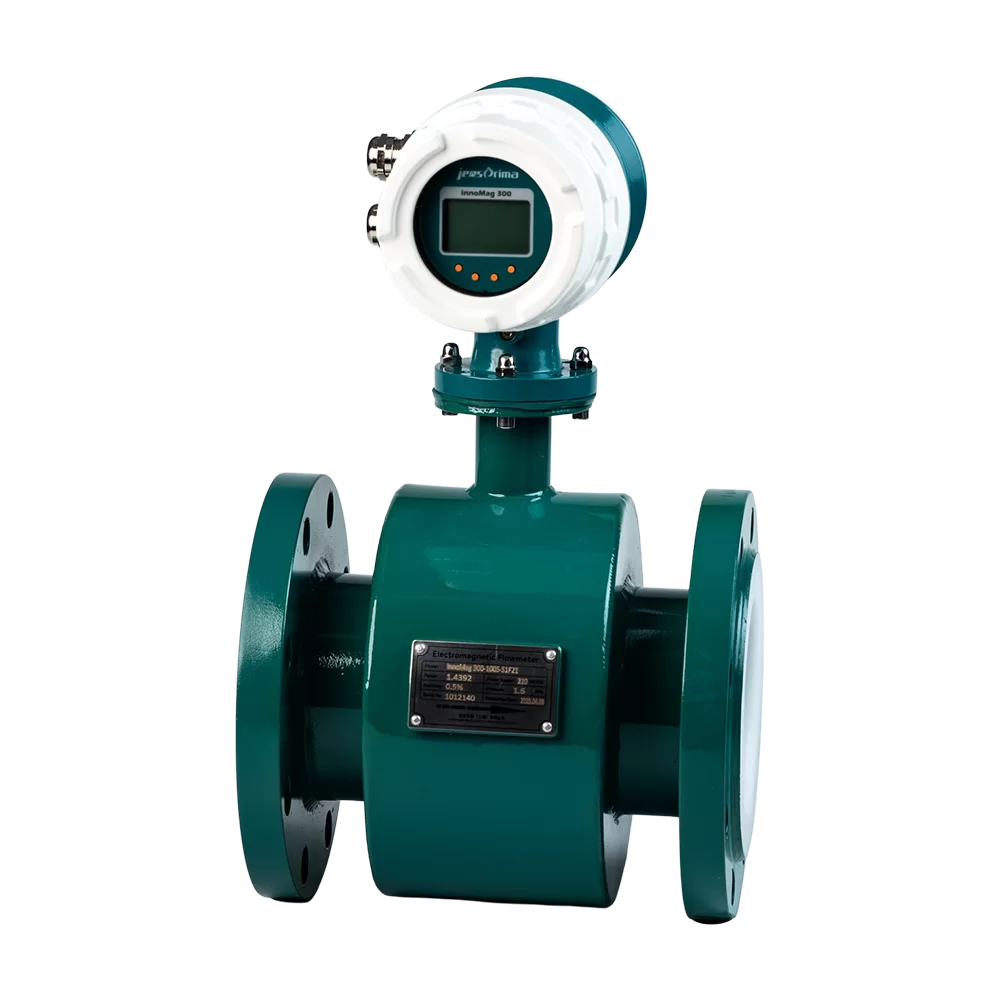
By the 2010s, the introduction of digital sensors and Modbus communication allowed for the first wave of online monitoring. The deployment of the electromagnetic flowmeter became standard for precise billing and leakage detection in German municipal networks, replacing mechanical meters.

From 2020 onwards, the focus shifted toward "Smart Water." Integration of IoT and AI has enabled predictive maintenance for analyzers, where sensors can now self-diagnose calibration drift, ensuring that German environmental agencies receive highly accurate, unmanipulated data.

Future Development Trends

AI-Driven Predictive Calibration

Moving toward zero-maintenance sensors that utilize machine learning to adjust for sensor fouling without requiring manual intervention.

Miniaturization of Reagent-Based Systems

Developing micro-fluidic versions of the alkalinity and hardness analyzers to reduce chemical waste and footprint in compact German plant rooms.

Hyper-Integration of Multi-Sensing

The evolution toward a single probe capable of measuring ten or more parameters simultaneously, reducing the installation cost of multi-parameter systems.

Industry Trends and Future Outlook

Strategic technological pivots for the next 5 years.

Digital Twin Integration
Creating virtual replicas of water networks to simulate the impact of pollutant spikes before they hit the plant.
Edge Computing Analysis
Processing water quality data at the sensor level to trigger immediate emergency shut-off valves.
Green Chemistry Reagents
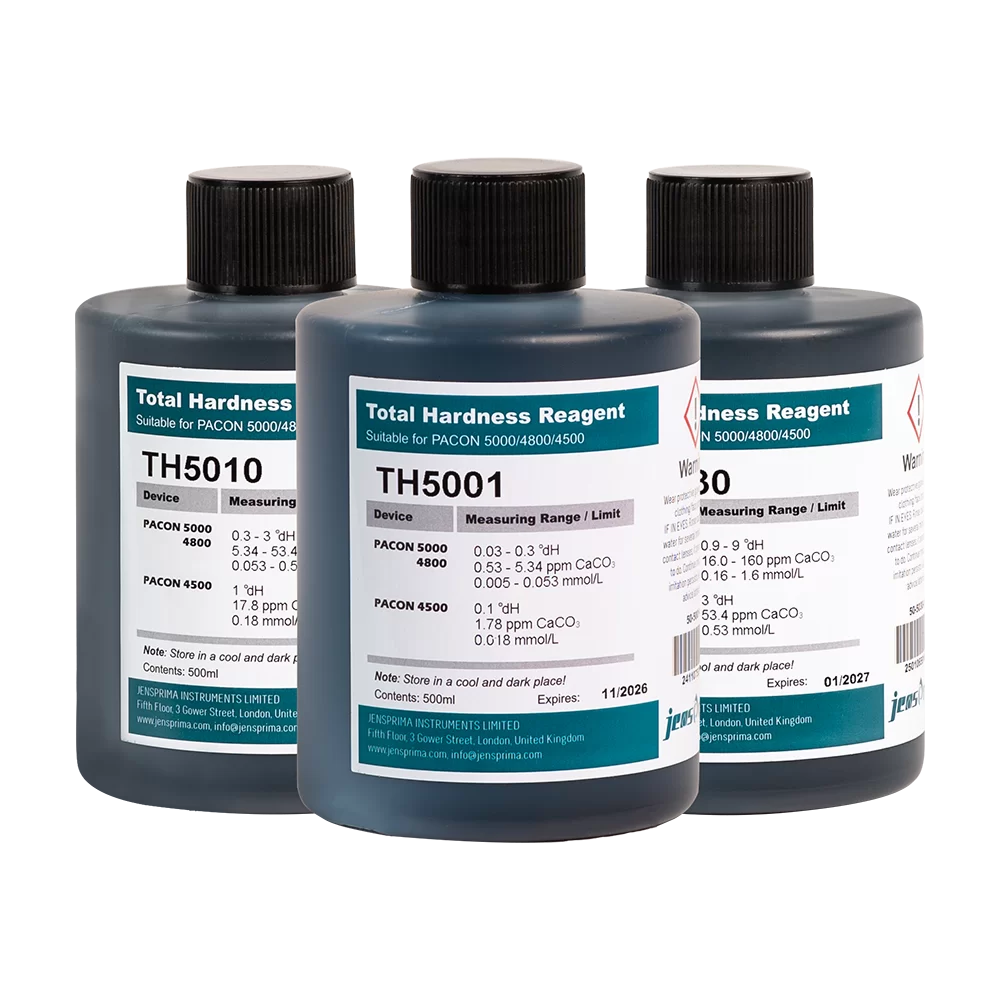
Replacing hazardous chemicals in alkalinity and hardness analysis with biodegradable, eco-friendly alternatives.
Circular Water Economy
Using high-precision flow and quality analyzers to enable 100% water recycling in industrial loops.

Industry Outlook

Google search trends indicate a rising interest in "autonomous water monitoring" within the DACH region. This suggests that the market is moving away from simple data collection toward autonomous decision-making systems that can adjust dosing pumps without human input.

The convergence of the EU Green Deal and German national sustainability targets will drive a massive upgrade cycle for existing infrastructure, making the integration of multi-parameter sensors a necessity rather than a luxury for industrial compliance.

Localized Application Scenarios in Germany

Real-world implementations across diverse German industrial sectors.

1. Automotive Cooling Systems (Stuttgart/Wolfsburg)

Deploying total hardness analyzer units in closed-loop cooling towers to prevent calcium deposits, ensuring maximum heat exchange efficiency for engine production lines.

2. Rhine River Chemical Discharge Monitoring

Using a multi parameter water quality analyzer to monitor pH, conductivity, and dissolved oxygen in real-time to meet the strict environmental discharge permits of the Rhine basin.

3. Municipal Drinking Water Plants (Berlin)

Implementing a residual chlorine controller to maintain stable disinfection levels across the city's vast piping network, preventing bacterial regrowth during summer heatwaves.

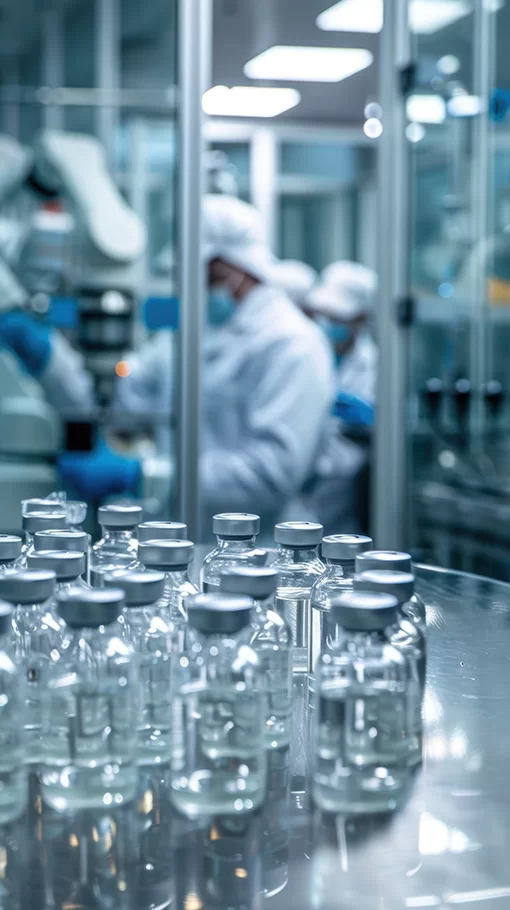
4. Pharmaceutical Process Water (Frankfurt)

Utilizing an alkalinity analyzer to ensure the purity of water used in drug formulation, where precise pH and alkalinity are critical for chemical stability.

5. Wastewater Treatment Plant Flow Control

Installing a high-accuracy electromagnetic flowmeter at the inlet of treatment plants to calculate organic load concentrations and optimize aeration energy consumption.

Brand Story

Global Development History of Jensprima (Shanghai) Co., Ltd.

Founding Vision

Established to bridge the gap between complex laboratory analysis and rugged industrial application, focusing on high-stability water quality sensors.

Technical Breakthrough

Developed proprietary electrode coatings that significantly reduced drift in harsh industrial environments, solving the common "maintenance nightmare" for engineers.

European Market Entry

Aligned our manufacturing standards with ISO and CE certifications to enter the demanding German and European markets, focusing on DIN compliance.

Smart Integration Phase

Launched the first generation of IoT-enabled controllers, allowing German plant managers to monitor water quality remotely via encrypted cloud platforms.

Sustainable Future

Committed to the "Zero Pollution" initiative, developing reagent-free sensors to reduce the environmental footprint of water analysis globally.

Complete Water Analysis Portfolio for Germany

Integrated hardware and software solutions for the most demanding industrial water standards.

Frequently Asked Questions in Germany

Expert answers to common technical and regulatory queries.

How does a multi parameter water quality analyzer ensure DIN compliance in Germany?

Our analyzers are designed to meet DIN and ISO standards by utilizing calibrated sensors with traceable certificates and implementing rigorous data logging that meets German audit requirements.

What is the typical maintenance cycle for an online total hardness analyzer in industrial use?

Depending on water turbidity, we recommend a calibration check every 2-4 weeks and reagent replenishment monthly. Our automated cleaning systems extend this interval significantly.

Can a residual chlorine controller be integrated into existing SCADA systems?

Yes, our controllers support 4-20mA analog outputs and digital protocols such as Modbus TCP/IP and PROFINET, ensuring seamless integration with Siemens and other common German PLC systems.

How does an electromagnetic flowmeter handle highly corrosive industrial wastewater?

We utilize PTFE or PFA liners and Hastelloy electrodes to ensure the meter remains impervious to aggressive chemicals, providing long-term stability in German chemical parks.

Is the alkalinity analyzer suitable for high-salinity brine applications?

Our alkalinity analyzers feature advanced interference compensation and robust sampling valves specifically designed to handle high-salinity fluids without clogging or signal drift.

What are the energy efficiency benefits of switching to digital water monitoring?

By implementing precise real-time control, plants can reduce chemical dosing by up to 20% and optimize pump speeds, contributing to the energy-saving goals of German industrial enterprises.

Request a Technical Consultation

Our experts are ready to help you optimize your water quality monitoring systems in Germany. Contact us for a tailored solution.

Contact Us Now
Service Repair Form
Tell us what issue you encountered, including any steps or symptoms.
  • Name
  • Email
  • Phone
  • Fault Description

If you are interested in our products, you can choose to leave your information here, and we will be in touch with you shortly.