

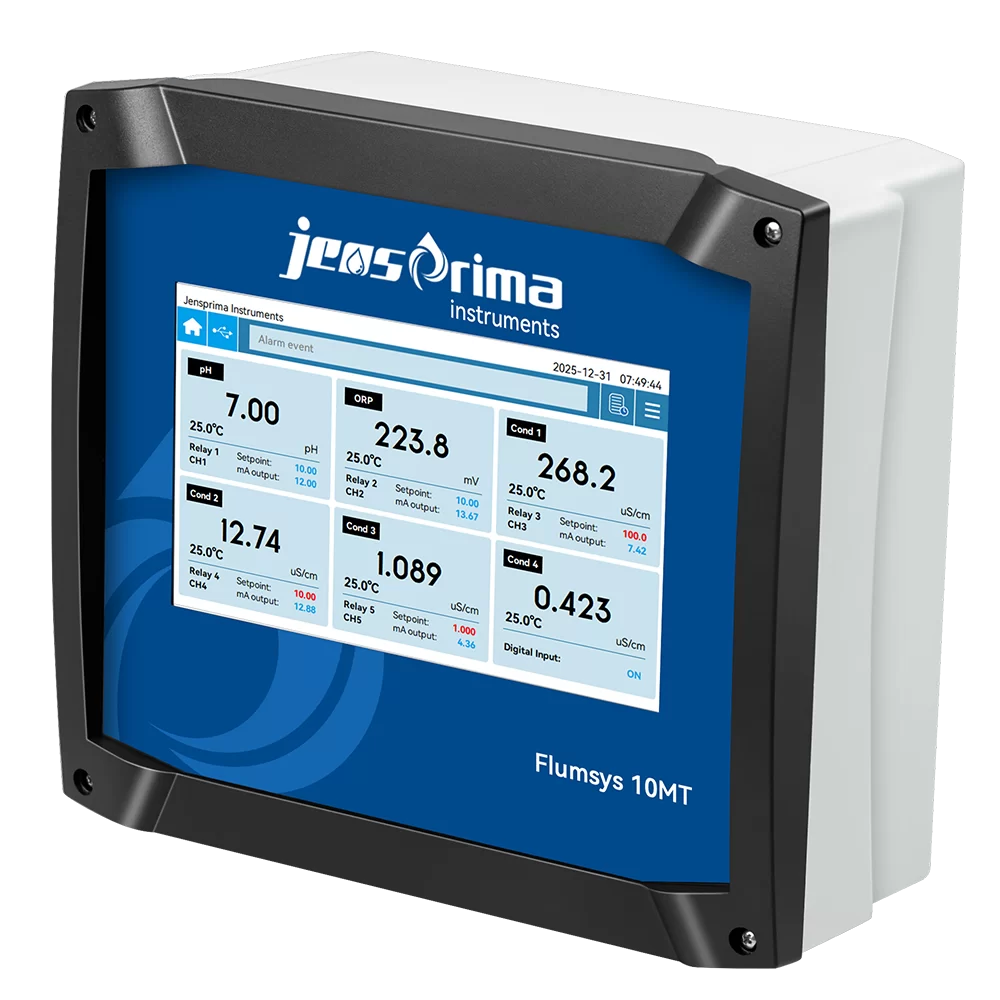
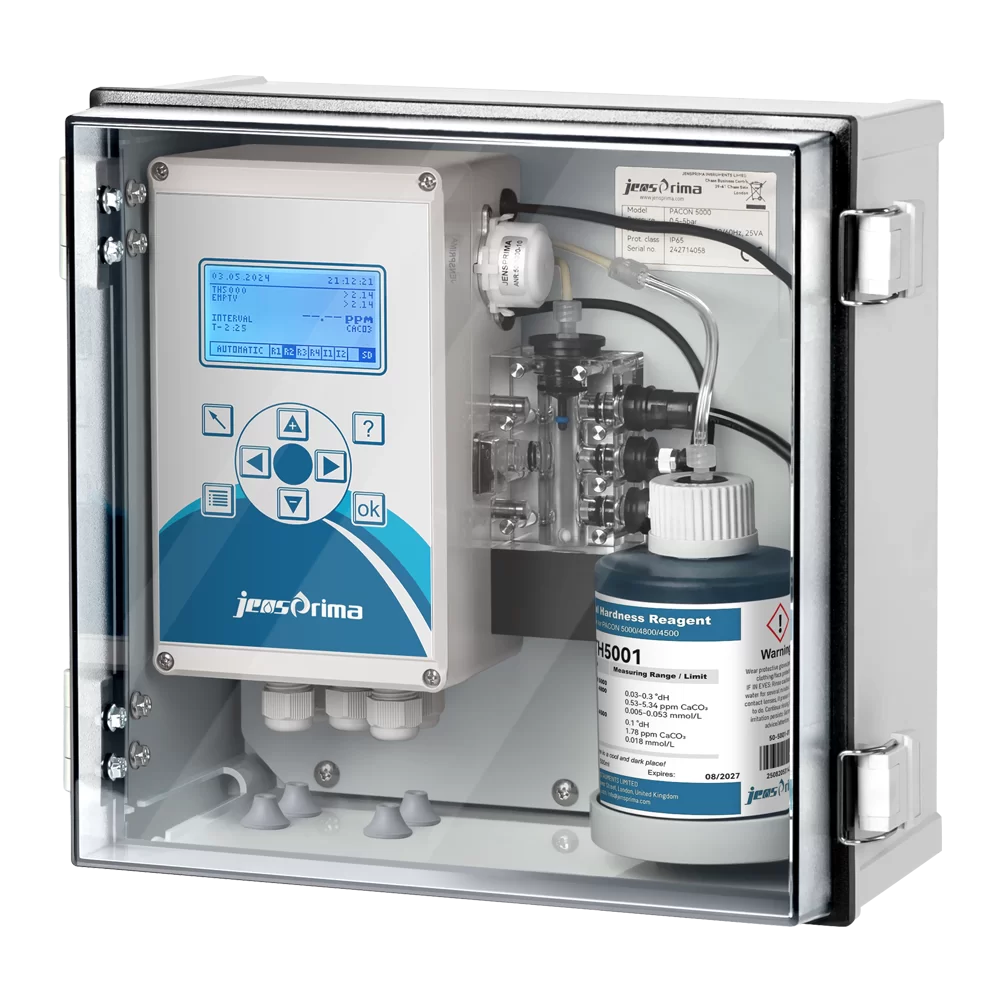
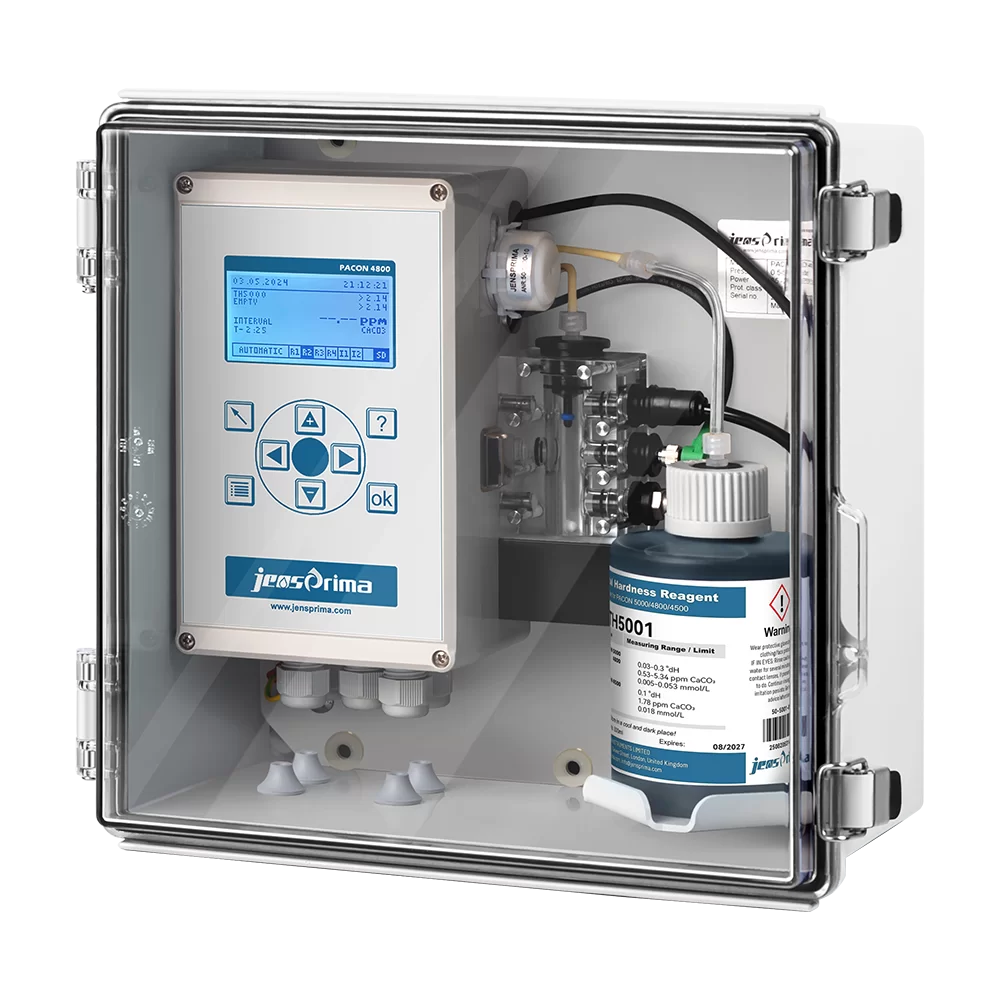
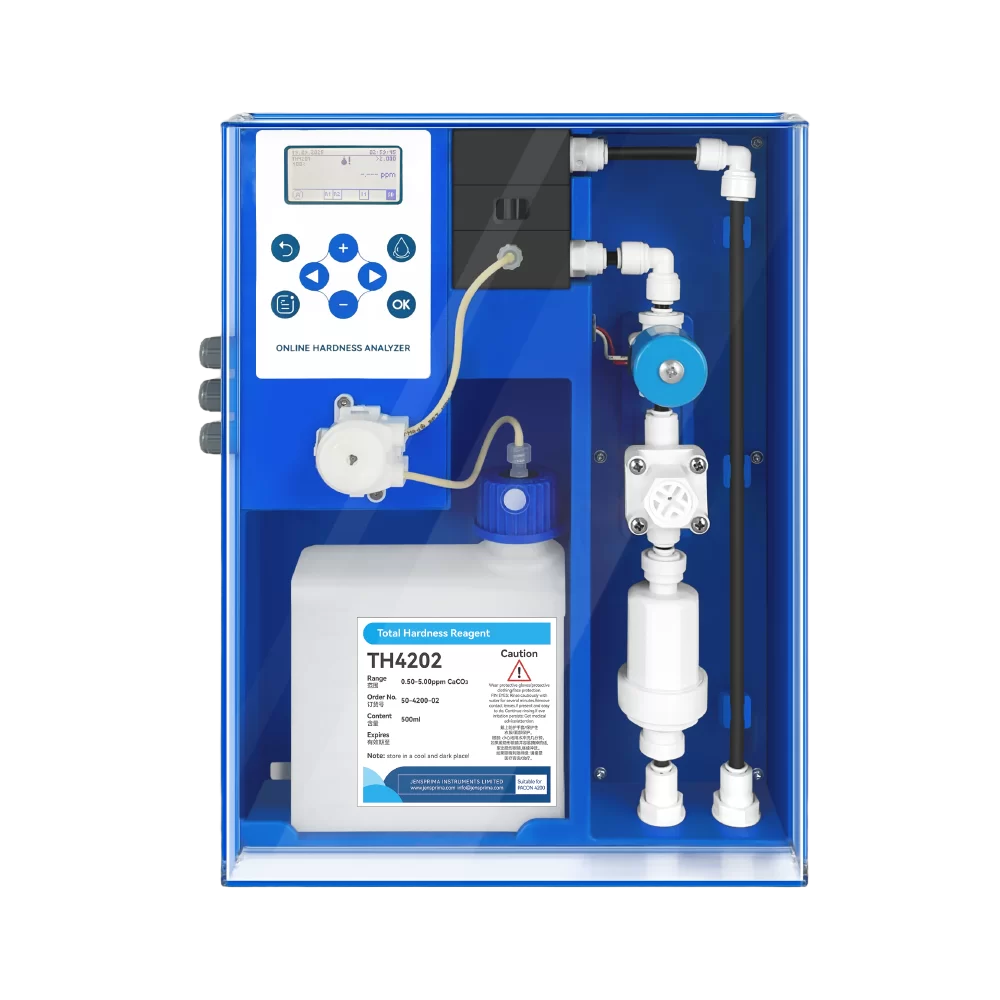
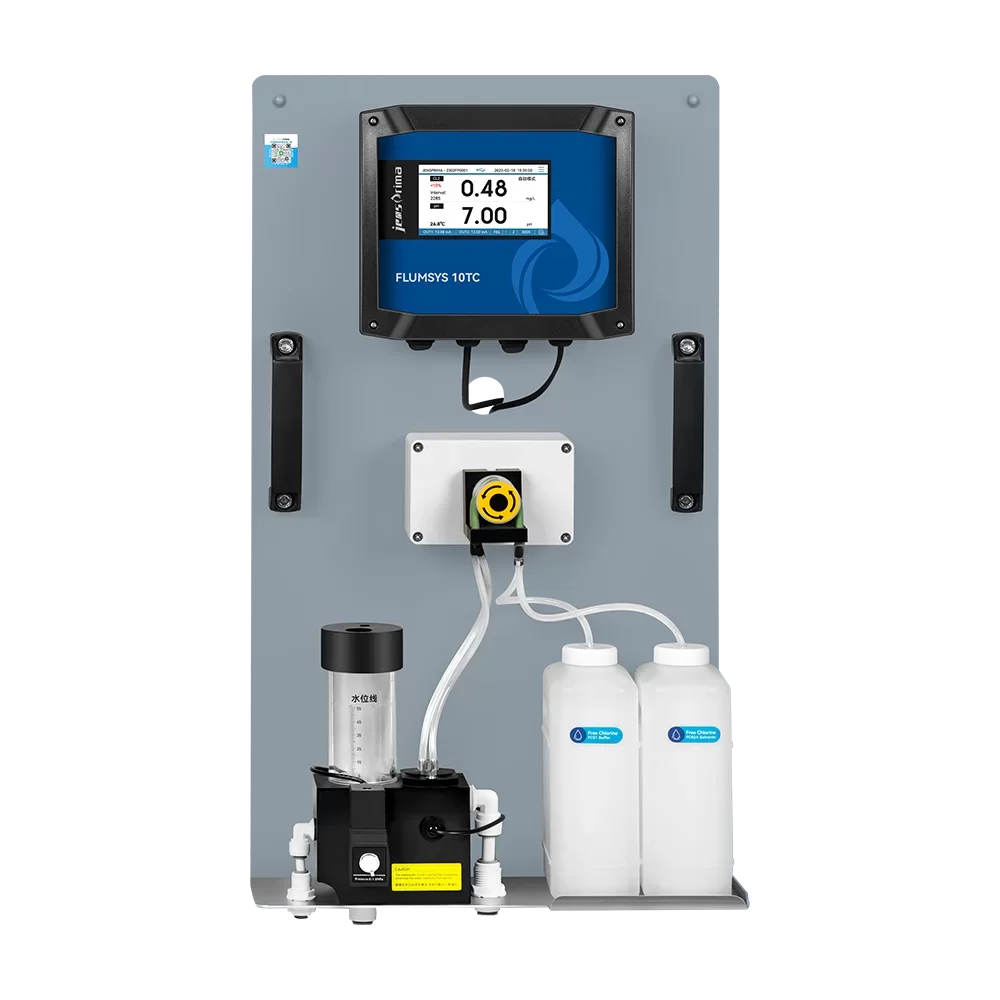
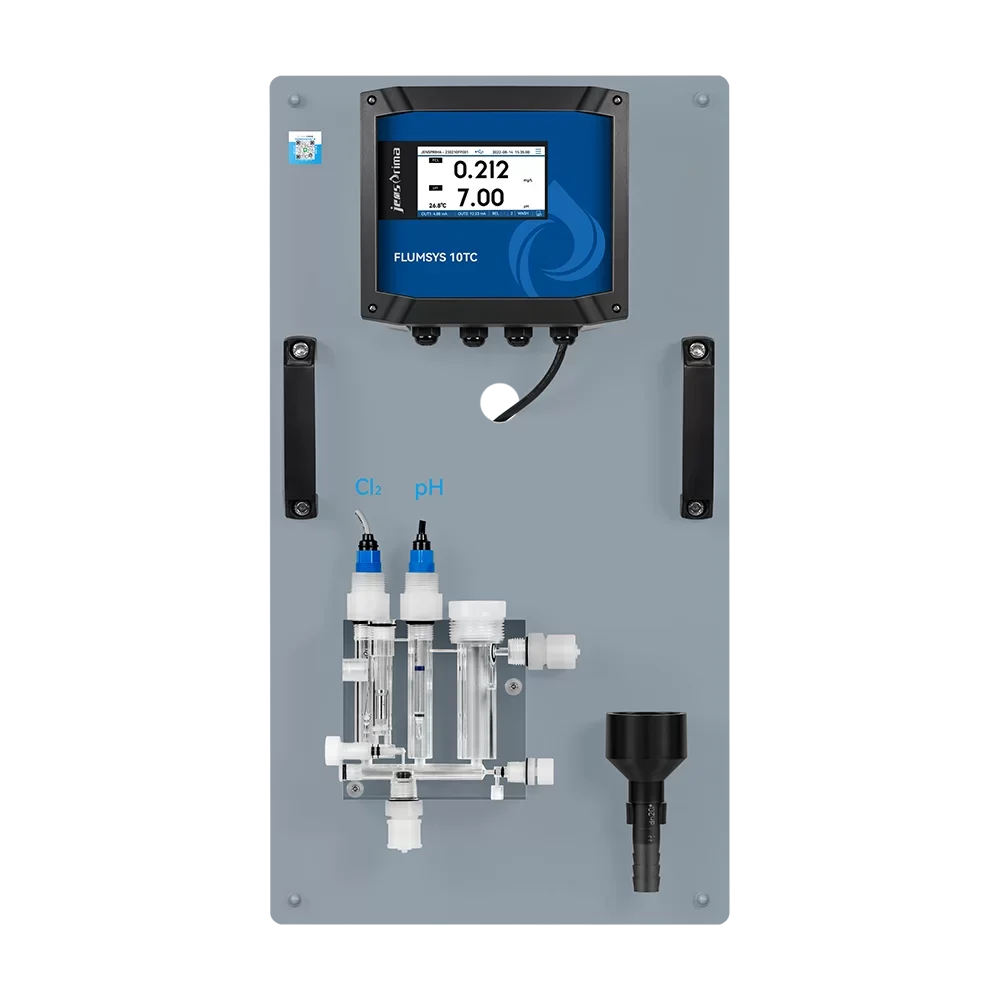
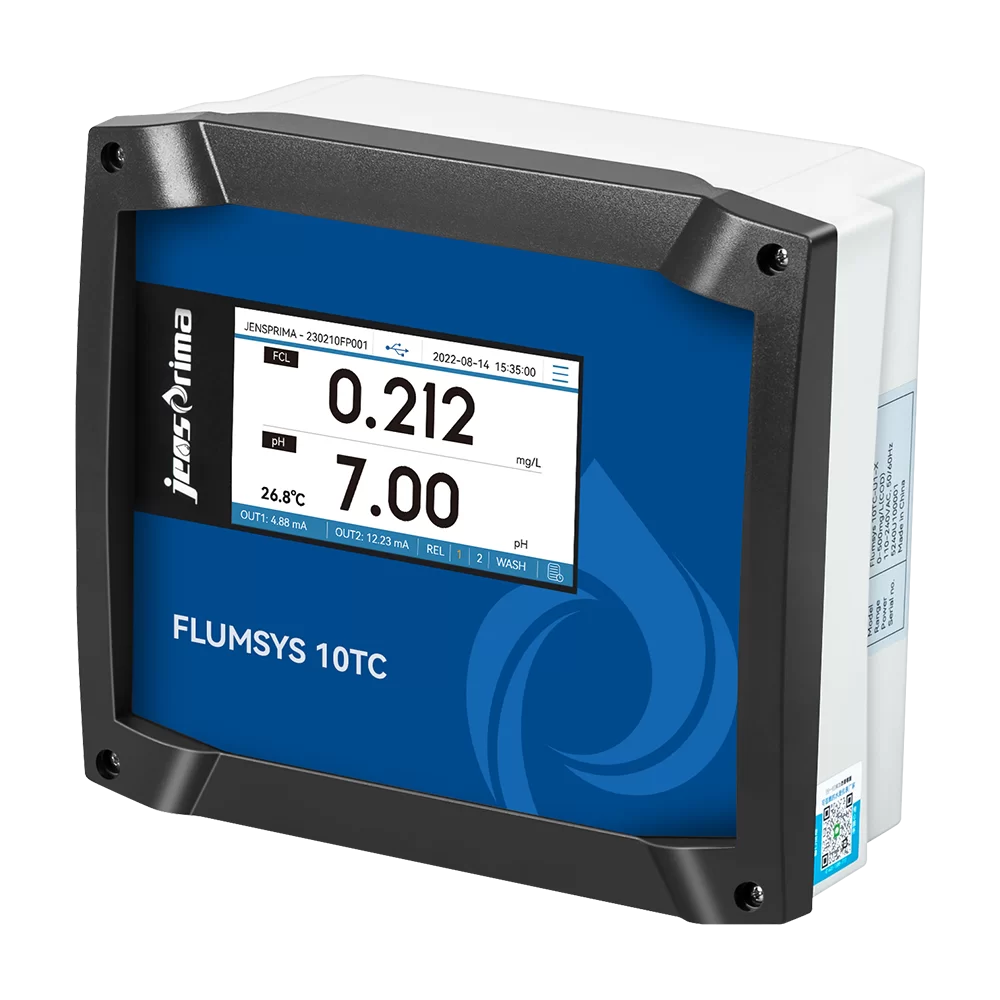
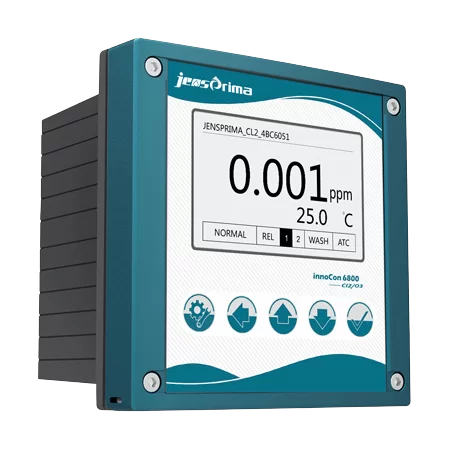
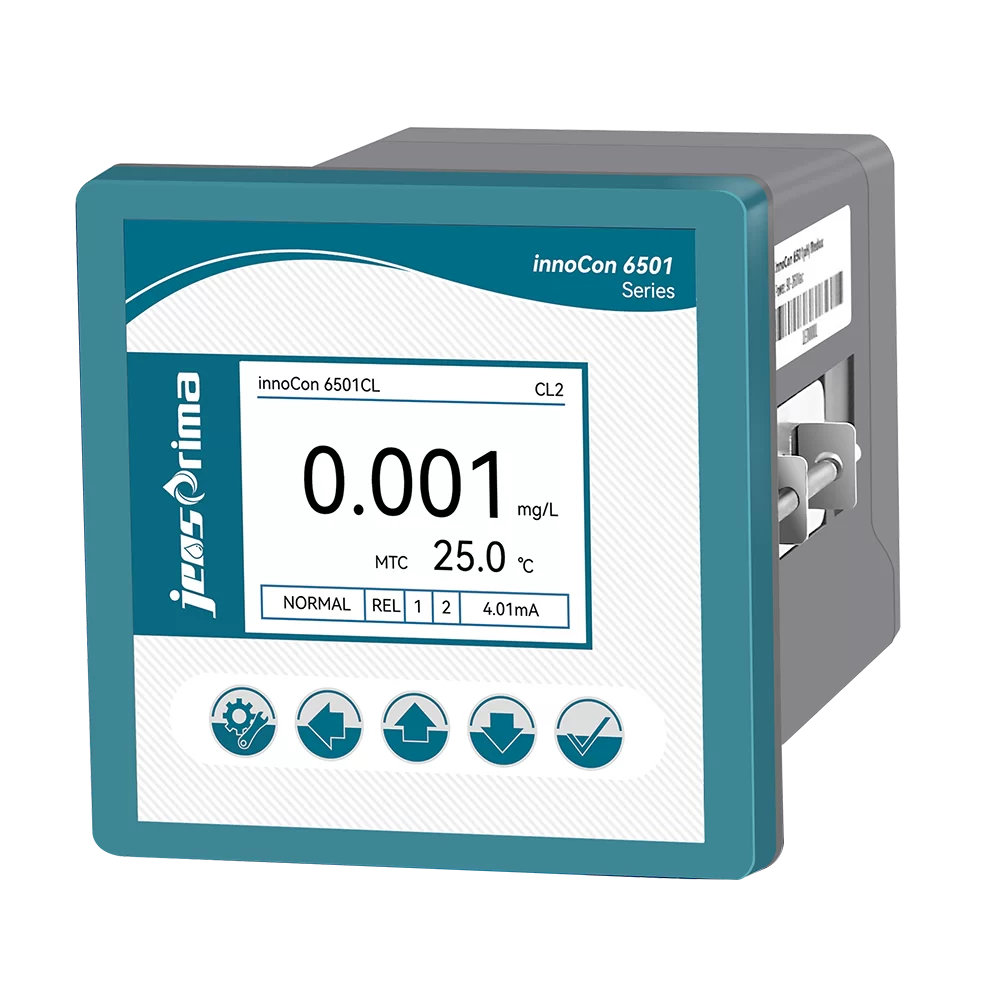
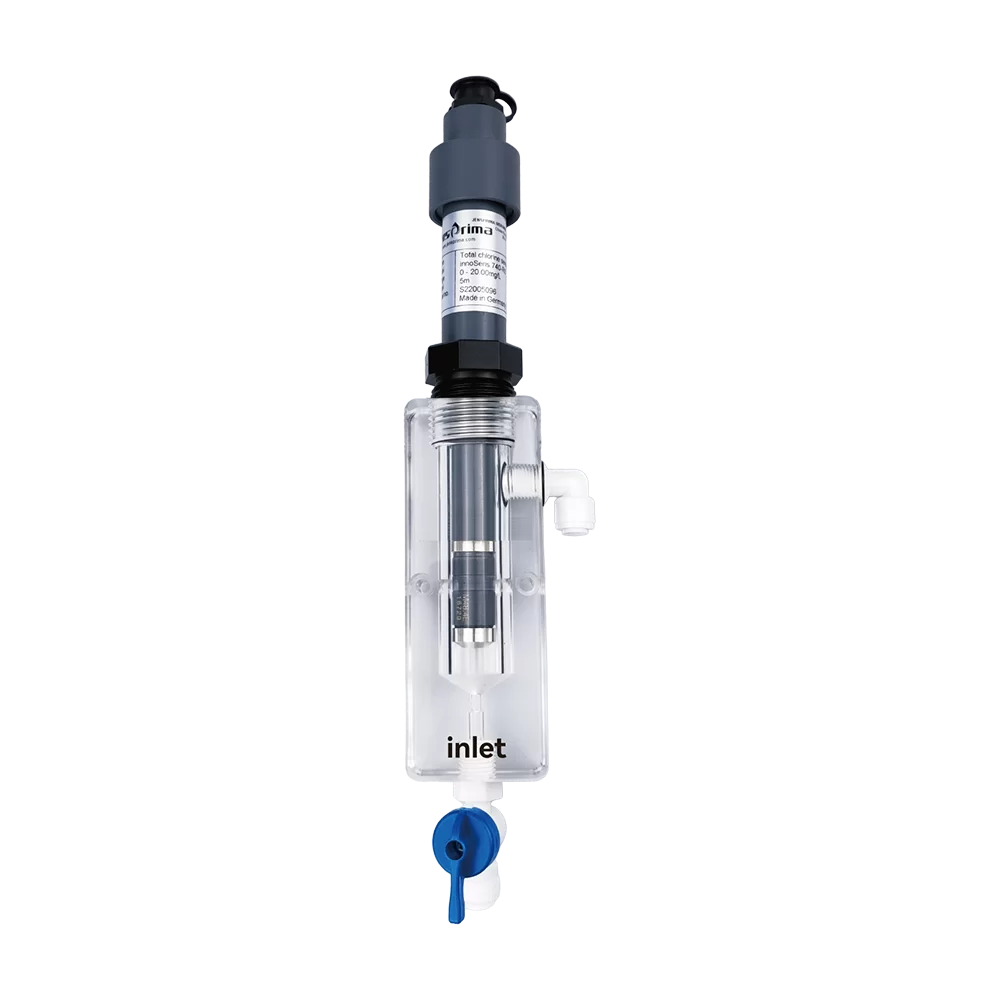
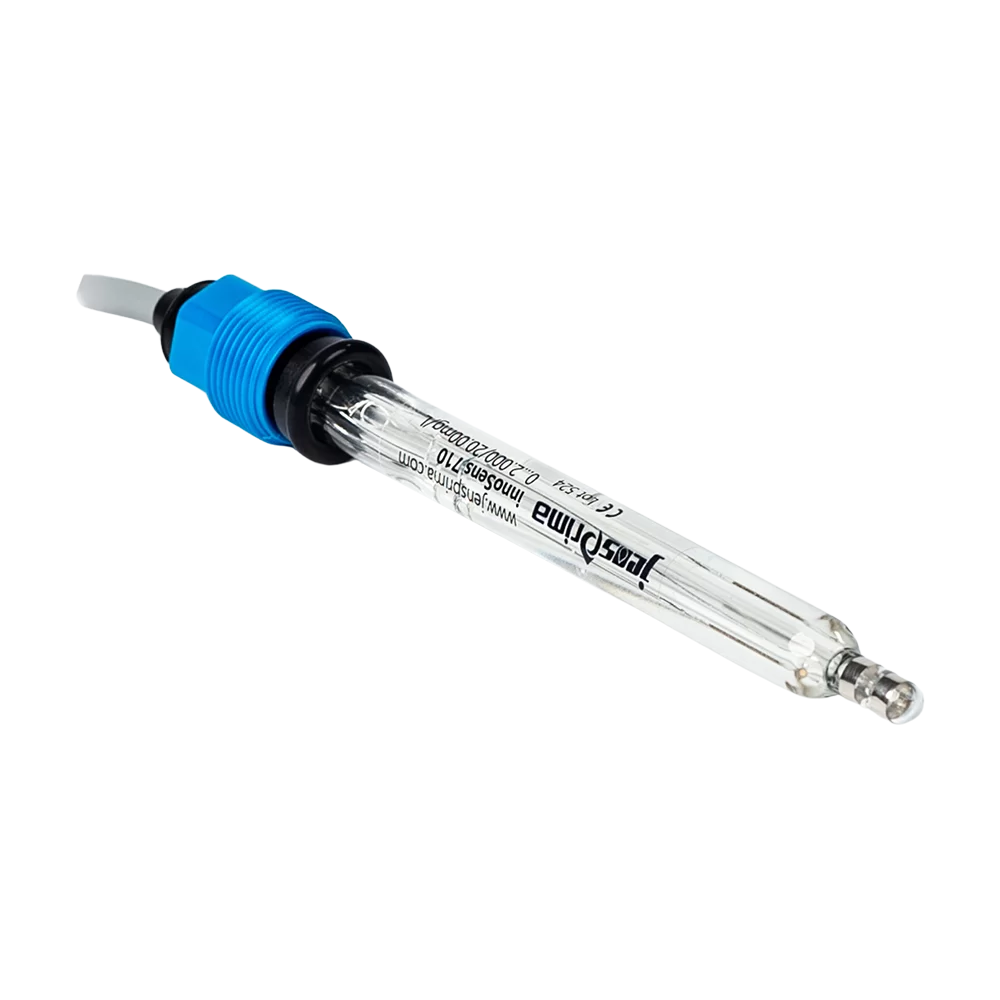
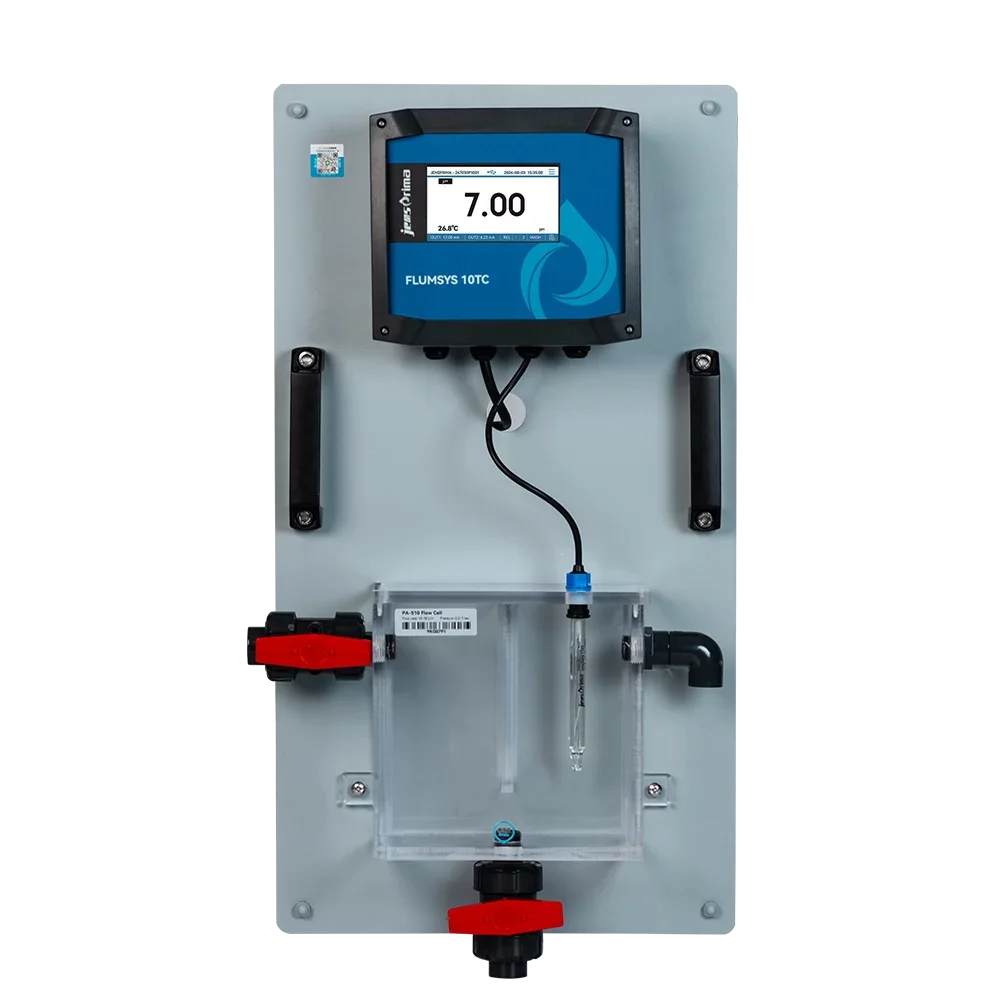
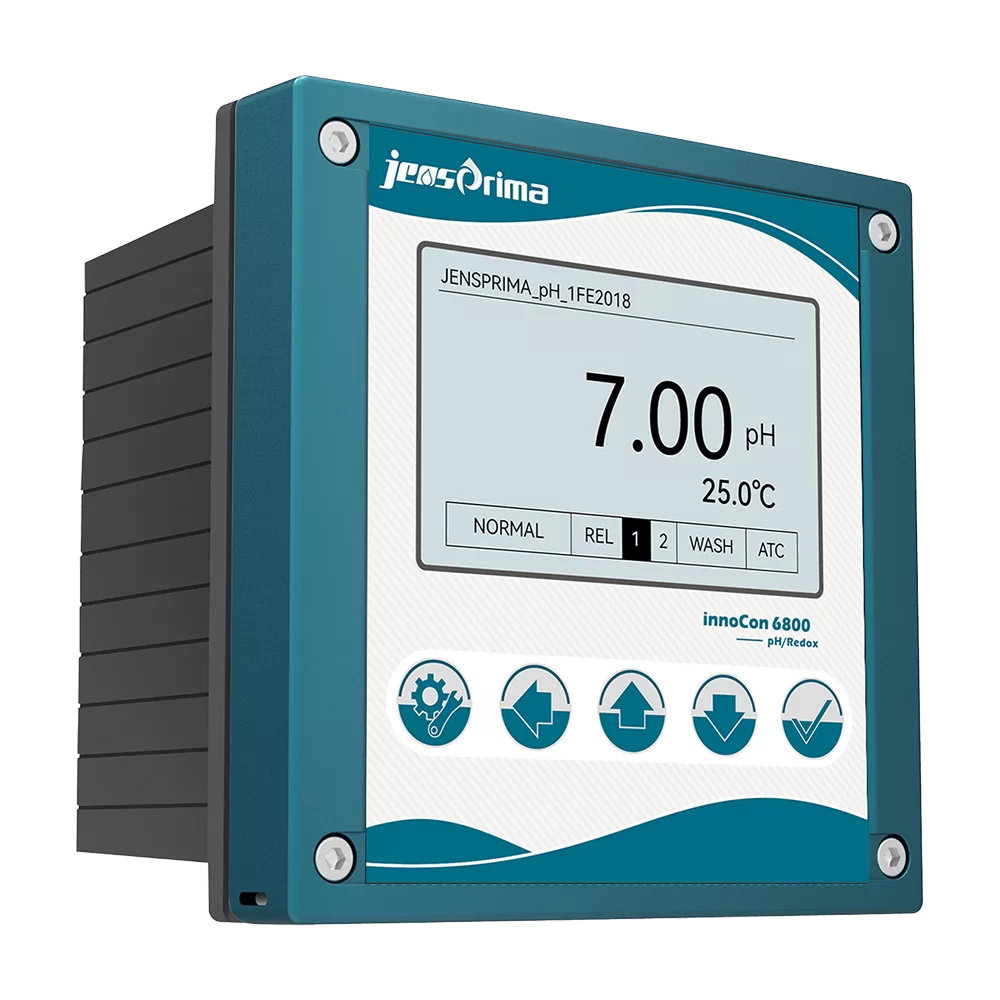
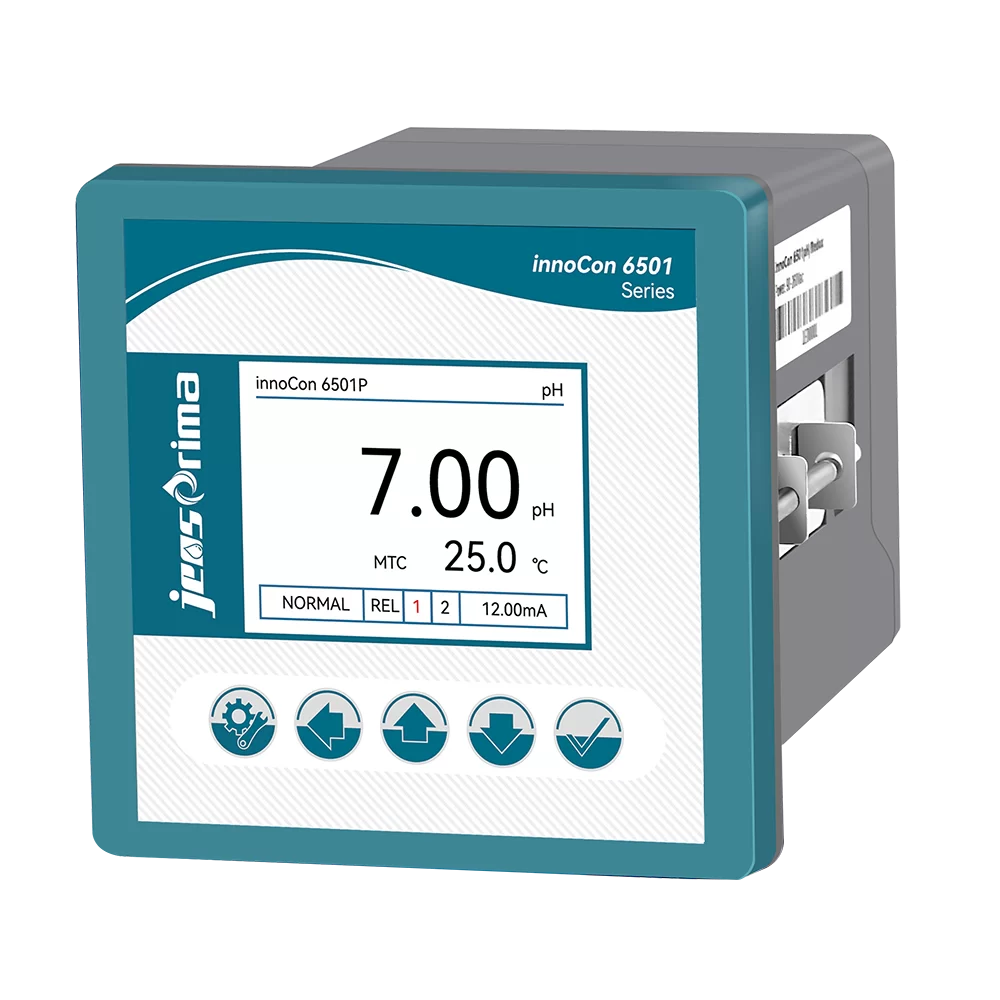
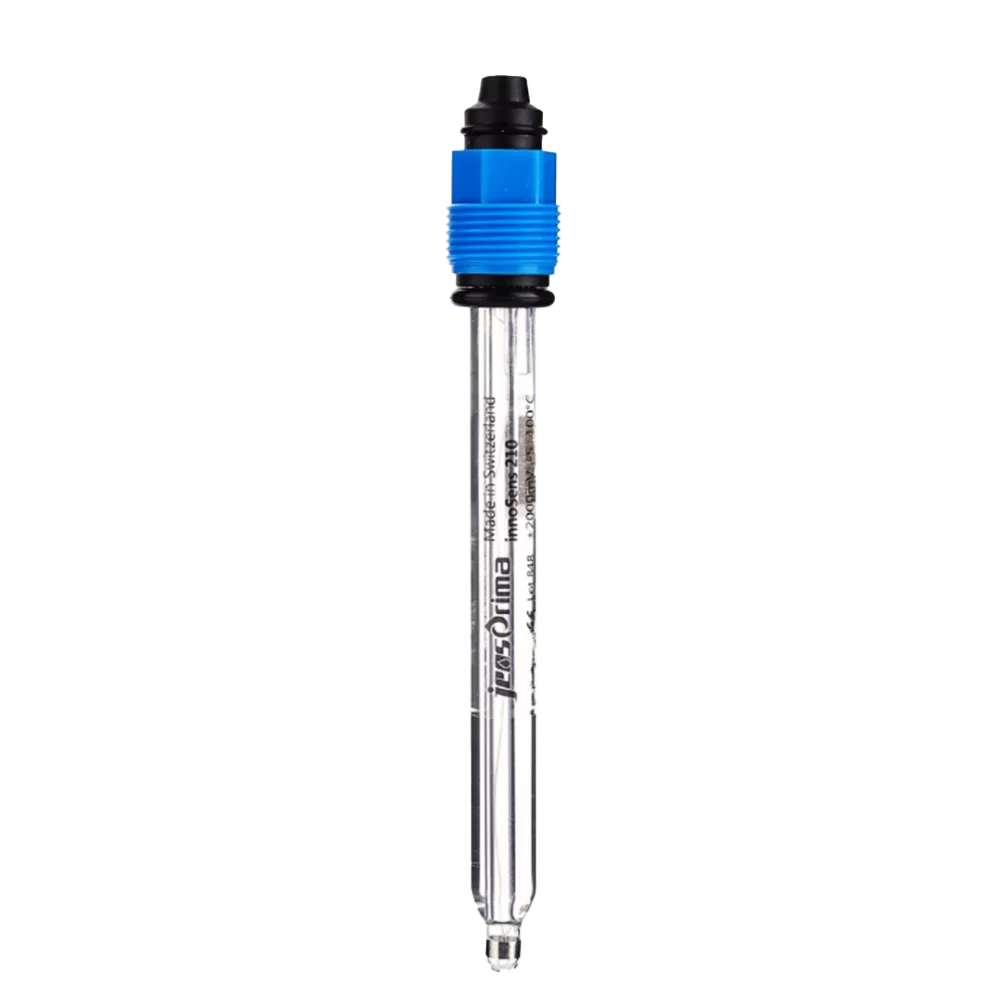
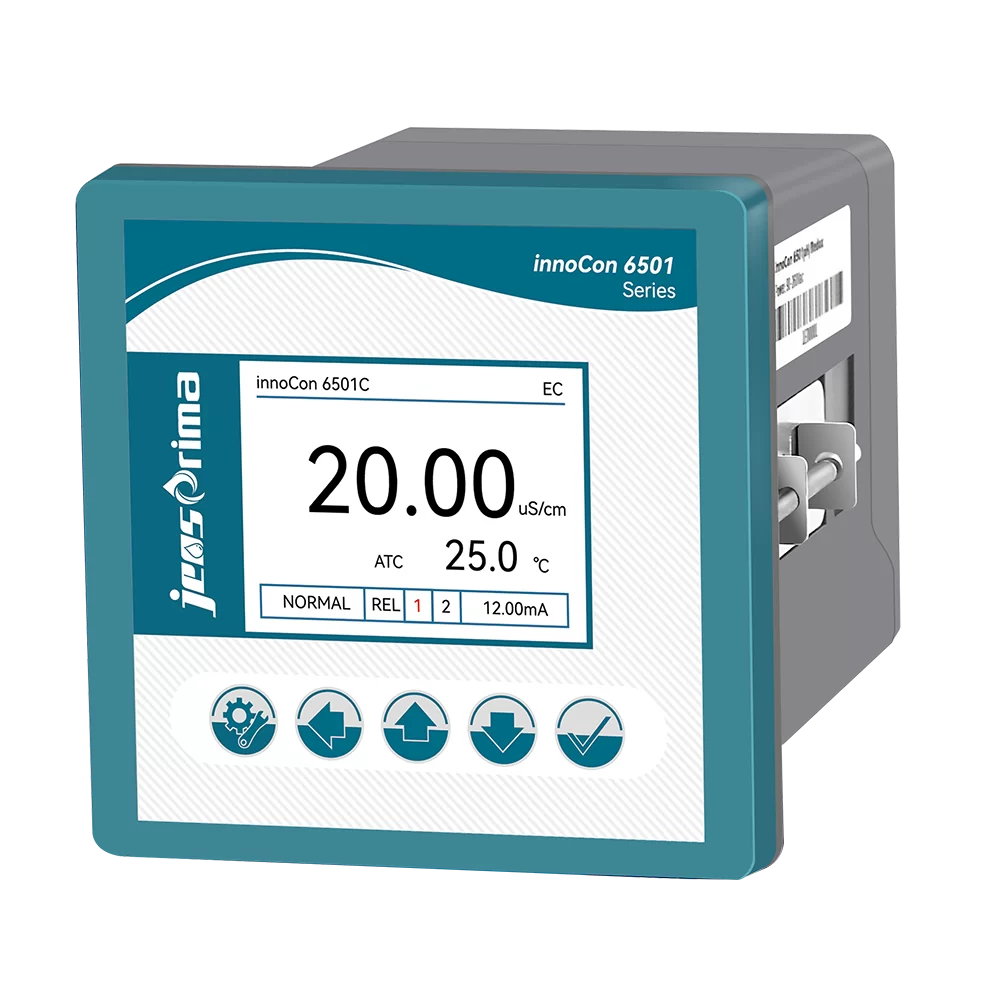
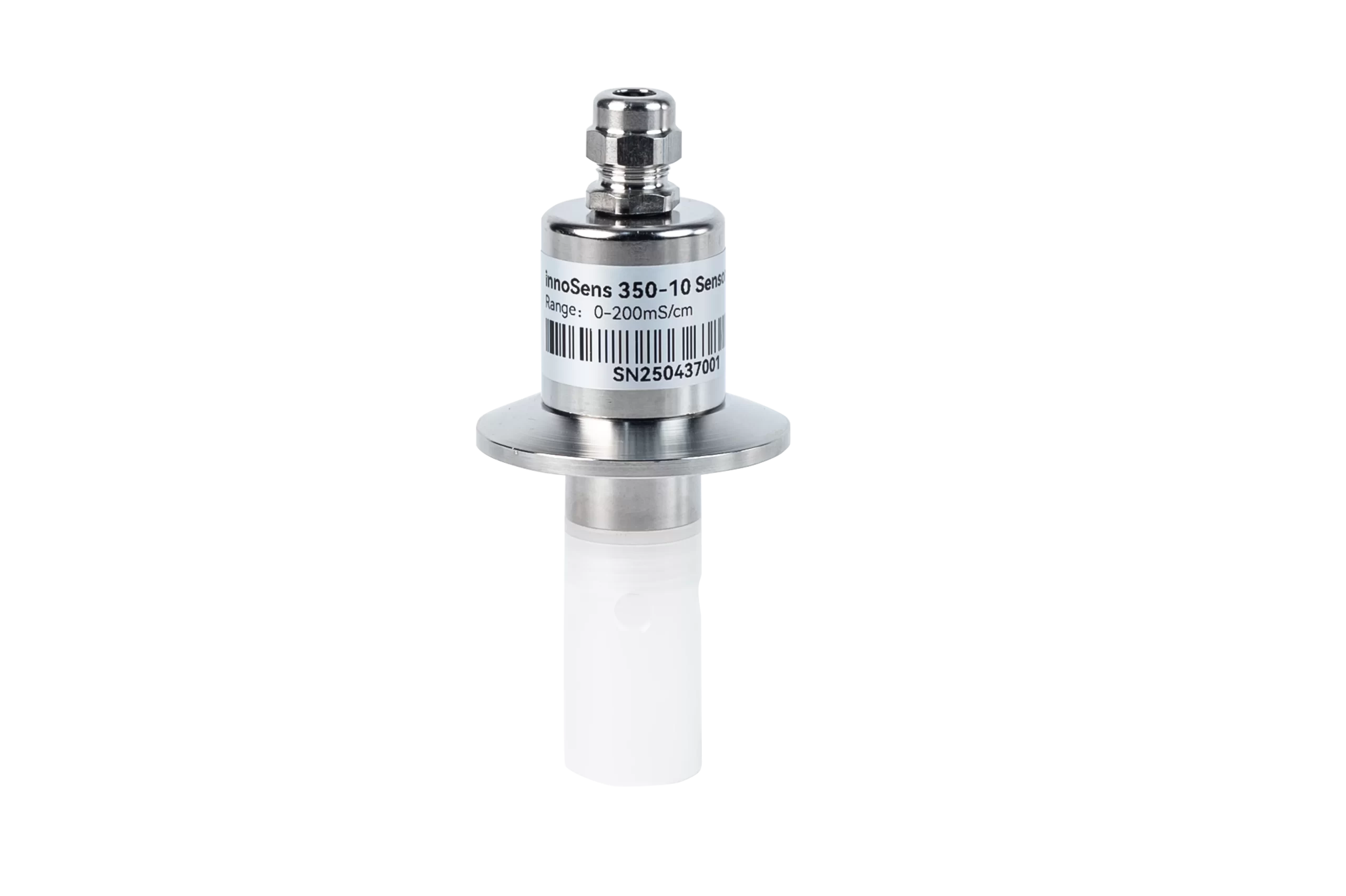
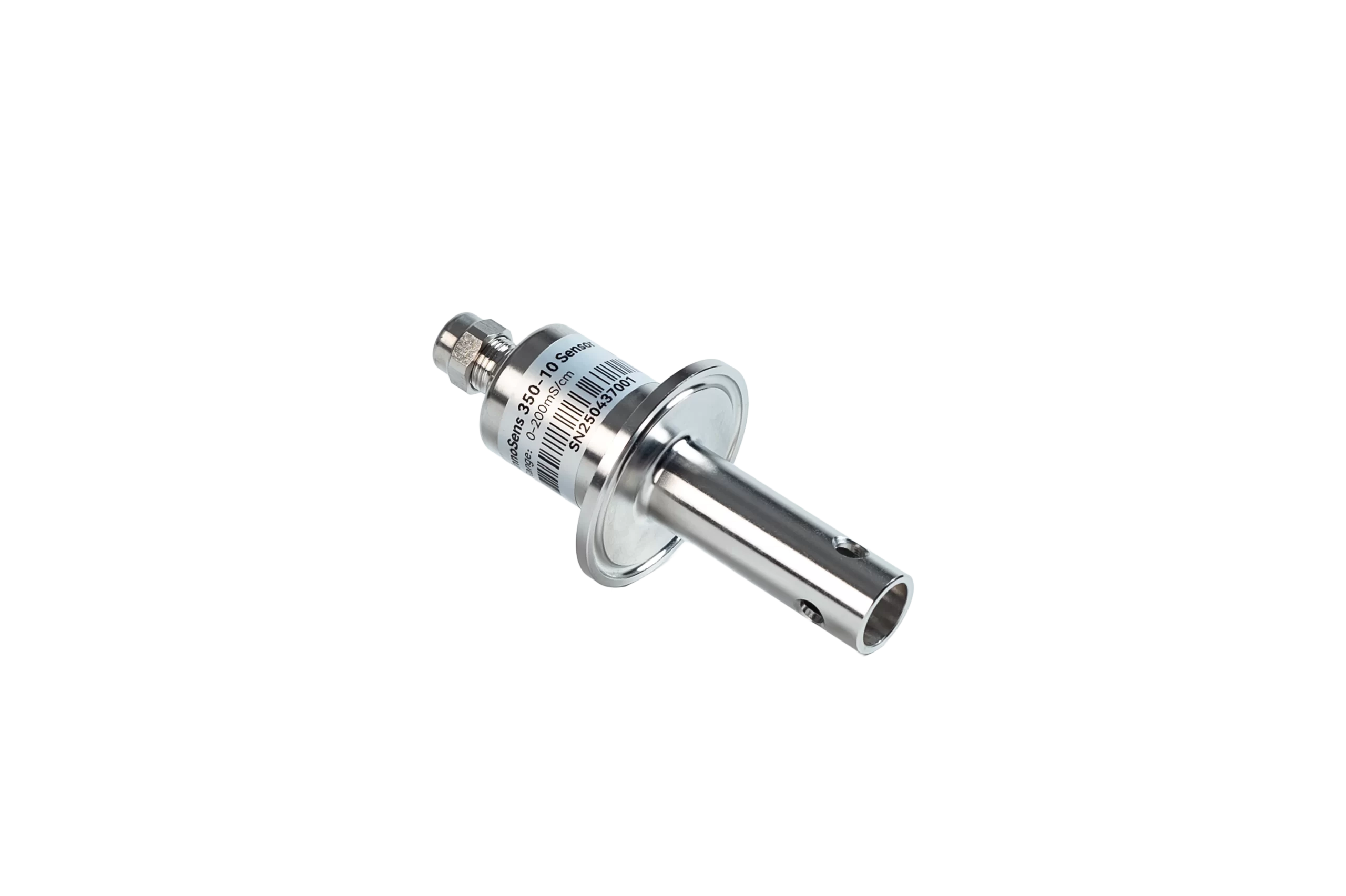
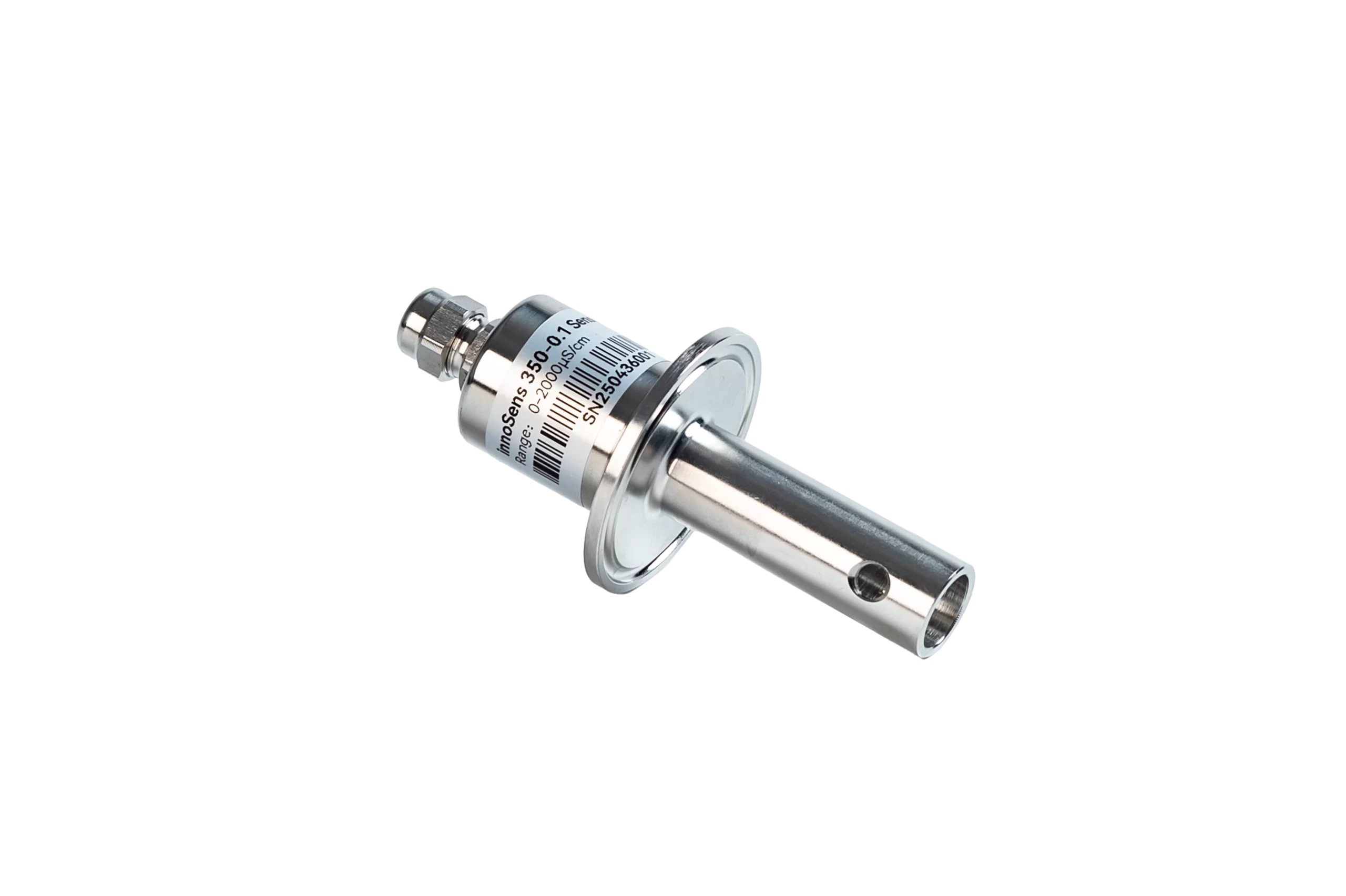
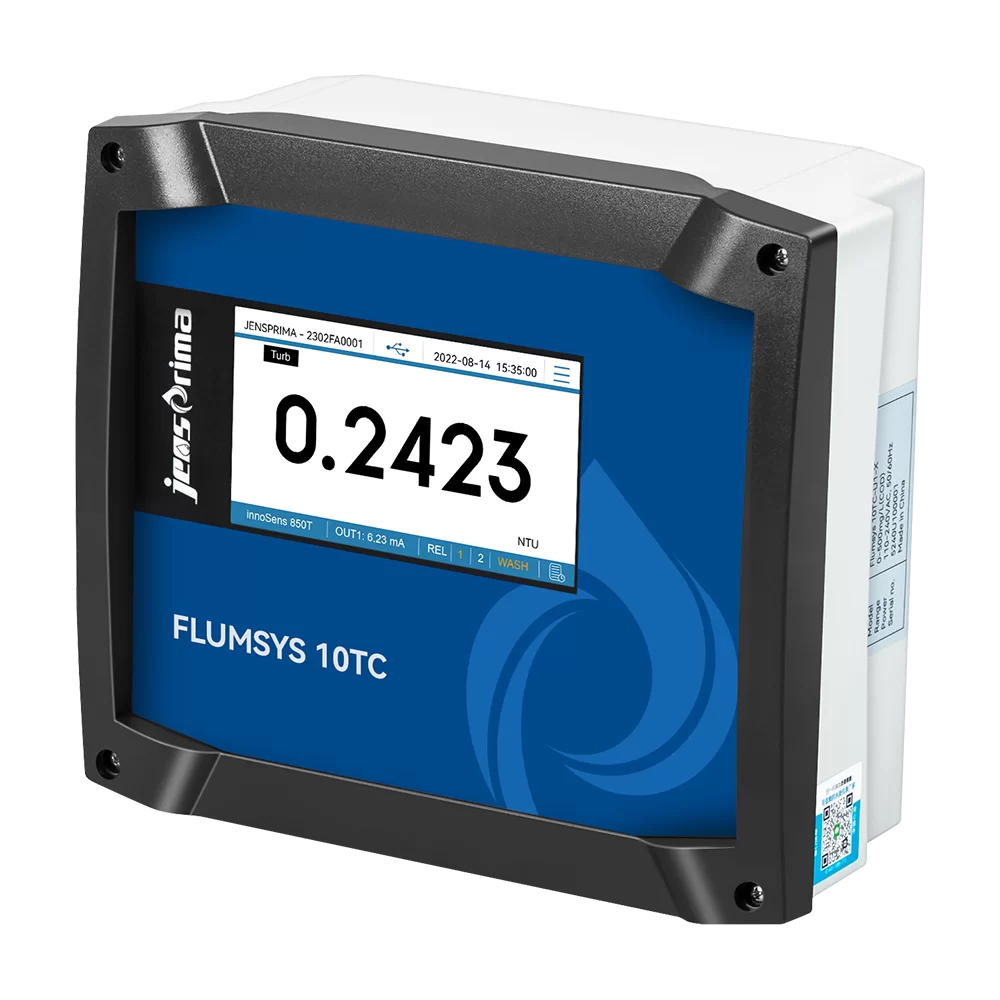
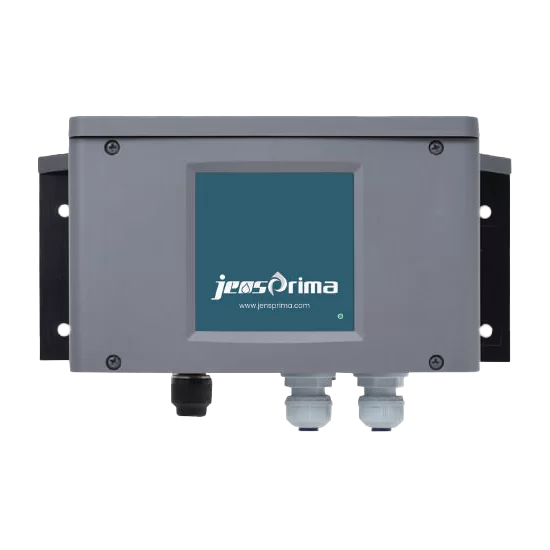
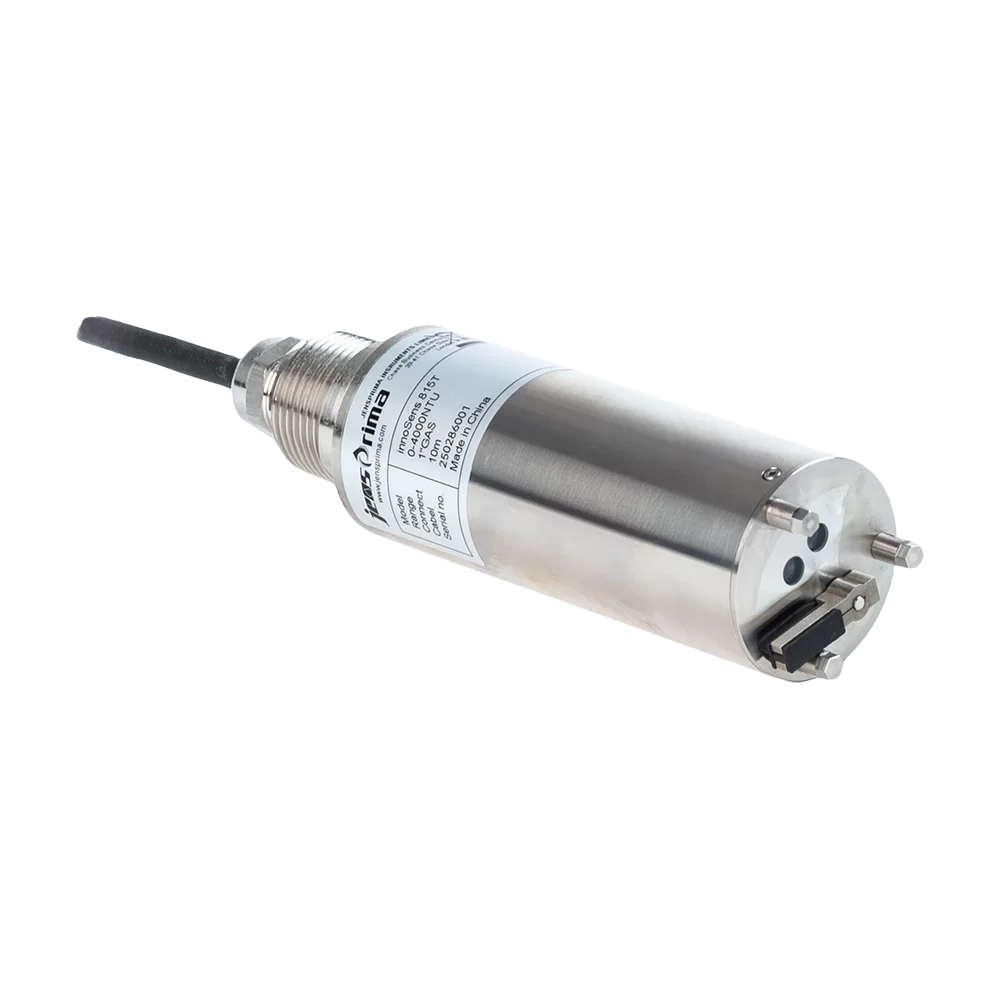
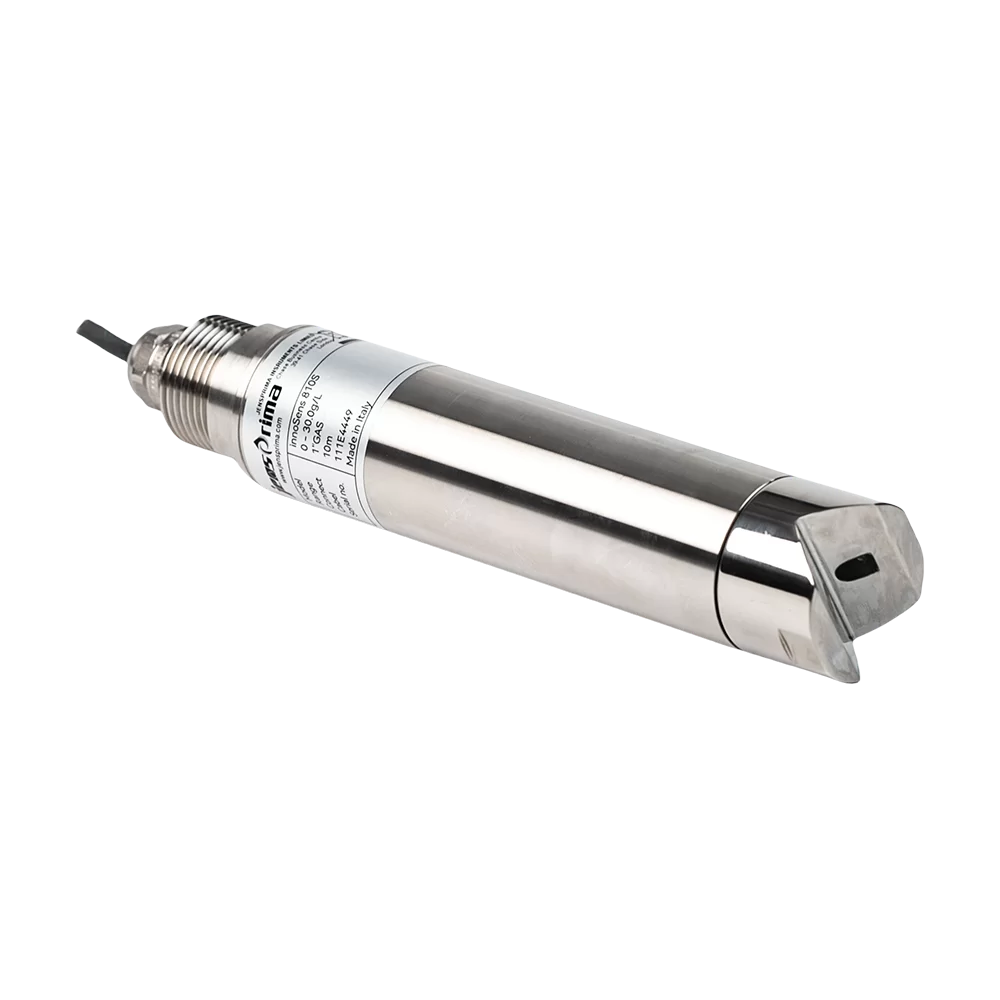
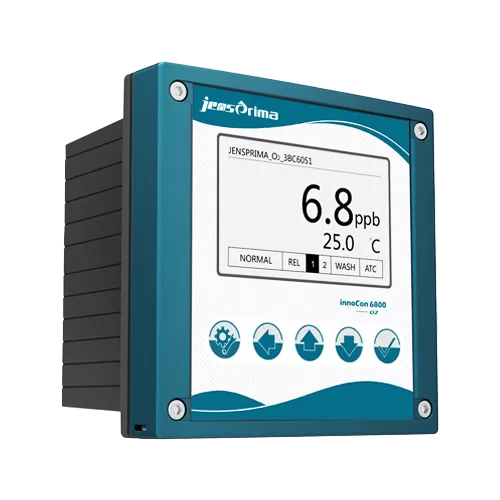
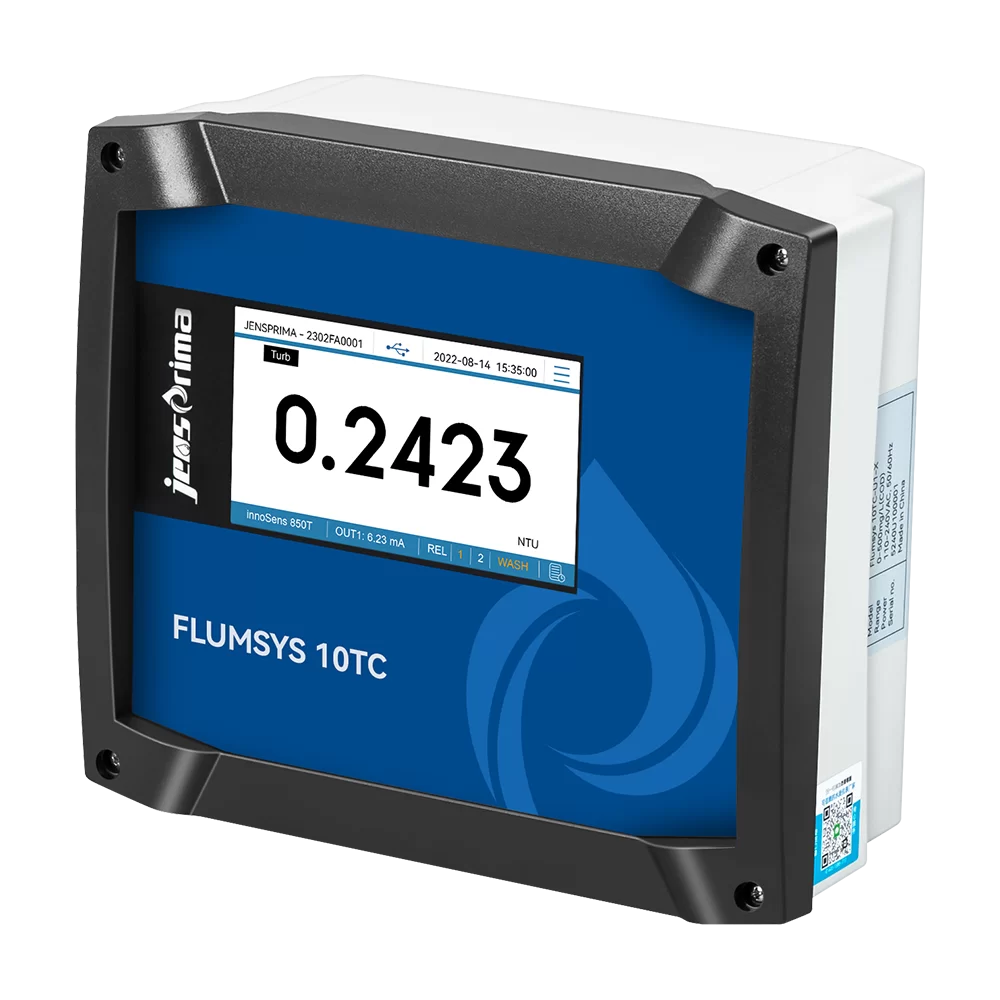
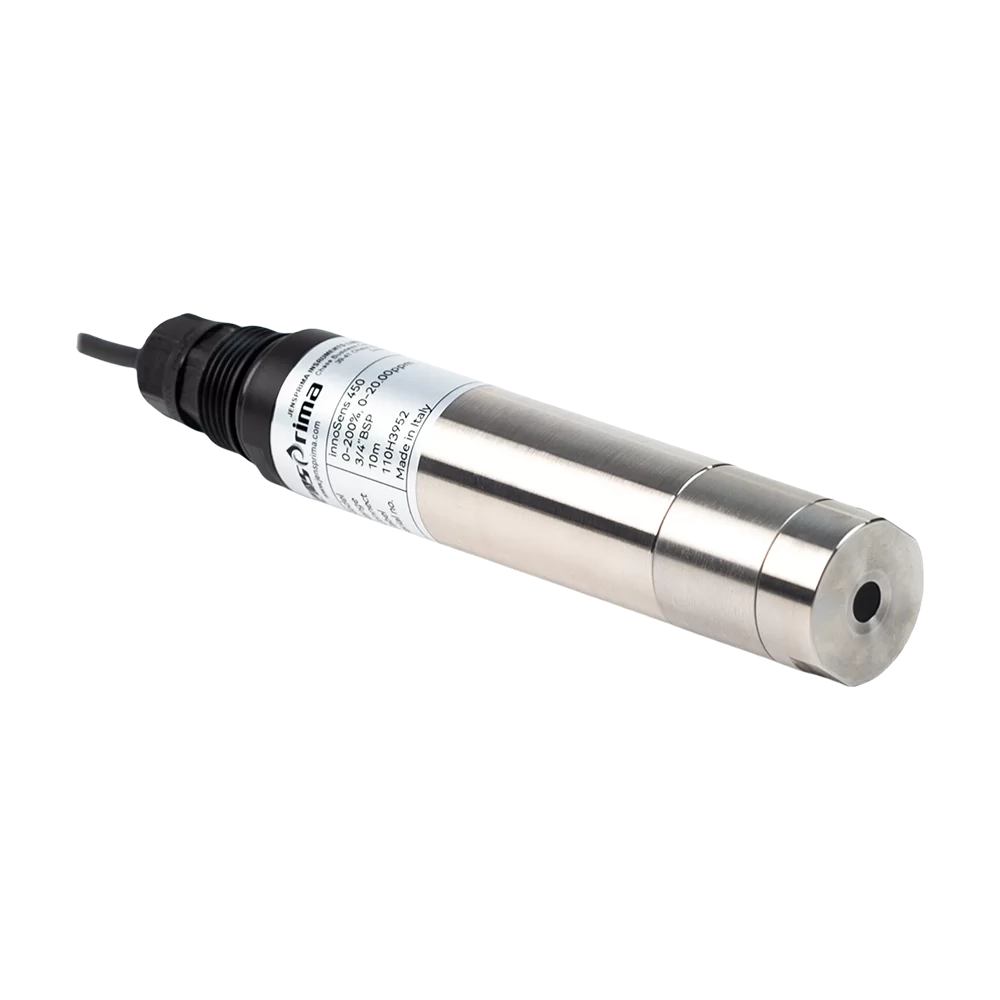
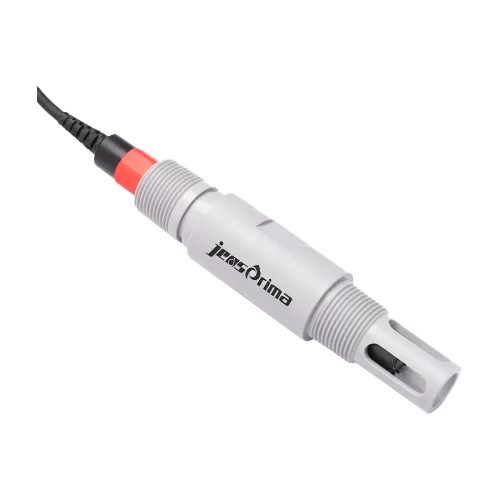
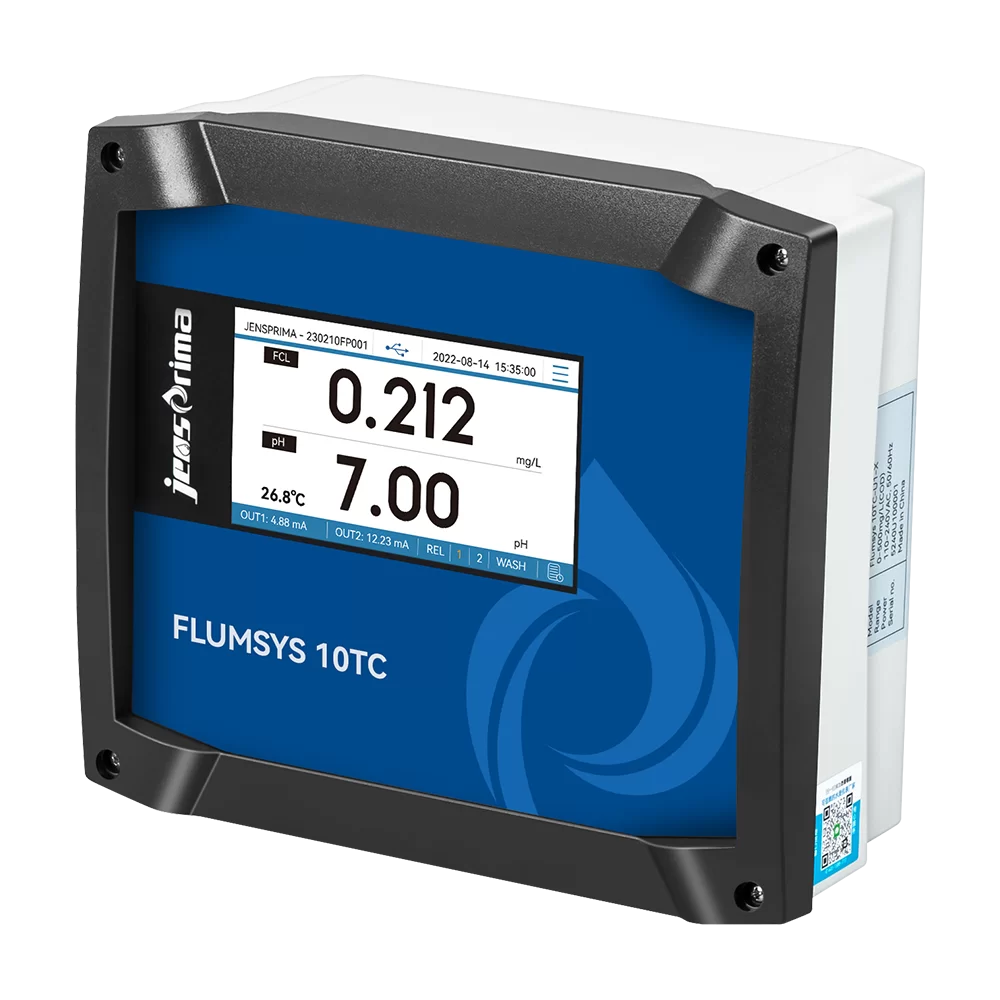
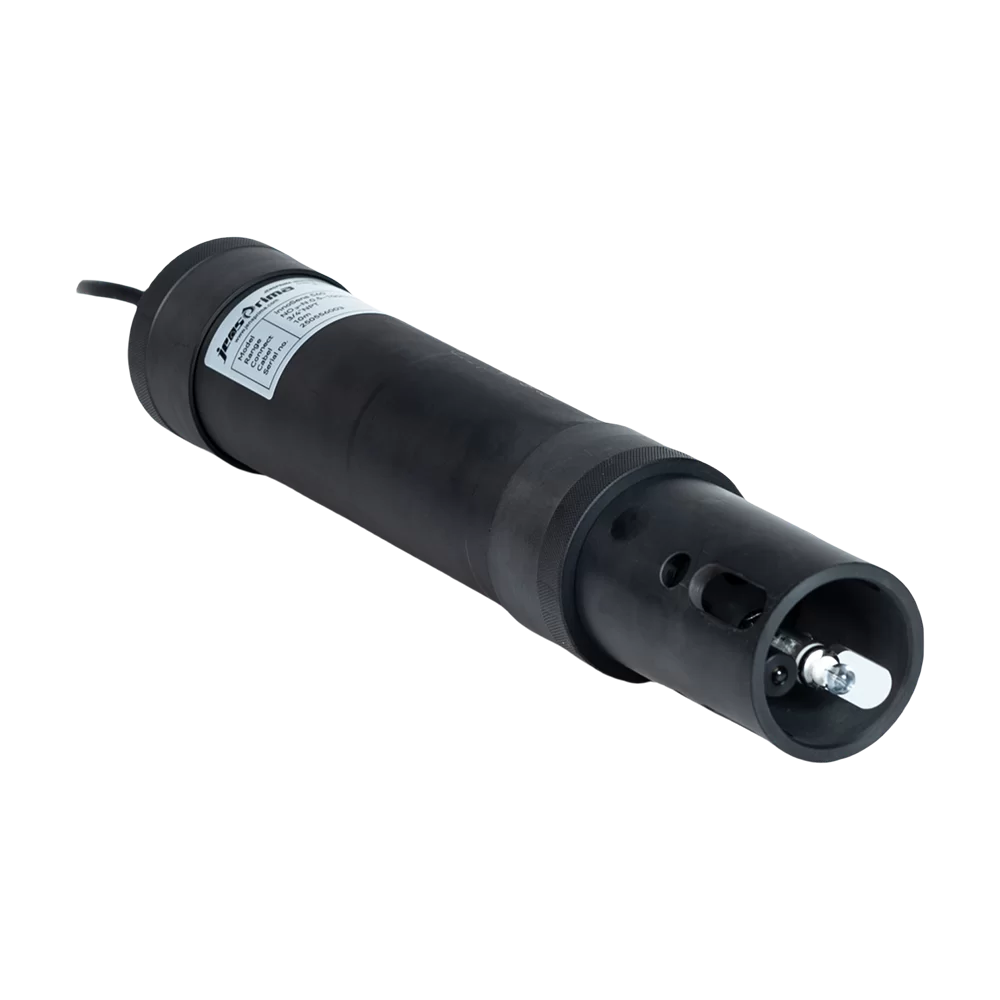


multi parameter analyzer

NEWS

UPDATES

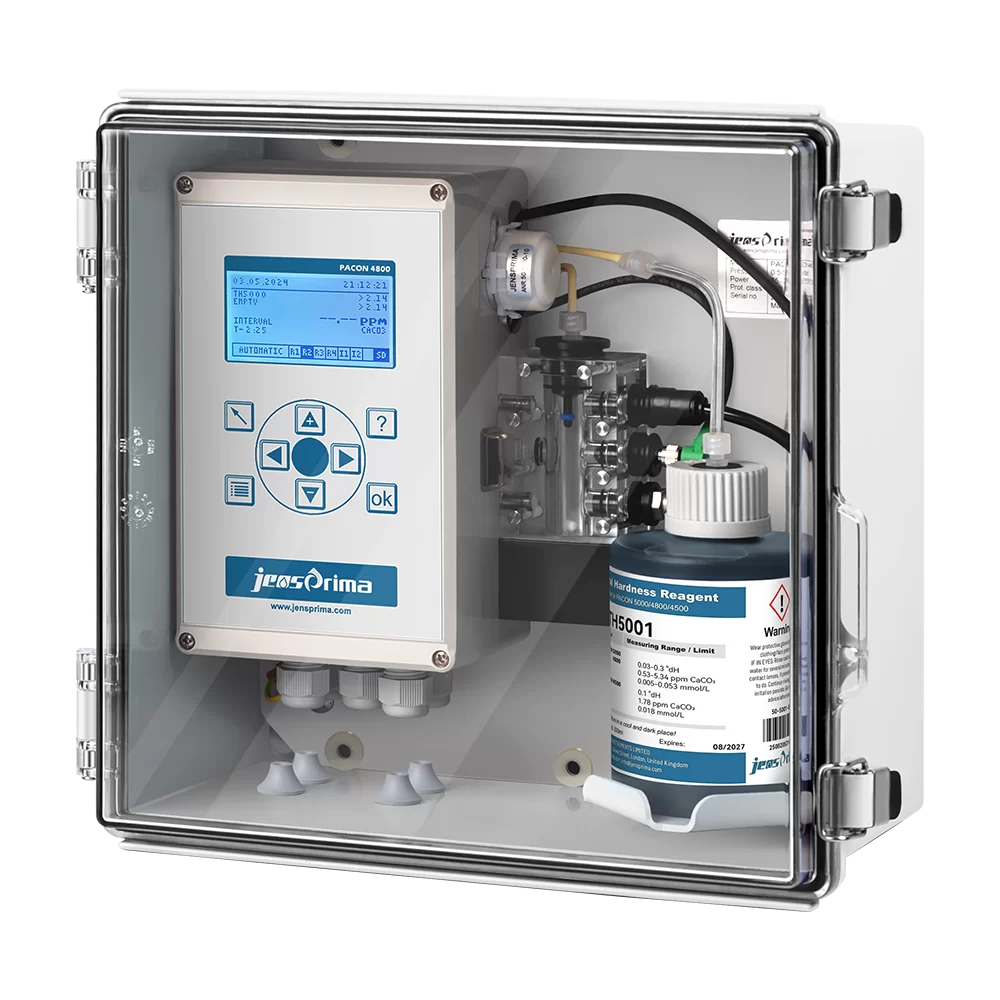
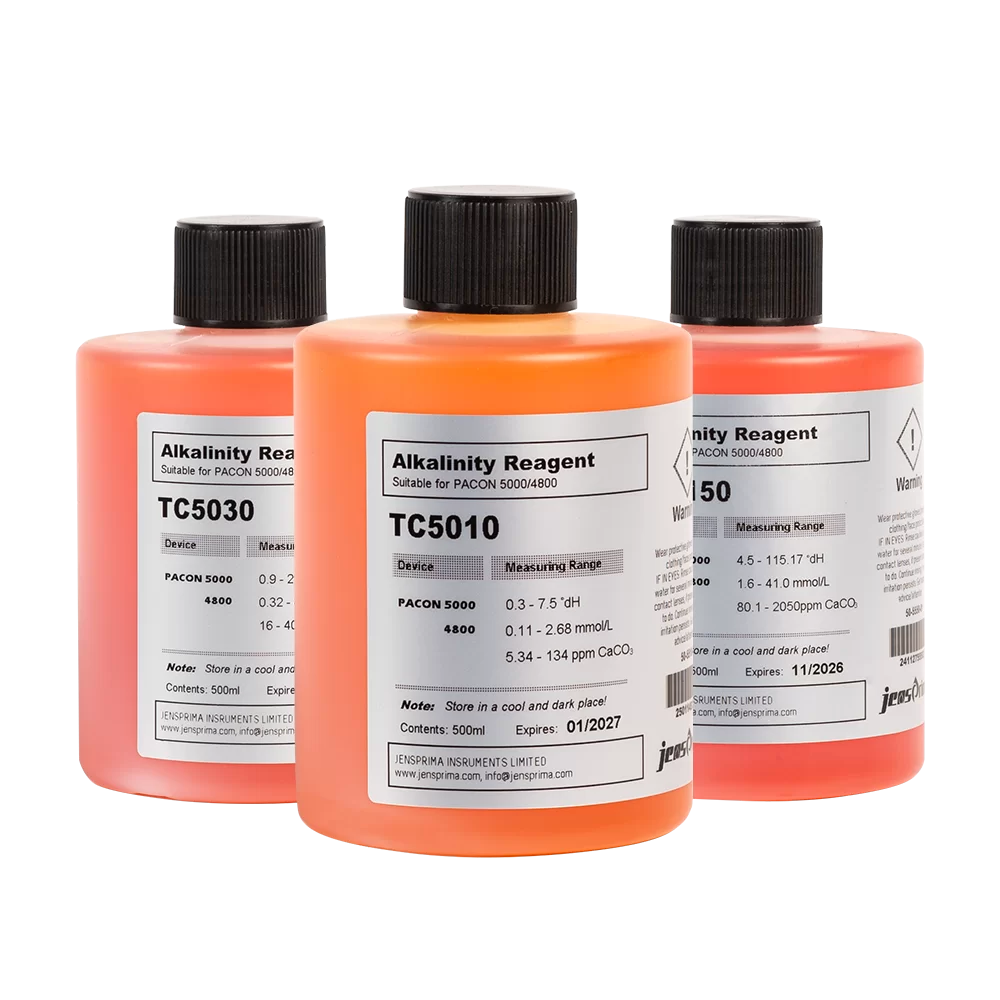
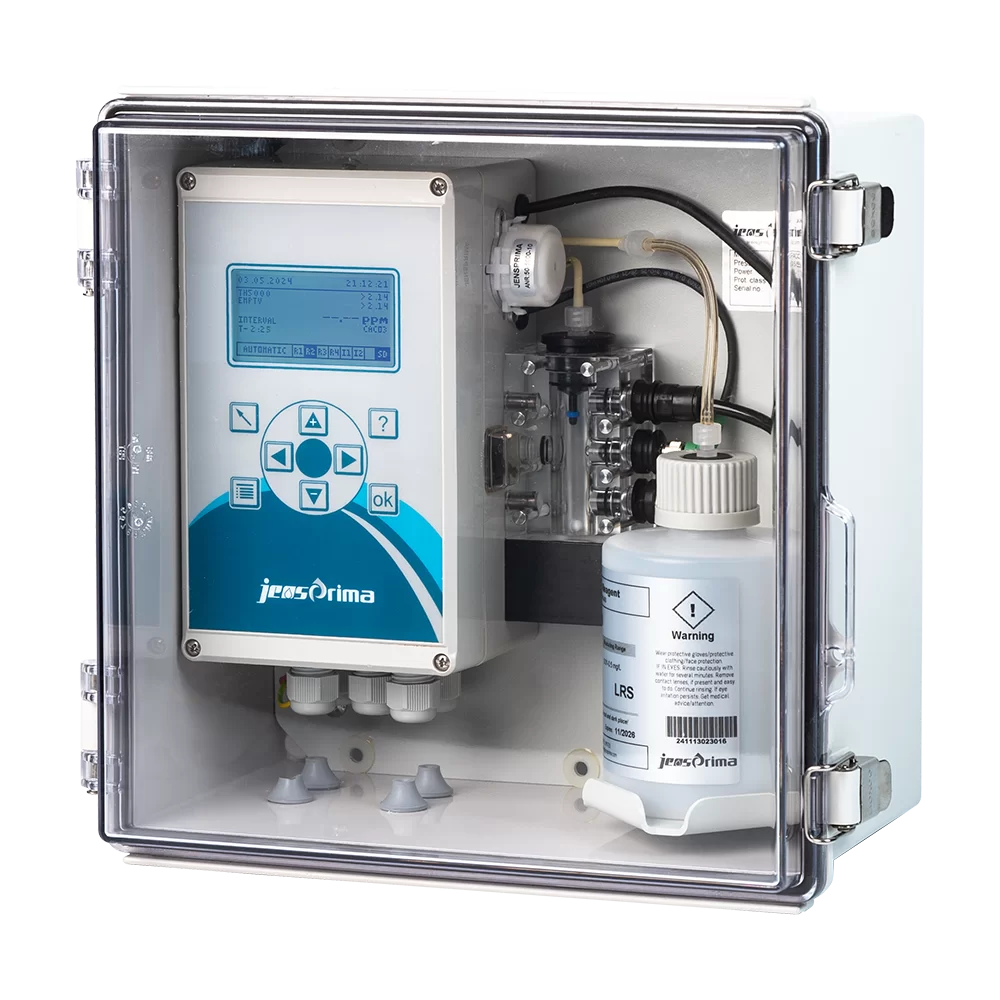
Russia Industrial Water Analysis Solutions with alkalinity analyzer

High-precision monitoring systems engineered for extreme climates and rigorous Russian environmental standards.

Russia Industrial Water Analysis Solutions with alkalinity analyzer

Integrating advanced sensing technology to ensure water safety and process stability across the Russian Federation's diverse industrial landscape.

The State of Water Monitoring in Russia

Navigating the challenges of extreme temperatures and vast geographical scale.

In Russia, the water quality monitoring sector is heavily influenced by the extreme continental climate. From the freezing winters of Siberia to the industrial hubs of the Urals, instruments like the multi parameter water quality analyzer must withstand severe thermal shocks and high humidity variations to maintain calibration accuracy.

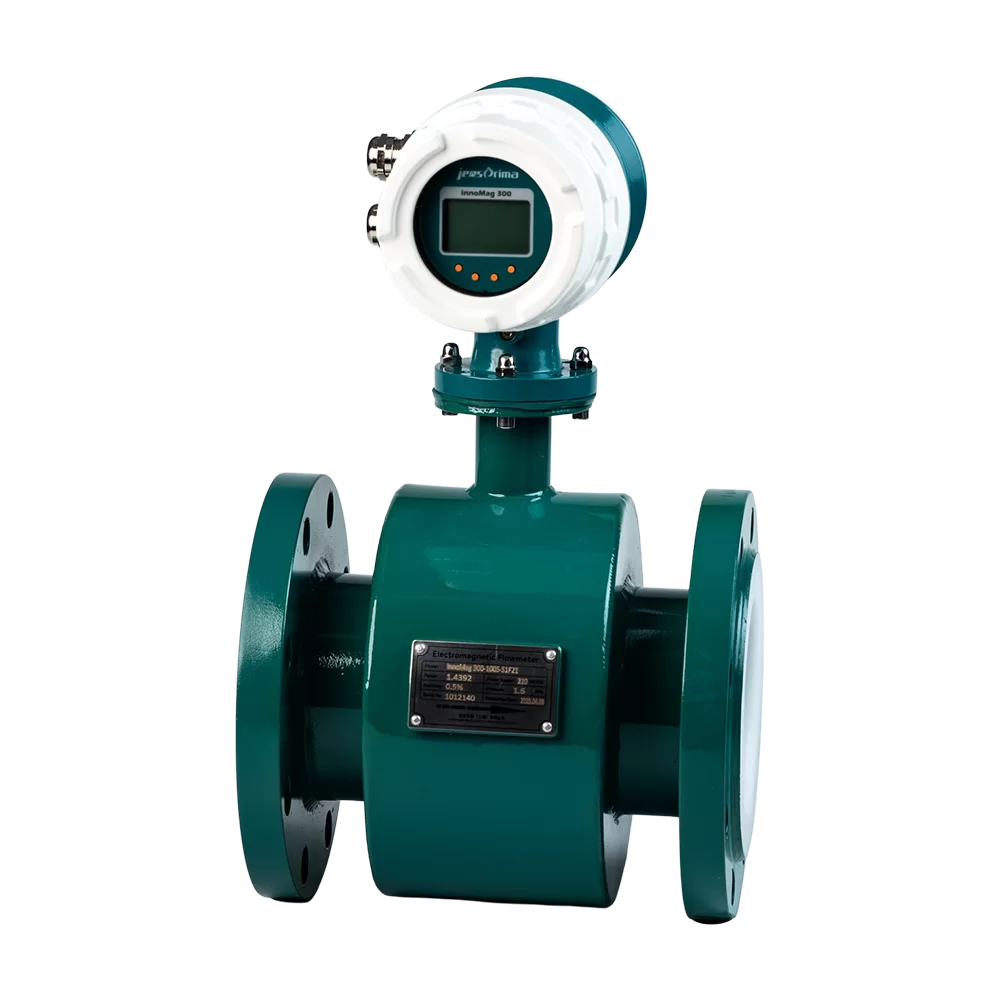
Current industrial operations often rely on a mix of legacy Soviet-era infrastructure and modern imports. There is a critical demand for a robust electromagnetic flowmeter that can handle high-viscosity fluids and corrosive chemical compositions common in the Russian oil, gas, and mining sectors.

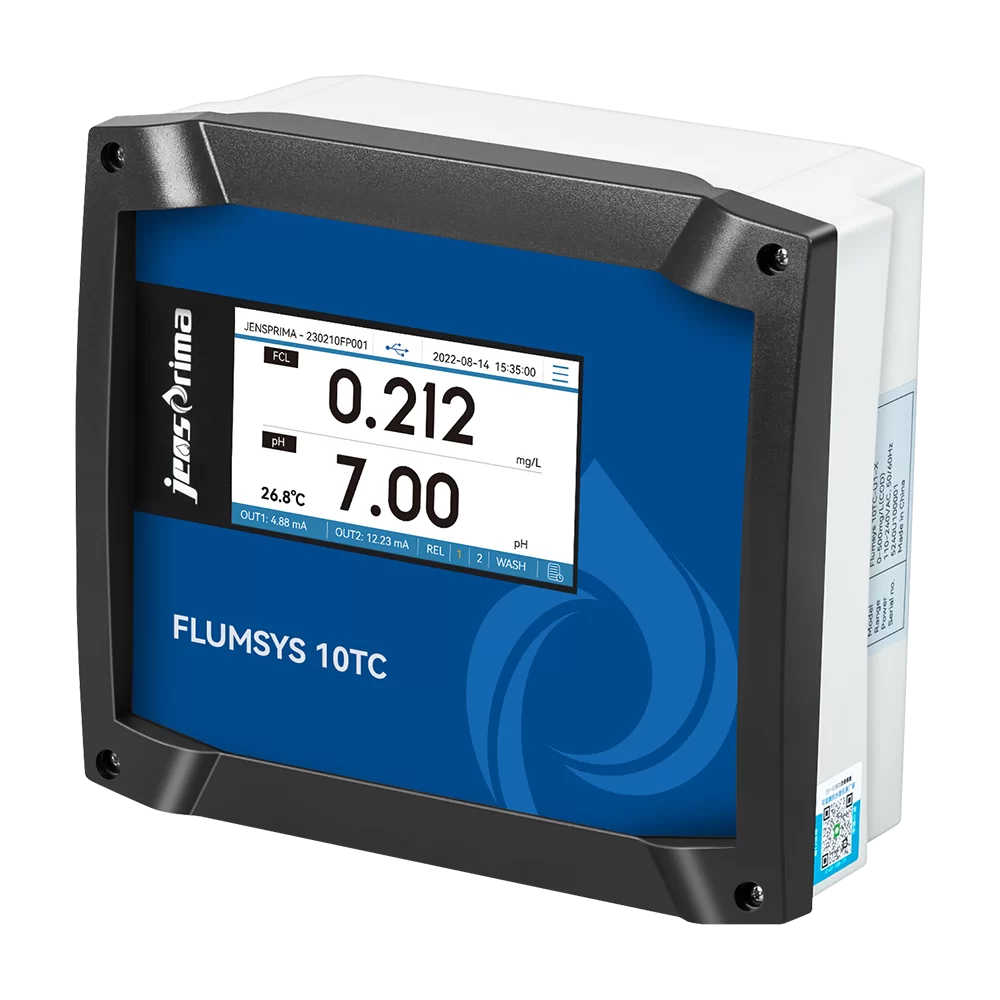
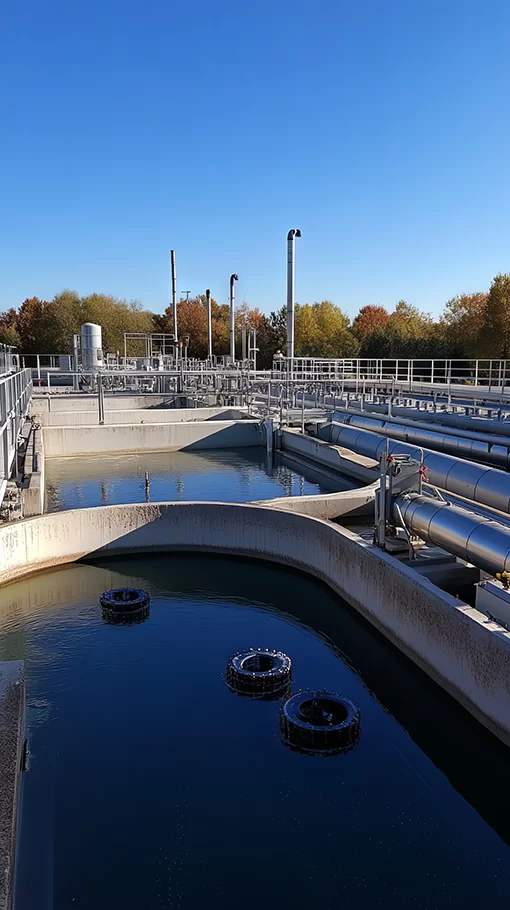
Furthermore, strict governmental environmental regulations (such as GOST standards) are forcing plants to upgrade their effluent treatment. This has led to an increased adoption of the residual chlorine controller to ensure that treated water discharged into the Volga or Yenisei rivers meets ecological safety thresholds.

Evolution of Russian Water Analytics

From manual sampling to autonomous real-time digital monitoring.

Market Development History

Between 1990 and 2010, the Russian market transitioned from centralized manual laboratory analysis to localized electronic probes. Initial deployments focused on basic pH and conductivity, though reliability remained an issue due to the lack of localized temperature compensation.

From 2011 to 2020, the "Digitalization" wave integrated SCADA systems into water plants. The introduction of the total hardness analyzer allowed for automated boiler feed water management, significantly reducing scale buildup in large-scale energy plants.

Since 2021, the focus has shifted toward "Import Substitution" and the adoption of high-intelligence sensors. Modern systems now emphasize IoT connectivity and self-cleaning mechanisms to reduce maintenance frequency in remote Arctic installations.

Future Development Trends

AI-Driven Predictive Maintenance

Integration of machine learning algorithms to predict sensor drift in harsh environments, reducing the need for physical technician visits in remote regions.

Edge Computing Integration

Moving data processing from central servers to the sensor level, allowing the multi parameter water quality analyzer to trigger alarms instantaneously without latency.

Green-Chemistry Sensor Development

Developing reagent-free sensing technologies to eliminate the logistical burden of transporting chemical reagents across vast Russian territories.

Industry Outlook & Future Horizons

Strategic technological pivots for the next 5 years.

Autonomous Sensing
Shift toward self-calibrating instruments to maintain precision in uninhabited industrial zones.
Zero-Liquid Discharge (ZLD)
Increasing demand for precise alkalinity and hardness monitoring to achieve full water recycling.
Cloud Ecosystems
Integration of water quality data into national environmental cloud platforms for real-time oversight.
Modular Instrumentation
Plug-and-play sensor modules allowing rapid replacement without system shutdown.

Industry Outlook

Based on search trend analysis for the Eurasia region, there is a significant uptick in queries regarding "Remote Water Quality Monitoring" and "Low-Temperature Sensor Reliability." This indicates a shift from simple compliance monitoring to strategic asset management.

The Russian market will likely favor manufacturers who can provide localized technical support and hardware that is hardened against extreme cold, moving away from fragile generic imports toward ruggedized industrial solutions.

Localized Application Scenarios in Russia

Practical deployments across Russia's key industrial and municipal sectors.

01. Arctic Oil & Gas Process Water

Deployment of the electromagnetic flowmeter in pipeline monitoring systems in the Yamal Peninsula to manage produced water under sub-zero conditions.

02. Ural Heavy Metallurgy Cooling Systems

Using a total hardness analyzer to prevent scale precipitation in cooling towers of massive steel plants in Chelyabinsk.

03. Moscow Municipal Drinking Water Treatment

Implementation of a residual chlorine controller to ensure the safety of the city's potable water supply and maintain precise disinfection levels.

04. Siberian Pulp and Paper Effluent Control

Utilizing a multi parameter water quality analyzer to monitor COD and pH levels before discharging treated waste into local river systems.

05. Volgograd Chemical Plant Process Control

Integration of an alkalinity analyzer for precise neutralization processes in chemical synthesis, ensuring product purity and safety.

Brand Story

Global Development Journey of Jensprima (Shanghai) Co., Ltd.

The Foundation of Precision

Jensprima started with a mission to bridge the gap between complex laboratory analysis and rugged field application in the water treatment industry.

Technological Breakthroughs

We developed proprietary sensor membranes that drastically reduced drift, solving the "maintenance nightmare" for remote industrial sites.

Global Expansion

Expanding into Europe and Russia, we tailored our hardware to meet the most stringent cold-climate specifications and international certifications.

Commitment to Sustainability

Our R&D now focuses on reducing reagent waste, helping our global clients achieve Zero-Liquid Discharge (ZLD) goals.

Future of Intelligence

We are currently pioneering the integration of AI-diagnostics into all our analyzers to redefine the concept of "autonomous water monitoring."

Comprehensive Water Analysis Portfolio for Russia

Ruggedized instrumentation tailored for the Russian industrial environment.

Russian Market Technical FAQ

Expert answers to common implementation questions in the region.

How does the multi parameter water quality analyzer handle freezing temperatures?

Our analyzers feature integrated heating elements and insulated housing to ensure that sensors remain within operational temperature ranges, preventing crystallization and signal loss.

Can the electromagnetic flowmeter measure high-salinity brine common in oil fields?

Yes, our flowmeters utilize specialized electrode materials (such as Tantalum or Platinum) to resist corrosion and ensure accurate measurement in highly conductive brine.

What is the calibration frequency for a total hardness analyzer in industrial boiler systems?

Depending on the water quality, we recommend a monthly verification, though our automated cleaning systems can extend the interval between full calibrations.

Is the residual chlorine controller compatible with existing Russian SCADA systems?

Absolutely. Our controllers support Modbus RTU and TCP/IP protocols, allowing seamless integration into standard industrial automation frameworks.

How does the alkalinity analyzer perform in high-turbidity wastewater?

The system includes a pre-filtration module that removes suspended solids before the sample reaches the sensing chamber, ensuring precise alkalinity readings.

Are these instruments certified for use in hazardous explosive zones (ATEX/IECEx)?

We offer specialized explosion-proof versions of our flowmeters and analyzers specifically designed for the hazardous environments found in Russian petrochemical plants.

Expert Water Quality Consultation

Get customized engineering support for your water analysis projects in Russia.

Contact Us Now
Service Repair Form
Tell us what issue you encountered, including any steps or symptoms.
  • Name
  • Email
  • Phone
  • Fault Description

If you are interested in our products, you can choose to leave your information here, and we will be in touch with you shortly.