

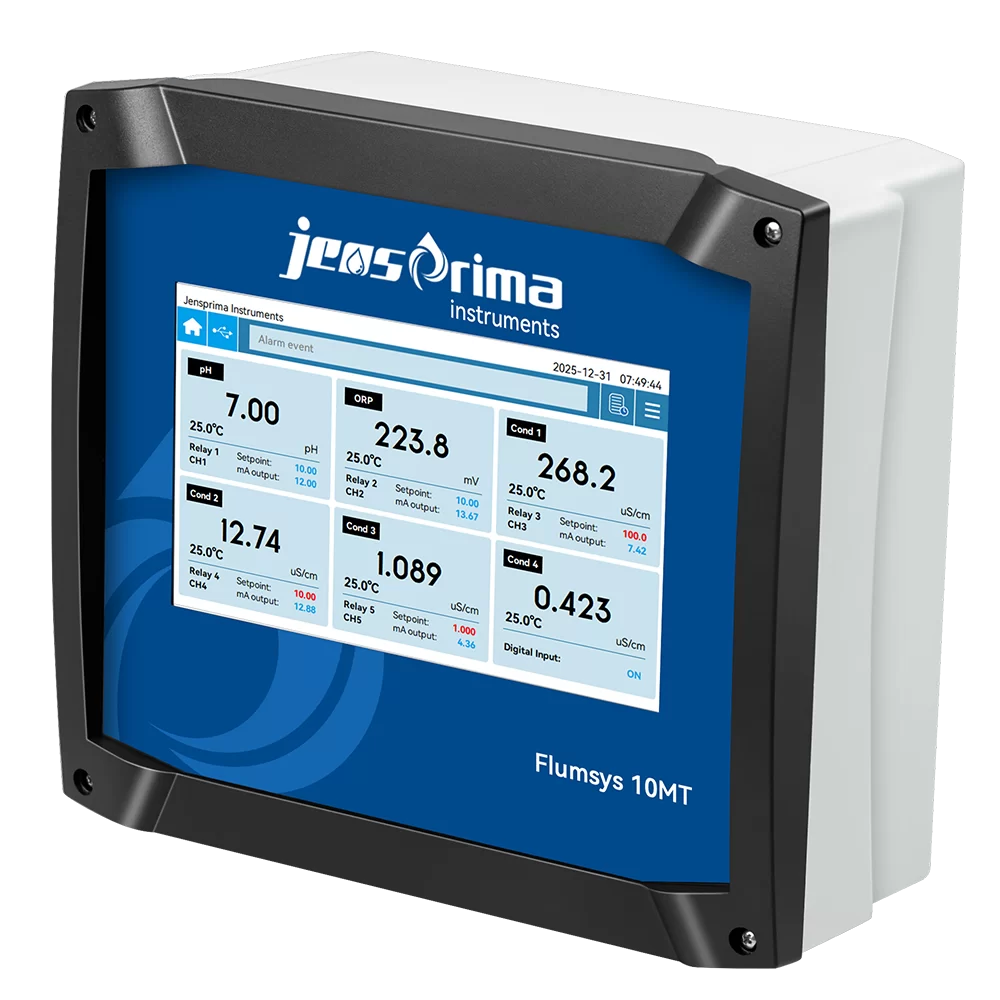
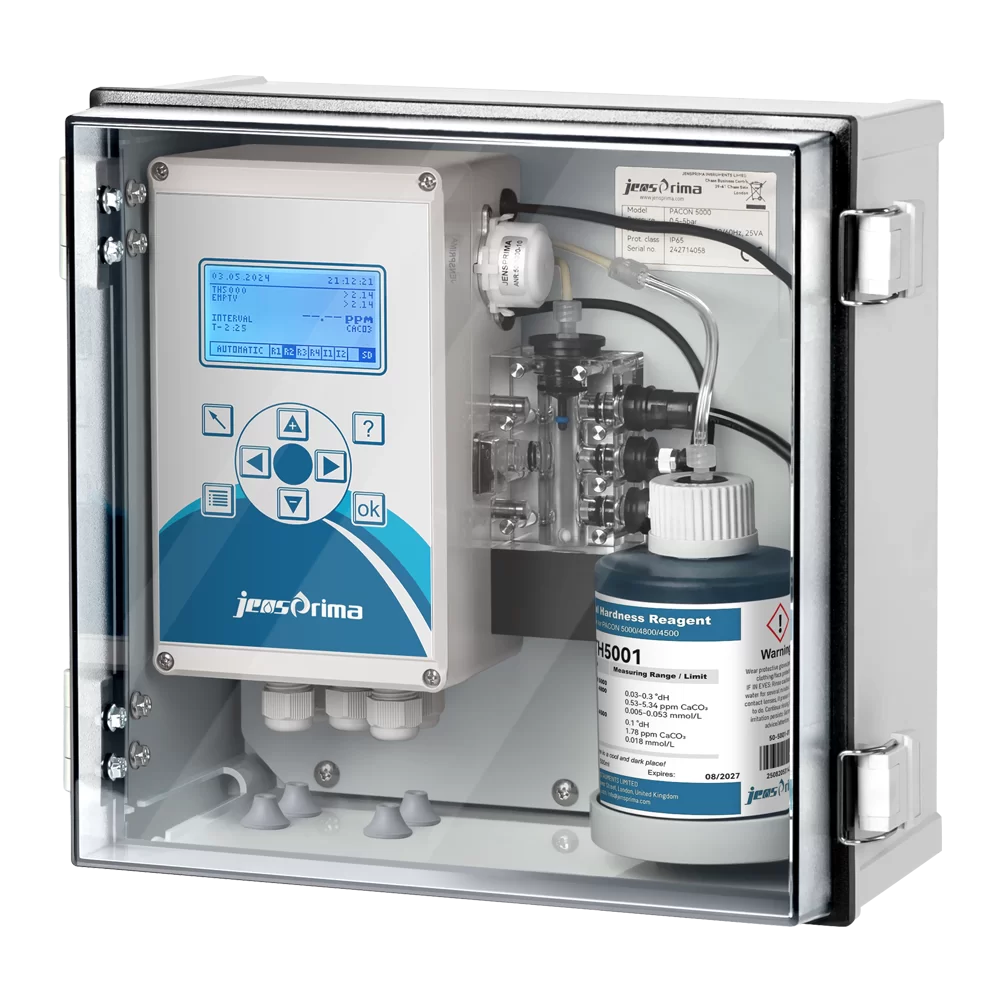
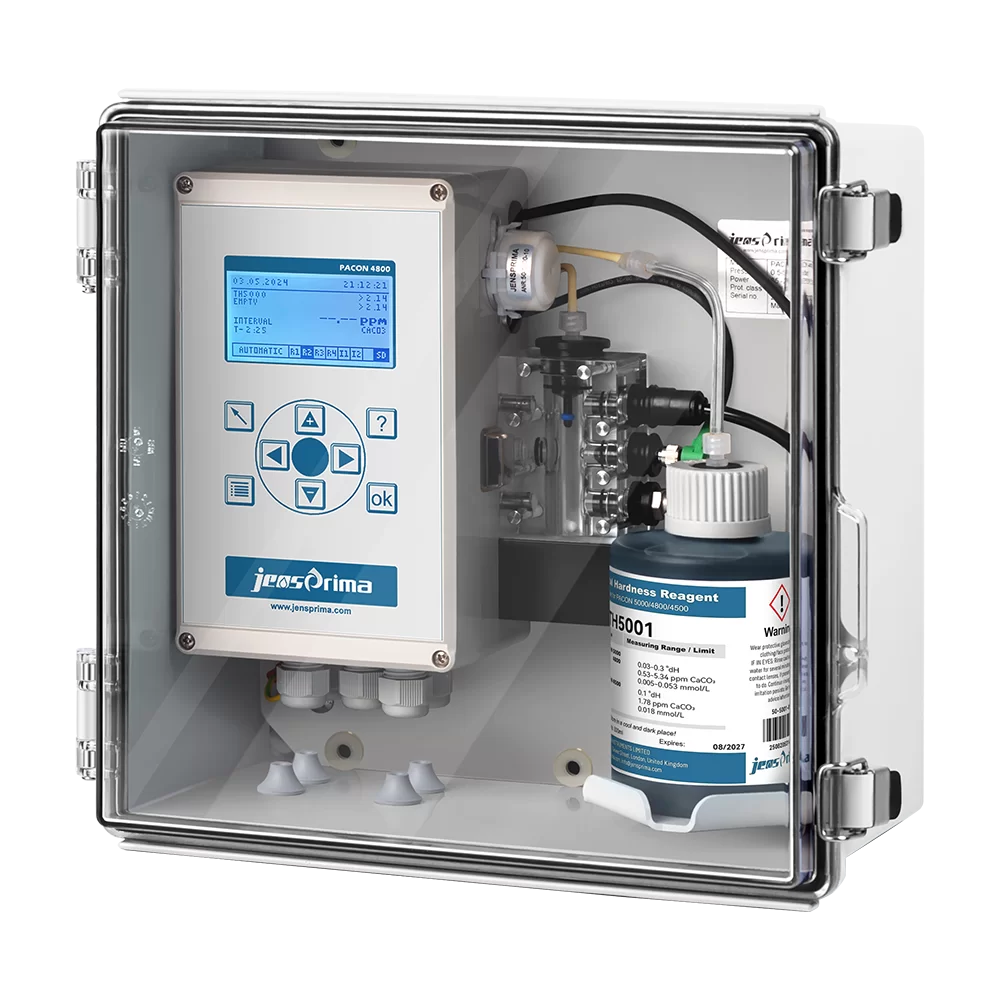
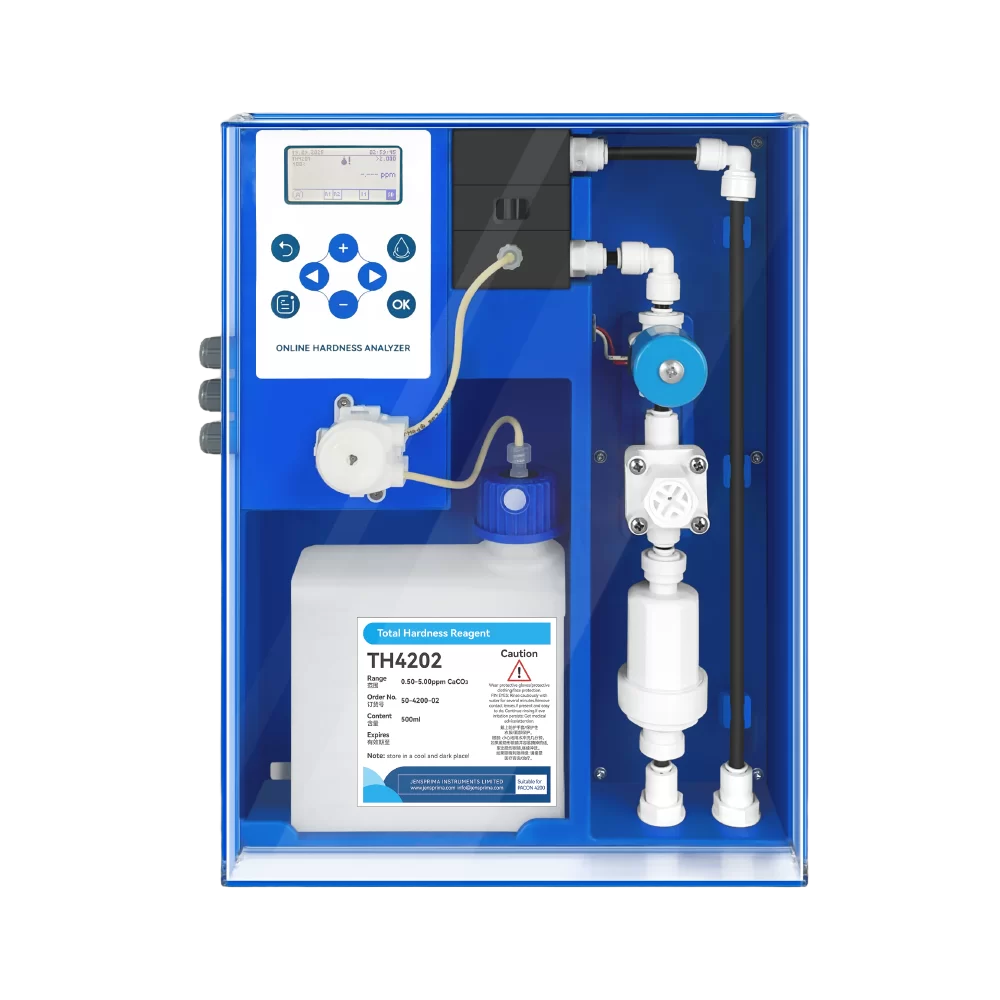
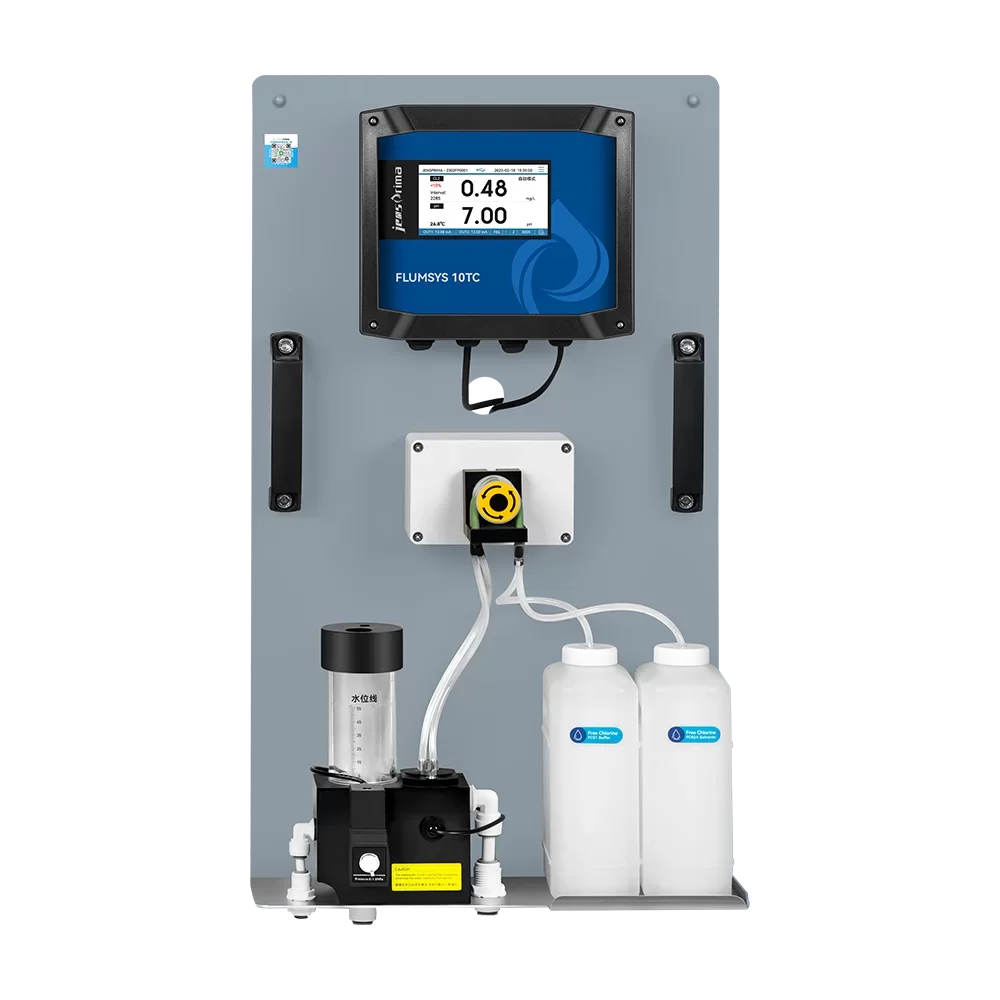
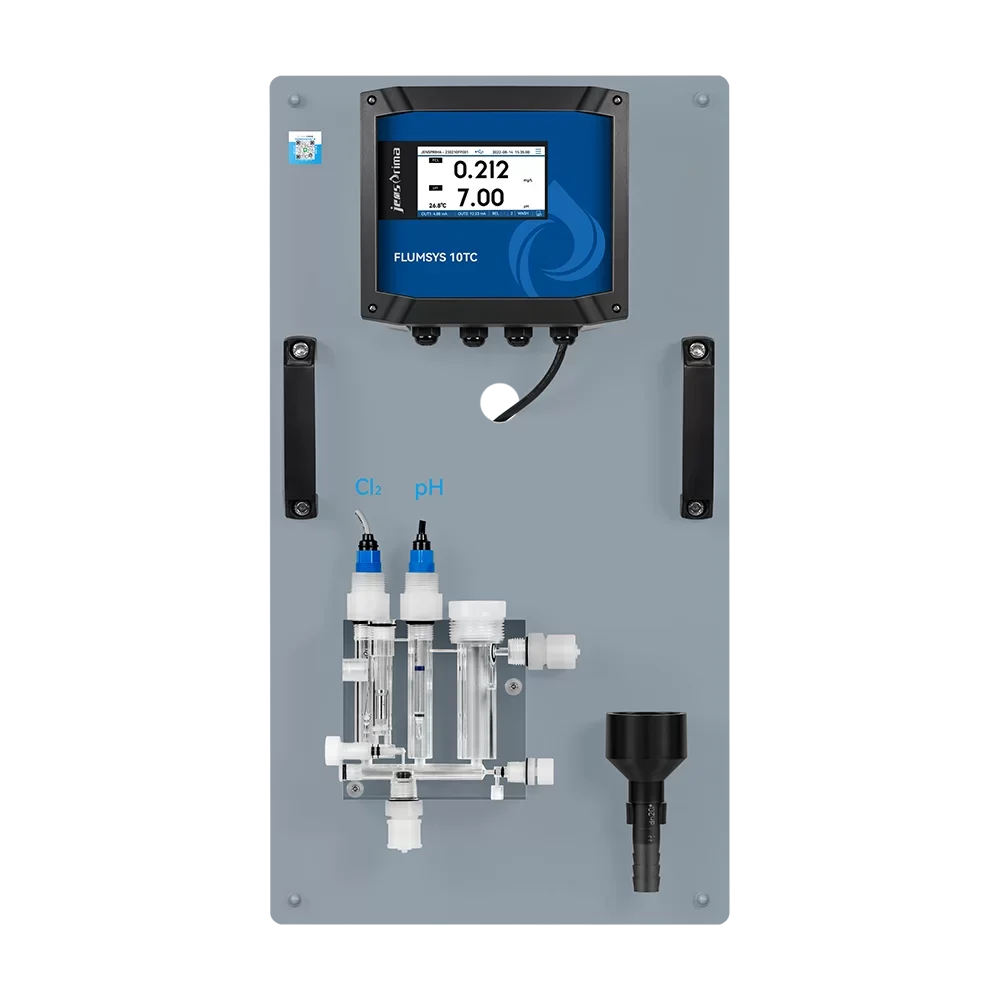
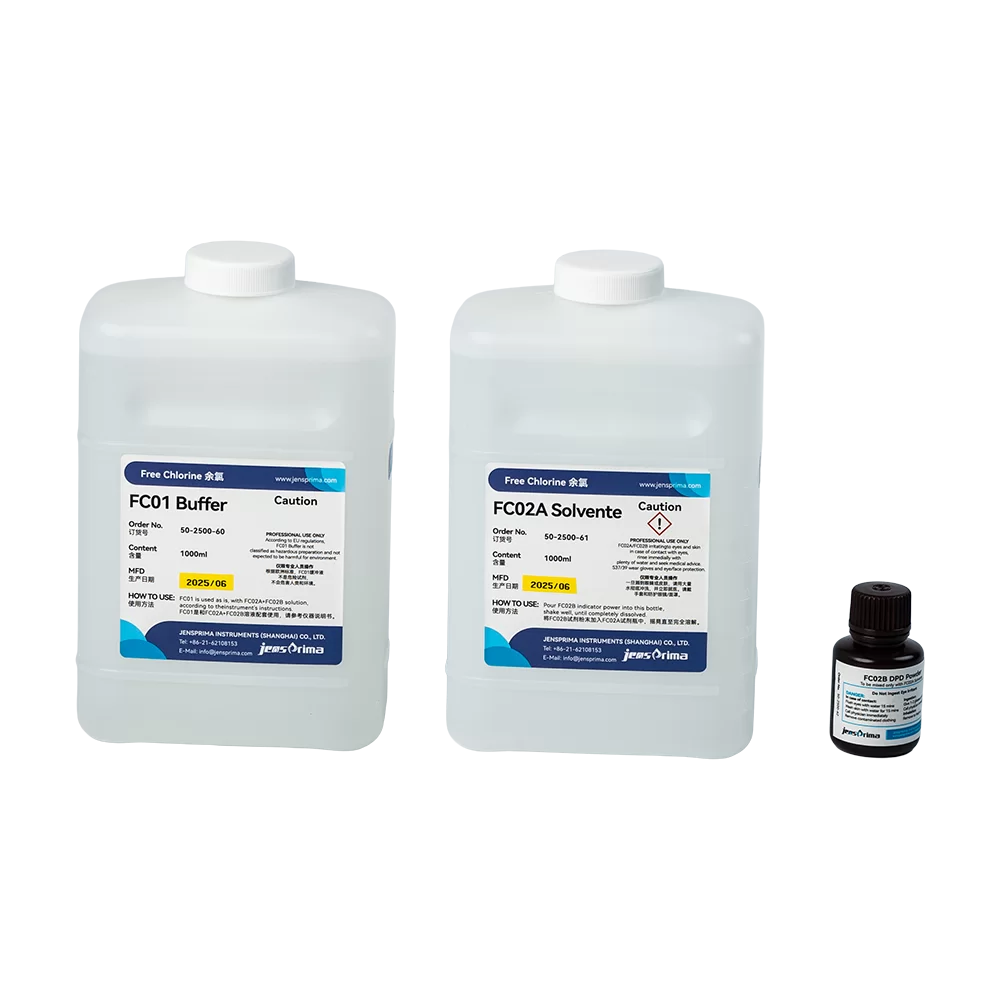
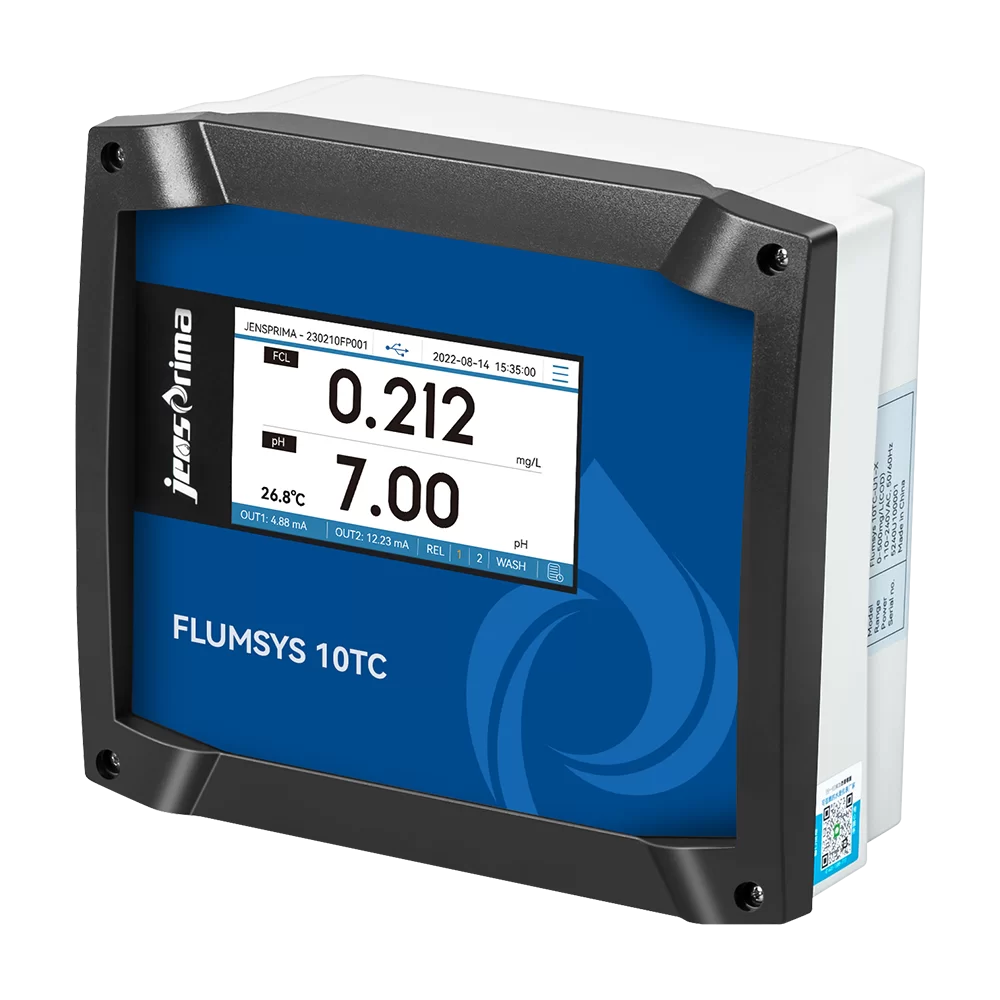
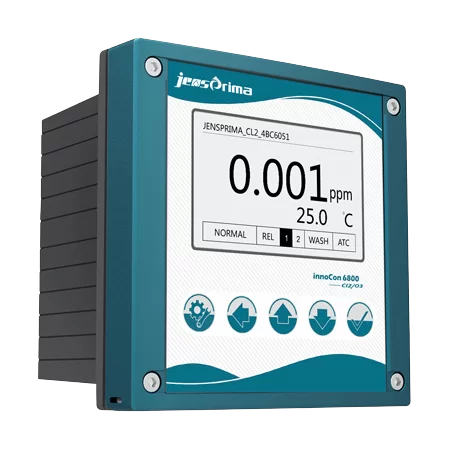
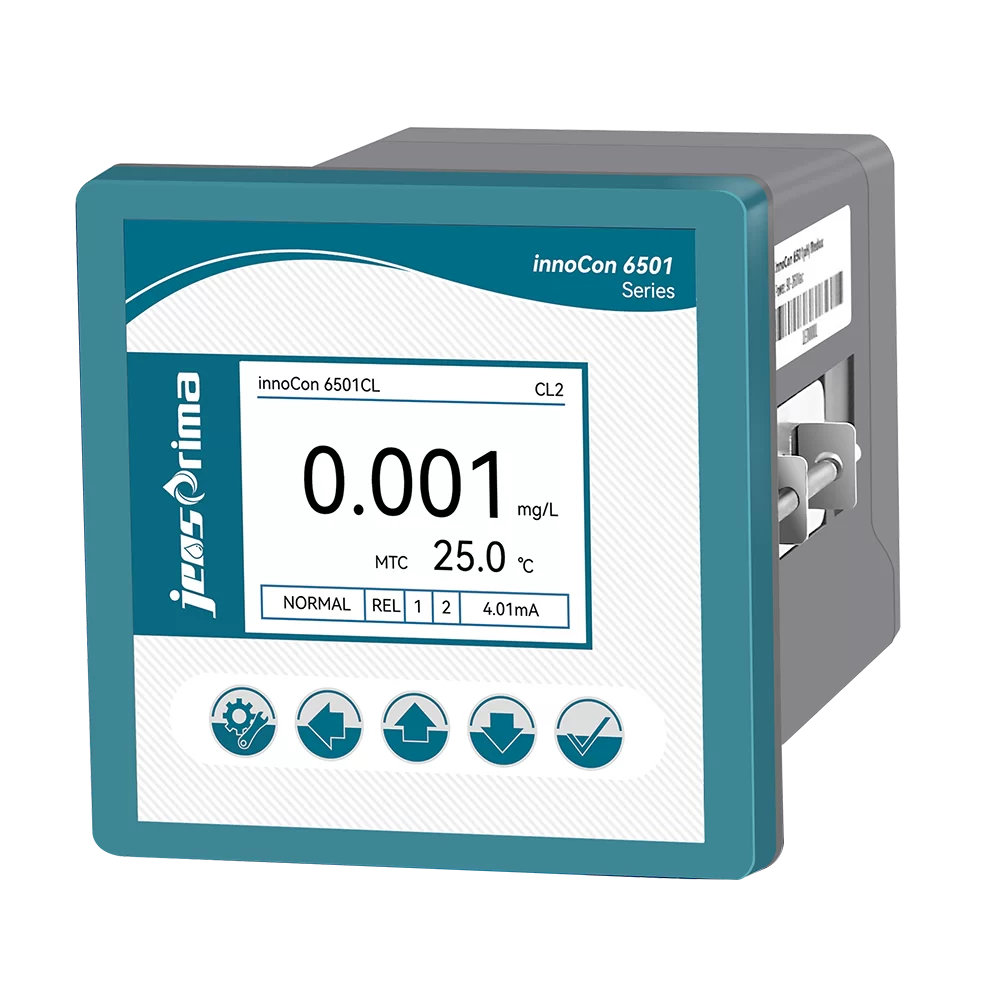
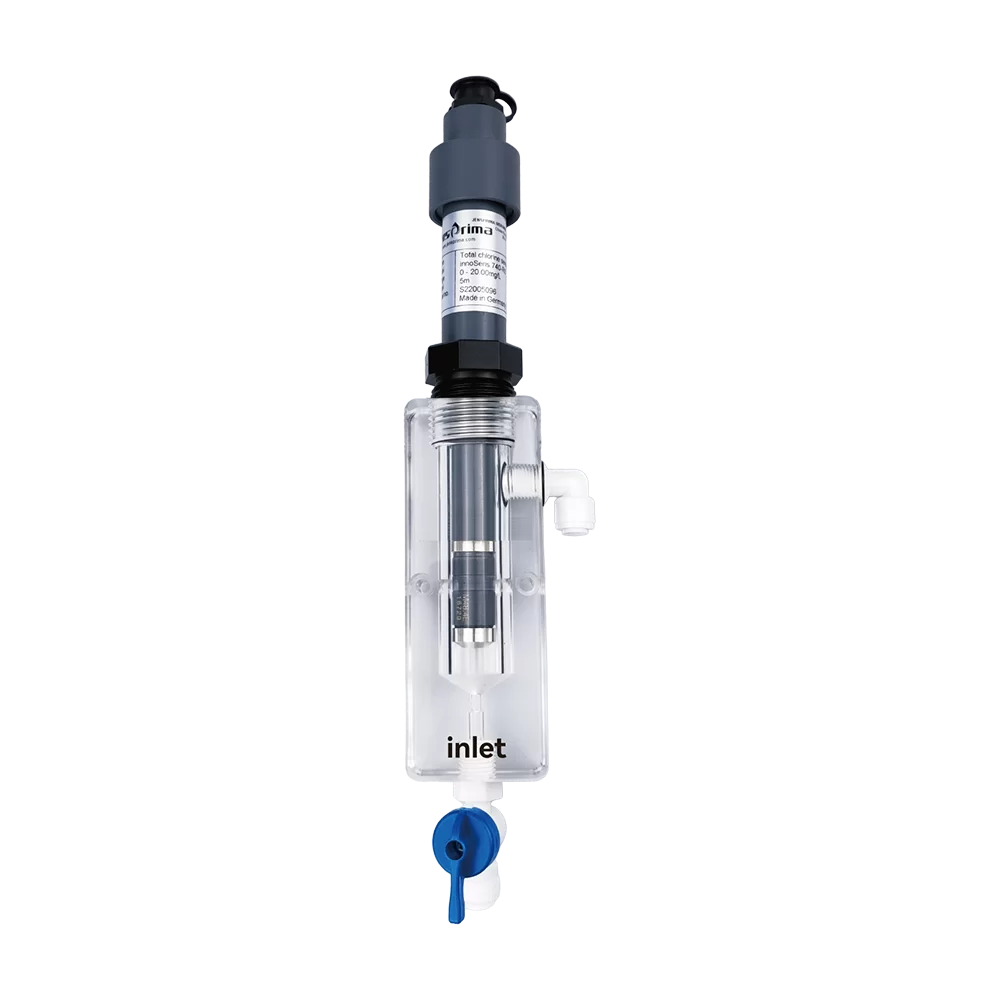
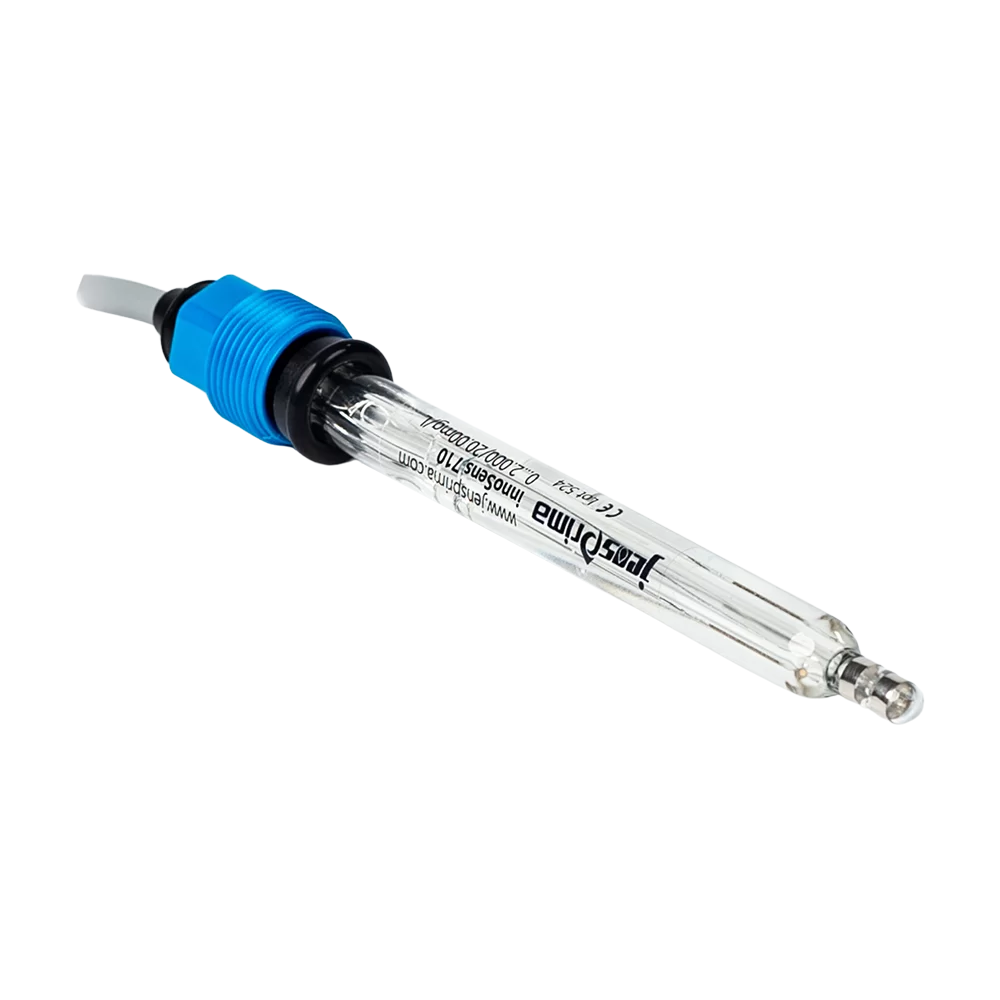
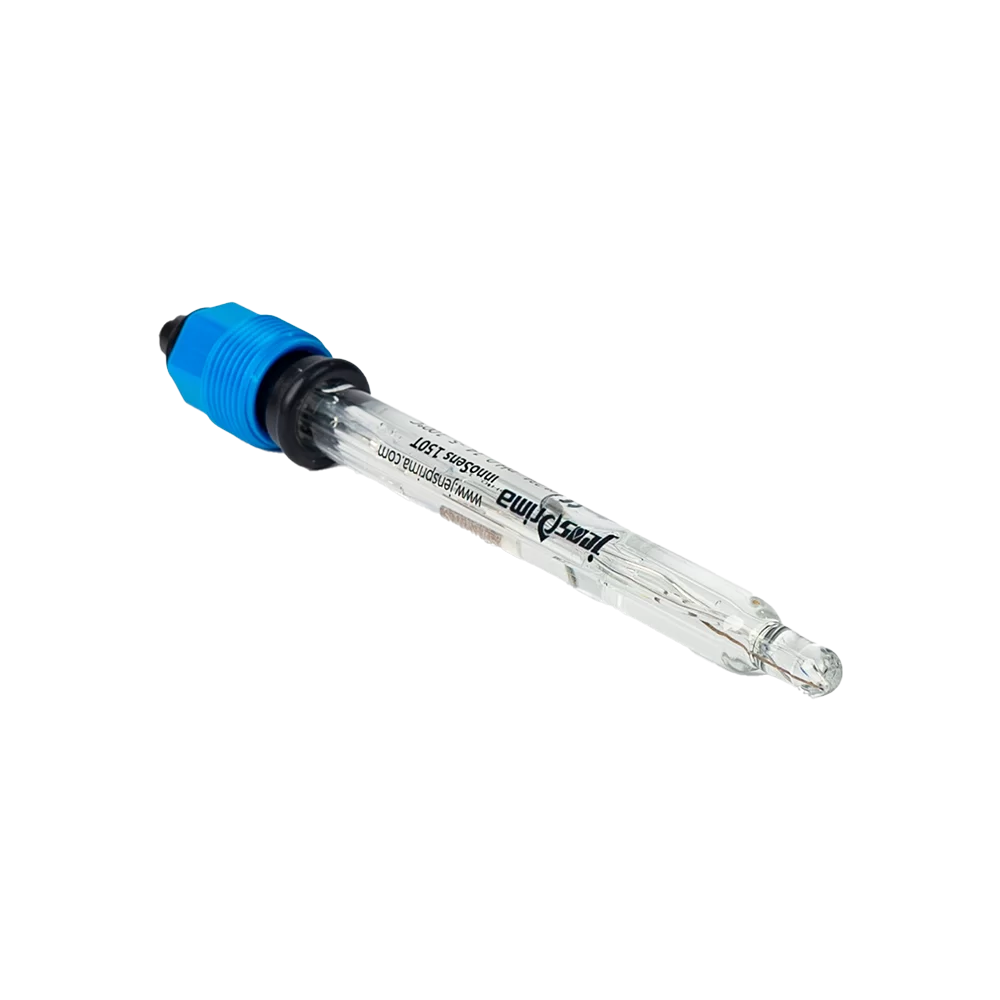
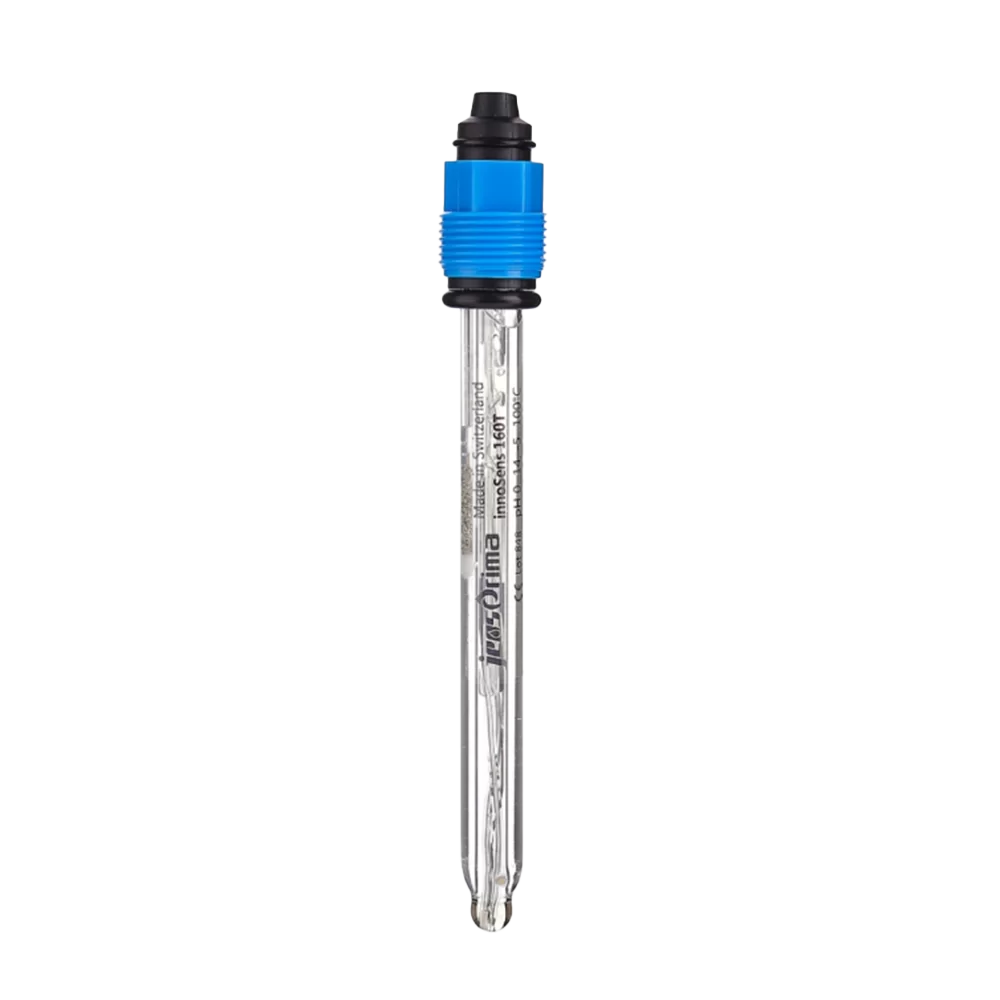
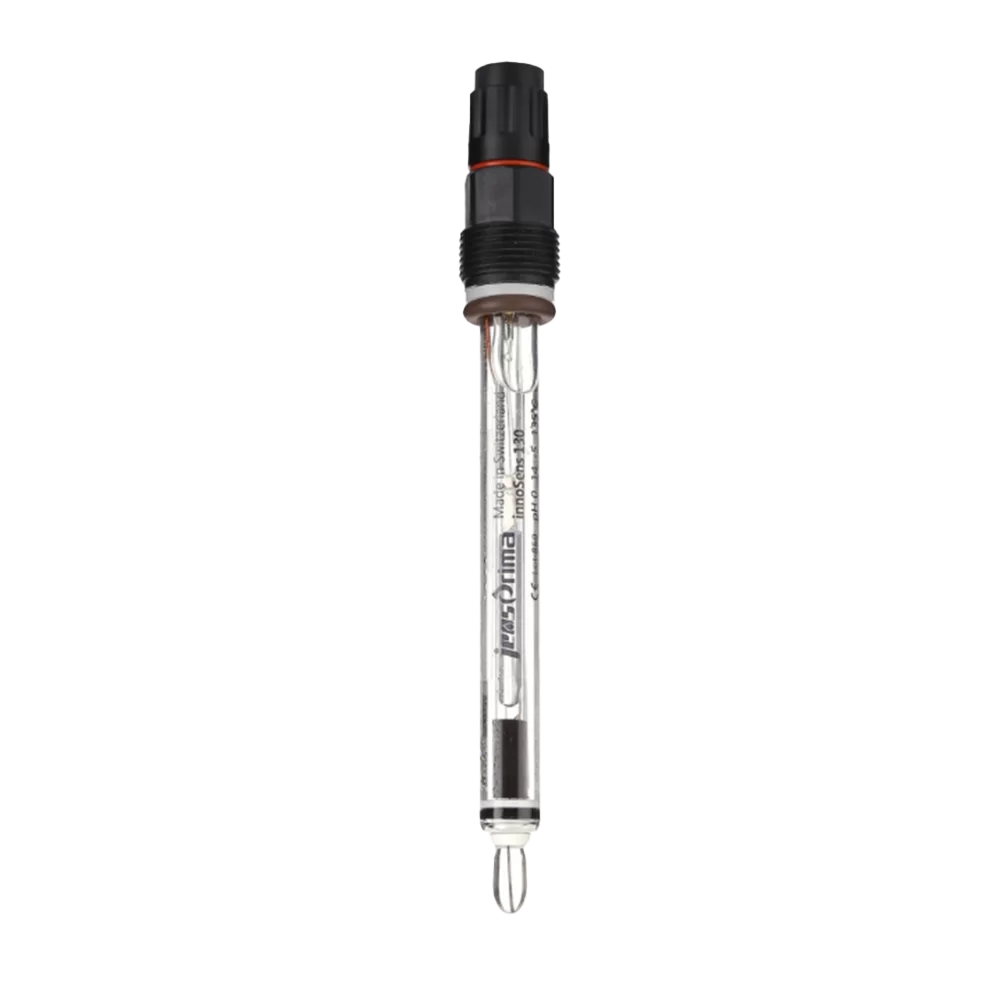
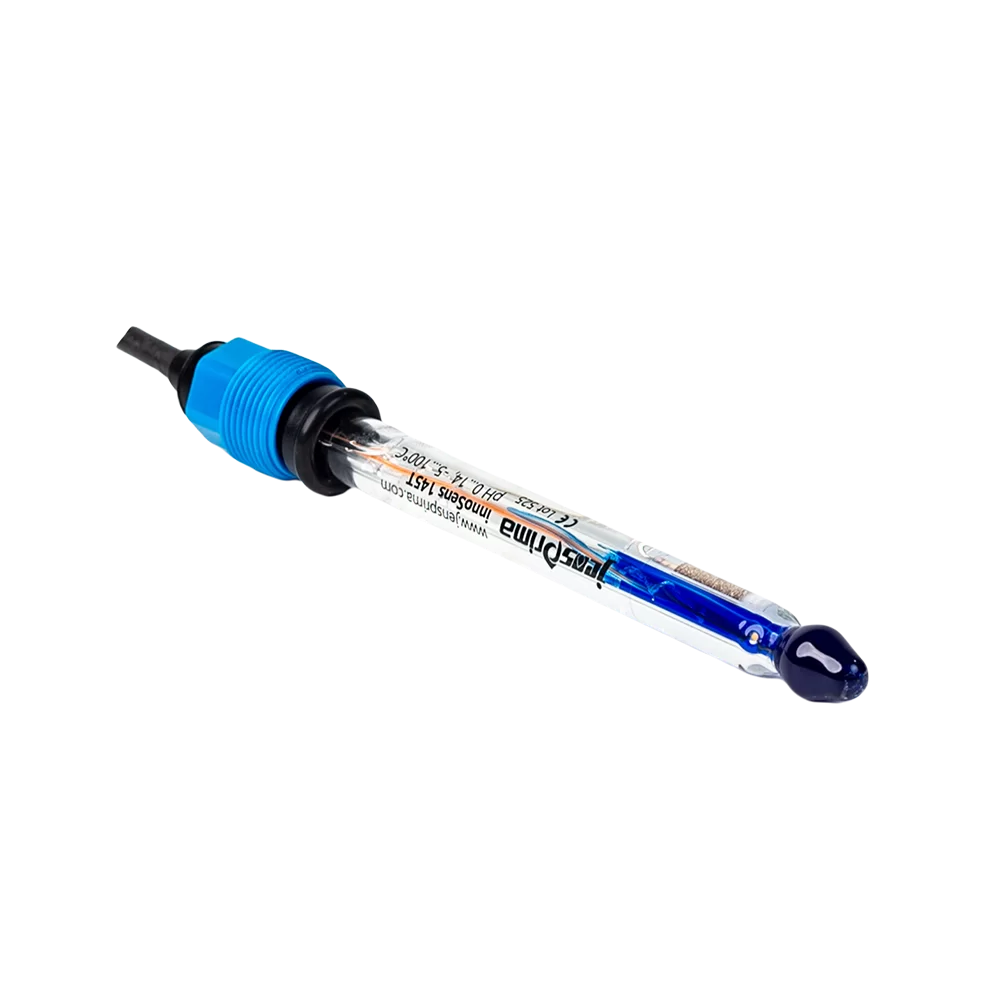
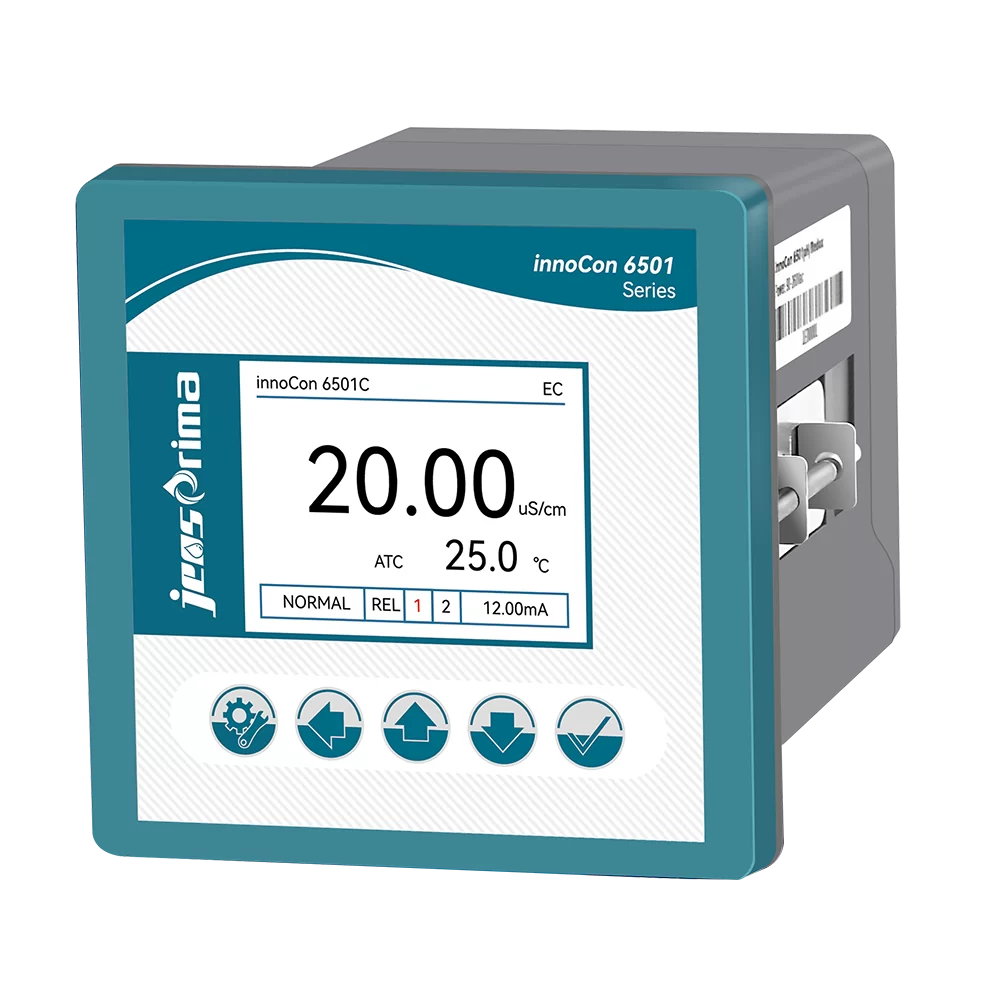
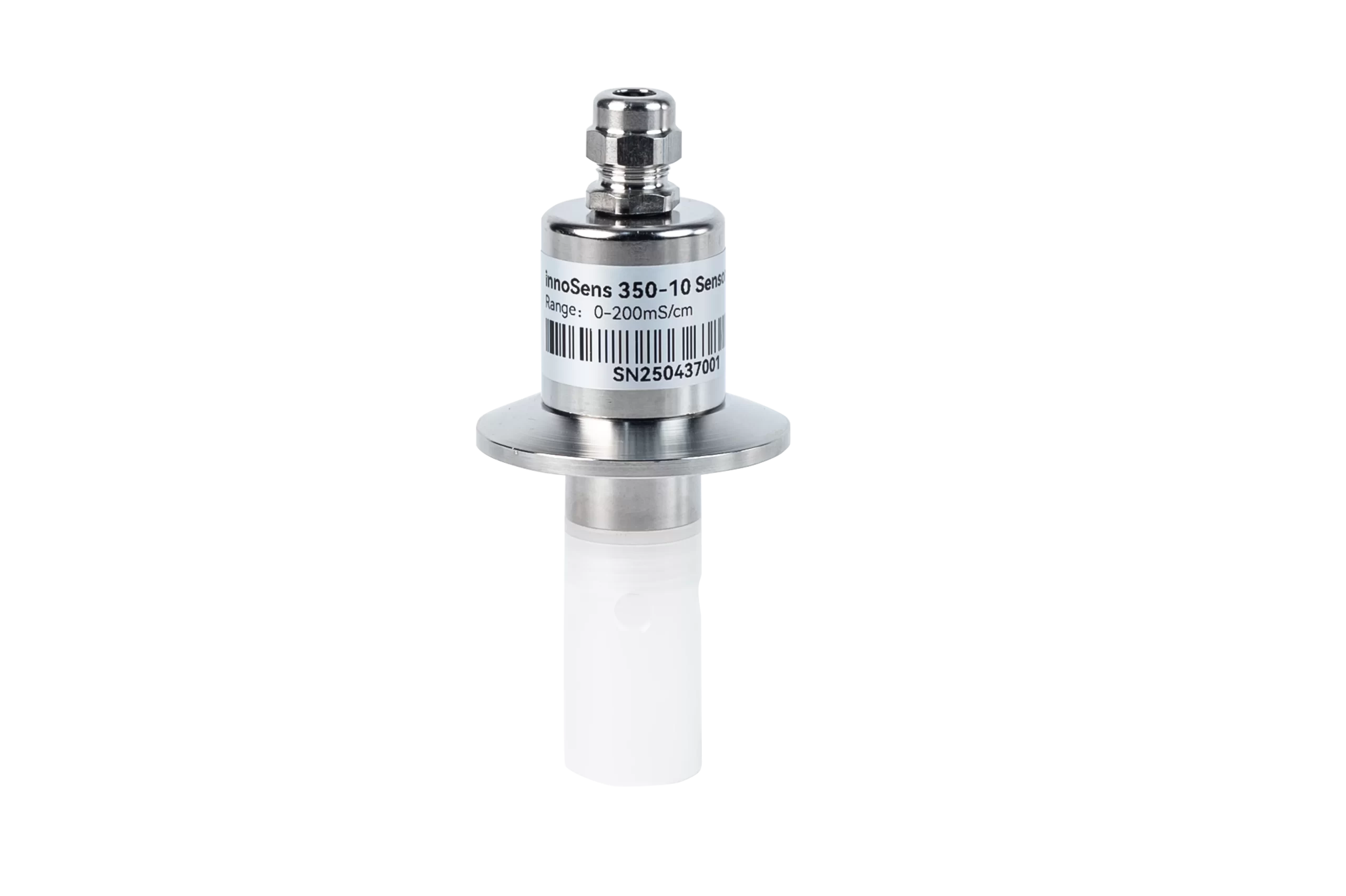
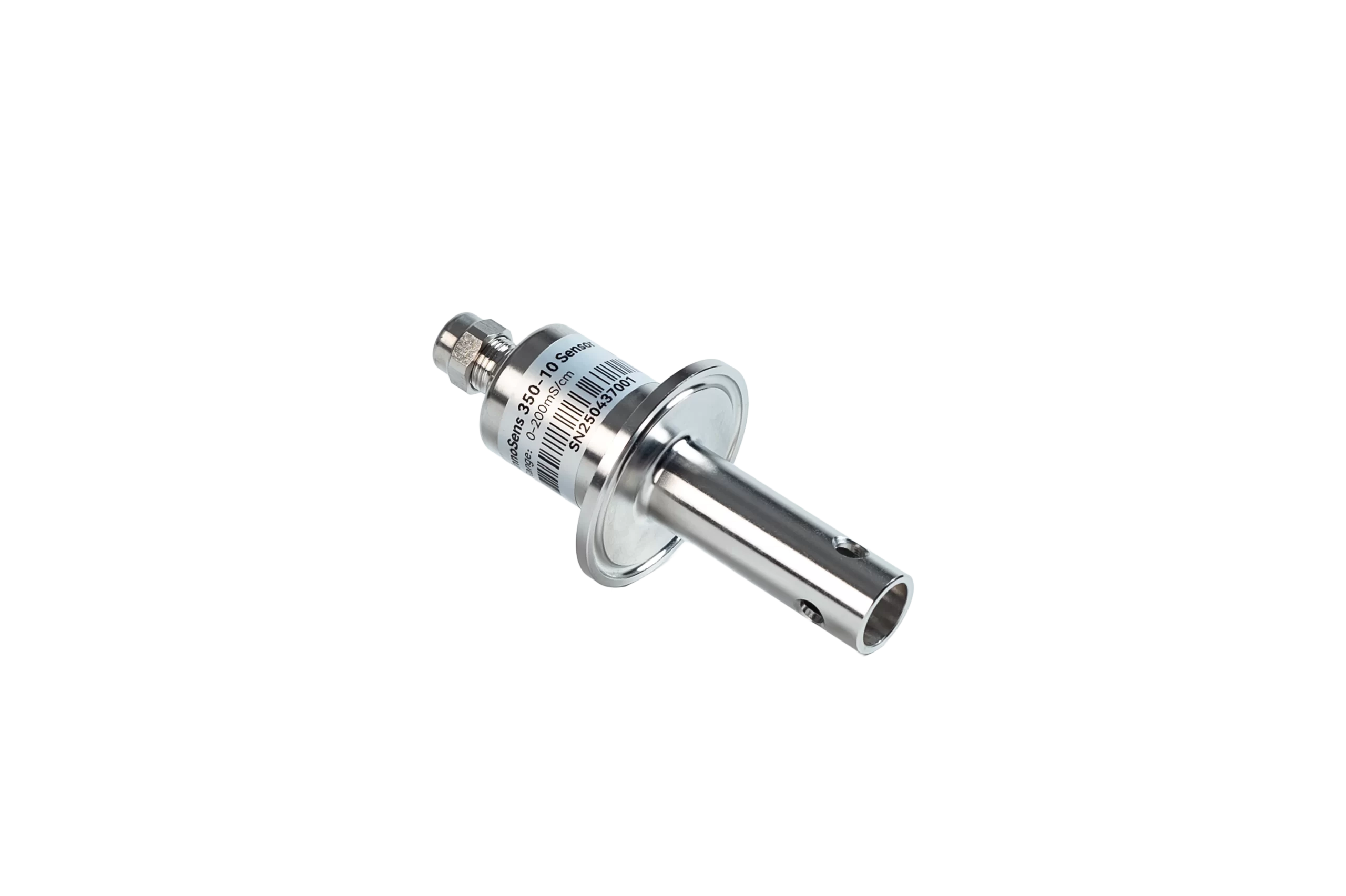
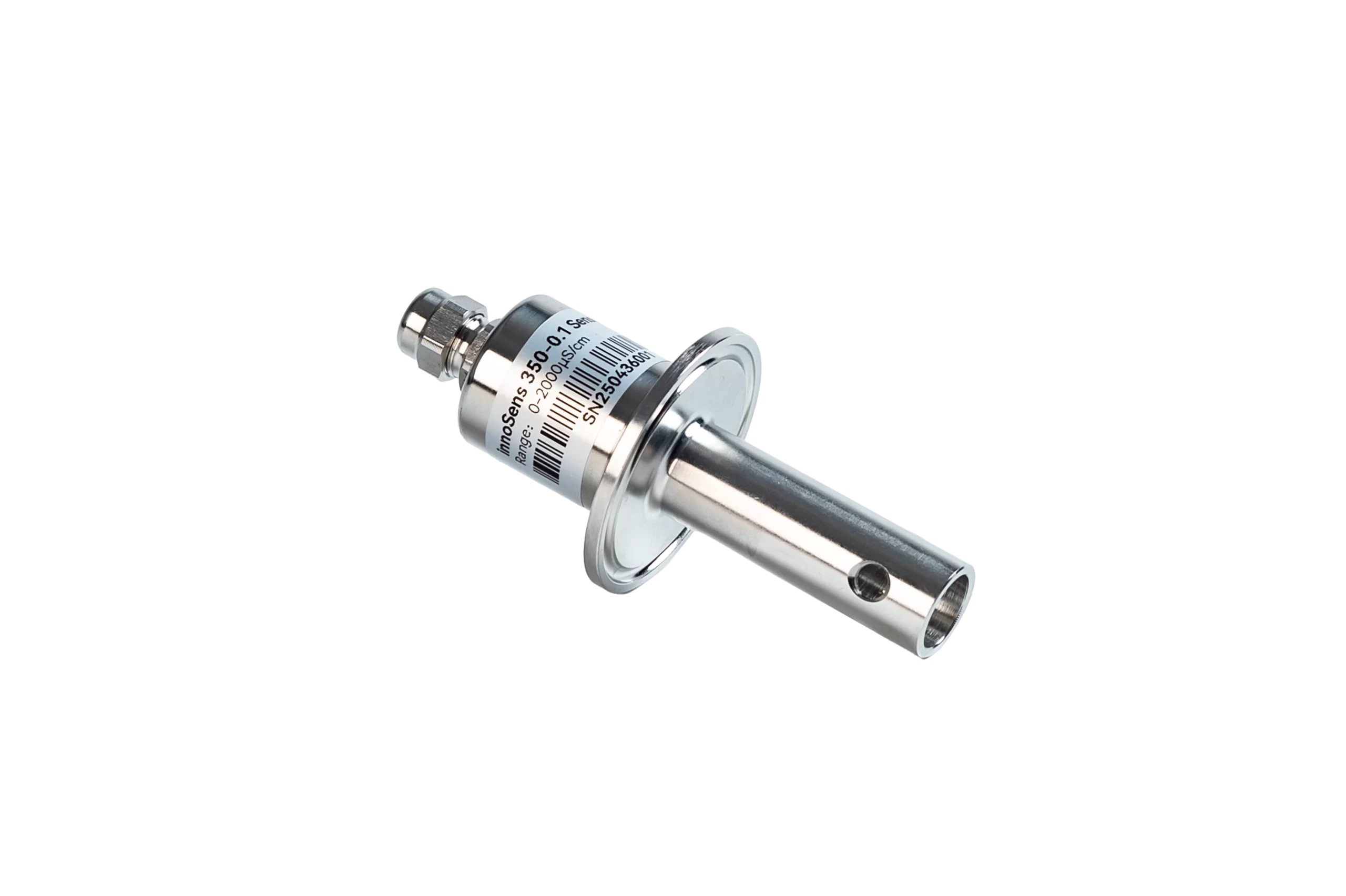
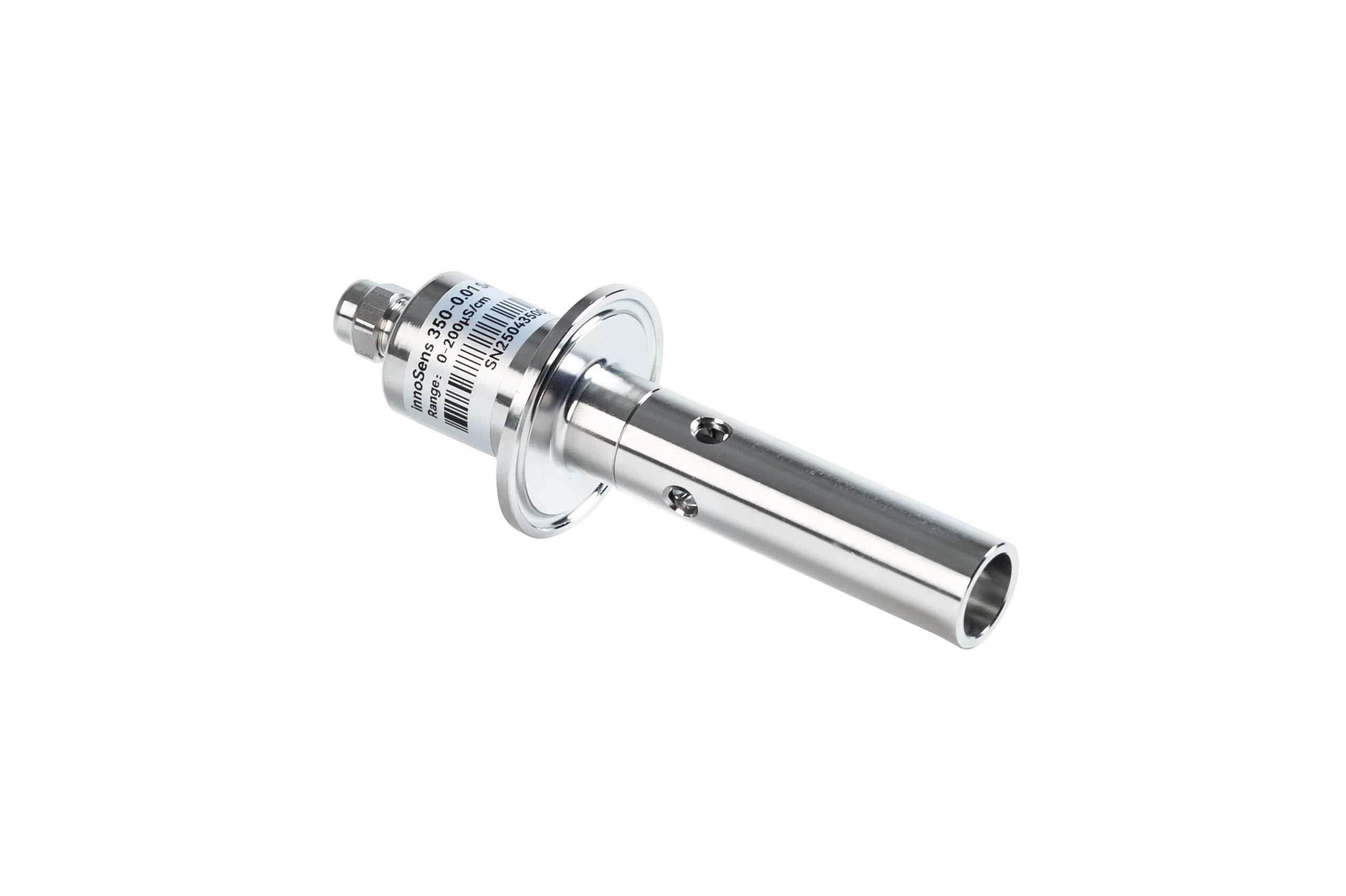
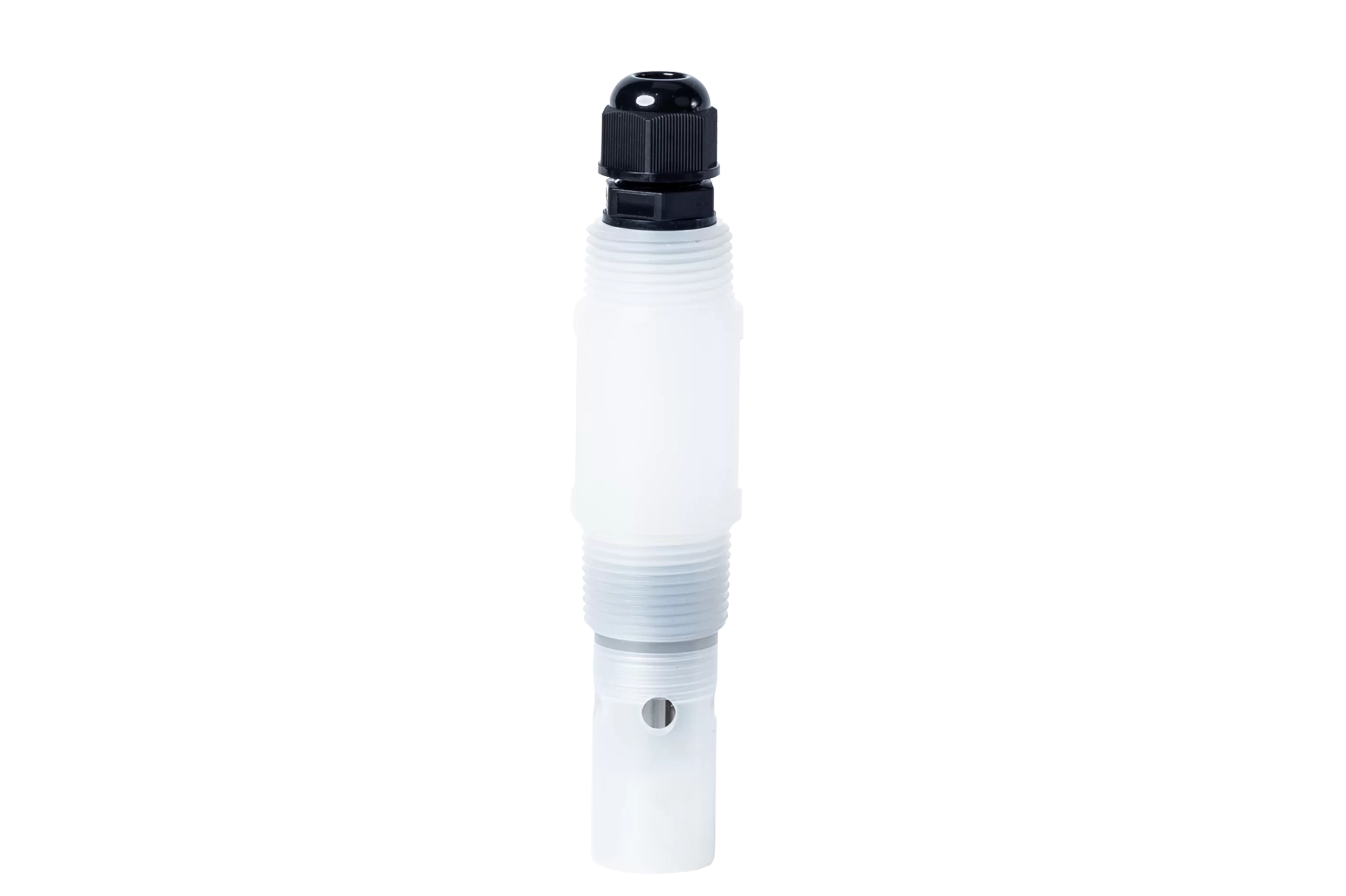
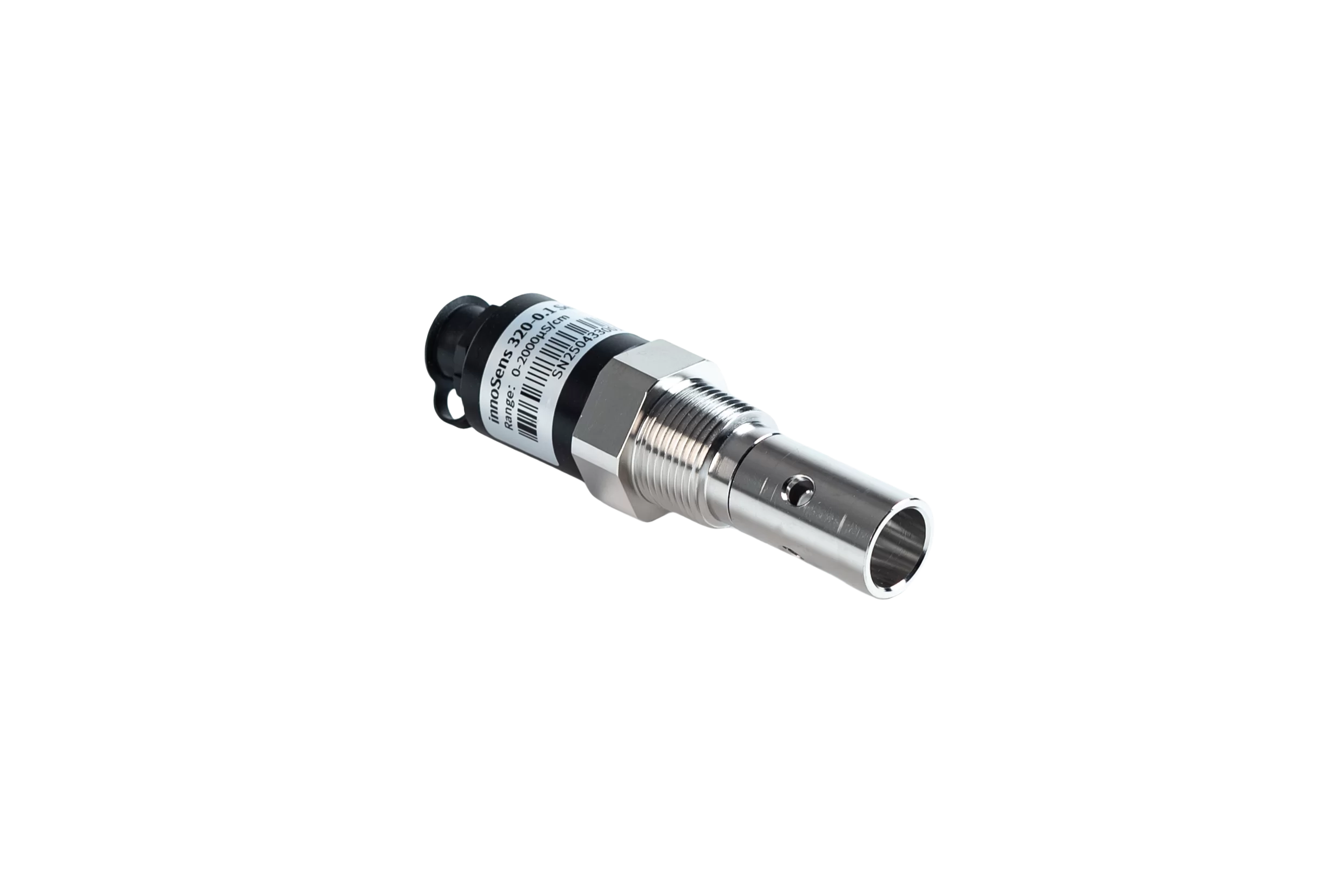
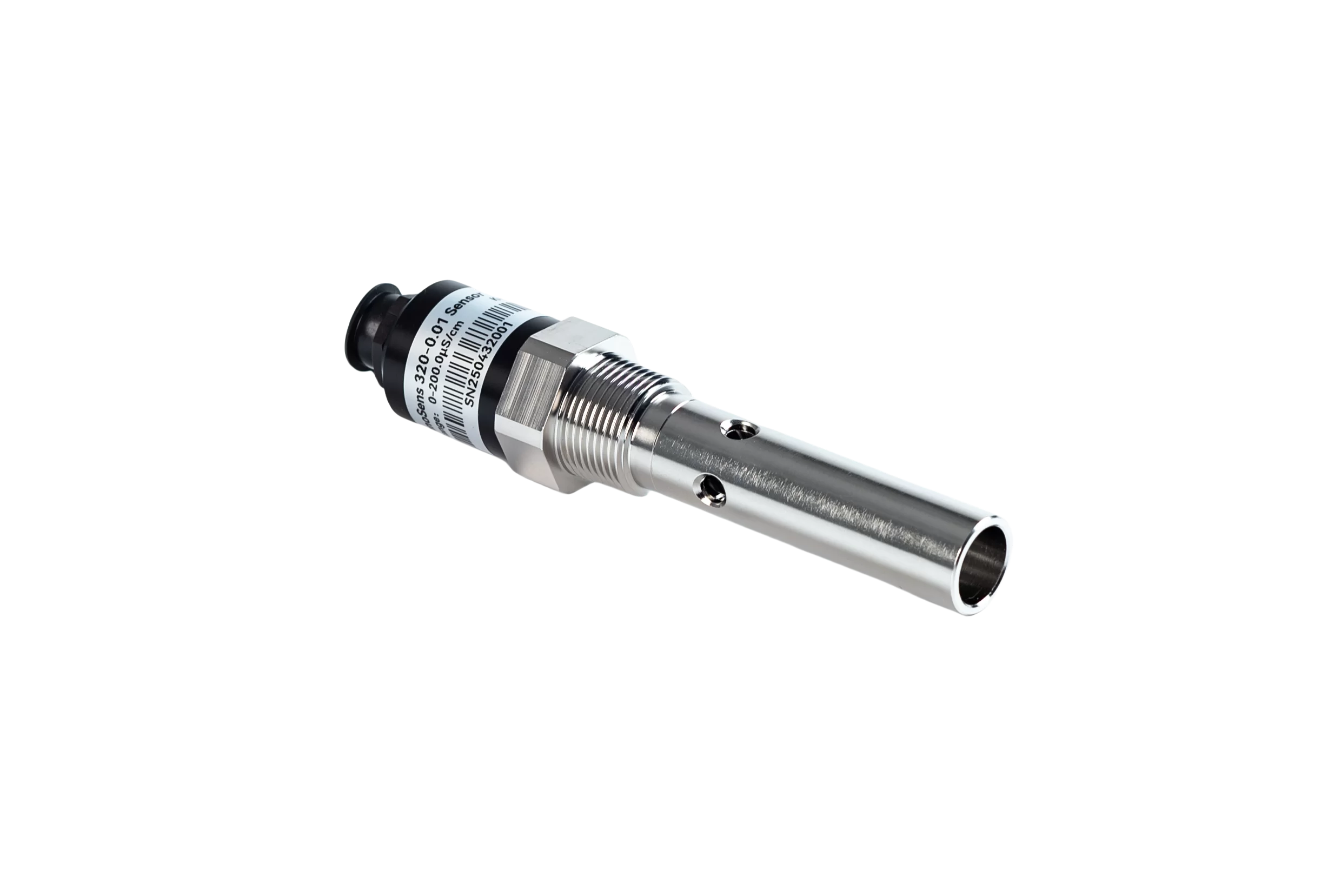
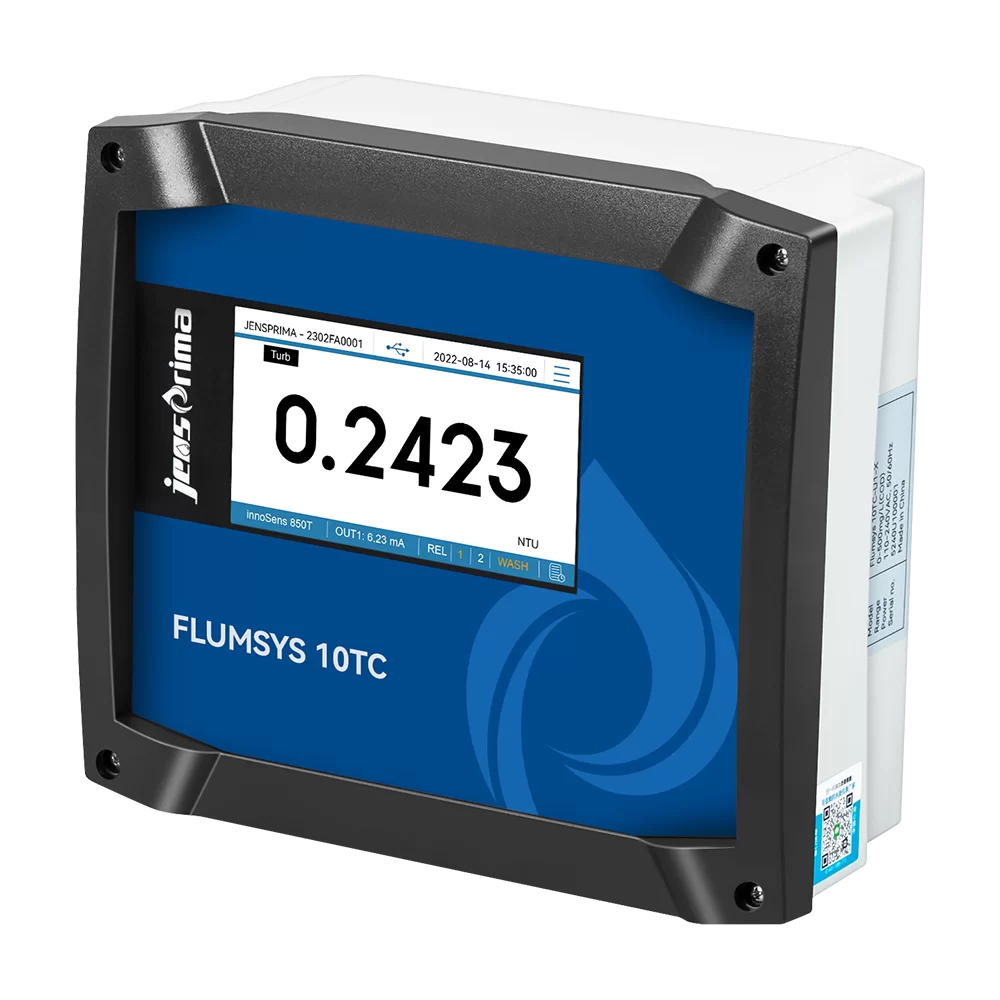
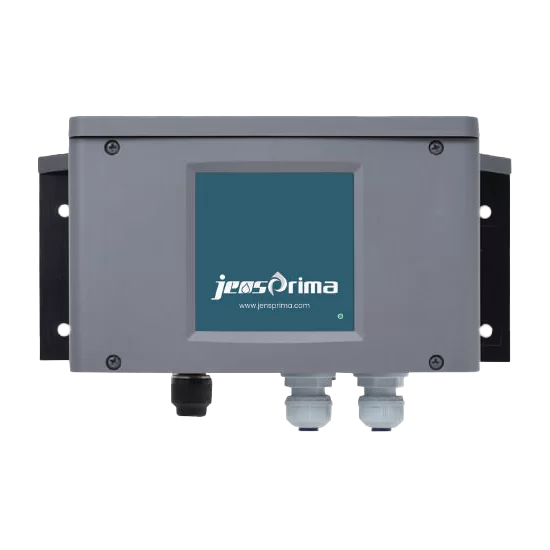
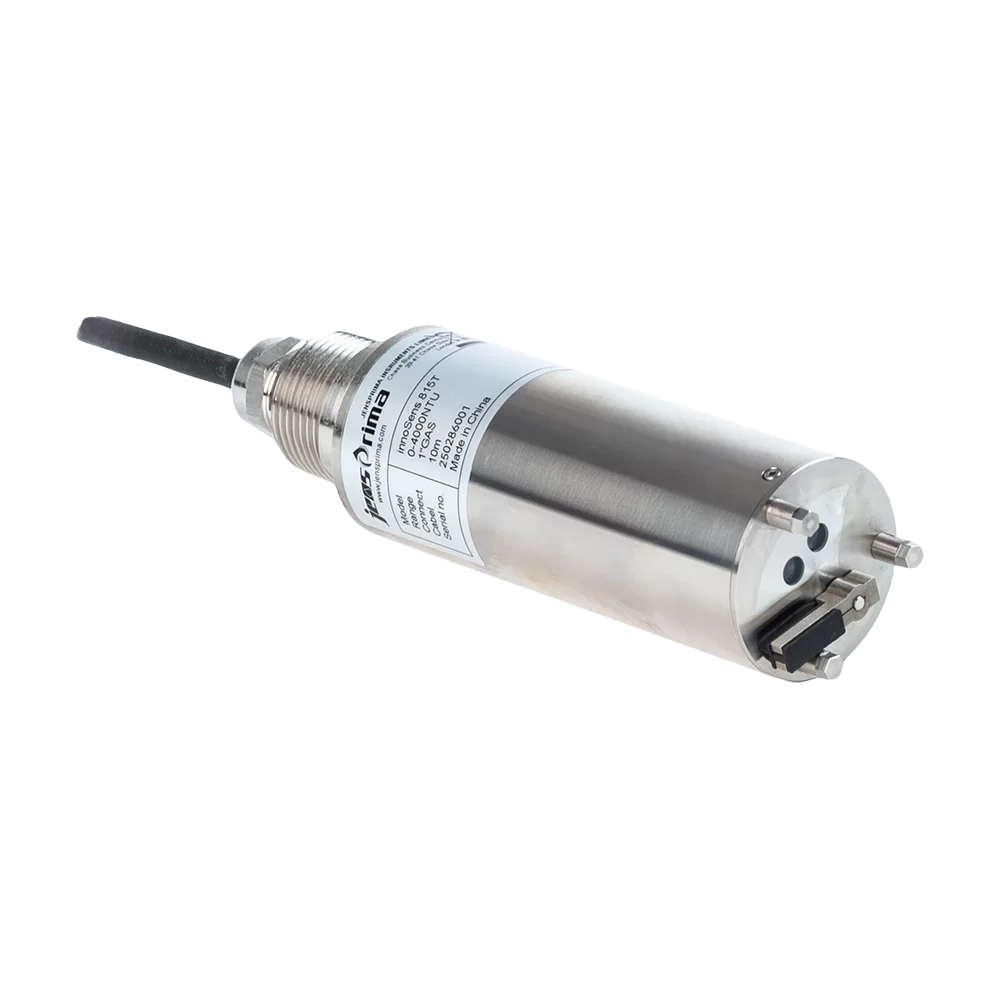
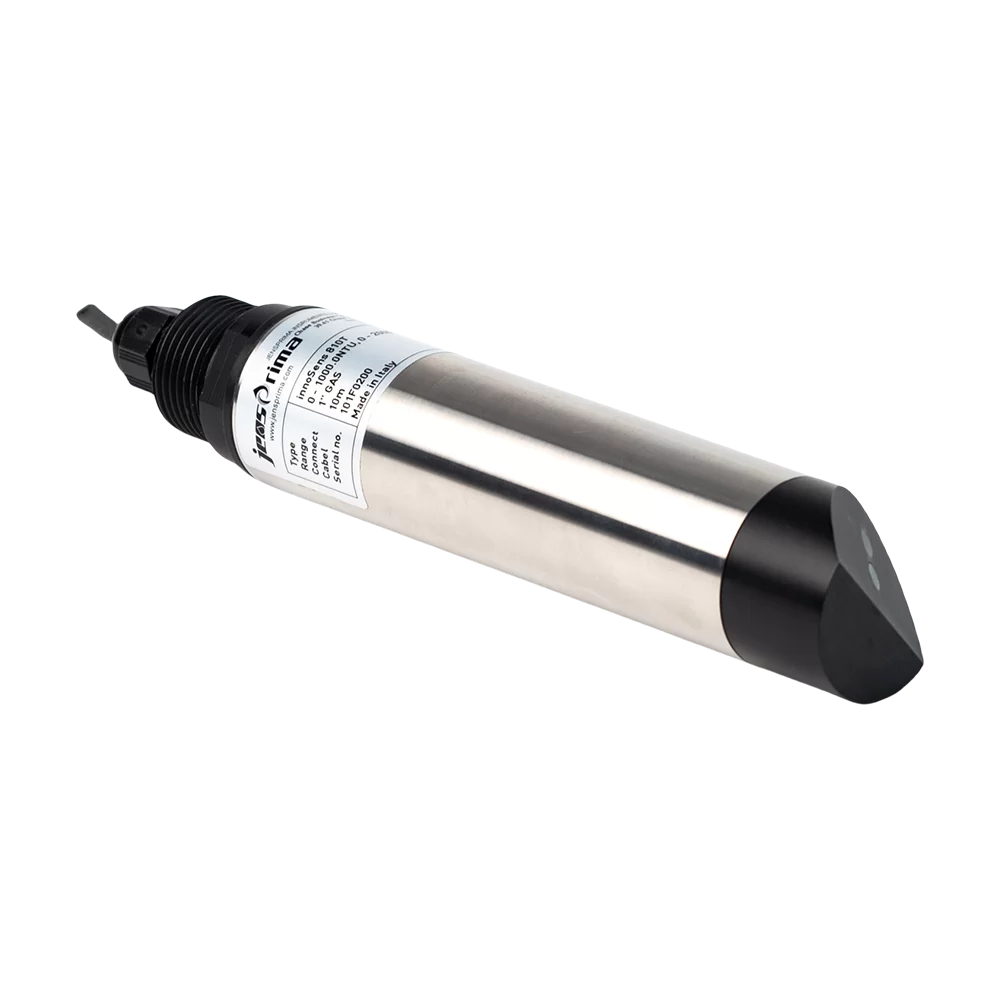
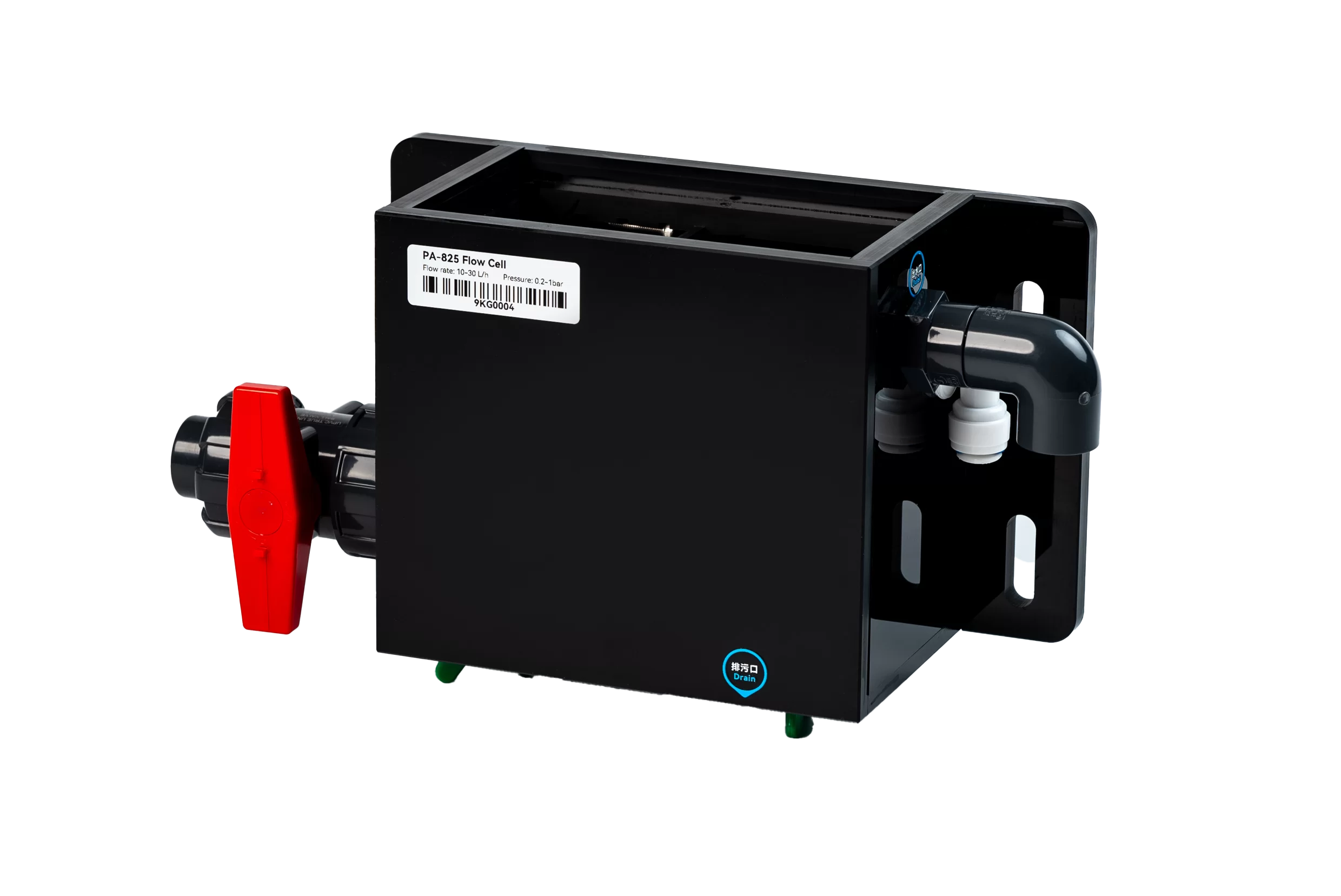
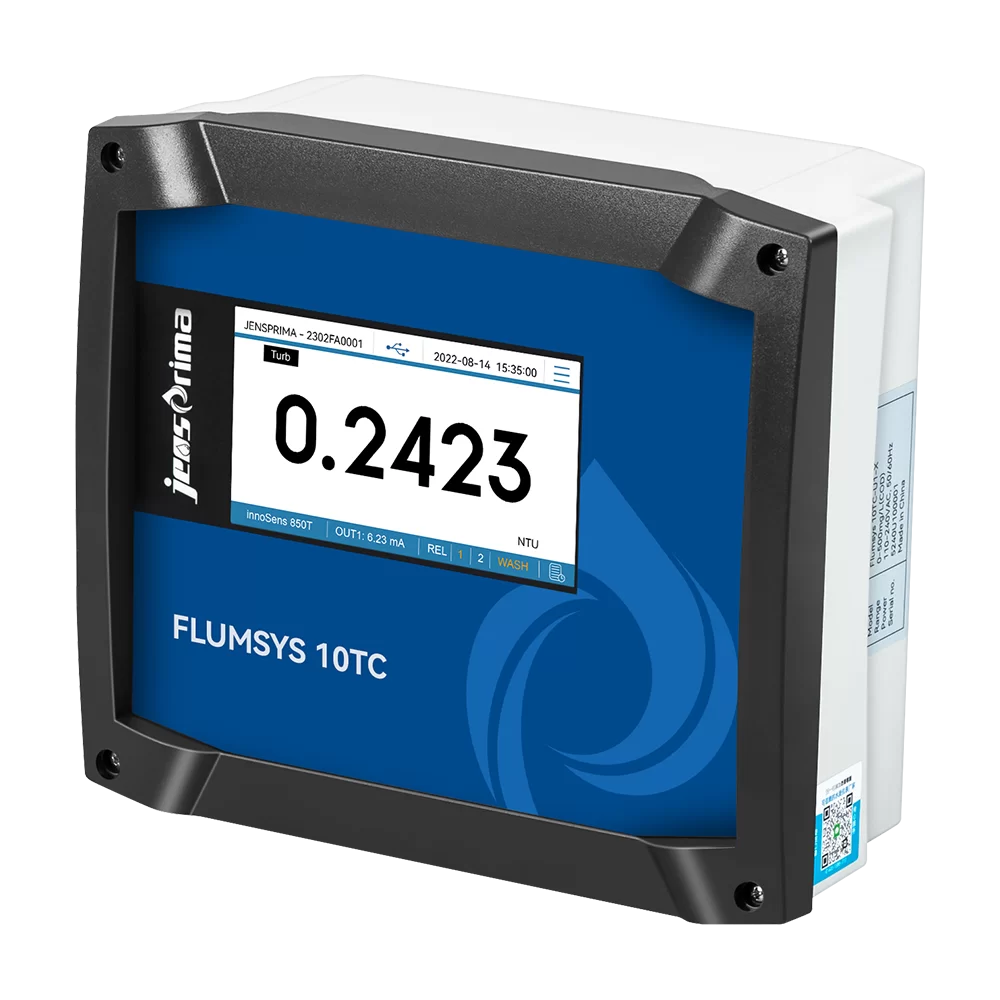
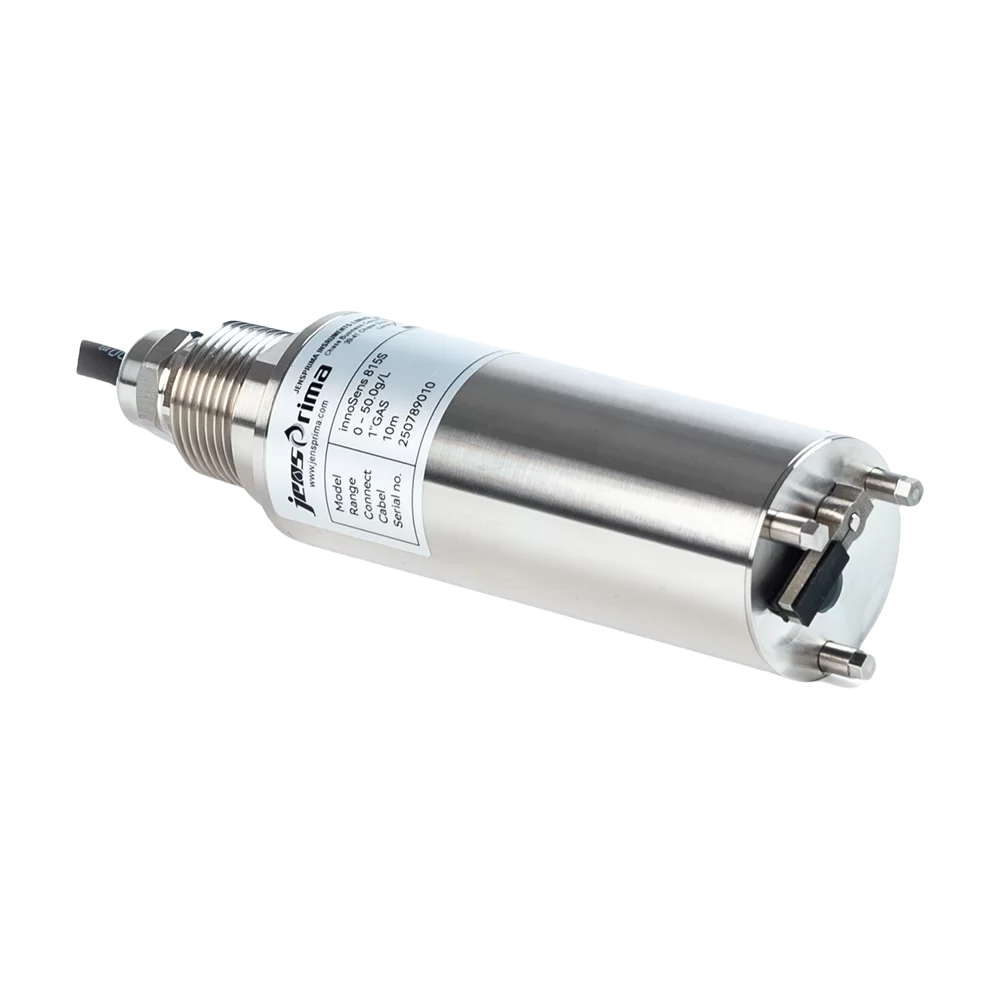
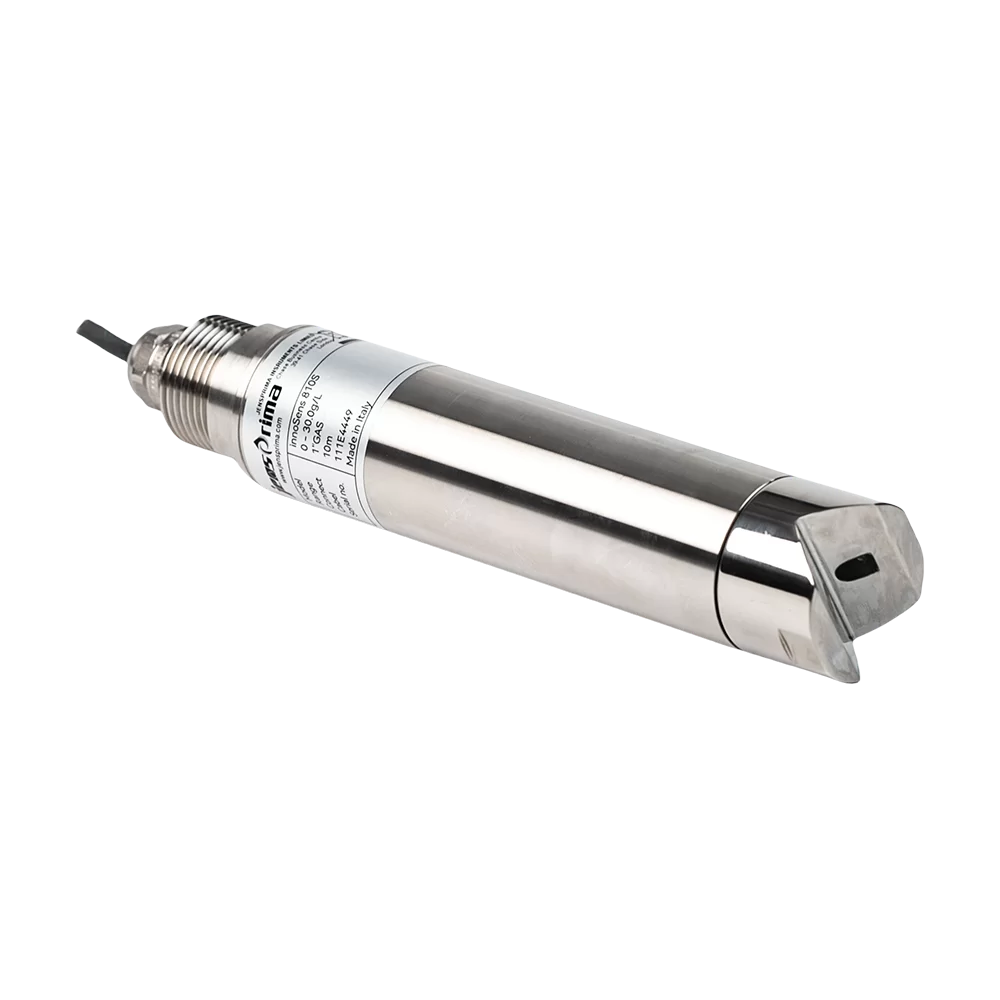
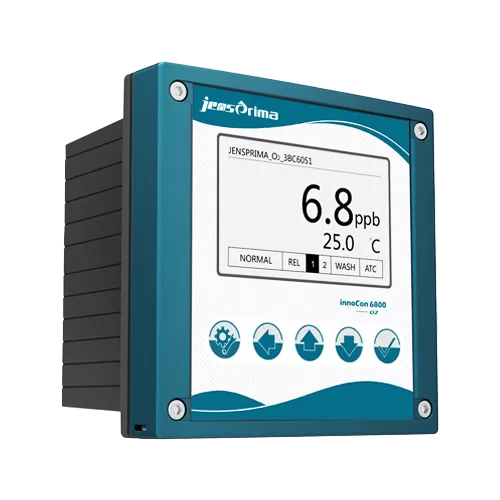
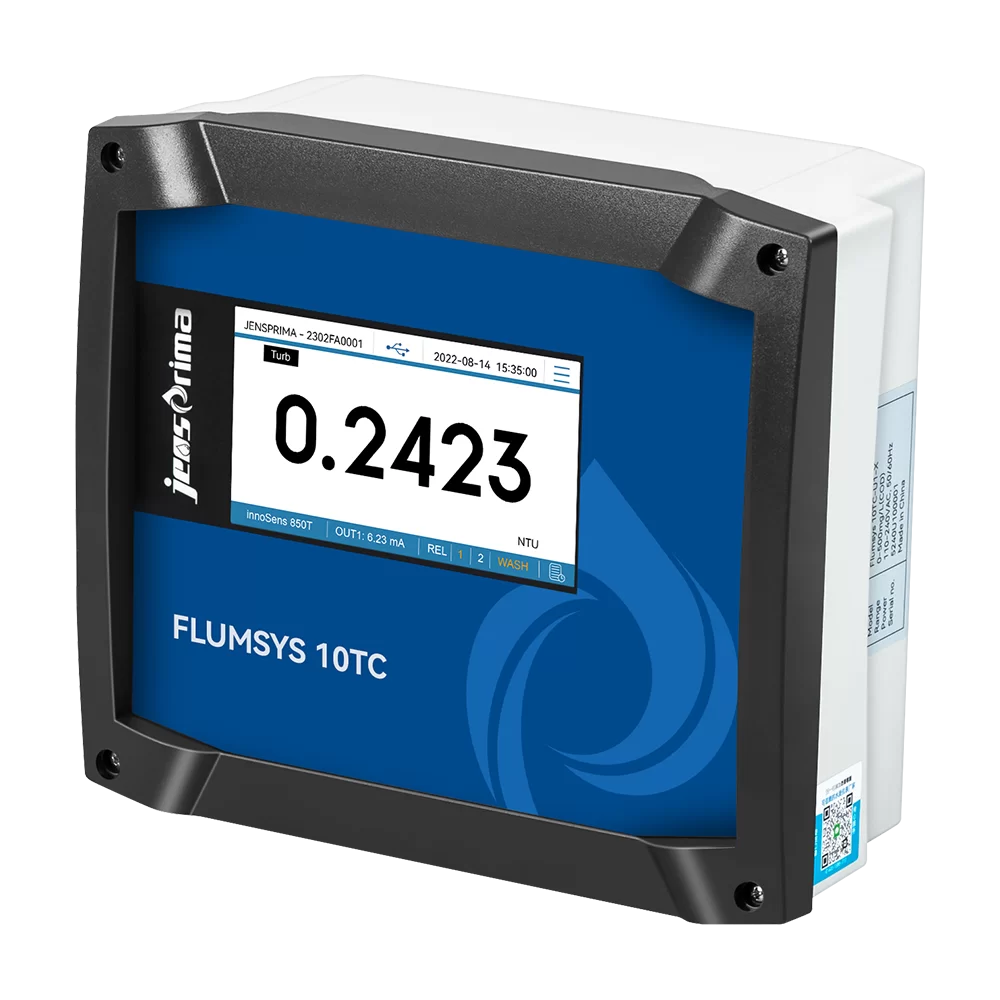
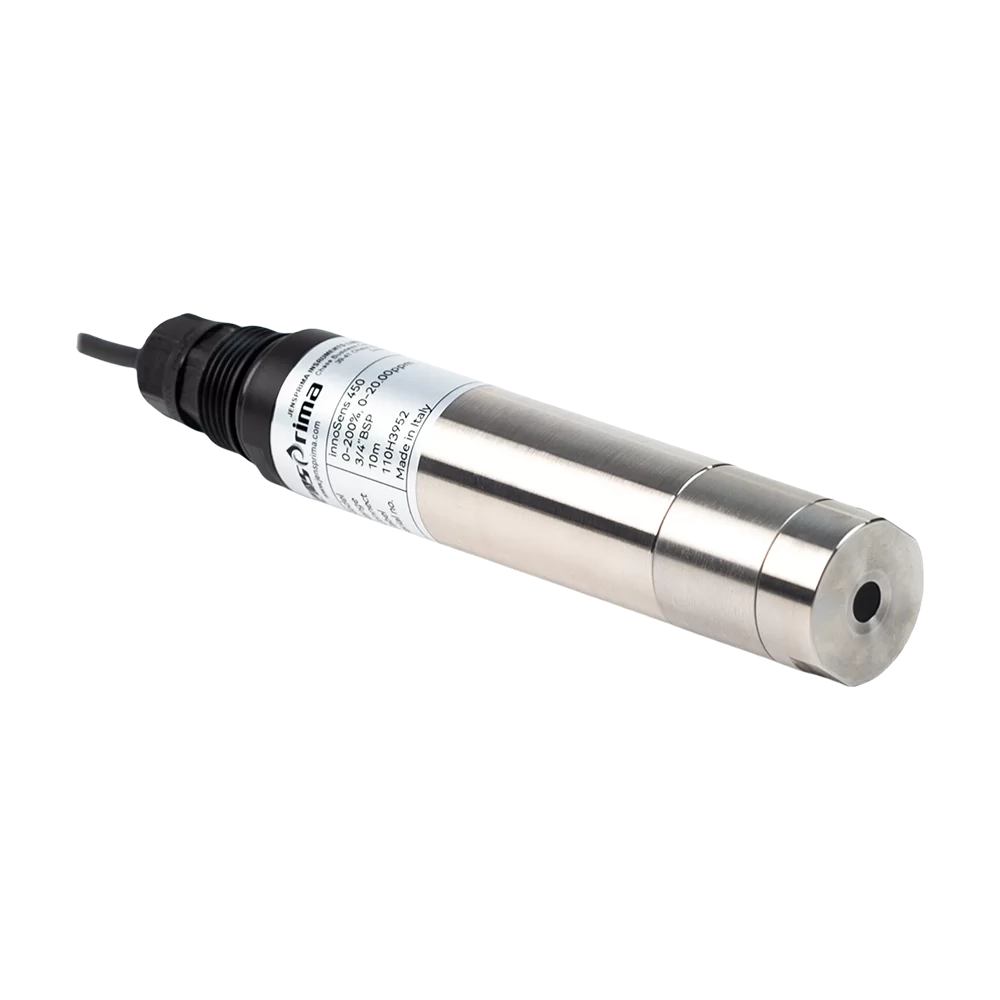


multi parameter analyzer

NEWS

UPDATES

Advanced Water Monitoring Solutions with alkalinity analyzer for Kazakhstan Industry

Precision instrumentation engineered for the unique hydrological challenges of Central Asia, ensuring compliance and operational efficiency.

Advanced Water Monitoring Solutions with alkalinity analyzer for Kazakhstan Industry

Integrating high-precision analytics to monitor industrial wastewater and drinking water across Kazakhstan's diverse climatic zones.

Water Analysis Status in Kazakhstan

Navigating the complexities of mineral-rich water sources in the Steppe region.

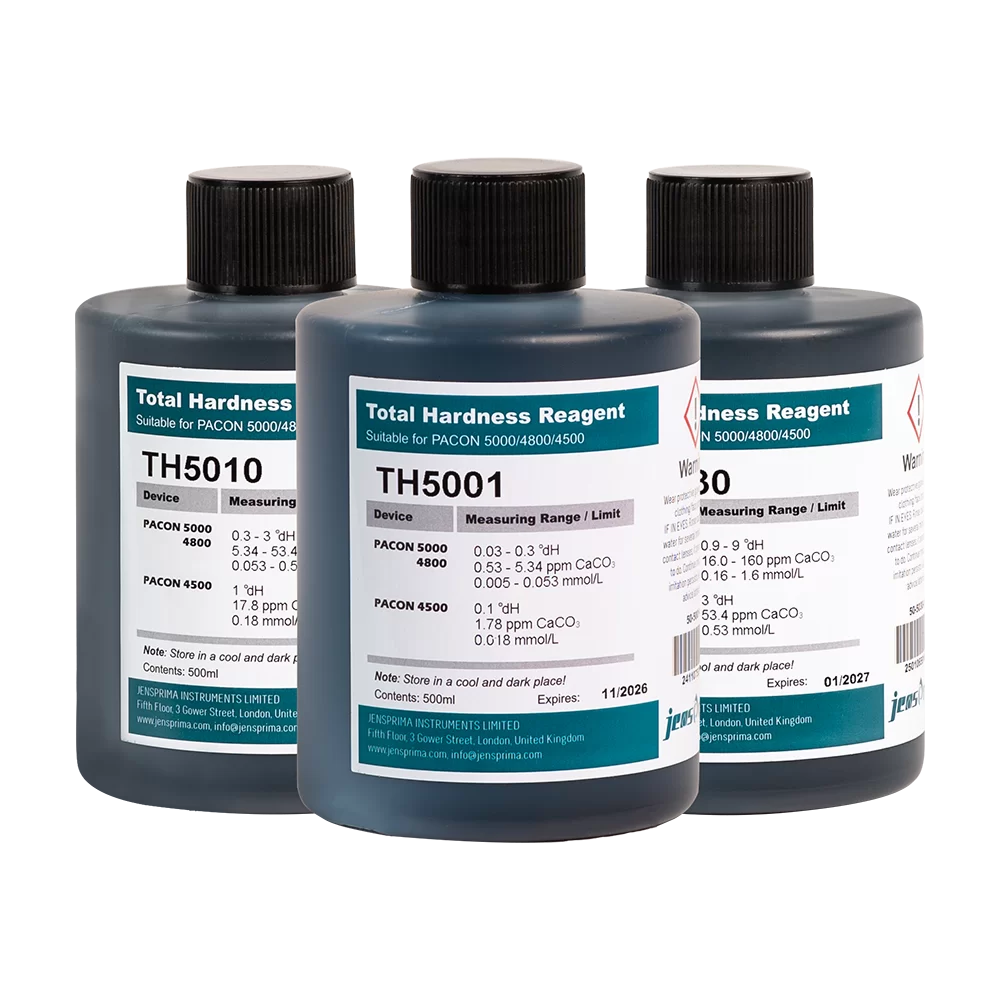
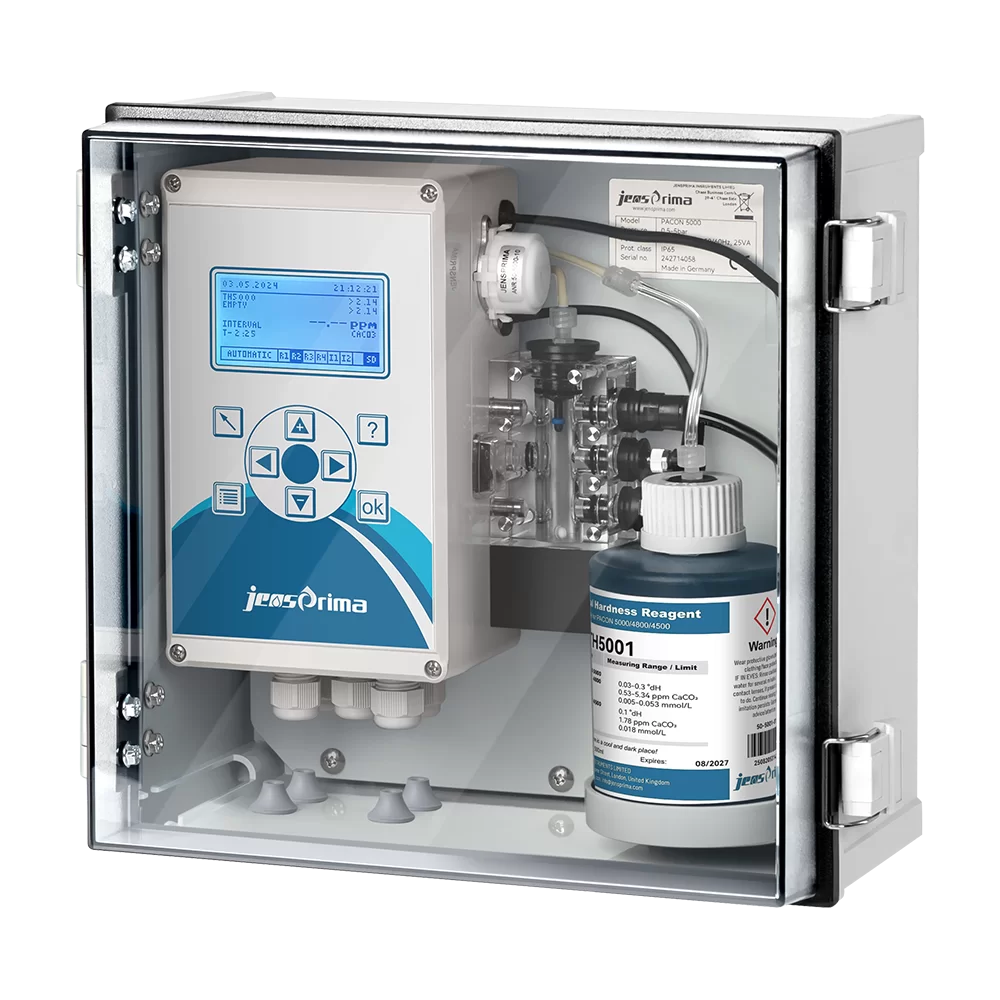
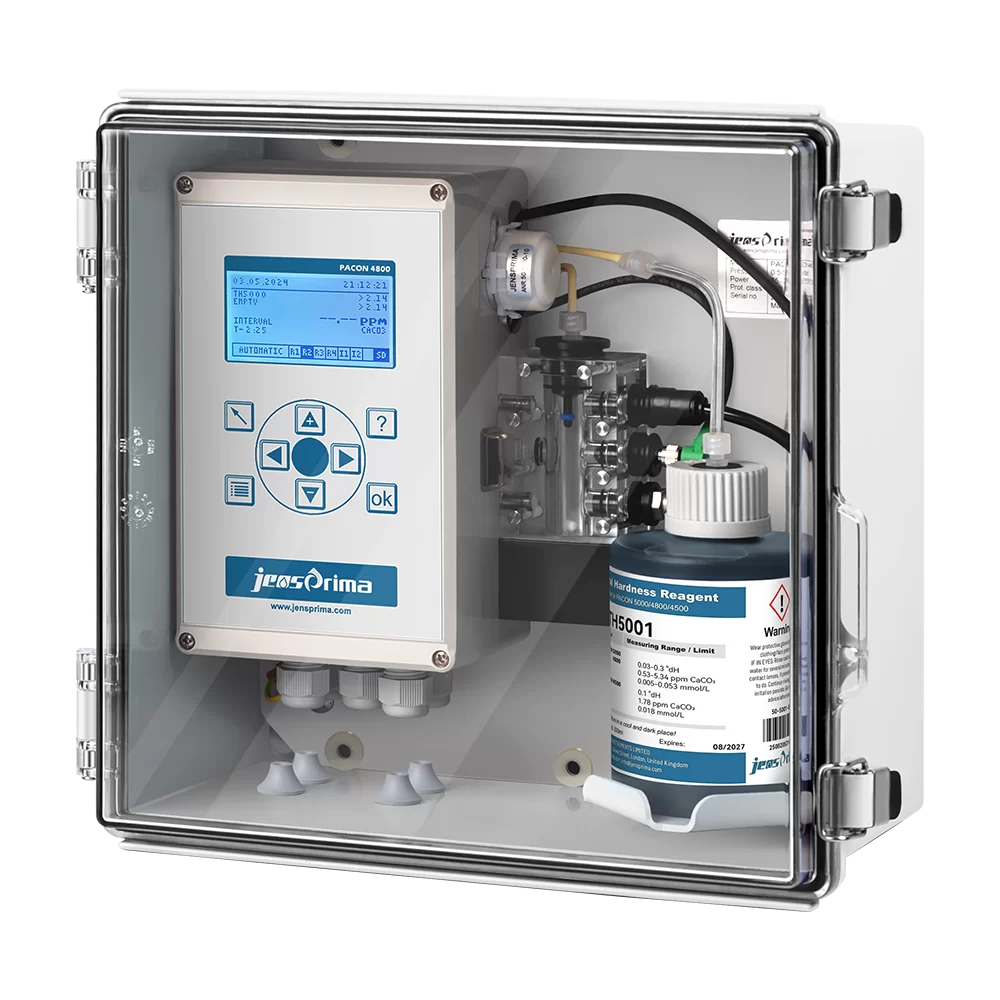
Kazakhstan's industrial landscape, particularly in the mining and petrochemical sectors, faces significant challenges due to high mineral content in groundwater. The necessity for a reliable total hardness analyzer has become paramount to prevent scaling in heavy industrial boilers and cooling systems.

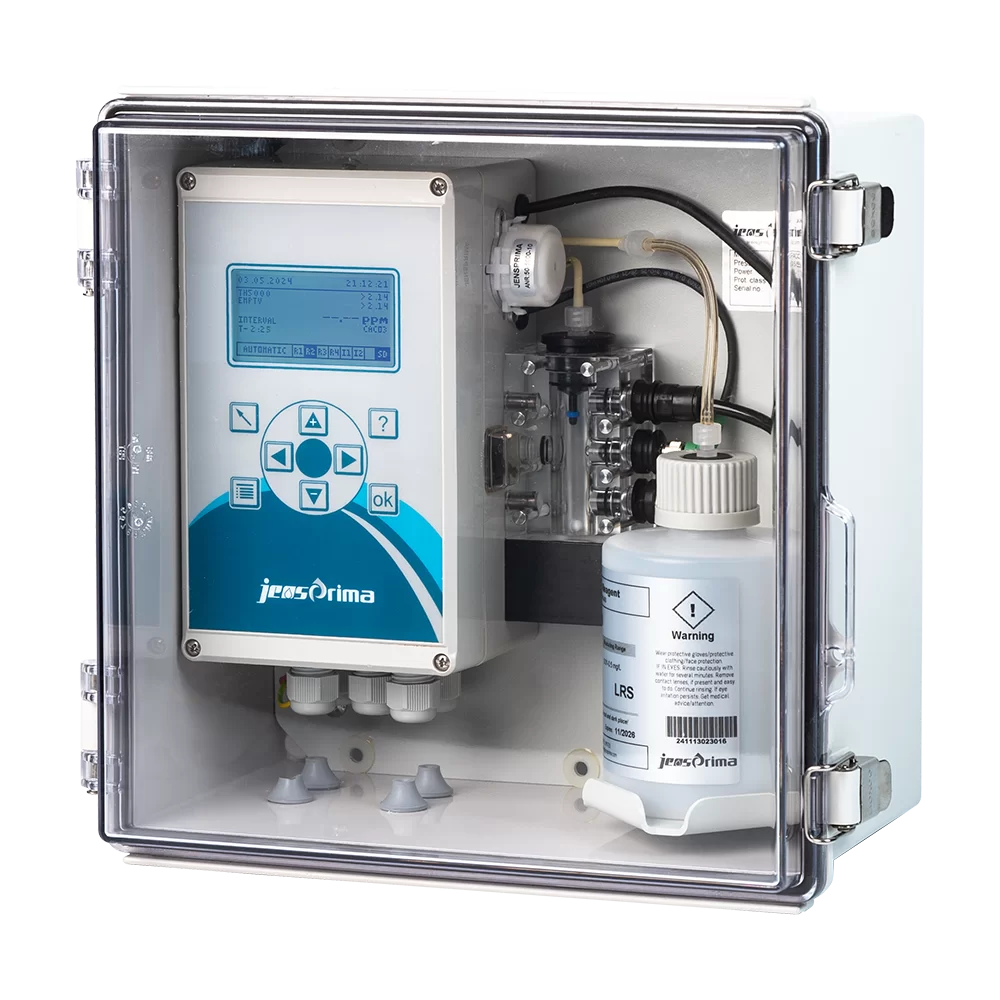
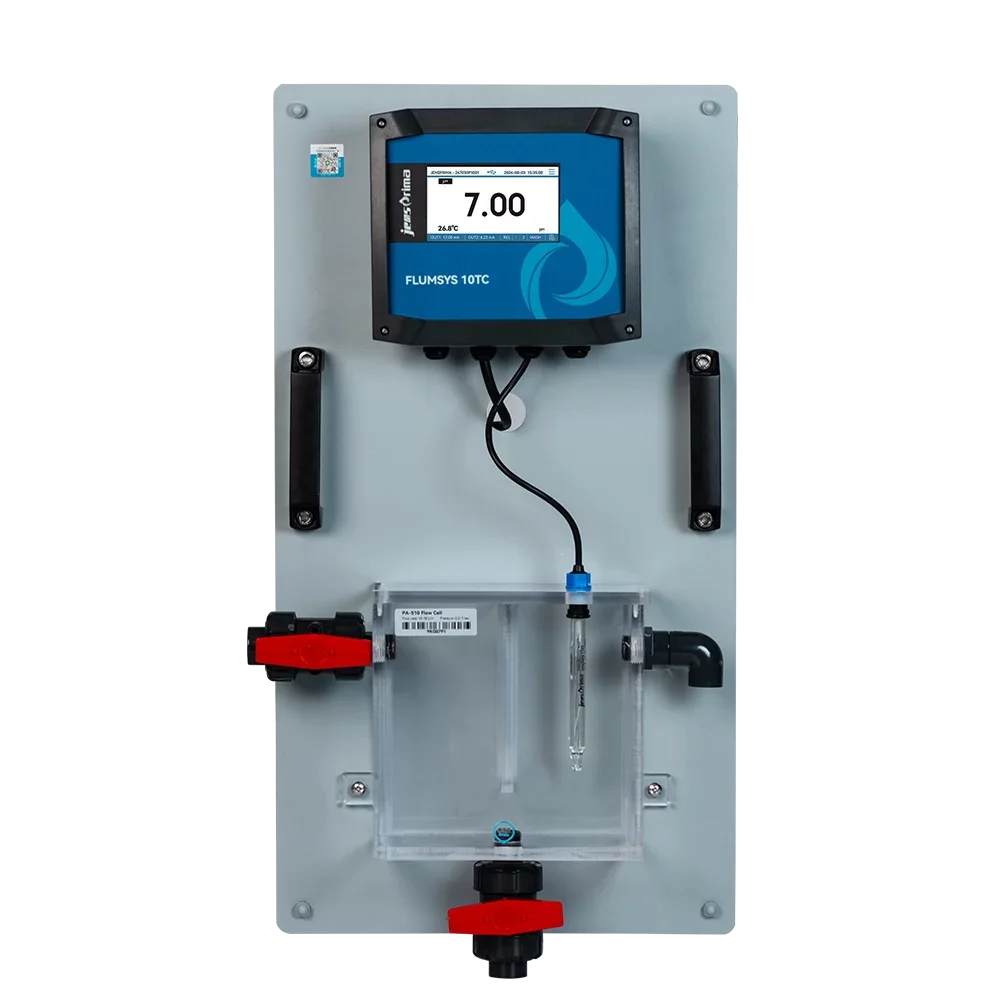
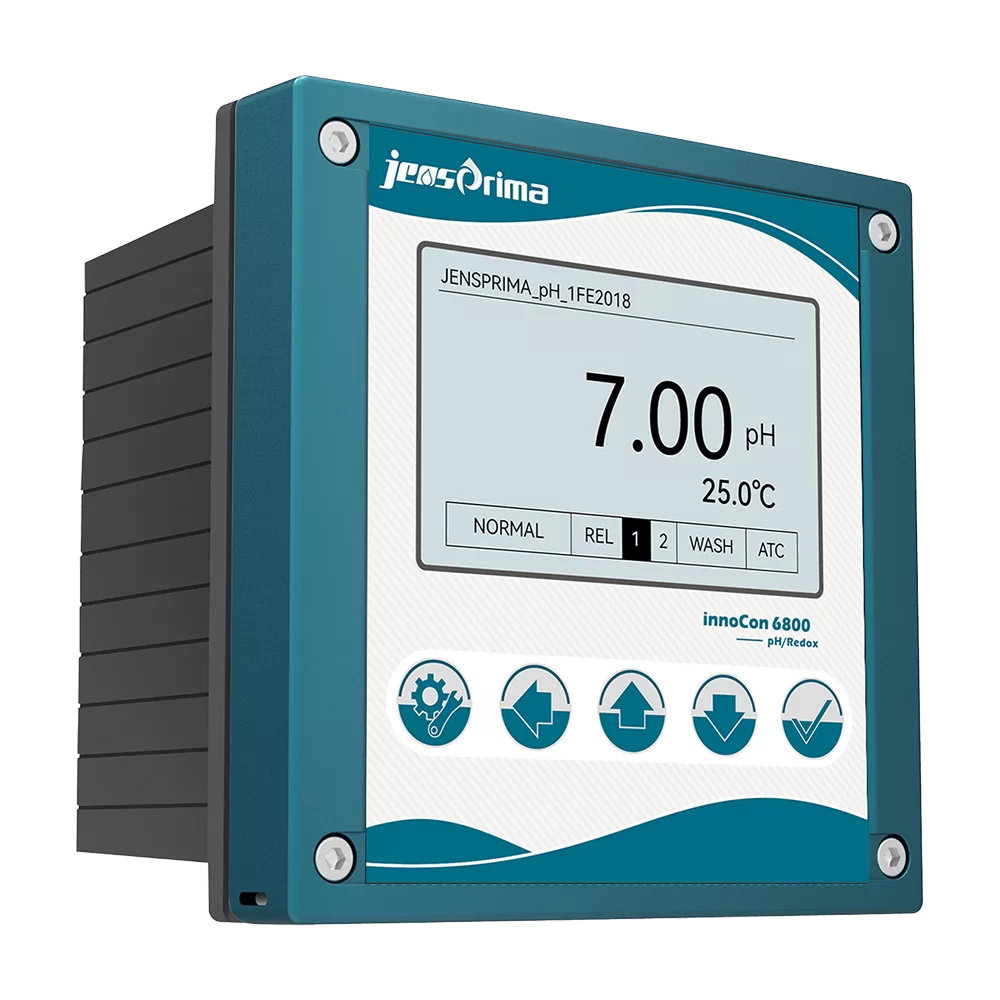
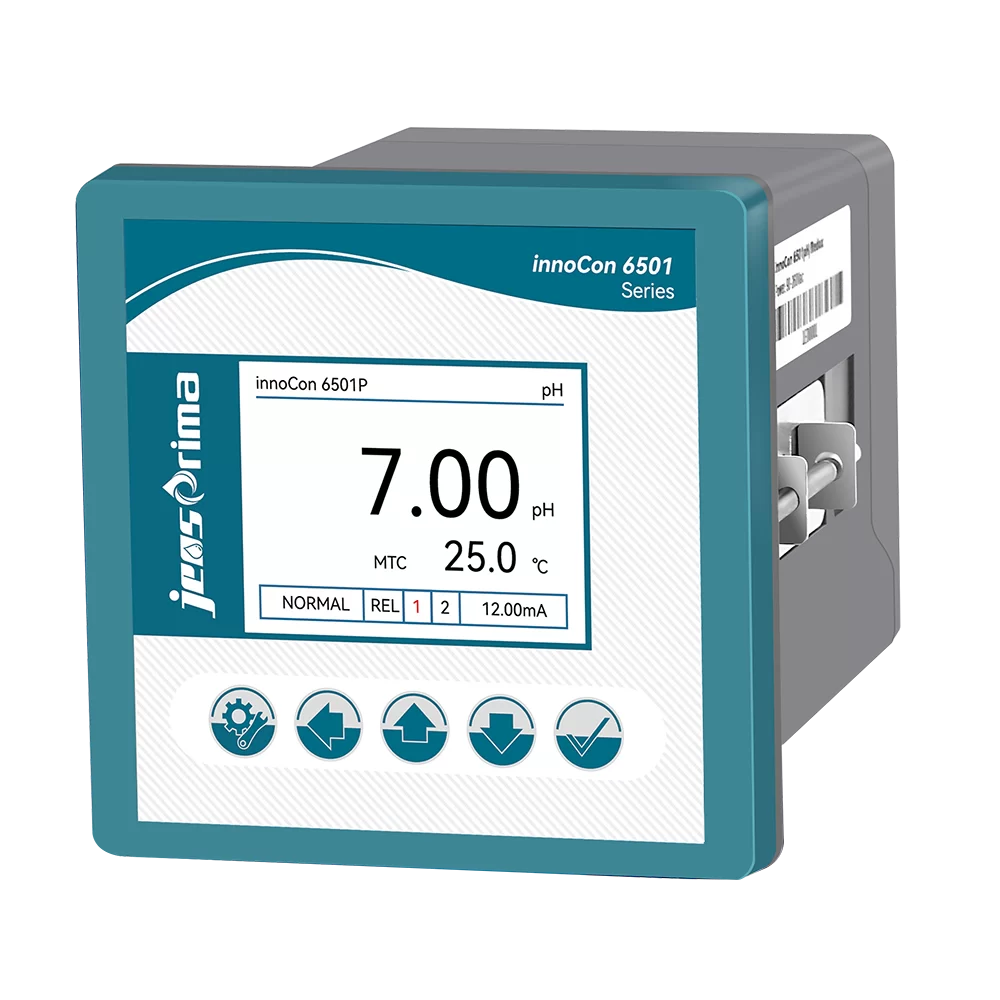
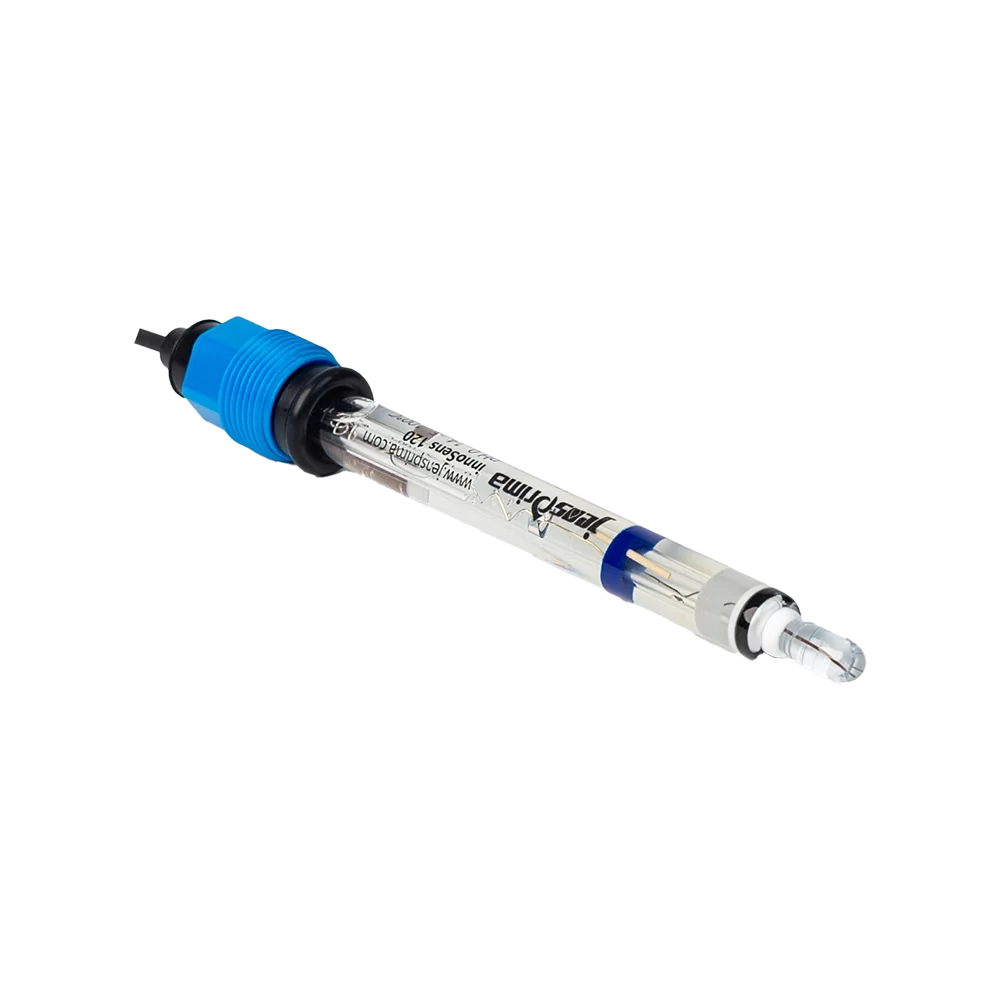
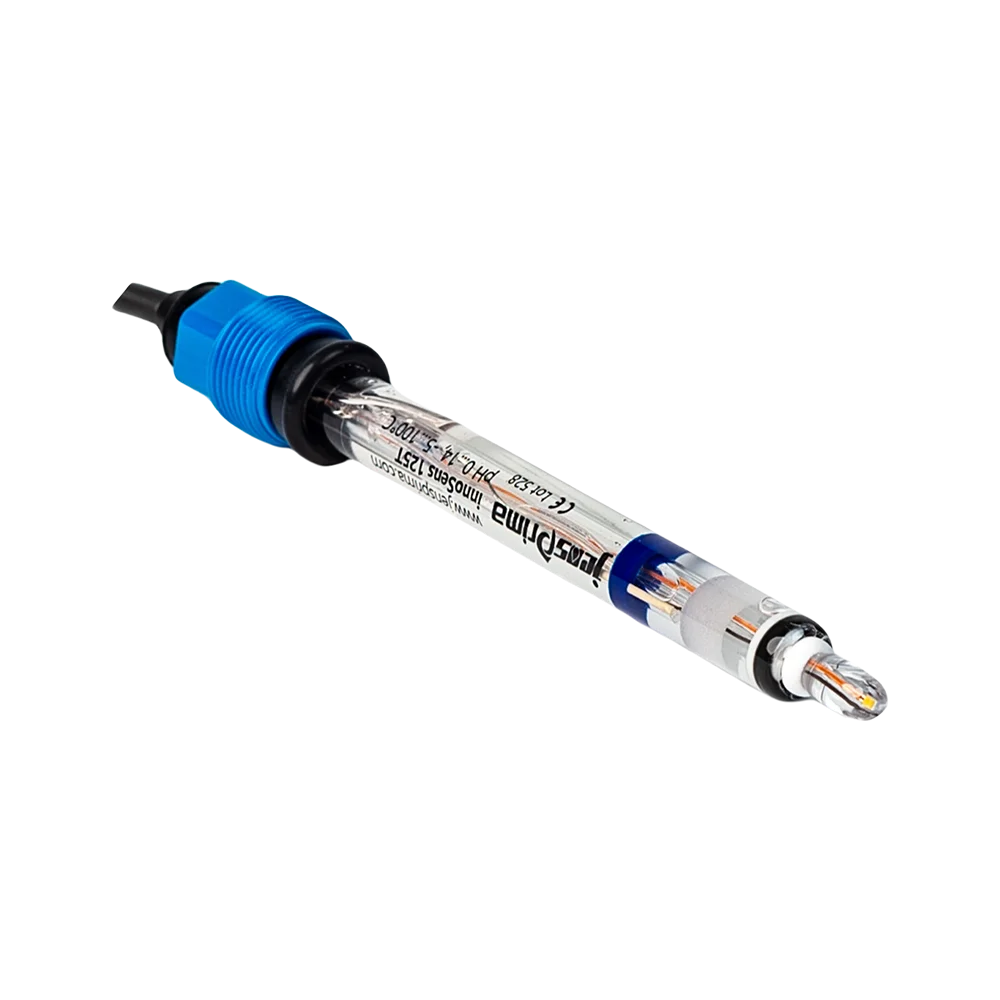
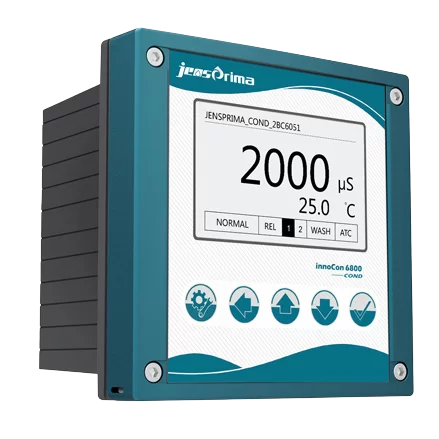
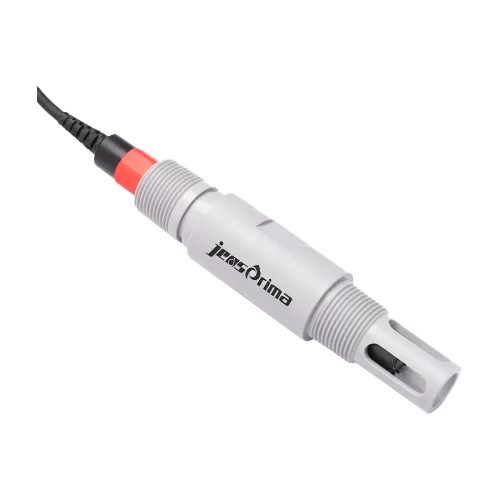
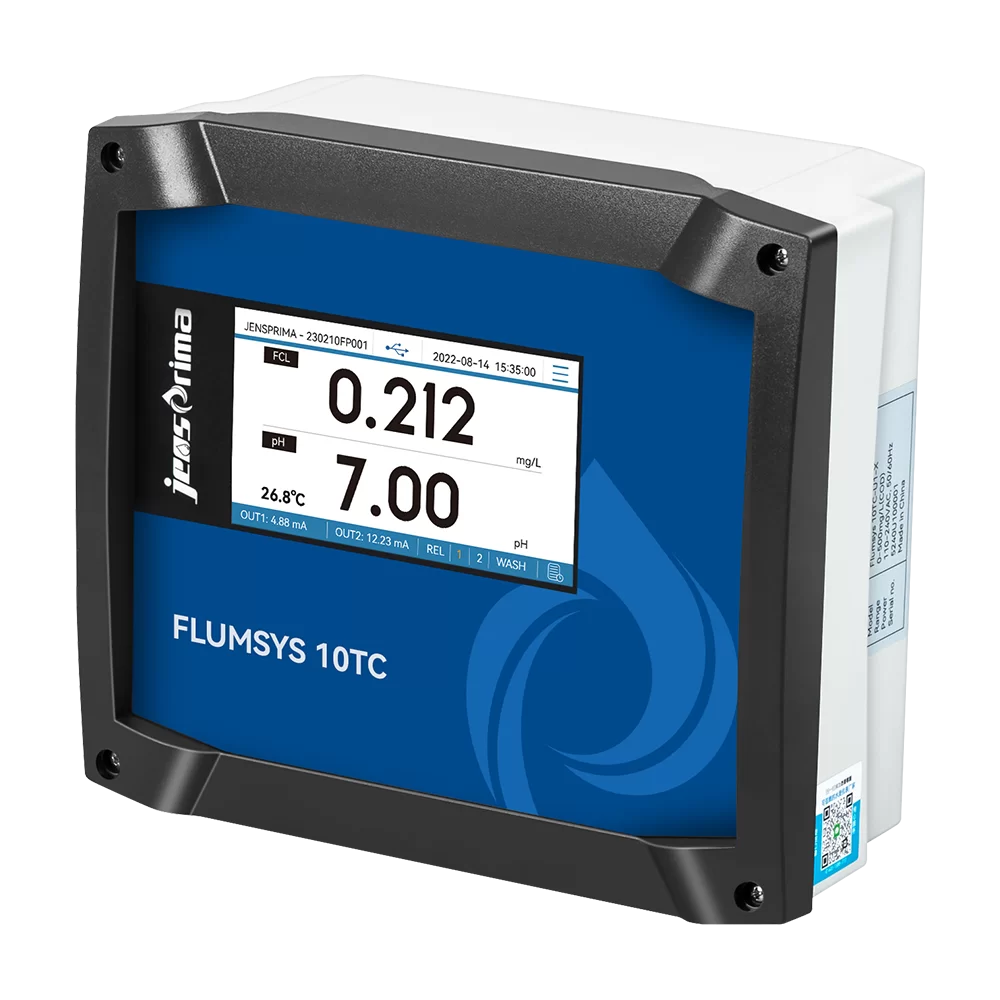
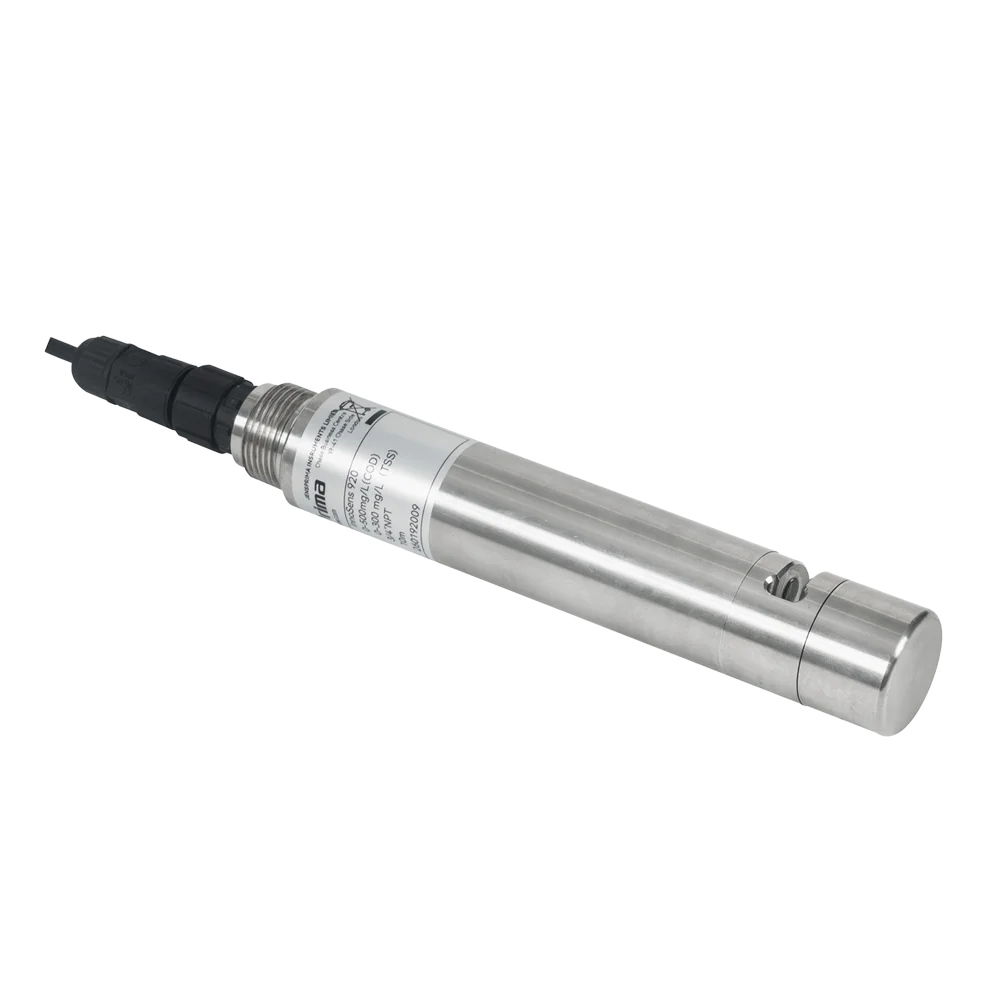
The extreme continental climate, with drastic temperature swings between Almaty and Astana, places immense stress on sensor stability. Local operators are increasingly transitioning from manual titration to automated systems like the multi parameter water quality analyzer to ensure real-time data integrity.

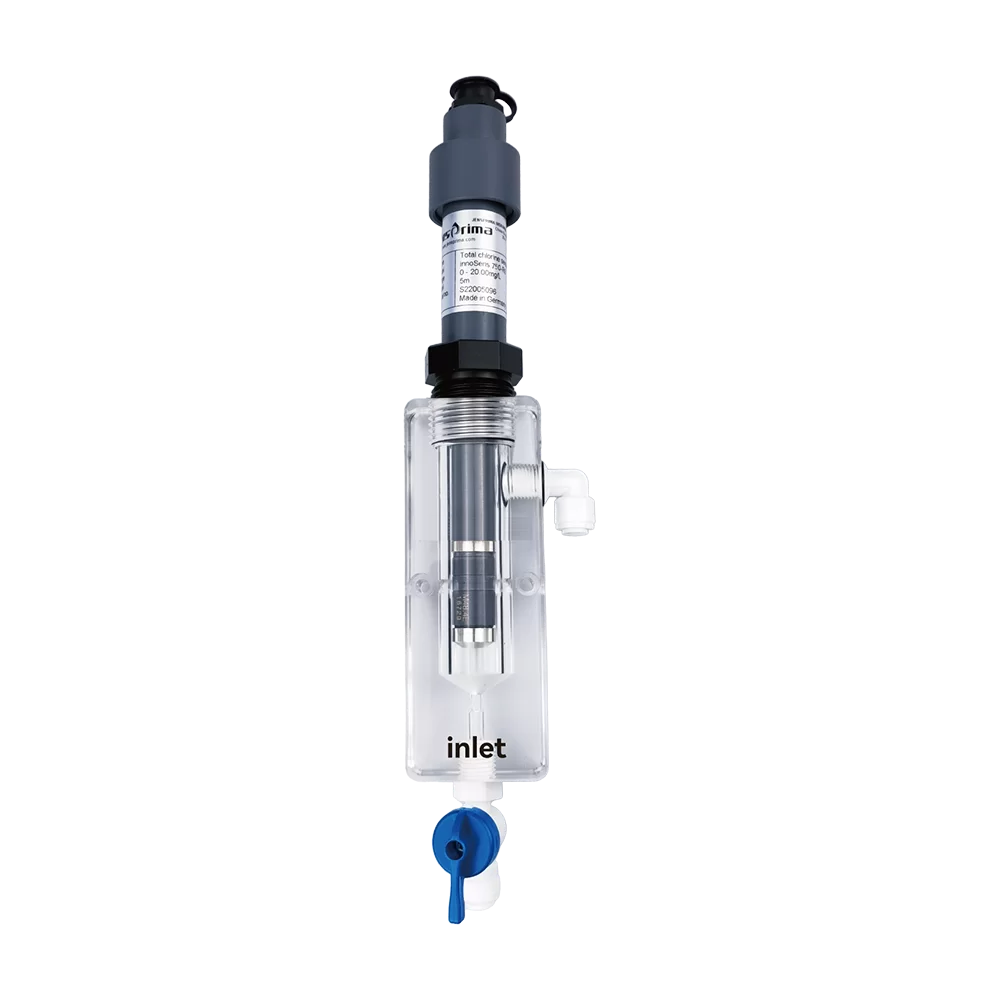
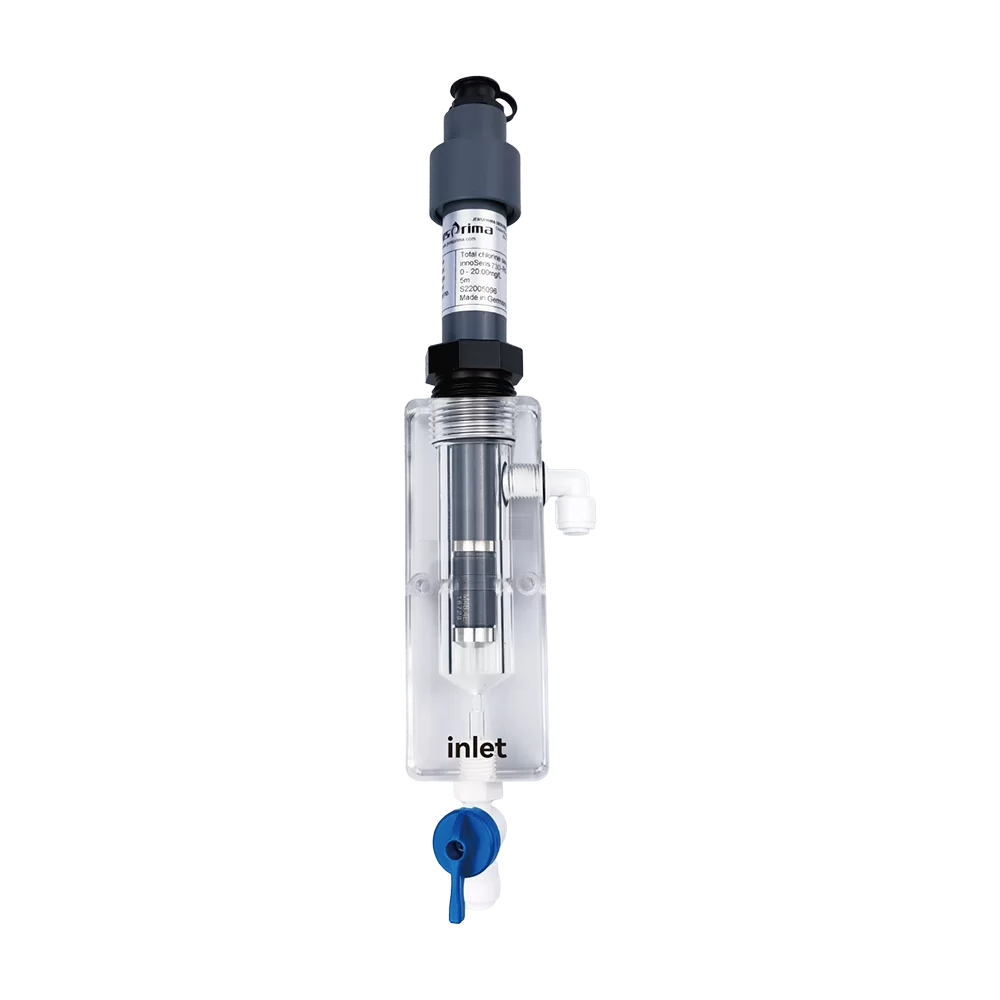
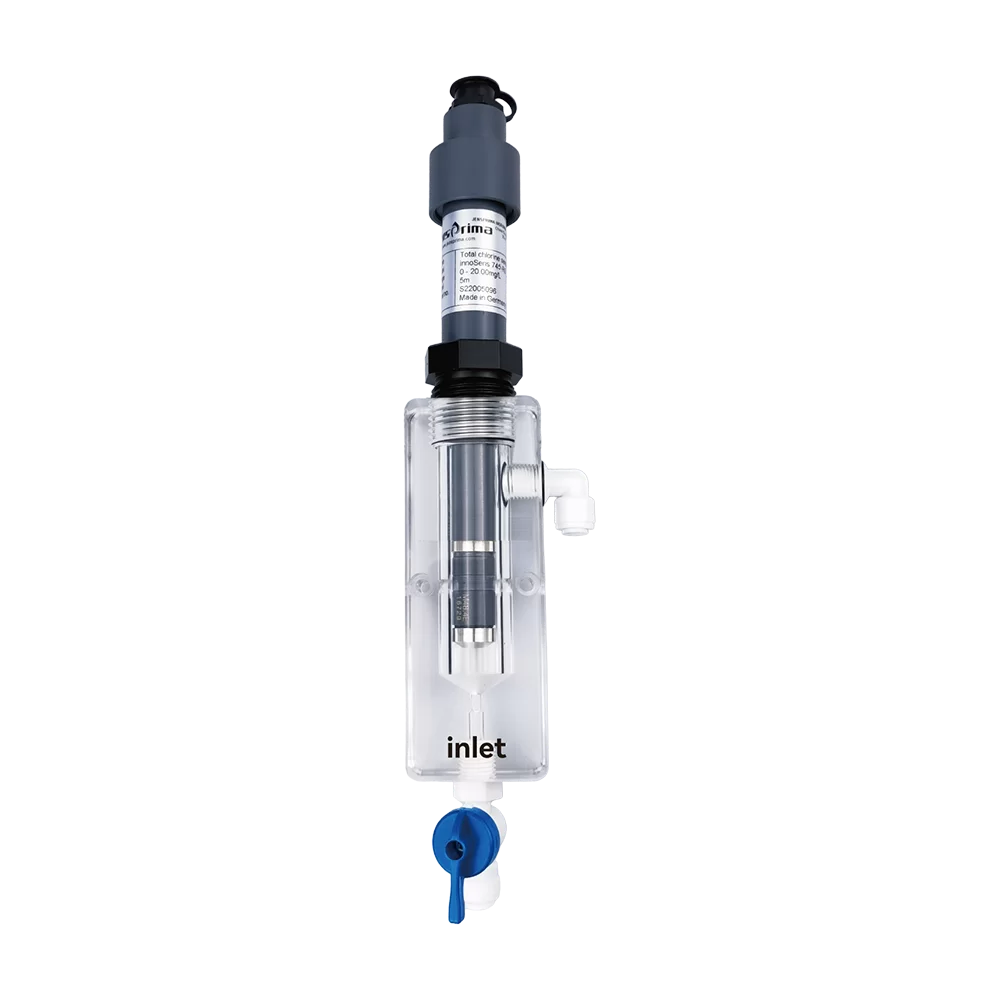
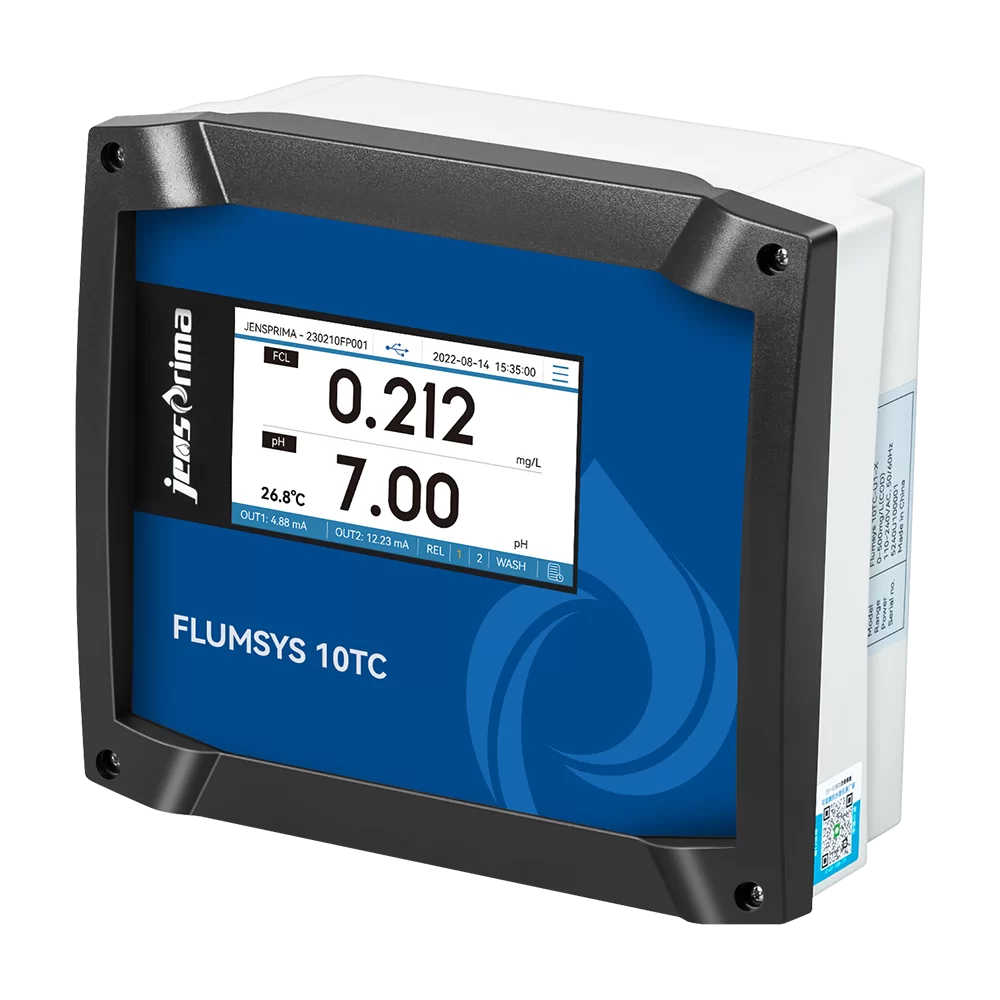
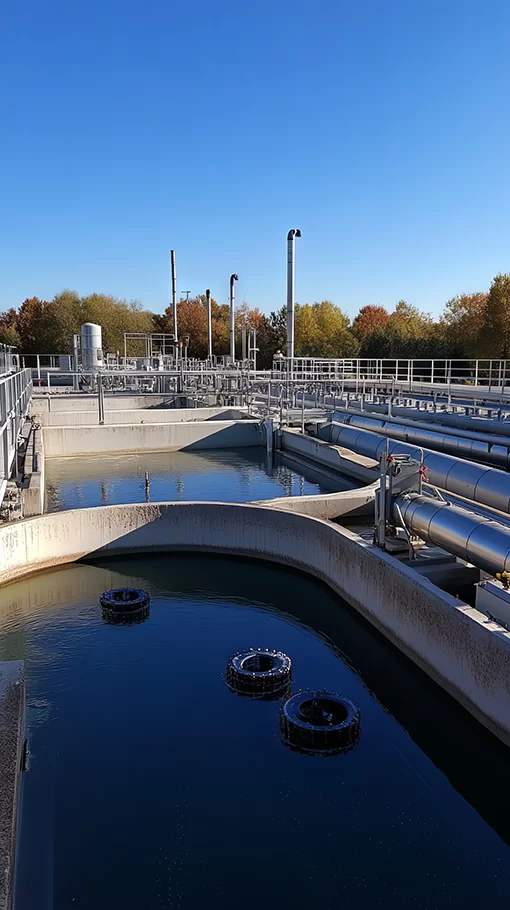
Furthermore, the modernization of municipal water networks in the Caspian region requires strict adherence to disinfection standards, driving the demand for precision residual chlorine controller units to balance safety and chemical consumption.

Evolution of Water Analysis in Kazakhstan

From analog measurements to the era of Digital Twins and IoT.

Market Development History

During the early 2000s, Kazakhstan relied heavily on legacy Soviet-era manual sampling. Most facilities used basic chemical kits for alkalinity and hardness, which lacked the frequency required for volatile industrial processes.

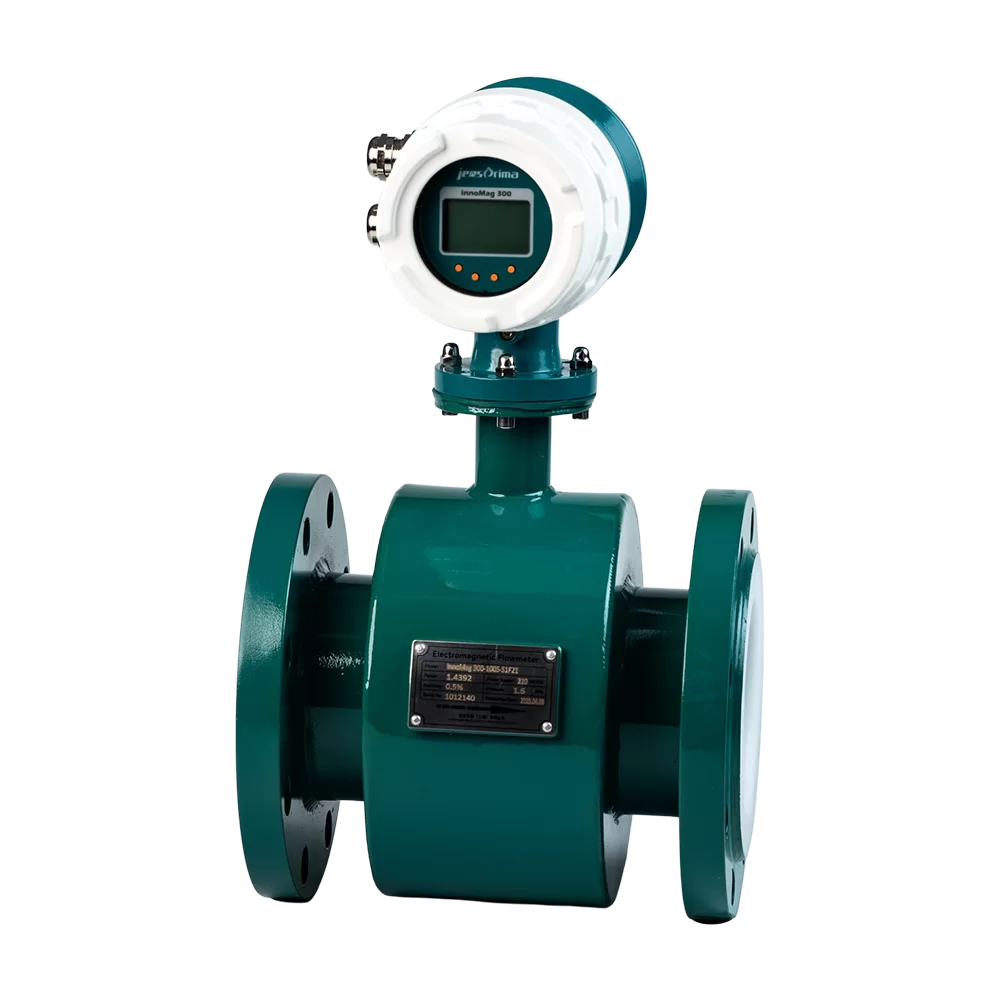
Between 2010 and 2020, there was a significant shift toward digitalization. The introduction of the electromagnetic flowmeter allowed for accurate volumetric tracking of wastewater, enabling factories to calculate precise pollutant loads for the first time.

Since 2021, the focus has shifted to "Online Intelligence." Modern facilities now integrate cloud-based monitoring where multiple sensors feed into a centralized SCADA system for autonomous process adjustment.

Future Development Trends

AI-Driven Predictive Maintenance

The next 3 years will see the integration of machine learning to predict sensor fouling in high-salinity Kazakh waters, reducing the maintenance cycle for online probes.

Edge Computing Integration

Moving data processing from the cloud to the edge will allow for millisecond response times in chemical dosing, critical for highly reactive water treatment phases.

Sustainability-Centric Monitoring

Increased regulatory pressure on "Zero Liquid Discharge" (ZLD) will drive the adoption of more sensitive analyzers to track trace elements in recycled water.

Industrial Trends and Future Outlook

Strategic technological shifts for the Kazakhstan instrumentation market.

IoT Sensor Convergence
Unifying multi-parameter data streams into a single wireless protocol for remote site monitoring across the vast Steppe.
High-Salinity Adaptation
Development of specialized electrode coatings to resist the aggressive mineral scale typical of Kazakhstan groundwater.
Autonomous Calibration
Reducing manual intervention through self-cleaning and self-calibrating systems for unmanned remote stations.
Regulatory Synchronization
Direct API integration between analyzers and Kazakhstan's environmental oversight agencies for transparent reporting.

Industry Outlook

The search volume for "automated water monitoring" in Central Asia has grown by 25% annually, signaling a shift toward systemic automation. The integration of energy-efficient hardware will be critical as sites move toward solar-powered instrumentation.

We anticipate that within 5 years, the standard for industrial water management in Kazakhstan will move from "reactive correction" to "proactive optimization," utilizing real-time data to minimize chemical waste and water loss.

Localized Application Scenarios in Kazakhstan

Tailored solutions for the region's unique industrial and environmental needs.

01. Oil & Gas Produced Water Treatment

In the Mangystau region, high-salinity produced water requires a multi parameter water quality analyzer to monitor TDS and conductivity before reinjection, protecting reservoir integrity.

02. Mining Effluent Monitoring in Karaganda

Mining operations utilize a total hardness analyzer to manage the precipitation of heavy metals and scale inhibitors in process water circuits.

03. Municipal Drinking Water in Astana

City water works implement a residual chlorine controller to ensure safe disinfection levels across the expansive urban piping network.

04. Industrial Boiler Feedwater Control

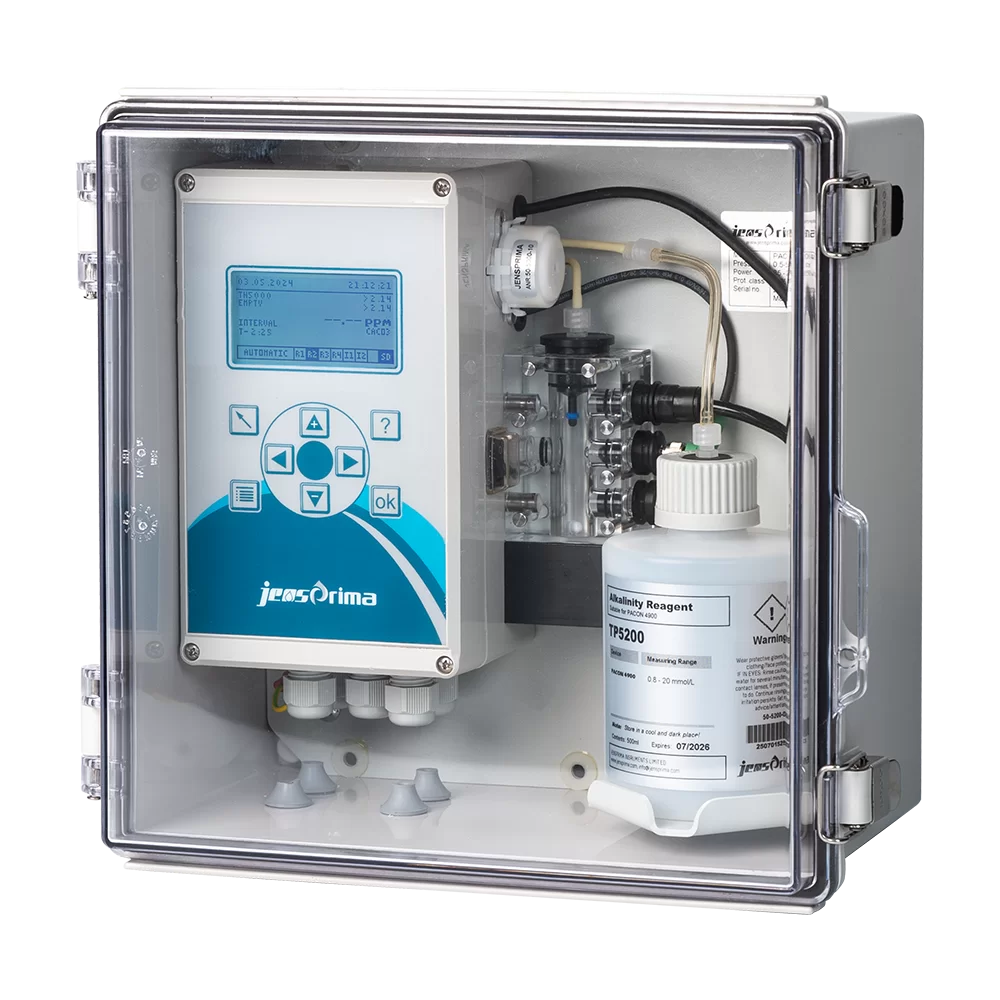
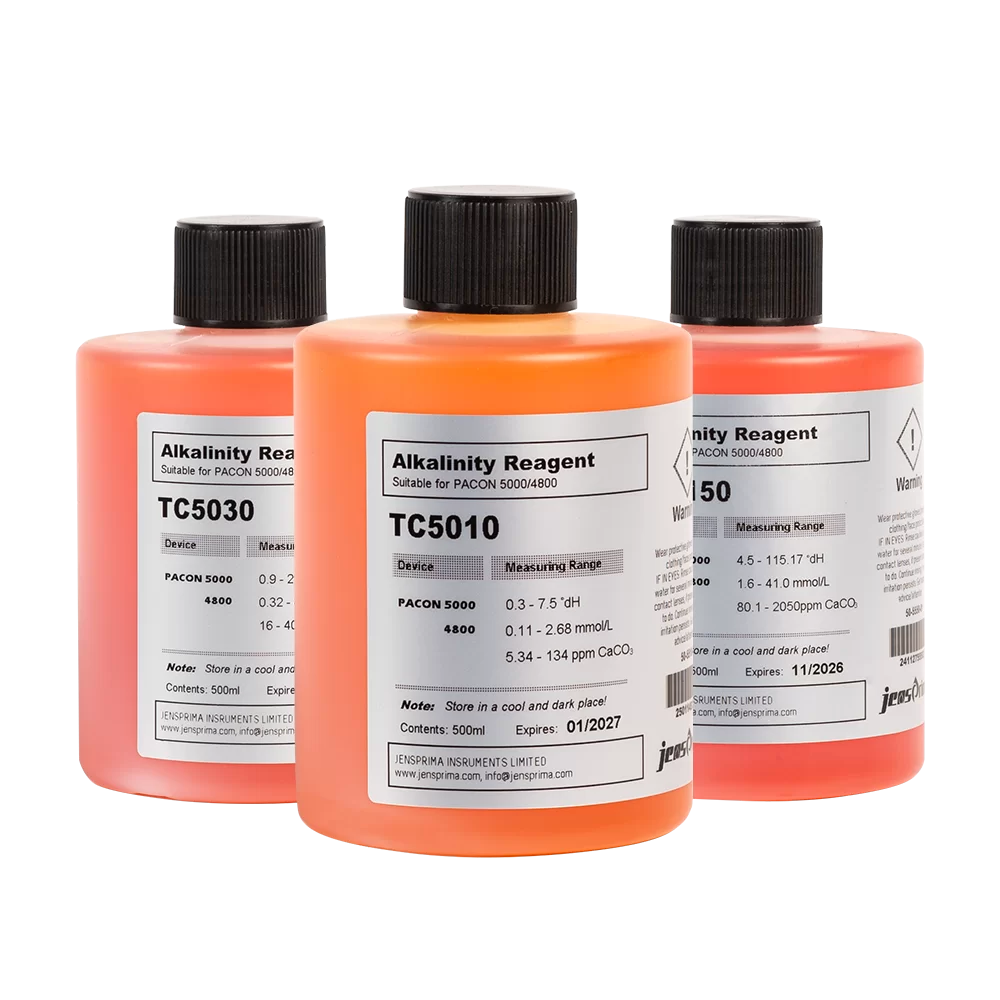
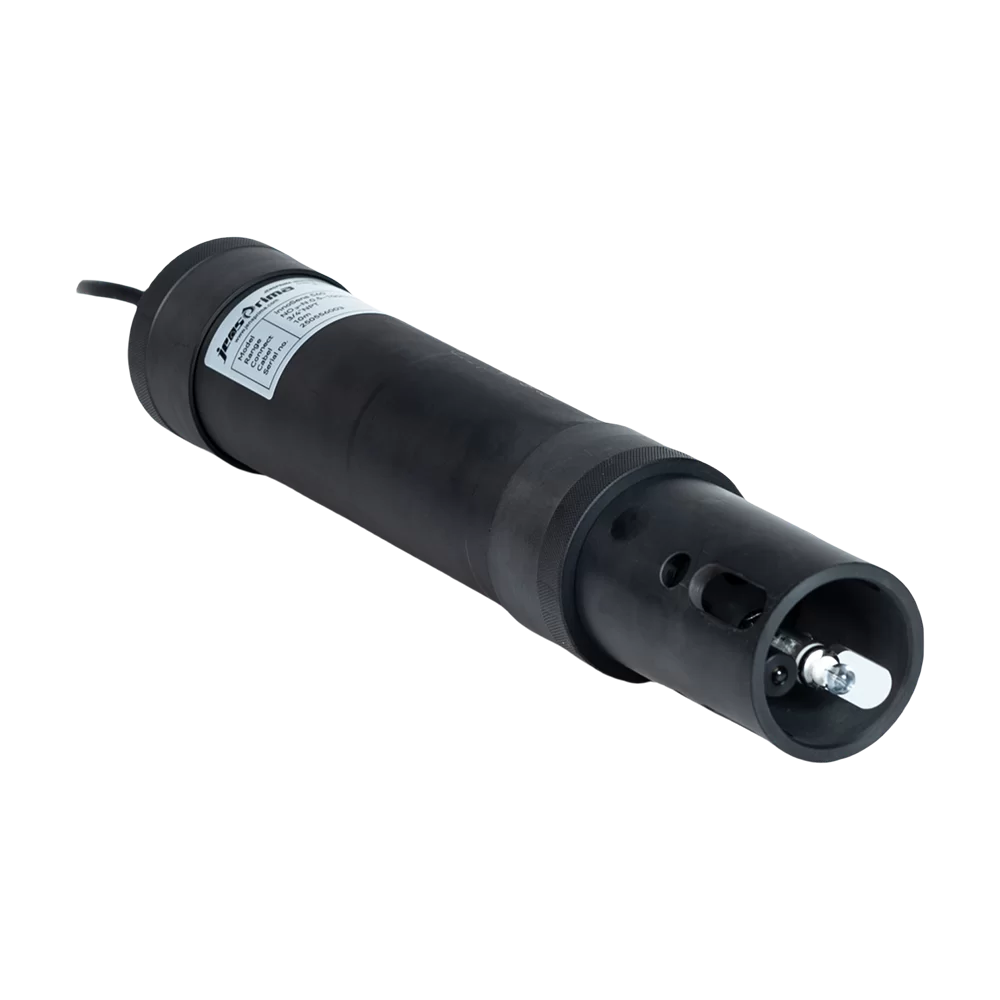
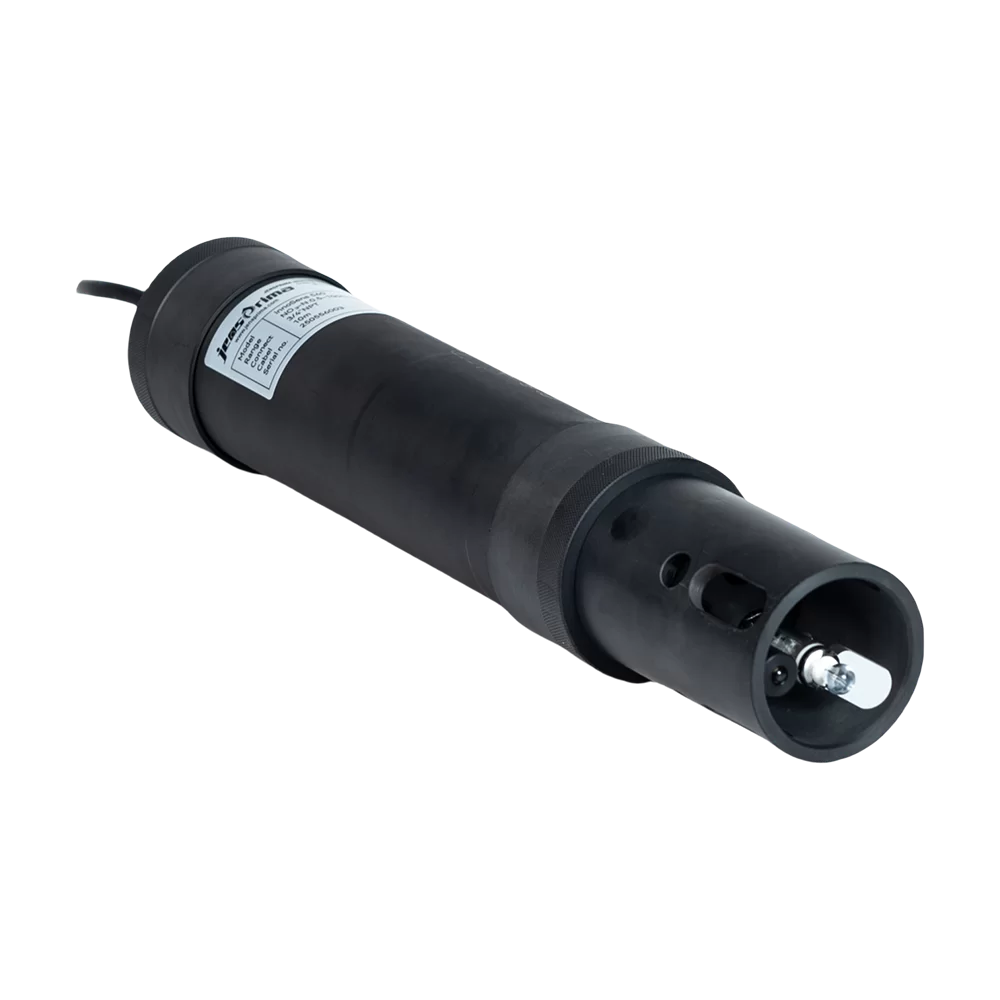
Power plants utilize an alkalinity analyzer to prevent caustic embrittlement and corrosion in high-pressure steam generators.

05. Wastewater Flow Management

Industrial parks deploy the electromagnetic flowmeter to accurately measure effluent volumes for environmental tax calculations and compliance.

Brand Story

Global Development History of Jensprima (Shanghai) Co., Ltd.

Foundational Precision

Established with a focus on high-end sensing technology, we began by solving the instability of online analyzers in harsh chemical environments.

Technological Breakthrough

Developed proprietary electrode materials that significantly extended the lifespan of sensors in high-mineral waters, reducing maintenance by 40%.

Global Expansion

Expanded our footprint into Central Asia, adapting our product line to meet the extreme temperature and salinity requirements of the Kazakhstan market.

Digital Transformation

Launched the Smart-Water IoT suite, enabling remote monitoring and cloud diagnostics for our global client base.

Sustainable Future

Currently pioneering low-energy, high-precision instruments to support the global transition toward a circular water economy.

Complete Water Quality Product Portfolio for Kazakhstan

Comprehensive instrumentation for every stage of the water cycle.

Frequently Asked Questions in Kazakhstan

Technical support and guidance for local operators.

How does a multi parameter water quality analyzer handle high salinity in Kazakh water?

Our analyzers utilize advanced temperature compensation and specialized ion-selective membranes to maintain accuracy even in highly mineralized environments typical of the region.

What is the calibration frequency for a total hardness analyzer in mining applications?

Depending on the water volatility, we recommend a bi-weekly verification, though our automated self-cleaning systems can extend this interval significantly.

Can an alkalinity analyzer operate in extreme winter temperatures in Astana?

Yes, our units are available with integrated heating jackets and insulated housings specifically designed for climates where temperatures drop below -30°C.

How does the residual chlorine controller prevent over-chlorination?

The controller uses a closed-loop feedback system that adjusts dosing pumps in real-time based on the measured chlorine levels at the outlet.

Is the electromagnetic flowmeter compatible with corrosive industrial wastewater?

Absolutely. We offer PTFE and PFA liners that provide superior resistance to the aggressive chemicals found in petrochemical wastewater.

Which analyzer is best for monitoring the Caspian Sea coastal discharge?

We recommend a combined solution of a multi-parameter analyzer for salinity and dissolved oxygen, coupled with a flowmeter for total discharge volume.

Get Expert Technical Support

Ready to optimize your water monitoring infrastructure in Kazakhstan? Our engineers are available for local consultation.

Contact Us Now
Service Repair Form
Tell us what issue you encountered, including any steps or symptoms.
  • Name
  • Email
  • Phone
  • Fault Description

If you are interested in our products, you can choose to leave your information here, and we will be in touch with you shortly.