

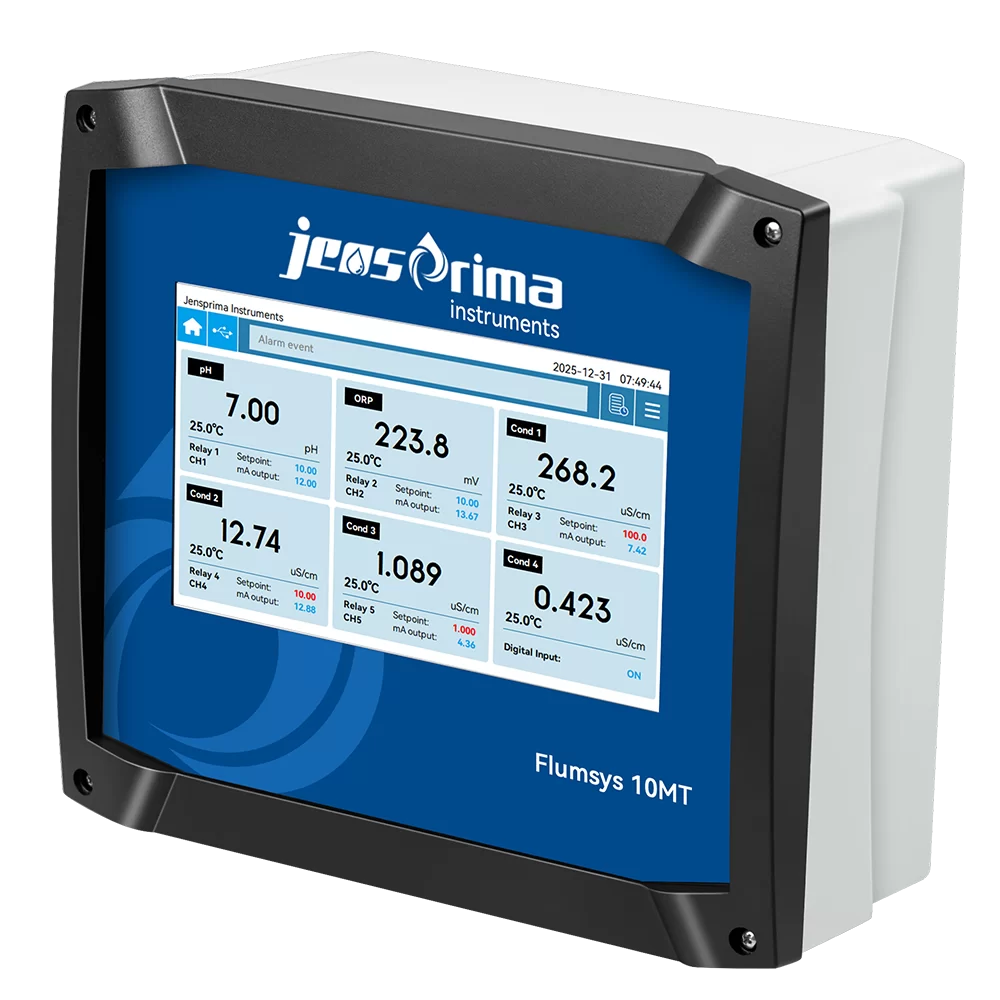
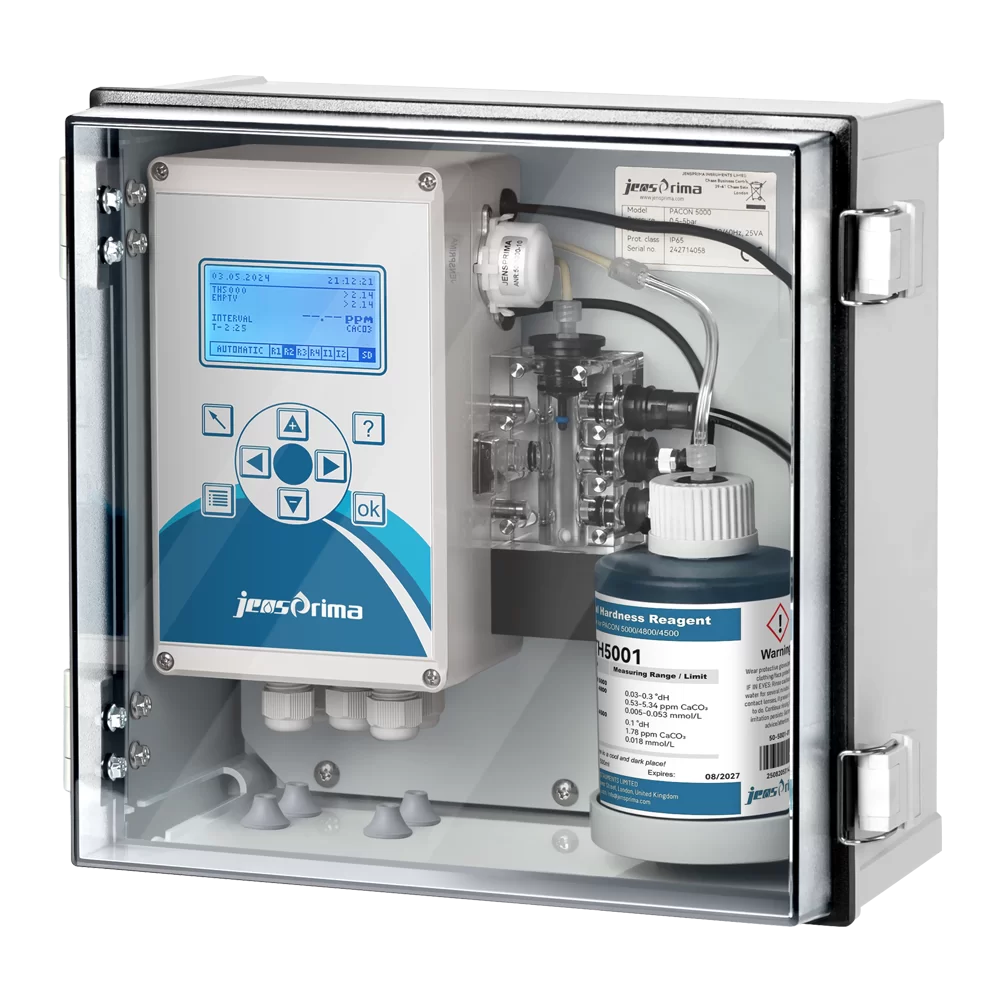
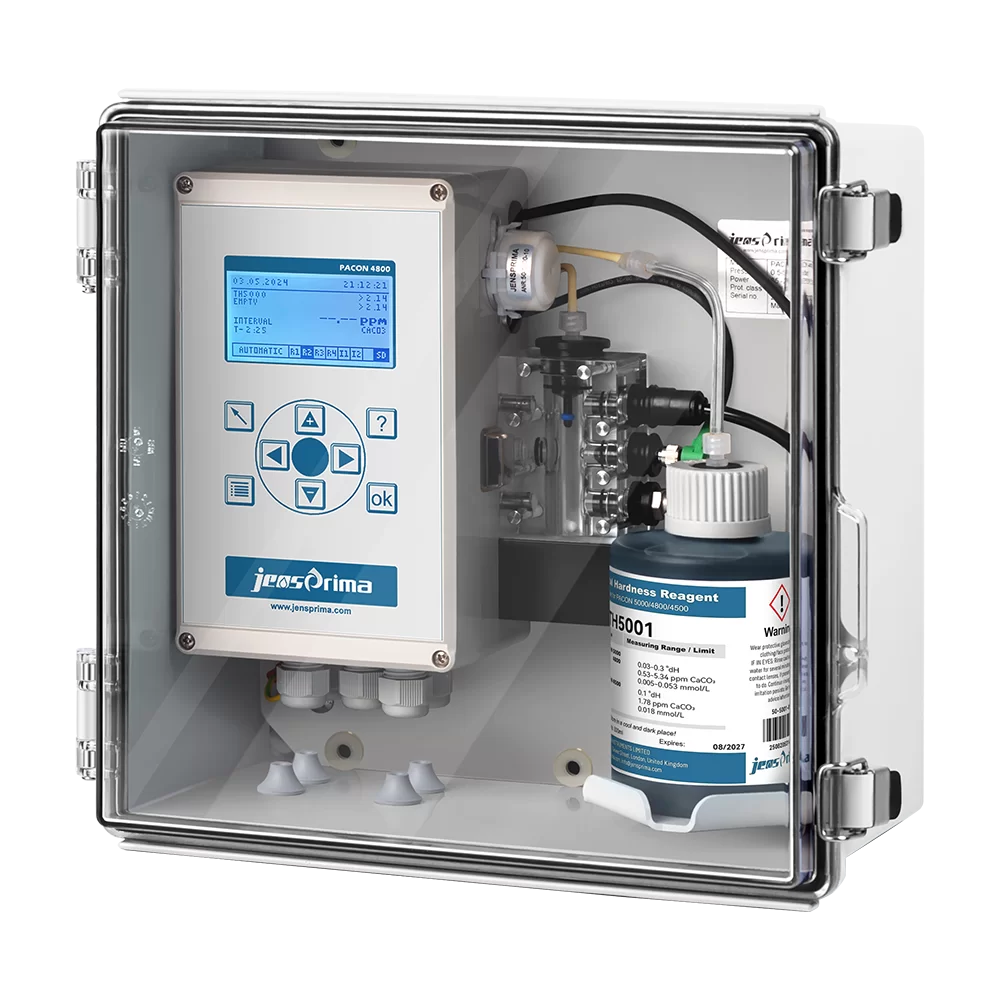
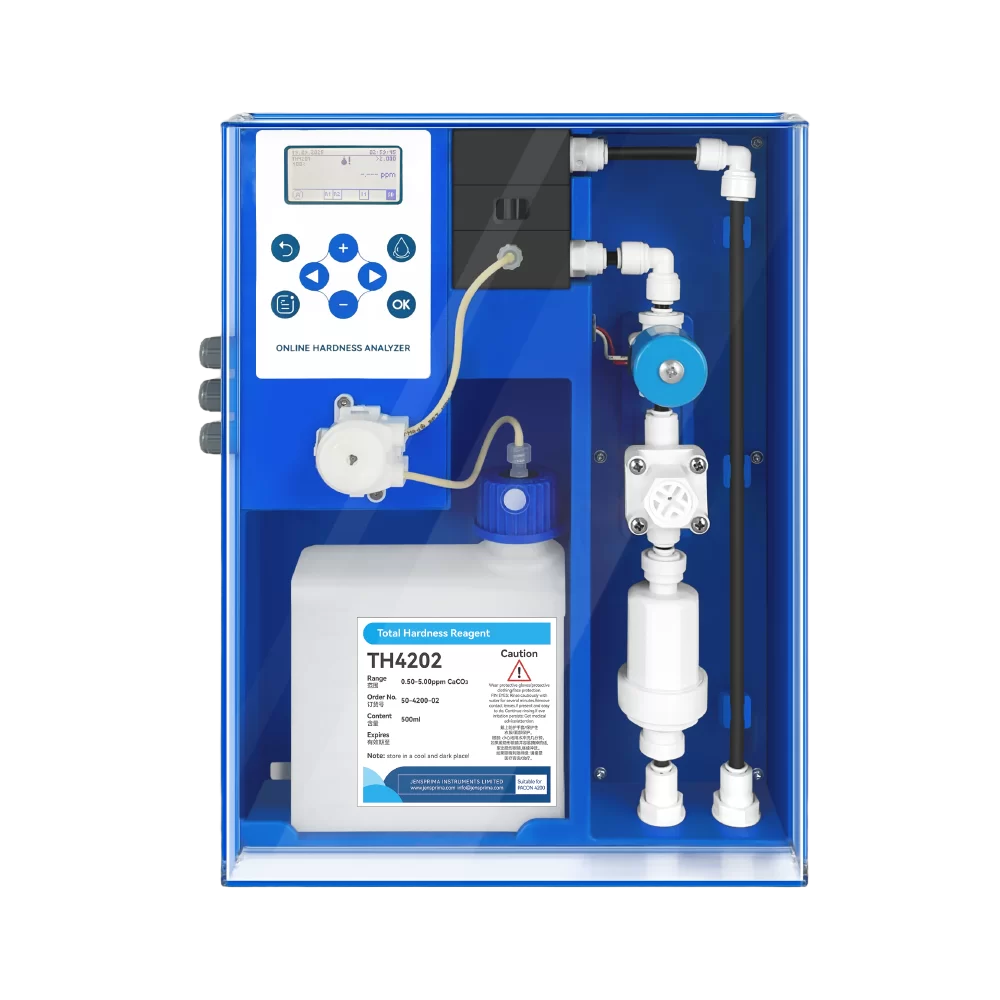
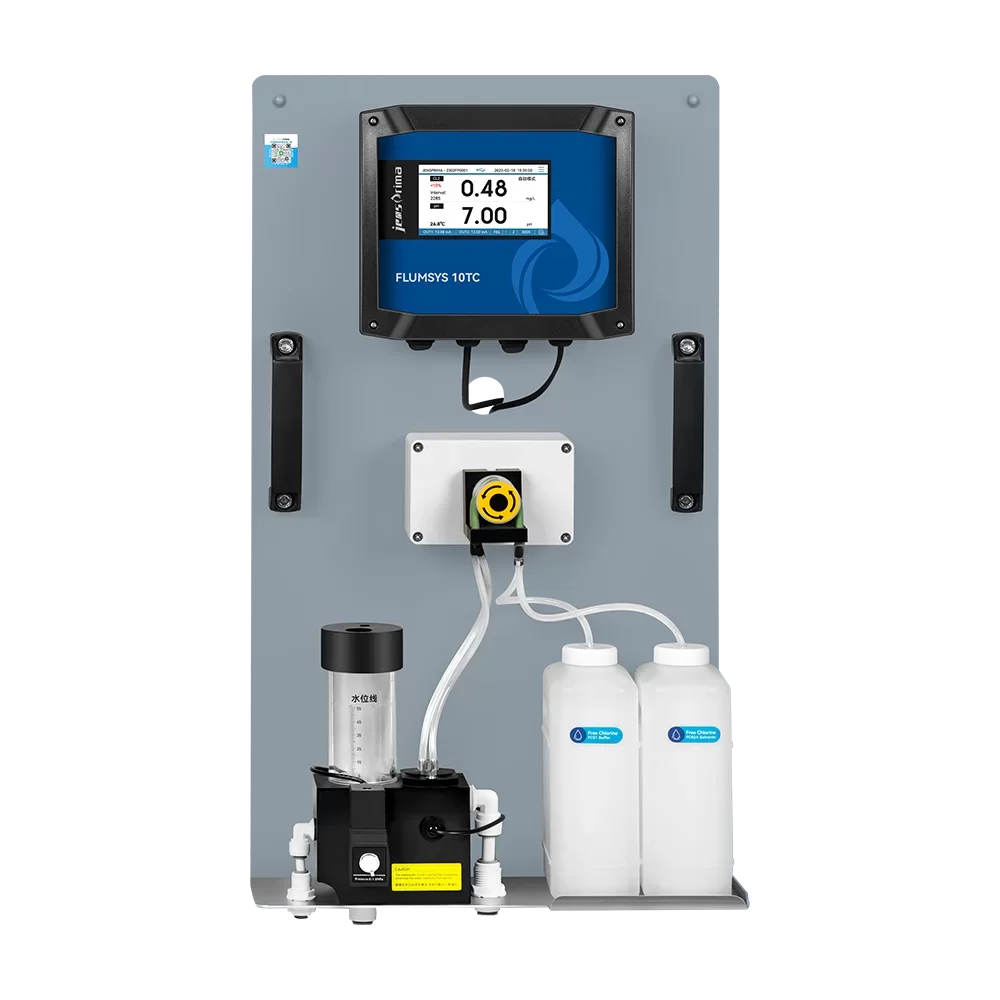
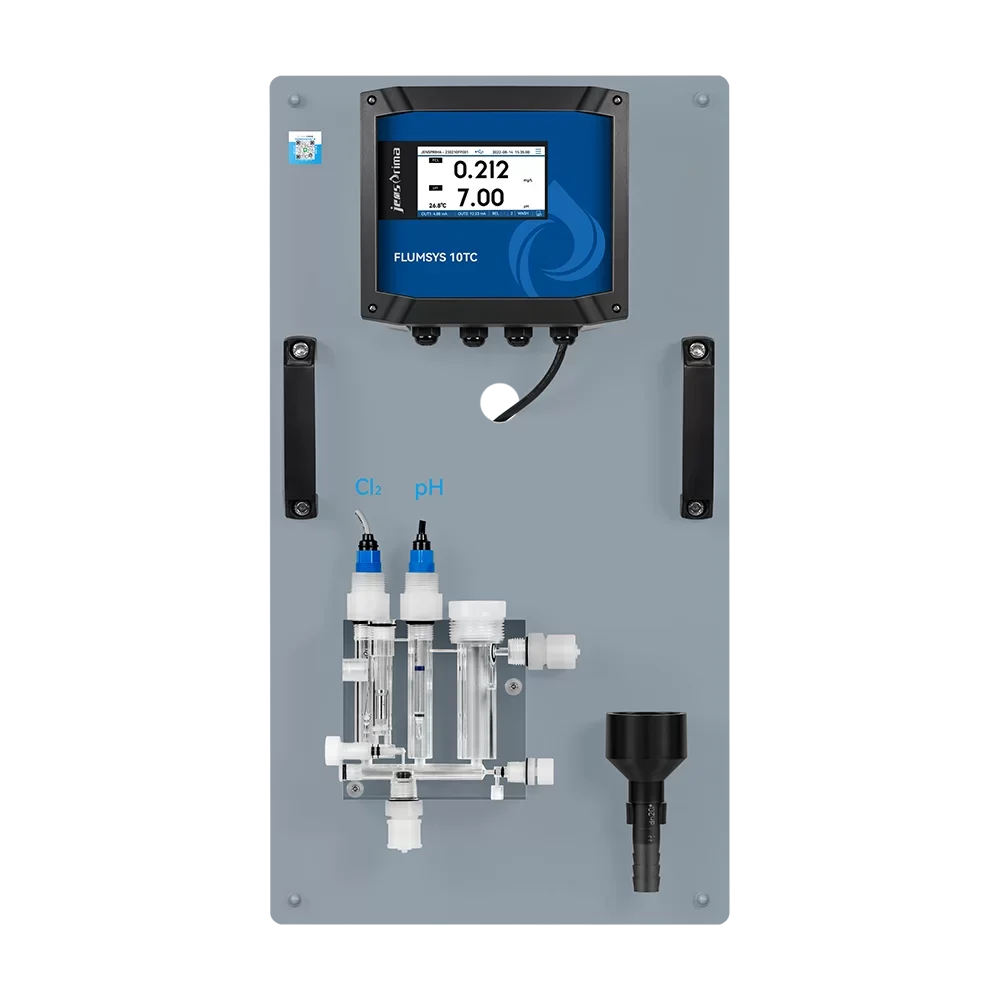
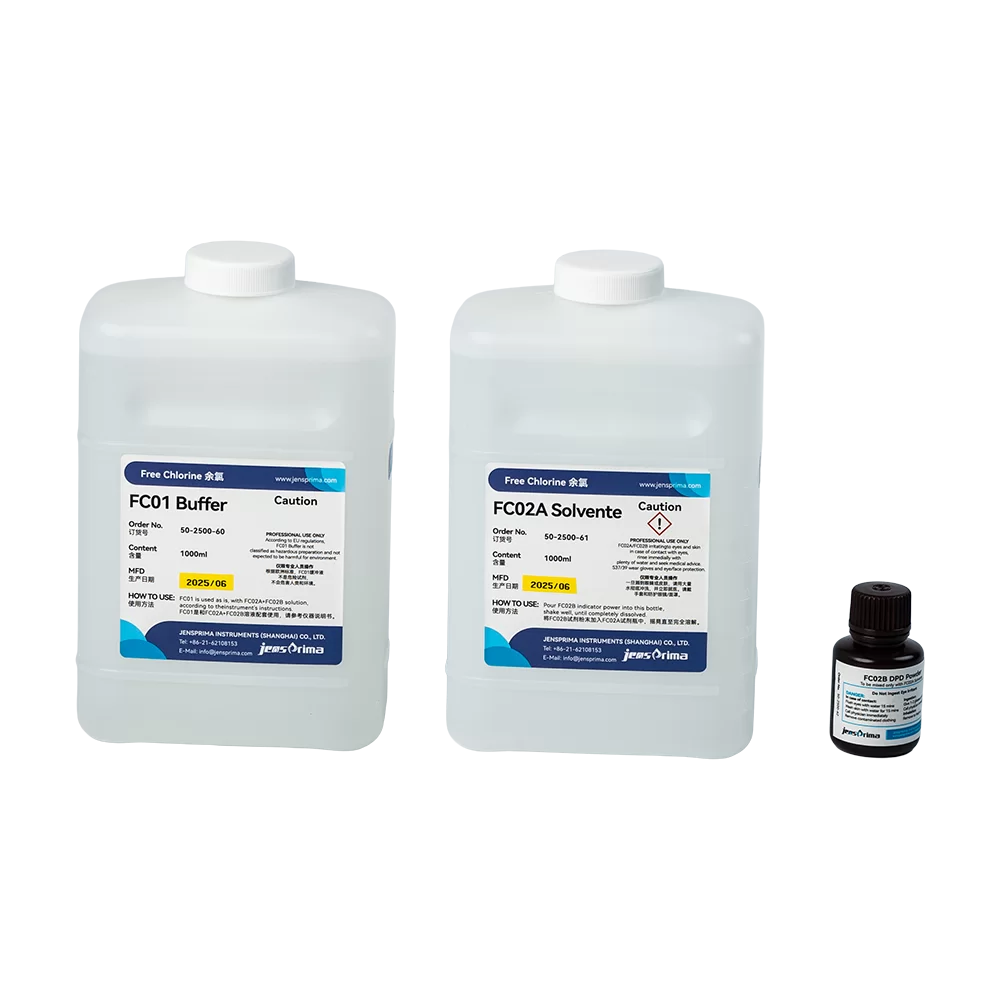
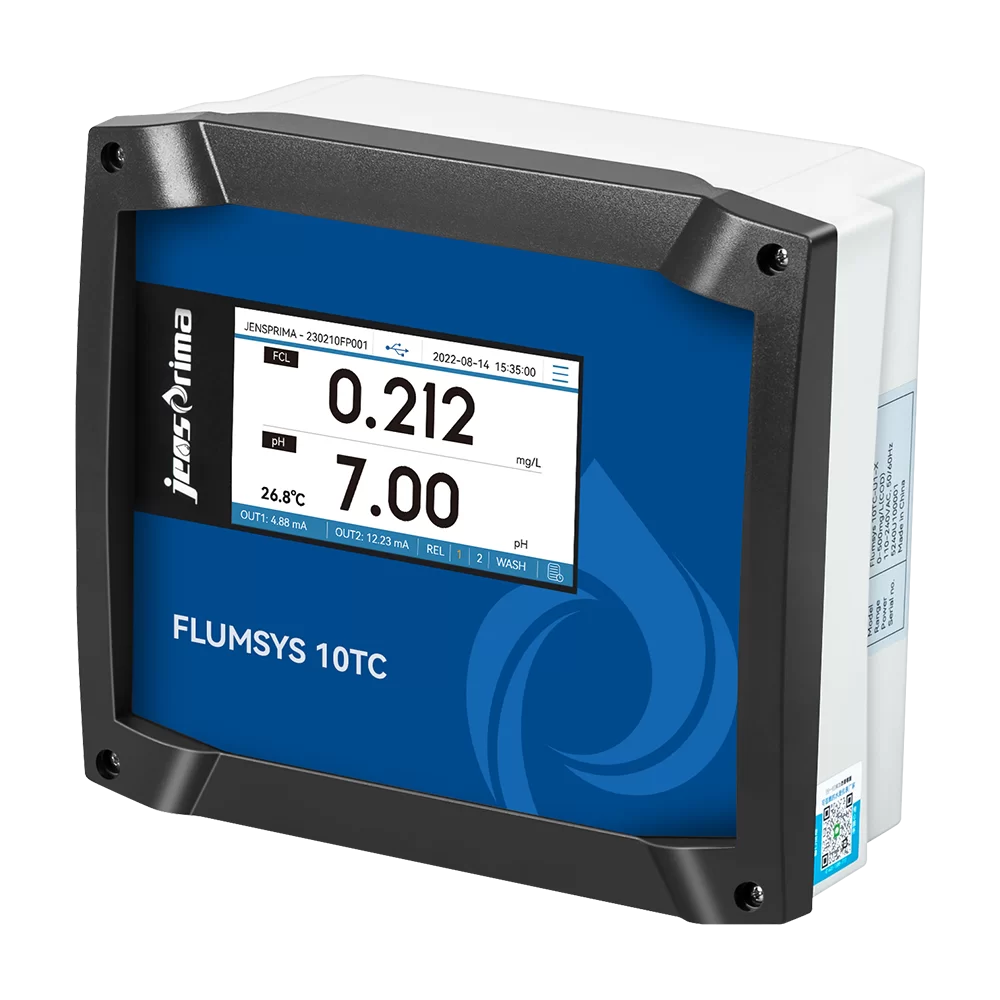
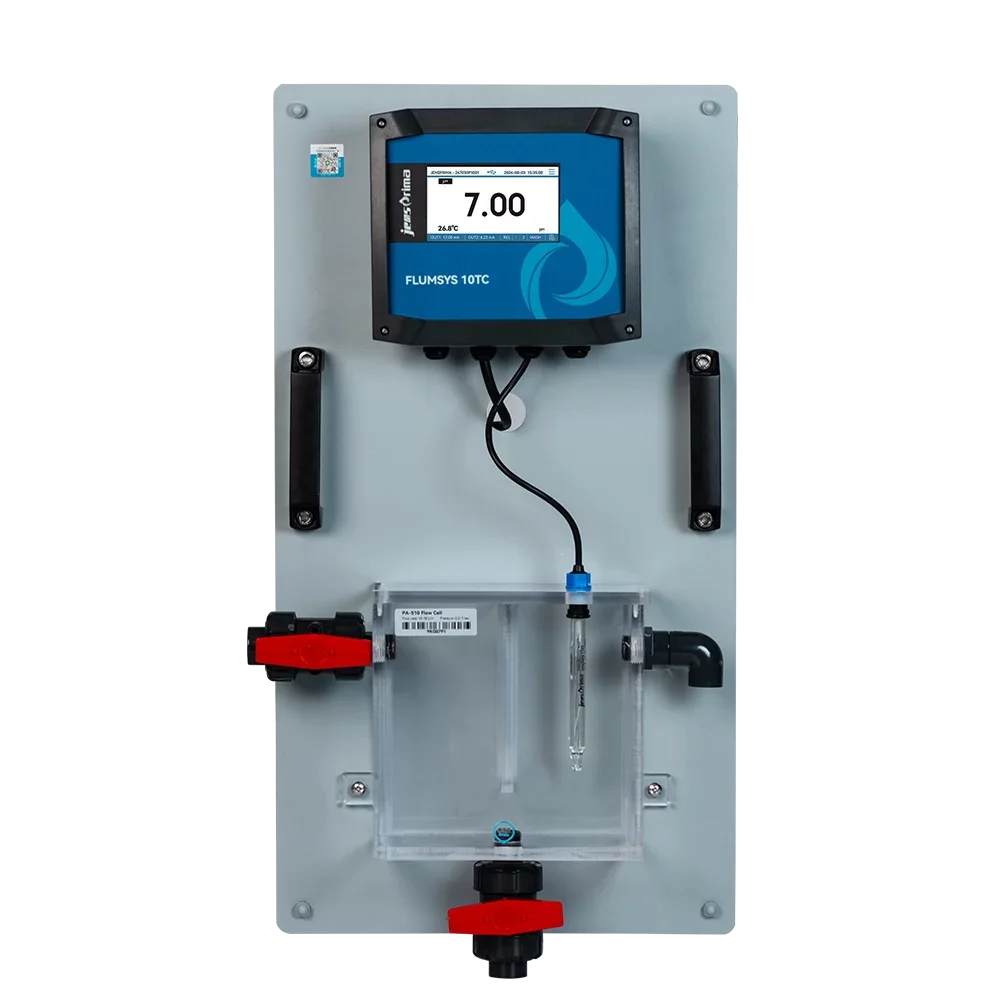
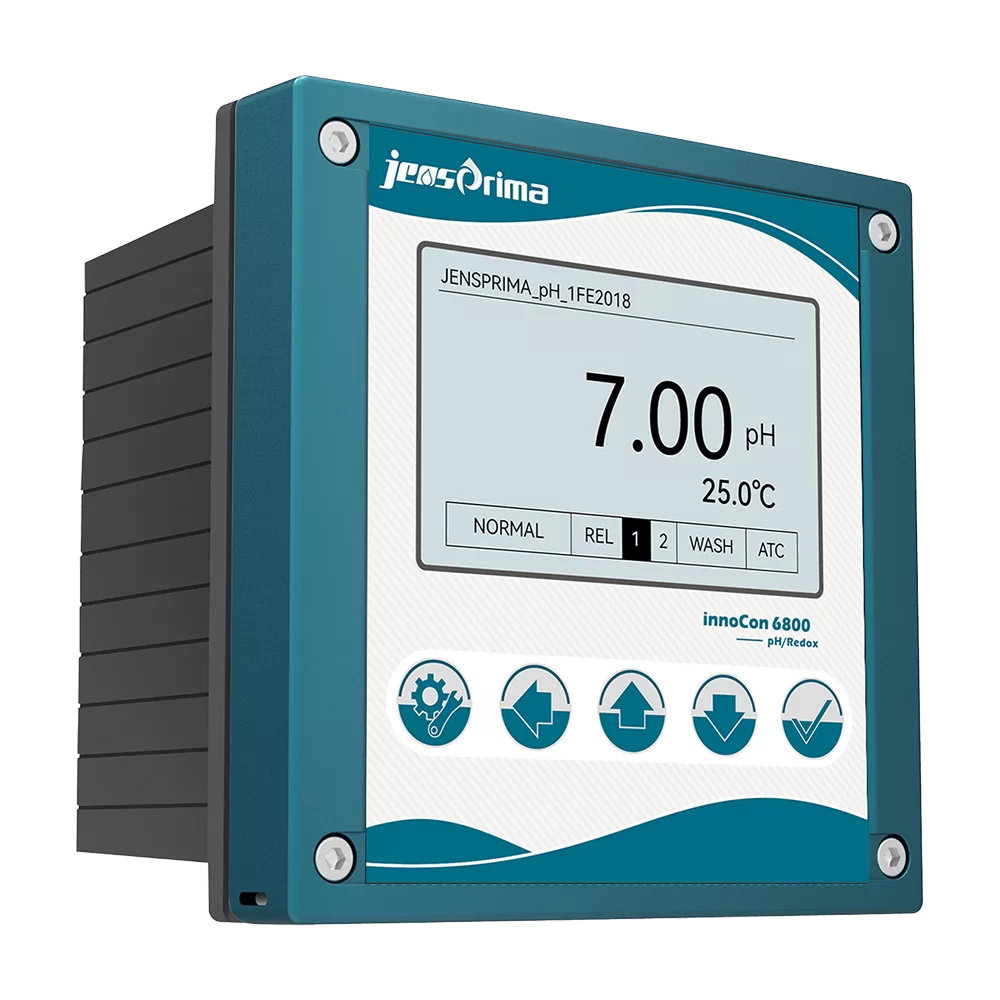
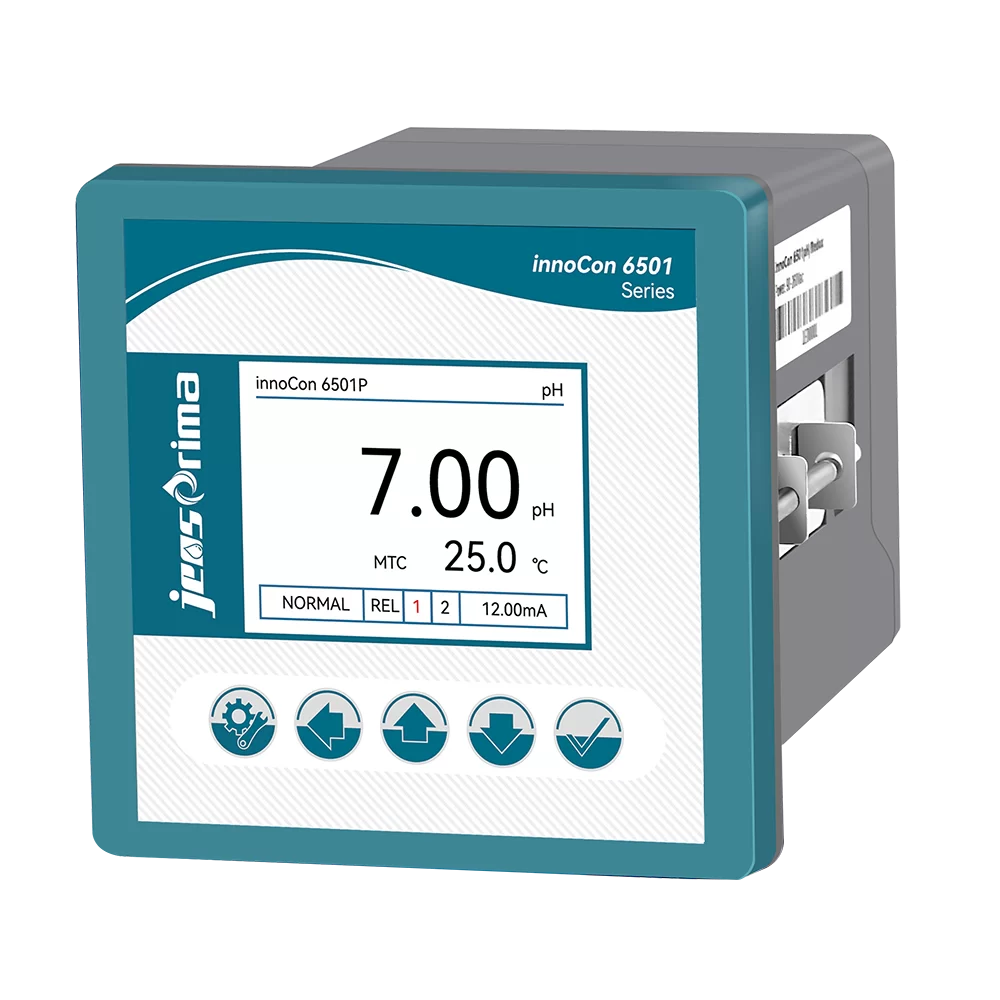
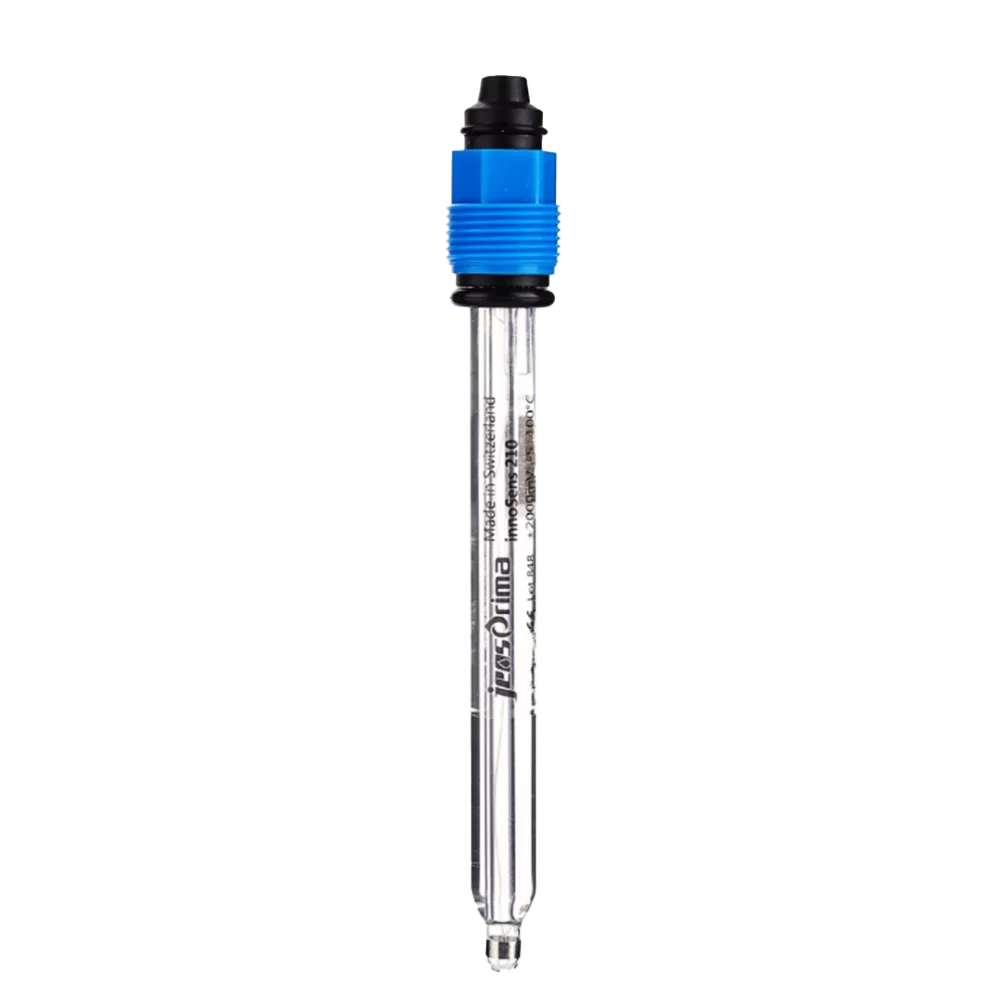
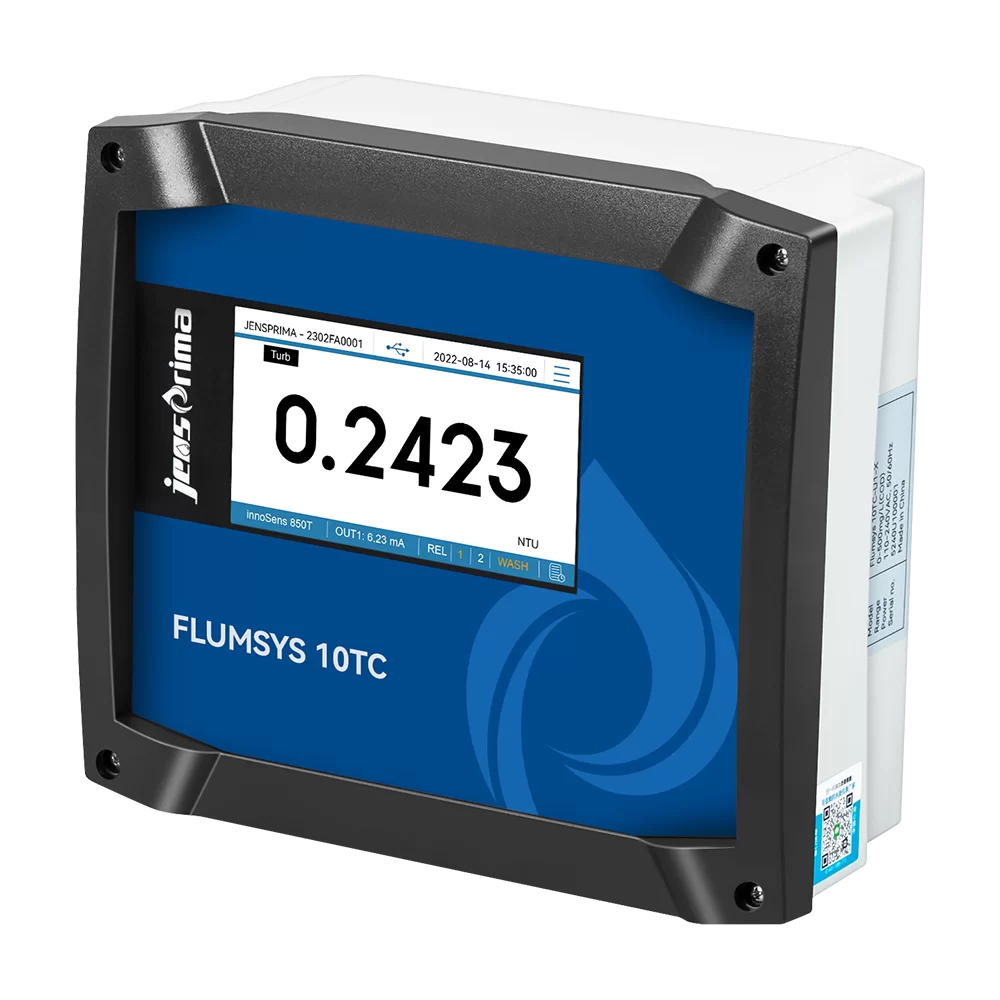
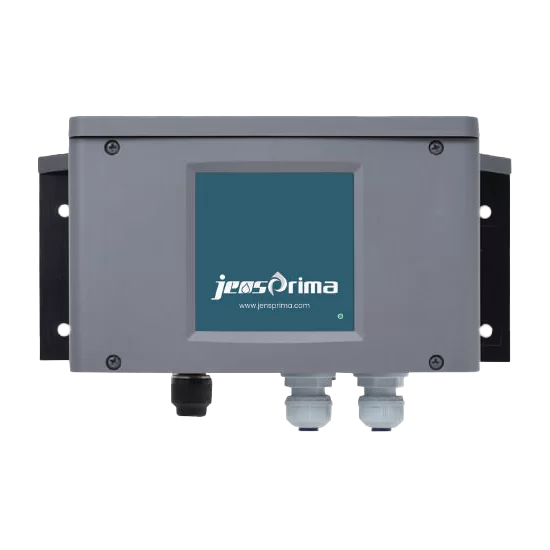
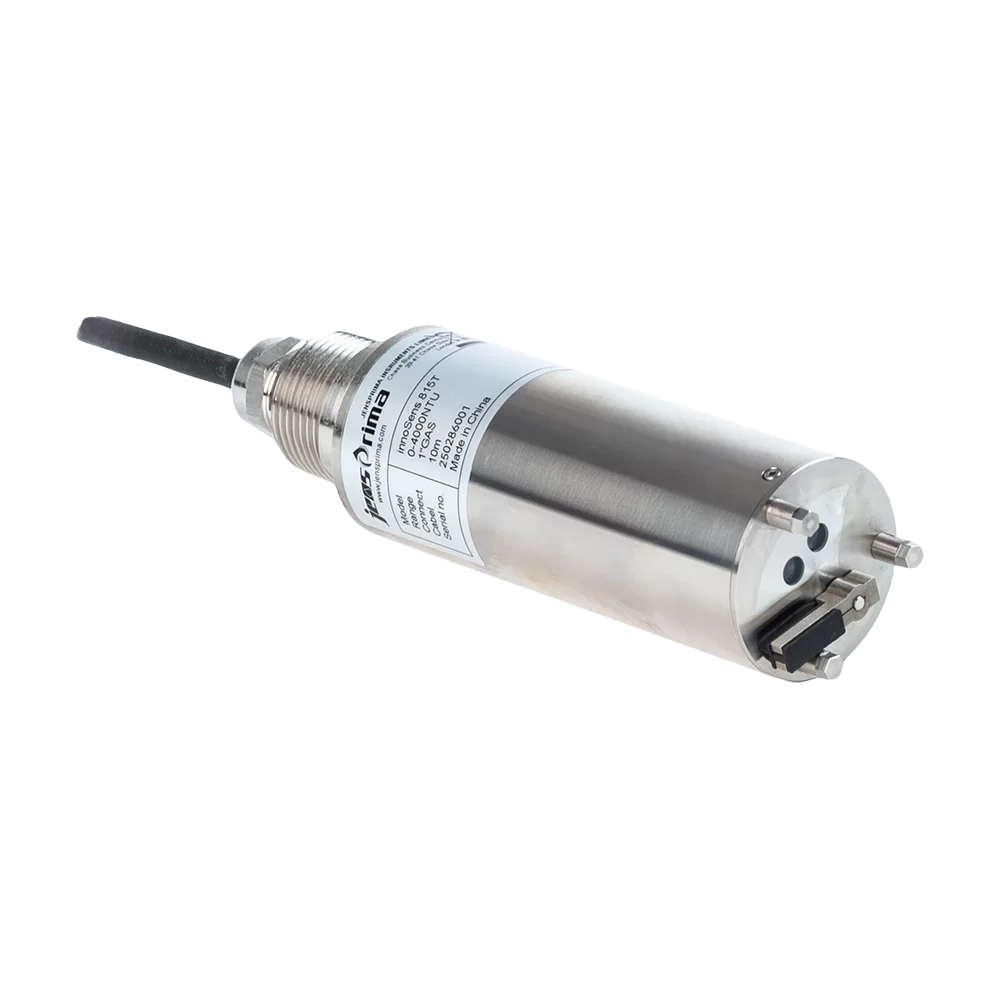
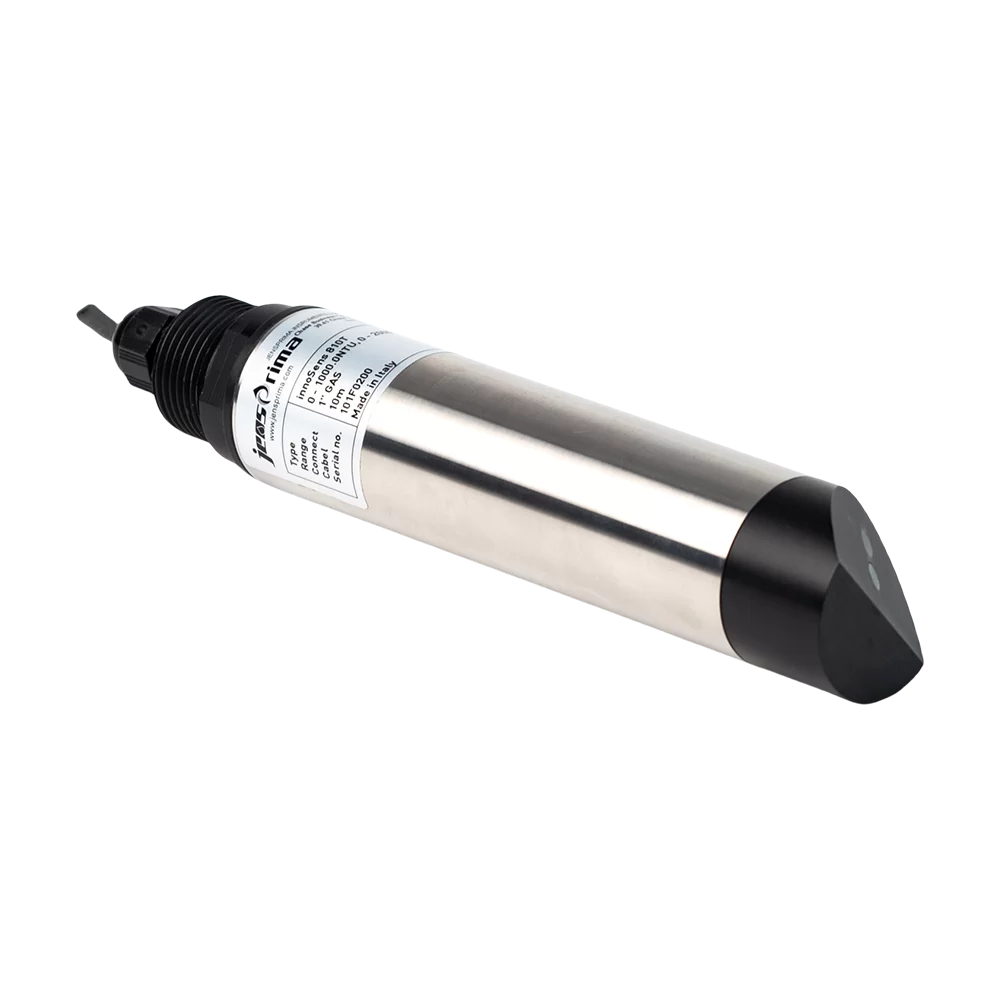
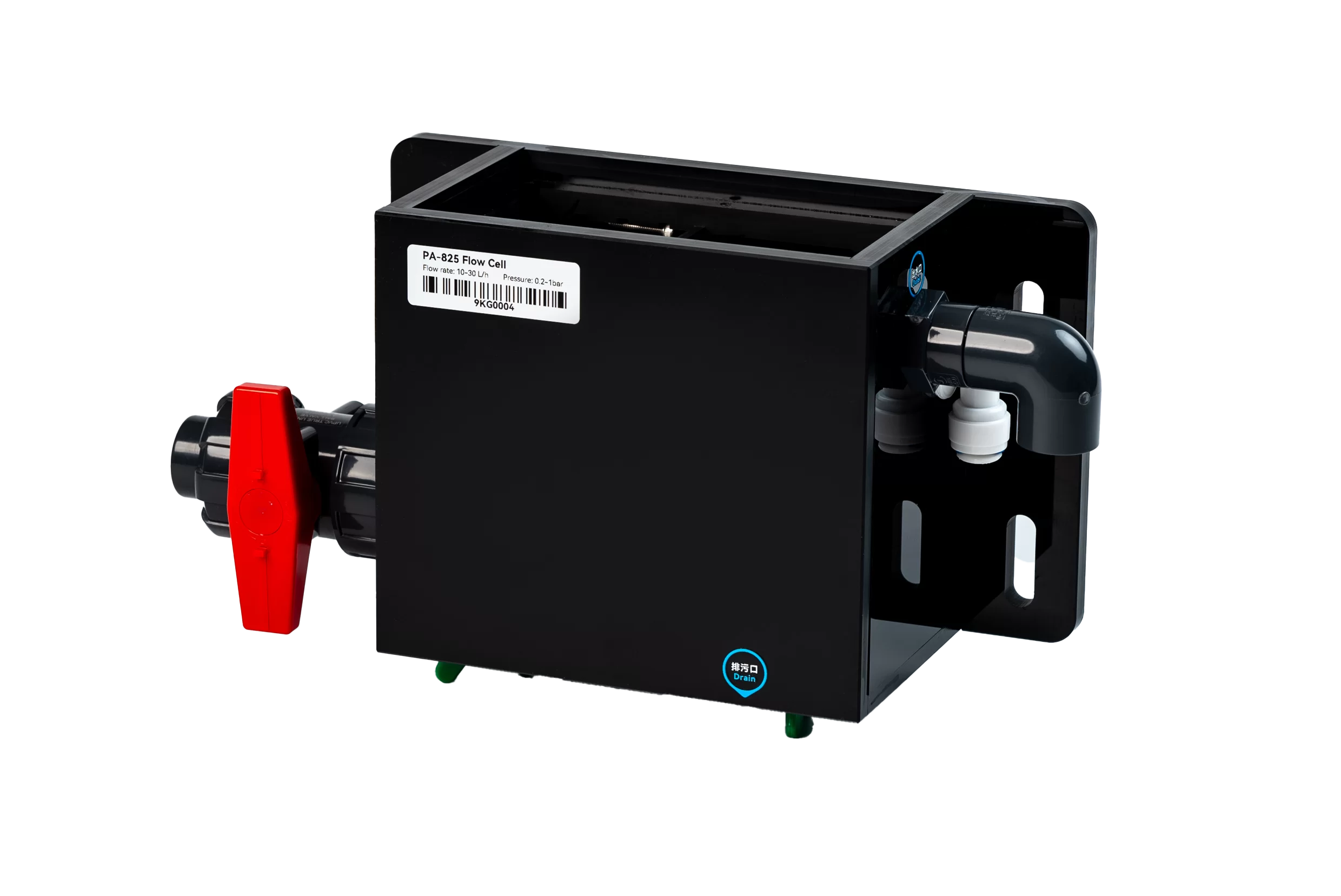
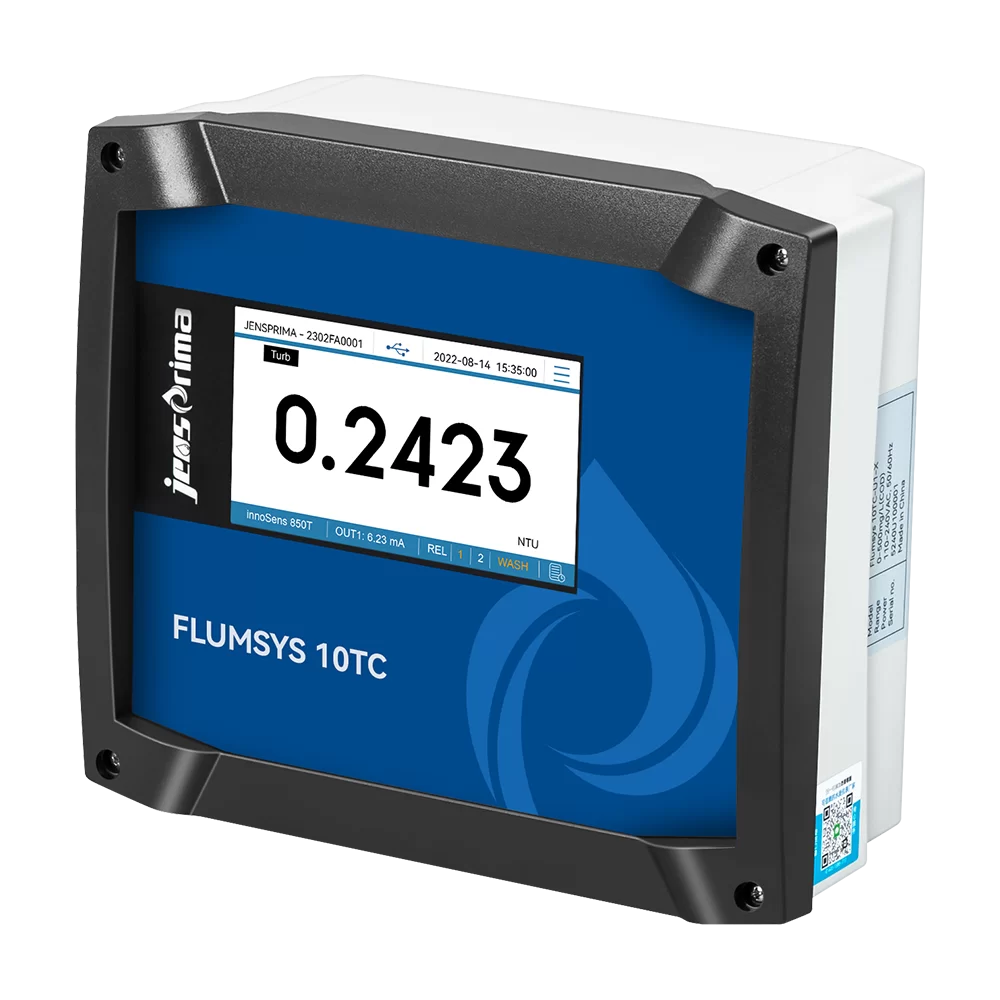
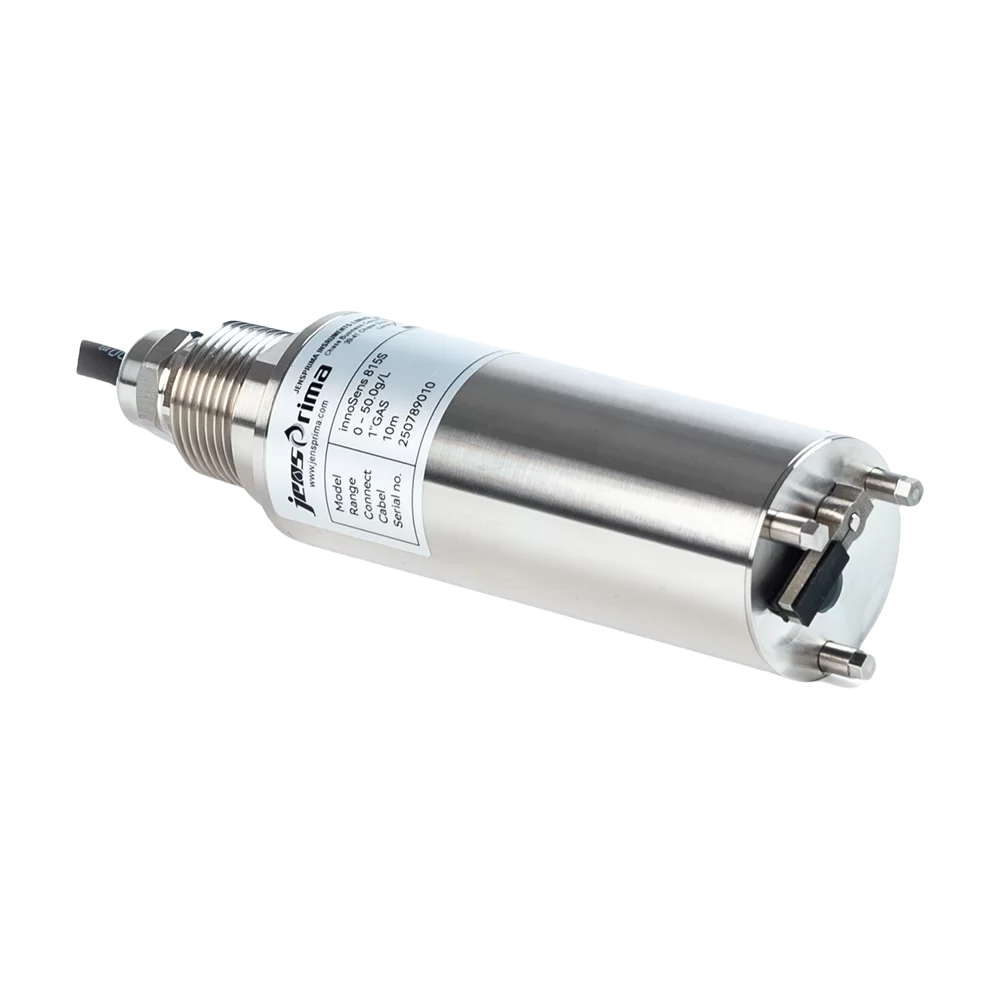
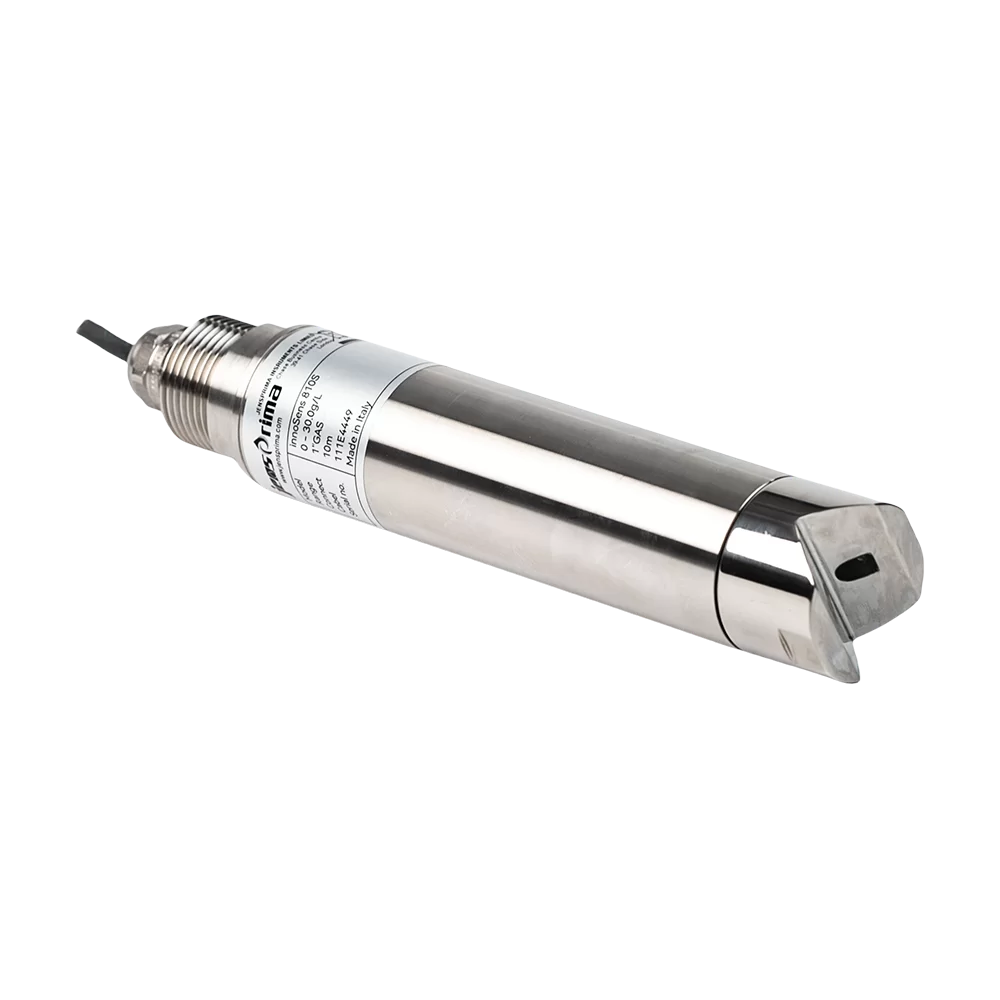
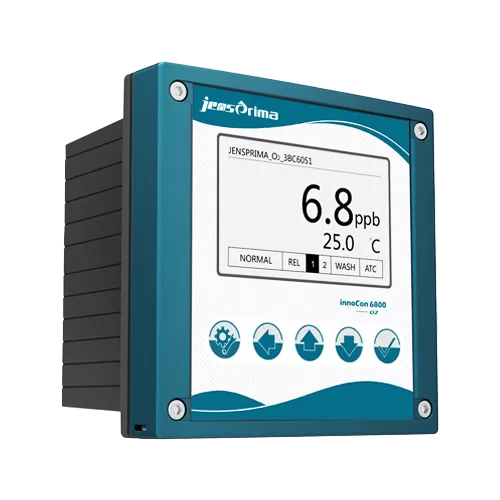
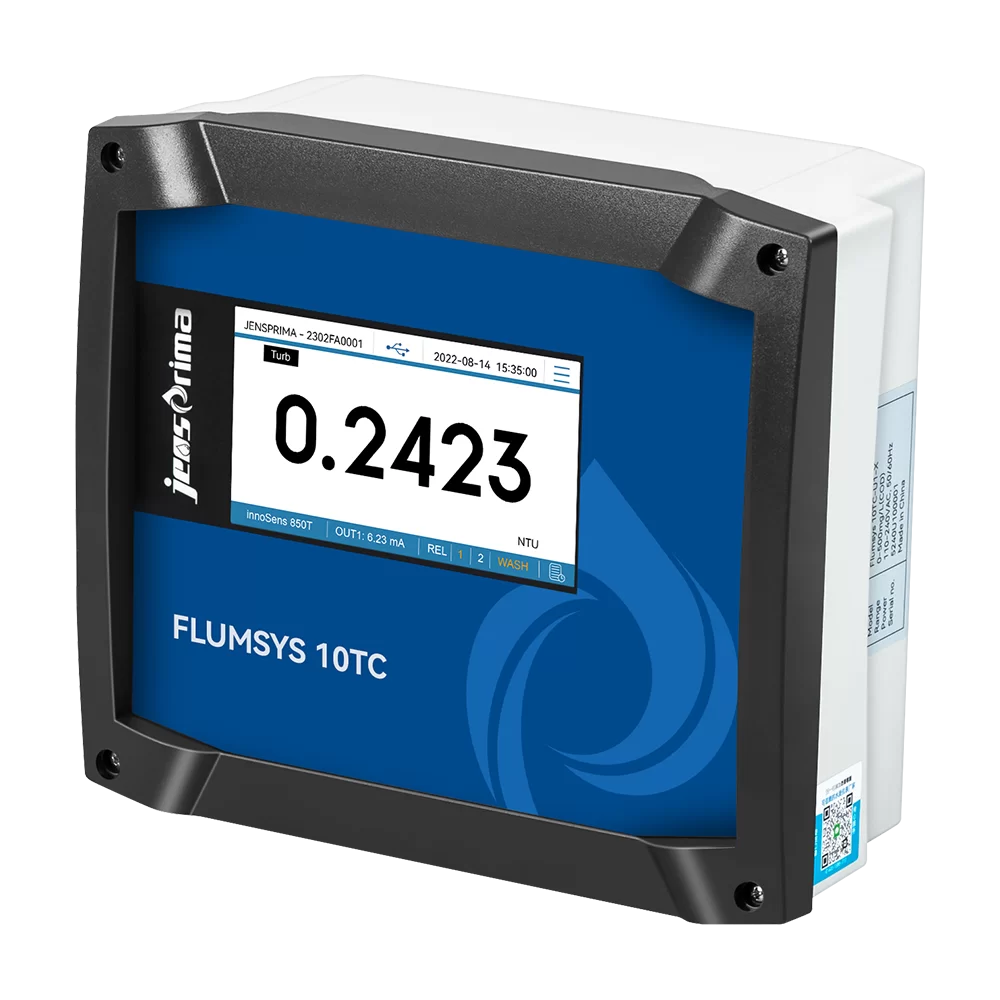
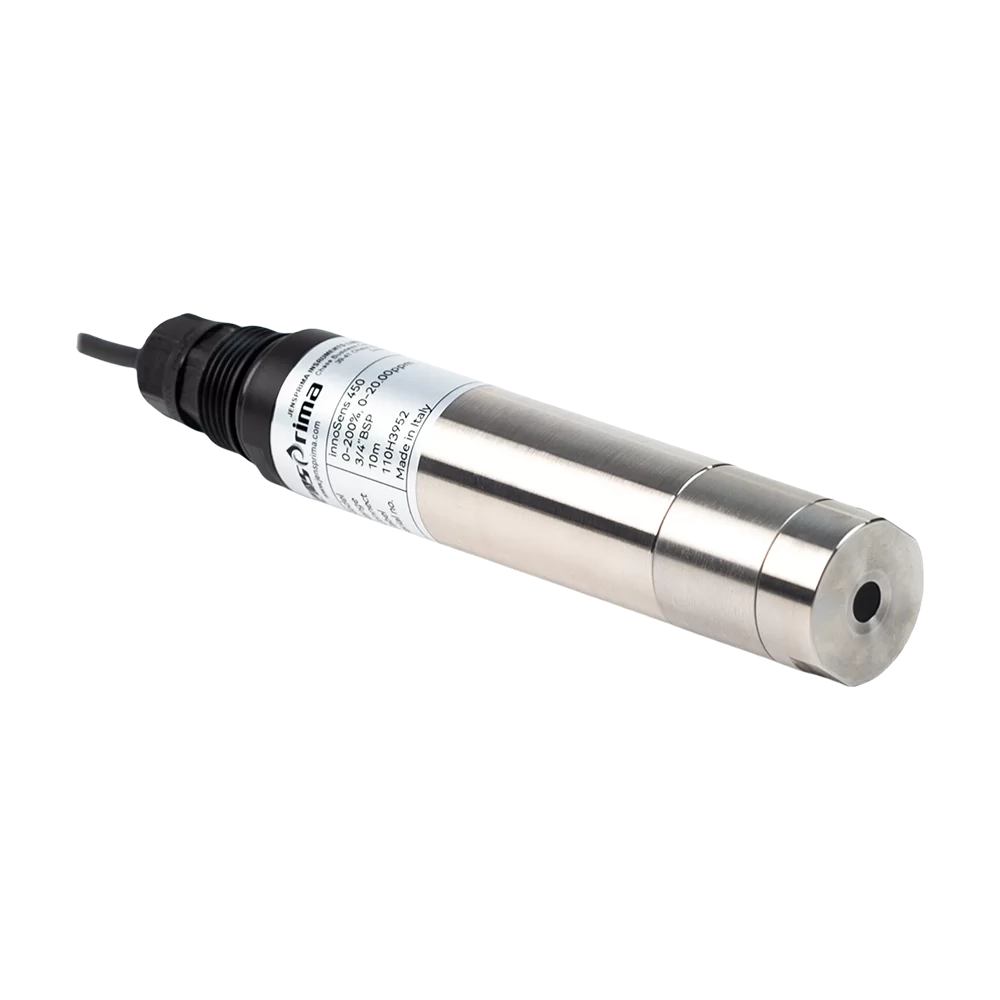


multi parameter analyzer

NEWS

UPDATES

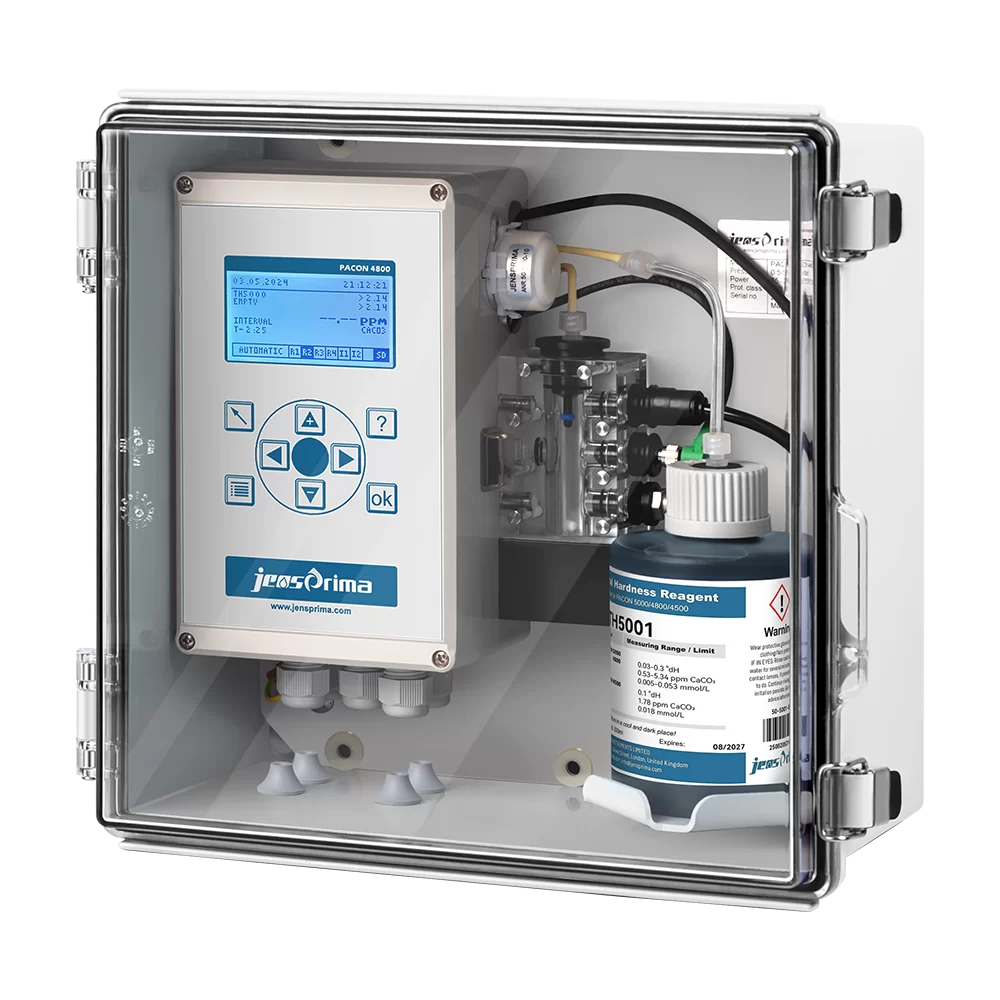
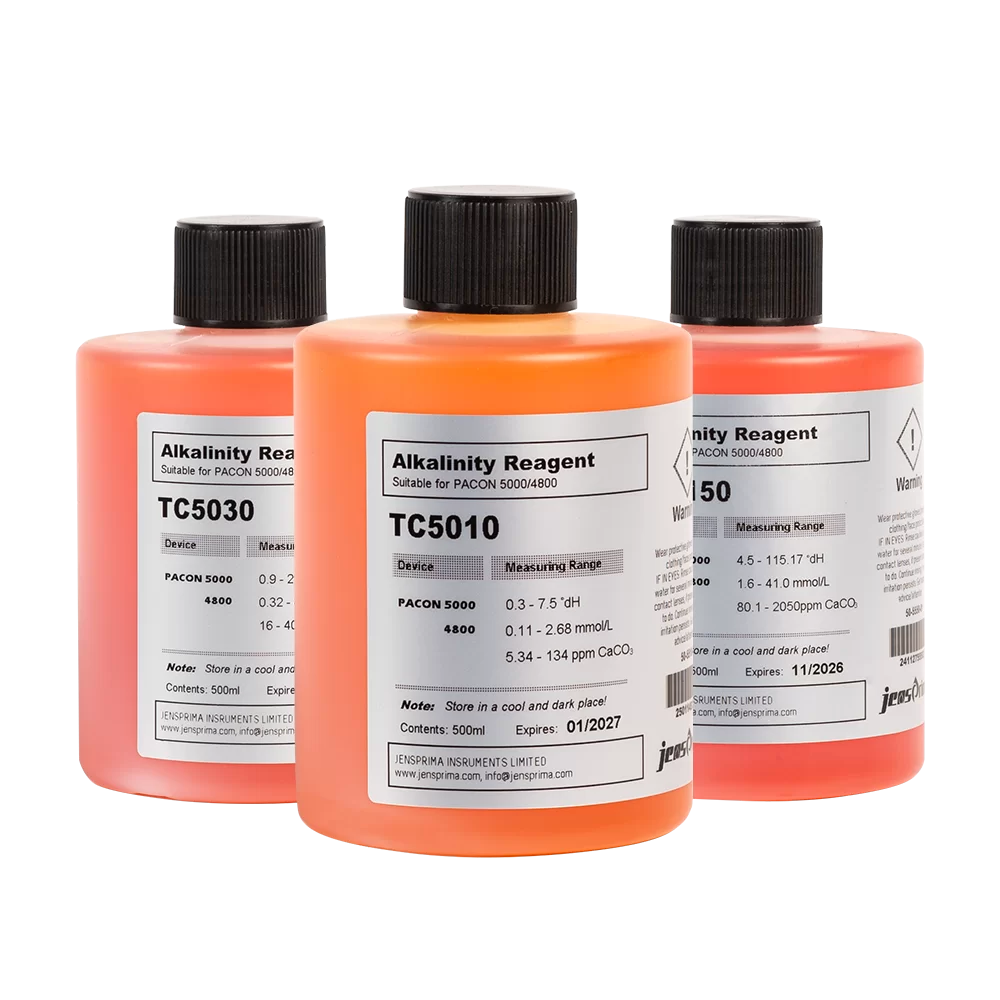
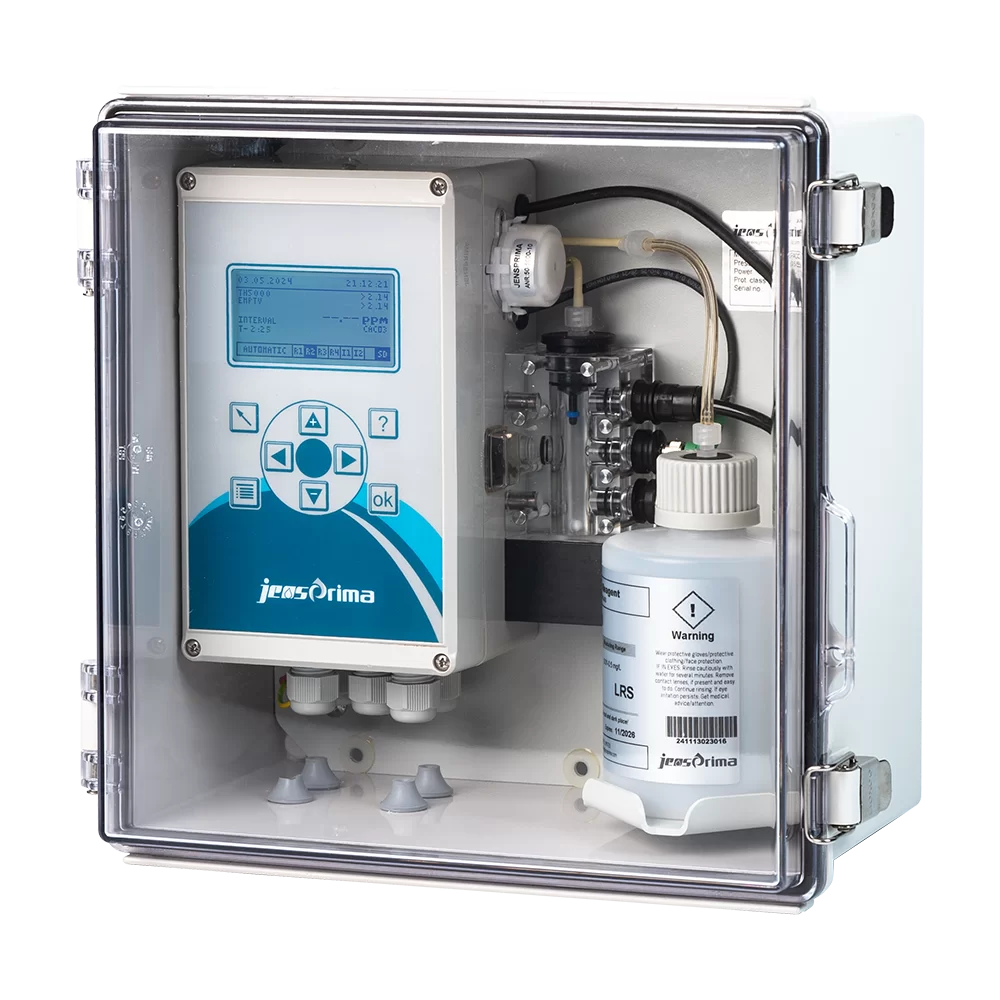
Advanced Water Monitoring Solutions with alkalinity analyzer for Turkmenistan Industry

Precision instrumentation engineered for the challenging environmental conditions of the Caspian region, ensuring sustainable water resource management.

Advanced Water Monitoring Solutions with alkalinity analyzer for Turkmenistan Industry

Integrating high-precision sensing technology to optimize water purity and industrial efficiency across Turkmenistan's energy and agricultural sectors.

Water Analysis Landscape in Turkmenistan

Addressing the challenges of extreme salinity and mineral content in Central Asian water sources.

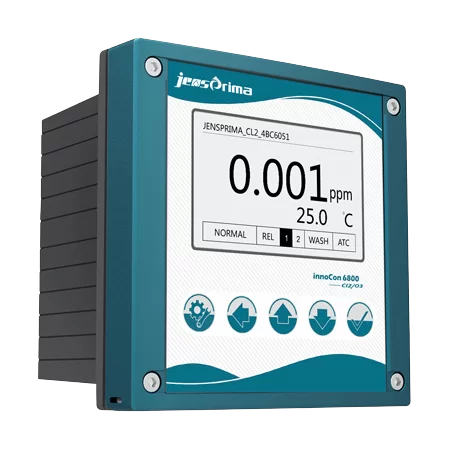
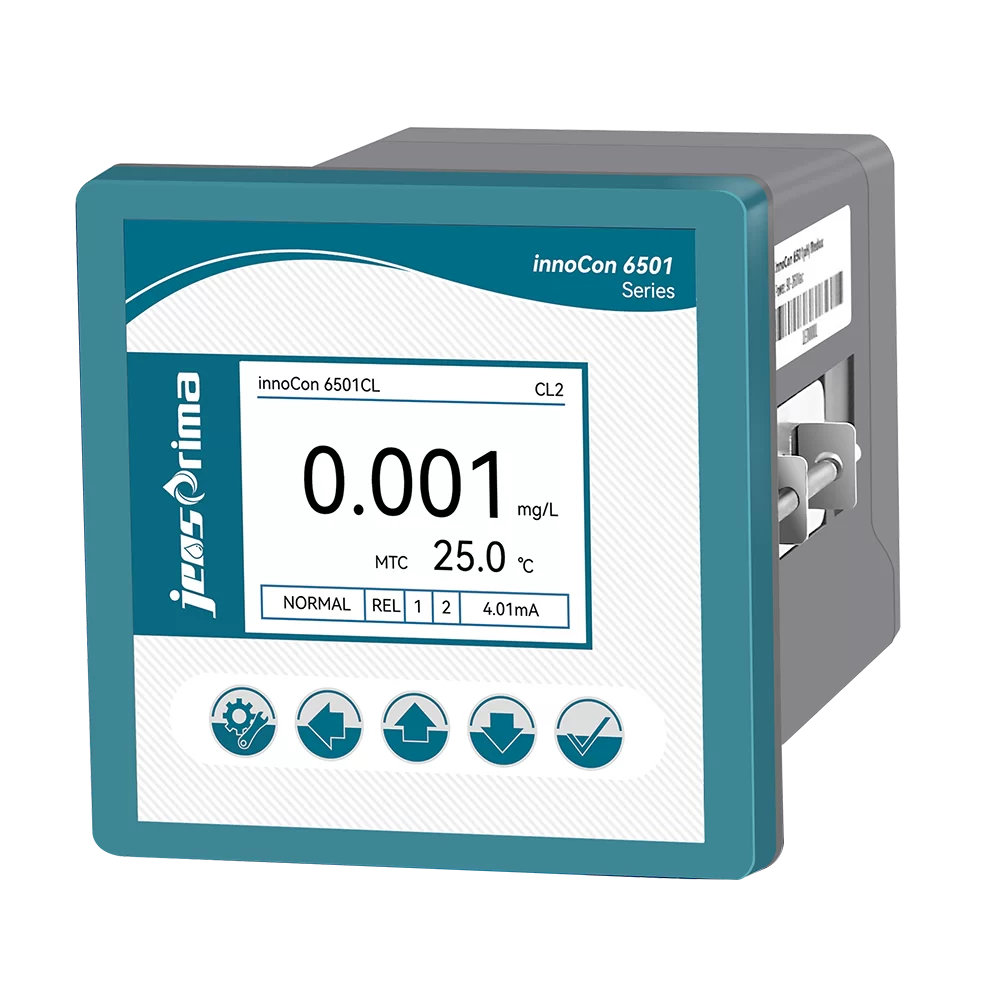
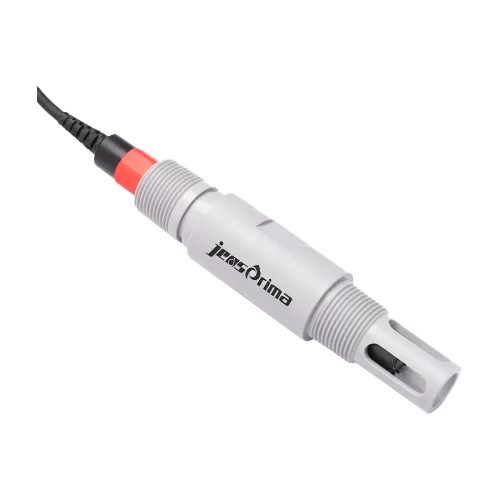
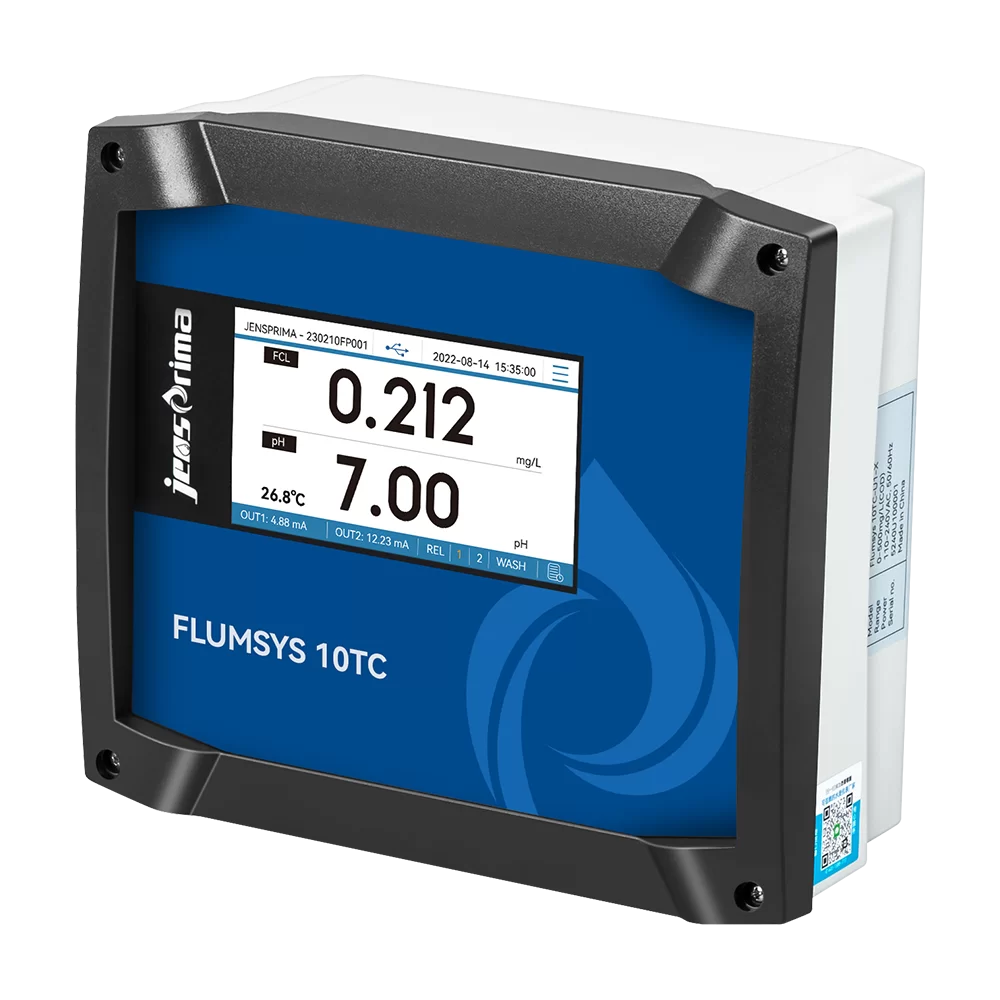
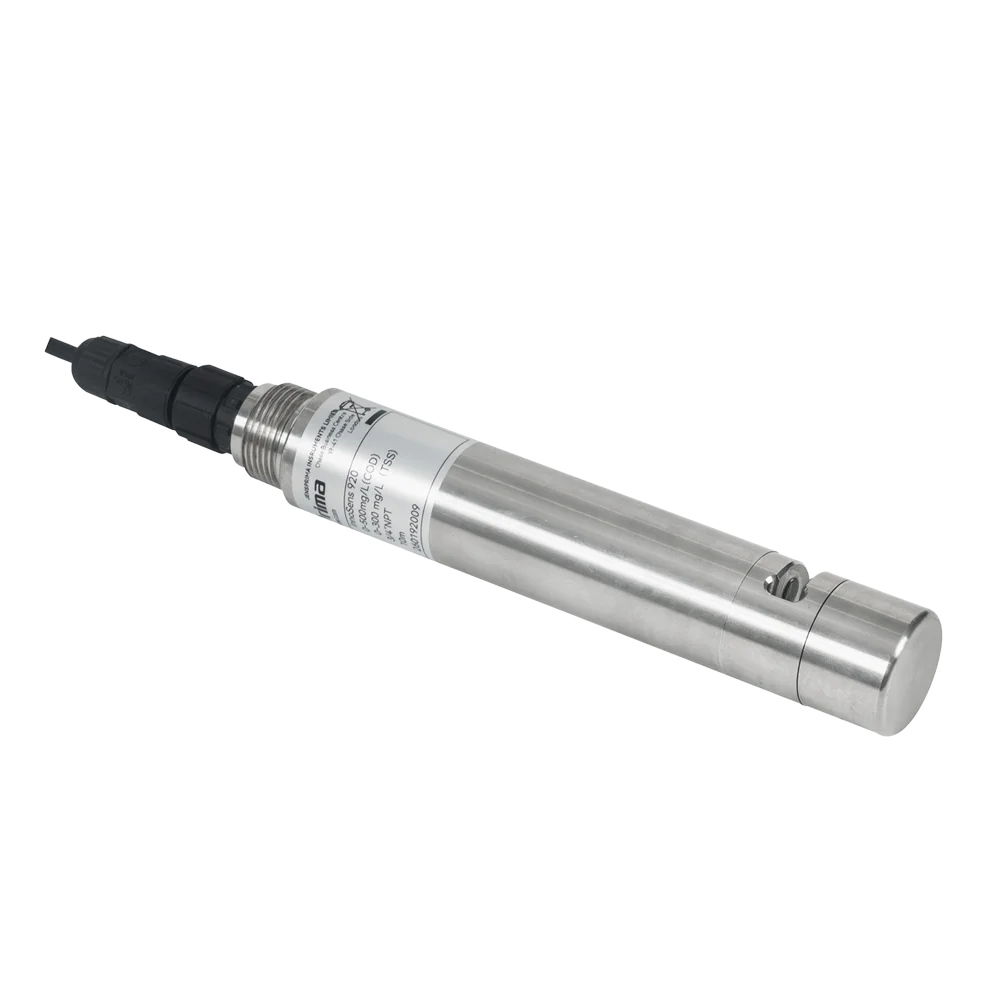
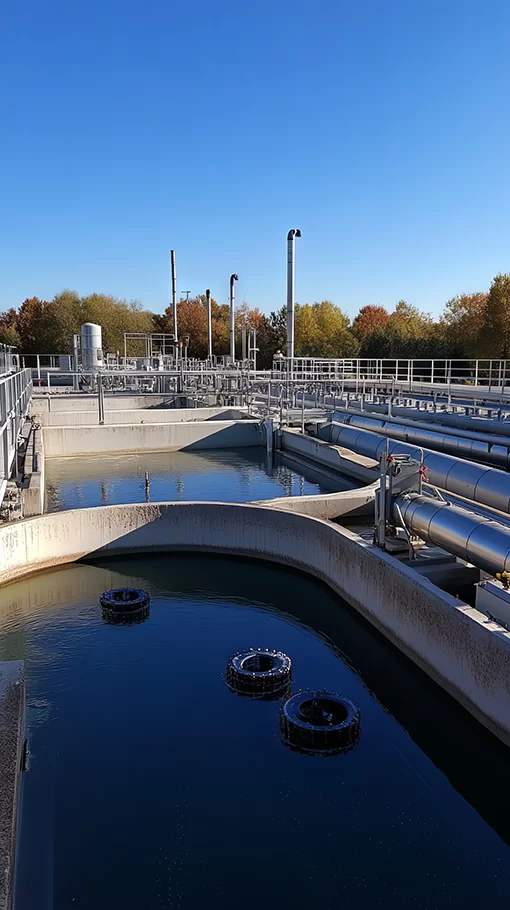
Turkmenistan's geography, characterized by vast deserts and the influence of the Caspian Sea, presents unique challenges for water quality. The high natural mineralization and salinity levels in groundwater necessitate the use of a robust multi parameter water quality analyzer to maintain industrial standards.

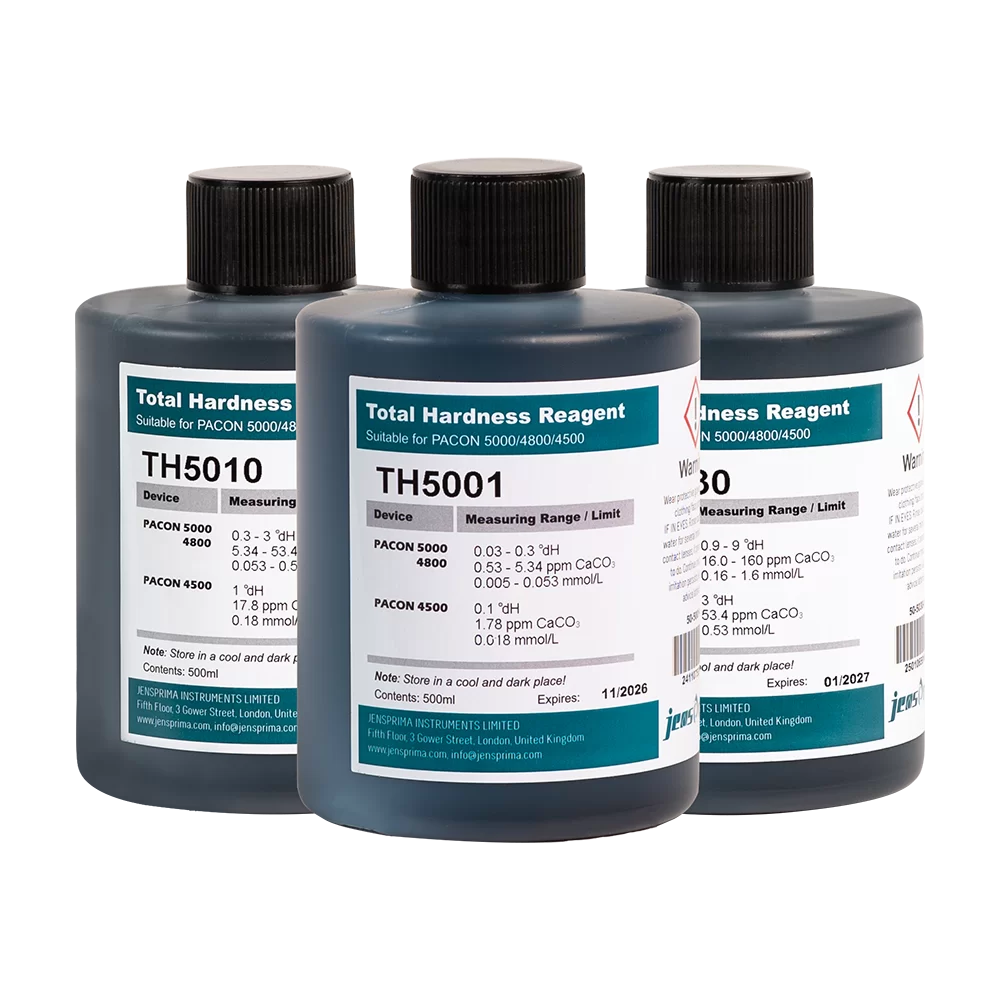
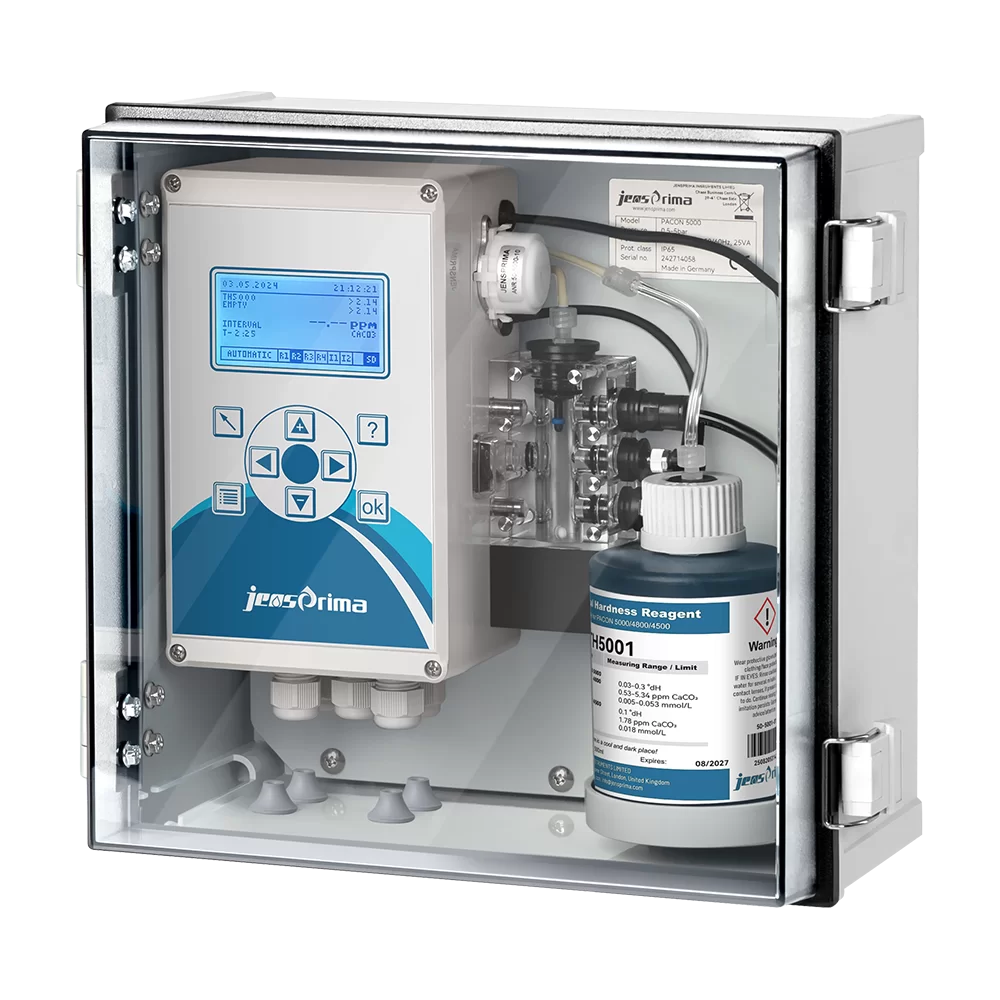
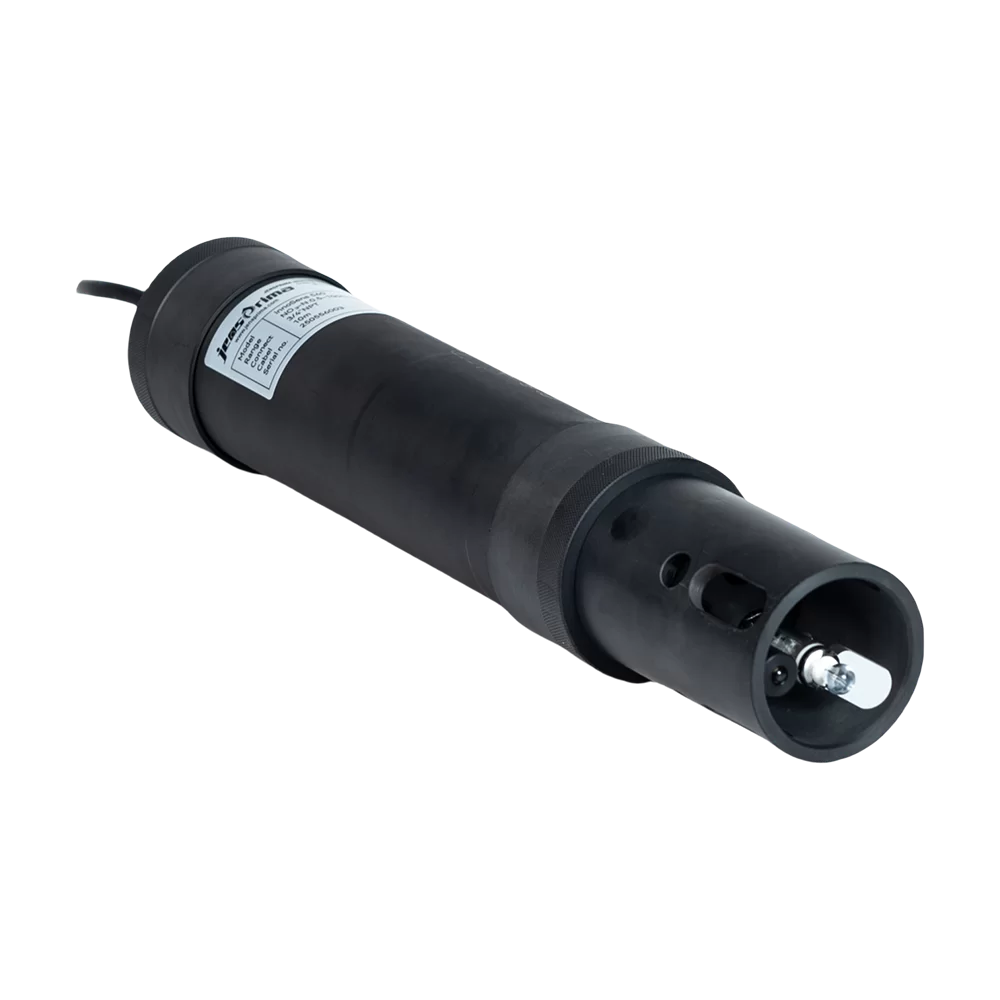
In the oil and gas sector, which is the backbone of the national economy, the control of scaling and corrosion is critical. This requires precise monitoring via a total hardness analyzer to prevent pipeline degradation and ensure the longevity of expensive infrastructure.

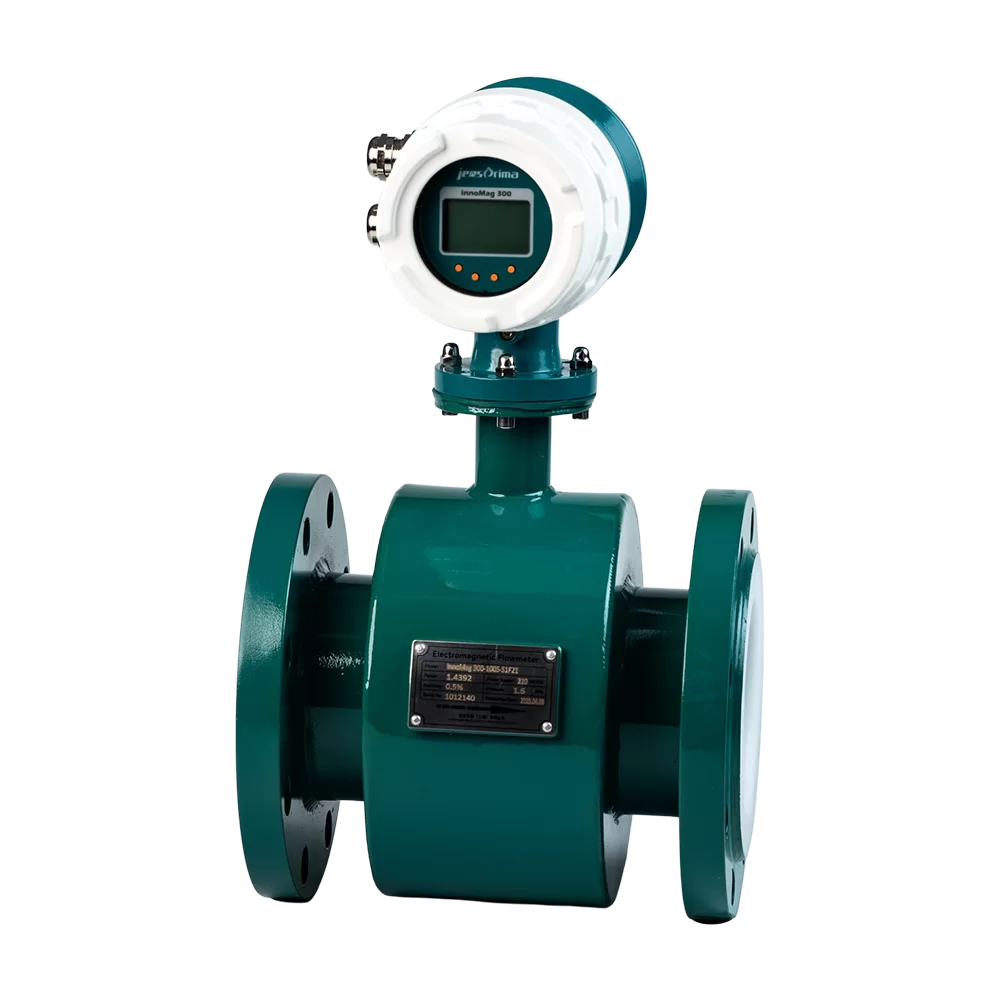
Furthermore, the arid climate leads to rapid evaporation in open reservoirs, concentrating pollutants. The deployment of an electromagnetic flowmeter is essential for the accurate measurement of water distribution and chemical dosing in large-scale irrigation projects.

Evolution of Water Analysis Technology in Central Asia

From manual sampling to automated, real-time digital monitoring.

Market Development History

From 1990 to 2010, water monitoring in Turkmenistan relied heavily on traditional laboratory-based titration and manual sampling, which were slow and prone to human error, especially when measuring alkalinity and hardness.

Between 2010 and 2020, the industry transitioned toward early-stage online monitoring. The introduction of basic digital sensors allowed for faster response times, though these systems often struggled with the high sediment loads typical of the region.

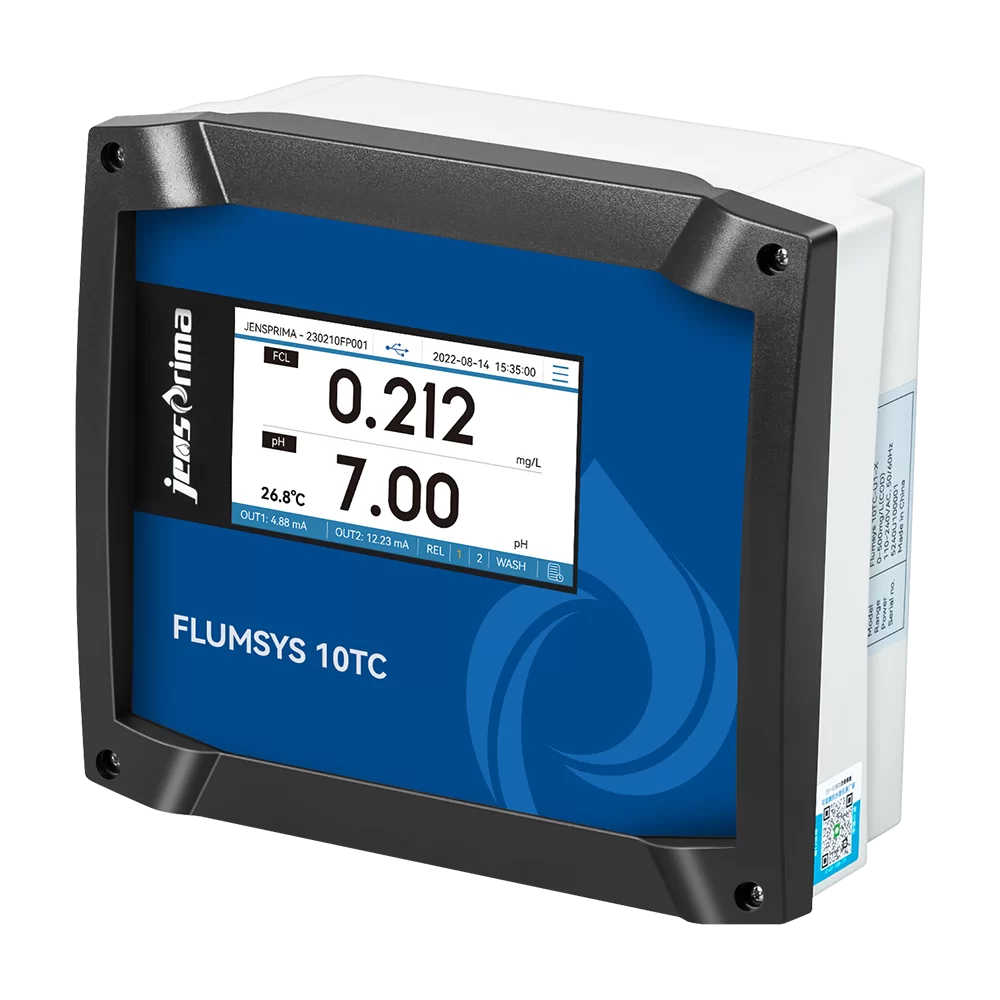
Since 2020, the focus has shifted to "Smart Water Management." Modern installations now integrate a residual chlorine controller for automated disinfection, linking field data directly to cloud-based SCADA systems for remote oversight.

Future Development Trends

AI-Driven Predictive Maintenance

Integrating machine learning to predict sensor drift and electrode failure, reducing the need for physical site visits in remote desert regions.

IoT-Enabled Mesh Networks

The move toward decentralized monitoring where multiple analyzers communicate wirelessly to create a comprehensive water quality map of the basin.

Ultra-Low Reagent Consumption

Developing new chemical analysis methods that minimize waste and logistics costs for transporting reagents to distant industrial sites.

Future Trends & Strategic Outlook

Adapting to the digitalization of environmental monitoring in Turkmenistan.

Remote Telemetry Integration
Implementing 5G and satellite connectivity to monitor water quality in the Karakum desert in real-time.
Modular Sensor Arrays
Developing swappable sensor modules to allow rapid adaptation to changing water chemistry without full system replacement.
Energy-Autonomous Nodes
Utilizing solar power and low-energy electronics for sustainable operation in off-grid locations.
High-Salinity Specialization
Engineering electrodes specifically for the hyper-saline environments of Turkmenistan's inland lakes.

Industry Outlook

Based on search trends and regional investment, we predict a 15% annual growth in the demand for automated water quality analyzers in Turkmenistan. The focus is shifting from simple monitoring to active control loops where analyzers trigger corrective actions automatically.

The alignment with national water-saving strategies suggests that high-precision flow measurement and chemical analysis will become mandatory for all industrial effluent discharge points within the next five years.

Localized Application Scenarios in Turkmenistan

Practical deployment of water quality instrumentation in real-world regional environments.

1. Oil Refinery Process Water Treatment

Utilizing total hardness analyzer units to monitor boiler feed water, preventing scale buildup in high-temperature heat exchangers in Turkmenbashy refineries.

2. Agricultural Irrigation Salinity Control

Deploying multi parameter water quality analyzer systems at canal inlets to ensure that irrigation water does not exceed salinity thresholds for cotton crops.

3. Municipal Drinking Water Disinfection

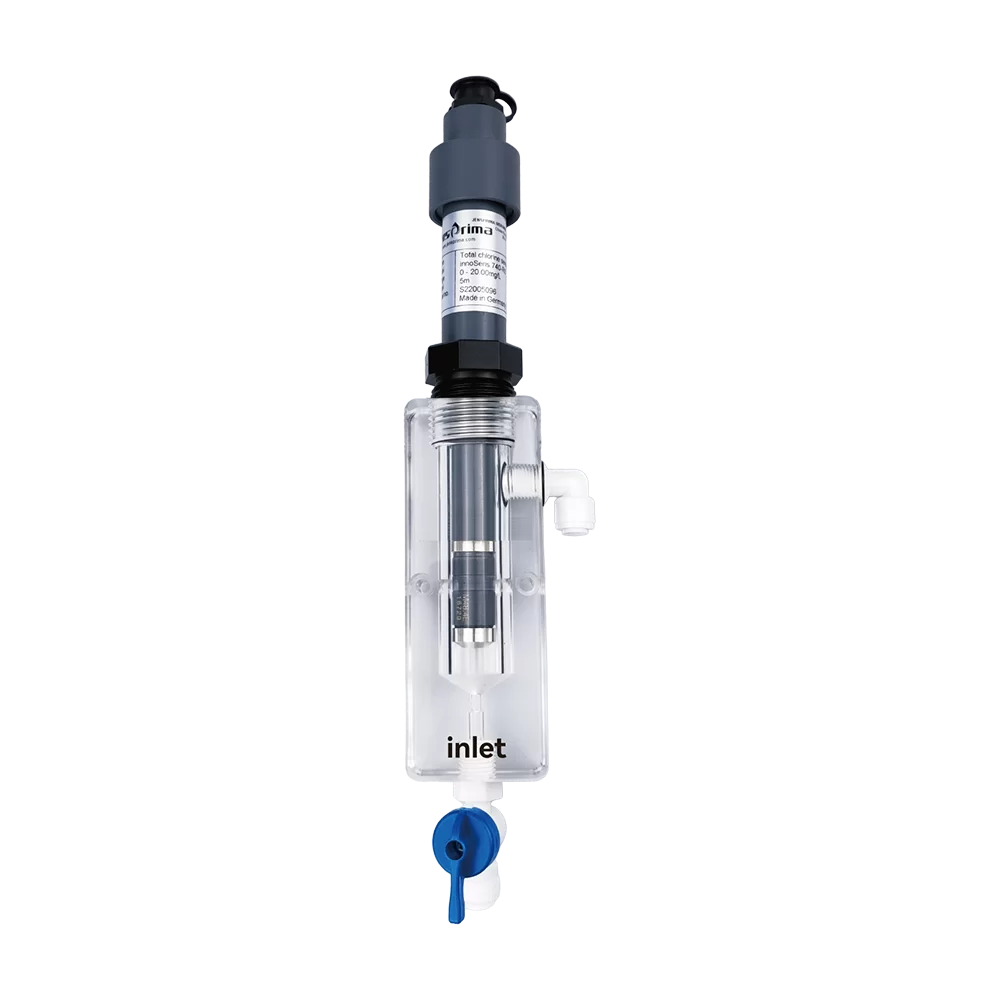
Implementing a residual chlorine controller in Ashgabat's water networks to ensure safe chlorination levels throughout the urban distribution system.

4. Industrial Wastewater Effluent Monitoring

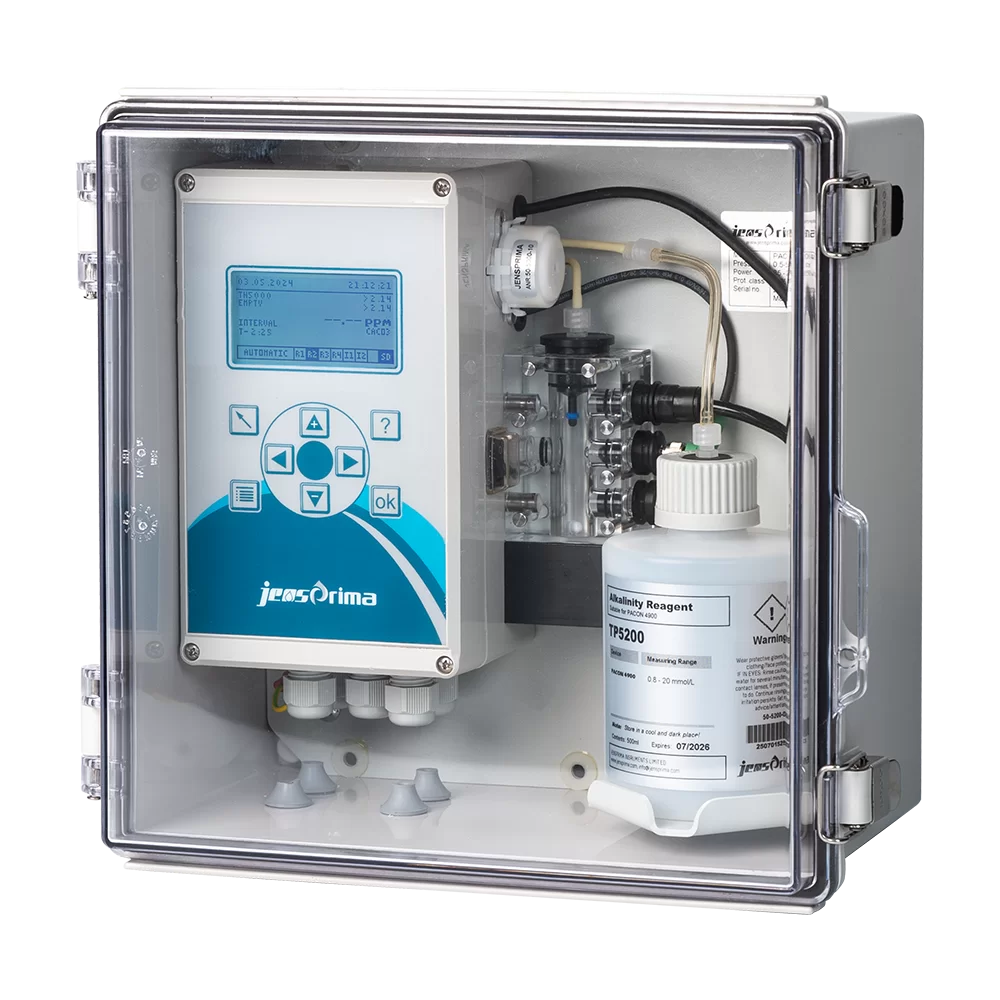
Installing alkalinity analyzer systems to monitor the neutralization process of acidic waste before it is discharged into environmental drainage.

5. Caspian Sea Desalination Plant Control

Using electromagnetic flowmeter devices to precisely control the intake of raw seawater and the output of permeate in reverse osmosis plants.

Brand Story

Global Development Journey of Jensprima (Shanghai) Co., Ltd.

Foundation and Precision Roots

Established with a commitment to laboratory-grade accuracy in industrial environments, focusing on the core challenges of online water chemistry.

Technological Breakthroughs

Developing proprietary electrode coatings that withstand extreme pH and high salinity, solving the "drift" problem in harsh industrial waters.

Global Market Expansion

Expanding operations into Central Asia, tailoring products for the specific geological and climatic needs of regions like Turkmenistan.

Digital Transformation

Integrating Industry 4.0 standards into all analyzers, enabling full remote synchronization and cloud-based diagnostic capabilities.

Sustainable Future Mission

Our mission is to provide the "eyes" for water management, ensuring every drop is monitored for a sustainable and water-secure industrial future.

Comprehensive Water Analysis Portfolio for Turkmenistan

A complete suite of instruments designed to handle the most demanding water quality parameters.

Turkmenistan Regional Water Analysis FAQ

Expert answers to common technical queries regarding water monitoring in Central Asia.

How does a multi parameter water quality analyzer handle high salinity in the Caspian region?

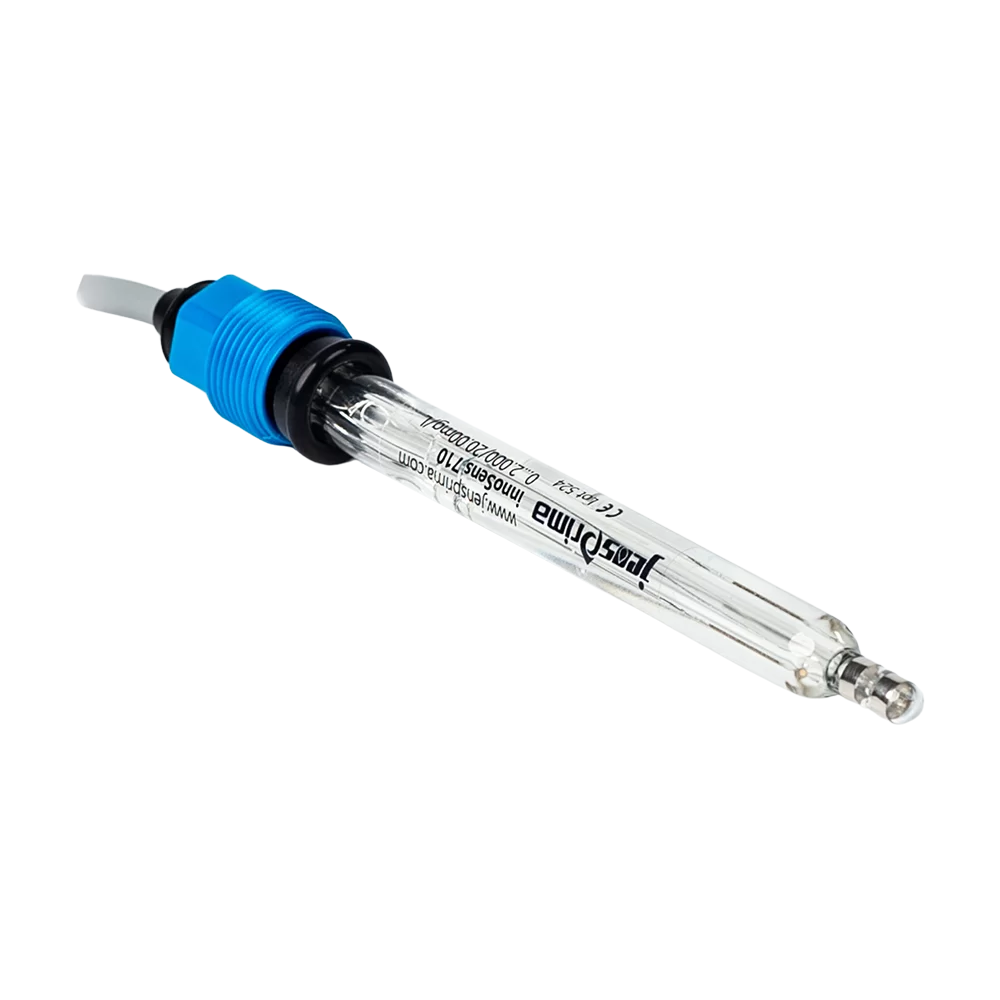
Our analyzers use specialized ion-selective electrodes and advanced temperature compensation algorithms to ensure accuracy even in hyper-saline waters.

What is the maintenance cycle for a total hardness analyzer in industrial boilers?

Depending on the water hardness, we recommend a calibration check every 2-4 weeks and a full reagent replacement every quarter.

Can an alkalinity analyzer be integrated into existing SCADA systems in Turkmenistan?

Yes, our devices support standard Modbus TCP/IP and 4-20mA outputs, making them compatible with all major industrial automation platforms.

How does a residual chlorine controller prevent over-chlorination in municipal pipes?

The controller uses a real-time feedback loop to adjust the dosing pump based on the actual chlorine concentration measured at the probe.

Why choose an electromagnetic flowmeter over mechanical meters for irrigation?

Electromagnetic meters have no moving parts, meaning they are not worn down by the sand and silt often found in Turkmenistan's water channels.

Are these instruments rated for extreme desert temperatures?

Yes, all our outdoor units are housed in IP65-rated enclosures with optional cooling systems to operate in temperatures up to 60°C.

Ready to Optimize Your Water Monitoring?

Our engineering team is ready to provide customized water quality solutions for your projects in Turkmenistan.

Contact Us Now
Service Repair Form
Tell us what issue you encountered, including any steps or symptoms.
  • Name
  • Email
  • Phone
  • Fault Description

If you are interested in our products, you can choose to leave your information here, and we will be in touch with you shortly.