
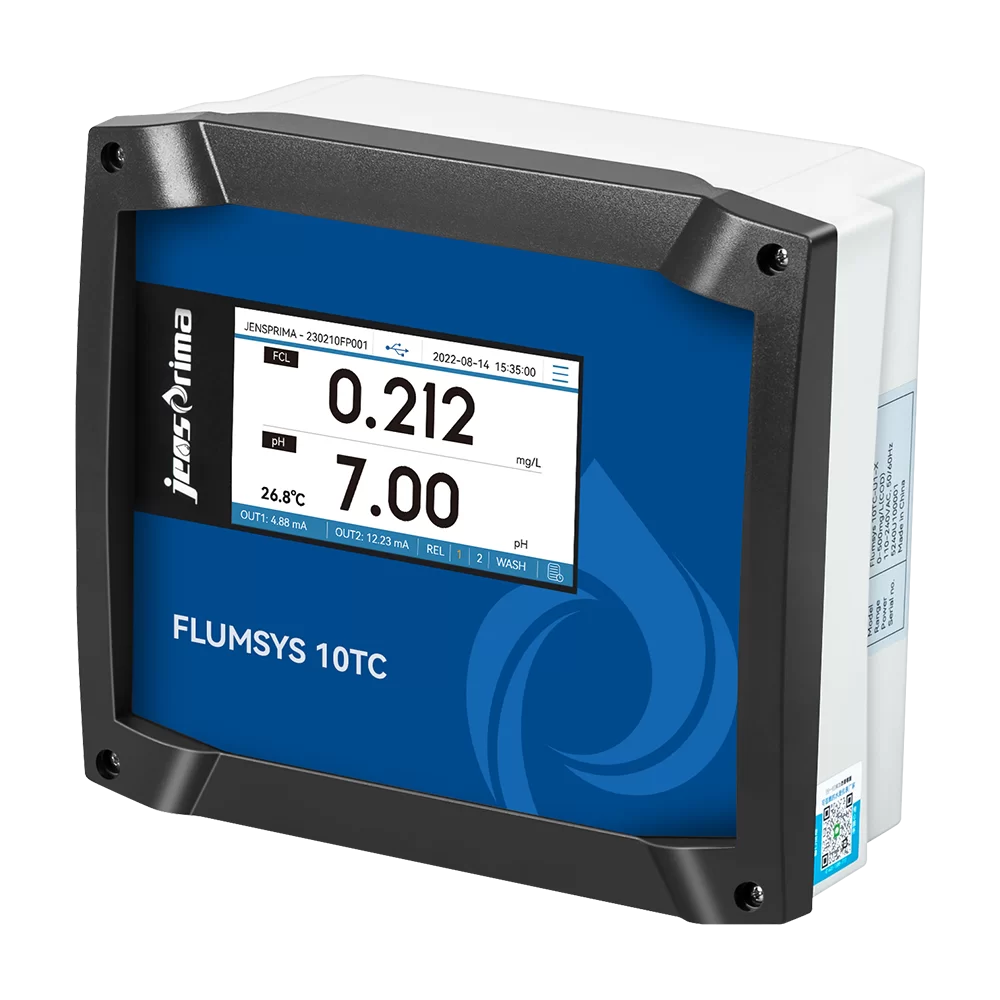
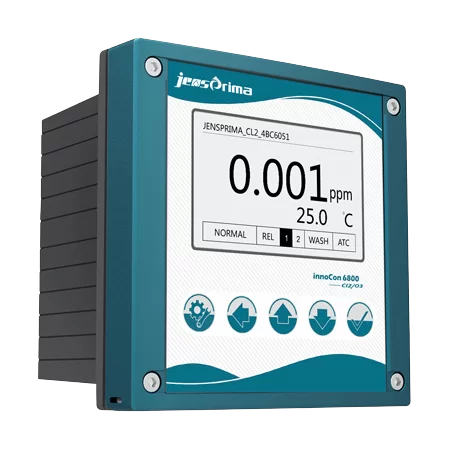
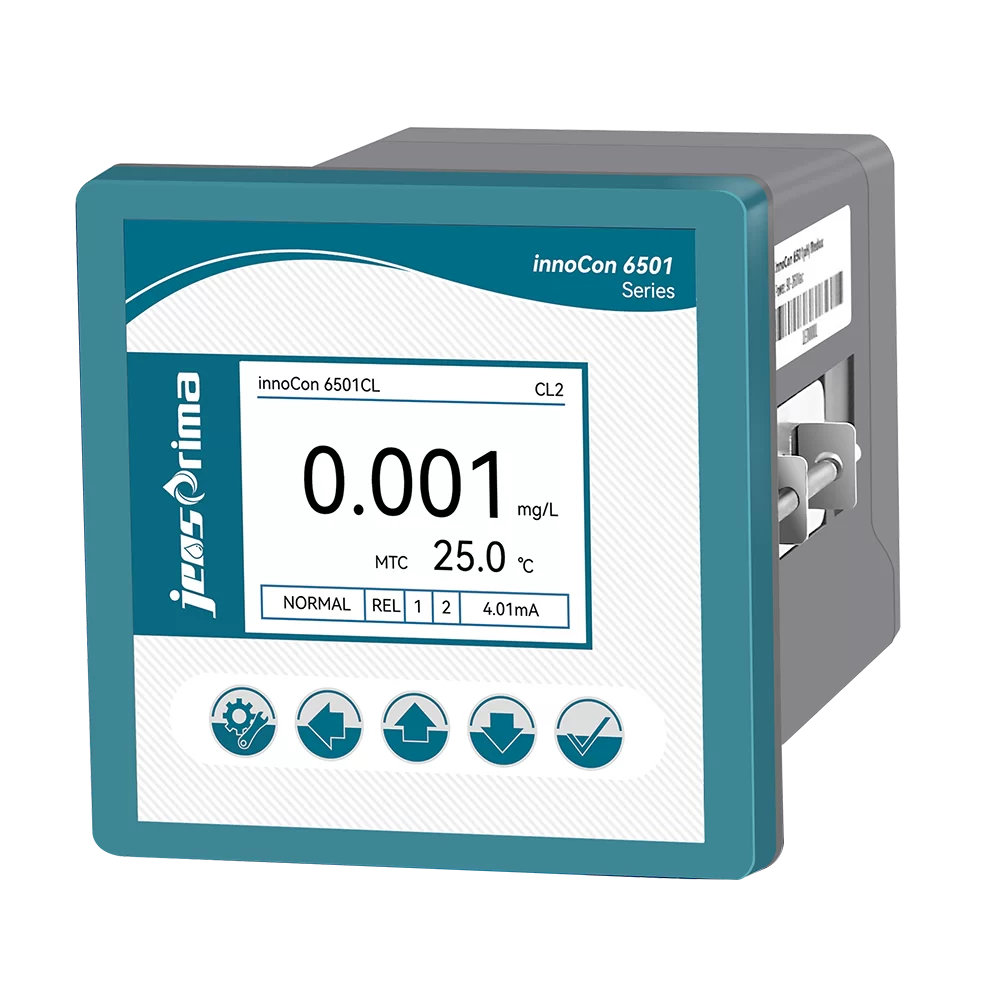
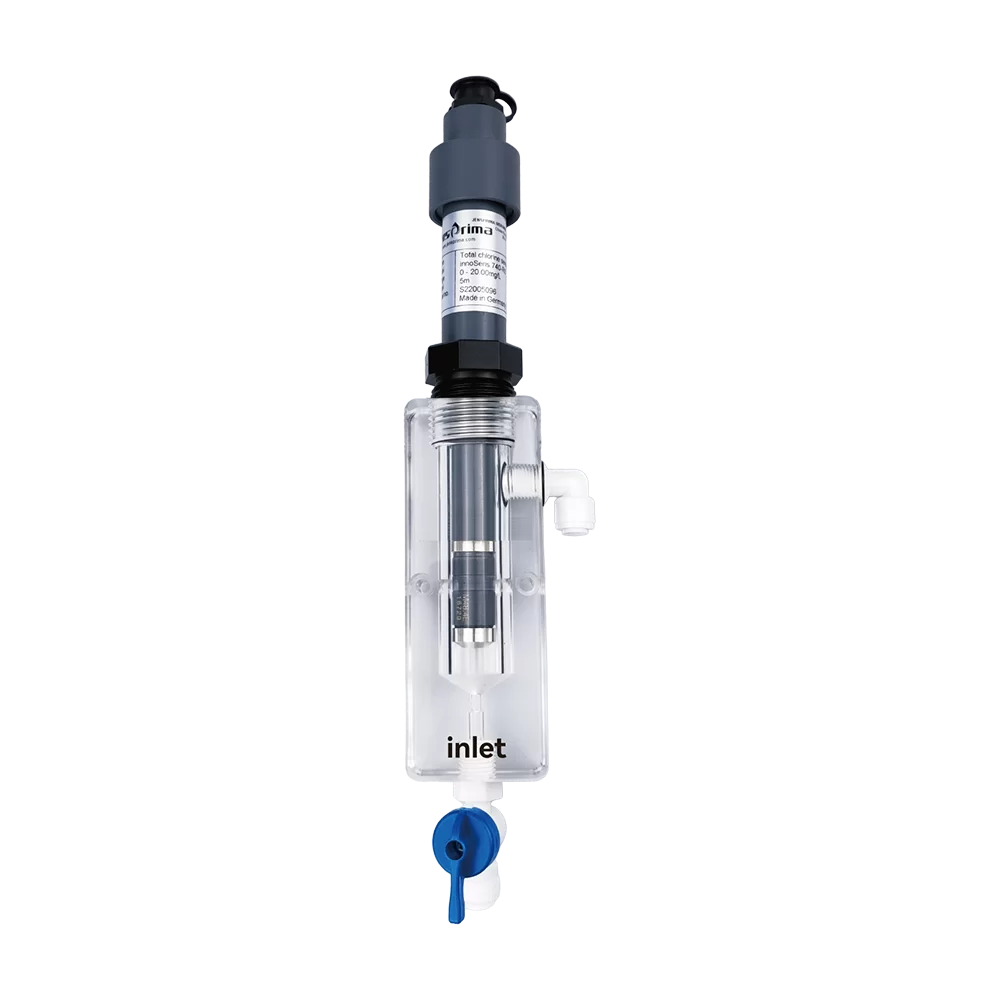
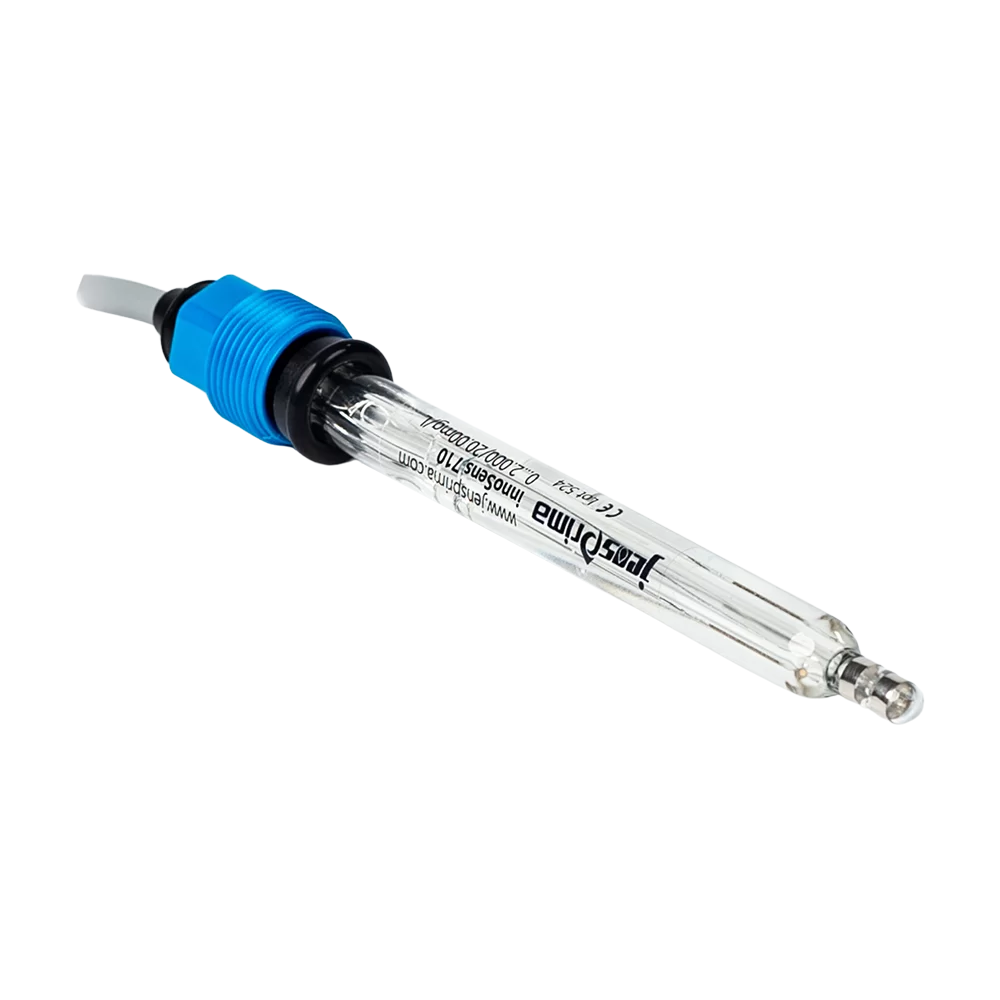
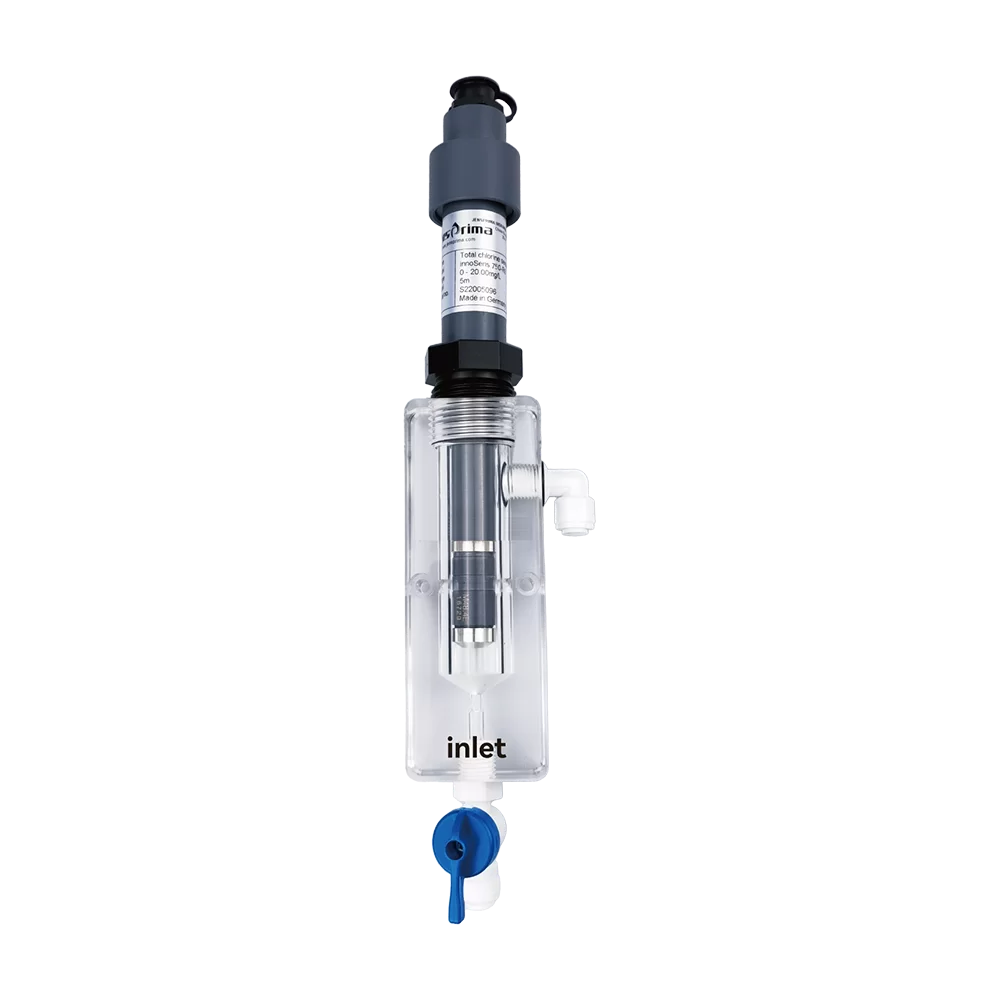
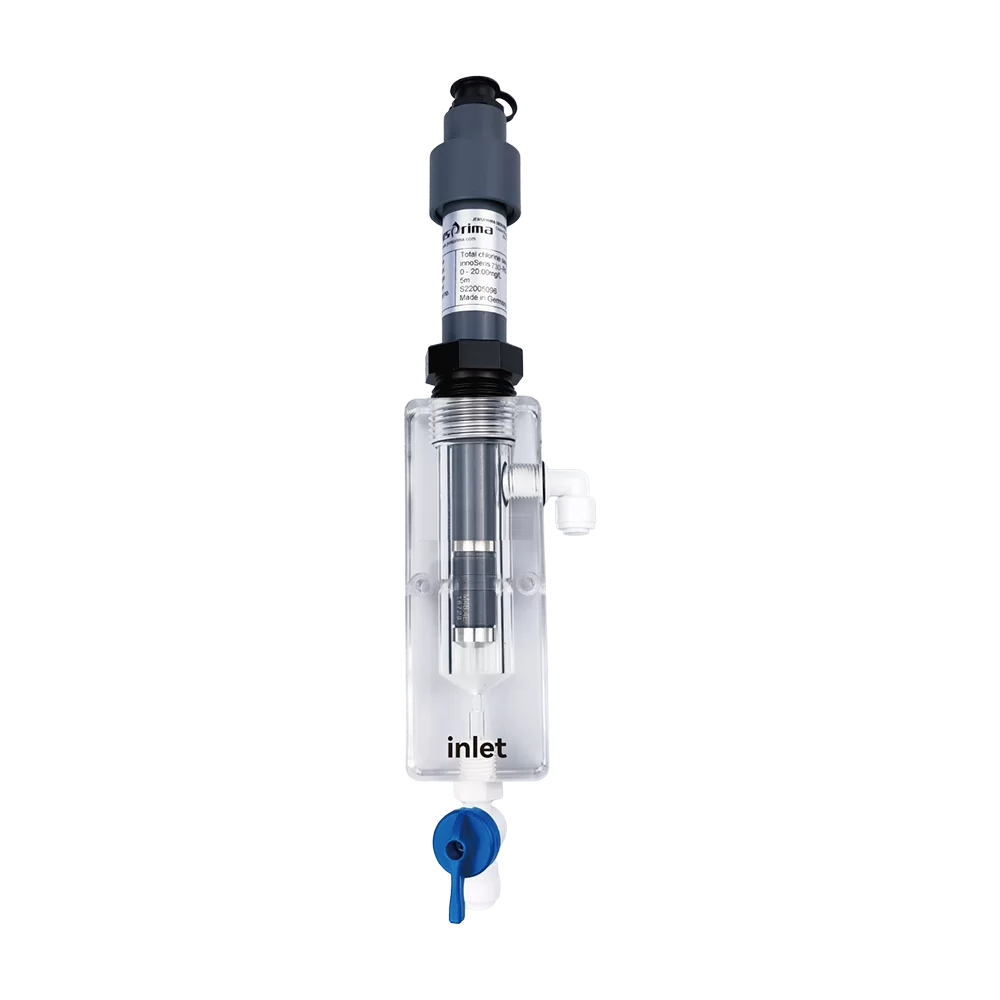
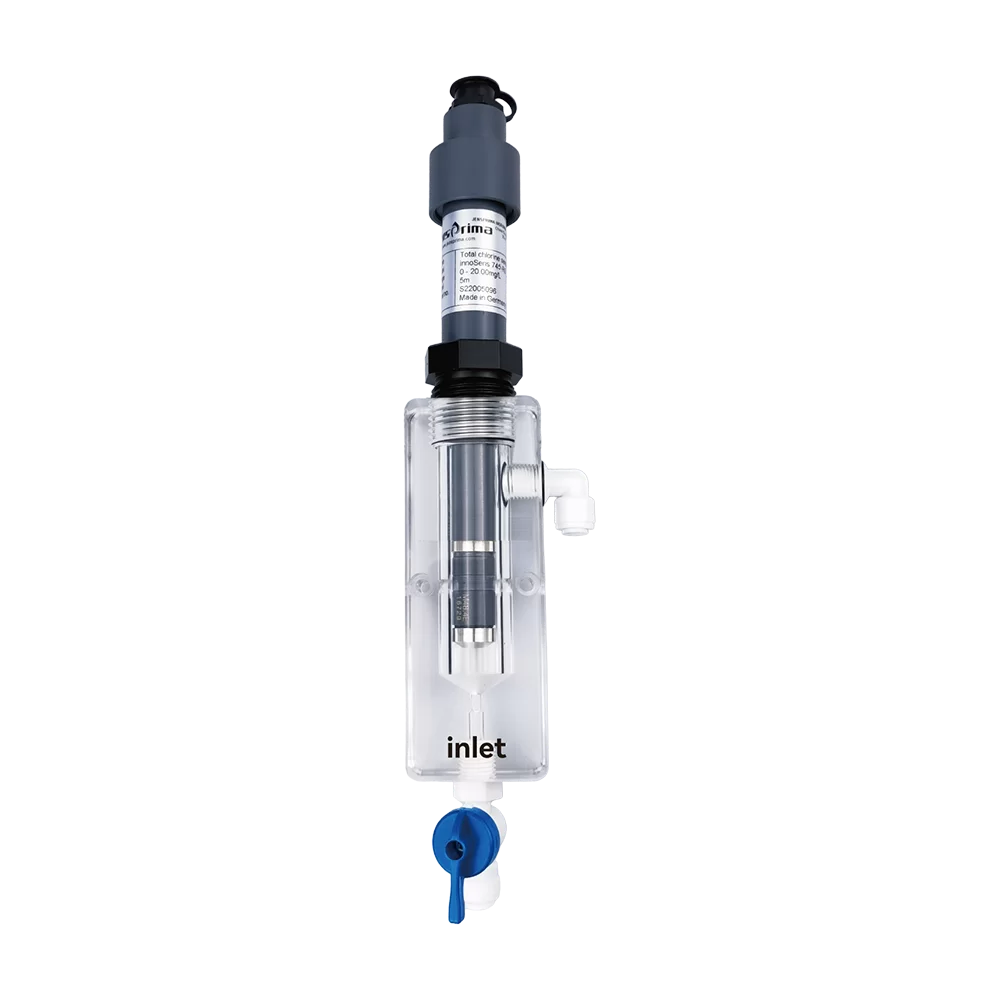
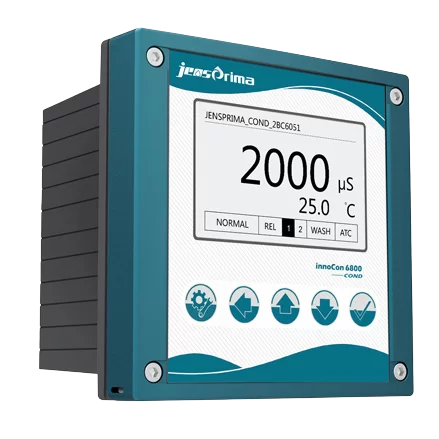
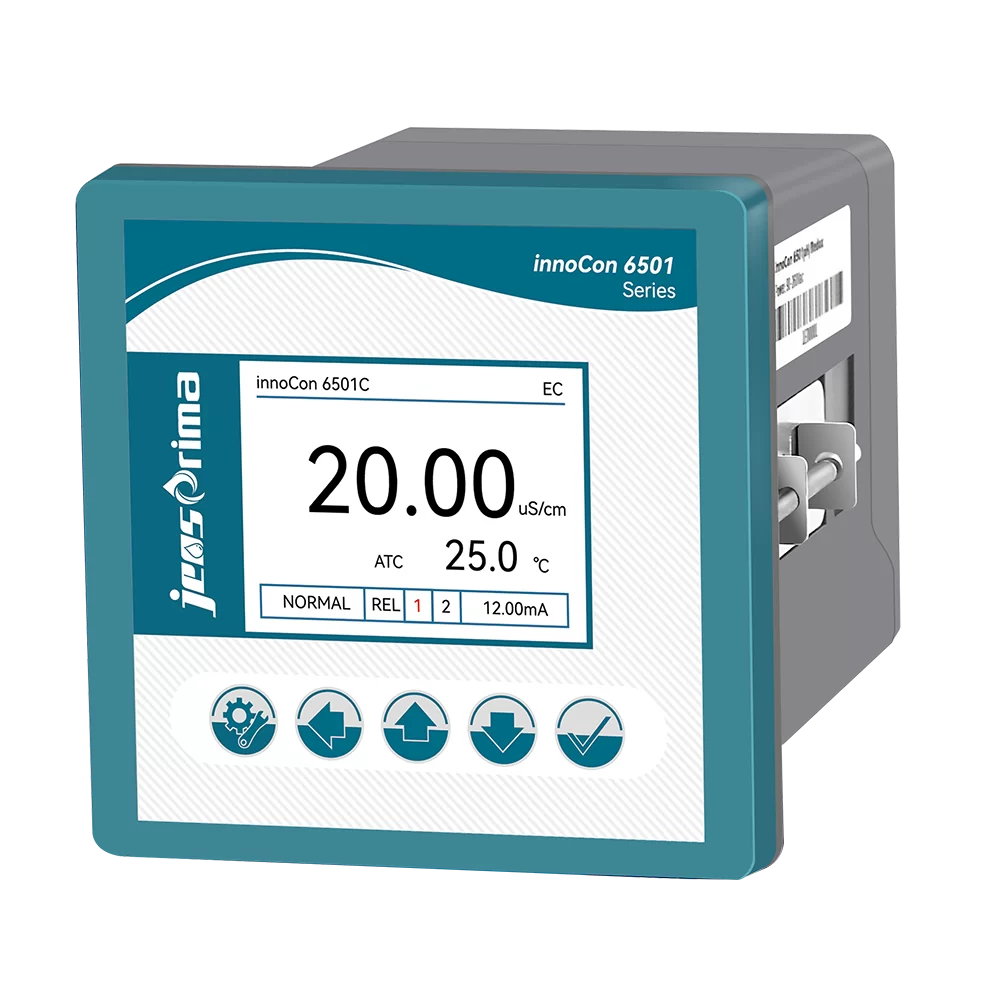
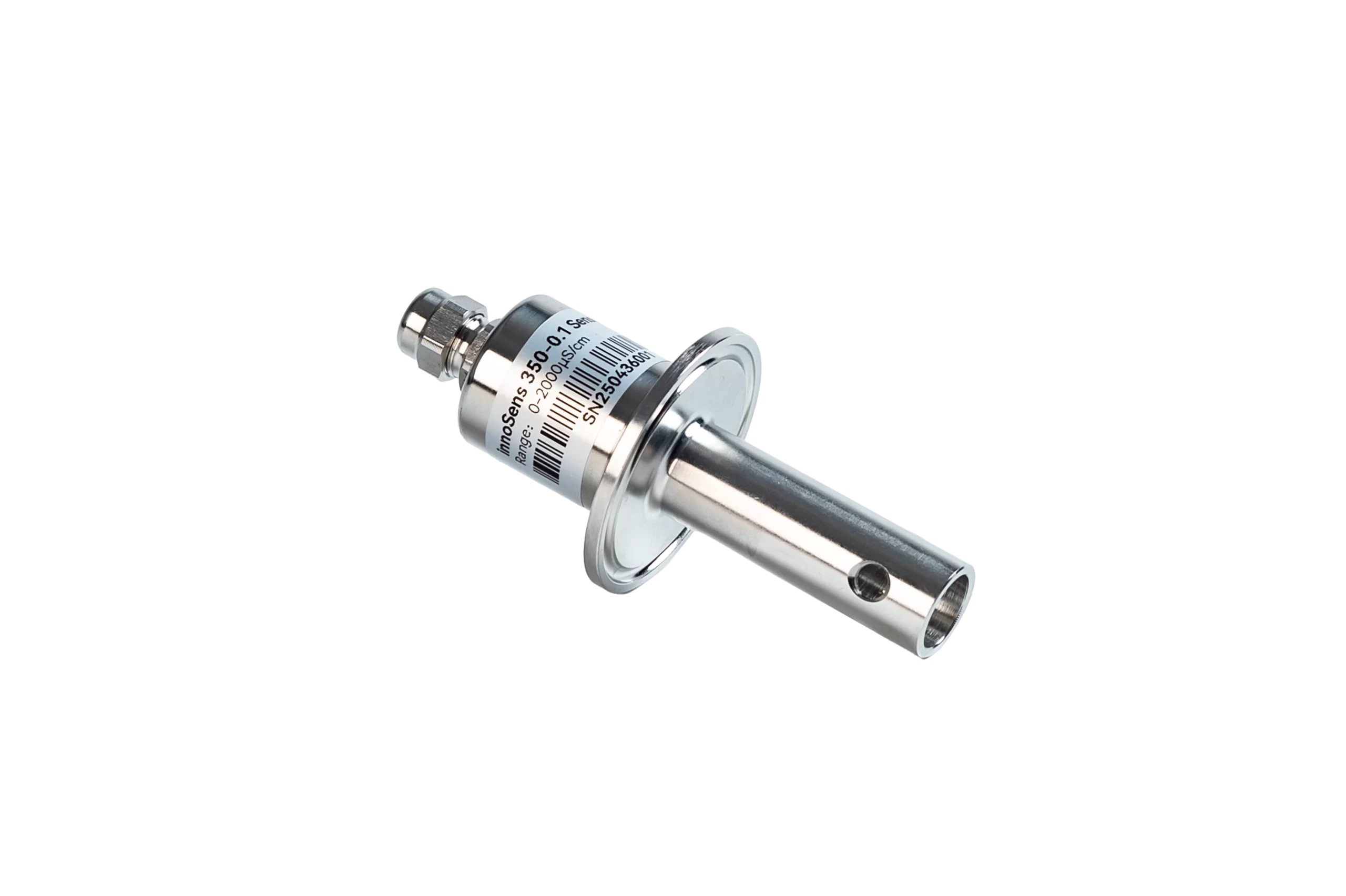
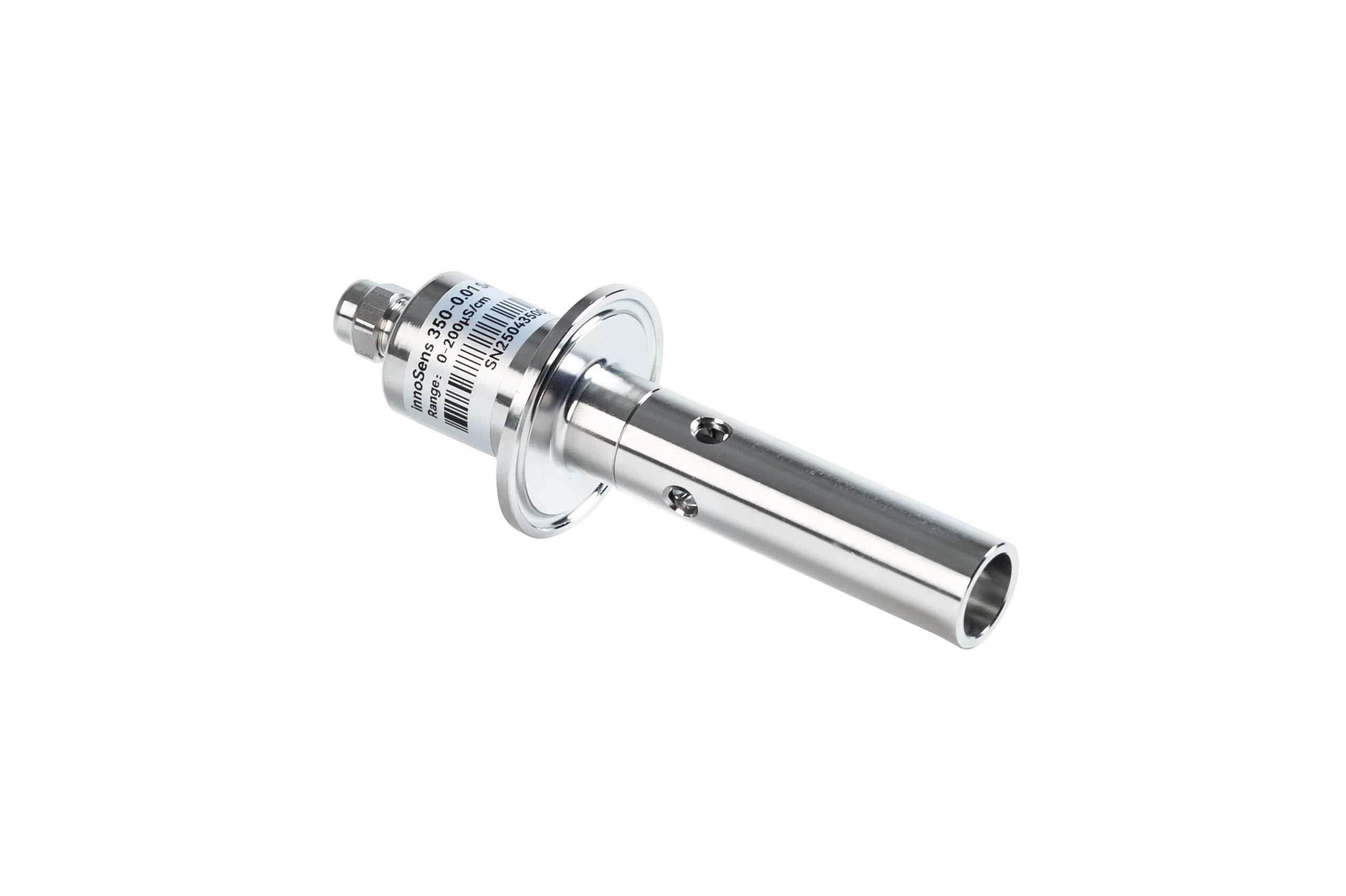
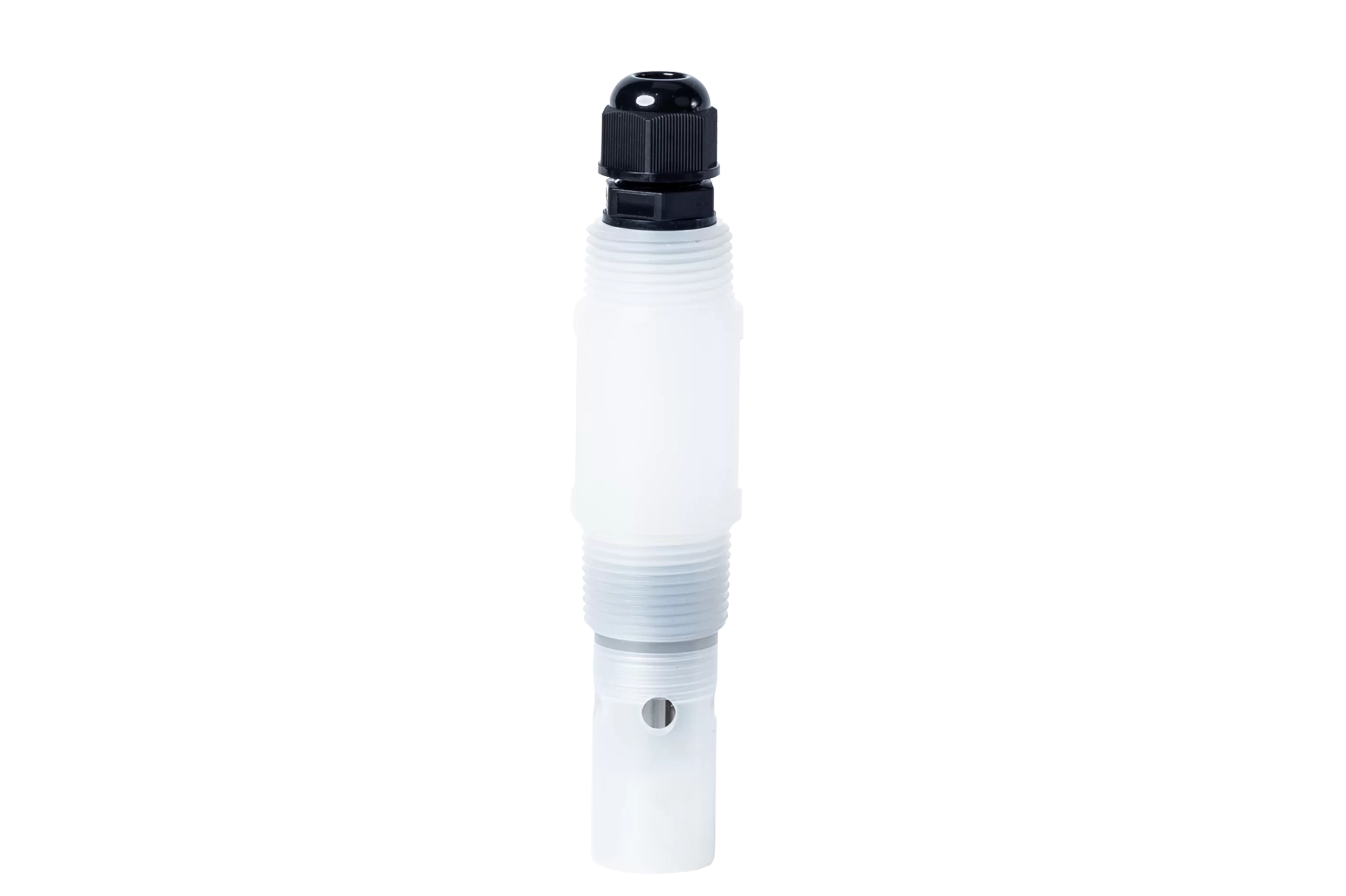
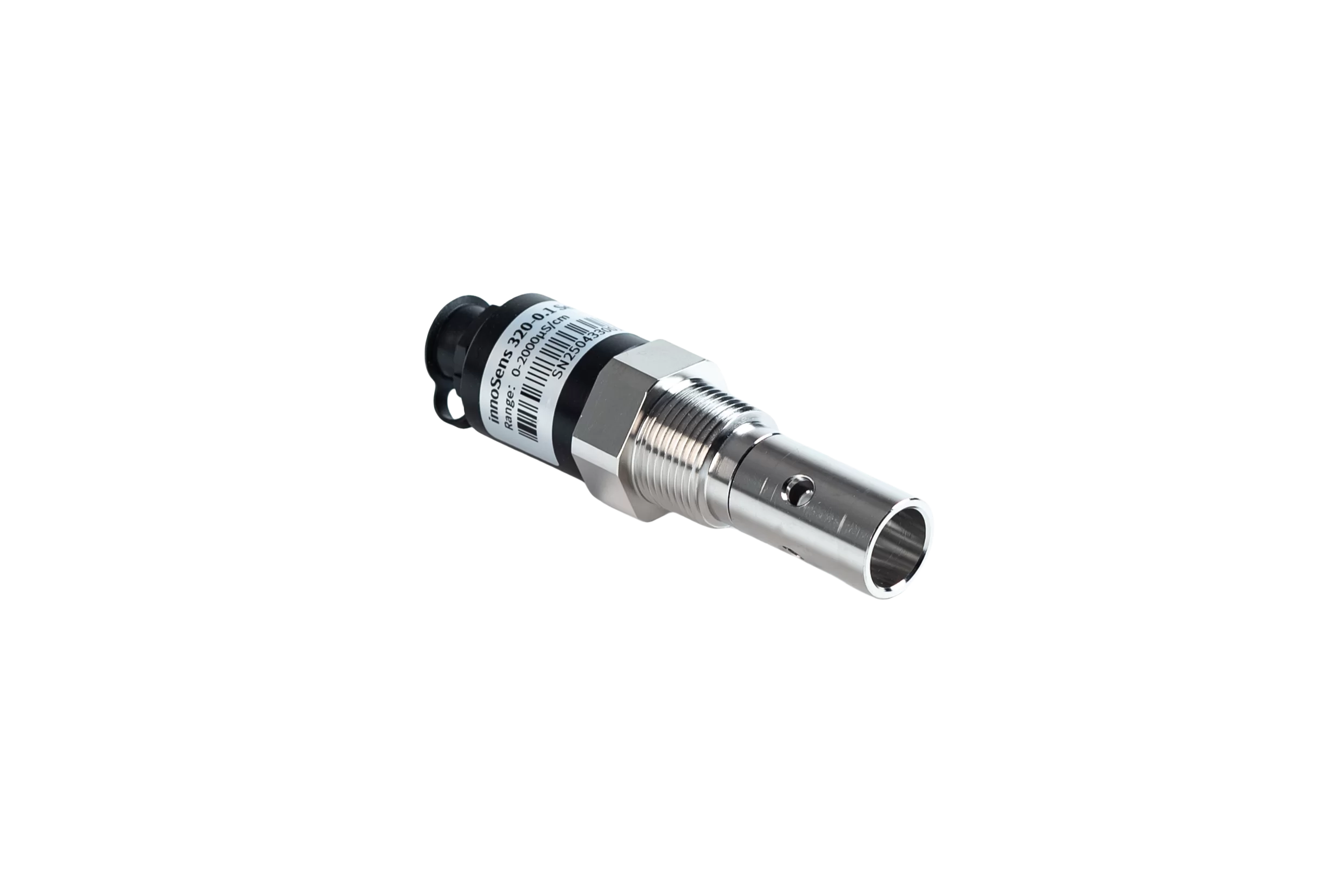
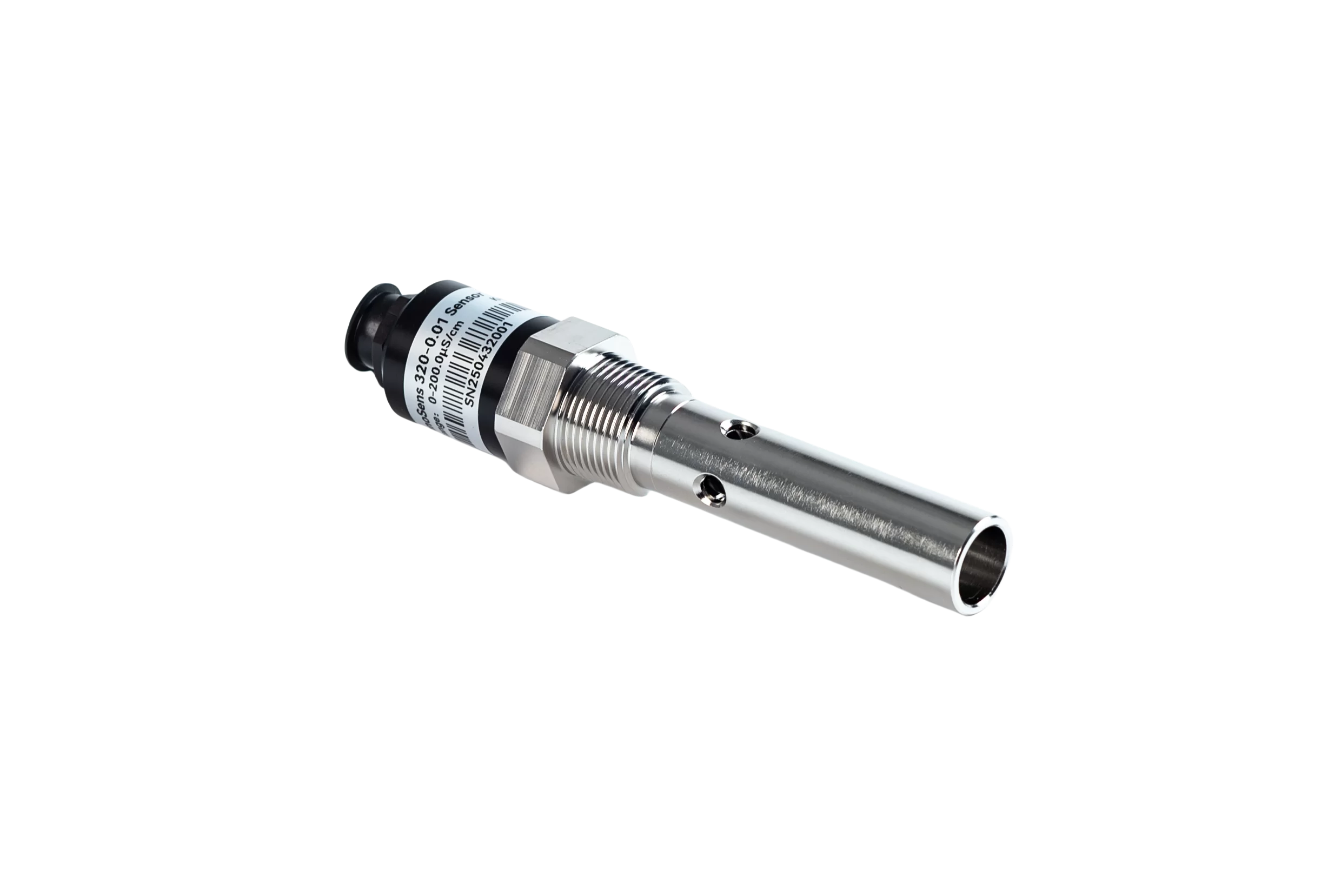
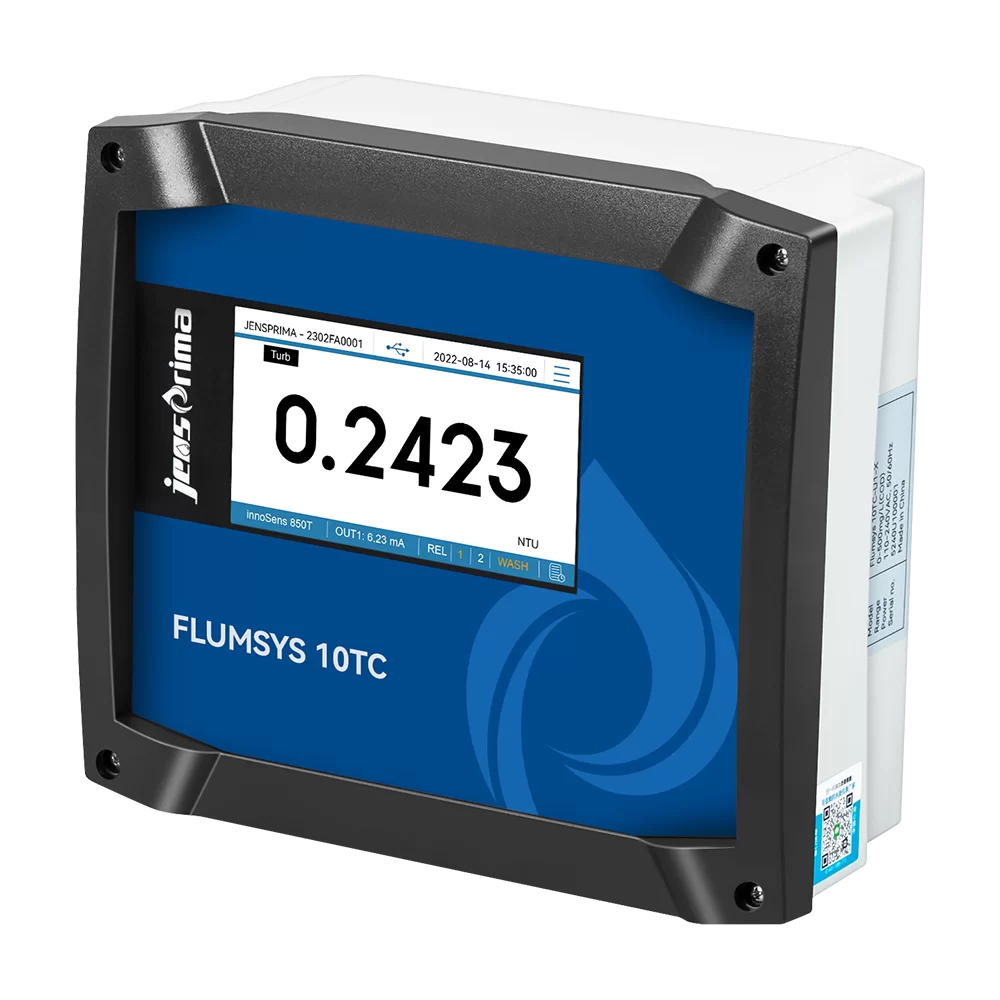
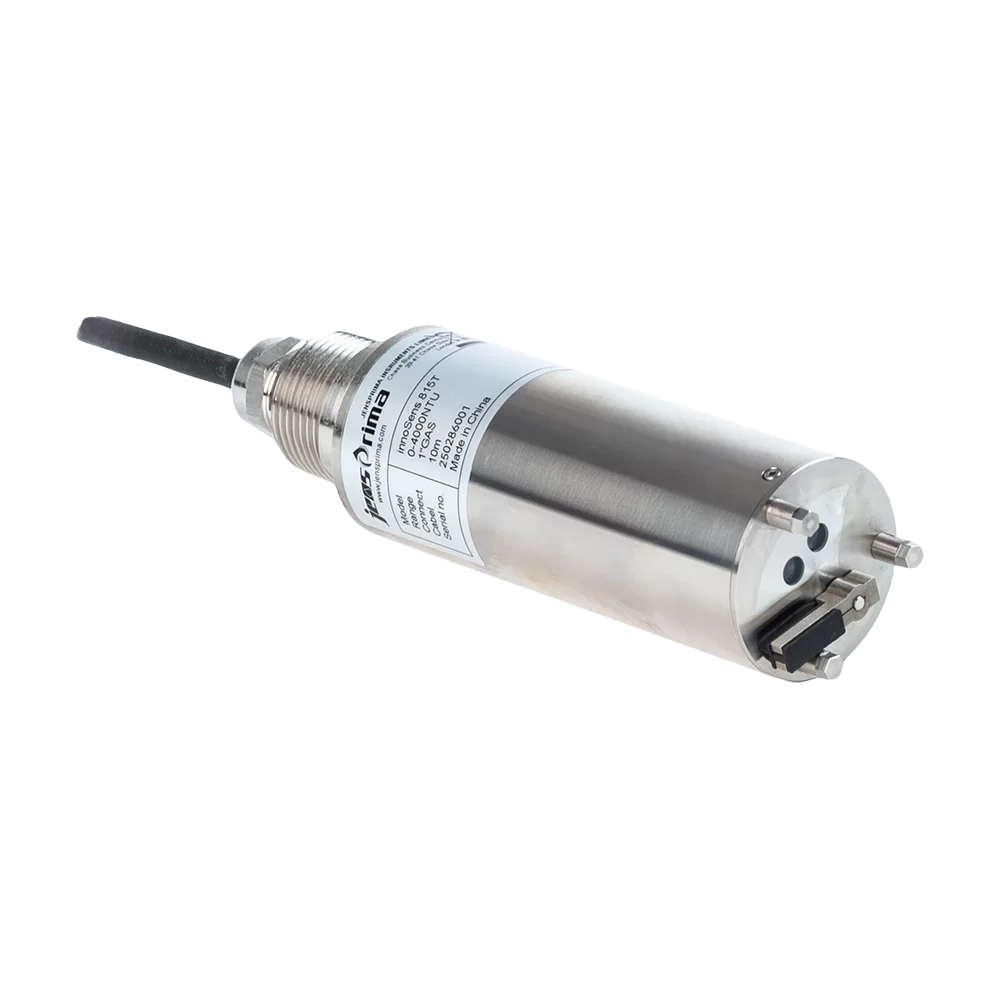
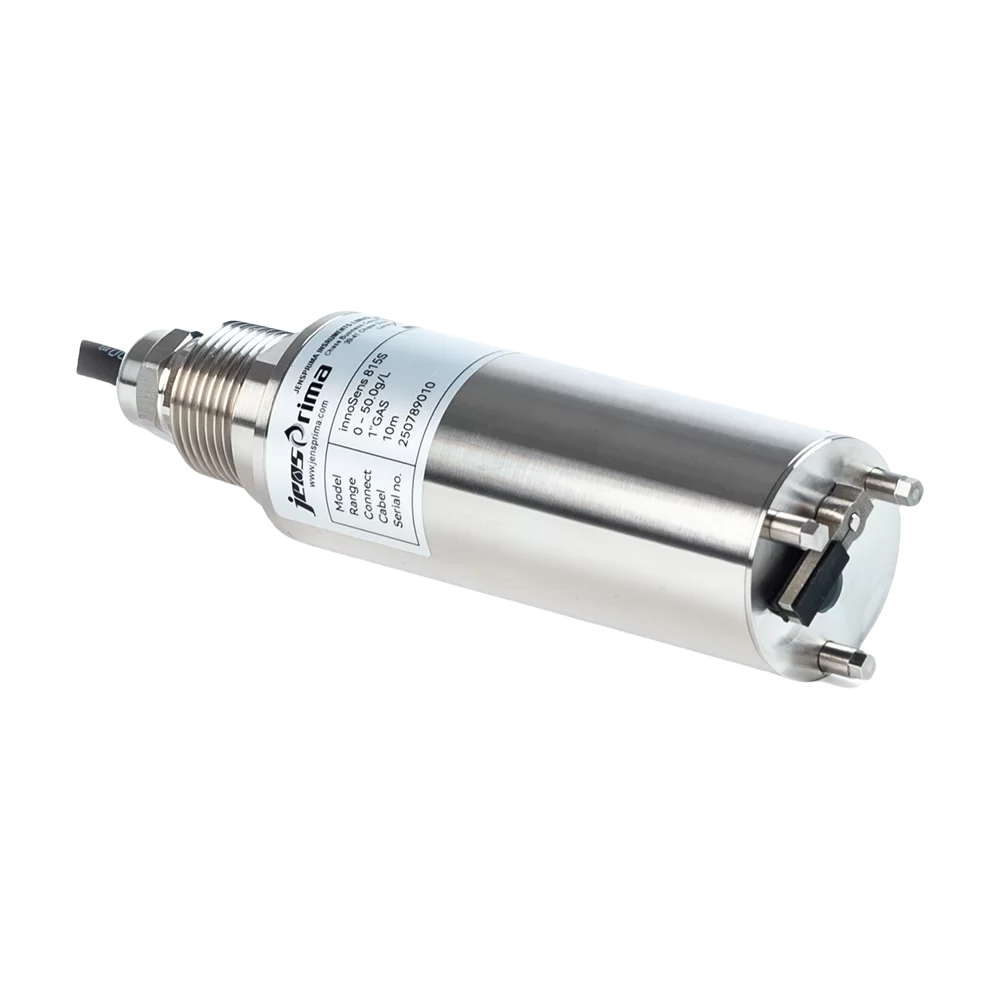
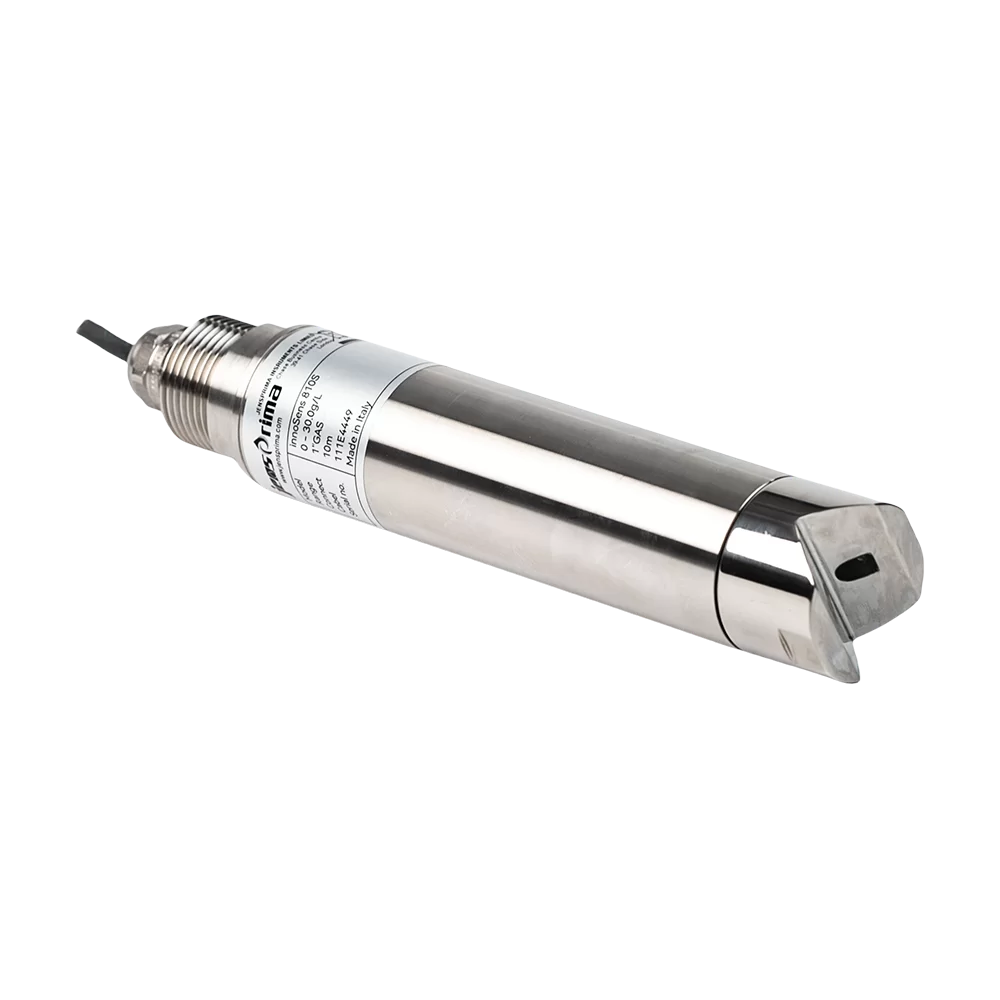
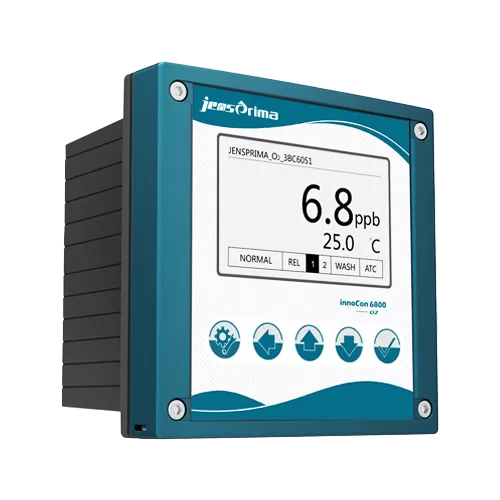
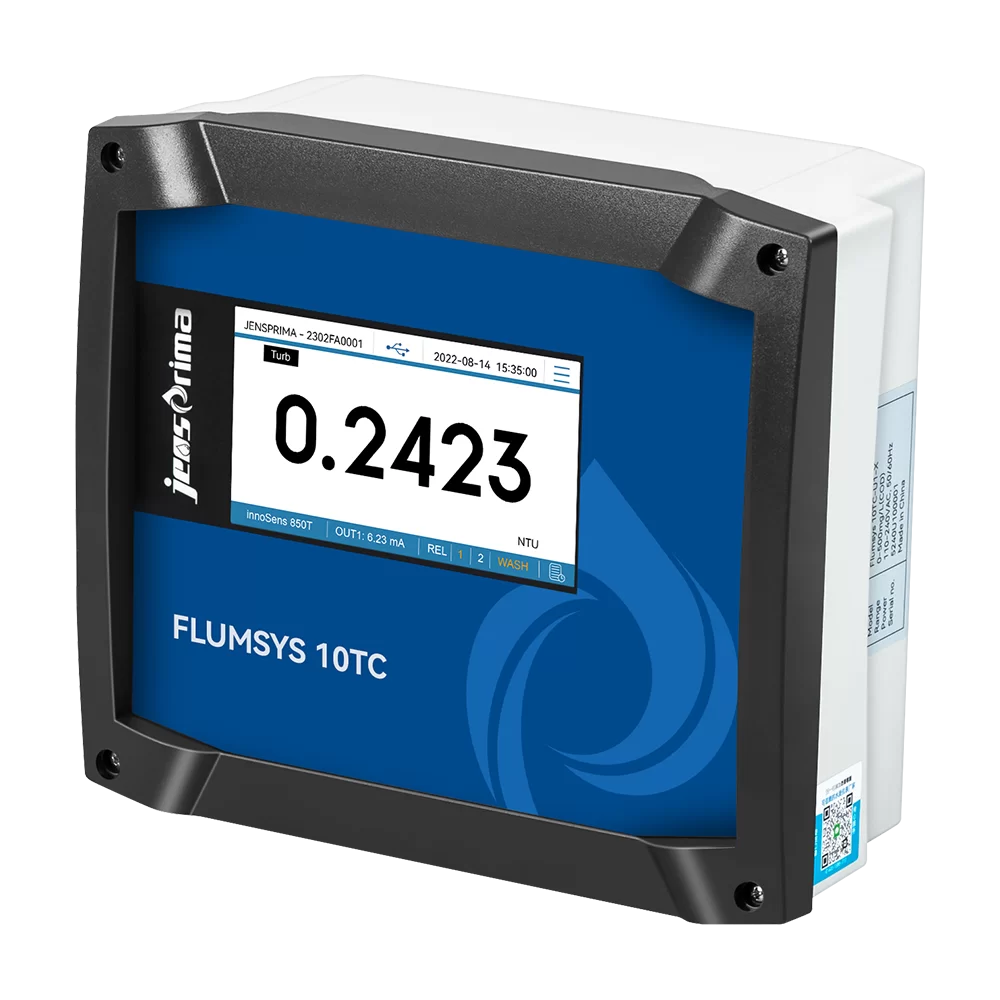
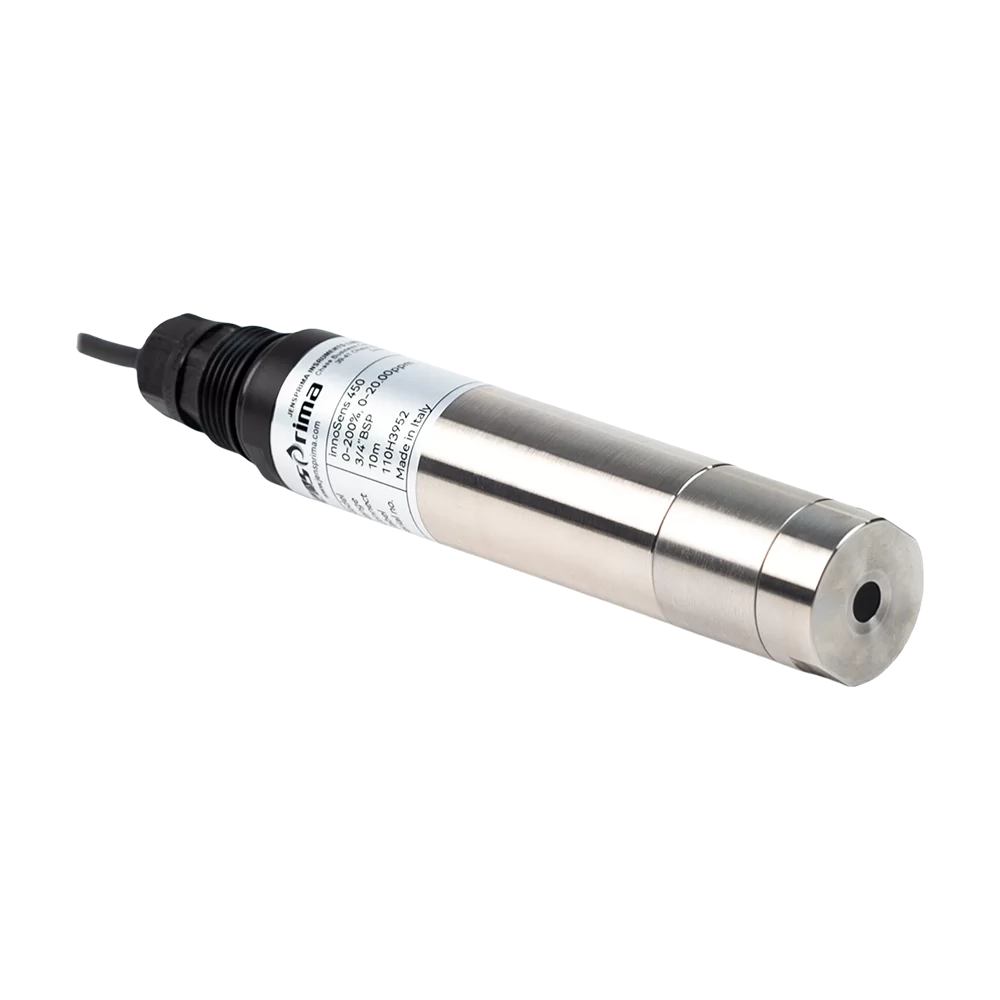
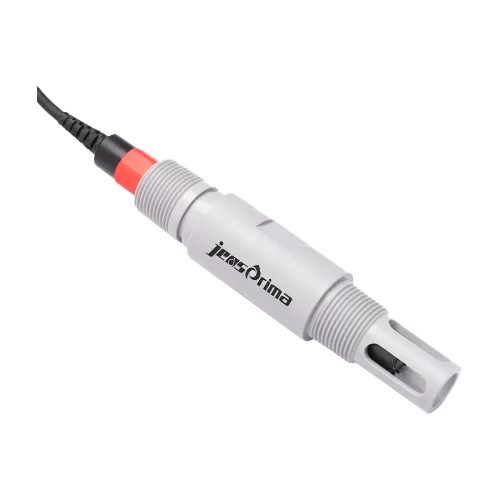
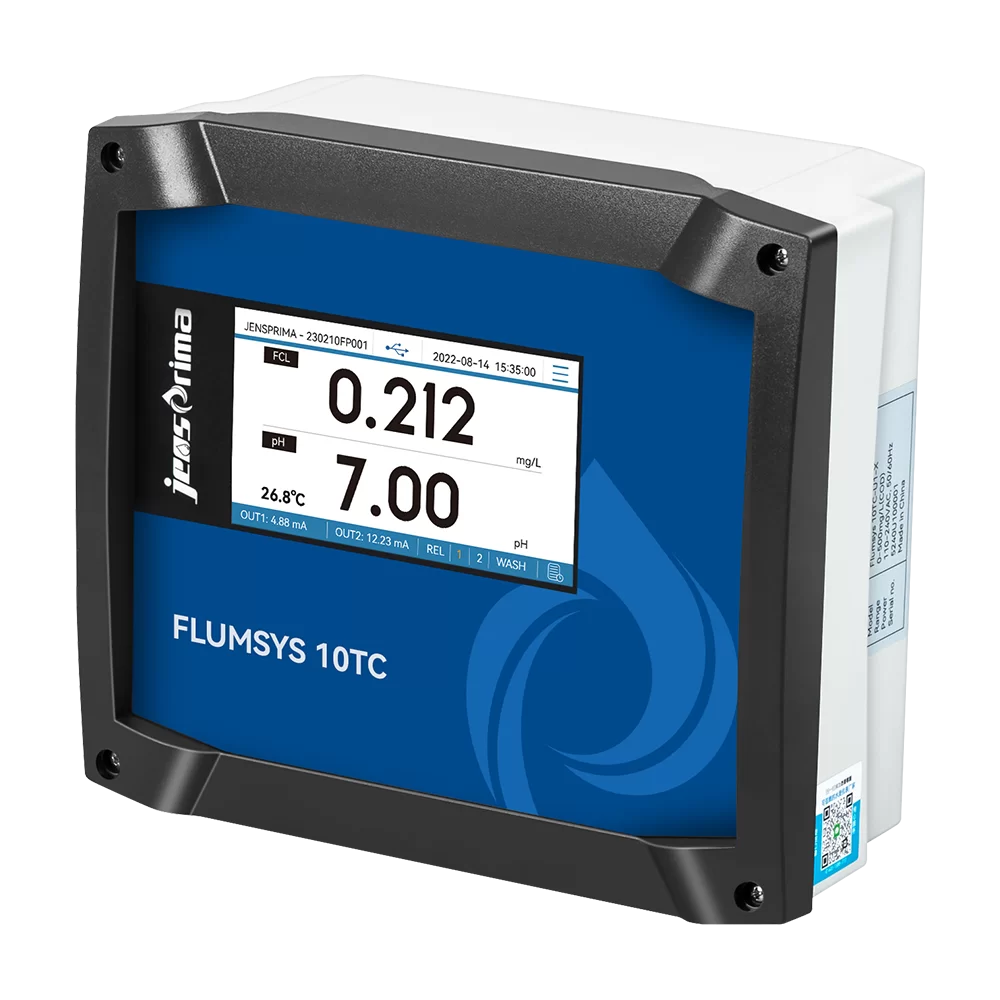
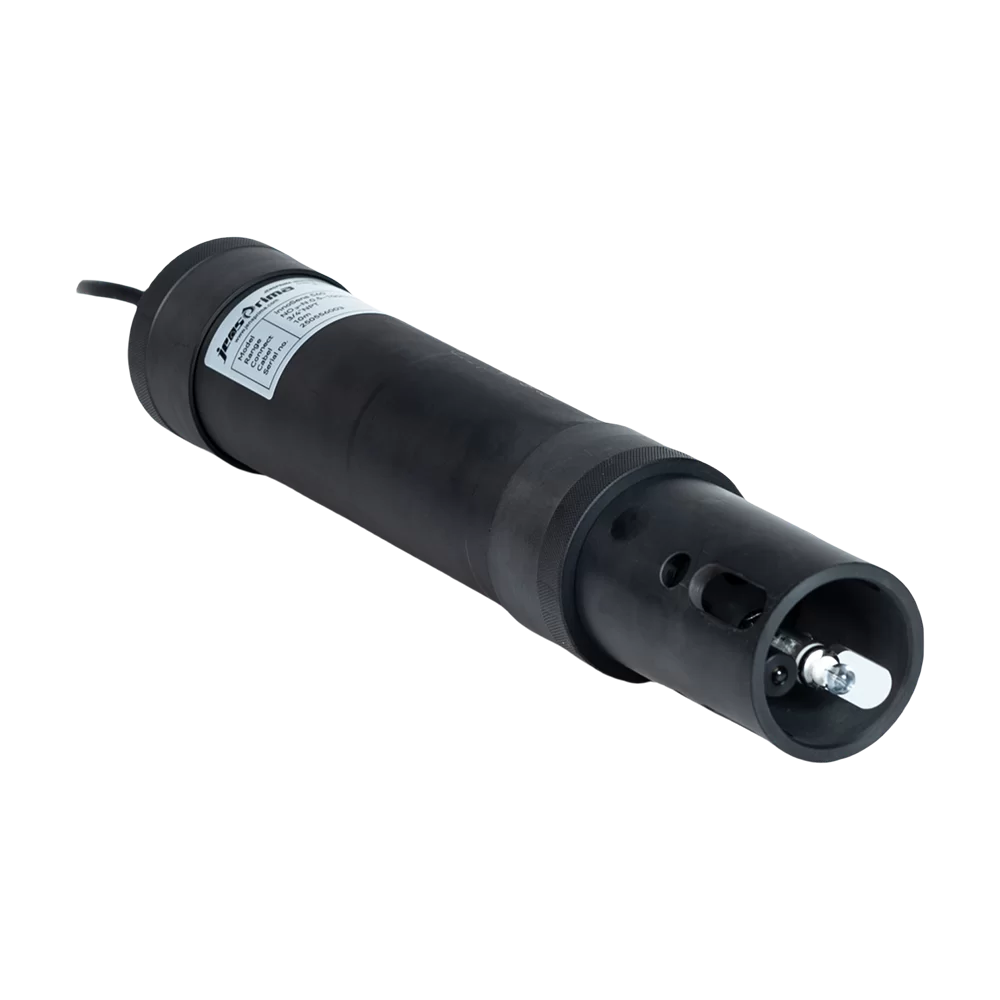
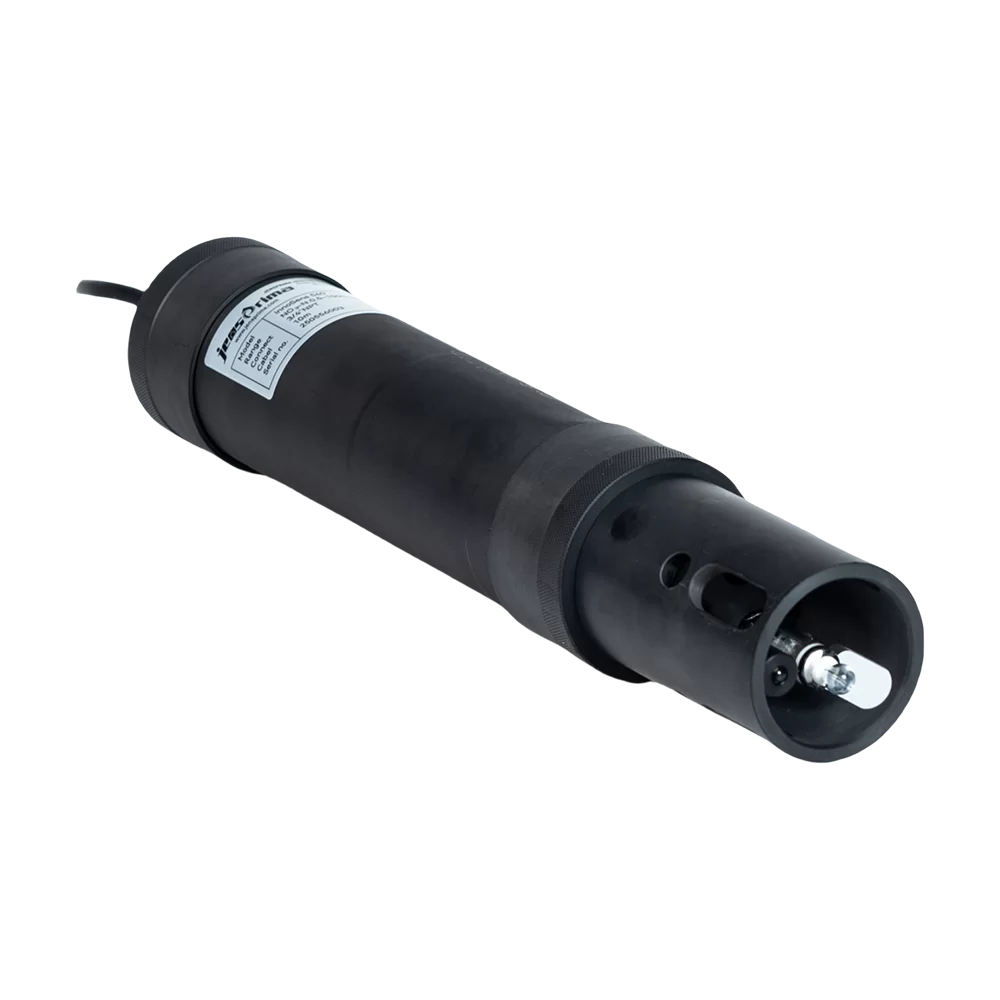
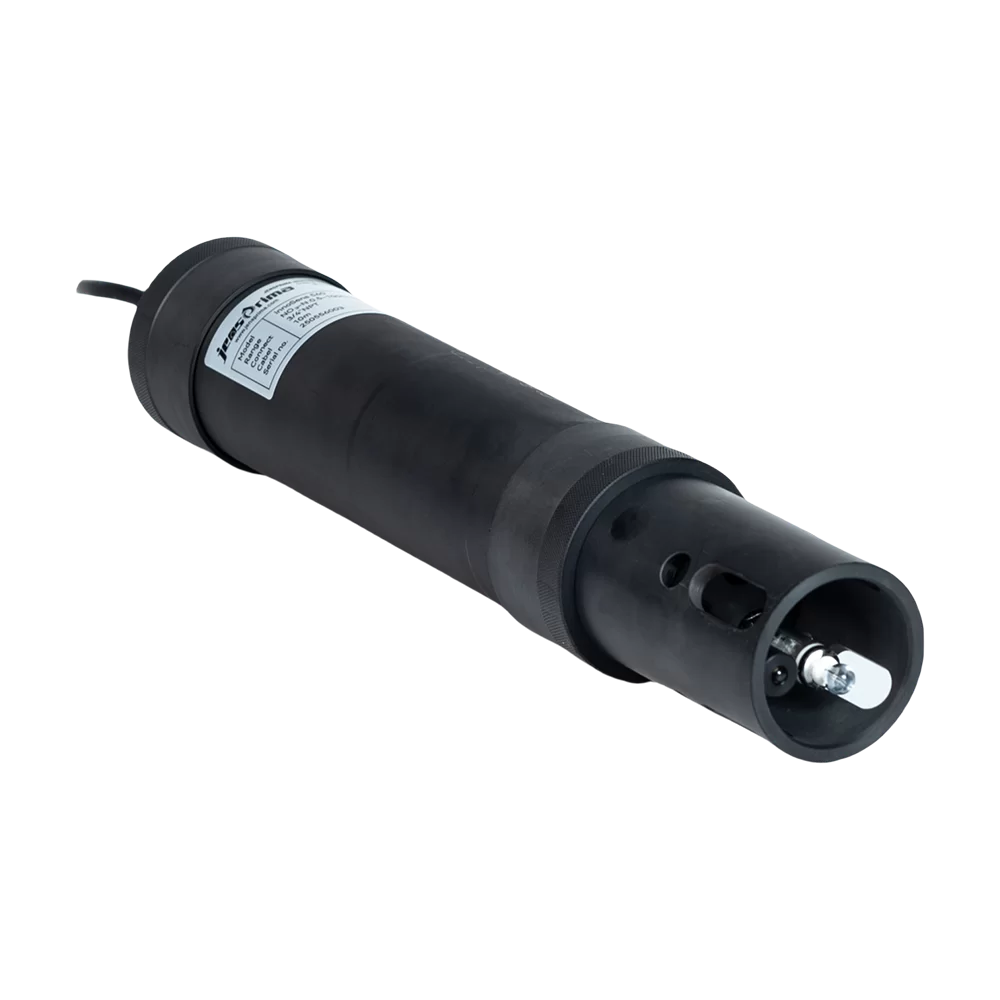
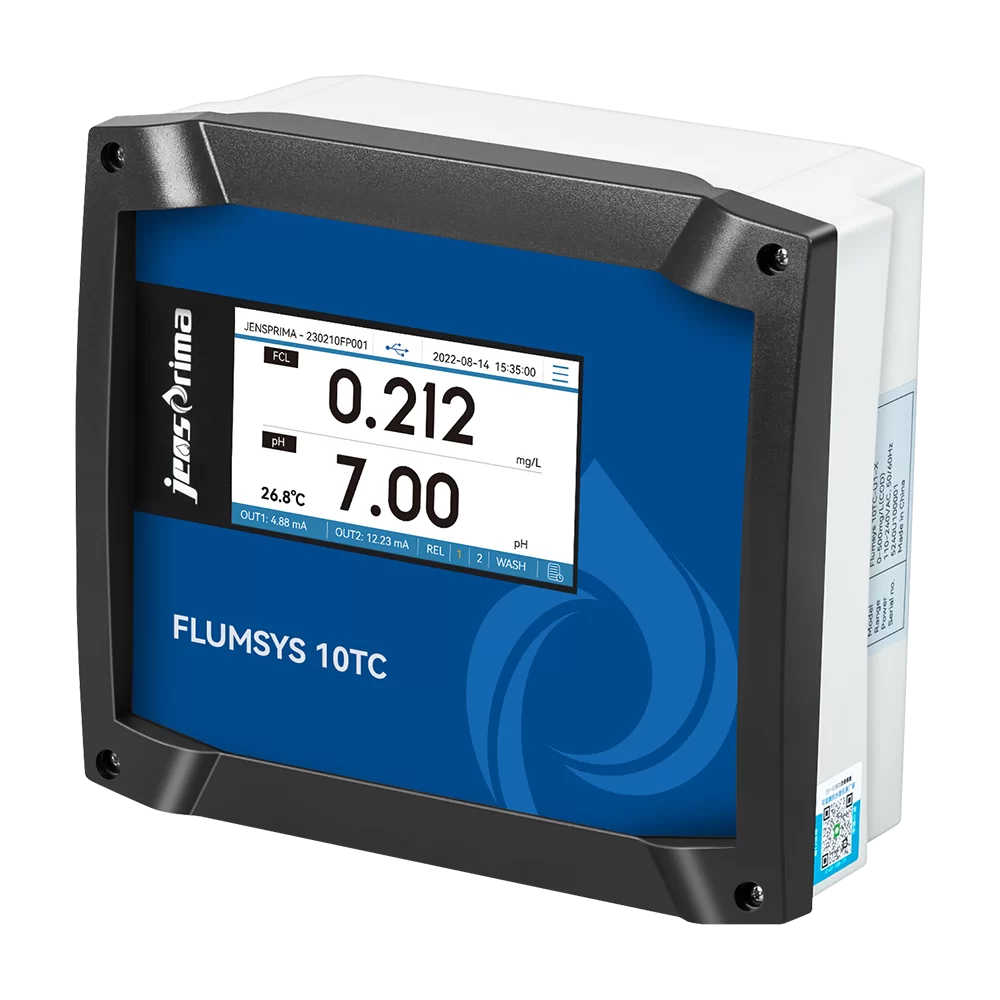
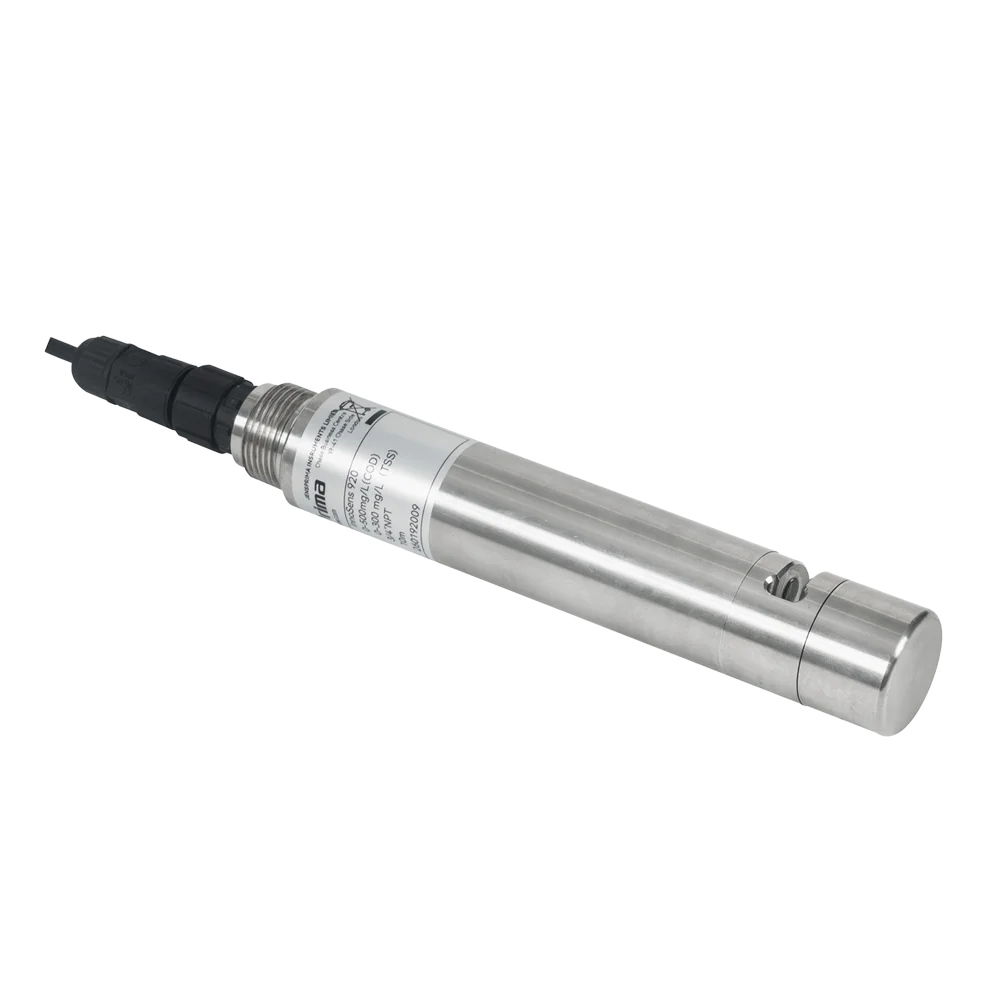



multi parameter analyzer

NEWS

UPDATES

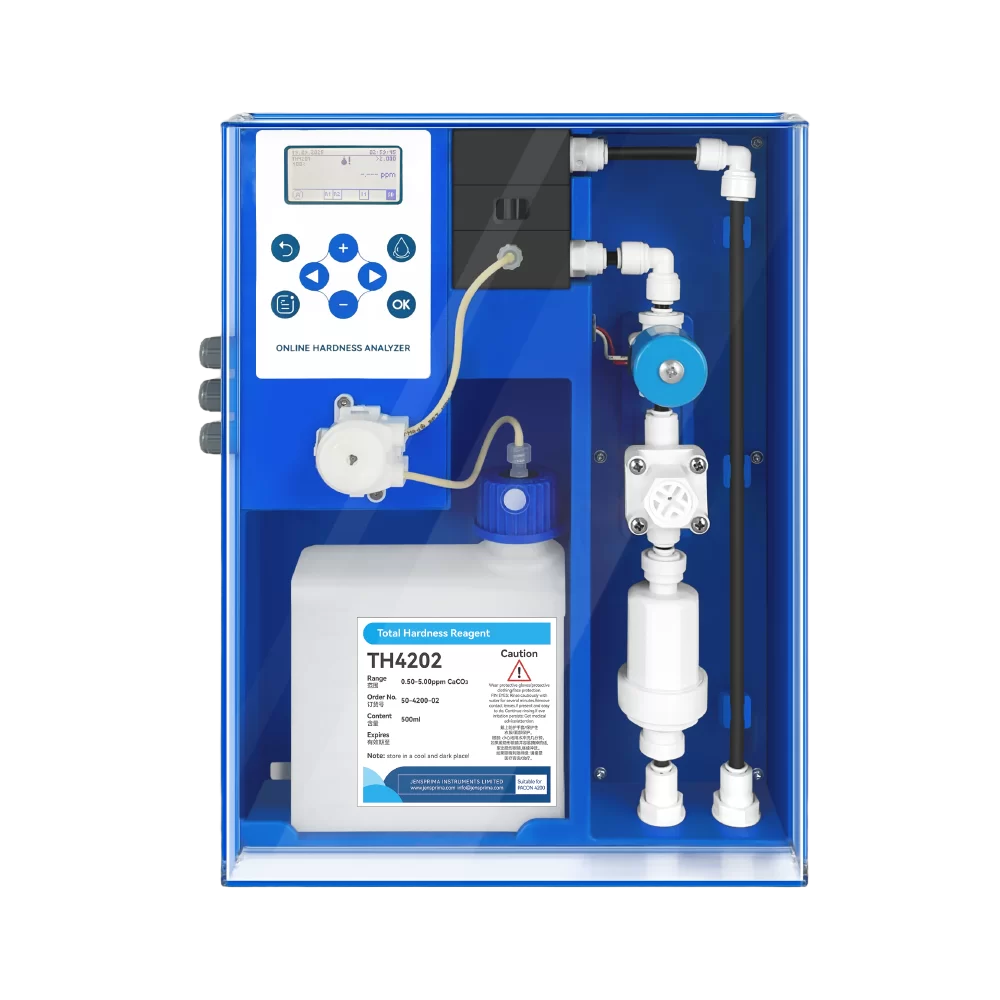
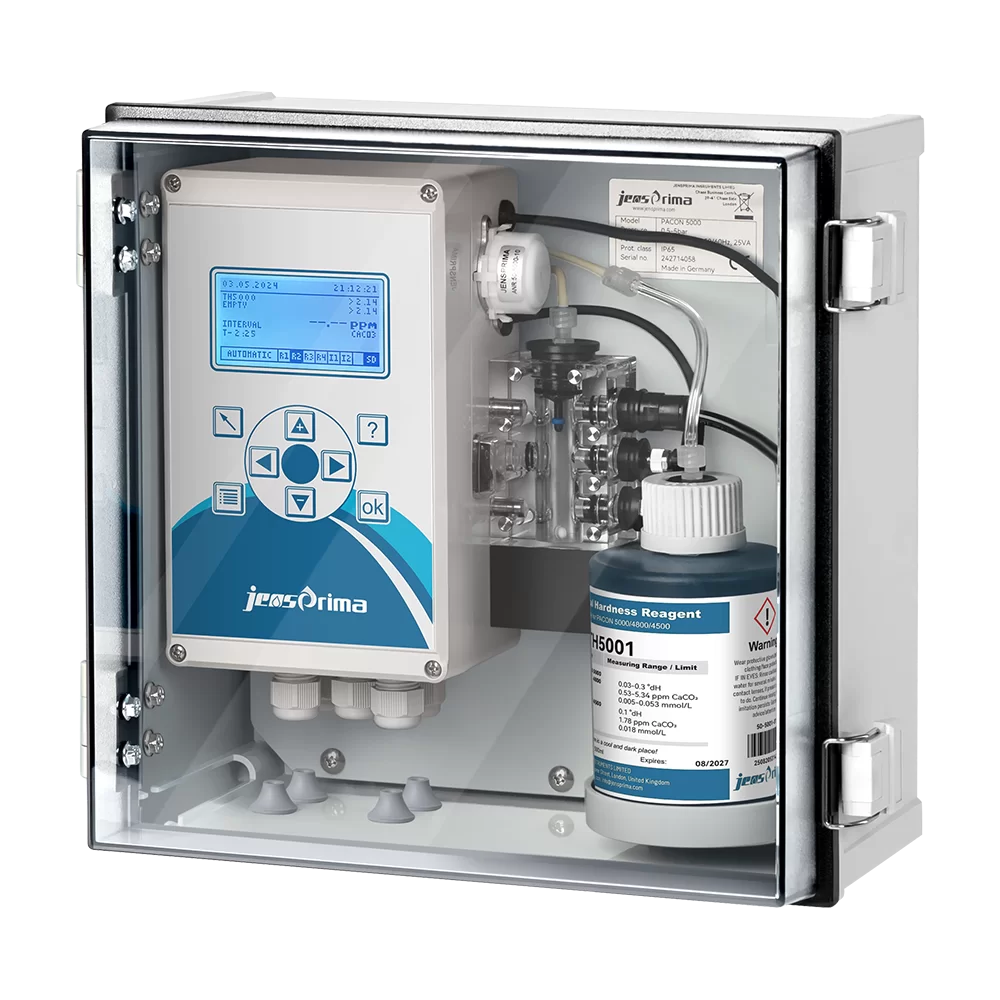
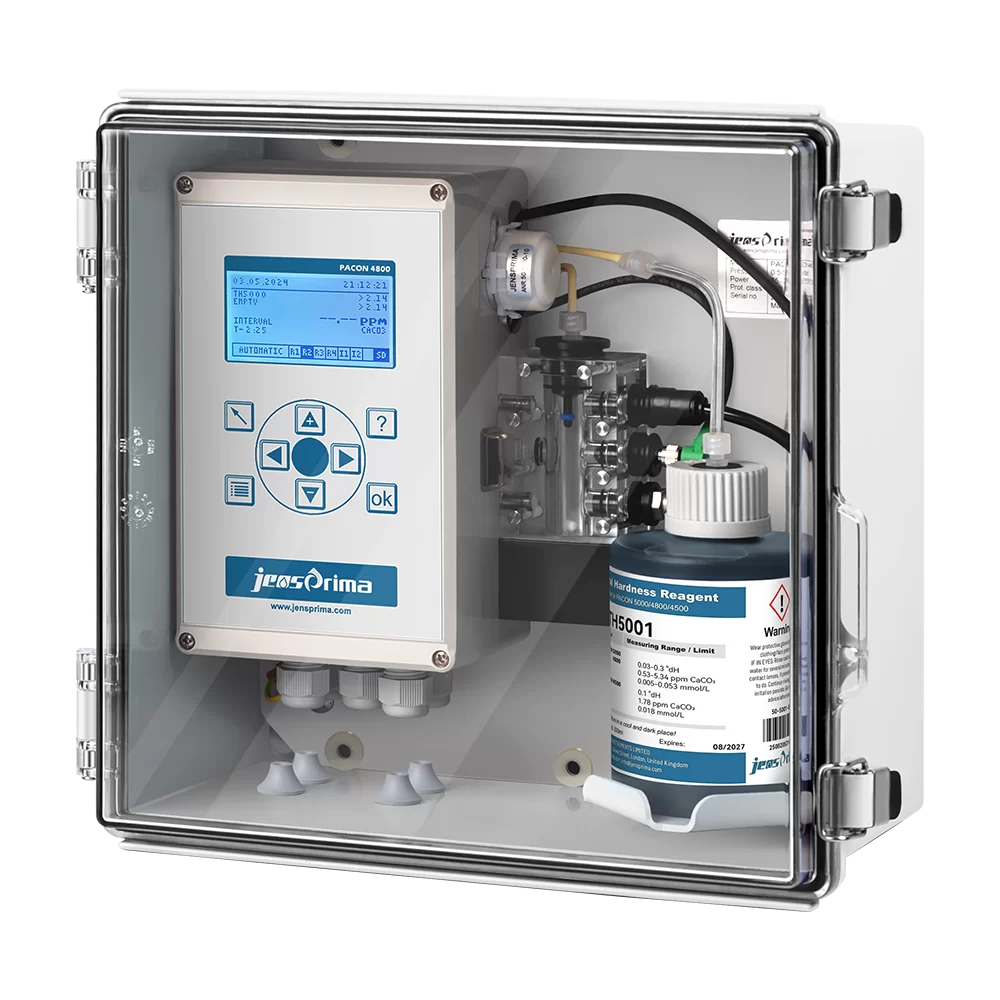
Advanced Water Quality Monitoring Solutions for Turkey: Featuring the total hardness analyzer

Precision online water analysis systems engineered for Turkey's industrial and municipal water infrastructure, ensuring compliance and efficiency.

Advanced Water Quality Monitoring Solutions for Turkey: Featuring the total hardness analyzer

Integrating high-precision instruments like the multi parameter water quality analyzer and electromagnetic flowmeter to optimize Turkey's water resource management.

The State of Online Water Analysis in Turkey

Addressing the challenges of water scarcity and industrial pollution in the Turkish landscape.

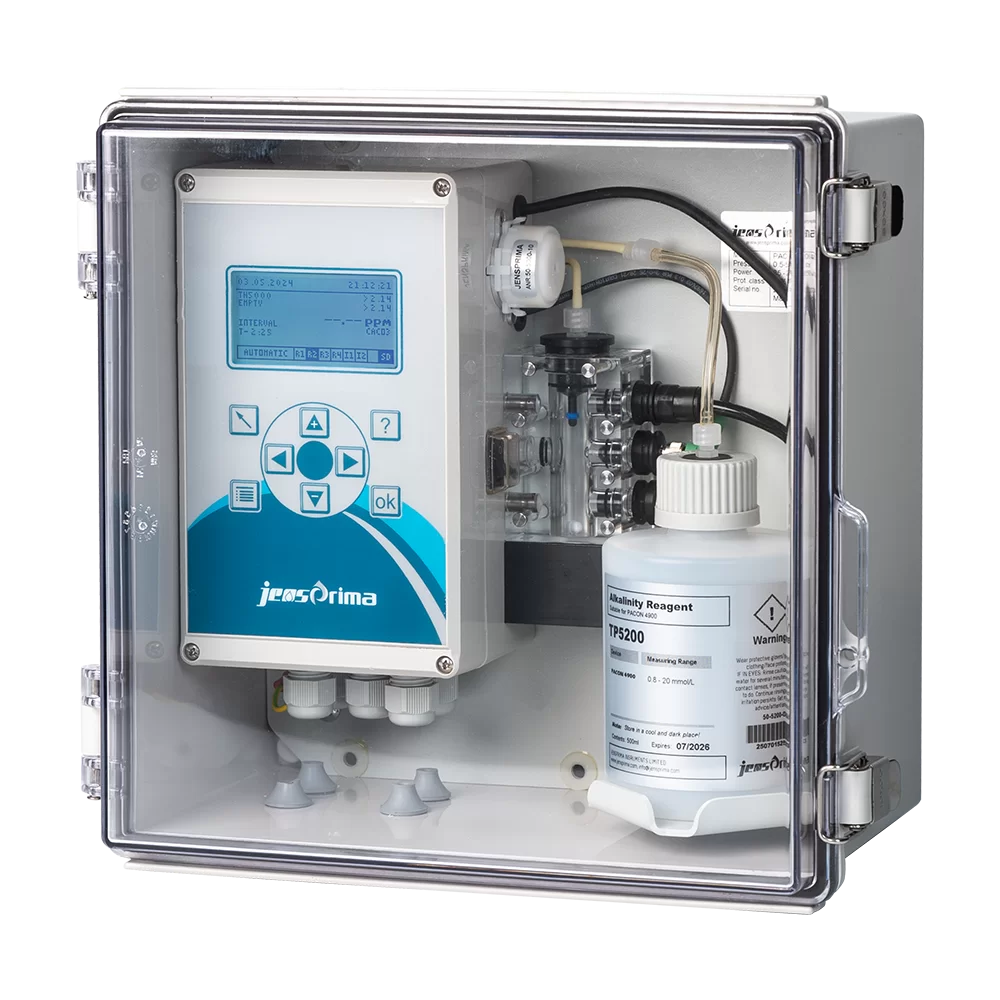
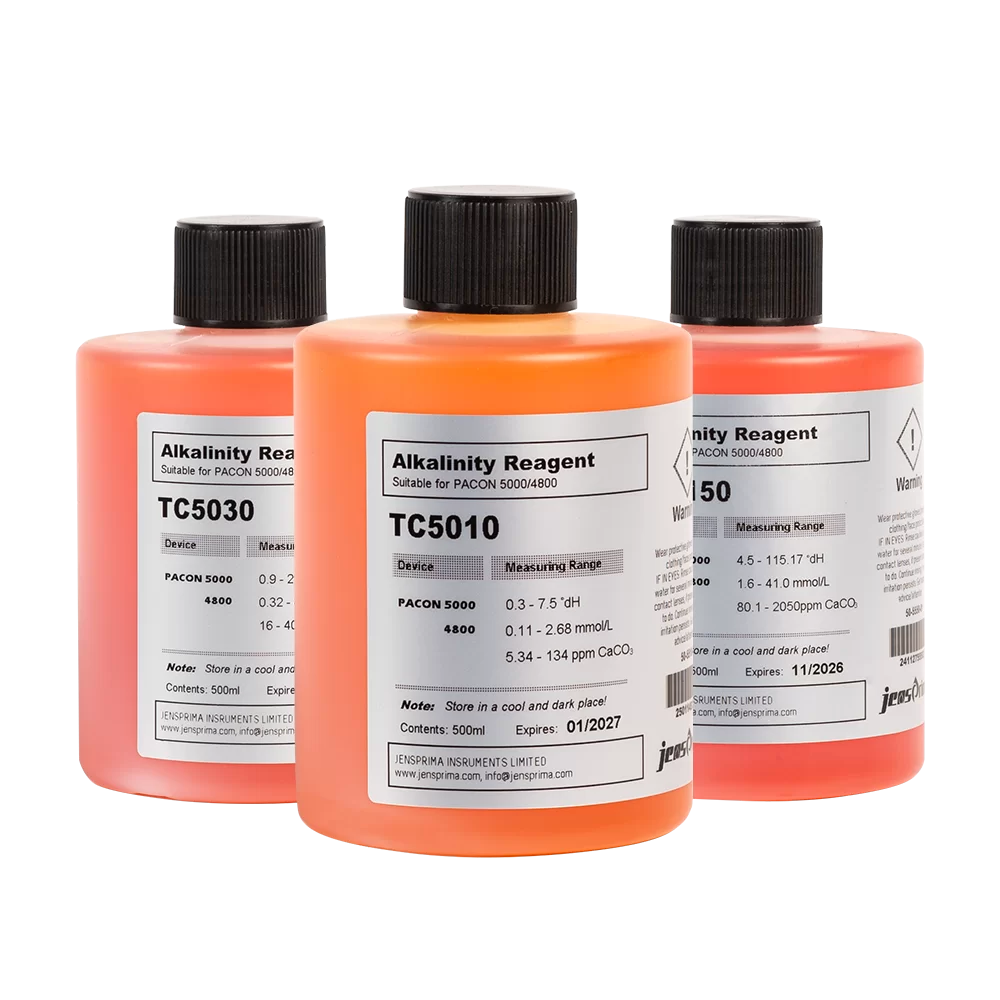
Turkey's geographic position between the Black Sea and the Mediterranean creates diverse water chemistry profiles. In industrial hubs like Kocaeli and Bursa, the demand for a robust alkalinity analyzer has surged as textile and chemical plants strive to meet stringent EU-aligned environmental standards.

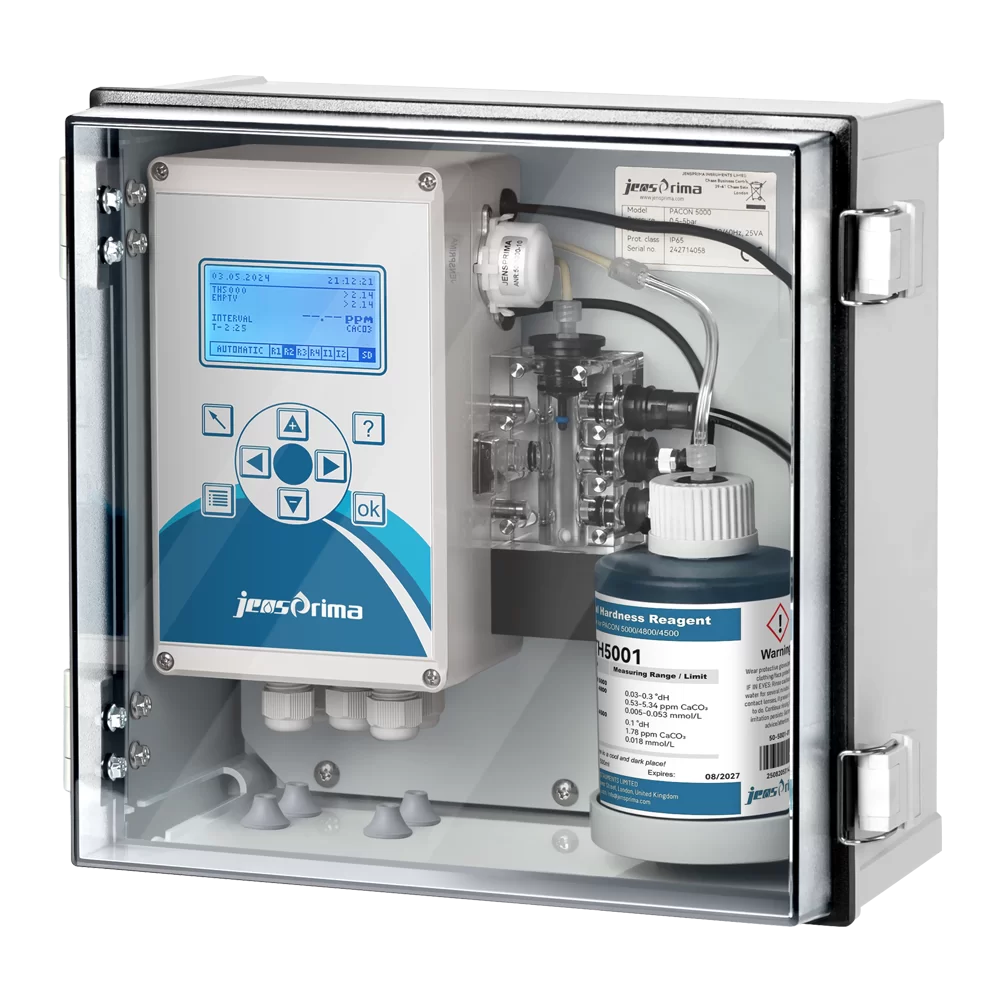
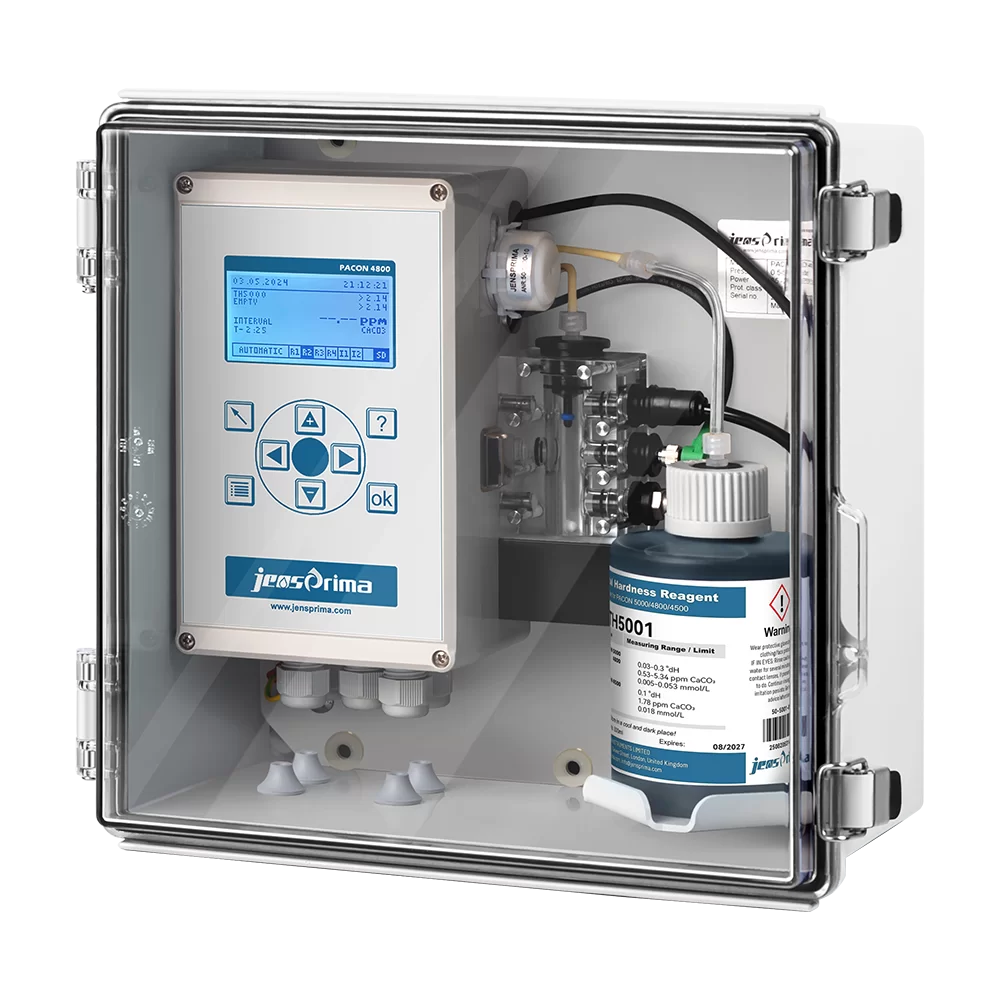
The prevalence of hard water in many Anatolian regions makes the deployment of an accurate total hardness analyzer critical for preventing scale buildup in boiler systems and desalination plants, which are increasingly vital for Turkey's water security.

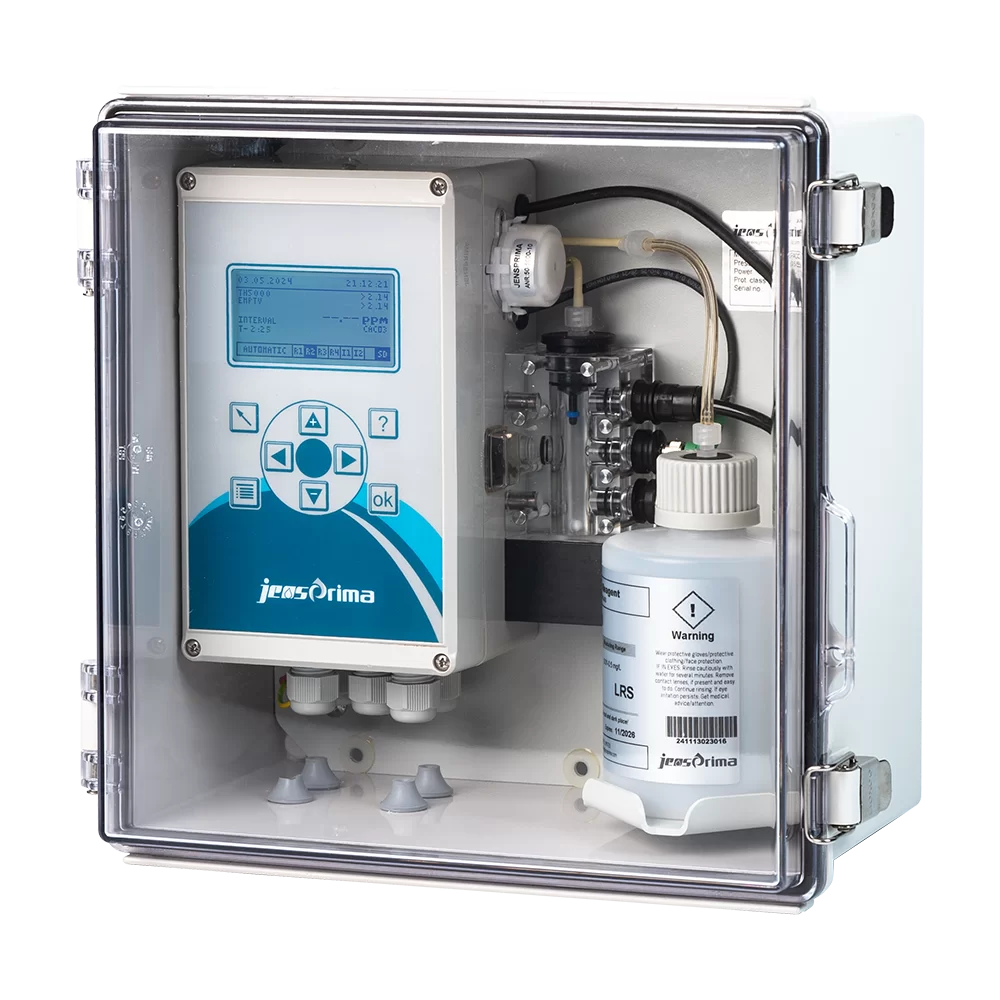
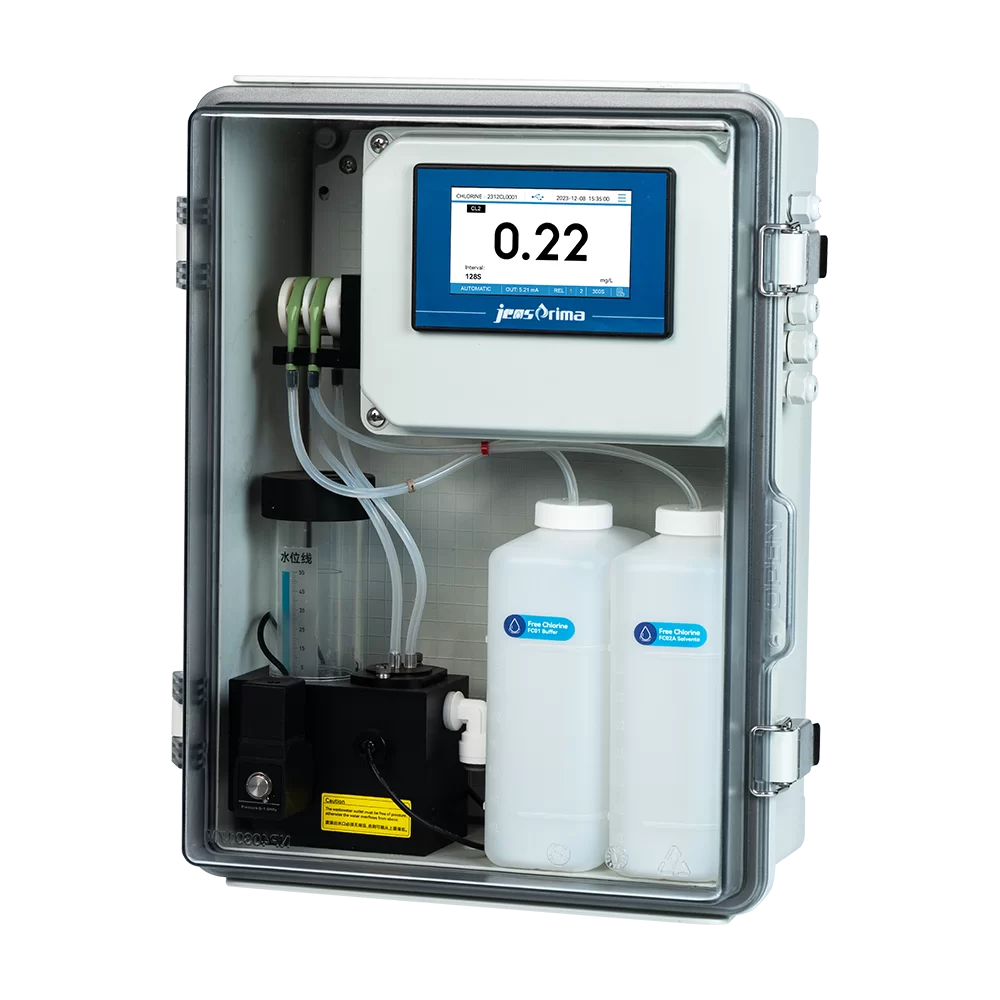
Furthermore, the municipal sector in Istanbul and Ankara is aggressively upgrading its disinfection protocols, necessitating a precise residual chlorine controller to ensure safe drinking water while minimizing chemical waste across vast distribution networks.

Evolution of Water Monitoring Technology in Turkey

From manual sampling to real-time digital intelligence.

Market Development History

Before 2010, water monitoring in Turkey relied heavily on laboratory-based batch testing. This manual approach led to significant time lags in detecting contamination, often resulting in costly industrial downtime and environmental penalties.

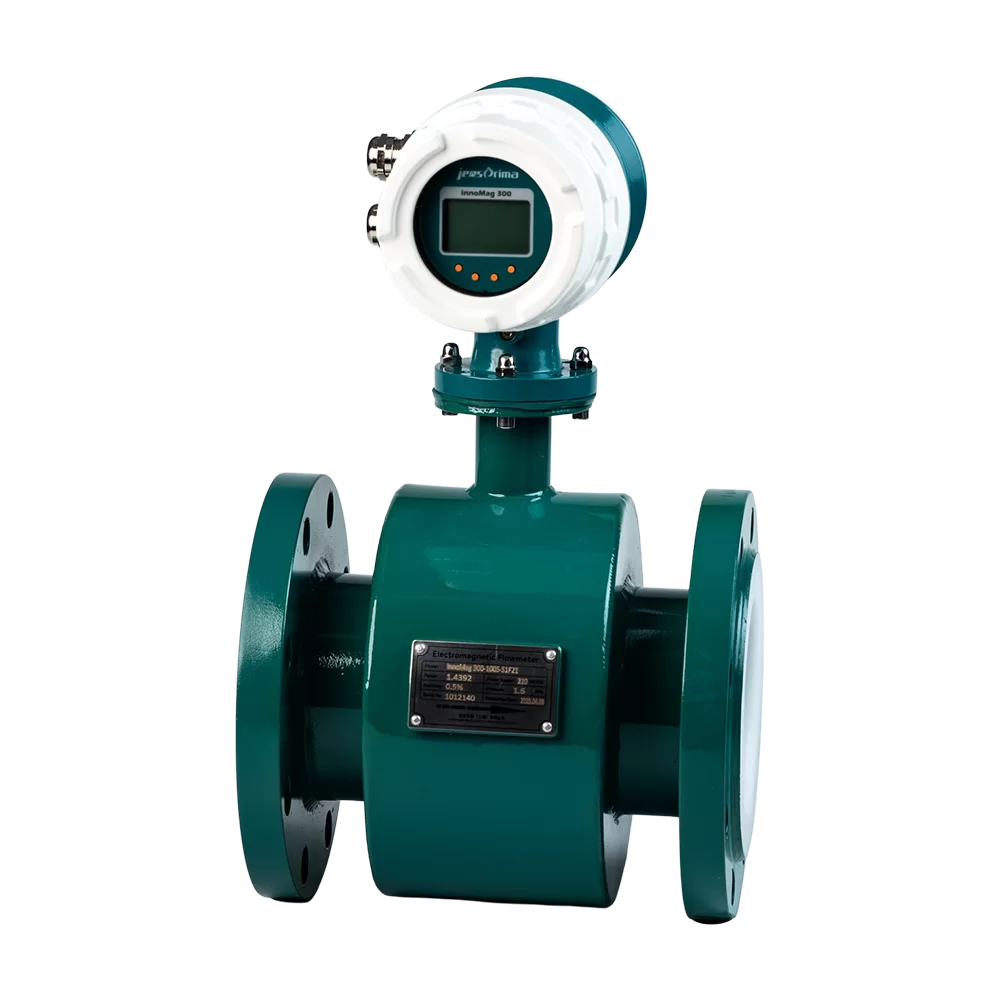
Between 2010 and 2020, there was a strategic shift toward online instrumentation. The introduction of the electromagnetic flowmeter allowed factories to quantify waste discharge accurately, transitioning from estimated usage to precise, data-driven auditing.

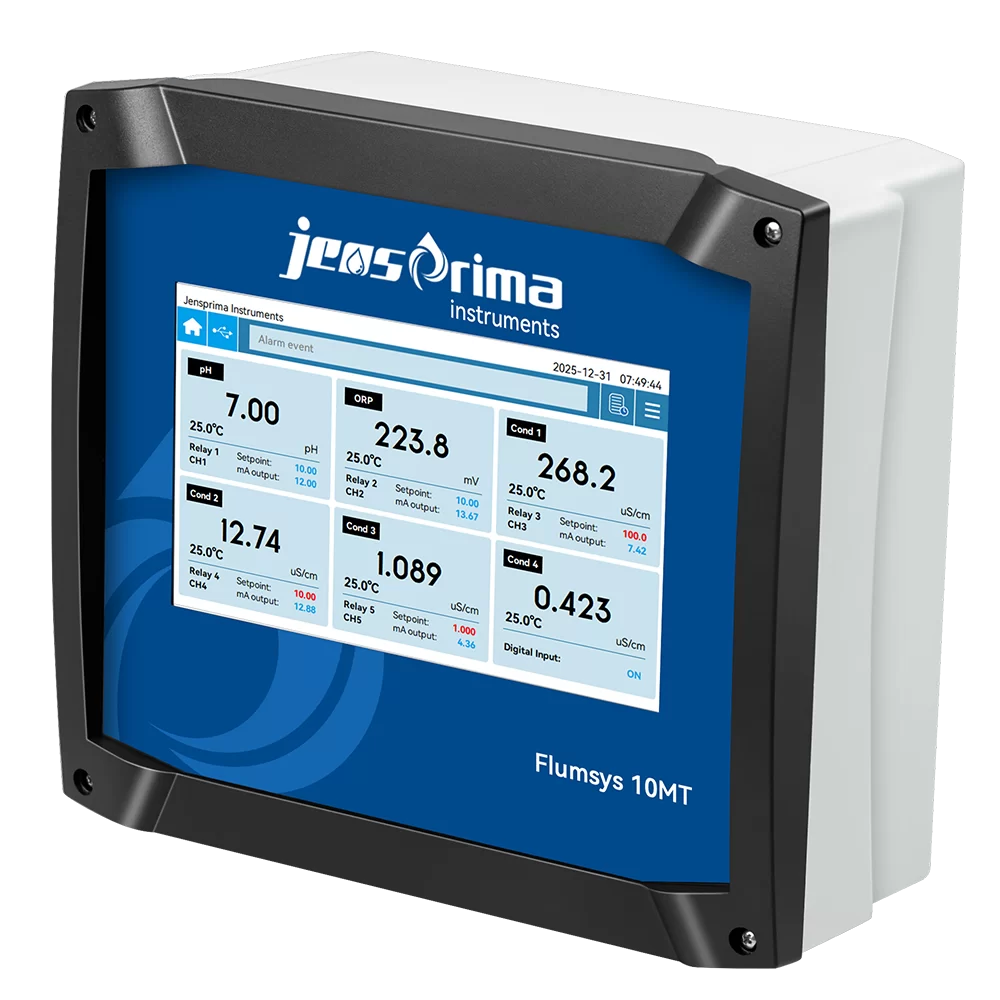
Since 2021, Turkey has entered the era of "Smart Water," where multi parameter water quality analyzer systems are integrated into SCADA and IoT platforms, providing instantaneous alerts and autonomous adjustment of chemical dosing.

Future Development Trends

AI-Driven Predictive Analytics

Integration of machine learning to predict alkalinity and hardness fluctuations based on seasonal rainfall patterns in the Taurus Mountains.

Miniaturization of Sensors

Shift toward micro-fluidic sensors that reduce reagent consumption in alkalinity and chlorine measurements.

Zero Liquid Discharge (ZLD) Integration

Enhanced focus on high-concentration waste stream monitoring to support Turkey's circular economy goals.

Industry Trends and Future Outlook

The trajectory of environmental monitoring in the Turkish industrial sector.

IoT Ecosystem Integration
Moving toward fully networked sensor arrays for real-time city-wide water health mapping.
Reagent-Free Sensing
Development of optical sensors to replace chemical reagents in chlorine and hardness analysis.
Energy-Neutral Monitoring
Deploying solar-powered analyzers for remote river monitoring in the Eastern Anatolia region.
Automated Compliance
Direct API linking from analyzers to Turkish regulatory bodies for transparent reporting.

Industry Outlook

The Turkish market is shifting from basic monitoring to holistic "Water Intelligence." Google search trends indicate a rising interest in sustainable industrial wastewater treatment, signaling a move toward high-efficiency residual chlorine controller applications to protect aquatic ecosystems.

As Turkey continues to modernize its infrastructure, the demand for integrated systems combining flow measurement and chemical analysis will dominate, creating a massive opportunity for modular, high-reliability online instruments.

Localized Application Scenarios in Turkey

Practical deployments across Turkey's diverse industrial and municipal sectors.

1. Textile Dyeing Plants in Bursa

Implementing an alkalinity analyzer to monitor bath water chemistry, ensuring dye consistency and reducing wastewater neutralization costs.

2. Thermal Power Plants in Zonguldak

Utilizing a total hardness analyzer in the feed-water system to prevent boiler tube scaling and optimize blowdown frequency.

3. Municipal Drinking Water in Istanbul

Deployment of a residual chlorine controller across the distribution network to maintain disinfection levels against seasonal temperature shifts.

4. Industrial Wastewater Treatment in Kocaeli

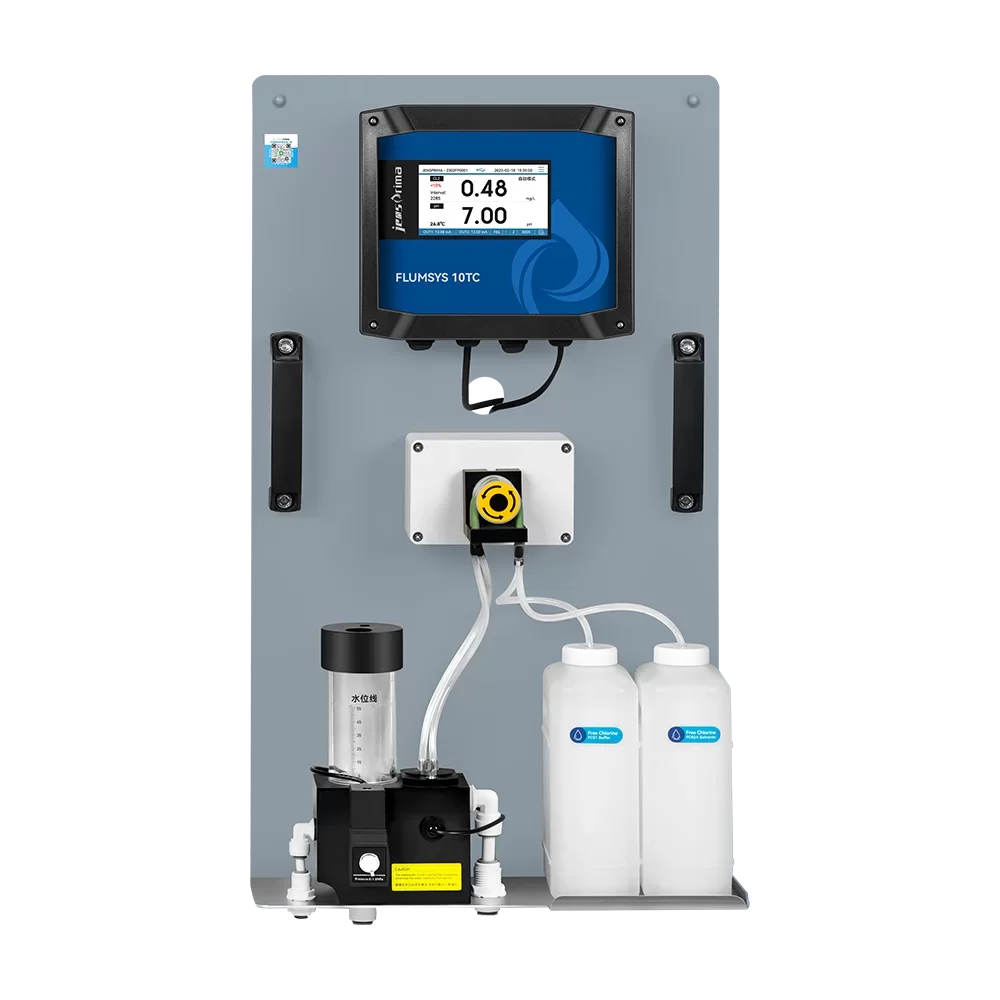
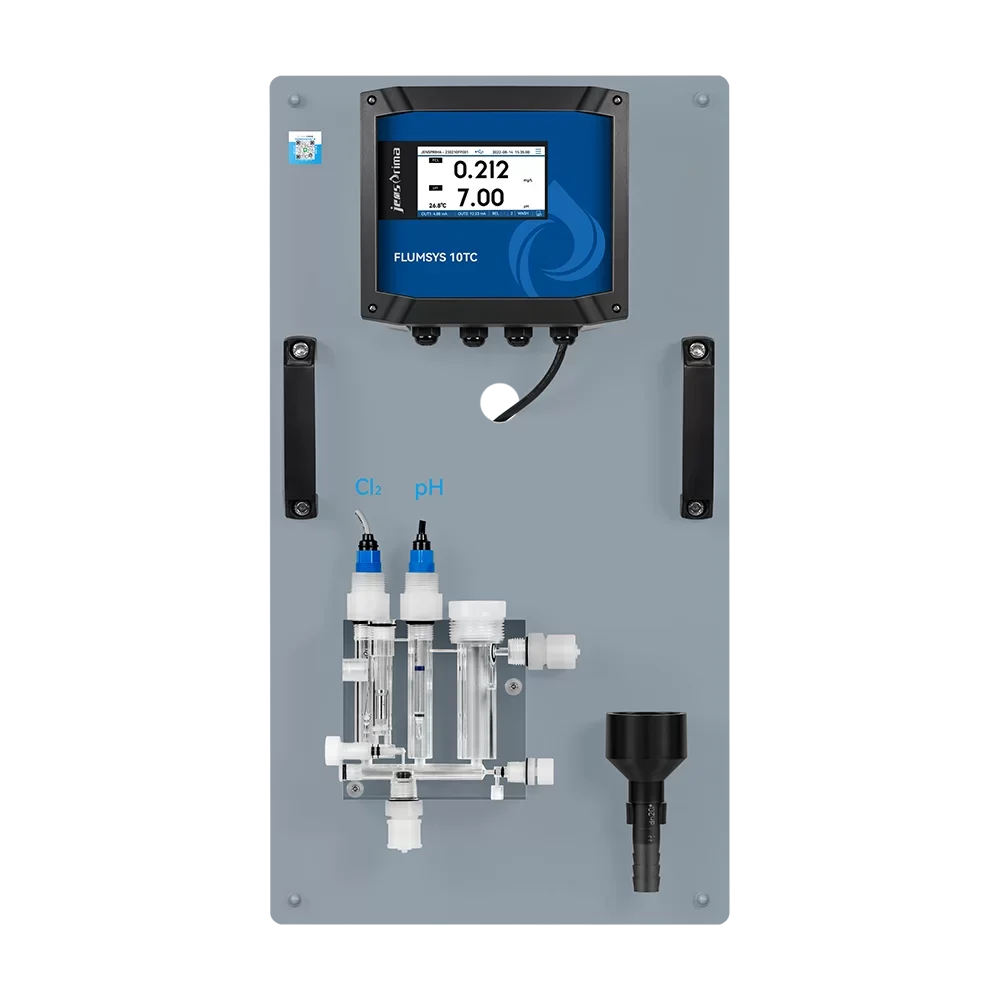
Combining a multi parameter water quality analyzer with an electromagnetic flowmeter to automate discharge reporting for chemical parks.

5. Agricultural Irrigation in the Konya Basin

Monitoring soil-water salinity and hardness to optimize irrigation schedules and protect high-value crop yields from mineral toxicity.

Brand Story

Global Development History of Jensprima (Shanghai) Co., Ltd.

Founding Vision

Established to bridge the gap between complex laboratory analysis and rugged industrial online monitoring for global water challenges.

Technical Breakthroughs

Developed proprietary sensor stabilization technology, drastically reducing the maintenance frequency of online water quality analyzers.

Global Expansion

Expanding footprints into Eurasia and the Middle East, tailoring instruments to the unique water chemistry of regions like Turkey.

Industry Leadership

Recognized for solving the "stability pain point" in high-hardness industrial wastewater environments through innovative material science.

Sustainability Commitment

Leading the transition toward reagent-free analysis to minimize the environmental footprint of water monitoring itself.

Complete Water Analysis Portfolio for the Turkish Market

A comprehensive suite of instruments designed for Turkey's unique environmental and industrial needs.

Turkish Market: Frequently Asked Questions

Technical insights and deployment guidance for water quality instruments in Turkey.

How does a total hardness analyzer handle high mineral content in Anatolian groundwater?

Our analyzers utilize advanced titration and self-cleaning modules to prevent electrode fouling, ensuring accurate readings even in extremely hard water environments typical of the region.

Can the residual chlorine controller integrate with existing Turkish municipal SCADA systems?

Yes, our controllers support Modbus TCP/IP and 4-20mA outputs, making them fully compatible with the standard automation frameworks used in Istanbul and Ankara's water works.

What is the maintenance cycle for an alkalinity analyzer in a textile plant?

Depending on the wastewater load, our low-maintenance designs typically require reagent replenishment every 30-60 days, with sensor calibration suggested quarterly.

Why choose an electromagnetic flowmeter over mechanical meters for Turkish industrial waste?

Electromagnetic flowmeters have no moving parts, eliminating wear and tear from abrasive particles often found in Turkish industrial effluents, leading to higher long-term accuracy.

Which multi parameter water quality analyzer is best for coastal monitoring in Antalya?

We recommend our marine-grade multi-parameter systems with anti-biofouling wipers to handle the salinity and biological growth prevalent in Mediterranean coastal waters.

Are your instruments compliant with Turkey's Ministry of Environment regulations?

Yes, our instruments are designed to meet and exceed the measurement precision and reporting standards required by the Turkish environmental regulatory framework.

Expert Consultation for Water Quality

Partner with the leading specialists in online water analysis to optimize your operations in Turkey.

Contact Us Now
Service Repair Form
Tell us what issue you encountered, including any steps or symptoms.
  • Name
  • Email
  • Phone
  • Fault Description

If you are interested in our products, you can choose to leave your information here, and we will be in touch with you shortly.