





 Download
 Video Center
 Technical Services
 FAQS
FAQS Service Network
 Privacy Policy
 Contact Us


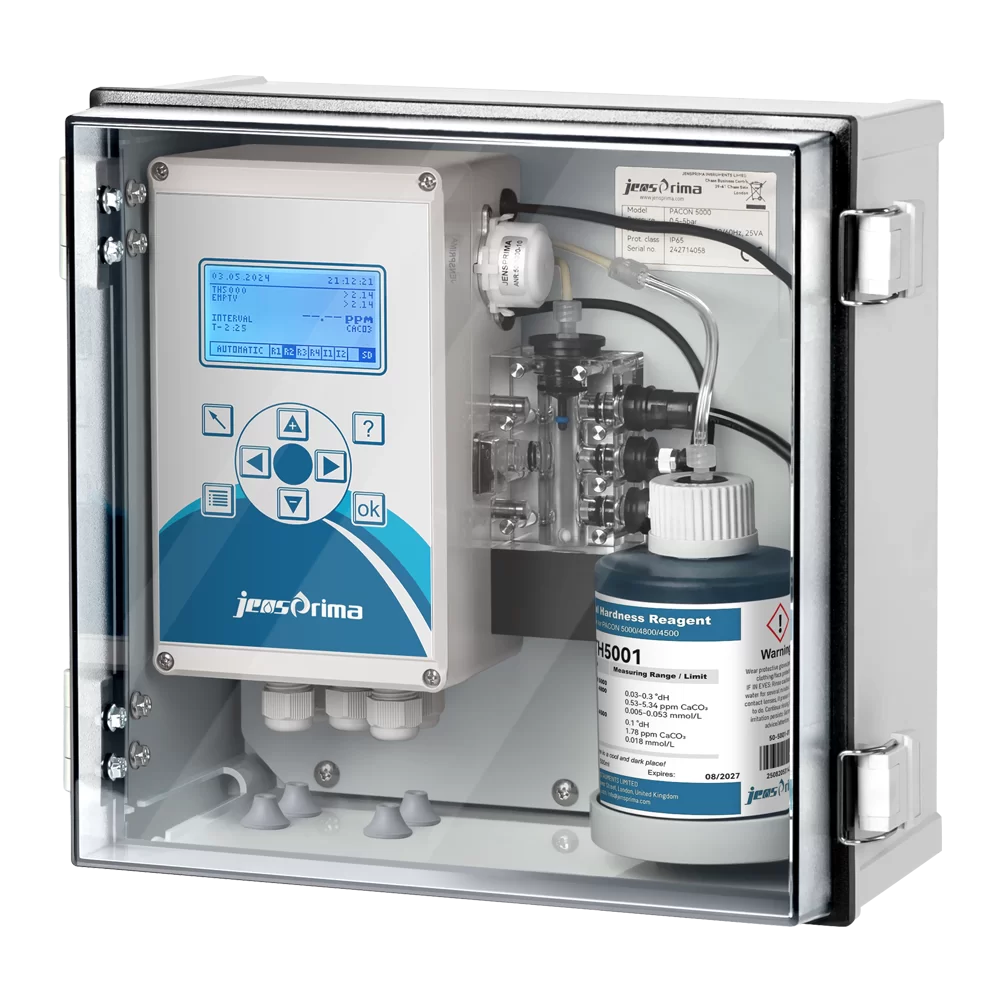
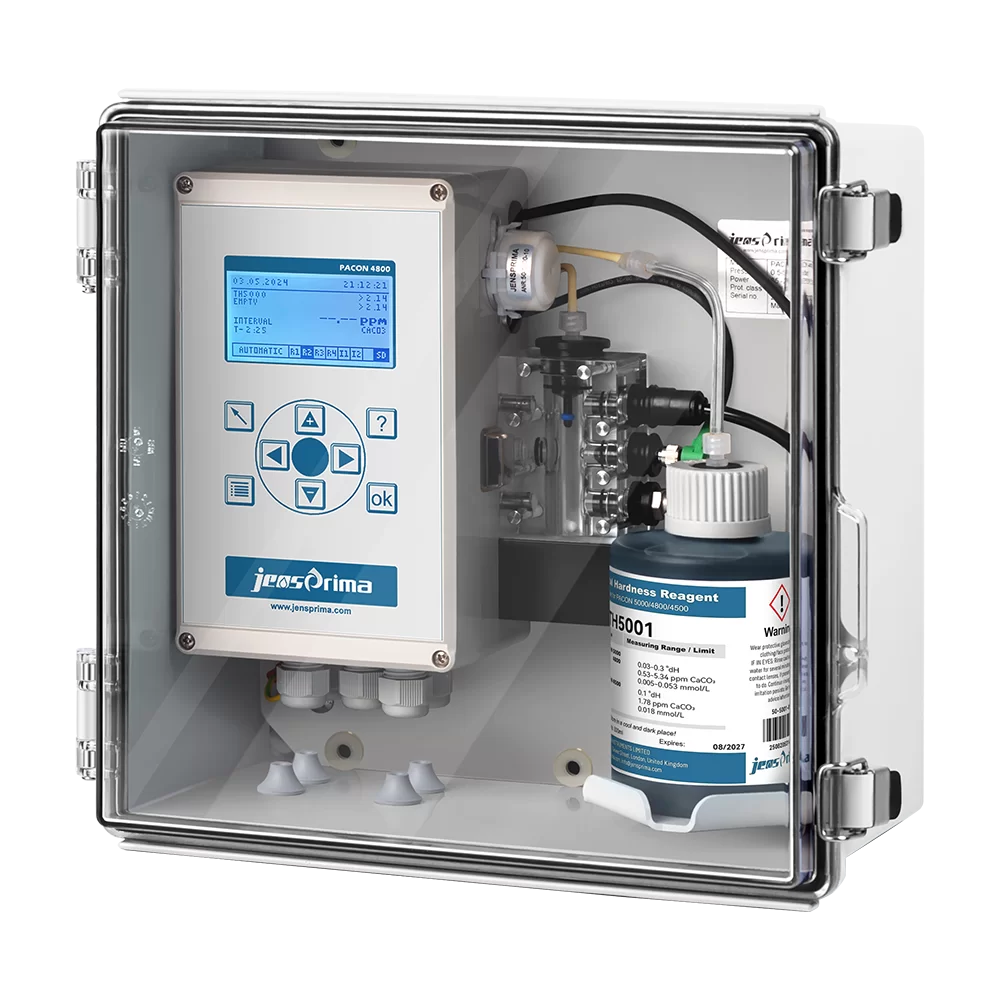
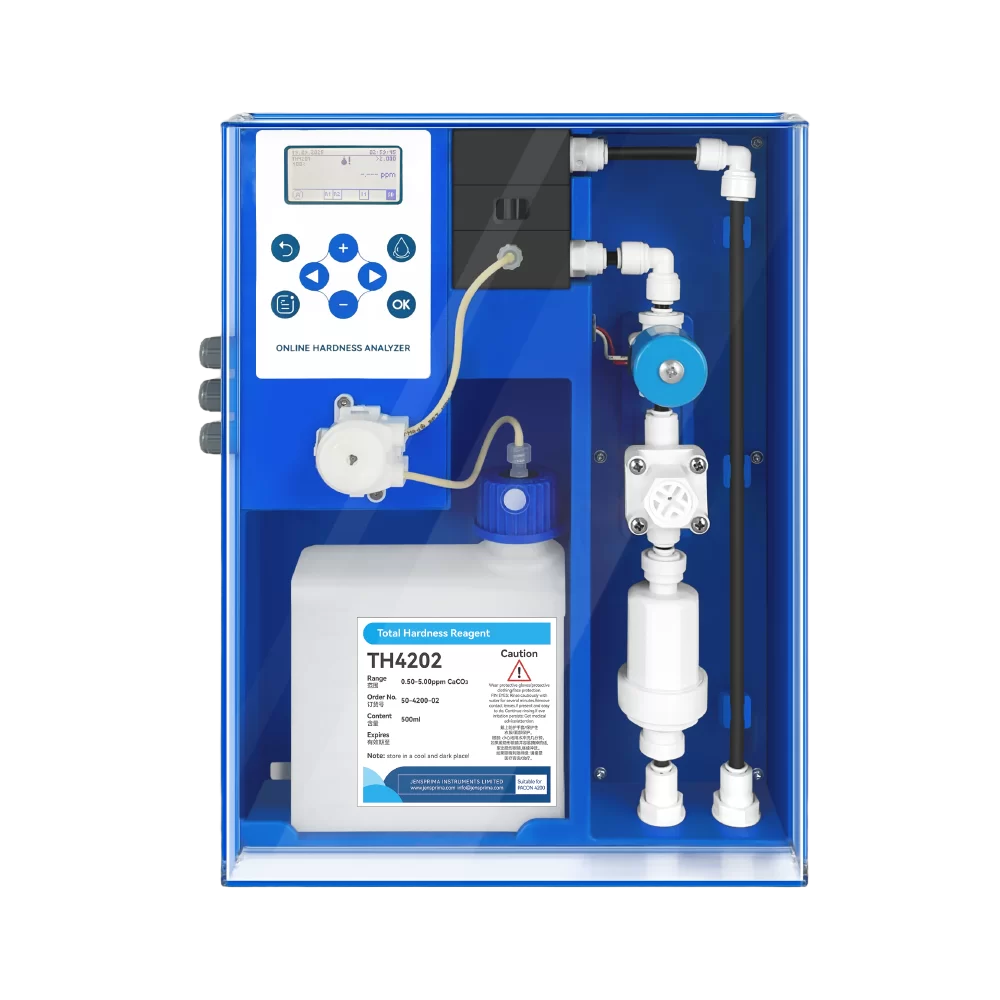
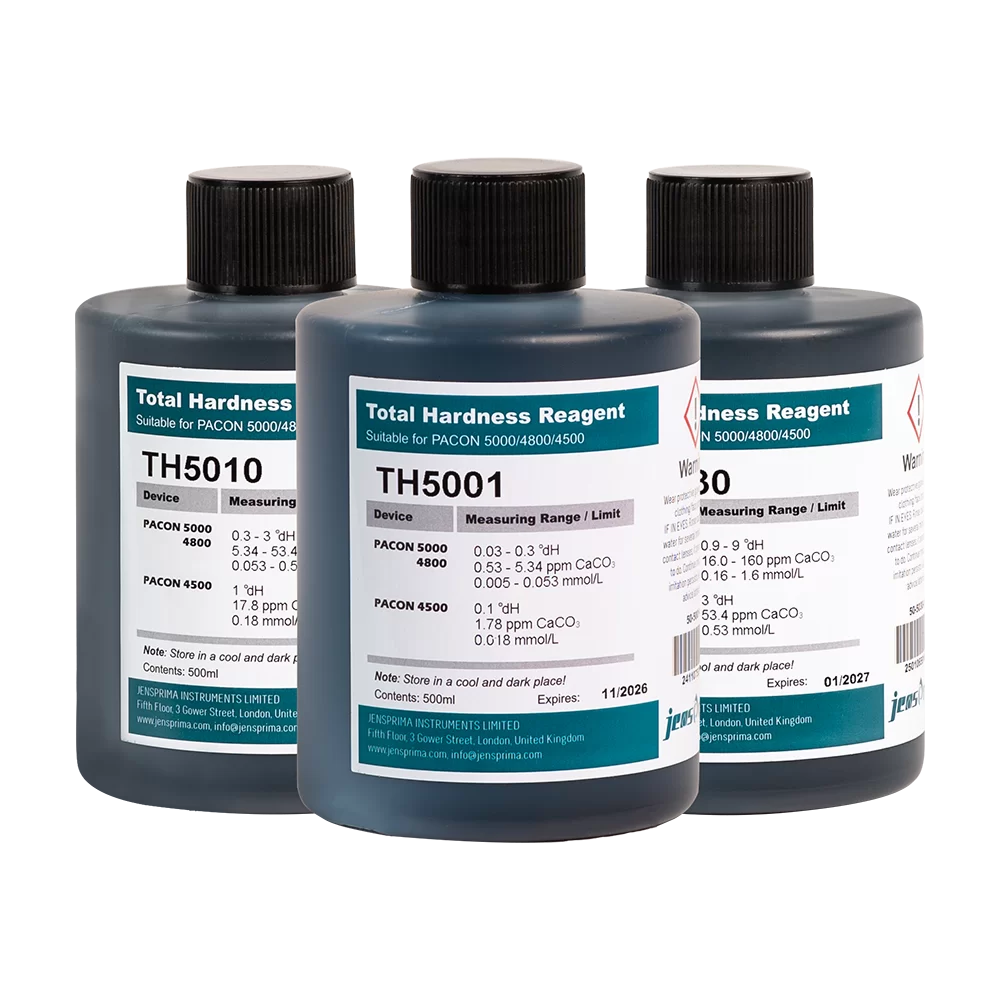
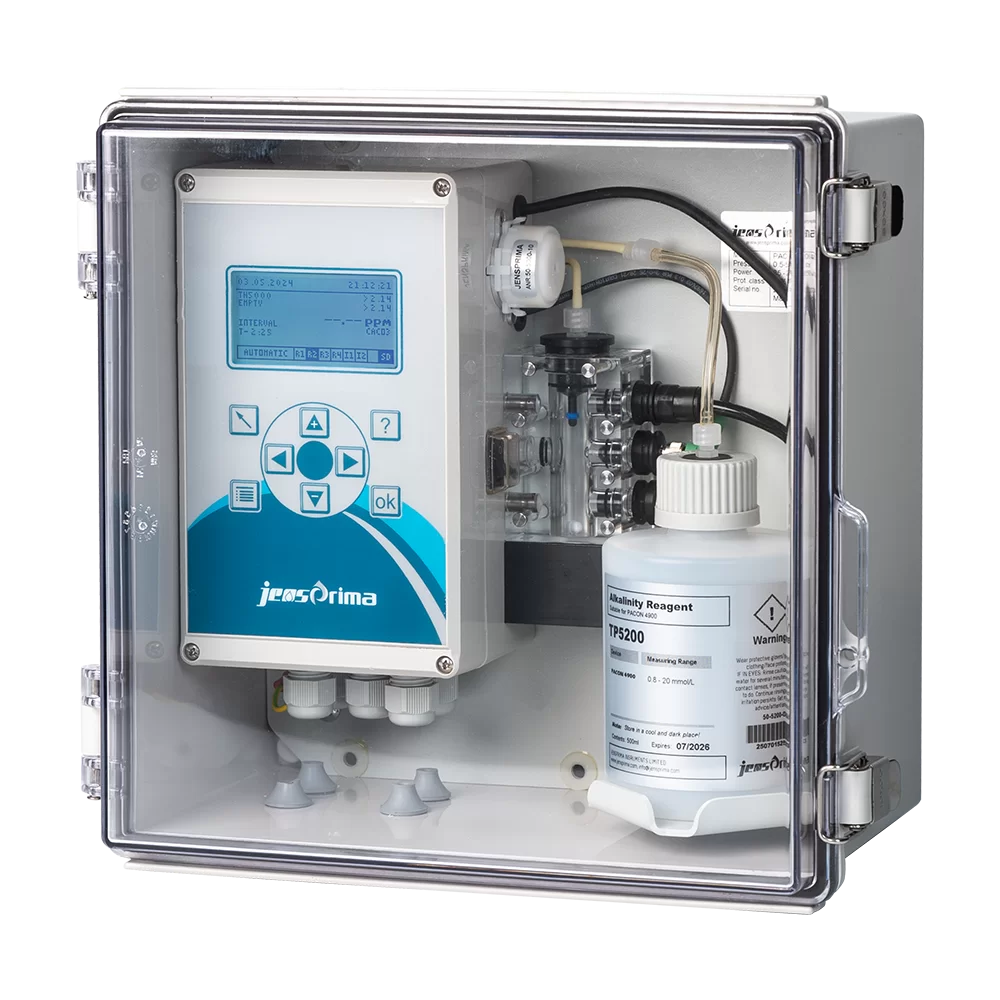
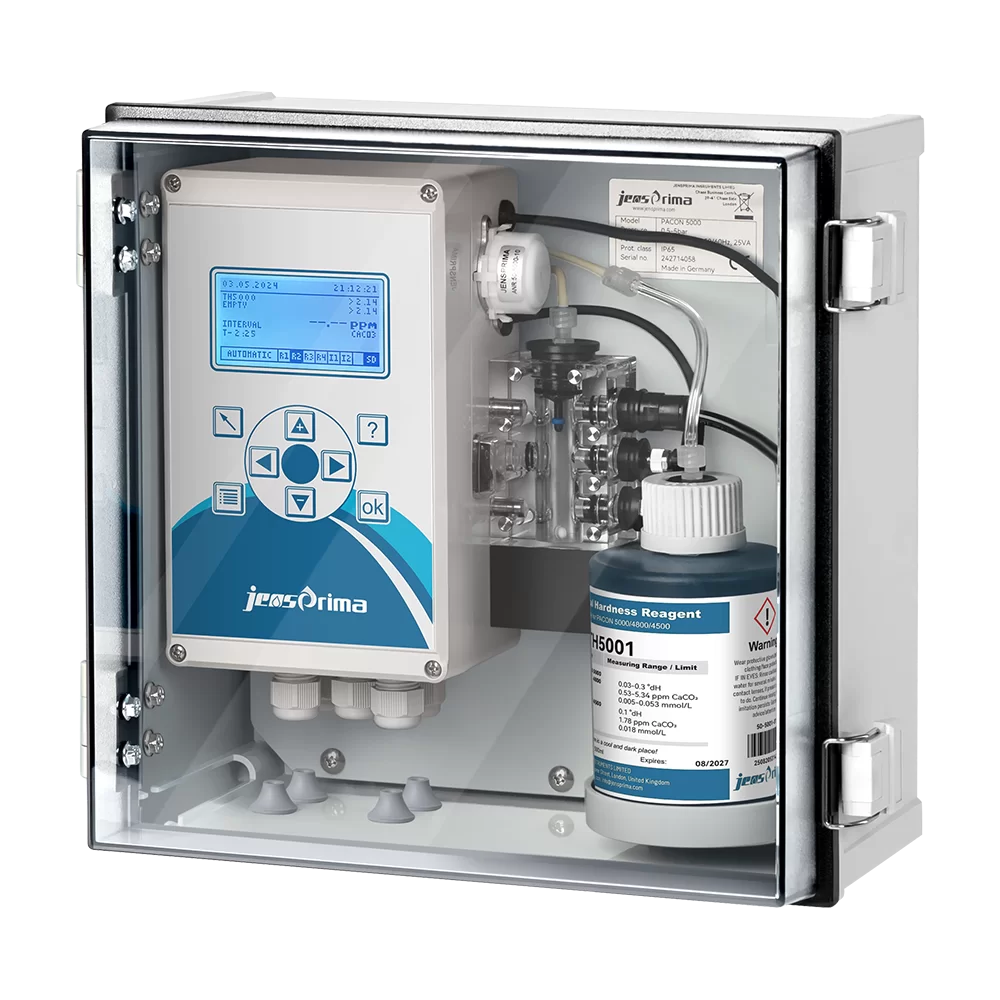
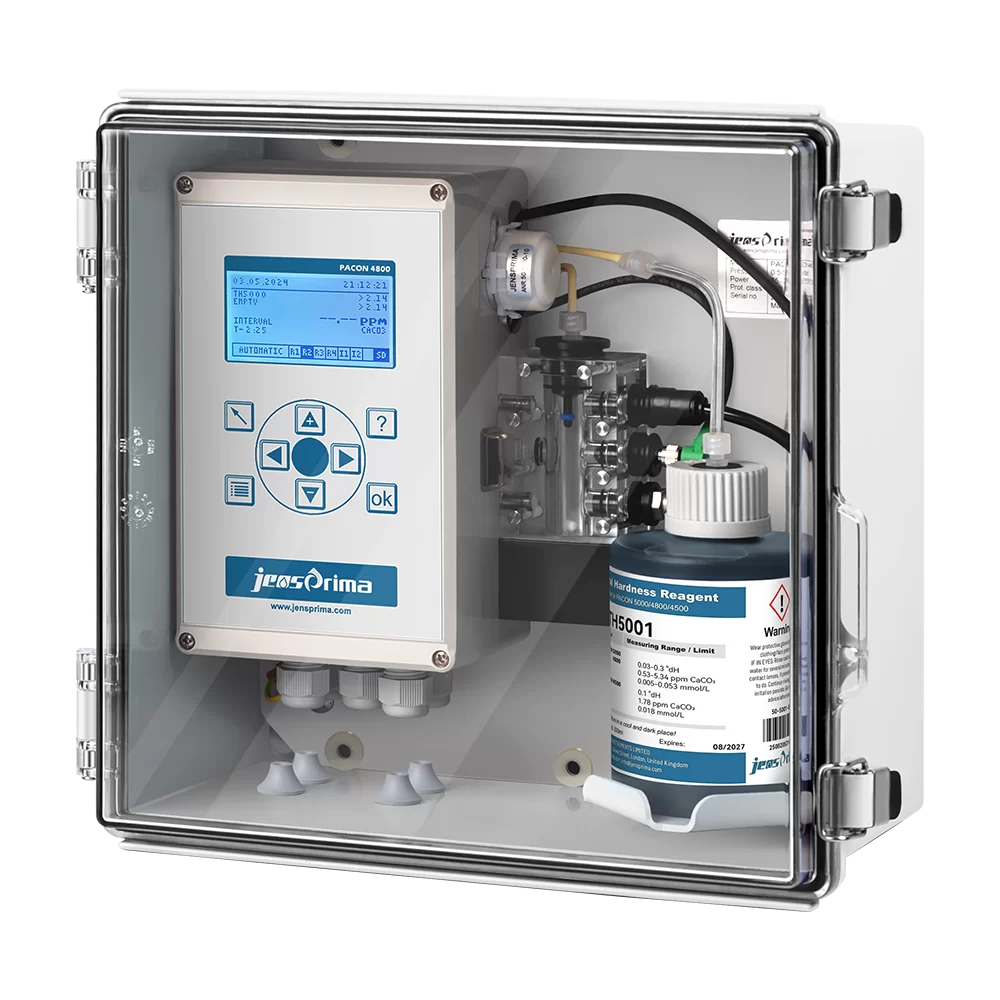
In Iraq, the water quality landscape is heavily influenced by extreme arid climates and the natural mineral composition of the Tigris and Euphrates rivers. Industrial sectors, particularly oil and gas and power generation, face significant scaling issues due to high calcium and magnesium levels, necessitating the urgent use of a total hardness analyzer to protect infrastructure from premature degradation.
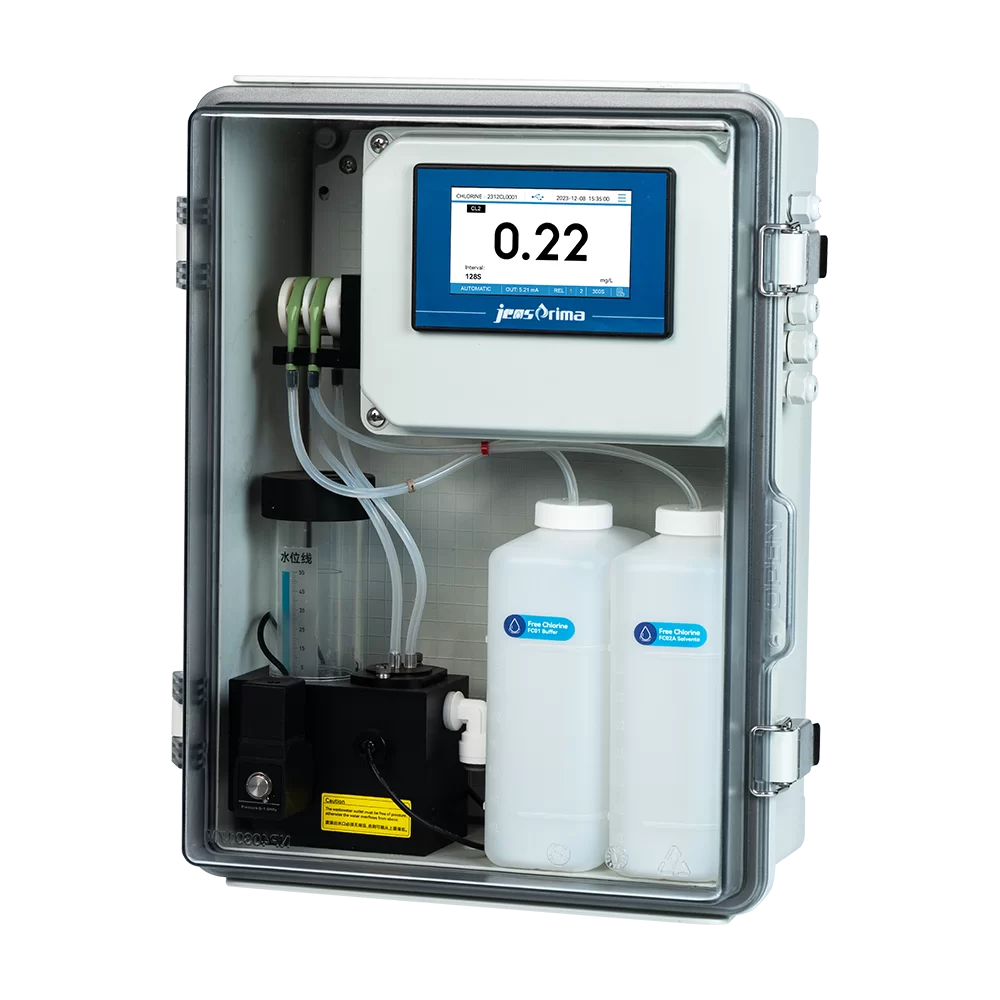
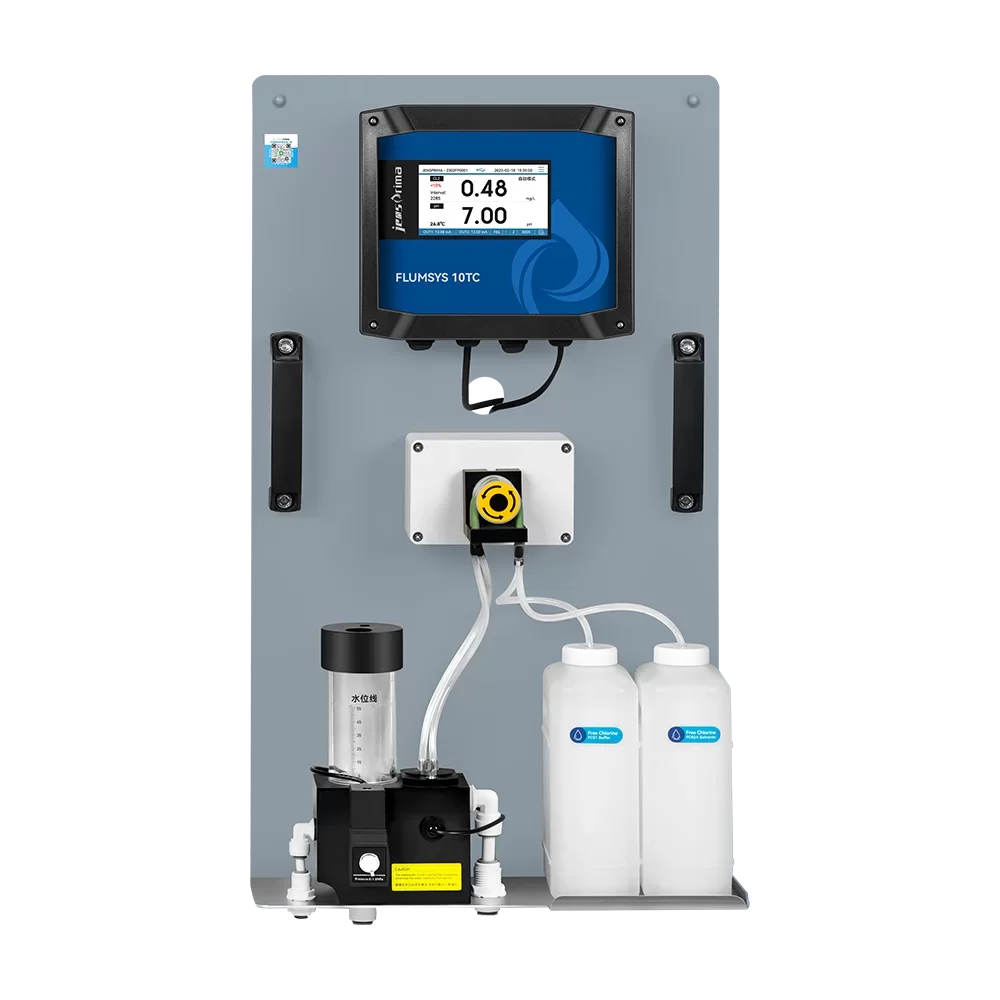
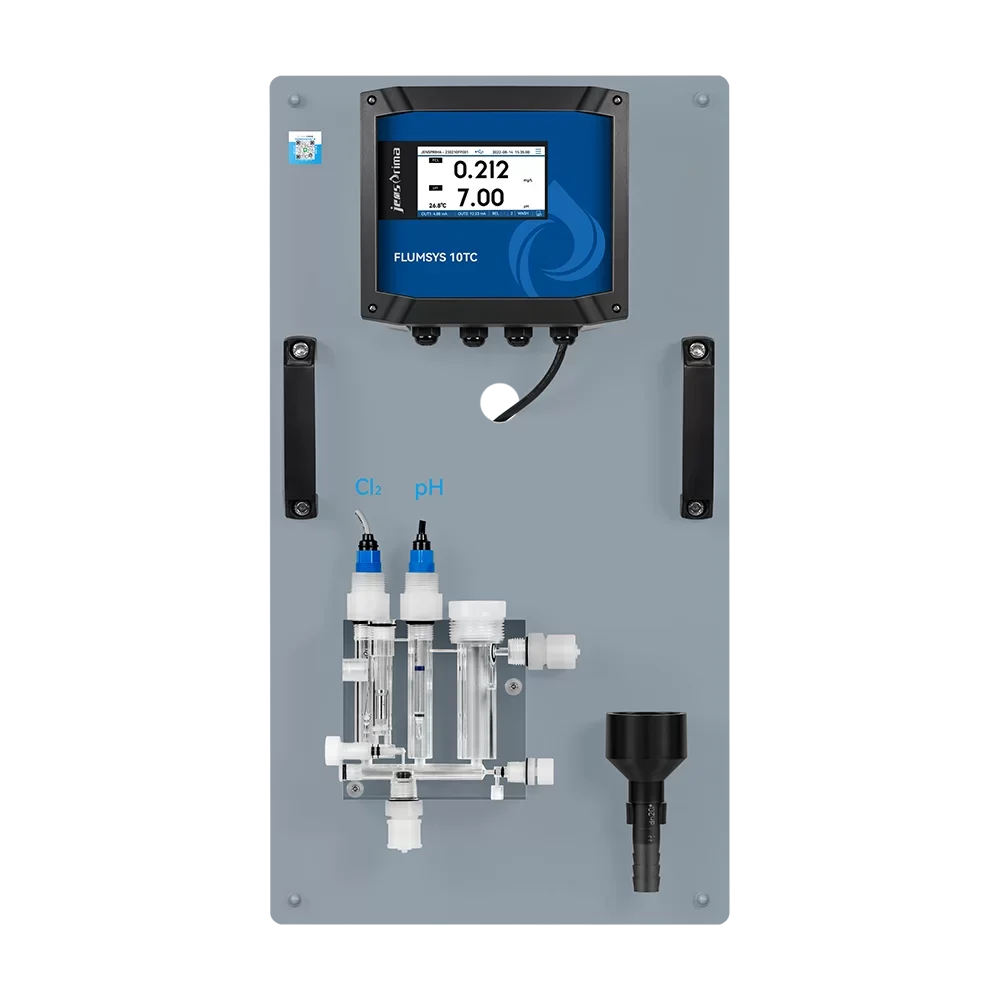
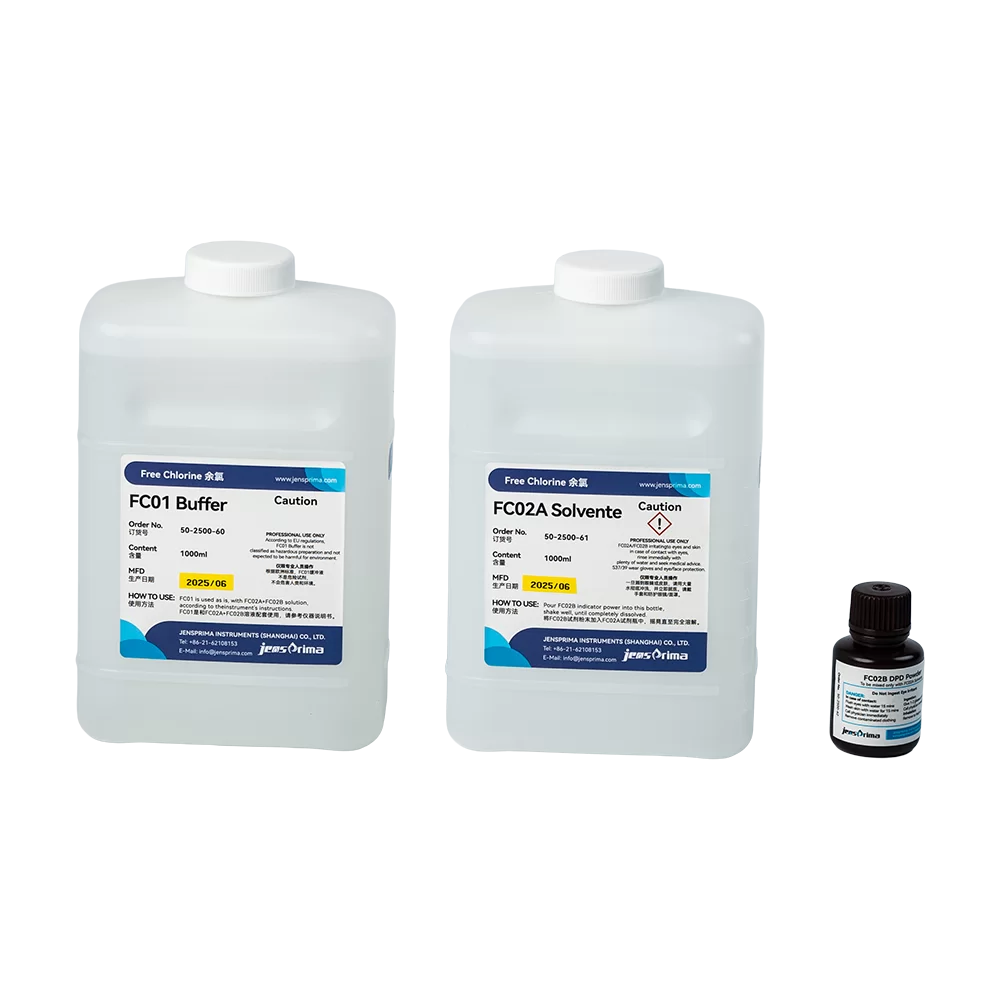
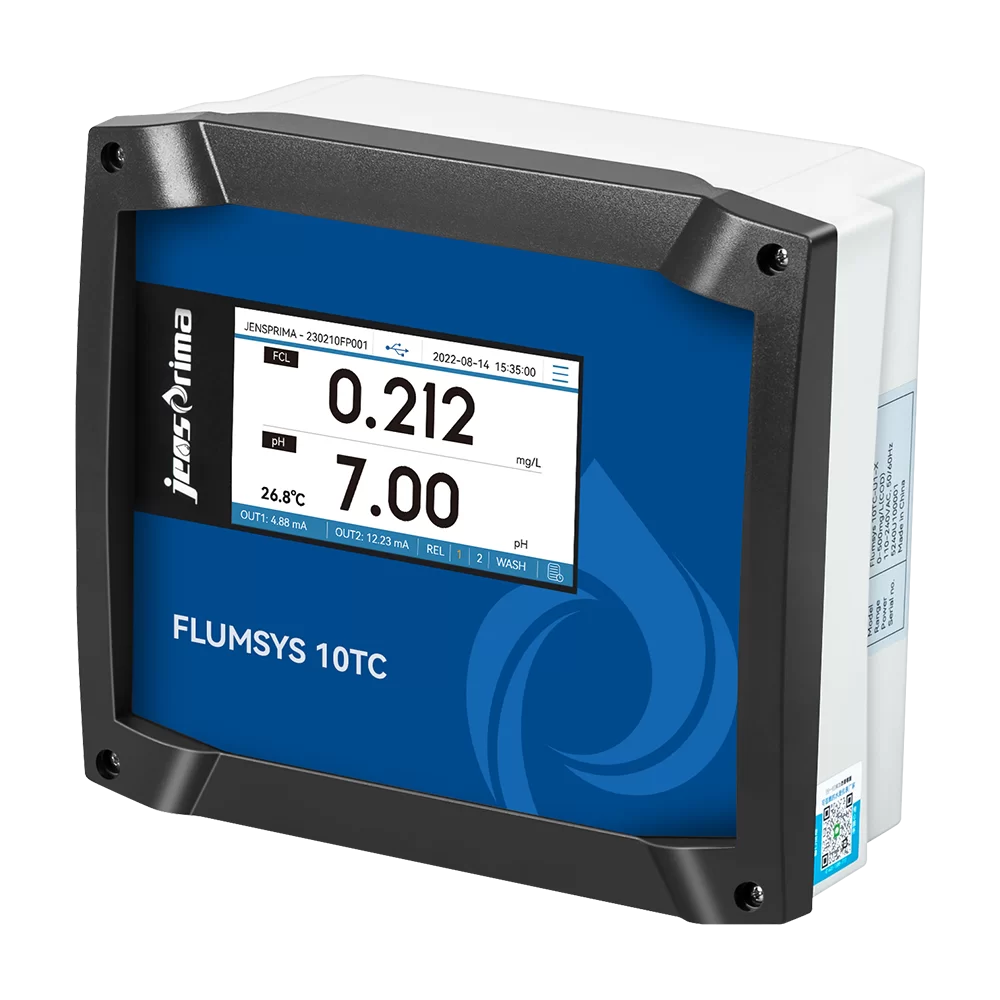
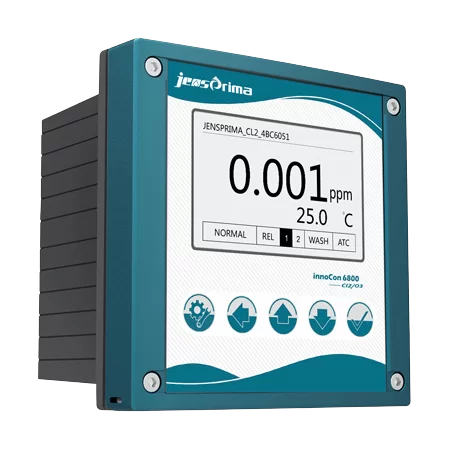
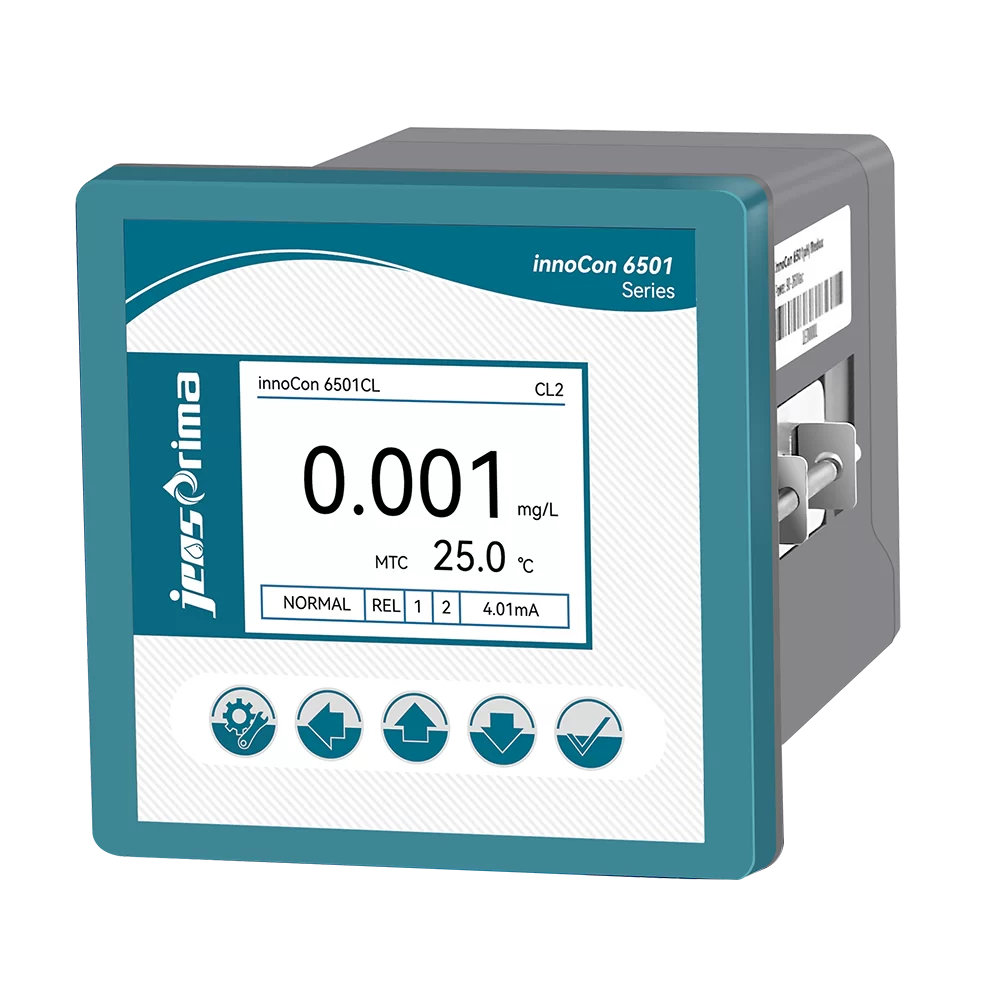
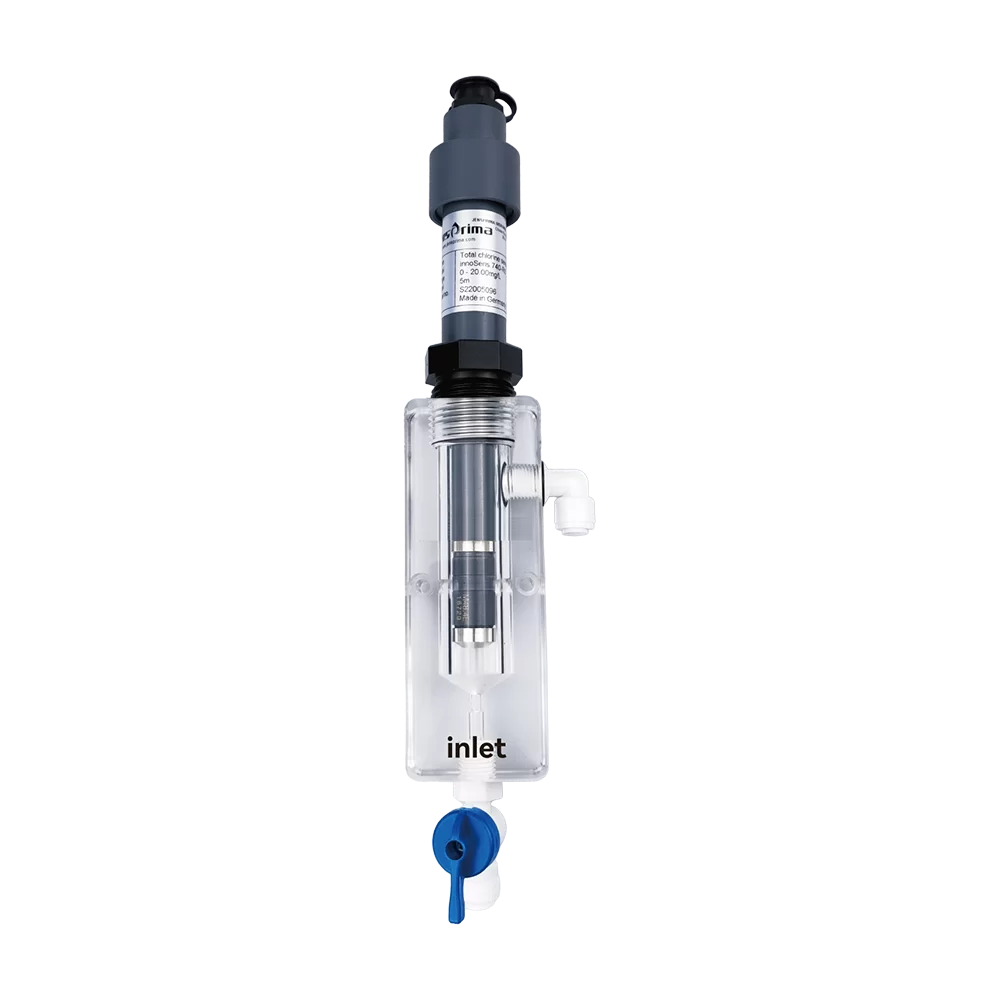
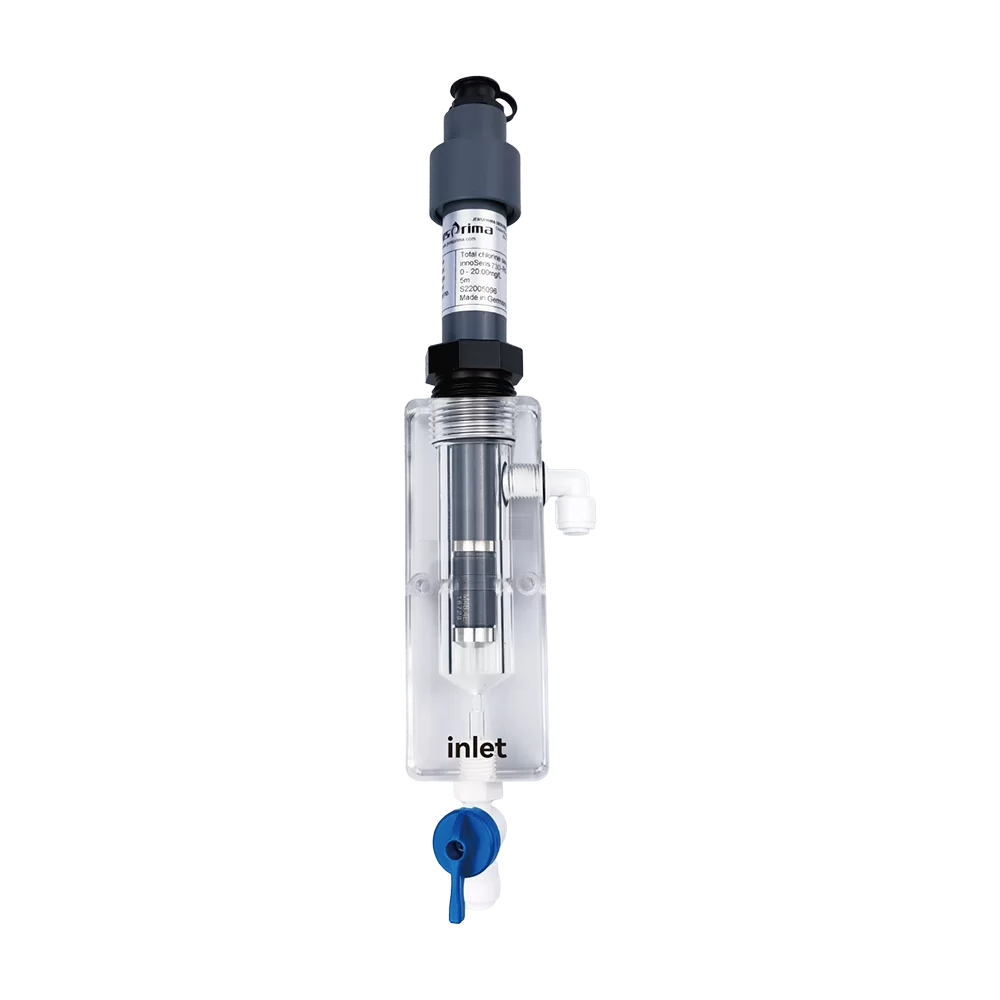
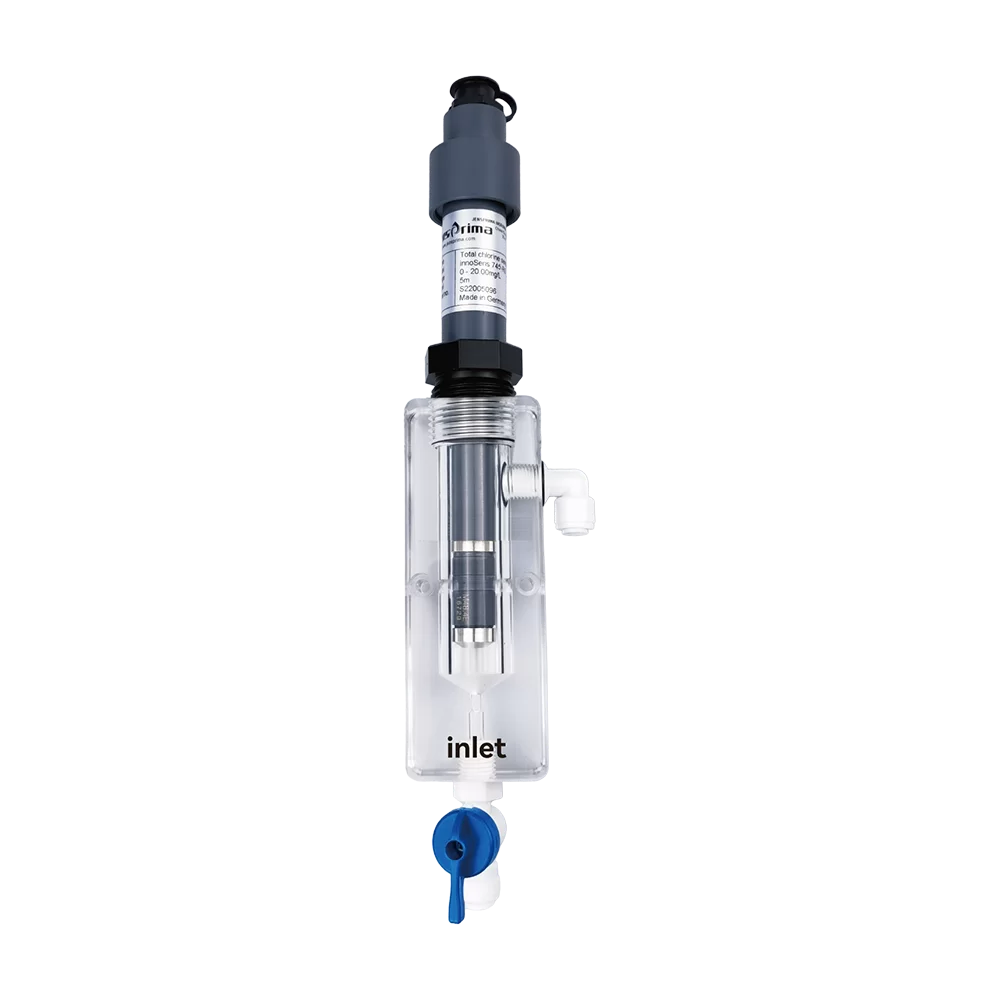
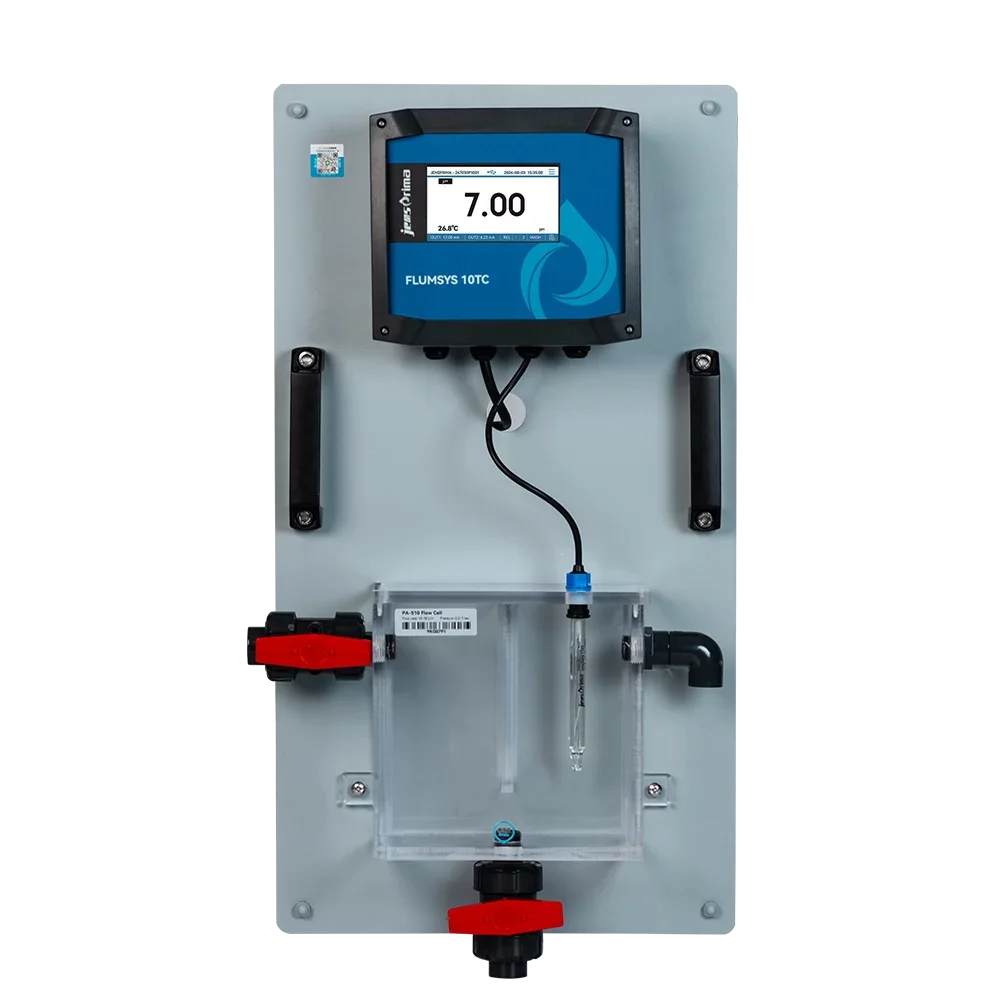
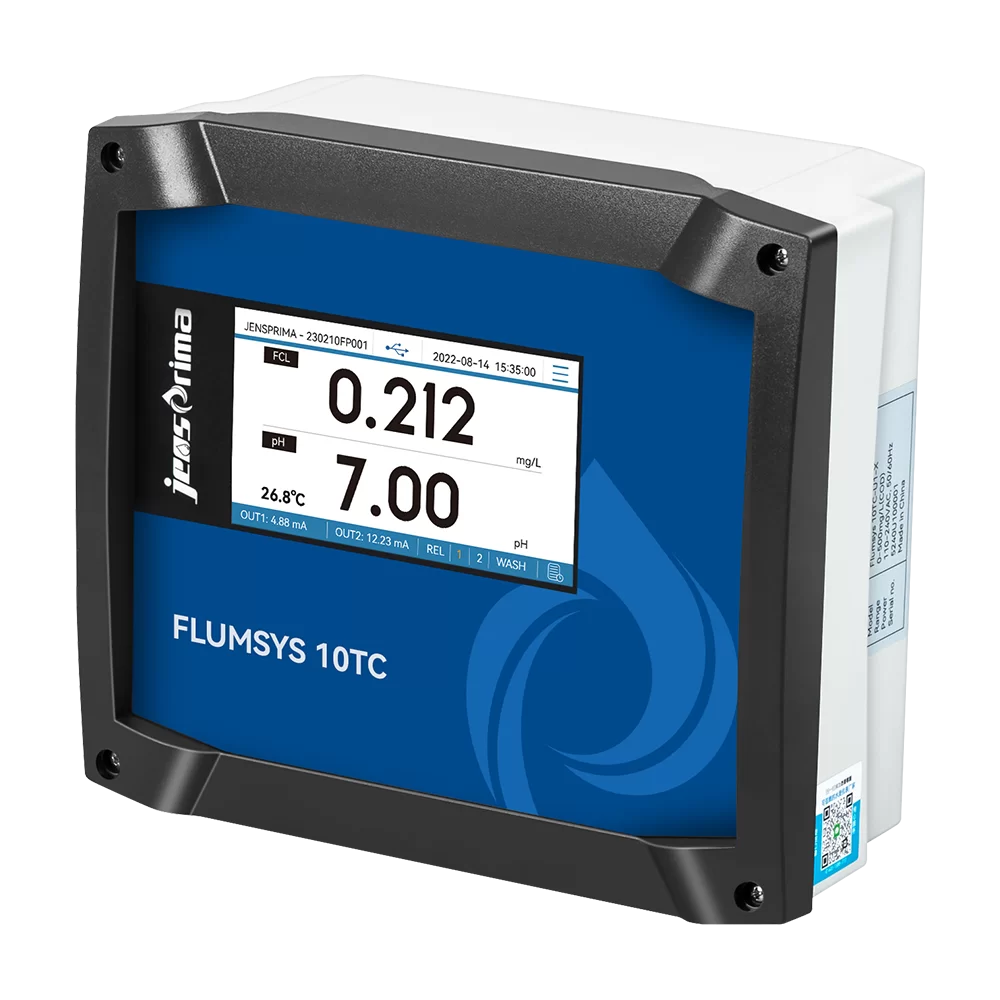
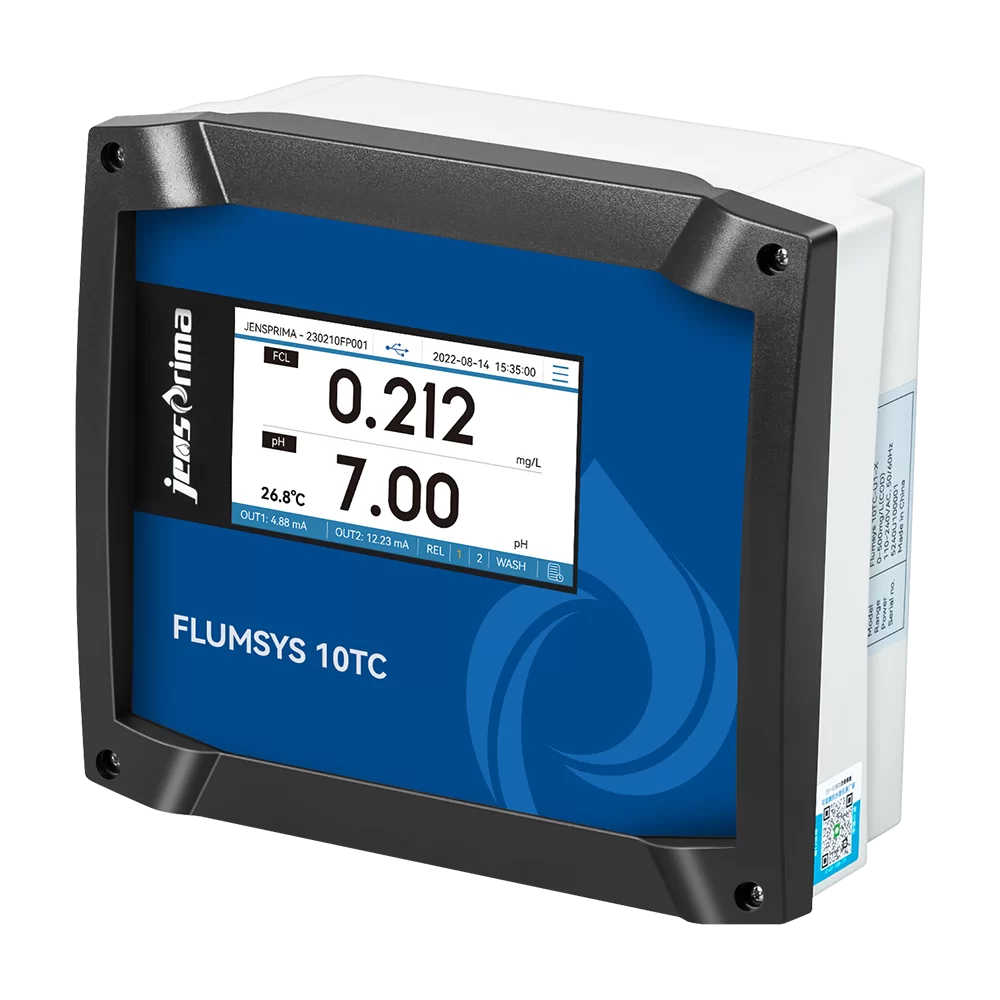
The region's municipal water systems frequently struggle with fluctuating disinfection levels. The implementation of a reliable residual chlorine controller is essential to ensure that potable water remains safe from pathogens while avoiding the corrosive effects of over-chlorination in aging pipe networks.
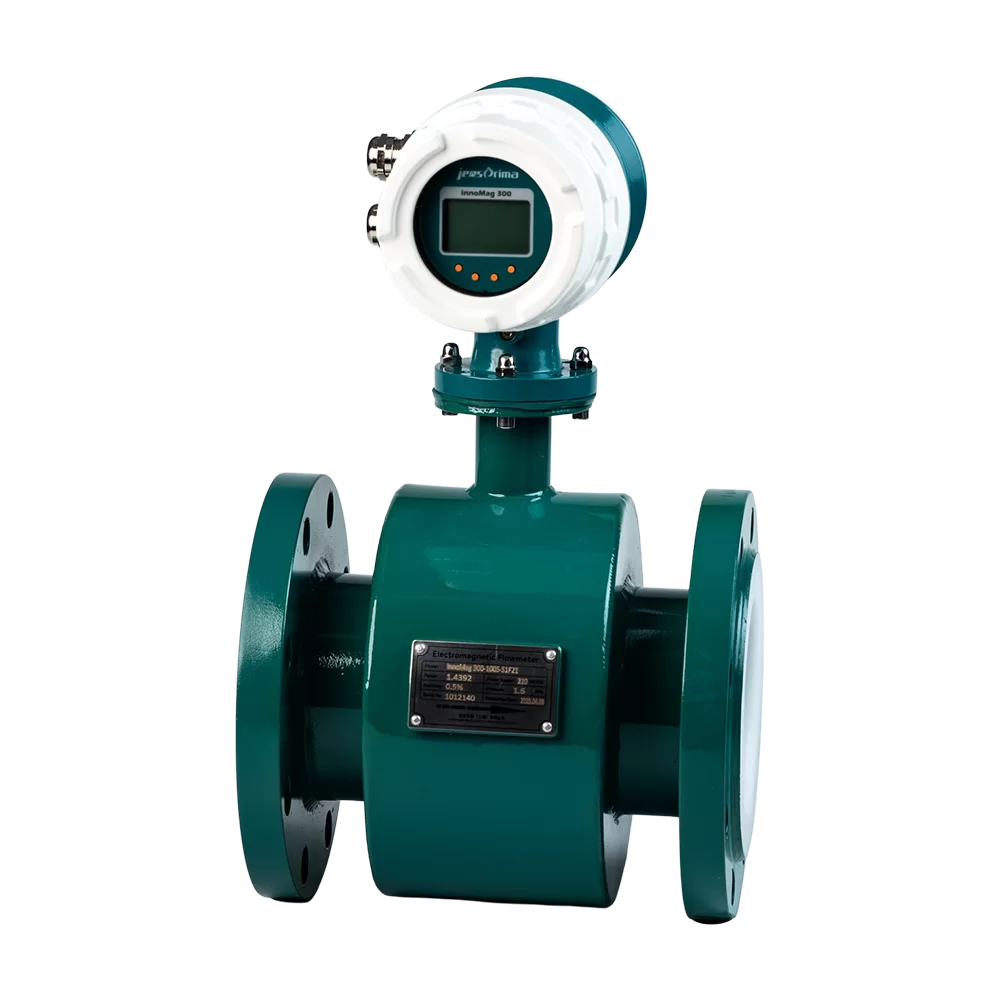
Furthermore, the integration of an electromagnetic flowmeter has become a priority for Iraqi water authorities to manage scarce resources effectively, allowing for precise monitoring of water distribution and reducing non-revenue water losses in urban centers like Baghdad and Basra.


