

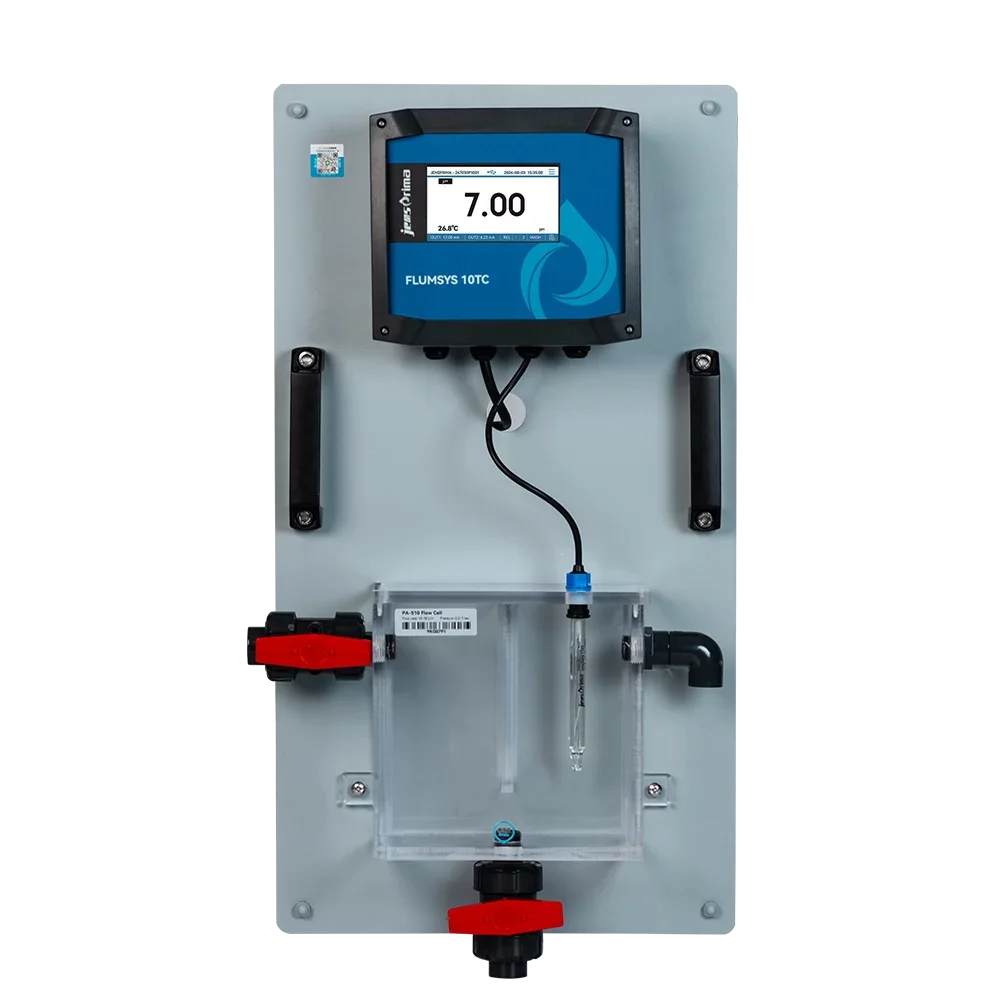
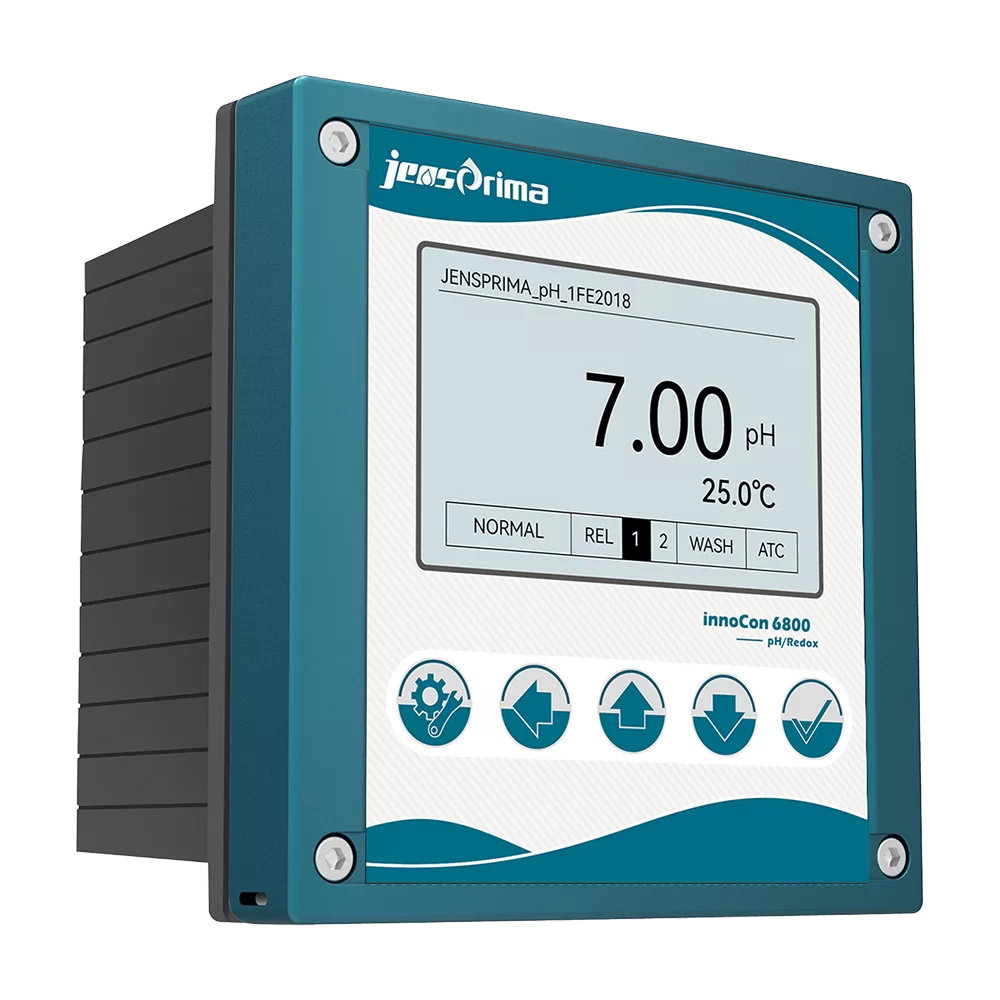
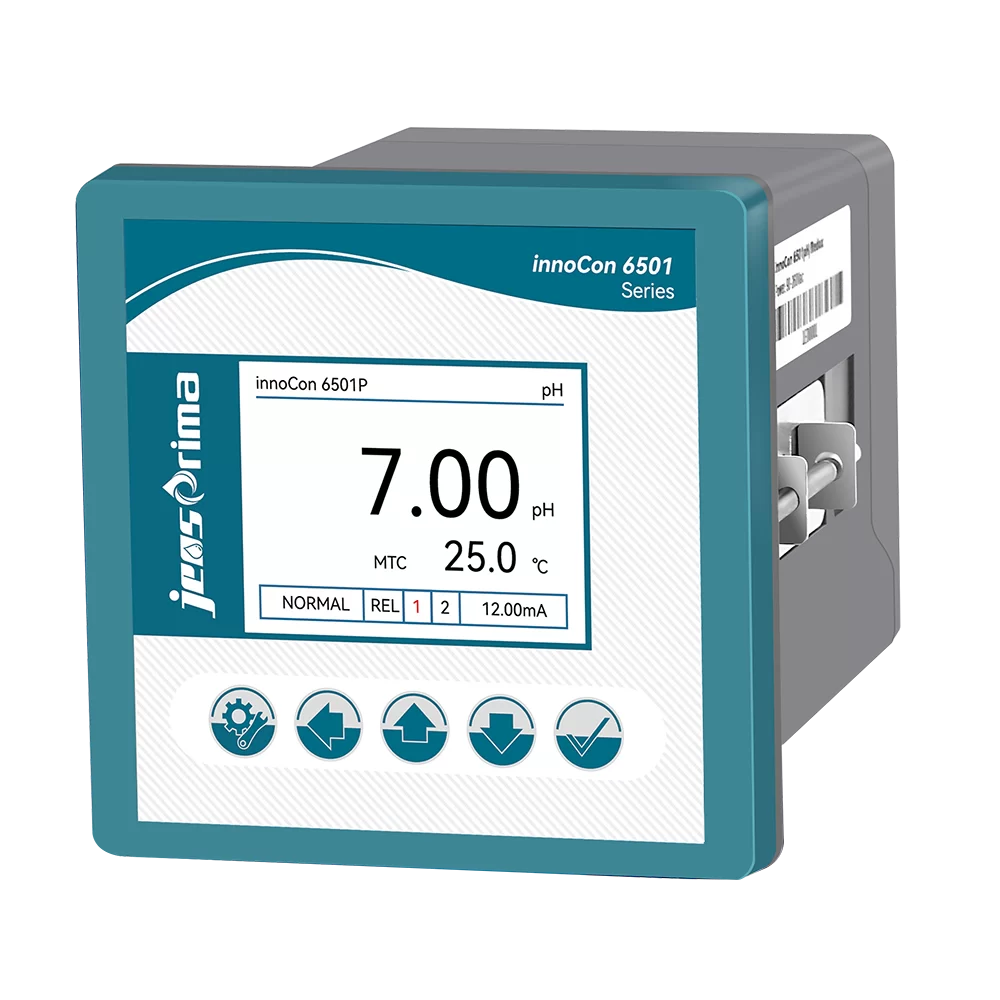
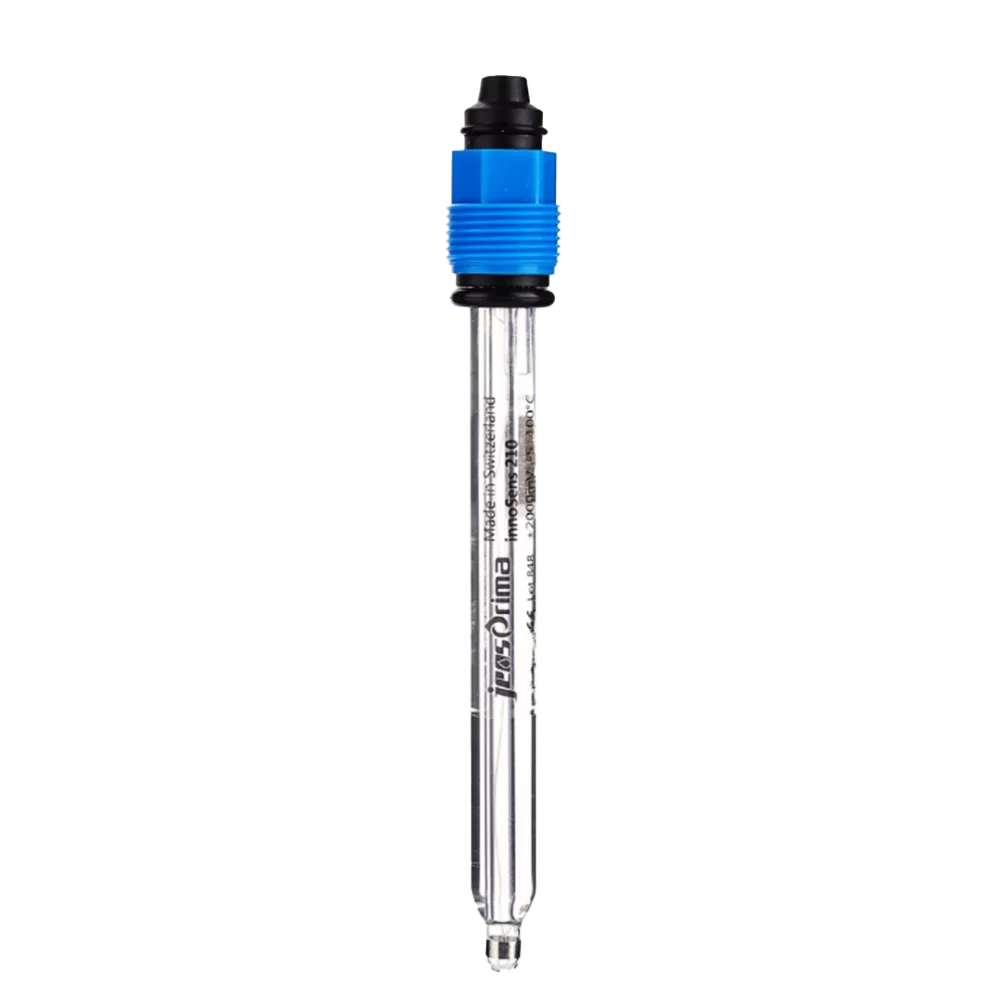
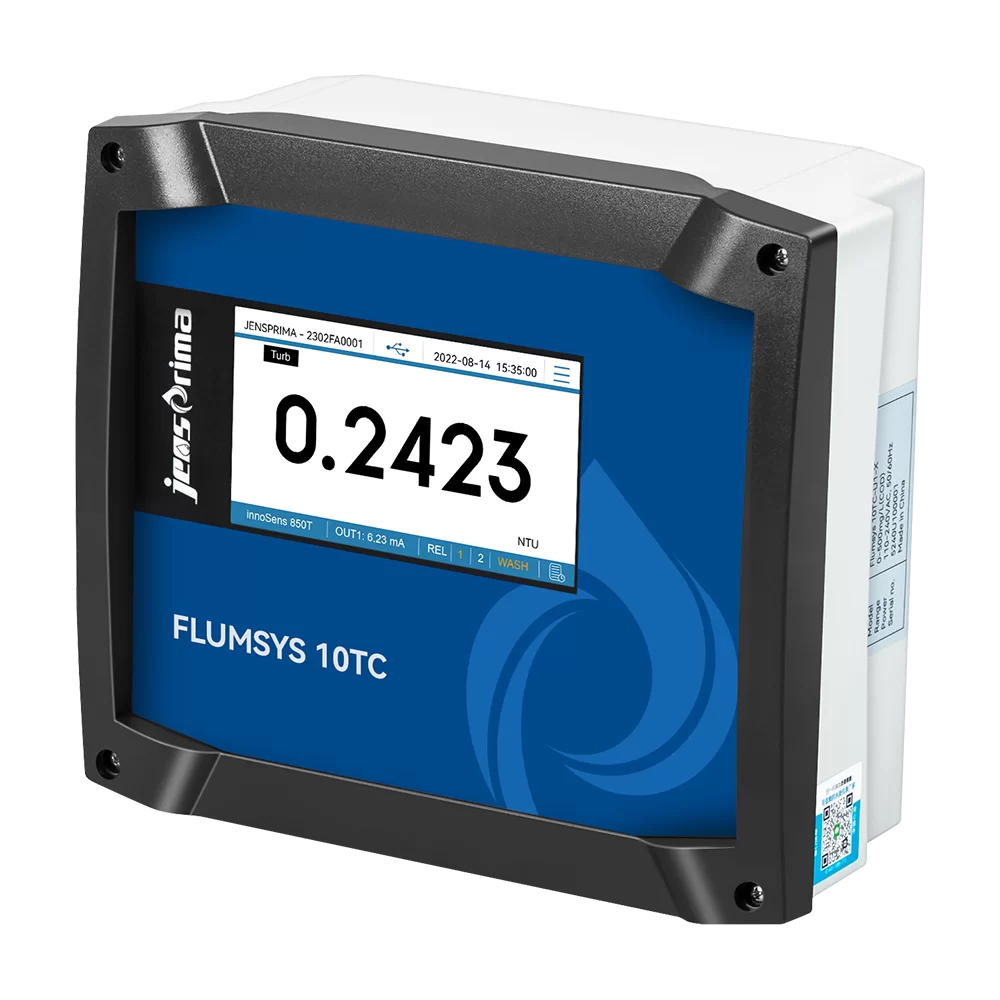
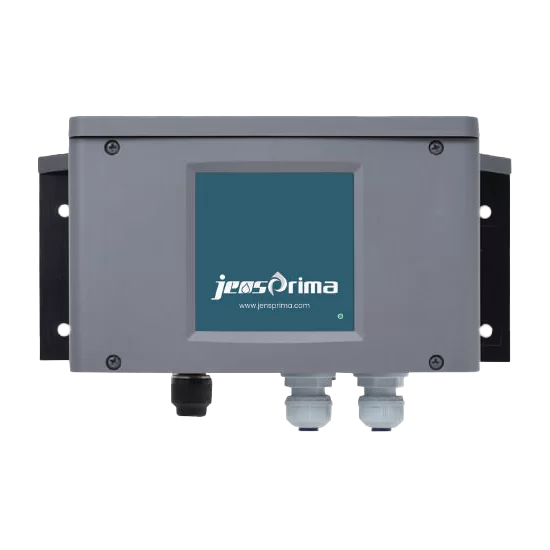
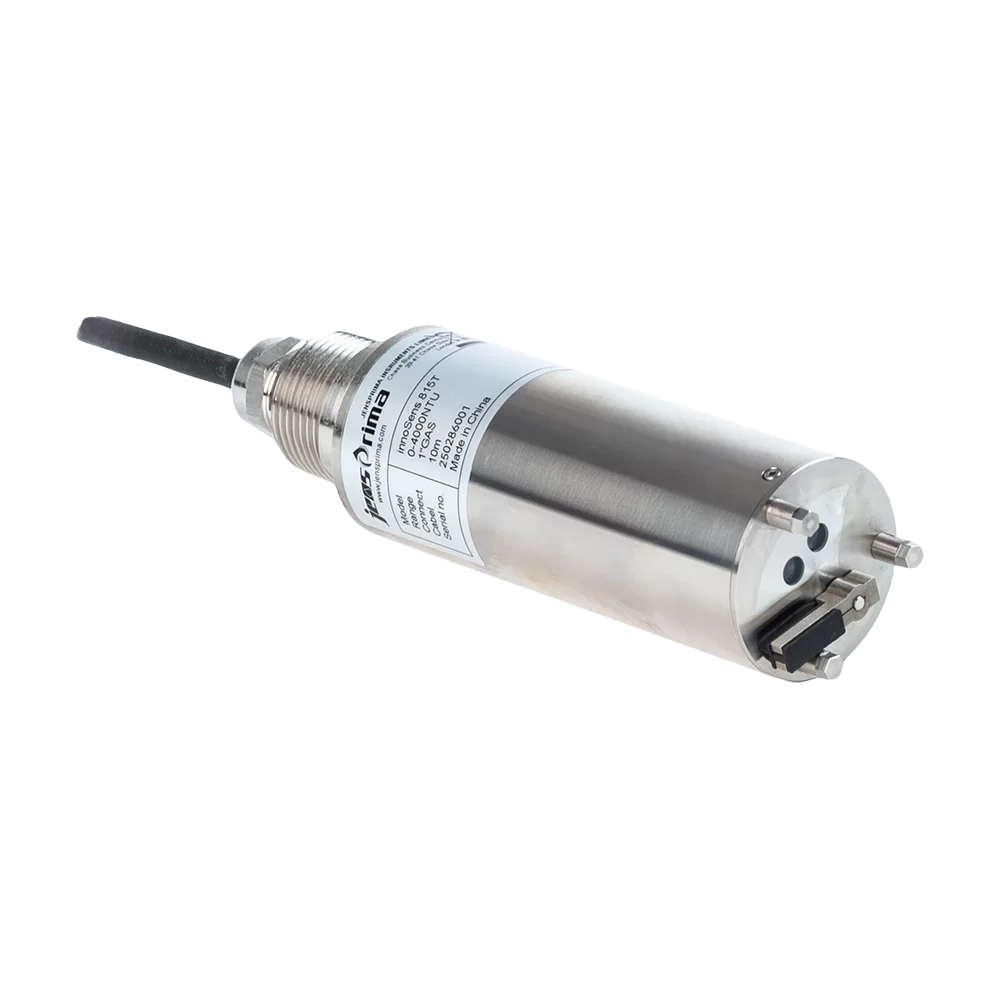
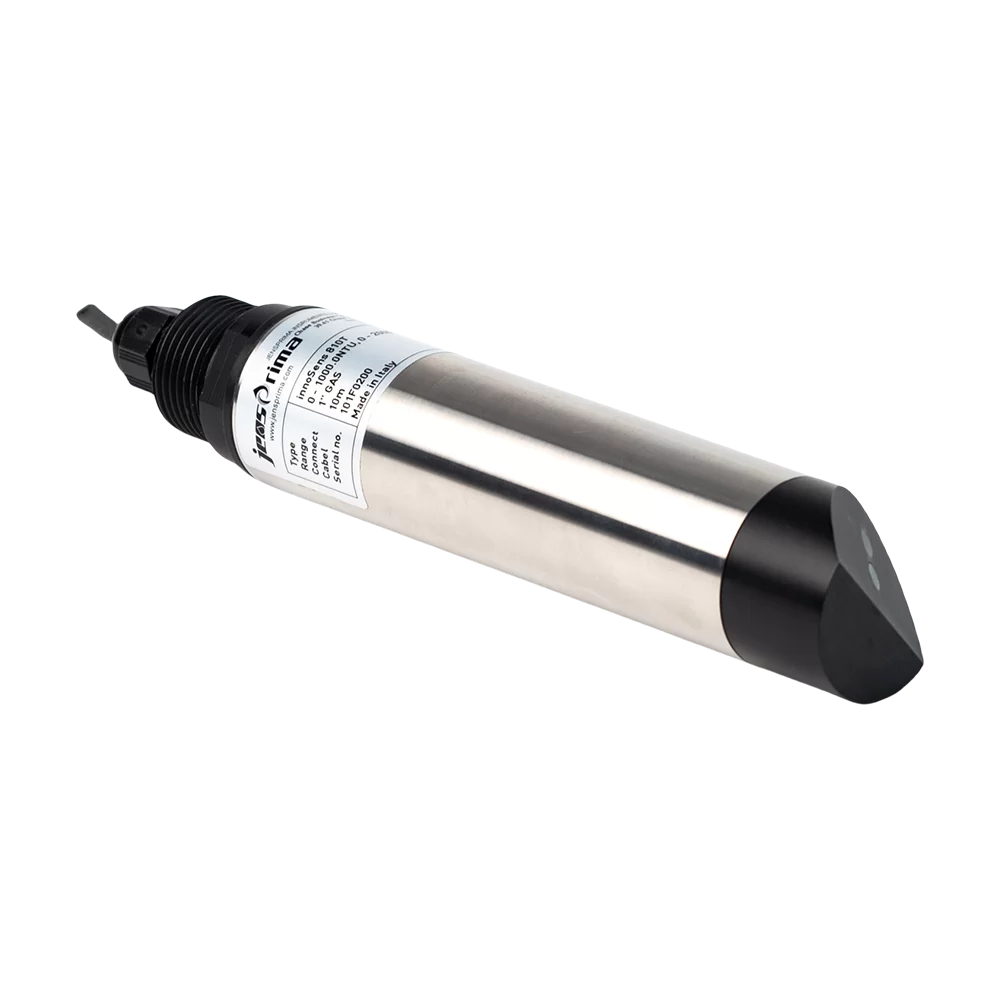
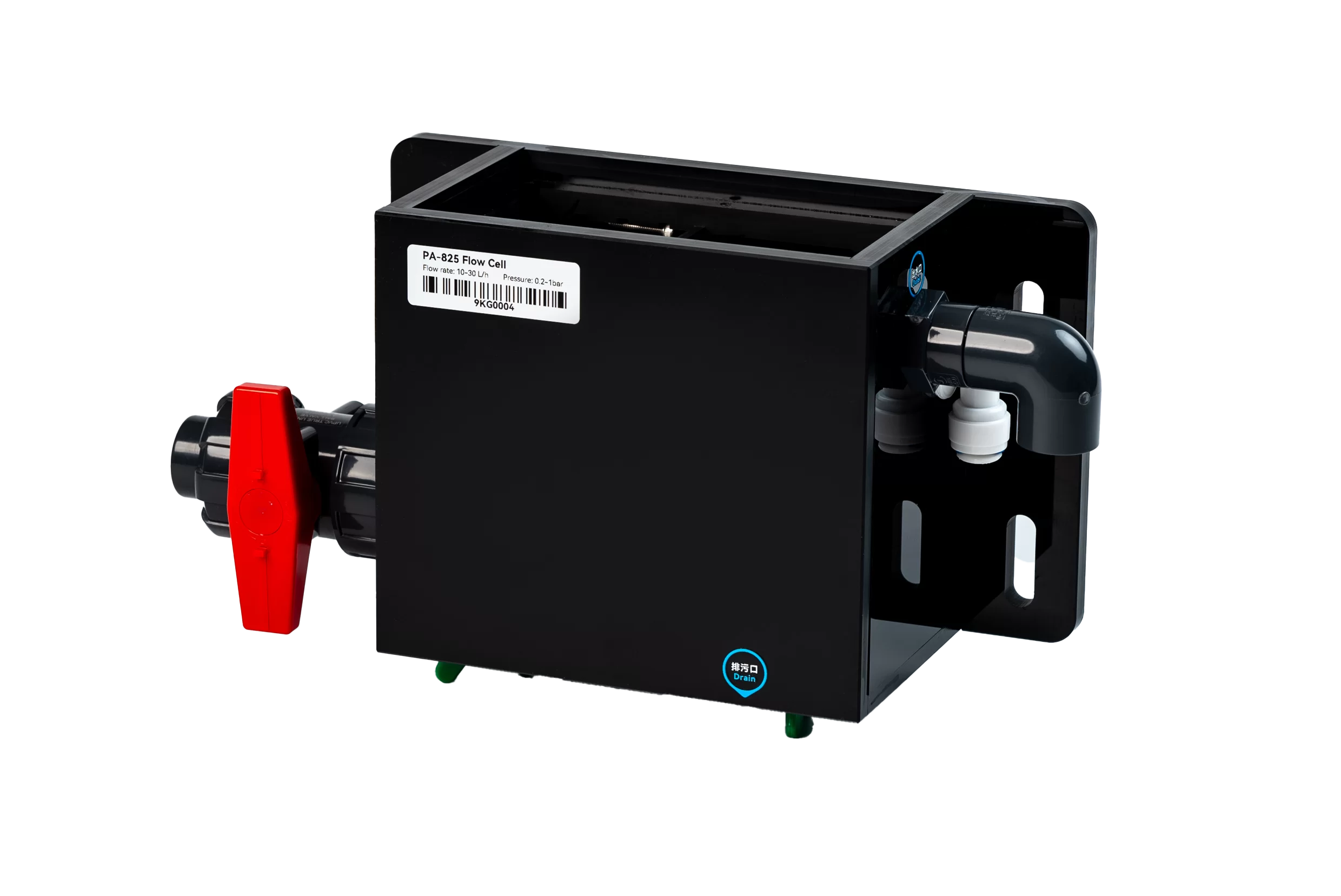
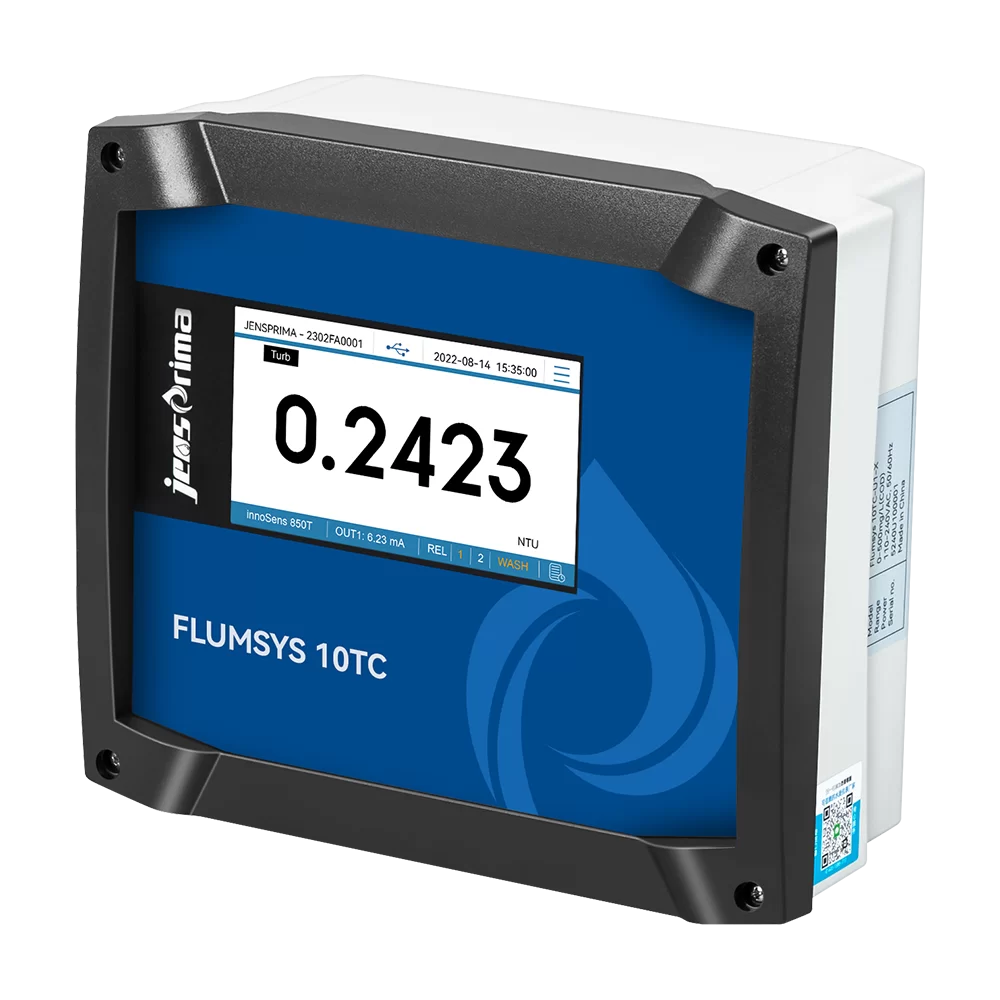
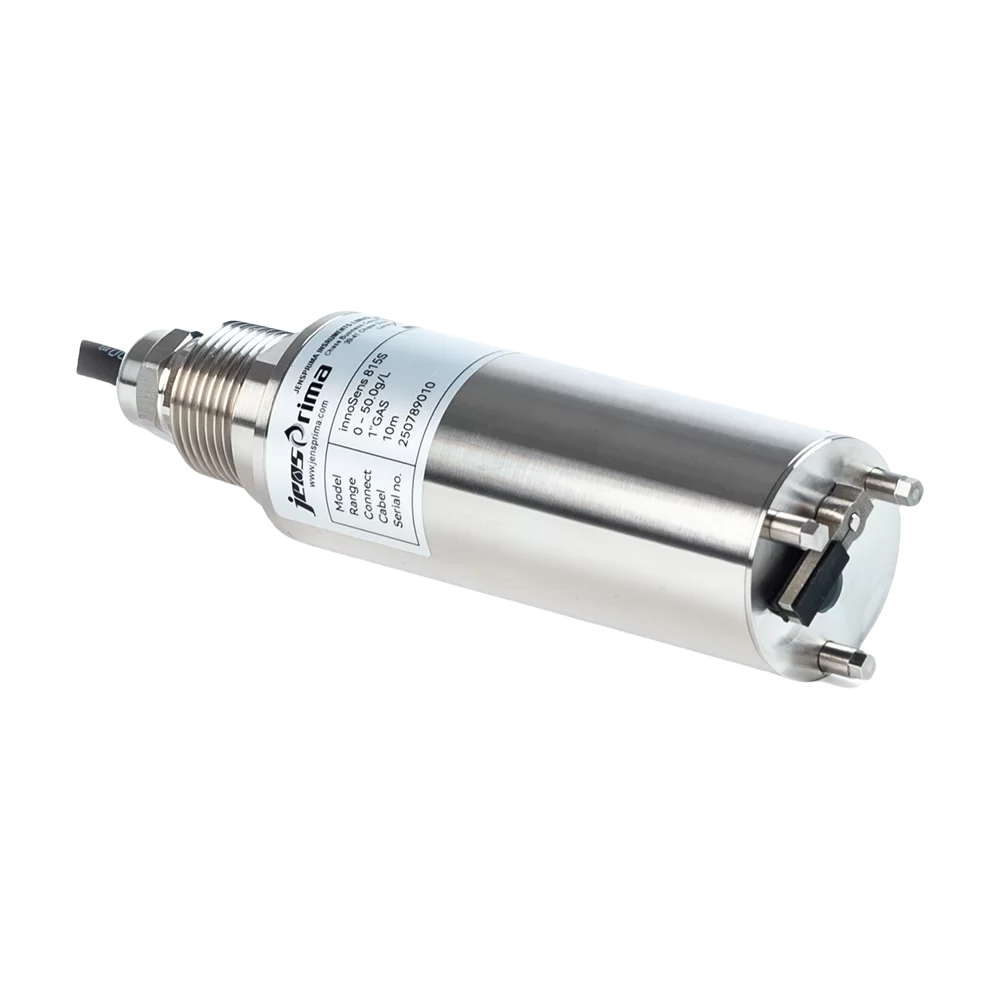
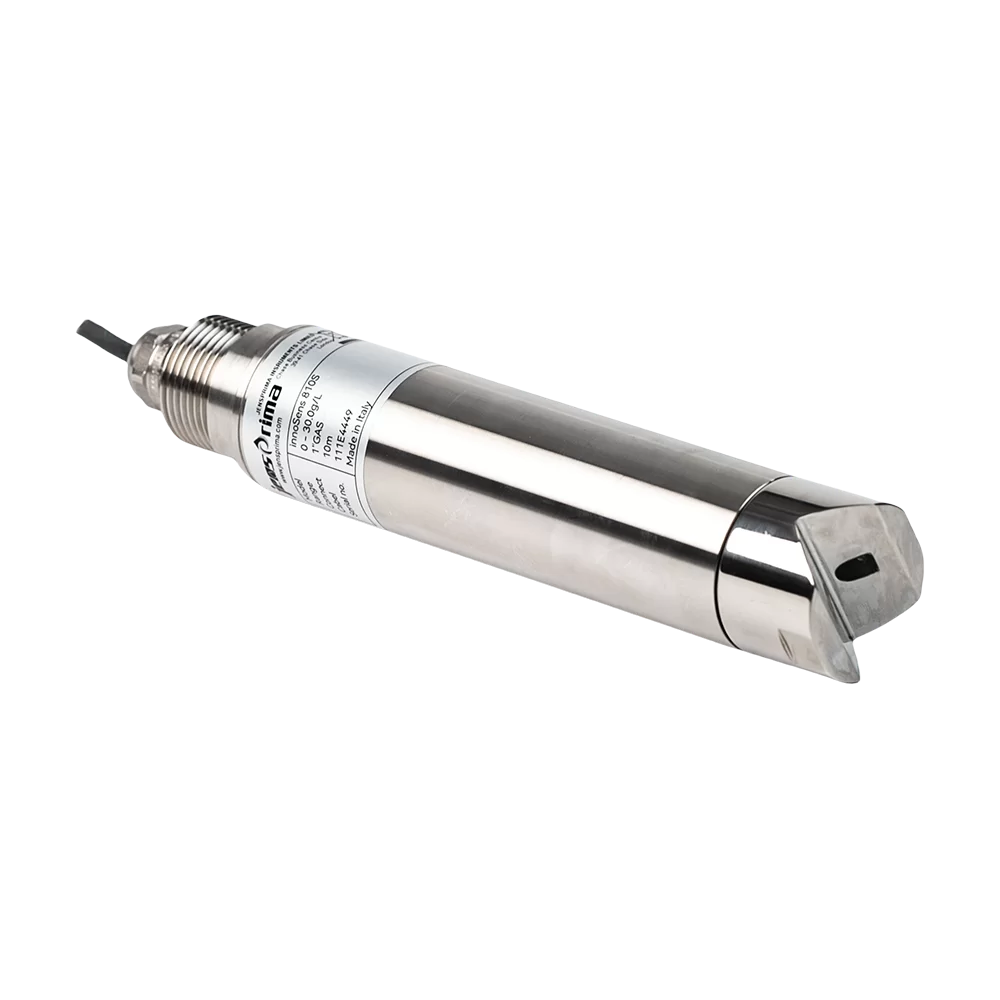
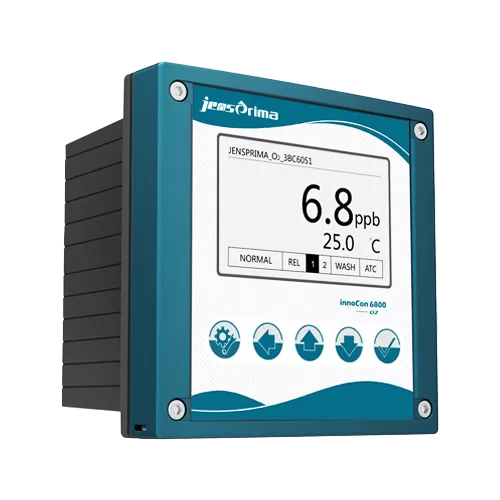
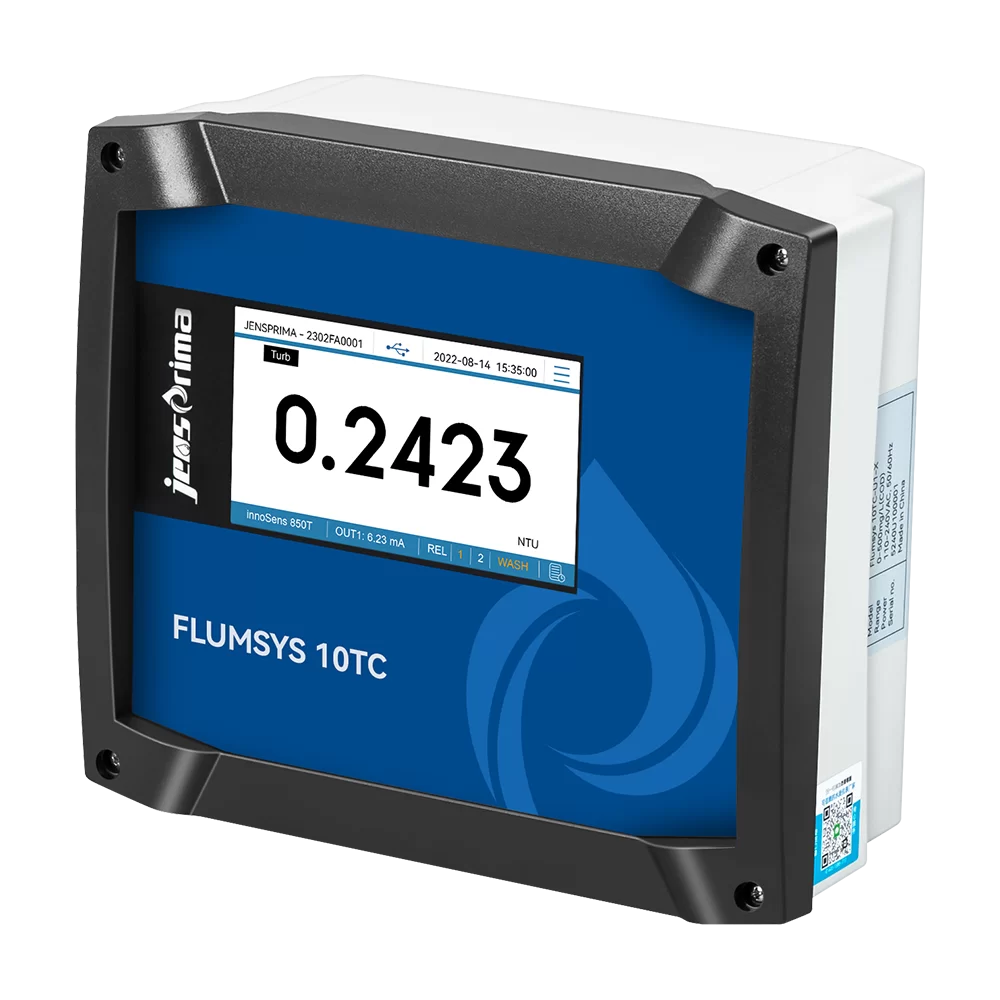
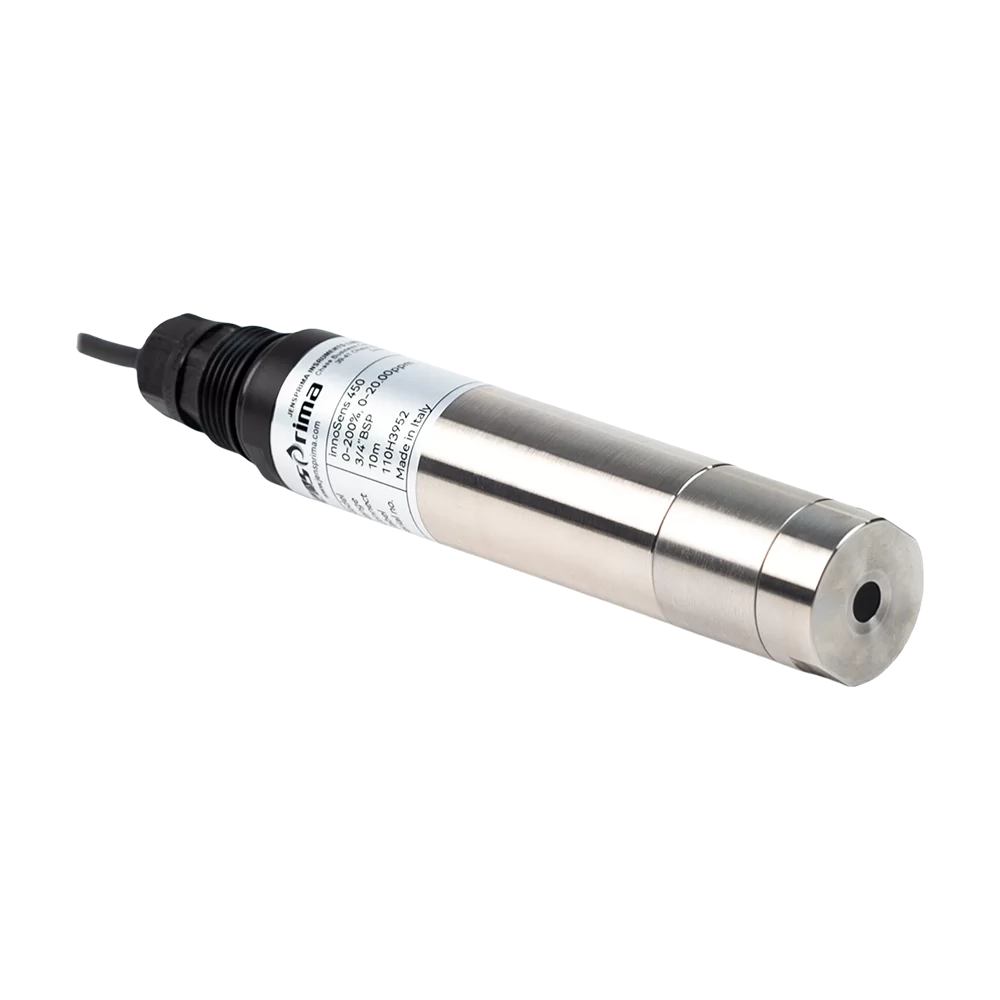


multi parameter analyzer

NEWS

UPDATES

Advanced Water Quality Monitoring Solutions with residual chlorine controller for Philippines Industrial Infrastructure

Ensuring sustainable water safety and operational efficiency across the Philippines' archipelago with high-precision online analytical instrumentation.

Advanced Water Quality Monitoring Solutions with residual chlorine controller for Philippines Industrial Infrastructure

Integrating precision sensing and real-time data acquisition to meet the stringent environmental regulations and industrial needs of the Philippine water sector.

Water Quality Monitoring Landscape in Philippines

Addressing the unique challenges of an archipelagic nation with varying water chemistry.

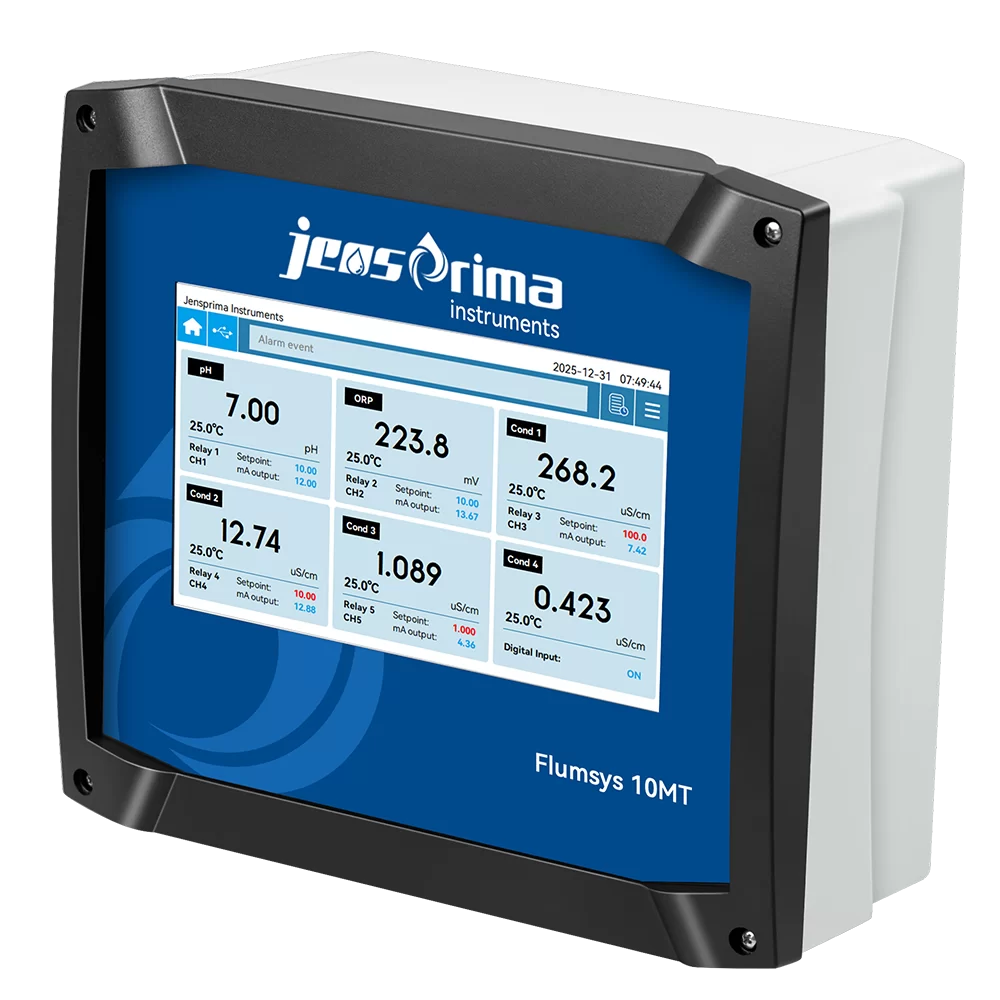
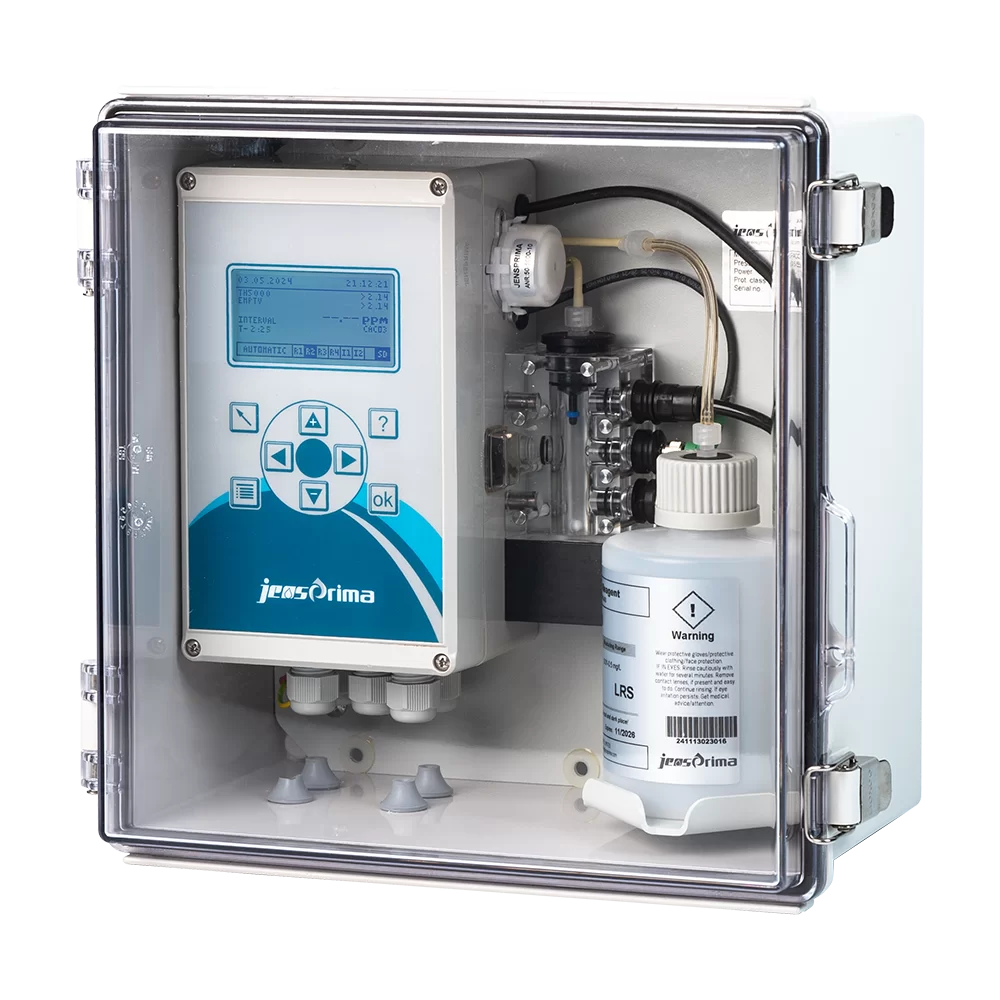
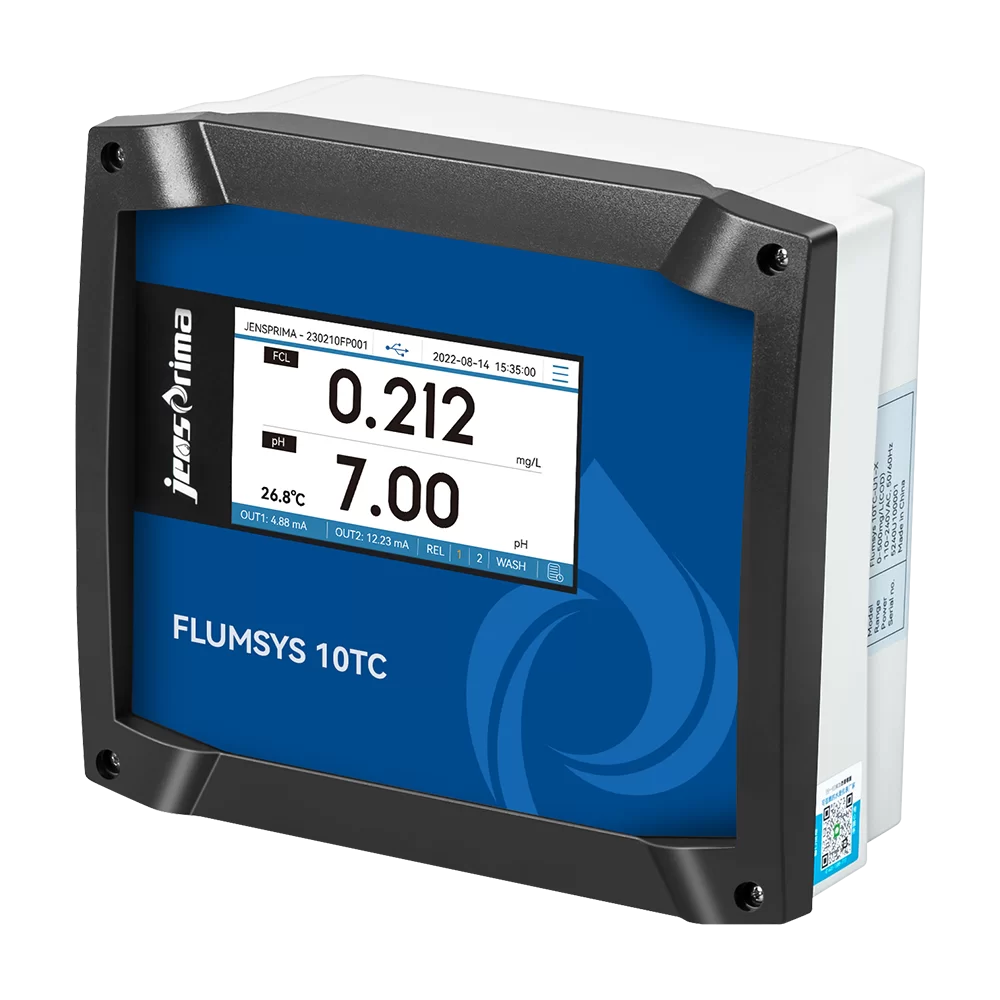
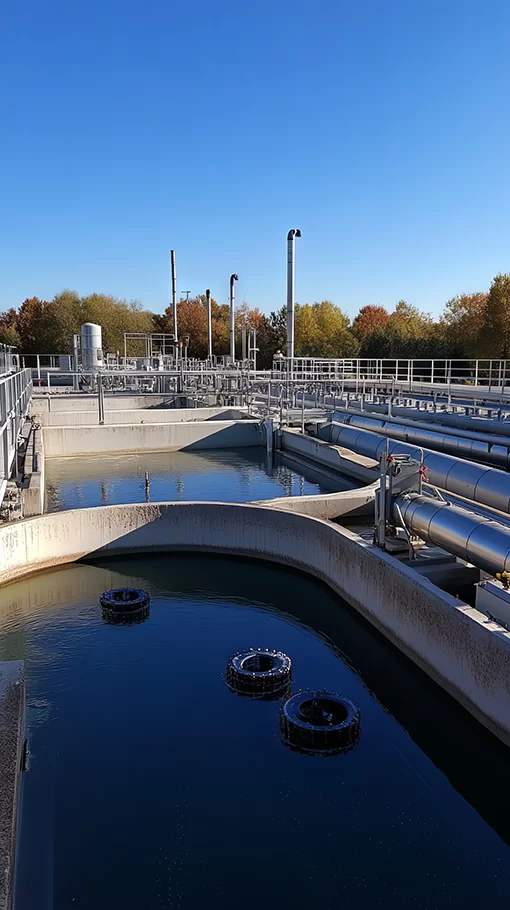
The Philippines faces significant challenges in water management due to its tropical climate and susceptibility to typhoons, which frequently disrupt water purity. In the industrial zones of Laguna and Cavite, there is an increasing demand for a multi parameter water quality analyzer to monitor complex pollutants in real-time and ensure compliance with DENR (Department of Environment and Natural Resources) standards.

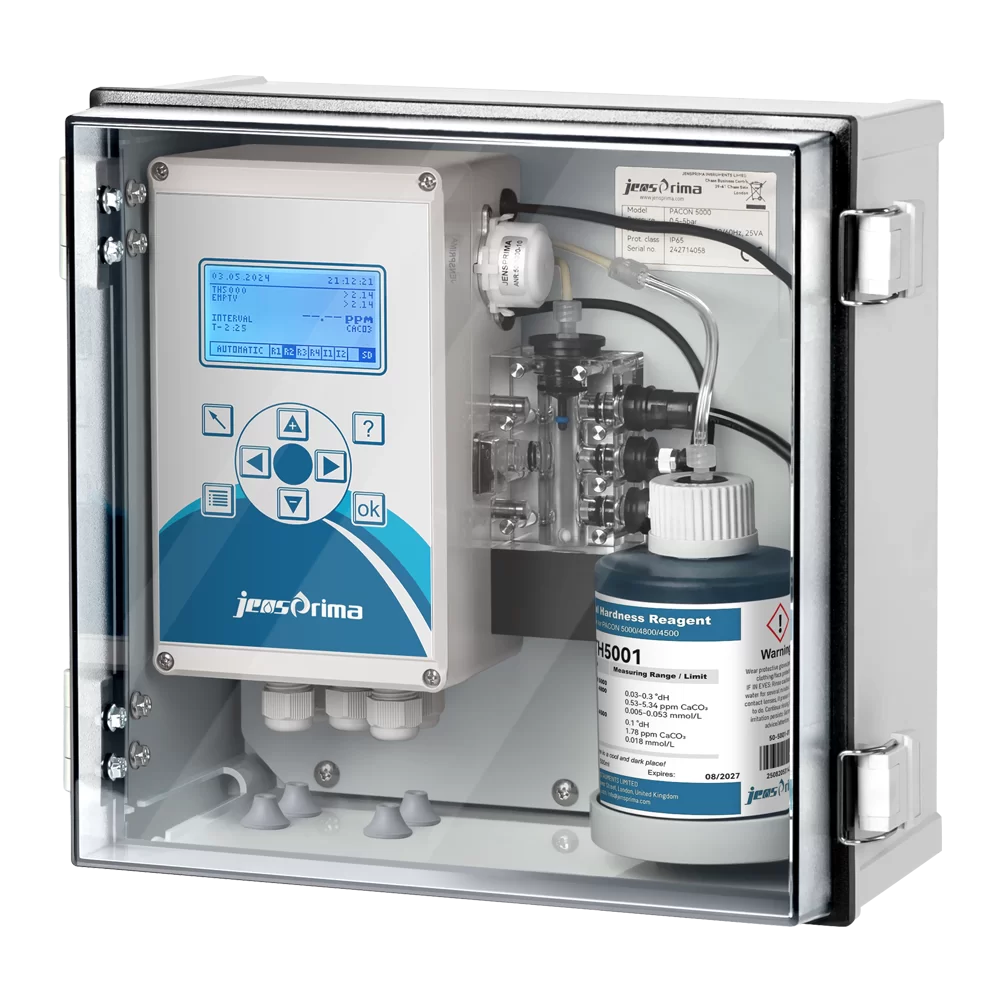
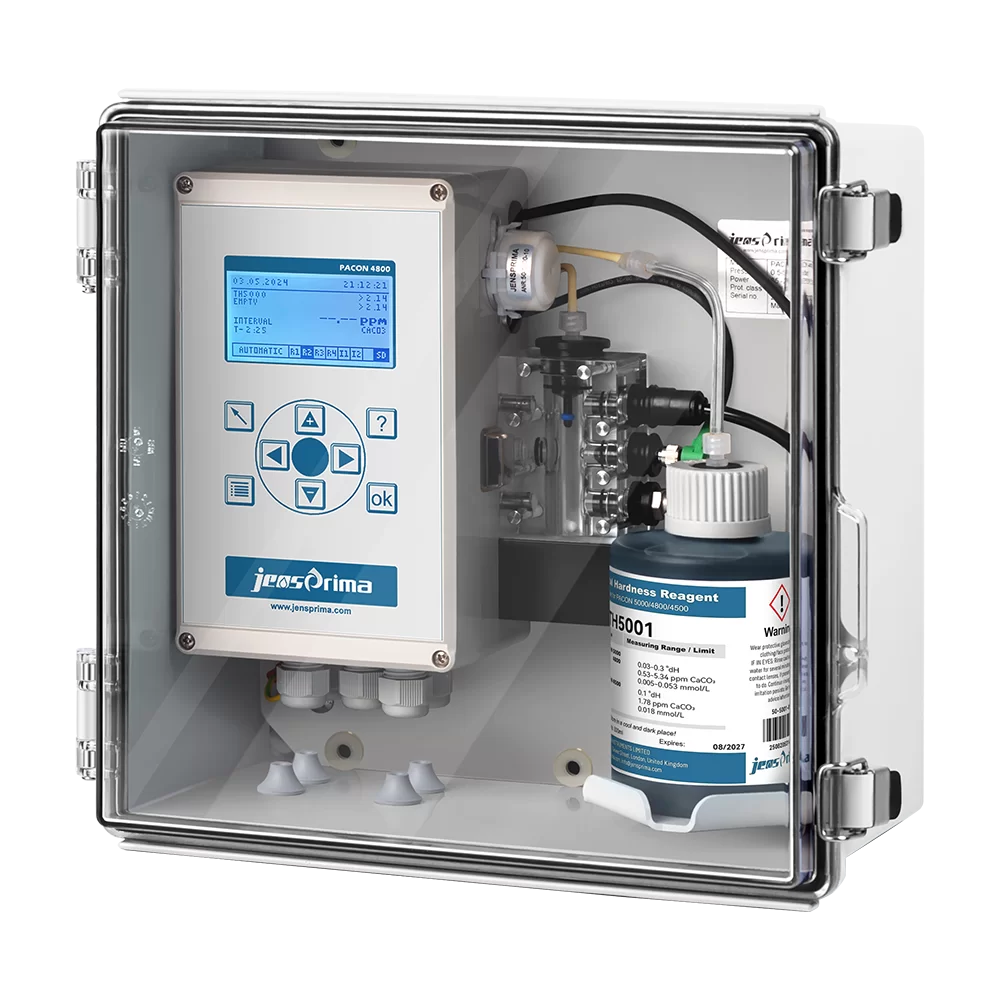
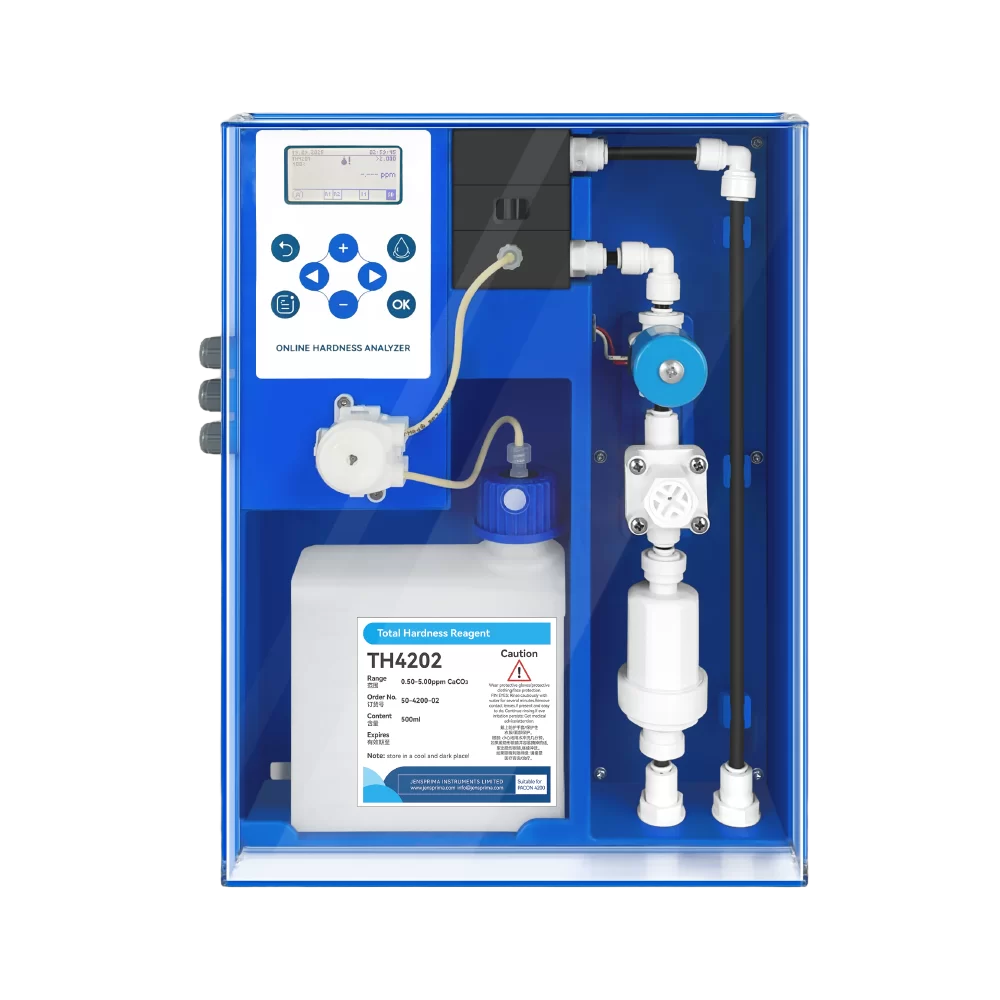
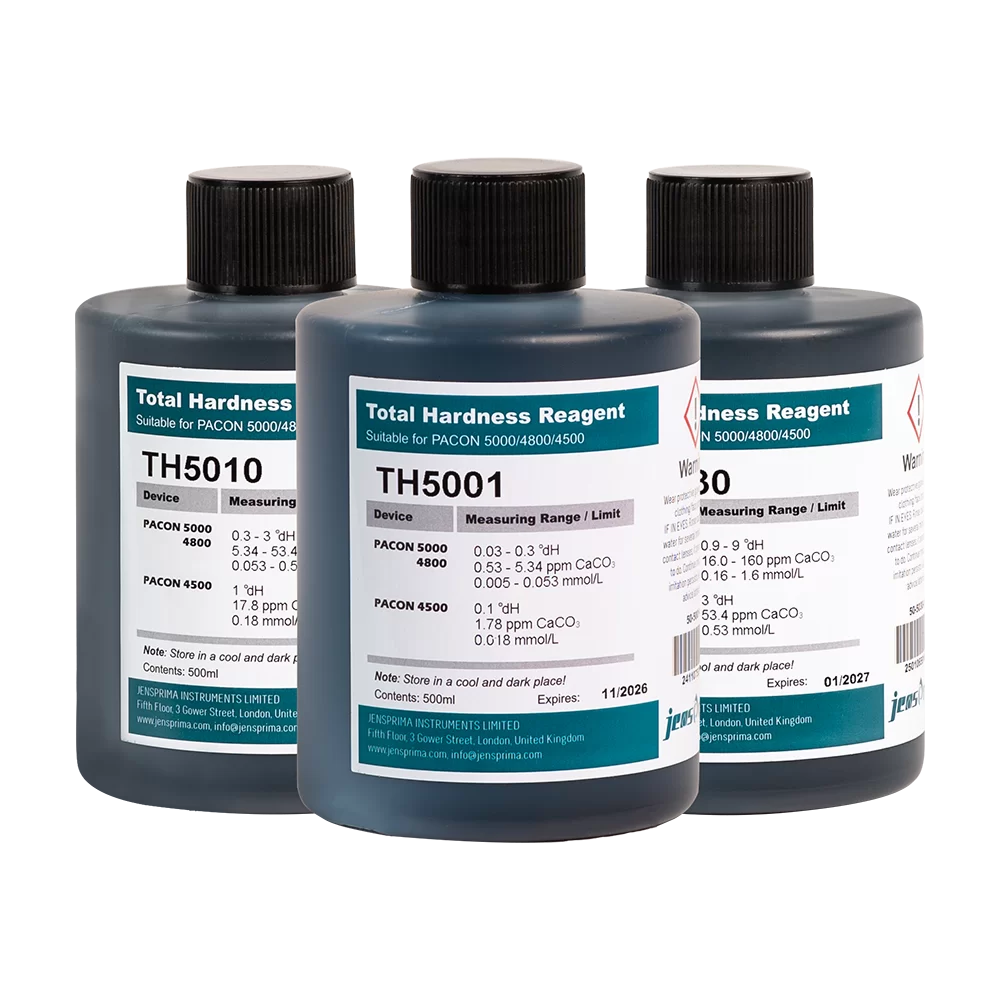
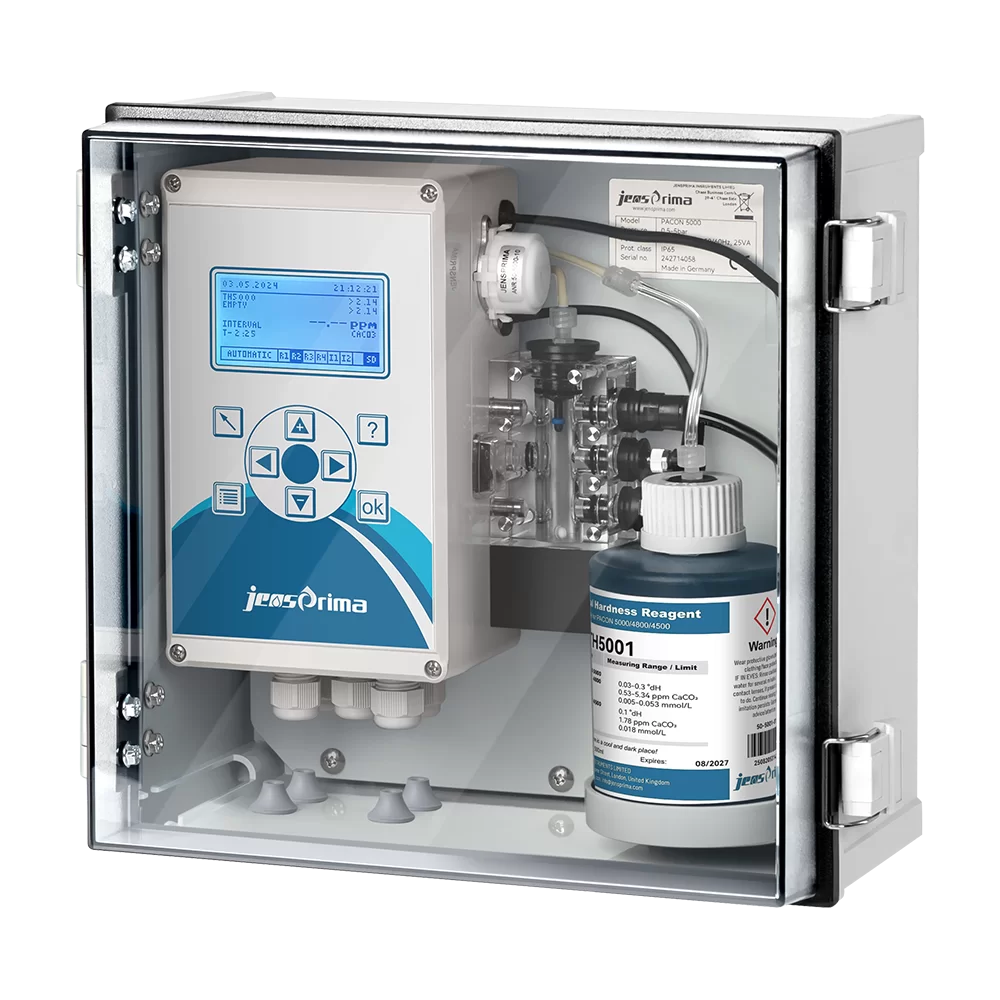
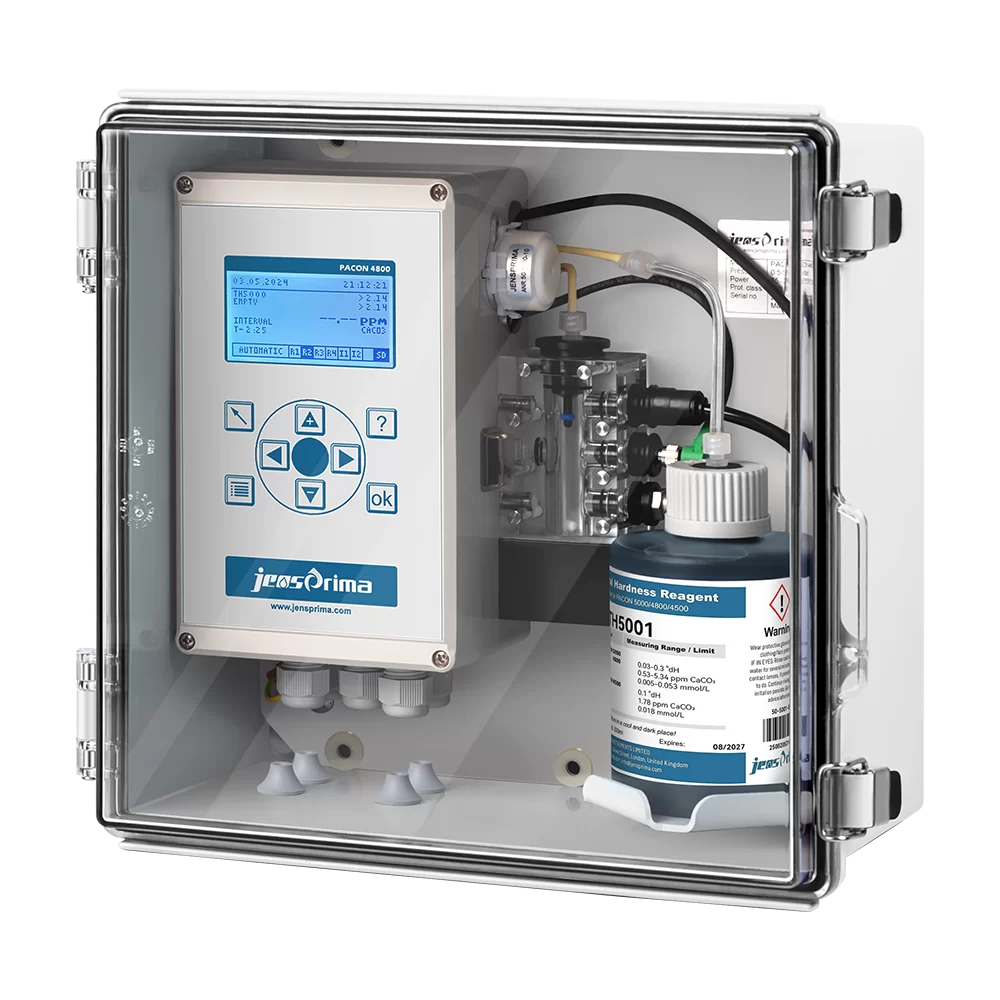
Furthermore, the high mineral content in groundwater across various islands necessitates the deployment of a total hardness analyzer to prevent scaling in boiler systems and cooling towers, which is critical for the operational lifespan of manufacturing equipment in the region.

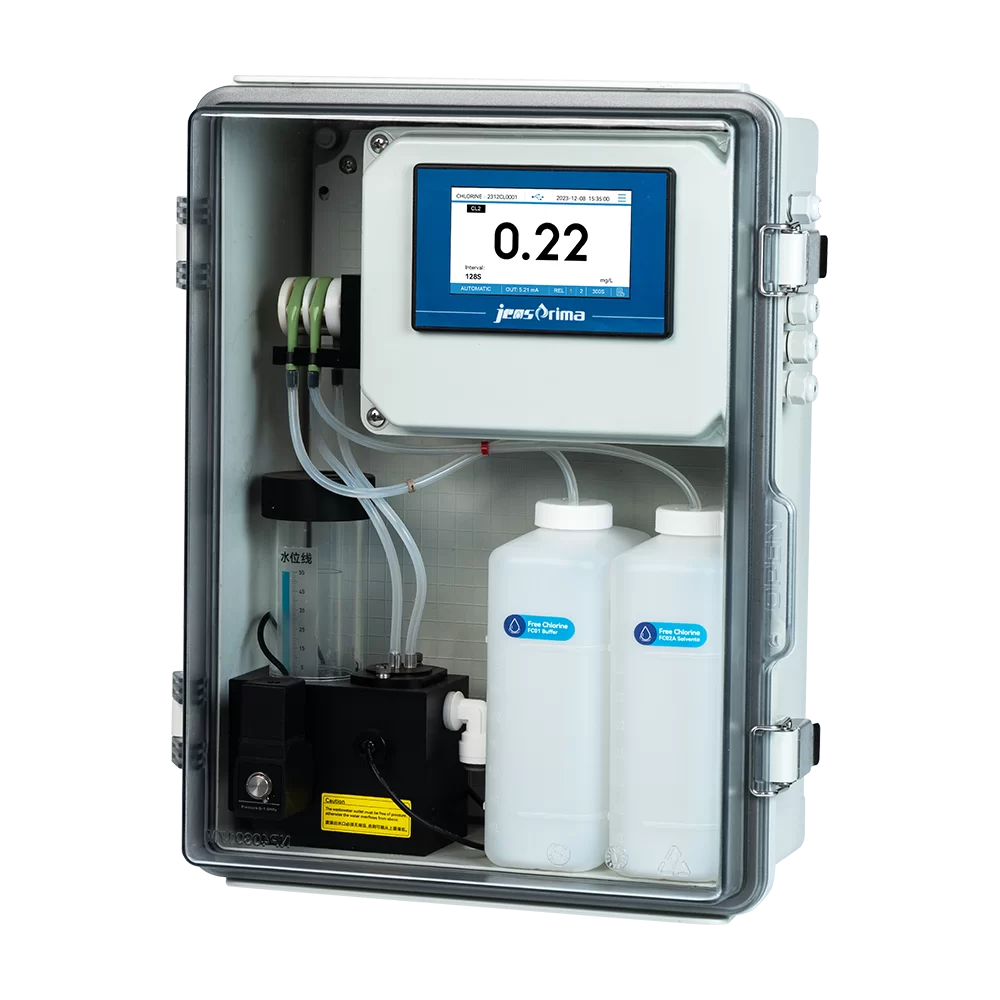
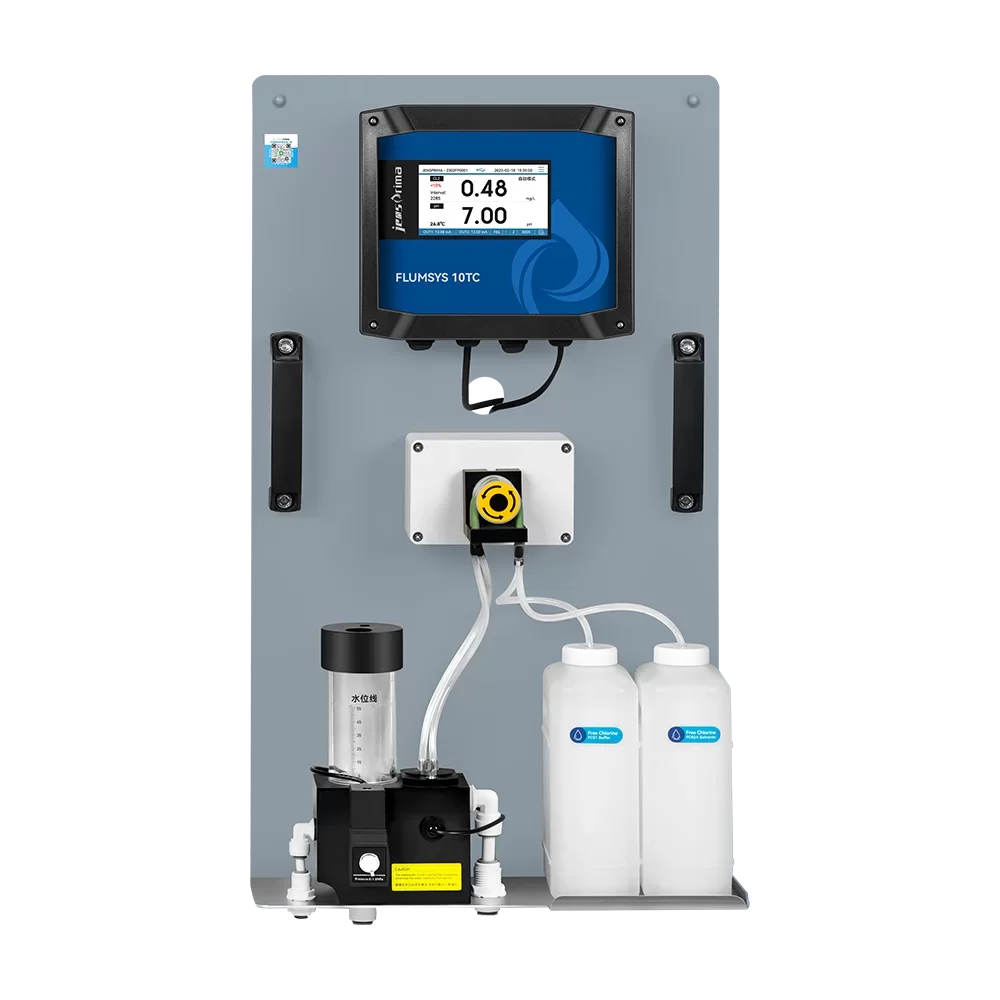
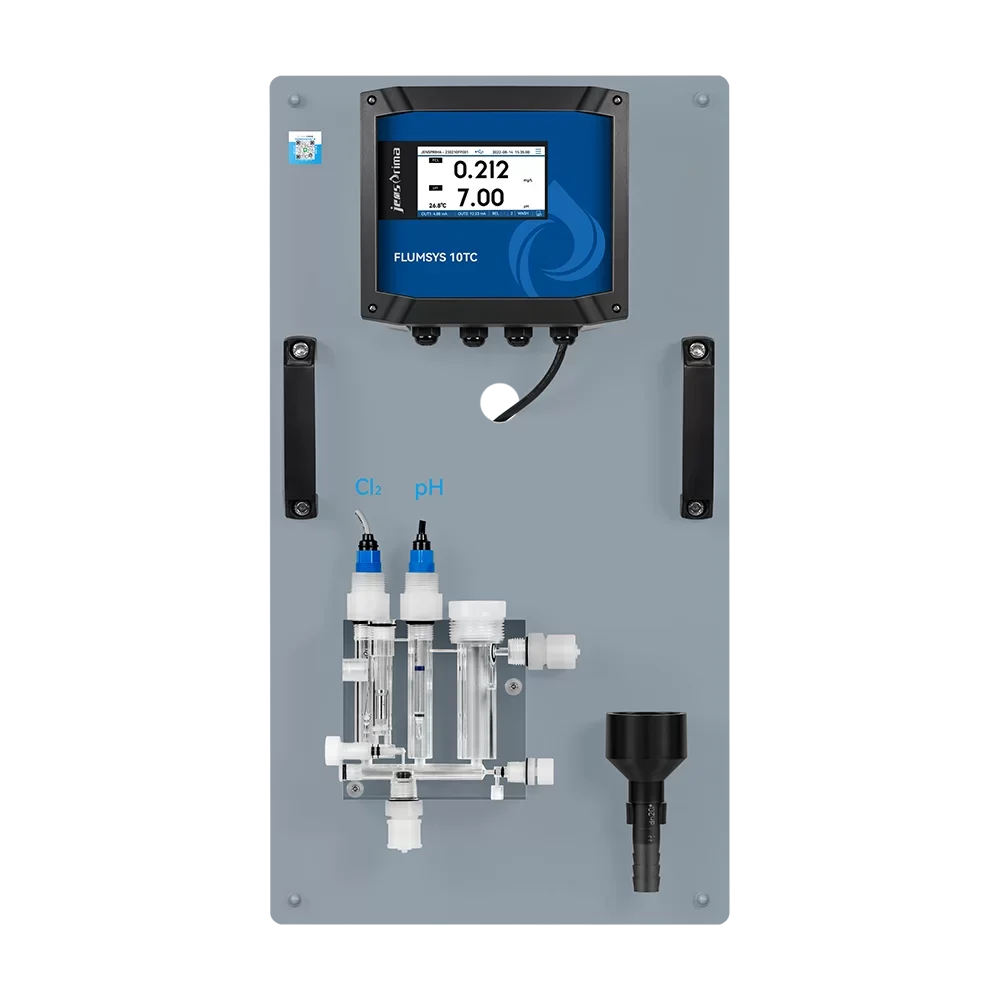
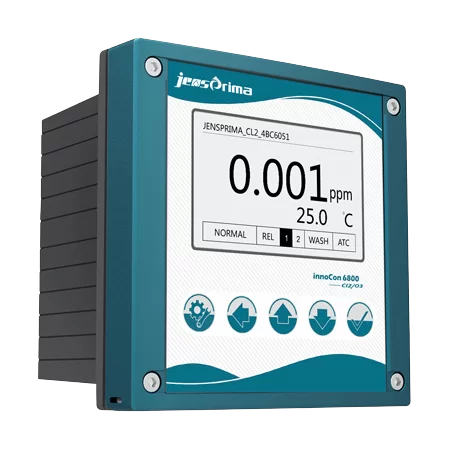
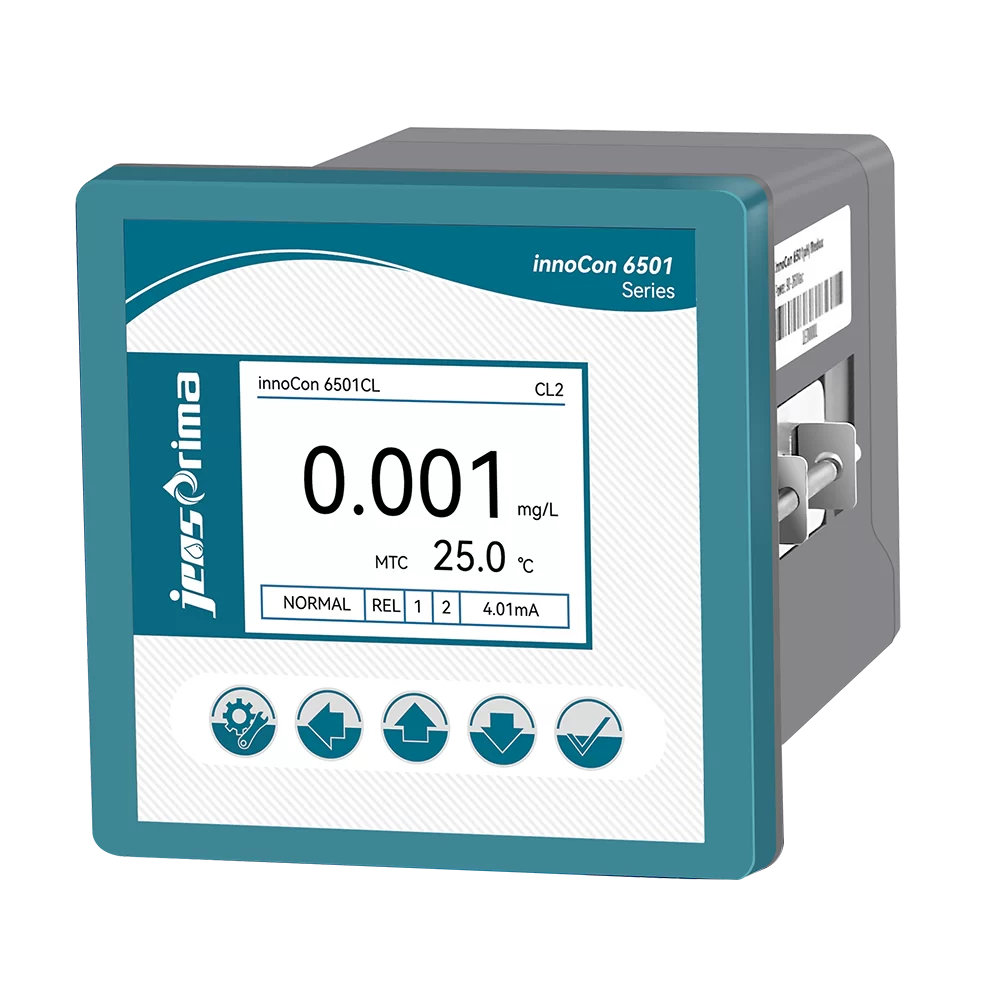
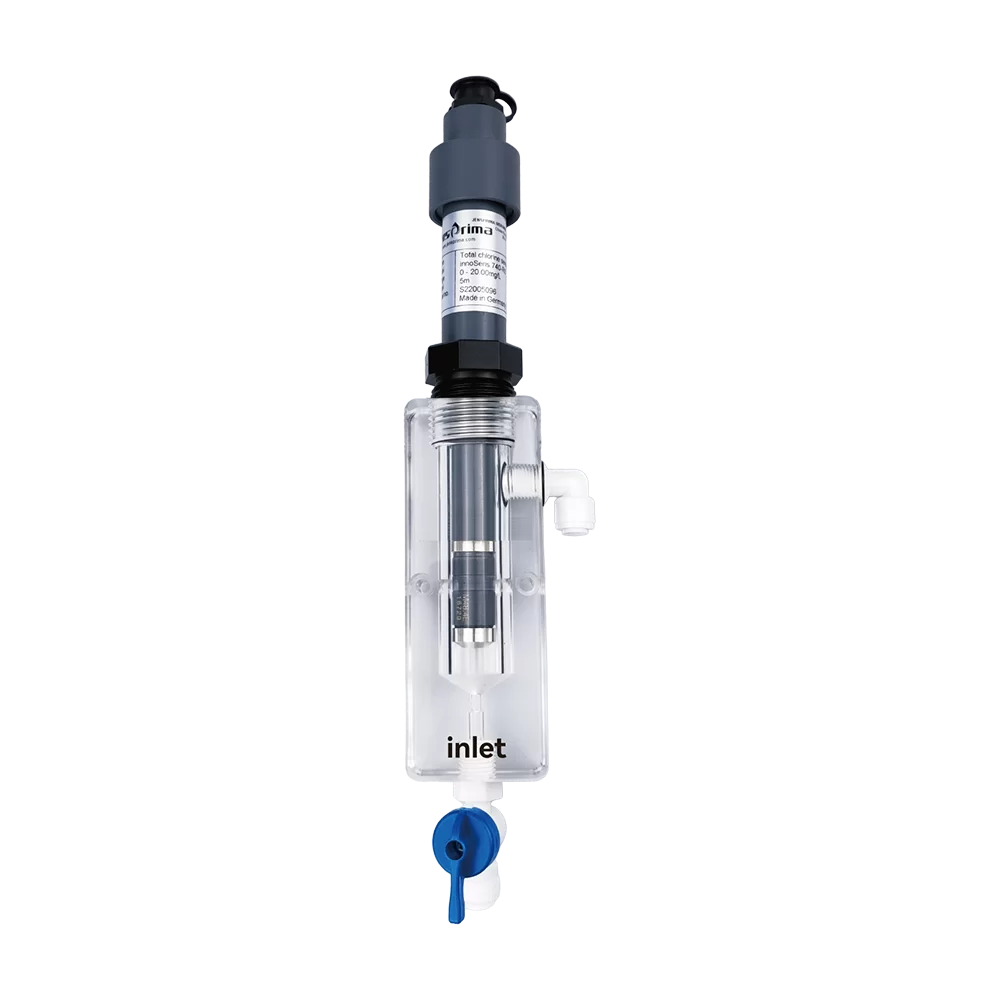
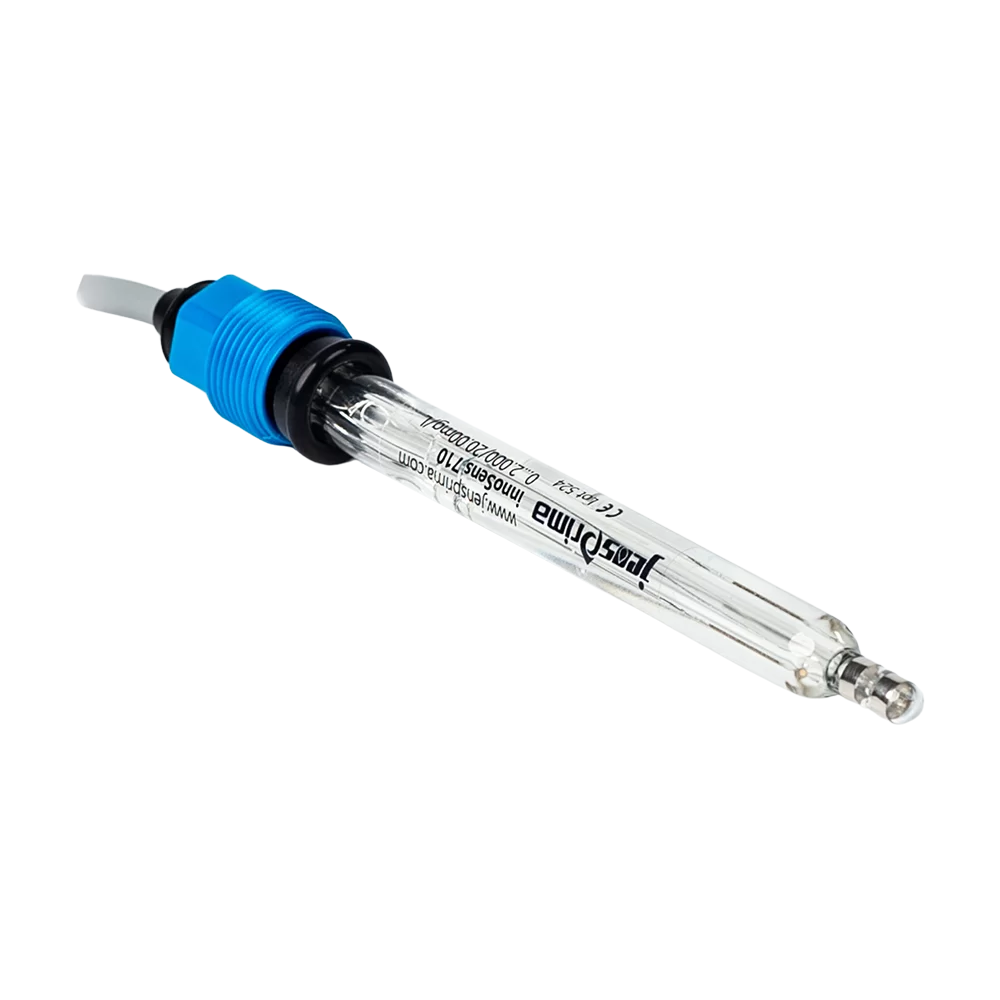
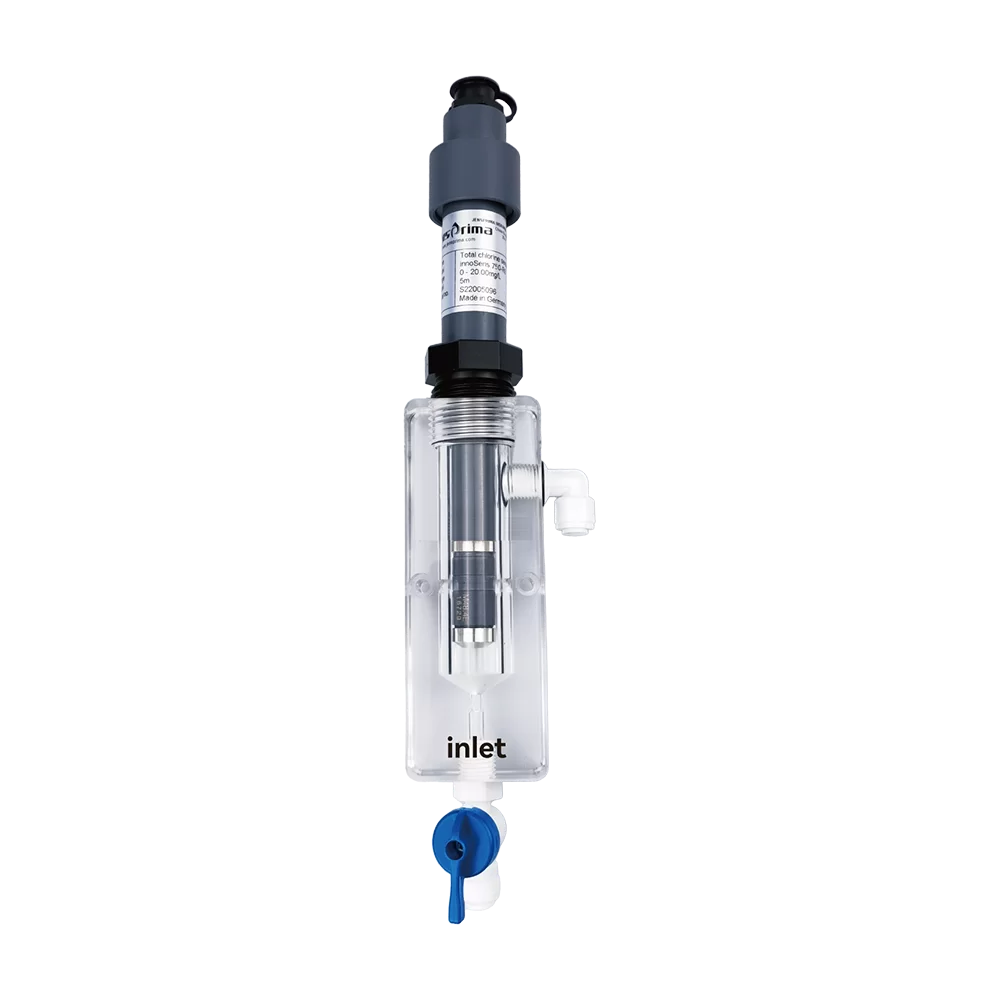
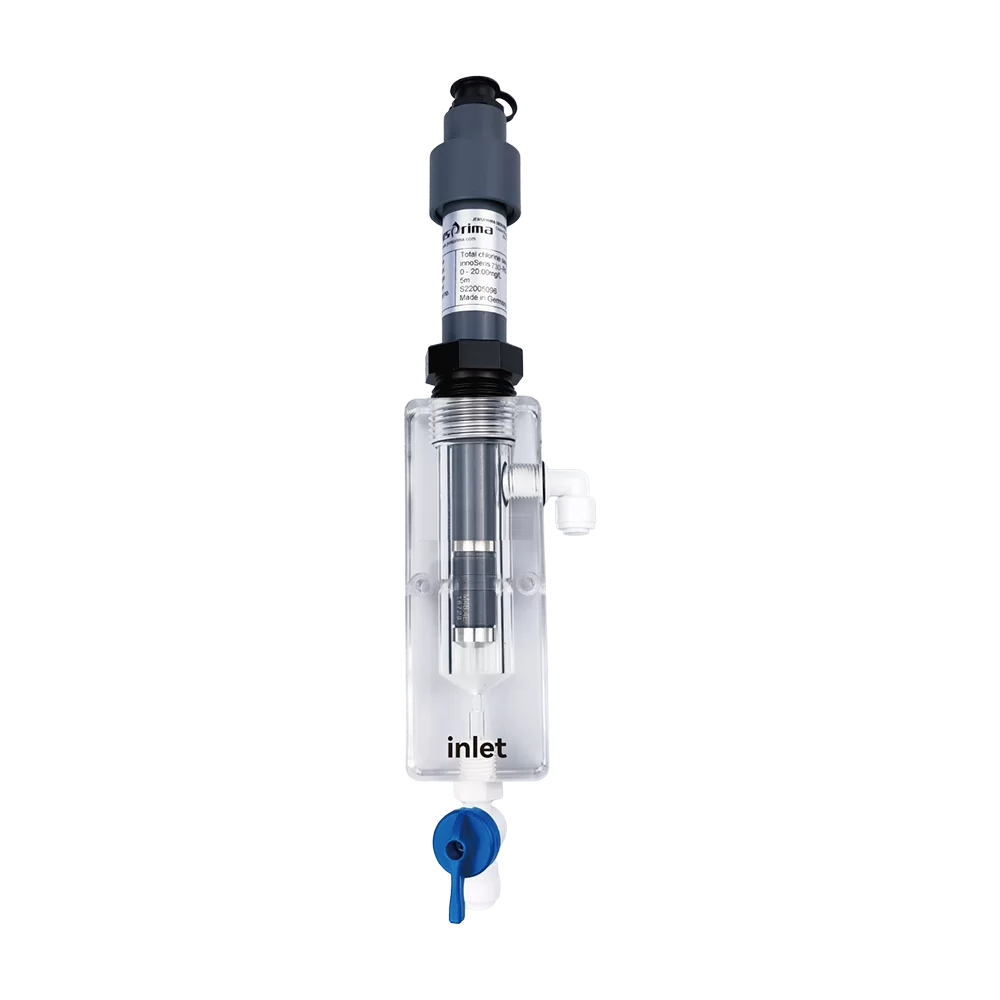
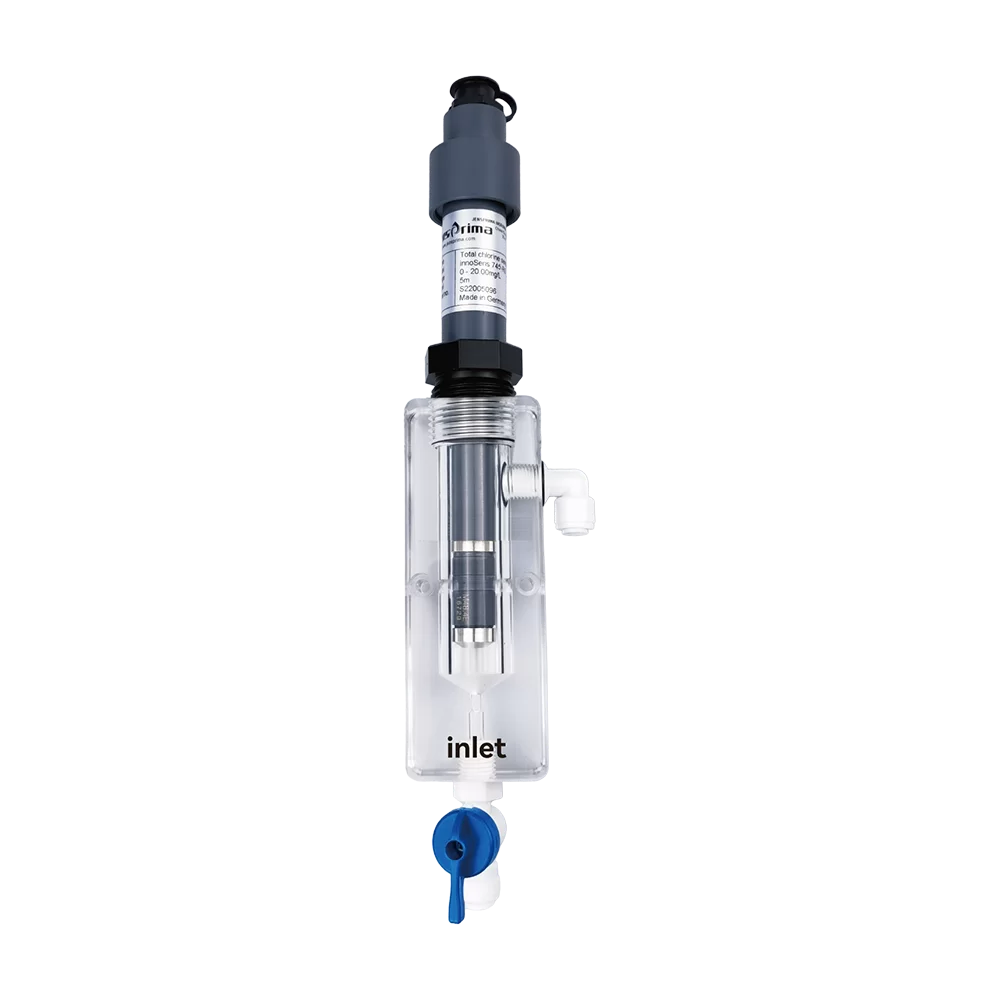
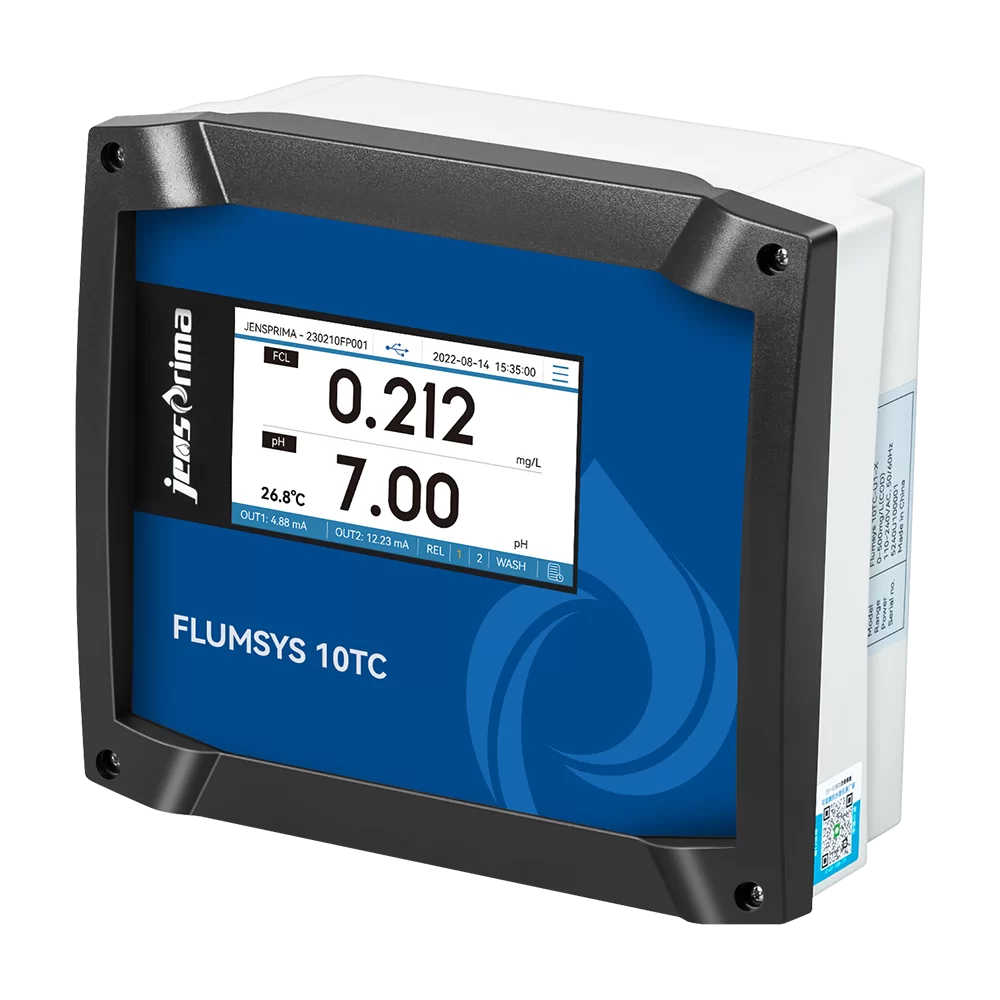
The scarcity of clean potable water in remote provinces has accelerated the adoption of automated disinfection systems. Utilizing a residual chlorine controller has become essential for municipal water districts to maintain sanitary standards while avoiding the hazards of over-chlorination during peak monsoon seasons.

Evolution of Water Analysis Technology in Southeast Asia

From manual titration to intelligent, cloud-integrated online monitoring.

Market Development History

Prior to 2010, the Philippine water industry relied heavily on manual sampling and laboratory analysis. This "snapshot" approach often missed critical contamination spikes, making it difficult for factories to react quickly to water quality fluctuations.

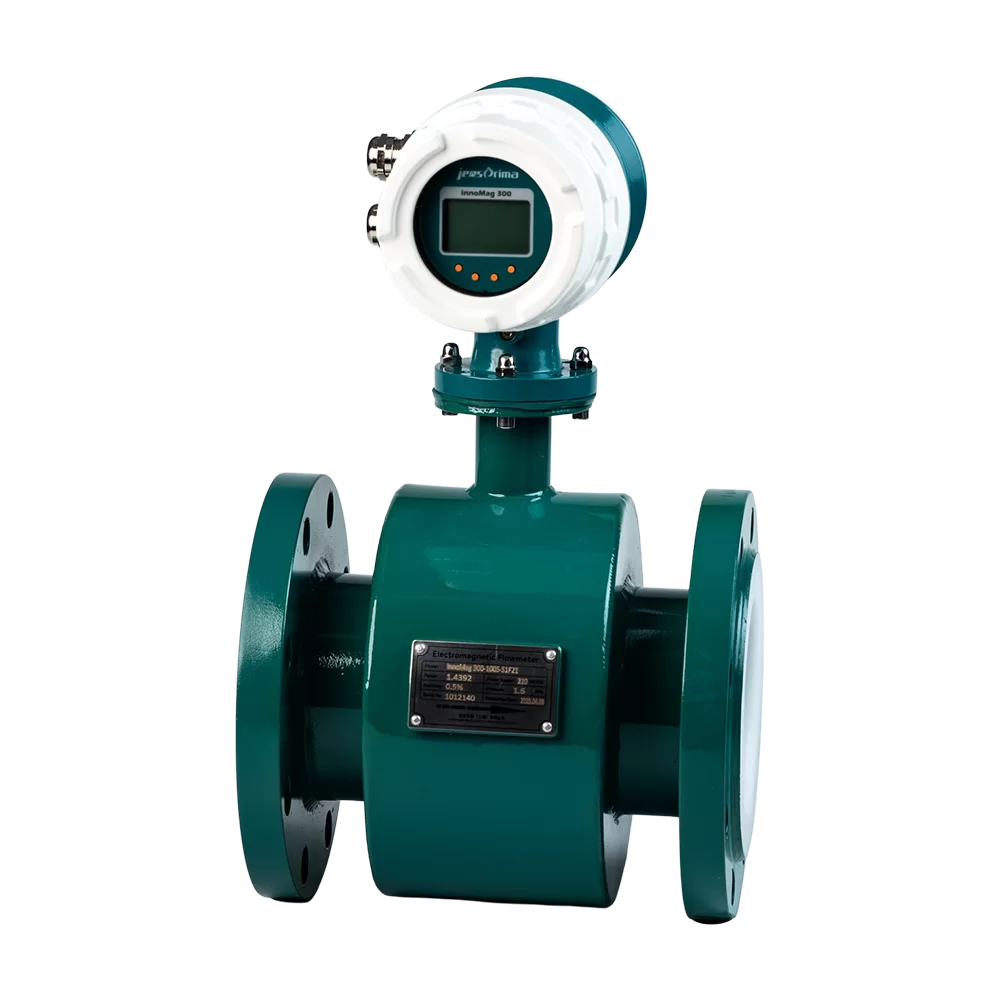
Between 2010 and 2020, there was a shift toward basic online sensing. The introduction of the electromagnetic flowmeter allowed industries to accurately quantify water usage and chemical dosing, transitioning from estimation to precision measurement.

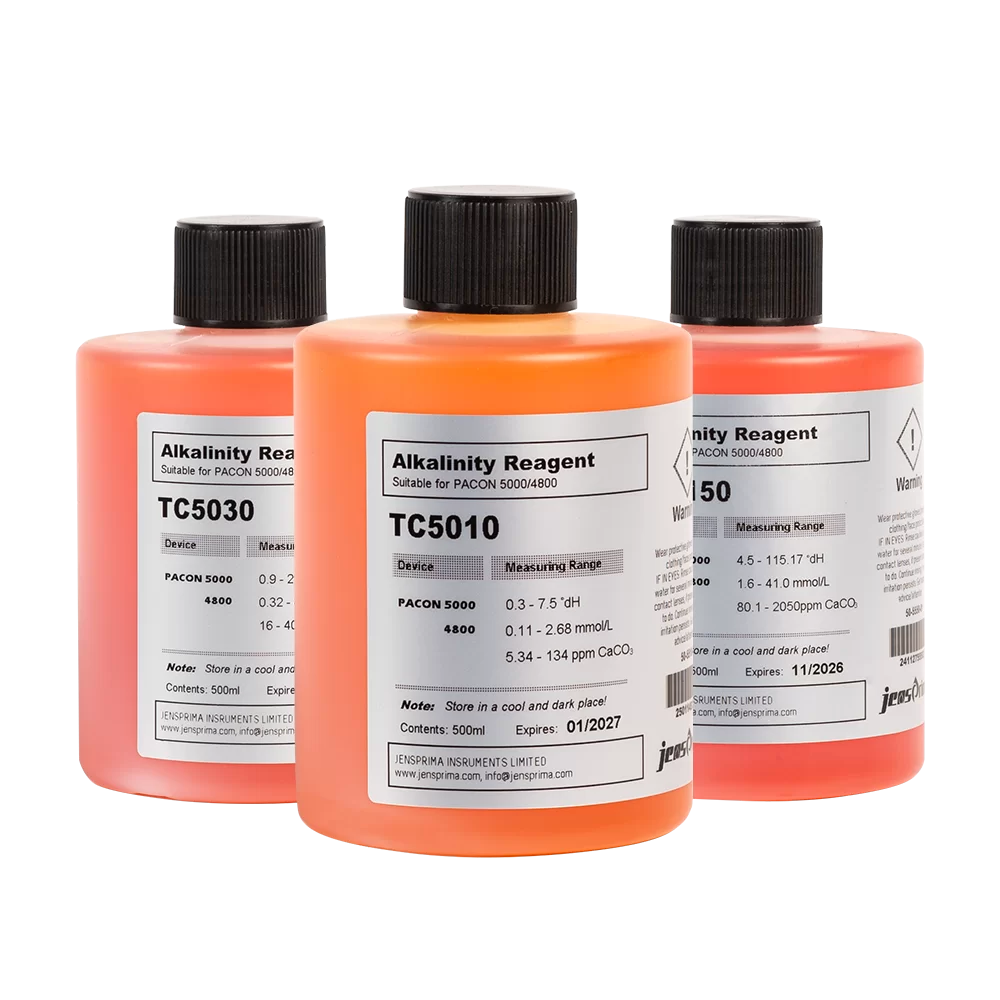
Since 2020, the focus has shifted toward integrated analytical platforms. The integration of an alkalinity analyzer into automated PLC systems has enabled real-time pH stabilization and chemical cost optimization in large-scale treatment plants.

Future Development Trends

IoT-Driven Remote Monitoring

Integration with 5G networks will allow operators in Metro Manila to monitor water quality across multiple remote island sites through a centralized dashboard.

Predictive Maintenance Algorithms

Moving from scheduled calibration to AI-driven predictive alerts, reducing downtime for critical instruments in corrosive coastal environments.

Energy-Neutral Sensing

Development of low-power sensors powered by solar energy to support environmental monitoring in off-grid rural areas of the Philippines.

Industry Trends and Future Outlook

Strategic technological shifts in the online water quality analysis sector.

Digital Twin Integration
Creating virtual replicas of water networks to simulate "what-if" scenarios for contamination control.
Modular Sensor Arrays
Developing plug-and-play modules to allow rapid swapping of parameters based on seasonal water changes.
Real-time Compliance Reporting
Automated generation of reports compatible with Philippine regulatory formats to reduce administrative burden.
Chemical Consumption Optimization
Using precise feedback loops to minimize reagent use in alkalinity and hardness titration.

Industry Outlook

Based on Google search trends for "wastewater treatment" and "industrial automation" in the Philippines, there is a clear trajectory toward decentralized water treatment. Small to medium enterprises (SMEs) are now seeking affordable, high-reliability online analyzers to avoid heavy fines from local governments.

The long-term outlook suggests a convergence of water quality data with broader ESG (Environmental, Social, and Governance) reporting. Companies that invest in a comprehensive multi parameter water quality analyzer ecosystem will gain a competitive edge in sustainable manufacturing.

Localized Application Scenarios in the Philippines

Practical deployment of analytical instruments across diverse Philippine sectors.

1. Semiconductor Fabrication Plants in Calabarzon

Ultrapure water is critical for wafer fabrication. These plants utilize high-precision instruments to monitor conductivity and total organic carbon, ensuring zero contamination in the production line.

2. Municipal Water Districts in Cebu and Davao

Managing water safety across fragmented distribution networks using a residual chlorine controller to prevent waterborne diseases during the rainy season.

3. Beverage and Food Processing in Central Luzon

Precise control of boiler feed water using a total hardness analyzer to prevent calcium deposits and maintain heat exchange efficiency.

4. Mining Operations in Mindanao

Continuous monitoring of tailing ponds with a multi parameter water quality analyzer to detect heavy metal leaks and prevent environmental catastrophes.

5. Industrial Wastewater Plants in Manila Bay Area

Accurate effluent flow measurement using an electromagnetic flowmeter to ensure treated water discharge meets the strict ecological limits of the bay restoration project.

Brand Story

Global Development History of Jensprima (Shanghai) Co., Ltd.

Foundation and Vision

Established with a mission to bridge the gap between complex laboratory analysis and rugged industrial application, focusing on accuracy and durability.

Technological Breakthroughs

Developed proprietary electrode coatings and sensing algorithms that drastically reduced the need for frequent calibration in harsh environments.

Global Market Expansion

Expanded footprint into the Southeast Asian market, tailoring instruments to handle the high humidity and temperature fluctuations typical of the Philippines.

Commitment to Sustainability

Launched a series of reagent-free sensors to reduce the environmental impact of water analysis, aligning with global green manufacturing goals.

The Future of Water Intelligence

Continuing to lead the industry by integrating AI and cloud computing to provide predictive water quality management for global clients.

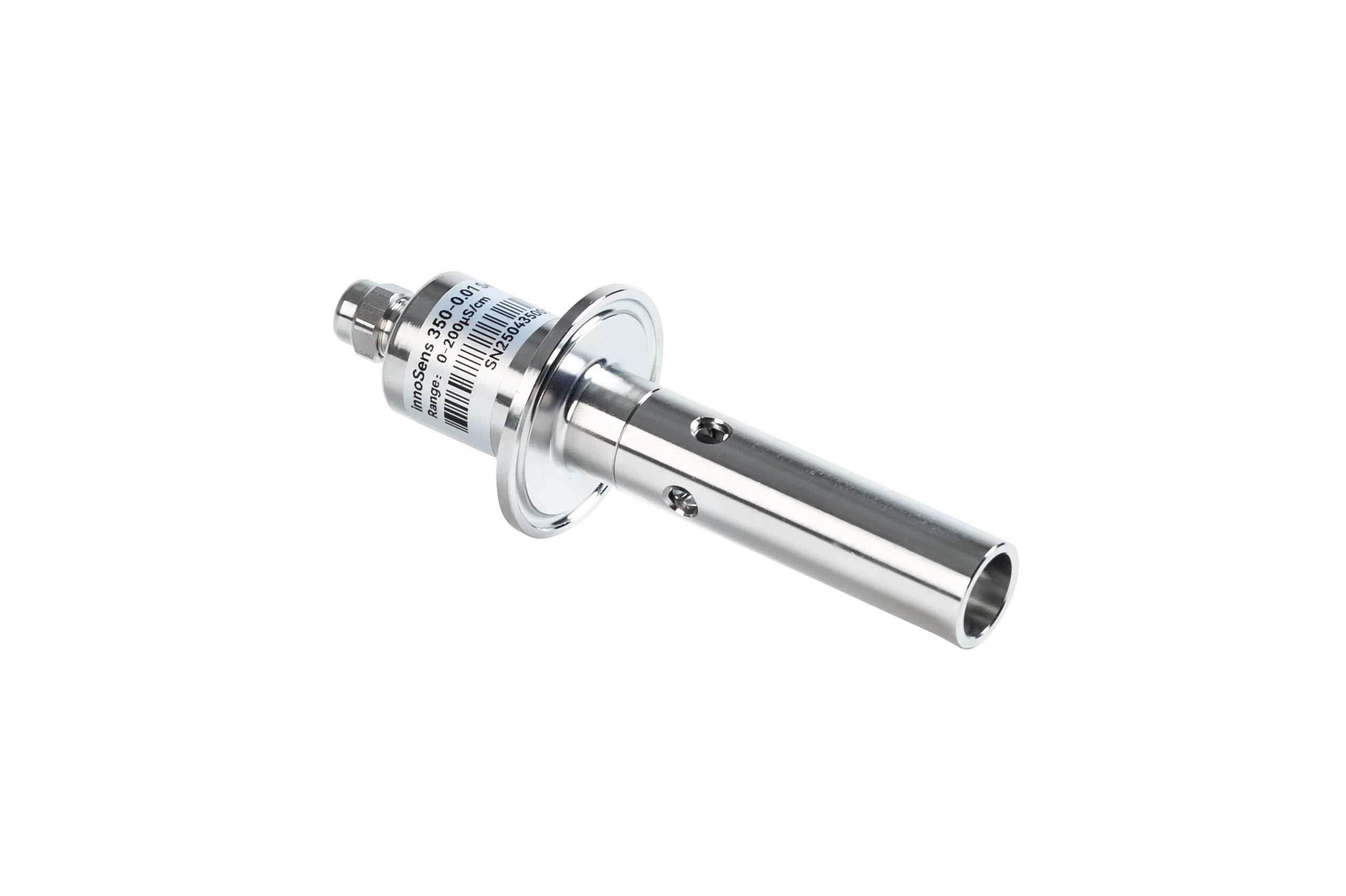
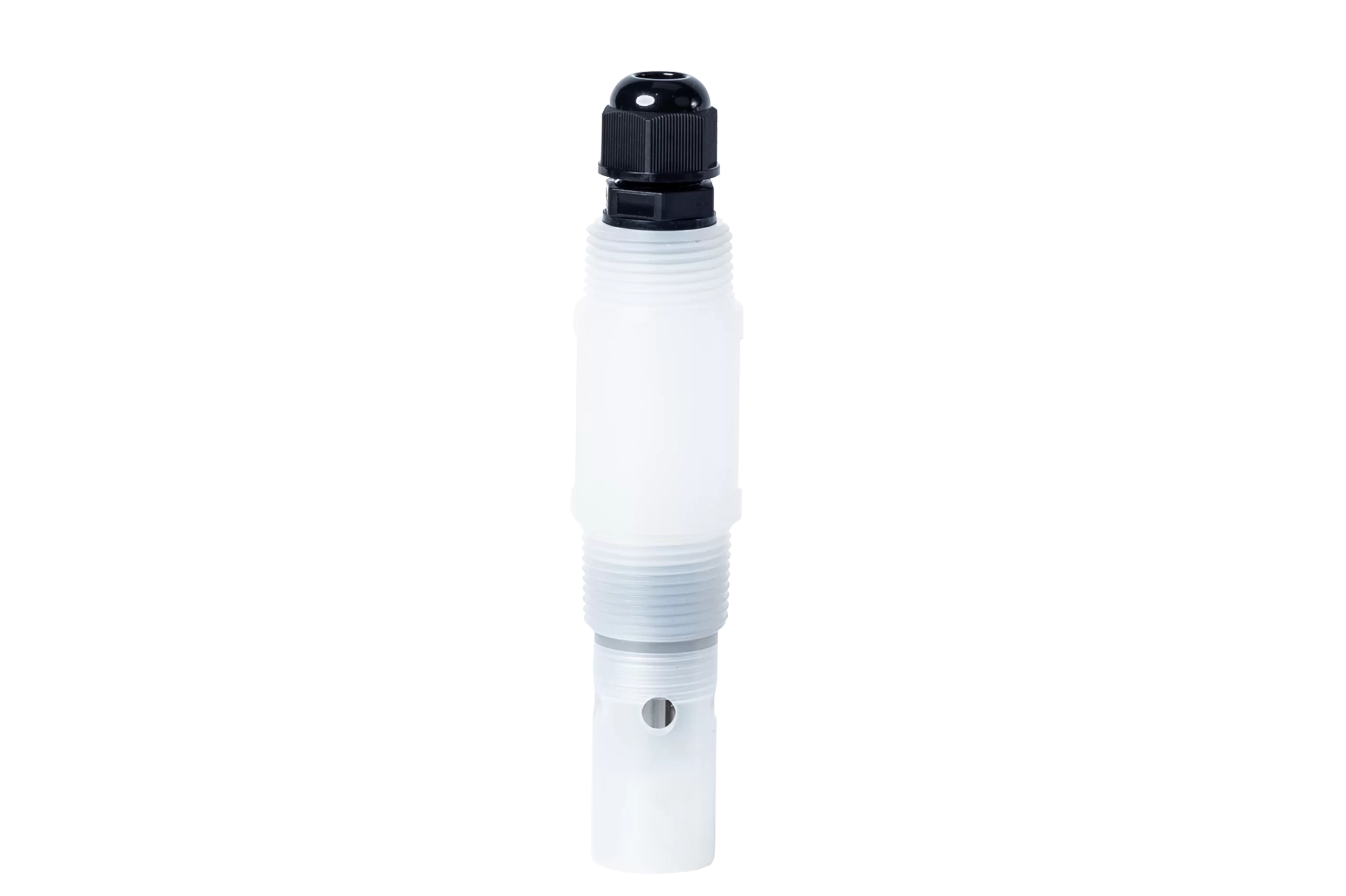
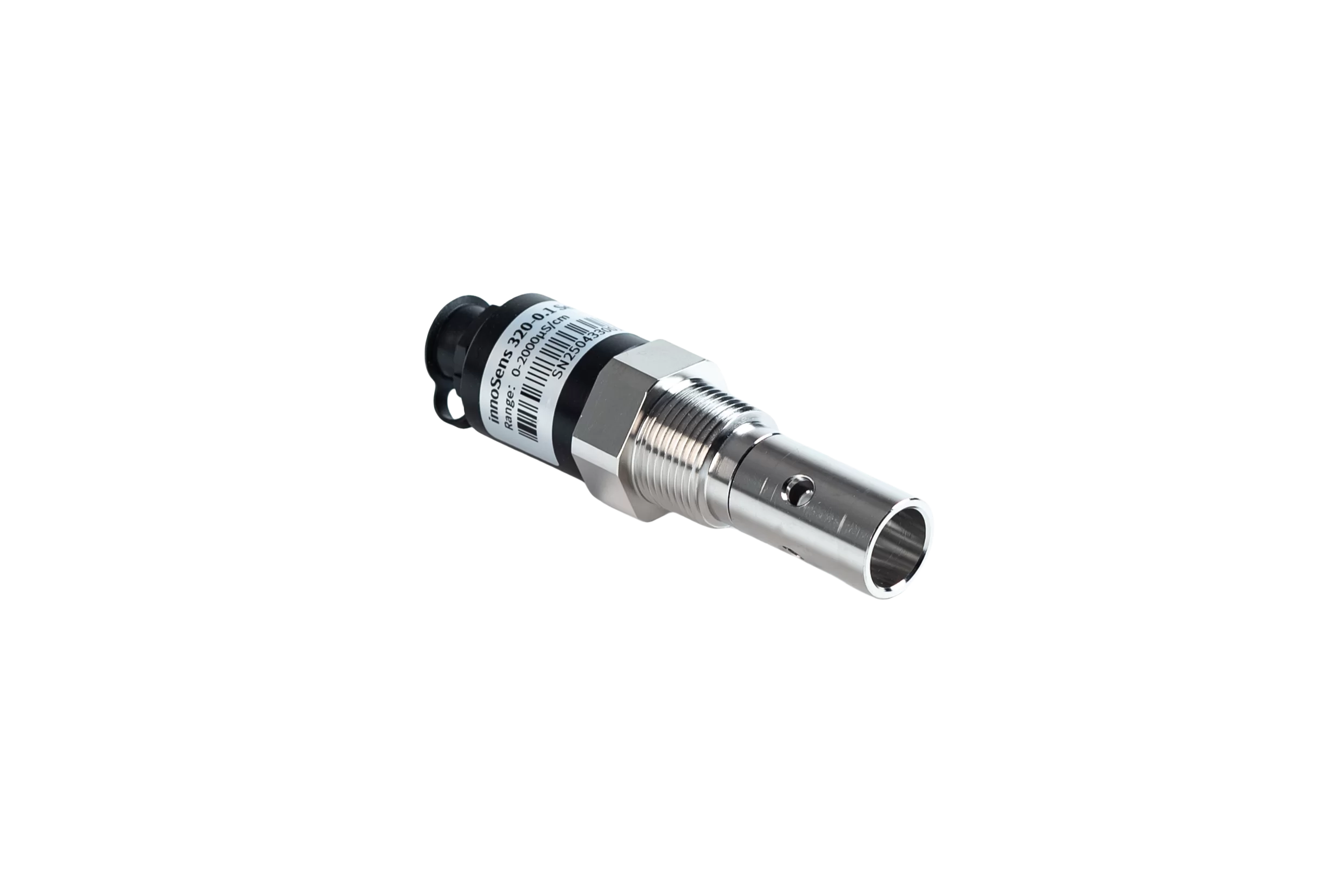
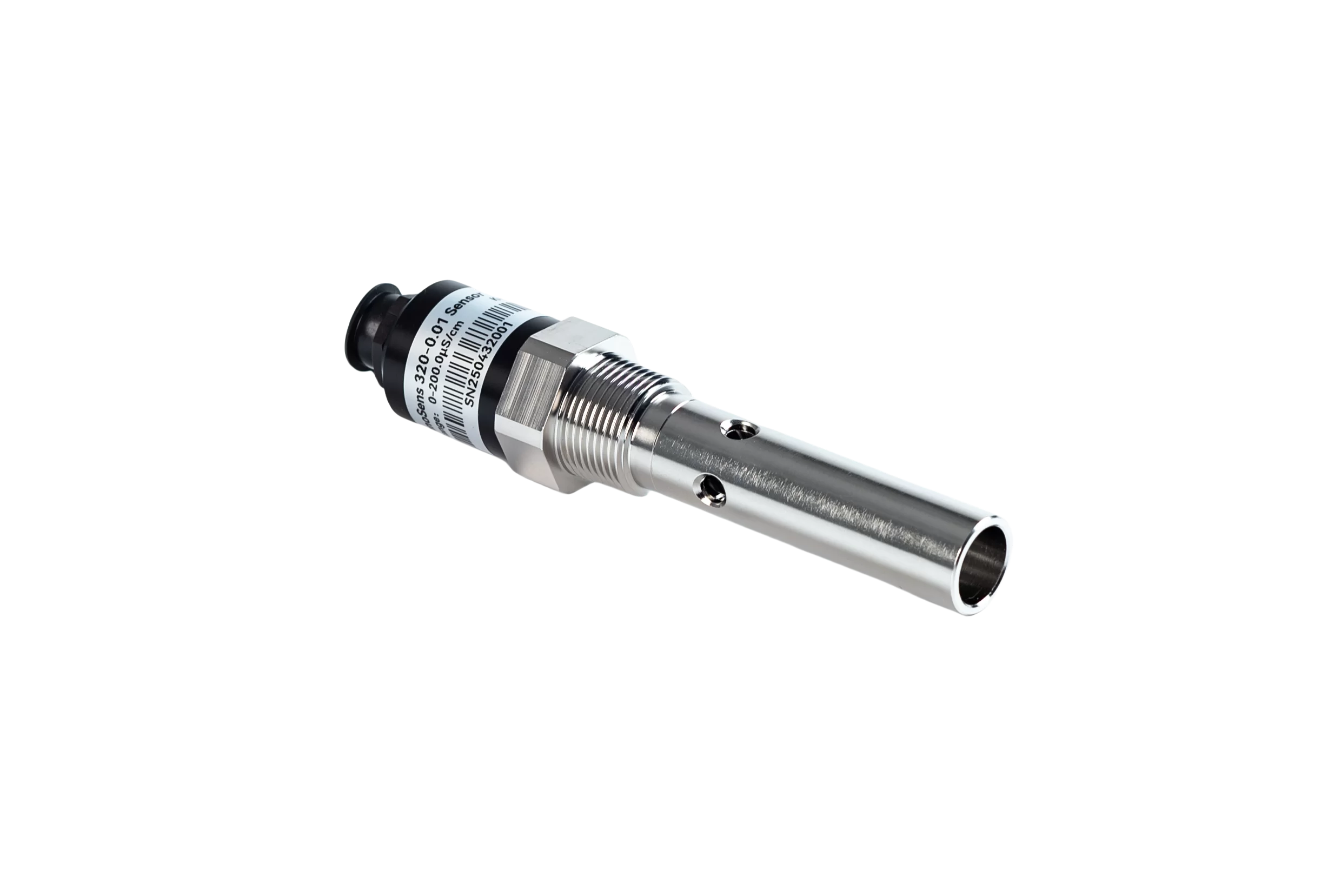
Complete Product Portfolio for the Philippine Market

A comprehensive suite of analyzers designed for high reliability in tropical industrial environments.

Frequently Asked Questions - Philippines Region

Expert answers to common technical and deployment queries in the local market.

How do I choose the right multi parameter water quality analyzer for tropical climates?

For the Philippines, ensure the analyzer has an IP65+ rating for humidity protection and integrated temperature compensation to maintain accuracy during peak summer temperatures.

Can a total hardness analyzer be used for groundwater in rural areas?

Yes, our analyzers are specifically designed to handle the high mineral content found in various Philippine groundwater sources, providing stable measurements for softener control.

What is the maintenance cycle for a residual chlorine controller in municipal plants?

Due to the high organic load in some local water sources, we recommend a bi-weekly calibration check and monthly sensor cleaning to ensure precise dosing.

How does an alkalinity analyzer help in industrial wastewater treatment?

It ensures the optimal pH range for biological treatment processes, which is crucial for Philippine factories to meet DENR effluent standards.

Is the electromagnetic flowmeter compatible with corrosive chemicals?

Yes, by selecting the appropriate liner material (such as PTFE), our flowmeters can accurately measure highly corrosive industrial fluids commonly used in local chemical plants.

Do these instruments support remote integration via SCADA?

All our analyzers come with standard 4-20mA outputs and Modbus RS485 protocols, making them fully compatible with most SCADA systems used in Philippine industries.

Expert Technical Support for Water Analysis

Looking for precision water quality solutions in Philippines? Our team is ready to help you optimize your industrial water monitoring system.

Contact Us Now
Service Repair Form
Tell us what issue you encountered, including any steps or symptoms.
  • Name
  • Email
  • Phone
  • Fault Description

If you are interested in our products, you can choose to leave your information here, and we will be in touch with you shortly.