

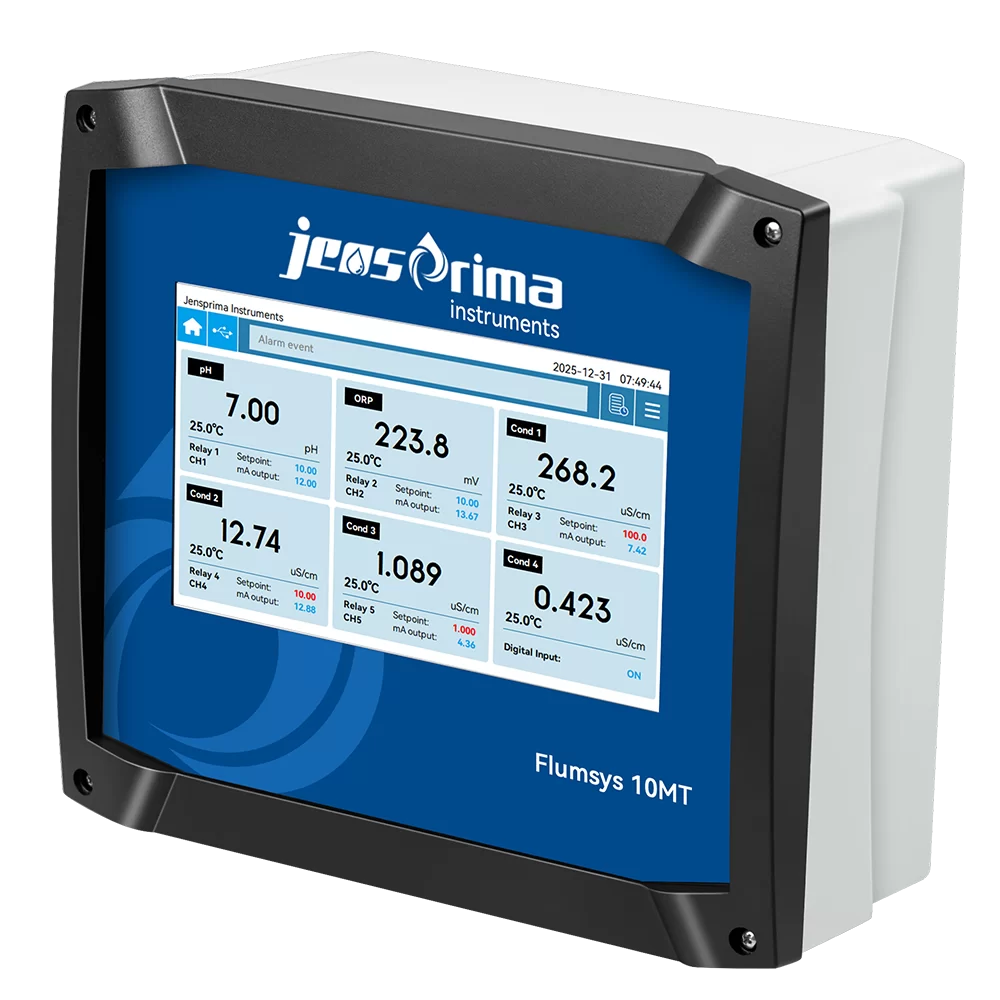
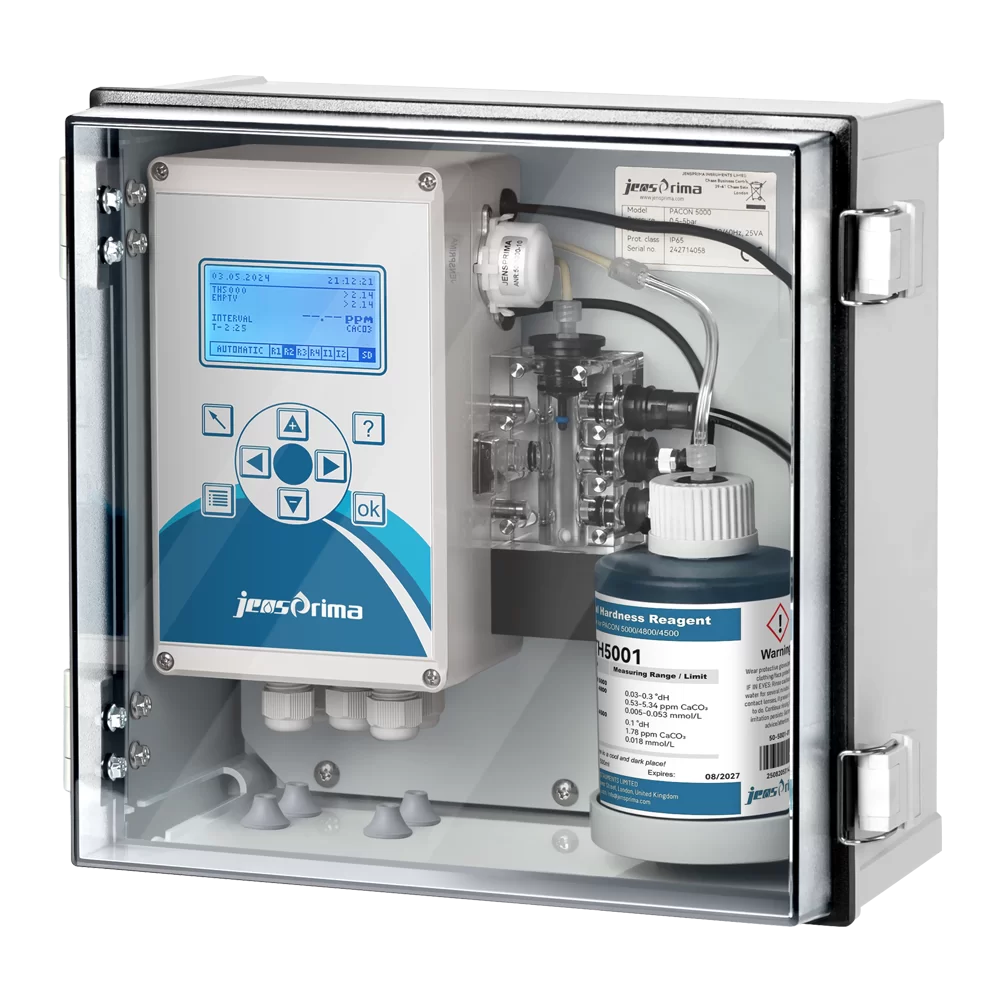
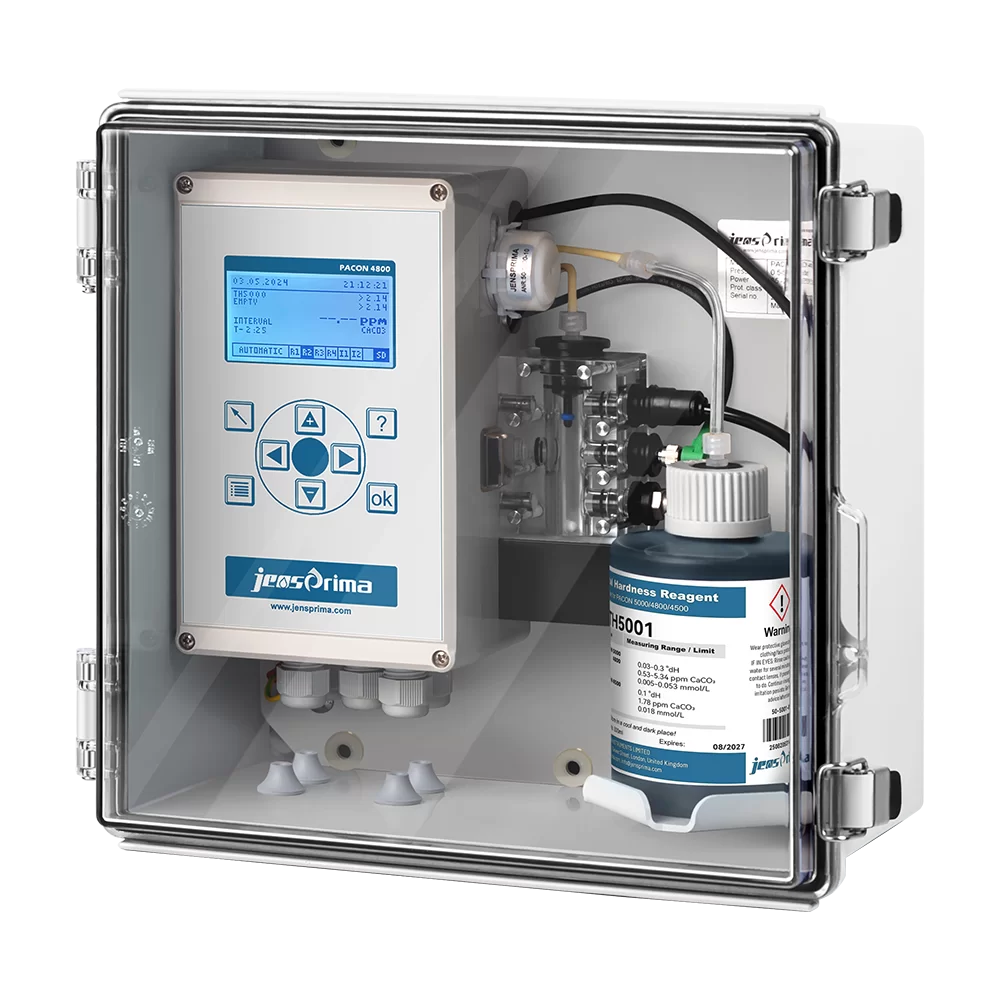
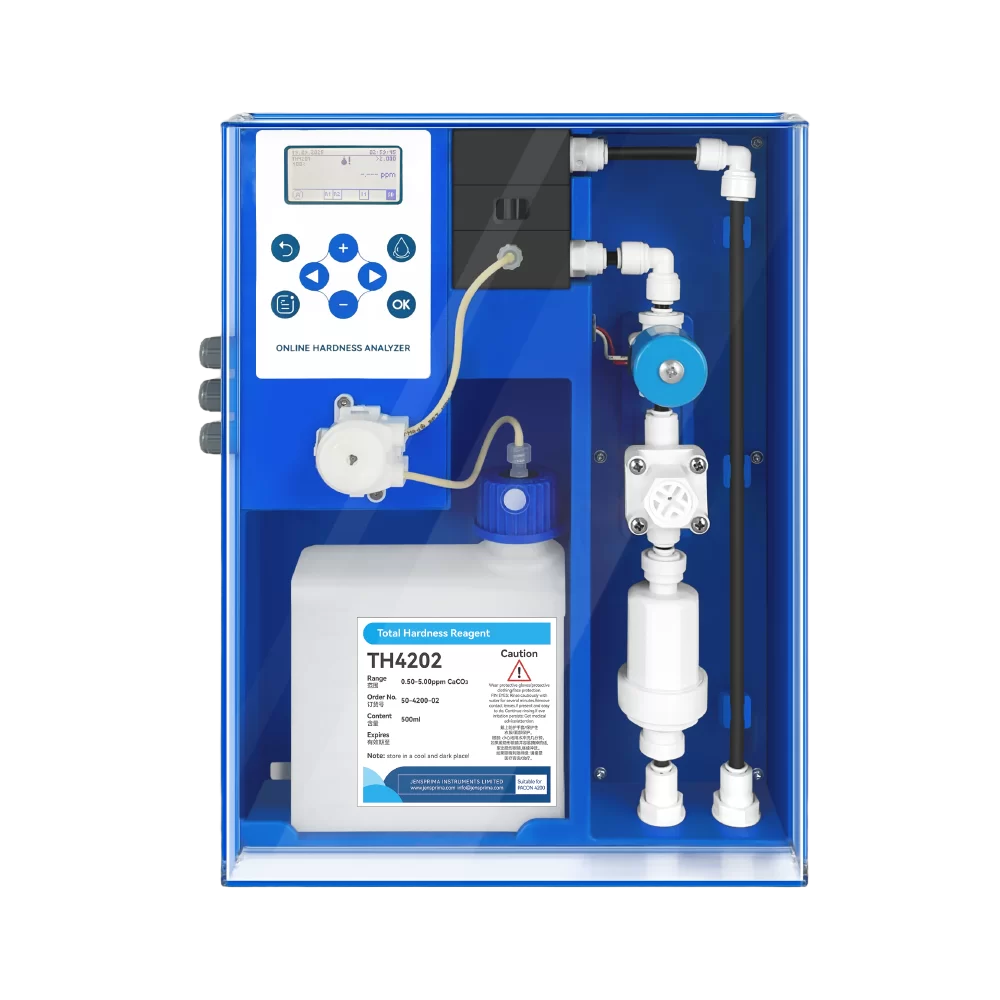
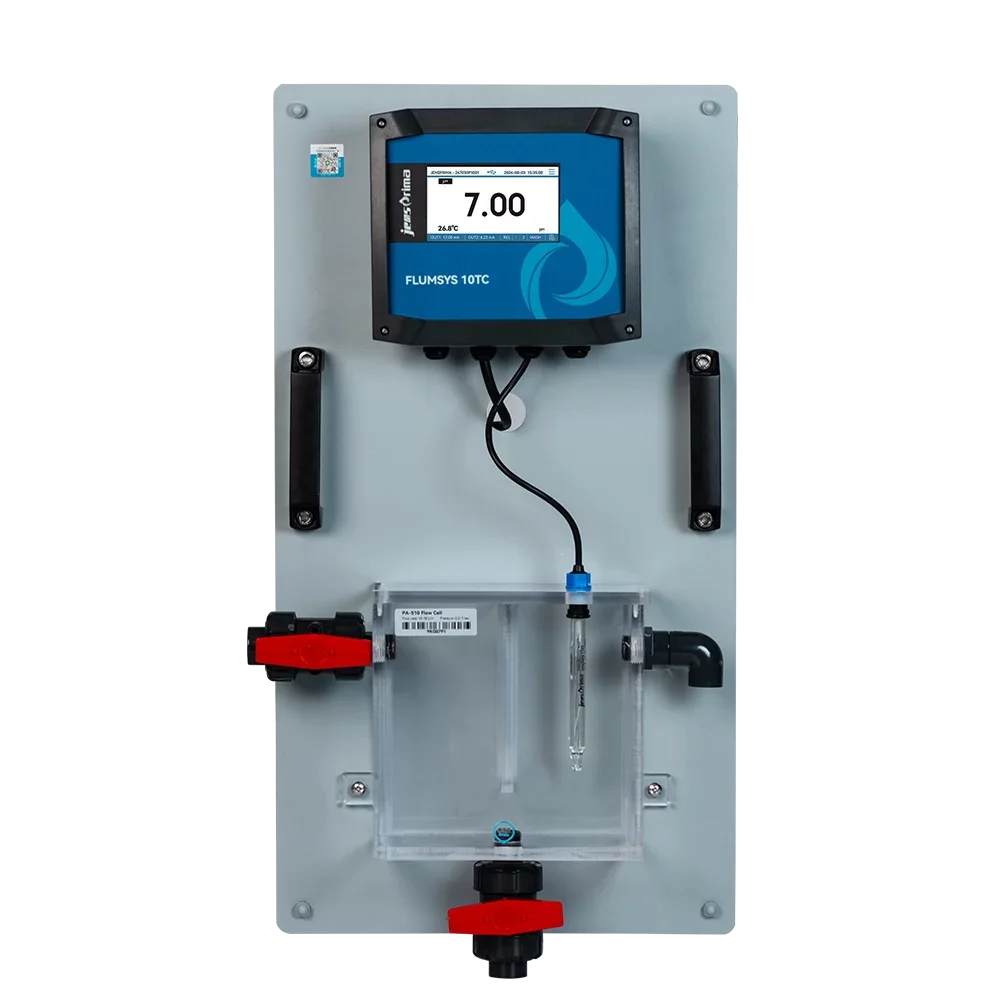
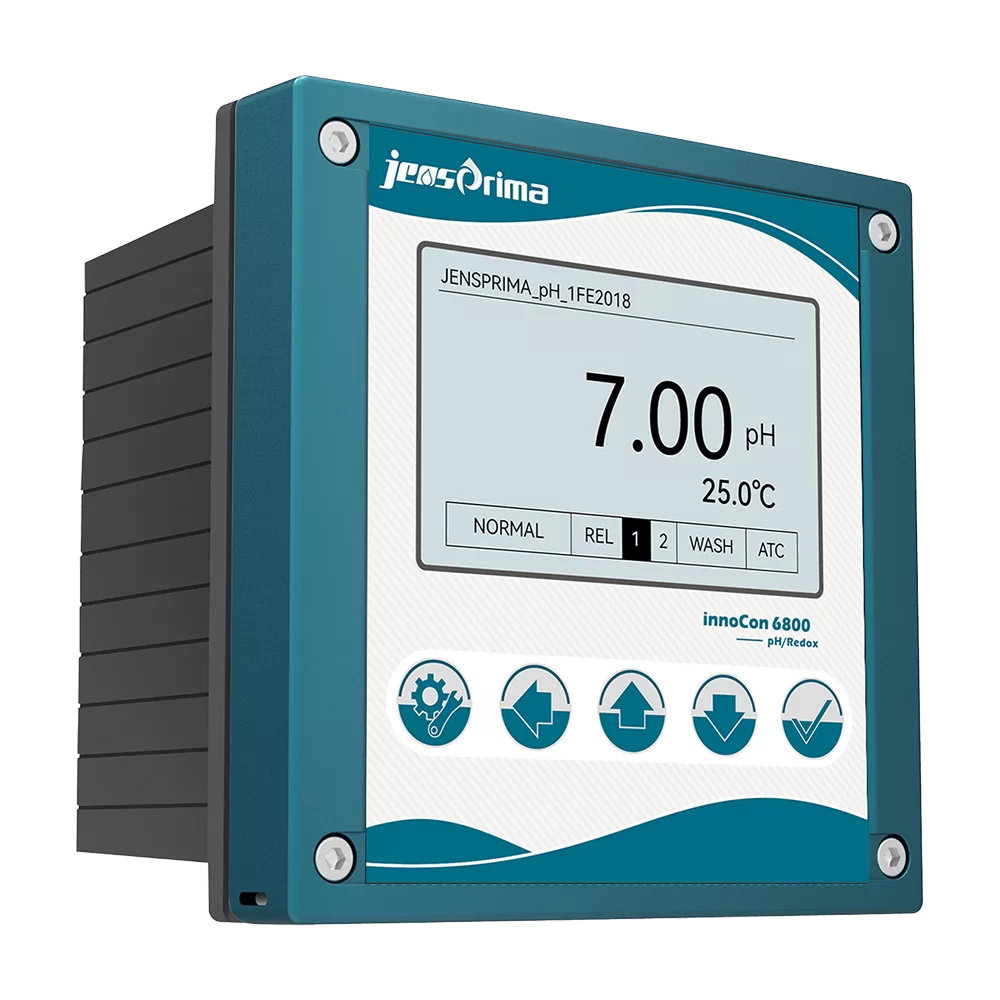
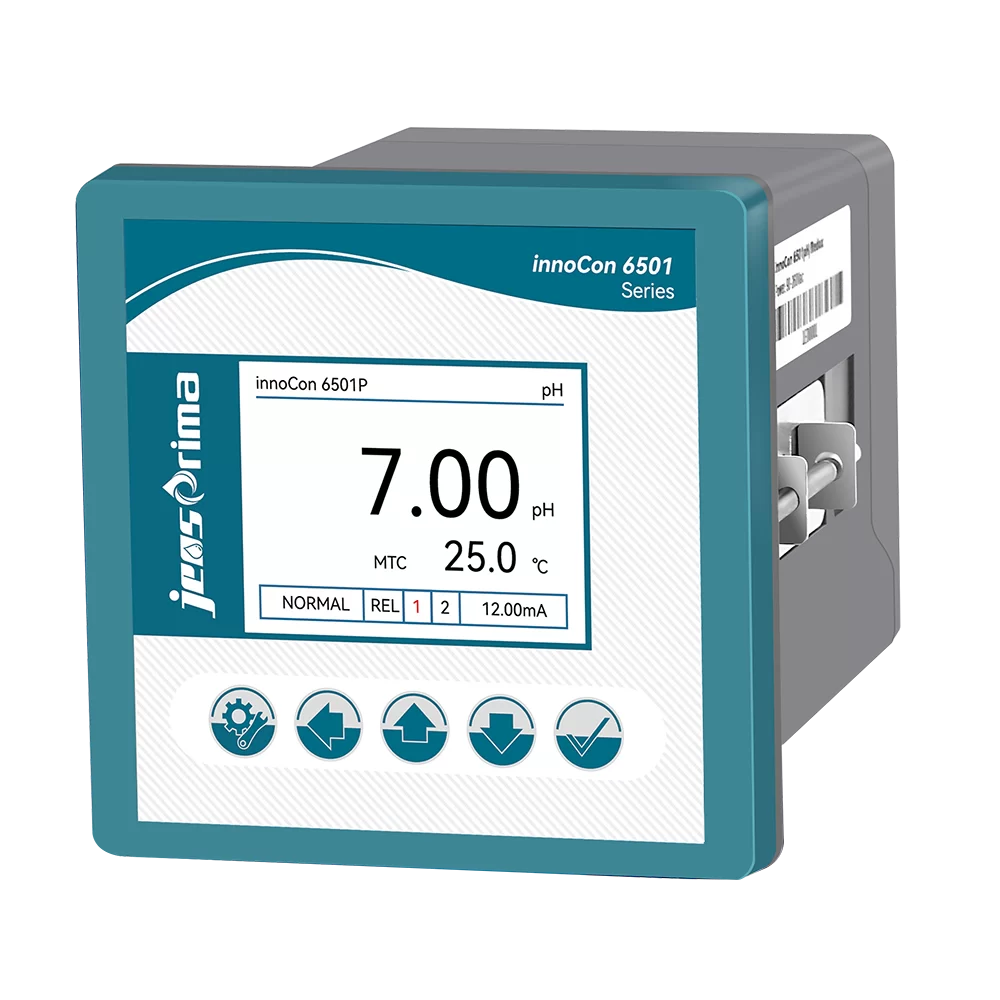
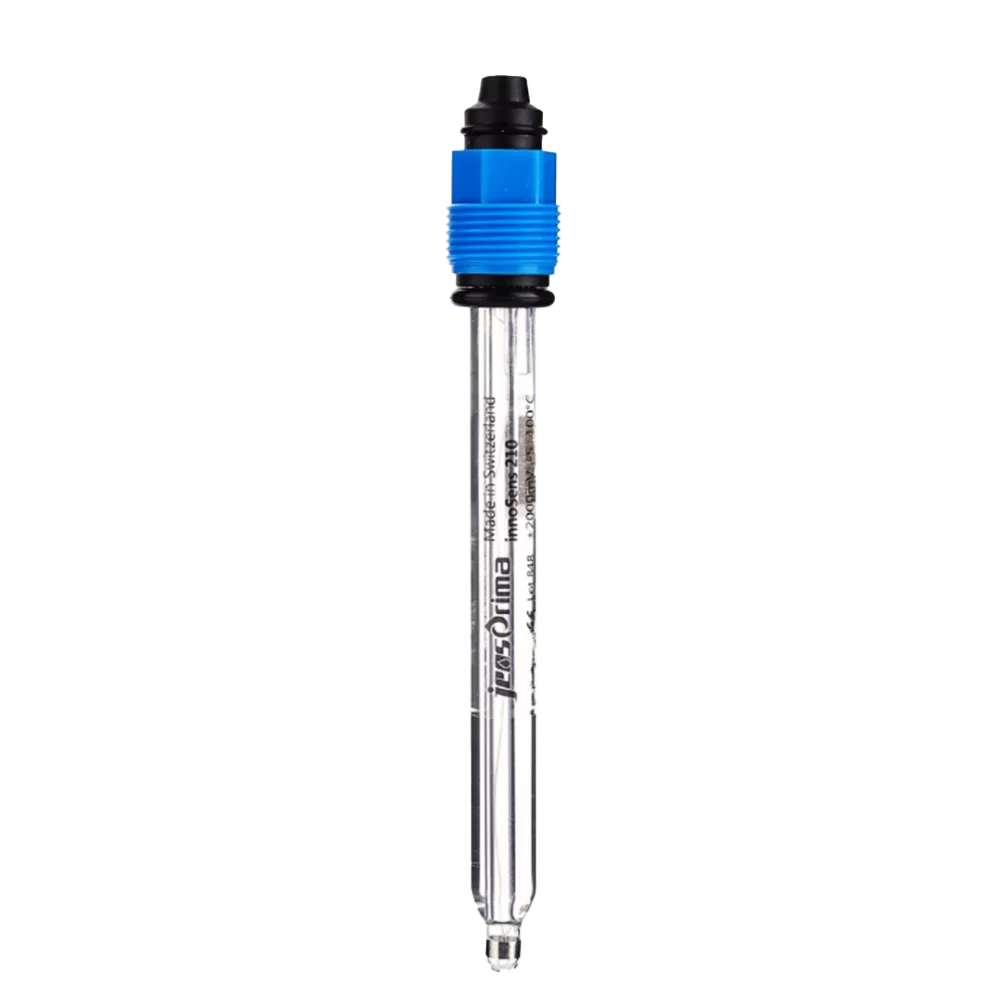
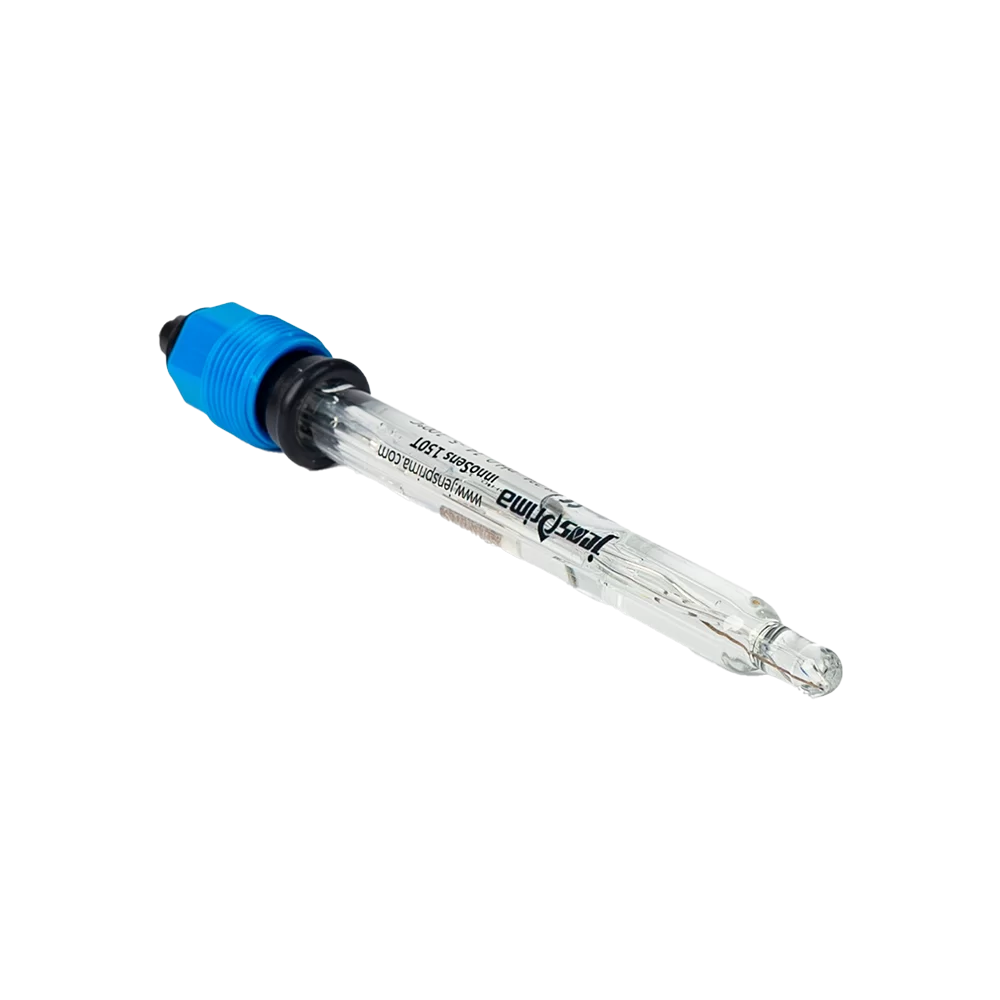
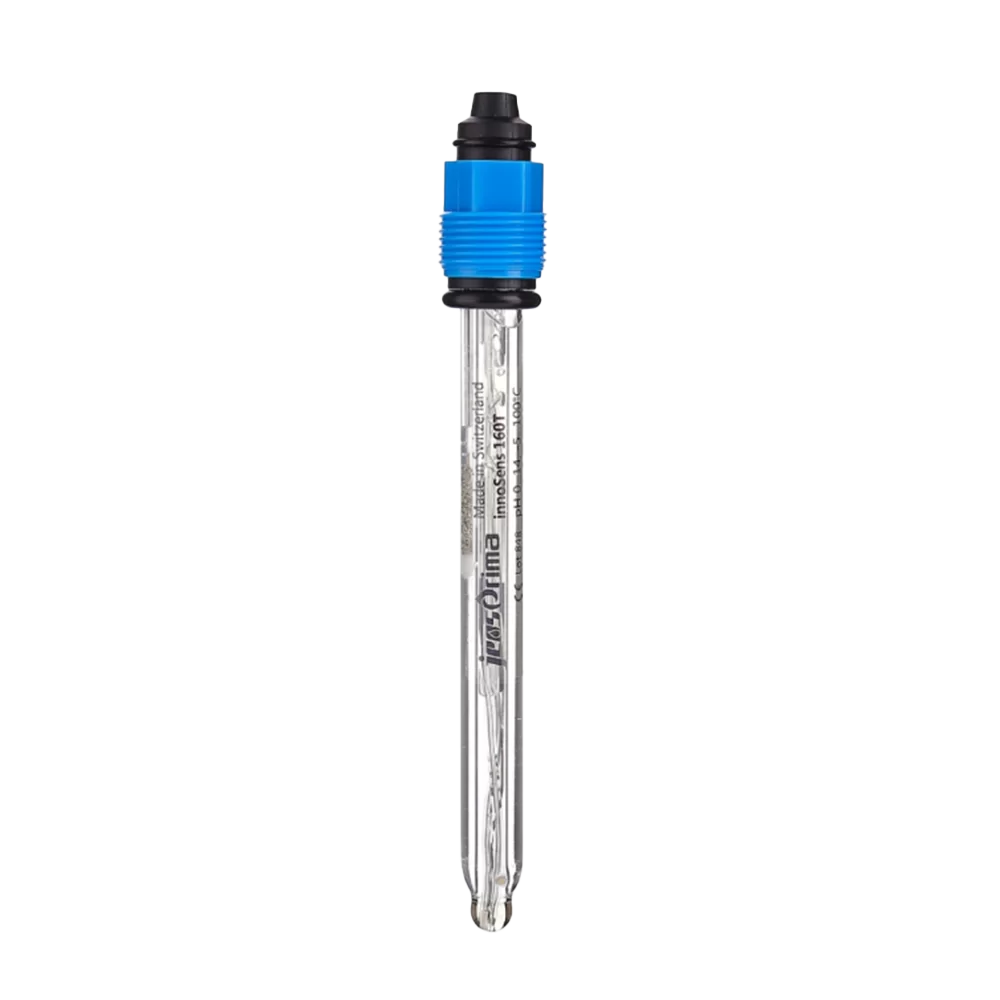
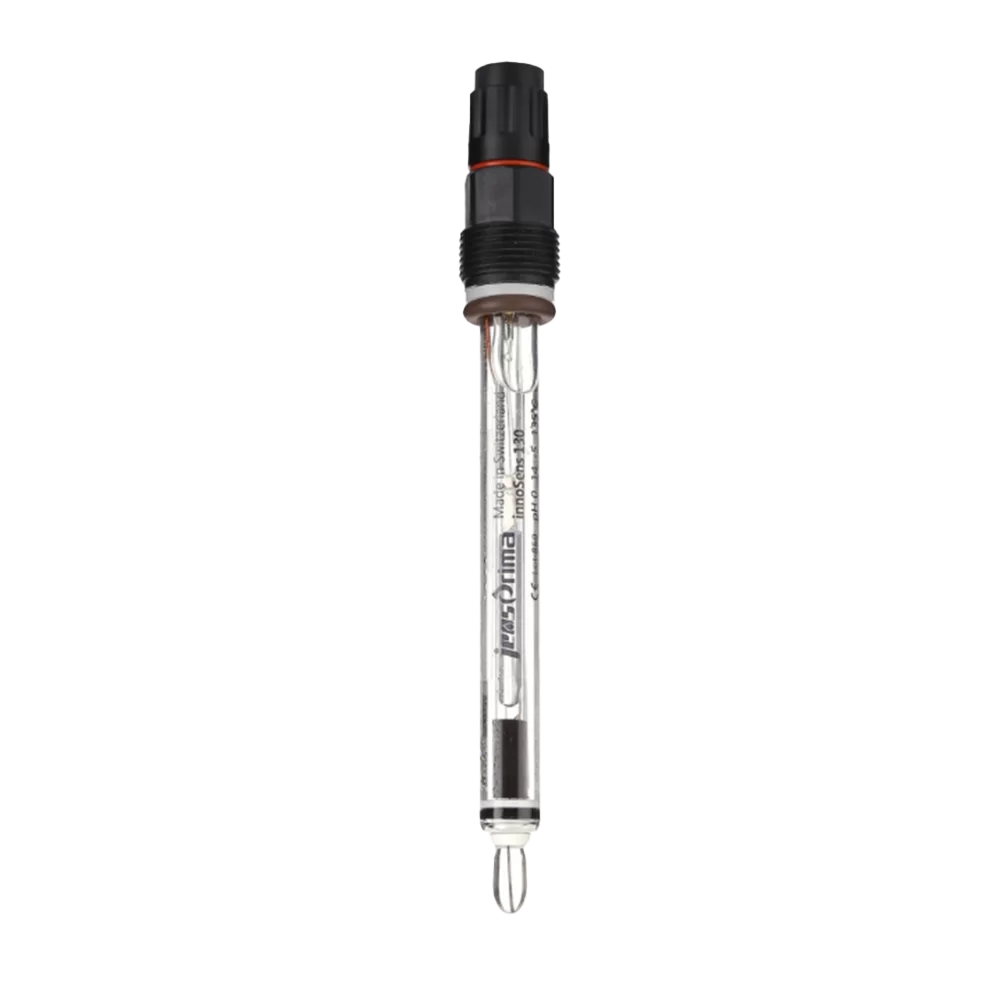
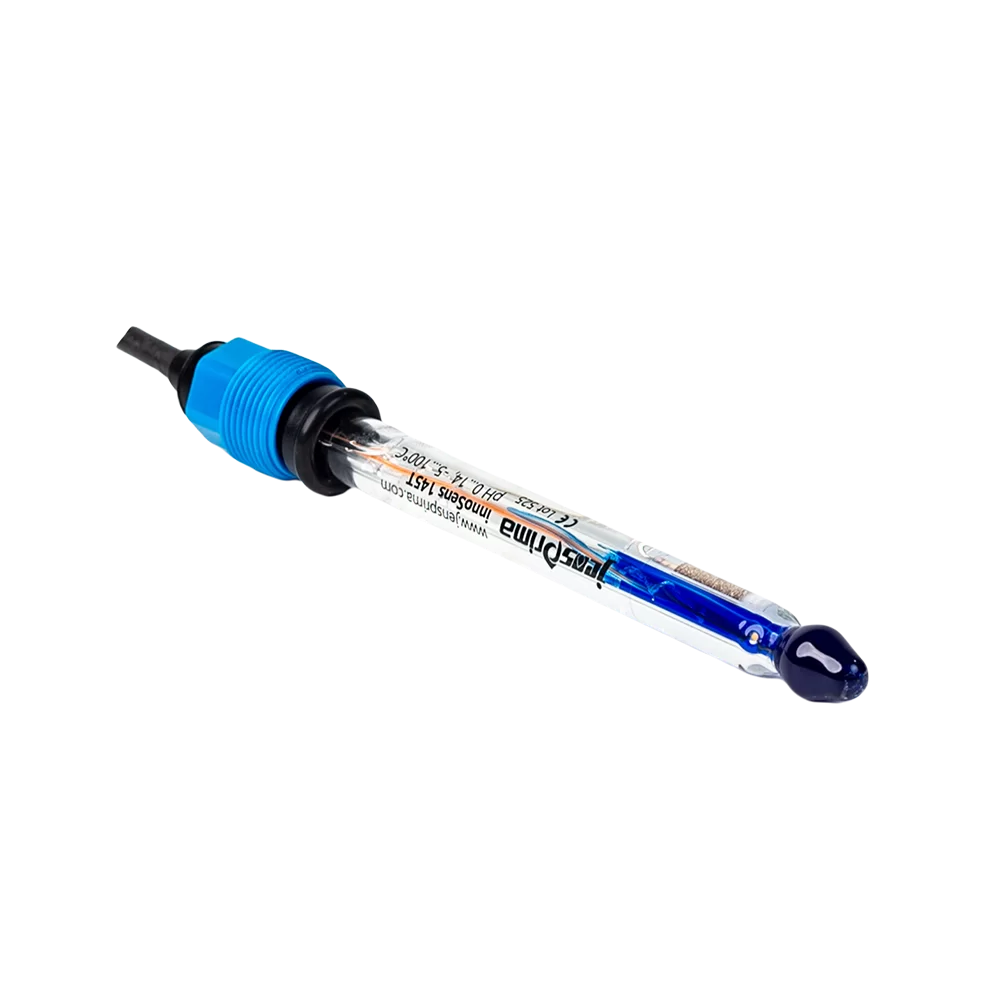
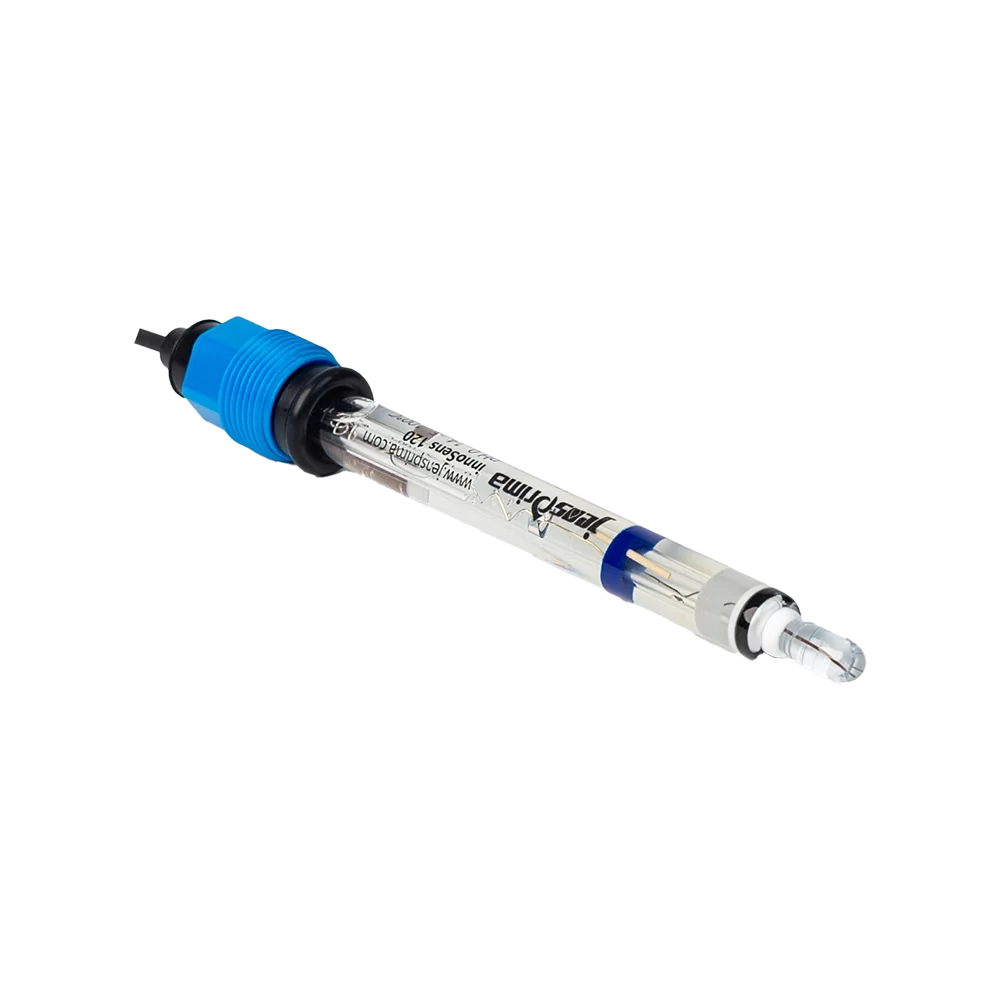
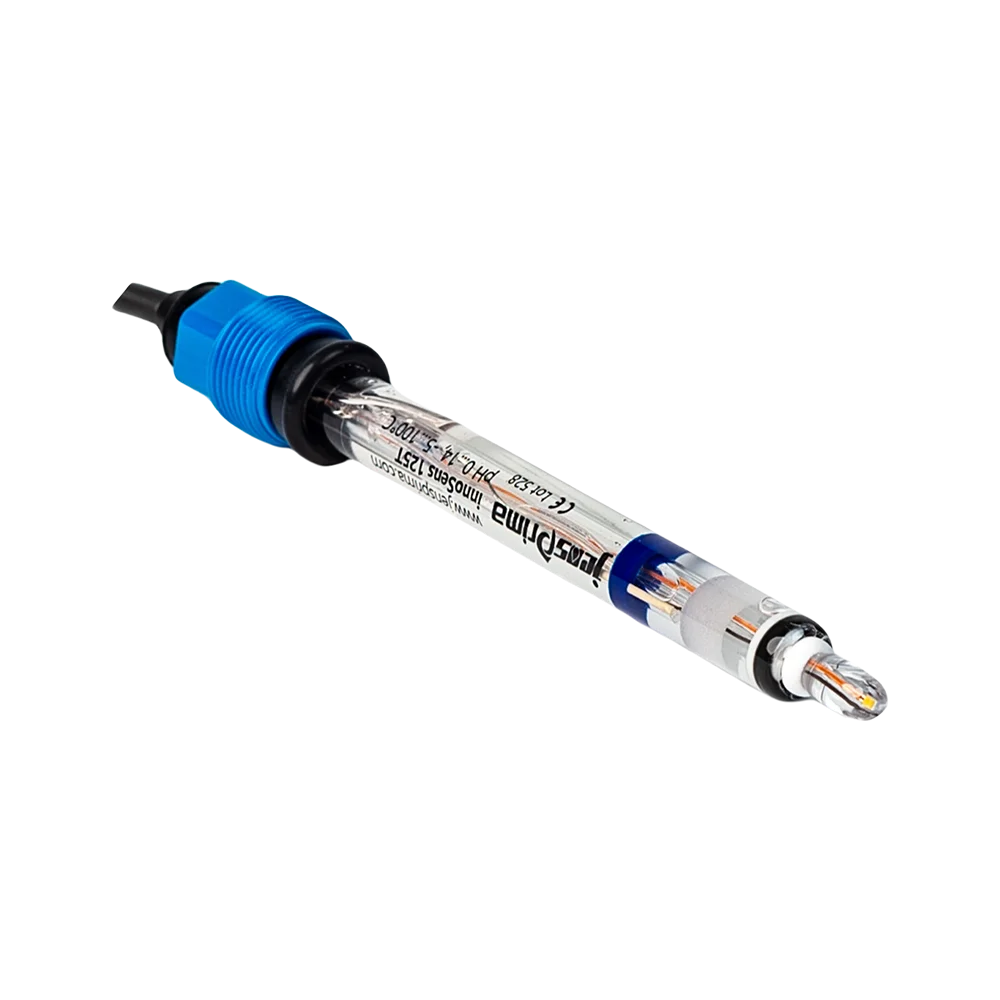
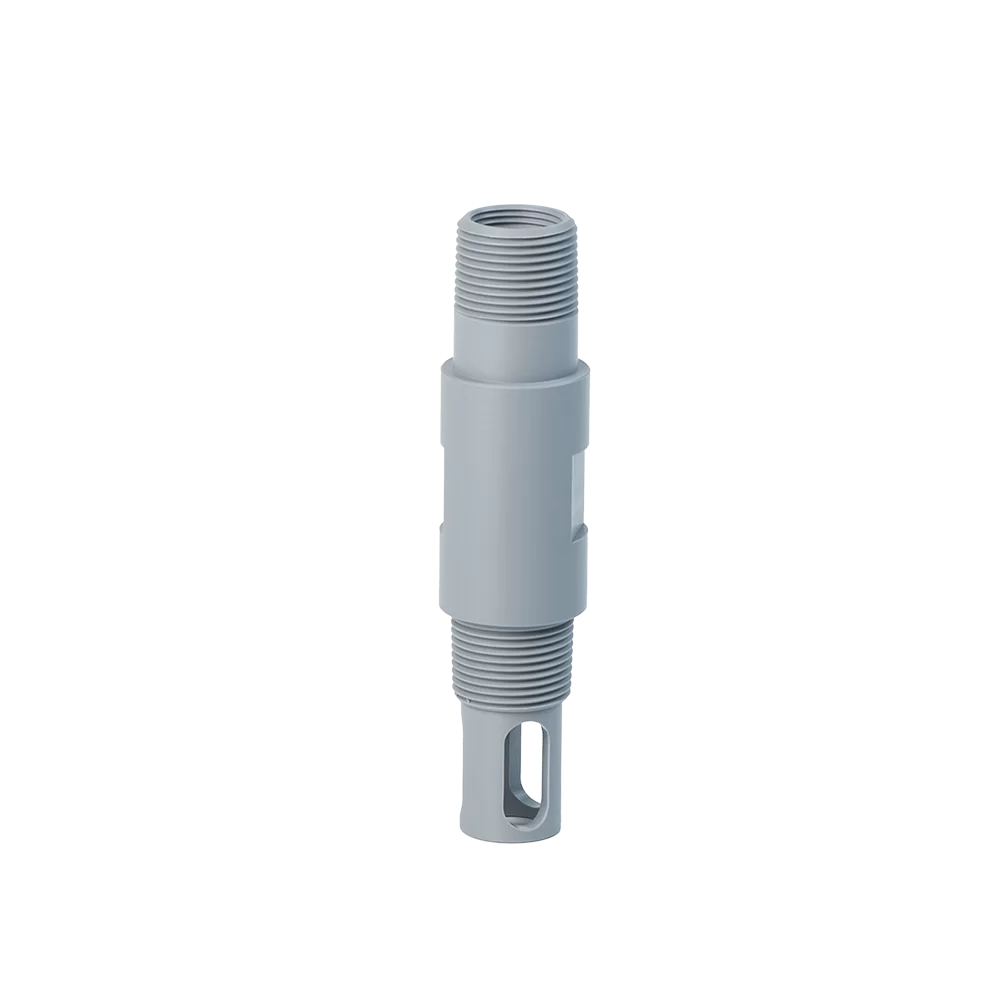
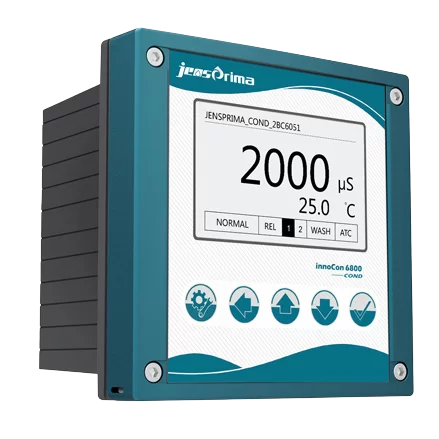
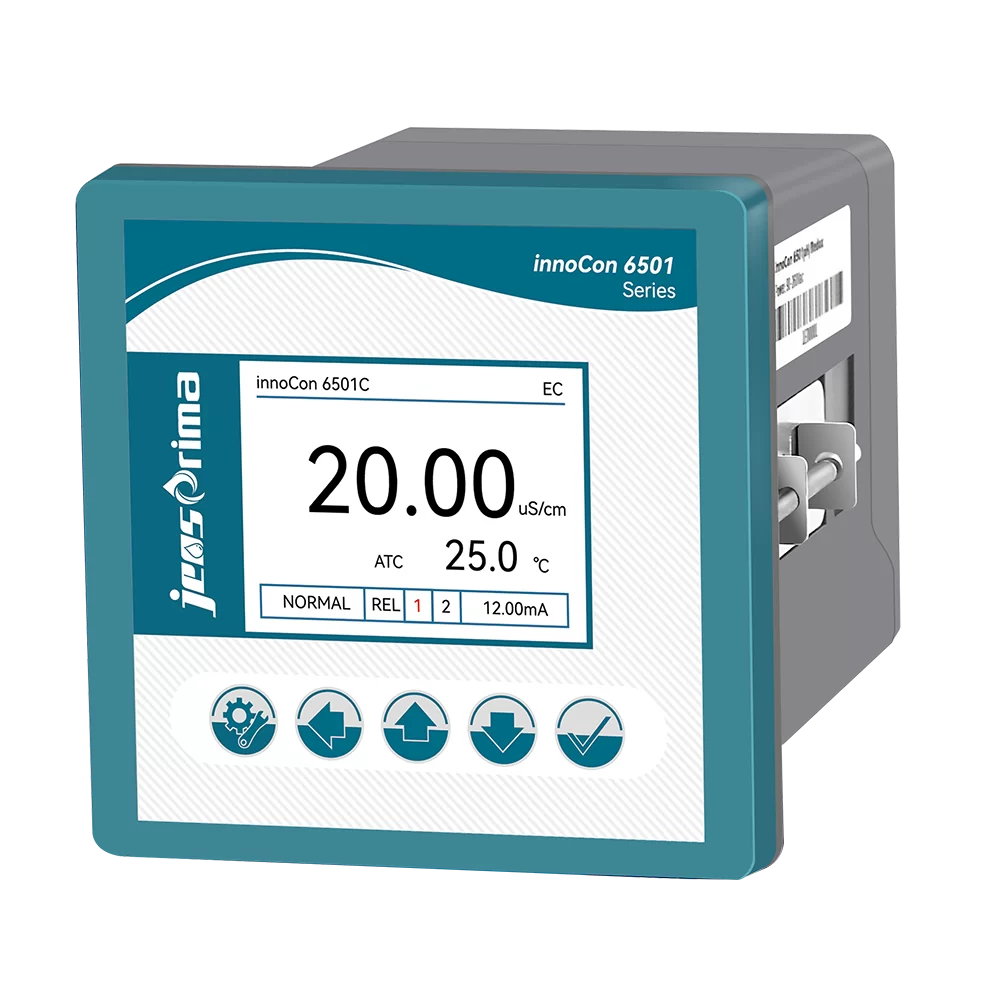
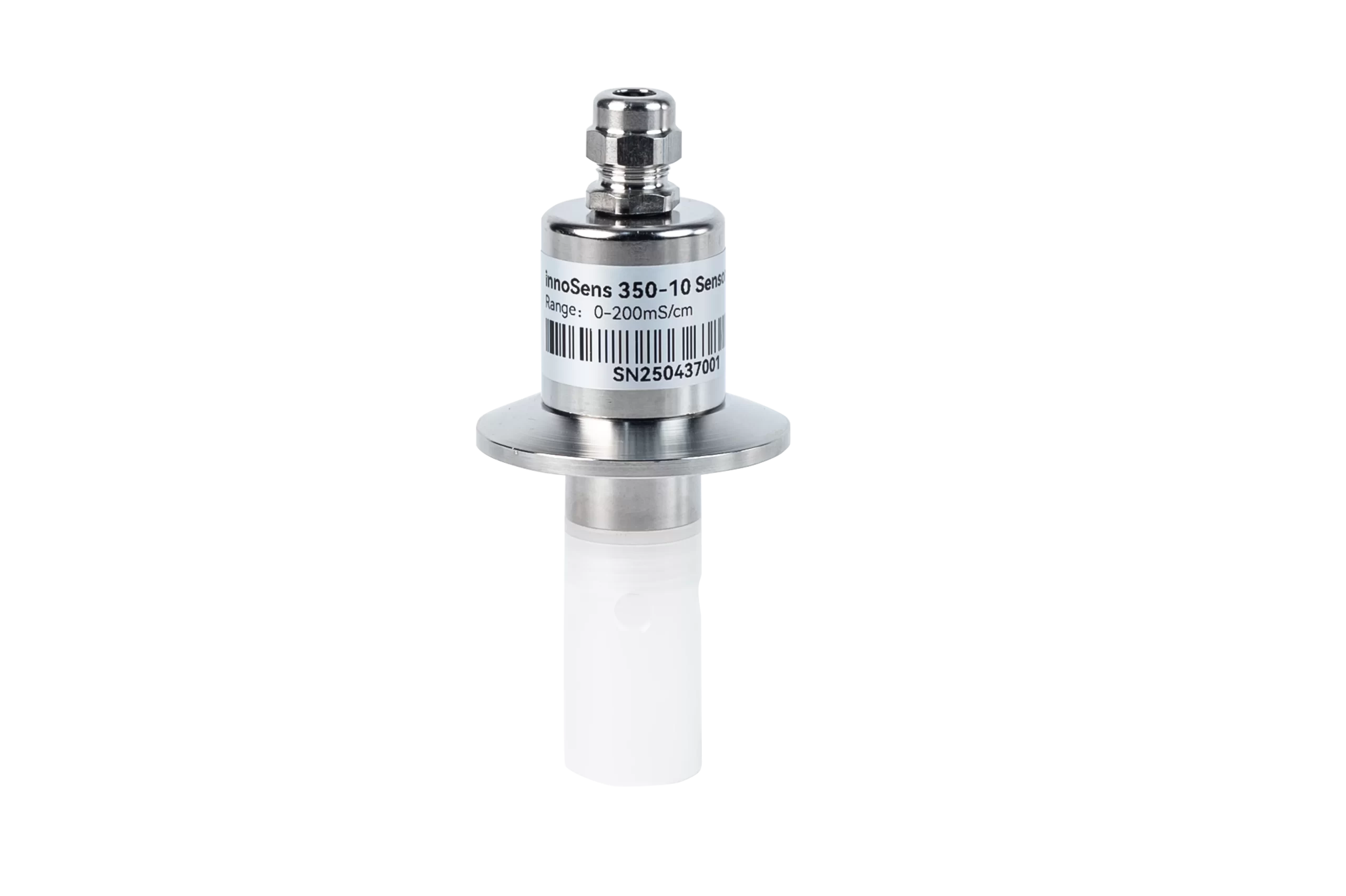
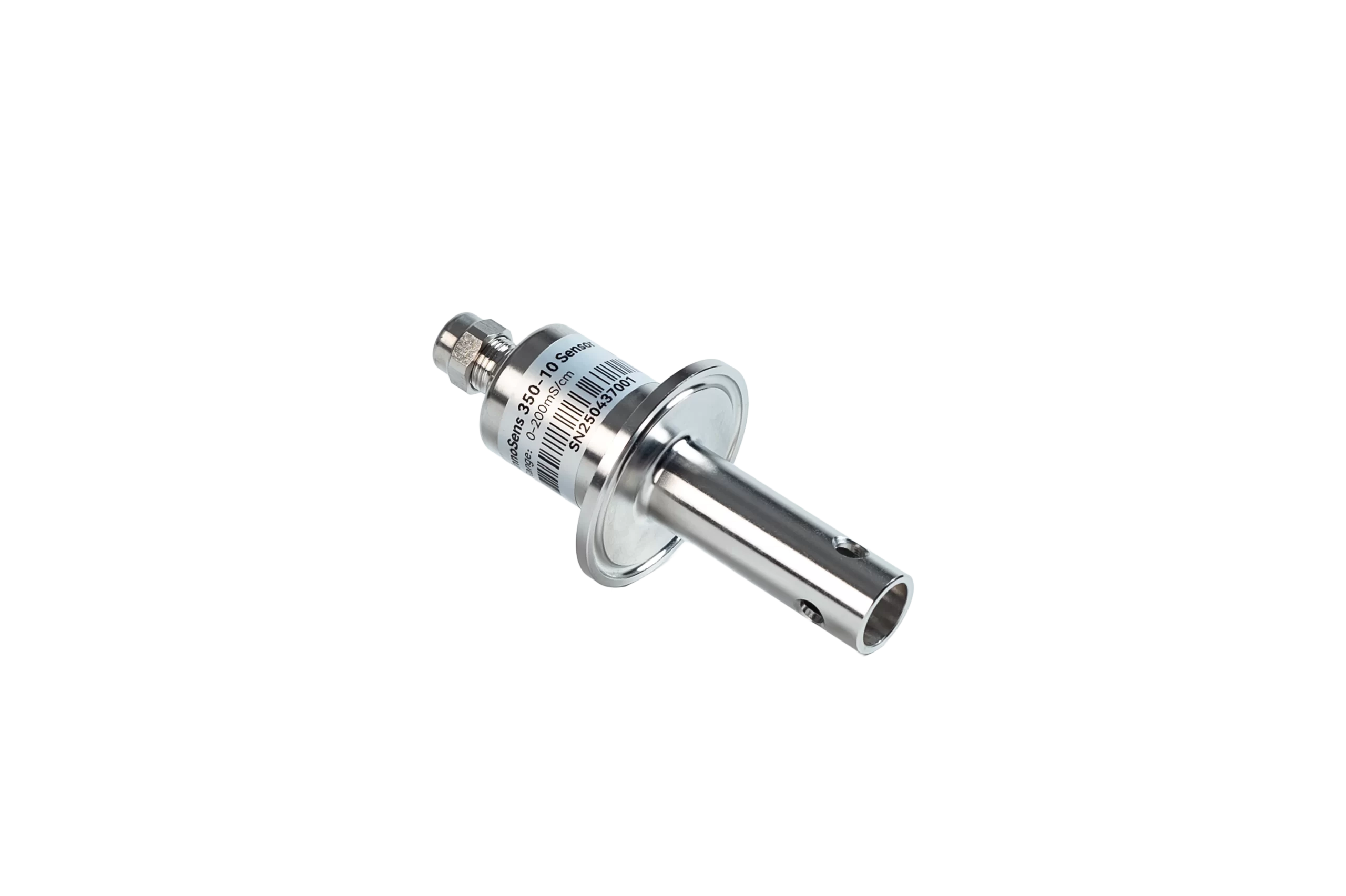
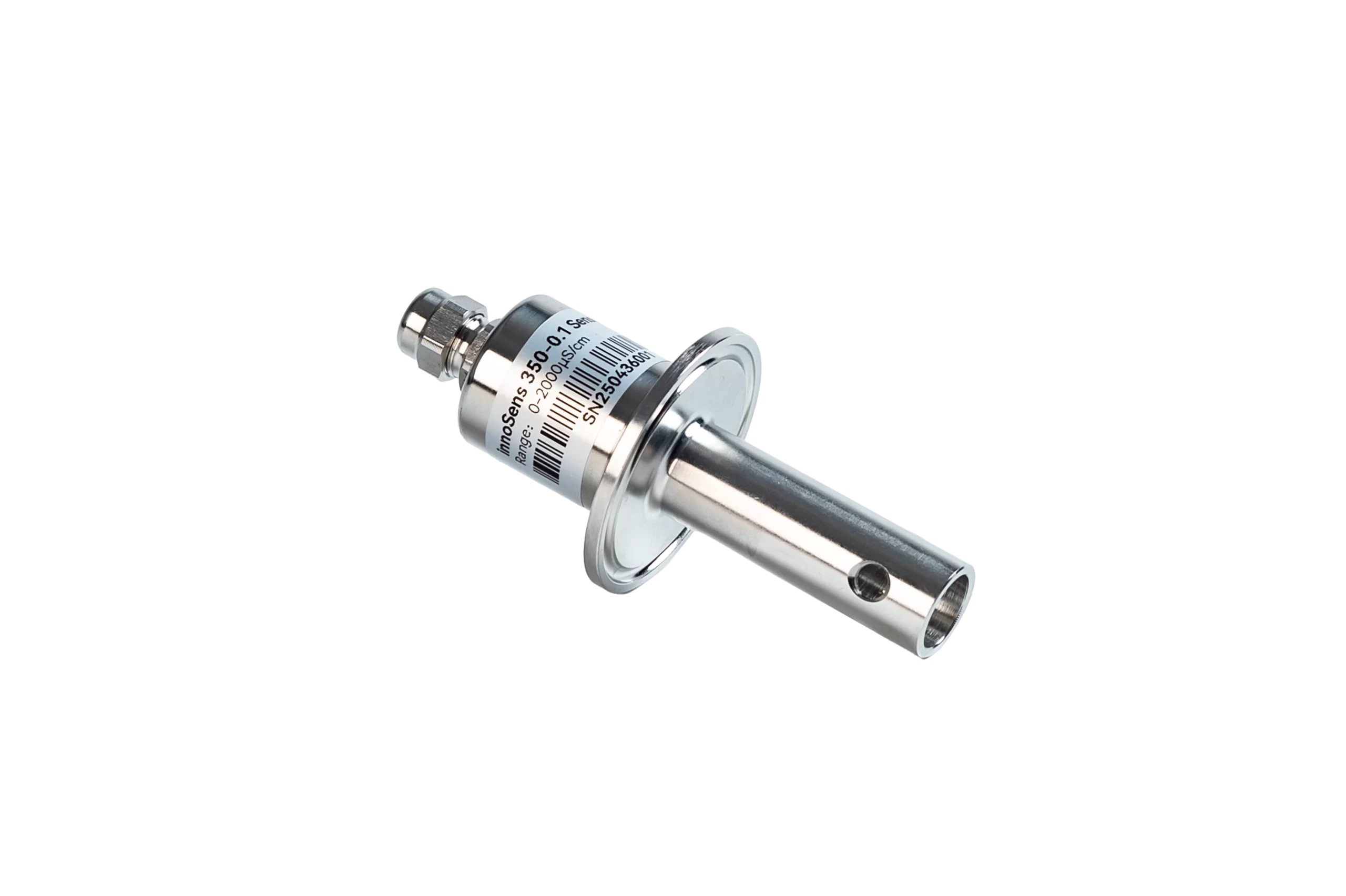
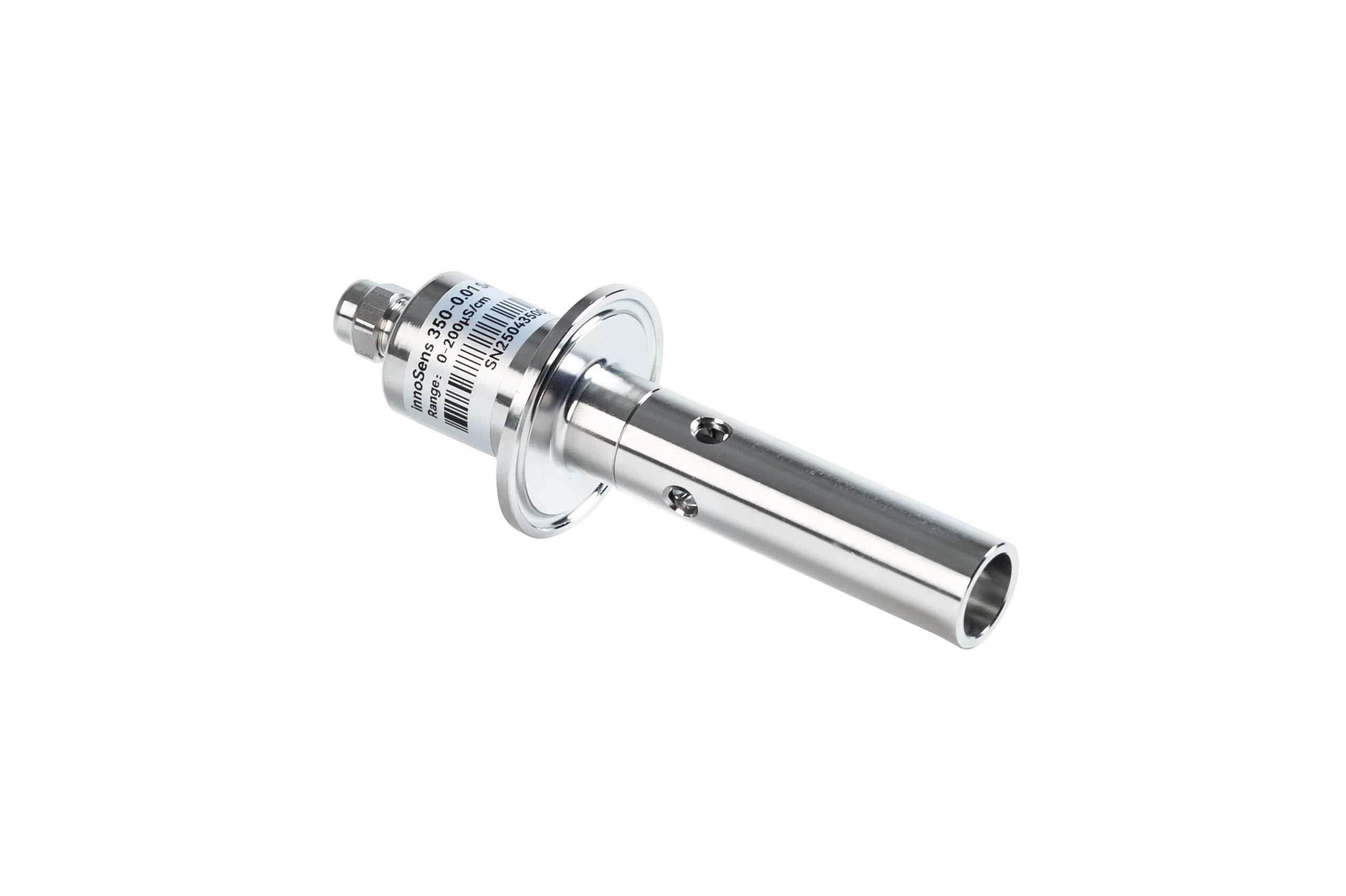
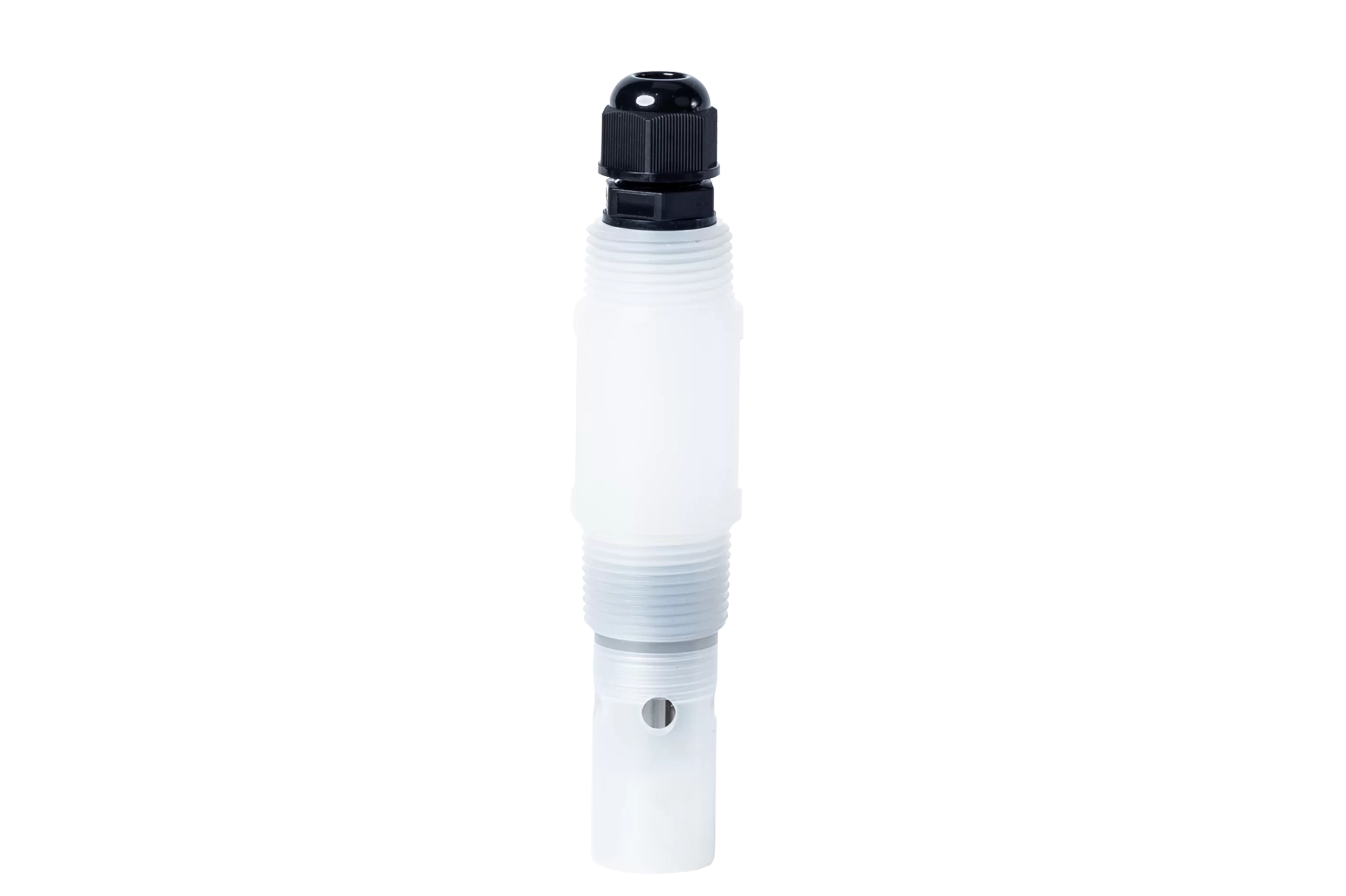
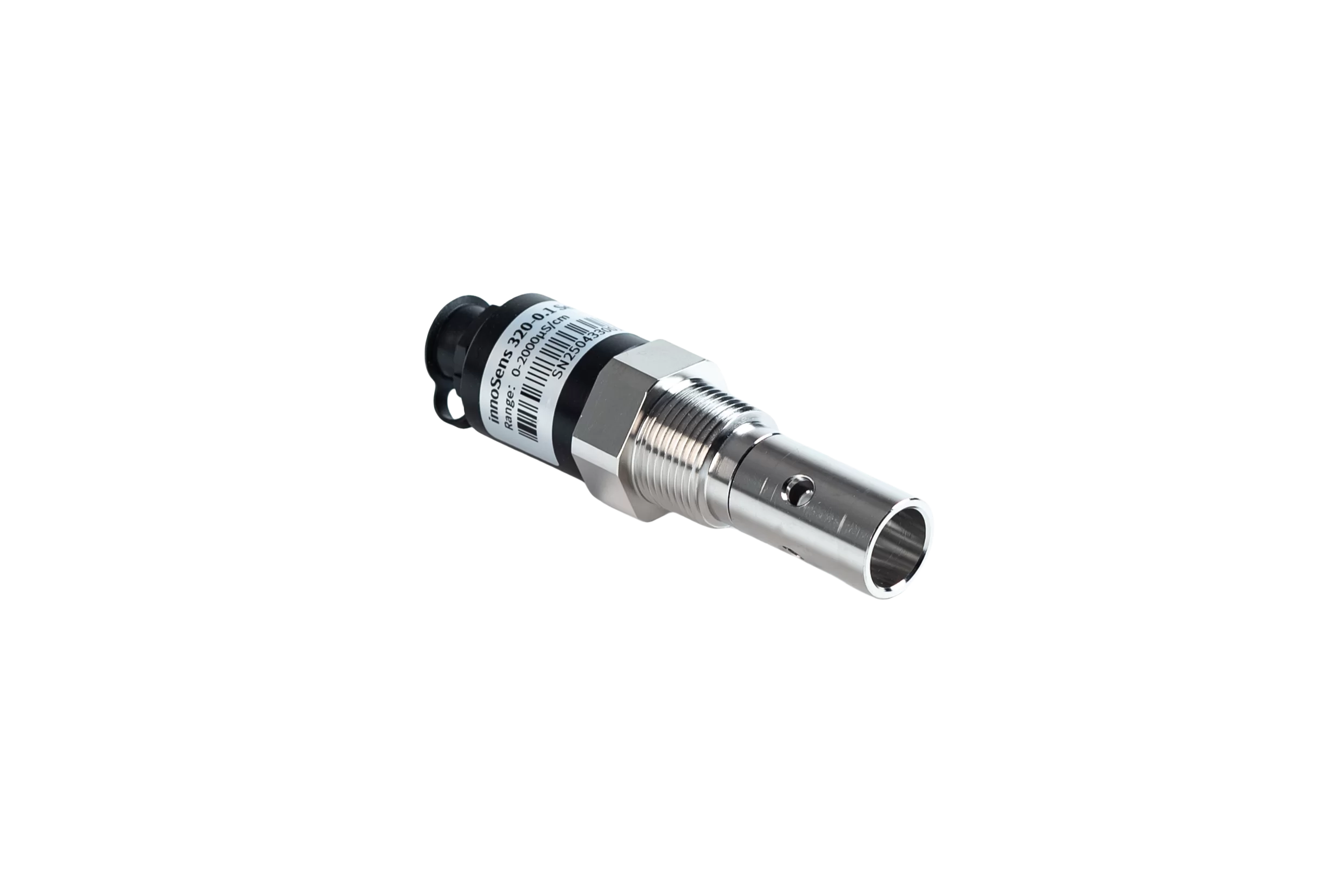
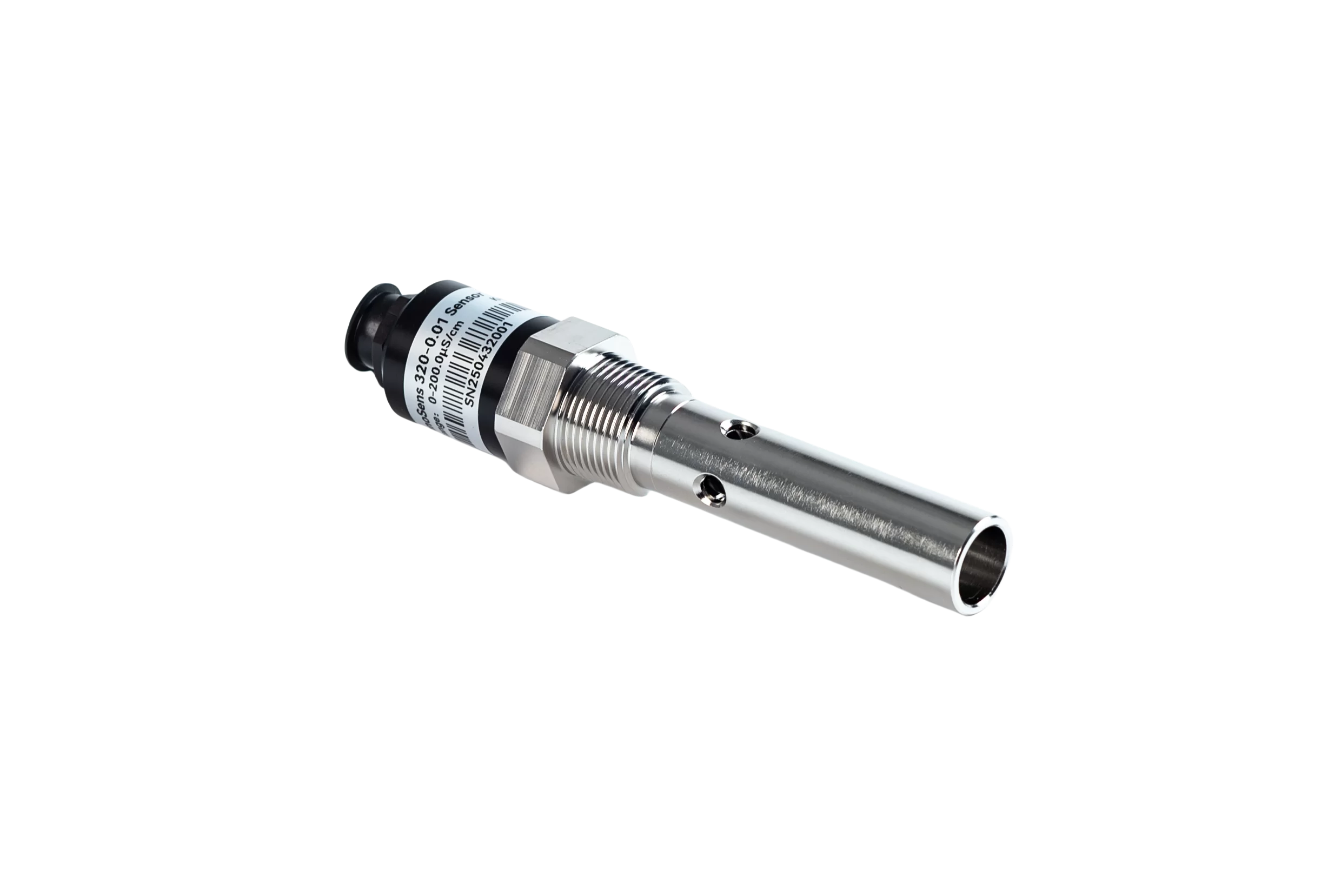
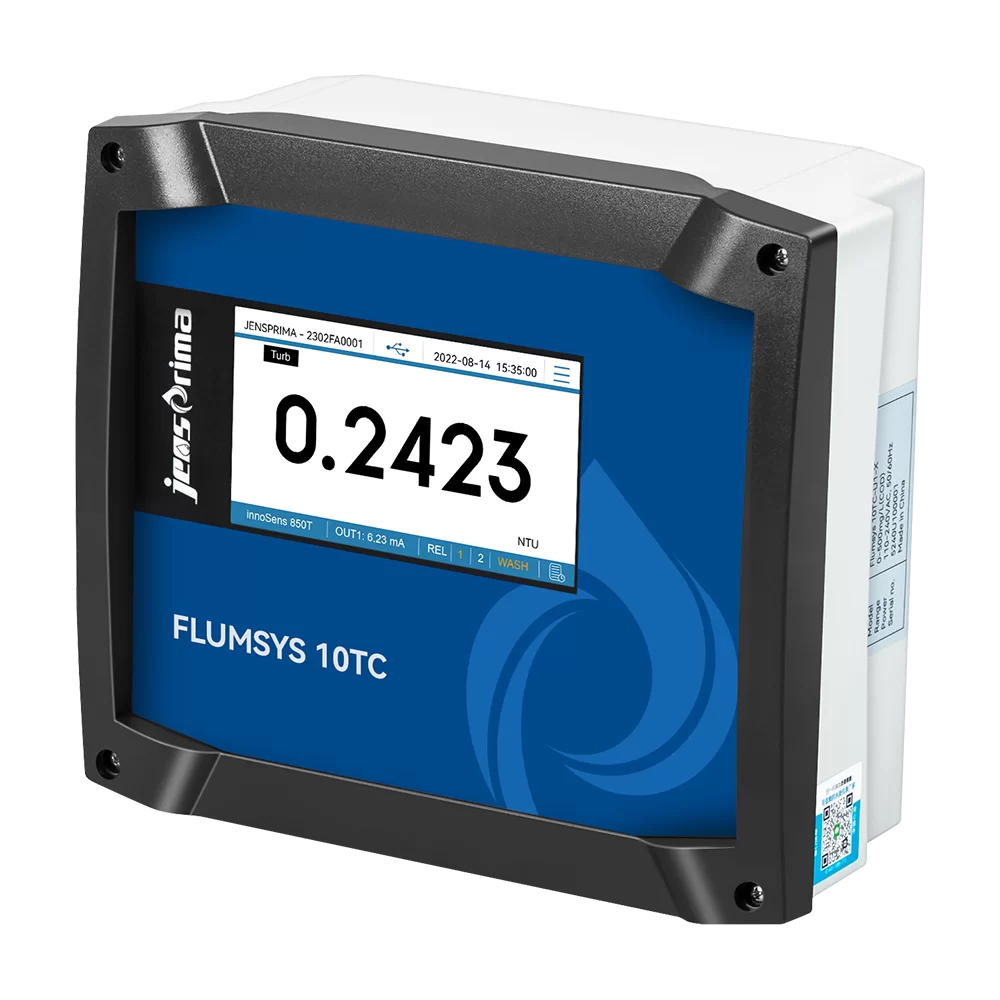
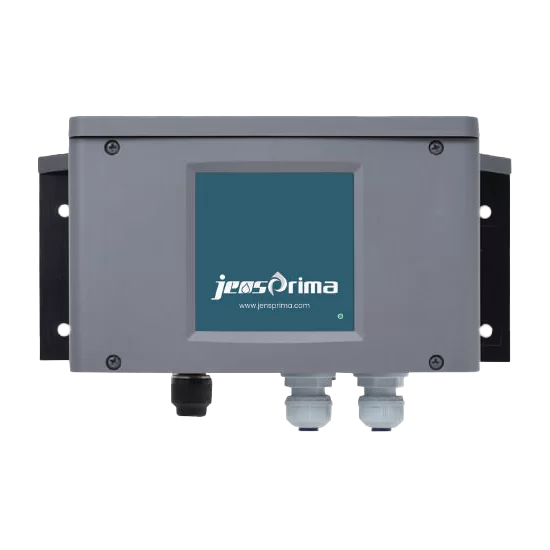
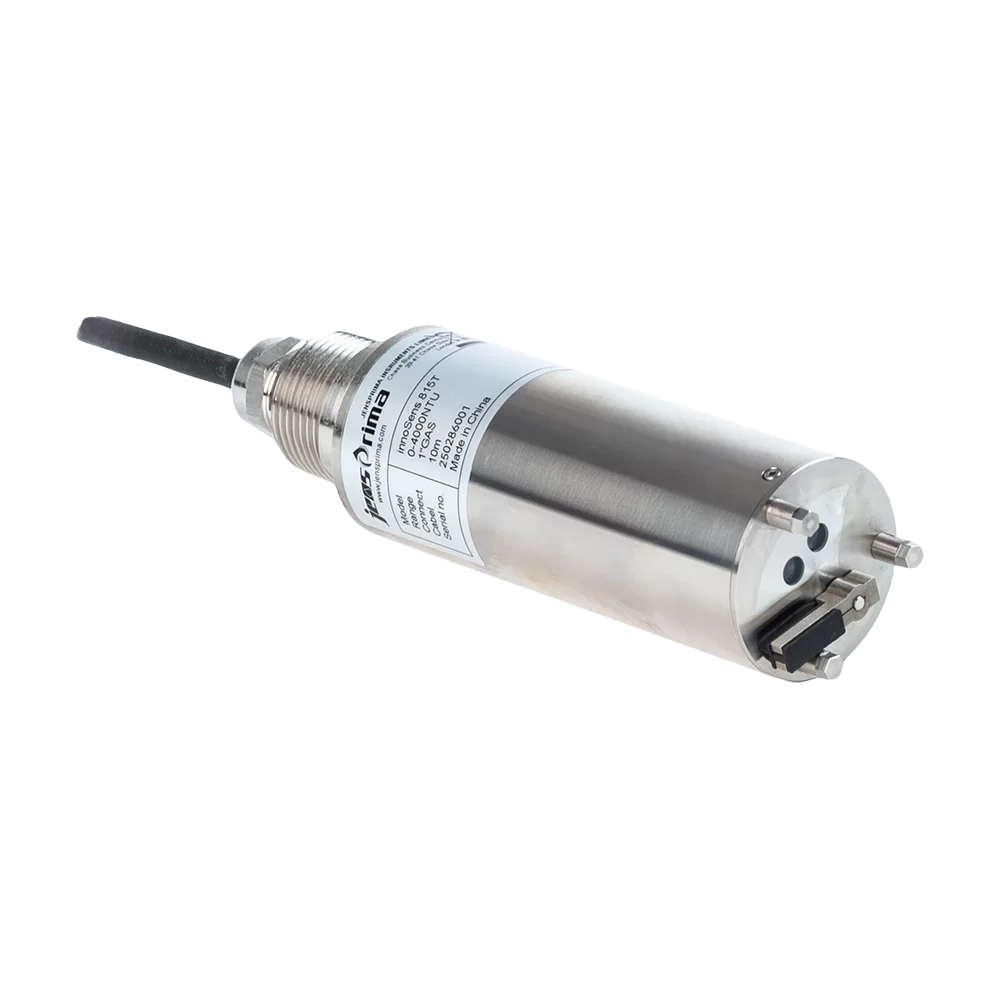
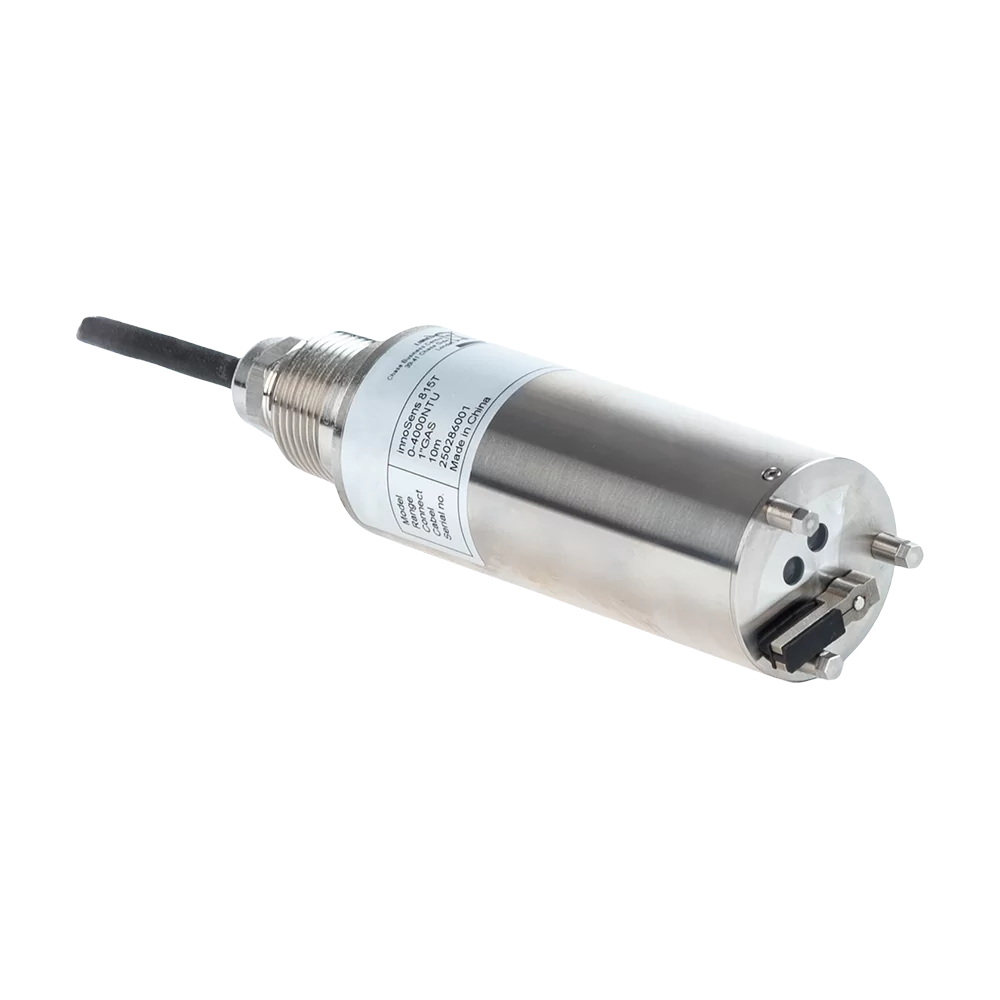
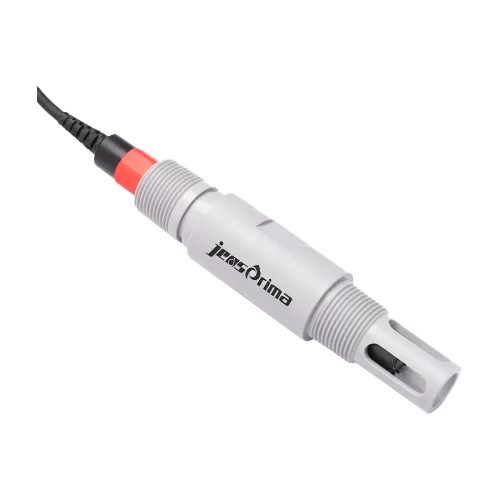
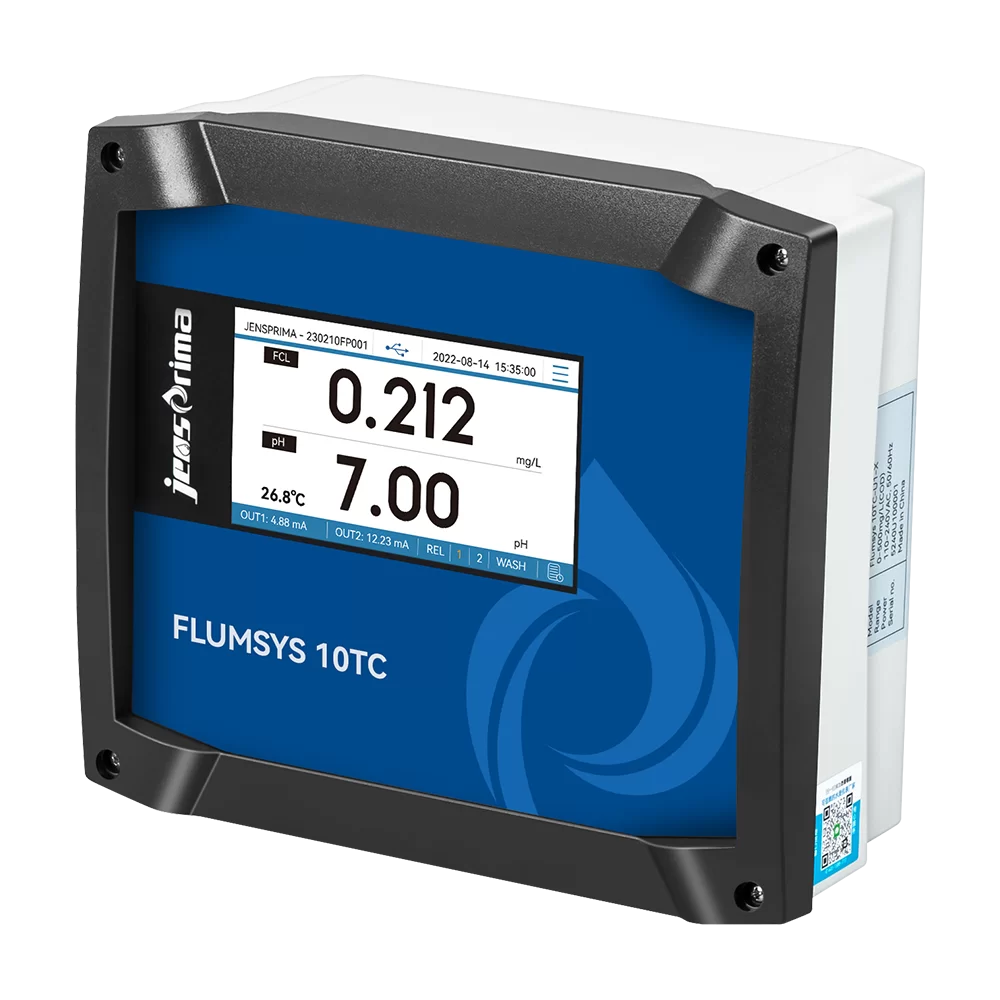
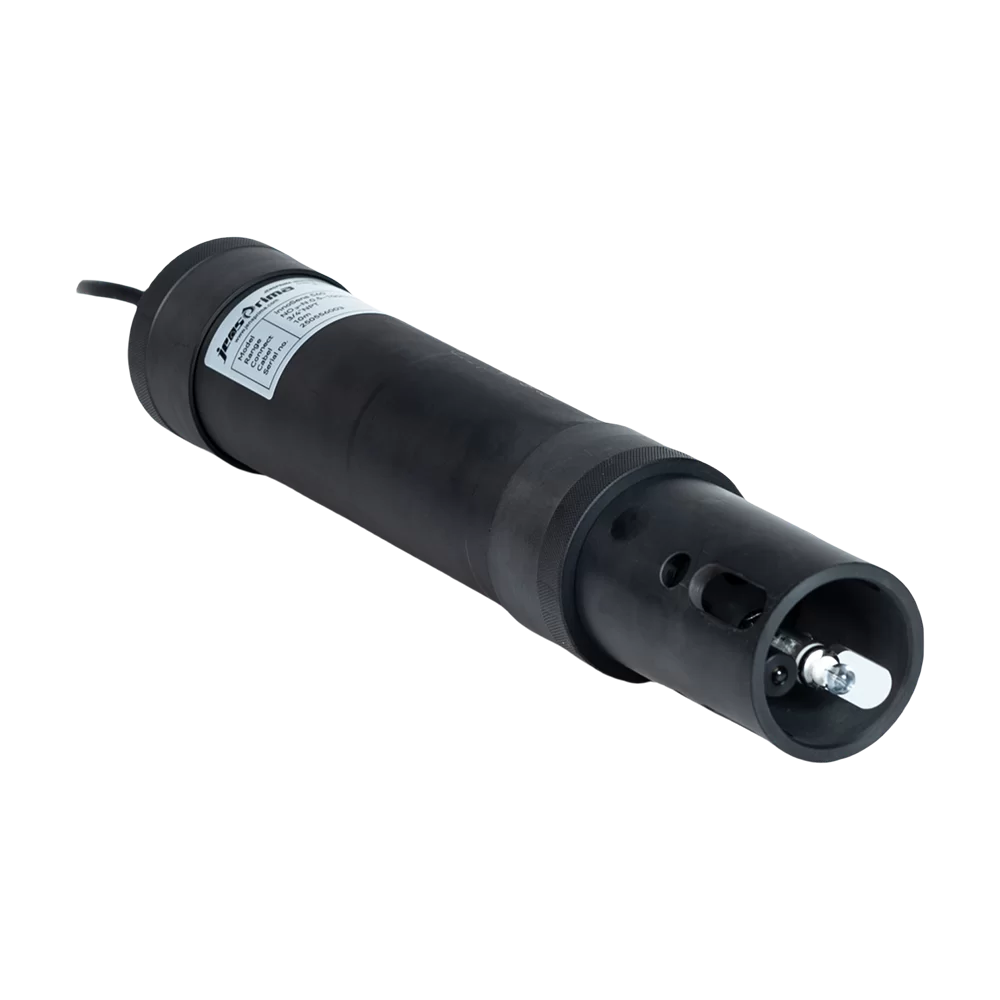
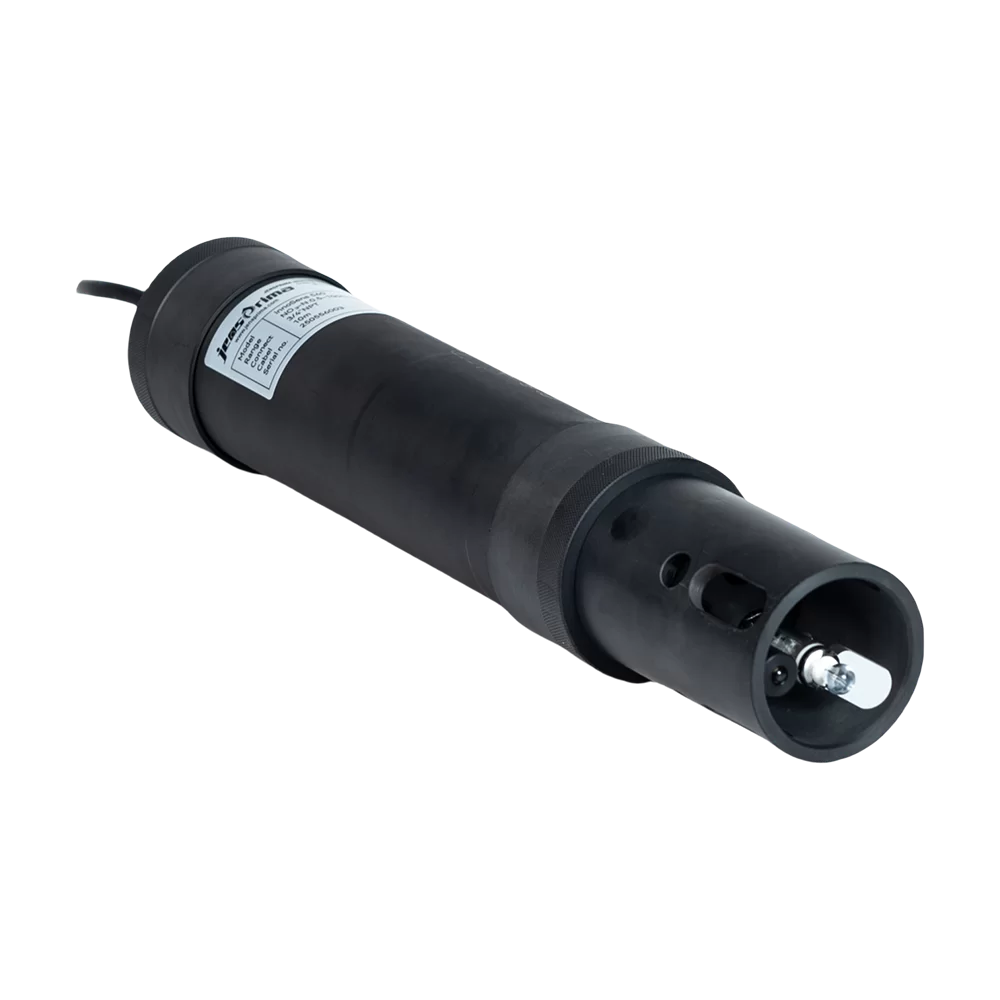
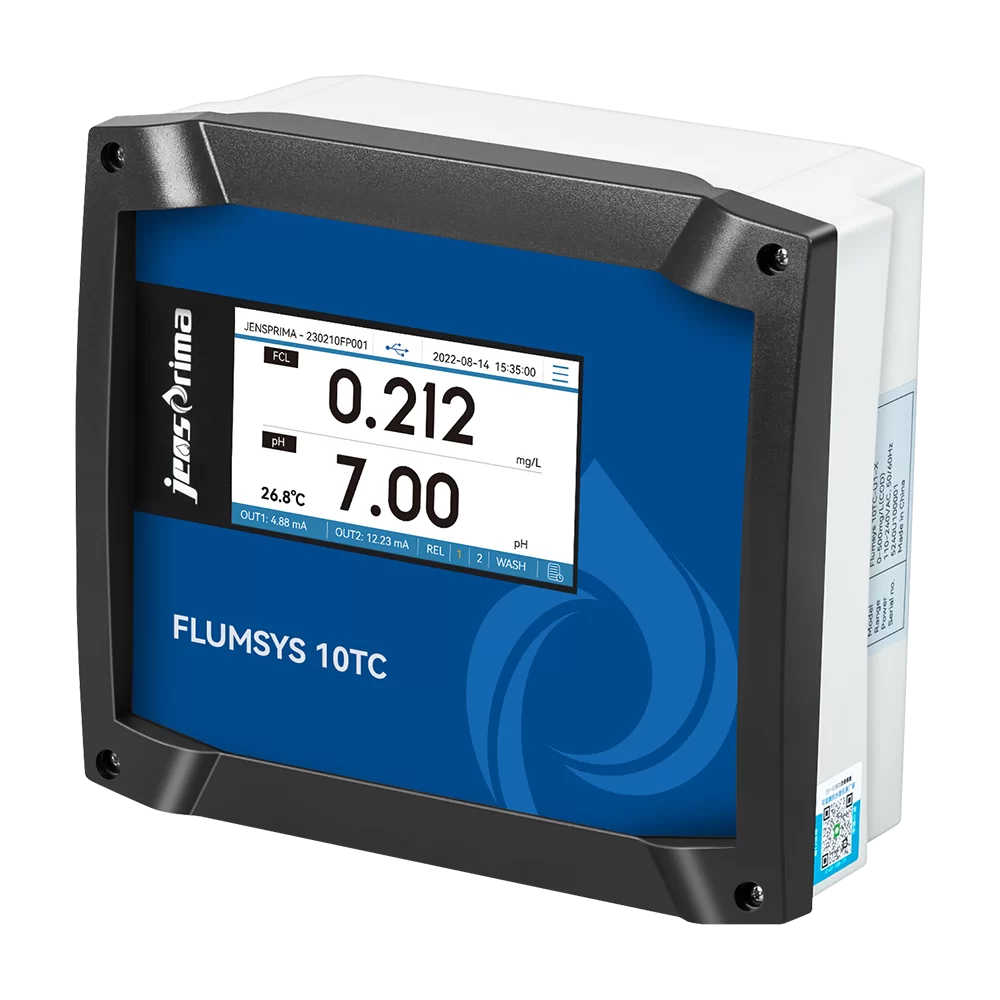
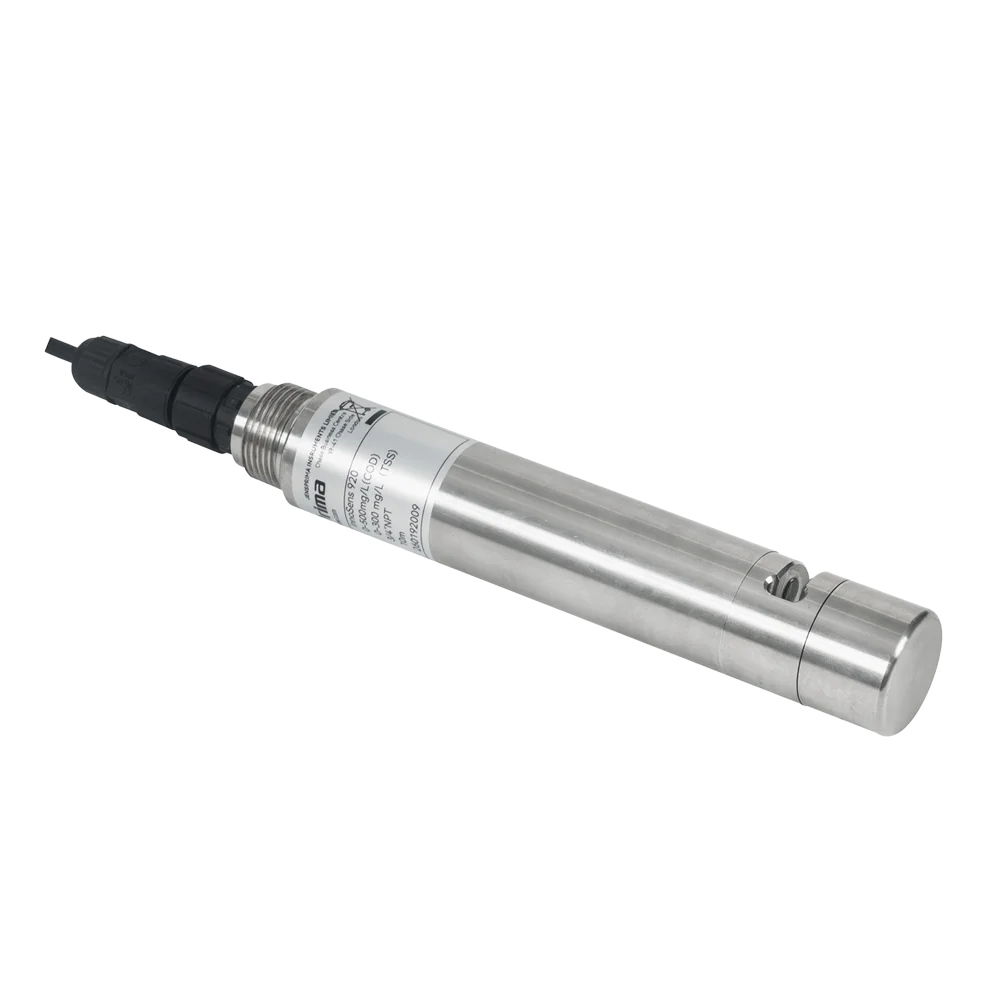
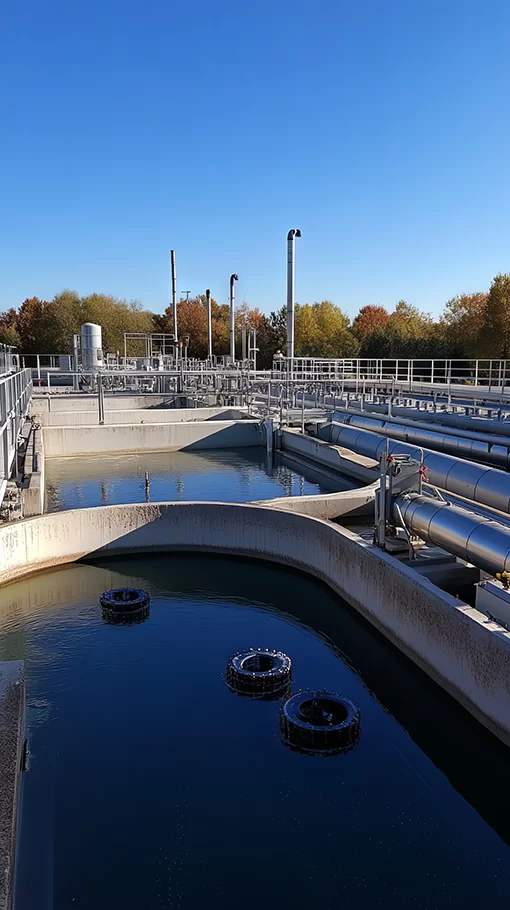
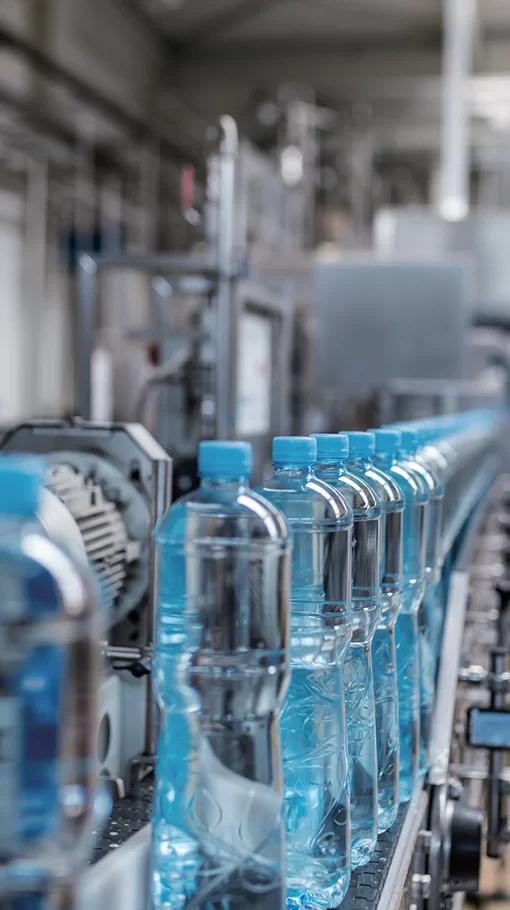


multi parameter analyzer

NEWS

UPDATES

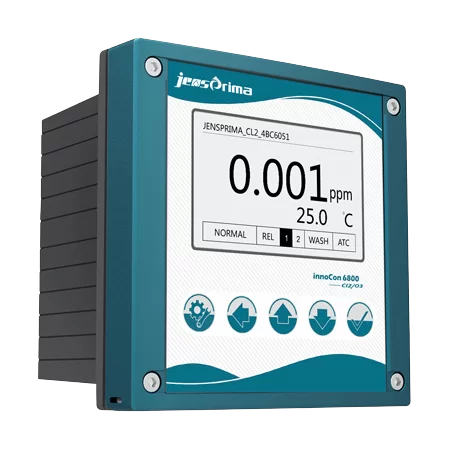
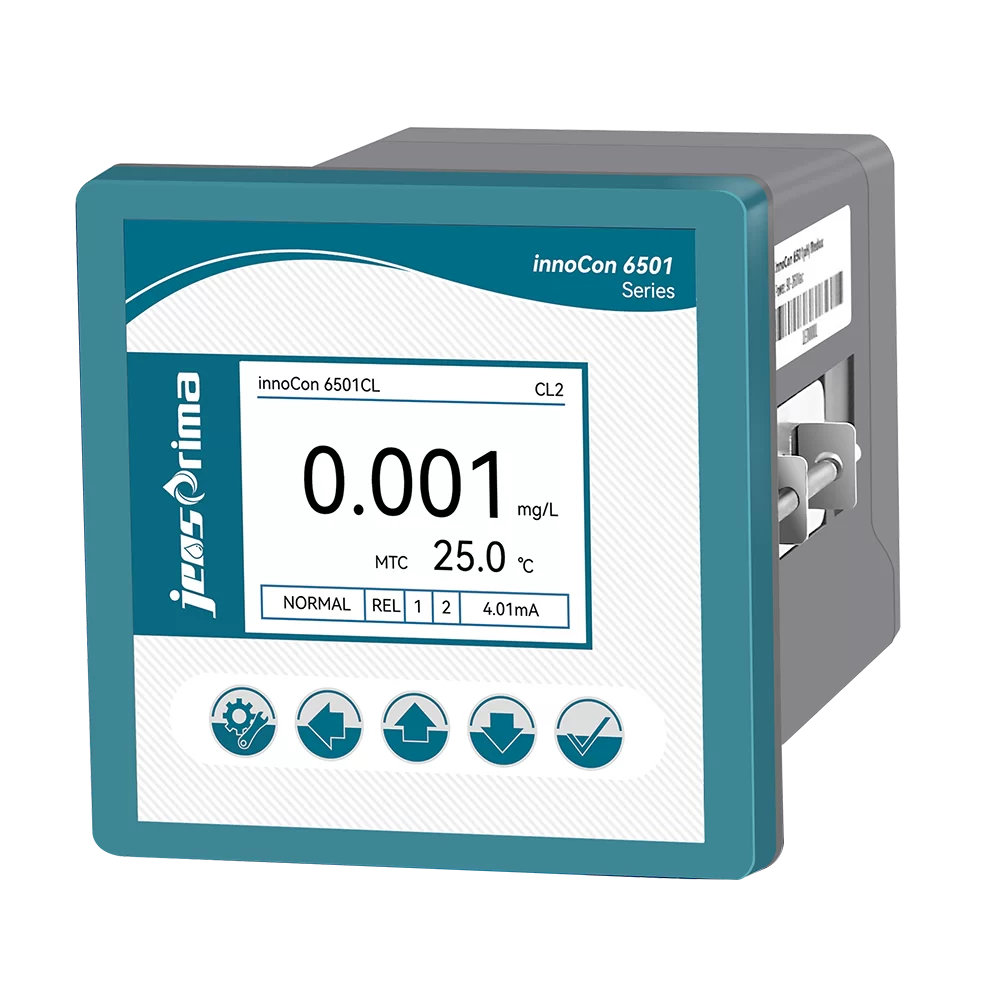
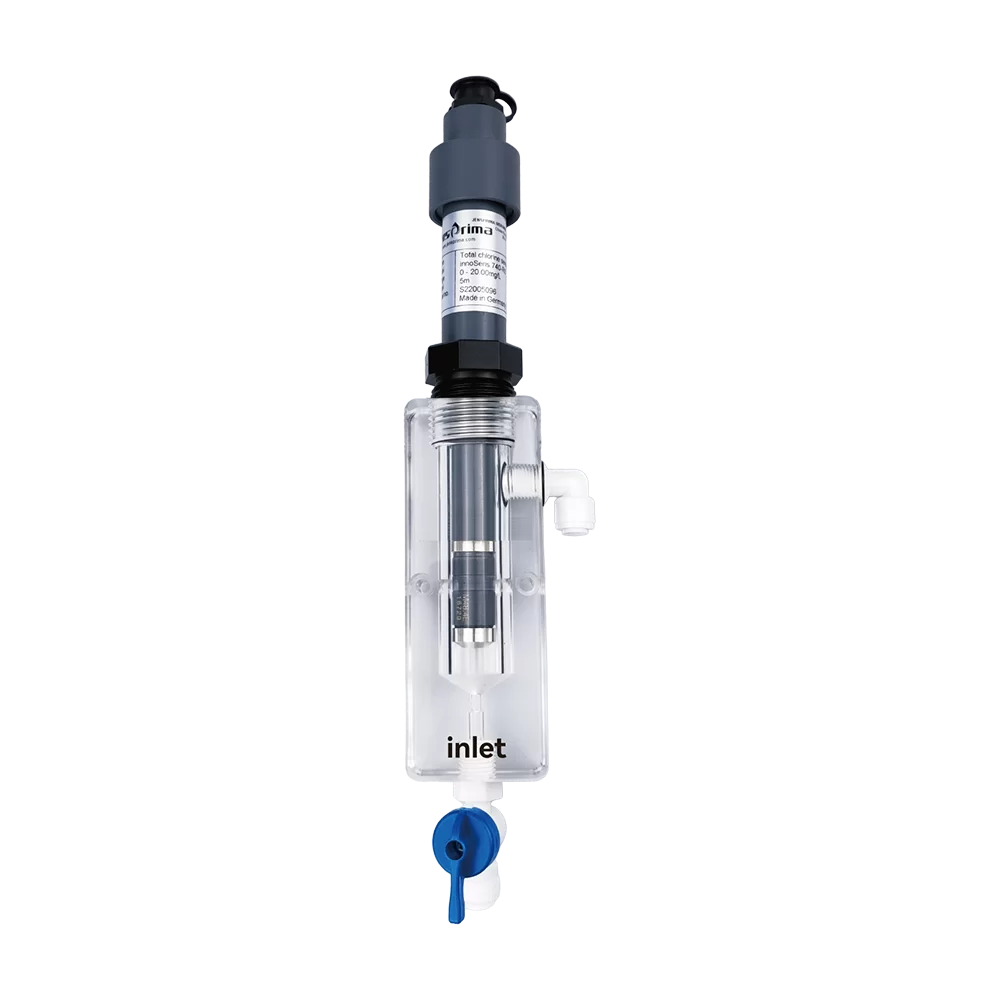
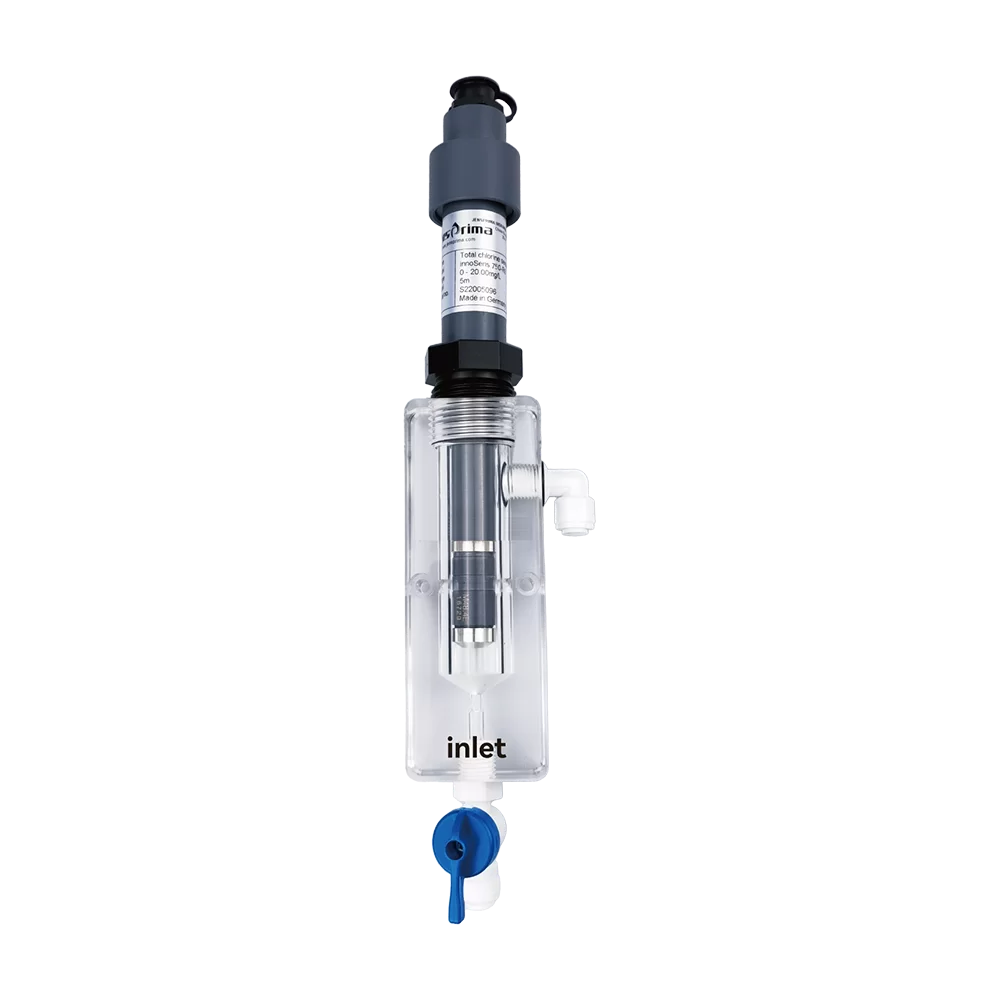
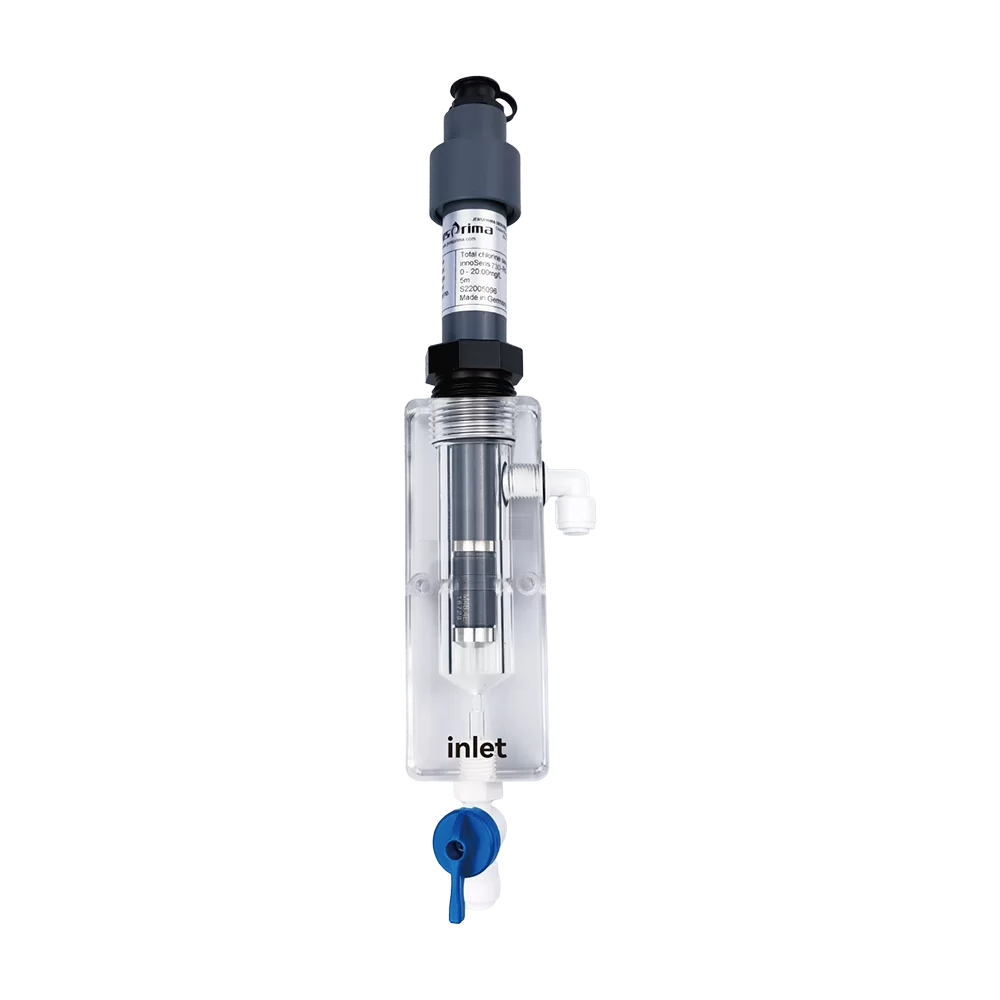
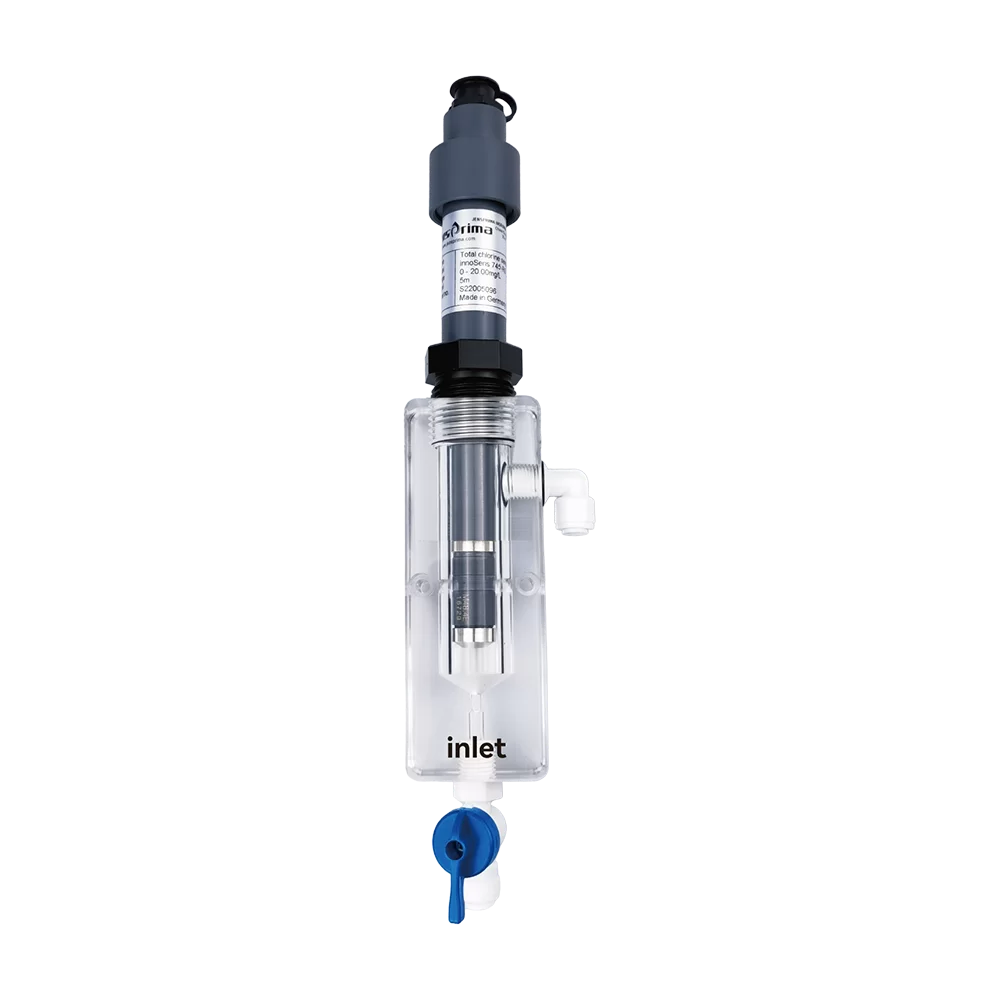
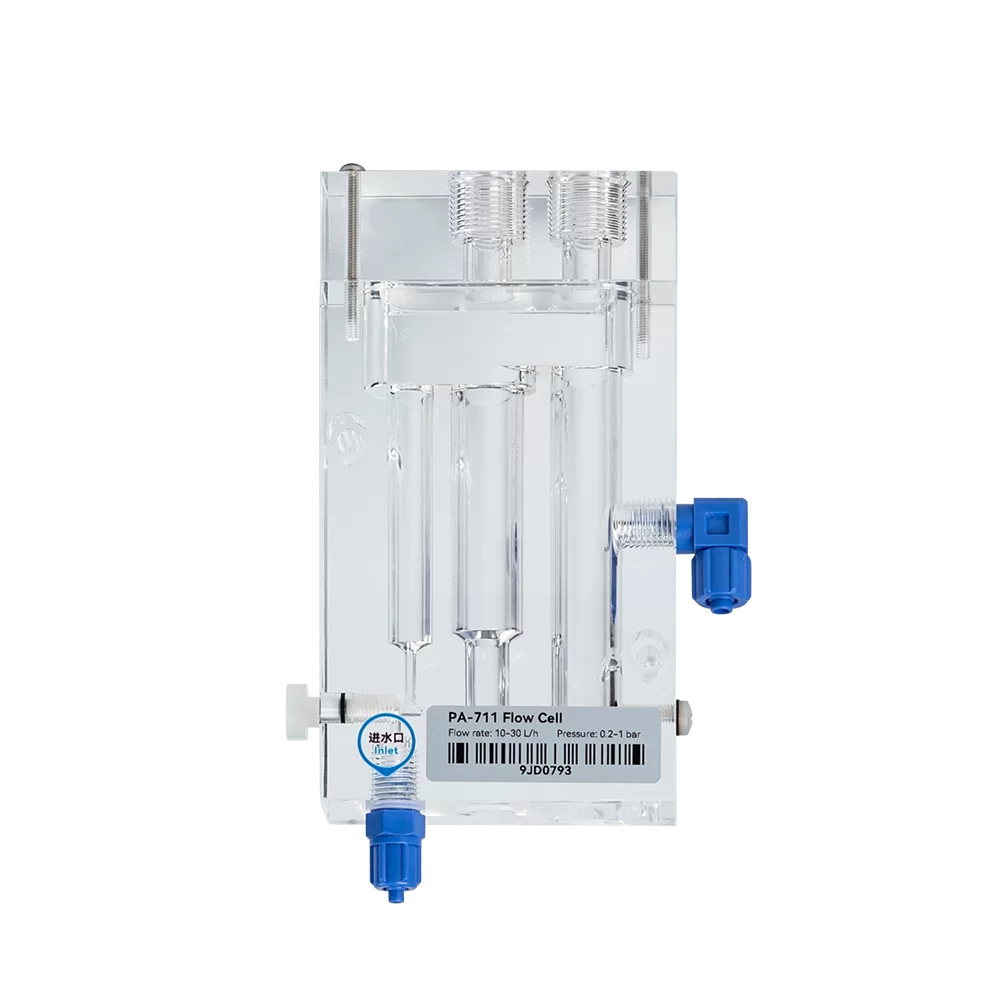
Smart Water Monitoring Solutions with residual chlorine controller in Singapore

Advanced online water quality analysis and flow measurement systems engineered for Singapore's rigorous industrial and environmental standards.

Smart Water Monitoring Solutions with residual chlorine controller in Singapore

Our integrated approach combines high-precision sensing with real-time control to ensure the purity and safety of Singapore's industrial and municipal water cycles.

Singapore's Water Analysis Landscape

Navigating the complexities of water scarcity and strict regulatory compliance in an urban island state.

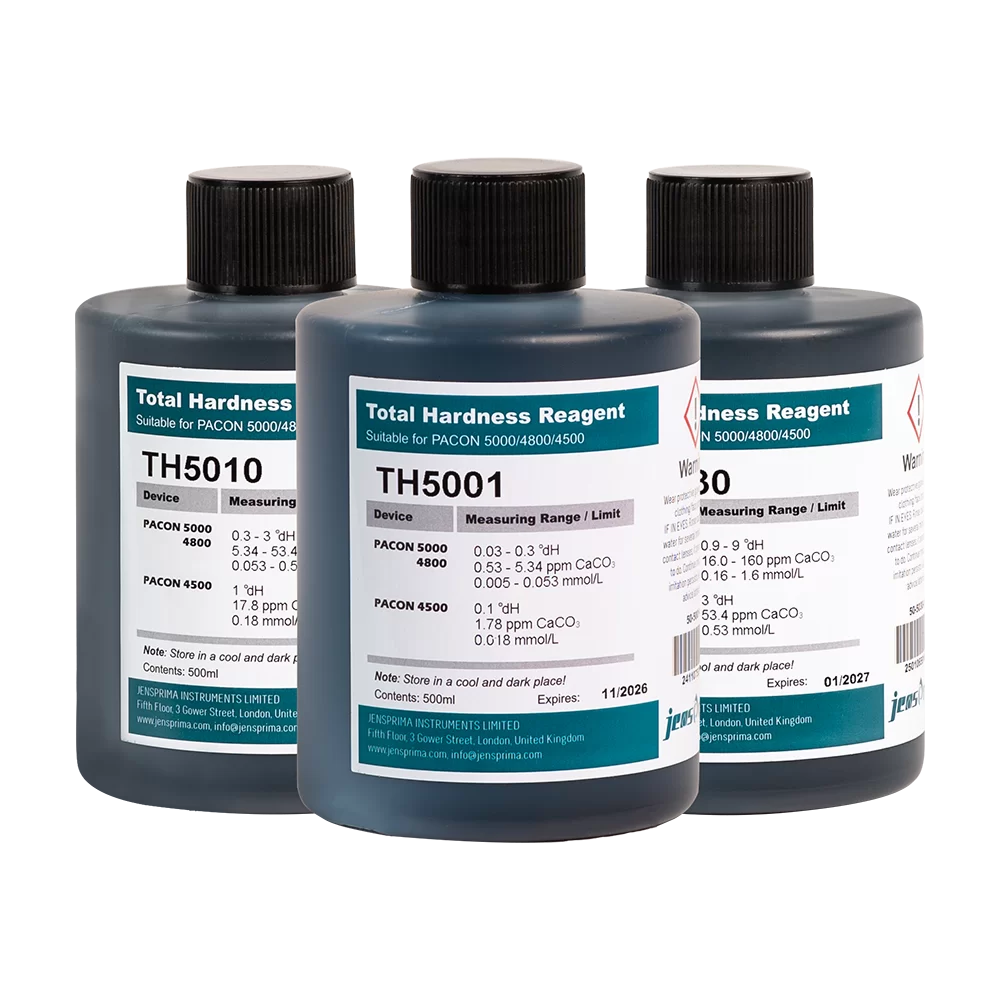
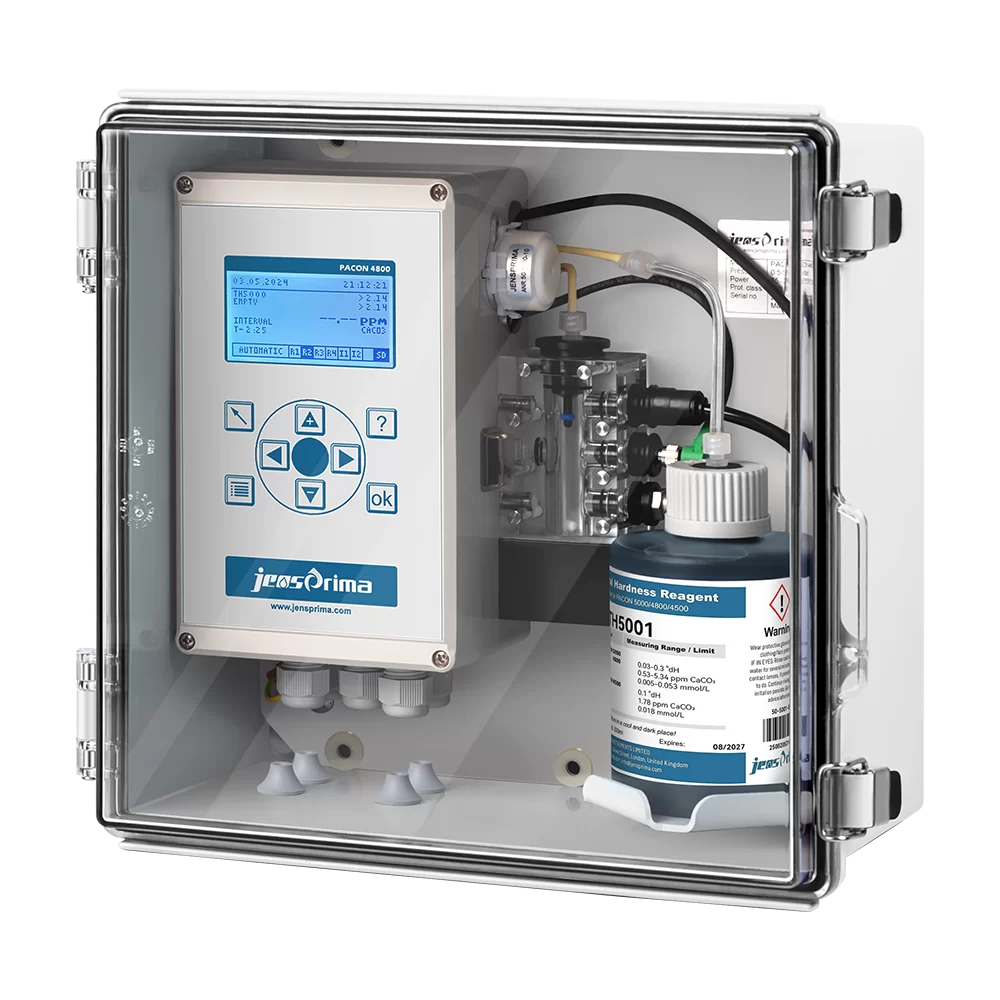
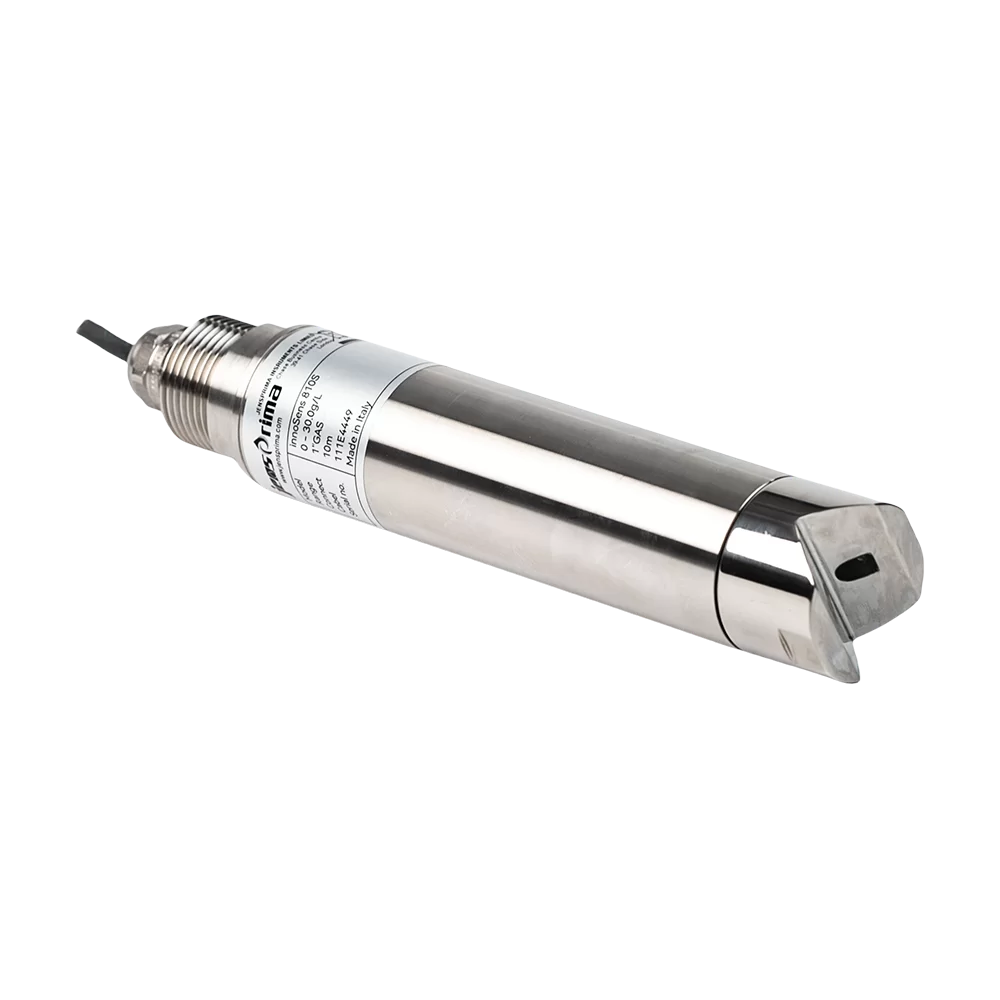
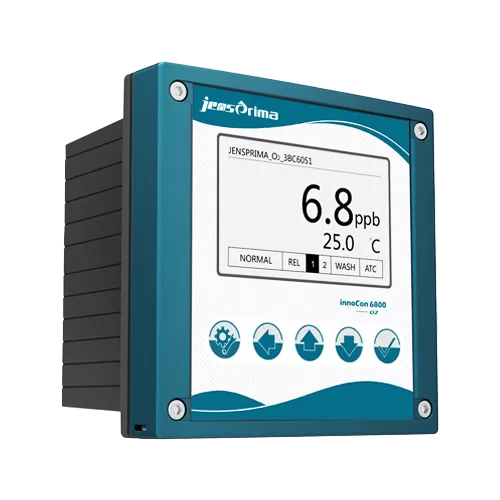
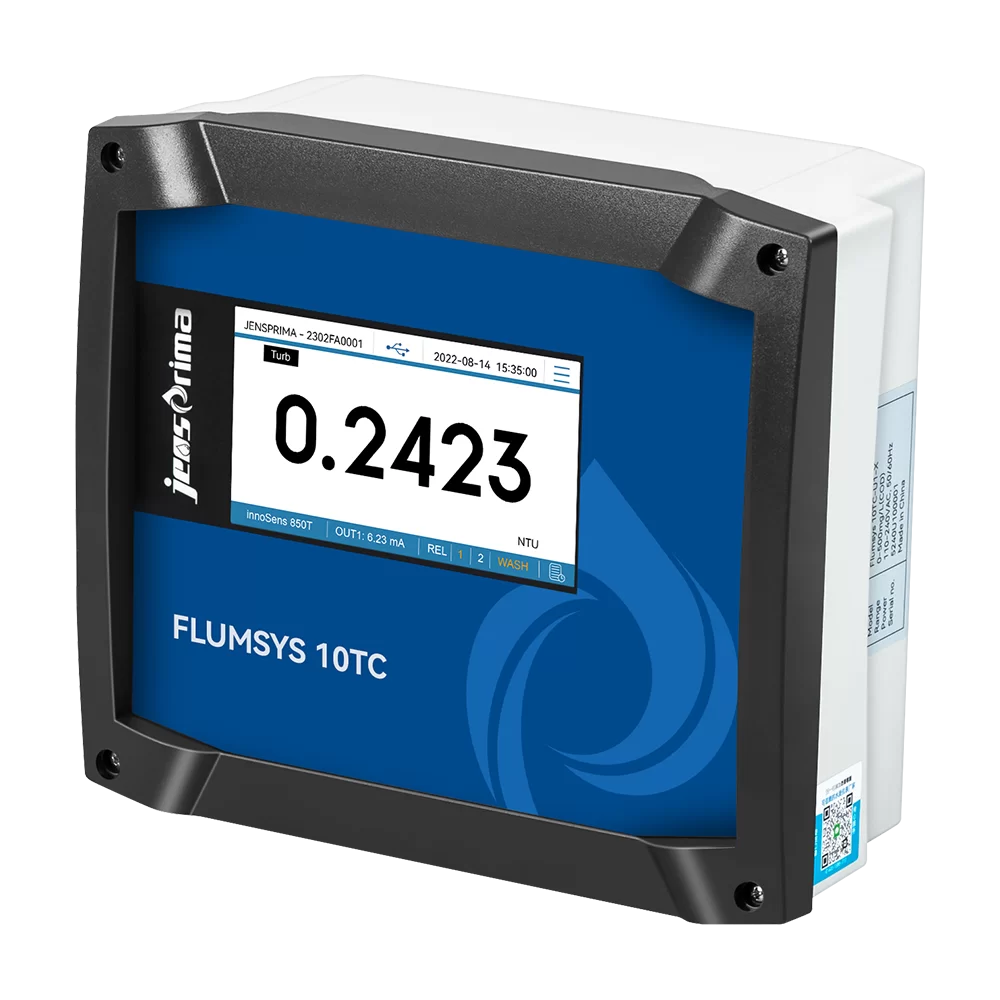
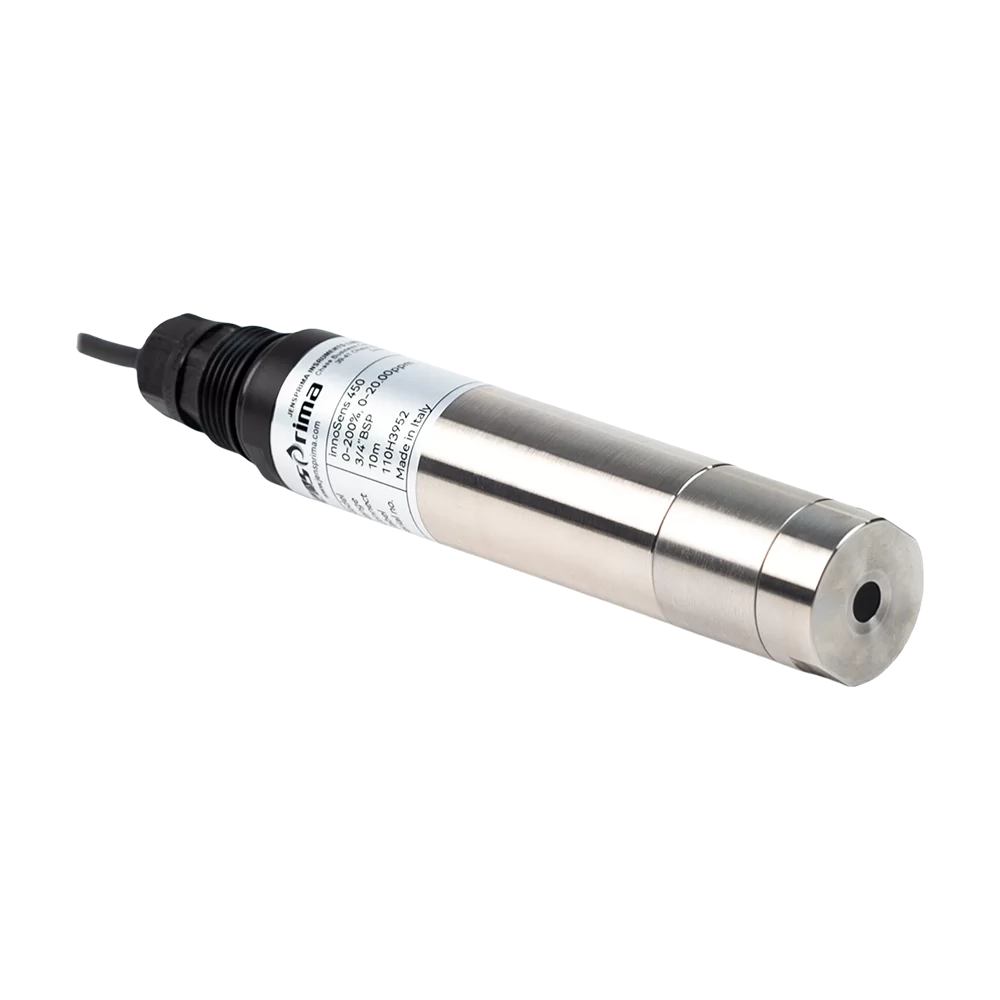
Singapore's commitment to the "Four National Taps" strategy necessitates extreme precision in water quality monitoring. The humid tropical climate and dense industrial clusters in Jurong Island demand robust instrumentation, such as the multi parameter water quality analyzer, to prevent contamination in recycled water networks.

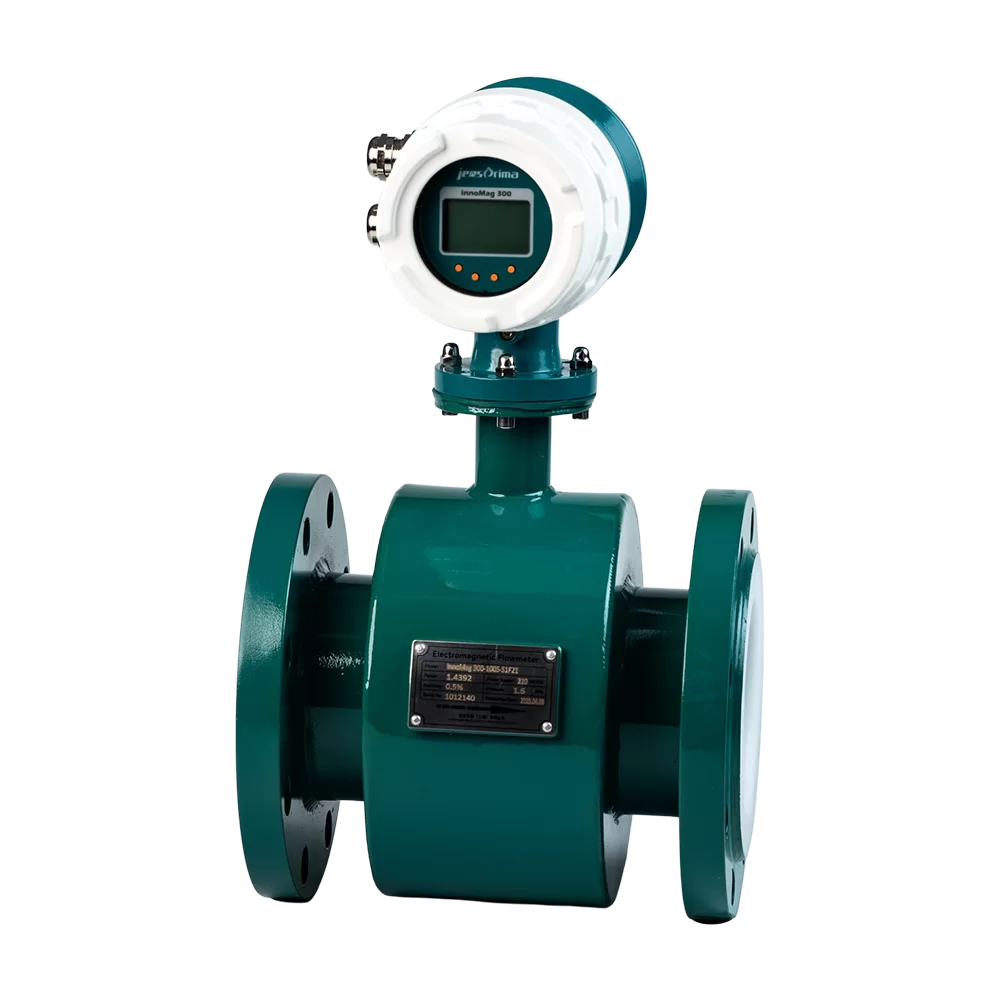
The PUB (Public Utilities Board) enforces strict discharge limits, making the deployment of an electromagnetic flowmeter essential for accurate wastewater billing and leak detection in the aging urban pipe infrastructure.

Moreover, the high demand for NEWater and desalinated water requires constant monitoring of chemical equilibrium. This has led to a surge in the adoption of high-stability analyzers to maintain water safety and infrastructure longevity across the city-state.

Evolution of Water Quality Analysis in Singapore

From manual sampling to AI-driven autonomous monitoring systems.

Market Development History

In the early 2000s, Singapore relied heavily on periodic manual sampling and laboratory testing. Analysis of alkalinity and hardness was a time-consuming process, often leading to delayed responses in water treatment adjustments.

Between 2010 and 2020, the shift toward "Online Monitoring" occurred. The introduction of the alkalinity analyzer and specialized hardness sensors allowed for real-time titration and adjustment, reducing chemical waste in desalination plants.

Today, the industry has entered the era of Industrial IoT (IIoT), where sensors are no longer isolated tools but integrated nodes in a city-wide smart water grid, providing predictive analytics for water quality degradation.

Future Development Trends

AI-Driven Predictive Maintenance

Integration of machine learning to predict sensor drift in total hardness analyzer units, reducing downtime in critical industrial cooling loops.

Miniaturization and MEMS Technology

Transitioning toward micro-fluidic sensors that offer the same precision as bench-top analyzers but with a fraction of the reagent consumption.

Cloud-Based Compliance Reporting

Automated data synchronization with regulatory bodies to ensure 24/7 transparency in water discharge quality and flow rates.

Industry Trends & Future Outlook

Driving sustainability through intelligent water instrumentation.

Digital Twin Integration
Creating virtual replicas of water networks to simulate the impact of pollutant spikes in real-time.
Reagent-Free Sensing
Developing optical and electrochemical sensors to eliminate the cost and waste of chemical reagents.
Edge Computing Nodes
Processing analyzer data at the source to allow millisecond response times for valve control.
Circular Economy Focus
Optimizing water recovery systems using precision flow and quality sensors to reach zero-liquid discharge.

Industry Outlook

The future of water analysis in Singapore is inextricably linked to the "Smart Nation" initiative. We anticipate a shift toward autonomous water plants where analyzers act as the sensory nervous system, automatically adjusting chemical dosages based on real-time influent quality.

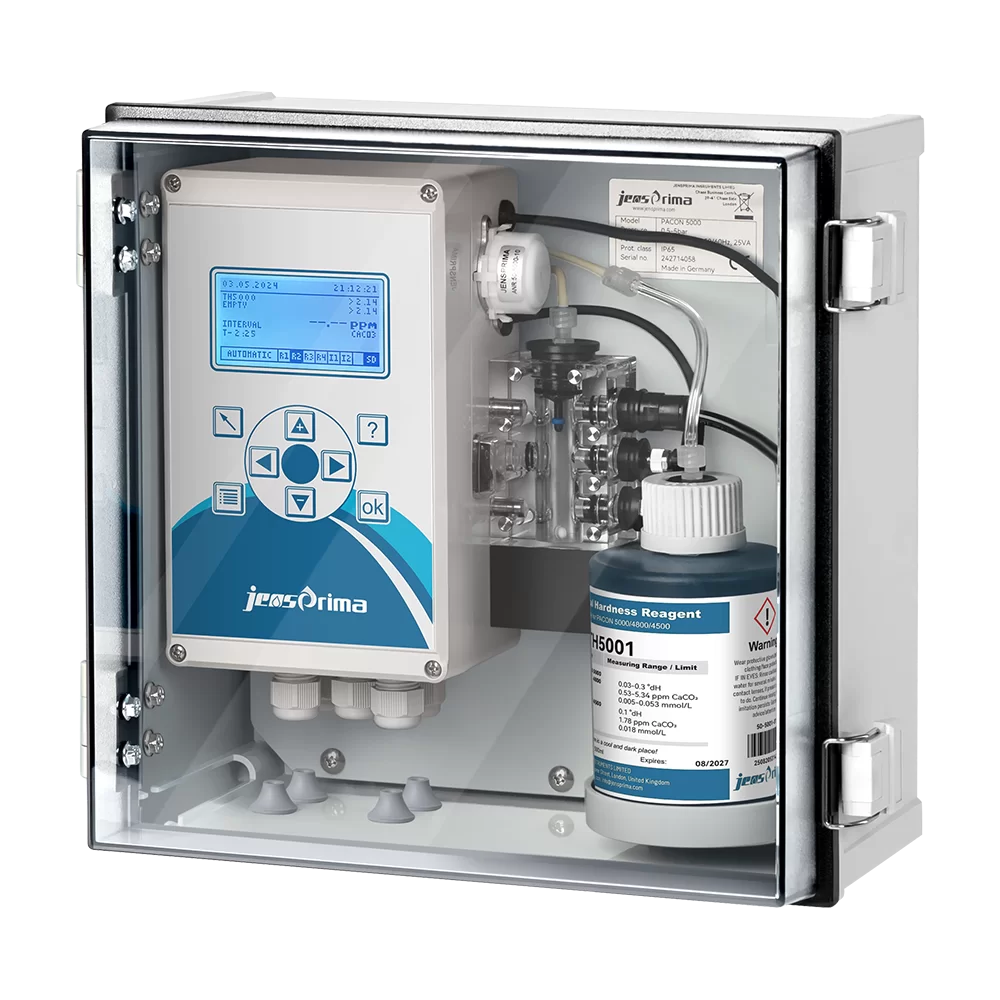
As energy costs rise, the efficiency of desalination and NEWater processes will depend on the precision of instruments like the total hardness analyzer, ensuring that membranes are protected from scaling while minimizing energy consumption.

Localized Application Scenarios in Singapore

Proven deployments across Singapore's unique industrial and urban infrastructure.

1. Jurong Island Petrochemical Plants

Implementing high-durability analyzers to monitor cooling tower water, using total hardness analyzer systems to prevent mineral scaling in heat exchangers.

2. PUB Desalination Plants

Precise control of reverse osmosis feed water using a multi parameter water quality analyzer to monitor conductivity, pH, and temperature.

3. Changi Airport Water Facilities

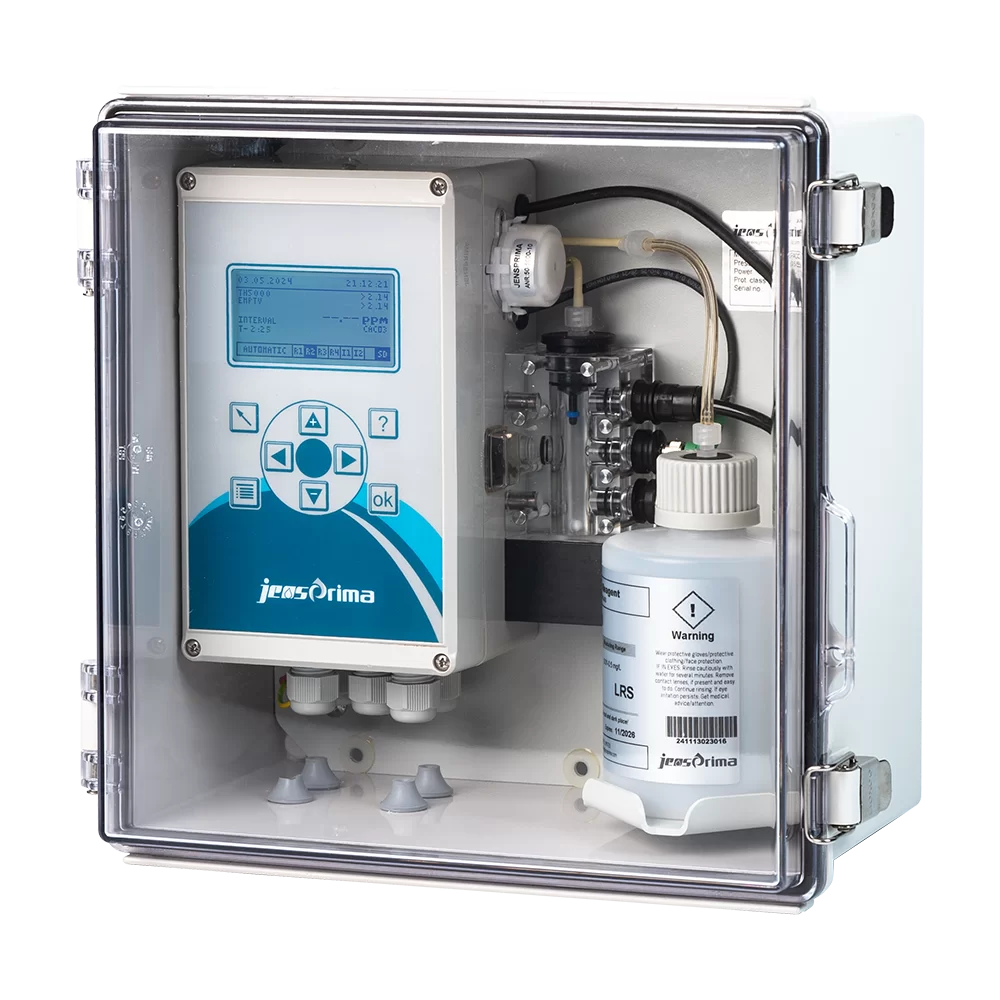
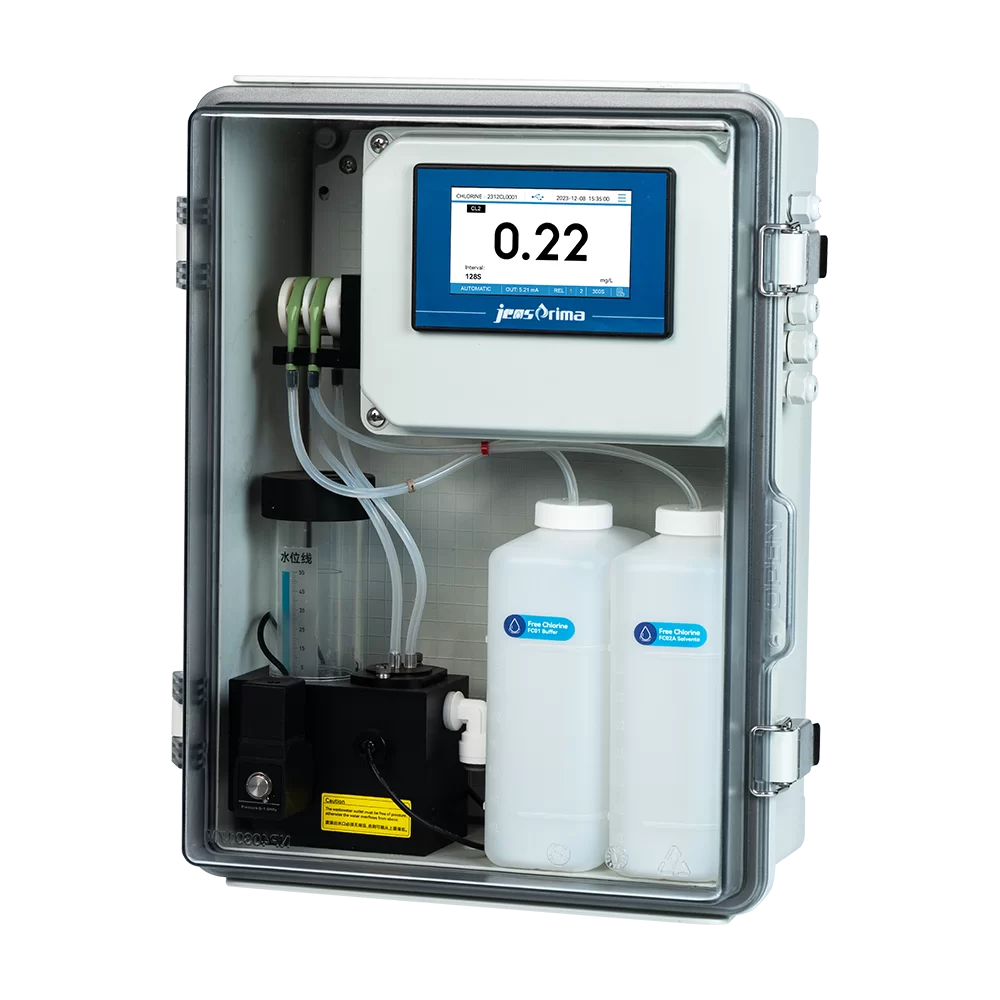
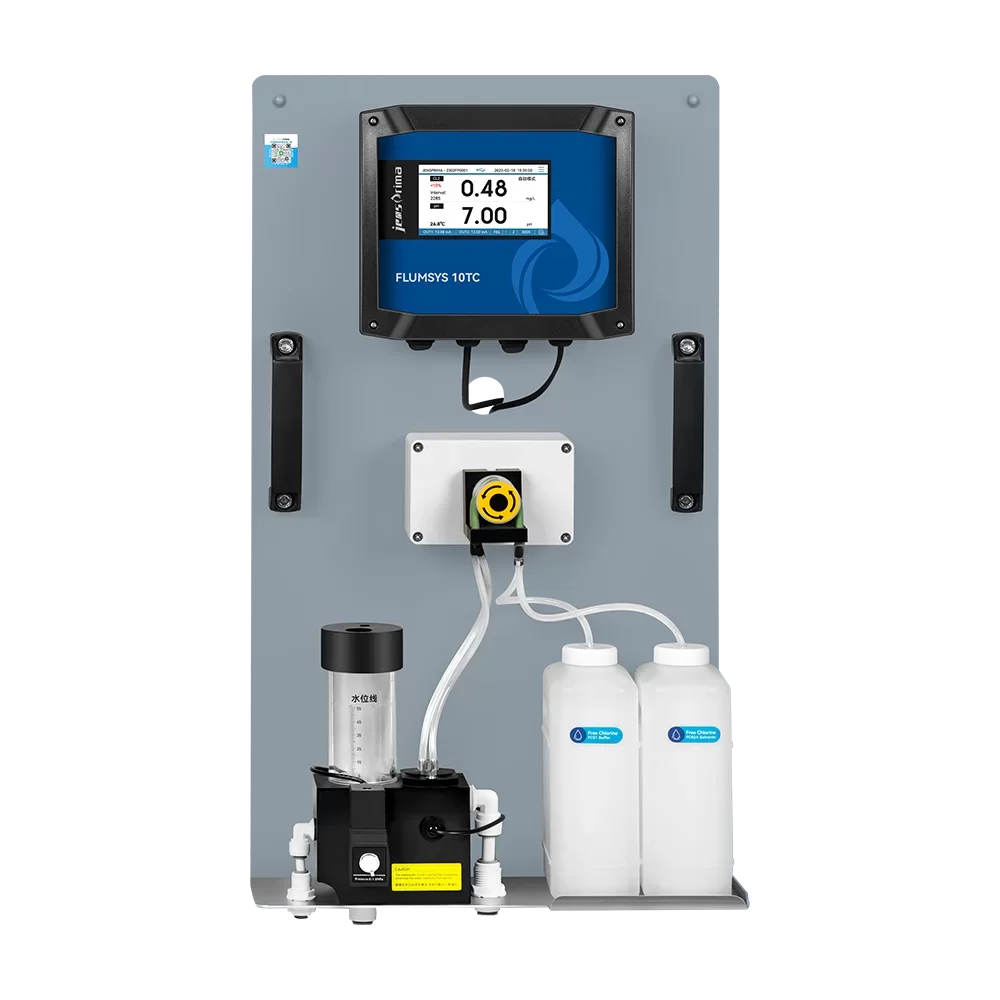
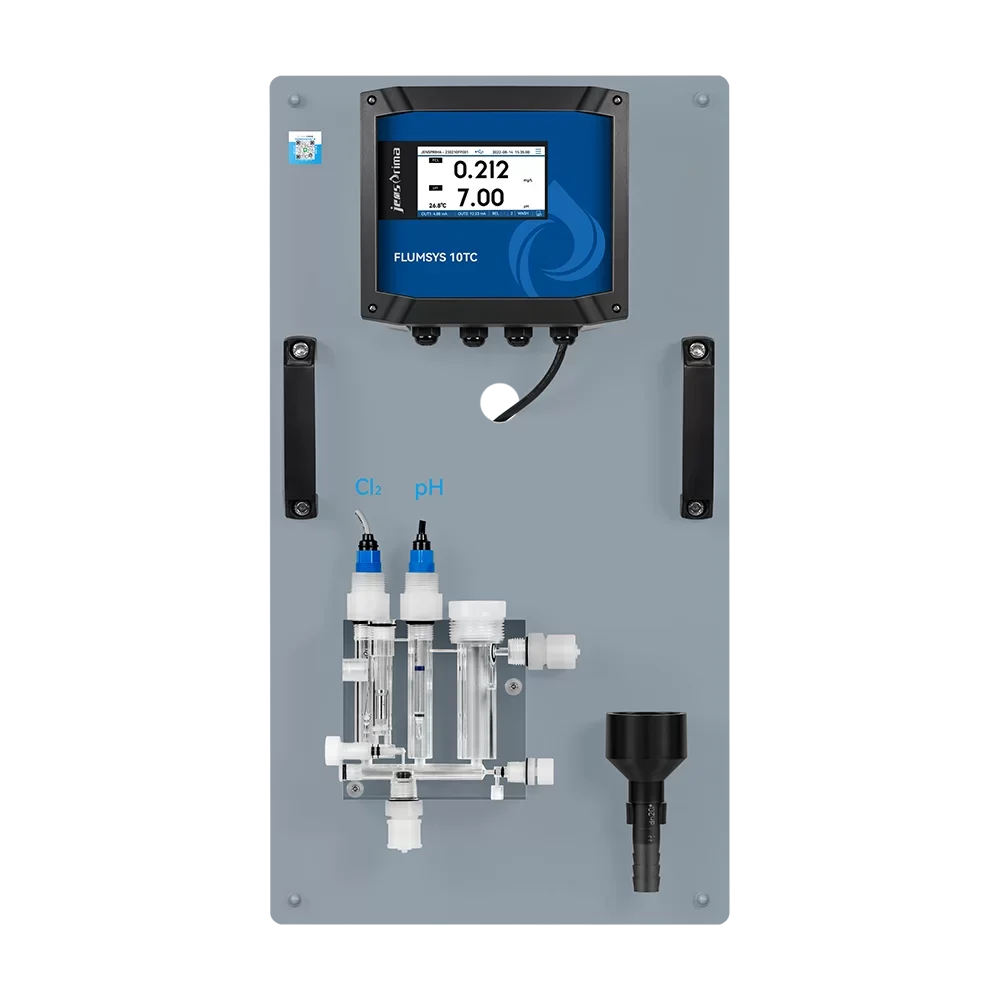
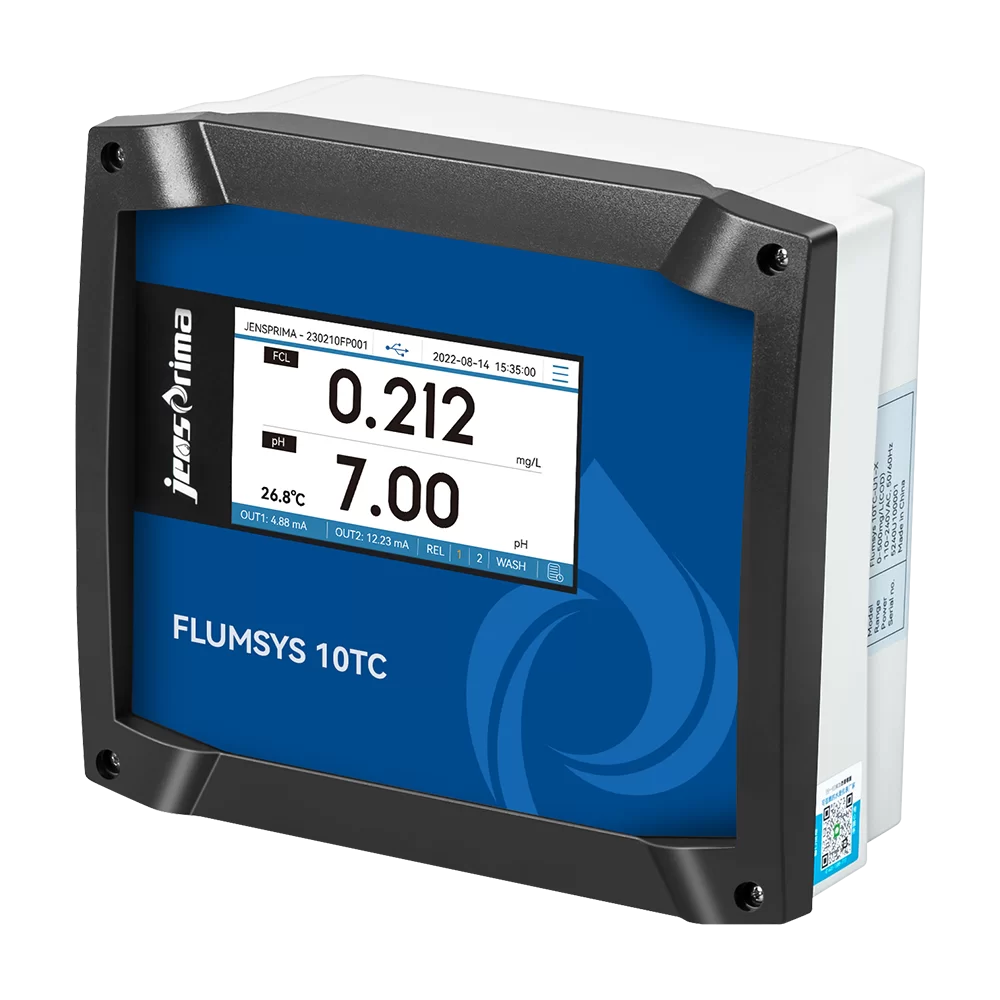
Ensuring potable water safety throughout the terminal complex by integrating a residual chlorine controller for automated disinfection.

4. Tuas Biomedical Parks

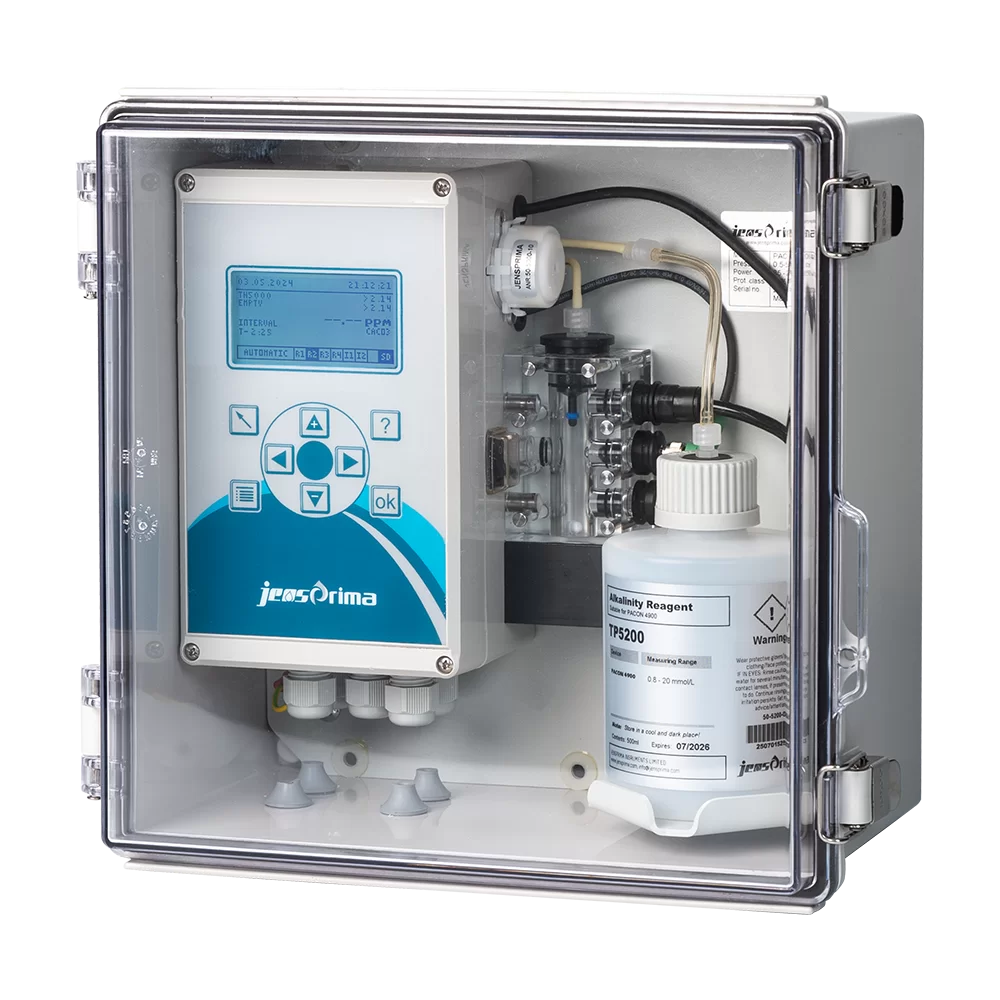
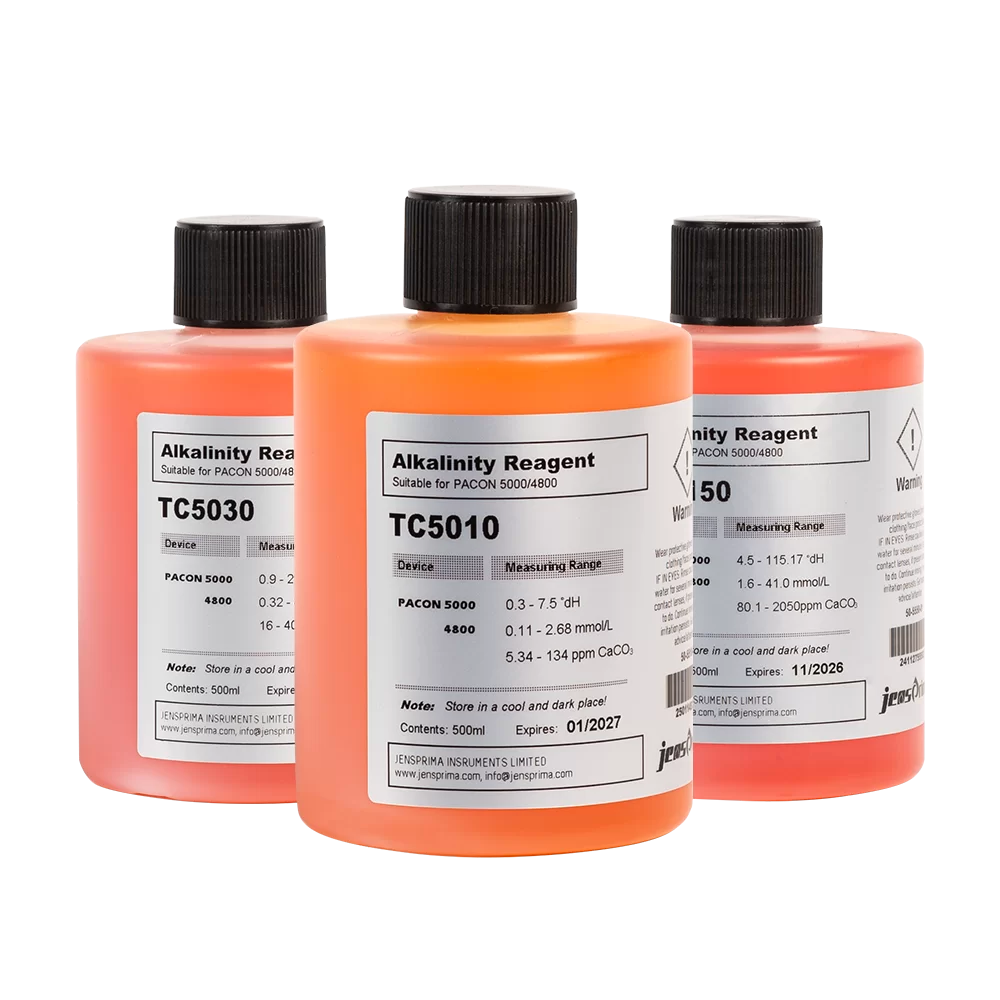
Monitoring high-purity water (UPW) systems for pharmaceutical manufacturing, where an alkalinity analyzer ensures strict chemical specifications.

5. Urban Drainage and Sewerage Networks

Utilizing the electromagnetic flowmeter to track wastewater volumes and identify clandestine leaks in the metropolitan sewer system.

Brand Story

Global Development Journey of Jensprima (Shanghai) Co., Ltd.

Foundational Innovation

Established with a vision to bridge the gap between complex laboratory chemistry and rugged industrial application in water analysis.

Technological Breakthroughs

Developed proprietary titration algorithms that significantly improved the accuracy of online hardness and alkalinity measurements.

Global Market Expansion

Successfully entered the Southeast Asian market, tailoring products to the high-humidity and high-salinity environments of coastal cities.

Sustainability Commitment

Launched a series of low-reagent and energy-efficient analyzers to support the global transition toward Green Water Management.

Future Intelligence

Currently pioneering the integration of AI and Cloud diagnostics to provide "Zero-Maintenance" water quality monitoring solutions.

Comprehensive Water Analysis Portfolio for Singapore

A complete suite of instruments designed to meet the diverse needs of the Singaporean water industry.

Singapore Water Analysis FAQ

Answers to the most common technical questions regarding online water monitoring in Asia.

How to choose the right multi parameter water quality analyzer for seawater applications?

For seawater, you must ensure the analyzer features corrosion-resistant probes (such as Titanium) and specific compensation algorithms for high salinity to maintain accuracy.

What is the maintenance cycle for an online total hardness analyzer?

Typically, reagent replenishment occurs every 1-3 months, while sensor calibration should be performed monthly to prevent drift in high-temperature industrial loops.

Can a residual chlorine controller handle both free and total chlorine?

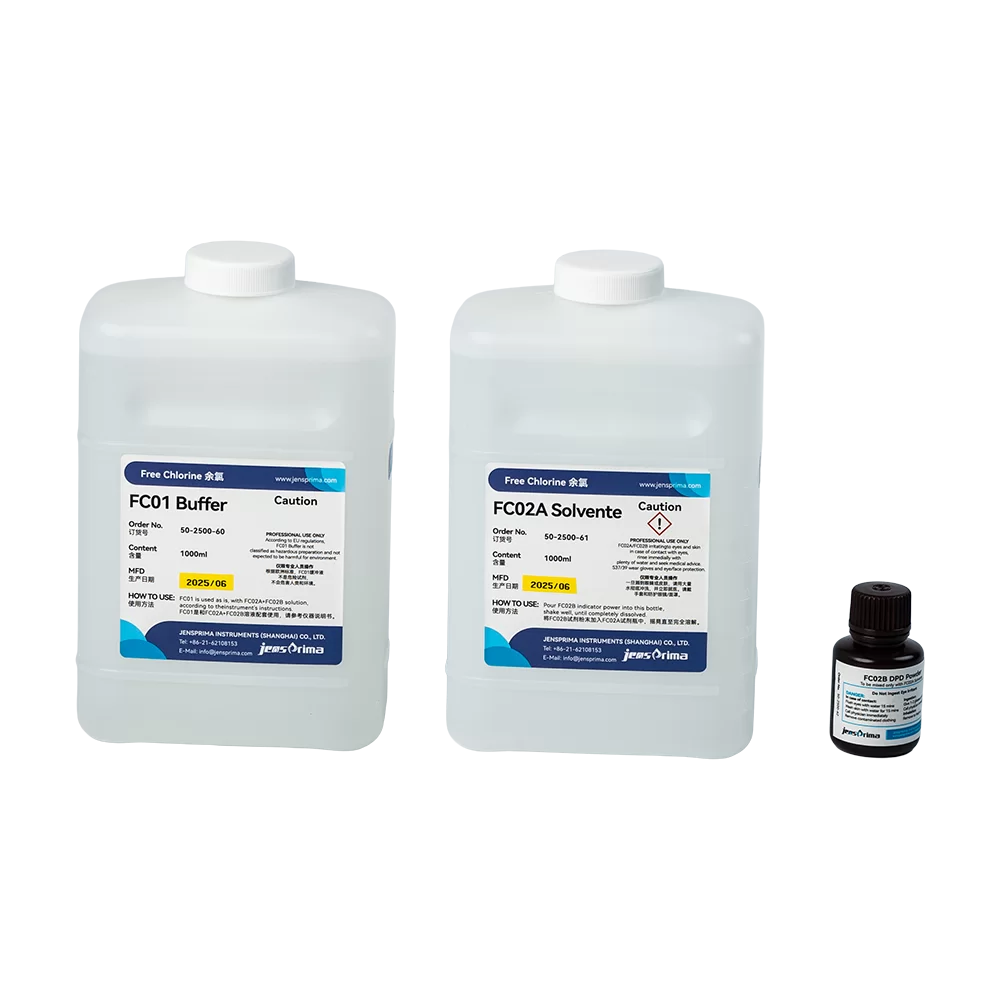
Yes, advanced controllers utilize DPD-based colorimetric methods to distinguish between free and total chlorine, providing precise dosing for disinfection processes.

Why use an electromagnetic flowmeter over ultrasonic meters in wastewater?

Electromagnetic flowmeters are superior for wastewater because they are not affected by bubbles or suspended solids, ensuring accurate volume measurement in turbulent flows.

How does an alkalinity analyzer improve boiler efficiency?

By maintaining precise alkalinity levels, the analyzer prevents acidic corrosion and alkaline scaling, significantly extending the life of the boiler tubes.

What integration protocols are supported for Singapore's smart water grids?

Our instruments support Modbus TCP/IP, 4-20mA, and Profibus, ensuring seamless integration with SCADA and cloud-based management systems.

Get Expert Consultation for Your Water Project

Our technical team provides customized instrumentation design and on-site support for all industrial water challenges in Singapore.

Contact Us Now
Service Repair Form
Tell us what issue you encountered, including any steps or symptoms.
  • Name
  • Email
  • Phone
  • Fault Description

If you are interested in our products, you can choose to leave your information here, and we will be in touch with you shortly.