
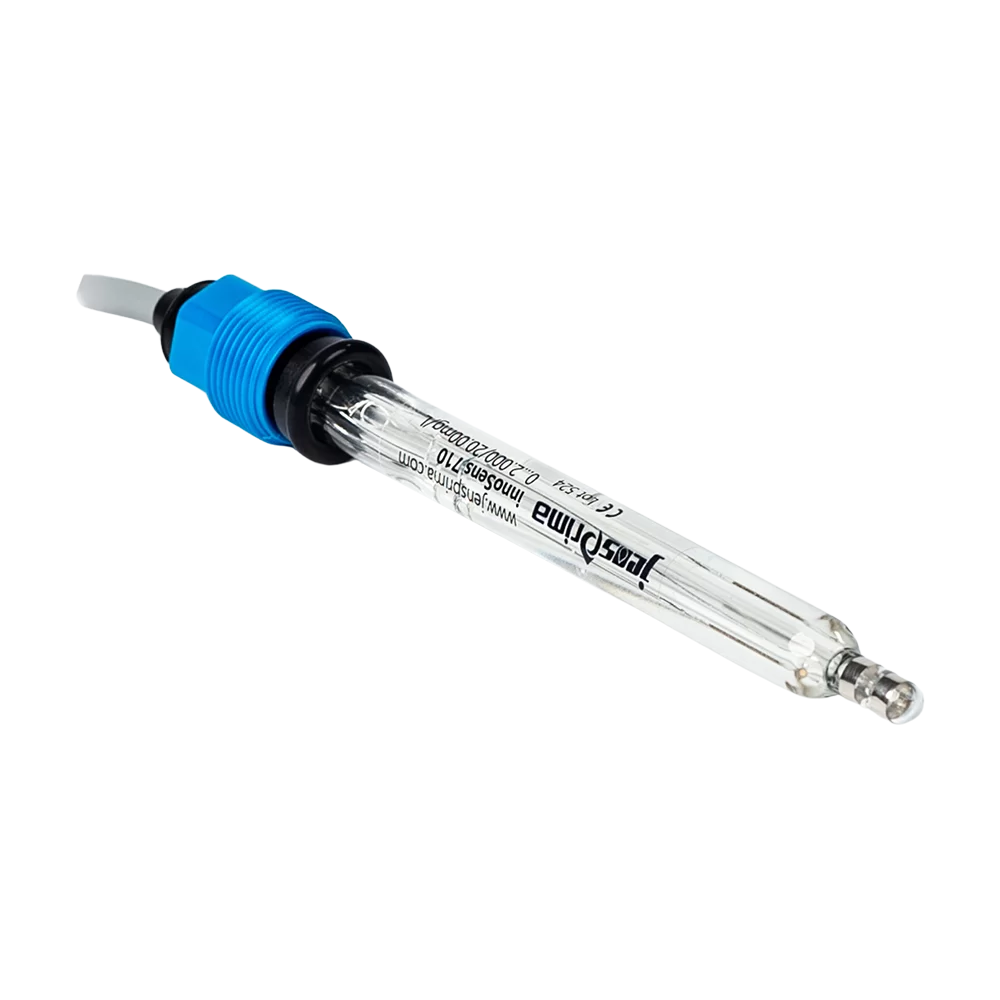
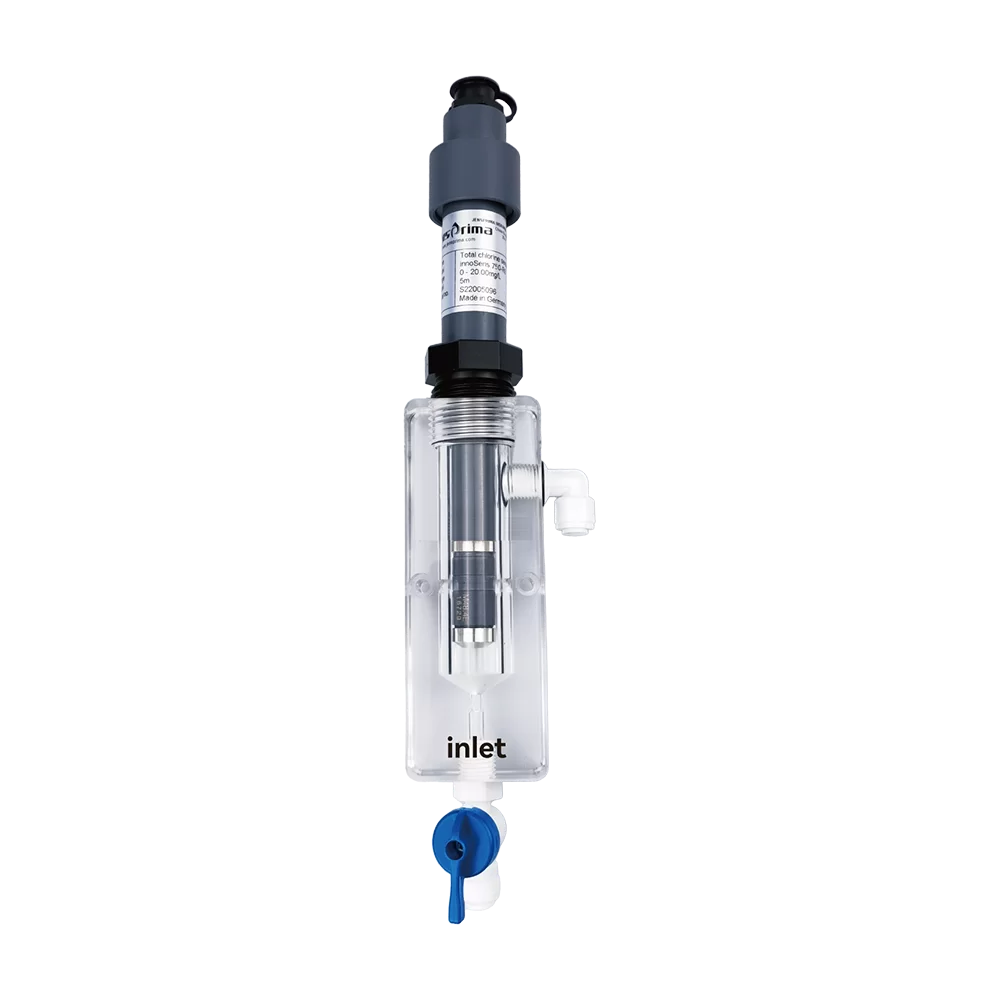
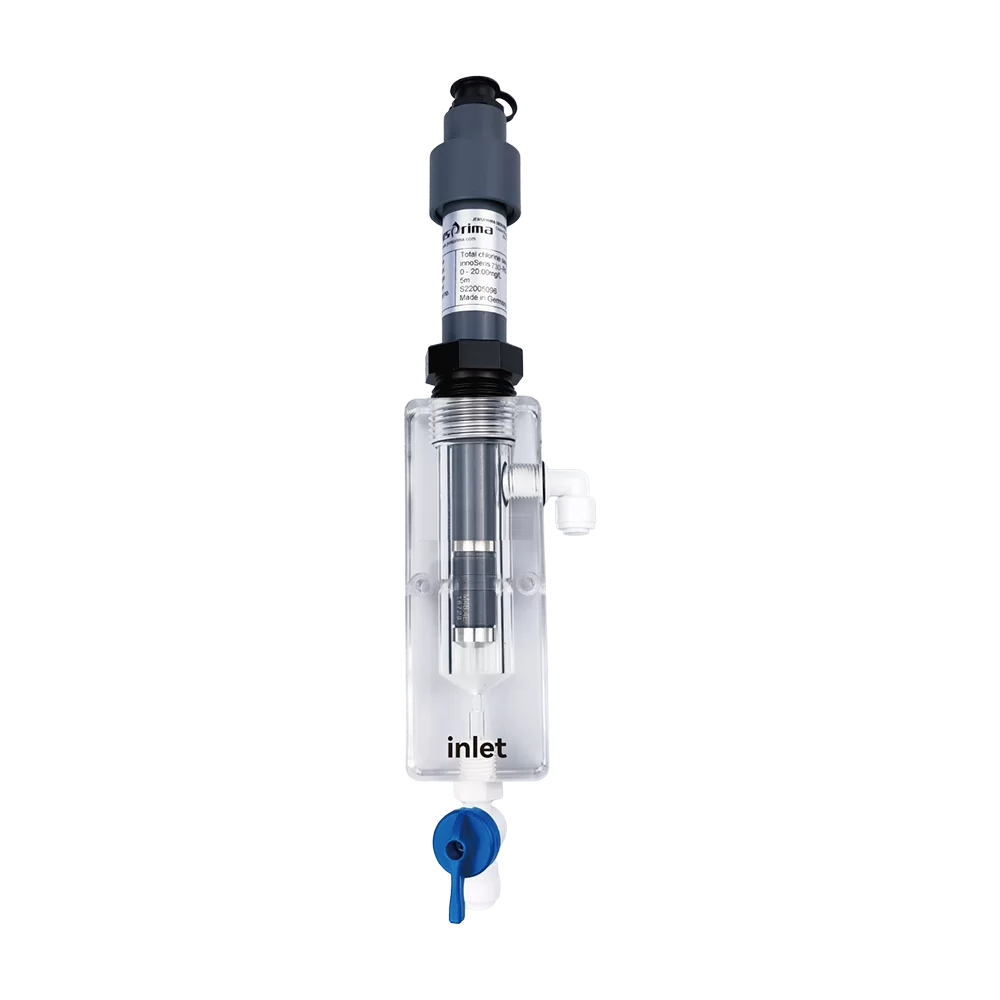
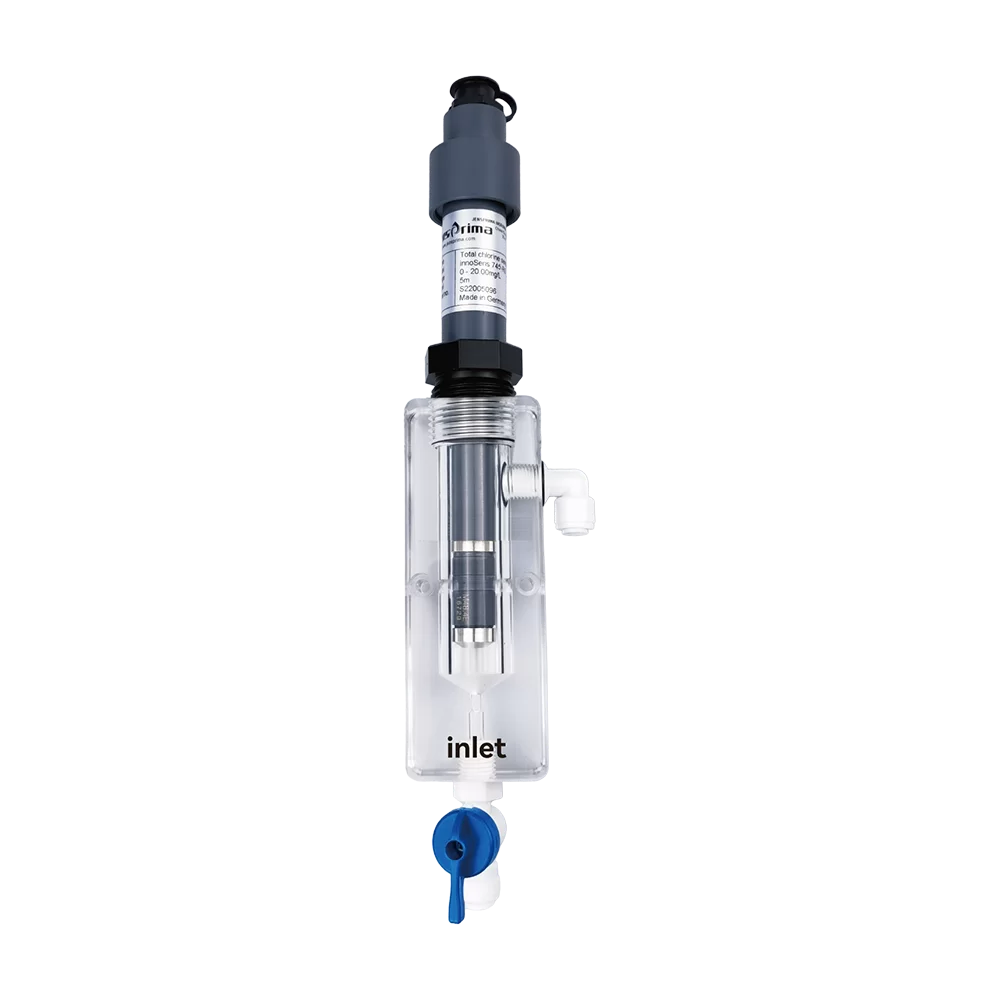
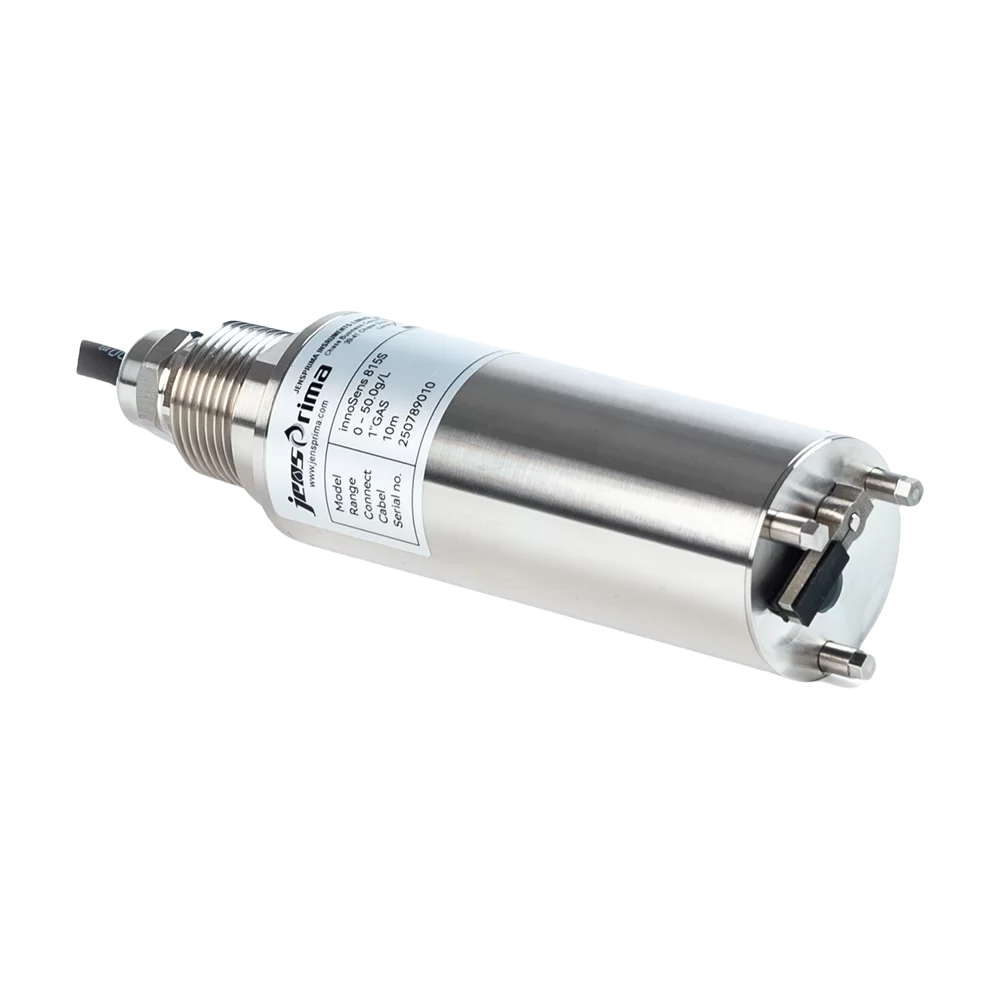
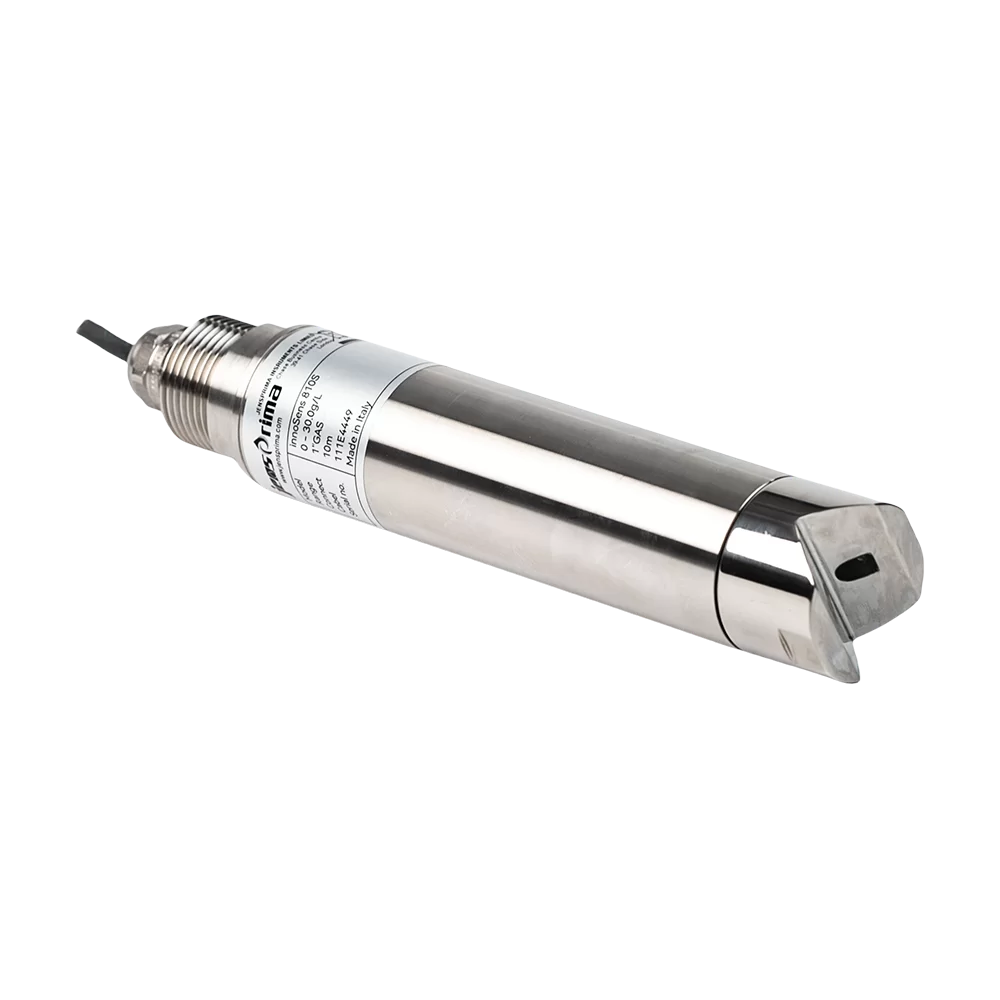
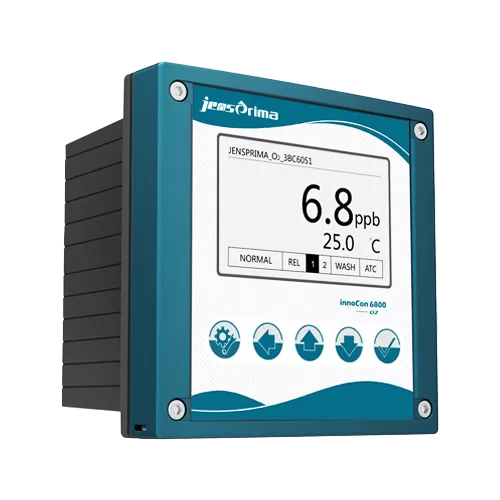
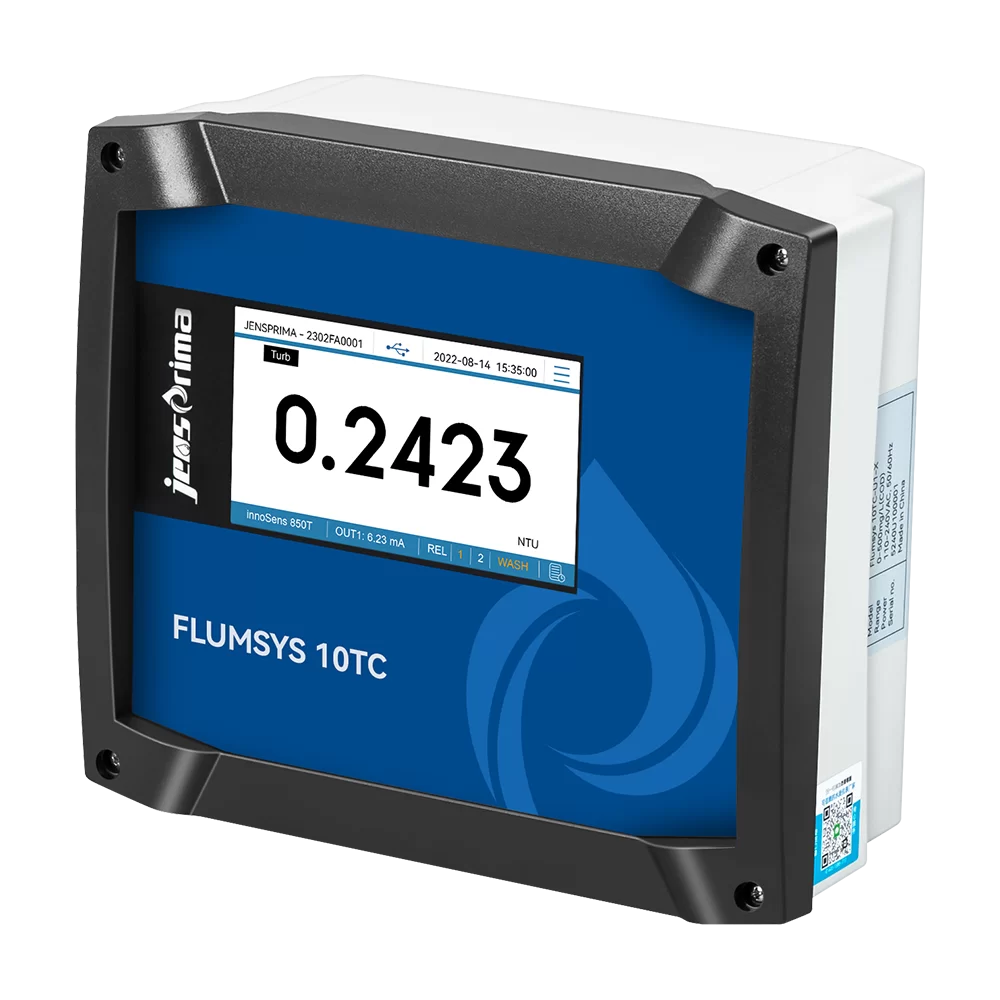
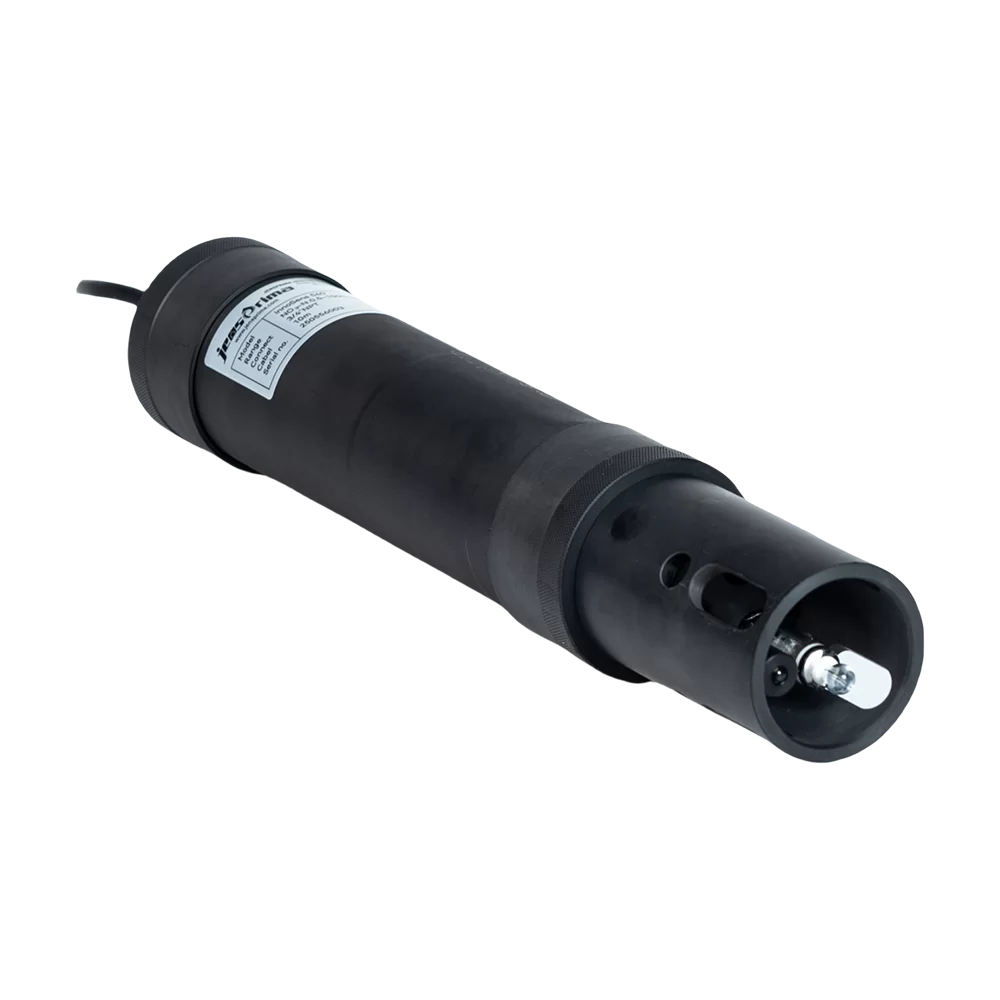
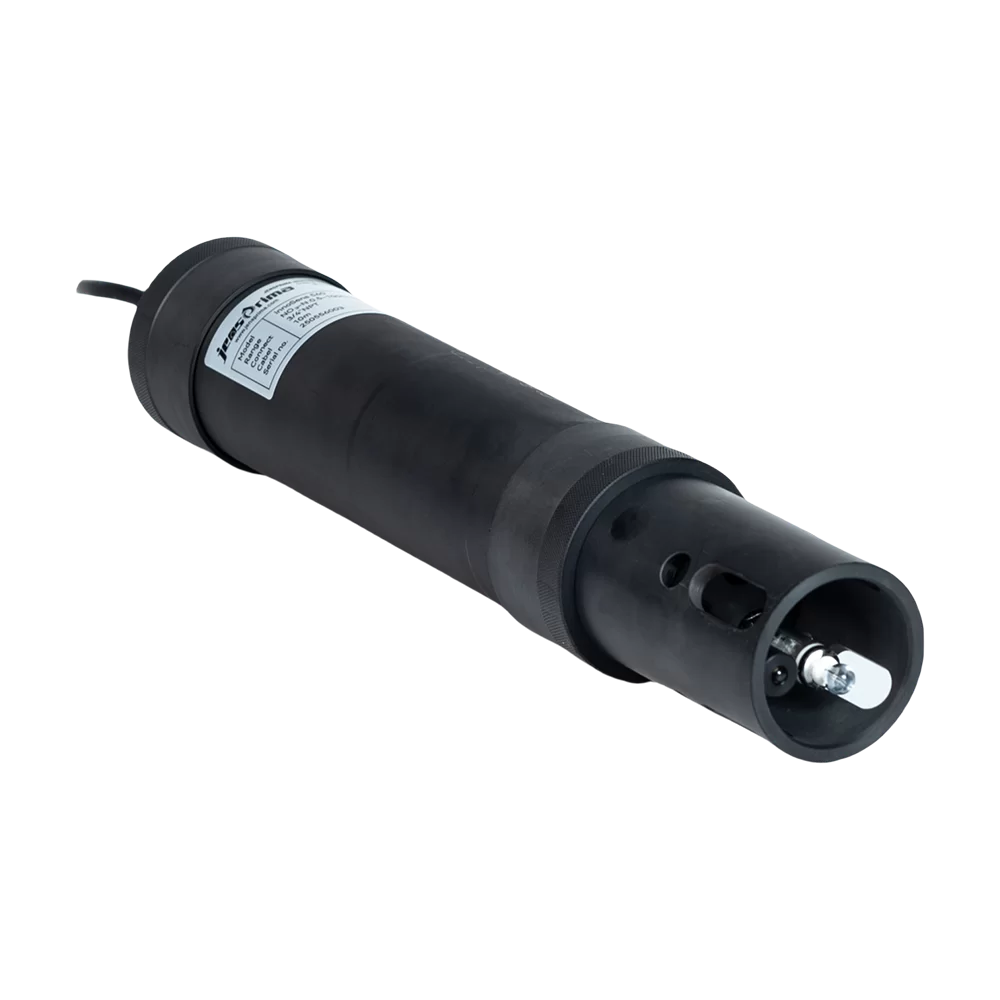
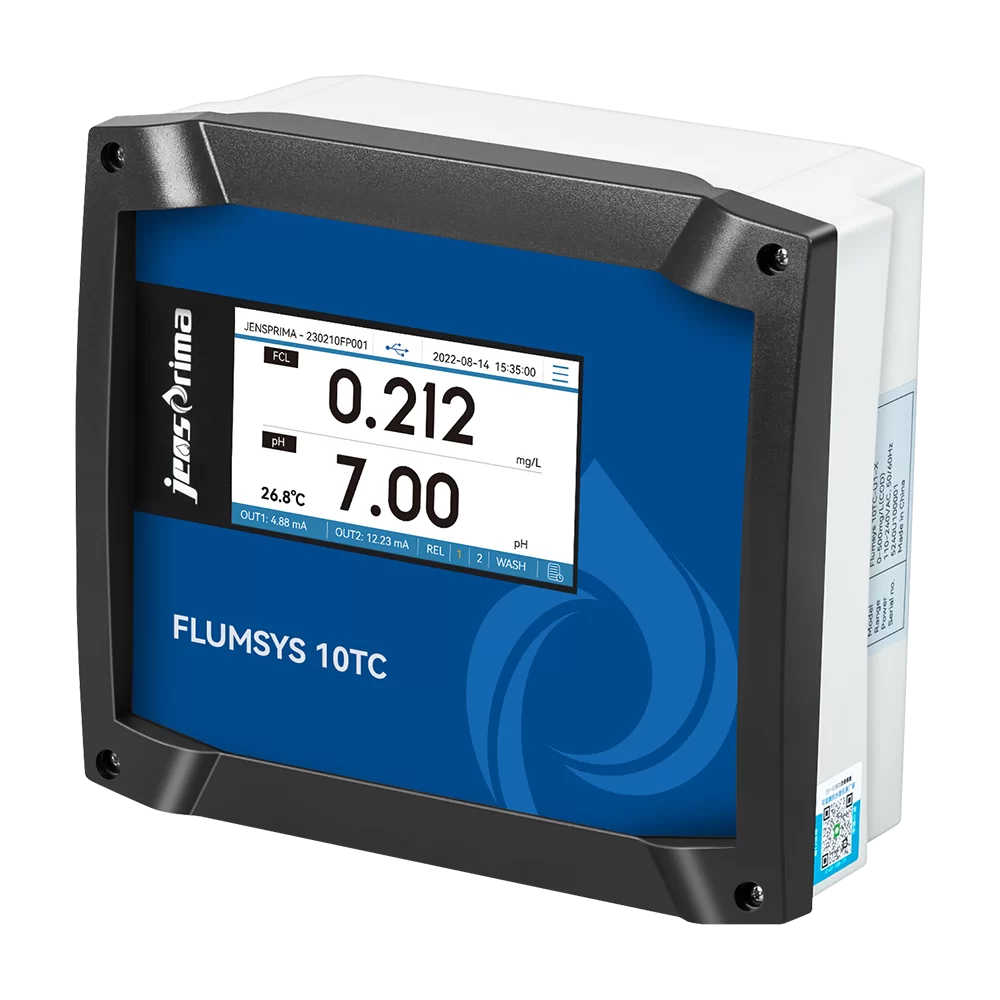
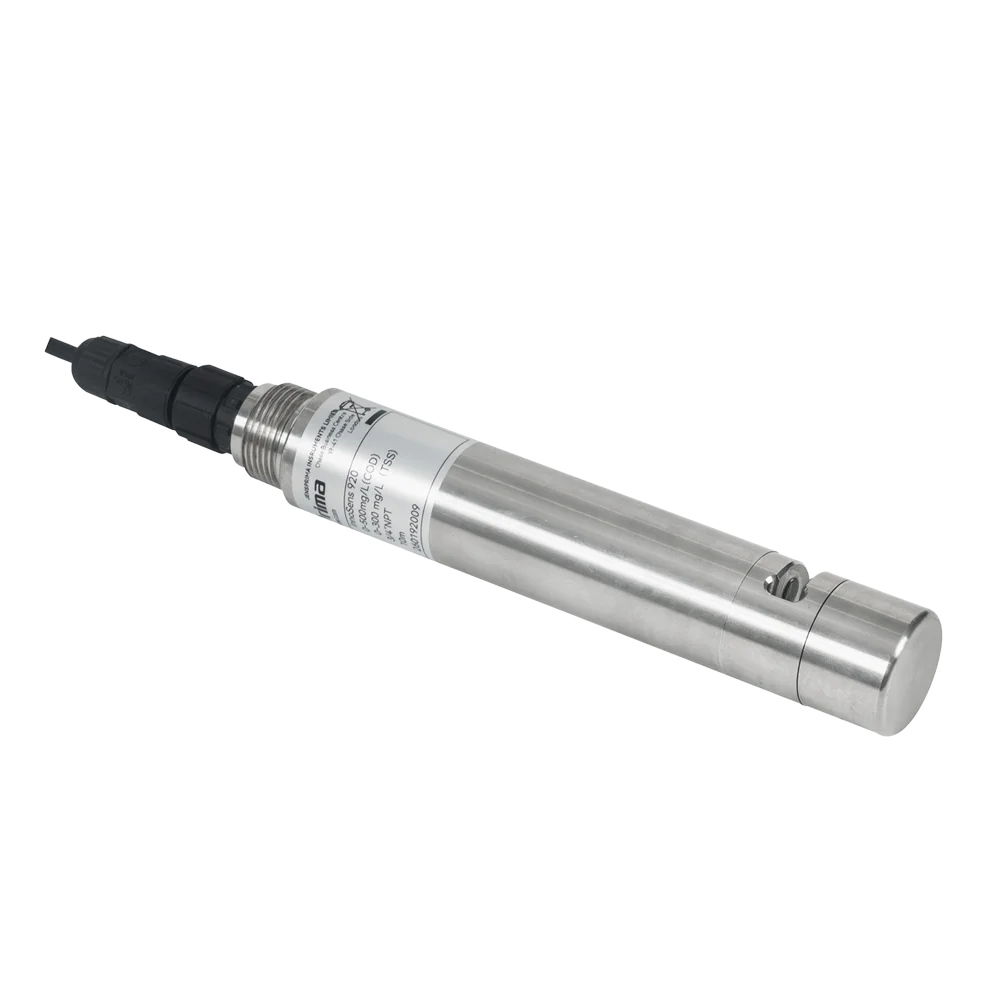


multi parameter analyzer

NEWS

UPDATES

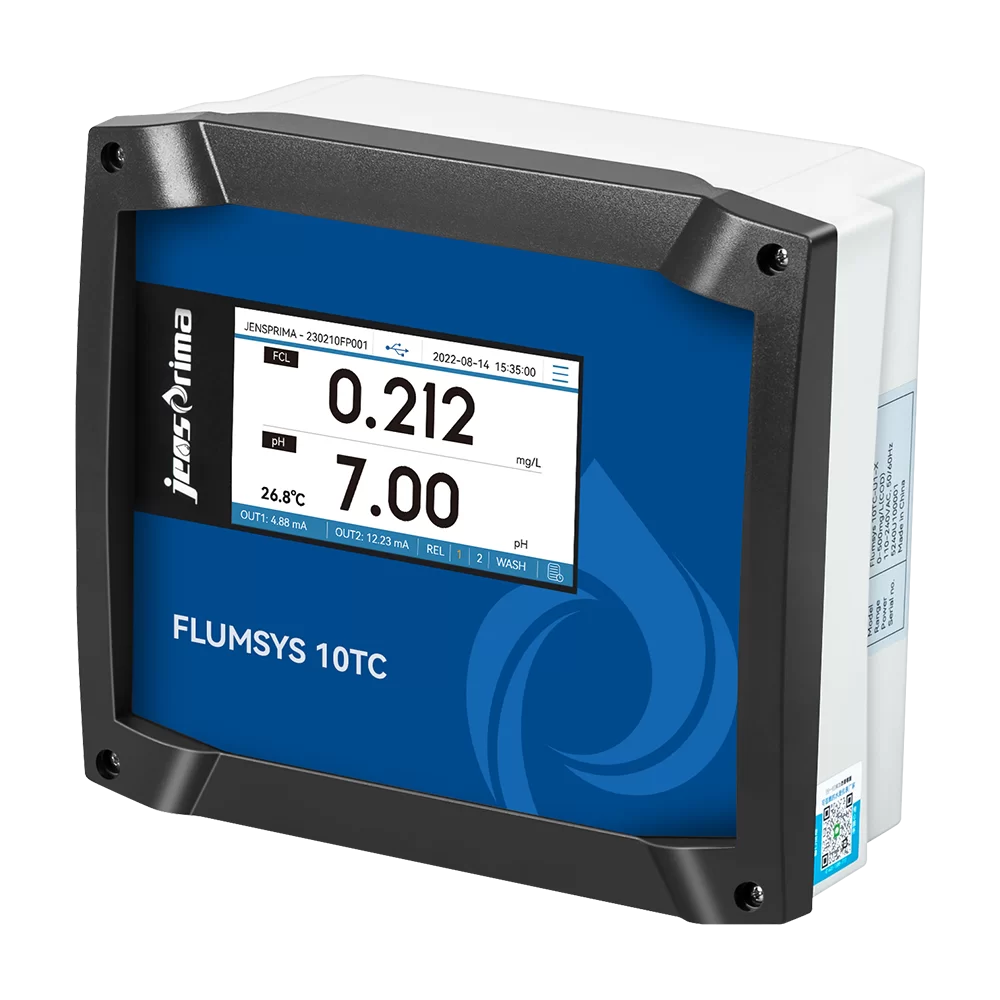
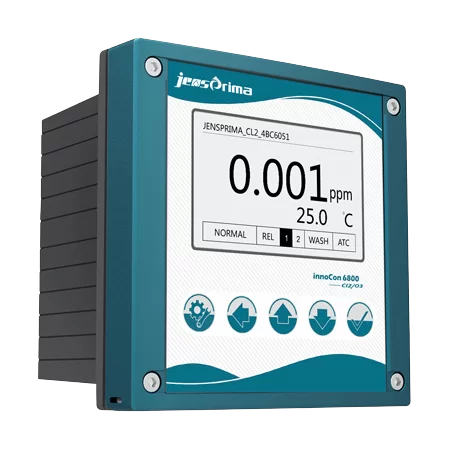
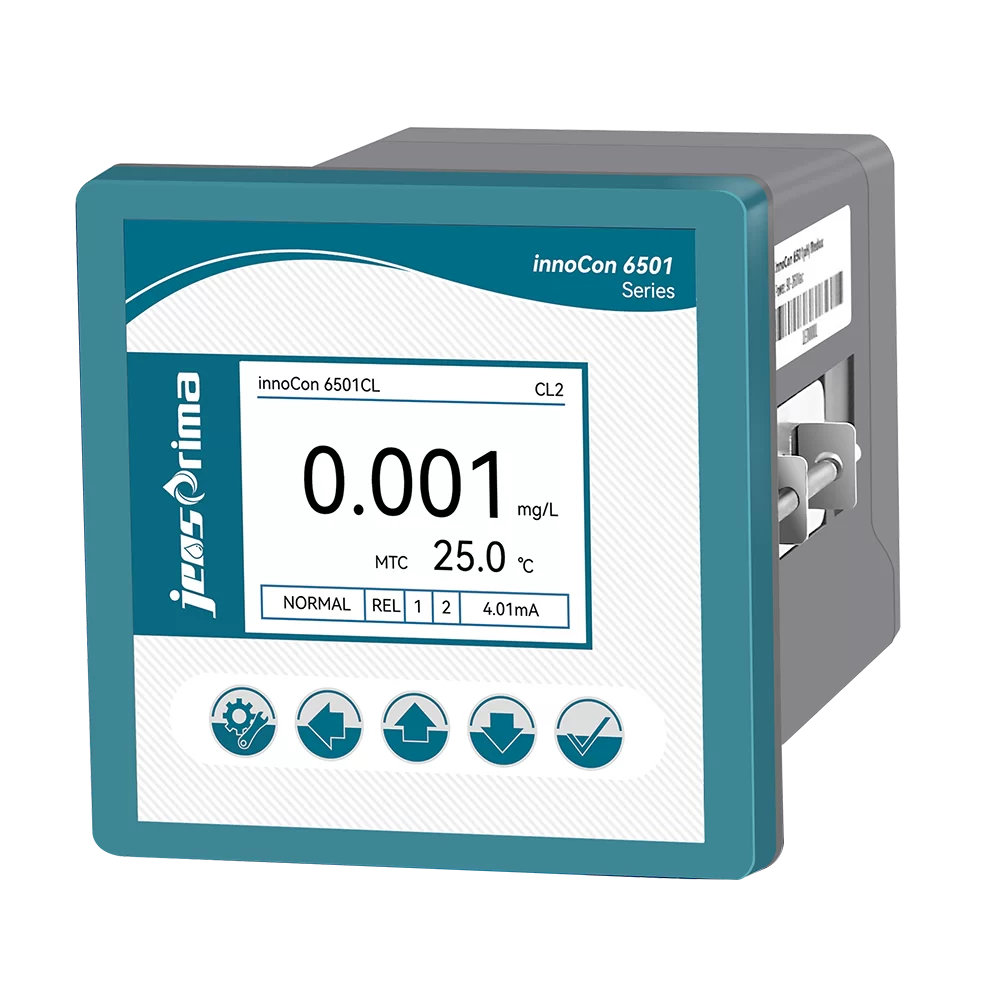
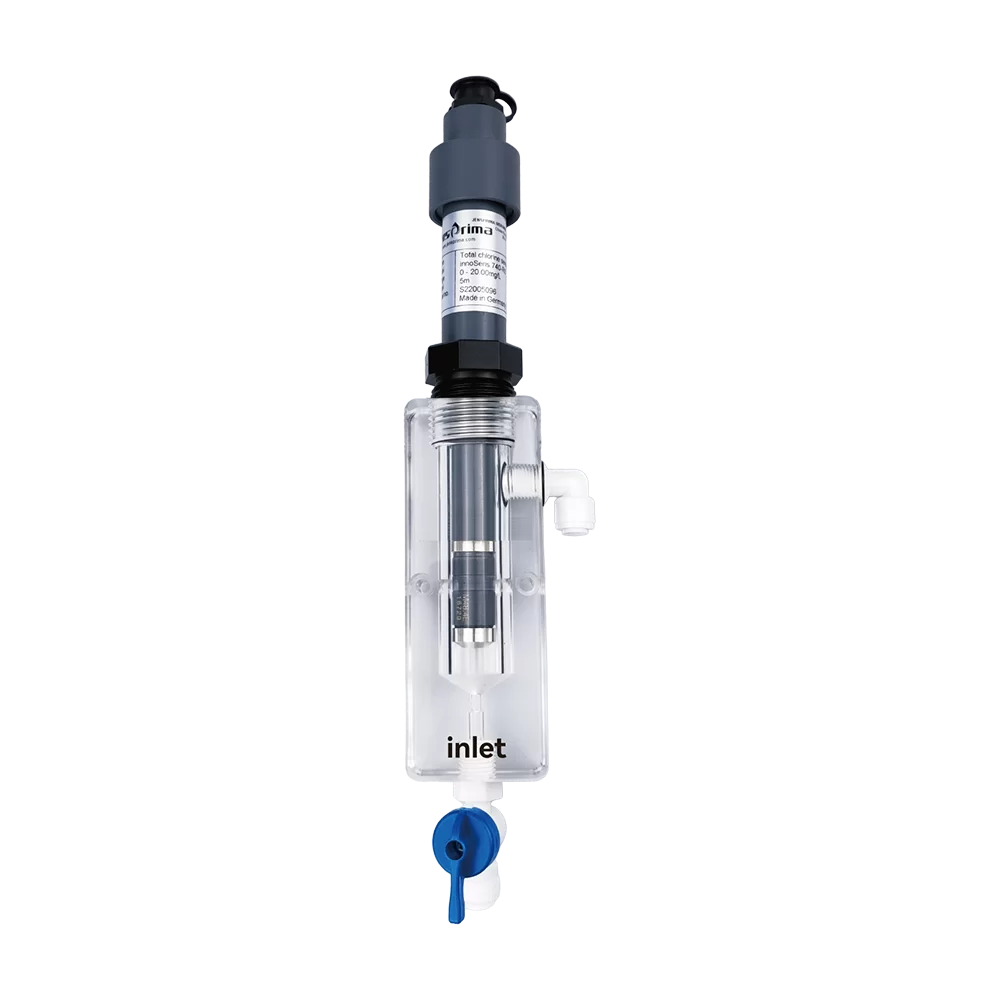
Advanced Water Monitoring Solutions with residual chlorine controller in Nigeria

Ensuring sustainable water safety and industrial efficiency across Nigeria's diverse environmental landscapes through precision instrumentation.

Advanced Water Monitoring Solutions with residual chlorine controller in Nigeria

Providing high-precision analytical instruments designed to withstand the challenging tropical climate of West Africa, ensuring reliable data for municipal and industrial water management.

Current State of Water Quality Monitoring in Nigeria

Analyzing the intersection of industrial growth and environmental challenges in the Nigerian water sector.

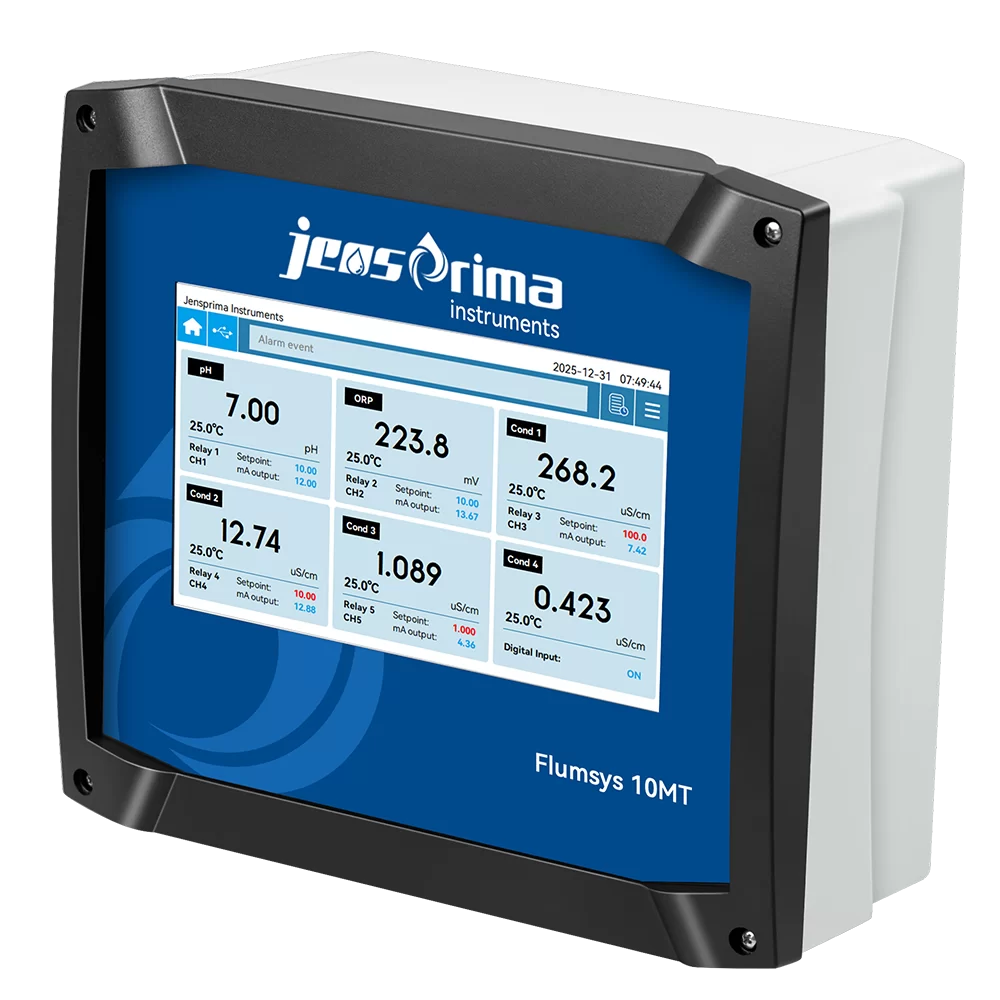
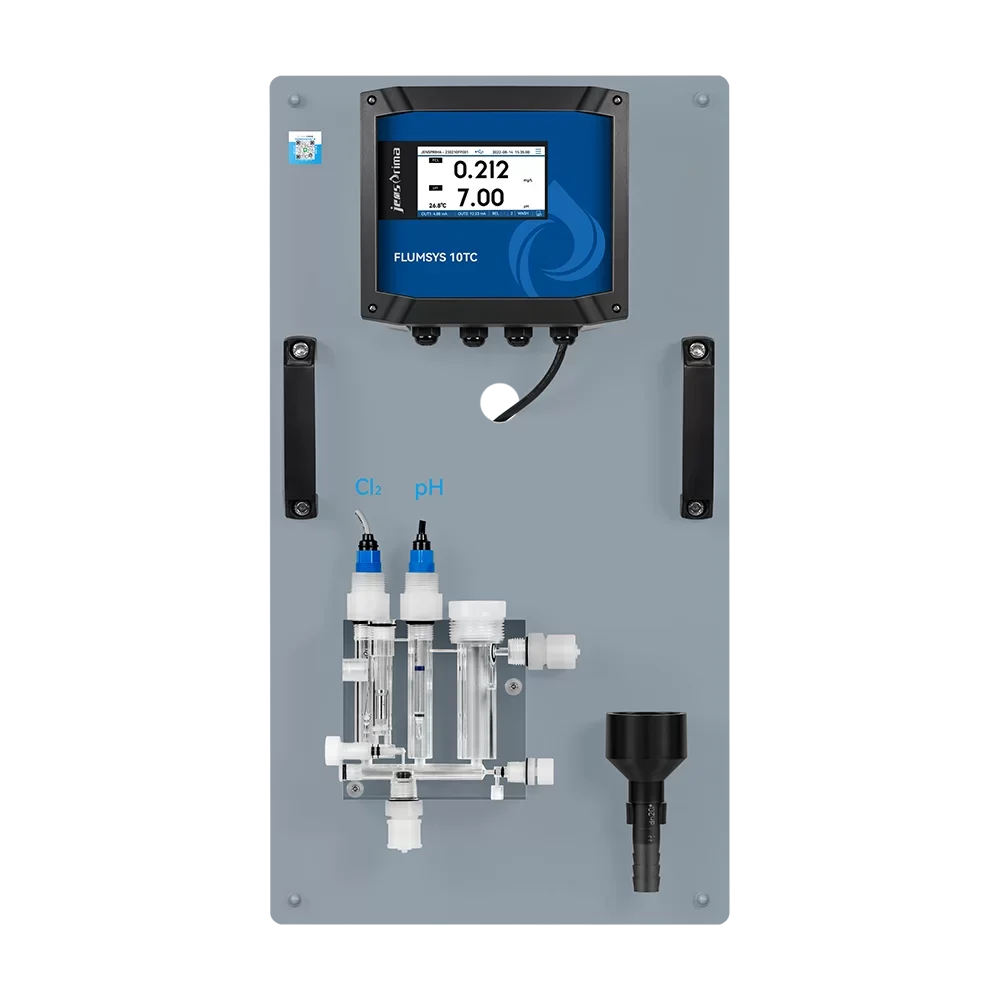
Nigeria faces unique challenges in water management due to rapid urbanization and varied geological conditions. In many industrial zones, there is an urgent need for a multi parameter water quality analyzer to simultaneously monitor pH, conductivity, and turbidity, which are often affected by heavy seasonal rainfall and runoff.

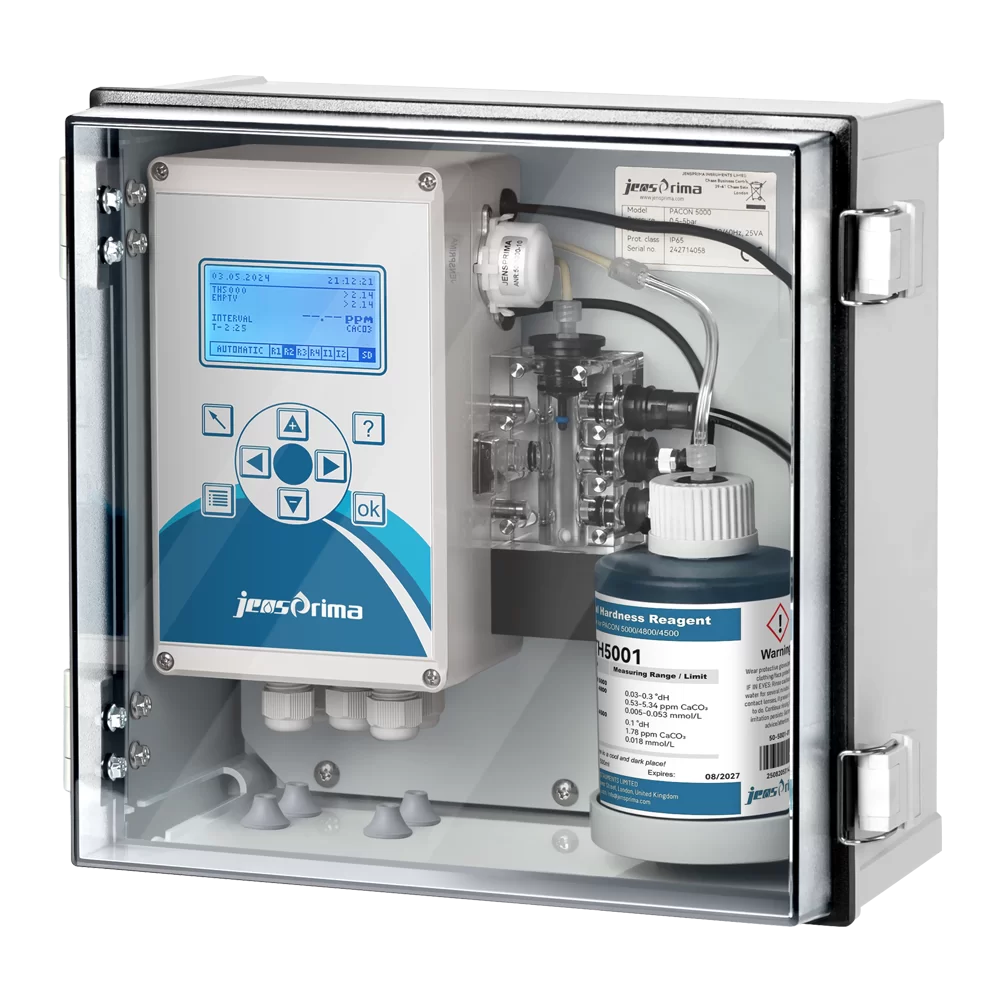
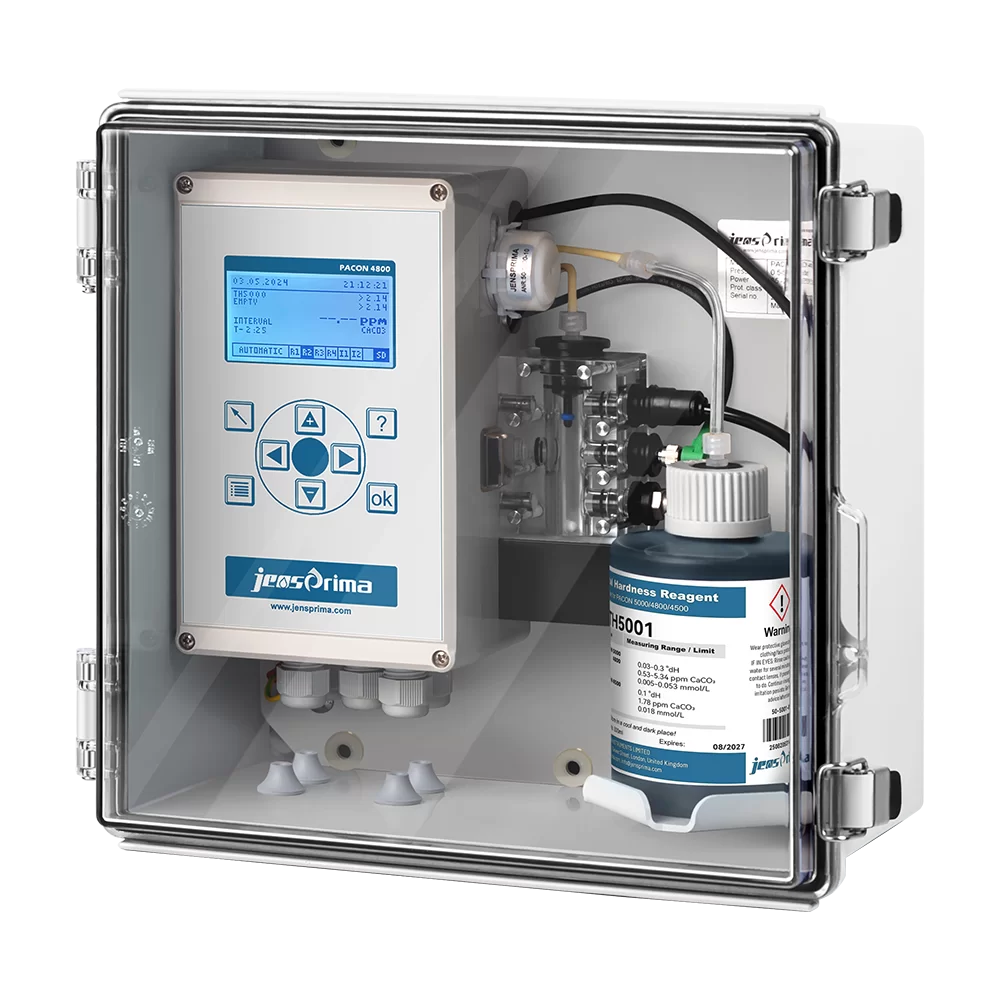
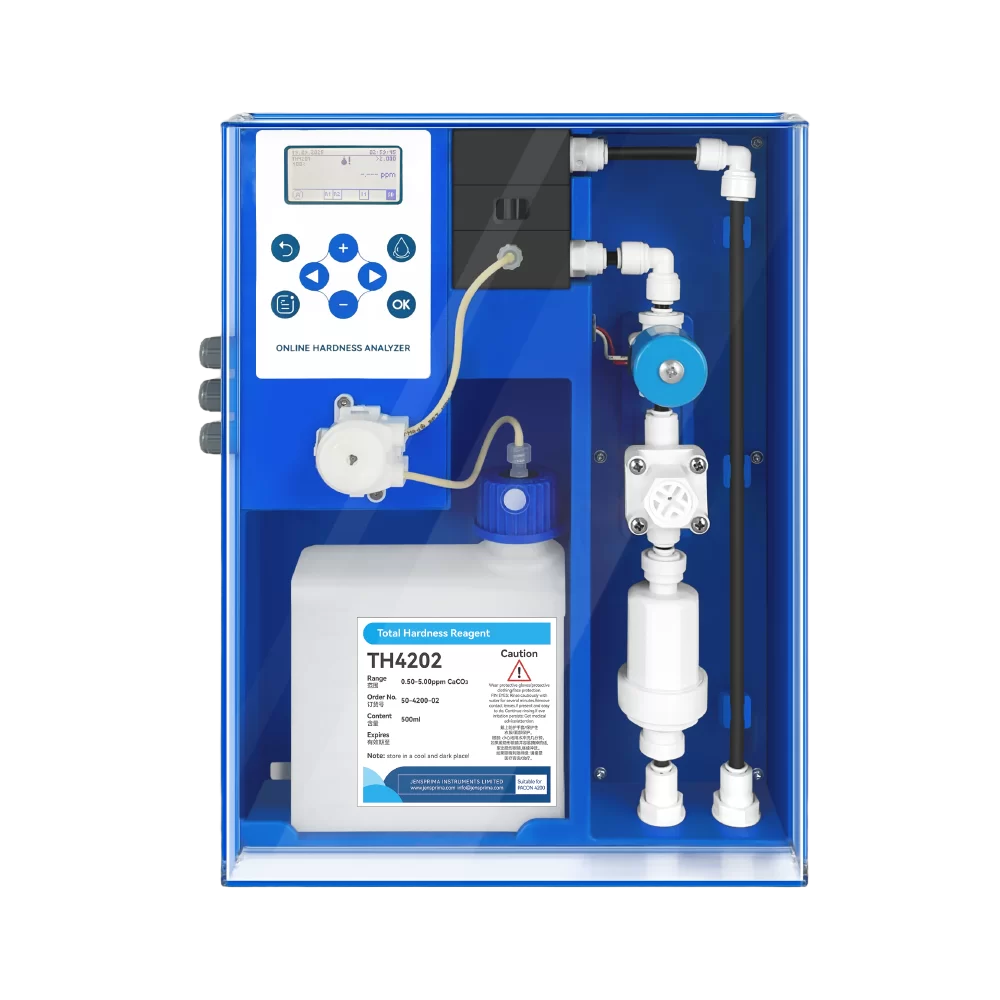
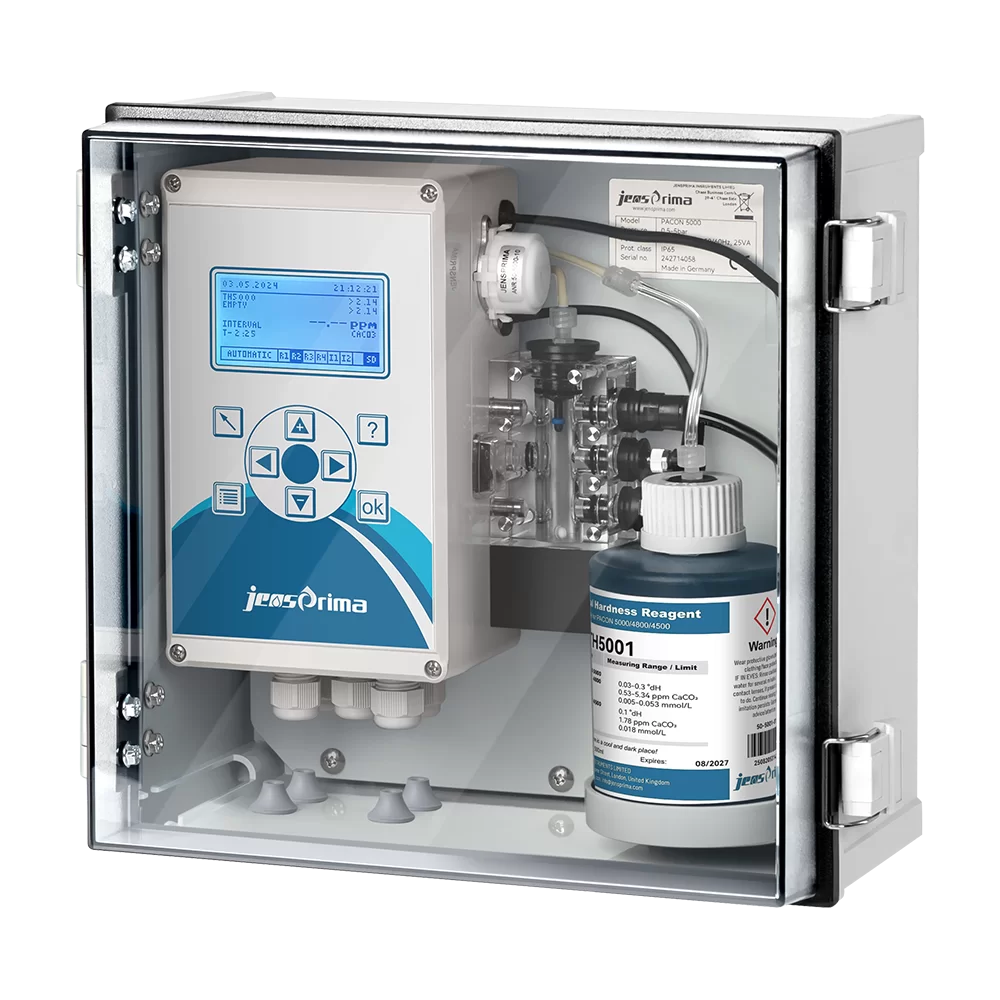
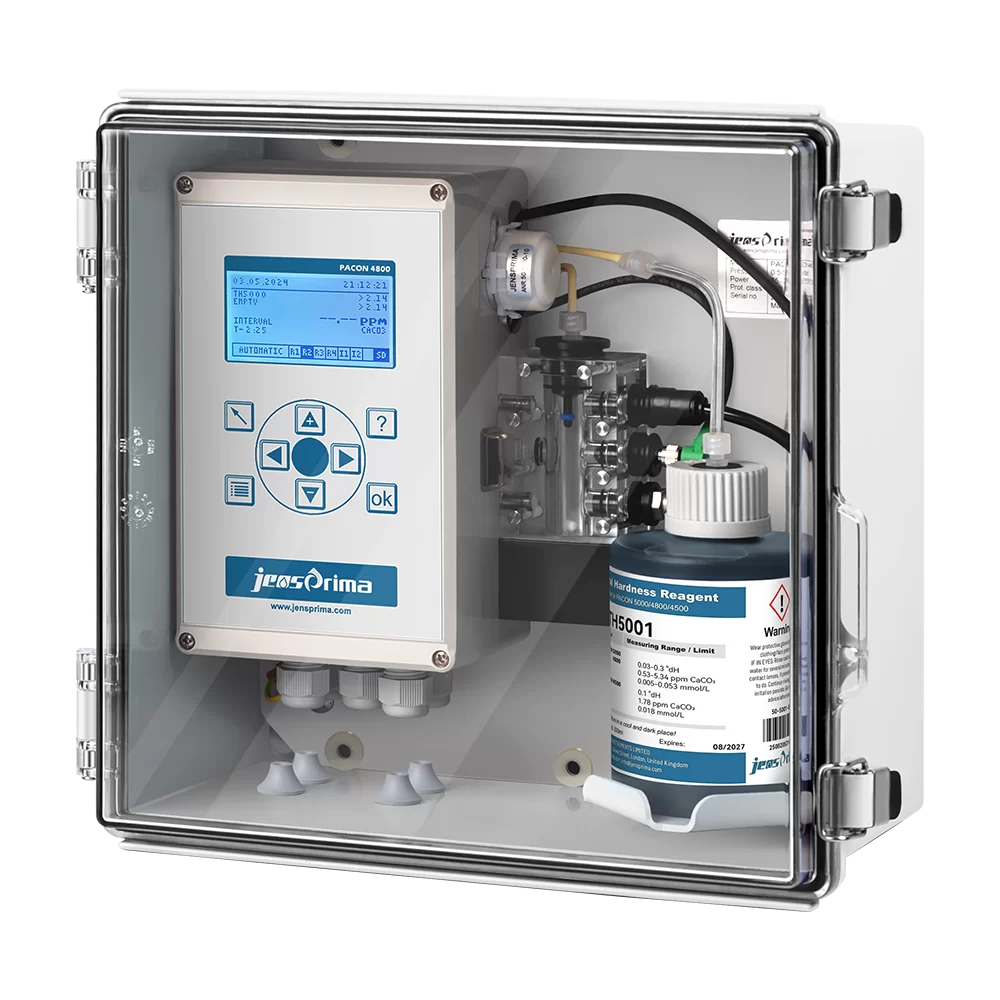
The prevalence of hard water in several northern regions makes the deployment of a total hardness analyzer critical. Without precise scaling control, industrial boilers and cooling systems in Lagos and Kano suffer from premature failure, driving the demand for automated, real-time monitoring instead of manual sampling.

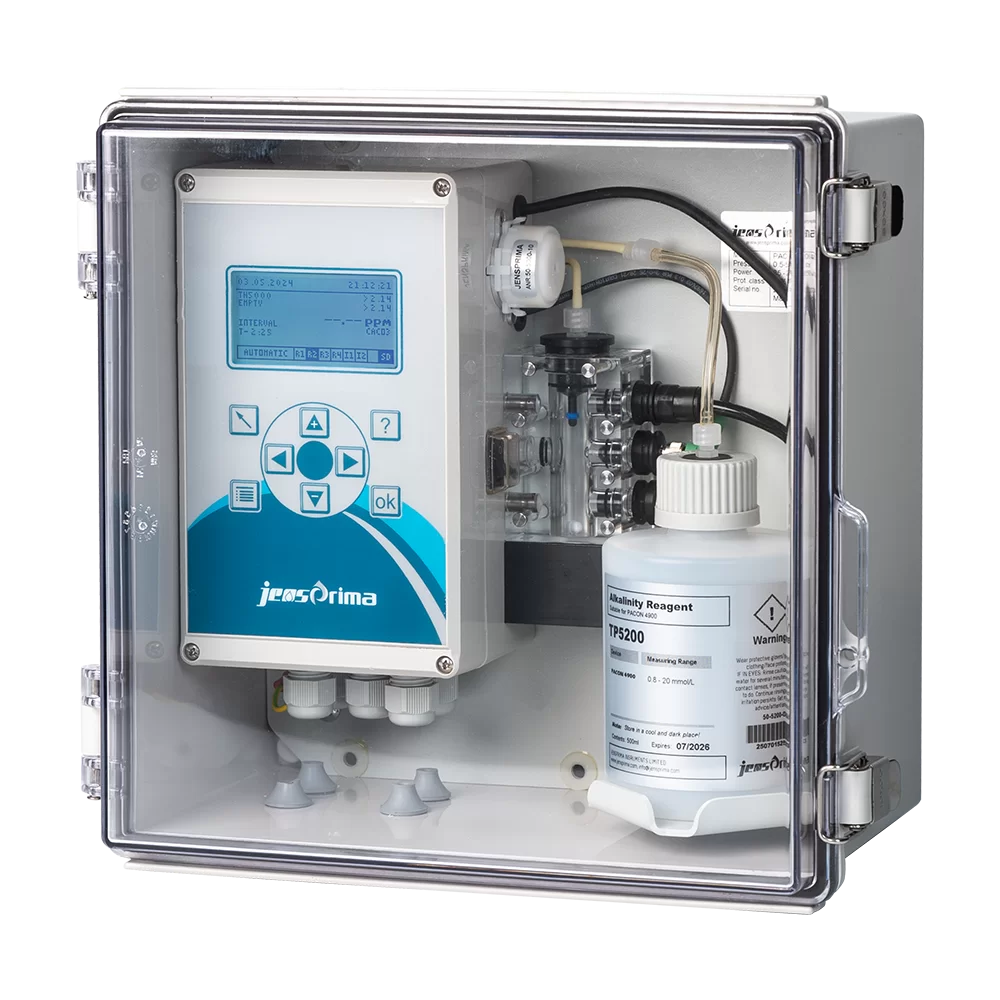
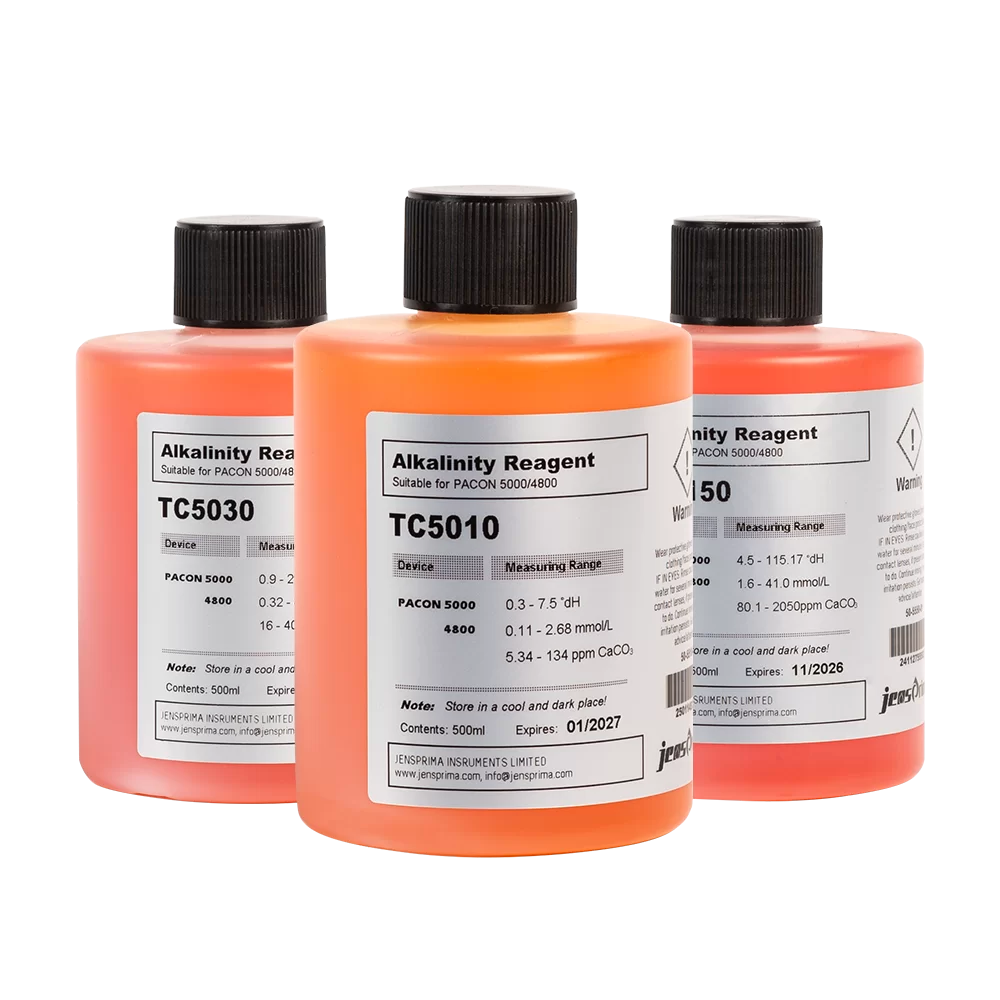
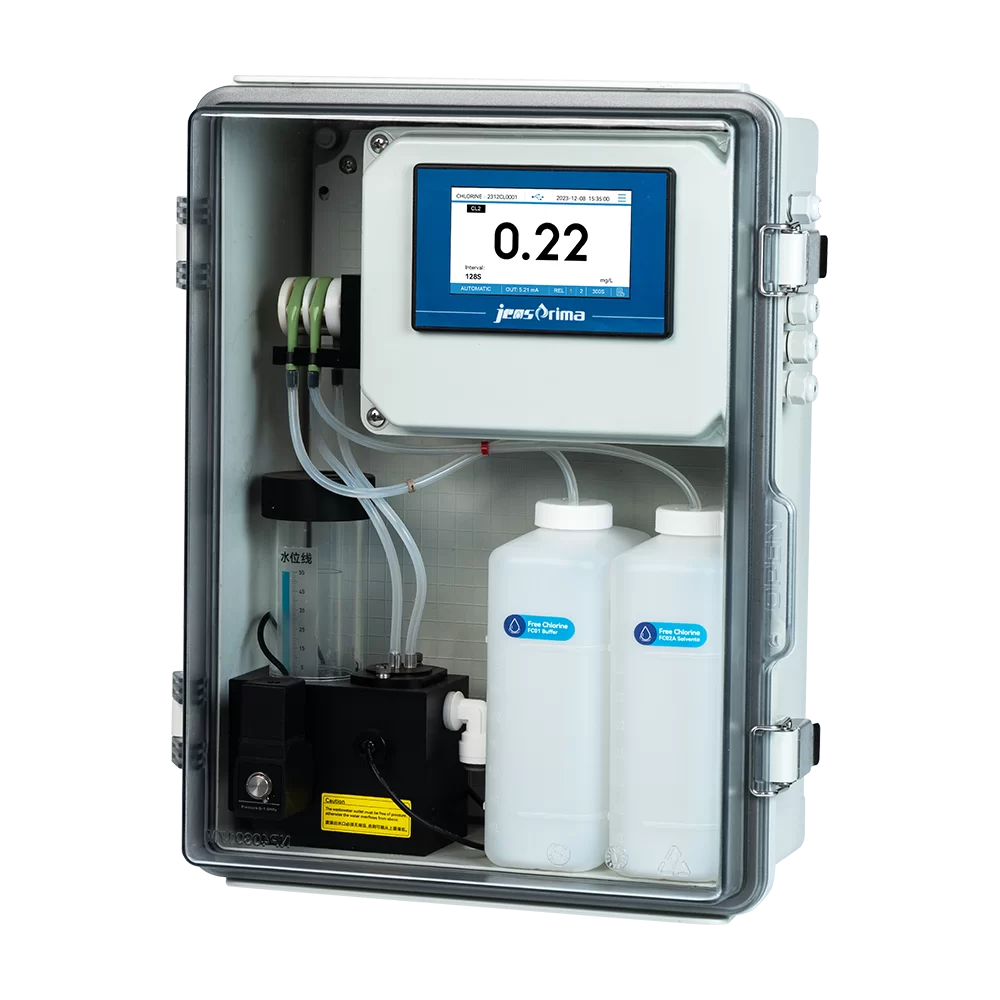
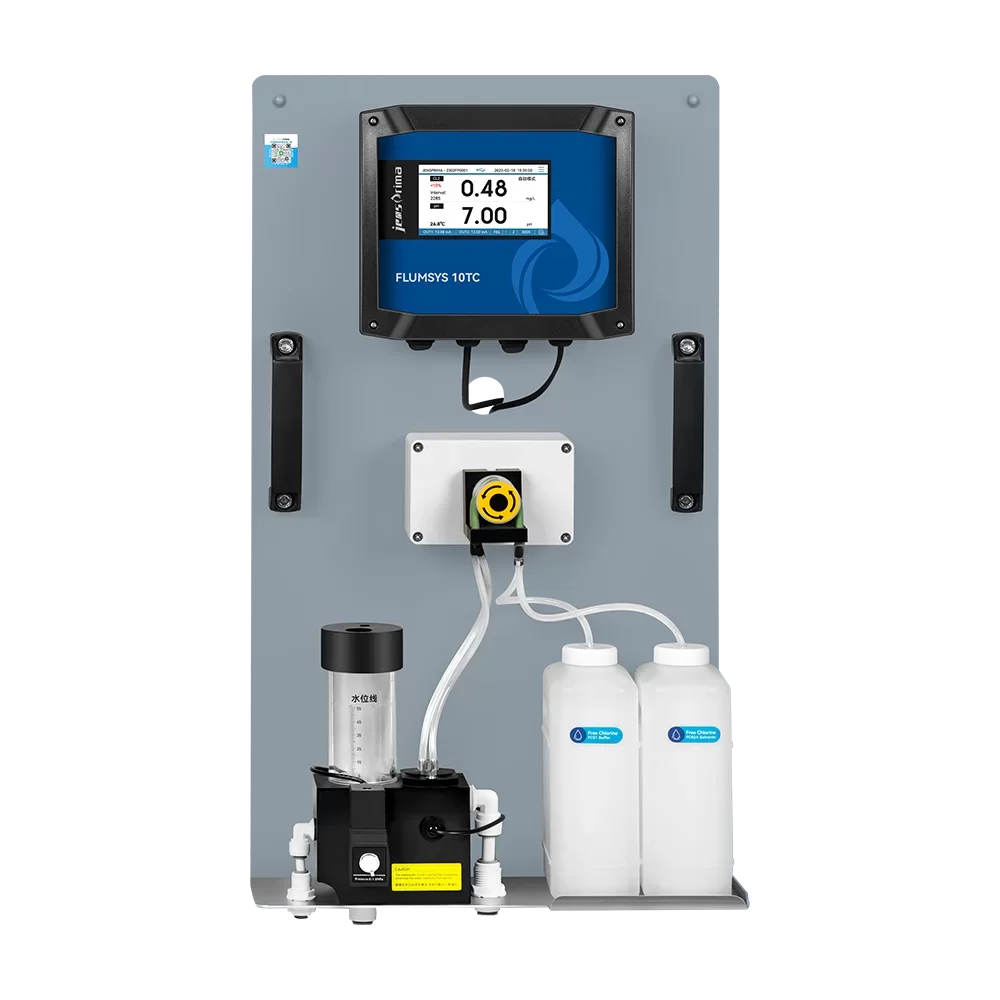
Furthermore, ensuring potable water safety in municipal systems requires rigorous disinfection control. The adoption of an alkalinity analyzer and precise chlorine dosing systems is essential to prevent waterborne diseases and manage the corrosive nature of raw water sources across the Niger Delta region.

Evolution and Trajectory of Water Instrumentation

From manual titration to IoT-enabled real-time analytics in Nigeria's manufacturing sector.

Market Development History

Historically, water quality testing in Nigeria relied on portable kits and manual laboratory titration. Between 2000 and 2010, the market shifted toward basic digital meters, though these were often prone to drift due to high humidity and temperature fluctuations common in the region.

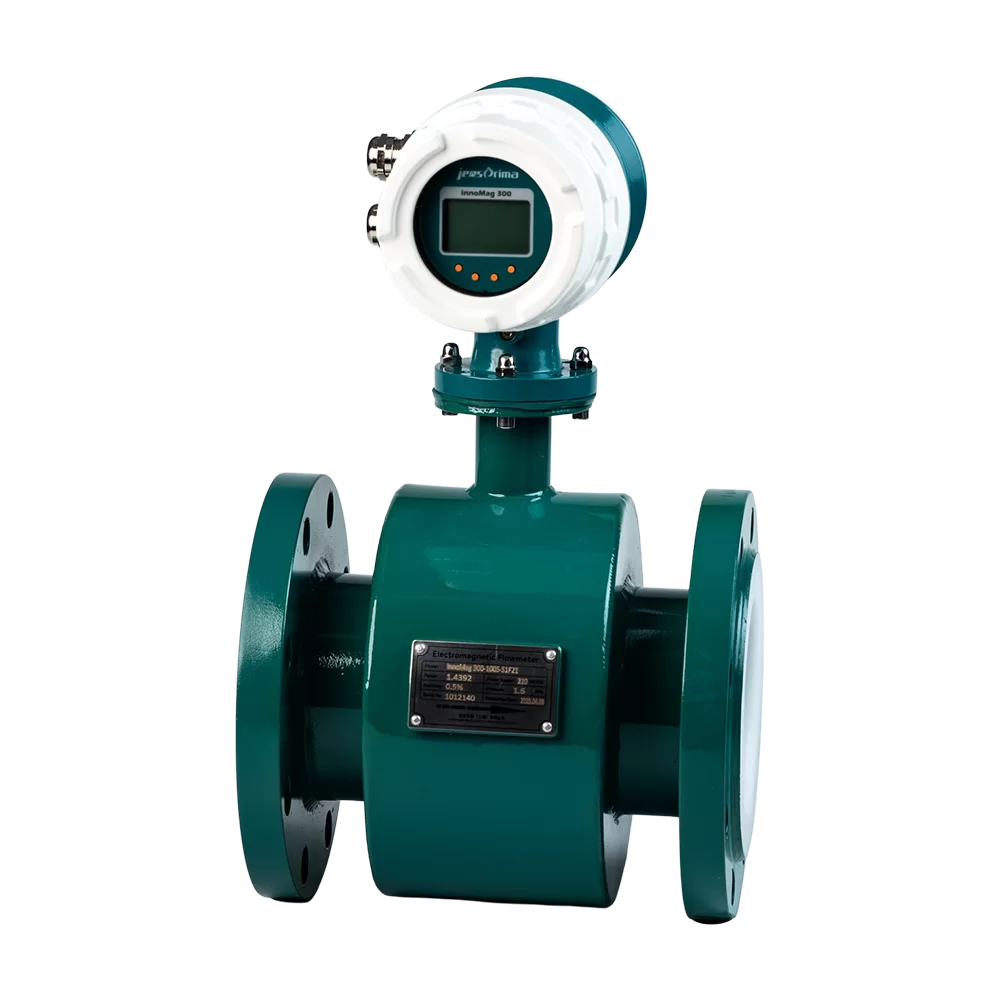
From 2011 to 2020, there was a significant transition toward integrated online systems. The introduction of the electromagnetic flowmeter revolutionized water distribution management, allowing Nigerian plants to accurately measure flow rates without pressure drops, enhancing operational efficiency.

Currently, the market is entering the era of "Smart Water." The integration of cloud-based monitoring and AI-driven calibration has reduced the need for frequent site visits, allowing engineers in Abuja to monitor remote facilities in real-time via mobile interfaces.

Future Development Trends

AI-Driven Predictive Maintenance

Future systems will utilize machine learning to predict sensor fouling, specifically for hardness and alkalinity probes, reducing downtime in Nigerian chemical plants.

Solar-Powered Remote Sensing

Given the power instability in some regions, there is a growing trend toward low-power, solar-integrated analyzers for rural water source monitoring.

Modular Multi-Sensor Arrays

The shift toward highly compact, modular units that can be upgraded as new parameters are required will dominate the next 3-5 years of procurement.

Industry Trends and Future Outlook

Strategic forecasting for water analysis technology in the Nigerian market.

Digital Twin Integration
Creating virtual replicas of water networks in Nigeria to simulate contamination events and optimize chemical dosing.
IoT Edge Computing
Processing water quality data at the source to enable instant shutdowns during critical threshold breaches.
Low-Reagent Analysis
Reducing chemical consumption in analyzers to lower operational costs and environmental impact in Nigeria.
Enhanced Robustness
Development of sensors with advanced anti-fouling coatings specifically for Nigeria's high-sediment river waters.

Industry Outlook

The trajectory for the Nigerian water instrumentation market is steeply inclined toward automation. Google search trends indicate a rising interest in "remote water monitoring" and "industrial automation Nigeria," suggesting that facility managers are prioritizing systems that reduce human error and labor costs.

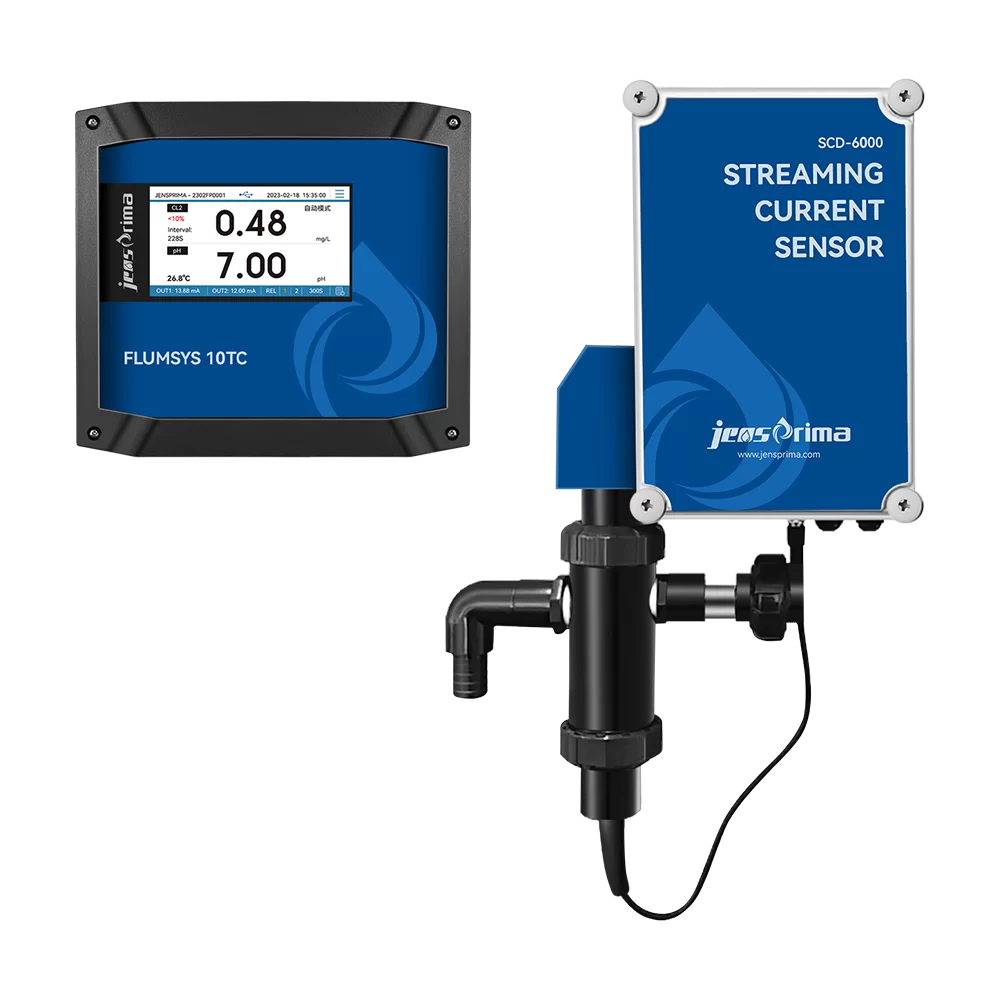
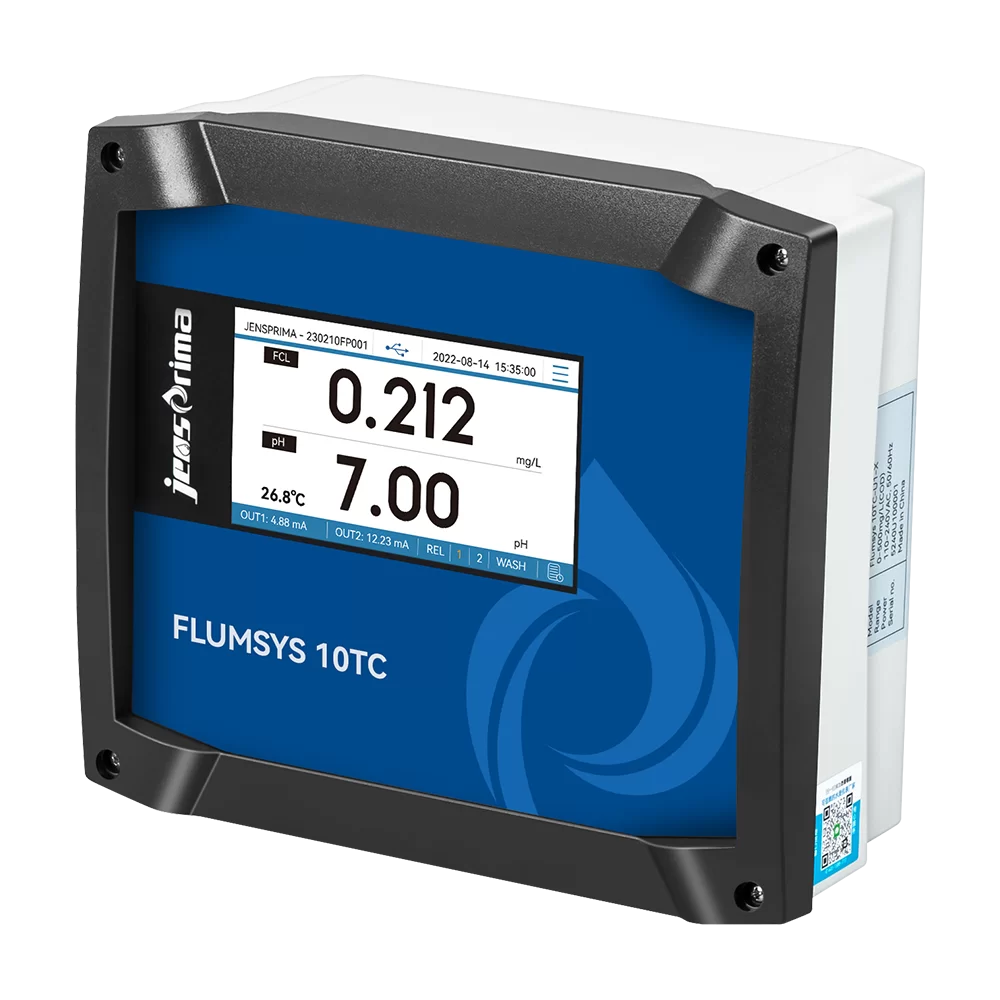
Over the next five years, we expect a convergence of water quality sensors and flow measurement. The integration of flow-proportional dosing, where a residual chlorine controller adjusts based on the electromagnetic flowmeter data, will become the standard for Nigerian municipal water works.

Localized Application Scenarios in Nigeria

Real-world implementations of water analysis technology across Nigeria's key sectors.

01. Municipal Water Treatment in Lagos

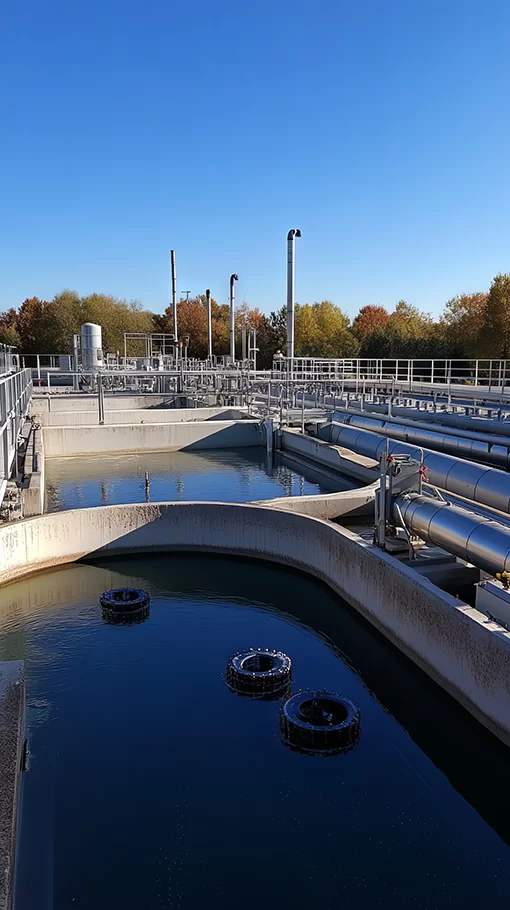
Implementation of automated chlorine dosing using a residual chlorine controller to ensure safe drinking water for the metropolitan population, adapting to the high variability of raw lagoon water.

02. Oil & Gas Produced Water Management in Niger Delta

Utilizing a multi parameter water quality analyzer to monitor salinity and hydrocarbons in produced water before discharge, ensuring compliance with Nigerian environmental regulations.

03. Beverage Production in Ogun State

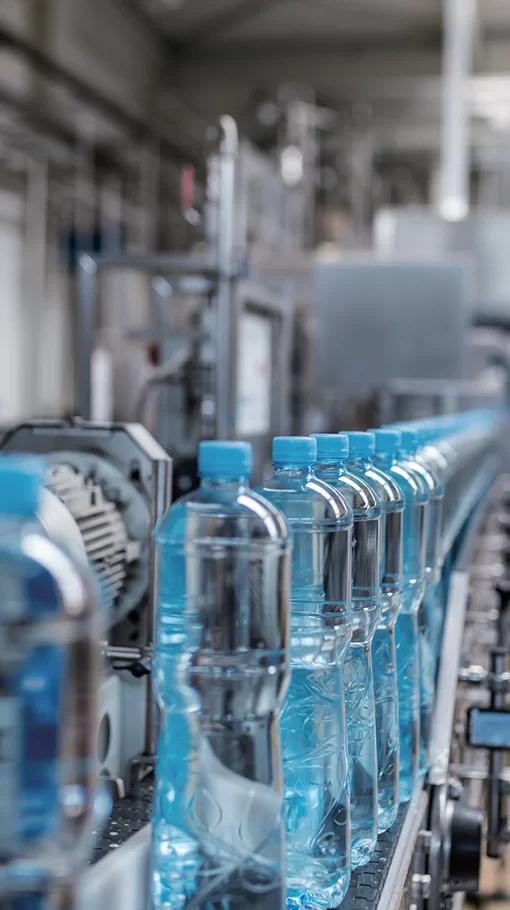
Deployment of a total hardness analyzer and alkalinity analyzer to optimize the water softening process, ensuring consistent taste and quality for bottled water and soft drinks.

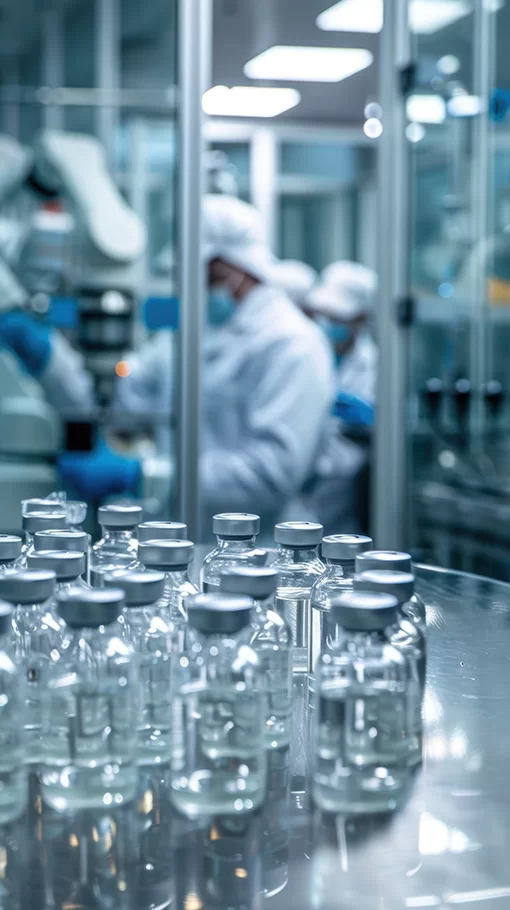
04. Pharmaceutical Grade Water in Abuja

Using high-precision instrumentation to monitor conductivity and purity in purified water loops, preventing contamination in critical medicine manufacturing.

05. Industrial Cooling Systems in Kano

Integration of an electromagnetic flowmeter with hardness monitoring to manage scale inhibition and blow-down rates in large-scale textile manufacturing plants.

Brand Story

Global Development History of Jensprima (Shanghai) Co., Ltd.

The Engineering Foundation

Founded with a vision to bridge the gap between complex lab analysis and rugged industrial application, focusing on high-stability sensor technology.

Global Expansion Strategy

Expanding beyond Asia to address water scarcity and quality issues in Africa, tailoring products for high-temperature and high-humidity environments.

Technological Breakthroughs

Developing proprietary anti-interference algorithms that allow our analyzers to maintain accuracy in the presence of heavy metal contaminants.

Commitment to Sustainability

Implementing green manufacturing processes and creating low-energy consumption instruments to support the global "Net Zero" water goals.

The Future of Water Intelligence

Leading the transition to AI-integrated water monitoring, providing Nigerian industries with predictive tools rather than just reactive data.

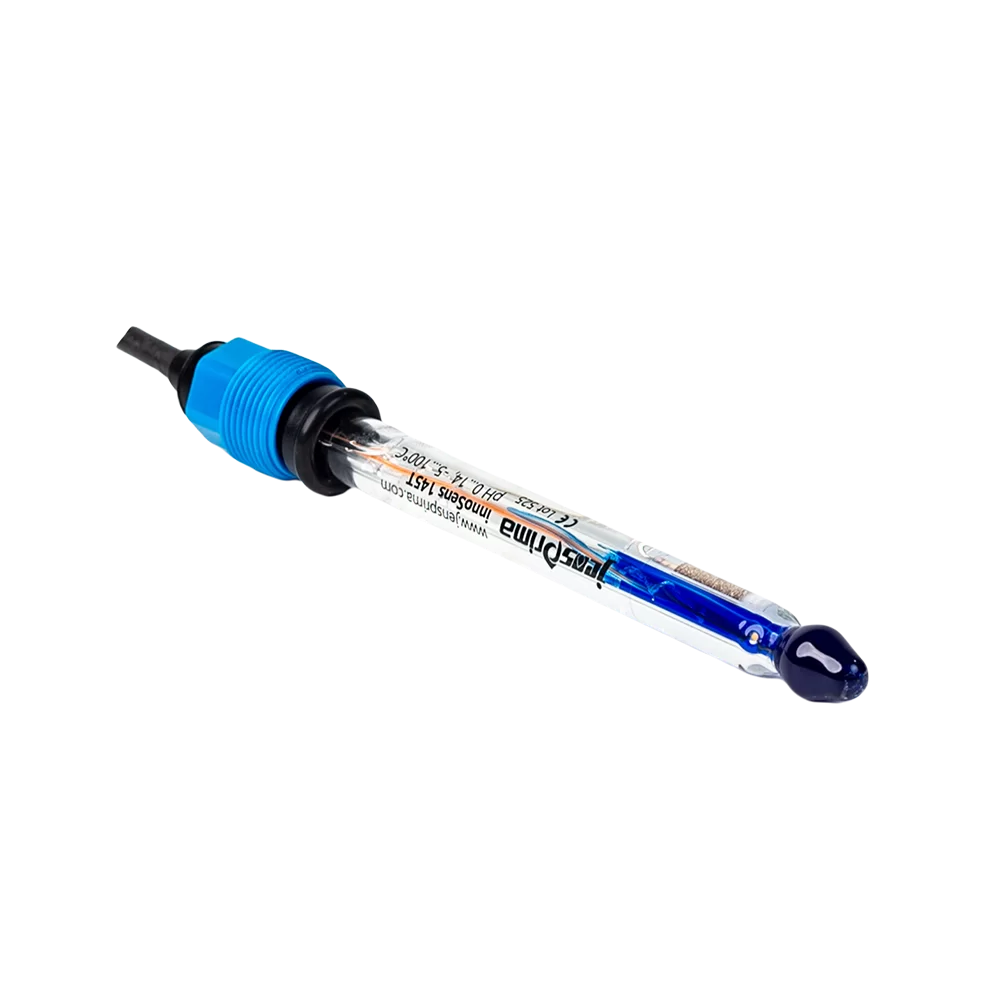
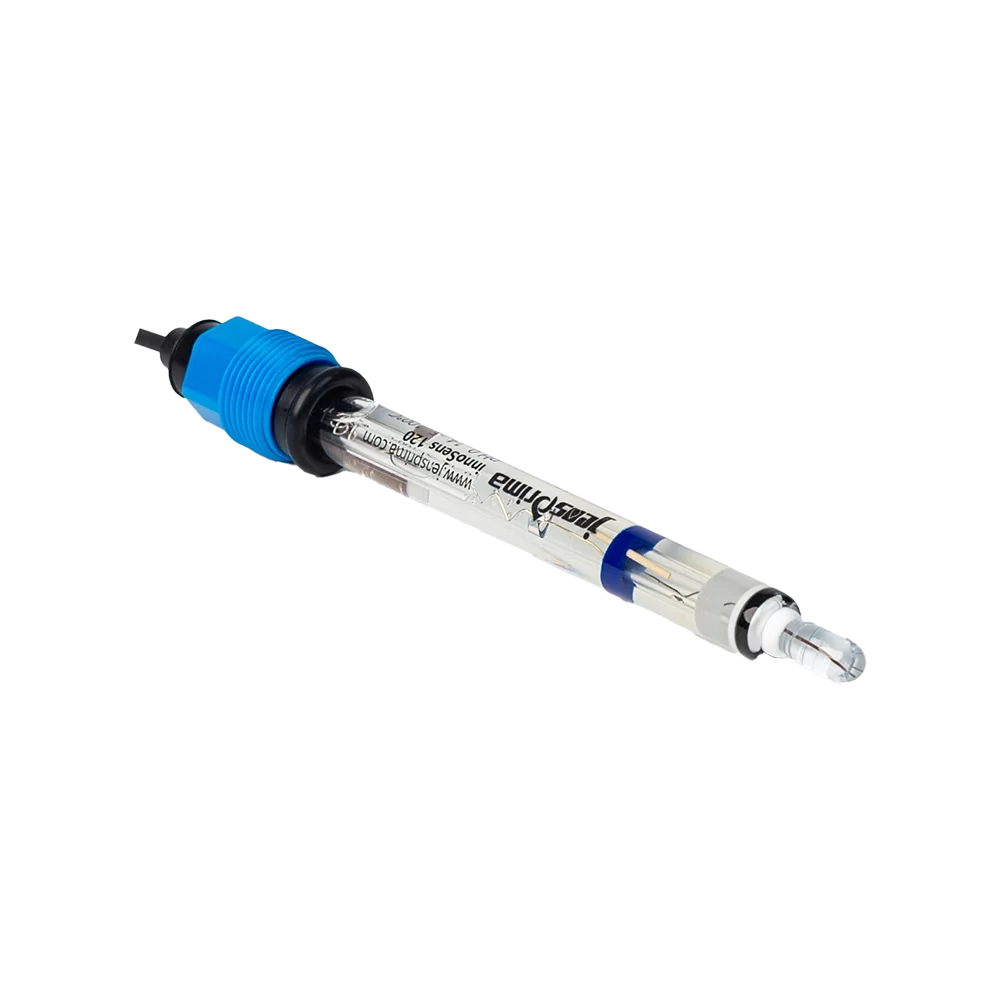
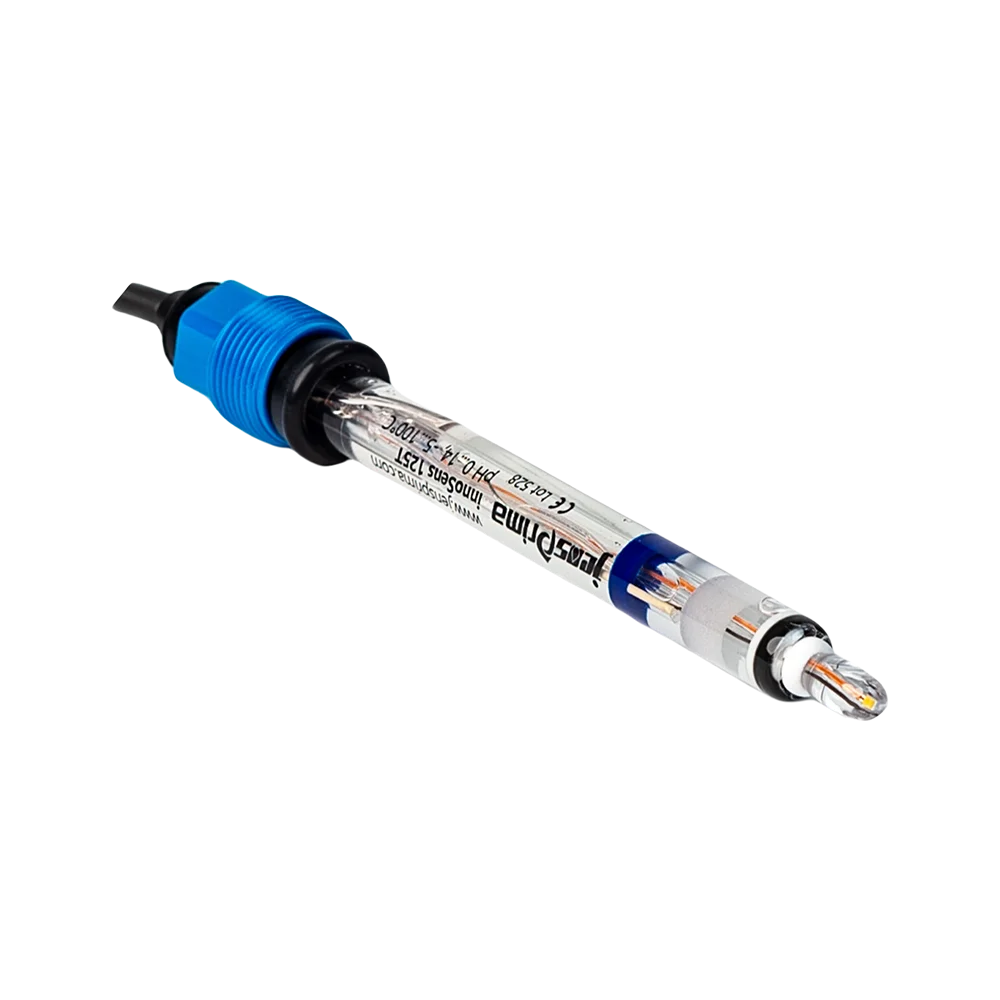
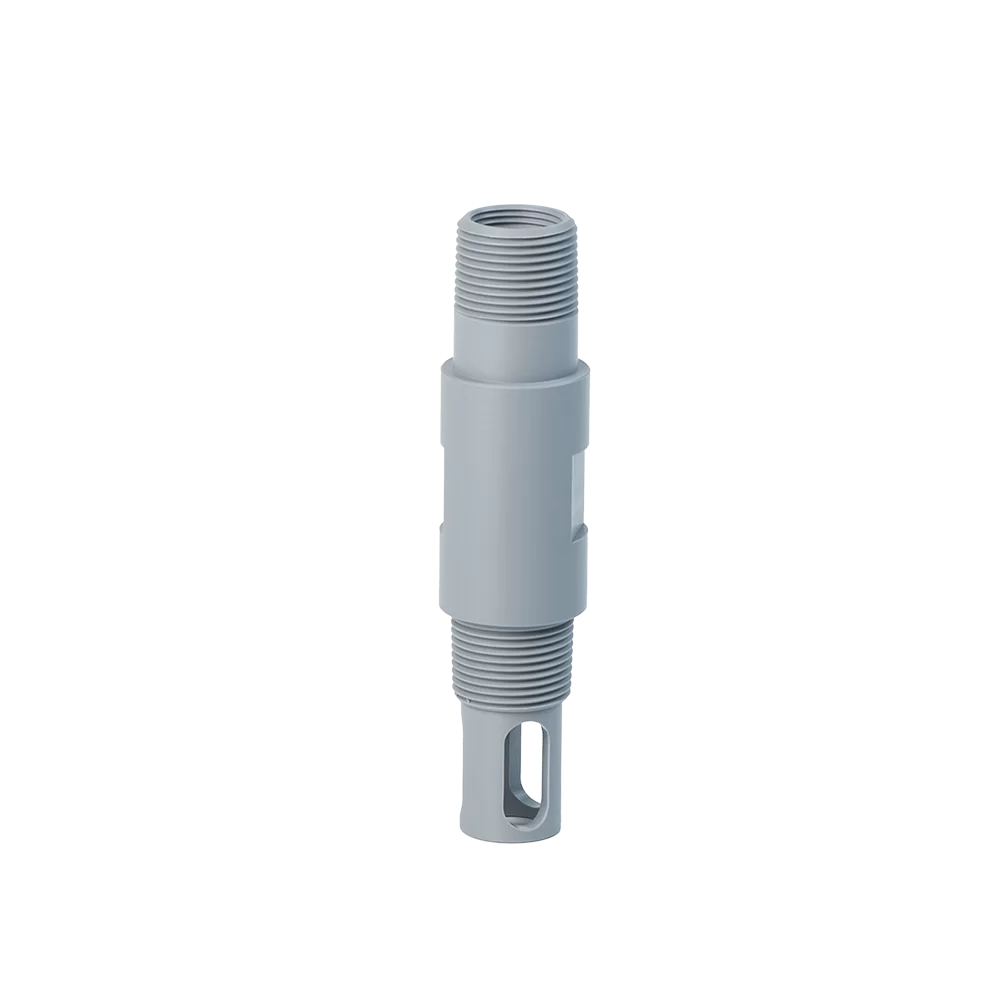
Comprehensive Water Analysis Portfolio for Nigeria

A curated selection of instruments designed for the Nigerian industrial and environmental landscape.

Frequently Asked Questions - Nigeria Water Analysis

Expert answers to common technical queries regarding online water quality monitoring.

How does high humidity in Nigeria affect the accuracy of a multi parameter water quality analyzer?

High humidity can cause condensation on electronic boards. Our analyzers feature IP65-rated enclosures and conformal coating on PCBs to ensure stable performance in Nigeria's tropical climate.

What is the maintenance cycle for a total hardness analyzer in industrial cooling towers?

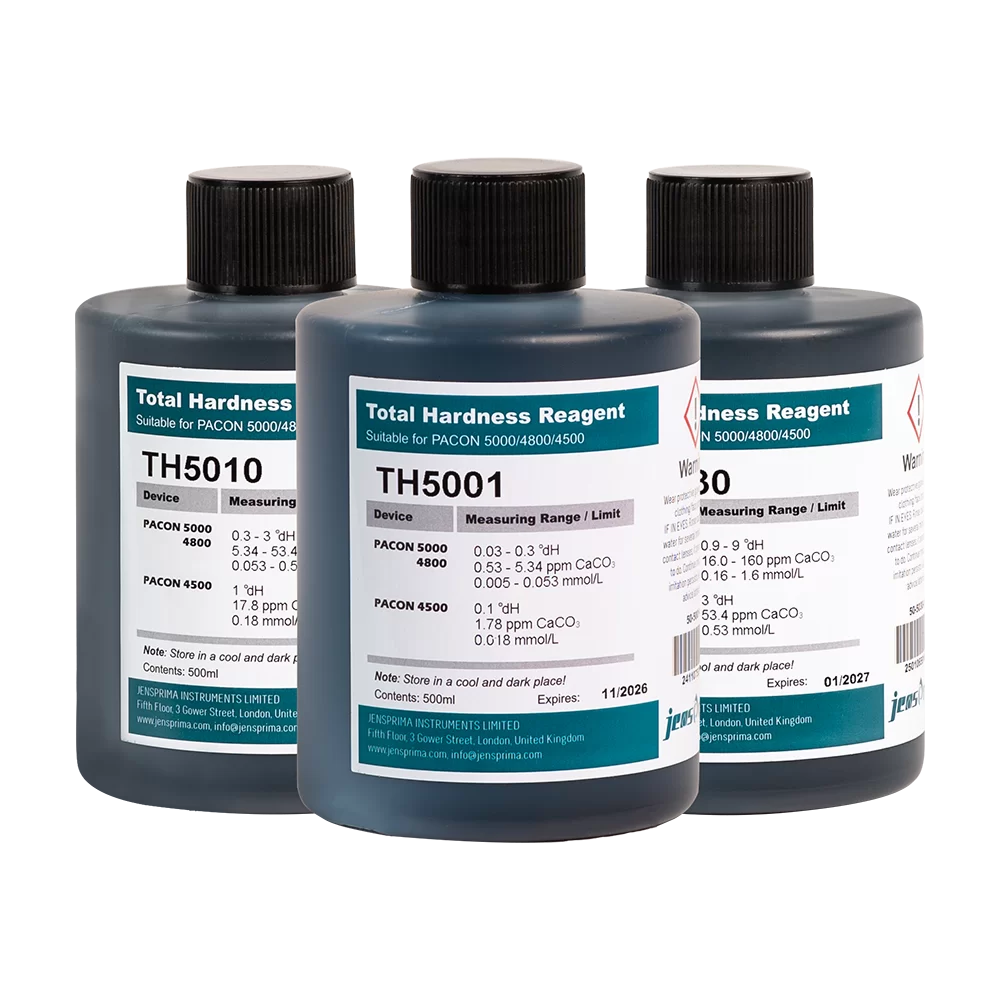
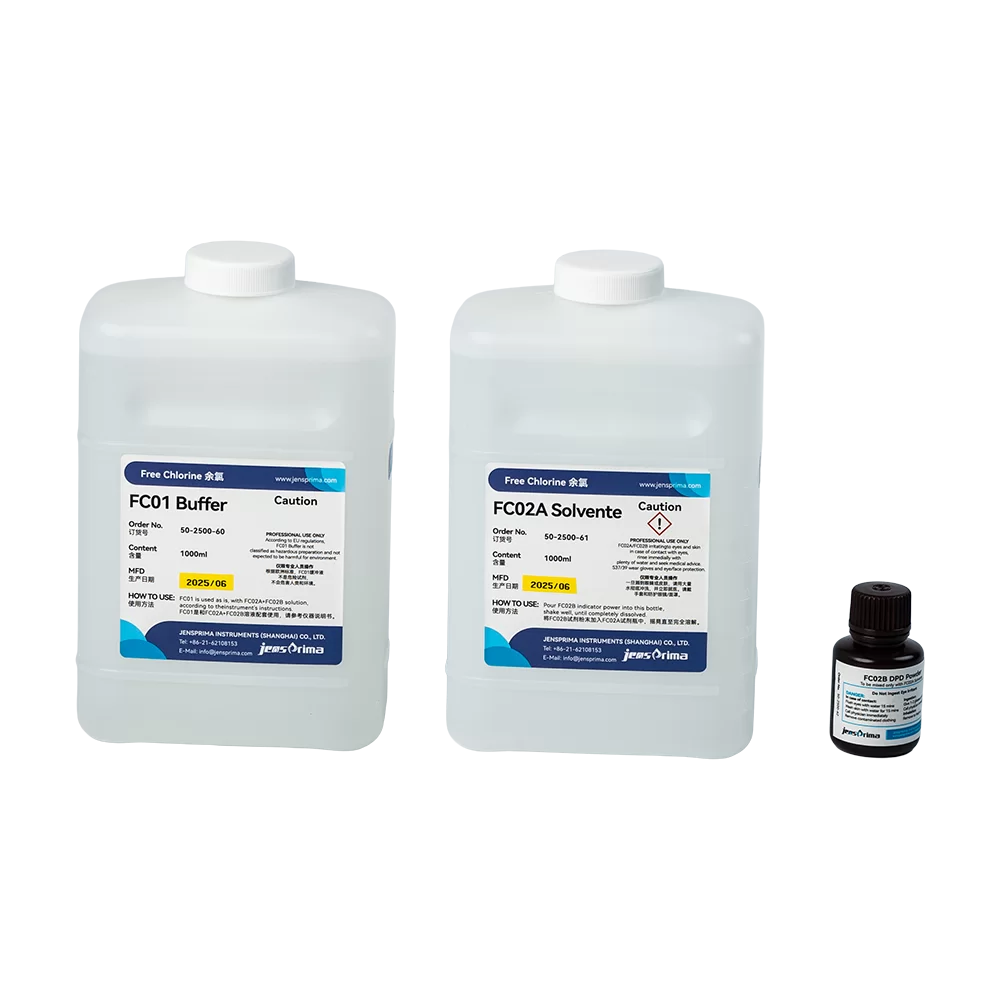
Depending on water turbidity, we recommend monthly calibration and quarterly reagent replacement to ensure the precision of hardness readings.

Can an alkalinity analyzer be integrated into an existing SCADA system in Nigeria?

Yes, our instruments support standard Modbus RTU and 4-20mA analog outputs, making them fully compatible with most PLC and SCADA architectures used in Nigerian factories.

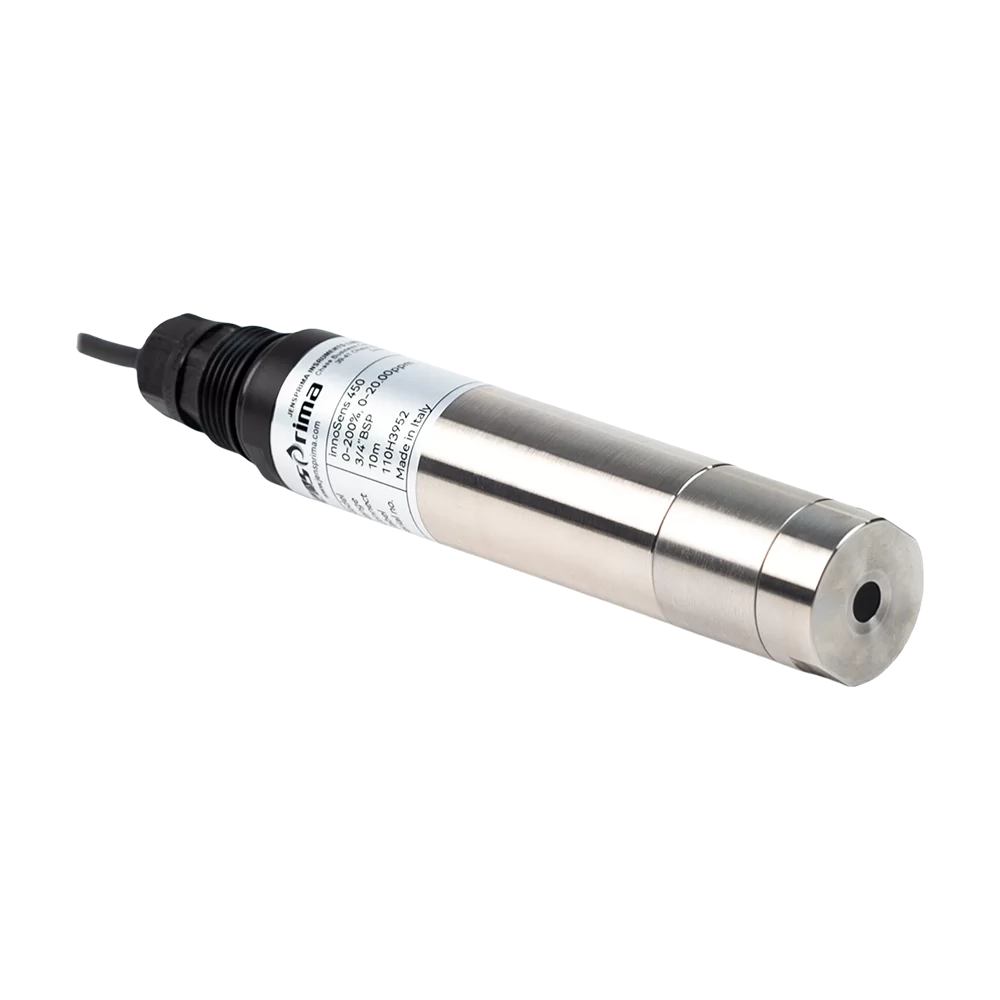
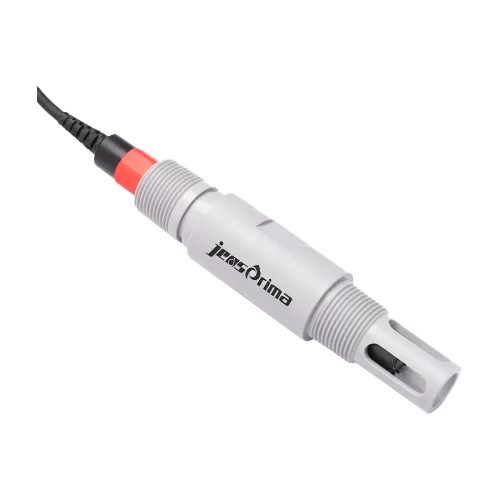
How do I prevent sensor fouling in a residual chlorine controller used in raw river water?

We recommend installing a pre-filtration system or using our automatic cleaning probes that employ a mechanical wiper to remove biofilm and sediment.

Why is an electromagnetic flowmeter preferred over mechanical meters for wastewater in Nigeria?

Electromagnetic meters have no moving parts, meaning they aren't clogged by the high suspended solids often found in Nigerian industrial wastewater, ensuring a longer lifespan.

What are the power requirements for online analyzers in remote Nigerian sites?

Our devices are designed for low power consumption and can be operated via 24V DC power supplies, making them ideal for integration with solar power arrays.

Consult Our Water Quality Experts

Looking for tailored instrumentation for your facility in Nigeria? Our engineers provide full technical support from selection to installation.

Contact Us Now
Service Repair Form
Tell us what issue you encountered, including any steps or symptoms.
  • Name
  • Email
  • Phone
  • Fault Description

If you are interested in our products, you can choose to leave your information here, and we will be in touch with you shortly.