

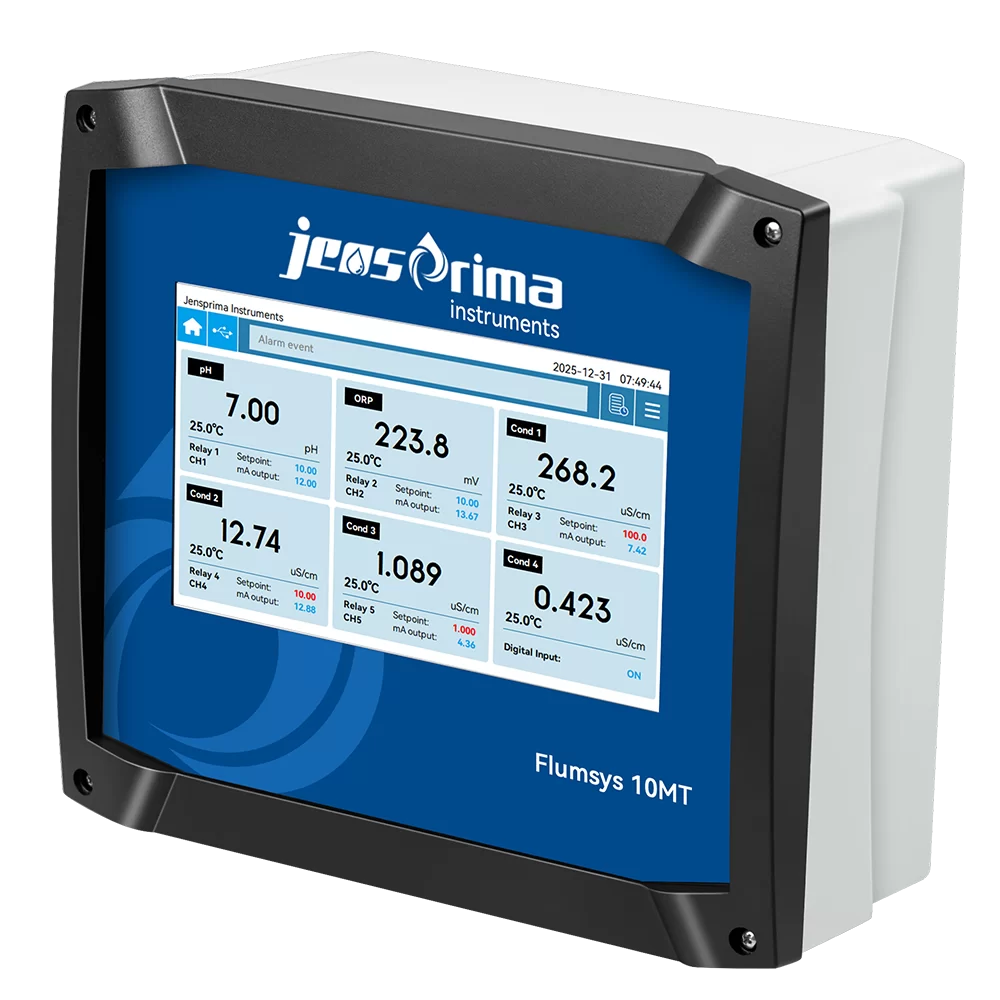
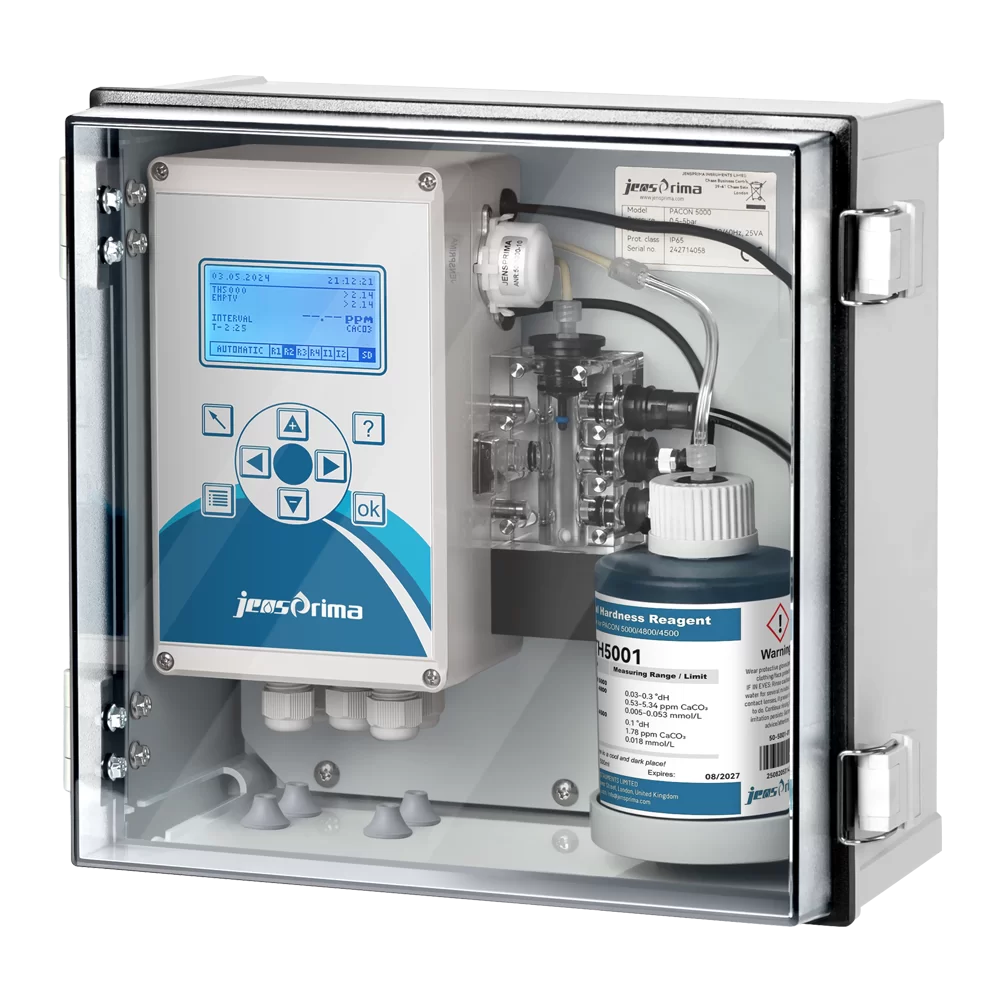
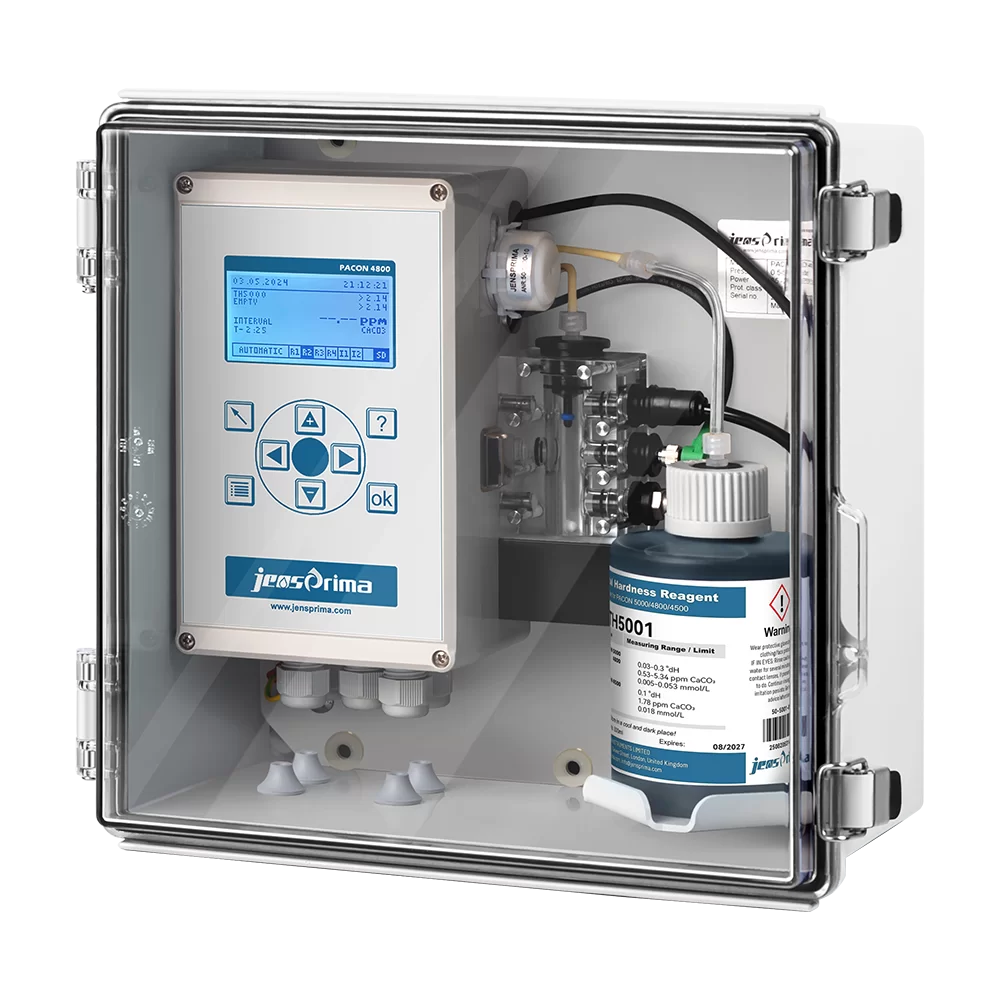
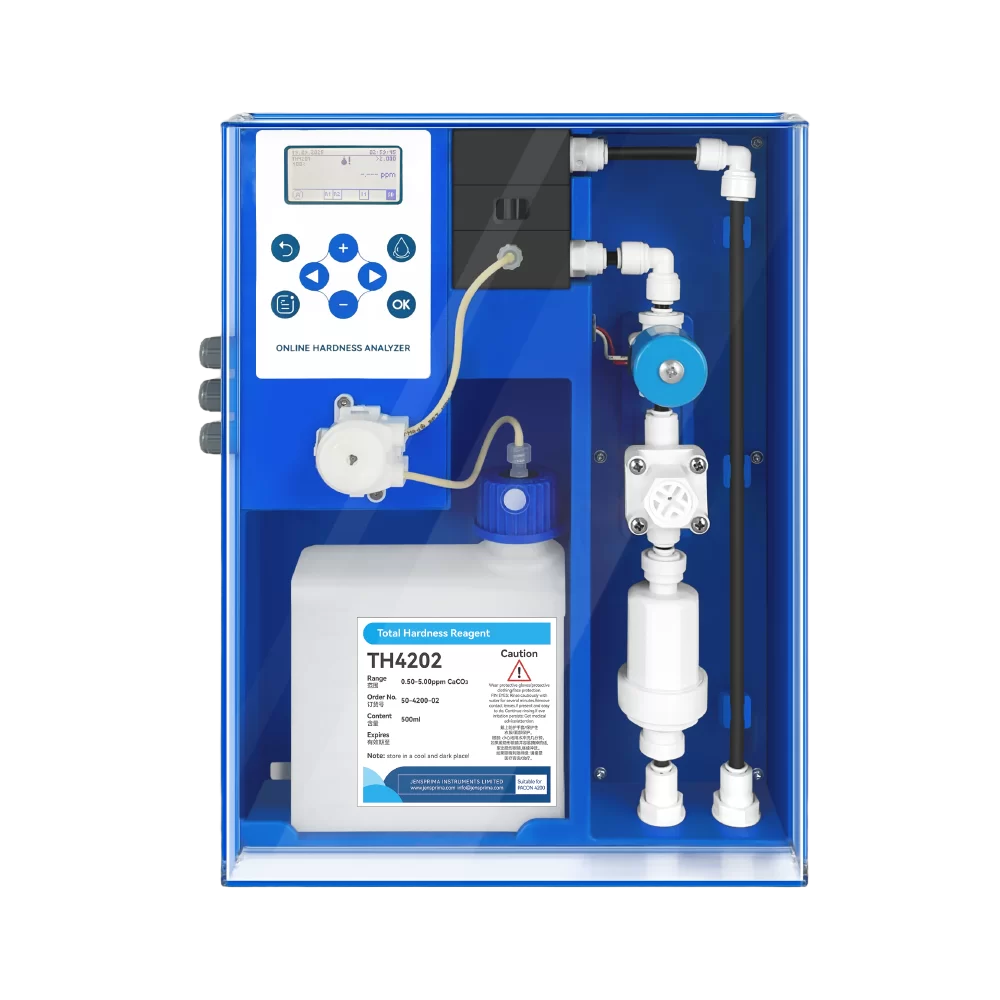
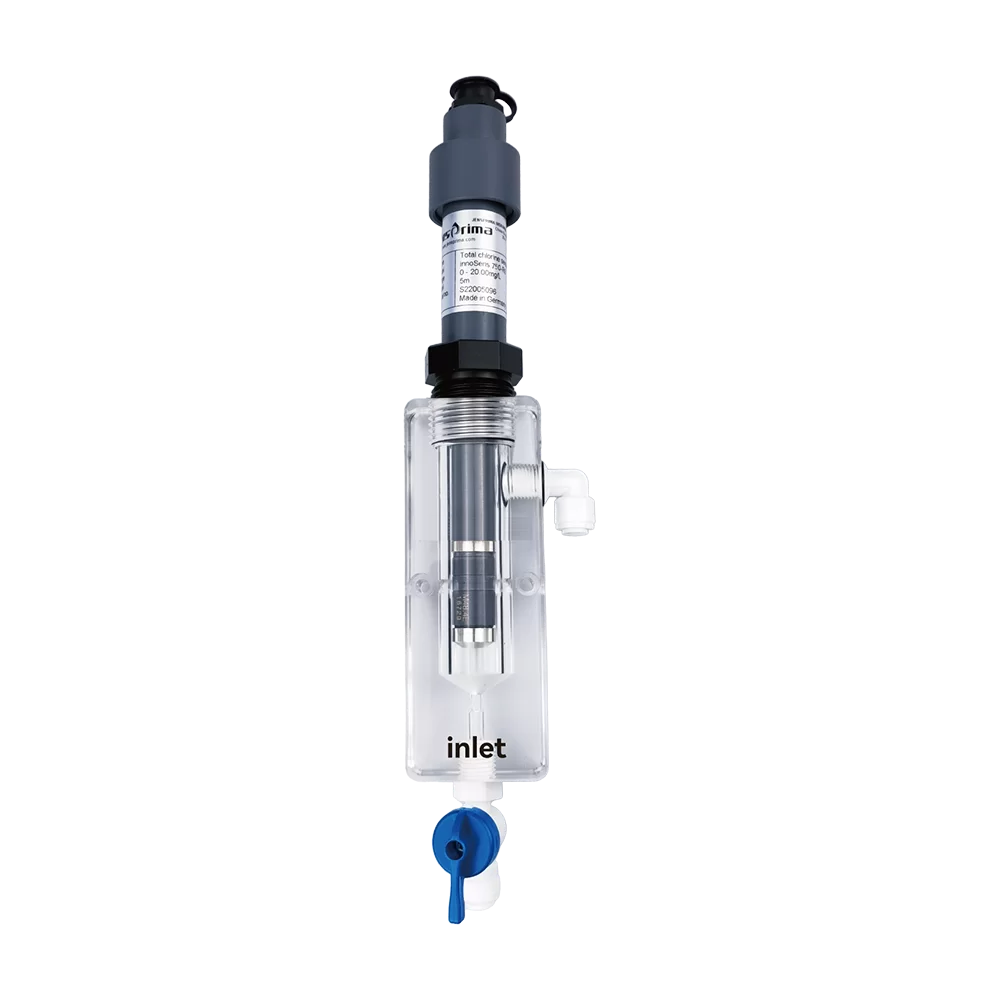
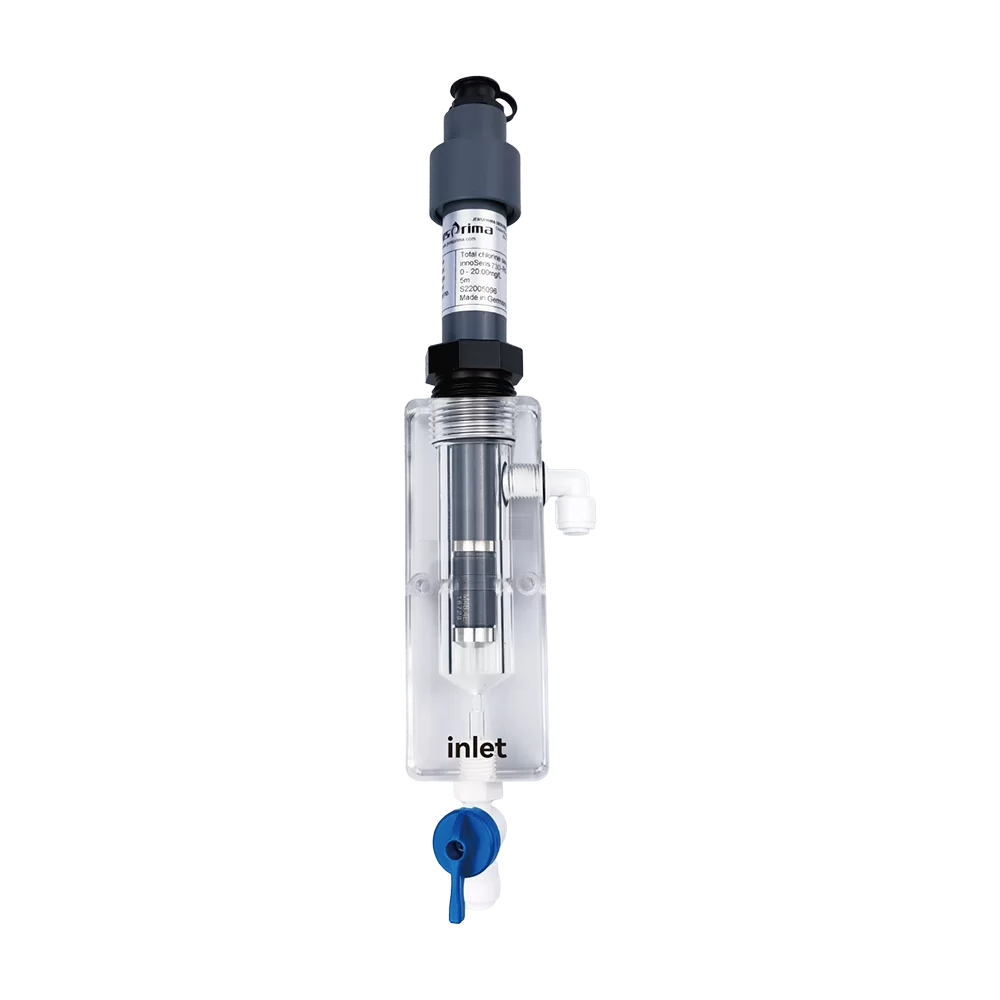
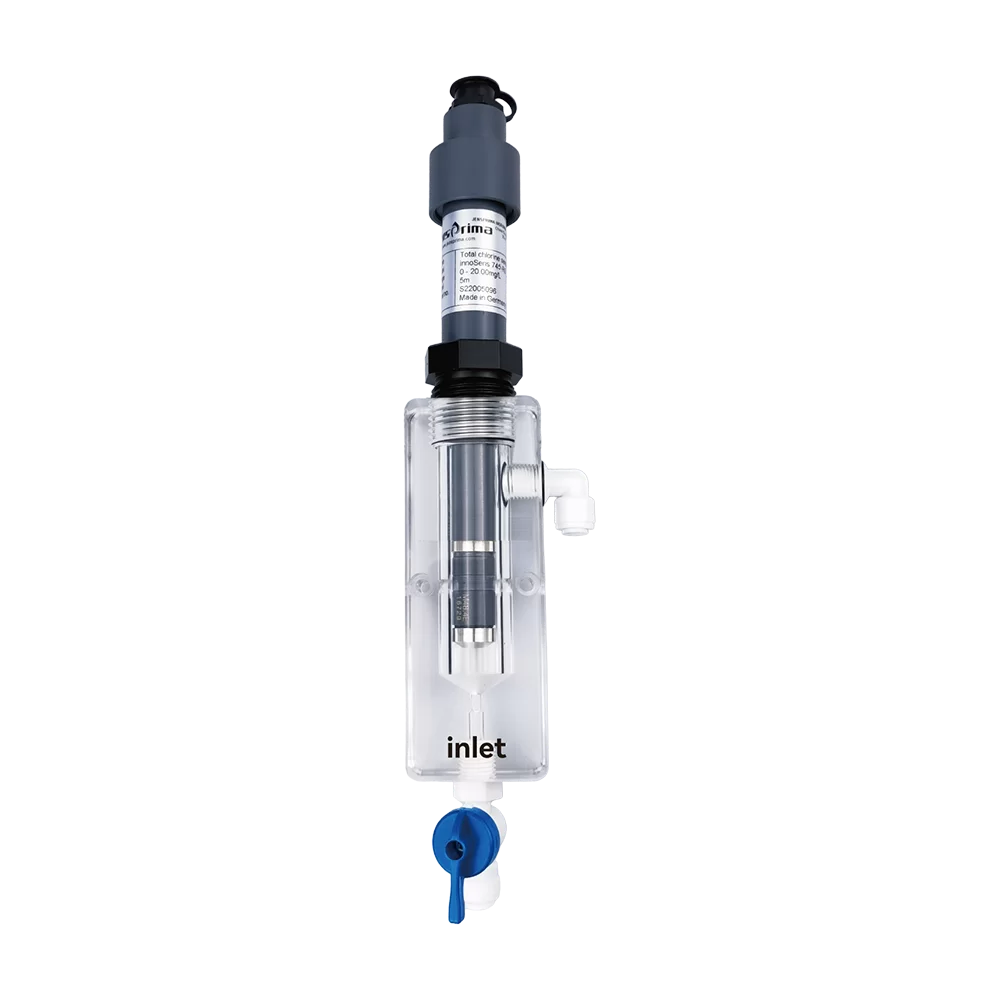
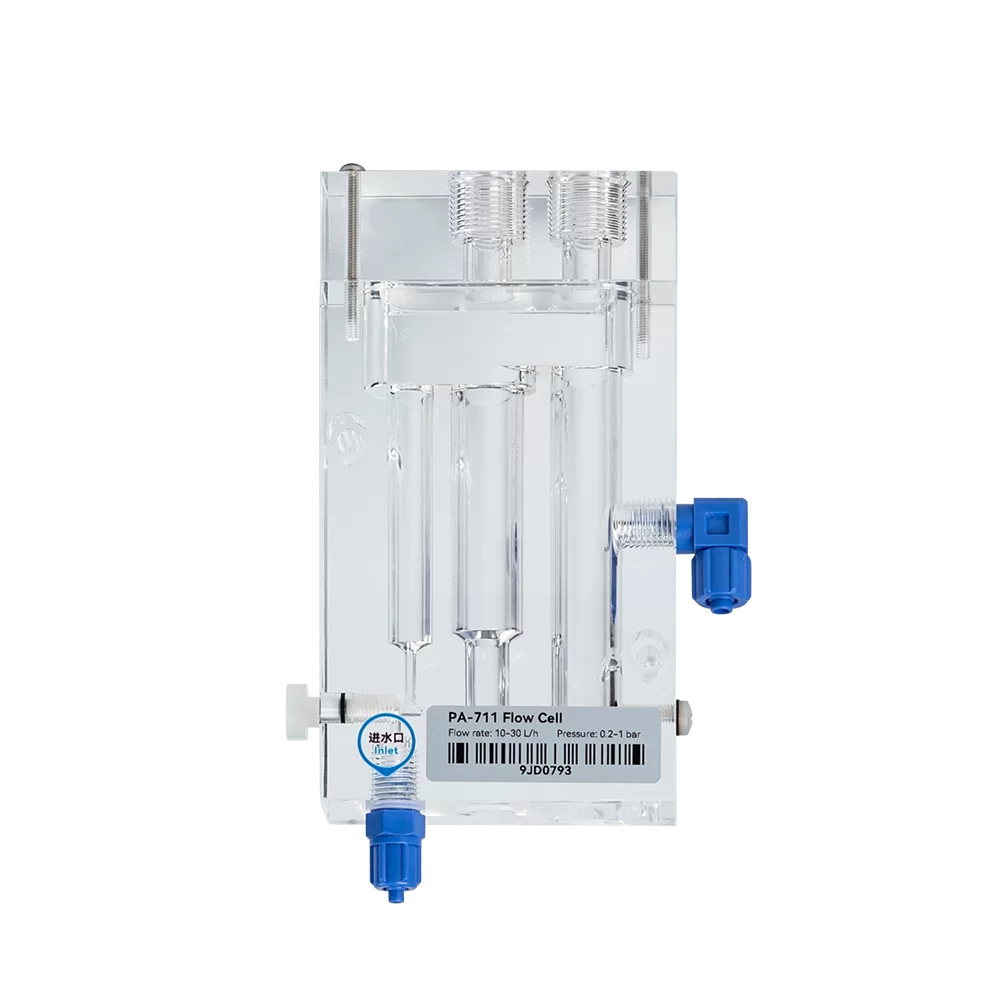
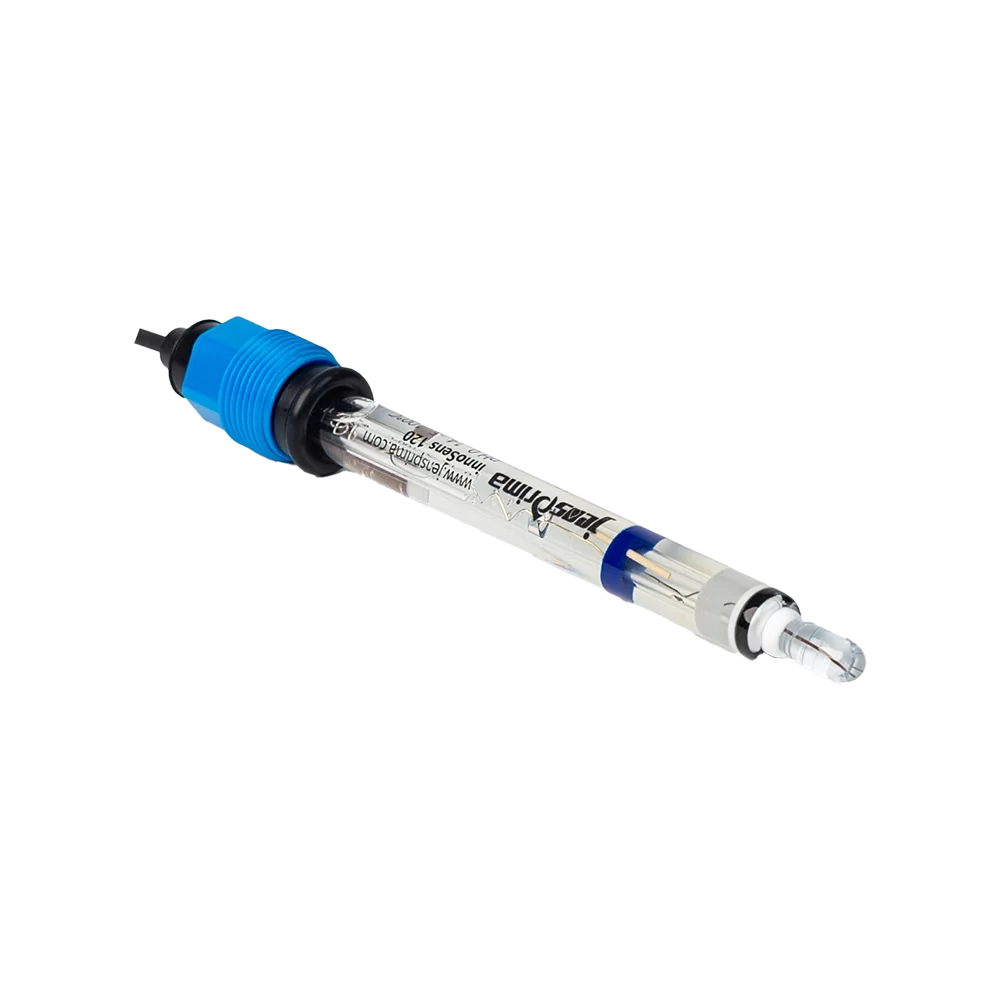
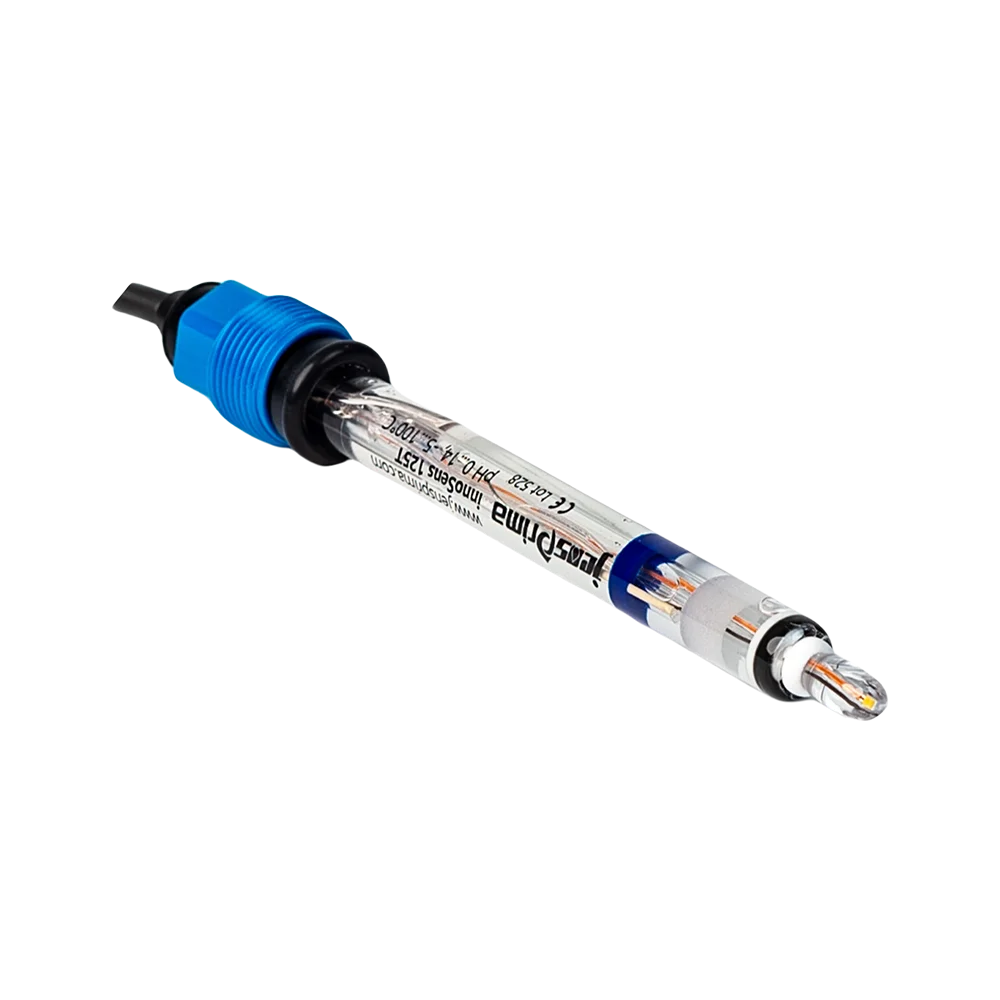
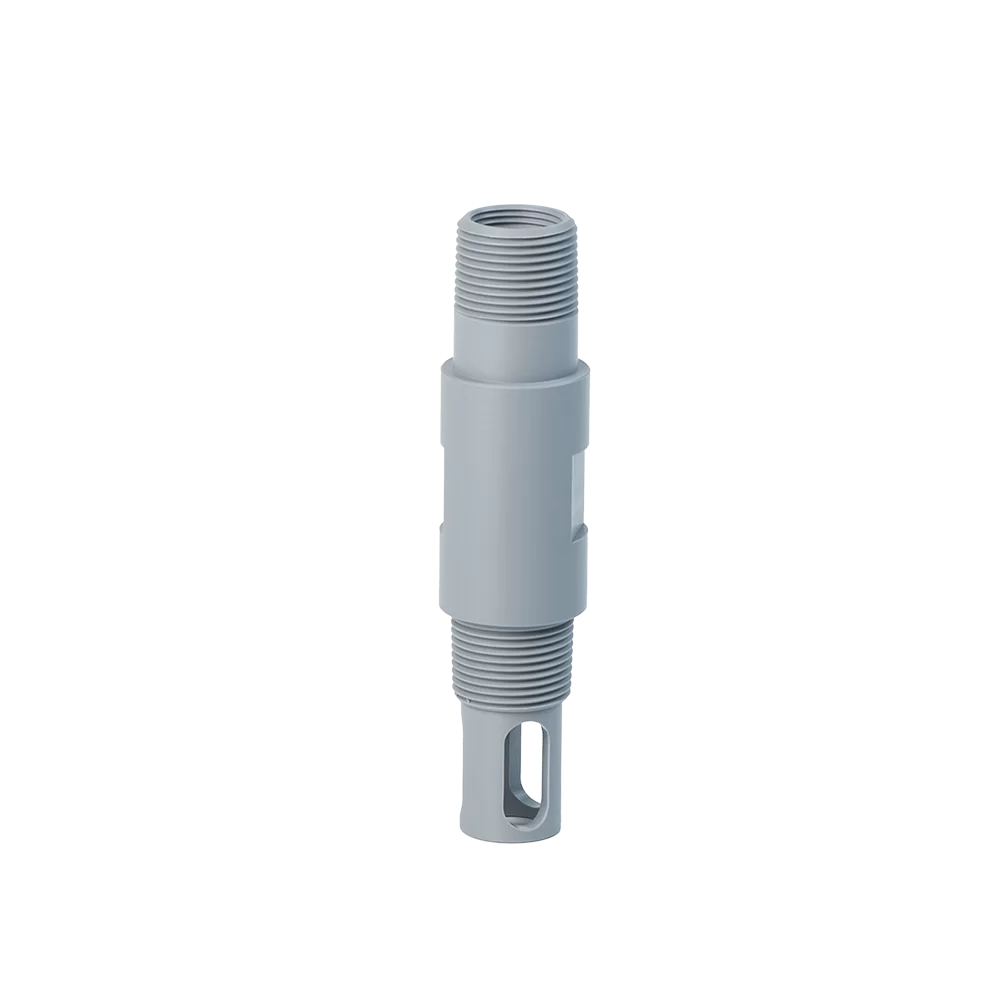
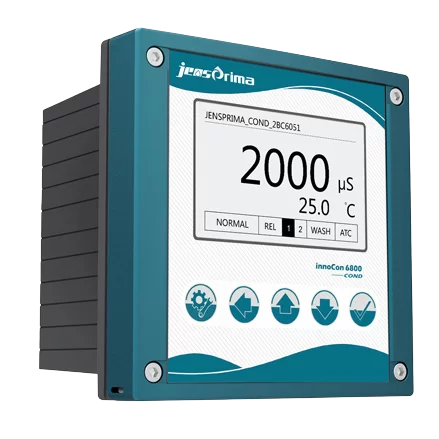
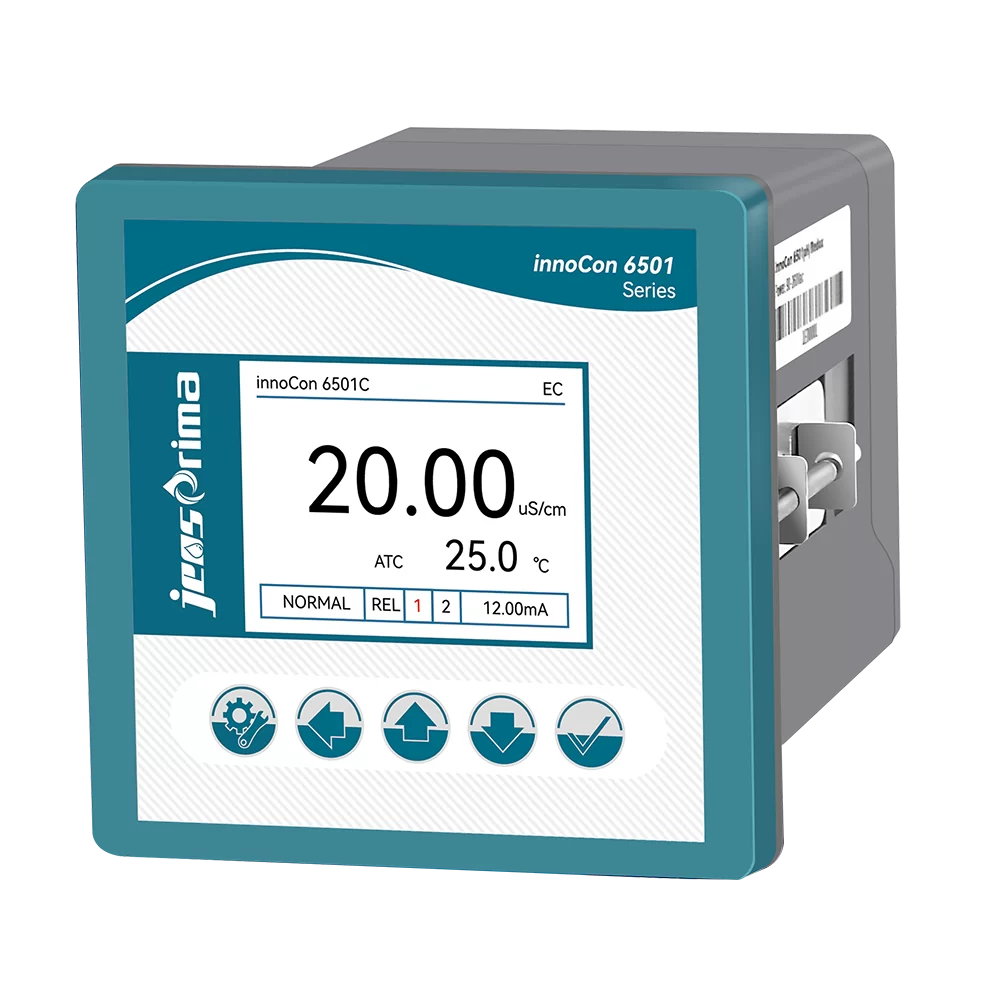
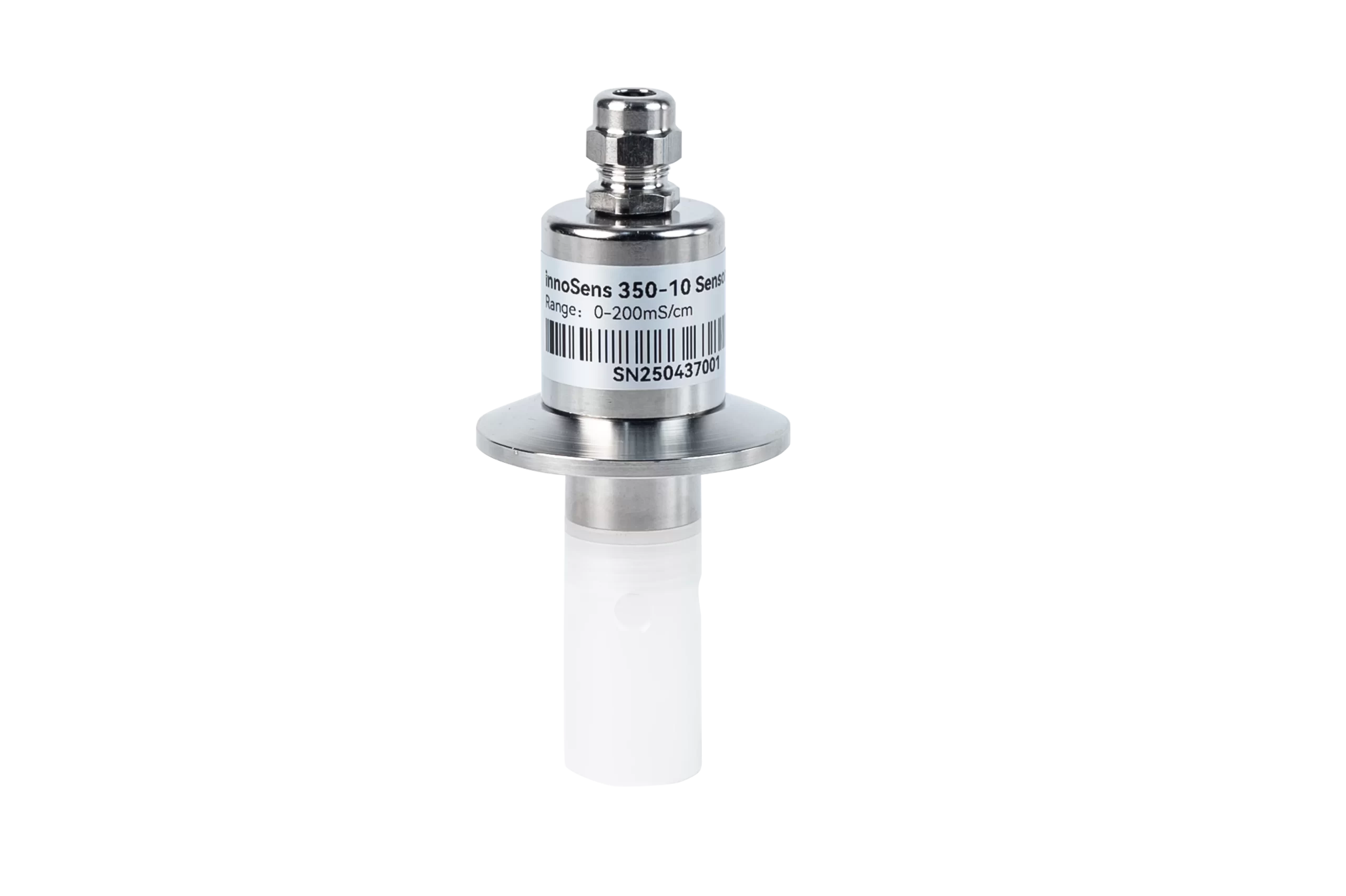
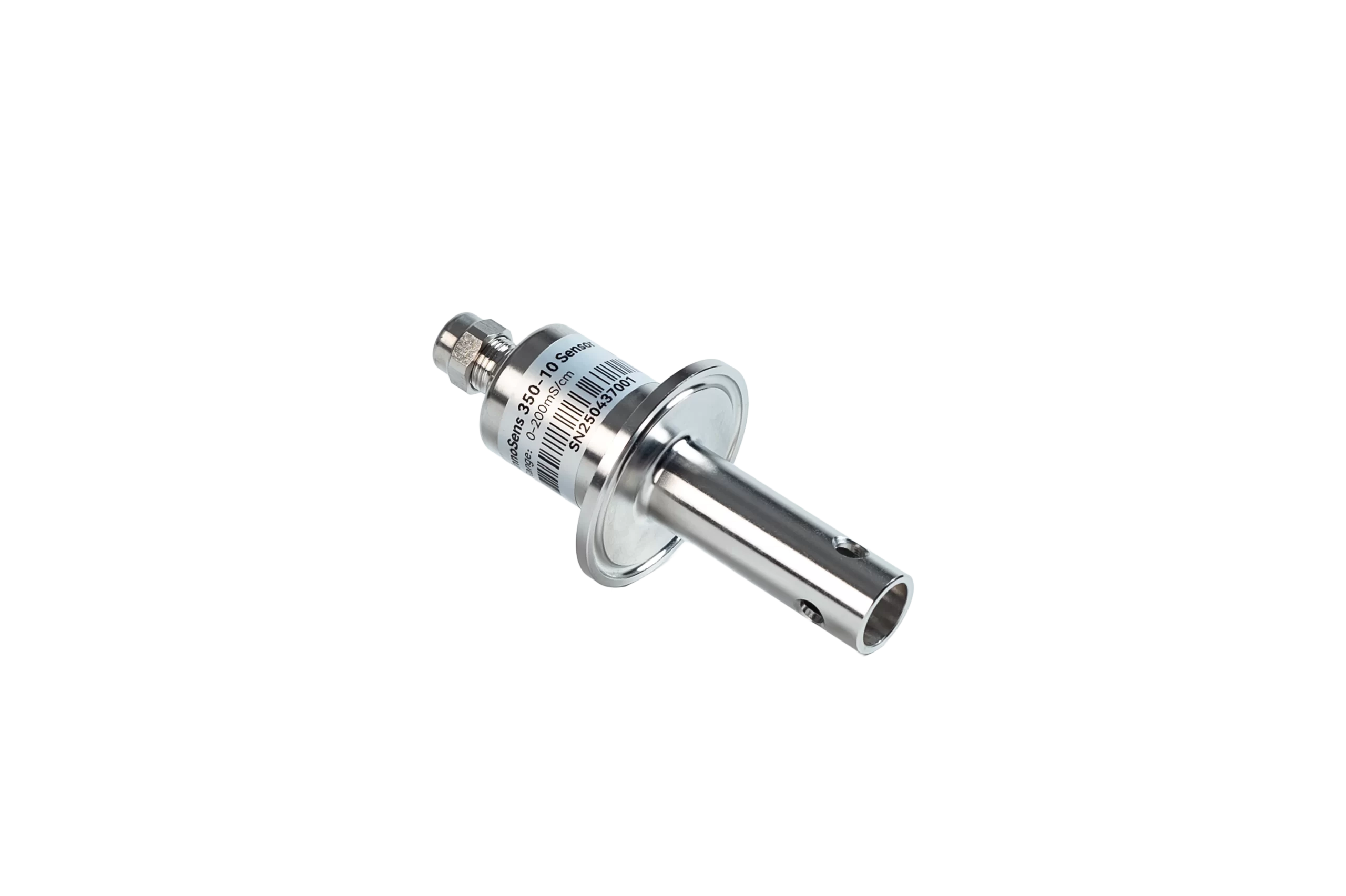
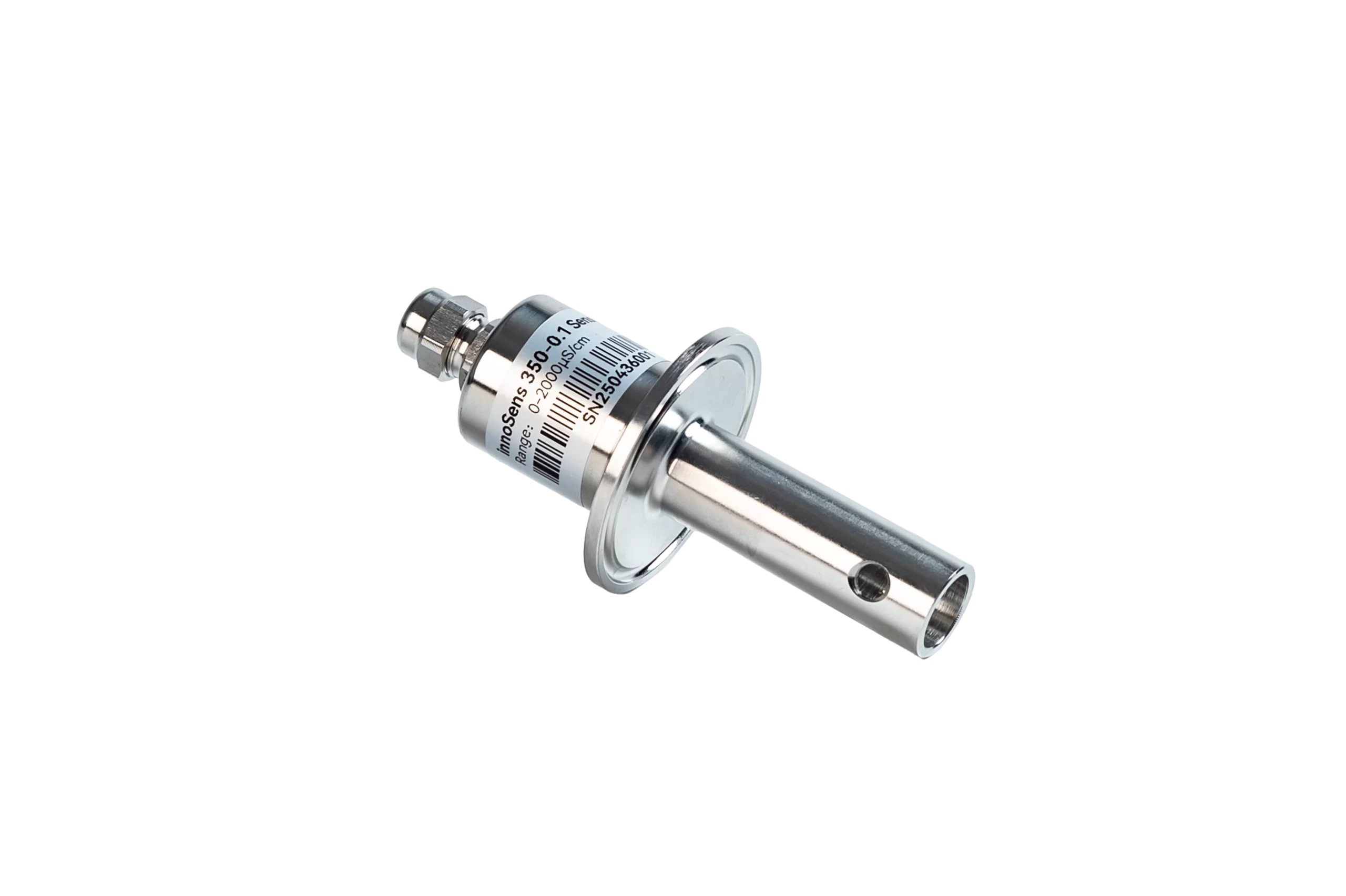
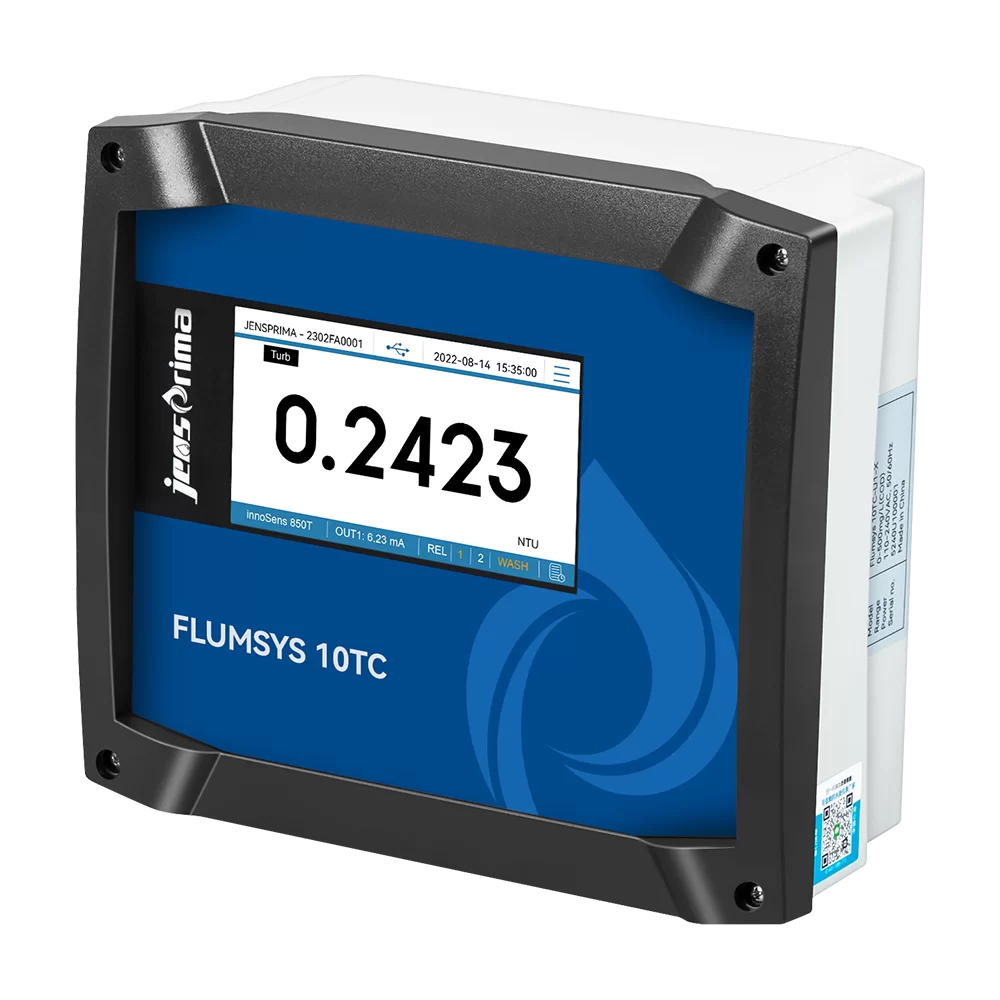
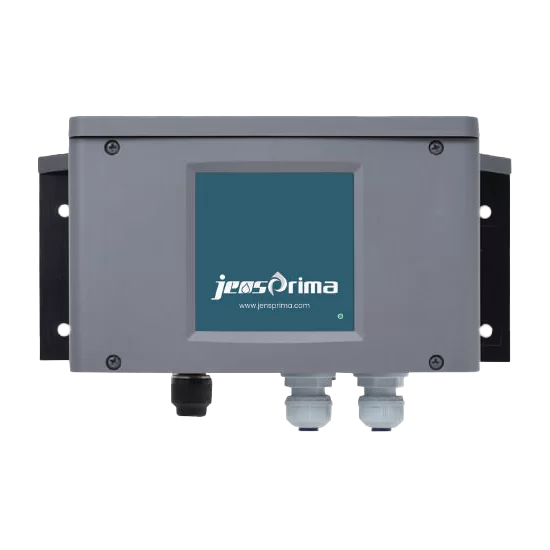
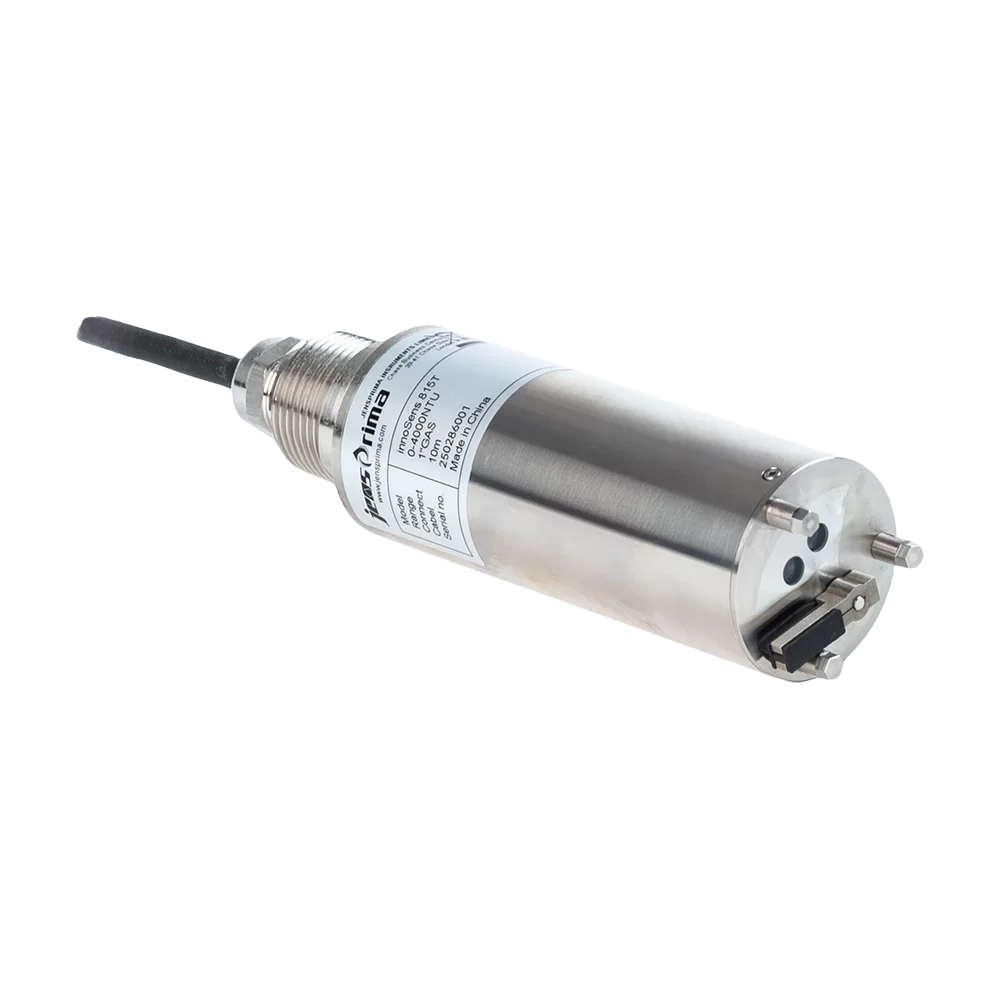
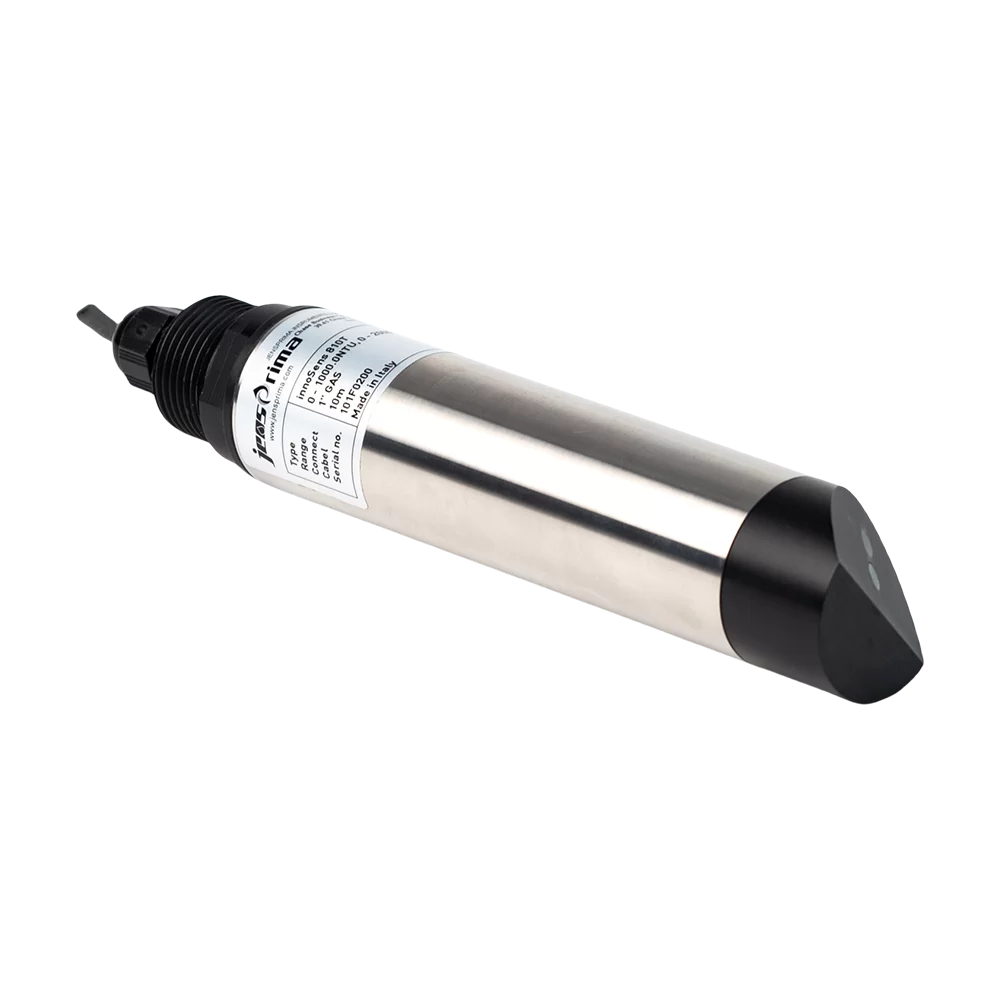
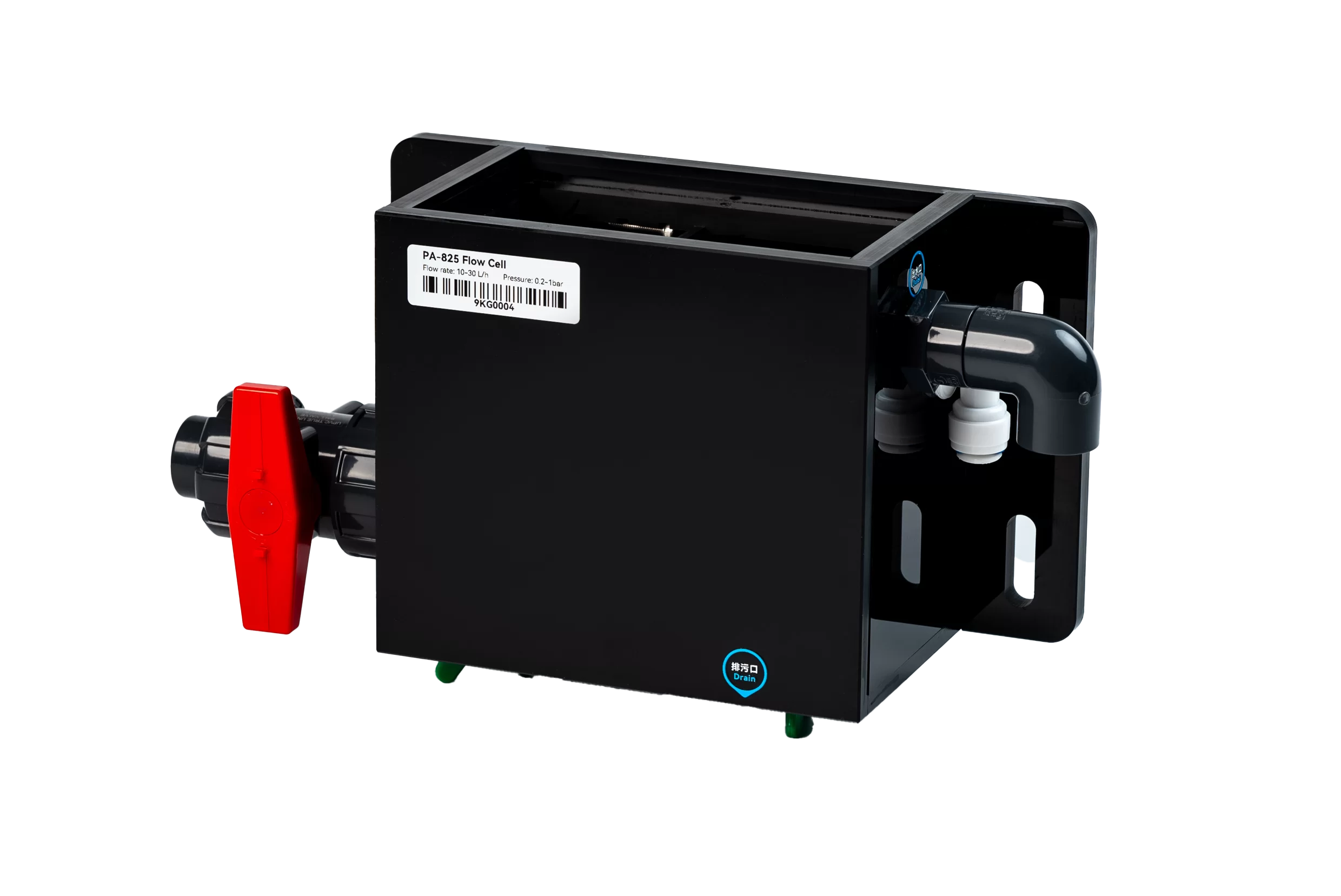
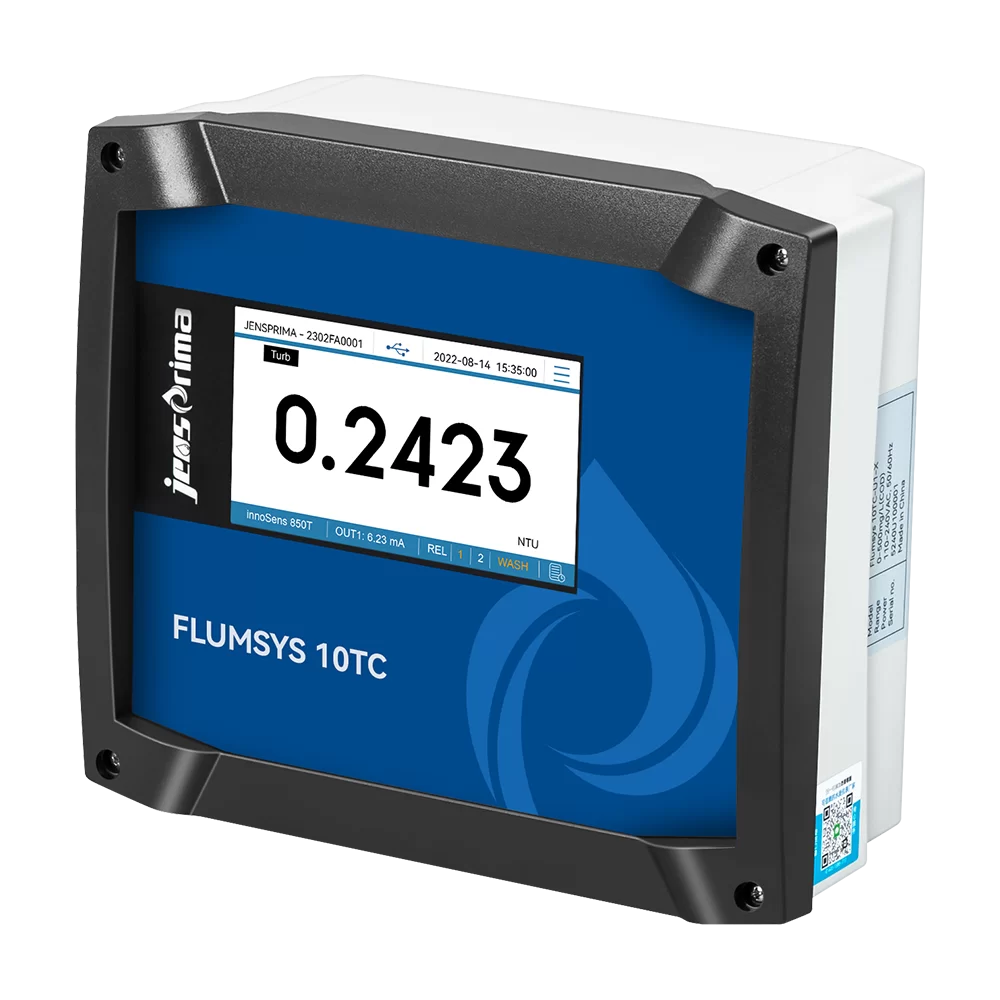
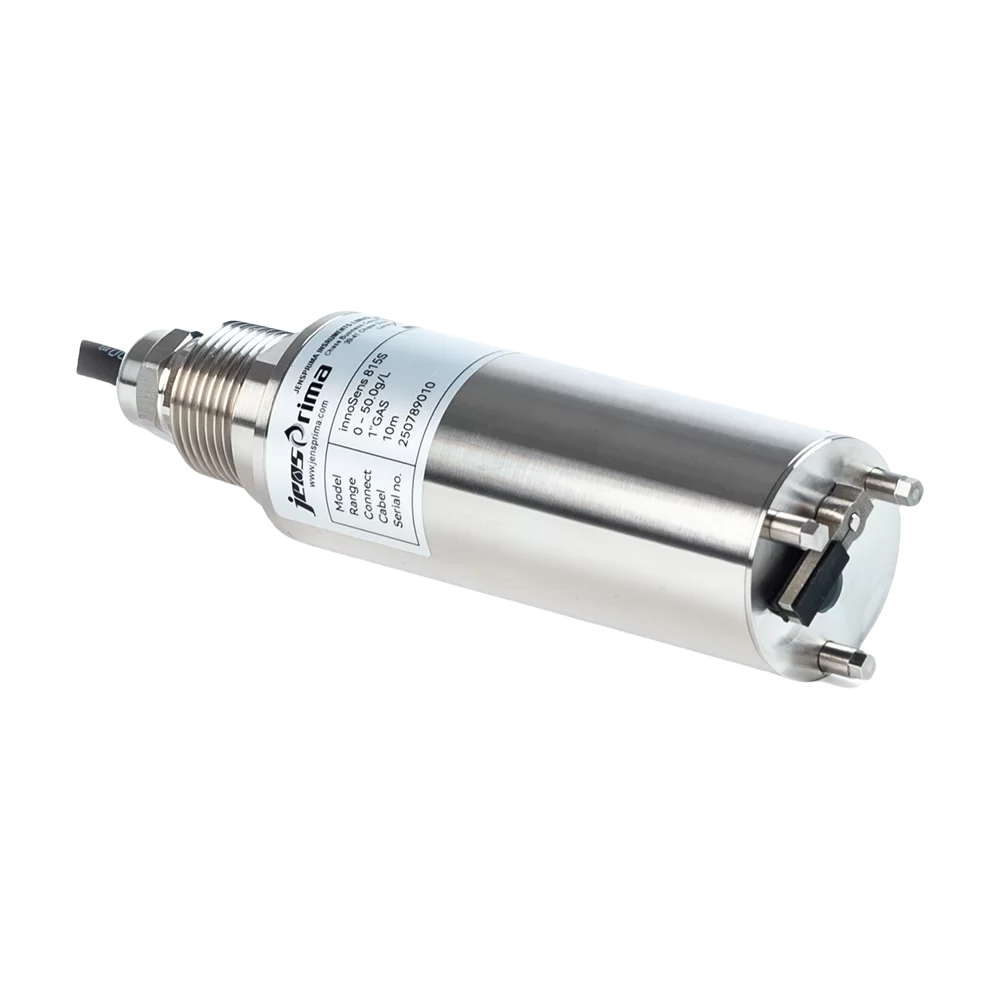
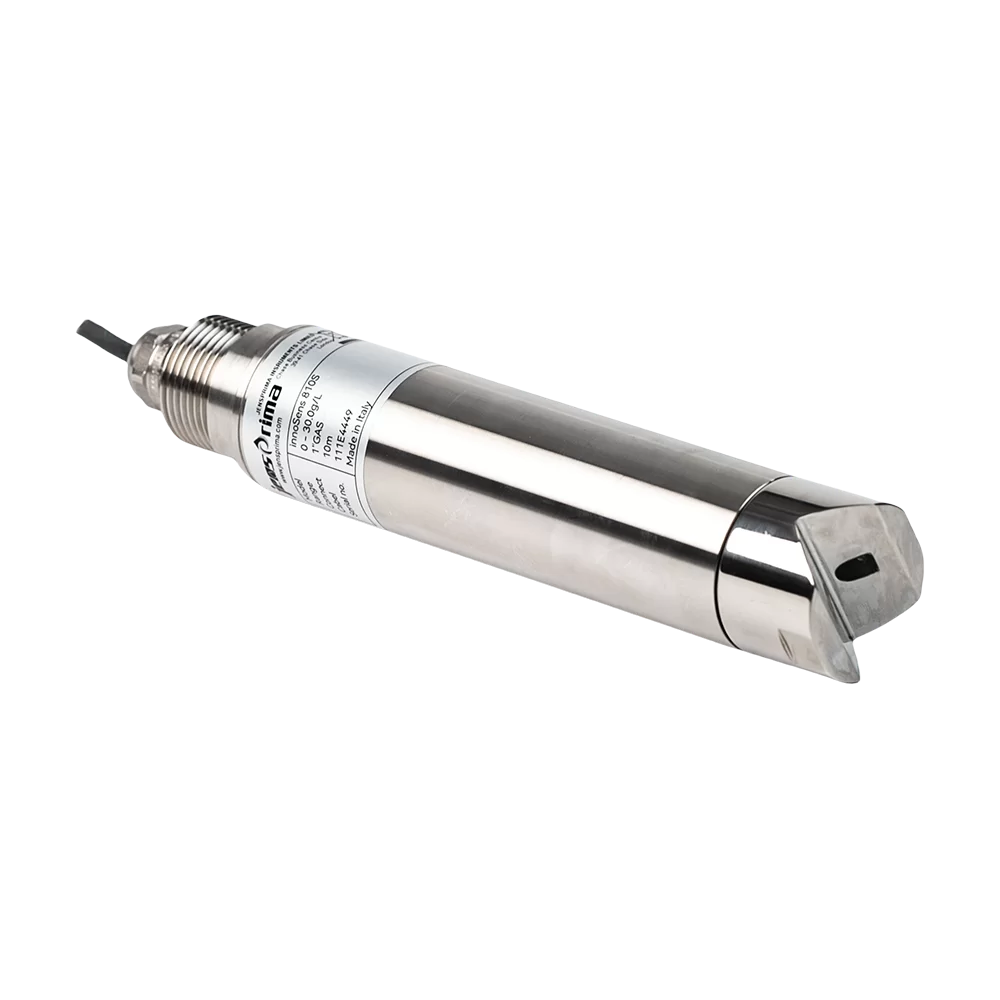
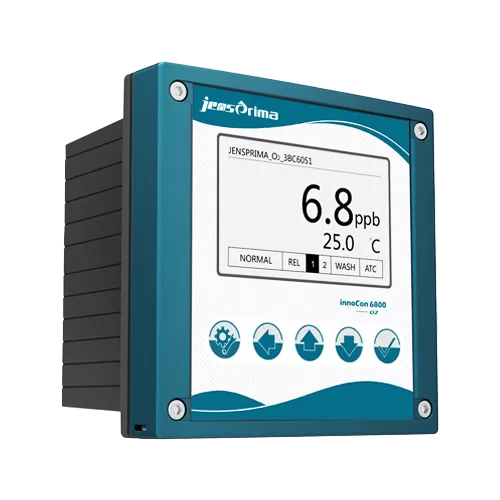
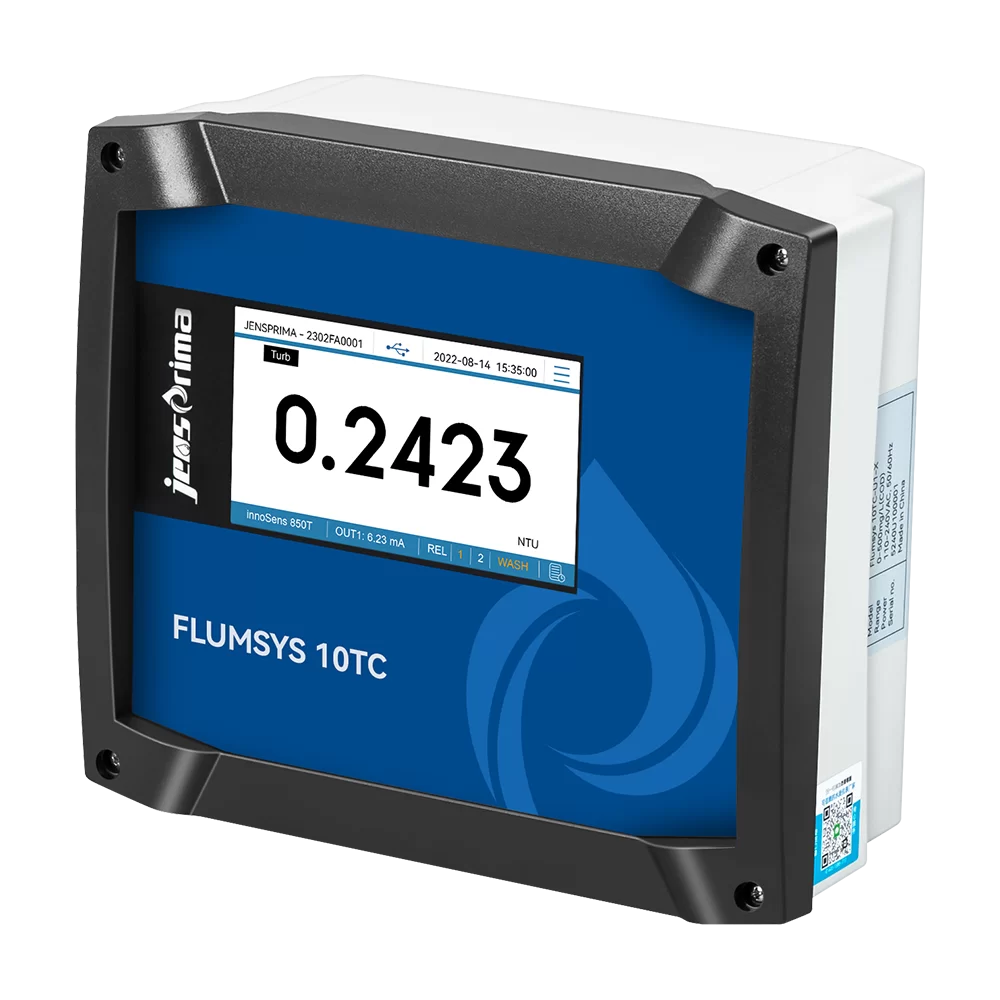
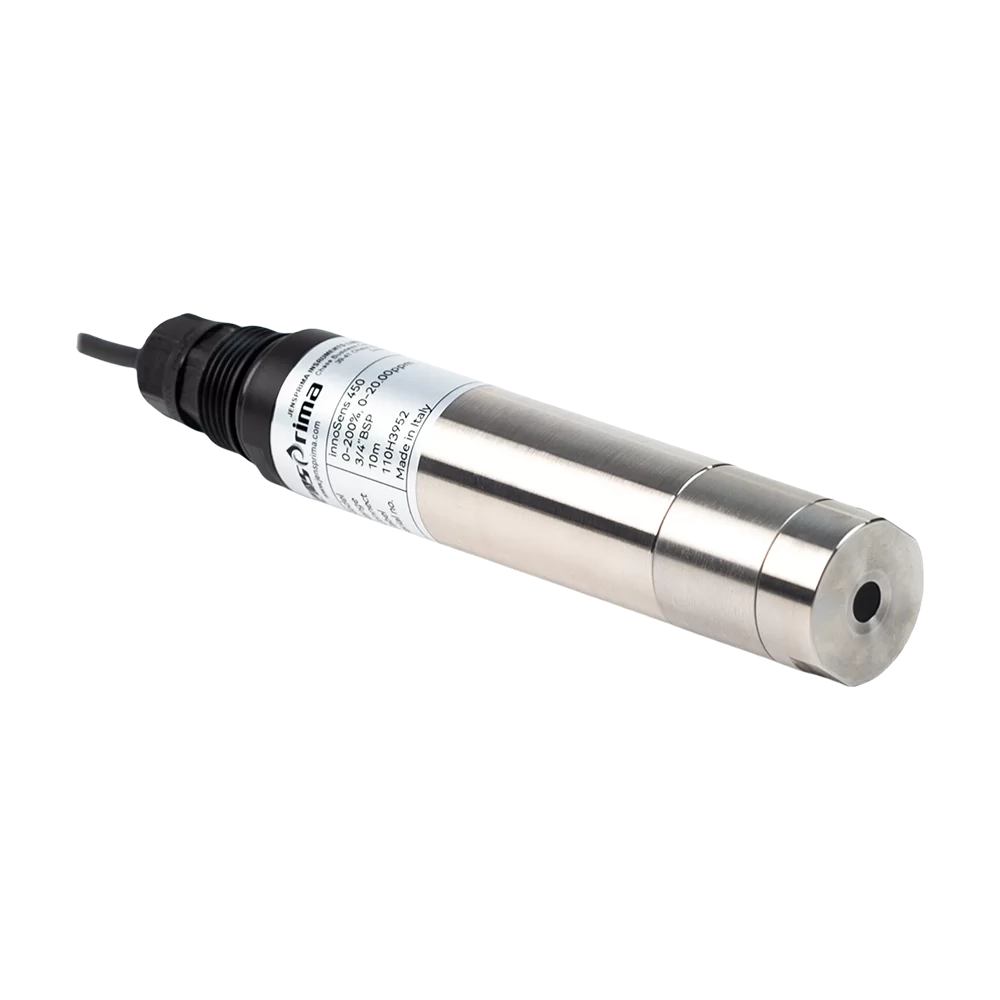
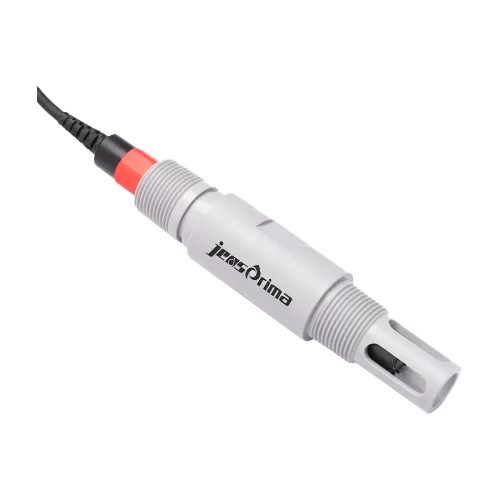
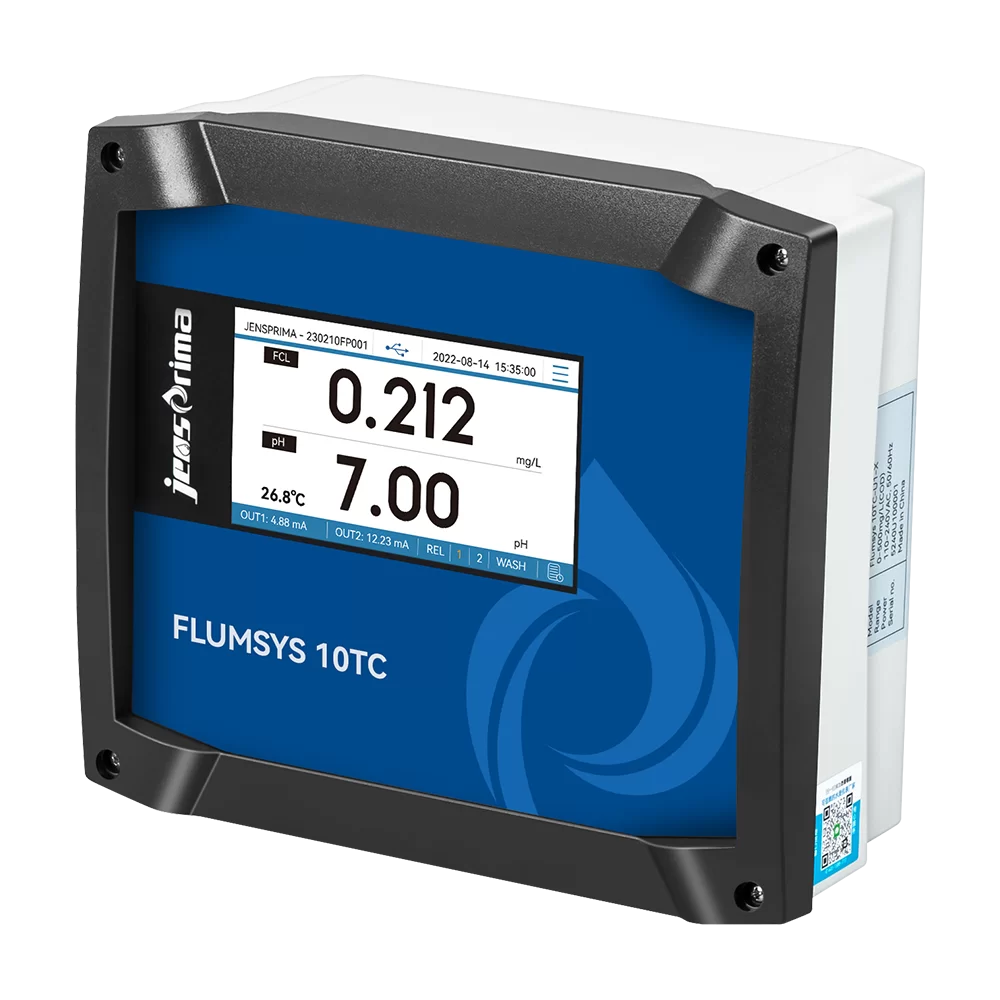
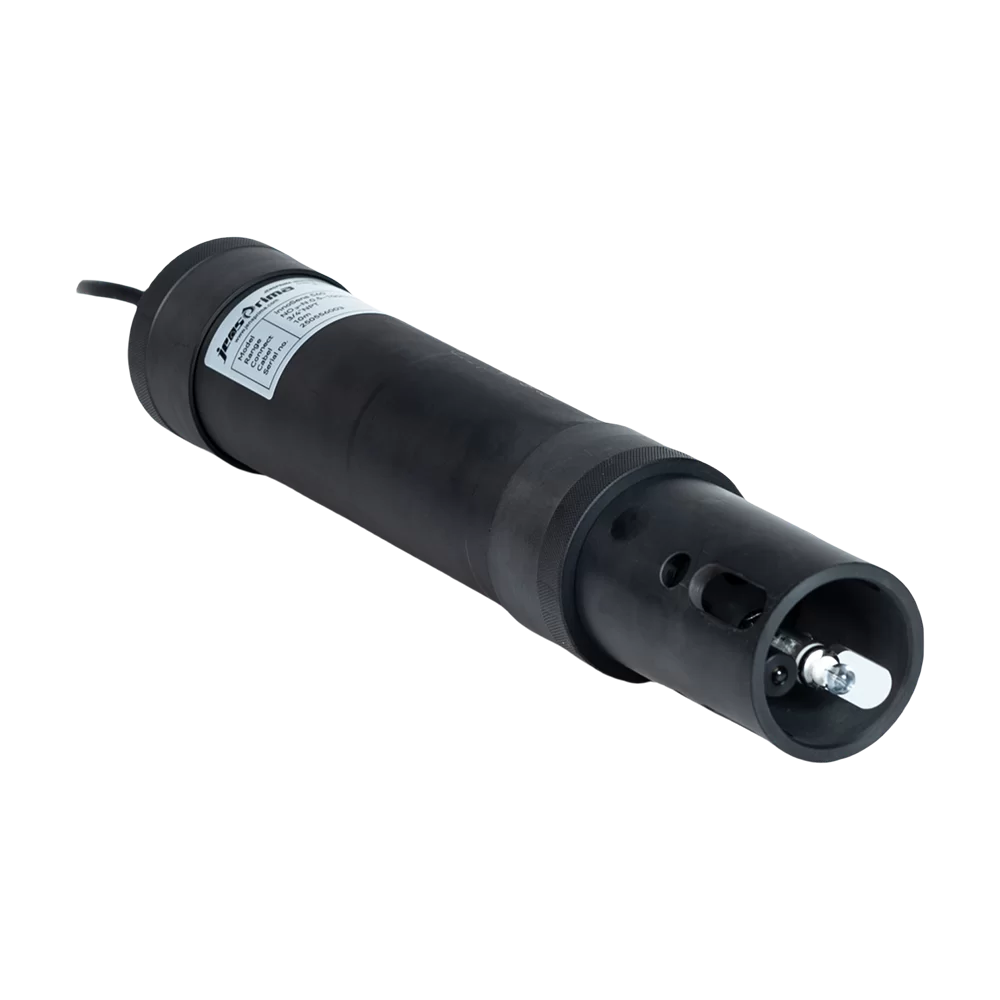


multi parameter analyzer

NEWS

UPDATES

Kenya Industrial Water Monitoring Solution with alkalinity analyzer

Advanced online water quality analysis systems engineered for Kenya's diverse industrial and municipal water infrastructure to ensure regulatory compliance and operational efficiency.

Kenya Industrial Water Monitoring Solution with alkalinity analyzer

Integrating high-precision sensing technology to monitor critical water parameters in real-time, specifically tailored for the environmental challenges of the East African region.

Water Quality Monitoring Landscape in Kenya

Analyzing the intersection of industrial growth and water scarcity in the Kenyan market.

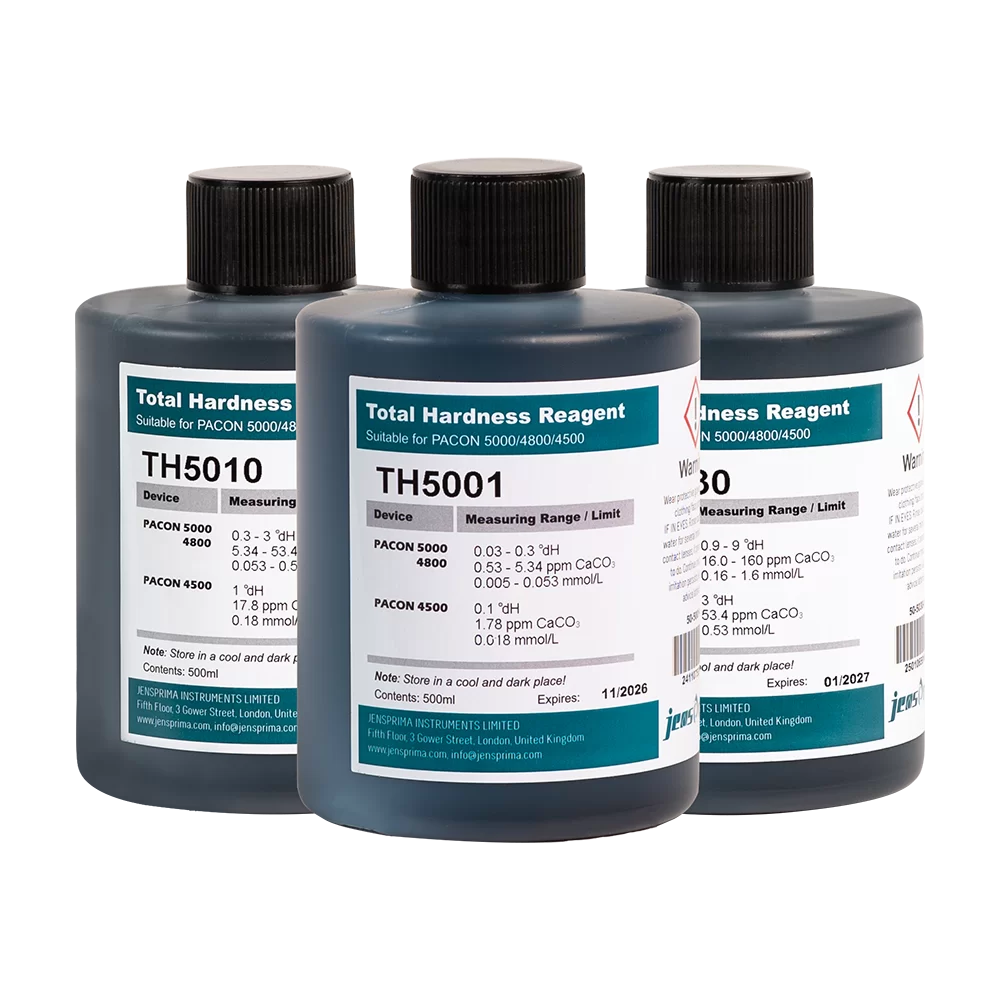
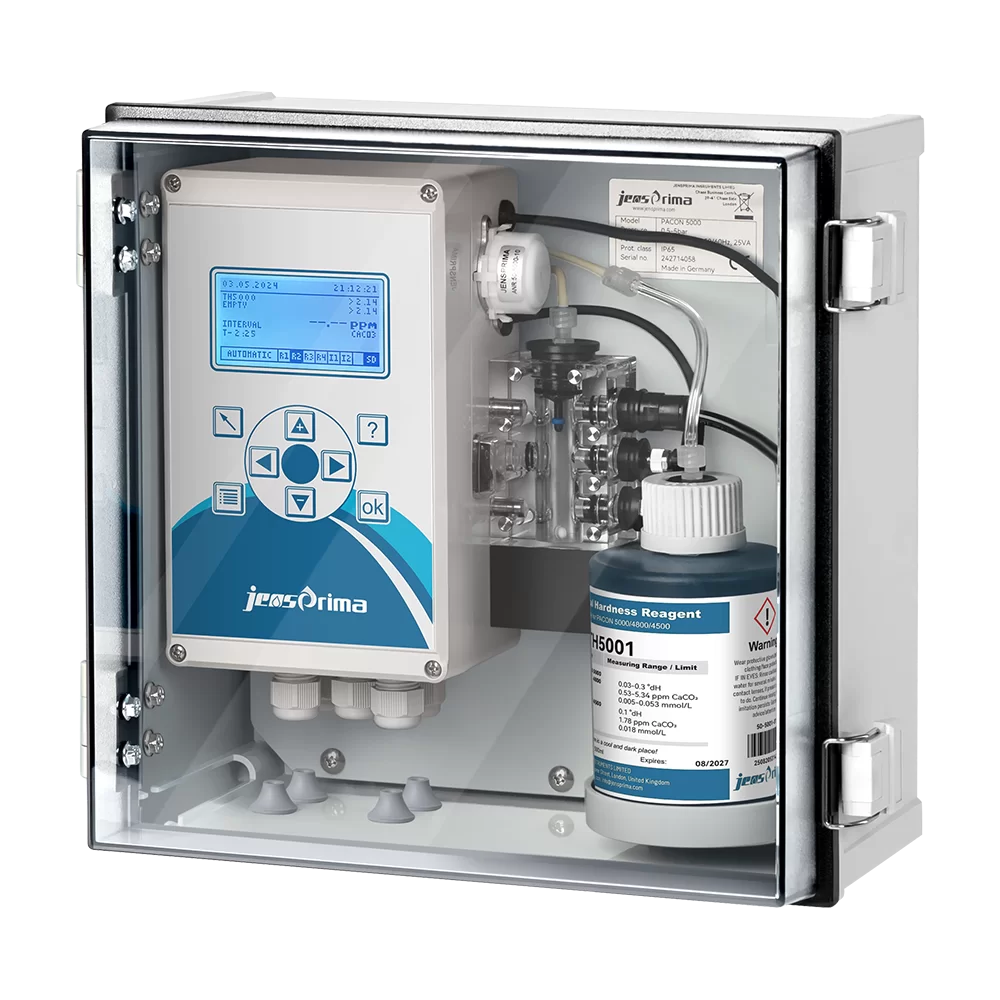
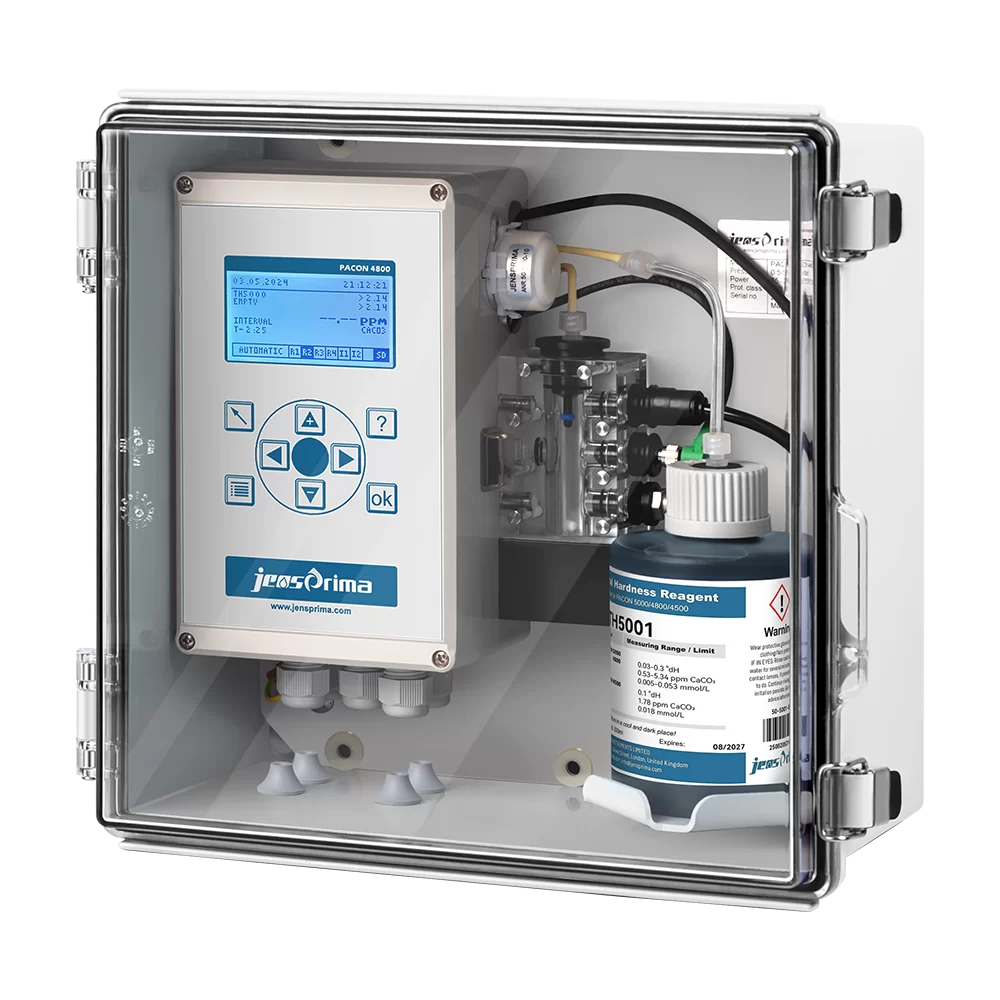
In Kenya, the rapid expansion of the manufacturing sector in hubs like Nairobi and Mombasa has placed immense pressure on local water resources. The prevalence of varying mineral content in groundwater requires the deployment of a reliable total hardness analyzer to prevent scaling in industrial boilers and cooling systems, which are critical for energy efficiency.

Environmental regulations enforced by NEMA (National Environment Management Authority) are becoming stricter, forcing industries to shift from manual sampling to automated systems. The need for a multi parameter water quality analyzer has surged, as companies now require simultaneous monitoring of pH, conductivity, and dissolved oxygen to meet discharge permits.

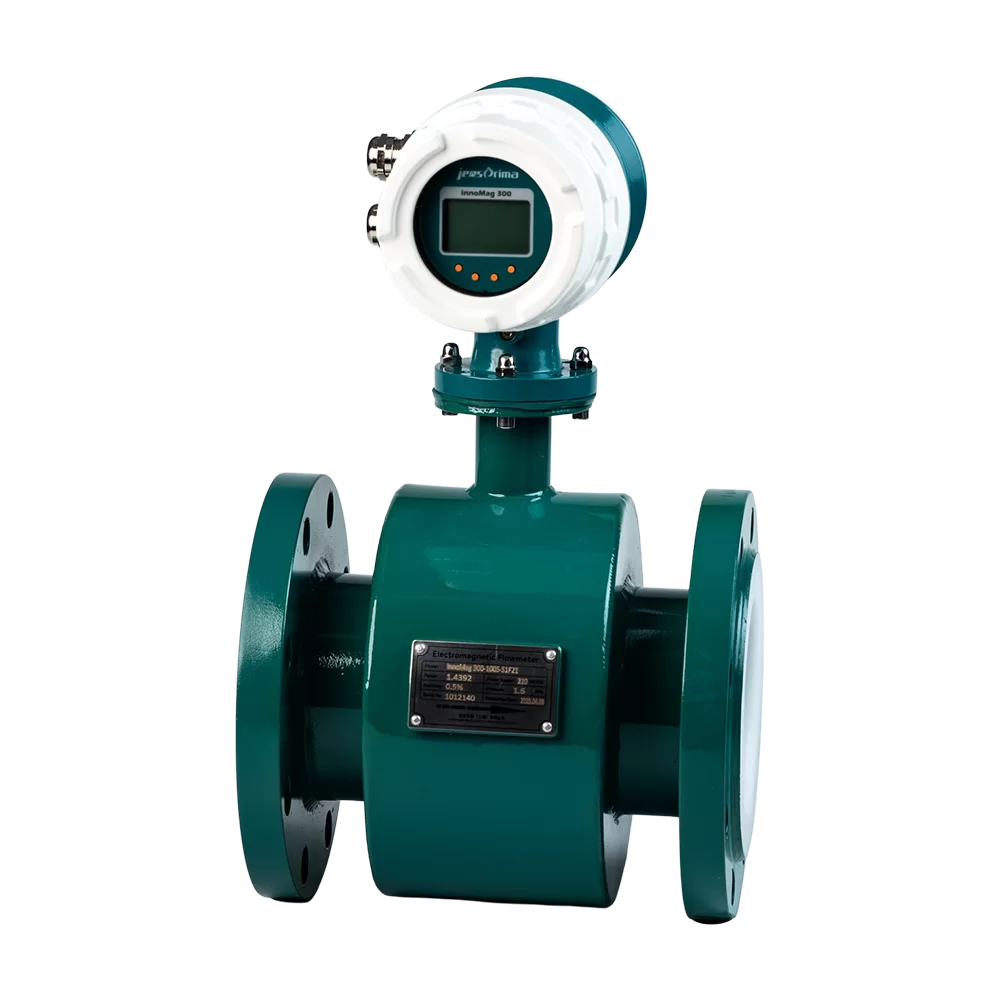
Furthermore, the volatility of water sources during the rainy and dry seasons in Kenya leads to fluctuating chemical compositions. This necessitates the use of an electromagnetic flowmeter to accurately track water consumption and chemical dosing rates, ensuring that water treatment processes remain stable regardless of external climatic shifts.

Evolution of Water Analysis Technology in Kenya

From manual titration to AI-driven autonomous monitoring.

Market Development History

Prior to 2010, water quality monitoring in Kenya relied heavily on laboratory-based manual testing. This "snapshot" approach often missed critical contamination spikes, leading to equipment failure in textile and food processing plants due to unmonitored alkalinity levels.

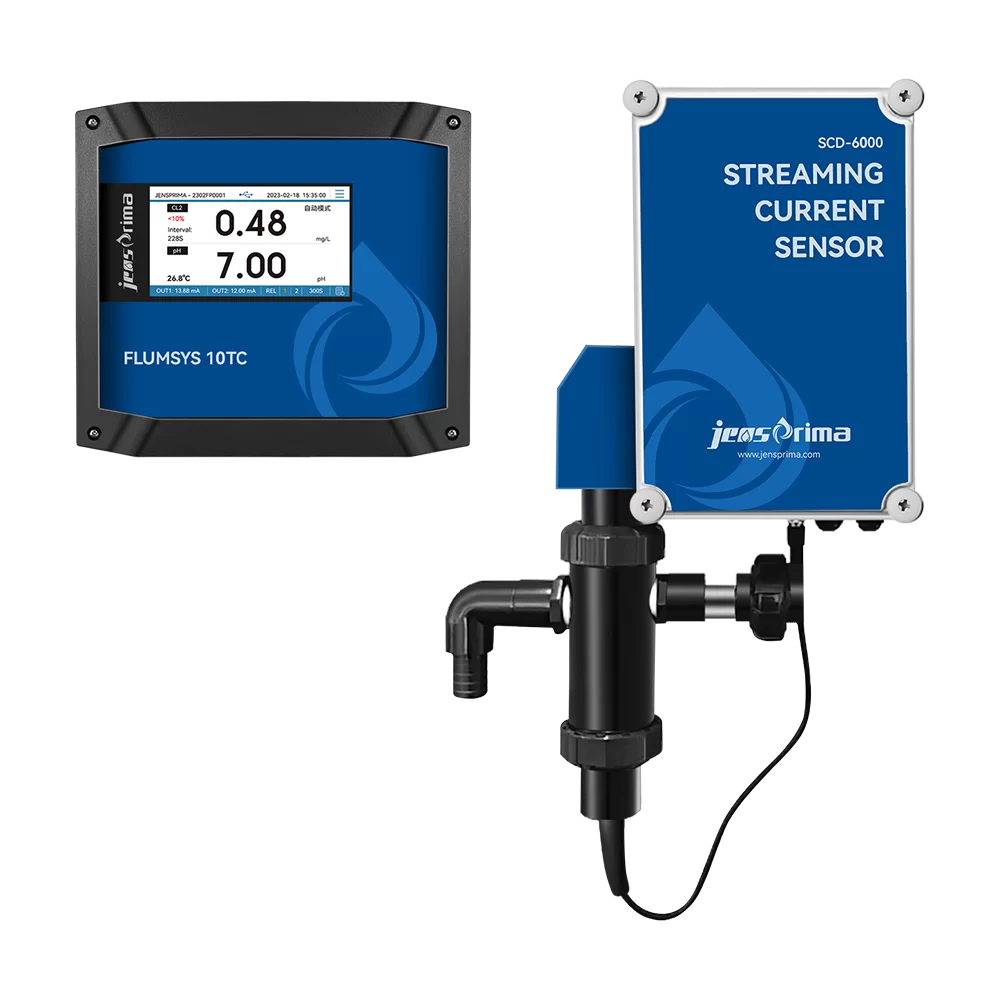
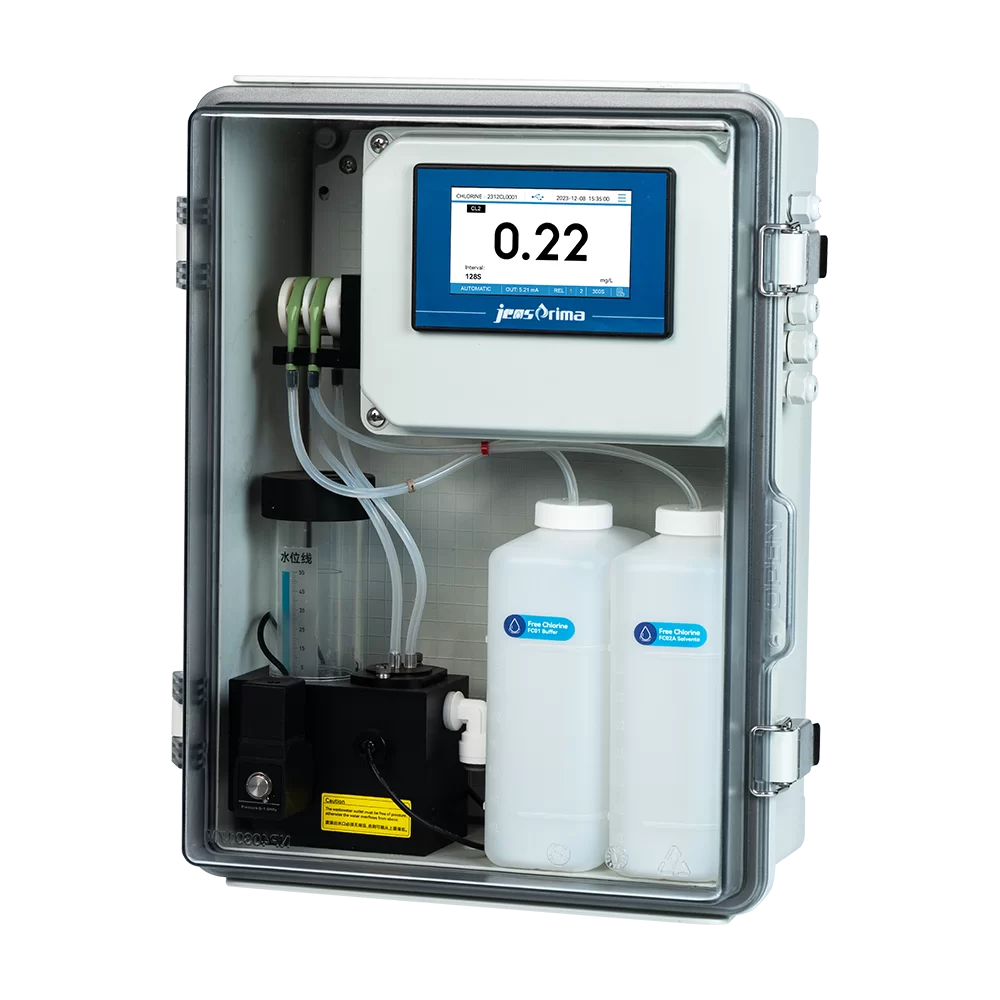
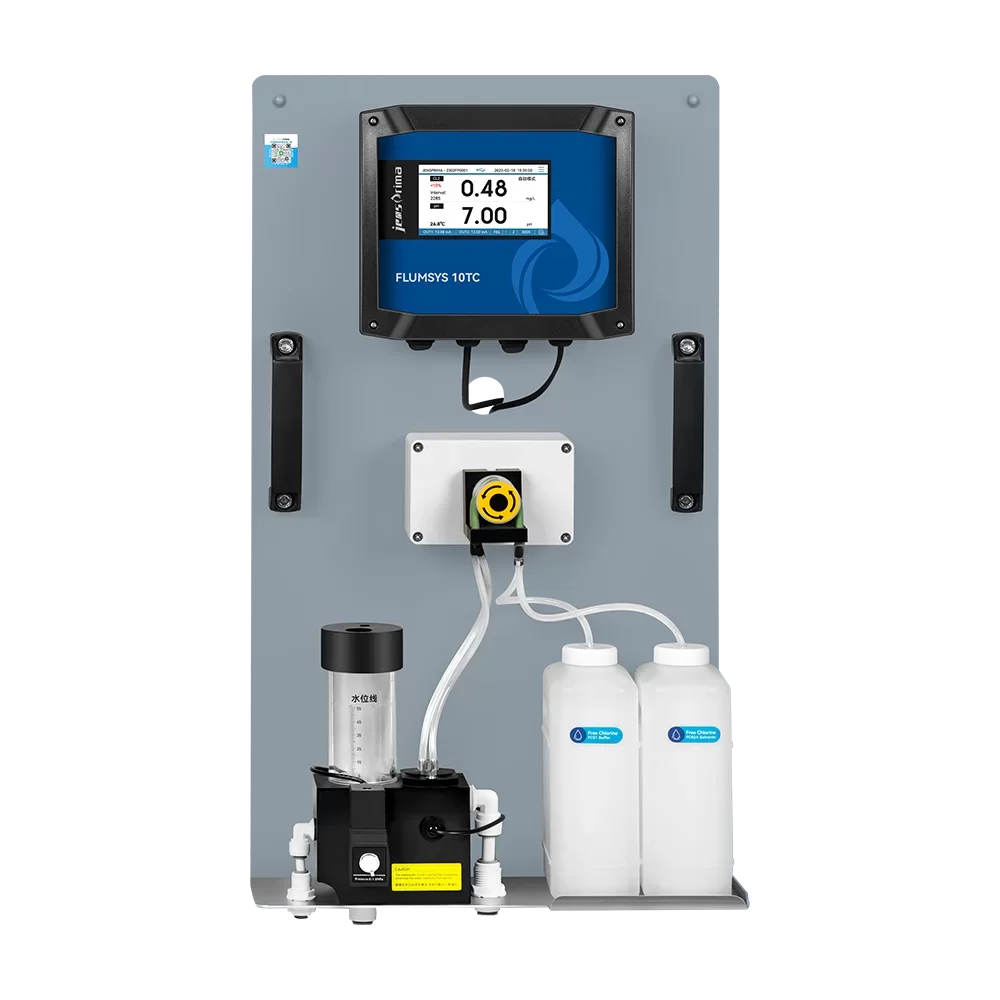
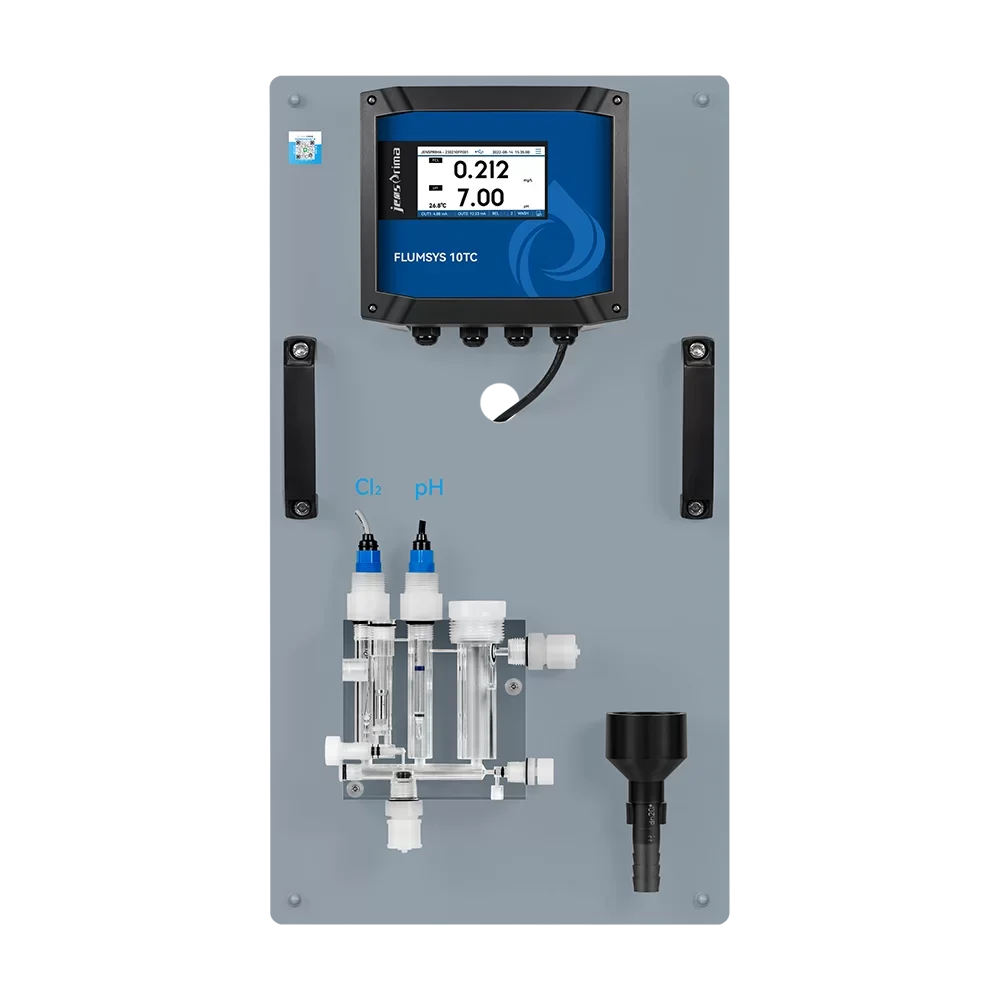
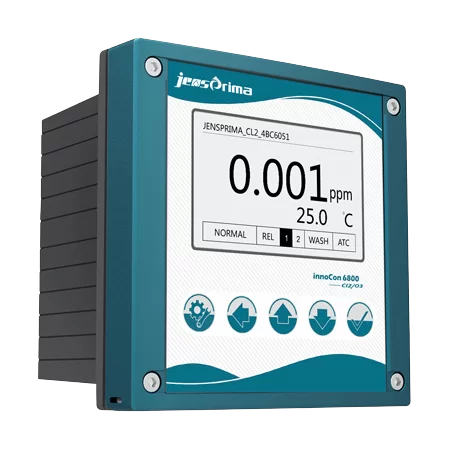
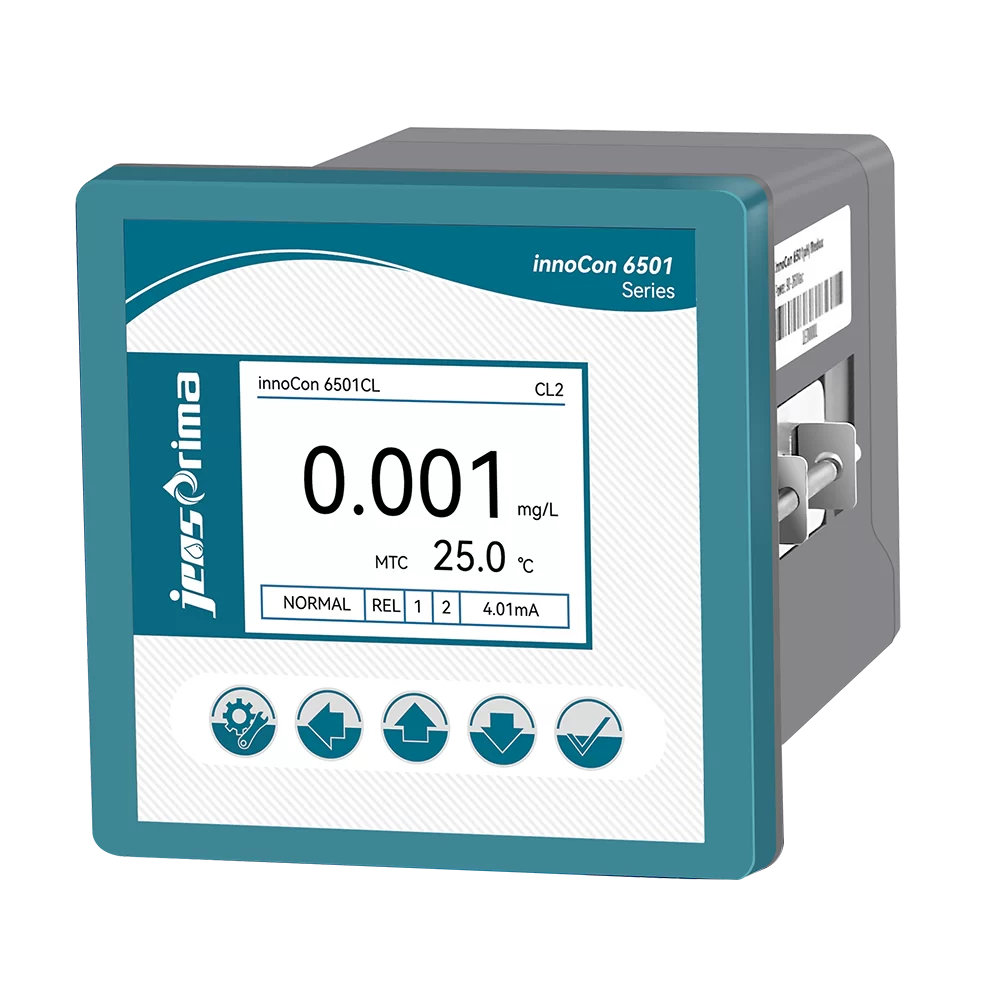
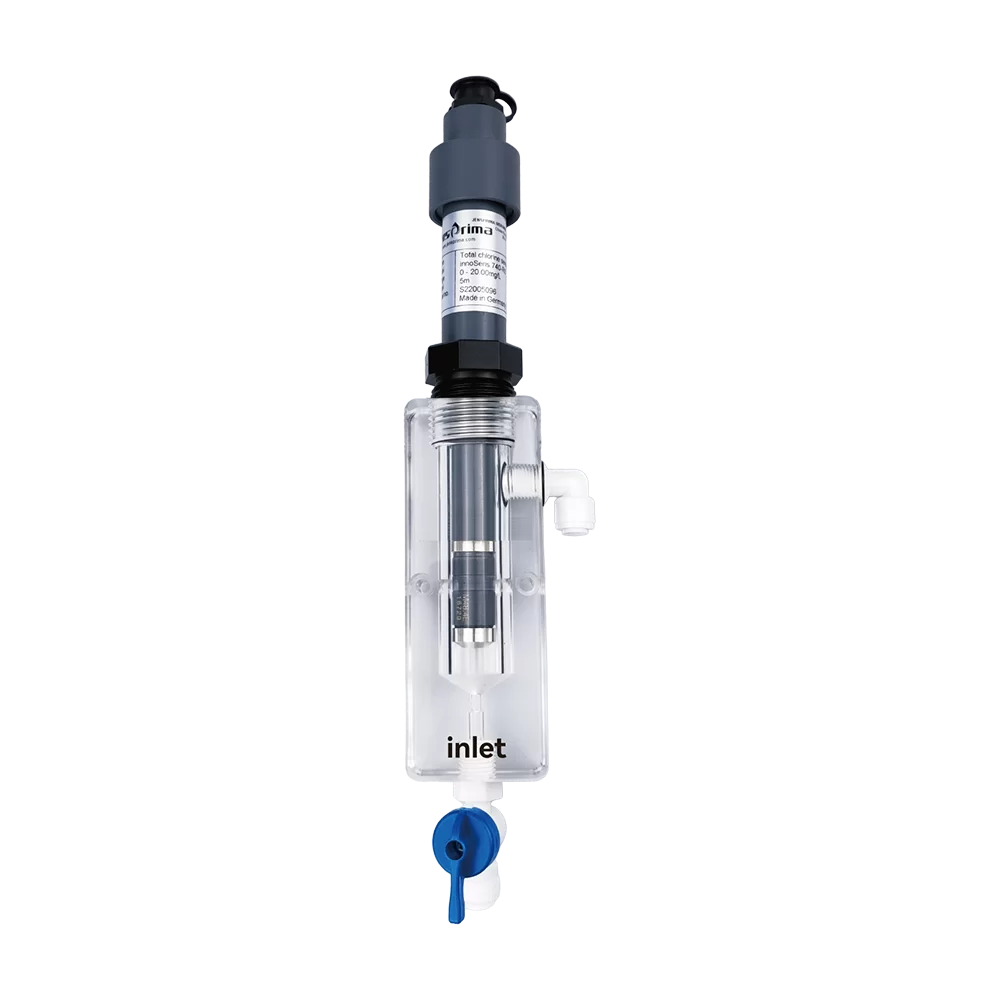
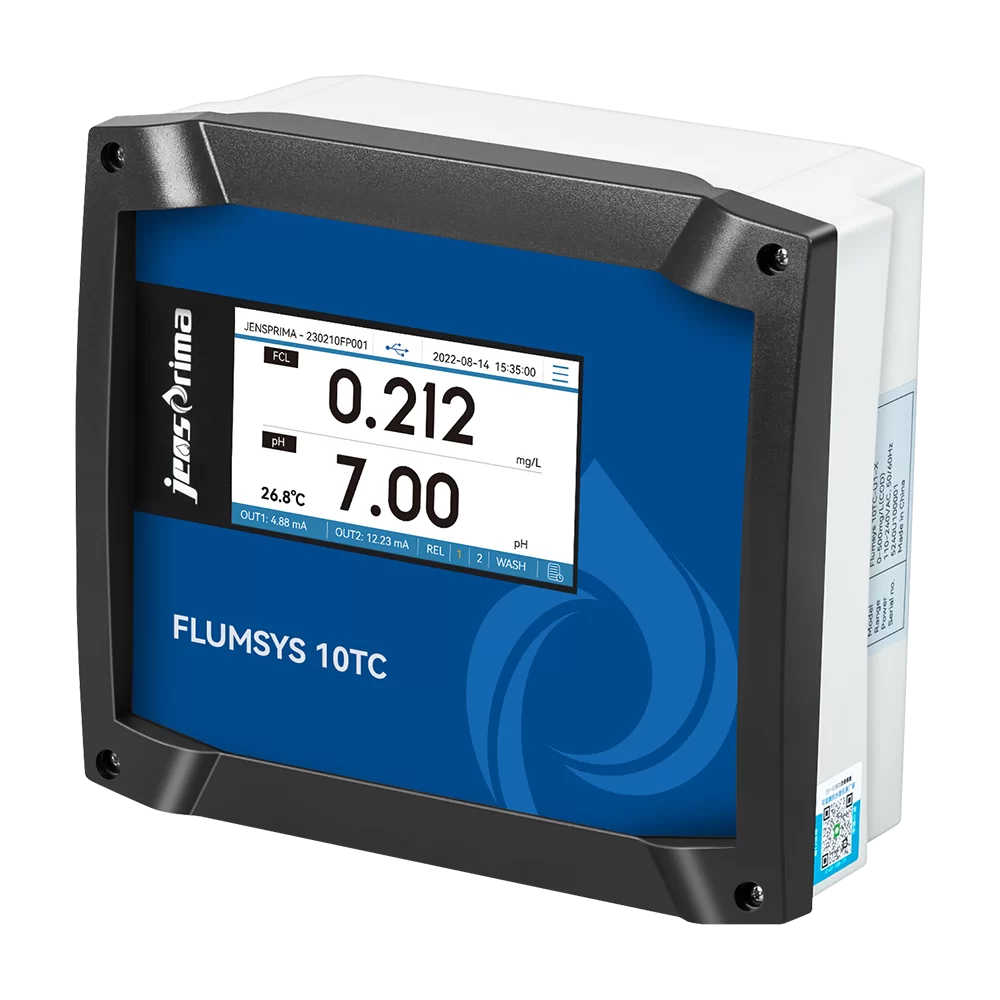
Between 2010 and 2020, the market transitioned toward basic online sensors. The introduction of the residual chlorine controller became pivotal for municipal water suppliers in Kenya to ensure safe drinking water delivery while optimizing chlorine consumption to reduce costs.

Since 2021, the trend has shifted toward integrated digitalization. Modern Kenyan facilities now integrate these analyzers into SCADA systems, allowing for remote monitoring and predictive maintenance, reducing the need for frequent on-site technician visits in remote industrial zones.

Future Development Trends

IoT-Enabled Cloud Monitoring

Integration of 5G and LPWAN will allow water quality data from rural Kenyan sites to be streamed directly to central dashboards for national environmental oversight.

Reagent-Free Sensing Technology

A shift toward optical and electrode-based sensors to reduce the logistical burden of transporting chemical reagents across Kenya's infrastructure.

AI-Driven Dosing Optimization

Using machine learning to analyze data from flowmeters and analyzers to automate chemical dosing in real-time, minimizing waste and environmental impact.

Future Outlook of Online Water Analysis

Strategizing for the next era of environmental instrumentation in East Africa.

Smart Integration
Full convergence of water analyzers with Industry 4.0 protocols for automated plant management.
Energy Efficiency
Low-power consumption instruments designed for solar-powered remote monitoring stations.
Regulatory Alignment
Instrumentation that automatically generates reports compliant with Kenyan NEMA standards.
Precision Durability
Enhanced sensor materials to withstand the corrosive environments of Kenyan chemical plants.

Industry Outlook

The future of water monitoring in Kenya is leaning toward "Zero-Failure" systems. As the industrial base grows, the cost of unplanned downtime due to water contamination becomes unsustainable. We expect a massive upgrade cycle where traditional meters are replaced by high-precision digital analyzers.

Moreover, the integration of environmental data with municipal billing systems will become common. Accurate flow and quality data will allow for more equitable water distribution and fairer industrial taxation based on actual pollutant load.

Localization Application Scenarios in Kenya

Practical implementations of online water quality analyzers across Kenya's key sectors.

01. Nairobi Municipal Water Treatment

Deployment of a residual chlorine controller to ensure consistent disinfection of drinking water across the Nairobi metropolitan area, preventing water-borne diseases during seasonal floods.

02. Rift Valley Geothermal Plants

Utilization of total hardness analyzer systems to manage the high mineral content of geothermal brine, preventing silica and calcium scaling in turbine heat exchangers.

03. Mombasa Textile Dyeing Facilities

Installation of a multi parameter water quality analyzer to monitor effluent pH and conductivity before discharge into the ocean, ensuring compliance with coastal environmental laws.

04. Naivasha Horticultural Export Hubs

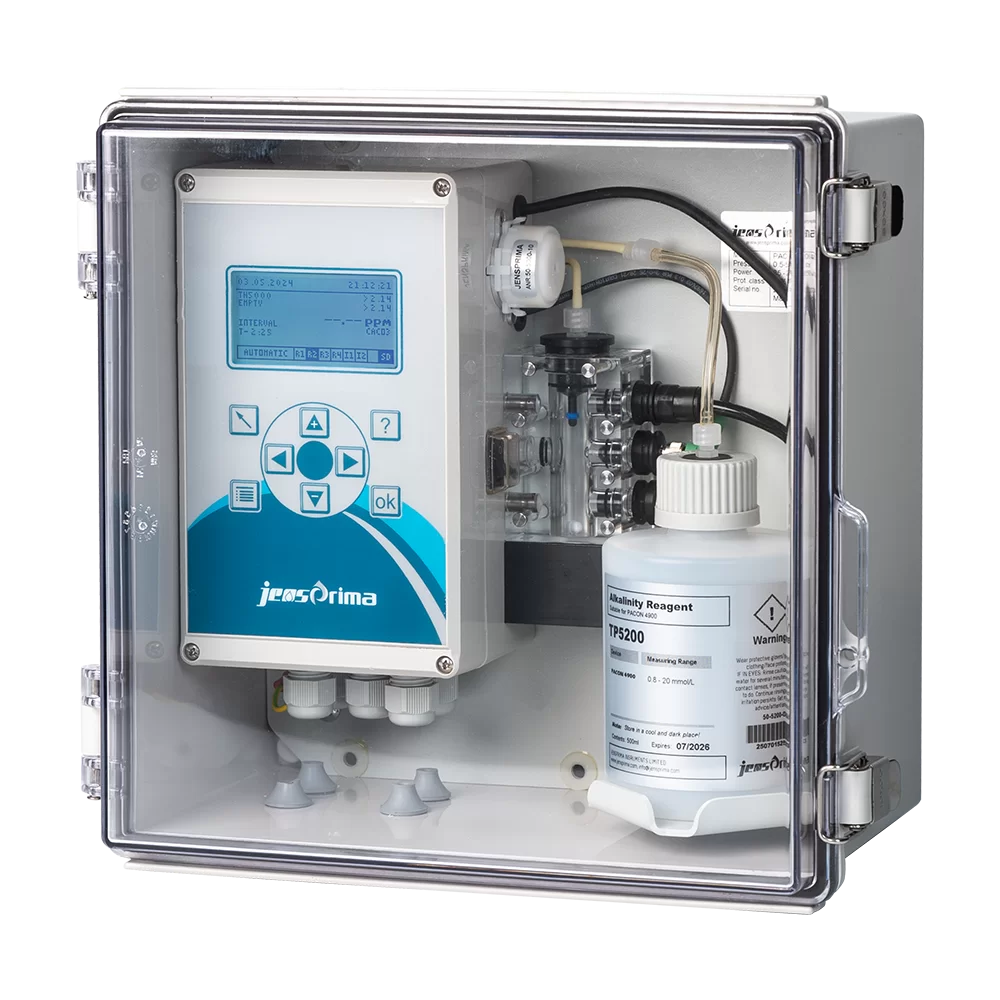
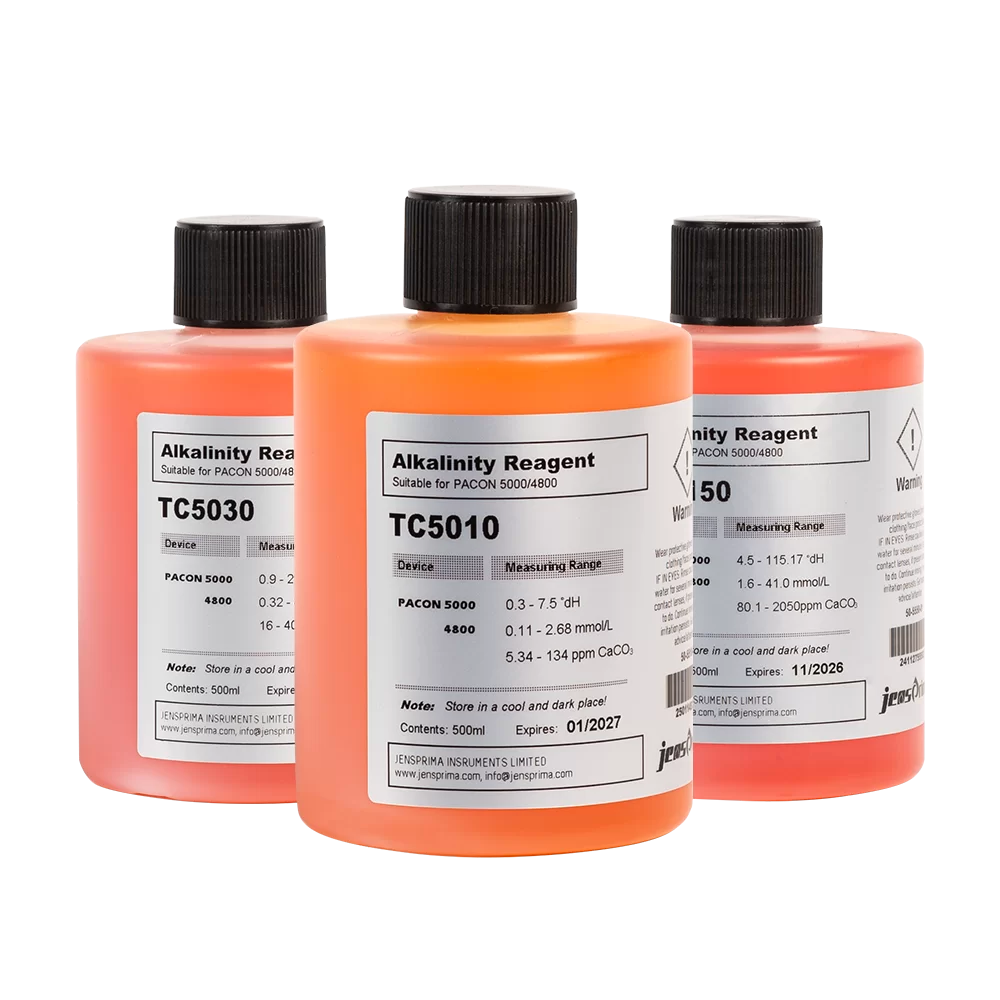
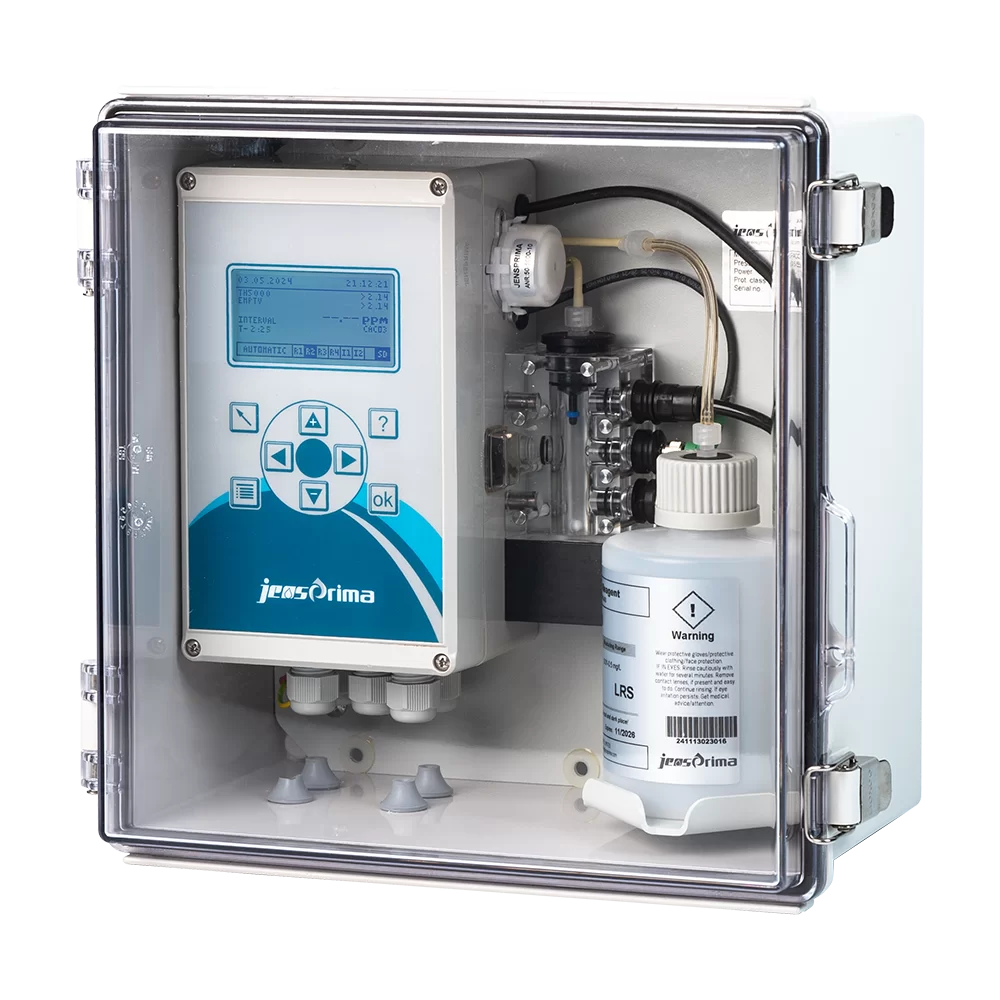
Implementation of an alkalinity analyzer to optimize nutrient delivery and pH balance in hydroponic irrigation systems for flower exports.

05. Industrial Parks Flow Management

Integrating electromagnetic flowmeter units at main intake lines to monitor water waste and detect leaks in aging industrial piping networks.

Brand Story

Global Development History of Jensprima (Shanghai) Co., Ltd.

Foundation and Vision

Established in Shanghai, we began with a mission to bridge the gap between laboratory precision and industrial durability in water analysis.

Technological Breakthroughs

Developed proprietary sensor coatings that significantly reduce electrode fouling, a major pain point for online water monitoring.

Expanding to Africa

Launched a strategic initiative to provide affordable, high-end water quality solutions to emerging markets, focusing on East African industrialization.

Global Certification

Achieved international quality standards, ensuring our instruments are recognized for reliability in the most demanding environmental conditions.

Sustainable Future

Currently focusing on the "Smart Water" initiative, integrating AI and IoT to help global clients achieve zero-waste water management.

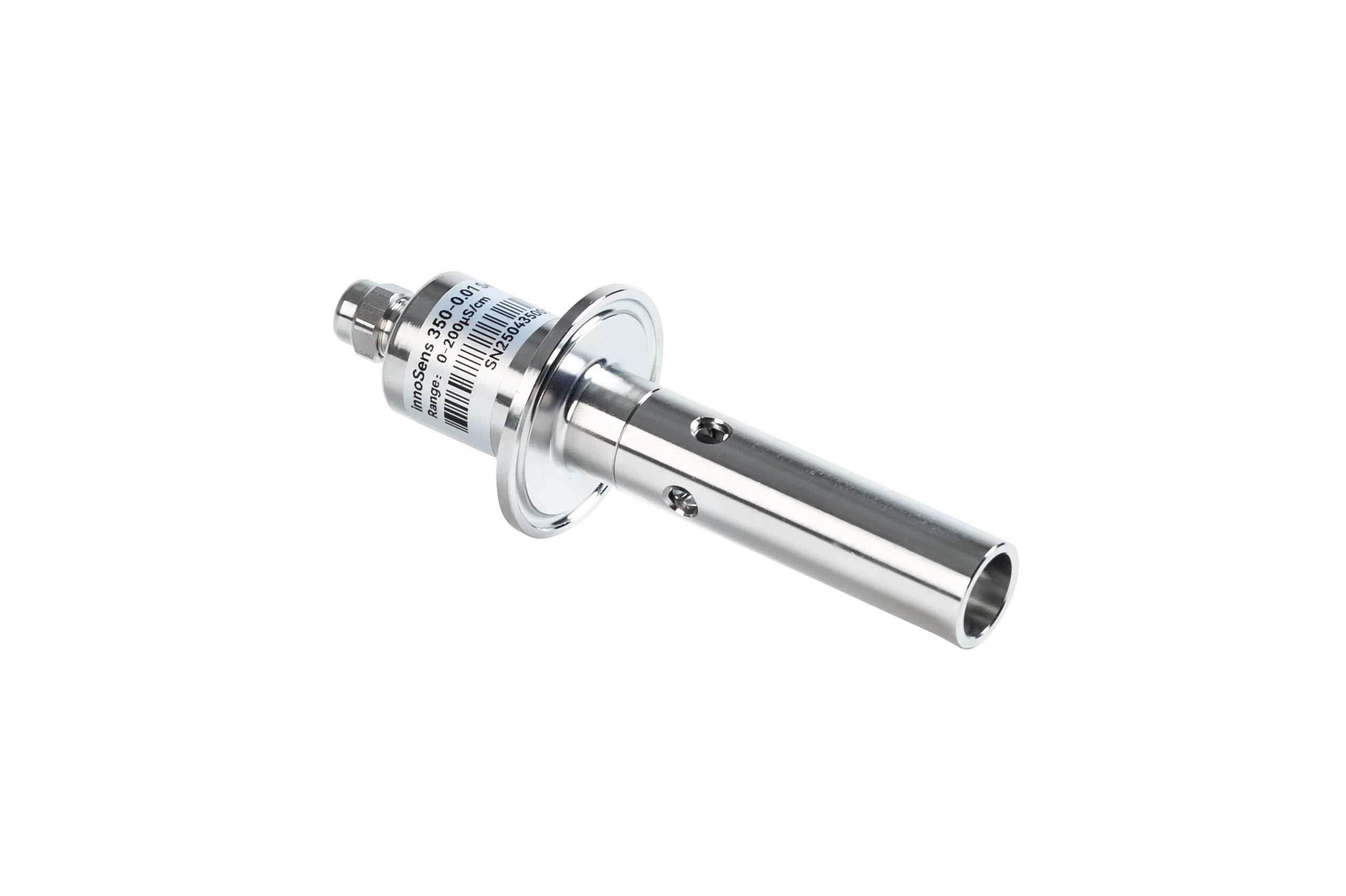
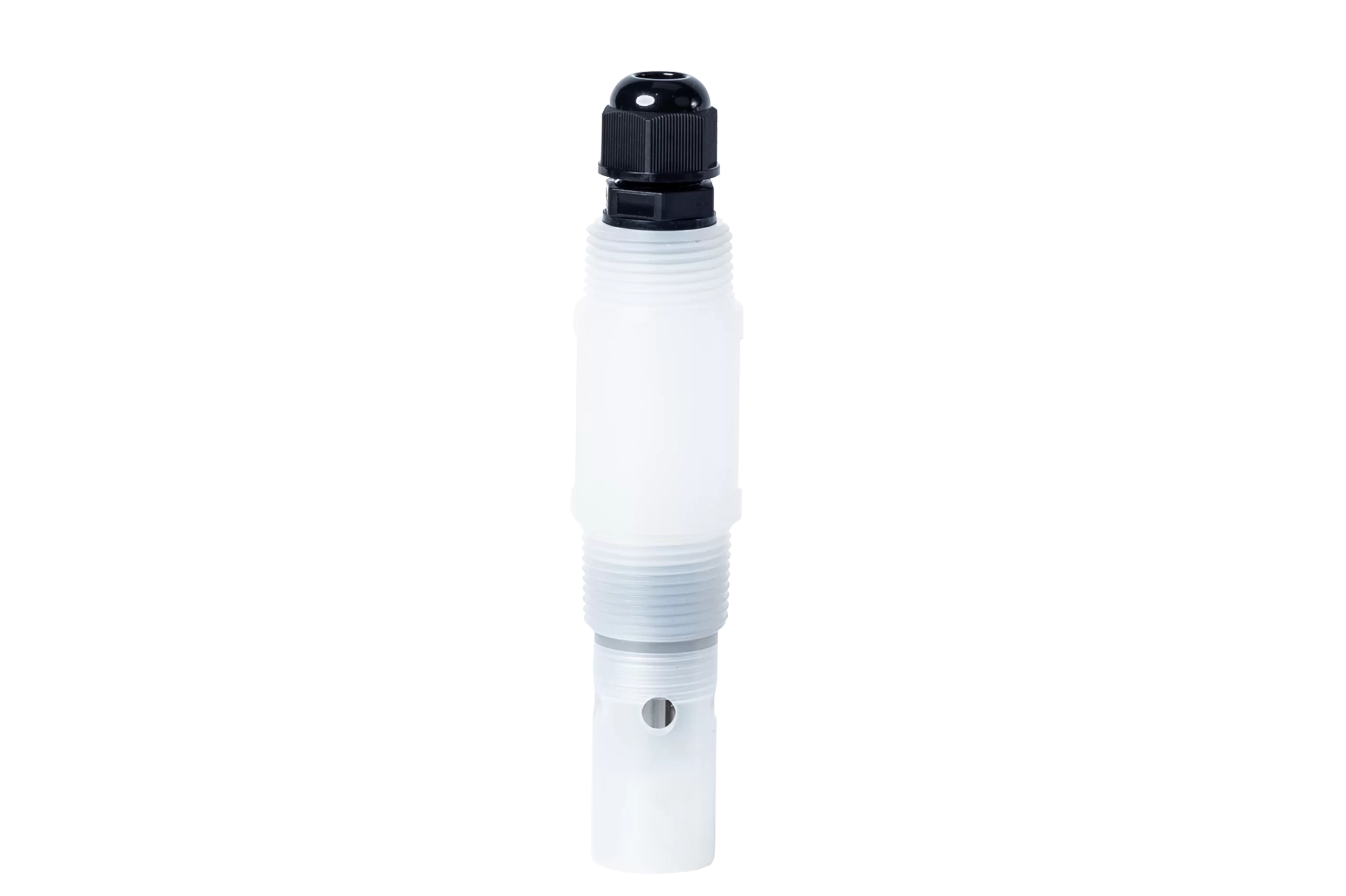
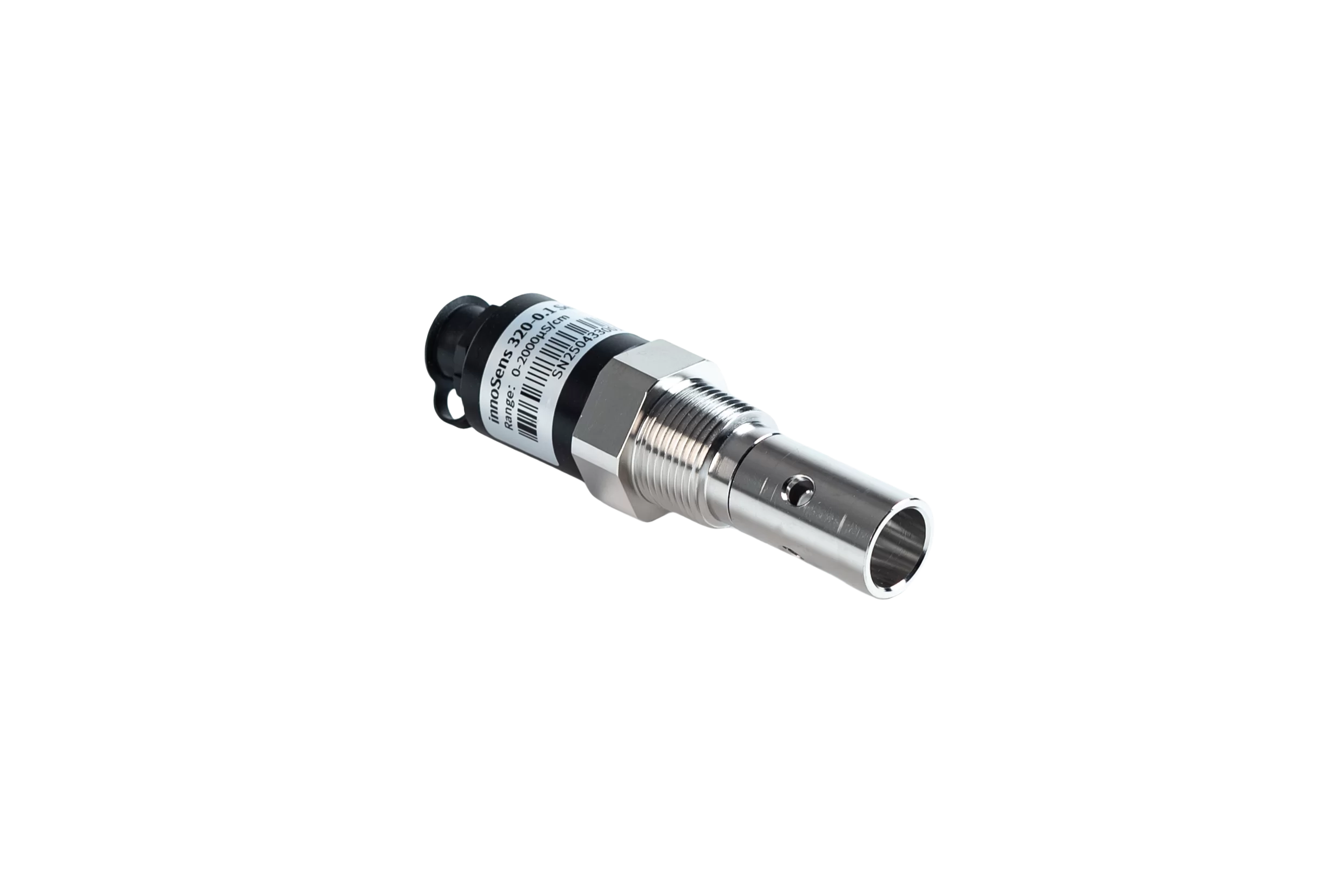
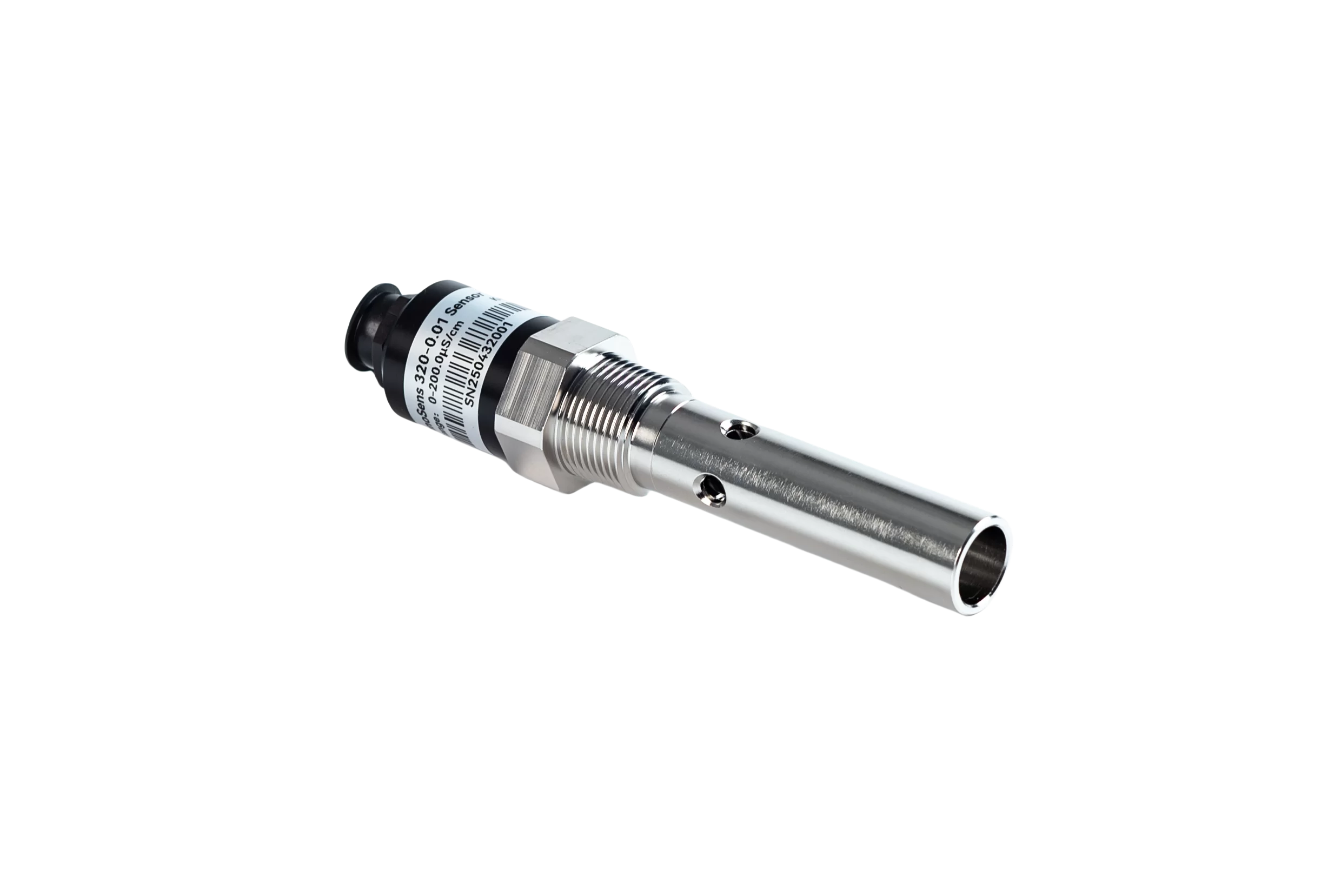
Comprehensive Water Monitoring Portfolio for Kenya

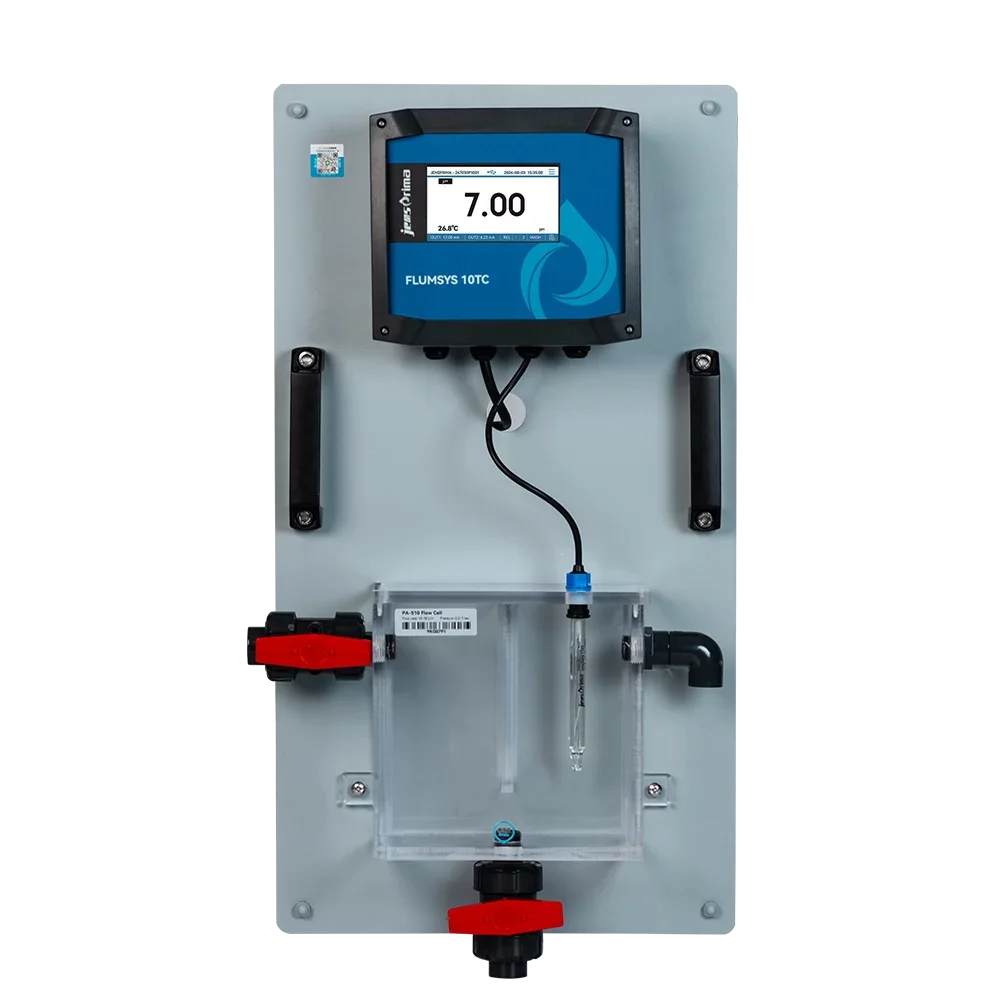
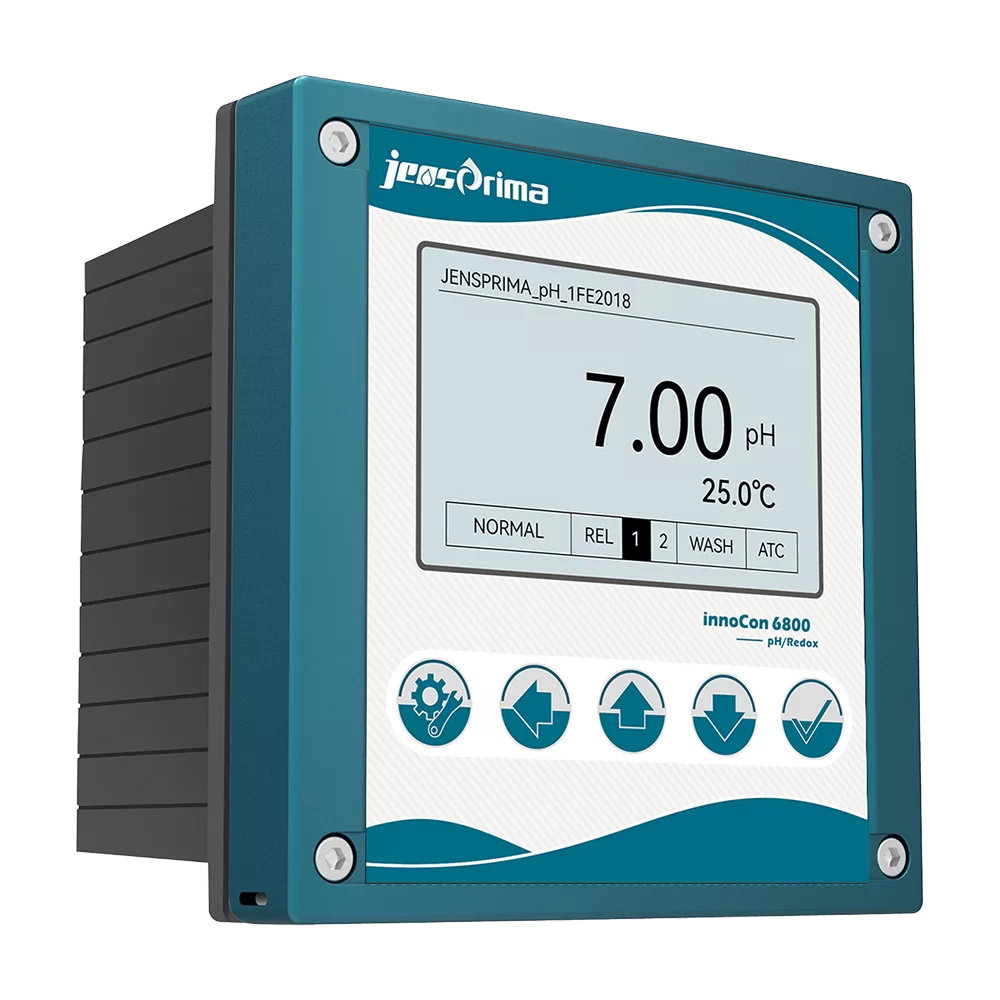
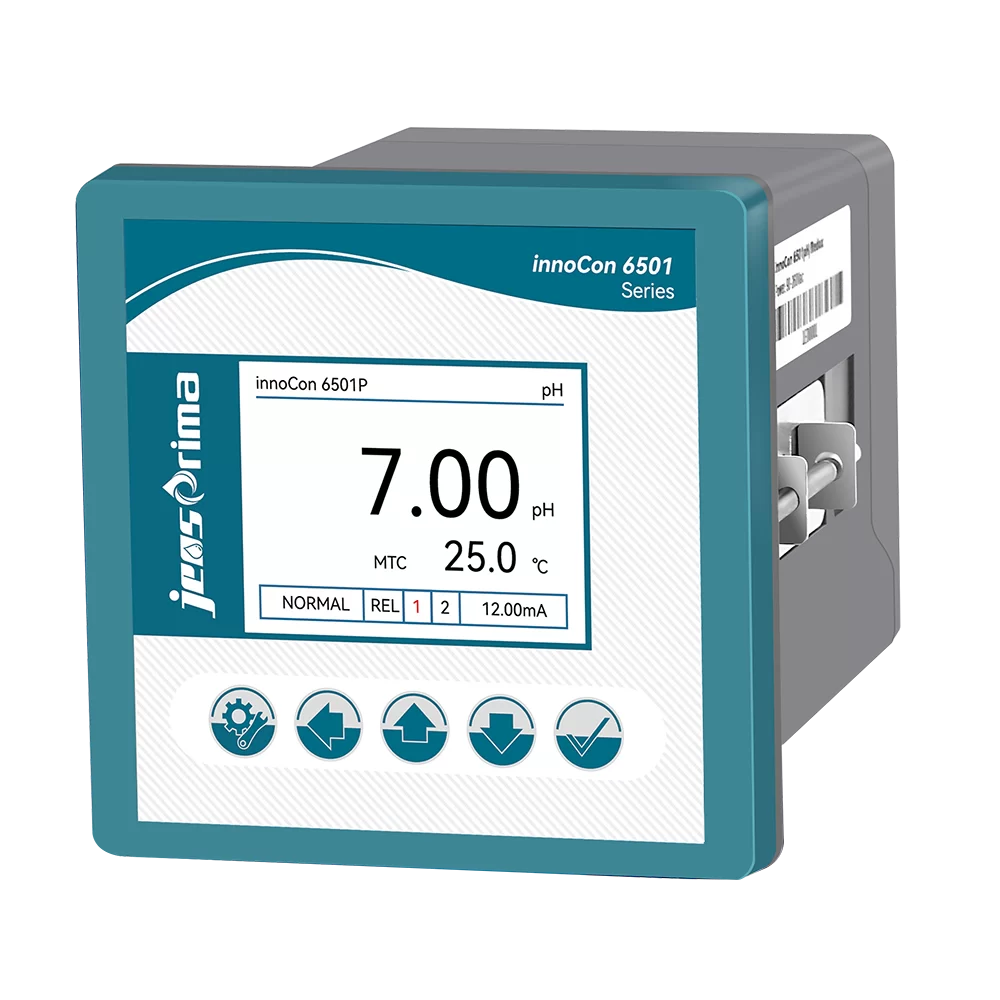
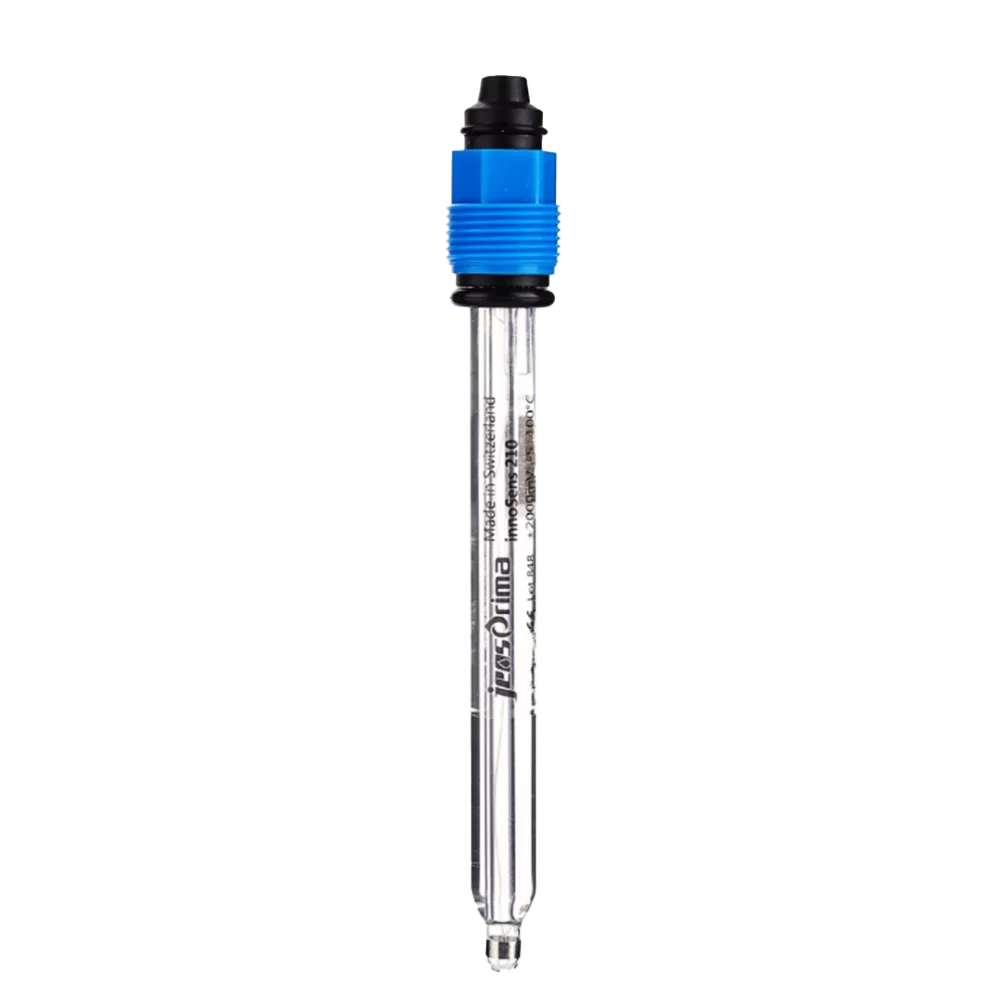
A curated selection of precision instruments designed to tackle the specific water chemistry challenges of the Kenyan landscape.

Kenya Water Analysis FAQs

Expert answers to common technical queries regarding online water monitoring in Kenya.

How to choose the right multi parameter water quality analyzer for Kenyan rivers?

Consider the turbidity and mineral content. For Kenyan river systems, ensure the analyzer includes robust self-cleaning probes and can handle high fluctuations in dissolved oxygen and conductivity.

What is the maintenance cycle for a total hardness analyzer in industrial use?

Typically, calibration should be performed monthly. However, in high-scaling environments common in Kenya's geothermal regions, bi-weekly sensor inspection is recommended.

Can an alkalinity analyzer be integrated into existing SCADA systems in Nairobi plants?

Yes, our analyzers support Modbus RTU and 4-20mA analog outputs, making them fully compatible with most PLC and SCADA systems used in Kenyan industrial parks.

How does a residual chlorine controller improve water safety in Kenyan municipalities?

It provides real-time feedback to dosing pumps, ensuring that chlorine levels remain high enough to kill pathogens but low enough to avoid toxicity, regardless of flow changes.

Is an electromagnetic flowmeter suitable for abrasive wastewater in Kenya?

Yes, provided the liner is chosen correctly (e.g., PTFE or PFA). Electromagnetic meters are ideal because they have no moving parts and no obstruction to the flow.

Which analyzer is best for monitoring boreholes in rural Kenya?

A multi-parameter unit that monitors pH, TDS, and Conductivity is best, as it provides a comprehensive overview of groundwater quality and potential salinity issues.

Consult Our Kenya Water Specialists

Ready to optimize your water monitoring infrastructure in Kenya? Our engineers provide tailored solutions for industrial and municipal needs.

Contact Us Now
Service Repair Form
Tell us what issue you encountered, including any steps or symptoms.
  • Name
  • Email
  • Phone
  • Fault Description

If you are interested in our products, you can choose to leave your information here, and we will be in touch with you shortly.