
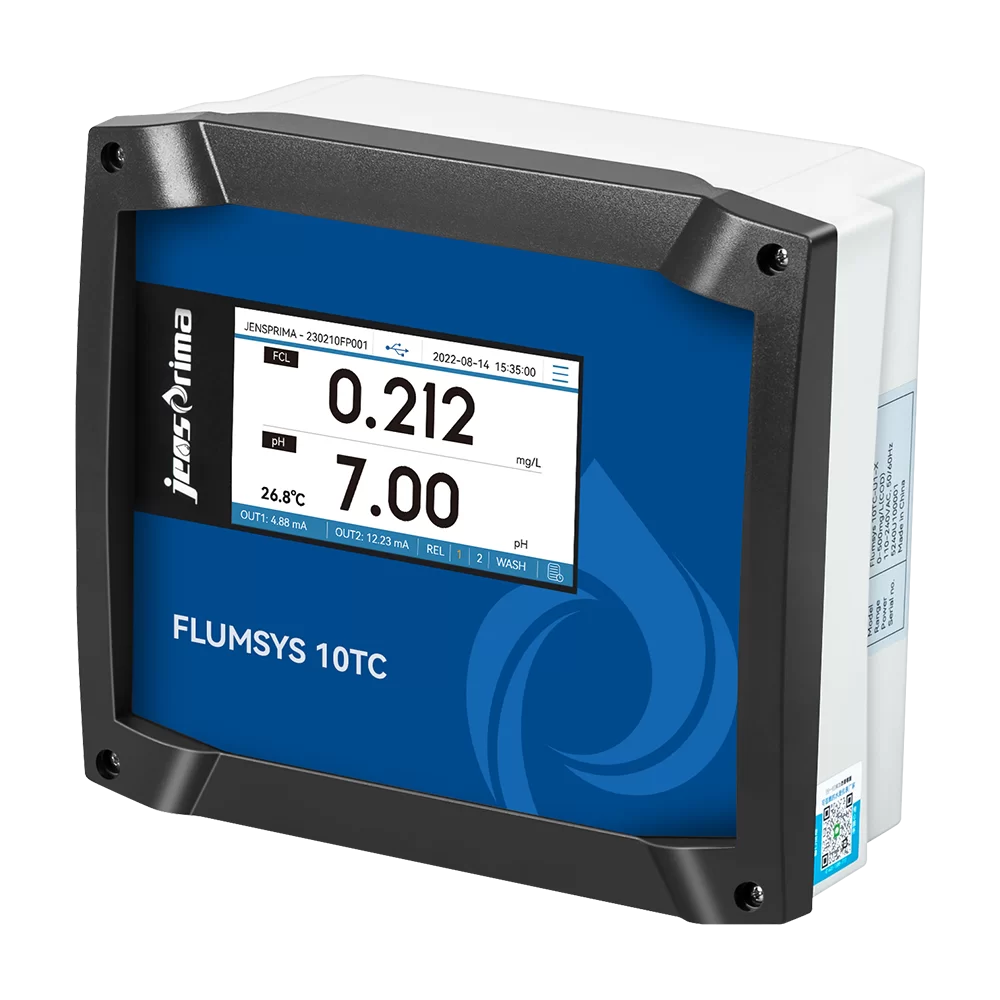
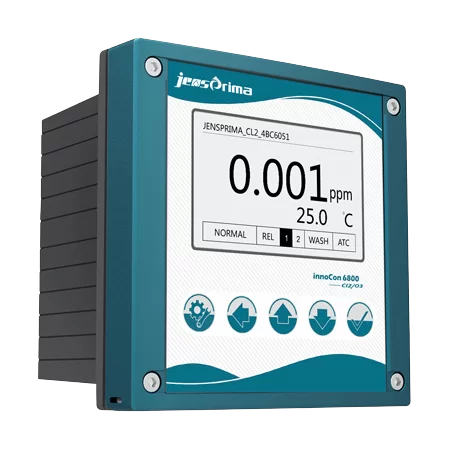
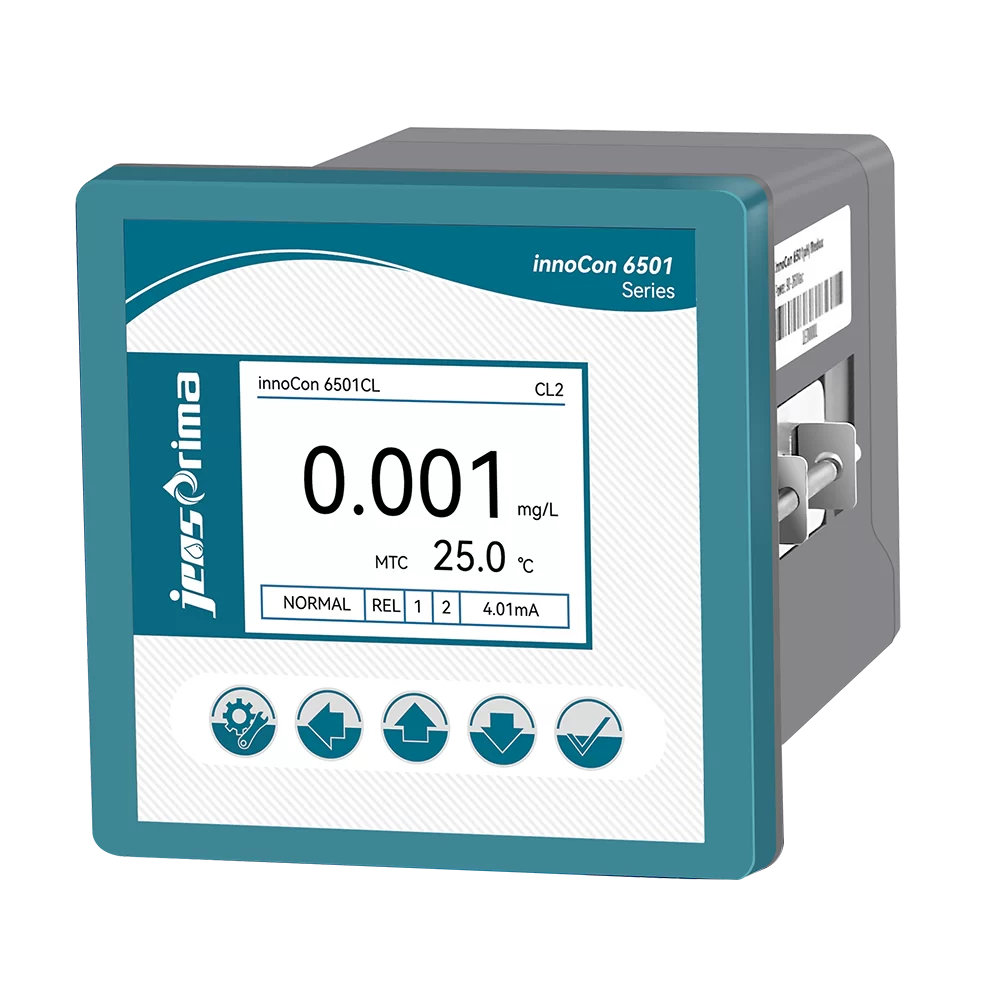
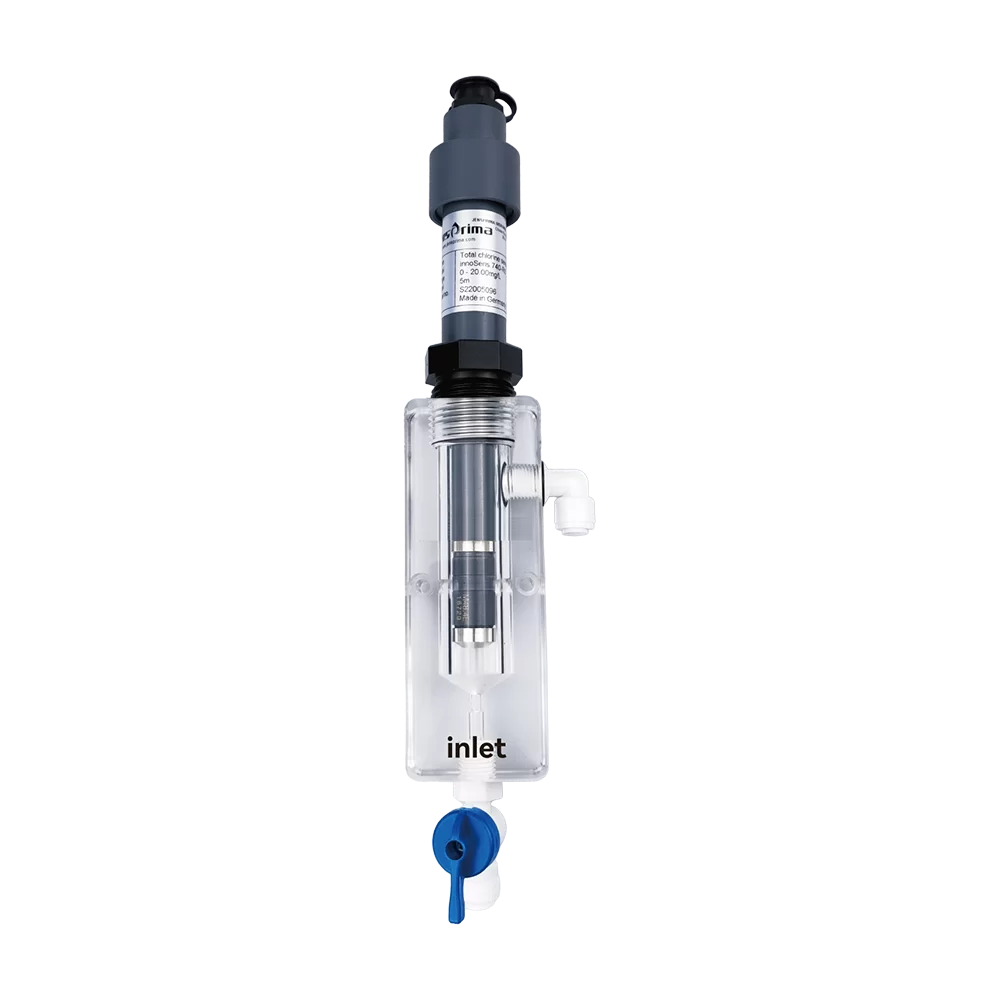
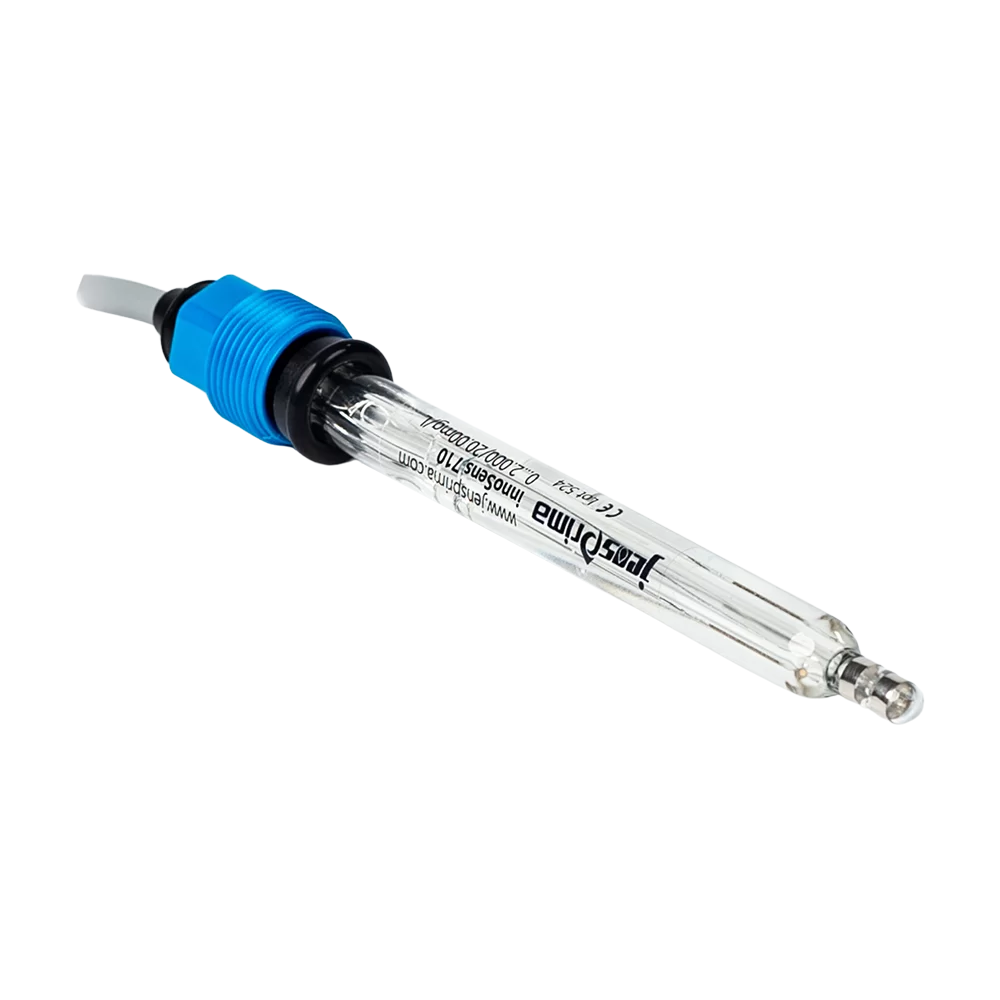
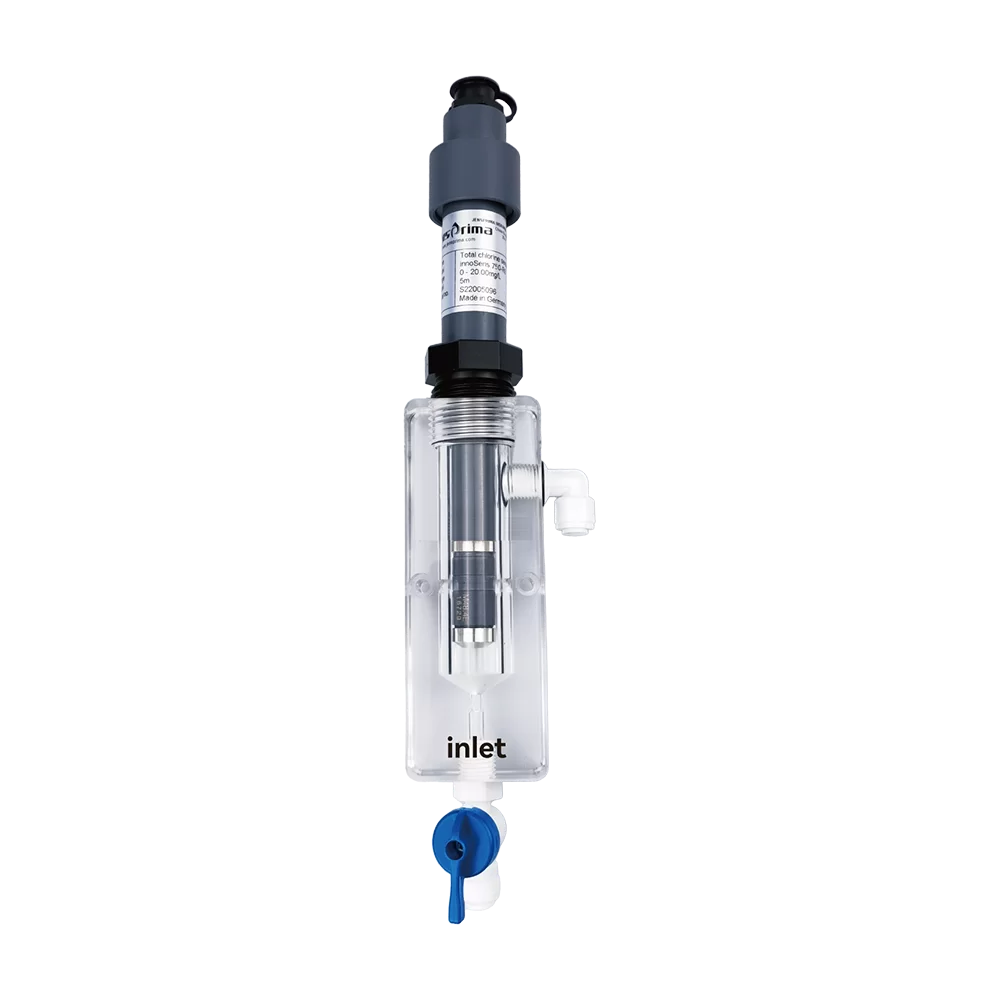
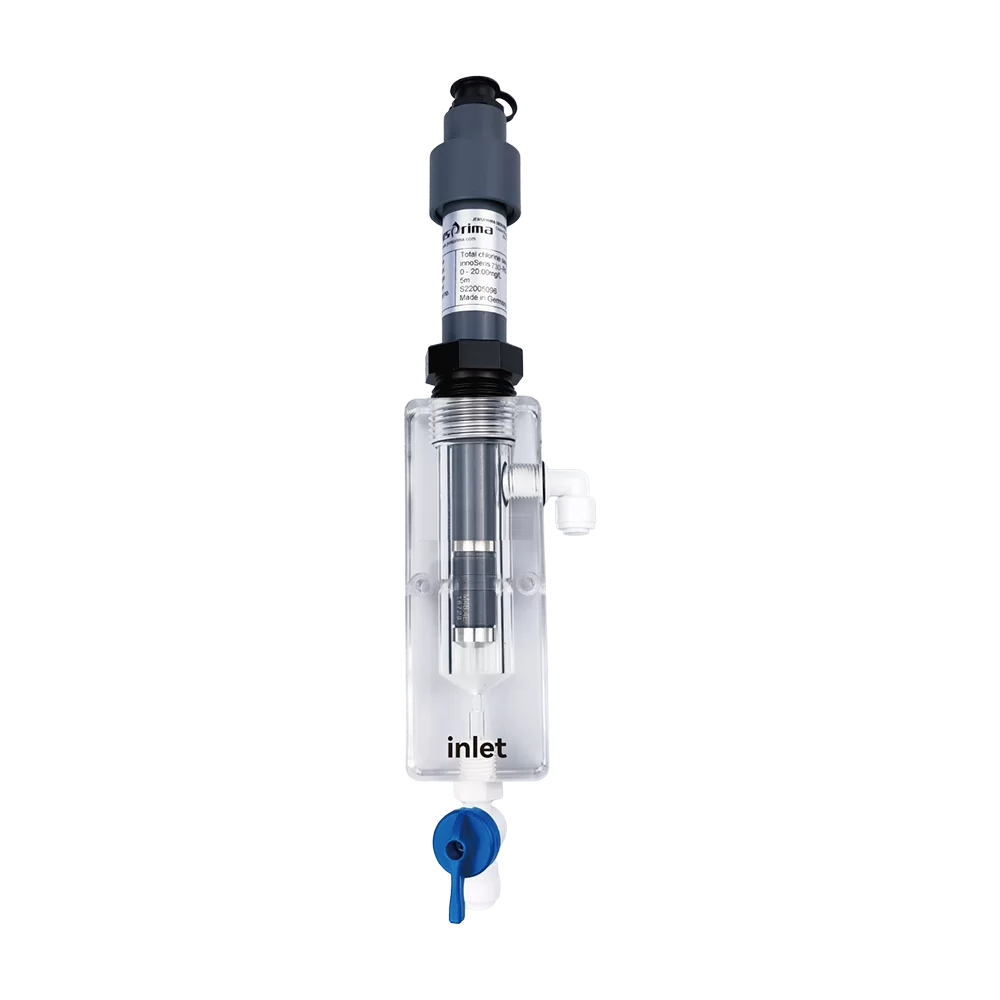
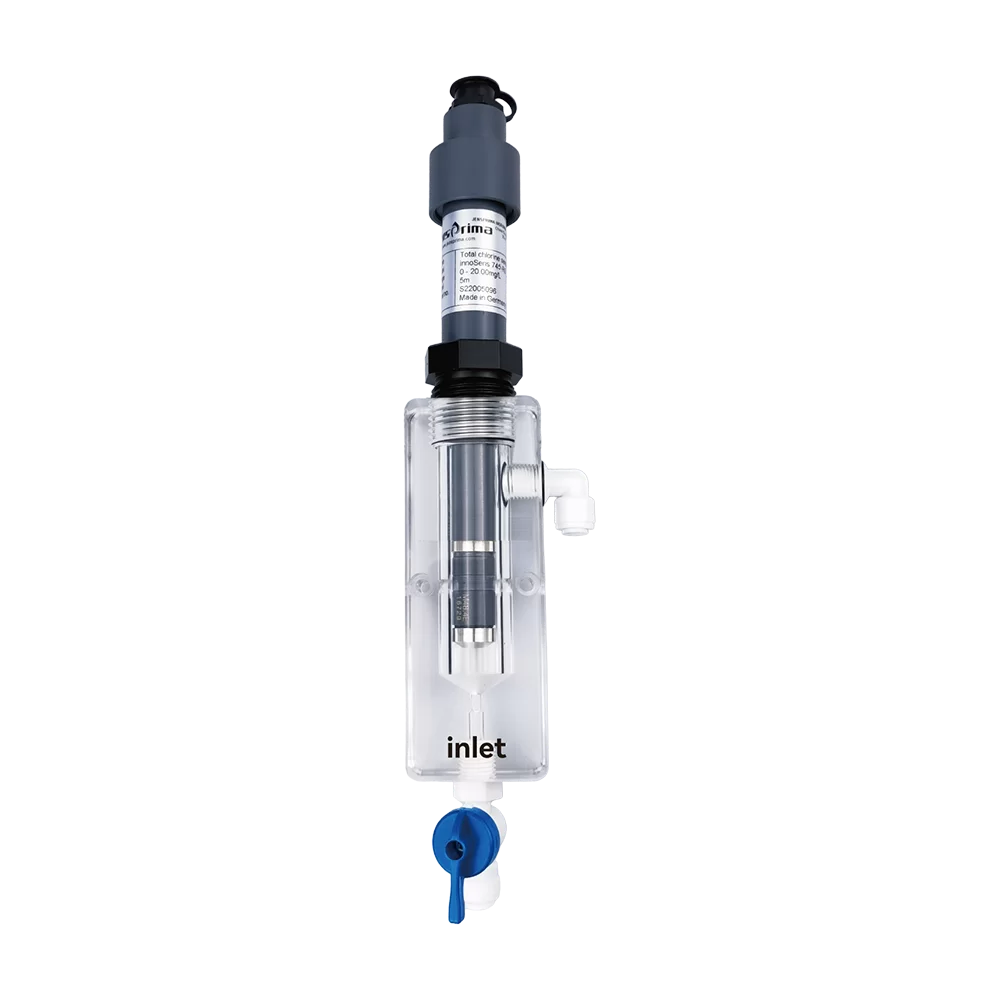
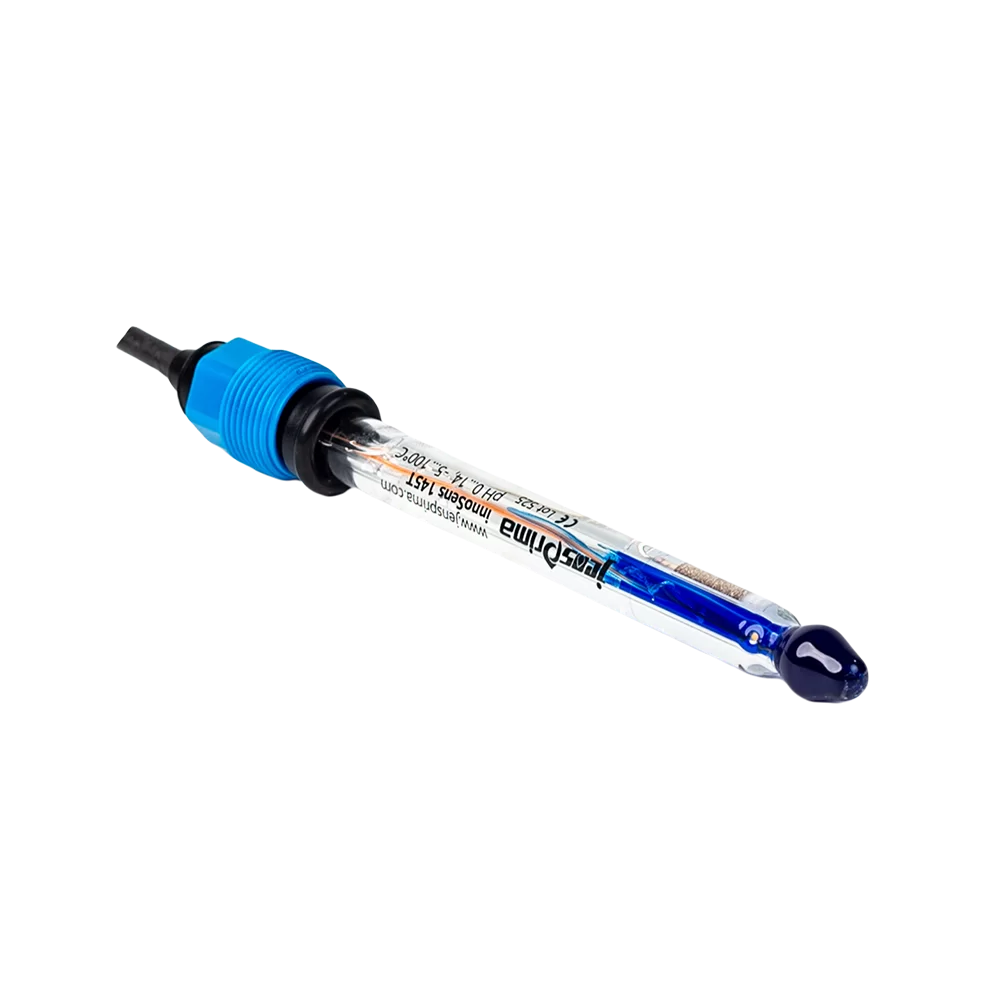
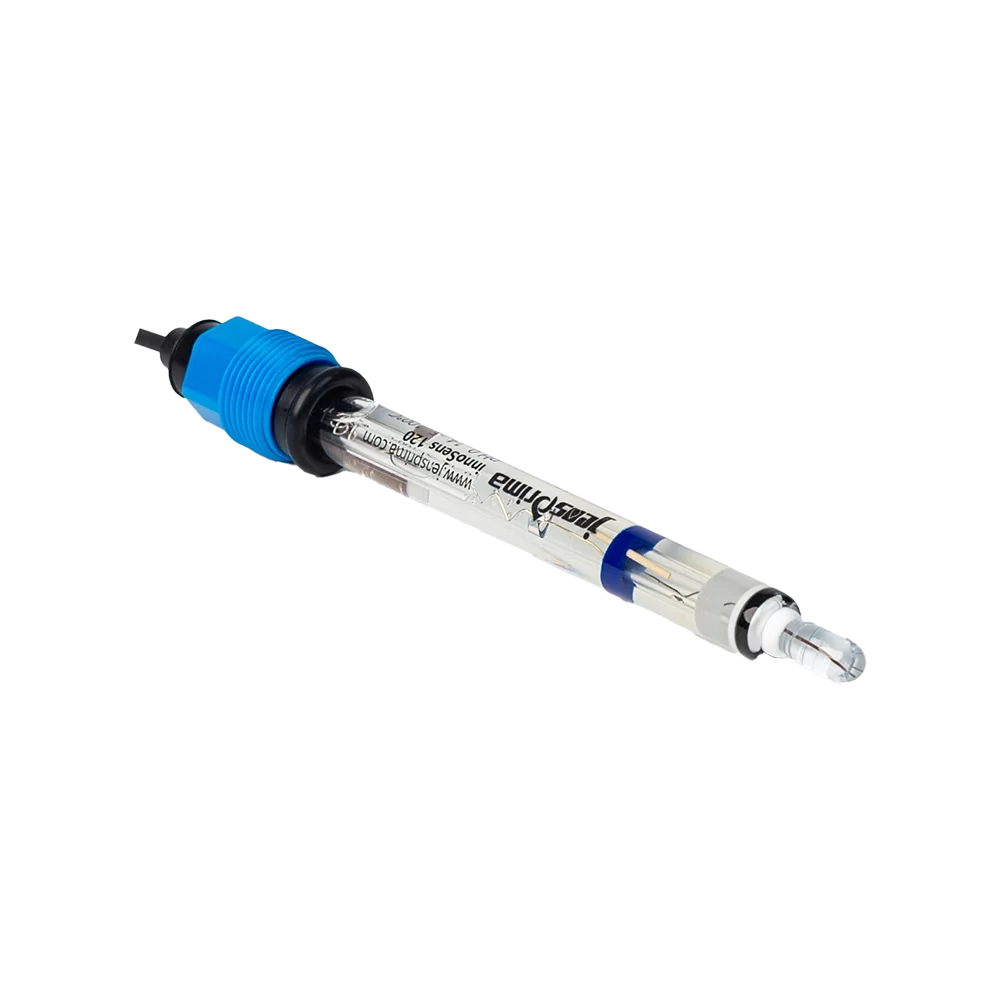
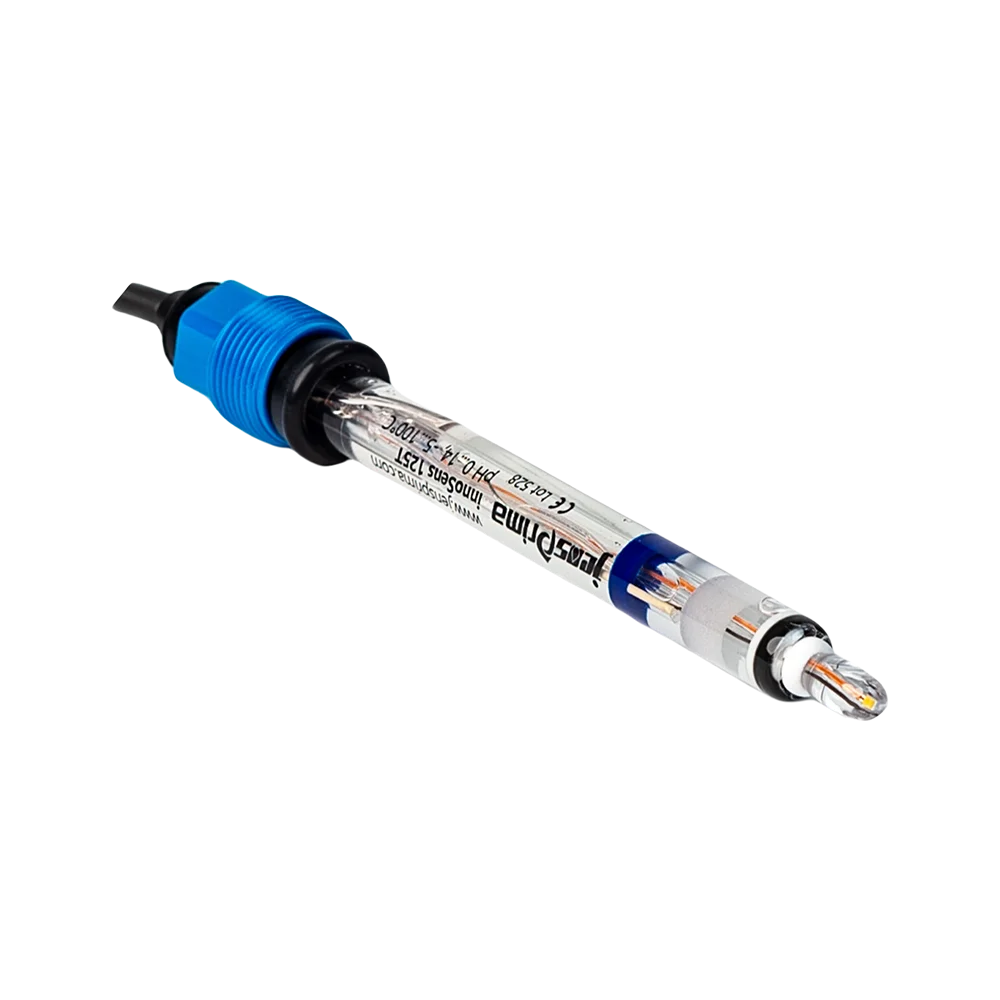
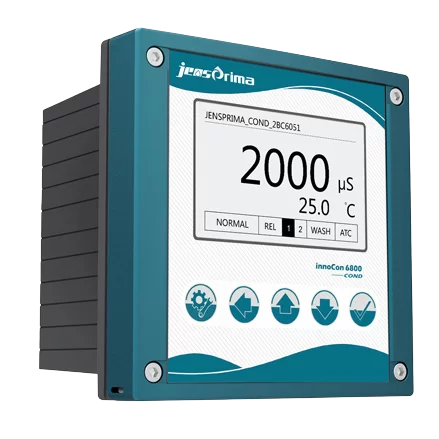
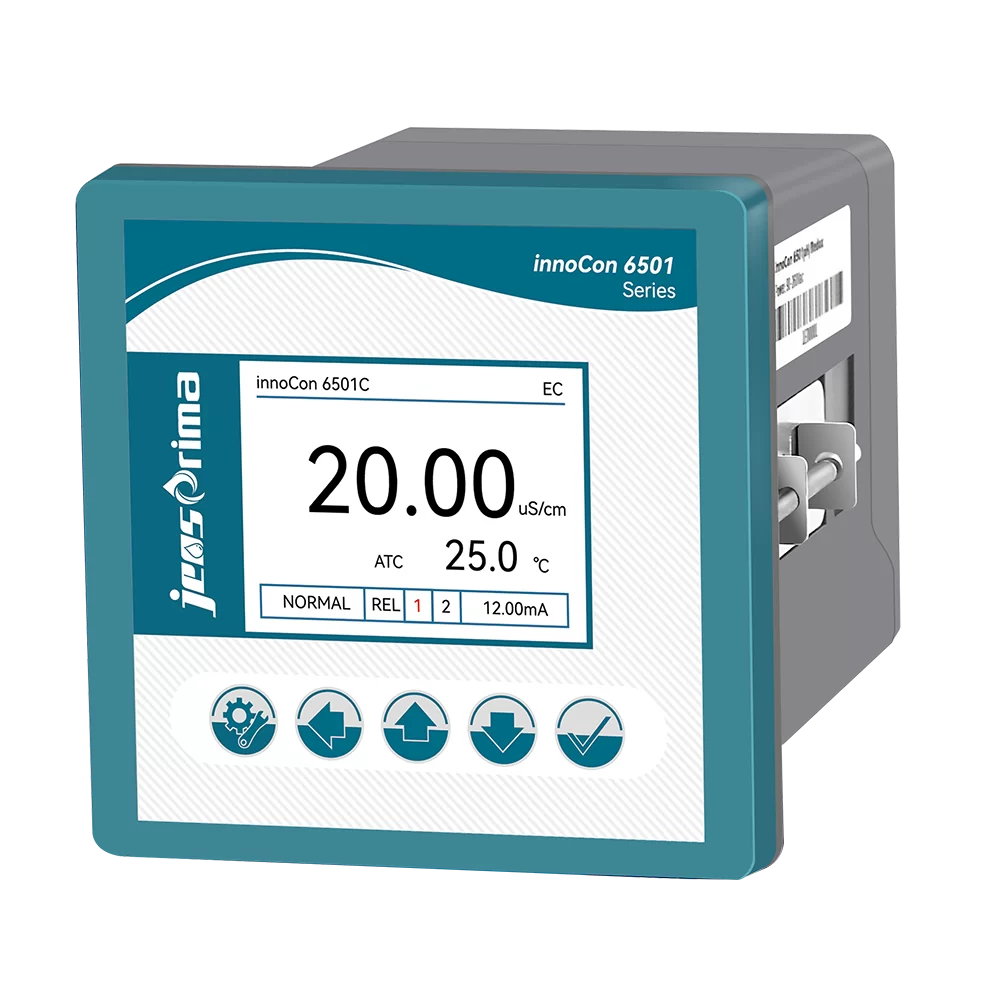
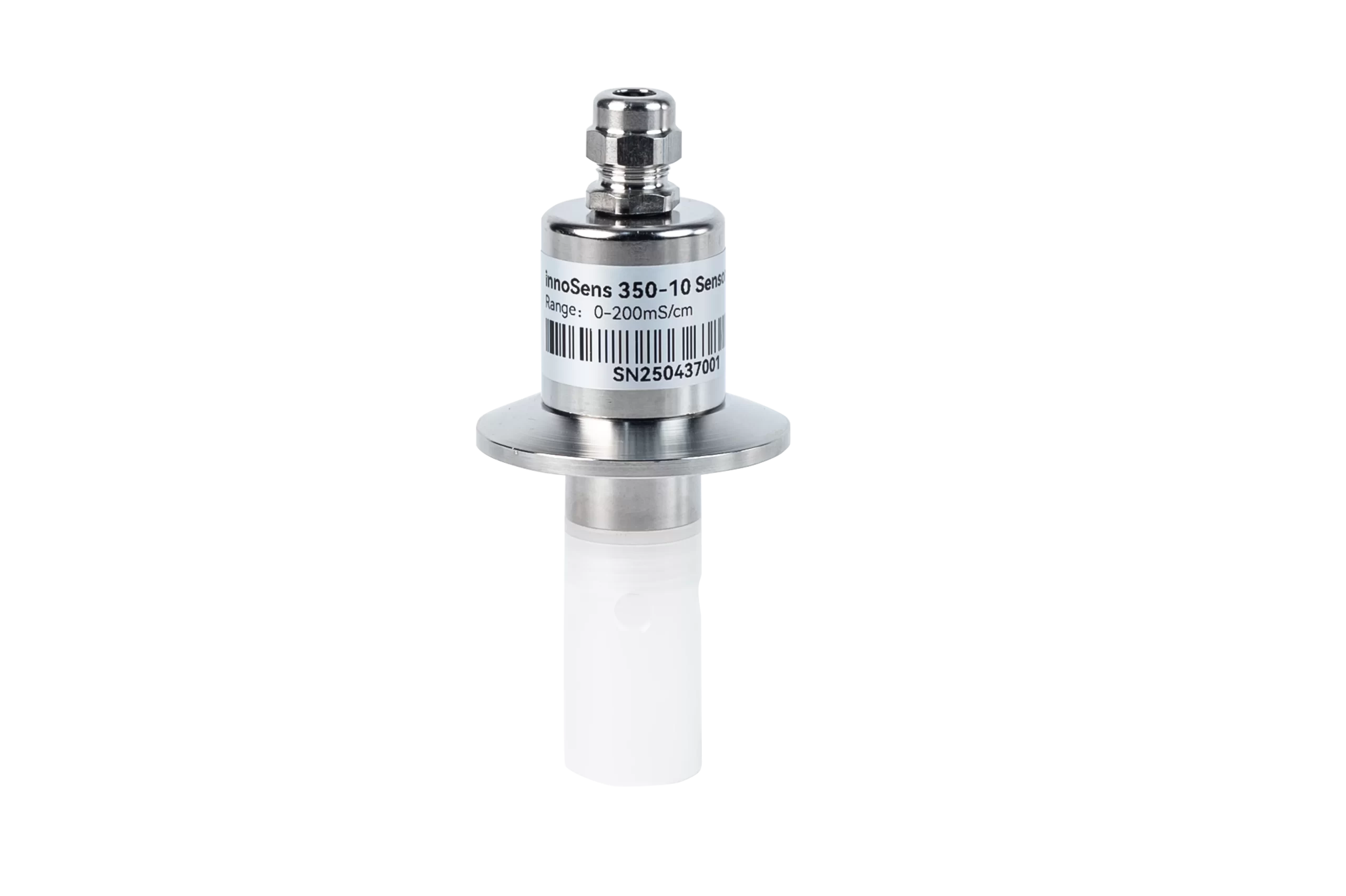
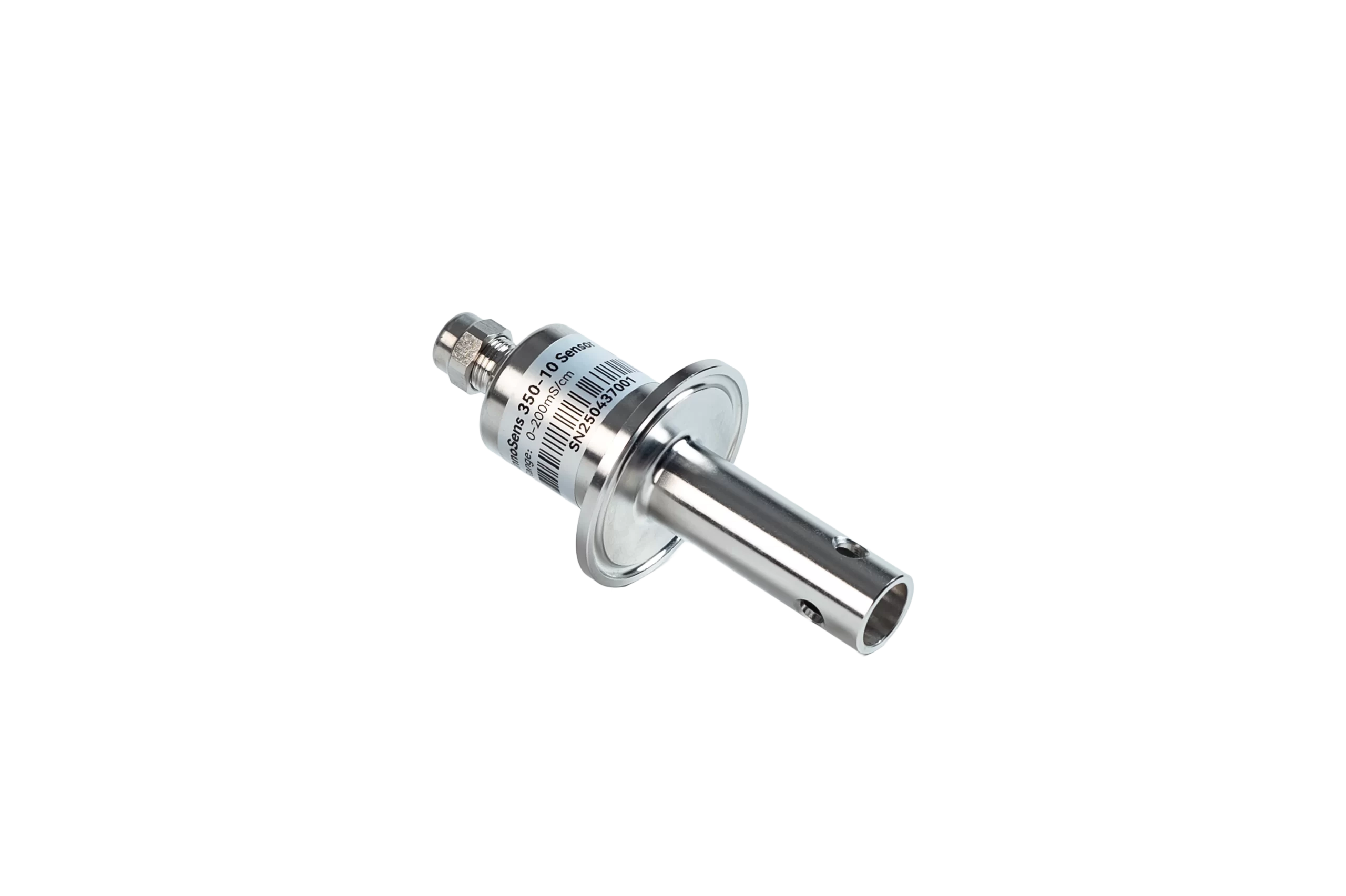
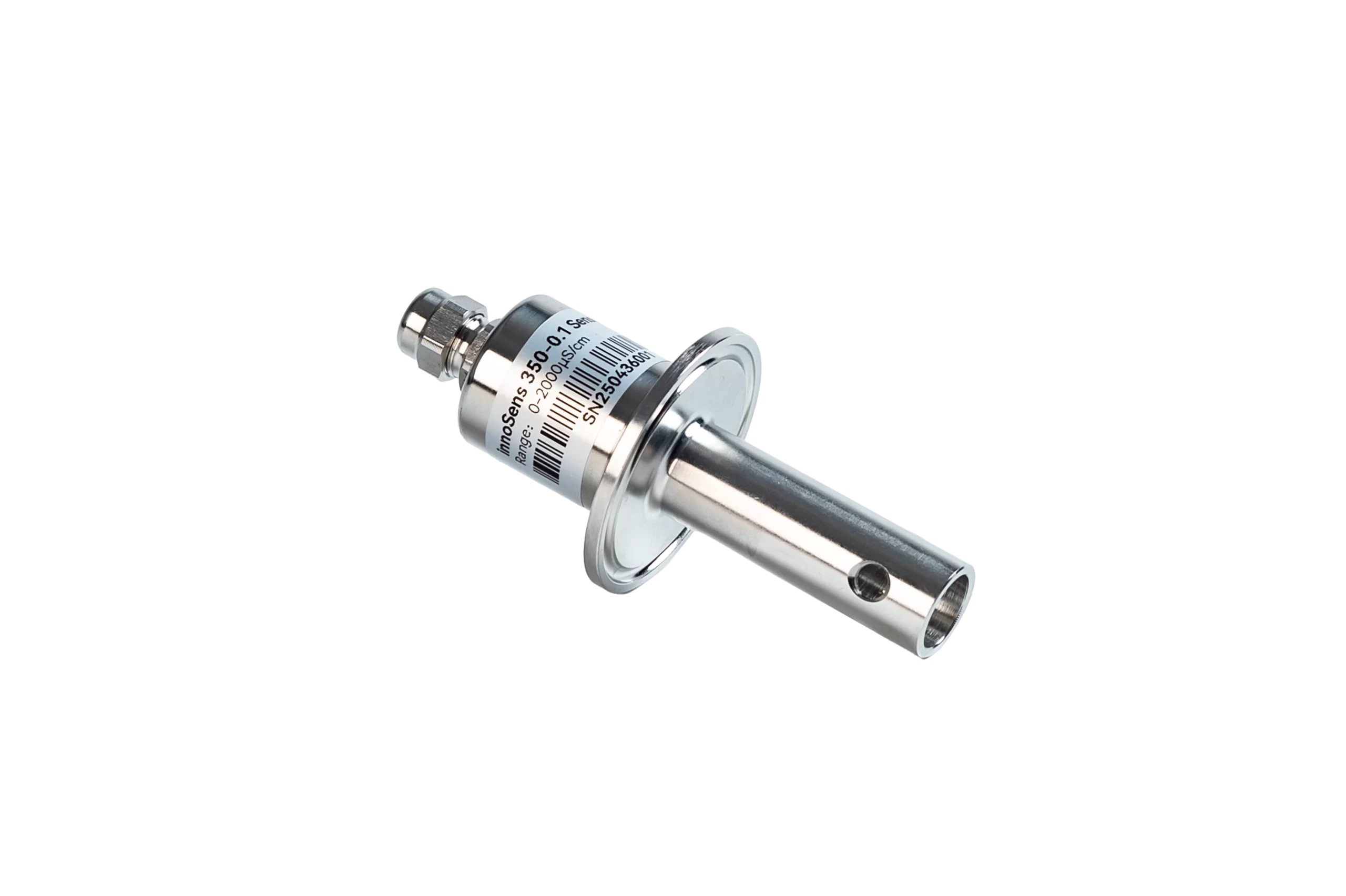
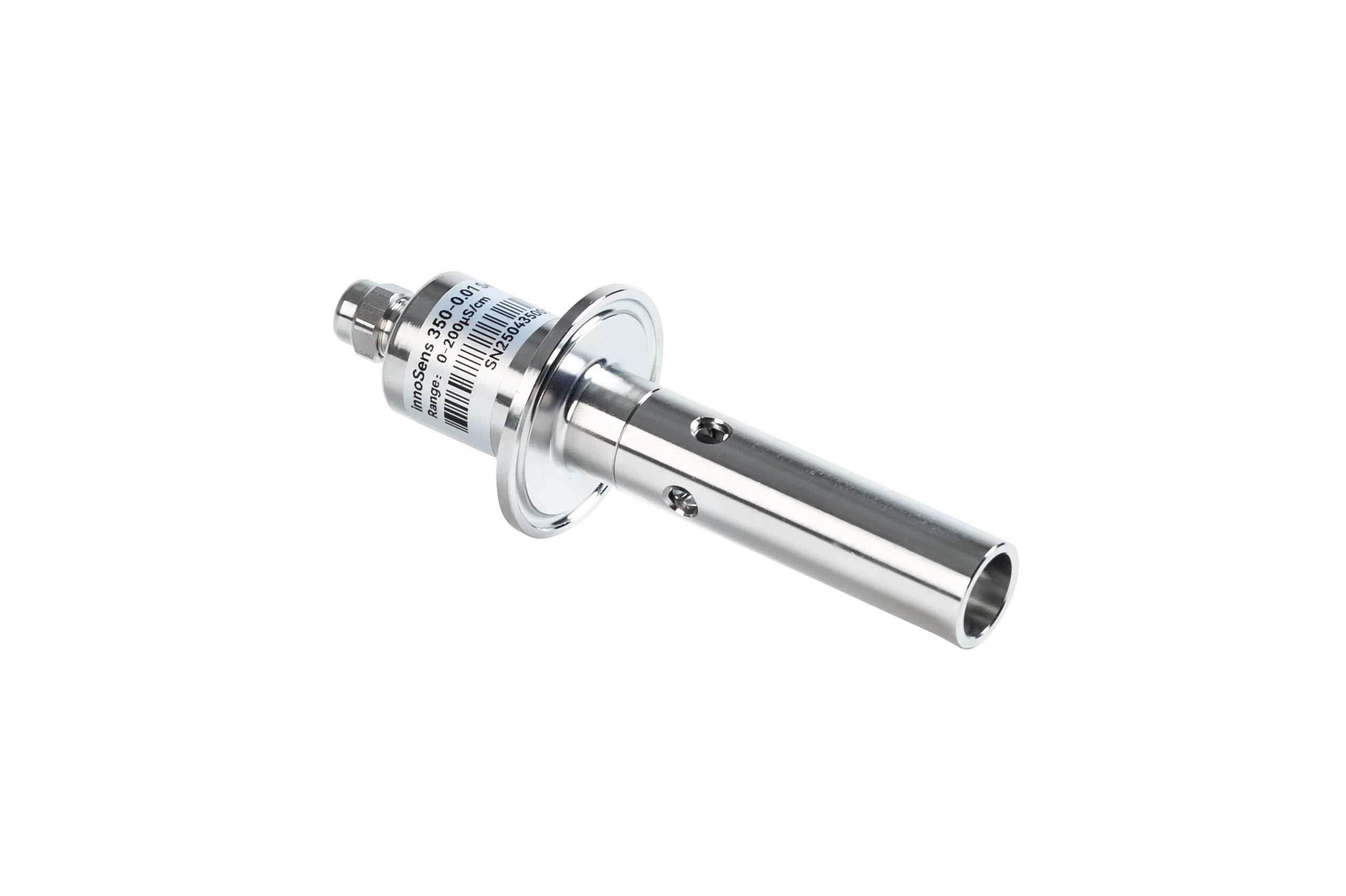
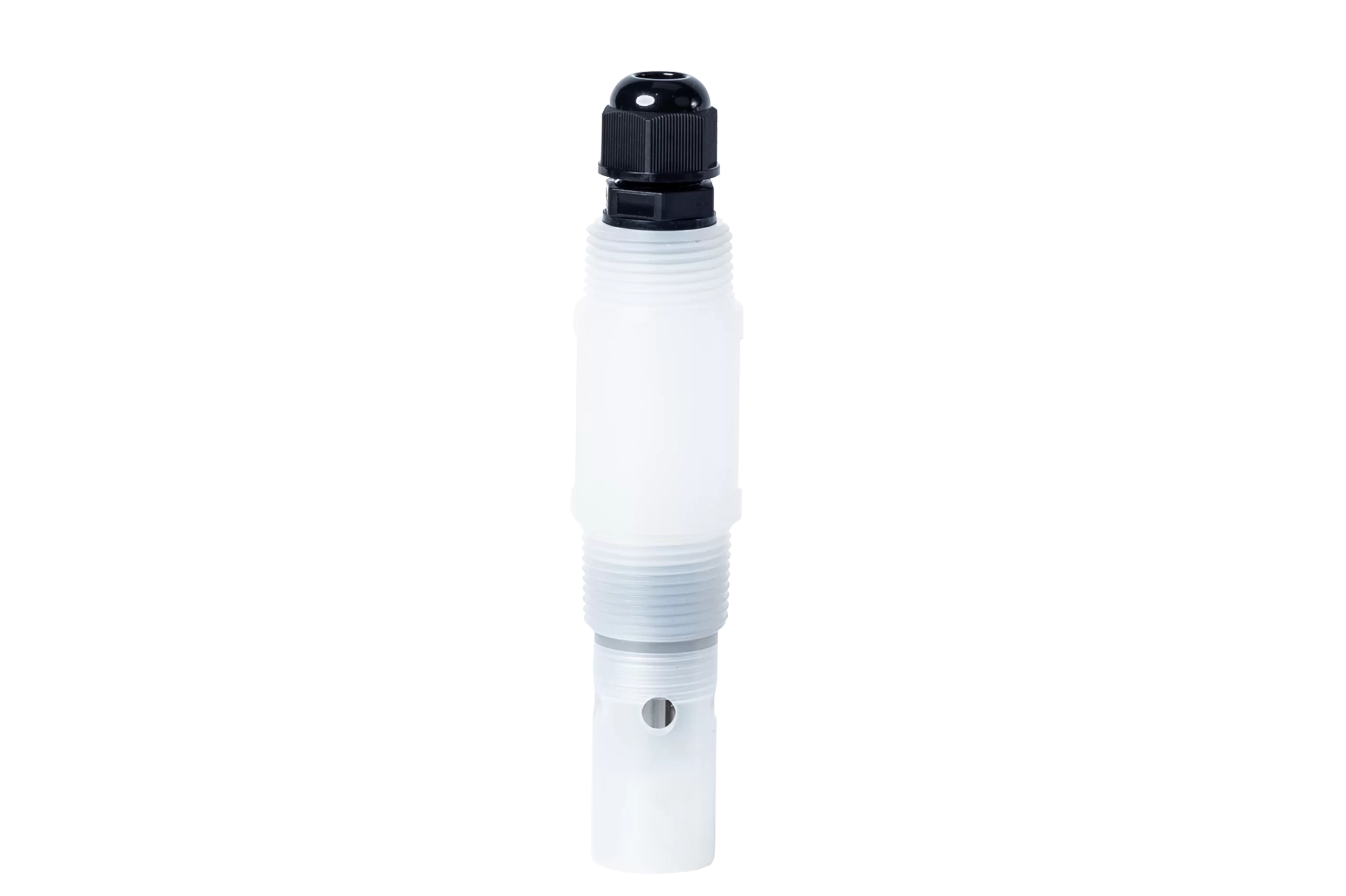
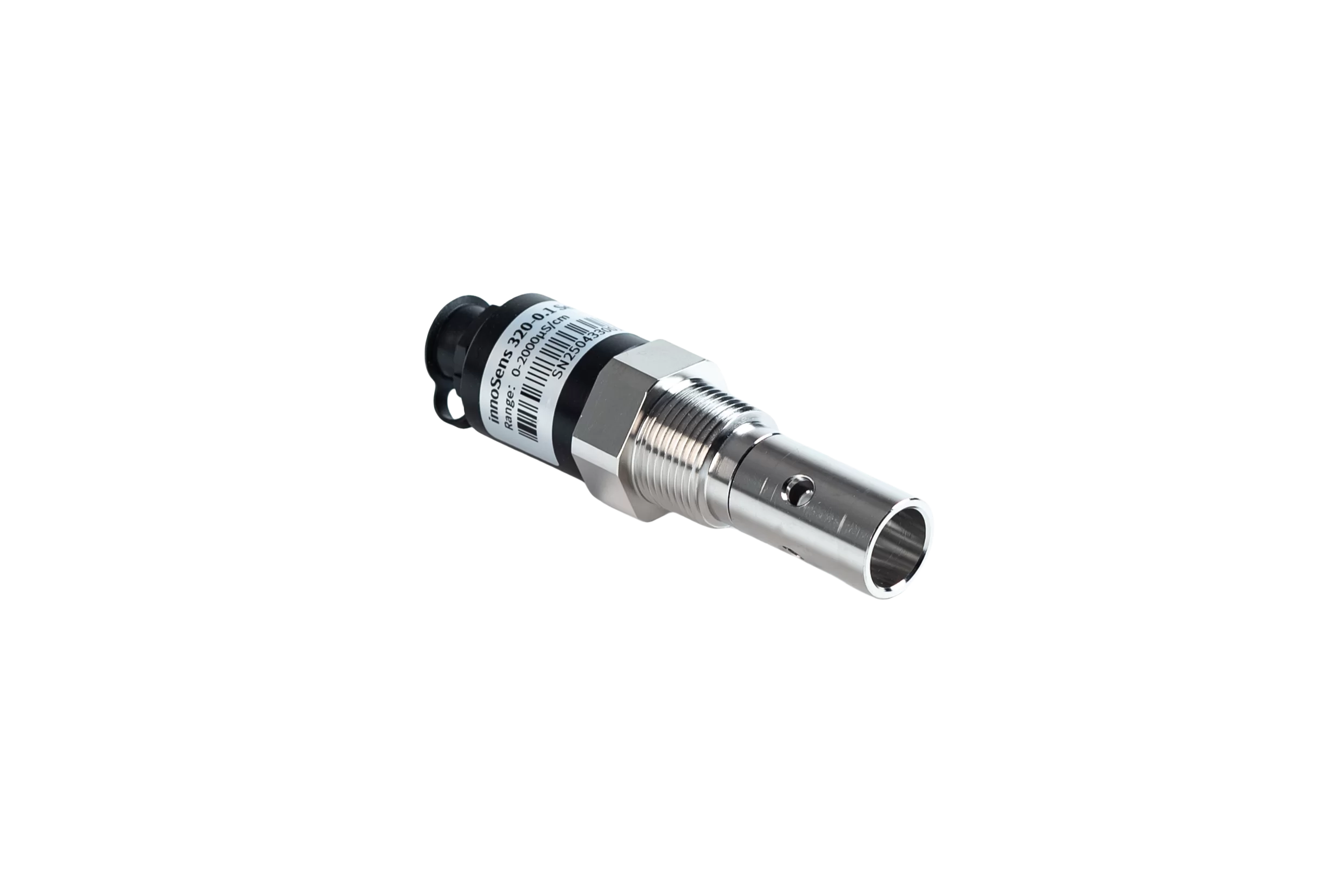
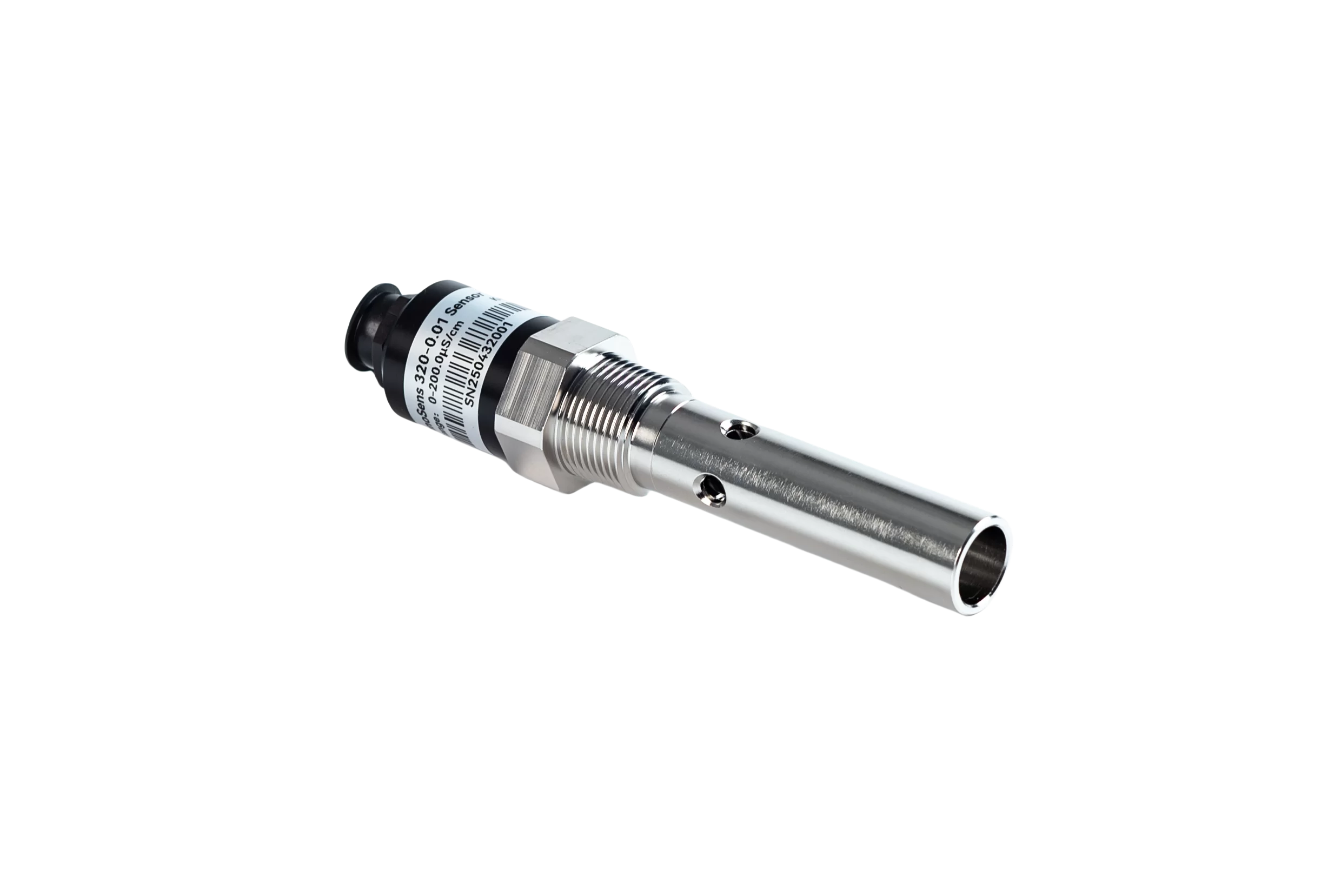
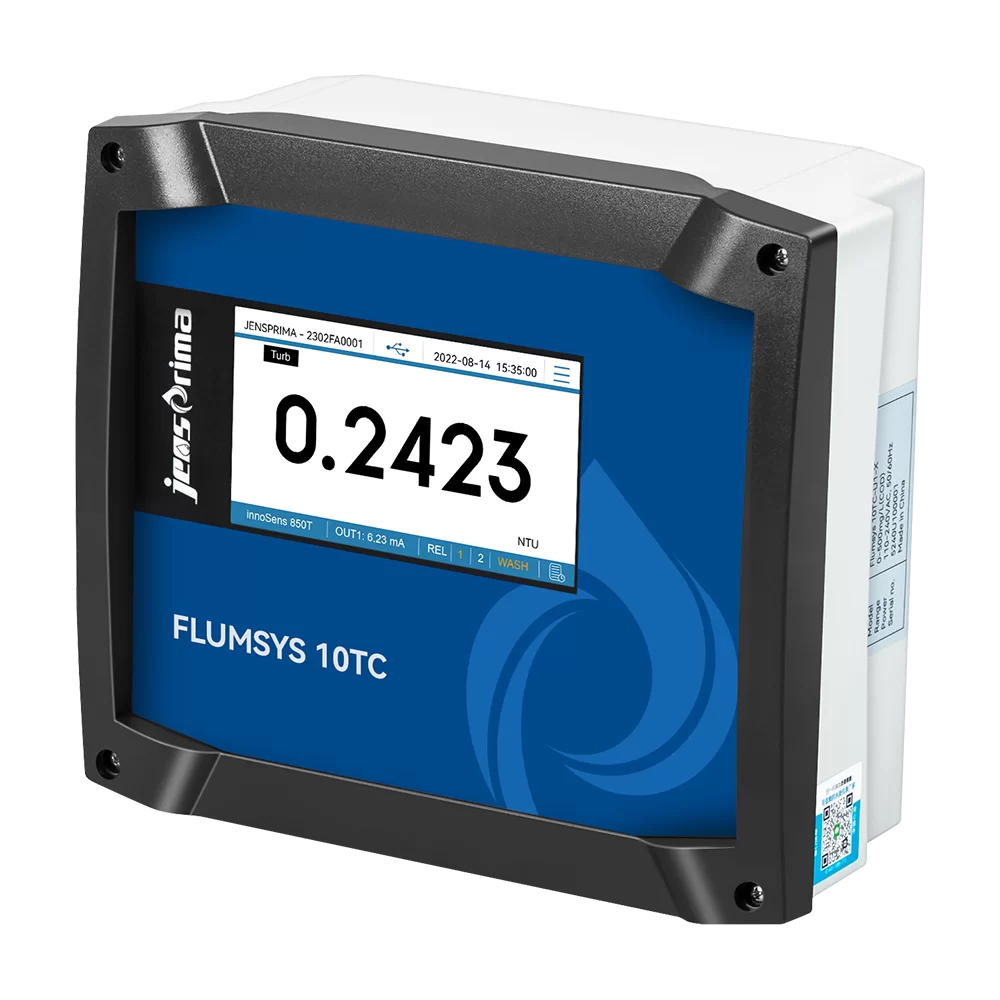
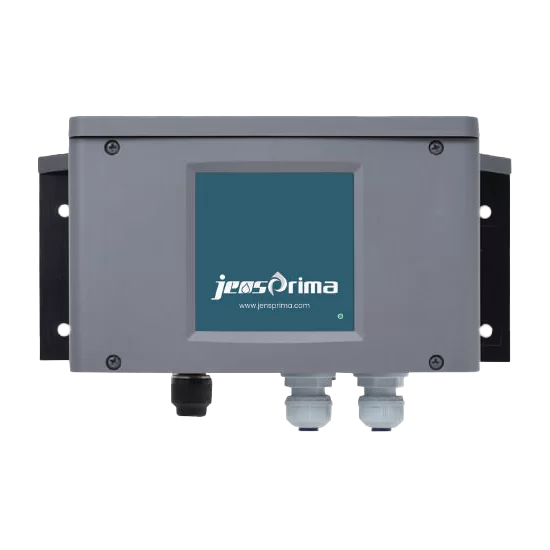
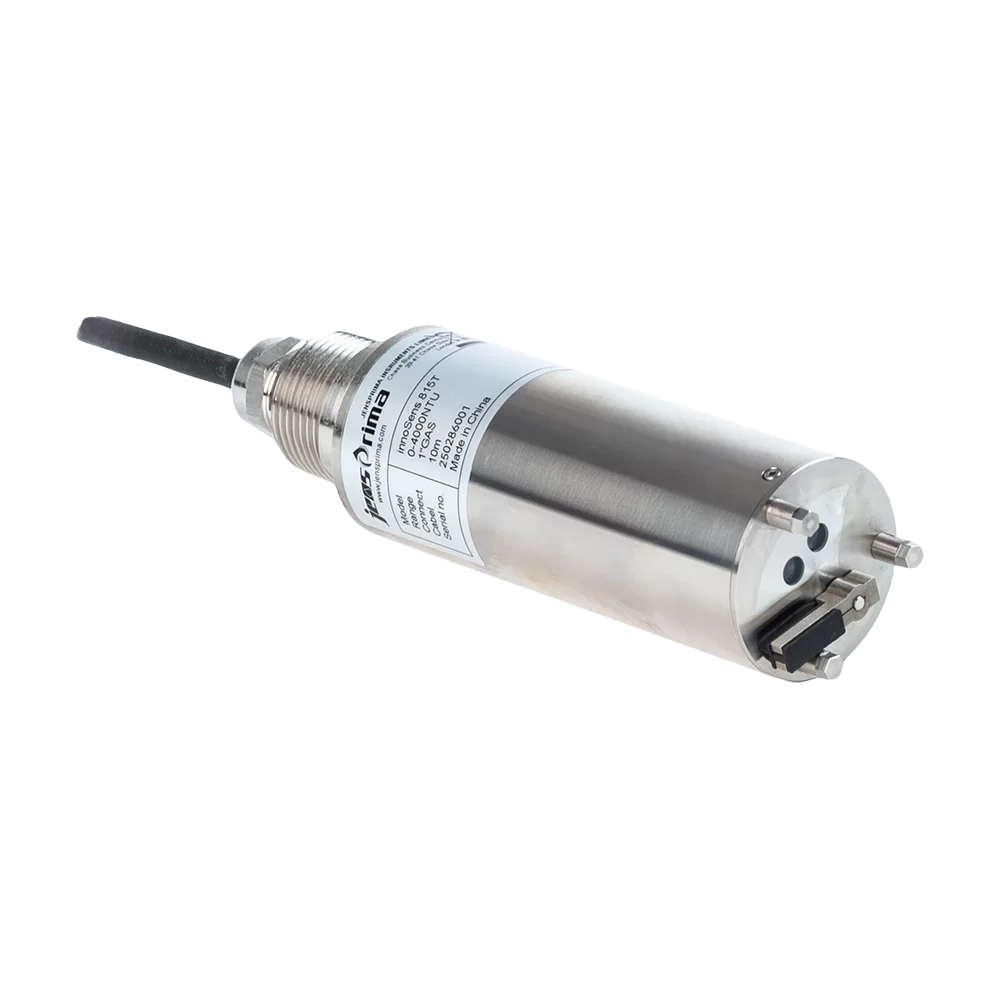
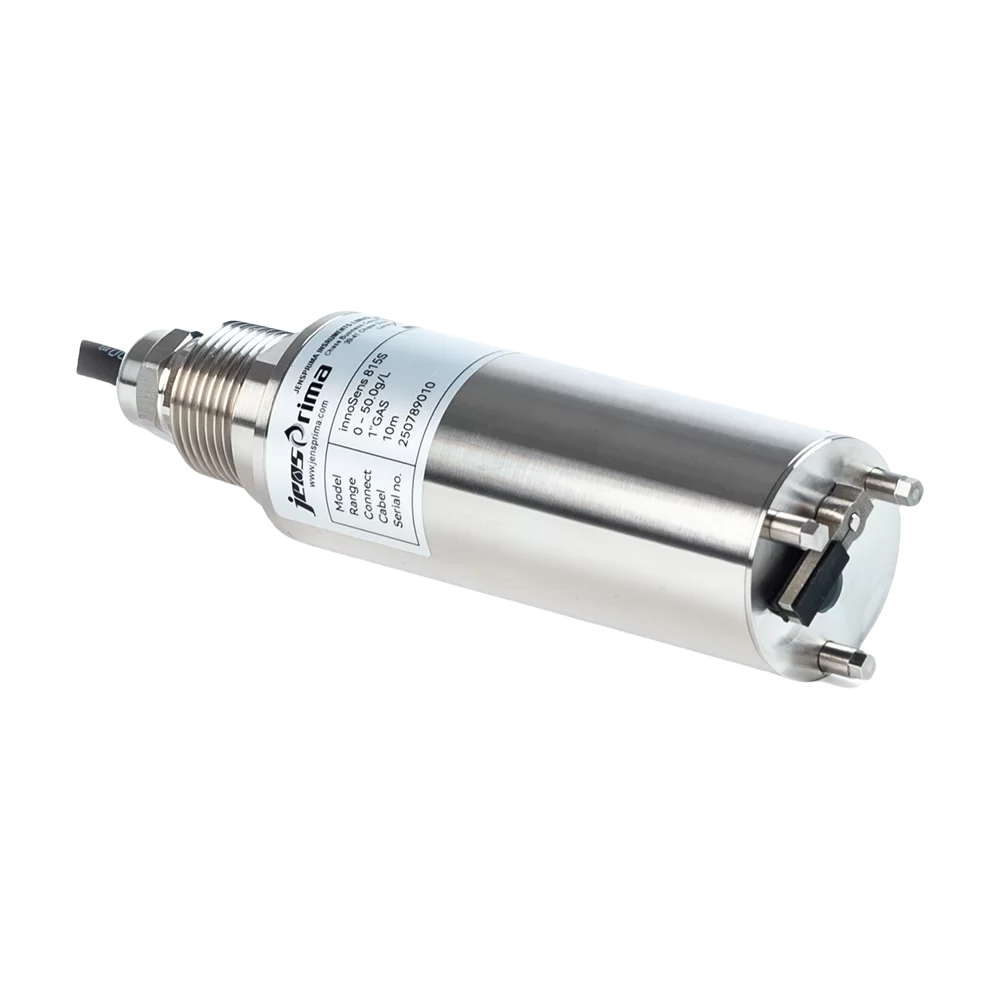
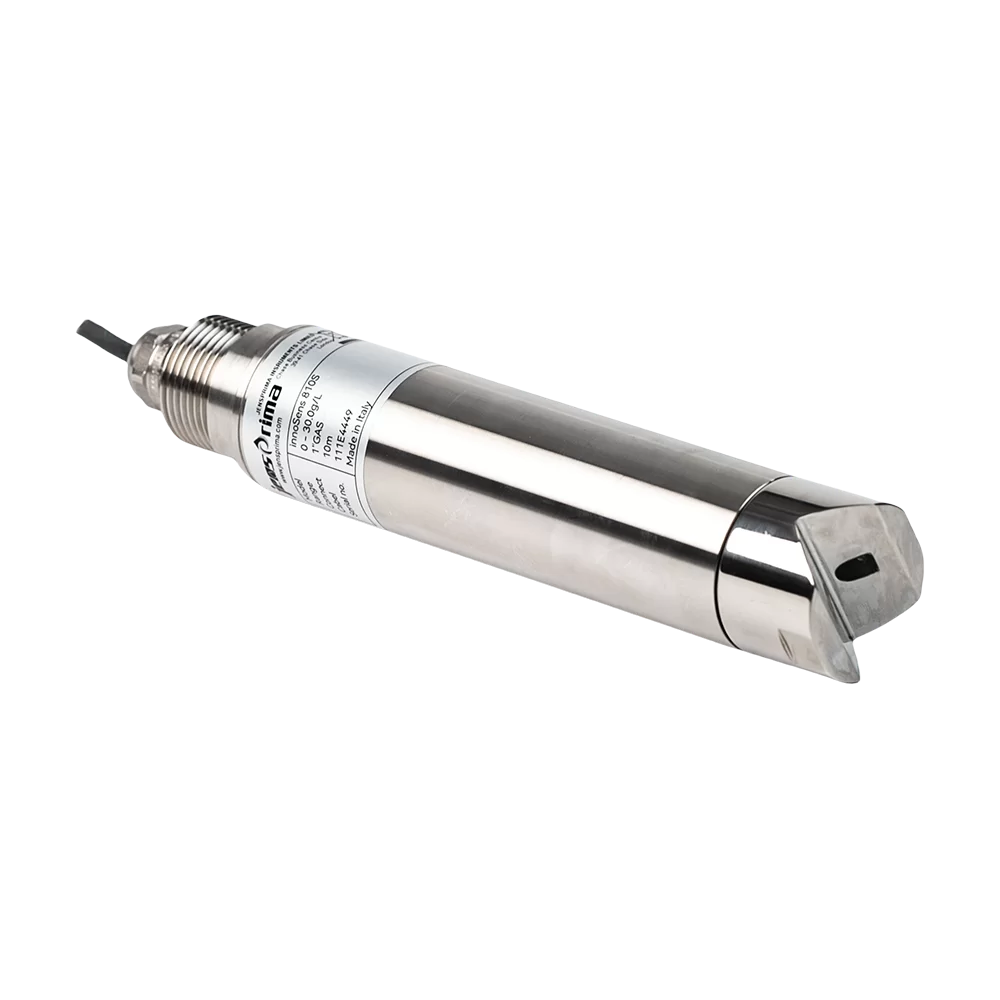
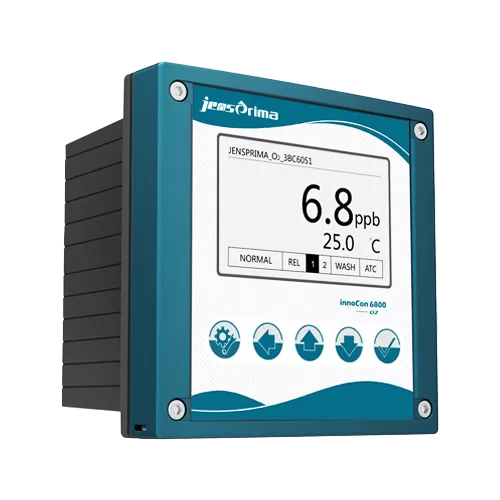
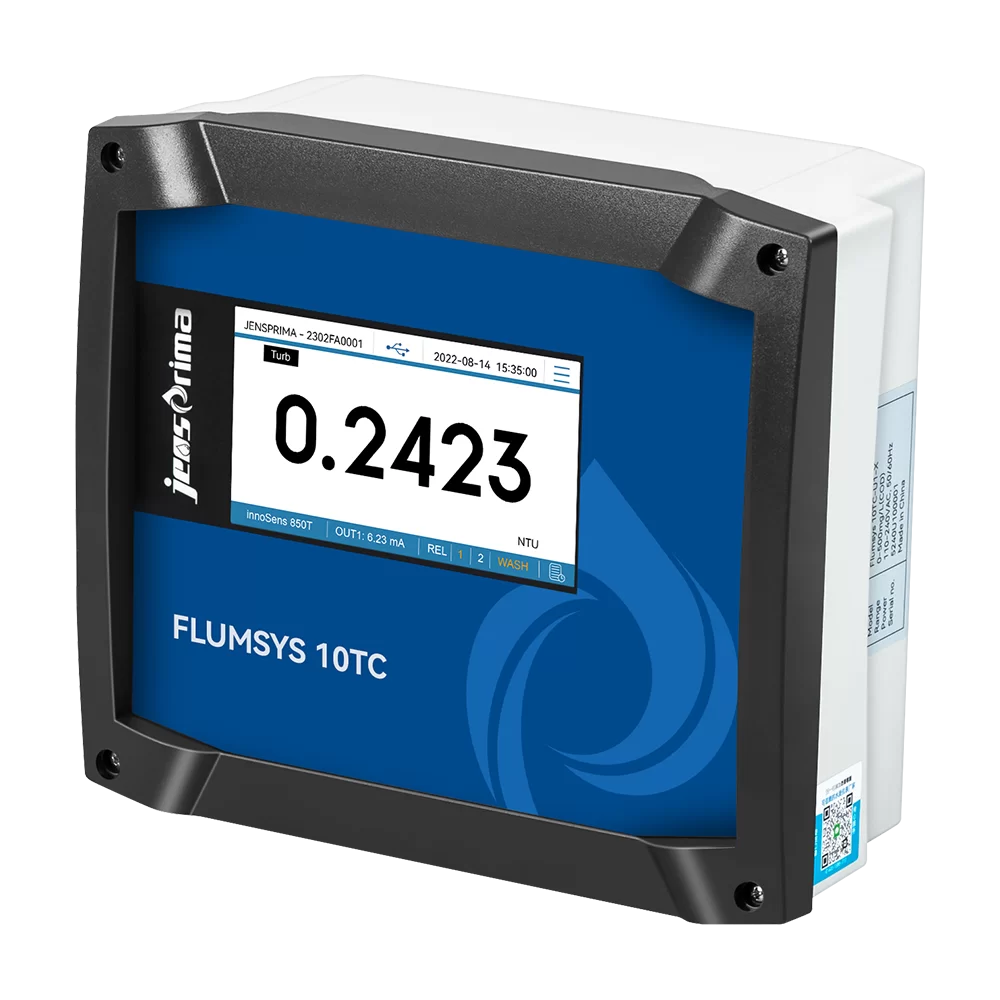
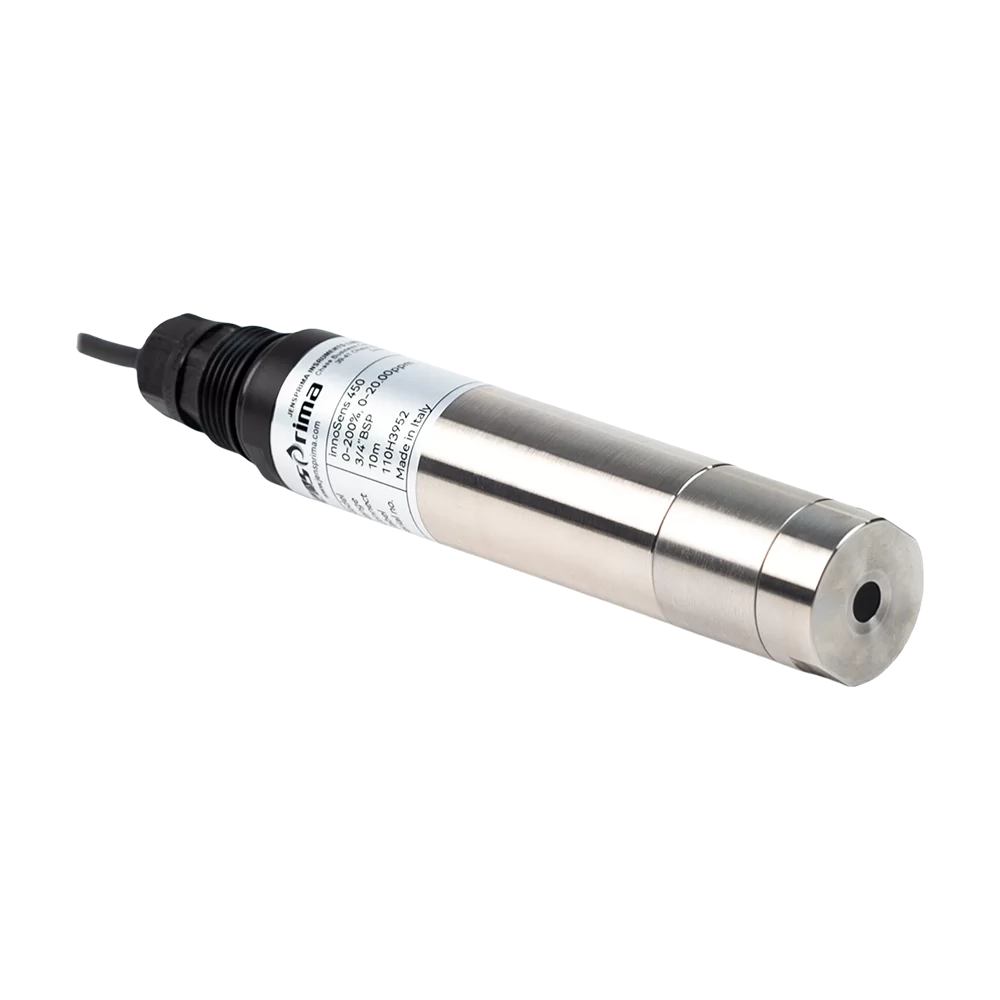
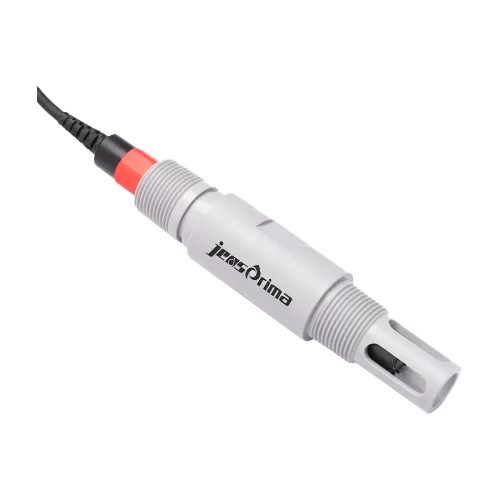
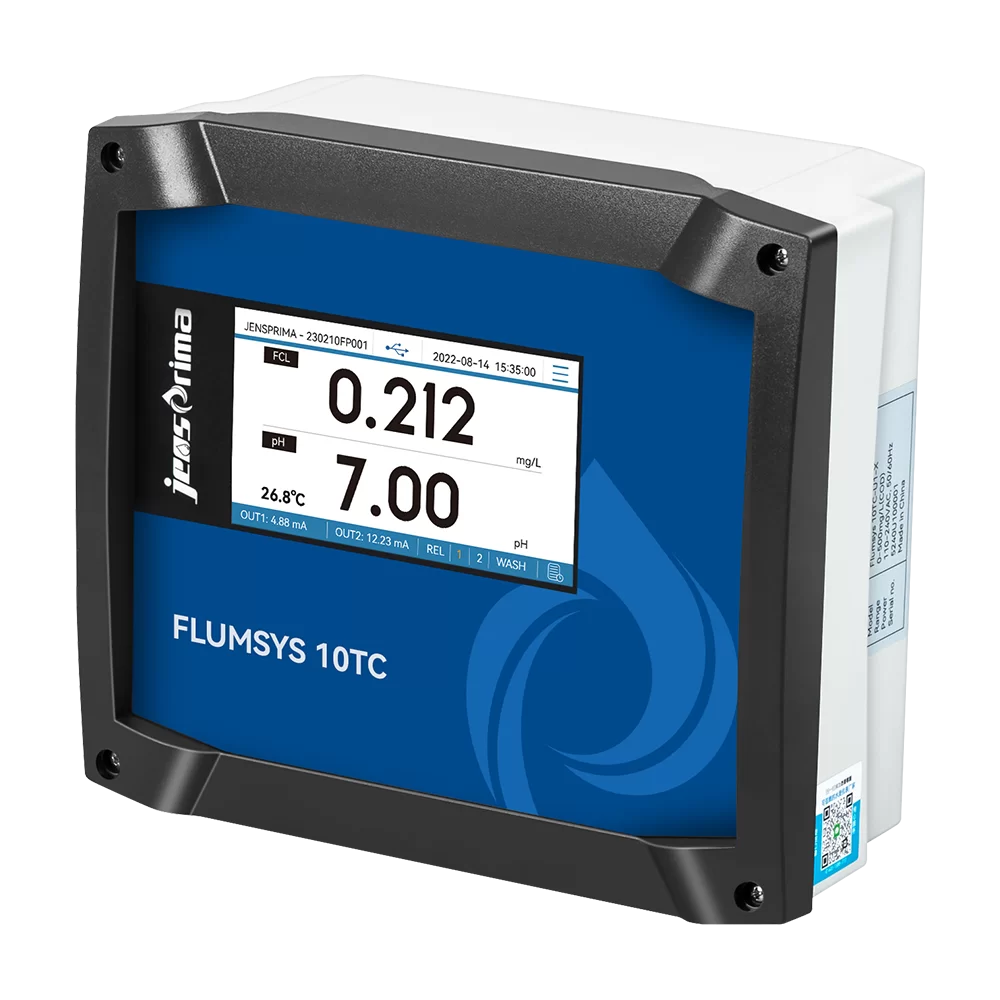
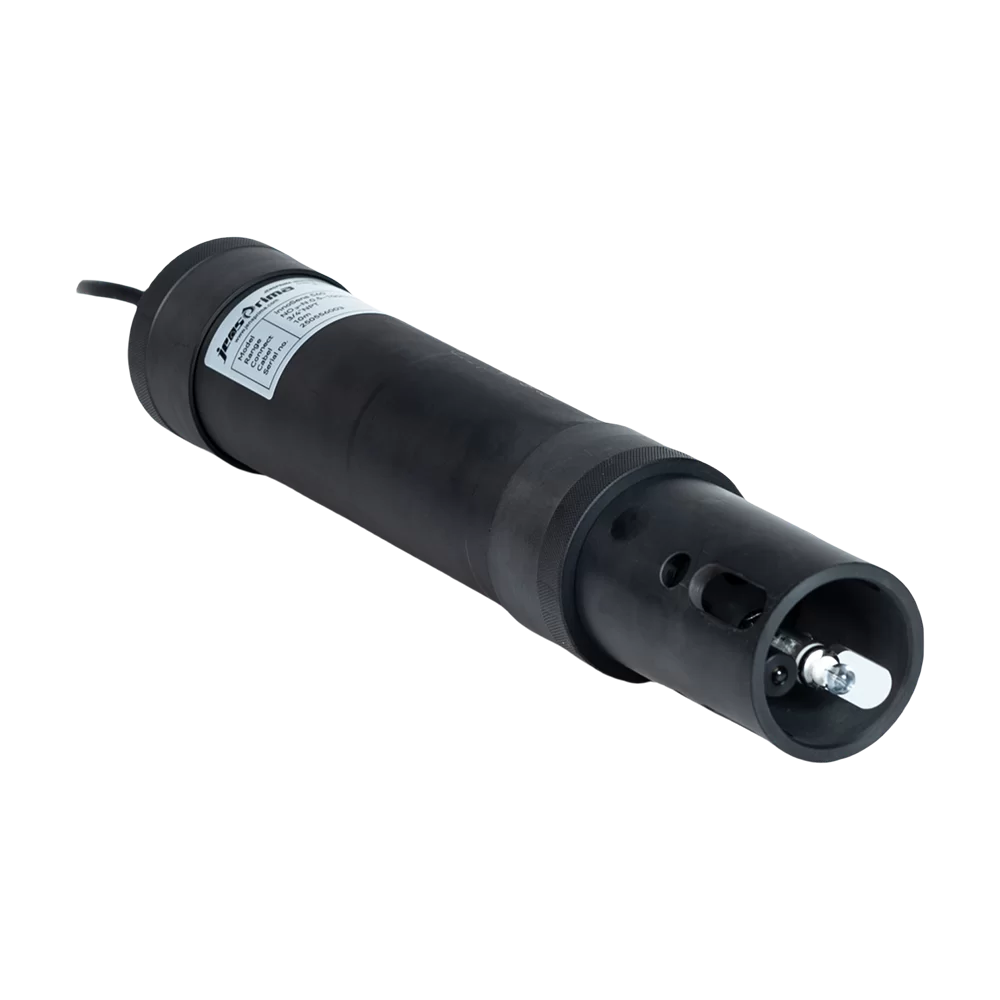
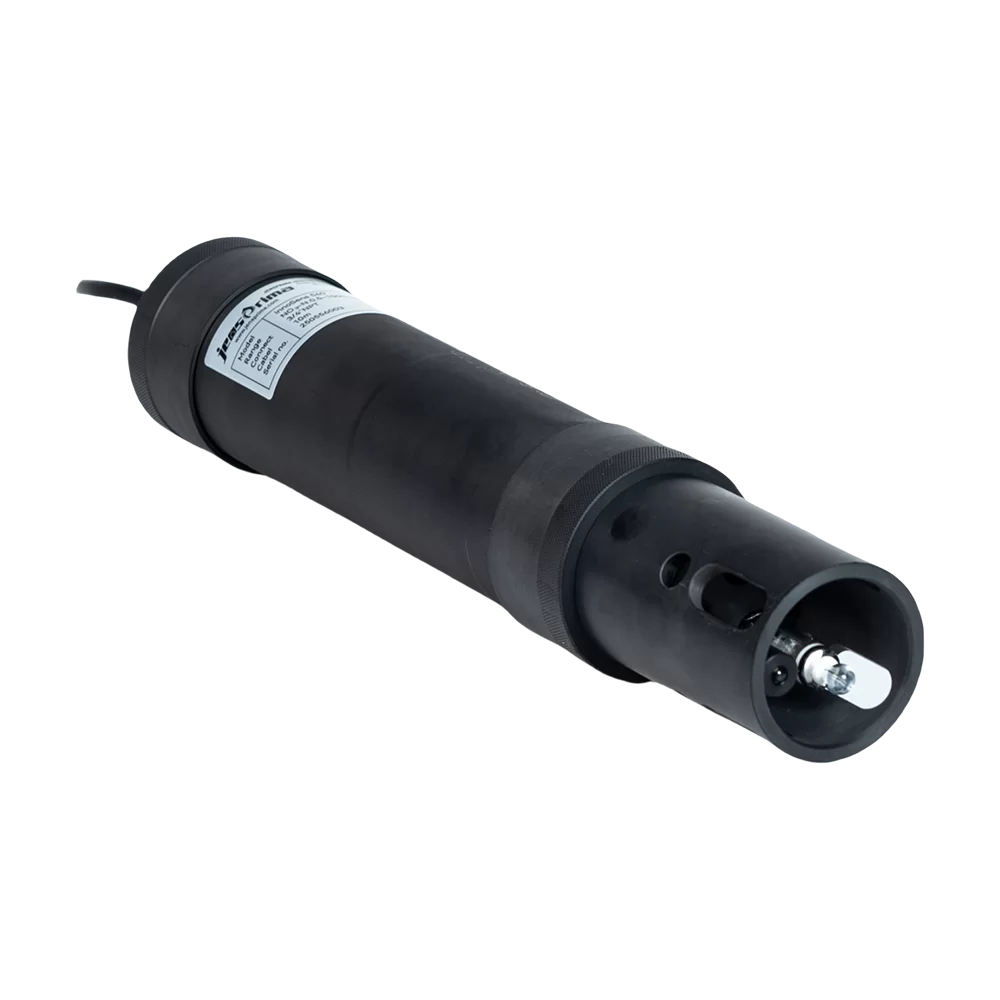
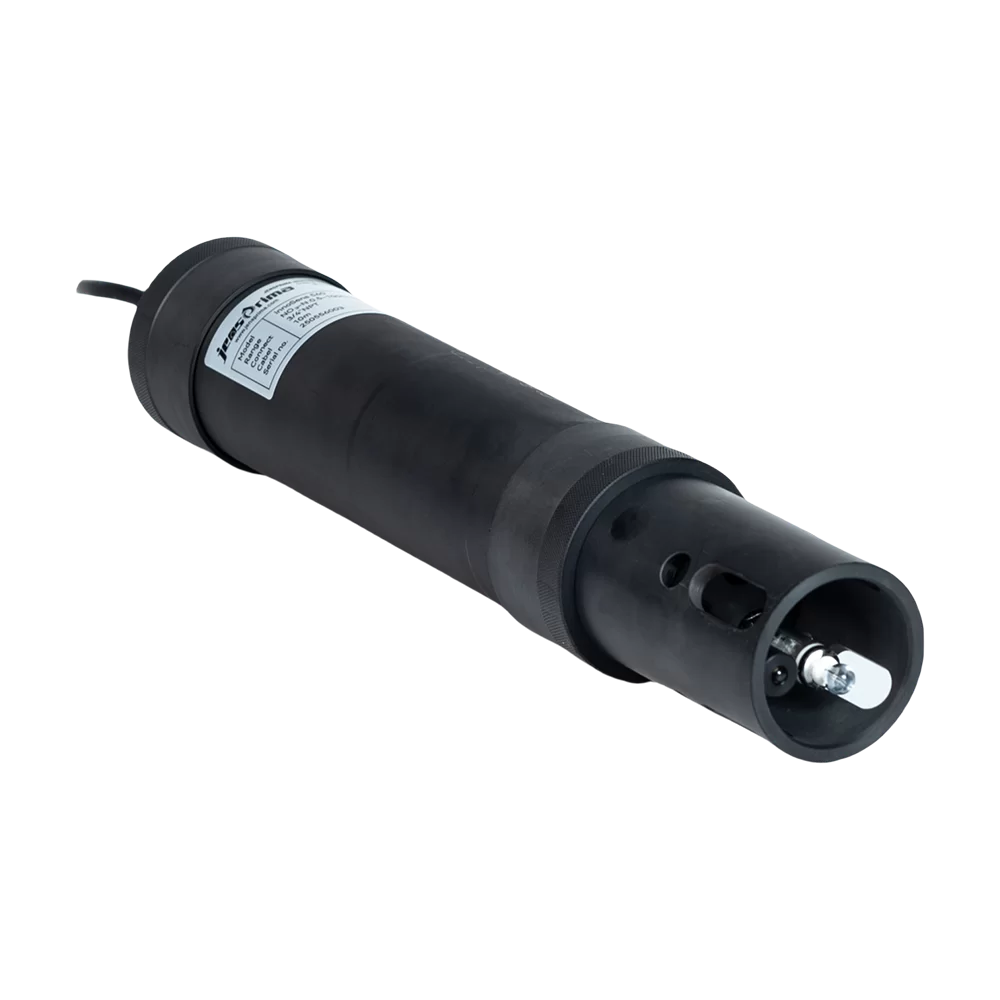
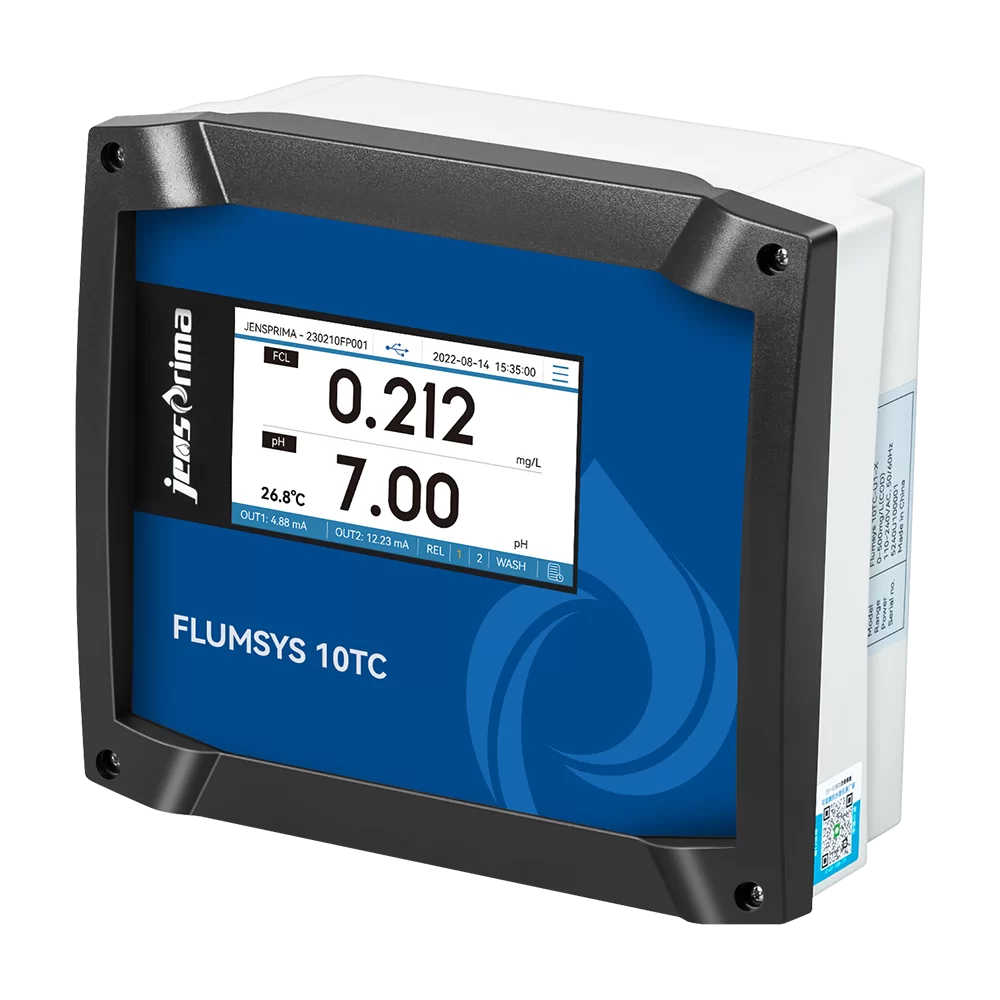
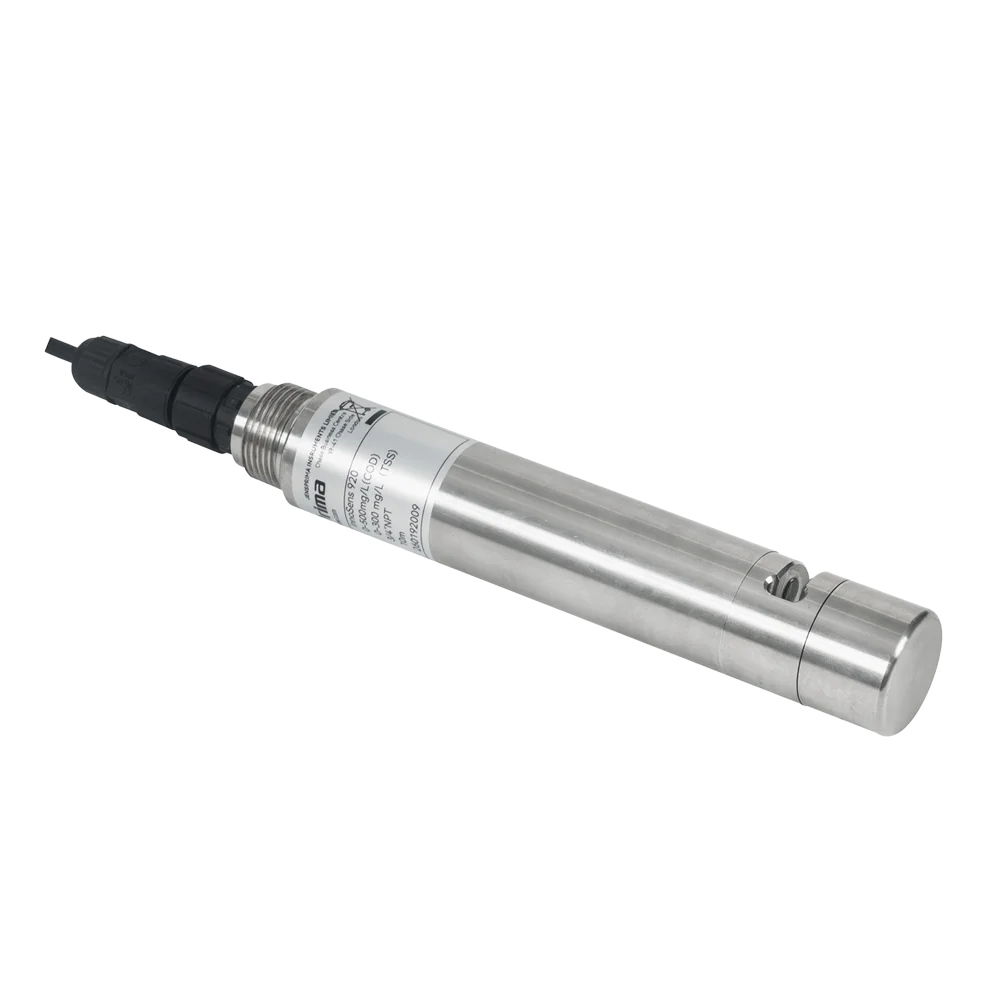



multi parameter analyzer

NEWS

UPDATES

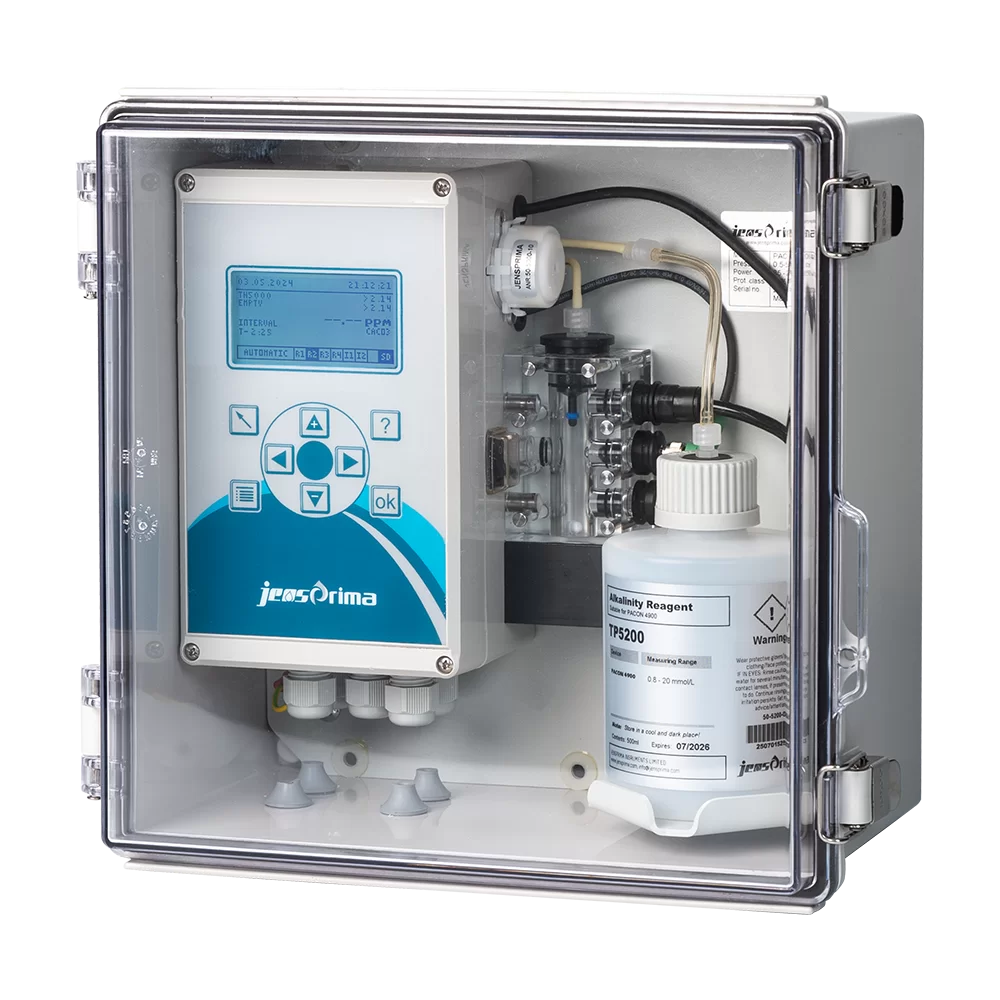
Advanced Water Quality Monitoring Solution for Cameroon via alkalinity analyzer

Providing high-precision online analytical instrumentation to ensure industrial water safety and environmental compliance across Cameroon's diverse aquatic ecosystems.

Advanced Water Quality Monitoring Solution for Cameroon via alkalinity analyzer

Our comprehensive suite of online water analysis tools is engineered to meet the rigorous demands of Cameroon's industrial and municipal water sectors, ensuring stability and accuracy in real-time monitoring.

Environmental Monitoring Status in Cameroon

Analyzing the current landscape of water analysis in the Gulf of Guinea region.

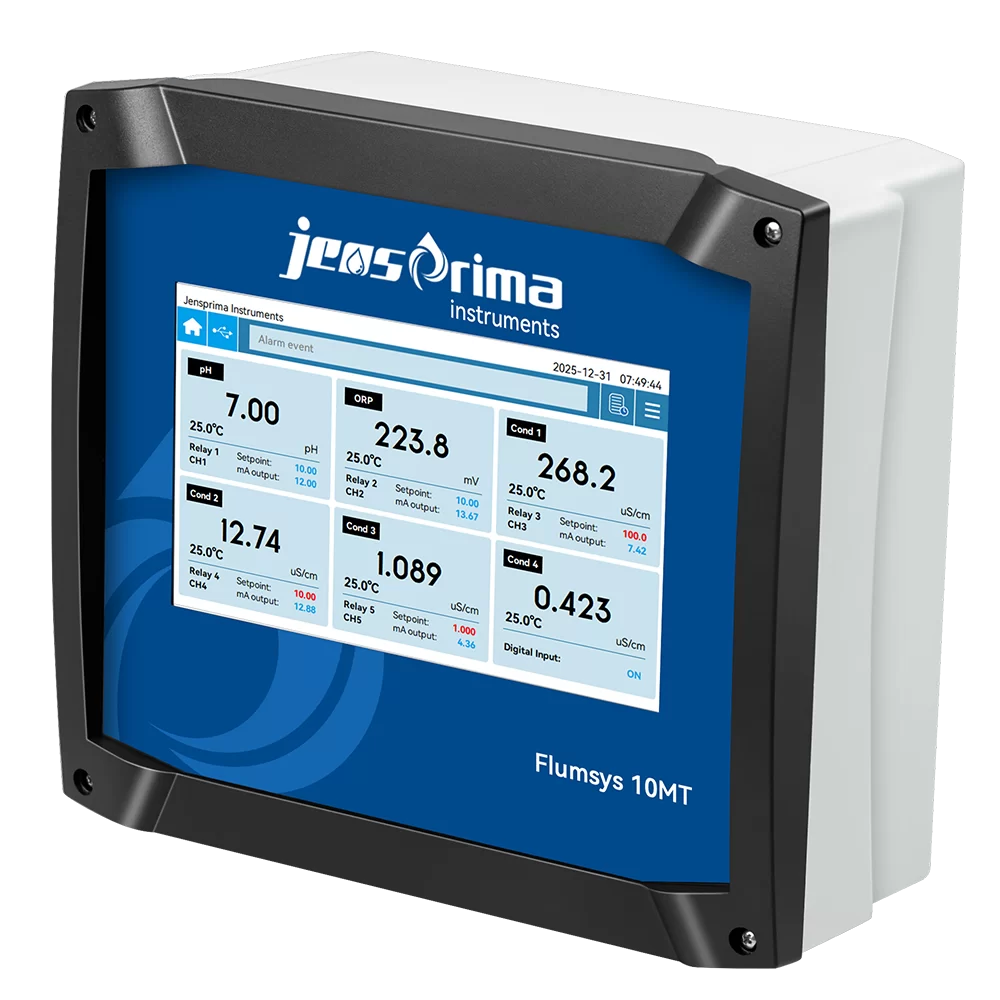
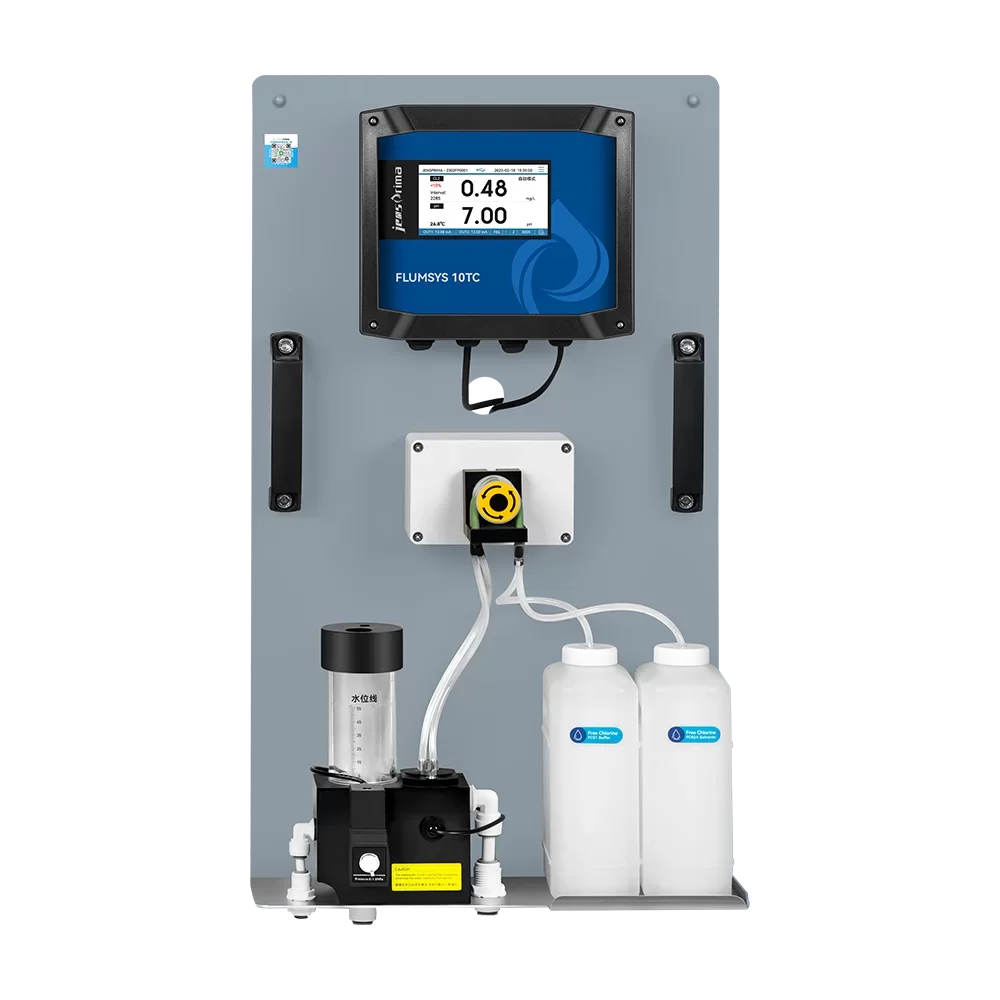
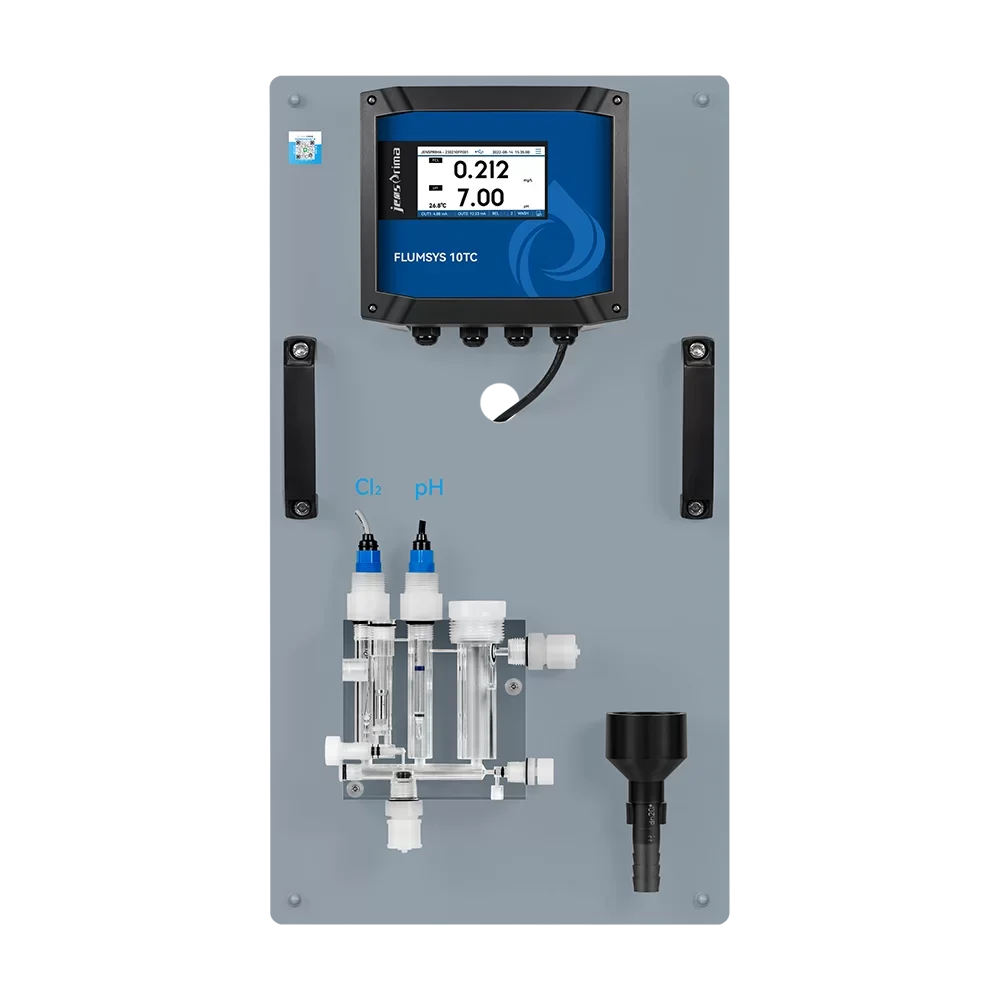
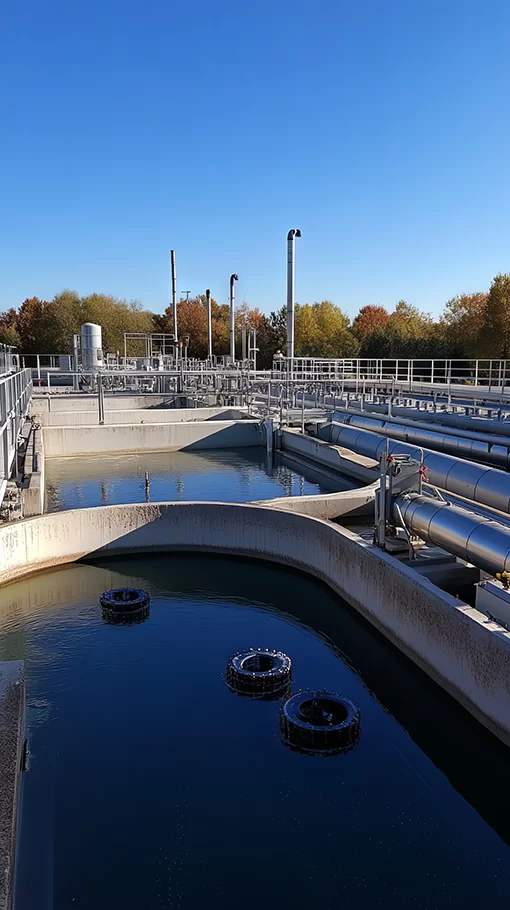
Cameroon faces significant challenges in water resource management due to its tropical climate and high humidity, which accelerate the degradation of traditional sensors. The demand for a robust multi parameter water quality analyzer has increased as the government tightens regulations on industrial discharge into the Wouri and Sanaga rivers.

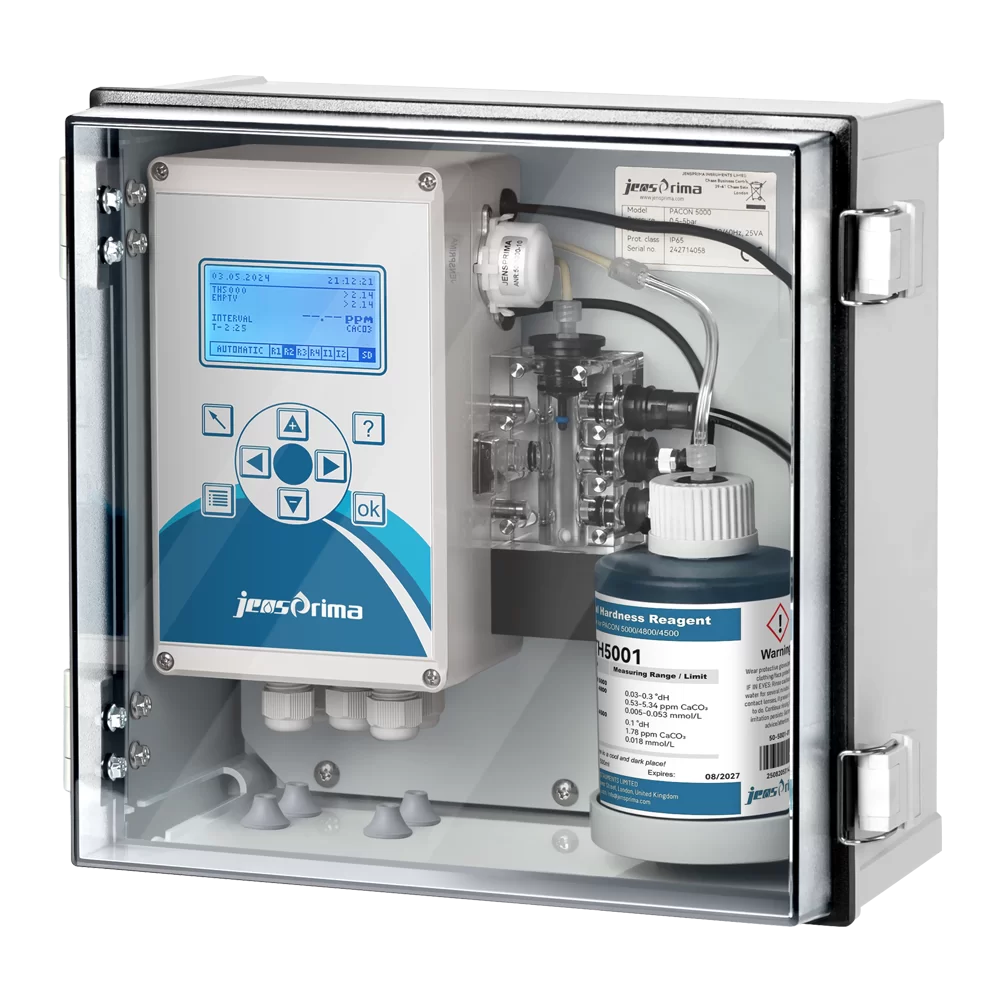
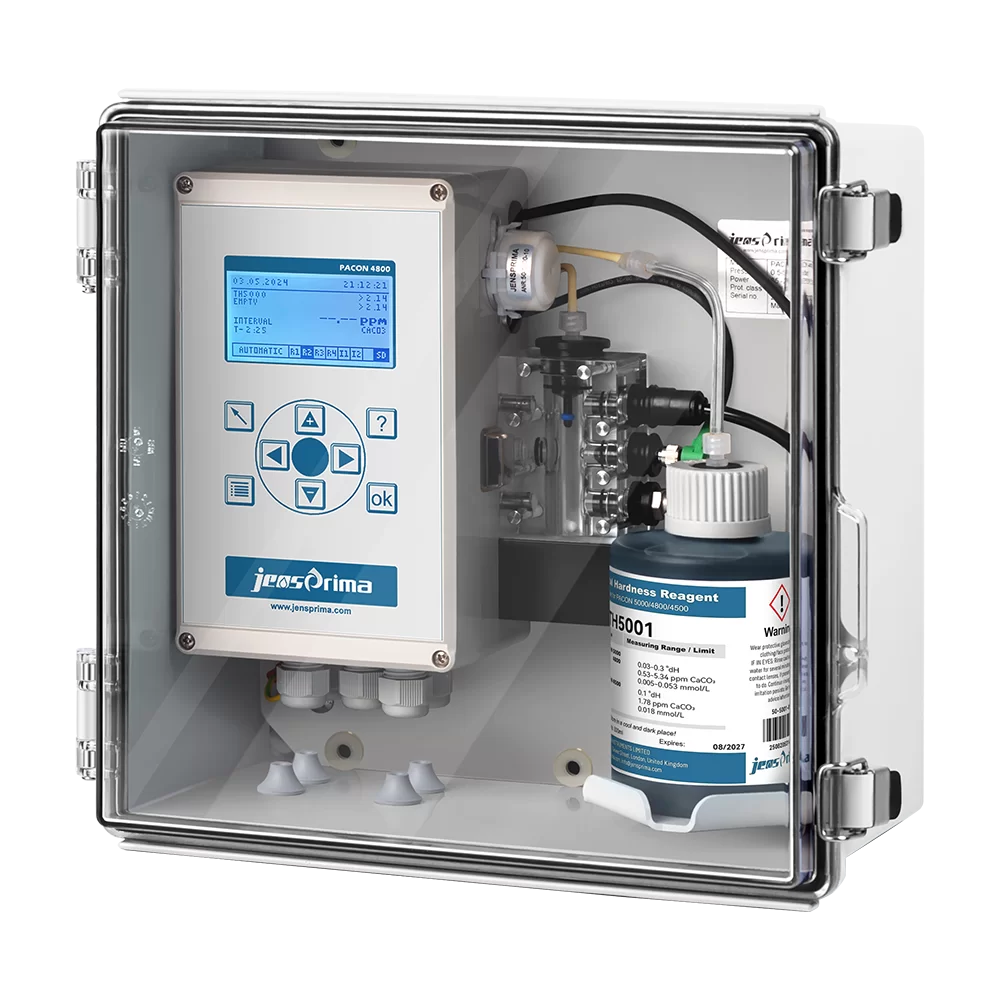
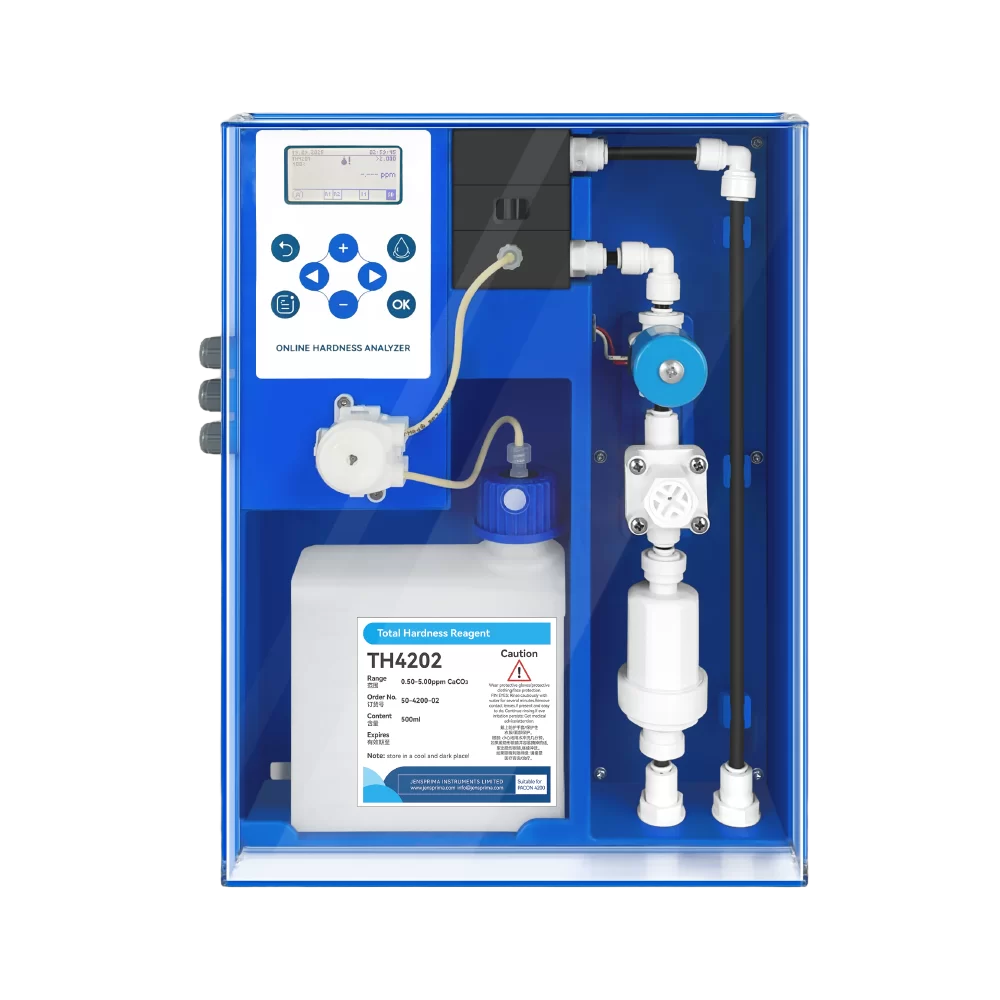
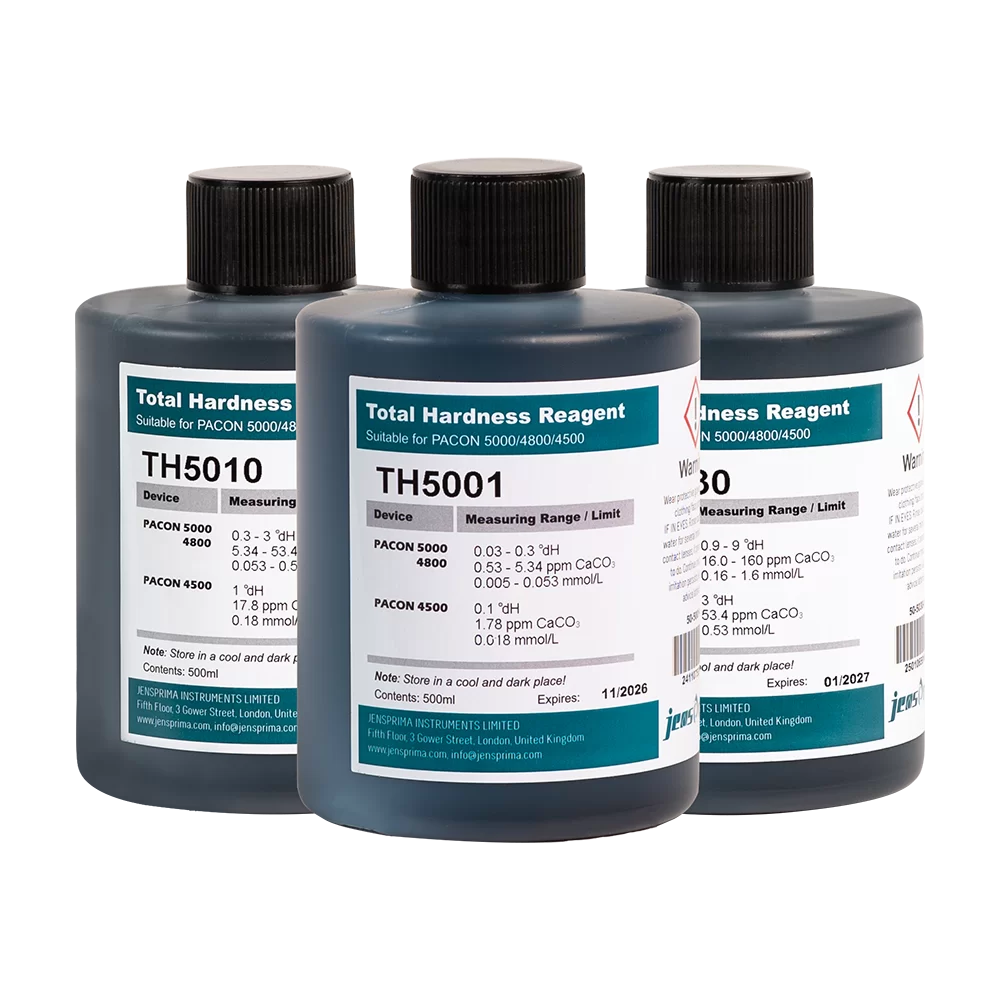
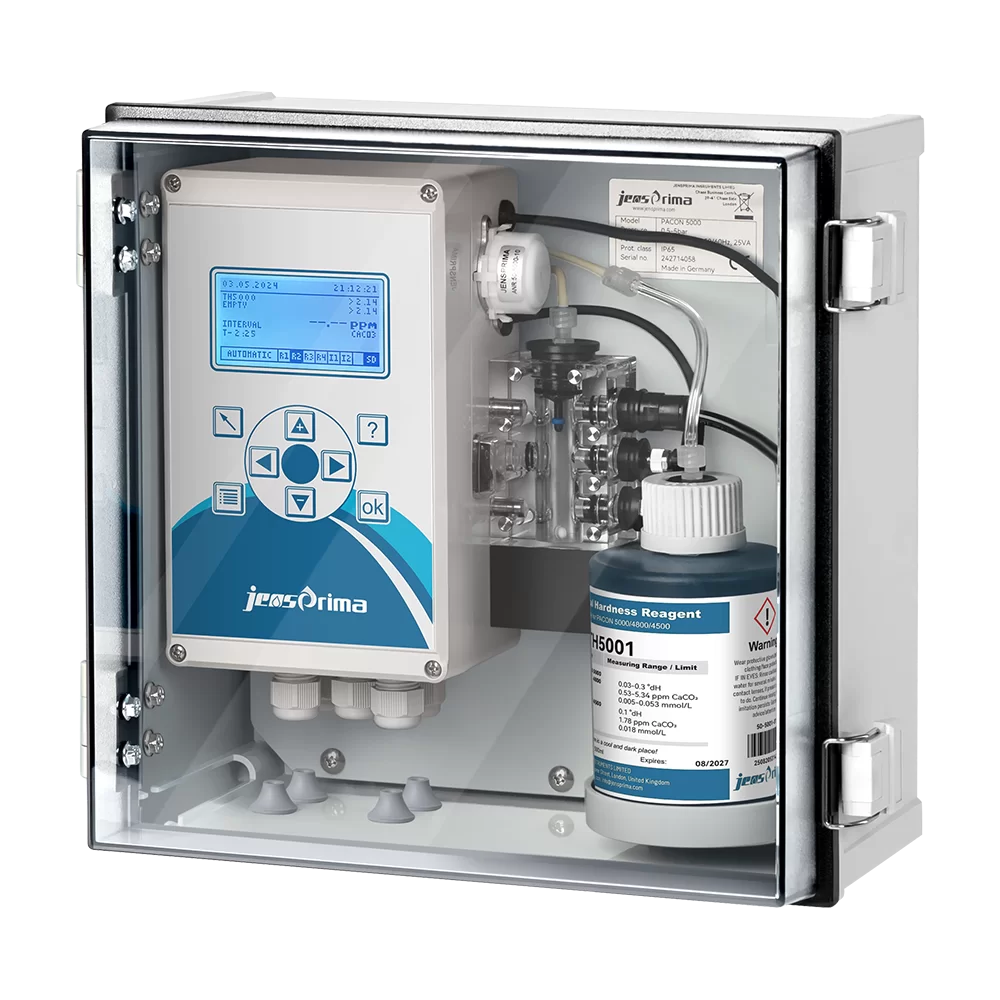
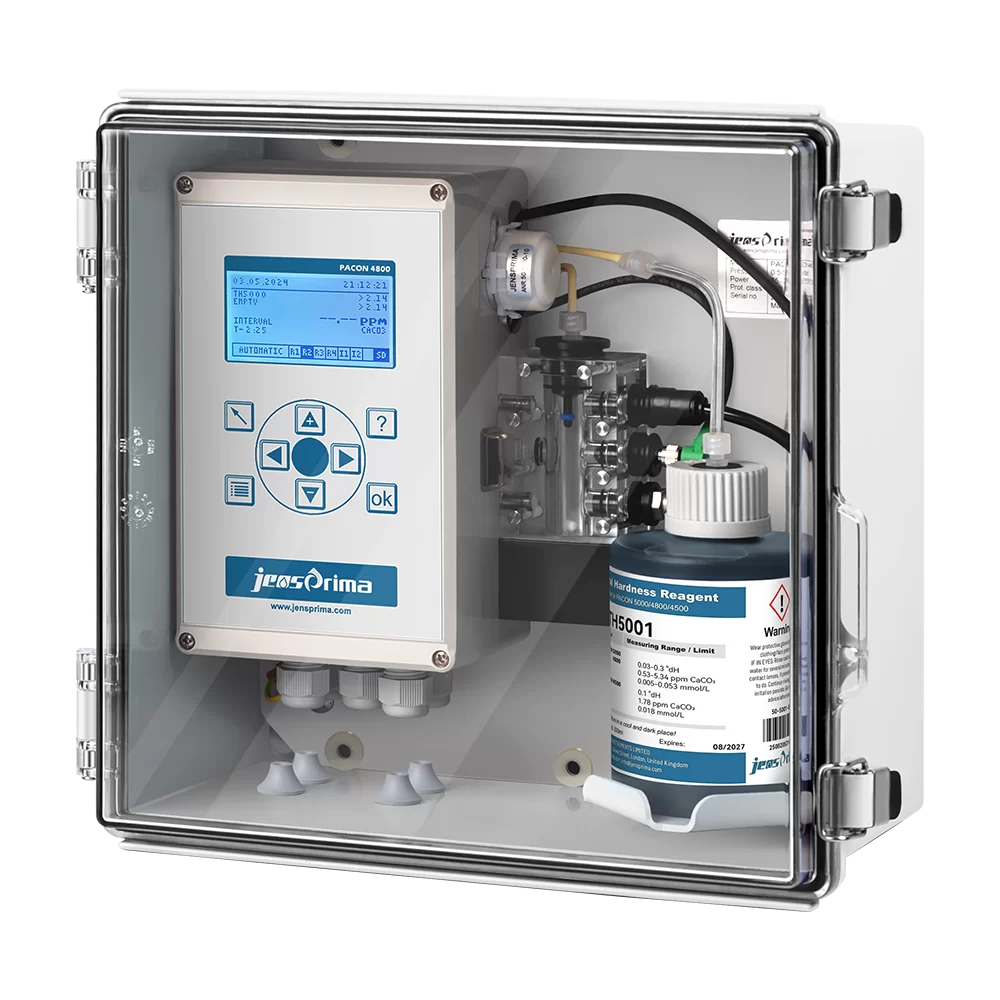
In many industrial zones in Douala and Yaoundé, water hardness and chemical imbalances often lead to rapid scaling in boilers and cooling systems. This has created a critical need for the deployment of an automated total hardness analyzer to prevent costly infrastructure failure and maintain operational efficiency.

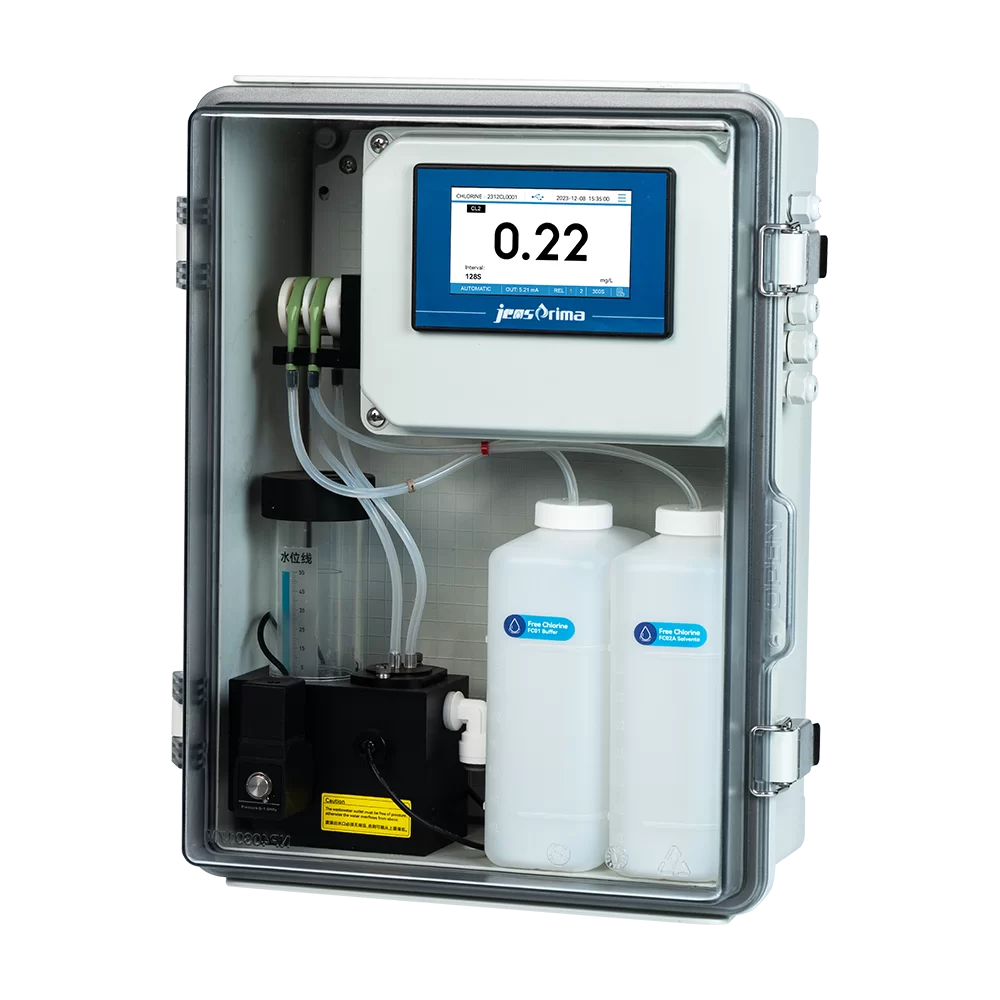
Furthermore, the expansion of municipal water treatment plants necessitates more reliable disinfection monitoring. The shift from manual titration to an automated residual chlorine controller is now essential to ensure potable water safety for the growing urban population while managing reagent costs effectively.

Evolution and Trajectory of Water Analysis in Cameroon

From manual sampling to intelligent, real-time online monitoring systems.

Market Development History

Between 2000 and 2010, water quality monitoring in Cameroon relied heavily on laboratory-based manual sampling. This period was characterized by significant time lags between sample collection and result analysis, making it impossible to react instantly to pollution spikes.

From 2011 to 2020, the industry transitioned toward "near-online" systems. The introduction of early-stage digital sensors allowed for more frequent readings, though stability remained an issue due to the harsh tropical environment and power fluctuations.

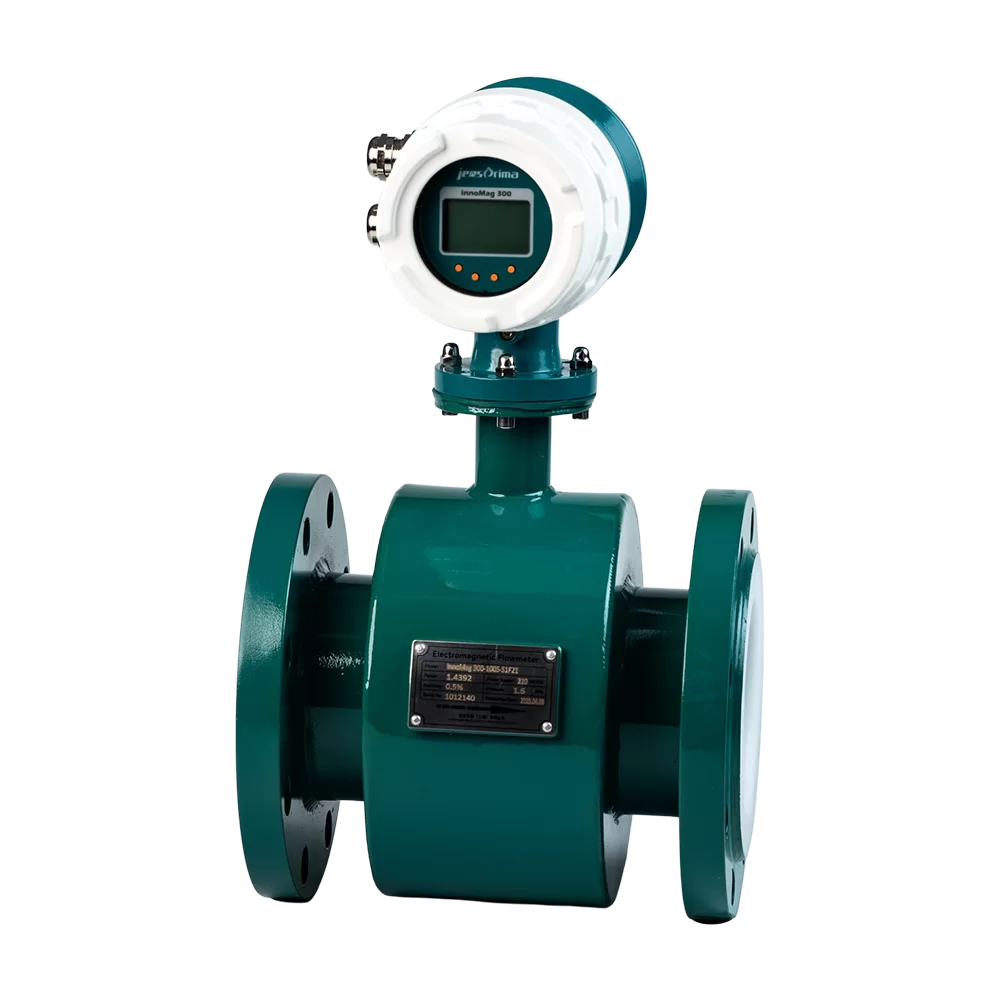
Since 2021, the market has entered the era of fully automated online instrumentation. The integration of a high-precision electromagnetic flowmeter alongside analytical sensors has allowed plants to calculate total pollutant loads in real-time, aligning with international ISO standards.

Future Development Trends

IoT-Driven Remote Surveillance

The next 3 years will see a surge in cloud-integrated sensors allowing Cameroonian regulators to monitor multiple water sites from a central dashboard in Yaoundé via GSM/4G networks.

Self-Cleaning Sensor Technology

To combat the high organic load in tropical waters, there is a growing trend toward automated ultrasound cleaning modules integrated into water quality probes to reduce manual maintenance.

AI-Powered Predictive Maintenance

Search trends indicate an increasing interest in "predictive analytics," where AI algorithms will predict sensor drift and reagent depletion, optimizing the uptime of critical water controllers.

Industry Trends and Future Outlook

Strategic directions for the online water analysis sector in the African market.

Digital Transformation
Transitioning from analog signals to Modbus/TCP protocols for seamless SCADA integration in Cameroon's factories.
Energy Efficiency
Developing low-power consumption analyzers that can operate on solar-backup systems in remote rural regions.
Reagent Reduction
Innovating micro-fluidic systems to reduce the consumption of chemical reagents in online alkalinity analysis.
Regulatory Alignment
Strict adherence to the evolving environmental standards set by the Cameroonian Ministry of Environment.

Industry Outlook

The outlook for water instrumentation in Cameroon is overwhelmingly positive, driven by a dual focus on industrialization and public health. As the government invests in the "Vision 2035" strategy, the modernization of water treatment plants will trigger a wave of upgrades to online sensing technology.

We expect a transition toward "Integrated Water Management" where the data from an electromagnetic flowmeter and chemical analyzers are combined to provide a real-time carbon and pollution footprint for every cubic meter of water used in industrial processes.

Localized Application Scenarios in Cameroon

Real-world deployments of water quality instrumentation across diverse sectors.

01. Douala Industrial Effluent Monitoring

Deploying a multi parameter water quality analyzer at the discharge points of manufacturing plants in Douala to ensure pH, conductivity, and dissolved oxygen levels meet national safety standards before entering the lagoon.

02. Yaoundé Municipal Water Treatment

Integrating a residual chlorine controller into the city's primary water distribution network to automate the dosing of chlorine, ensuring safe drinking water while preventing over-chlorination.

03. Beverage Production in Bafoussam

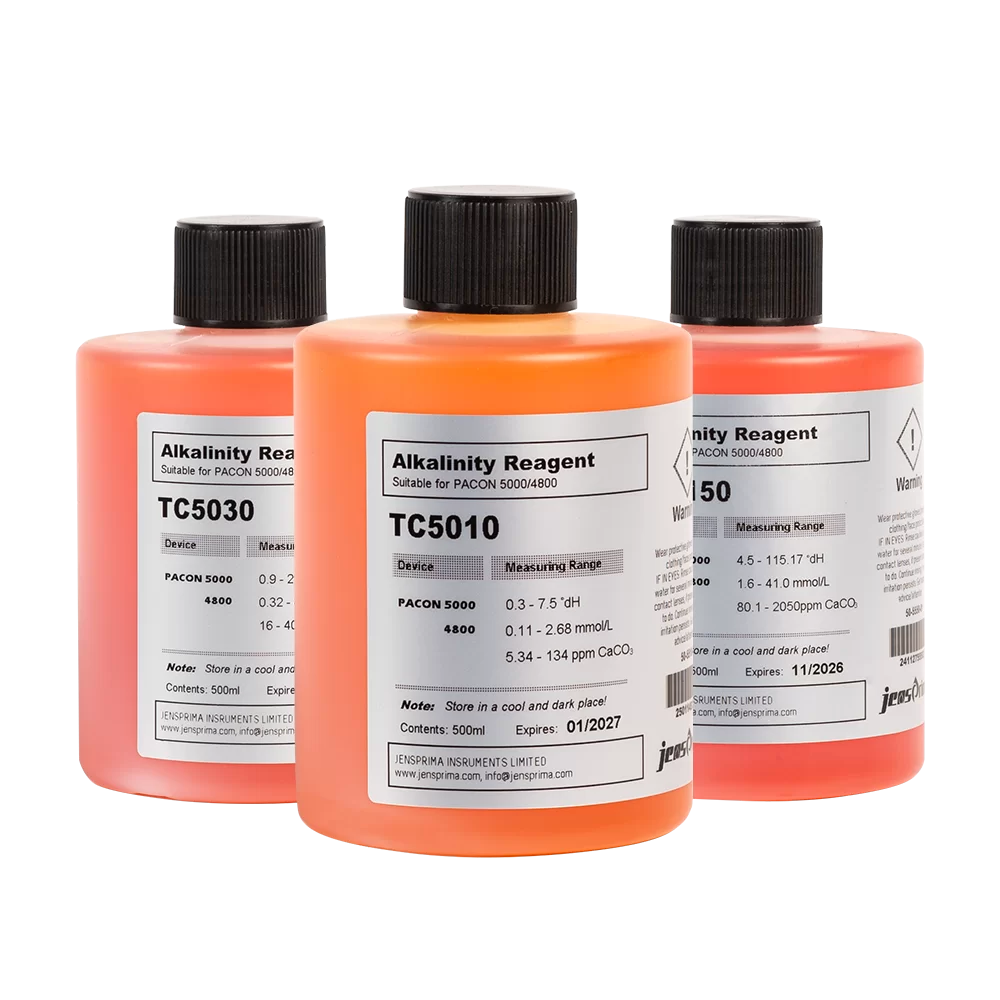
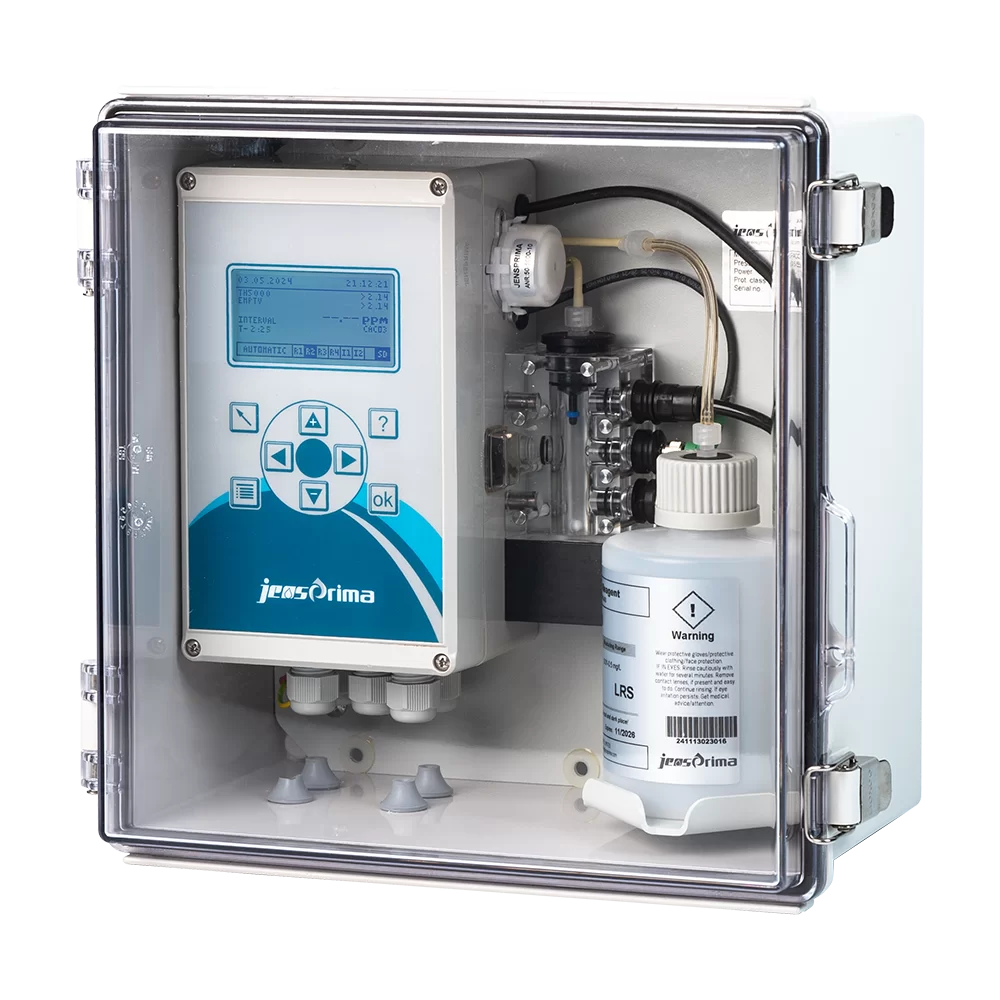
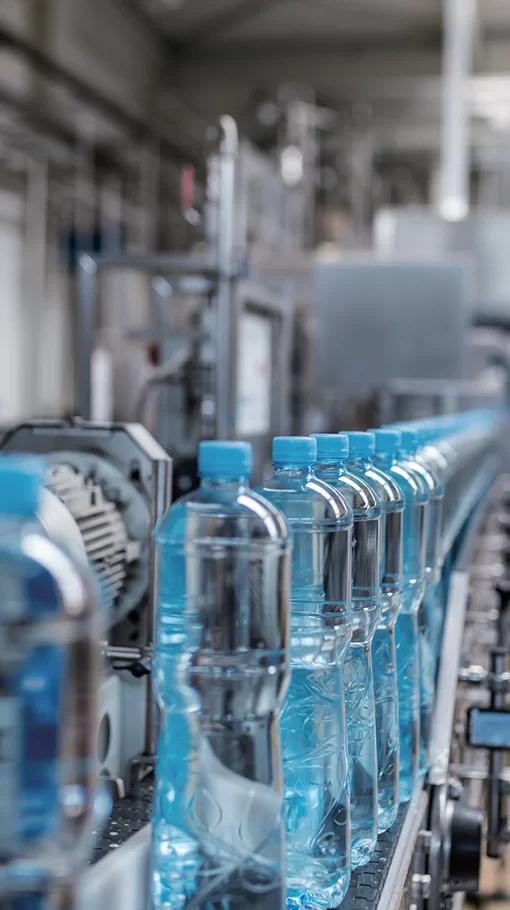
Using an alkalinity analyzer in the pretreatment stage of beverage bottling plants to stabilize water chemistry, ensuring consistent product taste and protecting equipment from corrosion.

04. Mining Water Management in East Region

Installing a total hardness analyzer to monitor process water in mining operations, preventing scale buildup in heavy-duty piping and maximizing pump lifespan.

05. Agricultural Irrigation Control in West Region

Implementing an electromagnetic flowmeter to precisely measure water usage and nutrient distribution in large-scale plantations, optimizing water resource efficiency.

Brand Story

Global Development History of Jensprima (Shanghai) Co., Ltd.

Foundation and Precision Focus

Founded with a commitment to analytical excellence, Jensprima began by solving the most basic pain points in water measurement: sensor drift and calibration complexity.

Technological Breakthroughs

We developed proprietary membrane technologies and signal processing algorithms that allowed our analyzers to function in extreme environments, from freezing peaks to tropical jungles.

Global Expansion Strategy

Expanding beyond Asia, we established a strong footprint in Africa, tailoring our instrumentation to handle the specific water chemistry and power challenges of the region.

Commitment to Sustainability

Our mission evolved to focus on "Zero Pollution," creating tools that help industries reduce their environmental footprint through precise, real-time control.

Industry Leadership Today

Today, Jensprima is recognized as a leading provider of online water quality solutions, bridging the gap between complex laboratory data and actionable industrial control.

Complete Product Portfolio for Cameroon's Water Industry

A synergized range of instruments designed for reliability, accuracy, and ease of maintenance in tropical climates.

Common Questions for Water Analysis in Cameroon

Expert answers to the most frequent technical inquiries from our local partners.

How to prevent biofouling in a multi parameter water quality analyzer in tropical areas?

We recommend using sensors with automatic air-blast or mechanical wiper systems and implementing a weekly calibration schedule to compensate for the rapid organic growth typical of Cameroon's climate.

What is the maintenance interval for a total hardness analyzer in industrial boilers?

Depending on water turbidity, reagent replenishment is usually required every 30-60 days, while electrode cleaning should be performed monthly to ensure measurement stability.

Can an alkalinity analyzer handle high-salinity water in coastal Douala?

Yes, our analyzers are equipped with salt-tolerant electrodes and specialized buffering agents that maintain accuracy even in brackish water environments.

How does a residual chlorine controller optimize chemical costs?

By using a PID control loop, the system adjusts dosing in real-time based on actual demand, eliminating the waste associated with manual constant-rate dosing.

Is the electromagnetic flowmeter suitable for wastewater with suspended solids?

Absolutely. Electromagnetic flowmeters are ideal for wastewater because they have no moving parts and a clear bore, preventing clogs from solids or debris.

Which communication protocol is best for remote monitoring in rural Cameroon?

We recommend Modbus RTU over RS485 combined with a 4G gateway, as it provides the best balance between distance, reliability, and ease of integration with local networks.

Ready to Upgrade Your Water Monitoring?

Contact our engineering team for a customized technical audit and solution design specifically for your facility in Cameroon.

Contact Us Now
Service Repair Form
Tell us what issue you encountered, including any steps or symptoms.
  • Name
  • Email
  • Phone
  • Fault Description

If you are interested in our products, you can choose to leave your information here, and we will be in touch with you shortly.