
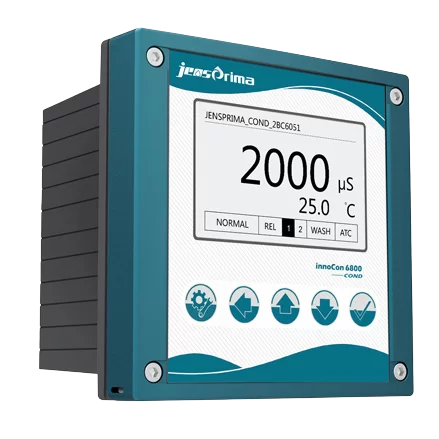
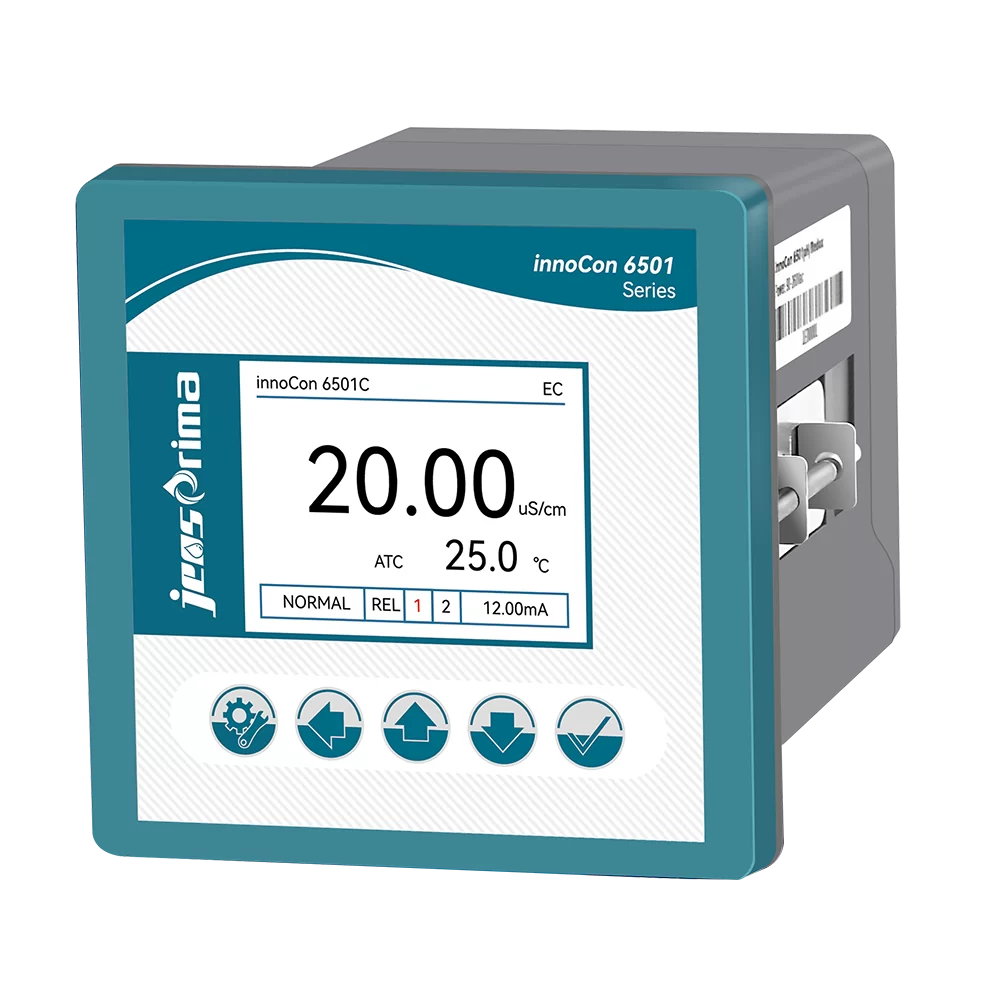
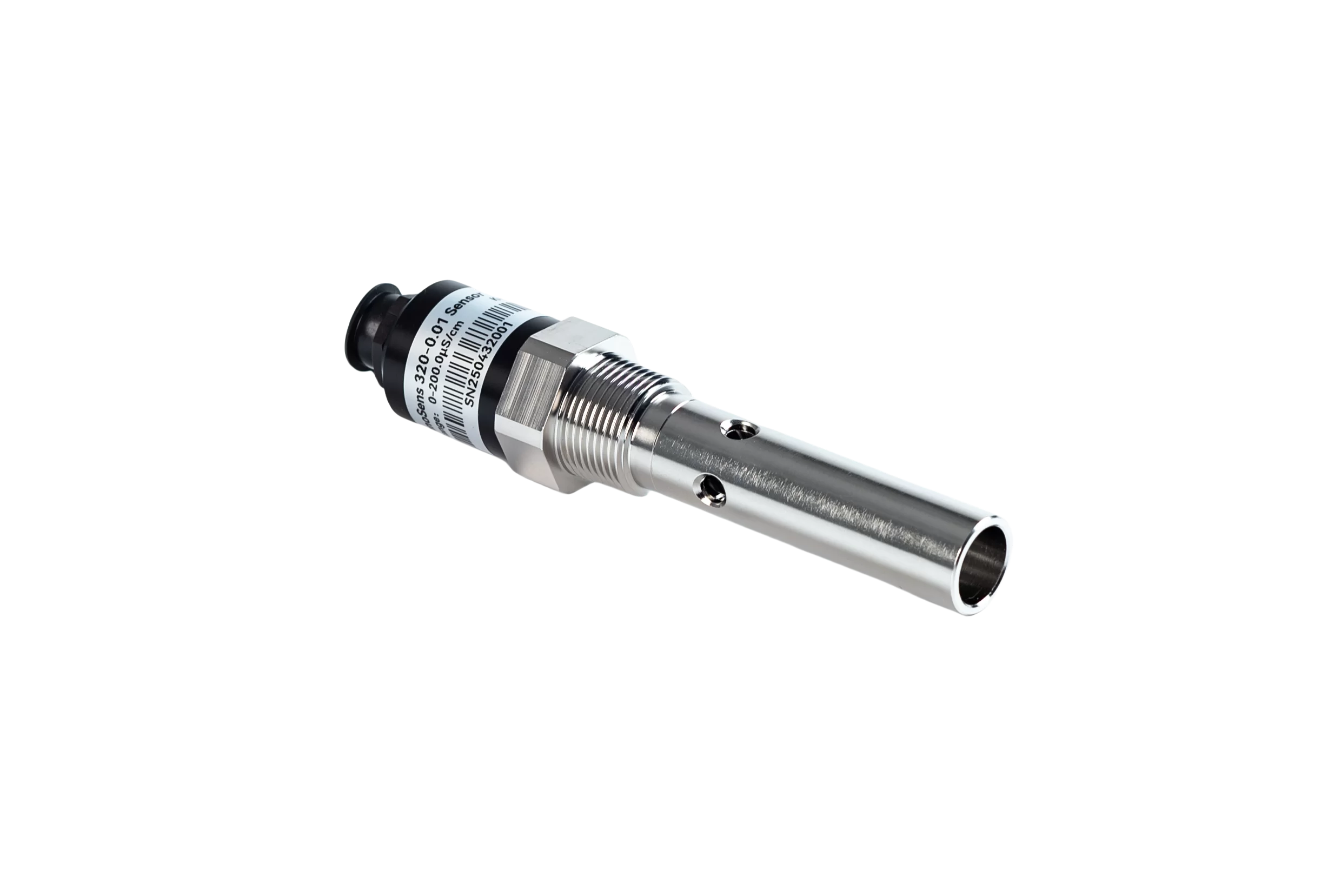
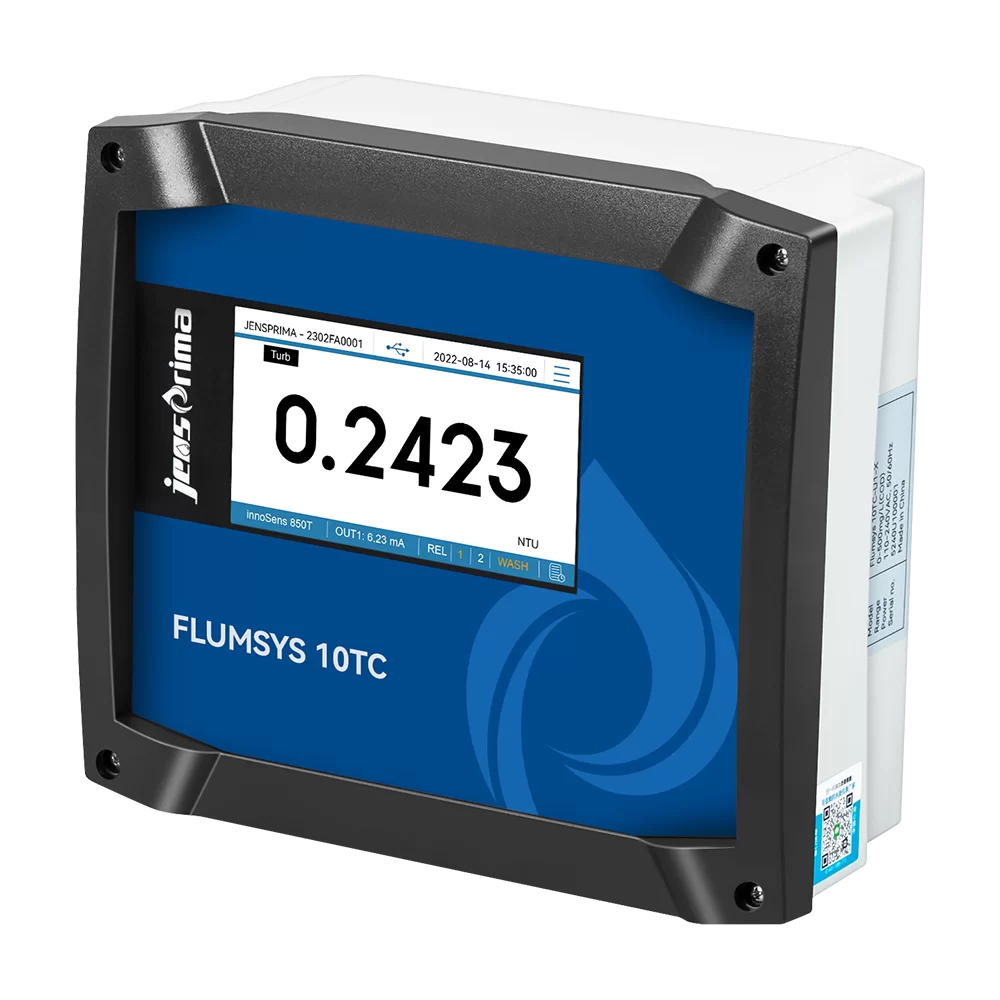
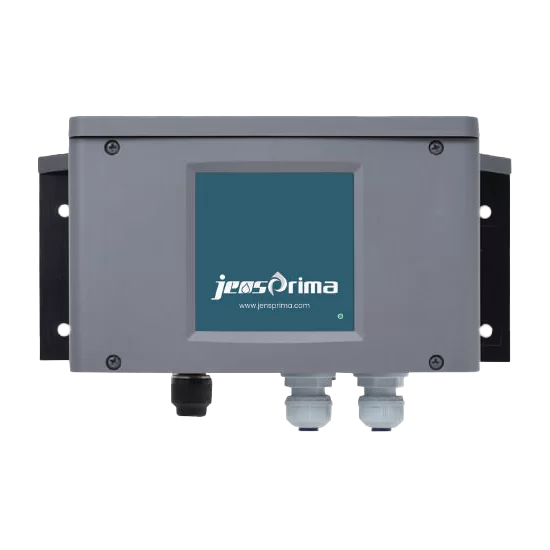
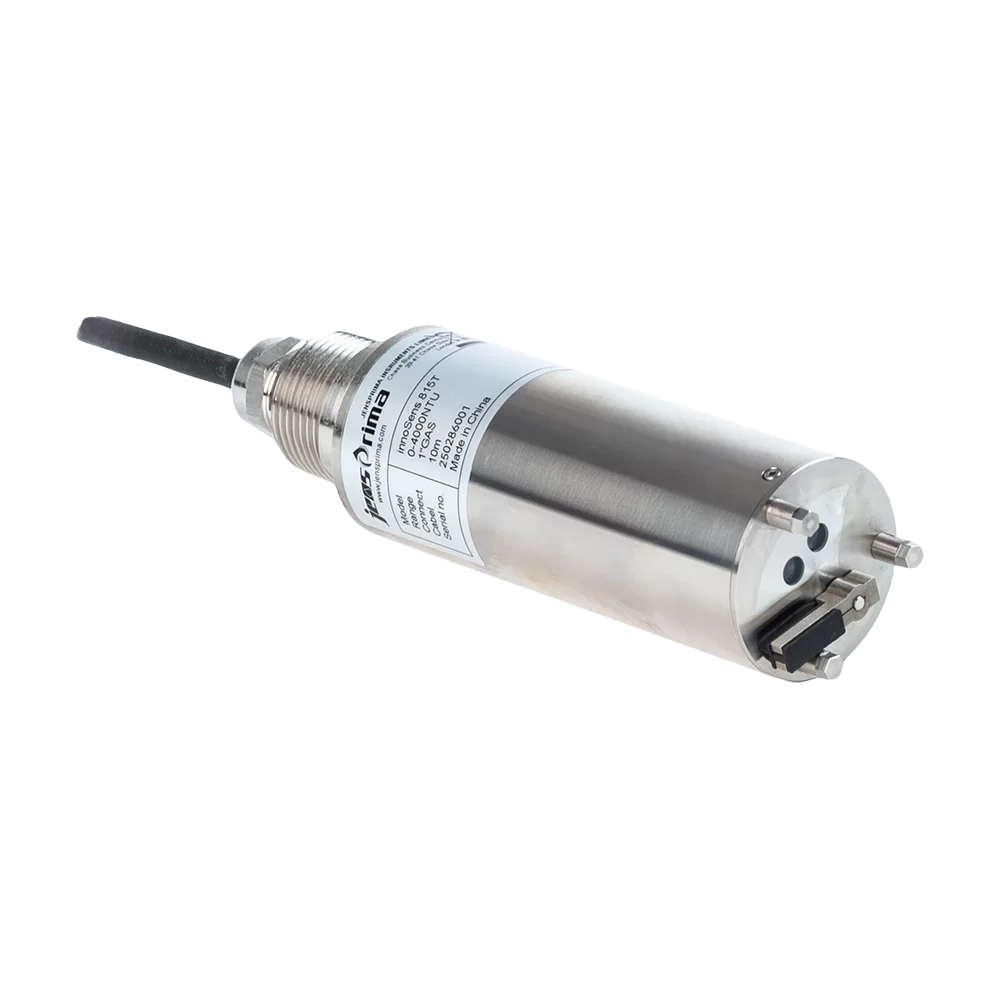
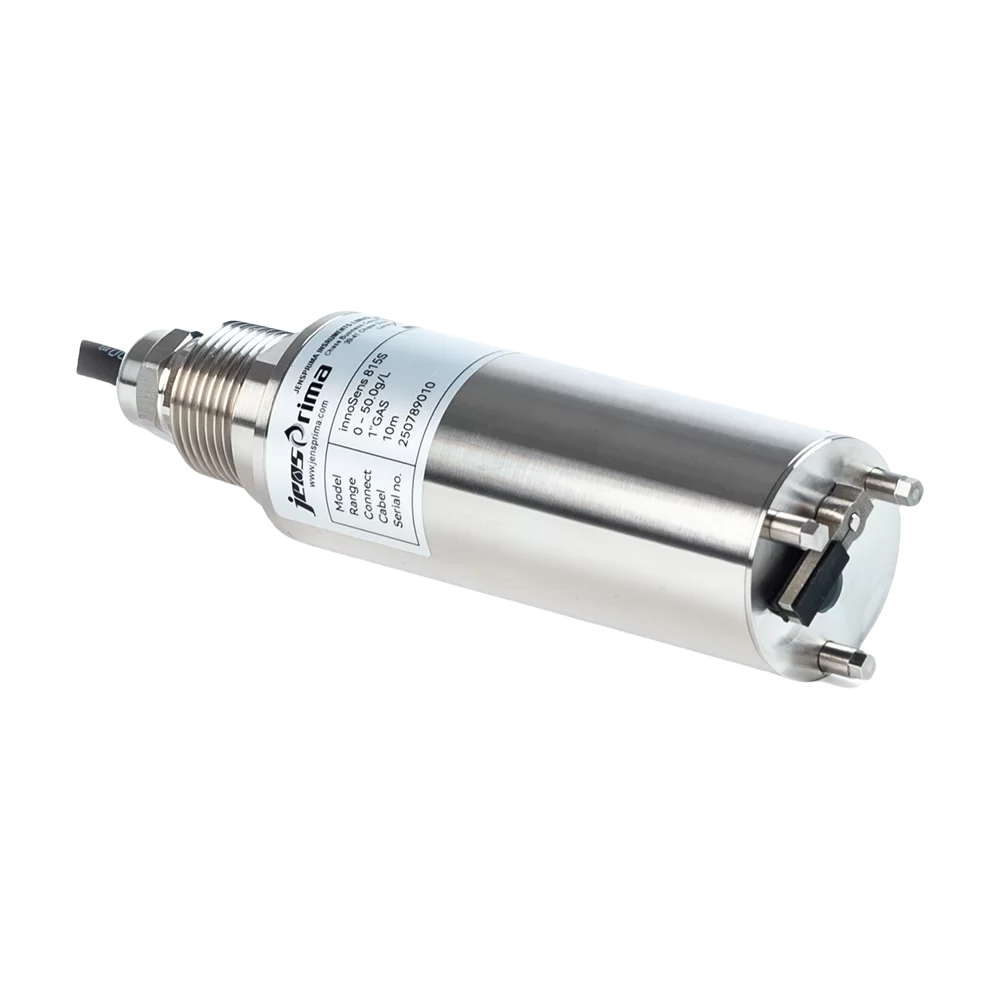
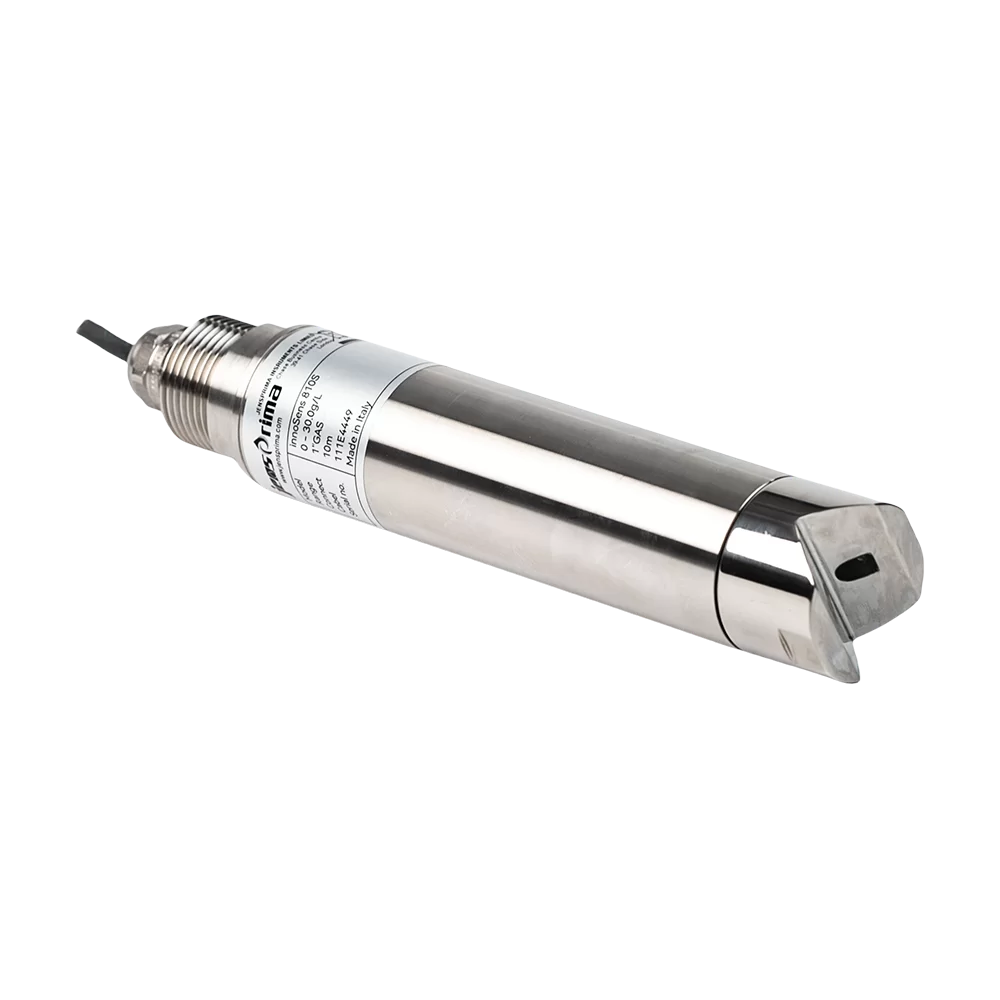
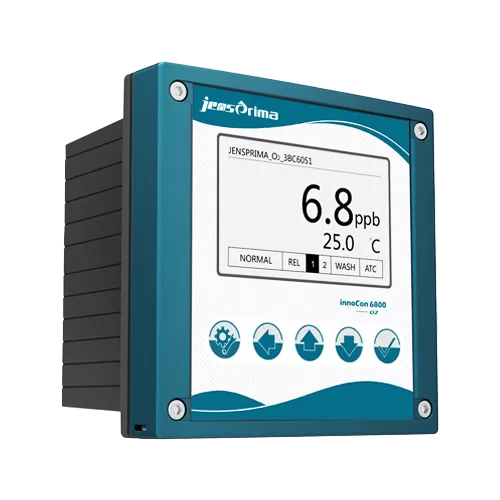
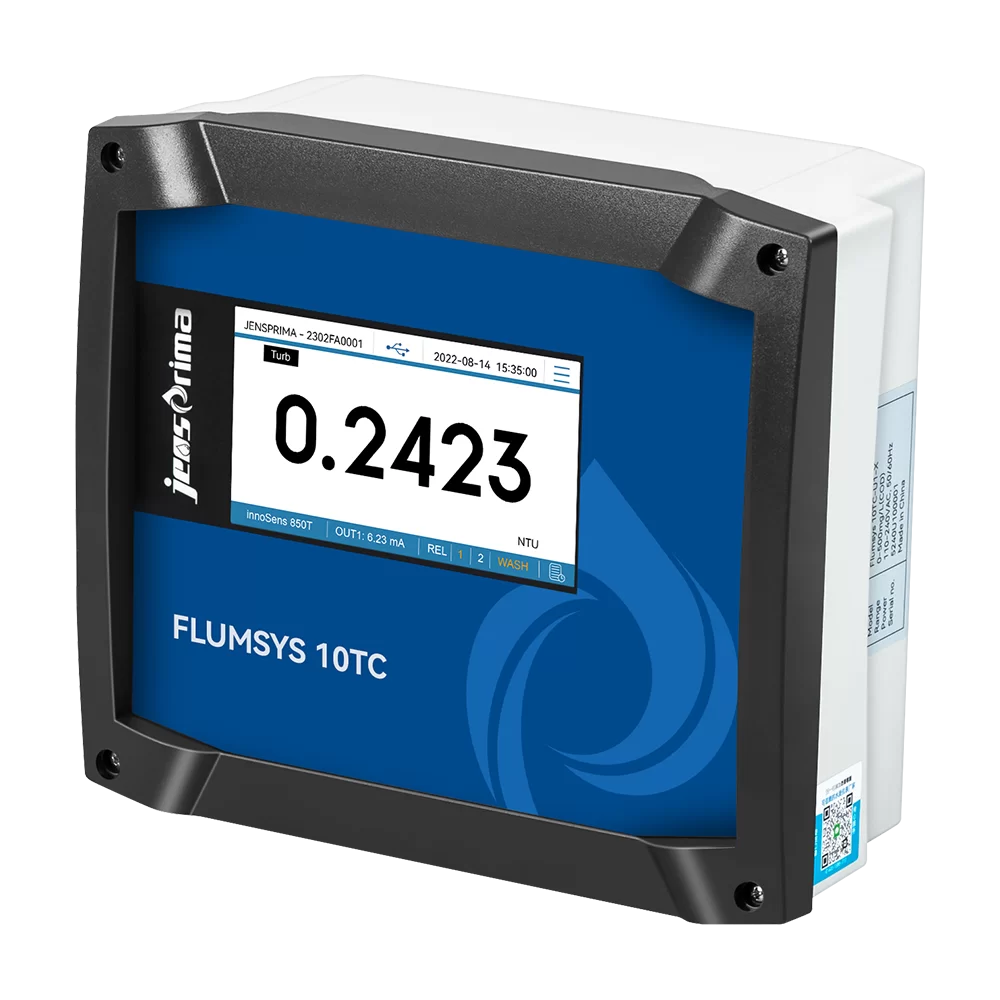
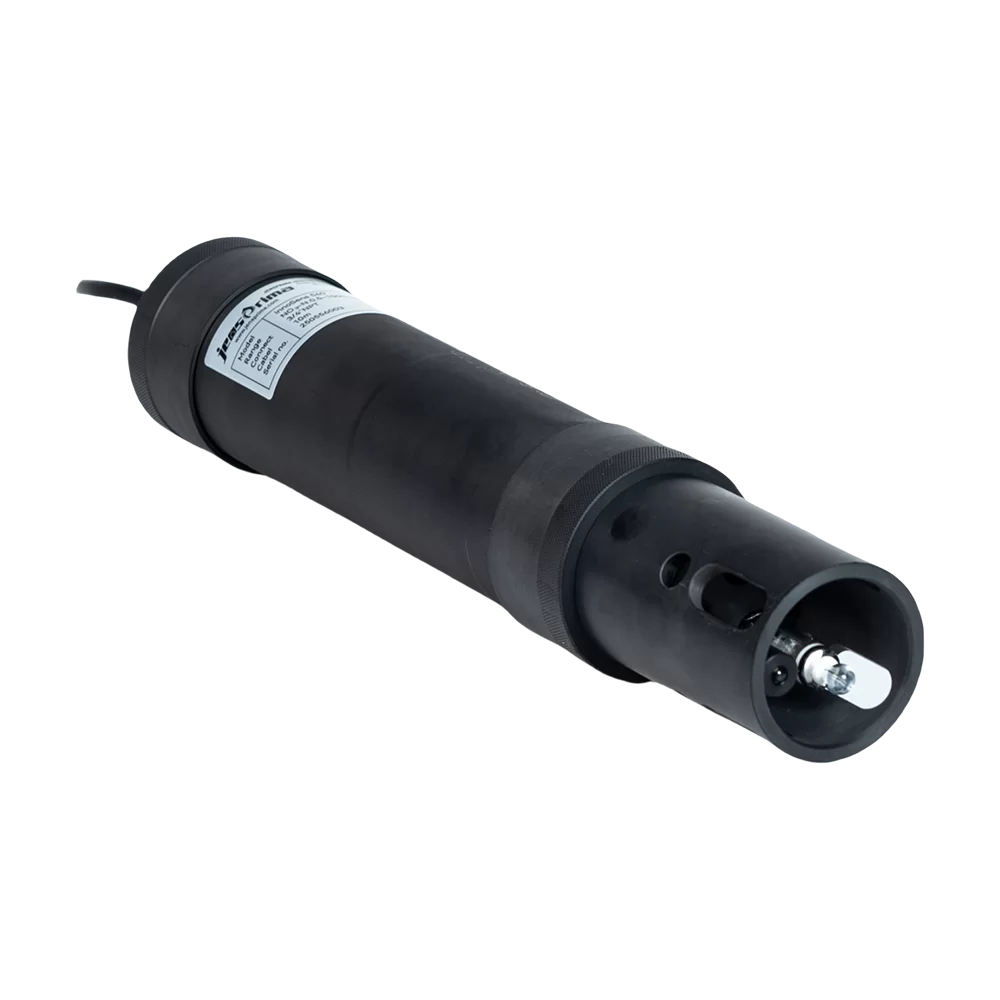
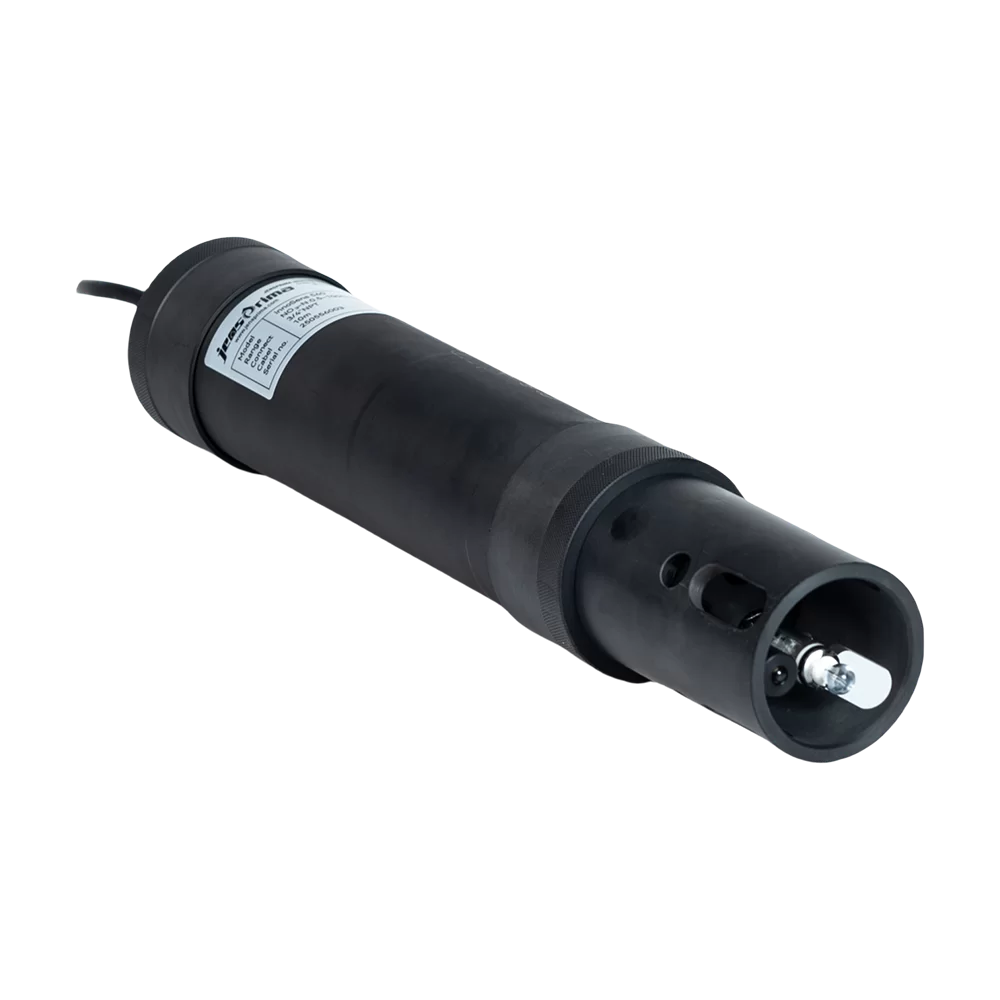
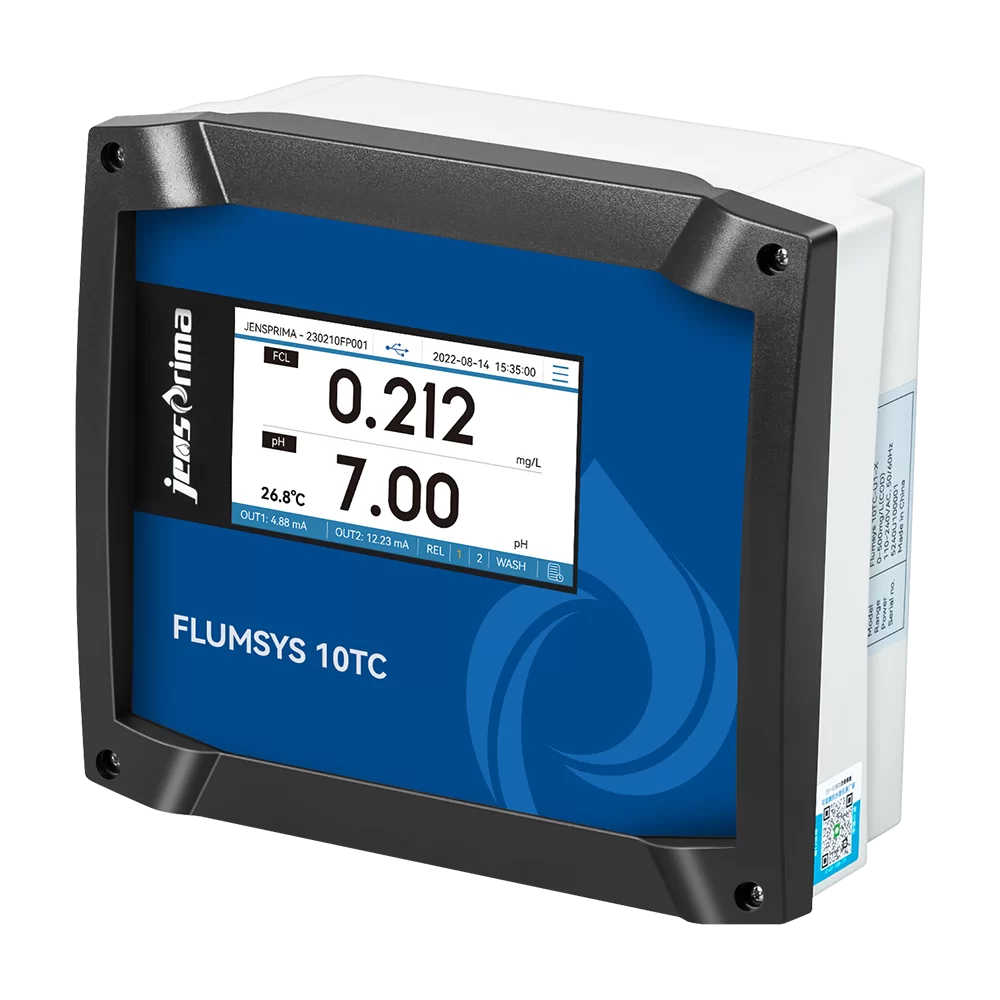
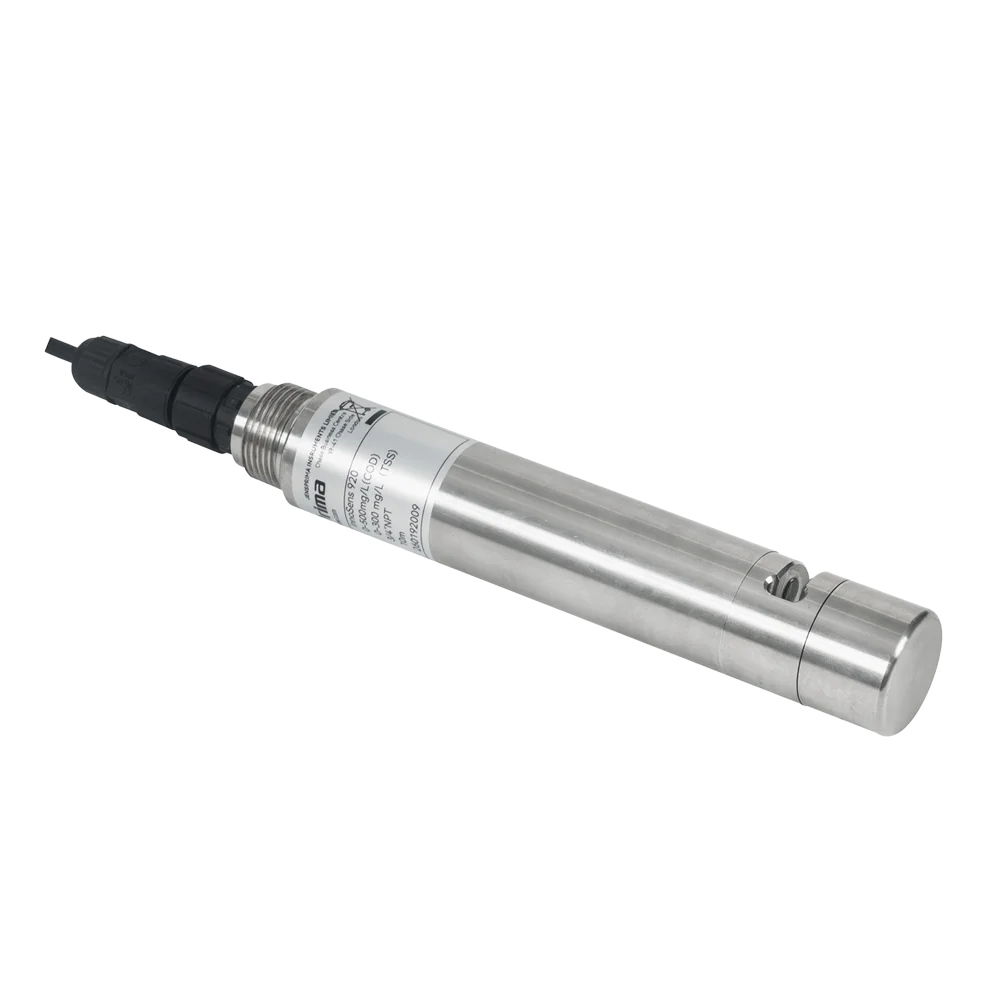



multi parameter analyzer

NEWS

UPDATES

Advanced residual chlorine controller Solutions for Ethiopia Water Safety

Ensuring high-precision water monitoring and chemical dosing stability across Ethiopia's industrial and municipal water networks.

Advanced residual chlorine controller Solutions for Ethiopia Water Safety

Our integrated water analysis systems provide Ethiopian enterprises with the precision required to maintain regulatory compliance and operational efficiency in challenging environmental conditions.

The State of Water Quality Monitoring in Ethiopia

Analyzing the intersection of industrial growth and water resource management in the Horn of Africa.

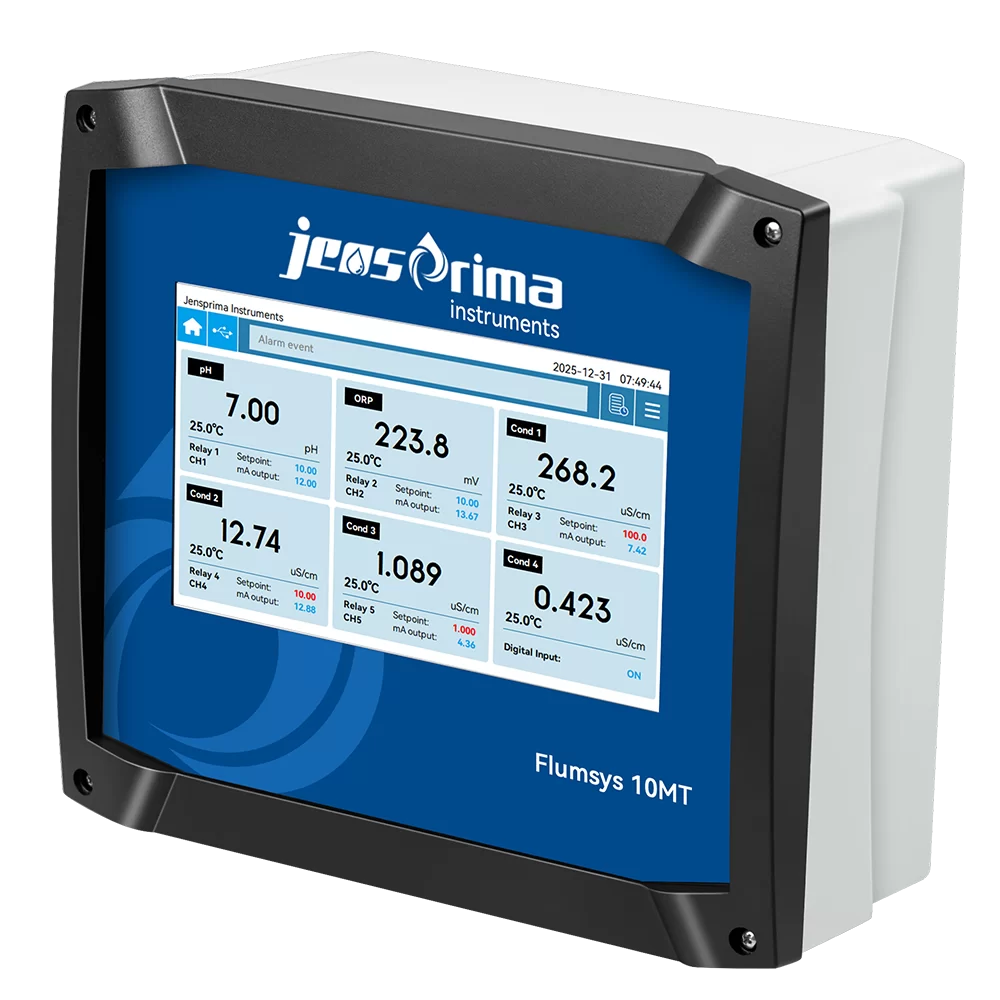
Ethiopia's rapidly expanding industrial sector, particularly in textile and leather manufacturing, faces significant challenges in wastewater management. The reliance on traditional manual sampling is increasingly insufficient for real-time monitoring, necessitating the adoption of a multi parameter water quality analyzer to handle complex effluent streams.

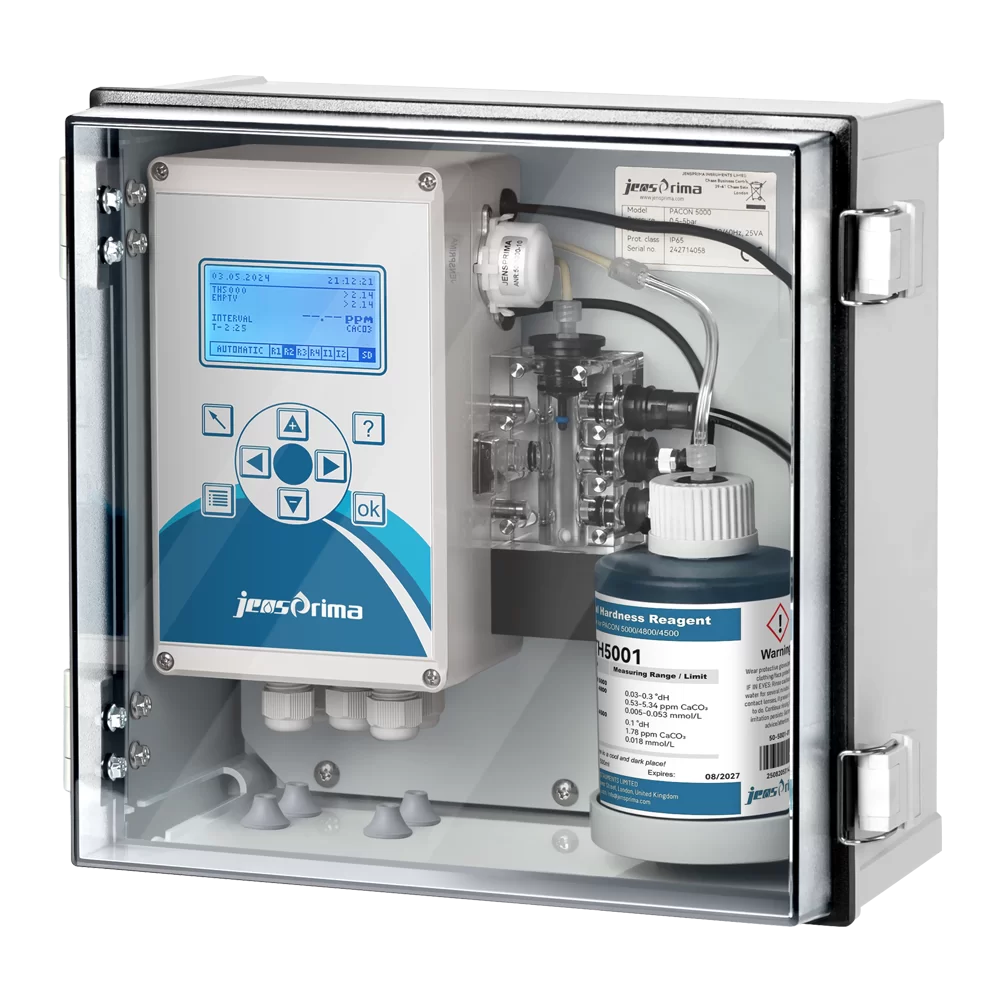
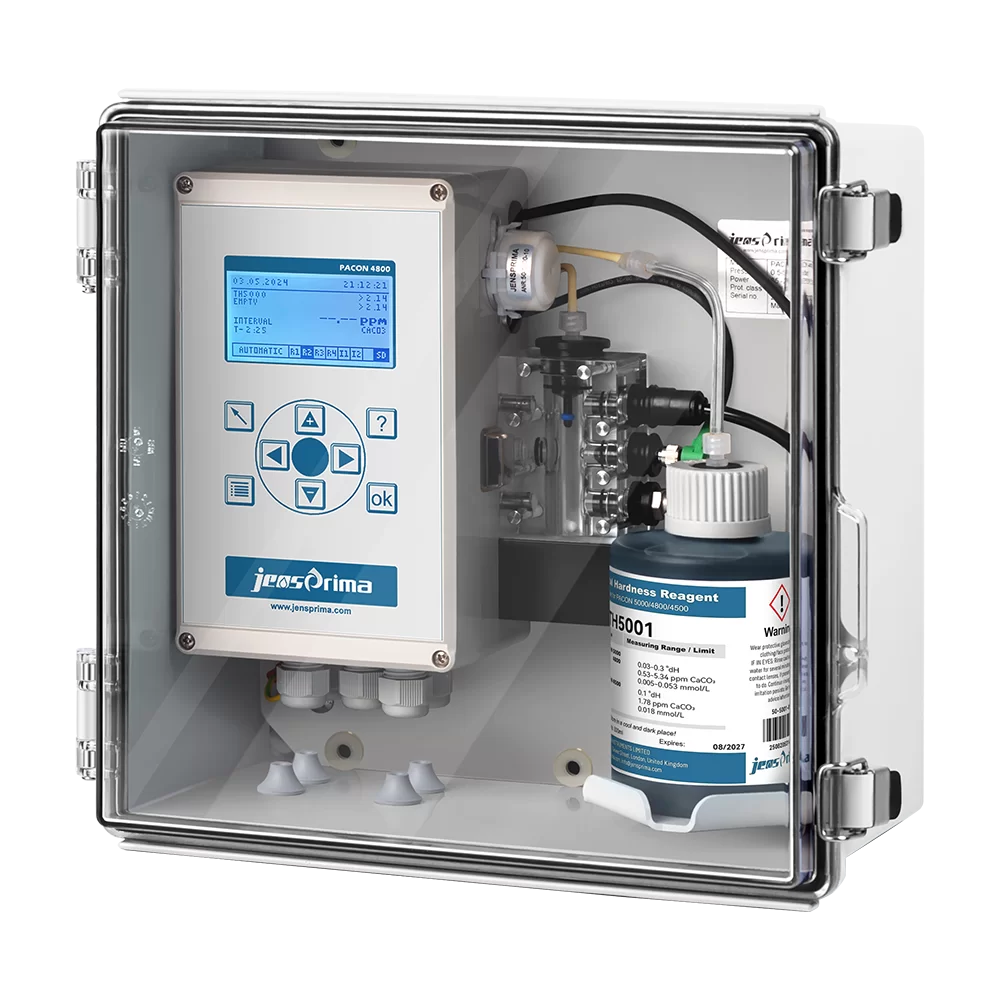
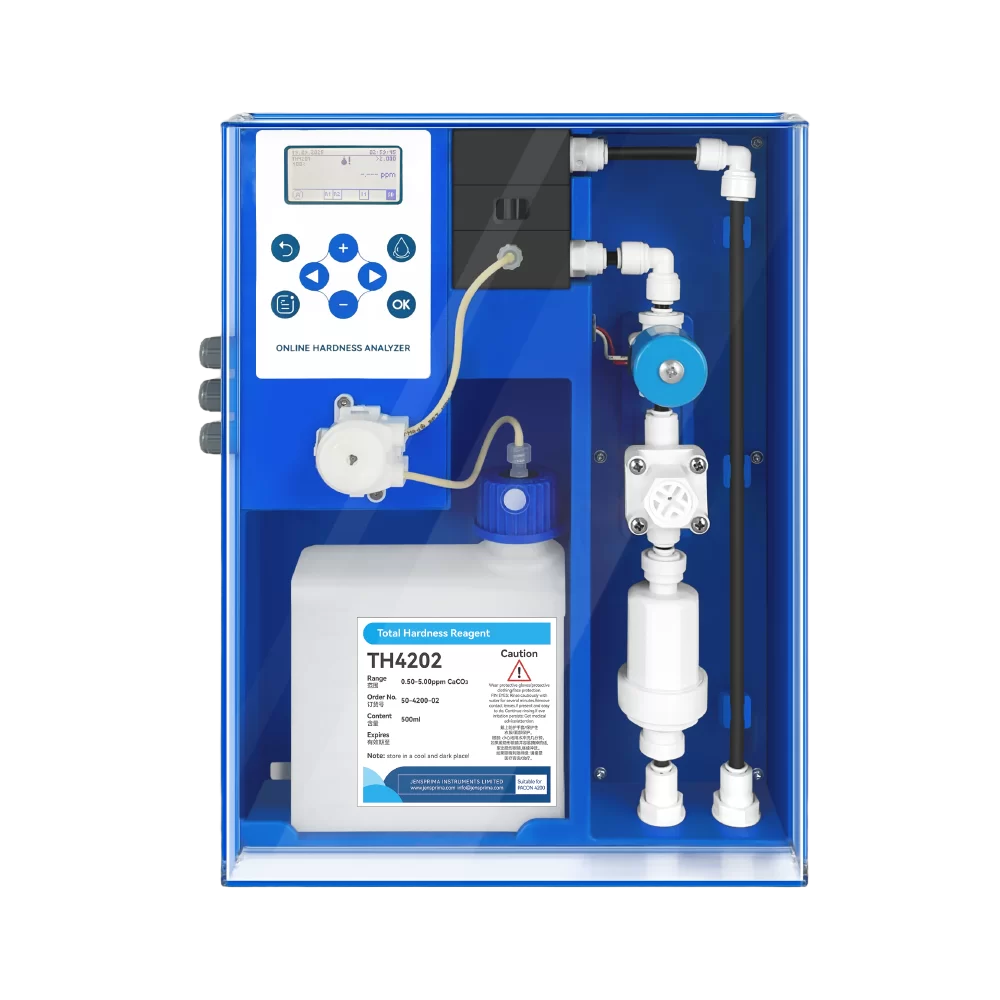
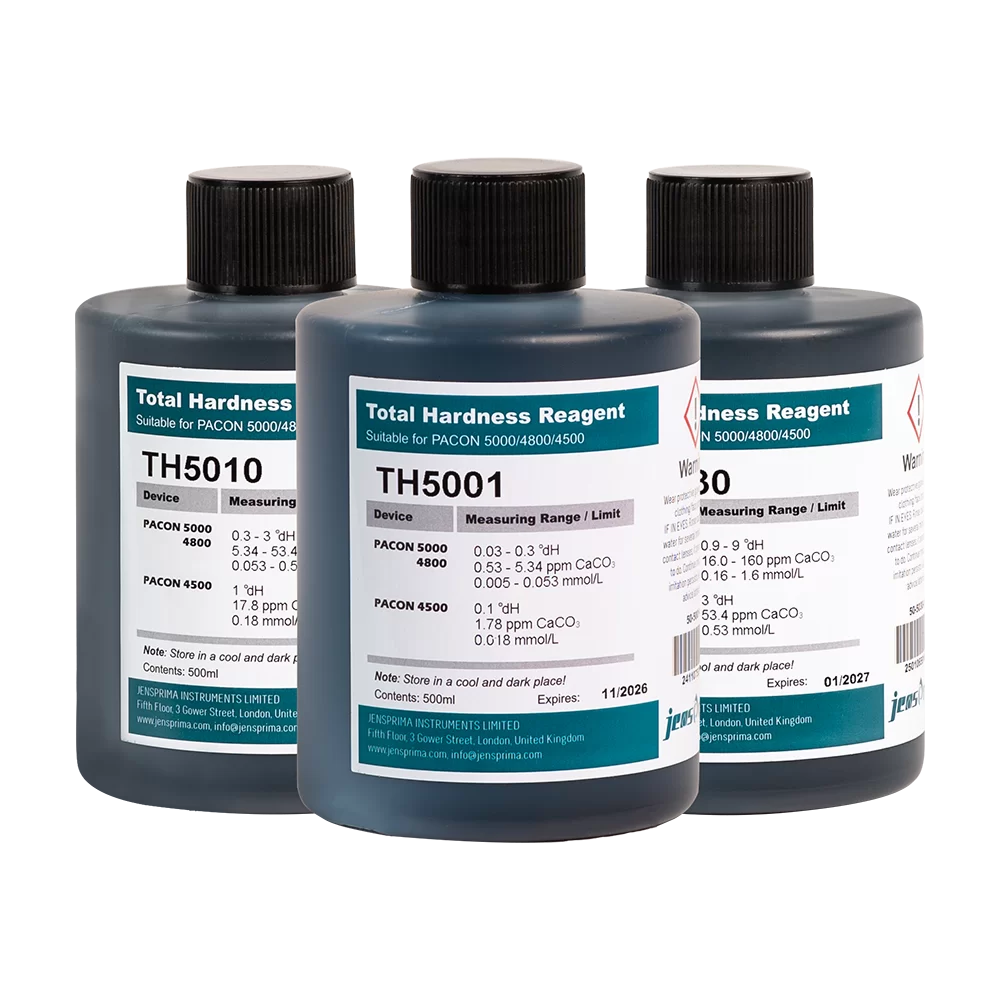
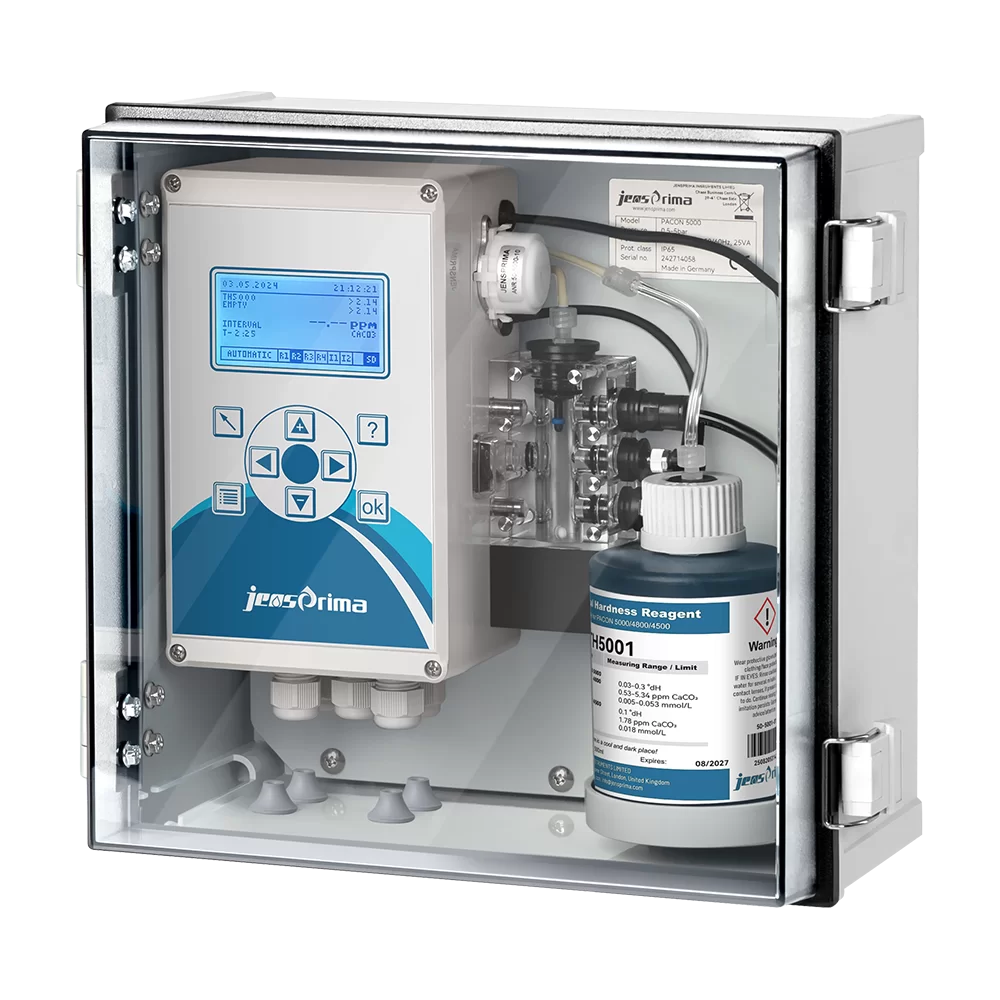
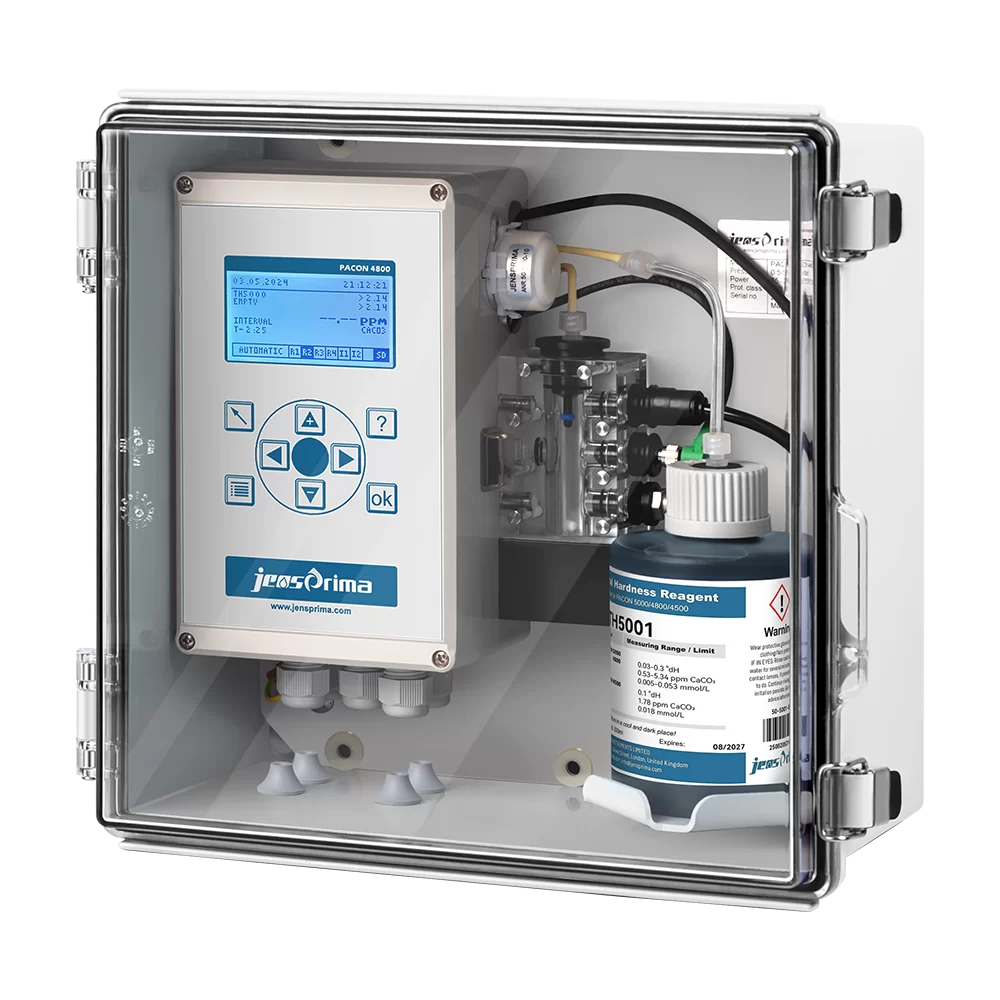
Geographically, the variation in water mineral content across the Ethiopian Highlands leads to frequent scaling and corrosion in piping. This makes the deployment of a dedicated total hardness analyzer critical for protecting boiler systems and ensuring the longevity of industrial infrastructure.

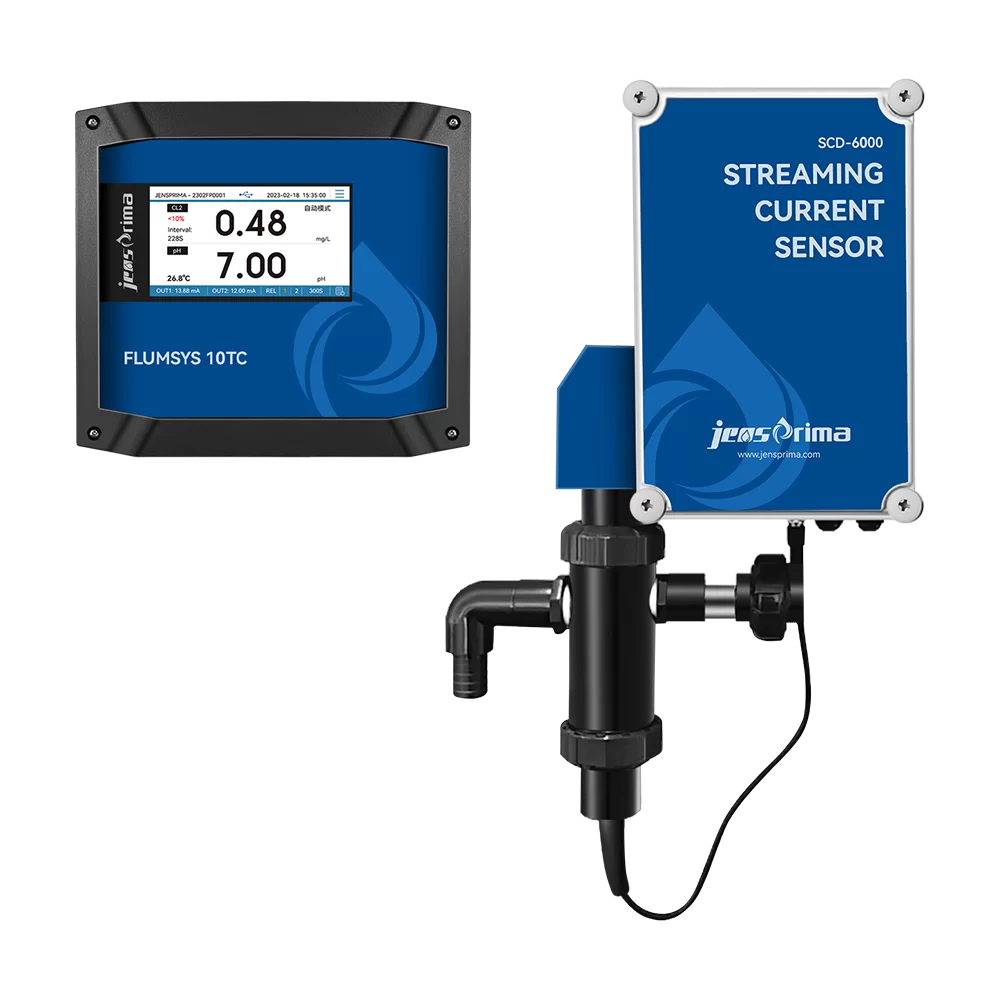
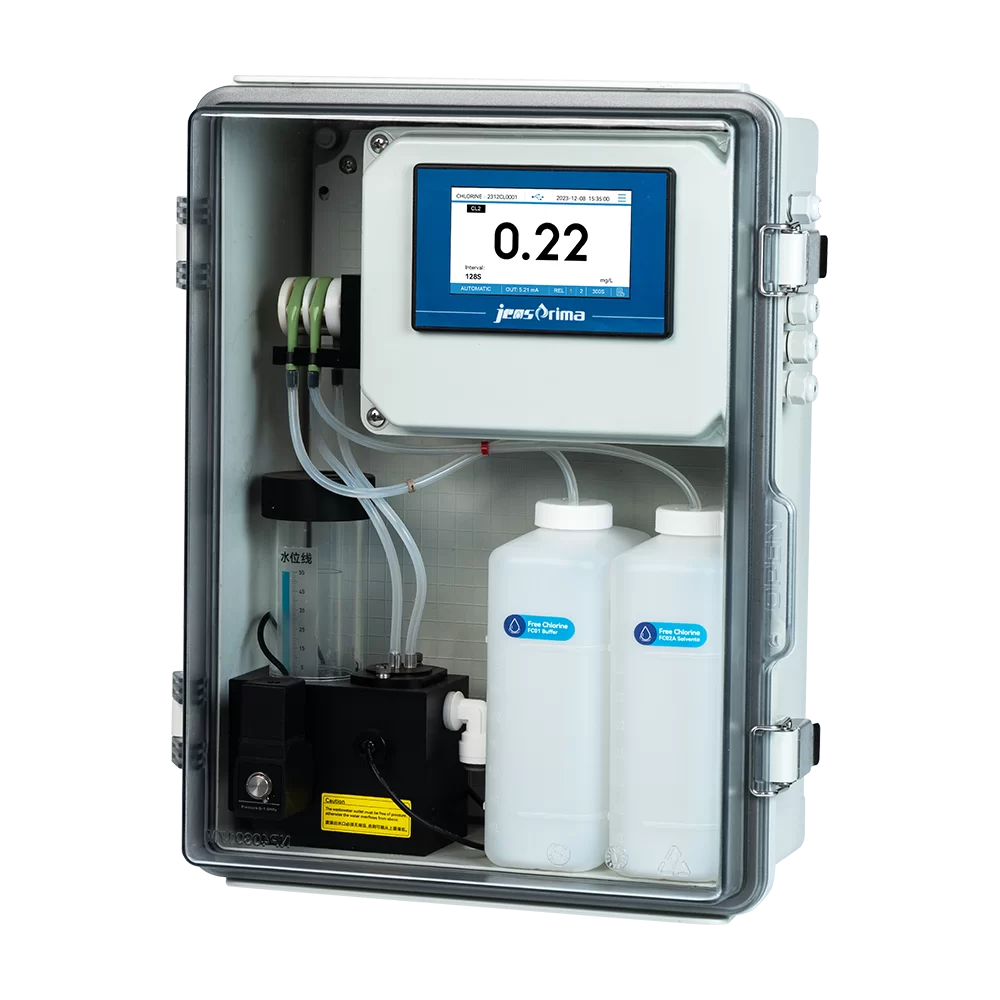
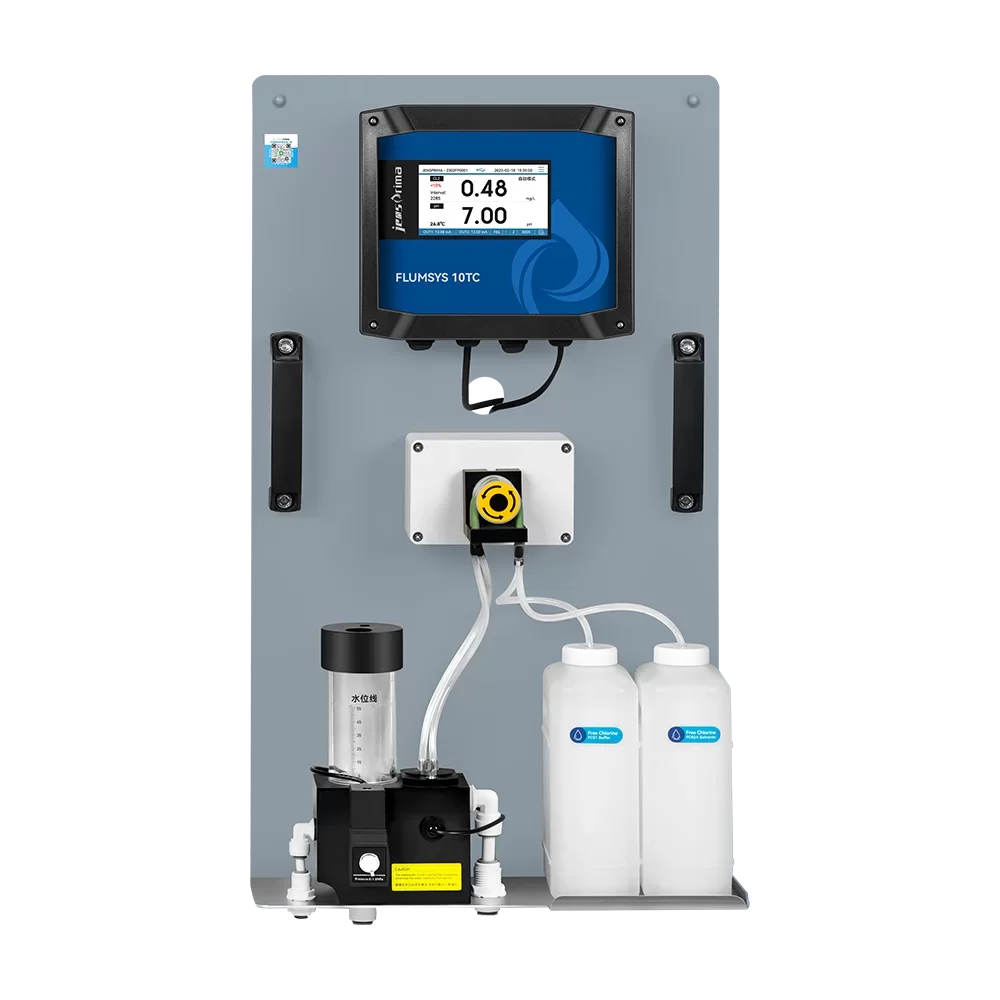
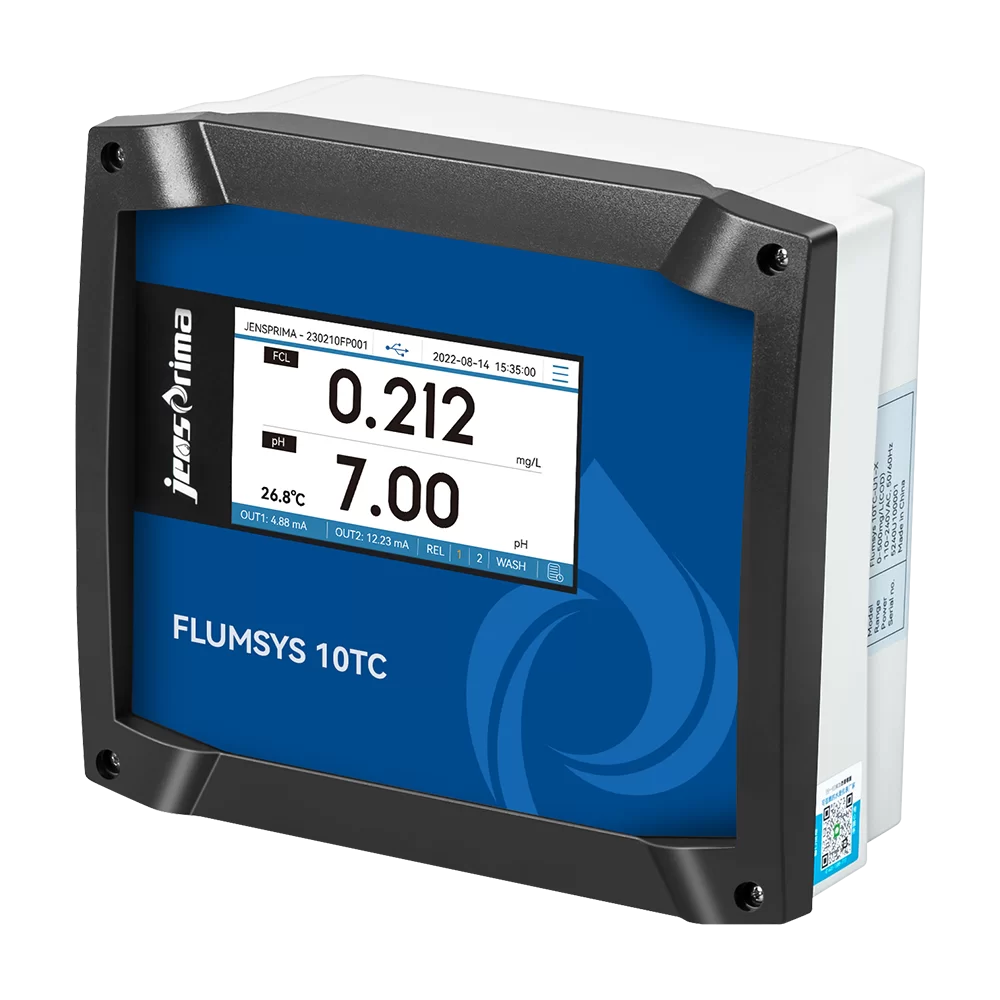
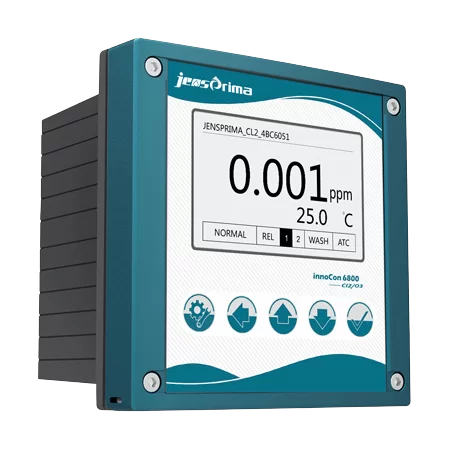
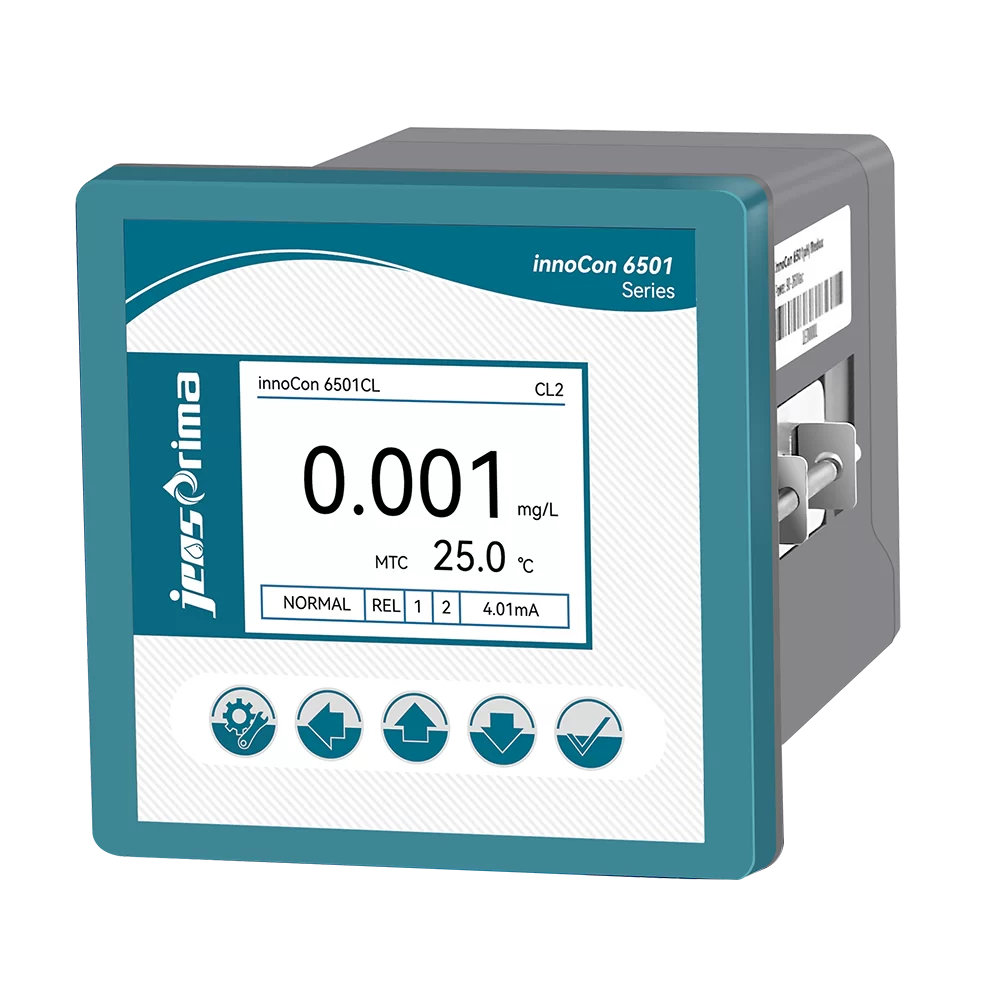
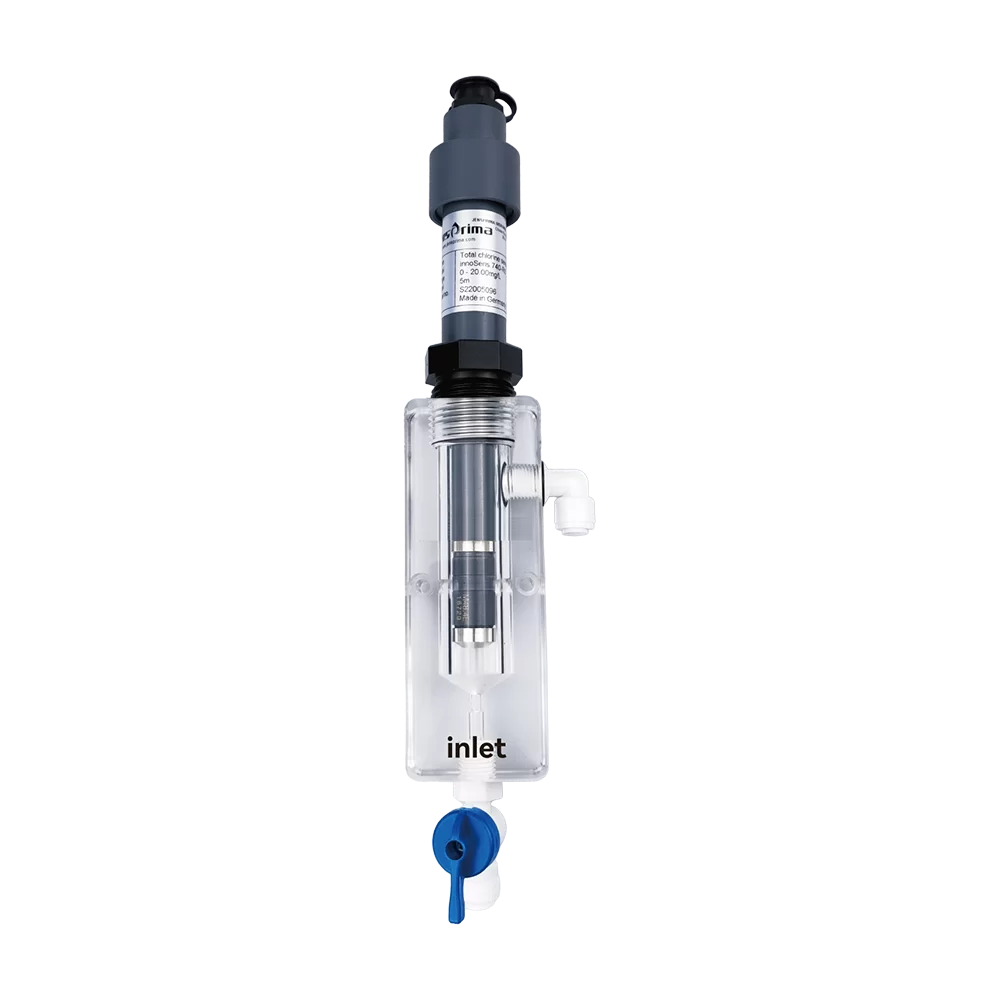
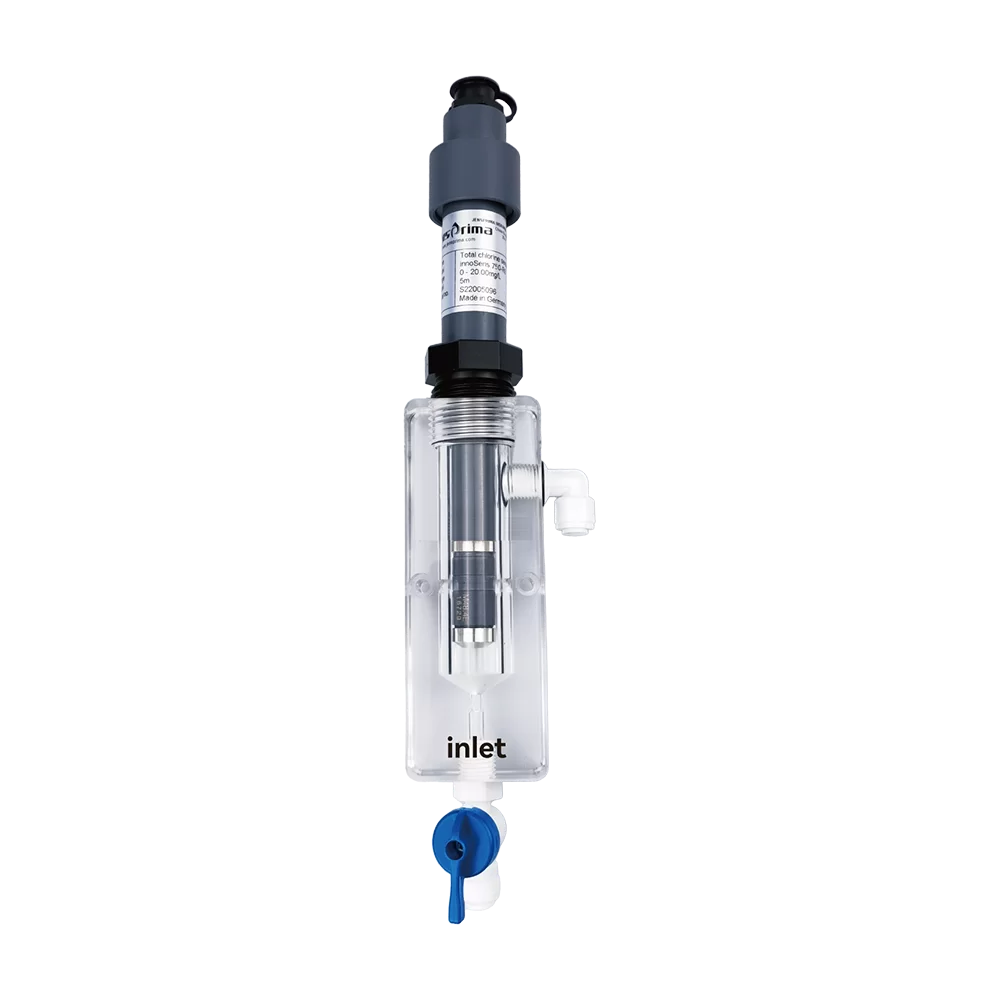
Furthermore, the expansion of urban water grids in Addis Ababa and other regional hubs requires stringent disinfection control. The integration of a high-precision residual chlorine controller is now a priority to prevent waterborne diseases while avoiding chemical over-dosage in the municipal supply.

Evolution of Water Analysis Technology in Ethiopia

From basic titration to intelligent online monitoring systems.

Market Development History

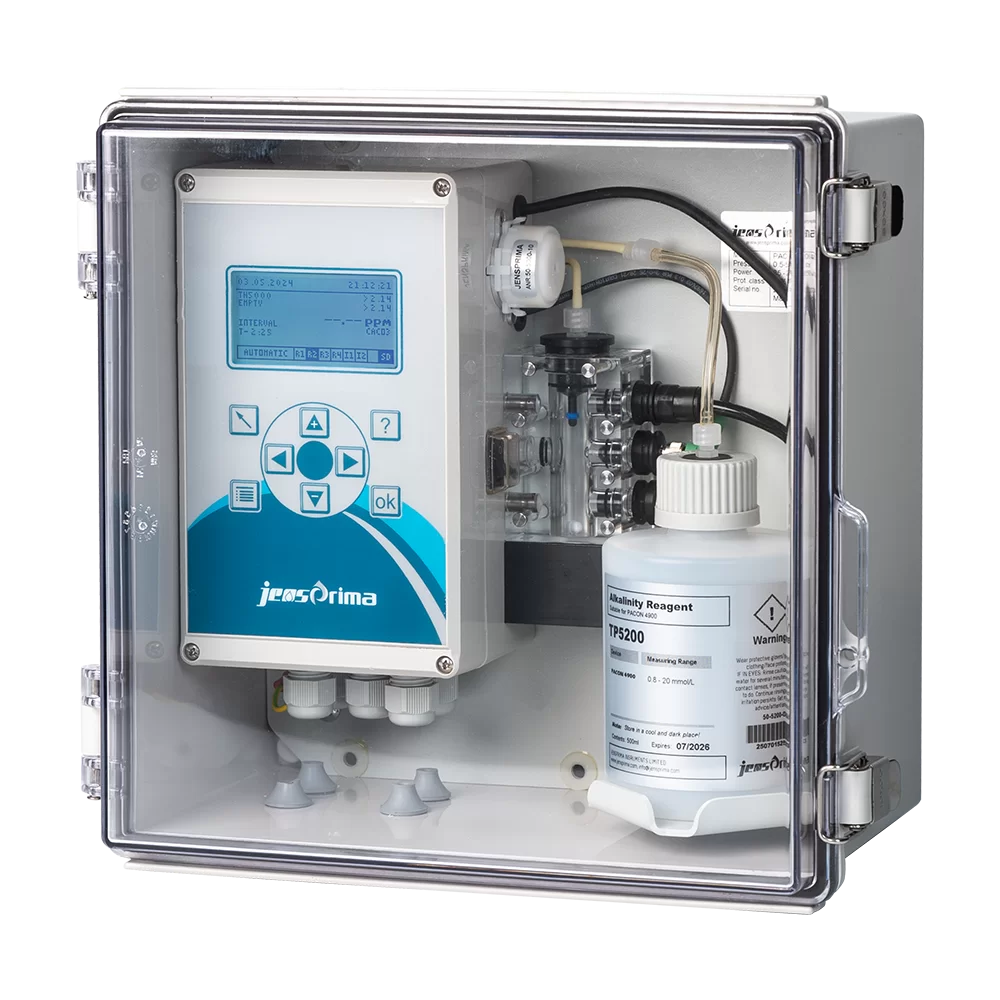
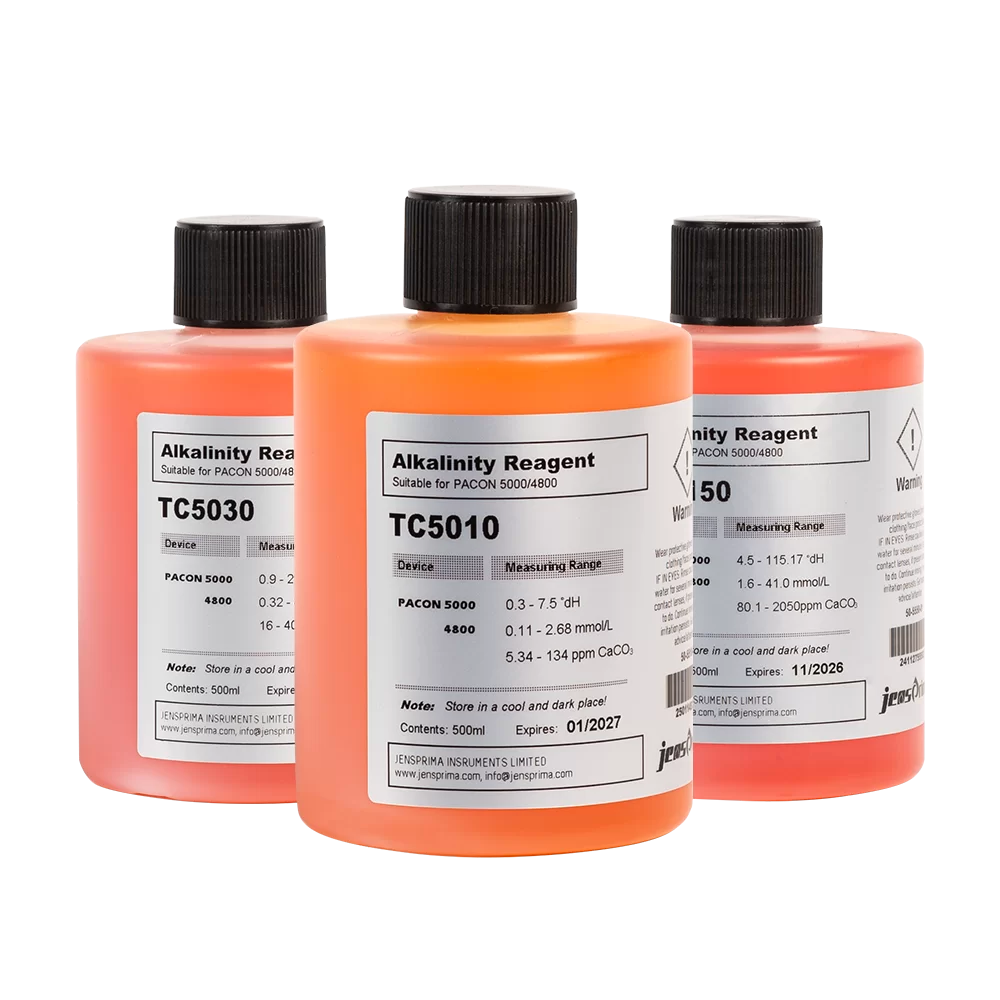
Prior to 2010, water quality assessment in Ethiopia was primarily laboratory-based, relying on slow titration methods to determine alkalinity. The introduction of the first generation of automated alkalinity analyzer units marked the transition toward semi-continuous monitoring in the beverage and brewing industries.

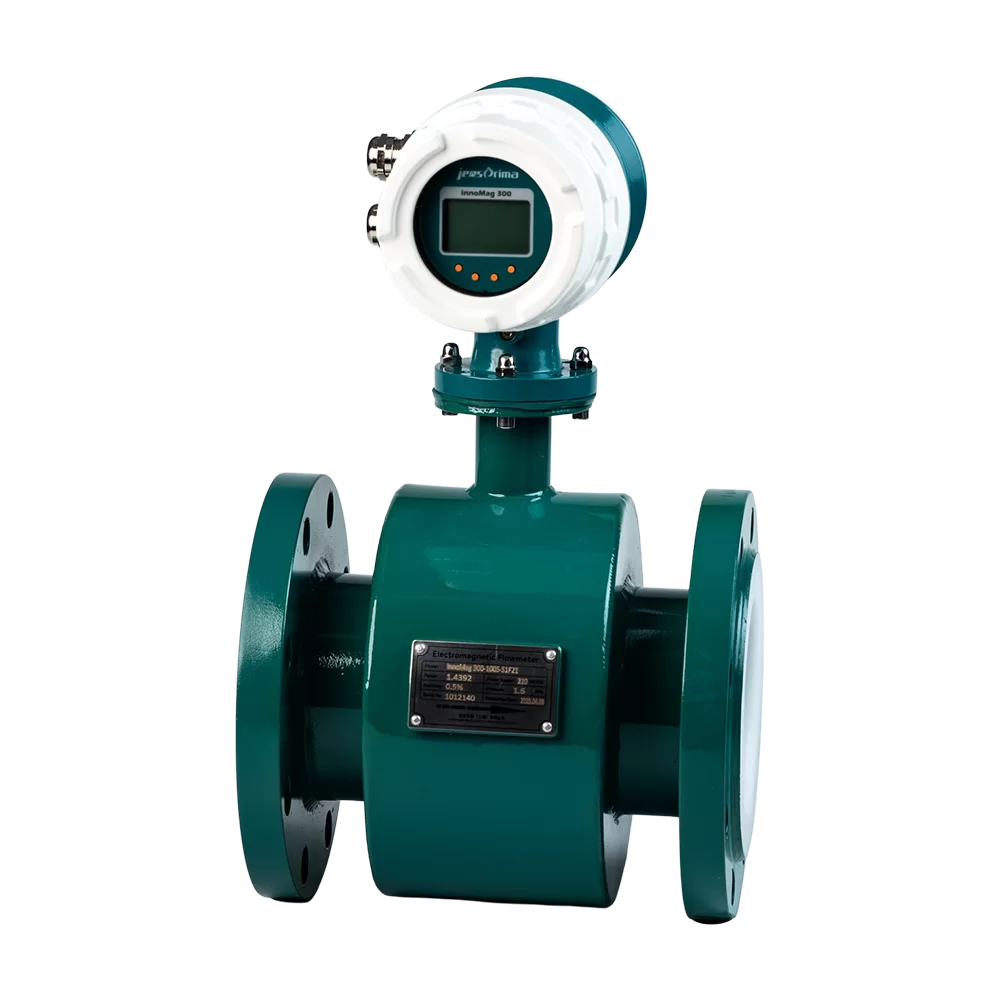
Between 2015 and 2020, the focus shifted toward flow management. The adoption of the electromagnetic flowmeter became widespread in irrigation and industrial water intake, allowing for the first time an accurate quantification of water loss and consumption patterns.

Since 2021, there has been a surge in demand for integrated "Smart Water" hubs. Modern facilities are now replacing standalone sensors with unified platforms that synchronize chemical dosing and flow rates in real-time to optimize reagent consumption.

Future Development Trends

IoT-Driven Remote Monitoring

Driven by Google search trends for "remote water monitoring Africa," we predict a shift toward cloud-integrated analyzers that allow Ethiopian engineers to monitor site data via mobile devices.

Energy-Autonomous Sensors

Given the power stability challenges in rural Ethiopia, solar-powered analyzer kits with low-energy consumption will become the standard for remote river monitoring.

Predictive Maintenance AI

The industry is moving toward AI algorithms that can predict electrode failure in hardness analyzers, reducing unplanned downtime in critical manufacturing processes.

Industry Trends and Future Outlook

Strategic technological shifts shaping the future of Ethiopian environmental monitoring.

Digitalization of Water Data
Transitioning from analog readings to digital telemetry for city-wide water quality mapping.
reagent-Free Sensing
Growth in optical sensors to reduce the logistics burden of chemical reagents in remote areas.
Closed-Loop Control
Integrating analyzers directly with PLC dosing pumps for automated chemical adjustment.
Sustainability Standards
Alignment with ESG goals to reduce water waste in Ethiopian industrial parks.

Industry Outlook

The Ethiopian water instrument market is poised for a CAGR of 6.5% over the next five years. This is driven by the government's commitment to the "Green Legacy Initiative" and stricter environmental laws regulating the discharge of industrial pollutants into the Blue Nile basin.

We anticipate a convergence where water analysis is no longer a separate "check" but an embedded part of the production line, where flow and quality data trigger immediate operational changes to save energy and resources.

Localized Application Scenarios in Ethiopia

Practical implementations of water analysis technology across diverse Ethiopian sectors.

01. Addis Ababa Municipal Water Treatment

Implementation of residual chlorine controller units to ensure consistent disinfection of the urban water supply, protecting millions of residents from contamination.

02. Hawassa Industrial Park Textile Plants

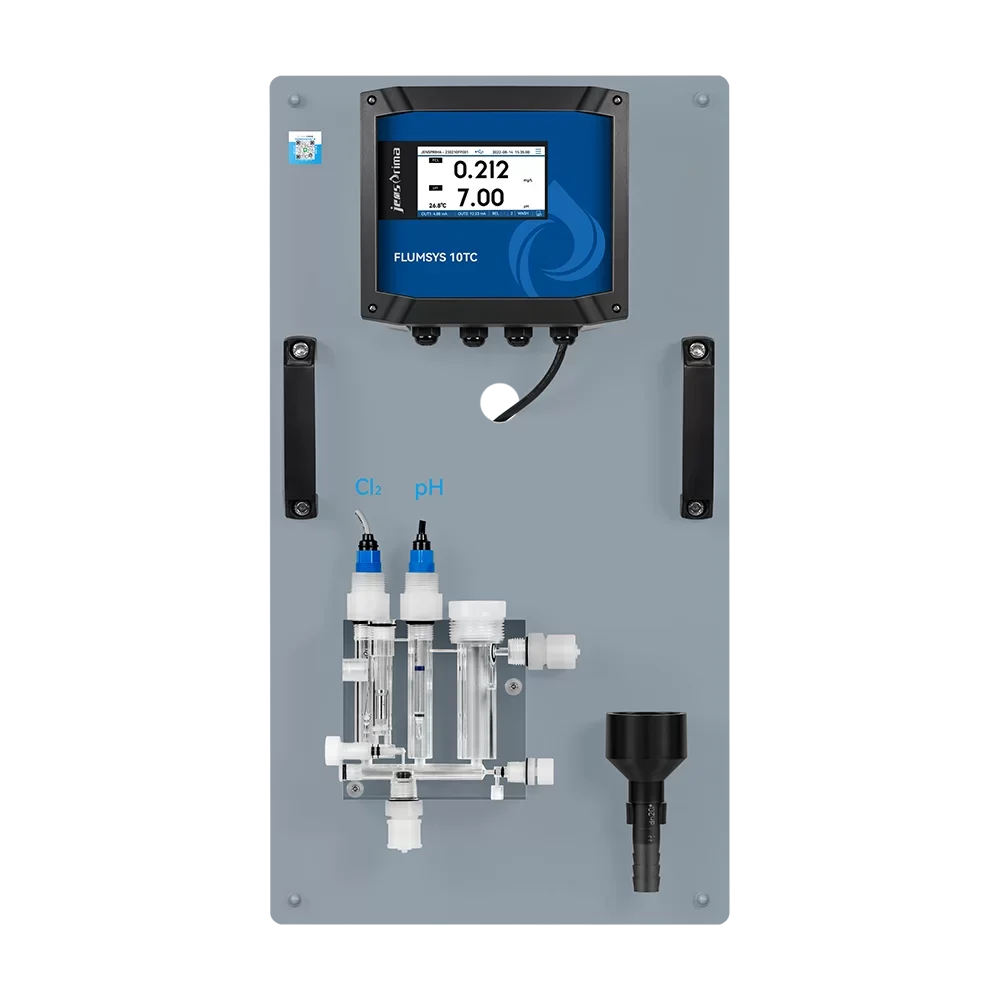
Deployment of multi parameter water quality analyzer systems to monitor COD, pH, and conductivity in textile wastewater before discharge.

03. Ethiopian Brewery and Beverage Facilities

Utilization of alkalinity analyzer and hardness monitoring to ensure the consistent taste and quality of beverages produced with local water sources.

04. Agricultural Irrigation in the Rift Valley

Installation of electromagnetic flowmeter systems to optimize water distribution and prevent over-irrigation in arid regions.

05. Mining Operations in the Western Highlands

Using a total hardness analyzer to manage the scale-inhibiting process in mineral processing plants, preventing pipe blockage.

Brand Story

Global Development Journey of Jensprima (Shanghai) Co., Ltd.

Precision Origins

Founded with a mission to bridge the gap between complex industrial parameters and user-friendly monitoring interfaces.

Technological Breakthrough

Developed proprietary sensor technology that maintains stability in high-interference environments, critical for emerging markets.

Global Expansion

Extended our footprint into Africa, adapting our hardware to withstand extreme temperatures and humidity levels.

Ethiopian Partnership

Established local support networks in Ethiopia to provide rapid calibration and maintenance for critical water infrastructure.

Future Vision

Striving to make high-precision water analysis accessible to every community, ensuring water security for future generations.

Complete Water Analysis Portfolio for Ethiopia

A comprehensive suite of instruments designed for the specific mineral and chemical profiles of the region.

Frequently Asked Questions in Ethiopia

Technical guidance and common inquiries for local operators.

How to calibrate a multi parameter water quality analyzer in remote sites?

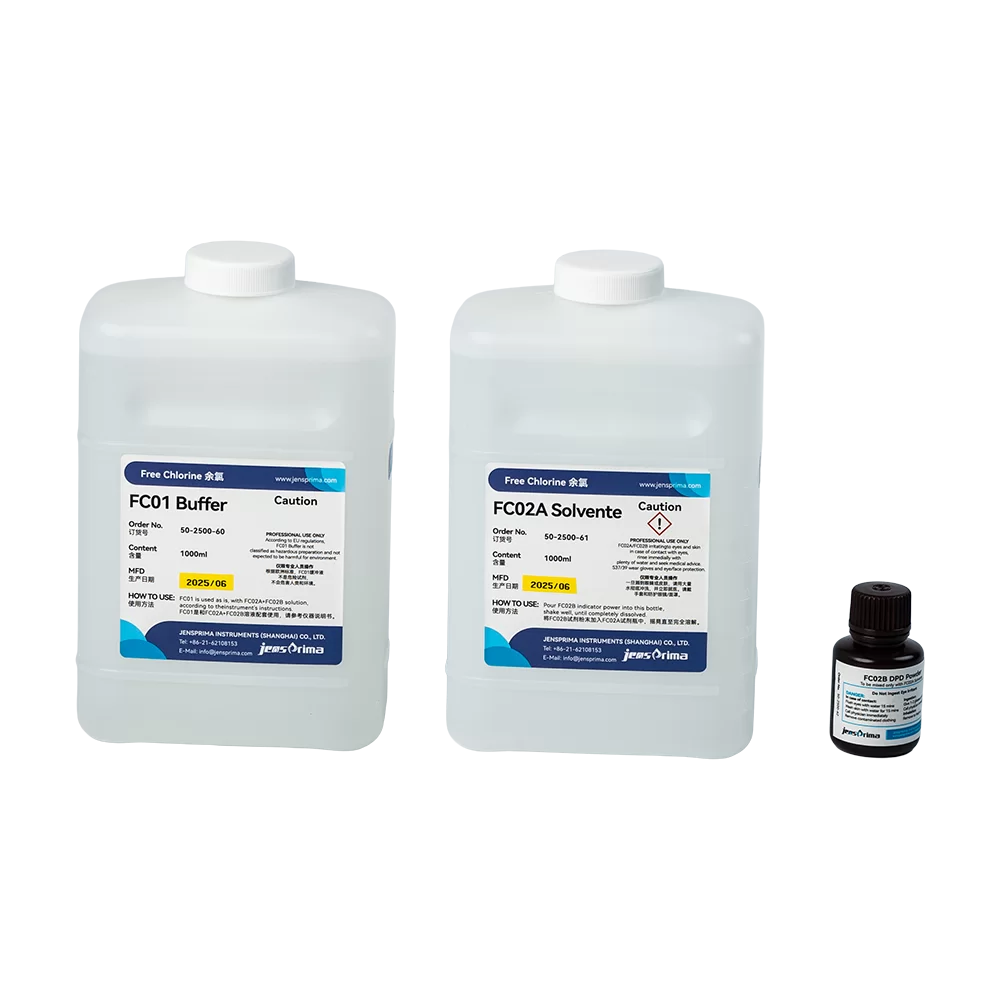
Use pre-measured buffer solutions and our simplified one-touch calibration interface, designed for users with minimal technical training in the field.

Can the total hardness analyzer handle high-mineral water from the Highlands?

Yes, our analyzers feature automatic cleaning cycles and high-range sensors specifically designed for the calcium-rich waters found in Ethiopia.

What is the maintenance cycle for an alkalinity analyzer in food production?

We recommend a monthly sensor check and quarterly reagent replacement to ensure precise titration results in beverage plants.

How does the residual chlorine controller prevent chemical waste?

The controller uses a PID feedback loop to adjust chlorine dosing in real-time based on actual demand, eliminating over-chlorination.

Is the electromagnetic flowmeter compatible with wastewater in industrial parks?

Absolutely. With PTFE linings, our flowmeters are resistant to the corrosive nature of textile and tannery effluent common in industrial parks.

What power options are available for online analyzers in rural Ethiopia?

We provide 12V/24V DC versions that can be directly integrated with solar panels and battery backup systems.

Consult Our Water Experts

Get a customized water monitoring strategy tailored for your operations in Ethiopia.

Contact Us Now
Service Repair Form
Tell us what issue you encountered, including any steps or symptoms.
  • Name
  • Email
  • Phone
  • Fault Description

If you are interested in our products, you can choose to leave your information here, and we will be in touch with you shortly.