The Ultimate Guide to Selecting a Chlorine Residual Sensor
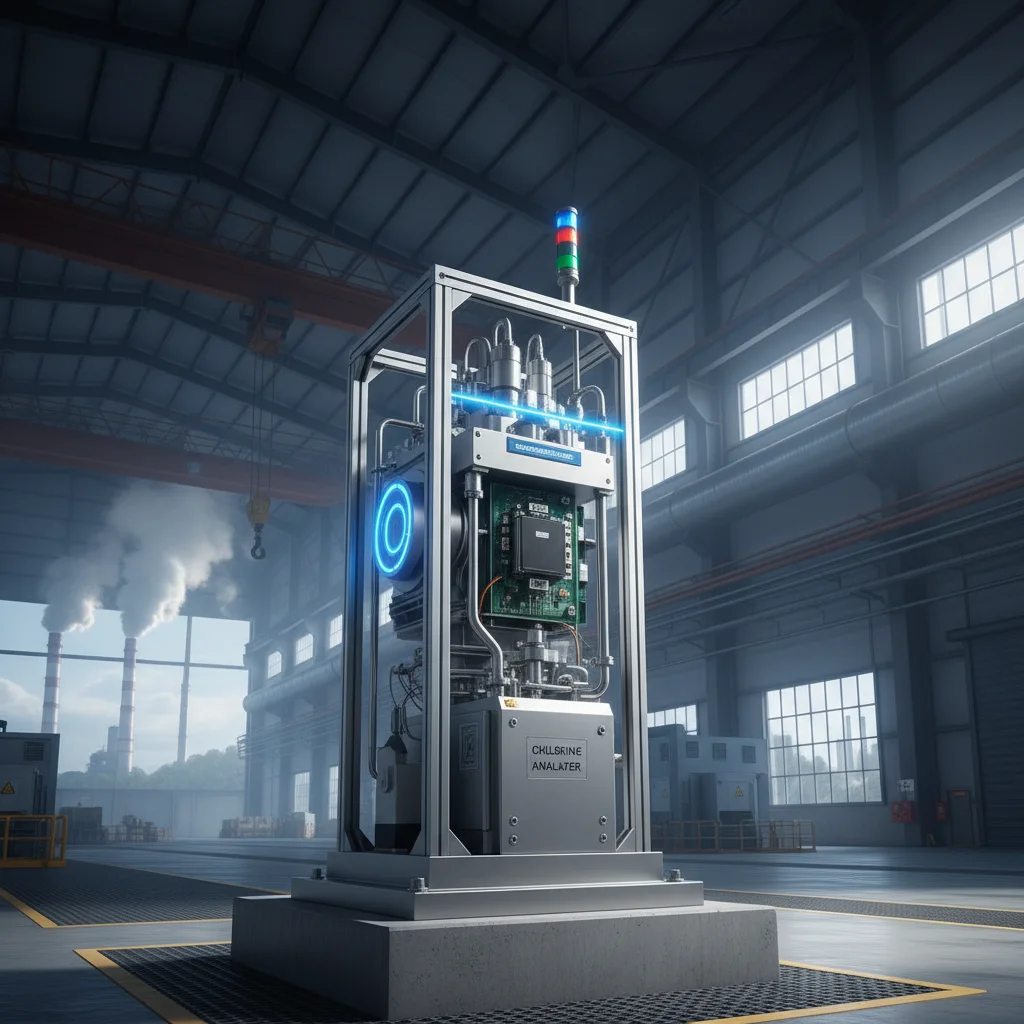
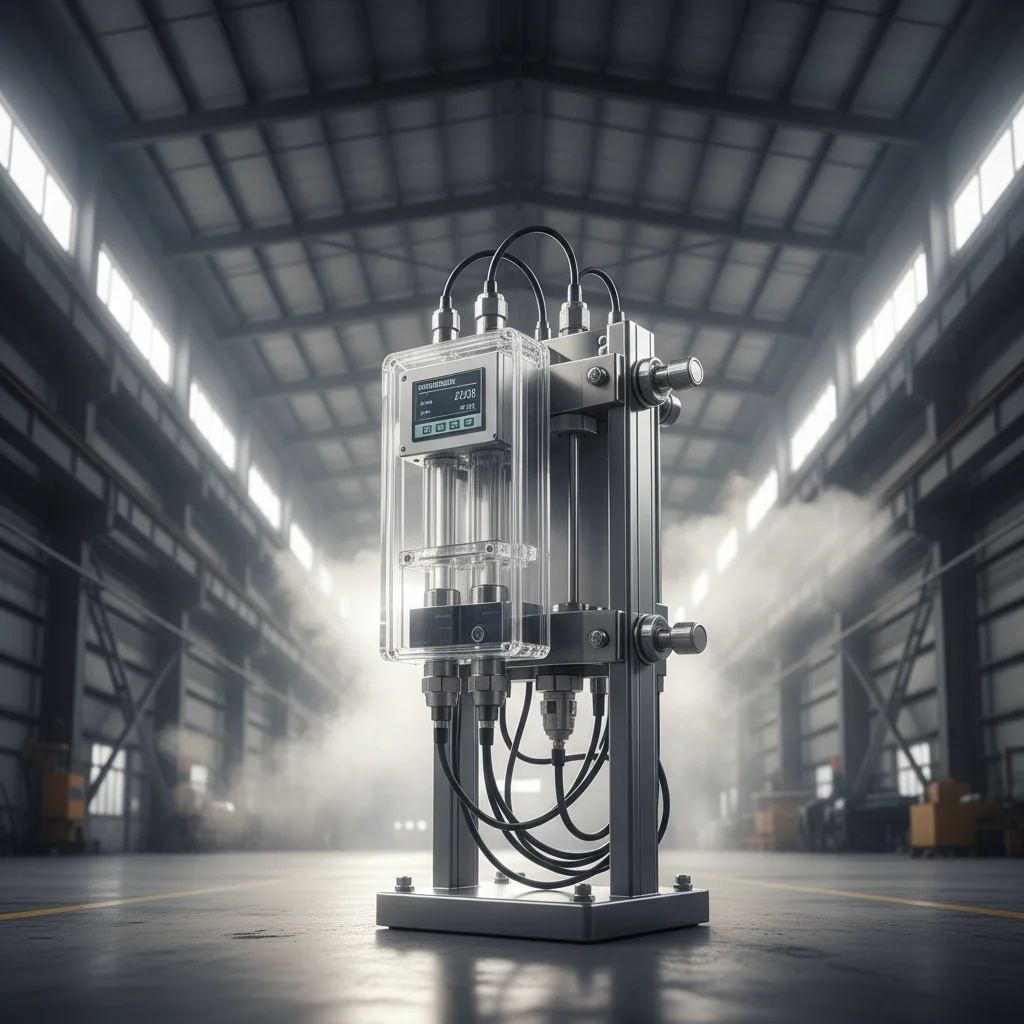
Ensuring water safety and quality requires precise monitoring of disinfectant levels, which is where a high-performance chlorine residual sensor becomes indispensable. Whether you are managing a municipal water treatment plant, a commercial swimming pool, or an industrial cooling system, maintaining the correct balance of free chlorine is critical to eliminating pathogens without compromising safety. A reliable sensor provides real-time data, allowing operators to automate dosing and prevent both under-chlorination and chemical overuse. In this guide, we will explore the technology, applications, and key considerations for implementing an effective monitoring system.
How a Chlorine Residual Sensor Works
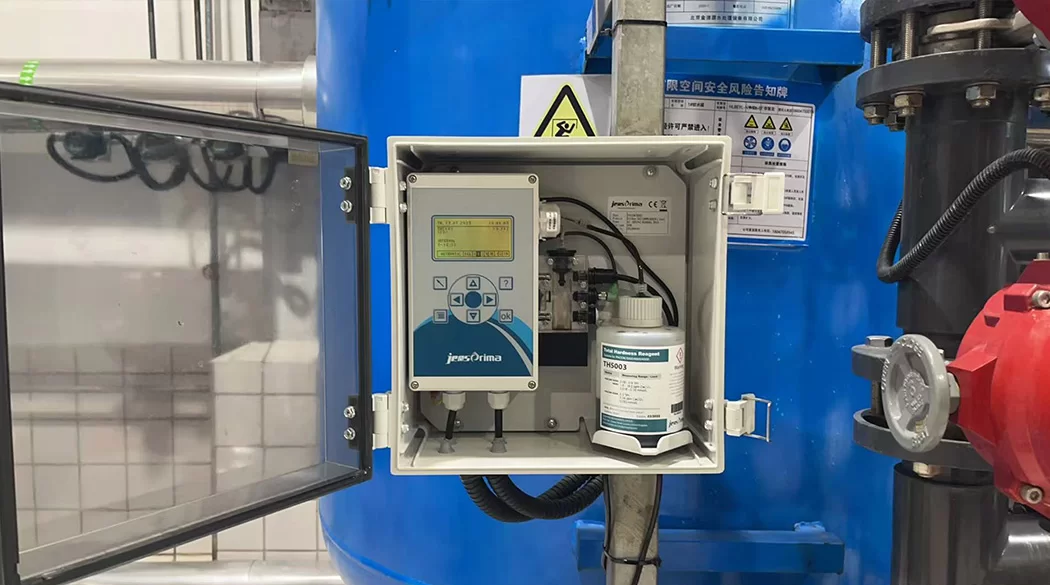
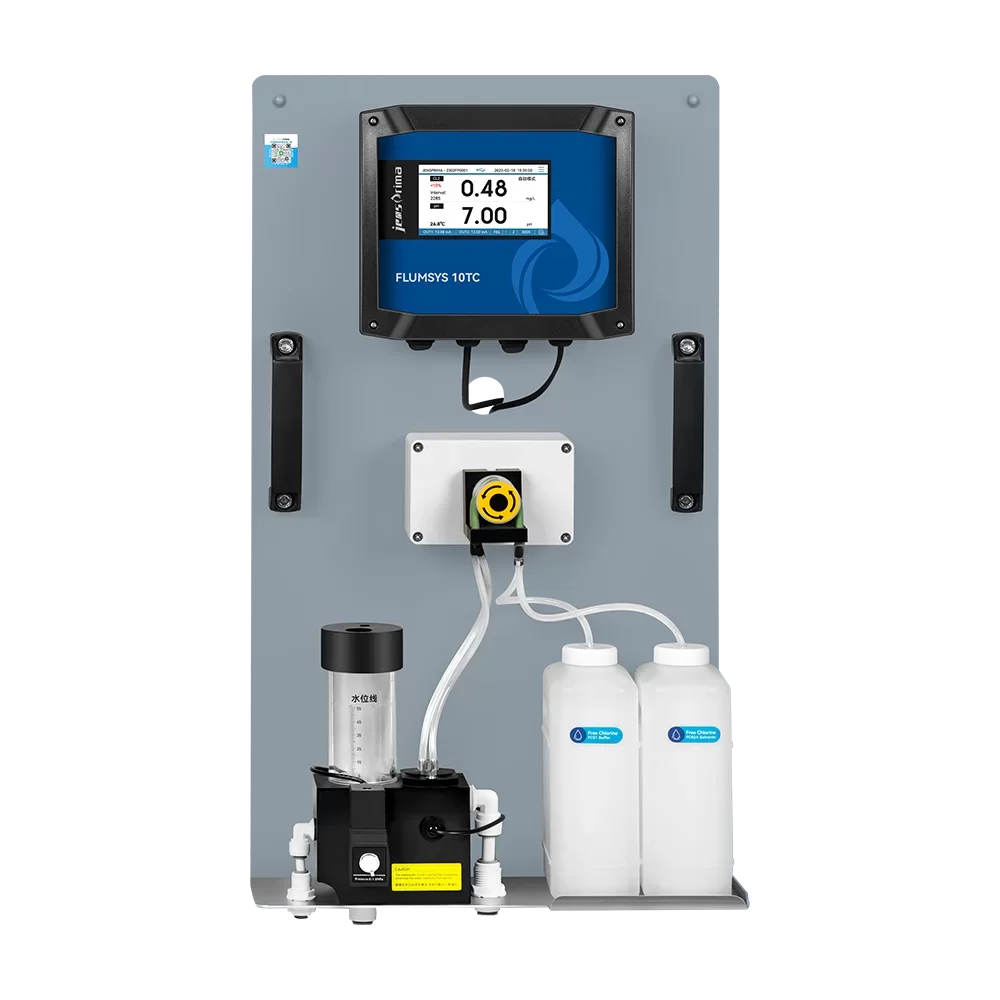
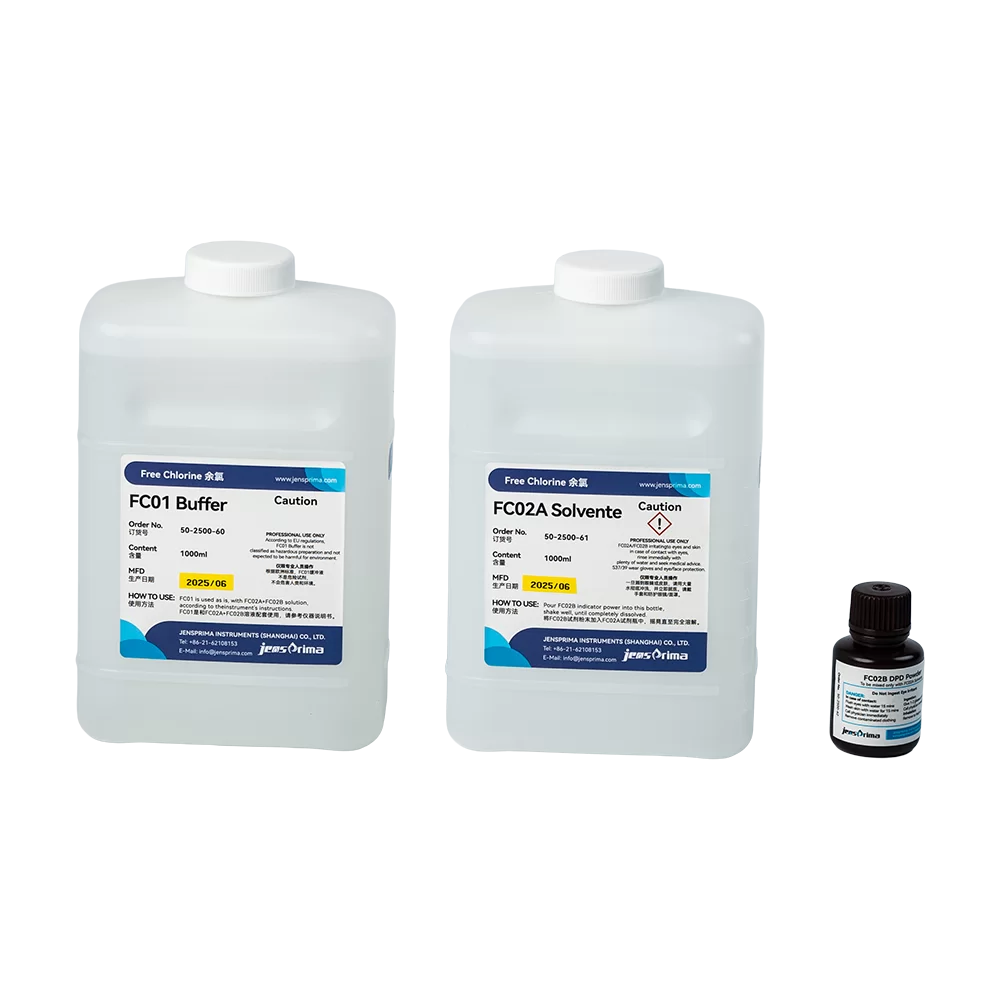
A chlorine residual sensor typically employs one of two primary methodologies: amperometric or colorimetric. Amperometric sensors use an electrochemical cell where chlorine is reduced at a gold or platinum electrode, creating a current proportional to the chlorine concentration. This method is favored for continuous, online monitoring due to its fast response time. On the other hand, colorimetric sensors use a chemical reagent (like DPD) that changes color when it reacts with chlorine, which is then measured by an optical sensor. While colorimetric methods are often seen as the "gold standard" for accuracy, they require a constant supply of reagents, making amperometric systems more sustainable for long-term industrial use.
Pro Tip: For applications requiring zero maintenance and rapid response, amperometric sensors are the industry preference, whereas laboratory-grade verification often relies on DPD colorimetry.
Comparing Sensor Technologies for Chlorine Monitoring
Choosing the right chlorine residual sensor depends heavily on your specific environment and budget. Amperometric sensors offer a "set-and-forget" experience but can be sensitive to temperature fluctuations. Colorimetric sensors provide absolute precision but involve higher operational costs due to reagent consumption. Below is a detailed comparison to help you decide which technology aligns with your operational goals.
| Feature |
Amperometric Sensor |
Colorimetric Sensor |
| Response Time |
Near Instantaneous |
Delayed (Sample Cycle) |
| Maintenance |
Low (Periodic Calibration) |
High (Reagent Refills) |
| Operational Cost |
Low |
Medium to High |
| Accuracy |
High (with Temp Comp) |
Very High (Reference Std) |
Key Industrial Applications of Chlorine Residual Sensors
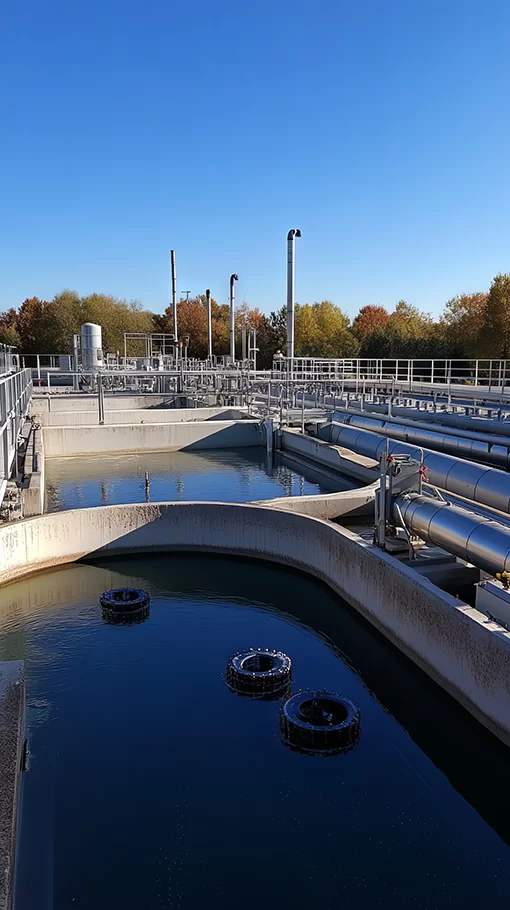
The deployment of a chlorine residual sensor spans across various critical infrastructures. In drinking water distribution, sensors are placed at the farthest points of the network to ensure that water remains potable throughout the pipeline. In industrial wastewater treatment, they monitor the neutralization of chlorine before discharge to protect aquatic ecosystems. Additionally, in cooling towers, controlling residual chlorine prevents biofouling and Legionella growth, which are essential for operational efficiency and public health safety.
Optimizing Performance with Proper Installation
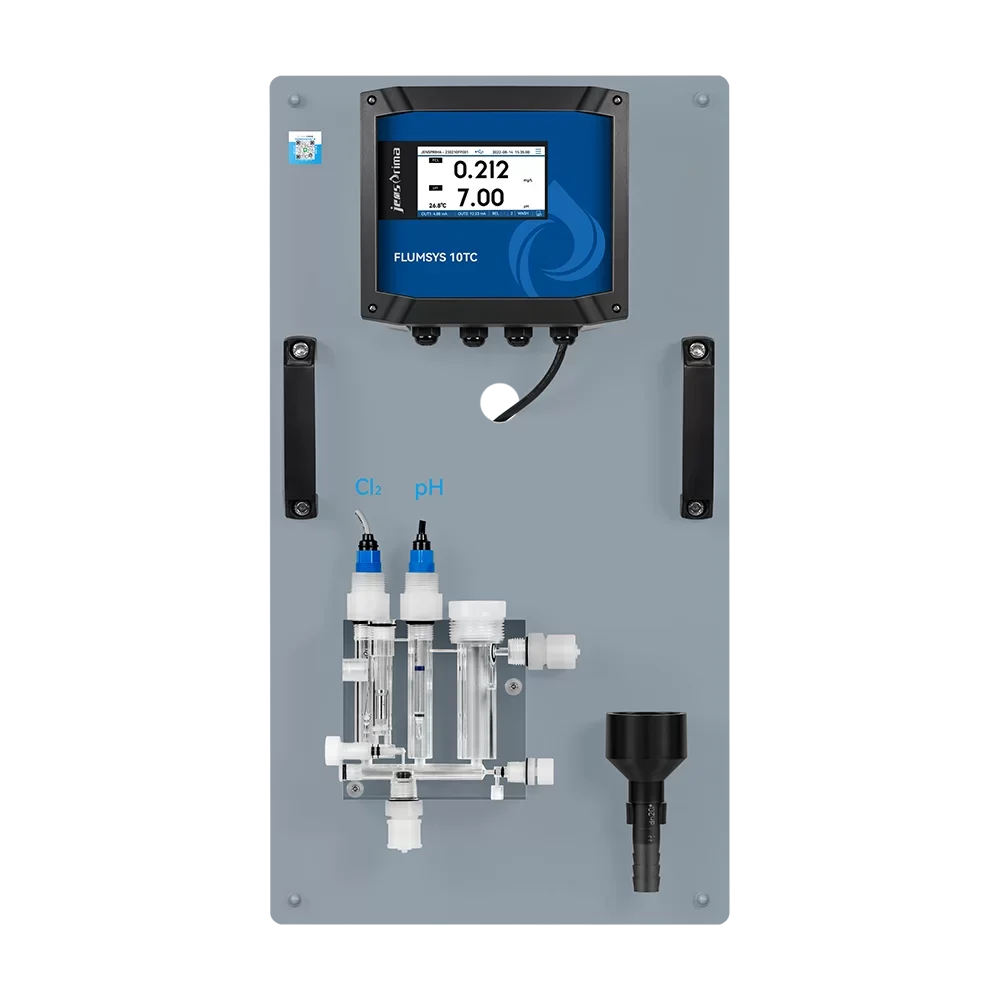
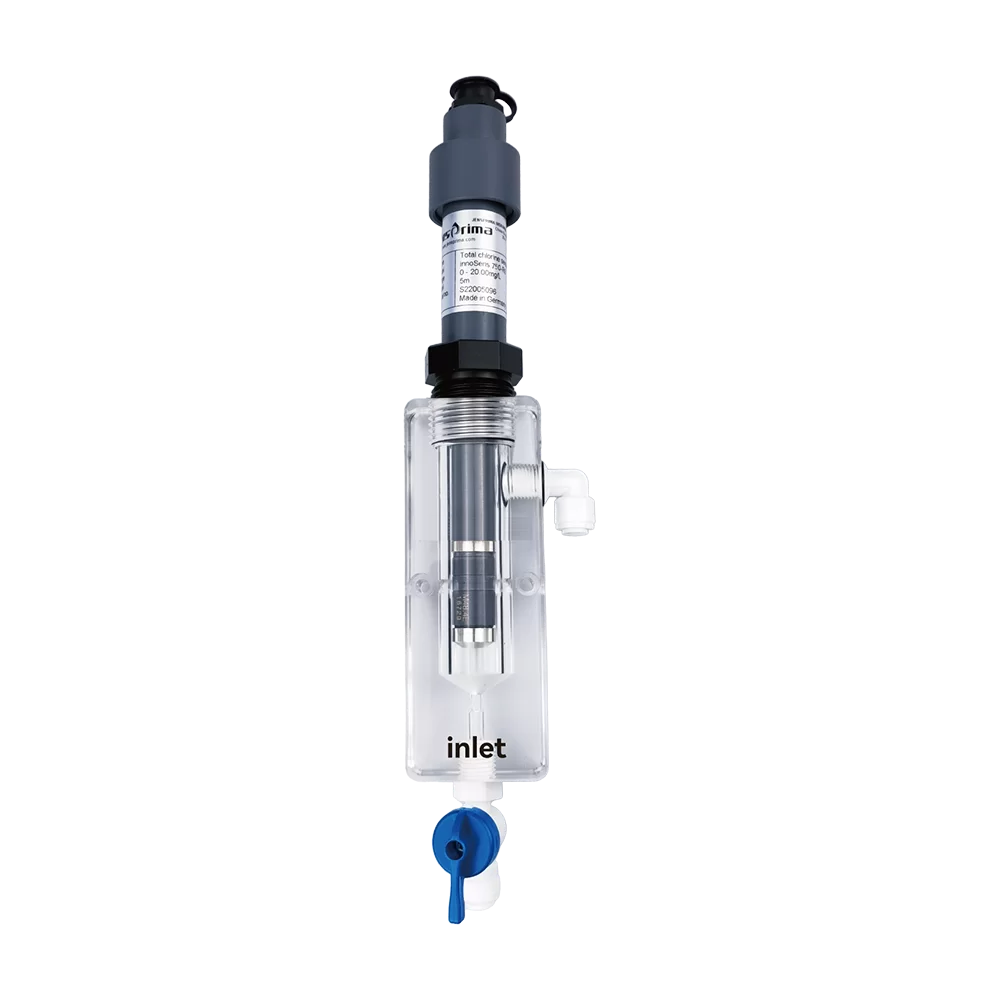
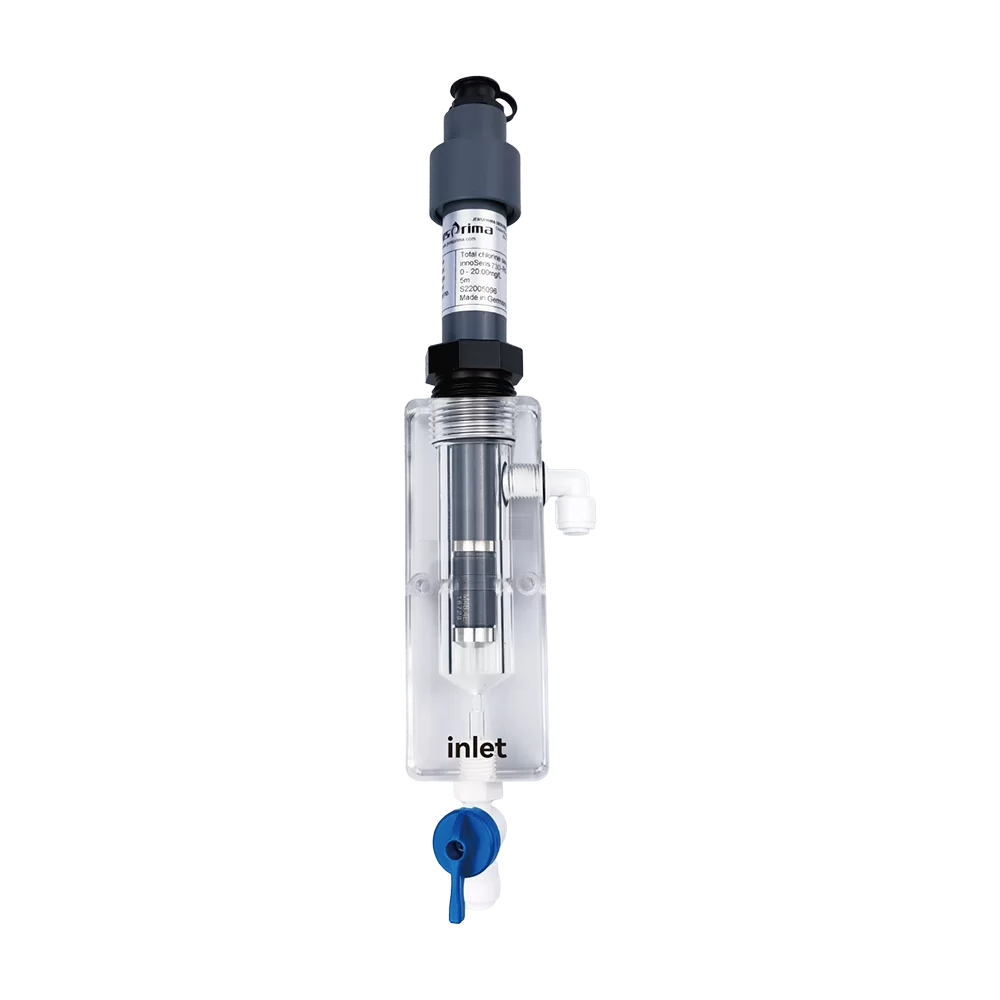
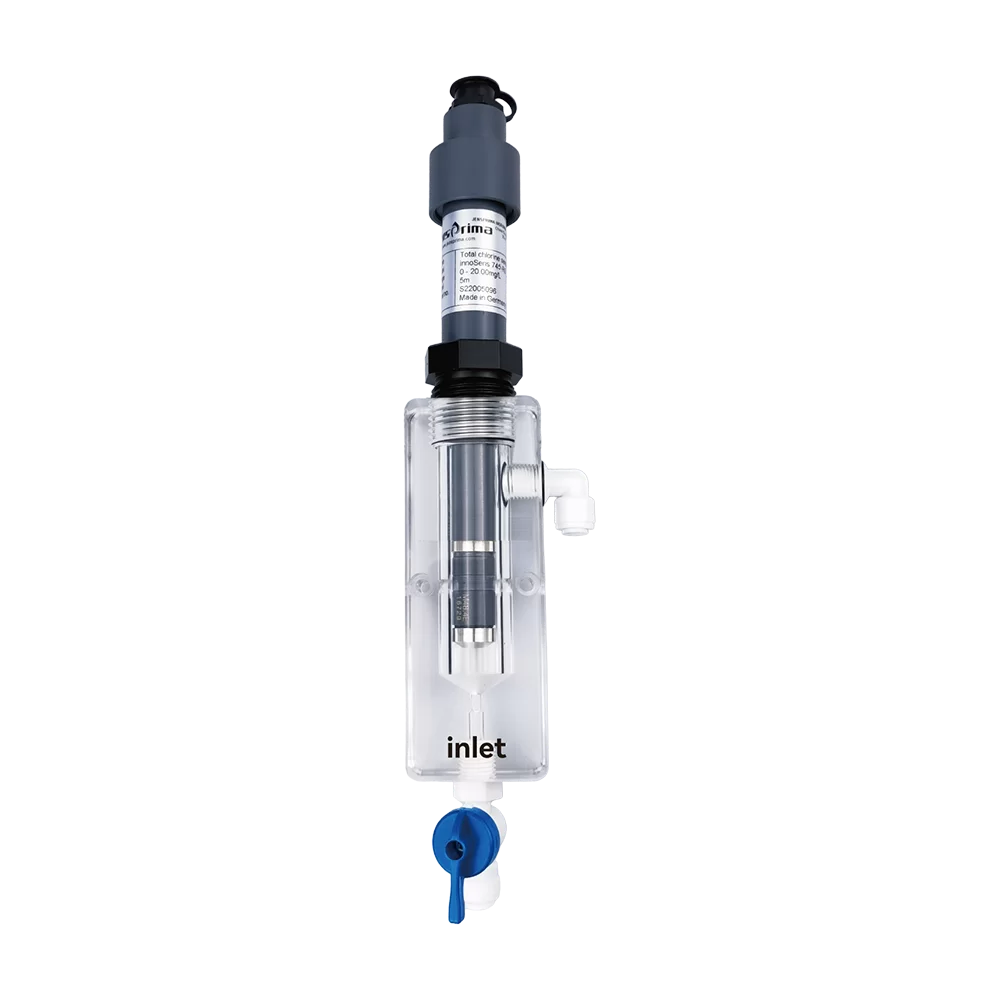
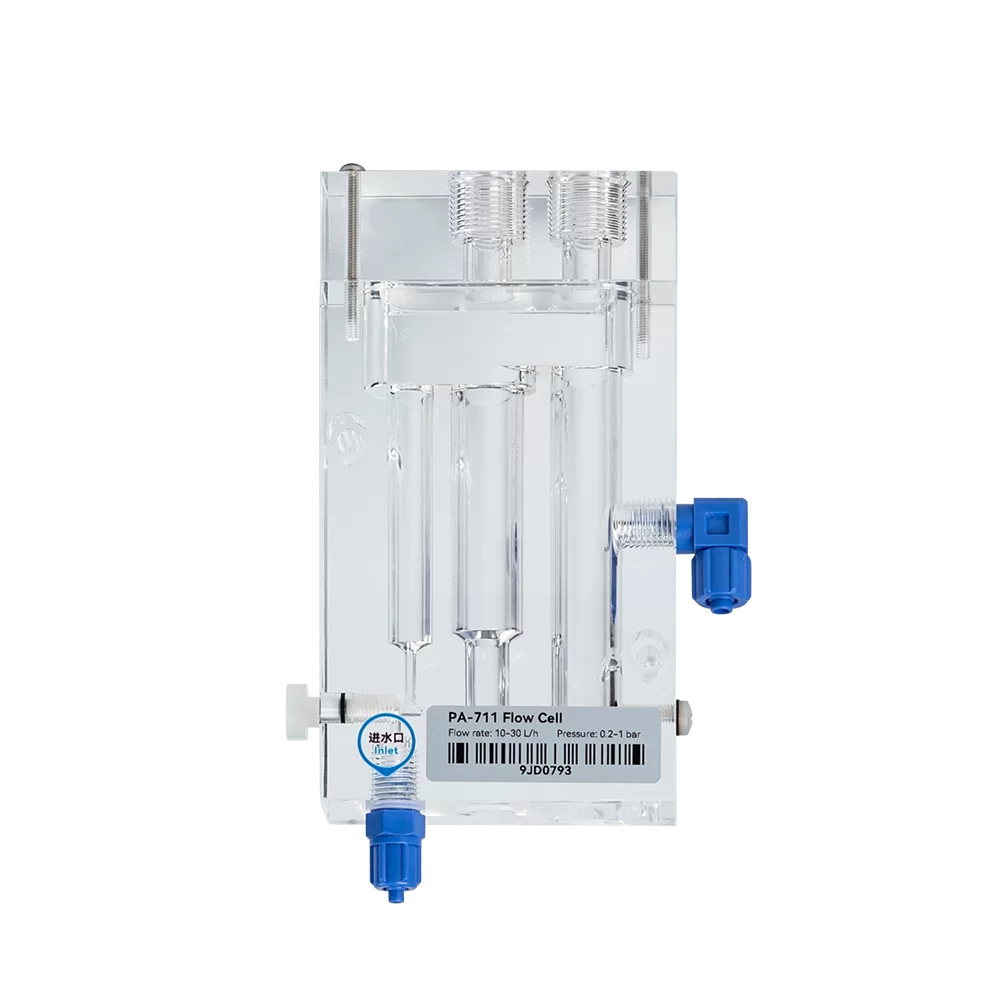
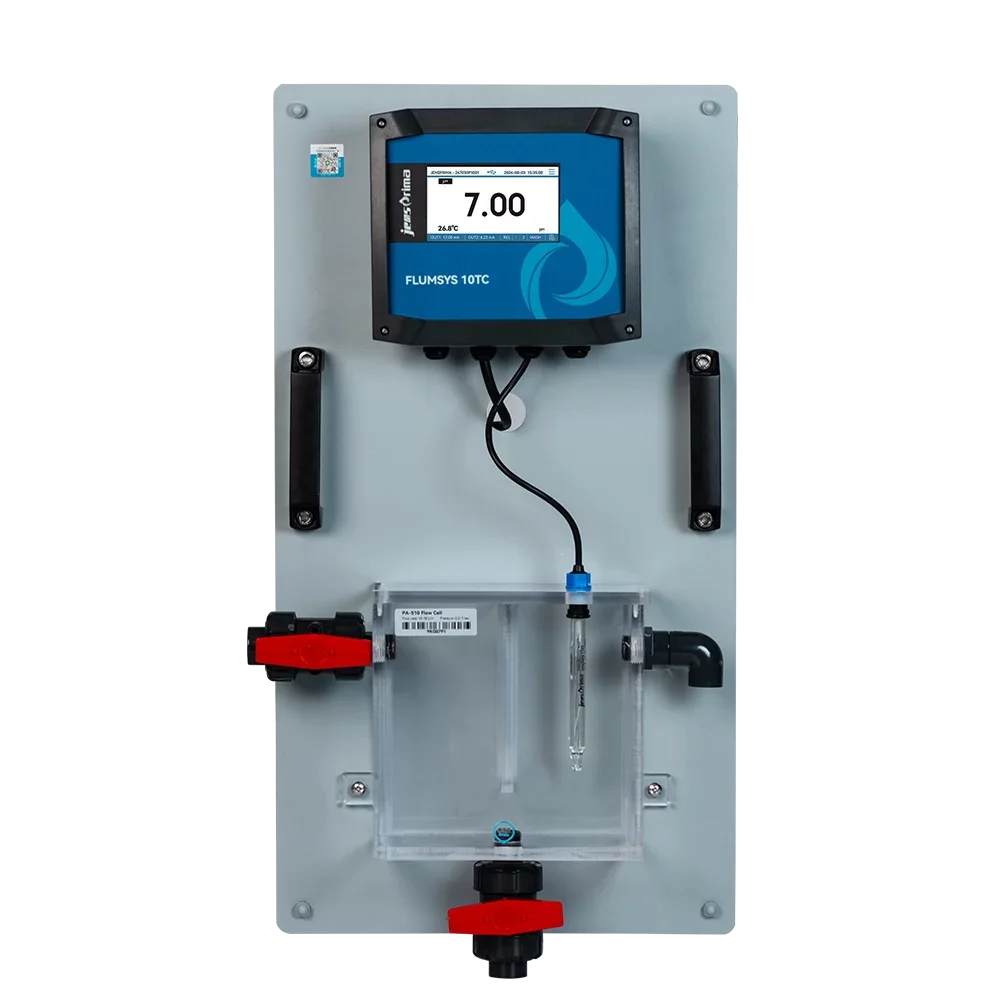
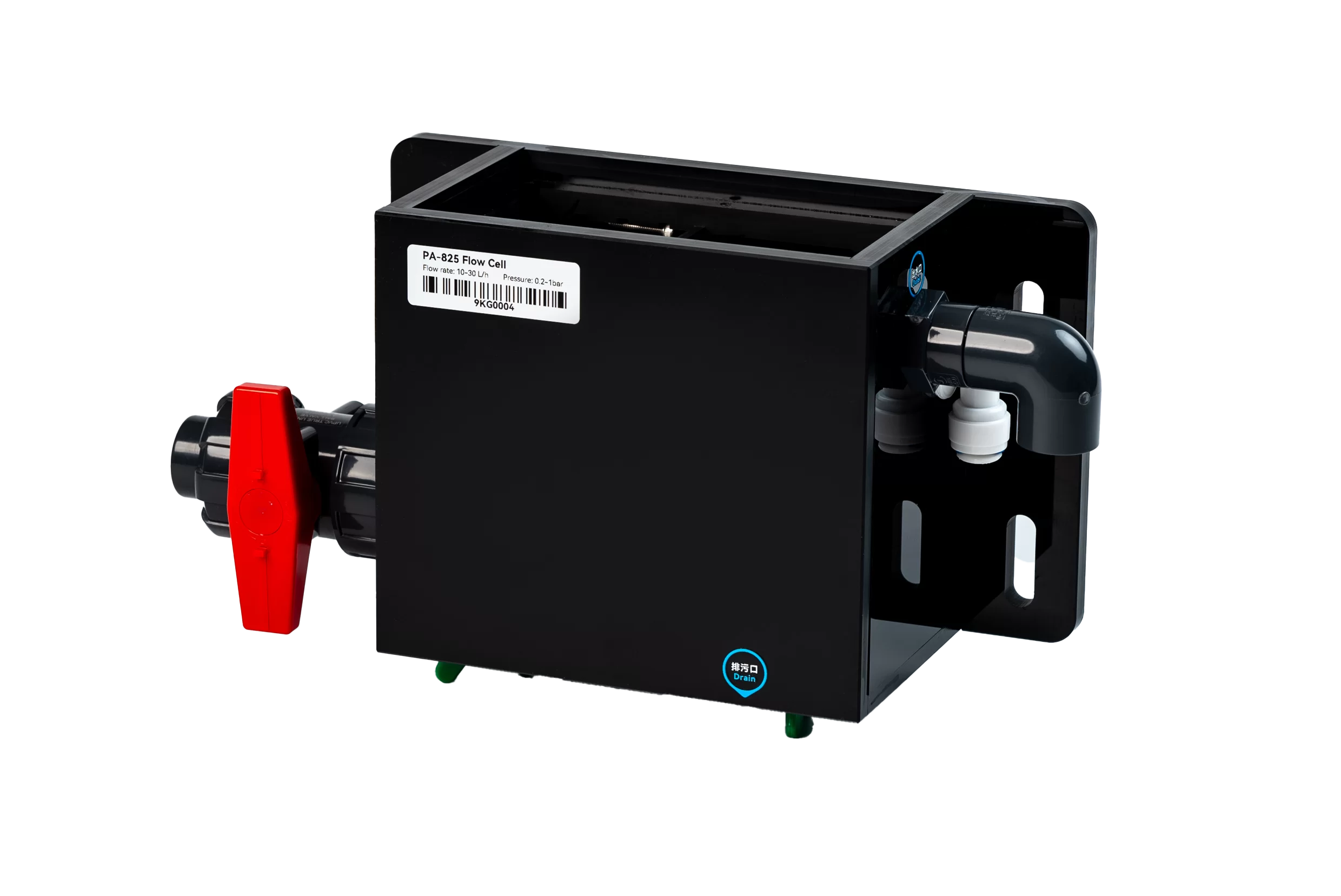
To get the most out of your chlorine residual sensor, installation environment is everything. Sensors should be installed in a location with consistent flow to avoid stagnant pockets of water that could lead to false readings. Furthermore, avoid installing the sensor directly after the chlorine injection point; allowing a sufficient mixing distance ensures the sensor measures a representative sample of the entire water stream. Using a flow cell or a bypass loop can also protect the sensor from debris and high-pressure surges.
Technical Specifications of a Standard Chlorine Residual Sensor
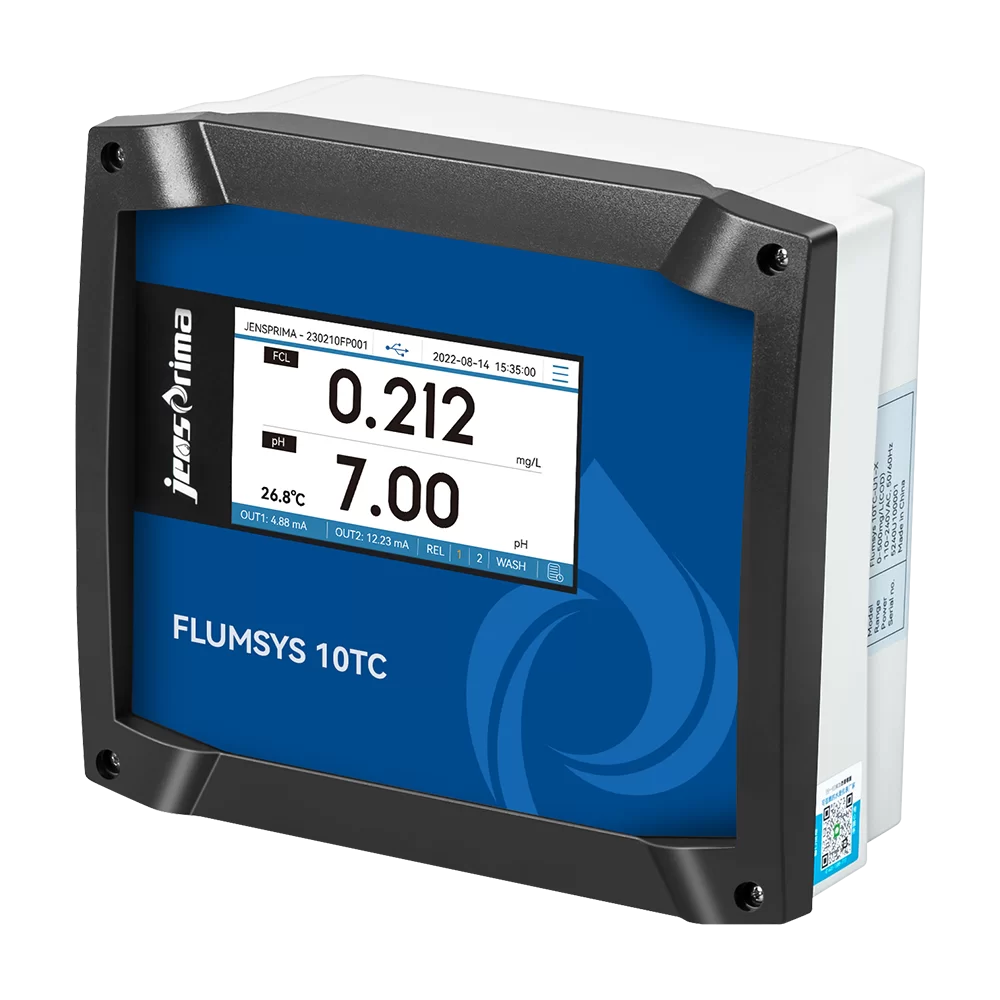
When evaluating hardware, it is important to look beyond the brand and examine the technical specifications. A professional-grade chlorine residual sensor must offer a wide measurement range and a low detection limit. Compatibility with standard industrial protocols like 4-20mA or Modbus is essential for integration into existing SCADA systems. Below are the typical specifications found in high-end industrial sensors.
| Specification |
Industrial Standard Value |
| Measurement Range |
0.01 to 10.0 mg/L (ppm) |
| Accuracy |
± 0.1 mg/L or 5% of reading |
| Output Signal |
4-20mA / RS485 Modbus |
| Temperature Range |
0°C to 50°C (with compensation) |
Maintenance and Calibration Best Practices
No chlorine residual sensor is maintenance-free. To avoid "sensor drift"—where the readings slowly move away from the actual value—regular calibration is mandatory. We recommend a two-point calibration using a known zero-standard and a certified chlorine solution. Additionally, checking for bio-growth or scaling on the sensor membrane is crucial; a dirty membrane acts as a barrier, significantly slowing response times and causing inaccurate low readings. Routine cleaning with a soft brush or mild acidic solution can restore sensor sensitivity.
Conclusion: Ensuring Water Purity with Precision
Integrating a high-quality chlorine residual sensor is the only way to transition from guesswork to precision in water treatment. By selecting the right technology—be it amperometric for speed or colorimetric for absolute accuracy—and following strict installation and maintenance protocols, you can ensure a safe, compliant, and cost-effective disinfection process. Protect your infrastructure and the public by investing in reliable monitoring solutions from Jensprima.
Frequently Asked Questions (FAQs)
How often should a chlorine residual sensor be calibrated?
Generally, industrial sensors should be calibrated every 1 to 3 months, depending on the stability of the water quality and the sensor type. Amperometric sensors are more stable but can drift over time. If you notice a discrepancy between the sensor reading and a handheld DPD test kit, you should perform an immediate calibration. Frequent calibration ensures that your dosing pumps are not over-injecting chemicals, which saves money and prevents potential water toxicity.
Does temperature affect the readings of the sensor?
Yes, temperature significantly affects the chemical activity of chlorine and the electrical response of electrochemical sensors. Most professional chlorine residual sensors include an integrated temperature compensation probe (Thermistor). This automatically adjusts the reading to a standard temperature (usually 25°C), ensuring that your data remains consistent regardless of whether the water is freezing or warm.
What is the difference between Free and Total Chlorine?
Free chlorine is the amount of chlorine available to actively kill bacteria and viruses; it is the primary metric for disinfection efficiency. Total chlorine is the sum of free chlorine and "combined chlorine" (chloramines), which are chlorine molecules that have already reacted with organic matter. Most residual sensors focus on Free Chlorine because it represents the actual sanitizing power of the water. Understanding this distinction is vital for proper water chemistry management.
Can these sensors be used in saltwater or brine?
Standard sensors designed for freshwater may struggle in high-salinity environments due to electrode interference. However, specialized chlorine residual sensors are engineered with salt-resistant membranes and modified electrodes specifically for saltwater pools or brine systems. Always specify your water composition when choosing a sensor to ensure the materials used in the probe are compatible with your water chemistry.



 Download
 Video Center
 Technical Services
 FAQS
FAQS Service Network
 Privacy Policy
 Contact Us




 LEARN MORE